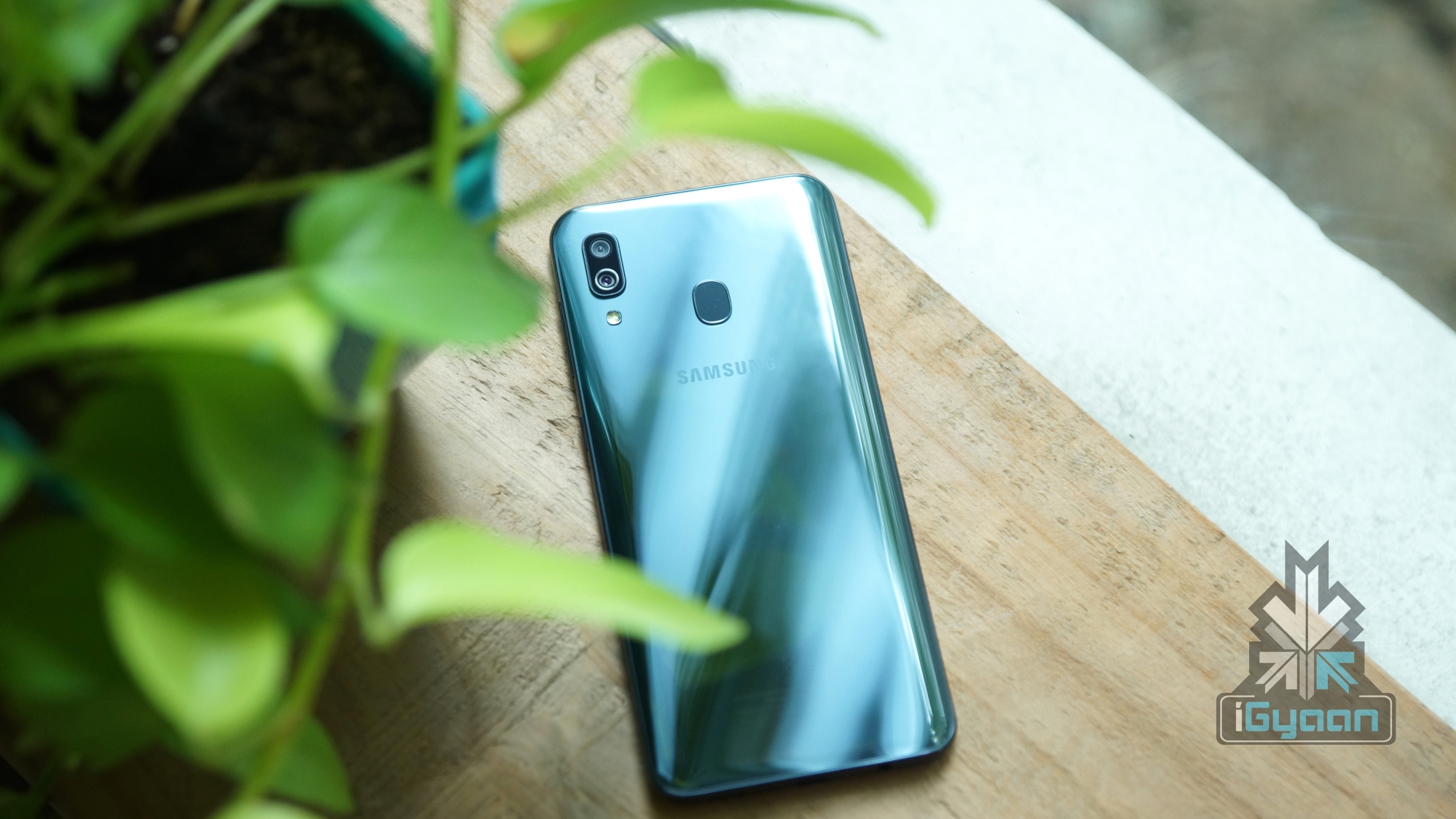
Samsung, the world’s number one smartphone manufacturer is known for creating some praiseworthy flagship devices. Taking the latest Galaxy S10 lineup as an example, the handsets perfectly blend in great hardware with appreciable software. But, in the past few years, it’s budget smartphones have been struggling to perform well in terms of sales due to fierce competition from Chinese OEMs. The company, in a bid to change that, launched the current Galaxy M and the Galaxy A series of devices. Not only the hardware on the handsets is noteworthy, but they also have a competitive price to maintain themselves in the game. So, has Samsung finally figured out the budget smartphone segment?
History Of Samsung’s Budget Smartphones
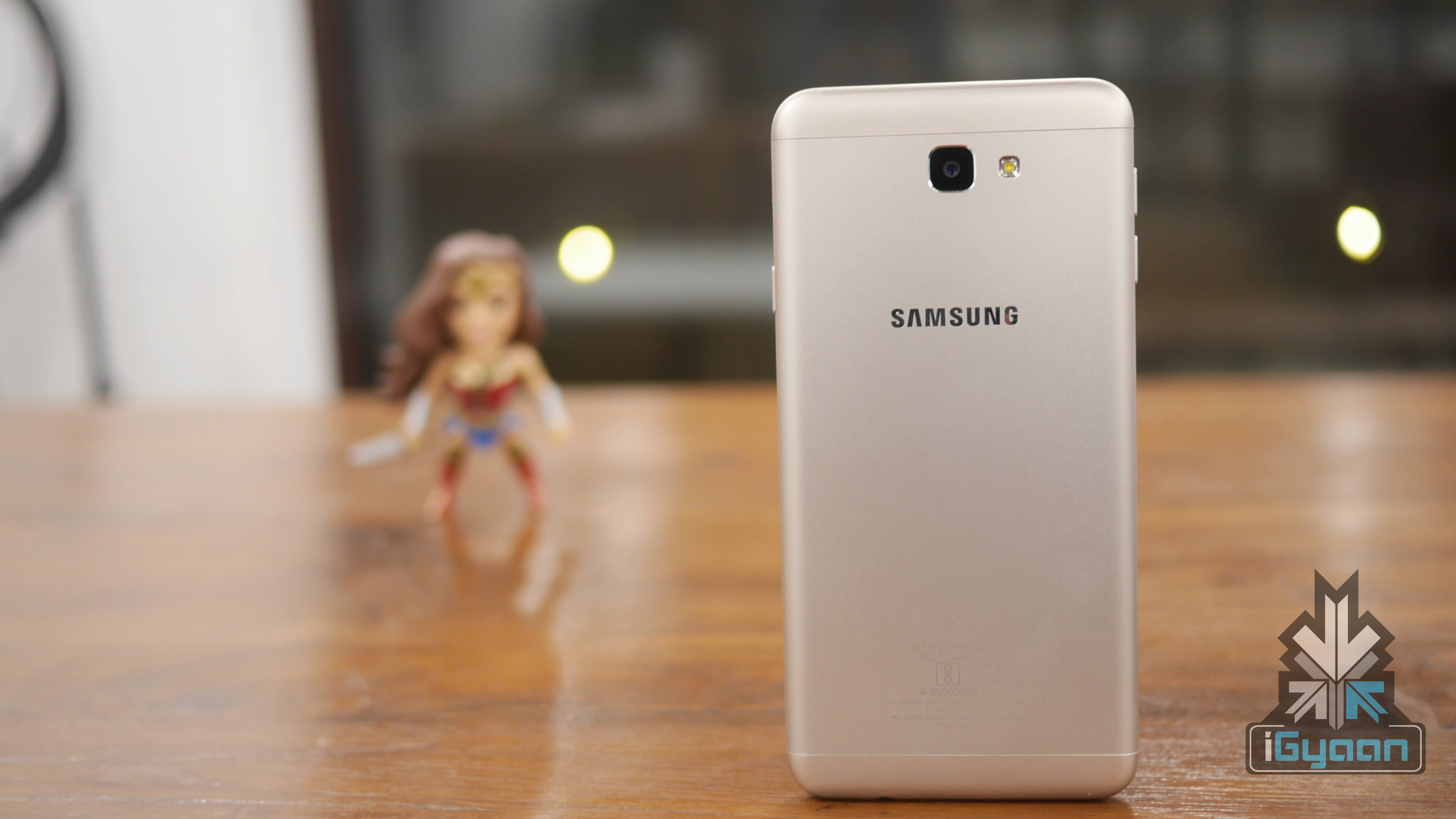
Before this year, Samsung had a convoluted lineup in which it placed its budget smartphones. There was the Galaxy J series, which started from the bottom of the barrel and continued to the mid-range price bracket. Then there was the Galaxy On Series, which targeted budget segment online. On the top end of things, there were the Galaxy A and Galaxy C lineup of smartphones. These were the company’s mid-range offerings which went up to the premium mid-range price bracket. No prizes for guessing, all the aforementioned devices looked archaic and did not really offer competitive specifications for the price they were targeting. In the end, Samsung had to discontinue all the devices in the above lineups and started to reinvent itself.
The Current Situation
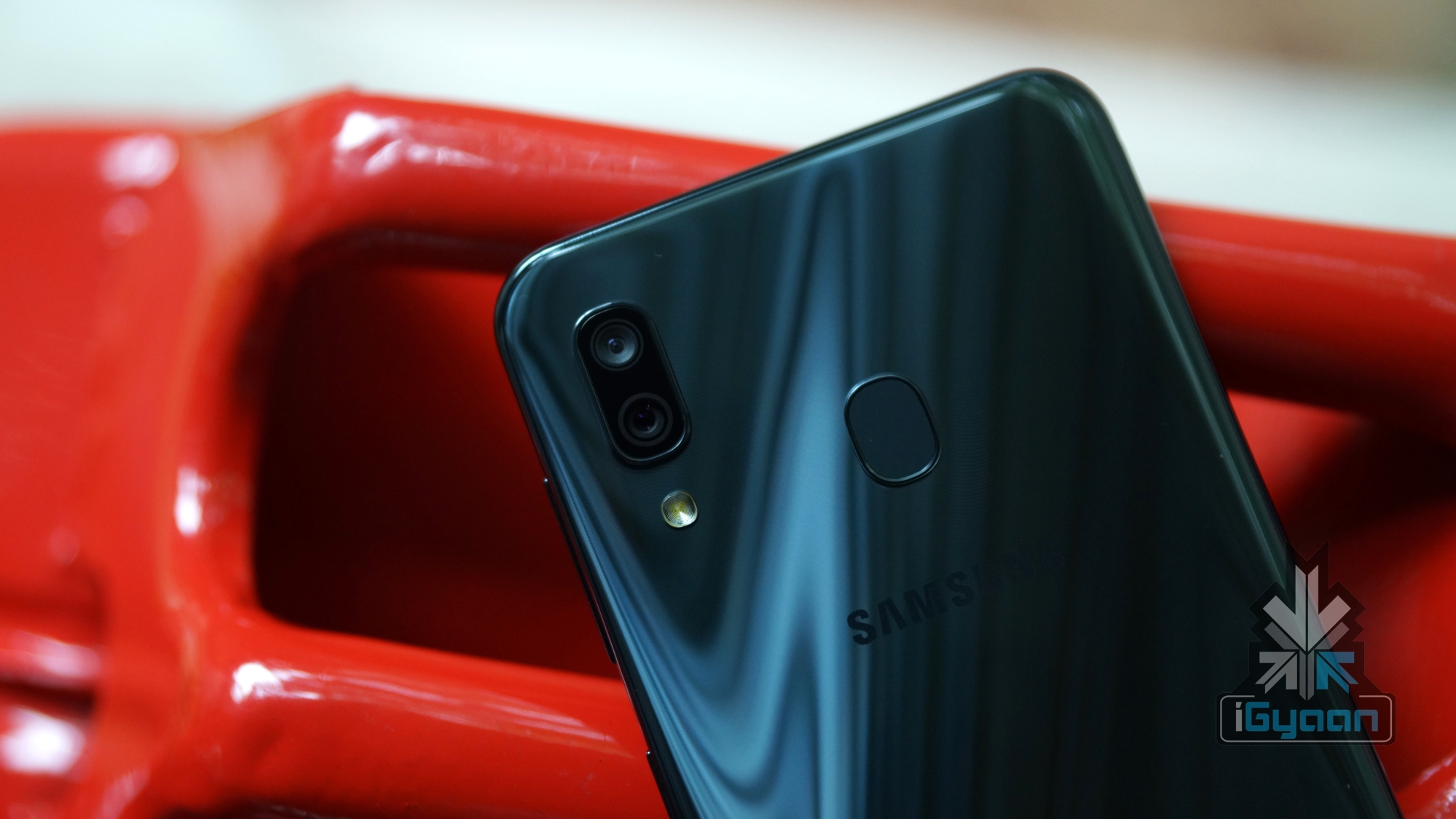
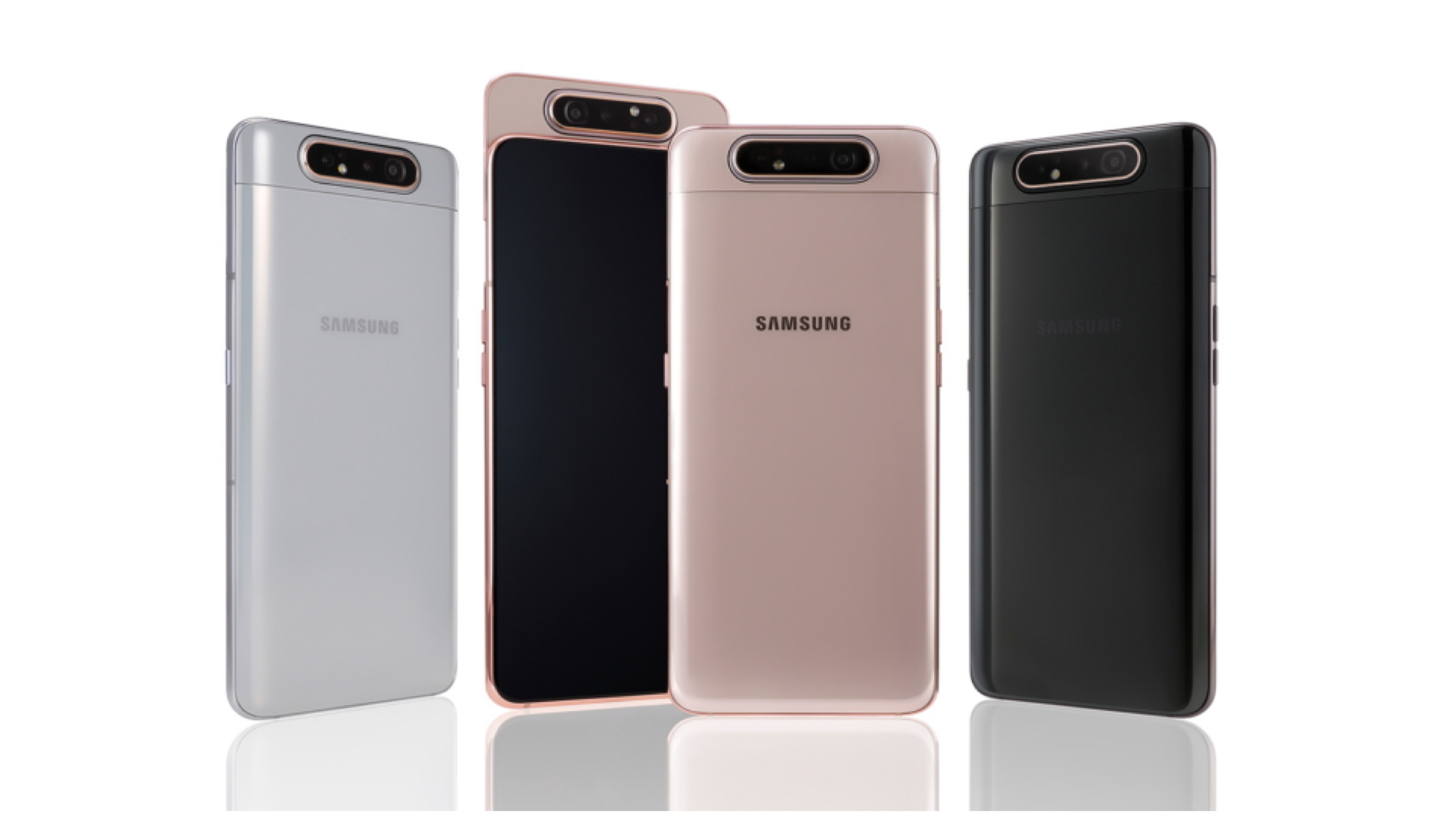
After struggling to understand what the consumers really wanted in a budget smartphone, Samsung went back to the drawing board. In an attempt to take over the market captured by Chinese rivals such as Xiaomi and Honor; it released the Galaxy M and the Galaxy A lineup of smartphones in 2019. As mentioned above, the devices changed what the company used to do in this segment, which has forced the competition to take notice. Not only they featured good, sometimes beautiful hardware, but the overhauled software experience with a good price tag was also a pleasant change. Notable devices of the series included the Galaxy M30, Galaxy A30 and the Galaxy A50. Most of these devices have already been the bestsellers for the company.
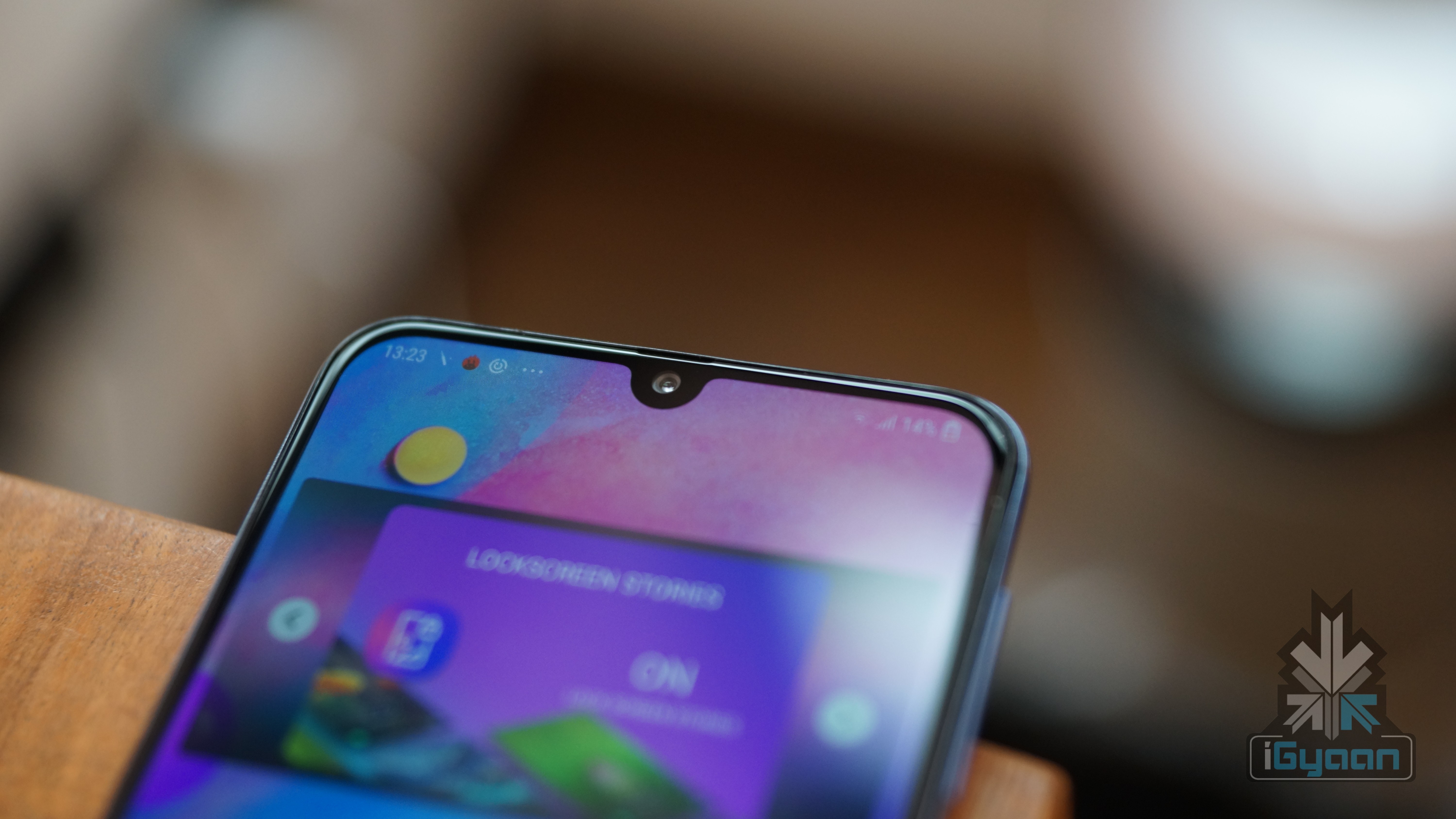
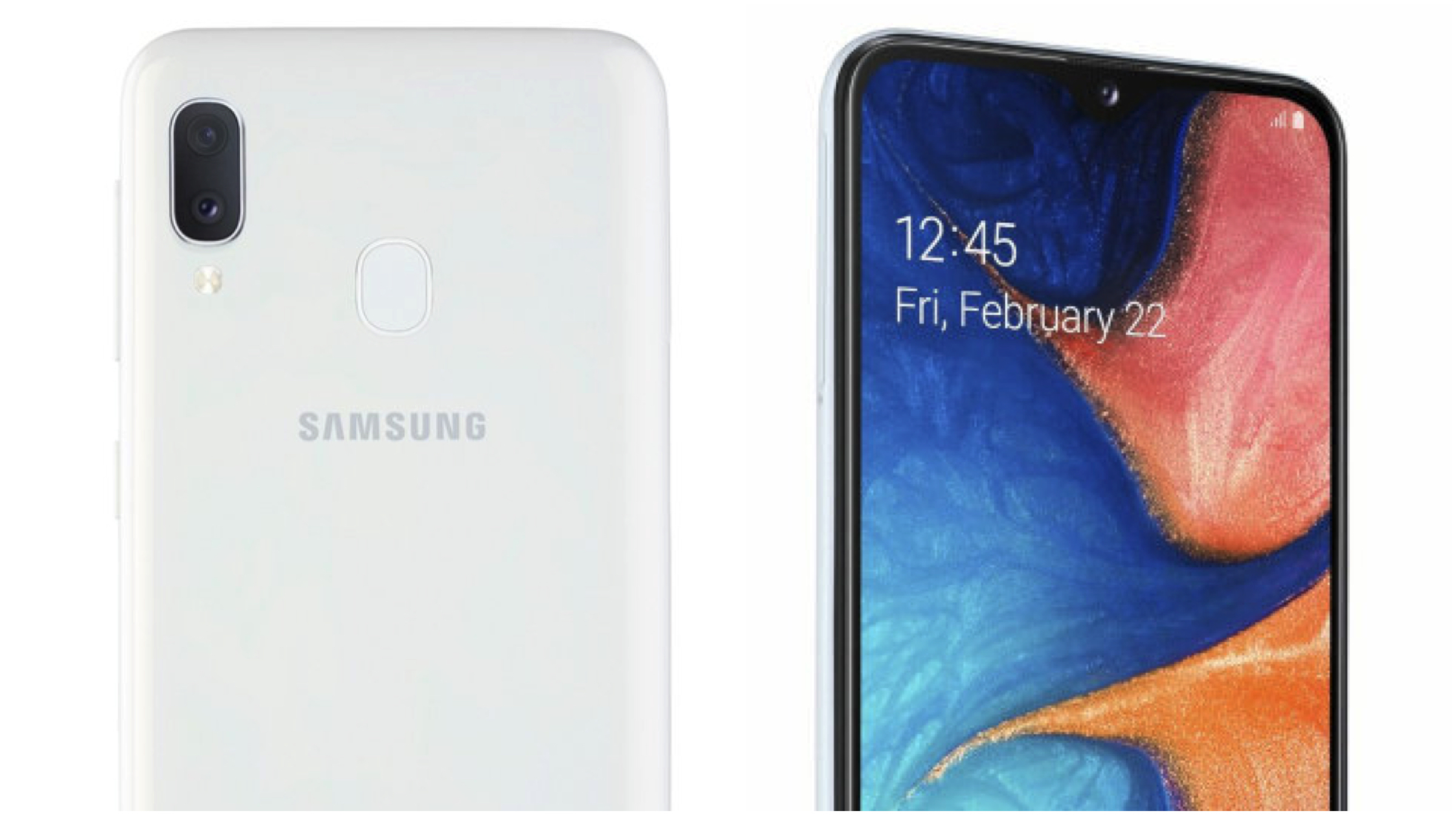
So, why did it take the company so long to devise a strategy that they knew was going to work? It is because it finally dared to take risks. Chinese rivals, while not as well known, have always attempted to do something different to stand out. While this may not always work, it does help in hogging the limelight away from the competition. Samsung, a huge player in the segment could not afford to take such a huge risk with little chances of payoffs. But, it seems like it finally made up its mind and has been offering distinctive features like the flashy ‘Glasstic’ glossy 3D back panel and a waterdrop notch.
The Future
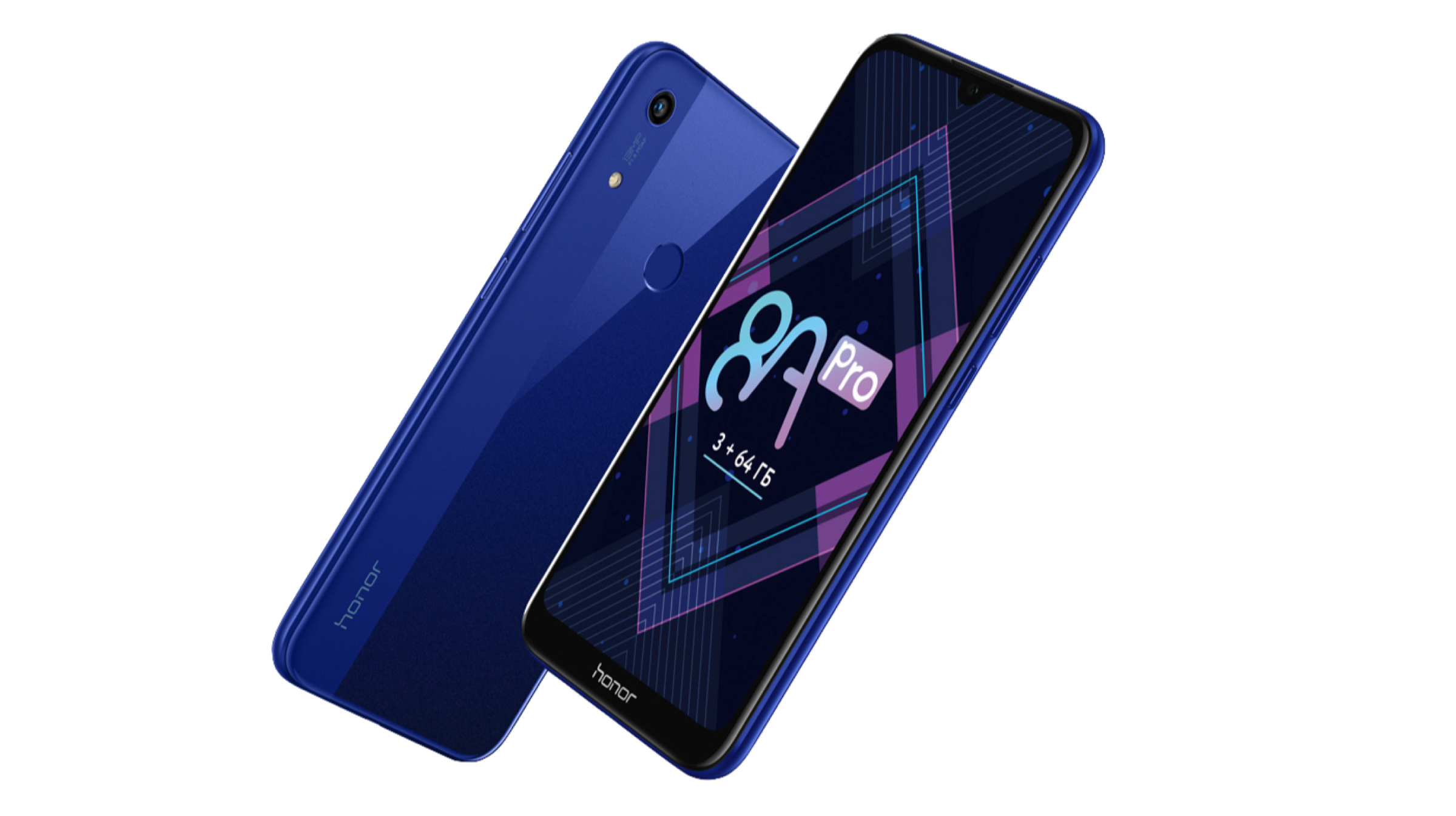
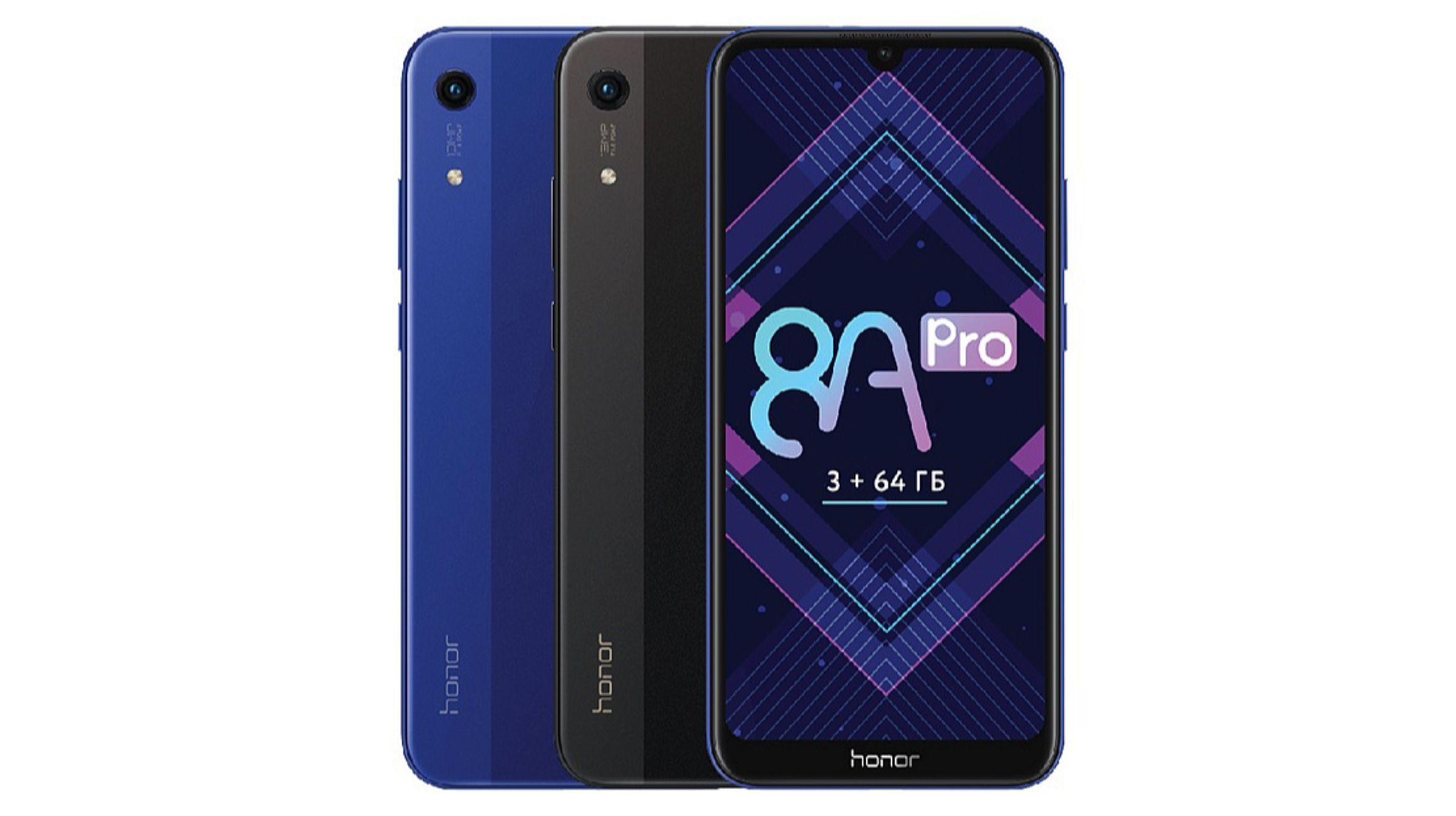
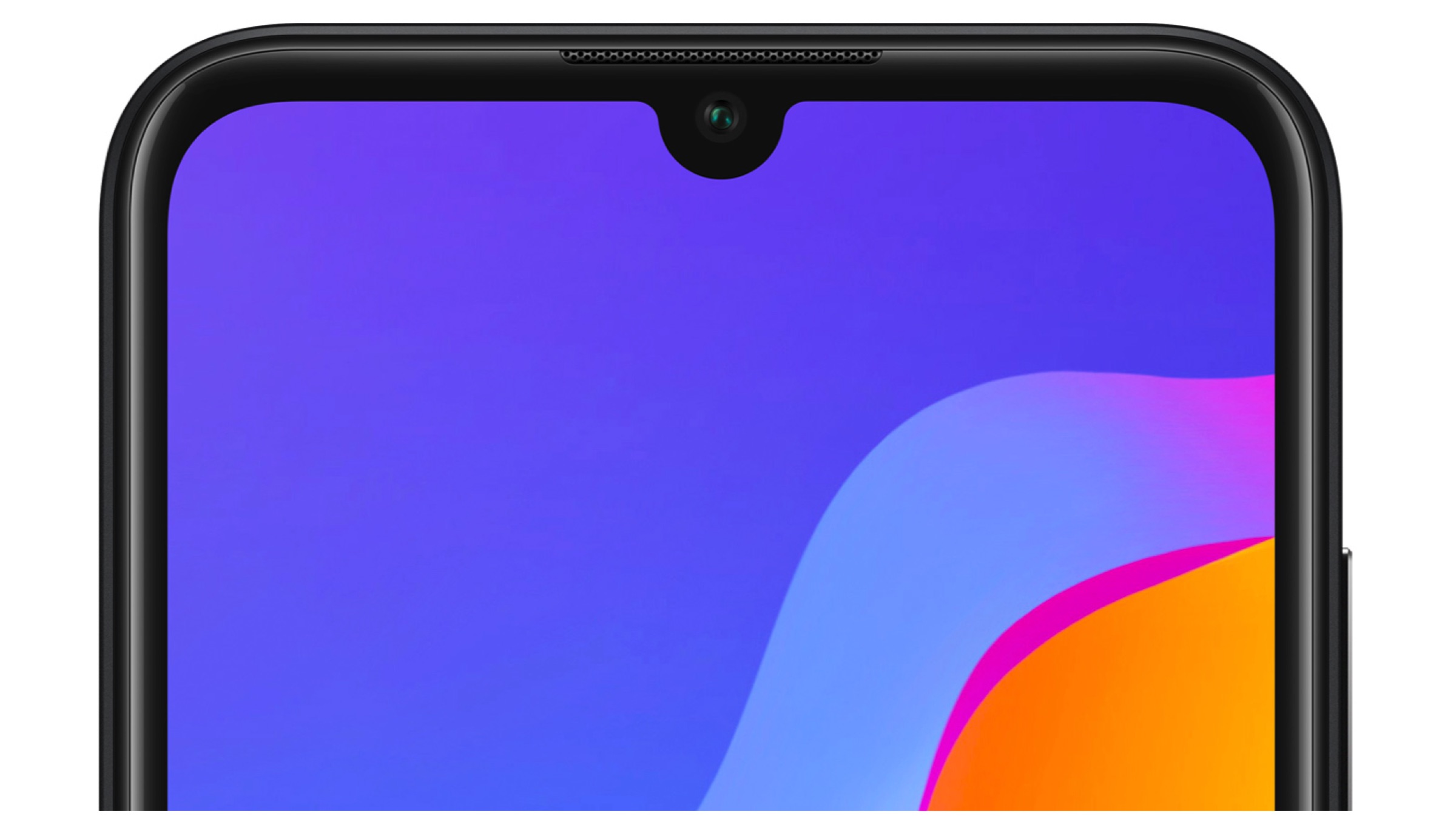
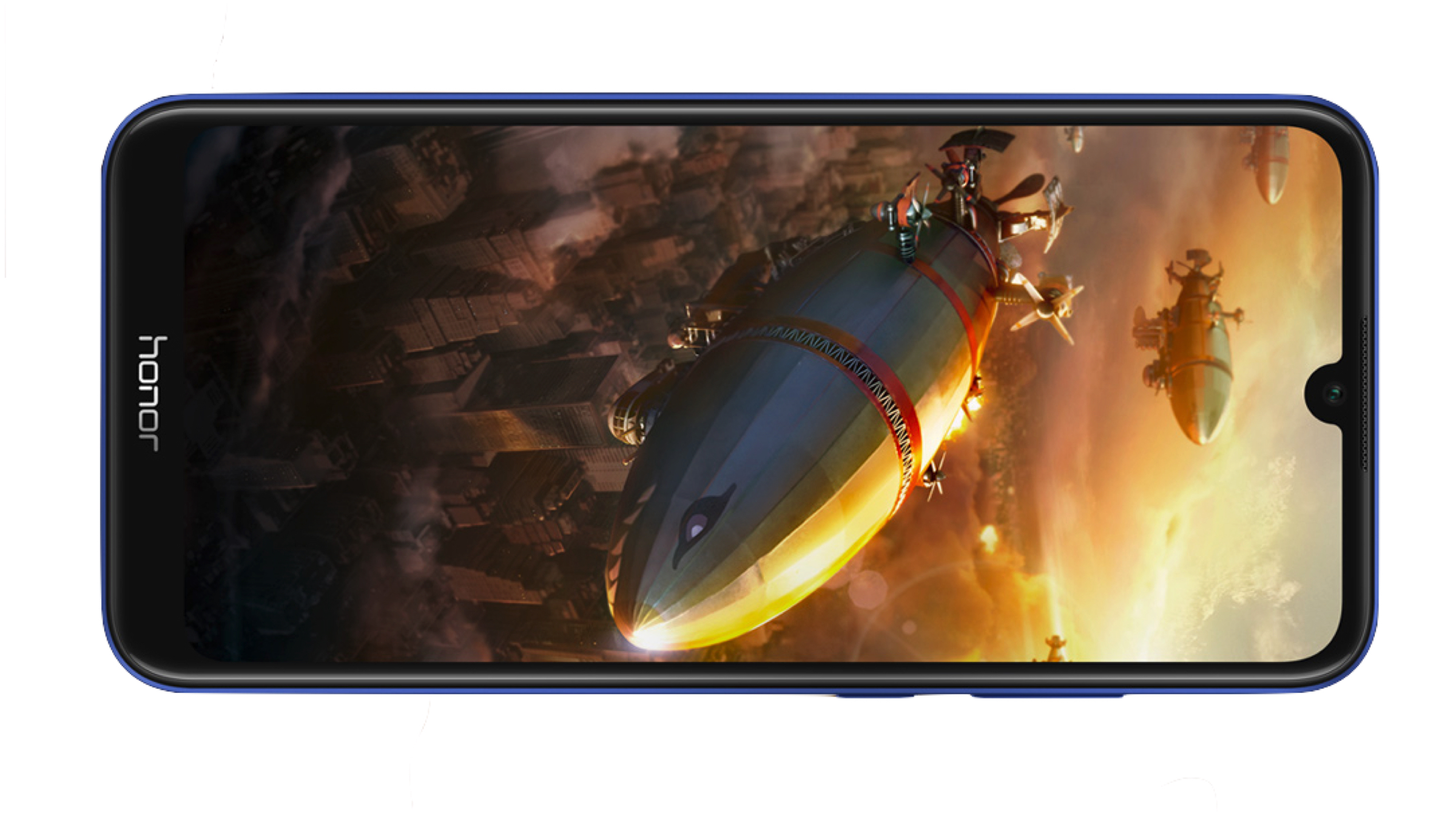
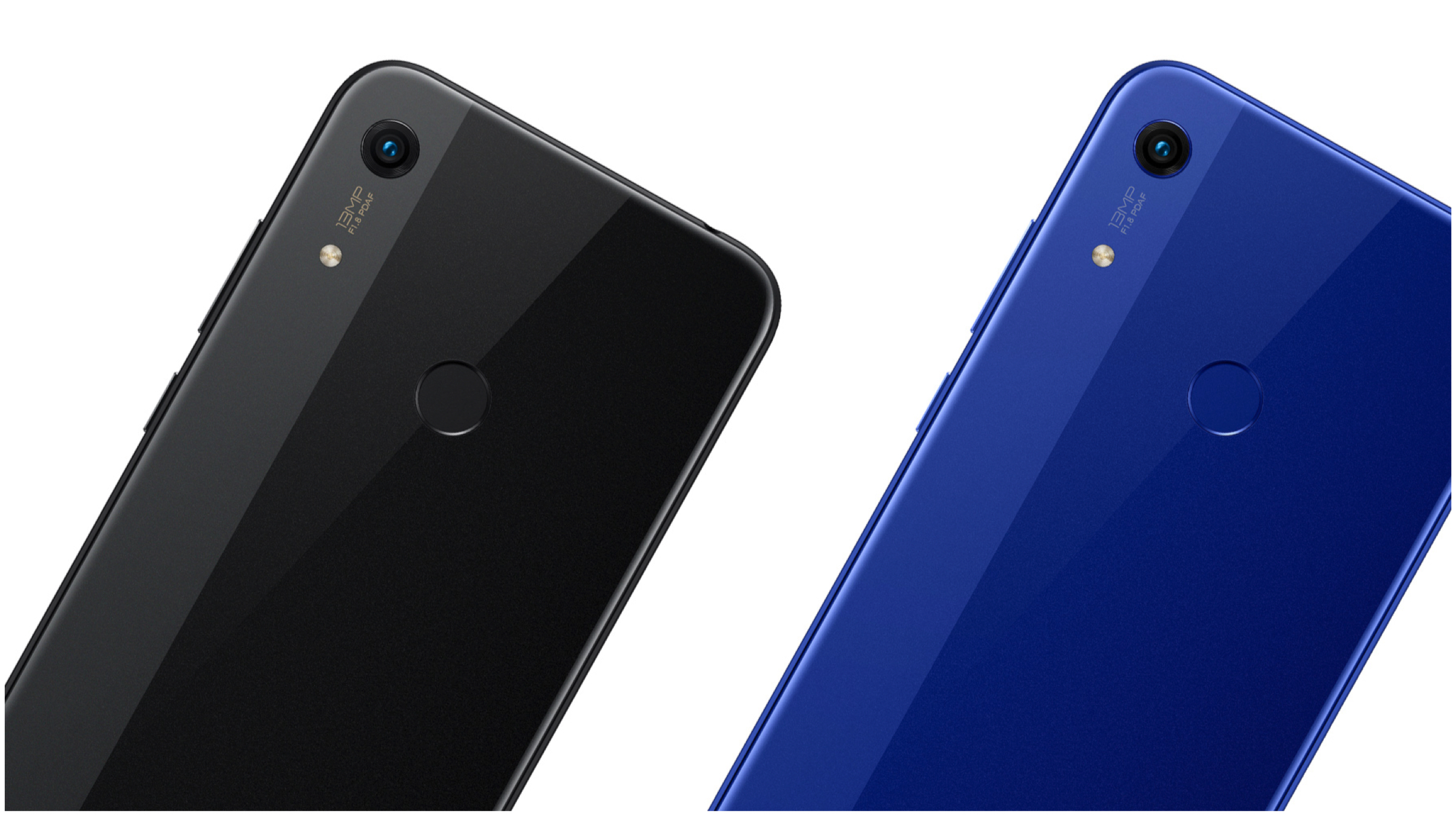
Also read: Honor Launches The 8A Pro With A Waterdrop Notch
While Samsung might have succeeded in discerning the market and the budget smartphone segment, it still has a long way to go. Catching up to its rivals just means giving them a headstart. For example, the Galaxy M30’s triple camera layout may be innovative for the price range, but its bland design and weaker gaming performance cannot be ignored. As these are the first iterations of the handsets, it is expected they will get better every year. No matter how late Samsung is to the party, there is no denying it has left a sizeable dent in it. Additionally, an extra amount of competition will eventually be good for the consumers for the number of choices there will be.
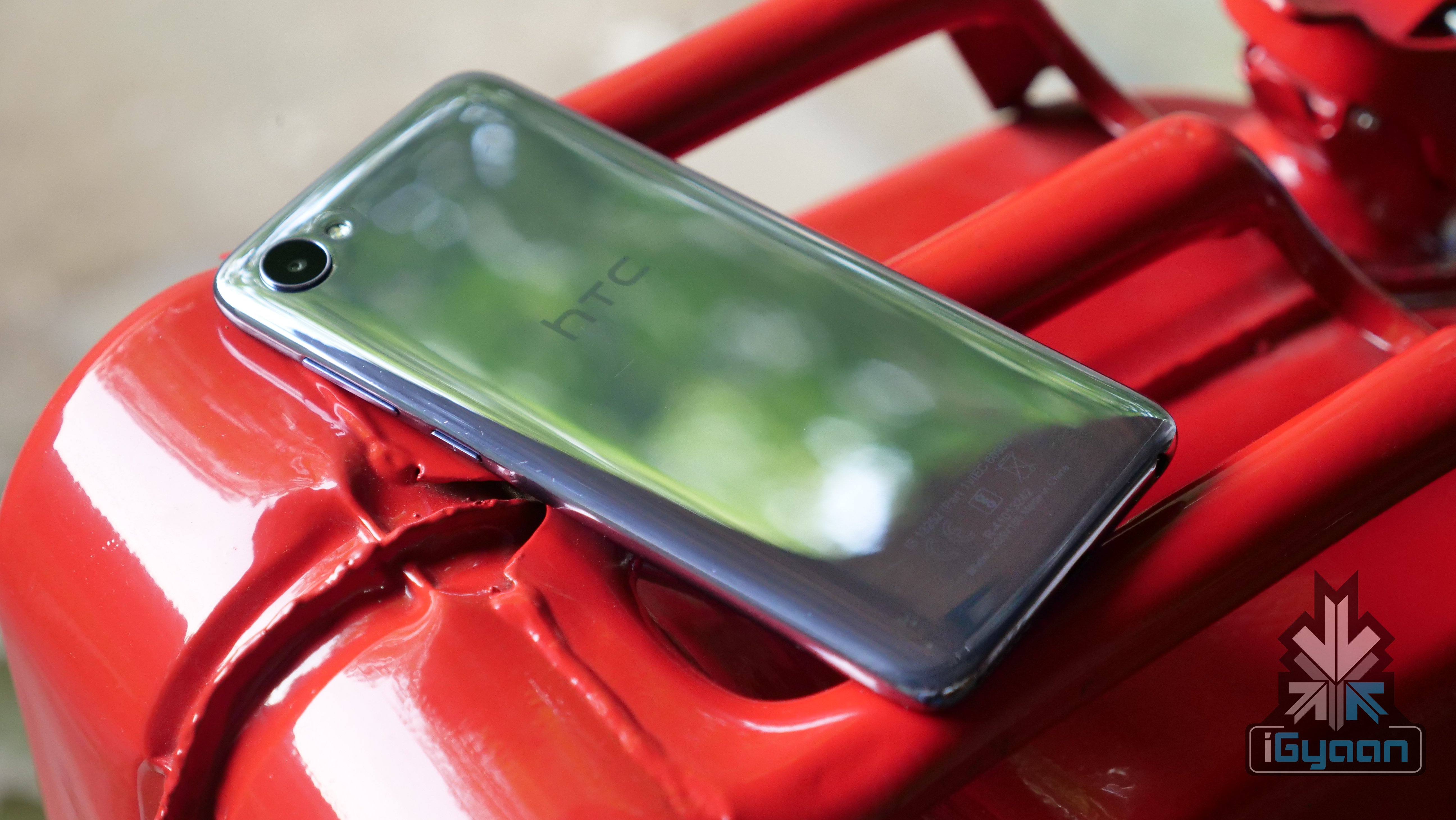
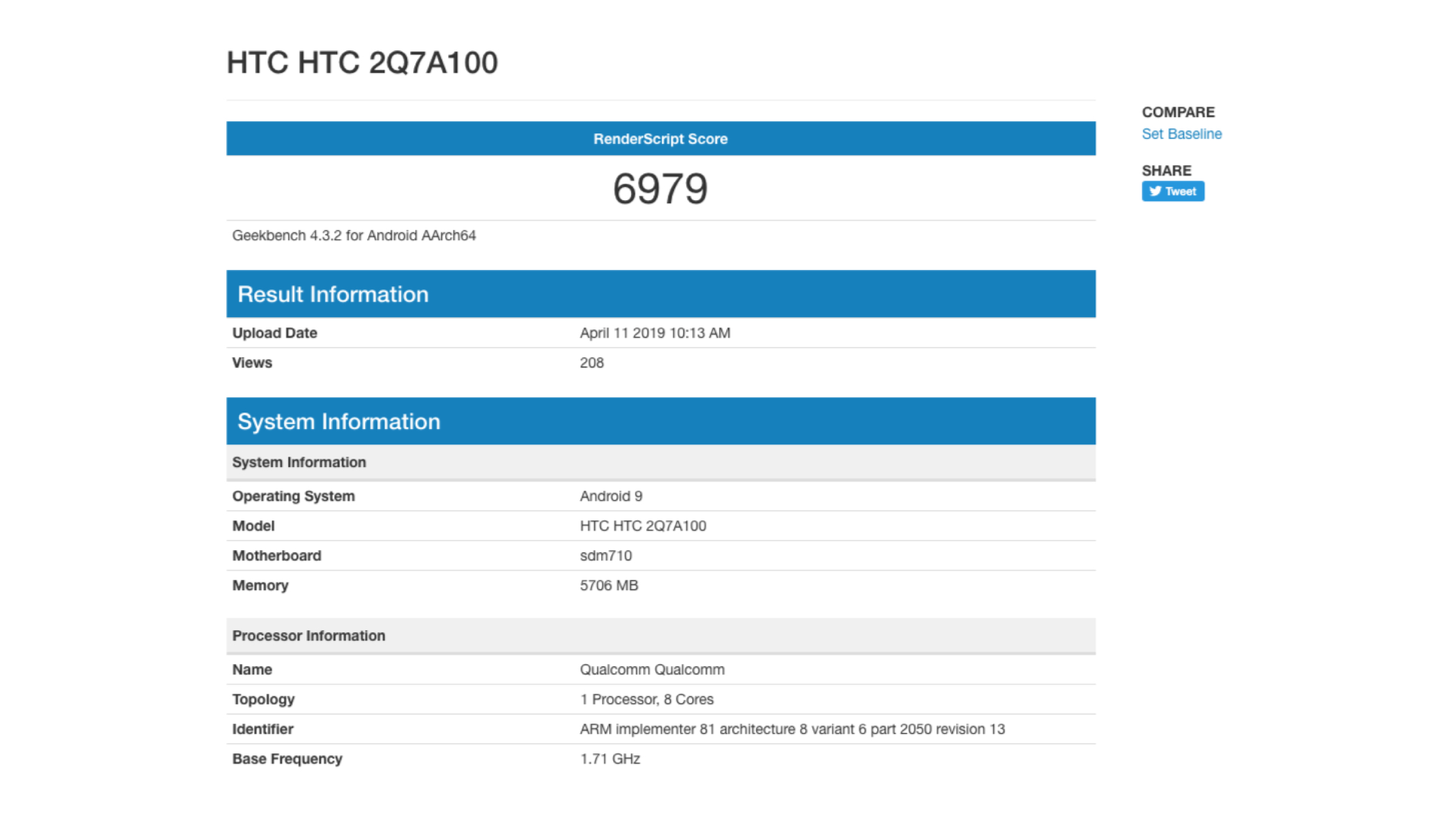
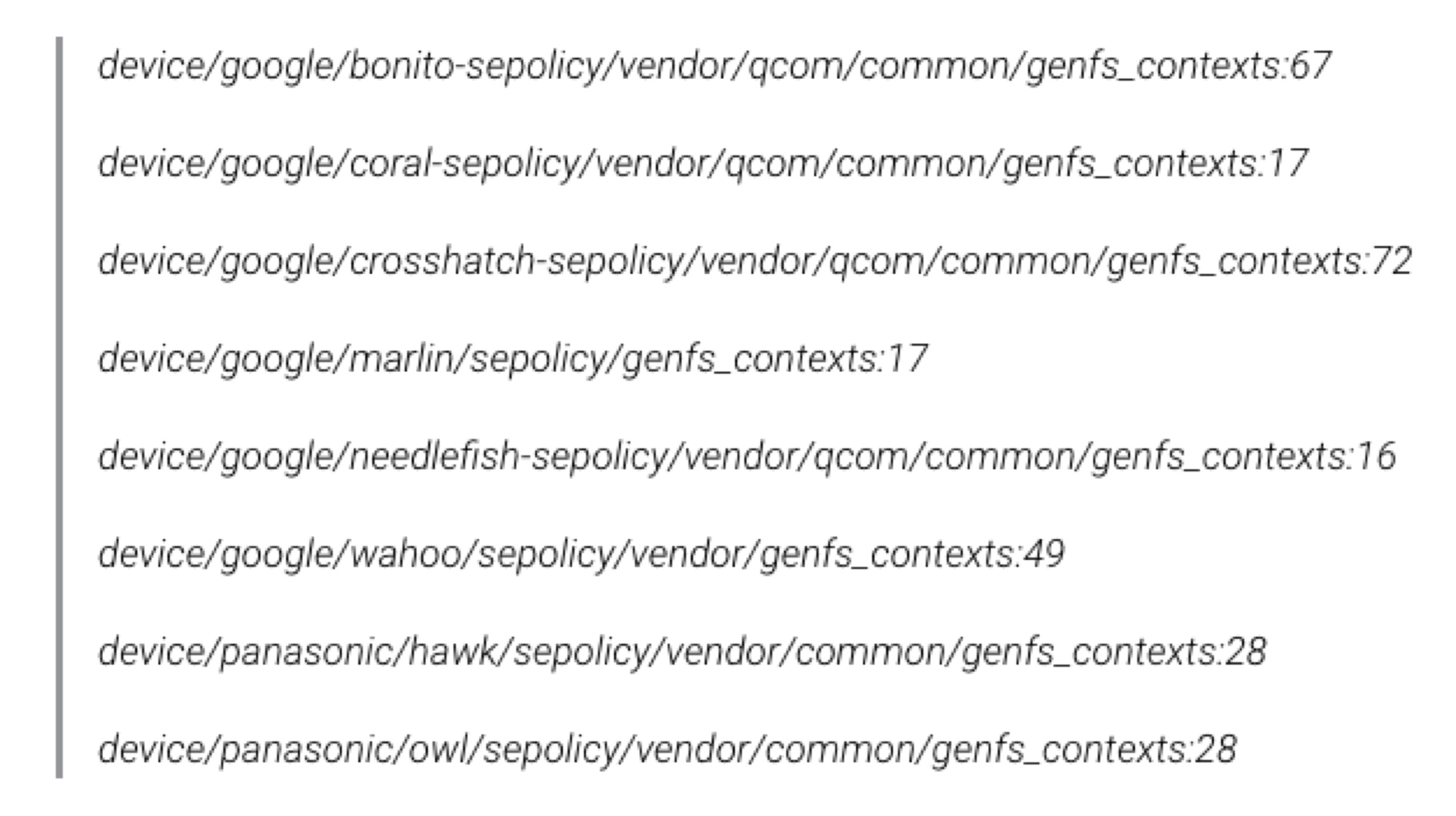
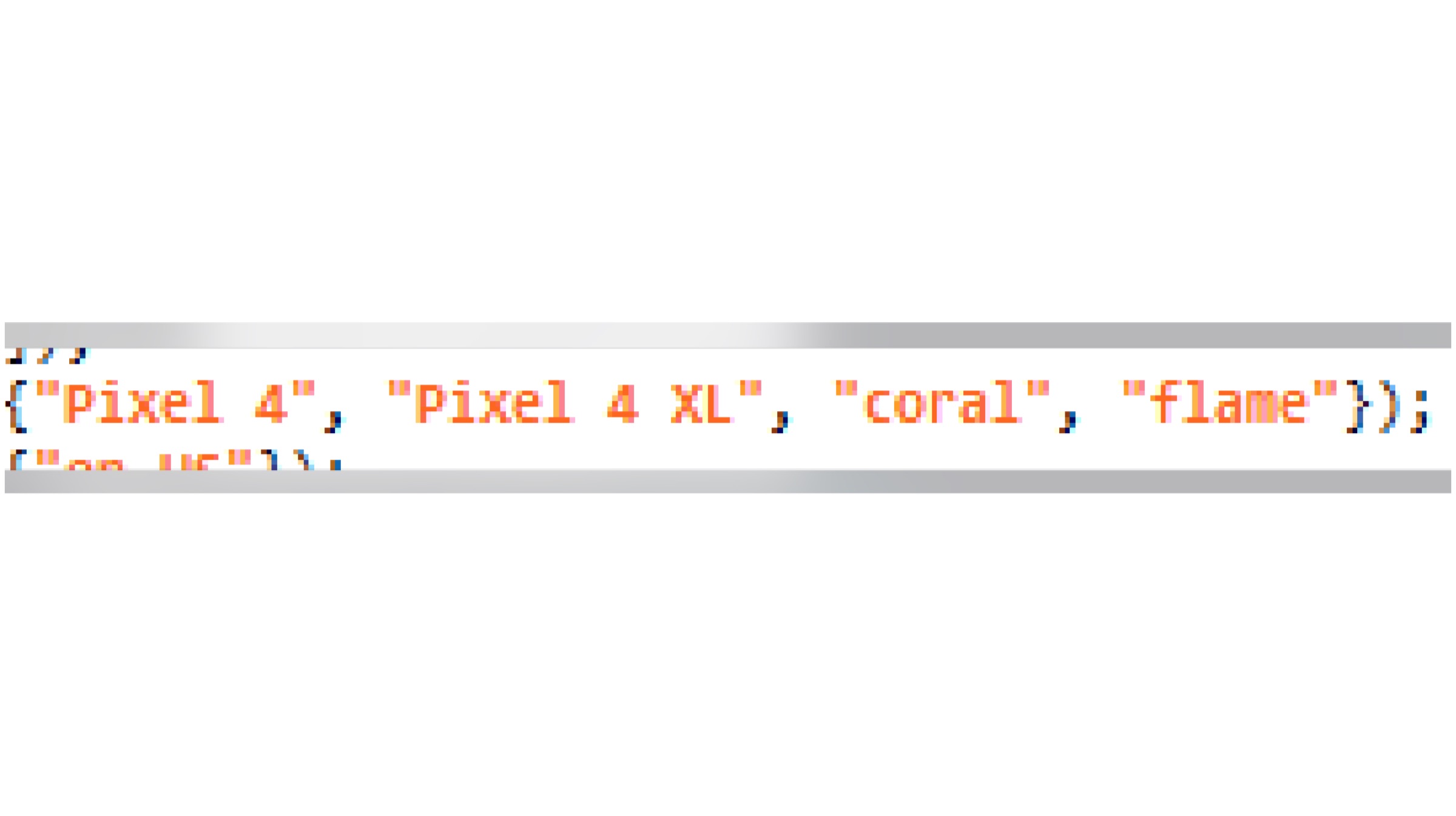 On April 11 2019, a commit (a move to make changes in a code permanent) was posted to the AOSP (Android Open Source Project), which was attempting to correct an anomaly of Android’s SELinux Policy. Regarding the code, the developers were trying to explain the fix for the aforementioned issue using the comments (comments are code lines that are not executed with the code) in the project. The list of internal files provided in the comments includes the codenames of a total of eight devices, out of which two are Panasonic devices, and the remainder are six Google devices.
 Four of the aforementioned Google smartphones are already known (Marlin or the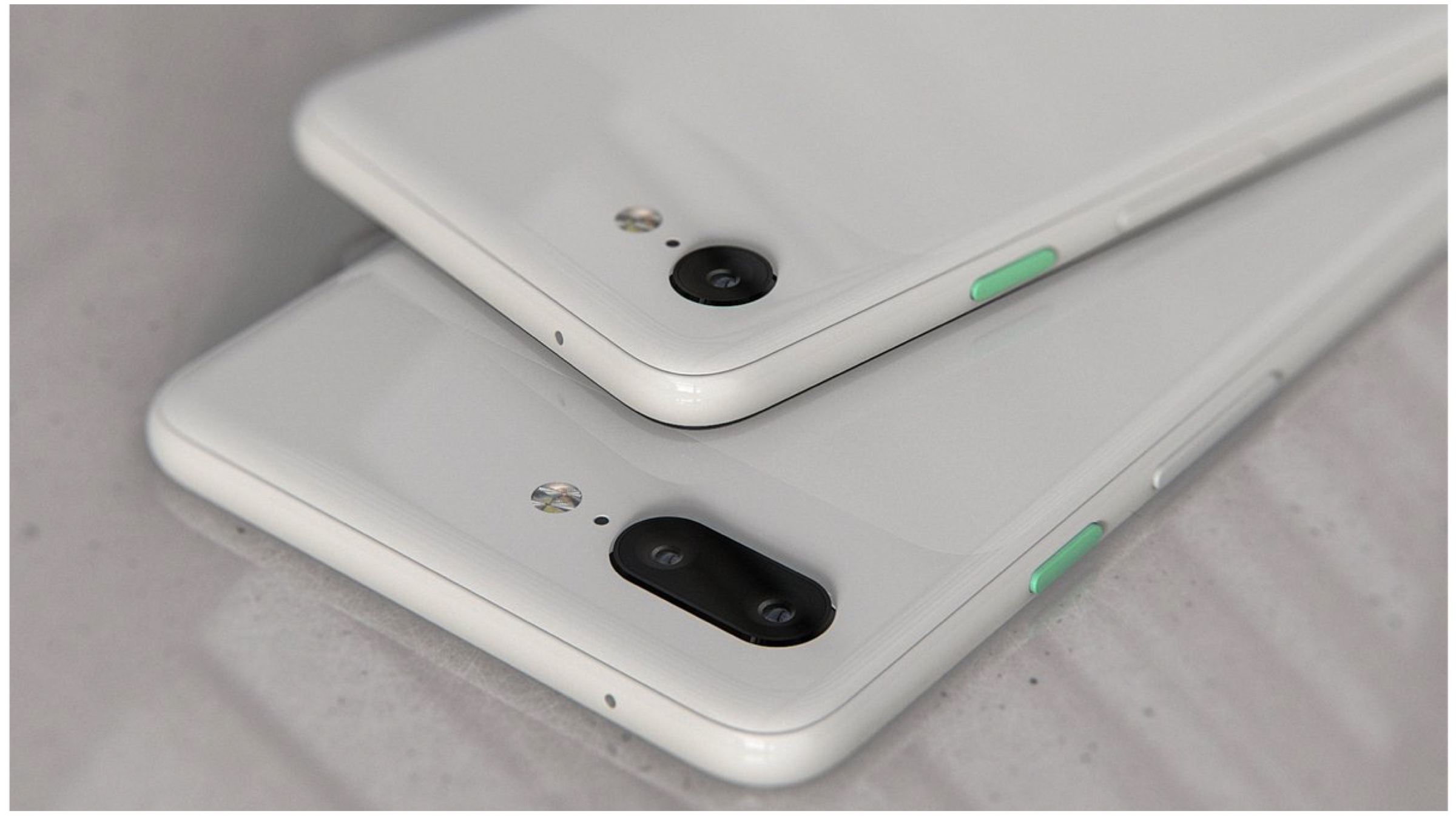
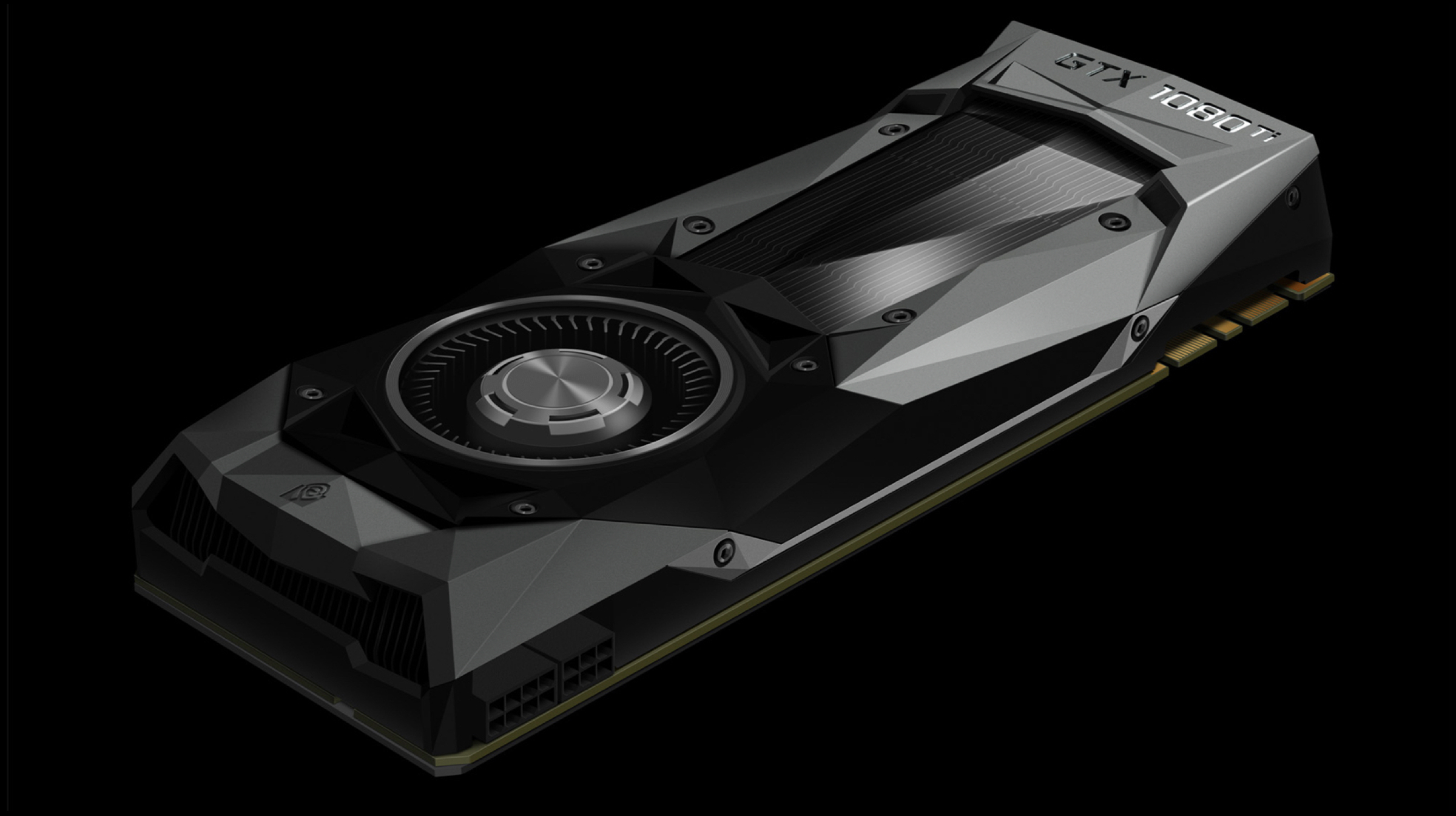
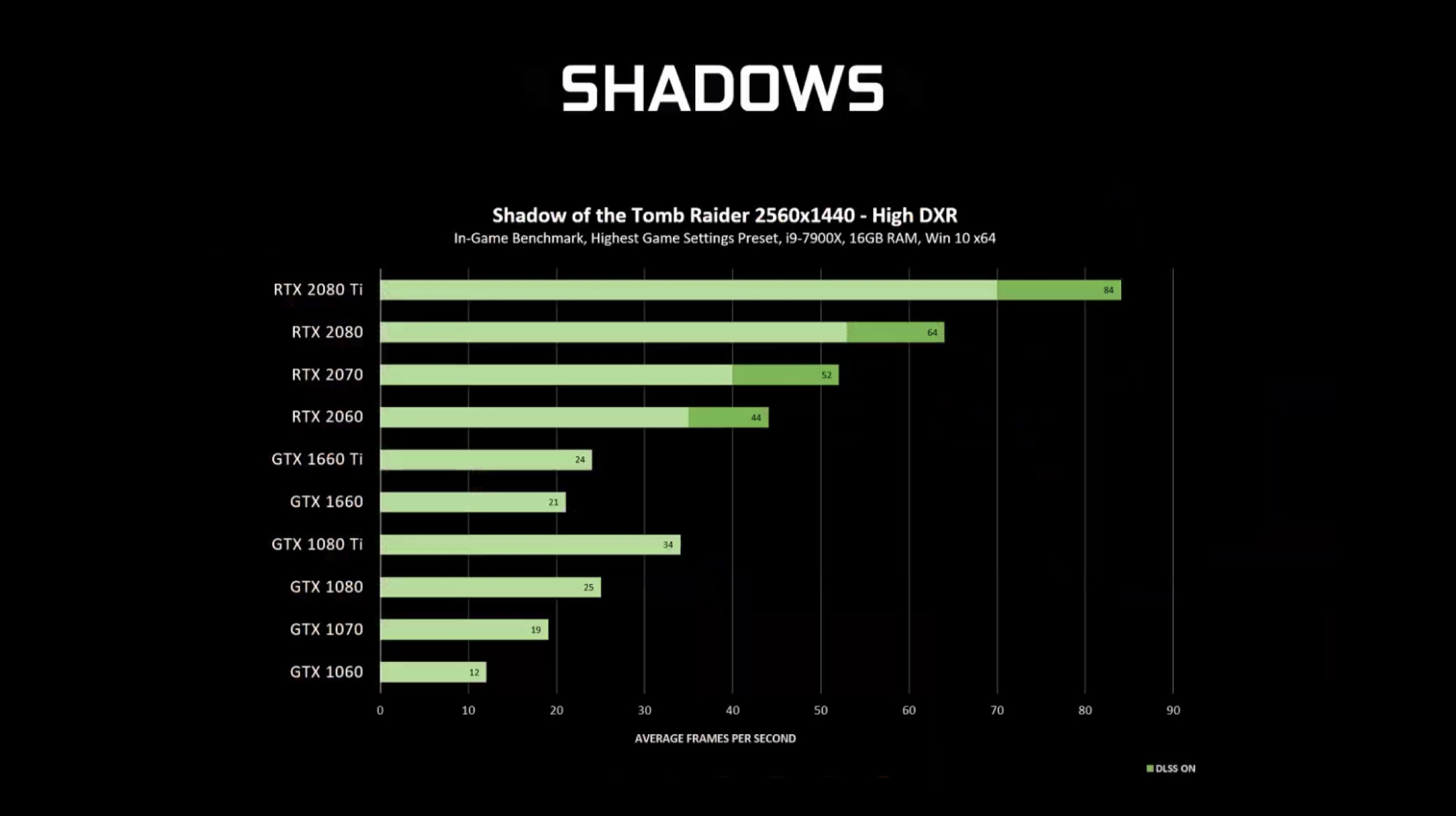
 GTX series users can test out the feature in only select games for now, which include Battlefield 5, Metro: Exodus and Shadow of the Tomb Raider. As per NVIDIA, if the users don’t want to download the complete game for any reasons, they can download free tech demos for the same games from
  But there is a catch to all of this. GTX series users cannot actually experience the same functionality as present in the RTX series graphics cards. For starters, GTX series GPUs will run the Ray-tracing-based games at significantly lower and choppier frame rates. This is because the company is just using the GTX graphics cards to depict how Ray Tracing will work for each
 As per reports,
  Also Read:
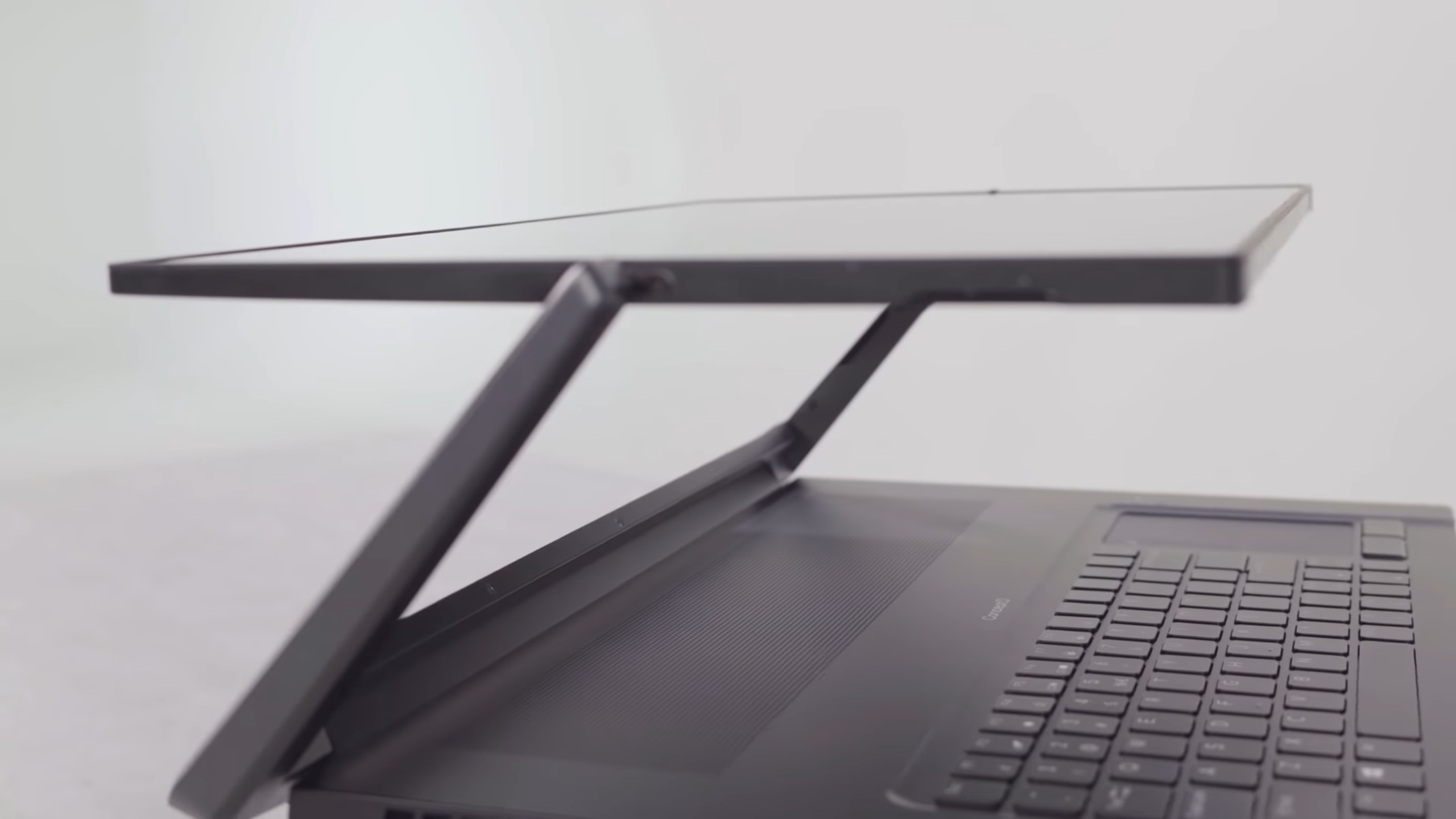 The display of the laptop has one of the best Delta-E colour accuracy ratings (under 1). Furthermore, the screen is Pantone Validated, which will ensure that creators will have a wide variety of hues to choose from. The ConceptD 9 laptops are customizable, with up to 9th-generation Intel Core i9 processors and NVIDIA mobile RTX 2080 graphics. The keyboard also features Amber-lit keys that the company claims are easy on the eyes.
 The company also launched two slightly toned down variants of the ConceptD 9 laptop, which are the ConceptD 7 and ConceptD 5. While the ConceptD 7 features a Core i7 processor with NVIDIA GeForce RTX 2080 graphics, the ConceptD 5 packs an 8th Gen Core i7 processor bundled with Radeon RX Vega M GL Graphics.
 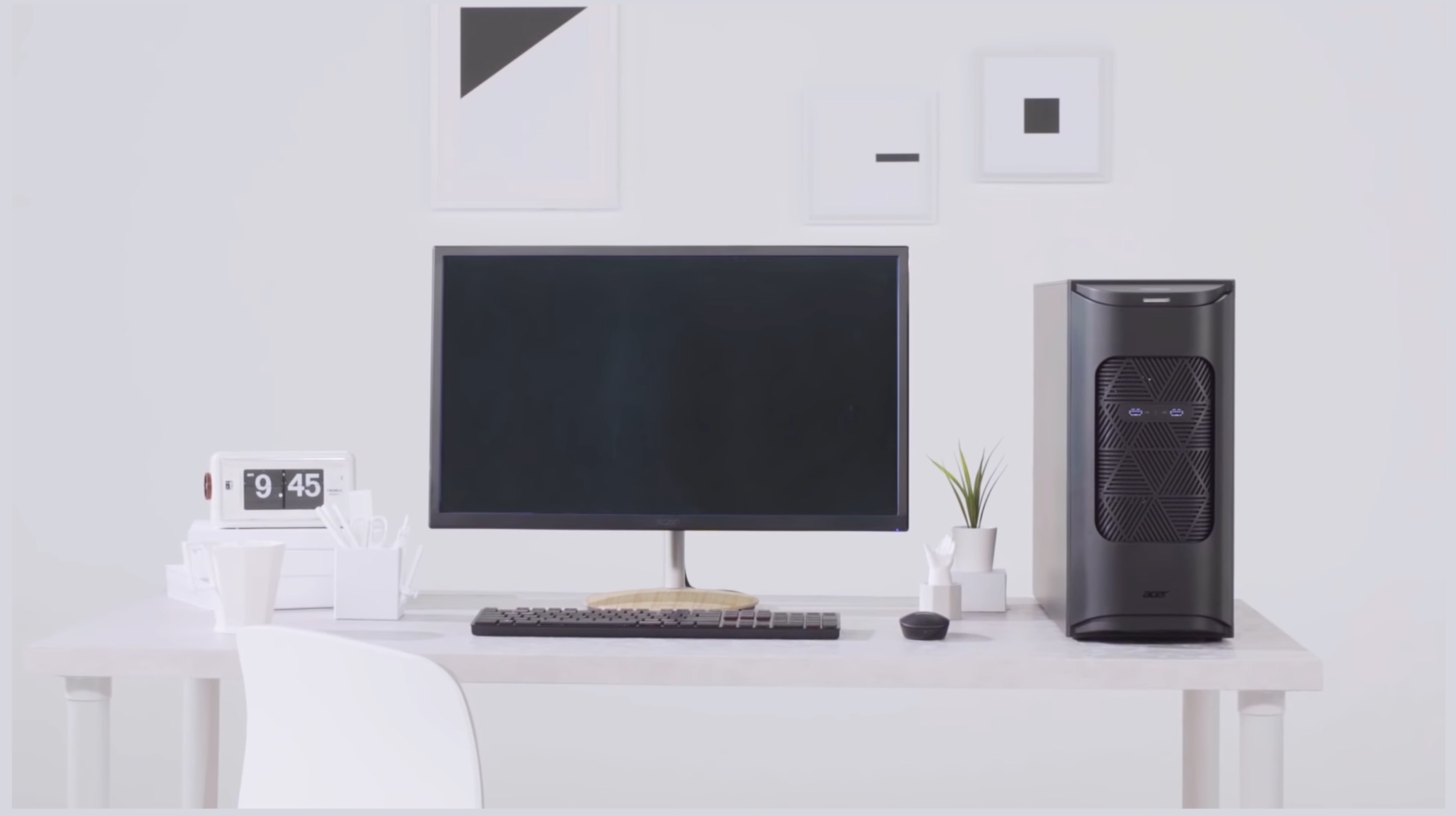 For those who want to settle for lower specifications, Acer also announced the ConceptD 500 desktop. It packs a 9th Generation Intel Core i9 CPU, with Ray-Tracing enabled NVIDIA Quadro RTX4000 graphics. Just like ConceptD laptops, the machine has a very low fan noise (under 40 dB). An attractive wooden panel present at the top of the cabinet gives it a very picturesque look.
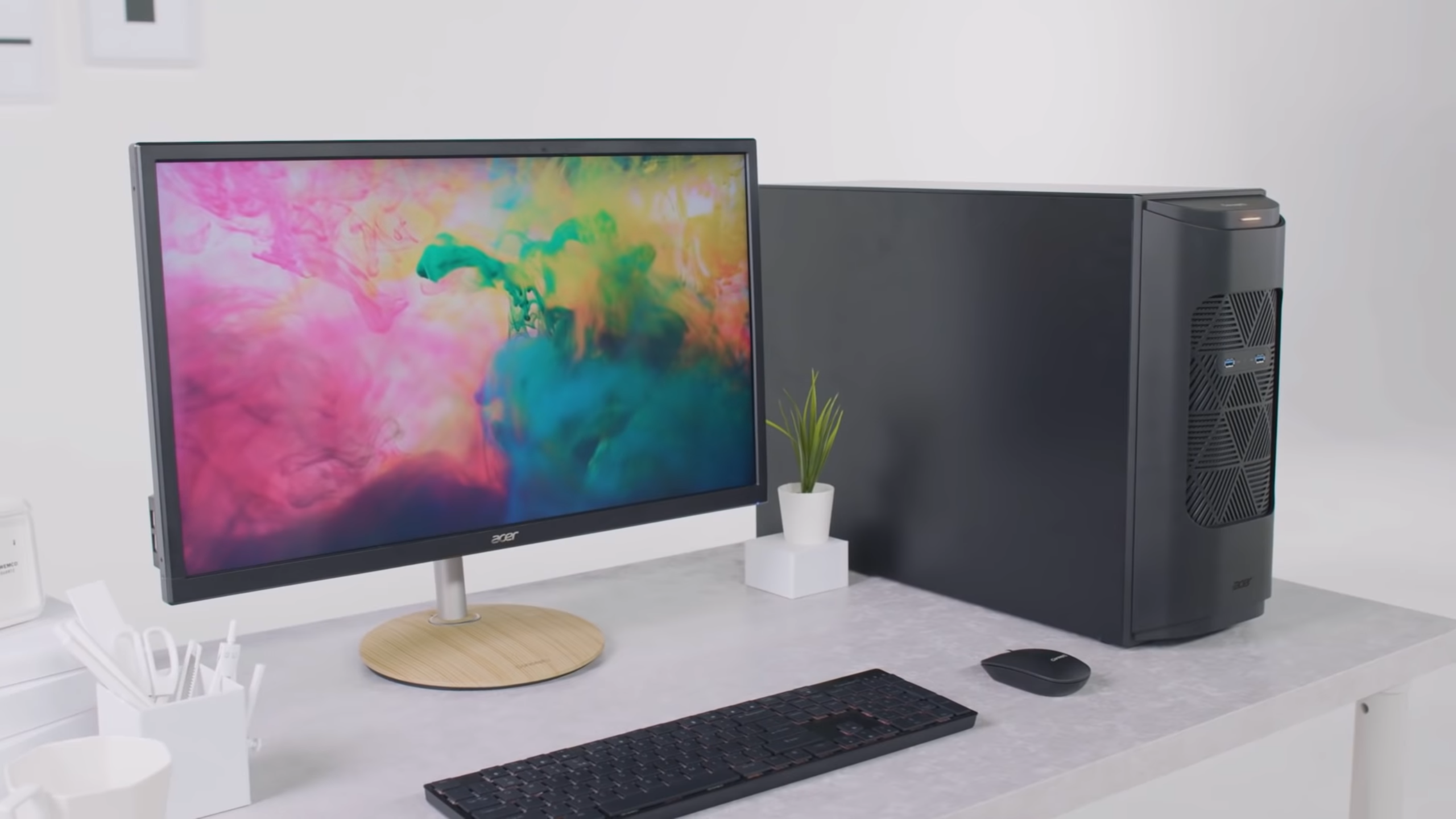 As mentioned before, two new monitors were also brought to light by the Taiwanese technology company, which are the ConceptD CM7 and the CP7. The CM7 has a huge screen size of 34 inches, whereas the CP7’s screen measures at 27 inches. The ConceptD CM7 is directed towards users who work in print design and manufacturing, while on the other hand, the CP7 is meant for users who work with digital content. Both CP7 and CM7 support 4K resolution, with the smaller CM7 featuring a 144Hz refresh rate.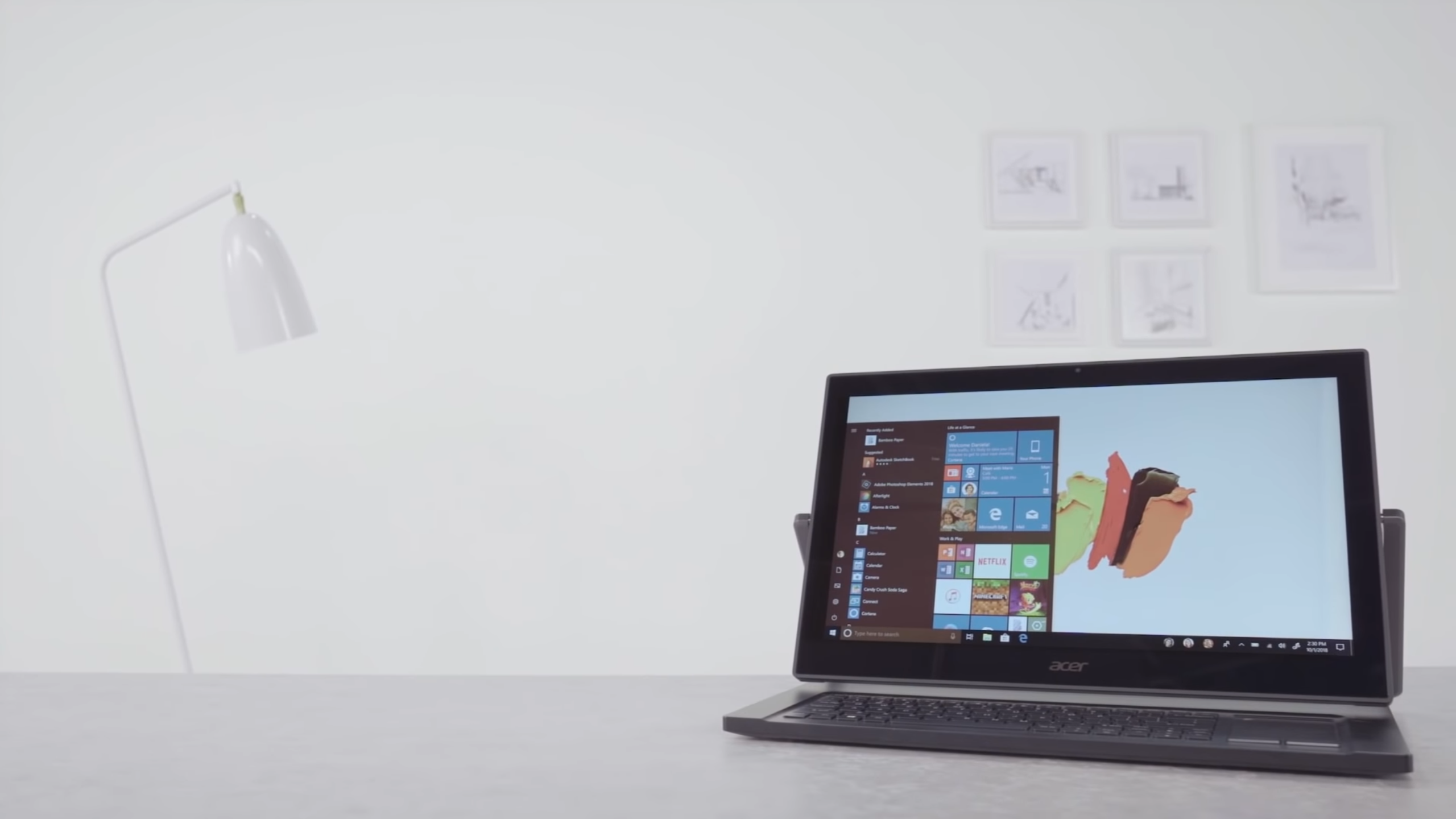



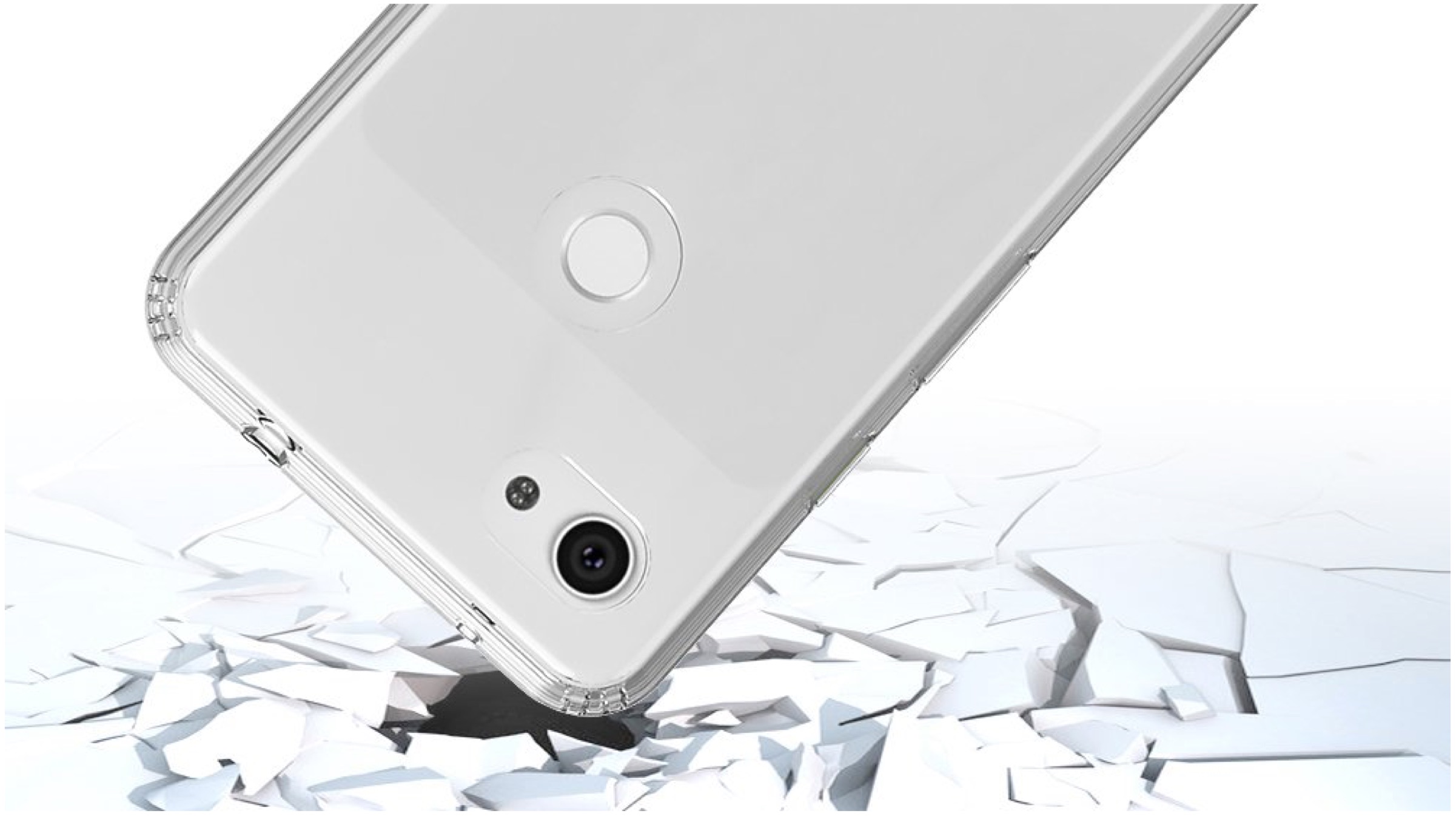
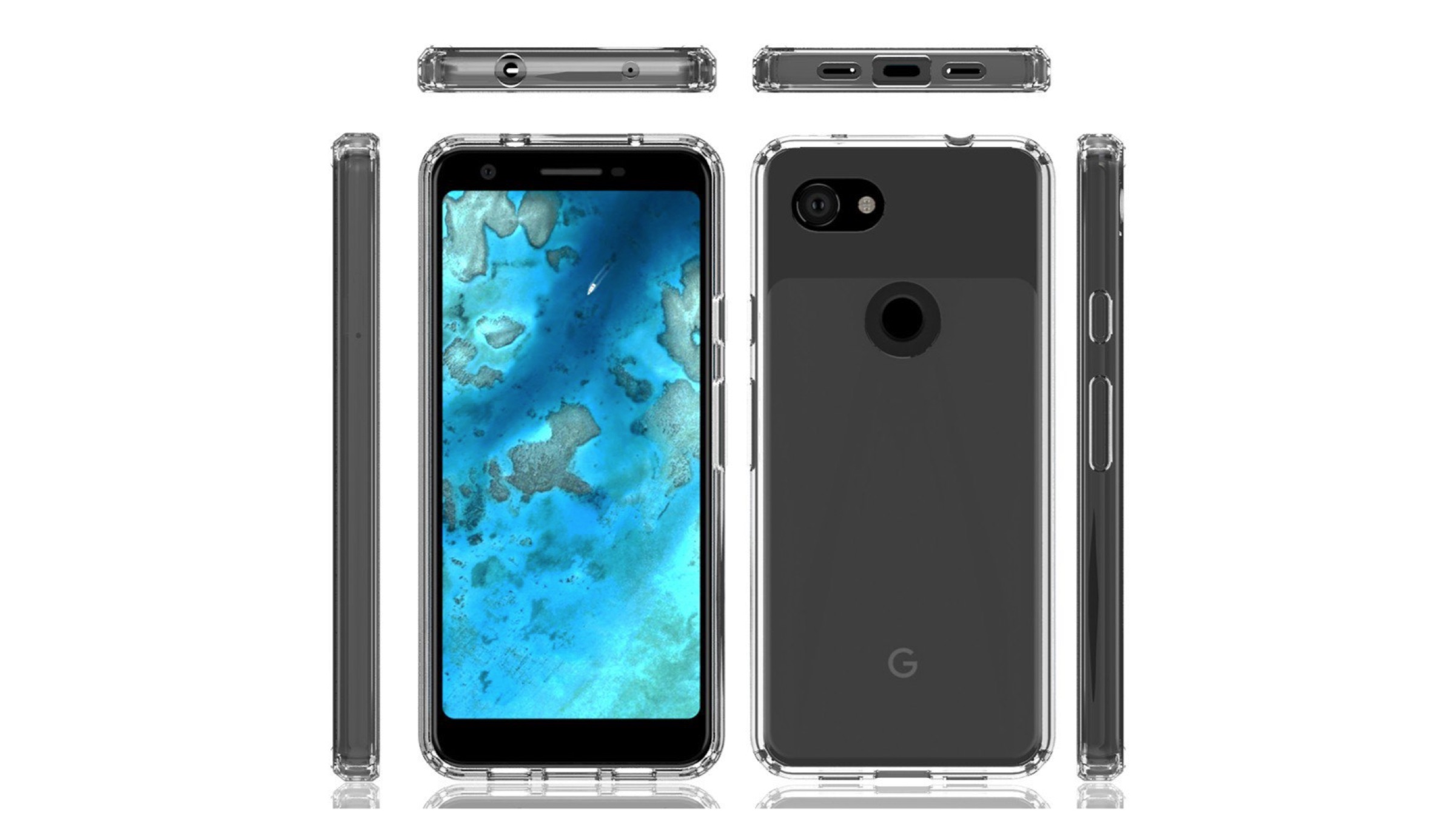 The cases for both the devices are completely transparent and clearly highlight the schematics of the smartphones. A cutout at the back reveals the rear-mounted fingerprint scanner. The bottom of the Pixel devices houses the USB Type-C port, which is flanked by speaker grilles on either side. The 3.5 mm headphone jack is present at the top of the device, which is a feature that was missing from the Pixel 3 and Pixel 3XL smartphones. Another noteworthy fact is that the front of the Google Pixel 3a and 3a XL sport a wide chin and forehead. The volume rockers and the power button are both housed on the right side of the smartphone, whereas the left side of the device accommodates the SIM card slot.
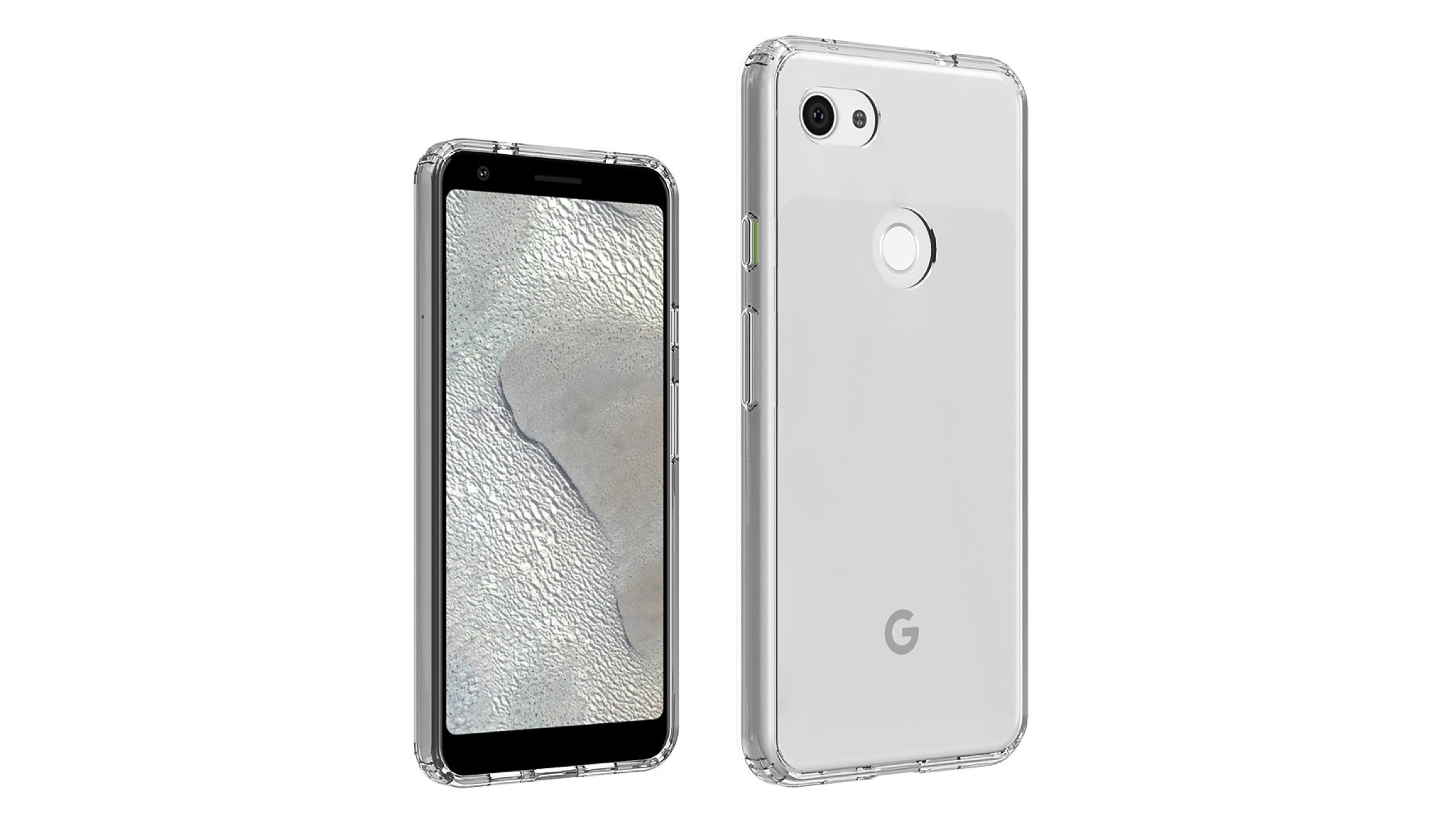 The Pixel 3a and 3a XL are expected to sport a 5.6-inch and 6-inch OLED display respectively. Other significant changes from the Pixel 3 and Pixel 3 XL may include the use of polycarbonate for the device design instead of glass and metal. Under the hood, the Google Pixel 3a and 3a XL are speculated to run on the Snapdragon SoC, which is designed on the 10nm fabrication process. The chipset comprises of an octa-core Kryo 360 CPU and the Adreno 612 GPU. In terms of optics, the devices are expected to be equipped with a primary 12MP camera and an 8MP selfie shooter.
 Also Read: