With the majority of millenials showing interest towards the sub-12k to 15k segment, the competition in the same is heated up right now. Top brands are releasing smartphones with better specs and lower prices each week, and to be fair, we can’t help but put them up against each other to see how they fall out as rivals. Samsung recently revealed their playmaker in the same segment, and it’s none other than the Samsung Galaxy M20. With specs that’ll give other phones a run for their money, let’s have a look at where the new Samsung Galaxy M20 stands with other popular phones in the sub-15k segment. For this spec comparison, we’re putting the Galaxy M20 against the hugely popular Xiaomi Redmi Note 6 Pro and the ASUS Zenfone Max Pro M2. This is up to you to decide that which is the best budget smartphone under 15k in this segment.
Design
 When it comes to design, it’s the most astute reason why a smartphone sells these days. Making a style statement is not just an option these days, its a necessity. That’s why all three of these phones have an extremely eye-catching design that stands out.
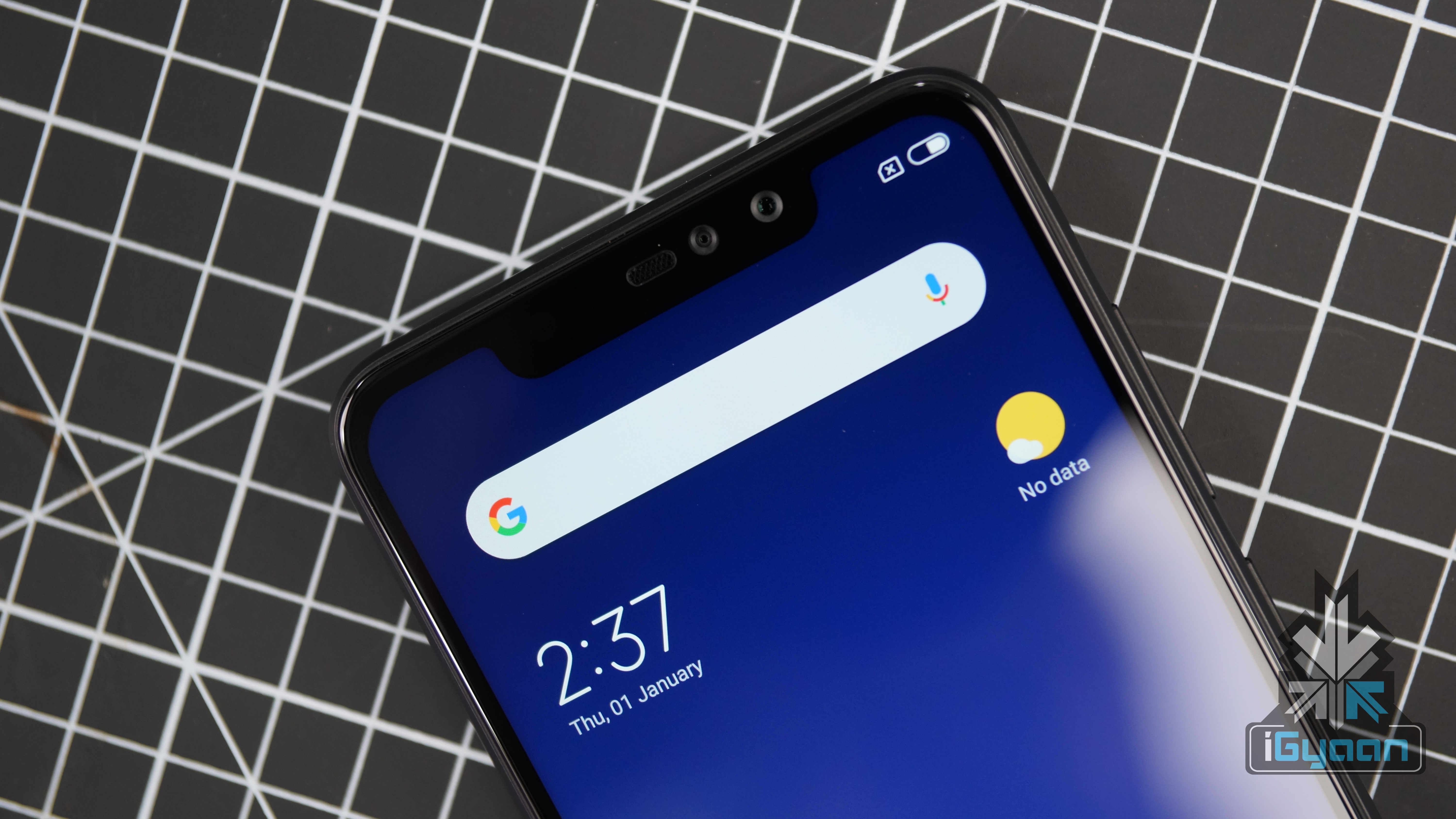
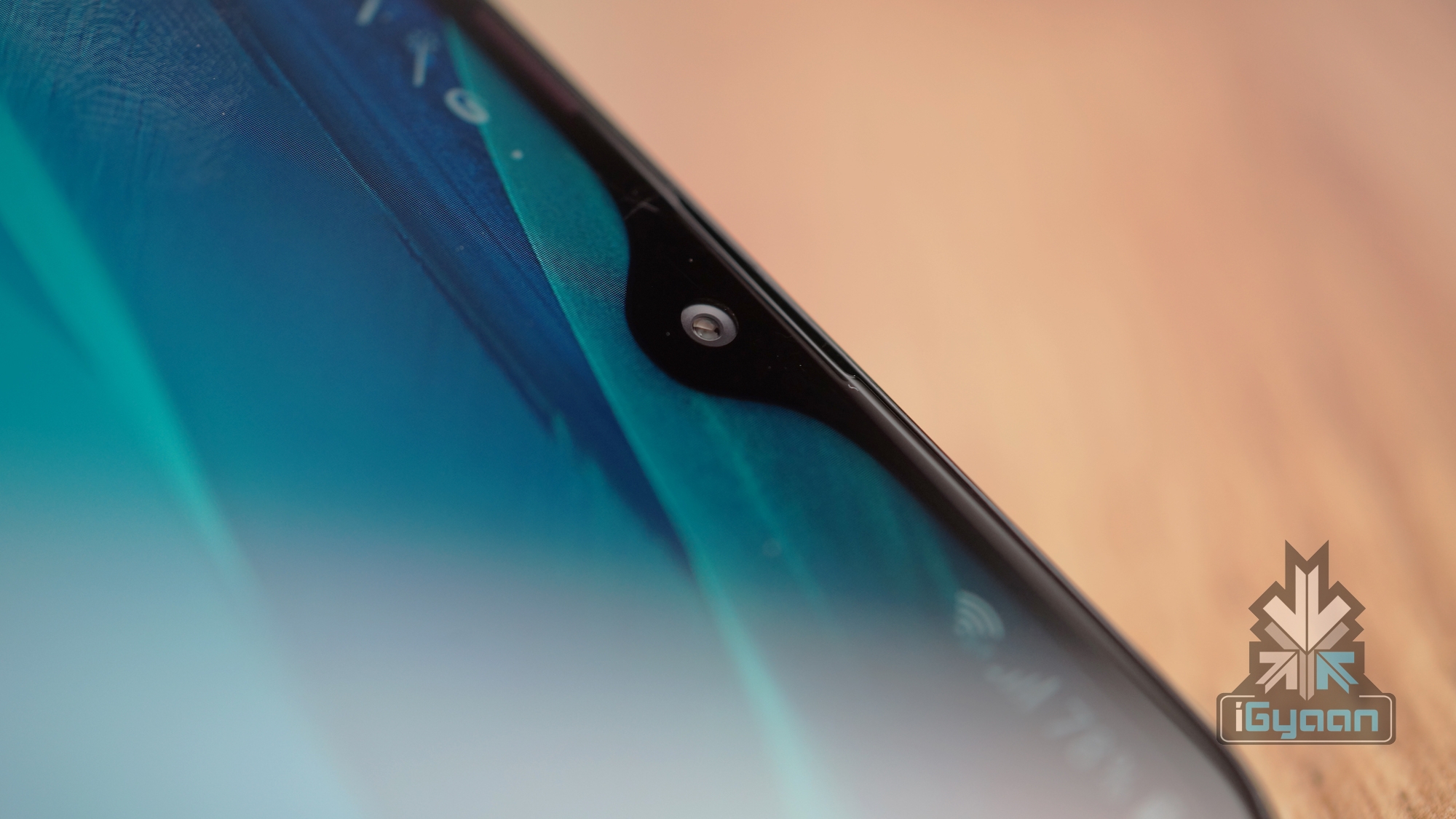
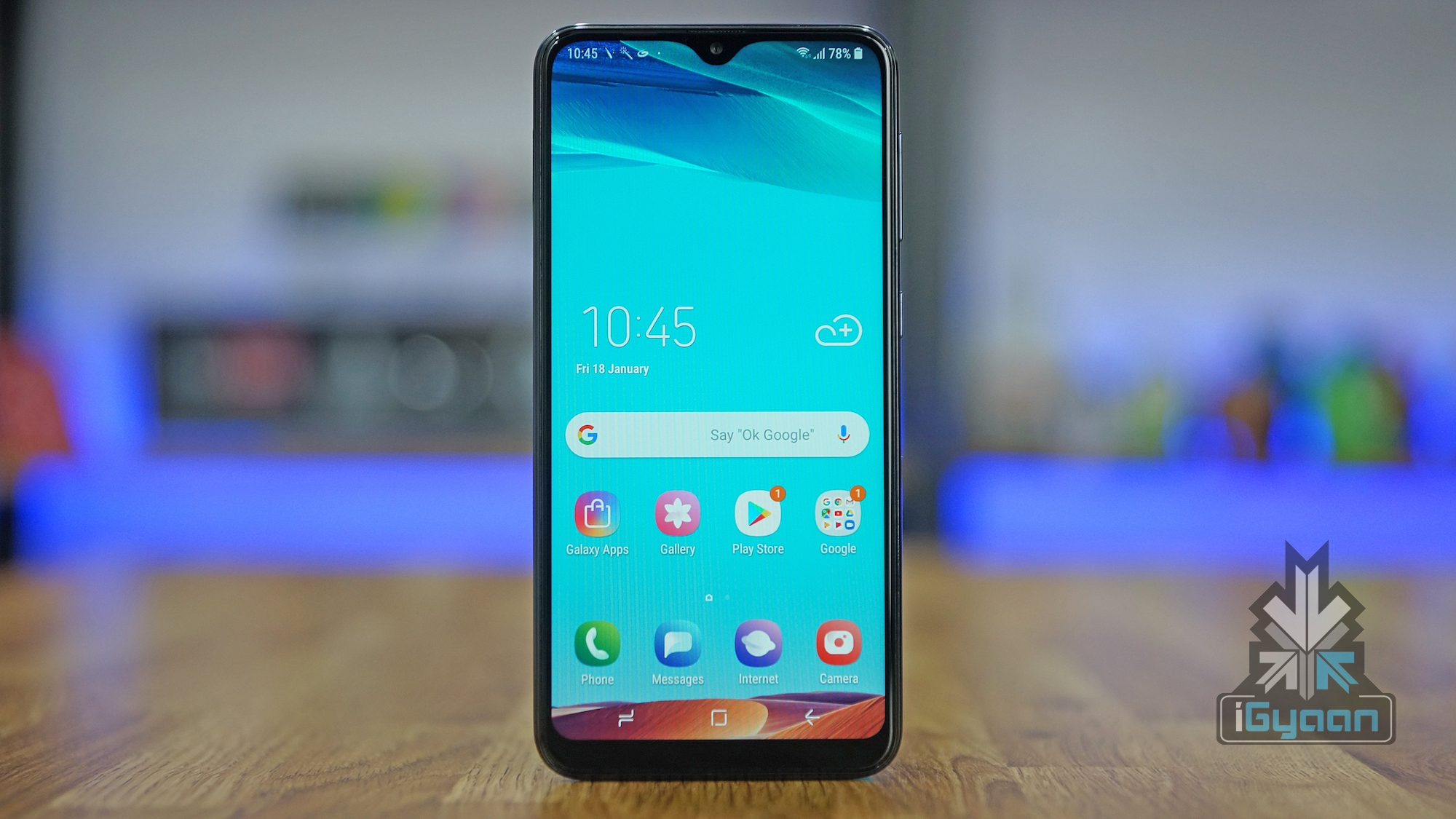
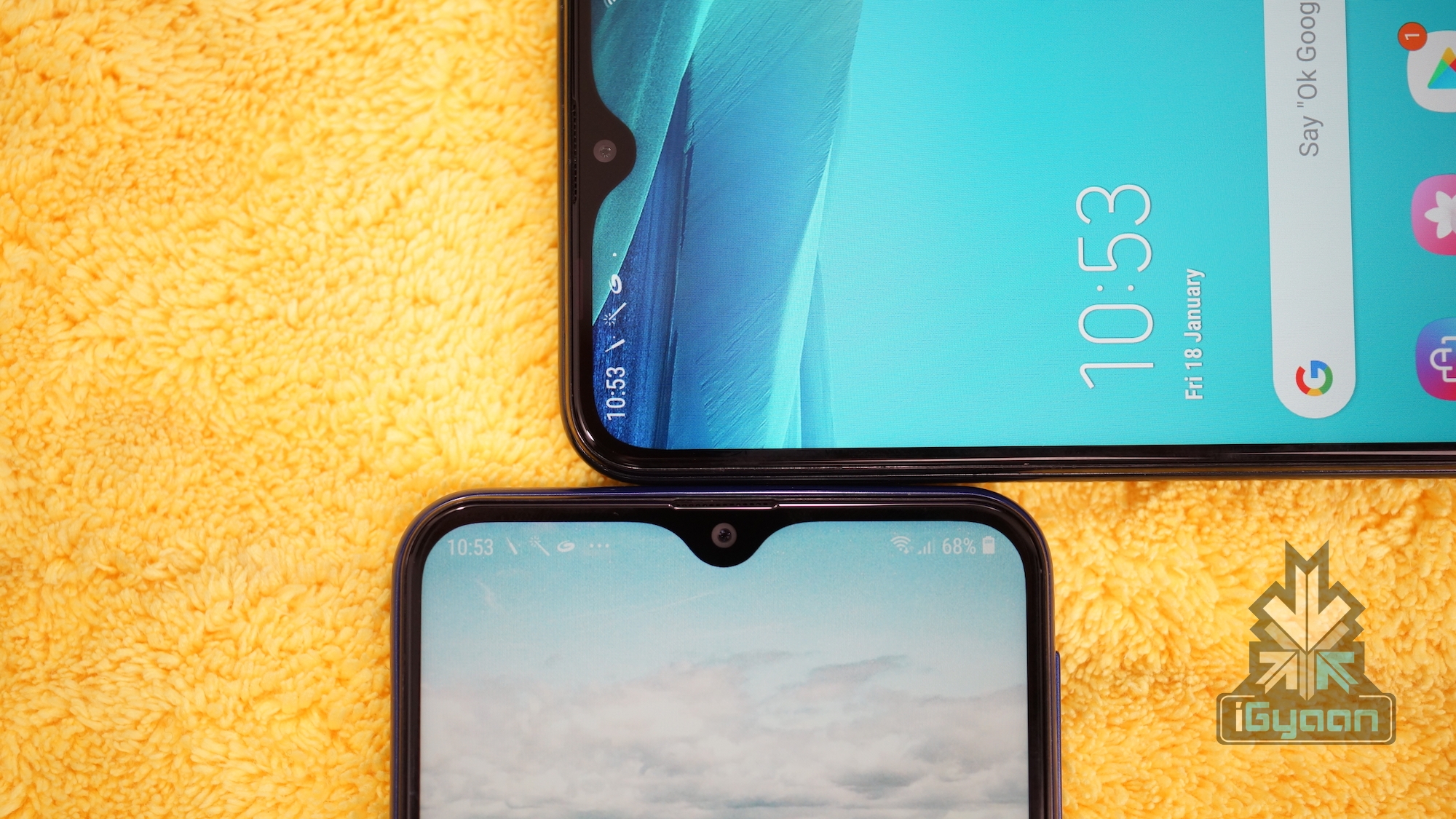
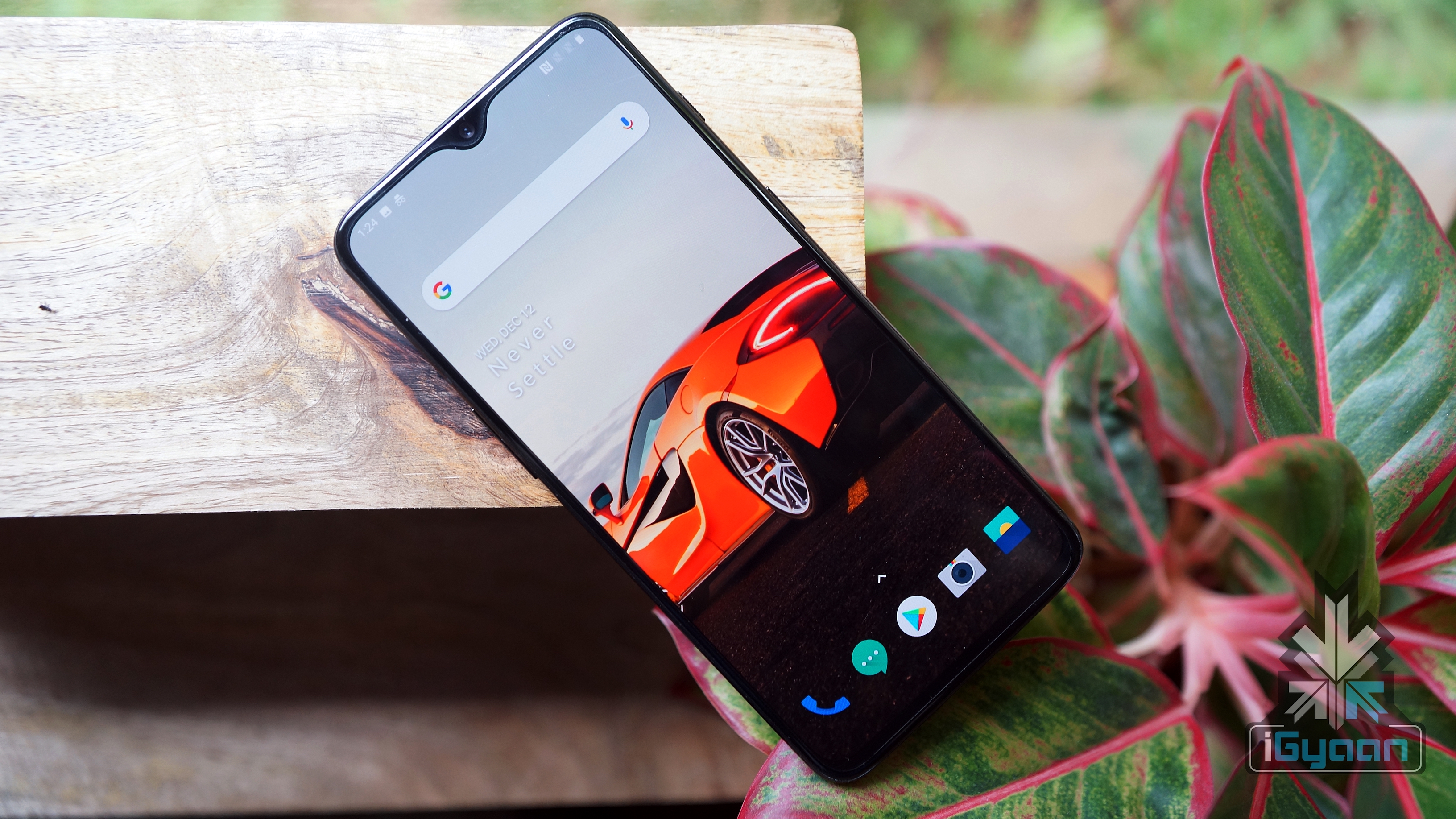
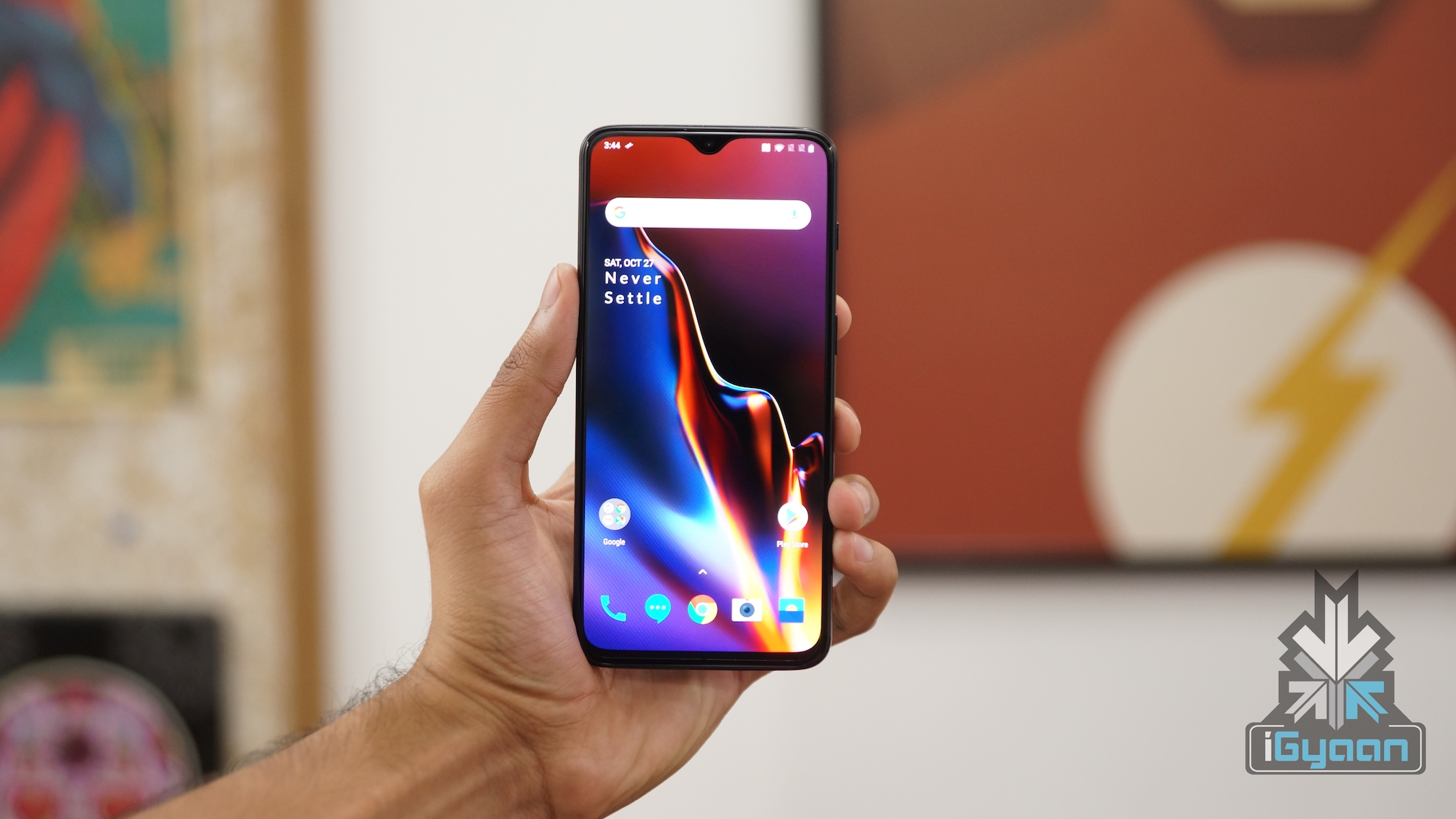
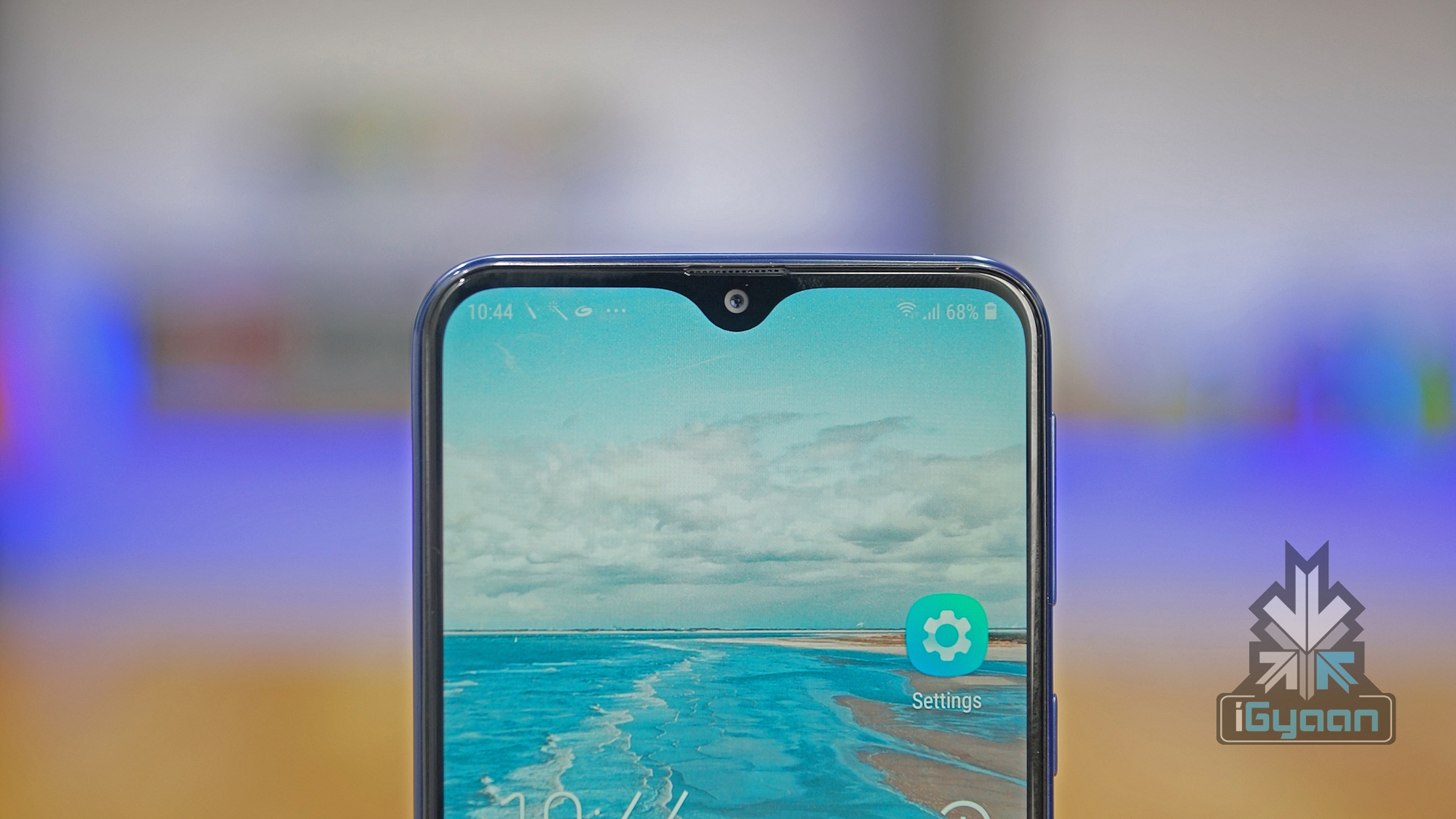 The Samsung Galaxy M20 sports a waterdrop notch, which also houses the front camera. The ASUS Zenfone Max Pro M2 has a trapezium-like notch, which doesn’t take up much space in the display. The Redmi Note 6 Pro, on the other hand, sports a wider notch that is larger than the other 2 phones.
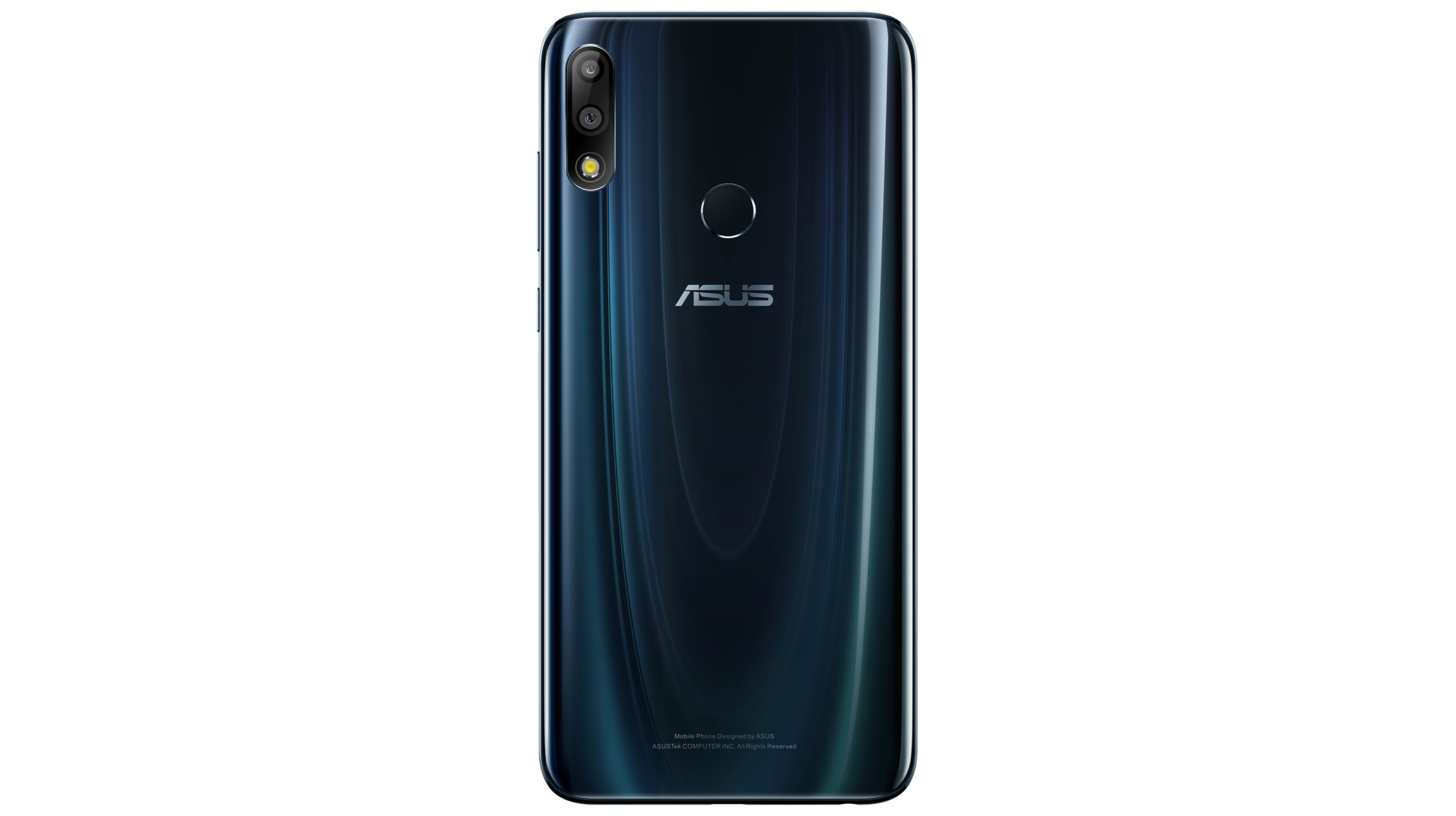
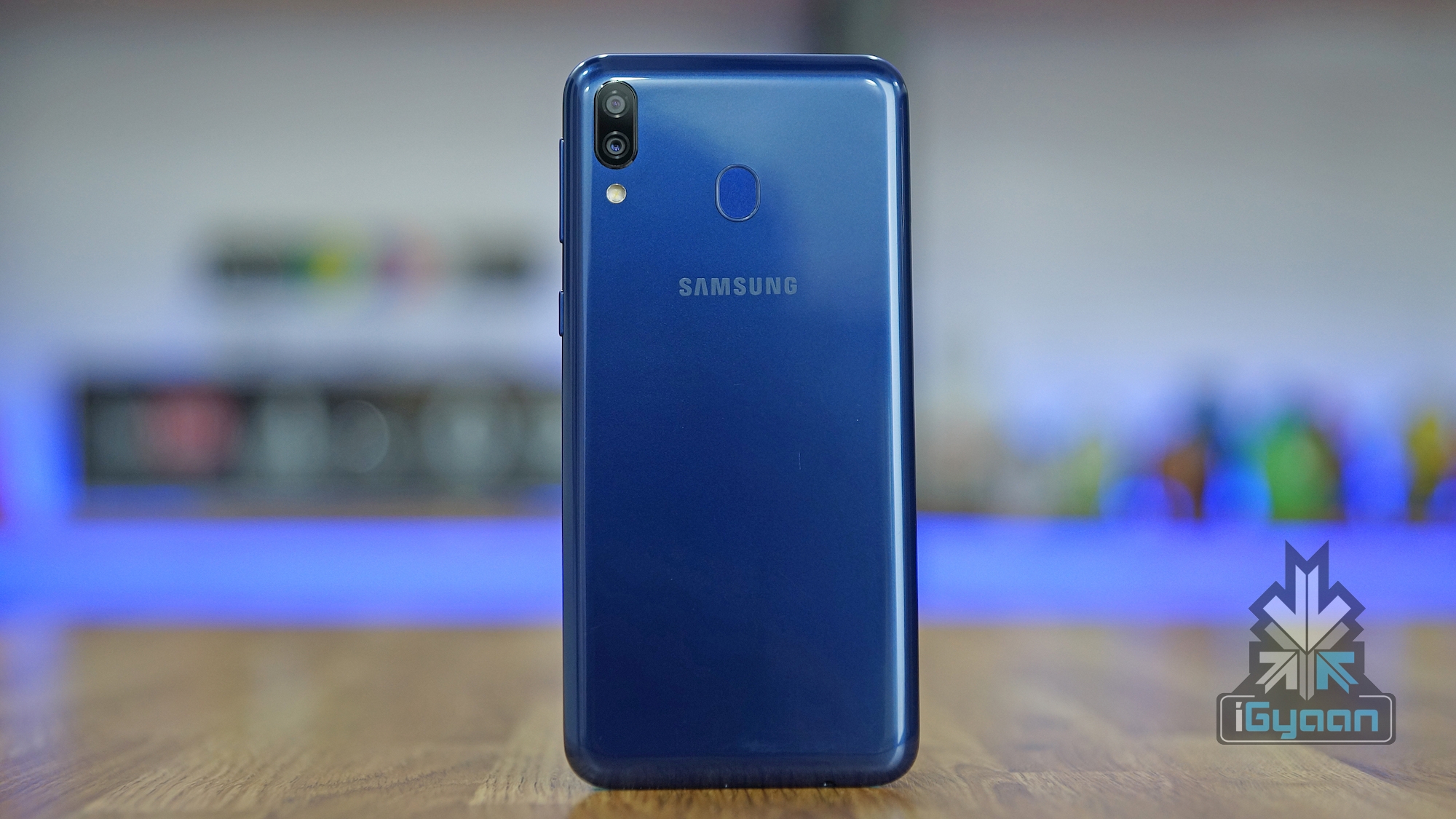
 Talking about the back panels, the Samsung Galaxy M20 has a plastic back, which actually gives a premium look. Similarly, the ASUS device has a laminated glossy plastic back. It looks good, but picks up smudges pretty easily. The Redmi Note 6 Pro is the only smartphone here which brings a metal back panel to the game. It has a smooth matte finish, making it a bit slippery, but good to hold and look at the same time.
Display
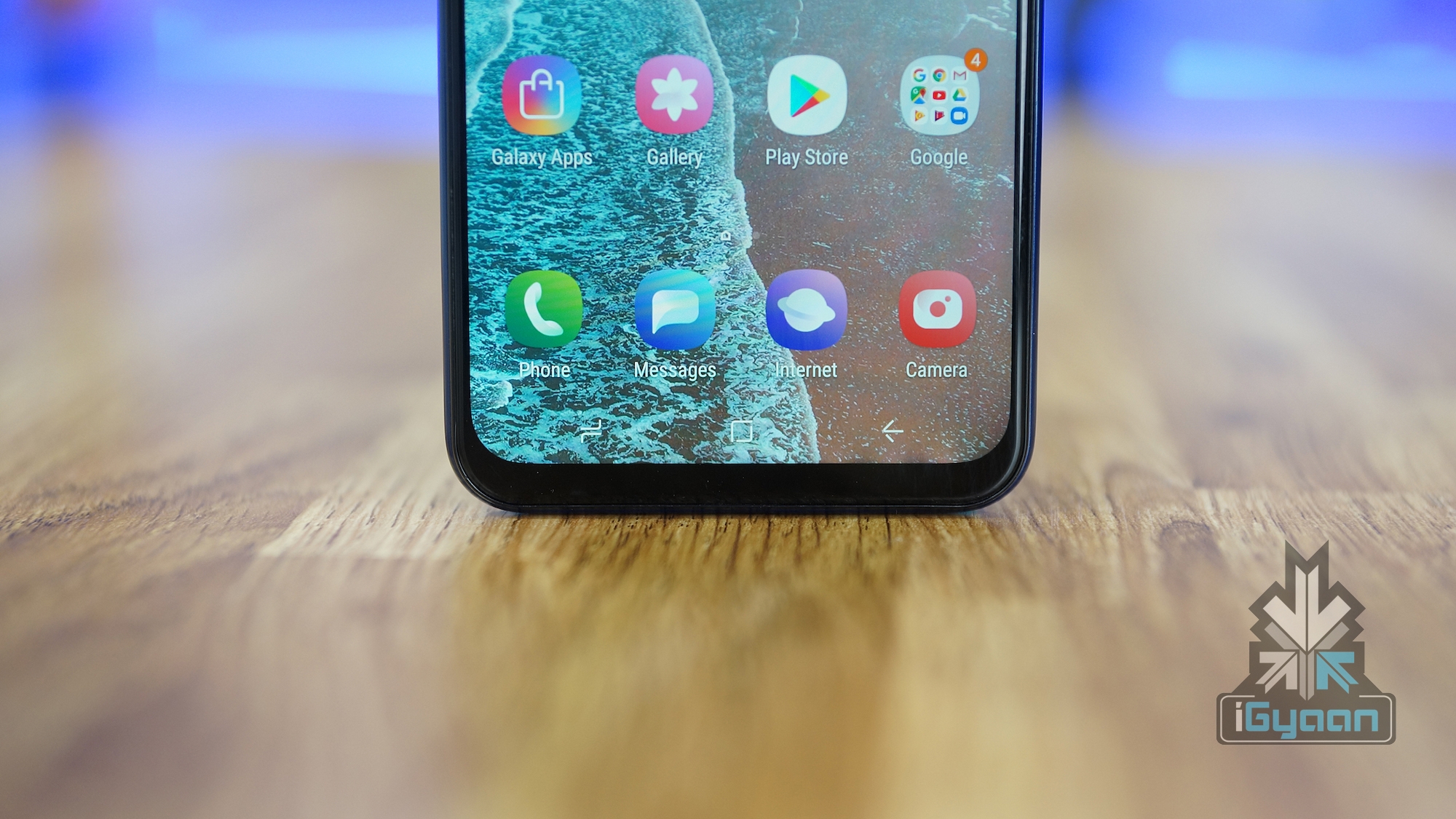 The Galaxy M20 brings the Samsung-developed PLS TFT capacitative screen to the table, with a size of 6.3 inches. The phone has a 83.6 percent screen-to-body ratio, which is higher as compared to the other two devices. With a resolution of 2340 x 1080 px, a 19.5:9 aspect ratio and a Pixel density of 409ppi, it clearly has an edge over the ASUS and Redmi devices.
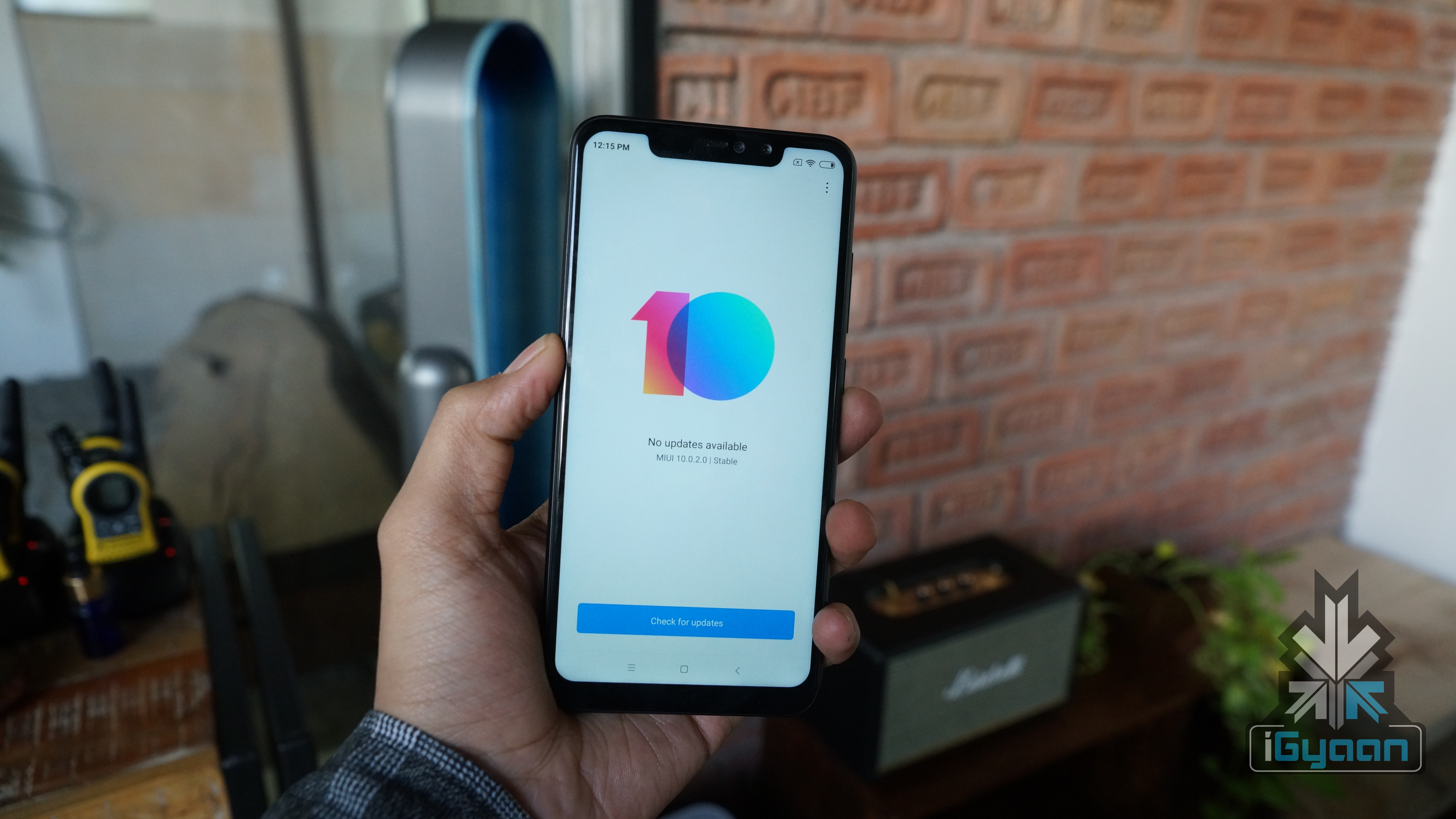 The Zenfone Max Pro M2 has an 6. 2 inch IPS LCD, and a 82 percent screen-to-body ratio. With a slightly lower resolution at 2280 x 1080 px and 19:9 ratio, it matches the specs of the Redmi Note 6 Pro. The Galaxy M20, being the latest phone in the category, shows worthwhile improvements when it comes to display.
Under The Hood
 Starting with the Samsung Galaxy M20, it packs an Exynos 7904 Octa chipset (14nm). Both the Zenfone and the Redmi devices, on the other hand, run on the Snapdragon SoC. The Zenfone Max Pro M2 has a Snapdragon 660 chipset, which houses an Octa-core CPU (4×2.2 GHz Kryo 260 & 4×1.8 GHz Kryo 260).
 The Redmi Note 6 Pro runs on a slightly older Snapdragon 636 SoC, with an Octa-core 1.8 GHz Kryo 260. While the Zenfone and the Redmi have Adreno GPUs, the Galaxy M20 has a Mali-G71 MP2 GPU.
Memory And Storage
 All three smartphones are available in both 3 GB and 4 GB RAM variants, providing 32 GB and 64 GB internal storage variants respectively. The Zenfone Max Pro M2 is also available in a 3rd variant with 6GB RAM and 64 GB storage, which is saying something.
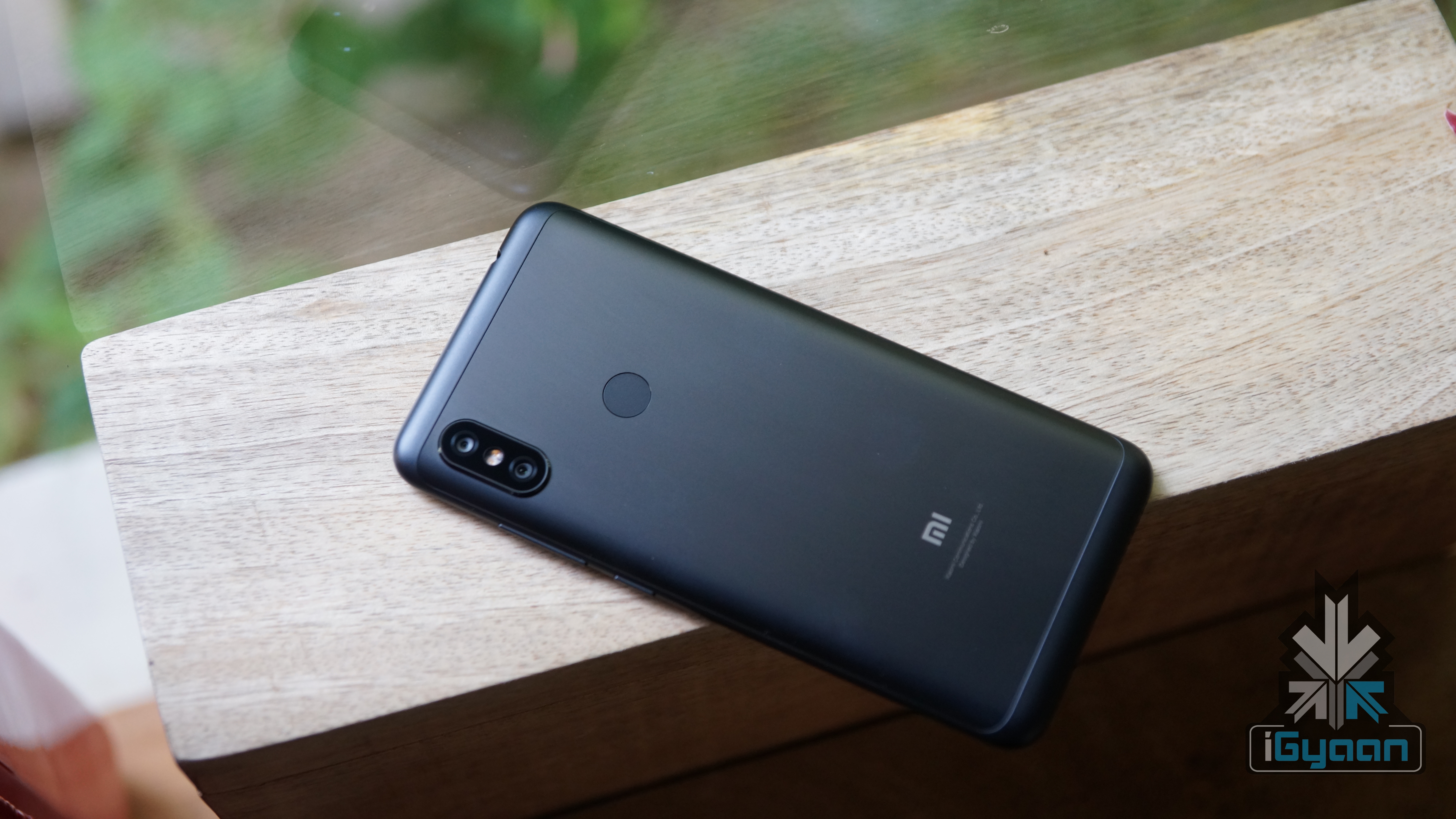 While the Redmi Note 6 Pro supports expandable storage up to 256 GB, both the M20 and Zenfone support microSD cards upto 512 GB. It’s interesting to note that the Zenfone and the Galaxy M20 both use dedicated memory card slots. The Redmi Note 6 Pro uses the slot for the SIM 2, so that’s something to point out here.
Camera
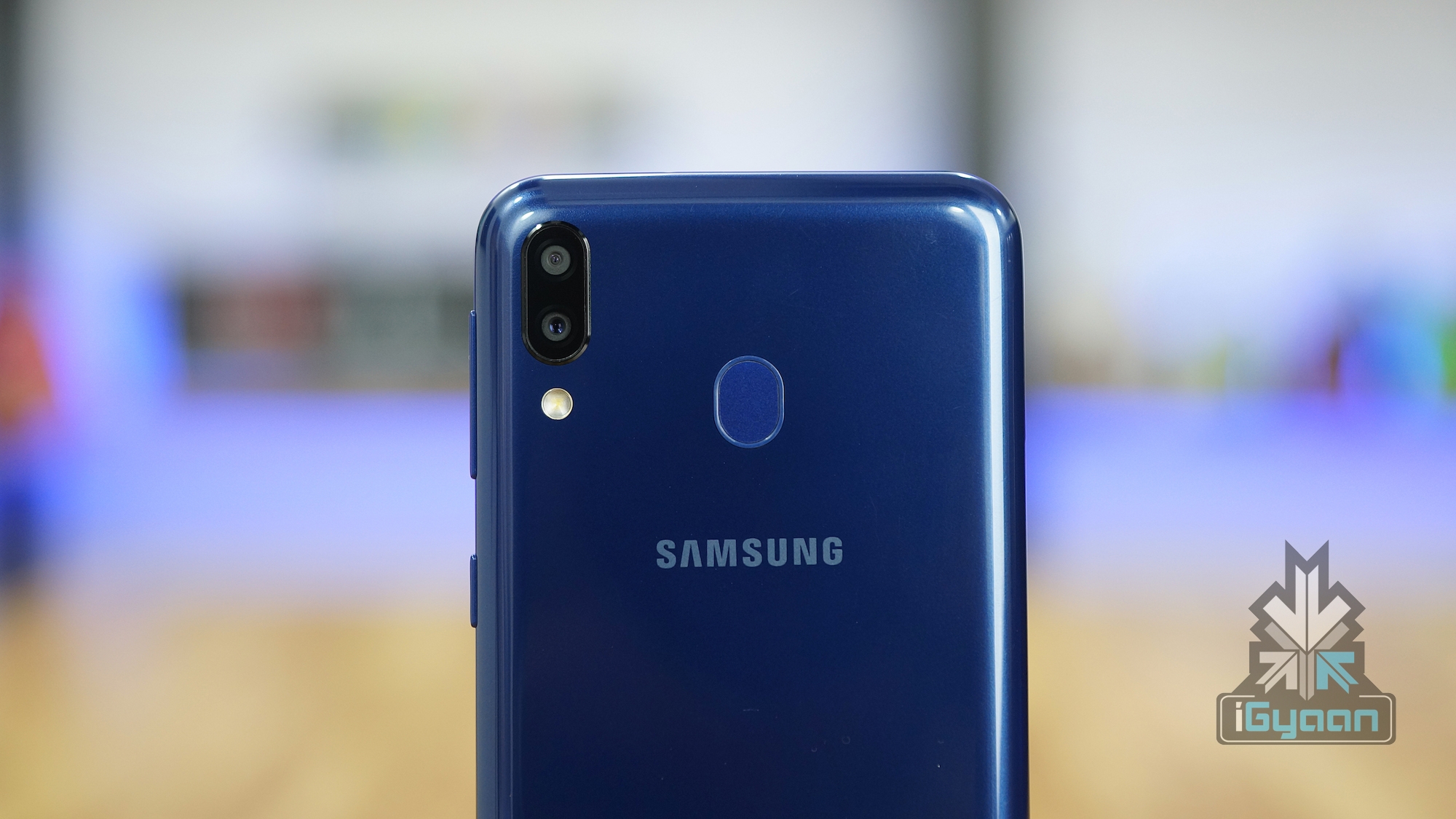 In an era of dual-camera setups, none of these smartphones disappoint. The Samsung Galaxy M20 has a 13 MP (f/1.9) primary camera, with a secondary ultra-wide 5 MP (f/2.2) camera with a depth sensor. It’s equipped with a 8 MP (f/2.0) front selfie camera. Both these cameras support HDR and can record videos at 1080p (30fps).
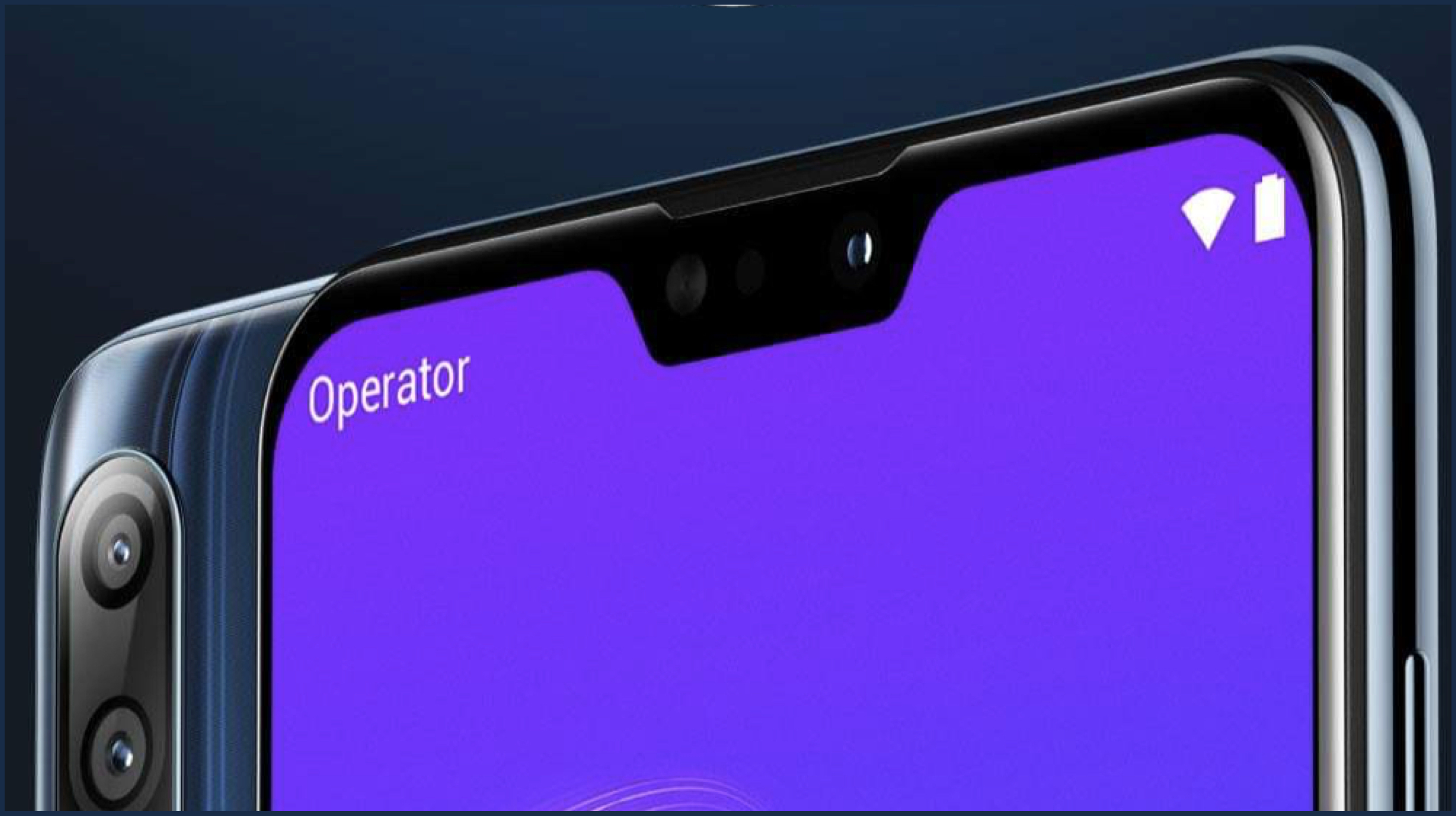 The Zenfone Max Pro M2 has a 12 MP (f/1.8) primary camera, along with a secondary 5 MP (f/2.2) camera, again with a depth sensor. In terms of the front camera, it has a 13 MP (f/2.0) front camera, which supports HDR and even has a LED flash. The best part about the Zenfone’s camera is the fact that it supports 2K recording, and 1080p recording at 60fps.
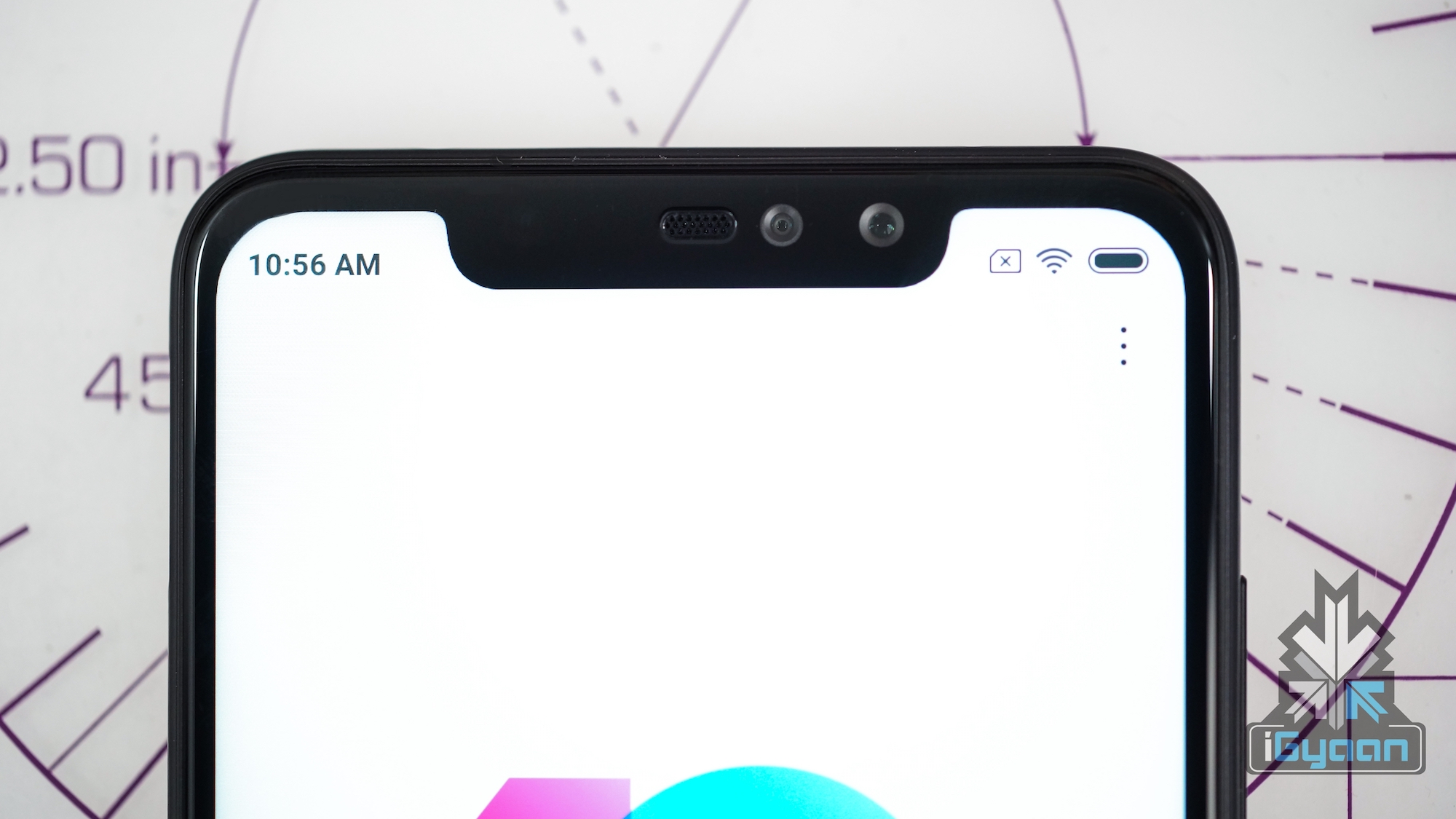 The Redmi Note 6 Pro sports a 12 MP (f/1.9) dual pixel primary camera, with a secondary 5 MP (f/.2.2) camera with a depth sensor. It has an amazing 20 MP (f/2.0) front camera with a secondary 2 MP front camera (with a depth sensor). It also supports recording at 1080p (30fps).
Battery, Connectivity and Features
 Both the Samsung Galaxy M20 and the Zenfone Max Pro M2 pack a 5000 mAh battery, which is a bliss for those who use their phone on the heavy side. The Redmi Note 6 Pro has a 4000 mAh battery. A bit lower than its counterparts, but still enough to handle over a day’s worth of usage. The Samsung Galaxy M20 supports fast charging too.
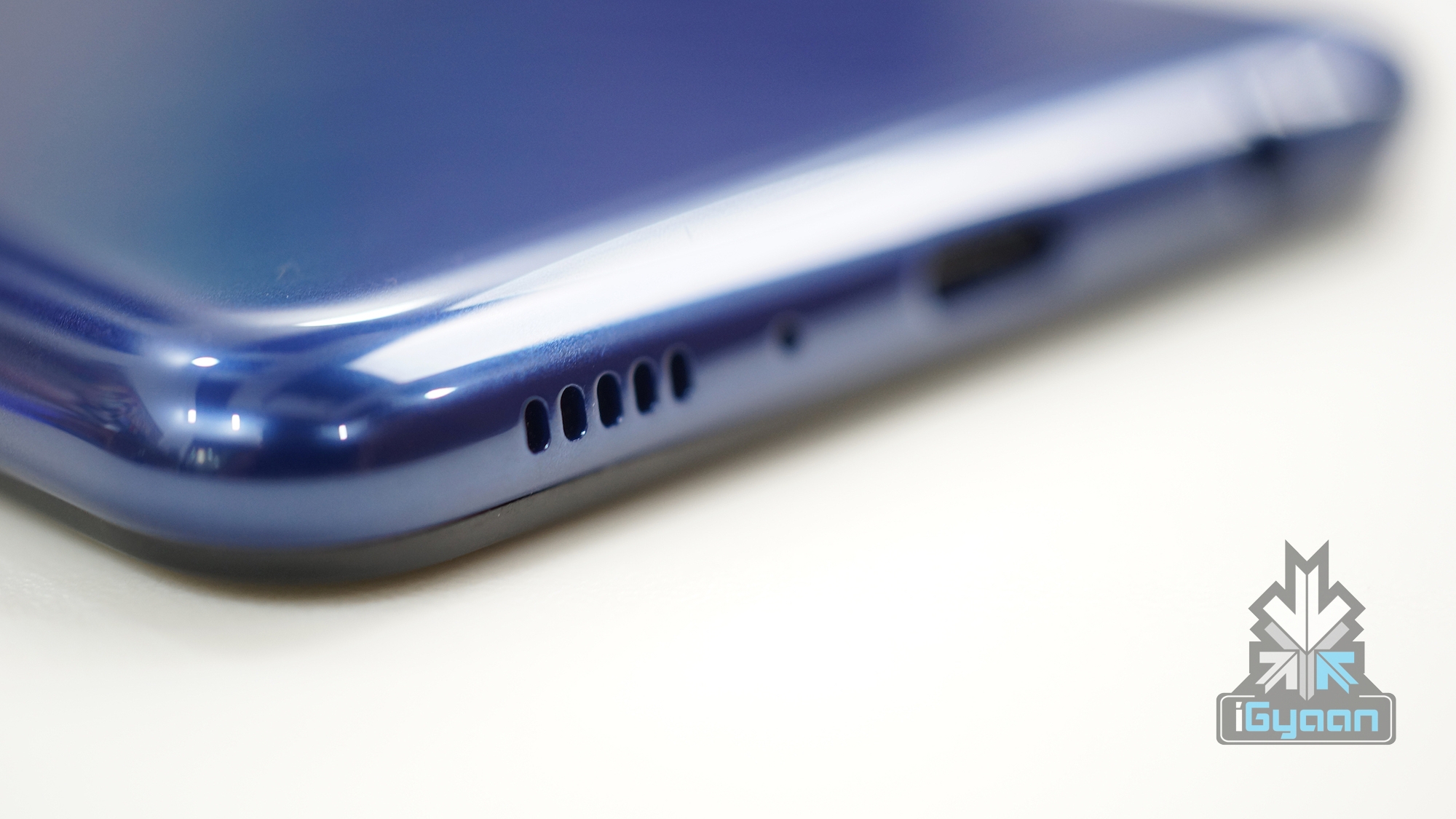
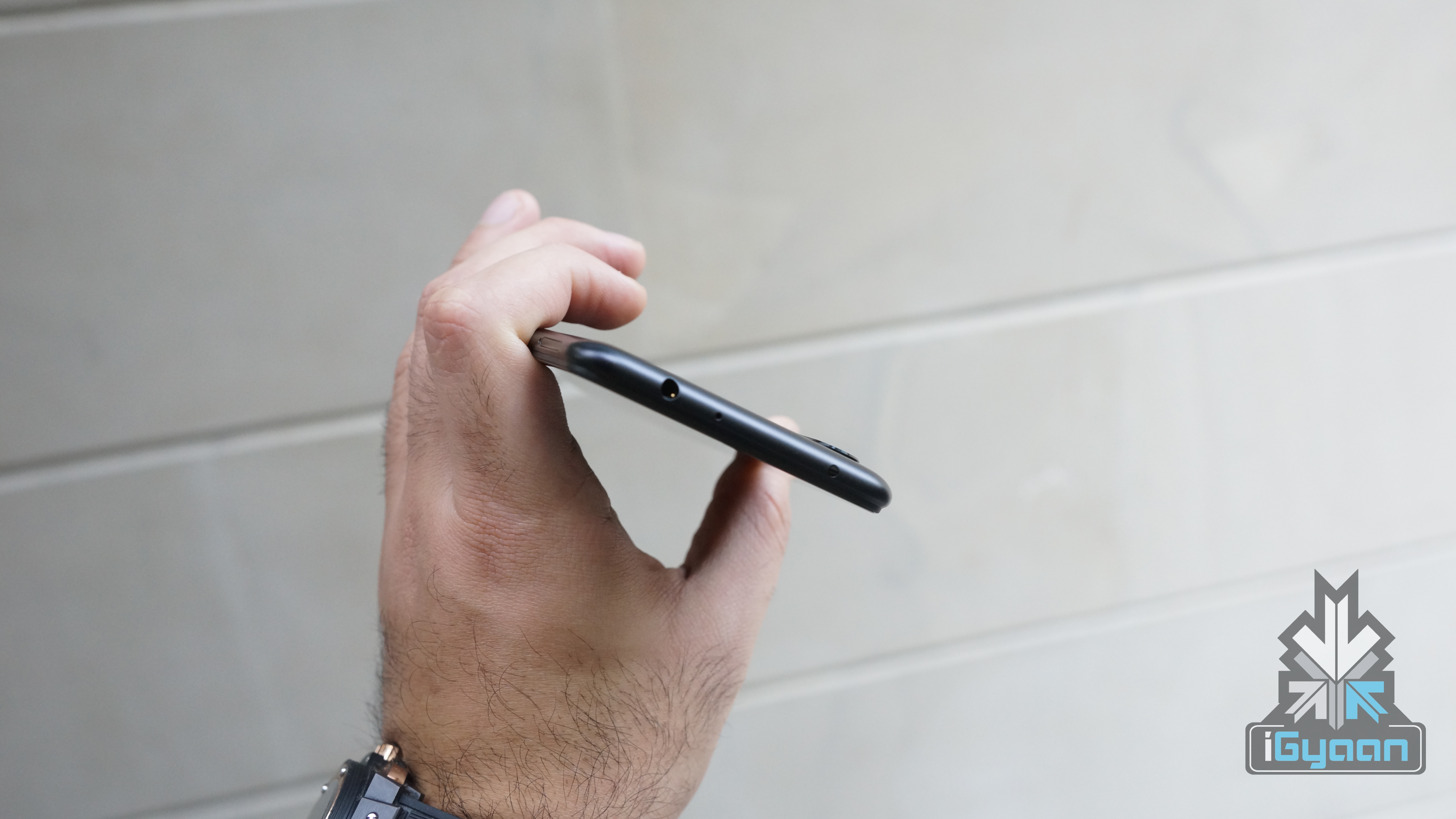 All the devices have standard connectivity options, with the exception of an infrared port on the Redmi Note 6 Pro, which makes the device MI Remote compatible. The only device among these three which supports Type-C connectivity is the Galaxy M20, so that’s an added bonus. All three smartphones have rear-mounted fingerprint sensors.
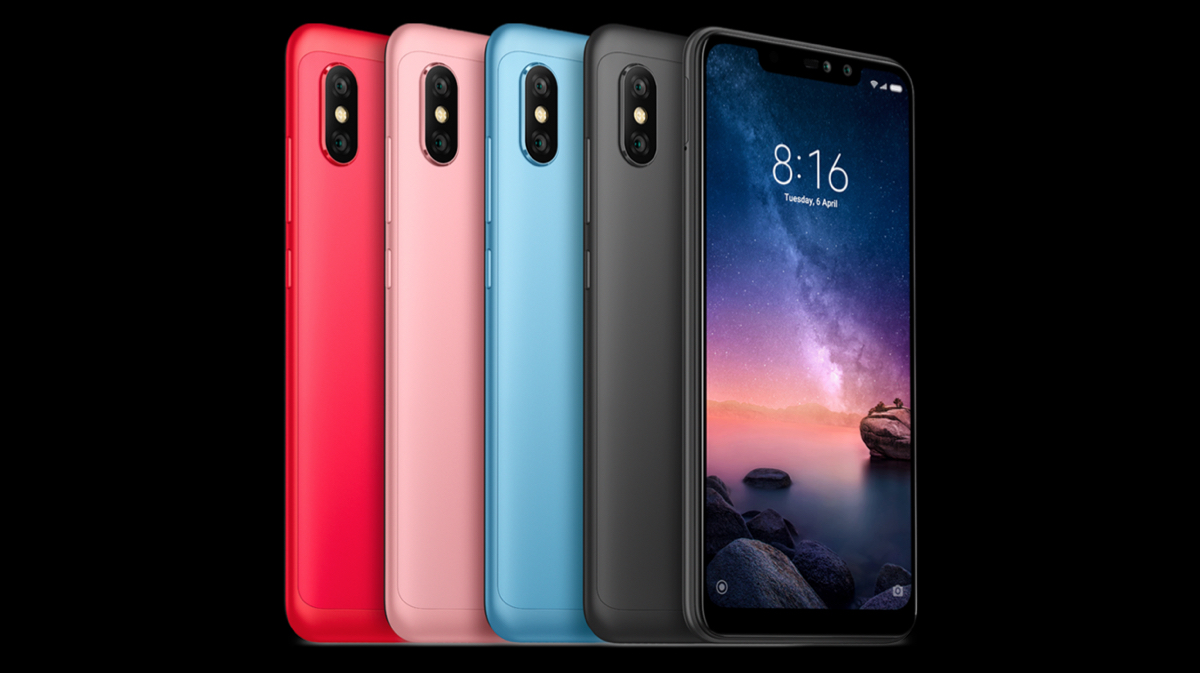 The Samsung Galaxy M20 is available in two colours, Ocean Blue and Charcoal Black. Similarly, the Zenfone is also available in two colours, namely Blue and Titanium. The Redmi 6 Pro offers 4 different colour options. It’s available in Black, Blue, Rose Gold and Red.
Pricing
Also Read : Antutu Releases AI (Artificial Intelligence) Benchmarking Tool
The Samsung Galaxy M20 is priced at Rs. 10,990 for the 3GB+32GB version and Rs. 12,990 for the 4GB+64GB version. The ASUS Zenfone Max Pro M2 starts with Rs. 12,999 for the 3GB+32GB version, Rs. 14,999 for the 4GB+64GB version and finally Rs. 16,999 for the 6GB+64GB version. The Redmi Pro 6 is priced at 12,999 for the 3GB+32GB version and Rs. 14,999 for the 4GB+64GB version. All these devices are focused towards the high-selling sectors of the market, and people are constantly looking out for the best budget smartphone under 15k. What seems to be the best bet for you guys based on the specs? Let us know in the comments below.
 The Samsung Galaxy M30 will be comparatively slimmer than the Galaxy M20. At 8.4 inches of thickness, it isn’t going to be the slimmest phone around. Hopefully, it will be still sleek enough to implant an impression. Sporting the same waterdrop notch as the other two models, the Galaxy M30 is expected to look like a premium smartphone.
  Though we have not confirmed the specs yet, the Samsung Galaxy M30 will run on the Samsung Exynos chipset, and will boast an octa-core processor. By the time the Samsung Galaxy M30 will be released, it will probably run Android 9.0 out-of-the-box.
  Also Read : Facebook Paying Users In Exchange For Their Data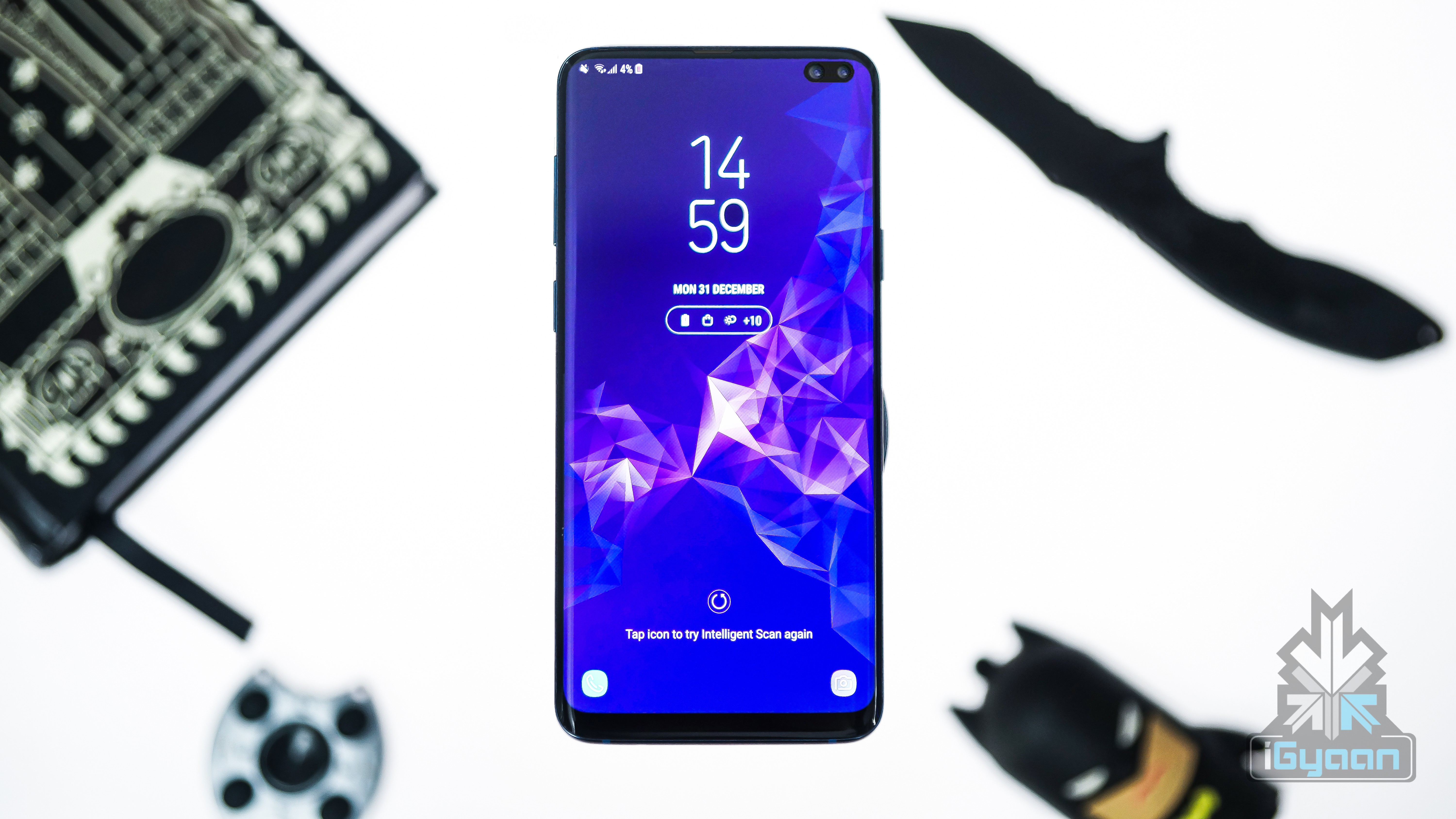
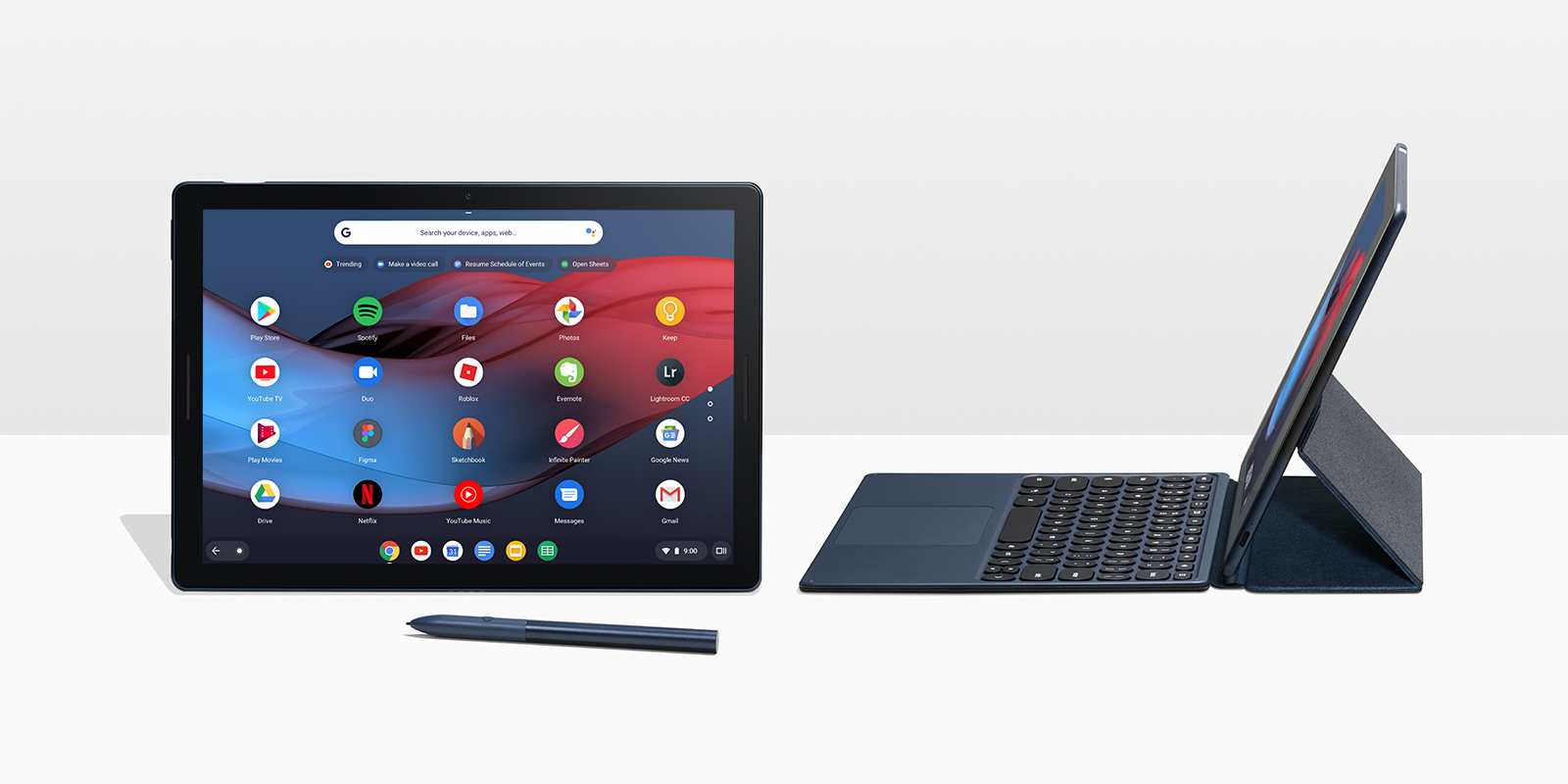
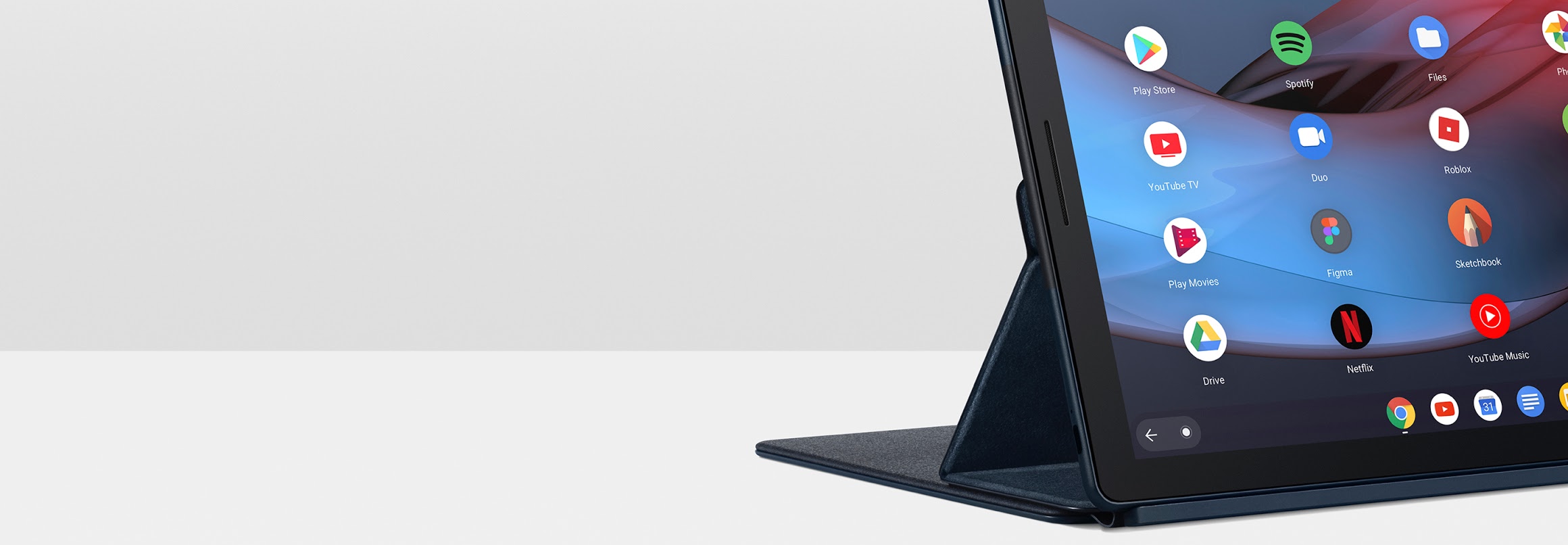 The latest Google “rammus” reveal on Geekbench indicates that the device is packing a 4.20 Ghz i7-8500Y dual-core processor. As we mentioned beforehand, the earlier version had an Intel Core m3-8100Y processor. This is an okay-ish improvement, considering the fact that there is not a lot of performance difference between the two chipsets. Both the Intel chips are based on the Amber Lake microarchitecture. They are built on a 14nm+ FinFET process.
 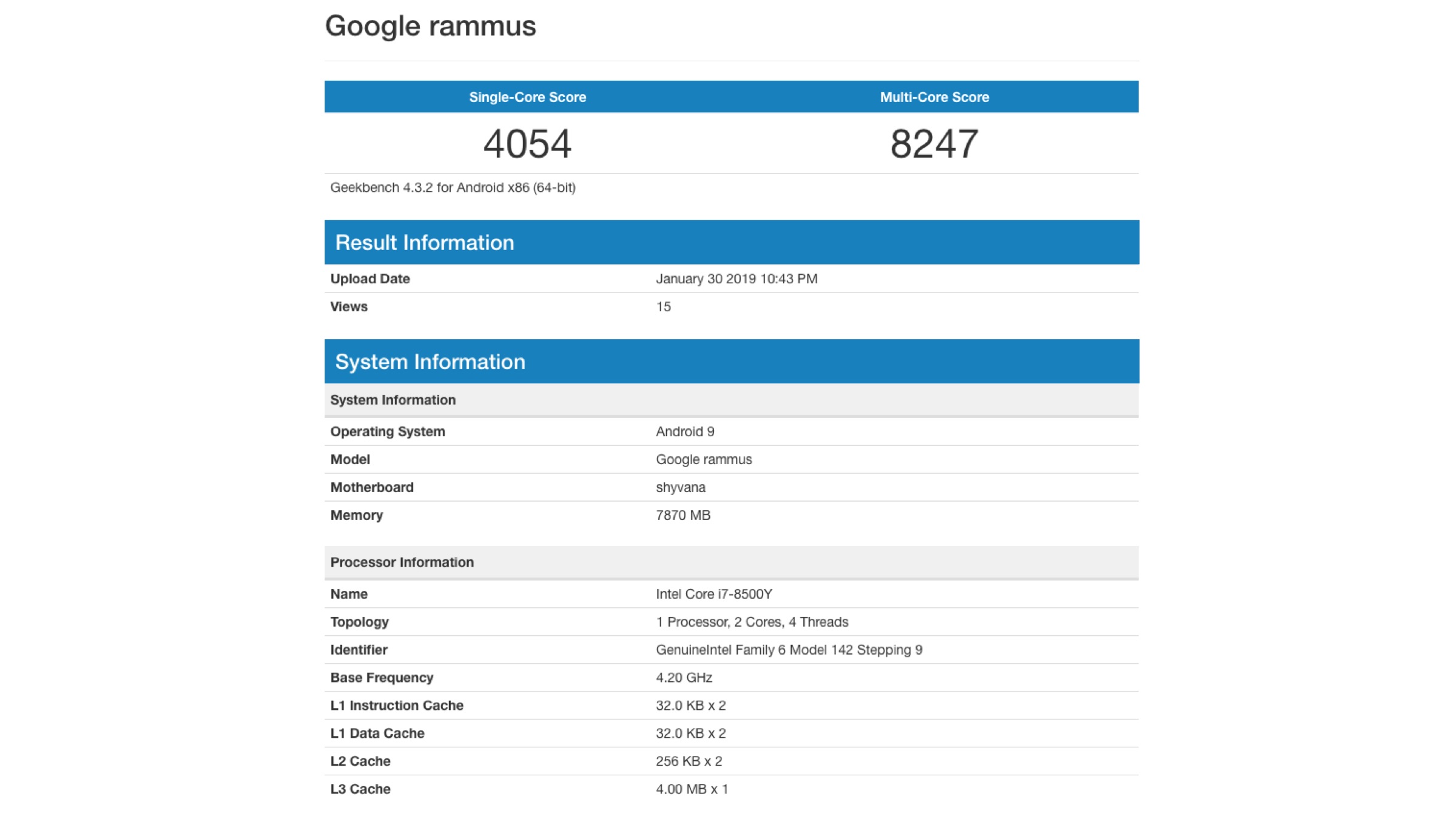 An 8GB RAM over 4GB RAM is a decent upgrade any day, which Google seems to have done with the new “rammus”. If we compare the benchmarking scores of the old and the new “rammus” models, we see a clear improvement. The newer variant with the core i7 processor scored 4054 in the single-core test, whereas it achieved a score of 8247 in the multi-score test. On the other hand, the older variant, which packed the Core m3 scored 3479 points in the single-core test and 6312 points in the multi-core test. A difference of almost 2000 points clearly indicates that Google is planning to bring this strange “rammus” to the market soon.
 Also Read :
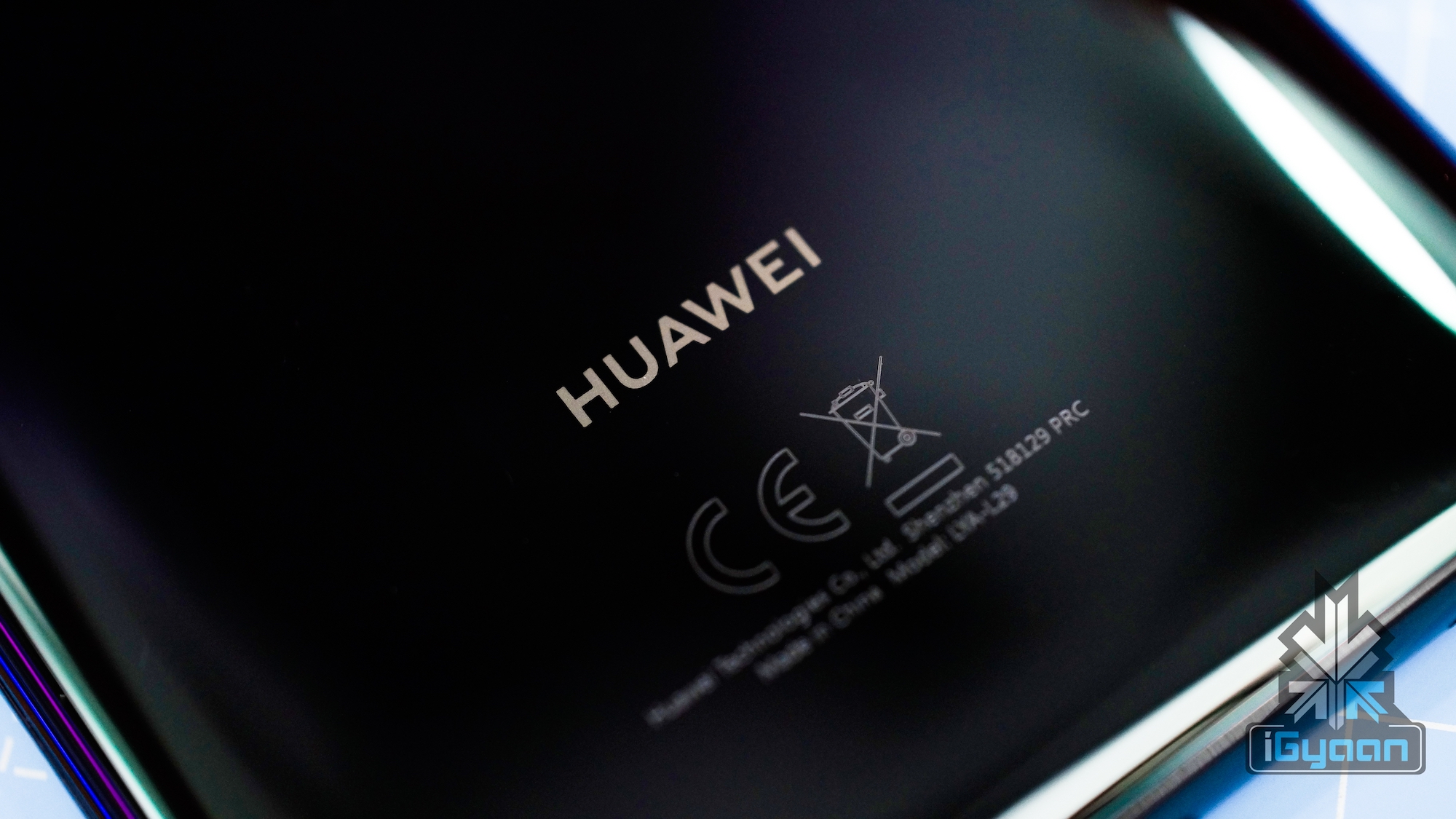 Huawei applied for two separate trademarks at the European Union Intellectual Property Office, also known as the EUIPO. This happened on 29 January, 2019, and they are actually the brand names for Huawei’s next smartphones, Huawei Mate Smart and the Huawei Mate Mini.
  B
B


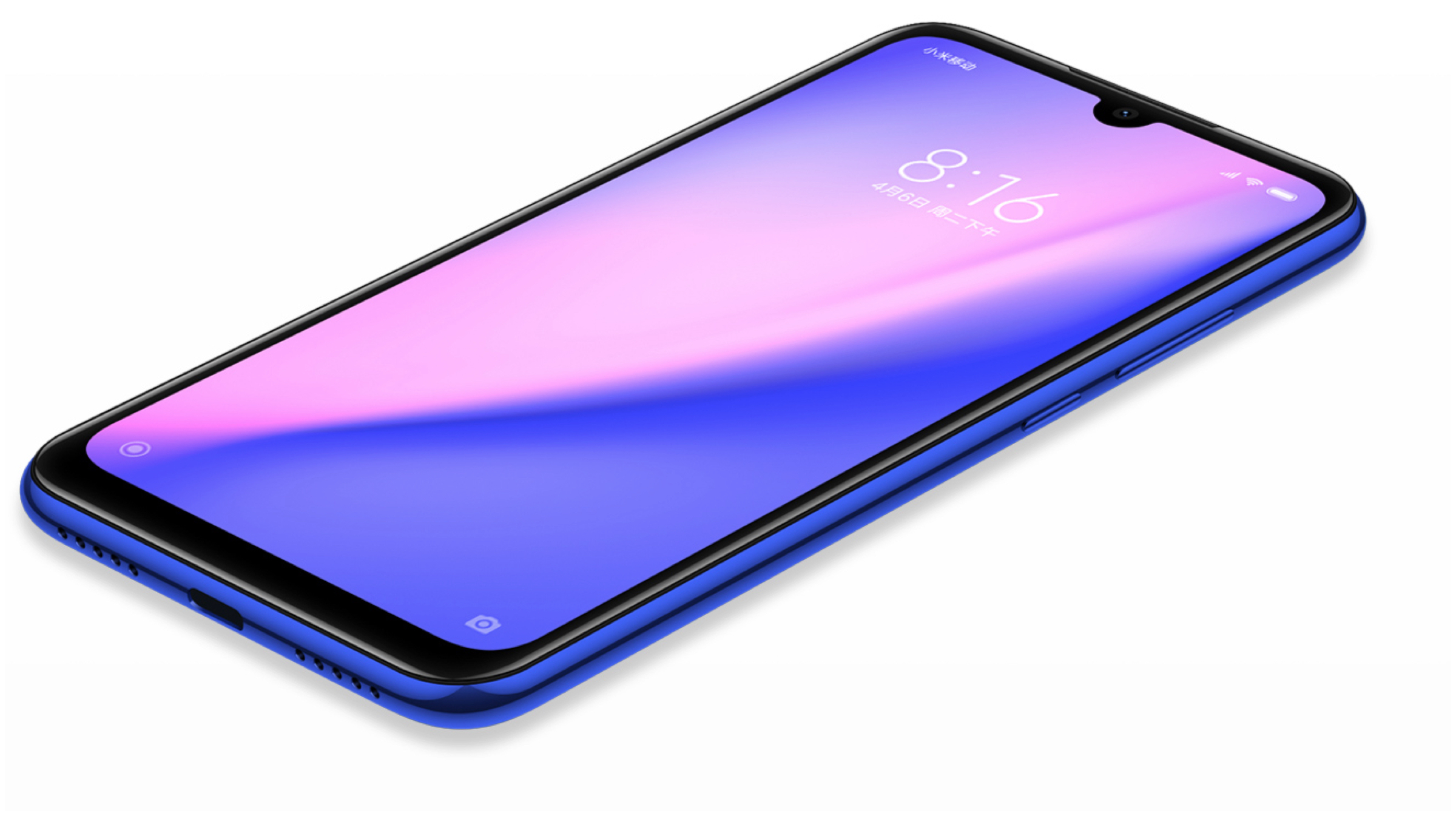
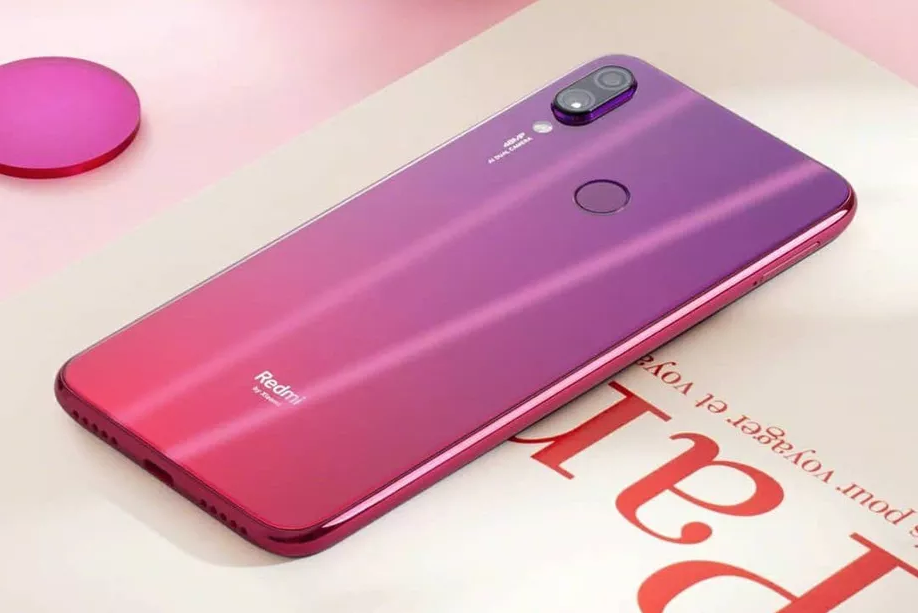
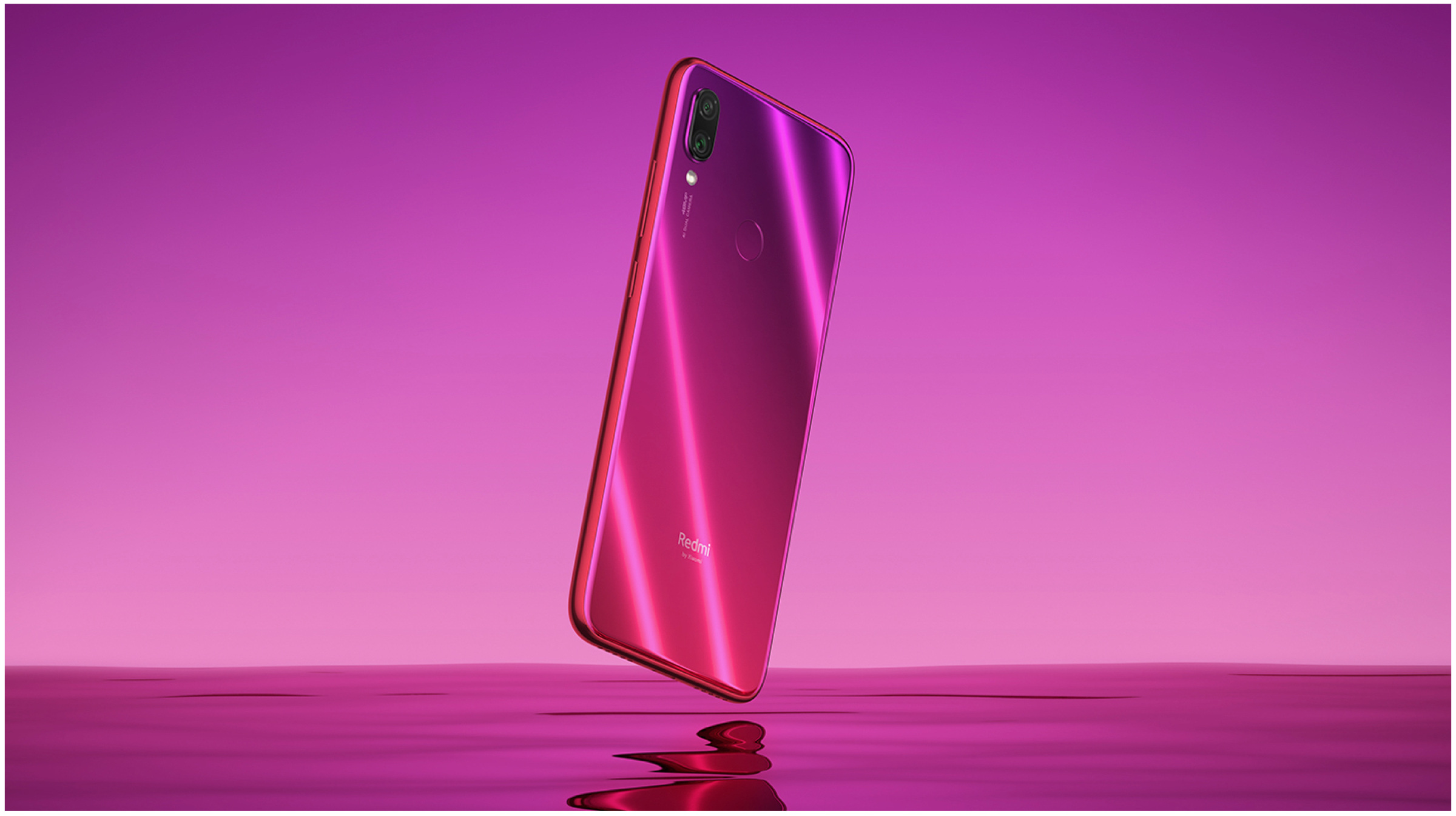 Earlier this year, Xiaomi released the Redmi Note 7 with specs to kill for. A 48 MP camera with a Samsung ISOCELL sensor, 6 GB RAM, Snapdragon 660, It had everything that a smartphone connoisseur could desire. Needless to say, the device stirred up a lot of hype, with almost 100,000 units selling out in less than 11 minutes, as claimed by the Chinese electronics giant. Rumours are in the air that a newer edition of the same phone is on its way.
 The device, which will be called the Redmi Note 7 Pro, is expected to launch with a Sony IMX586 sensor. And today, the company CEO dropped another hint online. When Lu Weibing was asking Redmi’s fans questions regarding their expectations from the Redmi Note 7 Pro, one fan had a rather far-fetched suggestion. “Drop the version with 3GB RAM and 32 GB Internal storage, and just release the 6GB+64GB or 6GB+128GB one.” This sounded like quite a big speculation. But the same reply was later reposted by the Xiaomi CEO, Lei Jun. This suggests that Redmi is actually looking towards such a variant on the Redmi Note 7 Pro.
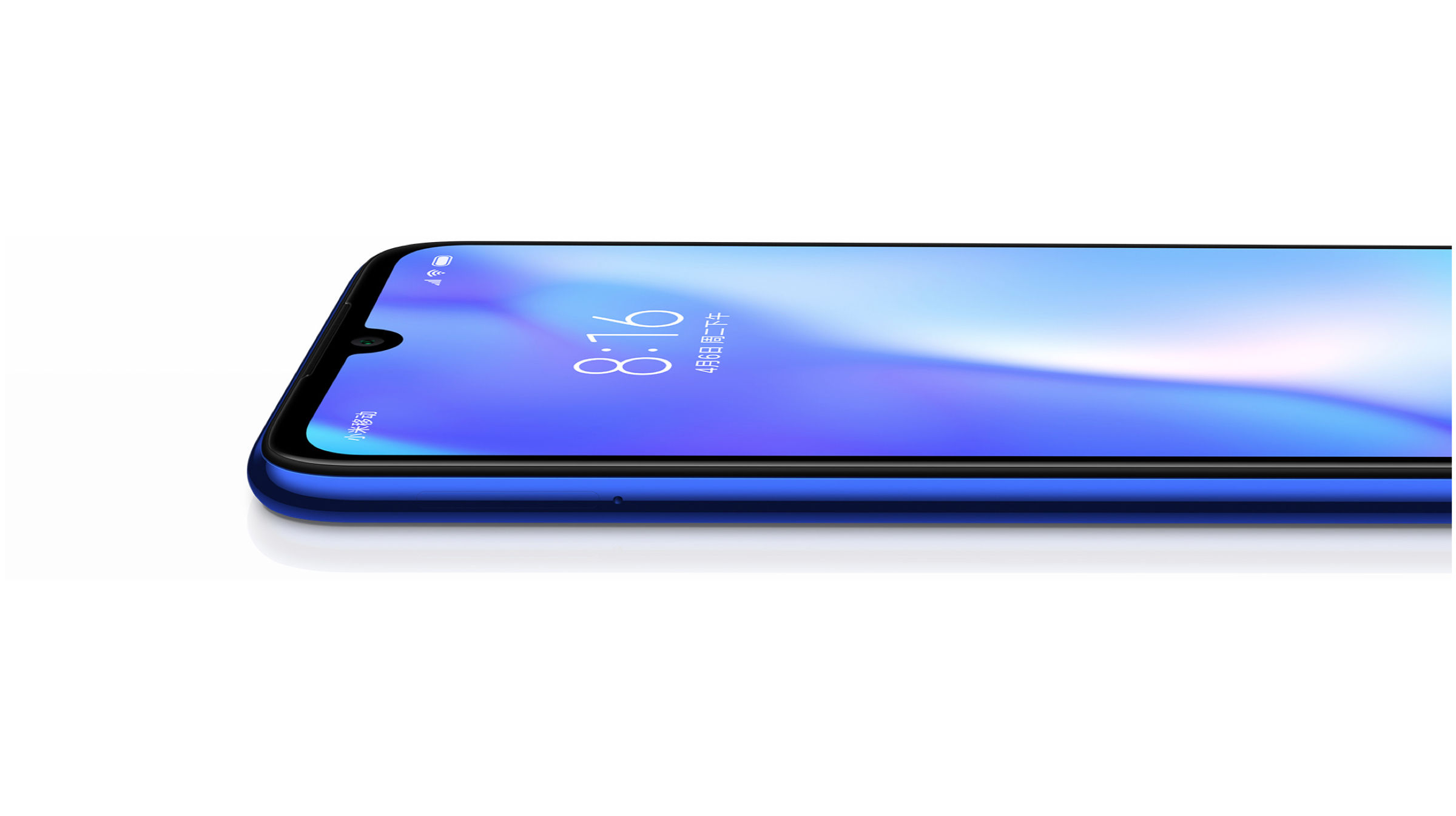
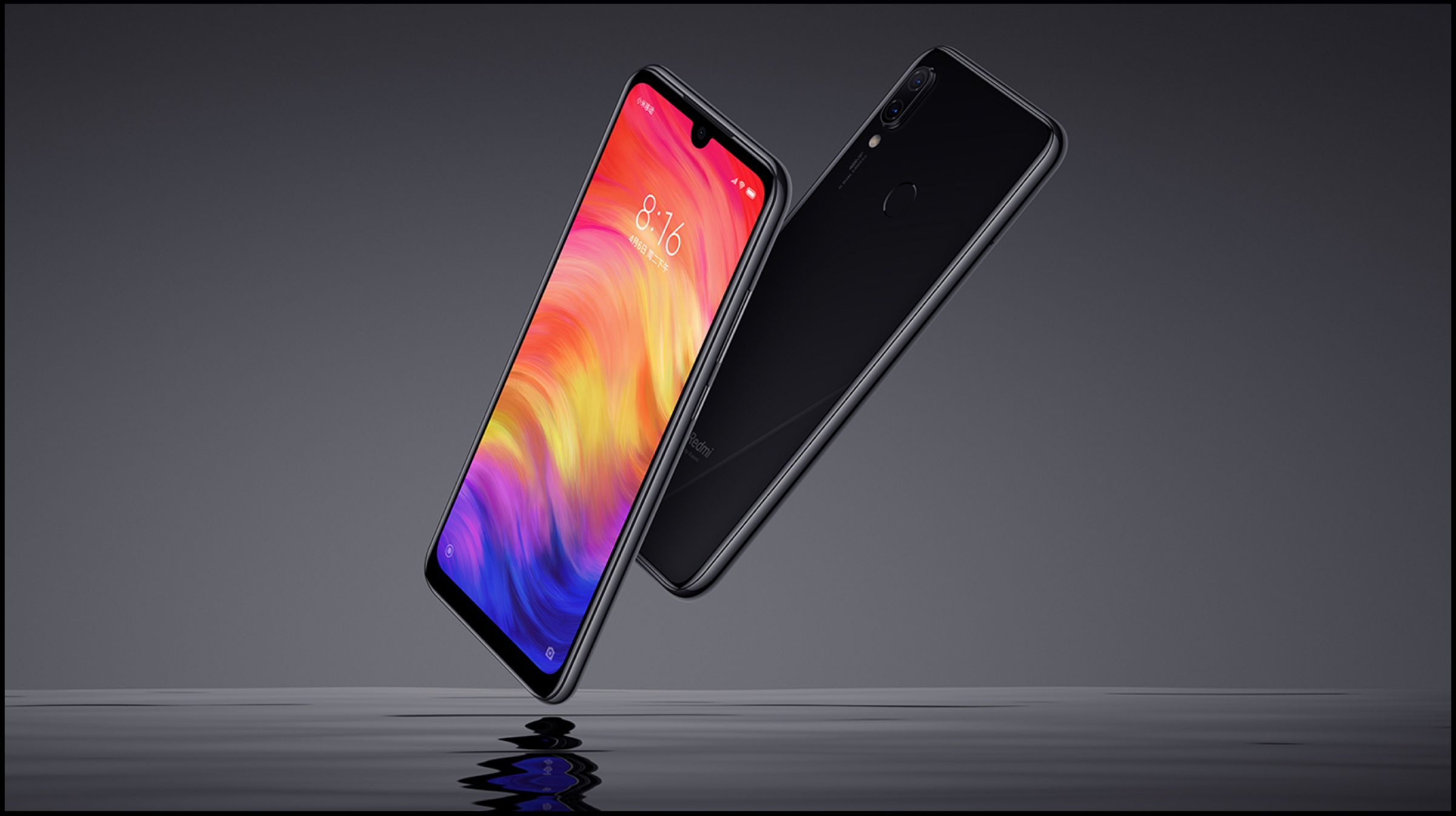 If we put together the rumours, the Redmi Note 7 Pro will probably resemble the Note 7 in a variety of ways. It is expected to retain the same 6.4 inch screen with a similar notch. It will have the same 4000 mAh battery with Quick Charge 4. One of the more exciting things to look forward to is the introduction of a Snapdragon 675 instead of the Snapdragon 660. If this happens, the Redmi Note 7 Pro will be the cheapest phone in the segment to provide this chipset.
  Read More :




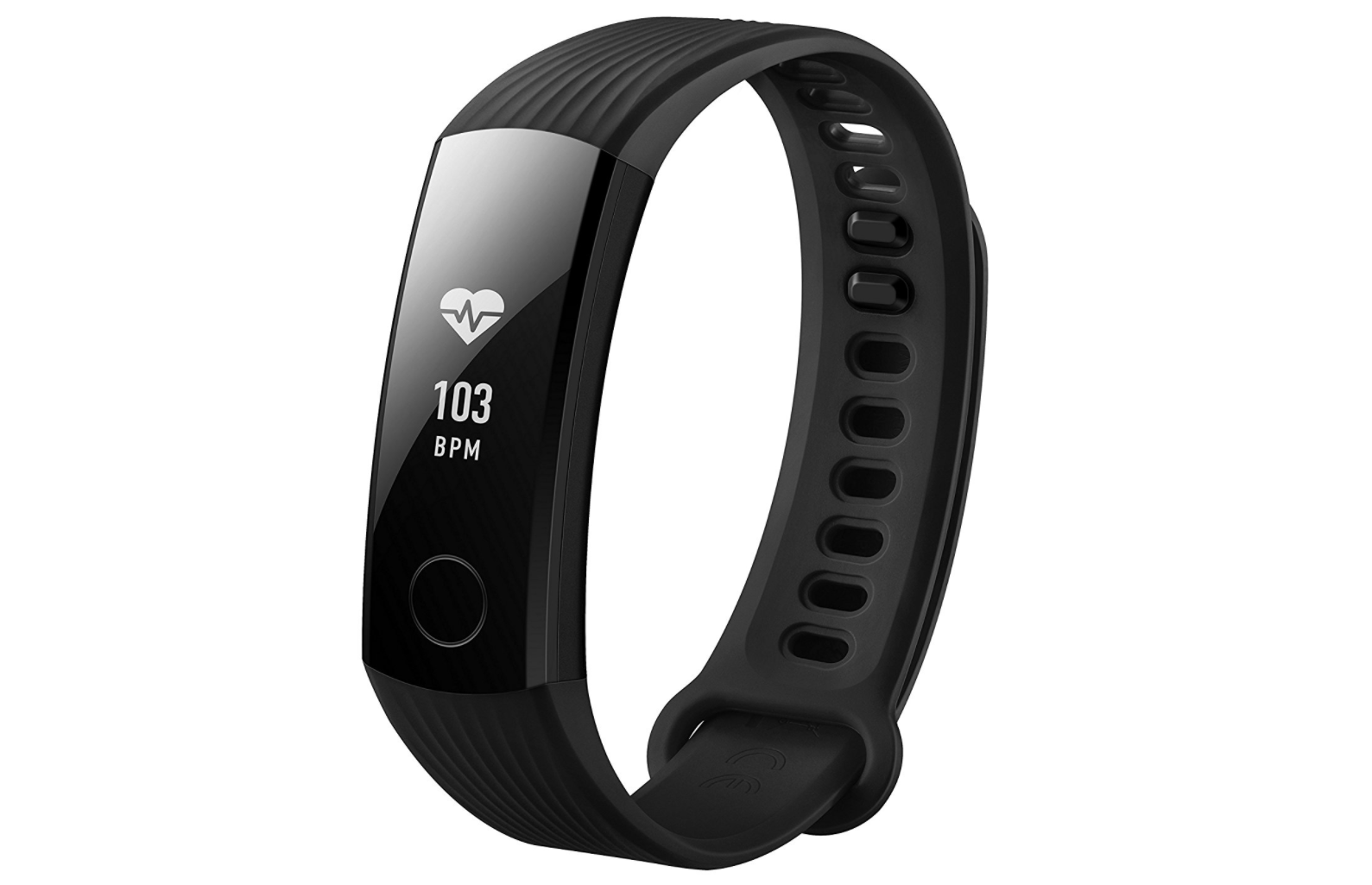 When the Honor Band 3 was first released in India, it impressed a lot of people. A sleek look combined with the aggressive pricing was one of the major factors that accounted for the success of the Honor Band 3.
 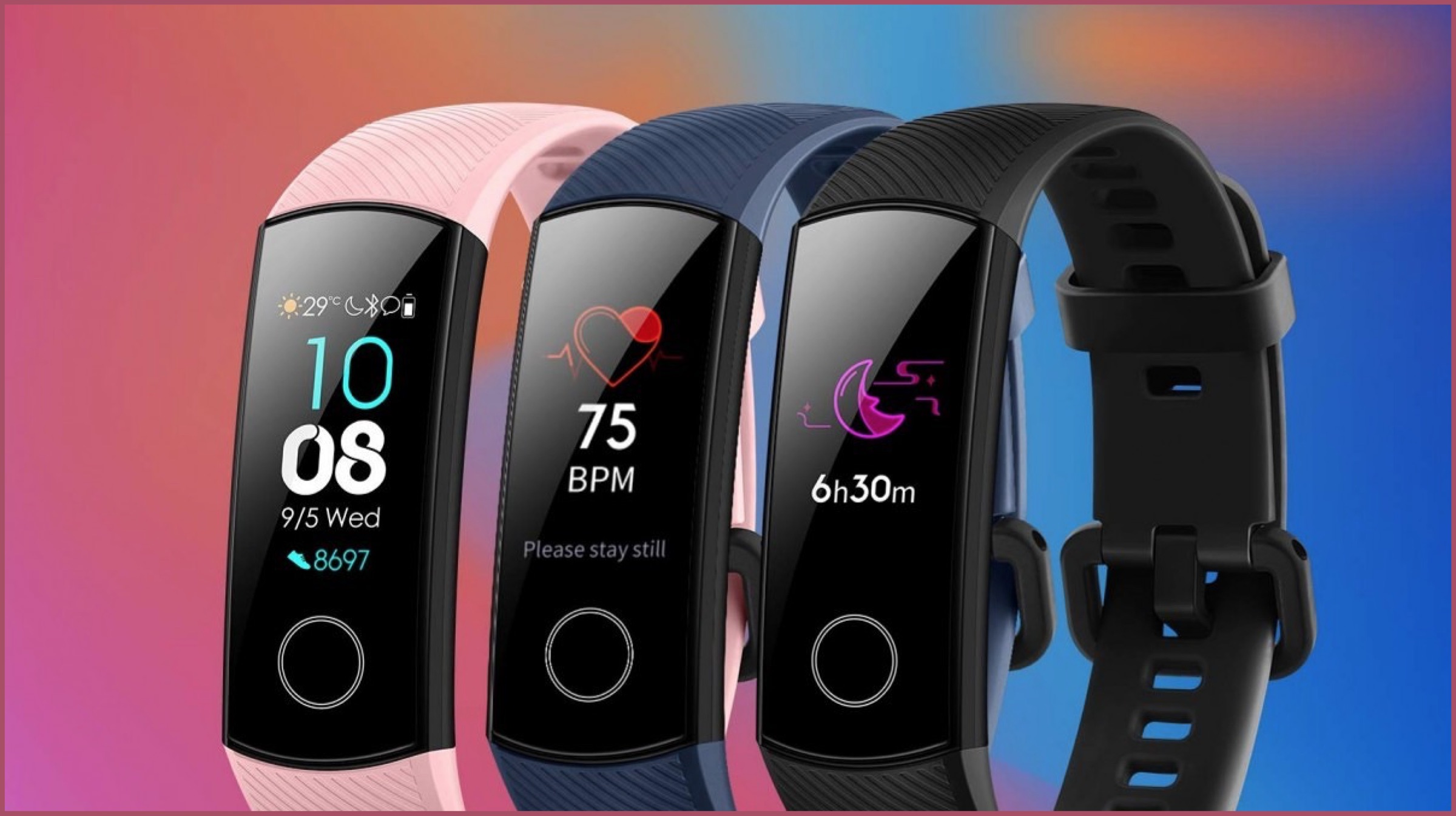 The Honor Band 4 features a full colour touchscreen display, crafted from 2.5D glass. This ensures a high resistance to scratches, so that the Band may be used during your day-to-day activities. Huawei’s TruSleep technology allows you to track your sleep in a whole new detailed manner. It even provides you advice regarding common sleeping problems. Also, TruSeen helps you to track your heart-beat in Real-time, ensuring that you get high heartbeat alerts immediately.
  The Honor Band 4 Running Edtion is specifically made for running though. Also, a key difference between both the bands is the availability of 5 dual-colour finishes in the Running Edition instead of the conventional 3 colours in the Honor Band 4. The Running Edition has almost half the display size of the Honor Band 4, but the catch is not that.
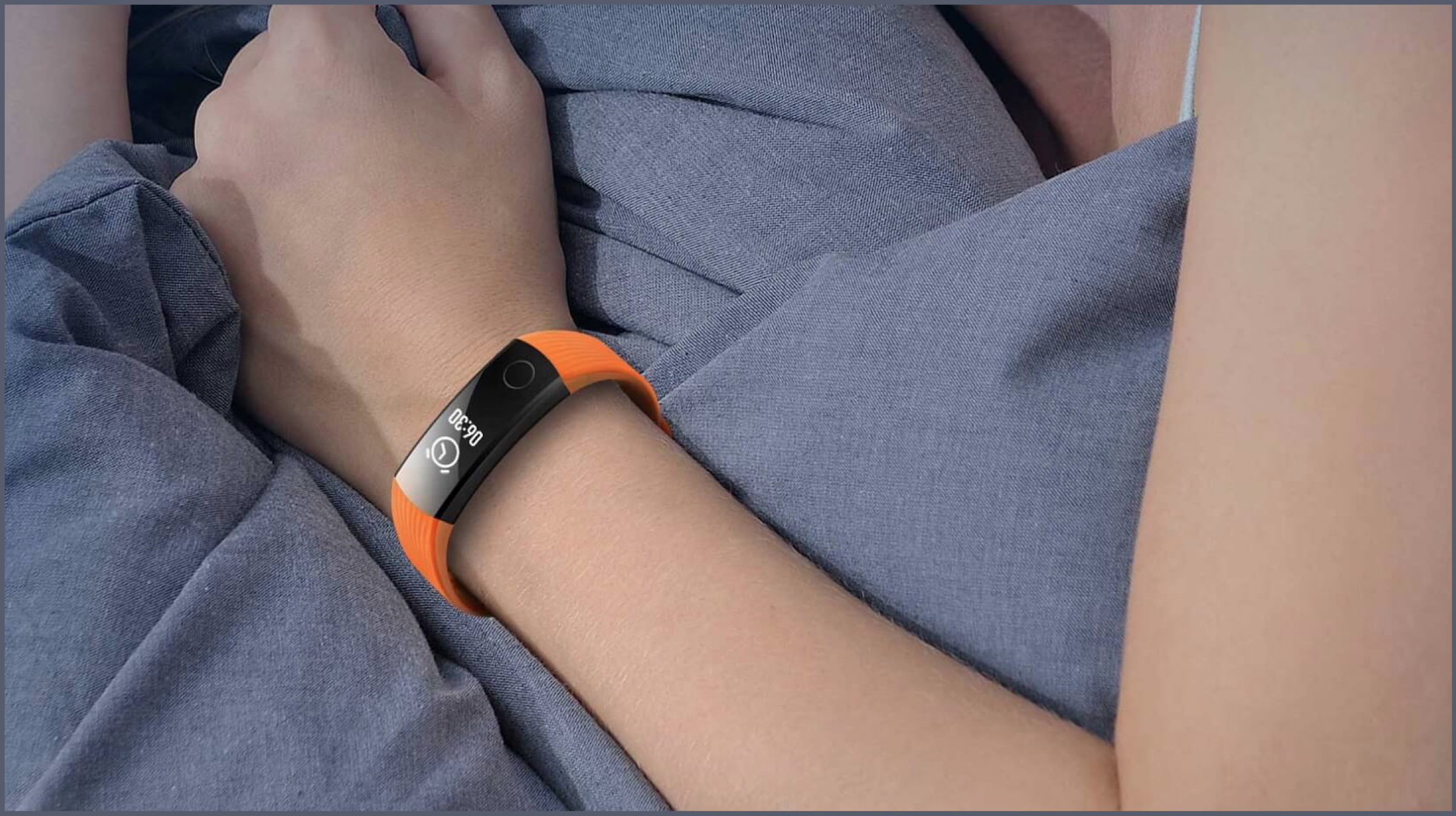 You can always use your Honor Band to locate your phone if you have misplaced it. It’s a workout trainer, notifier and even a remote control if you want to take those amazing selfies with your Huawei device. As far as the battery is concerned, the Honor band 4 can last up to 17 days under normal use, and that too on a single charge. That’s a whole lot of battery life, we have to say.
  The Honor Band 4 will be priced at Rs. 2,599. The Running Edition of the same will be priced at Rs. 1,599, which is comparatively lower.
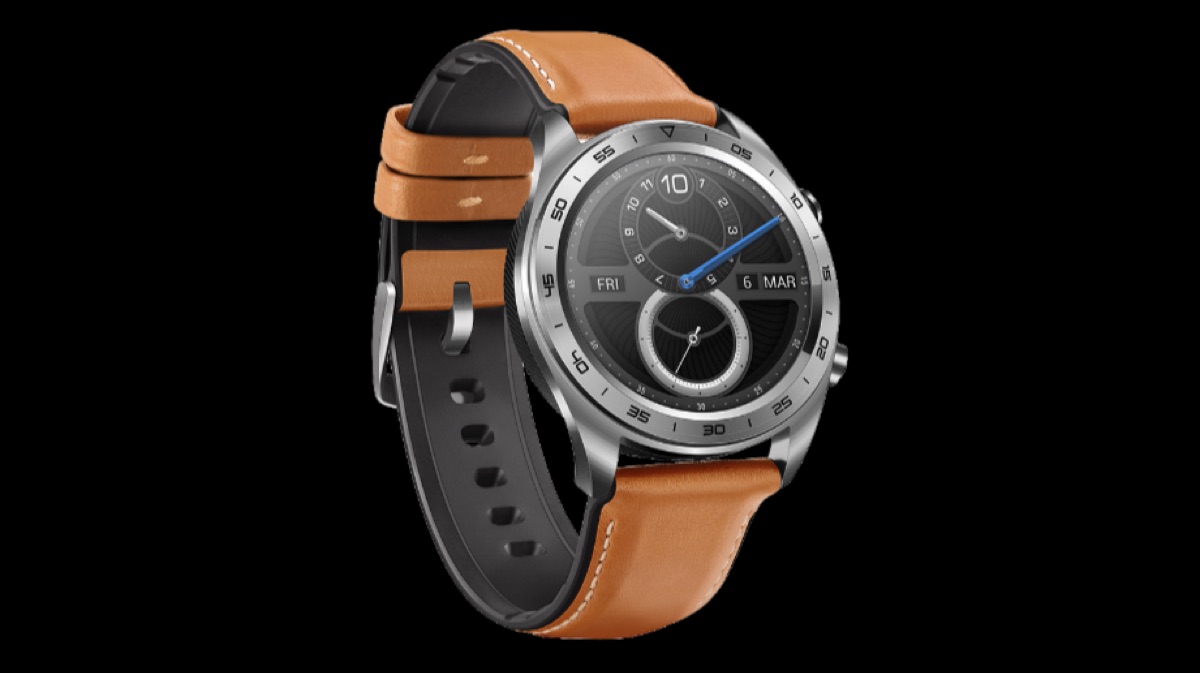
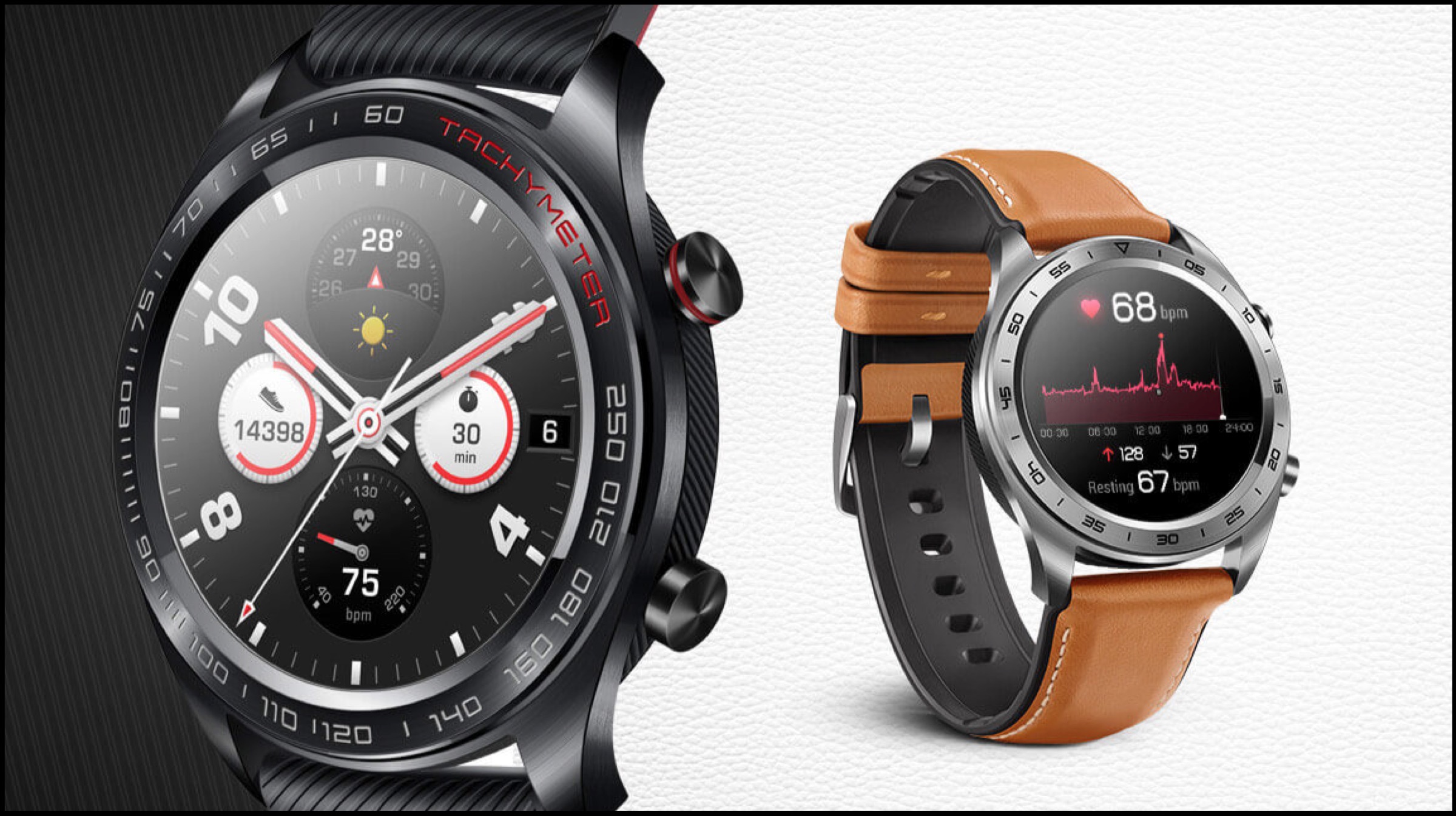 While the Honor Band 4 focuses more on fitness, the Honor Watch Magic aims towards embedding itself in your daily activities, in addition to being the watch that it is. It’s 9.8 mm thick, and is crafted using 316L stainless steel, making it extra lightweight and comfortable for day-to-day use. Laser Engraving gives a really catchy look to the whole design. The watch is available in two colours, and is available with a two-sided strap.
 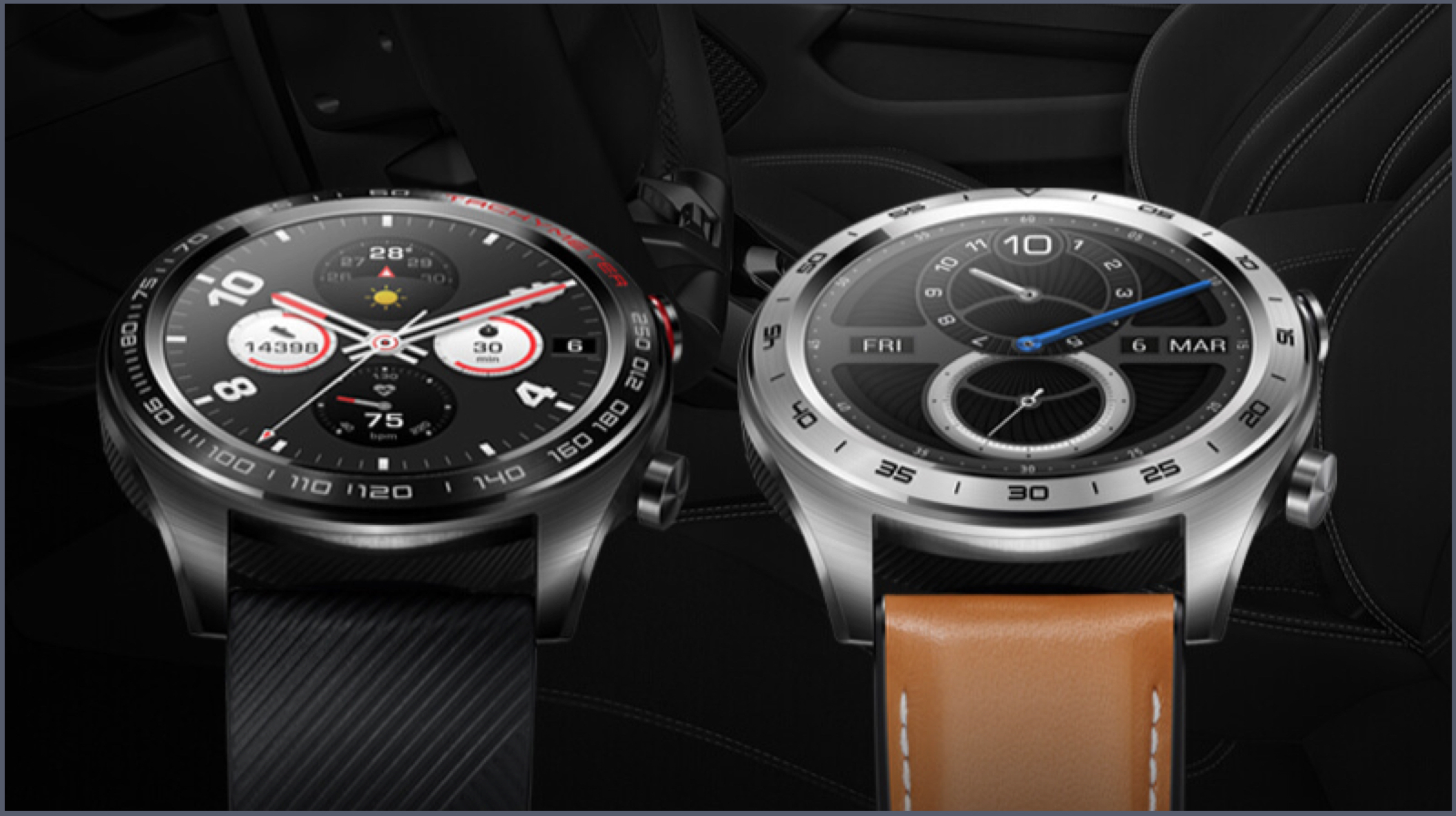 The Honor Watch sports a 1.2 inch AMOLED touchscreen, with a resolution of 390 x 390 px. At 326 ppi, the Watch aims to offer a colour-rich usage experience. As per Huawei’s claims, the Watch runs on a dual-chipset, which intricately balances power consumption and the performance of the smartwatch. It even strives to provide a 7-day battery life.
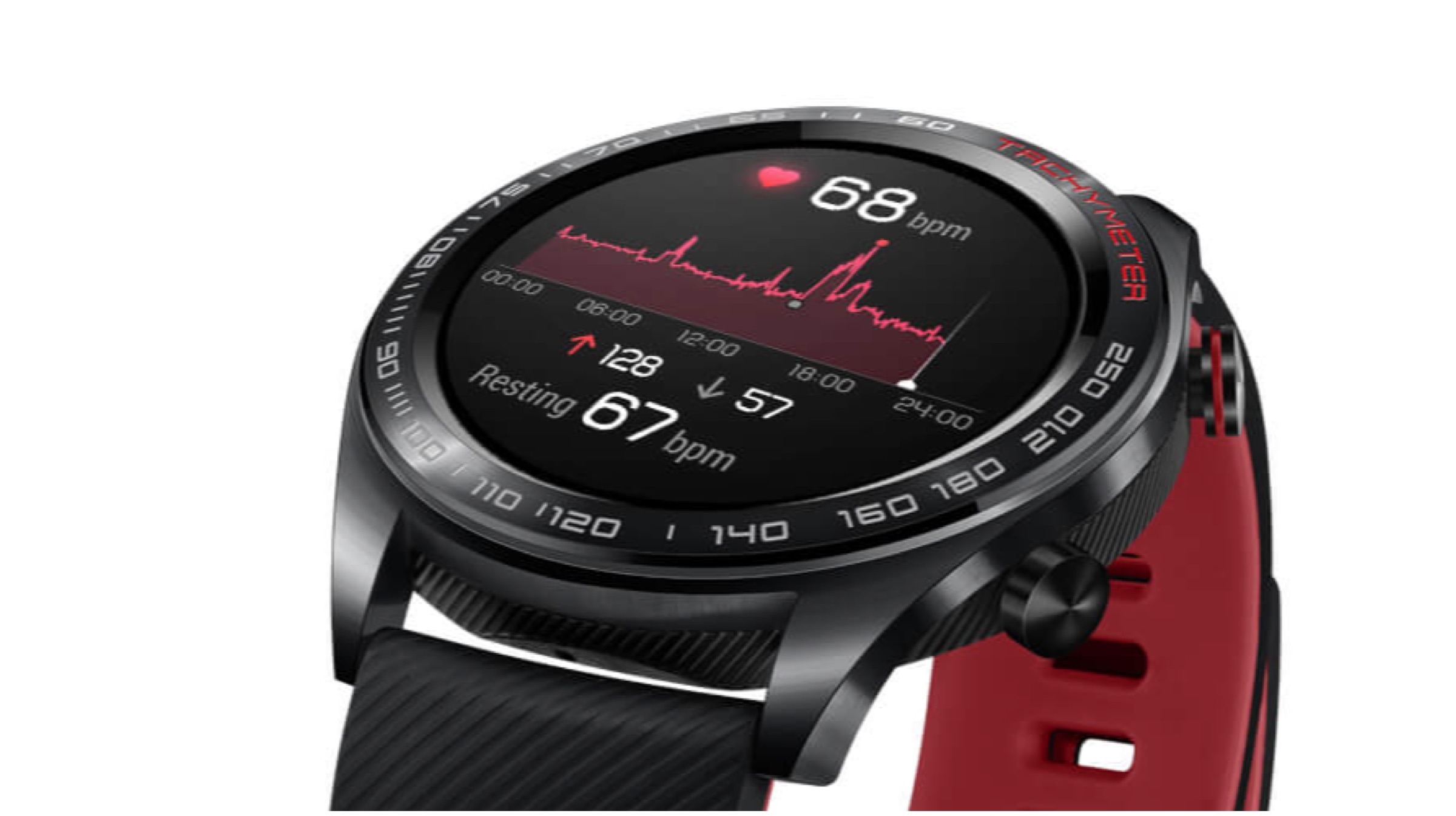 Just like the Honor Band 4, the Honor Watch is equipped with HUAWEI TruSeen™ 3.0, which brings real-time heart rate monitoring to this wearable too. It has the same features which the Huawei Honor Band 4 boasts of, but more. The Sports version of the Honor Watch will be priced at Rs. 13,999, whereas the Premium version of the same will be priced at Rs. 14,999.