Category: Top Around the Web

All the best of Online in one place.

  • Top Upcoming Smartphones You Should Be Excited About

    Top Upcoming Smartphones You Should Be Excited About

    The year 2018 has given the world a ton of exciting new smartphones so far. With smartphones like the OnePlus 6 and Huawei P20 Pro, the anticipation of what’s to come in the future is really high. OnePlus managed to essentially sell more than Rs. 10 Crore worth of devices in the first ten minutes during the OnePlus 6 flash sale. Then the Huawei P20 Pro came in and disrupted the market with a triple camera setup. Naturally, we had to compile a list of the top upcoming smartphones in the next couple of weeks.
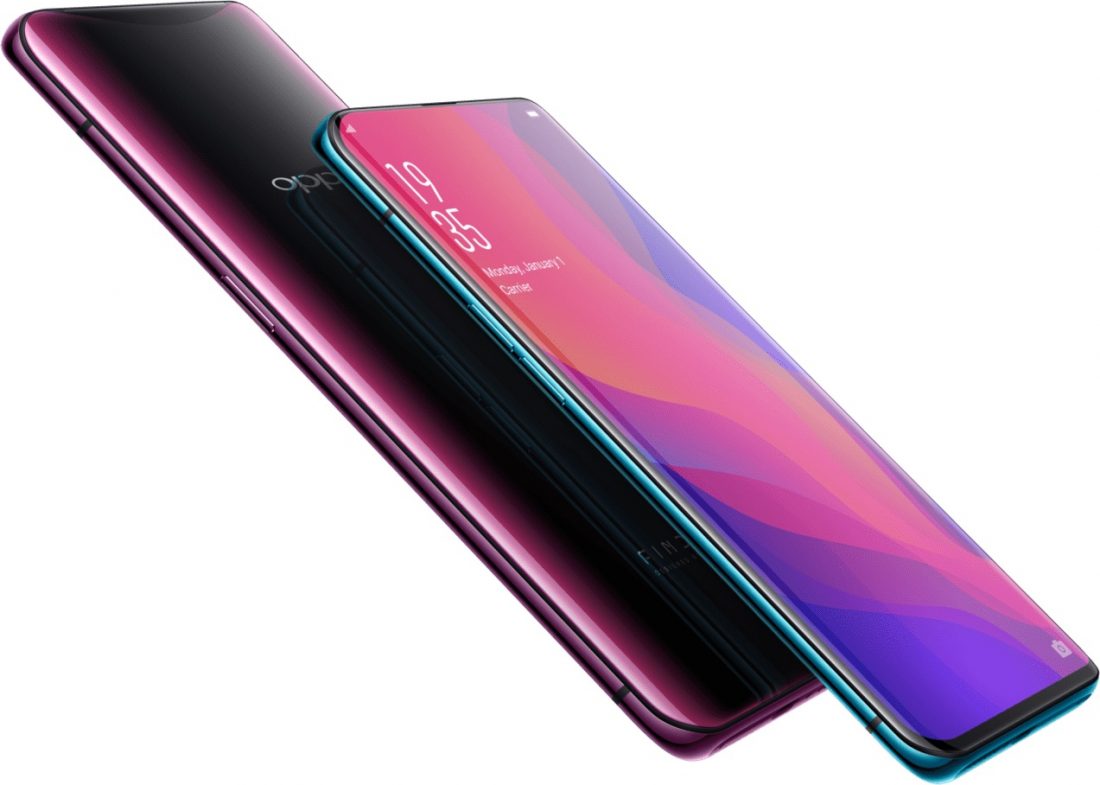
    1. Oppo Find X

    The Oppo Find X is expected to release in India on July 12th and is expected to have a hefty price of Rs. 78,500. Oppo has managed to catch a lot of attention with the Find X. Even though it is not the first device without a notch and an almost bezel-less a display, Oppo Find X is still an exciting smartphone.

    Must Read: OPPO Find X Will Have A Record Breaking 93.8% Screen-To-Body Ratio

    The way Oppo got rid of the notch, was by introducing a motorized part which eloquently hides the front and rear cameras. The Oppo Find X features a 6.42 inch 2340 x 1080 pixel display with an aspect ratio of 18.5:9. This translates to about 87% screen-to-body ratio.

    The Oppo Find X runs on the Qualcomm Snapdragon 845 chipset along with the Adreno 630 GPU. The primary camera on the Find X is in the pop-up mechanism, consisting of a dual camera setup with a 16MP 1/2.6″ sensor and a 20MP 1/2.8″ sensor both with an f/2.0 aperture. The primary camera setup will have Optical Image Stabilization. The front facing selfie camera is also housed in the pop-up mechanism and is a 20MP  sensor with an f/2.0 aperture.

    The Find X has two colour variants namely, Bordeaux Red and Glacier Blue. The interesting design of the phone make it one of the most exciting and worth top upcoming smartphones this quarter.

    2. Vivo NEX
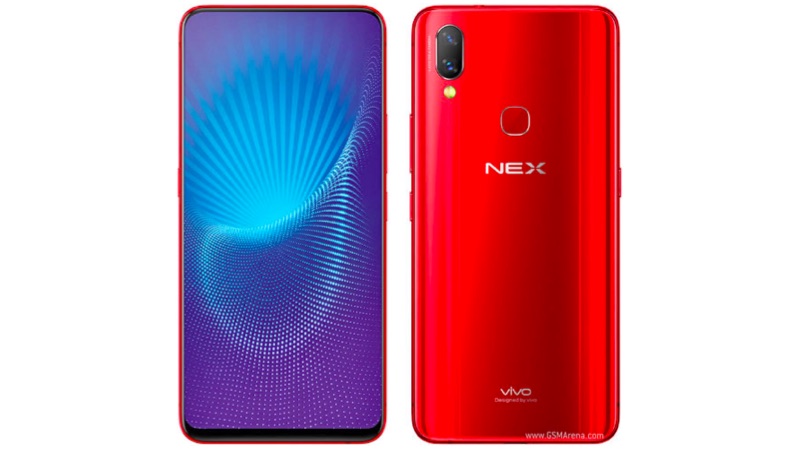
    Top Upcoming Smartphones
    Vivo NEX

    The Vivo NEX with a similar pop up camera design is expected to launch on 19th July in India starting at a considerably lower price Rs. 47,999. The Vivo NEX is yet another smartphone with an almost entire screen at the front of the device. Here, it uses the same concept of a motorized part for the camera only to achieve a notch-free and a nearly bezel-less display much like the Oppo Find X above. However, Vivo decided to only house the front-facing camera which comes out of the top of the phone and slides back in when not in use.
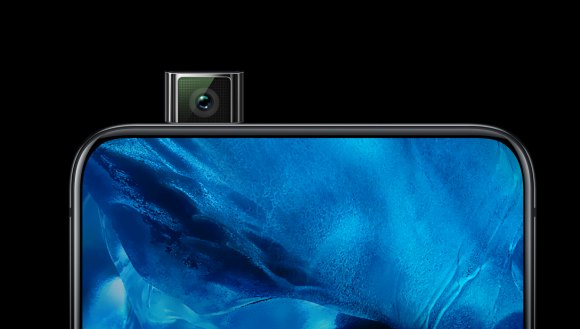
    Vivo Nex With Camera Deployed

    The Vivo NEX features the Qualcomm Snapdragon 845 chipset which is paired with the Adreno 630 GPU. The smartphone sports a Super AMOLED 6.59 inch 2316 x 1080 pixel  display with an aspect ratio of 18:9.

    The camera setup on the Vivo NEX consists of dual 12MP and 8MP camera with f/1.8 and f/2.4 aperture respectively. The secondary camera is a single 8MP sensor with f/2.0 aperture. The primary camera on this device also features OIS. A motorized part in a portable device is a risky move, regardless, the Vivo NEX is still one of the most exciting upcoming smartphones.

    3. BlackBerry Key2
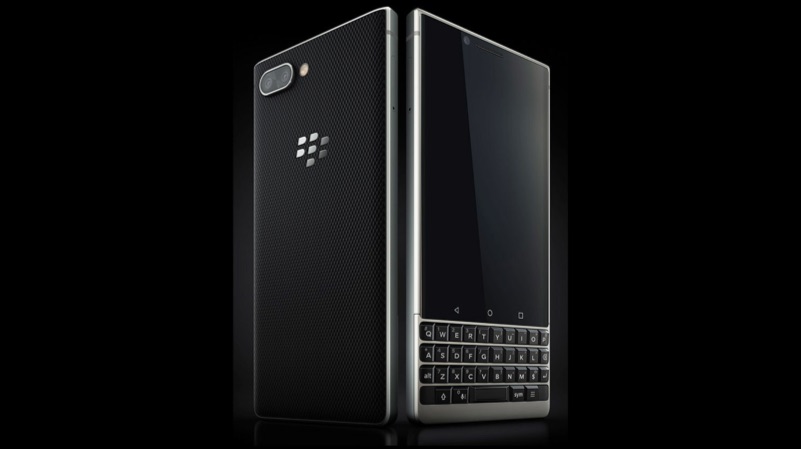
    Top Upcoming Smartphones
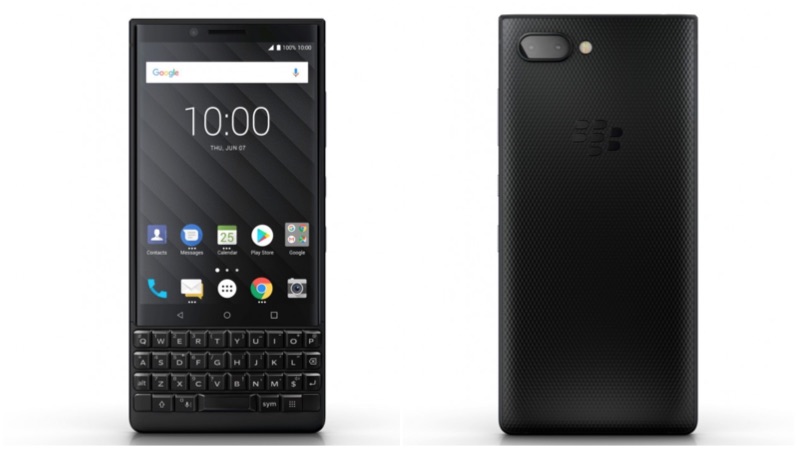
    BlackBerry Key2

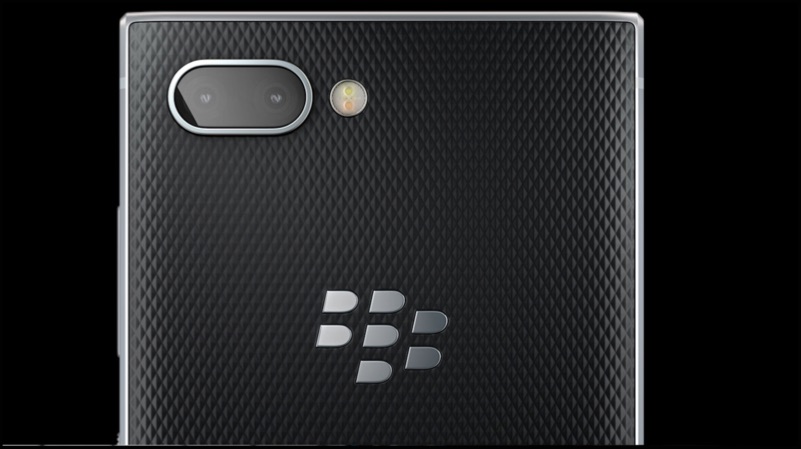
    The BlackBerry Key2 is all set to go on sale from 13th July in the United States and is expected in India Mid-End July. BlackBerry launched the Key2 on June 7th after the KeyOne incurred a price cut. This is again among the exciting upcoming smartphones, and the only modern smartphone with a full physical QWERTY Keyboard.

    The BlackBerry Key2 has a 4.5  inch  1620 x 1080 pixels IPS LCD display with an aspect ratio of 3:2. The Key2 is expected to launch in two storage variants; 64GB or 128GB paired with 6GB of RAM. The processing speed is provided by the Qualcomm Snapdragon 660 chipset and the Adreno 512 GPU, faster than the SoC of the KeyOne. The Key2 sports a relatively large 3,500 mAh battery. An exciting option for those who love tactile feedback.

    4. Nokia X6
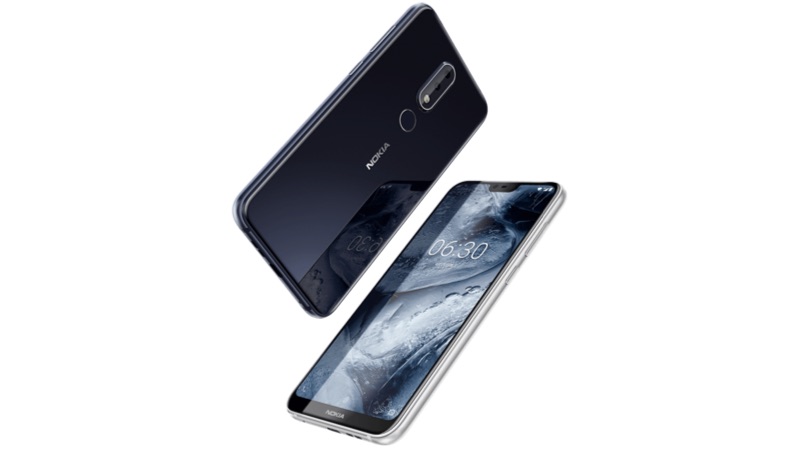
     

    Top Upcoming Smartphones
    Nokia X6

    After being surrounded by rumors and speculations, the Nokia X6 is finally launching Globally on 19th July and is expected to come to India soon after. It could be among the top upcoming smartphones of this month. Nokia has  tapped into the notch trend with the X6. Despite its premium look, the Nokia X6 was launched in China at a rather affordable CNY 1,499 ( Approx Rs. 15,500). Hopefully Nokia will keep similar pricing for global and Indian launches.

    The Nokia X6 has a 5.8 inch IPS LCD display with 2280 x 1080 pixels and a 19:9 ratio. Because of the notch, the screen to body ratio of the Nokia X6 is approximately 80.3%. The device runs the Qualcomm Snapdragon 636 chipset and the Adreno 509 GPU. Powering the phone is a 3,060 mAh Li-ion battery.

    5. Samsung Galaxy Note 9
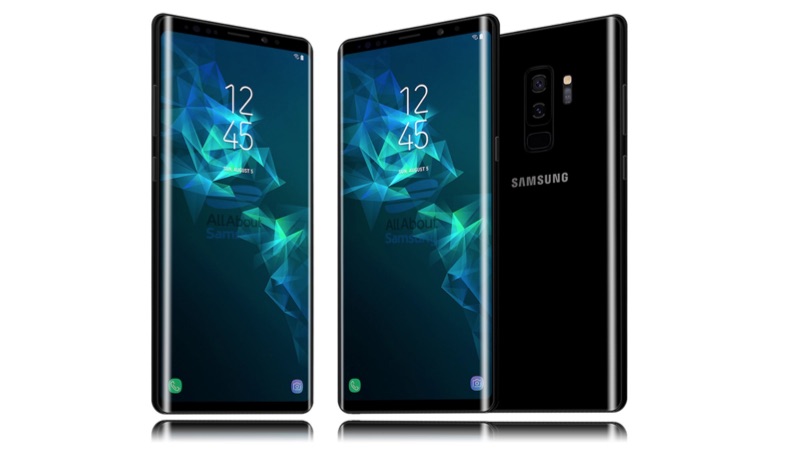
    Top Upcoming Smartphones
    Galaxy Note 9


    Samsung is ready to launch a new smartphone in its Galaxy Note lineup. The Galaxy Note 9 is expected to arrive on 9th August and it is also one of the top upcoming smartphones. According to some reports, the Note 9 will follow the Note 8 in the design department but, there could be some minor changes in its aesthetics.

    As suggested by the Twitter user Ice Universe, the S Pen for the Galaxy Note 9 could be first of its kind with Bluetooth connectivity and will users to control long-range self-timer, control music playback.

    We can expect that the Galaxy Note 9 will have a 6.4 inch Super AMOLED display with at least 2960 x 1440 pixel resolution and an 18.5:9 aspect ratio, similar to the one found on the galaxy Note 8. Ice Universe also speculated that the Galaxy Note 9 will pack a 4,000 mAh battery.

    6. Moto G6 Plus
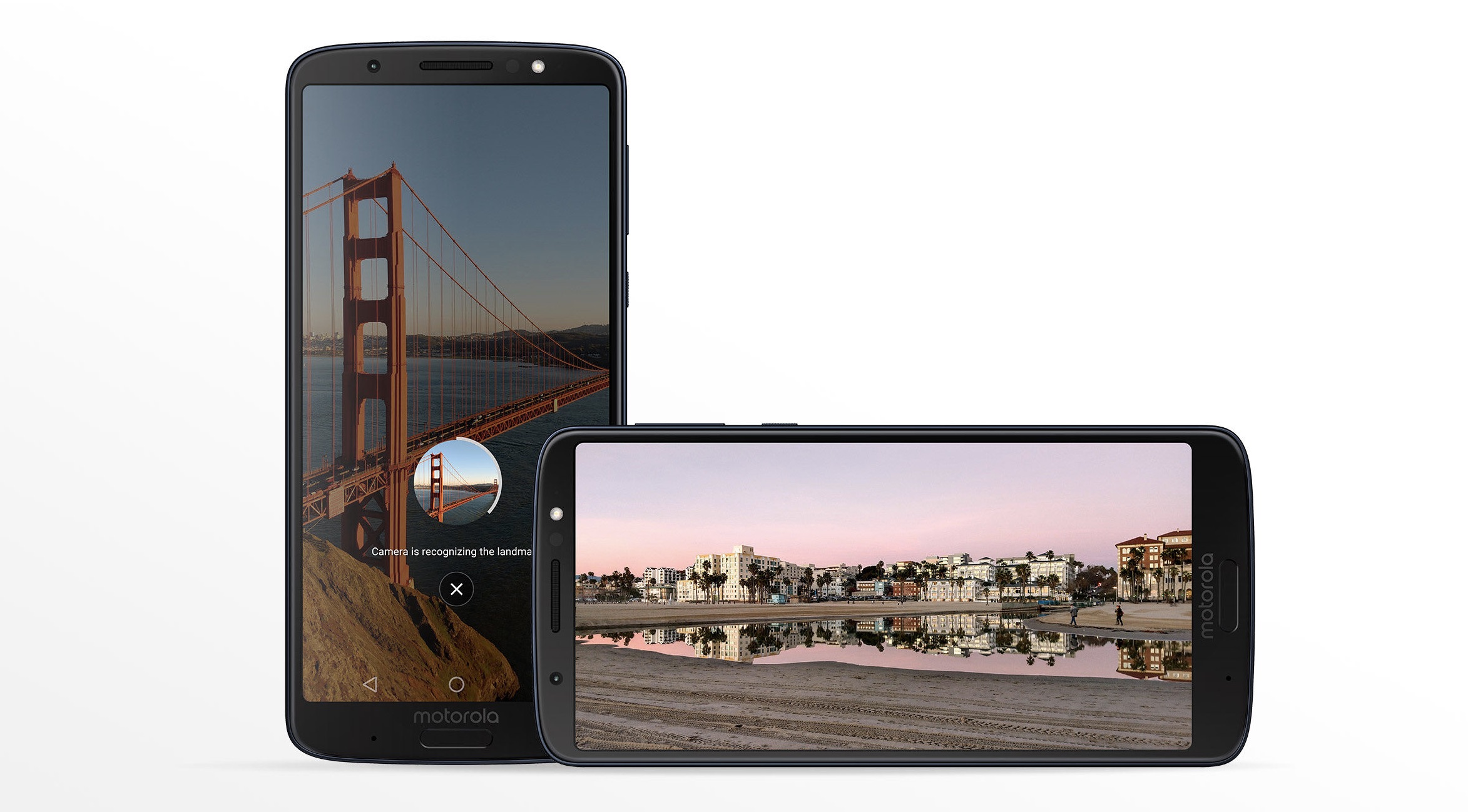
    Top Upcoming Smartphones
    Moto G6 Plus

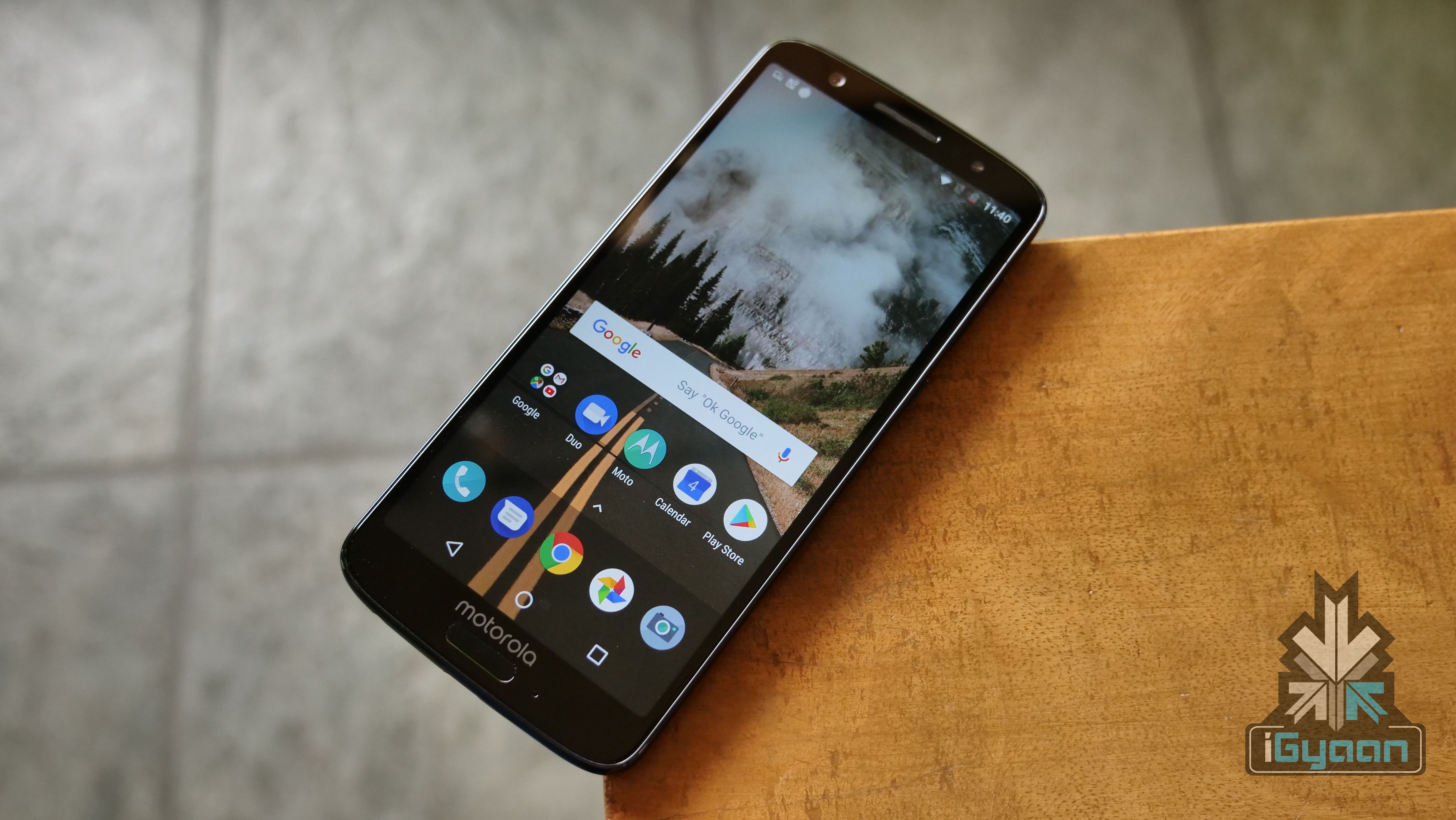
    Motorola claims that it has sold over 70 million G series phones worldwide and now the company is planning to release yet another G series phone in India, the G6 Plus. The phone is expected to be launched end July.

    The Moto G6 Plus has a 5.9 inch IPS LCD display with a 2160 x 1080 pixels and an aspect ratio of 18:9. The Moto G6 Plus might launch in two variants in India, one with 4GB RAM and 64GB internal storage and the other with 6GB RAM and 128GB internal storage. The SoC on the G6 Plus 6GB variant is allegedly going to be the Snapdragon 660 ( for the Indian market) along with the Adreno 512 GPU.

    The innovation in the smartphone industry has picked up the pace in the recent years. If 2018 is anything to go by, then the next few years will be very exciting for any smartphone enthusiast. So, stay tuned to iGyaan to also catch the latest tech news and trends.
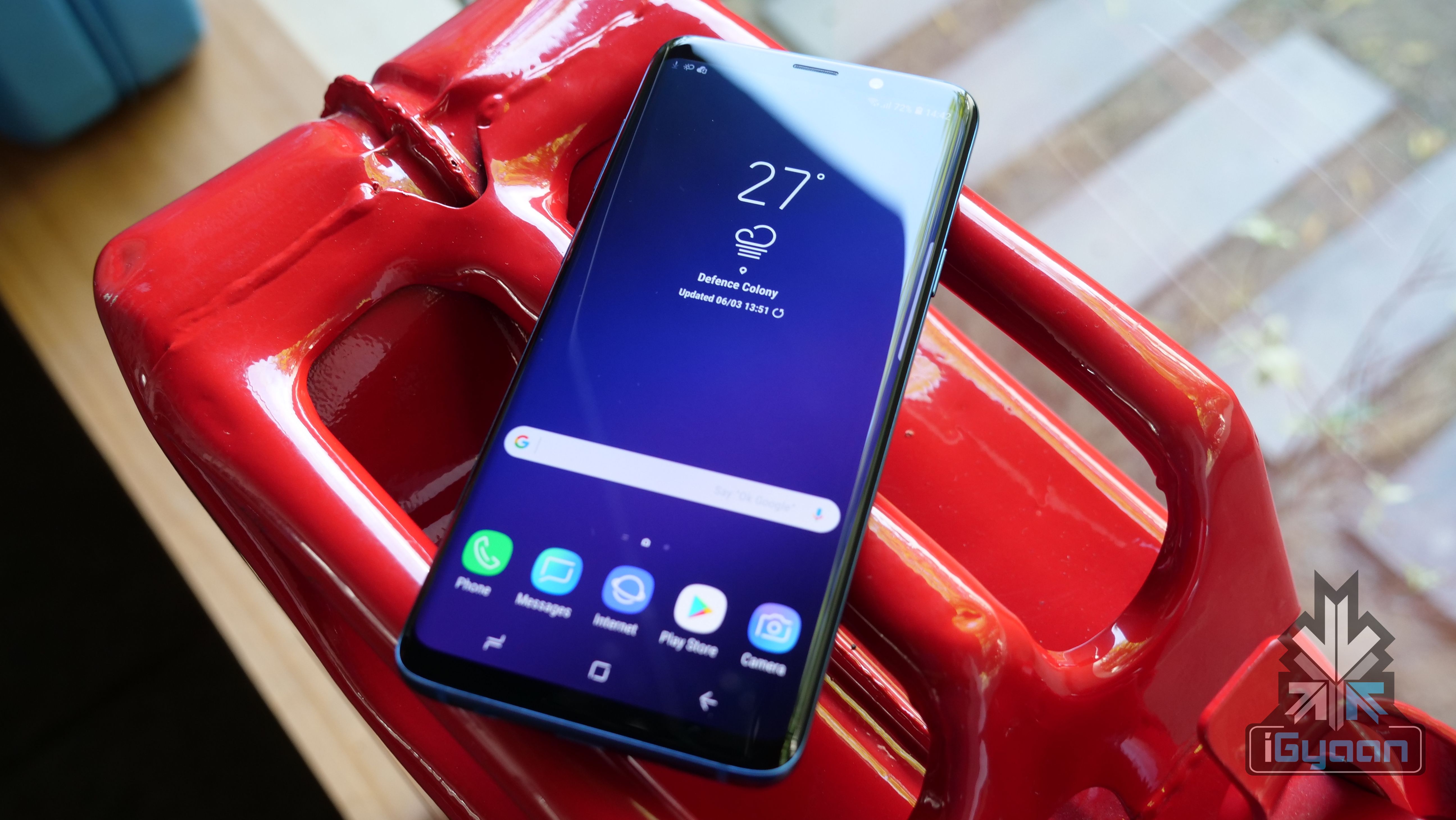
  • Samsung Galaxy S10 and Galaxy S10+ Details Leaked

    Samsung Galaxy S10 and Galaxy S10+ Details Leaked

    A new leak about the Samsung Galaxy S10 and S10+ has revealed the device specifications and expected the release date. This leak comes from a Korean website names Dubell which says that the Galaxy S10 and S10+ are all set to release sometime next year.

    Must Read: Samsung Galaxy S9/S9+ Launched In New Red Colour Variant

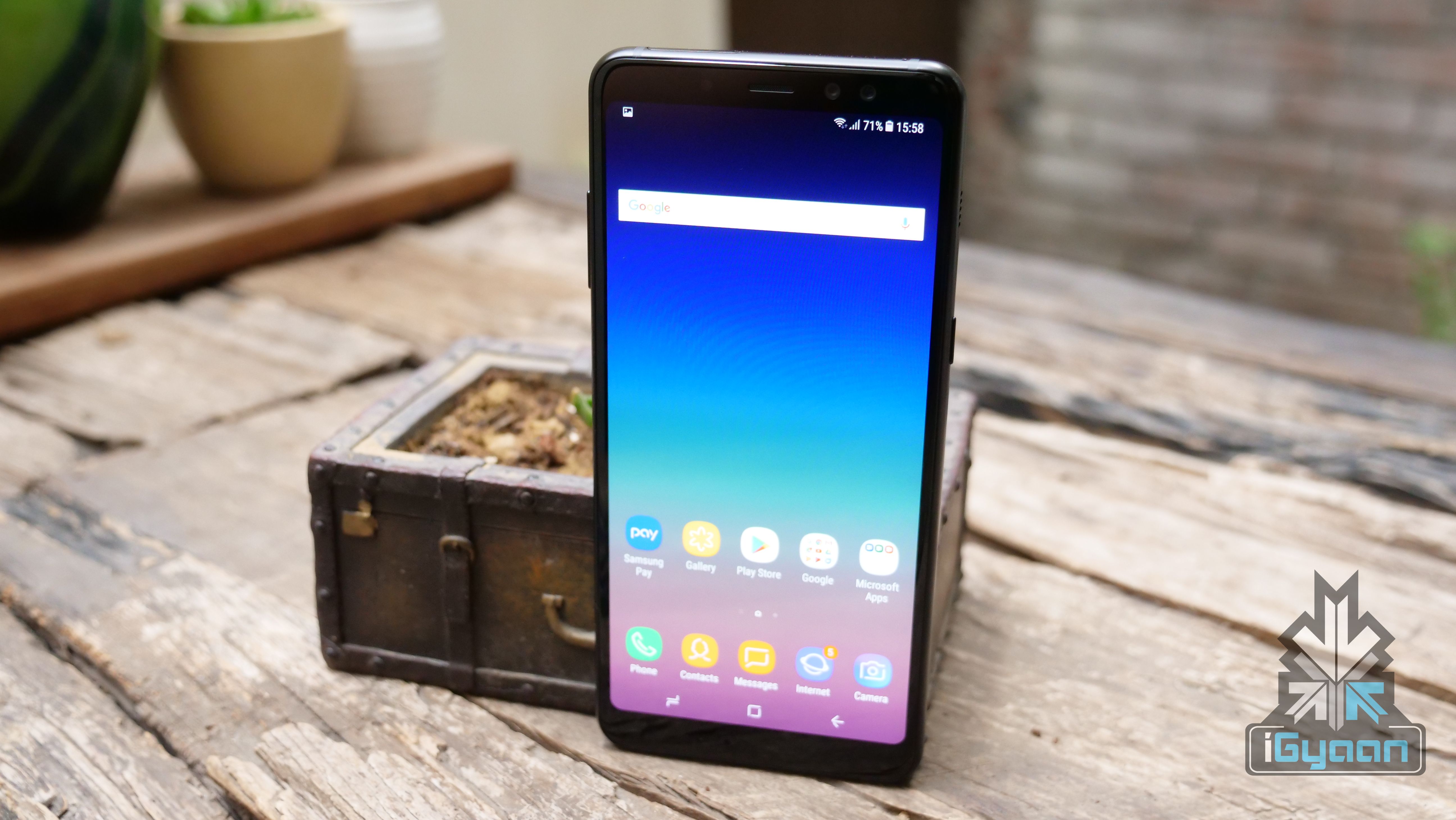
    What makes this news even more eye-catching is that the S10+ will be equipped with a total of five cameras. Two of these cameras will be mounted at the front while the secondary camera setup will house three lenses. To get an idea of how the dual camera setup may look like we can take hints from the setup found on the Galaxy A8 and A8+.

    Samsung Galaxy S10 and S10+
    Samsung Galaxy A8+

    Although a dual front-facing camera setup is nothing new for a Samsung phone, we speculate that the camera setup on the Galaxy S10+ may feature some AI capabilities. A Twitter user by the name Ice Universe has tipped that the next generation of Samsung’s premium line of SoCs will be named Exynos 9820. As per the tweet, the Exynos 9820 will be an octa-core chipset with two cores of Exynos M4, two Cortex-A75 or Cortex-A76 medium cores, and four cores of Cortex-A55. The GPU paired with this chipset will be the new Mali-G76 MP18.

    The Dubell website suggests that there will be more than two phones in the Galaxy S10 lineup, apart from the S10 and S10+. The cheaper variants are rumored to be released with a watered down version of front-facing cameras while the more expensive variants could have 3D face unlock capabilities.

    Samsung’s sales figure show that the last couple of years for the company have been a roller-coaster ride. The company has not changed their design for the Galaxy S lineup since the S8 and the software has not seen any out-of-the-box innovations either. These may have been among the top reasons why their sales in the second-quarter suffered a dip. With the new Galaxy S10 lineup, Samsung will surely try to get back in the game. To follow this news further stay tuned to this iGyaan thread.


  • Reliance JioPhone 2 Launched In India For Rs 2999

    Reliance JioPhone 2 Launched In India For Rs 2999

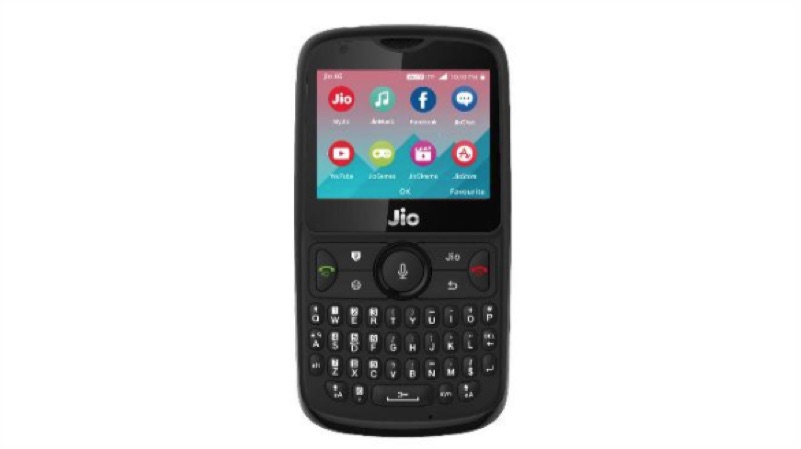
    Almost a year after announcing its first-ever feature phone, Reliance Industries Limited has unveiled the JioPhone 2. The new smart feature phone will retail for Rs 2999 from August 15th and is an upgrade over the JioPhone. In 2017, the JioPhone grabbed the headlines for being “effectively” free of cost. The JioPhone 2, however, will be marketed as a smarter alternative to the JioPhone.

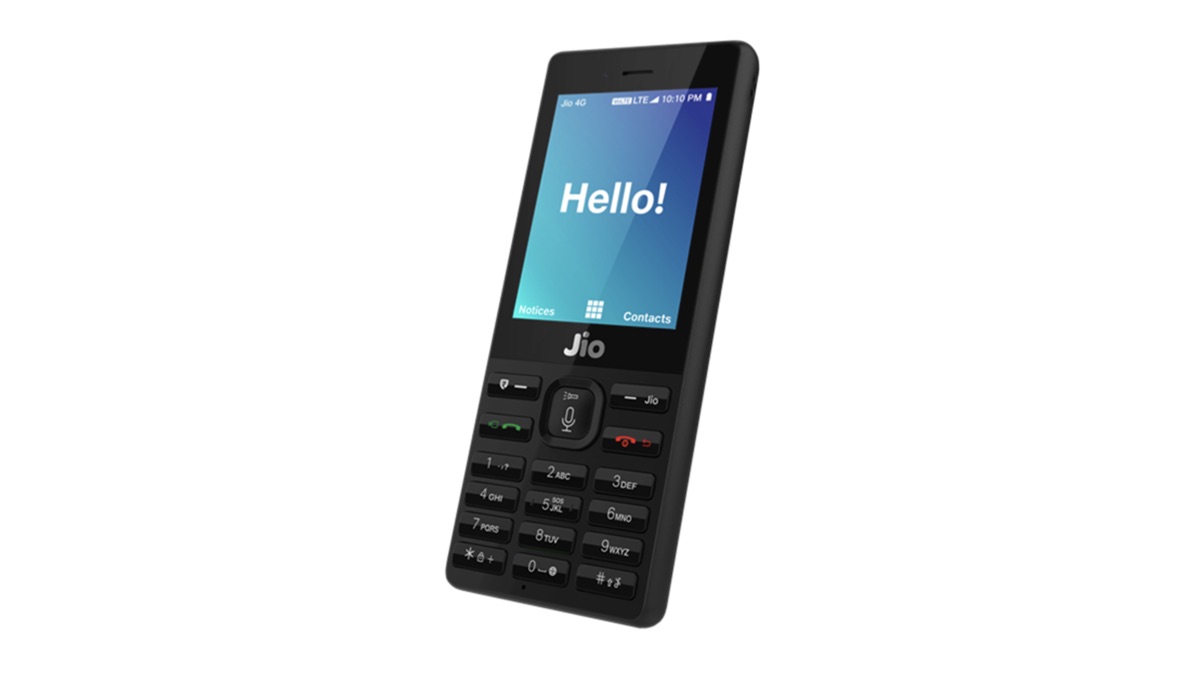
    One of the highlights of the JioPhone 2 will be its support for popular applications like YouTube, WhatsApp and Facebook. The JioPhone will get a FOTA update on August 15th which will also bring in support for these applications. RIL has also made it clear that the JioPhone won’t be phased out now that its successor has launched. The JioPhone will co-exist and continue to be the effectively free phone.

    JioPhone

    Must Read: Spotify Lite Being Tested For Emerging Markets Like India

    One of the key changes in the JioPhone successor is the keyboard layout. The JioPhone 2 features a QWERTY keyboard, made popular by BlackBerry and Nokia phones in the pre-Android and iPhone days. RIL says that this decision stemmed from the customer feedback which also called for a horizontal viewing display. The JioPhone 2 serves both the purposes and is powered by a 2000 mAh battery. In terms of connectivity, the JioPhone 2 has 4G, VoLTE, VoWiFi, 3.5G, 2G, WiFi, LTE Cat4 DL, Radio, Bluetooth, GPS, and NFC.

    Out of the box, the JioPhone 2 will run KaiOS, based on Firefox OS. Google recently invested US$22 million in the platform and the OS should benefit from that. Google apps might be coming to the platform as well in the future. Apart from that, Google had announced that the JioPhone will soon get Google Assistant, and the same can be expected for the JioPhone 2.

    Must Read: YouTube Will Remind Users To ‘Take A Break’ With New Update

    The JioPhone 2, at a price of Rs 2999 and all the benefits of Jio should be a great deal for people still in the feature phone ecosystem. The presence of apps like YouTube should benefit the consumer and the platform as well since there are millions of feature phone users in India still.

  • Asus Zenfone 5Z Vs OnePlus 6 Vs Honor 10- The Ultimate Flagship Killer

    Asus Zenfone 5Z Vs OnePlus 6 Vs Honor 10- The Ultimate Flagship Killer

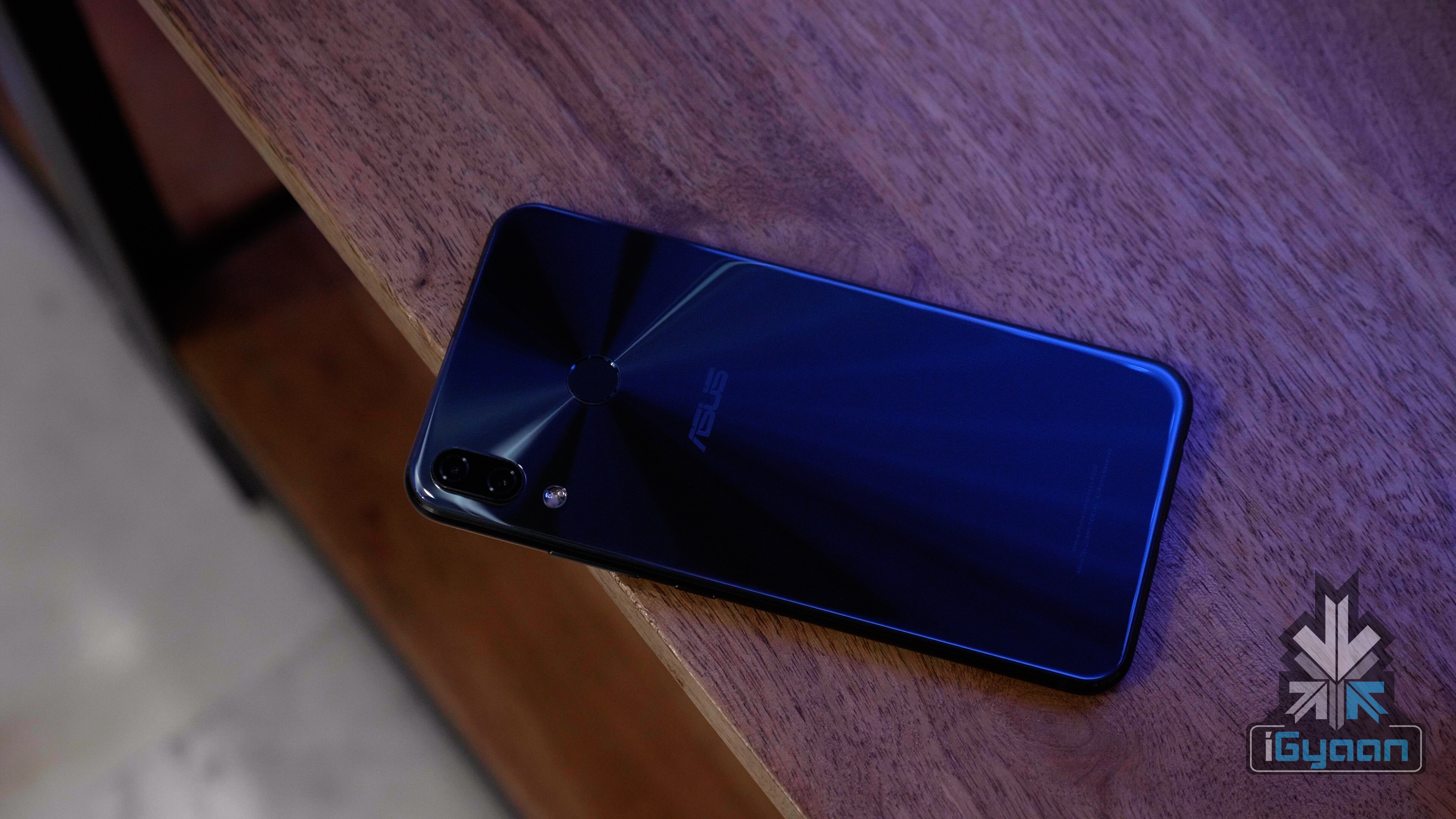
    Asus has launched a new flagship smartphone in India, the Asus Zenfone 5Z. At a starting price of Rs 29999, it is the most affordable smartphone in India running on the latest Snapdragon 845 chipset. The Taiwanese smartphone maker has nailed the pricing for the Indian market as the Zenfone 5Z competes with the OnePlus 6 and Honor 10. All three smartphones are marquee devices for their respective companies in the Indian market and feature flagship-grade specifications.

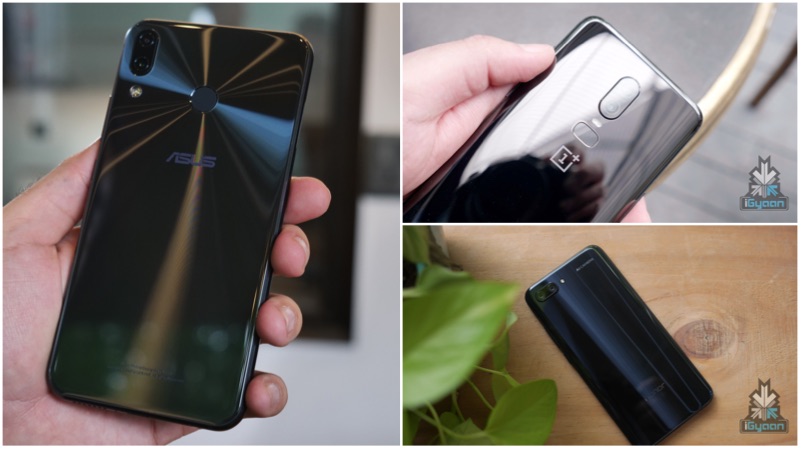
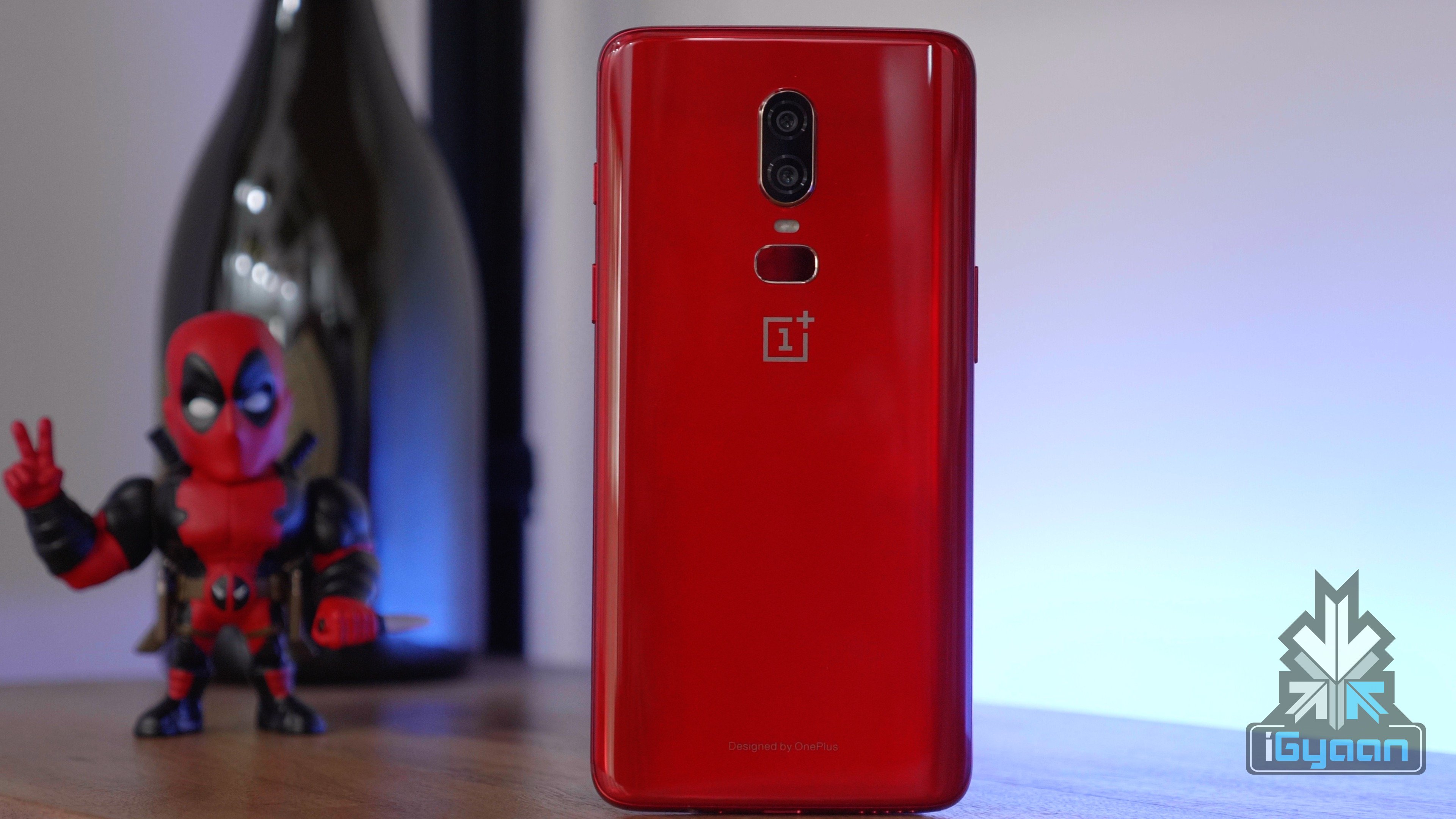
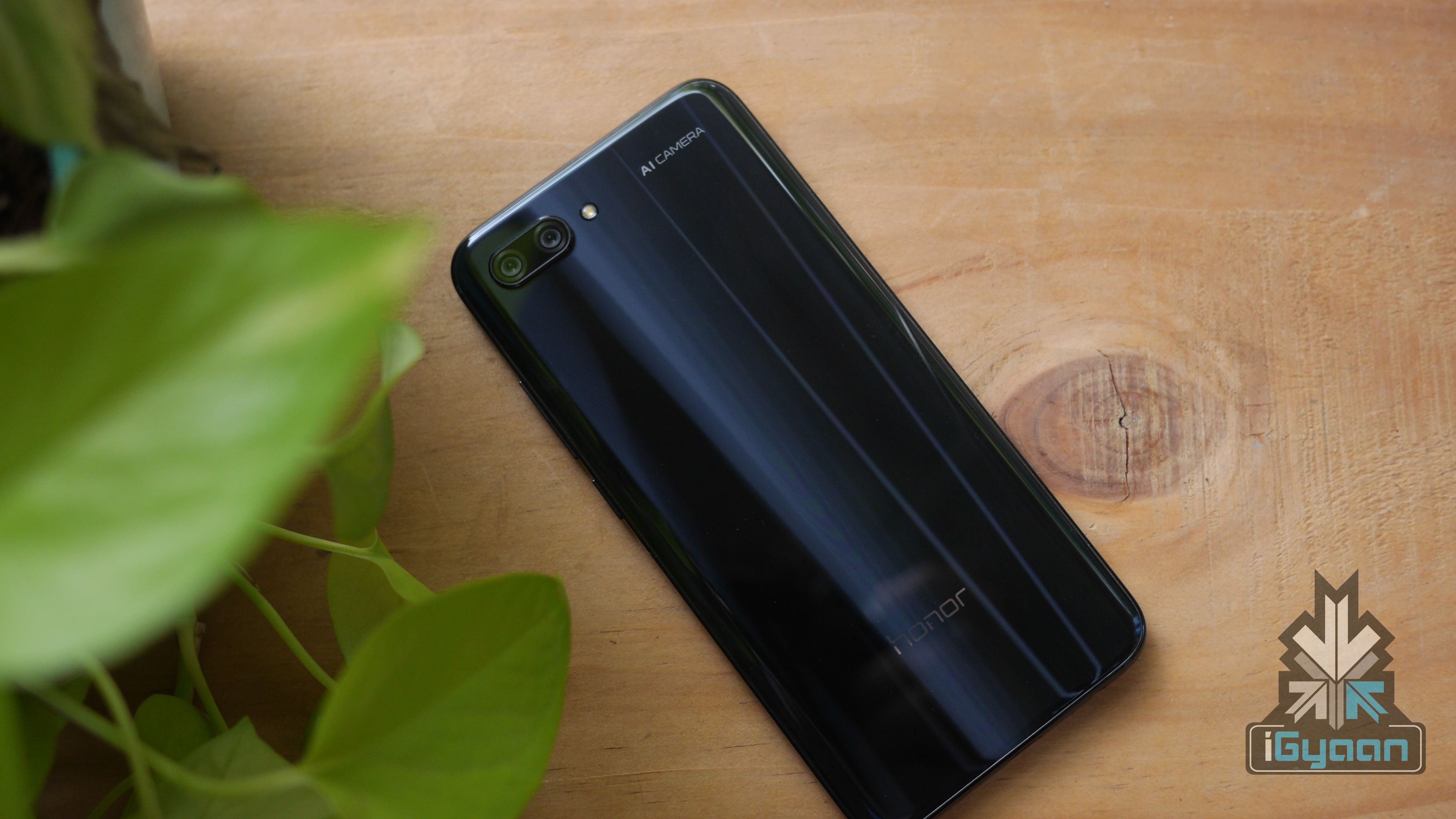
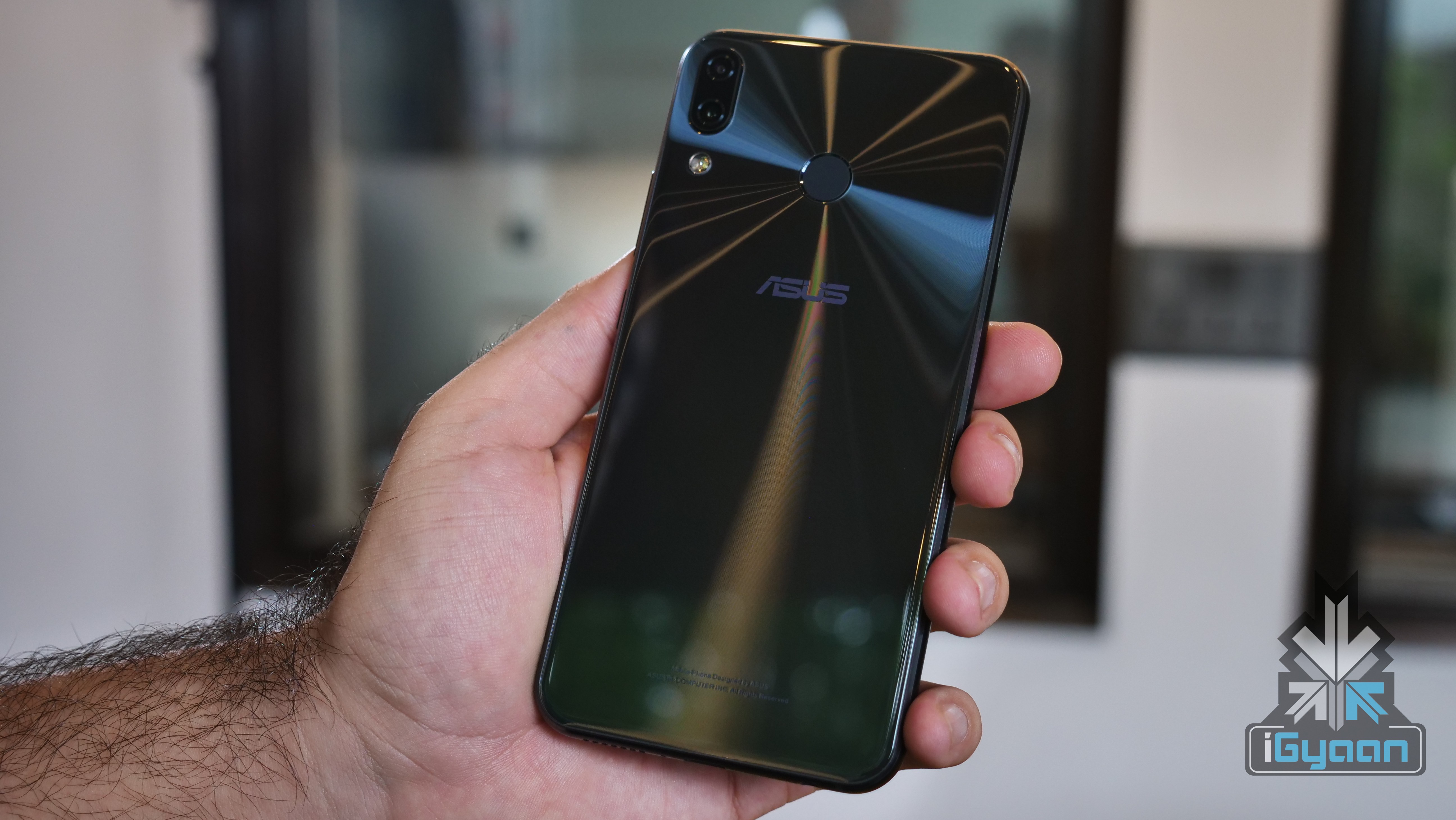
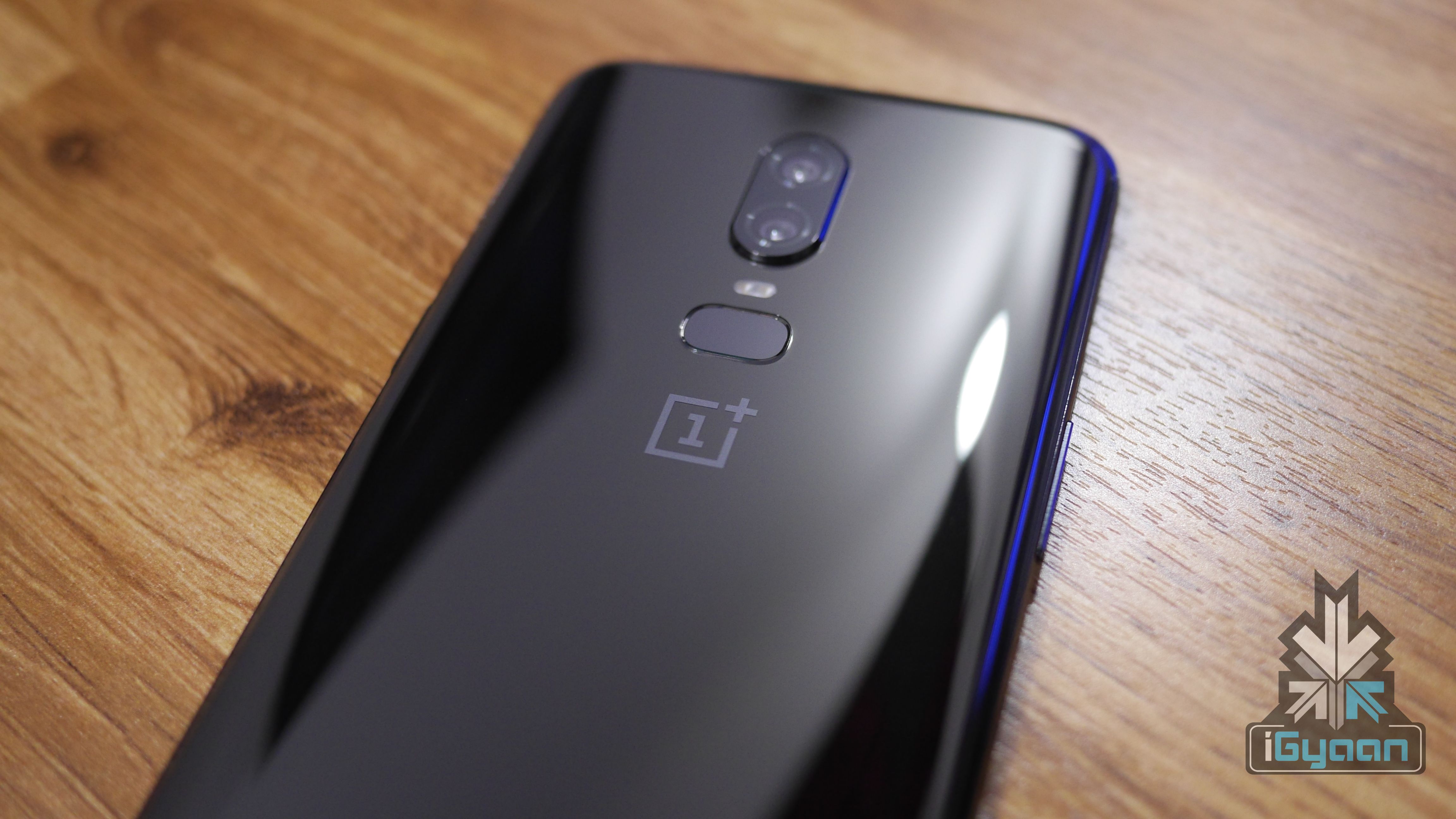
    As has been the industry trend for a while now, all three smartphones have an all-glass build and design. Despite the similar build quality, all three smartphones feature a different finish on the glass. Essentially, the devices have a unique way of reflecting light and no two devices have a similar implementation here. It is hard to differentiate here and would boil down to personal preferences. The OnePlus 6 does have more colour options to choose from, recently launching the OnePlus 6 Red Edition.

    The Asus Zenfone 5Z has a 6.2 inch Super IPS+ display with a 2246 x 1080 px resolution. The OnePlus 6 has a 6.28 inch Optic AMOLED display with a 2280 x 1080 px resolution while the Honor 10 has a 5.84 inch IPS LCD display and the same resolution. The OnePlus 6 has an AMOLED display which is known for producing more accurate colours.

    Where the Zenfone 5Z and OnePlus 6 feel similar, the Honor 10 stands out. The Honor 10 runs on the HiSilicon Kirin 970 chipset with 6GB of RAM. The other two run on the Qualcomm Snapdragon 845 chipset. The flagship chipset is coupled with either 6GB or 8GB of RAM. Both the OnePlus 6 and Zenfone 5Z are available in three storage variants, 64GB, 128GB and 256GB.

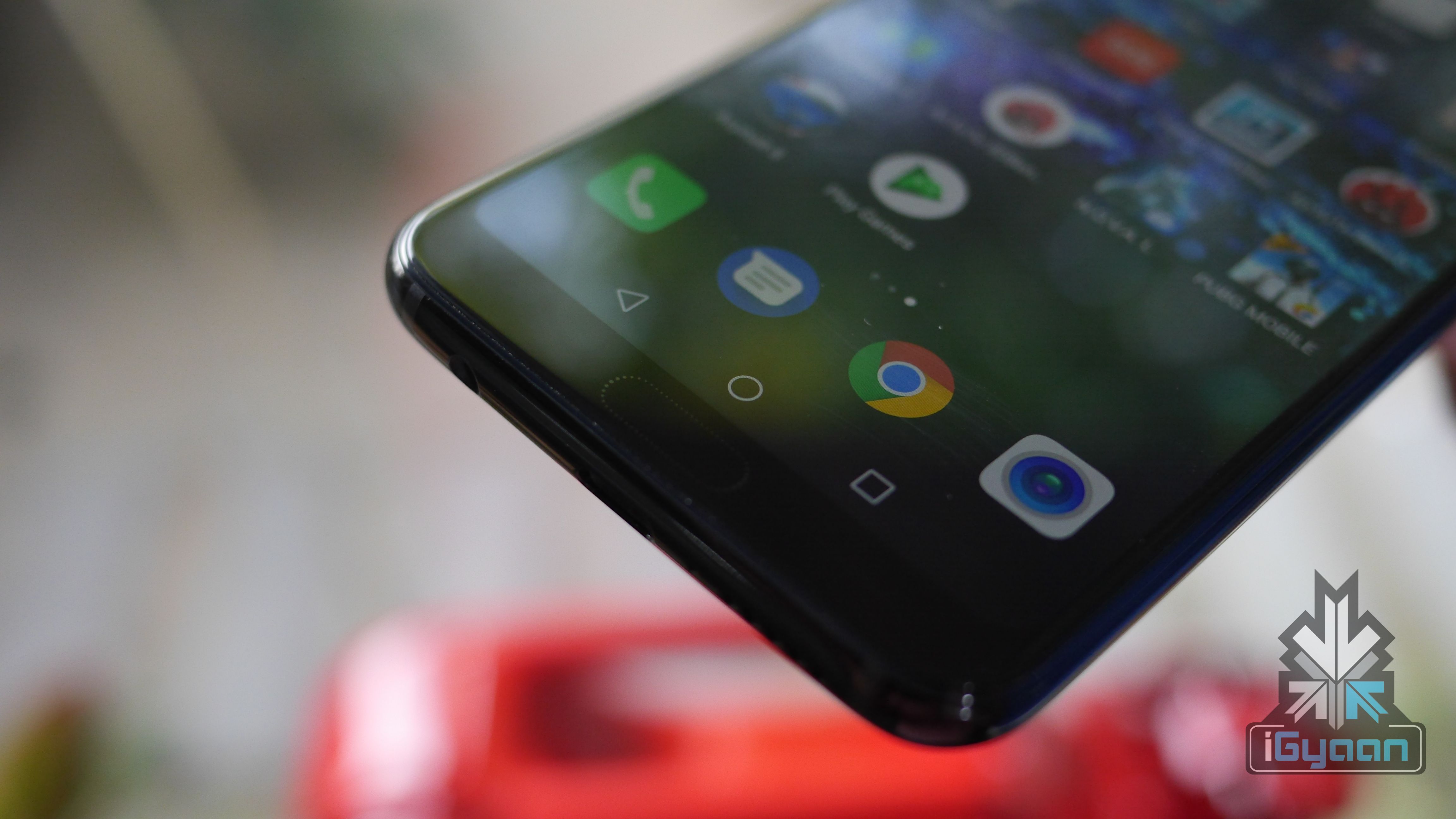
    Ever since the launch of the iPhone X, Face Unlock has been a fairly talked-about feature in smartphones. None of the devices miss out on jumping on that bandwagon but, it is software-based and not the most secure authentification way. The fingerprint sensor on the Zenfone 5Z and OnePlus 6 is placed on the back, albeit, different shapes. The Honor 10, on the other hand, has an invisible ultrasonic fingerprint sensor that can also detect a wet finger. It is also front-facing since it is housed inside the chin of the smartphone.

    While most of the flagship specifications are similar to each other, these smartphones hugely differ when it comes to the optics. The Honor 10 has a 16MP RBG primary sensor and a 24MP secondary monochrome sensor. The OnePlus 6 takes a different route with two RGB sensors. It has a 16MP Sony IMX 519 sensor and a 20MP Sony IMX 376K sensor. The newly launched Zenfone 5Z has a 12MP primary sensor with an f/1.8 aperture and an 8MP wide-angle secondary sensor with a 120º field of view.

    As a result of drastically different implementations, the cameras on these smartphones have their own advantages. However, it is worth noting that both the OnePlus 6 and Zenfone 5Z feature OIS and EIS while the Honor 10 misses out on both the features. The Honor 10 also doesn’t record 4K videos at 60fps.

    At a price of Rs 29999, the Asus Zenfone 5Z is the most affordable flagship smartphone in India. It also holds its own in front of the OnePlus 6 and Honor 10, on paper, at least. We will soon be comparing the three devices in depth for a much clearer winner.

    Specs
    Specifications Asus Zenfone 5Z OnePlus 6 Honor 10
    Price Starting Rs 29999 Starting at Rs 34999 Rs 32999
    Display 6.2 inch
    Super IPS+
    6.28 inch
    Optic AMOLED
    5.84 inch
    IPS LCD
    Resolution 2246 x 1080 px
    18.7:9 aspect ratio
    DCI-P3 Colour Gamit
    2280 x 1080 px
    19:9 aspect ratio
    sRBG, DCI-P3 Colour Gamit
    2280 x 1080 px
    :9 aspect ratio
    432 ppi
    Battery 3300 mAh
    QuickCharge 3.0
    3300 mAh
    Dash Charge
    3400 mAh
    SuperCharge
    Chipset Qualcomm Snapdragon 845
    Octa-Core
    4×2.8 GHz Kryo 385 Gold
    4×1.7 GHz Kryo 385 Silver
    Qualcomm Snapdragon 845
    Octa-Core
    4×2.8 GHz Kryo 385 Gold
    4×1.7 GHz Kryo 385 Silver
    HiSilicon Kirin 970
    Octa-Core
    4 x 2.36GHz
    4 x 1.8GHz
    RAM 6GB, 8GB 6GB, 8GB 6GB
    Storage 64GB, 128GB, 256GB
    Expandable up to 2TB
    64GB, 128GB, 256GB
    Not expandable
    128GB
    Not expandable
    Primary Camera 12MP
    Sony IMX 363
    f/1.8
    1.4-micron
    8MP Wide-Angle
    120º FOV
    16MP
    Sony IMX 519
    f/1.7
    1.22-micron
    20MP
    Sony IMX 376K
    f/1.7
    1.0-micron
    16MP RGB
    f/1.8
    24MP Monochrome
    Primary Camera Video 4K @ 60fps
    1080P @ 240fps
    4K @ 60fps
    1080P @ 240fps
    720P @ 480fps
    4K @ 30fps
    Secondary Camera 8MP
    f/2.0
    84º FOV
    EIS
    16MP
    Sony IMX 371
    f/2.0
    EIS
    24MP
    f/2.0
    AI Beauty Mode
    Portrait Mode
    Add-Ons Fingerprint Sensor
    Face Unlock
    Fingerprint Sensor
    Face Unlock
    Ultra-sonic fingerprint sensor
    Face Unlock
    OnePlus 6 Gallery
    Honor 10 Gallery
    Asus Zenfone 5Z

  • Asus Zenfone 5Z With A Notch, Running On Snapdragon 845 Launched In India Starting Rs 29,999

    Asus Zenfone 5Z With A Notch, Running On Snapdragon 845 Launched In India Starting Rs 29,999

    Asus has launched the Zenfone 5Z in India at a starting price of Rs 29999. The new affordable flagship smartphone will be sold via Flipkart exclusively and go on sale on 9th July. It is worth noting that there is a flat Rs 3000 discount upon using an ICICI Credit/Debit card, bringing the price down to Rs 26999 for the base model. The Asus Zenfone 5Z enters India’s affordable flagship segment and will be up against the likes of OnePlus 6 and Honor 10.

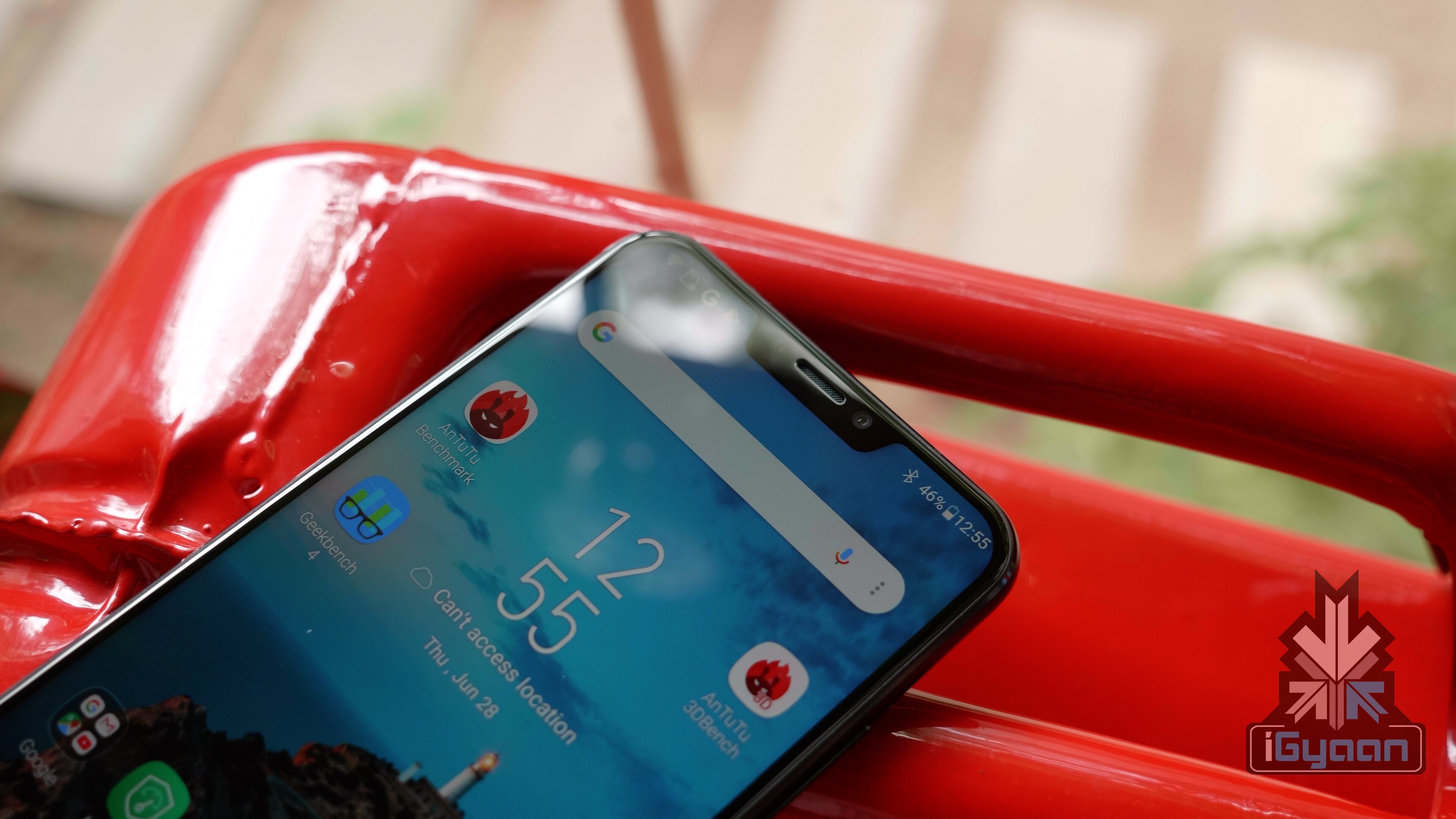
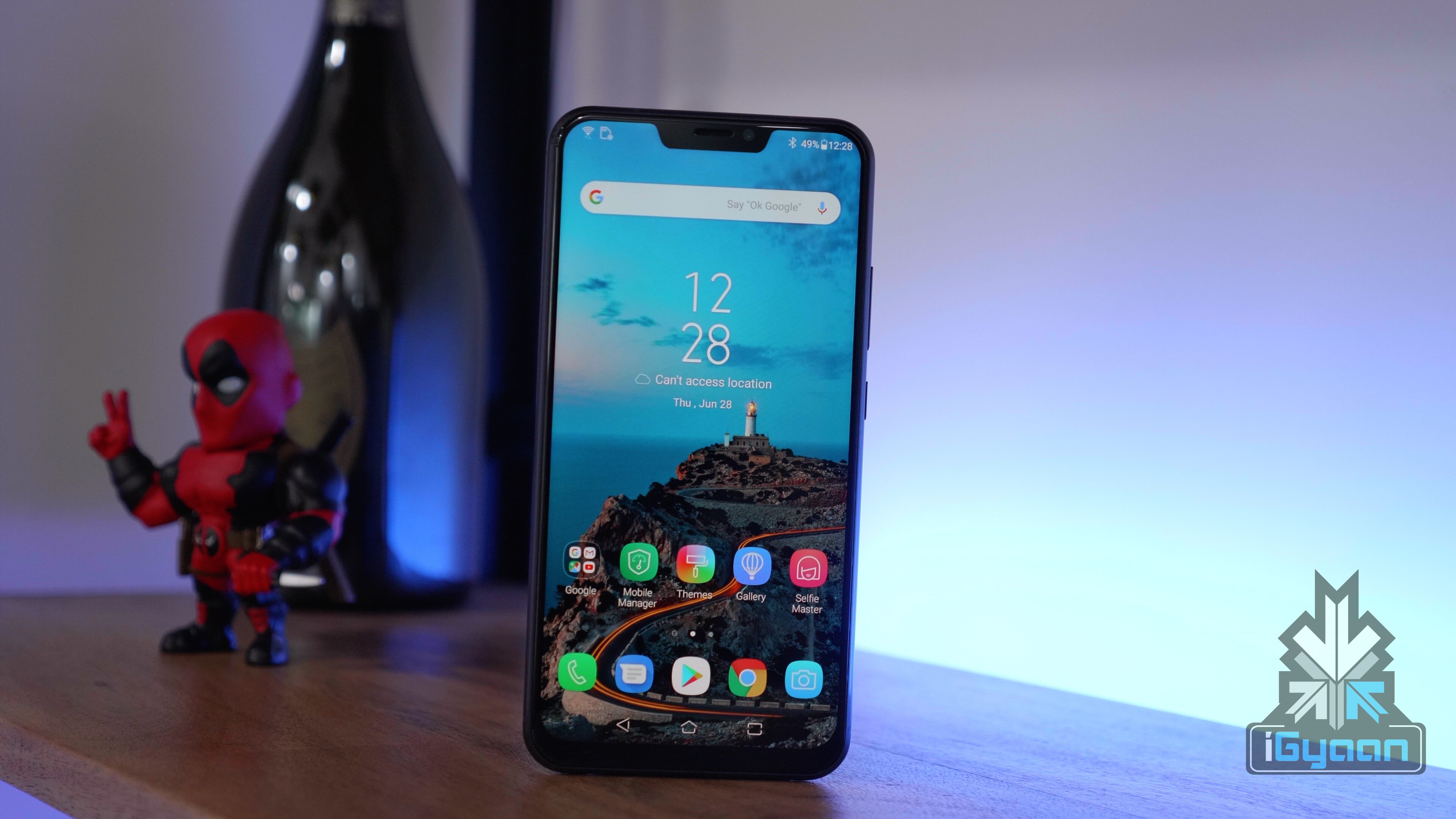
    The Zenfone 5Z has all the makings of a flagship smartphone of 2018. The infamous notch also makes an appearance on the device. The notch, unlike the Xiaomi Mi 8, does not have any special sensors housed inside. The notch, however, allows the company to use a bigger display without drastically increasing the overall footprint of the smartphone.

    The Asus Zenfone 5Z has a 6.2 inch Super IPS+ display with a 2246 x 1080 px resolution. This translates into a 19:9 aspect ratio, just like the OnePlus 6 which also has a 19:9 aspect ratio. With so many different aspect ratios prevalent in the market, it will become harder for content creators to cater to everyone’s needs.

    Under the hood, the smartphone runs on the Qualcomm Snapdragon 845 chipset. The flagship chipset is coupled with either 6GB or 8GB of RAM. In India, the Zenfone 5Z will retail in three models, one with 64GB of storage, the second one with 128GB storage coupled with 6GB of RAM. The third variant has 256GB of onboard storage and 8GB of RAM. The onboard storage will be expandable up to 2TB via a microSD card which will use up the second SIM slot.

    The fingerprint sensor is placed on the back of the device in a central location. The company also spoke about the ZenEar Pro earphones which will be included in the retail box. This is something most affordable flagship devices don’t include in their packaging and Asus has in fact, claimed that its earphones are of premium quality.

    As is with a flagship device these days, the Asus Zenfone 5Z has a dual-camera setup on the back. It consists of a 12MP primary sensor with an f/1.8 aperture and 4-axis OIS. The secondary 8MP sensor has a wide-angle lens with a 120º field of view. This implementation is different from a lot of other flagship devices which usually have a telephoto or a monochrome lens. The OnePlus 6, for example, has two RGB sensors. The notch houses an 8MP camera with an f/2.0 aperture and an 84º field of view.

    The Zenfone 5Z has all the features of a flagship smartphone. Moreover, it severely undercuts the OnePlus 6 and Honor 10 in terms of pricing. The OnePlus 6 retails for Rs 34999 while the Honor 10 is priced at Rs 32999. At a starting price of Rs 29999, the Zenfone 5Z gives consumers a lot to think about before buying their next flagship smartphone.

  • Unboxing The OnePlus 6 Red Edition

    Unboxing The OnePlus 6 Red Edition

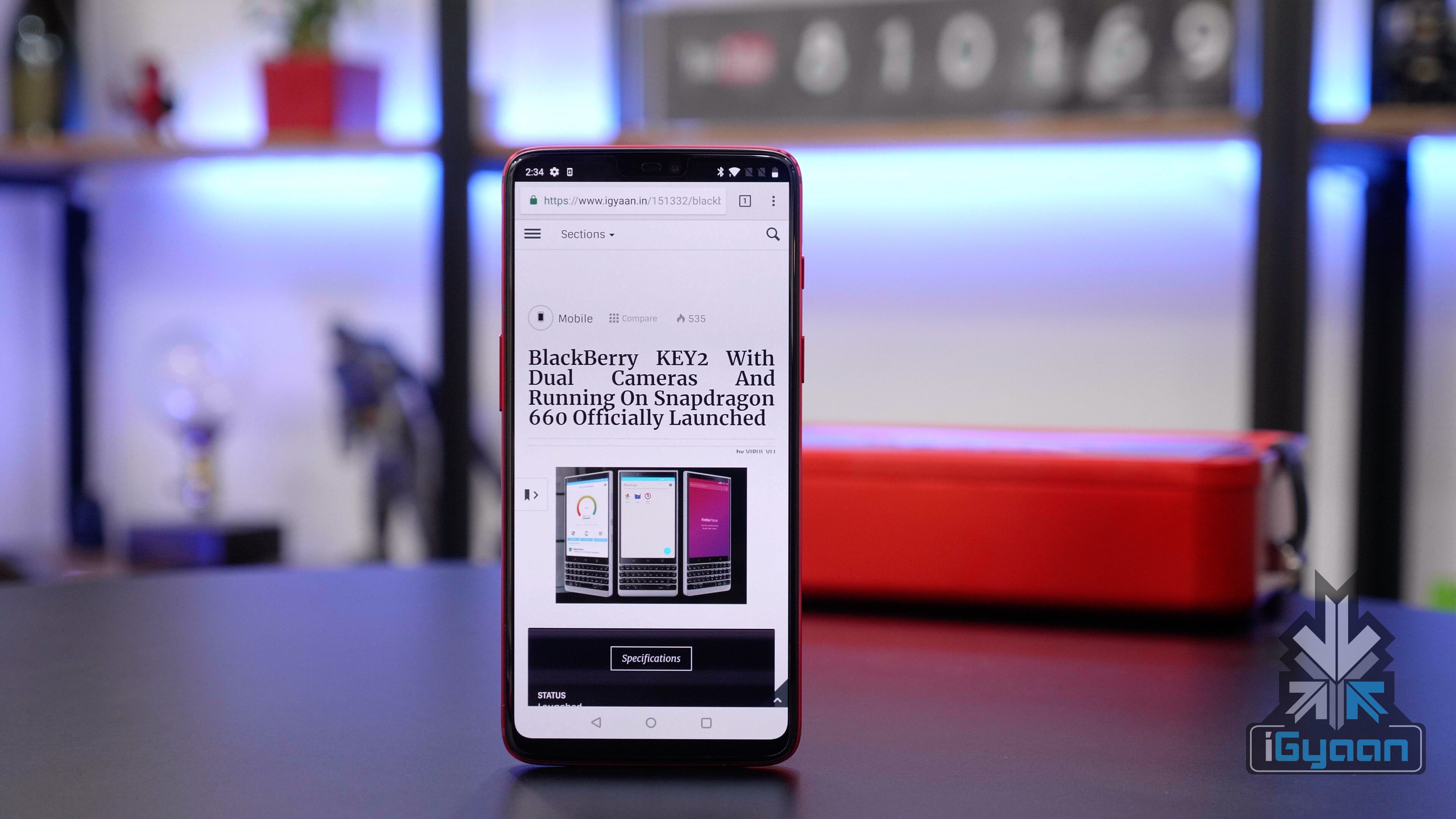
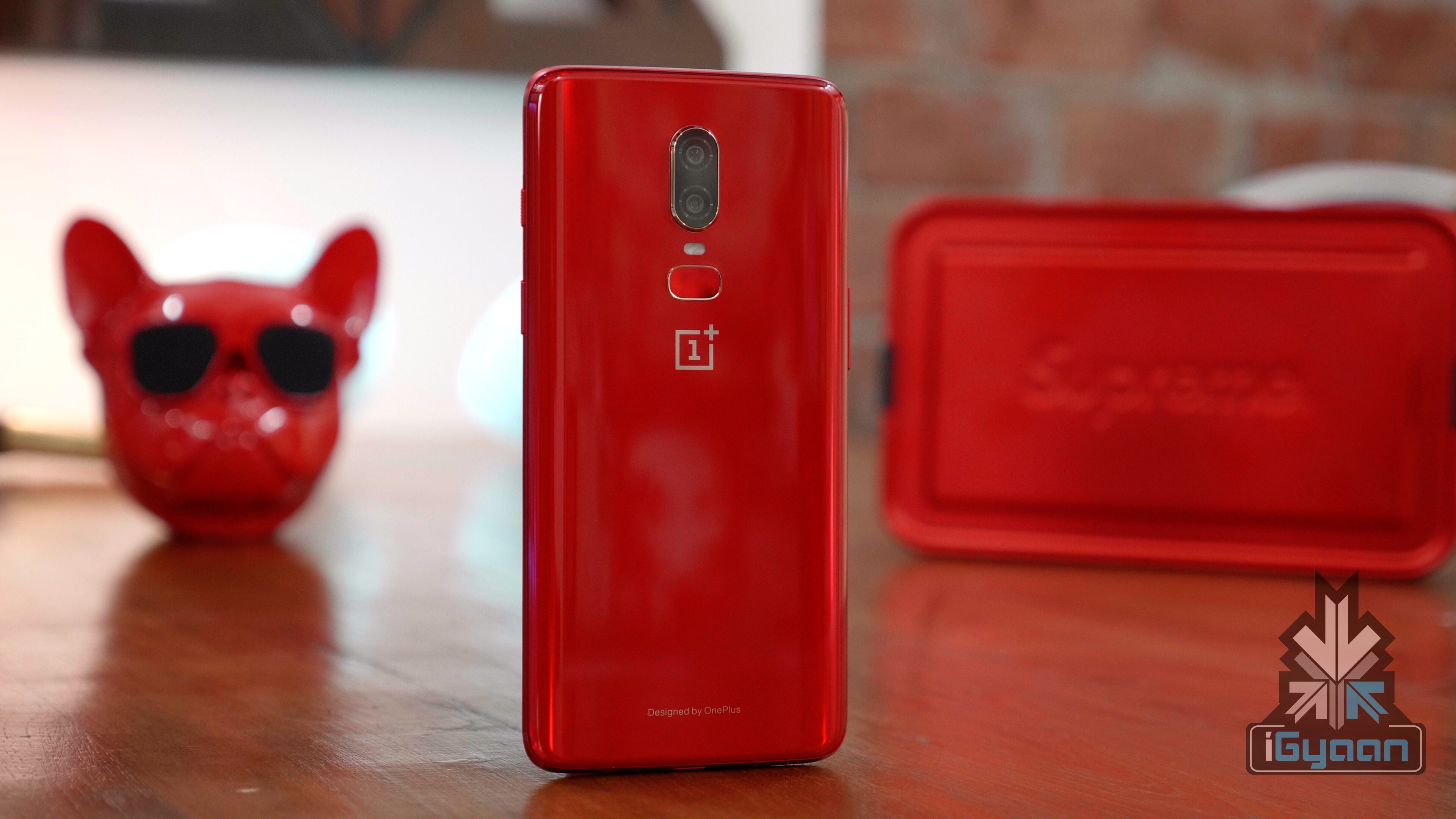
    OnePlus has launched the OnePlus 6 Red Edition in India. The new limited edition colour variant will only be available in the 8GB RAM/128GB storage model and retail for Rs 39999. This essentially means that consumers won’t have to pay extra money for the swanky new red colour. The device will go on sale on 16th July via Amazon and OnePlus.in.

    This is not the first time that OnePlus has launched a new “limited edition” colour variant of a flagship smartphone. The company launched a Soft Gold OnePlus 5 in August 2017. A few days after launching the OnePlus 5T, the company unveiled the OnePlus 5T Lava Red which went was sold worldwide as well. The new OnePlus 6 Red is another marketing tactic in order to bolster sales which are bound to slow down after the initial burst.

    [section label=”Unboxing”]

    Inside the box of the OnePlus 6 Red Edition
    • OnePlus 6 Red Edition
    • Wall Charger
    • USB-C Cable
    • Documentation
    • Sim Ejector Tool
    • Clear Case

    [section label=”First Impressions”]

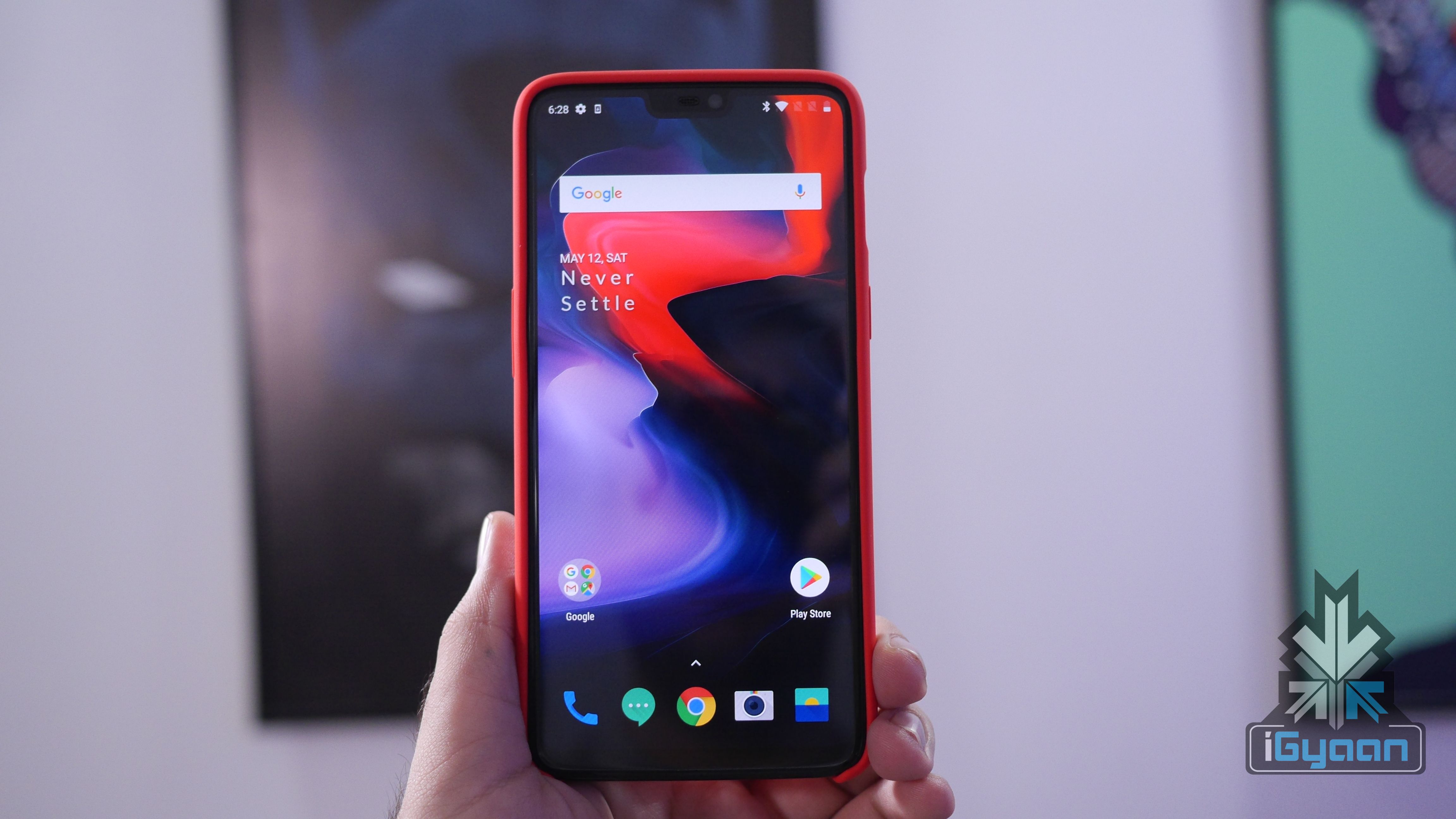
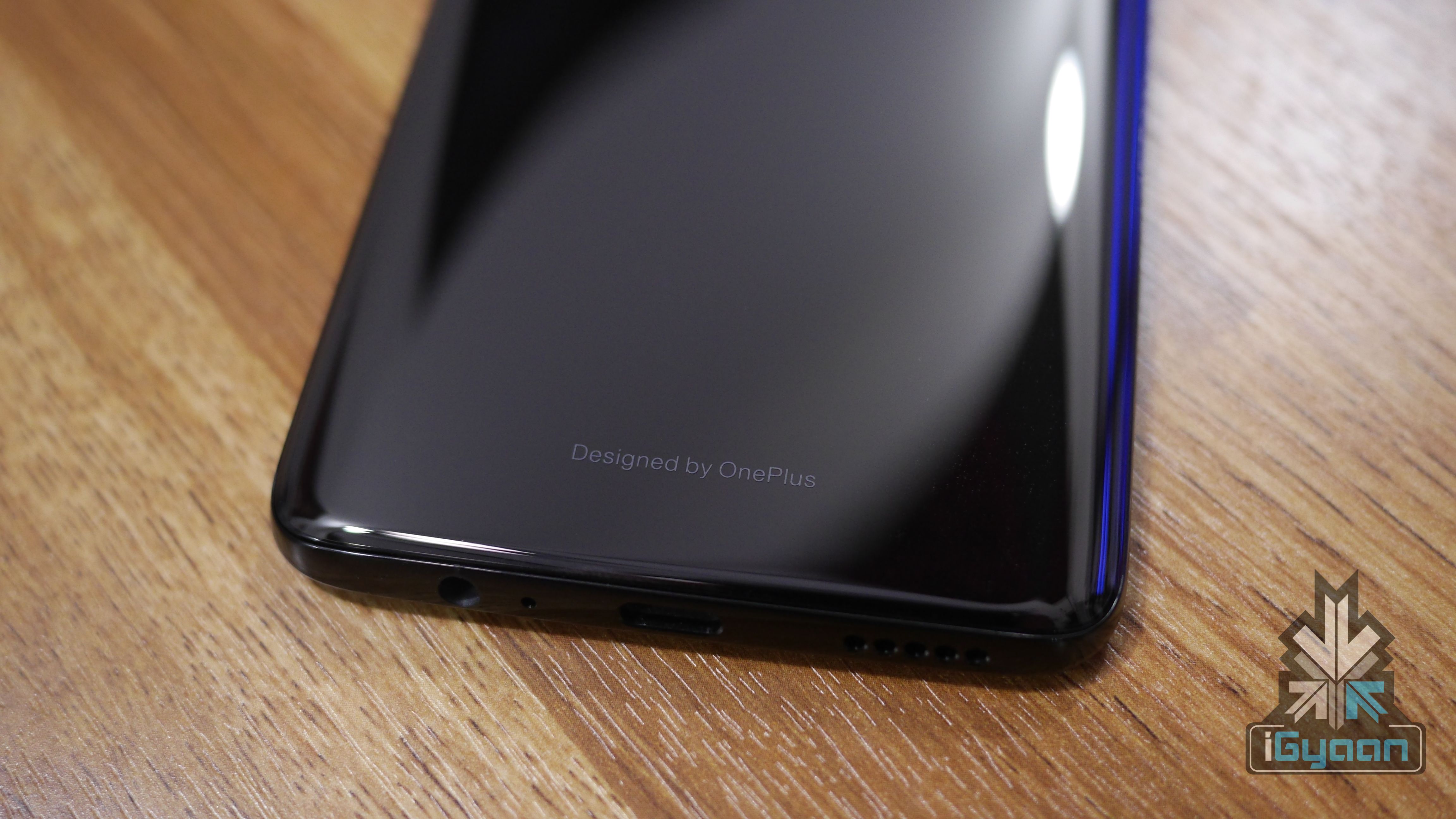
    The OnePlus 6 Red looks really good. That is how you sum up this smartphone. The device has a distinct red colour, unlike the Lava Red OnePlus 5T or even the iPhone 8 Product RED. The dark red colour blends in with the black front and maintains the premium look and feel of the OnePlus 6. The silver chrome around the camera module and fingerprint sensor is a nice touch as well.

    As is with a special edition colour variant, everything inside the OnePlus Red Edition remains the same as the other variants. The new Red Edition joins Midnight Black, Silk White, Mirror Black, and Avengers Edition in the list of OnePlus 6 variants sold in India. We have checked out all the colour variants of the OnePlus 6 so far except Midnight Black. Fair to say that the Red Edition of OnePlus 6 does not disappoint.

    The OnePlus 6 has a 6.28 inch Optic AMOLED display with a 2280 x 1080 px resolution. The aspect ratio is 19:9 which means it is slightly taller than the OnePlus 5T.

    The 6 runs on the Qualcomm Snapdragon 845 chipset which has an octa-core processor clocked at 2.8GHz. Coupled with the flagship chipset is either 6GB or 8GB of RAM with three storage options of 64GB, 128GB and 256GB. The storage is still not user-expandable just like every other OnePlus device. The fingerprint sensor is still placed on the rear but, it has a more oval shape this time around.

    Powering the device is a 3300 mAh battery with Dash Charge support. Dash Charge continues to be one of the fastest charging technologies and could be the reason why OnePlus did not think that wireless charging was necessary here. Out of the box, the OnePlus 6 runs Android 8.1 Oreo with OxygenOS on top. The smartphone has gesture support. The company has announced that users will be able to download Android P Developer’s Preview from the OnePlus website soon.

    The dual-camera on the OnePlus 6 includes a 16MP Sony IMX 519 sensor and a 20MP Sony IMX 376K sensor. Both are RGB sensors and have an f/1.7 aperture with OIS, another first for a OnePlus device. The cameras also record 4K videos at 60fps which is a great feature for content creators. To the front of the smartphone is a 16MP Sony IMX 371 sensor with an f/2.0 aperture and EIS which records 1080P videos.

    [section label=”Conclusion”]

    The OnePlus 6 Red Edition is just another option for OnePlus 6 suitors. With devices like the ASUS Zenfone 5Z and Xiaomi Mi 8 expected to launch in India soon, OnePlus would hope for this new colour variant to reinstate the OnePlus 6’s position as a top flagship smartphone in India. However, it’ll be interesting to see how the smartphone will fair once its potential competitors are launched in India.

  • BlackBerry KEY2 With Dual Cameras And Running On Snapdragon 660 Officially Launched

    BlackBerry KEY2 With Dual Cameras And Running On Snapdragon 660 Officially Launched

    BlackBerry, one of the most mobile phone brands of yesteryears has launched a new Android smartphone. The company continues to believe that there are enough smartphone users in this world that crave for a physical keyboard. The BlackBerry KEYone was built on that notion and the BlackBerry KEY2 continues from where the KEYone left off. The new smartphone is priced at US$ 649 (Rs 43700 approx.) for the base model and goes on sale globally in markets like the US later this month.

    The BlackBerry KEY2 is one of the few smartphones that will offer a full-fledged physical keyboard. This time around, the length of the keyboard has been increased by 20%, which BlackBerry claims will increase comfort and typing accuracy. The leys have also been arranged in a new fret pattern to optimise spacing. The keys have a matte finish as well this time and the new speed key can launch an app, or call a favourite contact or access functions from anywhere in the UI.

    The BlackBerry KEY2 has a 4.5 inch IPS LCD display with a 1620 x 1080 px resolution. The 3:2 aspect ratio is mainly because the smartphone will have a physical keyboard making it a large device to hold. The bezels aren’t very thin either and it retains the three touch capacitive buttons from the KEYone.

    Under the hood, the smartphone runs on the Snapdragon 660 chipset. The SoC will be coupled with 6GB of RAM and either 64GB or 128GB of onboard storage. The storage will be expandable up to 256GB using a microSD card. The fingerprint sensor is housed inside the space bar just like its predecessor. Powering the smartphone is a 3500 mAh battery with support for Qualcomm QuickCharge 3.0. The headphone jack is present as well, which has become a rare sight in 2018.

    The dual-camera setup on the back consists of a 12MP primary sensor with an f/1.8 aperture. The secondary sensor is a 12MP sensor with an f/2.6 aperture. The smartphone has an 8MP front-facing camera with the display acting as a flash for low-light selfies. The dual camera at the back can record 4K videos at 30fps while the front camera will record 1080P videos.

    The BlackBerry KEY2 has a very specific target audience. At a price of US$649, you can easily get the high-end OnePlus 6 running on Snapdragon 845. However, only the KEY2 has a physical keyboard. It’ll be interesting to see BlackBerry’s pricing strategy in India if and when it launches the KEY2 here.

  • Moto G6 Launched In India Starting Rs 13999

    Moto G6 Launched In India Starting Rs 13999

    Motorola has launched the sixth generation of its highly successful Moto G series in India. The Moto G6 was globally launched on 19th April in Sao Paulo, Brazil. Over the past few days, Motorola India had been teasing the launch of the Moto G6 on social media. The new Moto G6 succeeds the Moto G5s which was launched in India in August 2017. At a starting price of Rs 13999, the Moto G6 will go on sale on 5th May midnight via Amazon exclusively.

    Buy The Moto G6 Here

    The Moto G6 is a significant upgrade over the Moto G5s in terms of design and build quality. During the Moto G5s launch, there were premium smartphones with the 18:9 aspect ratio but, not many budget devices had adopted the feature. Since then, however, the 18:9 aspect ratio has become the norm across the board. The Moto G6 follows the norm as well and has thin bezels around a display with an 18:9 aspect ratio.

    Motorola has also moved on from metal unibody build quality. The Moto G series came to the fore for providing quality products at an affordable price. The Moto G6 follows the same philosophy with the new all-glass design. The Honor 9 Lite did it first and the Moto G6 has followed suit. There is Corning Gorilla Glass 3 on the front and back for added protection.

    The G6 has a 5.7 inch LCD display with a 2160×1080. This translates into an 18:9 aspect ratio and thankfully for many, it doesn’t have a notch.

    Under the hood, the smartphone runs on the Snapdragon 450 chipset which has eight 1.8GHz Cortex A53 Cores (14nm) and is basically the rebranded Snapdragon 625. The Adreno 506 GPU adds the graphical prowess with either 3GB or 4GB RAM option bundled with a 32GB or 64GB storage option.

    The Moto G6 does get the USB C charging capabilities along with a 15W charger, which is bundled with a 3000mAh battery. The G6 will run close to stock Android 8 Oreo out of the box in typical Motorola fashion. There were talks of Motorola adopting Lenovo’s custom skin for the G and E series in 2018 but, it turned out to be a hoax.

    At the back is a dual camera setup, consisting of a primary 12MP RGB sensor with an f/1.8 aperture along with a 5MP depth sensor with an f/2.2 aperture. Much like previous smartphones from the company, users can apply a depth-of-field effect to a photo after it is shot, thanks to the saved depth information. Users will also get effects like a selective black-and-white mode, a time-lapse feature, face filters, motion photos and visual search for objects and landmarks. The front houses a 16MP camera with an f/2.2 aperture and an LED flash.

    The Moto G6 goes on sale at midnight on 5th June and at a price of Rs 13999, it competes with the likes of Redmi Note 5 Pro, Zenfone Max Pro and Realme 1. Although the G6 will be the most accessible thanks to no flash sales but, with a Snapdragon 450 up against the likes of Snapdragon 636, it’ll be interesting to see how many people go for the Moto G6.

  • Xiaomi Mi 8 SE Running On Snapdragon 710 Officially Launched

    Xiaomi Mi 8 SE Running On Snapdragon 710 Officially Launched

    Xiaomi launched the Mi 8 to celebrate its 8th anniversary at an event in China. At the same event, the company also unveiled a special edition of the Mi 8, the Xiaomi Mi 8 SE. Up until a few days ago, there was hardly any chatter of Xiaomi launching two version of the Mi 8. However, the leaks started pouring just few days before the launch and the company confirmed all the rumours at its May 31st launch.

    The Xiaomi Mi 8 SE resembles the nomenclature Apple went with when it launched smaller version of a flagship iPhone. Apple launched the iPhone SE and just like the iPhone SE, the Mi 8 SE is a smaller version of the flagship Mi 8. This hardly comes as a surprise as Xiaomi has historically taken “inspiration” from Apple in terms of design, nomenclature and software as well. Shades of iOS are still are evident in MIUI.

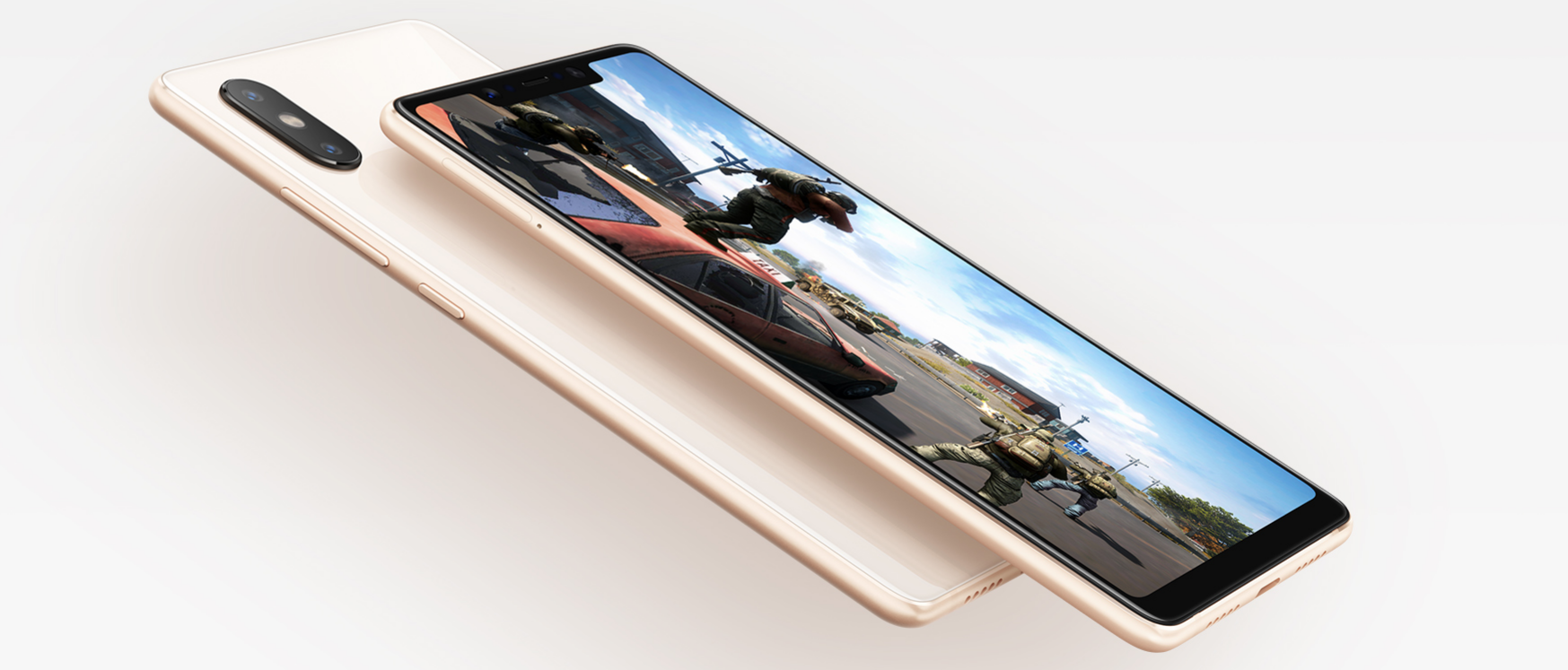
    The Xiaomi Mi 8 SE is priced at CNY 1,799 (Rs 19000 approx.) for the 4GB RAM variant and CNY 1999 (Rs 21000) for the 6GB RAM variant. The design of the Mi 8 SE remains similar to the Mi 8. It has a big notch on the display, similar to the iPhone X and a vertically placed dual-camera setup on the back. The notch on the Mi 8 SE is disappointing to say the least. Unlike the Mi 8, the SE does not have the technology for 3D facial recognition. This means that the company could have done away with the notch for this ‘Special Edition’ variant.

    The Mi 8 SE has a 5.88 inch Super AMOLED display with a 2248 x 1080 px resolution. The aspect ratio is 18.7:9, which is the same as the Mi 8. The Mi 8 SE retains the glass back panel and the aluminium frame, which means that even though it has downgraded hardware, the design and build quality is as good as the flagship Mi 8.

    Under the hood, the smartphone runs on the Qualcomm Snapdragon 710 chipset. It is worth noting that the Xiaomi Mi 8 SE is the first-ever smartphone to be powered by Qualcomm’s new mid-range chipset. The Mi 8 SE will be available in two variants, one with 4GB RAM and 64GB storage and the other one with 6GB of RAM and 128GB of onboard storage. Powering the smartphone will be a 3120 mAh battery with QuickCharge 3.0.

    To the back of the smartphone is a 12MP RGB sensor with an f/1.9 aperture mated with a 5MP depth sensor with an f/2.0 aperture. To the front is a 20MP camera with a 2-micron pixel size and and f/2.0 aperture. Just like the Mi 8, the Mi 8 SE also has AI features like scene detection for better photography in the auto mode.

    The Xiaomi Mi 8 SE has a great price and design. It is to be seen, however, how the Snapdragon 710 performs in the real world since no other smartphone has been launched with this SoC before. Will it make its way to other countries like India? Only time will tell. c

  • Xiaomi Mi 8 Officially Launched With 3D Face Unlock

    Xiaomi Mi 8 Officially Launched With 3D Face Unlock

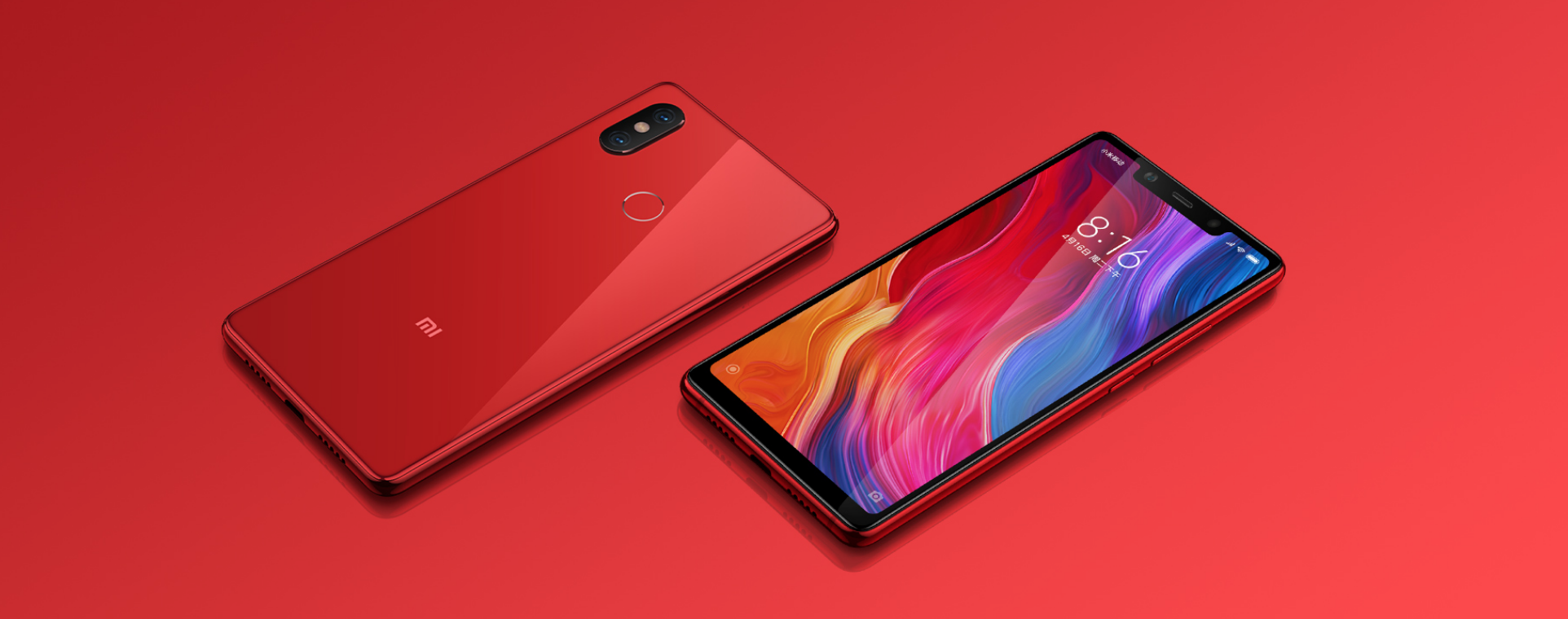
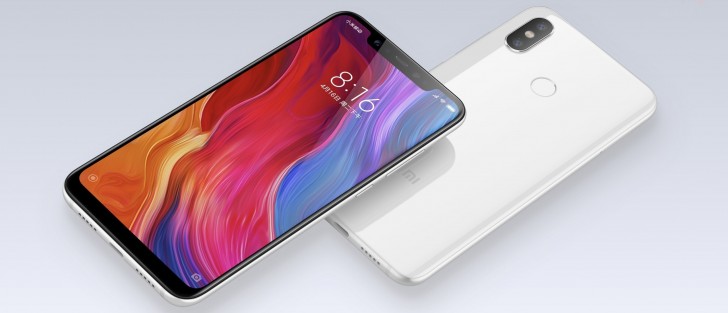
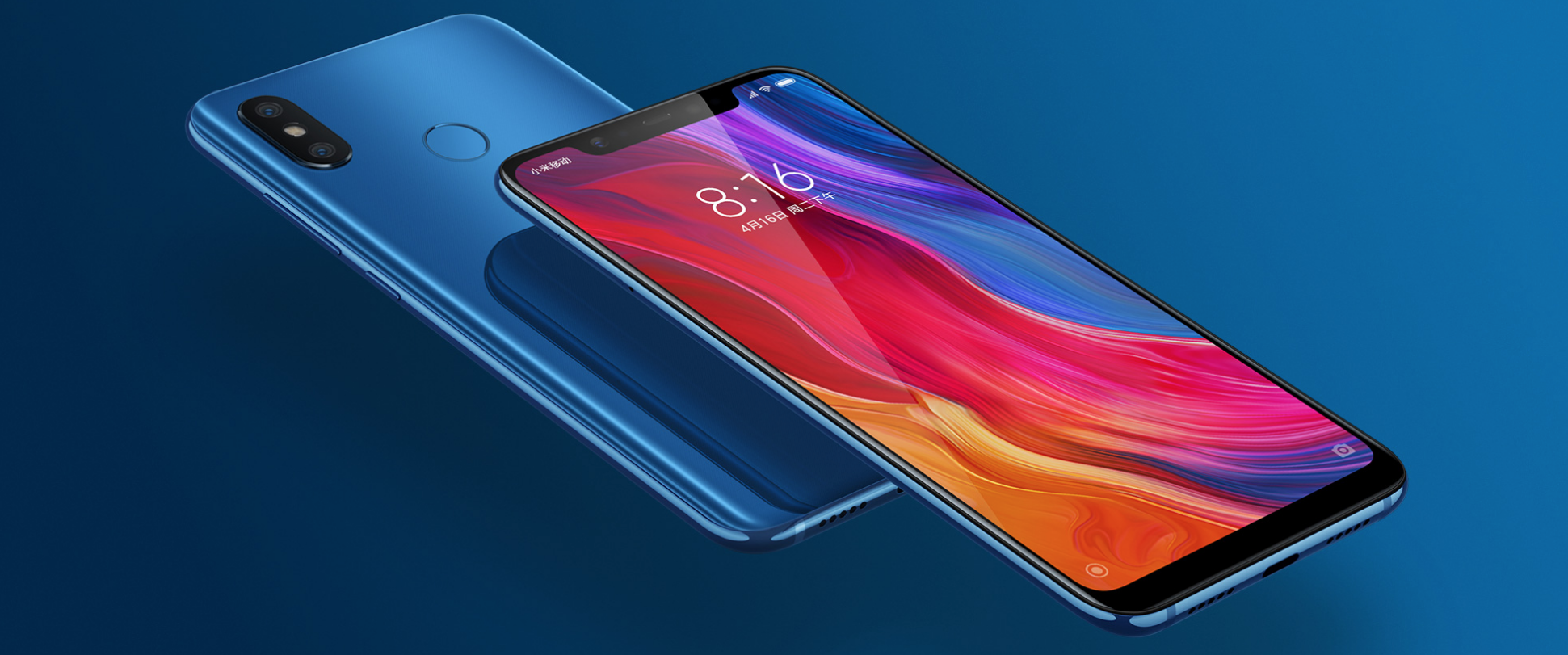
    Xiaomi hosted its 8th anniversary launch event in China and unveiled a plethora of devices. The most anticipated device to launch at the event was the Xiaomi Mi 8. For weeks there were rumours about the Mi 8 being the first Android smartphone to launch with a Face ID-like facial recognition system and even feature an in-display fingerprint sensor. All these rumours were put to rest by Xiaomi and the Mi 8 looks like the best iPhone X recreation yet.

    The Mi 8 will be available in three variants in China. The 6GB RAM/64GB storage is priced at CNY2,699 (Rs 28400 approx.), the 6GB RAM/128GB storage model will cost CNY2,999 (Rs 315000) and the priciest version will retail for CNY 3299 (Rs 34700 approx.) with the same RAM and 256GB storage. It goes on sale in China on June 5th via its official online and offline stores.

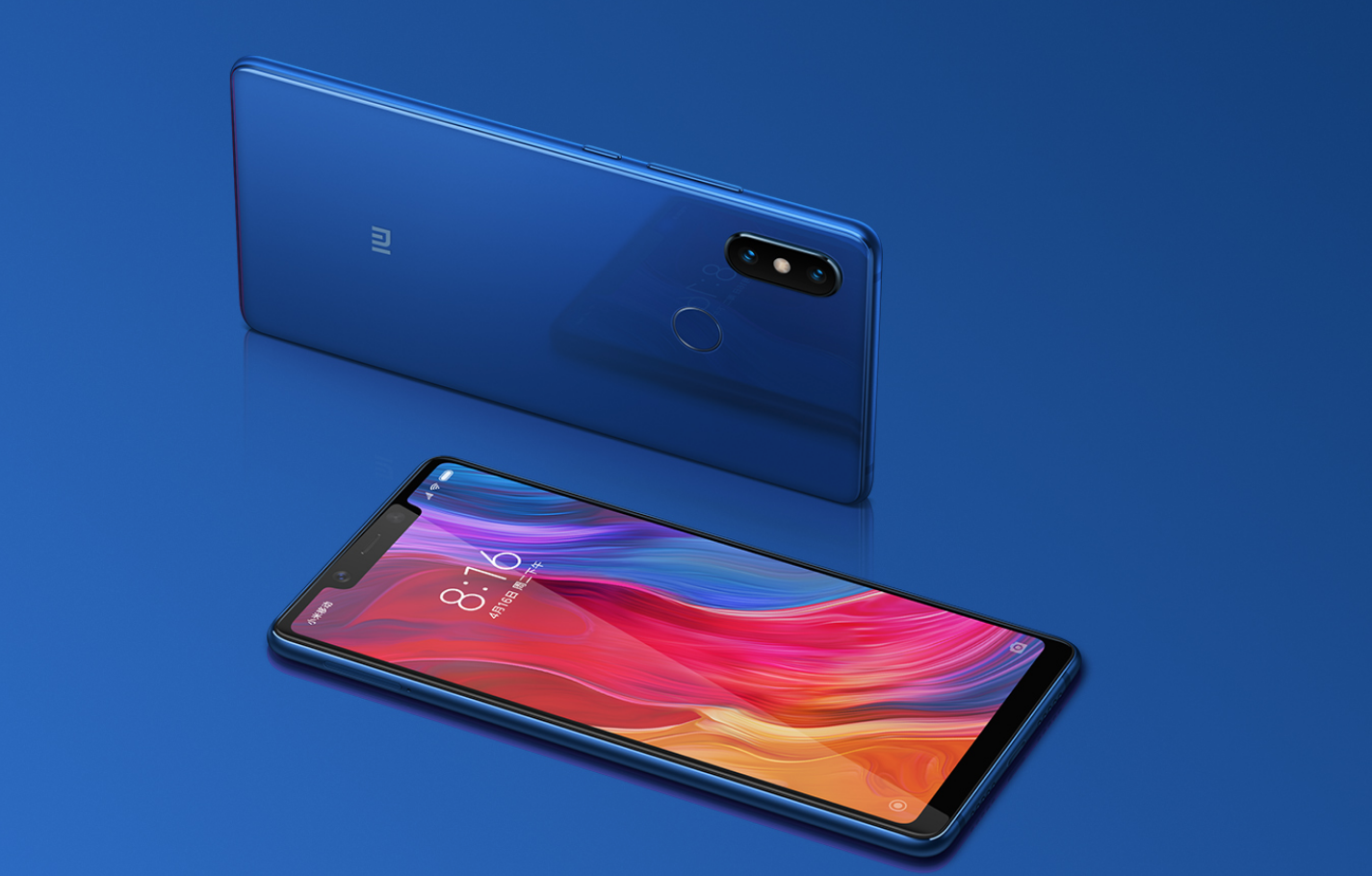
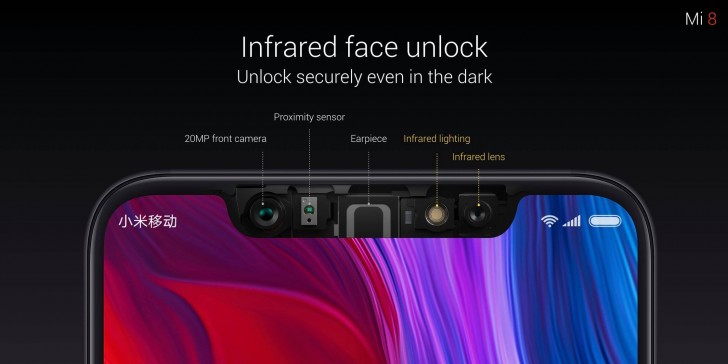
    The Mi 8 is Xiaomi’s first smartphone to sport a notch, a trend slowly becoming the norm. The Mi 8’s notch, however, should not disappoint a lot of people since it solves a purpose, just like the iPhone X’s notch does. As we have been speculating for weeks, the Mi 8 is indeed the first Android smartphone to feature 3D facial recognition which means Xiaomi had to incorporate more sensors than usual in the notch.

    The Xiaomi Mi 8 is also the first smartphone with Dual GPS technology. The dual GPS technology doesn’t use the L1 frequency like other smartphones. It instead uses the L5 frequency usually used by the aeronautical industry. According to Xiaomi, the dual-frequency GPS detects the location more accurately by eliminating radio disturbances from buildings. It also reduces signal delays, making navigation faster.

    The Xiaomi Mi 8 has a 6.21 inch Super AMOLED display (by Samsung) with a 2248 x 1080 px resolution. The unusual resolution is a result of an 18.7:9 aspect ratio. Xiaomi, like OnePlus, has stuck to a FullHD+ resolution instead of a QuadHD+ resolution found in devices like the Galaxy S9.

    Under the hood, the smartphone runs on the Snapdragon 845 chipset with 6GB of RAM coupled with 64GB/128GB/256GB of onboard storage. The onboard storage will not be expandable, which has been the case for flagship Xiaomi devices for a while. The fingeprint sensor is placed on the back of smartphones, giving users an option to choose between Face Unlock and a fingerprint sensor.

    Powering the smartphone will be a 3400 mAh battery which charges via USB C port. Despite the glass back, the Xiaomi Mi 8 does not have wireless charging. Out of the box, the Mi 8 will run Android 8.1 Oreo with the new MIUI 10 on top. MIUI 10 was also announced at the same event and comes with Xiaomi’s own Xiao Ai smart assistant, similar to Google Assistant and Siri.

    The vertically-placed dual-camera setup is also reminiscent of the iPhone X. However, Xiaomi appears to have adopted the design for its 2018 lineup of smartphones. To the back is a primary 12MP RGB sensor with an f/1.8 aperture coupled with a 12MP telephoto lens with an f/2.4 aperture and 1-micron pixel size. The notch houses a 20MP AI camera with an f/2.0 aperture. Just like the iPhone X, it also has a portrait lighting feature and Xiaomi’s own take on the animojis.

    The company went a step further and launched a special edition Mi 8 as well. The Xiaomi Mi 8 Explorer Edition has an in-display fingerprint sensor which the company claims is faster than Vivo’s. It is also the first-ever smartphone with a pressure sensitive fingerprint sensor. The specifications remain the same as the Mi 8 but, the rear-facing fingerprint sensor disappears. The back of the device has a transparent glass that gives a peek to the internals of the device.

    The Mi 8 Explorer Edition is priced at CNY3,799 (Rs 40000 approx.) and will be available in the 6GB RAM/128GB storage variant only.

    The Xiaomi Mi 8 has a big notch like the iPhone X and follows an industry-wide trend. However, the notch has a reason to exist as it is the first-ever Android smartphone to feature 3D facial recognition technology. With it being a world-first, we expect the company to launch it in other major markets like India. There are no details about it yet and we shall keep you posted on any developments regarding the matter.

  • OnePlus 6 Face Unlock Bypassed By A Printed Photo

    OnePlus 6 Face Unlock Bypassed By A Printed Photo

    The OnePlus 6 was launched in India on May 17th at a starting price of Rs 34999. While the smartphone looks and feels very different from the OnePlus 5T, it has retained a few important features from its predecessor. One such feature is Face Unlock, which has become so famous that OnePlus has rolled out the feature to OnePlus 3, 3T and OnePlus 5 as well. While it is fast and convenient, it is not that safe and a new video on Twitter just proved that.

    A Twitter user @rikvduijn posted a video of his OnePlus 6 being unlocked by a printed photo of his face. It is also been reported that this will work with a black-and-white printed photo as well. As seen in the video, the photo is not even placed properly on the face and the phone’s Face Unlock is bypassed.

    [amazon_link asins=’B0756Z43QS’ template=’ProductAd’ store=’igyaan-21′ marketplace=’IN’ link_id=’000bfe3d-6405-11e8-82f1-5d911f17a2f1′]

    At the time of the OnePlus 5T launch, the company conceded that Face Unlock is not the most secure way of authentication. Since the OnePlus 5T had a rear-facing fingerprint sensor, the company wanted its users to have a more convenient way of unlocking their device hence, Face Unlock was introduced. Since this purely software based, OnePlus was able to roll out the feature to other devices as well. In its statement to PhoneArena, the company reiterates that:

    We designed Face Unlock around convenience, and while we took corresponding measures to optimise its security we always recommended you use a password/PIN/fingerprint for security. For this reason Face Unlock is not enabled for any secure apps such as banking or payments. We’re constantly working to improve all of our technology, including Face Unlock.

    Must Read: OnePlus 6T To Follow OnePlus 6 In Q4 2018

    Many people compared OnePlus’ Face Unlock with Face ID. The main reason Face ID is relatively slower is because it is hardware-based and is much more secure (since it has replaced Touch ID) than the Face Unlock. As OnePlus has suggested in its statement, OnePlus 3/3T/5/5T/6 users should always use a PIN or a password or fingerprint sensor of security.

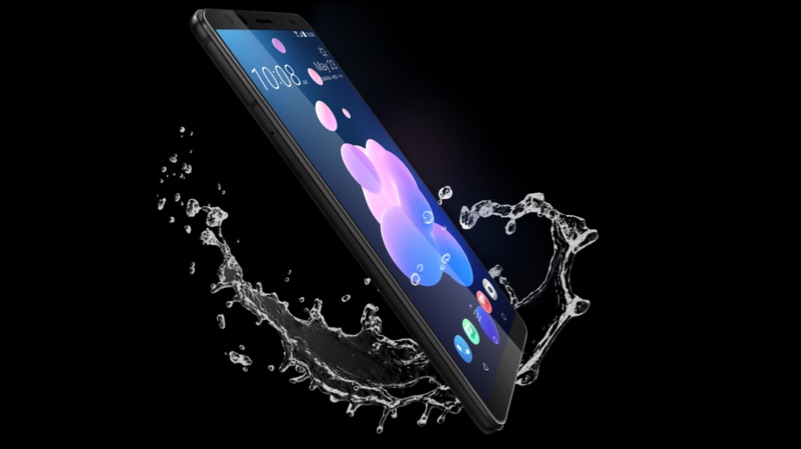
  • HTC U12 Plus With Four Cameras, Snapdragon 845, Pressure Sensitive Buttons Launched

    HTC U12 Plus With Four Cameras, Snapdragon 845, Pressure Sensitive Buttons Launched

    The month of May has been an exciting one for smartphone enthusiasts around the globe. OnePlus launched the OnePlus 6, which has been well-received by consumers so far and Xiaomi is all set to launch the Mi 8 on May 31st. HTC, which last launched a flagship smartphone in November 2017, has unveiled the new HTC U12 Plus at an event in New York.

    On the 30th of January, the Google-HTC deal worth US$ 1.1 billion was finalised. The acquisition saw the transfer of over 2,000 engineers from HTC. Along with the transfer, Google also received a non-exclusive license for HTC’s intellectual property. HTC announced at the time that the company will continue making smartphones and the HTC U12 Plus is the third smartphone launched since the deal was closed.

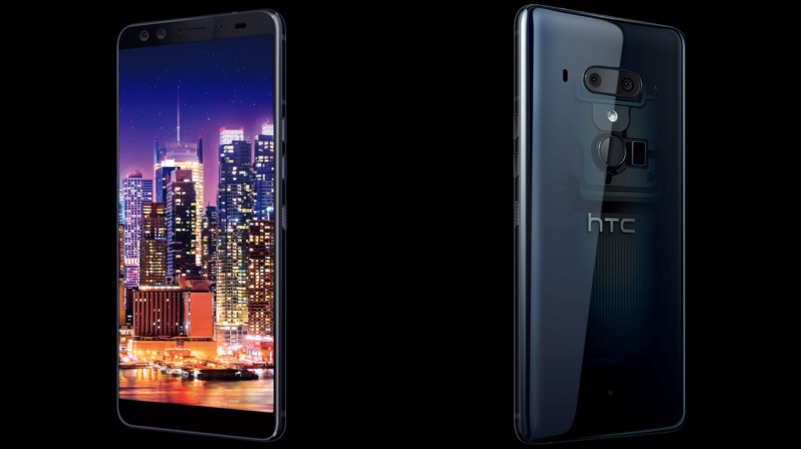
    The U12 Plus is a 2018 flagship smartphone thanks to its top-notch specifications. HTC adopted a new design language with the U11+ and has continued with that for the U12 Plus as well. The smartphone has an 18:9 aspect ratio with thin bezels all around the display. It is worth noting that the company has not completely given in to the smartphone trends. The device does not support a notch, unlike modern flagship devices like the OnePlus 6, LG G7 ThinQ and more.
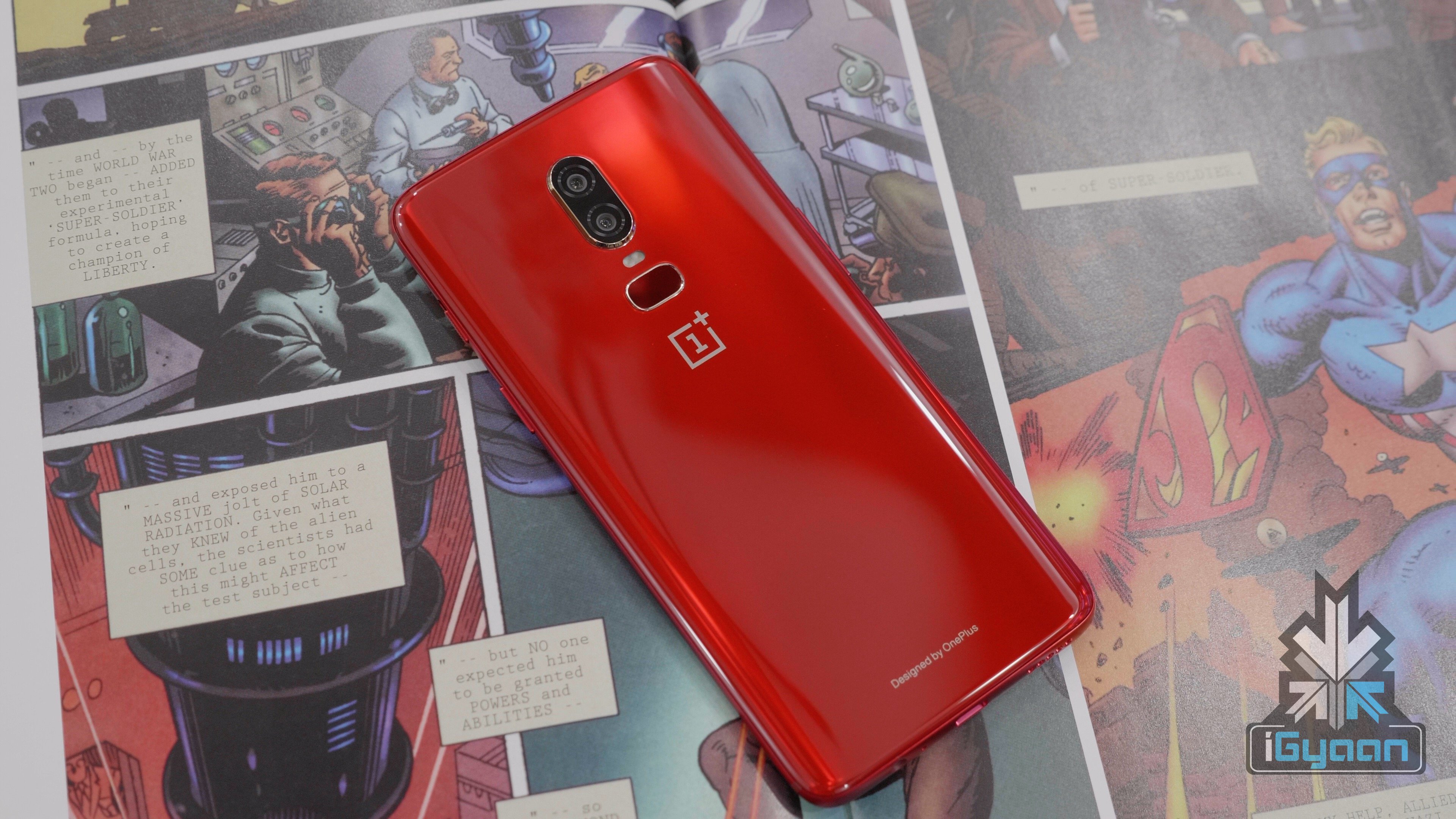
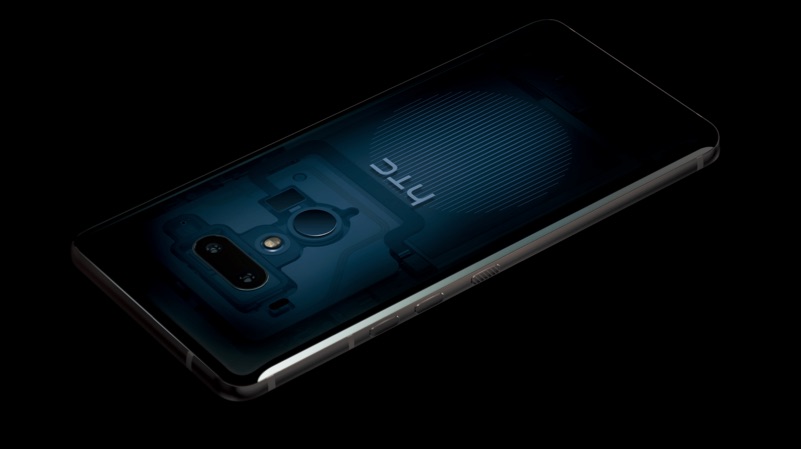
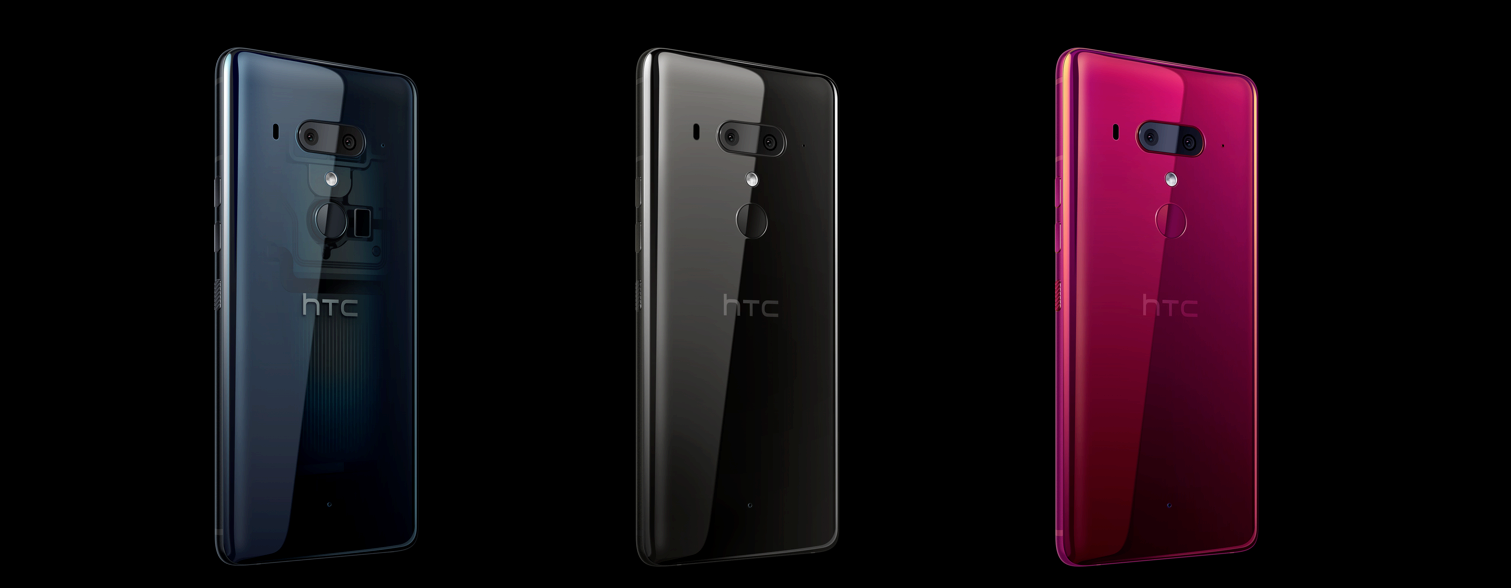
    The HTC U12 Plus has an all-glass design with an aluminium frame. The liquid glass design retains its place along with impressive colour variants. The Solar Red on the HTC U11 continues to be one of the best colour variants on a smartphone. With the U11+, HTC introduced a translucent colour variant, wherein the internals of the device are visible from the back. This time around, the translucent colour has a blue hue to it and in the images at least, looks impressive. The smartphone is also IP68 rated for water and dust resistance.

    The U12 Plus has a 6 inch Super LCD6 display with a 2880 x 1440 px resolution and 537 ppi. It would have been great to see an OLED display here but, HTC has stuck to an LCD panel just like the U11 and U11+.

    Under the hood, the HTCU12 Plus runs on the Qualcomm Snapdragon 845 chipset coupled with 6GB of RAM and either 64GB or 128GB storage. The onboard storage is expandable up to 400GB via a microSD card slot. The fingerprint sensor sits on the back of the smartphone. The physical buttons like the volume rockers are now replaced with pressure-sensitive buttons. This means that pressing these buttons won’t give you a physical feedback instead, there will be a haptic feedback.

    Powering the device is a 3500 mAh battery which charges via a USB C port. The headphone jack is missing, just like the U11+. Out of the box, the U12 Plus will run Android 8 Oreo with HTC Sense UI on top.

    Edge Sense is another feature that HTC has made its own in the past couple of years. This time around, there is Edge Sense 2.0 which takes things up a notch. The Edge Sense panel will now have the ability to sense where your hands are. This means that if you’re using the phone with one hand, you can tap twice with your thumb to shrink the display. Other Edge Sense features are also present, wherein users can squeeze the frame of the device to launch a particular app or action.

    The HTC U12 Plus is also the first device in the U series to feature dual-camera setup. HTC has gone a step further and introduced a dual-camera setup on the front and back both. The back consists of a 12MP primary sensor with an f/1.75 aperture and a 16MP telephoto lens with an f/2.6 aperture. The U12 Plus also has the ability to record 4K videos at 60fps. The front of the device houses a dual 8MP setup wherein both the sensors have an f/2.0 aperture that records 1080P videos.

    The HTC U12 Plus is priced at US$ 799 for the base model and US$ 849 for the 128GB storage variant in the US. There are no details about launch and availability of the U12 Plus in India as of now.

  • Xiaomi Mi 8 To Cost Around Rs 30000

    Xiaomi Mi 8 To Cost Around Rs 30000

    The CEO of Xiaomi Lei Jun took to Weibo and announced an event for May 31st in Shenzhen, China. At the event, the company is expected to announce the Xiaomi Mi 8, its new flagship smartphone that will succeed the Mi 6 from 2017. A new leaked image has shed some light on the specifications and possible pricing of the smartphone.

    The image reveals that the Mi 8 will run on the Qualcomm Snapdragon 845 chipset, something that was confirmed way back in December 2017. The smartphone will have a 6.01 inch display with a taller display. Since the smartphone will have a notch, the aspect ratio could be 19.5:9, same as the iPhone X. Popular Android smartphones like the OnePlus 6, Huawei P20 Pro with a notch have a 19:9 aspect ratio. The resolution is expected to be FullHD+ and not more than that.

    Must Read: Xiaomi Mi 8 With A Notch Spotted In The Wild

    The image also mentions 3D facial recognition technology. This will be the most talked-about feature of the Mi 8, as the smartphone will be the first Android device to feature 3D facial recognition system. This system will be similar to Apple’s Face ID which replaced Touch ID in the iPhone X. It will be interesting to see if Xiaomi does the same, or will it leave it to the users to choose between a fingerprint sensor or Face Unlock.

    The interesting bit here is the pricing mentioned in the image. According to the leaked image, the Mi 8 will be cheaper than the Mi MIX 2s, which starts at 3299 Yuan (Rs 32,999). The Xiaomi Mi 8 will retail in two variants, one with 6GB RAM/64GB storage will be priced at 2,799 Yuan (Rs 29,800 approx.) and the other variant with 8GB RAM/128GB storage at 3,199 Yuan (Rs 34000 approx.). If the Mi 8 makes its way out to countries like India, it will compete with the likes of Honor 10 and OnePlus 6.

    At the end of the day, it is still a leaked image which means take all the information with a pinch of salt. With such expensive technology being used for 3D facial recognition, it is hard to believe that the Mi 8 won’t be a bit on the pricier side of the smartphone spectrum. All details about the smartphone will be revealed at the May 31st launch in China.

  • OnePlus 6 Launched In India Starting Rs 34999

    OnePlus 6 Launched In India Starting Rs 34999

    OnePlus launched its latest flagship smartphone, the OnePlus 6 at an event in London on May 16th. The company held a separate event in Mumbai on May 17th to launch the device in India. The OnePlus 6 will be available in three variants, one with 6GB RAM/128GB storage, the other 8GB RAM/128GB storage, and the final variant will have 8GB RAM/256GB storage.

    The base model is priced at Rs 34,999, and the 8GB RAM/128GB model will retail for Rs 39999.

    The OnePlus 6 has a 6.28 inch Optic AMOLED display with a 2280 x 1080 px resolution. The aspect ratio is 19:9 which means it is slightly taller than the OnePlus 5T.

    Must Read: Unboxing The OnePlus 6

    The 6 runs on the Qualcomm Snapdragon 845 chipset which has an octa-core processor clocked at 2.8GHz. Coupled with the flagship chipset is either 6GB or 8GB of RAM with three storage options of 64GB, 128GB and 256GB. The storage is still not user-expandable just like every other OnePlus device. The fingerprint sensor is still placed on the rear but, it has a more oval shape this time around.

    Powering the device is a 3300 mAh battery with DashCharge support. DashCharge continues to be one of the fastest charging technologies and could be the reason why OnePlus did not think that wireless charging was necessary here. Out of the box, the OnePlus 6 will run Android 8.1 Oreo with OxygenOS on top. The smartphone will have gesture support which we tested on the OnePlus 5T during its Beta test. The company has announced that users will be able to download Android P Developer’s Preview from the OnePlus website soon.

    OnePlus has stuck to its guns in terms of optics. The company dropped the telephoto lens with the OnePlus 5T and replaced it with another RGB sensor. The same is the case with the OnePlus 6. The company believes that its software can take good enough portrait modes (a feature that has become popular over the past two years). The dual-camera setup includes a 16MP Sony IMX 519 sensor and a 20MP Sony IMX 376K sensor. Both are RGB sensors and have an f/1.7 aperture with OIS, another first for a OnePlus device. The cameras also record 4K videos at 60fps which is a great feature for content creators. To the front of the smartphone is a 16MP Sony IMX 371 sensor with an f/2.0 aperture and EIS which records 1080P videos.

    At a starting price of Rs 34999, it is marginally pricier than the OnePlus 5T. New design, features and a solid pricing mean the OnePlus 6 has great potential in the Indian market.

    Unboxing Video

  • Unboxing The Honor 10

    Unboxing The Honor 10

    Honor has launched the Honor 10 at an event in London. The Honor 10 will be available in two variants. The Honor 10 will be available in only one variant in India. The smartphone will have 6GB RAM and 128GB storage and will be priced at Rs 32999. The Honor 10 will be available via Flipkart exclusively.

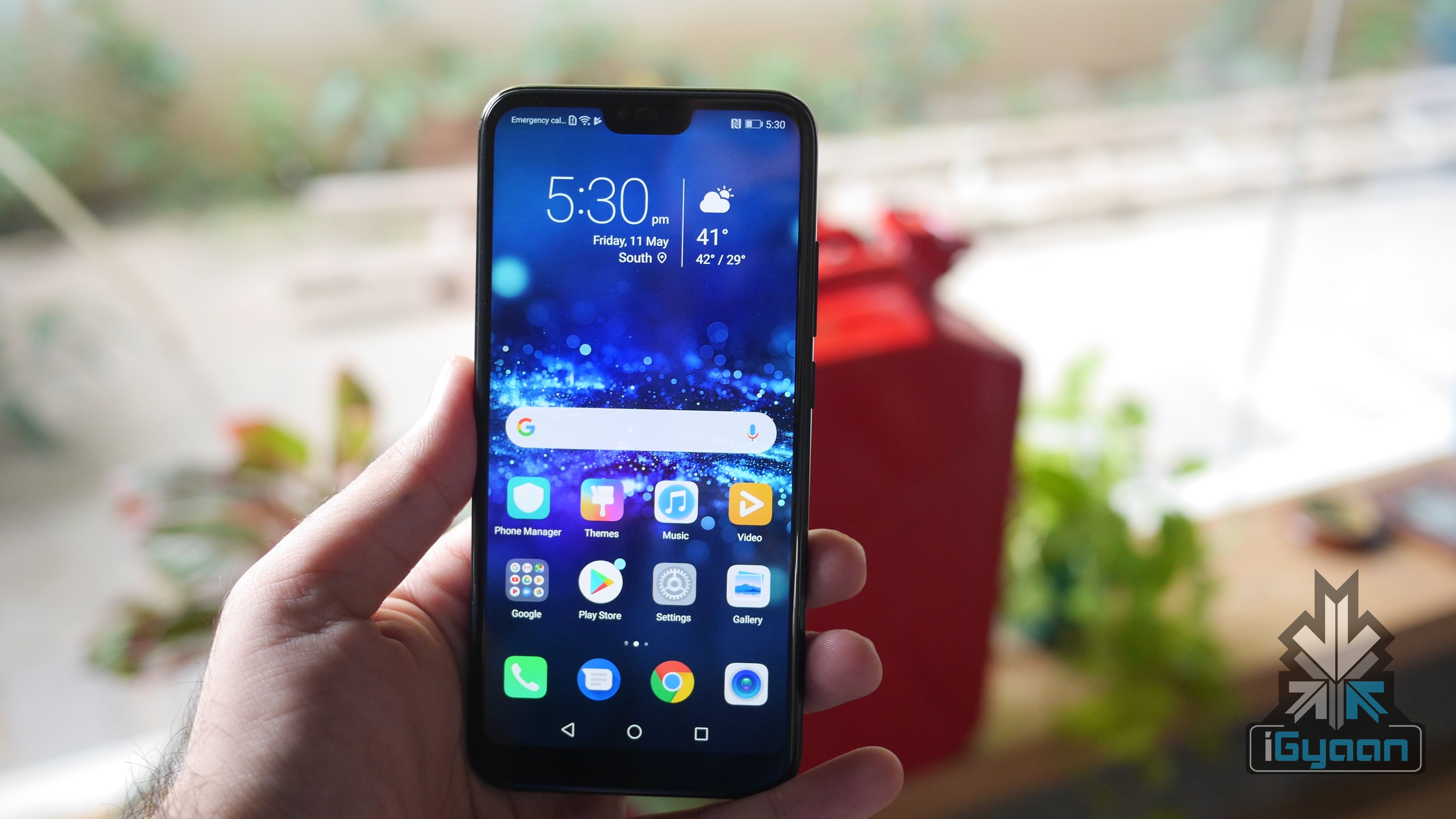
    Succeeding the popular Honor 9, the Honor 10 has flagship specifications and an all-glass design. The smartphone also features a notch on the display like a lot of other modern-day Android smartphones. The colour variants are also very interesting with the Honor 10. Two of the colour variants have a dual-tone colour of blue and pink and in the images at least, looks pretty fantastic. The fingerprint reader like expected is not embedded inside the display, instead, it is an invisible ultrasonic fingerprint sensor that can also detect a wet finger.

    [section label=”Unboxing Video”]

    [section label=”Unboxing”]

    Inside the box of the Honor 10
    • Honor 10
    • Documentation
    • Sim Ejector Tool
    • Wall Charger
    • USB C Cable

    [section label=”Initial Impressions”]

    The Honor 10 takes a lot of design cues from the Huawei P20 Pro. The notch on the display is the same size as the P20 Pro and the all-glass design is reminiscent of the Huawei flagship smartphone. Right off the bat, you’ll realise that this a slippery phone thanks to its build quality. The glass finish means that the back of the device is also a fingerprint sensor. It is best adviced to either use a case or a skin for a better grip.

    The front of the smartphone is dominated by the 5.84 inch IPS LCD display with a 2280 x 1080 px resolution. The notch can be hidden using software which will turn the display into an 18:9 aspect ratio.

    Running everything under the hood is the company’s own flagship SoC, the HiSilicon Kirin 970. That is coupled with 6GB of RAM and 128GB storage. The flagship chipset can handle anything you throw at it and day-to-day usage is a breeze. The Honor 10 runs a highly customised version of Android 8.1 Oreo. For users who crave an app drawer and stock Android, there is always the Pixel Launcher.

    Powering the smartphone is a 3400 mAh battery which charges via a USB C port. It is worth noting that despite having a glass back, the smartphone does not support wireless charging. It is SuperCharge compatible which should charge the phone faster than usual.

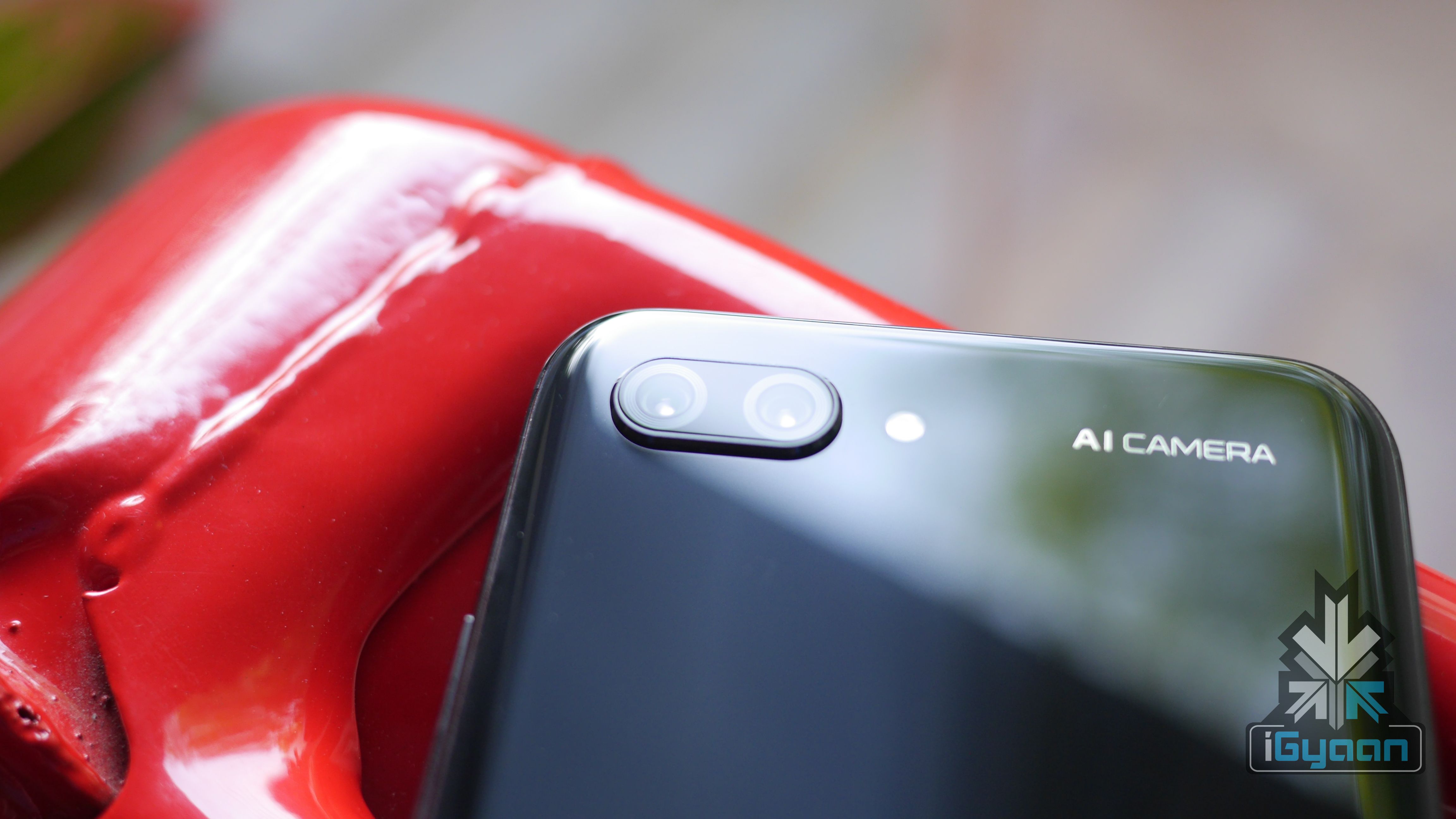
    Honor has also touted AI capabilities of the Honor 10. AI seems to have become a very marketable term for smartphone makers these days. According to Honor, AI 2.0 can detect dynamic pictures more accurately. The phone’s AI 2.0 can also process Prisma-like image effects twice as fast as the iPhone X.

    The smartphone has a dual-camera setup on the back, consisting of a 16MP RGB sensor with an f/1.8 aperture and a 24MP Monochrome sensor. The rear cameras record 4K videos at 30fps. The notch on the display, along with the sensors and an earpiece, also houses a 24MP camera with an f/2.0 aperture. The front-camera only records 1080P videos at 30fps.


iGyaan Network
Privacy Overview

This website uses cookies so that we can provide you with the best user experience possible. Cookie information is stored in your browser and performs functions such as recognising you when you return to our website and helping our team to understand which sections of the website you find most interesting and useful.