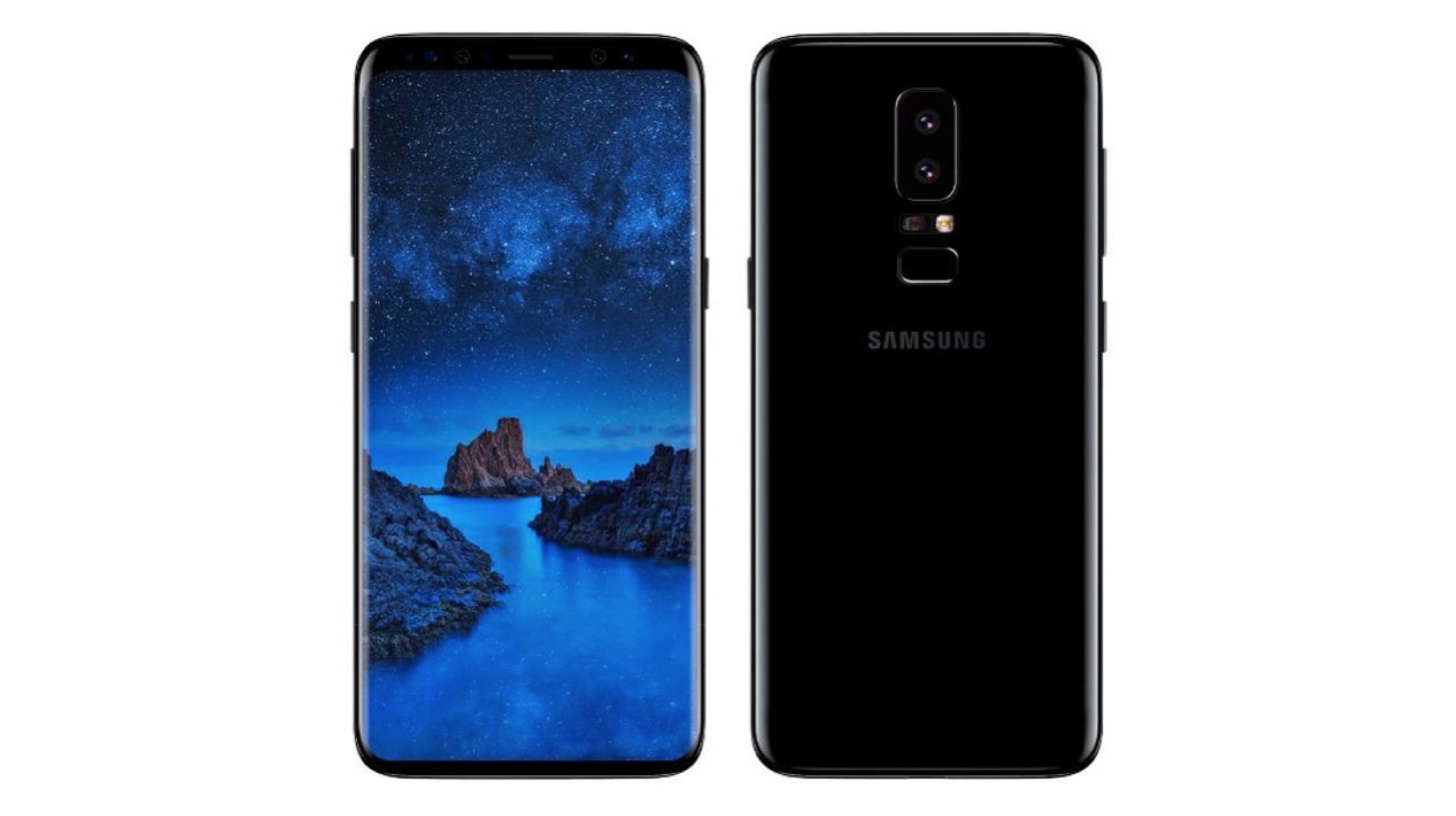
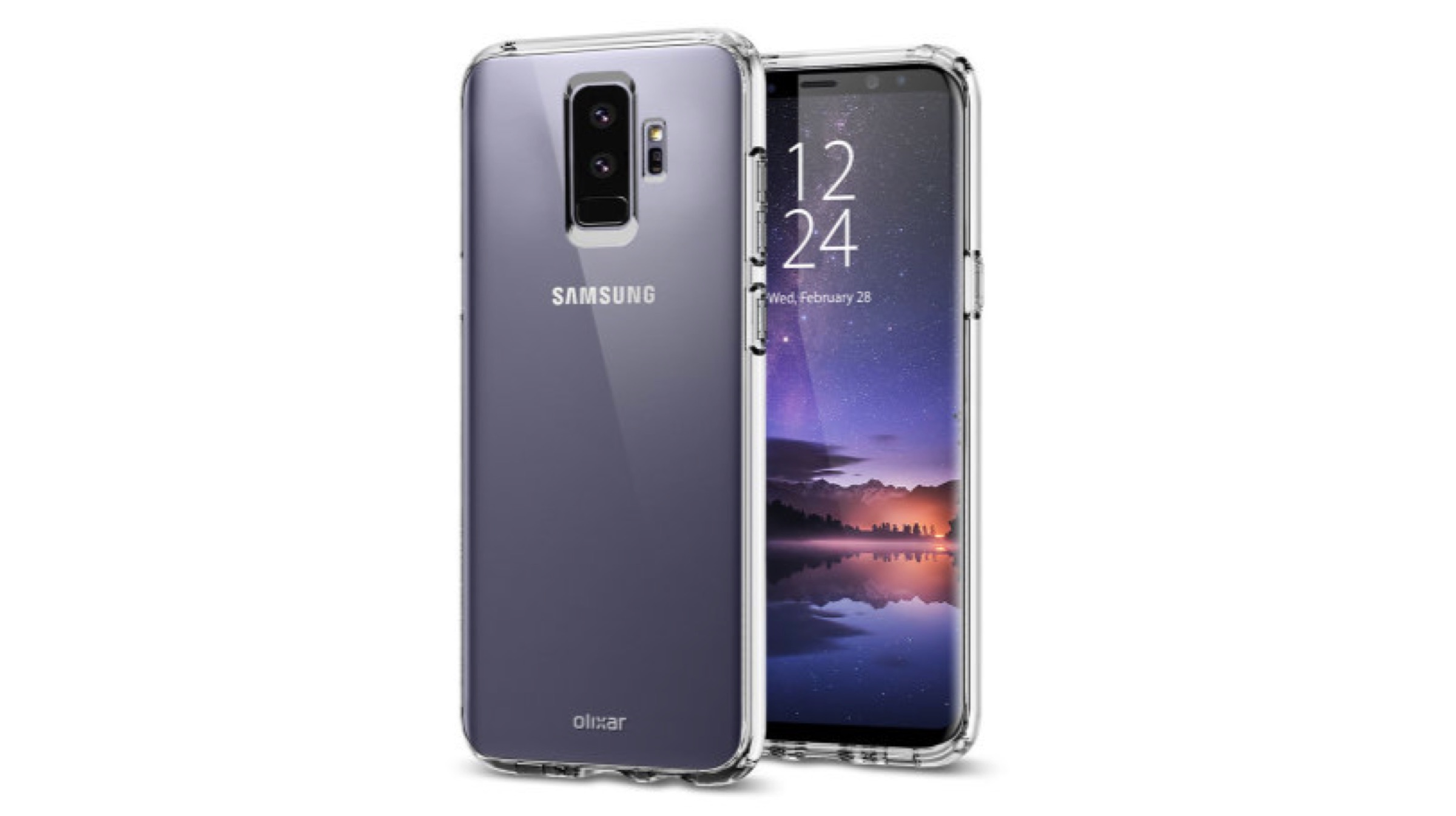
Samsung has already confirmed that it will announce its new flagship smartphones at the Mobile World Congress in February 2018. While the trade show will go on for a few days, there was no clarity as to when the company will announce the smartphones and more importantly, when the devices will go on sale. A new leak, however, attempts to shed more light on the possible Samsung Galaxy S9 and S9+ release cycle.
According to a famous leakster, a “C-level executive at a major case maker” has provided some information regarding this. His intel has suggested that the Galaxy S9 will be announced on the 26th of February, which is Day One of MWC. Subsequently, the pre-orders will start on March 1 and then the devices will start shipping on the 16th of March.
This information falls in line with the general pattern of smartphone releases at MWC as major smartphone announcements happen on the first day itself. While insightful, the leak still doesn’t share any information about the pricing of the smartphones, the only aspect that has so far not been leaked in some manner or the other. However, as we move closer to the announcement, there are chances that the pricing details of the devices will be leaked as well.
According to recent leaks, the Samsung Galaxy S9 will be offered in two options, 4GB RAM/64GB storage and 4GB RAM/128GB storage. The bigger sibling of the two, the Samsung Galaxy S9+ will be available in 6GB RAM/64GB storage, 6GB RAM/128GB storage and 6GB RAM/256GB models in major markets across the world.
According to the specifications listed on a leaked retail box, the Samsung Galaxy S9 will have a 5.8-inch sAMOLED display with a 2960 x 1440 px resolution. Similar to its predecessor, the smartphone will have a single 12MP SuperSpeed Dual Pixel camera. This time around, however, the camera will have an f/1.5 aperture and record super slow motion videos, probably at 960fps.
The Samsung Galaxy S9 and Galaxy S9+ are expected to be priced at around the price of their predecessors. The price and release dates of the devices will be announced at the time of the launch. India is expected to be one of the first few countries to receive the smartphones.
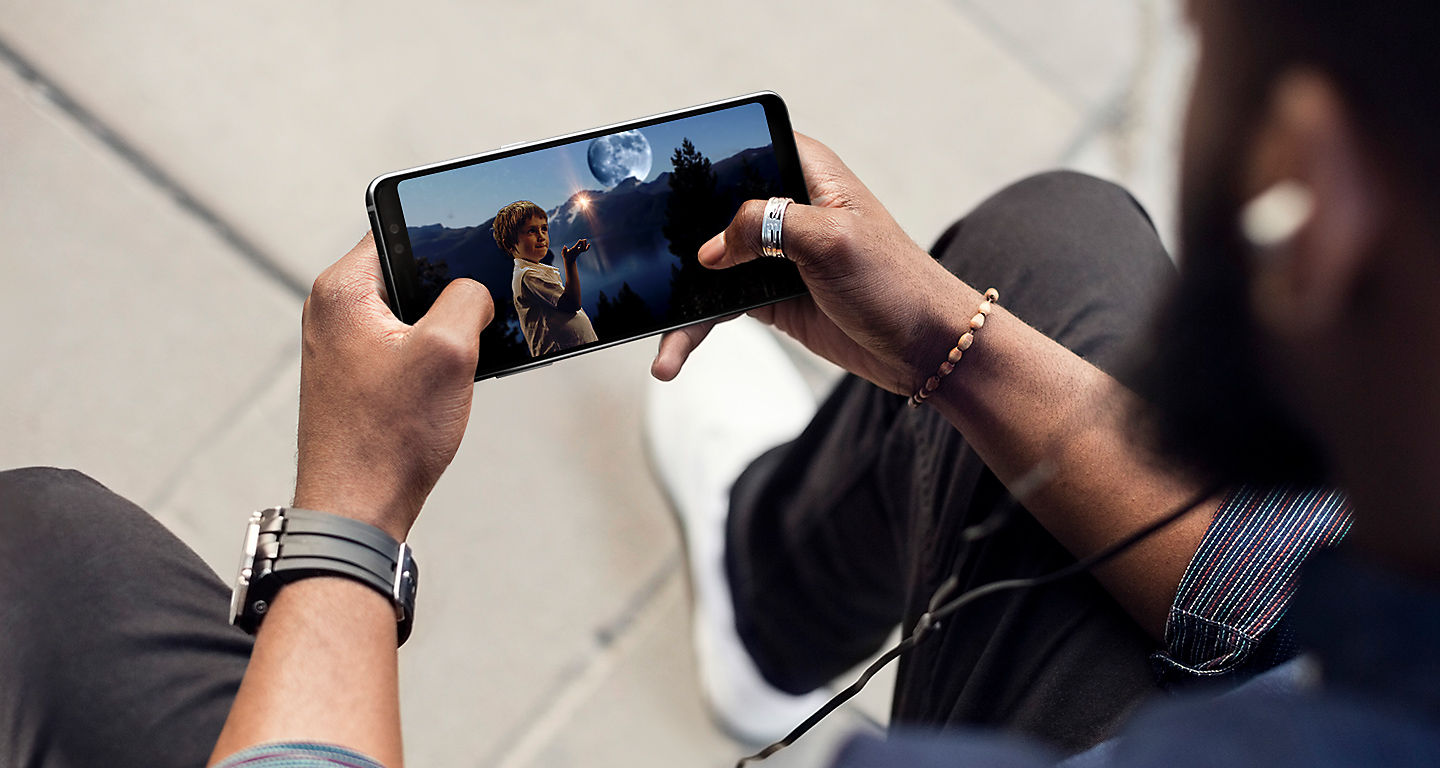
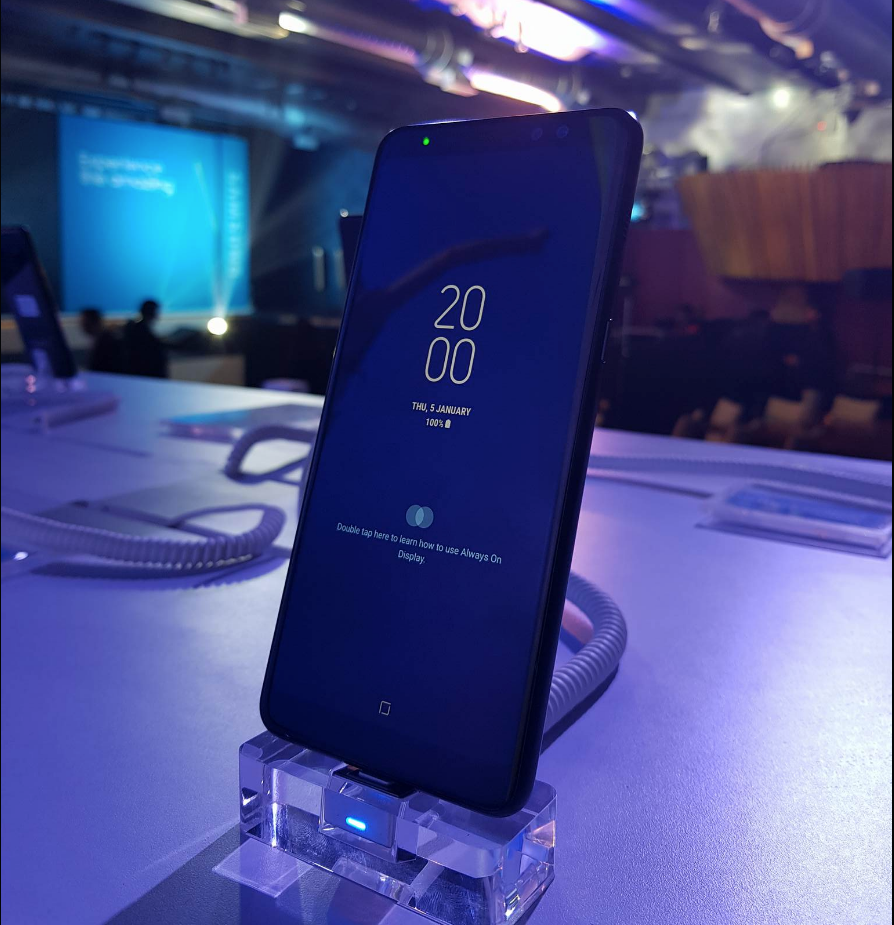
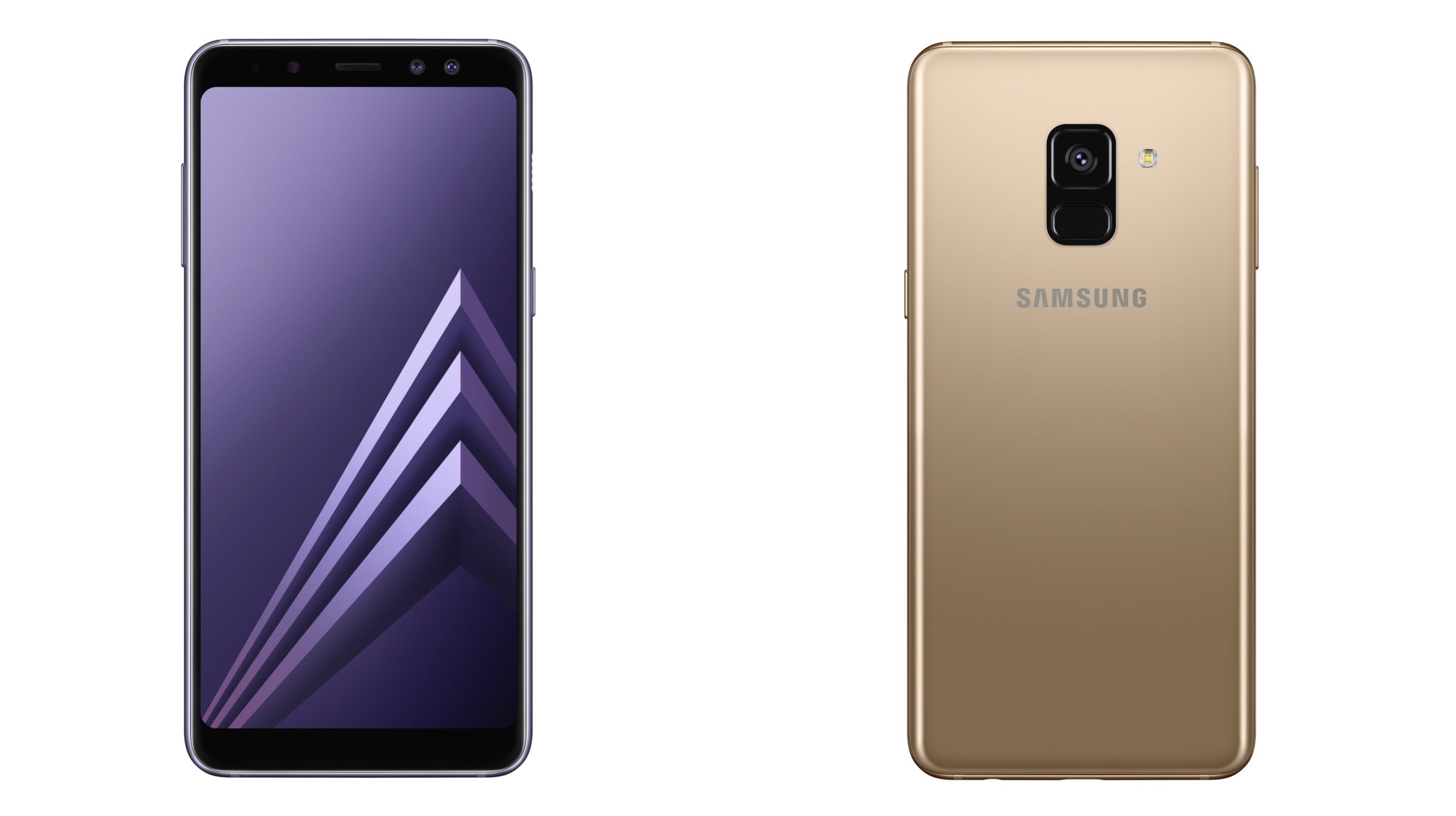
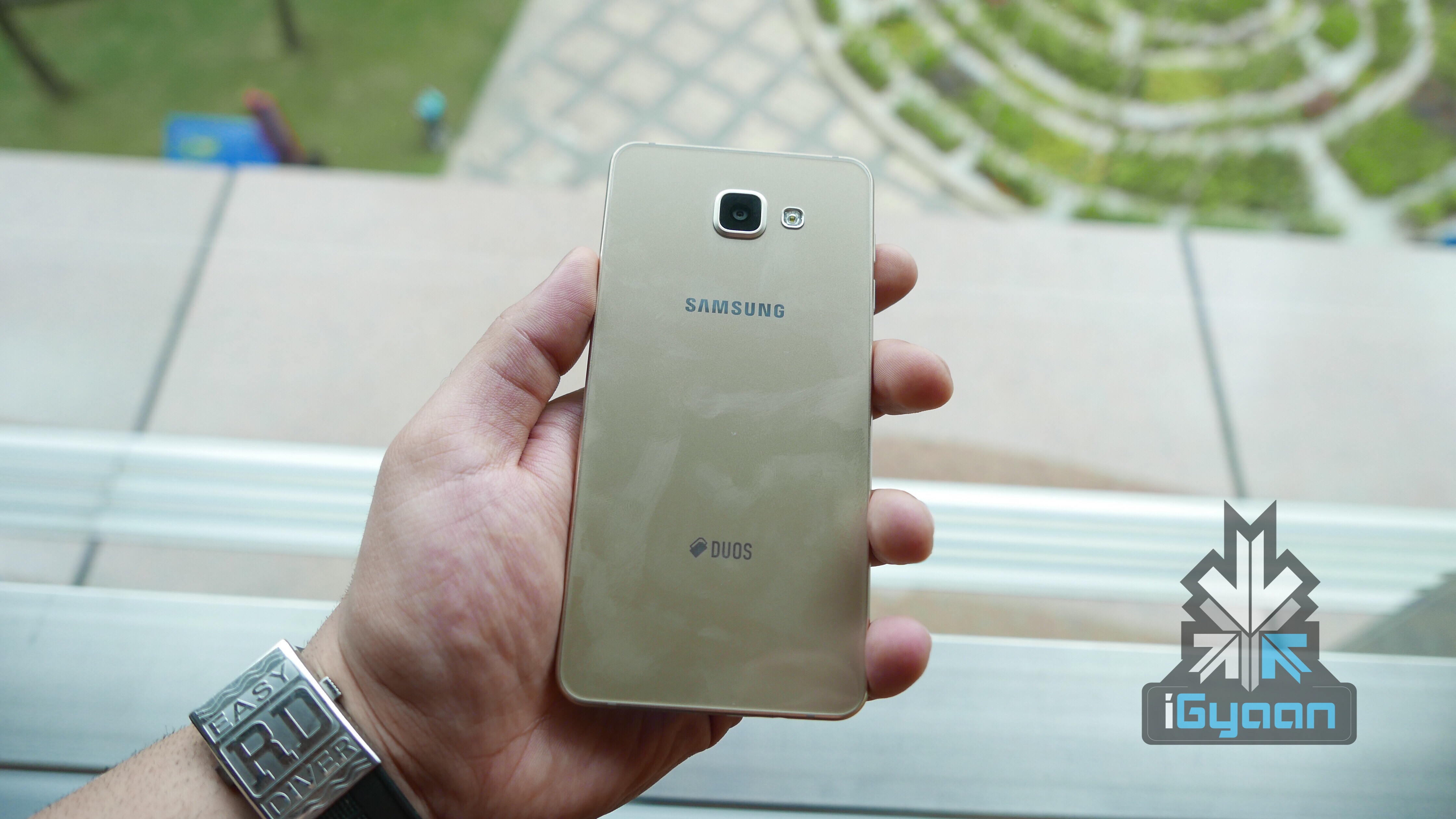
Samsung has officially launched the Galaxy A8+ in India at a price of Rs. 32990. The device is an Amazon-exclusive and will go on sale in India from the 20th of January. At this price point, the Samsung Galaxy A8+ will compete with the likes of Honor View10 and the OnePlus 5T.
The Samsung Galaxy A8+ has a 6-inch Super AMOLED display with a 2220 x 1080 px resolution which translates to an 18.5:9 aspect ratio.
Under the hood, it has an Exynos 7885 chipset, an octa-core (2.2GHz Dual + 1.6GHz Hexa) processor and Mali-G71 GPU. The Galaxy A8+ has been launched in only one variant in India, which has 6GB of RAM and 64GB of onboard storage. Just like every other smartphone from Samsung, the onboard storage can be expanded up to 256GB via microSD card. The smartphone is IP68 rated for water and dust resistance and supports Samsung Pay for contactless mobile payment.
Powering the Galaxy A8+ is a 3500 mAh battery which is charged via USB Type-C port.
One thing that might come as a surprise, especially for phones launching in 2018 is the OS. The Galaxy A8+ will run Android 7.1.1 Nougat out of the box with Samsung’s own custom skin on top.
The Galaxy A8+ is also the first of Samsung phone to have a dual-camera setup on the front. The Galaxy A8+ has a 16MP + 8MP camera setup with an f/1.9 aperture on the front. The Live Focus feature lets users chose whether the background should be in focus or blurred to a soft bokeh. The phone will switch between the two front cameras to get the effect the user needs. To the back of the phone is a 16MP camera with an f/1.7 aperture and digital stabilisation.
The Samsung Galaxy A8+ has a new design when compared to previous Galaxy A smartphones with a new Infinity Display. With the smartphone entering the “affordable flagship segment,” it has the advantage of an IP68 rating for water and dust resistance over its closest competitors, OnePlus 5T and Honor View10. With a chipset that isn’t a flagship, it will be interesting to see how many consumers are drawn towards the Infinity Display and its ruggedness.
You can register for the Samsung Galaxy A8+ by clicking here.
Xiaomi recently launched the Redmi 5 and Redmi 5 Plus in China. The two budget smartphones sport a modern 18:9 aspect ratio and are expected to launch in India soon. Ever since the Redmi 5 Plus was launched, there were rumours that Xiaomi will launch the Redmi 5 Plus in India as the Redmi Note 5 and drop the ‘Note’ series in China altogether.
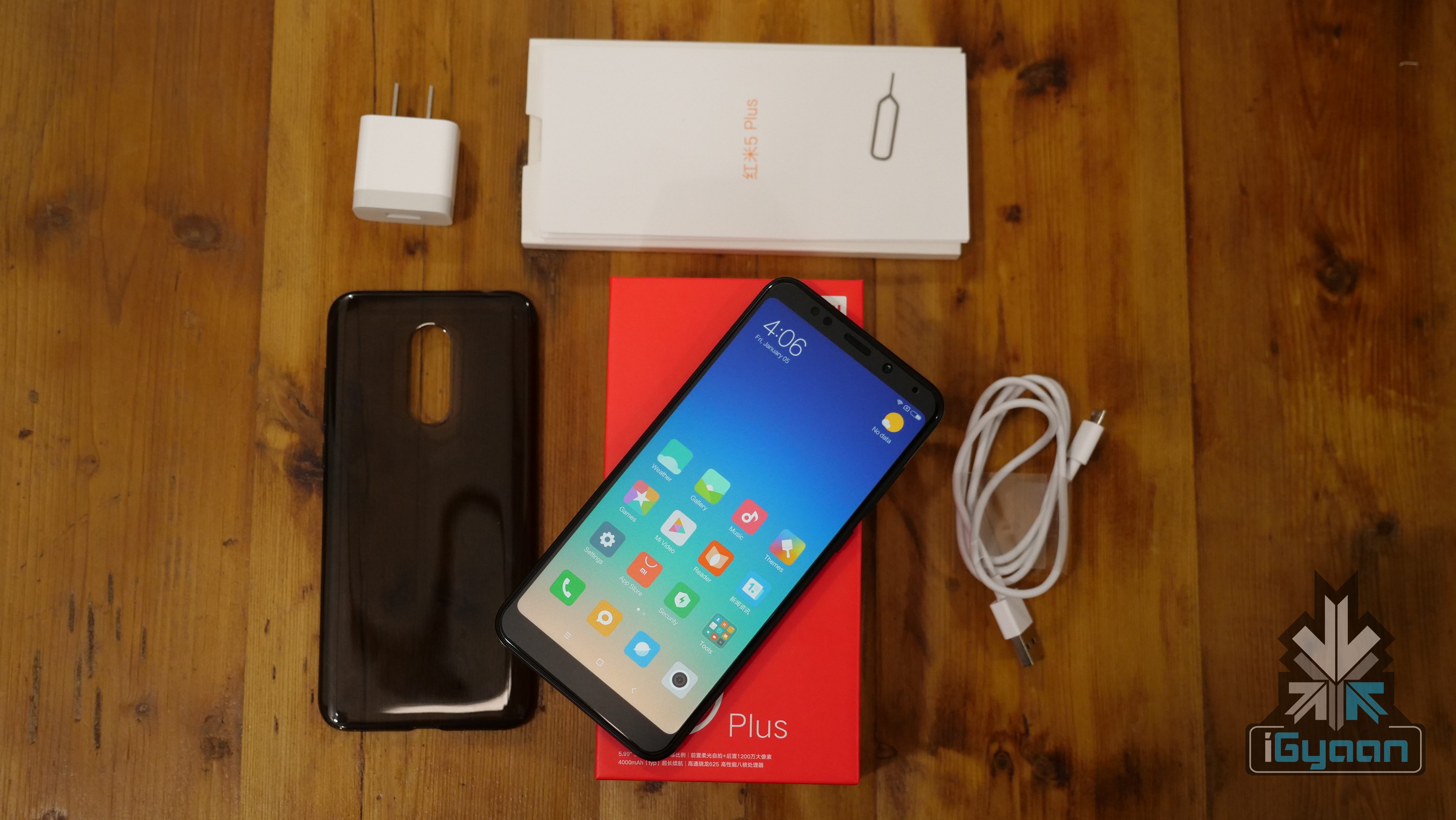
Let’s unbox the Redmi 5 Plus and see what we get inside the box:
Xiaomi Redmi 5 Plus
Documentation
Sim ejector tool
Micro USB cable
Wall charger
Clear Case
First impressions
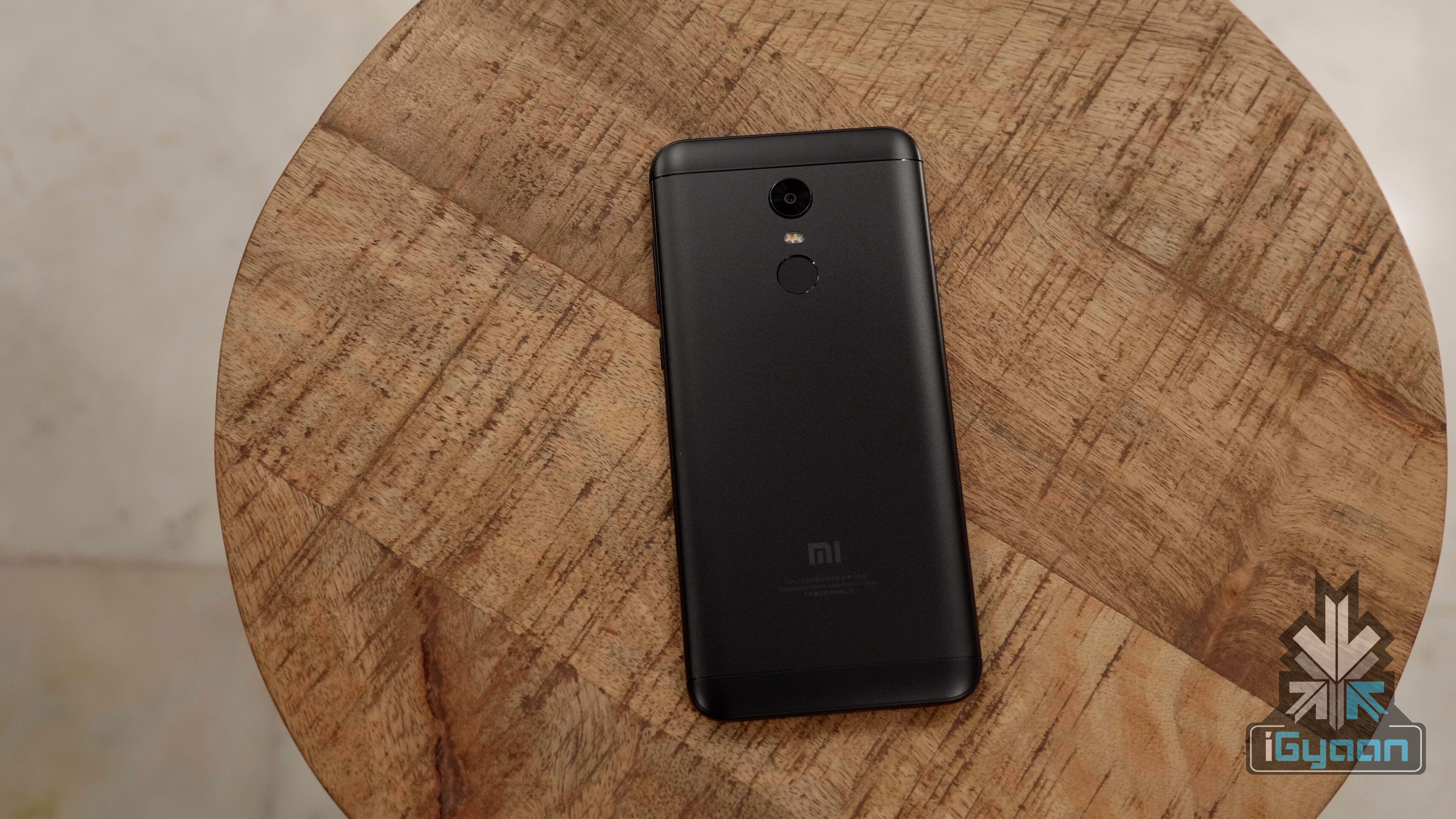
The first thing you notice about the Xiaomi Redmi 5 Plus is the tall display and relatively thinner bezels around. By no means is it a bezel-less display but, the curved corners make the display look better. The form factor of the device is surprisingly comfortable especially considering that it houses an almost 6-inch display. The phone, although a bit slippery, is comfortable and if you’d like to protect from the get-go, the company provides a clear case inside the box.
Specifications
It has a 5.99-inch display with a 2160 x 1080px resolution which again, translated to an 18:9 aspect ratio.
Under the hood, the Redmi 5 Plus has the Qualcomm Snapdragon 625 chipset, 2.0GHz octa-core processor, Adreno 506 GPU, 3GB or 4GB of RAM, and 32GB or 64GB of onboard storage which will be expandable via microSD card. The fingerprint sensor sits at the back of the device which has become a Redmi signature irrespective of thin or thick bezels.
The Redmi 5 Plus is powered by a massive 4000 mAh battery which, according to Xiaomi, has a standby time of up to 17 days. The device has a micro USB port for charging and data syncing along with a 3.5mm headphone jack.
The device has a 12MP primary camera with an f/2.2 aperture and a 5MP secondary camera with beautify 3.0 software.
The Redmi 5 Plus is a solid offering at the price it is available for, and with a modern design combined with the performance of a Xiaomi phone, the device makes a good case to be a go-to budget smartphone.
Alphabet’s Google, along with a few other security researchers published a document which chronicled two major flaws found in nearly all modern CPUs. The reason this flaw is much more complex than the usual software or hardware bugs is that it’s more than just a bug that can be fixed with an update. The flaw lies in the middle, at the level of the processors’ “architectures,” in the way all the millions of transistors and logic units work together to carry out tasks.
In the architecture of modern CPUs, there are unpenetrable spaces where data passes through in raw, unencrypted form, such as inside the kernel, the most central software unit, or in system memory carefully set aside from other applications. This data has powerful protections to prevent it from being interfered with or even observed by other processes and applications.
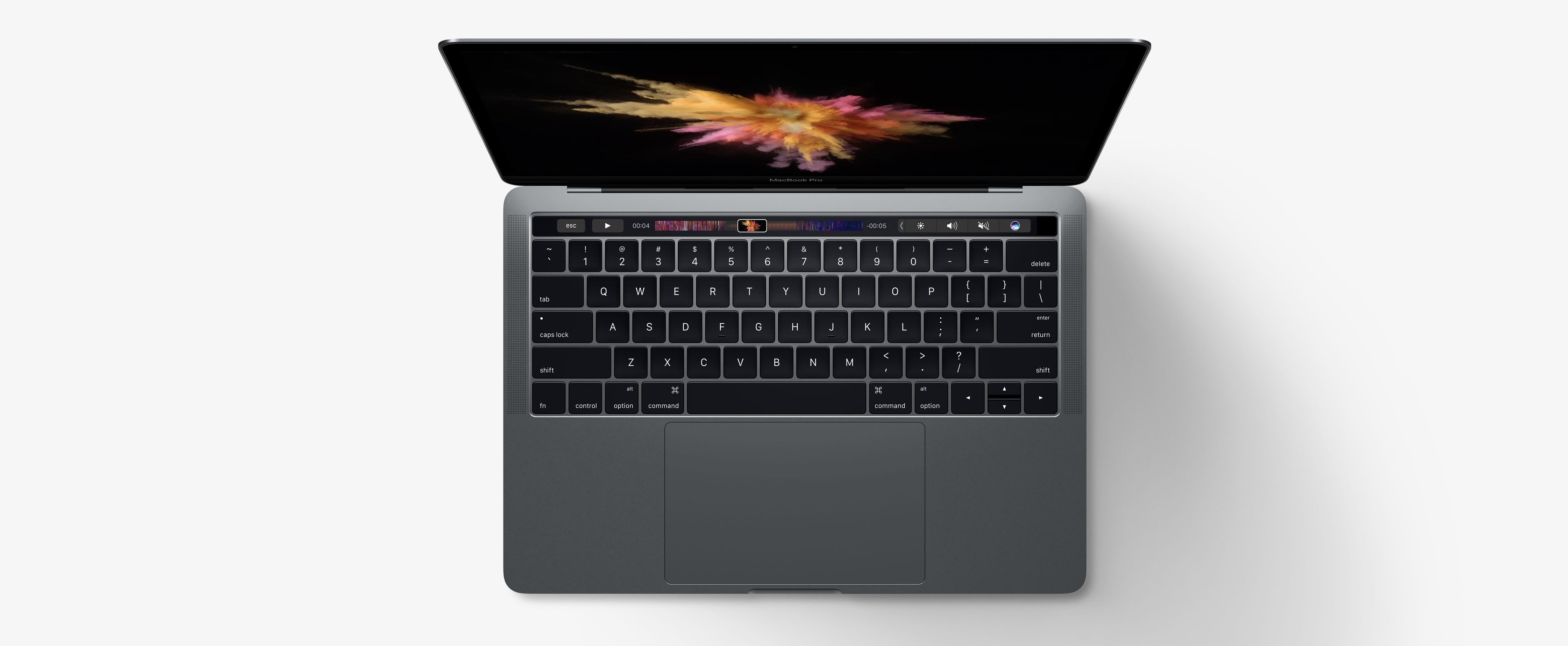
MacBook Pro
Meltdown and Spectre exploit critical vulnerabilities in modern processors. These hardware bugs allow programs to steal data which is currently processed on the computer. While programs are typically not permitted to read data from other programs, a malicious program can exploit Meltdown and Spectre to get hold of secrets stored in the memory of other running programs. This might include passwords stored in a password manager or browser, personal photos, emails, instant messages and even business-critical documents.
Meltdown affects Intel processors and works by penetrating through the barrier that prevents applications from accessing arbitrary locations in kernel memory. Spectre affects Intel, AMD, and ARM processors, which basically means that it affects anything with a chip in it, from mobile phones to thermostats.
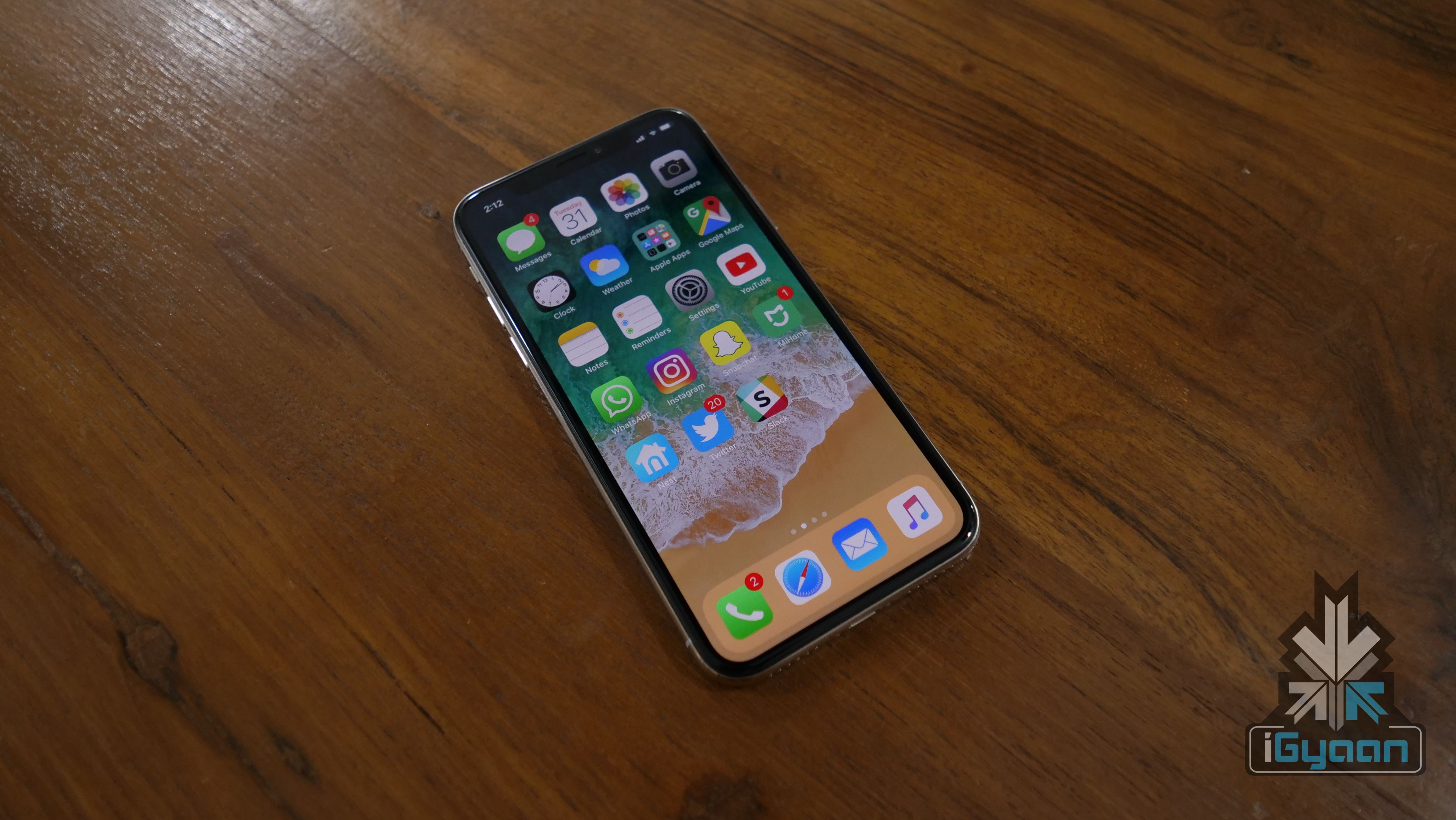
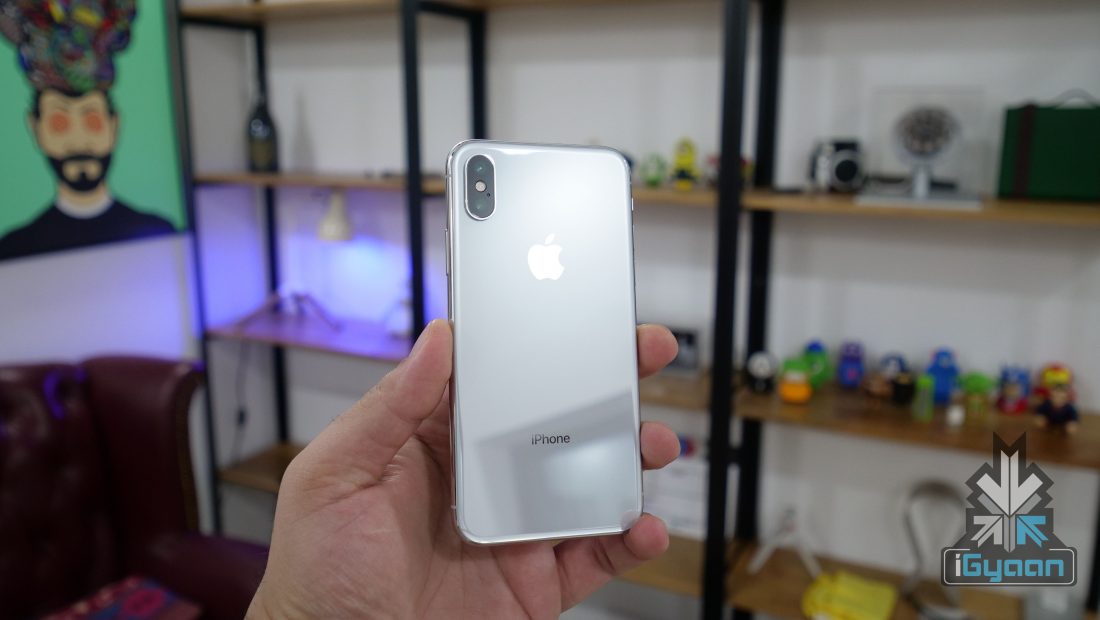
iPhone X
In a response to this revelation, Apple has come out and conceded that its devices are not immune to the security flaws. In a statement, the company announced that all its macOS and iOS devices are affected but, mitigations are either already in place or in the final stages of being rolled out. Apple has stated that it has already dealt with Meltdown:
Apple released mitigations for Meltdown in iOS 11.2, macOS 10.13.2, and tvOS 11.2. watchOS did not require mitigation.
This is what the company had to say about Spectre:
Analysis of these techniques revealed that while they are extremely difficult to exploit, even by an app running locally on a Mac or iOS device, they can be potentially exploited in JavaScript running in a web browser.
Apple will release an update for Safari on macOS and iOS in the coming days to mitigate these exploit techniques.
In a nutshell, this means that while Meltdown is no longer a threat, Spectre remains the only major flaw which can be exploited and Apple will soon release a fix for that.
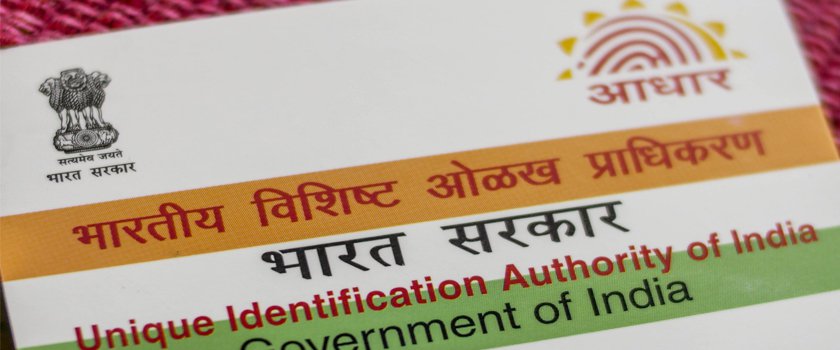
Aadhar, the unique identification number allotted and maintained by the Unique Identification Authority of India (UIDAI) was started in 2009 and is the largest database of privacy information including biometrics that include fingerprints, and iris scans of billions of Indians. The database also includes pictures, addresses and private information of all the individuals registered on the database.
It is estimated that over 1.2 Billion people have already resisted for the Aadhar number, however, it has not been without problems. Initially there was political push back for the Unique ID system which was intended to allow Indian residents easy access to social programs for healthcare, education, and general welfare. However the program received a major push under Prime Minister Narender Modi and BJP’s political reign in the Center since 2014.
130 Million records of the Aadhar number were reportedly breached in Q1 of 2017, while UIDAI had claimed that they had rectified the breach, the data of this leak was already out on the Internet, available as access records for the millions of accounts.
A journalist at the Tribune Newspaper, claims to have bought access to a User Name and Password that allowed him unrestricted access to details for any of the more than 1 billion Aadhaar numbers created in India thus far. More importantly, this was provided in less than 10 minutes over a WhatsApp chat, after a PayTM transfer of a mere Rs. 500.
Lo and behold, you could enter any Aadhaar number in the portal, and instantly get all particulars that an individual may have submitted to the UIDAI (Unique Identification Authority of India), including name, address, postal code (PIN), photo, phone number and email.
Interestingly the Tribune team claims to have paid another Rs 300, for which this remote agent provided “software” that could facilitate the printing of the Aadhaar card after entering the Aadhaar number of any individual.
Claiming more damage, the Tribune , which started investigation into this matter reveals that the racket has been ongoing for over six months and over 1 lakh illegal users have had access to this database for a lowly price of a mere Rs. 500 / US $ 8 (approx). The WhatsApp groups gained access to the records thanks to being able to tap into over 3 lakh village-level enterprise (VLE) operators hired by the Ministry of Electronics and Information Technology, who were willing to part with their access for a small payout.
Even though, the VLE were rendered Idle in November of 2016 while their jobs were removed, they continued to have access to the large databases available on their access systems. The Tribune further claims that the hackers seemed to have gained access to the website of the Government of Rajasthan, as the “software” provided access to “aadhaar.rajasthan.gov.in”, through which one could access and print Aadhaar cards of any Indian citizen.
With the Government, Banks and Telecom Providers harassing individuals to link their Aadhar numbers with their accounts and services, the breach of privacy is unprecedented. The case against the invasion and lack of security around the right to privacy of Indians is already pending in the Supreme Court of India with a hearing expected in Feb 2018.
Here is the Full Chat between the journalist and agent below.
12:30 pm: This correspondent posing as ‘Anamika’ contacted a person on WhatsApp number 7610063464, who introduced himself as ‘Anil Kumar’. He was asked to create an access portal.
12:32pm: Kumar asked for a name, email ID and mobile number, and also asked for Rs 500 to be credited in his Paytm No. 7610063464.
12:35 pm: This correspondent created an email ID, [email protected], and sent mobile number ******5852 to the anonymous agent.
12:48 pm: Rs 500 transferred through Paytm.
12:49 pm: This correspondent received an email saying, “You have been enrolled as Enrolment Agency Administrator for ‘CSC SPV’. Your Enrolment Agency Administrator ID is ‘Anamika_6677’.” Also, it was said that a password would be sent in a separate mail, which followed shortly.
12:50 pm: This correspondent had access to the Aadhaar details of every Indian citizen registered with the UIDAI.
The UIDAI has responded to The Tribune’s story by claiming it to be “misreporting” and baseless, however, the publication has responded with concrete facts on the matter which can be read here.
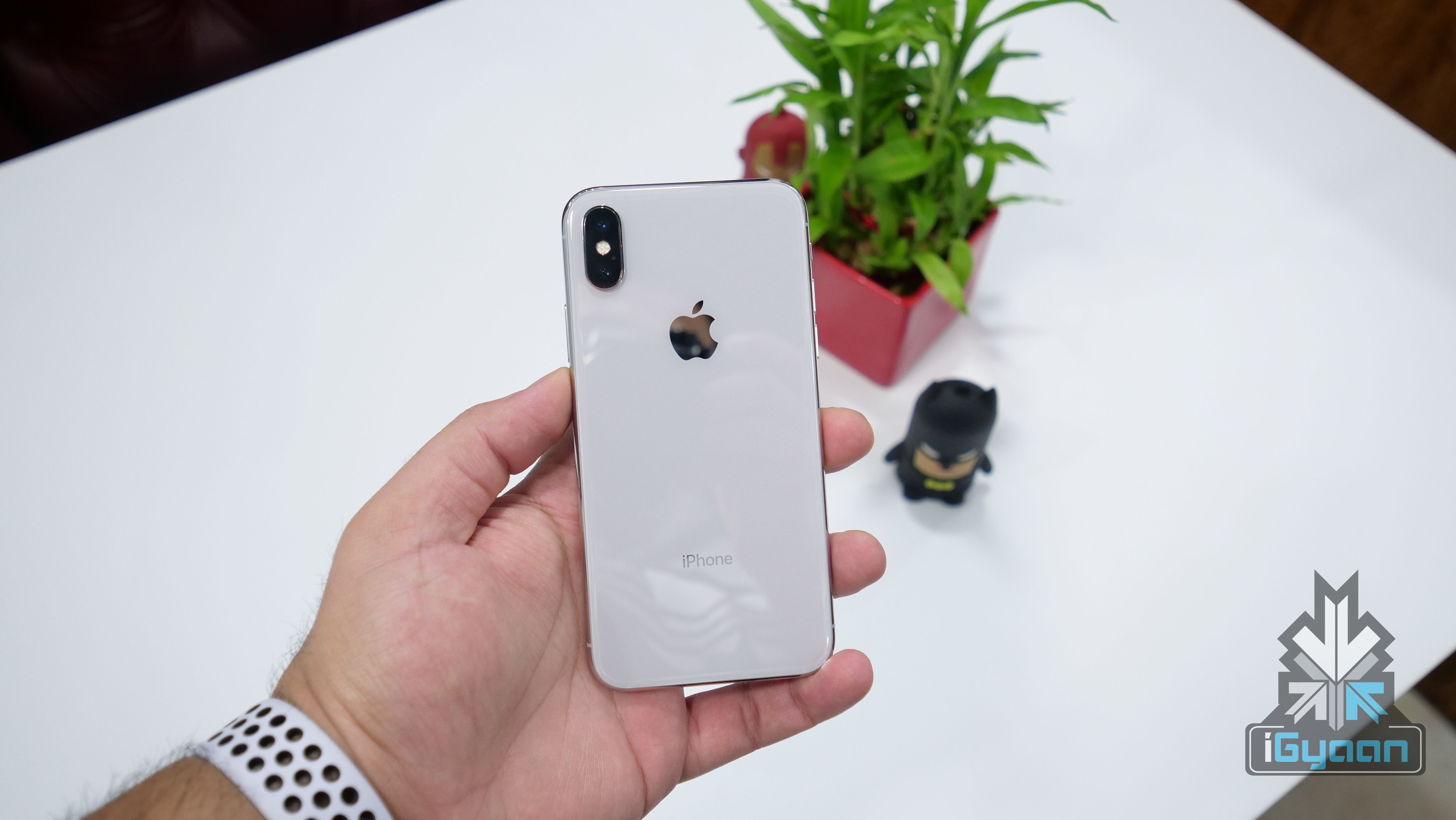
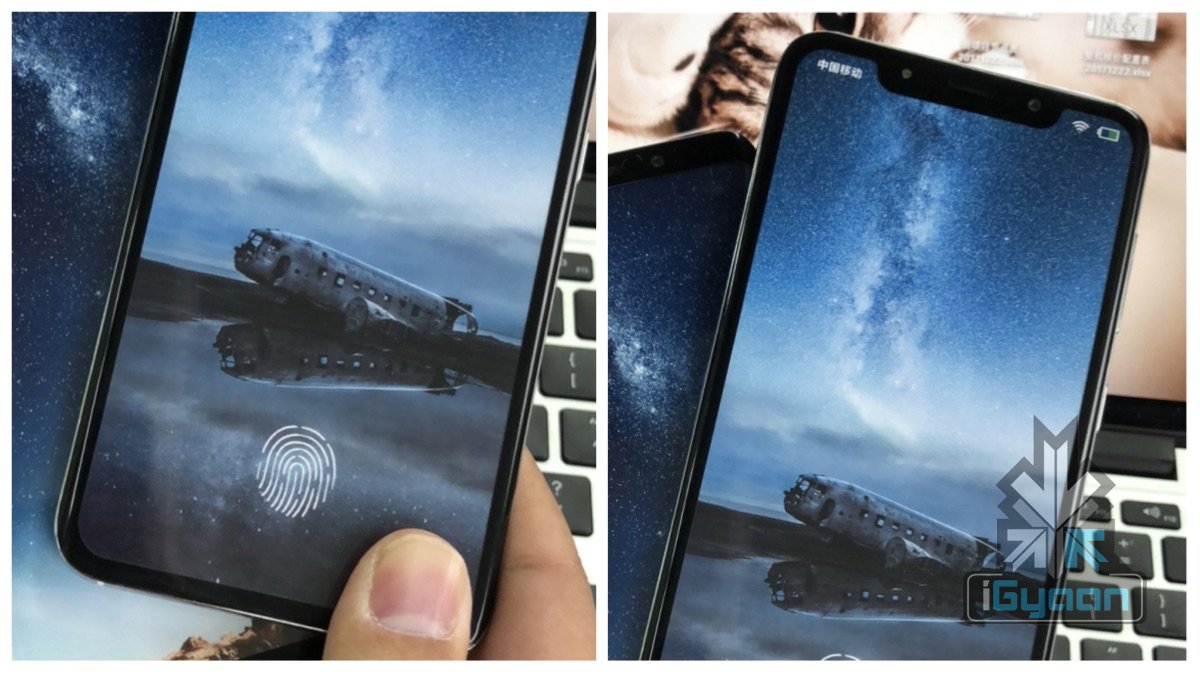
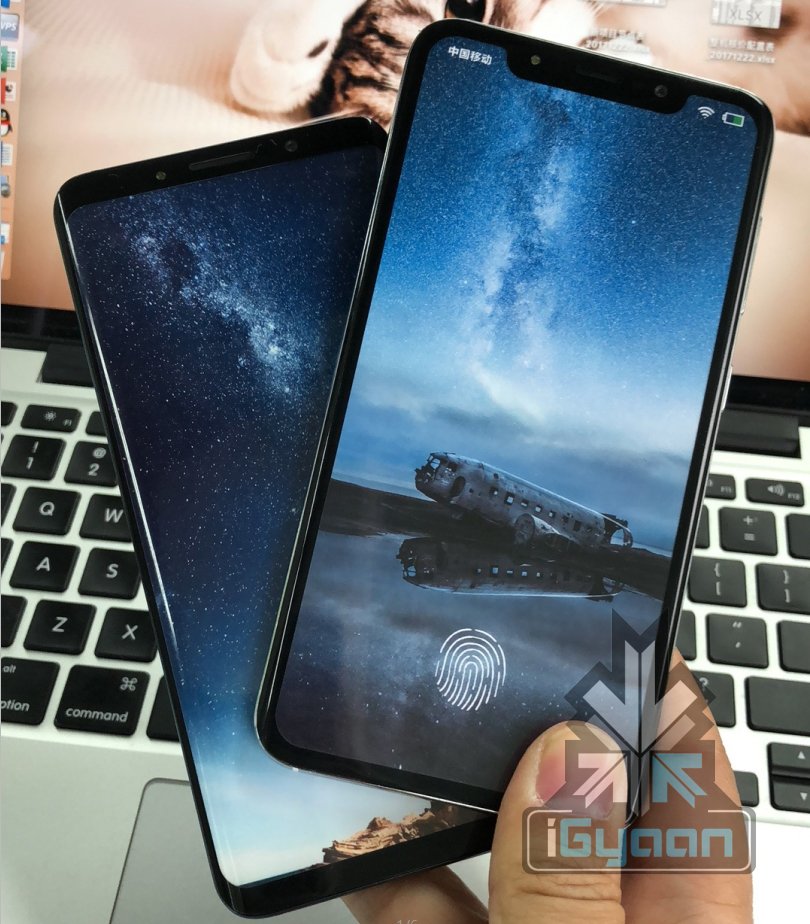
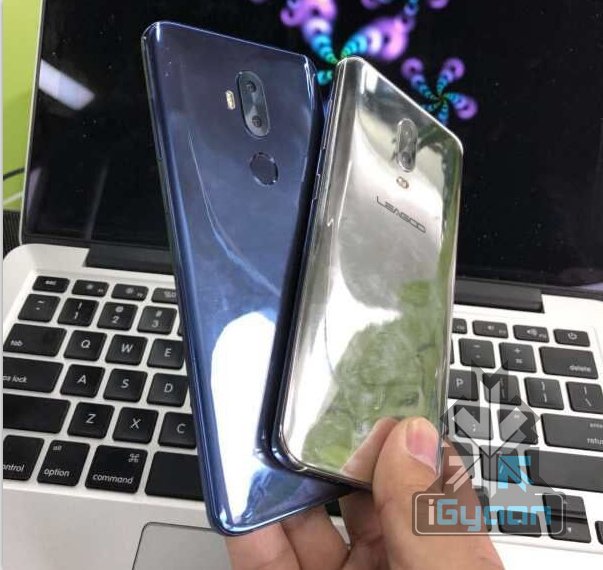
After the launch of the iPhone X several manufacturers have shown off their phones via leaks, including one smartphone from Oppo which could very well also be the next OnePlus flagship the OnePlus 6. However, with FaceID being a feature made up of confusion and doubt this manufacturer has made the perfect iPhone X clone, complete with Notch and all. The phone also offers up the added advantage of the in-screen fingerprint sensor, a technology that was widely expected in the iPhone X, but never made it to the phone in time. The next iteration of the iPhone may see this technology, however, that has not stopped manufacturers in China from beating Apple to the market.
The Leagoo S9 pro as the device is named also uses the name of the upcoming Samsung flagship. The phone is rumoured to have a Helio P40 chipset complete with 8 GB of RAM and 64 GB of on board storage. The screen designed like the display on the iPhone X is of a 6.21 inch size in a form factor smaller than the Samsung Galaxy S8+ while still using an AMOLED display manufactured by Samsung themselves.
The Leagoo S9 pro is also rumoured to sport a 5000 mAh battery, however, that seems highly unlikely.
Apple has long been rumoured to be be working on a TV subscription streaming service to be integrated into their “TV” app on iOS devices and on the Apple TV. With Netflix already at the top of the list of subscription-based streaming services. Apple may likely be setting its eyes on the acquisition of Netflix. An analyst claims that there is a 40% likelihood that Apple will acquire Netflix now that US President Trump’s corporate tax cut has been passed.
The cut in corporate taxes, along with a one-time allowance for companies to repatriate cash stored overseas without a major tax hit, will give Apple a much larger cash surplus to buy new companies. Apple has over $ 250 Billion in available cash, which is stored in tax havens outside of the US, which the company will now be able to bring back to the US thanks to the new tax cuts.
Apple’s list of potential acquisitions contains a few companies, but Netflix tops this list according to the Analysts. This list includes companies like Activision, Electronic-Arts, Take-two, Hulu, Disney and even Tesla. However this was written before Disney’s acquisition of Fox’s studio and TV assets.
Apple will need to pay only 10% to bring this cash back to America, and Netflix acquisition could cost the company as much at US $ 75 Billion . Still leaving the company strong with 2/3rds of their existing cash and with this number increasing at the rat of US $ 50 Billion each year, Apple could be eyeing other potential investments.
This move will also allow Apple to establish a stronghold in the streaming space the company has been eyeing for several years. With Apple Music service already a huge success, a movie/tv series streaming service will only add to Apple’s revenue.
We are continuing our countdown of listing out the best phones launched in 2017. We have covered two price segments of under Rs. 10000 and Rs. 20000 already. Let’s take a look at the top phones launched in 2017 under Rs. 40000.
Moto X4
Starting off with the most inexpensive phone on the list, the Moto X4 has a lot of features that its closest competitors don’t, like an IP68 rating and a dual-camera setup together. At a starting price of Rs. 20999, the Moto X4 is a great device for people who want a great camera and a water resistance.
The Moto X4 has a 5.2 inch 1920 x 1080 px IPS LCD display with Corning Gorilla Glass on top for protection.
The Moto X4 has the Qualcomm Snapdragon 630, 2.2 GHz octa-core processor and Adreno 508 GPU, along with 3GB RAM and 32GB onboard storage which can be expanded up to 2TB via microSD card. The phone has an IP68 rating for water and dust resistance.
The smartphone runs stock Android 8.0 Oreo and is powered by a 3,000 mAh battery with TurboCharge capabilities.
The 4 in Moto X4 signifies that the new smartphone will be able to share the sound with up to 4 devices, thanks to the presence of Bluetooth 5.0.
The Moto X4 has a dual-camera setup at the back. The main camera is a 12MP sensor with an f/2.0 aperture, and the 8MP secondary camera with an f/2.2 aperture is equipped with a wide-angle lens. The dual-cameras allow users to have depth effect shots, bokeh effect shots, ultra-wide angle shots, and selective focus shots. On the front of the device is a 16MP camera with an f/2.0 aperture and an LED flash. The cameras record 4K videos at 30 FPS.
Honor 8 Pro
Competitively priced, great performance, big battery, and a dual-camera setup, the Honor 8 Pro was launched as a competitor of the OnePlus 5. The Honor 8 Pro has 5.7 inch 2560 x 1440 px display which is ideal for media consumption via VR.
The Honor 8 Pro has 128 GB of storage along with 6GB of RAM. The Honor 8 Pro runs on the Kirin 960 chipset which is an octa-core chip – four high-performance Cortex A73 cores clocked at 2.4GHz and four low-power Cortex A53 cores clocked at 1.8Ghz.
The phone also has a large 4000 mAh battery and fast charge capabilities, with long battery modes built into Honor’s user interface. The camera setup consists of two cameras, 12+12 MP shooters, where one is a monochrome camera while the other is RGB. The front camera is an 8 MP shooter with an f/2.0 aperture.
Samsung Galaxy A7 (2017)
Priced similarly to the Moto X4, the Galaxy A7 (2017) has an IP68 rating for water and dust resistance as well.
It has a 5.7-inch Super AMOLED display and a 1920 x 1080 px resolution.
Under the hood, the device has an Exynos 7880, Mali-T830MP3 GPU, 3GB of RAM, 32GB of onboard storage which can be expanded up to 128GB via a microSD card. The fingerprint sensor is housed inside the physical button which sits below the display.
The device runs Android 6 Marshmallow and is powered by a decent 3000 mAh battery which is charged via a USB C port.
The Galaxy A7 (2017) has a 16MP camera on both the front as well as the rear. These cameras have an f/1.9 aperture which has been teamed up with Light+ technology.
OnePlus 5
OnePlus 5 might have become the forgotten sibling but, at the time of its launch, the device had a lot going for it. A sturdy built, nice display and flagship specifications at almost half the price, the OnePlus 5 was the go-to phone for a lot of consumers. However, five months after its launch, the company launched the OnePlus 5T with a modern design and the same price. The company subsequently announced that it will stop the manufacturing of the OnePlus 5 although, software support will continue until the launch of Android P.
The OnePlus 5 has a 5.5-inch 1920 x 1080 px AMOLED display with a 1920 x 1080 px resolution.
Under the hood, it has the Qualcomm Snapdragon 835 chipset, Adreno 540 GPU, 6GB or 8GB of RAM, 64GB or 128GB of onboard storage which cannot be expanded. The fingerprint sensor is placed below the display which also acts as a home button.
The smartphone is powered by a 3300 mAh battery with OnePlus’ own Dash Charge technology.
The OnePlus 5 has a 16 MP wide camera with an f/1.7 aperture along with a 20 MP telephoto camera with an f/2.6 aperture. On the front is a 16MP camera with an f/2.0 aperture.
OnePlus 5T
The OnePlus 5T is the better-looking of the two phones by OnePlus. It was launched in November and has reduced bezels around a tall 18:9 display. The OnePlus 5T also has a new Face Unlock feature which will soon be rolled out to the OnePlus 5 as well. The OnePlus 5T has the same specifications as the OnePlus 5 and is also priced exactly the same.
The other big difference between the two is in the camera department. Unlike the OnePlus 5, the OnePlus 5T no longer has a secondary telephoto lens at the back. Instead, OnePlus has decided to focus on the device’s low-light photography capabilities. The cameras do not have OIS and OnePlus has decided to go for EIS on the dual camera setup at the back. The device has a 16MP camera with an f/1.7 aperture coupled with a 20MP sensor with the same f/1.7 aperture and field of view, ie no optical zoom. On the front is a 16MP camera with an f/2.0 aperture.
Nokia 8
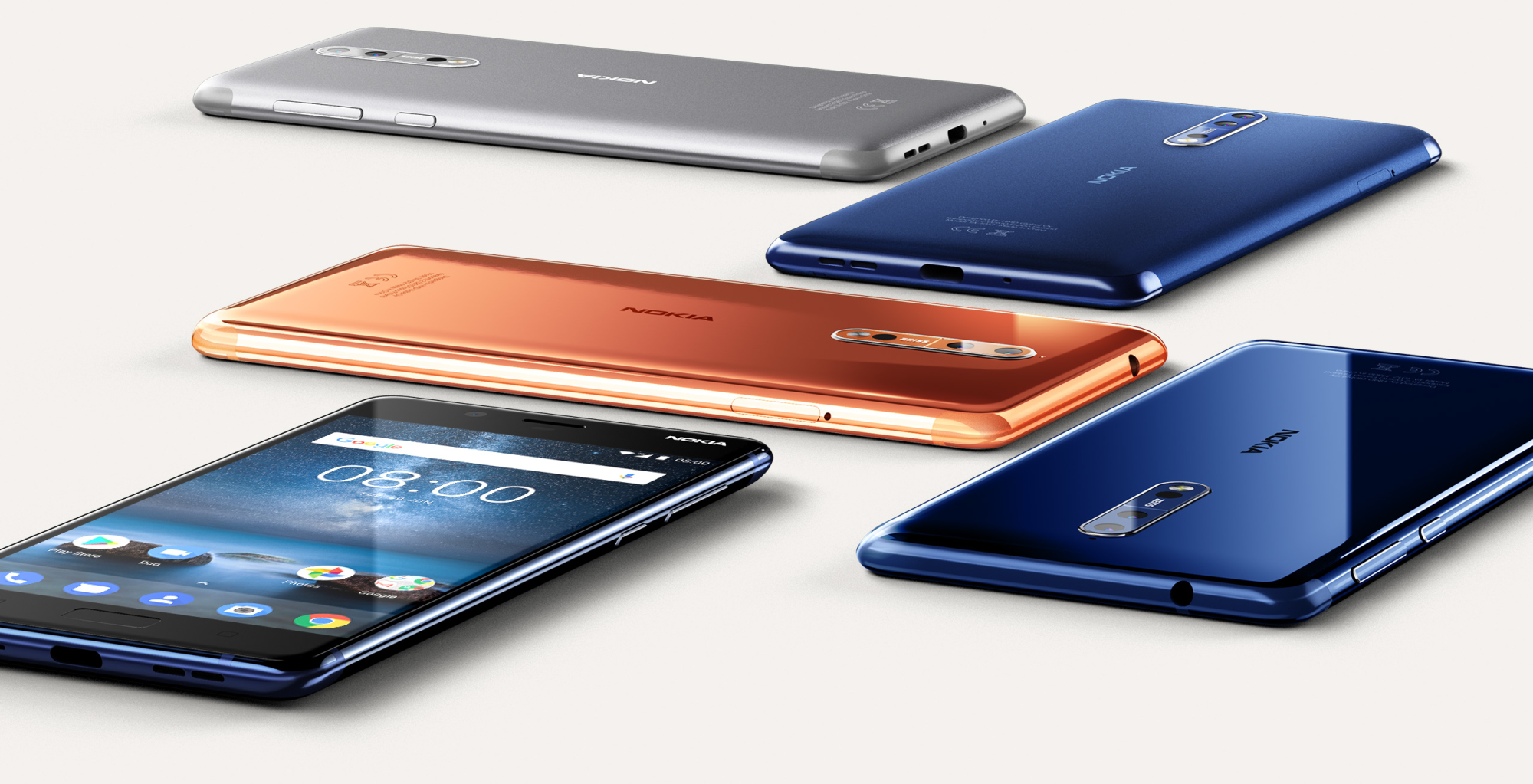
The Nokia 8 was a significant smartphone for HMD Global. It was the first ever Nokia branded flagship running Android OS. At the time of its launch, everyone expected it to be priced over Rs. 40000 but, the device launched in India at a price of Rs. 36999.
The Nokia 8 sports a 5.3 inch 2560 x 1440 px display and 2.5D Corning Gorilla Glass 5 for protection.
Under the hood is the Qualcomm Snapdragon 835 chipset and a 2.45GHz octa-core processor, the Adreno 540 GPU, 4GB of RAM and 64GB of onboard storage which is expandable via microSD card. The fingerprint sensor is housed inside the home button below the screen.
Powering the device is a 3,090mAh battery with QuickCharge 3.0 support via USB Type-C port. The Nokia 8 runs on stock Android 7.1.1 OS and the company has promised monthly security updates and yearly Android updates.
The Nokia 8 boasts a Zeiss powered dual camera setup at the rear – a primary 13MP RGB (colour) sensor with optical image stabilisation paired with a 13MP secondary monochrome (black and white) sensor and an f/2.0 aperture. The dual-camera setup is capable of recording videos in 4K at 30 FPS and has a portrait mode for bokeh effect. On the front is a 13MP camera which can also record 4K videos at 30FPS.
Samsung Galaxy C9 Pro
Another Samsung device with an IP68 rating for water and dust resistance, the Galaxy C9 Pro is priced under Rs. 30000 which makes it a very good phone for users who prefer Samsung’s build and design.
The Galaxy C9 Pro has a 6-inch Super AMOLED display with a 1920 x 1080 px resolution.
Under the hood, it has the Qualcomm Snapdragon 653 chipset, 6GB of RAM and 64GB of onboard storage which can be expanded via microSD card. The fingerprint sensor is again housed inside the physical home button which sits below the display.
The Galaxy C9 Pro has a massive 4000 mAh battery which charges via a USB C port.
The Samsung Galaxy C9 Pro has a 16MP camera on both the front as well as the rear. These cameras have an f/1.9 aperture and record 1080P videos at 30fps.
Honor View10
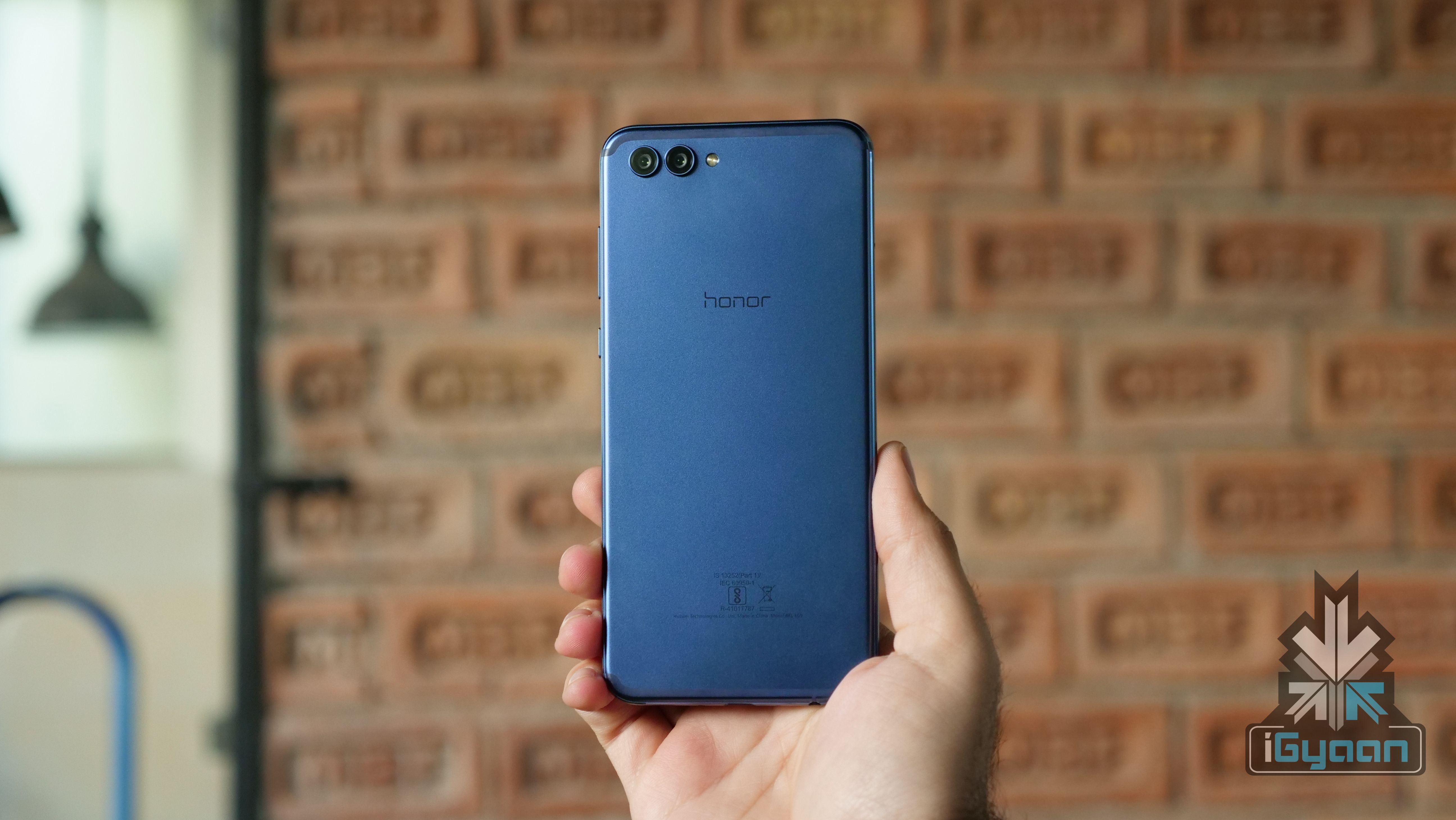
The latest entrant in the affordable flagship segment, the Honor View10 is expected to be priced under Rs. 40000 and pose competition to the likes of the OnePlus 5T and Nokia8. The only smartphone in this category that concentrates on Artificial Intelligence, this phone has everything an affordable flagship should have, and the bells and whistles of the Kirin 970 are a bonus.
The Honor View10 has a 5.99-inch IPS LCD display with a 2160 x 1080 px resolution which translates to an 18:9 aspect ratio. The Honor View10 has minimal side bezels and thin top and bottom bezels.
Under the hood, the device has the Kirin 970 chipset with a Neural Processing Unit, 6GB of RAM, and 128GB onboard storage. The onboard storage can be expanded up to 256GB via microSD card. There is a 3.5mm headphone jack at the bottom of the device along with a USB Type C port. The front of the device also has a home button which houses the fingerprint sensor.
The Honor View10 also has facial recognition which is becoming more prominent since the launch of the iPhone X. The facial recognition works similar to the Face ID on the iPhone X, the accuracy of which, will be extensively tested in the coming weeks.
Because of its facial recognition technology, the Honor View10 also has iPhone X-like animojis, which Honor claims are much more accurate than iPhone X since it tracks the user’s tongue as well.
Powering the device is a 3750 mAh battery and supports 5V / 4.5A fast charging.
The Honor View10 has a dual camera setup at the back and has a single camera at the front. The back of the devices houses a 16MP RGB sensor and a 20MP Monochrome sensor with both having an f/1.8 aperture. The primary camera setup records 4K videos at 30fps. At the front of the phone is a 13MP camera with an f/2.0 aperture.
Xiaomi Mi Mix 2
The Xiaomi Mi Mix 2 is the second iteration of Xiaomi’s ‘Mix’ lineup. The original Mi Mix created quite a stir when it was launched back in 2016 thanks to its bezel-less design. It was the first phone at that time to sport such a design and ever since then, every smartphone maker has followed suit and made thinner bezels for their phones.
The Xiaomi Mi Mix 2 has a 5.99 inch 2160 x 1080 px LCD display with an 18:9 aspect ratio. The Mi Mix 2 has a 12% reduced bottom bezel and a screen-to-body ratio of 80.8%. The device features a cantilever piezoelectric ceramic acoustic speaker and ultrasonic proximity sensor.
Under the hood, the flagship smartphone has the Qualcomm Snapdragon 835 chipset, Adreno 540 GPU, 6GB RAM and storage options of 64GB, 128GB or 256GB. The onboard storage will not be expandable due to the absence of a microSD card slot. The fingerprint sensor is placed at the back of the device just below the camera.
The device is powered by a 3,400 mAh battery which is considerably smaller than the previous generation Mix’s 4,400 mAh battery.
The Mi Mix has a 12MP Sony IMX386 sensor with 1.25-micron pixels, an f/2.0 aperture 4-axis optical image stabilisation, 5-piece lens, and facial recognition. On the front is a 5MP which features facial recognition as well.
The LG G6 followed the pattern of every great LG Android smartphone to fly under the radar. At the time of its launch, the LG G6 was already behind the Galaxy S8 and the S8+ because it had the Snapdragon 821 chipset while the Samsung devices were powered by the Snapdragon 835. Even though the chipset is old. there is no denying that the LG G6 has one of the best cameras in this segment along with an edge-to-edge design and features like wireless charging.
The LG G6 has a 5.7-inch IPS LCD display with a 2880 x 1440 px resolution.
Under the hood, the device is powered by the Qualcomm Snapdragon 821 chipset, the Adreno 530 GPU, 4GB of RAM and 128GB of onboard storage which can be expanded via microSD card. The fingerprint sensor is placed at the back of the phone which doubles up as a home button.
Powering the device is a 3300 mAh battery which charges via a USB C port.
To the back, the LG G6 has a dual-camera setup. One of them is a 13MP normal lens with an f/1.8 aperture while the 13MP wide-angle lens has an f/.2.4 aperture.
Essential Ph-1
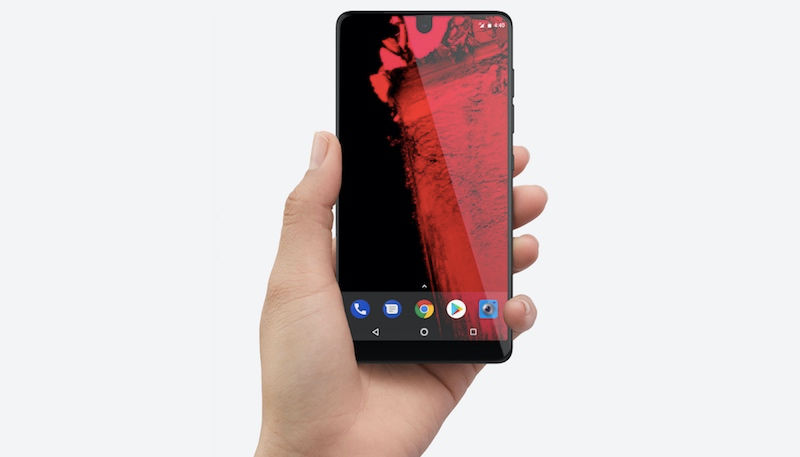
The Essential Ph-One was launched to a lot of fanfare as the company’s founder of Andy Rubin, popularly known as the father of Android. The company promised that it would have all the essential elements of a smartphone, especially a great camera. The phone had a small notch at the top of the display for the camera and a small chin with nearly no bezels on the rest of the three sides of the display.
Post the launch of the phone, it was heavily panned by critics for its poor camera. The lack of the headphone jack didn’t do it any good either. However, ever since it launc, the company has pushed out a lot of updates and at a price of US $499, the Essential Ph-1 is a great device.
It has a 5.71 inch IPS LCD display with a 2560 x 1312 px resolution.
Under the hood, it has the Qualcomm Snapdragon 835 chipset, 6GB of RAM, and 128GB of onboard storage which cannot be expanded.
Powering the device is a 3040 mAh battery which charges via a USB C port.
It has a dual 13MP camera at the back with an f/1.9 aperture. One of them has an RGB sensor while the other one has a monochrome sensor. It records 4K videos at 30fps and with the latest software update, clicks portrait photos as well. On the front of the phone is an 8MP camera with an f/2.2 aperture.
BONUS: HTC U Ultra
At the time of its launch, the HTC U Ultra was priced at Rs. 59900. At that price, the device was aksing a lot from its potential customers but, the price of the phone has now dropped to under Rs. 30000 and if you are a fan of HTC’s hardware, then thid device is a decent option.
The HTC U Ultra has a 5.7 inch 2560 x 1440 px Super LCD5 display.
Under the hood, the device has the Qualcomm Snapdragon 821 chipset, Adreno 530 GPU, 4GB of RAM and 64GB of onboard storage which can be expanded via a microSD card. The fingerprint sensor is placed on the front of the device.
Powering the U Ultra is a 3000 mAh battery.
It has a 12 MP UltraPixel rear camera that facilitates fast focus and less blurred shots at night. The front camera has a 16 MP UltraPixel Sensor.
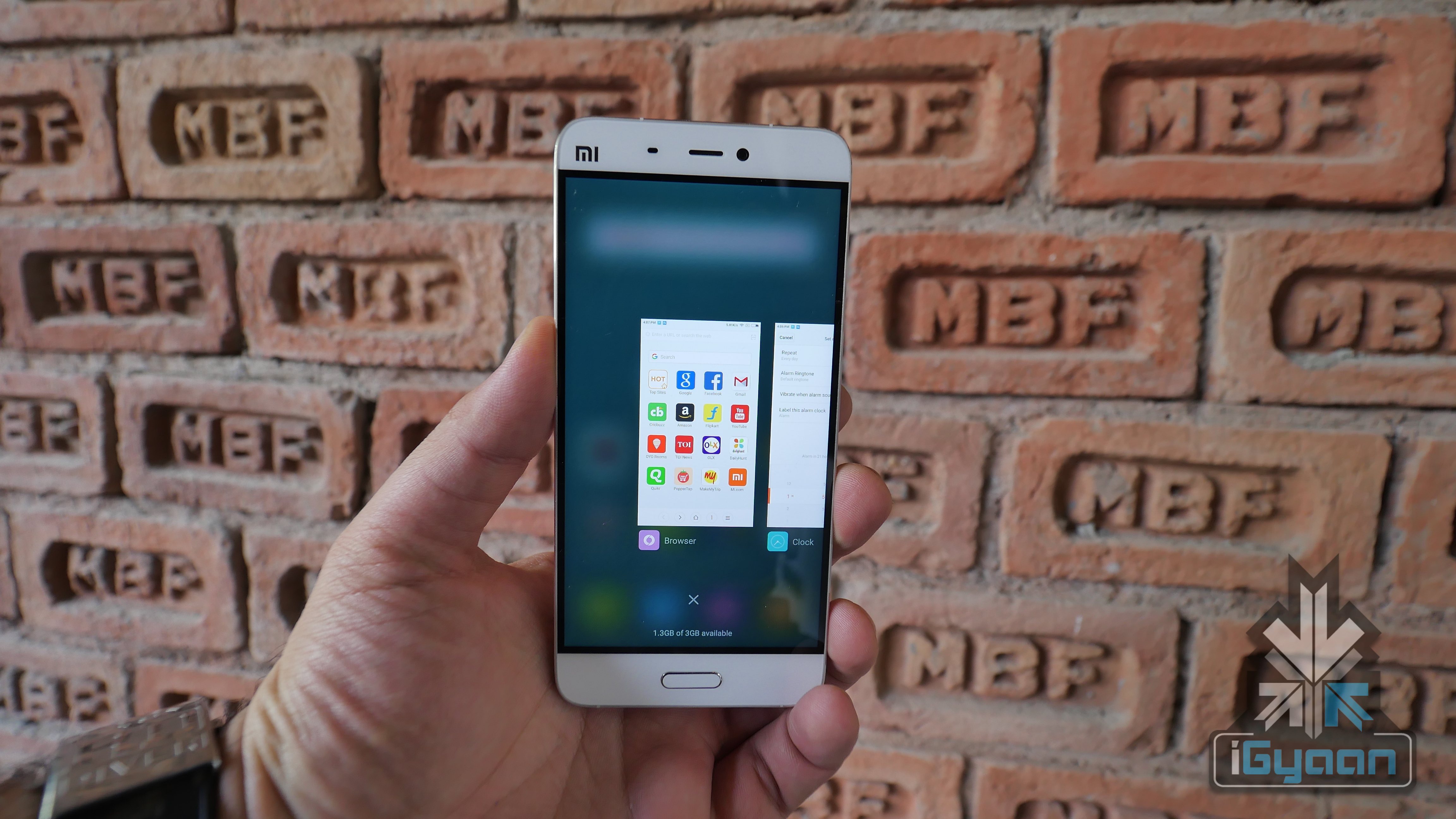
Xiaomi appears to be preparing its users for the future with the new beta build of MIUI 9. Ever since the iPhone X removed the home button, it has become increasingly inevitable that smartphones in the coming years will solely rely on gestures of navigation with the OS.
With the latest beta update, Xiaomi has added ‘full display gestures’ that appear to be inspired by the iPhone X a lot. For example, in order to reach the home screen, the user has to swipe up from the bottom of the screen while swiping from the bottom to the top and pausing for a second brings up your recent apps. Other gestures include swiping from the left or right of the screen to the middle to take the user to the previous page. Over the years, Xiaomi has taken “inspiration” for Apple for its platform. From the MIUI layout to “MiDrop,” the not-so-subtle hints have always been there. Being one of the first Android smartphone makers to shift to all display gestures similar to the iPhone X will only strengthen the previous argument.
Over the years, Android’s take on navigation within the OS has been different from that of iOS. While Android phones have had three navigation buttons, iOS has had a physical home button which solved multiple purposes like multitasking, invoking Siri and other gestures like swiping from the left or right of the screen to the middle to take the user to the previous page. So, when Apple introduced these gestures in the iPhone X, the transition was a lot smoother thanks to the presence of gestures in the past iPhones.
Android, on the other hand, has used the three buttons, the home, back and multitasking button for every little navigation within the OS. These have either been software buttons or physical buttons, with nowadays OEMs offering the choice of both the navigation systems. When Android does shift to only gestures, the transition for users might not be as natural and organic as it was for iOS users.
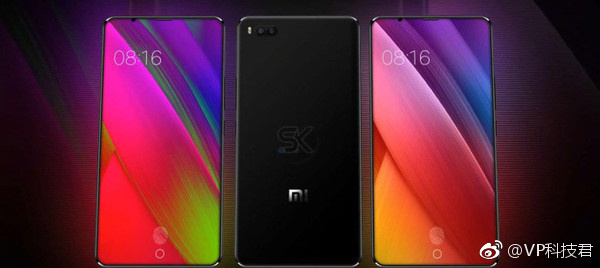
A few Xiaomi Mi 7 renders were leaked with conflicting reports. Some suggested that the device will have an in-display fingerprint sensor while the other report claimed that Xiaomi is working on an iPhone X-like Face ID system. One thing in common, however, was the all-screen design of the phone. Xiaomi phones have had on-display as well as physical and touch capacitive navigation buttons. Introducing navigation via gestures a few months before the launch of the Mi 7 might hint at an all display design of the Mi 7 and the company’s foray into gesture-based navigation with Android.
Xiaomi Mi 7 Renders
For now, users with the Xiaomi Mi Mix 2, Mi Mix, Redmi 5, and Redmi 5 Plus can preview these gestures on their devices.
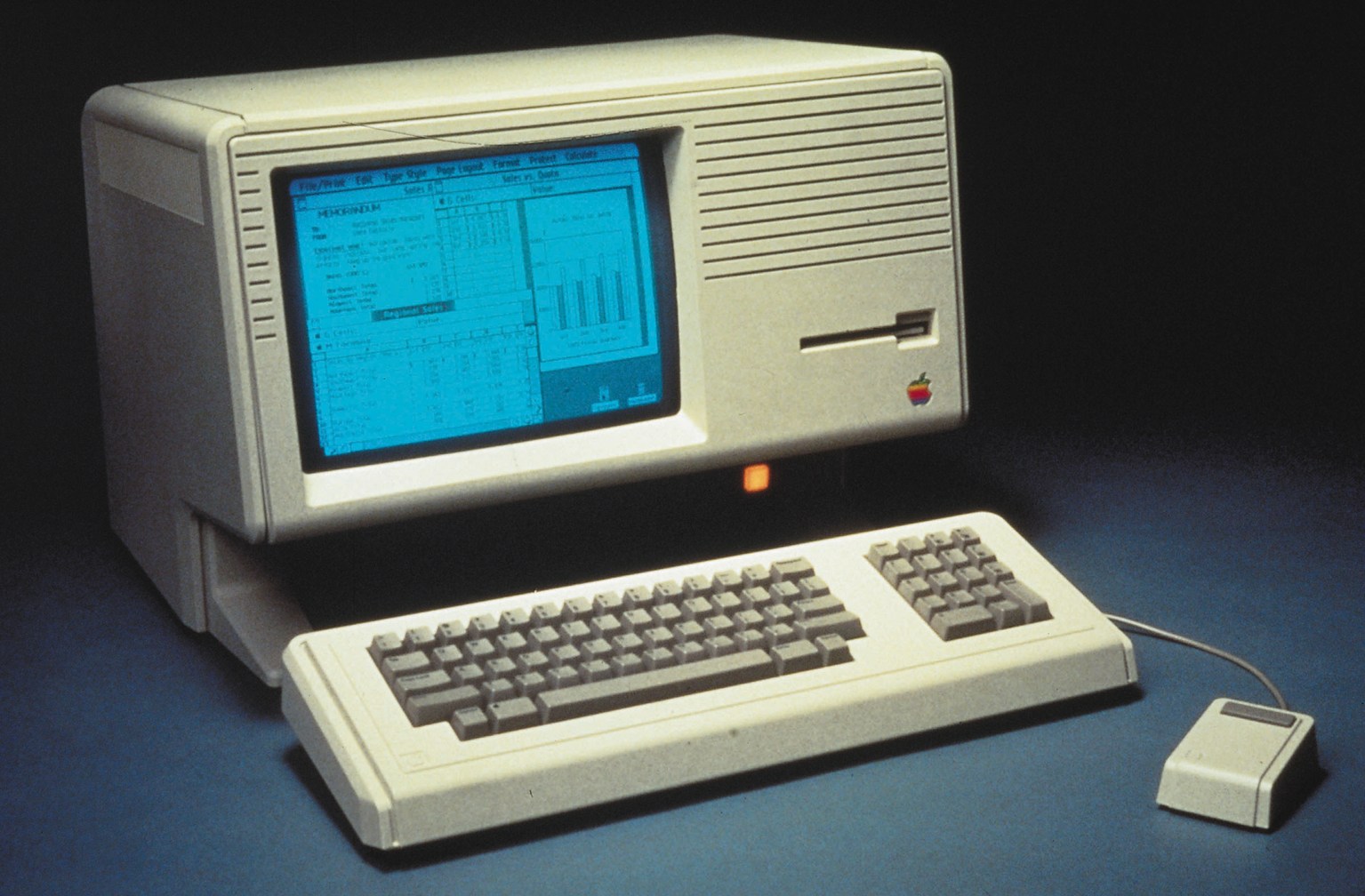
Apple made the Lisa computer before the Mac was ever conceived, and it was a huge deal for apple, as it contained the original graphical user interface which has today become the foundation for operating systems including those on smartphones. People who were keen to test this out, had to source a working Lisa computer and then extract the software and run it on an emulator.
However, in 2018, things are about to get easier and free. The Computer History Museum will publish the source code of the Lisa computer for free in 2018, Apple has already given its nod for the release and is assisting and verifying the Lisa code for the museum.
The Lisa computer ran the Motorola 68000 processor which was the bran behind the processing powers of the operating system. While the computer itself was named after Steve Jobs’ eldest daughter, it was extremely expensive for the time it cost almost US$10,000 at the time and eventually ended up being a bust.
The OS remains an integral piece of computing history and the first mouse based user interface to be available on a personal computer. It was also the reason behind the big fight between Steve Jobs and Bill Gates, as Steve believed that Microsoft had stolen the lisa OS code for use in MS windows.
Back in September of 2017, Apple launched the iPhone 8 and iPhone 8 Plus along with its priciest iPhone yet, the iPhone X. Considered as the true successor to the original iPhone from 2007, the iPhone X represented the major design change that future iPhones will see.
China, the largest smartphone market in the world has particularly received the iPhone X well. A report claimed that the iPhone X is convincing more people in China to buy the iPhone, which means that more Android users are switching to iOS thanks to the launch of the iPhone X.
All may not be rosy for Apple as a new report claims that Apple is might drop the price of the iPhone X come early-2018. Similar to a report by Bloomberg, the report from DigiTimes claims that iPhone X shipments will reach 30-35 million in the first quarter of the year, and stay flat or drop slightly in the first quarter of 2018. Numerous analysts have conceded that Apple is dropping orders with Asian suppliers after iPhone X’s underwhelming demand during the holiday season.
Markets like the US, Singapore, and Taiwan have not done as well as Apple was expecting. The report claims that the response to the iPhone X is the reason why Apple will make three iPhones in 2018. This seems a bit off since the news of Apple making three iPhones for 2018 has been doing the rounds even before the iPhone X hit the global market.
The report further claims that:
Apple is also rumored to adjust its pricing for iPhone devices in early 2018 and has even started preparing a prototype iPhone with support of pre-5G features. However, Apple has not officially confirmed any of the rumors.
If this turns out to be true, it will be huge for iPhone X aspirants. Apple usually drops the price of their iPhones when a new iPhone launches. The iPhone X is as new as an iPhone gets and has been received well by the critics and Apple loyalists alike. This move, however, won’t be unprecedented as Apple had dropped the price of the original iPhone from US $600 to US $400 within weeks of its launch.
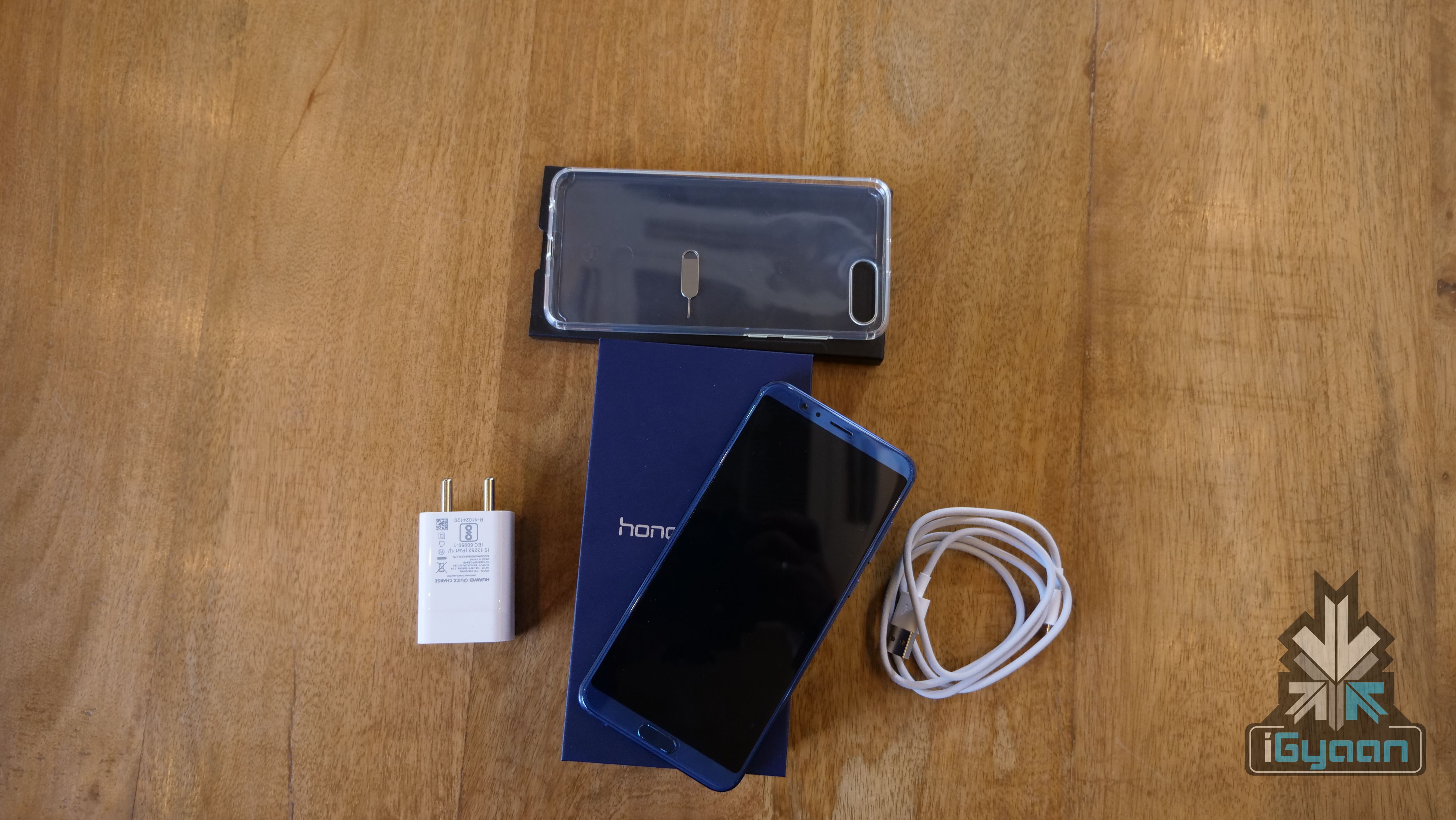
Honor recently launched the Honor View10 at an event in London. At the time, it was announced that the device will go on sale in India on the 8th of January and the device is priced at 499 Euros (Rs. 38000 approx.). Let’s unbox the device and take a look at the device.
Honor View10
Wall charger
USB -C cable
Sim ejector tool
Clear Case
Initial Impressions
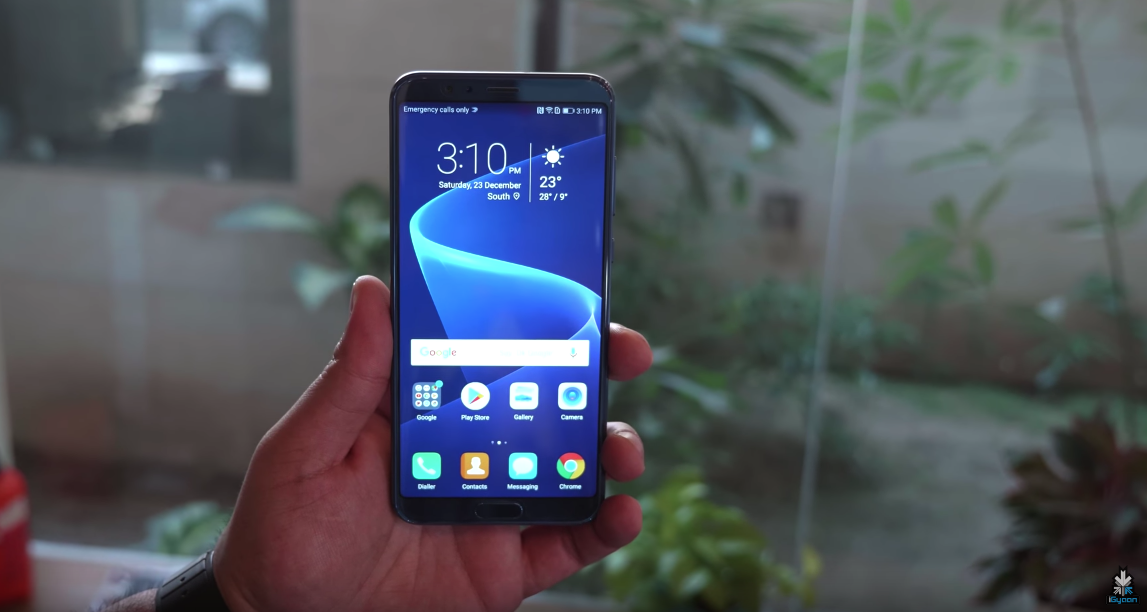
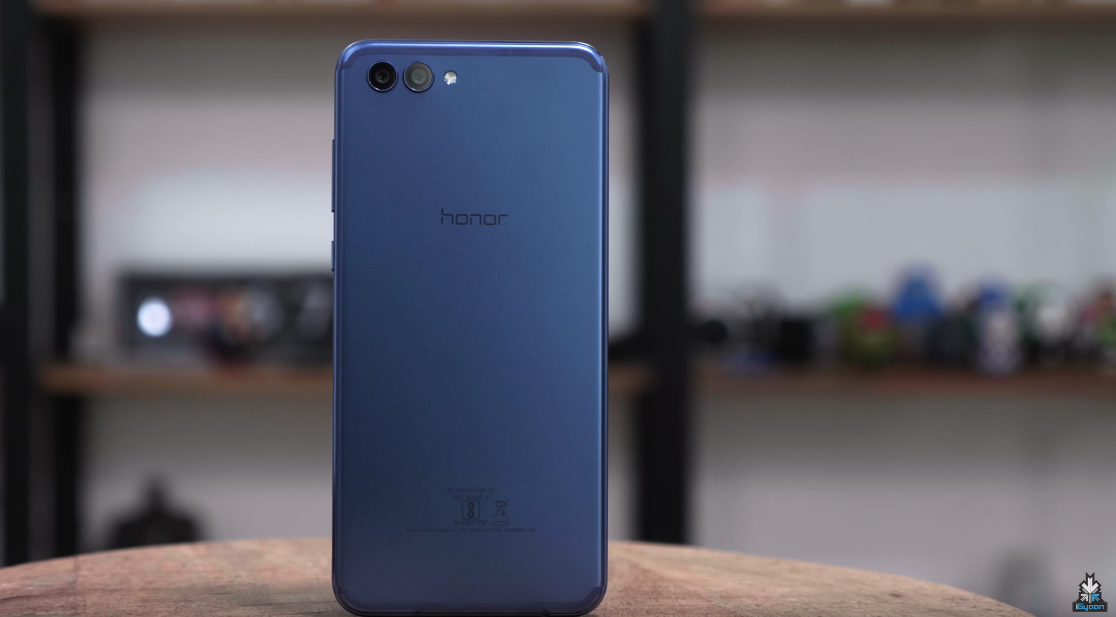
The Honor View10 shares a lot of design cues with the Honor 7X. It has a similar screen size and thin bezels around the display. However, the Honor Viewo10 uses the bottom bezel to house a fingerprint sensor in it, unlike the Honor 7X which has the Honor branding instead. The device feels looks and feels premium and the Aurora Blue colour is a winner all the way. A welcome break from the usual black and grey phones. The dual-cameras at the back protrude ever so slightly as the antenna lines run on around the top and bottom of the phone. It has the HiSilicon 970 chipset which focuses a lot on AI, and Honor wants the View10 to be ‘your first AI smartphone’.
Specifications
The Honor View10 has a 5.99-inch IPS LCD display with a 2160 x 1080 px resolution which translates to an 18:9 aspect ratio. The Honor View10 has minimal side bezels and thin top and bottom bezels.
Under the hood, the device has the Kirin 970 chipset with a Neural Processing Unit, 6GB of RAM, and 128GB onboard storage. The onboard storage can be expanded up to 256GB via microSD card. There is a 3.5mm headphone jack at the bottom of the device along with a USB Type C port. The front of the device also has a home button which houses the fingerprint sensor.
The Honor View10 also has facial recognition which is becoming more prominent since the launch of the iPhone X. The facial recognition works similar to the Face ID on the iPhone X, the accuracy of which, will be extensively tested in the coming weeks.
Similar to the Google Pixel 2 and Pixel 2 XL, the Honor View10 also concentrates a lot on AI. For example, while on a call, AI will differentiate between the user’s voice and background noise to make sure the user’s voice is clearer. This is thanks to the presence of the Kirin 970 chipset which has a Neural Processing Unit on board.
The new chipset will also mean better battery life as Honor suggests that it is “50 times more efficient than an average CPU.” Huawei being telecommunications giant has introduced new features in the Kirin 970 such as the Cat 18 compatibility, which means it can reach download speeds up to 1.2GB per second. Also, the Kirin 970 can support 4G data on both sims at the same time. Kirin 970 is powered by an 8-core CPU and a new generation 12-core GPU. Built using a 10nm advanced process, the chipset packs 5.5 billion transistors, which is about 2.5 billion more than the Qualcomm Snapdragon 835.
Because of its facial recognition technology, the Honor View10 also has iPhone X-like animojis, which Honor claims are much more accurate than iPhone X since it tracks the user’s tongue as well.
Powering the device is a 3750 mAh battery and supports 5V / 4.5A fast charging. Honor claims the phone will be 50% charged in 30 minutes thanks to Honor Super Charge technology.
The Honor View10 has a dual camera setup at the back and has a single camera at the front. The back of the devices houses a 16MP RGB sensor and a 20MP Monochrome sensor with both having an f/1.8 aperture. The primary camera setup records 4K videos at 30fps. At the front of the phone is a 13MP camera with an f/2.0 aperture.
It all started like this. One leak, one report at a time and a month later, we had a confirmation from the company that the OnePlus 5T is indeed real. While many speculated that the company won’t launch a ‘T’ version of the OnePlus 5 so soon, the Chinese smartphone maker did exactly the opposite. And it appears that the OnePlus 5Tusers will soon feel what OnePlus 5 users felt at the time of the OnePlus 5T launch.
A report claims that the OnePlus 6 will be launched as early as in March of 2018. Ever since the OnePlus 2 launch, the company has traditionally stuck to a mid-year launch of its flagship device but, it appears that the company will mix it up this time and launch the OnePlus 6 in March, only 5 months after the launch of the OnePlus 5T.
Moreover, the OnePlus 6 will have one of the most exciting features which a lot of smartphones in 2018 are expected to have, an in-display fingerprint sensor. We already know that Vivo will launch the first ever smartphone with a screen embedded fingerprint sensor, it appears that OnePlus isn’t far behind in incorporating the technology in its own lineup.
We also reported that the OnePlus 6 will have an iPhone X-like Face ID technology with a front-facing 3D camera. So far, the OnePlus 6 looks like the most interesting OnePlus device since the original OnePlus One was launched back in 2014.
Most people’s answer to ‘Where do you watch videos on the internet?’ would ‘YouTube, of course!’. Over the years, it has dominated the video consumption space on the internet because it has artists who create content that is only accessible on YouTube and nowhere else. The visual format of content consumption has become so huge that even Apple is planning to launch a subscription-based video streaming service in the coming years. Thanks to the increased accessibility and relatively cheaper fare of the internet over the world, services like Netflix and Amazon Prime Video have become successful as well.
If you are an avid Facebook user, you come across all kinds of videos on your timeline every few seconds. It can be a funny 15-second 9GAG video or a VICE clip about cooking Christmas dinner in a dumpster. For several years, videos have been a focus for Facebook and the company might be taking an important step towards making videos its one of the most important business aspects.
Facebook will be launching Watch, a standalone video streaming app which will compete with the likes of YouTube and Netflix.
What is Watch?
Facebook Watch is already available as a beta version within the Facebook app in the US and will soon make its global debut. It is a video streaming app which will blend in Facebook’s other services like Messenger and WhatsApp.
According to our sources, Facebook is working on making Watch a standalone app to launch in Q1-Q2 2018
Watch includes features like a “discovery” page that recommends new content, a dedicated feed for comments and reactions to videos, show-specific Facebook groups, and new Watch pages. For creators and publishers, Watch is presented as a platform to help them build an audience of passionate fans and make money from their work.
Any creator that is a part of Facebook Mentions, will be automatically eligible to use the app. Facebook Mentions is a platform that lets all sorts of public personalities to engage with their fans.
The Facebook Watch app will have a new set of tools which is called Live Creative Kit. These tools will essentially help creators produce more professional streams. To create more fun and engaging content, the Watch app will let users add custom video intros and outros to broadcasts. Even the viewers can feel like a part of fandom by using custom stickers.
One-fifth of videos on Facebook are live videos, which is one of the important statistics and around which, a lot of the features of Facebook Watch are created. For example, users can add frames to their broadcasts in order to create a thematic experience that’s consistent with their brand perception.
Why Watch Has The Potential To Surpass YouTube
As of now, YouTube is the largest video streaming platform in the world and has been for a long time. Many services came and couldn’t survive the magnitude of competition that is required the ruffle the feathers of YouTube. Facebook Watch, however, will be different. It is a common term to hear that ‘Facebook is crushing Snapchat by copying features that Snapchat brought to the fore’. It is true, Snapchat has not been able to deal with Facebook’s constant adaption of Snapchat’s own features because at any given point, Facebook has much more active users than Snapchat. Also, Facebook adapts and responds quickly.
Making speed a priority has allowed Facebook to build products and features that allow it to outpace competitors and perfect user experiences. This is part of the reason why Facebook-owned properties like Facebook, Messenger, Instagram, and WhatsApp account for 21.8% of the total time that the average consumer spends on their mobile phones.
To become the biggest video content consumption platform, Facebook needs video content, and reports claim that it has taken a drastic step to ensure that creators jump on board as soon as possible and has started paying for original content. According to The Wall Street Journal, Facebook “is taking the risk out of the content-creation endeavour for many publishers, either by paying to offset their production costs or offering to license or buy their content outright.”
This means that Facebook will be able to generate exclusive content quicker by allowing creators to work freely without thinking of the monetary repercussions of content creation. Already, many creators on YouTube have had a fall-out with YouTube due to the monetization guidelines and with the lucrative offer from Facebook, famous content creators might be persuaded into changing their allegiance. Evidently, all the famous creators on YouTube have a strong presence on other social media platforms hence, the transition might not be as hard as people might imagine.
Furthermore, with the creators on board, Facebook will need advertisers to generate the revenue. While Facebook is becoming increasingly profitable, speculators believe YouTube is now barely breaking even on ad revenue. Facebook has even started monetizing videos that are directly uploaded to its platform.
This focus on video has already resulted in native Facebook video uploads getting 10 times more shares than YouTube uploads. Following Facebook’s initial emphasis on video, there has been a 50 percent increase in uploads to Facebook by brands over the past three years.
Lastly, there is no denying that Facebook has the audience for pulling off the unthinkable and surpass YouTube as the biggest video streaming platform. In 2016, Zuckerberg disclosed that the average person spent 50 minutes a day on Facebook’s platforms (not counting WhatsApp). Users in the U.S. spent an average of 35 minutes per day on Facebook, compared to YouTube with 17 minutes. In addition to higher time on site, Facebook has more users than YouTube, with more than two billion users vs YouTube’s 1.5 billion.
Conclusion
Facebook owns entities like Instagram, WhatsApp and Messenger. Integrating a video streaming platform with other popular social media outlets would mean that a consumer would never leave the ecosystem created by Facebook. After dominating the social media sphere for so many years, Facebook, an internet organisation, has the resources to replicate the same success in the world of video streaming as well. To believe that YouTube will disappear is incredibly naive. Instead, it will likely become marginalised, much in the same way Snapchat and Twitter now have to deal with the popularity of Facebook and survive in its shadow.
With increasing disdain among creators on YouTube and a lucrative offer from Facebook to all the popular content creators, Facebook has the perfect product to be the biggest video consumption platform in the world.
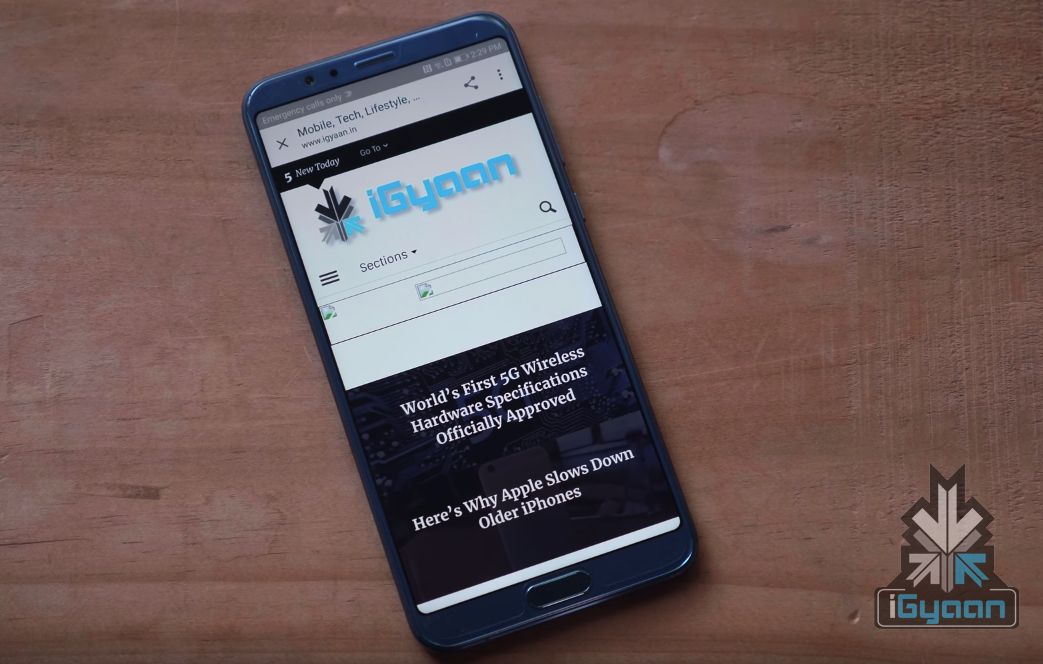
Everyone wants faster and better internet connection. While 4G has slowly but surely entered the Indian market on a mass level, the world has already moved on to 5G internet. The first true move towards launching 5G wireless networks and smartphones received a huge impetus. The members of the 3rd Generation Partnership Project (3GPP) have officially approved the hardware specifications for the Non-Standalone (NSA) 5G New Radio (NR) standards. The specifications were confirmed during a meeting of the 3GPP group in Lisbon, Portugal. The actual specifications will be posted sometime later this week on the group’s official website.
NSA 5G NR specs were approved today at RAN#78. Balazs Bertenyi , RAN Chair called it “an Impressive achievement in a remarkably short time, with credit due particularly to the Working Groups”. News article to follow on the 3GPP site and from 3GPP Member announcements. pic.twitter.com/b10fTV5V5n
This development means that smartphone hardware companies such as Qualcomm, Intel, Huawei and others can begin making 5G wireless products and components based on these official standards. The industry has already moved towards 5G and only recently in November, Qualcomm, ZTE, and China Mobile announced a successful test of the world’s first end-to-end 5G NR interoperable system based on the standards that were developed by the 3GPP group.
As reported earlier, the Indian government has recognised the importance of the fast-speed internet and has already taken steps to ensure that India is not left behind in the 5G race. India is planning to roll out 5G internet services by the year 2020. In order to complete this task successfully, the government has set up a high-level forum which will evaluate all possible roadmaps to make sure that 5G internet becomes prominent in the country. For the said objective, the ministries of telecom, information and technology, and science and technology have been included in the forum. A budget of Rs 500 crore is set aside for research and development of 5G technology by the government.
Apart from the government, Indian telcos such as Airtel are also actively taking initiatives toward the 5G technology. Airtel on 26th September launched a mimo, a pre-5G technology, producing internet browsing speeds three times higher than the current levels. State-run Bharat Sanchar Nigam Ltd. along with Airtel have also signed initial pacts with smartphone makers such as Nokia for the development of 5G and its applications which are relevant to India.