Category: Top Around the Web

All the best of Online in one place.

  • Unboxing The Google Pixel 2

    Unboxing The Google Pixel 2

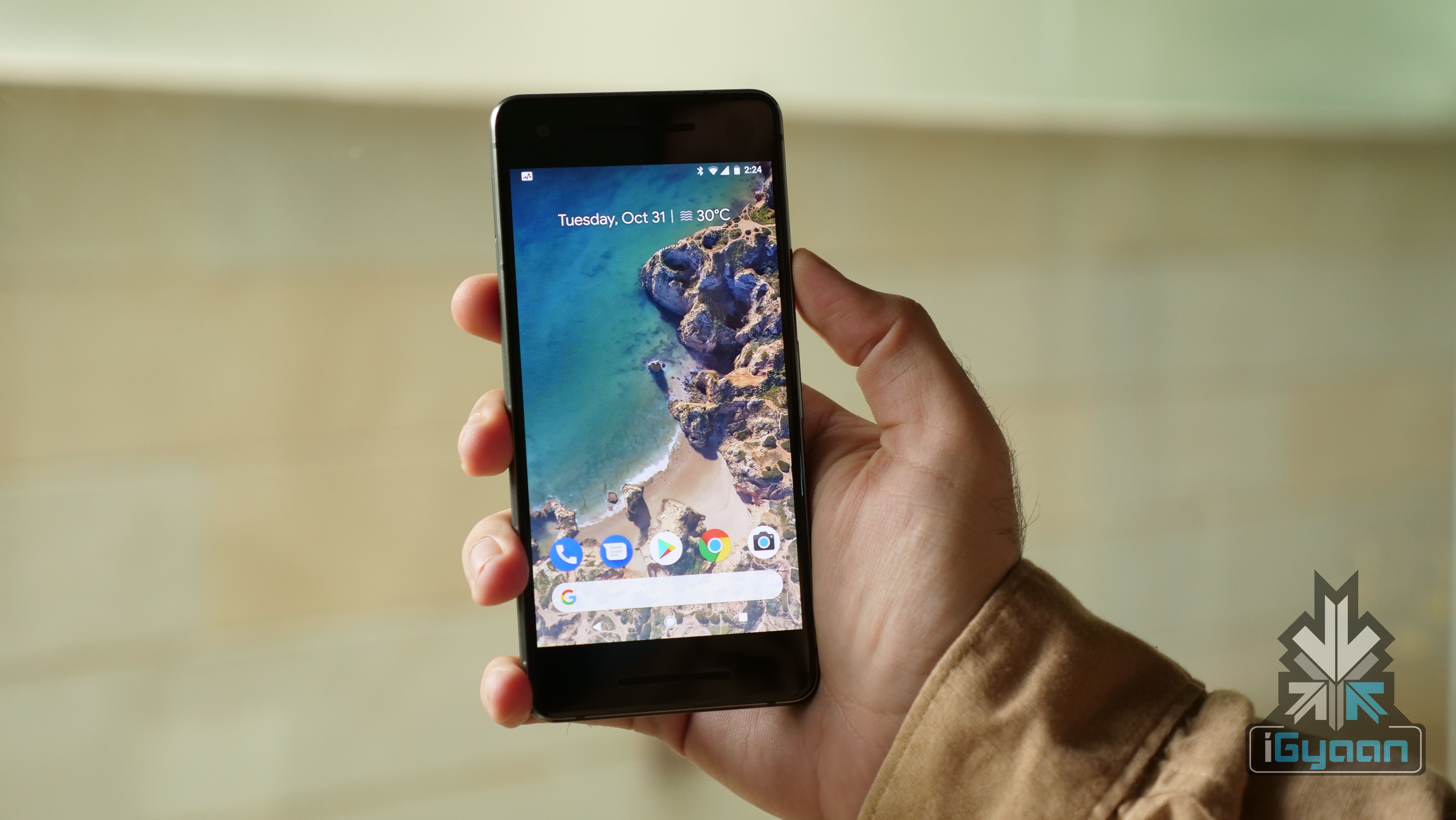
    Google launched the next iteration of its flagship Pixel smartphone lineup, the Pixel 2 and Pixel 2 XL on the 4th of October during a launch event at the Google HQ. The most interesting aspect of the Google Pixel 2 and Pixel 2XL is the tight integration of its software, hardware and AI. Google talked a lot about the importance of AI in the future and how the new devices take advantage of the Google Assistant. We have the smaller sibling of the two, the Google Pixel 2 with us which starts at a price of Rs 61000 in India for the 64GB storage variant. Let’s unbox it and see what we get inside:
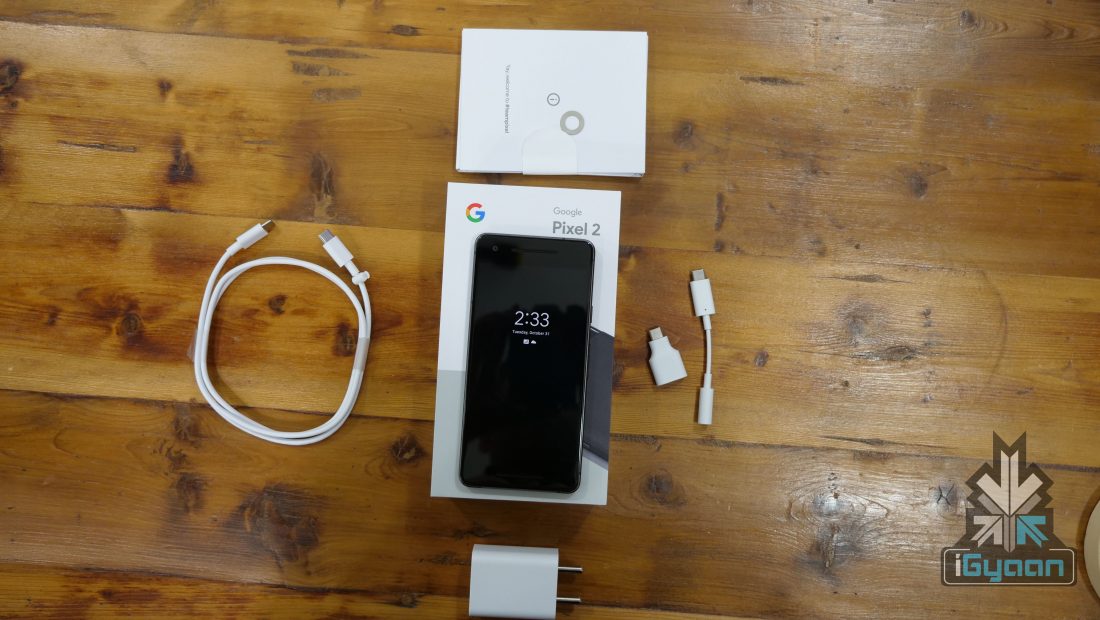
    • Google Pixel 2
    • Sim ejector tool
    • Documentation
    • USB C to 3.5mm jack converter
    • USB C cable
    • Wall charger

    The launch of the Google Pixel 2 and Pixel 2 XL has been marred by the glaring issues with the smartphone’s display. However, most of the complaints have been directed towards the Pixel 2 XL for its pOLED panel.
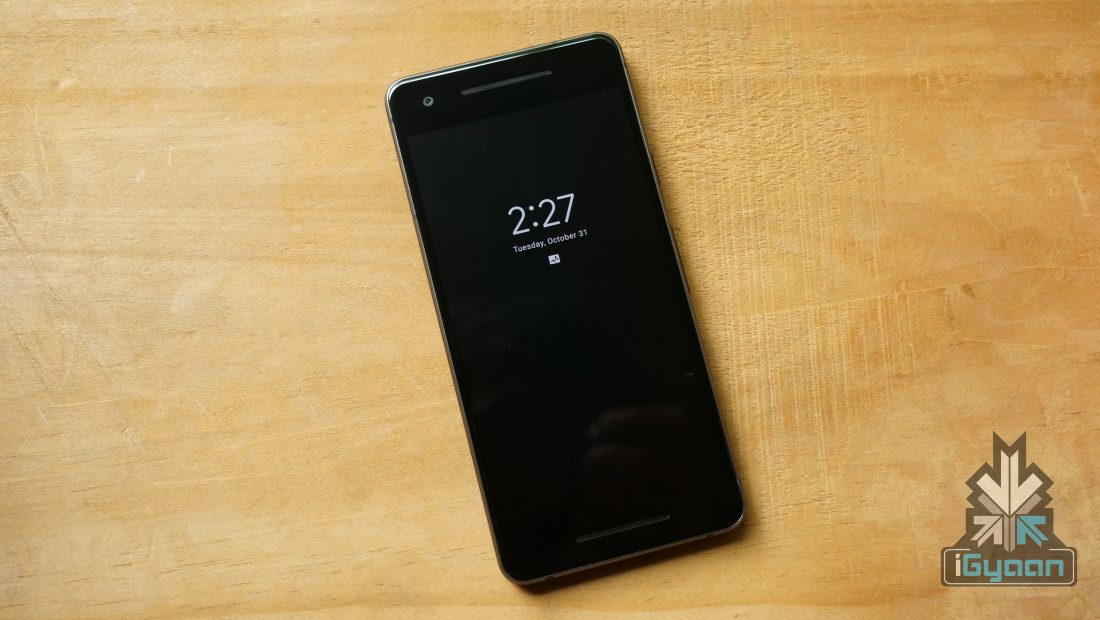
    The Google Pixel 2 has a 5 inch 1920 x 1080 px AMOLED display with Corning Gorilla Glass 5 on top for protection. Powering the device is a 2700 mAh battery and it runs Android 8.0 Oreo out of the box. As is with with every Google phone, the new Pixel 2 will be first in line to receive Android P update in 2018. Under the hood, the device has typical 2017 flagship specifications. It has the Qualcomm Snapdragon 835 chipset, 2.4GHz octa-core processor, Adreno 540, 4GB RAM and 64GB/128GB onboard storage. The fingerprint sensor sits at the back of the device but, this time around the “glass window” is smaller. The two-tone colour of the phone is also reminiscent of the original Pixel from 2016. Google claims that the fingerprint sensor is the fastest on a smartphone. The Pixel 2 is water resistant as well.
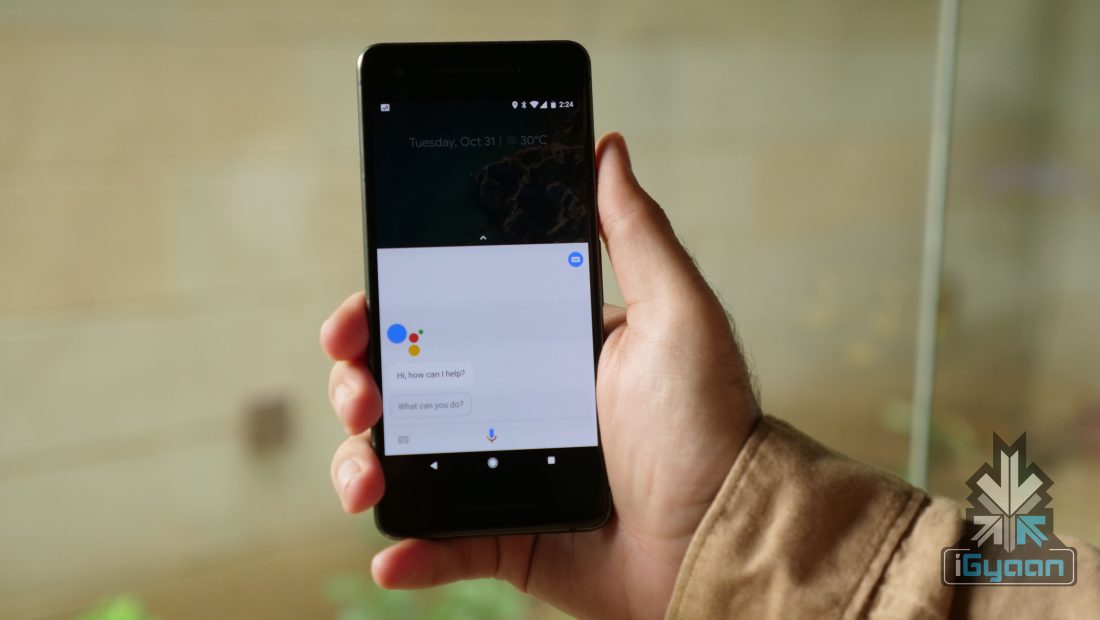
    Google has decided to go for a single camera setup similar to last year’s Pixel phones. The rear-facing camera is a 12.2 MP sensor with an f/1.8 aperture and 1.4 micron pixel size. On the front is an 8MP camera with an f/2.4 aperture. Google has introduced new features in the camera department like the addition of AR. You’ll be able to add 3D characters and emoji into photos and videos and see them move around as you’re capturing the scene. That includes things like a sleepy coffee cup, but also some recognisable characters. Google is going to be partnering with third parties to add in some famous faces. This year, the Pixel 2 and Pixel 2 XL use a technology called “dual-pixel” which divides every pixel into two.
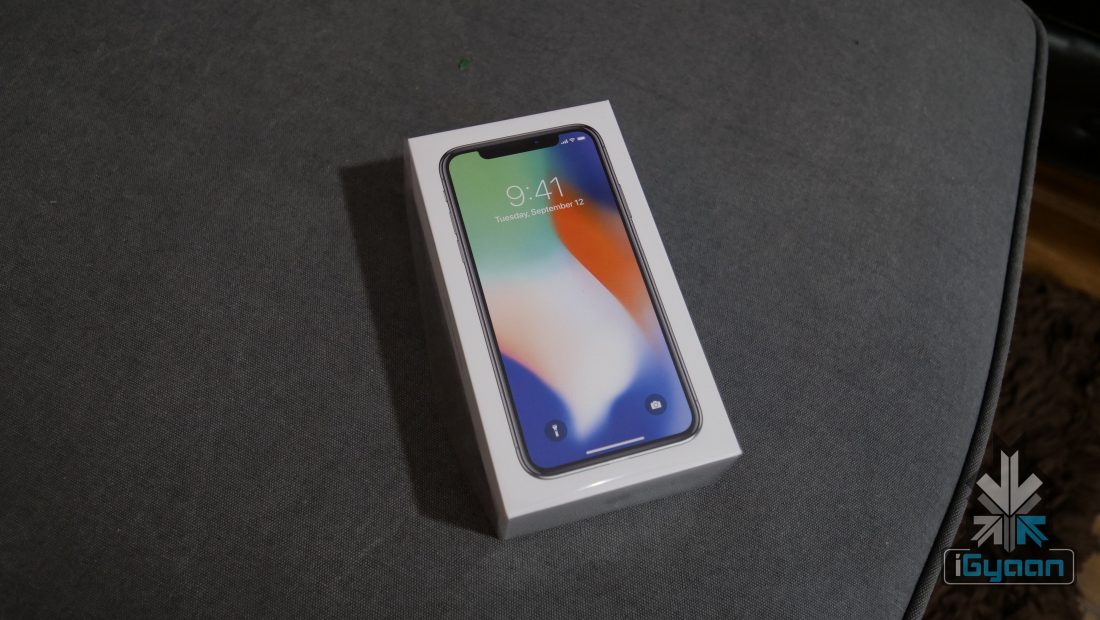
     

  • Unboxing The Apple iPhone X

    Unboxing The Apple iPhone X

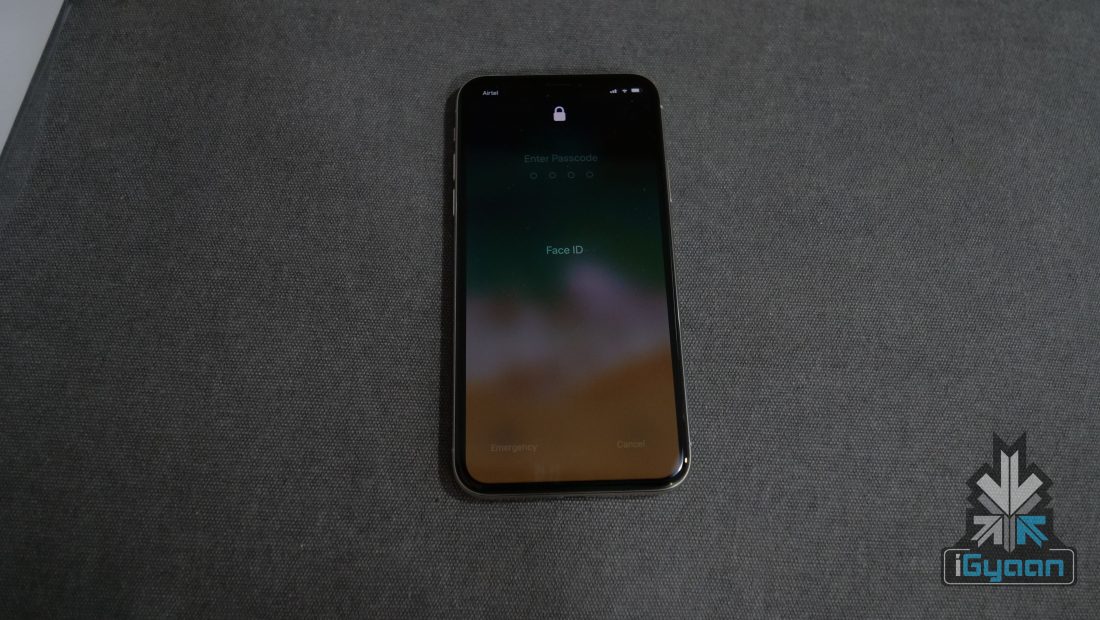
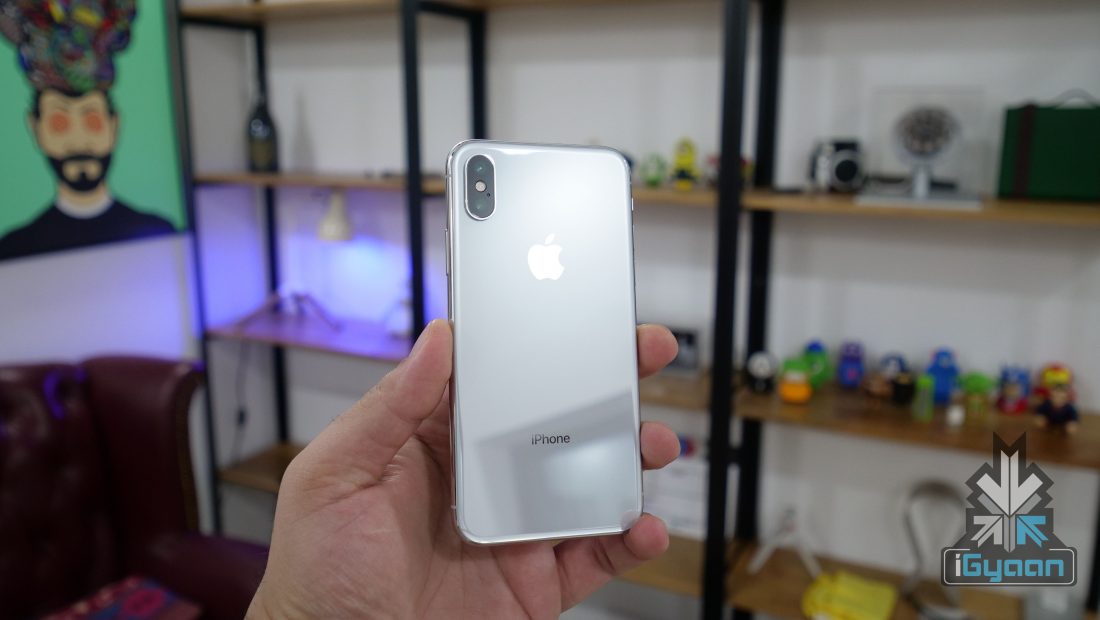
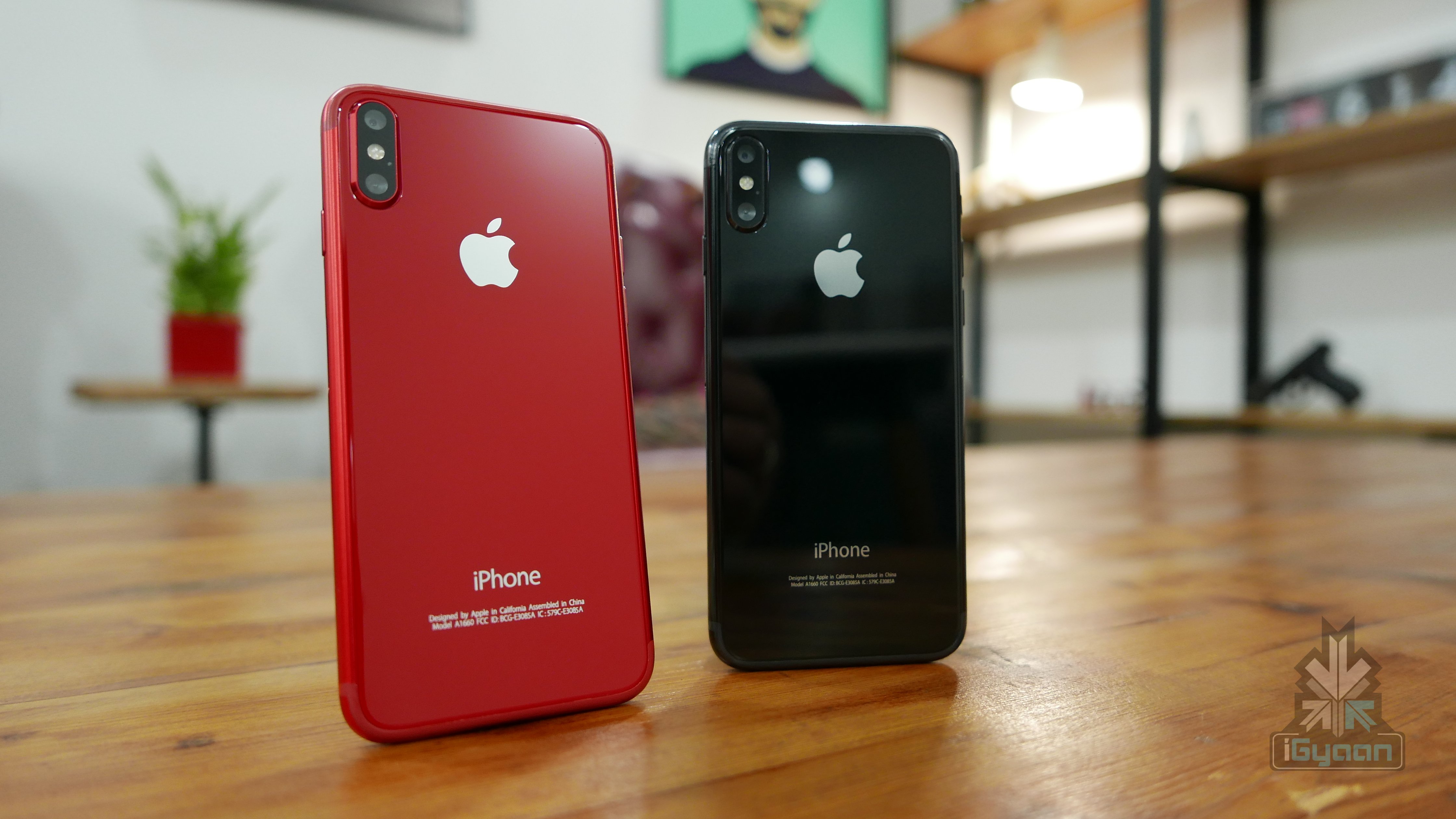
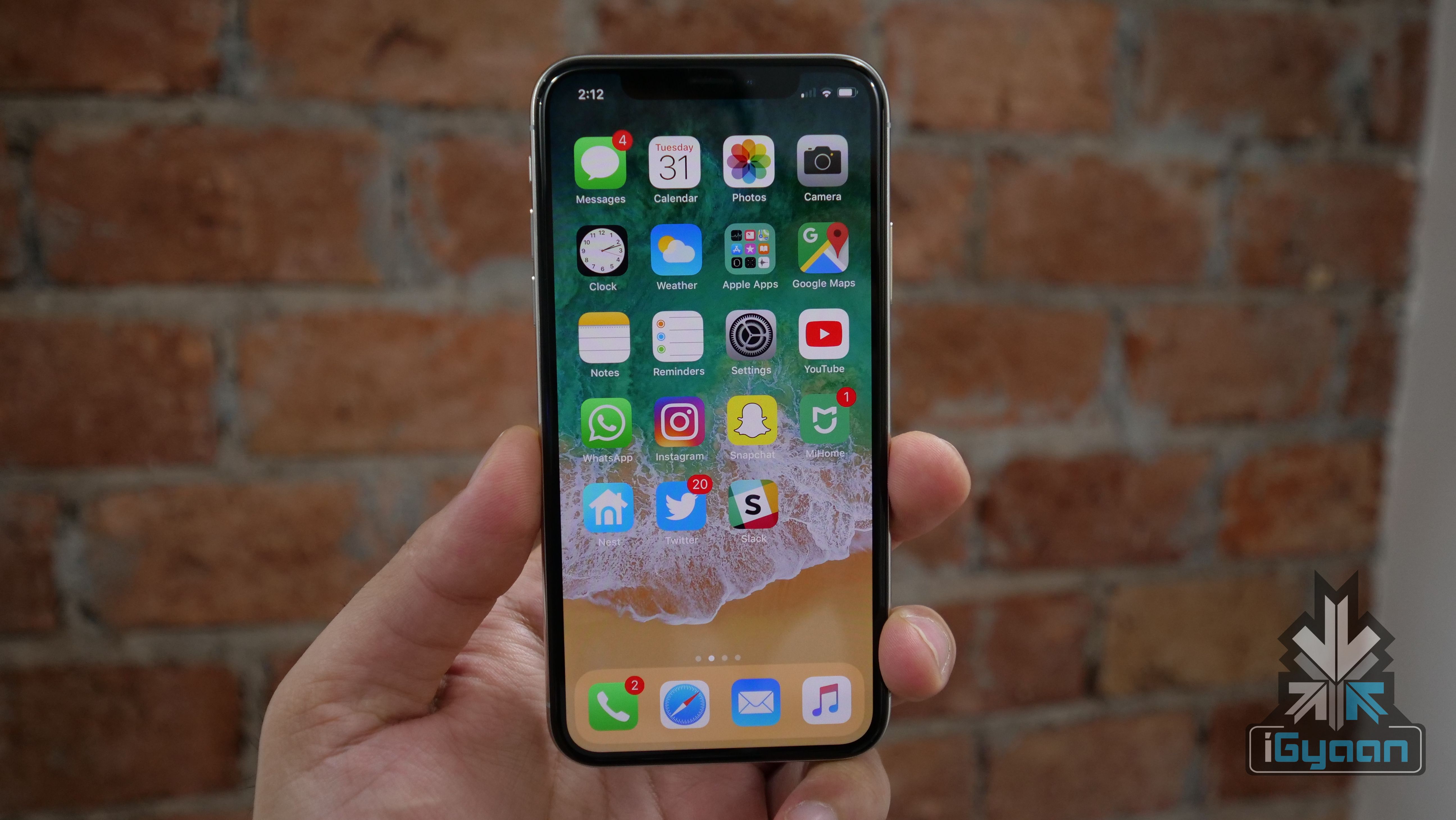
    Apple announced the tenth anniversary iPhone X along with the iPhone 8 and iPhone 8 Plus at a launch event on the 12th of September. As good as the iPhone 8 and iPhone 8 Plus are, they just could not capture the imagination of the consumers like the iPhone X did. Billed as the true successor to the original iPhone launched in 2007, the iPhone X is the first major departure from the signature iPhone design we’ve become accustomed to seeing over the years. It is the first iPhone to lose the home button since the iPhone was first ever launched. It has a near bezel-less design and what is poised to be an iconic “notch” on top that houses the true depth FaceID cameras and all the necessary sensors. The iPhone x is available in two sizes 64 GB and 256 GB

    Inside the box:

    • iPhone X
    • Documentation
    • Earpods
    • Sim ejector tool
    • Lightning to 3.5mm jack converter
    • Wall charger

    First impressions

    The iPhone X has a 5.8-inch 2436 x 1125 px OLED True Tone Super Retina display. The phone runs iOS 11.1 and is powered by a 3,000 mAh battery which charges through the Apple signature lightning port placed at the bottom of the phone or via wireless charging. Because of the all-glass design, the iPhone 8 also has wireless charging. Under the hood, the smartphone has the Apple A11 Bionic chipset with a neural engine, a hexacore processor, 3GB of RAM and storage options of 64GB, and 256GB. The small bezels mean there is no physical home button, which is now replaced with gestures for navigation. Siri is activated by pressing the now larger lock/unlock button. The iPhone X is also IP67 certified for water and dust resistance, and wireless charging.

    The iPhone X has dual 12-megapixel rear cameras, and it’s equipped with dual optical image stabilization. The sensors are both larger and faster, according to Apple, and the main camera is equipped with a wide angle lens and has an f/1.8 aperture while the secondary telephoto lens has an f/2.4 aperture. In between the two cameras is a quad-LED True Tone flash. Both the front and back cameras have the portrait mode. The rear cameras have the portrait lighting feature, just like the iPhone 8 and iPhone 8 Plus.

  • Lenovo Will Update the K8 , K8 Plus And K8 Note to Android Oreo

    Lenovo Will Update the K8 , K8 Plus And K8 Note to Android Oreo

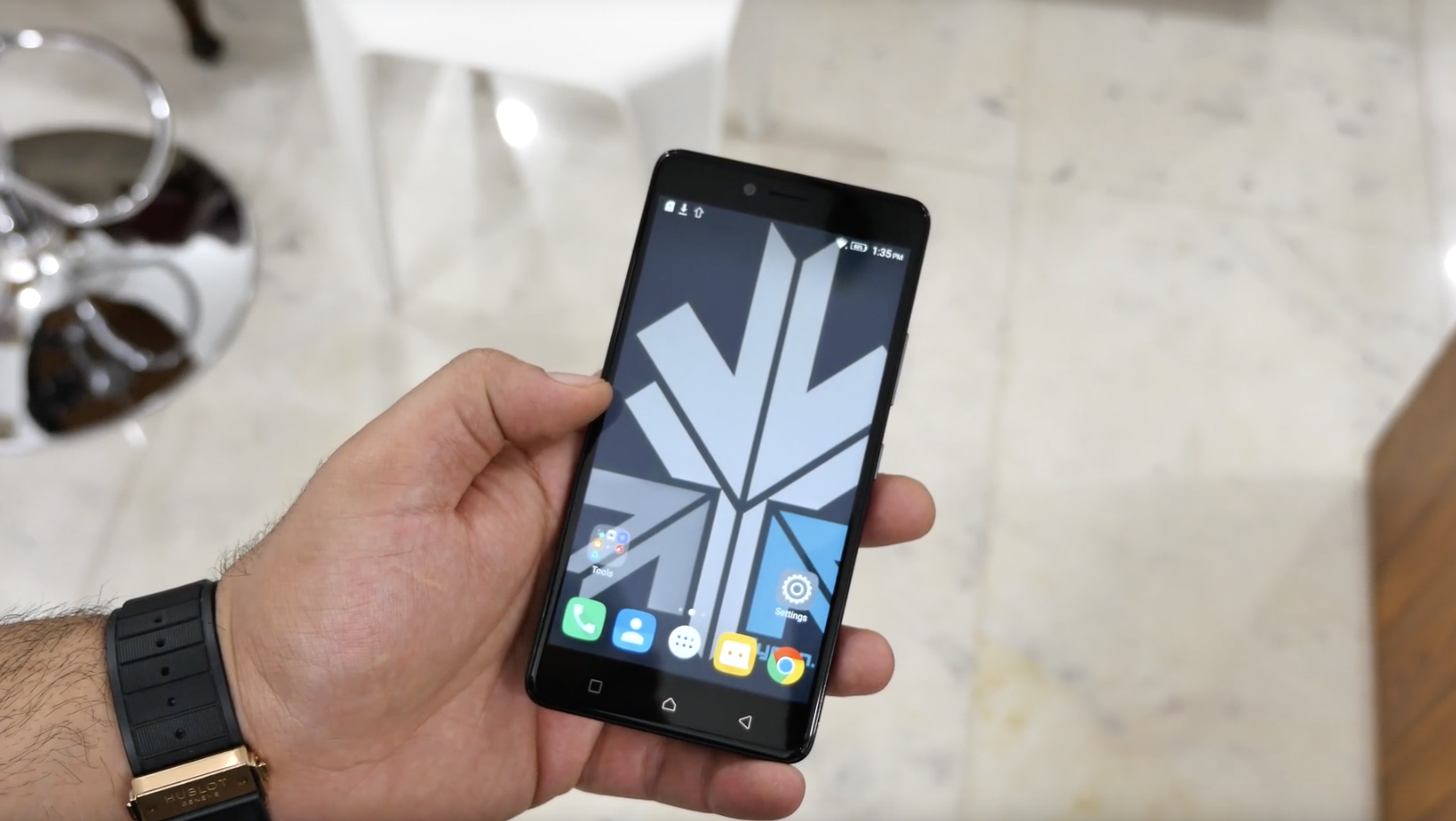
    Lenovo K8 series owners will be happy to hear that Lenovo has officially announce update plans for the devices to receive Android 8.0 Oreo update. The excitement ends there as the timeline for these updates is a long time away.

    The timeline has been announced by Lenovo, and the K8 series is expected to get the update June-July 2018 during which time Google should be announcing Android 9.0.

    The K8 will be the first of the series to get Android Oreo according to the company’s post, which will roll out in June of 2018, while the K8 Note and K8 Plus are slated for an update  in July of 2018.

    The Lenovo K8 Note was launched in August for a price of  Rs. 13999 while the K8 and K8 plus saw subsequent launches. The K8 Plus remains a flipkart exclusive while the other two handsets are on sale on Amazon.in

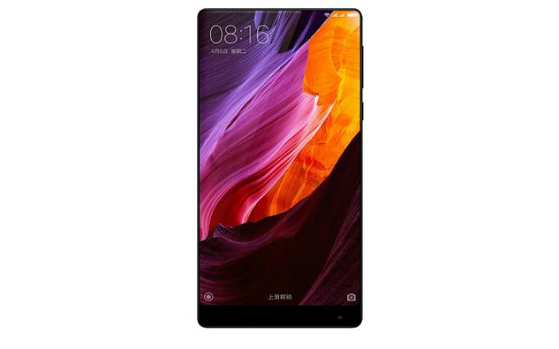
    While most companies are pushing updates in a timely manner, and Xiaomi has set an end of the year timeline for their Mi A1 and Mi Mix 2, The company is yet to roll out any updates to the Mi Mix original which is still on MiUI 8.

    The Update will be available as an OTA update to devices and will be rolled out across eligible Lenovo K8 / plus/ note devices at the same time.

  • OnePlus 5T Press Renders Leaked

    OnePlus 5T Press Renders Leaked

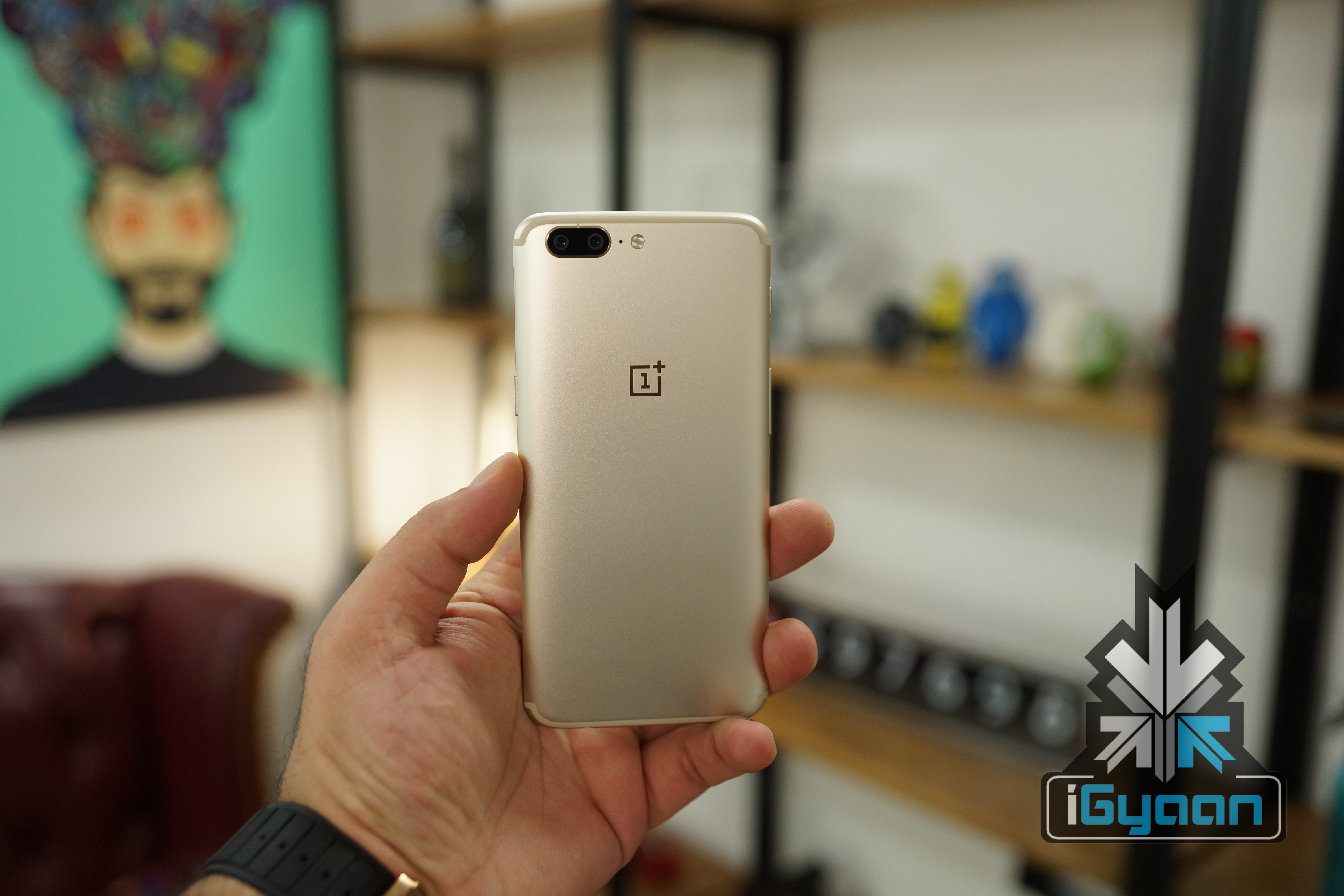
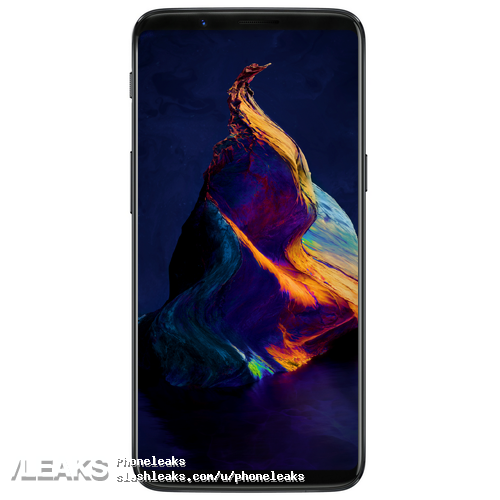
    OnePlus seems to be gearing up to launch the OnePlus 5T by the end of 2017. Unlike the incremental upgrade from the OnePlus 3 to 3T in 2016, this year’s OnePlus 5T might see a huge departure from the design language that OnePlus devices have followed. New renders leaked by SlashLeaks show minimal bezels and a tall display on the OnePlus 5T. Releasing the OnePlus 5T will solidify OnePlus’ launch pattern it is trying to set in the market, as it released the 3T a few months after the OnePlus 3 was launched in mid-2016.

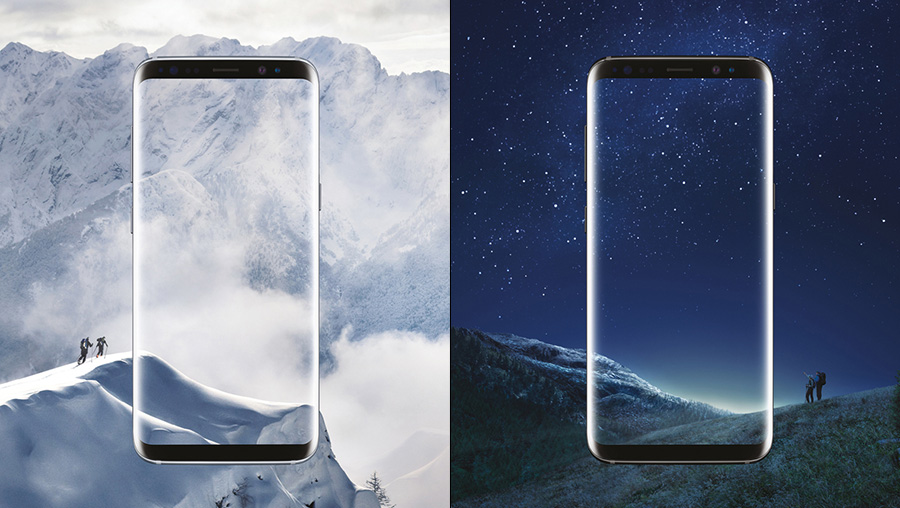
    The edges are curved and the bezels remind us of the Samsung Galaxy S8 which is not a bad thing, because the Galaxy S8 is one of the best looking devices of 2017. This might open doors for a comparison between the two phones, just like the OnePlus 5 was compared with the iPhone 7 Plus when it was launched. It seems like OnePlus will have to do something drastically different to avoid a yet another comparison for its flagship device.

    The new phone is expected to have a 6 inch 2160 x 1080 px display with an 18:9 aspect ratio. When the OnePlus 5 was launched, one of the major criticism it faced was the thick bezels around the display, especially after it was dubbed as the “flagship killer.” OnePlus is trying to rectify that criticism by reducing the size of the bezels on the OnePlus 5T. The hardware will remain the same, just like it was when the OnePlus 3T was launched.

    There have been reports that the Slate Grey variant of the OnePlus 5 has gone out of stock in several regions including the UK, which it claims indicates that OnePlus is indeed looking at launching the new model.


  • A Cheaper Variant of The Xiaomi Mi 6 Could Be Launched On November 11th

    A Cheaper Variant of The Xiaomi Mi 6 Could Be Launched On November 11th

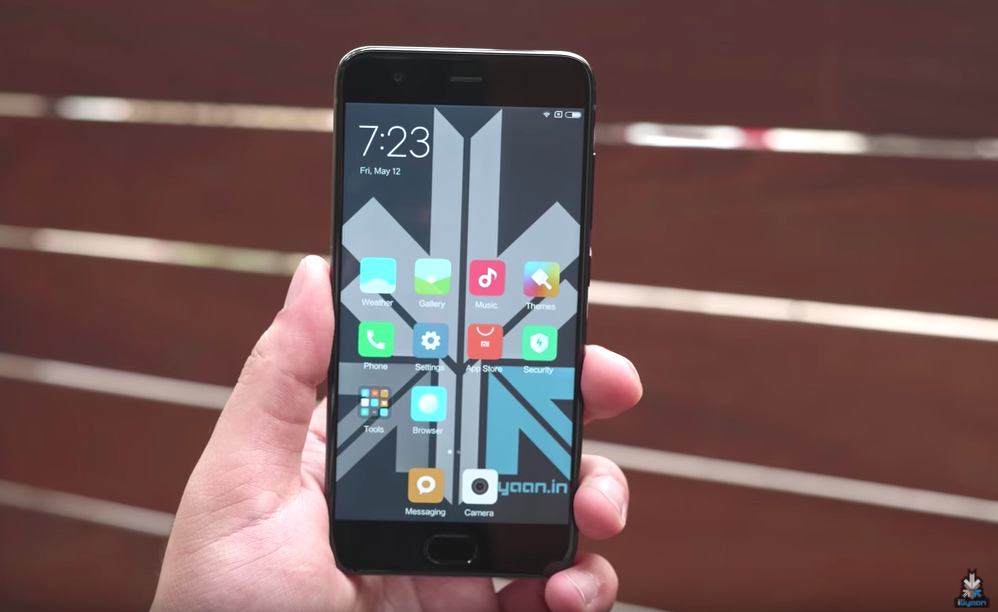
    Xiaomi may have plans of rebooting its 2017 flagship, the Mi 6. Spotted on the certification website, TENNA, a Mi 6 with 4GB RAM and 65GB onboard storage might be launched on the 11th of November. In April 2017, the Mi 6 with 6GB RAM/64GB storage and 6GB RAM/128GB storage were launched. A cheaper variant of the flagship could now make its way to the Chinese market in November.

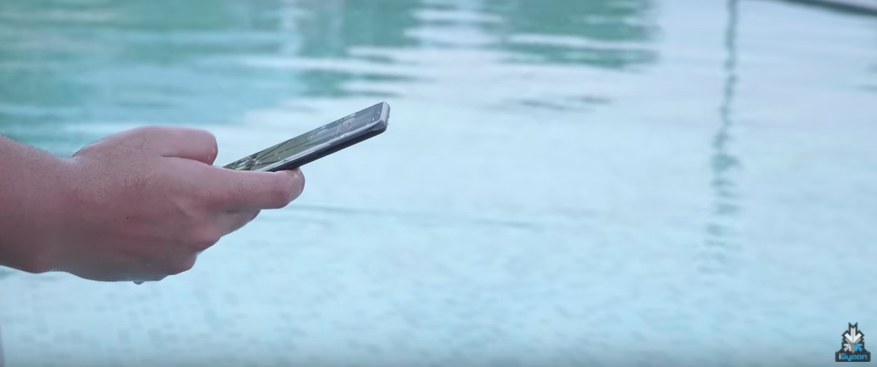
    The price is expected to be at 2299 Yuan (Rs 22700 approx.) which is about 200 Yuan cheaper than the standard variant. The Mi 6 with with 6GB RAM and 128GB storage is available at a price of 2899 Yuan (Rs 27100 approx.). As far as other specifications are concerned, there won’t be any changes. The Mi 6 has a 5.15 inch 1920 x 1080 px LCD display. Powering the device is a 3350 mAh battery and the phone runs Android 7.1 Nougat with MUI skin on top. Under the hood, the device has Qualcomm Snapdragon 835 and Adreno 540 GPU for graphics. The fingerprint sensor is housed in the home button just below the display. Xiaomi Mi 6 is also splash-resistant, with the SIM tray also sealed against splashes.

    Xiaomi Mi 6 is splash resistant

    The Xiaomi Mi 6 does have stereo speakers and is missing a 3.5mm headphone jack, much like the iPhone 7 and it seems to have become a norm these days.

    The Mi 6 has a dual camera set up of two 12MP cameras at the back. One of the cameras has a wide-angle lens with 4-axis Optical Image stabilisation with an f/1.8 aperture while the other one is equipped with a telephoto lens with an f/2.6 aperture for 2X lossless zoom and bokeh effect photos. On its front, it has an 8MP camera which records 1080P videos.

    Whether the cheaper variant of the Mi 6 will make its way to India is yet to be seen and its global availability will be announced when the phone is unveiled.

  • Nokia 9 Renders Show Thin Bezels And No Headphone Jack

    Nokia 9 Renders Show Thin Bezels And No Headphone Jack

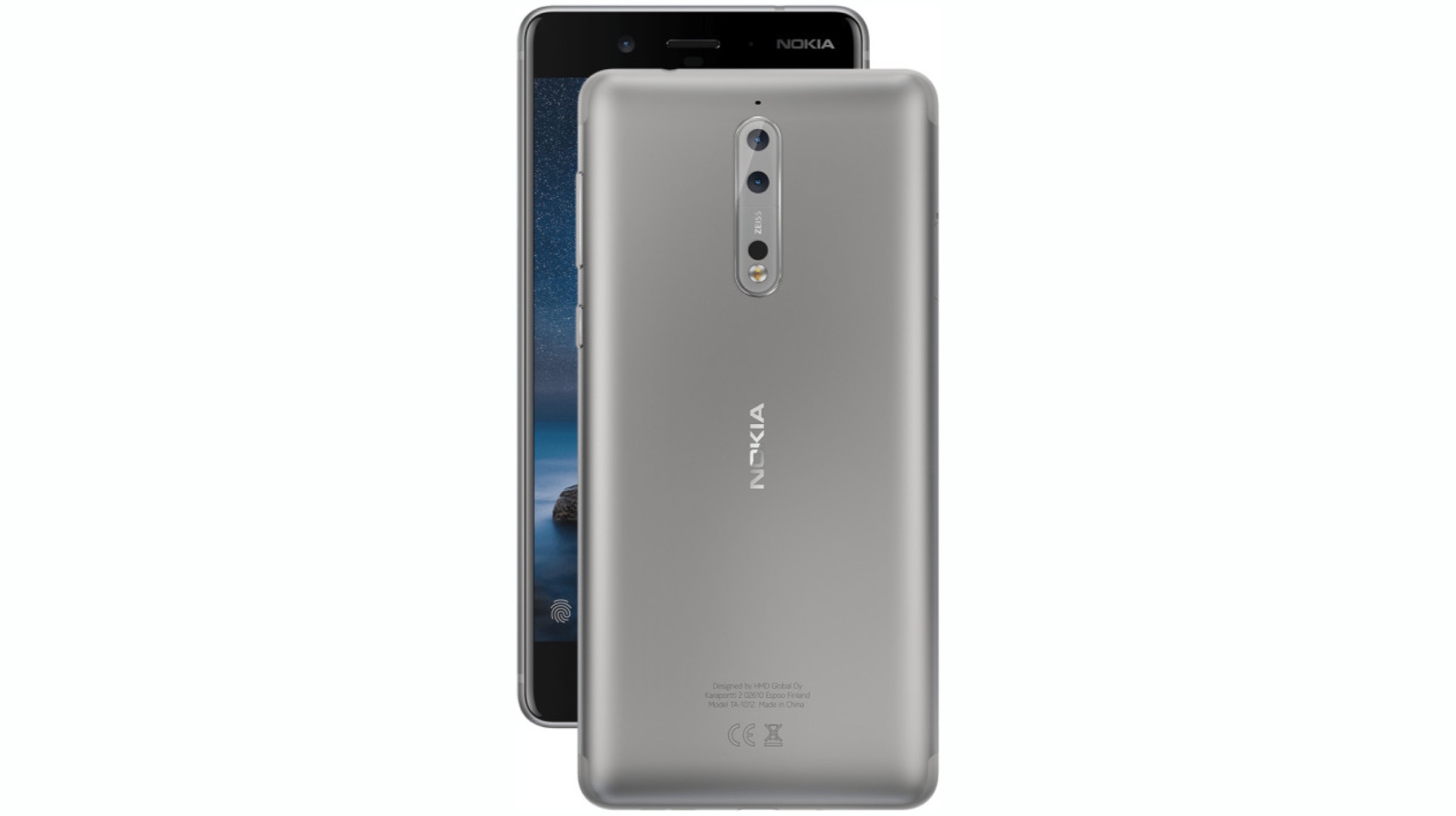
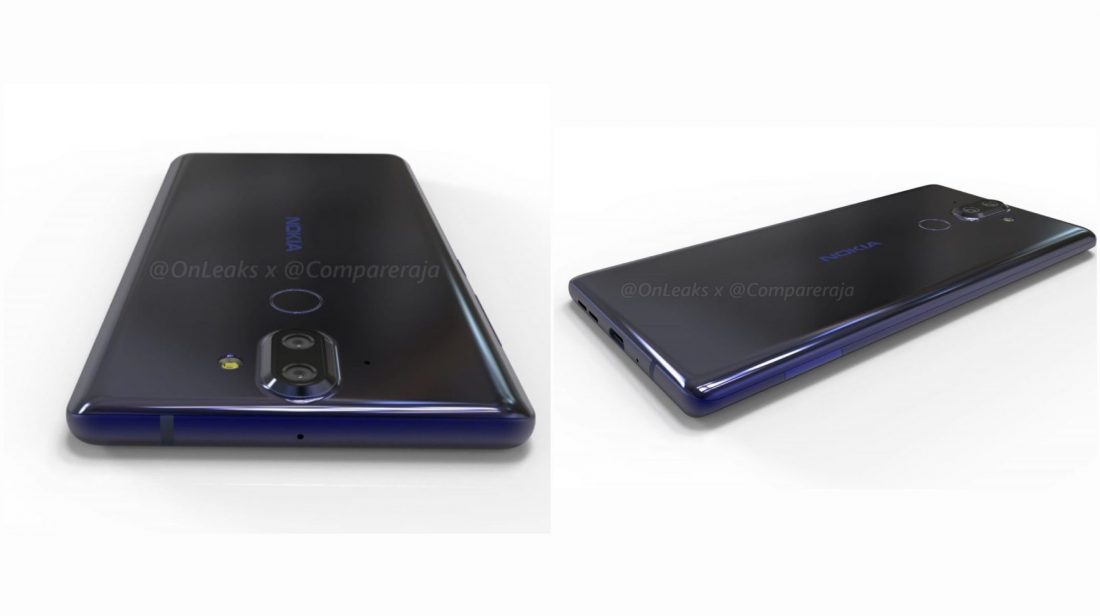
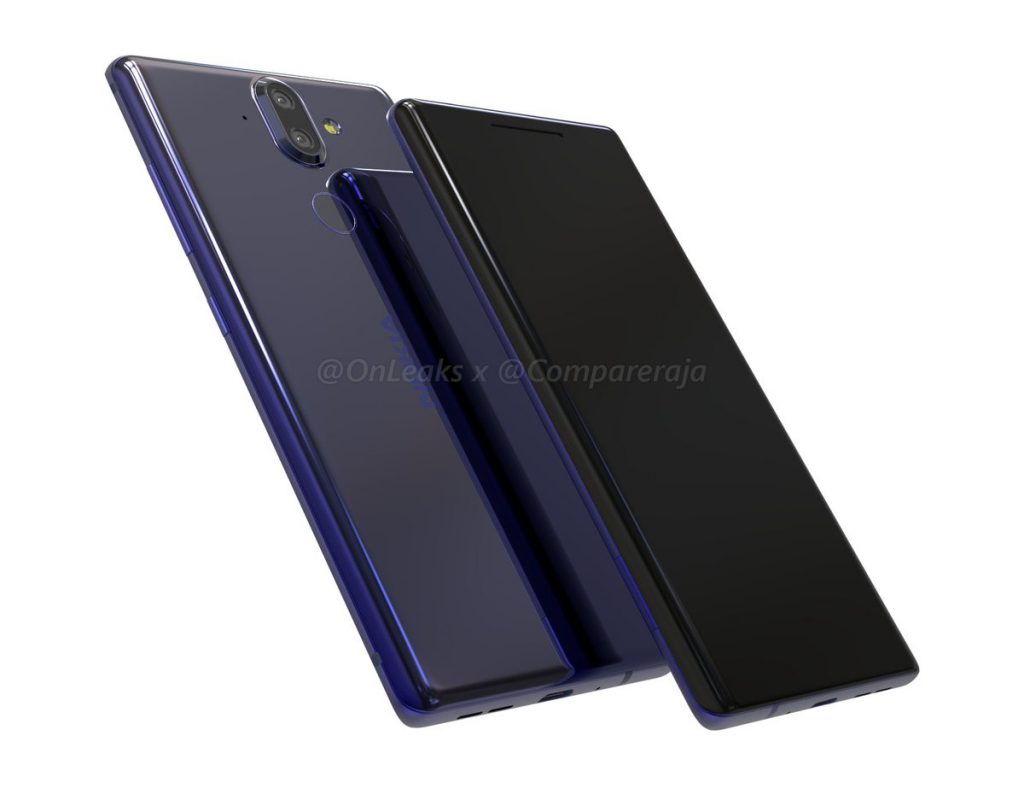
    Nokia has re-entered the smartphone market with a slew of Android powered phones in different price segments. Its latest entrant was the Nokia 8, the first Nokia branded Android flagship phone. The rumours of Nokia 9 have been doing the rounds for quite some time now and new renders show a 360-degree view of the smartphone.

    The Nokia 8, although a flagship, has thick bezels around the display which a lot of 2017 flagships don’t. The Nokia 9 renders show a more modern look with thin bezels. The dual-camera setup retains its place and the fingerprint sensor is moved to the back. As far as rumoured specifications go, the Nokia 9 in all likeliness will feature a 5.5-inch 2880 x 1440 px AMOLED display. The phone will have Qualcomm’s MSM8998 Snapdragon 835, 4GB RAM and either 64GB or 128GB storage. Features like OZO sound, ‘Bothie’ are expected to be featured in the Nokia 9 as well since HMD Global really used these features to market the Nokia 8. One big omission in the renders is that of the 3.5mm headphone jack. After Google ditched it in its new Pixel 2 smartphones, there are rumours that other big Android phone manufacturers will follow suit.

    In the photography department, there’s a vertically stacked dual-lens camera. The specifications in the camera department aren’t clear yet.

    With the Nokia 8 launching just a couple of months ago, it will make sense for HMD Global to give the phone some breathing space and launch a new flagship in 2018 with the new flagship chipset, presumably Snapdragon 845. Using the Snapdragon 845 for its devices early on in 2018 might be a little tricky after reports of a deal between Samsung and Qualcomm surfaced a few days which would give Samsung exclusive access to an early batch of the new chips. There is no word on the launch of the smartphone and the company hasn’t taken to social media to drop any hints either.


  • Fujifilm Launches The New Mirrorless X-E3 Camera In India

    Fujifilm Launches The New Mirrorless X-E3 Camera In India

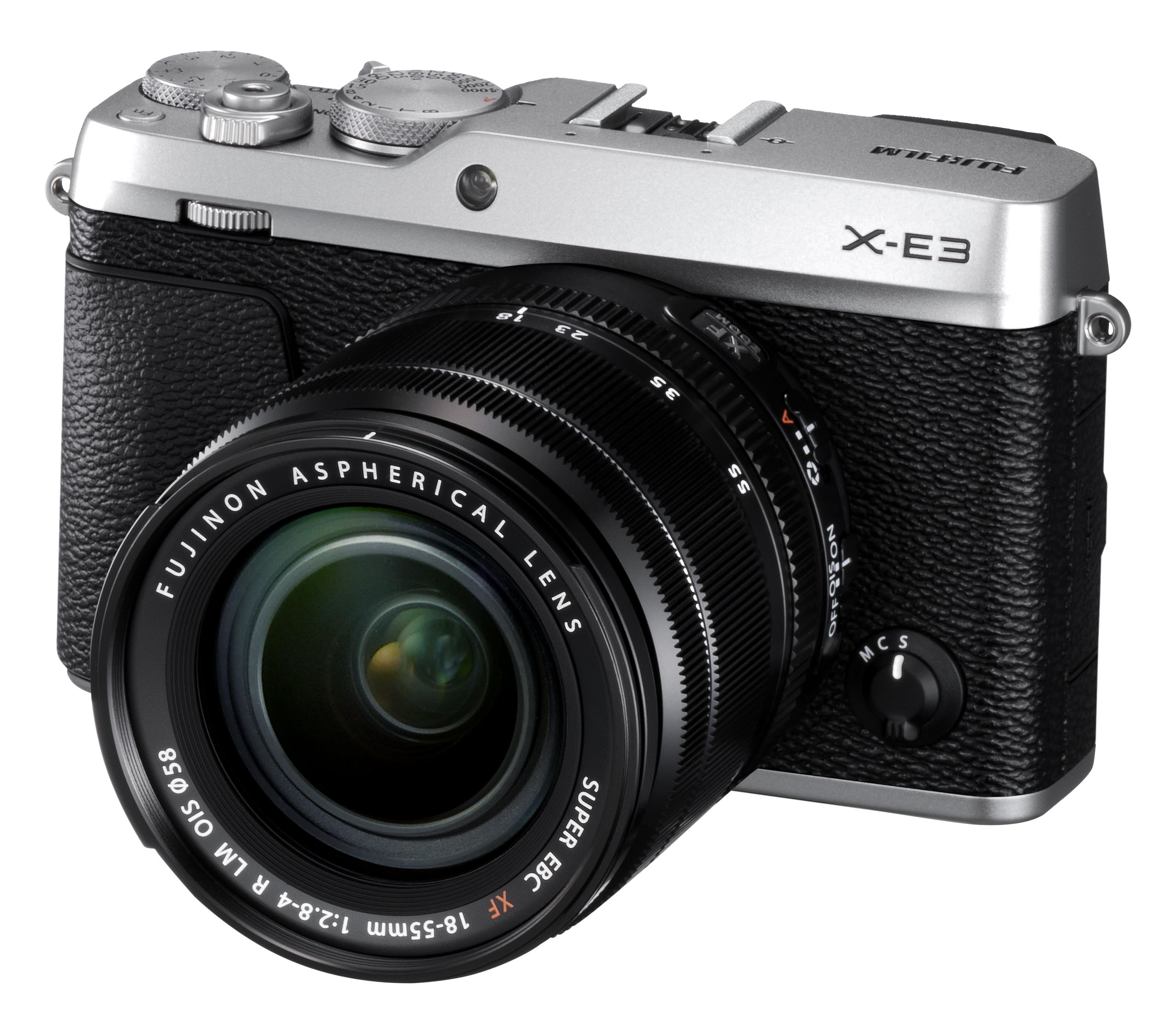
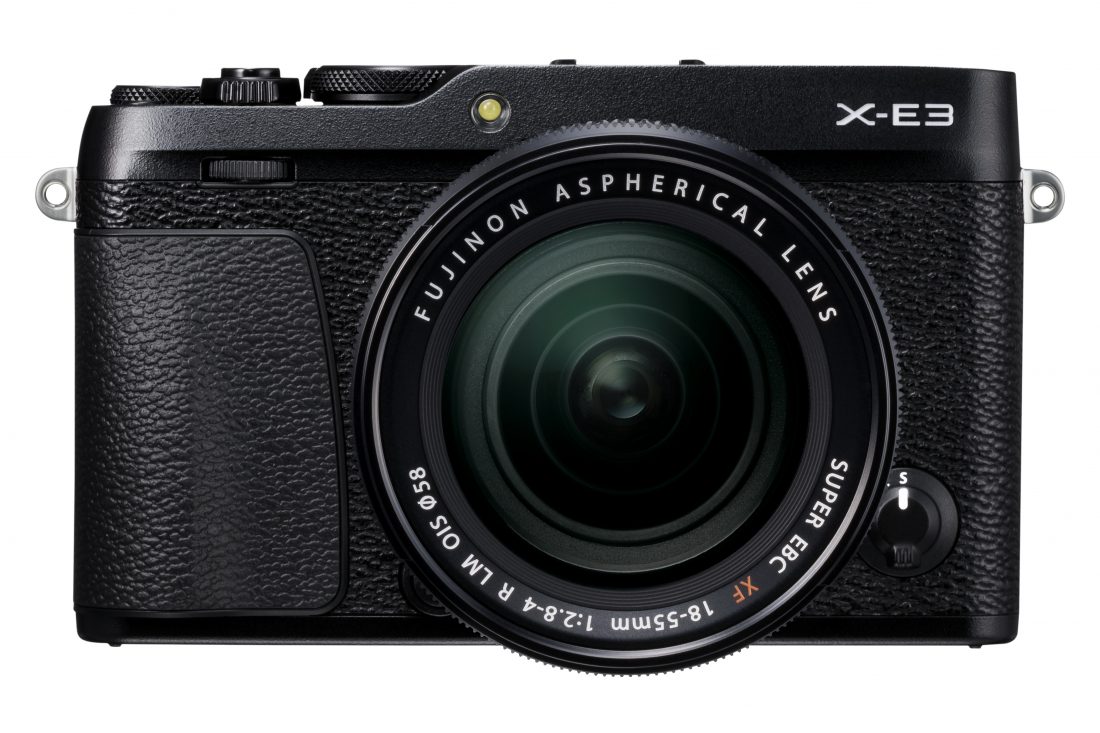
    Fujifilm has launched a new mirrorless camera in India, the X-E3 at a starting price of Rs 70,999. The company claims that the mirrorless camera market has a 25% market share in the global camera market which is currently dominated by DSLR Cameras. The situation however is expected to change as the demand for DSLR is expected to decline and mirror-less is expected to exceed DSLR market within 3 years.

    Talking about the launch of the X-E3 in India, Mr. Yasunobu Nishiyama, Managing Director, Fujifilm India Pvt. Ltd. said:

    The X series was first introduced in March 2011 and is now the most widely accepted mirrorless camera among photographers across the world.  In India too, we see much potential in the Mirrorless Camera Segment due to the rise in professional photography, increase in Wedding Photography and Commercial Photography for Brand communication and advertisements and increased use of Social Media to showcase ones work. The advantage of an X Series mirrorless camera lies in its compact size packed with cutting edge innovative technology and unique features that provide great controls along with excellent colour reproduction and image quality.

    The X-E3 has a 24.3MP APS-C sized X-Trans CMOS III sensor and X-Processor Pro image processing engine. The company claims that the X-E3 has an AutoFocus speed of 0.06 seconds. The camera has a 3 inch LCD monitor which is touch sensitive. Th camera is capable of recording recording 3840 x 2160 px videos at 29.97 FPS and 1920 x 1080 px videos at 60 FPS.

    The camera has built in Bluetooth 4.0 to transfer images and videos to your smartphones o tablets on the go. It has a NP-W126S Li-ion battery which has a life of 350 frames when the LCD is turned on.

    In terms of pricing and colour variants, the X-E3 is available in Black and Silver colours and is priced at Rs.70,999 (Body only), X-E3 with 18-55 kit is priced at ?.102,999 and X-E3 with 23mm F2 kit is priced at ?.89,999.


  • There Is No Ultra Pixel!

    There Is No Ultra Pixel!

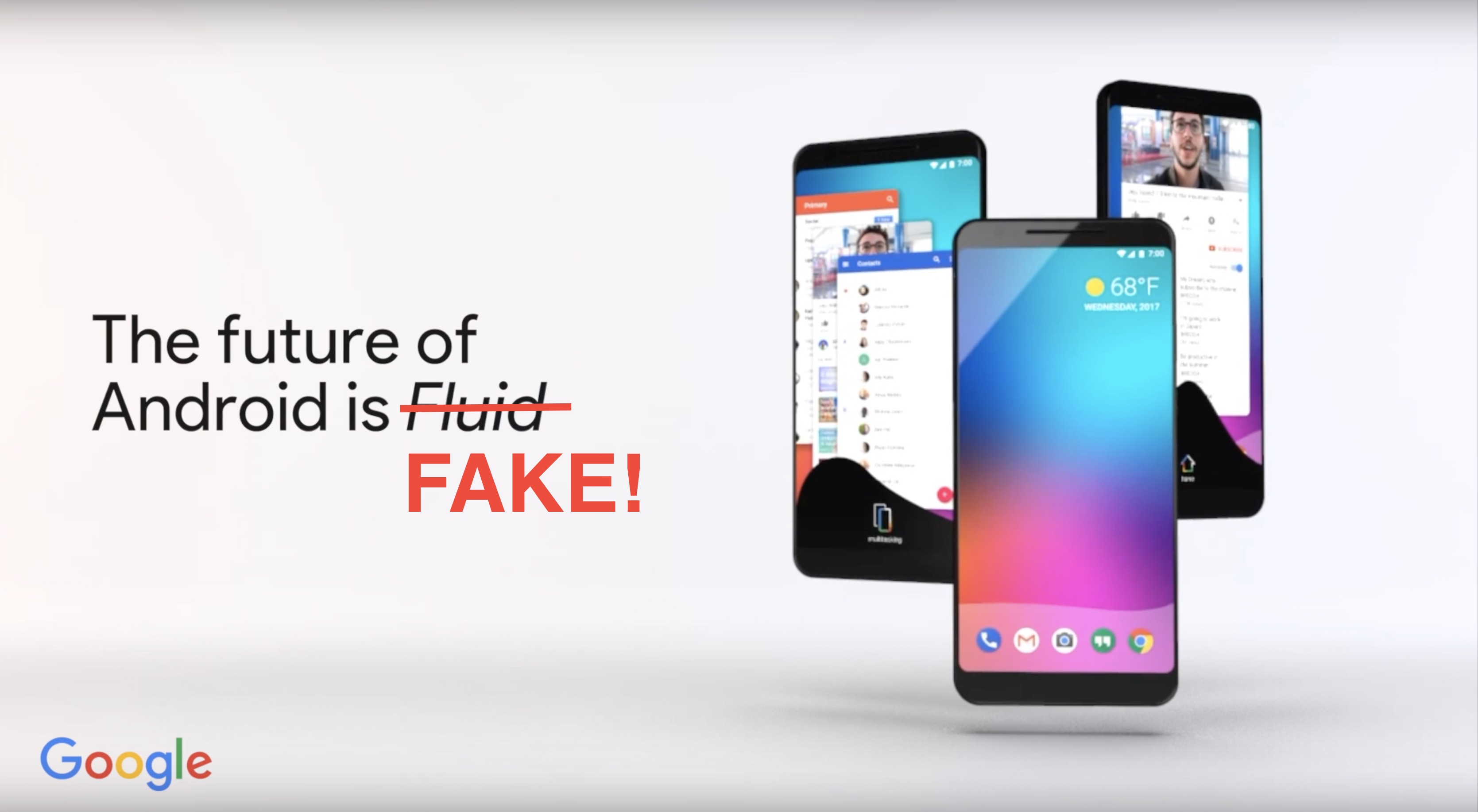
    A recently leaked series of images and video that show glances of what was supposedly the “Ultra Pixel”, claiming that there will be in fact three pixel devices, the Pixel , the Pixel XL and the Ultra Pixel to compete with the iPhone 8 , the iPhone 8 Plus and the iPhone X.

    However, the leak has now been put to rest from the designer who designed the concept and made the render video. Youtuber BRECCIA who was the “leaker” of the “Ultra Pixel” has just put out a video on how the world believed his concept, and was also proud that big international Youtubers were considering his designs to be real.

    Prolific leakers @evleaks and @Onleaks had denied the possibility of the “Ultra Pixel” and at the end of it all, this ended up being a big troll in the face of today’s online journalism which has become more mainstream than most would expect.

    Also, ” Ultrapixel” is an HTC trademark, and even though Google has an Ongoing deal with HTC, that won’t be finalized for many months, and Google will not be able to use HTC’s trademark.

    Watch the video from BRECCIA below and enjoy your weekend !


  • Samsung Galaxy Note8 To Be Bundled with DeX Dock and 100GB Data in India

    Samsung Galaxy Note8 To Be Bundled with DeX Dock and 100GB Data in India

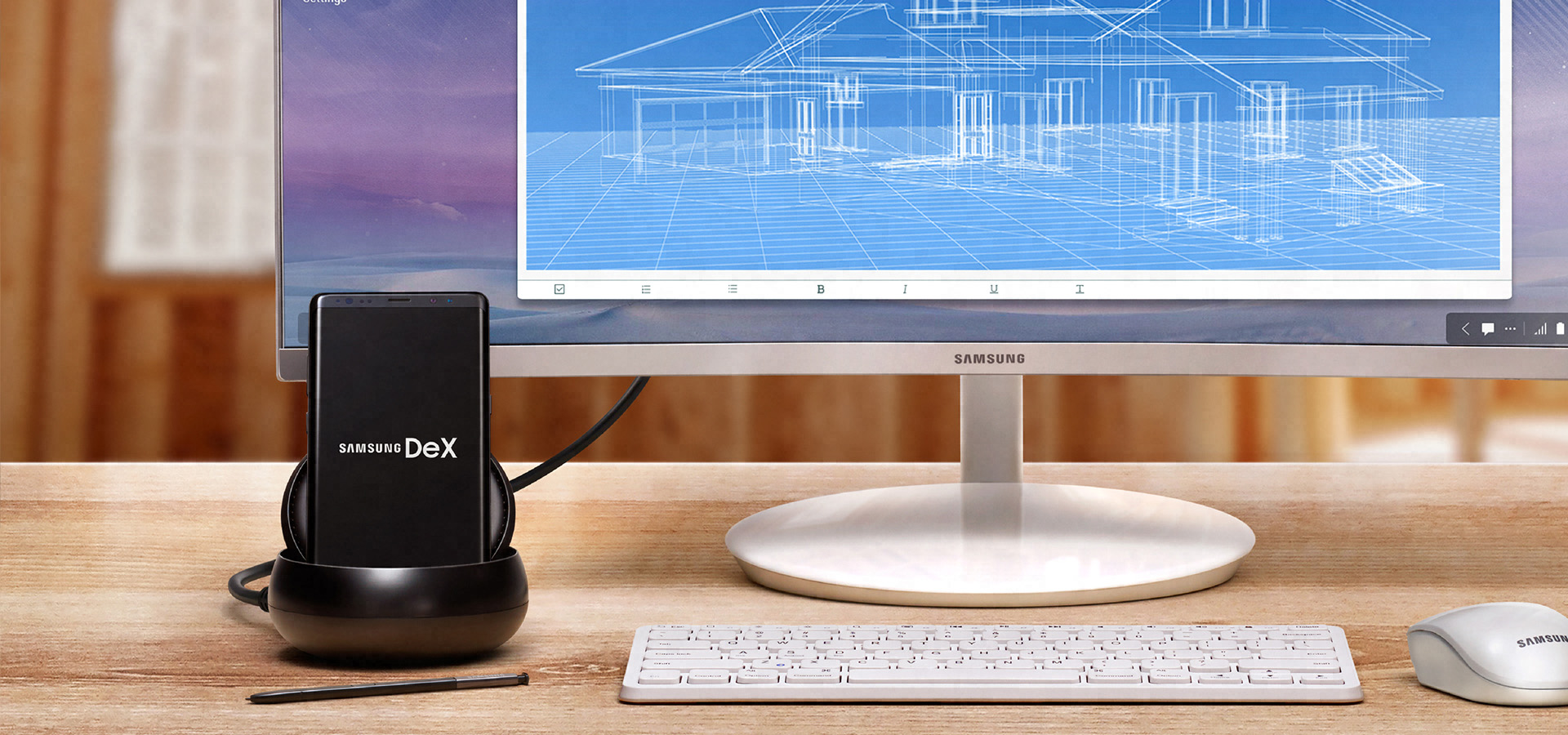
    Samsung is trying to get the business buyers excited with the upcoming Note8, since they are going to be a big chunk of the prospective owners with a massive Rs. 74999 price tag (rumored). Samsung will bundle a DeX Dock with the Galaxy Note 8 Early orders, a value of almost Rs. 10,000, plus every Note8 buyer will get 100GB of data with Airtel and/or Jio according to our sources. The Samsung Galaxy Note8 will launch in about a week in India. Which is the Same day as the official announcement of the iPhone 8. Samsung really wants to push its DeX hub to potential Note 8 buyers. The first iteration of the DeX didn’t do well, and with revisions Samsung claims that the DeX is faster and has the potential to replace Desktop computing for most people, although we wouldn’t bet on that.

    Much like the Bixby button, which doesn’t have the voice capabilities in India yet, the Dex is something which will never replace a real PC users machine. And while Samsung may be aware of that, Business capabilities of the Note8 are key selling points, especially in a price conscious market like India.

    These offers may change just before launch and we will keep you posted on developments. Samsung will launch the Note 8 in two colors in India along with most of the accessories and covers for the device at launch.

    While the Note8 is one of Samsung’s best devices, the Samsung Galaxy S8 Plus is 90% similar to the Note 8 with a price which is Rs. 10000 lower than that of the Note8 ( 128GB S8 Plus is now available for Rs. 65900 after Rs. 9000 discount)


  • Apple Sends Out Invites For September 12 iPhone Event

    Apple Sends Out Invites For September 12 iPhone Event

    It’s official, Apple Inc. will host a September 12 event to launch the new iPhone 8/X/Pro along with the iPhone 7S and 7S Plus.

    After a lot of speculation, Apple has confirmed the date and time for the event which will take place at the Steve Jobs Theatre at Apple’s new Spaceship campus in Cupertino. Apple is also expected to launch a new Apple TV, an LTE enabled Apple Watch and new features of the iOS 11.

    One of the most anticipated smartphones of the year, the iPhone 8 will be Apple’s foray into the bezel-less phones and wireless charging. The smartphone will have a 6 inch OLED display with a notch at the top, similar to the one the Essential PH-1. The device is expected to have new features such facial recognition for security dubbed as FaceID, which will replace TouchID. The iPhone 8 will have the new A11 Fusion chipset and 4GB RAM. The device will come in three storage options, 64GB, 128GB, and 512GB. The bumped up storage options are because of the device’s AR capabilities and 4K video recording at 60 FPS.

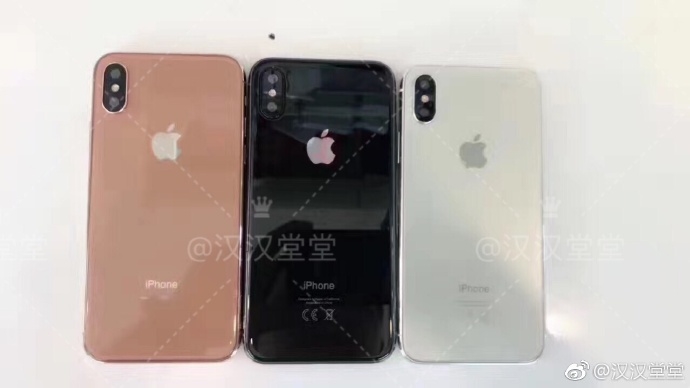
    The iPhone 8 will have an all glass design with metal frames and come in three colour variants – Black, Silver and an all-new Copper Gold colour. It was reported earlier that Apple will be ditching the Rose Gold colour and recent leaks seem to confirm that. The new phone will also ditch the physical home button and contrary to popular belief, won’t replace it with a virtual button, but, with gestures.

    The iPhone 7S and 7S Plus are expected to retain the design language of the previous generation iPhones with thick bezels and a physical home button. Both the phones are expected to have wireless charging capabilities.

    There were reports of Apple launching a new iteration of the Apple Watch which will be LTE enabled. It is expected that the smartwatch will be among the plethora of products to be launched come September 12.

    Stay tuned on iGyaan to know more about the launch and all the details of the products when they are announced on September 12.

  • Motorola Launches The Moto X4 With IP68 and Dual Cameras At IFA 2017

    Motorola Launches The Moto X4 With IP68 and Dual Cameras At IFA 2017

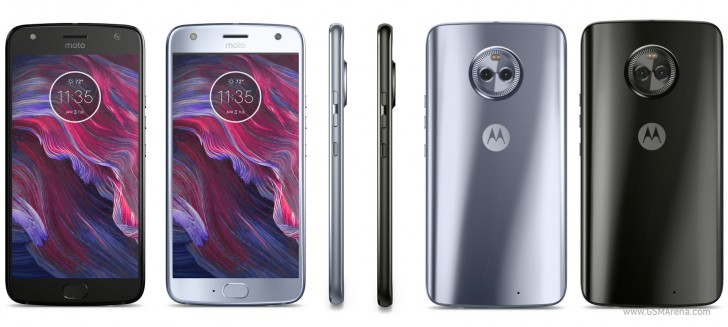
    Lenovo-owned Motorola launched the Moto X4 at the IFA 2017 in Berlin with a dual-camera setup at the back and a familiar design.

    The Moto X4 has a 5.2 inch 1920 x 1080 px IPS LCD display with Corning Gorilla Glass on top for protection. The smartphone runs stock Android 7.1.1 Nougat and is powered by a 3,000 mAh battery with TurboCharge capabilities. The company claims that the 15 mins of charge can give up to 6 hours of talk time. The Moto X4 has the Qualcomm Snapdragon 630, 2.2 GHz octa-core processor and Adreno 508 GPU, along with 3GB RAM and 32GB onboard storage which can be expanded up to 2TB via microSD card. The phone has an IP68 rating for water and dust resistance.

    Motorola also announced that Amazon Alexa voice assistant services will make its debut in the Moto X4. This isn’t the first time that Alexa has made its way onto a smartphone, the Huawei Mate 9 was the first smartphone to feature the voice assistant. Since then, we have also seen Alexa make its way to the HTC U11. Motorola also states that the Moto X4 will allow you to share the sound from your device with up to 4 different Bluetooth devices at the same time.

    The Moto X4 has a dual-camera setup at the back. The main camera is a 12MP sensor with an f/2.0 aperture, and the 8MP secondary camera with an f/2.2 aperture is equipped with a wide angle lens. The dual-cameras allow users to have depth effect shots, bokeh effect shots, ultra-wide angle shots, and selective focus shots. On the front of the device is a 16MP camera with an f/2.0 aperture and an LED flash. The cameras record 4K videos at 30 FPS.

    The smartphone will hit the European markets in September at a price of EUR 399 (Rs 30,000 approx.). There is no official word on its availability in India, yet.

  • LG Launches The LG V30 At IFA 2017 In Berlin

    LG Launches The LG V30 At IFA 2017 In Berlin

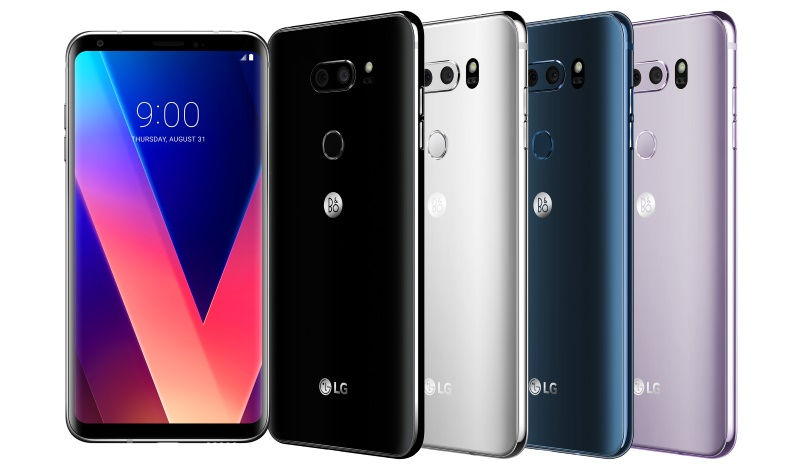
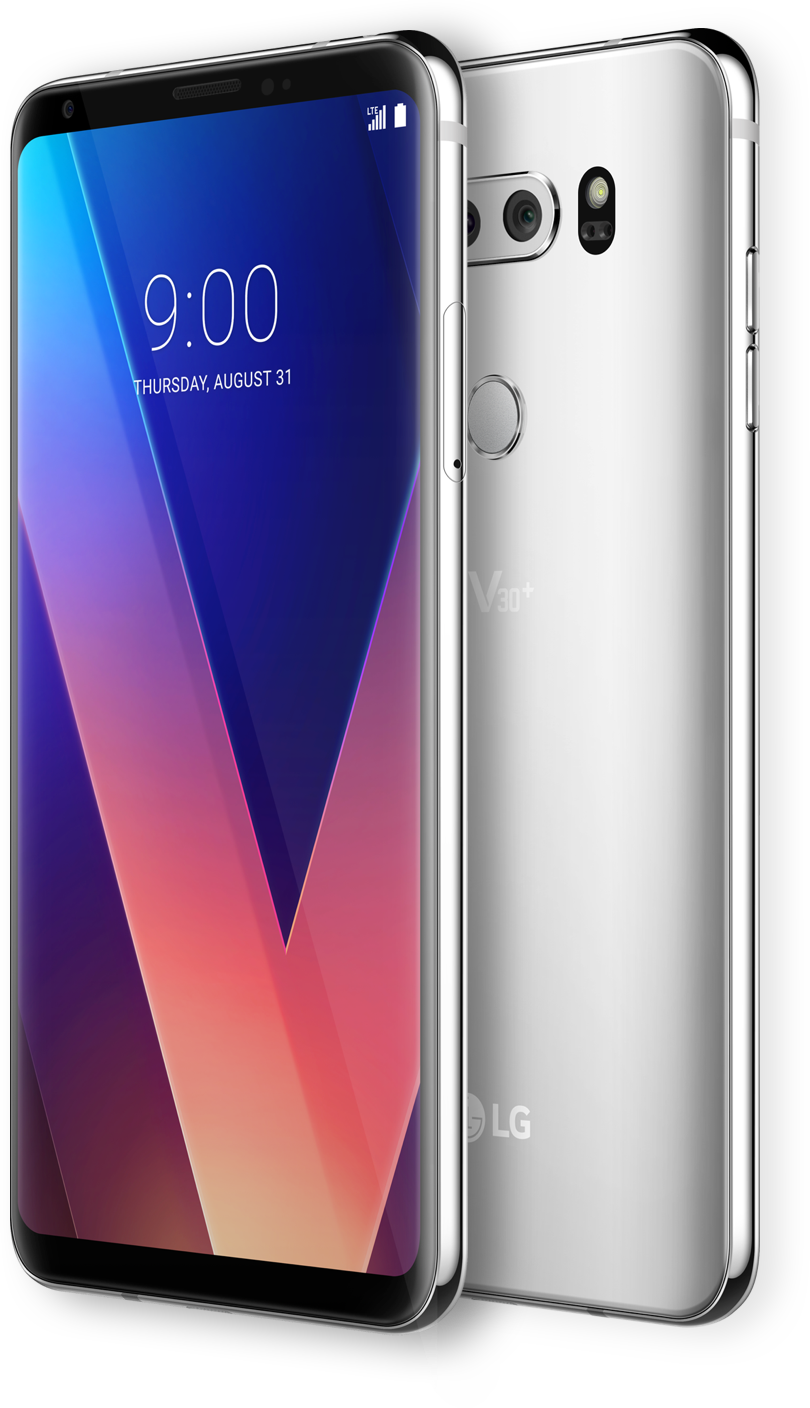
    LG has officially launched the LG V30 today at the IFA 2017 in Berlin. The LG V30 will succeed last year’s V20 and is a significant departure from the design language of LG’s V series. The LG V30 has a design similar to the LG G6 with thin bezels and rounded edges, and an 18:9 aspect ratio display. The LG V30 is available in four colour variants – Aurora black, Cloud silver, Moroccan blue and Lavender violet

    The LG V30 has a 6 inch 2880 x 1440 px OLED FullVision display, LG’s first, with an 18:9 aspect ratio and Corning Gorilla Glass 5 for protection. LG’s nearly edge-to-edge OLED display has HDR 10 format for high level of colour contrast and as announced, the smartphone will be Daydream compatible.

    The LG V30 is powered by a 3300mAh battery with wireless fast charging which supports 3.0 quick charge. The smartphone runs Android 7.1.2 with LG’s UX 6.0+ on top which offers a few customisation options. A big omission from the V30 is the secondary display, which was a signature in the previous V series devices. Instead, LG has introduced a Floating Bar which displays shortcuts and can be disabled when not required. The LG V30 has the Qualcomm Snapdragon 835 chipset, 2.4GHz octa-core processor, GB RAM and 64GB/128GB onboard storage with up to 2TB of expandable storage via a microSD card. The V30 has IP68 rating for water and dust resistance and MIL-STD 810G rating for durability.  

    LG has partnered up with Bang & Olufsen this time around to deliver sound quality ideal for media consumption and the B&O logo appears on the rear of the smartphone just below the fingerprint scanner. Thanks, to the partnership, LG V30 incorporates a 32-bit Hi-Fi Quad DAC powered by Bang & Olufsen with few sound presets like enhanced, detailed, bass and live. The smartphone also has support for Master Quality Authenticated (MQA) technology for high-resolution audio streaming.

    Aside from the rear mounted fingerprint scanner which also doubles as home button, LG has introduced few new security features in the LG V30 such as facial and voice recognition. The voice recognition will even work along with the music playback.

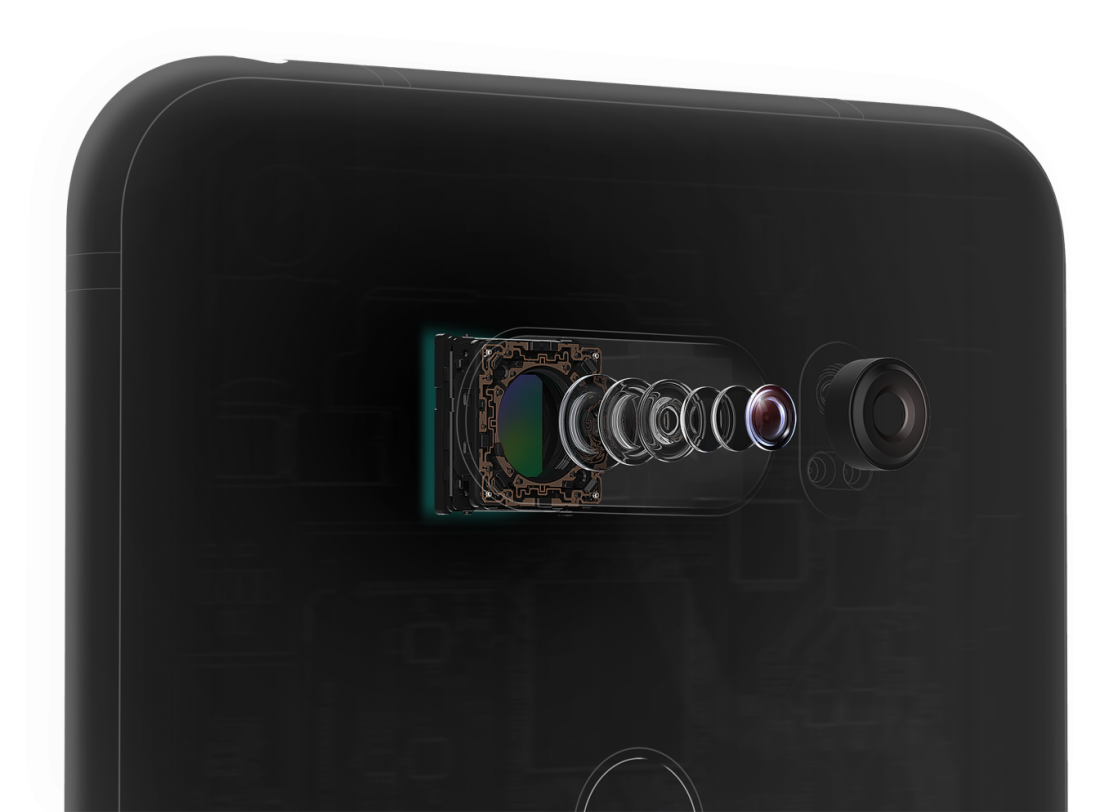
    On the camera front, the LG V30 features a dual-camera setup at the back. As LG had announced, this smartphone has the first ever inbuilt camera unit to feature a 16MP crystal clear lens made of glass with an f/1.6 aperture and another 13MP wide angle lens with an f/1.9 aperture. Compared to the f/1.8 aperture cameras on the iPhone 7Plus and the Samsung Galaxy S8+, the camera on the LG V30 will let 25% more light to pass through. The glass lens also delivers greater light-collecting ability than a plastic lens as well as better colour reproduction. The camera will feature laser detection AF, optical image stabilisation and electronic image stabilisation. On the front side, the LG V30 sports a 5MP wide-angle camera with an aperture f/2.2.

    The LG V30 is designed for cinematic videography, claims the company. The smartphone’s CineShot movie mode and cine effect enables users to apply color palates. Other features include point zoom, which allows you to tap anywhere on the screen to lock your focus and zoom and the LG’s CineLog format for easier color grading.

    Juno Cho, president of LG Electronics Mobile said, “The V series has always been demonstrating new practical mobile technologies that contribute to high quality content creation and the V30 has not lost sight of its roots, with its F1.6 Crystal Clear Lens Camera and Cine Video mode, the LG V30 is designed to help create professional-looking content without professional-level complexity.”

    No details about the pricing or availability of the flagship LG V30 have been revealed yet.

  • Samsung Galaxy S9 Will Launch With Snapdragon 845 And Android Oreo

    Samsung Galaxy S9 Will Launch With Snapdragon 845 And Android Oreo

    It has just been a few days to the launch of the Galaxy Note 8 and rumours of the Galaxy S9 have already hit the internet. Some of these speculations include a next-gen Qualcomm chip, a dual lens camera, and a rear mounted fingerprint sensor.

    It is expected that Samsung Galaxy S9 will have a Qualcomm Snapdragon 845 chipset, making it first to use Qualcomm’s newest upcoming chipset. Whereas the previous models, Galaxy S8 and S8 Plus were equipped with the SnapDragon 835 chipset, being the first devices to use said chip.

    The device will reportedly be given the model number of SM-G960 and will run the Android 8.0, as it falls under the category of devices expected to receive or come pre-installed with the newest Android update. Unlike the newly launched Galaxy Note 8, which came with a massive 6GB of RAM, the Galaxy S9 will have 4GB of RAM and 64GB of onboard storage.

    The display is expected to be an edge-to-edge Infinity Display  with 18.5:9 aspect ratio. As for the fingerprint reader, the reports suggest that it will be placed in a centered rectangular cutout at the back, implying that the Galaxy S9 might not have a display embedded fingerprint reader either.

    However, if this rumor is to be believed, then Samsung will finally be moving the heavily criticised location of the fingerprint scanner to a much more convenient one, unlike the ones placed right next to the camera in the Galaxy S8/8+. Even though not much has been revealed on the camera front, the Galaxy S9 could end up with the same dual-camera setup on back as the one on the Galaxy Note 8.


  • Xiaomi Mi MIX 2 Is Officially Launching On September 11

    Xiaomi Mi MIX 2 Is Officially Launching On September 11

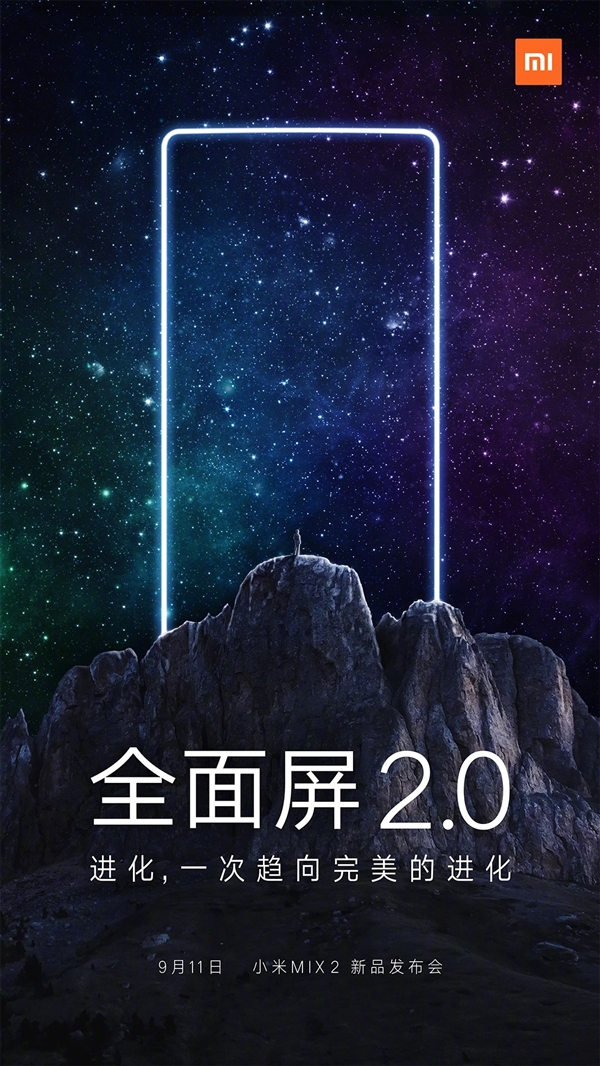
    Xiaomi has just officially announced that the Mi Mix 2, successor to last year’s Mi Mix will be launching on September 11. Xiaomi VP and India MD Manu Kumar Jain tweeted the official launch date.

    An image shared during the event announcement shows that the phone features an all display front much like the last year’s Mi Mix. The launch poster shows the top half of the near bezel-less display of the smartphone, suggesting a 93 per cent screen-to-body ratio, much higher than the original Mi MIX.

    Rumoured specifications of the Mi Mix 2 include a 6.4 inch curved AMOLED display with a QHD resolution, a Qualcomm Snapdragon 835 chipset with up to 6 GB of RAM and and 128 GB of internal storage. The smartphone will run MIUI 9 on Android Nougat. The phone is expected to be powered by a 3,400mAh battery.

    Not much has been disclosed on the camera front, but the Mi Mix 2 is expected have a dual camera setup, similar to that seen on the Xiaomi Mi 6, with Optical image stabilisation and depth effects. The Xiaomi flagship will reportedly be priced at CNY 4999 or Rs. 48000 approx.

    If the date is confirmed then Xiaomi will be going head to head with Apple’s Launch, as the iPhone maker is also reportedly set to launch its iPhone 8, iPhone 7S and iPhone 7S Plus on Sept. 12.

  • A Self-Driving Ford Fusion Will Now Deliver Domino’s

    A Self-Driving Ford Fusion Will Now Deliver Domino’s

    Ford and Domino’s are teaming up to test autonomous vehicles for pizza deliveries in Ann Arbor, Michigan in the United States in order to understand how everyday customers will react to, and interact with the autonomous service vehicles in the future. However, the Ford Fusion Hybrid research vehicle (outfitted with a pizza container) used during the experiment will be driven by a safety engineer along with other researchers.

    The self driving Ford Fusion will randomly be made available to the selected Domino’s customers who will then have an option to accept deliveries from a self-driving pizza delivery car. With no driver involved, the customer will need to to unlock their pizza containers by typing their unique delivery code. The Heatwave Compartment unlocking code will be sent to the customer. This code will match the last four digits of the customer’s phone number. Those who opt for the service can track their order via Domino’s app. Rest of the order info will be communicated through screens and speakers on the exterior of the cars.

    Sherif Marakby, Vice President of Ford Autonomous Vehicles and Electrification said “We will be looking at how customers respond to this new experience, which will require them to interact with the self-driving car instead of a delivery person—walking out to the vehicle instead of just walking to answer their front door,” He also described the project as ethnographic research in an interview

    Ford is using this real-time trial to test its new project and develop the consumer aspect of autonomous driving technology. The company hopes to commercialise the experiment in a few years’ time.

    Domino’s has also been experimenting with the idea of autonomous vehicles for sometime. The company has already tested pizza delivering robots in Australia and in Germany. Though the delivery robot trials were in partnership with smaller robotics startups, whereas the latest trial involves a more traditional car-maker.

    Sherif Marakby said “The human aspect is the most significant piece here. We know we can create technology, but it has to be based on the human element of how we’re using the AVs,” and “We believe self-driving technology can play a significant role in helping grow the market for restaurant delivery, serving as one way that we’ll build demand and scale for our autonomous vehicle business, in addition to people movement such as ride hailing,”

    The current experiment hopes to gain insight on various factors like, willingness of a consumer to come outside to pick up their orders, the way they approach the car, and the manner in which they interact with the screen placed on the exterior of the vehicle.

    Ford, like many other carmakers, has invested heavily in autonomous technology and hopes to introduce its self-driving cars in market by 2021.

iGyaan Network
Privacy Overview

This website uses cookies so that we can provide you with the best user experience possible. Cookie information is stored in your browser and performs functions such as recognising you when you return to our website and helping our team to understand which sections of the website you find most interesting and useful.