Microsoft may be riding high on the Windows 10 rollout but it still feels the sting of the loss caused by the purchase of Nokia a few years back. Microsoft’s acquisition of the Finnish company was speculated to be a sure hit, only it didn’t. The Lumia devices never performed as expected and neither did Nokia’s Android devices. And just last week, Microsoft wrote off Nokia $7.5 billions on Nokia, considering the company brought the once-smartphone major for $9.5 billions. Thus, what was Microsoft’s loss became Huawei’s gain as the Chinese company became the third largest mobile phone vendor, displacing Microsoft without breaking a sweat.
According to Strategy Analytics, Huawei sold 30.6 million mobile phones and gained a record 7 percent market share worldwide. The report notes that Huawei is rising in all regions of the world and it gaining stronger foothold in China, thanks to the 4G handsets such as Mate7.
Microsoft sold 27.8 million units this year, with a 50% drop in sales compared to last year. Microsoft’s plan for cross platform OS never gained major traction, nor did the fact that Apple and Samsung scooped up most of the market share due to iOS and low-budget Android smartphones respectively, helped.
According to the report, Samsung is still the largest mobile phone vendor, with Apple coming in at second position. Here is the twist though: Samsung’s share dropped from last year while the opposite happened for Apple. Apple’s quarterly report shows its growth in China while Samsung’s downfall may have resulted from the increasing popularity of Xiaomi and OnePlus in the past year.
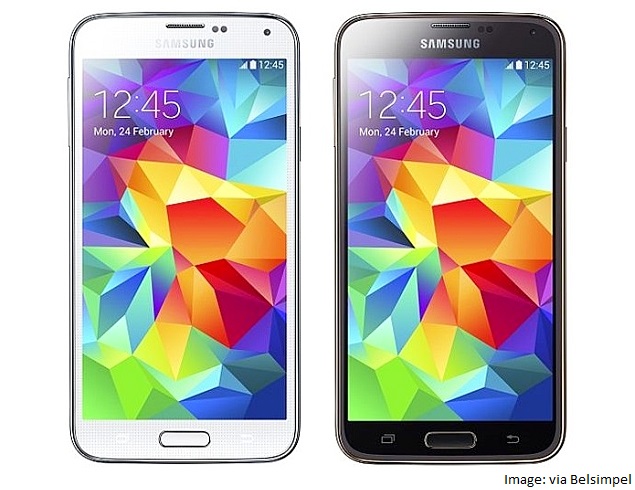
With the earlier announcement of the cheaper version of the Galaxy S5, that is, the Samsung Galaxy S5 Neo, leaks about the device have been pouring in. Just recently an online retailer, Belsimpel, a Dutch e-commerce website, has leaked the price of the Samsung Galaxy S5 Neo, quoted at EUR 429 (roughly Rs. 30,000). The device has been on pre-order on a lot of e-commerce websites and is rumoured to start shipping by the end of next month.
According to leaks, the Samsung Galaxy S5 Neo has a similar design as the Samsung Galaxy S5. However, it runs on the Samsung’s octa-core Exynos 7580 processor instead of the Galaxy S5’s Qualcomm Snapdragon 801 SoC. The modem is advertised to be supported by Cat.6 LTE speeds of up to 300Mbps and a front camera of 5MP.
Other specifications include a display of 5.1 inch Super Amoled full-HD (1080×1920 pixels) resolution, and 2GB of RAM, being quite similar to the Samsung Galaxy S5.
The smartphone is said to come with Android 5.1 Lollipop. Camera-wise it features a 16MP rear camera with Auto-focus, which has been paired with a 5MP front camera. Samsung wasn’t available for comments to confirm the rumour and are said to be working on the Galaxy S6 Edge Plus and Galaxy Note 5 due to release on August 13th 2015.
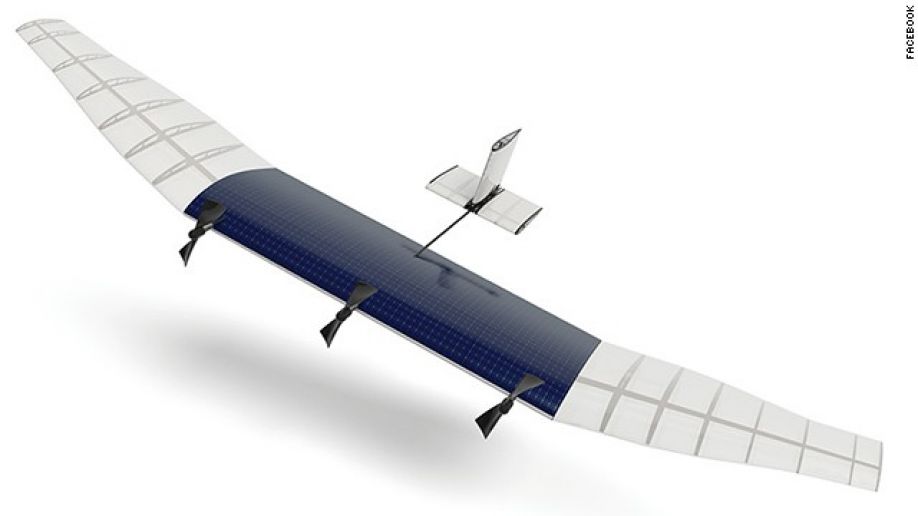
A few months after Facebook declared its plans to provide internet access to the remote areas around the world via drones, the social media giant has revealed its first solar powered drone, Aquila. Developed under Facebook’s Connectivity Lab, the drone is part of Mark Zuckerberg’s ambition to connect the world to the internet through “drones, satellites and lasers”.
The drone, which has a wingspan of a Boeing 737, can fly at an altitude of between 60,000ft (18 km) and 90,000ft (27 km), higher than any commercial airliner. The solar powered drone can fly without landing for a three months at a time. The drone will fly at the highest altitude during the day and at lowest at night to conserve power.
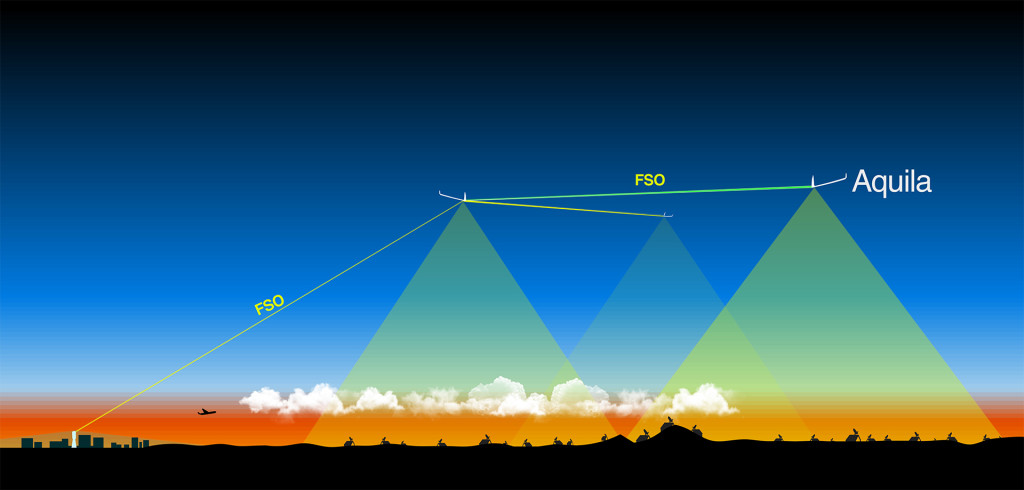
Mark Zuckerberg also announced that a new breakthrough in laser technology that would allow the company to transmit internet upto a 10 gigabit per second. The drone, combined with the laser technology, will deliver wireless internet over rural areas. The laser technology was mentioned by Zuckerberg a few weeks ago.
Aquila, the mother drone will receive the signal from ground and will then transmit the signal to the other drones in the sky through lasers. It is to be noted that even though Facebook will provide internet access through the drones, it won’t become an ISP. The company is looking for telecom carriers to partner with in providing affordable internet to remote areas.
Facebook is not the only company venturing into wireless internet. Google’s Project Loon aims to provide internet through balloons and Elon Musk is teaming up with Google to put internet beaming satellites in space.
The Windows 10 update for desktops, laptops and tablets is on a roll. Yesterday, Microsoft began rolling out the update yesterday and it managed to be downloaded by over 14 million people, worldwide. But serious questions were asked by consumers about the availability of the new operating system on their smartphones. The company said the OS will start rolling out smartphones from November. Today, the company has confirmed which Lumia devices will receive the updates first.
Microsoft announced that the devices which will receive the OS update are: Microsoft Lumia 430, Lumia 435, Lumia 532, Lumia 535, Lumia 540, Lumia 640, Lumia 640 XL, Lumia 735, Lumia 830, or Lumia 93. The firm announced the list which it said “will receive a free upgrade when available”, but vague wording made it unclear if these devices would be the first to be upgraded, or if they might be the only ones to get updated.
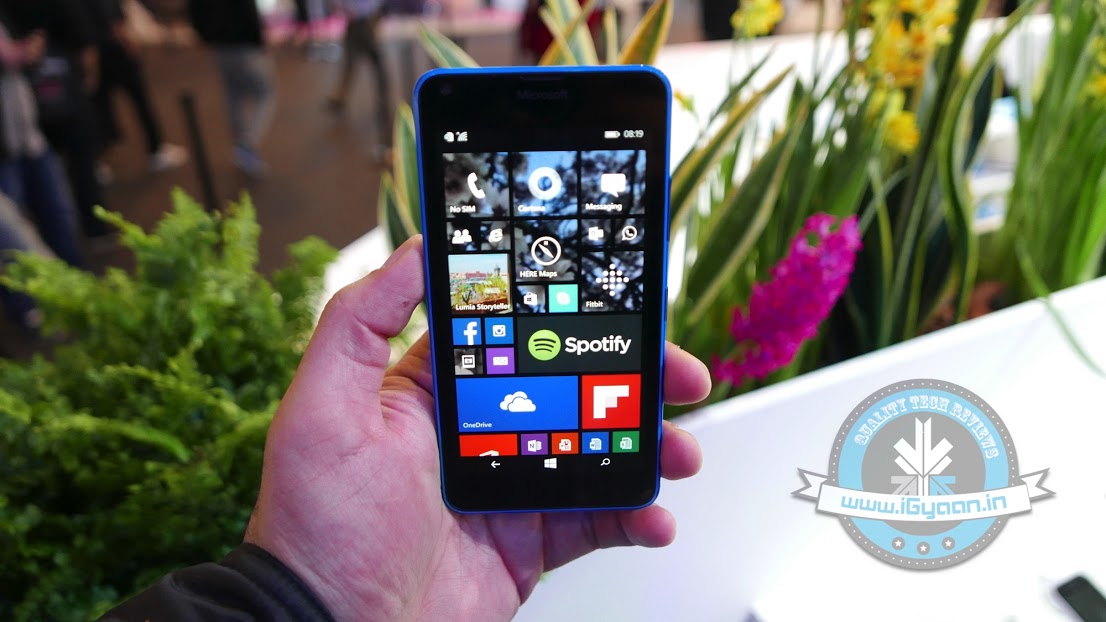
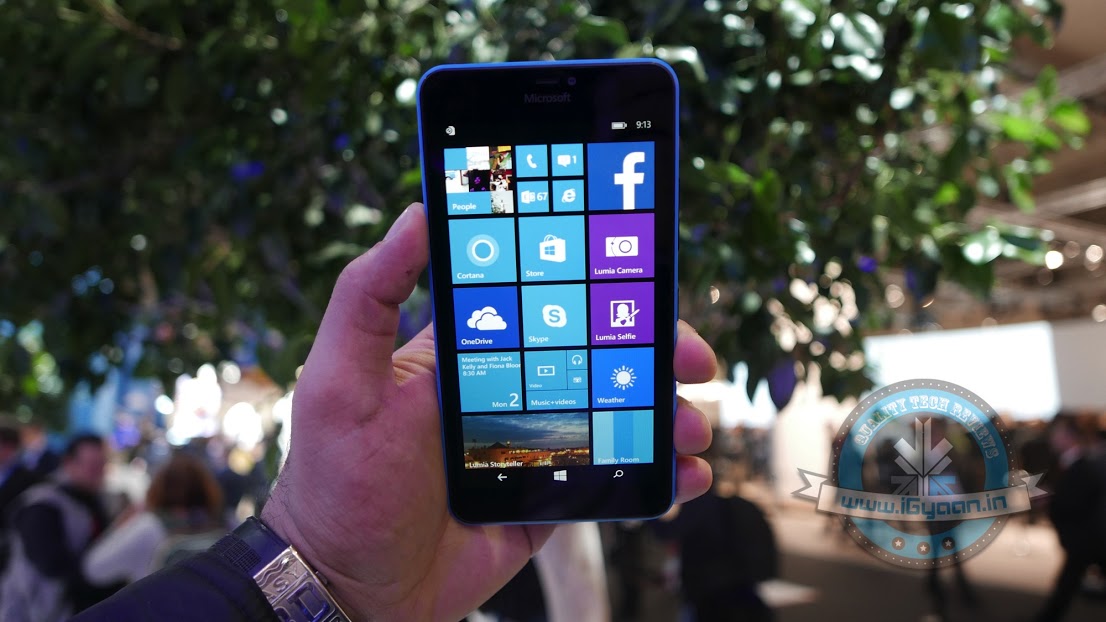
Nokia Lumia 640 XL will be receiving the Windows 10 upgrade.
Many notable devices like the Lumia 520 and the Lumia 630 and 635 are missing from the list. The company assured that the upgrade will eventually be brought to every device running on Windows Phone 8.1 Update 1 or Update 2, with the most recent Lumia Denim firmware. But, Microsoft also said that not every Windows 10 feature will be available in the mobile version. One of them is the Windows Hello biometric security feature.
Windows 10 Mobile will be bringing in a lot of positive changes to the whole Lumia interface, introducing an updated Action Centre, new Microsoft Edge browser, and universal apps like Maps, Calendar and Photos, among others. Cortana would also be starred in the OS, now with cross-platform and cross-device integration stretching to Android and iOS, apart from desktops. Also new, are features like the One-Handed mode.
The Windows 10 Operating System is taking place on a global scale. Microsoft’s official online store has listed the Home version under Rs 7,999 and the Pro version for Rs 14,999. For those users who are using Windows XP and earlier versions, or are assembling new PCs or laptops need to purchase the software. And, for those who are operating original Windows 7 and Windows 8, you are eligible for the free upgrade.
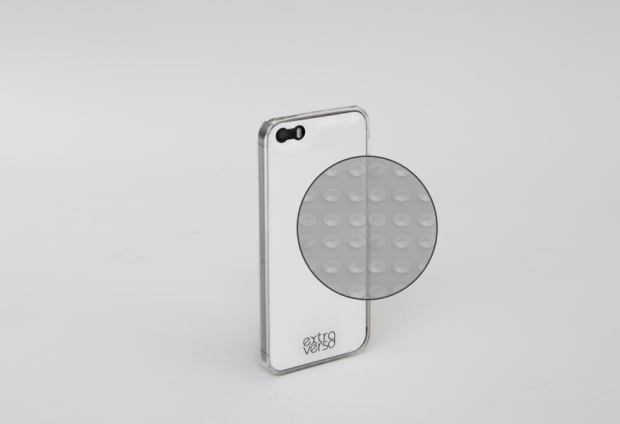
Have you ever felt like wanting to watch a tv show or YouTube video on your phone, without having to hold it for an hour? Well, ExtraVerso is the answer to your problems. ExtraVerso is a phone cover that has been developed by Flavio and Benedetto, two young entrepreneurs from Italy, that helps us be lazier than we already are.
Here is what it does:
How it works is, the material on the cover has a suction effect on flat and glassy surfaces. The good thing about this material is that it doesn’t stick to your hands or pockets and doesn’t attract dust either!
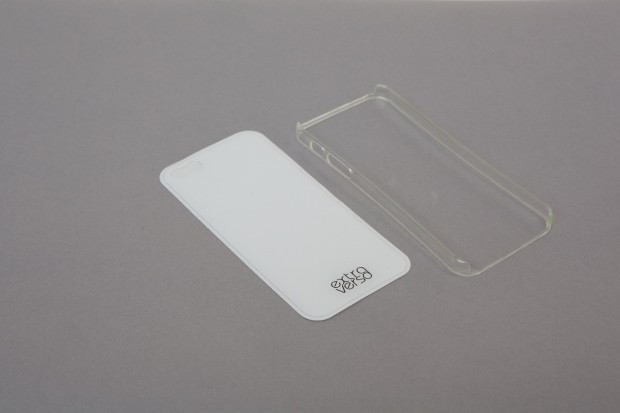
The ExtraVerso sticks on glass, mirror, whiteboards, metal, marble, tiles and computer screens. The cover is made up of two parts- a 3M adhesive that has been developed for being repositionable without leaving any residue on your phone & a lateral bumper that protects the edges of your phone.
One of the best features of this cover is that it is not bulky. The cover + the lateral bumper only add 1.5mm of thickness to the phone, keeping it light and stylish. It also comes with various colours and designs and is even customizable.
A couple of things you might be able to do without having to hold your phone unsteadily are: shoot time-lapse videos, watch a cooking show while actually cooking, getting your make-up right, watching a tv show while eating, and of course take hands-free selfies with a timer.
The ExtraVerso covers and bumpers are available for all iPhone 5/5S, iPhone 6, iPhone 6 Plus, Samsung Galaxy S5, Samsung Galaxy S6 phones. It has also been supported and pledged by many established designers & design houses such as Uber, John Galliano, Superga, E. Marinella, K-Way and Ermenegildo Zegna.
The price of the cover ranges from $20 to $999. However, the ExtraVerso only caters to a certain niche as of now, due to lack of funding, but hope to make the product available everywhere both online and offline, soon.
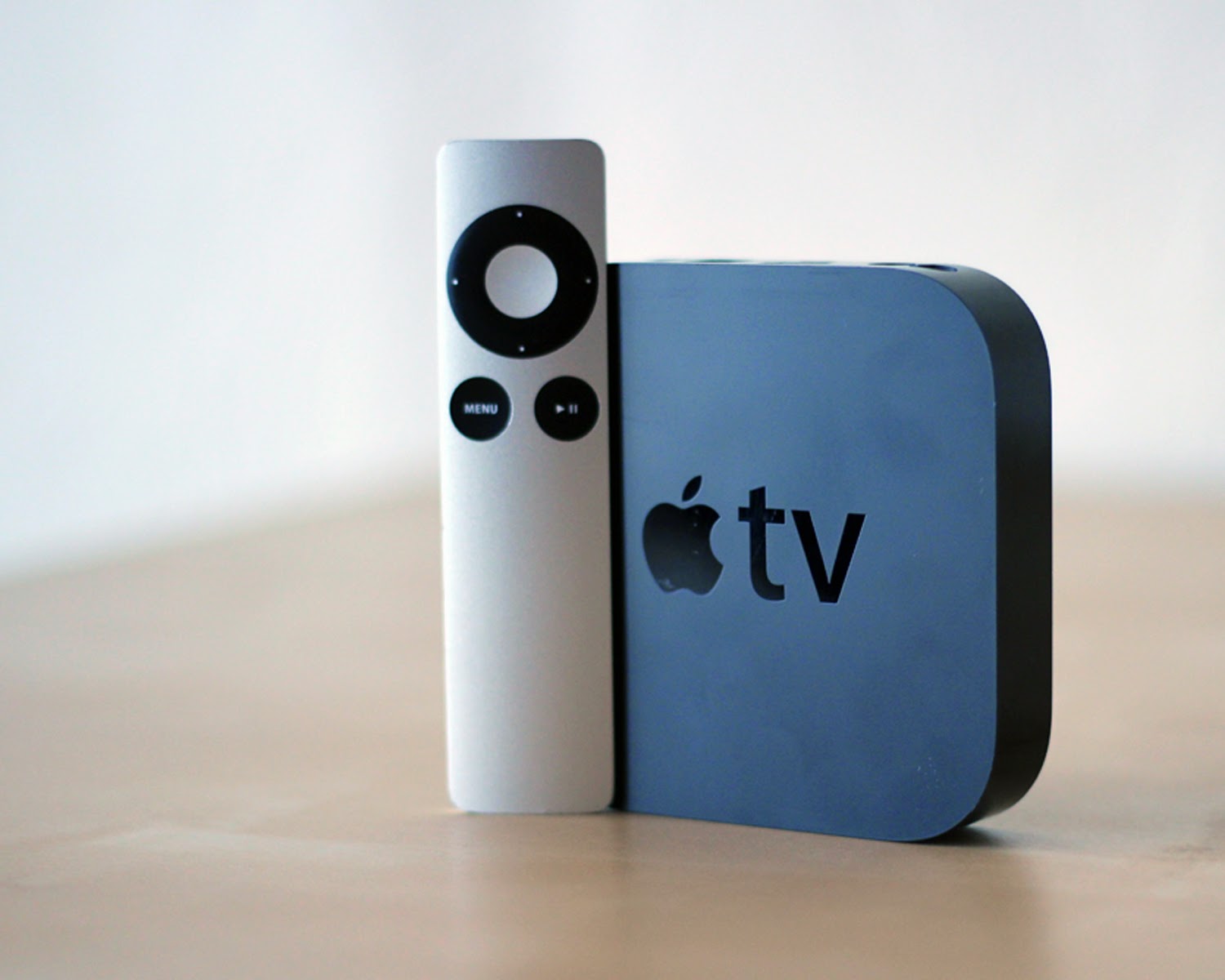
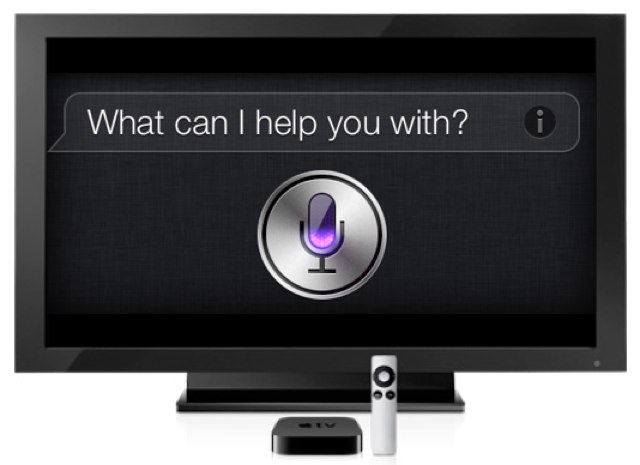
As reports from Buzz feed suggest, Apple Inc will launch a new generation of Apple TV set-top boxes, in September. This new version is said to come with a new remote with touch-pad input, an increased on-board storage, and an operating system that will support Siri.
The Apple TV was last refreshed in 2013, and was expected to unveil a new version in June at its Annual Worldwide Developers Conference, but instead launched Apple Music. The company is rumoured to be announcing the unveiling of this new Apple TV along with the new iPhones.
The updated Apple TV will feature SIRI and an App Store.
The new version is said to launch with its own App Store and software development kit for app developers. However, Apple has declined to comment on any rumours or speculation.
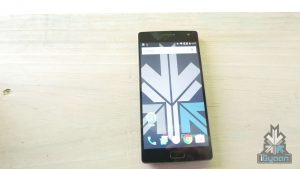
OnePlus 2 has been in high demand even before its official launch, given the high-end specifications provided in the phone, at a reasonable price. It’s not surprising that OnePlus 2 got one million reservations within 72 hours of its launch. According to a statement released by OnePlus, the company has received over one million registrations for an invite to purchase the device. The device will go on sale from August 11th in India, starting at a price of Rs. 22,999 for the 16GB variant and Rs. 24,999 for the 64GB variant.
That’s not all. OnePlus will hold pop-up events around the world on July 31st to demonstrate the OnePlus 2 to fans in person. The fans will also have an opportunity to receive invites and other gifts. In India, the events will be held at New Delhi and Bangalore.
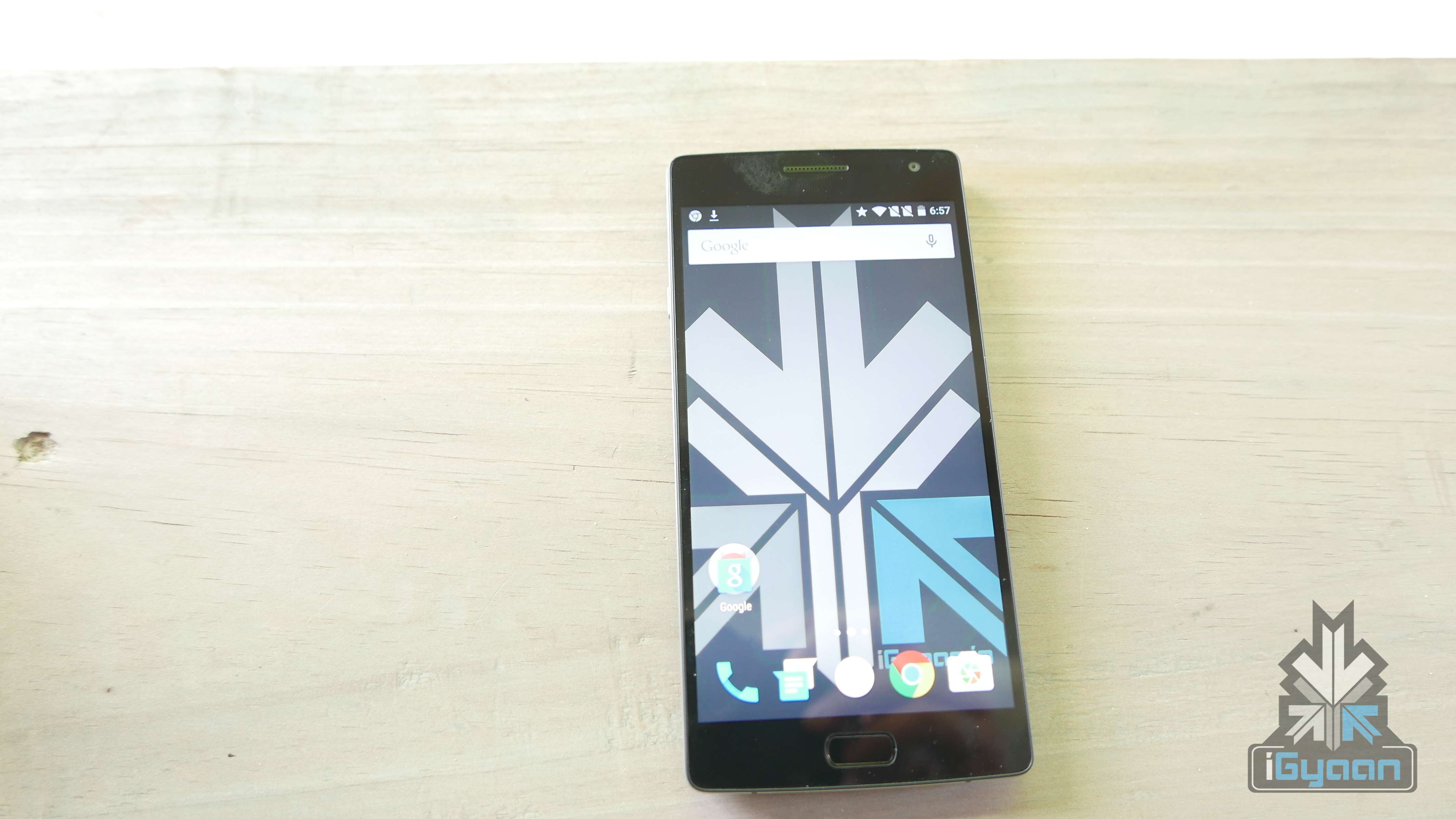
The OnePlus 2 has a 5.5 inch display with 1080p Full HD resolution. The phone is powered by a 1.8GHz octa-core Snapdragon 810 64-bit processor with 4GB of RAM. Featuring a 13MP rear and 5MP front camera, the phone runs on Android 5.1 with OxygenOS and sports a 3,300 mAh battery, It also includes a fingerprint scanner and USB type-C for ultra fast data transfer.
Check out the unboxing and hands on video of OnePlus 2:
Specification
OnePlus 2
Display
5.5-inch TPS LCD in cell, Corning Gorilla Glass
Resolution
1080×1920 pixels, 401 ppi
Chipset
Qualcomm MSM8994 Snapdragon 810 v2.1
Processor
Quad-core 1.5 GHz Cortex-A53 and Quad-core 2 GHz Cortex-A57
GPU
Adreno 430
RAM
3/4 GB LPDDR4 RAM
Storage
16/64 GB
Expandability
N/A
Rear Camera
13 MP with OIS, 1.35 sensor size and fast laser focus and f/ 2.0 aperture
Rear Camera Video
2160p at 30fps, 2160p(DCI) at 24fps, 1080p at 60fps, 720p at 120fps, HDR, stereo sound recording
Front Camera
5 MP
Front Camera Video
1080p at 30fps
Battery
Non-removable Li-Po 3300 mAh battery
Operating System
Android 5.1 Lollipop-based Oxygen OS
Connectivity
SIM: Dual, Wi-Fi 802.11 a/b/g/n/ac, Wi-Fi Direct, DLNA, hotspot
Bluetooth v4.1, A2DPGPS with A-GPS, GLONASS, Radio FM,microUSB v2.0, Type-C reversible connector
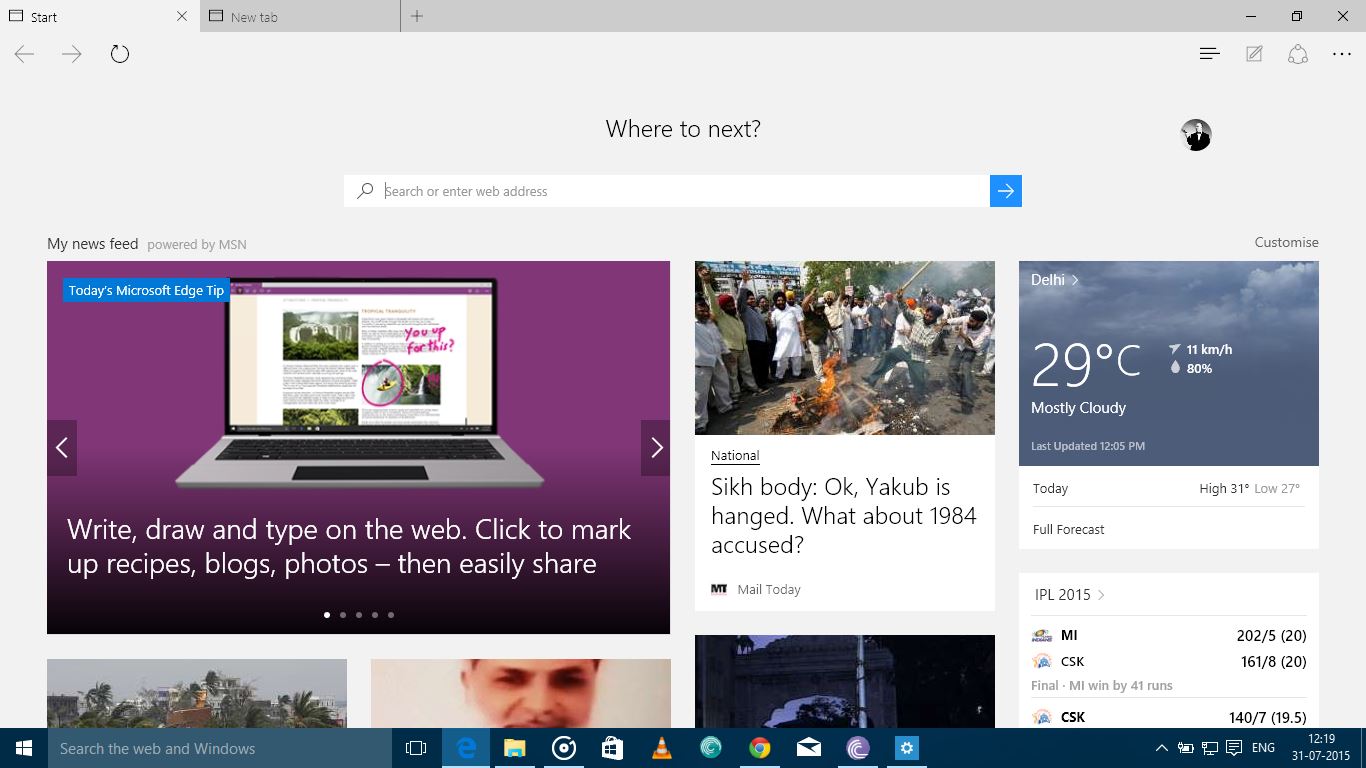
If you’re one of the 14 million users around the world who has installed Windows 10, you know what we’re talking about. Windows 10 has made Microsoft Edge as the default browser, and while the reviews have been positive so far, it is far from perfect. So, when users try to make Mozilla or Google Chrome the default browser, they are redirected to the Settings, from where they can then change the default browser. While the procedure is easy, the effort has doubled and Mozilla is not happy at all.
In an open letter penned to Microsoft CEO Satya Nadella, Mozilla’s CEO Chris Beard says that it “now takes more than twice the number of mouse clicks, scrolling through content and some technical sophistication for people to reassert the choices they had previously made in earlier versions of Windows. It’s confusing, hard to navigate and easy to get lost.”
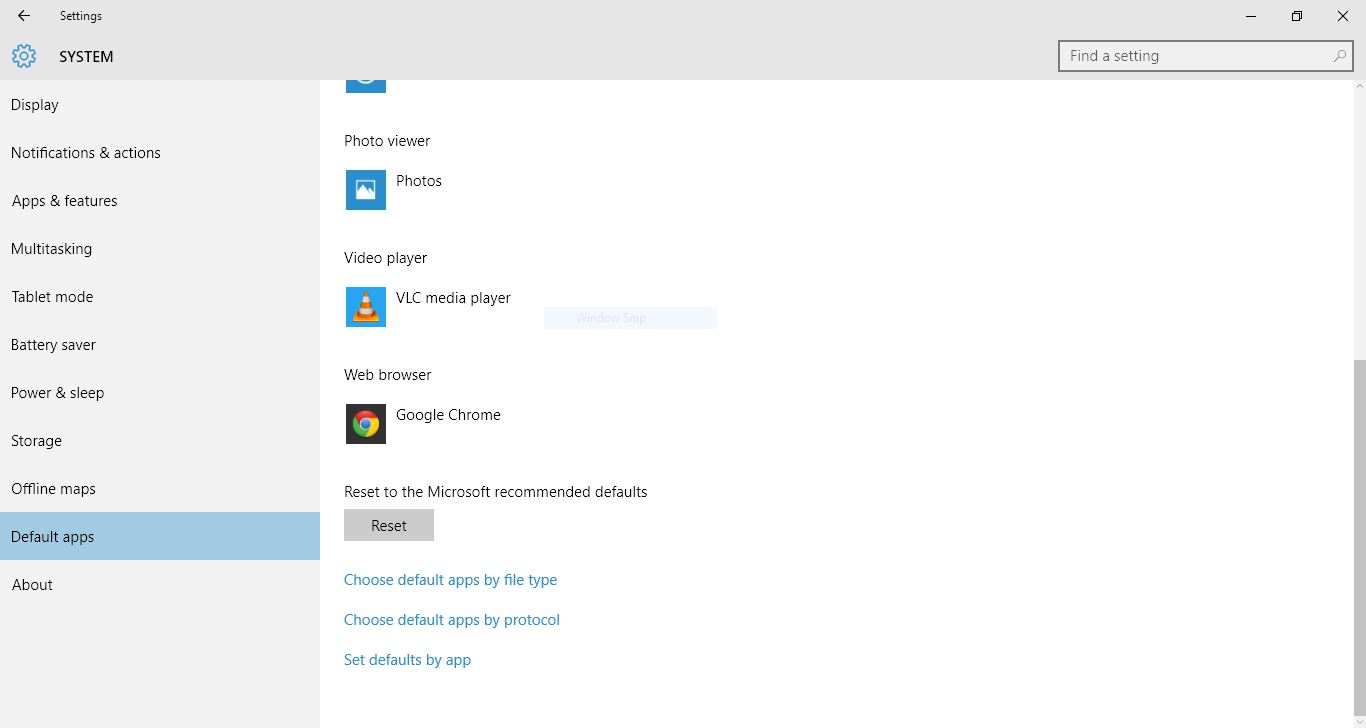
To change your default apps, you have to go to Settings>System>Default Apps.
The default setting not only applies to the web browser but also to video files, music, photos and pretty much everything. In a blog post dated May, 2015, Microsoft explained that the move was made to reduce unwanted noise created by prompts. Not to forget, Microsoft has spent years and resources to develop Edge and has worked very hard to remove the ink stain known as Internet Explorer.
Following the open letter, Microsoft has released a statement saying: “We designed Windows 10 to provide a simple upgrade experience for users and a cohesive experience following the upgrade. During the upgrade, consumers have the choice to set defaults, including for web browsing. Following the upgrade, they can easily choose the default browser of their choice. As with all aspects of the product, we have designed Windows 10 as a service; if we learn from user experience that there are ways to make improvements, we will do so. “
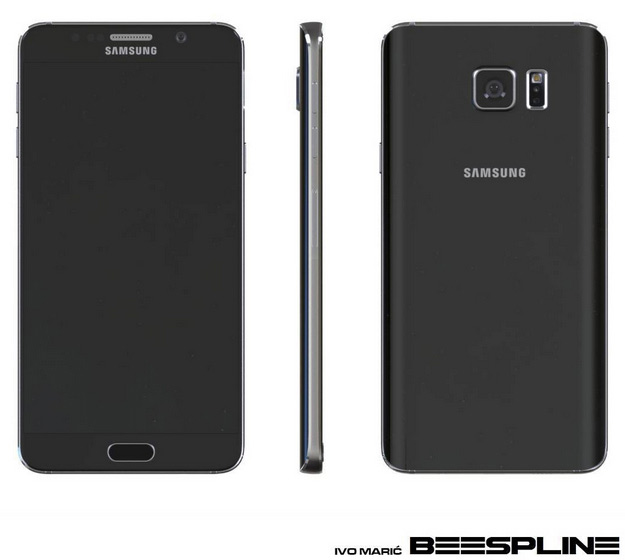
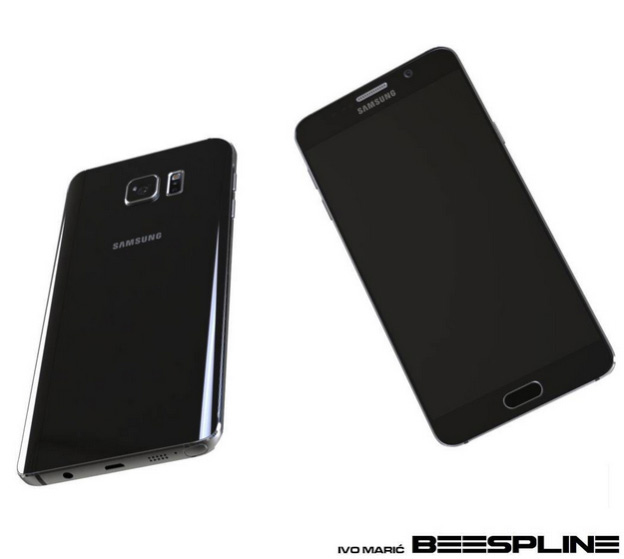
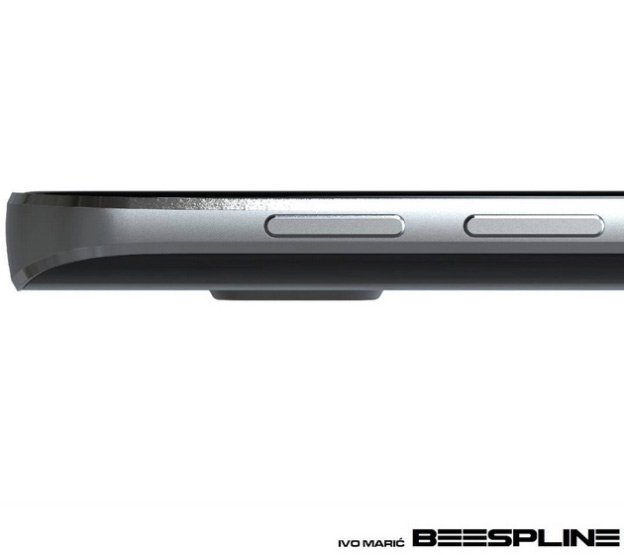
The new Samsung Galaxy Note 5 is due for release on the 13th of August 2015, but with these recently rendered 3D images of the device, leaked today, theres no room for imagination, anymore. According to reports, the images have been leaked by designer Ivo Maric who says that these renders have been based on earlier rumours as well as the Galaxy S6.
source: Bgr
According to the rendered images, it sports a metal frame, and glass on the rear and back with the S Pen at the bottom. And if rumours are to be believed then the Galaxy Note 5 will feature a 5.7 inch QHD display, Exynos 7422 procesor, 4GB of RAM, 16MP Rear camera, 5MP front camera and a 4,100 mAh battery. It is also expected to feature a microSD card slot, something that is not availbale in the S6.
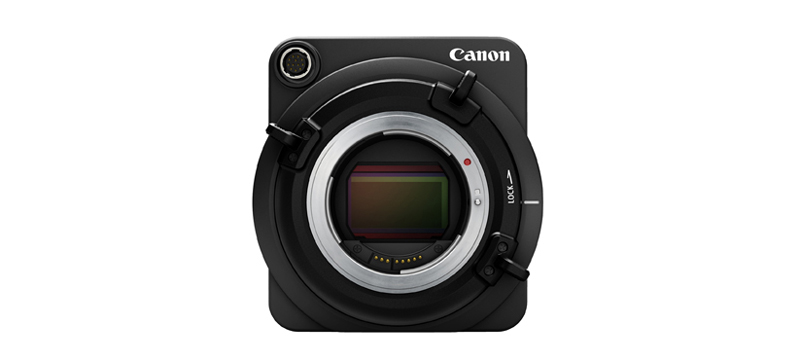
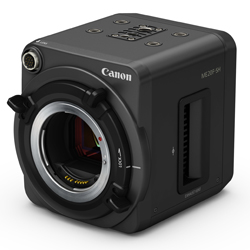
Never getting tired of delighting its fanbase, Canon has introduced a new camera which should put all the headaches experienced during shooting in low-light situations to rest. The MH20F-SH uses a CMOS sensor with 2.6 megapixels, each pixel being 5.5 times larger than the the pixels found in Canon’s 1Dx or Nikon D810. Thus, every pixel in the MH20F-SH will sense more light than any other camera, delivering a full HD color footage captured in extreme low light situations.
The camera doesn’t feature a monitor or a recording, so you have to connect the camera to an external recording unit and monitor through HDMI or SD-HDI. The audio can be recorded by connecting the microphone to a 3.5 mm audio jack.
The MH20F-SH can capture only full HD videos at 24, 30, or 60 fps, which is a bit of a disappointment because of the huge demand for footage shot in 4K resolution. Still, due to the compact size and being the first in its line, Canon will find ways to include 4K resolution in the next iteration of the camera.
The MH20F-SH can be fitted with Canon’s EF entire range of lenses, so there is no need to buy any new lenses if you are already using the EF range. The camera will still a burn a hole in your pocket. Canon has priced MH20F-SH at $30,000, thus making it strictly for professional purposes, such as surveillance and wildlife documentaries.
Here’s a test footage from 2013, when the MH20F-SH’s sensor was in development:
While it may not be as high profile as OnePlus or Motorola, Asus will launch three new phones next week at the ZenFestival, an event hosted by the company on August 6. The phones, named ZenFone 2 Deluxe, ZenFone Selfie, and the ZenFone 2 Laser are aimed to take on current hotshots in India – the likes of Xiaomi and Motorola.
The Asus ZenFone2 Deluxe features a 5.5-inch 1080p display with Corning Gorilla Glass 3. The phone is powered by an Intel Z3580 quad-core 64-bit processor with 4GB of RAM. The storage capacity provided by phone is 64GB, which can be expanded via microSD card. The phone uses a 13MP rear camera and a 5MP front camera. The dual-SIM phone supports 4G LTE and runs on Android 5.0 Lollipop with ZenUI.
The Asus ZenFone Selfie is aimed at selfie lovers, and has a 13MP rear camera dual-LED flash, as well as a 13MP front camera with a similar dual-LED flash. The ZenFone Selfie features a 5.5-inch 1080p IPS LCD display. The phone is powered by a Snapdragon 615 octa-core 64-bit processor with Adreno 405 GPU. It also features 16GB internal storage with 2GB of RAM, and 32GB with 3GB of RAM. Like ZenFone2, the dual-SIM phone supports 4G LTE and runs on Android 5.0 Lollipop with ZenUI.
The ZenFone 2 Laser is aimed at photography enthusiasts, with a 13MP rear camera with laser autofocus and a 5MP front camera. The device has a 5-inch display with a 720p resolution and is powered by a Snapdragon 410 quad-core 64-bit processor paired with 2GB of RAM. The device is available in an 8GB/16GB variant and runs on 2,070mAh battery. The dual-SIM phone supports 4G LTE and runs on Android 5.0 Lollipop with ZenUI.
A security firm has found a bug in Android that can result in the death of your phone – you won’t be able to access it as the bug will make your phone unresponsive to the extent that you won’t be able to receive any notifications or calls. According to Trend Micro, the security firm behind the discovery, the bug is present in phones running on Android 4.3 Jelly Bean and above, meaning that even your newly purchased Moto G (Gen 3) is vulnerable.
The new bug causes your phone to crash through Android’s mediaserver service, which indexes all the media files located on your Android device. The service crashes when it processes a distorted Matroska video file (.mkv), thus effectively shutting down the phone. The company notes that the bug can be exploited in two ways – by embedding the corrupted .mkv file in an app or a web page/website.
The glitch was reported by Trend Micro to Google in May this year, which was labelled as low-priority. According to a Google spokesperson (via Engadget), a security flaw will be made available in a “future version of Android.”
Yesterday, we unboxed and posted a video of the OnePlus 2 on our YouTube channel, and we received many questions regarding the device. We chose some of the most common queries and made a video of it, answering each one of them. You can check out the video below:
Questions and their respective answers are given below:
Q. Does the OnePlus 2 have a Gorilla Glass? If yes, what is the version of the glass?
A. The OnePlus 2 does have Gorilla Glass, and it is the latest Gorilla Glass 4. The same is found on Samsung Galaxy S6 and the S6 Edge.
Q. Where are the speakers located and are those stereo speakers?
A. People are easily confused about the speakers being stereo, as it is at the bottom of the device, next to the USB type-C connector.
Q. How is this device different from different devices?
A. Our full review of the OnePlus 2 will be out shortly, and will answer this questions.
Q. Does the OnePlus 2 has an LED notification light?
A. Yes, it does. Not only does it have an LED light, but the light can also be customized where we can change the colour of our notifications according to our wish.
Q. Will both the SIM cards run on 4G LTE?
A. Yes, both the SIM cards will run 4G LTE. But, we are not sure whether both the SIMs will run on 4G simultaneously, we will have to check it out.
Q. What is the SAR value of the device?
A. While the SAR value is available in the OnePlus website, for India, the SAR value is 0.729 W/kg for the head and 0.329 W/kg for the body which is well within the allowed numbers.
Q. What about the availability of the device as well as its covers?
A. The OnePlus 2 is going to be available in the US, the European Union as well as the Indian region starting from 11th August. In order to obtain the device, you will have to receive an invite first. The Indian sale will go live on Amazon.in, and India specific invites can be availed from Amazon’s website.
You will also be able to purchase changeable back covers at the time of sale. So, you can pick up a back cover of your choice.
Q. Does the OnePlus 2 support USB OTG?
A. The OnePlus 2 should support USB OTG, but since we do not have USB Type C OTG cable, we have ordered one and will be able to answer this question shortly.
Q. Is it worthy to upgrade from OnePlus One to OnePlus 2?
A. From a hardware perspective, the OnePlus Two seems like a worthy upgrade from the OnePlus One. The pricing is slightly higher than what we expected it to be. Also, you can skip the OnePlus 2 and wait for the next version or buy it later in the year, if they offer the device with some discount deals. If you bought the OnePlus One recently, you could stick to that as it will continue to receive updates.
Q. Is the fingerprint scanner better than GS6 and iPhone? Is it a deal breaker or maker?
A. We have been testing out the fingerprint scanner, and it works really well. It is fast and responsive to your fingerprint, and you can register five different fingerprints for unlocking the device and securing your OnePlus 2. It works as well as the S6 or the M9+. It is almost identical to those.
We feel the one on the iPhone 6 works slightly better because it reads the finger much faster than the one on the OnePlus 2. But we will be testing it out with a proper review of the OnePlus 2.
Q. Earphones in the box?
A. The box that we got is probably what the retail box will look like. And we did not receive any earphones. So, you will have to buy the earphones separately if you don’t have a pair of earphones already.
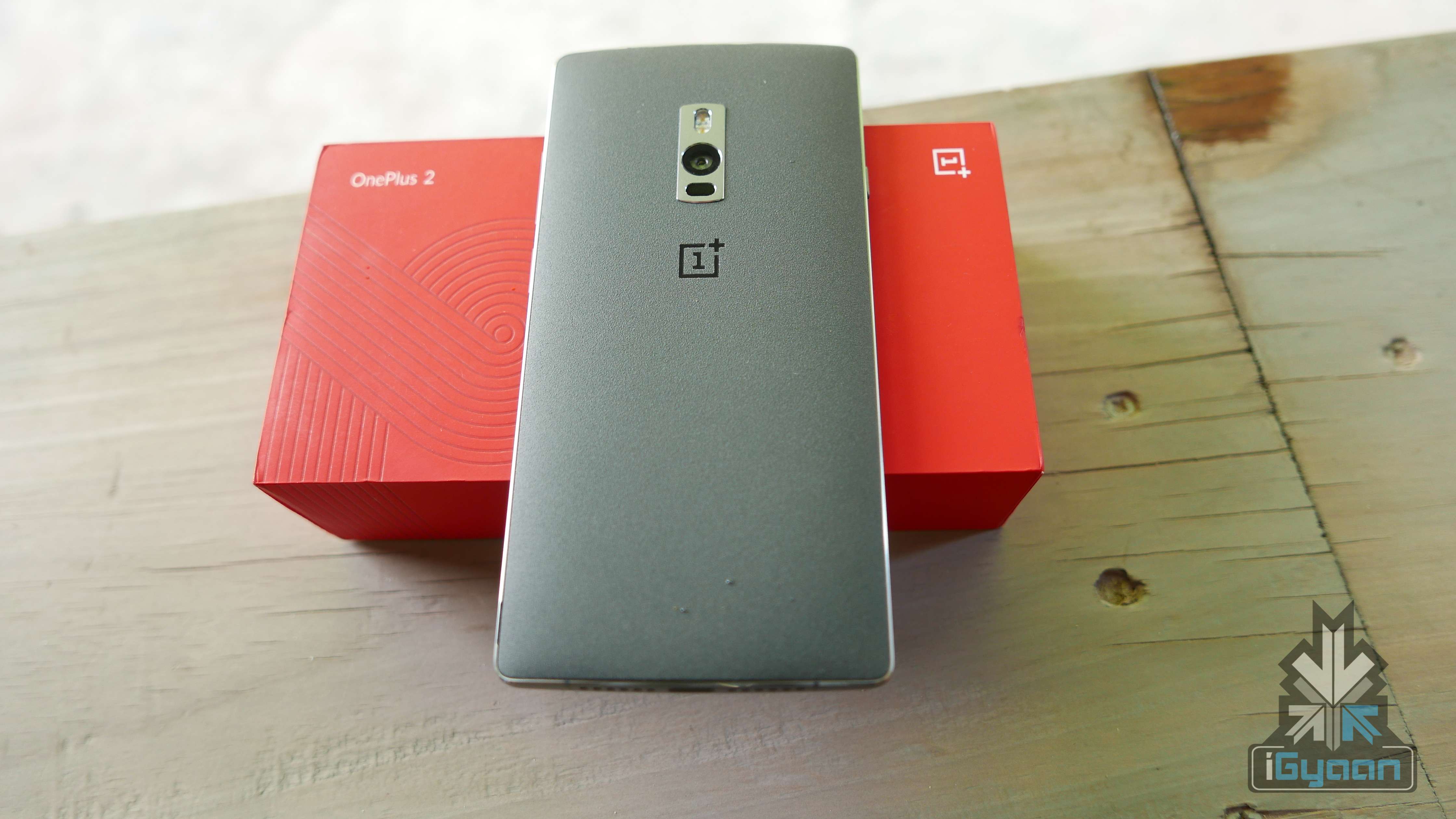
The OnePlus 2 has a 5.5-inch display and comes with the classic Sandstone Black back cover, which feels nice to hold. The back panel can be easily customised using OnePlus’ StyleSwap covers available in four variants – Bamboo, Black Apricot, Rosewood, and Kevlar. The covers can be swapped without any hassle, but it still takes some effort to remove the cover.
It is powered by a 1.8GHz octa-core 64-bit processor with 4GB of RAM. The processor is capable of 4K streaming. The device runs on Android 5.1 with OxygenOS. The device has a feature called the ‘shelf’, which is activated when you swipe to the left on the home screen; it opens your preferred contacts and recent apps.
OnePlus 2 comes with a USB type-C port, a first for any flagship smartphone. Reversible in nature, the USB type-C allows for faster data transfers and is compatible with almost every device with standard USB ports.
Overall, the phone seems to deliver what the company had promised. However, we’d advise you to wait for our review.
Check out the unboxing and hands-on video of OnePlus 2:
We’ve all been talking about how iOS’ Siri finally has competition with Microsoft’s voice-activated digital assistant in Windows 10, Cortana. Set to have been seen with the global launch of Windows 10, Microsoft users in India may be left disappointed. Why? Because Cortana isn’t going to be available to us anytime soon due to Microsoft updating the software with “strong local content”, according to Microsoft India Director (Windows Business Group) Vineet Durani.
source: Microsoft-news
The decision has been made due to a number of reasons. Durani said that Cortana wasn’t just an assistant. Since she is used to find data, track information, set reminders etc, they wanted to make sure that Cortana was synchronised, geographically and locally so that she could cater to the Indian users with more efficiency. Therefore, it isn’t just about getting the Indian accent right, its about being completely in tune to the user’s needs.
This seems like an understandable move from the Redmond-based firm because Windows 10 is banking on making a comeback from the mild debacle Windows 8 was. They want to make sure they give stiff competition to Apple’s iOS, without any glitches. Hence, we can only hope that when Cortana does make an appearance in India, she’s flawless.
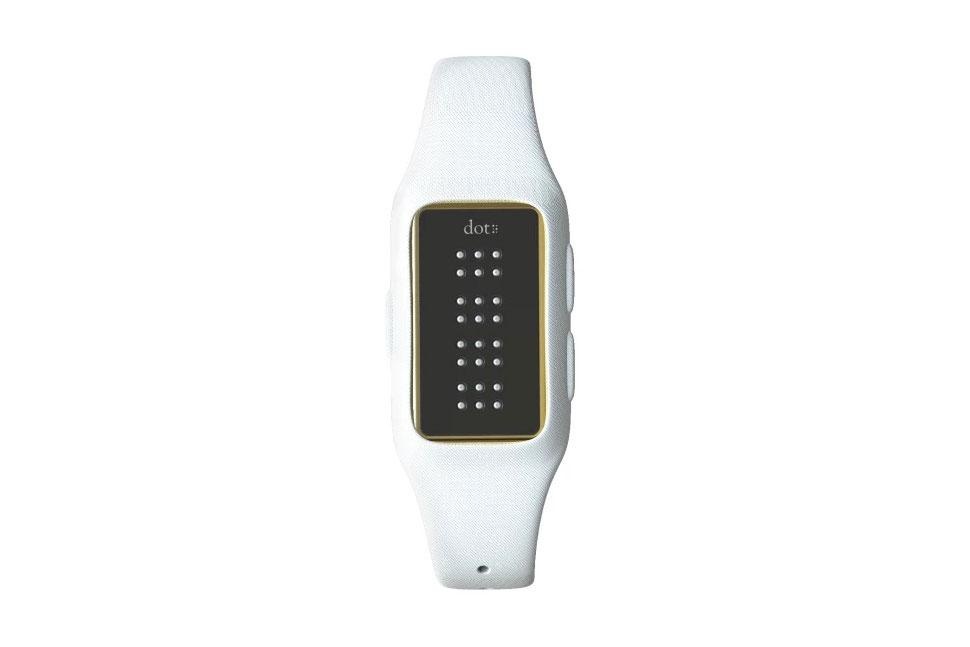
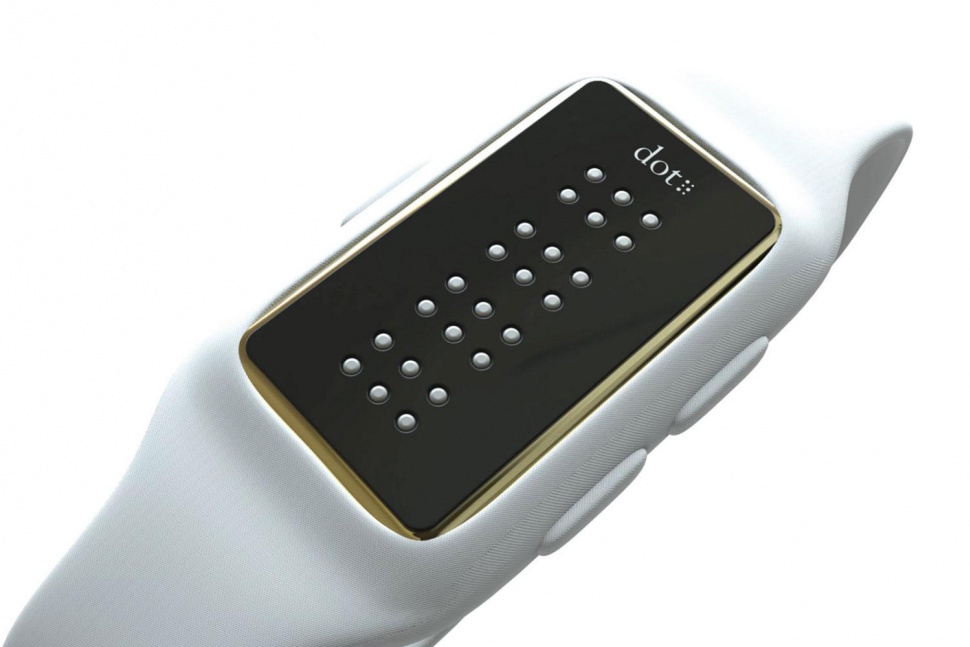
The Dot is a smartwatch company created by a South Korean startup that finally gives the visually impaired a way to access digital information.
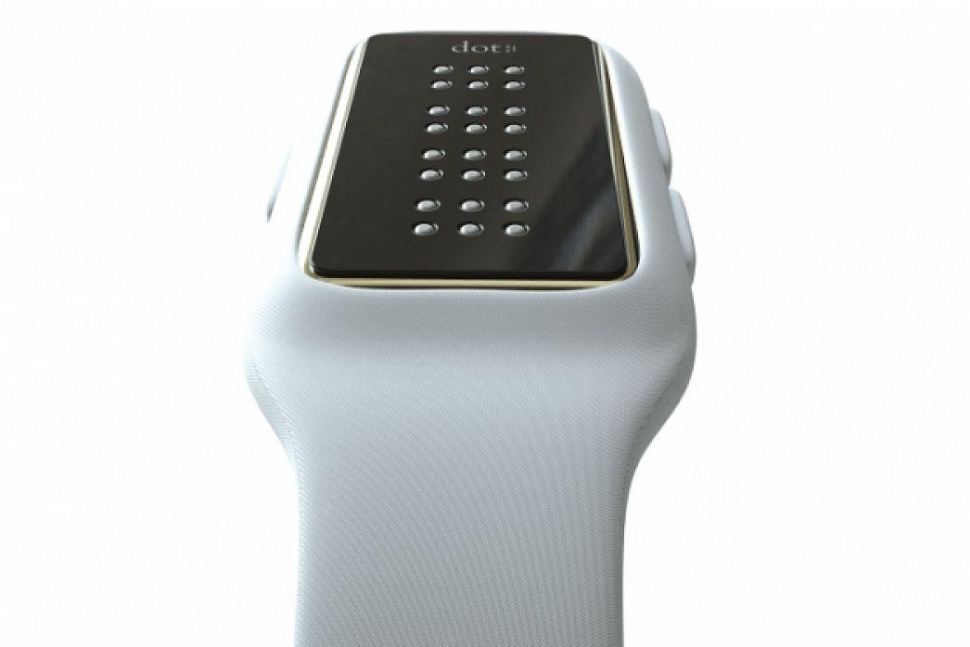
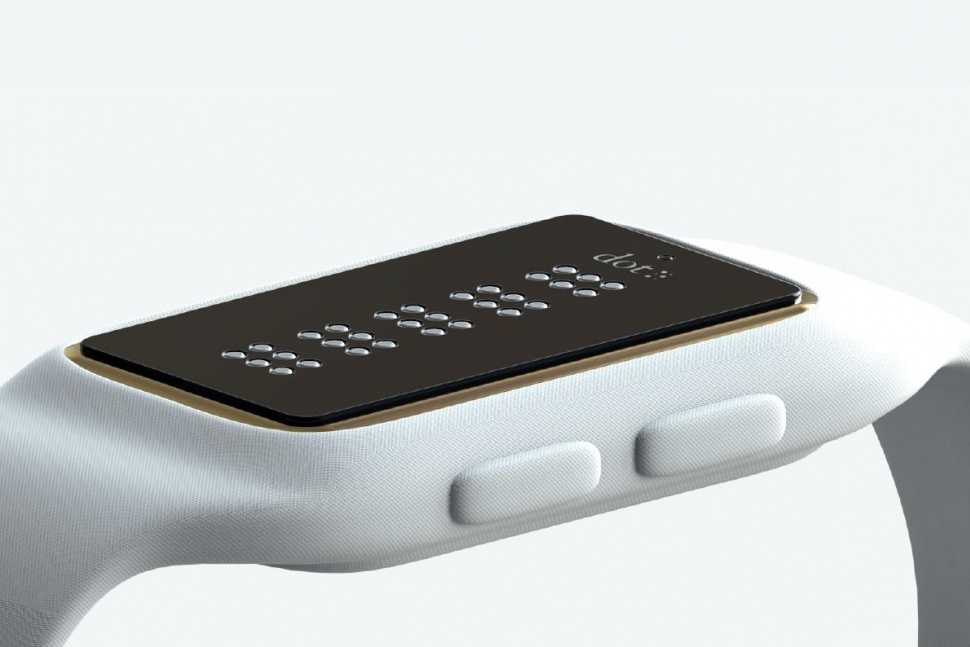
The dot, as it is called, has the ability to relay text messages, set alarms, read location directions and has a standard feature set. What is different about the Dot is that it communicates notifications to the user, using Braille.
It is said that four sets of six dots raise and lower at speeds of up to 100 times per second in order to produce four Braille characters at a time. And if that is too quick, the watch can also slow down to one Braille character per second.
The smartwatch is said to be good for 10 hours of usage per charge and average users would only have to charge it every five days. The phone also comes with a vibration motor inside, and the notifications are sent via Bluetooth from a phone.
“The Dot was created in order to offer a more intimate wearable for the visually impaired” – says CEO Eric Ju Yoon Kim.
Kim also plans on increasing the literacy rate among the blind by introducing this smartwatch, where one can now read one’s own messages instead of hear Siri read it out for you.
He also eventually, wants to use the same technology in other products such as microwaves, rice cookers, ATMs etc. The Dot Braille Smartwatch is said to launch this December for under $300.