Blog

  • All You Need To Know About the Reversible Type-C USB

    All You Need To Know About the Reversible Type-C USB

    Universal Serial Bus or the name you’re more likely to be aware of, USB, is an industry standard that defines the cables, connectors and communications protocols used for connecting and power supply between computers and electronic devices. USB Type-C is one of the biggest technological advancement in recent years as it comes with more speed, convenience and power. Recent iPhone 6 leaks show Apple is working on its own form of reversible USB standard.

    Well, before we go any further, let’s have a quick look at the existing USB standards.

    There are basically 4 types USB standard used these days: Type-A, Type-B, Micro USB and Mini USB. Type-A is the most widely used USB standard, used in pen drives, standard USB jacks on your laptops and computers and practically on every electronic device. Type-B is fairly less used or used in combination with Type-A standard to reduce the risk of electrical overloads. Micro USB is the tiny, near-universal form factor used by smartphones and tablets for connections and power supply. And the last one is Mini USB, the larger predecessor of Micro USB used at the device end of things like GPS units and some external hard drives, but like USB Type-B, it is also fast fading from use.
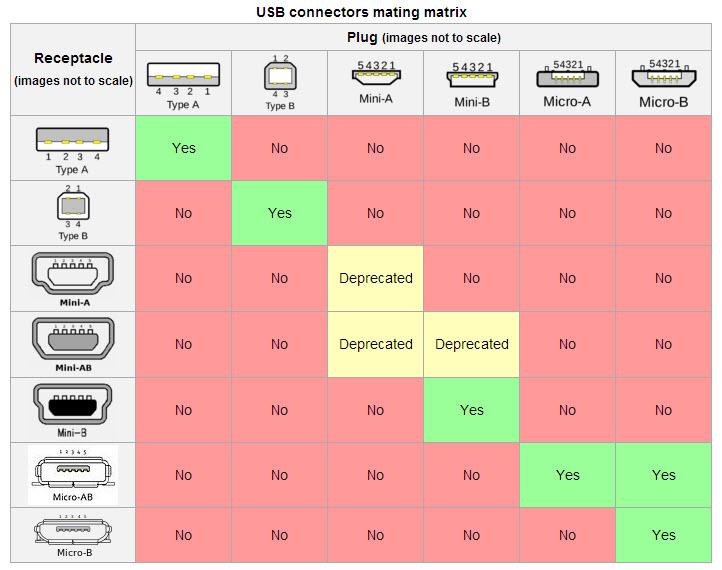
    USB Form factors
    Each type has a different form factor and the same is true for USB Type-C.

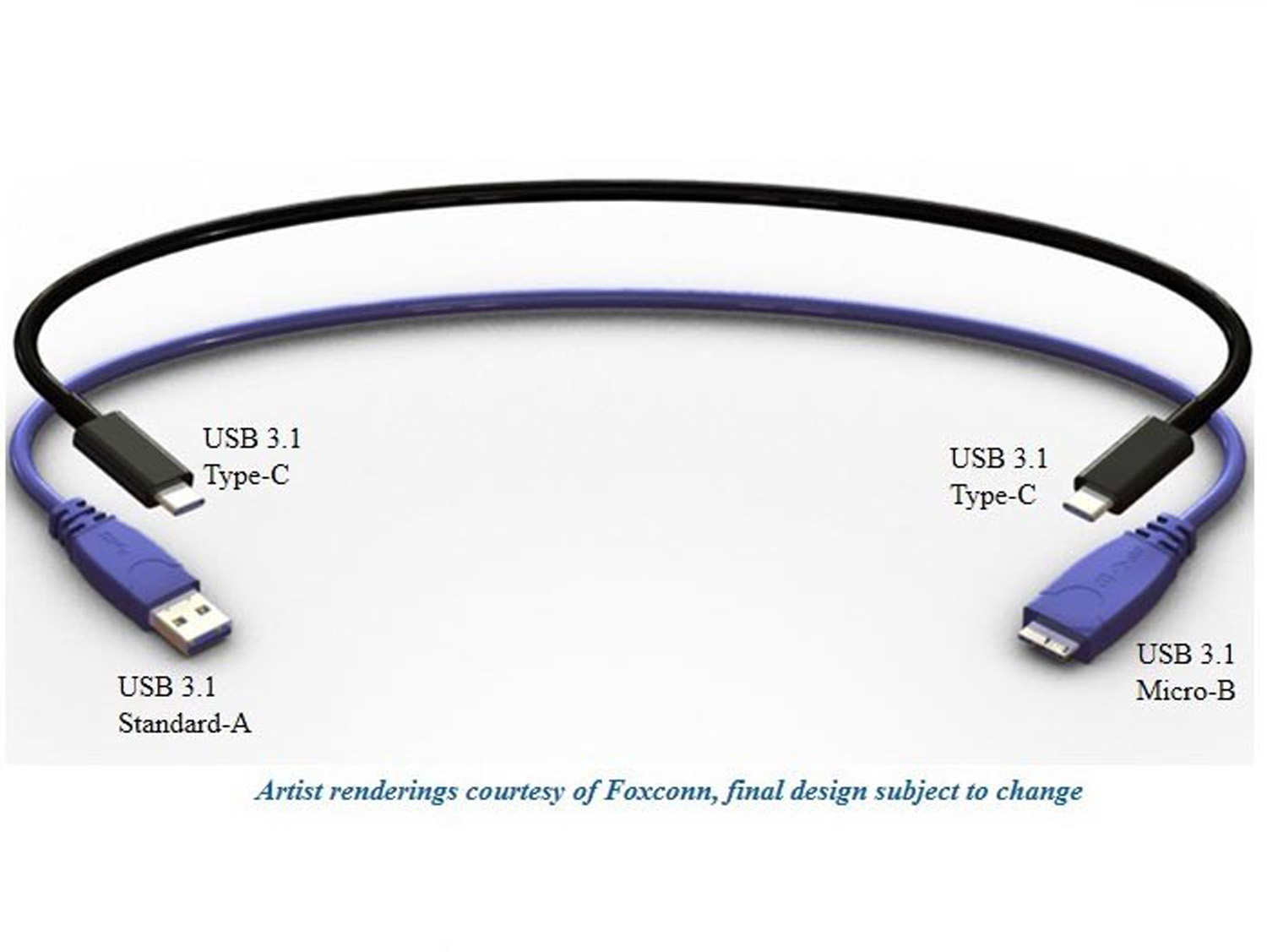
    What makes the Type-C a revolutionary technology is that it is going to replace all the form factors and unlike the other standards which target different classes of device, Type-C form factor will be a universal USB standard. The reversible Type-C connector is roughly the same size as the existing Micro-USB connector at the bottom of your smartphone, but it’s reversible.
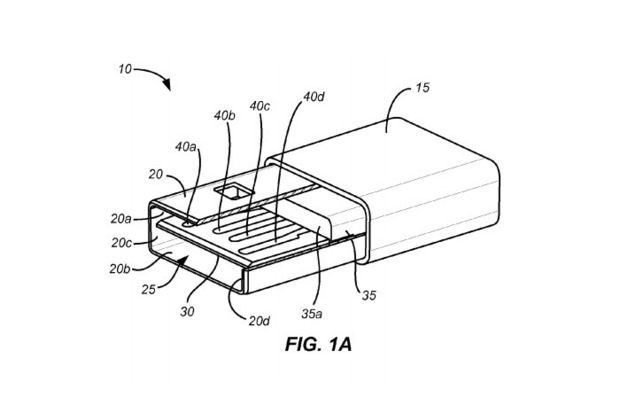
    Reversible USB patent Design by Apple
    Reversible USB patent Design by Apple

    Advantages

    Speed

    USB Type-C standard can go as fast as 10Mbps, which is double when compared to USB 3.0’s 5Mbps speed. This means you can transfer 1,250MB of data in one second with USB Type-C.

    Power

    USB Type-C will also compliment the USB 3.1 in terms of power. USB 2.0 can handle the current of up to 500 milliamps (mA) for up to 2.5W of power and USB 3.0 upped that to 900mA for up to 4.5W of power, USB 3.1 can offer 5amps (5000mA) and up to 100W of power. This means not only will devices charge far faster, but almost anything can be powered via USB 3.1 and the tiny USB Type-C connector.

    Reversible
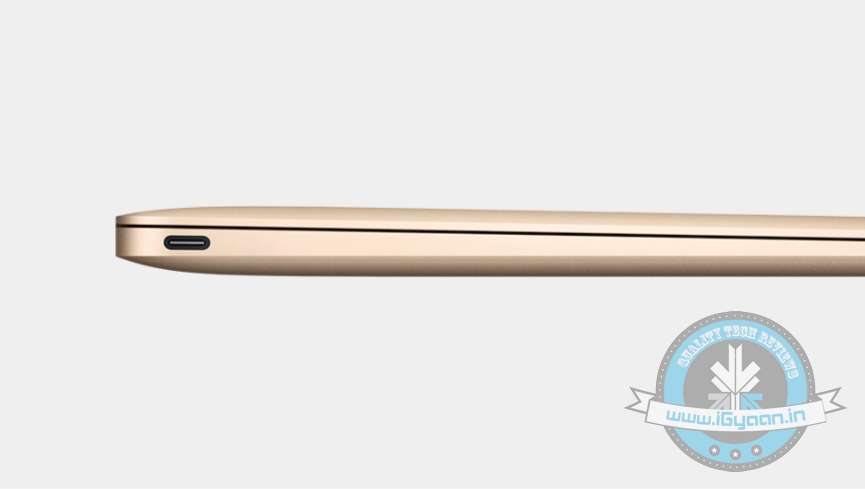
    Apple Macbook 4
    The new MacBook with a single slot


    The Type-C connector, which has 18 pins, is essentially two USB 3.1 SuperSpeed connectors (which have the standard four pins, plus five more to enable 10Gbps connections). If you plug in the connector one way, the top set of pins are used; if you plug it in the other way, the bottom set of pins are used and hence, making it reversible.

    Official confirmation

    The USB Promoter Group announced earlier this month that the reversible Type-C USB connector is ready for mass production. That means it will be an official standard just like USB Type-A, Type-B, Mini and Micro USB. It is also backwards compatible with each USB standard, though the USB 3.1 speed and power benefits it can deliver will only come when connecting to other USB 3.1 compliant ports.

    Downsides

    Physical compatibility

    As mentioned above, USB Type-C is backwards compatible with each USB standard, but they are not physically compatible. Which means you need to buy adapters to fit into existing slots.

    Apple
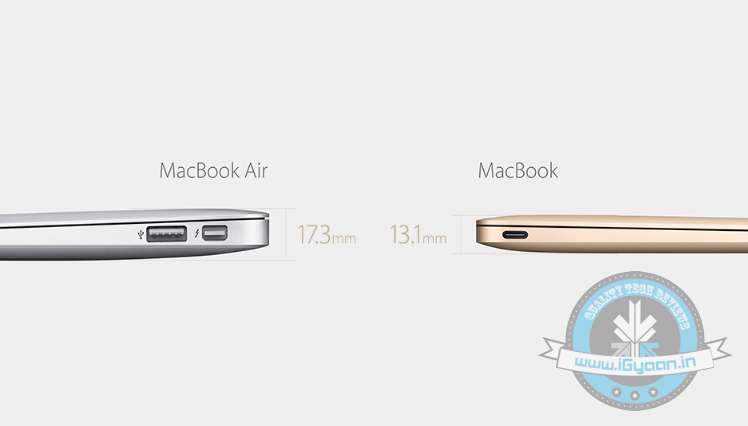
    Apple Event 2
    Old vs New

    The recently launched Apple MacBook, is the first Apple product to incorporate the new-gen USB.  Apple’s USB-C supports higher wattage charging, USB 3.1 Gen 1 (5Gbps) data transfer and DisplayPort 1.2 all in a single connector that’s one-third the size of a traditional USB port. Since the MacBook is the thinnest notebook ever (24% thinner than the Air,) slimmed down ports were also necessary to bring in.

    Not only that, this new connectivity standard gives you five ports in one – power, USB data transfer, DisplayPort, HDMI, and VGA capabilities.

    Well, even with these downsides, Type-C USB standard is one of the best thing happened in the technology-sphere since ages. With combined power of USB 3.1 and Type-C USB standard, our gadgets will never be the same again. With the ease and the power that comes with this technology, we expect that it will be adopted by consumers quickly. However, it is possible it will create some confusion among the consumers. But taking in account the amount of convenience it comes with, it will be worth it.
  • Microsoft to Unveil Windows 9 in September

    Microsoft to Unveil Windows 9 in September

    Windows enthusiasts are eagerly waiting for the next Windows offering after being disappointed by the Windows 8. Microsoft has currently named the upcoming operating system (OS), Windows Threshold, which is widely expected to change to Windows 9. The leaks about this new OS make us anticipate a better user experience in comparison to the previous generation OS.

    The Verge reports that the company is planning to set a press event on the tentative date of 30th September. This event is supposedly an unveiling of beta version of Windows 9. This report is in line with the earlier ZDNet report which stated that the company was planning on unveiling a preview version in late September or early October.

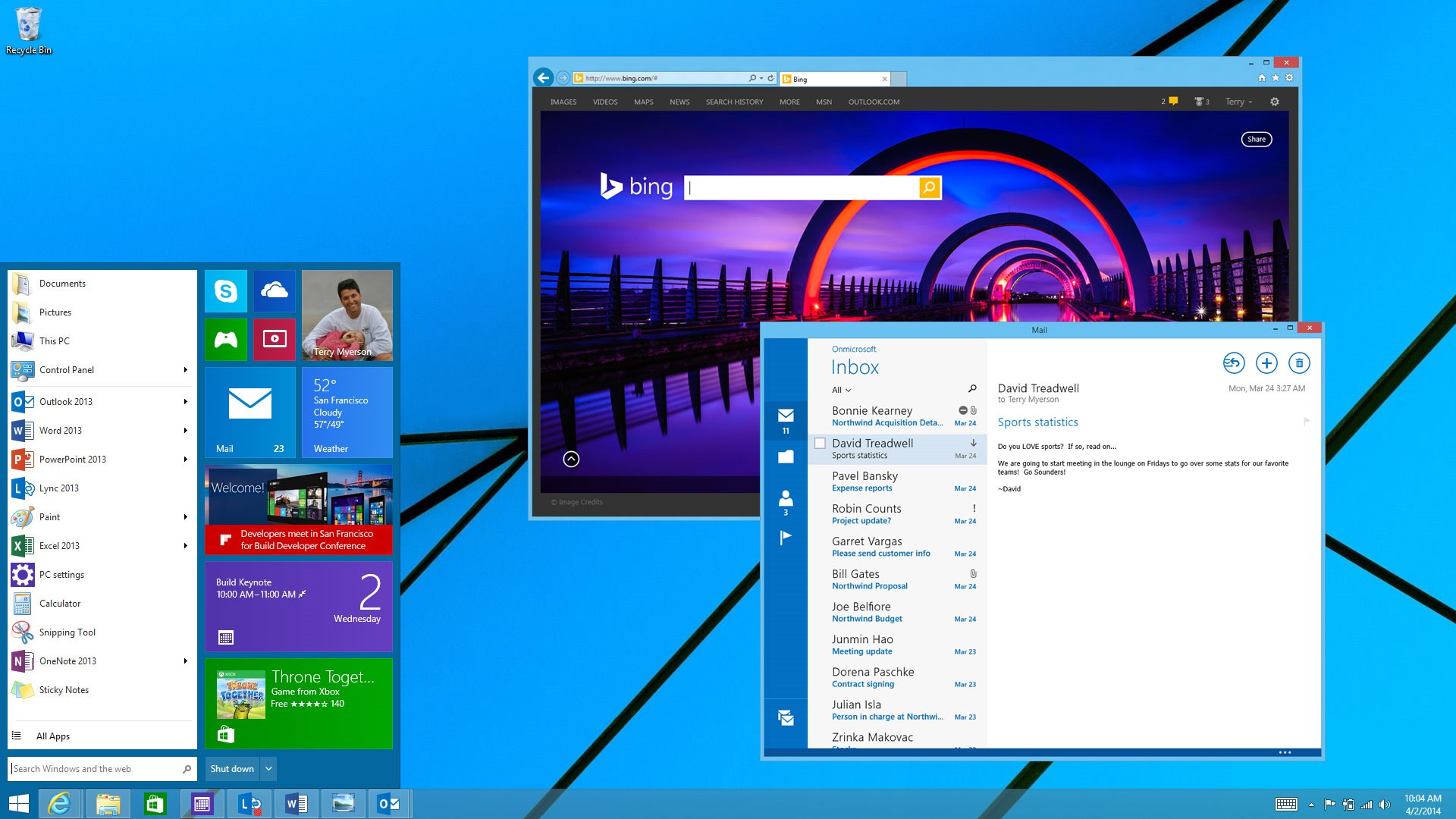
    The Windows 9 preview is expected to showcase the new updated Start Menu that will make a return after its departure in Windows 8. The release is also expected to do away with the charms bar and will bring in many interface changes. Windows was also planning to bring a Cortana like voice assistant into its desktop operating system, but it is unclear whether that will be presented at the event.

    Windows 9 is expected to come with various UI updates.
    Windows 9 is expected to come with various UI updates.

    It seems like Microsoft is taking a page out of Apple’s book. Apple had done a beta release of its upcoming Mac OSX Yosemite for the developers. It is also planning to bring Siri like personal assistant to the desktop systems. It will be interesting to see if Microsoft has learnt the lessons from its previous OS adventure and how it corrects them in this version. The company plans to bring in an update for the Windows Phone version too.

    It seems like the time for a unified operating systems for phones and computers is nearing. These interlinking of phone and desktop OS will definitely make our interactions with computers faster as we won’t have through multiple operating systems. Microsoft, which has seen a lot of criticism for destroying Nokia, as well as the recent jobs cuts, can really use some positive news right about now.

  • Sony Xperia Z3 Leak Reveals Disappointing Specs

    Sony Xperia Z3 Leak Reveals Disappointing Specs

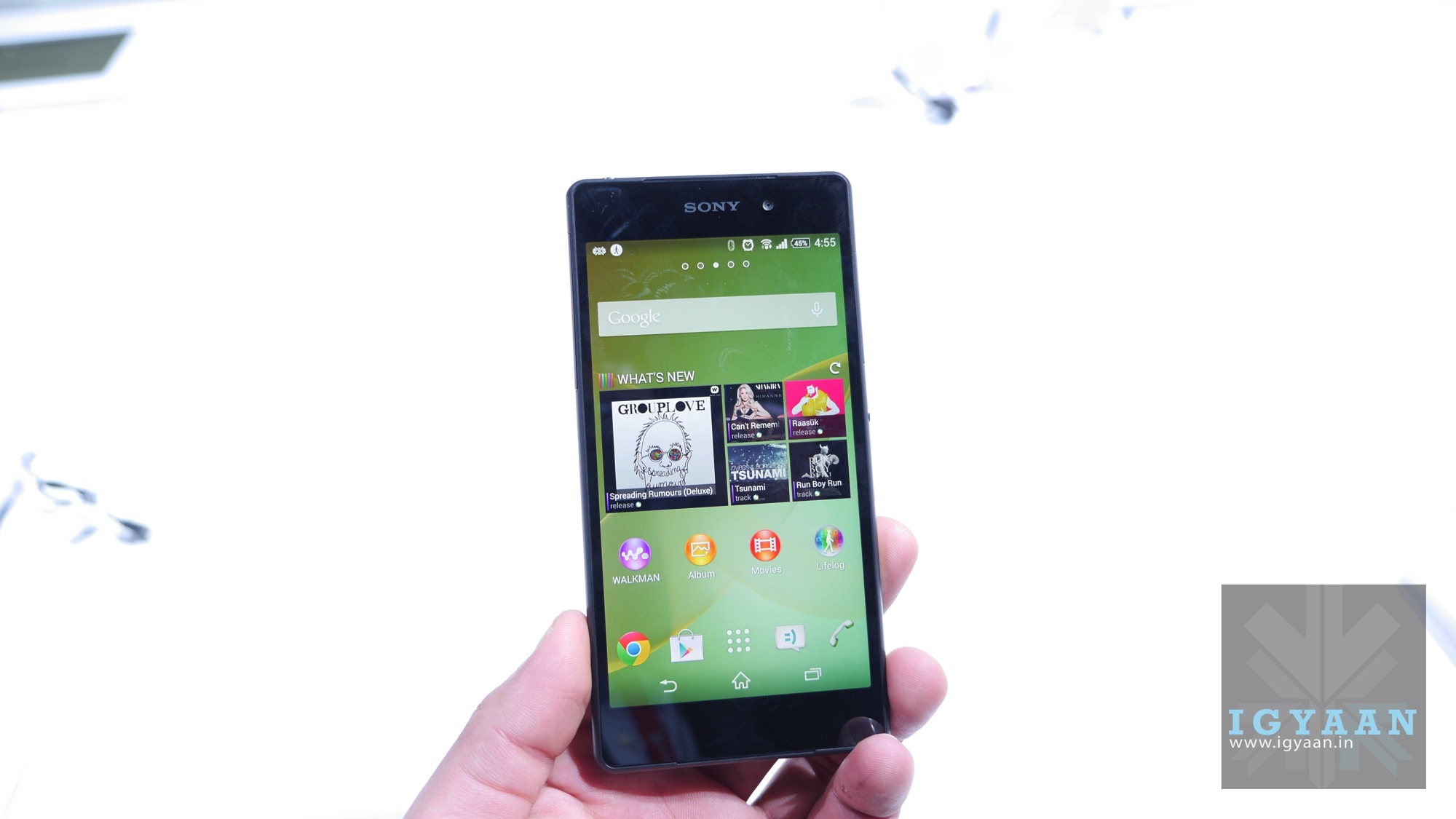
    Going by the previous leaks and rumors, Sony Xperia Z3 is not a handset that excites us. Sony has been criticized for being too naive to offer a good handset. Xperia Z3 seems to be no exception to this notion.

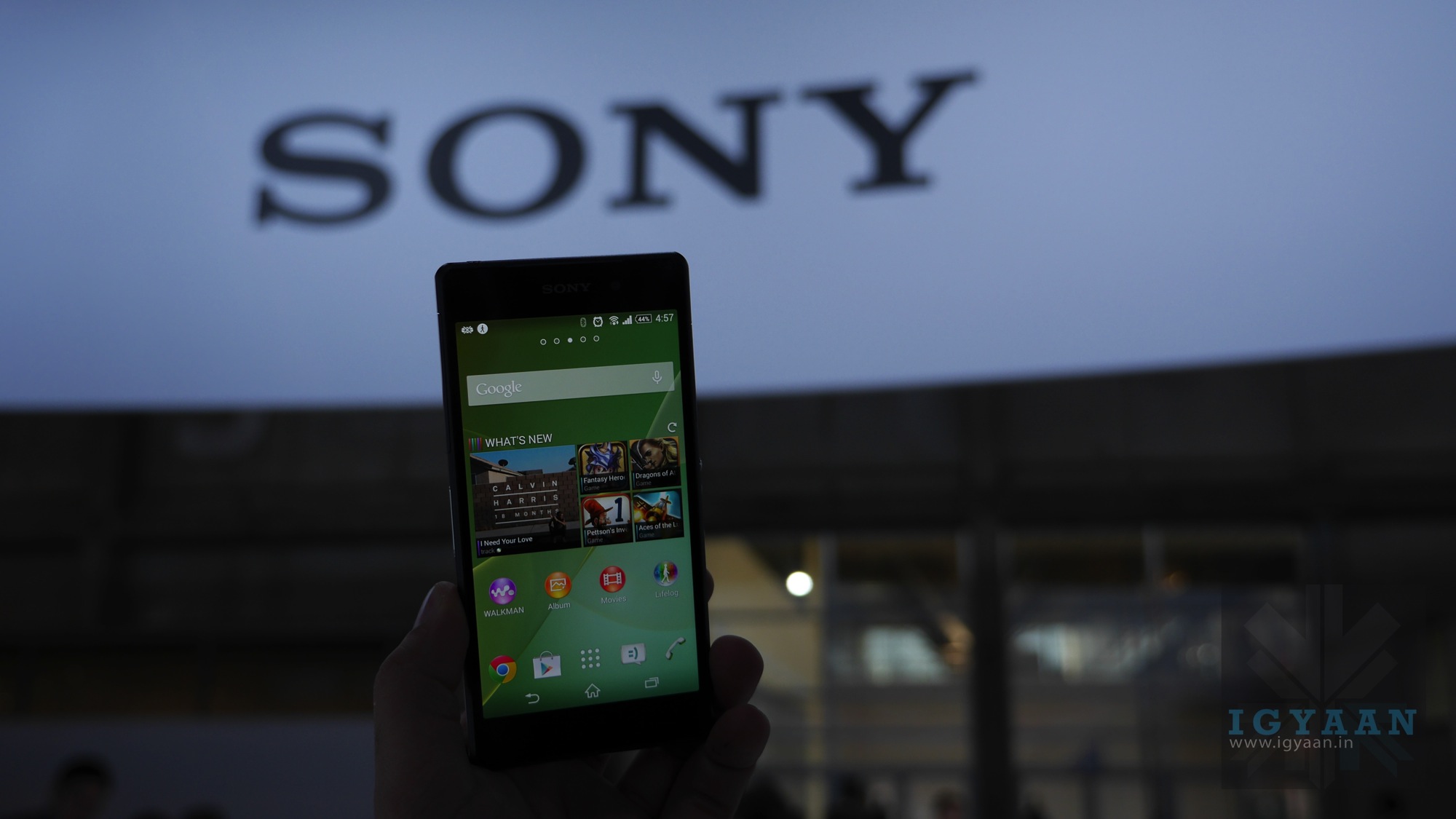
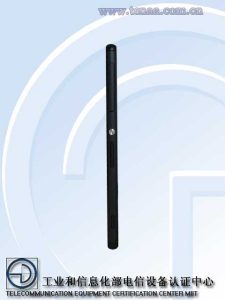
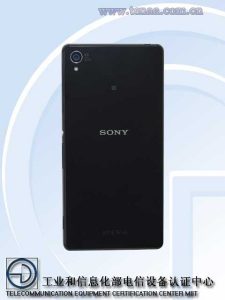
    The Xperia Z3 have allegedly been listed for certification by TENAA, the Chinese equivalent of the FCC. If a previously leaked invite is real, Sony will be launching the Xperia Z3 at a 3rd September in Berlin, ahead of IFA 2014.

    Sony XPeria z2 14
    Sony Xperia z2

    A handset codenamed ‘L55t’ has been spotted online which was certified by TENAA. It doesn’t actually mention the Z3 anywhere on the listing, but L55t has previously been associated with the Xperia Z3 so they’re likely the same.

    Well, the handset specification is neither exciting nor surprising as there is hardly any difference when compared to the previous model, the Sony Xperia Z2.

    According to TENAA, the phone keeps the 5.2″ IPS LCD with 1080p resolution, but is marginally smaller in size. The Xperia Z3 measures 146.5 x 72.4 x 7.4 mm while the current Xperia Z2 is 146.8 x 73.3 x 8.2 mm. It’s lighter too (158g vs. 163g) even the bezels have barely changed.

    The only real difference between that and the Xperia Z3 is a slightly faster processor (the Z2 is clocked at 2.3GHz). The design may get a slight change though, as the Xperia Z3 is slimmer at 146.5 x 72.4 x 7.35mm compared to the 146.8 x 73.3 x 8.2mm Xperia Z2 and slightly lighter at 158.4g, compared to the 163g of the current model.

  • The QBracelet that Charges the phone, is a Bracelet you need

    The QBracelet that Charges the phone, is a Bracelet you need

    Making a smartphone last an entire day is a pain, a real pain. Going about your day you are always checking out the percentage point of precious juice that is left inside the phone. Lugging around a battery-pack everywhere is not convenient, well not until now…

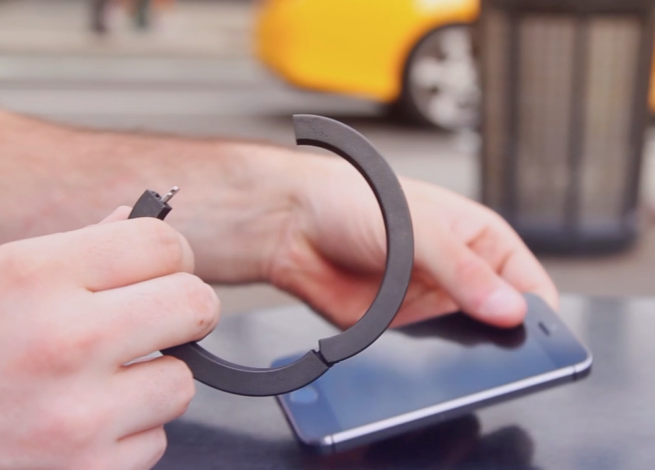
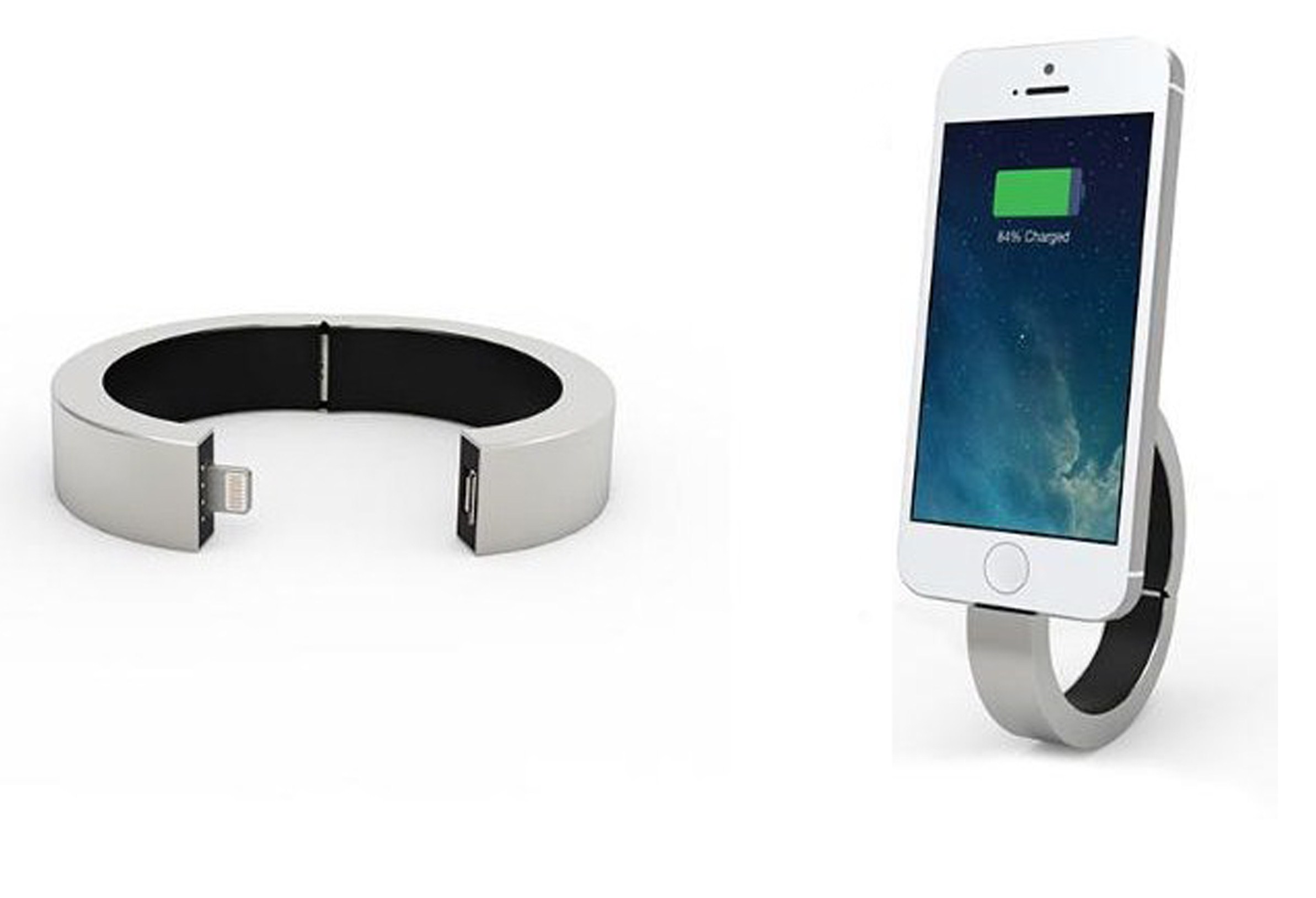
    A Start-up company named Q Designs is trying to take away your battery worries in style. The company has come out with a bracelet, called the Qbracelet, that charges your phone on the move, while looking good. The device is capable of charging the phone upto 60% which will definitely ease your mind for the course of the day.

    Just Pull it off your hands and plug it in.
    Just Pull it off your hands and plug it in.

    From the looks of it the Qbracelet appears thick as thinning the design would have affected the charging potential. But even with their size limitation, the hefty band looks appealing and has been crafted well.

    The Qbracelet wraps around your wrists and when you need to juice up your phone just take it off and plug it into your phone. Using it is as easy as blowing into a whistle.

    Stylish Accessory
    A Stylish Accessory that can be worn everyday
    Qbracelet makes a Powerstatement
    Qbracelet makes a Power statement too

    The bracelet shaped device is available for iOS as well as Android devices. The makers took special care to get the look just right so that it was functional but would be flauntworthy too. It comes in Black, Gold and Silver color options. It also comes in multiple size options for Men and Women. Now this is one must have accessory for the technology age.

  • Moto X+1 Press Images Leaked on Twitter

    Moto X+1 Press Images Leaked on Twitter

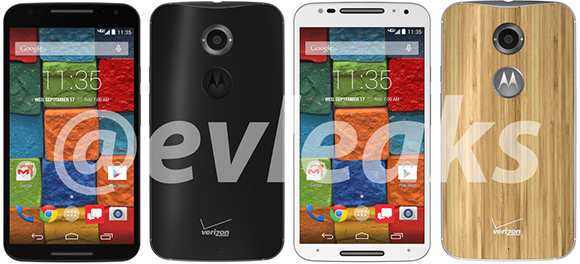
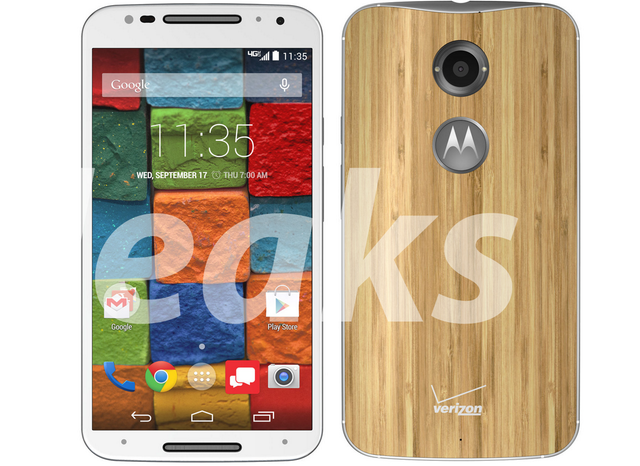
    Motorola has quite an impressive line-up to showcase this season. We recently reported that the company is planning to launch 9 devices in next 4 months. Now, the popular leakster Evan Blass, a.k.a. Evleaks has revealed the Moto X +1 through leaked press renders.

    The leaked images are supposedly meant for US carrier Verizon. However, the pictures give you a pretty detailed idea of what the device will look like. The first obvious change is the metal band around the sides of the phone, which was revealed in an earlier leak as well.

    moto x+1 leak

    The X+1 seems to sport dual camera flashes, a wooden back option, and front-facing speakers like the Moto E. The setup of the camera on the back of the handset is notably a part of the new design.

    It appears to drop the typical LED flash for a more elaborate dual setup that includes small flash units on both sides of the sensor. Also, there seems to be a number of sensors on the front, including two below the display. It’s still unclear what they would be useful for.

    motox1_2

    The wallpaper in the screen looks like the Motorola’s colourful event invite for the September 5 event in Delhi. It is said it is the same event where we will get to meet the much awaited Moto X+1. Furthermore, the date on the device in the leaked images is given as “Wednesday, September 17”. Maybe it’s a strong hint of the chosen date for when the Moto X+1 would be out for sale.

  • Samsung Galaxy Note 4 Camera Specs Leaked

    Samsung Galaxy Note 4 Camera Specs Leaked

    Just a few days ago, Samsung had it hard when the AnTuTu benchmark screenshot of Galaxy Note 4 was leaked online, just weeks before the release.  Now, SamMobile has uncovered details about the camera for the Galaxy Note 4.

     SamMobile reports that the Galaxy Note 4 will apparently feature a 16-megapixel Sony IMX240 camera sensor with optical image stabilization and UHD video recording, and a 3.7-megapixel front-facing camera with WQHD video recording. These details seem consistent with the earlier report.

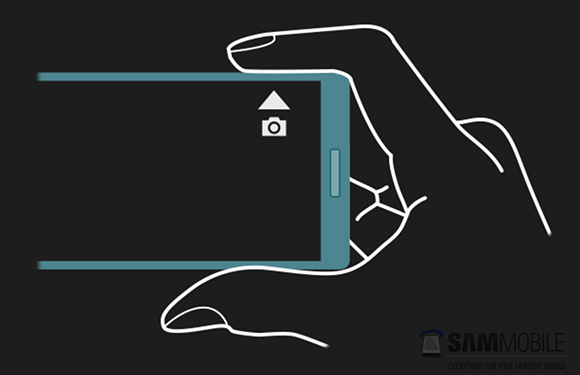
    A sensor built into the bottom right side of the handset called Side Touch will also be added in the Galaxy Note 4. The sensor is supposed to replace a dedicated camera button, allowing users to simply tap on the side of the handset to take a picture.

    slidetouch
    The Slide touch sensor is supposed to replace a dedicated camera button, allowing users to simply tap on the side of the handset to take a picture.

    The device’s front-facing camera will be a 3.7MP unit, capable of capturing images and video in WQHD resolution (2560 x 1440 pixels). It represents a noticeable bump in resolution and capabilities.

    The Galaxy Note 4 camera app is expected to have a gesture-based shortcut; users would be able to access the app while the handset is off by tapping the screen with two fingers and swiping them apart. Gesture-based functions are becoming increasingly popular on smartphones – we seen the Galaxy S5 include a feature called Air Wake up, which allows users to wave their hand over the screen take it off standby.

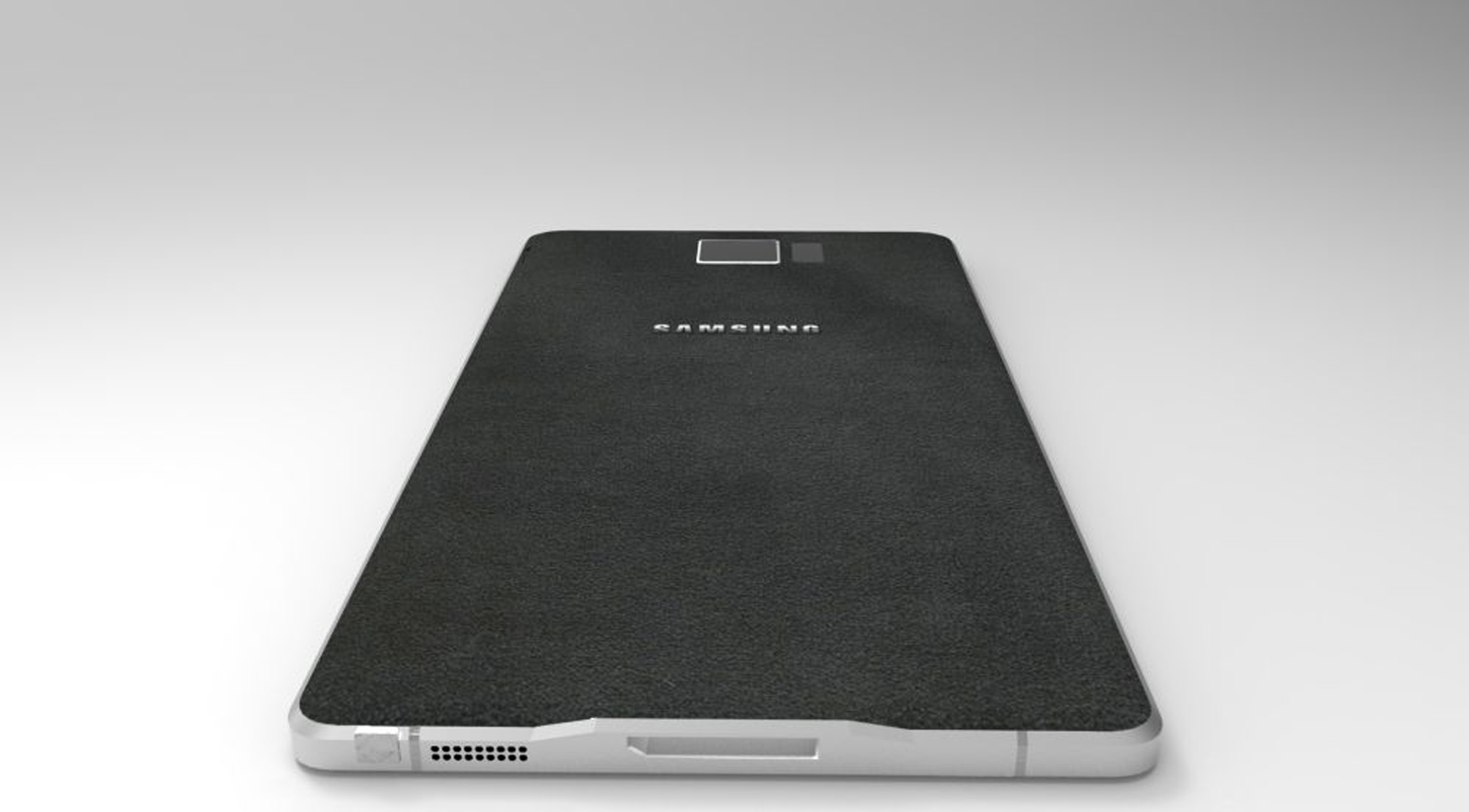
    The Device is also expected to take a departure from the faux leather back panel.
    The Device is also expected to take a departure from the faux leather back panel.

    However, the biggest highlight of the Galaxy Note camera will four new camera modes, three of which are dedicated to the art of the selfie: “Selfie” mode, “Wide Selfie,” “Selfie Alarm,” and “Create A GIF File.” Most intriguing of those is Selfie Alarm, which allegedly makes it easier to take selfies with the phone’s superior rear-mounted camera by allowing it to automatically detect your face and snap the photo.

    On the hardware side, the Samsung Galaxy Note 4  is rumored to include a Qualcomm Snapdragon 805 or Samsung Exynos 5433 chipset, 3GB of RAM and 32GB of internal storage. The device may be water and dust resistant, and may also include a fingerprint scanner like the Samsung Galaxy S5. Other features rumored for the Galaxy Note 4 include an iris scanner, an ultraviolet (UV) sensor and the virtual reality (VR) headset called Samsung Gear VR, which would pair with the Galaxy Note 4.

  • Motorola to Launch 9 More Devices in Next Four Months

    Motorola to Launch 9 More Devices in Next Four Months

    Motorola are already offering quite an impressive line up. And now it seems like Motorola, has big plans for the second half of this year. A new report from PhoneArena, citing an insider source, has revealed that Motorola is planning to launch around 9 devices in next 4 months.

    moto invite

    One of top highlight will the new Nexus smartphone along with Moto X+1, Moto G2, Moto X Play, Moto S, Droid Turbo, Droid and Droid Maxx. The reports also added that Moto 360 smartwatch will be one these devices.

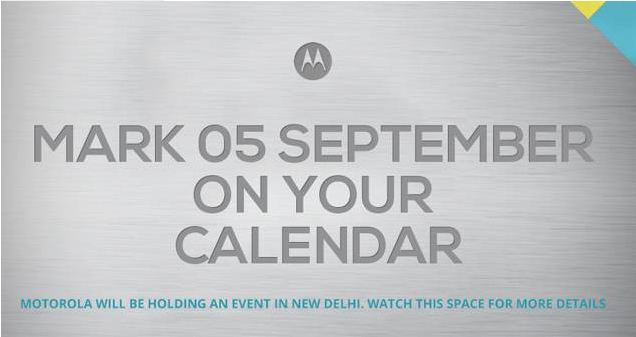
    The company sent out an invite to the media yesterday, mentioning only that it is going to host an event in New Delhi on September 5. It is widely expected that the company will launch the successors of Moto X and Moto G smartphones as well as Moto 360 smartwatch at the event in New Delhi.

    The invite reads, “Mark 05 September on your calendar. Motorola will be holding an event in New Delhi.” Though the invite doesn’t reveal much.

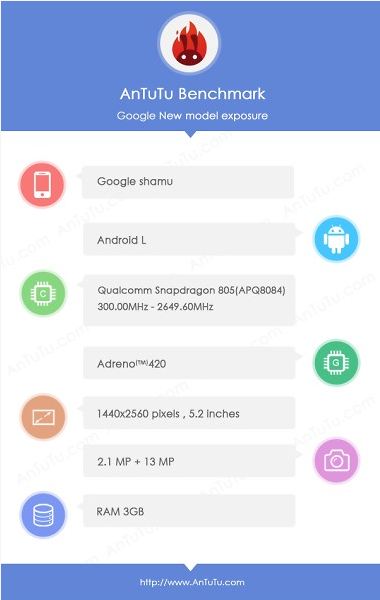
    antutuThe company has also been rumoured to be working on the next Nexus smartphone, with a device, codenamed Shamu recently showing up on benchmarks. According to speculations, this is the new Nexus smartphone, which comes with a Snapdragon 805 chipset and 3 GB of RAM.

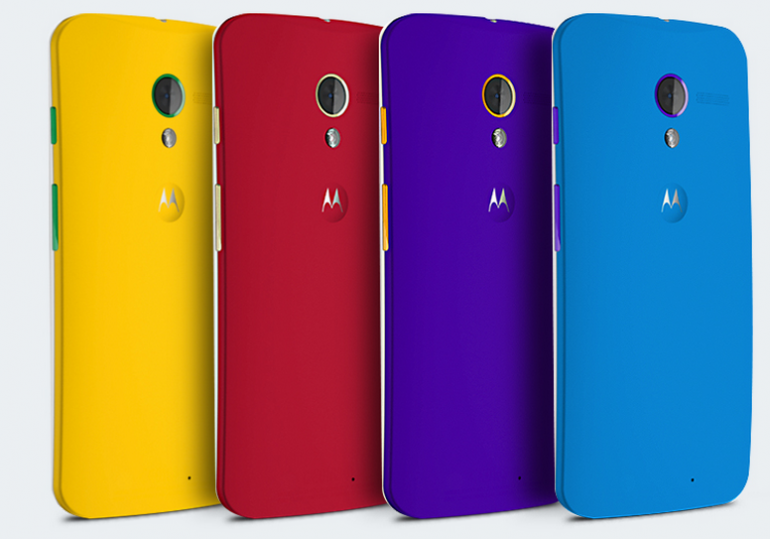
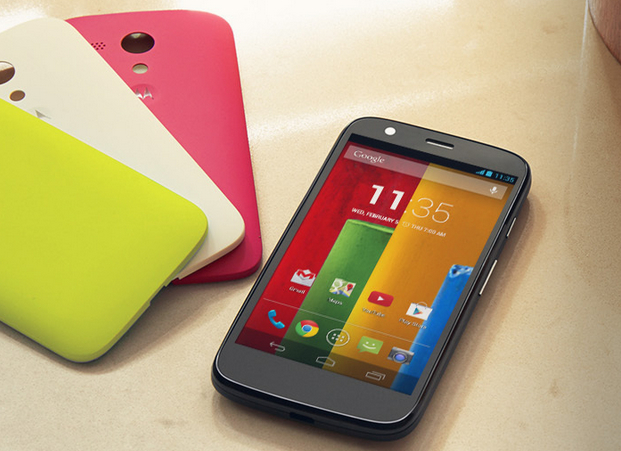
    The Moto G2 is expected to come with an improved 8MP rear snapper and faster processor, but the display resolution could remain the same at 1280 x 720 pixels. The improved variant of the Moto X, allegedly the Moto X + 1 is likely to come with 25 back variants during its launch.

    It is speculated that the upcoming Moto X could work in sync with the Moto 360. Its circular face measures 1.5-inch LCD display and features 320×290 pixels of resolution. It also comes with a heart rate monitor and a pedometer. The Moto 360 is expected to be priced at $249 that translates to Rs. 15,100.

    So get set folks, September is going to be a lot of fun.

  • Google Celebrates 10-Year Anniversary of its IPO Debut

    Google Celebrates 10-Year Anniversary of its IPO Debut

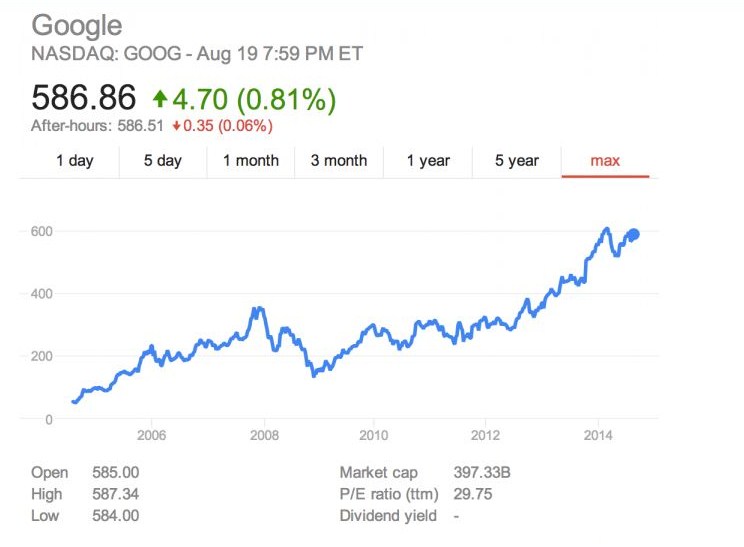
    Google has come a long way in a short period of time. From a simple search engine to a global multinational conglomerate, it is now a brand that the entire world recognizes. Google’s IPO marks its ten year anniversary today.

    The company’s humble beginnings and meteoric rise has been written about in countless media spaces. Their initial product was the internet service which archived the webpages and made their discovery super easy. It helped Google to become the cornerstone of the internet. It wouldn’t be wrong, neither would it be an exaggeration, to say that Google is now the gateway to the internet. But surprisingly this tech giant’s Initial Public Offering (IPO) back in 2004 saw pretty much the same response from the financial market that the Facebook IPO would face a few years later.

    Folks at Google and investors must be really happy with their career graph
    Folks at Google and investors must be pleased with their career graph

    The folks at Google had originally estimated price range of $108-$135 per share but ultimately ended up with $85 per share price for their 19.6 million shares offering. Many industry watchers believed that Google was a fad and just the way Google replaced Yahoo, someone else would come replace Google too. Google apparently had better ideas for its future prospects than the market experts.

    Since that time, Google’s graph has gone nowhere but up apart from, of course, the financial meltdown of 2008. Its stock has grown by 1293% in the ten years of its existence. Though it is a huge leap for the company, its courtroom and market adversary Apple has grown 4274% in the same period, thanks to the little devices called iPod and iPhone along with its other products.

    Google now has its arms in almost all fields of technology. From Email services, to Operating systems and of course being the industry leaders in the smartphone business. Along with these, the company also is actively interested in and invests in real world infrastructural innovation. From robots to self-driving cars, Google intends to create the technology-aided future of tomorrow.

    The company now has an audacious plan of bringing in High speed internet connectivity to the burgeoning markets of Asia. This will further create a bigger market that consumes Google products, thereby a sure-shot profitable investment. So if you are buying a Google IPO now, that is if you can afford one, you can be sure that your money is efficiently working for you.

  • LG Announced Two Affordable Smartphones with G3-Like UI

    LG Announced Two Affordable Smartphones with G3-Like UI

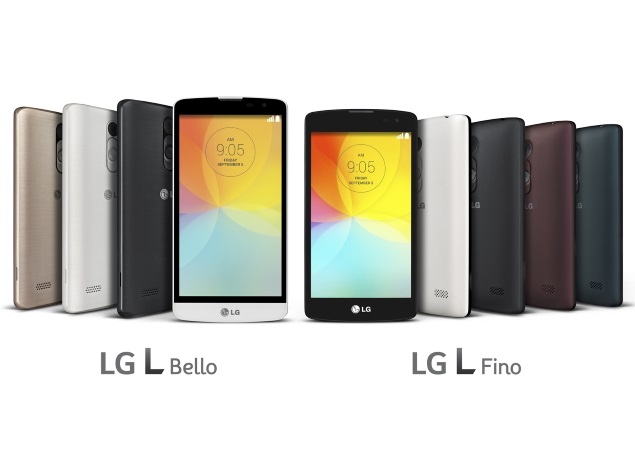
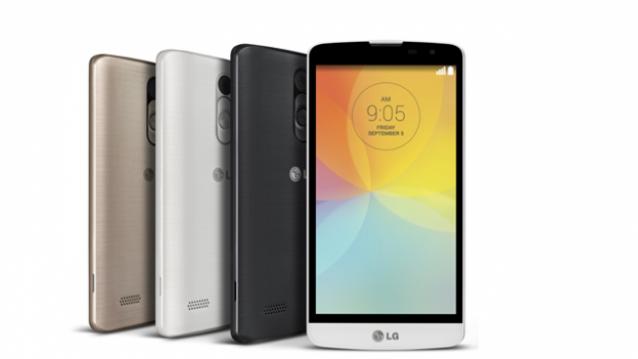
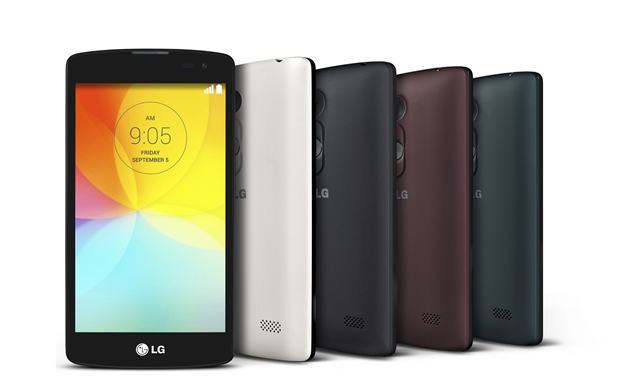
    LG has announced two new affordable smartphones – the L Fino and L Bello in its L Series. According to LG, the devices are aimed at the first-time smartphone users in emerging 3G markets.

    The South Korean giant also announced that the new L series handsets will be showcased at the IFA 2014 show in Berlin in early September. LG says the new phones will start rolling out in Latin America, followed by Europe, Asia, and CIS markets. At the moment, India-specific pricing and availability is unknown.

    Powered by quad-Core processors, the L Fino and L Bello will continue LG’s signature Rear Key button design and come equipped with an 8-megapixel rear camera. The L Fino will have a 4.5-inch display while the L Bello will come with a 5-inch display.

    LG L Bello
    LG L Bello

    LG’s L Bello is more powerful of the two, featuring a 5-inch FWVGA (480×854 pixels) IPS display and a 1.3GHz quad-core processor. It too gets 1GB of RAM and 8GB of inbuilt storage. There’re an 8-megapixel autofocus rear camera and a 1-megapixel front shooter. The 2540mAh battery sounds superb given the non-demanding hardware.

    LG L Fino comes with a 4.5-inch WVGA (480×800 pixels) IPS display offering a decent 207 PPI pixel density. That puts it behind much of the competition such as the Moto G and Asus Zenfone 5, but it does have a 1.2GHz quad-core processor, 1GB of RAM. Internally, there’s 4GB of storage, and a microSD card slot is present as well. There’s an 8-megapixel rear camera, a 0.3-megapixel front camera and a 1900mAh battery, which sounds decent given the other specs. Both the Bello and Fino have G3-like buttons on the back and feature a button-less design on the front.

    LG L Fino
    LG L Fino

    On the launch Dr. Jong-seok Park, President and CEO, LG Electronics Mobile Communications Company, said,”With their competitive specs and accessible pricing, we have high hopes for the L Fino and L Bello to continue our successful expansion into emerging markets. Our newest L Series smartphones represent the best of LG in design, hardware and UX as well as our commitment to bringing best smartphone experience to 3G customers as many as possible.”

  • Lava Brings Out The Quad Core Lava Iris Pro 30+

    Lava Brings Out The Quad Core Lava Iris Pro 30+

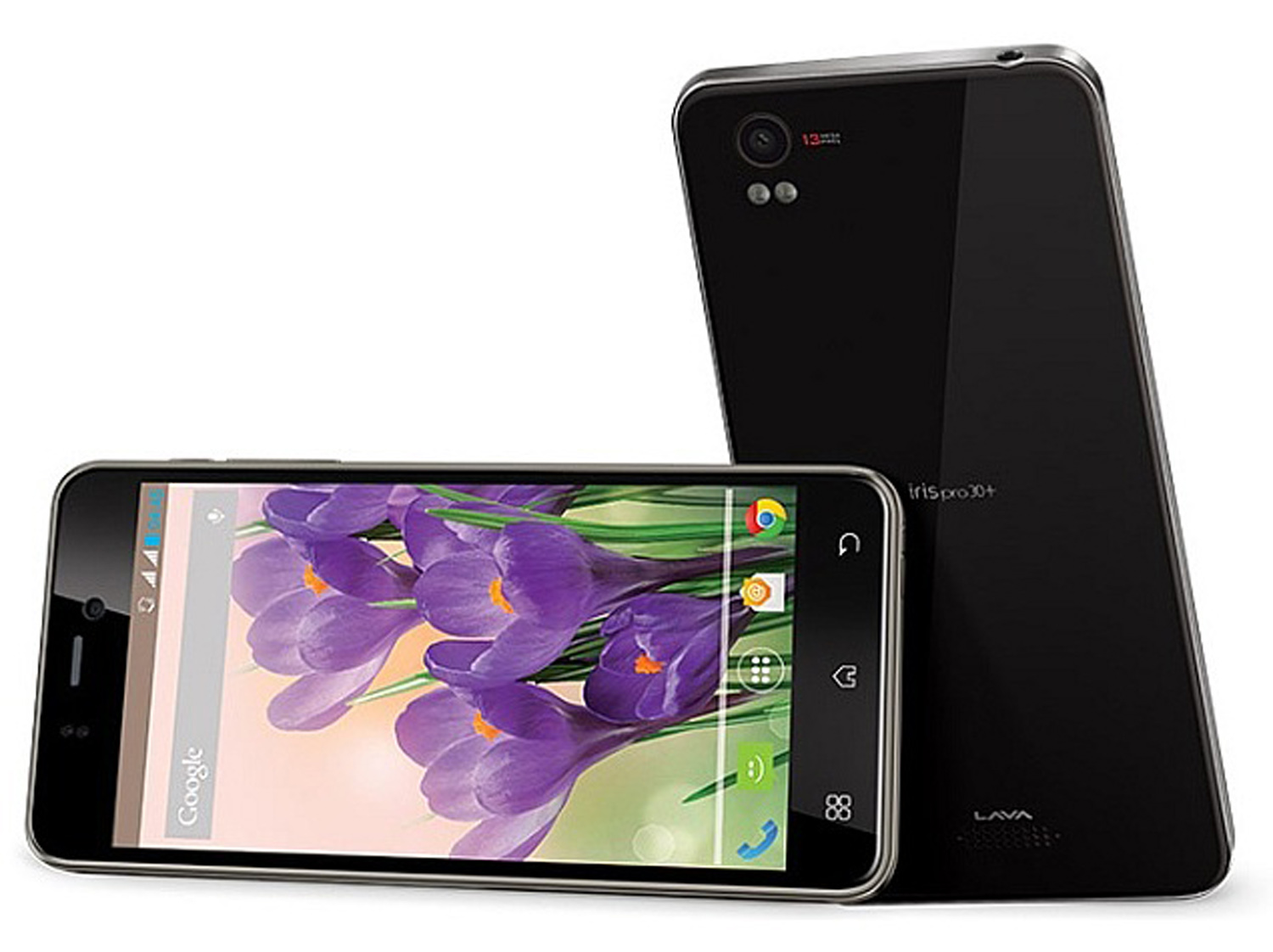
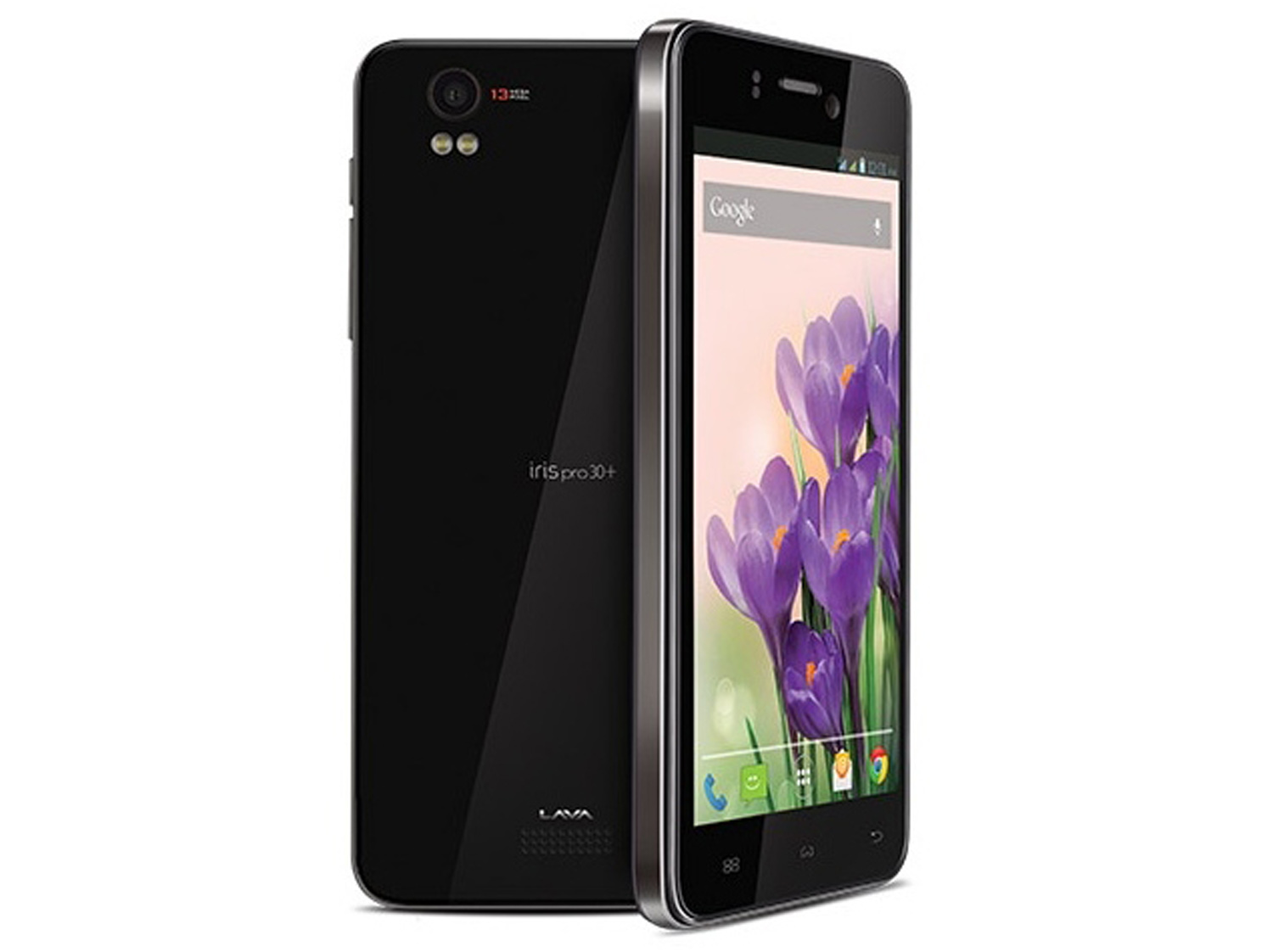
    Lava has launched an updated Iris Pro 30 which will be known as Pro 30+. The new phone came about seven months after the last phone and features a few new updates.

    The Lava Iris Pro 30+ goes from a 1.2 GHz dual core processor of the predecessor to a 1.5 GHz quad-core Mediatek 6589 turbo processor. The device comes with 1GB RAM. The major upgrade has been the internal storage. The Iris Pro 30+ takes a leap from the 4 GB internal memory of Iris 30 and takes it to a more functional 16 GB, which is expandable up to 32 GB. The graphics on the device are powered by PowerVR SGX544 GPU clocked at 357 MHz.

    The main camera on the Iris Pro 30+ is a 13 MP shooter with a BSI II sensor having a size of 1/3.2 inch and 1.1 micron Omni BSI-II pixel architecture to capture images in low-light. It supports full HD video recording. The 3 MP front camera on the device would be appreciated by selfie enthusiasts.

    lava_iris_pro_30_plus_black

    Like its predecessor, the device has a 4.7 inch, 1280×720 display with a pixel density of 312 ppi. The device really disappoints in the fact that it comes with Android Jellybean 4.2.2 out of the box. An Android Kitkat update would have made this phone more attractive. In times when companies are being judged by the speed of updates, Lava should have taken more care in the operating system department.

    The phone supports USB OTG and is powered by a 2000 mAh battery. The phone is priced at Rs.11,990 and will be exclusively available on Amazon.in bundled with a 16 GB memory card. The sale will start from 1pm onwards on August 26. Now considering the price and the outdated operating system, a free memory card would hardly matter. You’d be better off being in line and spending a few more bucks for a Xiaomi phone.

    If Lava wants the phone to work, it should come up with an updated operating system as soon as possible.

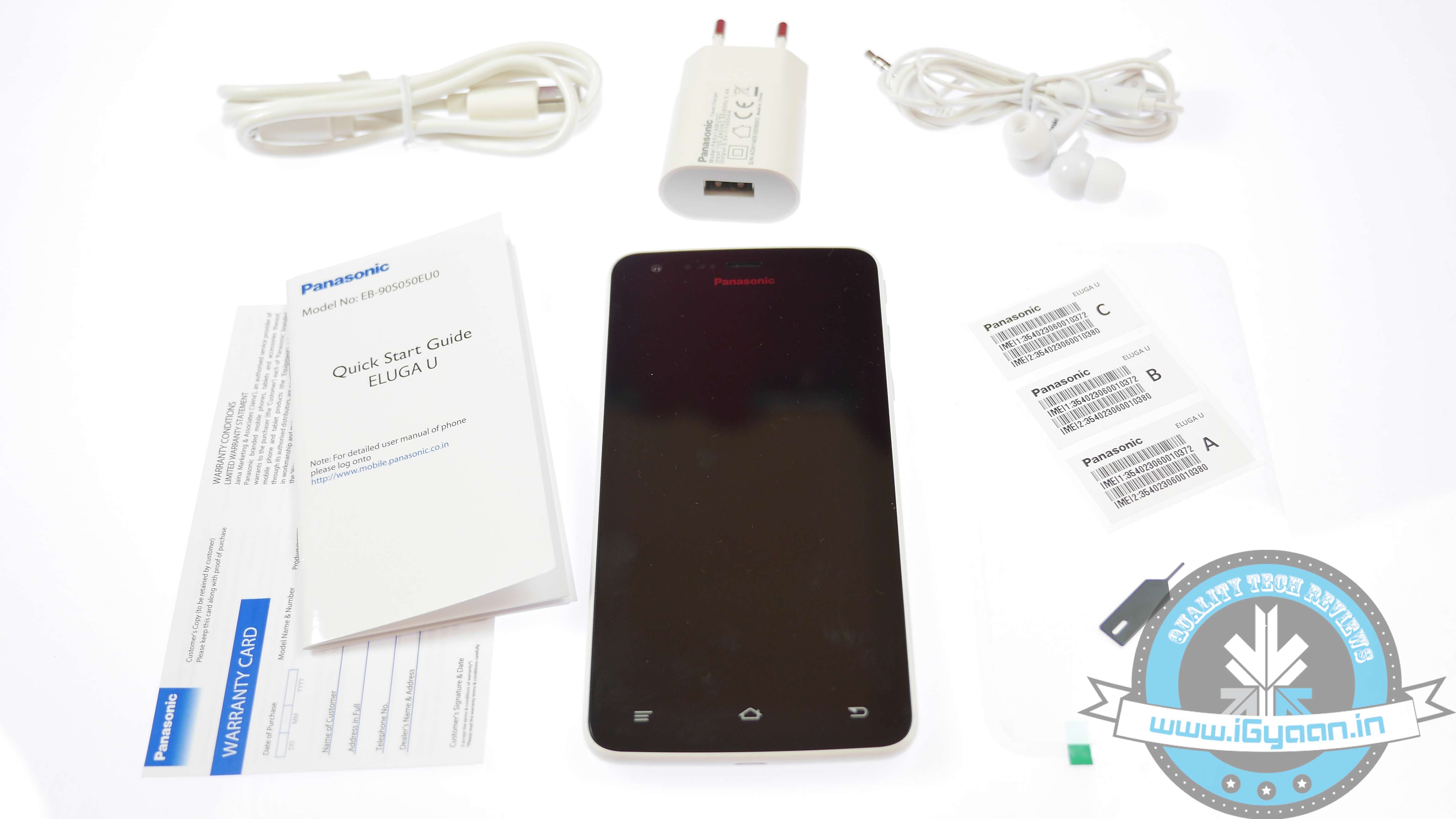
  • Panasonic Eluga U Unboxing

    Panasonic Eluga U Unboxing

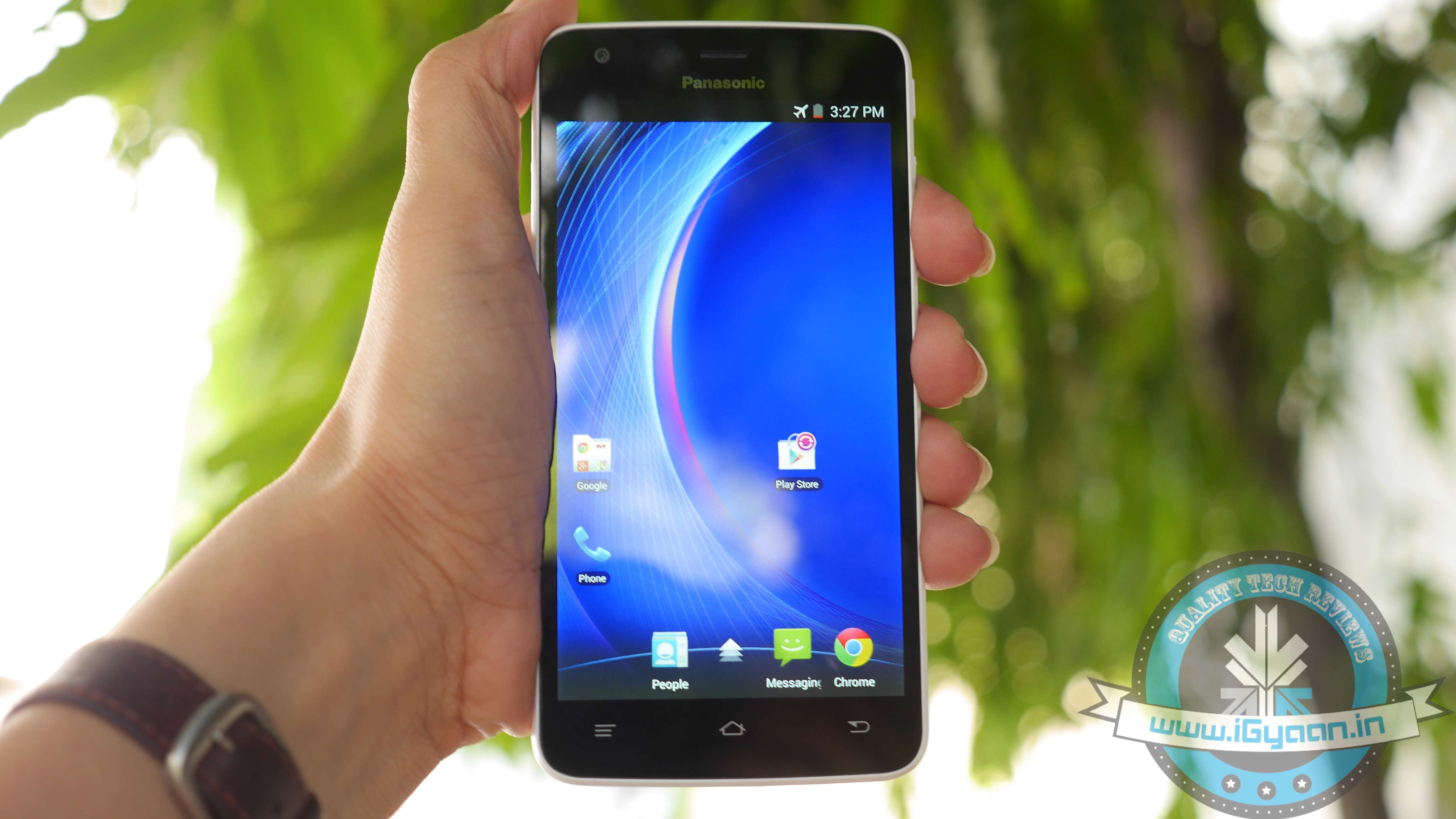
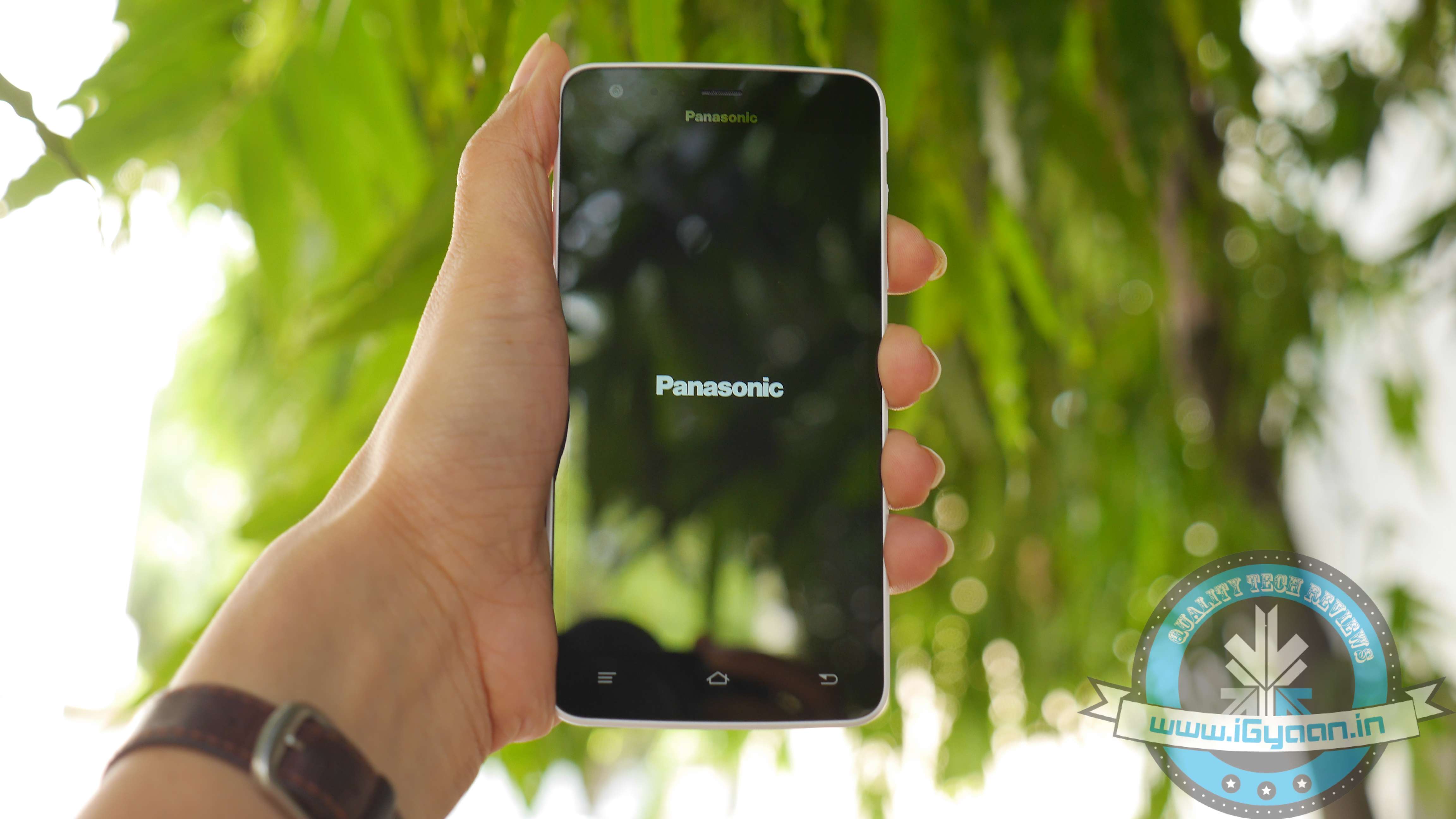
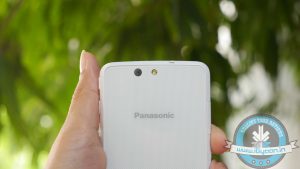
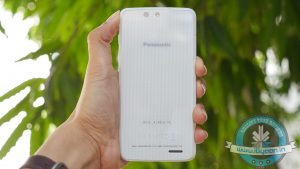
    Launched at the end of last month, Panasonic Eluga U is a slim and stylish smartphone. Its clear that the company has paid a lot of attention to detail to make the Eluga U feel like a premium product. They’ve also managed to make the device look exactly like the Nexus 4.

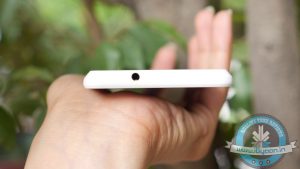
    The back and the front of the device is covered with glass while the sides are made with plastic. The front has a high-quality 5-inch IPS display with three-button capacitive panel at the bottom. The metal-finish logo, also on the front of the device, gives the smartphone a stylish finish. The top has a 3.5mm headphone port, and the bottom has the port for charging and data syncing.

    Panasonic Eluga U_7

    At the side, there is a single flap that opens a dual Sim tray which can hold two 3G micro-SIM cards. On the other side, there are the power and volume controls. The main speaker grille is on the back, which is non-removable.

    The Eluga U has the standard Panasonic fit user interface, with bare minimum changes. It uses the Android 4.4 KitKat operating system. Previous Panasonic users would find this extremely easy to get used to.

    Panasonic Eluga U_1

    The User Interface of the device is decently fast and responsive. Panasonic has added funky animations and movements which are quite playful. There are a lot of stock elements, such as the dialer, messaging and the notification panel and it also comes with the stock browser.

    Panasonic Eluga U_3

    On the hardware front, powering the phone is a 1.2Ghz quad core Snapdragon 400 processor. This is paired with 2GB of RAM. The 2,500 mAh battery seems adequate for this device.

    On the imaging side, the device sports a 13MP camera module, placed at the rear-top with a single LED flash next to it and 2MP front facing camera. Priced at Rs. 17,990 we would say it is one of the better products available in this price bracket. It only seems costly if compared to the Xiaomi Mi 3.

    All in all, this device is stylish, slim, has a good battery and performs decently. However, we would still like to test the device in detail. The full review will be coming up soon.

    Key Specs:

    Processor 1.2GHz  quad-core, Qualcomm Snapdragon 400
    Display 5-inch, 720×1280 pixels
    RAM 2GB
    Battery capacity (mAh) 2500, non-removable
    Storage 16GB, expandable upto 32 GB
    Camera 13 MP rear with single LED flash2 MP front
    Operating System Android 4.4


  • Samsung Rolls Out 4.4.2 KitKat Update for Galaxy Note 3 Neo in India

    Samsung Rolls Out 4.4.2 KitKat Update for Galaxy Note 3 Neo in India

    Samsung has reportedly rolled out the Android 4.4.2 KitKat for Galaxy Note 3 Neo In India. The smartphone was launched with Android 4.3 Jelly Bean, back in February.  The update includes the usual KitKat uplifts like performance enhancements, cloud-print support, UI improvements, updated Hangouts app, improved downloads app and more. 495 MB in size,the update will also come with Samsung-specific customisations like lock-screen improvements, new launcher settings, improved stability and more.

    The Android 4.4.2 KitKat update is reported to be carrying build number N750XXUCNG6 and rolled-out over-the-air and via Samsung Kies update. Galaxy Note 3 Neo (SM-N750) users can also check for an update by tapping on the Settings> About Phone> Software Update. The update includes a camera option in the lock screen and shows album art while playing music. The status bar strip which contains icons like battery, is now coloured white, while notifications drawer icons have changed as well.

    A document leaked last month has reportedly shown the KitKat 4.2 update schedule for 5 Samsung smartphones. The handsets that are more likely to get the update were the Samsung Galaxy S4 Mini, Galaxy Grand 2 Duos, Galaxy Mega 5.8, Galaxy Mega 6.3, and Galaxy Note 3 Neo. The leaked document had suggested that Samsung has finished testing the Android 4.4.2 KitKat OS for these devices.

    The Galaxy Note 3 Neo sports a 5.5-inch Super AMOLED HD display with a resolution of 1280 x 720 pixels. The device is powered by a hexa-core processor dual-core 1.7GHz Cortex A15 + quad-core 1.3GHz Cortex A7. It is packed with a 2 GB of RAM and 16 GB of inbuilt storage that is expandable up to 64 GB. On the imaging front, it is equipped with an 8 MP primary camera with LED flash and BSI sensor, and a 2 MP secondary camera.

    The Samsung Galaxy Note 3 Neo has preloaded apps like ChatON, WatchON, Screen Mirroring, S Voice, S Health, Group Play, Smart Scroll, Smart Pause, Air View, Story Album and S Translator and more. The S Pen comes with Air Command and Easy Clip feature, and also supports multi-window and S Note.

  • A Transparent Glass That Generates Solar Energy

    A Transparent Glass That Generates Solar Energy

    We have lots of avenues from where we can generate energy without having to touch the biochemical fuel made of prehistoric organisms. There is tremendous potential in the Sun and Wind to generate electricity. But the roof mounted solar cells are  passé, its time to let the modern glass based architecture, pay for themselves and their maintenance costs by covering them with transparent solar concentrators.

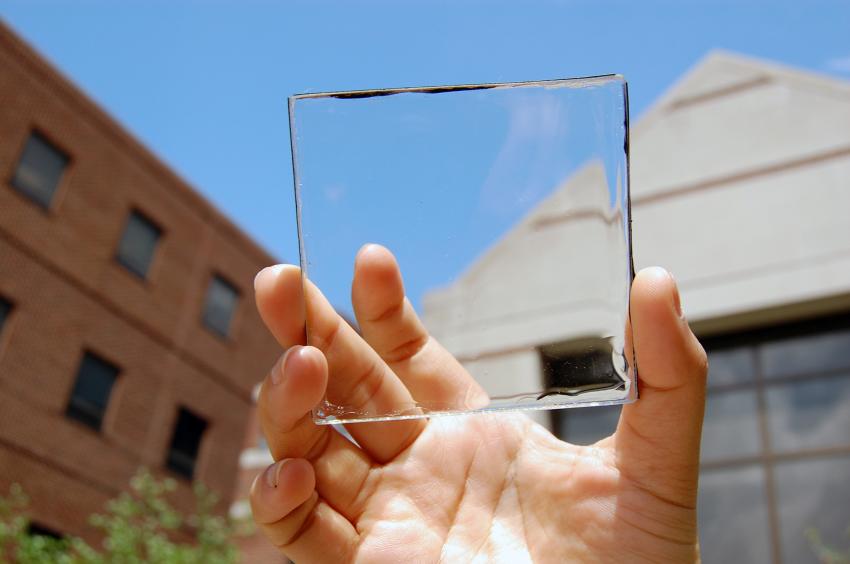
    Researchers at the Michigan State University have developed transparent solar energy concentrators that can someday be used as window glass. Not just that, it can be used to make display panels for mobile phones or devices with flat surfaces. So you can easily imagine a future where phones will be able to charge themselves. Talk about a revolutionary idea. The study was featured in the journal Advanced Optical Materials.

    The technology can be used to make windows that can generate energy for the office
    The technology can be used to make windows that can generate energy for the office

    There have been previous efforts into the technology, but most of the time the material in the end was either too inefficient or was colored. A solar concentrator glass needs to be transparent to have some practical value. Most of the glass around us is transparent and colored glass can only be used for decorative purposes and not on office windows.

    The new glass material has been developed by Richard Lunt, assistant professor of chemical engineering and materials science, and his team. The material used in this transparent concentrator uses small organic molecules to absorb specific non-visible wavelengths of sunlight. These materials do not absorb light from the visible spectrum and hence appear transparent.

    These panels can be tuned to pick up light from ultraviolet and near-infrared wavelengths that then glow at another wavelength of infrared. This glowing infrared light is then directed towards the edge of the panel where it is used to generate electricity using photovoltaic cells.

    The ultimate intention of the research team is to make unobtrusive and almost invisible. This will also ease out the process of creating an off grid system where buildings can generate the electricity they need on their own.

    As the project is still in the first steps, the efficiency of these concentrators is at roughly 1 percent. The panel is expected to achieve 5 per cent efficiency when fully optimized. For some perspective, it’s important to know that even the most capable colored concentrator has an efficiency of about 7 per cent. This just tells us that we still have to make huge strides in unlocking the full potential of the sun.

  • Xiaomi Mi3 Accessories Up for Pre-Order on Flipkart

    Xiaomi Mi3 Accessories Up for Pre-Order on Flipkart

    While Xiaomi continues its Tuesday sale frenzy, the company seems to be now readying itself to make some more money off its Indian operations. It has put up the first batch of its official Mi accessories for pre-order on Flipkart. Back home in China, it is said that the company earns more from accessories than its phone.

    299c1704ead5a8028b30828197c483de00d6a3a8

    The accessories will be available exclusively on Flipkart (no surprise!), and it is said that delivery of the accessories will start at the end of the month.

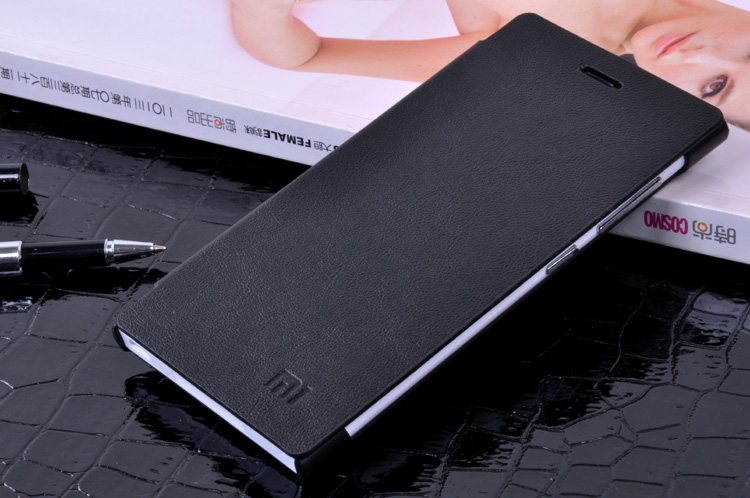
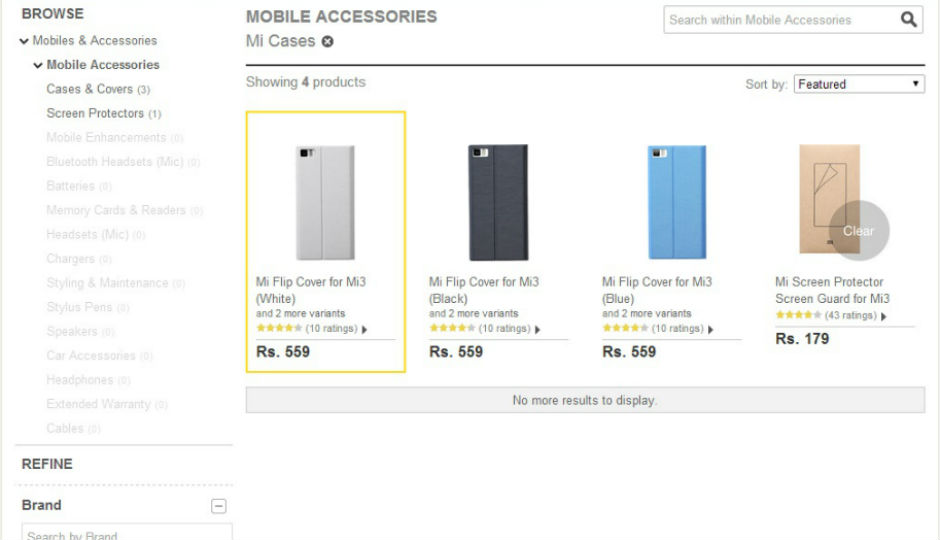
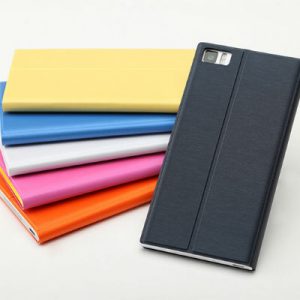
    There are only four accessories right now available for the pre-order right now. Of these, three are flip cases (in white, black and blue colours) for the Xiaomi Mi3 and one is a screen protector for it. The flip cases are priced at Rs. 559 while the screen protector is available for Rs. 179.
    The news comes with a bit of a disappointment as Xiaomi displayed a lot of more accessories at its launch event last month. Which includes powerful Xiaomi Mi Power Bank, Mi headphones and Mi Key as well. However, the company made it clear that Mi key, which lets you take a picture without needing to unlock your device, won’t be available in the Indian market anytime soon.

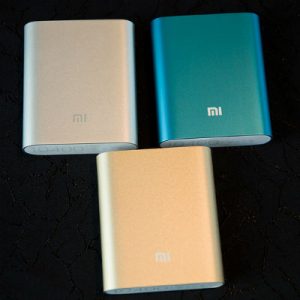
    It is said that, when the Mi power bank will be available in India, the 5200mAh version will cost Rs. 799 and 10,400mAh battery for Rs. 999. The company also pointed out they will be launching Redmi 1S and Redmi Note sometime in August. Based on this statement, we can expect both the devices to be available for pre-order soon.
  • OnePlus Confirms India Operations : Opens Post for General Manager

    OnePlus Confirms India Operations : Opens Post for General Manager

    Earlier today iGyaan had issued the news that OnePlus is eagerly and actively pursuing India operations and will be here as early as next month. Today OnePlus has confirmed that they are actively seeking for a General Manager for India operations. This will show that the company is dedicated to shake the Indian market with their handset, and they want to do it fast.

    If you are keen on working for the company, you might wanna give this one a quick look.

    Read the full requirements and responsibilities below.

    General Manager – India, Operations

    We’ve seen tremendous interest from India in the OnePlus One, but to enter the market we’ll need the help of a local visionary. You will be the sun, the light that leads OnePlus into the Indian market; the center of orbit for all projects, operations, and service; the ambassador that spreads the OnePlus brand across India like a wildfire.

    Personality counts as much as experience here. We’re looking for a leader that knows the market, sees issues before they arise, and coordinates resourceful and seamless solutions. The right candidate will successfully incorporate their local knowledge, global experience, and natural talent into building OnePlus operations and brand awareness in India. This position requires authority, leadership, and resolve when things get rough. We need you to weather the storm with us. Are you confident in your abilities and naturally inclined to make things work better around you?

    Responsibilities

    • Be the face of OnePlus India, lead and engage our Indian community, represent and grow our brand.
    • Listen to Indian customers; ensure the highest standards of service and product support are met.
    • Act as our company ambassador, the voice of OnePlus, the main contact point for the customer.
    • Establish and sustain relationships with media in India, assist with planning and organizing events.
    • Find unique local avenues through which to spread awareness about the OnePlus brand and products.
    • Create monthly and quarterly reports outlining operations, finance, and marketing activities.
    • Build a local team of function specific experts to grow OnePlus India operations.
    • Align local activities and collaborate with departments at our home office (marketing, logistics, etc.) to coordinate smooth daily operations in India. Report directly to OnePlus HQ in Shenzhen.

    Requirements

    • Fluency in English, Hindi, Tamil. Intimate understanding of India’s unique geographies and cultures.
    • Degree from a top school, PMP certification preferred.
    • 6+ years of general management experience working for a tier-1 company.
    • Deep understanding of operations, finance, marketing, and logistics.
    • Expertise/Experience in: ecommerce, logistics, customer service, marketing, mobile products.
    • Proven leader with vision, resourcefulness, intellect, and humility.
    • Tech enthusiast, intimately familiar with mobile trends, industry and competitive dynamics.
    • Strong analytical ability; data-driven approach to understanding and solving problems.
    • Entrepreneurial mindset, independent thinker, can manage effectively under stress.

    Think you can cut it ? Apply Here!

iGyaan Network
Privacy Overview

This website uses cookies so that we can provide you with the best user experience possible. Cookie information is stored in your browser and performs functions such as recognising you when you return to our website and helping our team to understand which sections of the website you find most interesting and useful.