Blog

  • HTC is Apparently Working on a Windows Version of One (M8)

    HTC is Apparently Working on a Windows Version of One (M8)

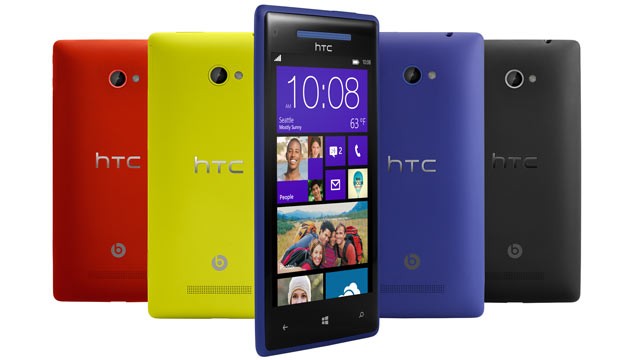
    HTC was one of the biggest Windows phone manufacturers till January 2012 before Nokia raced ahead. HTC completely switched to the Android OS with the shutting down of the HTC 8S and 8X. Now it is being speculated that HTC is planning a return into Microsoft’s territory. The Taiwanese phone manufacturers and contemplating a Windows 8.1 based HTC One (M8).

    windows
    The 8X was one of the last windows phone offerings from HTC

    The update was reported by WMPoweruser, but there is no official confirmation at the moment. There is update on a specified release date for the device.

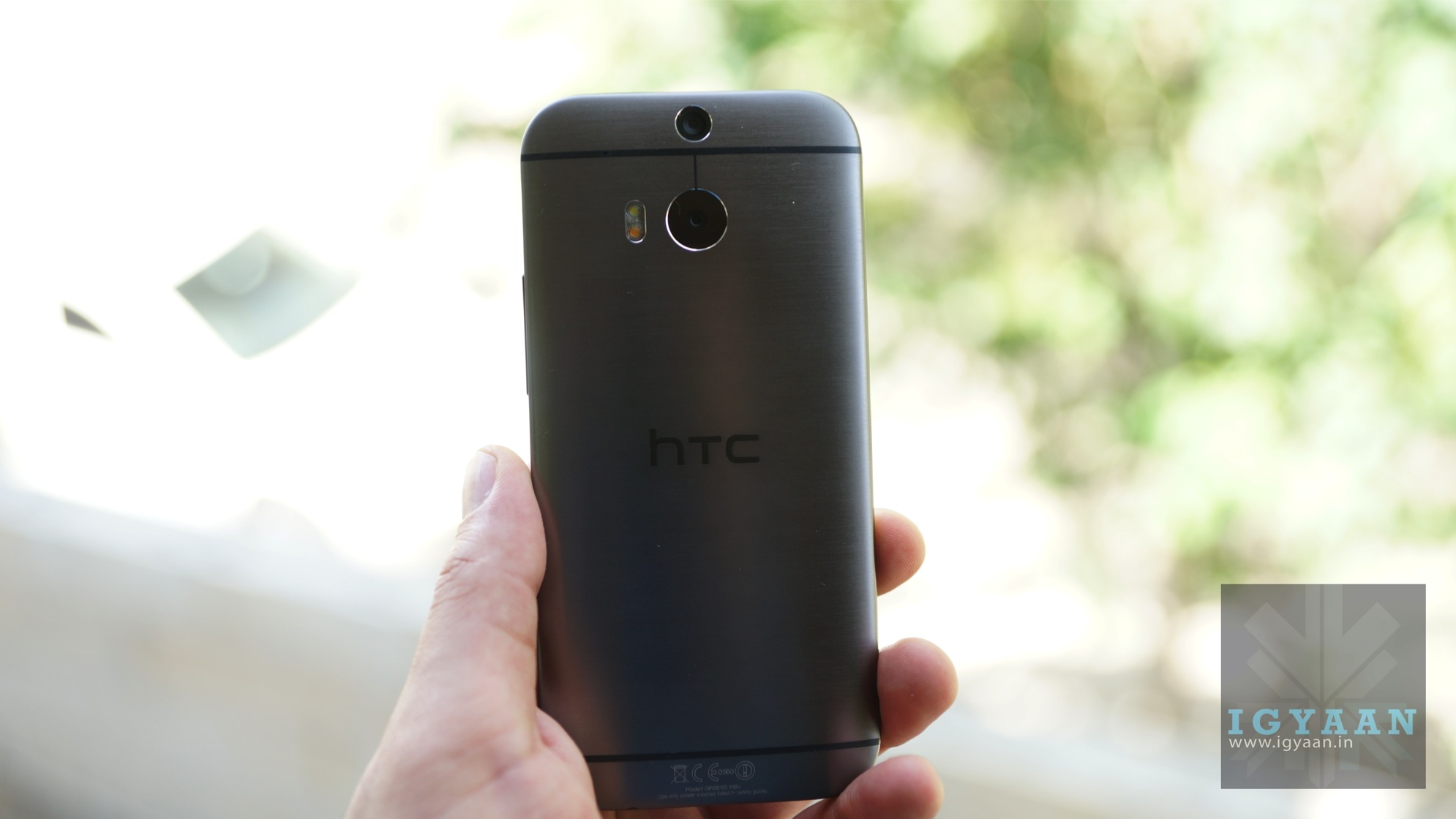
    The phone is expected to hold the same specs as is in its Android sibling. So it might have One M8’s 2.5 Snapdragon 801 Processor. The dual camera system, which makes it stand out in the crowd and hopefully the aluminum casing, will not be compromised on.

    HTC’s re-entry into the windows ecosystem as it will give consumers some options in a market of generic looking devices. This is definitely welcome news for Windows enthusiasts who were getting discouraged by the lack of choices.

  • Rumor : Motorola is Working on a New Nexus Device

    Rumor : Motorola is Working on a New Nexus Device

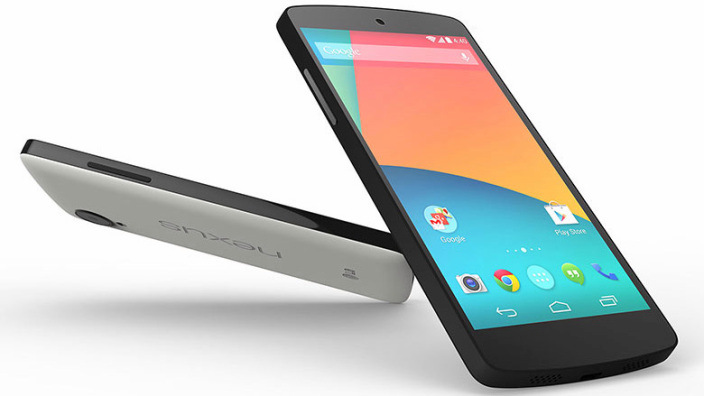
    Motorola and Google parted ways last January, but if rumors are to be believed, Motorola is working on a new Nexus device, codenamed “Shamu”, that is set to launch sometime this fall. A number of other reports have indicated that HTC has also been working on an 8.9 inch Nexus tablet for Google. It’s code-named “Volantis,” and probably has an NVIDIA Tegra K1 processor and a high-resolution display, among other things.

    Now it looks like a new Nexus smartphone by Motorola is also on the way, although it is said to have a near tablet-sized screen.

    54910-nexus5

    The reports leaked by Android Police hint that the Nexus device is a 5.9-inch device with a fingerprint sensor.

    Android Police seem confident that the rumor is true. “Point are deducted simply because hardware plans can change very quickly, even when a prototype device already exists,” Android Police writes. “We are confident that Shamu is a real device under active development, and fairly confident that it is a contender for the Nexus program.”

    Moto-G-featured

    Being that it’s a Nexus contender doesn’t mean it’ll be the device consumers will be able to buy later this year. But Motorola is apparently working on a device, which is supposed to be “targeted at major U.S. carriers, and unspecified carriers in other parts of the world,” Android Police said.

    It seems unlikely that a new Nexus device would appear before this fall, which is far enough away for the plans to change. But this report somewhere takes the sword off the Nexus program, which seems to be doomed. Not only is it still in play, looks like it may have a few great devices coming down the line.

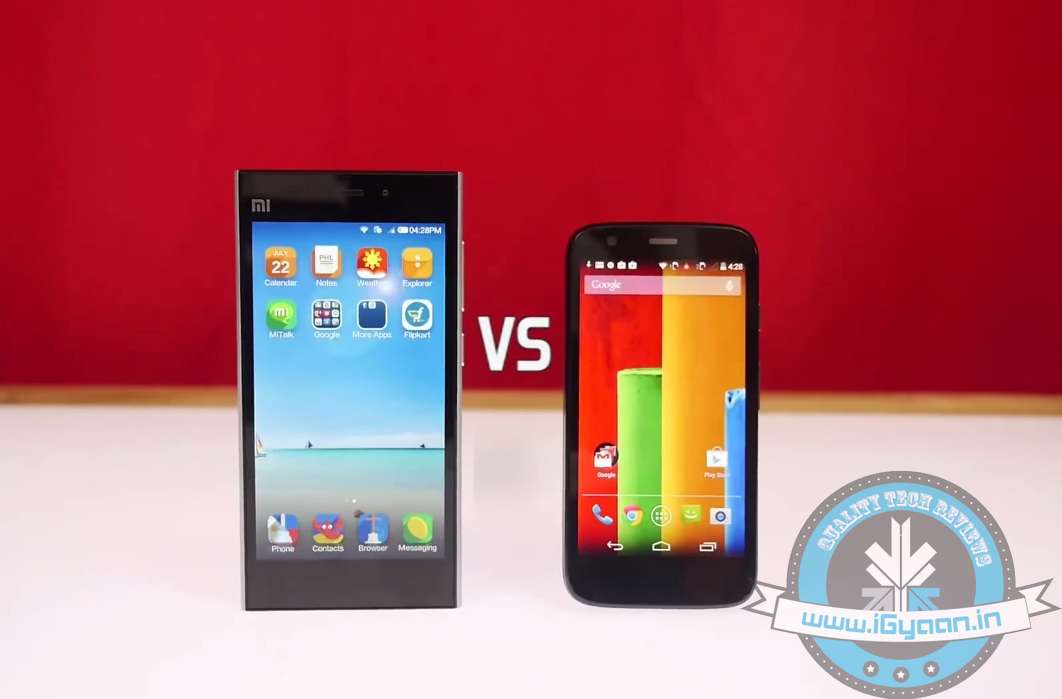
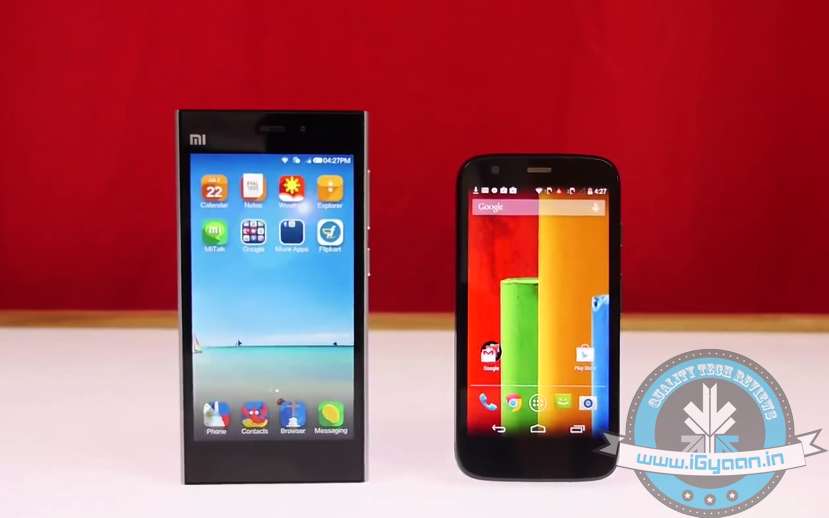
  • Xiaomi Mi3 vs Moto G : Lets Fight!

    Xiaomi Mi3 vs Moto G : Lets Fight!

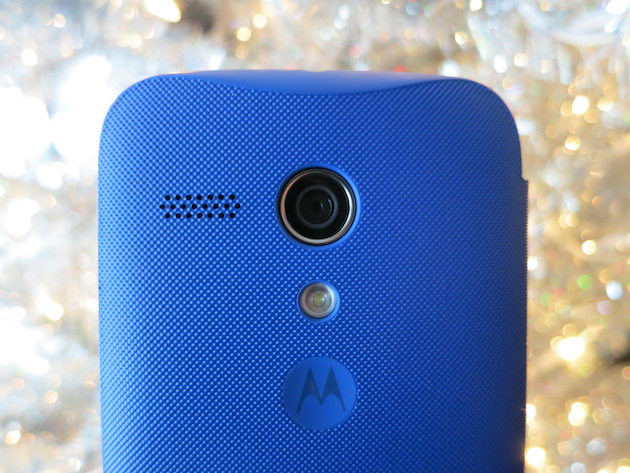
    Both Motorola and Xiaomi aimed big with the launch of these amazing devices. Xiaomi Mi3 is elegant with amazing specs and attractive pricing, while Motorola provided a great deal with the Moto G, which broke all sales records when it launched. We understand that Xiaomi Mi3 offers way betters specs, but since both the devices come within the same price range, we thought it was important for them to battle it out.

    Xiaomi is expected to take on most of the market with the launch of Mi3 because of the simple fact that the newly launched flagship device runs Snapdragon 800 and available at the price Rs. 13,999.

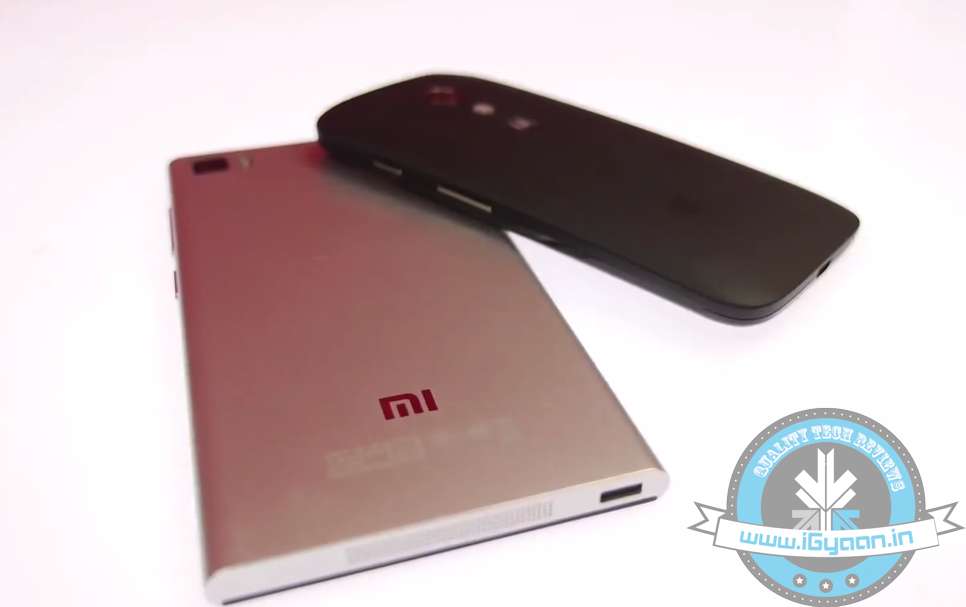
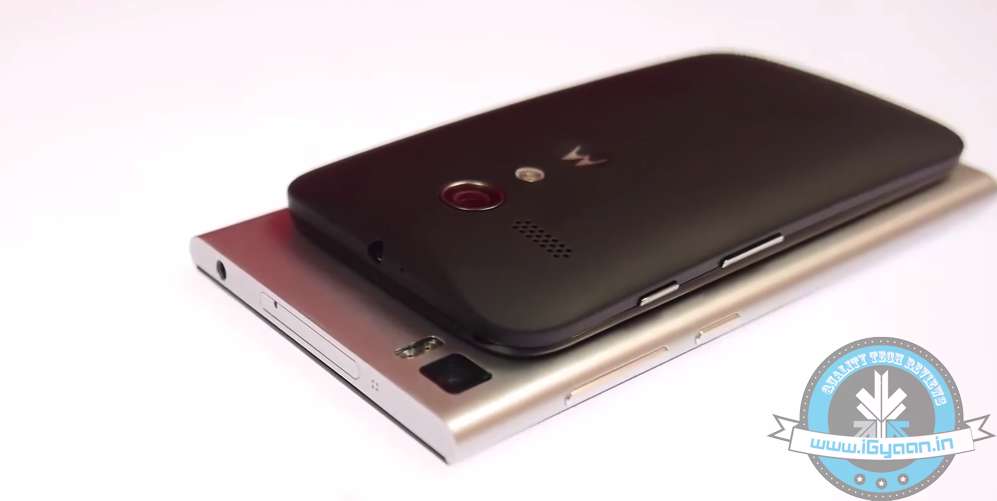
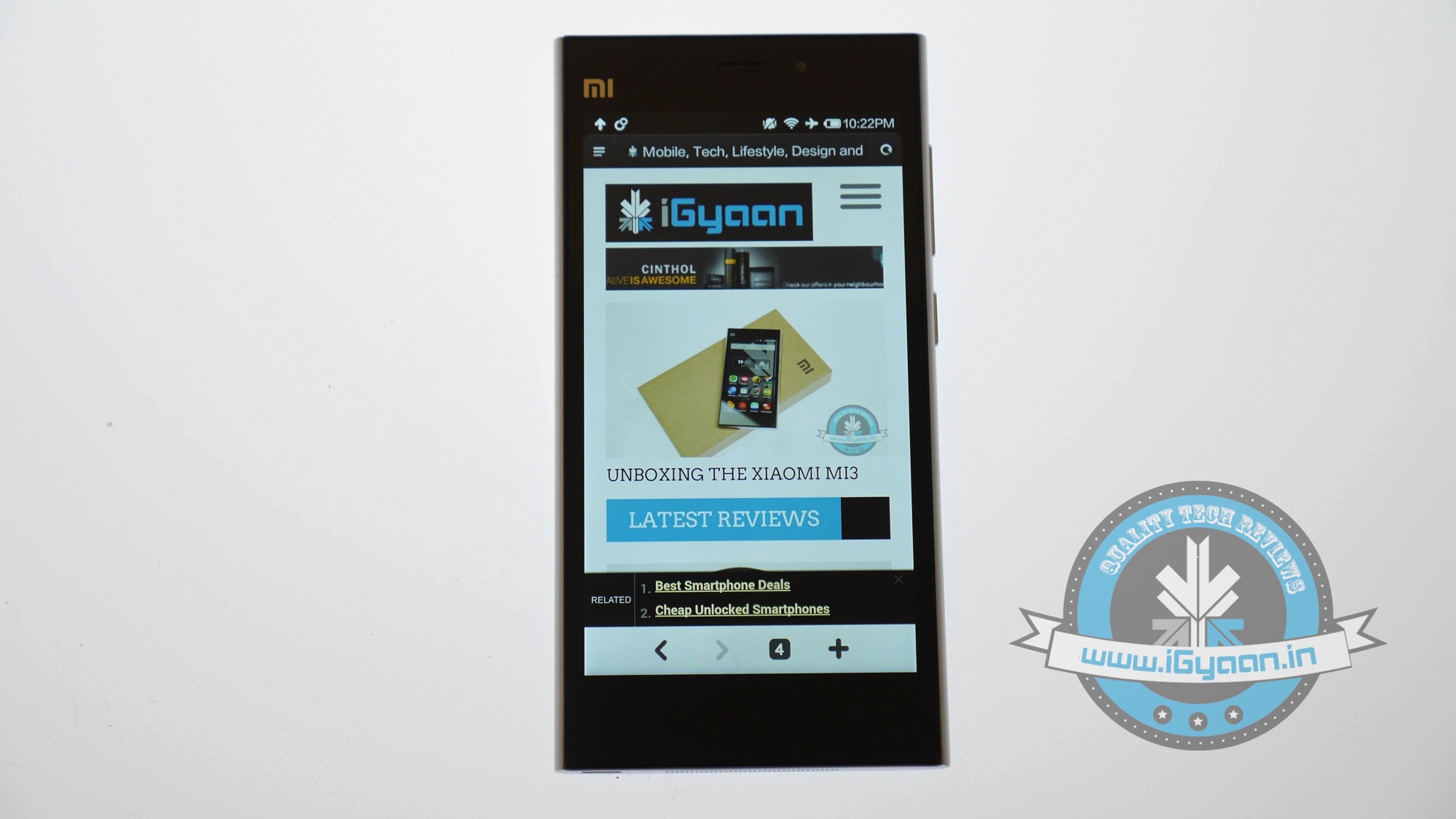
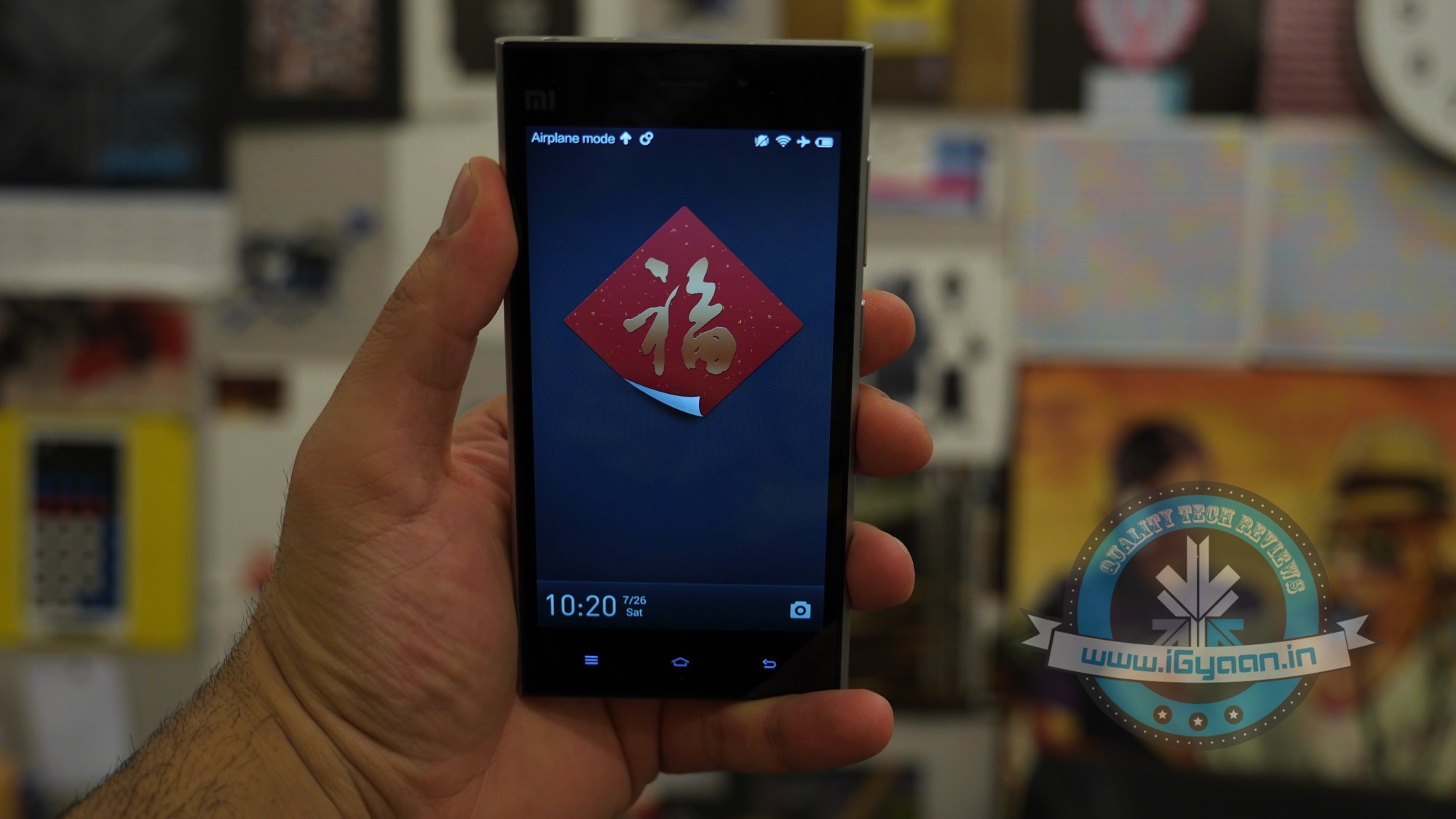
    Xiaomi Mi3, as a solid unibody product looks fantastic and the built quality is admittedly amazing. Overall feeling of the device is great. On the other hand we have the Moto G with its replaceable back panel and an array of color options for back panels.

    Xiaomi Mi3 India3

    Talking about specifications, Mi3 is equipped with a 1920X1080 px 5.0 inch display. While, the Moto G has a 720X1280 px which is at 4.5 inches. On the inside of Xiaomi Mi3 Qualcomm Snapdragon 800 quad-core chipset at 2.3 GHz. It also get Adreno 330 GPU where as with the Moto G, from the same price bracket, you get a quite a different set of specification. You get a Qualcomm Snapdragon 400 at 1.2 GHz with the Adreno 305 GPU, which is comparatively a disappointment.

    In terms of RAM, the device comes with 2 GB, where as the Moto G has a 1 GB. While the internal storage of both the devices is  16 GB. What’s interesting in Mi3 is the powerful 3050 mAh battery while the Moto G sports a 2070 mAh one. We know Moto G has a phenomenal battery life, but we are yet to test out the Mi3 battery life which is expected to be pretty impressive as well.

    Xiaomi Mi3 India1

    In terms of camera, the rear of Xiaomi Mi3 fashions a 13MP camera with a 28mm lens which also a wide-agle lens camera. It has dual LED flash and 1080p recording capability. Whereas Moto G is again dwarfed with its 5MP camera and its 720p video recording capabilities with no fancy camera features.

    The game changer is the OS both of the devices run on. The Mi3 runs on Android 4.4.2 which has been customized with MiUi5 which actually very different from what you see in Moto G. Moto G’s Android version is almost a stock Android interface with a couple of things added by Motorola. Motorola will also be fast enough to give you updates. It comes with Android KitKat out-of-the-box, nowadays. It is a possibility that it will get the Android L update as soon as Google launches it.

    Xiaomi Mi3 India2

    The Mi3 is 8.1mm in thickness, where as Moto G is a little hefty at 11.6mm. Moto G weighs 140 g where as the Mi3 comes at 145 g. The look, the feel, impressive specs and of course the attractive pricing, definitely puts Xiaomi a step above Moto G. If you were planning on  getting the Moto G, you might want to reconsider.

  • Lava Rolls Out Android 4.4.2 KitKat Update for Iris 504Q+

    Lava Rolls Out Android 4.4.2 KitKat Update for Iris 504Q+

    Domestic smartphone maker, Lava International Limited, has just announced an Android 4.4.2 Kitkat update for LAVA Iris 504Q+.

    The new update, as company said , will improve user experience through an enhanced user interface, superior battery life and software performance. The update also comes with new dialer app which will automatically prioritize contacts according to the most frequently dialed numbers in the phone book. Also the dialer will offer a true-caller like service which will match unknown number from businesses with a local listing on Google Maps.

    The users of Lava Iris 504Q+ will soon get the upgrade notification; on tapping the notification, the user will be guided through the upgrade download and installation process.  Alternatively, the users can download and install manually through “Check Update” functionality that can be found in Settings.

    The update will be downloaded on the memory card only and the user needs to have the memory card inserted in the smartphone while installing. After installation, the Android KitKat software can run with or without memory card in smartphone.

    unnamed

    The new upgrade is said to increase the performance of the device. The Lava Iris 504Q+ packs in 1GB RAM and an internal memory of 8GB, which is expandable up to 32GB via micro-SD card, giving users enough space for applications and multimedia content. It is powered by a 1.3 GHz quad-core processor and Mali 400 MP2 at 500MHz Graphics Unit.

    Another noteworthy feature of the devices is its 10 MP rear auto-focus camera that is powered by Sony Exmor RS Sensor having sensor size of 1/3.2 inch allowing enhanced lowlight performance. Through its unique gesture control and voice command functionality, a user can click a picture by saying just “Cheese” or “Capture” or with a swipe of the hand in air. Lava Iris is available in Grey and Silver colors at the price of  Rs. 11,900.

  • Top 6 Apps Exclusively Available For Android Users

    Top 6 Apps Exclusively Available For Android Users

    1. Swift Keyboard

    Swype

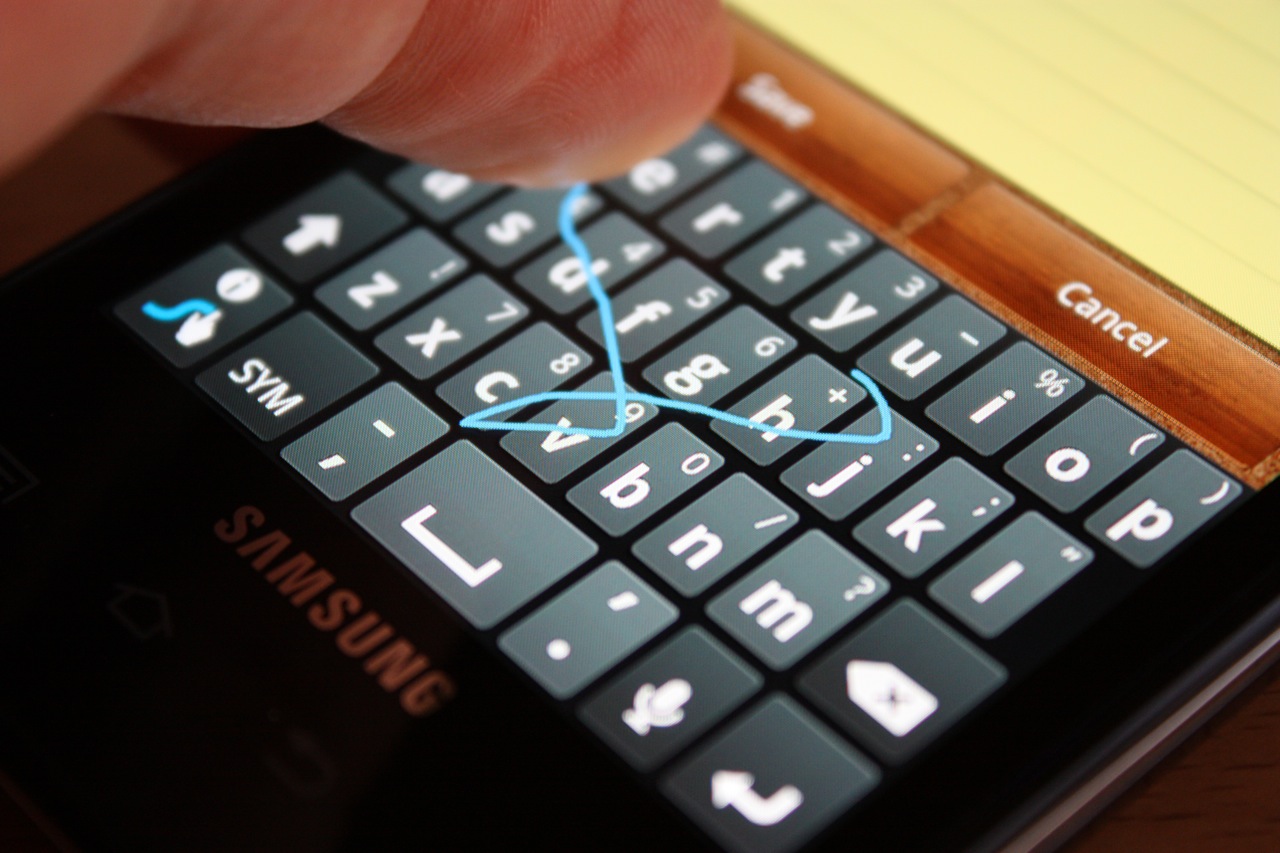
    Don’t like Apple’s on-screen keyboard? Tough luck, you can’t change it! Most flagship Android phones are coming out with the swype keyboard; however if not available the swift keyboard app can be downloaded. This feature enables you to swipe across the keyboard; and once you get the hang of it, it’s incredibly fast. It is however, expected that iOS 8 will be launched with this feature.

    2. ES File Explorer

    ES-File-Explorer

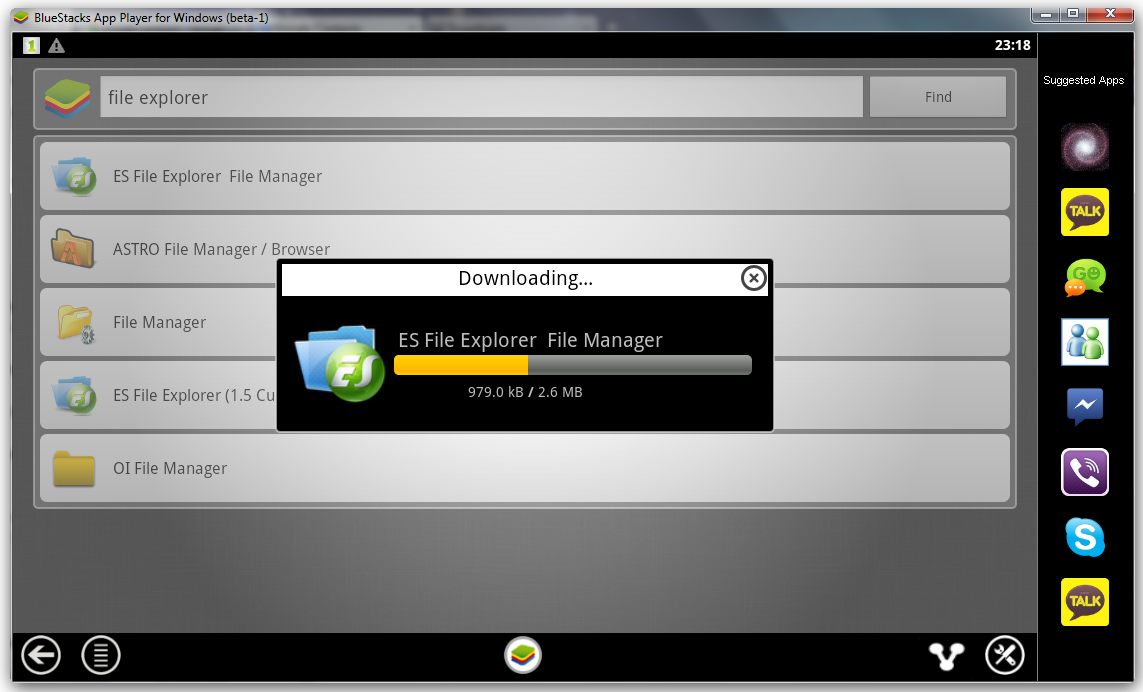
    ES File Explorer gives you the ability to control your Android device just like a PC. You can manage your files and applications, kill unwanted tasks and upload files and folders to your favorite cloud service. This app however is not available on iOS

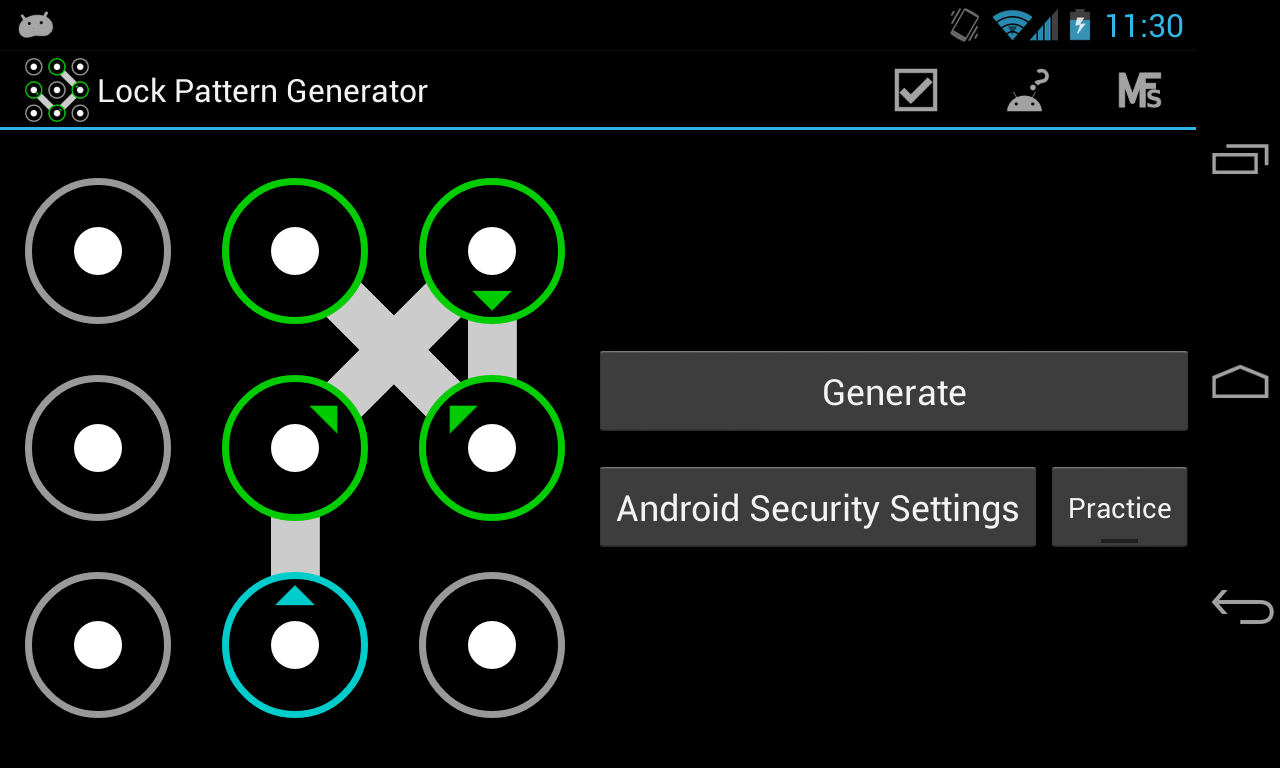
    3. Cover Lock Pattern

    pattern lock

    The Lock Screen is another bit of iOS many people would like to customize, and once again on Android there are all kinds of apps that Apple owners can only envy.

    4. Link Bubble

    link_bubble

    Imagine you find an interesting link on Twitter. Link Bubble will let you click on it and then load it in the background while you continue using Twitter. Once you close the app, the link will be available for your viewing pleasure. It can be tough to remember all the cool stuff you see online, so Link Bubble makes it easier for you to keep track of everything.

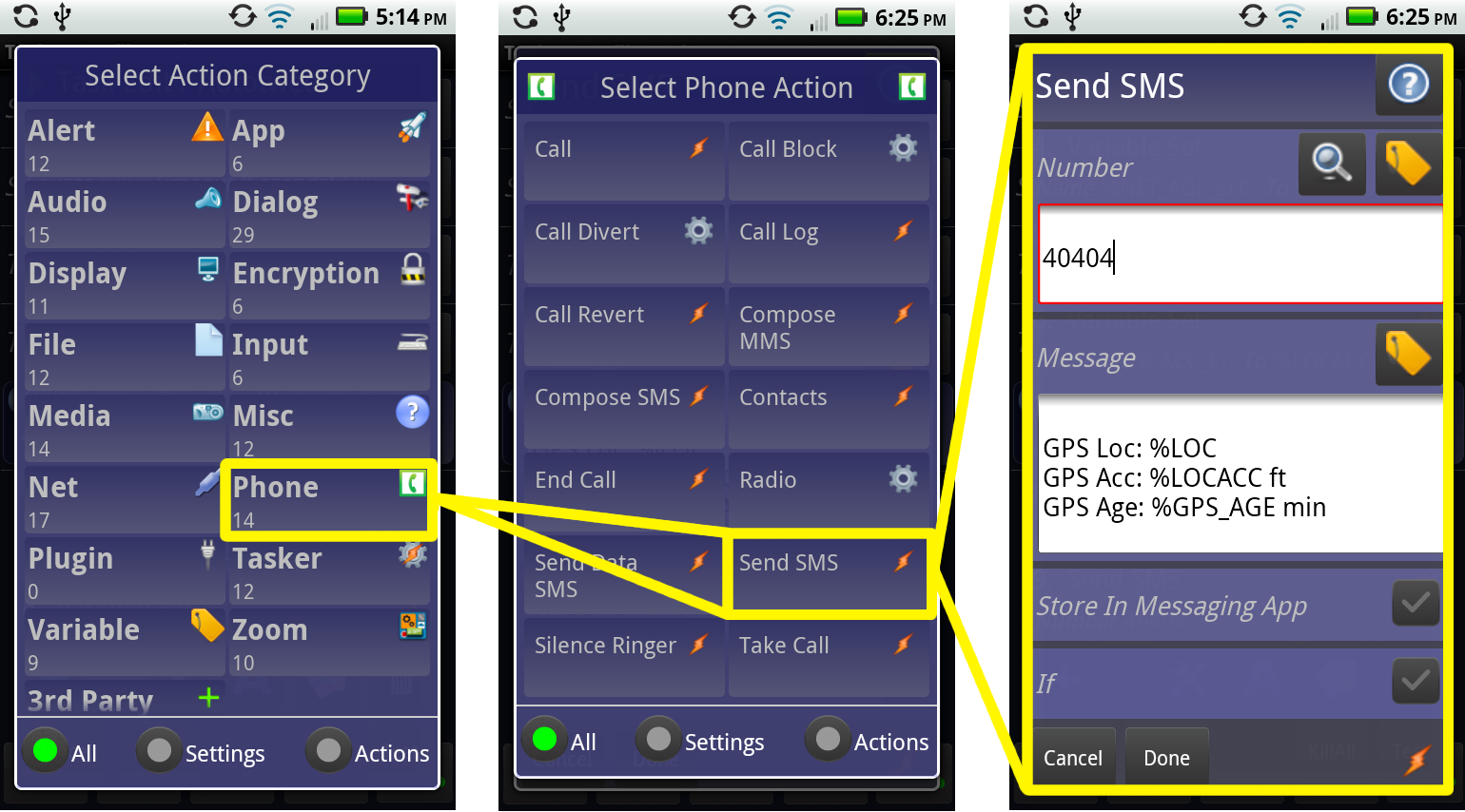
    5. Tasker

    Tasker

    Tasker contains more than 200 actions and triggers that let you control various aspects of your device. Tasker could well be the poster child for Android apps: it’s a little intimidating at first, but the things it can do are incredible.

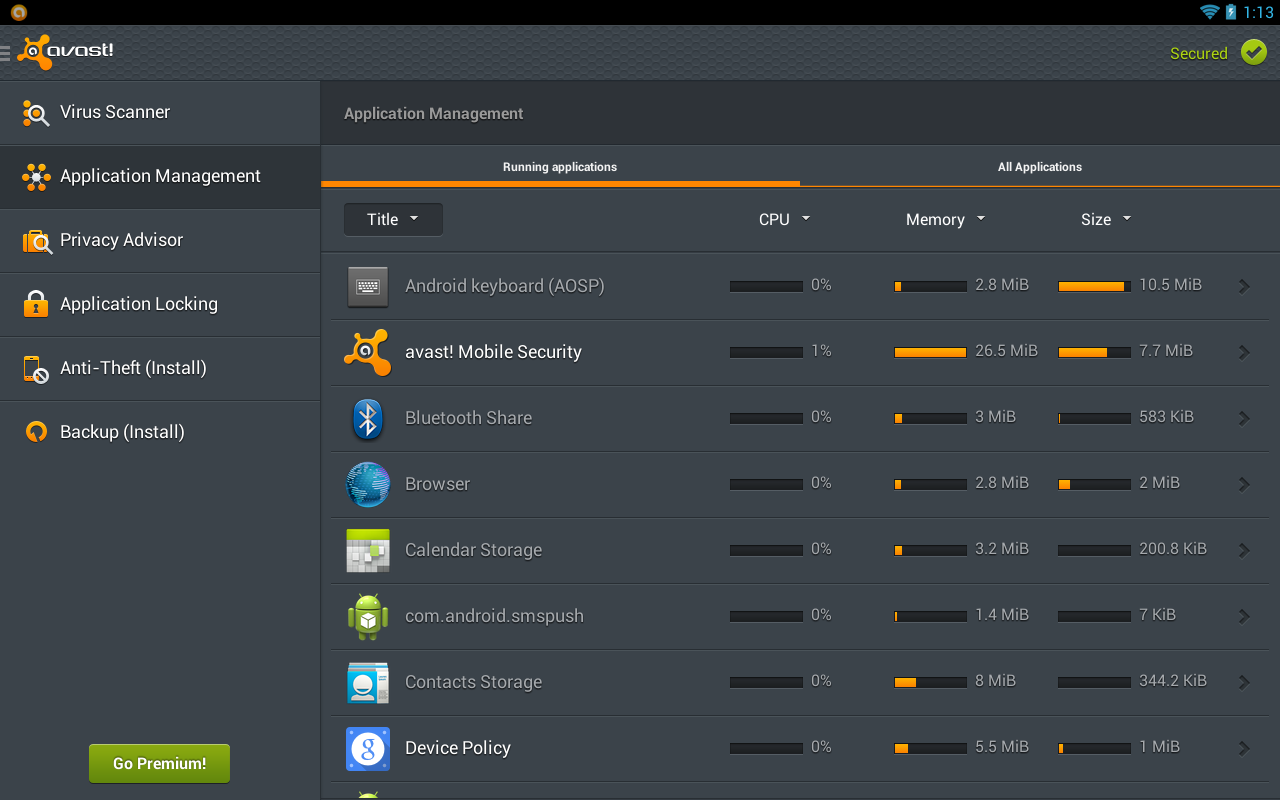
    6. Avast Mobile Security

    Avast Security

    In addition to keeping your Android handset free of malware, Avast Mobile Security and Antivirus lets you lock specific apps so other users can access them without your permission. It is one of the best security software for your phone.

  • Xiaomi Issues MiUi Update to fix some Mi3 Issues

    Xiaomi Issues MiUi Update to fix some Mi3 Issues

    Xiaomi seems to be pumped up about its new Mi3 sales in India, and the company is hell bent on proving that they are here to stay. The new MiUi update comes just days after the initial batch of phones were sold in India. This update addresses some of the crashing issues that people have been facing, along with other bug fixes and add ons.

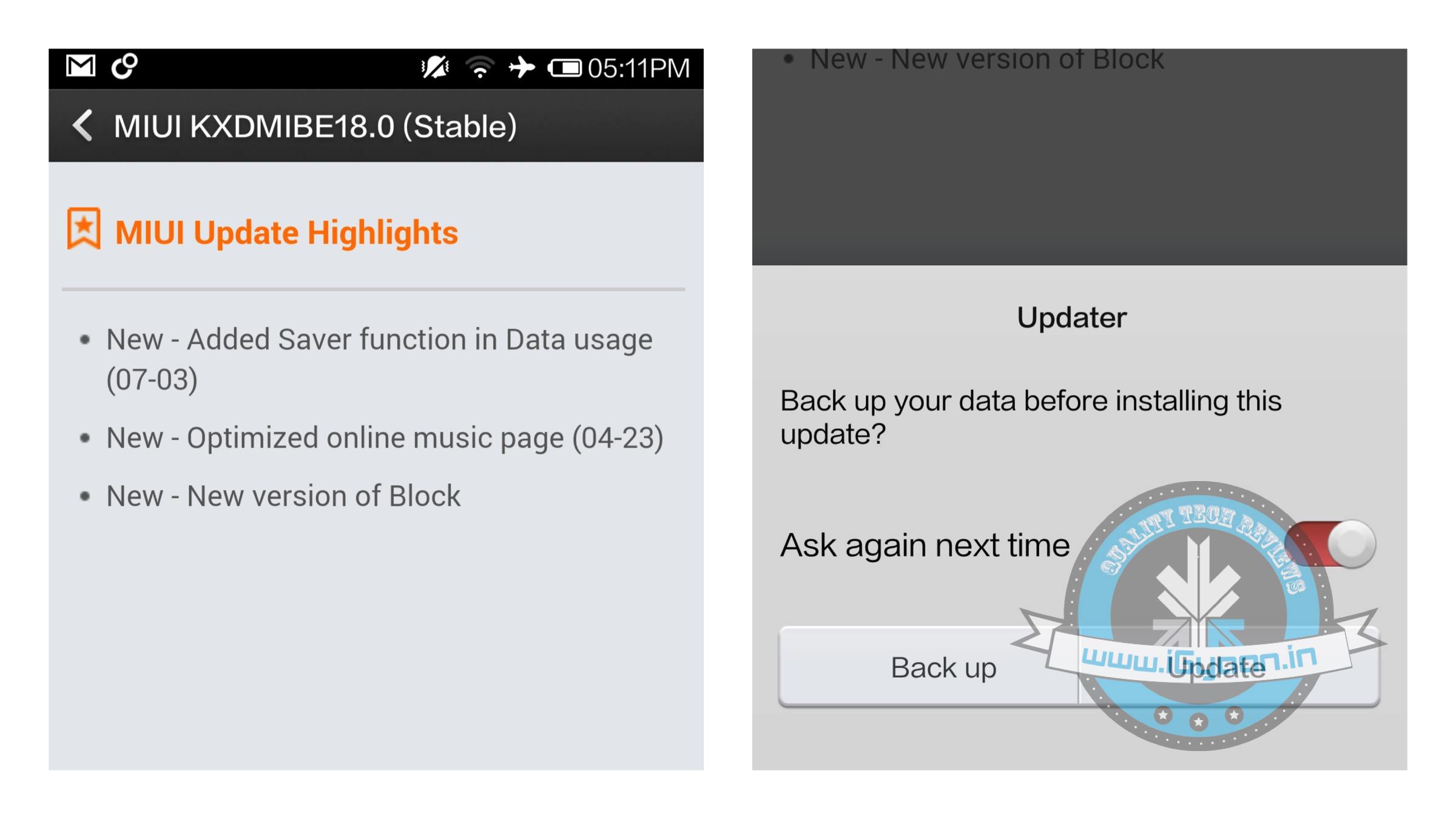
    The new MiUi update adds a new “saver” feature in data usage, which will allow users to possibly save on data costs. The MiUi update also adds a new version of Block and optimises the online music page.

    The file is 592 MB in size and will essentially do a software re-flash, so is recommended that you back up your data before you proceed.

    The Xiaomi Mi3 competes with the flagships for a price that is considered lower than mid range. The Mi3 is powered by a Snapdragon 800 chipset and features a 1920 x 1080p display, has a 3050 mAh battery and comes with 2 GB  of RAM and 16 GB of storage. MiUi comes on top of Android 4.4 Kitkat and hopeful the company will issue the next version of Android, currently known as Android L.

    For more details on the Mi3, read our review here.

  • Xiaomi Mi3 Review : Get it Now!

    Xiaomi Mi3 Review : Get it Now!

    The era of saying, “that’s a Chinese phone” in a negative manner may have finally ended, and that will be purely thanks to the fact that a lot of Chinese manufacturers are ready to put that norm to rest.

    With Gionee taking the market horses by the reins last year, Xiaomi is the latest player and is ready to play in the heated battle zone with the right approach for India.
    Xiaomi mi3 Review 12

    OVERVIEW

    India is the most price sensitive market in the world, one of the largest markets for Mobile Phone users, even those who switch handsets frequently. The country is flooded with manufacturers and brands trying to reach a level of excitement in the mobile space. With the Xiaomi Mi3, the Chinese manufacturer hit the right note with Indian buyers, by simply launching the product. There was a huge demand for a good budget phone; However Xiaomi dissolved their overheads by launching the product at a marvellous price of Rs 13999/- for the 16 GB variant.

    The stocks are very limited, and only those who preregister can buy the phone. Every few days the phone will go on sale on shopping website Flipkart, making it excruciatingly difficult to own one right now. What makes it more painful is the long list of dealers who have multiple accounts on Flipkart, waiting to snatch this phone, just so that they can sell for a markup.

    Is the handset really worth all that worship? Let’s find out.

    BUILD QUALITY AND HARDWARE

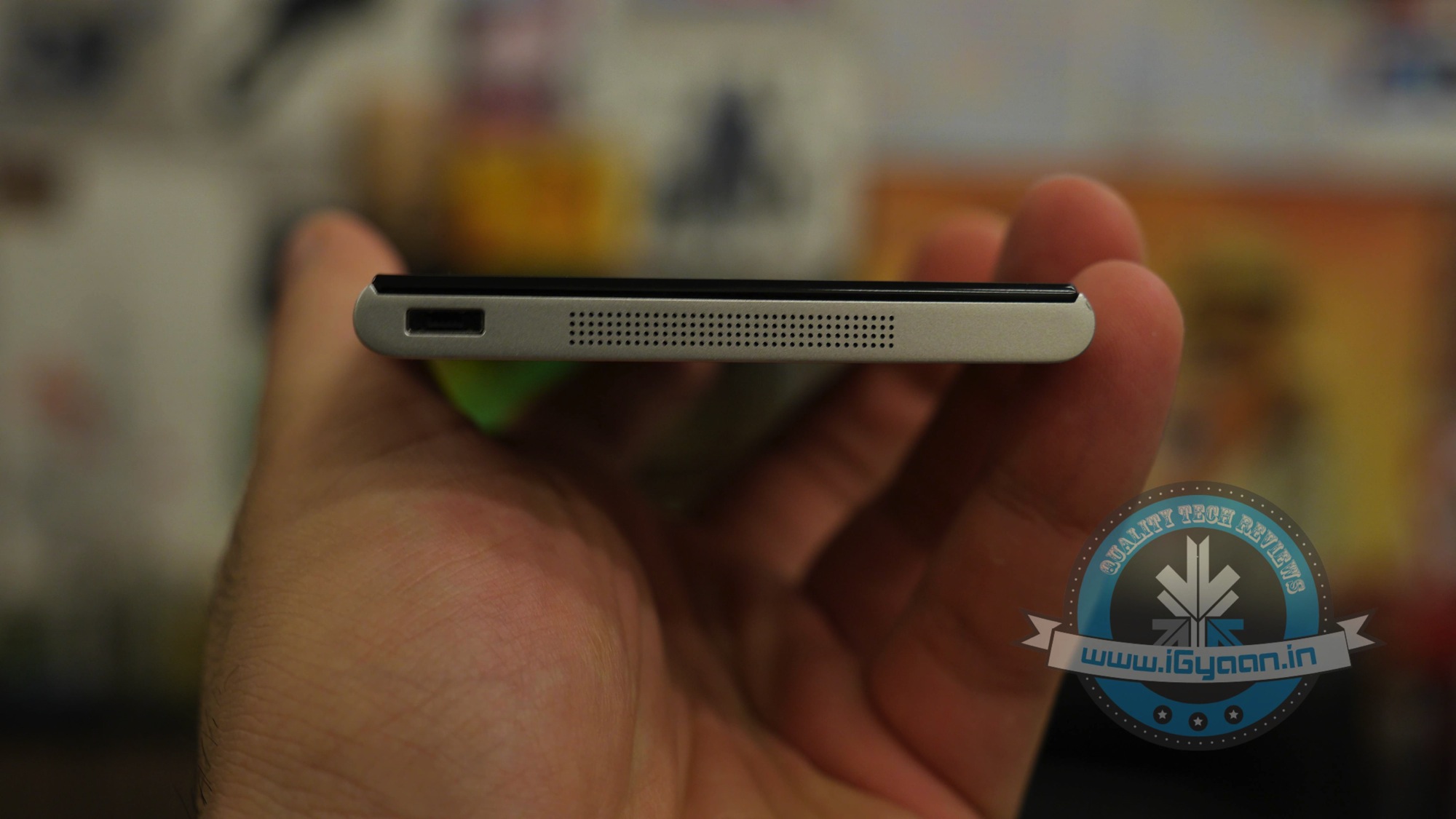
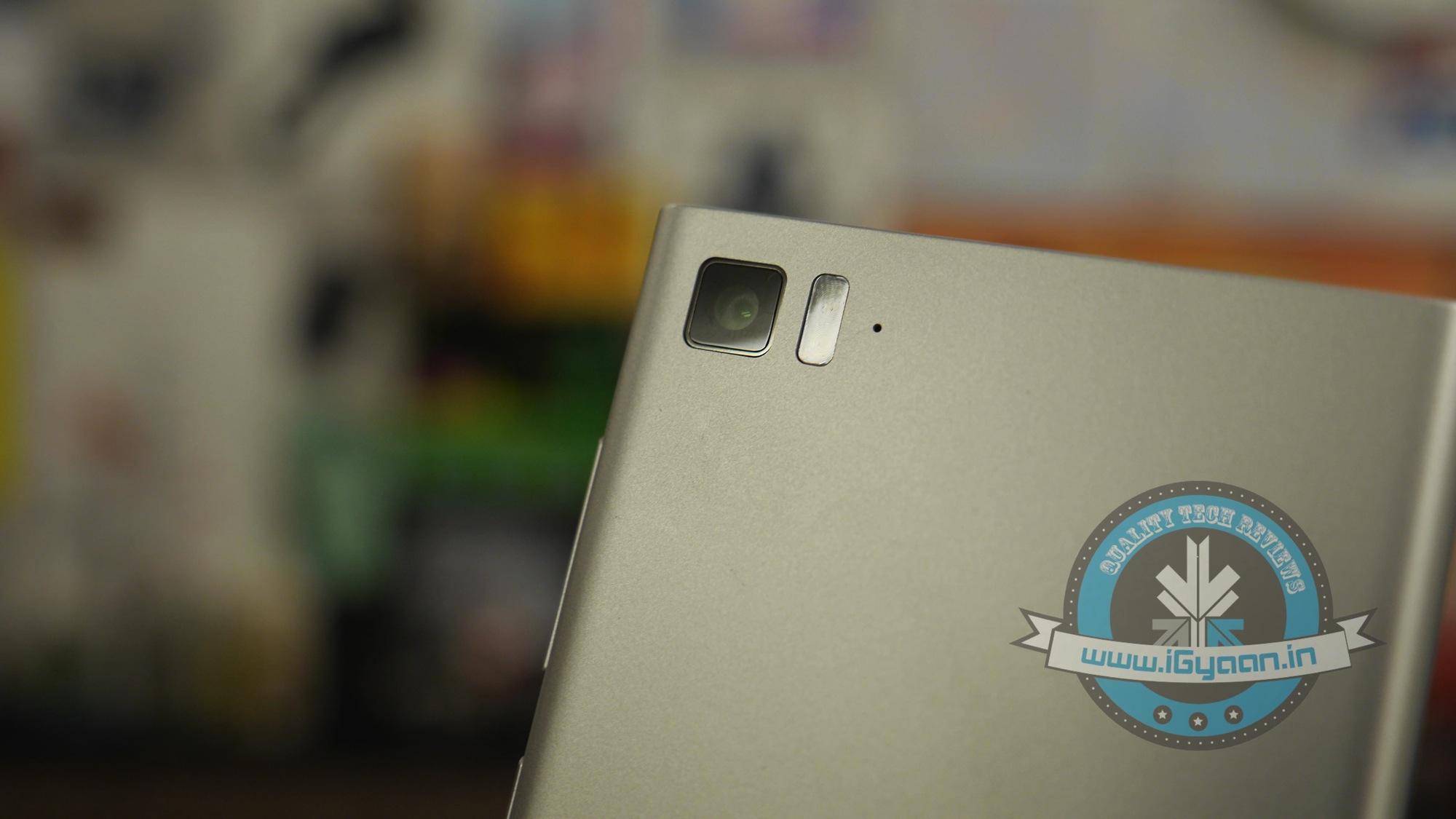
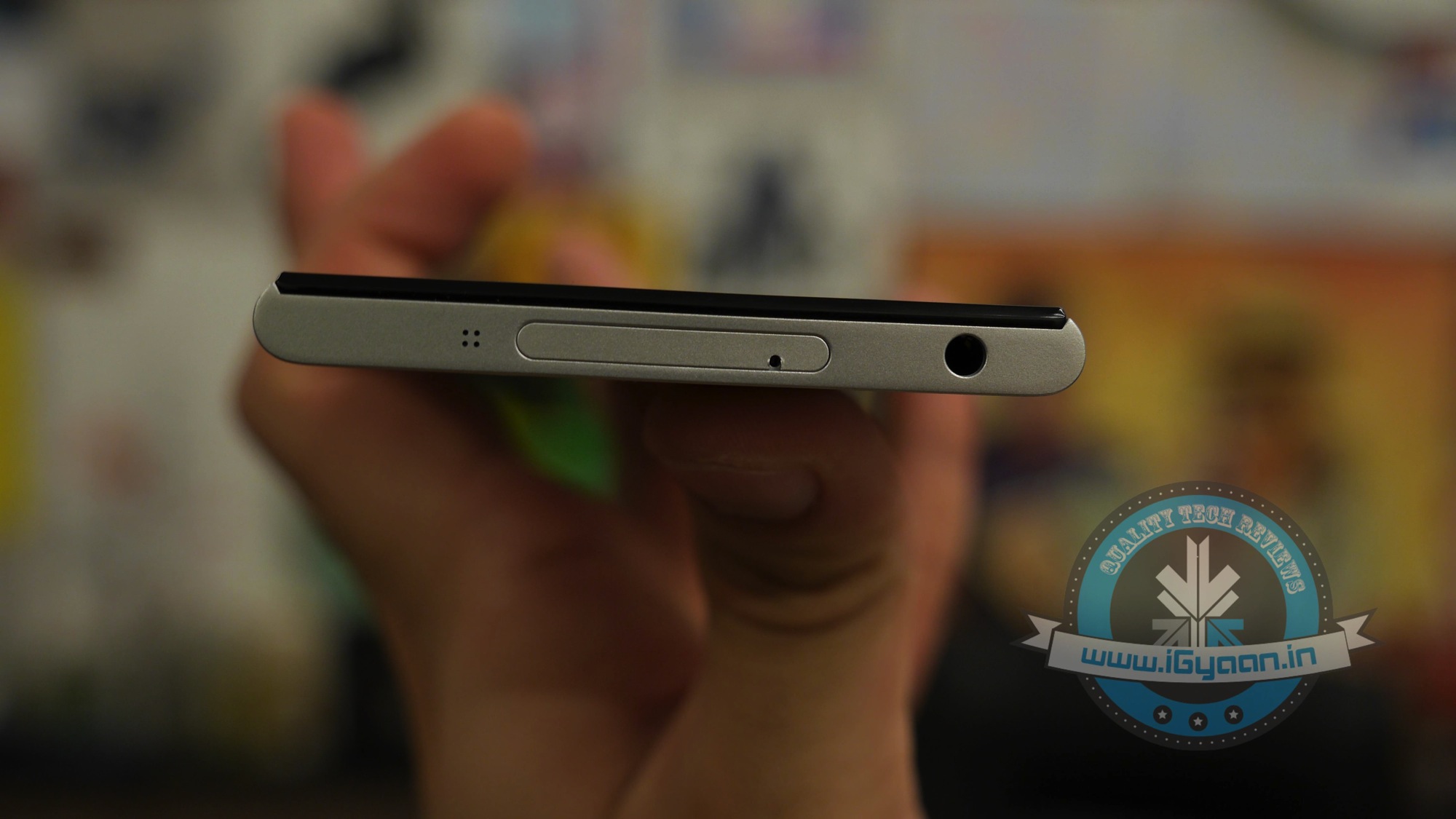
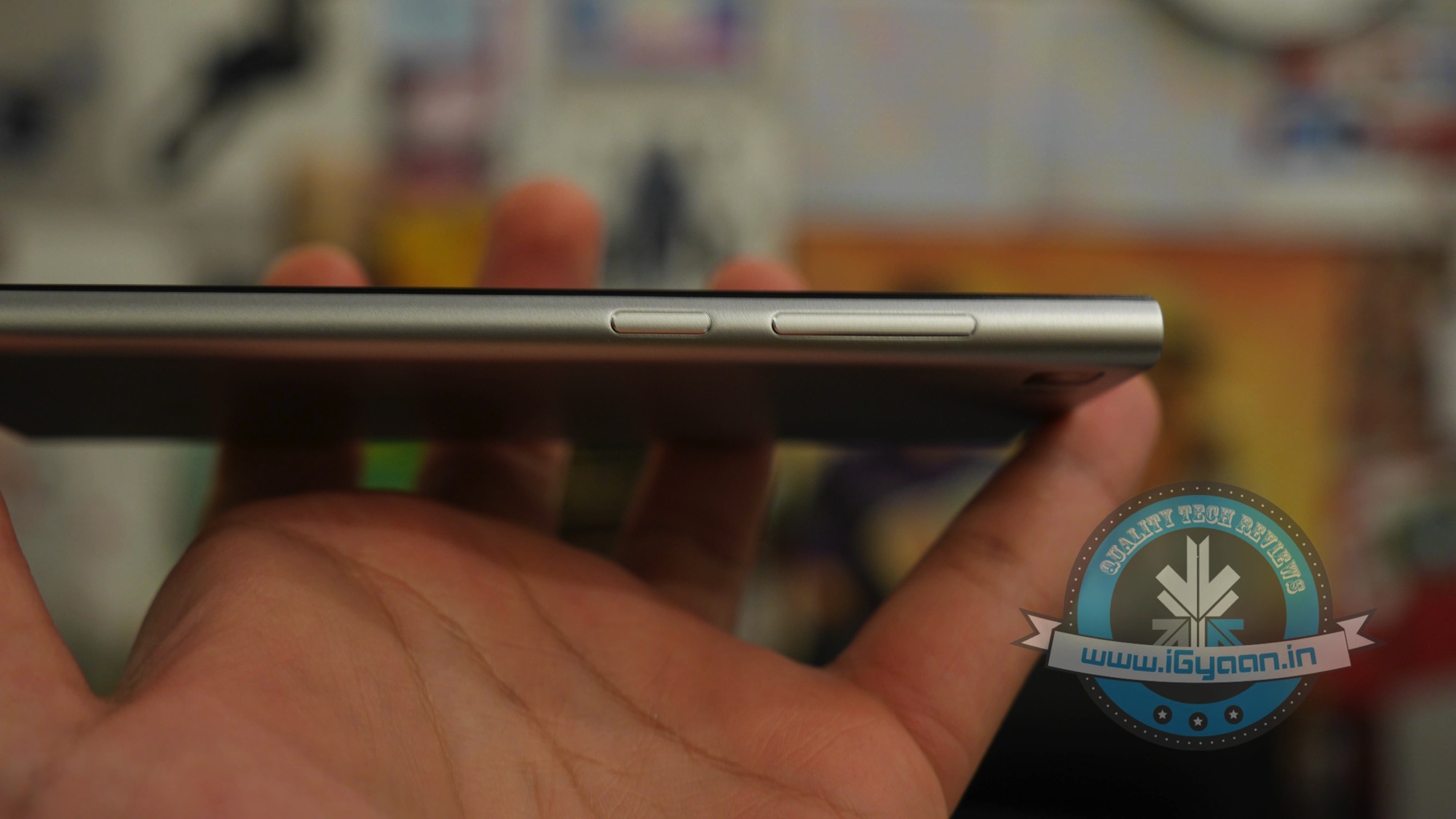
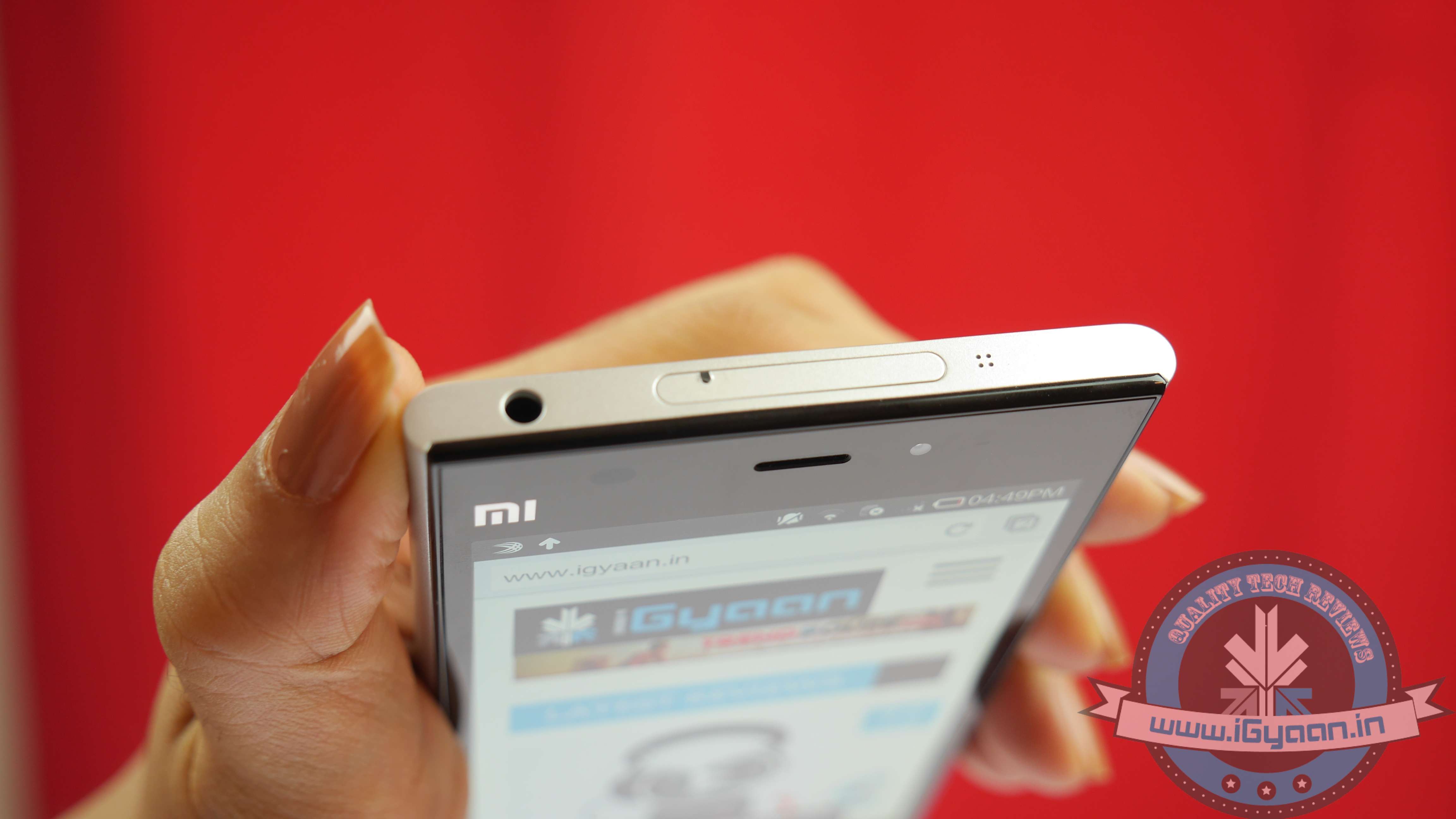
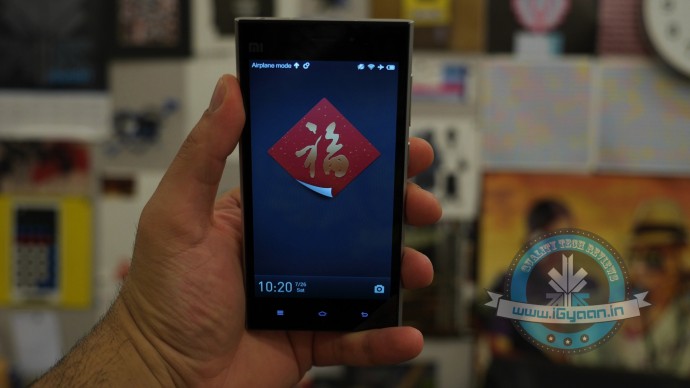
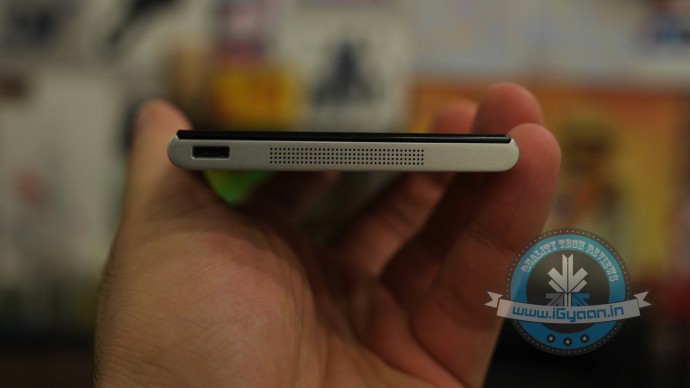
    Let’s say this, finding a phone this well made, for this price, is practically impossible. The Xiaomi Mi3 is encased in a solid brushed aluminium shell and laden with Gorilla Glass 3 in the front. Possibly one of the only phones with a reinforced micro USB port, the Xiaomi Mi3 has held no bars in design and build quality.

    The rigid frame also gives it fantastic looks and the rounded sides and edges relate to the fit in the hand, and it all feels great. Each time you pickup the Mi3 the first words out of your mind would be “No way this costs only Rs. 13999?.
    Xiaomi mi3 Review 9

    Hardware wise, the Xiaomi Mi3 is pretty top notch, unlike its latest version; the Mi4, the Mi3 carries a Snapdragon 800 chipset with quad cores clocked at 2.3 GHz, a full HD 1920 x 1080p IPS LCD display made by Sharp or LG, 2 GB of RAM, 16GB of storage and a whopping 3050 mAh battery. Apart from that you get the Adreno 330 GPU and Bluetooth 4.0 LE along with Wi-Fi 802.11 a/b/g/n/ac.

    Just putting the parts together will cost you more than a phone. However someone at Xiaomi has the right contacts with suppliers.
    Xiaomi mi3 Review 10

    ANDROID AND MIUI

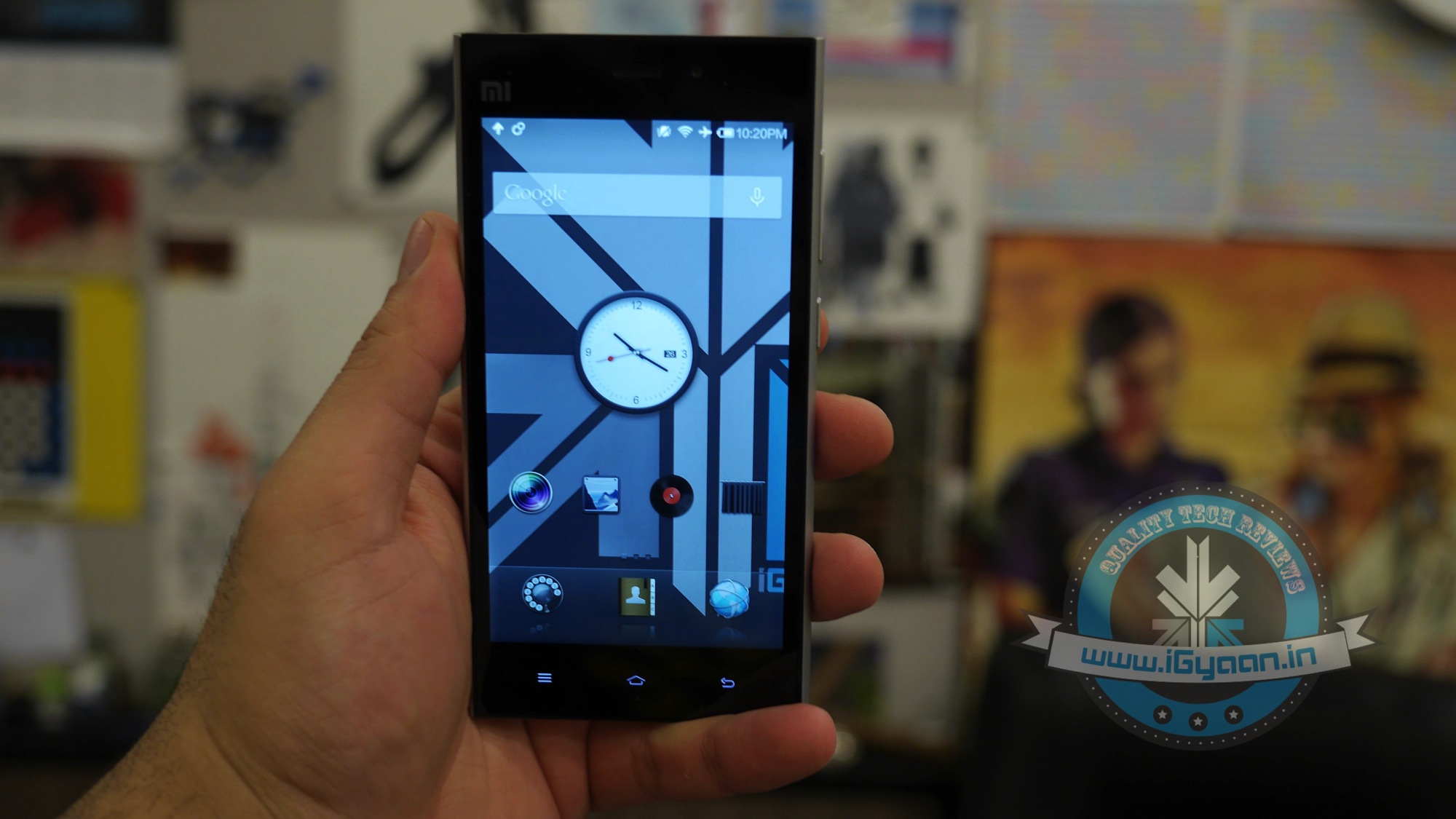
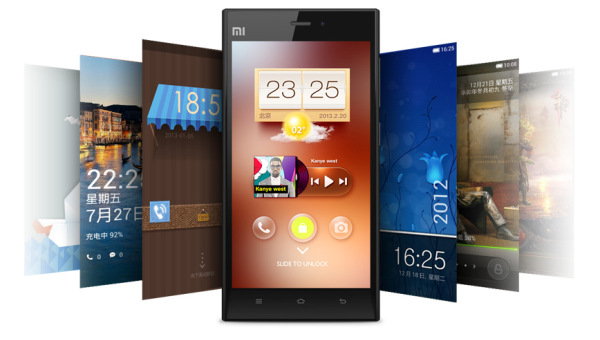
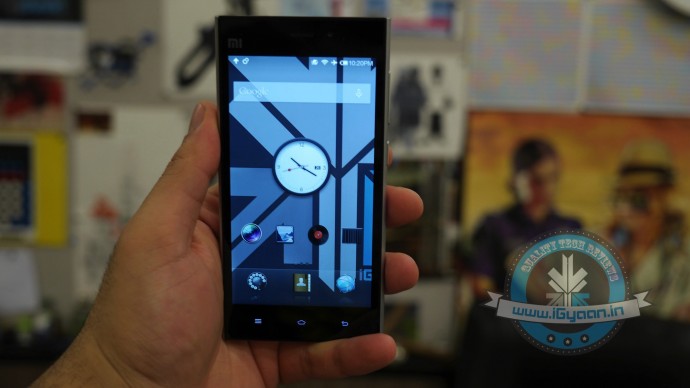
    The Xiaomi Mi3 in India comes preloaded with Android 4.4.2 out the box, which is skinned with MiUi, a very iOS like skin which does not contain an application drawer. The UI is fast and snappy and offers a lot of customisations including themes which can be downloaded from the Mi Store. The Mi3 will give full access to the Play Store and allow for launcher downloads as well as launcher replacement if so be the case.

    The UI is snappy and not laggy at all, the phone has good multitasking capabilities and will blaze through the live applications, despite few software glitches, that may often cause slowdowns and crashes.

    PERFORMANCE AND GAMING

    The phone is a beast for the price range. It does not break any records as per say, but is truly top notch in its price bracket, in fact pretty much compares to phones in double the price bracket. The phone runs through mostly all our tests and scores good results in our benchmark tests.

    Test

    Score

    Quadrant Benchmark 20376
    Antutu Benchmark 30537
    Nenamark 60.0 FPS

    As far as gaming is concerned, the Mi3 can handle anything that is thrown at it, basically, any game that exists on Android will run on the Mi3, which is mostly thanks to the heart of the handset being a Snapdragon 800 – one of the most stable chipsets when it comes to apps and software.

    We gamed on the Mi3 extensively and found it to be seamless and smooth, although the 16 GB runs out, and it runs out fast. You would be better waiting for the 64 GB variant if gaming is your bit because space is tight.

    The Xiaomi Mi3 is excellent in day to day use and offers excellent performance, whether its running apps or multitasking, you will not be disappointed.

    MULTIMEDIA AND CAMERA

    The Xiaomi Mi3 has a beautiful display with excellent viewing angles and a full HD resolution. Xiaomi has gone as far as calling it a “retina” display, because the panels are made either by LG or Sharp, both of which supply to Apple for the iPhone.

    The display is big and bright, and you will enjoy consuming media on this phone, the audio is excellent out of the 3.5mm jack, and you will be happy with the overall experience. The onboard speaker is not overly loud, but can be adequate, of course, which could be different for different folks, we would have liked a better speaker though.
    Xiaomi mi3 Review 6

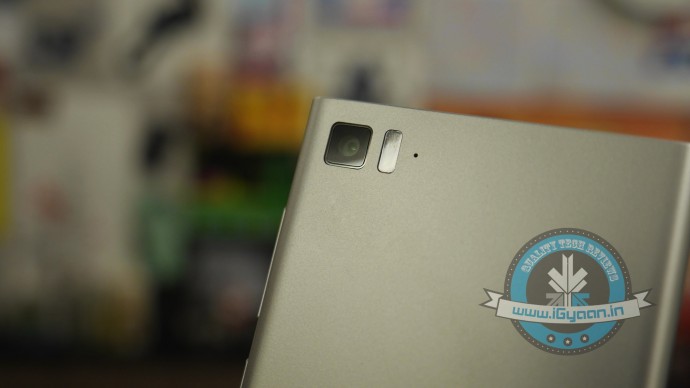
    The camera is the best in class, with a 5 element lens and f2.2 aperture, the 13 MP shots are right on the money. The colours are accurate, and images are perfectly sharp. Low-light performance is excellent, and video is good. The front camera is good for 2
    MP shots which will more than suffice for the selfie nerd in you.
    Xiaomi mi3 Review 8

    PHONE AND BATTERY LIFE

    Phone networks are strong, and network performance is good where we tested (Delhi/NCR and Mumbai), the phone supports 3G networks mostly globally and without issues in India. There is no 4G/LTE and expecting it would be inappropriate.

    Battery life is impressive thanks to a well balanced chipset, which helped us get through almost two days without a recharge on the 3050 mAh battery pack.

    Talk Time 6-7 hours
    Music 19 hours
    Internet 10+ Hours

    CONCLUSION

    Just a few months ago, Motorola broke the bank in India by launching the Moto G in this price bracket using a similar sale strategy (the Flipkart way). Now Xiaomi seems to have this in their pocket for the Xiaomi Mi3 and possibly for the Mi4 in the near future. There are several complaints, already of handsets with faulty Sim card trays, heating issues and handsets that refuse to boot or get charged.

    Around 35-service centres will offer, support and Flipkart has a brilliant reverse pickup for faulty and dead on arrival products. So device and support “should not be” a problem. However, there is no clarity on who is behind the sales, an Indian partner or the company itself? How dedicated are they and how serious do the consider one of the larger mobile markets?
    Xiaomi mi3 Review 7

    With confirmed news of the new Mi4 coming soon, and OnePlus showing interest in India, the Mi3 may be a miss for some. However for those who need a phone now, it doesn’t get any better than this. If you were considering a last generation Nexus 5, this overthrows that with half the price. Get the drift? Now get the phone!

    Buy Now

    [tw-column width=”one-half”]

    GOOD THINGS

    • Excellent Build
    • Uber Hardware
    • Stunning Looks
    • Android 4.4 and MiUi
    • Excellent Performer
    • Great Battery

    [/tw-column]

    [tw-column width=”one-half” position=”last”]

    BAD THINGS

    • No Official Company to find
    • Flipkart only Sales
    • Limited Units
    • Faulty on Arrival Units

    [/tw-column]
  • Samsung Galaxy Tab S 10.5 inch : Benchmarks and Hardware

    Samsung Galaxy Tab S 10.5 inch : Benchmarks and Hardware

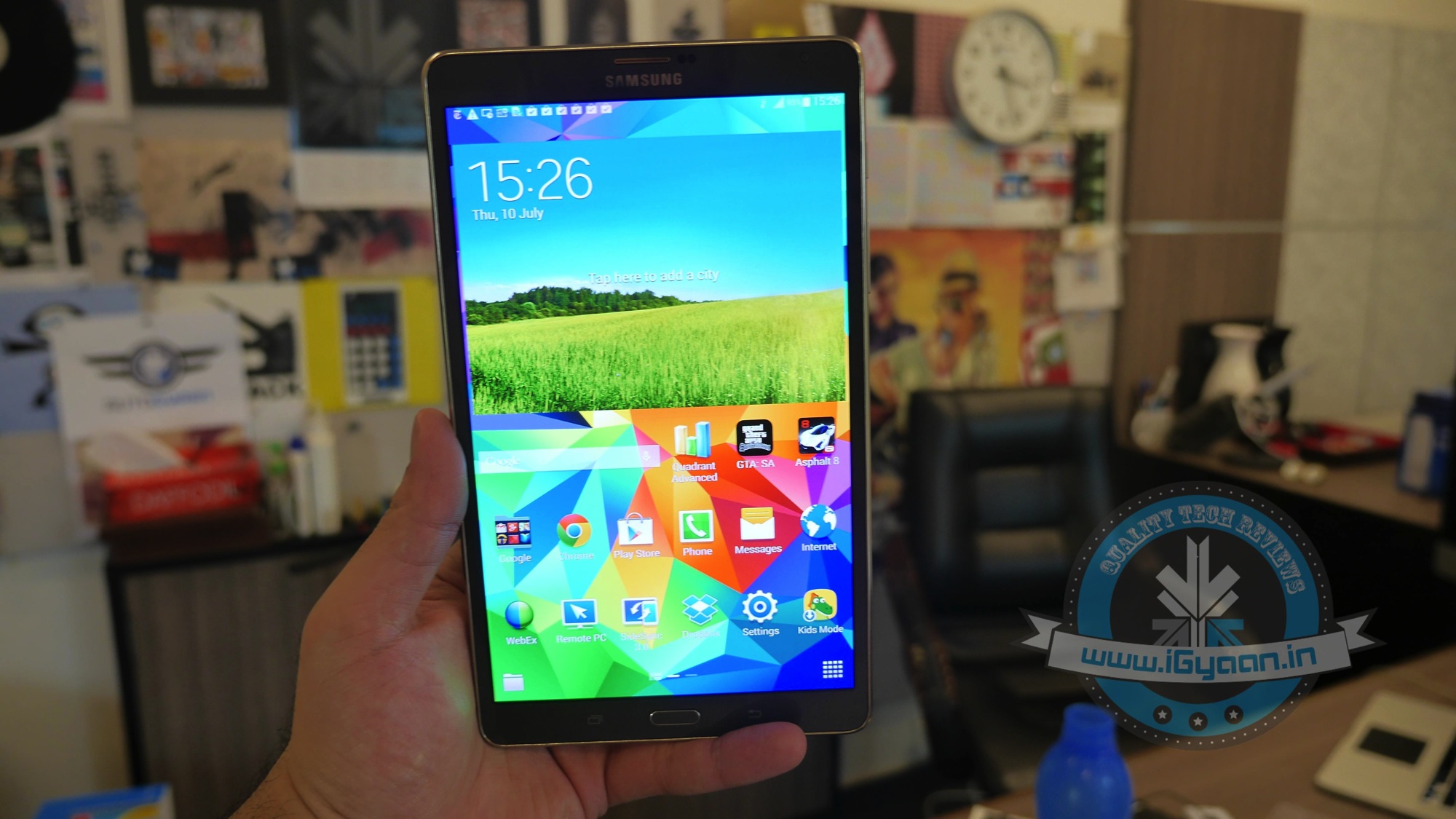
    Samsung reincarnated Galaxy Tab Series with two powerful devices variants: Galaxy Tab S 10.5 and 8.4. Samsung has beefed up the processor, improved the screen and managed to make it even thinner. We tested Samsung Galaxy Tab S 10.5’s performance and hardware muscles and here’s what we found:

    Galaxy Tab S 10.5 has an impressive line-up of core components. At the heart of this ultra-thin tablet lies a Samsung Exynos 5 Octa SoC, which has eight cores (four running at 1.9GHz, four at 1.3GHz), 3GB of RAM, a base storage allocation of 16GB and Mali-T628 MP6 graphics.

    To test benchmarks, we started by running Quadrant Standard on the device. The device performed well up to its hype and got an impressive score of 25,553. The score is quite higher than Galaxy Note PRO 12.2, which stands at 17,396.

    Following up, we ran AnTuTu Benchmarks on the Samsung Galaxy Tab S 10.5. The device scored 34,270, which is again pretty impressive. While the 8.4 inch variant of Galaxy Tab S lags slightly behind its bigger brother. Also, we ran the device through NinaMark 2 and the tab scored 59.8fps. The number is a little low as compared to other devices available in market such as Asus Nexus 7 and Sony Xperia Tablet Z. The multitouch score of the device was 10 which makes it a wonderful device for QWERTY typing.

    Check out our full benchmark  and hardware test video of  Samsung Galaxy Tab S 10.5 above.

  • Samsung Galaxy Tab S 8.4 : Benchmarks and Hardware

    Samsung Galaxy Tab S 8.4 : Benchmarks and Hardware

    Following up the Samsung Galaxy Tab S 10.5, we tested the smaller variant:  The Samsung Galaxy Tab S 8.4. One thing that we appreciate a lot is that the Tab S 8.4 is a true little brother of the Tab S 10.5. Both slates have identical specifications, from processor to display resolution and even the internal RAM and storage. What differs is the size of the screen and the battery capacity which are both reduced.

    Same as its bigger brother, the 8.4 Tab S variant has a phenomenal display. Running through the Quadrant Benchmark, the device scored 18,362 which little low from its big brother’s score that is  23,553. Anyhow, 8.4 Tab S scores much better that many of the devices  in the same price bracket.

    Next up is Antutu benchmark, the device scored 29,559 in this test, again lagging behind the 10.5 variant which scored 34,270. Along with that we also ran the device through NinaMark 2 Test scoring 59.1 fps which is quite similar to the 10.5 Tab S which scored a 59.8 fps. Same as the bigger variant, 8.4 variant is also 10 finger multi-touch.

    Check out our full benchmark video of Samsung Galaxy Tab S 8.4 above.

  • Screen with Vision Correction to Eliminate the Need for Glasses

    Screen with Vision Correction to Eliminate the Need for Glasses

    We use a lot of screens now. If you are working at a technology based institution like coding, gaming or a BPO, you probably even dream of looking at a screen. But all these screens are have an intense adverse effect on our eyes. We are not evolutionary trained to look at light emitting displays all day. This has caused a lot many people to take trips to the ophthalmologists quite regularly. Now scientists from the University of California Berkeley has authored a paper which states that it is possible to create screens that can display their content based on the perception capabilities of the users eyes.

    The premise that the scientists put forward is fairly simple to understand. For the technology to work, it requires an algorithm that alters an image based on the glasses prescription of the users which works in tandem with a light filter in front of the display. The algorithm helps in altering the light emitted from each pixel which is then passed through a tiny hole in the plastic filter. These rays of light reach the retina in a way that recreates a sharp, focused image. The technology will be developed in cooperation with MIT and Microsoft.

    A lot can benefit from this technology, even folks with visual issues which cannot be corrected through the use of glasses, and no, it can’t cure blindness but can address visual issues cased by physical deformity.

    This technology can be embedded in almost all kinds of displays thereby almost eliminating the need for glasses. One major drawback is that it cannot be used by people with multiple optical needs. Also the technology depends of motion tracking to assess the users distance from the display. One of the authors of the paper believes though that these problems can be addressed by using the technology on bigger screens.

    Overall this is a great research for the mobile age. In times when we are forced more and more to look at screens all day with the mobile work cultures, the biggest losers have been our eyes. So what if this technology will still have us looking at screens, at least they will adjust the content as the eyesight devolves.

  • Images of the Upcoming Moto X+1 Leaked

    Images of the Upcoming Moto X+1 Leaked

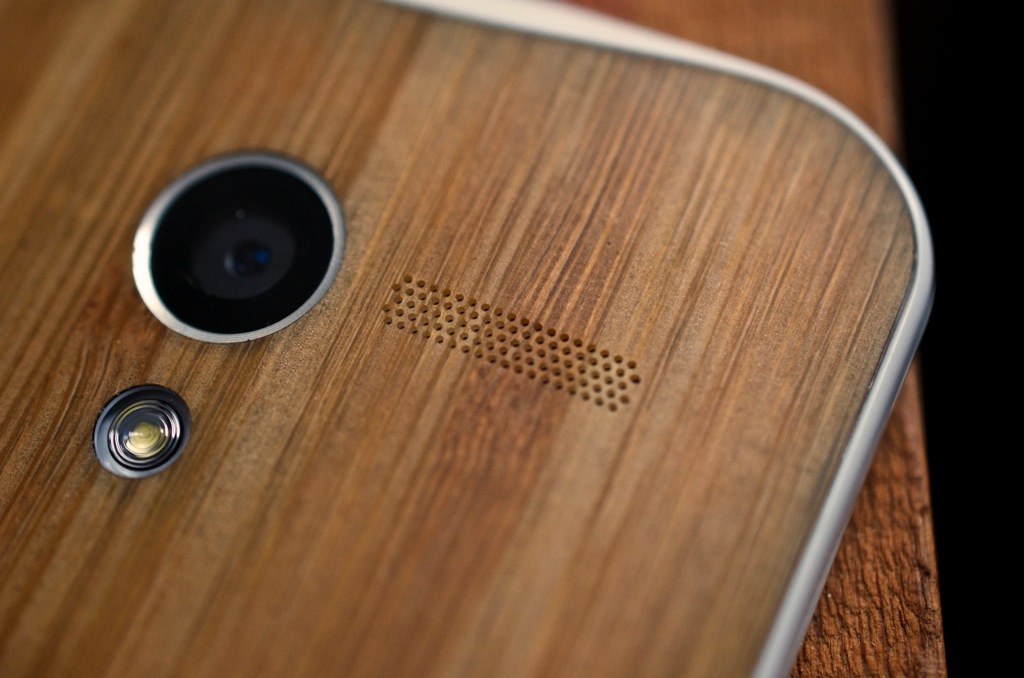
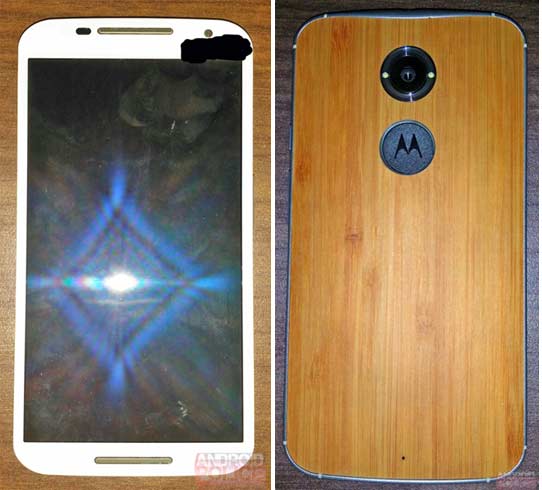
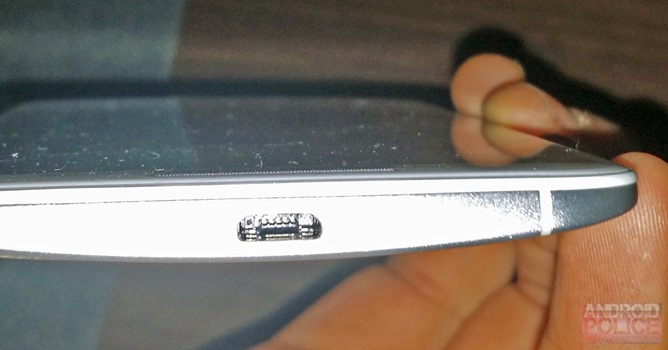
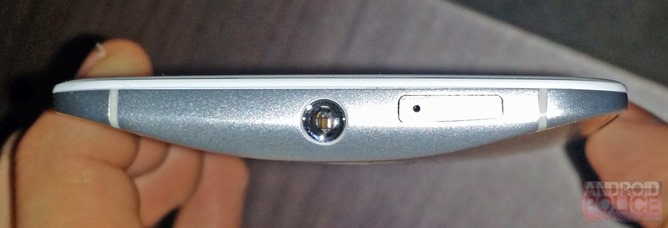
    The coming up flagship device of Motorola seems be to their worst kept secret. Earlier the phones specifications and some photos were revealed and now once again, Android Police has leaked photos of what they claim is a pre-production model of the Moto X+1.

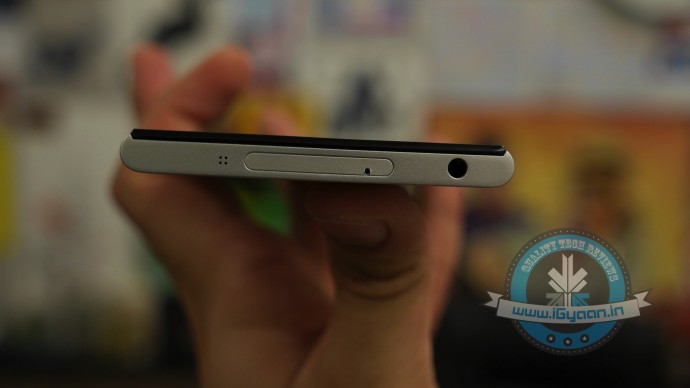
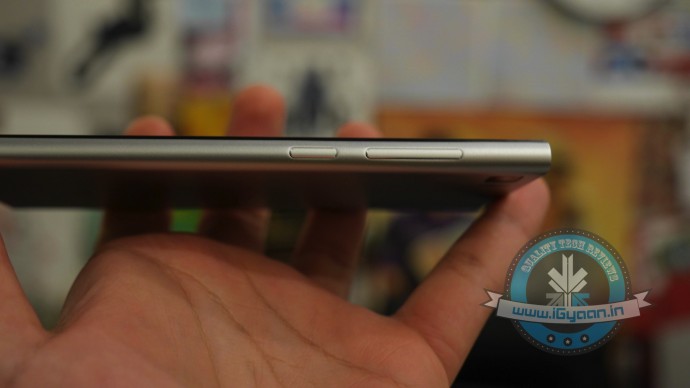
    However, the device in the picture has one distinct factor  and that is the aluminum frame around the device. It is said that the silver-colored segmented ring around the phone’s sides is made of aluminum, like the HTC One family, though the metal build doesn’t extend to the front or back.

    motorola-moto-x-plus-1-photo-leaked

    This device seems to have bigger screen than its predecessor (5.1-inch screen) with no capacitive buttons, which roughly matches various reports, along with a loudspeaker beneath the screen. The back has a Motorola logo set into the wood, in what appears to be plastic, which differs from the wood backs on the Moto X. The two white dots on either side of the circular camera module are said to be dual LED flashes. Like the Moto X, there is no MicroSD card slot.

    moto x+1

    moto

    The wooden finish rear confirms the earlier report that the flagship device will offer more than 25 customization options, including wood and leather finishes. Furthermore, earlier rumors suggest the Moto X+1 will sport bumped up specs in every respect starting with a new 5.2-inch, 1920 x 1080 resolution screen. The phone could also have a faster Snapdragon 800 processor, 2GB of RAM, and 24GB of storage. A higher spec 64GB model has also been rumored to come with a microSD card slot not found on the regular model. Camera-wise the Moto X+1 said is to feature a 12MP rear sensor coupled with a 5MP front snapper.

    moto x+1

    motorola-moto

    In general, the hardware seems to be a reasonable upgrade from the Moto X, although the leaks so far have failed to mention whether or not the device will include a natural language processor. This is the chip that enables the Moto X’s touchless voice controls, which allow you to access Google Now without even touching the phone while the screen is turned off. It was billed as one of the major features to launch with the Moto X, but it’s unclear if we’ll see the same type of functionality in the Moto X+1. Motorola is rumored to unveil the Moto X+1 in August as it did with the Moto X in 2013.

  • Bose and Beats Make Noise Over Patent Infringement

    Bose and Beats Make Noise Over Patent Infringement

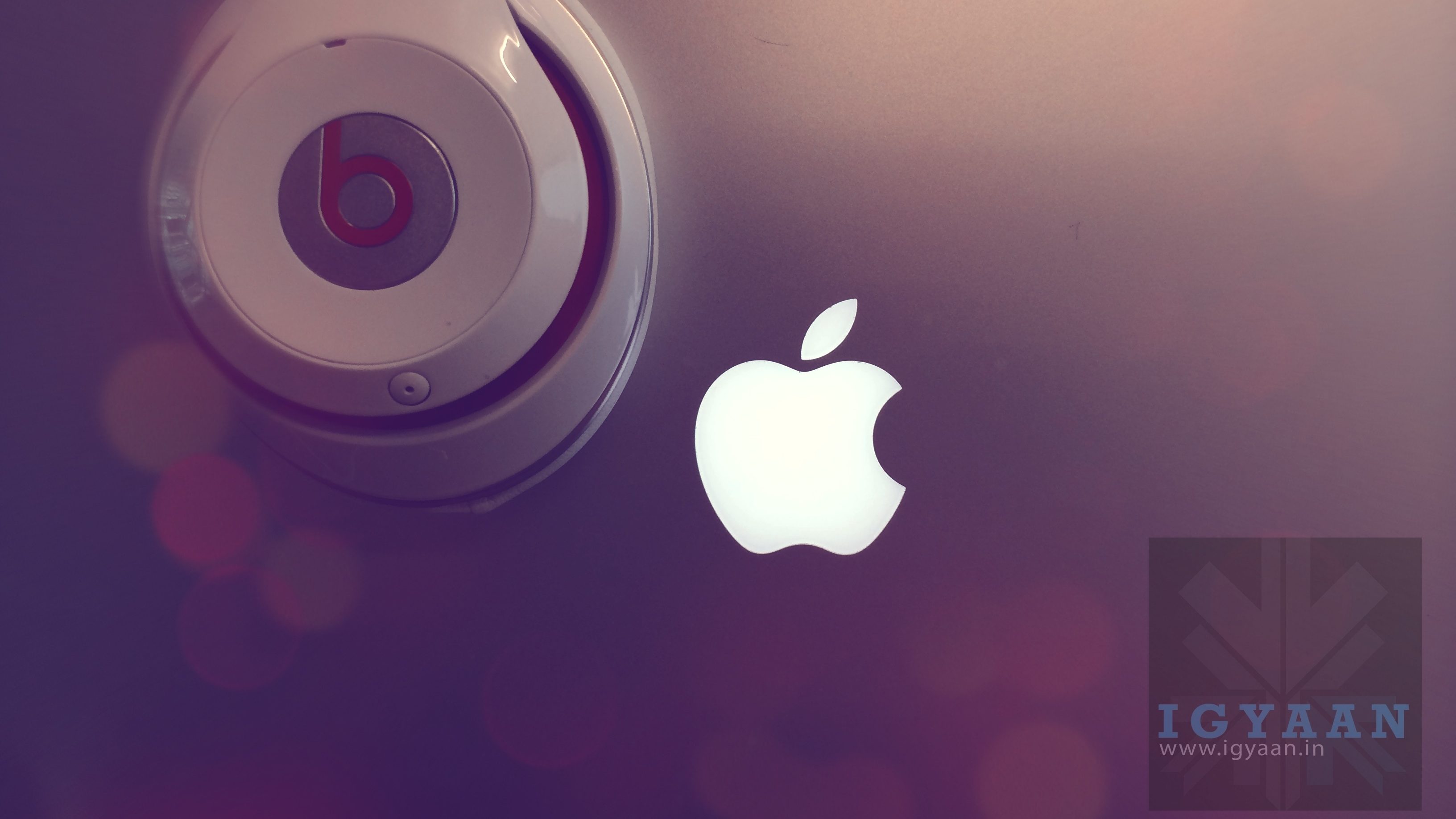
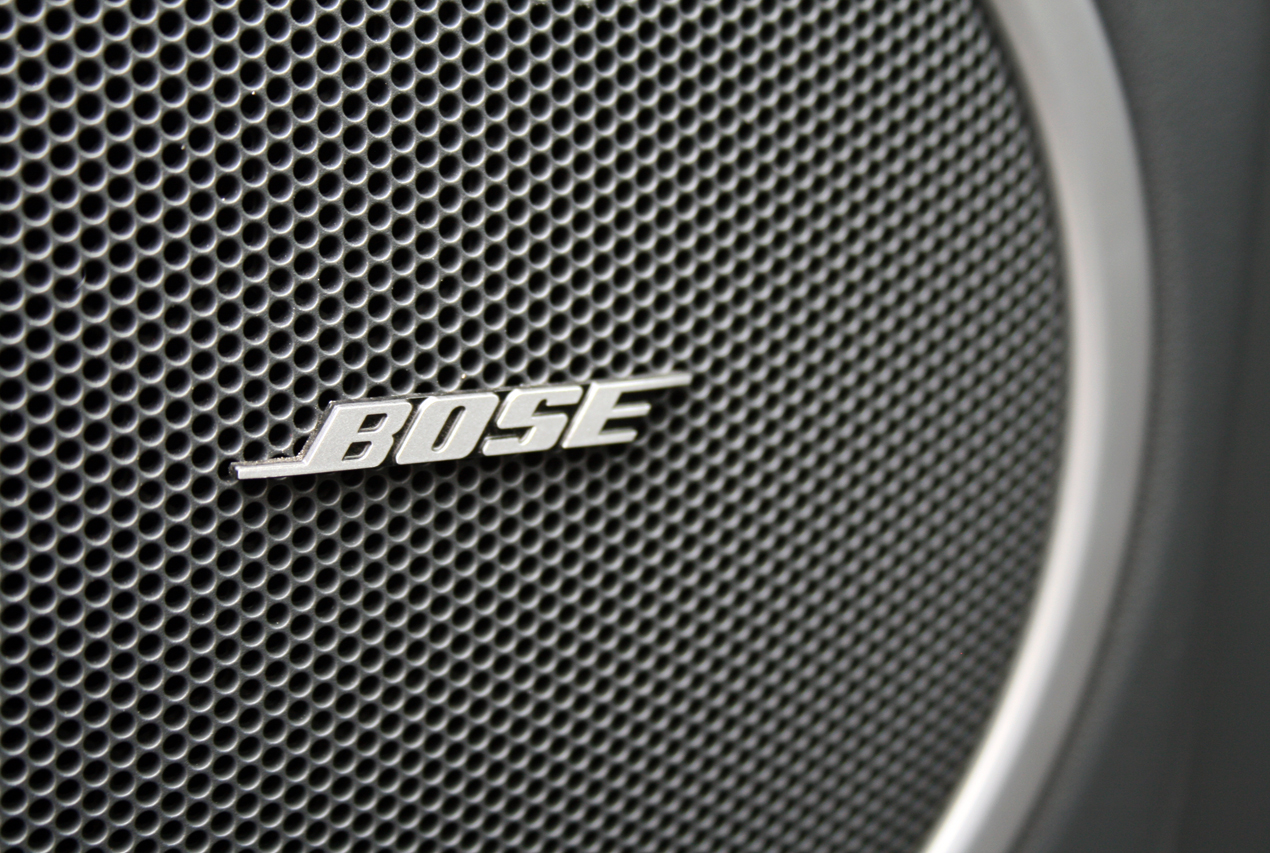
    Beats, the headphone maker bought by Apple for $3.2billion in May this year, is being sued by rival Bose over claims it has infinged patents on noise-cancellation technology. US audio giant Bose claims that it has lost out on sales and profits because Beats has breached five of its patents connected to blocking out background noise when listening to music on its headphones.

    Bose is also attempting to stop Beats’ headphones, which sells over hundreds of pounds each, from being imported into the US from China, where they are made by Fugang Electronic. Bose alleges Beats is undermining its 50 years of research into how to block out background noise when listening to music through ear pieces. It claims Beats’ high end headphones, which can sell for $400 or more, use technology developed by Bose.

    bose-noise-canceling-technology-

    In the filing, Bose describes how Amar Bose, a professor at the Massachusetts Institute of Technology, founded a research programme to work on the problem of background noise after a particularly noisy flight in 1978. For almost 50 years, Bose has made significant investment in the research, development, engineering, and design of proprietary technologies now implemented in its products, such as noise cancelling headphones,” it stated.

    Bose has been a long-time player in the high-end headphone market, focusing on quality over style. Beats grew as quite the opposite — with flashy, stylized and equally expensive products with a sound that had not been particularly well-received. Despite the sound issues, Beats took less than six years to become the dominant player in the premium headphone industry with 64% of the market.

  • 10 Reasons That Will Help You Decide Whether Or Not To Buy Xiaomi Mi3

    10 Reasons That Will Help You Decide Whether Or Not To Buy Xiaomi Mi3

    Xiaomi has entered the market in India with a bang, everyone is talking about the ‘Apple of China’ that gives you amazing features at just 15k. But before buying any gadget, you need to make sure you know it well. Well, there is a certain taboo in India about things with the “Made in China” tag. Although Xiaomi is a Chinese company, we have to admit, they’re offering an amazing device.

    Anyhow, here are our list of pros and cons, that’ll should help you decide:

    1. Price

    When Xiaomi was rumored to launch Mi3 in India, it was expected to be priced at Rs.14,999 and which was already pretty impressive, enough to give tough competition to the big players in the market. Surprisingly, Xiaomi reduced the price of the Mi3 further by Rs. 1000 at the Official press event held in Delhi and finally the 16Gb version Xiaomi Mi3 was priced at Rs.13,999. With all the hardware this smartphone has in it, the price of Rs 13,999 is a steal.

    Xiaomi MI 3 India 3

    2. Hardware and Performance

    The first thing that you will notice about the Xiaomi Mi3 is its impressive hardware specifications. The Xiaomi Mi3 is powered by a 2.3 GHz Snapdragon 800 quad core processor which is coupled with an ample 2GB of Ram and a Adreno 330 GPU . As for the display, the smartphone has a 5 inch IPS LCD display with a resolution of 1080p (441 ppi pixel density). No other Android device in its price range offers a Snapdragon 800 processor and this is a major reason why the device stands out in the crowd.

    3. Camera

    The Xiaomi Mi3 has rear facing 13 MP camera with f/2.2 aperture and Dual led flash. Again, the best camera in its price range. Thanks to the F/2.2 aperture, the smartphone is able to capture impressive low light photography and adding to that the Dual led flash is a also a useful feature.

    Xiaomi

    4. Android 4.4

    Well, as we all know the retail units of Xiaomi Mi3 in India come loaded with Android 4.4.2 KitKat and this makes the Xiaomi Mi3 an amazing deal.

    5. Non Removable Battery

    The Xiaomi Mi3 has a non detachable/removable battery. In case the battery dies out, you won’t able to replace the battery yourself. You’d be required to make a tedious visit to the service centre.

    6. Memory

    With all the things that we would want to store on our smartphones, the option of expandable storage always comes in handy. However, the Xiaomi Mi3 has no option for expandable storage which is a major let down for a phone with such impressive specifications.

    xiaomi-mi3-pic-2

    7. Tendency to Heat Up

    While all phones tend to heat up while performing resource intensive tasks, but since the Mi3 has got an aluminum body, you get to feel more heat.

    8. Warranty

    A total of 36 service centers were announced by Xiaomi at the press event held in Delhi. Among these 32 service centers, two service centers located in Delhi and Bangalore will be exclusively operated by Xioami itself and will have a maximum turnaround time of 2 Hours.

    flipkart

    9. Slippery build

    The Xiaomi Mi3 body is made of brushed aluminum and this makes it extremely slippery. If you are planning to buy this smartphone, you should also consider investing in a good case and mind your clumsy habits.

    10. Flipkart Angle

    While the company has made a smart choice of cutting its retail costs by partnering with Flipkart. It is also one of the reasons we’re vary of the Mi3. The anonymity of suppliers is an issue. When there is a problem discovered in the delivered device, there is that possibility of Flipkart refusing to claim responsibility or help out.

     So there you have it – the 10 pros and cons of the device. If these weren’t adequate, wait a while. We’ll be reviewing the phone soon.

  • Russia Takes Out Contract to Unlock the TOR Network

    Russia Takes Out Contract to Unlock the TOR Network

    Russia is in a weird place right now. After months of unfavorable international gaze on the geographically giant nation and ex-superpower the country intends to crack down on dissenting opinions. With the incursion into Ukrainian territory and supporting separatist group in that country who recently shot down the Malaysian Airline MH 17, the country has constantly been under negative light.

    The country’s Interior ministry has taken out a tender to 3.9 Million Rubles ($111,290) to try to identify the anonymous users of the TOR network. The decision came to light when a group of human rights activist began protesting against the tender.

    The Russian Interior ministry issued a tender to unlock TOR network which will be announced on August 20
    The Russian Interior ministry issued a tender to unlock TOR network which will be announced on August 20

    TOR network hides the identity of the user by encrypting the data and sending user information through thousands of random pathways, therefore, making it harder to trace. This pathway is also used to access the unarchived Dark Net. Though the system has been used by anti-social elements too, but the anonymous features have helped information activists to reach their audience without being identified for persecution.

    Russia has enacted some major regressive laws to contain unfavorable opinions within territories. The nations new blogging law ask all bloggers with a daily audience of over 3000 have to register their identity. The ones protected by the decision are those bloggers who use the TOR network, and this is the government’s way of uncovering such hidden bloggers.

    The fact is that only a small number of internet users in Russia use the TOR network, but their burgeoning number has the Kremlin worried. It is estimated by Apparat.cc magazine that the number has grown from 80,000 in May to 200,000 by the month of July. Russian contemporary politics seems as a decisive factor that is encouraging people to opt an anonymous route to address their displeasure with their government.

    It is not the first time that there have been steps taken by the government to track anonymous service users. The world’s gossipy aunty who always wants to overhear every conversation, A.K.A the NSA has invested resources to uncover the network, but that involves a lot of time and expense. The anonymous network stands quite resilient in the face of opposition.

    This whole scenario is also a reminder that internet needs to be protected from prying eyes and its independence needs to stand. Information and dissent go hand in hand. A free internet has the potential to change the world of tomorrow.

  • Google Voice’s Website Gets Hangouts Integration

    Google Voice’s Website Gets Hangouts Integration

    If you use Google Voice to manage your phone calls and text message, then you must be waiting to see if Google will eventually merge Google Voice with Hangouts for Android and iOS. Well, Google went ahead and did it for PCs, integrating Hangouts into the Google Voice website.

    hangouts

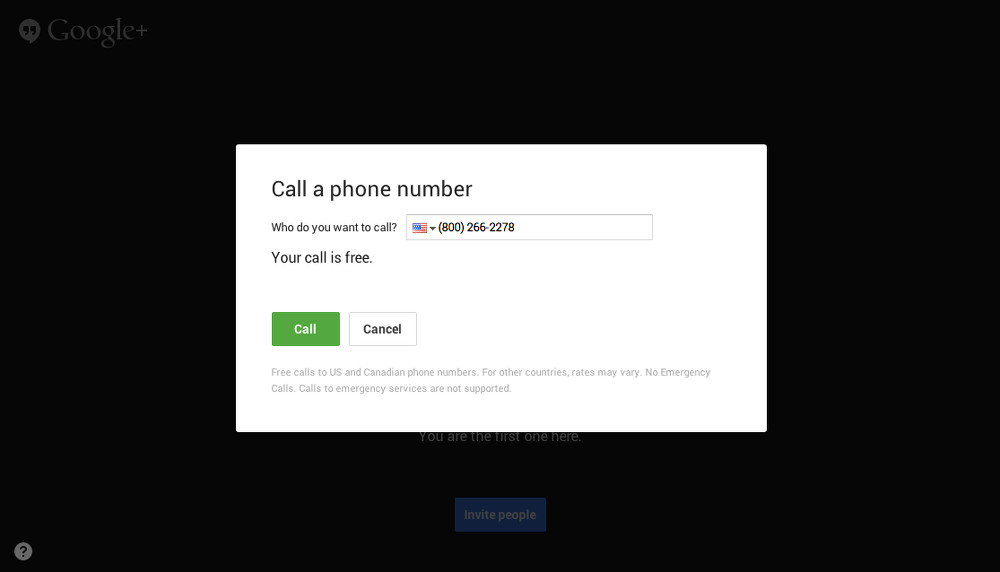
    In a Wednesday post, Google Voice developer Alex Wiesen announced the addition of Hangouts as an option when making calls from the Web. The feature can be accessed selecting Hangouts from a drop-down menu labeled “Phone to call with.” The website will then launch a separate Hangouts window, allowing the conversation to take place as normal. Hangouts is seen as Google’s’ solution to its fractured messaging systems, and even offers the ability to place phone calls.

    But while the new platform has been heralded as “the future of Google Voice,” little has been done to merge the two services. Nonetheless, the decision to integrate Hangouts in Google Voice shows the company is still actively developing the latter.

    google-voice-hangouts

    To use the new option, visit the Google Voice website and enter the number you’d like to call. Then, in the drop-down menu under Phone to call with, you’ll see an option for Hangouts. This will open a separate Hangouts window and you can carry on your voice conversation via Hangouts as you normally would.

    In May 2013, Google began work on allowing outbound Google Voice calls within the new Hangouts experience; it arrived two months later. Earlier this month, the Google Operating System blog spotted a feature that migrates Google Voice numbers to Hangouts—a sign that the Web giant may be moving forward with the plan to integrate the two features, then shutter the separate Voice tool.

iGyaan Network
Privacy Overview

This website uses cookies so that we can provide you with the best user experience possible. Cookie information is stored in your browser and performs functions such as recognising you when you return to our website and helping our team to understand which sections of the website you find most interesting and useful.