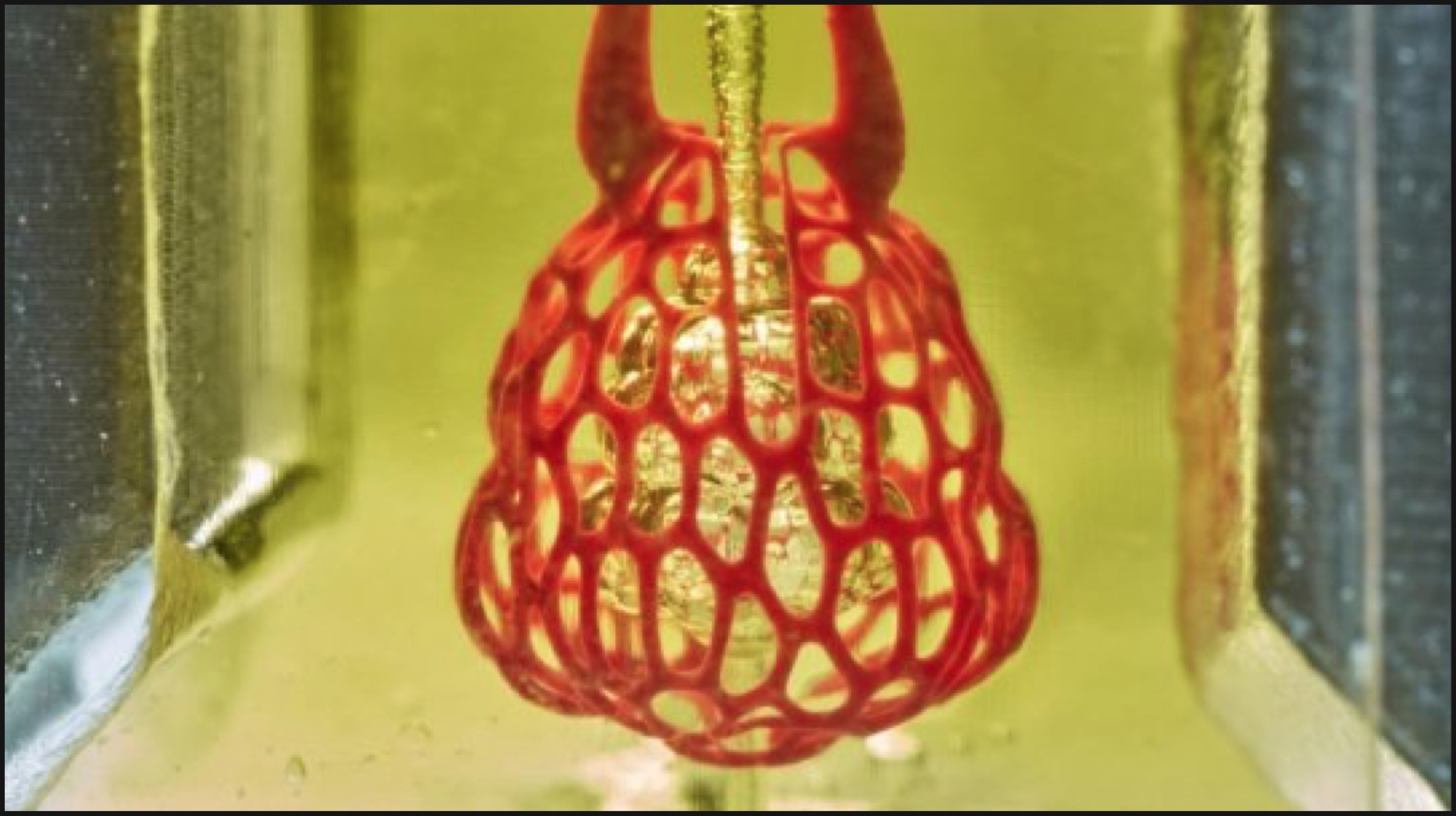
One of the major hurdles for scientists regarding the creation of human organs via 3D printing was the inability to print the complex vascular structure that can transfer nutrients to nearby tissues. Previously, a breakthrough was achieved in the form of a 3D printed heart, and as per recent reports, Bioengineers from the United States have overcome the aforementioned hurdle and have created a hydrogel model of a lung-mimicking air-pocket/sac, which has airways that can deliver oxygen to surrounding blood vessels.
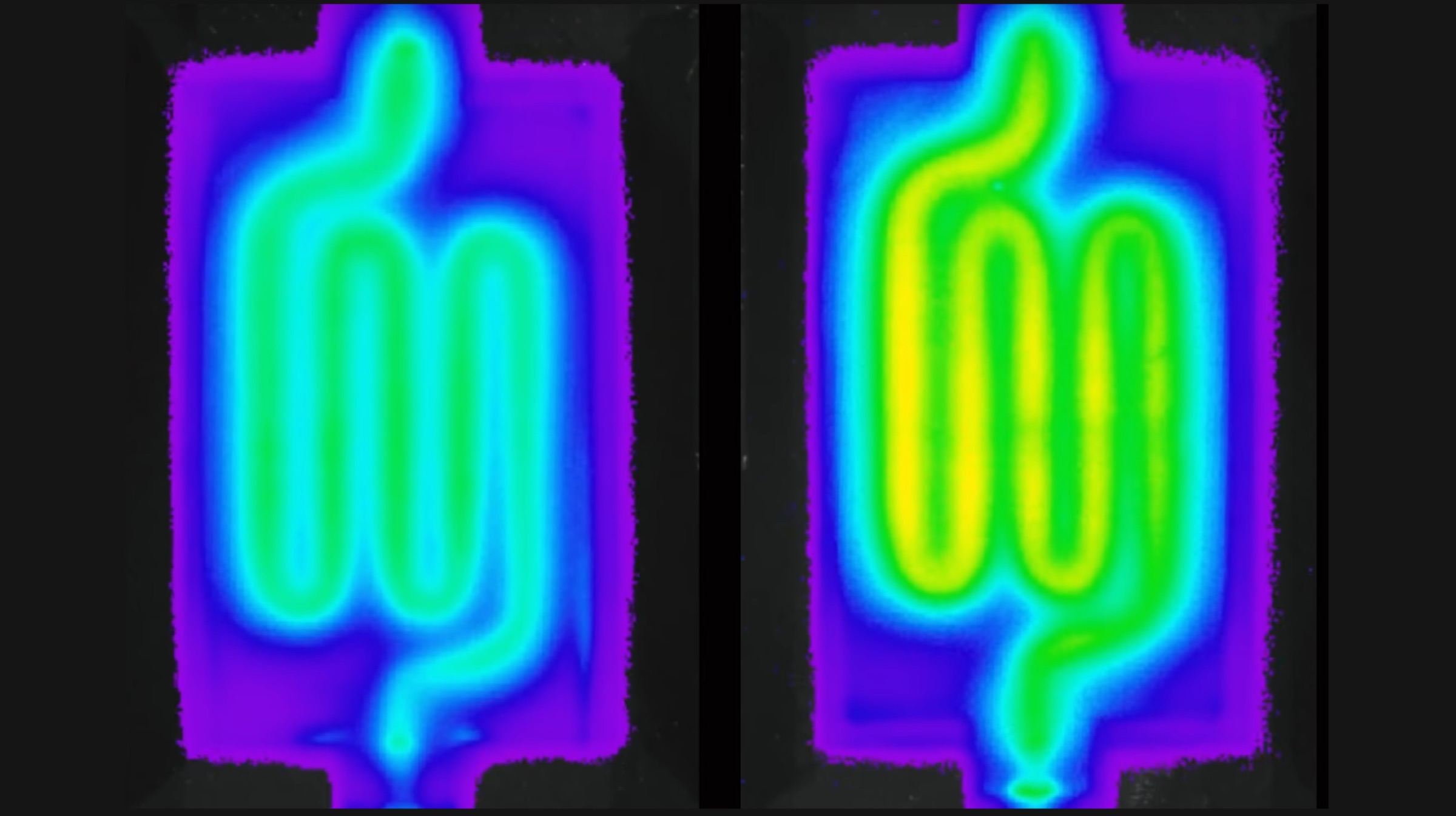
The team was led by bioengineers from Rice University and University of Washington. The 3D printed lung was designed in such a way that it could include independent vascular networks. The different vascular networks include airways, lung blood vessels, bile ducts and the blood vessels present inside the liver. Delivering oxygen to tissues surrounding the blood vessels was always a challenge, but the researchers claim that their bioprinting technology is the first one to beat the hurdle of multivascularization in an artificially designed organ.
An assistant professor at the University of Washington states that with the removal of such an obstacle from the path, multiple tissues can be designed which can breathe and function just like the healthy tissue in our bodies. Not just that, 3D printed organs will be able to behave more functionally than ever before. Bioprinting has gained a lot of traction in the past few years, solely because it could allow doctors to print replacement organs from a patient’s own cells, increasing chances of survival drastically.
The bioengineers believe that a ready supply of such bioprinted organs can one day be rolled out in huge quantities, which could then be used to treat patients worldwide. Additionally, 2D slices of organs (as thin as 1-50 microns) will also be used to fabricate organs like the liver, which is especially complex to manufacture using just a 3D printer. It is specifically necessary to develop a bioprinted liver that can perform the same functions of a human liver. This is because unlike some other organs, no machine or therapy can entirely replace the functionality of the liver. Hopefully, in the not-so-distant future, 3D printers will be capable of printing a complete set of organs that can effectively replace human organ functionalities.
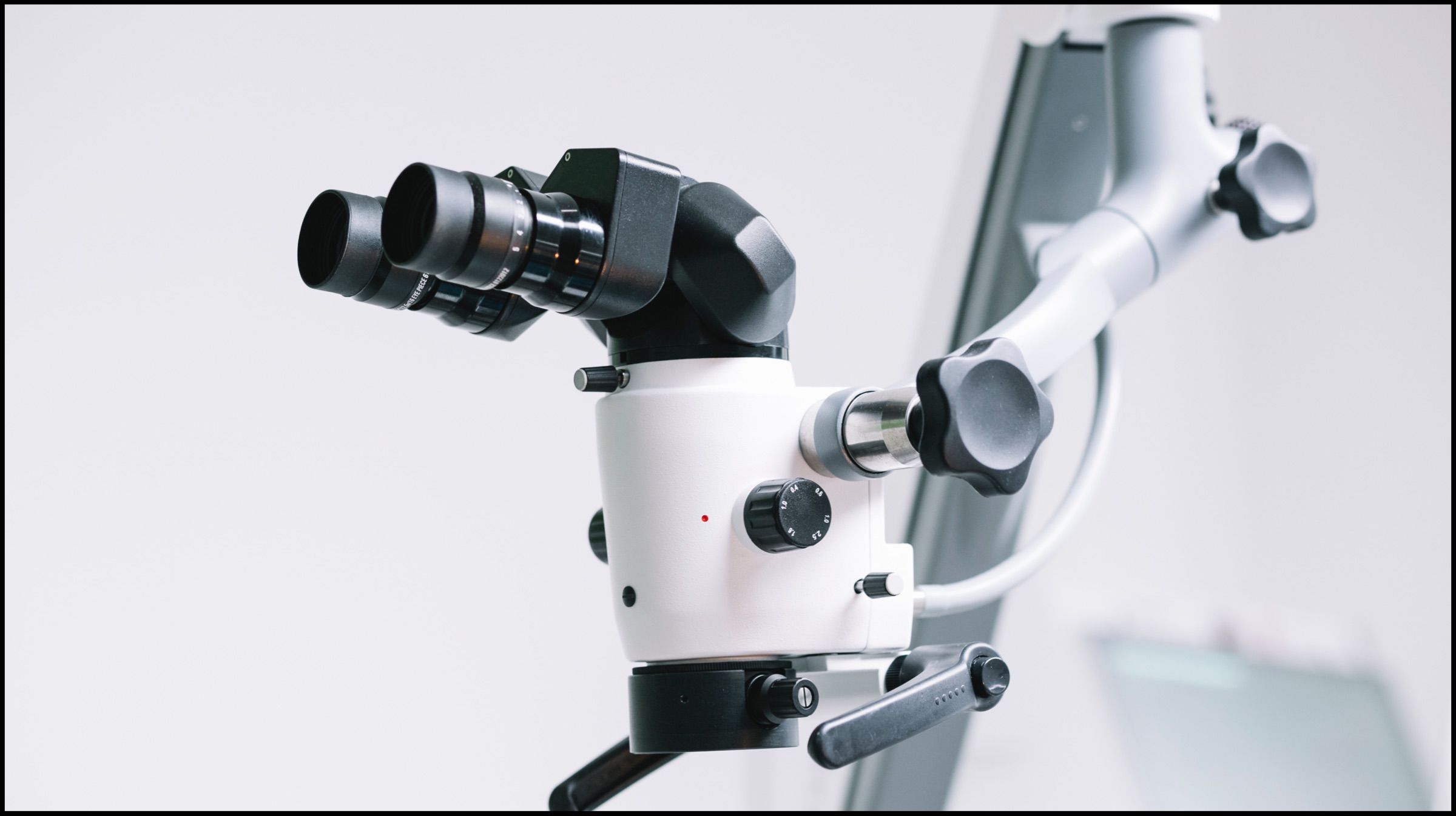
Cellular Biology is one of the hottest fields in medical science right now. Scientists and Researchers are working on techniques to make cellular biology more accessible, and in such an effort, Researchers from the University of Connecticut have used 3D printing technique to manufacture a portable and affordable microscope that can provide high-resolution 3D images of cells, which can be further used to detect diabetes, malaria and other diseases.
Bahram Javidi, the lead of the research team states that the microscope does not require any staining and labels, which will make the microscope easy to use. He further adds that the microscope will would be of extreme convenience in places where access to high-quality healthcare and medical research is limited. A multitude of diagnostic facilities can make use of the 3D printed microscope to test out cellular structures.
Design Of The 3D Printed Microscope
The design of the 3D printed microscope is based on digital holographic microscopy. Bahram claims that the images produced by the portable microscope are almost twice the resolution of the images produced by traditional microscopy. The applications of such a device are not limited to research and medical science, rather, it can be used in defence and education as well. Since the entire microscope is manufactured out of 3D printed parts, it can be assembled anywhere and with relative ease. Moreover, unlike other scientific equipment, the 3D printed microscope is not expensive at all. Also, the incorporation of alternative components such as image sensors could drastically reduce the price point of the microscope when/if it is mass produced at some point.
How Does The 3D Printed Microscope Function?
The core of the new microscope works in similar ways to a traditional digital holographic ones, where a digital camera captures the hologram generated when the light coming from the sample object interferes or colludes with the reference light wave. This process relies on a controlled setup where the environment has to be free of vibrations and temperature fluctuations. Instead, the newly manufactured equipment combines the two images using a super-resolution technique, which is scientifically referred to as Structured Illumination Microscopy. In this process, a structured light pattern is created with the help of a clear disc.
The involved researchers state that the 3D printed microscope is ready for use in the field. It can applied to a variety of fields such as diagnosing diseases and identification of concerned cellular structures. The researchers are already working to enhance the resolution of generated images and reduce the incoming noise, that too without leading to price hikes in the same.
Medical health has been undergoing a lot of advancements over recent times, with the technology spanning to newer areas every day. Researchers and Scientists are using DNA modification techniques to cure acute skin diseases, whereas a technique called immunotherapy is being implemented to treat leukaemia (blood cancer) and forms of lymphomas. As per recent news, Israeli Researchers fabricated the world’s first three dimensional, or 3D-Printed Heart.
Using a patient’s own cells, the researchers from Tel Aviv University created the heart on a high resolution 3D printer. The university has announced their success story while showcasing the printed heart. The printing experiment was deduced as one of the most major medical breakthroughs to date. The research findings were published in the Journal of Advanced Science. The team involved in the experiment was led by university professor Tal Dvir.
Structure Of The 3D Printed Heart
As per Tal Dvir, this was actually the first time that human cells were incorporated with 3D printing technology to formulate a complete replica of a heart. The 3D printed heart is design to perform in the real world, so it comprises of blood vessels which help the heart to pump blood. Previously, only non-vessel tissues could be printed using the combination of medical methods and technology, but a new technique adopted by the researchers made it possible to design a life-like 3D-printed heart. Fatty tissue from patients was used as the “fuel” or “ink” of the 3D printer.
Furthermore, the lead researcher added that the heart was the size of a rabbit’s heart, and therefore cannot be transplanted into a full-sized human body. However, a full-human-sized heart can be developed quite soon because the technology used to create differently-sized 3D-printed hearts is essentially similar. using the patient’s own cells will ensure that the body’s immune system will not reject a transplanted organ.
3D printing was previously tested with weapons, cars and even huge parts of commercial-level machines. Using the same technology for the advancement of medical health is a much better implication of the aforementioned technology. This will help to cure heart diseases worldwide, with heart transplants becoming fairy accessible and cheaper. Looking at the progress as of now, more research and development will ensure that more body organs can be 3D printed using the same method. The researchers say that within the next ten years, organ printers will be fairly accessible all across the world’s hospitals. The implications of this will allow to replace essentially any body organ, joint or valve. This could help terminally ill patients survive longer or even better still, be fully cured. The future where the human machine is repaired by spare parts may be nearer than we imagined.
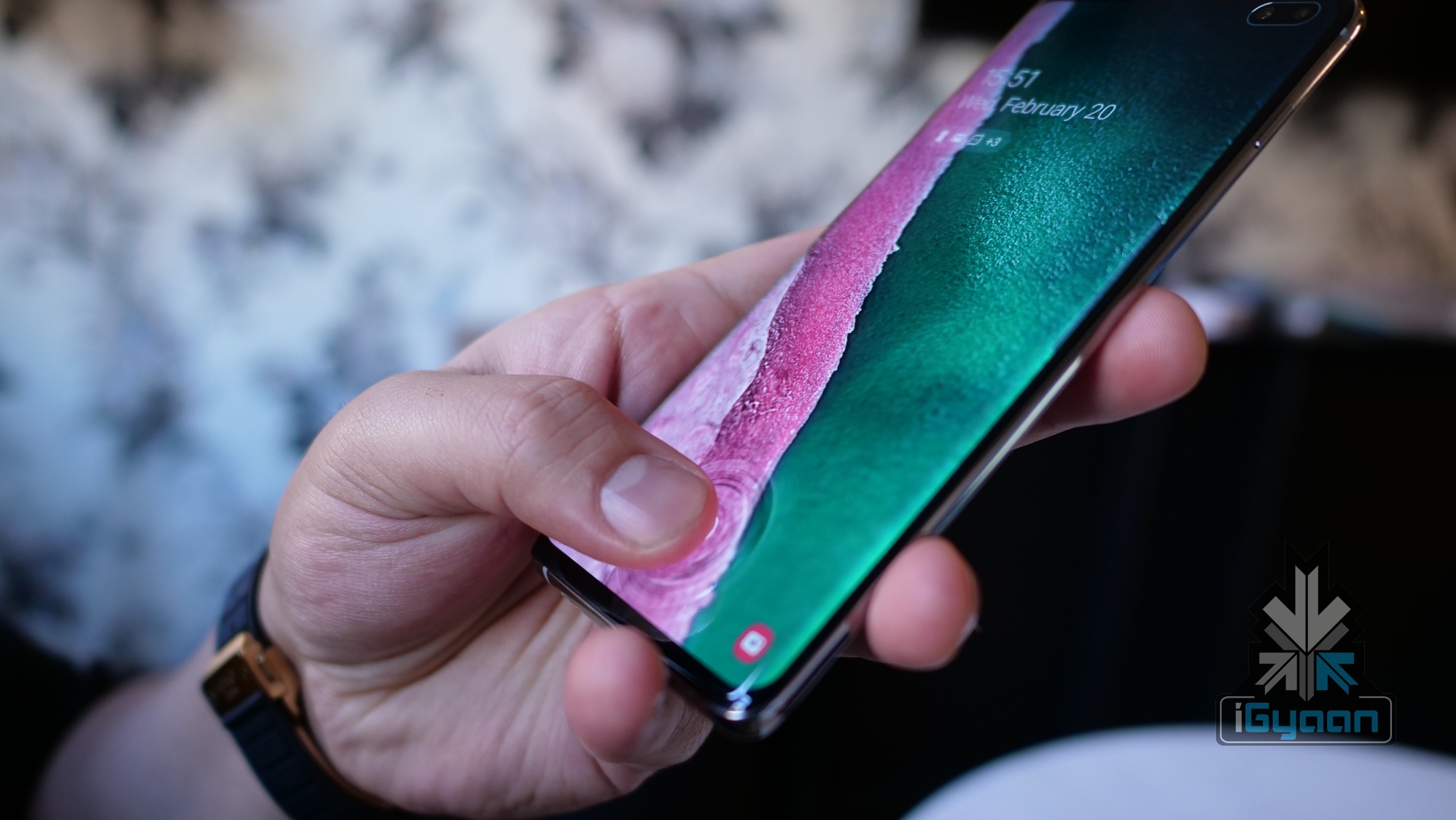
Samsung launched the Galaxy S10 lineup of smartphones at an event in February. The devices that were announced include the Galaxy S10+, Galaxy S10, Galaxy S10 5G and Galaxy S10e. While the latter used a physical, side mounted fingerprint sensor for unlocking the device, the former three have a new technology onboard. They use an ultrasonic fingerprint scanner made by chipmaker Qualcomm and are the first devices in the world to do so. While Samsung claimed the technology is secure than most fingerprint sensors in the market, fresh reports say otherwise. A user who goes by the name ‘darkshark’ on multimedia sharing website Imgur revealed the ultrasonic fingerprint scanners can be fooled using 3D printing.
The video shared by the user shows a Galaxy S10+ being unlocked using the aforementioned method. A 3D printed fingerprint is kept in front of the smartphone with the user pressing down on it while wearing gloves unlocks the device with ease. In an explanation of how he achieved that, the post read that the user took a photograph of his fingerprint on the side of a glass using a smartphone. Then he increased certain aspects of the image like increasing the contrast and creating an alpha mask using Photoshop software. Using another software, 3Ds Max he then created a 3D model of the fingerprint and then printed it using a 3D printer.
According to the user, 3D printing the fingerprint took them around 13 minutes. The video was shared as a warning for users of the Galaxy S10. The post also reads that it is possible to imitate a fingerprint from across a room using a DSLR camera with a long focal length. This process is claimed to take only 3 minutes, which can be hazardous for users, as most of their account details and personal information can be accessed as a result. It is also not the very first-time biometric security has been fooled on a smartphone. A similar case occurred with the iPhone X when a 3D face was used to unlock the device via the FaceID technology.
Humans have reached an era where technology is growing faster than ever. We are able to innovate and develop new technologies that were previously only considered fantasy. The year 2018 has been remarkable not only in terms of new breakthroughs but a lot of old technologies which are now consumer ready. Here is a list of five such technologies that are as revolutionary as they sound.
In-display Fingerprint Sensor:
Fingerprint recognition technology has been around since the early 70s. However, the equipment to record and verify the fingerprint was bulky and difficult to carry. But with the advancement of technology, engineers are able to shrink the size of these sensors greatly. In the past decade alone, these sensors have shrunken so much that they can now be integrated into modern day smartphones. Apple was the first company to feature this tiny engineering feat on their smartphones (iPhone 5S). Now, this technology has matured so much so that they can now be equipped under the display of a smartphone.
Vivo was the first company to launch a smartphone (Vivo X20 Plus UD) with an in-display fingerprint sensor which was not globally available. OnePlus launched the OnePlus 6T smartphone with an in-display fingerprint sensor which is globally available. Fingerprint sensors are available in four types which are as follows:
Optical Scanner
CMOS Scanner
Ultrasound Scanner
Thermal Scanner
The Current in-display fingerprint sensors make use of the Optical Scanner technology. These types of scanner are quite secure but cannot match the accuracy and speed of an Ultrasound Scanner. Qualcomm, an American chipmaker has readied a fingerprint scanner that uses sound waves to record and identify the ridges of a human fingerprint. This technology can match biometrics even if the user’s hands are dirty or oily as sound waves can penetrate these substances and accurately verify the correct fingerprint. The reason we don’t have a commercial phone with this technology is the high price of technology. However, future smartphones will feature this technology.
Commercial 3D Printing
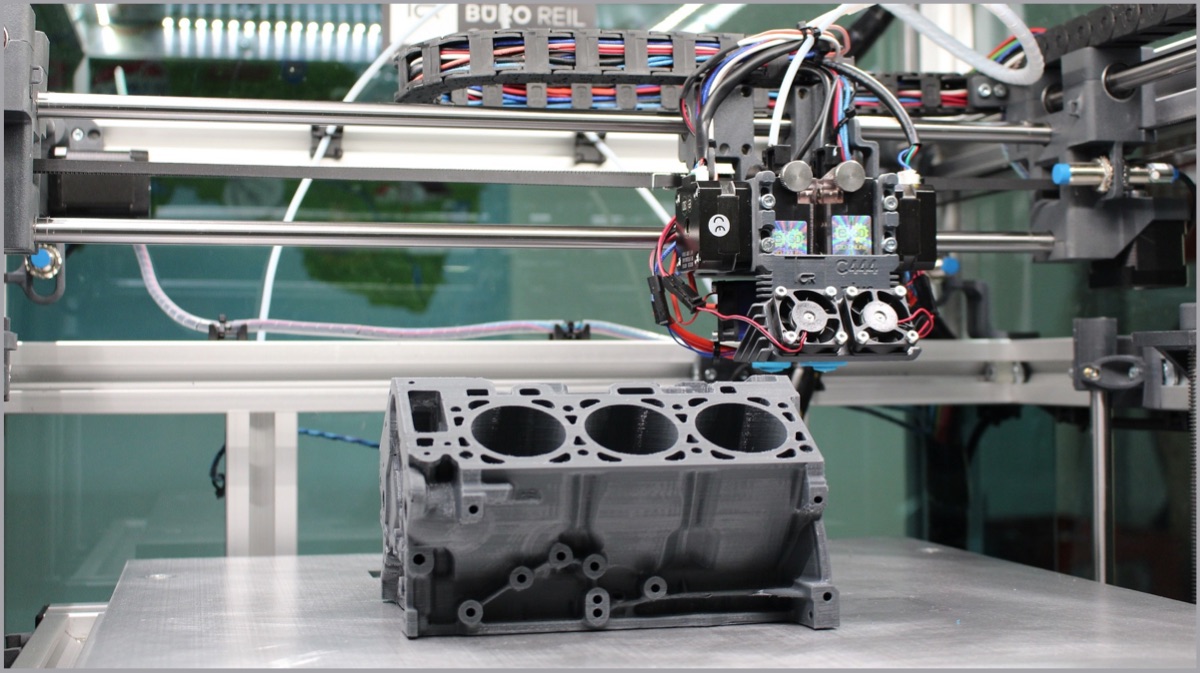
3D Printing is a process of making a three-dimensional tangible object that works by laying multiple layers of a material in succession. The first manufacturing equipment and filaments for 3D printing were seen in the 1980s. The technology then was only limited to plastics and polymers. Over the years, scientists have experimented with various materials that can be 3D printed. A handful example of 3D printing technology includes concrete buildings, plastic parts, food, and even metal parts.
3D Printed Shoes
The shoemaker Adidas has collaborated with Carbon 3D inc, a 3D printer manufacturing company to launch a shoe with a 3D printed midsole. Carbon makes use of Stereolithography (SLA) which is a form of 3D printing. The printer UV projects a laser in a bath full of resin which hardens it a forms the desired shape. Till now SLA was only used to manufacture large industrial parts because of its slow speed. Carbon has now managed to control the amount of oxygen which plays a major role in forming a part. The combination of laser projection and controlled oxygen has allowed the company to create high-resolution parts rapidly.
The Adidas AlphaEdge 4D is made to order as per the size and shape of the customer’s feet. The shoes are very lightweight and flexible which provide a lot a comfort to its wearer. Adidas claims without the use of 3D printing it is not possible to make such a midsole. As the current injection molding technology is incapable of producing such a complex shape. Most companies currently mass-produce shoes, and therefore, the customer needs to settle with existing sizes that are available in the market. But, 3D printing can reshape how shoes are made in the future. In the future, one would walk into a store and get a custom shoe made in no time. Furthermore, if the technology evolves, even more, the whole shoe including the outsole and the upper part can be 3D printed.
Artificial Intelligence
AI(Artificial Intelligence) is also referred to as machine intelligence. It is a concept with which the machines can make decisions themselves without much interference from humans. Artificial intelligence ranges across a wide variety of platforms like speech recognition to language translation to visual perception. AI is a branch of computer science that involves the development of computer programs which would otherwise require human intelligence. Developers intend to create algorithms that can self-learn by understanding the actual functioning of that particular field.
AI In Smartphones
Modern day smartphones have AI algorithms which allow for better system optimastion. The smartphones are able to analyse the usage patterns and enable or disable features which can prolong the battery backup. Additionally, smartphone cameras also have AI scene detection. The devices are able to select the best scene modes dependent on various aspects like the subject and the amount of light.
Blade-Less Air-Flow Technology
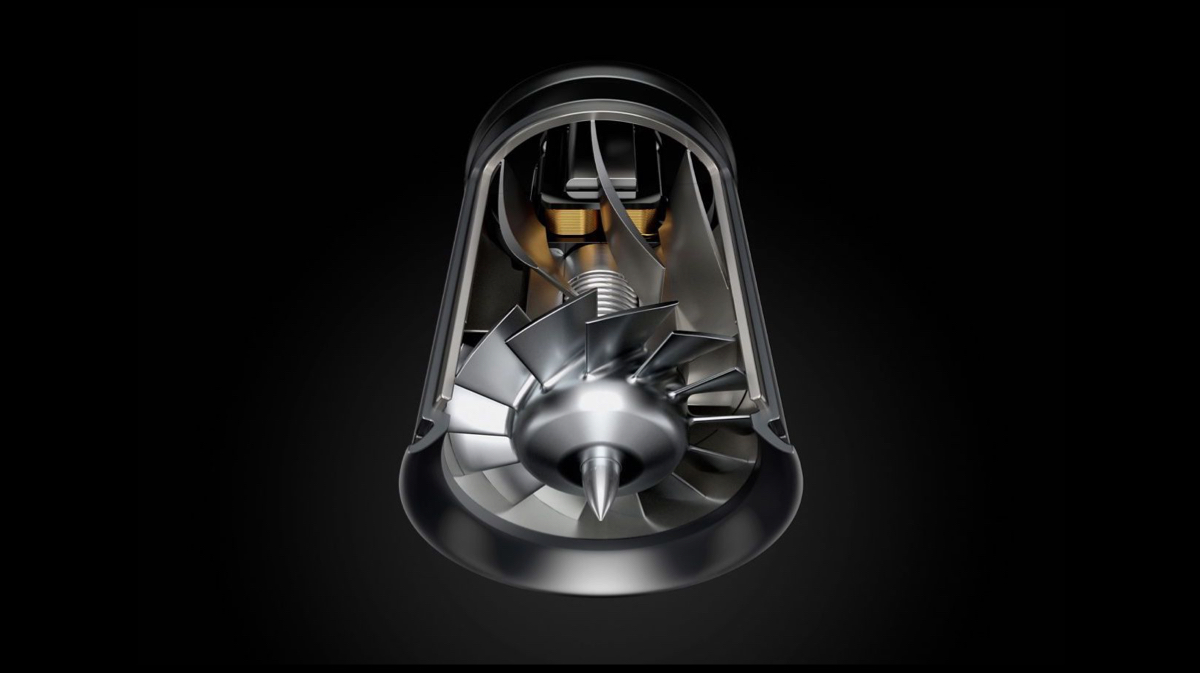
Dyson was founded in the year by 1991 a British inventor, James Dyson. James Dyson redesigned the induction motor and the air impeller. This redesign allows Dyson products to pump air without a visible fan blade. The exit vent is designed in such a shape that it creates a vacuum-like effect. This vacuum-like effect forces in up to 15x air than what was originally pumped by the impeller.
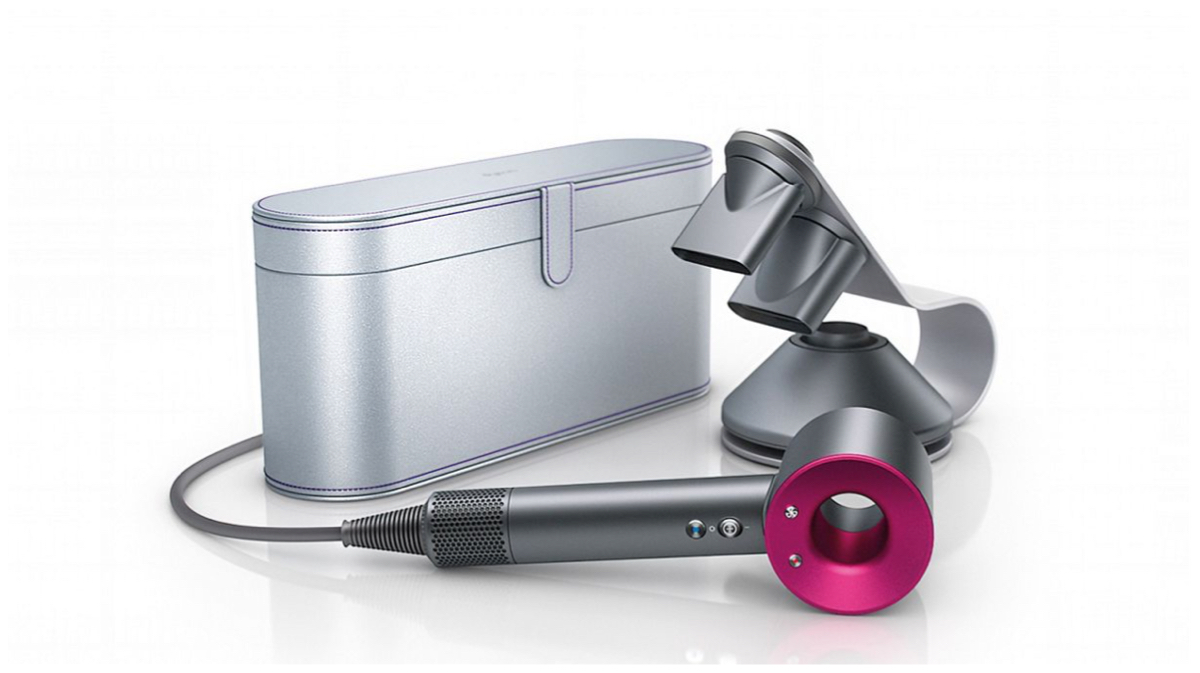
Dyson Bladeless Hairdryer
The Dyson Supersonic bladeless hairdryer has a hollow vent that blows hot air. It has a small turbine motor in the handle which can reach speeds of up to of 1,10,000 rpm (rotations per minute). It also has a built-in temperature sensor which connects to a microprocessor. The sensor and processor duo continuously measure the air temperature and ensure that they stay under 320 Fahrenheit. As air above this temperature has a tendency to damage the hair.
Airless Tires
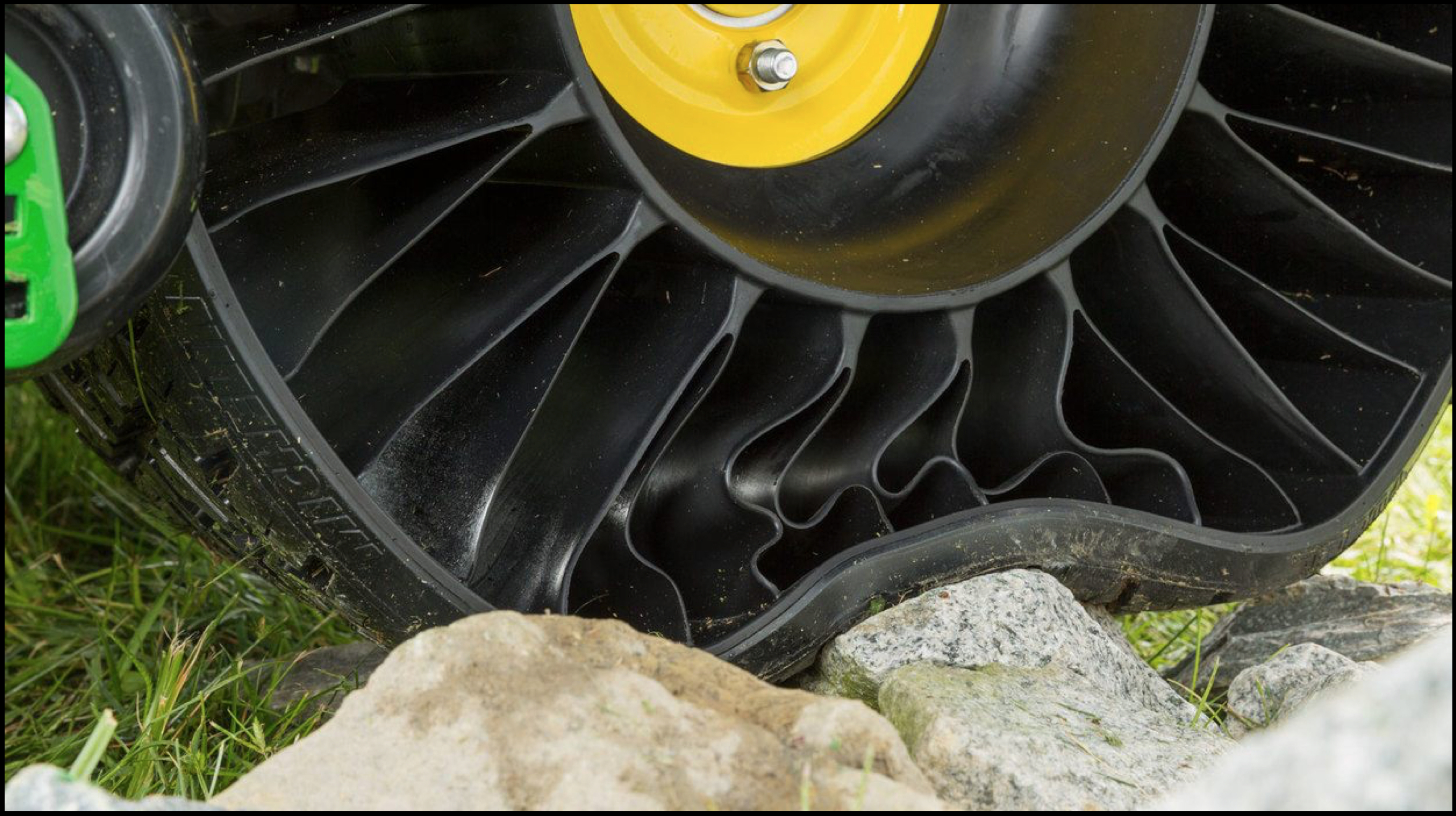
Airless tires, unlike the conventional tire, do not have an inner tube and do not use compressed air to the create cushion like effect. Rather its side walls are made in the shape of a mesh which provides the cushion required to drive comfortably on roads. It is of great use in heavy vehicles that work in non-paved terrain. As the sharp rocky surface can easily puncture a normal tire.
Michelin Tweel
Michelin first started developing an airless tire back in 2005. The company has dubbed their airless tire as Tweel. The word Tweel is derived from the combination of two words ‘tire’ and “wheel”. Although, the company showcased their early prototypes in 2013-2014 the commercial product was released in 2018. The current range of tires is available for devices like ATV’s (All Terrain Vehicles), Forklifts and Golf carts. The wheels are designed in such a shape that they also act as shock absorbers for heavy vehicles. The technology looks promising and if it can match the life and stability as regular tires they will make their way on to transportation vehicles and cars.
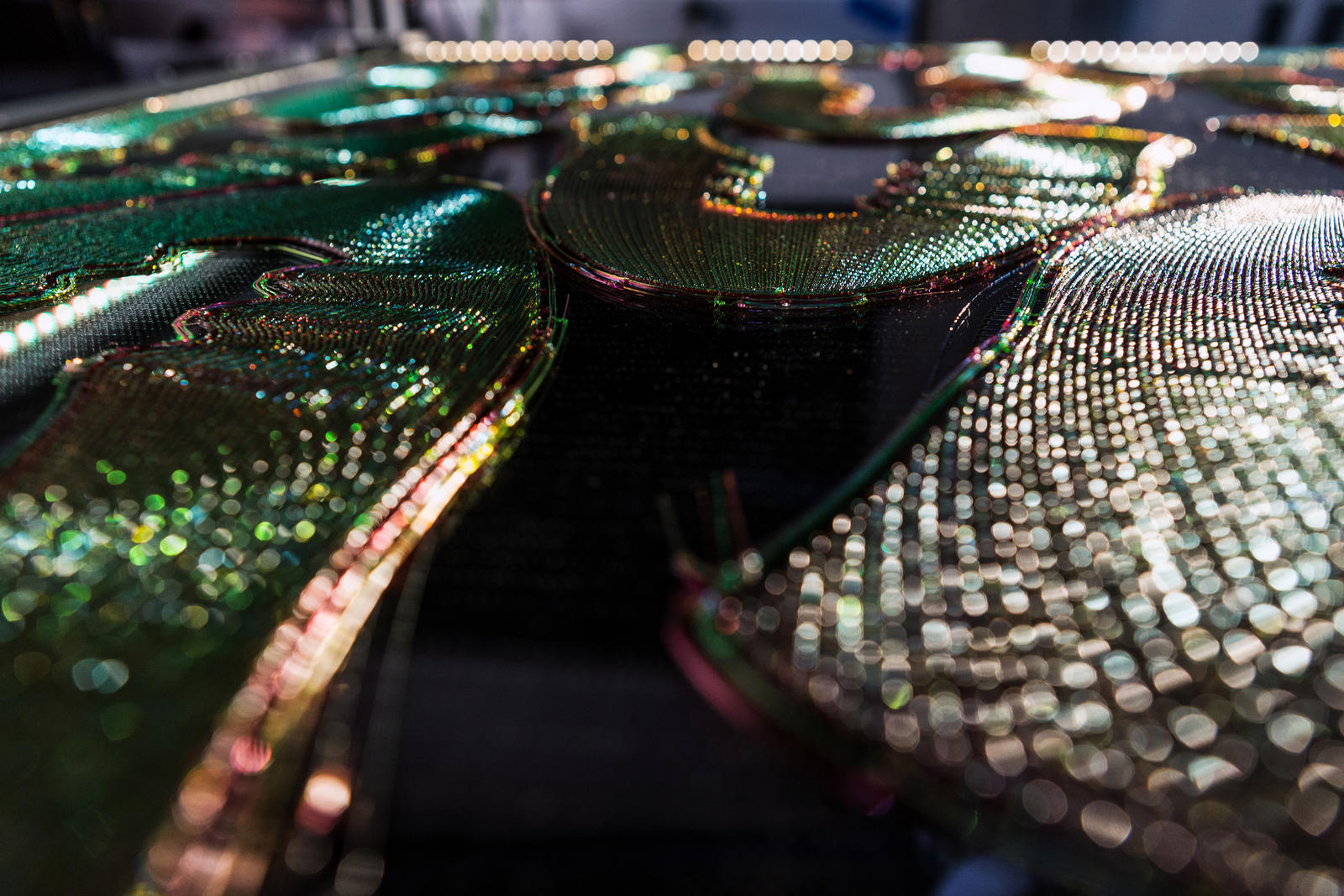
Nike has just introduced a very significant product in the timeline of “shoes.” The American shoemaker has unveiled the first-ever 3D printed shoes, the Nike Flyprint. It is the first 3D-printed textile upper in performance footwear. What this basically means is that the entire shoe is not 3D printed, in fact, it is the upper material that is not woven or mass produced, it is 3D printed.
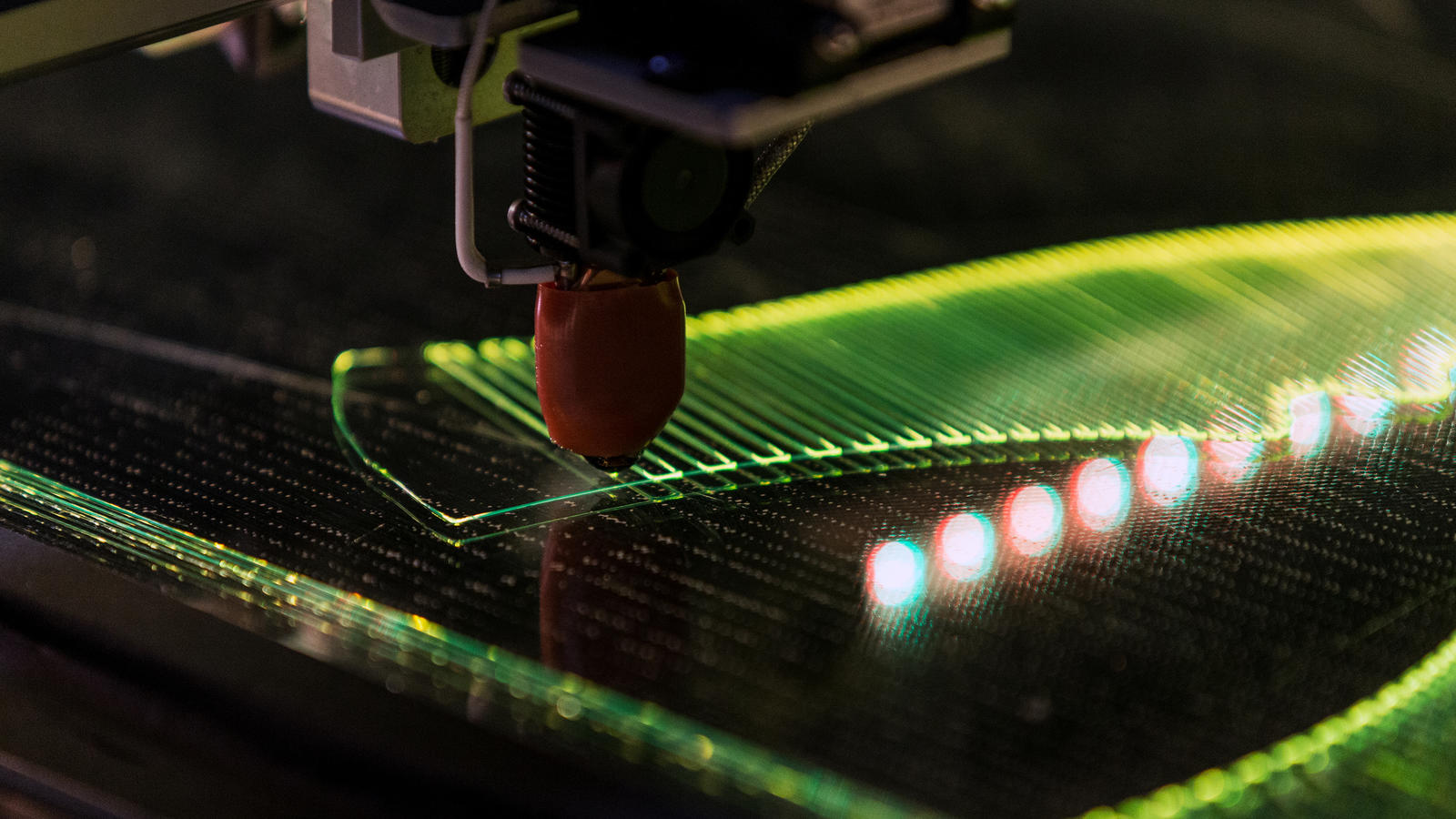
The Nike Flyprint are produced through solid deposit modeling (SDM), a process whereby a TPU filament is unwound from a coil, melted and laid down in layers. While the process of 3D printing objects is not new, it is Nike’s implementation in this case that is interesting. According to Nike, the Flyprint method allows designers to translate athlete data into new textile geometries. In a nutshell, this means that all the data of an athlete that can be collected is used to customised accordingly for that athlete to ensure even better performance, from the shoes at least.
Interestingly, the first step in making the Nike Flywear is collecting the data of the particular athlete. Once all the tangible data is collated using computational design tools, it is then studied thoroughly to affirm the ideal composition of the material that will be used. The fascinating aspect of this process is the uniqueness of every resulting product. We all know that athletes wear customised shoes but, with Nike Flywear, that customisation happens down to the last thread used in the upper of every shoe.
One interesting benefit of 3D textiles over traditional 2D fabrics is the increased dynamism by adding an interconnection beyond a warp and weft. For example, whereas in a knit or woven textile there is frictional resistance between the interlaced yarns, in a printed textile, due to its fused intersections, there is greater potential for precision-tuned containment. This also results in lighter and more breathable uppers than any other previous Nike textile.
As evident from the process and result of the Nike Flywear, these are tailor-made for athletes. Nike has announced that the Nike Flywear was created for Eluid Kipchoge, a Kenyan long-distance runner.
3D printing has a come long way since its inception. From developing straightforward and simple products to now printing intricate and massive structures, there has been quite a growth in the field of 3D printing.
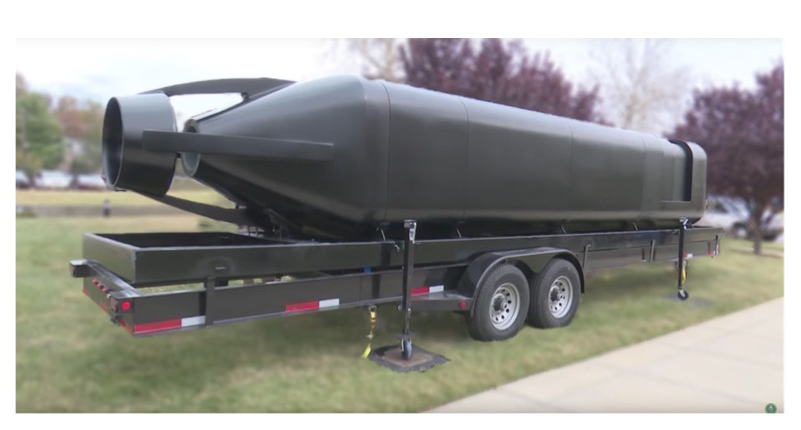
Militaries from all over the world have recognised the utility of 3D printing as a cost effective resource for the future. They’ve eyed 3D printing for printing up replacement parts for warplanes, grenade launchers, and even meals for soldiers. The US Navy recently, teamed up with Oak Ridge National to develop a concept submersible which was printed under 4 weeks.
Using 3D printing to develop weapons sounds futuristic, but, it will be a viable option in a couple of years if everything goes as planned. The 3D printed concept submersible was developed by a team from the Naval Surface Warfare Center (NSWC) and Carderock Division’s Disruptive Technology Laboratory (DTL) and has a name too, Optionally Manned Technology Demonstrator.
The team began work in August of 2016 and used an industrial 3D printer called Big Area Additive Manufacturing (BAAM) to develop six carbon fibre sections, which were then assembled to form the 30-foot vehicle. The US Navy’s largest 3D printed asset was developed in 4 weeks, out of which a week was consumed to design the structure and the rest, for printing and assembly.
According to the Department of Energy, a typical hull takes anywhere between 5 to 8 months to manufacture and costs around $600,000 to $800,000. This 3D printed vehicle cost 90 per cent of that amount and was manufactured in under 4 weeks. The time taken to manufacture this vehicle means that replacement parts or specially designed equipment can be deployed at a rapid pace.
It is important to note that this is not a functioning machine by any means and just a concept as of now. The concept, however, is a proof that replacement parts and such heavy equipment can be manufactured using 3D printing. This is definitely a step in the right direction for rapid and cheap manufacture of defence equipment. It’s expected that fleet-capable prototypes of the 3D printed vessels could be deployed by as early as 2019.
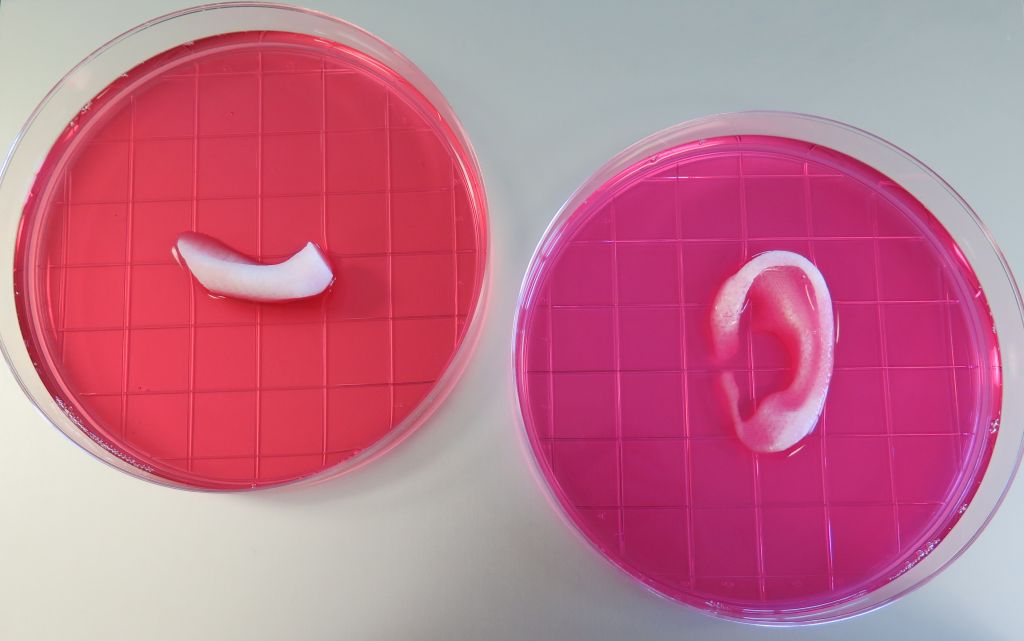
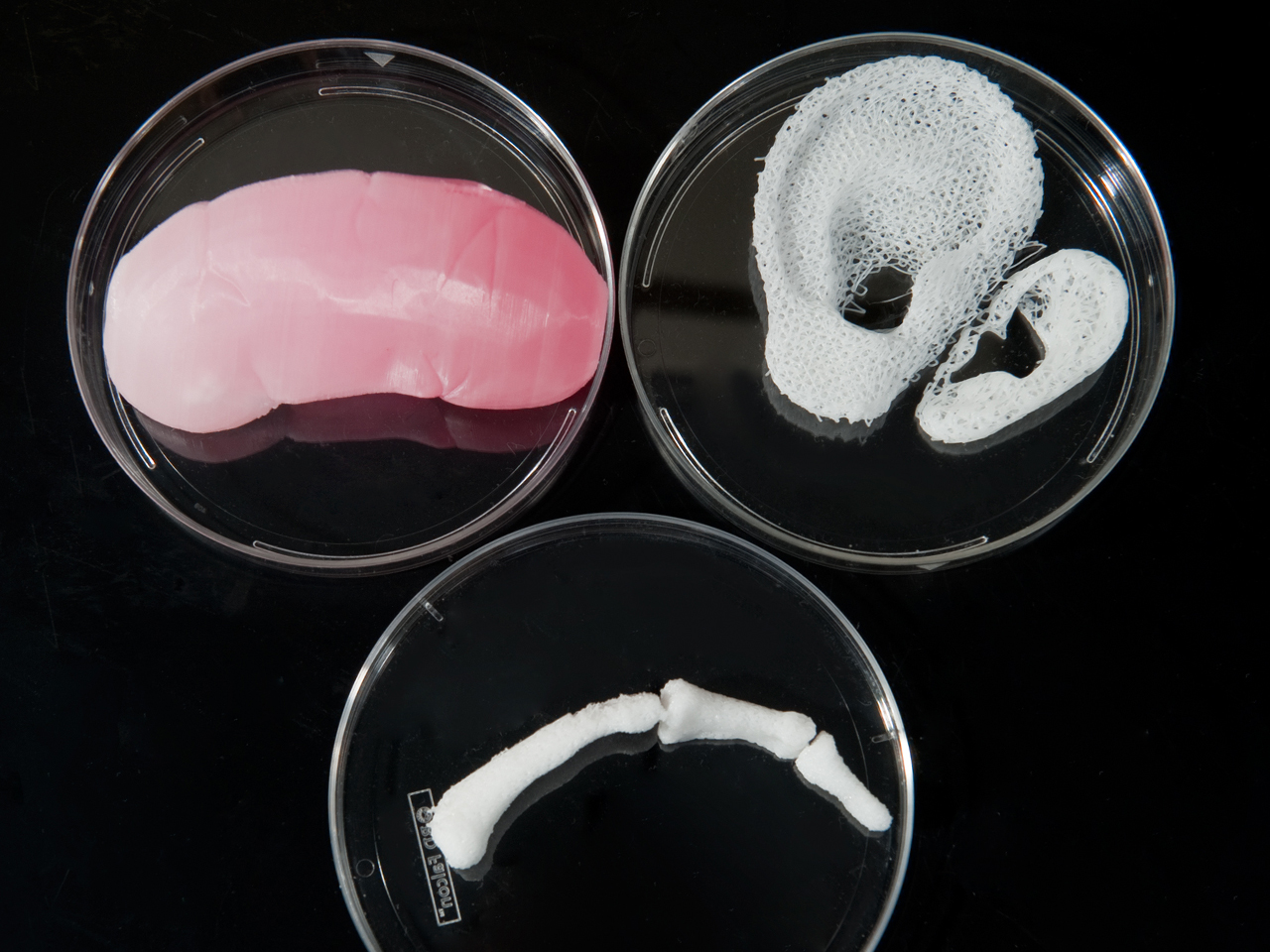
The unthinkable has happened. Researchers have managed to develop a 3D printer that is capable of bioprinting tissues to be used in transplants. These transplants can include muscle, bone, cartilage and even an entire human ear, which is precisely what the team has achieved.
The study has been published by researchers at Wake Forest Institute for Regenerative Medicine and has provided modern medicine with a 3D printer called the integrated tissue-organ printer (ITOP). It is the first of its kind printer capable of printing human-scale tissue constructs.
Even though the technology has still not been tested on humans, the team has tried it with lab rats where 3D printed tissues were attached to them. These tissues included bioprinted bone tissue which were then analysed after a period of 5 months. It was discovered at the end of the set duration that the implants were completely free of necrosis, while also showing presence of new vascularised tissue.
This incredible development has ushered in endless possibilities for people requiring muscle repair treatment post accidents or diseases. Even though currently the study is only in its nascent stages, it has some big achievements to its credit. We can only hope for the progress graph to move upwards from here.
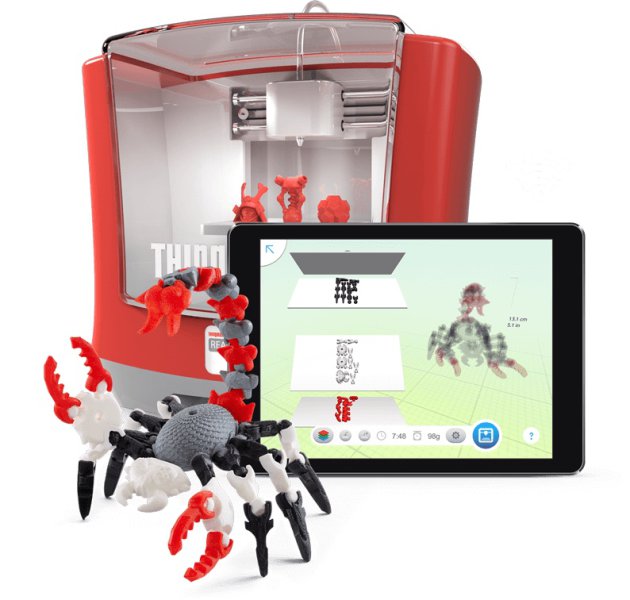
At the recent New York Toy Fair, Mattel unveiled the ThinkMaker, a ’70s toy maker that uses modern 3D printing technology. But the new ThinkMaker is a lot more than an ordinary toy maker that could mould bug-like creatures or Creepy Crawlers as they were popularly called.
The new 3D Printing ThingMaker can design complex objects like figurines, jewellery and accessories using the ThingMaker Design app, which Mattel developed together with Autodesk. The toy maker will start shipping this fall and comes at a very affordable price of $300.
There are so many reasons to love Mattel’s new ThinkMaker. At $300, the toy maker is not only cheap, but it can also train kids in 3D designing from an early age. It also engages the child’s creativity as it allows kids to use the ThinkMaker to create a variety of things. Kids will be able to design toys from scratch and the toys can be customised with different colours and textures.
Instead of having to pour liquid plastic into toy moulds as was the case with Mattel’s original ThinkMaker back in 1960, the new ThinkMaker spits them out like any other 3D printer. And the fact that this is a 3D printer that is easy and safe to use makes it a great purchase for kids and adults alike.
NASA has now officially created a rocket made out of 3-D printed parts. Once filled with hydrogen and oxygen, the rocket produces 20,000 pounds of thrust and generates spectacular flames.
Sources reveal that NASA has been working on 3-D printed rockets for a while now, but this specific rocket engine is the first of its kind; 75% of its parts are 3-D printed -the highest percentage so far. Check out the video below which shows the rocket engine producing impressive amounts of fire. The video shows that the fire from the engine lasts for as long as ten seconds.
3-D printed components of a rocket have some clear advantages like it helps to build complex parts using a relatively simple process of laser-sintering at NASA. This means that components which would have otherwise taken years to build can now be built within a few months. Additionally, engineers can now also build parts as a single unit instead of working on them separately.
On the other hand, one of the apprehensions against 3-D printed parts is that they are not as sturdy as their counterparts. However, being subjected to extremely hostile conditions have revealed no such flaw and the components have performed beautifully. Here’s another video to help you appreciate the awesomeness of 3-D printed components.
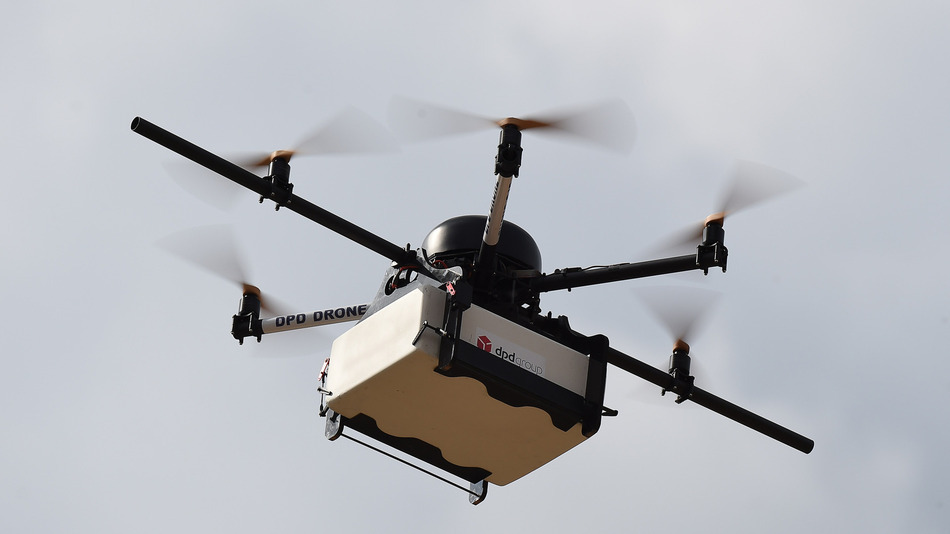
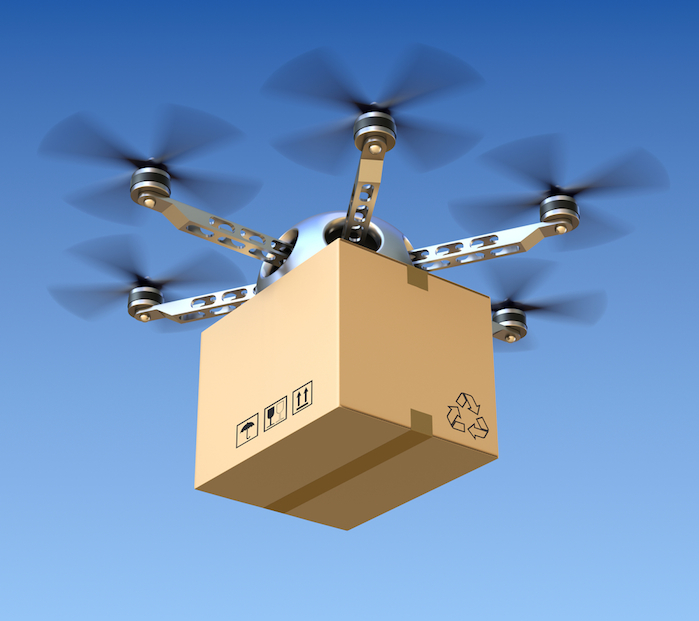
Postal services in Australia are all set to get more tech-savvy with the help of 3D printers and drones. While Third World countries like India still struggle with basic technology, Australia is all set to incorporate sci-fi Hollywood-like gadgets in their postal system.
The CEO of Australia Post, Ahmed Fahour, said the service is discussing its plans with online retailers to make drones available in regional communities. As part of the same plans, 3D printers will also be installed in Post offices. Fahour commented,
“Some things you want, like household items, could be printed right there and then rather than waiting for it. This is the new world, the technological revolution as opposed to the industrial revolution.”
A fund of 14 million USD has been to set up to provide finances for these plans. They would be provided by the Melbourne Accelerator Programme of University of Melbourne, an initiative for entrepreneurs.
Drones have earlier been seen in Prime Air program of Amazon. The ones to be introduced in Australia will be similar to those and will be able to carry packages weighing up to 2 kilograms. GPS and back-up motors will be some of the technology they’ll come equipped with, to be able to deliver the package on the right address.
3D printers are the next big thing. These devices are touted to bring the industrial age where manufacturing will shift from giant warehouses to homes. The technology has been used to make small tools to houses. 3D printing can truly pave the way to the next generation economy. For those of you still oblivious to this fantastic feat of engineering, we bring you all that you need to know about the technology that might actually change your life.
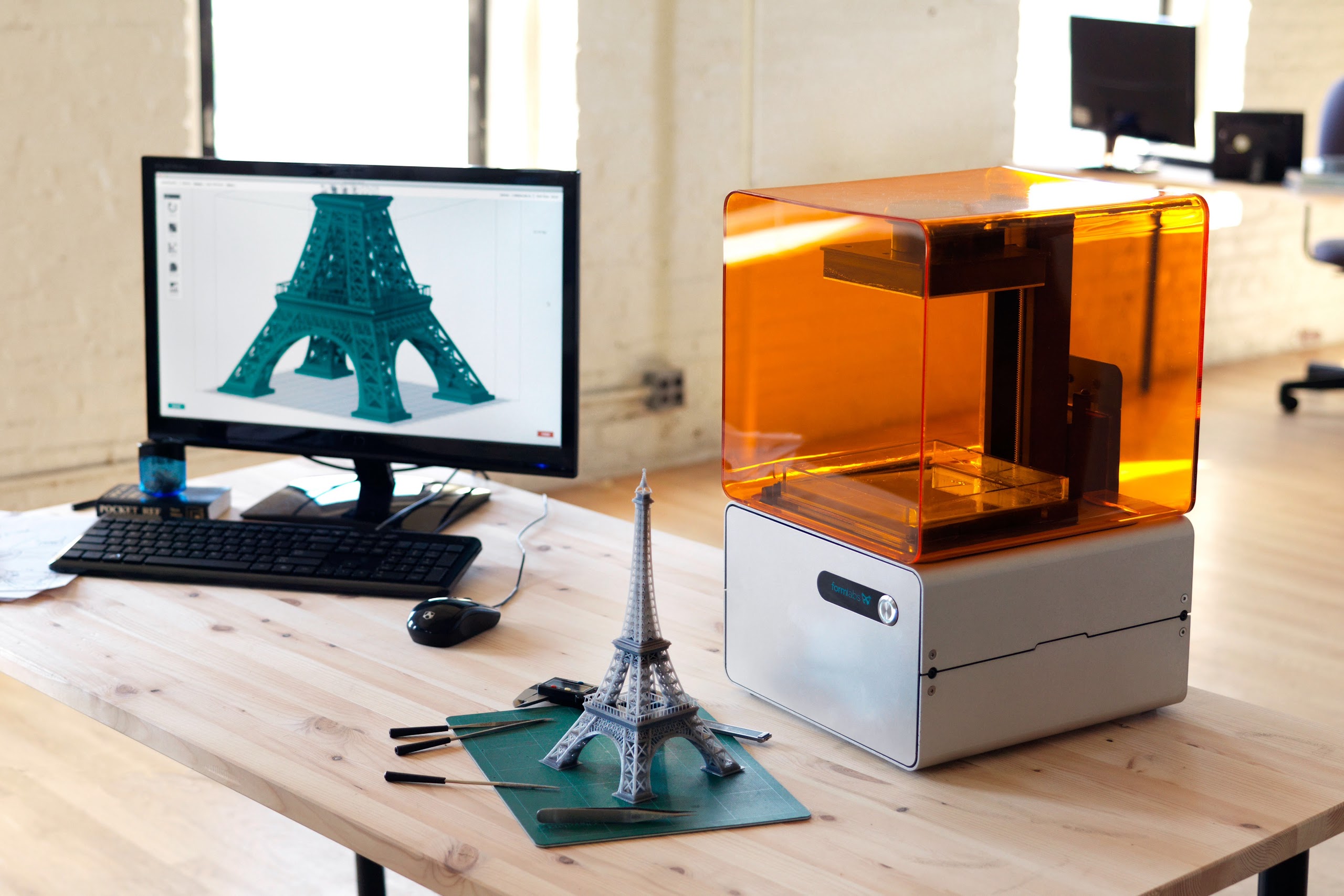
The 3D printing or additive manufacturing (AM) is a technique by which you can create or recreate a three-dimensional object. The 3D printers are also considered to be industrial robots for their manufacturing aptitude. The technology utilises computer-aided formation of objects by laying successive layers of materials. The materials can vary from plastic to metals like silver, steel, and titanium.
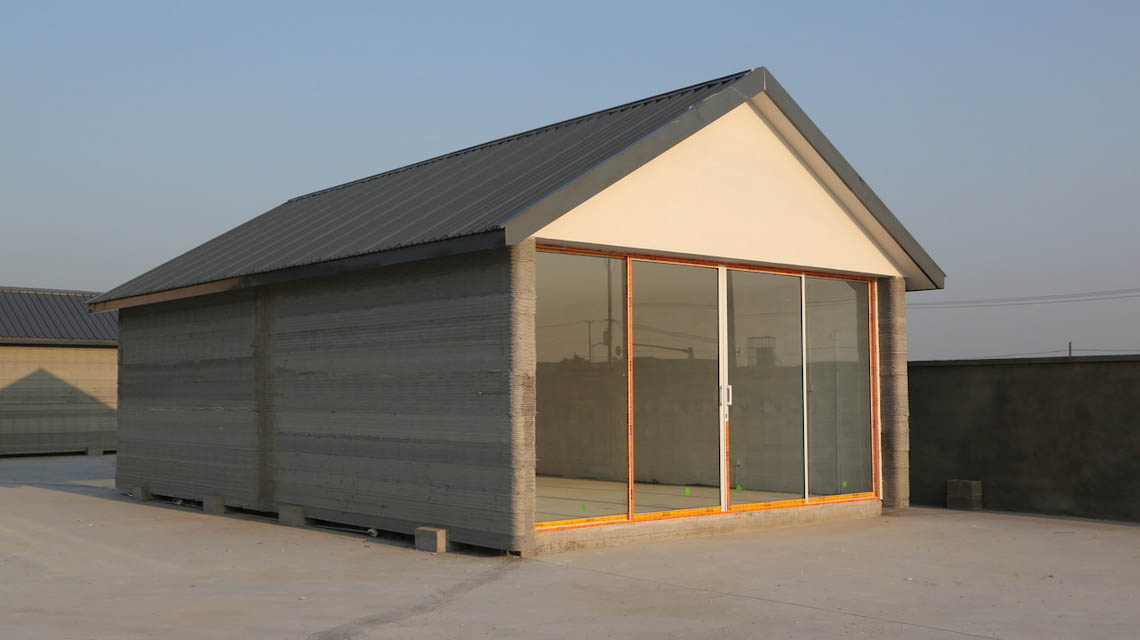
A Chinese company was able to make 10 houses through 3D printing.
What can you do with it?
With AM, you can even create complex objects with intricate moving bits. Designers and engineers have created working electric car models in a duration of just 44 hours. Of course, they used an industrial-sized printer, but the fact remains that this technology could bring manufacturing closer to home and decrease the massive amount of investment that goes into bringing the product from factory to shop. The 3D printing is exceptionally economical as it can create complex parts for machines, cars and even airplanes at a fraction of the cost of conventional processes. The printers can be scaled down and up easily depending on the requirement.
The printers are also capable of creating electronic circuitry so it might only be a matter of time before you can get OTA updates for a new phone altogether. This, coupled with technological experiences gained by developments like Project Ara, would help in creating the next generation eco-friendly devices that are also economical.
Human body organ replacements can also be printed.
The 3D printers are also being used in the health industry. Using biological data, researchers have printed replacement organs for humans. The technology is also being used in food design and has let artists create some cool looking treats.
These printers will come really handy to space travelers. Instead of carrying a massive inventory of spares and tools, they can simply carry a printer on board that will create the spares they need. This will clear more space for human utilisation and make the spacefarers self-sufficient in the long run.
How does it do it?
3D Printers use computer-aided designs to create printable models.
The first step in the process of 3D printing is acquiring the 3D model of the object that you want to print. This can be done manually by using modelling softwares. There has been an influx of a lot of softwares intended to print 3D objects. You can easily get free softwares where you can create rudimentary objects or if you have the stomach for it, you can go for professional softwares like 3ds Max or Autodesk Maya.
There are also a lot of websites that offer predesigned objects that you can download. Websites like Thingiverse have a lot of options to choose from to try out your hand at creating stuff off computer designs right in your homes.
And if that’s still out of your technological proficiency, then the printers itself lets you scan the images that you are trying to recreate. It’s easier than easy with the 3D printing.
Where can I get it?
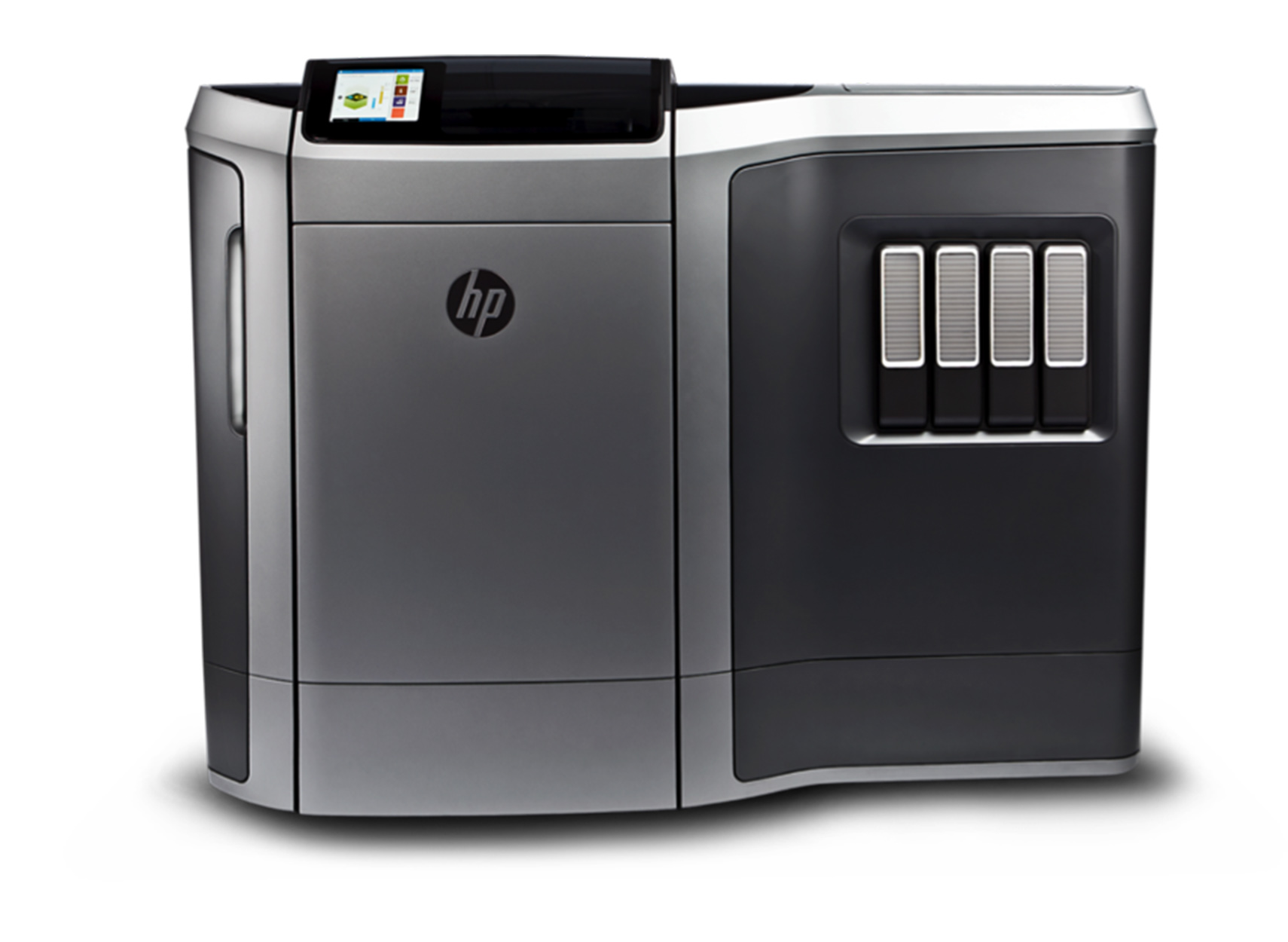
Printing powerhouse HP has also come up with its Multi Jet Fusion 3D printer.
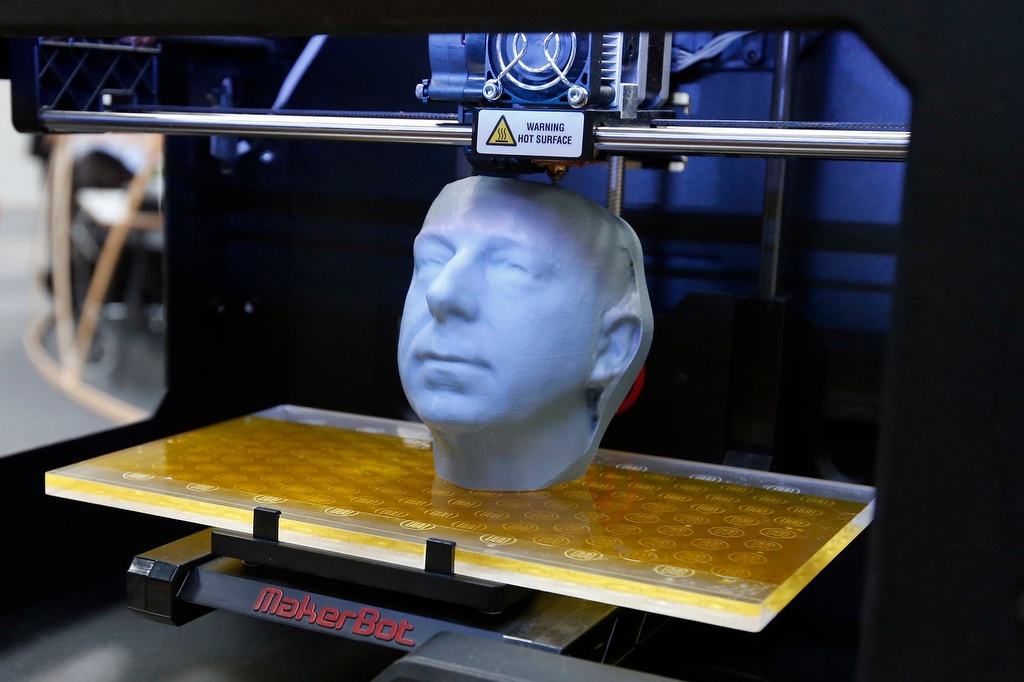
Presently, the devices cost truly a bomb, but for what they can do, they are a bang for the bucks. Printers like the Makerbot come at a premium price of Rs. 3,50,000, which may actually be cheap for an enterprise segment. You can also get lower-priced models for home usage for just above a lakh rupees, and they will give you great ease in making prototypes. Even big brands have seen the potential of the technology and have started working on their own models, one of the prominent names is HP’s Multi Jet Fusion technology.
The 3D printing revolution is here, and it needs its revolutionaries. Manufacturing science is a great area of study that really require people. If you are an engineering student looking for a field of study, then manufacturing should be it. And if you are a kind of person who likes to create the future, keep your eyes on the 3D printers, they are about to change the world.
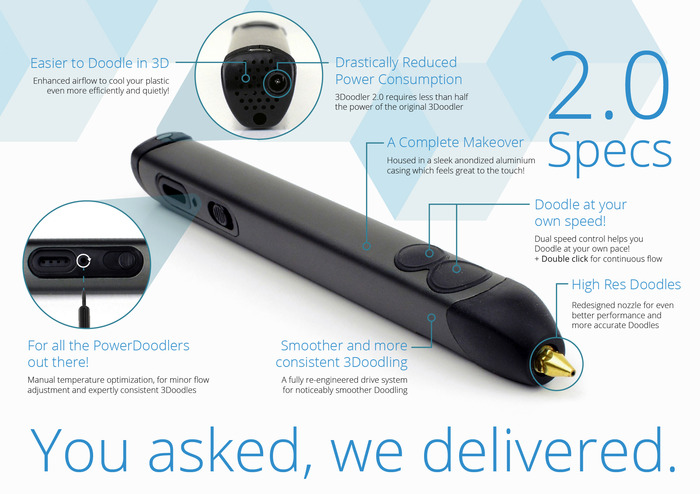
World’s first 3D printing pen, 3Doodler, made its debut about two years ago in 2013. Yes, it is what the name suggests – a device that lets you doodle physical objects in thin air. We know what you’re probably thinking:
Shakalaka Boom Boom pencil in the house, boys and girls.
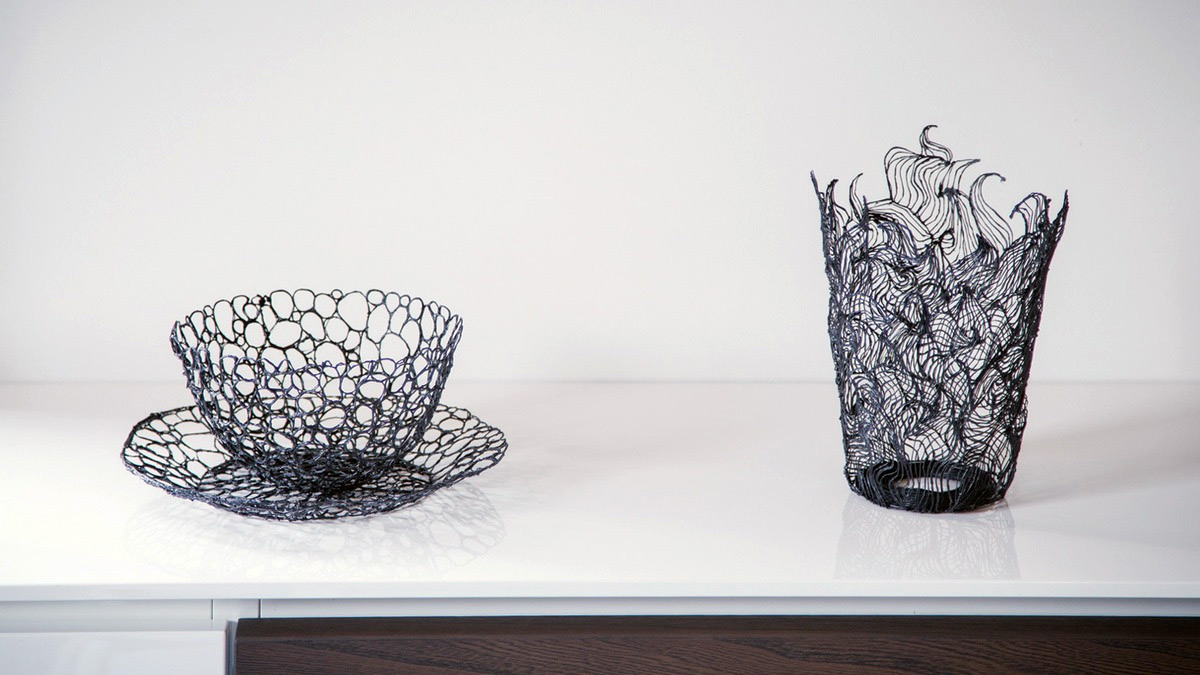
What we’re talking about instead is a prettier, less creepy and more-within-your reach sort of an option. Developed by Peter Dilworth and Maxwell Bogue of WobbleWorks LLC, the updated version of 3Doodler called 3Doodler 2.0 made its debut earlier this year. Began as a Kickstarter campaign in 2013, 3Doodlers make use of plastic thread which is melted, shaped into an object desired by the doodler and then left to cool.
The updated model is a sleeker, lighter and more convenient version of 3Doodler and is available at a price of around Rs.10,000 in India. Surprisingly enough the older model is available on Amazon for about Rs.24,000. 3D doodling can be used for numerous purposes including design, miniature modelling, in architecture and interior designing, for arts and crafts projects, or for creating the best Halloween masks, if all else fails.
For a closer look at the wonders this little device is capable of, take a look at the video below:
A collaboration between Stratasys’ Education, R&D departments and MIT’s Self-Assembly Lab has led to a breakthrough in the realm of printing. Because 3D printers were simply not fancy enough, developers decided to create a 4D printer which allows the printed objects to change their physical state with the right temperature as stimuli.
A self-folding object created with 4D technology.
Creating self-assembly technology for large scale structures is the underlying goal for this research and its results. The project is led by Skylar Tibbits, Self-Assembly Lab Director and trained Architect, Computer Scientist and Artist, and has showcased to the world Tibbits’ first 4D printer. It comes equipped with Stratasys’ Connex multi-material 3D printing technology.
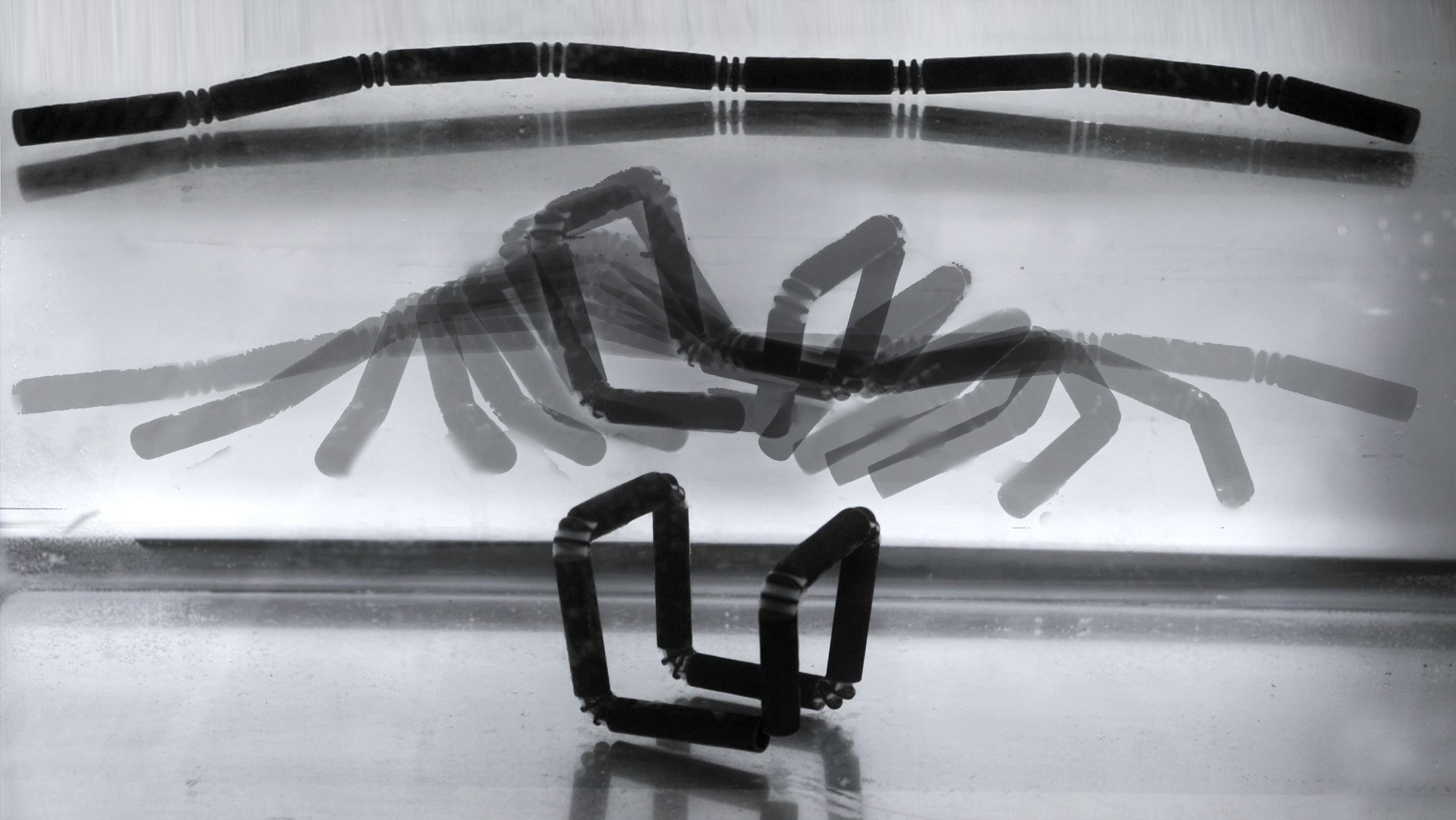
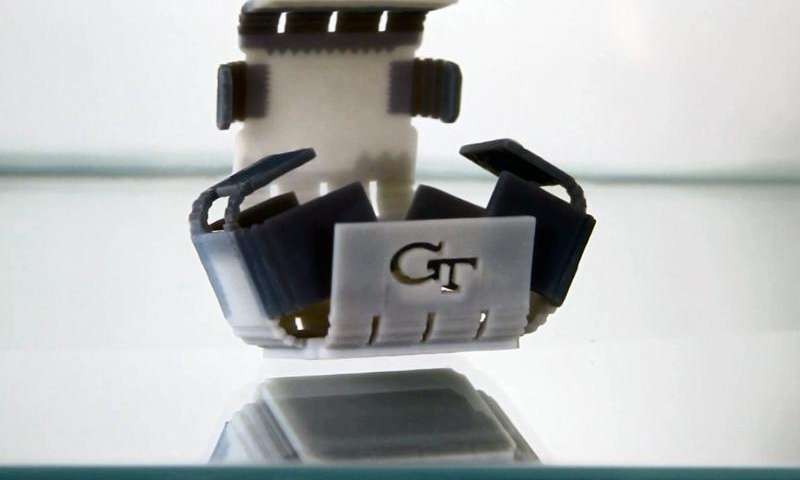
The 4-D technology, developed by Georgia Institute of Technology and the Singapore University of Technology and Design (SUTD) enables 3D structures to fold themselves from components that were previously flat or folded for various reasons. Though this technology is not commercially available yet, it seems to hold tremendous promise in manufacturing with least energy consumption. It’s okay for you to go ahead and get excited about the possibility of a sci-fi-inspired-world of self-automated and shape-shifting objects now.
Dubai, a city where something fresh is always being added to the skyline, may have found a way to make construction move even faster. On Tuesday, the Gulf commercial hub announced plans to construct the world’s first office building using 3D printer technology, adding another marvel to its collection of magnificent buildings.
The 3D printing or additive manufacturing (AM) is a technique by which you can create or recreate a three-dimensional object. The 3D printers are also considered to be industrial robots for their manufacturing aptitude. The technology utilises computer-aided formation of objects by laying successive layers of materials. The materials can vary from plastic to metals like silver, steel, and titanium. Read more about it here.
3D Printers uses computer aided designs to create printable models.
Mohammed Al-Gergawi, the UAE’s Minister of Cabinet affairs, said the project is part of a broader plan by the federation to embrace cutting-edge science and technology and make Dubai a global hub for innovation.
We are keen to use the latest technologies to simplify people’s lives and to serve them better. This project is part of our overall innovation strategy to create new designs and new solutions in education, healthcare and cities. Our goal is to increase the happiness and wellbeing of our residents and to pioneer new solutions for the world.
The 2,000 square feet of floor space building is planned to be located in the center of the coastal business hub city, where it will be printed, layer-after-layer, using a huge 20-foot tall printer over the course of a few weeks. The entire interior will be 3D printed too. According to the experts, the technology will cut labor costs by 50-80%, and construction time by 50-70%. Other than this, no other details on the timeframe or cost were made public.
The project is a result of cooperation between Dubai and WinSun, a pioneering Chinese company that has begun constructing houses and buildings made using 3-D printers. Some more partners have joined hands as well, like architectural and engineering firms such as Gensler, Thornton Thomasetti, and Syska Hennessy.
For more information on what 3D printing is, refer to the video below.
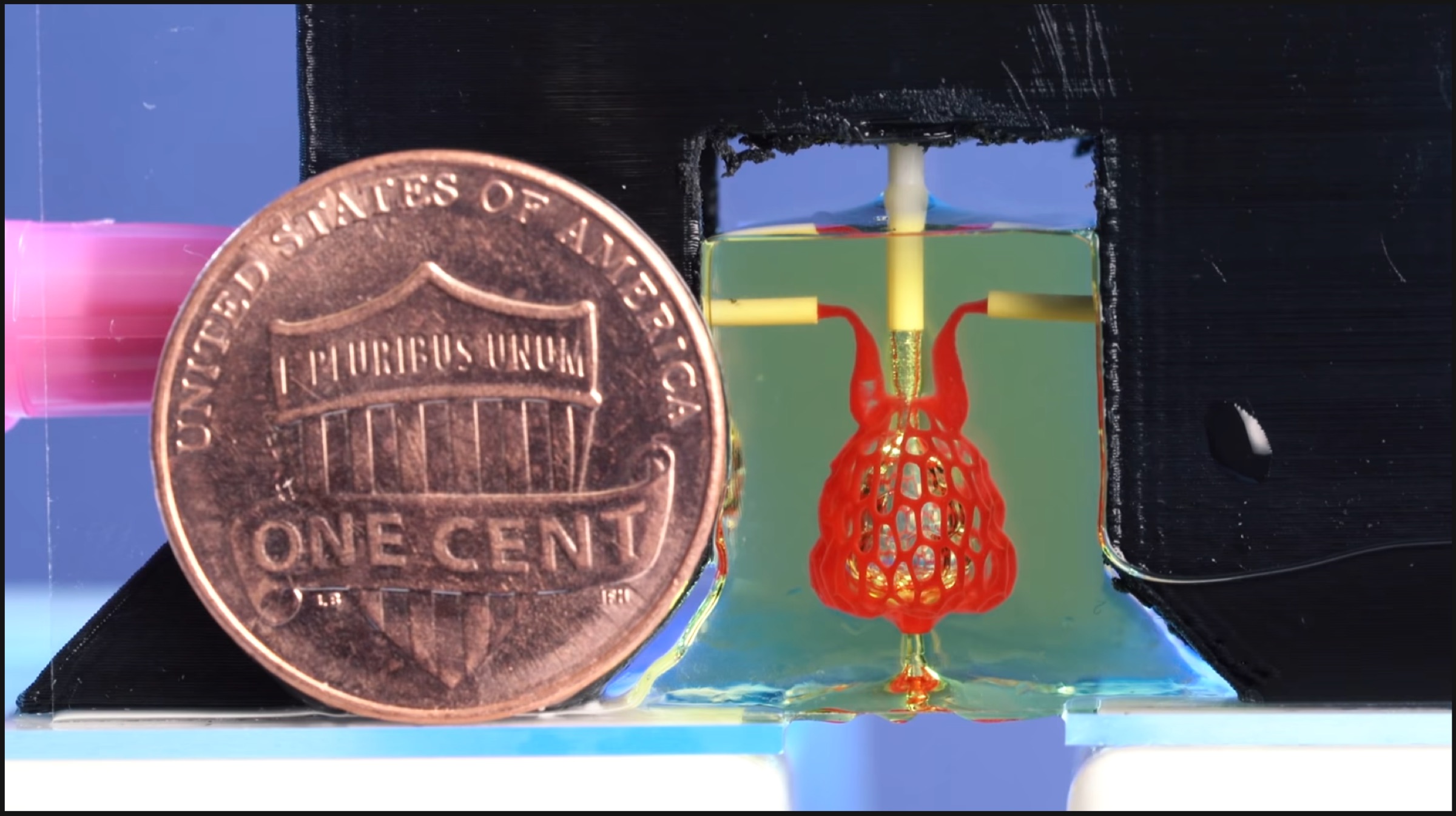
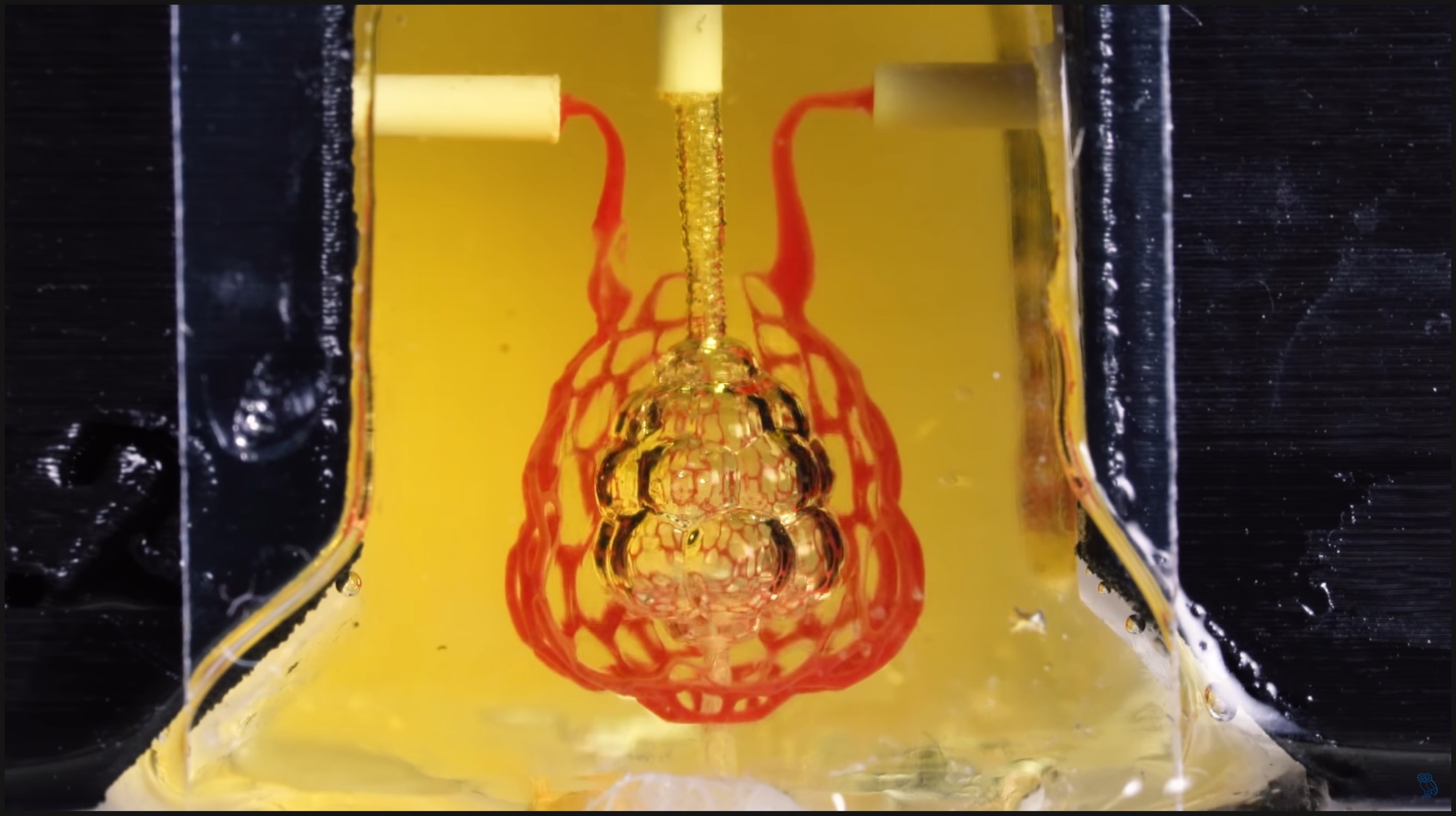 The team was led by bioengineers from Rice University and University of Washington. The 3D printed lung was designed in such a way that it could include independent vascular networks. The different vascular networks include airways, lung blood vessels, bile ducts and the blood vessels present inside the liver. Delivering oxygen to tissues surrounding the blood vessels was always a challenge, but the researchers claim that their bioprinting technology is the first one to beat the hurdle of multivascularization in an artificially designed organ.
  An assistant professor at the University of Washington states that with the removal of such an obstacle from the path, multiple tissues can be designed which can breathe and function just like the healthy tissue in our bodies. Not just that, 3D printed organs will be able to behave more functionally than ever before. Bioprinting has gained a lot of traction in the past few years, solely because it could allow doctors to print replacement organs from a patient’s own cells, increasing chances of survival drastically.
  Also Read: An Unknown HTC Mid Range Smartphone Spotted On Geekbench
 The design of the 3D printed microscope is based on digital holographic microscopy. Bahram claims that the images produced by the portable microscope are almost twice the resolution of the images produced by traditional microscopy. The applications of such a device are not limited to research and medical science, rather, it can be used in defence and education as well. Since the entire microscope is manufactured out of 3D printed parts, it can be assembled anywhere and with relative ease. Moreover, unlike other scientific equipment, the 3D printed microscope is not expensive at all. Also, the incorporation of alternative components such as image sensors could drastically reduce the price point of the microscope when/if it is mass produced at some point.
  The core of the new microscope works in similar ways to a traditional digital holographic ones, where a digital camera captures the hologram generated when the light coming from the sample object interferes or colludes with the reference light wave. This process relies on a controlled setup where the environment has to be free of vibrations and temperature fluctuations. Instead, the newly manufactured equipment combines the two images using a super-resolution technique, which is scientifically referred to as Structured Illumination Microscopy. In this process, a structured light pattern is created with the help of a clear disc.
  Also Read:
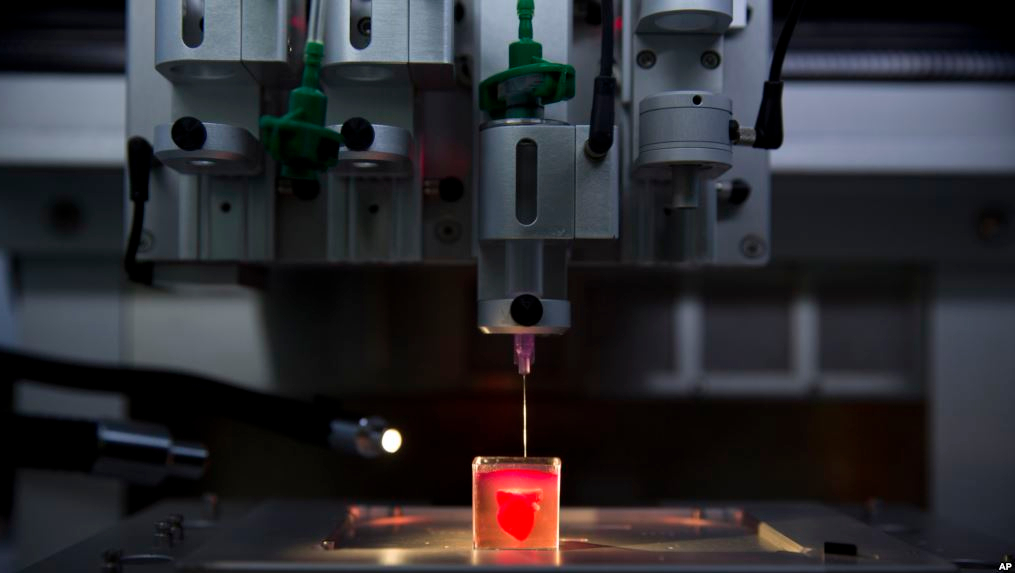 Using a patient’s own cells, the researchers from Tel Aviv University created the heart on a high resolution 3D printer. The university has announced their success story while showcasing the printed heart. The printing experiment was deduced as one of the most major medical breakthroughs to date. The research findings were published in the Journal of Advanced Science. The team involved in the experiment was led by university professor Tal Dvir.
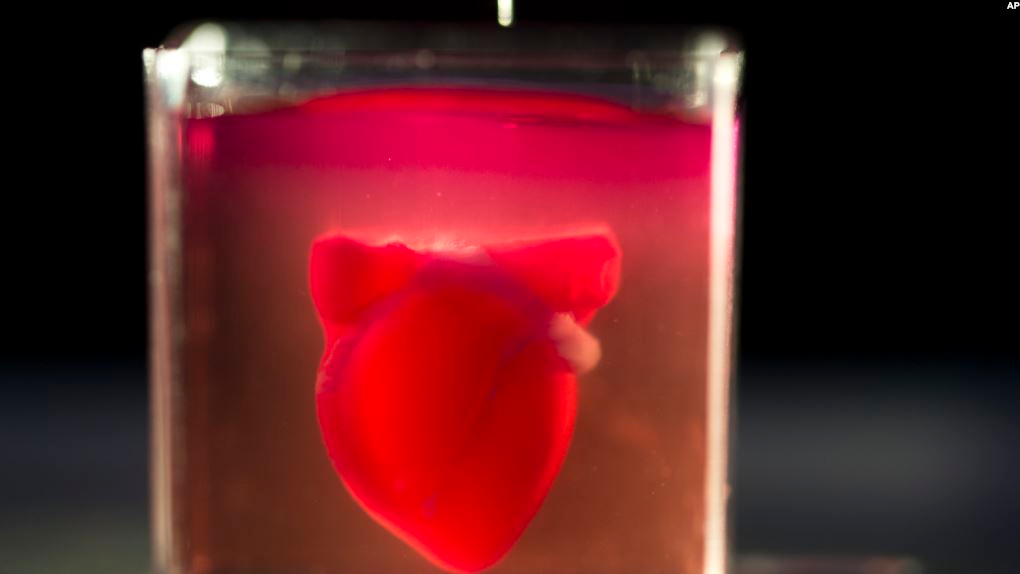 As per Tal Dvir, this was actually the first time that human cells were incorporated with 3D printing technology to formulate a complete replica of a heart. The 3D printed heart is design to perform in the real world, so it comprises of blood vessels which help the heart to pump blood. Previously, only non-vessel tissues could be printed using the combination of medical methods and technology, but a new technique adopted by the researchers made it possible to design a life-like 3D-printed heart. Fatty tissue from patients was used as the “fuel” or “ink” of the 3D printer.