Tag: acquisition

  • ‘Apple Glass’ Could Be A Reality Soon As Apple Buys AR Centric Longmont

    ‘Apple Glass’ Could Be A Reality Soon As Apple Buys AR Centric Longmont

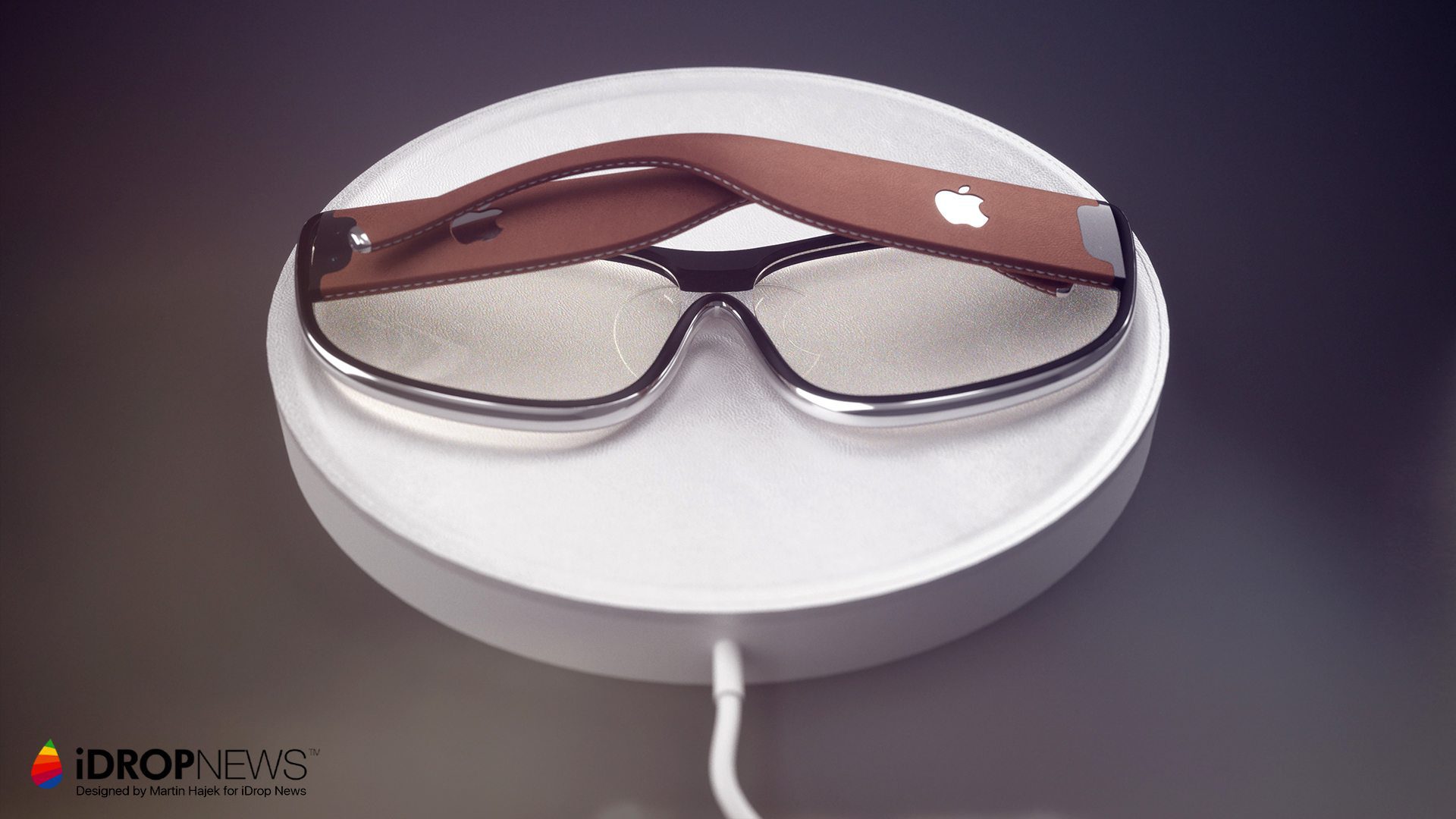
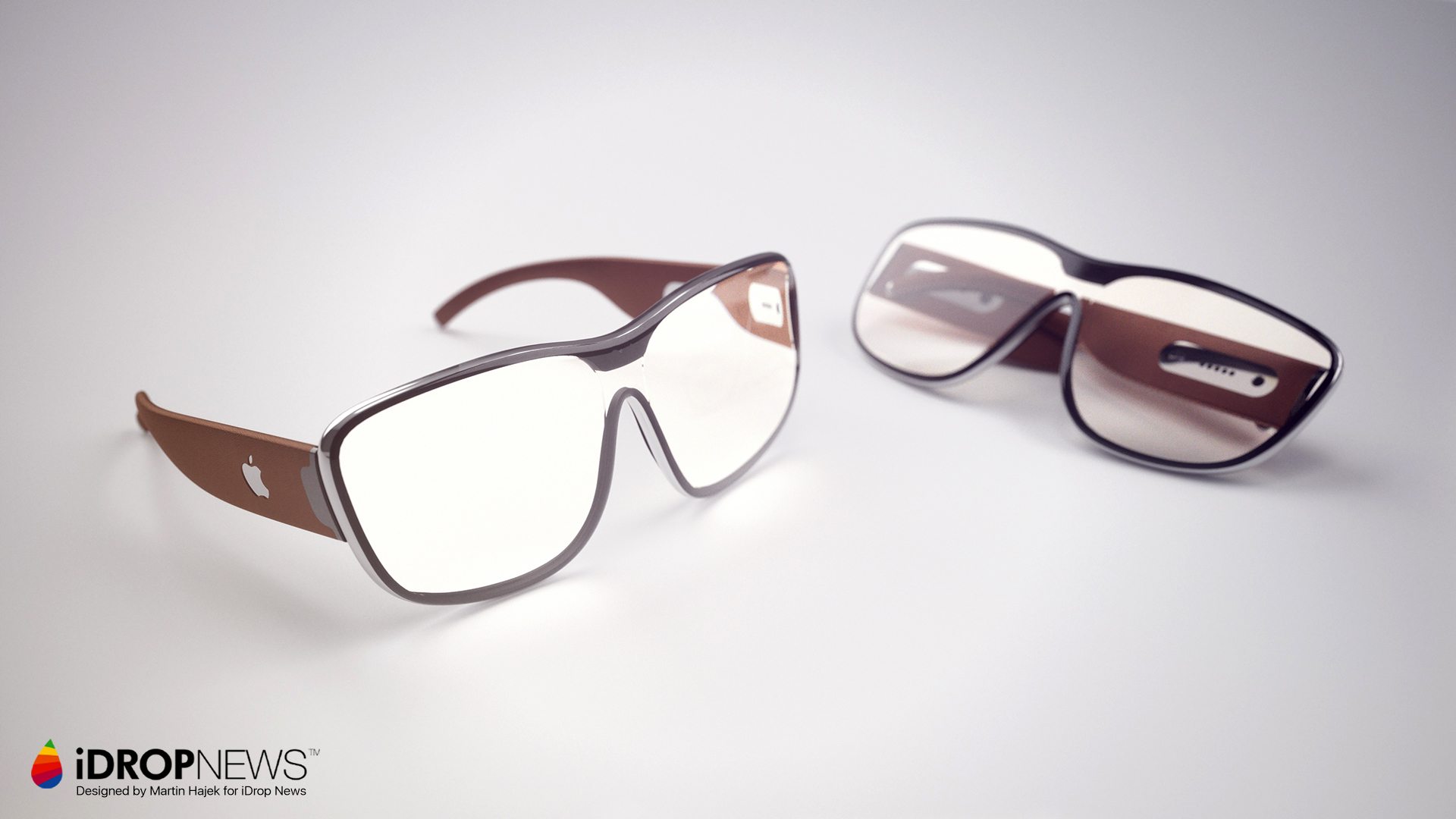
    Apple has confirmed the acquisition of a startup that ‘focuses’ on making lenses for Augmented Reality glasses. Reports of the deal had been around for a while, however a Senior Apple Executive confirmed it on Wednesday. The move strengthens recent rumours about an upcoming ‘Apple Glass’ similar to the Google Glass.

    Apple acquired Longmont and Colorado-based Akonia Holographics. “The technology allows for thin, transparent smart glasses that display vibrant, full- colour, wide field-of-view images.”, according to Akonia. The news entirely hints at the fact that the tech giant is planning to enter the domain of wearable AR devices which enhance daily experiences. The company Akonia, also has more than 200 patents related to holographic systems, according to its website.

    Also Read: HMD Global Acquires PureView Trademark

    Augmented Reality:

    Augmented Reality superimposes images on real-world scenarios, making it more interactive and informative. This was seen in the immensely popular game Pokemon GO which used AR extensively. Similarly, Apple might be planning to use Akonia’s holographic technology to project information on to the lenses of wearable glasses.
    Apple Augmented Reality Glasses


    Apple’s Big Move :

    This isn’t the first time it has acquired a smaller company. Back in 2013, it bought a small Israeli company which specialised in making 3D sensors. The Face ID feature in the iPhone X launched last year, used similar technology and 3D sensors. Apple does pick up smaller firms which showcase promising technology and takes that technology to the testing grounds. Many of the features available in various Apple products could have been at on point of time, the prime focus of a small company.

    However, the purchase of the company doesn’t really confirm the development of a new device. According to a senior executive at Apple, “Apple buys smaller companies from time to time, and we generally don’t discuss our purpose or plans”.  Regardless, most analysts point out the fact that an ‘Apple Glass’ is actually in development and we could see it for ourselves by the year 2020.
  • Walmart Buys 77% Stake In Flipkart For US$ 16 Billion

    Walmart Buys 77% Stake In Flipkart For US$ 16 Billion

    Last week, reports emerged from the Flipkart office that an initial agreement of sale to Walmart had been signed. The world’s largest retail chain, Walmart Inc. has now announced that it has agreed to become the largest shareholder in Flipkart Group. The deal is worth approximately US$ 16 billion and will see Walmart own 77% stake in the Indian e-commerce outlet.

    Subject to regulatory approval in India, Walmart will pay approximately $16 billion for an initial stake of approximately 77 percent in Flipkart, formally Flipkart Private Limited.

    This announcement has also confirmed another rumour started by a previous report. Walmart announced that investors like Tiger Global, Tencent and Microsoft will not cash out completely. Apparently, Softbank, an investor in Flipkart holds a little over 20% stake in the company. With this acquisition, Softbank will exit the company fully and is expected to make up to US$ 4 billion. This is a whopping 60% return on its investment of US$ 2.5 billion in the company it made about eight months ago.

    The remainder of the business will be held by some of Flipkart’s existing shareholders, including Flipkart co-founder Binny Bansal, Tencent Holdings Limited, Tiger Global Management LLC and Microsoft Corp.

    Flipkart had a successful previous fiscal year. Walmart said that Flipkart recorded GMV (gross merchandise value) of US$ 7.5 billion and net sales of US$ 4.6 billion representing more than 50% year-over-year growth in both cases. With the investment, Flipkart will leverage Walmart’s omnichannel retail expertise, grocery and general merchandise supply-chain knowledge and financial strength.

    The two major players in the Indian online market are Flipkart and Amazon. If this deal goes through, the scenario will remain the same. Amazon has been breathing down Flipkart’s neck in terms of market share as Flipkart continues to have a larger market share. According to a report by Forrester, in 2017, Flipkart’s standalone market share was 31.9%, while Amazon’s was 31.1%.

    This deal will only benefit the Indian consumers as both Flipkart and Amazon would be vying for the top spot and make sure their services are better than the other. The implications of this deal will be seen in the months to come and it’ll be interesting to see how Flipkart leverages the financial power of the world’s largest retail chain.

  • Walmart To Acquire Flipkart For Up To US$ 16 Billion

    Walmart To Acquire Flipkart For Up To US$ 16 Billion

    The world’s largest retail chain, Walmart will buy 73% of Flipkart. The deal appears to be imminent as Walmart has prepared to at least US$ 14.6 billion, and as much as US$ 16 billion, in the cash-and-stock buyout of the Indian e-commerce giant. Moreover, Alphabet Inc., the parent company of Google, is said to be ready with a US$ 3 billion investment as well.

    According to the report by Factor Daily, one source had valued Flipkart at US$ 20 billion while two other sources said that Walmart had put company’s value at as much as US$ 22 billion. At this price, Walmart will spend more than US$ 16 billion for the acquisition. After meetings went on throughout Thursday, both the parties appear to have signed a tentative agreement. One source said:

    Everything has been finalised… The papers have been signed by both the parties.

    Flipkart’s CEO, Kalyan Krishnamurthy, and other top-level personnel are expected to maintain their roles. The report cites a few sources, and one of the sources claimed that the deal will be a mix of cash and stock.

    Cash component will be close to 55%, which will mark the exit of some of the largest investors in Flipkart.

    Softbank, an investor in Flipkart holds a little over 20% stake in the company. With this acquisition, Softbank will exit the company fully and is expected to make up to US$ 4 billion. This is a whopping 60% return on its investment of US$ 2.5 billion in the company it made about eight months ago. Other investors like Tiger Global, Tencent and Microsoft will not cash out completely.

    Must Read: Apple Working On An AR/VR Headset With 16K Resolution Display

    The two major players in the Indian online market are Flipkart and Amazon. If this deal goes through, the scenario will remain the same. Amazon has been breathing down Flipkart’s neck in terms of market share as Flipkart continues to have a larger market share. According to a report by Forrester, in 2017, Flipkart’s standalone market share was 31.9%, while Amazon’s was 31.1%.

    With the deal on the later stages of completion, it could be announced at any moment. Neither of the two parties involved in the deal has made any statements so far. We will update you as soon as we get more information about the acquisition.

  • Google Completes US$ 1.1 Billion Acquisition Of HTC’s Smartphone Division

    Google Completes US$ 1.1 Billion Acquisition Of HTC’s Smartphone Division

    Google has announced the completion of a US$ 1.1 billion deal with HTC. The deal was confirmed in September 2017 but, it has now passed the requisite approvals and is finalised.

    Rick Osterloh (Google) and Cher Wang (HTC)

    The acquisition will see the transfer of over 2,000 engineers from HTC. Along with the transfer, the company will also receive a non-exclusive license for HTC’s intellectual property. HTC is retaining its Vive VR division and confirmed that it will continue making smartphones.  Rick Osterloh, Google’s senior VP of hardware, wrote:

    I’m delighted that we’ve officially closed our deal with HTC, and are welcoming an incredibly talented team to work on even better and more innovative products in the years to come.

    As It Happened

    This is not the first time that Google has taken charge of the hardware for its smartphone lineup. Six years ago, Google announced a US$12.5 billion buyout of Motorola Mobility. However, after opening a manufacturing plant in the United States, the company decided to sell Motorola Mobility to Lenovo for a fraction of the price it bought Moto for. The takeover made Motorola into a capable smartphone manufacturer and has continued to thrive in the smartphone industry since then.

    Google
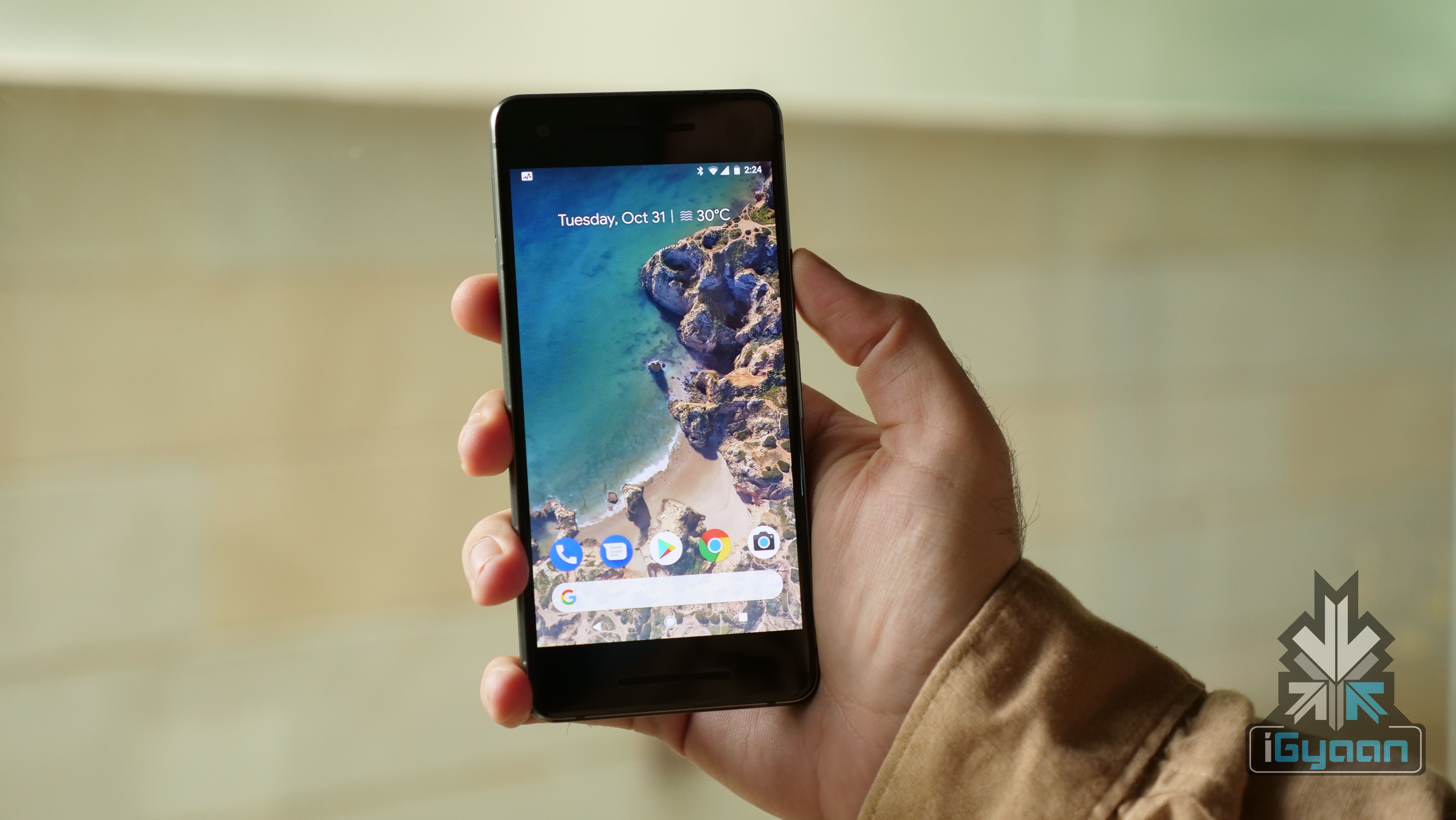
    Google Pixel 2

    HTC’s flailing smartphone share and tumbling sales in the past few years made people talk about a possible takeover by Google of its smartphone department while HTC continues its work in the VR industry. In late August, reports emerged that a deal between Google and HTC will be announced by the end of 2017.

    This move by the Google to buy off smartphone personnel from HTC could bring the company closer to achieving the hardware/software synergy that has worked so well for Apple and the iPhone. Although HTC and other Android smartphone makers still use off-the-shelf processors and other components in their handsets, the tech giant snatched one of Apple’s chip architects earlier in 2017. This could be an attempt to evolve beyond that and design its own chip.

    This acquisition also gives it a huge engineer base in Taipei, Taiwan. That makes Taipei the largest engineering site for Google in the Asia Pacific. In the coming years, it is likely to be the source of new products from the company.

  • Apple May Have Plans to Acquire Netflix

    Apple May Have Plans to Acquire Netflix

    Apple has long been rumoured to be be working on a TV subscription streaming service to be integrated into their “TV” app on iOS devices and on the Apple TV. With Netflix already at the top of the list of subscription-based streaming services. Apple may likely be setting its eyes on the acquisition of Netflix. An analyst claims that there is a 40% likelihood that Apple will acquire Netflix now that US President Trump’s corporate tax cut has been passed.

    The cut in corporate taxes, along with a one-time allowance for companies to repatriate cash stored overseas without a major tax hit, will give Apple a much larger cash surplus to buy new companies. Apple has over $ 250 Billion in available cash, which is stored in tax havens outside of the US, which the company will now be able to bring back to the US thanks to the new tax cuts.

    Apple’s list of potential acquisitions contains a few companies, but Netflix tops this list according to the Analysts. This list includes companies like Activision, Electronic-Arts, Take-two, Hulu, Disney and even Tesla. However this was written before Disney’s acquisition of Fox’s studio and TV assets.

    Apple will need to pay only 10% to bring this cash back to America, and Netflix acquisition could cost the company as much at US $ 75 Billion . Still leaving the company strong with 2/3rds of their existing cash and with this number increasing at the rat of US $ 50 Billion each year, Apple could be eyeing other potential investments.

    This move will also allow Apple to establish a stronghold in the streaming space the company has been eyeing for several years. With Apple Music service already a huge success, a movie/tv series streaming service will only add to Apple’s revenue.

  • Apple Acquires Music Recognition App Shazam

    Apple Acquires Music Recognition App Shazam

    Last week, it was reported that Apple was on the verge of acquiring of Shazam. On the 11th of December, Apple confirmed the acquisition of the popular music recognition app, Shazam. While neither of the concerned companies disclosed the value of the deal, a report by TechCrunch claims that the deal is worth US $400 million and that Snap and Spotify were potential buyers as well.

    Acknowledging the acquisition, Apple said in a statement:

    We are thrilled that Shazam and its talented team will be joining Apple. Since the launch of the App Store, Shazam has consistently ranked as one of the most popular apps for iOS. We have exciting plans in store, and we look forward to combining with Shazam upon approval of today’s agreement.

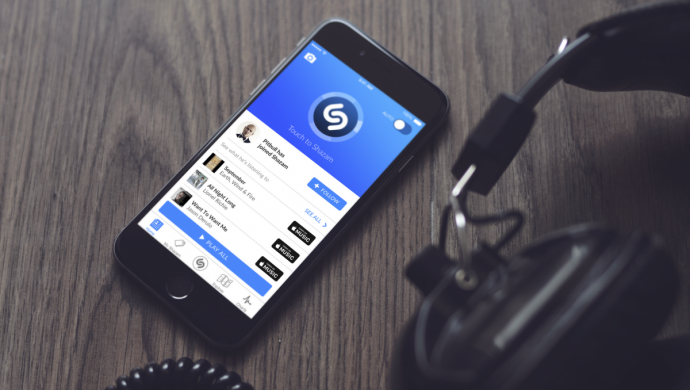
    Shazam, one of the most popular music recognition app was launched back in 1999. Since then, the company has claimed that the Shazam app has been downloaded over 1 billion times and its users have used the app to recognise songs over 30 billion times. Shazam released a statement as well, seemingly confirming that the standalone Shazam app will continue functioning:

    Shazam is one of the highest-rated apps in the world and loved by hundreds of millions of users and we can’t imagine a better home for Shazam to enable us to continue innovating and delivering magic for our users.

    Shazam was one of the first few services that took advantage of AI and offered it to a broader audience. As Apple prepares to invest big in AI and make its AI assistant, Siri smarter than the competition, this acquisition might go a long way in doing so.

    Google Assistant, of all the AI assistant, might be the smartest in terms of music as of now, but, with Shazam onboard Siri can definitely compete and even come out on top in the battle of AI assistants. Even some analysts believe that Shazam could add significant value not only with its own service but also by making Siri smarter about music.

    Music is an important part of Apple’s business, particularly as the company prepares to launch its HomePod smart speaker. Slated for a late-2017 launch, the smart speaker will now be launched in early 2018. Apple Music, Apple’s subscription-based music streaming service has roughly 30 million subscribers which is not even a half of what its direct rival Spotify has. Spotify has 60 million paying users as of July and 80 million more on its free service.

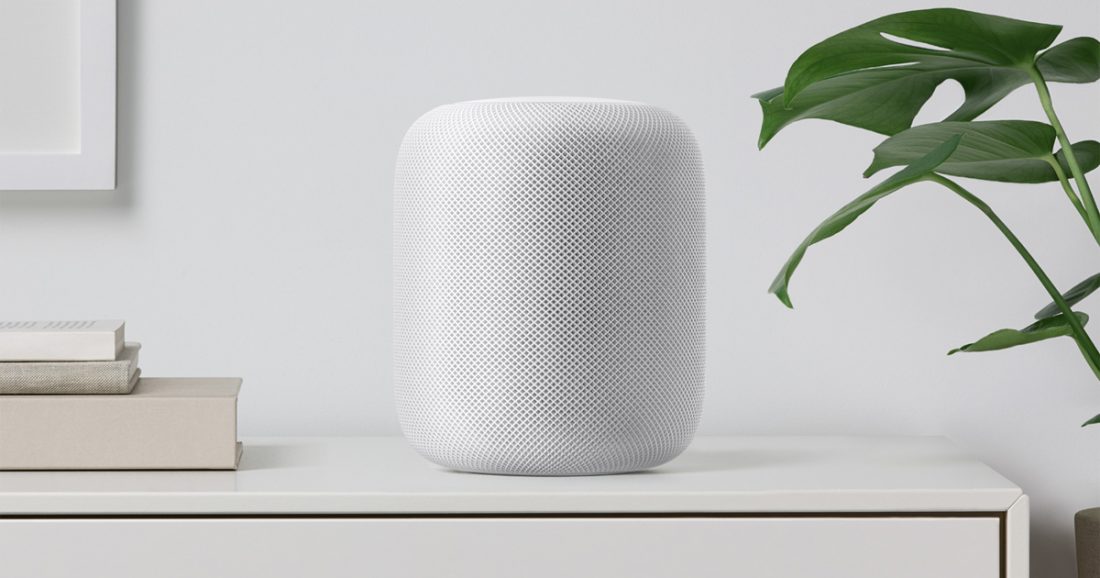
    Apple HomePod

    Analysts are saying that this acquisition is similar to one that Spotify made in 2014 when it purchased a music intelligence firm called The Echo Nest. The Echo Nest creates technology that generates music recommendations which is one of the most important features of Spotify.

    Apple’s entry into AI and now the acquisition of Shazam means that Apple is willing to take on Spotify for the number one spot. As of now, the Shazam app redirects users to either Apple Music or Spotify to listen to the recognised song but, that might change in a bit and that might lead to a potential user acquisition.

  • Apple To Acquire Music Recognition Service Shazam

    Apple To Acquire Music Recognition Service Shazam

    A new report claims that Apple is nearing a deal to buy the song identification app, Shazam, which could be on announced on the 13th of December.

    One source describes the deal as in the nine figures; another puts it at around £300 million ($401 million). We are still asking around. Notably, though, the numbers we’ve heard are lower than the $1.02 billion (according to PitchBook) post-money valuation the company had in its last funding round, in 2015.

    Shazam was founded in 1999 and has long been one of the most popular song identification apps on all platforms. Shazam announced last year that it had reached one billion downloads on smartphones. But, only recently did it start seeing profitability by incorporating advertisements and tying up with music streaming apps such as Spotify and Apple Music. It essentially directs the traffic from its app to these music streaming services by providing streaming links to a recently identified song.

    It will be interesting to see how Apple implements Shazam into Apple Music and how it’ll affect the Spotify integration within the core Shazam app since Spotify is Apple’s biggest music streaming rival right now.

    Apple said in September that its music streaming service had more than 30 million subscribers, a rapid rise but still trailing industry leader Spotify which said it had 60 million paying users as of July and 80 million more on its free service.


  • Samsung’s New Acquisition Proves AI Is The Next Big Thing In Smartphones

    Samsung’s New Acquisition Proves AI Is The Next Big Thing In Smartphones

    In the smartphone industry, every year sees a new trend becoming the norm. 2017 saw thin bezels becoming a norm and with the launch of the Google Pixel 2 and Apple iPhone X, it appears that AI will be the next big thing in the smartphone industry. With Samsung being the biggest smartphone maker in the world, you’d expect the South Korean tech giant to be one of front-runners in the AI game as well.

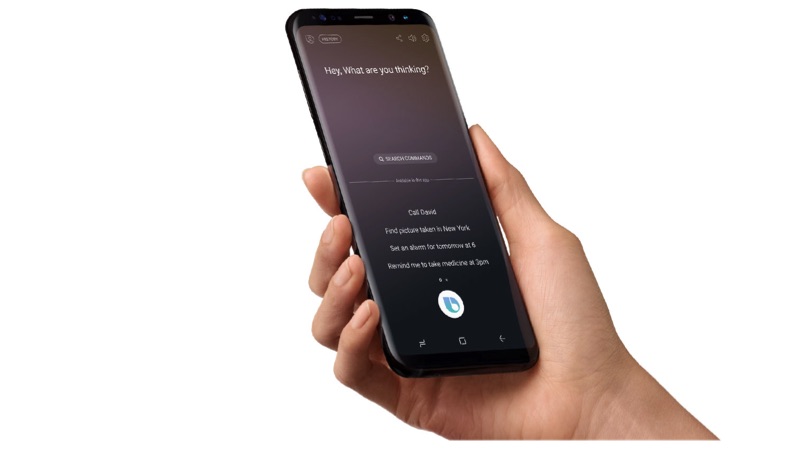
    A new acquisition by Samsung shows that it wants Bixby to be the new Google Assistant for all its consumers. According to a report, Samsung has just acquired an AI property, Fluenty, a Korean startup notable for its chatbot of the same name.

    Founded in 2015, Fluenty company currently develops a dedicated app and a separate “smart reply” API. The app uses machine learning to give custom response to users and is compatible with a number of popular messaging services like WhatsApp and Facebook Messenger.

    This is what the official website of Fluenty says:

    Fluenty is able to suggest smart replies that are specific to the person typing them. Let’s say for example that someone likes to say ‘Cheers!’ instead of ‘Bye!’ when closing a conversation. Fluenty is able to pick that up and will suggest it as a way to say goodbye in future messages.

    This means that Fluenty uses more than just web searches to customise user experience and adds a personal touch rather just being a robotic assistant.

    Bixby could take a few feathers out of Fluenty’s cap thanks to its machine learning capabilities. For example, if you are meeting someone at a bar, Bixby could pull out a Google Map location of the bar and start navigation.

    Bixby has not been received very well since it was announced along with Samsung Galaxy S8 and Galaxy S8+. It will be interesting to see how Bixby will incorporate Fluenty’s capabilities and enhance the user experience, and try to replace Google Assistant with Bixby.

  • Google and HTC Announce US$1.1 Billion Cooperation Agreement

    Google and HTC Announce US$1.1 Billion Cooperation Agreement

    After several reports that Google will take over HTC’s mobile division, Google has just announced a deal with HTC. In a statement released by the search engine giant, Google, the majority of the personnel working in HTC mobile division will now work for Google in a deal worth US$1.1 billion. Moreover, Google will, “receive a non-exclusive license for HTC intellectual property (IP).”

    In a statement, Google has said

    Google and HTC Corporation today announced a definitive agreement under which certain HTC employees – many of whom are already working with Google to develop Pixel smartphones – will join Google. HTC will receive US$1.1 billion in cash from Google as part of the transaction.

    This deal doesn’t mean that HTC will shut shop in its smartphone department. HTC CEO Cher Wang said that this agreement will “ensure continued innovation within our HTC smartphone and Vive virtual reality business.” Google concedes that this deal is a testament “to the decade-long strategic relationship between HTC and Google around the development of premium smartphones.”

    The transaction is expected to close by early 2018, subject to regulatory approvals.

    This is not the first time that Google has taken charge of the hardware for its smartphone lineup. Six years ago, Google announced a US$12.5 billion buyout of Motorola Mobility. However, after opening a manufacturing plant in the United States, Google decided to sell Motorola Mobility to Lenovo for a fraction of the price it bought Moto for. The takeover made Motorola into an amazing smartphone manufacturer and has continued to thrive in the smartphone industry since then.

    HTC’s flailing smartphone share and tumbling sales in the past few years made people talk about a possible takeover by Google of its smartphone department while HTC continues its work in the VR industry. In late August, reports emerged that a deal between Google and HTC will be announced by the end of 2017.

    Rick Osterloh (Google) and Cher Wang (HTC)

    This move by Google to buy off smartphone personnel from HTC could bring Google closer to achieving the hardware/software synergy that has worked so well for Apple and the iPhone. Although HTC and other Android smartphone makers still use off-the-shelf processors and other components in their handsets, Google snatched one of Apple’s chip architects earlier this year. This could be an attempt to evolve beyond that and design its own chip.

    Meanwhile, Google’s two new flagship devices, the Pixel 2 and Pixel 2 XL are scheduled to be launched on October 4th. The Pixel 2 is made by HTC while the Pixel 2 XL with thin bezels and a tall display is made by LG.


  • Google Is On the Verge Of Taking Over HTC’s Mobile Division

    Google Is On the Verge Of Taking Over HTC’s Mobile Division

    HTC has reported a consolidated revenue of USD 99.69 million for the month of August, the Taiwanese giants’ lowest monthly figures in 13 years. The revenue for the month of August represents a 51.5% decline from the previous month and 54.4% from a year earlier. Also, HTC’s total sales in the first 8 months of 2017 were NT$39.86 billion, representing a 14.4% decline from last year. According to latest reports by The Commercial Times, Google is in the final stages of taking over HTC’s mobile division. This would either result in a complete takeover for HTC’s Mobile division or a partial investment from Google into HTC’s dimming business. According to the report, the deal could be announced by the end of the year.

    The fact that HTC is producing the Pixel 2, launching this year on October 5 has further fueled these rumours that Google will outright buy the mobile division of HTC. The Pixel XL 2 is being made by LG this year, unlike last year when HTC made both the Pixel and Pixel XL.

    This acquisition will help Google compete with the likes of Samsung and Apple in the smartphone market. The last year’s Pixel devices were well received but never challenged the dominance of the iPhone or Samsung’s flagship S series phones. Acquiring a smartphone company would make it possible for Google to invest in hardware research and come up with competitive smartphones at a consistent rate.

    This is not the first time that Google will be acquiring a smartphone company. In 2012, it took over Motorola Mobility for USD 12.5 billion, only to sell it to Lenovo for USD 2.9 billion a couple of years later. Google then retained all the patents owned bay Motorola, to help defend the company from potential patent disputes from the likes of Apple and Samsung. HTC has a vast library of patents, if Google acquires HTC’s Mobility division, the company will own a large chunk of modern smartphone patents which can then help it design and sell technologies in the future. Google may also end up reselling HTC to a different buyer, like last time, however, the company seems keen on retaining a mobility division. Expertise from HTC  will help Google in growing its own Pixel brand.

    There were reports in late August that HTC was holding talks with companies like Google to potentially buy its virtual reality division or even the entire company. With the latest revenue reports representing plummeting sales of its devices, the deal looks more than certain to go through.


  • Microsoft Buys LinkedIn for $26.2 billion

    Microsoft Buys LinkedIn for $26.2 billion

    Big news for the tech industry, LinkedIn the social network for professionals has been acquired by Microsoft for $196 per share in an all-cash transaction valued at the whopping US $26.2 billion including all of LinkedIn’s current cash holdings.

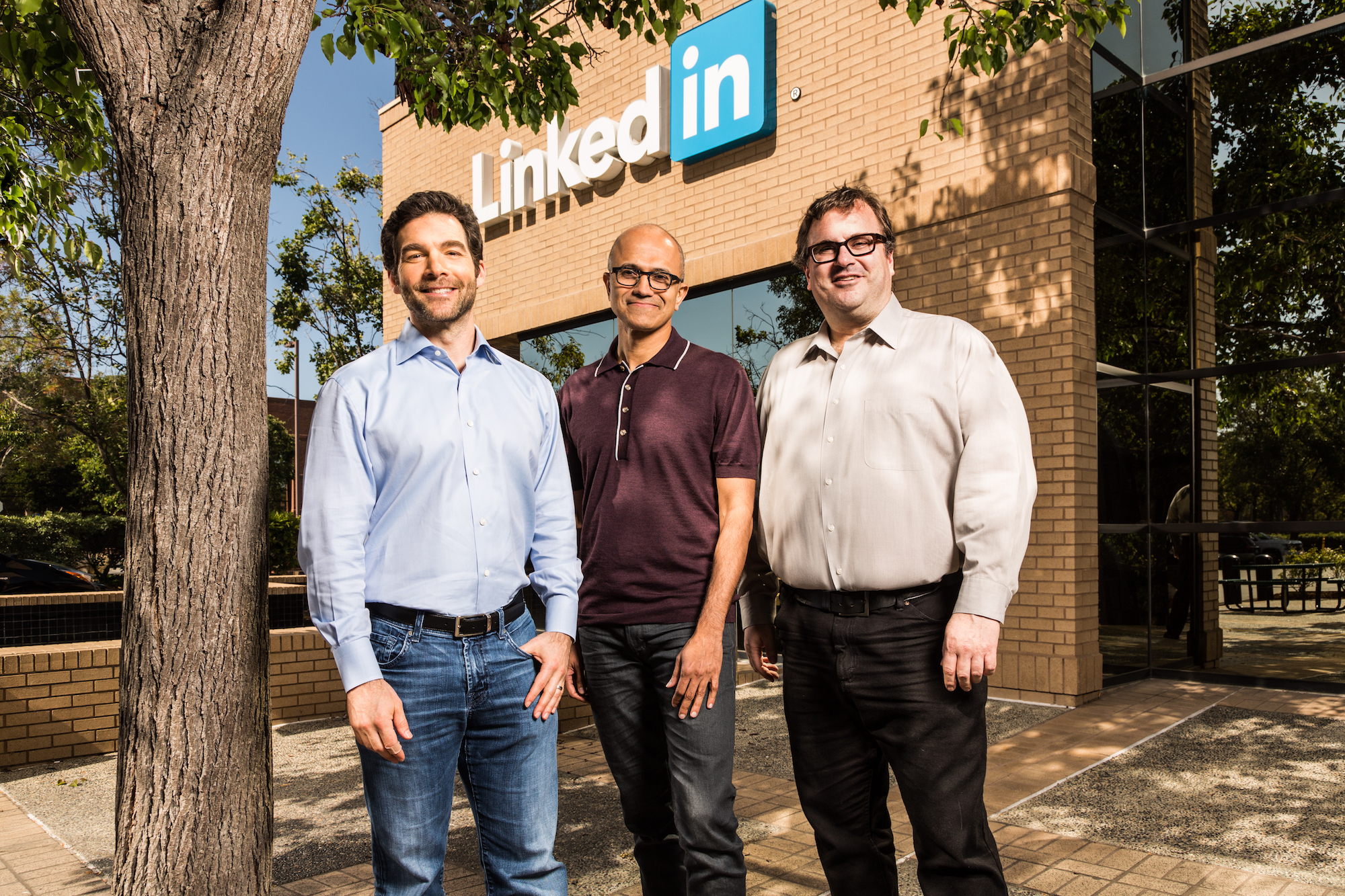
    LinkedIn will retain its distinct brand, culture, and independence. Jeff Weiner will remain CEO of LinkedIn, reporting to Satya Nadella, CEO of Microsoft. The complete takeover will happen by the end of this calendar year.

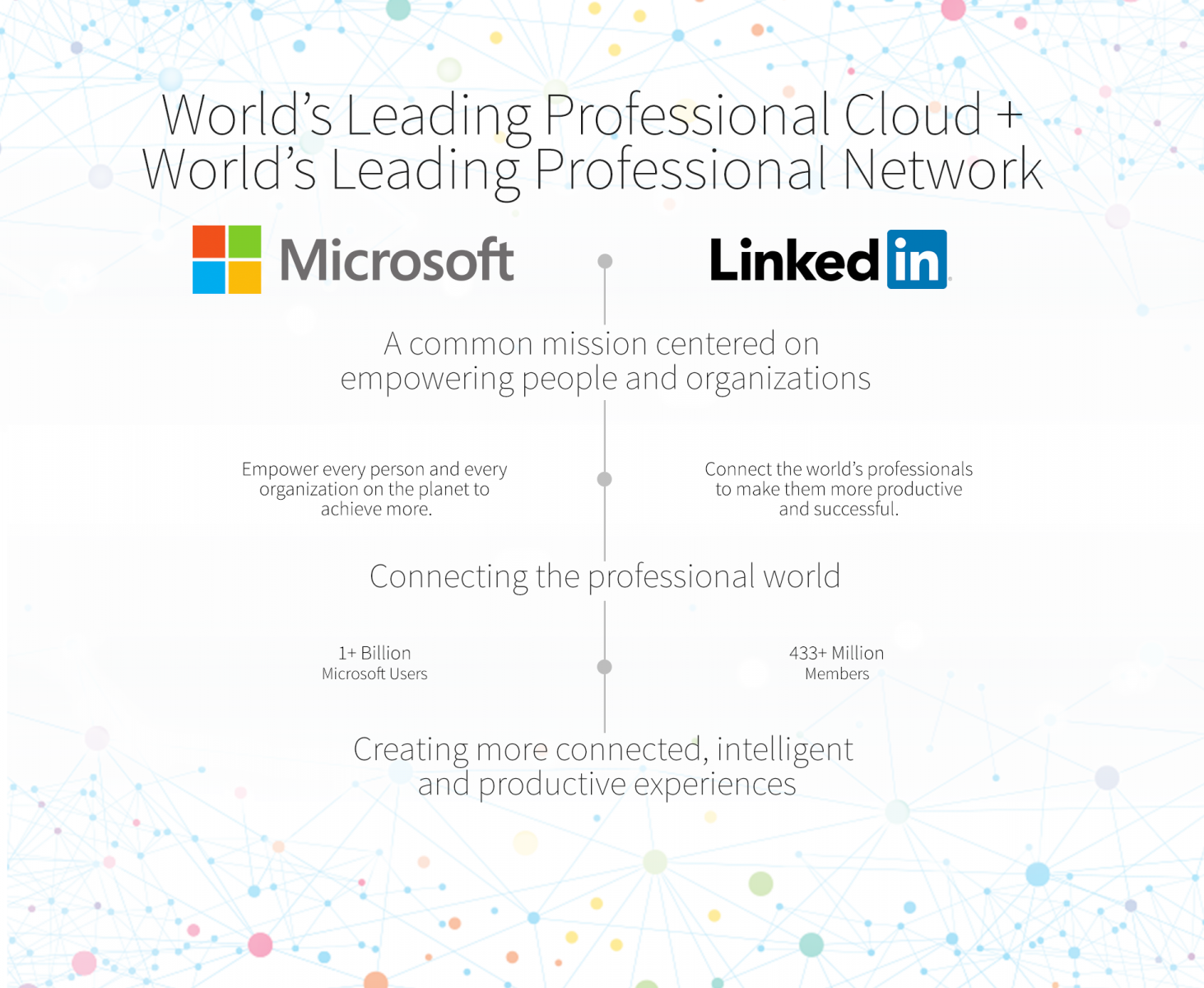
    The LinkedIn team has grown a fantastic business centered on connecting the world’s professionals, Together we can accelerate the growth of LinkedIn, as well as Microsoft Office 365 and Dynamics as we seek to empower every person and organization on the planet.- Nadella

    We all know what came of the Microsoft-Nokia deal, and hope there is nothing similar on the books here.

    mumbai-london-media-FINAL-1-1463×1200

    Microsoft and LinkedIn will host a joint conference call with investors on June 13, 2016, at 8:45 a.m. Pacific Time/11:45 a.m. Eastern Time/9:15 p.m. IST to discuss this transaction. The call will be available via webcast at https://www.microsoft.com/en-us/Investor

    https://www.youtube.com/watch?v=-89PWn0QaaY


  • Nokia is Buying Withings for US $191 million

    Nokia is Buying Withings for US $191 million

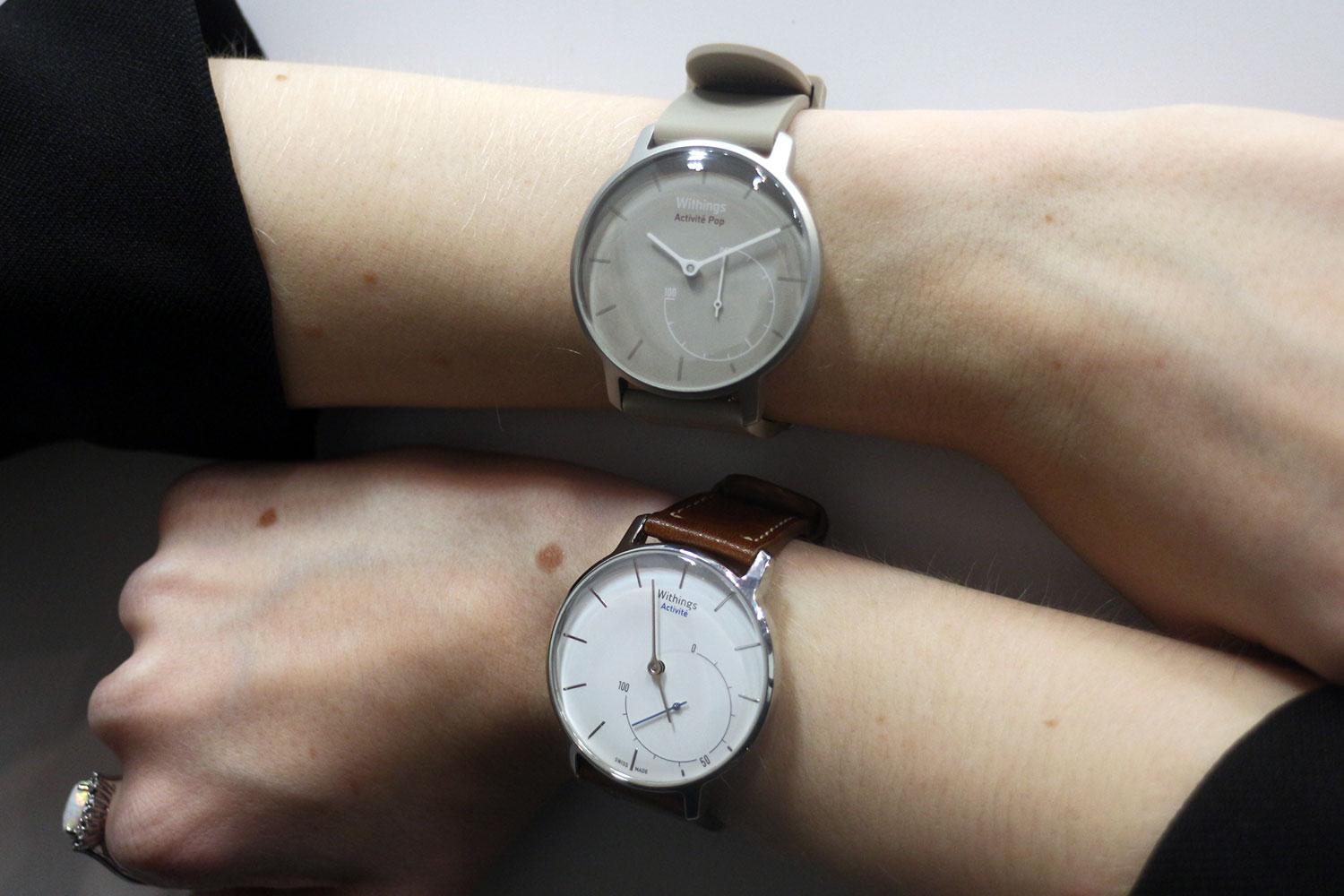
    One would imagine that not a lot of strength is left in the once smartphone giant, Nokia. However, that clearly is not the case. The french health company Withings will become a part of Nokia technologies according to reports.

    The acquisition will happen over the year for a total cost of US $191 million. The company looks at re-emrging as a consumer favorite brand after major demise and offloading of its smartphone division to Microsoft. 

    “Withings shares our vision for the future of digital health and their products are smart, well designed and already helping people live healthier lives,” said Ramzi Haidamus, president of Nokia Technologies. “Combining their award-winning products and talented people with the world-class expertise and innovation of Nokia Technologies uniquely positions us to lead the next wave of innovation in digital health.”


    Source

  • Apple Acquires Artificial Intelligence Based Face-Detection Start-Up

    Apple Acquires Artificial Intelligence Based Face-Detection Start-Up

    Apple recently bought a Sandiego based Artificial Intelligence start-up called Emotient. The firm was established in 2012 to analyse facial expressions and therefore emotions of viewers, helping the company evaluate their response. Needless to say, this move by Apple comes with its own set of doubts and apprehensions. Apple Face Recognition AITech that detects facial expressions has been a topic of debate and dislike for a while now with Australia being one of the latest places to receive flak for incorporating face-detection tech in its administration. A spokesperson of the company confirmed the acquisition leaving us to wonder what Apple plans to do with it. Apple has been pursuing AI and virtual reality actively the last couple of weeks and this comes as the latest development in that sphere.

    Facebook and Google are also big on AI and virtual reality and are pushing for it with great zeal. The future of tech, as unclear as it might be, looks quite interesting as of now. AI and virtual reality are definitely going to be the next big thing in 2016. While Zuckerberg works on his home-butler which he likened to Jarvis, let’s see what consumers get out of this race for AI and VR breakthroughs.

  • Microsoft Acquires Physics Firm Havok to Boost Gaming Efforts

    Microsoft Acquires Physics Firm Havok to Boost Gaming Efforts

    Something is cooking up at Microsoft in the gaming department. The company recently bought Irish physics firm Havok for an undisclosed amount. Havok is behind games such as Call of Duty, Assassin’s Creed, Elder Scrolls, and Microsoft’s own Halo, and is one of the leading firms in 3D physics. It looks like Microsoft is planning big things by integrating Havok’s physics engine into the existing Windows and Xbox toolset.

    Havok has been known for real-time collisions and dynamics of rigid bodies in 3D. By using dynamical simulation, Havok Physics allows for more realistic virtual worlds in games. “Throughout the company’s history, they’ve partnered with Activision, EA, Ubisoft, Nintendo, Sony, Microsoft and many others to create more than 600 games,” Microsoft stated in a blog. The firm is also known for powering more special effects for films like The Matrix and Troy.

    Havok shares Microsoft’s vision for empowering people to create worlds and experiences that have never been seen before, and we look forward to sharing more of this vision in the near future.

    In 2007, Intel had acquired Havok, and now Microsoft has taken over. The company is excited to add Havok to its portfolio for developer tools and components like DirectX 12, VisualStudio app development kit, and the Azure cloud platform. Microsoft said that it plans to continue letting Havok license its technology with existing and future gaming platforms.  “We will continue to license Havok’s technology to the broad AAA games industry,” Microsoft said in a statement to IGN. “This also means that we will continue to license Havok’s technology to run across various game consoles including Sony and Nintendo.”

    Source: [tw-button size=”medium” background=”#07ABE2″ color=”” target=”_blank” link=”http://blogs.microsoft.com/blog/2015/10/02/havok-to-join-microsoft/”]Microsoft[/tw-button]

  • Alibaba Eyes Micromax For Investment And Entry Into India

    Alibaba Eyes Micromax For Investment And Entry Into India

    Asia’s largest e-commerce name Alibaba is keen on entering the Indian market. With all the buzz around the online space, a new pro-investment Prime Minister and the booming Mobile phone market in India, Alibaba has found a secret route to enter.

    Sources claim that Chinese search and e-comm giant Alibaba will invest heavily in Micromax, acquiring upto 20 % stake in the Indian bred company. A deal that would cost the company over  $ 1.2 Billion, would allow the chinese giant easy access into the market which is tough to get into for new companies.

    Alibaba has also been in the news recently for investing in brands like Ouya, Meizu and Snapchat. Micromax is one of the largest mobile phone manufacturer in the domestic market. With its constant damage to Samsung’s position in India, and the new brand “YU” taking on the likes of Xiaomi and OnePlus in the local markets, Micromax makes for a good investment option.

    Micromax’s new brand YU is apparently set to launch a new product in India on the 12th of May to provide a more premium outlook, taking on flagship killers. The company was also recently in the news for the sad breakup of OnePlus and Cyanogen .

    The investment, however, focuses on Micromax devices and their wide spread reach. Alibaba plans to deploy services like Alipay, the company’s new payment platform. Ant Financial Services Group, which owns Alipay, is China’s largest payment service provider and is controlled by Alibaba’s executive chairman and founder Jack Ma.

iGyaan Network
Privacy Overview

This website uses cookies so that we can provide you with the best user experience possible. Cookie information is stored in your browser and performs functions such as recognising you when you return to our website and helping our team to understand which sections of the website you find most interesting and useful.