Tag: Action Camera

  • Sony Launches RX0 II, The World’s Smallest 4K Video Camera

    Sony Launches RX0 II, The World’s Smallest 4K Video Camera

    In a bid to launch a competitor to the highly successful GoPro action cameras, Sony launched the RX0 in 2017. Despite offering good features at a lucrative price, the device wasn’t very successful. The company has announced the successor to the camera. Called the RX0 II, it has new tricks up its sleeve and offers few innovative features. 

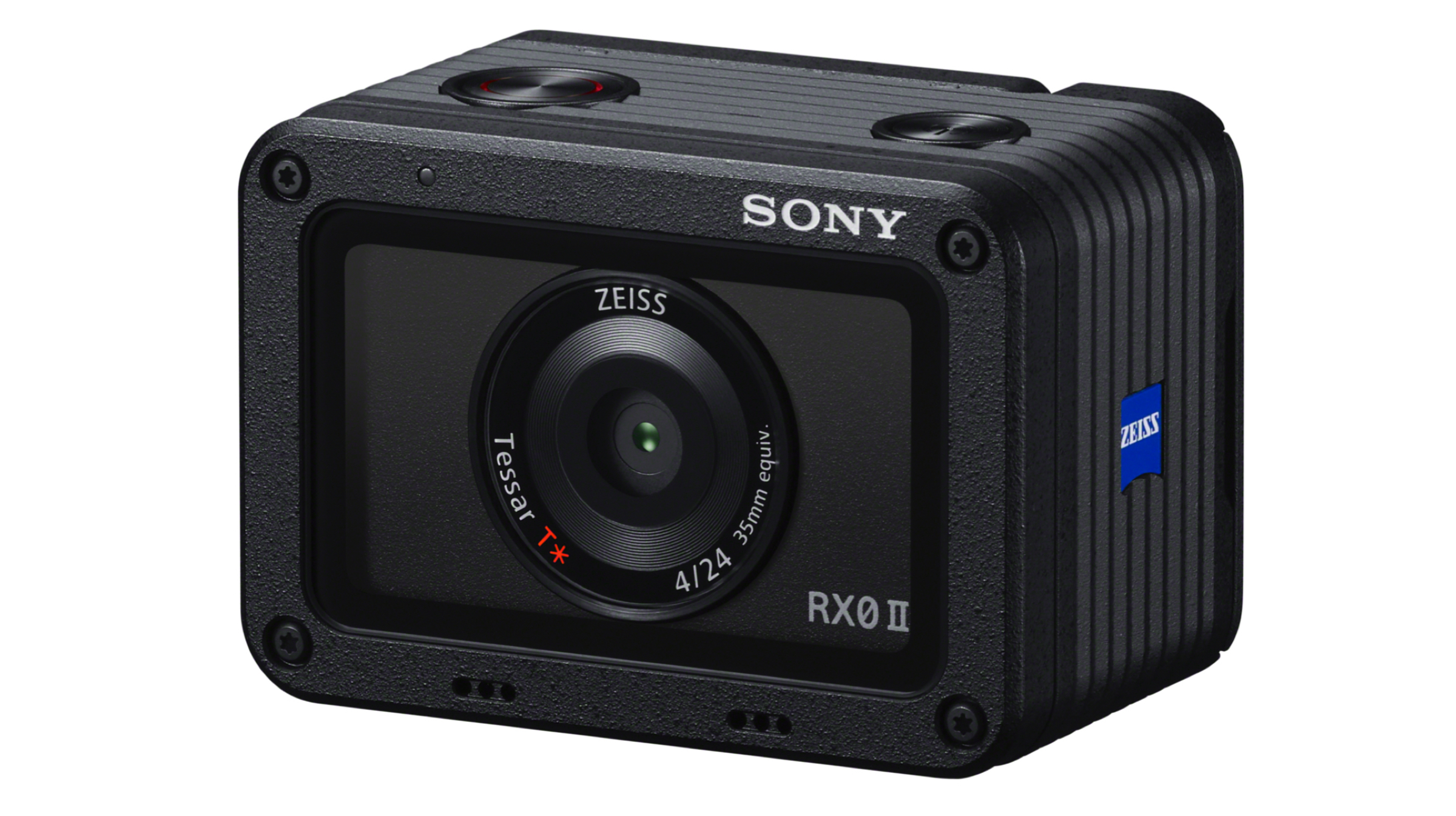
    Sony RX0 II

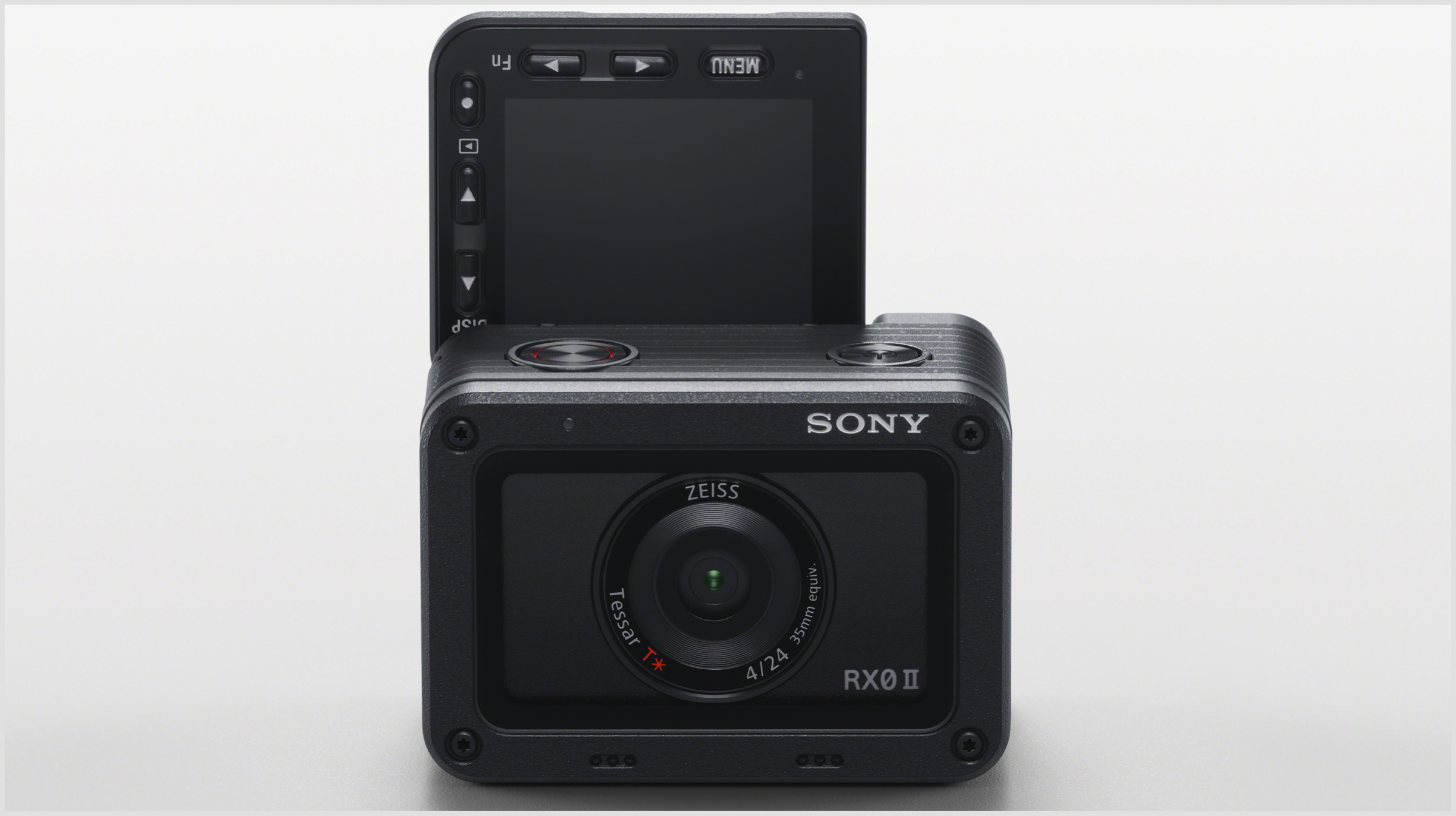
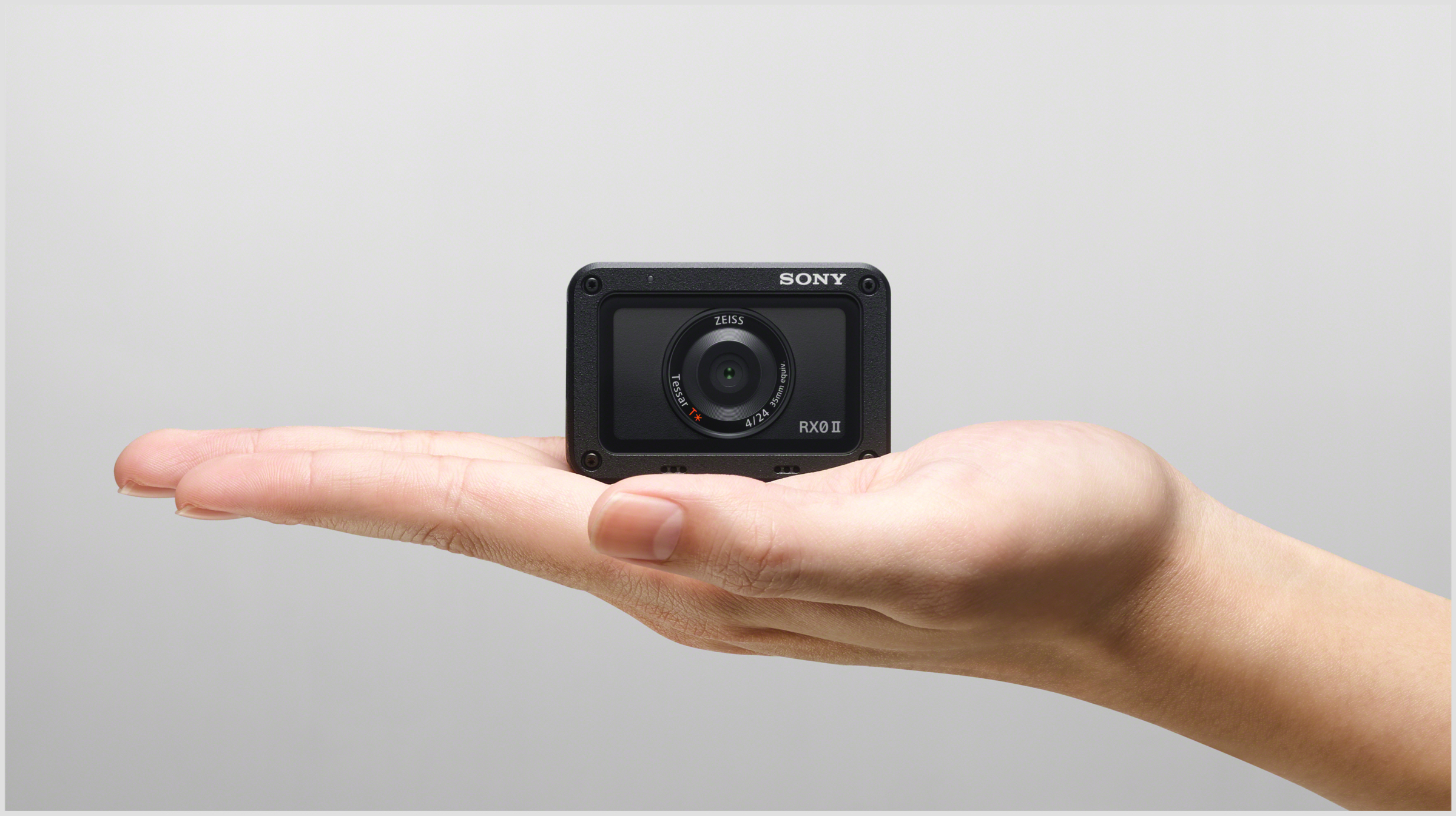
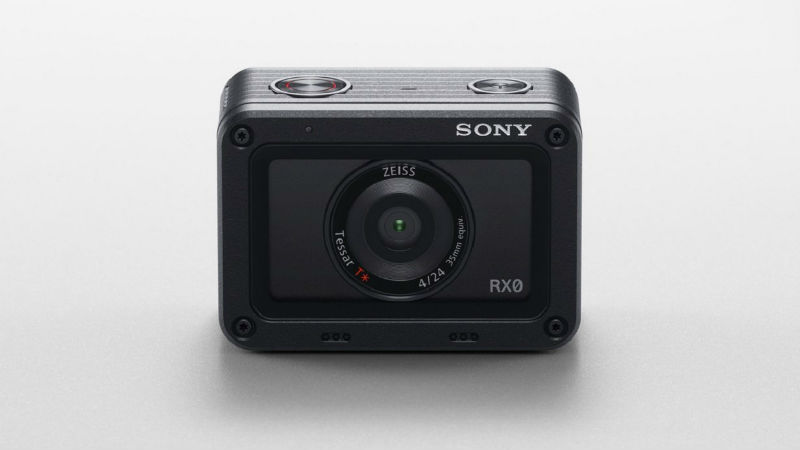
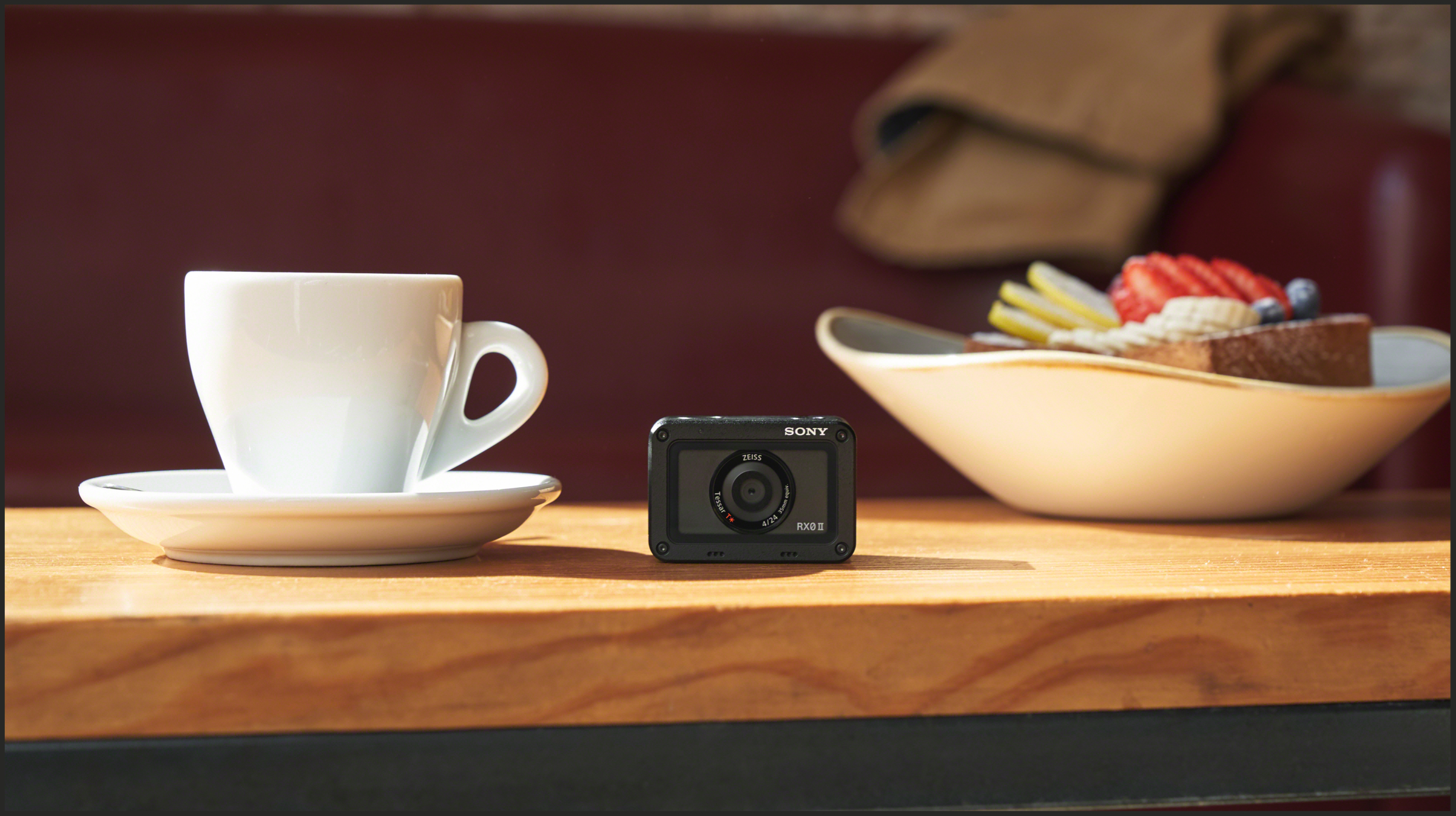
    According to Sony, the RX0 II is the world’s smallest 4K video camera. The action camera measure 59 x 40.5 x 35mm and weighs 132g. It has a rugged design and boasts of superior durability. It is certified to be waterproof up to 10 meters, is dustproof, shockproof and crush resistant up to 200kg of force. In terms of optics, there is a 15.3MP CMOS sensor combined with the company’s BIONZ X image processor which measures 1 inch. There is also a ZEISS Tessar T 24mm fixed wide angle lens with an aperture of f/4.0. The lens has a minimum focussing distance of 20cm.

    The Sony RX0 II also has an LCD panel which can be tilted up to 180 degrees. The camera can record videos in 4K resolution and has an Electronic Image Stabilization (EIS) for smoother footage which can also be used in handheld mode. There is slow motion recording support of up to 1,000fps. The action camera has a microphone jack for vlogging. Unlike most of its competitors, the RX0 II can capture still photos as well. Sony claims that the new update improves colour reproduction and adds an optional ‘Soft Skin Effect’ to refine the images. With the camera, there is an option for accessories like the VCT-SGR1 Shooting Grip for better grip and a bracket for mounting the camera.

    Pricing & Availability

    Also read: Nokia X71 With 48MP Triple Camera And Punch Hole Display To Launch Soon 

    The Sony RX0 II will be available to purchase in the US and Australia starting the month of April. The camera has been priced at US$ 698 (Rs. 48,057). The additional kit comprising of the shooting grip and bracket will be sold separately from June this year with pricing to be announced soon.

  • Why GoPro Failed And What It Needs To Change

    Why GoPro Failed And What It Needs To Change

    In today’s world of every growing technology and ideas, companies come and companies go. Most of them exit the scene as rapidly as they climbed the top of the ladder. GoPro is such a success story. Despite still having a relatively good footing in the market, it will be difficult for them to make a comeback unless they change their ways. Action cameras have been there for a while now and it all started with GoPro itself. In 2002 Nick Woodman went on a surfing trip and quickly realised that there was no way to take excellent quality photographs while in the water. While most photographers shooting surfing images usually used DSLR with long tele lenses from the beaches, buying these lenses and equipments and hiring photographers were an expensive affair. This led to the birth of the desire to shoot professional images in dire situations and adventure sports.

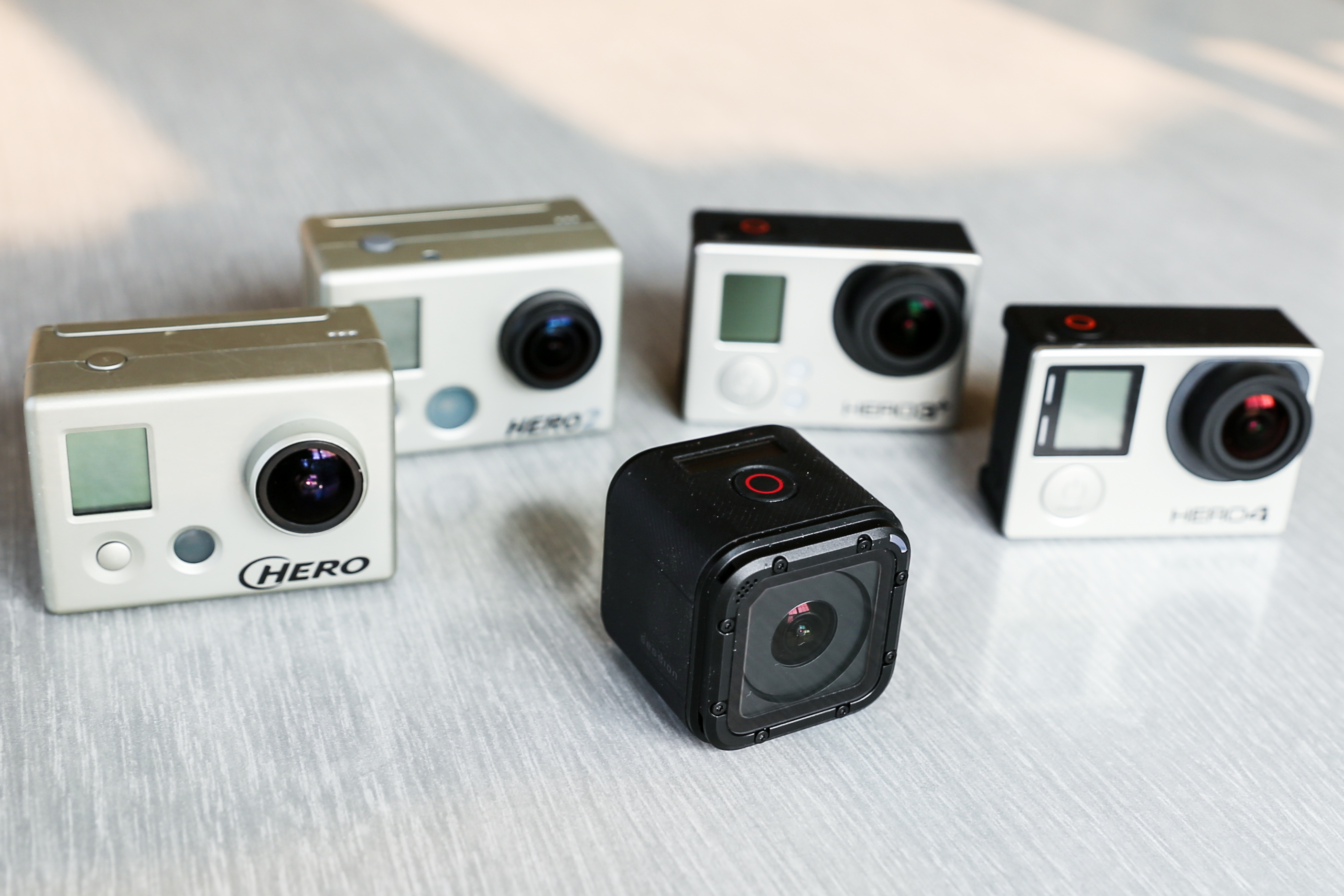
    In 2004 GoPro built it’s first camera that used 35mm film. The Hero lineup that we see today was born as the GoPro 35mm HERO in 2004.In its first year they sold $150,000 worth of products. Then in 2006 the Digital HERO was released. The camera shot 640×460 resolution photos and VGA definition 320X240 (10 fps) video for a maximum of 10 seconds. The Digital HERO had 32 MB of internal memory without an SD card slot.
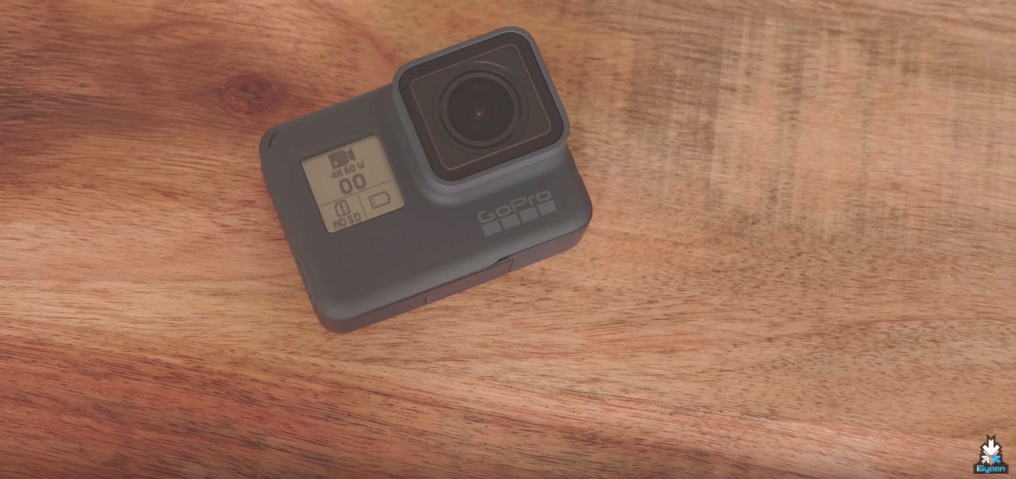
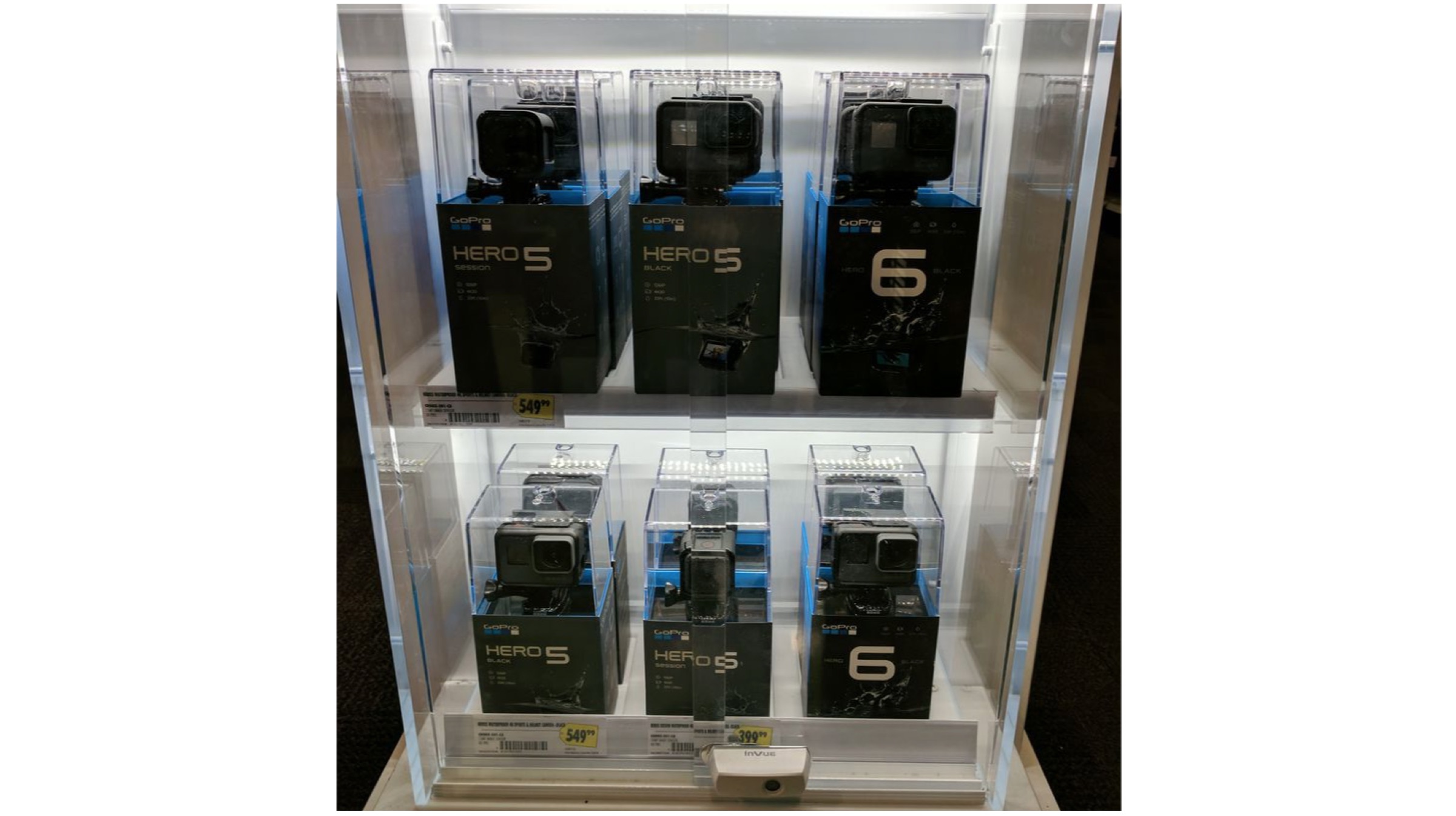
    Over the years, small improvements were made and the Digital HERO3 was released in 2007. It featured a 3-megapixel camera and shot standard definition 512×384 video. The latest GoPro, which is the Hero 7 shoots 4K images at 60 fps, came after several iterations of the HERO lineup. The cameras that were released between the Hero digital and Hero 7 were DigitalDigital 3Digital 5Digital WideHERO 2HERO 3HERO 3+HERO5, HERO6Fusion and HERO (2018). While the development and refining was constant and very smooth, the time taken to do it was not in their favour. But before we go into the reasons of the revolutionary company’s eventual failure in the market, let’s discuss why it succeeded in the first place. 

    GoPro’s Success

    GoPro was released at a time when cameras were bulky accessories that only photographers would buy. Yes, there were point and shoot cameras available, but these cameras were extremely brittle, untrustworthy and weren’t the greatest performers. In other words, they underperformed both in terms of image quality and build quality. Since Sony’s introduction of the world’s first ‘digital’ camera in 1981 called Mavica, there was very little in terms of research and development done in this sphere. While the DSLR technology was being improved with leaps and bounds, the compact camera segment was falling behind. Rangefinders were still in fashion and so was 35mm film. With little or no access to personal computers, the day to day consumer was more inclined towards having a film camera and saving printed positives.
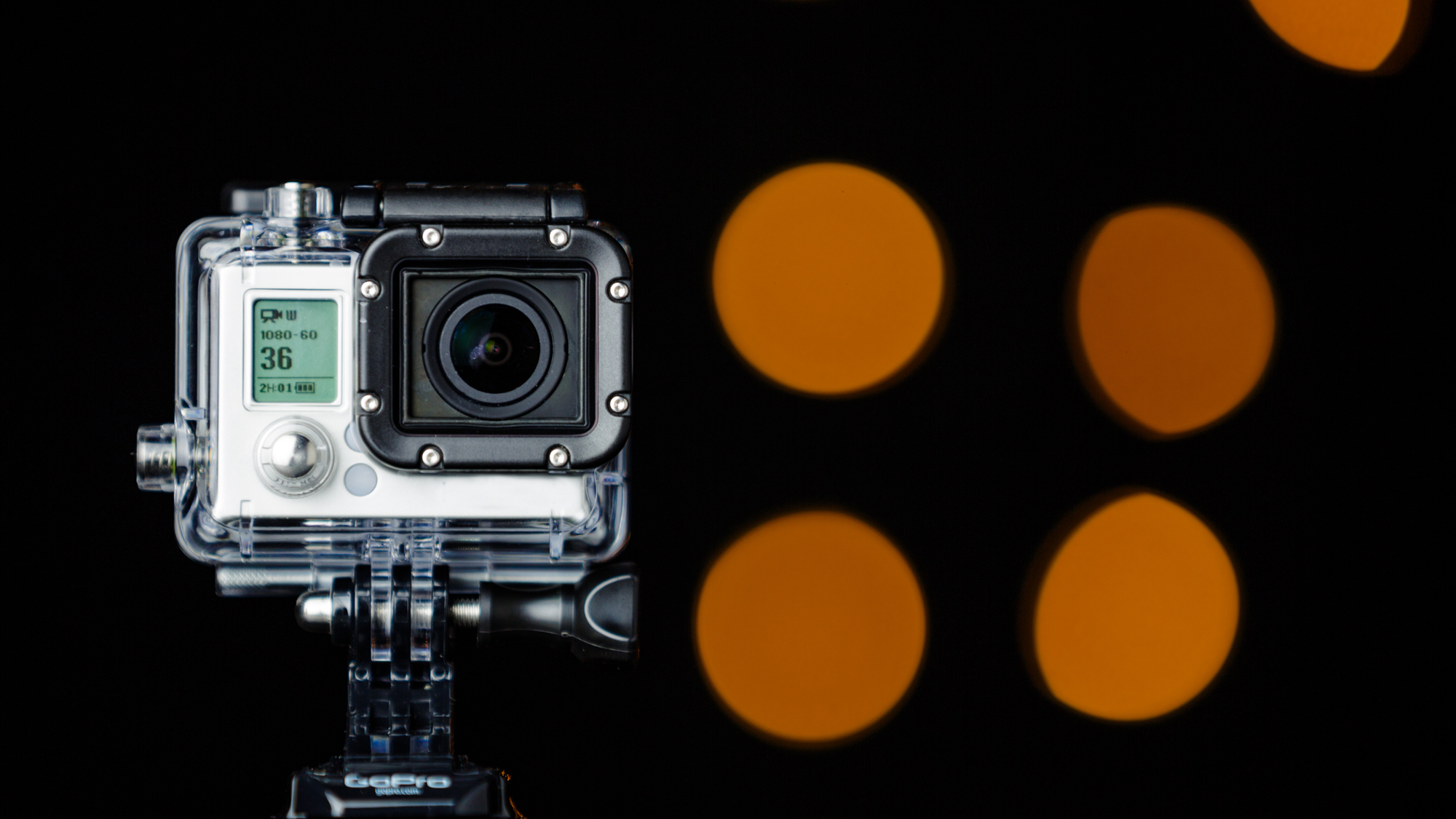
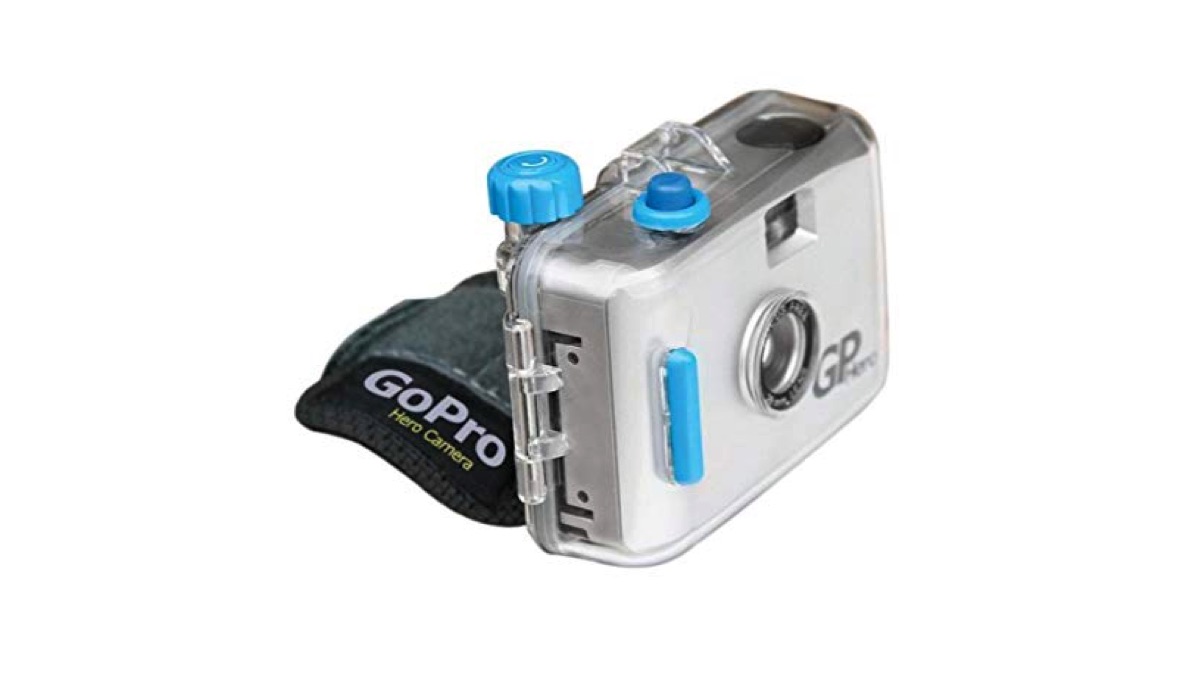
    What set the GoPro 35mm Hero apart from the rest of the point and shoot cameras was its ruggedness. It was also quite famous for being small and handy. The camera measured in at just 2.5 x 3 inches (64 by 76 mm) and weighed a mere 0.45 pounds (200 grams). What you got with the camera was a clear case with quick release, a camera strap and a ski glove adapter lash. It was functional in water to a depth of about 15 feet (5 m). The camera was marketed as a “reusable wrist camera” and included a roll of 24 exposure Kodak 400 film.

    Many photographers as well as day to day users such as students on a spring break, travellers and family members were using it. People in the United States love water, be it surfing, diving, river cruise, beach holidays or just a simple day relaxing at the pool. The camera struck a chord with these users. For a time when cameras had to be taken extreme care of and maintained like a family jewel, this rugged camera with a case and waterproofing was an excellent choice. Another extremely important reason for the GoPro Hero 35mm’s success was its pricing. Priced at just $20, it was an extremely good deal for photo enthusiasts and families alike.
    As time passed, the cameras became digital and so did people’s ways of interacting with technology. Everyone who was even slightly well off had a personal computer. At the Worldwide Developers Conference keynote address on June 6, 2005 which is a year before the first digital GoPro’s launch, Steve Jobs announced that Apple would begin producing Intel-based Mac computers in 2006. The world around GoPro changed and so GoPro changed along with it. They shifted to digital which was widely accepted by the people. But it also was a sign for future historians to look into since that was the last quantum leap that they took. At least till 2018, when this article is being written. Now that we have a basic idea of where GoPro was headed, let’s find out what led to the near shutdown of the industry leader.

    The Downfall

    GoPro was never doomed for failure. They had, what people in the industry call the first mover’s advantage in a segment in the photography and videography industry. A segment that they created themselves. Just as the word Xerox had become synonymous with Photocopier machines after the inventors named and trademarked their process under that name, action cameras were at one point known as GoPros. This was because they were for the longest time, the only players in the action camera market. So how did it all change?
    1. Lack Of Research And Development
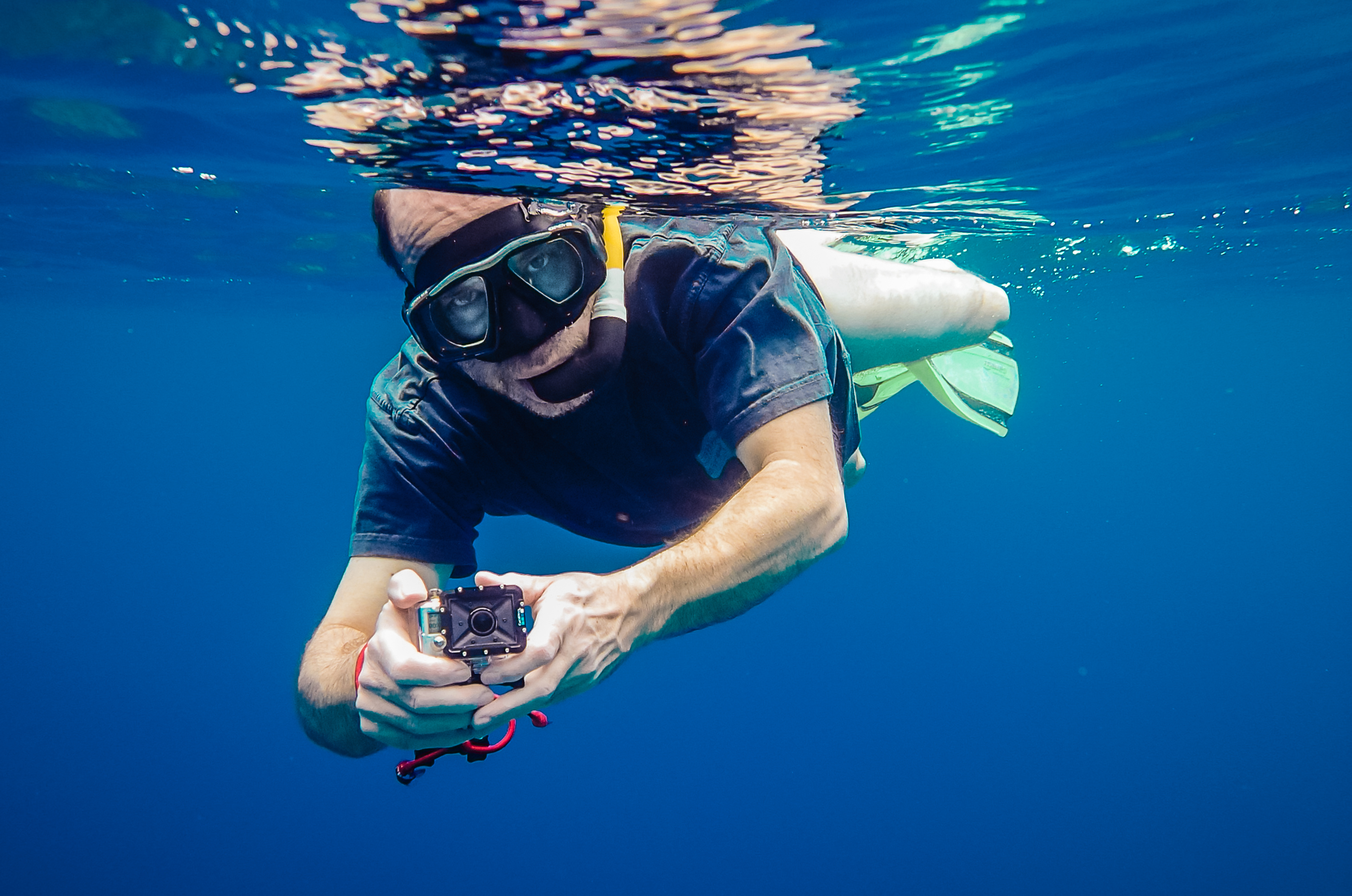
      GoPro, being the leader in a market that previously did not exist, took the sales figures for granted and did not pay heed to what the future of the company was. A company, specially in the tech industry, needs to constantly keep innovating in order to compete. GoPro understood the position it stood in – great sales figures, stock prices increasing, newer markets such as India, South East Asia etc opening up. These made them oblivious of the fact that they need to make their company future-proof. For the longest time, their Hero series of cameras just saw incremental upgrades. This was in terms of video resolution, sensor size and durability. There were very few path-breaking innovations from them.
    2. Higher Cost
      The prices of the cameras kept increasing. This was partly due to the difficulty to fit all the features that the camera offers into such a tiny package without compromising on the durability. And partly due to them wanting to make huge profit. Their understanding of customer bases were different from their expectations of the same. They wanted to be a niche for adventurers, travellers, trekkers who could afford a $400 camera which gave a decent output but worked on adverse conditions. However the majority of customers for the company were just average day to day people. When it comes to action cameras, buying just the camera is never enough. These cameras require different accessories for different activities. These accessories become a part of the investment that one considers before buying an action camera. The GoPro accessories come at a very high price. For students and young enthusiasts, buying these accessories become extremely difficult. Especially when similar accessories are available in websites such as Aliexpress, Ebay and Gearbest.
    3. Lack Of Understanding Of The Market
      Another major reason for GoPro’s failure was the lack of understanding of the market. They did not expect or receive any competition from the smartphone market at the beginning of their journey. But as smartphones started to get better and smarter, cameras in smartphones also got better. Every person had a camera in their pocket and GoPro’s USP of it being handy and powerful became redundant. Smartphones became waterproof and much more rugged. GoPro was slowly falling behind due to it’s lack of uniqueness.  Both it’s unique selling propositions – ruggedness and being small and handy- were not ‘unique’ anymore. They failed to understand how the market was growing and developing. And they failed to adapt. While their rivals slowly moved into the action camera, drone and gimbal business, GoPro joined the party much later.
    4. Being Out Of Touch With Consumers
      GoPro wanted to become a niche and desirable product that catered to adventurers, surfers and travellers. Their main customer base was skaters, skiers, holiday makers and just about any average person. While they listened to their ‘Pro’s, they completely forgot about their other customers. They promoted their products using professional athletes and adventure sports enthusiasts. They failed to really showcase how an ordinary family man or woman could use their product too. A person who was thinking of buying an action camera saw only surfers and divers and such using these devices. This led to the customer deciding against buying a GoPro because they felt that the product probably wasn’t for them.
    5. Underestimating Competition
      This might have been the final nail in the coffin. GoPro was executing their tried and tested formulae over and over again. Meanwhile companies like DJI, Yi and SJCam were developing action cameras, gimbals and drones. GoPro failed to notice the market shift towards drones and birds eye shots in videos and vlogging. YouTubers also slowly shifted to powerful point and shoot cameras. These included cameras such as the Sony RX100 series, Canon’s G9X series. Some even shifted to higher-end and bigger cameras like the Panasonic GH5. While GoPro was releasing it’s first digital action camera, the founder of DJI was still studying in college. However, in 2018, DJI has completely taken over the drone business. So much so that GoPro has finally shut down their drone division and laid-off a lot of employees to cut losses. 
    The Next Step
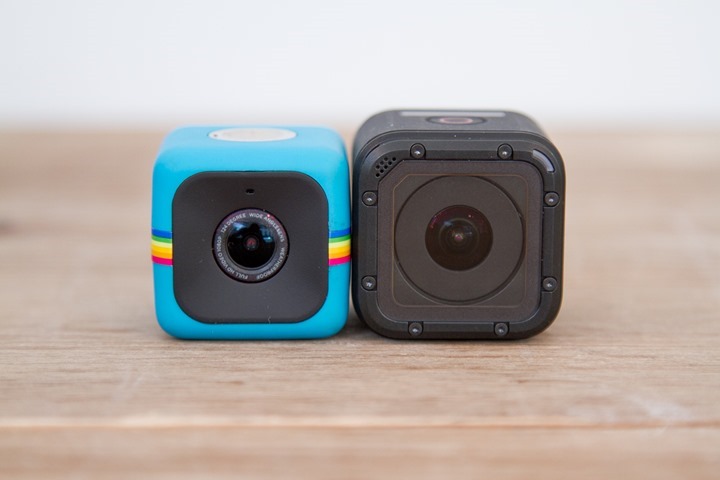
    Their understanding of the market and industry needs to improve. Within a week of the GoPro Karma launch, DJI announced their own drone – the DJI Mavic Pro. The Mavic Pro was better in terms of features and specifications thus beating GoPro to their game. DJI created quality products at a competitive price. GoPro needs to reduce the prices of their accessories so that more people feel comfortable in investing in a GoPro ecosystem. GoPro badly needs to streamline their work and employees if they wish to stay afloat. New investors are also something they should look into, to keep the company afloat. GoPro needs to get a grip on the ‘Next big thing’ that may hit the market. This will give them a head start compared to Chinese companies who are always on the lookout for the same.

    What Else?
    They also need to start looking at and listening to customers. They need to market their products by tailoring specifically for consumers. The company has already started to do that through their Instagram account that accepts entries from users. They still need to unify their App ecosystem which now consists of the GoPro App which is 97Mb, Quik App which is 100Mb and Passenger 43Mb. It would be extremely useful if all the three apps were unified into one single app.

    They also need to give developers more access to their hardware. This will enable customers to make their cameras more useful in their respective businesses by tweaking the firmware. All in all, GoPro needs to understand the pulse of the industry. They need to create a great marriage of hardware and software. Being user friendly and affordable will also factor in, if they wish to survive in the cut-throat market of technology.
  • Yi Action And Yi 4K Action Cameras Go On Sale In India

    Yi Action And Yi 4K Action Cameras Go On Sale In India

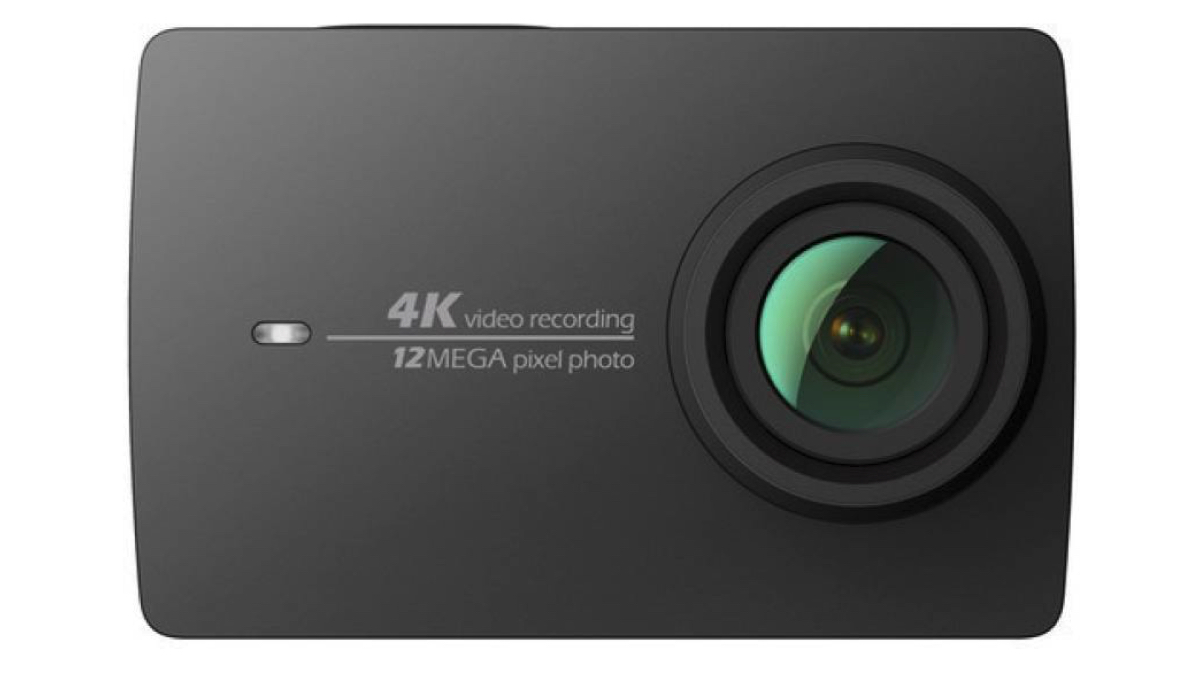
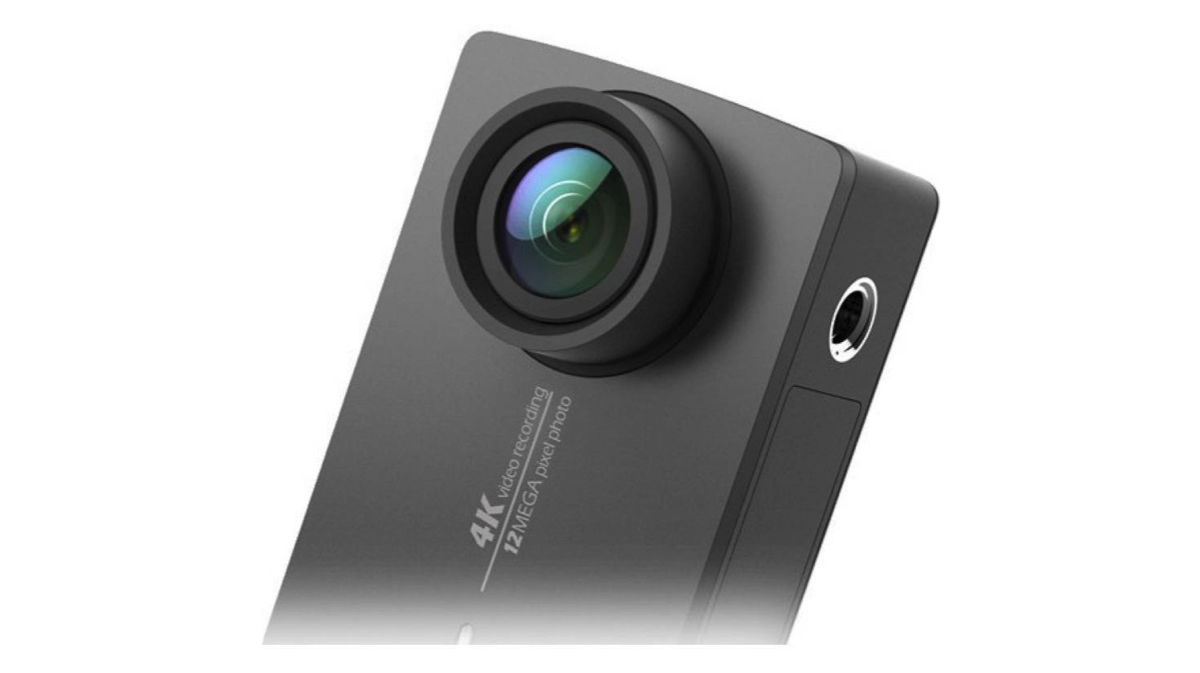
    Yi is a Chinese camera manufacturer that is backed by Xiaomi. The company had previously launched the Yi action and Yi 4K action cameras in China. The cameras have a small form factor and can be mounted to various surfaces with the help of brackets which are sold separately. Both the cameras can click still shots, capture videos and also shoot time lapse pictures. The cameras have been unoficially available in India from sites like Amazon and eBay but they were priced much higher due to import duties. Now Yi technology has officially launched the cameras in India which are exclusively available on Flipkart.
    Buy the Action Camera here.

    Design

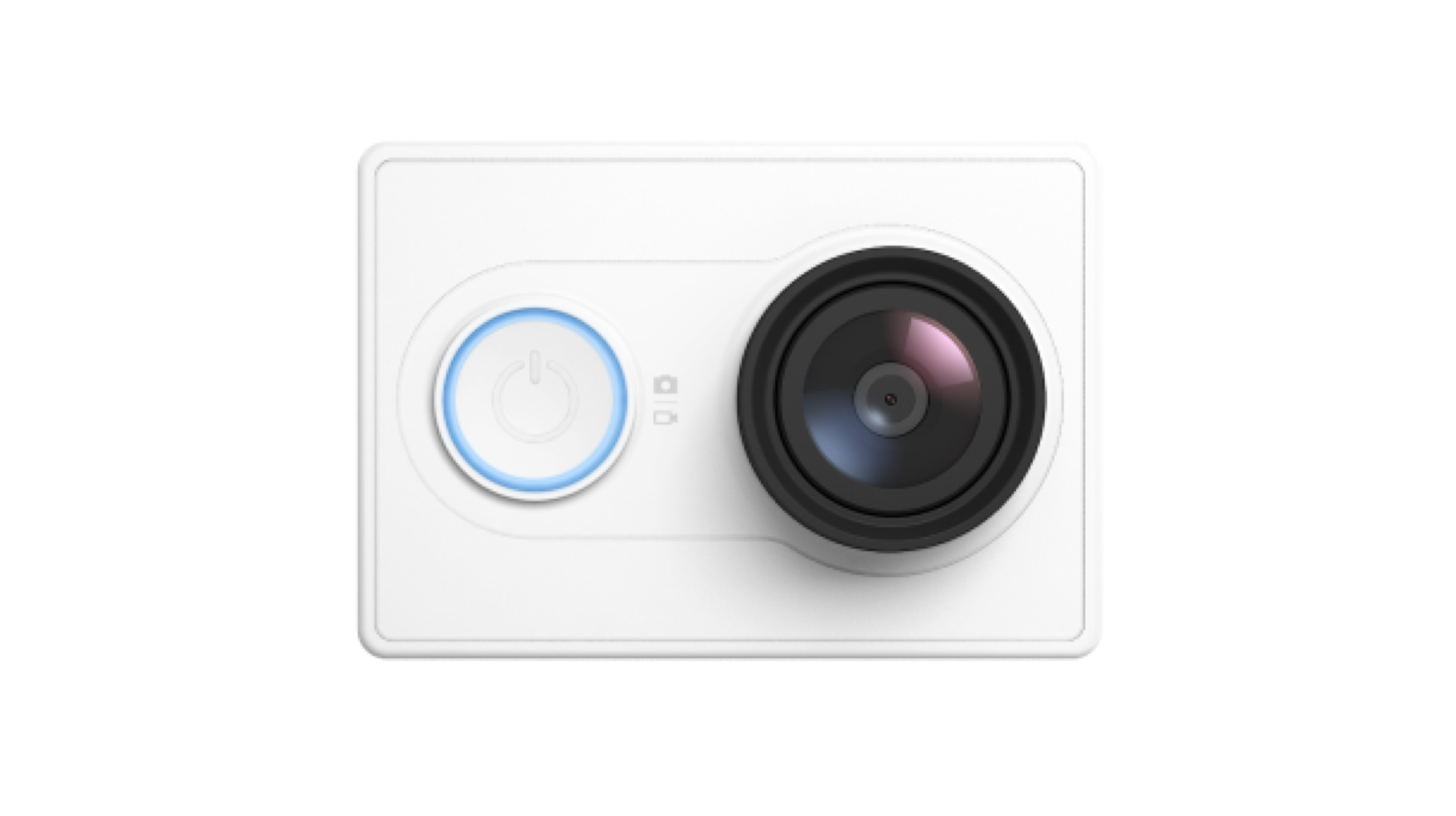
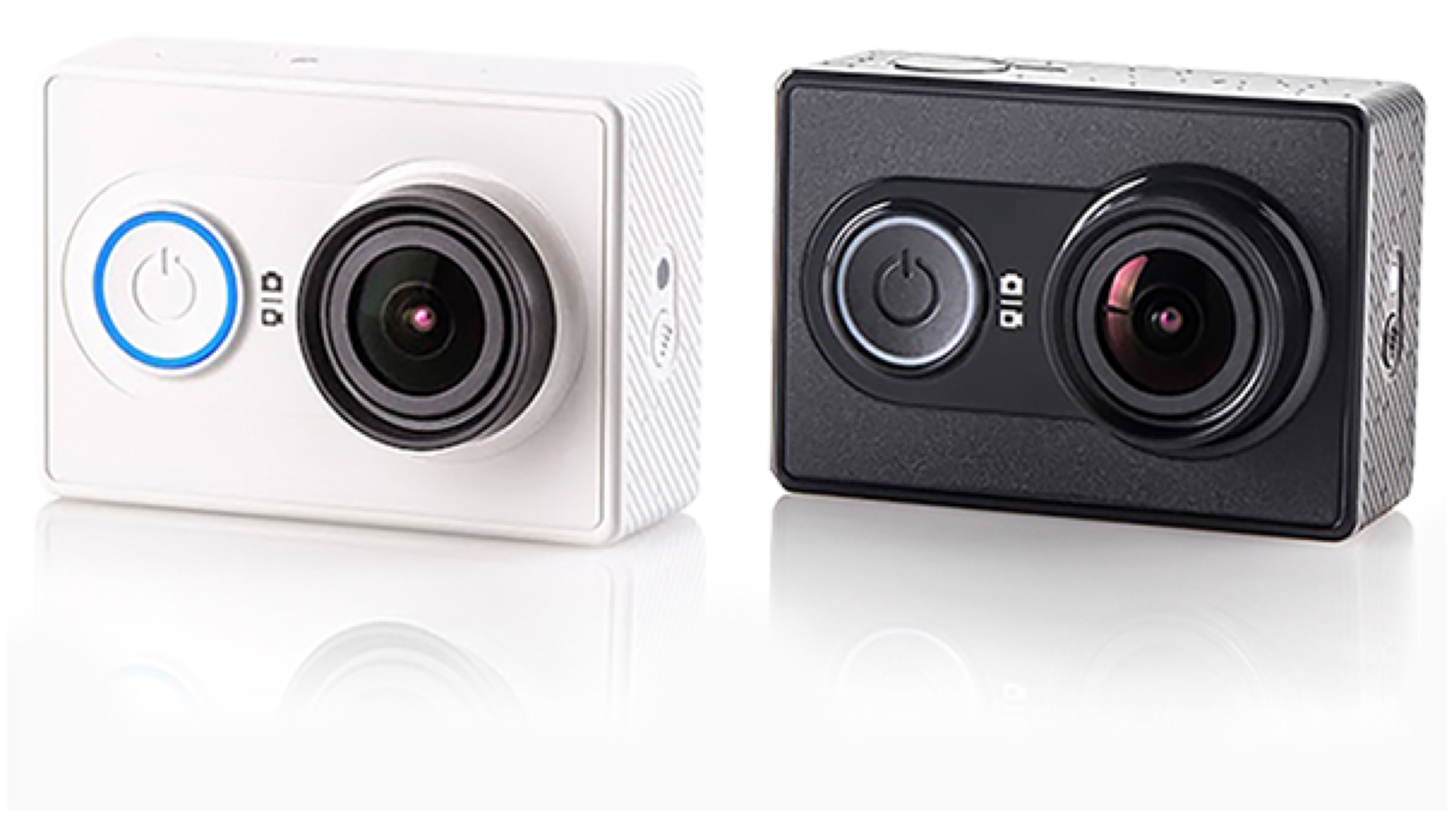
    Both Yi Action and Yi 4K Action cameras have a cuboidal shape with a protruding camera lens from the front. The biggest difference between the two cameras is that the Yi 4K has a 2.19-inch touchscreen display which the Yi Action camera lags. The devices have side and top mounted buttons which allow for easy operability. The Yi Action camera weighs in at a mere 76 grams and the Yi 4K weighs in at 96 grams.

    Specifications And Optics

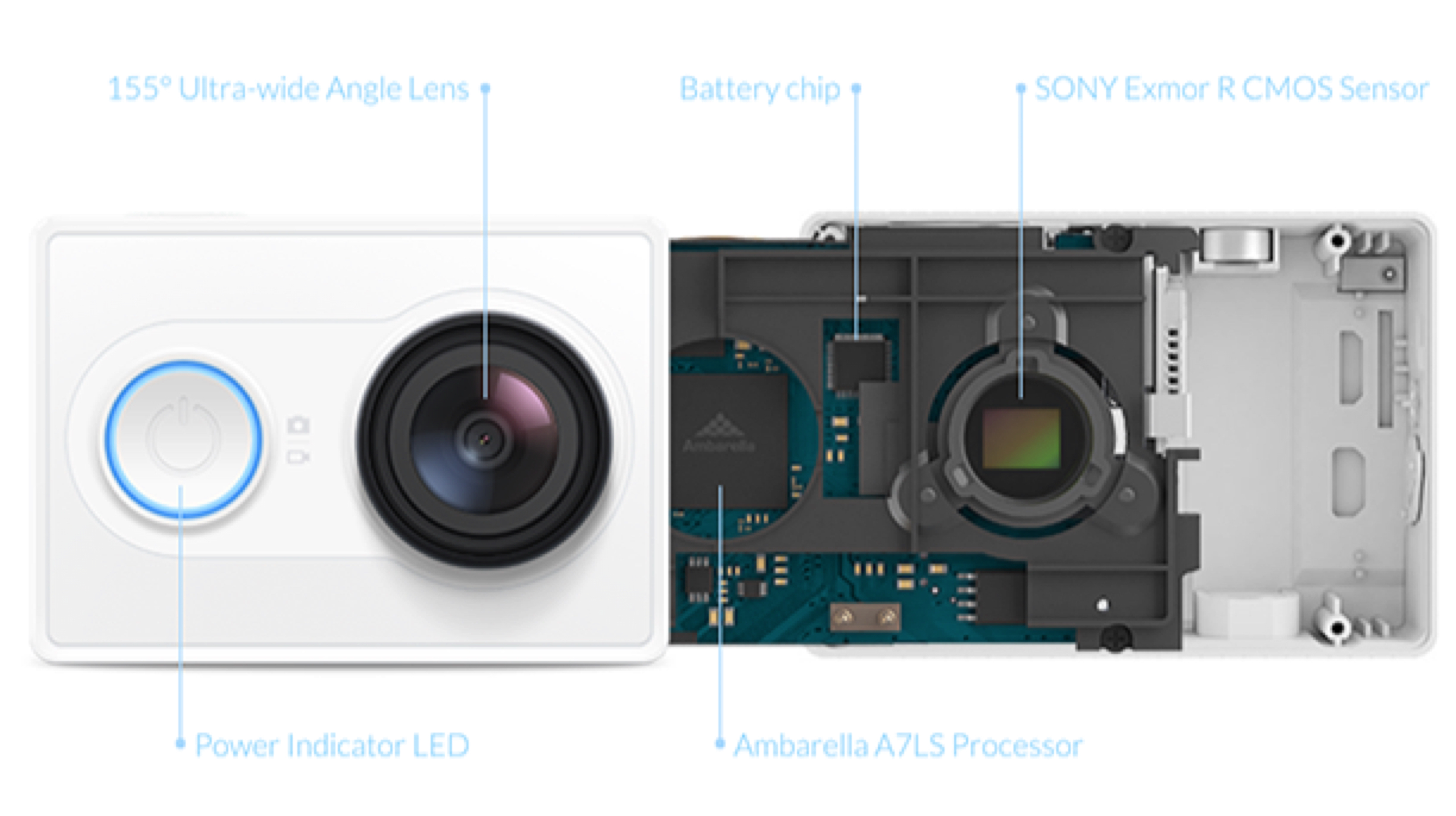
    The Yi Action camera has 16 MP Sony IMX 206 sensor and the Yi 4K Action camera has 12 MP IMX377 sensor. Sensors on both the camera are equipped with f/2.8 aperture and both cameras use Ambarella processors. Both the Yi Action and Yi 4K cameras have a 55-degree field of view. Most notably the former has 6 layered glass while the latter gets 7 layered glass. 

    The Yi Action cam can capture 1080p videos at 60 fps while the elder Yi 4k can capture 2160p videos at 60 fps. Both cameras have built-in Wi-Fi and Bluetooth that allows the user to wirelessly share files with a smartphone. The cameras also have a micro USB port which can be used for charging and data transfer. The Yi Action camera duo supports memory cards of up to 128 GB. The Yi 4K has a bigger 1240 mAh battery compared to Yi Action’s 1010 mAh.

    Price And Accessories

    Also Read: Xiaomi Mi Play Specifications Leak Prior To Launch

    The Yi action cameras are exclusively available on Flipkart. Price for the Yi Action cameras is as follows:

    • Yi Action Camera- Rs 4,999
    • 4K Action Camera- Rs 9,999

    Yi Technology also offers various accessories for the cameras like a waterproof case and action gimbal which are currently unavailable in India.

    Buy the Action Camera here.

  • New Yi Action Cameras Launching On Flipkart On December 17

    New Yi Action Cameras Launching On Flipkart On December 17

    The Yi Action Camera and the Yi 4K Action camera will go on sale on Flipkart starting December 17th. Yi cameras were previously available on Amazon’s India website since 2017 exclusively.

    The 4K+ action camera can shoot 720p videos at 60/120 and 240 fps and 4K at 60fps. It can also shoot 1080p videos at 60/50/30 and 25 frames per second and 1440p at 30 and 25 fps. The 4K camera takes 2.5K videos at fps rates of 30 and 25 as well. The camera also has slow motion video capture and can record video and take time lapse pictures at the same time. The video length captured by this camera is 5 min, 20 min, 60 min and 120 min. It also features a built-in 3 axis gyroscope and 3 axis accelerometer. Yi 4K+ action camera reportedly also has video stabilisation built in. It uses a cross-border compensation algorithm to compensate the motion change to produce stable videos. The camera also senses the available light and adjusts the frame rate and parameters automatically.


    Also Read: Trends For The Photography Industry In 2019

    Yi is one of the biggest competitors for GoPro in the action camera segment and have been doing well in many markets owing to their low pricing.

    Inside the hood, the camera has a Sony IMX377, 1/2.3″, 12 megapixels CMOS image sensor with Exmor R ability. The Exmor R is a back-illuminated version of Sony’s CMOS image sensor. It boasts of a 2.19 inch touchscreen with a 640x 360 resolution. The screen’s aspect ratio is 16:9 and has a 160 Degree field of view. It also features a 128 GB flash memory. The camera has a 1400 mAh battery which is also decent. The two cameras are marked as “Coming soon” in Flipkart at the moment. While the current landing page for these cameras are displaying exorbitant prices, the two cameras will reportedly be priced at Rs 4,999 and Rs 9,999 respectively. It is available in two colours which are Black and White.

  • Insta360 Launches ONE X Camera With 5.7K Video Capture

    Insta360 Launches ONE X Camera With 5.7K Video Capture

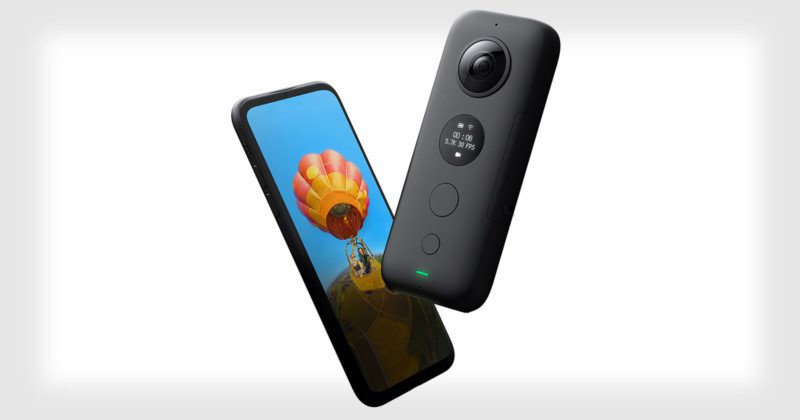
    Major players in the industry like Samsung, Nikon, Kodak, LG  have tried their hands on a 360 degree camera. However, it still hasn’t taken off as expected. Insta360, which is a China based company has been a major influence in this sphere. They recently launched the Insta360 ONE X with loads of unbelievable features. These include 5.7K Video + 18MP Photo which allows the user to get great output images as well as videos. The FlowState Stabilisation works great when walking and shooting. Apart from that it also has Cinematic Slow-Mo, WiFi Preview & Transfer, TimeShift and HDR.

    Also Read: LG V40 ThinQ Launched With Five Cameras

    It shoots video in three different resolutions – 5.7K at 30 fps, 4K at 50 fps and 3K at 100 fps. We feel a perfect slow motion needs to be more than 100 fps and we hope the company improves on the same in their next generation cameras. As we all know, when shooting in a 360 degree camera, sometimes the camera overexposes the parts with more light and underexposes parts with less light or vice versa. The HDR mode promises to solve this problem in the ONE X. The Invisible Selfie Stick feature hides your selfie stick from the shot when showing you the final 360 degree output.

    [embedyt] https://www.youtube.com/watch?v=UVrnYOFEBOA[/embedyt]

    It also has a drifter accessory that looks like the paper aeroplanes we all loved and made in school. The camera can be put inside the accessory and thrown when shooting action shots like skateboarding, roller blading and so on. One can control the video timings and slow or speed up certain parts. The ONE X also shoots hyperlapse videos. This camera suits the active lifestyle as well, with features like recording GPS data, on-screen stats like speed, altitude, direction etc. The camera also provides a unique perspective when using the Bullet- Time accessory. This accessory is like a selfie stick that can rotate. It takes rotating shots from the top of your head to provide amazing videos with you in the centre of the action. This accessory is available for $39.99. The ONE X camera costs $ 400, nothing is known about its availability in India as of now.


  • Sony RXO Action Camera Launched In India For Rs 64,990

    Sony RXO Action Camera Launched In India For Rs 64,990

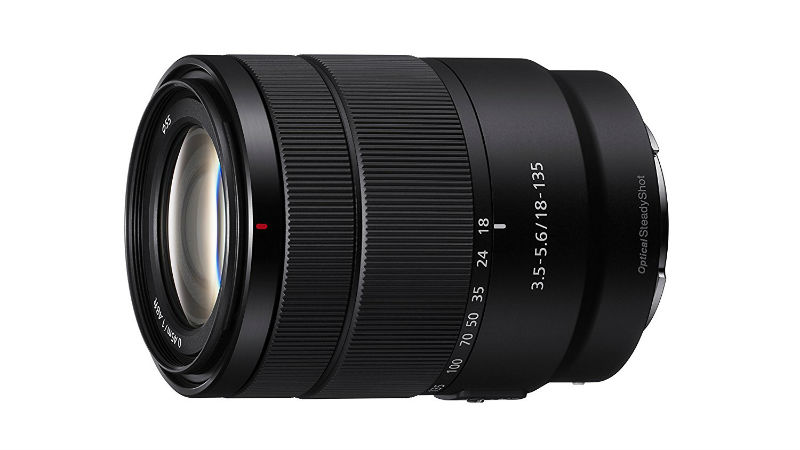
    Sony has officially launched its latest premium Sony RXO Action camera in India for Rs 64,990. Along with the camera, the company also announced the SEL18135 Wide-Zoom lens for Rs 49,990. The camera will be available via Sony Center, Alpha Flagship stores, and Sony authorised dealers from 22nd Feb.

    Additional accessories like VCT-CGR1 cage, MPK-HSR1 casing, CPT-R1 cable protector, VF-SPR1 Spare lens protector, VFA-305R1 Filter Adaptor Kit, NP-BJ1 Rechargeable Battery Pack, and ACC-TRDCJ are also available at the additional cost.

    Design and features:

    The Sony RXO Action Camera offers rugged construction with IPX8 certification, which can operate under 10-meter deep water up to 60 minutes.

    Combination of this camera with the MPK-HSR1 can extend the function up to 100-meter deep water. In fact, the camera can all alone withstand up to 2 meters fall and can breeze through harsh shooting conditions like rain, sand, dust, and snow.

    Specifications:

    The Sony RXO has a 1 inch Exmor RS CMOS image sensor with up to ISO 12800 light sensitivity, powered by BIONZ X processor and a DRM chip for fast large volume output.

    The camera comes with a fixed Zeiss Tessar T 24 mm wide angle lens with an f/4 aperture. The Sony RXO Action camera does offer anti-distortion shutter as fast as 1/320000 per second. In fact, the camera is optically stabilised, which helps in getting stable video footages.

    The 16fps frame rate is one of the faster burst-mode for the camera of this calibre. There is even Super slow motion feature, which offers a staggering frame rate of 960/1000 frames per second. However, one has to use high write and read memory card to capture slow motion videos.

  • Unboxing The Xiaomi Action Camera 4K

    Unboxing The Xiaomi Action Camera 4K

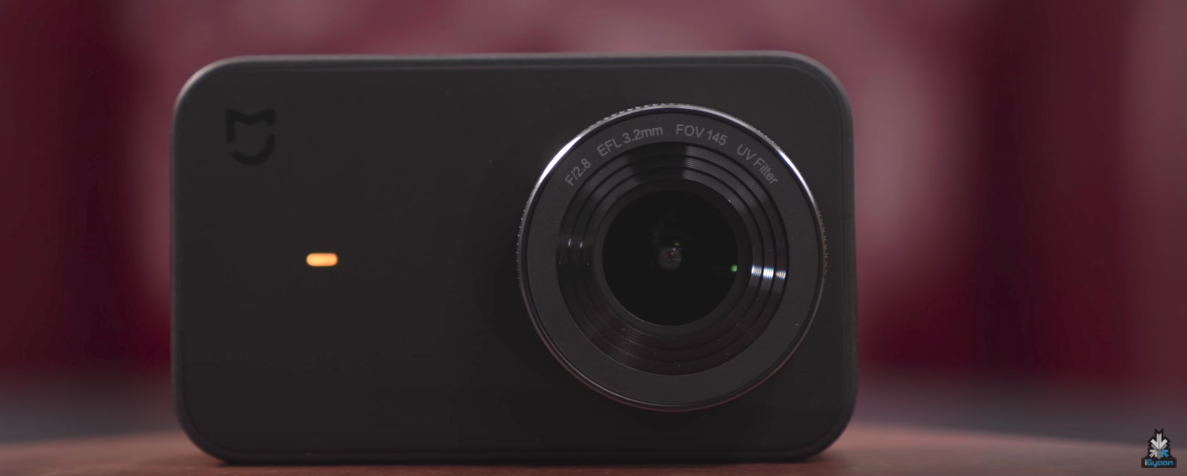
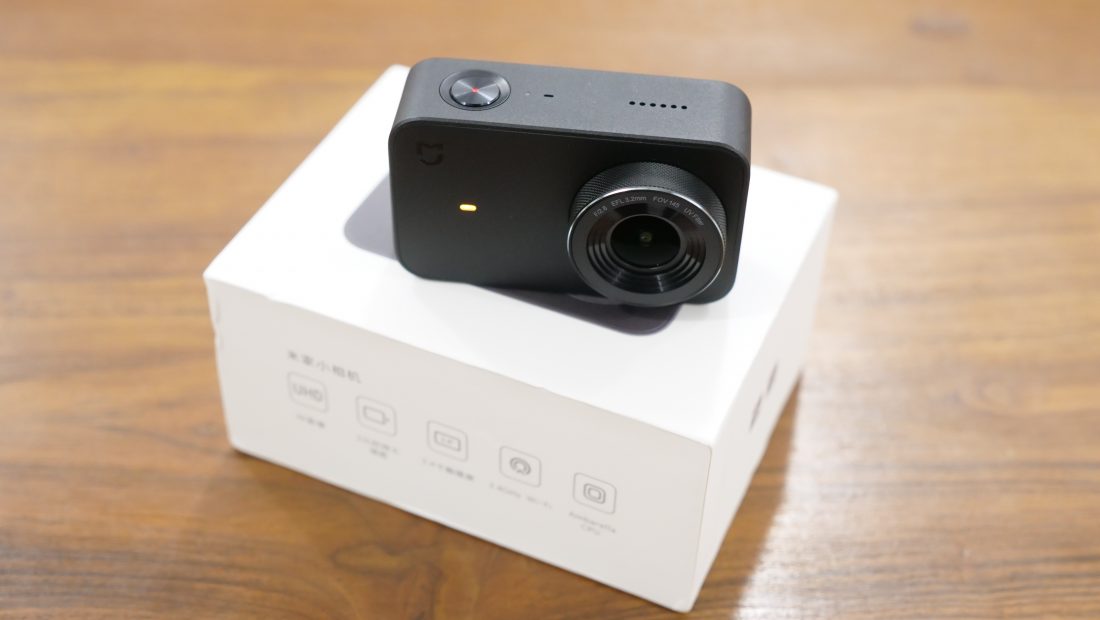
    The Xiaomi Action Camera is a small, compact camera which records 4K videos and won’t break the bank as it costs Rs 7500. Let’s unbox the Xiaomi Action Camera and see what we get inside the box

    • Xiami Action Camera
    • Battery
    • Documentation
    • Micro USB cable

    This action camera from Xiaomi connects to your smartphone via WiFi or Bluetooth and can be controlled through the companion app. The camera takes in a maximum of 64GB microSD card. The camera is powered by a 1450 mAh battery which Xiaomi claims will last up to 4 hours on standby and has a 2.4 inch touchscreen display for in-camera navigation. The camera has a Sony f/2.8 7 element lens with a 145º field of view. One unique thing about the Xiaomi Action Camera is that the lens comes equipped with a UV filter which is not easily found on budget action cameras. For stabilisation, the camera has a 3-axis gyroscope and 3-axis accelerometer which results in 6-axis electronic image stabilisation. Under the hood, the camera has the A12S Ambrella chipset for image processing.

    Buy the Xiaomi Action Camera here

  • GoPro Introduces Entry-Level Action Camera With Wi-Fi And Bluetooth

    GoPro Introduces Entry-Level Action Camera With Wi-Fi And Bluetooth

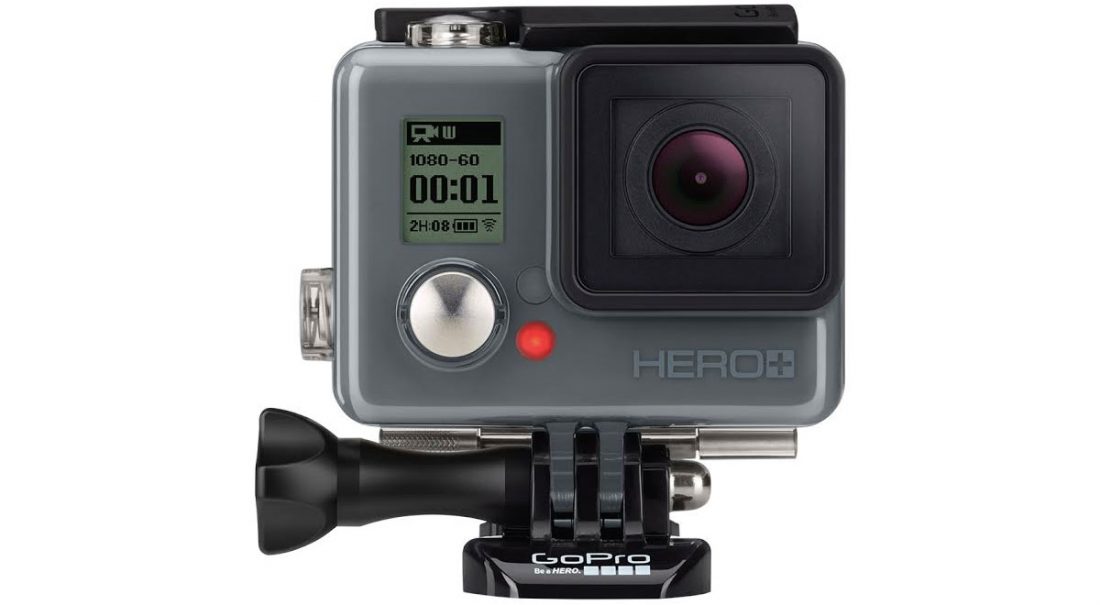
    If you’ve been looking for a GoPro camera that doesn’t pinch your pocket and yet has some important features such as Wi-Fi and Bluetooth connectivity, then the company has just the thing for you. GoPro has announced an entry-level action camera, the GoPro Hero+ that comes with (you guessed it) Wi-Fi and Bluetooth and will be priced at $199.99 (Rs. 13,200 approx). The camera is placed between the base GoPro Hero ($129.99) and the more expensive Hero+ LCD ($299.99).

    GoPro Hero+

    Earlier, you would have had to pay a lot more if you wanted a GoPro camera that allowed you to transfer videos to your phone. However, with the GoPro Hero+ expected to release worldwide on October 4th, you won’t have to pay that extra $100. The Hero+ Wi-Fi has the best of both worlds. On the outside it pretty much looks exactly like the Hero, while the internal camera equipment borrows from the Hero+ LCD. The Hero+ will allow you to record 1080p videos at 60 fps (up from the Hero’s 30 fps) minus the LCD touchscreen. It also sees a bump in still shooting from 5 to 8 megapixels.

    The Wi-Fi and Bluetooth connectivity allows you to frame shots, change camera settings, and share the videos you capture, all from your smartphone. The company is also looking to cut the price of the Hero 4 Session action camera from $399 to $299. Before this, the Hero 4 Session had trouble finding takers since it lacked a display which could be found in the Hero 4 Silver for the same price. The price cut is likely to change that.

    Click here to watch some amazing videos shot on GoPro.

  • Apple Patents Action Camera Designs, Plans to Take on GoPro

    Apple Patents Action Camera Designs, Plans to Take on GoPro

    Apple has pioneered a lot of technological advancements that we giddily enjoy today. Think multiple font faces, personal computers and of course, their sweet smartphone. Having made its entry into the wearables segment last year with the Apple Watch, the Cupertino based giant has now patented a design for an action camera.

    Apple will take a direct hit at GoPro with this one. In its patent document, the company calls out GoPro’s HD Hero2 cameras for creating “excessive wind resistance’” while mounted, and being “susceptible to damage” from vibrations.

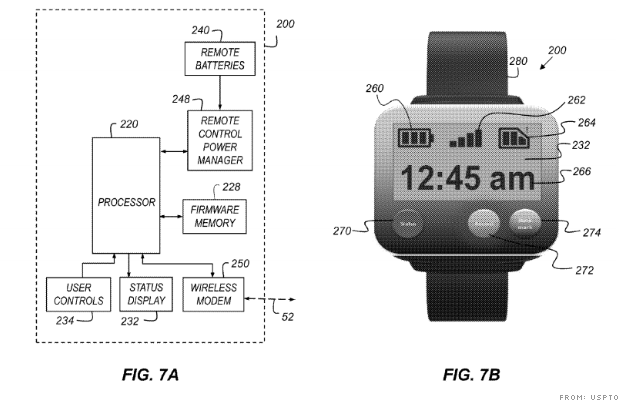
    The design of the camera and accompanying wearble.
    The design of the camera and accompanying wearable.

    The new camera design is based on the patents that Apple acquired from Kodak in 2013. This camera can be controlled by a smartwatch. The designs indicate a system of multiple camera sensors that assist the device in covering multiple angles and also multiple directions. The device also describes multiple mounting options like the GoPro; it can be used as a handheld camera and can also be mounted on cars, jibs, bikes, etc. So it checks all the requirements to be an action camera and also comes with a wearable remote.

    GoPro’s stock saw significant damage after the news of Apple’s patents. According to CNN Money, the stocks of GoPro fell by 10% on Tuesday. But it shouldn’t be a major cause of concern for GoPro, which is still the king of action cameras. Apple, just like any other major corporation, has a history of acquiring patents which rarely make it to the consumer’s hands. But it did manage to generate hype. GoPros phenomenal success has brought in a barrage of new action cameras like HTC Re, Poloroid Cube Mini, Sony HDR-AS20 HD POV Action Cam and others.

    We don’t completely discount the chances of an Apple action camera. As the smartphone market and the wearables segment gets more saturated, companies might look at other areas of interest. Apple can also make use of its Apple watch as a controller, thus increasing its functionality.

  • HTC Forays in Wearables with the New RE Camera

    HTC Forays in Wearables with the New RE Camera

    HTC has essentially held its ground as a Mobile Smartphone manufacturer in the past years. With the new Nexus Tablet, reportedly being made by HTC and the launch of this new RE camera, it seems like HTC is in for a change of events.

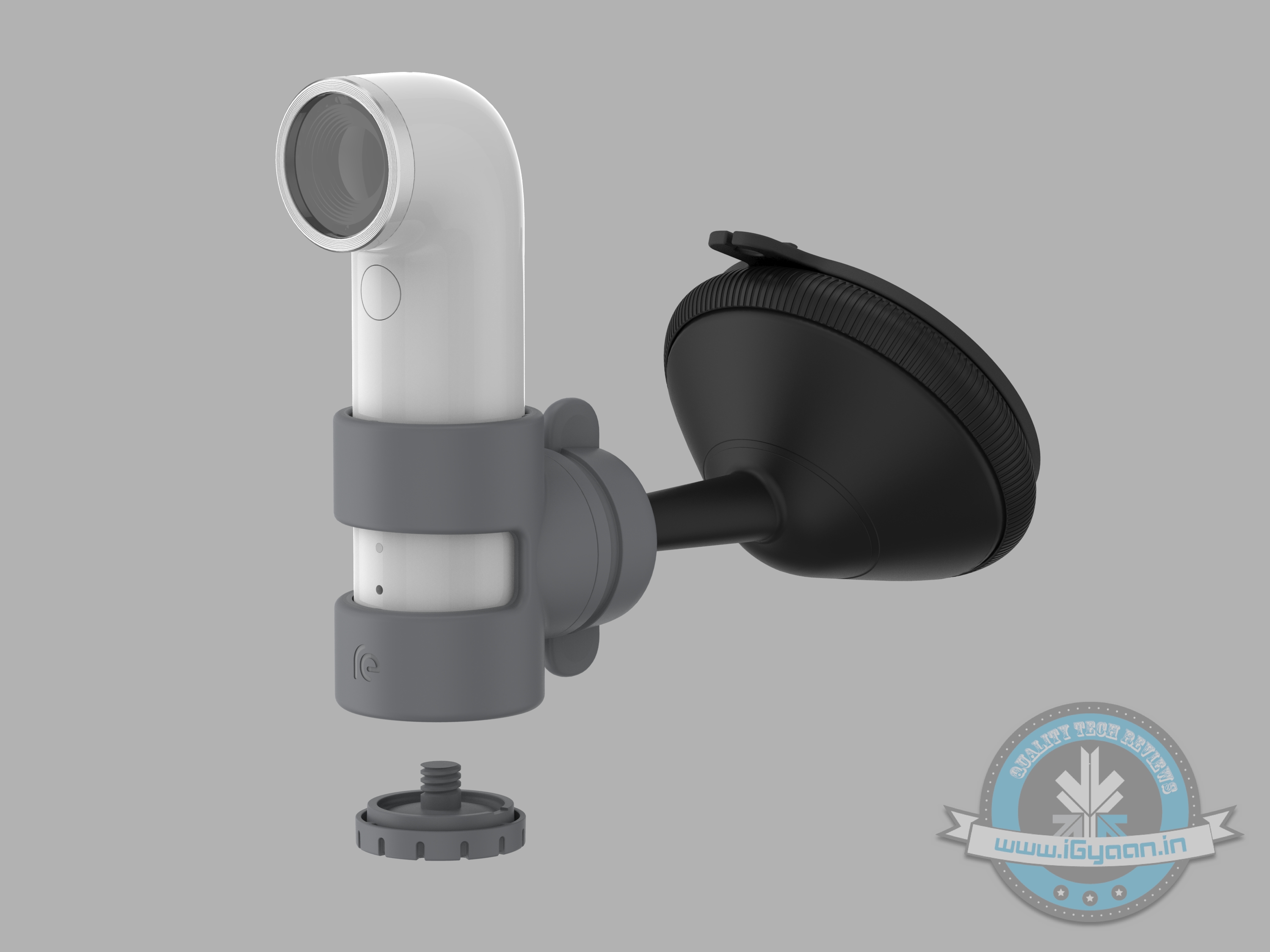
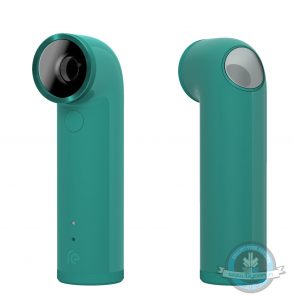
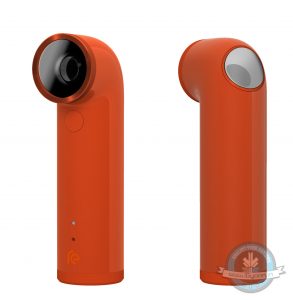
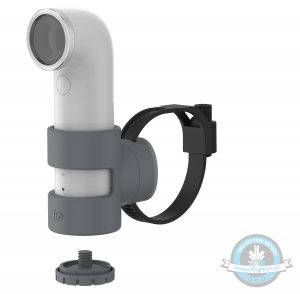
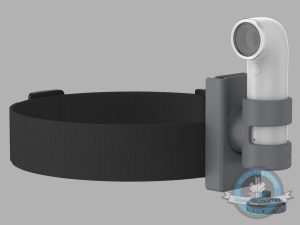
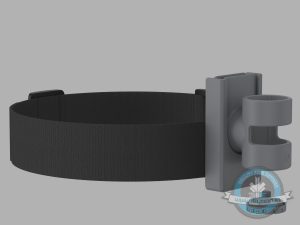
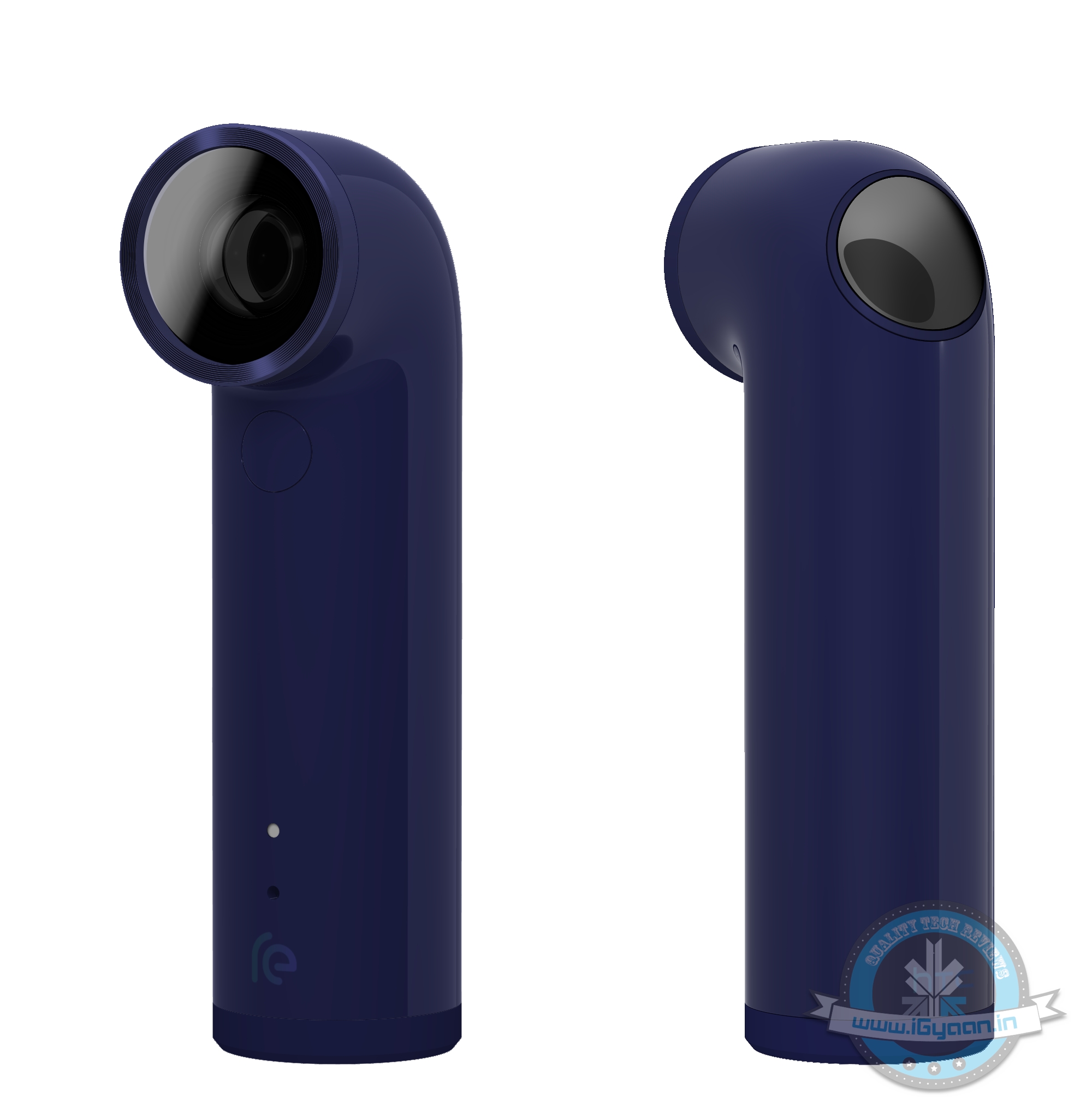
    The new HTC RE camera is a take on GO Pro style action cameras but HTC calls it the first camera that is designed to be held, and fits naturally and comfortably in the palm of your hand. It will come in various colors and sizes with various mounting options and accessories.

    Specs wise the RE is pretty impressive too, A 16MP 1/2.3” CMOS sensor with an Ultra wide angle: 146° lens (f/2.8) captures 1080p, 30fps FHD video and 720p, 4x slow motion video and it also has a Time-lapse video recording mode.

    RE Blue

    Inbuilt is an HD microphone and speaker along with rating for durability – IP57 Dust & Water Resistant IPx7 (body), IPx8 (with cap). The camera houses a 820 mAh battery which is rated for 1,200 16MP photos; 1 hour 40 min of continuous FHD video recording. it comes with an 8GB card loaded and supports upto 128 GB cards offering good storage capacities.

    RE White

    The RE is fairly lightweight at only 65.5 grams, and measures just 96.7 x 26.5 mm, and for sensors you have a Grip sensors and a Gyroscope. The camera will work over Bluetooth 4.0 and Wifi N and will work with iOS 7 and above along with all KitKat equipped Android phones.

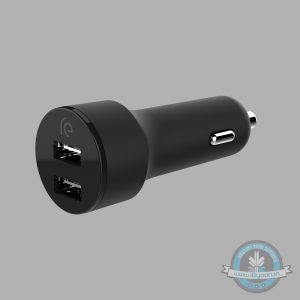
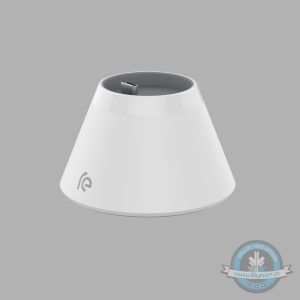
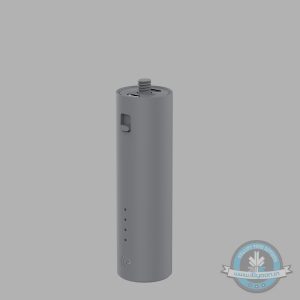
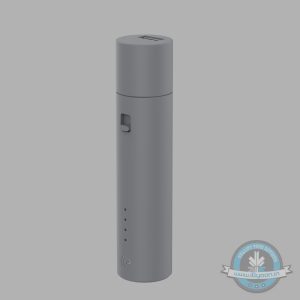
    The best thing, it comes with a standard 1/4 inch tripod thread and separately bought battery charger that screw in to the bottom to add additional battery capacities.

    The idea and the design will replace most bloggie-selfie cameras and especially for Video Loggers and Video bloggers this might become a handy accessory. 

    Stay tuned for our hands on.

  • GoPro Hero4 : Ups a Number and the Frame Rate

    GoPro Hero4 : Ups a Number and the Frame Rate

    GoPro’s have taken us from being mere spectators of awesome action sports to first person observers. Watching the huge repository of GoPro videos on the internet, you can almost feel the adrenaline rushing through your veins. They are incredibly convenient and using them in drones is letting people get movie-like aerial shots for their home videos. Now GoPro is taking its pocket-sized badass cameras to the next level.

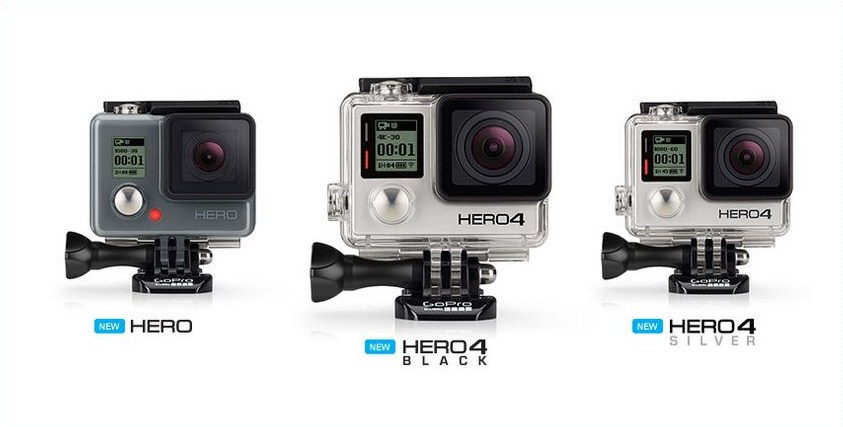
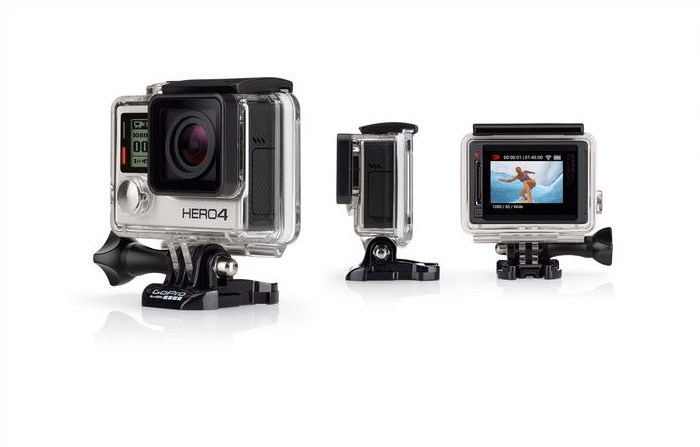
    The company’s latest offering, the Hero4 lineup builds on the legacy and comes with great new upgrades. On the top of the line-up is the Hero4 Black, which comes at a price of $499. It shoots 4K video at up to 30 frames per second giving you some incredible eye-popping visuals. Apart from that, it shoots Full HD (1080p) at 120 frames per second so you can play with some slow-motion action shots. And of course, it offers 12-megapixel photos for folks who want a selfie at an epic destination.

    Hero4 Silver comes with a touchscreen display.
    Hero4 Silver comes with a touchscreen display.

    Next in line is the GoPro Hero4 Silver, priced at $399. Most of its specs are similar to the Hero4 Black apart from the fact that it shoots 4K at 15 fps. The feature that will entice most customers to get this device is the built-in touchscreen LCD screen. For other GoPro models, you need to buy this additional screen for $80.

    Last, but not the least, is the GoPro Hero. It costs a mere $130 but lets you shoot 1080p at 30 fps and 720p videos at 60 fps so you can still get great footage off these. It also lets you take 5 MP images at five frames per second.

    To offer pure, effortless adventure shooting, the cameras shoot on MicroSD cards and work 40 meters underwater. With these, underwater shooters can say goodbye to the massive and expensive camera housings, they need to carry underwater with the risk of them getting destroyed.

    There is also a phone application called GoPro app which can be used to control your camera remotely, view and share your content, and watch the GoPro Channel. Using this app you can turn your phone into a remote viewfinder for your camera. There are multiple kinds of accessories that you can buy for all your action shooting needs. Though they will set you back $20 to $80 per accessory. The new Hero line-up will be ready for shipping by October 5th, just in time for you to get one to capture the Diwali fireworks.

    Check out the amazing visuals shot from the new generation GoPro’s:

iGyaan Network
Privacy Overview

This website uses cookies so that we can provide you with the best user experience possible. Cookie information is stored in your browser and performs functions such as recognising you when you return to our website and helping our team to understand which sections of the website you find most interesting and useful.