Tag: apple iphone 8

  • Apple iPhone X Was The Best Selling Smartphone In Q1 Of 2018

    Apple iPhone X Was The Best Selling Smartphone In Q1 Of 2018

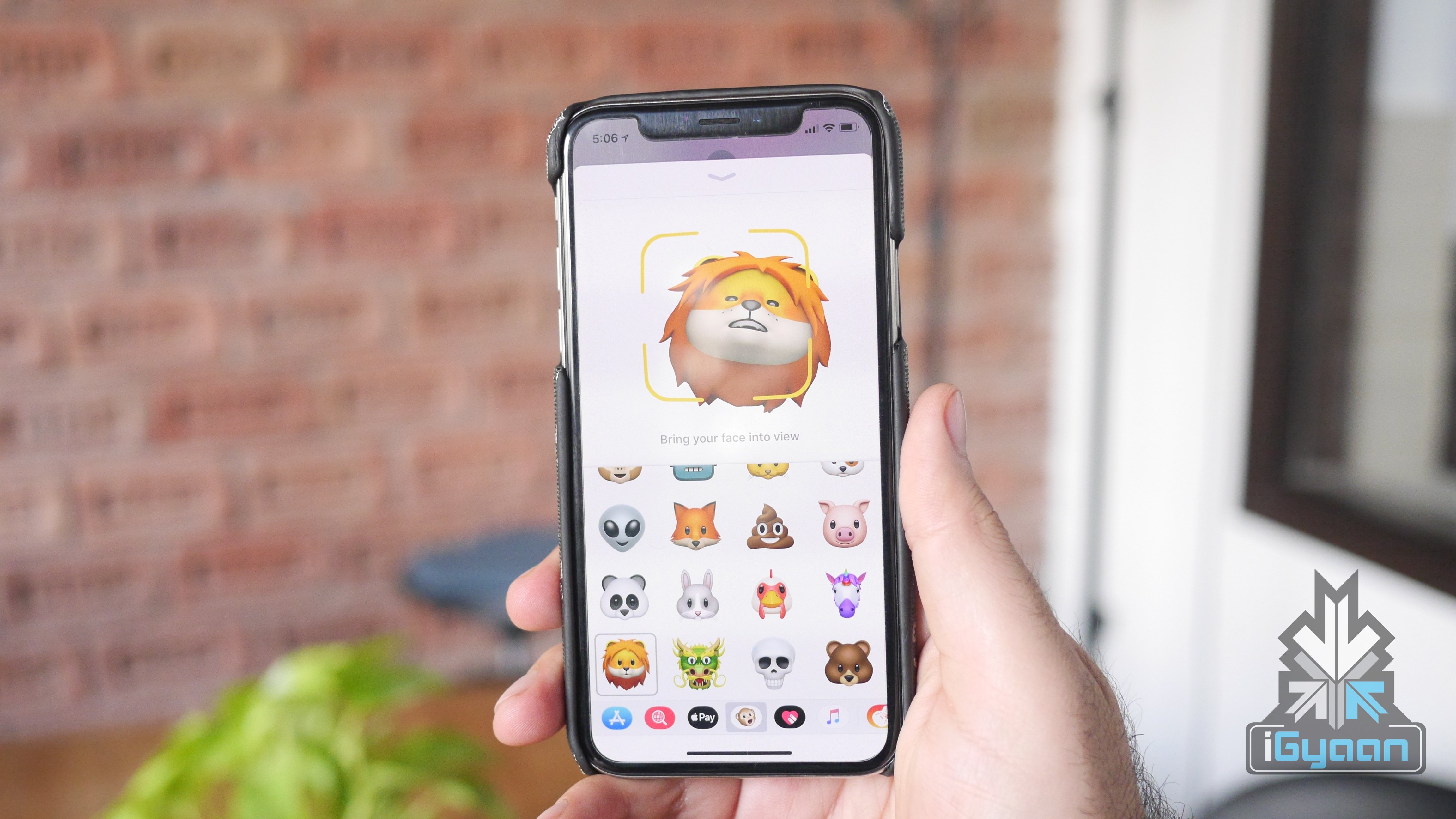
    Launched in September of 2017 for a whopping US$ 999 starting price, the Apple iPhone X had its fair share of doubters. The new design complete with a notch initially did not impress many. The iPhone X also did not have the famed Touch ID and was replaced Apple’s own facial recognition system, now known as Face ID. With so many changes and a record high price, the iPhone X was still the best selling smartphone of Q1 of 2018.

    Apple

    In a new report by Strategy Analytics, Apple sold 16 million units of the iPhone X in the quarter, making it the best selling smartphone. Apple did announce record profits for the quarter and Tim Cook claimed that the Apple iPhone was the best selling smartphone in many markets. Apple announced quarterly revenue of US$ 61.1 billion, a year-over-year growth of 16% which is much higher than its street estimates.

    Must read: Apple iPhone SE 2 Renders With Face ID And iPhone X Style Notch Leaked

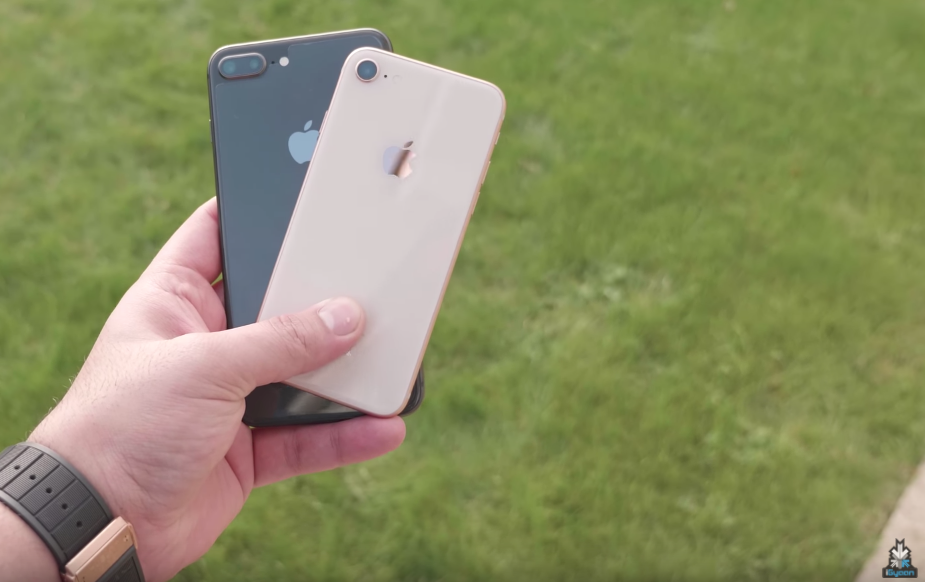
    A close second on the list of best selling smartphones was the iPhone 8 with 12.5 million units. The iPhone 8 Plus, launched along with the iPhone 8 and iPhone X was the third best selling smartphone with 8.3 million units sold. At number four on the list was the iPhone 7, a smartphone launched in 2016, with 5.6 million units sold during the quarter.

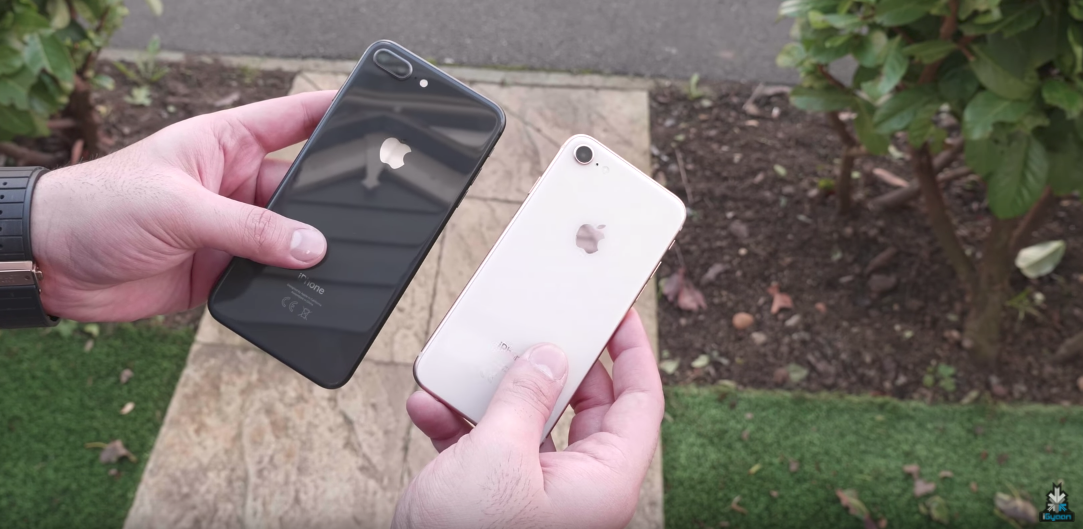
    iPhone 8, 8 Plus

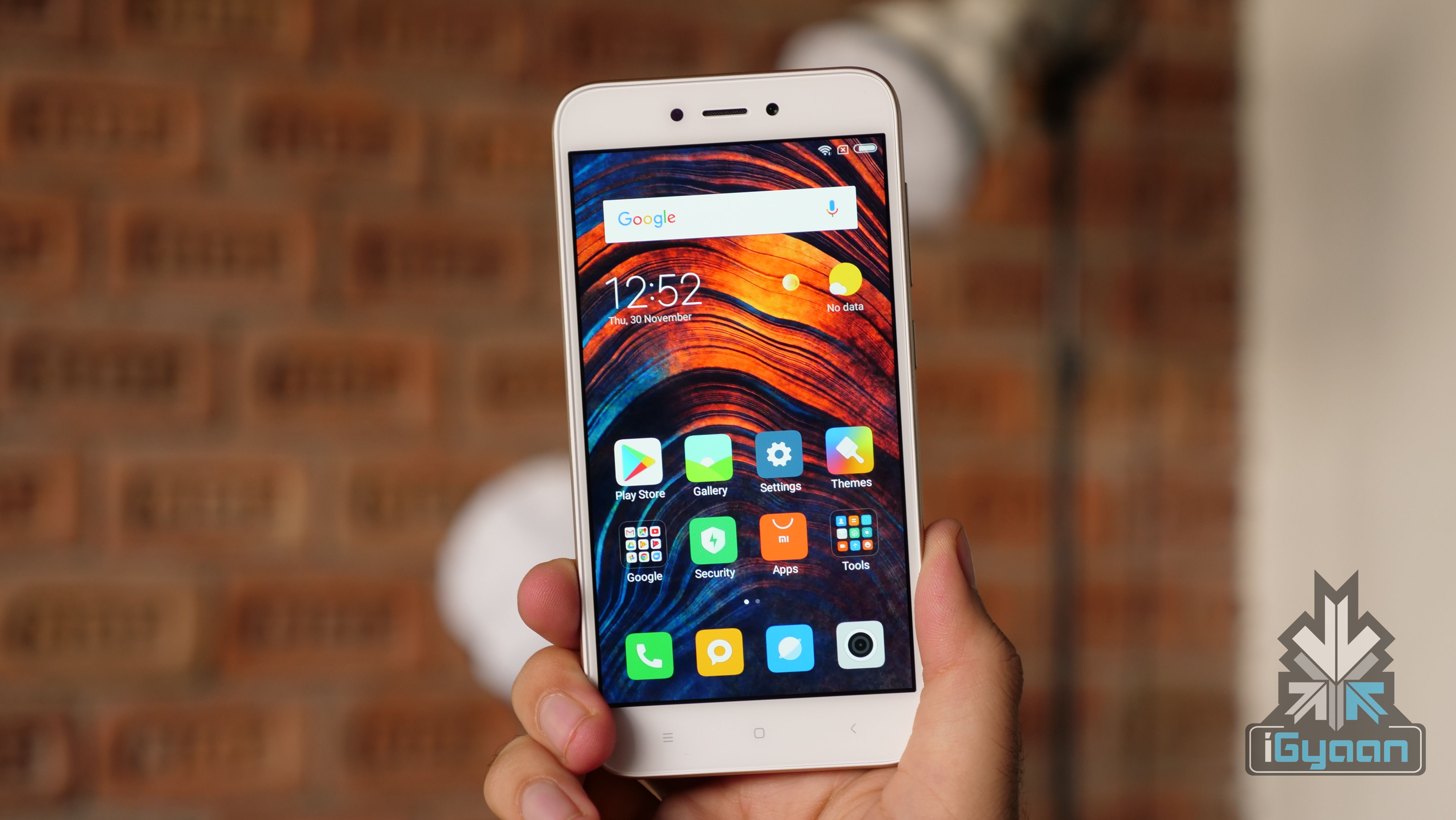
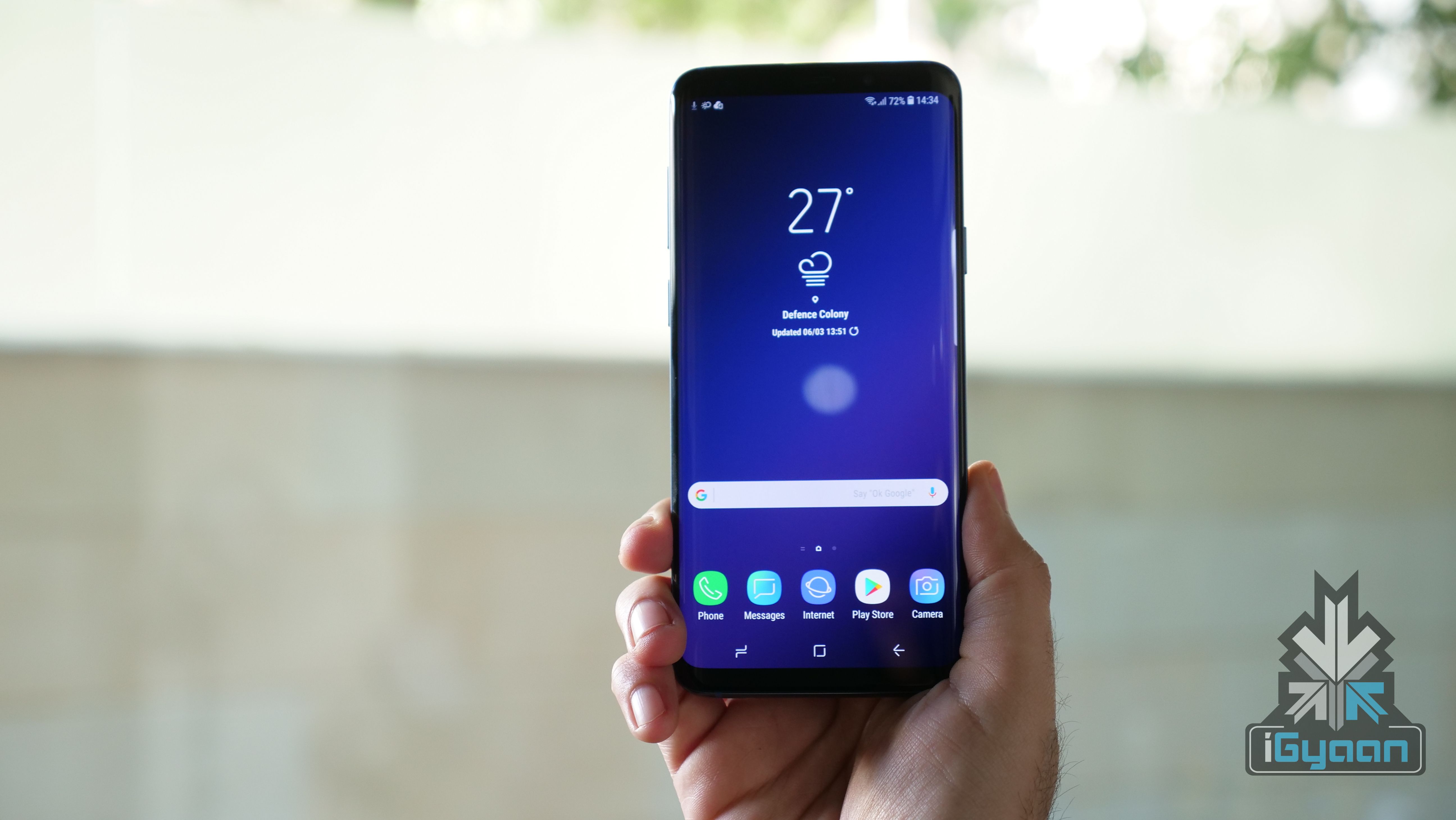
    Xiaomi’s “Desh Ka Smartphone” Redmi 5A was fifth on the list with 5.4 million units sold. Credit has to be given to the Samsung Galaxy S9 for coming in sixth on the list. The smartphone was launched in late-February and went on sale in March. In all, the top six smartphones accounted for 1 in every 7 smartphones shipped in the world during the quarter.

    Redmi 5A

    It is a mind-boggling statistic that the top five best selling smartphones were from the same company, Apple. The iPhone 8 and 8 Plus, which were believed to be unimpressive when compared to the iPhone X managed to be among the best selling smartphones of the quarter. This report also contradicts many claims from analysts that the Apple iPhone X is not in demand anymore and the Apple is planning to stop the production of the iPhone X.

    Must Read: OnePlus 6 Price In India Leaked, Starts At Rs 36999

    Samsung Galaxy S9

    With smartphones like the OnePlus 6 launching in May, more smartphones would be thriving to enter that list for the coming quarters of 2018.

  • Apple Launches iPhone 8 and 8 Plus (Product Red) Starting US$ 699

    Apple Launches iPhone 8 and 8 Plus (Product Red) Starting US$ 699

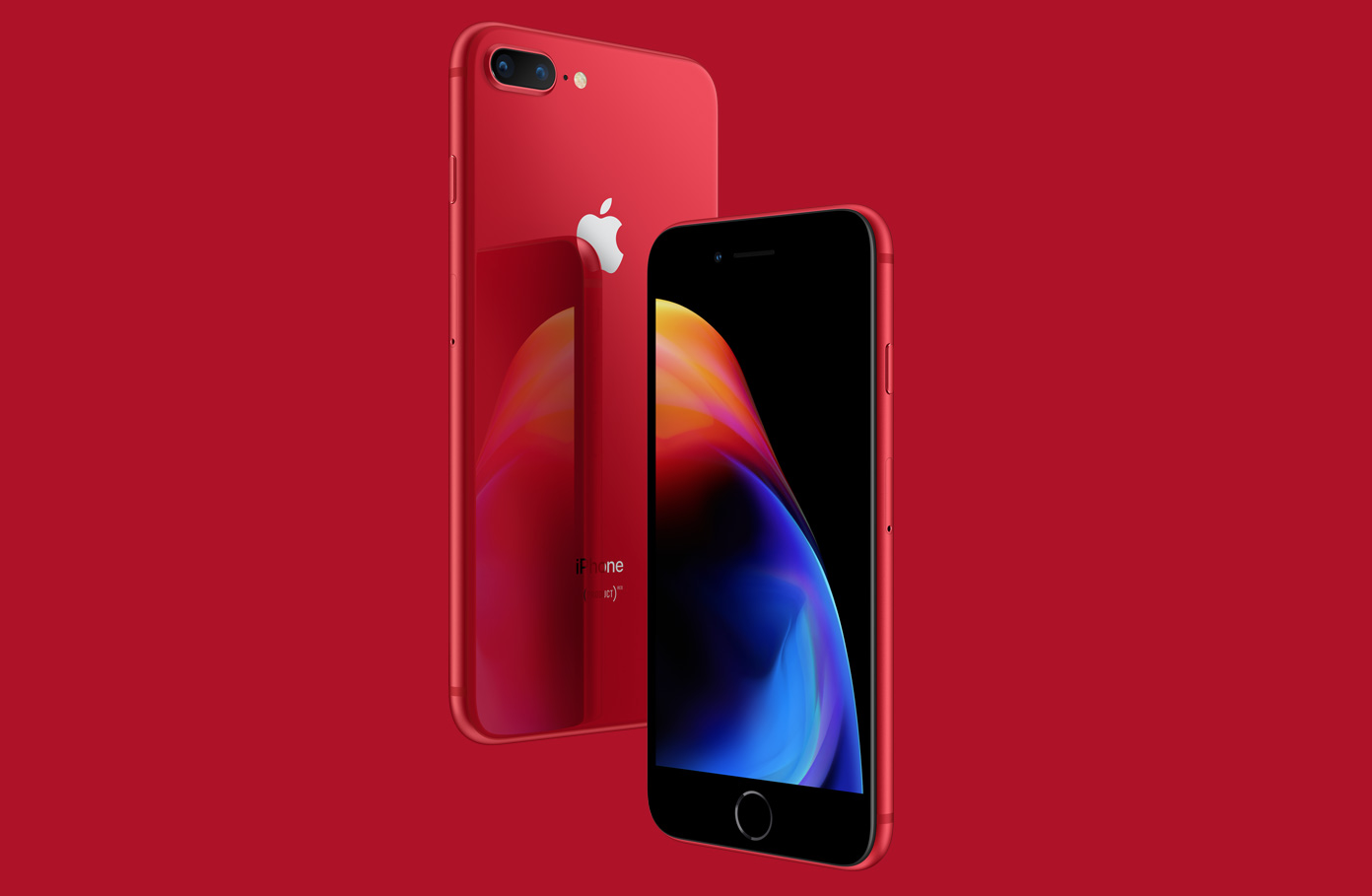
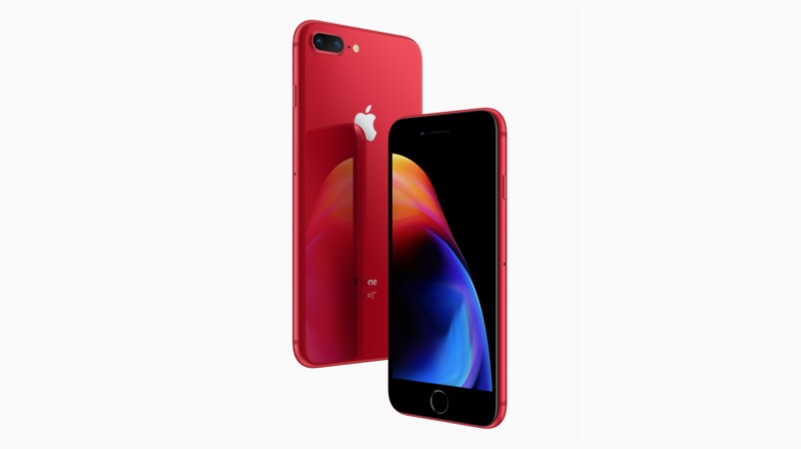
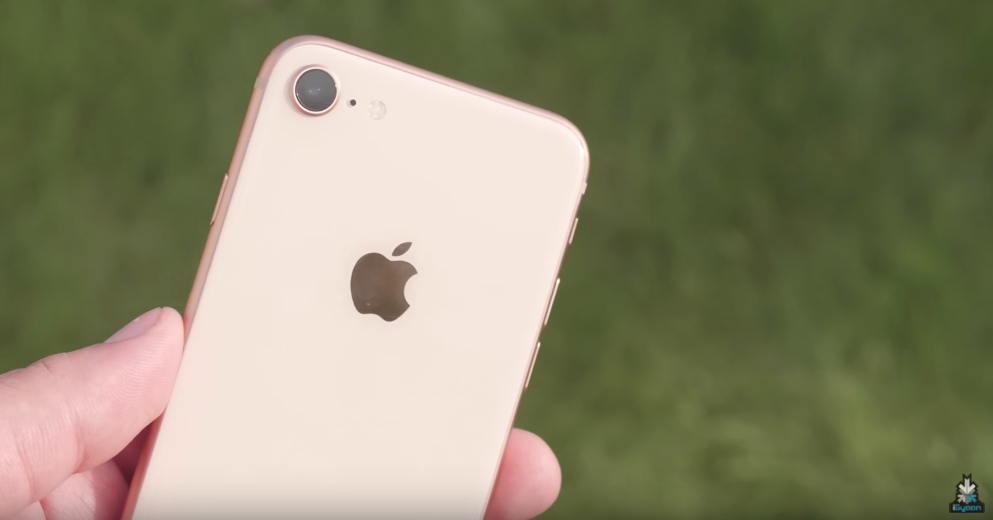
    Apple has officially launched the iPhone 8 and iPhone 8 Plus (Product) RED variants at a starting price of US$ 699. The new iPhones start shipping to countries like the US, Australia, New Zealand etc from the 13th of April. However, the iPhone 8 and 8 Plus (Product) RED won’t hit the Indian shores until May. The iPhone 8 and iPhone 8 Plus (Product) RED will be available in both 64GB and 256GB storage variants and will start retailing at a price of Rs 67940.

    Apple’s Vice President of Product Marketing Greg Joswiak said:

    This special edition (PRODUCT) RED iPhone features a stunning red and black color combination and also offers customers the opportunity to make an impact in fighting the spread of HIV and AIDS. We are proud to support (RED) with this bold new iPhone and hope customers think it is as special as we do.

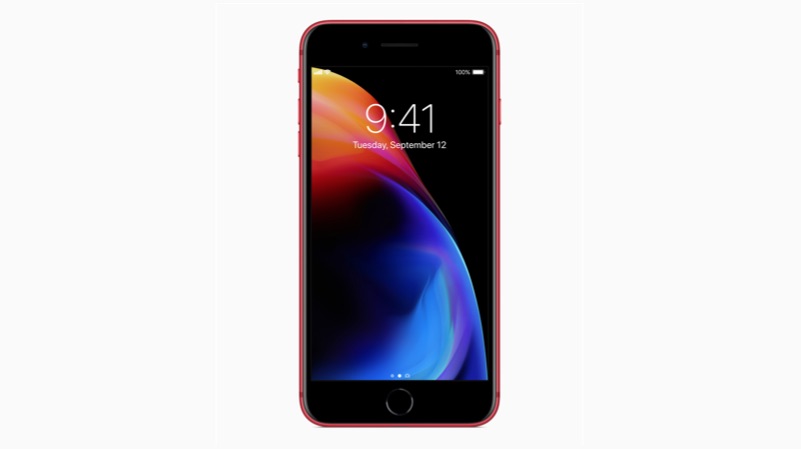
    Apart from the exciting new colour, the new iPhones do not add any new functionalities. However, one thing that differs from last year’s iPhone 7 (Product) RED variants is the front of the iPhones. This time around, the thick bezels are black in colour, while the 2017 (Product) RED iPhones had white coloured bezels. Many iPhone users wanted black bezels and Apple has rectified that with the 2018 (Product) RED iPhones.

    The new colour variant launch is a part of Apple’s partnership with (RED), an advocacy group dedicated to combating HIV/AIDS in Africa. It was founded in 2006 by Bono, frontman of the iconic band, U2 and ONE Campaign activist Bobby Shriver. In fact, Apple has launched a number of special RED iPads, iPods, cases and for the first time, in 2017, launched the iPhone 7 and iPhone 7 Plus in the special edition colour.

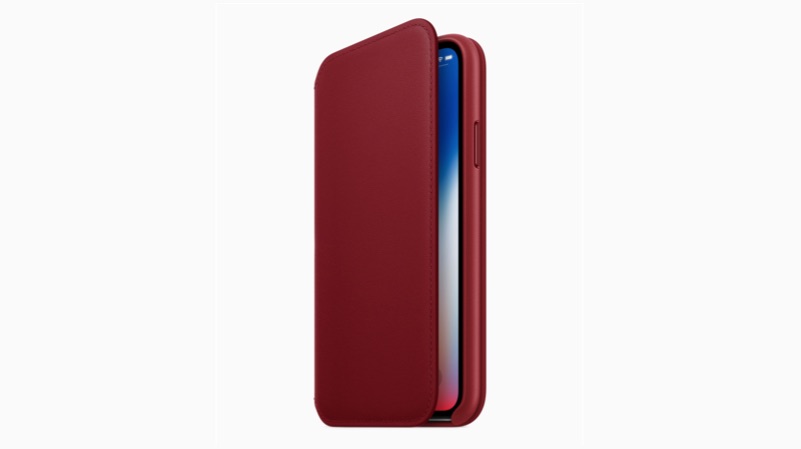
    Apart from the new iPhone 8 and 8 Plus colour, Apple has also launched a new Folio case for the iPhone X. The new iPhone X (Product) RED Folio case will retail for Rs 7900 and will be available from Apple Authorised Resellers.

    Buy the iPhone 8, iPhone 8 (Product) RED here.

  • Test Shows OnePlus 5T Is The Fastest Charging Flagship Phone

    Test Shows OnePlus 5T Is The Fastest Charging Flagship Phone

    As smartphones get thinner, manufacturers usually resort to reducing battery sizes in order to maintain the thickness-to-tech inside ratio. The good news is that the chipsets are getting better at power management and fast charging is really good. Even wireless fast charging is catching up these days and almost every flagship phone now has a USB Type C port.

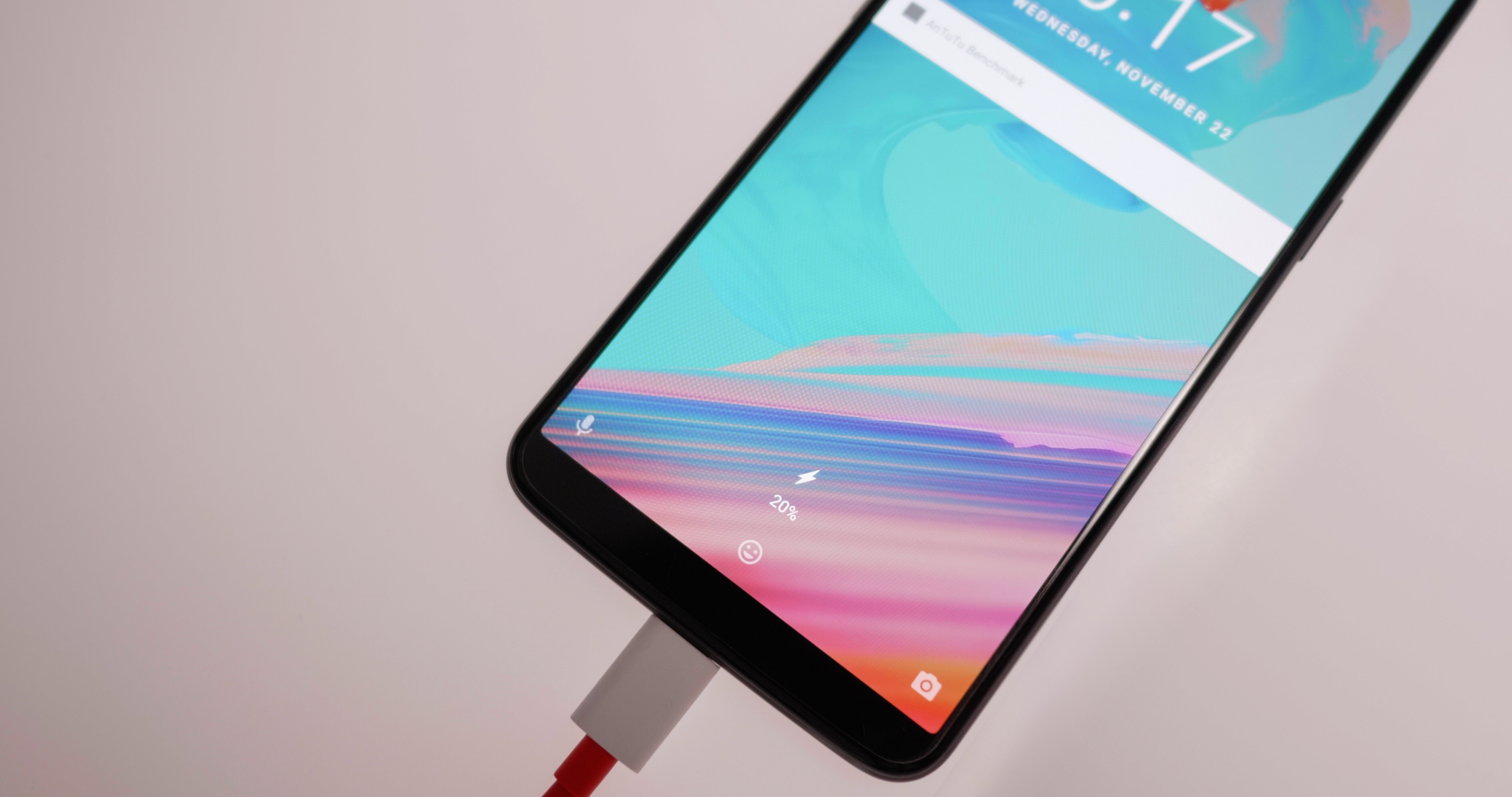
    Recently, OnePlus conceded that the company’s own Dash Charging technology is much better than the wireless technology which is available in the market hence, the OnePlus 5T shipped without wireless charging capabilities. So, how good is Dash Charging, then? Apparently, it’s the best in the market and a test has proven that.

    The test included all the top flagship phones of 2017, the Samsung Galaxy Note8, LG V30, OnePlus 5T, Google Pixel 2, iPhone 8, iPhone 8 Plus and iPhone X. All the Android phones have a USB Type C port and the three iPhones of course, have the lightning port. The iPhone 8, 8 Plus and iPhone X support fast charging if you buy the adapter and a Type C to lighting port cable from Apple.

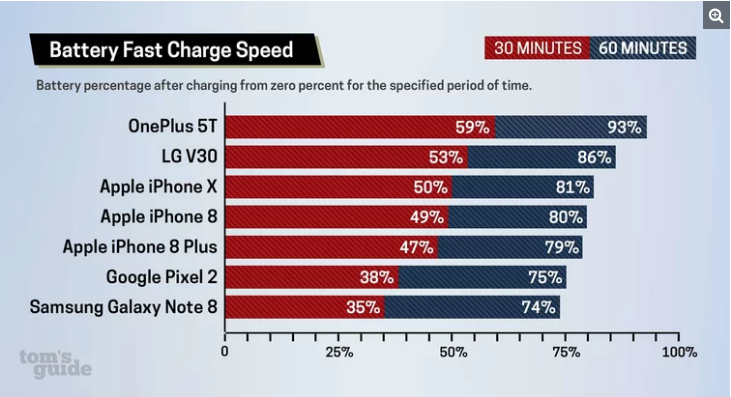
    The battery percentages were checked after 30 minutes of charging. It is worth noting here that all the screens were off during the test and the three iPhones were charged using the fast charging gear. After 30 minutes, the OnePlus 5T was at 59% while the LG V30 was the first runner-up at 53% and the iPhone X was at 50%.

    At the one-hour mark, the OnePlus 5T was the winner again at 93%, 7% more than LG V30’s 86%. The iPhone X was at 81%, closely followed by the iPhone 8 and iPhone 8 Plus at 80% and 79%, respectively.

    The OnePlus 5T turned out to be better than the competition thanks to its Dash Charge technology, which is different from Qualcomm’s QuickCharge. Dash Charge delivers higher amperage than QuickCharge and uses dedicated circuitry in the charger itself for heat management. So, if charging up your phone at a blazing speed is your top priority, then it is worth taking a look at the OnePlus 5T as your next flagship phone.

  • Apple Is Looking Into The Swollen iPhone 8 Battery Issues

    Apple Is Looking Into The Swollen iPhone 8 Battery Issues

    It seems like Apple has its hands full at the moment as more reports emerge of the iPhone 8 battery swelling. What isn’t clear at the point is whether this is happening in handful of devices or a larger batch.

    Since late September, there have been reports of the iPhone 8 batteries swelling and causing the phone to split up. What appears to be happening is that the battery inside the phone is swelling, bending the front of the phone and separating it from the body of the device. A silver lining here is that there are no reports of a fire yet.

    Apple has released a concise statement acknowledging the issue:

    We are aware and looking into it.

    Considering the larger picture, there appears to be only six or so cases so far. This is a very small number compared to the millions of iPhone 8’s Apple must have presumably sold so far. The first report came out of Taiwan, where a woman is said to have found her iPhone swollen after plugging it in for charging. Then, someone in Japan posted photos of a split-apart iPhone 8 on Twitter. And in the days since, there have been cases in China, Canada, and Greece.

    A couple of years ago, this would not have mattered too much but, since the Samsung Galaxy Note7 battery issues, there is a cause of concern here. Reports in the coming days and Apple’s investigation will make it clear as to what the real issue is here but, as of now, the number of issues compared to the phones sold is too less for you as a consumer to be worried.

  • Google Pixel 2 Vs The Competition

    Google Pixel 2 Vs The Competition

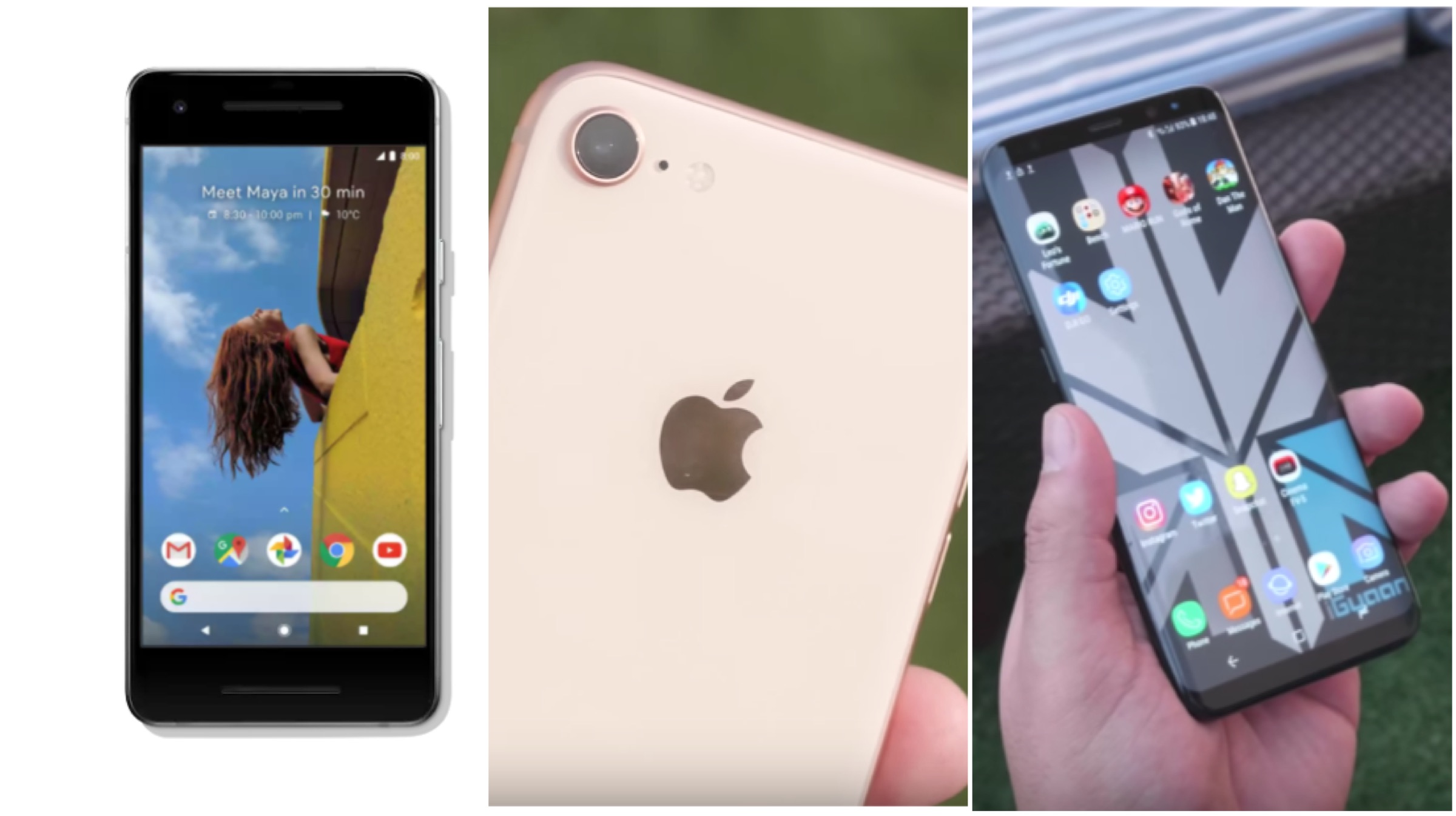
    On October 4th, Google announced the next iteration of its Android smartphones, the Pixel 2 and Pixel 2 XL. Smaller of the two siblings, the Pixel 2 has a tight integration with Google Assistant. With the Google Pixel 2 arriving in India on November 1st, let’s take a look at how it stacks up against the competition.

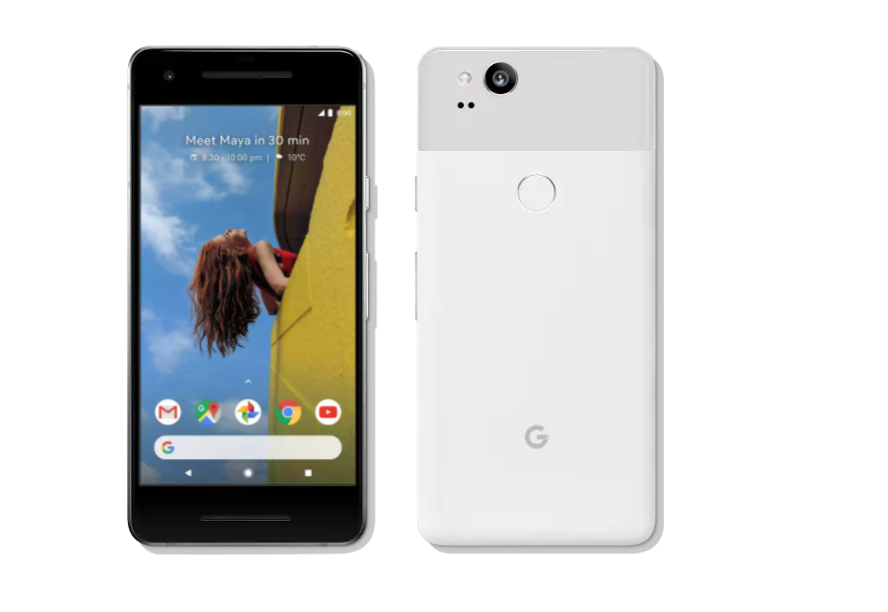
    Google Pixel 2

    The Google Pixel 2 has a 5 inch 1920 x 1080 px OLED display with Corning Gorilla Glass 5 on top for protection. Powering the device is a 2700 mAh battery and it runs Android 8.0 Oreo out of the box. As is with with every Google phone, the new Pixel 2 will be first in line to receive Android P update in 2018. Under the hood, the device has typical 2017 flagship specifications. It has the Qualcomm Snapdragon 835 chipset, 2.4GHz octa core processor, Adreno 540, 4GB RAM and 64GB/128GB onboard storage. The fingerprint sensor sits at the back of the device but, this time around the “glass window” is smaller. The two-tone colour of the phone is also reminiscent of the original Pixel from 2016. Google claims that the fingerprint sensor is the fastest on a smartphone. The Pixel 2 is water resistant as well.

    On the camera front, Google has decided to go for a single camera setup similar to last year’s Pixel phones. The rear-facing camera is a 12.2 MP sensor with an f/1.8 aperture and 1.4 micron pixel size. On the front is an 8MP camera with an f/2.4 aperture. Google has introduced new features in the camera department like the addition of AR. The Pixel 2 XL uses both OIS and EIS simultaneously for better clarity and stable images and videos. The portrait mode works on both rear and font facing cameras, just like the new iPhones.

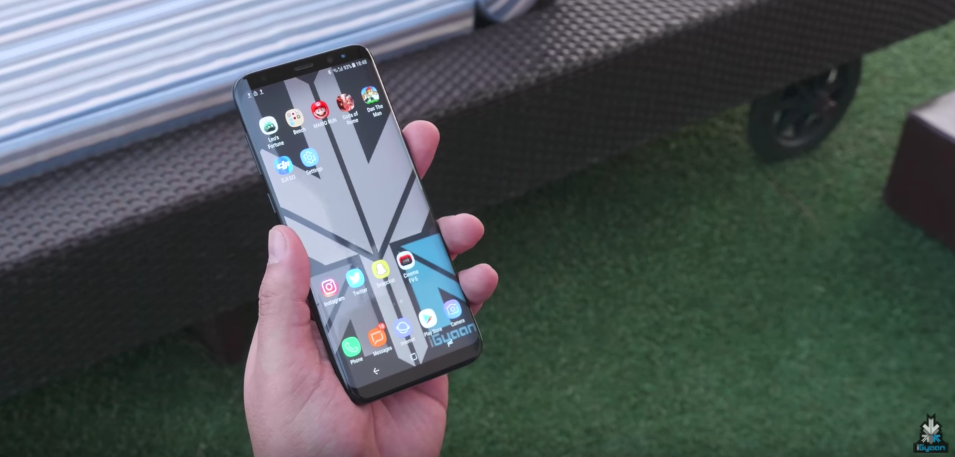
    Samsung Galaxy S8

    The Samsung Galaxy S8 has a 5.8” 2960×1440 px Super AMOLED display with a 570ppi. Powering the device is a 3000 mAh battery and it runs Android 7.1 Nougat out of the box. Under the hood, both the smartphone has Exynos 8895 chipset, 64GB onboard storage options which is expandable up to 256GB via microSD card and 4GB RAM. The Galaxy S8 is also water and dust resistant. The Galaxy S8 has a glass  black which means it is wireless charging compatible. The smartphone has an awkwardly placed fingerprint sensor right next to the camera.

    For cameras, both phones get a main Dual Pixel 12MP OIS (F1.7), Front: 8MP AF (F1.7). While the battery on the Galaxy S8 is 3000 man, the S8plus has a 3500 mAh battery. Both support fast charging and wireless charging as well.

    Apple iPhone 8

    The Apple iPhone 8 has a 4.7 inch 1334 x 750 px IPS LCD True Tone display. Under the hood, the iPhone 8 has the A11 Bionic chipset with a hexacore processor and the new Apple GPU. Because of the glass back, the iPhone 8 is now wireless charging capable. The iPhone 8 runs iOS 11 and the battery of the iPhone 8 is identical to the iPhone 7. The iPhone 8 is available in two storage variants, 64GB and 256GB.

    On the camera front, there’s a 12-megapixel sensor on the iPhone 8 that is larger, faster and has optical image stabilisation. The iPhone 8 Plus also has new 12 MP sensors. The main camera is equipped with a wide angle lens and has an f/1.8 aperture while the secondary telephoto lens has an f/2.8 aperture. The dual cameras on the iPhone 8 Plus also have a new “Portrait Lighting” feature to adjust the lighting for portrait shots.


    Specifications Google Pixel 2 Samsung Galaxy S8 Apple iPhone 8
    Price Rs 61000 for 64GB variant Rs 55900

    Rs 59,999 for 64GB variant

    Display size and type 5 inch OLED 5.8 inch Super AMOLED 4.7 inch IPS LCD True Tone Display
    Display resolution 1920 x 1080 px 2960 x 1440 px 1334 x 750 px
    Dimensions 145.7 x 69.7 x 7.8 mm 148.9 x 68.1 x 8.0 mm 138.4 x 67.3 x 7.3 mm
    Weight 143 grams 155 grams 148 grams
    Chipset Qualcomm Snapdragon 835 Exynos 8895 A11 Bionic Chipset
    Processor 2.4GHz
    8x Qualcomm Kryo 280
    Octa core (2.3GHz Quad + 1.7GHz Quad), 64 bit, 10 nm process Hexacore processor
    RAM 4GB 4GB 3GB
    Storage 64GB

    128GB

    64GB 64GB

    256GB

    Storage Expandability No Yes

    Up to 256GB

    No
    Primary Camera 12.2MP with an f/1.8 aperture

    Dual pixel technology

    Dual Pixel 12MP with an f/1.7 aperture 12MP with an f/1.8 aperture
    Primary Camera Features Simultaneous OIS and EIS

    Portrait mode

    OIS and EIS

    PDAF

    OIS

    Six element lens

    Secondary Camera 8MP with an f/2.4 aperture

    Portrait mode

    8MP AF (F1.7) 7MP camera
    f/2.2 aperture
    Colours White, Blue, Black Midnight Black, Maple Gold, Orchid Grey Gold, Silver, Space Gray
  • Apple iPhone 8 And iPhone 8 Plus Receive Underwhelming Response At Launch Across The Globe

    Apple iPhone 8 And iPhone 8 Plus Receive Underwhelming Response At Launch Across The Globe

    When Tim Cook announced the iPhone 8 and iPhone 8 Plus and paused for a second before saying, “One more thing,” the anticipation of the iPhone X turned into reality. He went on to unveil the iPhone X with an all-screen design,  “superior cameras” and “revolutionary FaceID” technology. The afterthought of the iPhone X announcement was, “What about the iPhone 8?” That thought translated into action as the launch of the iPhone 8 and iPhone 8 Plus saw an underwhelming turnout across the globe. Over the years, iPhone launch days have seen huge turnouts with people camping outside retail outlets just to get their hands on the new iPhones before it runs of out of stock.

    In countries like the UK and Australia, it was heavily reported that there hardly any people waiting to buy the iPhone 8 and that most of the consumers are holding back their credit cards for the new iPhone X. This begs the question, why did Apple release the iPhone 8 and iPhone 8 Plus? Why not name them the iPhone 7s and iPhone 7s Plus and keep a sizeable price difference between these phones and the iPhone X to attract consumers? The 256GB variant of the iPhone 8 Plus will cost you Rs 86000 in India and the 64GB variant of the iPhone X will retail at Rs 89000. People who love iPhones have used 16GB variants of their favourite devices for a long time and using a 64GB variant now will anyway be a storage bump for them. So, anyone willing to spend such a large amount of money for an iPhone would rather wait a month and get an iPhone with a new design and cameras.

    You may also like : iPhone X vs The Competition

    Another point to note here is that even though the new cameras on the iPhone 8 and iPhone 8 Plus are better than the previous generation and the A11 bionic chipset is destroying the Snapdragon 835 on speed tests. Historically, iPhones have never been slow or have buggy software due to the internals. Apple has been known to optimise the software and hardware in a way that an iPhone 5s after 4 years of its launch still operates better than most of the Android phones launched back in 2013. This begs the question that will an iPhone 7 or even an iPhone 6 user upgrade to an iPhone 8, or wait for the iPhone X? There are reports that the 2018 iPhone will get TouchID back and the fingerprint sensor will be placed under the display. If people are sceptical about FaceID, won’t they rather wait a year and upgrade to the 2018 iPhone?

    Apple has definitely put in a lot of though here and wouldn’t have invested so much of money if it didn’t see a return and has targeted the consumer section that will buy the iPhone 8 or the iPhone 8 Plus. Have you bought the iPhone 8 yet or are you waiting for the iPhone X? Let us know in the comments.


  • Unboxing The iPhone 8 And iPhone 8 Plus

    Unboxing The iPhone 8 And iPhone 8 Plus

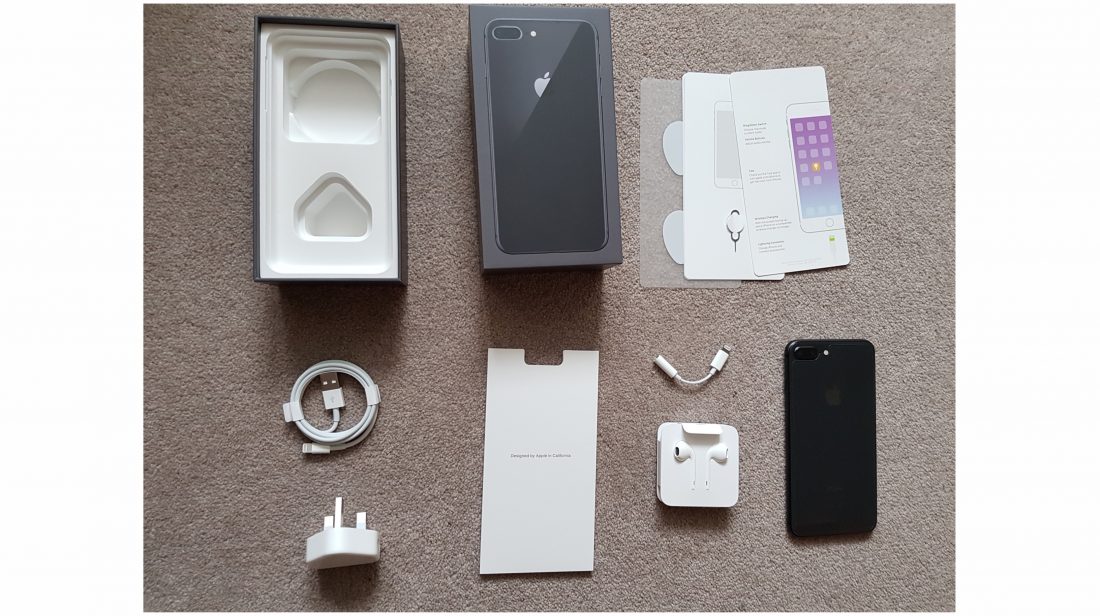
    When Time Cook took to stage to announce the iPhone 8 and iPhone 8 Plus, there was an air of familiarity of what the two phones would be like. The names, however, were yet to be confirmed and the first image on the big screen confirmed that Apple would be skipping a whole ‘S’ generation and jump straight into the iPhone 8 era. The iPhone 8 and iPhone 8 Plus were revealed with a design so familiar that its hard to make out the difference between the previous generation iPhones and the 2017 iPhones by just looking at them. Let’s unbox the iPhone 8 and iPhone 8 Plus to see what we get inside the box:

    • iPhone 8
    • Documentation
    • Lightning earphones
    • Lightning to 3.5mm jack
    • Sim ejector tool
    • USB wall charging brick
    • USB to lightning port cable

    Initial impressions of the iPhone 8 and iPhone 8 Plus are very similar to the ones of the iPhone 7 and 7 Plus. This time around, there is a glass back which definitely makes the new iPhones a lot more grippy than the previous gen iPhones. Another noticeable difference is the True Tone display. True Tone display first featured on the iPad wherein the phone adapts to the ambient display and changes the white balance to maintain the vibrance and accuracy of colours.

    The iPhone 8 and 8 Plus will be available in Space Gray, Silver and a new Blush Gold colour. The devices retain their previous generations’ screen size ans resolution of 4.7 inch 1334 x 750 px and 5.5 inch 1920 x 1080 px display, with the addition of True Tone. . Under the hood, both the phones have Apple’s A11 Bionic chip which so far, has blown the Qualcomm Snapdragon 835 chipset out of the waters, in benchmark tests at least. The iPhone 8 and iPhone 8 Plus have a 3GB RAM and 64GB pr 256GB onboard storage variants. The 1821 mAh battery in the iPhone 8 is smaller than the iPhone 7’s 1960 mAh battery while the iPhone 8 Plus has a 2675 mAh battery as compared to the 2900 mAh battery on the iPhone 7 Plus. Apple however, claims that the new iPhones will have identical battery life to their predecessors. There is also wireless charging this time around, thanks to the glass back on both the iPhones. The TouchID is still there right below the display and might as well be the deciding factor in some consumer’s purchase decisions over the iPhone X.

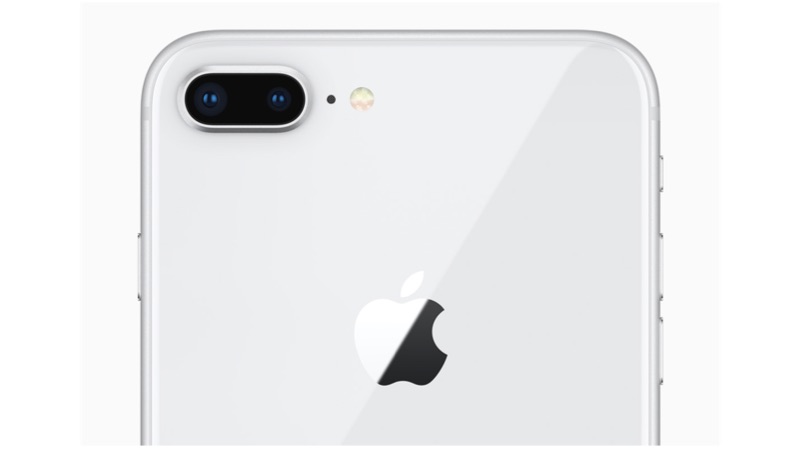
    The cameras department is where Apple claims the biggest change is. The iPhone 8 has the same 12MP sensor with an f/1.8 aperture with a few software upgrades and OIS. Apple claims the new camera is larger and faster than the previous generation. On the front is a 7MP camera with an f/2.2 aperture which records 1920 x 1080 px videos at 30fps. The iPhone 8 Plus features a 12MP dual-camera setup. The primary wide angle lens has an f/1.7 aperture and the secondary telephoto lens has an f/2.8 aperture. The new “Portrait Lighting” feature allows users to adjust the lighting for portrait shots. On the front is a 7MP camera with an f/2.2 aperture which records 1920 x 1080 px videos at 30fps. The dual-cameras at the back record 4K videos at 60fps.

  • iPhone 8 and iPhone 8 Plus Have The Best Cameras Claims DXOmark

    iPhone 8 and iPhone 8 Plus Have The Best Cameras Claims DXOmark

    The Apple iPhone 8 and iPhone 8 Plus were launched on September 12th along with the highly anticipated iPhone X. In India, the iPhone 8 and 8 Plus became available for pre-orders on September 22nd for a starting price of Rs 64000 for the iPhone 8 64GB storage variant. During their launch, Apple claimed that the camera performance of the iPhone 8 and iPhone 8 Plus is much better than the previous gen iPhones and DXOmark has backed that claim. According to DXOmark, the cameras on the iPhone 8 and iPhone 8 Plus are the best smartphone cameras in the market right now.

    The Apple iPhone 8 Plus is the best-performing mobile device camera we have ever tested. Its overall DxOMark Mobile score of 94 sets a new record, beating out the 90 points for both the Google Pixel and the HTC U11, as well as the 92 that its sibling iPhone 8 just scored.

    In terms of build quality and appearance, both the phones do not deviate too much from the design language of the iPhone 7 and iPhone 7 Plus which were launched back in 2016. The most noticeable difference here is the glass back which enables wireless charging in the iPhone 8 and iPhone 8 Plus. Under the hood, the two new iPhones have the A11 Bionic chipset which, so far has beaten the Qualcomm Snapdragon 835 chipset in benchmark results. The next big difference is the cameras.

    In terms of optics, the new iPhone 8 has the same 12MP sensor with an f/1.8 aperture with a few software upgrades and OIS. On the front is a 7MP camera with an f/2.2 aperture which records 1920 x 1080 px videos at 30fps. The iPhone 8 Plus features a 12MP dual-camera setup. The primary wide-angle lens has an f/1.7 aperture and the secondary telephoto lens has an f/2.8 aperture. The new “Portrait Lighting” feature allows users to adjust the lighting for portrait shots. On the front is a 7MP camera with an f/2.2 aperture which records 1920 x 1080 px videos at 30fps. The dual-cameras at the back record 4K videos at 60fps.

    According to DXOmark, the iPhone 8 Plus also has one of the best video-taking capabilities.

    For Video, its score of 89 is among our highest, but tied with the HTC U11 and slightly below the Pixel’s 91. Of course, the Pixel is nearly a year old now, so it makes sense that Apple’s new flagship is breaking new ground.

    The iPhone 8 and iPhone 8 Plus have definitely suffered because of the attention that the iPhone X has received. This report from DXOmark should spark some interest in the two iPhones and consumers might consider buying either of the phones instead of waiting for the thousand-dollar iPhone X releasing later this year.

  • Apple iPhone X Vs The Competition

    Apple iPhone X Vs The Competition

    Samsung has been the number one smartphone maker in the world for a while and Apple has always been a close second. Recently, Huawei overtook Apple as the second largest smartphone maker because of the sales in Q2 of 2017. Apple is expected to take that position back and challenge Samsung once again with the launch of the iPhone 8, iPhone 8 Plus and the iPhone X. Samsung has been riding high on the success of its flagship Galaxy S8 and S8+ and the newly launched Galaxy Note8 has already received record breaking pre-orders in the United States and South Korea.

    With the Samsung Galaxy S8+, iPhone 8+, iPhone X and the Galaxy Note8 competing for the best flagship of 2017, let’s see how each of them stack up against each other.

    Apple iPhone X
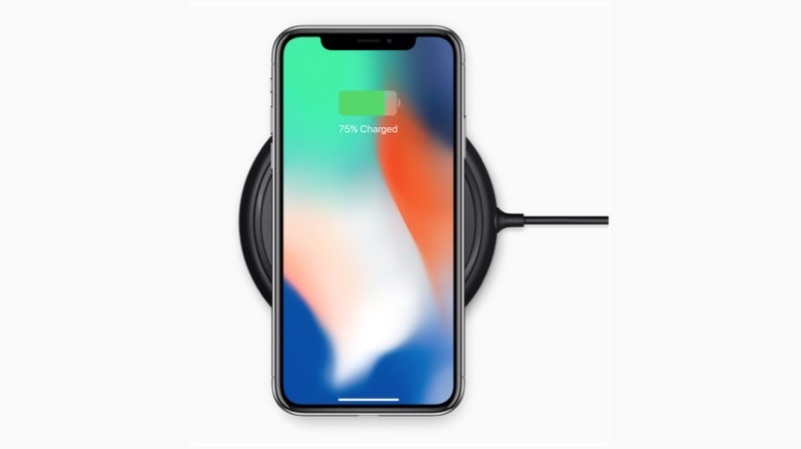
    The iPhone X has a 5.8-inch 2436 x 1125 px OLED True Tone Super Retina display with minimal bezels around it. The phone runs iOS 11 and is powered by a 3,000 mAh battery which charges through the Apple signature lightning port placed at the bottom of the phone. Because of the all-glass design, the iPhone 8 also has wireless charging. Under the hood, the smartphone has the Apple A11 Bionic chipset with a neural engine, a hexacore processor, 3GB of RAM and storage options of 64GB, and 256GB. Apple has also gotten rid of TouchID and replaced it with facial recognition called FaceID which Apple claims has a security breach chances of 1 in a million.

    On the optics front, the iPhone X has dual 12-megapixel rear cameras, and it’s equipped with dual optical image stabilization. The main camera is equipped with a wide angle lens and has an f/1.8 aperture while the secondary telephoto lens has an f/2.4 aperture.

    Samsung Galaxy S8 and Galaxy S8+
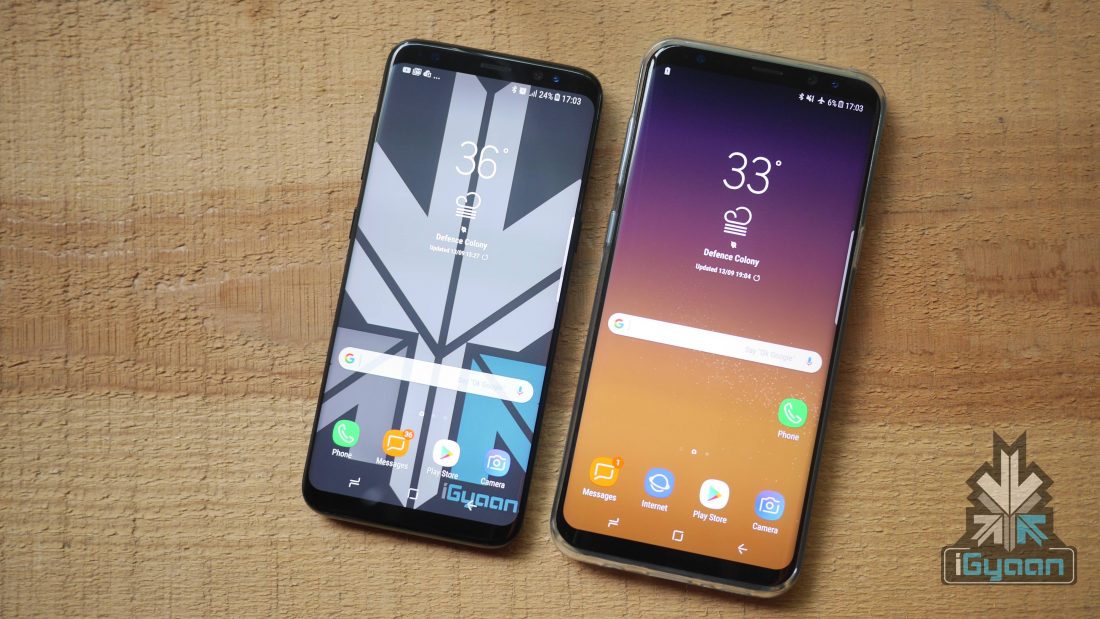
    The Samsung Galaxy S8 has a 5.8” 2960×1440 px display with a 570ppi while the S8+ has a 6.2” 2960×1440 px display with a 529ppi density. Both have Samsung’s own super-AMOLED display. The Galaxy S8 is powered by a 3000 mAh battery while the Galaxy S8+ has a 3500 mAh battery. Both the smartphones run Android 7.1.1 Nougat out of the box and Samsung has confirmed an update Android 8.0 Oreo soon. Under the hood, both the smartphones have Exynos 8895 chipset, 64GB or 128GB onboard storae options which is expandable up to 256GB via microSD card. The Galaxy S8 has 4GB RAM while the Galaxy S8+ has 4GB or 6GB RAM variants.

    For cameras, both phones get a main Dual Pixel 12MP OIS (F1.7), Front: 8MP AF (F1.7). While the battery on the Galaxy S8 is 3000 man, the S8plus has a 3500 mAh battery. Both support fast charging and wireless charging as well.

    Apple iPhone 8 and iPhone 8 Plus
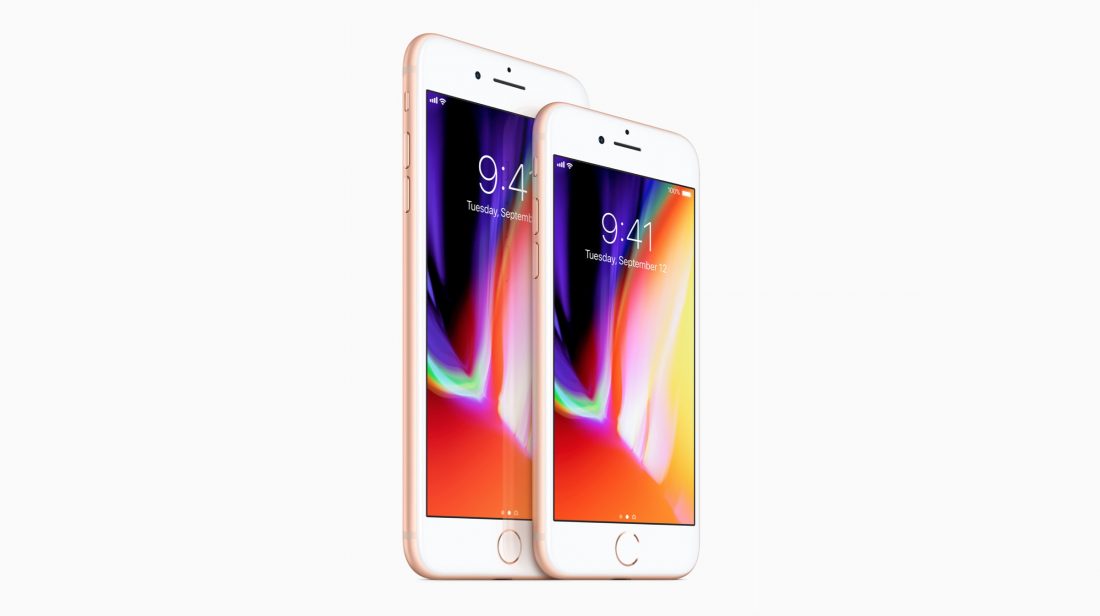
    The Apple iPhone 8 has a 4.7 inch 1334 x 750 px True Tone display and the iPhone 8 Plus has a 5.5 inch 1920 x 1080 px True Tone Display. Under the hood, the iPhone 8 and iPhone 8 Plus have the A11 Bionic chipset with a hexacore processor and the new Apple GPU. Both the phones now have wireless charging capabilities. Both the phones run iOS 11 and the battery of the iPhone 8 and 8 Plus is identical to the iPhone 7 and iPhone 7 Plus respectively.

    On the camera front, there’s a 12-megapixel sensor on the iPhone 8 that is larger, faster and has optical image stabilization. The iPhone 8 Plus also has new 12 MP sensors. The main camera is equipped with a wide angle lens and has an f/1.8 aperture while the secondary telephoto lens has an f/2.8 aperture. The dual cameras on the iPhone 8 Plus also have a new “Portrait Lighting” feature to adjust the lighting for portrait shots.


    Samsung Galaxy Note8
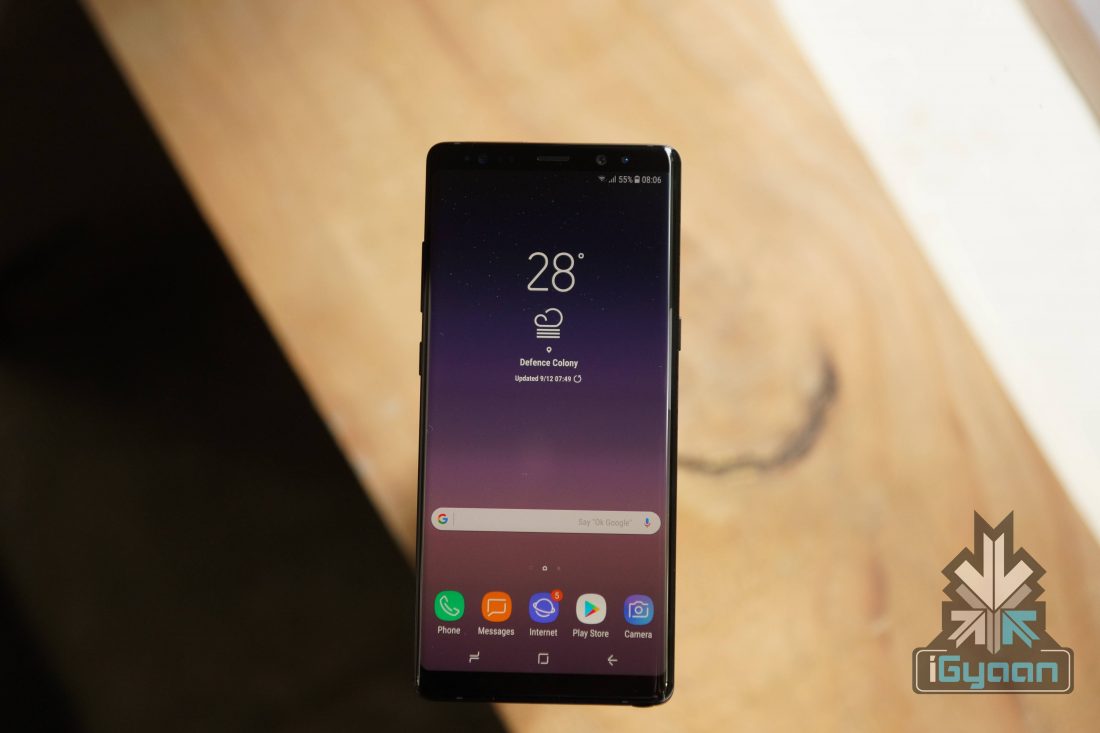
    The Galaxy Note8 has a 6.3 inch 2960 x 1440 px Super AMOLED display with an 18.5:9 aspect ratio, which is the same aspect ratio found on the Galaxy S8 and S8+. Powering the device is a 3300 mAh battery which is smaller than the 3500 mAh battery found on the Galaxy Note7 with wireless charging capabilities, and runs Android Nougat 7.1.1 with Samsung’s custom skin on top. The device has the Exynos 8895 chipset, 2.3GHz Quad-Core (Custom CPU) + 1.7GHz Quad-Core (Cortex-A53) processor, 6GB of RAM and 128GB onboard storage, which is expandable up to 256GB via microSD card. The graphics are handled by the Mali-G71 MP20 GPU.

    The new Note8 has a 12MP dual-camera setup, one of which has a wide lens and the other a telephoto. The telephoto lens allows a user to zoom in losslessly for an up to 2x magnification. The use of dual camera allows for the ability to blur out the background for professional looking bokeh effect shots, something that seems to be common in smartphones in 2017. The Galaxy Note8, Samsung claims, is the first smartphone to feature OIS in both the cameras at the back.

    Specifications Samsung Galaxy S8/S8+ iPhone 8/iPhone 8 Plus iPhone X Samsung Galaxy Note8
    Price S8- Rs 57900 onwards (Click Here To Buy)

    S8+- Rs 64900 onwards (Click Here To Buy)

    iPhone 8 – Rs 64000 onwards Rs 89000 onwards  Rs 67990

    Display size and type 5.8 inch Super AMOLED

    6.2 inch Super AMOLED

    iPhone 8 – 4.7 inch Retina Display
    iPhone 8 Plus – 5.5 inch Retina Display
    5.8 inch Super Retina Display  6.3 inch Super AMOLED
    Display Resolution  2960×1440 px 570ppi

    2960×1440 px 529ppi

    1334 x 750 px True Tone display
    1920 x 1080 px True Tone display
    2436 x 1125 px OLED True Tone  2960 x 1440 px
    Dimensions 148.9 x 68.1 x 8.0 mm
    159.5 x 73.4 x 8.1 mm
    138.4 x 67.3 x 7.3 mm
    158.4 x 78.1 x 7.5 mm
     143.6 x 70.9 x 7.7 mm

    162.5 x 74.8 x 8.6 mm

    Weight 155g
    173g
    148 gm
    202 gm
    174 gm  195 gm
    Chipset Exynos 8895 A11 Bionic with neural transmitter A11 Bionic with neural transmitter Exynos 8895
    Processor Octa core (2.3GHz Quad + 1.7GHz Quad), 64 bit, 10 nm process Hexacore processor with 2 high performing and 4 low cores Hexacore processor with 2 high performing and 4 low cores Octa core (2.3GHz Quad + 1.7GHz Quad), 64 bit, 10 nm process
    RAM 4GB

    4GB/6GB

    3GB  3GB  6GB
    Storage 64GB (expandable up to 256GB)

    64GB/128GB (expandable up to 256GB)

    64GB/256GB (non-expandable) 64GB/256GB (non-expandable) 64GB (expandable up to 256GB)
    Primary Camera Dual Pixel 12MP with an f/1.7 aperture  12MP with an f/1.8 aperture
    12MP wide-angle and telephoto cameras – Wide-angle: ƒ/1.8 aperture | Telephoto: ƒ/2.8 aperture
    12MP wide-angle and telephoto cameras
    Wide-angle: ƒ/1.8 aperture
    Telephoto: ƒ/2.4 aperture
    Dual 12MP camera
    Wide-angle: ƒ/1.7 aperture
    Telephoto: ƒ/2.4 aperture
    Primary Camera Features OIS

    PDAF


    Both Models-
    Optical image stabilization
    Six?element lens
    Quad-LED True Tone flash with Slow Sync

    iPhone 8 Plus
    Portrait mode
    Portrait Lighting (beta)

    PRIMARY VIDEO

    Portrait mode
    Portrait Lighting (beta)
    Dual optical image stabilization
    Six?element lens
    Quad-LED True Tone flash with Slow Sync
    PDAF
    2X lossless optical zoom
    Bokeh Effect
    Dual OIS
    Secondary Camera 8MP AF (F1.7)  7MP with an f/2.2 aperture 7MP camera
    f/2.2 aperture
     8MP with an f/1.7 aperture
    Colours  Midnight Black, Maple Gold, Orchid Grey Space Gray, Silver, Blush Gold Space Gray, Silver  Midnight Black, Maple Gold
    Specifications Samsung Galaxy S8/S8+ iPhone 8/iPhone 8 Plus iPhone X Samsung Galaxy Note8
    Price S8- Rs 57900 onwards (Click Here To Buy)

    S8+- Rs 64900 onwards (Click Here To Buy)

    iPhone 8 – Rs 64000 onwards Rs 89000 onwards  Rs 67990

    Display size and type 5.8 inch Super AMOLED

    6.2 inch Super AMOLED

    iPhone 8 – 4.7 inch Retina Display
    iPhone 8 Plus – 5.5 inch Retina Display
    5.8 inch Super Retina Display  6.3 inch Super AMOLED
    Display Resolution  2960×1440 px 570ppi

    2960×1440 px 529ppi

    1334 x 750 px True Tone display
    1920 x 1080 px True Tone display
    2436 x 1125 px OLED True Tone  2960 x 1440 px
    Dimensions 148.9 x 68.1 x 8.0 mm
    159.5 x 73.4 x 8.1 mm
    138.4 x 67.3 x 7.3 mm
    158.4 x 78.1 x 7.5 mm
     143.6 x 70.9 x 7.7 mm

    162.5 x 74.8 x 8.6 mm

    Weight 155g
    173g
    148 gm
    202 gm
    174 gm  195 gm
    Chipset Exynos 8895 A11 Bionic with neural transmitter A11 Bionic with neural transmitter Exynos 8895
    Processor Octa core (2.3GHz Quad + 1.7GHz Quad), 64 bit, 10 nm process Hexacore processor with 2 high performing and 4 low cores Hexacore processor with 2 high performing and 4 low cores Octa core (2.3GHz Quad + 1.7GHz Quad), 64 bit, 10 nm process
    RAM 4GB

    4GB/6GB

    3GB  3GB  6GB
    Storage 64GB (expandable up to 256GB)

    64GB/128GB (expandable up to 256GB)

    64GB/256GB (non-expandable) 64GB/256GB (non-expandable) 64GB (expandable up to 256GB)
    Primary Camera Dual Pixel 12MP with an f/1.7 aperture  12MP with an f/1.8 aperture
    12MP wide-angle and telephoto cameras – Wide-angle: ƒ/1.8 aperture | Telephoto: ƒ/2.8 aperture
    12MP wide-angle and telephoto cameras
    Wide-angle: ƒ/1.8 aperture
    Telephoto: ƒ/2.4 aperture
    Dual 12MP camera
    Wide-angle: ƒ/1.7 aperture
    Telephoto: ƒ/2.4 aperture
    Primary Camera Features OIS

    PDAF


    Both Models-
    Optical image stabilization
    Six?element lens
    Quad-LED True Tone flash with Slow Sync

    iPhone 8 Plus
    Portrait mode
    Portrait Lighting (beta)

    PRIMARY VIDEO

    Portrait mode
    Portrait Lighting (beta)
    Dual optical image stabilization
    Six?element lens
    Quad-LED True Tone flash with Slow Sync
    PDAF
    2X lossless optical zoom
    Bokeh Effect
    Dual OIS
    Secondary Camera 8MP AF (F1.7)  7MP with an f/2.2 aperture 7MP camera
    f/2.2 aperture
     8MP with an f/1.7 aperture
    Colours  Midnight Black, Maple Gold, Orchid Grey Space Gray, Silver, Blush Gold Space Gray, Silver  Midnight Black, Maple Gold
  • Apple’s New iPhones Will Be Called iPhone 8, iPhone 8 Plus and iPhone Edition

    Apple’s New iPhones Will Be Called iPhone 8, iPhone 8 Plus and iPhone Edition

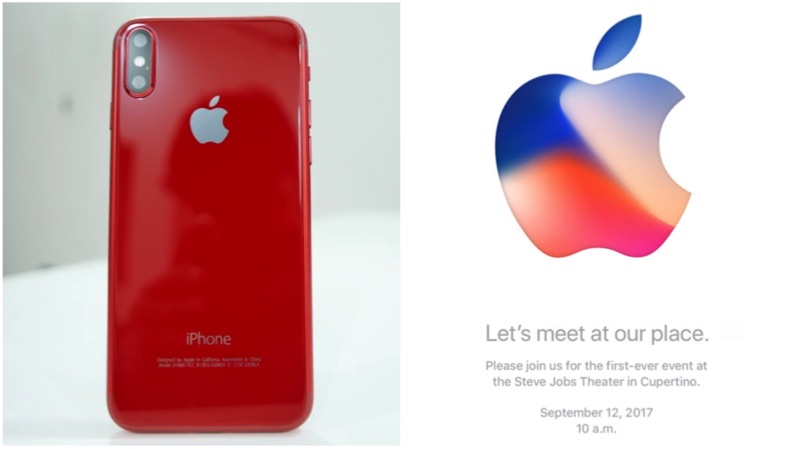
    Apple made the launch of the new iPhone official with a press invite saying, “Let’s meet at our place.” The much awaited September 12 event will be held at the Steve Jobs Theatre in Cupertino. Apple is expected to launch the three new iPhones.

    Until now, rumours hinted that Apple will go with the traditional naming strategy and name its new iPhones the iPhone 8, iPhone 7S and the iPhone 7S Plus. But as the launch approaches, a new report surfaced stating the latest iPhone line up might be called the iPhone 8, iPhone 8 Plus and iPhone Edition.

    The iPhone maker typically upgrades its iPhones with an “s” model, but Apple seems to be making a lot of big moves and changes this year, with a redesigned iPhone and a new name for its smartphone lineup.

    The ‘10th Anniversary Edition’ iPhone will reportedly have Qi wireless charging at a reduced rate which will be compatible with current Qi chargers and will be available in limited numbers. While the earlier reports had suggested that it might not be compatible with existing Qi charging mats despite being based on Qi tech.

    You may also like: Everything We Know About The iPhone 8

    It is also speculated that the flagship iPhone Edition will feature a stainless steel chassis with rear glass casing and a near bezel-free display with a top notch housing the front facing camera and facial recognition sensors. The smartphone is also reported to replace the Touch ID with facial recognition and feature AR capabilities.

    Apple is also expected to launch a new Apple TV, an LTE enabled Apple Watch and new features of the iOS 11.

  • iPhone 8 OLED Display And Power Cable Leaked

    iPhone 8 OLED Display And Power Cable Leaked

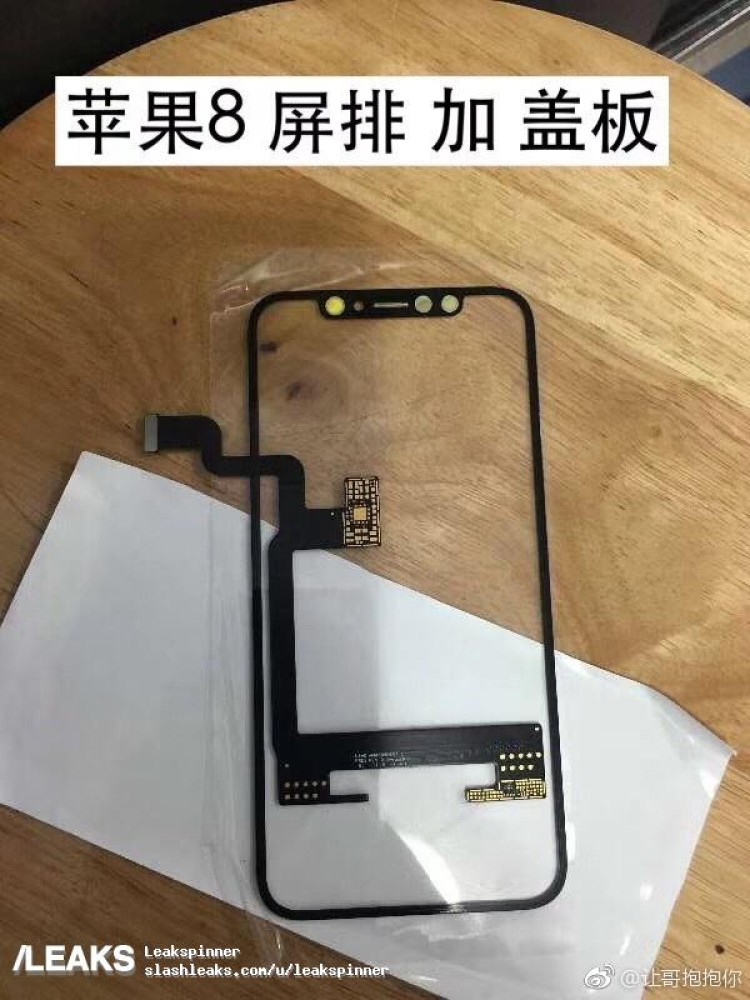
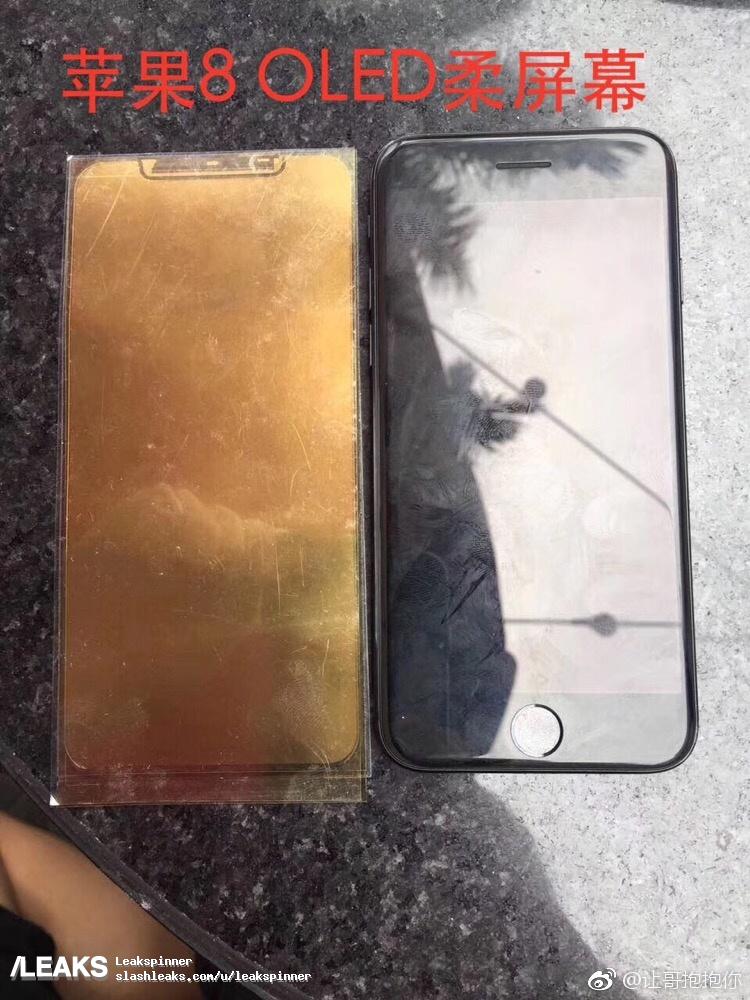
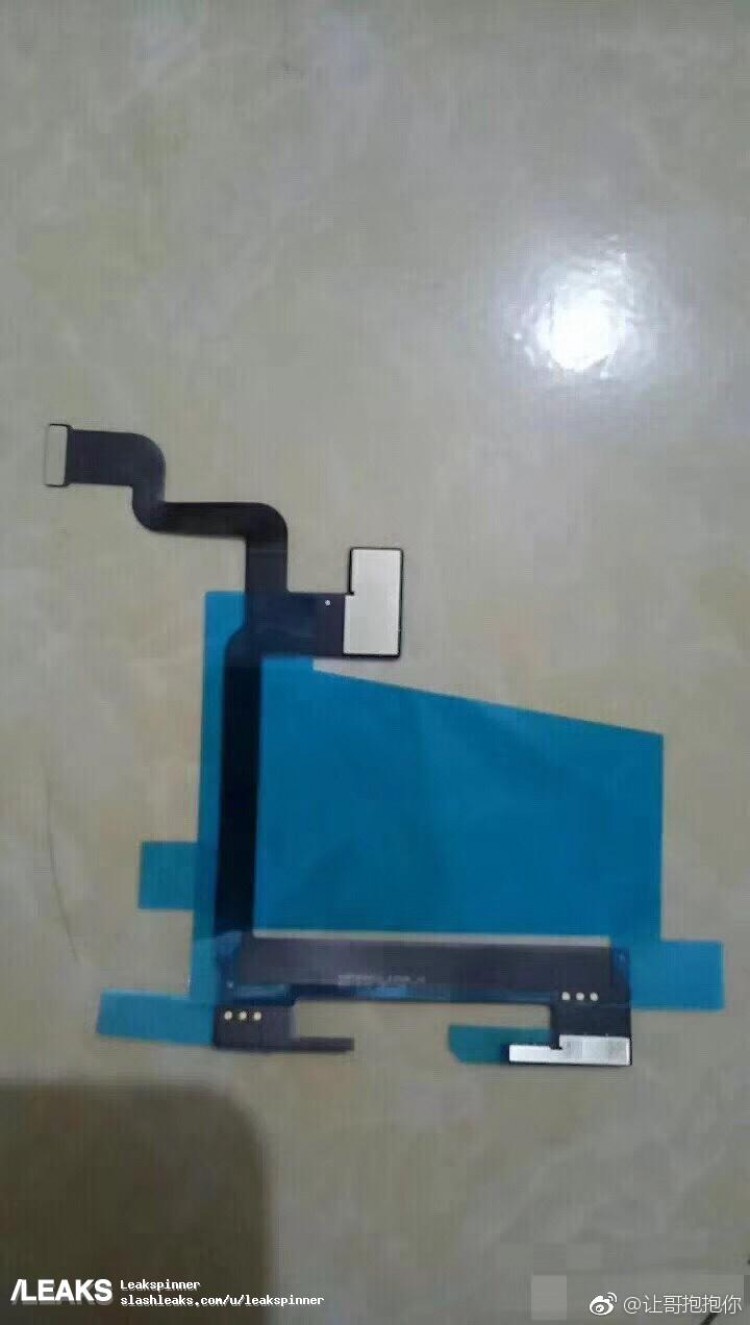
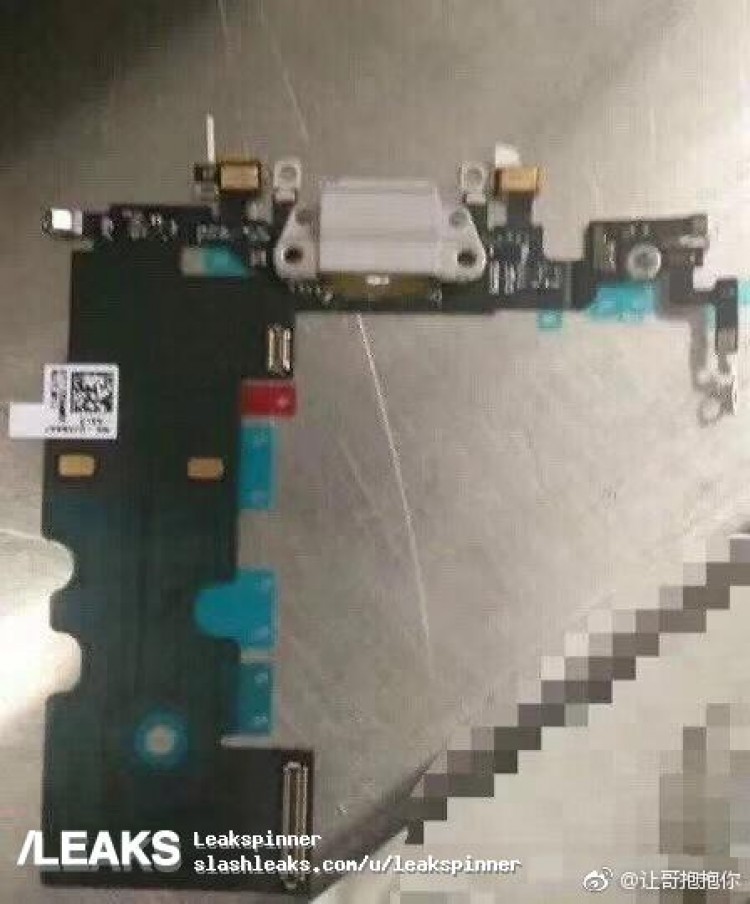
    Apple is prepping for the September launch of the widely anticipated iPhone 8. Though the launch is nearer than ever, the smartphone still doesn’t seem to be catching a break from leaks and rumors. An image leak shows iPhone 8’s OLED display assembly, lightning and power flex cables, further corroborating the existing reports.

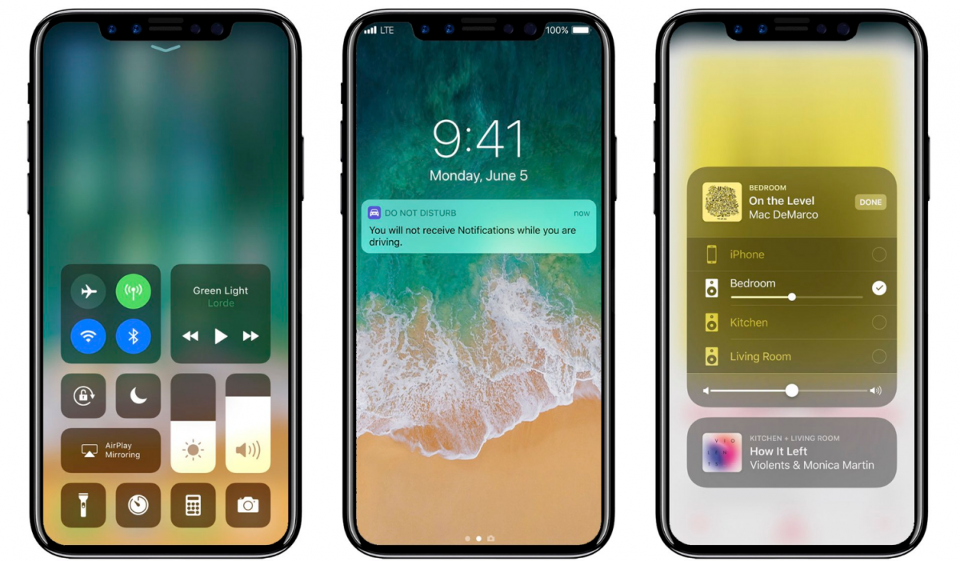
    These images, though blurry give a close look of the iPhone 8’s internals.  The display panel picture confirm the curved edges and bezel less design. No physical home button could be seen on the images, indicating that the iPhone 8 will feature a virtual home button and most likely launch without Apple’s iconic Touch ID.


    The OLED panel image also displays the notch on the top of the smartphone which houses the sensors and the dual-cameras used for 3D mapping for FaceID. The  HomePod firmware leak had confirmed that the iPhone 8 will arrive with facial recognition technology. The smartphone’s front camera, which was rumored to feature 4K video recording at 60 FPS can also be seen in the leak.

    The display has always been a major component of the iPhone (or any smartphone) and Apple may finally be throwing OLED panels into the mix, all thanks to Samsung ramping up its manufacturing facilities after Apple termed the latter as the sole provider of the iPhone 8’s display.

    Apart from the display assembly, the image leak also includes lightning and power flex cables.There have been multiple reports suggesting that Apple will launch the iPhone 8 with wireless charging capabilities.

    The smartphone is expected to run on the Apple A11 Chipset and will be available in 128GB and 256GB variants for the iPhone 8. To be launched with iOS 11, the smartphone is speculated to range from US $ 1,100 to US $ 1,200.

iGyaan Network
Privacy Overview

This website uses cookies so that we can provide you with the best user experience possible. Cookie information is stored in your browser and performs functions such as recognising you when you return to our website and helping our team to understand which sections of the website you find most interesting and useful.