Tag: apple new

  • Report: Apple’s Next iPhone to be Available for Purchase on 23rd September

    Report: Apple’s Next iPhone to be Available for Purchase on 23rd September

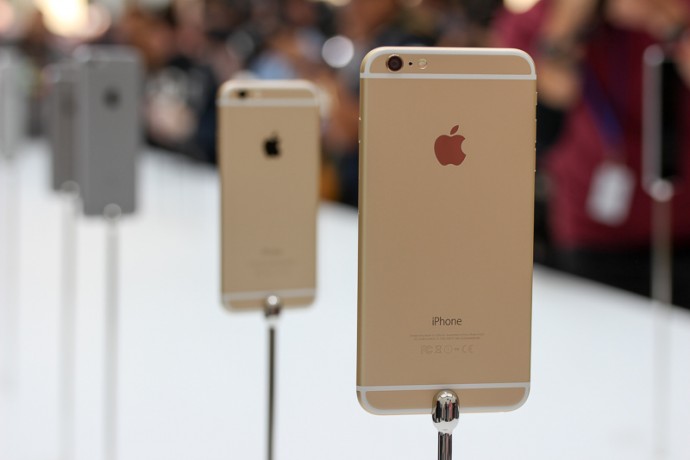
    This is good news for Apple fans everywhere. If rumours are to be believed, the upcoming iPhone 6s will be available in stores from 25th September this year, according to MobileNews. In an amusing chain of events, Vodafone began sending out “Save the Date” e-mails to its staff and accidentally leaked the release date of Apple’s next flagship.

    Surprisingly, there was no name mentioned about the next iPhone; it was simply being referred to as the ‘new iPhone’. According to the source, pre-orders will start from 18th September and it will go live physically on 25th September.

    Even before this was leaked, we were somewhat optimistic that the iPhone 6s would be released in September. We’re guessing Apple decided to stick to its long standing tradition, as the last three flagships were released in September, in their respective years.

    It is highly unlikely that Apple will be going for a significant design change for the new upcoming iPhone, since it went through a major make-over in its last release. Recently, it was also revealed that the next iPhone will include Force Touch and a new casing – making the iPhone 6s wider, taller and stronger.

    Click here to read more about the iPhone 6s.

  • Apple’s Passbook Enabled Gift Cards Now Featured In App Store

    Apple’s Passbook Enabled Gift Cards Now Featured In App Store

    apple

    Apple has made a couple of small-but-useful changes to its Apple Store app aimed at making shopping more efficient in its retail stores. Version 2.4 of the app lets users ask Siri for help in finding prices on Apple products. It also allows users to buy Apple gift cards (to be sent via e-mail) directly from within the app. The gift cards are now Passbook compatible, to boot.

    Any Apple gift card that is purchased online and sent via e-mail—whether via the Web-based Apple Store or the iOS app—can now be loaded up via Passbook, which was launched along with iOS 6 in September. When the recipient clicks a link in the e-mail, Passbook will open to load up the details of the gift card. Then, whenever the recipient walks into an Apple Store with an iOS device, the app should bring up the gift card automatically on the user’s lock screen so it can be used to make purchases.

    Unfortunately, Apple gift cards that are loaded into Passbook can’t be used in conjunction with the self-checkout system (EasyPay) built into the Apple Store app, so you’ll have to check out with a real human if you want to use the gift card balance.

    Still a long way before this feature makes its way into India? Definitely.

  • 200 Million Devices Running On iOS 6 : Apple

    200 Million Devices Running On iOS 6 : Apple

    apple

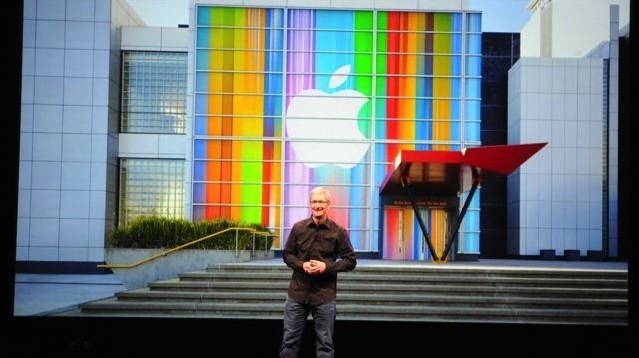
    Apple CEO Tim Cook, during his keynote presentation today in San Jose, announced that 200 million devices are now running iOS 6, which is the fastest operating system update in history.

    Apple has also announced that 300 billion iMessages have been sent, 100 billion received (interesting…). There have been 35 billion app downloads, with $6.5 billion paid out to developers.

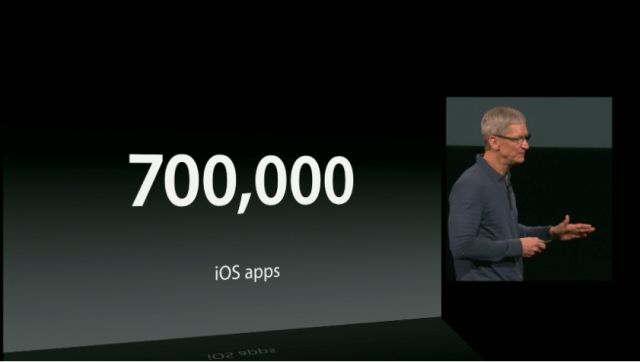
    Also, the Apple App Store now has 700,000 apps.

    Developing…

  • iPhone 5 Teardown : Apple Impresses With Higher Repairability,  Bigger Battery

    iPhone 5 Teardown : Apple Impresses With Higher Repairability, Bigger Battery

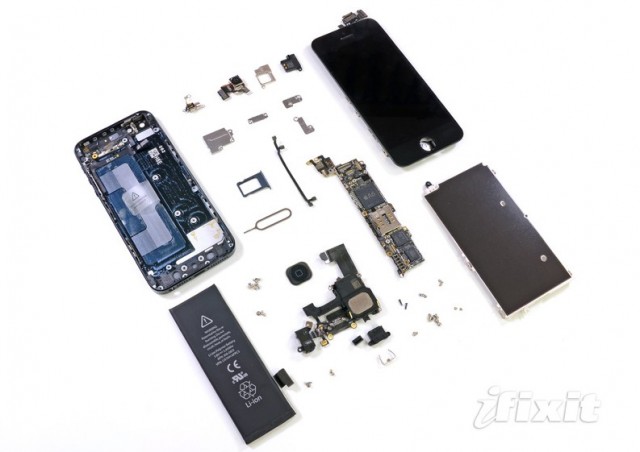
    It’s barely hours since the iPhone 5went on sale and iFixit has already completed its now-traditional teardown to reveal the handset’s juicy innards.

    The site awarded the new iPhone a repairability score of 7 out of 10, reporting that the easily smashable glass screen is also easily replaceable (it takes just one step to get the iPhone 5’s screen off, compared to 38 repair steps on the iPhone 4S).

    Aside from the space saving aspect of the new in-cell technology, Apple will cut down on phone replacements this way, potentially saving millions of dollars.

    iFixit have also uncovered a new higher capacity battery, made with a new manufacturing process. The 1440mAh cell is rated for 3.8V, making for 5.45Wh of total uptime. As most reviews have already found the battery life is significantly better, even over LTE.

    Also something to note, Apple has notably lessened its reliance on Samsung DDR2 RAM; many of the new models come with parts from Elpida, which is expected to send nearly half its output to Apple this year.

  • Apple iPhone 5 16GB costs nearly $168USD to build

    Apple iPhone 5 16GB costs nearly $168USD to build

    The iPhone 5 is going to be another huge success for Apple. This is a foregone conclusion. The company sold nearly 30 million iPhones last quarter, and that number is expected to grow with the introduction of the iPhone 5.

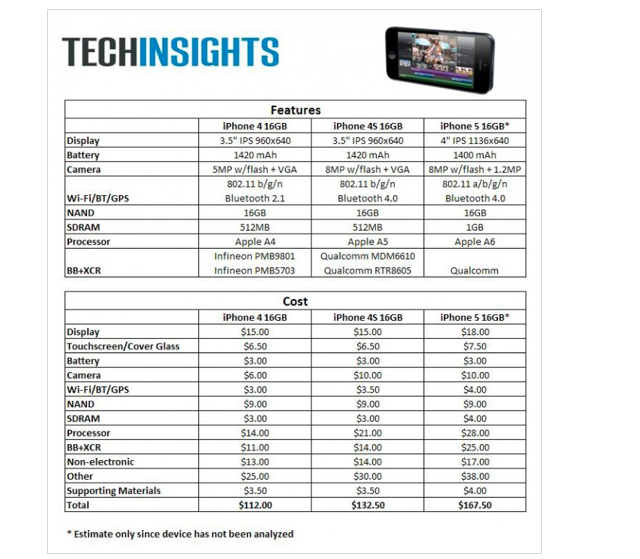
    So how much profit does Apple make on each iPhone? We know that last quarter, with sales of 26 million iPhones the product line brought in approximately $16 billion in direct revenue, around 46% of the company’s entire take-home for the quarter. About $167.50, according to TechInsights. The company’s research found that the display costs $18, the camera costs $10, the processor is priced around $28, and a variety of other parts costs between $4.00 and $38.

    The biggest expenditure for Apple is the A6 chip, which costs $28; the Qualcomm baseband chip costs $25. That upgraded Retina display only costs Apple $18 to manufacture, only $3 more than the previous 3.5-inch part. While these are still estimates based on what TechInsights knows about the supply chain, it’s clear that Apple’s sizeable margin is no less than it was a year ago with the iPhone 4S.

    The Apple iPhone 5 comes in either white and silver or black and slate. Its prices start at $199 for 16GB (with a two-year service contract). The iPhone 5 will be available in the US for a suggested retail price of $199 for the 16GB model, $299 for the 32GB model and $399 for the 64GB model.

    If each phone nets Cupertino $482, or somewhere close to it, you begin to understand why Apple has $100 billion sitting around in the bank, and is one of the fastest-growing companies in the world despite its size.

     It sure doesn’t look like the cost of the iPhone has risen drastically, so where is that extra revenue going? Straight to the bank.

  • iPad Stats Revealed at Keynote! Blows Competition Away

    iPad Stats Revealed at Keynote! Blows Competition Away

    Before the launch of the iPhone 5, Apple revealed some interesting facts and statistics related to the iPad! Here are the major ones :-

    1. Apple had 62% market share last year for tablets, this year so far it’s at 68%.

    2. iPad accounts for 91% of traffic from tablets.

    3. Almost all of the Fortune 500 are getting in on the iPad action.

    4. Apple sold “more iPads than any PC manufacturer sold of their entire PC line”.

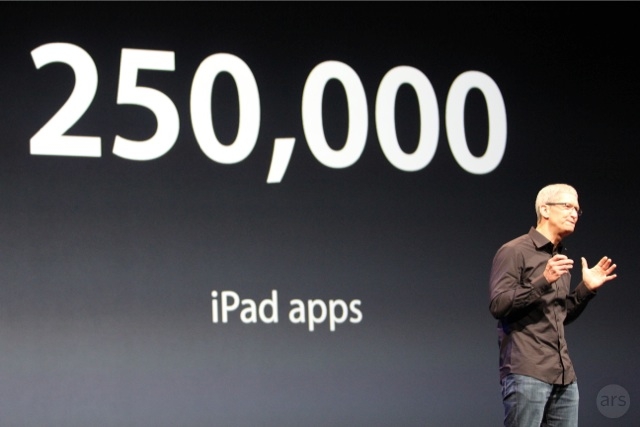
    5. Apple has 700,000 apps in the App Store, 250k are tablet-optimized. 

    6. Apple sells 17 Million New iPad’s : Tim Stevens :”We sold more iPads than any PC manufacturer sold of their entire PC line”.

  • iPhone 5 : Rumours Recap

    iPhone 5 : Rumours Recap

    1. Larger Screen 

    The most significant rumour leading up to the next iPhone is talk of a larger screen. Numerous sites have reported Apple will give its device a 4-inch screen, changing the 3.5-inch screen size of the iPhone for the first time. This will likely come true. 

    It is probably going to use Sharp’s IGZO display technology. IGZO screens are thinner, because they use smaller transistors, allowing more light to pass through. That means they use fewer LEDs, and therefore take up less space and consume less power.

    2. Appearance

    The phone will reportedly be a unibody design, with a two-tone back, and come in both black and white. And it turns out, all of the leaked internals fit perfectly into the leaked outer casing. 

    There likely won’t be any significant use of liquid metal in the next iPhone but Apple is indeed working with a company named Liquidmetal Technologies and the two firms extended their contract by two years this summer.

    3. Smaller Dock Connector 

    Talk that Apple would change the iPhone’s dock connector for the first time since launching the iPhone in 2007 began this summer. Pictures have surfaced since then and the new piece looks about half as small as the current dock connector. This might just be true!

    The latest reports are saying it’ll be called a Lightning connector, and look basically the same as all the leaks we’ve seen.

    4. LTE connectivity

    A few days ago a report said the iPhone will definitely get LTE connectivity, the fastest type of cellular Internet speeds available. Of course, it won’t be definite until Apple says so, but we expect this to be true too.

    5. iOS 6

    We all know that the next iPhone will come with iOS 6. And we’ve learned a good deal about Apple’s next mobile OS, too, since it was announced at WWDC in June. It will feature Apple’s own mapping system, as well as some pretty cool new features like Passbook.

    6. Name

    Given the design of the invite which hid “5” in the shadows of “12”, the next iPhone is almost certainly going to be branded as the “iPhone 5”.

    Just a few more minutes to go before the next iPhone is released. Let’s wait and see what Apple has in store for us!

  • Apple planning Pandora-like music service?

    Apple planning Pandora-like music service?

    Apple is planning a Pandora-like music service, according to a report from The Wall Street Journal, as part of a bid to become a major player in the online music space.

    According to people “familiar with the matter,” the report says Apple would like to create stations similar to the ones on Pandora or Spotify, which play genres of music and are interspersed with ads from sponsors.

    The Wall Street Journal said Apple’s service would work on the company’s hardware, including the iPhone, iPad and Mac computers, as well as potentially on PCs using Microsoft’s Windows operating system.

    In recent years, though, with the proliferation of smartphones, iPads and wireless Internet access that perpetually connects those devices to online sources of music, Apple’s iTunes approach to selling songs for $1 or so apiece has come to seem antiquated in comparison with music streaming services like Spotify and others.

  • FBI Used Apple UDID’s To Track 12 mn Users : Hackers

    FBI Used Apple UDID’s To Track 12 mn Users : Hackers

    A hacker group has claimed to have obtained personal data from 12 million Apple iPhone and iPad users by breaching an FBI computer, raising concerns about government tracking.

    The UDIDs were reported to be stolen from FBI special agent Christopher Stangl’s laptop. Earlier this year Stangl was one of the FBI agents participating in a call that was breached by Anonymous hackers.

    According to a Pastebin post, hackers used a then-new Java exploit to get into Stangl’s machine.

    [quote]”During the second week of March 2012, a Dell Vostro notebook, used by Supervisor Special Agent Christopher K. Stangl from FBI Regional Cyber Action Team and New York FBI Office Evidence Response Team was breached using the AtomicReferenceArray vulnerability on Java,” the posting states. “During the shell session some files were downloaded from his Desktop folder one of them with the name of ‘NCFTA_iOS_devices_intel.csv’ turned to be a list of 12,367,232 Apple iOS devices including Unique Device Identifiers (UDID), user names, name of device, type of device, Apple Push Notification Service tokens, zipcodes, cellphone numbers, addresses, etc. the personal details fields referring to people appears many times empty leaving the whole list incompleted on many parts.”[/quote]

    The hackers say that the hacked database included user names, name of device, type of device, Apple Push Notification Service tokens, zipcodes, cellphone numbers and addresses of iPhone and iPad users. According to AntiSec they have stripped personally identifiable information prior to publication.

    It was also added that Apple was looking for alternatives to the UDID system. The post goes on to say, in this case it’s too late for those concerned owners on the list. 


  • Apple wins $1 billion in Samsung patent case

    Apple wins $1 billion in Samsung patent case

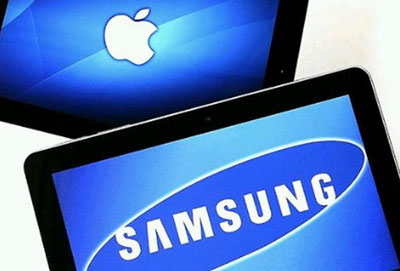
    Apple Inc scored a sweeping legal victory over Samsung on Friday as a U.S. jury found the Korean company had copied critical features of the hugely popular iPhone and iPad and awarded the U.S. company $1.05 billion in damages.

    The verdict — which came after less than three days of jury deliberations — could lead to an outright ban on sales of key Samsung products and will likely solidify Apple’s dominance of the exploding mobile computing market.

    The US lawsuit was one of several cases around the world between California-based Apple and South Korean Samsung over technology rights and innovation in the fast-growing mobile computing sector.

    Apple sued Samsung in April 2011, and Samsung countersued. The companies have also sued each other in Britain, Australia and South Korea. The California case was the first to go to a US jury.

    Apple sought $2.75 billion for its claims that Samsung infringed four design patents and three software patents. Samsung demanded as much as $421.8 million in royalties for claims that Apple infringed five patents.

    For the ’381 patent, which covers the “bounce-back” feature in document scrolling, all applicable Samsung products were found to be infringing for Samsung Electronics Ltd, Samsung Electronics America, and Samsung Telecommunications America, with the exception of the Galaxy Tab under Samsung Telecommunications America. This is a total of 21 smartphones and tablets including the Samsung Nexus S 4G, Galaxy s II (AT&T and i9100), Galaxy Tab, and Galaxy Tab 10.1.

    One bit of good news for Samsung: The jurors found that the Galaxy Tab 10.1 tablet did not infringe on any physical iPad design patents, as Apple had claimed.

  • Sharp to start shipping iPhone screens to Apple this month

    Sharp to start shipping iPhone screens to Apple this month

    Apple’s component suppliers seem almost eager to stoke iPhone rumor fires, and all the hot, hot consumer anticipation surrounding them.

    On Thursday, Sharp’s new president, Takashi Okuda, said that his company will begin shipping iPhone displays starting this month, according to a report from Reuters. Okuda made the statement at a press event following the release of Sharp’s quarterly earnings report. Sharp’s president didn’t make note of the display’s size, but Reuters reports that the screens are destined for the next version of the iPhone.

    [quote]“People are expecting a new iteration of the iPhone to hit the market sometime in the September-October time frame, so this kind of comment fits in to what we’ve been hearing in the market, generally,” IHS analyst Vinita Jakhanwal told Wired. Sharp, Japan Display, and LG Display are the three likely suppliers for the next iPhone’s display.[/quote]

    The display of the next iPhone is expected to be larger than that of the iPhone 4S, stretching to 4 diagonal inches. The current iPhone has a 3.5-inch display. The new iPhone display will also reportedly be manufactured using in-cell technology, which means it will be thinner, lighter and more power efficient than current displays.

    Okuda didn’t confirm the size or technology used in the production of Apple’s next iPhone display.

    Various sources are reporting the next iPhone will be unveiled on September 12, so we should know soon if Okuda’s Thursday statement bears any weight.

  • Rumor : Apple to announce iPhone 5, iPad mini at September 12 event

    Rumor : Apple to announce iPhone 5, iPad mini at September 12 event

    The iPhone 5, iPad mini and perhaps two other Apple devices could be announced at a Sept. 12 event, according to a new report.

    Long rumored to premiere in October, the sixth-generation iPhone is now reportedly expected to be announced in September, including a new report Monday by iMore.

    The report says Apple will announce the new phone and the iPad mini, a 7-inch screen version of the iPad, six weeks from now, citing “sources who have proven accurate in the past.”

    Though the report is unsure about the iPad mini’s actual launch date, it gives a specific launch date for the iPhone 5: Sept. 21, which is a date that’s been rumored before.

    Along with the two iOS devices, iMore also reports Apple will use the event to launch a new iPod nano.

    Along with the nano, iMore speculates that a new iPod Touch could also be announced. Recent reports have said the Touch could be in for a fairly substantial redesign as is expected for the new iPhone.

    The next iPhone is expected to have a better and longer screen, at 4 inches, as well as other redesigns, including a new back plate and a smaller dock connector.

  • Revealed : iPad, iPhone prototypes in court documents

    Revealed : iPad, iPhone prototypes in court documents

    Whoops! Something went wrong!
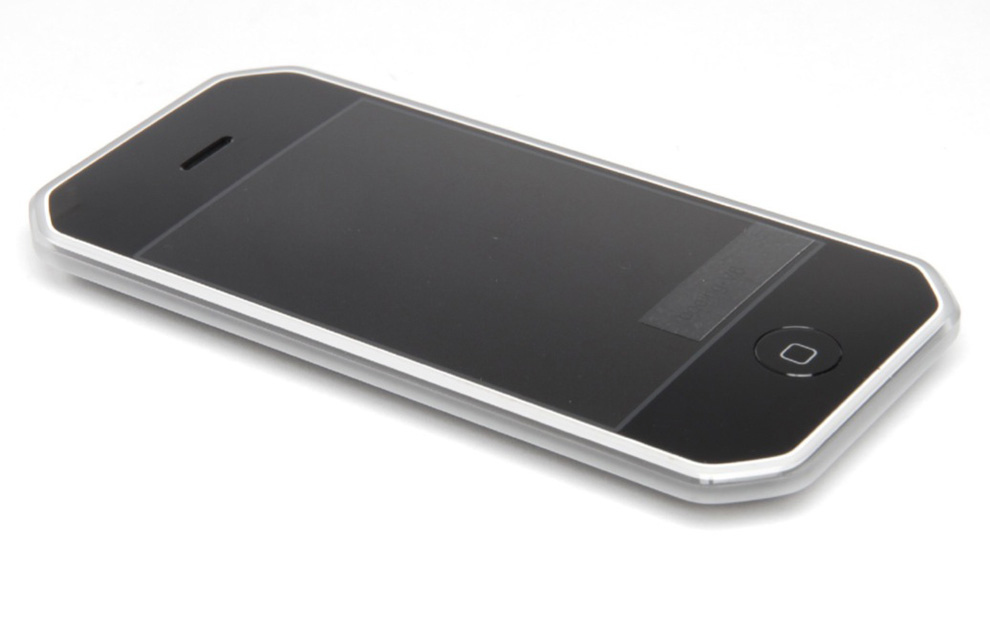
    Possibly an iPhone 3gs prototype

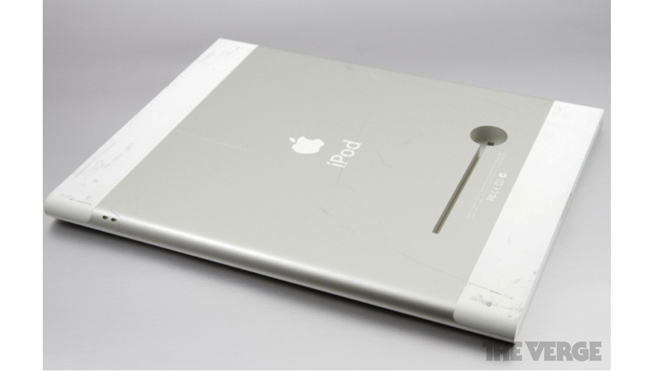
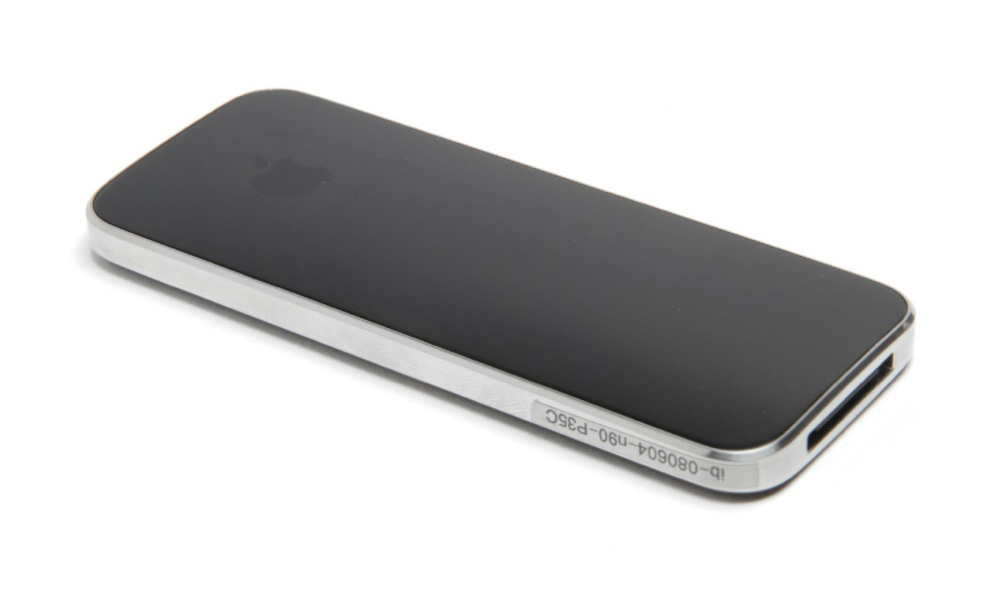
    Early concepts of Apple’s market-leading iProducts revealed as a result of a sprawling legal battle with arch-rival Samsung show wacky ideas — including octagonal shapes, handles and kickstands.

    Images revealed by tech news site The Verge, show Apple was intent on pursuing a kickstand for its tablet, with multiple iPad prototypes working through how such a stand would work.

    Other renderings show a version of the iPad that never was, with molded grips integrated into the frame to make it easier to hold.

    “Many of the iPad prototypes also feature ‘iPod’ on the back, perhaps giving insight into Apple’s early naming considerations,” the site noted.

    An iPad prototype with a kickstand

    Meanwhile, sleuths at Buzzfeed uncovered an alternate version of the iPhone with squared off edges — an early version of the game-changing smartphone that carried the prototype name N90.

    An iPhone 4s prototype

    The device is clearly similar to Apple’s glass-and-metal design, but different enough to catch the eye. 

    Source : Fox News

  • Apple to buy fingerprint sensor maker AuthenTec for $356 million

    Apple to buy fingerprint sensor maker AuthenTec for $356 million


    Apple Inc has agreed to buy AuthenTec Inc for $8.00 per share, the maker of fingerprint sensor chips used in personal computers said, in a deal valued at about $356 million.

    AuthenTec makes security software and chips for mobile phones that it licenses to companies such as Samsung Electronics Co Ltd (. It also produces chips for fingerprint recognition and near-field communication (NFC).

    Melbourne, Florida-based Authentec disclosed the deal in a filing with the U.S. Securities and Exchange Commission.

    Based on Thursday’s closing price $5.07, the offer represents a premium of 58 percent for AuthenTec’s shares.

    AuthenTec, which also counts Lenovo Group Ltd , Fujitsu Ltd  and Dell Inc ( as customers, has annual revenue of about $70 million.

  • New iPhone to have thinnest screen ever made – with sensors built into the glass

    New iPhone to have thinnest screen ever made – with sensors built into the glass

    Whoops! SOmething went wrong!

    Apple Inc.’s next iPhone, currently being manufactured by Asian component makers, will use a new technology that makes the smartphone’s screen thinner, people familiar with the matter said, as the U.S. technology giant strives to improve technological features amid intensifying competition from Samsung Electronics Co. and other rivals.

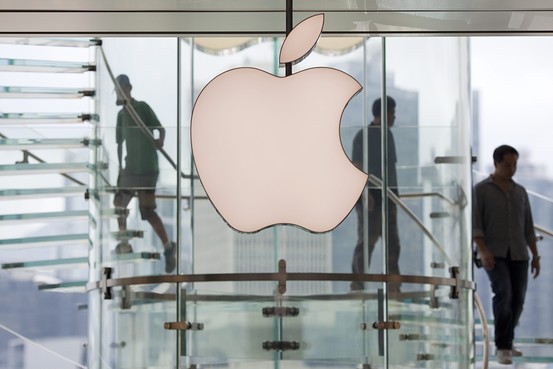
    Apple’s next iPhone, currently being manufactured by the company’s Asian component makers, will boast a thinner screen of the likes used by its rival Samsung. Above, the Apple store in Hong Kong.

    Japanese liquid-crystal-display makers Sharp Corp. and Japan Display Inc.—a new company that combined three Japanese electronics makers’ display units—as well as South Korea’s LG Display Co. are currently mass producing panels for the next iPhone using so-called in-cell technology, the people said.

    The technology integrates touch sensors into the LCD, making it unnecessary to have a separate touch-screen layer. The absence of the layer, usually about half-a-millimeter thick, not only makes the whole screen thinner, but improves the quality of displayed images, said DisplaySearch analyst Hiroshi Hayase.

    The current iPhone 4S is 9.3 millimeters thick, according to Apple’s official website.

    For Apple, the new technology would also simplify the supply chain and help cut costs as it would no longer need to buy touch panels and LCD panels from separate suppliers.

    It was previously reported that the new iPhone will likely come with a screen larger than the current iPhone’s 3.5-inch display. A thinner screen could help offset an increase in weight due to the larger size.

    Technological progress at LCD makers such as Sharp, Japan Display and LG Display is crucial for Apple, given that Samsung has been pushing its organic light-emitting displays as one of the unique features of its Galaxy phones. Samsung’s flagship smartphone, the Galaxy S III, comes with a 4.8-inch OLED screen and is thinner than the current iPhone.

    The vast majority of OLED screens used in mobile devices today are supplied by Samsung. OLED screens, which don’t require backlighting, tend to be thinner than conventional LCD panels.

    While Apple and Samsung together dominate the lucrative market for high-end smartphones, the companies are under constant pressure to meet high expectations for more-powerful, capable devices that are easier to carry.

    A thinner screen in the next iPhone could make the whole device slimmer, or make extra room available for other components such as batteries. But in-cell touch screens are harder to manufacture than conventional LCD screens.

    The people familiar with the situation said that LCD makers are finding the manufacturing process challenging and time-consuming as they scramble to achieve high yield rates.

    Analysts have said that the new iPhone is expected sometime in the fall.

    In May, people familiar with the matter said that the new iPhone will likely come with a screen larger than the current iPhone’s 3.5-inch display. A thinner screen could help offset an increase in weight due to the larger size.

    The LCD industry has been working on the in-cell touch technology for several years. For LCD panel makers like Sharp, Japan Display and LG Display, Apple’s iPhone provides the environment where they can demonstrate their latest technological progress to show that LCD screens can continue to evolve and stay competitive against OLED displays. In the meantime, Sharp, Japan Display and LG Display have also been developing OLED displays.

    At the same time, the adoption of in-cell technology is bad news for makers of conventional touch panels used in many smartphone screens now. Taiwan’s Wintek Corp. and TPK Holding Co., which supplied the touch-panel layer of the iPhone 4S screen, didn’t get orders for the next iPhone, people familiar with the situation said.

    Source : Wall Street Journal
iGyaan Network
Privacy Overview

This website uses cookies so that we can provide you with the best user experience possible. Cookie information is stored in your browser and performs functions such as recognising you when you return to our website and helping our team to understand which sections of the website you find most interesting and useful.