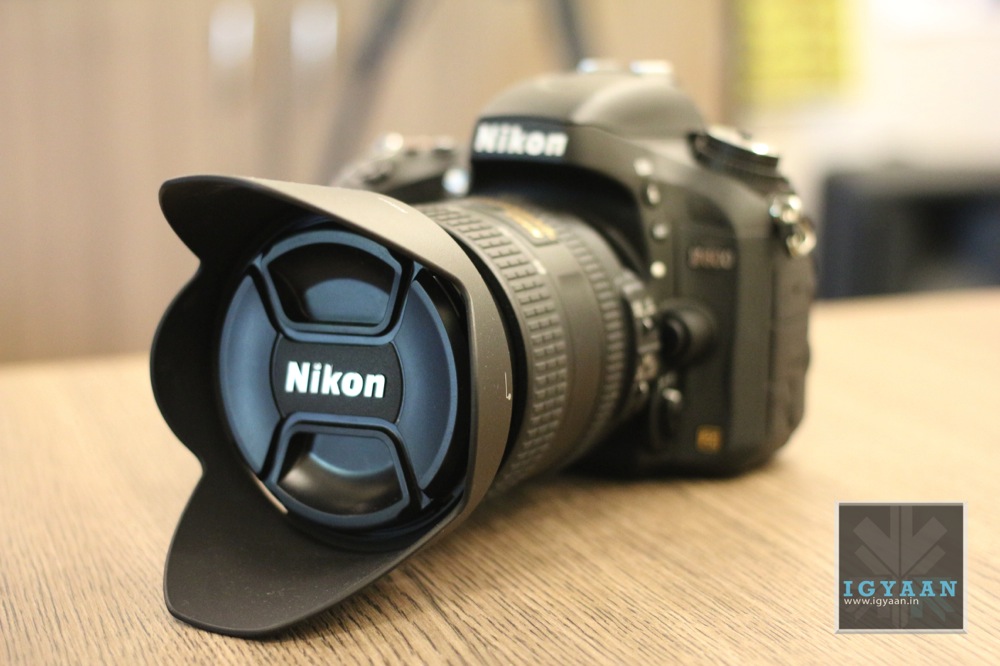
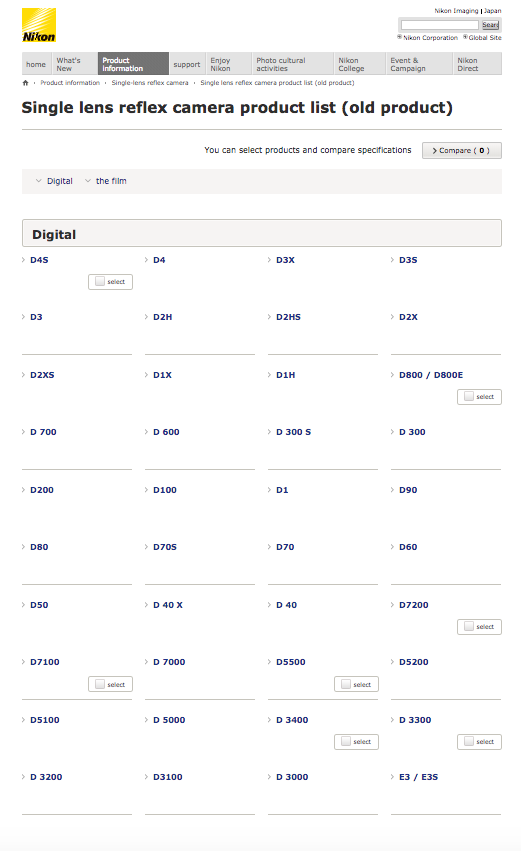
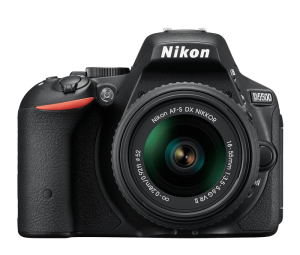
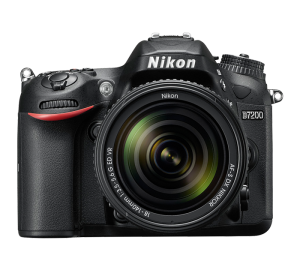
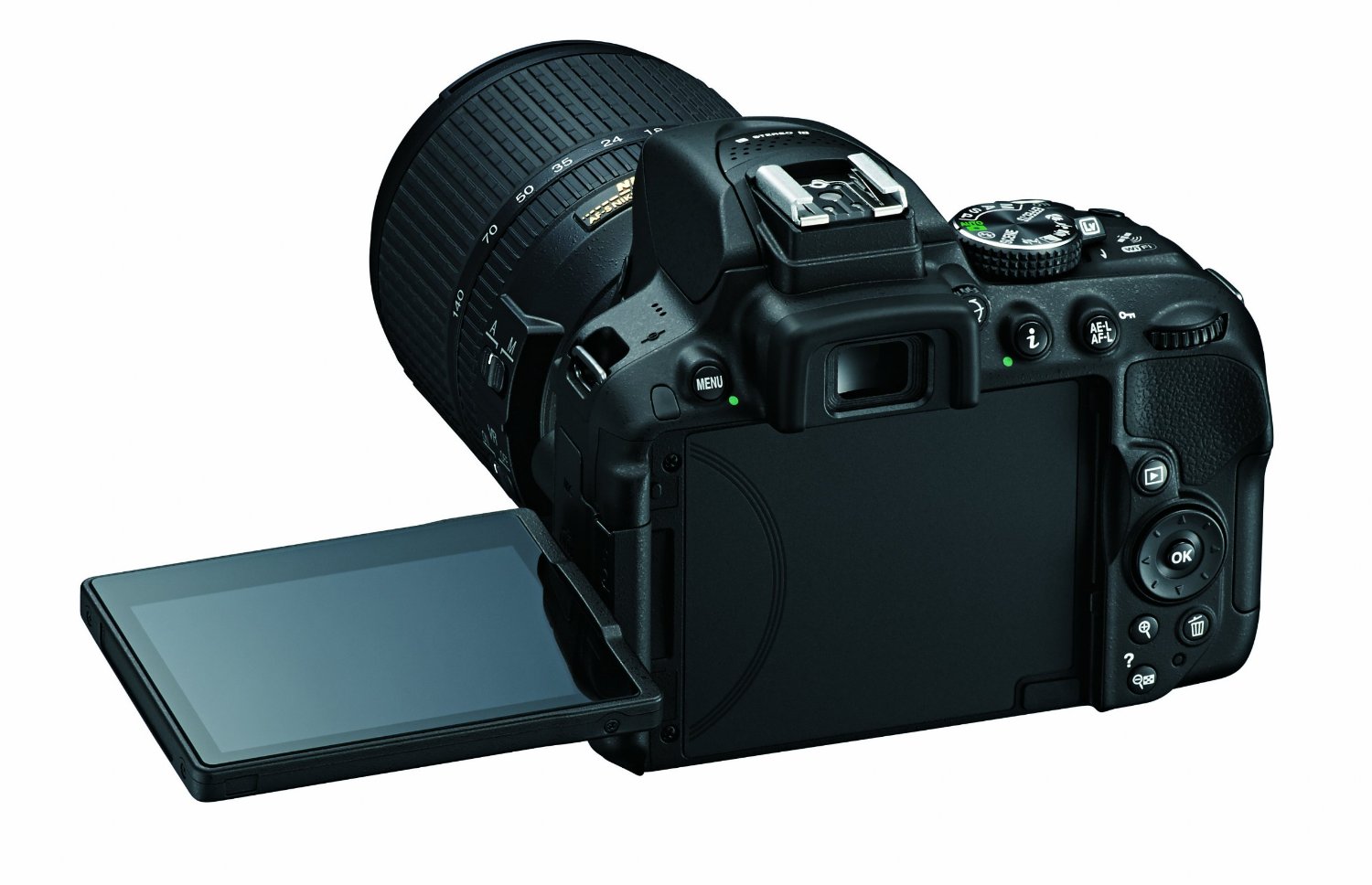
Nikon has finally announced the discontinuance of the popular D5500 and D7200 cameras. Rumours about the same were doing rounds of the internet for the longest time, but it seems like Nikon has finally done it. Both the cameras were released in 2015 and Nikon has better options with even better specifications at the moment. It seems like a good time to discontinue them, as the 24 Megapixel Dx body D5500 was getting old and featured old technology and so did the D7200.
The D5500 was available in several different bundles with different body and lens combinations at the time of it’s discontinuation. The first bundle was priced at Rs. 61,950 with D-ZOOM KIT: AF-P 18-55mm VR + AF-S 55-200mm VRII Kit Lenses. The second bundle available was for Rs. 65,950 which had the AF-S 18-140mm VR Kit Lens. It also had a cheaper option for Rs. 52,950 with AF-S 18-55mm VRII Kit Lens. The camera was worth Rs. 47,450 for the body only version. These were extremely high considering other cameras as well as Nikon’s own D5600 is priced in the similar price range. The D5600 has better specifications and so does the newer D7500. The D7200 had a price range of Rs. 1,08450 to Rs. 69,950 while the D7500 has a price range of Rs. 1,15450 to Rs. 96,950.
This year, Nikon has forayed into the mirrorless segment as well, which are quite expensive. With the discontinuation of the older models it seems highly likely that Nikon might release newer models of the currently available D7500 and D5600 soon. While Nikon itself has discontinued the two cameras they are still available on Amazon’s India website as well as Flipkart.
LG is set to launch its 2017 flagship, the V30 on August 31 at IFA, Berlin. Although we have seen a lot of leaks and renders of the V30, LG is not shy about shedding some light on its upcoming smartphone either. A few days ago, LG announced that the new phone will be LG’s shift to OLED panels and now, LG has shared a blog post telling us that the V30 will be the first camera phone with an f/1.6 lens. Apart from the official announcements, the LG V30 was leaked due to the company’s own official marketing campaign.
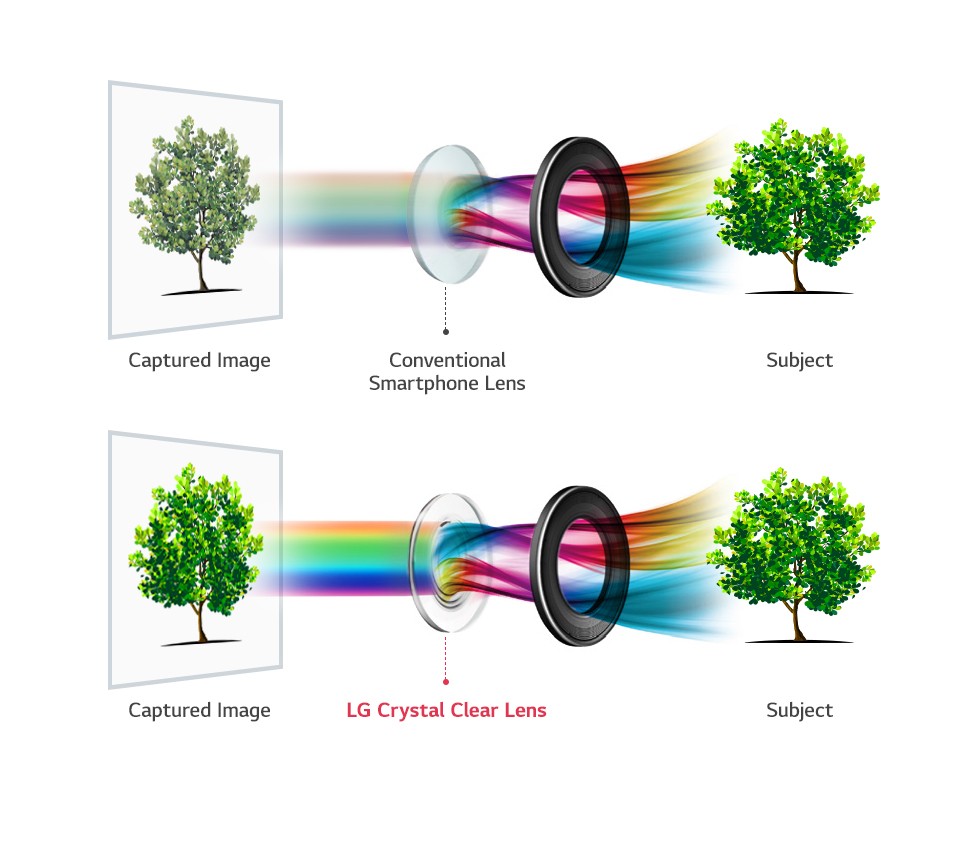
The f/1.6 lens lets in 25% more light than f/1.8 lens on the likes of the iPhone 7 Plus. Besides the wider aperture, the glass Lens also delivers greater light-collecting ability than a plastic lens as well as better colour reproduction. Along with the new construction, the camera will feature laser detection AF, optical image stabilisation and electronic image stabilisation. LG hasn’t made it clear whether both the cameras will take advantage of this construction but it definitely will compete for the best camera phone of 2017. LG has shown that the V series will continue to focus on media consumption. From the V10, which had one of the best cameras two years ago to the V20 which had great sound and now the V30, which presumably has the best lens so far in a smartphone.
LG also recently announced its shift to OLED displays, and that the LG V30 will feature a 6-inch edge-to-edge display, which will be an improvement over the V20’s design. This shift also indicates that LG has prioritised the quality of media consumption on the upcoming smartphone as well as future devices.
What we know about the LG V30 so far-
Launch: August 31
Price : $700 (Rs 45,000 approx.)
Display: 6-inch 2880 x 1440 px POLED
OS: Android Nougat 7.1.1
Chipset: Qualcomm Snapdragon 835
RAM: 4GB or 6GB
Storage: 32GB/64GB/128GB
Battery: 3,300 mAh battery
Fingerprint sensor
Camera: 13-megapixel dual-camera with an f/1.6 aperture
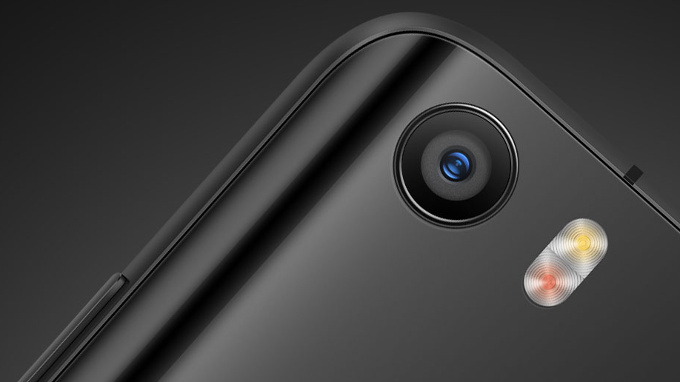
Xiaomi today finally unveiled its flagship Mi 5 smartphone at the Mobile World Congress. The handset comes with some really pleasing design language that includes curved edge at the back, and some powerful flagship killing specs that include Qualcomm’s new Snapdragon 820 chipset. But apart from these, Xiaomi is really pleased with its new camera module in the Mi 5.
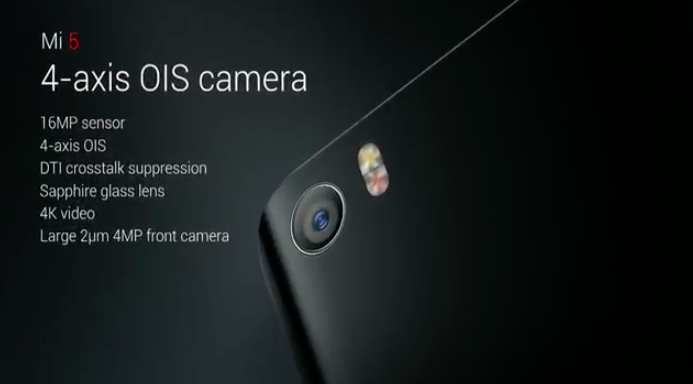
The Mi 5 sports a 16-megapixel rear sensor that uses Sony IMX298 with PDAF, DTI image enhancement and 4-axis OIS. The front features a 4-megapixel ultra pixel camera. Xiaomi has managed to fit a powerful camera module inside the device with no sign of a camera hump. The device can record 4k videos as well.
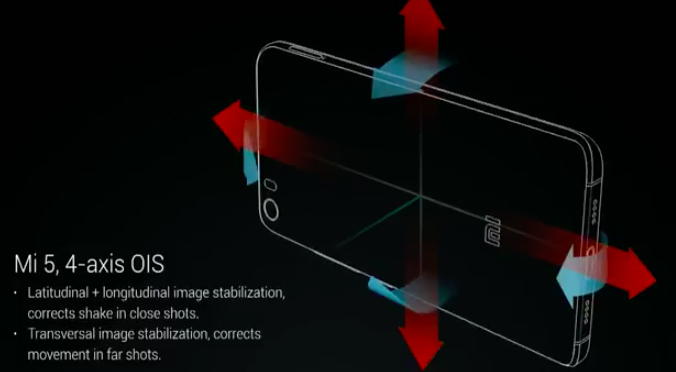
It is in the 4-axis OIS that Xiaomi really delights itself. The rear camera promises to capture great images and videos with superior focus. This holds true thanks to its new OIS technology that uses 4-axis rather than the traditional 2-axis that most other smartphones currently use. Xiaomi demonstrated the stability of its camera by comparing it to the iPhone 6s, which is considered to have the best OIS currently in the market.
The 4-axis OIS basically gives you more stability under shaky conditions. While traditional 2-axis OIS can work around rotational movements, the 4-axis can handle transversal as well, because shakiness comes in all directions.
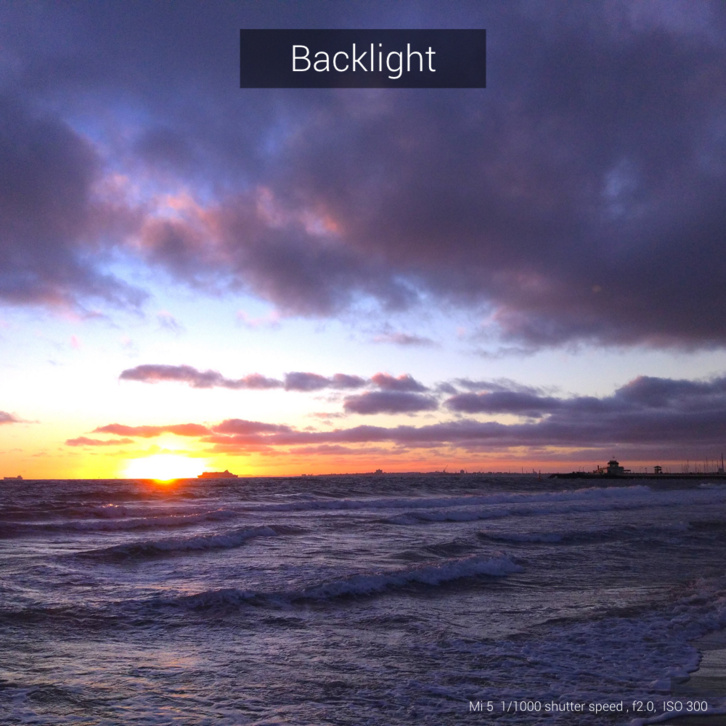
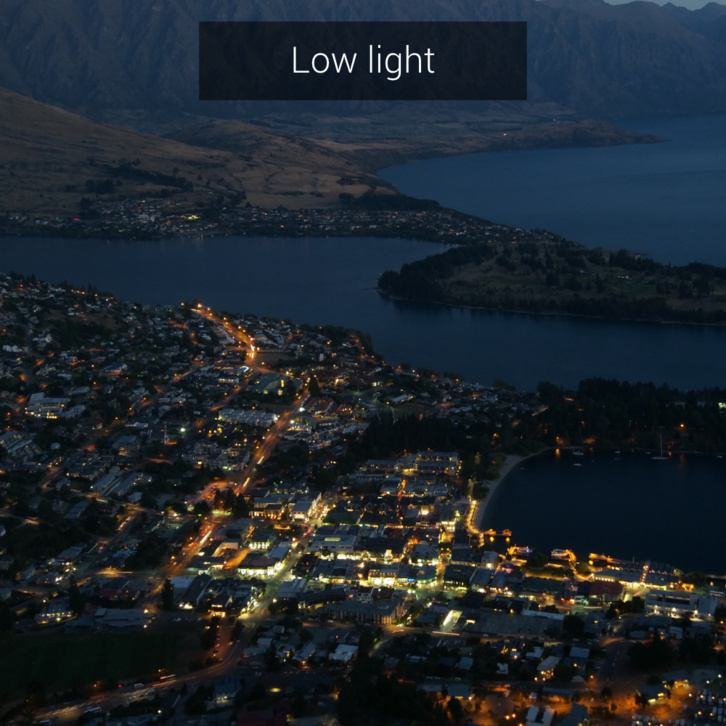
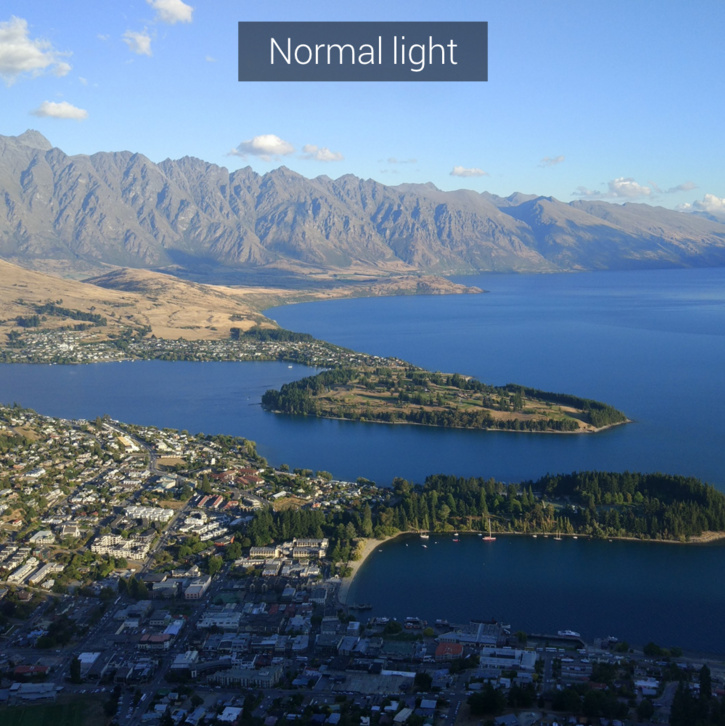
The 4-axis OIS technology corrects shake in close shots and can capture accurate movement in distant shots as well. All of this translates into smoother, sharper and blur-free images and videos even in low light. Check out some of these camera shots to know just how well the Mi 5 camera works under various settings.
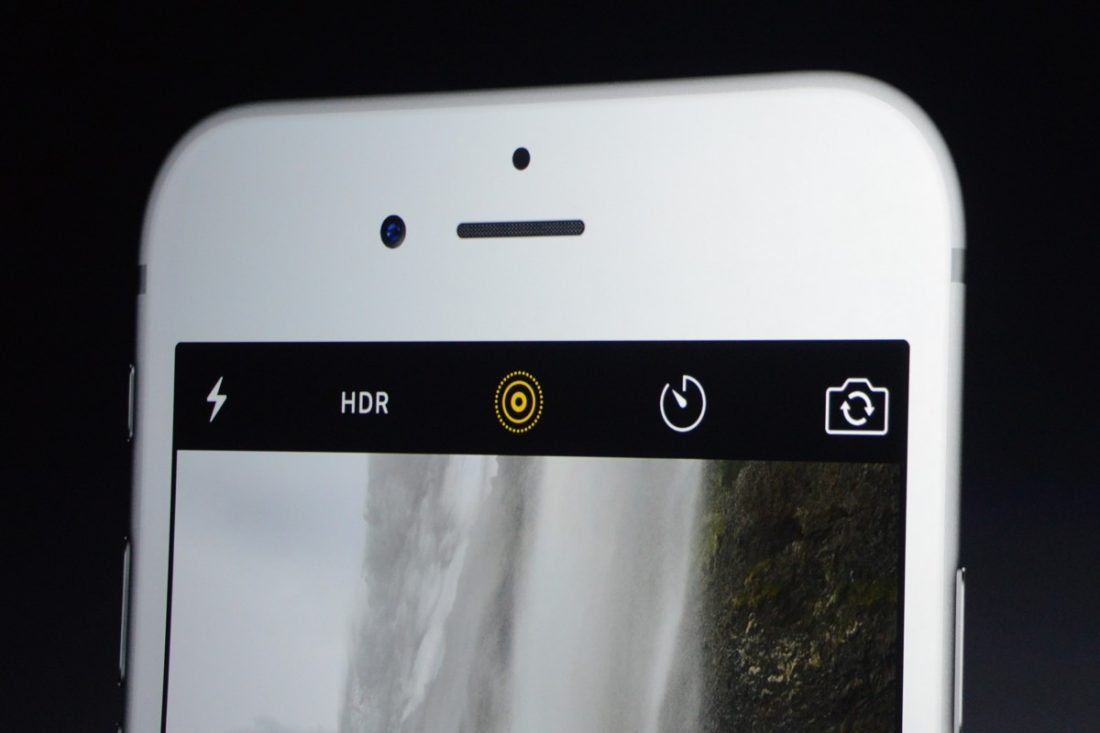
In a news that will excite Apple and non-Apple fans alike, the upcoming iPhone 7 will have the most powerful front camera by the Cupertino-based giant yet. The front camera will be able to capture high resolutions stills and 4K video recording as well.
It looks like Apple’s focus on selfies remains high. The company has understood the trend of the hour and wants to deliver the best possible camera for that. With the iPhone 6s, Apple had introduced a whopping 5MP front camera ( a major bump from the 1.2MP of the iPhone 6) with Retina Flash as well as a GIF-like feature with Live Photos.
The Retina Flash feature intelligently lights the subject with a colored flash, calculated by first flashing a neutral white flash by amping up the display, then almost immediately re-flashing the screen with a selected color. The selected color is typically an amber hue as it delivers a more flattering flash than a pure white screen would.
With the iPhone 7, Apple will likely stick to a 5MP front and Retina Flash only the images will get a lot more color, sharpness, and detail with high-res capability, and with 4K recording, selfie videos are going to be the next big thing. We may just see the front camera being the new primary option for photography rather than the rear.
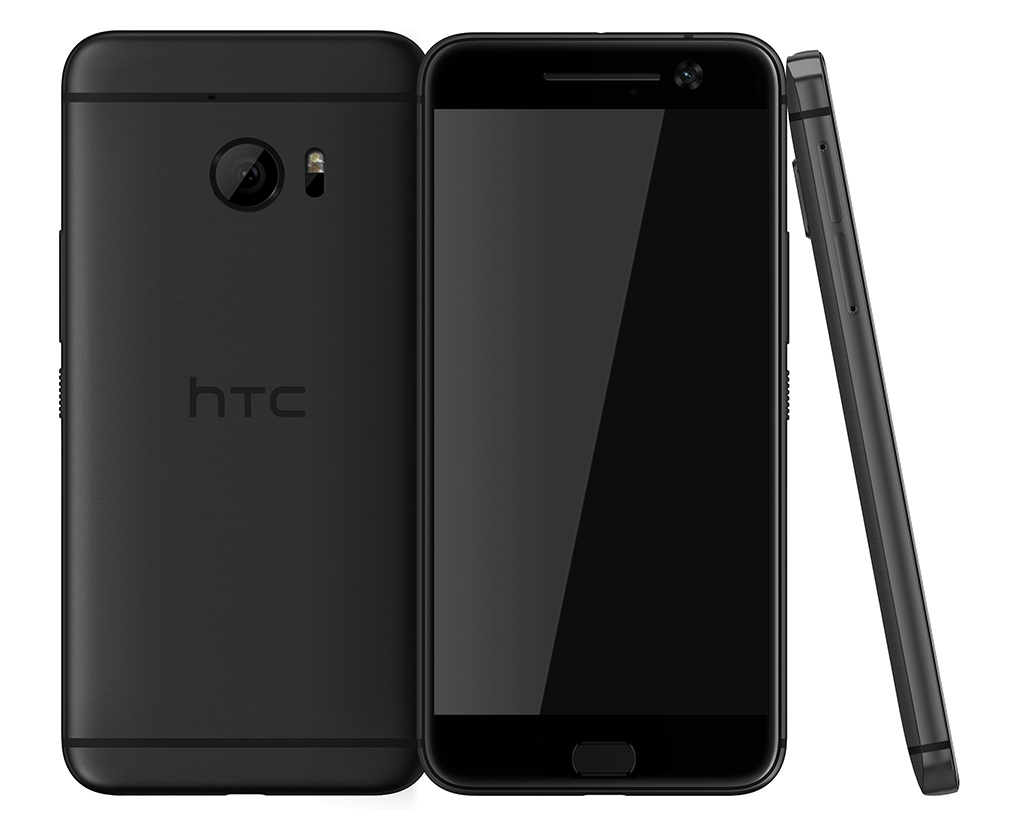
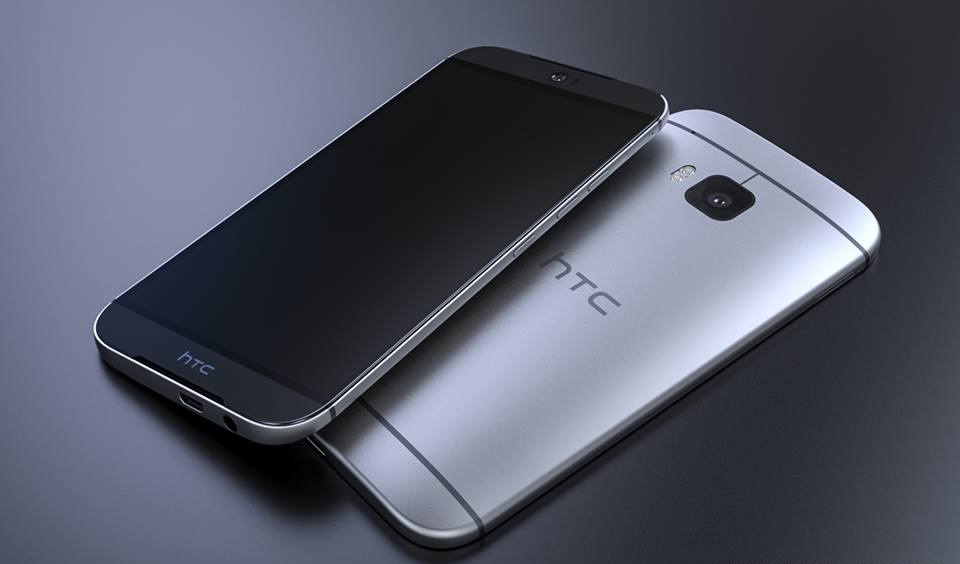
HTC One M10 is slated to skip a MWC launch in favour of a more sober affair in the coming weeks, making it one of the most anticipated phones to be launched this year. Needless to say, the internet is flooded with leaks and rumours about the phone.
The latest leaks surfacing on the internet are regarding the camera of the phone, which is going to be codenamed “Perfume”. The leaked information suggests, the One M10 will come with a 12-megapixel Sony IMX 377 sensor on the back. It will support laser autofocus as well as phase detection autofocus.
The front camera on the other hand will be a 5MP Samsung s5k4e6 one, which has 1.34µm pixel size – much smaller than the 2µm of the original UltraPixel cameras. This camera will be called UltraPIxel One.
HTC Perfume "UltraPixels": Main Camera – Sony IMX377 12MP 1.55um + Laser Autofocus + PDAF Front Camera – Samsung s5k4e6 5MP UltraPixel
Just to recap, the One M10 will come equipped with a 5.2-inch QHD AMOLED display. The smartphone will be powered by Qualcomm’s Snapdragon 820 chipset, paired with 4GB of RAM and 32GB of storage. A microSD card slot will be available too.
GoPro has revealed that its camera equipped drone, all set to arrive in early 2016, would be called ‘Karma’. It was first teased in October using camera footage recorded at 2.5K resolution, as could be made out by YouTube viewing option of 1440p. The same footage was used in the latest tease. GoPro claims that the video was not stabilised in post-production, thereby suggesting a decent camera capability of the drone.
If sources like Forbes are to be believed, GoPro ventured out to make its own drone once a partnership for the same with DJI fell apart. Karma is rumoured to be priced somewhere between $500-$1000. Signing up for the news could help you win a GoPro Karma in the company’s official giveaway.
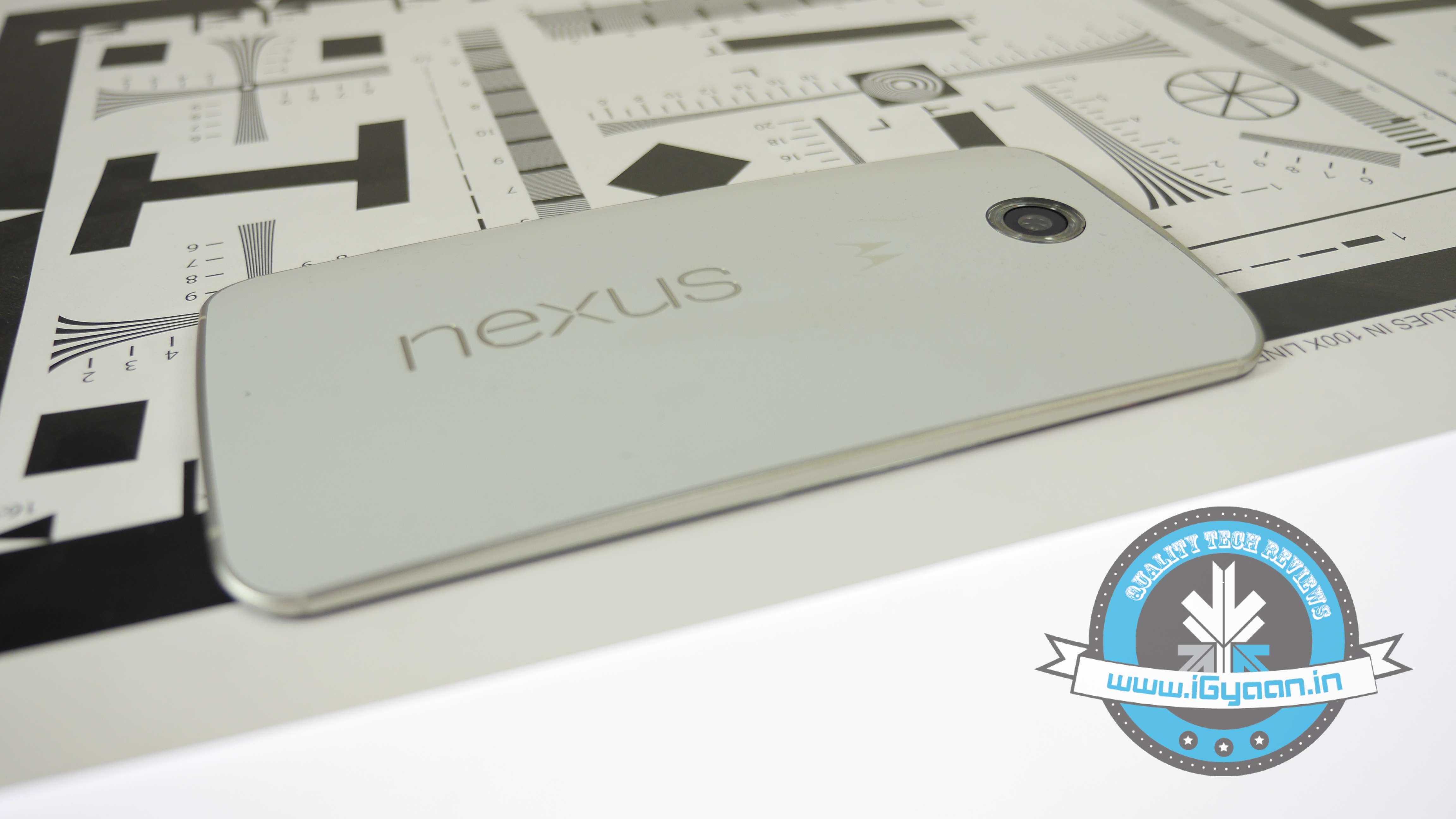
Users of Nexus 5, 6, 7 and 9 are going to get the camera quick launch option with the Android 6.0.1 update. Among new emoticons, this is another feature users will now be able to enjoy with the update.
Double pressing the power button would immediately launch the camera, as is possible with devices like 5X and 6P that run on stock Android. This sounds like a cool, short way to get to the camera.
However because the feature is tied down with the power button, it might sometimes cause the device to go to sleep, or ask the user for a security password before launching the camera if there is extra security on the lockscreen.
Google is sure to smoothen out these glitches as the update starts rolling. Let’s see where it goes from there.
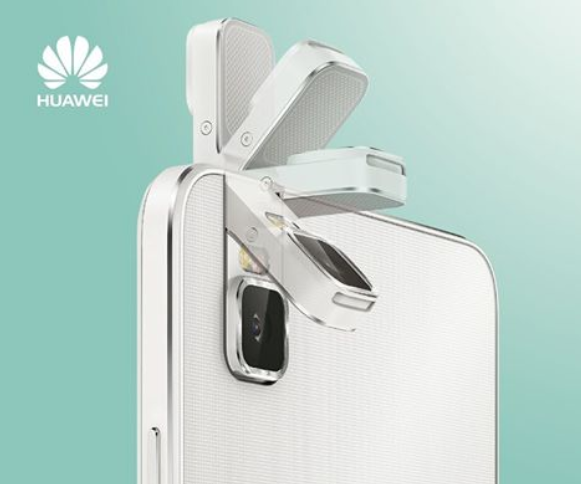
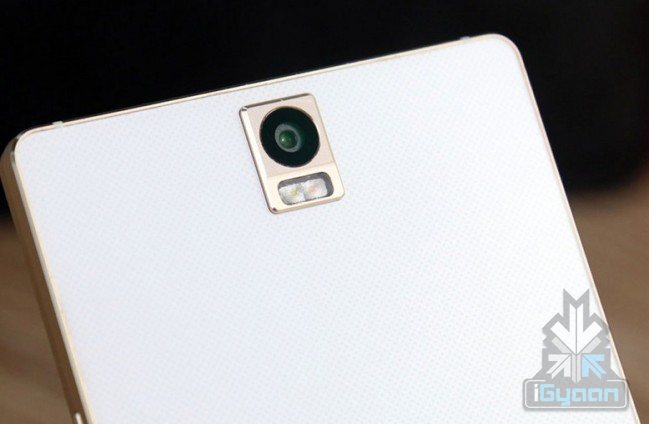
Huawei released a teaser of their upcoming phone, revealing a camera that flips back to front. Therefore, this phone will take high quality pictures and selfies just like the Oppo N1, which offers a camera that swivels around, allowing the user to take selfies with its 13MP camera.
This teaser was posted bu Huawei’s Portugal division, however, there are no further reports on this phone. The company has been doing well globally, with reports stating that it had the largest gain in the global smartphone market share between July to September 2015.
Huawei released its first stock Android handset with Nexus 6P and has recently introduced the Huawei Mate 8 which is expected to arrive with the new Kirin 950 chipset.
YU has been showing off the camera of its upcoming smartphone, Yutopia, for a while now. The company has been tweeting images that feature a BMW i8 shot by Yutopia. From what the images reveal, the camera does indeed look solid and the pictures look quite spectacular. Here are some of them.
Clearly, YU is trying to get fans excited about the release of Yutopia with these pictures. YU has kept the details of the Yutopia under wraps, and the company clams that the device is “the most powerful phone ever.” We’ll just have to wait for the launch to know exactly what the device is made of.
Let us know what you think about Yutopia’s camera in the comments below.
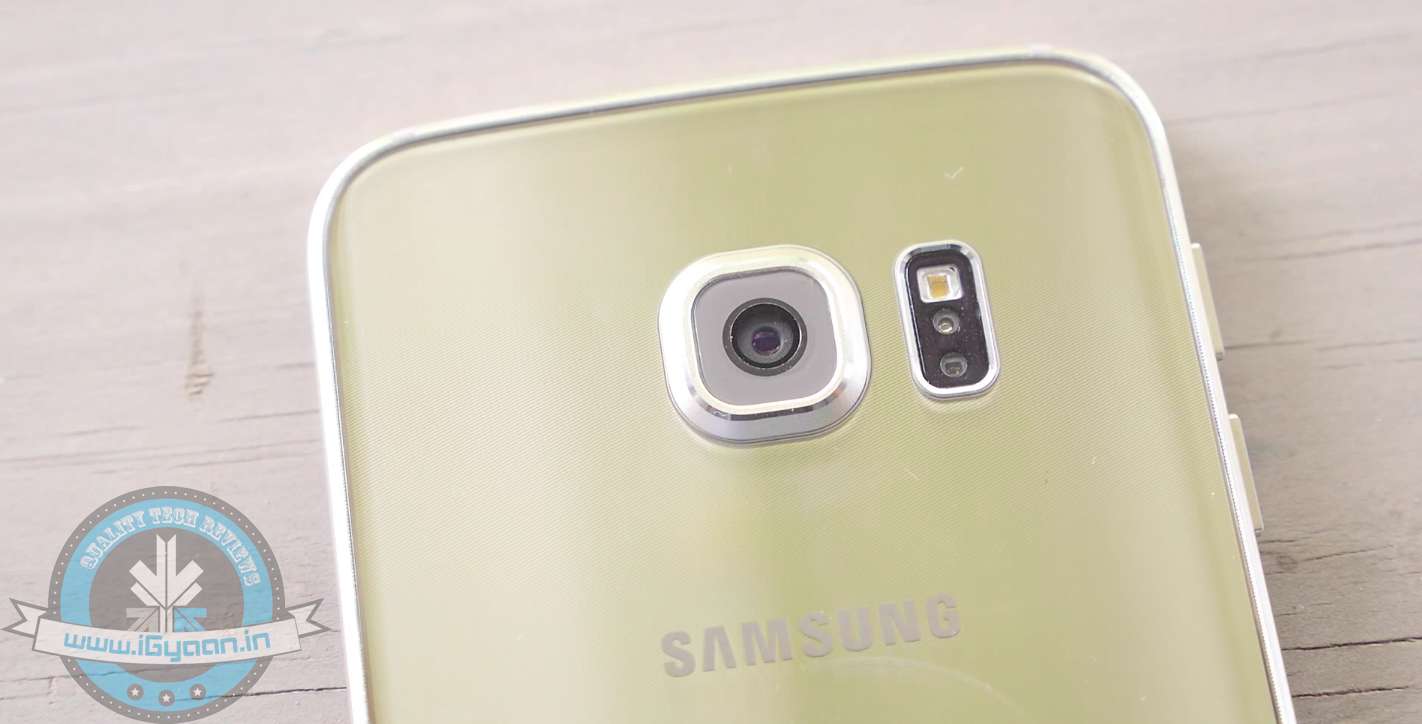
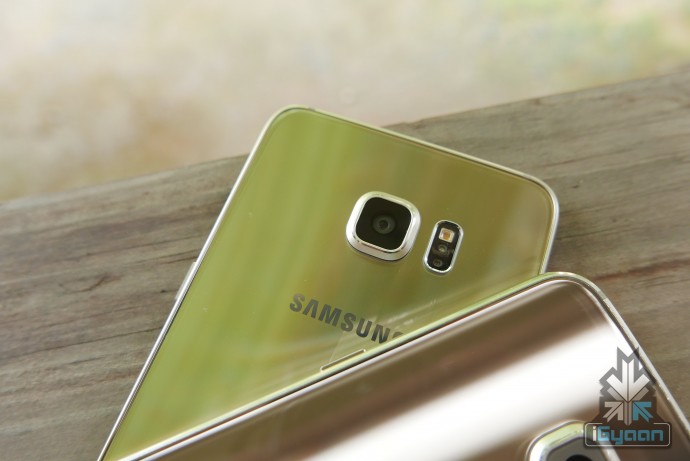
Over the past couple of days there have been tons of rumours regarding the camera of the upcoming Galaxy S7 flagship. Samsung is keen to be the best in the camera department.The S6 received a lot of praise for its camera and the Korean manufacturers now want to make it better.
The initial rumour that was going around was that Samsung might bump up the megapixels to around 20 or 23. The company was looking to Sony’s Xperia Z5, specifically the IMX300 sensor that the device’s camera boasts of. Having Sony’s sensor would certainly give the S7 that edge. Sony would also like to finalise a deal with Samsung so that it can push out its sensors to a wider market. So a 20MP ISOCELL camera could be on the cards.
Galaxy S6
However, the second rumour debunks the first in that Samsung is not looking to enter the megapixel race and will likely go with a 12MP primary camera. However, the sensors will be a large 1/2-inch size. In this case, the camera would have larger pixels and would also improve the camera’s low-light performance.
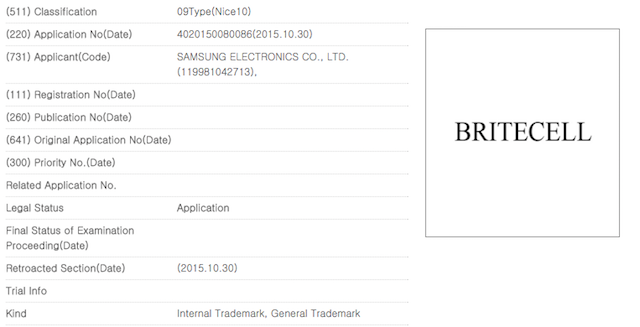
Finally, the third and certainly not the last rumour of the day is that Samsung has filed a trademark application in which the company has trademarked BRITECELL, which, as of now, confirms rumours that Samsung is indeed going for a large sensor. The name doesn’t suggest much except that the sensor will somehow capture more light than Samsung’s previous attempts. Sony has been leading in the sensor department especially with the recently launched Nexus 6P which features Sony’s ExmorR IMX 377 sensor with 1.55 micron pixels.
Samsung is expected to have a January unveiling of the Galaxy S7. You can expect a lot more rumours about the device as we get closer to the date. We’ll keep you updated as soon as we have more dope.
It all started with a desire to capture a moment, to freeze it in time and space -to get back to when the heart thus desired once again. And that is how, ladies and gentlemen, the thought of the first photograph, even though that’s not what it was called yet, came to be. The thought led to efforts which led to results and one fine day, humans had discovered a way to record memories, which they eventually chose to call photography.
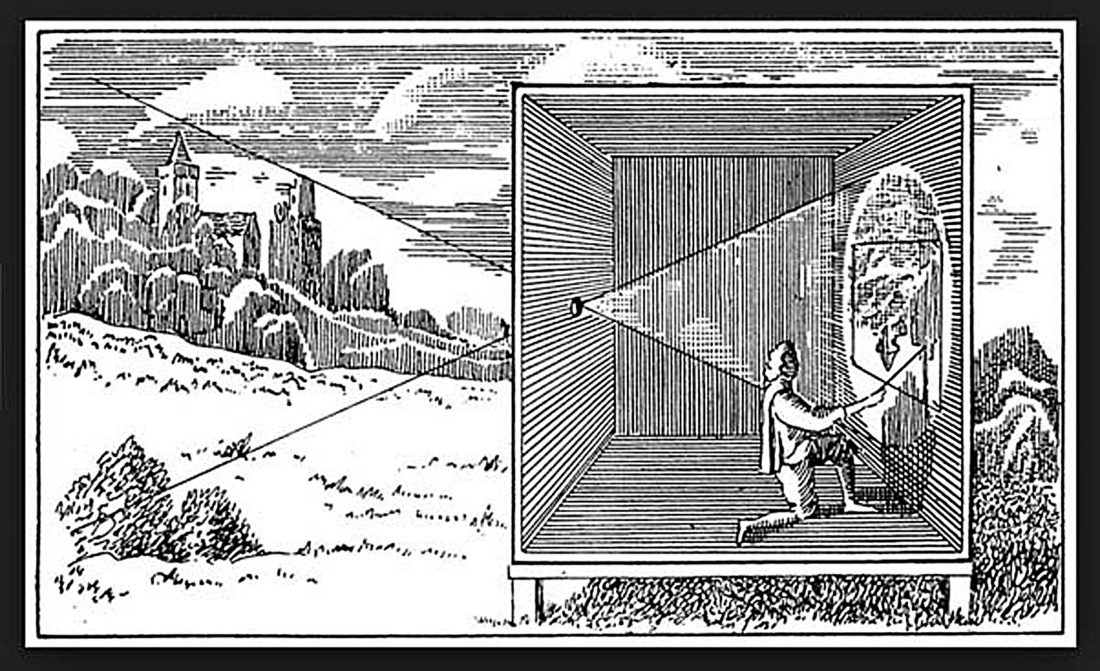
However, cameras came into existence much before photography. It all started with the camera obscura -a Latin term which translates into ‘dark room’.
Camera Obscura:
It was the very first device that led to photography and the innovation of the camera. Optical in nature, it would allow light to pass in a dark box or room through a hole on one side and then use it to capture photographs, as they existed back then. This device dates back to 470 to 390 BC, its earliest extant written record found in the writing of Mozi, the Chinese philosopher.
The Very First Photograph:
The first ever successful photograph of a camera image was developed by Nicéphore Niépce in 1816 using a camera he had made himself. However, the photograph was not permanent and eventually ended up getting darkened due to repeated exposure to light necessary for viewing it.
The Daguerreotype Camera:
Next came Louis Daguerre, a French artist who found a way to store the finished image on a shiny mirror finished copper plate treated with chemicals. Daguerre shared his technique with the public in exchange for a life long pension. It was later used in the film cameras of the past as well. By 1850s, there were over seventy daguerreotype studios in just New York, and the face of photography had changed forever.
A daguerreotype of Edgar Allan Poe in the nineteenth century.
Birth of Photography:
There were several significant developments in the realm of photography starting with negative to positive processing by a contemporary of Daguerre. This was followed by tintypes -a thin sheet of iron used for light sensitive materials, and therefore helped in obtaining positives, wet plate negatives, dry plate negatives and finally, hand held cameras. Cameras now became less bulky and a little more convenient to carry around. By the second half of the nineteenth century, a flexible roll film had also been invented by George Eastman which finally allowed for a mass-produced box camera.
Coloured Photography and Twentieth Century:
The second quarter of the twentieth century brought with it coloured photographs within the reach of users when coloured films became commercially available. Twentieth century also marked the confluence of different art forms in a more significant way than before. Overlaps between photography and painting were no longer unheard of. One form drew from another.
Photography meets painting: The photographer threw around objects for hours to get the perfect Surrealist shot with Salvador Dali.
The first coloured photographs were so unstable because of organic dyes which were used to colour them, that the image would literally disappear after a while, leaving a blank film behind. Not so cool after-all. Kodachrome was the first colour film to produce photographs that could last for over fifty years. You know times have changed when instead of performing vanishing acts, images can be stored for eternity.
Digital Photography:
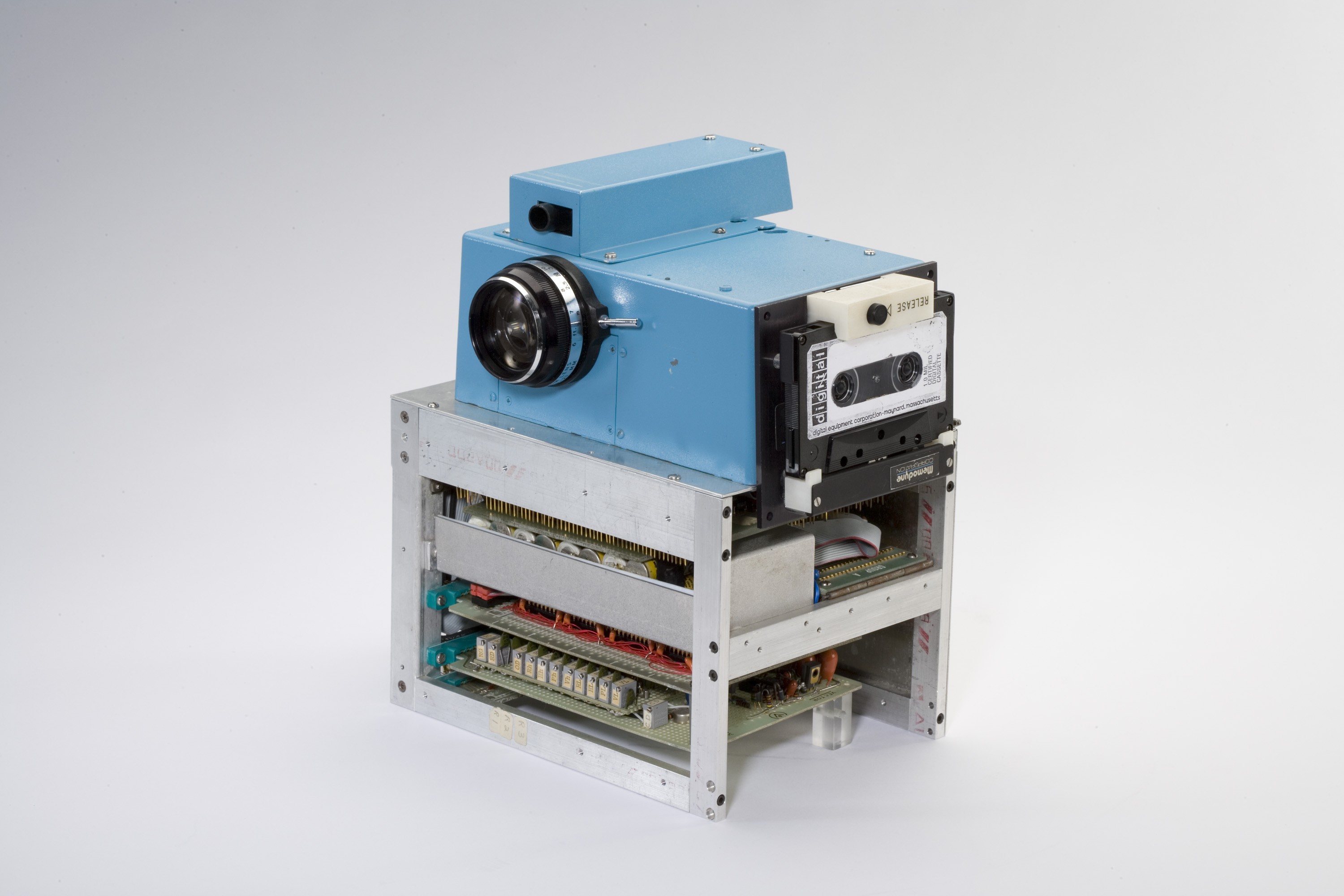
The first breakthrough in this field was made by Canon in 1984 with its first digital camera for still photography, and there was no looking back post that. At the same time, on the turn of the new century, possibilities of mobile phone cameras began to be explored. Photography became a separate, fully-formed realm of art in itself. Debates between its position in the hierarchy of art, especially when pitted against painting continued, but there came a zeal and fervour to be intrinsically associated with photography.
First digital camera by Canon 1984.
When photography was first introduced to people by and large, it took several seconds to a minute to click a single photograph. That explains why people would never smile for portraits. One wonders what their views on the contemporary selfie parades would be.
The first important development in cellphone-photography is owed to Apple and its very first iPhone with its pedestrian 2 megapixel camera in 2007. Other tech giants too became part of the race, perfecting their own technology in terms of cell-phone photography until another breakthrough was made in the form of front, or more aptly termed, ‘selfie’ cameras. Next came selfie sticks, with social media not doing much to help the obsession, and voila! Now photography blogs and Facebook pages have declared everyone a photographer.
The whole idea behind technological developments is to make things simpler, easier, more consolidated. But on the contrary, there seems to be an endless deluge of photography paraphernalia in contemporary times. When a bunch of kids were handed over a camera from the previous century, this was their reaction. You might want to sit down for this.
Cameras have covered an incredibly long journey to be where there are today. It is an art form that continues to evolve and surpass itself. Let’s see where it lands itself next.
Point-and-shoot cameras have become somewhat of a relic in the smartphone age. Not that you don’t spot the occasional DSLR user around some touristy place, but the charm of it all seems to have been lost. Why would you go for a bulky camera when companies like Samsung and Apple give you some of the best quality cameras right in your smartphone? Well, there’s a company called Light, a photography startup that is looking to bring back the magic of point-and-shoot cameras, with a twist.
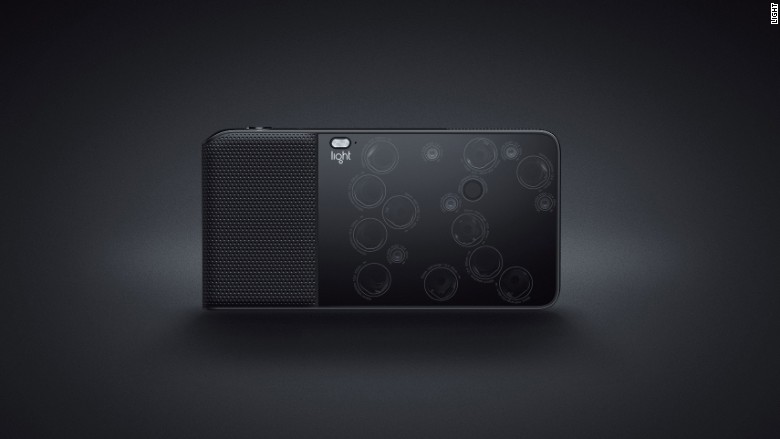
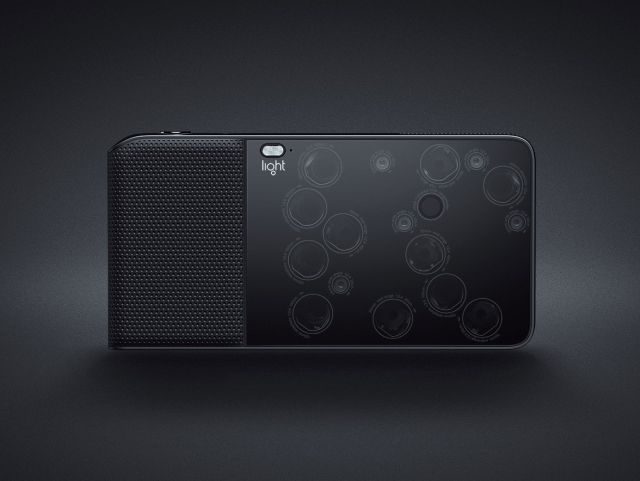
Light has devised a way of turning a point-and-shoot camera into something you don’t see too often. The company has crammed 16 cameras into one body. This quirky idea will be seen in the company’s latest camera rightly called L16. A quick glance of the L16 and it looks like a simple rectangular shaped black device with a silver button on top. The design also sports 16 different groovy-looking circles on the face that provide a little bit of technological brilliance.
This is what Light’s founder Rajiv Laroia calls a “silent revolution”. By using the technology of miniaturized cameras used in smartphones, Light has developed the L16. The idea is to replace bulky DSLR cameras with a smaller, lighter, and sleeker looking device that is easy to carry around.
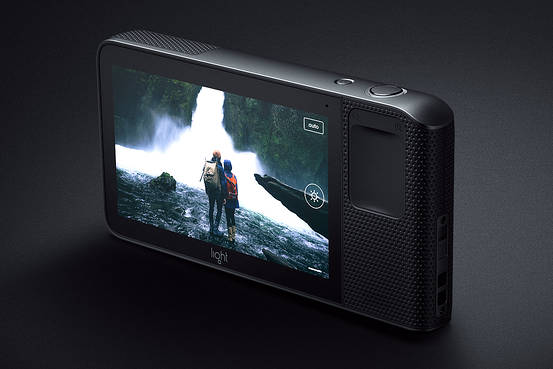
The L16 can create images of up to 52 megapixels by combining an array of shots from 16 inexpensive 13 megapixel lenses with a variety of focal lengths. There are five 35mm modules, five 70mm ones, and six 150mm modules. There’s a 5-inch touchscreen on the back where you’ll handle all the controls like settings, zoom, and focus. Light says that this sort of approach to photography should give great images even in low light while also reducing image noise. It also runs on Android and has WiFi so you can share images straight from the camera.
Pre-orders for the camera have already begun at a price of $1,299. After November 6th the price tag will jump to $1,699. First orders of the L16 are not expected to ship until next summer. At this price range you can get a decent DSLR with a few lenses as well, but the company is sure that the L16 is the future of photography and that the DSLR’s time is almost up.
Watching an event and seeing the new iPhone 6s is really not the same as actually having it in your hand and unboxing it yourself. Unboxing a new phone is as surreal as ripping open your birthday gift, except you really don’t want to rip open the iPhone 6s box. So, here’s what you should do – an iPhone user named Adrienne Alpern from California, just received her all-new rose gold iPhone 6s and at the request of her friends unboxed it with care, took some cool pictures and even put the device through a Geekbench 3 benchmark test.
Now reports have suggested some mighty good things about the new device. The scores from Geekbench benchmark suggest that the iPhone 6s is as powerful as the 12 inch Retina Macbook released on April 2015. The iPhone 6s has scored 2,292 in the single core test while scoring a 4,293 in the multi core test. These numbers are very close to the Retina Macbook scores. Have a look yourself :
What makes the iPhone 6s better? Well, Adrienne Alpern has also posted a couple of 4k videos showing off the 12MP rear camera and the 8MP front camera.
And even the rose gold seems to be working very well for the new device. This is all we have for you to gorge on until our own unboxing of the iPhone 6s. So stay tuned.
We had earlier reported that Xiaomi’s upcoming Mi 4c was looking to challenge OnePlus 2 with its own USB Type C port. Now the Chinese company looks like it wants to take on Apple as well. We know that the Mi 4c will come with a 5-megapixel front camera, but the company’s president and co-founder, Lin Bin, wanted to show just how good the front camera will be by calling out the iPhone 6 for a face-off.
According to the images posted by Lin Bin on Weibo, the Mi 4c front camera will feature an 85-degree super wide angle, that will be able to fit a lot more people into the frame than what the iPhone 6 can. It was also revealed that the Mi 4c will have a self timer option.
The above selfie shared by Lin Bin shows a comparison between the Mi 4c’s front camera and the iPhone 6’s front camera. As you can see, the Mi 4c comfortably frames 6 people while the iPhone 6 can not fit them in as clearly.
However, we can’t help but wonder if this comparison is a little off given that the iPhone 6 only features a 1.2-megapixel front camera. Perhaps a comparison with the new iPhone 6s that sports a 5-megapixel front camera would give a better picture of the Mi 4c’s camera.
Other features of the upcoming Mi 4c include a 5-inch full HD display, 13-megapixel primary camera, a Qualcomm Snapdragon 808 with a hexa-core processor. The smartphone will be launched on 22nd of September 2015.
What happens if you send something up in a weather balloon and instead of it coming back down like you expect it to, it gets lost somewhere in a desert 80 kilometers away from you?
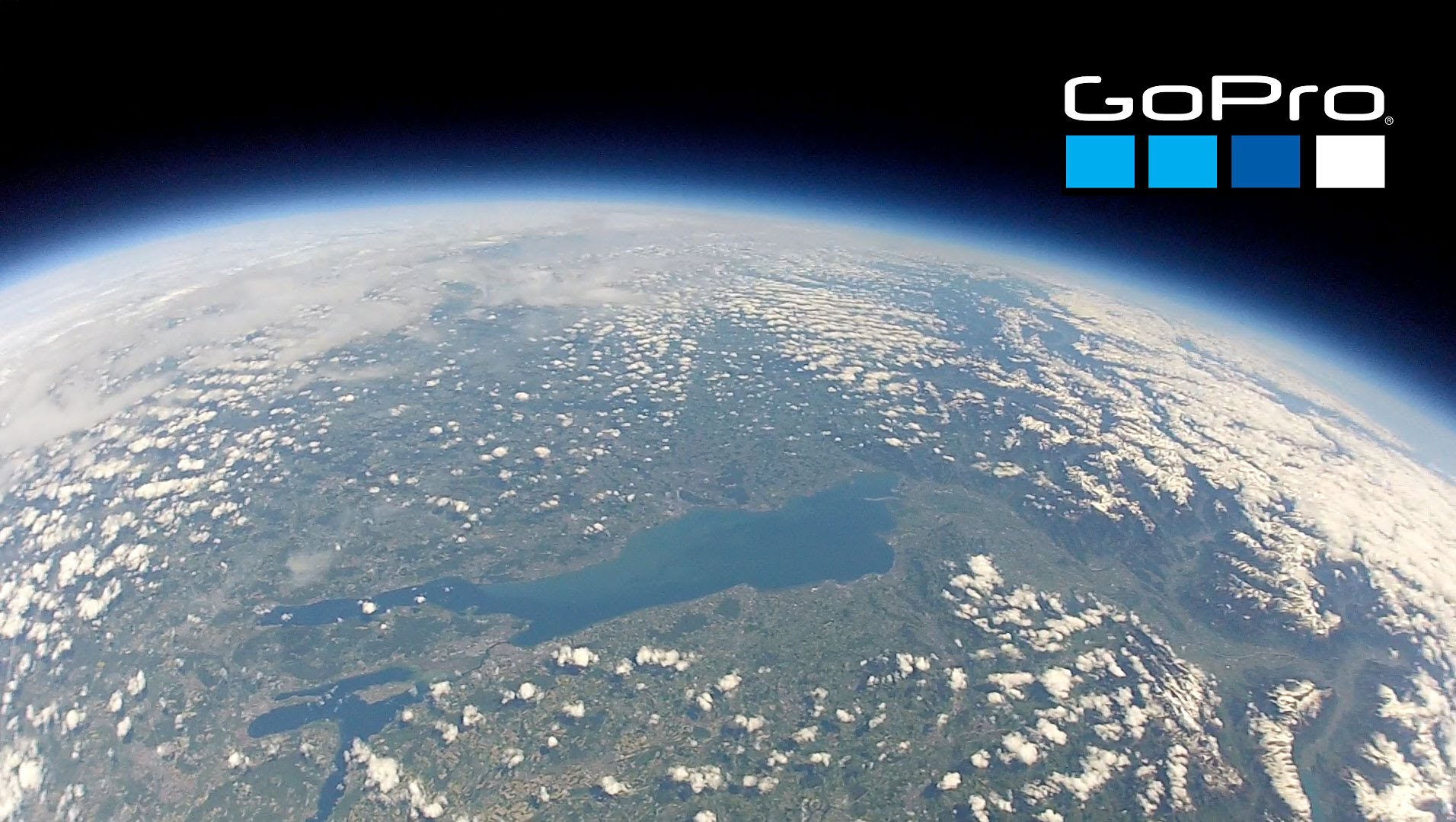
This is exactly what happened to a group of Arizona-based students who wanted to see what their GoPro camera could capture when attached to a weather balloon and sent it high up to the edge of space. No doubt their intention was on seeing something spectacular when the camera returned back.
The preparation for it was all planned well as the video below shows. The team spent months testing parachutes, calculating wind trajectories, custom 3D printing their GoPro case, and a spacecraft. The launch took place in June of 2013 on a clear day. They released the balloon which slowly went up capturing the Grand Canyon from afar. It went to an altitude of 30 kilometres and an hour and a half later, the balloon exploded leaving the camera to plummet down to the ground.
Till here everything went according to plan, however, the package’s return to earth didn’t go down as smoothly. Due to GPS and data coverage difficulties, the package could not be tracked after it had landed.
“We planned our June 2013 launch at a specific time and place such that the phone was projected to land in an area with cell coverage. The problem was that the coverage map we were relying on (looking at you, AT&T) was not accurate, so the phone never got signal as it came back to Earth, and we never heard from it….
The phone landed ~50 miles [80 km] away from the launch point, from what I recall. It’s a really far distance considering there’s hardly any roads over there!”
The device was found two years later by an employee of AT&T who was hiking in the desert. She identified the SIM card and returned the camera to its owners. The package had landed approximately 80 kilometers away from the launch site.
The whole affair may not have gone as planned, but the video shows some amazing footage on its way up, and a really cool slow motion capture of the balloon exploding into tiny bits.