Tag: Fingerprint Scanner

  • How Do Fingerprint Scanners Work? Are They Truly Secure?

    How Do Fingerprint Scanners Work? Are They Truly Secure?

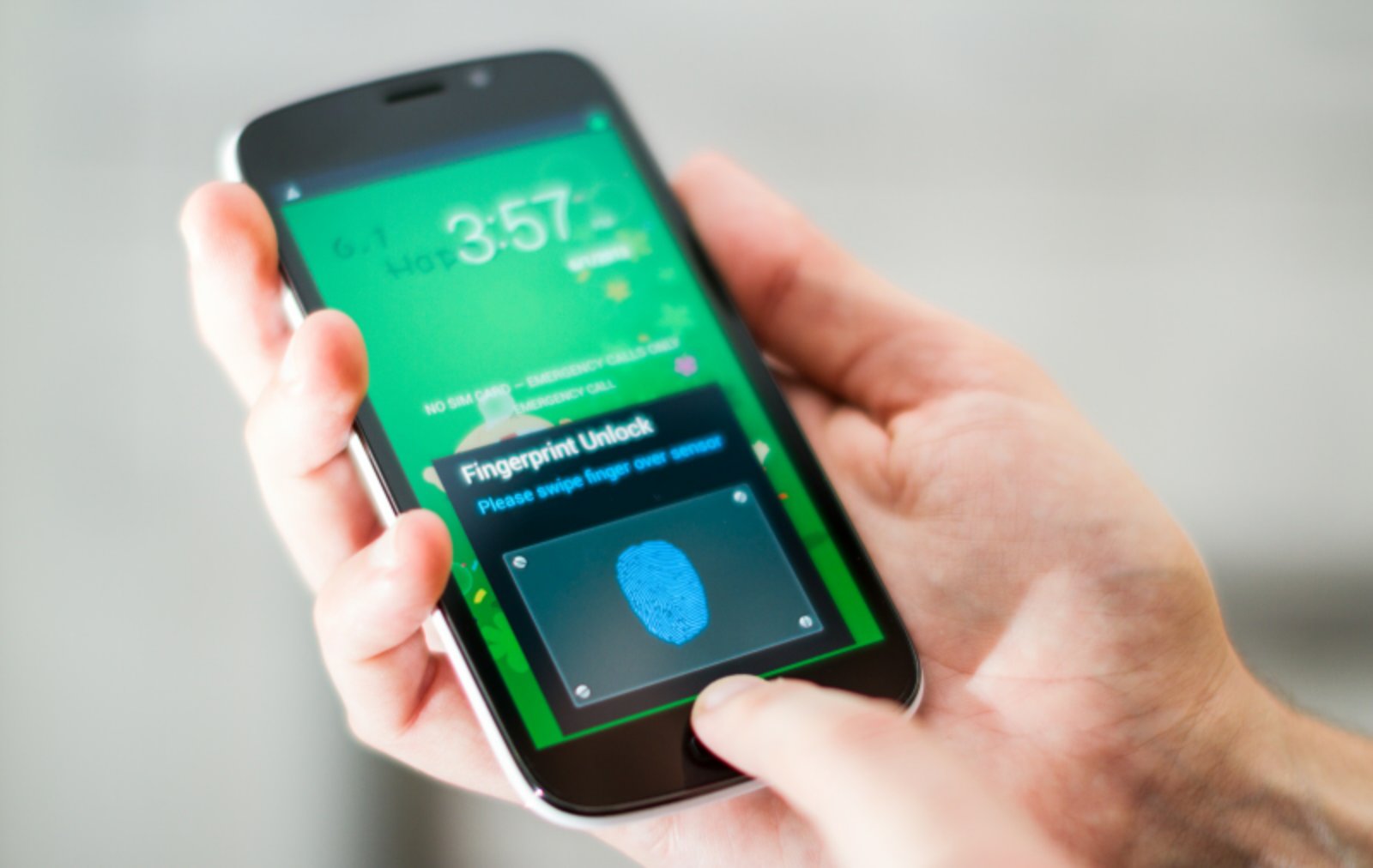
    In an era where security is the defining factor of our lives, people are becoming increasingly aware of their privacy across digital devices as well. Hacking incidents have increased, which is indirectly putting pressure on smartphone companies to incorporate the highest level of security detail in their devices. A major chunk of all smartphones being launched these days have a common biometric security feature: the fingerprint scanner. But the real question is, how accurate and effective are those fingerprint scanners in reality? Are they secure enough to just prevent snooping, or are they built for something more resilient?

    Types Of Scanners, And How Do They Work?

    These days, smartphones are loaded with a host of security options to ensure that the data on the device remains private to the user. Some primary security features are listed below:

    • Pattern
    • PIN/Password
    • Fingerprint Scanners
    • Iris/Retina Scan
    • Face Recognition

    Pattern and password enabled security has been around since almost the beginning of the smartphone era, and most of the users are familiar with it. A few years ago, fingerprint scanning was considered to be something that belonged only to spy movies. Fingerprint scanners were a state-of-an-art technology back then. But in the past few years, fingerprint scanners have become a ubiquitous part of our technology. They are extremely useful because of the ease in their implementation. But how do fingerprint scanners work? 

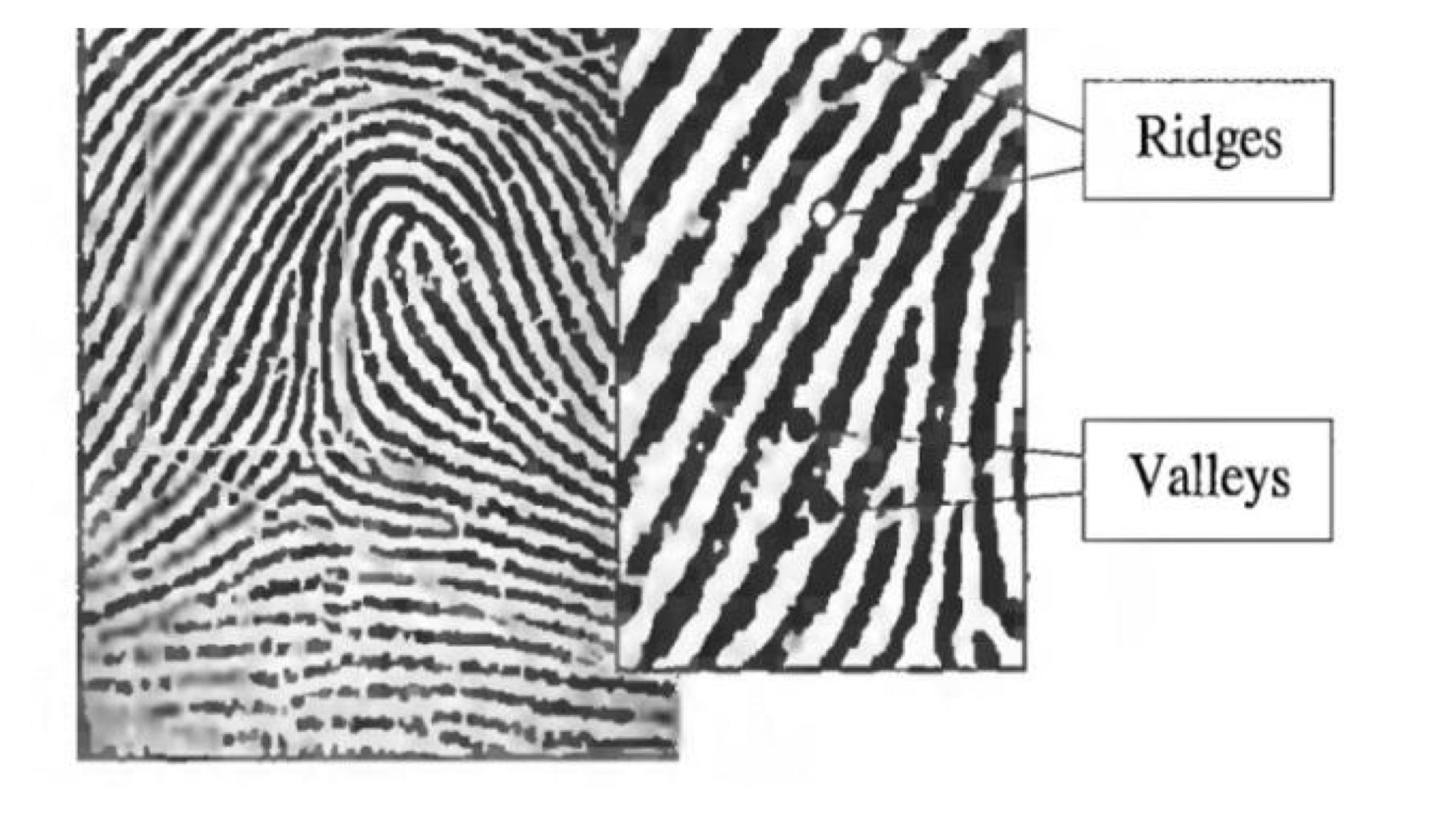
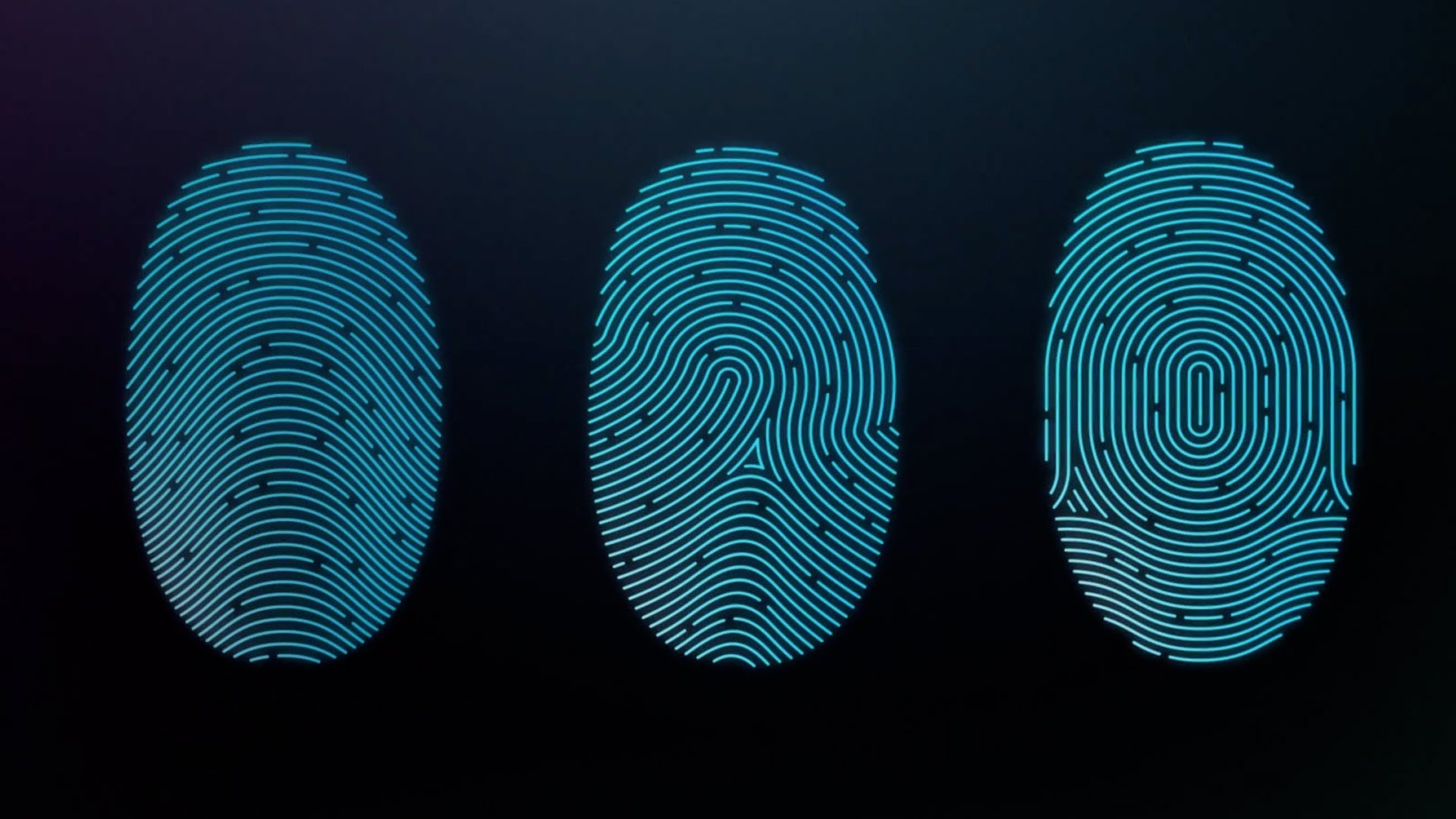
    Every human fingerprint consists of two main physical contours. The raised parts of the finger are called the ridges, whereas the areas between the ridges are referred to as the valleys. When a user places his finger on the scanner, the CCD (Charged Coupled Device) light sensor generates an inverted image of the finger using its own light source. The LEDs generate enough light to illuminate the ridges of the finger. The image generated by the CCD sensor is actually a two toned image. The darker areas represent the ridges of the finger, while the lighter areas represent the valleys between the ridges.

     The processor in the scanner module ensures that the image generated is clear enough to process. In addition, the processor also checks the pixel darkness. If the image is too dark or too light, it is discarded. The scanner then adjusts the exposure time of the sensor and scans the fingerprint again. As soon as a crisp image is generated, the fingerprint is cross checked with other images/prints of the finger. Every fingerprint signature is entirely unique, so any print that matches any other image in the list is picked as the verifiable one.

    Unlike Digital Scanners, Capacitive scanners make use of electrical current to verify fingerprints. The capacitive sensors are made of semiconductor chips. Each chip contains a small array of cells with conductor plates, which in turn are covered by an insulating material. When the finger is placed on a capacitive scanner, the finger’s image is developed by the process of varying input and output voltage.

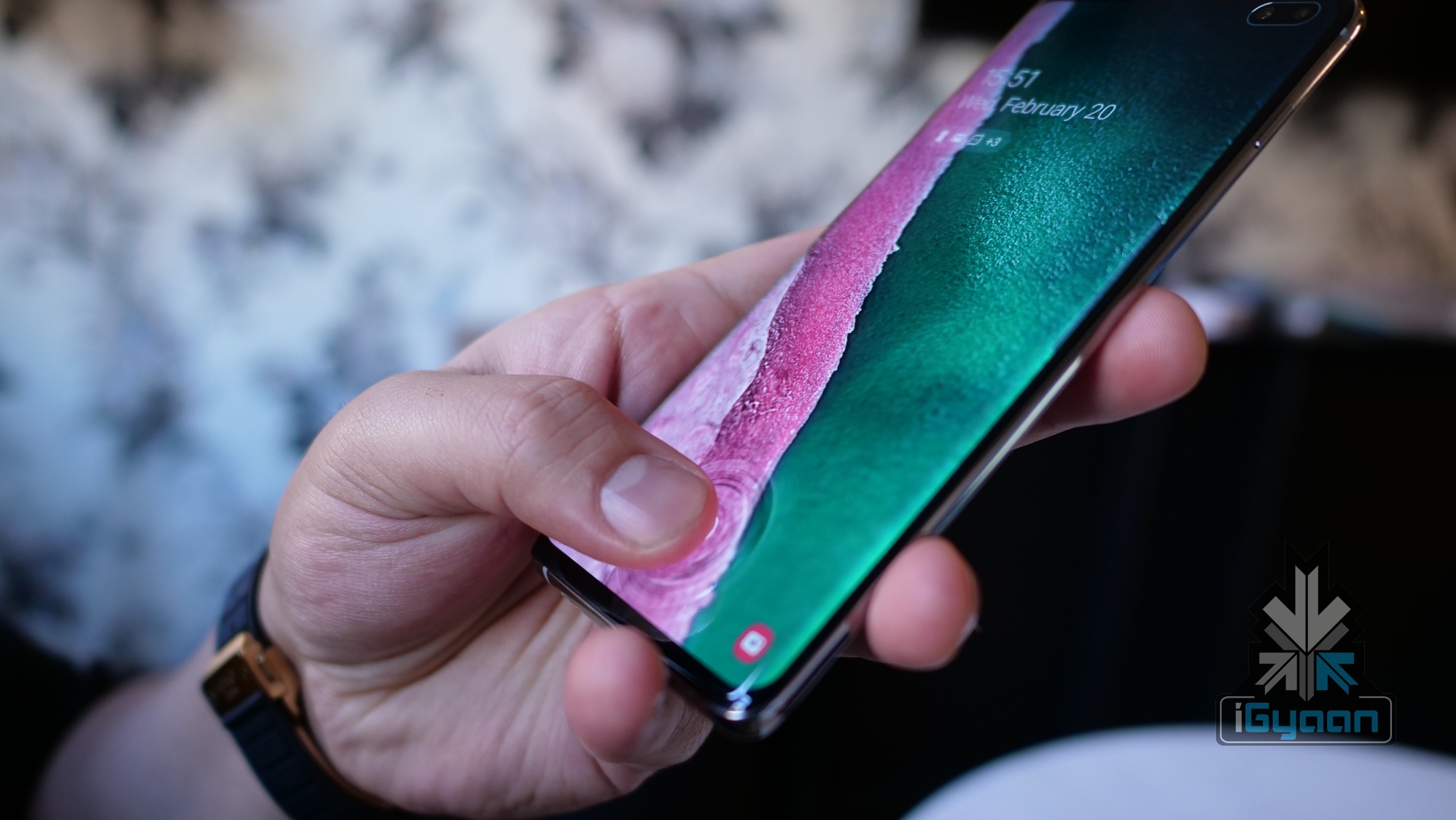
    Ultrasonic Scanners are fairly recent. Samsung’s latest S10 series smartphones are the first ones to sport ultrasonic fingerprint sensors in the market. An ultrasonic pulse is transmitted via the screen to the user’s finger, which reciprocates the ridges, pores and valleys in the finger to create a much more accurate 3D fingerprint image.

    Security Concerns Regarding Fingerprint Scanners

    Someone who knows how the fingerprint scanner works can also design fairly simple methods of bypassing its security detail. For instance, the fingerprint scanner can be fooled with the help of a dental mold cast. After filling the cast with some playing clay, the only thing left is to get the owner of the phone to touch the material. Of course, this requires the help of the person who owns the device, but in retrospect, a person leaves his fingerprint as a residue on multiple objects of daily use which can be used for the same purpose.

    If a person has a 3D printer and a single high resolution image of the owner’s finger, a 3D printed mold can be created which can then be used to unlock the device. Some may argue that in such a case, PINs, passwords, and patterns are more secure, but unless you are a highly valued individual with sensitive information stored on your phone, you don’t need to worry about people hard-hacking into your phone via the fingerprint sensor, as the process takes some time and discretion.

    Full fingerprints are extremely difficult to fake, but instead, the smartphone fingerprint scanners only record partial fingerprint signatures. Findings indicate that if a person creates a glove with a masterprint (with the highest possible number of ridge-and-valley combinations), he/she can break into a fingerprint protected device 40 to 50 percent of times before the smartphone asks for a numeric PIN. And that’s a scary high probability of something like this happening in our daily life, again, highly unlikely.

    Conclusion

    Also Read: Apple Told To Pay Qualcomm Over $31 Million In Patent Infringement Case

    The graph above clearly depicts the increasing penetration of fingerprint scanners in the smartphone market by 2018. So it’s clear that the market is not getting rid of fingerprint scanners anytime soon. When it comes to solutions, the most “implementation-worthy” idea is to include a significantly larger fingerprint sensor which will increase the signature accuracy of the finger. Also, users should abstain from using fingerprint sensors while transferring large amounts of money or authenticating sensitive applications. Foolproof ways of biometric authentication are still being tested out, so eventually, we’ll get where maximum security can be achieved.

  • Samsung Galaxy Note9 May Not Have An In-Display Fingerprint Sensor

    Samsung Galaxy Note9 May Not Have An In-Display Fingerprint Sensor

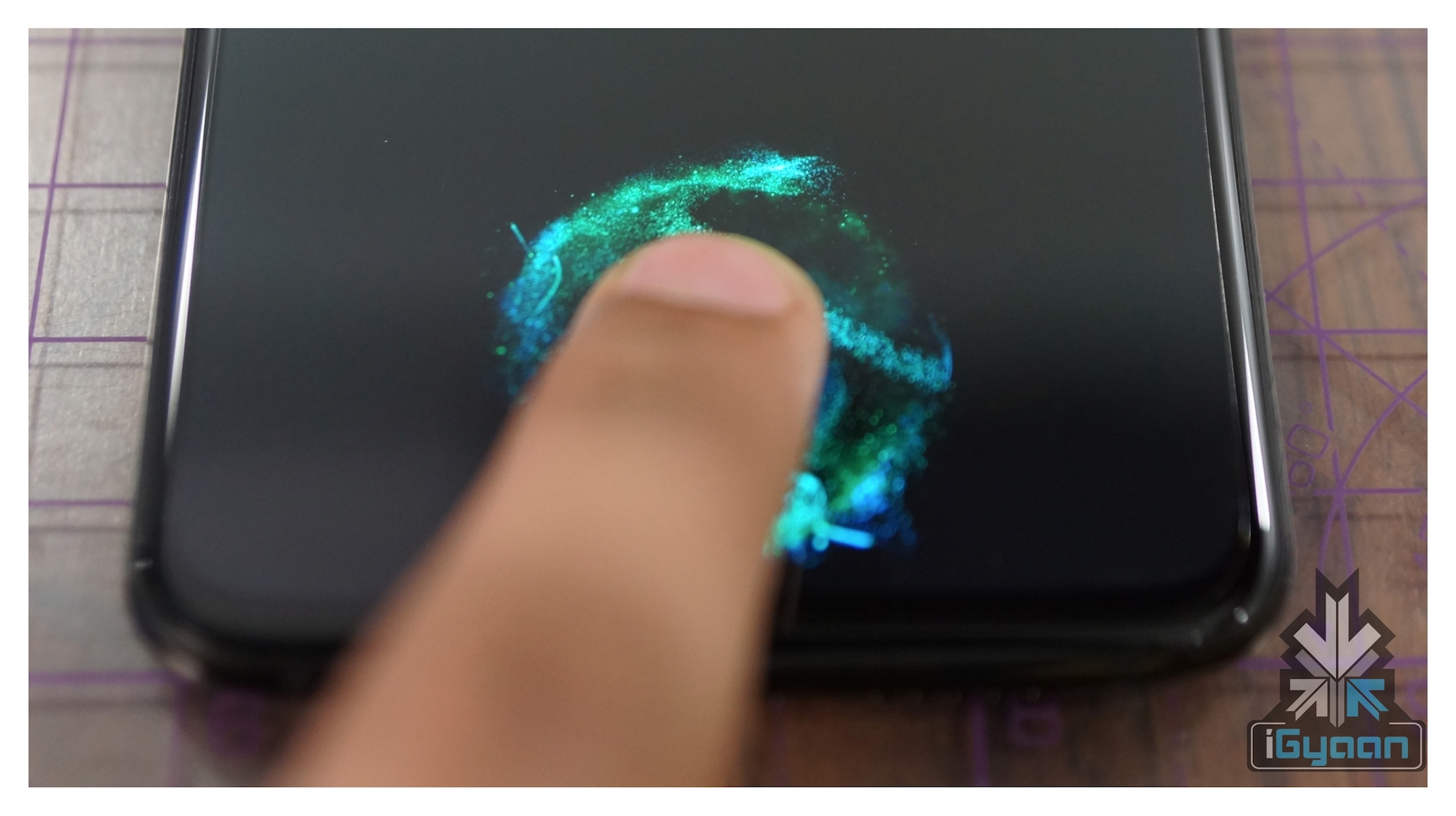
    The under-the-display fingerprint scanner is now a real thing, thanks to the Vivo X20 Plus UD. The Samsung Galaxy Note8 was widely expected to be the first-ever device with this technology. However, for some reasons only known to Samsung, that did not happen. A few days ago, it was rumoured that the Galaxy Note9 will finally implement this technology. However, according to recent rumours, Samsung has decided not to implement this technology.

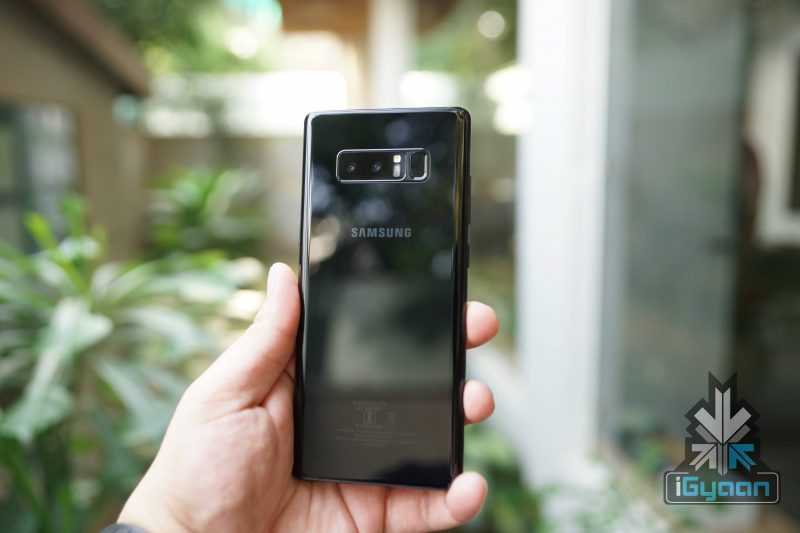
    The report claims Samsung has stopped working on this technology for an unknown reason. Therefore, the Korean tech giant will stick with the rear-mounted scanner like the Samsung Galaxy Note 8.

    Theoretically, to implement this technology the device must have OLED display (doesn’t work on IPS LCD) with a capacitive touchscreen. The scanner sits behind the display. (accesses fingerprint through a semi-transparent layer).

    Possible reason:

    Samsung might go with the Quantum-dot display technology instead of OLED, which makes it impossible to implement this technology. Which might have made an exclusive deal with Vivo that prevents other smartphone manufacturers to implement this technology.

    The technical difficulties in the manufacturing these chips might be it. An earlier report claimed that Samsung didn’t want to rely on Synaptics and wanted the in-screen fingerprint sensor of the Galaxy Note9 to be based on its own technology. However, it might have run into some trouble which made it drop the technology altogether.

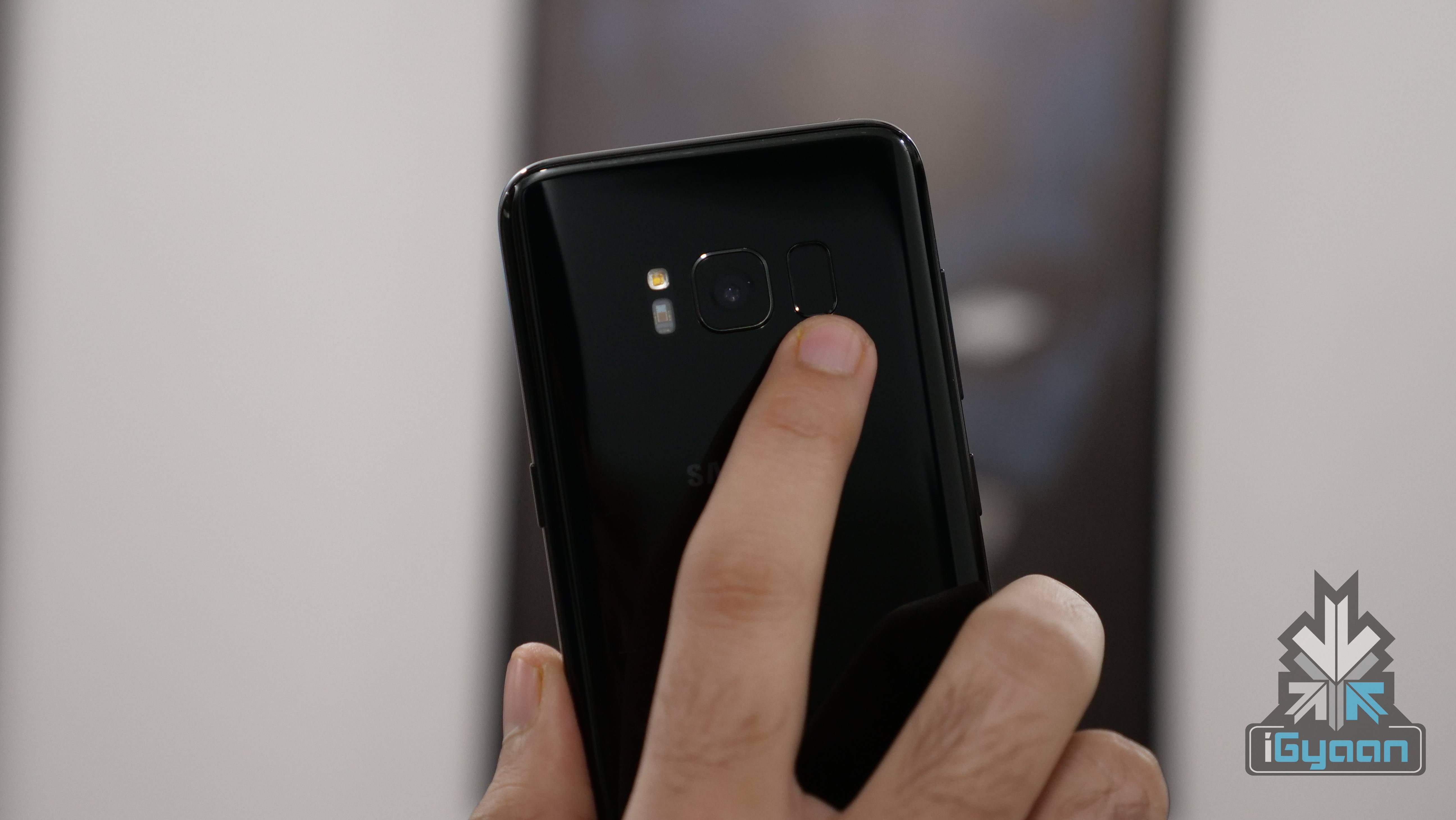
    Cumbersome Placement of the Fingerprint sensor placement on the Galaxy S8 and Galaxy Note8

    Another reason for this decision could be Apple. Apple has already confirmed that it believes Face ID is the future. In order to compete with Apple and it face ID tech, Samsung could implement better facial/iris recognition in the Galaxy Note9.

    Conclusion:

    A recent report, the Samsung Galaxy Note 9 will feature the under-the-display fingerprint scanner. Now, a new report completely disapproves the last report. Finally, Samsung might implement this feature on Samsung Galaxy S X or Samsung Galaxy Note X.

  • First Ever Smartphone With An In-Display Fingerprint Sensor To Be Unveiled On 10th January

    First Ever Smartphone With An In-Display Fingerprint Sensor To Be Unveiled On 10th January

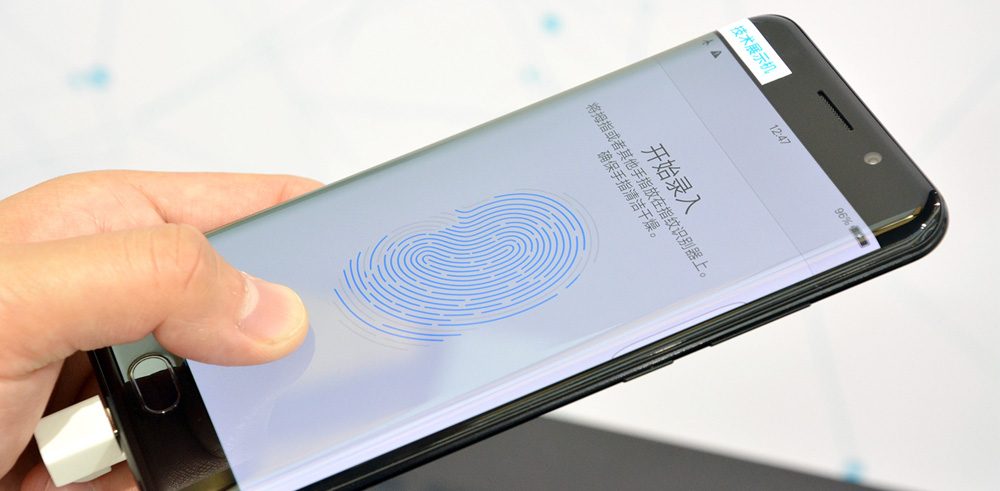
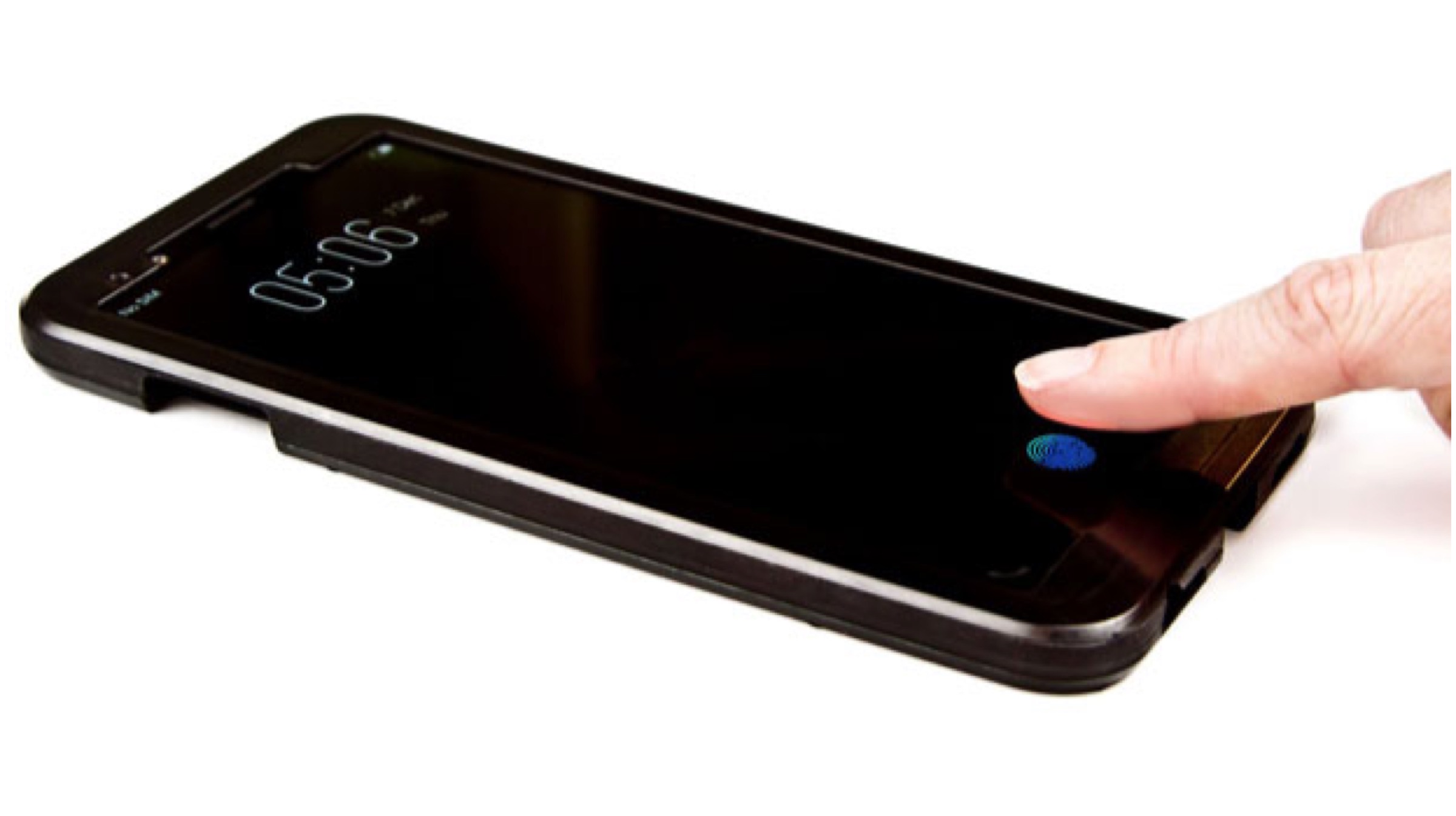
    A few weeks ago, Synaptics released a statement in which it conceded that the company has started mass production of an in-display fingerprint sensor in association with “one of the top five smartphone makers” in the world. At the time, everyone speculated that the announcement fit the timeline of the launch of the Samsung Galaxy S9 and Galaxy S9+. However, to a lot of industry expert’s surprise, that OEM turned out to be Vivo.

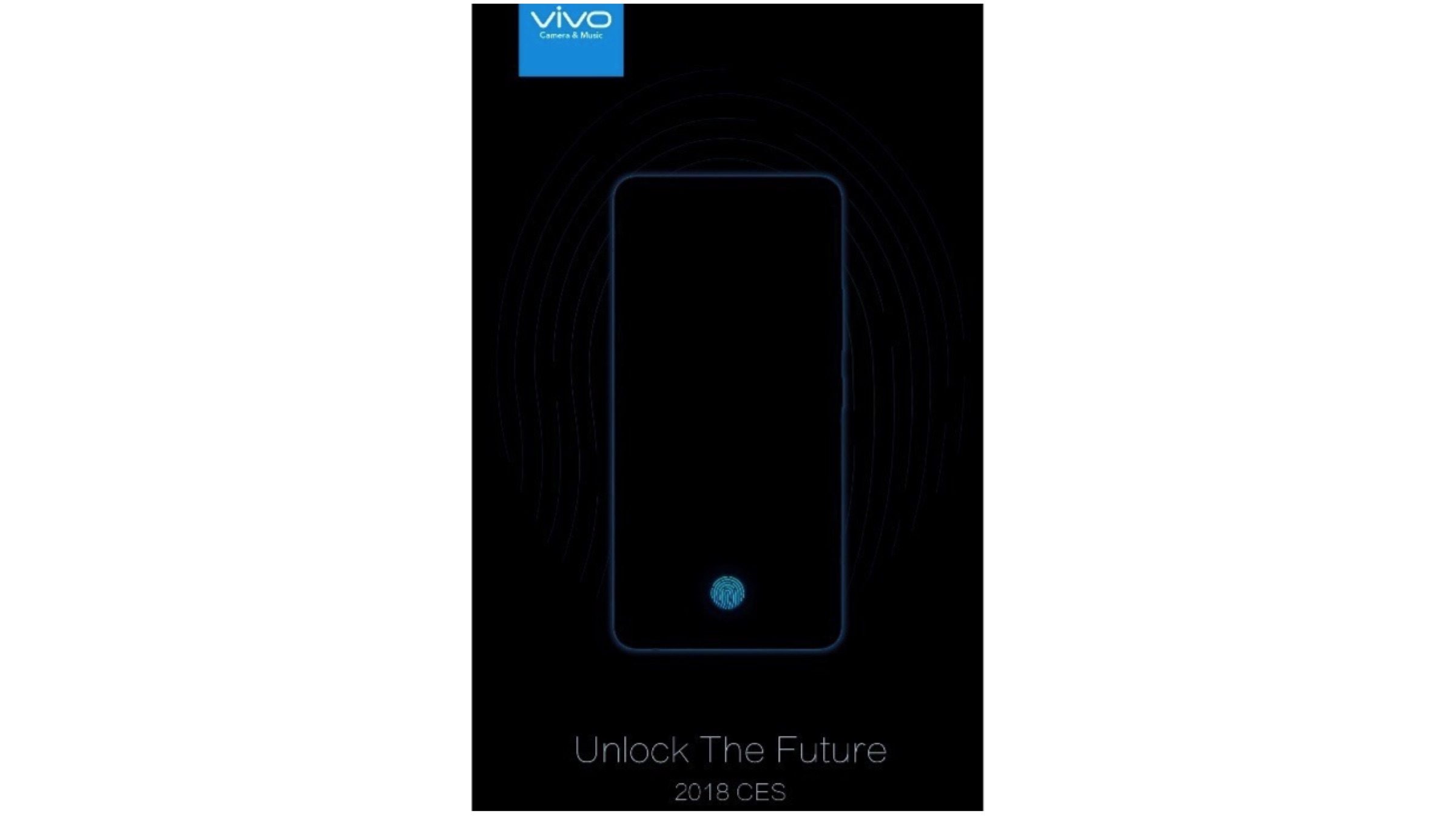
    CES 2018 kicked off on the 8th of January in Las Vegas and the tech show has been known to showcase some of the most innovative products of the tech world. It appears that the first-ever smartphone with an in-display fingerprint sensor will also be unveiled during CES 2018. Vivo has released a teaser hinting at the revealing of its device on the 10th of January at CES. This means that unlike last year, Vivo will showcase a finished product rather than a prototype.

    Early reports of the Vivo smartphone with an in-display fingerprint sensor have been positive. Analyst Patrick Moorhead detailed his experience with a pre-production Vivo phone equipped with the in-display fingerprint sensor technology. Moorhead describes the sensor as “fast and simple,” and Synaptics has claimed that it is twice as fast as 3D facial recognition like Apple’s Face ID.

    The debate of Face ID vs Fingerprint sensor might become as huge as iOS vs Android in the coming months especially if more smartphones with a similar fingerprint sensor technology are launched before Apple releases its next iteration of iPhones later in 2018. Apple has confirmed that Face ID is the future for iOS and possibly macOS devices and it won’t be going back to fingerprint sensors.

    A couple of weeks ago, Synaptics also announced that it will be unveiling a smartphone with an in-display fingerprint sensor. Now, whether this is a different device with some other OEM or the same Vivo smartphone will be revealed on the 10th of January.

  • Best Smartphones with Fingerprint Scanners

    Best Smartphones with Fingerprint Scanners

    When it comes to buying a new smartphone, there are certain key features one always looks for. With technology evolving as fast as it does, smartphones need to adapt to the change or risk getting shunned into the background. Fingerprint scanners is one of the more recent features that has become a necessity when pondering over the next smartphone. So here’s a list of some of the best smartphones out there that come with a fingerprint scanner.

    Under Rs 10, 000

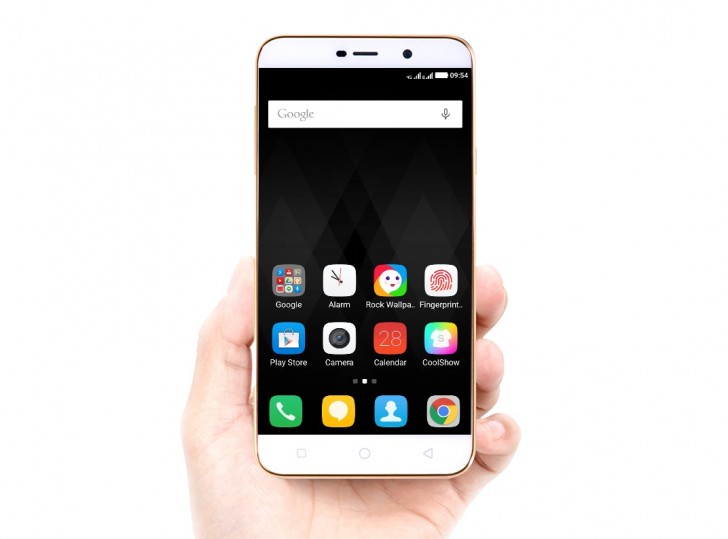
    Coolpad Note 3 Lite

    Coolpad Note 3 Lite

    There’s only one device currently that can brag about being the cheapest smartphone with a fingerprint scanner, and that’s the Cooldpad Note 3 Lite which comes priced at Rs 6, 999. The display on the phone is a 5-inch 720p HD, 320ppi IPS panel. It is run by a 64-bit 1GHz Quad-Core Mediatek MT6735 processor with 3GB Ram, and 16 GB internal storage with MicroSd card support.


    It is run by a 64-bit 1GHz Quad-Core Mediatek MT6735 processor with 3GB Ram, and 16 GB internal storage with MicroSd card support. Camera on the back is a 13-MP shooter, and at the front it boasts of a 5MP camera which clicks nice selfies.  The fingerprint scanner on the phone is a square shaped sensor situated at the back of the phone. The device goes on sale on 4th of February. Registrations are open on Amazon India.

    Under Rs 20,000

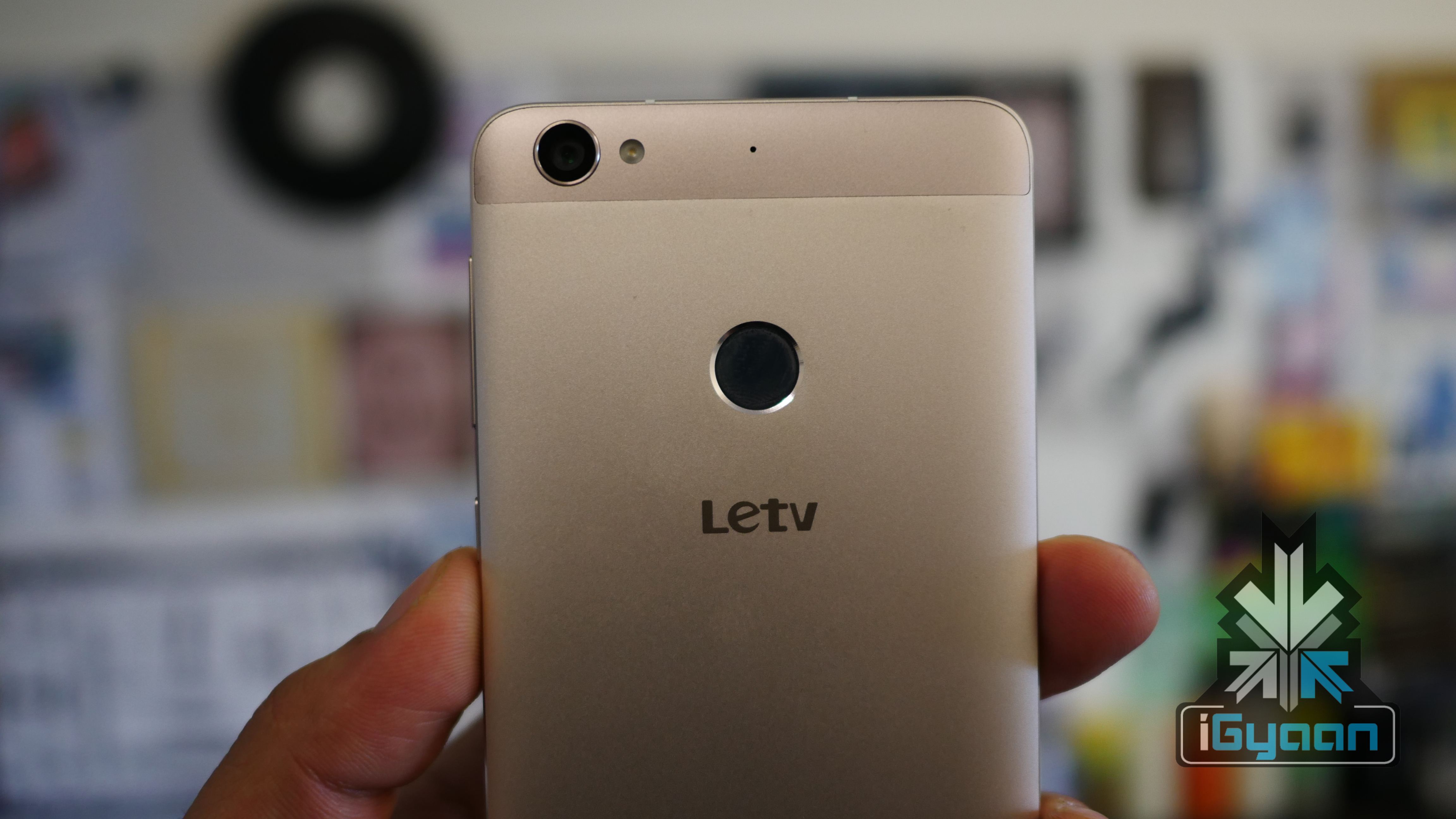
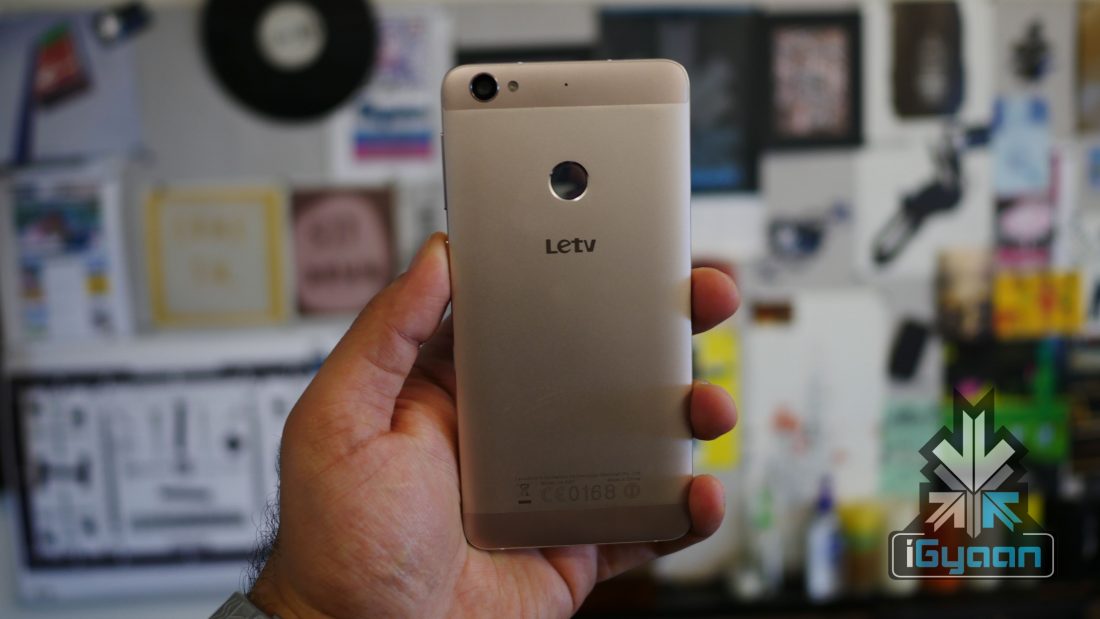
    LeEco Le 1s

    Letv LeEco 1s iGyaan 9

    LeEco launched the Le 1s recently along with the Le Max. The Le 1s sports a 5.5-inch Full HD display and is powered by a MediaTek’s Helio X10 processor. It features a 13MP rear camera and a 5MP front camera. The smartphone will run on Android 5.1 with custom EUI on top. It is a Dual-SIM device with an AnTuTu score of 55844, beating HTC One M9.

    It has a type-C USB port which ensures 3.5 hours of usage in 5 minutes of charging, along with a double chamber, symmetrical design, and super-slim, full-metal body with 7.5 mm of thickness. The fingerprint scanner of the device called LeTouch, is mirror-surfaced with 99.3% accuracy and .15 seconds flash recognization. Le 1s is available for Rs 10,999. 

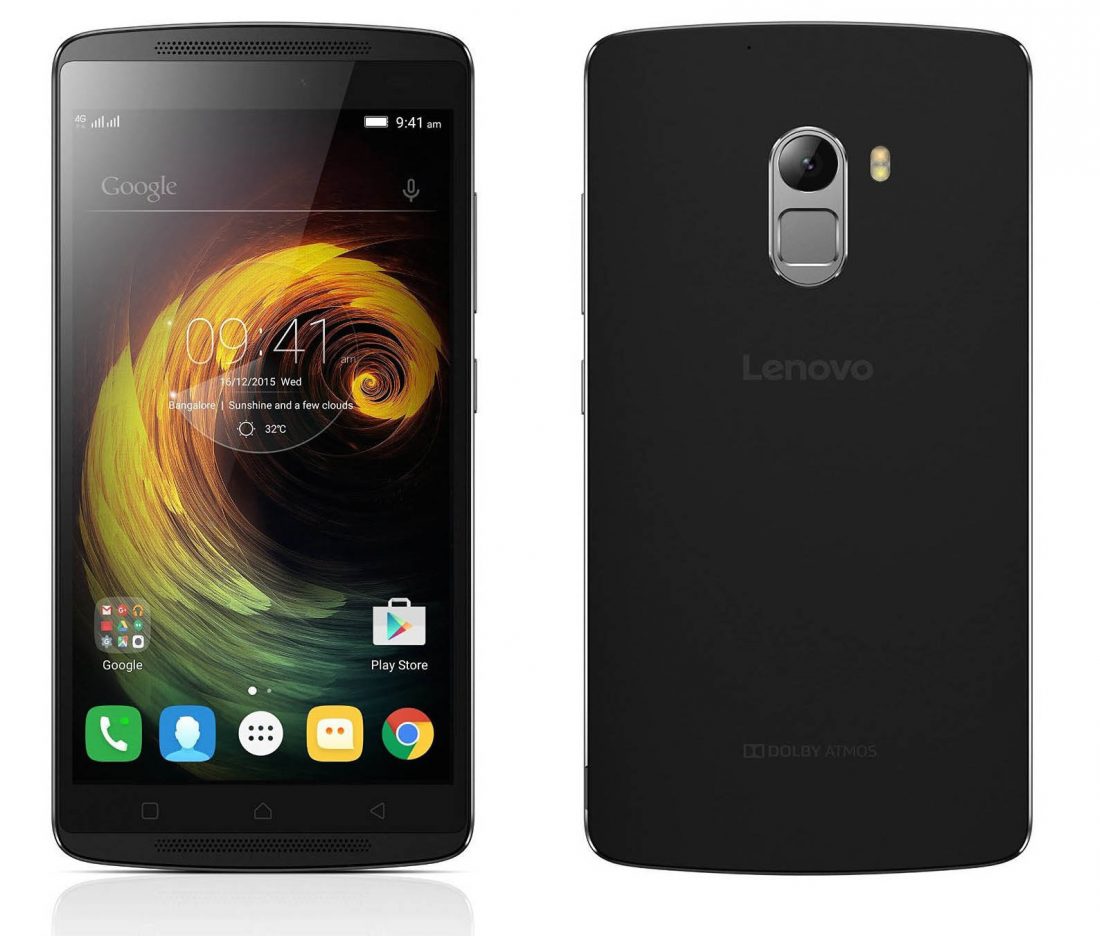
    Lenovo K4 Note

    Lenovo Vibe K4 Note

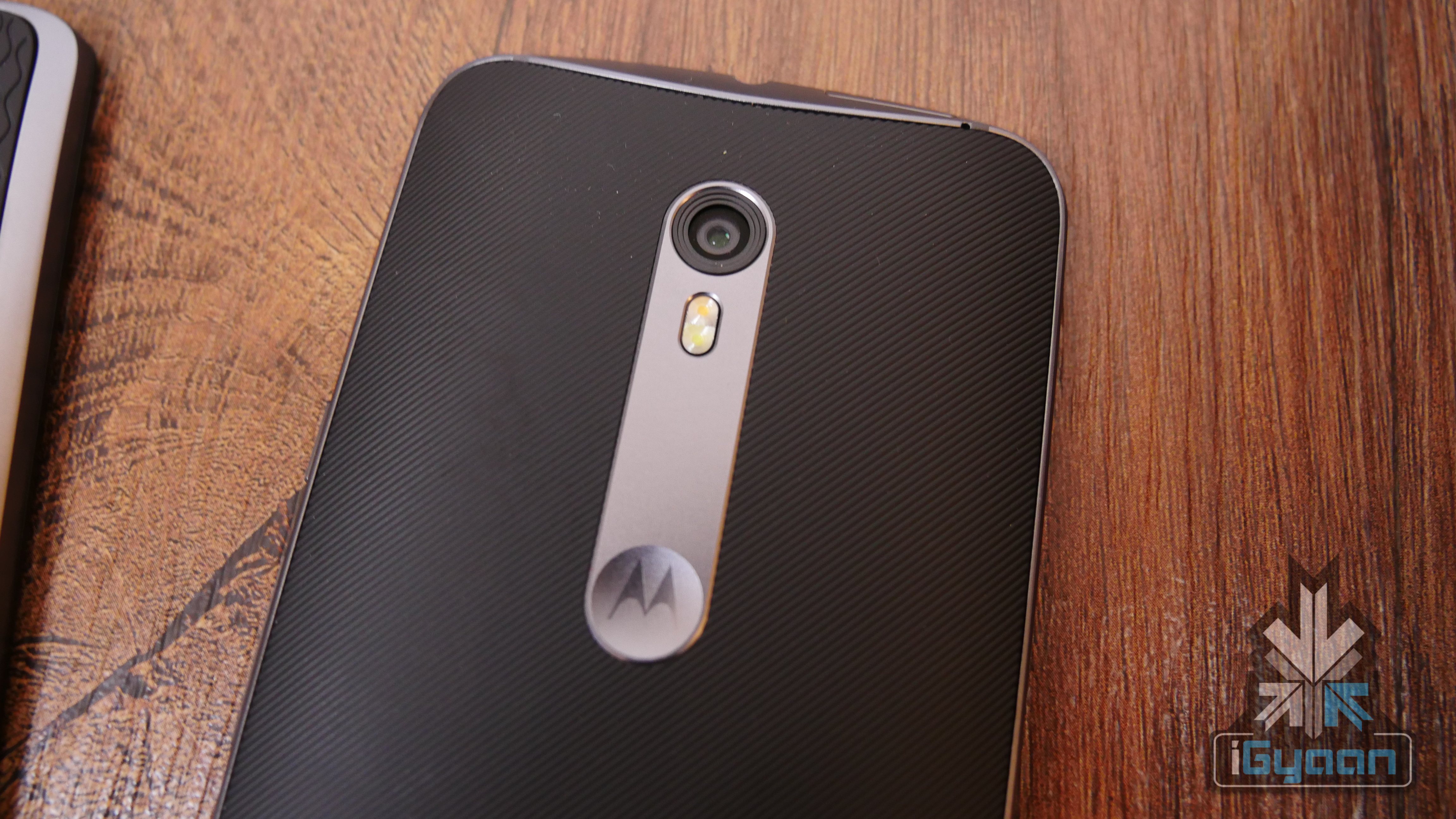
    The phone has a fingerprint scanner at the back just below the camera module and dual-front speakers with Dolby Atmos audio. The device is dual-SIM, has 4G LTE support and has a 5.5-inch display. On the camera front, it packs a 13 MP main camera and a 5 front camera.


    The phone is run by a 1.3 Ghz Octa-Core MediaTek MT6753 processor with Mali-T720MP3 GPU, and comes with 3GB of DDR3 RAM. Storage options on the phone include a single variant of 16GB internal memory which can be expanded to 128GB using a MicroSD card. The device goes on sale on the 3rd of February and is priced at Rs 11,998

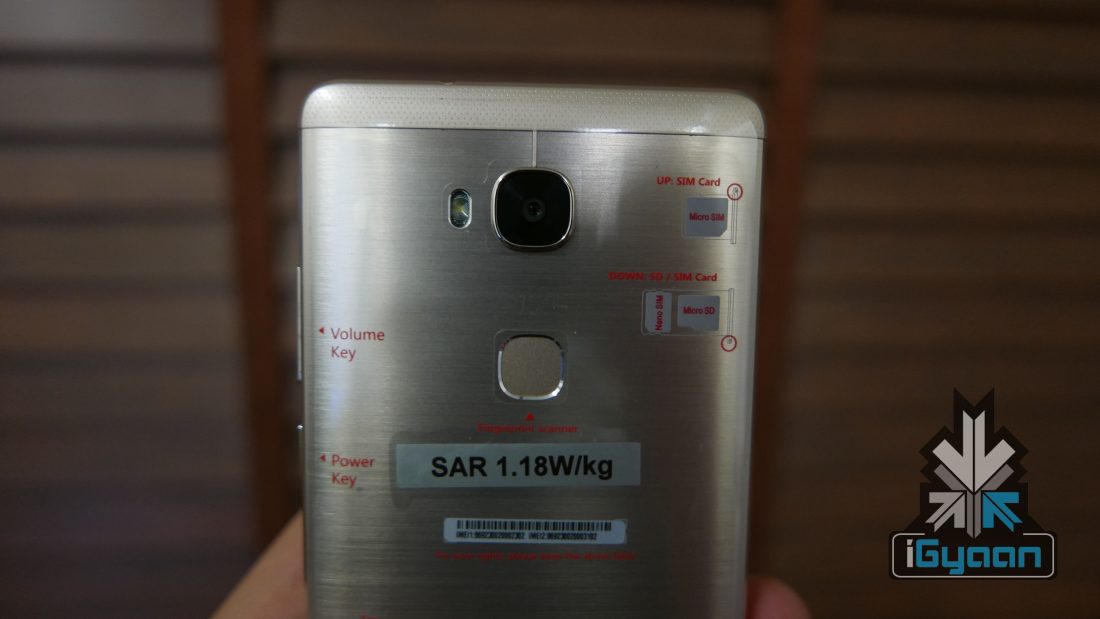
    Honor 5X

    Huawei Honor 5X iGyaan 4

    The recently launched Honor 5X sports a 5.5-inch Full HD IPS LCD display with a 1920 x 1080p resolution, and a pixel density of 401 ppi. It is powered by a 64-bit octa-core 1.5GHz Qualcomm Snapdragon 615 SoC with Adreno 405 GPU. The 5X is available in 2GB of RAM with 16GB onboard storage that is expandable up to 128GB via microSD card slot.


    In terms of design, the Honor 5X sports an aircraft-grade metal unibody construction with a fingerprint scanner at the back that can also be used to take photos. The device gives a premium look for a budget-friendly smartphone, keeping it on par with the Le 1s that was launched last week. These devices show us that budget phones are turning out to be the new premium. The device is priced at Rs 12,999 on Amazon India.

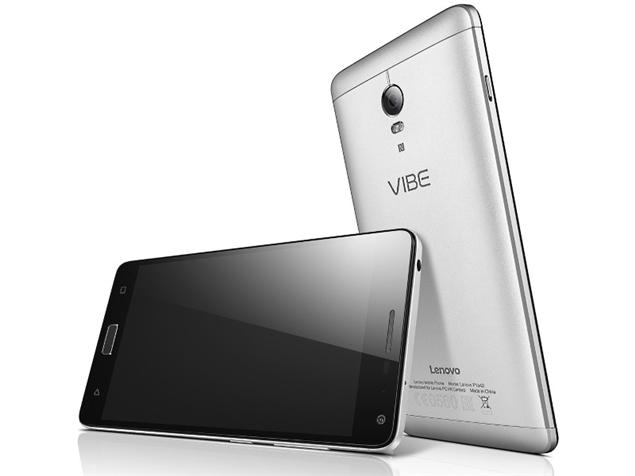
    Lenovo Vibe P1

    Lenovo Vibe P1 with fingerprint scanner

    The Vibe P1 features a 5.5-inch full-HD (1080×1920 pixels) IPS display with Corning Gorilla Glass 3. It is powered by a Snapdragon 615 octa-core processor clocked at 1.5GHz with Adreno 405 GPU; 2GB of RAM and 32GB storage with expandable storage via microSD card. The device features a 13-megapixel rear camera and a 5-megapixel front; dual-SIM with dual 4G LTE support.The Vibe P1 is also equipped with a nice Home Key that houses a fingerprint scanner within it.

    Lenovo Vibe P1 comes with a price tag of Rs 15, 999 and is available on Flipkart.

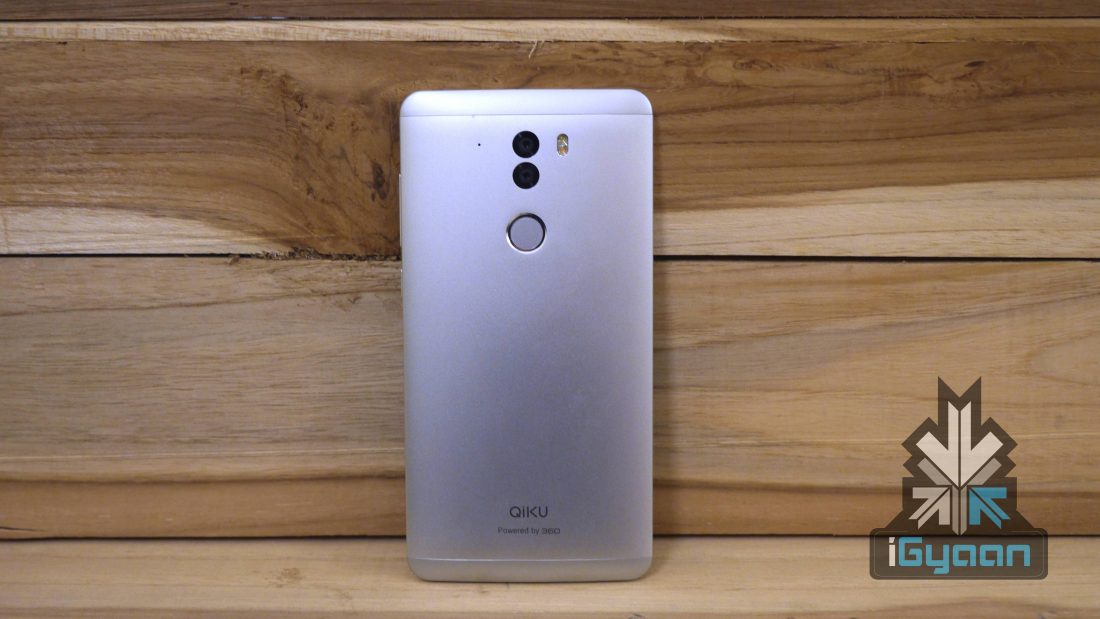
    Qiku Q Terra

    qiku terra 1

    The Qiku Q Terra a massive phone with a 6 inch FHD display with 1080 X 1920 pixel resolution. It is powered by the Qualcomm Snapdragon 808 64-bit processor and comes with a 3GB RAM. Along with this, it also has a 16GB of internal storage capacity that is expandable up to 128GB.

    What sets the Q Terra apart from the other handsets in the list is that it uses a DuoScopic Camera System that integrates two 13MP Sony back cameras – a IMX278 color sensor along with a B/W IMX214 sensor. Adding to this, the phone also offers an 8MP front camera with f/2.4 aperture.

    Qiku has chosen to place the fingerprint scanner at the rear panel of the phone, just below the camera module. The device falls just below the Rs 20,000 mark.

    Under Rs 30,000

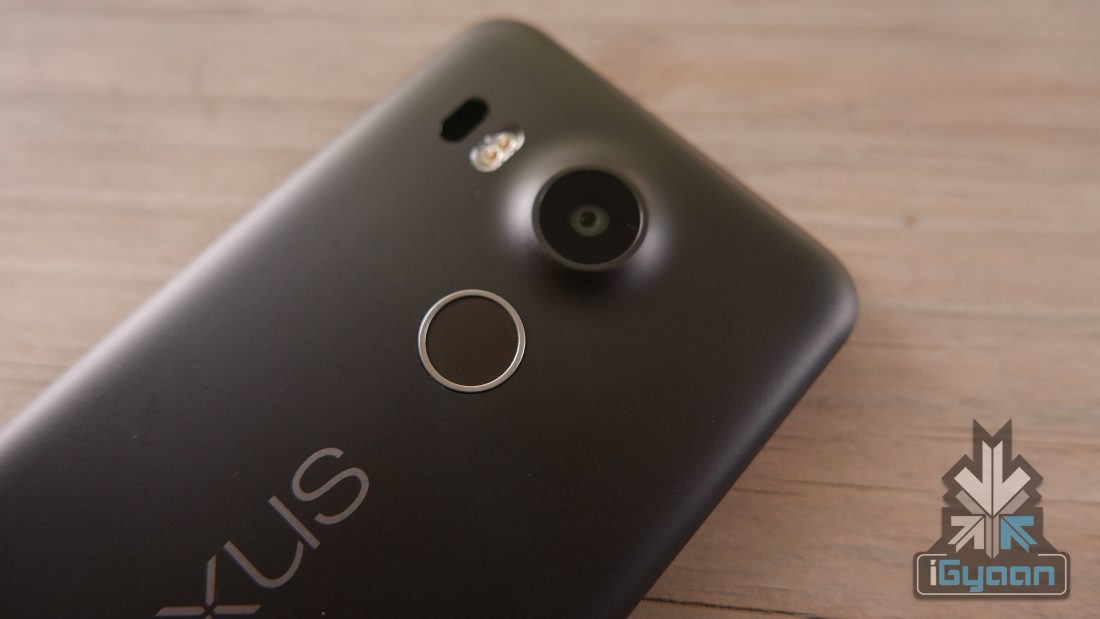
    Nexus 5X

    Nexus 5x Review 6

    The Nexus 5X comes with a 5.2-inch FHD display, USB Type-C which allows almost 4 hours of battery post a 10-minute charging routine, and is available in three colors – Carbon black, Quartz white and Ice blue.

    It is further packed with a 2 GB RAM, Qualcomm Snapdragon 808 chipset and OS Android Marshmallow 6.0. On the camera front, the device comes equipped with a 12.3 MP rear camera and a 5 MP selfie camera. The smartphone is capable of capturing 4K and slow-motion videos, making this phone the most advanced multimedia Nexus device to date.

    The fingerprint scanner on the Nexus 5X is at the back conveniently resting just below the rear camera on the phone. The device is priced around Rs 21,000 for the 16GB variant on Flipkart and Amazon.

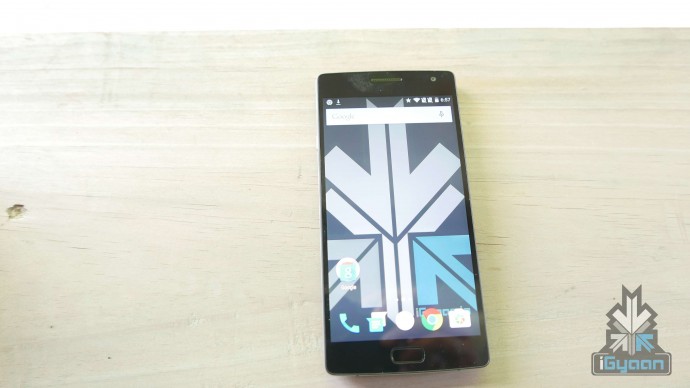
    OnePlus 2

    OnePlus 2 9

    This beast of a phone comes in with a 5.5-inch 1080p display, and, as of 29th of January, is available in two storage variants, 16GB and 64GB. The latter will be equipped with 4GB RAM, while the former comes in with 3GB RAM on board. It is powered by a 64-bit octa-core Snapdragon 810 v2.1 SoC clocked at 1.8GHz and Adreno 430 GPU. The smartphone also comes equipped with Dual 4G Nano-SIM cards slots, as well as the popular USB Type-C.


    The camera sports a 12.3MP sensor with laser autofocus, dual-LED flash at the rear and a rather impressive 8MP on the front. This pure Android phone will run on the latest Marshmallow operating system. It also has a USB Type-C port. A 3450mAh battery pack provides the juice required to run this device. The 32GB variant of the 6P falls just under Rs 40,000.

    Galaxy Note 5

    Samsung Galaxy Note 5 17

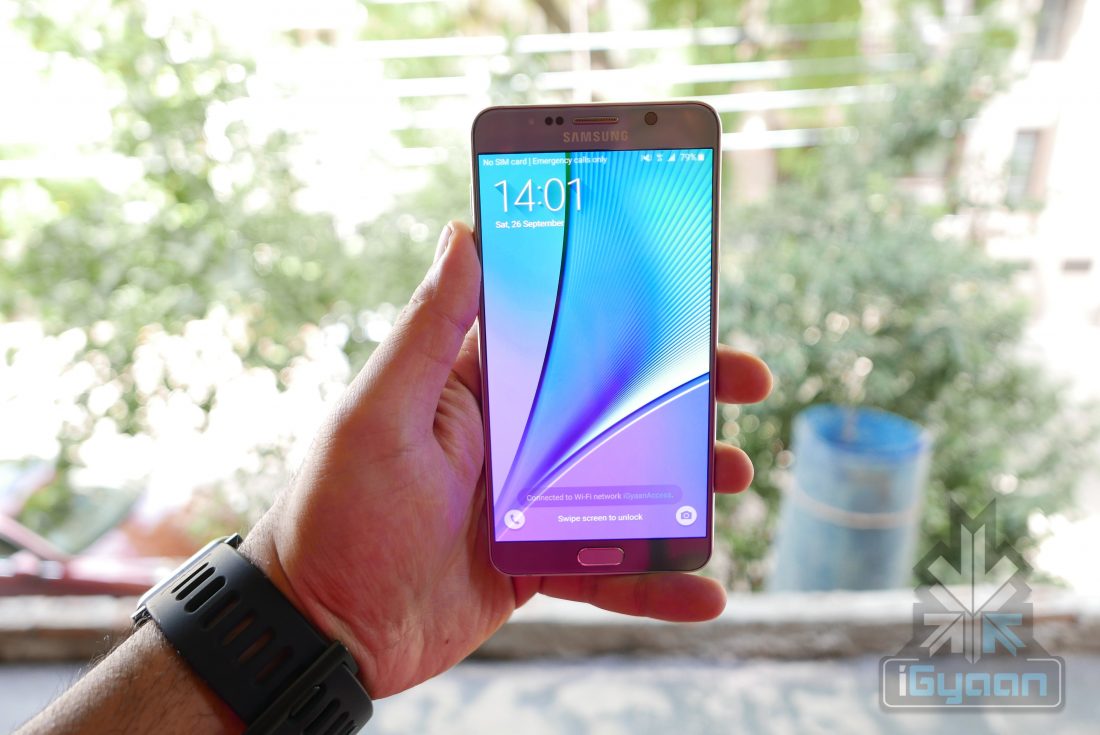
    The much-loved Galaxy Note 5 runs on the Android OS, v5.1.1 (Lollipop) powered by an Exynos 7420 chipset which consists of Quad-core 1.5 GHz Cortex-A53 & Quad-core 2.1 GHz Cortex-A57 CPU and a Mali-T760MP8 GPU. The SoC is paired with 4GB of RAM for smooth performance.

    As far as storage capacity is concerned, this handset comes in two variants – 32 and 64 GB, but does not feature a MicroSD slot for expanding memory via an external card. The display is a stunning 5.7 inches, Gorilla Glass 4 Super AMOLED capable of producing 1440 x 2560 pixels at 518 ppi.

    A 16MP rear, and 5MP front cameras are also included with a massive 3000mAh battery pack. Connectivity options include Dual Nano-SIM, Wi-Fi 802.11 a/b/g/n/ac, dual-band, Wi-Fi Direct, hotspot,Bluetooth v4.2, A2DP, EDR, LE, GPS with A-GPS, GLONASS, Beidou, NFC. It also comes equipped with a Type-C reversible connector. The Galaxy Note 5 features a very responsive fingerprint scanner integrated with the home button. All of this comes at cost of Rs 47, 400

    iPhone 6s

    iPhone 6s and 6s plus igyaan 3

    This phone that hardly needs any introduction comes with a 4.7-inch Retina HD display with 3D Touch and LED-backlit widescreen. The display can output a maximum 1334×750-pixel resolution at 326 ppi. The processor on board is a Dual-core 1.84GHz A9 chip with 64-bit architecture with Embedded M9 motion coprocessor.

    It packs what can be deceptive 2GBs of RAM that coupled with the chipset provides lag-free performance. The phone comes in storage options of  16GB/64GB/128GB. Camera options on the 6s include a 12-megapixel iSight camera with 1.22µ pixels ƒ/2.2 aperture at the back, and a 5-megapixel photos ƒ/2.2 aperture with Retina Flash on the front of the phone.

    The fingerprint sensor for the phone is at the front, housed in the home button. The 16GB Rose Gold model is currently priced at Rs 45,999 on Amazon.

  • All Moto Devices to Feature Fingerprint Scanners in 2016

    All Moto Devices to Feature Fingerprint Scanners in 2016

    Motorola (and this might be the last time we use the name) has been the name attached to the advent of the phone back in the 90s, and even fingerprint sensors back in 2011 with the Atrix 4G, much before Apple did it with the iPhone 5s. However, Motorola was still behind in including the feature to many of its devices in the past few years, especially last year’s Moto X Style and Play, while other brands have largely embraced the feature.

    Speaking of fingerprint sensors then, Lenovo has stated that all of its Moto devices this yer will feature fingerprint scanners. Chen Xudong, SVP of Lenovo and president for Lenovo China and Asia Pacific, has revealed that all Moto-branded handsets launching this year will have fingerprint sensors. One can’t help but feel that Lenovo is ready to make some big changes to the Moto lineup after it officially kills off Motorola this year.

    Lenovo Vibe P1 with fingerprint scanner
    Lenovo Vibe P1 with fingerprint sensor

    Additionally, Lenovo has also stated that there will be no more devices with screen size under 5-inches, which, if one cares to venture, could mean the end of the Moto E line. Lenovo’s plan looks pretty straightforward – the Moto devices will be launched aimed at the high-end market, while budget devices will bear the ‘Vibe’ moniker. Between the two, Lenovo plans to launch no more than 15 devices this year.

    Lastly, Chen also stated that Google Play Store will launch in China, which is likely to give a stiff competition to many of the local app stores for Android in the country. In fact, Google was supposed to announce a China-only version of the Play Store last year along with the launch of the Nexus devices, but that did not happen.

  • Fingerprint Scanners are Finally Here

    Fingerprint Scanners are Finally Here

    Remember those spy movies you would watch as a kid, where the spy would have to get to this super secure vault; which could only be opened by one person, because it was locked by the most advanced technology of all time – fingerprint security system? Child’s play today.

    Almost every present day high-end smartphone has a fingerprint scanner. So why not a USB fingerprint scanner which can be attached to your laptop in order to lock all your accounts with your own fingerprint? Let us find out what all the fuss is about.

    Fingerprint scanner

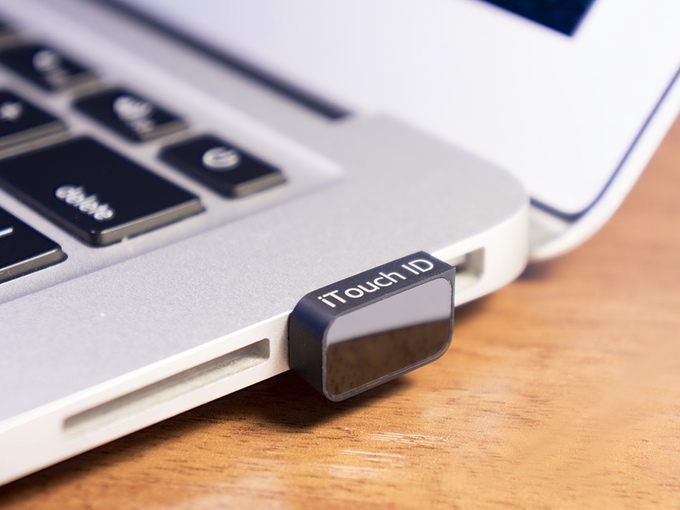
    Today we want to talk about a startup project called iTouch ID; what this does, is basically makes your life easier by providing you with one fingerprint touch id scanner to access all your accounts. You might think that this is absolutely ridiculous as a security measure for all your important accounts.

    Well, fret no more because firstly, nobody else in the entire world has the same fingerprint as you, and secondly, the device captures an image of your fingerprint and stores only the analysis data of the print. This means, that a hacker won’t be able to access your fingerprint, because it’s basically not stored anywhere.

    Makes us wonder – a. When did our brains become so dull that we can’t even remember our own passwords and numbers? Oh right, when we had to protect everything. b. Why would anyone want to hack into a lay man’s account? Honestly, today, who is a layman? Enter over-protective technology, that makes us believe our life is in danger 24 X 7.

    https://www.youtube.com/watch?v=bMrgMy6sdbo

    Now that you have understood the iTouch ID’s basic functionality let’s take a look at a couple of other things that it can do. The iTouch can act as your laptop’s main password alternative, it can also manage multiple passwords on your multiple accounts, it can automatically log you into social networking sites and other accounts that you frequently visit, and it can even lock and unlock files just by creating a specific setting.

    Way to make us lazier than we already are! It’s like technology is suddenly demeaning human power rather than enhancing it. It’s like this condescending voice in our head that is saying – Hello person, you are going to forget your password eventually, then somebody will hack into your account and steal all your money, then you’re going to die unhappy. Human reaction – Dear technology, please take over my life already.

    iTouch ID

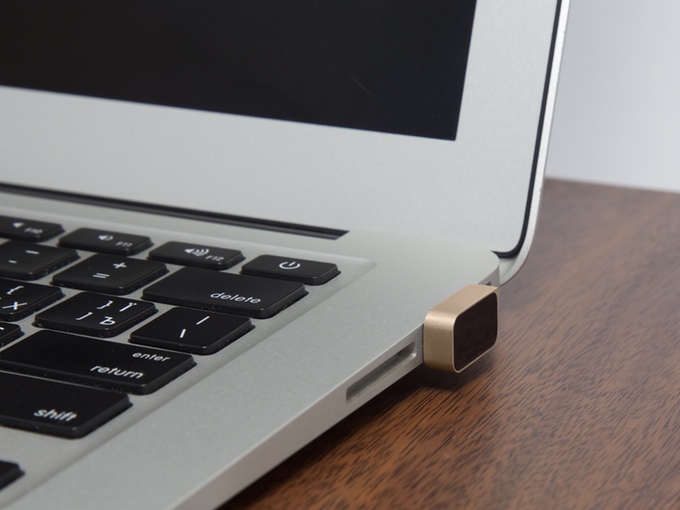
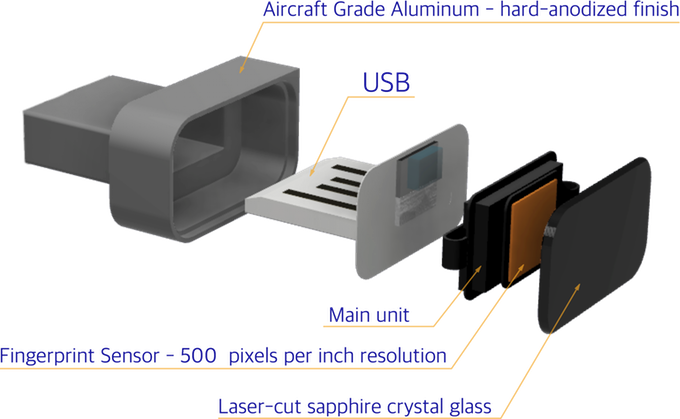
    Luckily we already know that this attachment is rather small, so it won’t cause you any hassle of tangled wires or adding weight to your device etc. What we also know is that it is not easily destructible, simply because of the way it has been crafted. It has been made out of an aircraft grade aluminum with a hard-anodized finish and laser-cut sapphire glass.

    This that it is completely waterproof and has the ability to resist scratches. Basically, a lot of money has been spent to protect you, so you might as well take advantage of it by paying some more money,

    iTouch ID

    Hardware wise it comes with a Fingerprint Sensor: ID FPS360, capacitive touch to detect the user’s fingerprint, 500 pixels per inch resolution, 256 x 300 pixel array, measures 0.72 inches (18.2 mm width) by 0.42 inches (10.6 mm length) by 0.24 inches (6 mm height), and has a power supply of 5V via USB. Apart from this the product also features  a USB 2.0, and as mentioned earlier is waterproof and scratch resistant. On the software front, this security product comes with an iTouch ID FPS360 Personal Identity Device USB Biometric Fingerprint scanner.

    iTouch ID

    To elaborate a little bit more about the features and functionality of the product, we should know that it’s biometric fingerprint data are encrypted and stored in a secure password storage system. It supports a native USB implementation to enable the device, it has a two level authentication process, and is  AES encrypted. See what we mean by ‘over-protective technology’ to the rescue?

    iTouch ID

    There are 10 variants of iTouch IDs with varying price range. The Friendly iTouch ID comes at $3, the First iTouch ID comes at $79, the Green iTouch ID, the Gold iTouch ID and the Simple iTouch ID come at $99, the Personal iTouch ID comes at $119, the Share iTouch ID comes at $189, the Share a Personal ID comes at $ 222, the High Five iTouch ID comes at $444 and the Double High Five ID comes at $888.

    If that’s not enough of time and money spent on protecting yourself virtually, there are a couple of system requirements that you will have to fulfill before purchasing the device. You will need a PC with 1200 MHz or higher processor clock speed, a 512MB of RAM, 100MB of available hard disk space, Super VGA (800×600) or higher-resolution video adapter and monitor, USB 2.0 backward compatible for USB 1.1 and an OS Windows or Mac OS X and Android.

    Overall it is quite an impressive piece of work, it’s complicated, sophisticated, intricate, well thought out and honestly it is also innovative. However that sense of awe we had mentioned in the beginning is still not there. Today technology has become so accessible that, the sophisticated technology we once thought could only be used by the CIA or MI6 or James Bond can now easily be bought by us too.

    The main attraction towards technology back when we were kids, was the magic it produced and the mystery behind it. Today, even though we know everything, and what we don’t know can be found out very simply, the charm technology holds on us still unbreakable. Won’t you agree?

    Source

  • This Newly Developed 3D Fingerprint Scanning Technology Can Redefine Mobile Security

    This Newly Developed 3D Fingerprint Scanning Technology Can Redefine Mobile Security

    The world that we live in is surrounded by constant cyber threats and crimes, especially in the case of smartphones. You never know when your handset might get picked out from your pocket and be misused in many ways. Tech companies are aware of this fact, hence they are coming out with new innovations to prevent that from happening. We have retina scanning devices, highly secured passcodes, location tracking and more such measures. However, this new security technique will take smartphone security to another level.

    We all thought of fingerprint scanning as a fictitious piece of design until recently, when Apple declared that it was going to include a fingerprint scanner in 2013’s iPhone 5s. Since then, many questions have emerged on the dependability of the scanning technique. As it turned out, the scanning feature was quite accurate and was received well when the iPhone 6 came out.

    But even in the best of cases, the capacitive sensors used in the modern age of mobile devices are still subject to serious security leaks. One of them is that since these scanners use 2D images of your fingerprint, anyone could place a printed image of your fingerprint on the top of the sensor and gain access to your phone.

    Scientists from Mechanical and Aerospace Engineering Department at the University of California have developed a unique ultrasonic 3D fingerprint scanner that could be used in smartphones and other devices to enhance and provide better protection against unknown access. Professor David Horsley and his team have developed the new fingerprint scanner by using low-depth ultrasound to image the ridges and valleys of the fingerprint surface (and the tissue beneath it) in 3D.

    According to Professor Horsley, his team realised the need for a new fingerprint scanner due to:

    Using passwords for smartphones was a big security problem, so we anticipated that a biometric solution was ahead. After Apple announced a fingerprint sensor in new iPhone in 2013, it was inevitable that more would follow.


    To formulate their image, the group used existing micro-electro-mechanical systems (MEMS) technology, which smartphones rely on for functions like microphones and directional orientation. According to Horsley, the use of well known, high volume manufacturing methods means that his team’s sensor could be generated at a very low cost.

    “The hope of the future is that beyond biometrics and information security purposes, the new technology is assumed to find many other applications, including low-cost ultrasound as a pharmaceutical diagnostic tool or for personal health monitoring,” Professor Horsley said.

  • OnePlus Two Will Feature Fingerprint Scanning Technology

    OnePlus Two Will Feature Fingerprint Scanning Technology

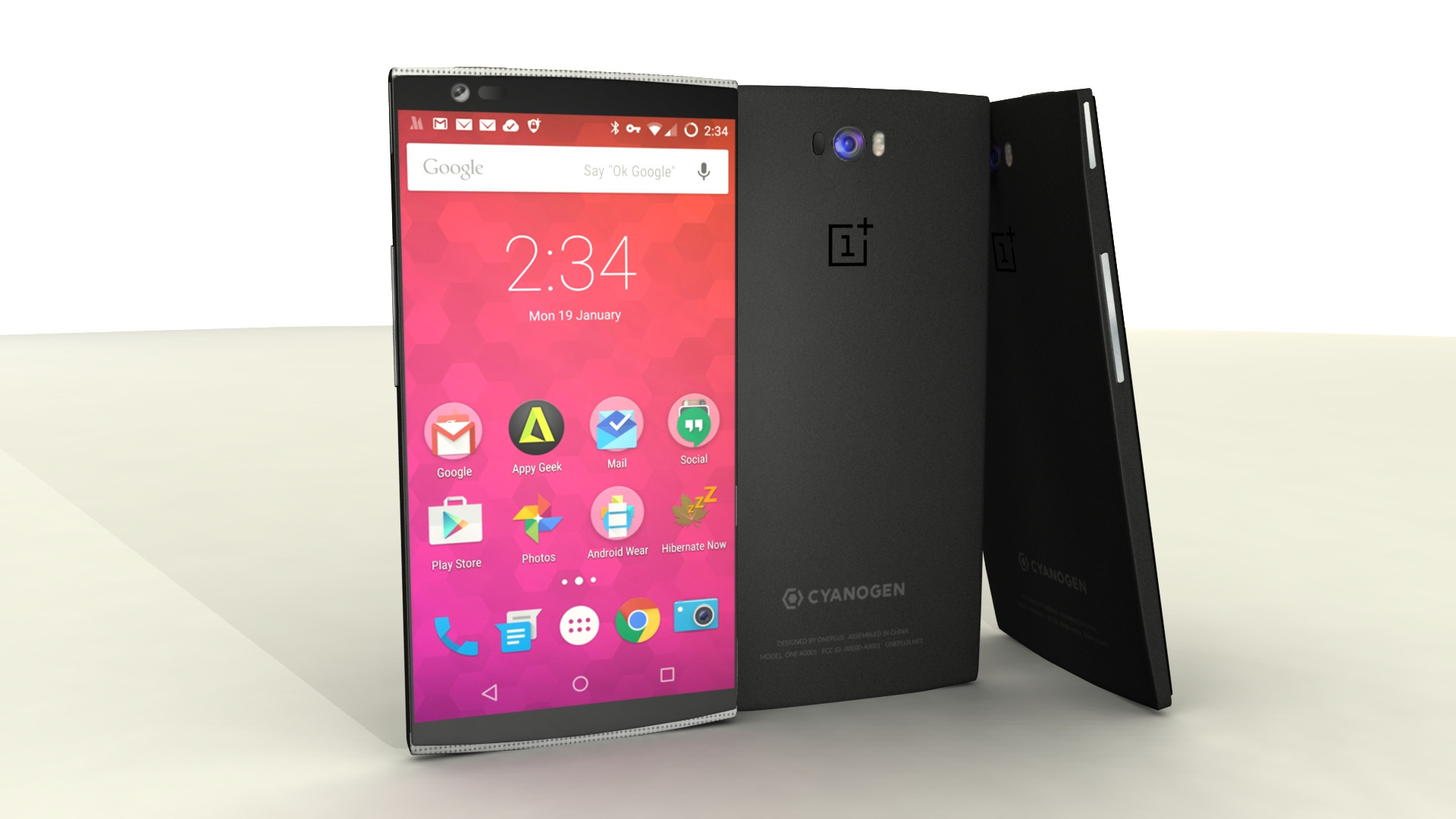
    With its launch only a month away, OnePlus is slowly giving out hints and details of the highly anticipated OnePlus Two. Just yesterday a new detail emerged about the phone sporting a display ranging between 5.5 and 5.7 inches and having a black matte border. Before this, OnePlus confirmed that the Two will be the first Android handset to feature a USB C-Type charging. Today, the company has revealed that the new handset will have a fingerprint sensor, and it is slated to be better than the Touch ID.

    The official blog page of OnePlus reads that the fingerprint sensor is “done right. It’s refined and lightning quick, unlocking your device faster than TouchID.” It also says, “Your smartphone is your most personal device, and its security should be personal, too.”

    The company assures that the sensor will not be used as a selling point of the device, but instead be a useful feature. OnePlus says the technology is meant to unlock your device and will be able to store five fingerprint profiles.

    OnePlus Two is not the first device to implement fingerprint scanning within it. Samsung has done the same with its devices. However, researchers at Germany’s Security Research Labs showed that the Samsung Galaxy S5’s fingerprint scanner is not at all secure.

    OnePlus Two will launch on 27th July through a virtual reality event. Currently not much is known about the spec details of the expected OnePlus handset, but we got some notable information that pointed out to its processing capacity. As per the detail leaked by the company CEO Liu Zuohu, OnePlus Two will run on Snapdragon 810 chipset along with 4GB RAM. A 5.5-inch 2K display will improve the viewing experience of the user.

    oneplus two

    There is still a little bit of time for the OnePlus Two to come out. In the meantime, you can watch our review on the OnePlus One:

  • HTC Will Reportedly Bring Out a Plus Variant of One M9 With a Fingerprint Scanner

    HTC Will Reportedly Bring Out a Plus Variant of One M9 With a Fingerprint Scanner

    Mobile World Conference (MWC) is fast approaching with the promise of new and exciting flagships. Rumour mill is working fast to give us all the hints we want about the devices we are excited about. Just recently we saw some images of alleged the upcoming HTC One (M9) flagship.

    Now, another variant of HTC’s popular flagship has surfaced on the internet. Leakster Leaksfly claims that the the device will be named HTC One M9 Plus and will feature a slightly different design as well as come with a few extra features than the regular HTC One M9 flagship.

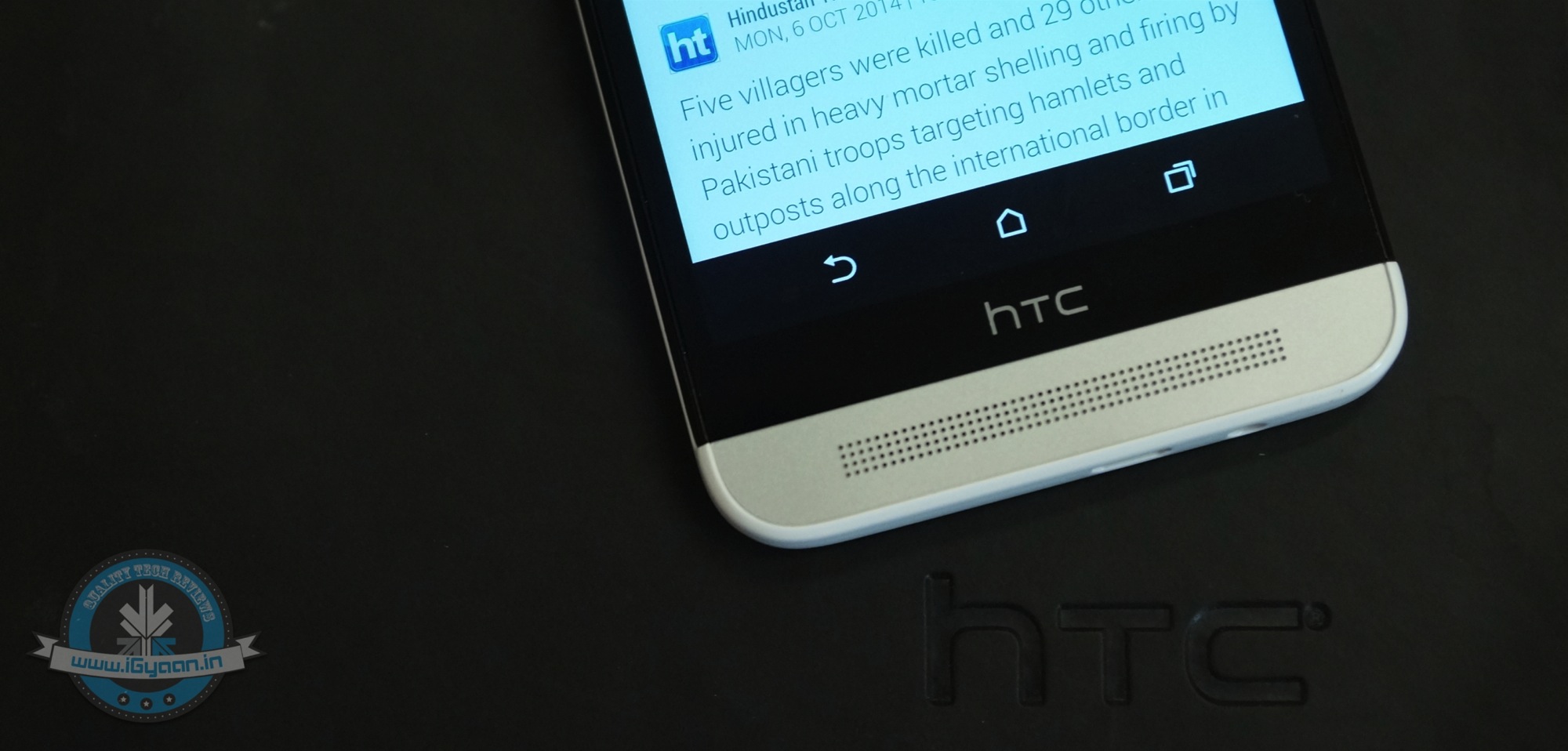
    The alleged M9 Plus has slightly different design than what we expect from HTC’s flagship. The most evident change is the new physical home button replacing the usual speaker at the bottom. The inclusion of physical bottom is strongly hinting the presence of fingerprint scanner but nothing can be confirmed as yet.

    htc one e8 20
    The speakers at the bottom will be replaced by a fingerprint scanner

    The front camera sensor looks bigger than the usual, which may hint at a 13MP camera sensor like the HTC Desire Eye. But the overall design seems similar to the previous flagships. Talking about specifications it is said that the Plus variant may come with a 5.5-inch 2K display with the latest Snapdragon 810 under the hood. It will have 3GB RAM and will support 4G LTE networks. Detailed camera and connectivity specs have not yet been leaked.

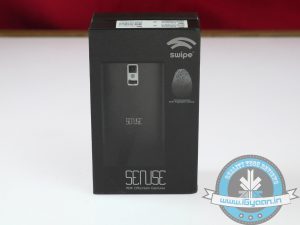
  • Diwali Giveaway : Swipe Sense

    Diwali Giveaway : Swipe Sense

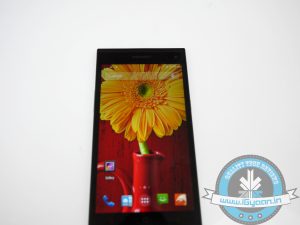
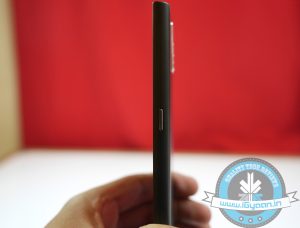
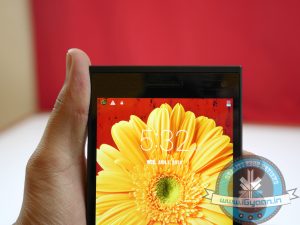
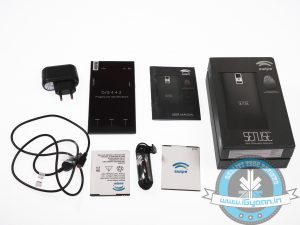
    Like we said, this is just the beginning. After the Asus Zenfone 4 and Xiaomi In-Ear Earphones, we are now giving you the chance the chance to win the Swipe Sense.

    Simply enter the sweepstakes below.

    a Rafflecopter giveaway

    Follow the instructions carefully and read the terms and conditions on the form as well as given here. This Giveaway is open only for residents of India.


  • New Xolo Q2100 Priced at Rs.13,499 Boasts a Built-In Fingerprint Scanner

    New Xolo Q2100 Priced at Rs.13,499 Boasts a Built-In Fingerprint Scanner

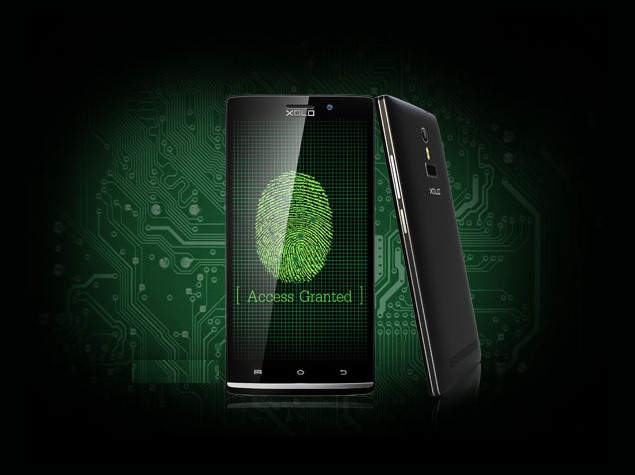
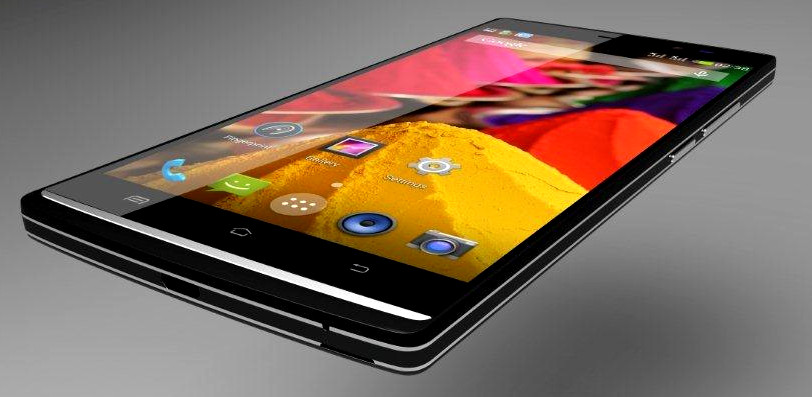
    Xolo has just launched the Q2100 smartphone for Rs. 13,499. The USP of the new smartphone is the built-in fingerprint scanner, and an IR blaster that is capable of functioning as a universal remote along with the preloaded Peel Smart Remote app. The fingerprint scanner is at the back of the Q2100 and it lets you securely access and unlock your smartphone in just a swipe over the the sensor.

     Maximum 3 fingers can be enrolled and successfully decoded as a part of this authentication process. The Last Pass app comes pre-loaded in the device which is  secured by a fingerprint sensor to safeguard all passwords.

    Xolo-Q21002

    It has a 5.5-inch HD display, powered by a 1.3 GHz quad-core MediaTek MT6582 processor and runs on Android 4.4 (KitKat). It has a 8-megapixel auto focus rear camera with Exmor R sensor, 1080p full HD video recording, dual LED flash and a 2-megapixel front-facing camera. It comes with dual SIM support with dual standby and packs a 2800 mAh battery.

    Other connectivity options on the Xolo Q2100 include Bluetooth, Wi-Fi 802.11 b/g/n, USB OTG, A-GPS, and FM radio. The smartphone comes with an ambient light sensor, accelerometer, magnetometer, and proximity sensor. The Xolo Q2100 comes in Black and White colors and is priced at Rs. 13,499.

    Specifications

    Xolo Q2100

    Display 5.5-inch (1280 x 720 pixels) HD IPS display with Corning Gorilla Glass 3 protection
    Processor 1.3 GHz quad-core MediaTek MT65882
    Storage 8GB internal memory, expandable memory up to 32GB with MicroSD
    RAM 1GB
    Camera 8MP rear and 2MP front camera
    Battery 2800 mAh
    Operating System Android 4.4 (KitKat)
  • Samsung Galaxy Note 4 to Get New Fingerprint Features

    Samsung Galaxy Note 4 to Get New Fingerprint Features

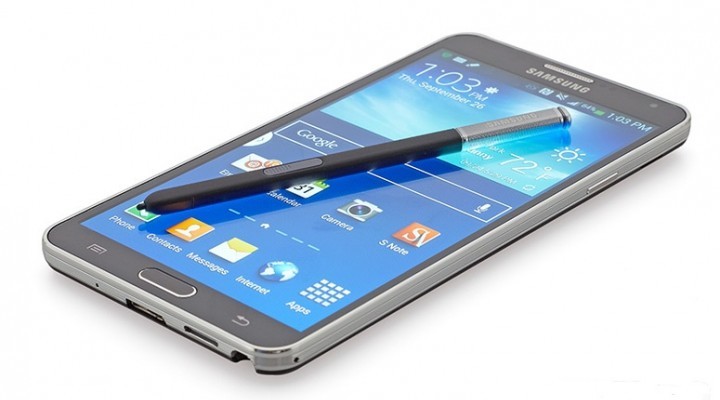
    Since it’s debut on the Galaxy S5, Samsung  has included a fingerprint scanner on a number of devices. There is no surprise that the Samsung Galaxy Note 4 will come with one as well, but this time it could be in for better features.

    Recently Sammobile, popular leakster, claimed that Samsung will use the Synaptics’ Natural ID solution, just like the Galaxy S5 and the Galaxy Alpha in Galaxy Note 4. Presently the Galaxy S5 and Alpha come with Private Mode authentication, and Samsung and PayPal account verification. However, the Galaxy Note 4 will sport some add on features like a Fingerprint Shortcuts and Web sign-in feature. The new feature will  allow users to assign specific application launches and functions to swipes of individual fingers.

    91

    Leaked Galaxy Note 4 tutorials have revealed  phone’s Fingerprint Shortcuts feature in full detail. “When you unlock the device with the registered fingers, you can make the finger shortcut to any applications or other functions directly from the lock screen,” the instructions read.

    Another new feature that’s said to be coming to the Galaxy Note 4 is ‘Web Sign-in’. This feature allows you to sign in to websites that can remember passwords by swiping your finger over the home key, thus saving your time and trouble of typing while being more secure alternative than simply leaving sites signed in.

    Since they’re software features, it’s quite possible that Web Sign-In and Fingerprint Shortcuts could make their way to the Galaxy S5 and Galaxy Alpha following the launch of Galaxy Note 4.

    The Samsung Galaxy Note 4 is expected to launch at  a pre-IFA 2014 event on September 3. Note 4 is stated to have a 5.7 inch QHD display and is expected to be powered by a Snapdragon 805 or an Exynos 5 Octa SoC. The device is also expected to sport a 16 MP camera on the back and a 3.7 MP front selfie shooter.

  • Apple iPhone 5S, iPhone 5C Launched : Pre-Order Starting 13th

    Apple iPhone 5S, iPhone 5C Launched : Pre-Order Starting 13th

    As expected, Apple has unveiled two new iPhones today, the iPhone 5S and iPhone 5C.

    The widely-leaked phones speak to two different markets, with the more expensive 5S maintaining the same premium build, internal specs and price as the former iPhone 5, while the 5C enters the market as a so-called lower-cost variant.

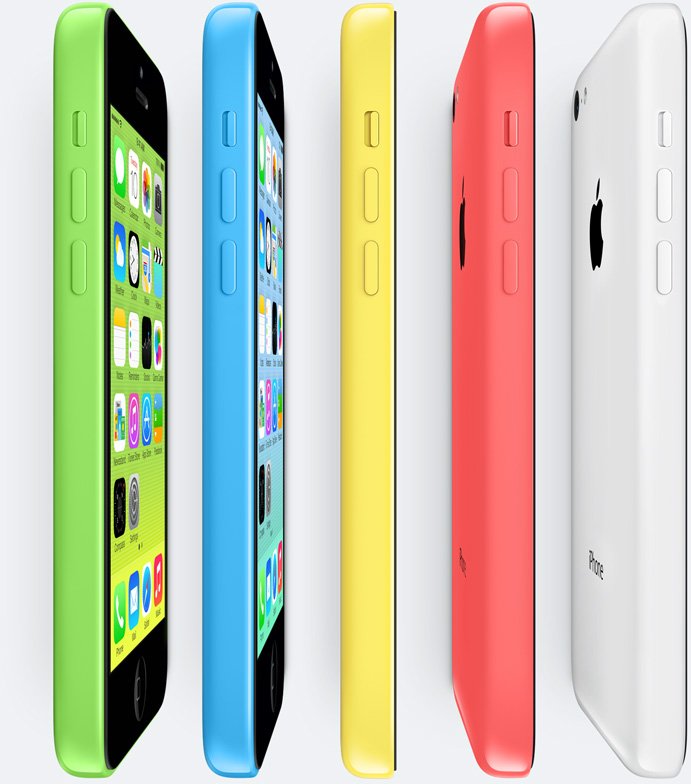
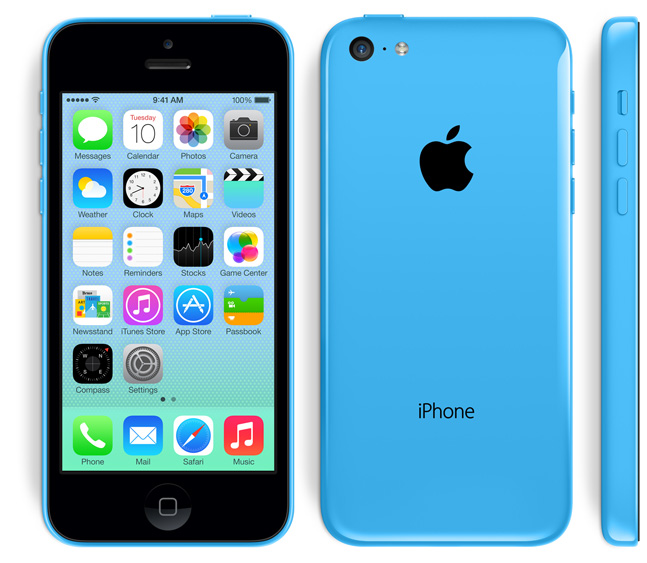
    First, the iPhone 5C. It will be available in green, yellow, blue, white and red. Apple claims that there are no seams or joints in the device — it is made with a single piece of “hard-coated” polycarbonate.

    iphone 5s

    It has a 4-inch display with the same 1136×640 pixel resolution as the iPhone 5. It also has the same A6 chip and 1GB of RAM of the iPhone 5. There’s a new HD FaceTime camera on the front and an 8MP iSight camera on the back with BSI, IR filter and 5-element lens. Looks to be the same one as the iPhone 5, too.
    iphone 5s

    It will also have full LTE connectivity and dual-band WiFi along with Bluetooth 4.0.

    The company is touting the iPhone 5C as an introductory phone for many users, and the device will come with a variety of cases for $29 each. 
    iphone 5s

    The second phone on the docket today is the iPhone 5S.

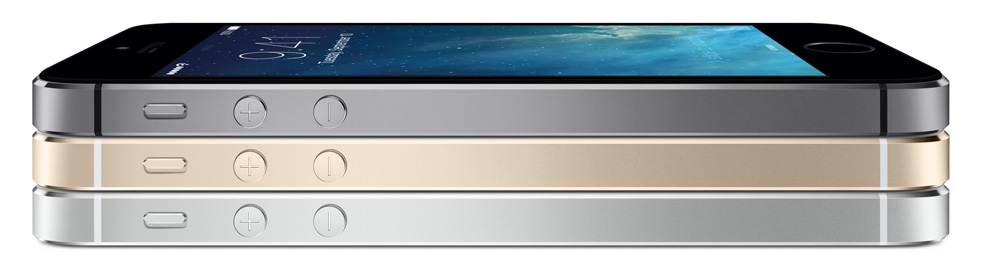
    The iPhone 5S has a 4-inch 1136×640 pixel IPS display, identical in size and resolution to the current iPhone 5. What’s different is tantamount to the typical evolution of an iPhone: a faster processor, improved camera, colour additions and, yes, a fingerprint scanner.

    According to Apple, it’s the “most forward-thinking phone we’ve ever created.” It comes in a new gold colour, in addition to the existing white and slate.

    Probably the most important improvement is the A7 chip, a 64-bit SoC that’s “the first ever of its kind in a smartphone.” It has over one billion transistors and a modern instruction set — this is truly a computer, just shrunk to a 102mm squared die size.
    hero_start__keyframe

    While apps will have to be re-engineered to support the new instruction sets, it opens up a number of possibilities for mobile computing (can’t wait to see what the A7X is capable of in the new iPad this fall).

    To the layman, it means that the A7 CPU and GPU are twice as fast as the iPhone 5?s A6. The new GPU supports OpenGL 3.0, which is one of the newest programming frameworks for 3D games (which also came recently to Android 4.3).

    There’s also something called the M7, a chip that works alongside the A7 to measure motion data, accelerometer, gyroscope and compass. It works with the newest generation of health and fitness apps such as Nike+ Move, to track all of your movement. This works instead of a Fitbit.

    ios_hero

    The iPhone 5S promises 10 hours of battery life from LTE browsing and 3G talk time, along with 40 hours of music playback and a staggering 250 hours of standby. Similar to last year’s model.
    forward_hero_mba_11

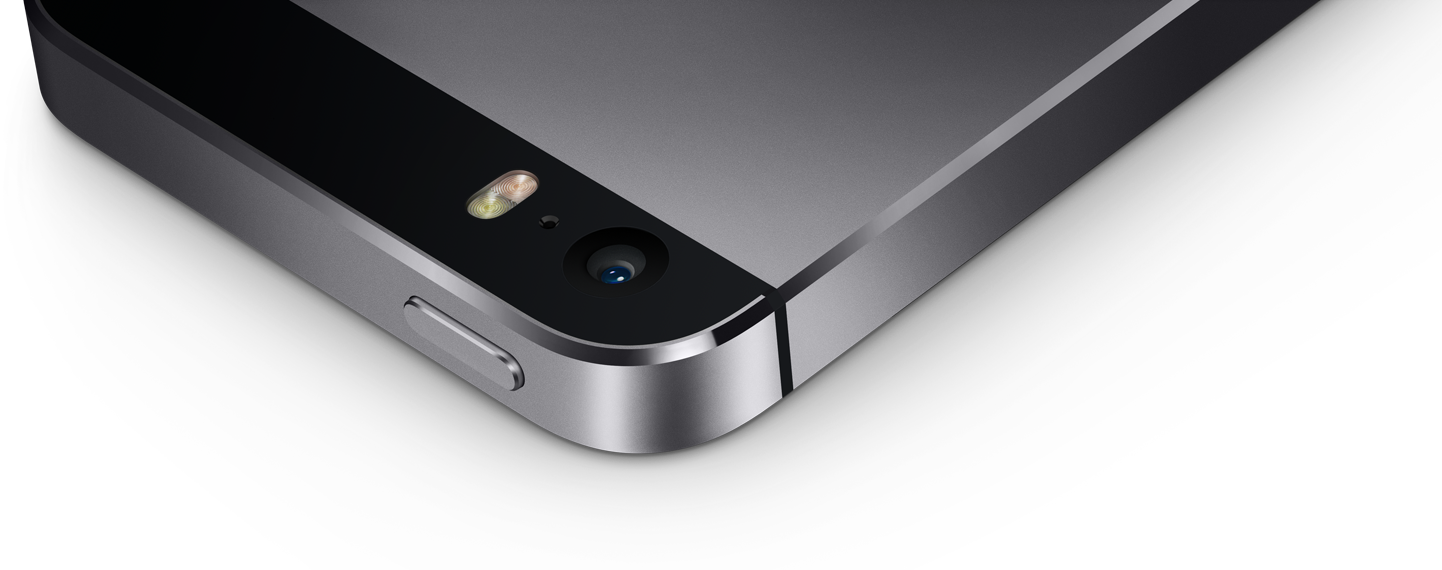
    The new camera is also improved over the former model, with a wider f/2.2 aperture and bigger pixels despite the 8MP resolution. This lets in more light — a 15% larger active sensor area — which automatically makes better photos from the same lighting scenarios. There’s also a digital form of image stabilization, and a new burst mode at up to 10fps. The software analyzes multi-photo series and chooses the best one. This is similar to Best Shot from the HTC One and Galaxy S4. It also has dual flash.

    The camera support 120fps slow motion (slo-mo) as well at 720p, and the built-in editor can speed up or slow down certain parts of the video for a great effect.

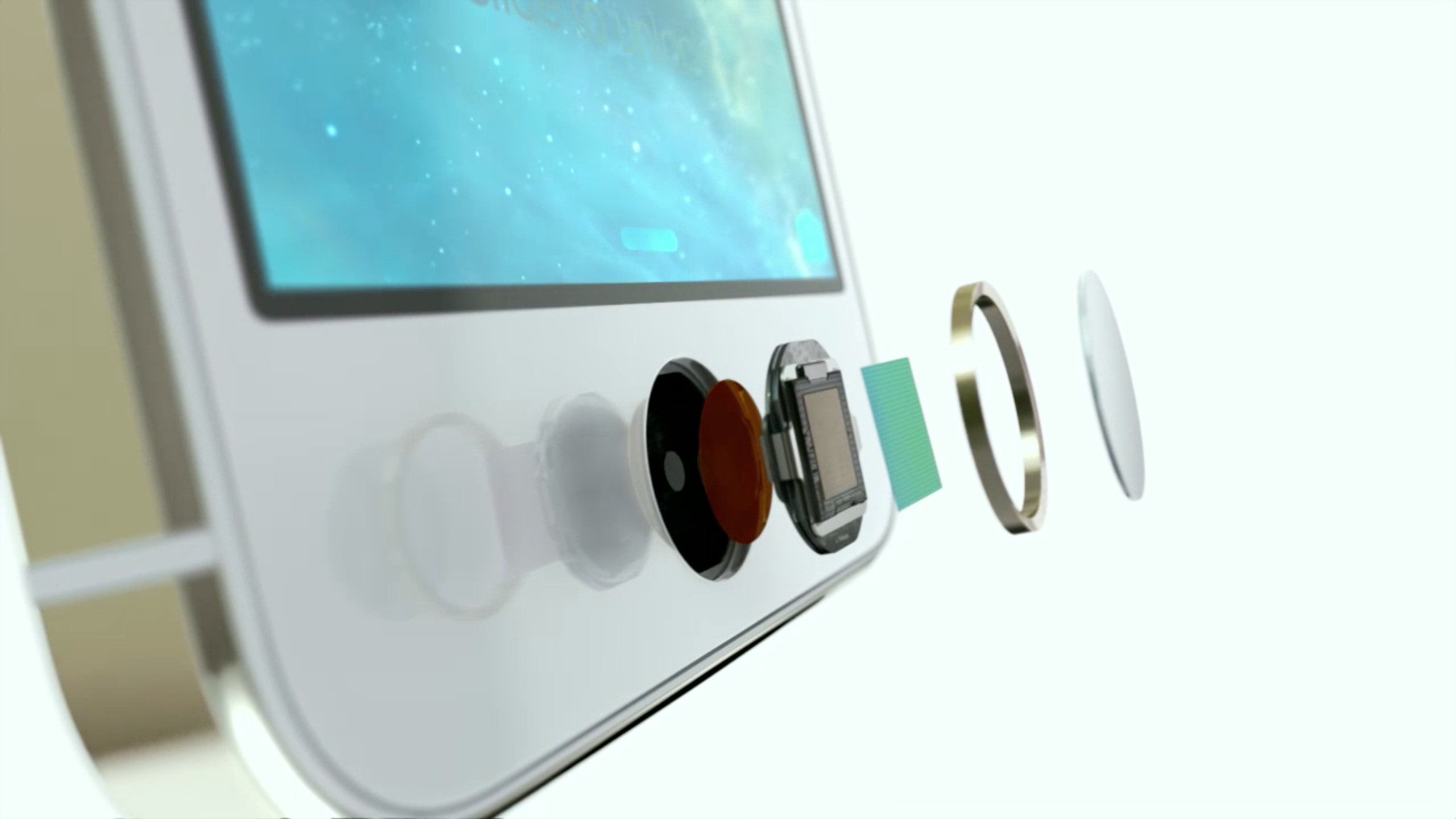
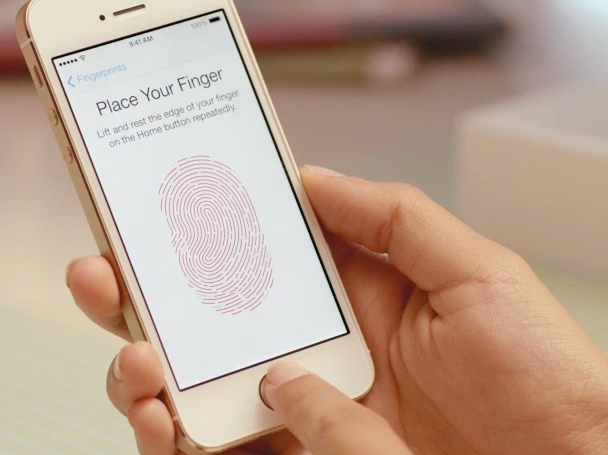
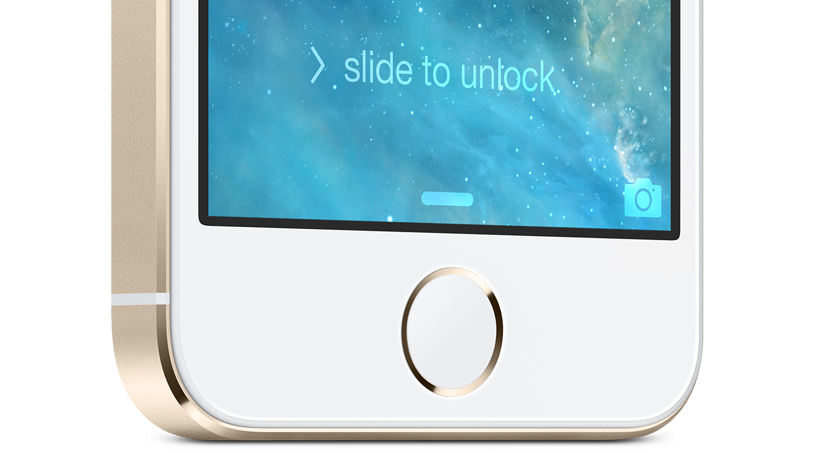
    Perhaps the most important addition to the device is a digital fingerprint scanner. That ring around the mechanical home button indicates when it’s being used. Called Touch ID, “it reads your fingerprint at an entirely new level,” with 500ppi resolution and 360 degree readability.
    smart_hero_mba_11

    The use cases are many, and Apple says Touch ID has been deeply integrated into iOS 7. It allows you to authenticate purchases using just a slight depression of the home button. There is a sapphire crystal lens that takes a photo of a user’s fingerprint and analyzes it for consistency.

    In Apple tradition, Touch ID can be used by multiple people, and sensitive information is not stored on Apple’s servers at all. All data is encrypted, too.

    Indian pricing has not been revealed yet but the US price points are the same as the iPhone 5 before it. Pre-order for the iPhone 5C will begin on the 13th while the iPhone 5S can be booked starting from the 20th.

    [toggle title=”Press Release”]Apple Announces iPhone 5s-The Most Forward-Thinking Smartphone in the World

    Apple® today announced iPhone® 5s, the most forward-thinking iPhone yet, featuring an all-new A7 chip, making iPhone 5s the world’s first smartphone with 64-bit desktop-class architecture for blazing fast performance in the palm of your hand. iPhone 5s redefines the best smartphone experience in the world with amazing new features all packed into a remarkable thin and light design, including an all-new 8 megapixel iSight® camera with True Tone flash and introducing Touch ID™, an innovative way to simply and securely unlock your phone with just the touch of a finger. iPhone 5s comes with iOS 7, the most significant iOS update since the original iPhone, engineered for 64-bit technology and featuring hundreds of great new features, including Control Center, Notification Center, improved Multitasking, AirDrop®, enhanced Photos, Safari®, Siri® and iTunes Radio?.

    “iPhone 5s is the most forward-thinking smartphone in the world, delivering desktop class architecture in the palm of your hand”

    “iPhone 5s is the most forward-thinking smartphone in the world, delivering desktop class architecture in the palm of your hand,” said Philip Schiller, Apple’s senior vice president of Worldwide Marketing. “iPhone 5s sets a new standard for smartphones, packed into its beautiful and refined design are breakthrough features that really matter to people, like Touch ID, a simple and secure way to unlock your phone with just a touch of your finger.”

    The all-new A7 chip in iPhone 5s brings 64-bit desktop-class architecture to a smartphone for the first time. With up to twice the CPU and graphics performance, almost everything you do on iPhone 5s is faster and better than ever, from launching apps and editing photos to playing graphic-intensive games-all while delivering great battery life. Apple also engineered iOS 7 and all the built-in apps to maximize the performance of the A7 chip. iPhone 5s is the best mobile gaming device with access to hundreds of thousands of games from the App Store?, the A7 chip’s 64-bit architecture and support for OpenGL ES version 3.0. iPhone 5s delivers incredibly rich and complex visual effects, previously only possible on Macs, PCs and gaming consoles.

    Every iPhone 5s includes the new M7 motion coprocessor that gathers data from the accelerometer, gyroscope and compass to offload work from the A7 for improved power efficiency. Developers can also access new CoreMotion APIs that take advantage of M7, so they can create even better fitness and activity apps that go well beyond what other mobile devices offer. The M7 motion coprocessor continuously measures your motion data, even when the device is asleep, and saves battery life for pedometer or other fitness apps that use the accelerometer all day.

    iPhone 5s introduces Touch ID, an innovative way to simply and securely unlock your iPhone with just the touch of a finger. Built into the home button, Touch ID uses a laser cut sapphire crystal, together with the capacitive touch sensor, to take a high-resolution image of your fingerprint and intelligently analyze it to provide accurate readings from any angle. Setting up Touch ID to recognize your fingerprint is easy, and every time you use it, it gets better. The Touch ID sensor recognizes the touch of a finger so the sensor is only activated when needed, preserving battery life. All fingerprint information is encrypted and stored securely in the Secure Enclave inside the A7 chip on the iPhone 5s; it’s never stored on Apple servers or backed up to iCloud®. Touch ID can also be used as a secure way to approve purchases from the iTunes Store®, App Store or iBooks Store?.

    iPhone 5s makes it even easier to take great photos with the world’s most popular camera. The all-new 8 megapixel iSight camera features a larger f/2.2 aperture and a new, larger sensor with 1.5? pixels for better sensitivity and low-light performance, resulting in better pictures. These improvements, along with the Apple-designed image signal processor in the A7 chip and the new Camera app in iOS 7, provide up to two-times faster auto-focus, faster photo capture, automatic image and video stabilization, and better dynamic range. iPhone 5s introduces the new True Tone flash-the world’s first for any camera-that variably adjusts color and intensity for over 1,000 combinations, so photos taken with a flash appear more natural. iPhone 5s also includes a new Burst Mode, Slo-Mo video with 120 fps, a new FaceTime® HD camera for better low-light performance and audio-only FaceTime calls with iOS 7.

    iPhone 5s features a remarkable thin and light, precision-crafted design that customers around the world love, including an anodized aluminum body with diamond cut chamfered edges, a stunning 4-inch Retina® display and glass inlays. iPhone 5s is available in three gorgeous metallic finishes including gold, silver and space gray. To complement iPhone 5s, Apple designed premium leather cases in six rich colors-beige, black, blue, brown, yellow and (RED)-with soft, color-matched microfiber lining.

    iPhone 5s makes it even easier to connect to high-speed networks with support for up to 13 LTE¹ wireless bands, more than any other smartphone in the world. With download speeds up to 100 Mbps², you can browse, download and stream content even faster. iPhone 5s includes dual-band 802.11 a/b/g/n Wi-Fi support for up to 150 Mbps² and Bluetooth 4.0. iPhone 5s delivers an amazing 10 hours of talk time on 3G networks, up to 10 hours of web browsing on Wi-Fi and LTE networks and up to 8 hours on 3G networks, and up to 10 hours of video playback and up to 40 hours of audio playback.³

    iPhone 5s comes with iOS 7, the most significant iOS update since the original iPhone, engineered to support the A7 chip’s 64-bit architecture, the new iSight camera and Touch ID fingerprint sensor. iOS 7 features a stunning new user interface, completely redesigned with an elegant color palette, distinct, functional layers and subtle motion that make it feel more alive. iOS 7 has hundreds of great new features, including Control Center, Notification Center, improved Multitasking, AirDrop, enhanced Photos, Safari, Siri and introduces iTunes Radio, a free Internet radio service based on the music you listen to on iTunes®.?

    iPhone 5s customers have access to the revolutionary App Store, which offers more than 900,000 apps to iPhone, iPad® and iPod touch® users in 155 countries around the world. More than 50 billion apps have been downloaded from the App Store to date, offering customers an incredible range of apps in 23 categories, including newspapers and magazines in Newsstand, games and entertainment, business, news, sports, health and fitness and travel.

    Designed specifically for iOS, iPhoto®, iMovie®, Pages®, Numbers® and Keynote® are among the most popular apps in the App Store and are now available as free downloads with the purchase of iPhone 5s. iPhoto and iMovie enable you to do more than you ever thought possible with your photos and movies, and with Pages, Numbers and Keynote you can create, edit and share stunning documents, spreadsheets and presentations on your iPhone, iPad or iPod touch.

    Pricing & Availability

    iPhone 5s comes in gold, silver or space gray, and will be available in the US for a suggested retail price of $199 (US) for the 16GB model and $299 (US) for the 32GB model and $399 (US) for the 64GB model.? iPhone 5s will be available from the Apple Online Store (www.apple.com), Apple’s retail stores, and through AT&T, Sprint, T-Mobile, Verizon Wireless and select Apple Authorized Resellers. iPhone 5s cases will be available in beige, black, blue, brown, yellow and (RED) for a suggested retail price of $39 (US) through the Apple Online Store (www.apple.com), Apple’s retail stores and select Authorized Apple Resellers. iPhone 5s will be available in the US, Australia, Canada, China, France, Germany, Hong Kong, Japan, Puerto Rico, Singapore and the UK on Friday, September 20. A new iPhone 4S 8GB model will also be available for free.? iOS 7 will be available as a free software update starting on Wednesday, September 18 for iPhone 4 and later, iPad 2 and later, iPad mini and iPod touch (fifth generation). Some features may not be available on all products.[/toggle]
     

iGyaan Network
Privacy Overview

This website uses cookies so that we can provide you with the best user experience possible. Cookie information is stored in your browser and performs functions such as recognising you when you return to our website and helping our team to understand which sections of the website you find most interesting and useful.