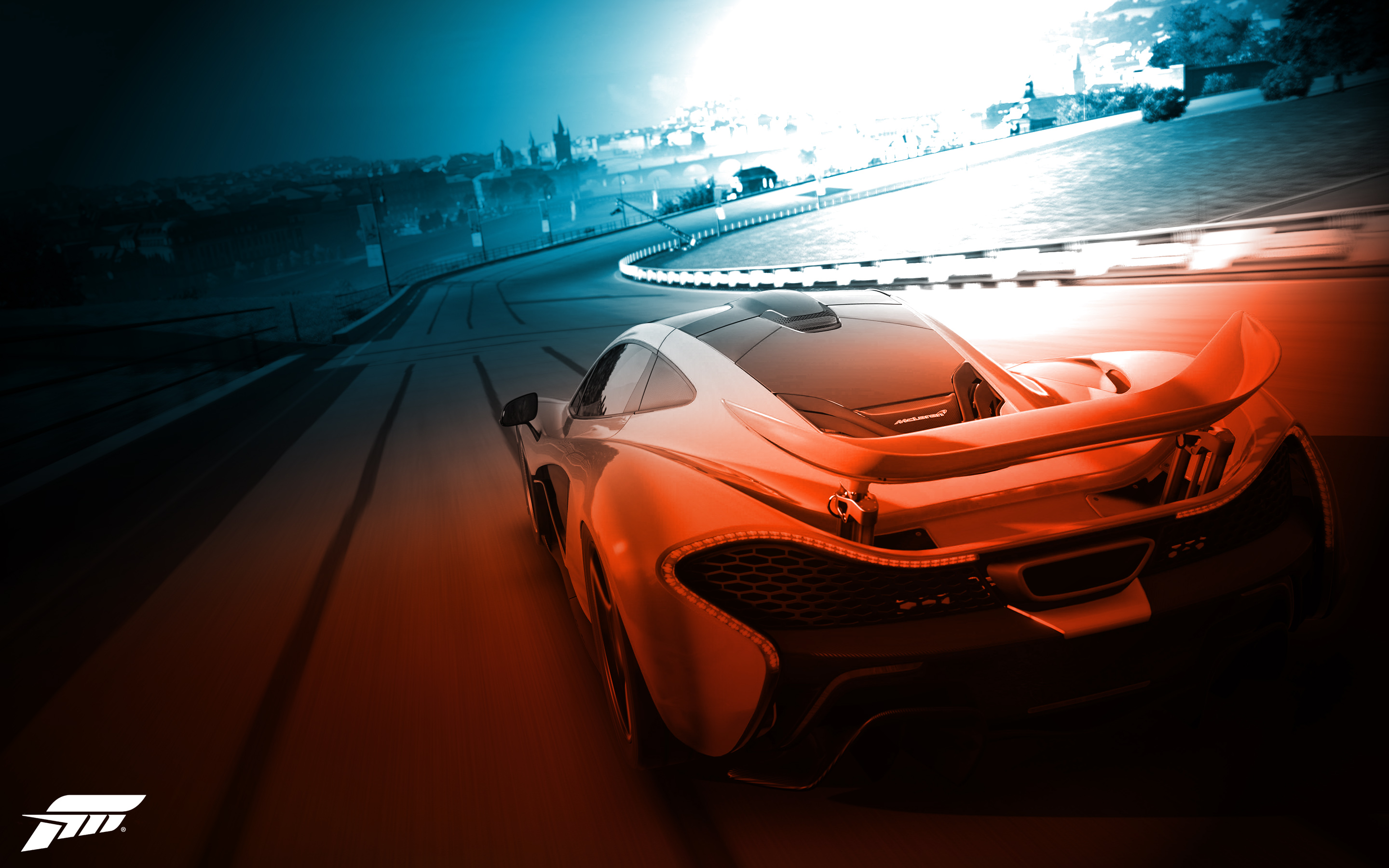
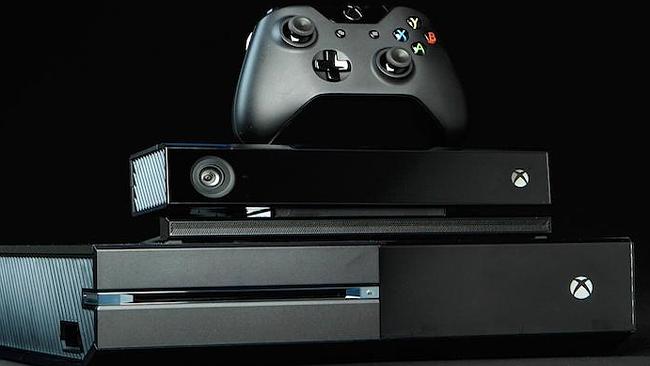
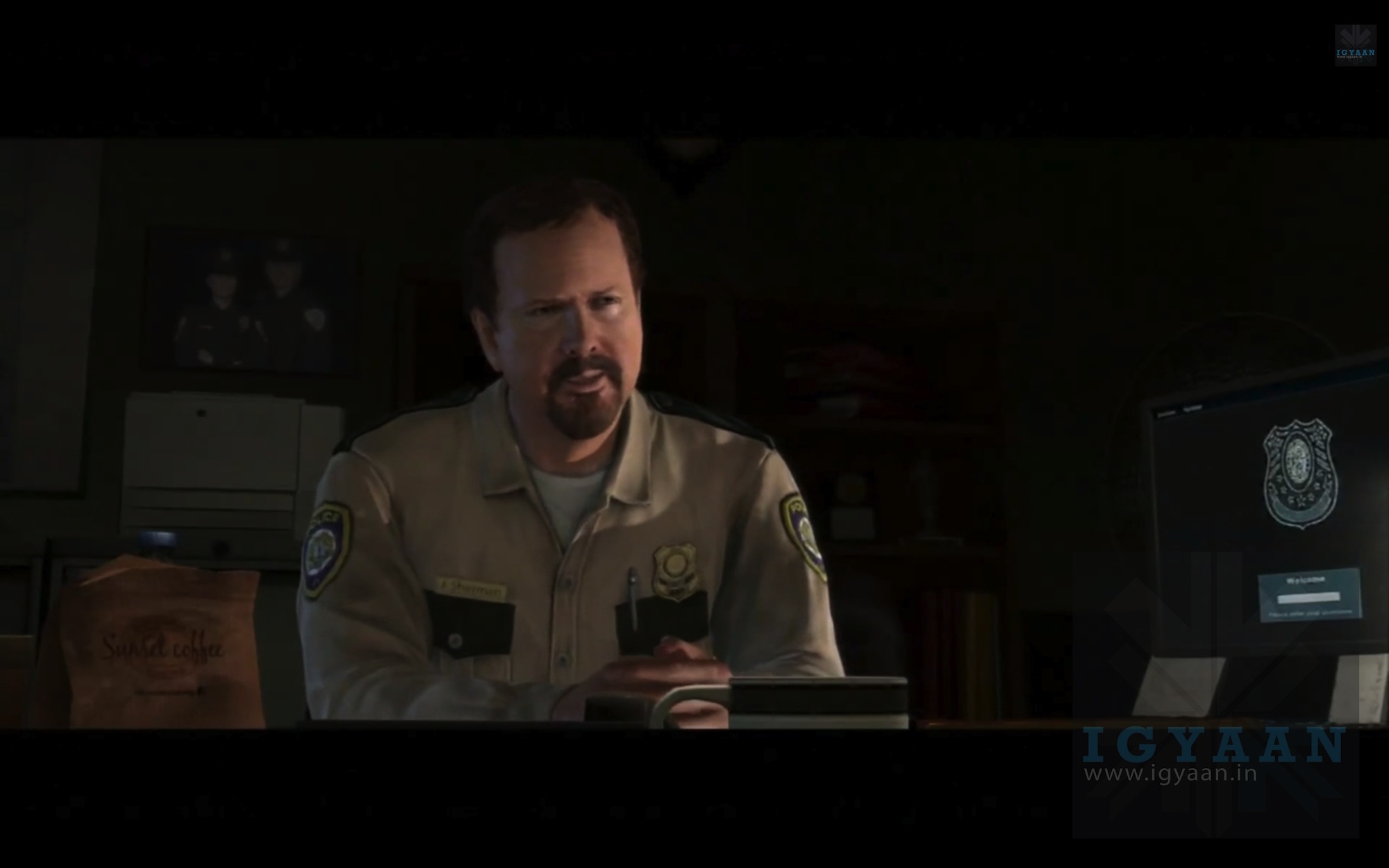
Turn 10 Studios and Microsoft today officially announced the Forza Motorsport 6 at the ongoing North American International Auto Show in Detroit. As expected, the game has been announced exclusively for Xbox One featuring the new Ford GT as the cover car, courtesy a partnership between Microsoft and Turn 10 Studios with the car manufacturer.
The announcement apparently was followed by Ford’s announcement today of its GT supercar, sporting a carbon fibre chassis powered by Ford’s twin-turbocharged Ecoboost engine producing 600 hp. In addition, other performance cars by Ford including the GT, Shelby GT350 Mustang and F-150 Raptor will also feature in the game. Meanwhile, Turn 10 Studios have confirmed that gameplay footage will be revealed at E3 this June.
Global Product Development, Vice President for Ford Group Raj Nair, said that Forza Motorsport will give fans an opportunity to “virtually experience” Ford’s lineup of performance cars.
However, no official launch date for Forza Motorsport 6 has been announced. The last title from the franchise Forza Motorsport 5 was launched back in 2013 for the Xbox One. Meanwhile, this year also mark’s the tenth anniversary of the Forza Motorsport series, which first debuted in 2005 for Xbox. Do check out the announcement video below:
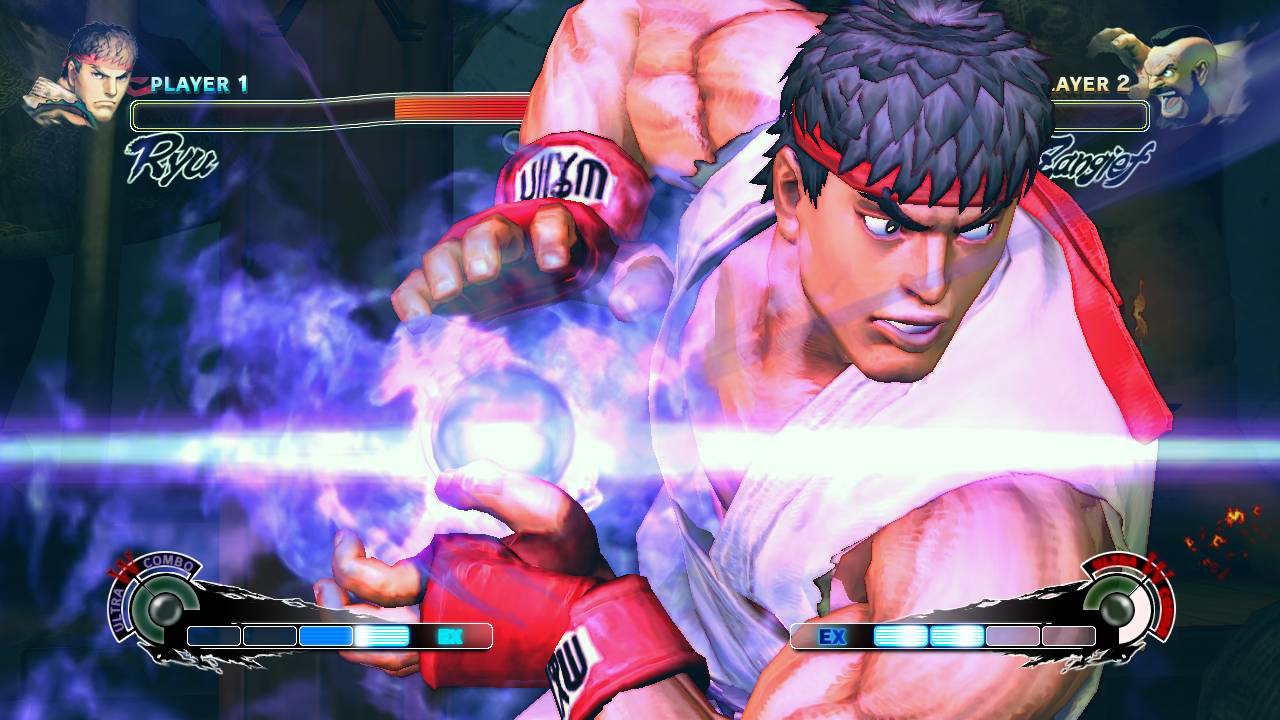
More details about the upcoming PS4 version of Ultra Street Fighter IV have emerged via a post on the official PlayStation Blog. Gio Corsi of Sony says that along with five new characters and six brand new stages, the game will include all previously released costume DLC, including the Vacation and Wild Costumes.
Also a part of the package will be the Omega Mode. Sony says that a combination of all these aspects makes the PS4 version “the ultimate” edition of the game. Ultra Street Fighter IV is already available on the PS3, Xbox 360 and PC, though an Xbox One version hasn’t been announced yet.
The PS4 version of the game was earlier announced in December and is slated for a launch sometime around spring. Meanwhile, Capcom and Sony recently announced the Street Fighter V for PS4 and PC, which will have support for cross-platform play.
This year saw a slew of some awesome game launches. Along with that, we witnessed the prowess of the Xbox One and PlayStaion 4 and what these high-end consoles are capable of. With 2015 knocking on the door, what better time to explore what’s in store for us gamers in the coming year. A lot of promising new developers along with already established franchises, 2015 is expected to be a game changer for this industry.
There are some awesome projects in the making, hence lets jump onto our list of the most anticipated games for 2015:
Bloodborne
From the developers of Dark Souls and Demon’s Souls, Bloodborne has all the elements of a gripping horror story. Despite having a similar feel to the Souls games, Bloodborne has a persona of its own, with a gripping gothic setting and new game mechanics. The game boasts different weapons that make combat all the more fun. Bloodborne is all geared up to make us face the Darkside and definitely one of the games to watch out for in the coming year.
The game is slated for a March 24, 2015 release on the PS4.
This asymmetric shooter has the making of something special, which blends in teamwork and competitive play with real panache. It features some over the top shooting mechanics where co-op teamwork is not just a gimmick, but a necessity. Four players don the role of futuristic hunters, each having their set of skills and weapons.
Not one of your everyday shooters, the gameplay looks stunning and certainly one of the titles to watch for. Evolve will be coming 2nd February, 2015 for PC, PS4 and the Xbox One.
Stunning vast landscapes, great storytelling, and new combat mechanics await us in this massive open world game. The Witcher 3 has a bit of everything and following on from its predecessor; the game oozes quality and more depth. From everything we’ve seen so far of The Witcher 3, it has immense potential we just can’t wait to see what’s really in store for us.
The game is scheduled for a release on May 19 for the PC, PS4 and Xbox One.
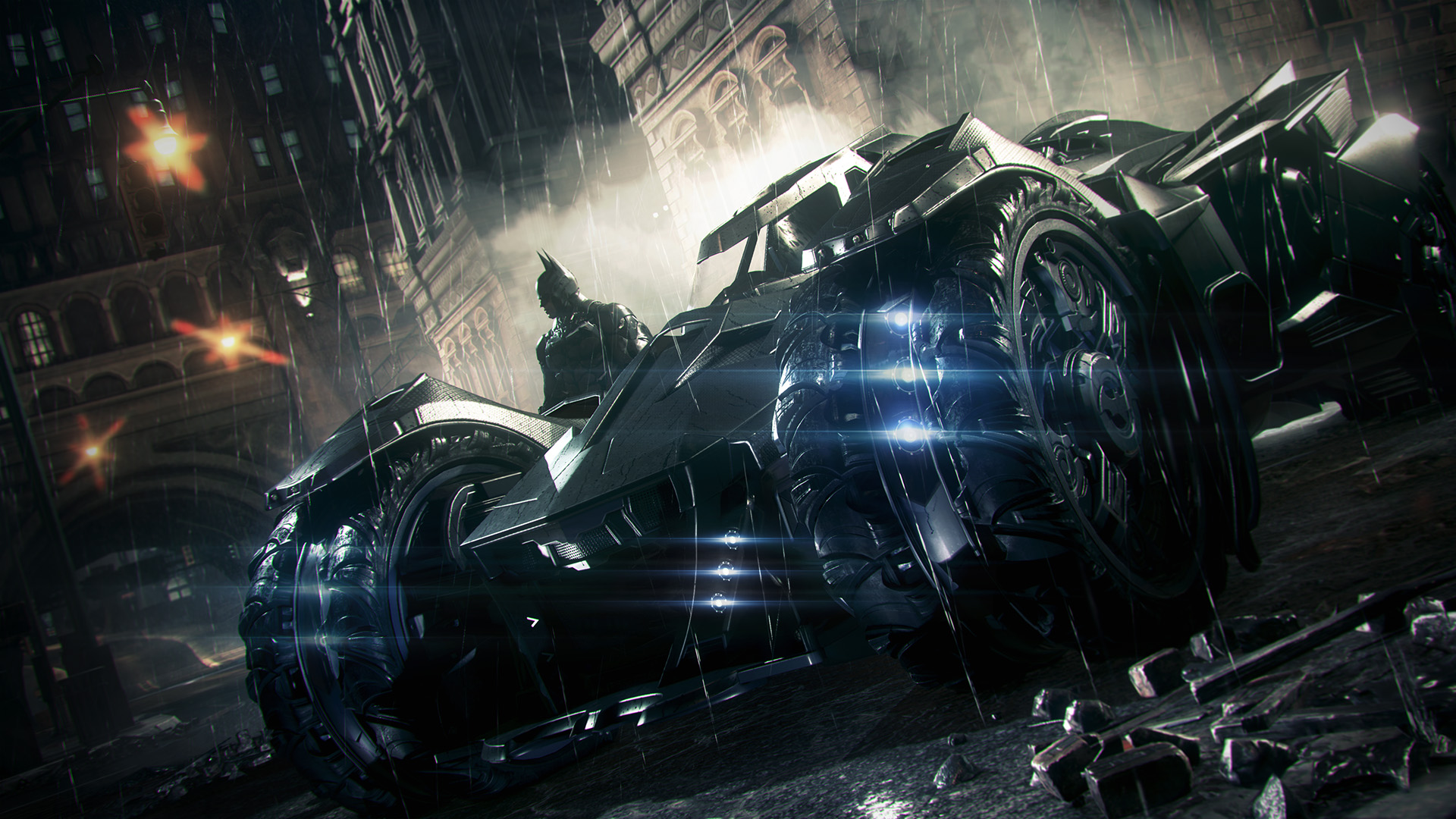
Batman: Arkham Knight marks the return of Rocksteady Studios. Last year’s Arkham Origins developed by Warner Bros. was a bit of a disappointment. The game also marks the return of the veteran voice actor Kevin Conroy as Batman with Scarecrow being the Dark Knight’s nemesis. In this explosive finale of the Arkham saga, Batman faces his arch nemesis Scarecrow, who has united Gotham’s top evil geniuses including Penguin, Two-Face and Harley Quinn to destroy the Dark Knight forever. The game will feature the intriguing Batmobile, which apparently will form an integral part of the gameplay, for the first time in the franchise. A deadly combo of Batmobile and new gameplay mechanics should suffice hardcore Batman fanatics who have been longing for that complete Batman experience.
Arkham Knight is slated for a June 2 release and will be coming to the PS4, Xbox One and PC.
Creators of the Game of the Year 2013 (The Last of Us), Naughty Dog Studios is now focusing on its other hot property – Uncharted 4. Expected to be an explosive high paced Indiana Jones like adventure, it’ll be interesting to see what the game has in store. Moreover, some of Uncharted’s lead creators not a part of the studio anymore, we’re sure that The Last of Us directors Neil Druckmann and Bruce Straley have something special to do with the franchise.
Expect a well-paced cinematic adventure with some witty characters, certainly one of the titles to watch out for in 2015. No exact launch date has been announced for the game.
Slated for a release in 2014, Tom Clancy’s The Division was pushed back to 2015 with Ubisoft aiming to deliver something of a spectacle with the game. Three studios are working together on The Division namely Ubisoft Red Storm, Ubisoft Reflections, and Massive Entertainment.
It’ll be interesting to see how the game redefines the genre, touted as the most technologically advanced game in the making. With so much going on, Tom Clancy’s The Division by Ubisoft is worth the wait. The game will be released on PlayStation 4, Xbox One and Microsoft Windows though an exact launch date has not yet been specified.
Boasting a new open world approach, the Phantom Pain is all about a complex plot line, while the core of the game maintains those intense stealth mechanics. With Ground Zeroes already getting rave reviews, laying down a solid base for stealth action game, it’ll be interesting to see how it plays on the large scale Metal Gear Solid V: The Phantom Pain.
Long time fans of the franchise will be eager to see how the Big Boss takes the next step to becoming the warlord he’s destined to be. The game will be launched on the PlayStation 4, PlayStation 3, Xbox One, Xbox 360 and Microsoft Windows, though an exact launch date hasn’t been announced yet.
The franchises’ 2013 offering reestablished our faith in the series, while the next installment in the Tom Raider saga shows a Lara Croft, who is broken. However, this is where she is strengthened by the experiences of the first game, and it’ll be interesting to see how her character evolves in the next game. The game is scheduled for a launch sometime in 2015 for the Xbox One, though an exact launch date has not been announced as of now.
Mortal Kombat X
One of the oldest franchises in video game history and soon to get its tenth installment – Mortal Kombat X. The game is expected to get bloodier and badder and is set to deliver the most brutal Kombat experience ever. In addition, the massive memory pool of current gen consoles will deliver cutting edge graphics along with new game mechanics which should make it all the more gnarly and brutal.
Mortal Kombat X is coming on the PS4, PS3, Xbox One, Xbox 360 and the PC around the 15th of April next year.
DICE’s reboot of the multiplayer shooter series, Battlefront just looks stunning; showing us glimpses of the ice planet Hoth and forests of Endor. But how the game will play, what kind of game modes it will have or if we will have a full-fledged single player campaign as well, still remains a mystery.
The game is slated for a late 2015 release for Microsoft Windows, PlayStation 4 and Xbox One. At around the same time when Episode VII hits cinemas next year, there’re sure to be some epic levels of hype surrounding the game.
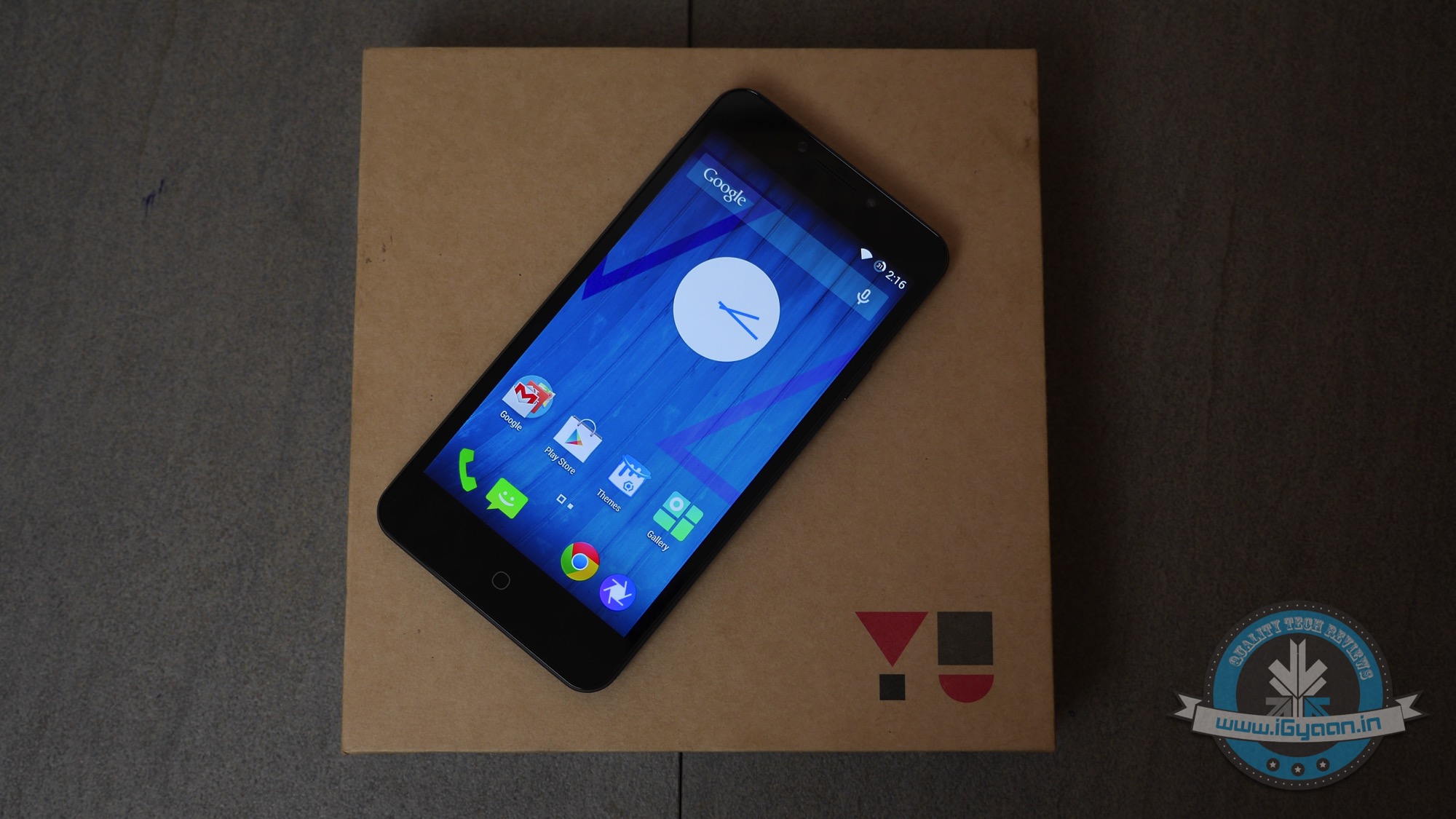
Micromax’s new subsidiary Yu has made quite an impact in a short span of time with its new smartphone Yureka running on Cyanogen OS 11. The Yu Televenture has adopted new business practices similar to the likes of OnePlus and Xiaomi, relying on community driven ecosystem of CyanogenMod.
Check out our full benchmark and hardware test along with the gaming performance of the Yureka below-
Considering the price range, Yu Yureka packs quite an impressive combination of Cyanogen experience with the new Qualcomm Snapdragon 615 which does 1.5 GHz on Octa-cores. The Yureka comes with Android 4.4.4 out of the box expected to be updated to the Lollipop soon.
The device came to our testing lab and we ran a Benchmark Test, the results are as below-
Test
Yu Yureka
Xiaomi Mi3
Moto G (Gen 2)
Antutu
28,359
30,537
17,159
NenaMark
55.0 fps
60.0 fps
57.5 fps
To test benchmarks, we started by running Antutu on the device. The device performed well up to its hype and got an impressive score of 28,359 . However, the handset lags behind the Xiaomi Mi 3’s score of 30,537.
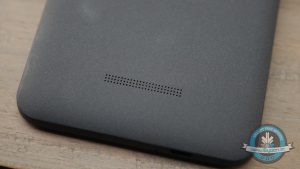
Speaker is Muffled
We also ran the device through NenaMark 2 and the Yureka scored 55.0 fps. The number is a little low as compared to other competitive devices available in market such as Xiaomi Mi 3 and Moto G (Gen 2).
All in all considering the price bracket of this device it performs pretty well on the benchmark test and is a great device for gaming. Also check out the Unboxing and Hands On of this device on iGyaan and stay tuned for the full review of this device.
With gaming moving onto the next generation its accessories have reached an all new level of awesomeness. From a gaming mouse to a gaming headsets, these accessories give virtual reality a reality check.
Voting is now Closed! The Winner for the Best Gaming Accessory in the iGyaan Tech Awards 2014 is Occulus Rift.
With time, gaming consoles are getting even smaller. Each console on the list ahead was selected for its influence on the industry and the gaming culture as a whole, with special consideration for their benchmark titles, peripherals, monetary success, and total hardware sold.
Voting is now Closed! The Winner for the Best Gaming Console in the iGyaan Tech Awards 2014 is PlayStation 4.
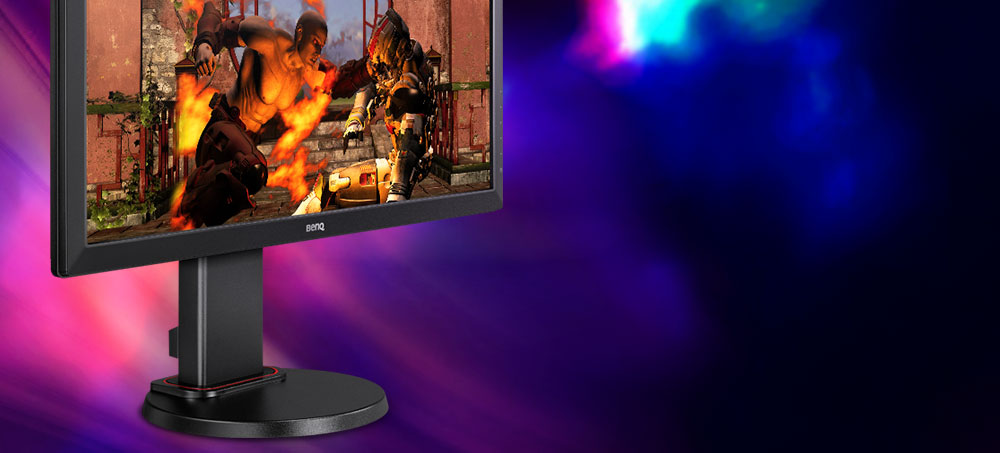
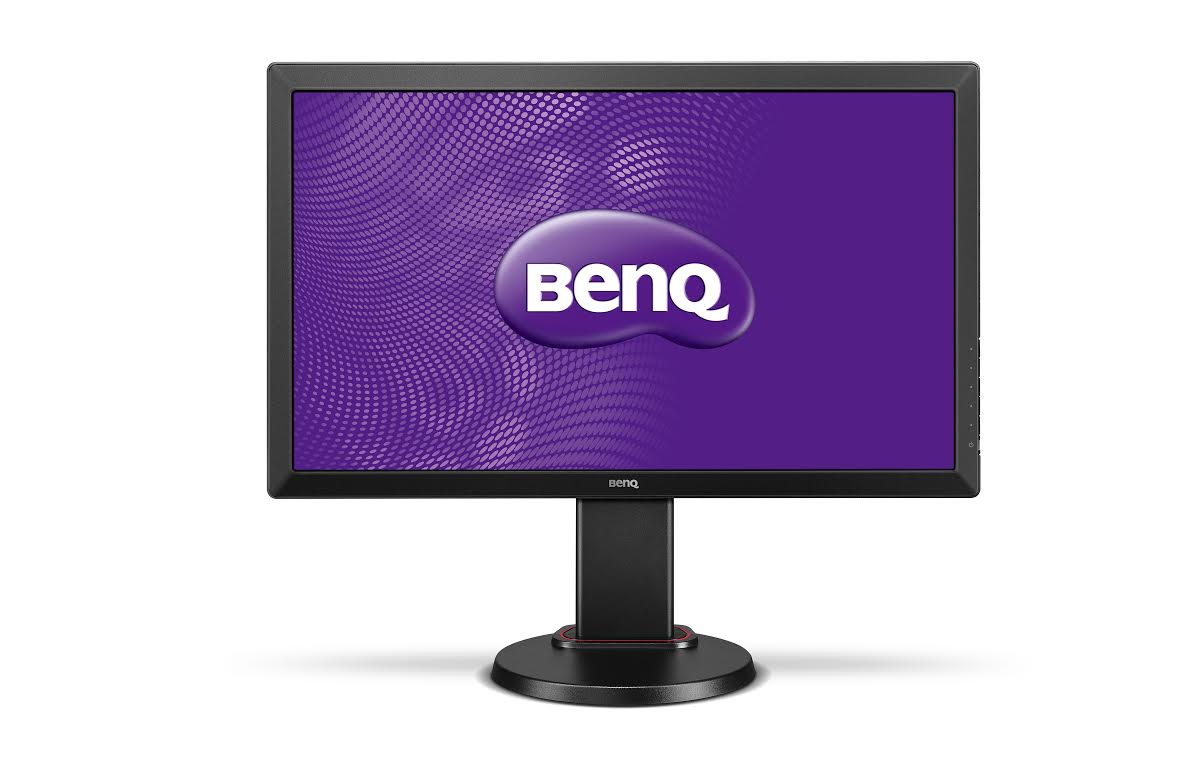
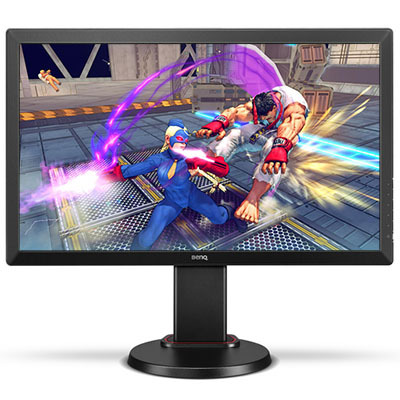
BenQ, a renowned digital lifestyle provider and professional gaming monitor pioneer, announced a new addition to its RL Series: the RL2460HT. Company said that RL2460HT is a fully optimized monitor for high-speed PC and console gaming — perfect for RTS- and MOBA-style games, as well as fighting games.
The new addition to RL series is packed with exclusively designed Fighting Mode and HDMI Output for console games, as well as all the latest features from 1ms GTG to Flicker-free Technology, Black eQualizer, Low Blue Light Technology and Height Adjustment Stand with Precision Scale System, the 24” novelty is the world’s first-ever professional gaming monitor dedicated to optimize the experience of high speed gaming. This is also BenQ’s first time to work with professional gamers of this exciting genre, inviting console game legend, Justin Wong of Evil Geniuses, to co-develop the new Fighting Mode.
“With the launch of RL2460HT, BenQ aims to offer exciting special features for some of the professional gaming industry’s most popular titles, played by millions of in-person and online gamers,” said, Rajeev Singh, Country Head & General Manager, BenQ India. “The RL2460HT has been engineered in collaboration with the world’s top professional fighting game champions enabling it to deliver the precision, speed, and market-first innovations needed to provide gamers with a memorable experience”.
The RL2460HT now features a built-in HDMI output, which eliminates the risk of system input lag and delay by allowing for action to be captured after rather than prior to going through the monitor. This ensures an ultra-smooth, distortion-free gaming experience and uncompromised streaming while also enabling easy head-to-head setup capabilities for multiplayer games using a single screen – giving gamers a solid combination of game play supremacy and setup satisfaction.
With the RL2460HT’s HDMI Out port, pro gamers can stream their game content after it goes through the monitor so that the audience sees exactly what the player has seen, without risk of lag or delay to the player. In this manner, pro gamers can preserve monitor speed and performance regardless of the streaming system used. The monitor provides a height-adjustable stand with a precision adjustment marker system that makes setup fast and easy, enabling the player to duplicate the precise setup every time and everywhere.
The RL2460HT is available at a price of Rs.17,500 across India.
In terms of numbers, Microsoft may sell less consoles than Sony, but it seems that Microsoft’s Xbox One is gaining better features faster that the arch-rival Sony. It has been said that players can expect, as part of the August Xbox One update, some noteworthy additions to the the console.
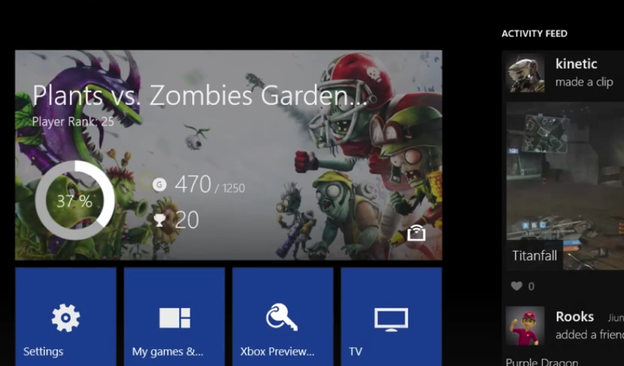
Microsoft’s Larry Hryb outlined some major features in a new blog post this weekend. The August update will expand the activity feed on Xbox Live and turn it into a Facebook-like inteface. Players will be able to write text messages on their feed or share gameplay clips. They can also interact with others’ updates with ‘likes ‘and ‘comments’.
Friends’ activities can be found quickly on the revised Home Page. An enlarged ‘Friends’ area gives you an update on their online or offline status, including their most-played games. A leaderboard tracks who’s been picking up the most Achievements. Also, the Friends list is going to show you how long it’s been since your buddies were online.
Update 1408 is expected to launch next month and is said to include the long-awaited 3D Blu-ray playback. It will also give you the ability to remotely download games and apps purchased through Xbox.com and SmartGlass, but only when your console is set to automatically turn on.
A low battery notification will tell you when your controller’s almost out of battery. Notifications can be disabled during videos for an uninterrupted viewing experiences. The Blu-Ray player app will be upgraded to support 3D Blu-rays.
Microsoft will also add support for mobile purchases in August. If you’re away from home and decide to buy a game from SmartGlass or Xbox.com, your console will automatically power on, download it, and install, so it’s ready whenever you next pick up a controller. Sony has offered similar functionality for the PS4.
No specific date is given for the update’s release. Only that early access users will be seeing them first, starting next week.
Microsoft will reveal the latest version of its gaming and multimedia API – DirectX 12 – on March 20th.
It would appear that all the usual suspects are already on board — the use of their logos on the DirectX 12 website strongly suggests that AMD, Nvidia, Intel, and Qualcomm are all preparing DX12 hardware.
The March 20 sponsored session will be hosted by Microsoft graphics development manager Anuj Gosalia, and is described as follows:
“For nearly 20 years, DirectX has been the platform used by game developers to create the fastest, most visually impressive games on the planet. However, you asked us to do more. You asked us to bring you even closer to the metal and to do so on an unparalleled assortment of hardware. You also asked us for better tools so that you can squeeze every last drop of performance out of your PC, tablet, phone and console. Come learn our plans to deliver.”
Another session, dubbed Direct3D Futures, will discuss “future improvements in Direct3D that will allow developers an unprecedented level of hardware control and reduced CPU rendering overhead across a broad ecosystem of hardware.”
The previous version of the interfaces, which enable 3D animation and other multimedia effects used mostly in games, was released in 2009 with the launch of Windows 7. Developers tap into DirectX so their applications can take full advantage of the hardware power of the PC.
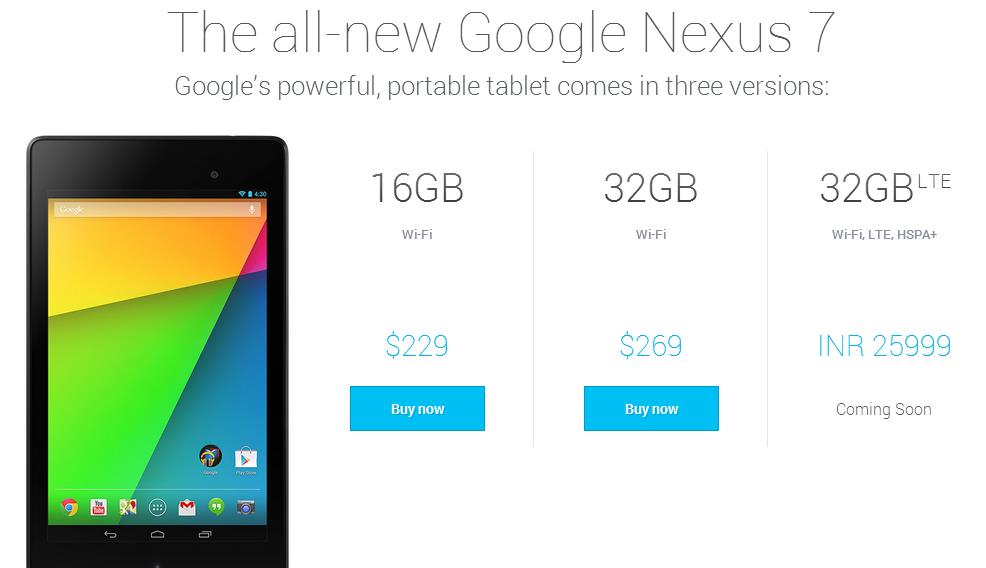
The much awaited tablet from Google the new Nexus 7 is now listed on the Google Play Store with a tag of Coming Soon. The new Nexus 7 is listed as a 32 GB LTE/WiFi/HSPA+ variant and is priced at 25999 INR.
However, other variants of the tablets seems unavailable as the price is not mentioned in INR and if you try to click on any of them which are Nexus 7 16 GB WiFI or the Nexus 7 32 GB WiFi they have prices in USD and are not available in India. This can surely hint that the new tablet will hit the shelves soon.
The Nexus 7 tablet features a 7 inch full-HD display (1920×1200 pixels), with a pixel density of 323ppi. It is powered by a quad-core Qualcomm Snapdragon S4 processor clocked at 1.5 GHz, and is equipped with a 2 GB of RAM and 32 GB of inbuilt storage which is not expandable. The new Nexus 7 also sports a 5 MP rear camera and a 1.2 MP front-facing camera.
For more information check out are unboxing, Gaming, Benchmarks and the full review below:
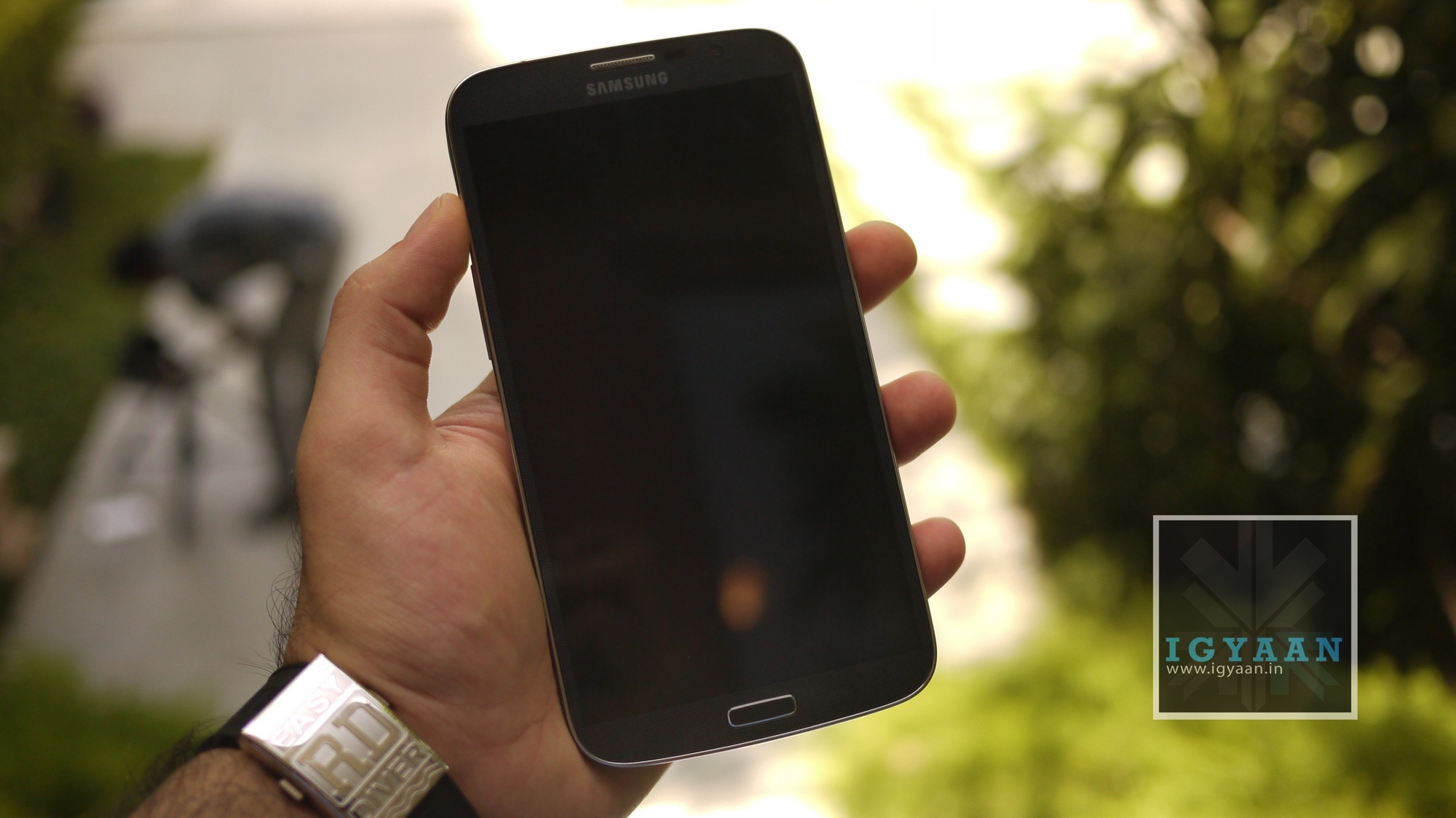
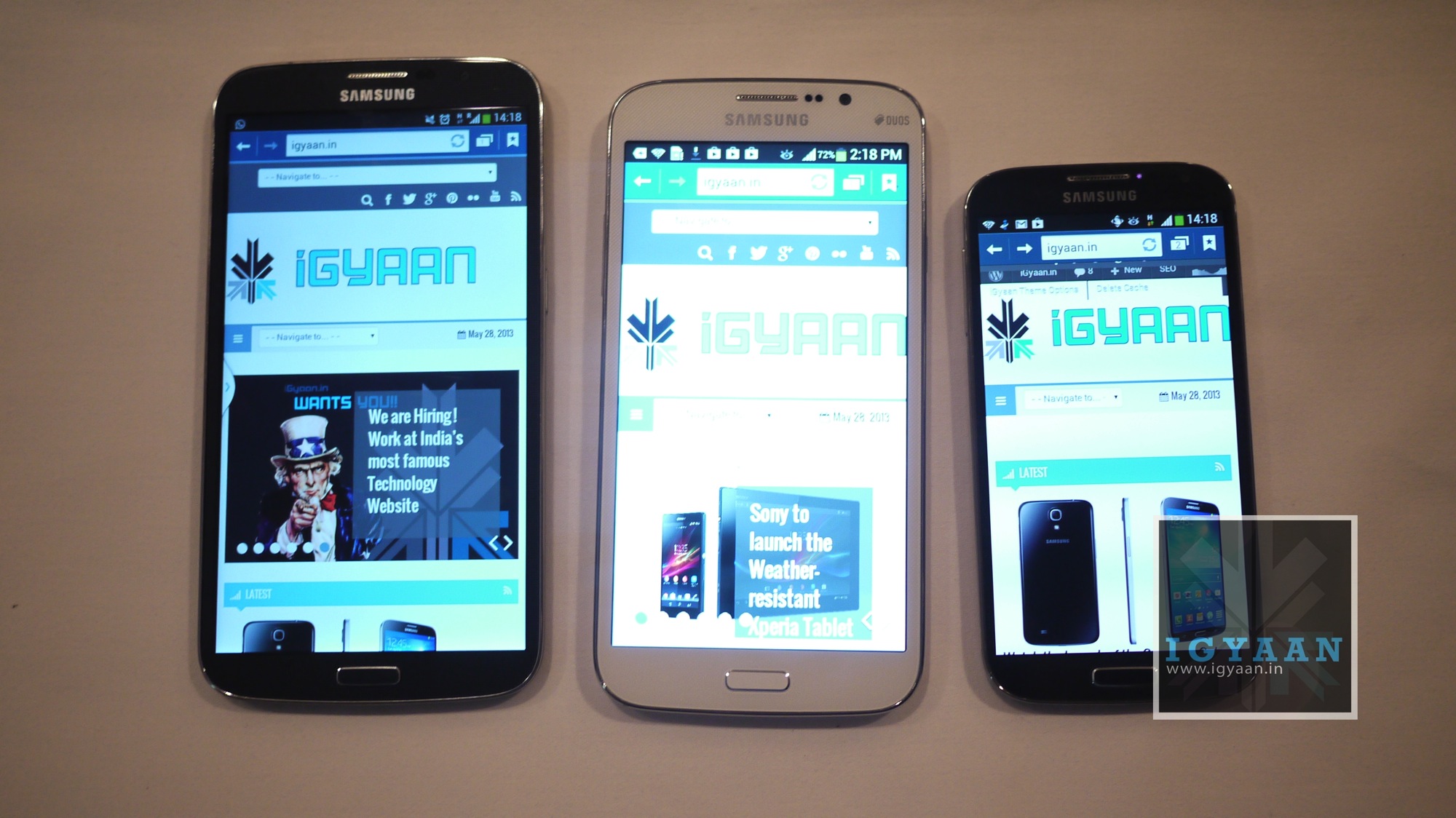
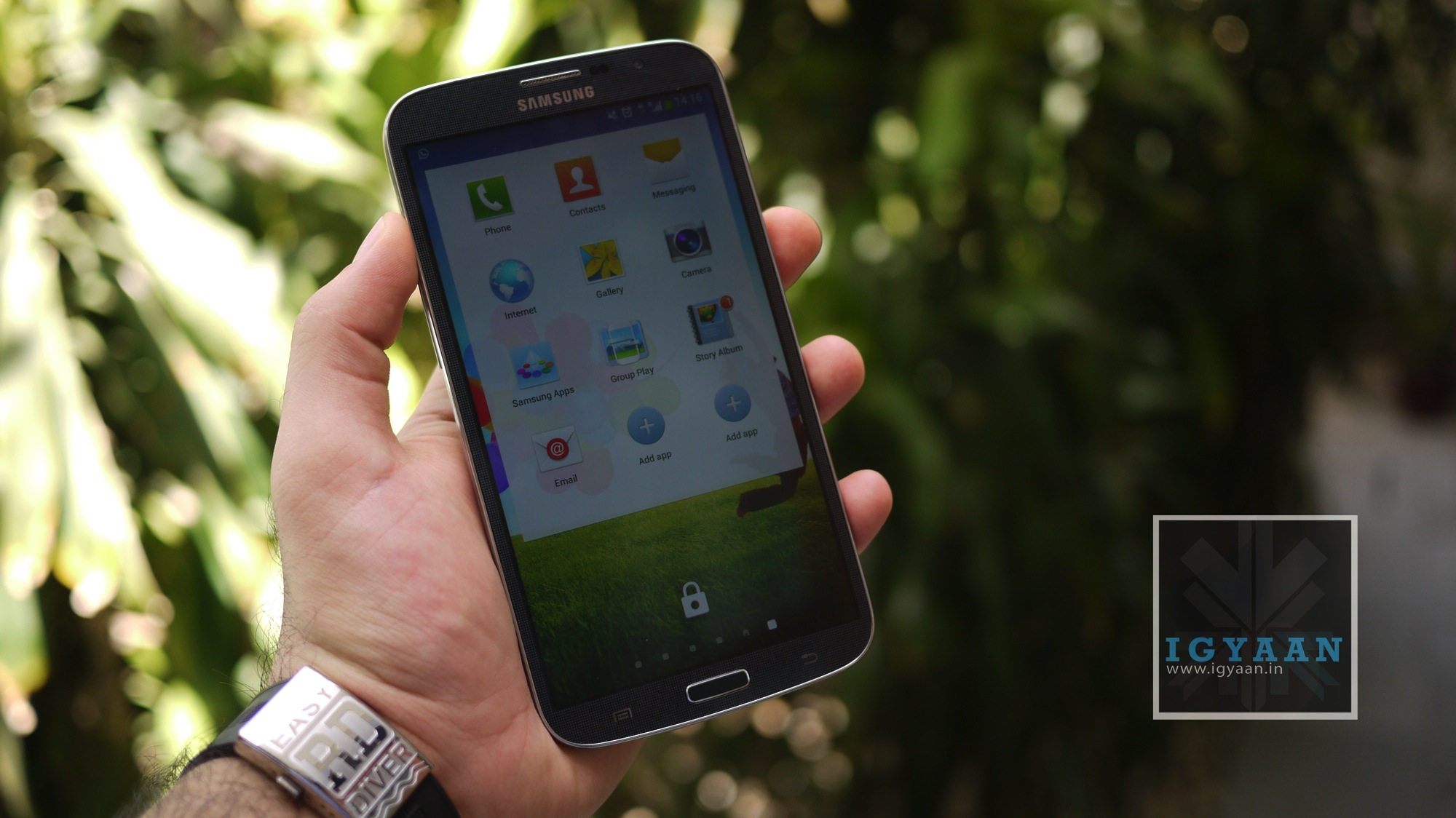
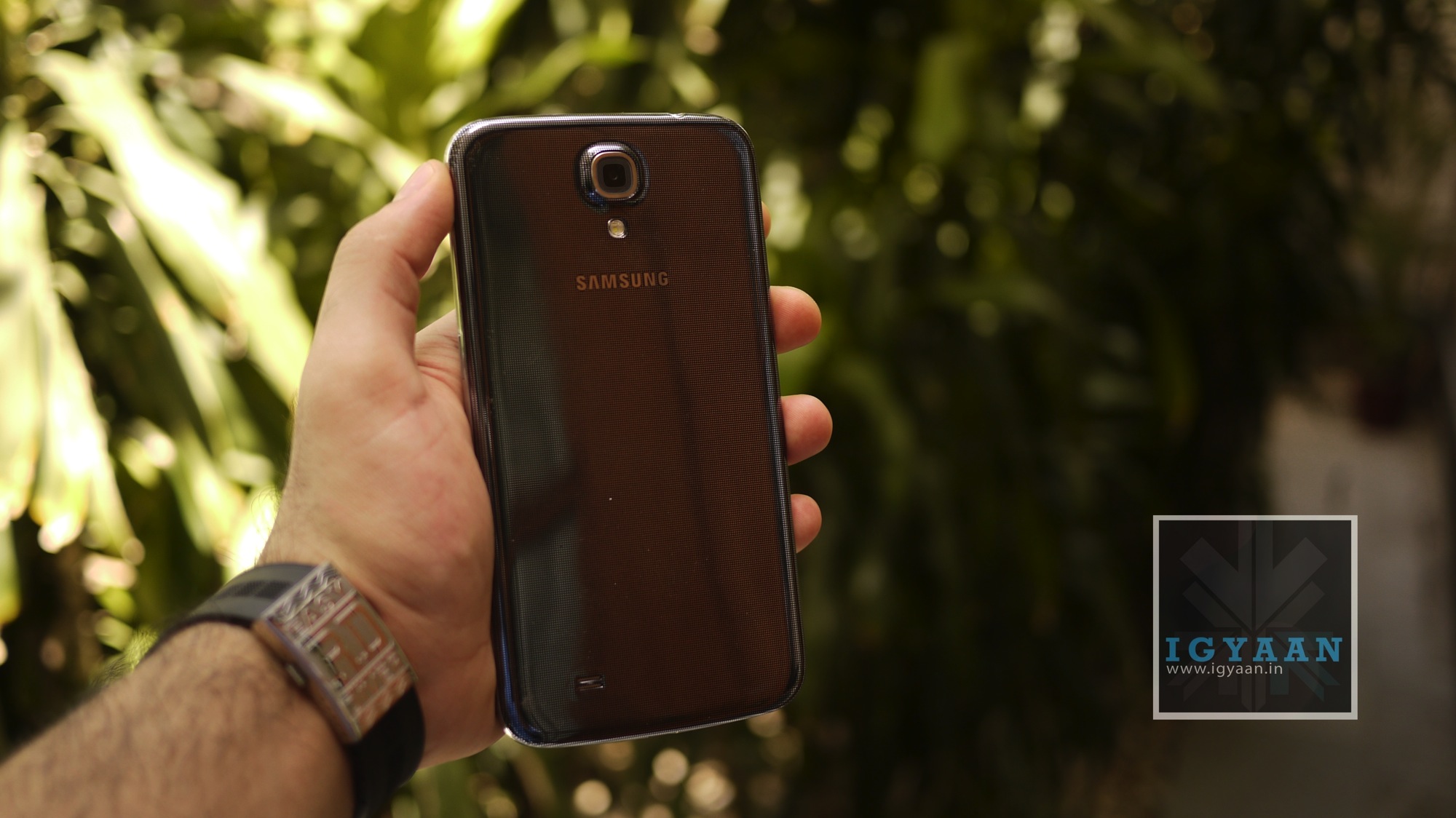
Just like the rest of the Galaxy series, the Samsung Galaxy Mega 6.3 is a plastic-bodied phone with the same Galaxy S4-like template design. It has the same metallic edging, the silver-edged home button and shiny speaker grille. The back panel shares the same black and silver crosshatch pattern.
The Galaxy Mega 6.3 is absolutely huge. At 88mm wide and almost 198mm tall, this is the biggest smartphone we’ve ever reviewed. It weighs almost 200g, but it doesn’t feel overly heavy in the hand considering its size.
Moving around the device, there’s a microUSB charging port on the bottom, a volume rocker on the left-hand side, a power button on the right-hand side and a 3.5mm headphone jack up top. There’s a microSD card slot for adding additional storage under the flimsy battery cover.
Overall build quality is like any other Samsung device, but the mammoth screen size raises a few questions over the durability of the Samsung Galaxy Mega 6.3.
Specifications And Hardware
The Samsung Galaxy Mega 6.3 sports a 6.3-inch 720×1280 display and features the same camera as that of the Galaxy Mega 5.8. It is powered by a dual-core processor clocked at 1.7GHz. The Galaxy Mega has 1.5GB of RAM, Bluetooth 4.0, Wi-Fi 802.11 a/b/g/n and A-GPS. The Samsung Galaxy Mega 6.3 comes with a 3,200 mAh battery and runs Android 4.2 Jelly Bean. The phone comes with 16GB internal storage capacity and has a microSD card slot for expanding the storage up to 64GB.
Display And Multimedia
The USP of the Samsung Galaxy Mega 6.3 is its display. While the sheer size of the display is impressive itself, we were also pleased with the colour reproduction. Samsung opted for a Super Clear LCD display instead of their AMOLED panel, and this makes it one of the better Samsung devices to use outdoors.
The thing that disappointed us though was the resolution of the display. At a time when companies are coming out with 5.5″+ Full HD displays on devices, and Samsung too will release the Note 3 with one, the 720×1280 resolution is a let down. A device of this size will by default be used for a lot of media consumption which involves a lot of text as well, so a 233 ppi pixel density is inadequate in our opinion.
The sheer size of the screen on the Samsung Galaxy Mega 6.3 though makes consuming media enjoyable and almost stress free, and the chipset is more than capable of handling HD video playback and streaming.
When it comes to general performance though, the Samsung Galaxy Mega 6.3 left us disappointed. The phablet lags while performing even the simplest of tasks sometimes, like scrolling through your apps grid. Samsung could have gone with a quad-core chipset on the Samsung Galaxy Mega 6.3 given the fact that it is priced above the Rs. 30,000 price mark, but instead it chose to extend its profits margin by using a dual-core chipset.
We’re forced to believe this is poor optimization in TouchWiz more so than the capabilities of the chip though, as other Snapdragon 400 devices manage to perform smoothly, and the Snapdragon 600-powered Galaxy S 4 was also laggy until an update just before launch.
The speakerphone on the Samsung Galaxy Mega 6.3 is fantastic, it is really loud, but not in a painfully distorted way, it sounds good through videos, music and even games.
The Samsung Galaxy Mega 6.3 has an 8-megapixel rear-facing camera and a front-facing 1.9-megapixel camera for video calls. The camera app is almost identical to the one used on the Galaxy S4 and we particularly like the excellent scrolling carousel to change camera modes.
Video is captured at Full HD and employs anti-shake if you need it from the main UI, the front camera however- captures 720p video. You can also add some effects to your pictures in the Auto Mode. Shooting modes like “Best Photo”, “Best Face” and “Sound and Shot” worked really well on the S4, and they work just as great on the Galaxy Mega 5.8 .
Images are processed to give a punchy, high-contrast look that is high on impact, if not quite as great at producing an entirely natural look.
The Samsung Galaxy Mega 6.3 runs Android 4.2 Jelly Bean, with the usual Samsung TouchWiz interface laid on top. Consequently, it looks and feels almost identical to the other high-end Galaxy phones, including the Galaxy S4.
The old elements of the TouchWiz UI are intact too, with features like Direct call (lift the phone from within a message to call), Smart Alert, tilting to zoom into pictures or gallery. Pan device to move the Icons or browse a zoomed in Image and even Flipping the device to Mute or pause.
Battery And Network
One might think that such an enormous screen, coupled with a big flat form, would mean that the Samsung Galaxy Mega 6.3 battery life suffers. In fact, the very opposite it true. You can easily get a day and a half of moderate to heavy use out of this phone before it packs up. Given that there’s only two cores and that it’s not a 1080p screen, the quite large 3,200mAh actually goes a very long way, and that’s no small shakes if you’re looking at the Mega as both your tablet and phone.
One area the Galaxy Mega 6.3 shines is call quality. The rear speaker for speakerphone and the earpiece speaker are both quite loud, and they provide crisp, clear audio.
However, putting a phone as large as the Galaxy Mega against your head looks and feels odd. You may get used to it, but passers-by won’t any time soon.
Conclusion
The Galaxy Mega’s name definitely refers to its size rather than specifications. The Galaxy Mega 6.3 is only slightly cheaper than the Galaxy S4, while having a less advanced screen, a much less powerful processor, less RAM, a worse camera and – worst of all – diminished usability.
The Galaxy Mega 6.3 is a phone that might as well be the next big thing, but, the problem here may be that its just too big to be an everyday phone.
Sony has officially shown off the new interface and does it look impressive. The double tap multitasking is a feature people were asking for for a long time and looks like Sony may have just pulled it off.
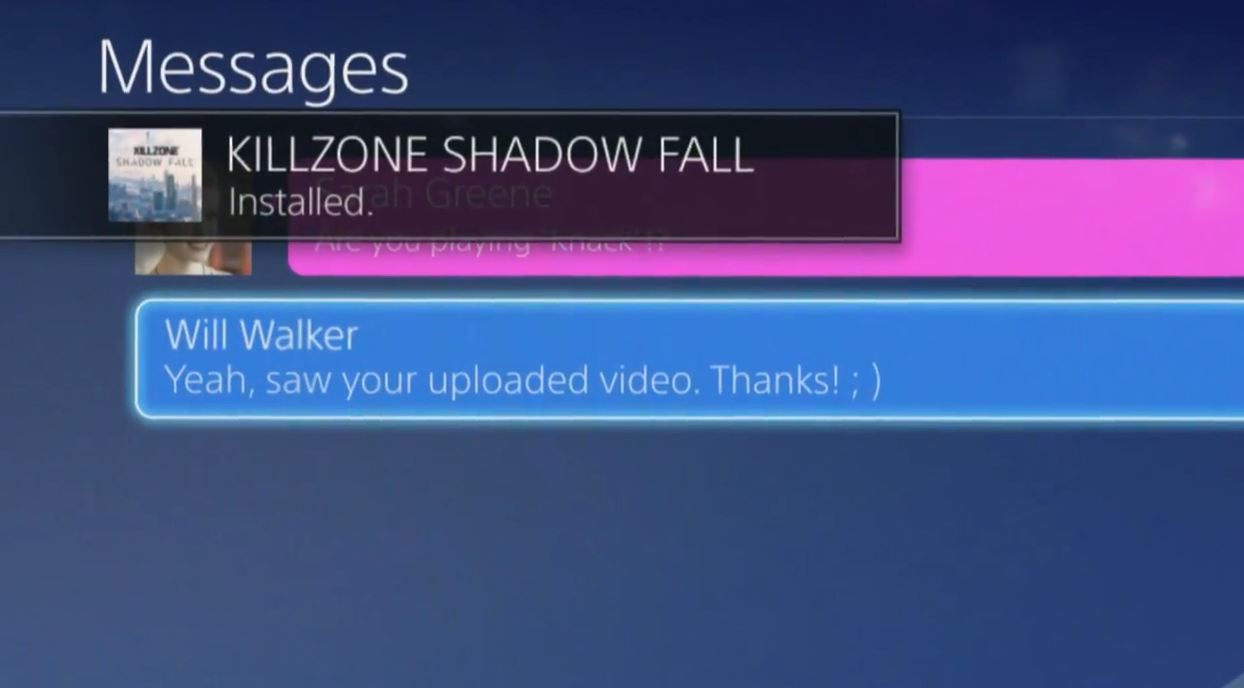
Within games you can now switch over to your messaging and switch back to the game, alternatively you can be on voice chat throughout, while downloading a game in the back ground.
The promo shows off a man trying to play knack but he is stuck in one area of the game, he then watches a video uploaded by a friend to clear that area. While another friend is asking him to join him on Killzone, which he must download from the Playstation store.
The video also shows off micro management, where you can use your smartphone to download games ota to the PS4. Now if only sony could implement it like they show it off, we could very well have the next gaming console.
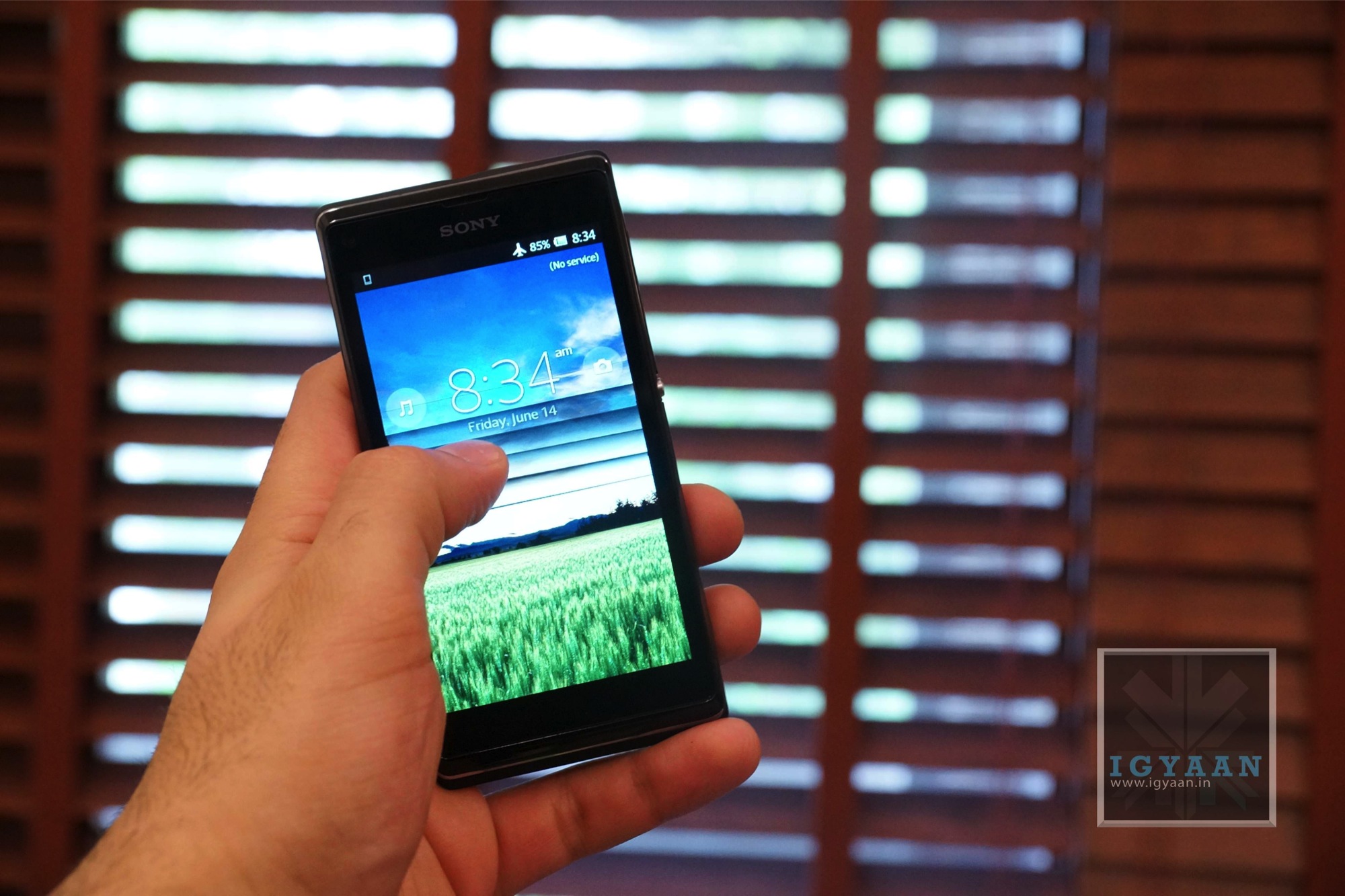
At first glance, the Sony Xperia L is quite reminiscent of the Xperia Arc, with it’s arched back and a large screen towards the front.
A noticeably plastic finish greets you when you pick up the handset, but it feels sturdy and there was little flex in the body – meaning the Xperia L doesn’t feel too cheap.
The removable back cover has a soft rubber finish which makes the phone easy to grip and free from finger prints. On the contrary, the front panel is a magnet for fingerprints.
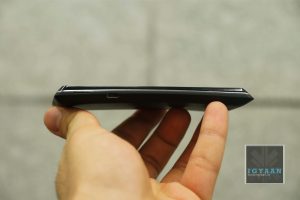
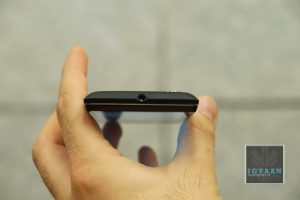
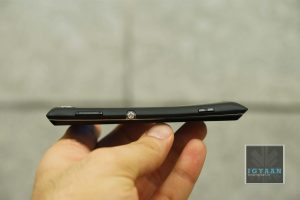
All of the Sony Xperia L ‘s buttons are on the right side of the device. The volume rocker is at the very top, while the power button (the same distinctive power/lock key found on various other Xperia devices) is lower down, almost in the middle of the device. Down at the bottom of the device is the hardware camera button. There is a micro-USB port on the left while the headphone jack sits square in the middle of the top of the device. At the bottom there is that famous light that glows beneath the display, letting the user know if they had any notifications waiting.
Overall, we were really impressed with the build quality of the device.
Specifications And Hardware
On the specifications front, Sony Xperia L sports a 4.3-inch display with 480×854 pixel resolution and is powered by a 1GHz Qualcomm MSM8230 dual-core processor. It runs on Android 4.1.2 Jelly Bean operating system and packs 1GB RAM along with 8GB of internal storage which is expandable up to 32GB via microSD card.
The handset supports WIFI, DLNA, 3G, GPS and Micro-USB and packs 1750mAh battery gives up to eight and a half hours of talktime and standby time of up to 498 hours. The device comes equipped with an 8-megapixel front camera with Exmor RS and a VGA front facing camera.
Display And Multimedia
The front of the Xperia L is dominated by its 4.3-inch FWVGA display with the standard Android keys appearing onscreen instead of below it. Again, its 854×480 resolution is pretty standard for a phone at this price, and you have to zoom in to read text on web pages, but we saw bright whites and punchy colours.
The Xperia L’s LCD display doesn’t have the true blacks of an AMOLED screen, but blacks are still very deep. It’s a high-quality display for a relatively inexpensive handset. Viewing angles are really decent as well.
Sound quality on the Sony Xperia L is excellent, loud and clear. Couple that with it’s display quality and you have a really capable multimedia device in front of you. On-screen buttons disappear while you watch videos freeing all the screen space for your viewing pleasure.
One area where the Sony Xperia L disappoints though is the browsing experience. We tried various browsers and performance on each was equally dismal. Pages took a lot of time load up and there was a lot of lag while zooming and scrolling.
Gaming on this device is excellent, and while games like N.O.V.A and Fifa 12 were not compatible with the device, it delivered the ones that were excellently.
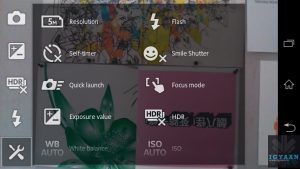
In terms of photographic ability Sony has equipped the Sony Xperia L with an impressive 8MP rear facing camera which also boasts a single LED flash, 720p video recording and HDR and panorama modes.
One of the benefits of having a large sensor is low light performance and the Xperia L takes some of the best low-light photos we’ve seen in the segment. Outdoor images though were just about decent with slightly washed out colours. Looking at fine detail you’d often notice images turn out soft and spongy.
The camera experience is somewhat hampered by the slow and buggy camera app. Focusing takes a lot of time and the app takes a moment or two to process the image, resulting in blurry motion shots.
Sample Images :
The 720p video capture suffers from the some of the same issues, although not quite as much as still photos do. The auto-brightness is very aggressive, so expect some very noticeable shifting in your brightness, especially if the subject is backlit.
Performance
With a 1 Ghz dual-core Qualcomm Snapdragon S4 chipset, Adreno 305 GPU and 1 GB of RAM, the hardware inside the Sony Xperia L is nothing we haven’t seen before, so we had a fairly good idea of what to expect.
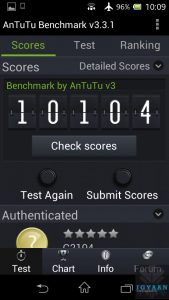
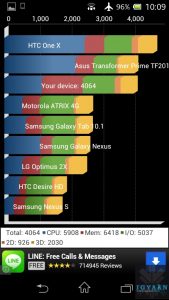
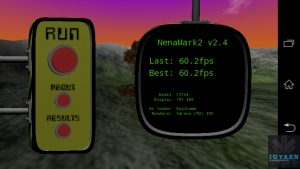
The Sony Xperia L scored 10104 in AnTuTu Benchmark, 60.2 fps in NenaMark2 and 4064 in Quadrant. Impressive for the hardware the device is powered by.
Software And User Interface
Sony has applied its own layer of gloss to Jelly Bean, with its a homescreen editor function allowing you to quickly and easily manage your widgets, apps and shortcuts as well as changing the phone’s theme and wallpaper – making it that bit more personal. Lovely.
Sony has given greater presence to its own services like the great WALKMAN app but also to more clunky offerings like the Sony Select application.
Onboard Sony firmware clearly has an impact on the advertised 8GB of internal storage which is 5.8GB.
Phone Calls and Connectivity
The phone networks are consistent and of good strength, no issues with connectivity to data and voice services. Overall network performance is impressive and voice handling good thanks to decent microphones and speakers in the Sony Xperia L .The dialler has also been tweaked by Sony.
Messaging was decent as well due to the large screen and the well laid keyboard.
Battery
[tabgroup][tab title=”Connections Off”]
Talk Time 3G network(data off): 5 Hours
Talk Time 2g (data off) : 6 hours
Internet : N/A
Music : 8 Hours
Video : 6 hours
[/tab][tab title=”Connections On”]
Talk Time 3G network(data on): 4.5 Hours
Talk Time 2g (data on) : 5.5 hours
Internet : 6 Hours
Music : 8 Hours
Video : 4.5 hours
[/tab][tab title=”Wifi Only”]
Talk Time 3G network(data off): 4.5 Hours
Talk Time 2g (data off) : 6 hours
Internet : 6.5 Hours
Music : 8 Hours
Video : 5 hours
[/tab][/tabgroup]
Conclusion
Generally the Sony Xperia L copes with everything pretty well and while there is a hint of slow down every now and then that’s expected from cheaper handsets. What should help it stand out in its fairly crowded category are its looks and design.