Tag: google

  • Google Teases Google Glass in an FCC Filing

    Google Teases Google Glass in an FCC Filing

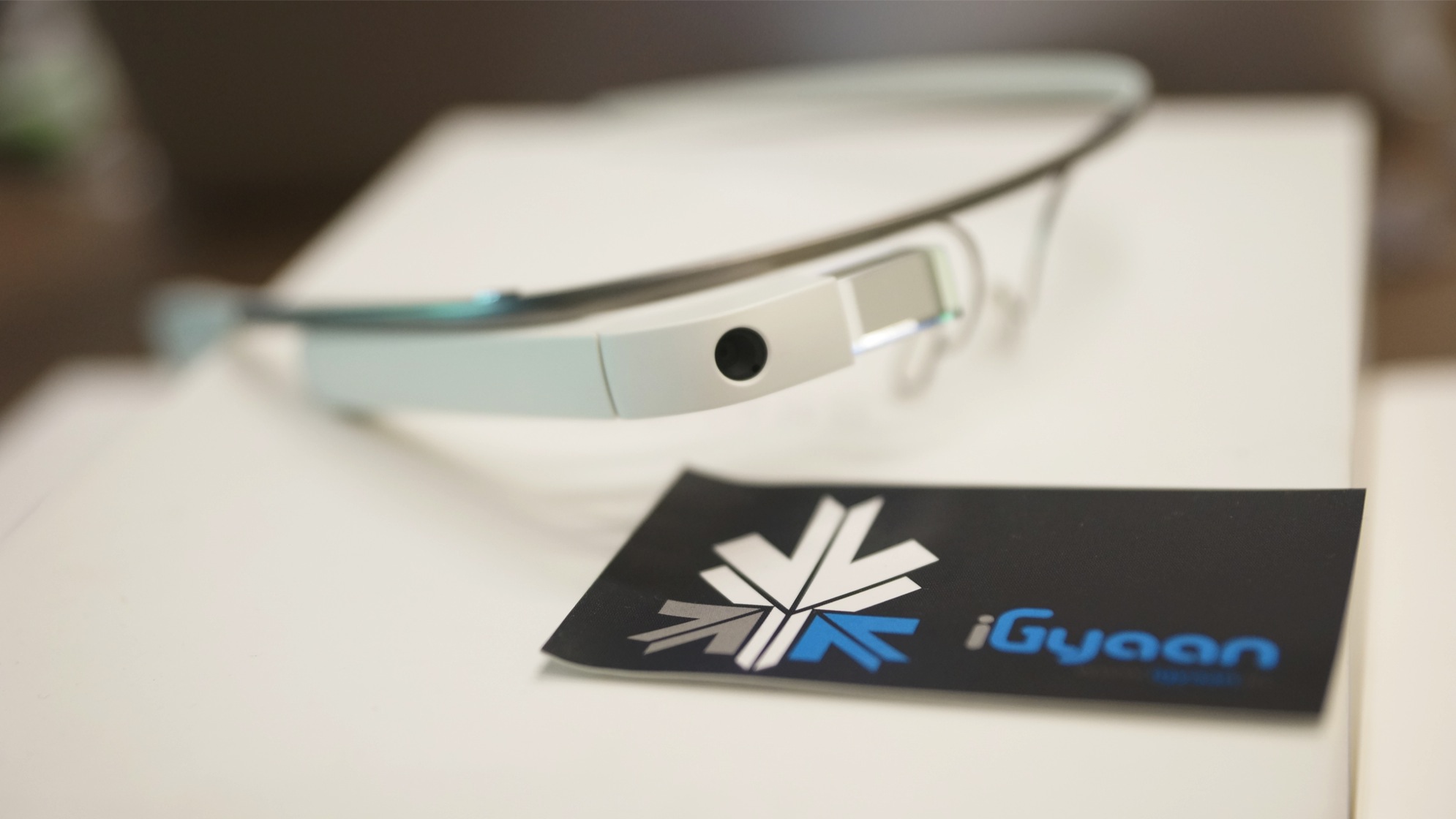
    It’s been a long time since we heard anything about Google Glass. Yes, we are talking about that spectacle containing a tiny computer, whose production was stopped by Google earlier this year. It could have been the end of it, but Google never stopped developing the project. Today, a report has came out that says Google Glass could resurface again.

    According to Droid Life, an FCC (Federal Communication Commission) filing by Google indicates that the company is working on a new version of Google Glass. Filed under the FCC ID A4R-GG1, the term ‘GG’ indicates Google Glass. Unlike most devices, which are labelled in FCC as mobile or a wearable, this one has been labelled as “BLUETOOTH & DTS/UNII a/b/g/n/ac” with model name “GG1”.

    According to the website, the device has Bluetooth LE and rechargeable, non-removable batteries that can’t be accessed…. the product comes with an AC charger and USB cable that when connected to a PC, can provide a “path for charging and data transfer.”

    For all we know, the device could be a smartphone or a tablet, but the fact that it hasn’t been labelled as a phone or wearable and Google used the initials GG, this could be the next version of Google Glass. Of course, it’s all speculation until and unless Google announces it.

    With Oculus Rift expected to make a huge entry by 2016 and Microsoft HoloLens getting attention for its innovative holographic interface, Google has the perfect opportunity to make strides in the augmented reality wearable segment.

  • Google Updates Hangouts for iOS Users

    Google Updates Hangouts for iOS Users

    Good news for iOS users who still use Hangouts. In a blog post, the company announced “Hangouts 4.0”, an improved version of the messaging app for iOS. The new update includes bugs and performance fixes and a new design.

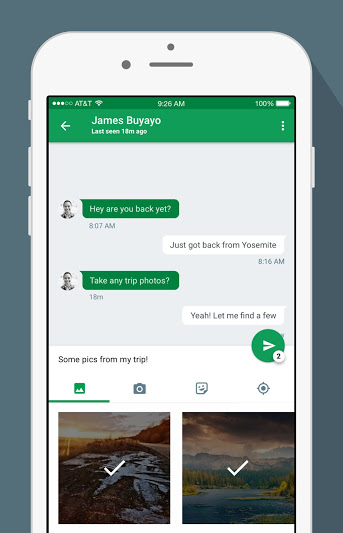
    The most notable improvement in the new Hangouts is the easier access to send photos and stickers. In the previous versions, the option was hidden behind a paperclip button. In the new version, the attachment options are now located on a strip below the text entry field.

    Hangouts_iOS_Share_Photos

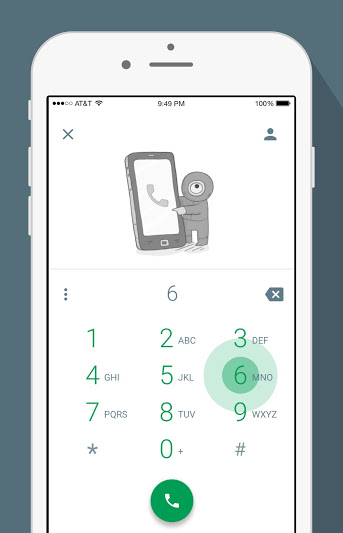
    The strip makes it easier to select photographs and stickers without exiting the chat window. The camera button will open a mini viewfinder below the text field. The new version features a Quick Compose button that finds the most frequent contacts and starts a new conversation. The dialler gets a new user interface as the standard buttons have been replaced by green floating action buttons – circular buttons that lift and display an ink reaction on a press.

    Hangouts_iOS_Dailer

    The update also includes many bugs fixes and performance improvements. Hangouts 4.0 is currently available on the App Store. Google will soon announce the Android update for Hangouts.

  • This Google Project Will Blow Your Mind Away

    This Google Project Will Blow Your Mind Away

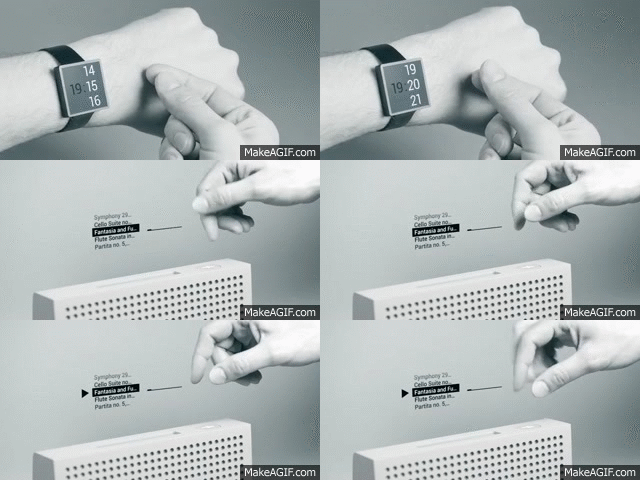
    Once again, Google impresses us with its world-changing research efforts. The company’s Project Soli, which has been developed at Google’s secretive Advanced Technology and Projects lab in San Francisco, will allow you to interact with gadgets by simple gestures in air.

    You may ask, so what is new about controlling your gadgets with hand gestures? For we already have Xbox Kinect, PlayStation Move and of course, JARVIS. What makes Soli unique is that the system can identify subtle finger movements using radar built into tiny microchips.

    According to lead researcher Ivan Poupyrev, the team’s breakthrough will be a game changer.

    Most sensors are camera-based, such as Kinect and Move. They act only when they capture gestures and require additional hardware. Soli’s microchips can be embedded into anything – from TVs to wearables, and this is the game-changing quality that Poupyrev refers to.

    Welcome_to_Project_Soli

    “Using a tiny, microchip-based radar to track hand movements we can now track the minutest movements and twitches of the human hand to interact with computers and wearable devices,” says Poupyrev.

    The team has managed to overcome its biggest challenge: to fit a shoe-box sized radar on a tiny microchip. The team worked with German chipmaker Infineon for 10 months, finding new ways to shrink the radar’s components. Now, the chips are ready for mass-production.

    ‘Soli can pick up hand movements as far as a metre away as in Minority Report. But in reality this is too tiring,’ Poupyrev says. ‘Until now, we lacked the fidelity to capture hand movements in sufficient detail. But now using radar, for the first time in history you can build Minority Report type interfaces.’

    Poupyrev recently demonstrated Project Soli in front of developers in California. The project’s open source technology will be handed over to developers later this year.

    Google deserves credit for envisioning this project. The company has always pushed the boundaries of knowledge. They need to be appreciated for taking on resource intensive projects without compromising with their quarterly results.

    Watch the video below to help understand the project better:

  • Google’s Semi-Secret Facility Unveils a Health-Tracking Wristband

    Google’s Semi-Secret Facility Unveils a Health-Tracking Wristband

    Rumour has it that Google X is currently working on an interesting wearable project. Google’s semi-secret workshop is one of the most innovation oriented institutions in the world. The research facility takes on some of the most fundamental questions on transportation, communication and others. Then, it takes an alternative bottom-up effort to understand them. The facility worked on concepts like Teleportation, Space elevators, and it is also the birthplace of projects like Google Glass, Driverless car and the upcoming Project Loon.

    It is now developing a medical-grade wristband which will track health vitals such as heart-rate, pulse and skin-temperature on a “minute-by-minute” basis. The wristband will also measure external conditions such as room temperature and noise levels. The surprising thing is that Google won’t sell the device to general consumers, unlike Fitbit, which focuses on consumer wearables.

    “Our intended use is for this to become a medical device that’s prescribed to patients or used for clinical trials,” said Andy Conrad, head of the life sciences team at Google, in an interview to Bloomberg. The device will allow doctors and medical researchers to keep track of a patient’s vitals outside the laboratory. Google wants the device to record accurate data, a function which can’t be expected from consumer-grade fitness wearables. The wristwatch can also make the research process more efficient, since the data collected from the patients can be easily organised and analysed.

    Google X, the secret research wing of Google, is developing the wristwatch. The company will invite researchers and drug companies to test the device’s accuracy. The trial will start over summer, the company’s spokeswoman said.

  • Make Your Own Google Cardboard with These Simple Steps

    Make Your Own Google Cardboard with These Simple Steps

    At a time when Virtual Reality has taken centre stage in the tech industry, there is a lot to be done to make this revolutionary innovation reach to every corner of the world. The advanced technology that can recreate sensory experiences, designs an environment and sends users to the virtual world making them feel as if they are physically present there.

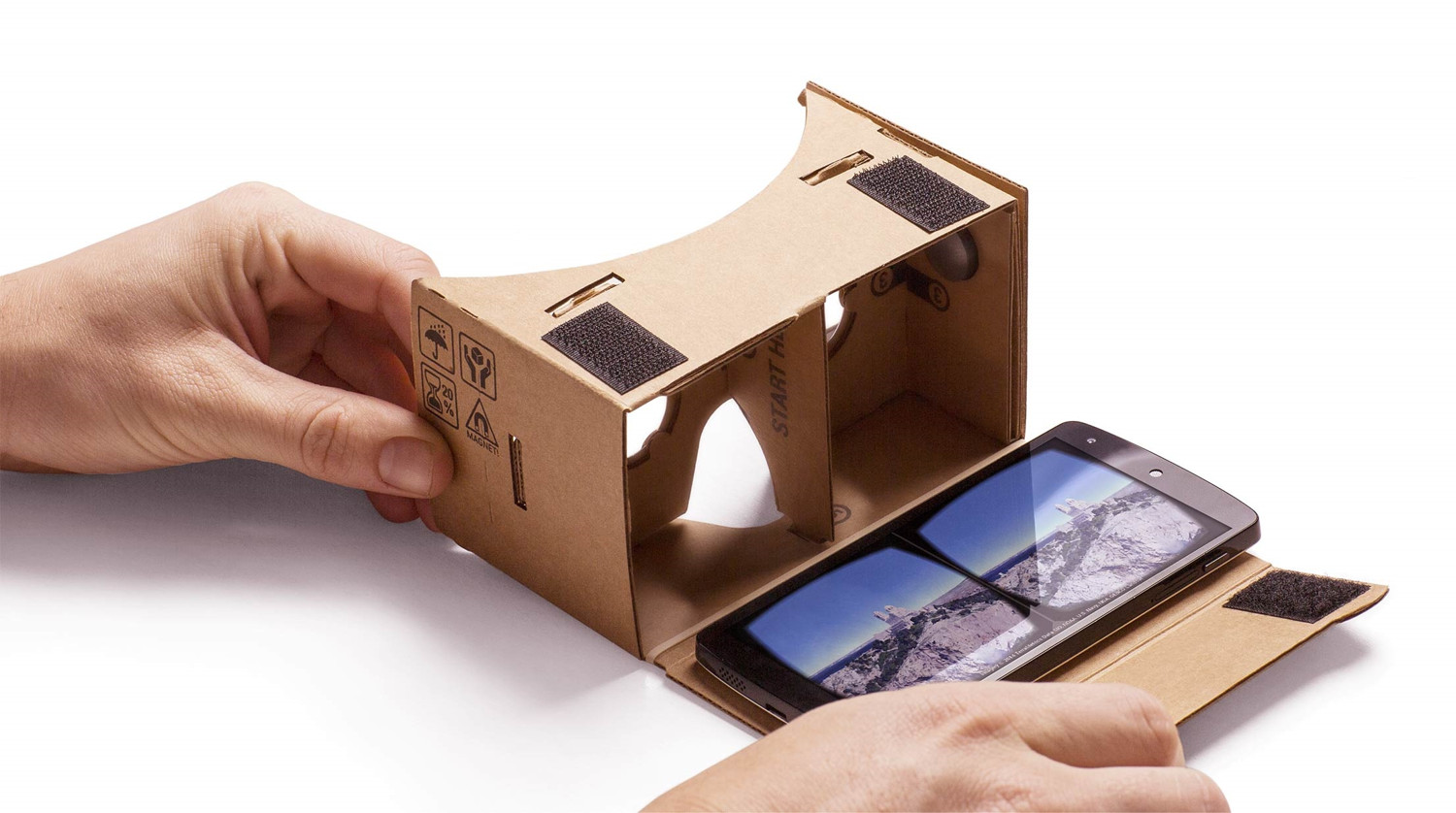
    Many smartphone companies are pushing the unexplored division, by offering Virtual Reality (VR) headsets at special prices along with the smartphone. Some of these handsets include Samsung Galaxy Note, Galaxy S6 and Galaxy S6 Edge. More choices in VR headsets include Galaxy Gear VR, HTC Vive, Oculus Rift, Microsoft HoloLens and few more, but their market is limited to developed nations. This is where Google Cardboard comes into action. The low-cost, hand-made Google Cardboard requires only a bunch of things for its construction, and your smartphone is then ready to mount on the fold-out cardboard.

    Follow the below-given steps and make one now:

    google cardboard 3

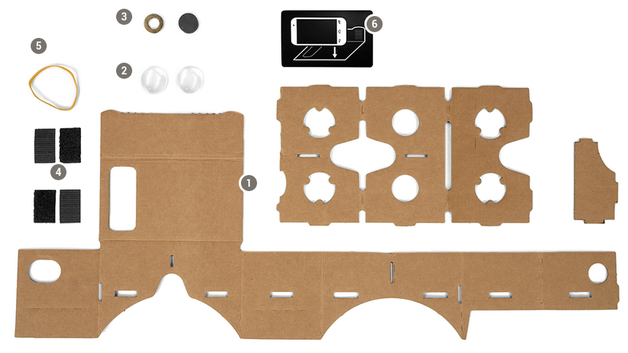
    List of Things Required

    First of all, collect all the articles necessary for its preparation. You will need:

    • Cardboard: You will need a corrugated cardboard that is 9-inches by 22-inches. A pizza box, shoe box or any thin, rigid sheet would do.
    • Lens: The second thing is the lens. The lenses to affix the cardboard need to be 25mm in diameter with 40mm focal length. In case you don’t find lenses of these measures, 50mm focal length will do, but then you have to increase the length of your cardboard. You can also go for a plano-convex lens or biconvex lens, Google recommends the latter. So, first find out the lens available and accordingly start the project. [tw-button size=”medium” background=”#07ABE2″ color=”” target=”_blank” link=”http://www.amazon.in/Alian-Biconvex-Lens-Google-Cardboard/dp/B00UYG3G5G/ref=sr_1_10?ie=UTF8&qid=1434185814&sr=8-10&keywords=google+cardboard&tag=igyaan-21″]Buy Now[/tw-button]
    • Magnet: Two small ring-shaped magnets.
    • Velcro strips: Two velcro strips with adhesive on the plane surface. [tw-button size=”medium” background=”#07ABE2″ color=”” target=”_self” link=”http://www.ebay.in/itm/10-METRE-Sew-on-type-Polyster-Velcro-Hook-Loop-Tape-1000-CM-BLACK-COLOR-/111678681852?pt=LH_DefaultDomain_203&hash=item1a009172fc”]Buy Now[/tw-button]
    • Other things are a rubber band, glue, a pair of scissors, and a cutter.

    Google Cardboard 2

    Steps to Make Google Cardboard

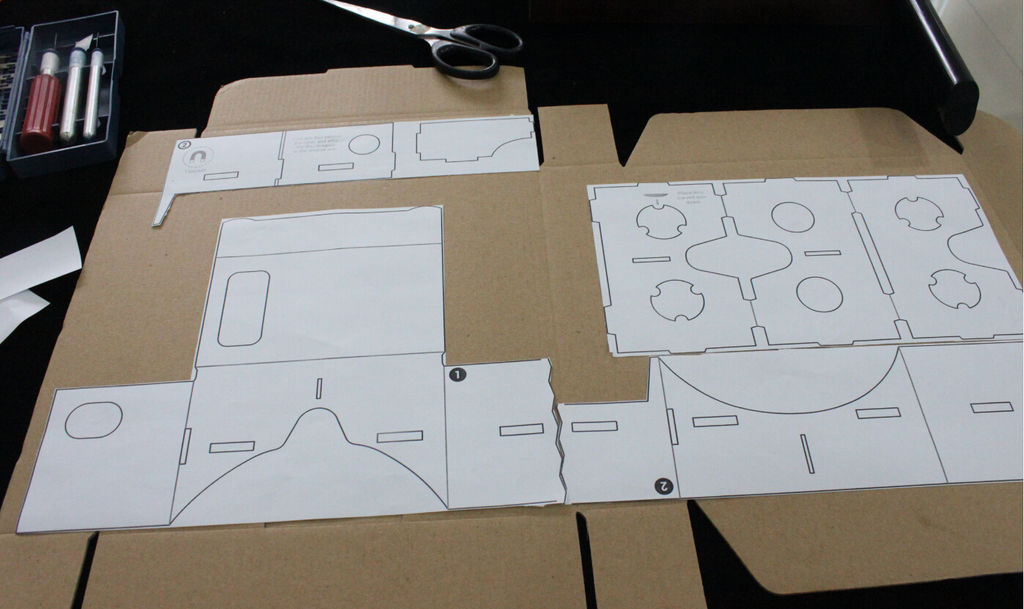
    1. Print out the cardboard template by clicking on “Download the Kit” on the provided link. Apply some glue on the back of the template and paste it onto the cardboard with light numbers on top of the darker ones.

    google cardboard 4

    2. Now start cutting along the edges and fold the area marked by the red line.

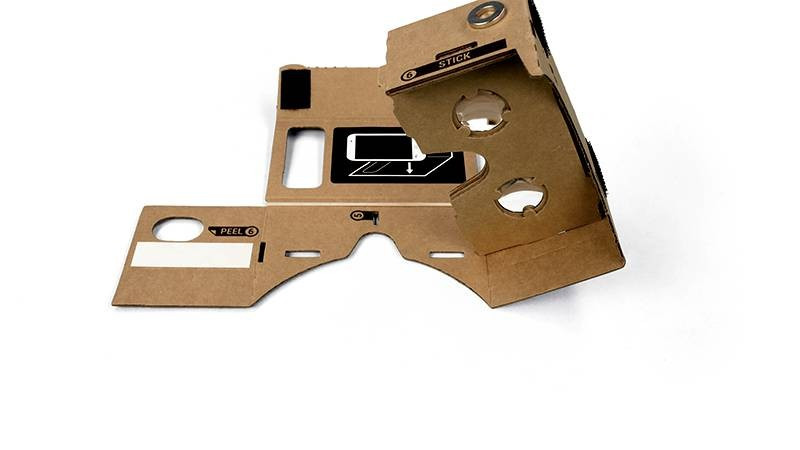
    google cardboard 63. Once you are through with cutting the cardboard, place the lens in the curved area and magnet at the other side of the cardboard mentioned on the template. Glue the area that’s done and affix the Velcro strips where you’ll be slipping your phone.

    google cardboard 5

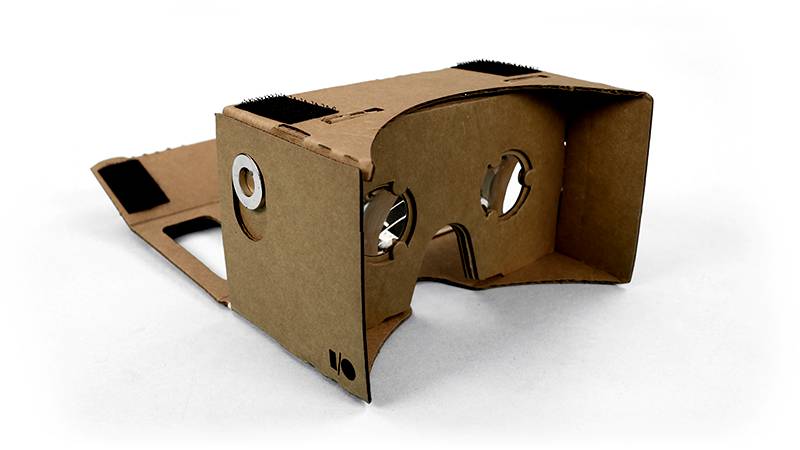
    4. If you have followed the steps mentioned above, your cardboard is almost ready.

    google-cardboard-virtual-reality

    5. Put your smartphone in the cardboard and tie a rubber band so that your phone doesn’t slip through.

    google cardboard 1

    6. One more thing left is the installation of Cardboard app from Google Play Store that provides you content to see through the hand-made Google Cardboard. Launch the app and click the desired category by sliding down the magnet, placed on the side. You can get back to the main menu just by holding your VR headset upright.

    In case everything fails, you could order one online:

  • Google Search to Get Faster and Cheaper on Indian 2G Network

    Google Search to Get Faster and Cheaper on Indian 2G Network

    Though fast wireless networks like 3G and 4G have hit certain parts of the world, emerging countries are still a victim of slow internet connectivity, which constitutes over half the globe. Tech powerhouses have understood the fact that their expansion lies in reaching that majority and providing them the best of their services. Today, Google has launched a slimmer version of Google Search called ‘Search Lite’ on Android phones that optimize web pages on slow 2G network.

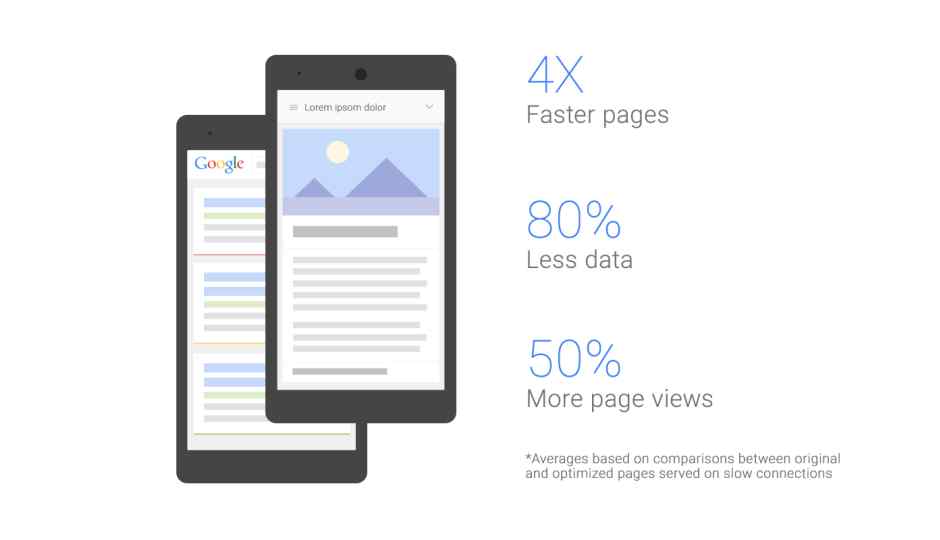
    The feature shows streamlined search results, and the pages load four times faster than with the original Google Search. Also, it consumes lesser data, saving your monthly pack to last for few more days. Google’s blog post by Product Manager Hiroto Tokusei reads –

    If you’re in India, with an Android phone and on a slow connection, like 2G, you should start to see pages loading a whole lot faster, while using far less data, via your Chrome or Android browser from Google’s search results.

    To accommodate users with faster loading on slow mobile connections, Search Lite transcodes web pages on the go. As per Hiroto, the new feature gets triggered when an Android user surfs something on Google on a slow 2G connection. Google makes out the connection speed and activates the Search Lite tool. The search biggie has tested the feature in Indonesia and is geared to bring it to Indians in another two weeks.

    google search lite

    Google’s testing period showed more than 50% increase in web page traffic. The firm says that it would be extremely beneficial for publishers as the page views will encounter a jump. These faster-optimized pages help publishers and advertisers reach new audiences. Publishers can choose to optimize the page or reject the compressed format. There are other measures that Google is currently working on like Google Analysis for tracking page views, AdSense for ad support, and a few more.

    Also, the Search Lite tool will be brought as an option and not as a compulsion. Users can choose to switch to the original page any time through the link provided at the bottom of the page. The feature will be arriving in India as well as Brazil in the coming weeks.

  • 5 Tech Patents that Thankfully Never Worked Out

    5 Tech Patents that Thankfully Never Worked Out

    In the world of technology, there is no space for redundancy. Technology is getting updated time after time since tech fanatics are always carving out the next great gadget. The major number of brains swell up for innovating and creating such devices. Gadgets are continuously upgraded and tweaked, but some do not turn out as planned.

    We will see some of the weirdest patents filed by the biggest tech powerhouses today:

    Nokia’s Vibrating Tattoos

    nokia vibrating tattoo

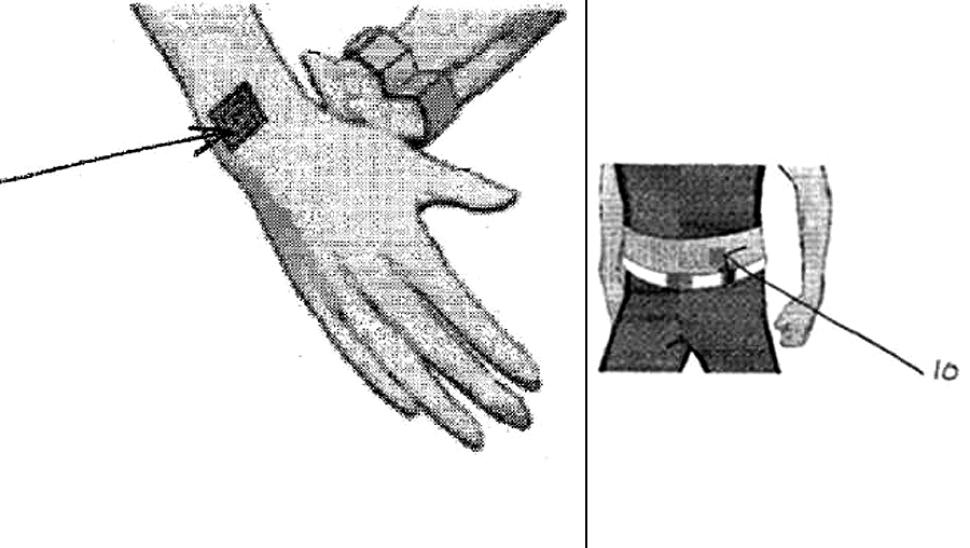
    In 2011, Nokia signed a patent for the first vibrating tattoo. Yes, a vibrating tattoo that alerts users when their phone is ringing. According to the official patent, the apparatus would be able to detect a magnetic field and transfer a ‘percievable stimulus’ to alert its users about an incoming call, text ot dead battery.

    But for some people, getting inked for the sake of technology was too much. People said the device plunges into a ‘creepy territory’. In an era of iPhones and Android devices, what would be the cost of unplugging a permanent tattoo?

    Nokia never discussed anything about the tattoo including the potential health risks.

    Google Background Advertising

    Google background advertising

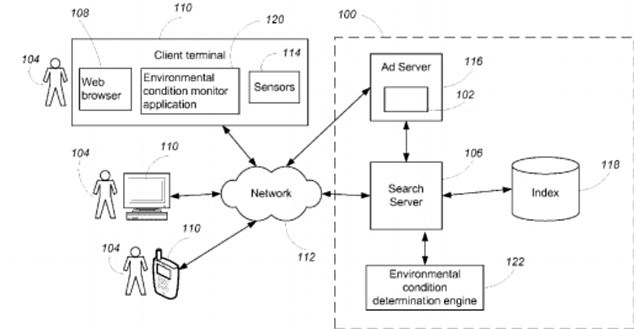
    Google, in 2012, signed a patent that would enable the search giant to base advertisements on background noise. According to the patents, Google would install sensors on handsets that would detect temperature, humidity, sound, light or air distribution near a device and ads would be served accordingly.

    For example, if you are at the gym and make a call, Google will be able to catch the gym machinery in the background and then serve up adverts for home gym equipment.  If it is 30 degrees or more outside, Google will throw in adverts for sun cream, air conditioning units or ice creams.

    But it raised the question of privacy. People were not pleased with the idea of Google tracking down their location wherever they went. Although from the use and productivity aspect, this patent was quite useless.

    Amazon Airbag

    Amazon Airbag

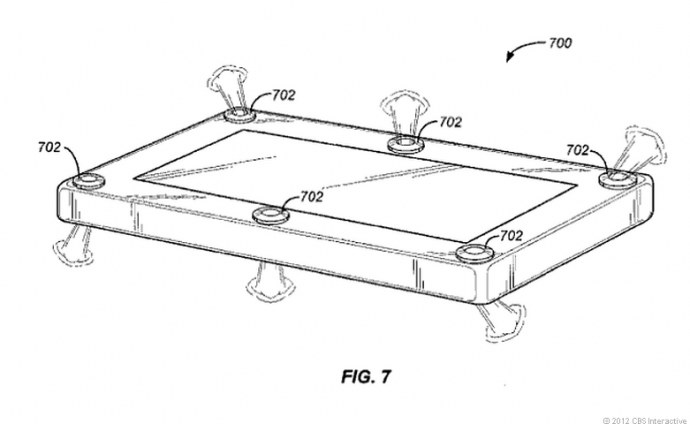
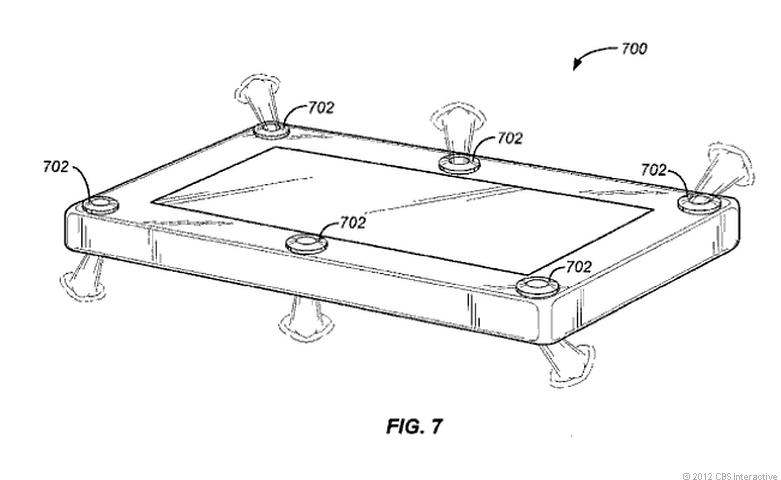
    Amazon came up with this idea in 2012 for a protective system for mobile phones. The patent describes a system that utilizes a gadget’s built-in gyroscope, camera, accelerometers and other onboard sensors to decide if the device has entered an airborne state. If it has, the technology will release airbags to decrease potential damage – or possibly even alter the trajectory of its fall by firing jets of air.

    But this idea gathered much criticism like ‘What’s next, smartphones with built-in parachutes? Or maybe handsets with wings and propellers?’ and ‘From a logistical point of view, the handset would have to be rather big to hide an airbag.’

    There has been no track of progress regarding this airbag. Let’s wait and find out!

    Microsoft Remote Control Charging Patent

    Microsoft remote control charging patent

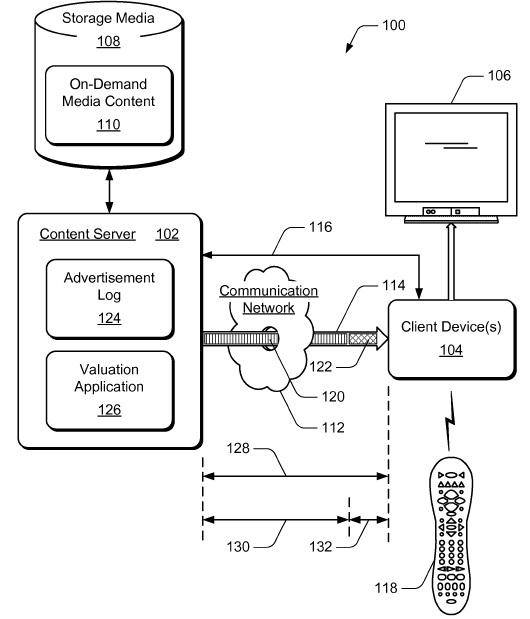
    Imagine a situation where you have to pay more for skipping an ad while watching a movie or watching a sporting event and you have to pay extra for accessing the replay. Luckily, this patent did not fly off as imagined by Microsoft when they filed this patent back in 2004. This wasn’t very welcomed by the masses because these charges would be on top of the base price as a way to boost up profits.

    Apple Air Jet Keyboard Patent

    Apple Air jet keyboard patent

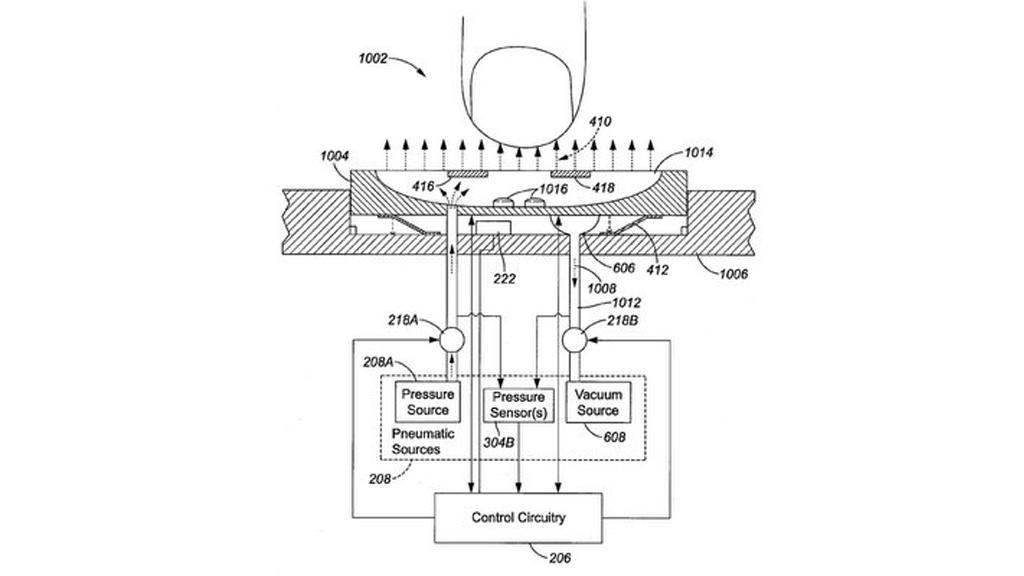
    It isn’t too hard to imagine a flat keyboard without keys- we don’t really look at our fingers when we type, ourselves. But, it’s still a little hard to imagine actually using one. In 2011, Apple patented a unique keyboard design that uses micro-perforations to shoot air at the user’s fingers upon touch, giving tactile feedback to whoever is. One of the biggest objections about virtual keyboards is the lack of tactile feedback, making it much laborious to touch-type at any speed, with much accuracy.

  • Google Wants to Use Tech to Solve All Urban City Problems

    Google Wants to Use Tech to Solve All Urban City Problems

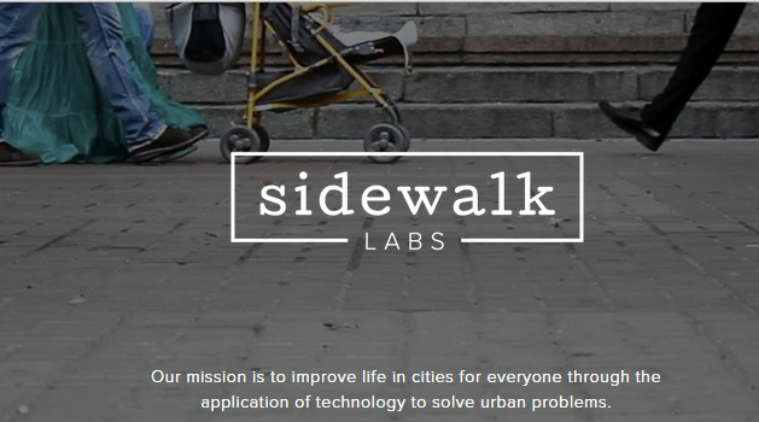
    In spite of the presence of many search giants in the Internet industry, one thing that makes Google unique is its unremitting attempts to use technology for social welfare. The tech major has already touched a corner of human life with the launch of a medical wing, and now, a new spinoff introduced today will deal with improving city life. Urban innovation body Sidewalk Labs, launched by Google will focus on improving the city life of billions by developing and incubating urban technologies to address issues like cost of living, efficient transportation and energy usage, thus, enhancing the global quality of life.

    google sidewalk lab

    The new company will be headed by the former CEO of Bloomberg LP and Deputy Mayor of New York, Dan Doctoroff. Doctoroff has given some vague clues on what the company’s approach is while keeping silent on how the execution of this approach. The company will touch the left out parts that need the utmost attention, such as efficient transportation, lower cost of living and much more. The official website of Sidewalk Labs says, while there are apps to tell people about traffic conditions, or available apartment price, the biggest challenge that cities face are reducing energy usage and helping governments operate more efficiently, among a few others. The company is said to be developing new products, platforms and partnerships to make progress in these areas.

    The CEO of Sidewalk Labs stated at the launch –

    We hope that Sidewalk will play a major role in developing technology products, platforms and advanced infrastructure that can be implemented at scale in cities around the world.

    Google’s CEO Larry Page posted on his Google+ page, “With Sidewalk, we want to supercharge existing efforts in areas such as housing, energy, transportation and government to solve real problems that city-dwellers face every day.”

    Very little is known about Google’s diverse project, but the picture laid out by the company speaks of technological installations in the present scenario rather than building up an all-new structure. No plans have been disclosed of how Google will carry out instating urban technology and what its budget for the project is. It seems like Sidewalk itself doesn’t have a strategy for its goal.

    The construction of Apple’s futuristic spaceship-like headquarter is under way, and it now appears as if the new campus can be a blueprint of the massive project that it has taken on. If that’s true then, Google had the idea in mind for long, and hopefully, Sidewalk will touch the height of success just like Google[x] and Calico.

  • Here’s How Android Pay Can Pose a Threat to Apple Pay

    Here’s How Android Pay Can Pose a Threat to Apple Pay

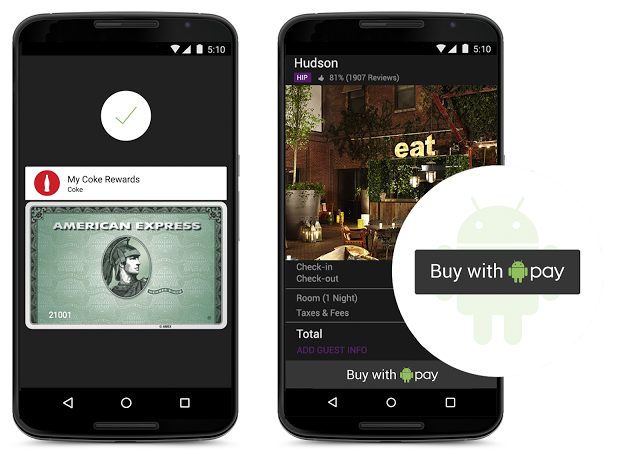
    Along with unveiling the brand new version of Android OS, Android M, at the annual developers conference I/0 2015, Google cleared its vision to help customers buy regular products with utmost ease. The tech powerhouse showed the Android community its recent development on mobile payments that made Android lovers applaud Google. The ace up its sleeves was Android Pay, through which Google was aiming at Apple’s contactless payment service, Apple Pay. However Android Pay came late into the mobile payment battle, it has certain distinctive features that would strengthen its position in this domain. Let’s check out how it works and how it can contribute to making our lives easier.

    How to Use it?

    android pay

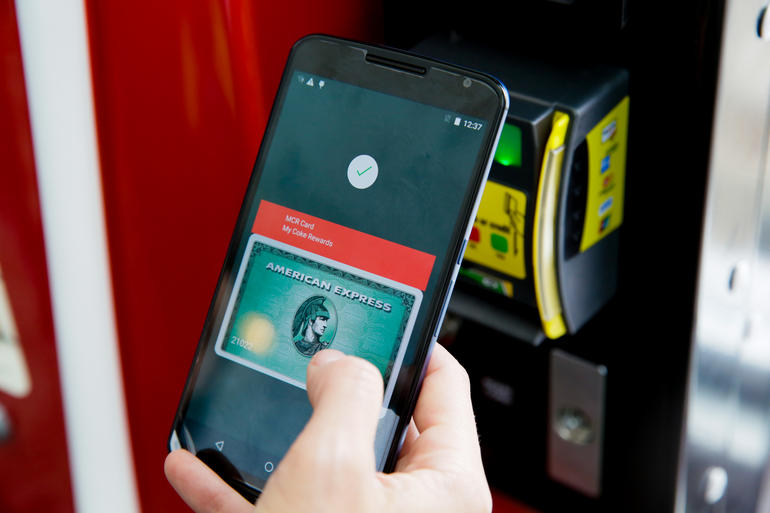
    Android Pay relieves users from the hassle of carrying cards and the payment is done at merchants’ contactless terminals. Simply unlock the device and as soon as you place it near the machine’s NFC reader, a card interface will pop up automatically. Fingerprint scanning isn’t a must. Pick from the virtual cards to complete your payment. With this, you are done. Payment confirmation and transaction details will be received on your smartphone. There is no need to call up Android Pay and put in a separate PIN or password to authenticate payments. Android Pay deals with all by integrating with the security of the operating system. The feature is much easier to use with Android M as devices equipped with the latest Android OS version supports fingerprint reading just like Apple Pay.

    Along with that, Google has thought of another strategy to allure Android users. As the users checkout, the loyalty programs and special offers automatically apply. This way, loyalty programs and offers get received along with payments, which is essential for the contactless payment system.

    Here’s the video demonstrating the use of Android Pay:

    https://youtu.be/OueObu2aA_M

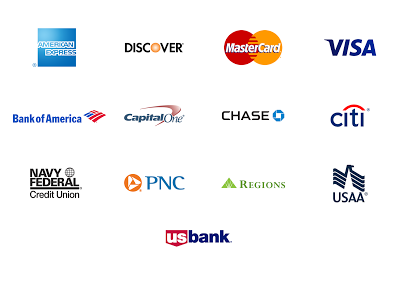
    The technology governing Android Pay is analogous to the one regulating Apple Pay. It makes use of the similar NFC (Near Field Communications) technology, which is regular on most Android smartphones these days. Together with that, current software is all that is needed for Android Pay to run on any Android handset. Google has partnered with top payment processors, mobile carriers, payment networks, banks and retailers to deliver your choice and flexibility. The bank apps also pay a pivotal role of integrating with Google’s platform to add your credit and debit cards directly to Android Pay.

    Talking about the security parameters equipped in Android Pay, the tokenization method spotted on Apple Pay dominates Google’s payment system as well. A virtual account number is created for the user so that retailers never come to know your actual card details.

    Why it is likely to beat Apple Pay?

    Google’s payment system will give a major boost to mobile payment. Users can pay in stores, food courts, buy apps, and at every possible place where Android Pay or an NFC logo is visible. According to the company, the feature arriving this summer will work in 7,00,000 stores in the US and with a 1,000 Android apps.

    android pay 1

    Though Apple Pay is efficient, its usage is limited to those using iPhone 6, iPhone 6 Plus, Apple Watch and iPad. On the contrary, Android Pay is expected to work with all smartphones with Android 4.4 KitKat and above. Considering the vast user base of Android, Android Pay is likely to take over Apple Pay in the near future. Android users account for more than 80 per cent of the smartphone users. Even if a small per cent of total Android user base utilizes Android Pay, it will easily surpass Apple Pay users.

    The second factor that will add to Android Pay’s success is its compatibility with older phones. The feature will allow even the 2013 models to work with Android Pay such as Galaxy S4, HTC One M7, and more. As there will be more users, more retailers would like to install the NFC payment system at their stores. This way, Google will penetrate deep into the mobile payment segment than Apple, in spite of the fact that Apple came in early in October last year.

    Meanwhile, there is no detail about it coming to countries outside the US, but we are anticipating it to arrive in India later this year.

  • Everything You Need to Know About Google I/O 2015 Launches

    Everything You Need to Know About Google I/O 2015 Launches

    Google kicked off its annual developers’ conference, the 2015 I/O yesterday in San Francisco, California. As anticipated, the search engine giant threw light on the much-awaited version of Android OS, disclosing functions of Android M in fine detail. Along with some anticipated features like app permissions, Photo app, Android Pay; there are many more additions to the Google ecosystem.

    Here are all the important announcements by the company:

    1. App Permissions
    android m

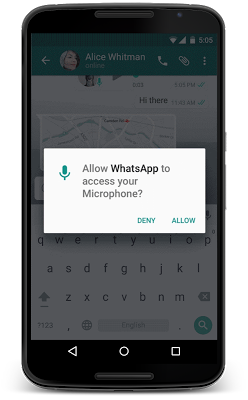
    Google has tweaked Android M to terminate the traditional way of gaining app permissions. Unlike the current practice, users can permit apps to use a particular function and can also revoke its use. Google has defined eight parameters to give apps permission. These include camera, location, contacts, calendar and few more. With Android M, users can now easily understand the different parameters an app is accessing.

    2. Resolved Battery Issue
    andorid m 2

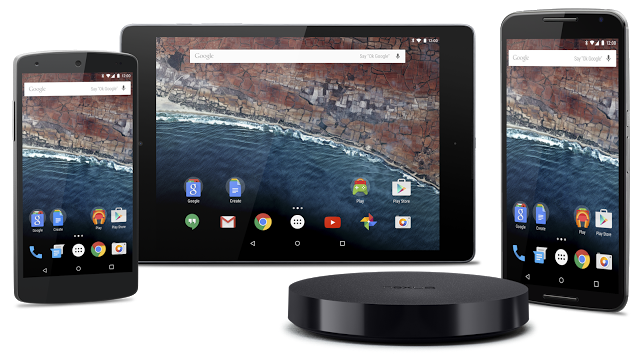
    With Android Lollipop, Battery drain was one of the major issues that ticked off Android users to a large extent. The tech giant has introduced a new feature that helps the phone battery run for an extended period of time. Dubbed as Doze, the feature uses motion detection to check if the smartphone is left unattended for a while. The screen then automatically goes to sleep, reducing the background activity; hence giving the phone a longer battery life.

    3. Chrome Custom Tabs to Switch Between Apps

    android m custom tabs

    Android M comes with an interesting feature called Chrome Custom Tabs that appear like an in-app Chrome browser. It loads pages faster, filling vital information like email and password. Another important function is that it allows developers to add custom features on top of the apps. For example, Twitter can provide a tweet on any app, which will direct the user to the Twitter app loading it automatically. It allows for quick movements between two applications.

    4. New Google Photos App
    google photo app

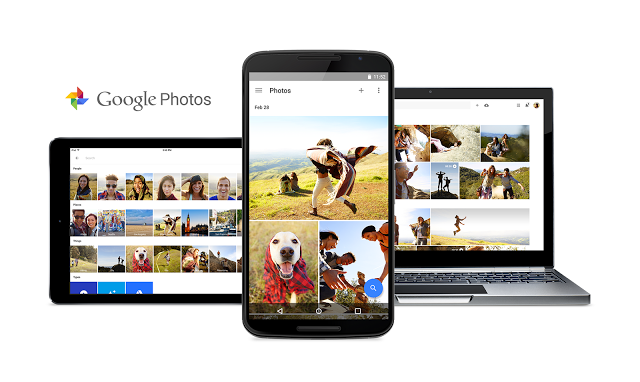
    Google Photo app is a refurbished app with an ability to back up photos and videos, and that too free of cost. However, there is a restriction on their size, but you can upload as many as you wish. These images can be segregated on the basis of location, people, time interval and more. Besides the new app, some interface tools were also introduced for the purpose of sharing and making collages and turning them into movies. As per the company, the app is now available on Android, iOS and web.

    5. Maps and Chrome Go Offline
    Google-Chrome-Offline-Support

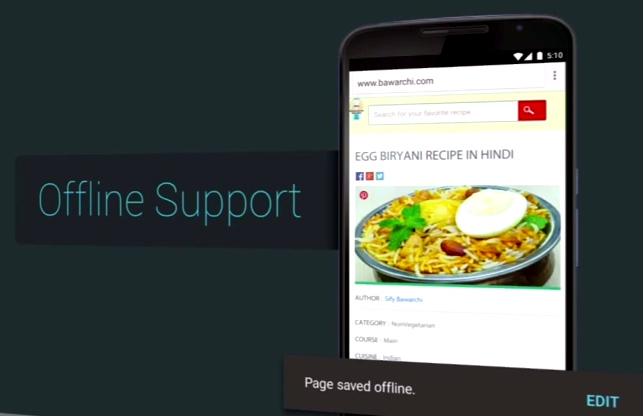
    This new feature by Google will help internet users access its products in every corner of the world. A dedicated search results page is built for faster loading by showing fewer images. Users will be able to save web pages offline just like YouTube videos. Along with that, Google Maps has been given a push offline where users can access a bunch of features with no internet connectivity like reviews and information, and give turn-by-turn directions offline. The feature will work in areas with poor internet connectivity.

    6. Revamped Android Wear
    moto-360-3

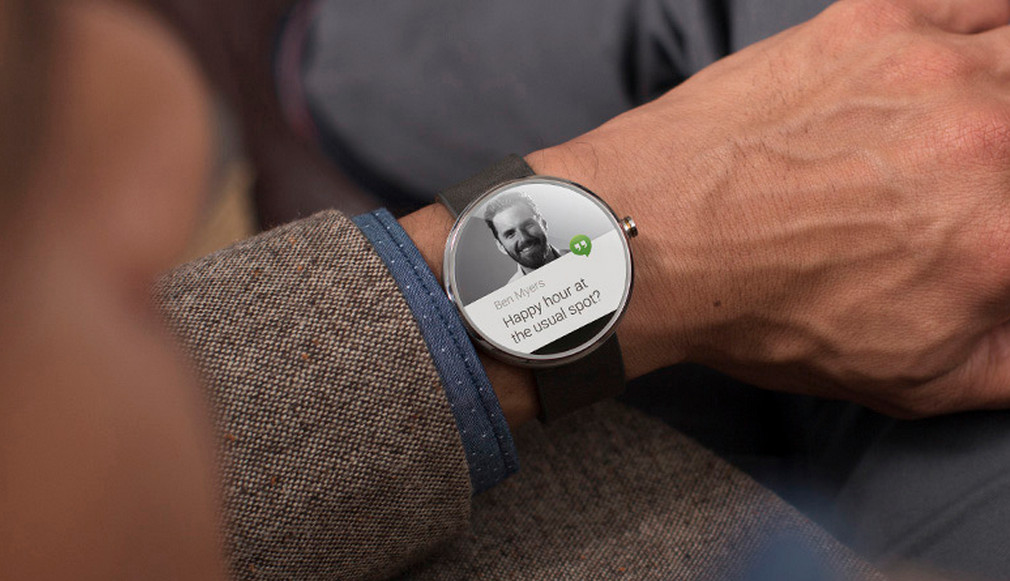
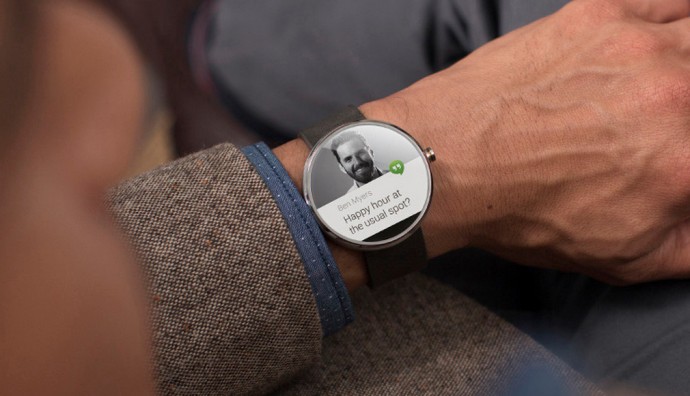
    Android Wear has been updated with a slew of new apps and features. There will be a convenient option to call Uber cabs now. Just like the always-on screen, apps will also remain on always showing information in black and white mode, taking care of the battery. Navigating through Google Maps to get constant direction status and many more features that requires the screen to be on, will be a lot easier. A new app launcher is inculcated as well, along with a feature to convert drawings to emojis.

    7. Smart Home
    android m smart homes

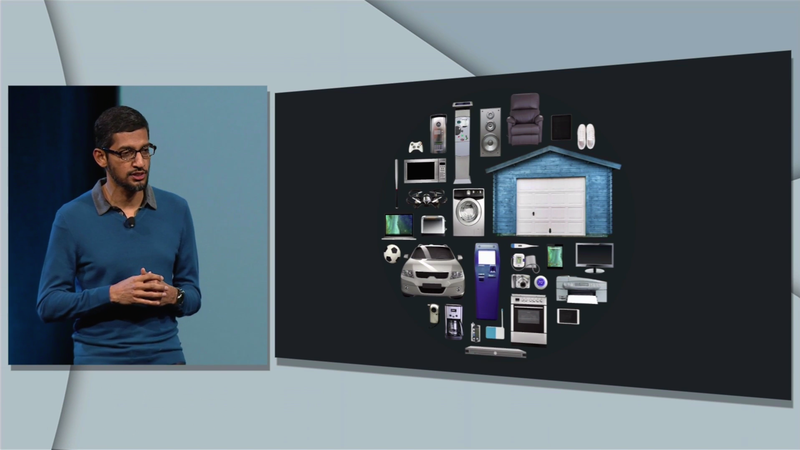
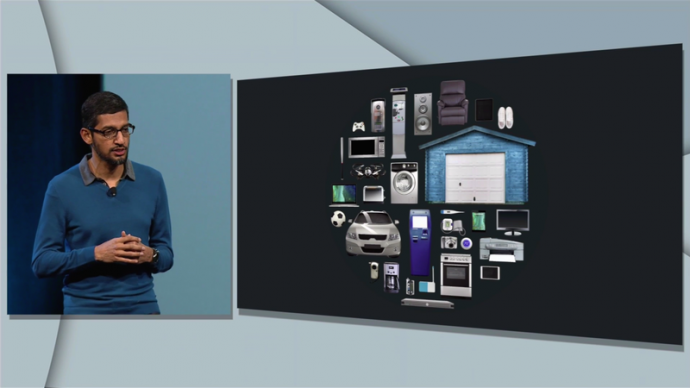
    Another expected update was the Smart Home launched along with an operating system Project Brillo and a communication system Weave. Brillo is a trimmed down version of Android, while the latter is Google’s IoT that allows devices to communicate with each other. Both the softwares work together to make your homes truly smart homes. Once both Brillo and Weave are installed on the smart devices, Weave can command devices like refrigerators, ovens, lift bulbs, door locks, etc. The system has build-in Wi-Fi and Bluetooth support.

    8. HBO Now on Android
    hbo now

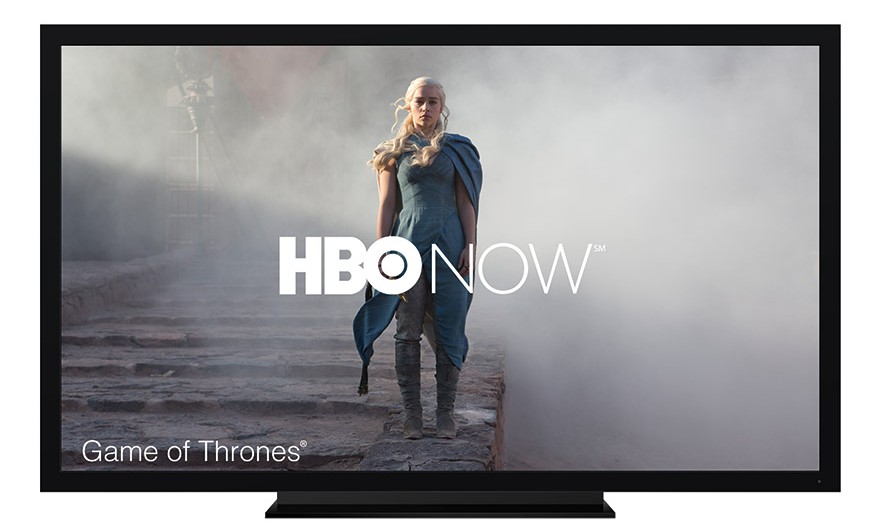
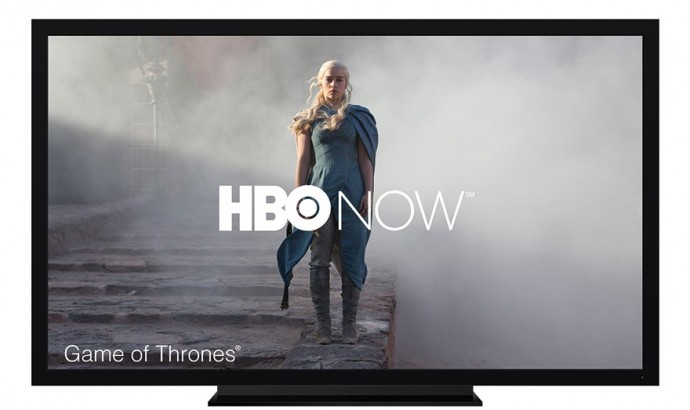
    Far from our anticipation, Google announced the arrival of the streaming-only service HBO Now on Android and Chromecast. There is no definite time of its launch on the platform, but speculations are rife about it coming in June this year. Surprisingly, there are no fresh Chromecast or Android TV this time.

    9. Redesigned Google Cardboard

    google cardboard

    Seeing the current trends of bigger phones, the tech major decided to reconstruct its affordable VR headset, Google Cardboard. The new version of Google Cardboard can hold phones with six inch displays. A cardboard button will appear on the new version instead of the original magnet clicker that is said to work with any phone. Google has launched a dedicated Cardboard app, along with a virtual reality education tool Expeditions for educational purpose. The bigger VR headset can be acquired through Google’s partners.

    10. Google VR Camera Rig
    google-camera-rig

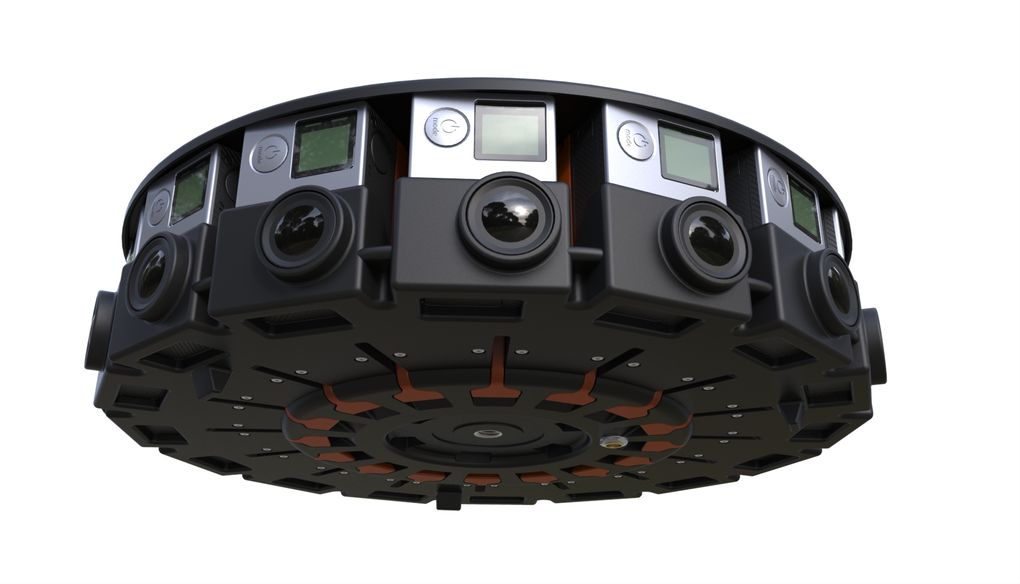
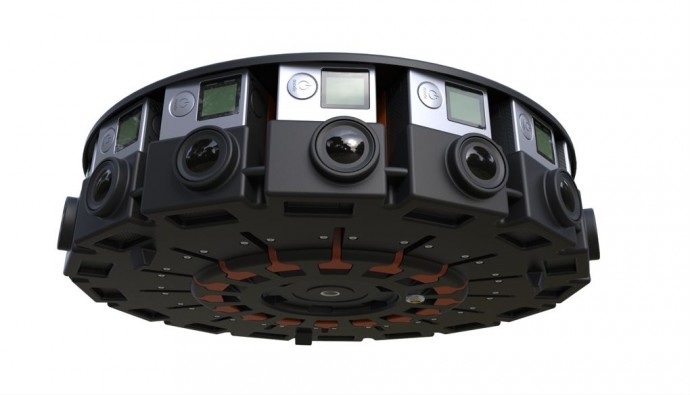
    The company seems to have given a deeper thought to the recently explored virtual reality domain. VR headsets have been available for quite a while, but the content for them was missing. Google in partnership with GoPro has built a VR camera rig, Jump, that is a 16-camera array designed to shoot 3D VR content. The VR camera rig will shoot content and the assembler of Google will weave them together figuring out the depth of different images. It can build content for the VR headsets as well as video-sharing websites like YouTube.
  • Google Will Soon Add ‘Buy Button’ in Mobile Search

    Google Will Soon Add ‘Buy Button’ in Mobile Search

    Google kicked off as a search engine, but its hasn’t restricted itself to search only. It is constantly refurbishing itself with the inclusion of fresh features like Find My Phone‘, allowing users send directions from desktop to mobile, providing a list of relevant apps, and many more innovative tools. The tech behemoth is now planning to venture into the online marketing business with the introduction of ‘buy button’. According to a report by Wall Street Journal, the Mountain View-based giant will soon start showing the ‘buy button’ for the searched products on mobile devices.

    The source familiar with the matter revealed that only the sponsored search results will come with a buy button within the ‘Shop on Google’ page. The non-sponsored results generated from Google’s search algorithm will be deprived of this feature. As soon as a shopper clicks the buy button, he/she will be directed to the Google product page where they can pick the desired colour, size and payment option.
    Google will be investing $1Billion in Satellite Internet initiative of SpaceX
    Google will be investing $1Billion in Satellite Internet initiative of SpaceX

    Like many other shopping websites, the products would be provided and sold by the original retailers instead of Google. The move is being considered as a profound shift in Google’s strategy as the company is diving into an entirely different segment. It will not drive the customers to the retail sites, and instead will confine them to Google’s own shopping page. In the Google program, retailers will have access to limited information like e-mail ID and delivery address only if the shoppers opt for it.

    The payment credentials will also stay with Google and won’t be sent to the retailers. Once Google gets money from the shopper, it will pass on the payment to the retailer. Users will be offered with a wide array of payment options, as confirmed by the source. The buy option will be available to mobile users as of now, as Google aims to try it with a smaller fraction of an audience.

    With this move, Google will be known as a retailer and its role will be much more than just showing results. It will be handling an online transaction business along with managing traffic. The strategic shift will turn Google into a marketplace, pitting it against the thriving e-commerce giants like Amazon, eBay and more. We may come across this new feature in a few weeks.

  • Fresh Round of Rumours Emerge About Google’s Android M

    Fresh Round of Rumours Emerge About Google’s Android M

    Google is restlessly dispatching the Lollipop version of its Android operating system to maximum number of devices. Some smartphones are enjoying the sweetness of the Android Lollipop, but there is a huge per cent patiently waiting to for an OTA update on their handsets. Google is simultaneously working on bringing out a fresh version of Android OS, temporarily titled as Android M, that is estimated to see a launch in the forthcoming Google I/O conference. Rumours have been rife about Android M for quite a while. Let’s see what they have to say about the upcoming mobile OS.

    Much to our surprise, the next Android OS won’t have any special design aspects to wait for, as per a report by Android PIT. It is reported to be a minor upgrade of the present Android version with slight changes in design and features. The report by Android PIT cites that the upcoming version will not be a major overhaul in terms of design. It said to “expect evolutionary change and refinement rather than a gee-whiz new look.”

    211-android-apple

    If we talk about the features, the Android M is speculated to bring a major improvement that will bring Android OS closer to Windows OS and iOS, by a step. If rumours are to be believed, the forthcoming Android M will have a revamped notifications setting where alerts are unified across different platforms. That means, the notifications will appear on your smartphone, the tablet and the PC as well.

    Connected devices will be another area of focus on Android M. The Smart Home feature will be tweaked majorly to improve wireless control over connected devices.

    Meanwhile, there were reports of the new OS handling over the privacy policy to users, which was needed since quite long. However, there has been no confirmation on any of these reports as yet. Know more about Android M here.

  • Google’s New Policy Bans Unofficial Chrome Extensions

    Google’s New Policy Bans Unofficial Chrome Extensions

    Next time you might not find your favourite extension on Chrome unless it is available on the official Chrome Web Store. Yes, in a bid to protect its users from malicious add-ons, Google will force them to use only those hosted on the Chrome Web Store.

    This policy was first announced in November 2013 and was supposed to go live in January 2014. The plan finally went into effect on May 2014 but was left open to people using the developer version of Chrome, to install their choice of extensions. Google said that this action led hackers tricking users into using the malicious malware.

    Extensions manager, Jake Leichtling says:

    Affected users are left with malicious extensions running on a Chrome channel they did not choose.

    The FAQ page gives more details:

    • Users can only install extensions hosted in the Chrome Web store, except for installs via enterprise policy or developer mode.
    • Extensions that were previously installed, but not hosted on the Chrome Web Store will be hard-disabled (i.e., the user cannot enable these extensions again), except for installs via enterprise policy or developer mode.

    Further, Google said the extensions that are not on the Chrome Web Store and are already installed on Chrome will automatically be disabled and cannot be re-enabled or reinstalled. Unless, of course, Chrome Web Store includes that particular extension to its store.

    Google’s new policy may finally help in lowering malicious extensions on Chrome, however, limiting the user’s choices of add-ons.

  • Gmail Quietly Rolls Out a New Login Screen

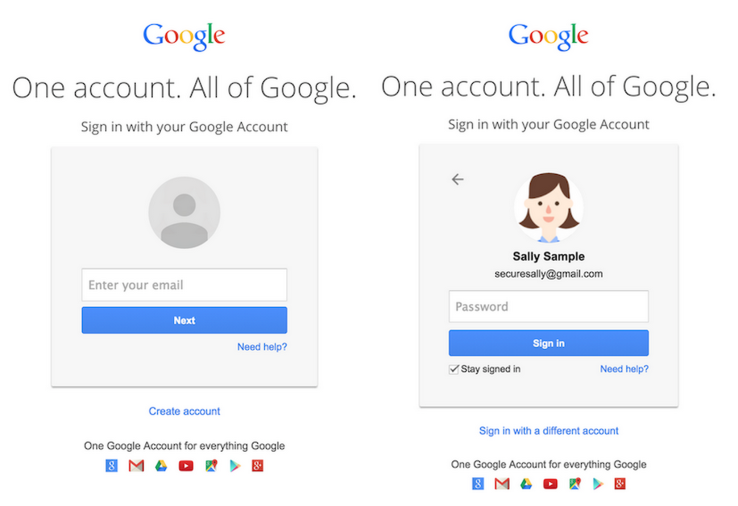
    Gmail was the only Google subsidiary that had not undergone many updates for a long time. But, Google has quietly rolled out a new update that may change the phase of web logins. According to TechCrunch, Gmail has rolled out a new login screen that would require you to go through two different pages, one asking for your Email ID and the other for your password.

    Before, to log into your Gmail account, you were required to enter your Email ID and password on the same page, which would later be directed to your inbox. With the new login screen, you will first have to enter your user id. The next page will ask you for your password, and then you will be directed to your inbox.

    gmail login

    Google’s official product forum reads that the new login screen will prepare for ‘future authentication solutions that complement passwords.’ It also claims that the new login screen will reduce confusion among people having multiple Gmail accounts. It also reads that a better experience is promised for SAML SSO users, like university users or corporate that sign in with a different identity other than Google.

    Google has not made clear what the above points meant. But the thread saw many users complaining about the change being unnecessary. Users have complained that the two-screen login process wastes time. Some users who have more than two accounts say the new screen have broken their ability to login using various password managers.

    TechCrunch also pointed out that the method is somewhat similar to the ‘Trusted Device’ option in Android devices that lets users unlock their devices when they come in vicinity of their smartphone or tablet while they have a chosen trusted device on their person.

  • Asia’s Largest Google Campus Will Be Based In Hyderabad

    Asia’s Largest Google Campus Will Be Based In Hyderabad

    After being the first Indian city to get the Street View (a technological feature by Google Maps and Google Earth that provides paranomia views along many streets), Hyderabad may have yet another surprise announcement up its sleeves. Google has decided to set up its first Asian campus here in India’s largest IT corridor, Hyderabad. It is touted to be its biggest campus outside the USA.

    IT Minister of Telangana, KT Rama Rao, who is on a visit right now to the US, has signed a MoU with Google Inc, under which Hyderabad will allot 7.2 acres in the Gachibowli area. KT Rama Rao said an investment of Rs 1,000 crore would be used for the same and they will increase its employee size from 6,500 to 13,000. Google also expects the facility would be developed and be fully operational by 2019.

    The minister also spoke with Google about supporting the intended Telangana programme that is aimed to promote digital literacy among school children.

    With powerhouses of tech like Google, forging its way to Indian soil, it could very well mean that we could be heading to a very bright technological future along with a rise in employment.

iGyaan Network
Privacy Overview

This website uses cookies so that we can provide you with the best user experience possible. Cookie information is stored in your browser and performs functions such as recognising you when you return to our website and helping our team to understand which sections of the website you find most interesting and useful.