Tag: google

  • Microsoft Expected to Take on Chromebooks with Inexpensive Windows 10 Laptops

    Microsoft Expected to Take on Chromebooks with Inexpensive Windows 10 Laptops

    While Microsoft enjoys a supremacy in the laptop OS domain with Windows, Google is on top of the mobile operating system game with the widely accepted Android by its side. But the search engine giant has also managed a foothold in the hardware arena with its popular Chromebook series. To recoup its audience, the Windows is planning to roll out two new inexpensive products that can counter Google’s Chromebooks.

    According to the online publishing portal Digitimes, the company will release two affordable notebooks in mid-2015. These laptops will be 11.6-inch in size and will run on the latest Windows 10. The price of the notebooks will range from $149 to $179 at the max and will target the education and consumer markets. Unlike bigger laptops with powerful processors and graphics, the forthcoming devices are said to perform basic tasks like internet surfing, social media usage and Microsoft office processes.
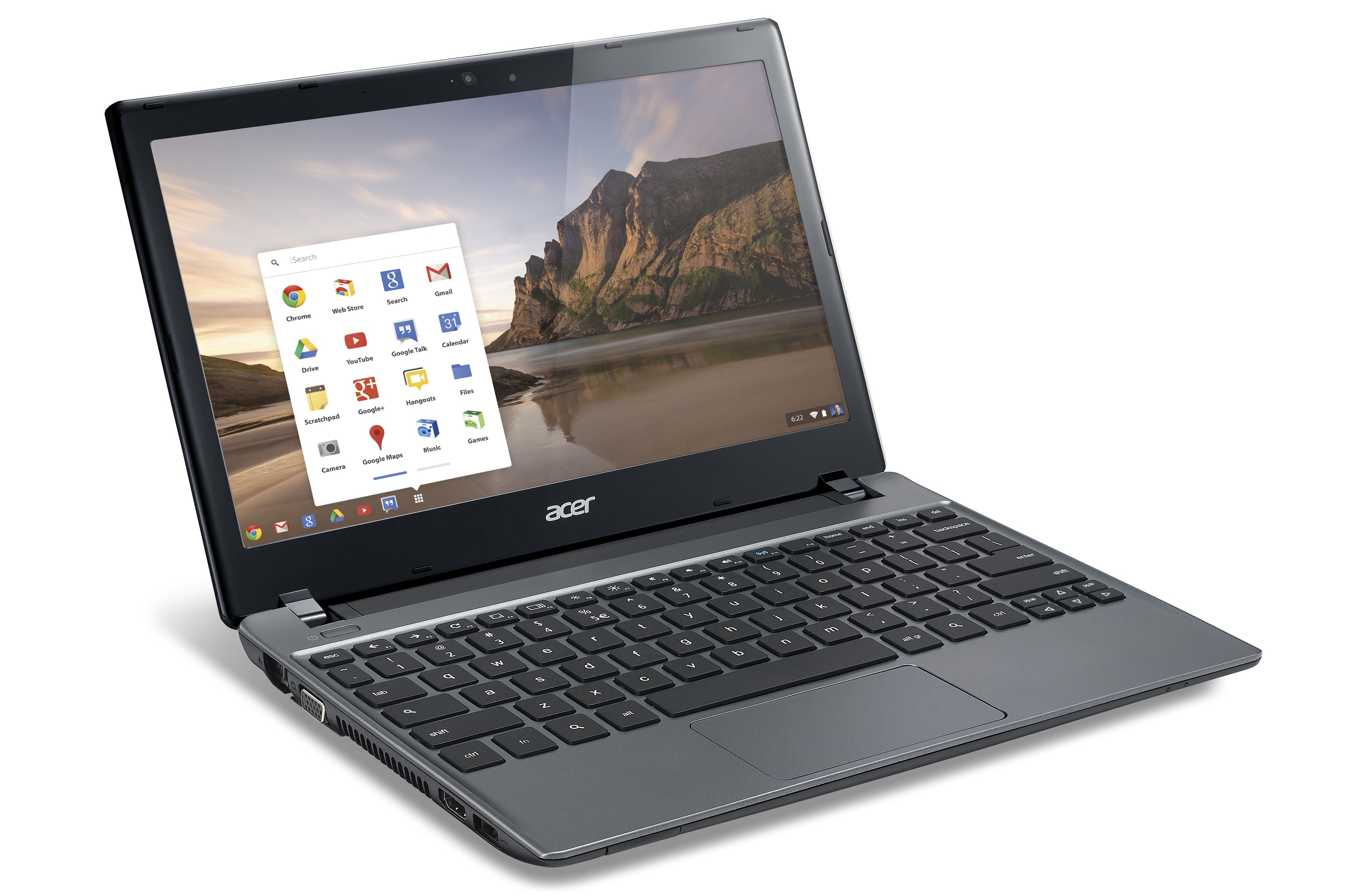
    chromebook

    If the source is to be believed then the laptops will house Intel’s Bay Trail-T CR (BTCR) processors. The one for educational purposes will be manufactured by electronics company Elitegroup Computer Systems (ECS) while, for the consumer market, the company will collaborate with China-based 3 Nod to manufacture the laptops.

    It has also been learnt that Microsoft may expand its project and release more models in larger sizes to compete with Google’s 11.6-inch, 13.3- inch, and 15.6-inch notebooks.

    [poll id=”30″]

  • Google and Johnson & Johnson Come Together to Build Surgery Assistance Robots

    Google and Johnson & Johnson Come Together to Build Surgery Assistance Robots

    Google is leaving no stone unturned to take humankind into the future. From ruling the internet industry to creating self-driving cars, Google has left its imprints everywhere. Now, the search giant wants to use its technological expertise to advance medical science. Pharmaceutical giant Johnson & Johnson announced its partnership with Google and said that both companies would develop advanced robots to assist surgeons with operation.

    For this deal, Google’s Life Science division will be working closely with Ethicon, a medical device making company in Johnson & Johnson family. Google threw light on the collaboration and what can be expected from it with the following comment:

    [quote text_size=”small”]

    It will help explore how the latest innovations in computer science and advanced imaging and sensors could be integrated into tools that help surgeons as they operate.

    [/quote]
    Both companies hinted that Ethicon will be responsible for surgical instruments development and Google will deal with data. They will bring together their capabilities, intellectual property and expertise to make  an innovative robotic-assisted surgical platform possible.

    The advanced technology will help operating room experts to get a better picture of the interior body parts and assist in carrying out a successful operation. A software platform will also be developed that can figure out abnormalities in crucial features like blood vessels, nerves, and other silent diseases that thrive in the body. It will help people in detection of diseases at the primary stage and minimize trauma and scarring and accelerate post-surgical healing.

    Google has been actively participating in biotechnology since past few years, and its Life Science division is dedicated to devising measures to benefit the world. A while back, it invested a contact lens that can measure the glucose level in the wearer’s blood. The Silicon Valley giant is becoming a bigger part of our life with each passing day.

  • Google Fibre Service Will Feature Internet-like Tailored Commercial on TV

    Google Fibre Service Will Feature Internet-like Tailored Commercial on TV

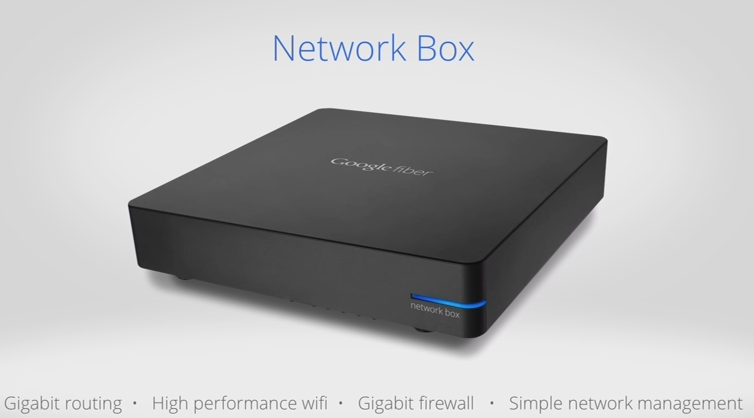
    Television advertisement have remained the same for year. The network control the content as well as the advertisement that go with it and everyone watching the content gets the same ads.  Google aims to bring a change to this long followed practice and is planning to make ads more personal and identity focused like they are on the internet. The search giant has launched a new local advertising service for Google Fibre that will bring Internet-like tailored commercials on TV.

    The  data collected from the set-top boxes informs Google, as well as advertisers about the viewership of a particular ad. Through Google Fiber, advertisers can have a close watch at how many times a particular classified ad has been watched in a particular home. Also, Google will follow its online pricing scheme and will only charge for the number of views an ad receives.

    google fibre

    Not only that, Google Fiber feature will gauge at what shows you watch and will throw ads depending on the viewing habits of the individual. This means that while watching the same cricket match your neighbour will receive different advertisements than those on your TV set. The advertisers can also ask Google to stop a particular ad for an individual and shift to another commercial.

    The new service will cut down the monopoly of cable operators and network operators who have had the last say in what the consumers would watch and how much the advertisers have to pay for promotions.. You can now say farewell to the annoying promotions of your nearby grocery store or car cleaner and can watch advertisements of your choice like of an upcoming movie trailer or a daily soap. It is a flexible approach and is expected to benefit customers and advertisers alike.

    Google hasn’t specifically mentioned the technical bits of the program, but it is expected to function on the same algorithms that govern Google AdWords, Google’s online advertising service. Meanwhile, it is also learnt that Google can sense what you wish to absorb at a definite time. Google Fiber can target ads depending upon the time of the day so as to get maximum effect.

    The American multinational firm had launched then service in the Kansas City of Missouri for trial. Google Fiber is touted to provide high speed, gigabit internet connectivity to subscribers. Google is in the process of expanding the service to new cities in the United States.

  • Google Builds a Specialized Tablet to Help Doctors Fight Ebola

    Google Builds a Specialized Tablet to Help Doctors Fight Ebola

    Ebola is a lethal disease that has claimed thousands of lives in the African nations. The doctors treating Ebola infected patients are also highly at risk. The doctors attending the Ebola victims have to wear protective gears like a moon suit, along with gloves and masks because of the contagiousness of the disease. Google has also involved itself into the battle against the virus and is doing its bit to help fight the fatal disease.  The tech giant has built a tablet that could replace the present medical record keeping system.

    Until now, the record-keeping method adopted by the doctors was exhausting. The Ebola fighters have to note down the information on paper and then move to the edge of the medical enclosure with the writing. The medical representative would then shout out the information to the person outside the high-risk zone so that the companion doctor can take down the notes. The paper is then destroyed to limit the virus to the contaminated enclosure itself.

    Prince of Wales MSF Ebola Medical Centre in Freetown

    The new tablet designed by Google will help in a major way to record and share information on Ebola. The tablet has a polycarbonate coating and hence, can be dipped in chlorine. The gadget has to be dipped in chlorine for about 10 minutes, which makes it suitable to be used outside the infected area without the moon suit. The specialised Google tablet works on Android and lets doctors send the data wirelessly across the globe right from the high-risk zone.

    Google+ebola+tablet

    This tablet technology is extremely significant and can serve as a detector to sense the progression of Ebola virus. Meanwhile, medical experts are planning to modify the technology to fight the upcoming epidemics. Scientist Dr. Eric D. Perakslis from the Department of Biomedical Informatics, Harvard Medical School, said that he is working with MSF to make the technology “open source”. It would help with free sharing of software and hardware designs at large. “You can think of other highly toxic environments, even laboratory environments, where this could really be helpful,” said Perakslis.

    The top tech leader has done many contributions to serve the mankind; it also has a charitable arm called Google.org, which is a crisis response team to help the disaster struck people. The new tablet will mark another milestone for the company in terms of innovations that help make lives of people better.

  • FTC Report Says Google Illegally Took Content From Major Websites

    FTC Report Says Google Illegally Took Content From Major Websites

    Google is the gateway to the internet. Without it, let’s just agree that most of us will be lost on the internet. The other search engines don’t even come close to Google’s dominance in the search business. People have now begun to perceive the Silicon Valley giant as the new superpower as it controls a key access to the digital economy. It has now been found that Google used its dominance to take content from websites like Amazon, TripAdvison, and others illegally to further its own business.

    The report was filed by the Federal Trade Commission (FTC) of the United States of America. The report states that Google manipulated its search results to promote its own services and in turn sabotaged rival companies. The report says that this manipulation caused “real harm to consumers”.

    The report says Google picked content from its rivals without giving them any compensation
    The report says Google picked content from its rivals without giving them any compensation

    The websites who complained about Google’s illegal actions include major names such as Amazon, TripAdvisor, Yelp, Microsoft and its search engine Bing, and Expedia. The report states one example in which Google blatantly copied Amazon’s rankings for popular products and used it for its search results.

    The infuriating bit about this entire episode is that Google used its position to bully the companies. When the companies complained about the illegal actions, the search giant threatened them with a disappearance from search results.

    FTC had voted to end its investigation of Google in 2013. The report was not published until recently. Some claim that Google’s massive donations for President Obama’s re-election campaign led to the federal regulators going soft on the company. In fact, Google was the second biggest donor for Obama’s 2012 campaign. There is already pressure in the European Commission to challenge the monopoly of Google in the European search markets.

    Under the settlement conditions, during the closing of 2013 investigation, the companies got the option of opting out of their content getting picked by Google without the threat of removal of their names getting dropped in the search listing. But the real story here is that Google used its dominant position and political influence to blatantly steal content and then bully the owners. This revelation will lead to more people questioning the massive size of Google and how to address its monopolistic attitude.

  • Latest Google Chromecast Update Adds a Super Useful New Feature

    Latest Google Chromecast Update Adds a Super Useful New Feature

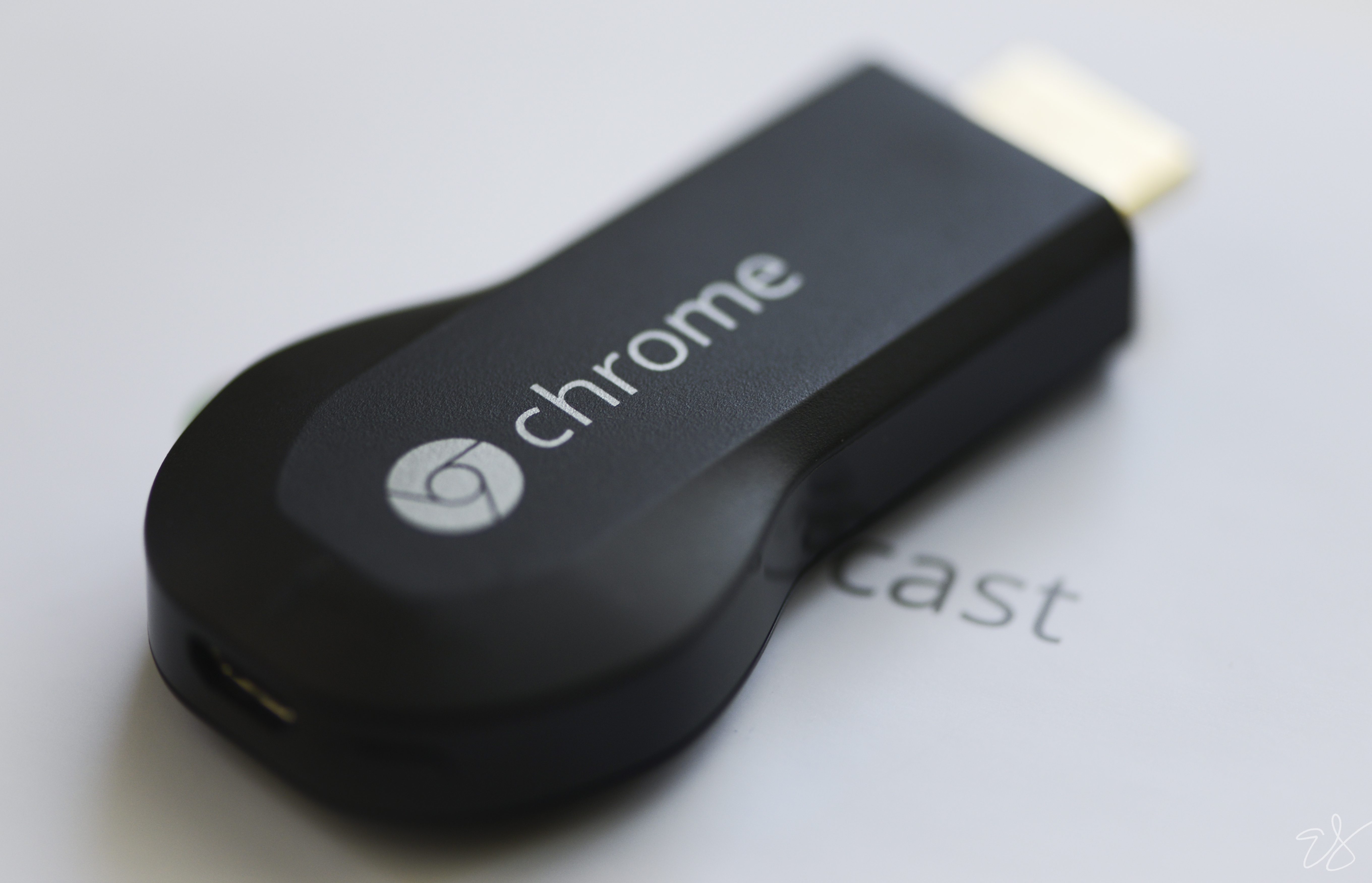
    The Google Chromecast has given a new meaning to entertainment by allowing us to stream content onto our television sets with minimum difficulty. The only minute problem with this had been, that you could only control the content using your smartphone or laptop, by opening the app you are running on Chromecast and put in the commands like play/pause. But now, for the first time, Google’s Chromecast allows you to pause and play videos using your television’s infrared signals, thanks to the device’s 27946 firmware update. So basically, you can now control Google Chromecast using your TV’s remote.

    The device works on HDMI-CEC, the same modus operandi which allows the Chromecast to turn on the Smart TV. This feature was tested with selected applications like WatchESPN, HBO Go, YouTube, Google Play Music.

    For this to work, you can check whether your television has HDMI-CEC enabled from the manual, and a remote with a dedicated play/pause button. The HDMI-CEC enabled device, the Chromecast or the TV, can then be controlled using the one remote without any further setting up.

    Chromecast already supported HDMI-CEC from day one, but the feature was limited only to switching on/off the television set or switch inputs to cast media. Also the fact that there was no surety whether it would work on all the television sets since not all sets are HDMI-CEC enabled.

  • Google to Help Brands Create Effective Promotional Campaigns On YouTube

    Google to Help Brands Create Effective Promotional Campaigns On YouTube

    Google is the most prominent advertising platform of the internet. With its broad range of offerings, Google provides multiple advertising venues for companies. Google will be debuting its ‘Behind the Scene’ series to showcase the power of branded video content on its YouTube platform. The series will be launched today, with Clean&Clear’s ‘See the Real Me’ campaign, which debuted last year on YouTube. The central idea of ‘Behind the Scene’ series is to showcase the brands and agencies on how to create more gripping video content.

    [quote text_size=”small” author=”David Mogensen” author_title=”Head of YouTube Ads Marketing”]

    Increasingly we’re hearing from brands that they want to become better content creators on YouTube, but they’re not exactly sure how to do it. We thought instead of telling them how to be better content creators we can show them by highlighting a brand that’s going on the same journey.

    [/quote]

    This move is targeted at attracting more marketing personal who are focusing on creating branded online content to reach the masses. YouTube is keenly interested to be a beneficiary of the branded content push. The ‘Behind the Scene’ series will be the first of its kind for YouTube. Mogensen said that more of such series could help in educating brands on creating exciting content that strikes a chord with the audience.

    Clean&Clear is a Johnson & Johnson skincare owned brand. It launched its ‘See the Real Me’ series on YouTube last year to showcase how real girls, social media influencers and celebrities tackle personal challenges. Clean&Clear produced more than 120 videos and was viewed by almost 30 million viewers.

    The ‘Behind the Series’ will include videos on ‘how to create content strategy’, ‘how to spark a conversation with the audience using content’ and ‘how to operationalize content creation’. It will also feature interviews with the executives of Johnson & Johnson and the story of the conceptualization, production and launching of the campaign. This series will also help marketing and advertising students to understand the nitty-gritties of online marketing using the power of YouTube and other social media services.

  • Google Helps You Visit The Mount Everest Region Without Moving a Muscle

    Google Helps You Visit The Mount Everest Region Without Moving a Muscle

    Users can now glide along the trees, mountains and even visit remote villages, thanks to Google’s Street View. Teaming up with Apa Sherpa, who holds the record for reaching the peak of Mount Everest 21 times, and Nepalese non-profit organization, Story Cycle, Google has managed to scale and photograph the Khumbu region of Nepal for ten days. This created the new Street View images and has helped in improving the maps of the area the Sherpa people have called home for centuries.

    Street View

    Gorak Shep is the closest one can get in this virtual trek. Also, indoor imagery of the Everest Summiteer Lodge, which was built by Apa Sherpa in 1996, can be accessed to. Apart from these, other interesting sights includes lodges, schools, monasteries, clinics, etc.

    ht_google_pic

    “My hope is that when people see this imagery online, they’ll have a deeper understanding of the region and the Sherpa people that live there,” Apa Sherpa said in a blog post. “The region has much more to offer than just the mountains.”

    The Mount Everest is not the only wonder to come to Google Street View. Users can take a virtual trip to the South American Amazon rainforests, visit the pyramids in Egypt, France’s Bordeaux region, etc.

  • Google Nexus 5 is No Longer Available for Purchase

    Google Nexus 5 is No Longer Available for Purchase

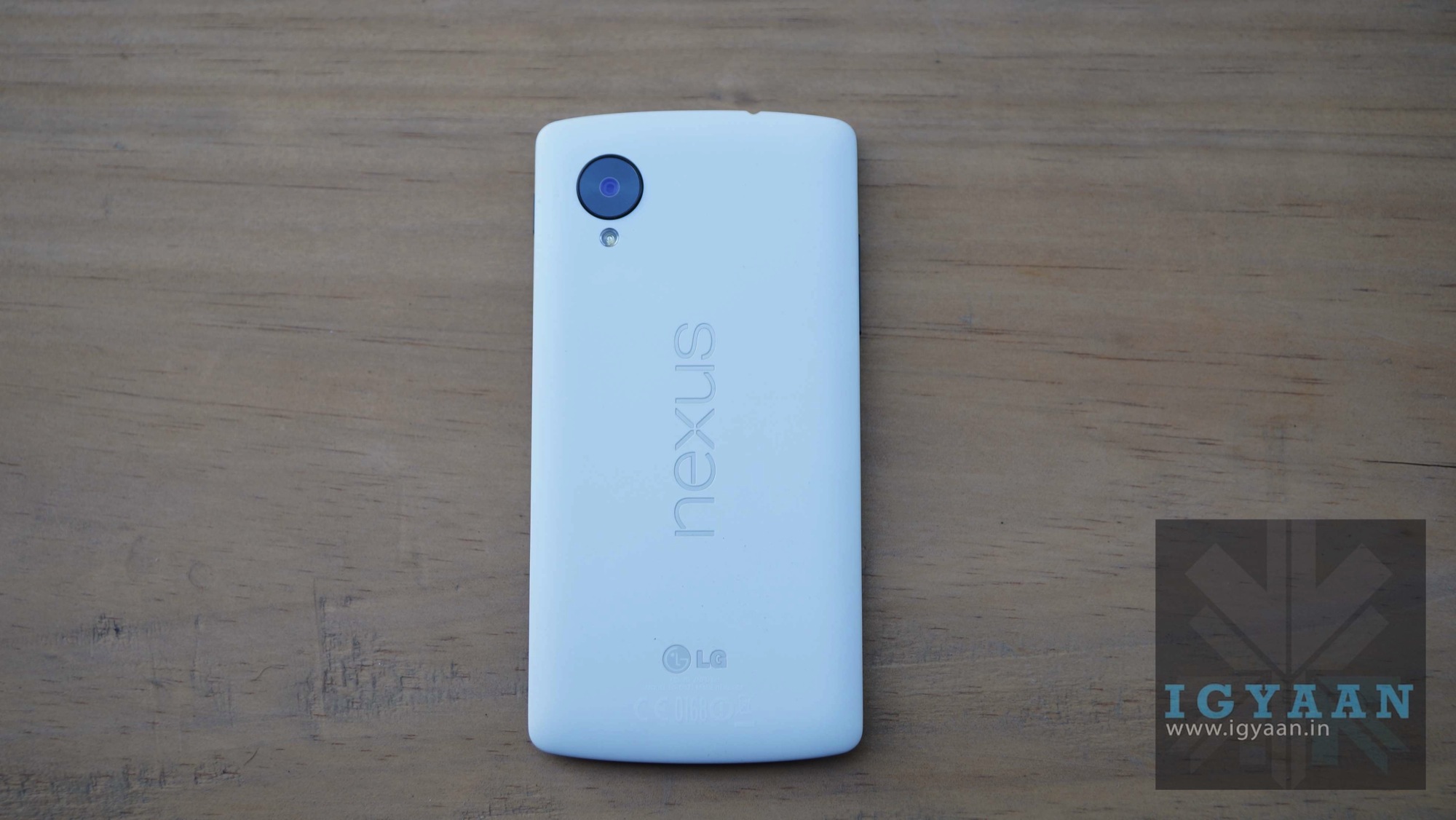
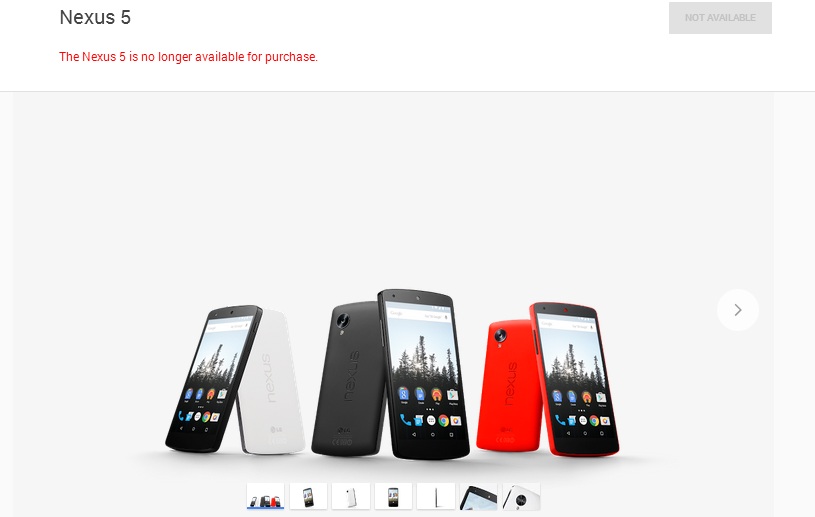
    Google’s 2013 flagship smartphone, the Nexus 5, which debuted alongside the second generation Chromebook Pixel, will no longer be available for purchase. As promised by the search giant, the flagship remained up for sale during the first quarter of 2015, but now, its MIA in Google’s Play Store and the newly formed non-Play store.

    The phone’s page reads ‘The Nexus 5 is no longer available for sale.’ It implies that users who are interested in a pure Google smartphone will have to opt for the expensive Motorola Nexus 6.

    Specs of this smartphone included 5-inch display in Full HD (1920 x 1080), the modern Qualcomm Snapdragon 800 quad-core processor,  2GB of RAM and either 16GB or 32GB of non-expandable internal memory. With this processor and 2GB of RAM running pure vanilla Android, the device was smooth as butter.

    The Nexus 5 is not the only product that Google has stopped. The very first Chromebook Pixel, a high-end laptop that is powered by Chrome OS, is unavailable for purchase too. It seems like Google is on a clean-up spree, which could have something to do with the introduction of the new Chromebook Pixel with two USB Type-C connector.

    Nexus 6 is Google’s flagship phone and can be purchased from the Play Store.

  • New Chromebook Pixel Takes On MacBook With Two USB-C Ports And Fast Charging Feature

    New Chromebook Pixel Takes On MacBook With Two USB-C Ports And Fast Charging Feature

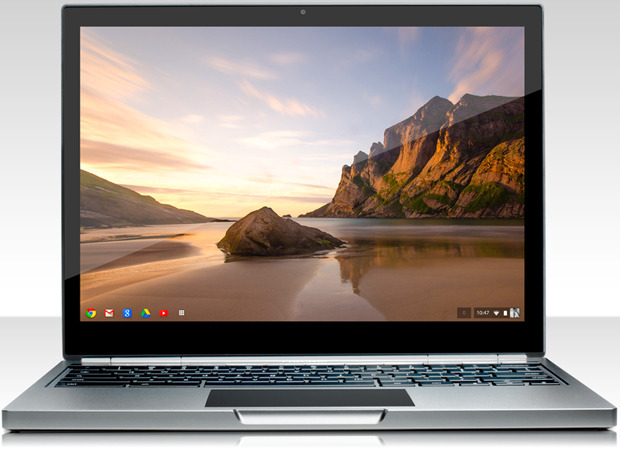
    Google has something in store that may give Apple a shiver; well, to some extent. The Mountain View based tech giant discreetly expanded its web store the previous day with the addition of an updated Chromebook Pixel. Priced at $999, the Google’s new netbook resembles the original edition but overcomes the glitches reported in the 2013 version of the Chromebook Pixel.

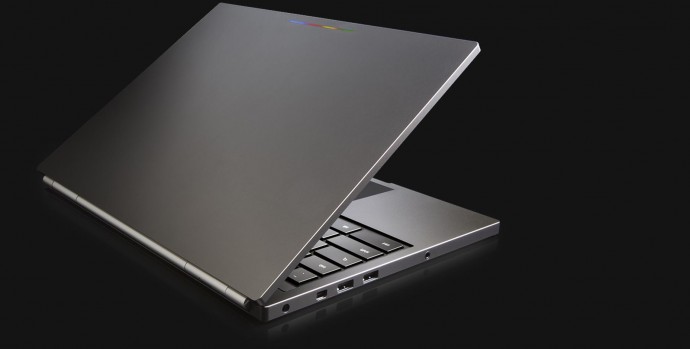
    The sturdy machine has an aluminium finish and packs some top features equipped in the new MacBook. The latest Chromebook Pixel sports two USB-C ports, first introduced by Apple just a few days back. The new Pixel sports two multi-functional USB C-Type ports, while Apple’s 12-inch MacBook offers just one. Google has an upper hand in here as users have two connectivity options rather than one. One port can charge the device and at the same time connect the laptop to another external device like a phone or hard disk. Apple has been heavily criticized for offering just one port.

    chromebook-pixel-2

    Furthermore, Google claims that the upgraded Chromebook Pixel has a 12-hour battery life, another advantage over the lightweight Mac that lasts for 10 hours at most. Google has provided a fast charging option with the new Chromebook, which can pep up the laptop for 2 hours of usage in just 15 minutes. Now, that’s what Google can tap on to topple Apple’s fresh mean machine.

    Google-Chromebook-Pixel-2

    The Chrome OS-powered Pixel, comes in two variants. The first variant, priced at $999  is powered by Intel’s Core i5 processor (2.2 GHz Broadwell-U). It features 8GB RAM along with 32GB onboard storage capacity. The other version costing $1,299 is a bit high on specs and equips an Intel Core i7 processor. It offers 16GB of RAM and 64GB SSD storage.

    Rest of the specs of the device are similar. Both the versions have 12.95-inch (2560x1700p resolution) touchscreen display and weight 3.3 pounds (1.5kg). The Wi-Fi only models house a conventional 3.5mm headphone jack. The netbook also features many Android apps.

    The laptops are completely revamped, and the inclusion of battery indicator in the form of LED strip is entirely original. The new Chromebook Pixel seems to be a worthy contender to the new Macbook.

  • Facebook Plans to Expand Internet.Org to 100 Countries by Year End

    Facebook Plans to Expand Internet.Org to 100 Countries by Year End

    Facebook’s non-profit initiative to connect the world, Internet.org, is successfully running in six countries. The company’s CEO Mark Zuckerberg is quite happy with providing limited free internet to remote areas and is planning to expand the service to 100 more countries by the end of this year.

    Chris Daniels, VP of Internet.org at Facebook said in a statement –

    The ambitious goal this year is to roll it out to 100 [countries]. We don’t want to focus so much on the number, but we want this to spread to additional countries, operator groups and… see more people coming online, buying data and voice and SMS bundles. The number is indicative of our ambitious goal.

    Internet.org is a Facebook-led free internet program that works with data suppliers to provide free internet to people who can’t get online. It allows users to access basic sites like Wikipedia, job and health sites, and Facebook, of course. The service was launched back in 2013 and now it connects 7 million people of six nations across the globe – Zambia, Ghana, Kenya, Tanzania, Colombia and India.

    Zuckerberg thought ahead and his idea really worked. Countries provided with free internet have seen a sudden jump of 40% in the internet data demand. People are willing to get associated with the world around seeing the power of internet via little demo, that is Internet.org.

    Facebook’s step will draw more nations closer to each other and is a way to transform the developing nations into developed ones. Meanwhile, Facebook has teamed up with Google for Project Loon in establishing high-altitude balloons, a satellite-based network, to connect to connect people in rural and remote areas.

  • Google Collaborates With SolarCity To Make It Easier To Install Solar Panels In Residence

    Google Collaborates With SolarCity To Make It Easier To Install Solar Panels In Residence

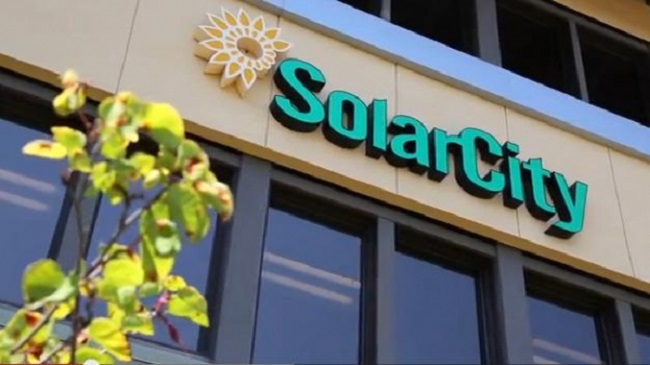
    If we want a safe planet for the future, Solar energy is the way to go. Solar power has the potential to completely replace all of the contemporary fossil fuel based energy sources. There are many initiatives underway to make access to solar panels more affordable and accessible. Google has been known for its affection for renewable energy research and now the company is partnering with SolarCity to make it easier for people to install solar panels in their homes.

    SolarCity is a company founded by Tesla chief Elon Musk. The company assists people in installing solar power in their residence or place of business. It designs, finances and installs solar energy systems, performs energy efficiency audits and retrofits and even builds charging stations for electric vehicles. SolarCity at present has over 1,90,000 customers and the facilities created by them have generated about one gigawatt of power.

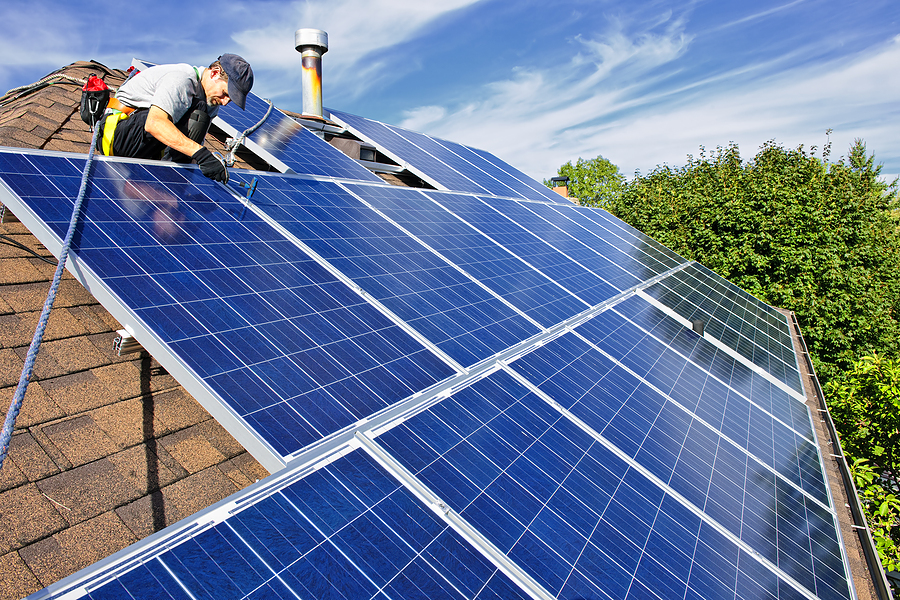
    Google will collaborate with SolarCity to make it easier for folks to install Solar panels.
    Google will collaborate with SolarCity to make it easier for folks to install Solar panels.

    Google will be setting up a fund worth $300 million for the residential side of SolarCity’s business. This coupled with SolarCity’s new financing structure will raise the company’s funds to $750 million. This fund will boost efforts to assist homeowners to install rooftop solar panels.

    Homeowners can get in touch with SolarCity, who will create a customized design for the house. SolarCity then looks at the electricity bills paid by the owner and offers them a rate much lower than the power company. The user just has to pay a monthly solar rental along with the electricity charge as agreed. The maintenance costs of the solar panels will also be taken care by Google and SolarCity. The companies earn an income from the excess electricity sold to the grid by the house.

    The arrangement between the consumer and the companies will be rent based. The rental term is usually set for 20 years after which the consumer would have the option to buy the system or give it back to the company. Presently the initial price tag for installation is $10,000, so it is still out of  reach of an average consumer. But as more players come to the market, the rates are bound to drop down.

    Google and Elon have shared a rather friendly camaraderie. Google has recently placed a massive bet on Elon’s plan of setting up space internet. In fact, Google’s founder Larry Page has said that he’d rather give his billions to Elon than give it to charity. SolarCity is a unique initiative that will not just be beneficial to the buyers and companies but will also set-up a profitable business model that others can emulate and help create the solar revolution.

  • Google Spends a Whopping $25 Million to Seize .app Web Domain

    Google Spends a Whopping $25 Million to Seize .app Web Domain

    Google, today, added one more domain to its list of top-level domains (TLDs). The internet search giant paid a hefty sum of $25 million to procure a whole web domain.

    As per Business Insider, Google made the highest bid of $25 million for .app, a top-level domain. Following this, ICANN, an organisation that holds a control over world’s domain names, declared Google as the winner of the domain. Google applied for .docs, .android, .free, .fyi, .foo, and .app; only managing to acquire the last one. The company presently owns four more web domains namely .soy, .minna, .foo and .how.

    Google Messenger 0

    This isn’t a first, there have been several companies throwing millions on web domains. In fall 2014, Amazon spent nearly $5 million to purchase ‘.buy’, and $2.2 million for ‘.spot’. For now, users can register for ‘.how,’ ‘.soy,’ and ‘.minna’ domains under Google’s own domain registry service licensed by ICANN, which is still in beta version.

    The company hasn’t revealed what it expects from this purchase, but it is likely that it may use the domain to promote apps in its mobile division.

  • BlackBerry and Google Collaborate to Bolster Android Device Security

    BlackBerry and Google Collaborate to Bolster Android Device Security

    Canadian manufacturer BlackBerry has joined hands with Google to bring its security based expertise to the Android platform, a move that follows BlackBerry’s recent partnership with Samsung. The move will allow Google’s suite of mobile productivity tools to run on BlackBerry’s device management system.

    Back in November, BlackBerry announced its partnership with Samsung and other top tech companies to expand its security based services beyond its own platform. The collaboration with Google is aimed at managing devices that come with Android for Work – an initiative from Google to securely classify and separate business from personal data and apps.

    [quote text_size=”small” author=” Kevin Stadtler” author_title=”President of Stadtler Capital Management Llc. “”]

    The partnership shows BlackBerry’s reputation for security is still strong. One shortcoming of the Android platform is security. They’re partnering with BlackBerry in order to directly address that.

    [/quote]

    The Canadian manufacturer has years of expertise in dealing with devices for corporations and entreprises. This move could strategically position the Android platform as a more prominent solution in the business sector.

    Meanwhile, Google also announced partnerships on Android for Work with top companies including SAP SE, Samsung and SOTI Inc.

  • With ‘Android for Work’, Google Wants to Make Android Devices Office-Friendly

    With ‘Android for Work’, Google Wants to Make Android Devices Office-Friendly

    Google’s Android OS is the only operating system that has touched almost every part of the globe. It has topped over all the other major softwares such as BlackBerry OS, Windows, and iOS. The search giant now intends to strengthen its stand in the enterprise environment by introducing a initiative called “Android for Work”.

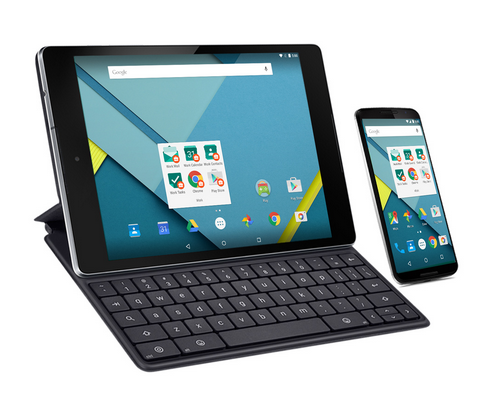
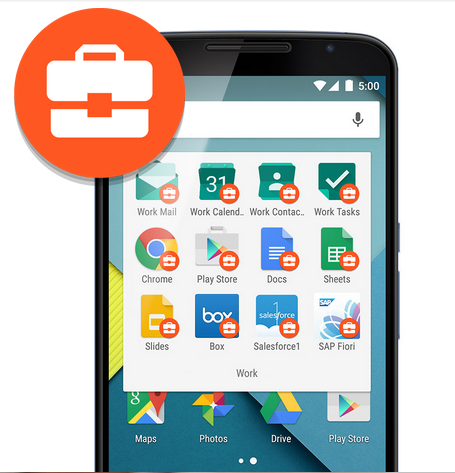
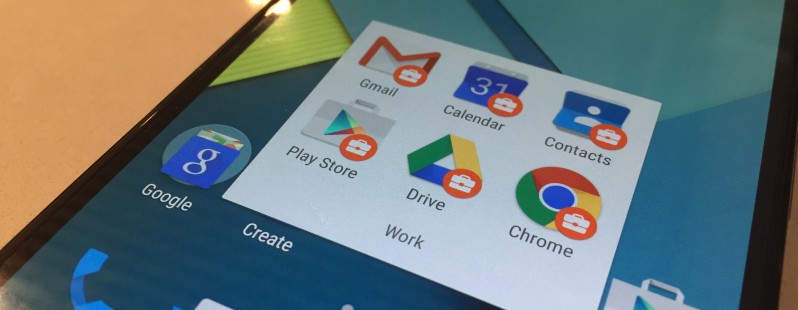
    Today, Google introduced “Android for Work” that focuses on making Android devices more office-friendly. Through this, users can manage their content and can keep their professional data separate in silos, without merging it up with personal content.

    android for work1

    Android OS lags in the business segment. However, smartphones and tablets running on Android sell like hot cakes, but they are underutilized in the workplace. Google’s mobile ecosystem was missing out on apps and features that users can bank upon for the security of their business content. The company might be able to bridge that gap with the introduction of new business centric features.

    ‘Android for Work’, works on four primary components. The gadgets running on Android Lollipop will be able to make the most of this service. IT team of a company can create profiles of the individual and can install apps to isolate their work data from the personal content. Next in the list is the Android for Work app which is built for devices running on Android 4.0 and above. The app delivers secure mail, calendar, contacts, documents, browsing and access to deployed work apps.

    android for work2

    The third component, Google Play for Work, allows IT professionals to install and manage recommended apps on the handsets of the users running Android for Work. The company has created a suite of business apps for email, contacts and calendar, which offers both Exchange and Notes and provides document editing capabilities.

    The internet search giant has partnered with well-known names like Box Citrix, VMware, HTC, LG and Sony, who are helping them in bringing out a more secure, manageable and innovative Android platform. BlackBerry has extended support through providing a cross-platform EMM (Enterprise Mobility Management) solution to manage devices.

    Google has an extensive user base, which can be used to reach out to more audience through their software. The company announced the project eight months back and has launched it now after testing it thoroughly. Google  is trying to make Android devices simple and essential for people to use at work and there will definitely be more updates coming to this initiative as enterprises are a profitable market for any tech company.

iGyaan Network
Privacy Overview

This website uses cookies so that we can provide you with the best user experience possible. Cookie information is stored in your browser and performs functions such as recognising you when you return to our website and helping our team to understand which sections of the website you find most interesting and useful.