Tag: laptops

  • Intel’s Project Athena Pushes  Higher Industry Standards For Ultrabooks

    Intel’s Project Athena Pushes Higher Industry Standards For Ultrabooks

    Intel was the first to coin the term ‘Ultrabook’ for high-end subnotebook computers. Spending millions of dollars into a marketing strategy aimed for the industry’s latest most powerful laptops that were less bulky without compromising on battery life overall. Project Athena as announced by Intel seeks to revisit this old definition and make true on certain promises left undelivered.

    The Ultrabook laptops had unintentionally brought with them an industry standard demanding lightweight, thinner dimensions, effective performance and battery life. The Industry had, on the contrary, thrived with these new set of restrictive parameters that gave birth to a new breed of ultra-thin laptops capable of rivalling some of their desktop counterparts.

    Gone were the days of plastics. These new machines now sported a more premium metallic form factor and were installed with new hardware that made the lag that had always accompanied laptops a less frequent occurrence. Powerful laptops like HP Spectre x360 and XPS 13 by Dell pulled ahead in the competition.

    Intel has dedicated itself to challenge the norm again by taking laptops even further with Project Athena. However, unlike last time, Intel did not showcase a tag or name like ‘Ultrabook’ to market to the world. Project Athena’s focus is not on an inexpensive marketing gimmick but to hunt for the big industry-wide lies that have pervaded the market since its inception. Battery life sits at the forefront of such a lie. 

    Project Athena sets the minimal benchmark for laptops to deliver 9 hours of real-world battery life while browsing over the internet on Wi-Fi, at a brightness of 250 nits. Laptops have woefully failed to deliver on the longer battery life that had been promised before and thinner laptops have a stronger tendency to skimp out on the said feature. Manufacturers that advertise their products with 24 hours of battery life, with video playback that barely puts any strain on the CPU while Wi-FI is turned off and brightness at its lowest, do not portray an accurate real-life scenario of daily use.
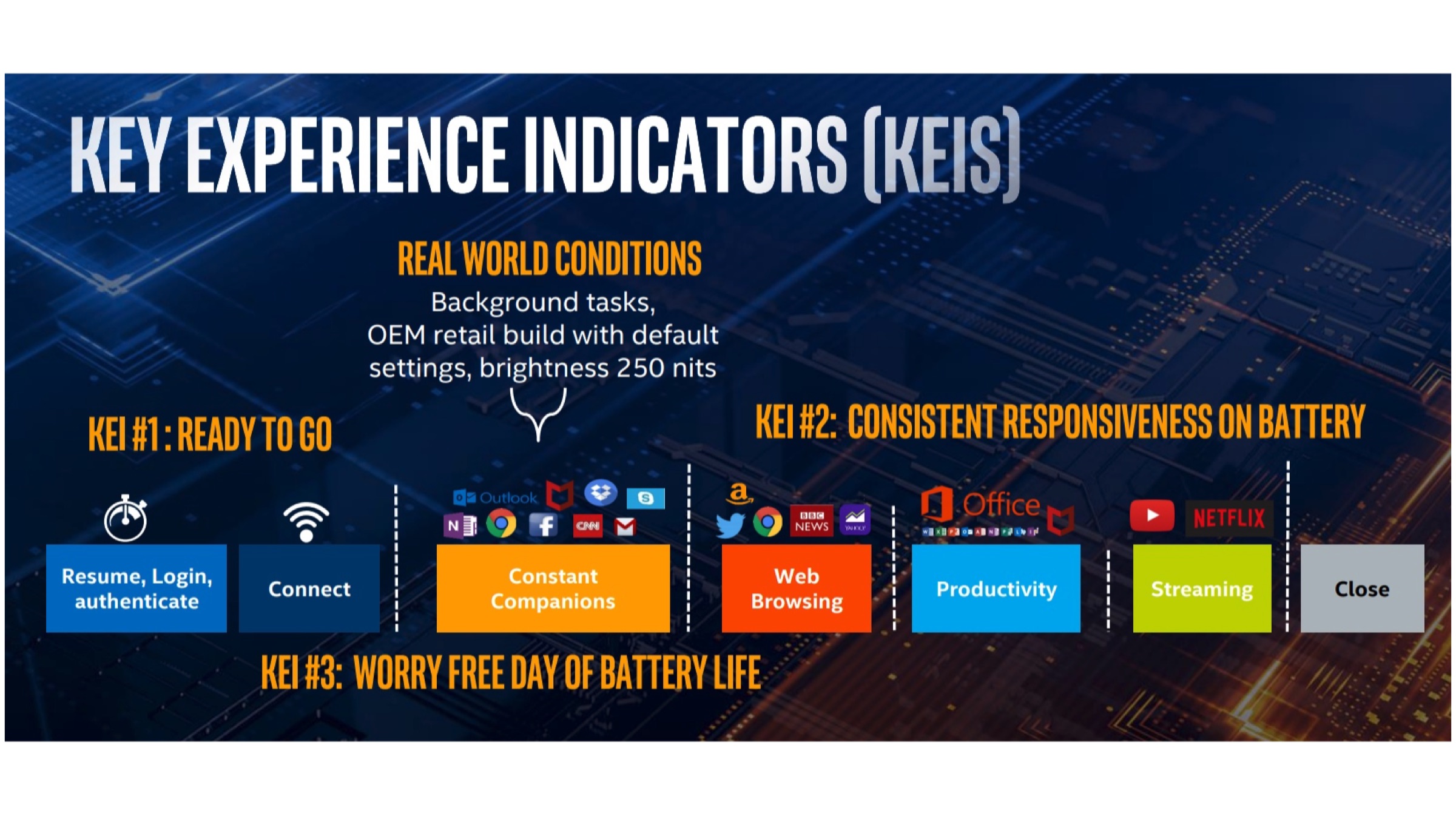
    Battery life is just the start. Project Athena will require a laptop to also boot from sleep within a second and be ready for web browsing in 2 seconds flat while having the same performance output regardless of whether the laptop is plugged in or running on battery. Intel set the basic hardware requirements with touchscreen displays, accurate trackpads, ample amount of RAM (8GB) and an NVMe SSD (256GB) equipped within the laptop.

    Intel, taking it upon itself to enforce the standards set by them to actually satisfy the consumers’ needs. The company promises to discourage practices that have manufacturers cheap out on essential parts of a system. ‘Cheating’ as Intel put it will not be tolerated and the ‘Ultrabook’ brand will have its standards set high. Project Athena is not an advertisement or marketing scheme that the users shall ever encounter, dedicating themselves not to be in the face of every consumer but guaranteeing a good experience that they will feel. 
    There is just one glaringly obvious problem. OEMs and manufacturers have no real incentive or reason to actually adhere to these standards that may lead to the rise of the industry standards. Unlike what Project Athena is made to be, an industry standard for every laptop device to follow, the aforementioned OEMs will simply submit those laptops which are bound to pass the tests. The same laptops which are top of the line and cost just high.

    Also ReadAlienware m15 And m17 Series Gaming Laptops Launched At Computex 2019

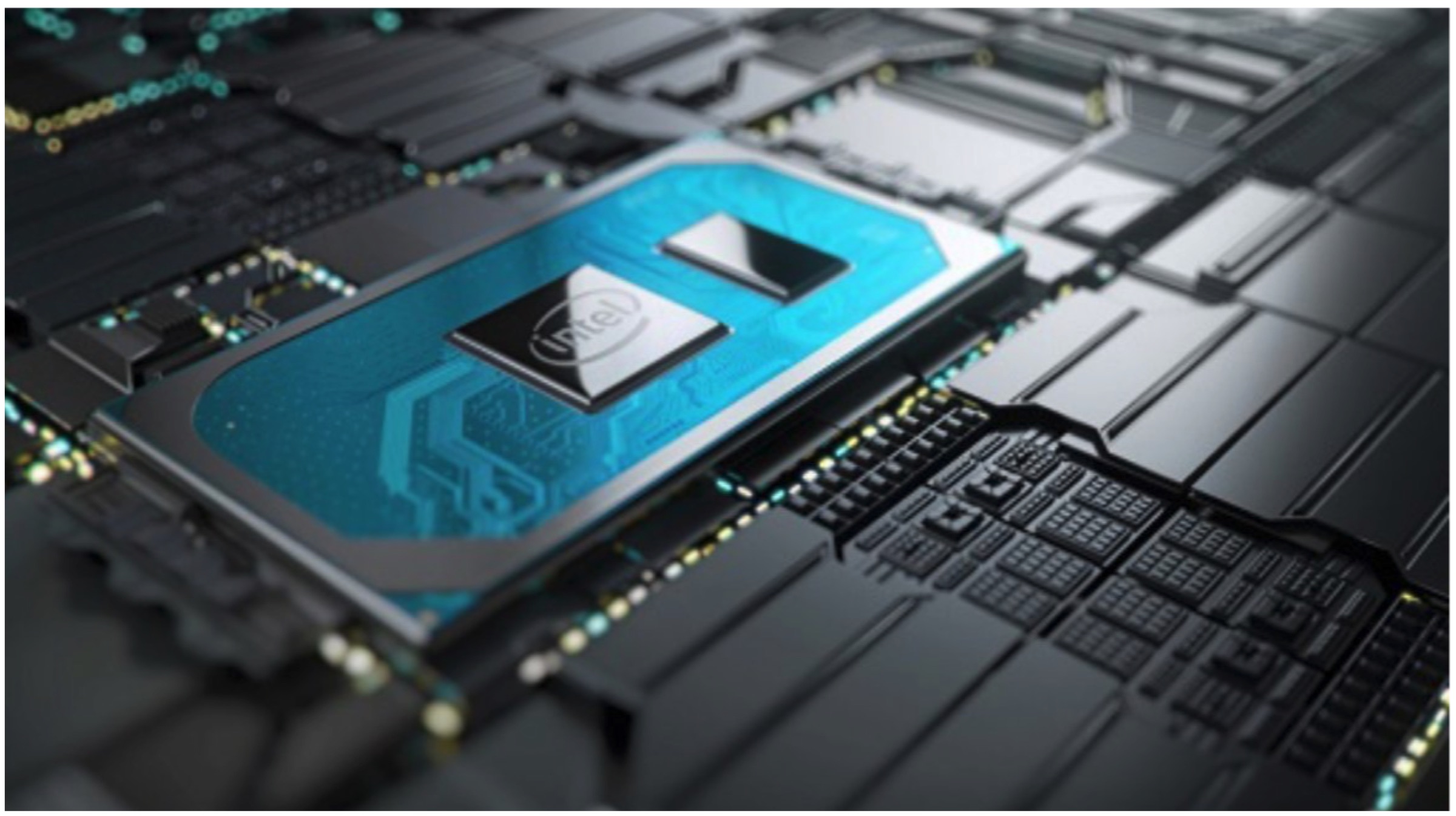
    Project Athena is at its infant stage and Intel may in the future decide to incorporate some marketing strategy and brand name for the campaign to follow it. This comes along with Intel’s announcement of its 10th Gen Intel Core Processors that will power the latest generation of Ultrabooks. 
     

  • Lenovo’s Project Limitless Features a 5G Laptop Running On Snapdragon 8cx CPU Processor

    Lenovo’s Project Limitless Features a 5G Laptop Running On Snapdragon 8cx CPU Processor

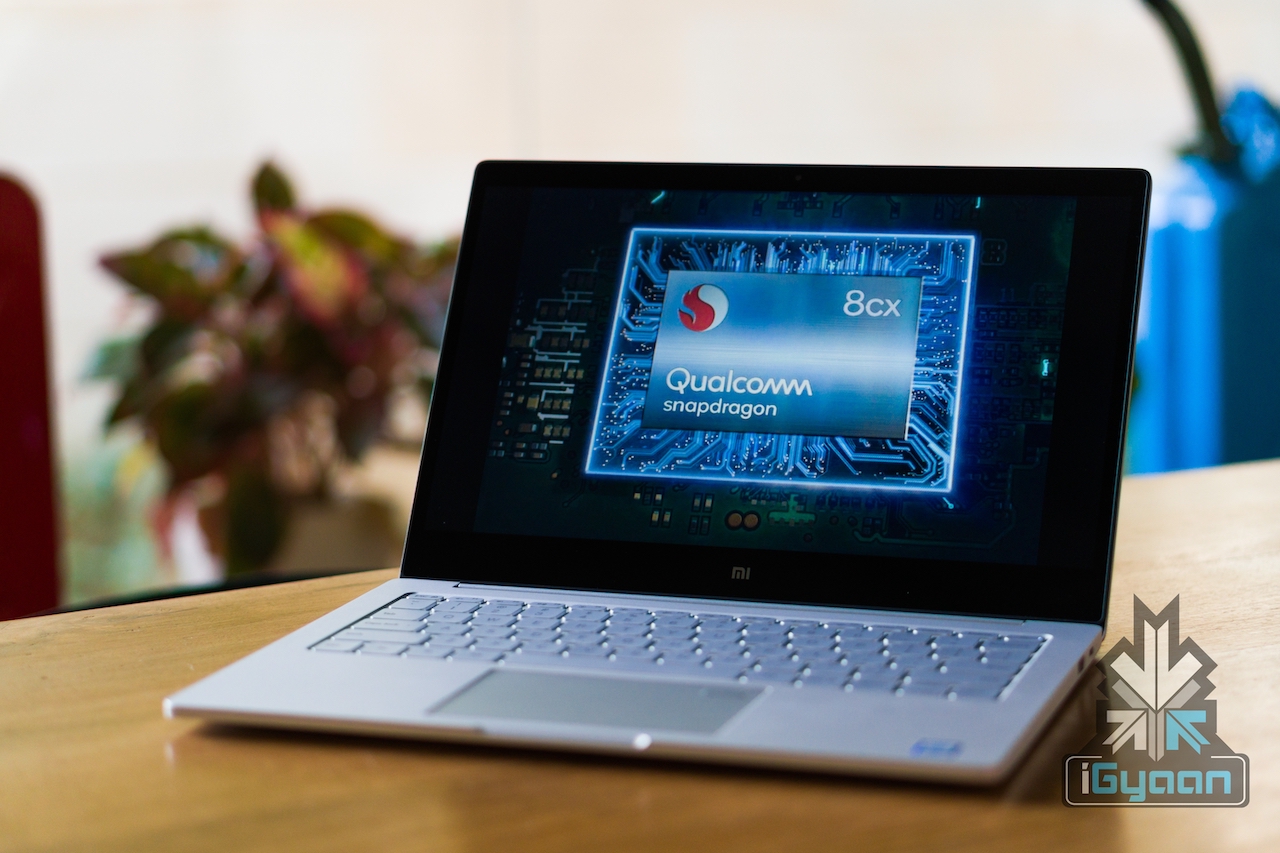
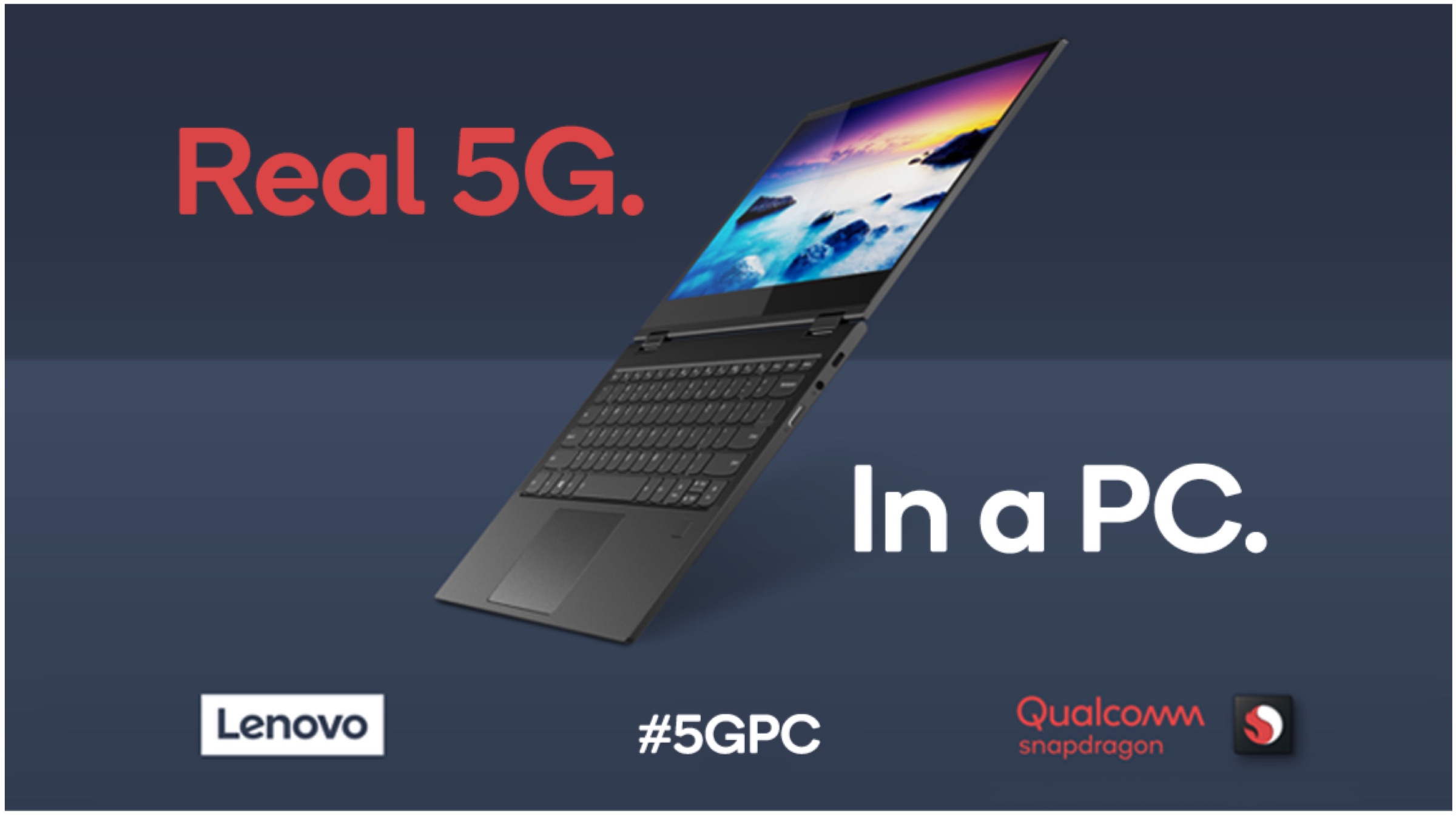
    Lenovo along with other tech giants has made great strides in technological development that has been showcased at Computex 2019. Lenovo and Qualcomm have yet to divulge finer details regarding their Project Limitless other than the fact that the driving technology leading to this innovation is Qualcomm’s very own Snapdragon 8cx chipset that supports 5G connectivity.

    Unveiled last December, the Snapdragon 8cx claims great performance with amazing battery life for Windows on ARM devices. Designed specifically to tackle issues and concerns surrounding Snapdragon’s previous iterations on PCs. The octa-core Kyro 495 CPU on the chipset features an increased 10MB cache, improving on Chromes performance than its previous versions. Built on a 7nm architecture the Snapdragon 8cx in the Lenovo laptop is reportedly a ‘lot more’ power efficient than the Snapdragon 855. A ‘lot more’ not in terms of hours but days.Lenovo 

    The Units that were made available to the attendees of Computex were, however, demos, so no real benchmark on network speeds are available. According to the demo devices system settings, the Snapdragon 8cx CPU was reported to have been running at 2.8GHz clock speed along with 16GB of RAM, all in all, specs comfortable enough for multitasking processes. 

    Qualcomm, for comparison purposes, showcased its products capabilities by pitting it against its targetted rival, i.e Intel’s Core i5-8250U. Using the new PCMark 10 Application benchmark on systems of similar specs had the Qualcomm’s 8cx beat the Intel’s i5 on apps like Microsoft Edge and Word. Intel’s processor won on other apps like Excel and PowerPoint. 

    Also ReadRazer Adds Quadro RTX 5000 GPU To Blade Ultrabook Laptops

    This may cement Qualcomm in the laptop grade CPU market and have their Snapdragon brand expand to laptops alongside Lenovo. The inclusion of 5G networking on sub-6GHz connection is a great plus point as well that goes along with the ‘Limitless’ nomenclature.


  • Razer Adds Quadro RTX 5000 GPU To Blade Ultrabook Laptops

    Razer Adds Quadro RTX 5000 GPU To Blade Ultrabook Laptops

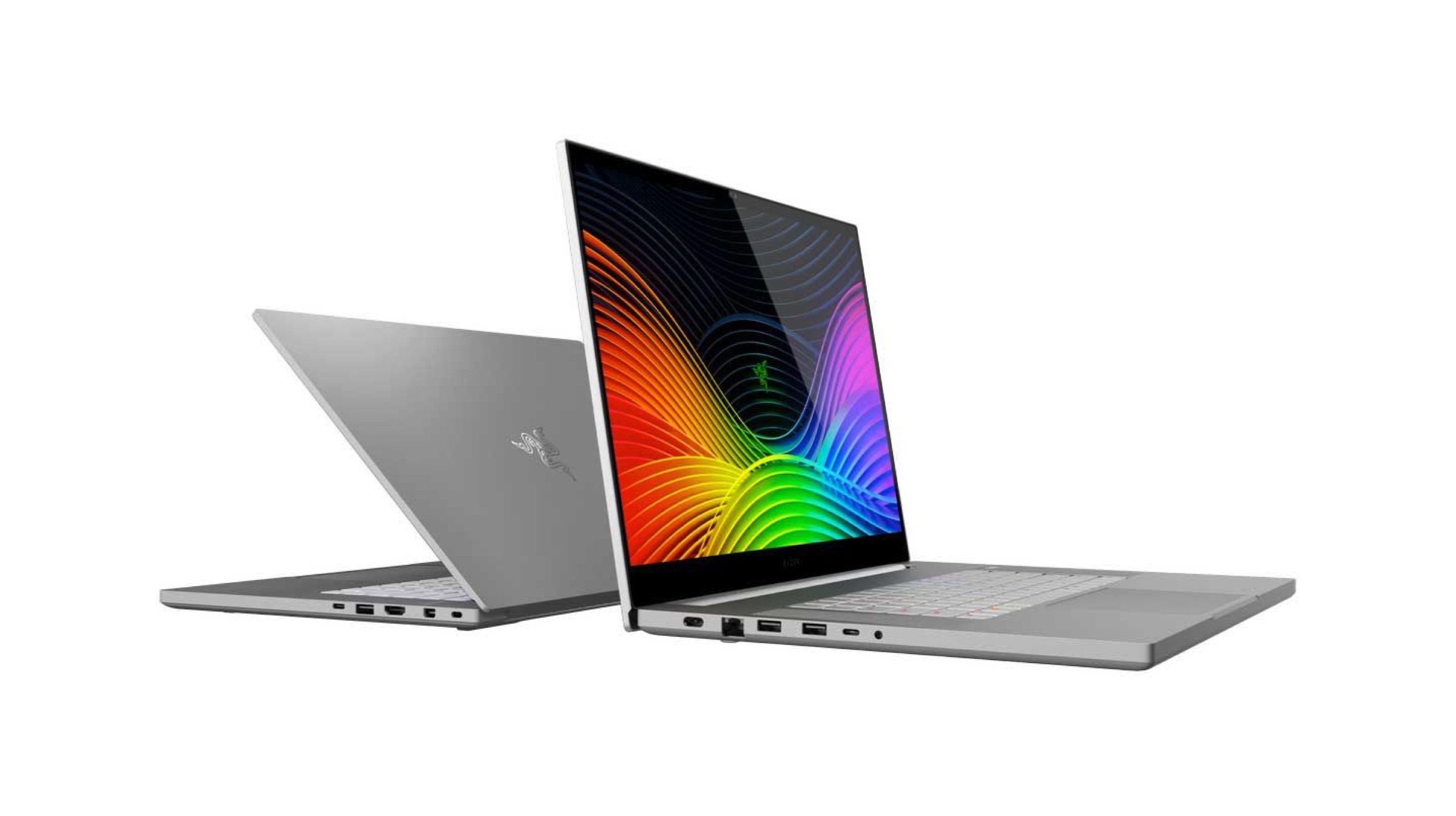
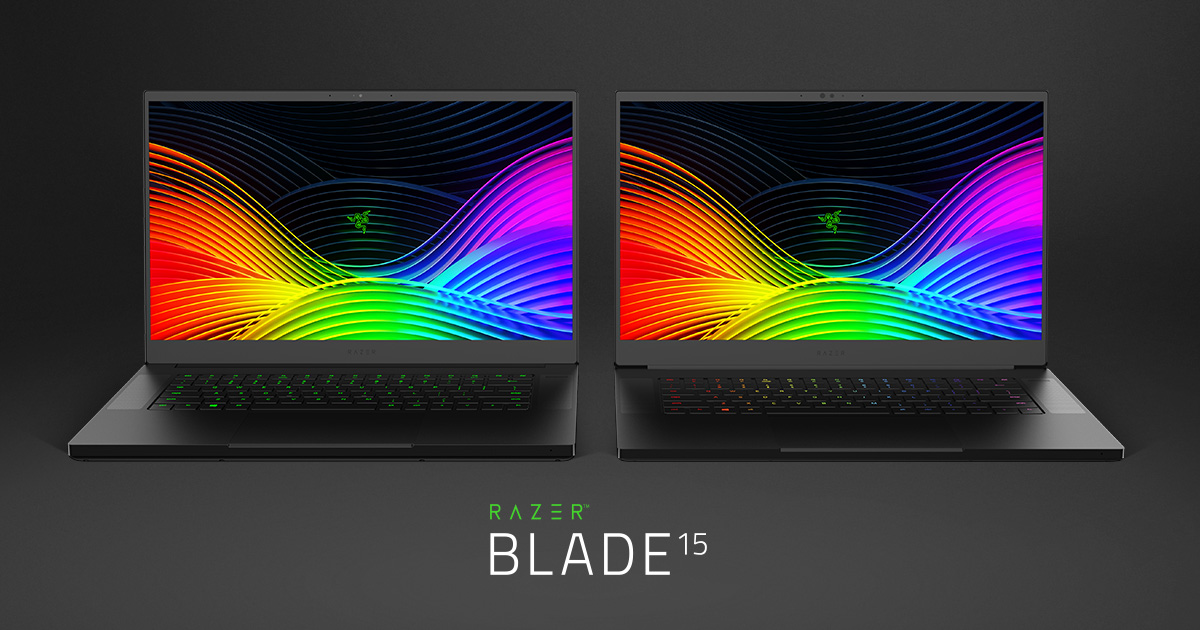
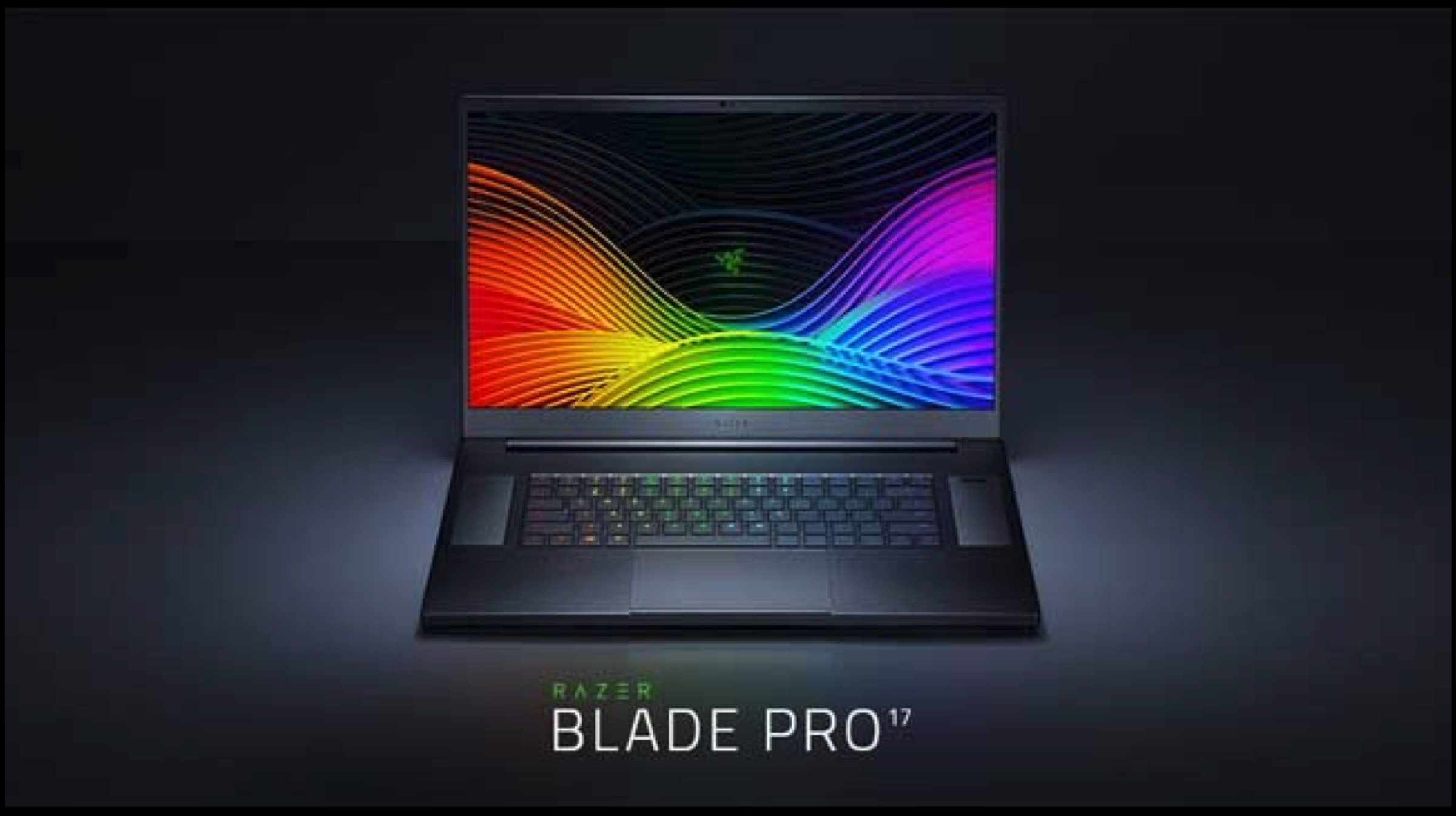
    With the arrival of the Quadro RTX 5000 GPU for laptops, Razer soon followed suit and announced its Blade series laptop. Razer has updated their line of Blade 15 and Blade Pro 17 to support the new gear. The RTX 5000 is available on both the laptops alongside 32GB of RAM and 1TB NVMe SSD Storage all encased in a Mercury White finish.

    Razer

    The 15-inch Razer model laptop sports 4K OLED touchscreen and it will be kitted with the Intel Core i7-9750H CPU. The larger version (17-inch) will instead receive a 120Hz 4k panel to go along with the Intel Core i9-9880H CPU. Both laptops are also compatible with Razer Core X, an external GPU for users that require more power. Both Razer machines provide beefy specs to help visualization for creators.

    Razer

    Even though the company has not provided many details about the build of the two laptops. Going by the teasers, the Razer ultrabooks have an elegant design with negligible bezels around the display. They also feature a webcam which is housed in the said bezel above the display. Both feature a large multi-touch trackpad that claims to boost productivity. 

    The company has not given any formal date of when the laptops are expected to hit the stores online or offline. Razer is also quiet about the fine details such as price and other information which are expected to be released at a later date. 

    Also Read: NVIDIA Works With Bethesda For Ray Tracing Support on Wolfenstein And Quake II

    Additionally, due to the fact that Razer’s targeted demographic is creators, both the laptops will support Nvidia’s new studio drivers optimized for creative applications. Assuring “uncompromising performance along with premium designs.” With these major upgrades, the laptops are more than capable of taking on desktop workstation PCs. Carrying the Company’s “#madewithblade” tag alongside artists and creators.


  • Acer Announces ConceptD Lineup Of Desktops And Laptops For Creators

    Acer Announces ConceptD Lineup Of Desktops And Laptops For Creators

    On April 11 2019, Acer unveiled its new lineup of desktops and laptops, which is directed towards content creators. Labelled as the ConceptD, the machines claim to lay their entire focus on performance, silence, design and precision. Furthermore, the ConceptD desktops and laptops are as aesthetically pleasing as the performance they claim to provide. Notably, at the same event, Acer also launched its powerful Predator Helios 700 gaming laptop with Core i9-9980HK processor.

    Acer ConceptD 9 Laptops

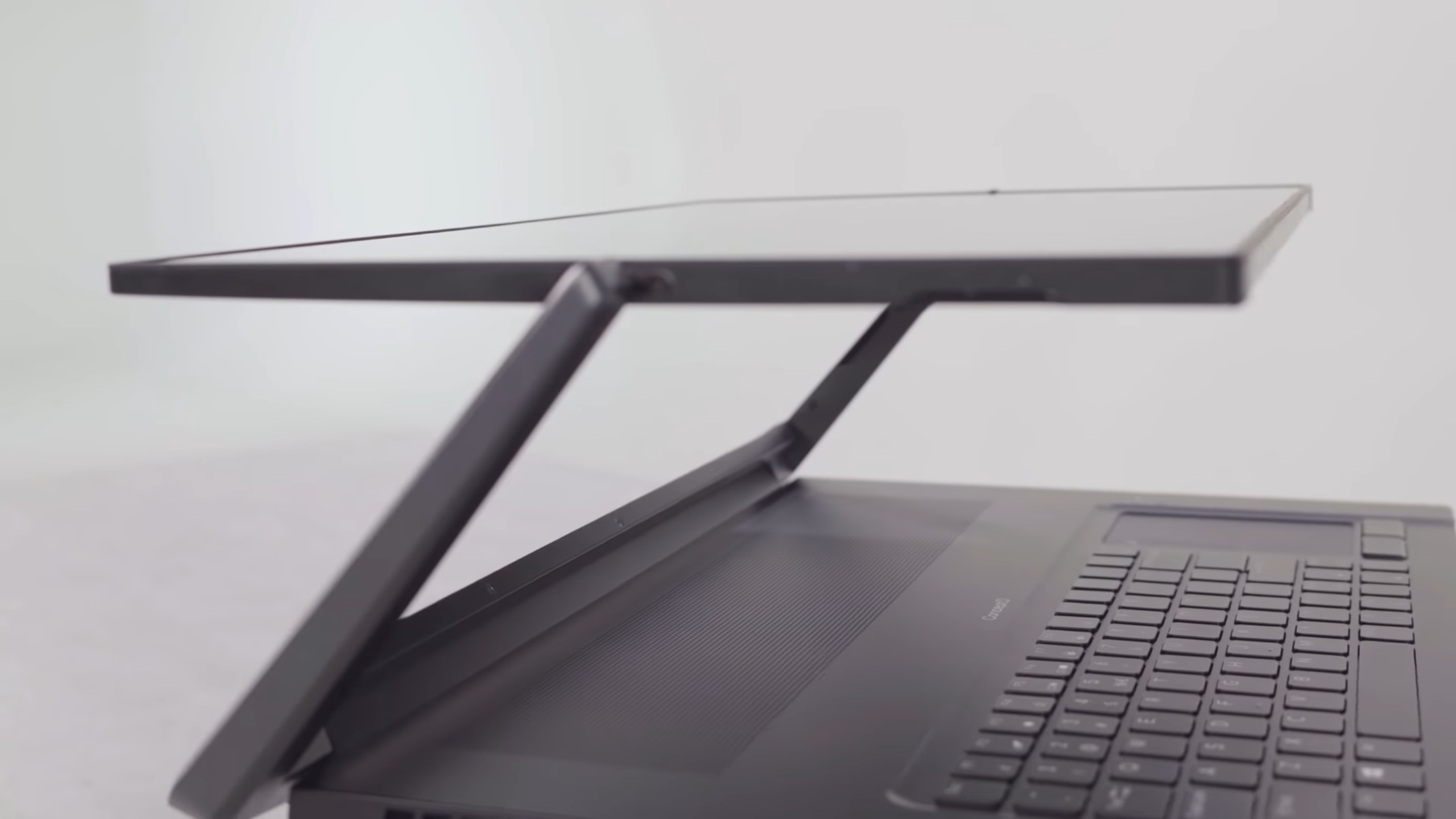
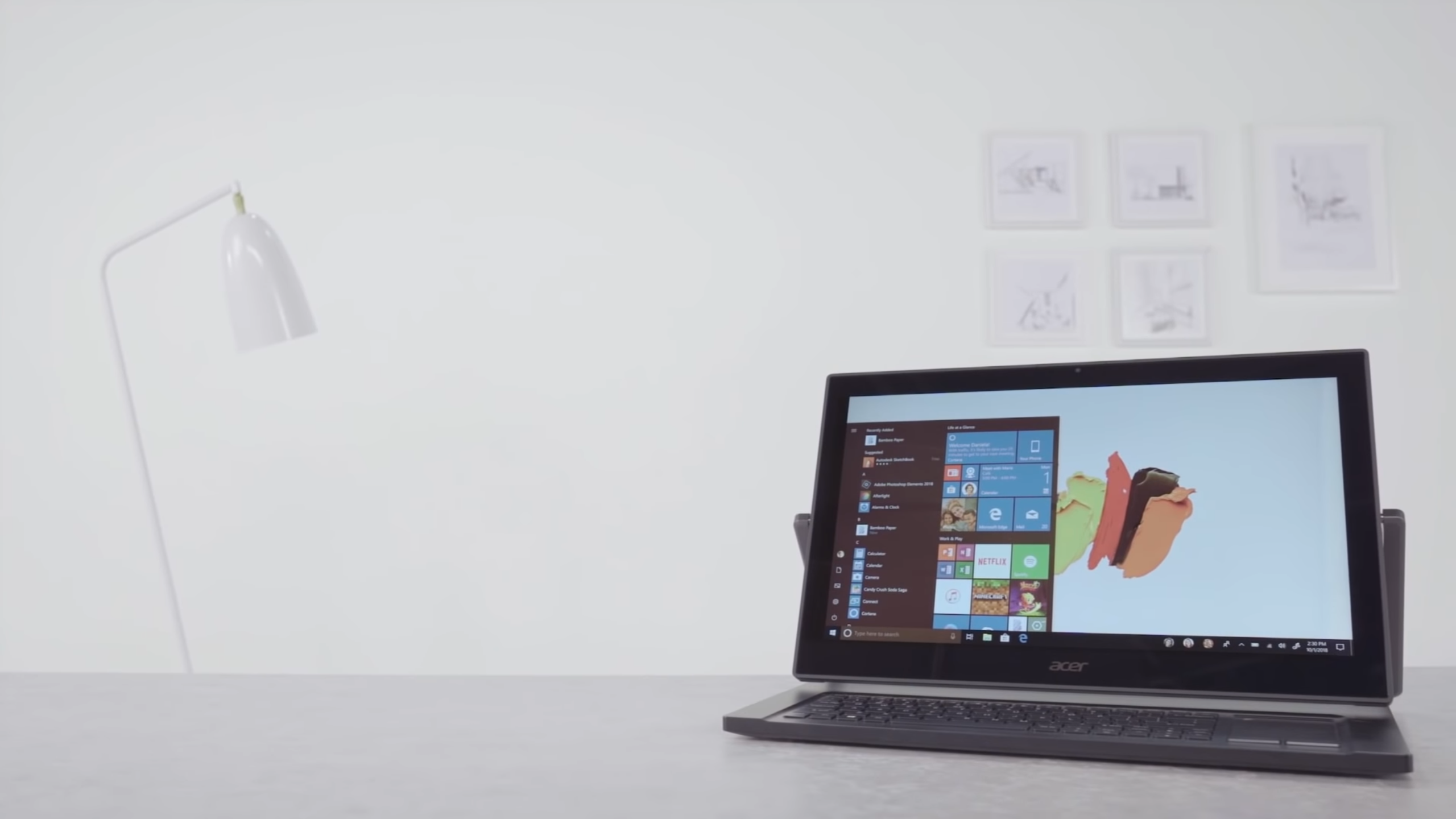
    For portability, Acer announced the ConceptD 9 laptop. The laptop features a 17.3-inch 4K UHD screen on top of a chassis with an Ezel Aero Hinge, which enables users to draw the screen closer to themselves if they are working directly on the display. Previously, a similar hinge design was spotted in Acer’s Aspire R13. Acer claims that the ConceptD 9 is one of the quietest creator-edition laptops ever, with the fans clocking their noise at just under 40 decibels. 

    The display of the laptop has one of the best Delta-E colour accuracy ratings (under 1). Furthermore, the screen is Pantone Validated, which will ensure that creators will have a wide variety of hues to choose from. The ConceptD 9 laptops are customizable, with up to 9th-generation Intel Core i9 processors and NVIDIA mobile RTX 2080 graphics. The keyboard also features Amber-lit keys that the company claims are easy on the eyes.

    The company also launched two slightly toned down variants of the ConceptD 9 laptop, which are the ConceptD 7 and ConceptD 5. While the ConceptD 7 features a Core i7 processor with NVIDIA GeForce RTX 2080 graphics, the ConceptD 5 packs an 8th Gen Core i7 processor bundled with Radeon RX Vega M GL Graphics. 

    Acer ConceptD 900 And ConceptD 500 Desktops

    For those who can compromise on portability, the company announced the ConceptD 900 Desktop build, alongside the new CP7271K Monitor. The desktop features Dual Intel Xeon Gold 6148 processors combined with the NVIDIA Quadro RTX 6000 GPU chip. The Intel Xeon CPU has a total of 40 cores, which, frankly, makes for a very powerful setup. The system can be upgraded with up to 192GB of ECC RAM and 60 Terabytes of storage. Moreover, the prebuilt machine has a minimalistic and elegant design, which contributes a lot to aesthetics.

    For those who want to settle for lower specifications, Acer also announced the ConceptD 500 desktop. It packs a 9th Generation Intel Core i9 CPU, with Ray-Tracing enabled NVIDIA Quadro RTX4000 graphics. Just like ConceptD laptops, the machine has a very low fan noise (under 40 dB). An attractive wooden panel present at the top of the cabinet gives it a very picturesque look.
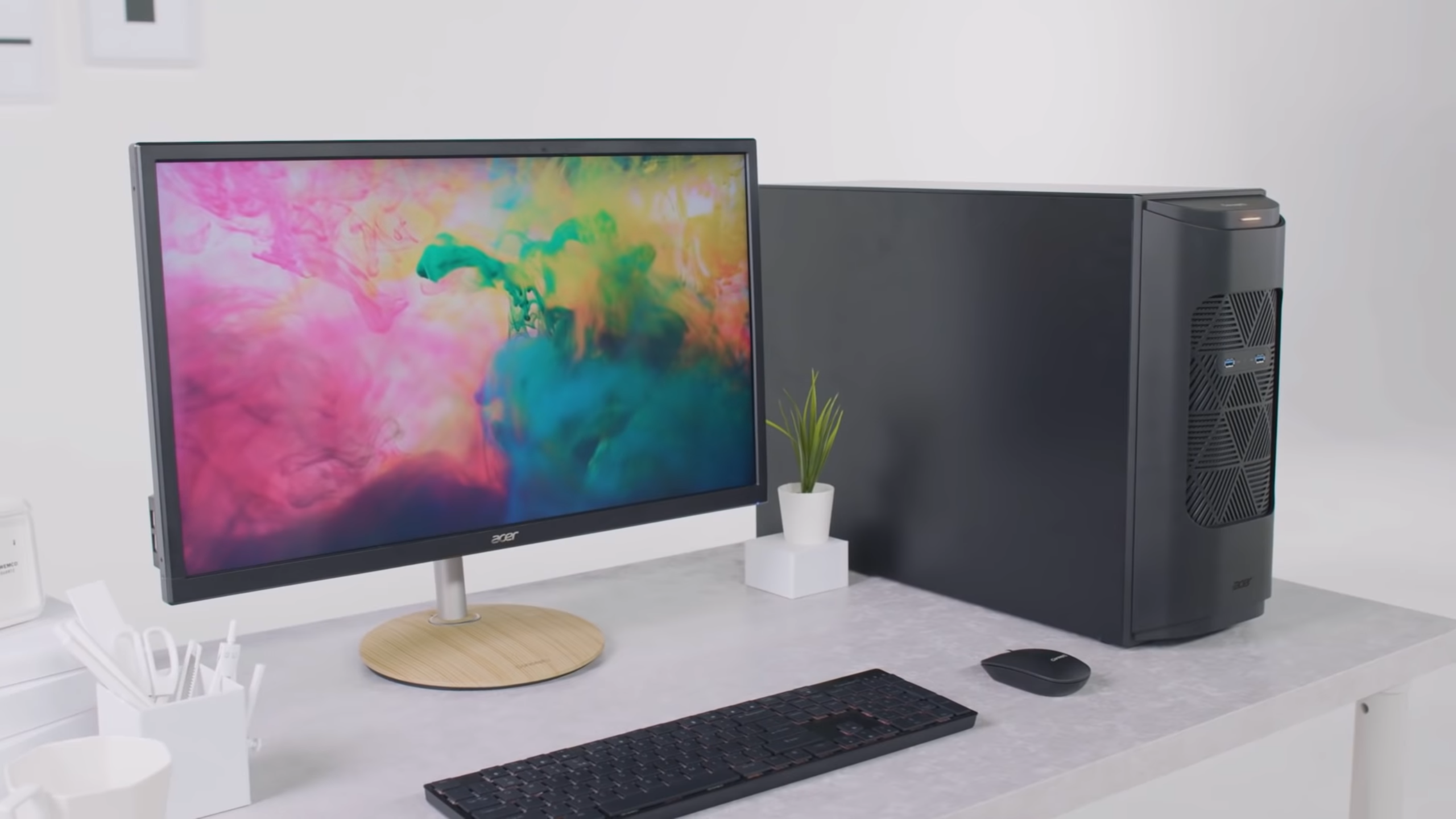
    As mentioned before, two new monitors were also brought to light by the Taiwanese technology company, which are the ConceptD CM7 and the CP7. The CM7 has a huge screen size of 34 inches, whereas the CP7’s screen measures at 27 inches. The ConceptD CM7 is directed towards users who work in print design and manufacturing, while on the other hand, the CP7 is meant for users who work with digital content. Both CP7 and CM7 support 4K resolution, with the smaller CM7 featuring a 144Hz refresh rate.

    Also Read: Porsche Launches The New 911 Carrera S, 911 Carrera S Cabriolet In India

    Acer hasn’t made an official statement regarding the pricing and availability of the ConceptD series, but considering that the machines are not your average-powered systems, a high price point can be expected when it officially makes its way to the market, expectedly in the latter half of 2019.

  • Xiaomi Launches Wireless AirDots And New Mi Notebook Air

    Xiaomi Launches Wireless AirDots And New Mi Notebook Air

    Xiaomi has been on a roll, launching products that are affordable, yet have great quality. In an event in China, Xiaomi recently launched two new products. A wireless Apple-styled white earbud and a new notebook powered by the intel i3 processor. Xiaomi is known to take their design cues from Apple, previously having launched products that look very similar to iPhones and MacBooks and the earbuds are no different. Even the name of the product AirDots sound eerily similar to AirPods by Apple.

    AirDots

    The AirDots have tappable controls and a compact charging case just like the AirPods from Apple. They costs around 199 yuan which is about $29 and they look quite good too. They are slightly rectangular in shape compared to AirPods and have silicone tips that allow for better sound isolation and a better fit. There are speculations that they might soon be added in the box with Mi phones, just like the wireless chargers that were recently announced as well. The AirDots run on Bluetooth 5.0. They also connect to the last paired device automatically once they are taken out of their case. The standalone battery life is around 4 hours and the battery time with the case is around 12 hours.

    Also Read: Xiaomi Mi Mix 3 With 10 GB RAM & 5G Support Launched

    Xiaomi Notebook

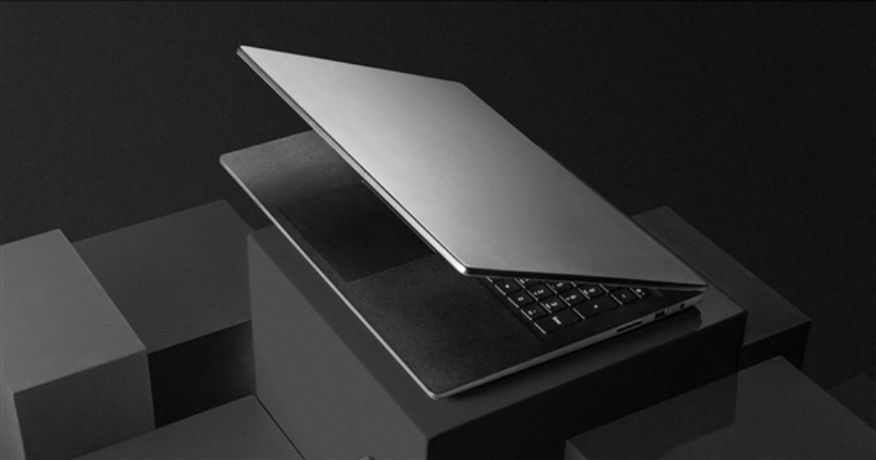
    Xiaomi also launched two new laptops in their Notebook range. A 13-inch and a 15.6-inch screen laptop. One of them costs RMB 3,099 and features a Core i3 processor that has two cores and four threads. Clocked a maximum turbo frequency of 3.9GHz, the laptop has 4GB of RAM and 128GB storage. It also features an SSD drive. It also has a dual fan cooling system to keep the heat down. The other laptop is priced at RMB 3,799 and features a 13.3-inch display with Intel’s 8th generation Core i3 processor. The difference is in the memory as it is paired with 8GB of RAM and 128GB SSD storage. This laptop also has a fingerprint scanner for biometric authentication.

    The laptops will go on sale in China on November 1 but it is unclear if they will be launched in India or not. It is reported that Xiaomi intends to launch a few models of it’s notebooks in India soon but no specific dates have been given yet.


  • Lenovo ThinkPad X1, T, X, And L Series Laptops Officially Launched In India

    Lenovo ThinkPad X1, T, X, And L Series Laptops Officially Launched In India

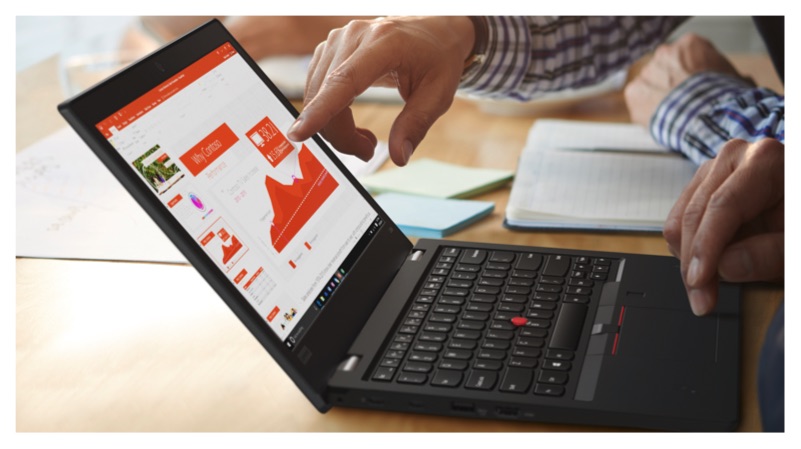
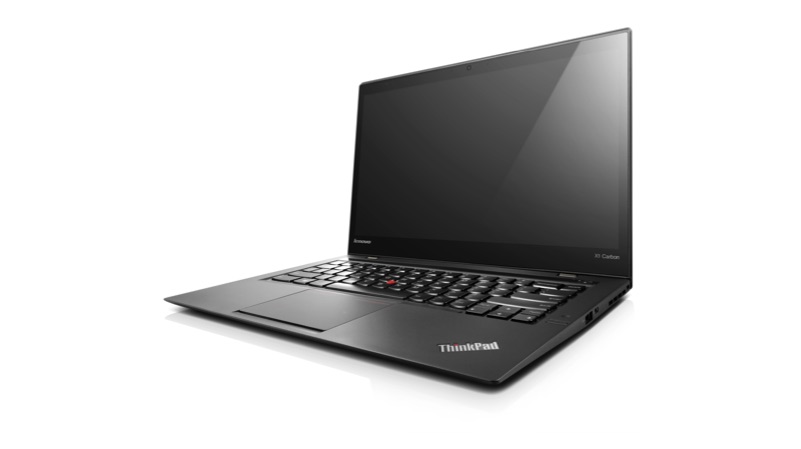
    Lenovo has officially launched a series of laptops under the ThinkPad Branding In India. These laptops have an ultra-slim design with the latest 8th Gen Intel processors. Some of these devices have a ruggedness of ThinkPad series with the flexibility of Yoga series of laptops. The main product that was launched in the event is the Lenovo ThinkPad X1 Carbon and the ThinkPad X1 Yoga, which retails for Rs 1,21,000 and Rs 1,26,000 respectively. These laptops will be available in April on both online and offline retail stores across the country.

    Lenovo ThinkPad X1 Carbon and the ThinkPad X1 Yoga Specs

    According to Lenovo, these are the first set of laptops to offer a display with Dolby Vision HDR Support with a maximum brightness of 500 nits. The Lenovo ThinkPad X1 Carbon just weighs at 1.13 Kilogram, where the chassis is made using an advanced carbon fibre composite. Additionally, the ThinkPad Yoga also has a dedicated LTE modem to support wireless on the go Wireless LTE networks. These laptops can be configured with up to 16GB RAM and 1TB Solid State Drive, which runs on the 8th Generation Intel i7 Quad-core processor with Intel UHD 620 GPU.

    ThinkPad X1 Carbon

    Lenovo X Series
    Model Name And Price Lenovo ThinkPad X280

    Rs 73,000


    Lenovo ThinkPad X380 Yoga

    Rs 87,000

    Processor Up to 8th Gen Intel Core i7 Up to 8th Gen Intel Core i7
    RAM 16GB DDR4 16GB DDR4
    Storage 16GB DDR4  1TB PCIe SSD
    Display 12.5 inch

    HD TN

    FHD IPS

    FHD IPS with touch

    13.3 inch FHD IPS With Touch Support
    Weight in Kilogram 1.13

    1.26

    1.27

    1.4
    ThinkPad X1 Carbon
    Lenovo ThinkPad T series
    Model Name and Price Lenovo ThinkPad T480

    Rs 69,000

    Lenovo ThinkPad T480s

    Rs 86,000

    Lenovo ThinkPad T580

    Rs 74,000

    Processor Up to 8th Gen Intel Core i7 Up to 8th Gen Intel Core i7 Up to 8th Gen Intel Core i7
    RAM 32GB 24GB 32GB
    Storage 256GB or 1TB OPAL 2 based SSD

    1TB Hard Disc

    1TB PCIe SSD 1TB SSD

    2TB HDD

    Display 14 inch

    HD TN

    FHD IPS

    FHD IPS with Touch

    WQHD IPS

    15 inch

    HD TN

    FHD IPS

    15 inch

    FHD IPS

    FHD IPS with touch

    UHD IPS

    Weight in Kilogram 1.13 1.32 1.95
    Lenovo ThinkPad L Series
    Model Name and Price ThinkPad L380

    Rs 61,000

    ThinkPad L380 Yoga

    Rs 65,000

    ThinkPad L480

    Rs 54,000

    ThinkPad L580

    Rs 55,000

    Processor Up to 8th Gen Intel Core i7 Up to 8th Gen Intel Core i7 Up to 8th Gen Intel Core i7 Up to 8th Gen Intel Core i7
    RAM 32GB DDR4 Up to 32GB DDR4 Up to 32GB DDR4 32GB DDR4
    Storage 512GB SSD

    1TB Hard Disc

    1TB HDD

    512GB SSD

    512GB SSD

    1TB HDD

    1TB HDD

    512GB SSD

    Display 13.3 inch

    HD TN

    FHD IPS

    FHD IPS with Touch

    13.3 inch

    FHD IPS with Touch

    14 inch

    HD TN

    FHD IPS

    FHD IPS with Touch

    15 inch

    HD TN

    FHD IPS

    Weight in Kilogram 1.46 1.56  1.68  2.0


  • Charging On : The Future of Mobile Device Batteries

    Charging On : The Future of Mobile Device Batteries

    We’re bang in the middle of the golden age of smartphones it seems. Almost like a ritual, phone makers every couple of months offer to eager audiences for their consumption new mobile devices with vastly improved tech.

    Over the past couple of years, we have been witness to the industry churning out new processors, RAM, cameras and more used for making these marvels of modern day technology, each smaller in size than its predecessors, and yet gaining in power with every upgrade. End product being thinner, faster phones and laptops for the end consumer year after year.

    oneline-games-for-android

    But one thing that the tech industry has still to find a good enough answer to is the lust for more and more energy for these devices!  Agreed, battery technology has come a long way and even though the batteries in our mobile devices are bigger and better than they have ever been before, they still aren’t the solution we have been looking for. Because of technological constraints, these oversized batteries are far from being good enough fix for mankind’s never ending ‘battery woes.’

    With an abundance of apps and services that require a significant amount of juice to run, we all have at some point of the other felt the pain of our mobile devices dying on us in the time of need. And to pacify us the tech industry for all its tall claims of advancements has only been able to come up with portable chargers, and at best the promise of fast charging battery packs.

    liion

    In all honesty, the battery hasn’t advanced in decades as it should have. But looks like we’re on the verge of a revolution.Things are about to change. Scientists world over are working on battery technology advancements, and a breakthrough is just right the corner.

    The team at MIT in collaboration with Samsung, have discovered Solid-State Batteries that are better than current lithium-ion packs. These batteries should be safer, last longer and offers slightly better power capacity.

    According to reports, these new batteries could be charged for hundreds of thousands of cycles before degrading. They are expected to also provide a 20 to 30 percent improvement in power density simply translating into much more charge for whatever they are powering.

    nanoscale-yolk-battery-mit

    Another interesting prospect is the introduction of Nano Yolk Batteries which will not only power up in a fraction of the time it takes to charge current generation Lithium-Ion Batteries, but will also provide almost double the power capacity of the battery packs that we use in our mobile devices today.

    But one crucial thing holding back both these technologies is the cost involved in migrating to them. The industry has so far chosen to stick to the trusted infrastructure in place and find ways to fine tune the existing technology which not only feeds our phones but also helps feed millions of families through the ecosystem that has been created around the manufacturing of Lithium-based batteries.

    To keep everyone happy, the industry is fast working on a concept of a new generation Lithium based batteries which promises to store five times the amount of energy you find in the lithium-ion battery in your mobiles and laptops. The brains behind it call it the Lithium-Air Battery because it releases oxygen when it discharges.

    The idea which has been in the works for quite some time now faces difficulties in the form of an unwanted buildup of lithium peroxide on the electrode which hampers this type of battery’s performance, but a workaround has been found to avoid this.

    Instead of using lithium peroxide the new battery will use lithium superoxide to store energy to provide improved battery life with greater efficiency.

    These batteries are similar to lithium-ion batteries since they use a closed system, which would mean no extra intake of oxygen or any components to be removed. By doing away with clunky internal oxidizers these batteries will be leaner and simply charge up like the lithium based batteries we use in our current devices.

    The prospect of using a thinner phone with five times the battery life of our current devices sounds amazing. This long overdue upgrade to arguably the most important component of a mobile device could well see the light of the day before the year’s end. If, and when it does happen, there’s no denying how big of an impact it will have on the way we use mobile devices.

  • Here’s a Look at Some Great Deals on Laptops Ahead of Diwali

    Here’s a Look at Some Great Deals on Laptops Ahead of Diwali

    Has the festive Diwali air gotten to you yet? It is, afterall, the season to be a shopoholic. There are plenty of great offers and discounts available these days, if you know where to look. Today, if you happen to pass by online retailers, you can avail some great discounts on laptops.

    The offers have a time period so if you’ve been thinking about getting a new laptop, you may want to head over to one of these websites and add a laptop to your cart soon. However, before you do so, you might need a better idea of what’s on sale. We’ve broken it down in terms of price range. Have a look and decide the right one for you.

    Laptops Under Rs. 20,000

    Dell Inspiron 3551

    Dell Inspiron 3551Dell’s new Inspiron 15 3551 does make an impression thanks to its thinner profile and its surprisingly long warranty. Running times are also better than most of the competition. The graphics aren’t the best here and only some 3D games with very low demands are playable with these cards.
    • 2.66GHz Intel Pentium N3540 N3540 processor
    • 4GB DDRL3 RAM
    • 500GB 5400rpm Serial ATA hard drive
    • 15.6 inch screen, Intel HD Graphics
    • Ubuntu Linux 14.04 SP1 operating system

    The laptop is currently available at Rs. 17,999, down from Rs. 20,990, which is a 14% discount.

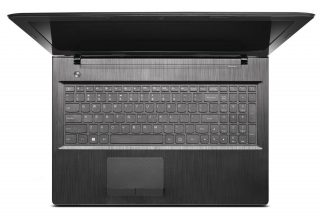
    Lenovo G50-30 80G001VNIN 

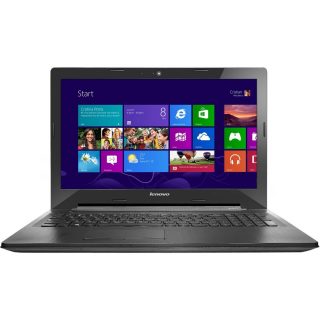
    Lenovo G50-30

    The Lenovo G50 is also being offered at a 20% discount and is currently priced at Rs. 18,499. The laptop offers great performance for a low price. The G50-30 is apt for basic tasks like browsing, Skype or watching videos. The laptop only needs little power and operates quietly. 

    • 15.6-inch LED HD display
    • Intel Pentium Quad Core N3540 Processor
    • 2.16 GHz with Turbo Boost up to 2.66 GHz.  
    • 4GB DDR3L RAM
    • 500GB storage and a 720p HD webcam. 

    Laptops Under Rs. 30,000

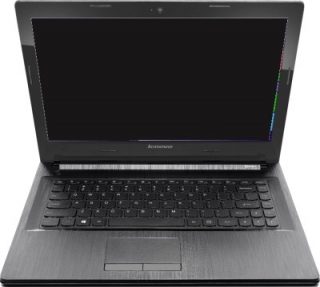
    Lenovo G40-45 (Notebook)

    lenovo-notebook

    Looking for a budget-friendly laptop is not an easy task. Especially one that packs enough punch to get you through the day. Interestingly, the Lenovo G40 series, which is famous for its affordable prices, is powered by AMD A8 processors; a mobile quad-core system-on-chip (SoC) that integrates a Radeon R5 GPU. This laptop comes with an optical drive and gives a decent batter life with its four-cell battery. Overall, the laptop gives you the most bang for your buck.

    • APU Quad Core A8
    • 8 GB DDR3 RAM
    • 1 TB HDD
    • Free DOS


    Dell Vostro 15 3558 

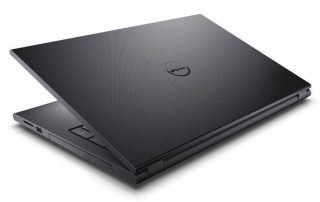
    Dell Inspiron 3542

    The Dell Vostro is designed primarily as working device. It is powerful enough for daily tasks. This display isn’t anything to brag about, but it is decent for this price range. There’s a great discount going on for the Dell Vostro right now. The laptop is priced at Rs. 24,999 down from Rs. 28,799 and is being claimed fast.

    • 15.6-inch LED backlit display
    • 1.7GHz Intel Core-i3 4005U 4th generation processor
    • 3.5 kg
    • 4GB RAM and 1TB hard drive
    • Intel HD Graphics 4400

    Laptops Under Rs. 40,000

    Lenovo G50 80L0006HIN 

    Lenovo G50 80

    Priced at Rs. 30,499, the laptop is being offered at a 22% discount.  This laptop provides great graphics with a 2GB AMD Radeon graphic card. That is one of the key selling points of the G50 80. The laptop won’t heat much when playing graphically intense games and also comes with 1TB of internal storage. 

    • Intel Core i3 1.9GHz processor.
    • 15.6-inch display with AMD Radeon R5 M230 2GB 3D graphics.
    • 4GB RAM
    • 1TB of internal storage. 

    HP 15-ac101TU 

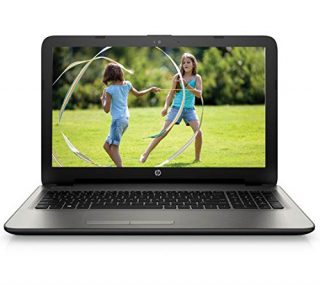
    HP 15-ac101TU

    For a laptop at this price level, the HP 15 looks really good. Instead of a simple texture, HP has gone with a diamond pattern for the lid which enhances the aesthetic appeal. The laptop is a decent entry point for those looking at a basic Windows 10 OS. The HP 15-ac101TU wins has a slim and sleek design. There’s a 10% discount on this HP laptop. Offered at Rs. 30,990, the deal is 60% claimed as of now.

    • 5.6-inch screen with Intel HD Graphic 5500
    • 2GHz Intel Core i3 5005u processor
    • 4GB RAM and 1TB hard drive.
    • Windows 10 pre-loaded. The deal is 60% claimed as of now.

    Other great deals worth mentioning:

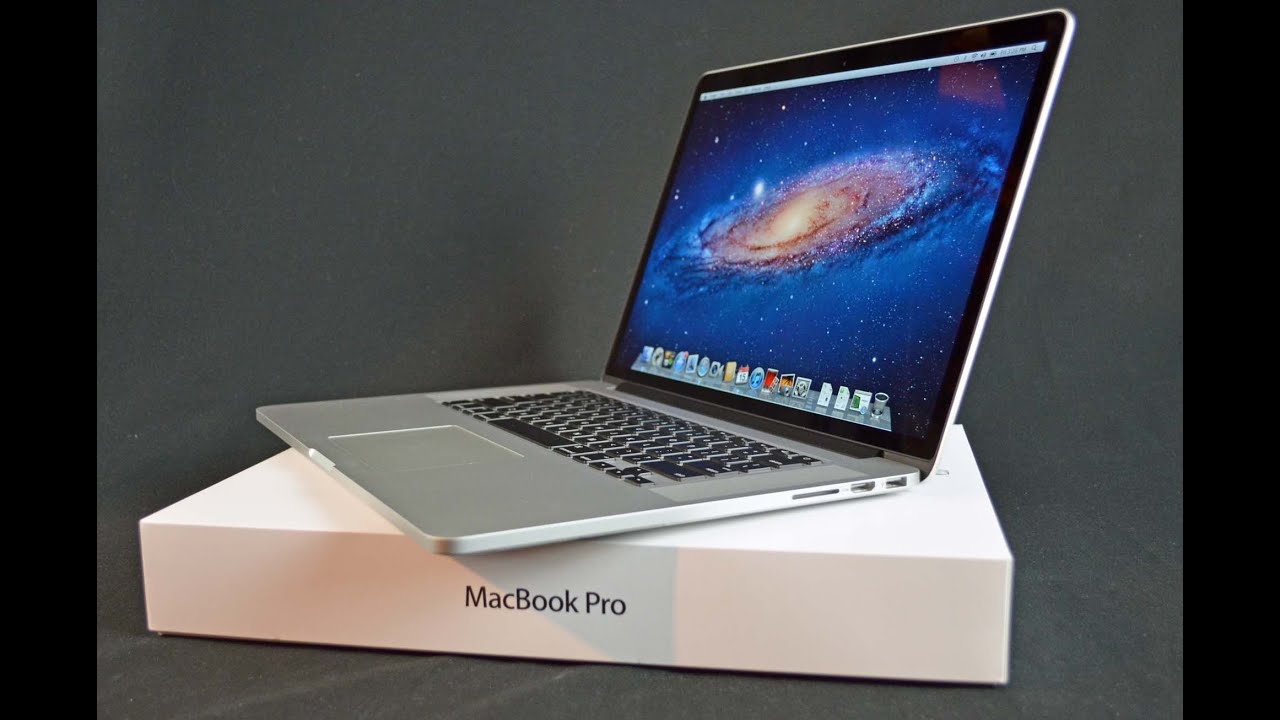
    Apple Macbook Pro

    The Macbook is currently the best in 50K or above range and is currently available at a sweet price of Rs. 50, 999 down from Rs. 78, 990 which gives you an amazing 35% discount. So if you’re looking for a high-end laptop right now, this is the one to go for. The deal is 76% claimed already, so you may want to decide fast for this one.

    We’ll update the list as new deals come in. The prices mentioned above are subject to change as all mentioned deals are for limited periods of time only.

  • 7 Technology Misconceptions You Would Want To Know About

    7 Technology Misconceptions You Would Want To Know About

    It’s a little frightening when you start looking at how many electronic gadgets you own. Today, our most precious personal possession has got to be our phones. And the more expensive the phone, the more precious (in Gollum’s voice) it gets.

    We all take that extra bit of care when it comes to our laptops and smartphones, or at least we try. But sometimes we tend to do things that have been subject to so many paranoid and not-so paranoid theories. We have decided to take a look at some of them and bust those that have worried you for a long time.

    1. Charging Your Phone Overnight Can Damage Battery Life

    Phone charging

    Not everyone remembers to remove the phone from the charger just before bed time. And in the morning you tend to freak out because you feel you’ve damaged the battery. There is a long running myth that charging your phone overnight can reduce the battery life of the phone or even cause your battery to explode. But is this really true?

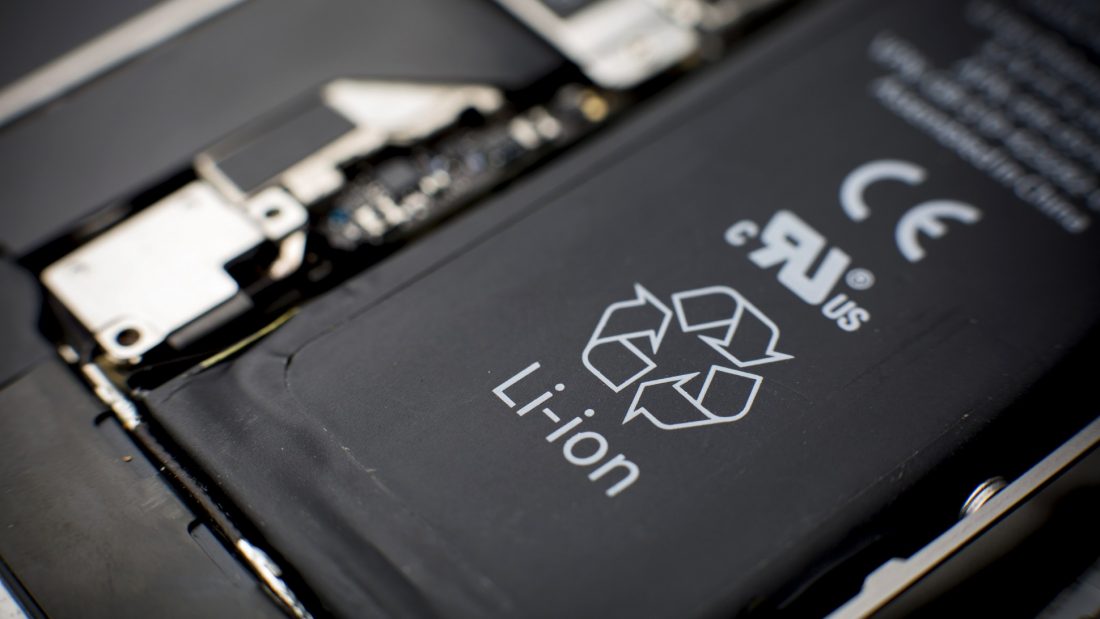
    This may have been the case for older nickel-cadmium and nickel-metal hydride rechargeable cells that came before the introduction of the li-ion batteries. Now, every phone is fitted with a li-ion battery and rest assured these batteries will not explode. The phones are smarter today. It automatically cuts off the charger once your phone has reached full charge. Apple has stated that “You can recharge a lithium-ion polymer battery whenever convenient, without requiring a full charge or discharge cycle.”

    2. Using Third-Party Chargers Will Cause Your Phone to Burst Into Flames

    Don’t buy unbranded, cheap knockoffs.


    We tend to buy cheaper chargers sometimes because original, company made chargers are a little pricey. And as long as it charges the phone, we assure ourselves that it’s all right. But knockoffs are the reason you hear about gadgets catching fire or bursting. Third-party chargers are alright as long as they aren’t ridiculously cheap. A charger from Belkin, for example, is okay to buy, but it may not charge your device as fast as an original charger.

    Knockoffs don’t usually have a brand name, and if they do, they’re pretty much an unknown brand. These are the chargers you want to avoid at all cost. It’s easy to tell the knockoffs from the trustables. You just need to keep your eyes open. Though, we would suggest always going for an original. It might be a little expensive but it’s worth it if you don’t want your phone going all ‘flame on’ on you.

    3. Going Incognito is Cool

    incognito-mode

    Not. We all know that every web browser has an incognito mode or private browser. Private browsers do not save your search history and it won’t record where you go and what you do. Usually people use it if they don’t want unnecessary ads popping up since nowadays ads on Facebook, for example, are tailored to what you search on the internet; or it’s used to browse sites that are…questionable.

    But what you might not be aware of is that your browser isn’t completely private. Your internet service provider will still know about the sites you visit. Even the law enforcement will know about it, if they’re looking into it. So the next time you visit a site that you’re not really supposed to, remember who’s watching. Just saying.

    4. Password Protected WiFi  Networks Are Safe From Hackers


    Well, it depends on the network really. There’s a home network and a network that is used when you’re not at home. Your home network is usually very safe if it’s password protected (as long as the password is not PASSWORD) and employs WPA or WPA/2 encryption.

    Outside networks, though, are a little different, and a little more open to hacking. It’s incredibly easy for hackers to download just the right software to eavesdrop into your network. Once that is done, they can look into any data that is being transferred over the net. “Hackers can launch ‘evil twin’ networks that look like the real thing, grab your password and go to town compromising your security,” said Rich Sootkoos, Boingo’s VP.

    So for office networks and other outdoor networks it’s always advisable to protect your info using VPN companies such as Express VPN or IP Vanish.

    5. Prolonged Mobile Usage Can Cause Cancer


    This and the next one are for the health crazies out there. Years ago some reports suggested that prolonged exposure to the phone over time can cause cancer because of the radio frequencies they emit. It was believed that the radiation from your cellphone could cause certain types of cancer.

    While there are many scientific papers on this study, there have been no cases over the years to suggest the authenticity of this. Every electronic device gives off a certain amount of radiation right from your microwave to your refrigerator. While we agree that they can be harmful, you do not need to panic as much as the reports suggest.

    So far there have been no documented case that suggest cancer caused by cellphone radiation. Cancer Research UK said that, “So far, the scientific evidence shows it is unlikely that mobile phones could increase the risk of brain tumours, or any other type of cancer. But we do not know enough to completely rule out a risk.”

    6. Laptop On The Lap Can Cause Impotency

    Laptop


    Apart from the cancer scare, impotency is the next big concern when it comes to using electronic devices. There were theories that keeping your laptop on your lap or a phone in your pocket may result in decreased male fertility. The worry was that laptops could increase scrotal temperature.

    These researches were widely declared as “speculation”and that further studies were needed to prove this contention. There is no correlation between increased scrotal temperature and infertility as of now and there have been no such cases that suggest the same. However, a word of caution must be given for anyone who keeps the laptop on their laps for a long time as the heat from the device cannot be a good thing, according to gut feeling. So we’ll just go with ‘mostly false’ regarding this story.

    7. More Megapixels Mean Better Camera


    Not really. We have come to believe that a camera having a higher megapixel results in better quality images. That’s not the case at all. Megapixels have nothing to do with quality, and only helps if you plan on blowing up the photo. What’s important for quality is the camera lens and light sensor, its processor and its optics.

    Galaxy S4

    This is why an iPhone 6, for example, with only 8-megapixel camera can take on those that come with 12 or 16 megapixels. And remember the whopping 41-megapixel Nokia Pureview 808? If you zoomed in on a photo taken by that up to four times, you won’t find any loss in image quality. However, the Pureview 808 actually offers a default 5-megapixel resolution, and you could easily go for an 8 megapixel camera over that and still get the same quality images.


  • HP Announced Chromebook-Like Laptops and Super-Cheap Tablets

    HP Announced Chromebook-Like Laptops and Super-Cheap Tablets

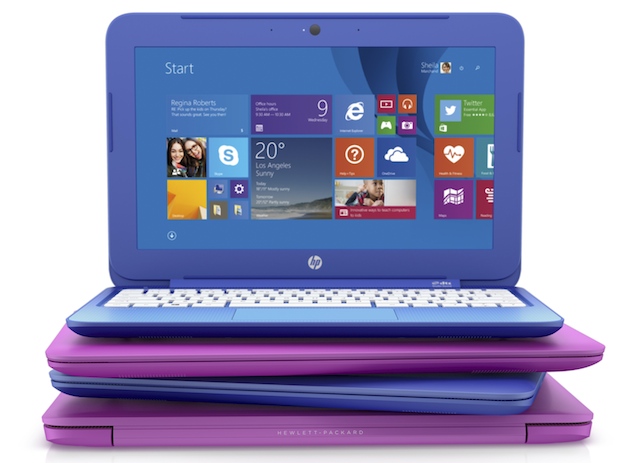
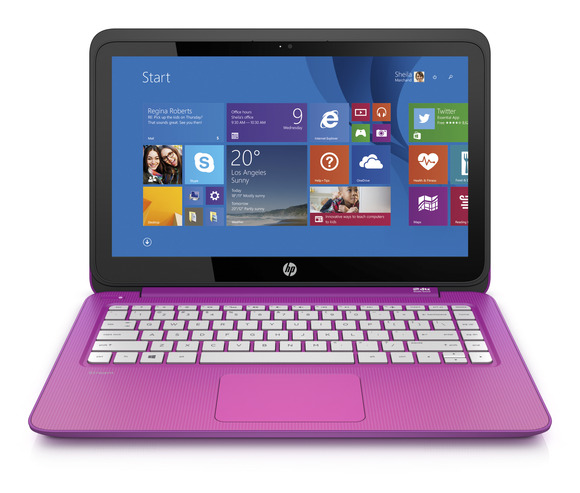
    Hewlett-Packard promised fall would be the season of new, affordable Windows laptops. Keeping their word, the company announced the HP Stream 14-inch Notebook. The Stream series is HP’s version of the low cost Windows laptop, meant to compete head to head with Chromebooks on price, but still offer the powerful operating system.

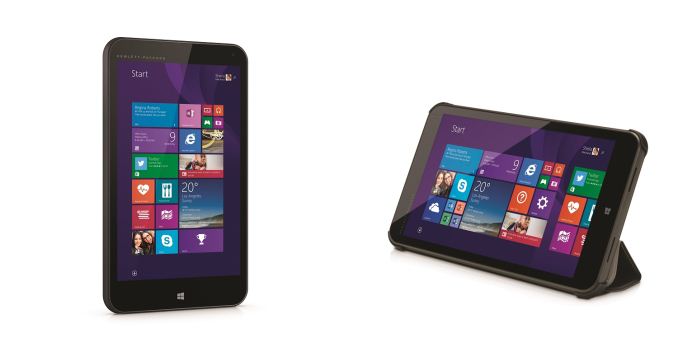
    This Intel Celeron-powered Stream will have an 11.6-inch HD non-touch display and 32GB of eMMC flash memory for storage. The company also unveiled a 13.3-inch touch-optional SKU that goes for $230, and 7 and 8-inch Stream tablets priced at $100 and $150, respectively.

    hp_stream_13

    The 11.6- and 13.3-inch notebooks are both fan-less designs with HD displays. The 11.6-inch Stream and the 14-inch model announced earlier this month have non-touch displays. Touch is optional on the 13.3-inch model, but HP did not reveal how much that feature would add to its cost.

    The 13.3 inch model also is available with optional 4G connectivity, and as a value add, HP is including 200 MB of free data every month for the life of the device. As another value add, HP is offering one year of free Office 365 personal, which includes 1 TB of online storage and 60 Skype minutes per month.

    HP Stream 7_575px

    Battery life is listed from HP at 8:15 for the 11.6 inch  model, and 7:45 for the 13.3 inch model. The HP Stream laptops are available in several colors, and will be priced at $199.99 for the 11.6 inch model and $229.99 as the starting price for the 13.3 inch model.

  • Lenovo Debuts India’s First Full HD Laptop Range

    Lenovo Debuts India’s First Full HD Laptop Range

    Lenovo, Chinese multinational computer technology company, has launched a Full HD (FHD) range of laptops in India. The company claims is it the first company to offer such a range in our country and that it will be in the market by mid-October, right in time for Diwali.

    lenoco

    The company said that the new FHD range comes loaded with best in class multi-media features that add to the visual experience. Commenting on the launch, Shailendra Katyal, Director- Home and Small Business (HSB), Lenovo India, said, “Lenovo has been ahead of the curve owing to its consumer focused design philosophy. Today display as a feature has become a key differentiator that helps users to choose their ideal device. This premium range forms a new league of Full HD laptops that represent the balance of performance and aesthetics. With this future-ready offering, we want to make everyday devices exciting and provide a complete user experience.”

    lenovo

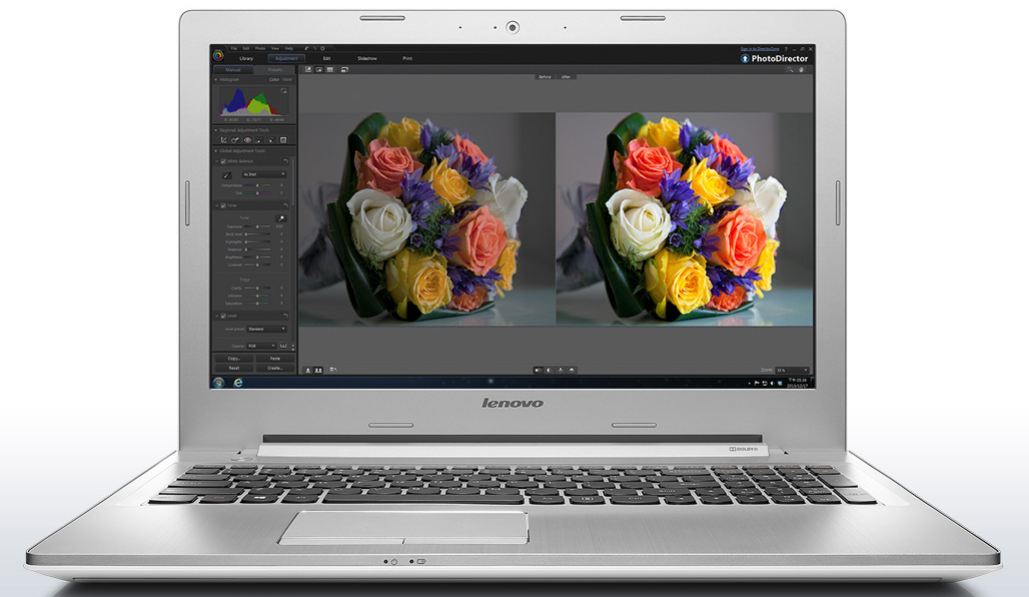
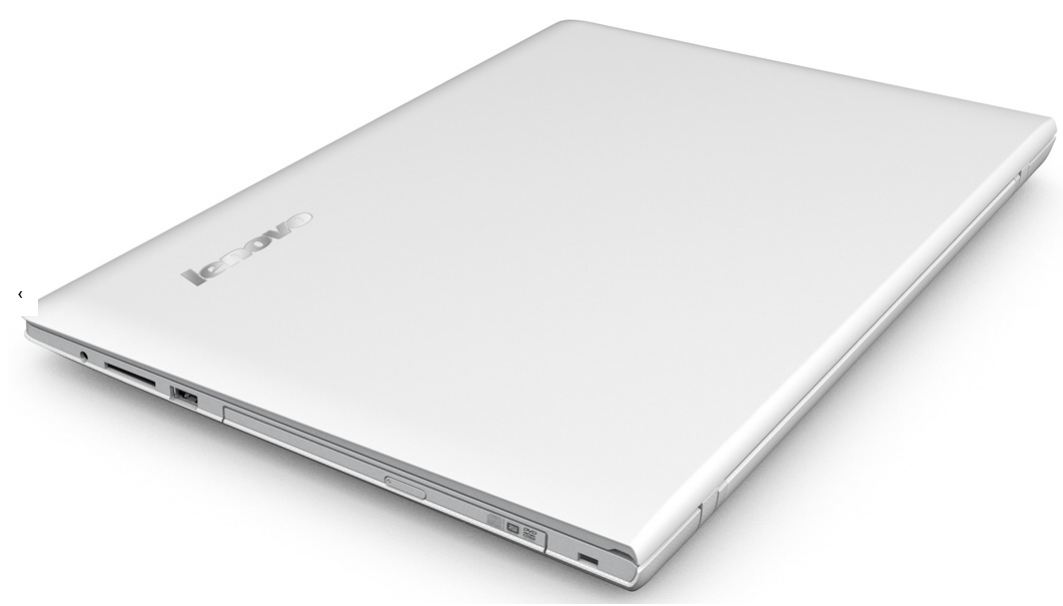
    The FHD range includes Lenovo Z50, Lenovo Y50, Lenovo Flex 2 and Lenovo Yoga 2. Starting at Rs. 41,990, the range offers advanced audio system, amazing graphic powers and integrated Blu-Ray support.

    Lenovo Z50

    Rs. 54,990

    o  Complete multimedia powerhouse with Dolby Advanced Audio

    o  Integrated Blu-Ray/DVD Disc

    o  Upto 4GB NVidia Graphics card

    o  Accutype keyboard

    Lenovo Y50

    Rs. 79,990)

    o  Fully loaded gaming machine with 4GB DDR5 Discrete Graphics

    o  JBL designed speakers with subwoofers

    o  Backlit Keyboard

    Lenovo Flex 2

    Rs. 41,990

    o  Stylish multimode with 10 point multi-touch screen

    o  Unique 300 flip

    o  Backlit keyboard

    Lenovo Yoga 2

    Rs. 59,990

    o  Intelligent multimode device with unique 360 flip

    o  Picks apps (subject to mode used)

    o  Hybrid drive (500 GB + 8 GB SSD)

    o  Long battery life

  • Latest Chrome OS Update Brings Drag-and-drop Features For Touchscreens

    Latest Chrome OS Update Brings Drag-and-drop Features For Touchscreens

    The Chrome OS users have been enjoying the latest OS features and the touchscreen benefits since September. The latest update of the chrome OS, brings up touchscreen text selection and drag and drop support.

    The platform’s latest version also brings up a number of other changes including the ability to choose audio sources from the tray menu and the addition of on-by-default Quickoffice editor for Word and Excel. Users can now also check their connection using a diagnostics tool and share folders and files direct from the File app. If you’re using any Chrome OS device, you can expect to get the OS 30 update in few days from now.

     Some highlights of these fixes are:

    • Audio source selector in the tray menu
    • Quickoffice (Beta) editor for Word & Excel files on by default
    • Improved UI for release channel switcher – owner accounts 
    • Touch enabled text selection on touch devices
    • Touch enabled drag and drop on touch devices
    • Connectivity diagnostics tool enabled on the Chrome offline page
    • Ability to share folders and files from Files app
    • Better sandboxing for Native Client
  • MI6, NSA And Other Spy Agencies Ban Lenovo Laptops Over Hacking Vulnerability

    MI6, NSA And Other Spy Agencies Ban Lenovo Laptops Over Hacking Vulnerability

    Chinese companies such as Huawei have always been accused of helping the Chinese government in its spying operations. Countries such as the U.S. and U.K. take special measures to ensure that any Huawei equipment being installed is free from all vulnerabilities that can let China spy on them. A new report from the Australian Financial Review claims that top spy agencies like the MI6 and CIA have banned Lenovo machines from their networks over fears that they might contain “back-door” hardware that would aid China’s spying attempts.

    Machines produced by the state-backed technology company, which is the largest PC producer in the world, are claimed to have been found in tests by MI5 and GCHQ to have modifications in their circuitry which could allow remote access to the devices without the owners’ knowledge.

    If the reports are true, the timing of the ban coincided roughly with Lenovo’s purchase of IBM’s PC business in 2005.

    The UK Government Communications Headquarters (GCHQ), MI5 and MI6 are all named as participating in the Lenovo ban, as well as the Security Intelligence Organisation and the Secret Intelligence Service in Australia, and the US National Security Agency (NSA).

    Lenovo, today voiced its “surprise” at the alleged move and completely denied any fault in its machines.

    [Via, Via]

  • 13 inch Macbook Pro Retina gets Leaked in Images

    13 inch Macbook Pro Retina gets Leaked in Images

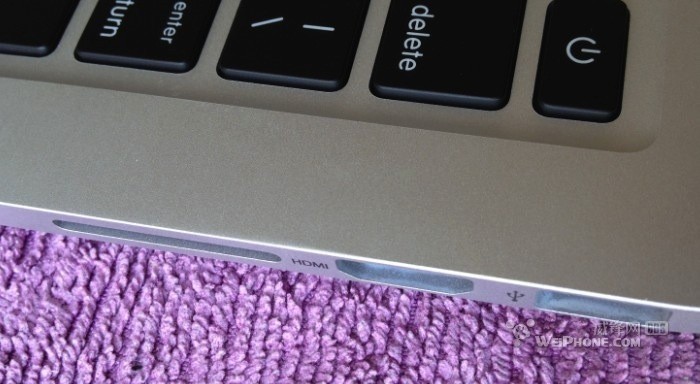
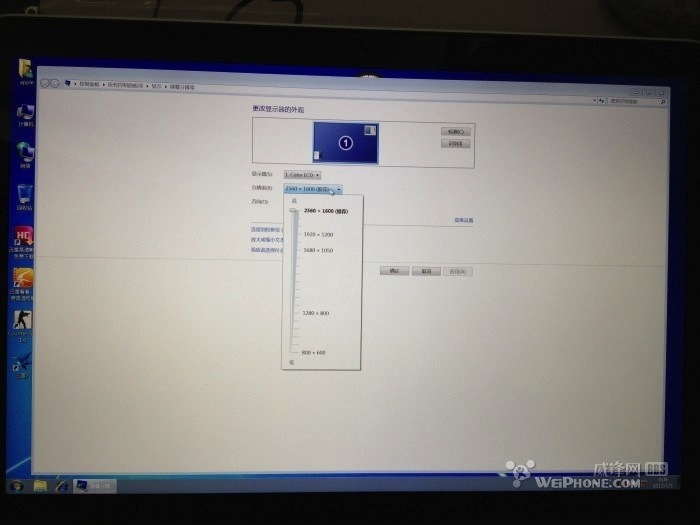
    What appear to be images of a Macbook Pro Retina 13 inch  running Windows, yep Windows, have been found online. The possible leak shows a 2,560 x 1,600 LCD (4 X resolution than the existing MacBook Pro) there are also dual Thunderbolt ports and HDMI video that shipped with15inch variant.

    No information on how the computer performs or if it runs on the Ivy Bridge platform, the images do show Windows running on it. However the macbook pro 13 inch with Retina display could be a perfect balance between a unibody and SSD design and portability.

    The images are also speculated to be of a Chinese ripoff replica running windows on substandard hardware, like the macbook Air replica seen earlier. 

    Apple will hold a special event on Oct 23rd to launch several products including the new iPad Mini and the rumored revised Macbook Pro 13 inch with Retina Display.

    [Source]

  • Motorola files biggest complaint against Apple for iOS devices

    Motorola files biggest complaint against Apple for iOS devices

    Motorola’s biggest ever complaint against Apple involves 7 technologies that are now owned by Motorola, such as syncing messages between devices and bookmarking media playback on one device to resume on another. Although Apple has been using these technologies since 2005 in podcasts and Movies from iTunes, Motorola’s complaint only targets the newer iPad, iPhone 4s and other devices in the bottom line of Apple’s retail chain. 

    The complaint may take 6 months to over a year to resolve. By then Apple’s new lineup of technologies should be out. But, the question on everyone’s mind remains whether Apple, with their billions of dollars of corp warfare funds, will let this go easy. 

iGyaan Network
Privacy Overview

This website uses cookies so that we can provide you with the best user experience possible. Cookie information is stored in your browser and performs functions such as recognising you when you return to our website and helping our team to understand which sections of the website you find most interesting and useful.