Xiaomi has been teasing what could be one of the most anticipated budget devices in India, the Redmi Note 7 and the Redmi Note 7 Pro. The Redmi Note 7 was the first device by the brand after it separated to become an independent brand. Xiaomi has since then, released teasers and has confirmed that the smartphone will be launched in India on February 28. Fresh reports suggest that the elder sibling, the Redmi Note 7 Pro will also make an appearance at the event.
Redmi Note 7

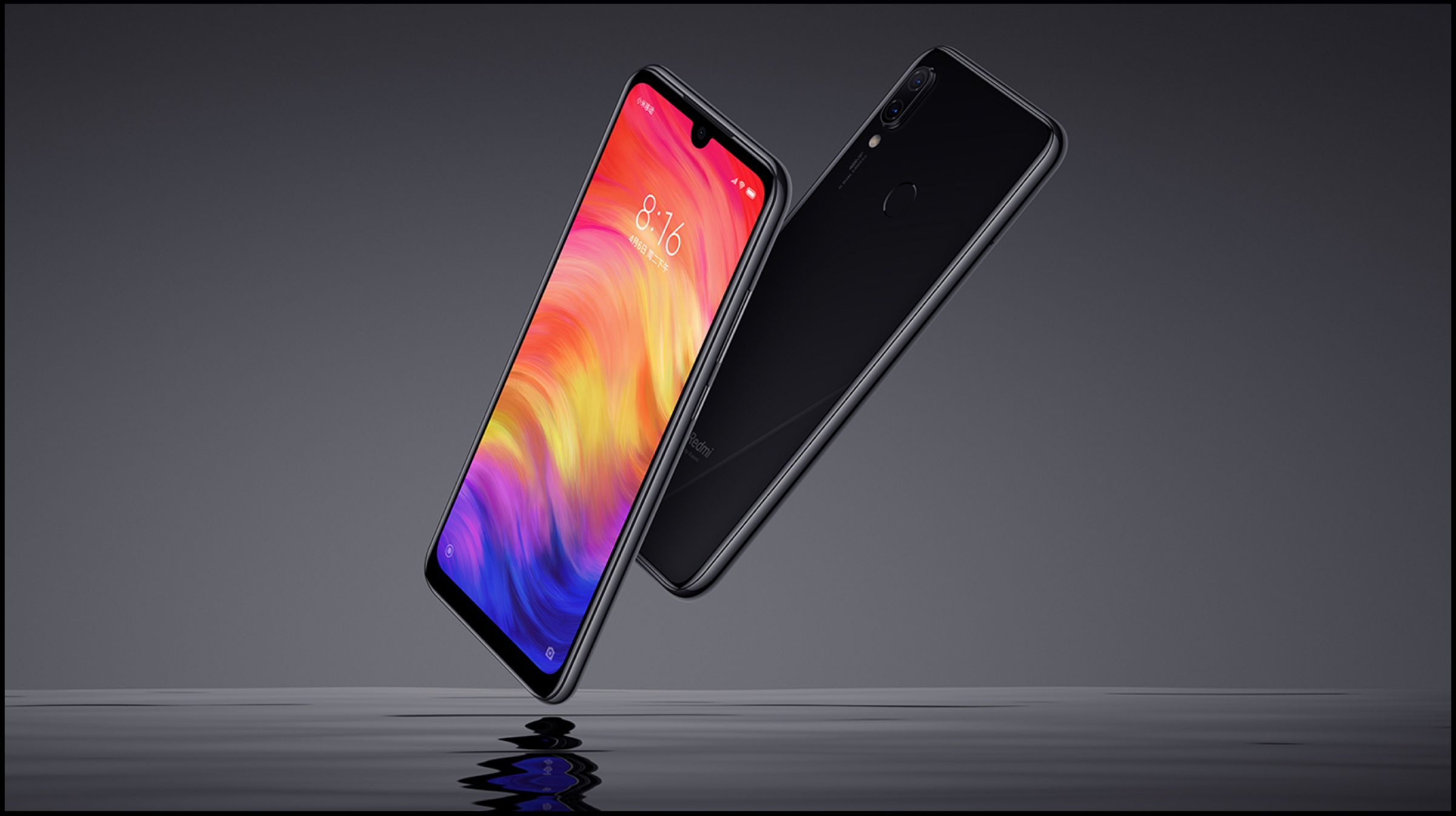
Redmi Note 7 will be the new budget offering by the Chinese manufacturer. The device is expected to have an identical design to its namesake launched in China in January. It will have a glass sandwich design with a polycarbonate frame. The smartphone will feature a 6.4 inch IPS LCD display with a resolution of 2340 x 1080 px. With an edge to edge display, it will have minimal bezels and a waterdrop notch up top. There is also a fingerprint sensor and an attractive gradient colour scheme on the back of the device.

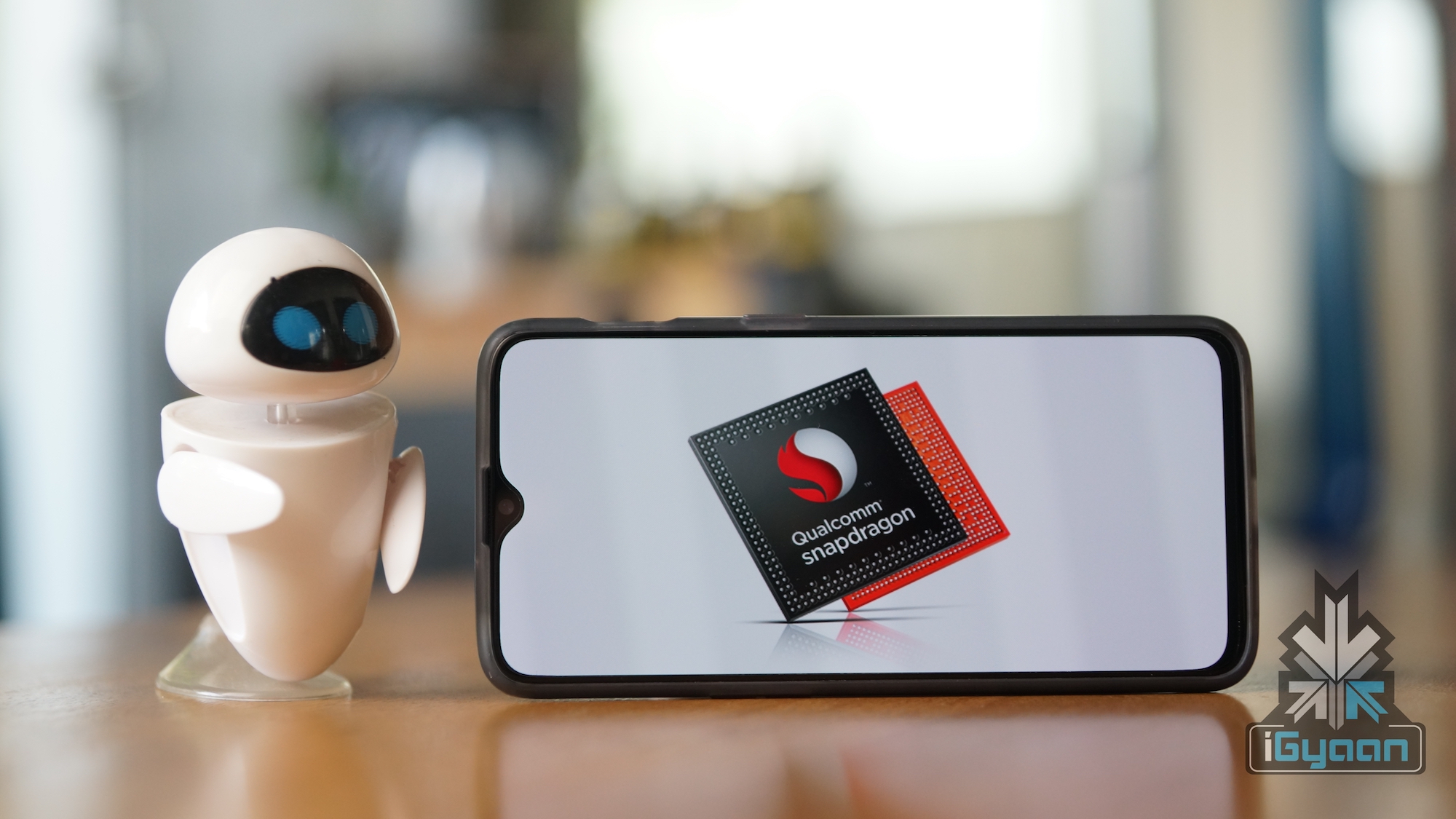
The Redmi Note 7, unlike the one released in China, will reportedly run on the Snapdragon 636 SoC which is manufactured using a 14nm fabrication process. The chipset has an Octa-core CPU and an Adreno 509 GPU. Interestingly, this processor has been present in the last year’s Redmi Note 5 Pro and the Redmi Note 6 Pro. The device will also differ in the optics department from its Chinese counterpart. The dual rear camera setup consists of a 12MP f/2.2 sensor and a 5MP f/2.4 depth sensor for portrait mode. For selfies, the smartphone will have a 13MP camera placed in the notch on the top of the display.

The Redmi Note 7 will be powered by a 4000mAh battery with support for fast charging. It will be available in Black, Blue and Red colour options in India. In terms of memory and storage, it will be available in two variants which are as follows:
- 3GB RAM and 32GB ROM
- 4GB RAM and 64GB ROM
Redmi Note 7 Pro

As the name suggests, the Redmi Note 7 Pro will be an upgraded version of the Redmi Note 7, with significant improvements in the performance and optics department. Notably, this device will be the rebranded version of the Chinese Redmi Note 7. It will feature the same design as the device, complete with glass on the front and the back and a gradient pattern on the rear panel. It will have a 6.3 inch IPS LCD display with a resolution of 2340 x 1080 px. The device will also feature a waterdrop notch on the front.
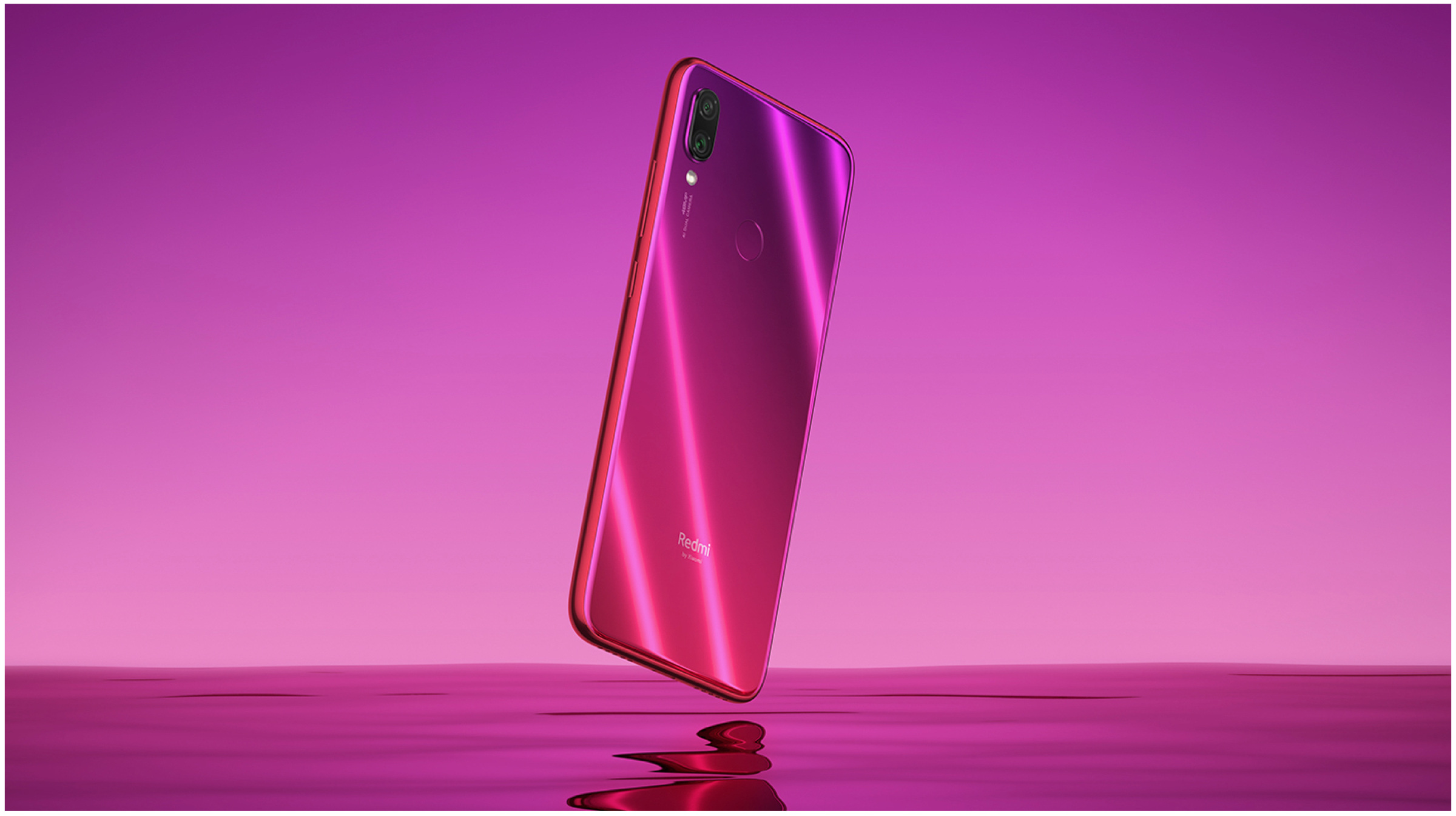
Like the Redmi Note 7 in China, the Indian version of the Note 7 Pro will run on the Snapdragon 660 SoC which is manufactured using a 14nm fabrication process. The chipset has an Octa-core CPU and an Adreno 512 GPU. In terms of the optics, the smartphone will feature a dual rear camera setup consisting of a 48MP f/1.8 Samsung ISOCELL GM-1 sensor combined with a 5MP f/2.4 depth sensor for portrait mode shots. Like the Indian version of the Redmi Note 7, the elder sibling will also have a 13MP selfie camera housed in the notch on the top of the display.
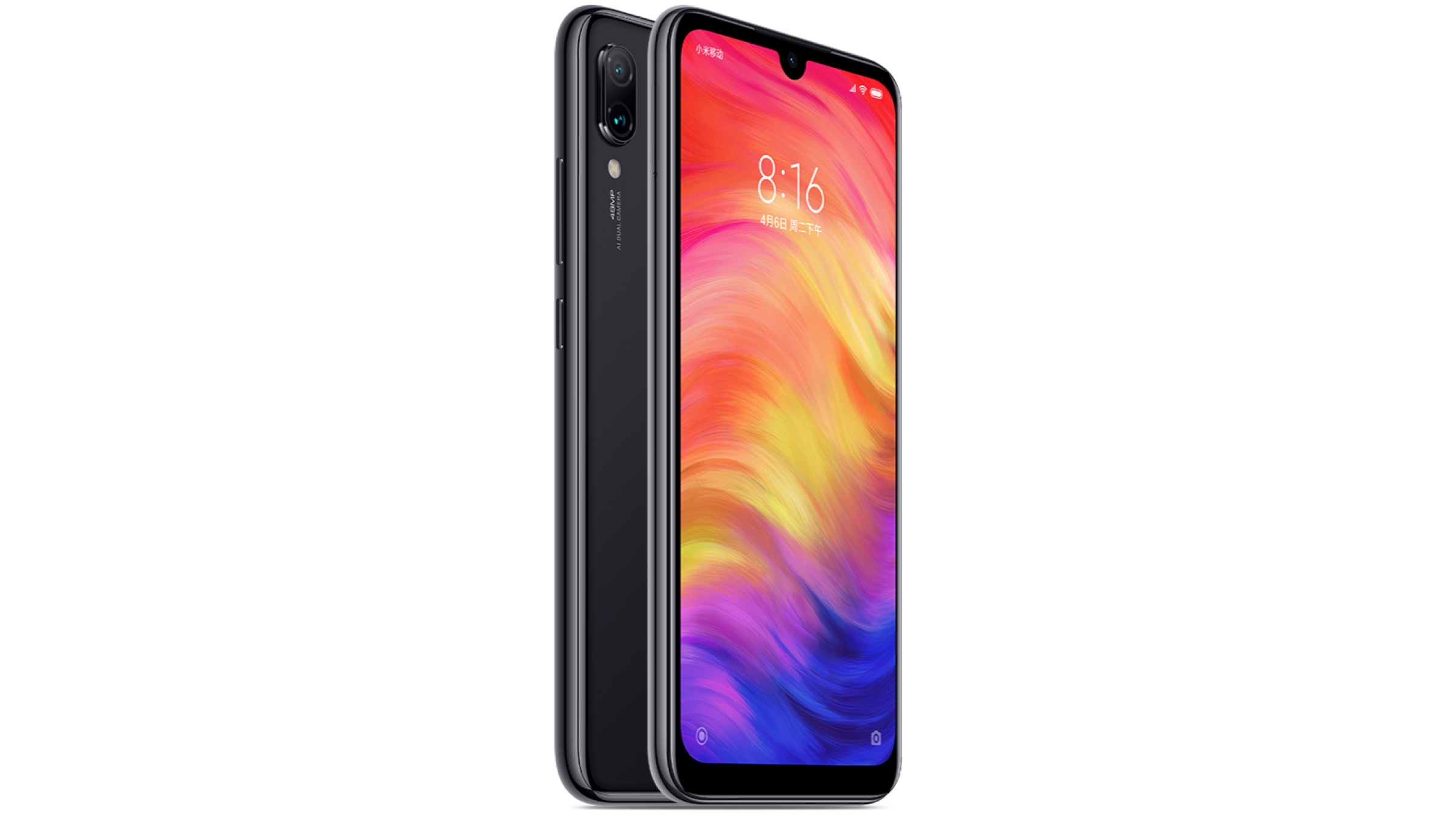
The Redmi Note 7 Pro, like the regular variant, will be powered by a 4000mAh battery with support for fast charging via the bottom mounted USB Type-C port. It will be available in Black, Gradient Blue and Gradient Red colour options in India. For memory and storage, the smartphone will be available in two variants:
- 4GB RAM and 64GB ROM
- 6GB RAM and 128GB ROM
Pricing & Availability

Also read: Samsung Announces The Galaxy A30 And A50 At MWC 2019
The Redmi Note 7 and the Redmi Note 7 Pro will be launched in India on February 28 and are expected to go on sale soon afterwards. The reported prices of both devices are mentioned below:
| Redmi Note 7 | Redmi Note 7 Pro | |
| 3GB + 32GB | Rs. 9,999 | – |
| 4GB + 64GB | Rs. 11,999 | Rs. 13,999 |
| 6GB + 128GB | – | Rs. 16,999 |
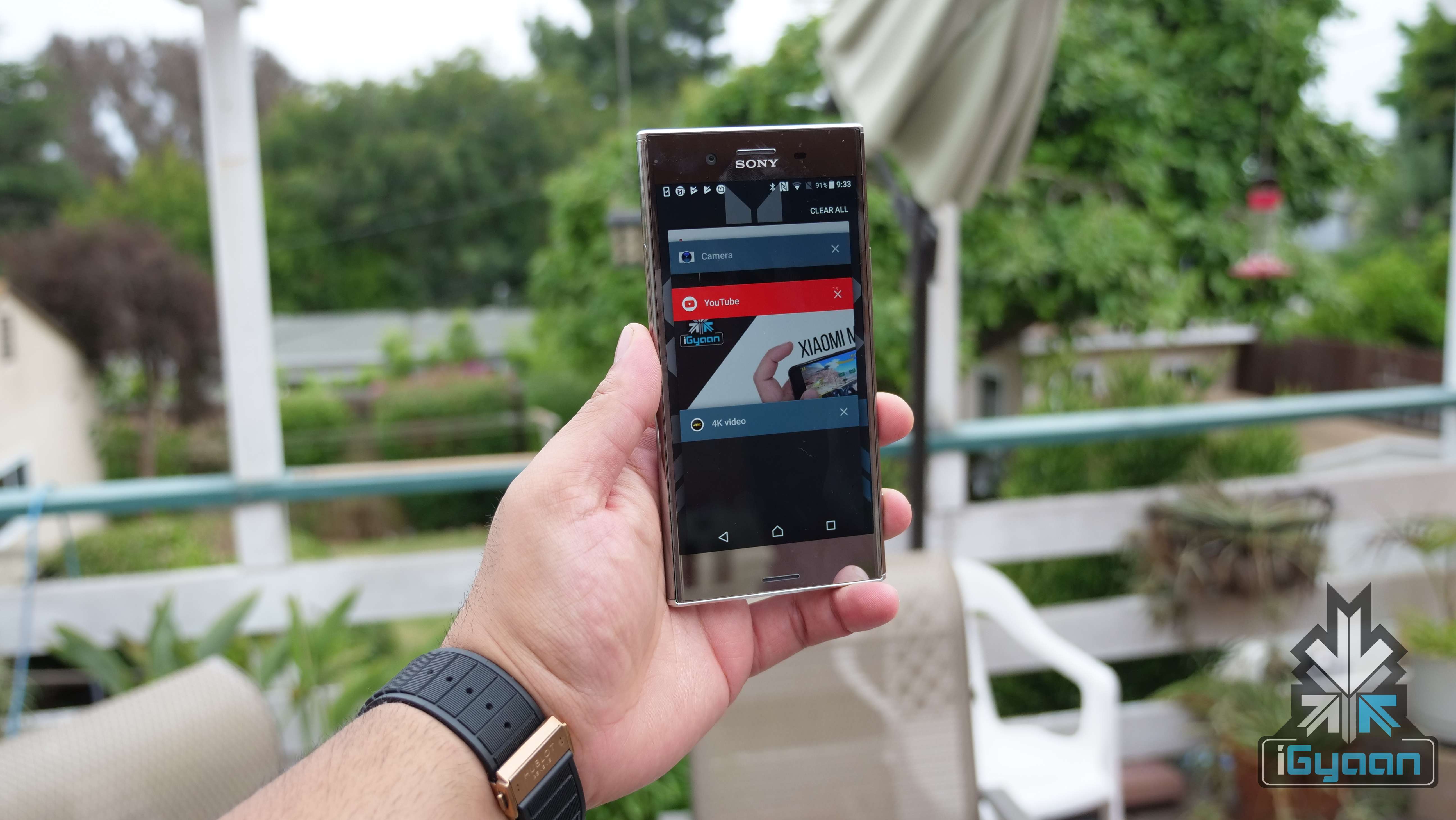
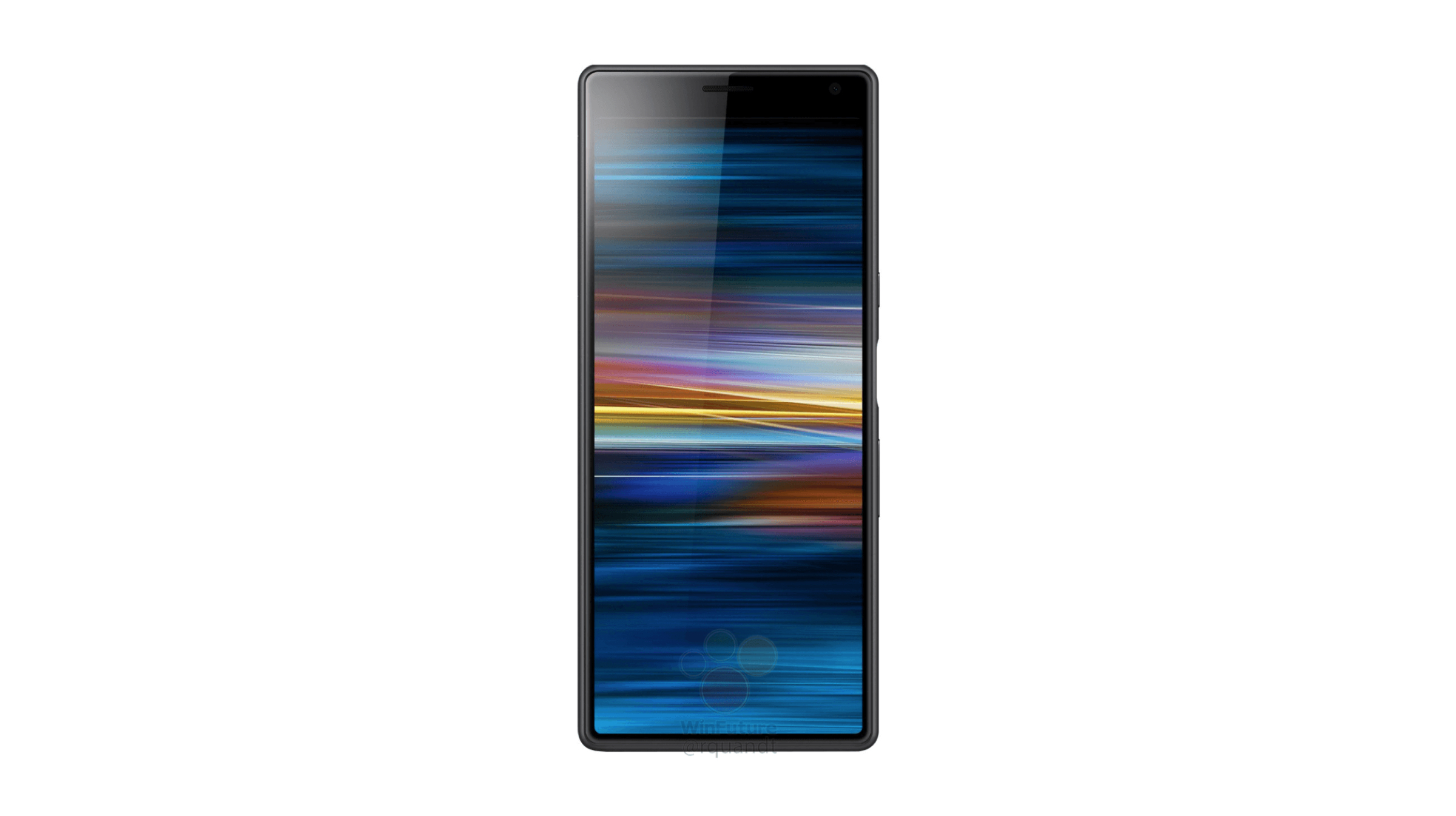 As per the leaked specs list revealed by sources, the Xperia 10 will run on the 14nm Qualcomm Snapdragon SDM630, which consists of the 64 bit 8x ARM Cortex A53 CPU clocked at 2.2 GHz. It is paired with the Qualcomm Adreno 508 GPU. The list also shows that the display of the smartphone will have a screen density of 480 DPI and exhibit a resolution of 2520 x 1080 px with a 21:9 aspect ratio.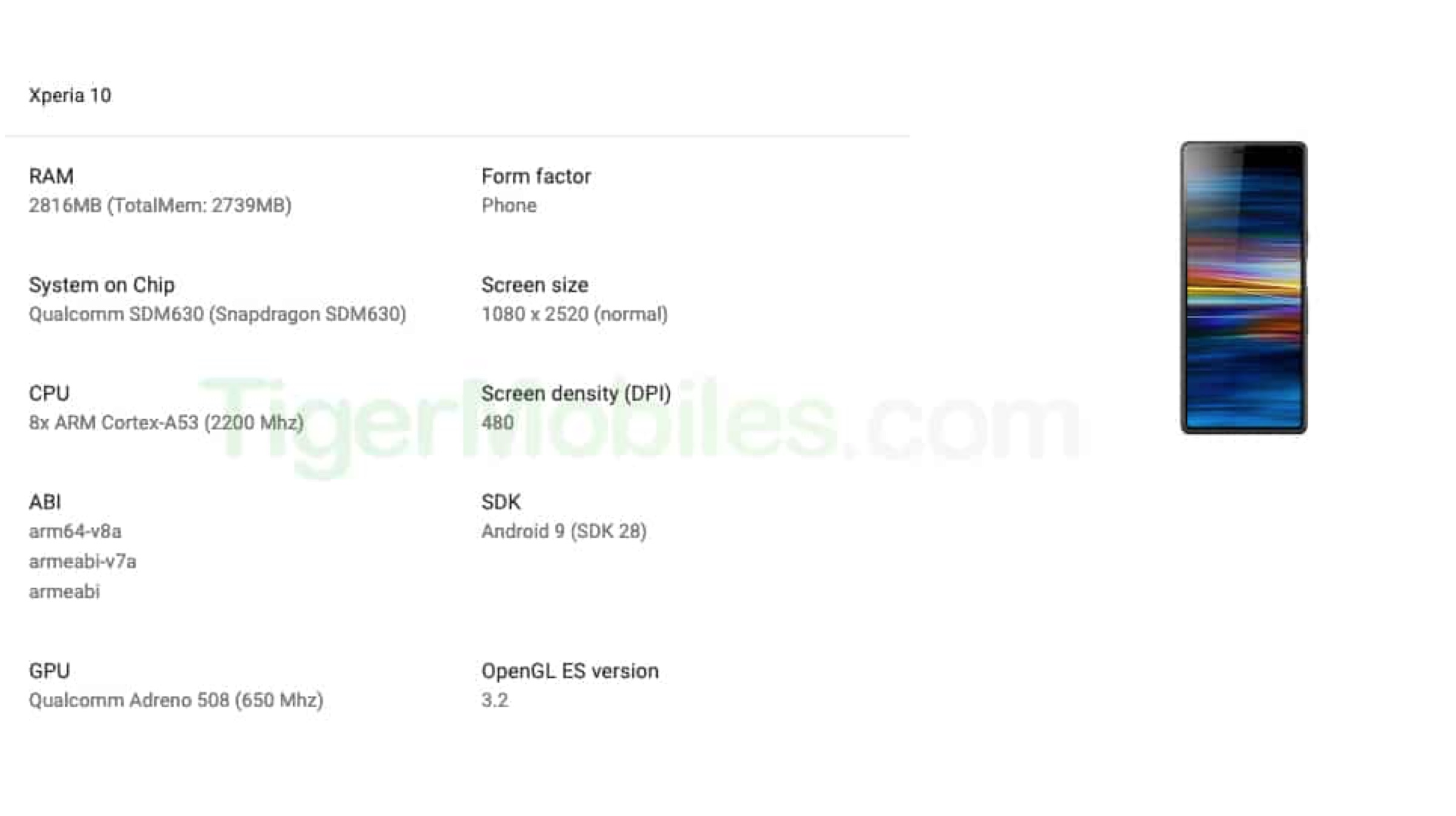
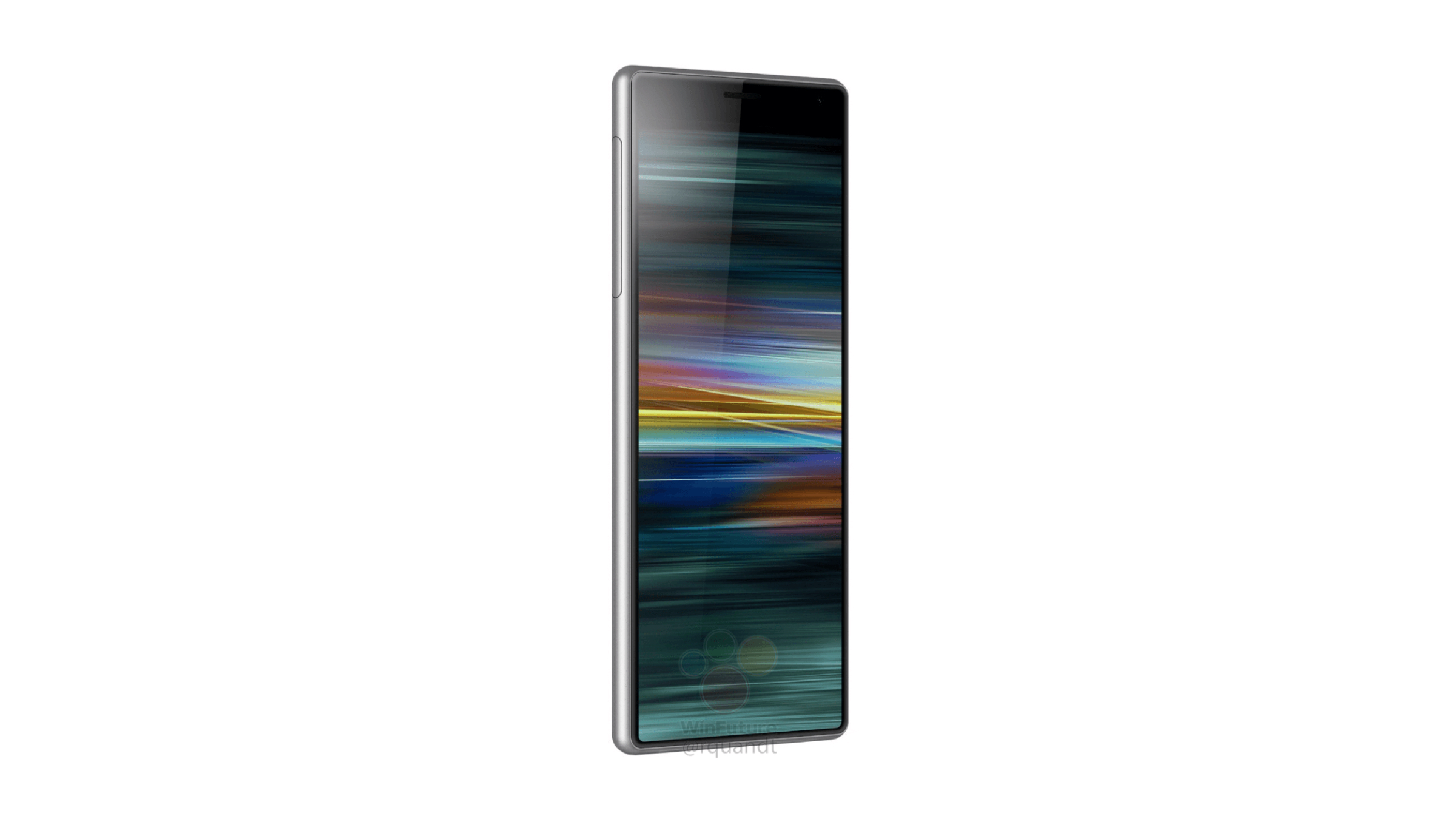
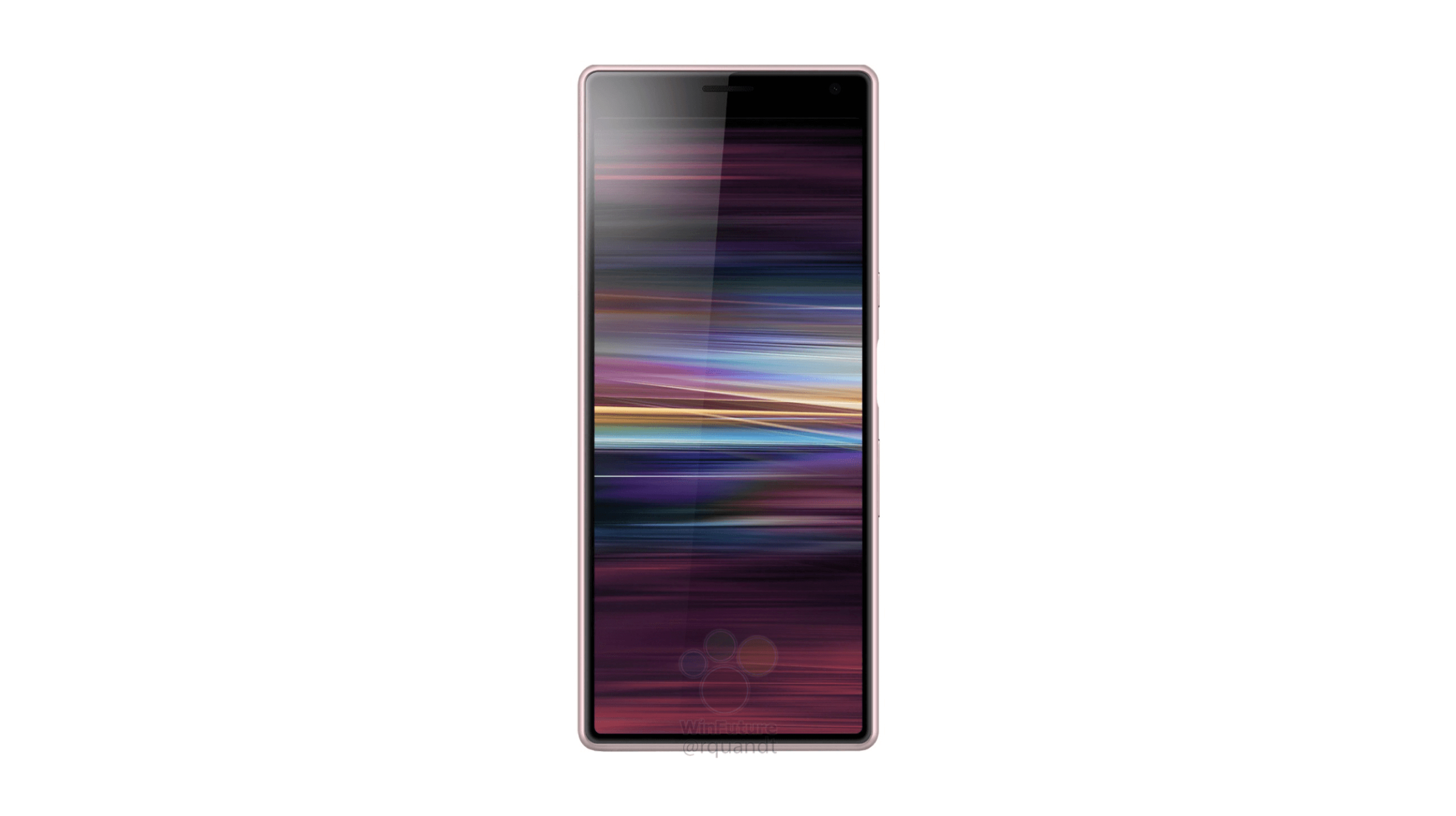 The leaked list also reveals some key specifications about the Xperia 10’s elder sibling, the Xperia 10 Plus. As per sources, it will run on the 14nm Qualcomm Snapdragon SDM 636 chipset. The chipset comprises of the Kryo 260 octa-core CPU, with four cores clocked at 1.8 GHz and the rest of the cores clocked at 1.6 GHz. The SoC also packs the Adreno 509 GPU. The smartphone’s screen will have the same resolution and aspect ratio as the Xperia 10.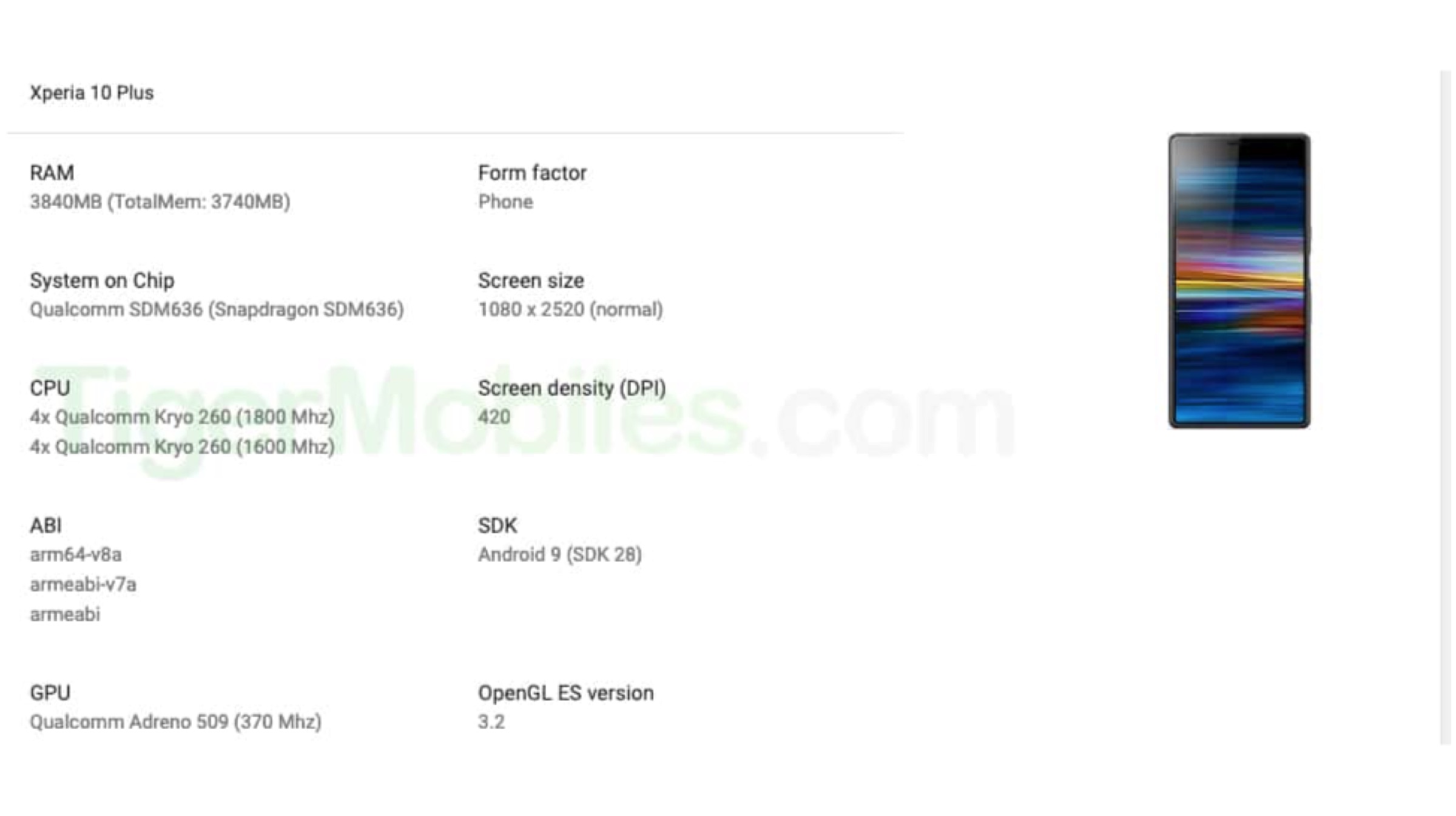
 Also Read:


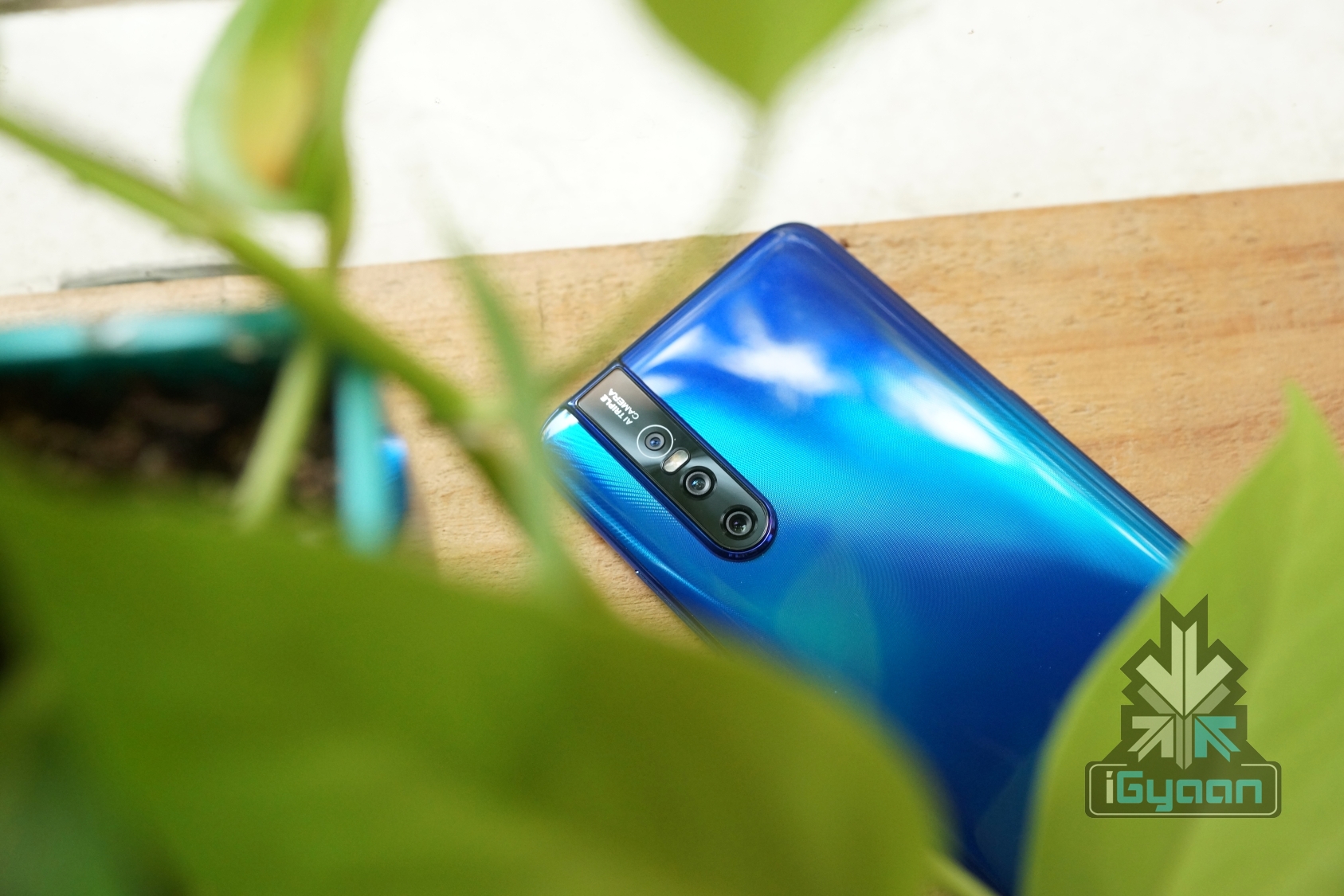
 The X series will include high-end smartphones from Vivo. Last year, Vivo X21 became the world’s first device with an in-display fingerprint scanner. The device will probably be followed by the X31 by March 2019. Trademark requests for the Vivo X35 and the X37 were also filed, but it is too soon to expect their launch.
 The mid-budget segment of the market will be targeted by the V series of Vivo smartphones. The latest device from this series was the
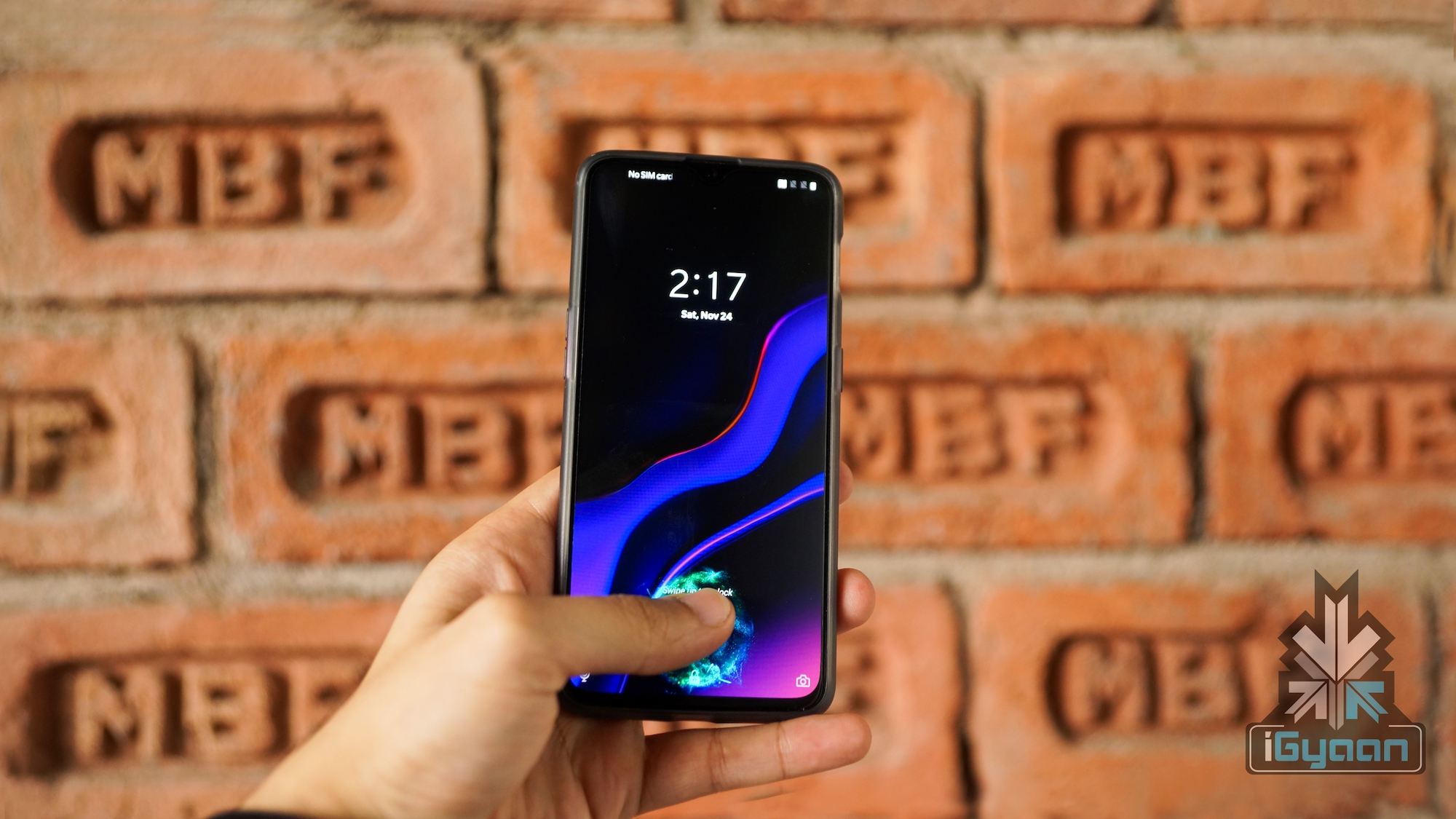

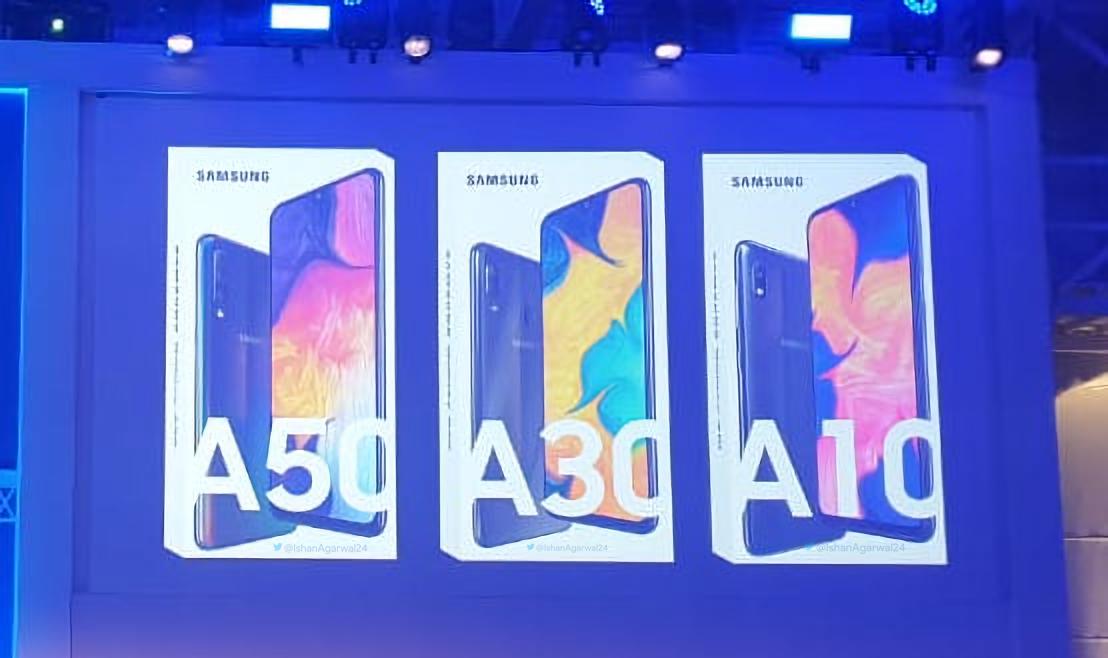
 The Samsung Galaxy A30 will have a glossy plastic body. The smartphone will feature a 6.4 inch Super AMOLED, Infinity-U display with a full HD+ resolution. Apart from that, the screen of the Galaxy A30 will also have the ‘Always-On’ feature. As the name suggests, this feature keeps the screen awake for displaying notifications like messages and missed call alerts. The smartphone will run on the 14nm Exynos 7904 chipset with a 1.8 GHz octa-core processor and the Mali-G71 MP2 GPU. The Galaxy A30 will be equipped with a 16 MP (f/1.9) primary sensor with a secondary 5 MP (f/2.2) ultra wide sensor. It will also have a front facing 16 MP (f/1.9) camera. Furthermore, the Galaxy A30 will have a plethora of other features such as AR Stickers, Background Blur and Pro Lighting.
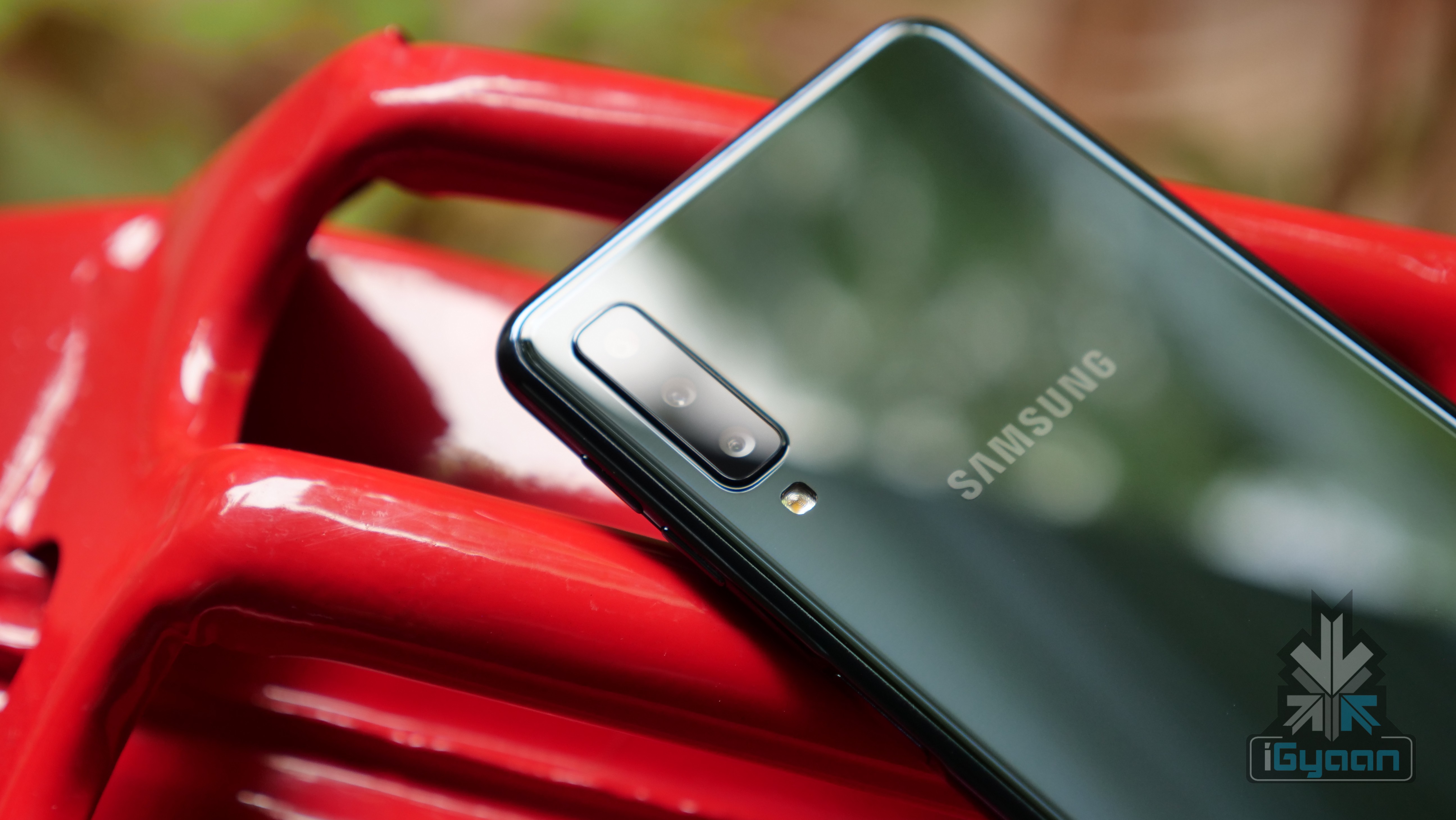 The Samsung Galaxy A50 will be the most feature laden smartphone out of the three upcoming devices. The smartphone’s highlighting feature is an in-display fingerprint scanner which is slowly becoming the industry standard for premium smartphones. The device will run on the Exynos 9610 chipset which consists of an octa-core CPU and the Mali-G72 MP3 GPU.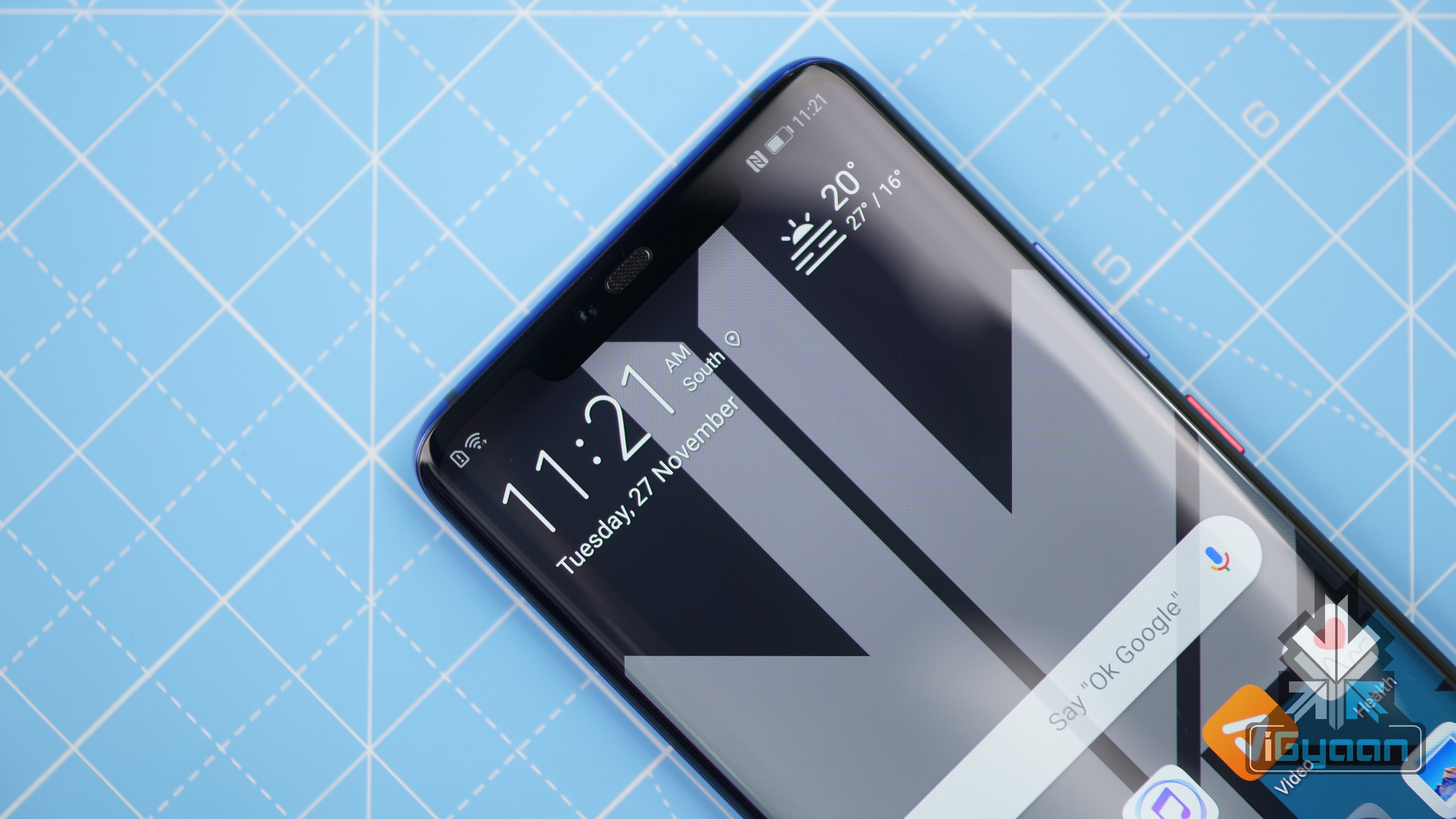
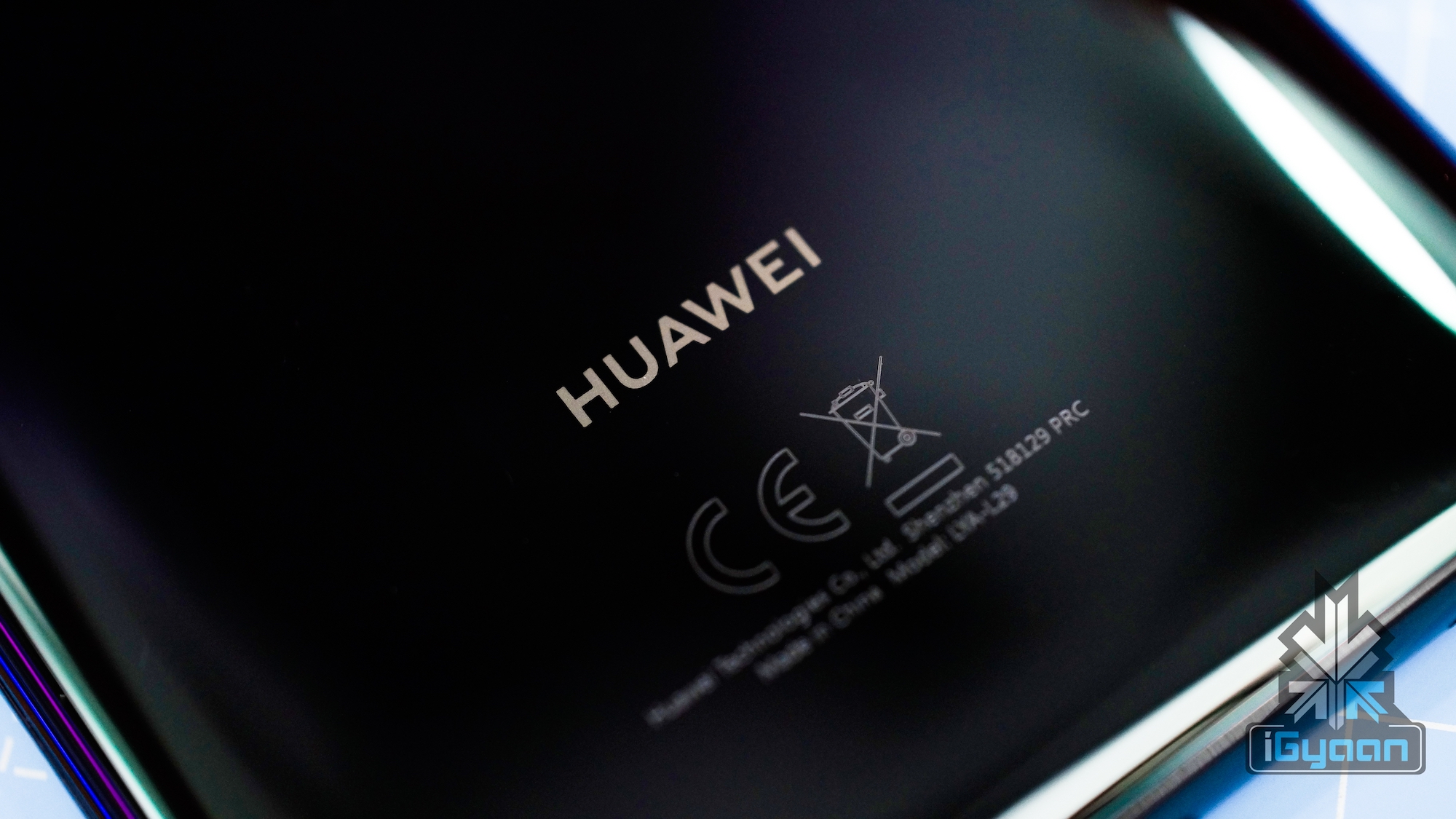
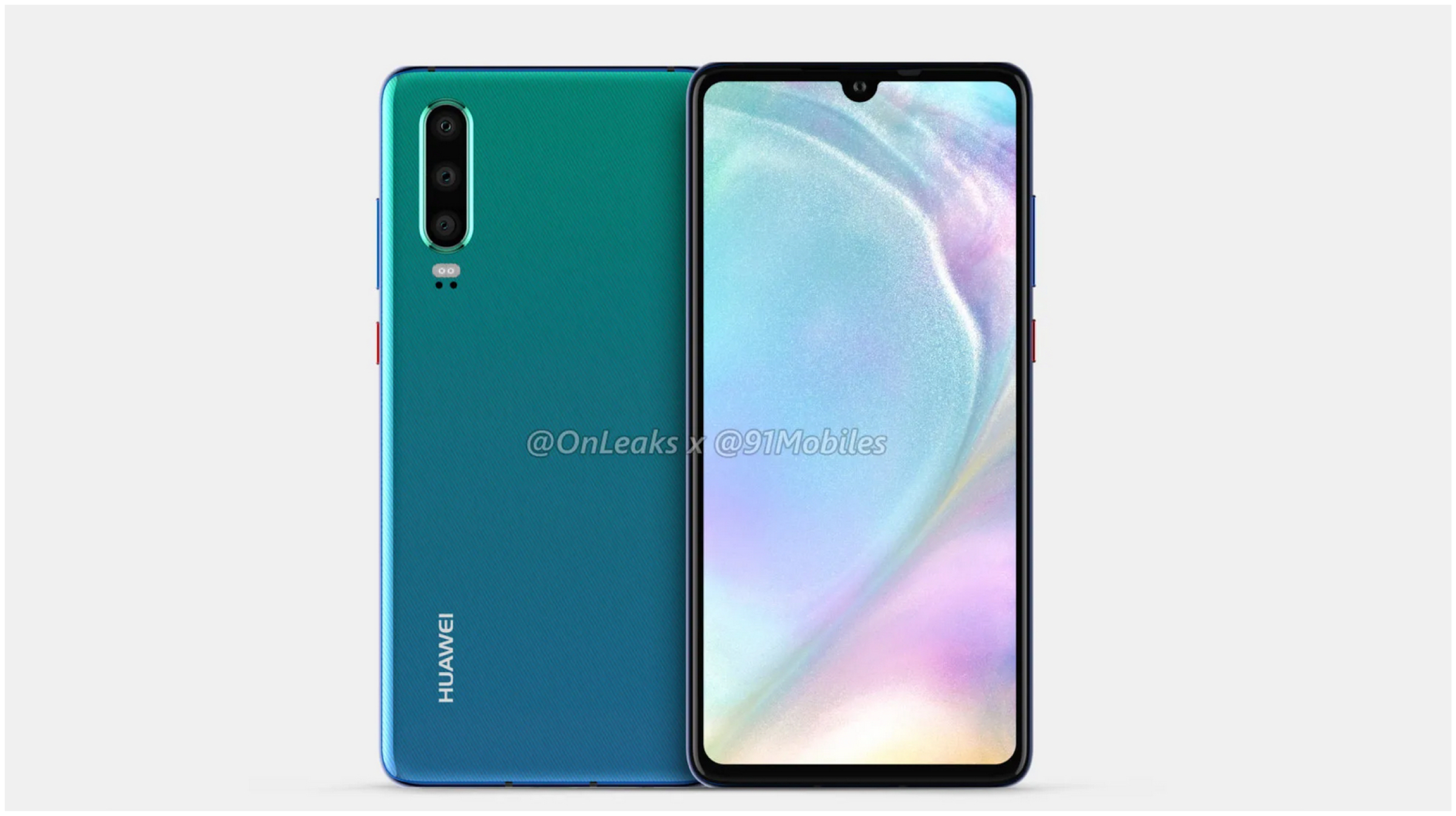 The P30 will help Huawei to establish a foothold in the premium smartphone segment this year. For the same reason, the handset is expected to offer top-of-the-line specifications in the market. Leaked renders suggest that the P30 will feature a glass-sandwich design. The smartphone will reportedly have a waterdrop-style notch and have a high screen-to-body ratio. Renders also show the presence of a 3.5 mm headphone jack on the device, which is an appreciable add-on from the Huawei P20. Like its predecessor, the device may have a similar gradient pattern on the back.
 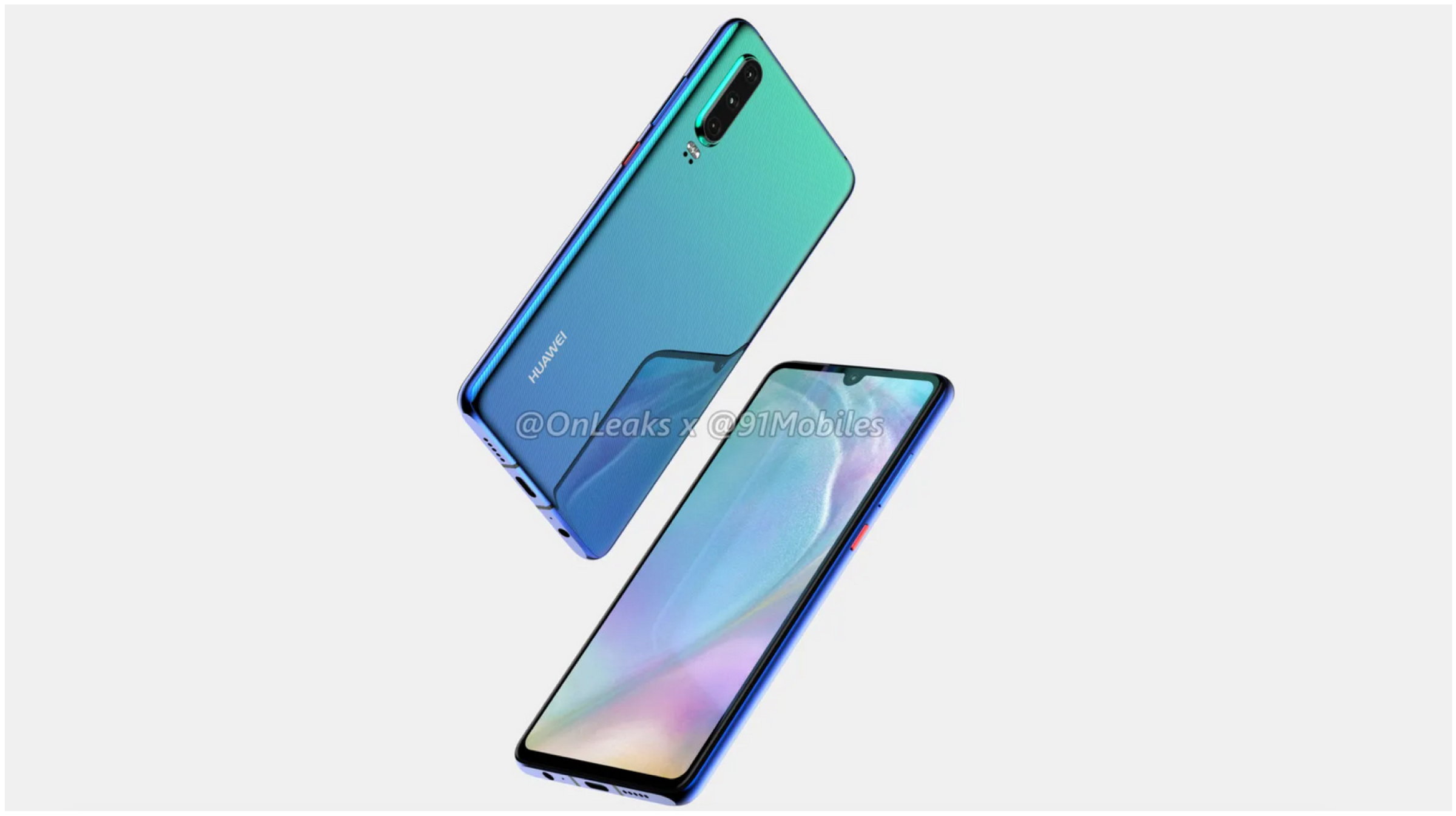 The Huawei P30 will supposedly run on the latest 7 nm HiSillicon Kirin 980 SoC, which features an octa-core processor and the Mali G76 GPU. Furthermore, a ‘pro’ version of the smartphone is also expected to be launched at the same event. The Huawei devices will reportedly have up to 8GB RAM and up to 256 GB of Internal storage.
 The camera will undoubtedly be the highlight of the Huawei P30, because the Chinese company has already proved its capabilities with the Mate 20 Pro. The leaked images suggest that the Huawei P30 Pro will boast of a quad camera set up at the back, whereas the P30 will have a triple camera module. Although the specifications of the camera sensors are not available yet, both the devices are expected to feature a 40MP primary camera sensor. As reported previously, the second and the third camera will be the 3x optical zoom sensor and the ultra wide angle sensor respectively. The
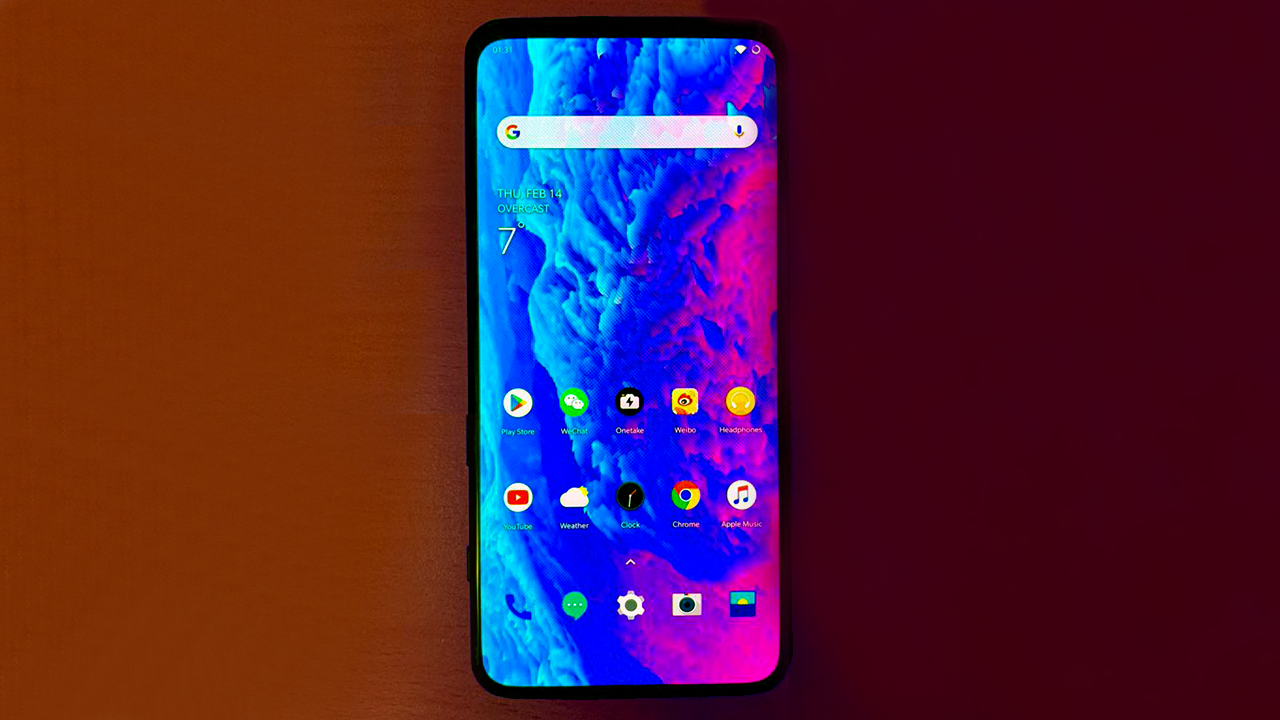
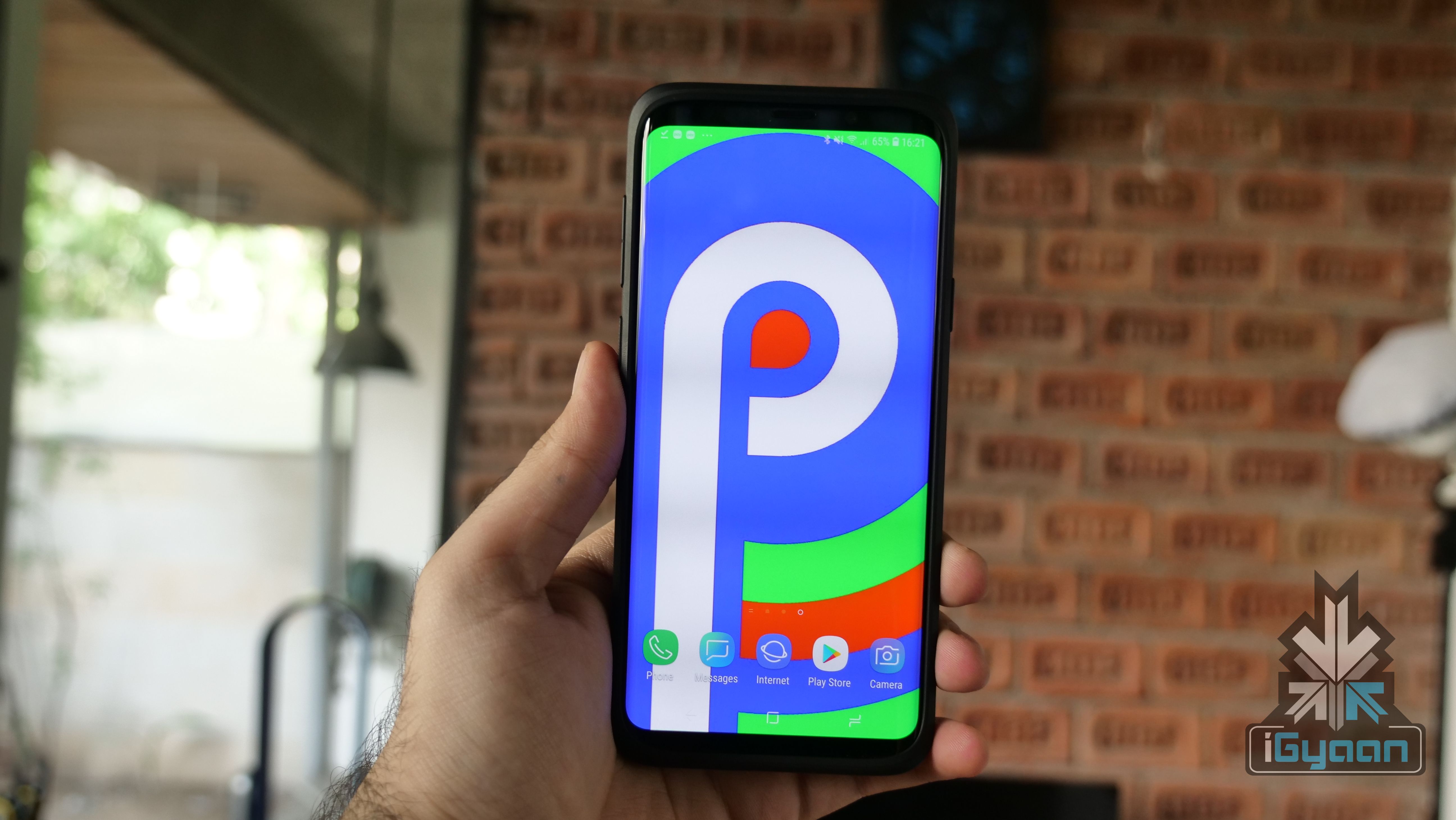 The back navigation button was still present on the OS and made an appearance whenever in an application. This half-baked approach turned out to be polarising with many people ending up liking the change; and many people straight-up hating it. Recent reports suggest Android will let go of the back navigation button completely and instead rely upon gestures in the upcoming Android Q.
 A device running a leaked version of Android Q revealed that Google may be planning to forego the back navigation button entirely in favour of one pill navigation. This would allow the users to go back with a single left swipe on the home ‘pill style’ button. This is expected to make Android easier to navigate and more intuitive. Notably, Google was inspired by Apple when it introduced gestures with the latest generation of Android.