Tag: leaks

  • Apple iPhone X Plus, ‘iPhone 9’ Dummy Hands-On Video Published

    Apple iPhone X Plus, ‘iPhone 9’ Dummy Hands-On Video Published

    The first half of 2018 saw the launch of some exciting smartphones. The second half of the year will witness the launch of the Samsung Galaxy Note9, the new Google Pixel lineup and the new Apple iPhone lineup. Just like every year, the chatter around the new iPhones has been on for a while now and more leaks are expected when we get closer to September. A new video of the dummy versions of the Apple iPhone X Plus and iPhone 9 has now surfaced online, revealing the possible size of the smartphones.

    In the video, the iPhone X Plus and iPhone 9 are compared with the iPhone X. This appears to be a fair comparison considering the iPhone X successor will have the same screen size. The one thing about the video that feels a bit out of place is its title. It doesn’t appear to be likely that the cheapest iPhone that Apple will launch in 2018 will go by the moniker of ‘iPhone 9’.
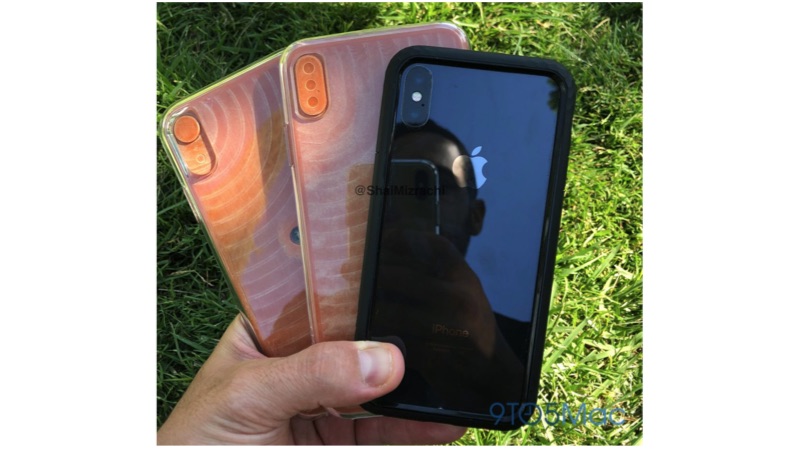
    As expected, both the smartphones have a design similar to the iPhone X. The iPhone X Plus is expected to feature a massive 6.5 inch OLED display while the iPhone 9 will have a 6.1 inch LCD display. It is believed that Apple will cut cost for the iPhone 9 by reverting to an LCD display and even removing features like 3D Touch. It is, however, expected to have wireless charging, thanks to the all-glass design. The iPhone 9 will also have a single camera setup on the back, compared to the dual-camera setup on the iPhone X successor and iPhone X Plus.

    The iPhone X Plus has a size very similar to the iPhone 7 Plus. The iPhone 7 Plus has a 5.5 inch display, meaning the iPhone X Plus will fit in a much larger display without increasing the overall footprint of the smartphone. This also means that the iPhone X Plus won’t be considered a phablet, because of its smaller size. The dual-camera setup is placed vertically on the top-left corner, just like the iPhone X.

    The dummies have a design very similar to what we expect from the 2018 iPhone lineup. However, it is still early days for the iPhone 2018 rumours.
  • Xiaomi Mi Max 3 Retail Box Revealed By Xiaomi CEO Before Official Launch

    Xiaomi Mi Max 3 Retail Box Revealed By Xiaomi CEO Before Official Launch

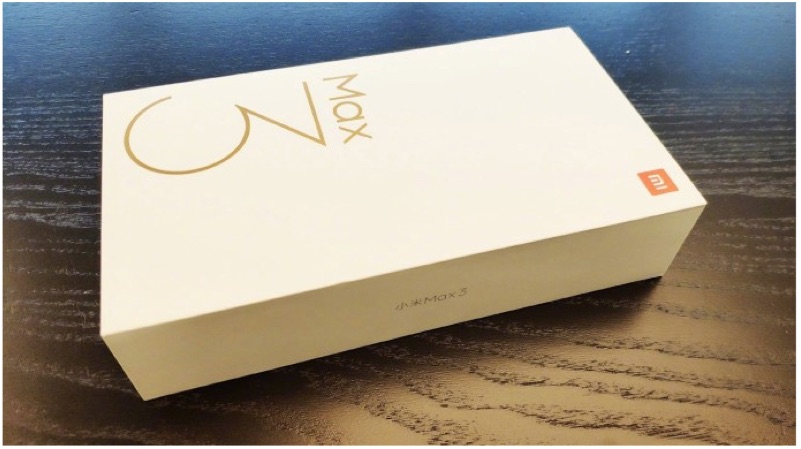
    Over the past few months, we have seen smartphone makers adopt varying marketing strategies. Lenovo took an extreme turn and hyped the Lenovo Z5 only to launch a mediocre version of what was expected. OnePlus teased a lot of new features of the OnePlus 6 before the official launch. Xiaomi has gone a step further with the Mi Max 3. Lei Jun, CEO of Xiaomi has posted an image of the retail box of the Xiaomi Mi Max 3 before its official launch.

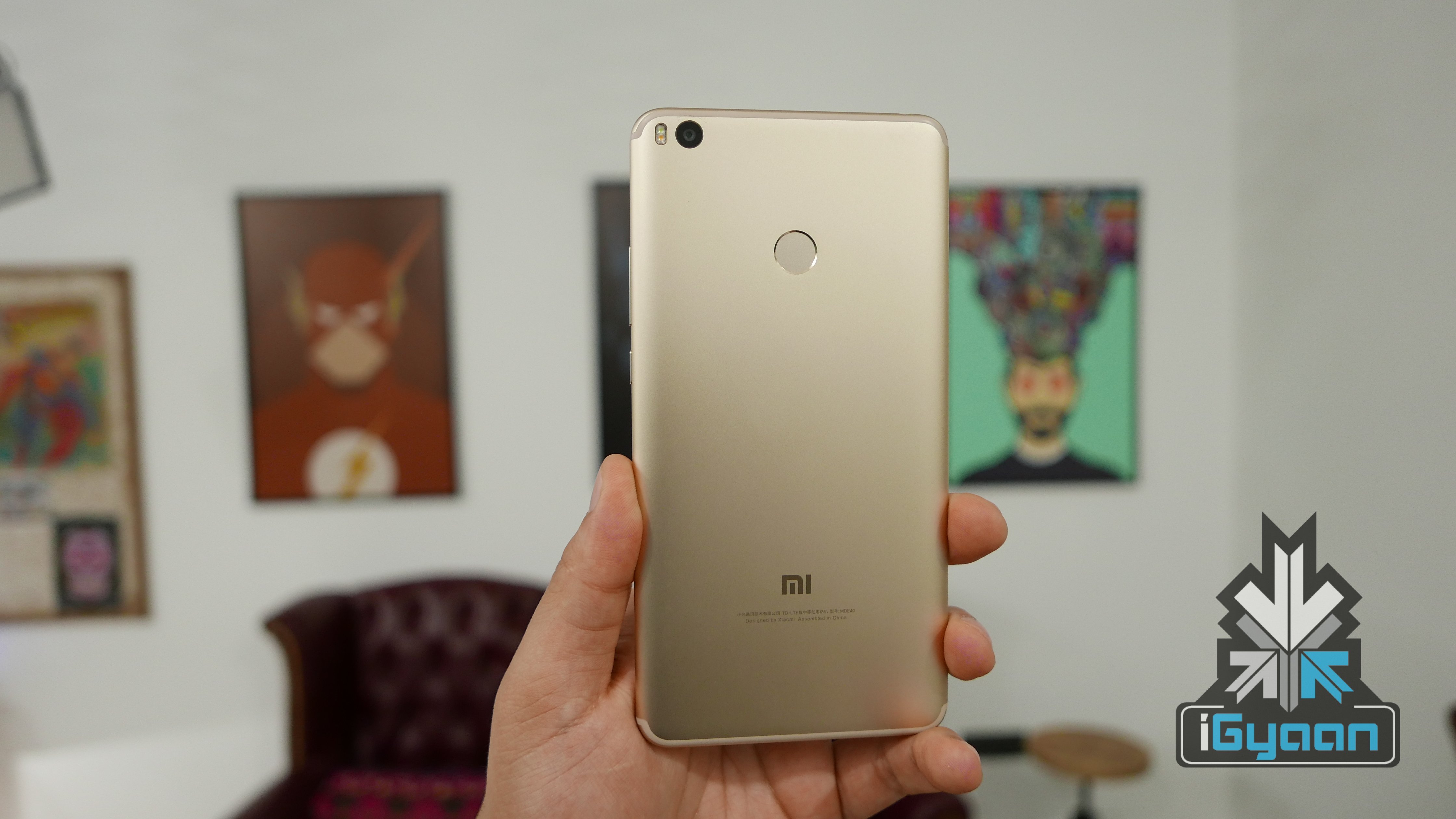
    The box clearly states the Mi Max 3 moniker, hence confirming the existing rumours. The soon to be launched phablet will succeed the Xiaomi Mi Max 2 which was launched in late-July in 2017. The launch of the Mi Max 3 falls in line with the company’s launch pattern for the Max series. Unfortunately, the image does not give away any details about the smartphone.
    Must Read: Xiaomi Mi 8 Could Launch In India In July

    Mi Max 2

    So far, there have been a few leaks regarding the Xiaomi Mi Max 3. According to the listing, the Xiaomi Mi Max 3 will sport a 6.9 inch display with a 2160 x 1080 px resolution. This resolution confirms that the Mi Max 3 will have thinner bezels than its predecessor and also that it won’t have a notch. While many smartphones in 2018 sport a notch, users in general, aren’t very stoked about a notched display.

    [amazon_link asins=’B073VLGL5Y’ template=’ProductAd’ store=’igyaan-21′ marketplace=’IN’ link_id=’06b4abe1-7466-11e8-afe1-19641fe560a5′]

    Despite the larger display, the Mi Max 3 won’t be much larger than its predecessor. According to the listing, the Mi Max 3 measures 176.15 x 87.4 x 7.99 mm and weighs in at 221 grams. The Mi Max 2, on the other hand, measures 174.1 x 88.7 x 7.6mm and weighs in at 211 grams. For context, the Mi Max 2 had a 6.4 inch display and a 5300 mAh battery.

    The Mi Max 3 will run on a 1.8GHz octa-core processor coupled with 6GB of RAM and 128GB of storage. Xiaomi will launch multiple variants and the one with 6GB RAM and 128GB storage will be the priciest. The fingerprint sensor will be placed on the back of the device just like almost all the Xiaomi devices off late. Powering the smartphone is a 5400 mAh battery which isn’t a significant upgrade over the 5300 mAh battery found on the Mi Max 2.

    The details about the camera department are scarce for now. The listing reveals that it will have a dual-camera setup on the back with a 12MP primary sensor. The dual-camera setup will be capable of shooting videos at up to 4K resolution. To the front is an 8MP front-facing sensor. The Mi Max 3 will run Android 8 Oreo out of the box with MIUI 10 on top.

    As bezels get thinner and displays get bigger, the line between smartphones and phablets will get blurrier. That, however, has not stopped Xiaomi from exploring the phablet realm. The Mi Max 3 could launch in India as well along with China. The pricing will be key for the device to have any impact on the over-crowded budget smartphone segment.

  • Samsung Galaxy Note9 To Launch On August 9th

    Samsung Galaxy Note9 To Launch On August 9th

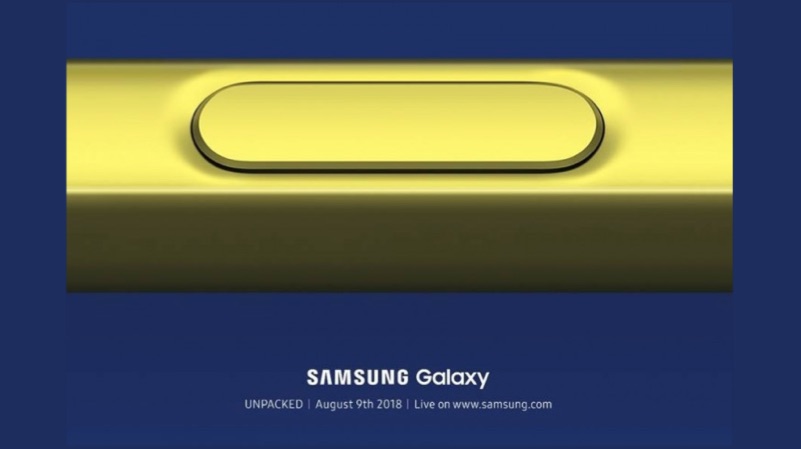
    On August 9th, Samsung will fittingly unveil the Galaxy Note9. The company has confirmed that the next ‘Galaxy Note’ smartphone will launch in New York and will be streamed worldwide via Samsung.com. The invite has an image of the S Pen button which hints at improved S Pen functionalities to be the star of the show.

    The invite image also led many people to believe that the Samsung Galaxy Note9 could launch in this yellow-ish gold colour. However, this seems unlikely, although the company recently launched a Sunrise Gold variant of the Galaxy S9 and S9+. It seems unlikely that Samsung would opt for such a colour for its flagship smartphone.

    In terms of specifications of the Galaxy Note9, leaks so far hint at a bare-minimum upgrade over its predecessor. The display would remain the same as the previous gen. It would have a 6.3 inch Super AMOLED display with 2960 x 1440 px resolution. This translates into an 18.5:9 aspect ratio.

    Must Read: Samsung Galaxy Note9 Renders Reveal Rear-Facing Fingerprint Sensor And Thin Bezels

    Under the hood, the smartphone will run on the Qualcomm Snapdragon 845 chipset for the US and South Korea markets. For the rest of the markets, the smartphone will run on the Exynos 9810 chipset which is a Samsung SoC. The respective chipset will be coupled with 6GB of RAM along with either 64GB/128GB/256GB storage which will be expandable via microSD card.

    Powering the smartphone will be a 3300 mAh battery with QuickCharge 4.0 support. Out of the box, the device will run Android 8.1 Oreo with Samsung’s Experience 9.0 on top.

    The Galaxy Note8 was the first Samsung smartphone to be sport a dual-camera setup. This time around as well, the Galaxy Note9 will have a 12MP wide-angle camera along with a 12MP telephoto lens which will record 4K videos at 60fps. The Galaxy Note9 will also record 720P videos at 960 fps, just like the Galaxy S9 devices.

    Must Read: Samsung Galaxy Note9 To Launch In An 8GB RAM/512GB Storage Variant

    While the specifications might not be very exciting, the Galaxy Note series has a loyal fanbase. With improved S Pen functionalities, the smartphone will have a lot of suitors.

  • Xiaomi Mi Max 3 With 5400 mAh Battery And 6.9 Inch Display Listed On TENNA

    Xiaomi Mi Max 3 With 5400 mAh Battery And 6.9 Inch Display Listed On TENNA

    Xiaomi recently launched the eagerly anticipated Mi 8 in China along with the Mi 8 Explorer Edition and Mi 8 SE. There have been rumours of Xiaomi maybe launching the Mi 8 SE in India while the Mi 8 will be a China-exclusive for now. Apart from the Mi 8 SE, Xiami could launch another budget Mi device in India, the Mi Max 3. A new listing on TENNA essentially confirms that the Xiaomi Mi Max 3 will indeed launch soon.

    According to the listing, the Xiaomi Mi Max 3 will sport a 6.9 inch display with a 2160 x 1080 px resolution. This resolution confirms that the Mi Max 3 will have thinner bezels than its predecessor and also that it won’t have a notch. While many smartphones in 2018 sport a notch, users in general, aren’t very stoked about a notched display.

    [amazon_link asins=’B073VLGL5Y’ template=’ProductAd’ store=’igyaan-21′ marketplace=’IN’ link_id=’06b4abe1-7466-11e8-afe1-19641fe560a5′]

    Despite the larger display, the Mi Max 3 won’t be much larger than its predecessor. According to the listing, the Mi Max 3 measures 176.15 x 87.4 x 7.99 mm and weighs in at 221 grams. The Mi Max 2, on the other hand, measures 174.1 x 88.7 x 7.6mm and weighs in at 211 grams. For context, the Mi Max 2 had a 6.4 inch display and a 5300 mAh battery.

    The Mi Max 3 will run on a 1.8GHz octa-core processor coupled with 6GB of RAM and 128GB of storage. Xiaomi will launch multiple variants and the one with 6GB RAM and 128GB storage will be the priciest. The fingerprint sensor will be placed on the back of the device just like almost all the Xiaomi devices off late. Powering the smartphone is a 5400 mAh battery which isn’t a significant upgrade over the 5300 mAh battery found on the Mi Max 2.

    The details about the camera department are scarce for now. The listing reveals that it will have a dual-camera setup on the back with a 12MP primary sensor. The dual-camera setup will be capable of shooting videos at up to 4K resolution. To the front is an 8MP front-facing sensor. The Mi Max 3 will run Android 8 Oreo out of the box with MIUI 10 on top.

    The Mi Max 3 is expected to launch sometime in July this year. Unlike recent Xiaomi offerings, the Mi Max 3 is expected to launch in India as well.

  • Sony Xperia XZ3 With 18:9 Aspect Ratio And Running Android 9 P Spotted On Geekbench

    Sony Xperia XZ3 With 18:9 Aspect Ratio And Running Android 9 P Spotted On Geekbench

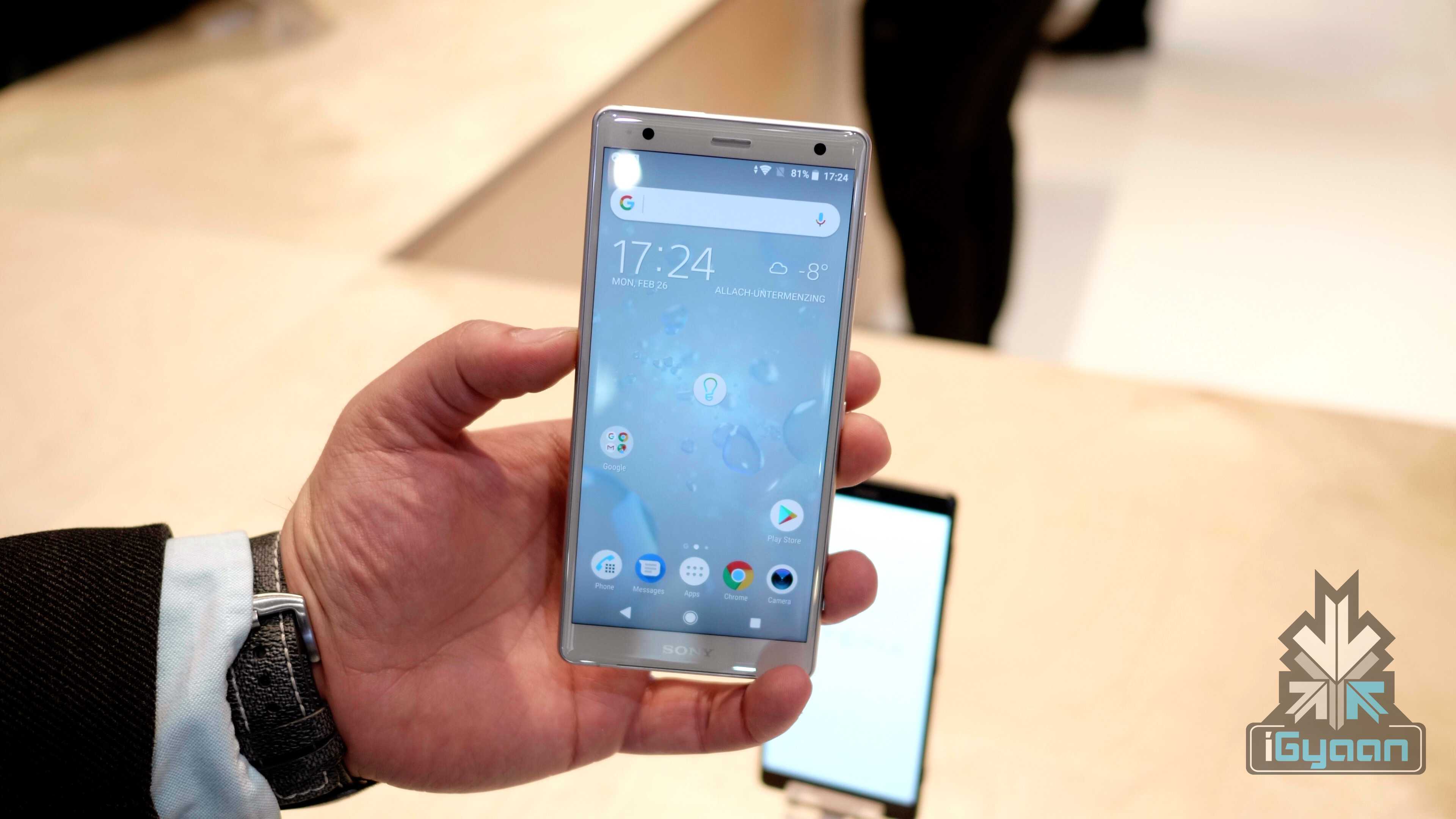
    In February 2018 at the Mobile World Congress, Sony finally unveiled a smartphone with an 18:9 aspect ratio. Since then, the company has launched a few budget devices and even announced another flagship device, the Xperia XZ2 Premium. The next in line will be the Sony Xperia XZ3 and it has been leaked a couple of times in past few days. A new Geekbench listing reveals the possible specifications of the upcoming flagship device.

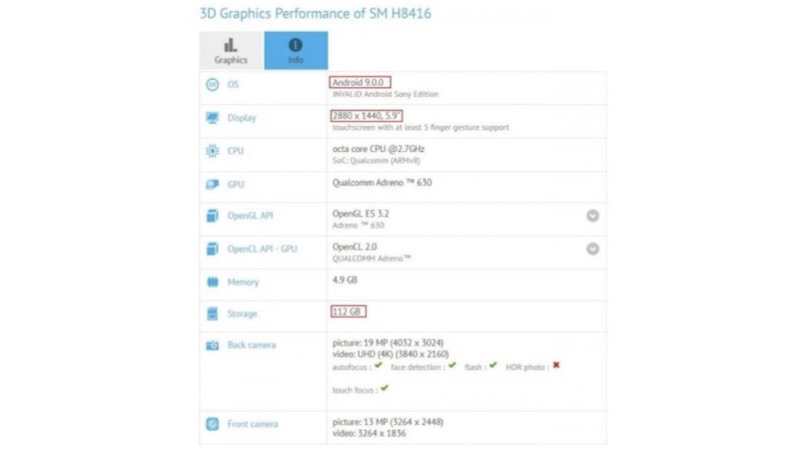
    According to the listing, the Sony Xperia XZ3 will carry the model number H8416. Under the hood, the smartphone will run on the Qualcomm Snapdragon 845 since it is the latest flagship chipset on the market right now. This claim is further solidified by the listing according to which, the Adreno 630 will handle the graphics for Xperia XZ3.

    Interestingly, this will be the first Sony smartphone with a 2880 x 1440 px resolution. The listing reveals a 5.9 inch display which has become increasingly common among smartphones these days. The resolution also indicates that the device will have a top and bottom bezel and Sony would not go the notch route. This will be a good news for the notch haters.

    [amazon_link asins=’B075T5VD9S’ template=’ProductAd’ store=’igyaan-21′ marketplace=’IN’ link_id=’0bf670bf-7447-11e8-b56b-2971943f7d21′]

    As has been with Sony smartphones in the past, the Xperia XZ3 also appears to be running the latest version of Android. The smartphone will launch later this year which means it could be one of the first few smartphones to run Android 9 P out of the box. This will be a great move by Sony especially considering how Android smartphones are criticised for running on older software, unlike Apple iPhones.

    Most of the details in the Geekbench listing corroborate with previous leaks except in the optics department. The listing reveals a 19MP rear-facing camera. It is possible that the software didn’t recognise the secondary sensor, which is believed to be 12MP. Another possible reason could be that the software was run on an early pre-production unit that skips the secondary sensor.

    It is still early days for the Sony Xperia XZ3 but, the leaks appear to be inline with each other. These are usually telltale signs of accuracy, however, it is still adviced to take this information with a pinch of scepticism.

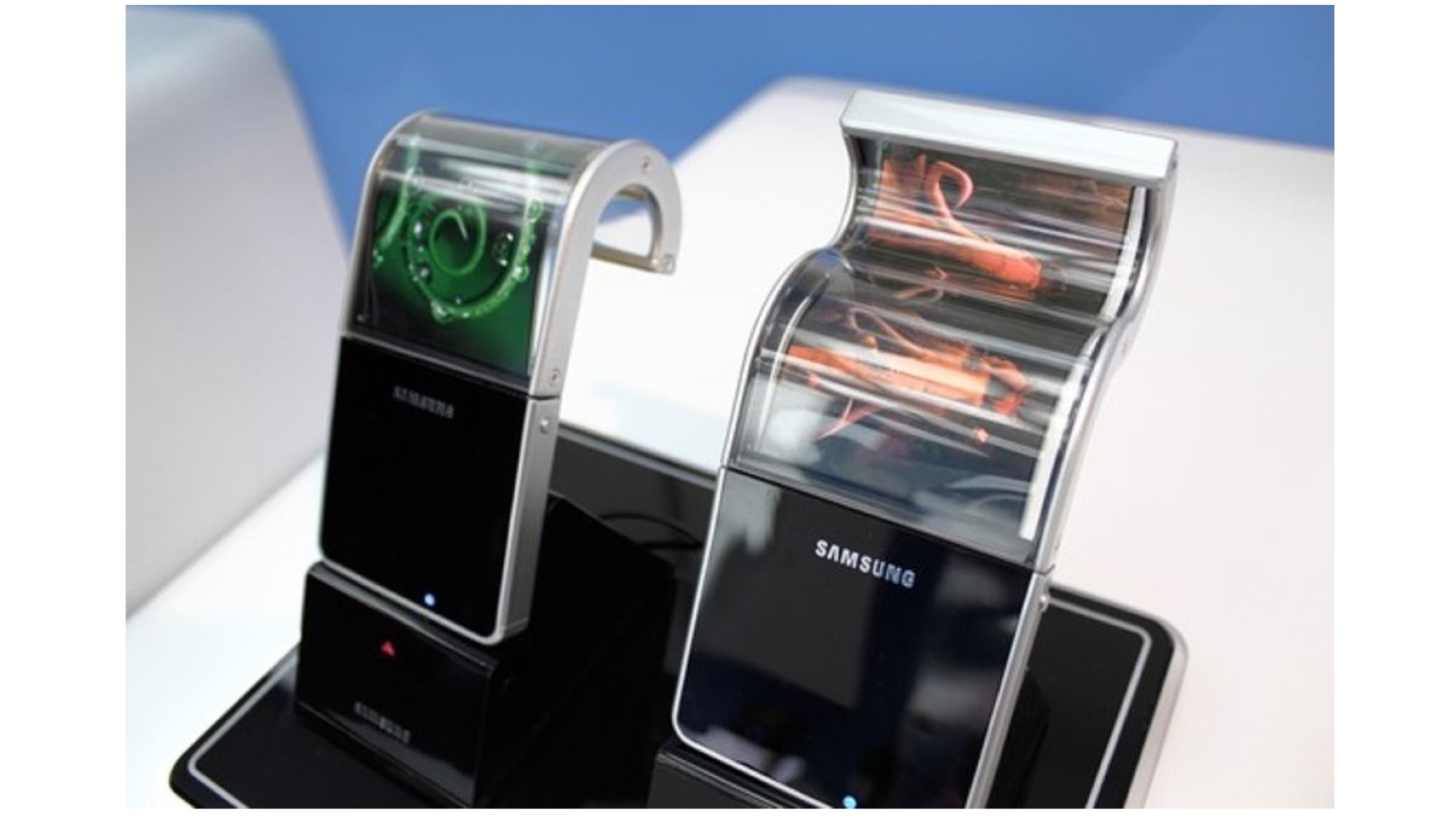
  • Here’s What Samsung’s Foldable Smartphone Could’ve Looked Like

    Here’s What Samsung’s Foldable Smartphone Could’ve Looked Like

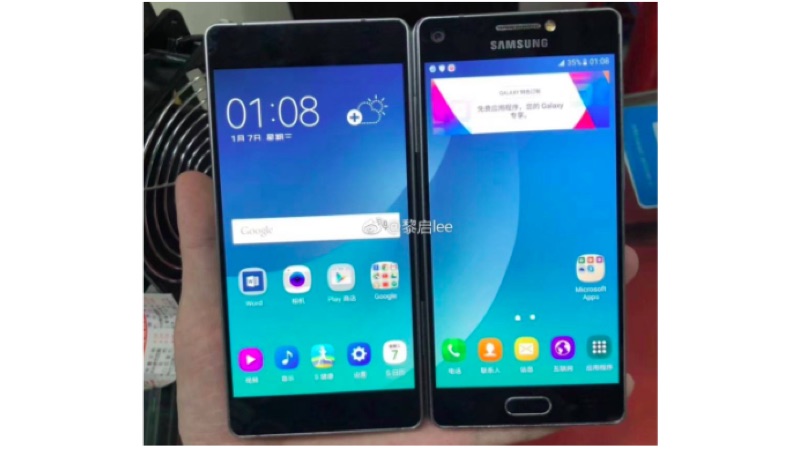
    Samsung has been in the news for working on a foldable smartphone for a long time now. The alleged Samsung Galaxy X is expected to have a bendable display which means a user has a smartphone and a tablet at the same time. However, as is with every device, the final Galaxy X that will launch to the public will be different from the numerous prototypes that Samsung built on the way to its final product. One such prototype has made its way to the realm of the internet and gives us an insight into Samsung’s process.

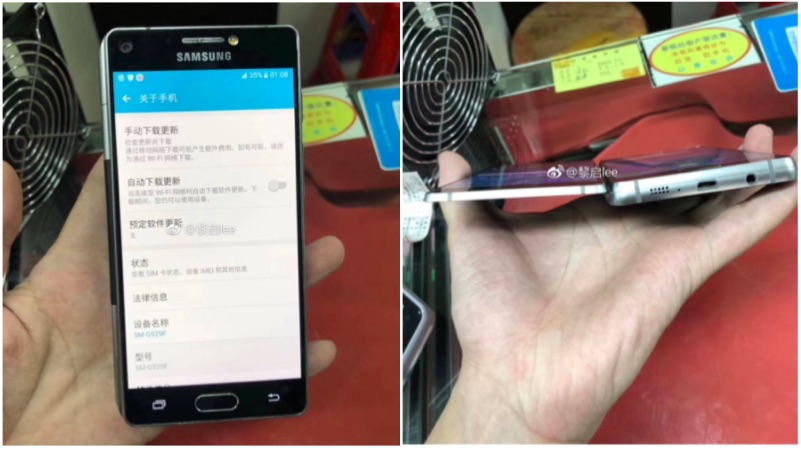
    A Chinese Twitter user claims that this Samsung device was known by the name of Project V or Project Valley. The rumours of Project Valley came about in 2015 and claimed that Samsung would indeed launch this device in 2016. However, that did not happen. While the design now seems dated, if it were to launch in 2016, the Project V would have surely grabbed a headline or two. The user claims that this cancelled smartphone carried the model number SM-G929F

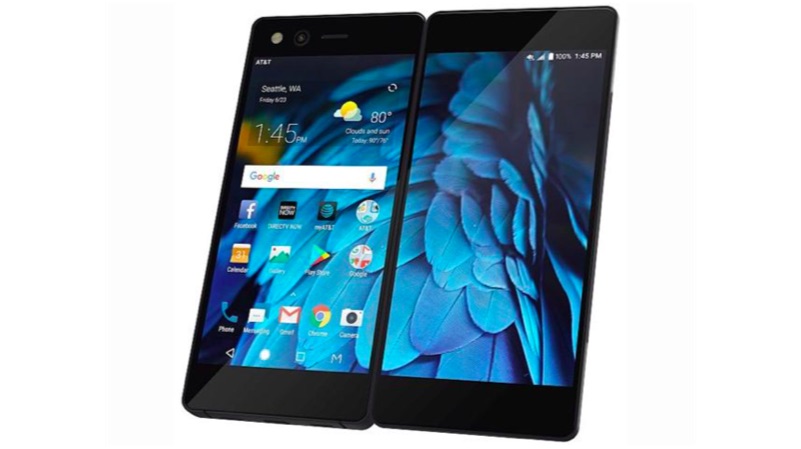
    A few months ago, ZTE, a Chinese smartphone maker launched the ZTE Axon M. A foldable smartphone with bezels all around it and a very uninspiring design, to say the least. The design is very similar to the Samsung Project V only ZTE ended up launching the device while Samsung has continued to work on the technology and plans on launching the smartphone in early-2019.

    ZTE Axon M

    It is worth noting that it is not confirmed whether these images do belong to a Samsung smartphone. However, it is plausible that Samsung would go through a plethora of design and technology changes before eventually coming up with a consumer-ready foldable smartphone that does not have a shambolic design. The Samsung Galaxy X is expected to launch in early-2019 and cost about US$ 2000 (Rs 1,36,000 approx.). We expect more leaks pertaining to the device in the future.

  • OPPO Find X Will Have A Record Breaking 93.8% Screen-To-Body Ratio

    OPPO Find X Will Have A Record Breaking 93.8% Screen-To-Body Ratio

    Smartphone marketing, as we have come to realise, can often be misleading. The Lenovo Z5 is the latest example of that. We expected a truly bezel-less device and instead got a notched smartphone with a mediocre design. The next smartphone to create waves of interest is the OPPO Find X. The new flagship smartphone from the Chinese smartphone maker is set to launch on June 19th in Paris.

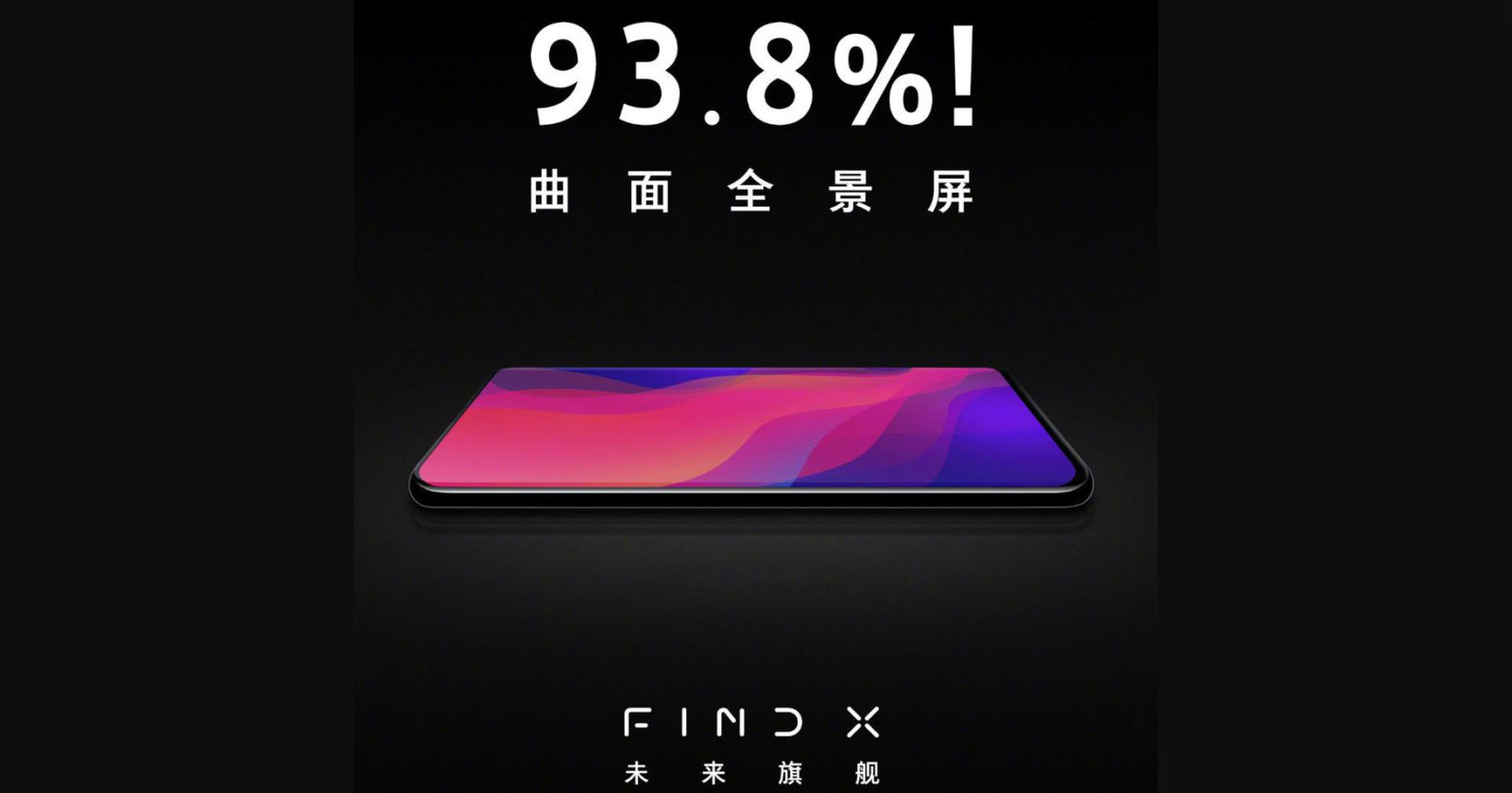
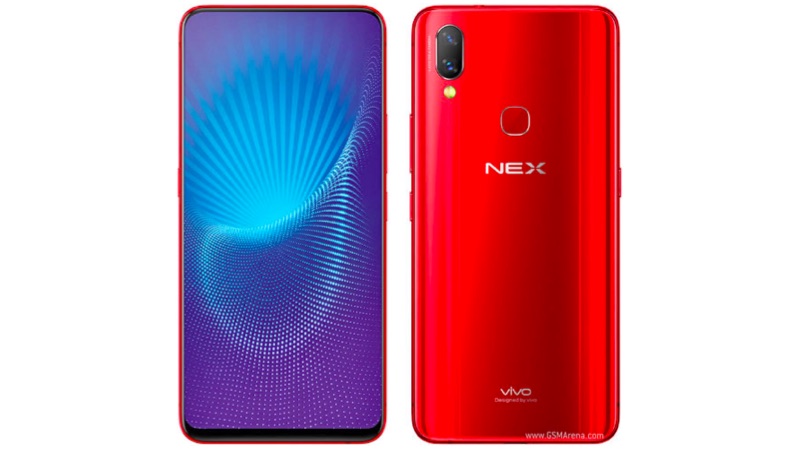
    Like the Lenovo Z5, the company has been teasing the design and features of the OPPO Find X on social media. In its latest post, the company claims that the smartphone will have a whopping 93.8% screen-to-body ratio. The current record holder is the newly Vivo NEX with a 91.2% screen-to-body ratio. OPPO will attain this ratio with a notch while the Vivo NEX, as we all know, doesn’t have a notch. With this screen-to-body ratio, OPPO’s record might not be broken for a while since the industry is still limited in the way an AMOLED display connects to a motherboard. So far, only the iPhone X has managed to not have a chin by curving the display inwards. It’ll be interesting to see OPPO executes its design for the Find X.

    Vivo NEX

    Even the notch on the OPPO Find X is expected to be different from what we’ve seen on any device so far. A recent teaser shows that the notch will be much more curved than devices like the iPhone X or Mi 8. This should result, at least on paper, in a much less asymmetrical design compared to other notched smartphones. However, this is just an educated guess from the teaser and the end result could be completely different, as we have seen on the Z5.

    The OPPO Find X is expected to feature a 6.4 inch AMOLED display with a 2280 x 1080 px resolution.

    https://twitter.com/bang_gogo_/status/1007504825930506240

    The device could run on the Snapdragon 845 coupled with up to 8GB of RAM and 128GB of onboard storage. The storage will be expandable via a microSD card. The fingerprint sensor will be placed on the back of the device which also houses a 16MP dual-camera setup. The notch will house a 25MP sensor for selfies.

    The launch of the Find X is just a day away and the specifications, coupled with the ambitious design surely makes this the most anticipated OPPO device yet.

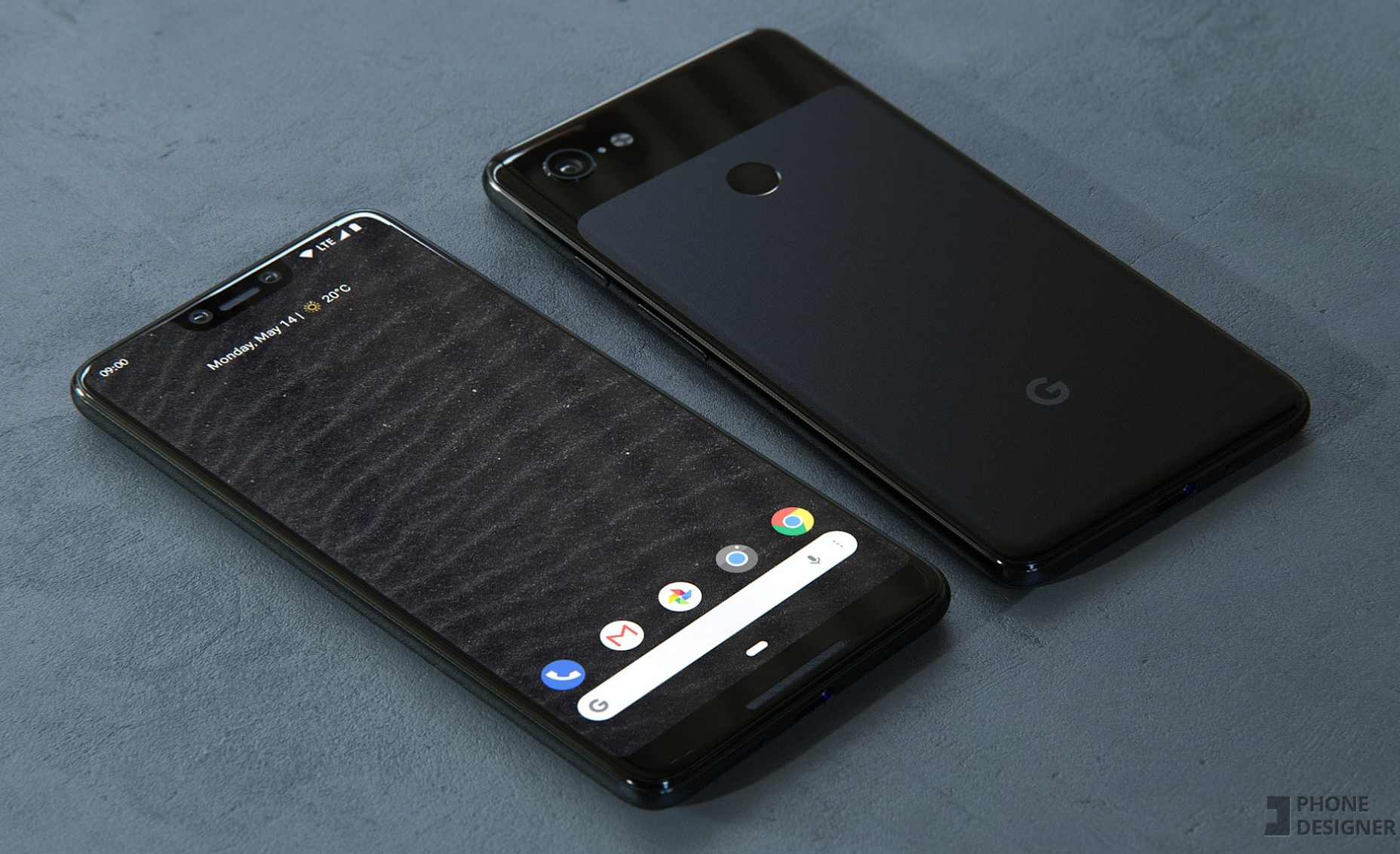
  • Google Pixel 3 XL Renders Reveal A Thick Chin, A Notch And Colourful Power Buttons

    Google Pixel 3 XL Renders Reveal A Thick Chin, A Notch And Colourful Power Buttons

    With a few major smartphone launches of 2018 done and dusted, we are now looking forward to three more. Samsung will launch the Galaxy Note9 in August followed by Apple hosting its annual launch event in September. In October, Google will launch the Pixel 3 and Google Pixel 3 XL. The Pixel 3 XL has been in the news recently and new renders of the device reveal its design and the possible colour variants it’ll be available in.

    Rumours of the Pixel 3 devices sporting a notch revved up after the first developer’s preview of Android P rolled out. Many believed that Google adding support for a notch is a hint at the fact that its own smartphone lineup will adopt the design. It now seems more and more likely that the Pixel 3 XL, at least, will sport a notch. The smaller Pixel 3 will have an 18:9 aspect ratio and uniform bezels.

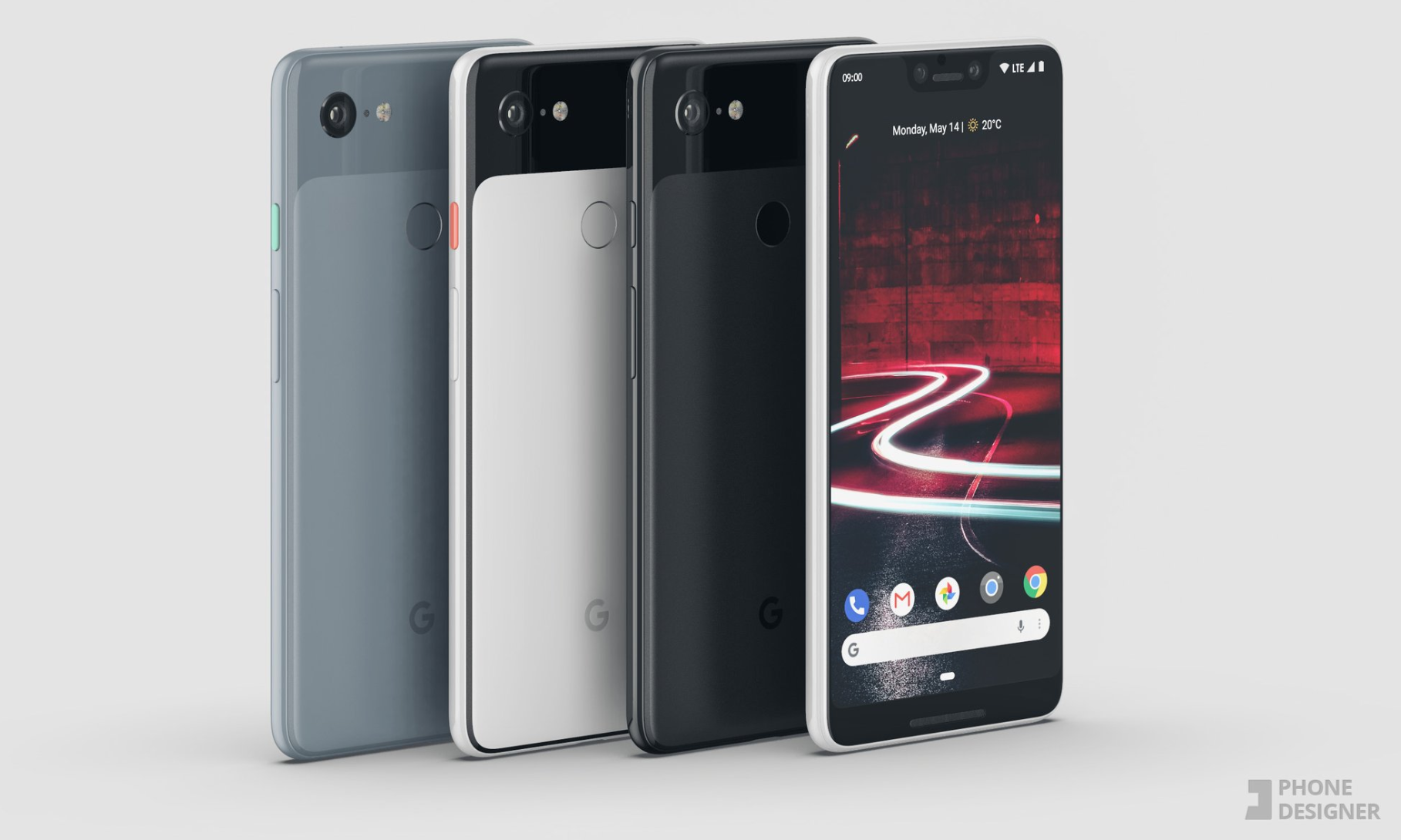
    The new renders showcase a not-so-impressive design of the Pixel 3 XL. Again, this is subjective and some people might love the design. While the notch itself is no longer an issue as so many Android devices now sport it, the chin is. According to the renders, Google would want to retain the dual front-facing speakers (one of the few impressive features of Pixel 2 devices). With that, the company will also have to maintain a rather thick chin. With a notch, a thick chin feels redundant and not the smartest design decision.

    The back of the Google Pixel 3 XL, as rumoured, will be made of glass. This means the flagship smartphones will finally incorporate wireless charging. However, the company will maintain the dual shade design on the back which is definitely a stand-out feature among the more and more generic-looking flagship smartphones. The power buttons are also colourful, something we saw with last year’s Pixel devices as well.

    The notch on the Pixel 3 XL is interesting for many reasons. Apart from it being a result of definite inspiration from Apple, it could house a dual-camera setup. Google famously claimed that its software does the job and it won’t require a dual-camera setup, unlike many other smartphones. However, things might change with the Pixel 3 XL. It is possible that the second lens could be a 3D sensor for facial recognition, in which case, nobody would complain about the notch.

    It is still early days for concrete Pixel 3 rumours but, these renders do look close to what might be the final product.

  • Samsung’s Foldable Smartphone Will Cost Around US$ 2000, Launch In Early-2019

    Samsung’s Foldable Smartphone Will Cost Around US$ 2000, Launch In Early-2019

    Samsung’s highly-anticipated foldable smartphone has been in the works for quite a while now. The company was first expected to unveil the Galaxy X at CES 2018, however, that seems highly unlikely. There were reports that Samsung showcased a working prototype of the Galaxy X behind closed doors at Mobile World Congress. After spending so much of time and money in the new smartphone, Samsung is hoping to unveil the device in early-2019.

    We have known about the Samsung Galaxy X for a while now. A few years ago, Samsung showcased foldable displays at tech conventions. However, only last year did the company start dropping hints at a possible consumer-ready foldable smartphone. As expected, the Galaxy X won’t be a cheap commodity to own. It is expected to be priced at US$ 1850 which could rise up when taxes are included. This means its final price could be US$ 2000.

    With this price tag, one thing is certain. This won’t a gadget for an average consumer. Only tech enthusiasts will be willing to shell out US$ 2000 on a first-gen foldable smartphone. One aspect of the phone that will bring solace to future owners is that the foldable display won’t just be a gimmick. Samsung’s CEO DJ Koh, after unveiling the Galaxy S9 back in February, told reporters that the Galaxy X’s display will have real-world usage and won’t just be a marketing gimmick.

    According to an earlier report, the Galaxy X would feature a 7.3-inch, flexible OLED display (built by Samsung Display) which would fold open like a book.

    It is also worth noting that Samsung isn’t the only one vying a foldable smartphone launch. Huawei, as well, has joined the race. Huawei recently filed a new patent on a smartphone with a foldable display technology. This new patent from Huawei has a similar mechanism, that is found on the Microsoft Surface Book. The smartphone is will have similar dimensions as of a standard smartphone. Unfolding the device will offer a bigger tablet-like screen.

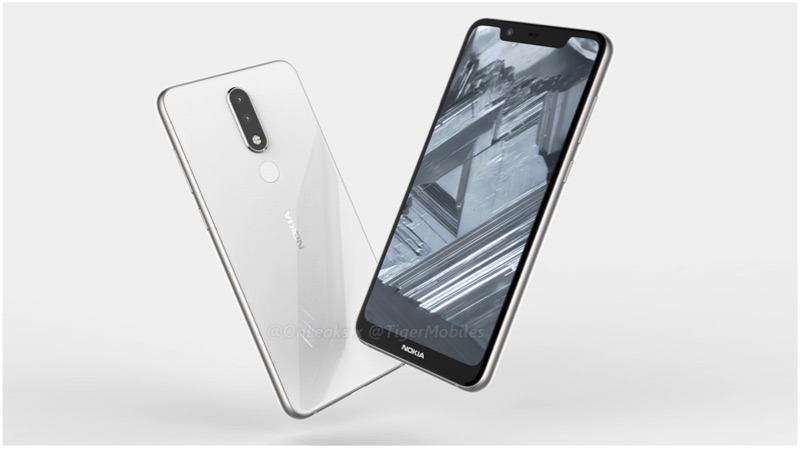
  • Nokia 5.1 Plus Has A Wide Notch And A Thick Chin

    Nokia 5.1 Plus Has A Wide Notch And A Thick Chin

    HMD Global has launched a few interesting smartphones in 2018 so far. The Nokia 7 Plus is one of the best in its price segment in India and the Nokia X6 has been a huge hit in China. The Nokia 8 Sirocco looks classy and the upcoming Nokia 5.1 Plus would want to take things up a notch (pun definitely intended). The new renders of soon to be launched Nokia 5.1 Plus are out and it looks eerily similar to many Android smartphones of 2018.

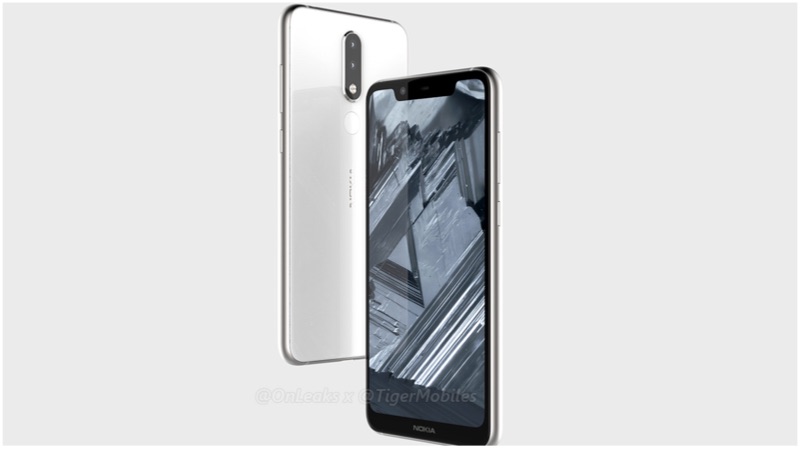
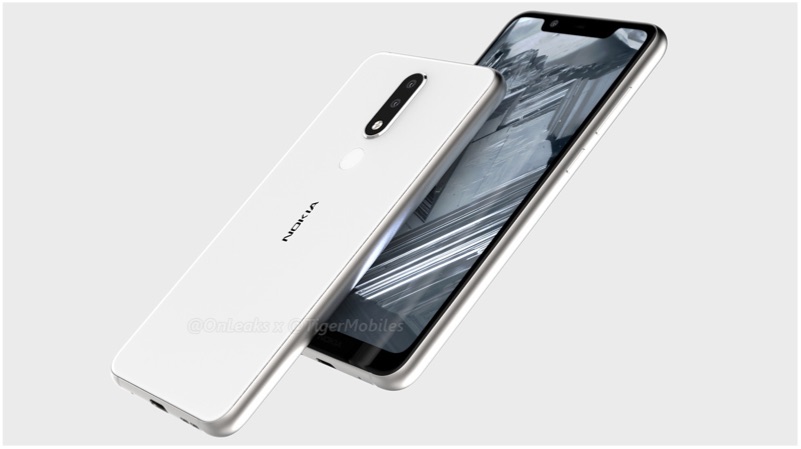
    Popular smartphone leaker Steve H. posted 360º renders of the yet unannounced Nokia 5.1 Plus. The renders give us a detailed look at what the smartphone could look like. Unlike the Nokia X6, the company has not shied away from flaunting the notch. The Nokia X6 had a narrow notch like the OnePlus 6. The Nokia 5.1 Plus, on the other hand, will have a wide notch like the iPhone X or Mi 8.

    The one thing that does differentiate the design of Nokia 5.1 Plus from the iPhone X is the chin. As expected, the Nokia 5.1 Plus will sport a chin, just like every other notched Android smartphone. However, unlike the Huawei P20 Pro, the chin won’t be utilised for a front-facing fingerprint sensor. Instead, it will house the Nokia branding which is slightly disappointing.

    The back of the smartphone houses a dual-camera setup in typical Nokia fashion. The fingerprint sensor has a central location just below the camera module. The smartphone has a metallic unibody build quality which a lot of people would appreciate over an all-glass build. The Nokia 5.1 Plus looks like a crossover of the Nokia 5.1  and Nokia X6.

    Must Read: OnePlus 6 Gets Selfie Portrait Mode With New OxygenOS Update

    The Nokia 5.1 Plus is another Android smartphone that has embraced the notch but, also retained the chin. It appears that Apple would be the only smartphone maker in 2018 to launch a device with a notch and remove the chin as well (like it did with the iPhone X). There are no details about the launch of the Nokia 5.1 Plus as of now in China or globally. We will keep you posted with all the details if and when they are revealed.

  • Motorola One Power Leaked Specs Reveal 6.2 Inch Notched Display And Snapdragon 636

    Motorola One Power Leaked Specs Reveal 6.2 Inch Notched Display And Snapdragon 636

    Motorola One Power appears to be the next big launch in the company’s plans for 2018. Lenovo-owned Motorola has already launched the sixth generation of Moto G series in India and unveiled the Z3 Play in Brazil. The soon to be launched smartphone has been leaked several times and the newest piece of information reveals all the major specifications of the device.

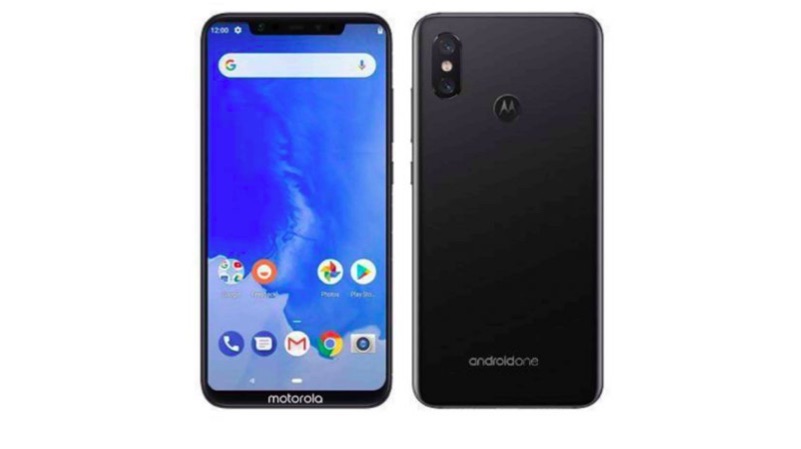
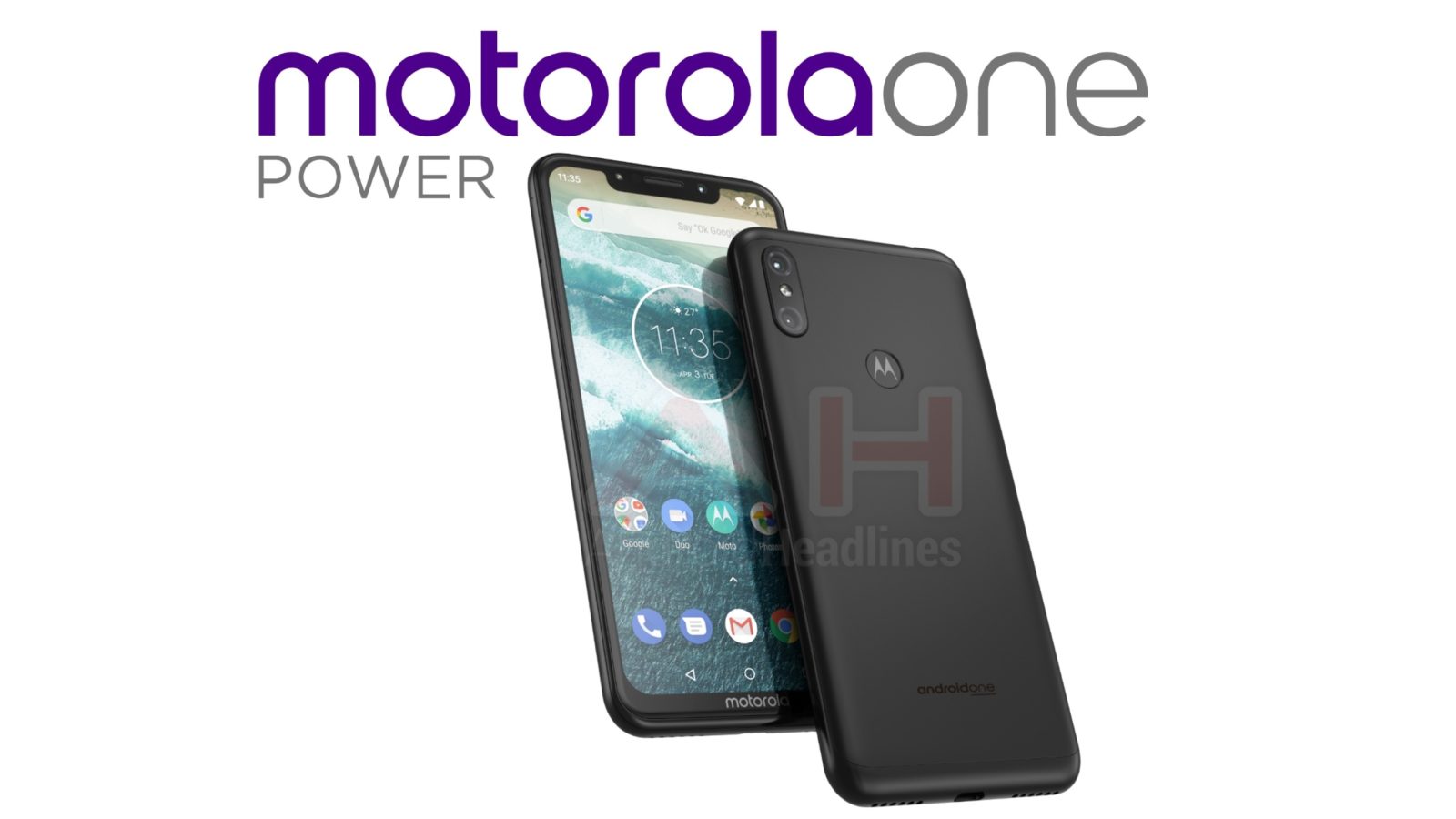
    It is almost certain that the Motorola One Power will have a notched display. However, unlike other Android OEMs, Motorola has not gone for a slim notch and it looks uncannily similar to the iPhone X. It is, however, highly unlikely that Motorola will introduce advanced facial recognition hardware in the Motorola One Power like the iPhone X. This also means that it’ll be the first Moto device to launch with a notch.

    It has also been a while since Motorola used the full name as part of a smartphone’s moniker. Usually, the company sticks to “Moto” followed the series and then the number. The company will also jump on the vertical dual-camera bandwagon with the new device.  The Motorola One Power looks to be a first in terms of many things for Motorola.

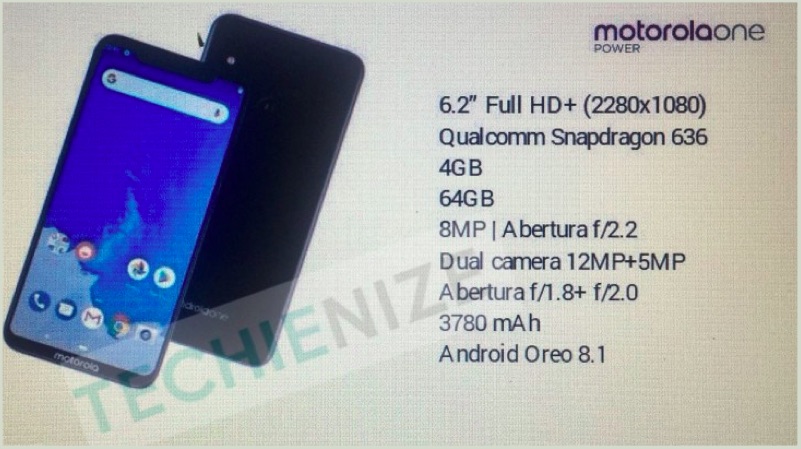
    According to the leak, the smartphone will have a 6.2 inch display with a 2280 x 1080 px resolution. It is not confirmed that whether the smartphone will have an IPS LCD or an AMOLED display panel. With a notch, users will benefit from an AMOLED display since they’ll be able to hide the notch using the software.

    Must Read: Moto Z3 Play Running On Snapdragon 636 Officially Launched

    Under the hood, the device will run on the Qualcomm Snapdragon 636 chipset. This means that the smartphone will be priced under Rs 20000 if it launches in India. The new budget SoC will be coupled with 4GB of RAM and 64GB of storage which should be expandable via a microSD card. The fingerprint sensor is placed on the back of the smartphone housed inside the Moto logo.

    Powering the smartphone will be a 3780 mAh battery. That is a sizeable battery and should last a day easily, in theory, at least. Out of the box, the smartphone will run stock Android 8.1 Oreo. The name, Motorola One Power suggests that the device will be an Android One smartphone.

    The back also houses a dual-camera setup consisting of a 12MP primary sensor with an f/1.8 aperture and a 5MP secondary sensor. The notch on the display houses an 8MP camera with an f/2.2 aperture. The previous leaks suggested a 16MP camera with an f/1.9 aperture. But, these are leaks at the end of the day and should be taken with a pinch of scepticism.

    There is no date set for the launch of the Motorola One Power as of now. However, with more and more leaks coming to the fore, it shouldn’t be too far away. We will keep you updated with all the leaks and information about the upcoming Motorola One Power.

  • Xiaomi Mi A2 Running On Snapdragon 660 Spotted On Geekbench

    Xiaomi Mi A2 Running On Snapdragon 660 Spotted On Geekbench

    Xiaomi has recently launched the Redmi Y2 in India at a starting price of Rs 9999. While the company’s Redmi lineup in 2018 has been confusing, Xiaomi has not launched a Mi-branded smartphone in India yet. Many expect the Xiaomi Mi A2 to be the first Mi-branded device to launch in India. A new Geekbench listing reveals a few details about the Mi A2, which will essentially be a rebranded Mi 6X which was launched in China on April 25th.

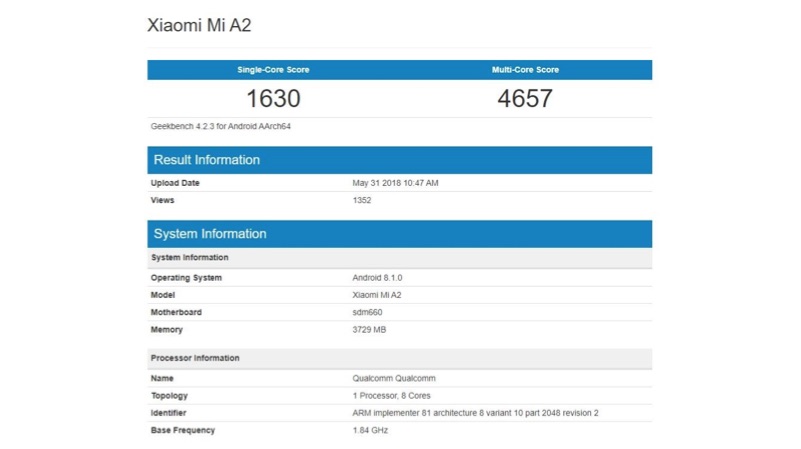
    According to the listing, the Xiaomi Mi A2 will run on the Snapdragon 660 chipset. This the same chipset that powers the Mi 6X as well. The variant in the listing has 4GB of RAM but, Xiaomi is expected to launch the 6GB RAM model in India as well. There are also chances that the company will only launch one variant of the Mi A2 in India. The Mi A2 scores 1,630 in single-core test and 4,657 in multi-core test.

    Since the Mi A2 will be an Android One version of the Mi 6X, it will run Android 8.1 Oreo out of the box. The Mi A1 was fairly quick to receive the Android 8 Oreo update. The company rolled out an update on December 31st, 2017. However, it was riddled with many bugs and the company had to pull the plug on the software update. The Mi A1 now runs on Android 8 Oreo which is stable and should receive an update to Android P as well.

    The Mi A2 could also miss out on a headphone jack. The Mi 6X launched in China does not have a headphone jack which means the Mi A2 would also skip it, considering they’re both the same smartphones. This could be a deal-breaker for many consumers in India as there aren’t many affordable Bluetooth headphones available here. iGyaan did, however, cover top five Bluetooth headphones in India which should help out the people who want to the Mi A2.

    Mi 6X

    The launch of the Xiaomi Mi A2 is inevitable. The company would want to build on the success of the Mi A1 instead of abandoning the lineup after just one generation. The moniker it’ll go with is something only time will tell.

  • Google Pixel 3 XL With A Notch Leaked In Live Images

    Google Pixel 3 XL With A Notch Leaked In Live Images

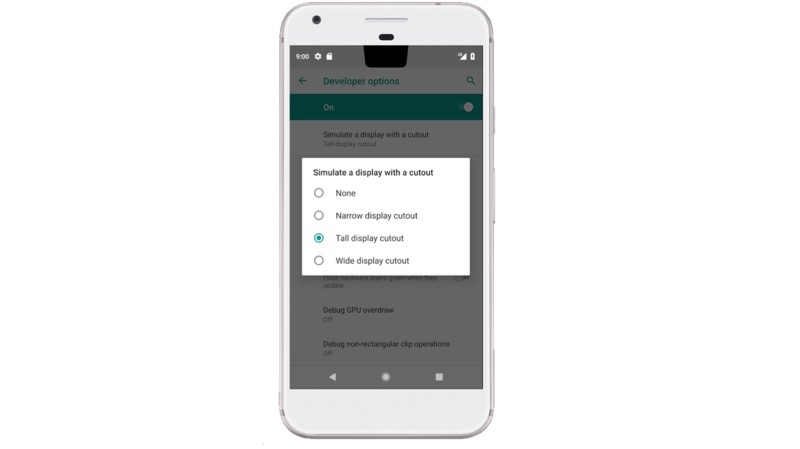
    Google will launch its next generation of Pixel devices in October this year. In this year’s first Android P developer’s preview, Google introduced the support for different types of notches. This gave rise to speculations that the upcoming Google Pixel devices would also have a notch, just like many other Android devices in 2018. New images of a Pixel 3 XL prototype seemingly confirm those speculations as the smartphone is sporting a notch in the images.

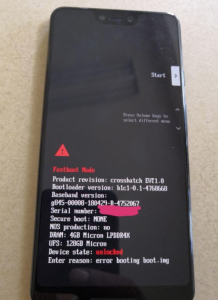
    Two images, one of the front and one of the back of the Pixel 3 XL have been leaked online. The front of the smartphone looks eerily similar to other Android smartphones like the OnePlus 6 and Huawei P20 Pro. The notch isn’t wide like the iPhone X or Mi 8. However, if you look closely, the notch does house two sensors, flanked on either side of the earpiece. Could Google launch the Pixel 3XL with a dual front-facing camera setup? Or is it working on a 3D facial recognition system like Xiaomi and Apple? We will have either wait till the launch or a more concrete leak to find answers to that.

    The back of the Google Pixel 3 XL looks similar to its predecessor. It has the same dual-shade design with classic “glass window.” There were rumours that Google will finally introduce wireless charging to Pixel 3 devices. With that in mind, it is possible that the Pixel 3 XL will have a glass back with two different finishes, to maintain the “glass window” look.

    Must Read: Google Sued For £3.2 Billion For Secretly Tracking Browsing Data For 4.4 Million iPhone Users

    It also appears that Google will maintain its stance on the number of cameras you need on a phone. The Pixel 3 XL will retain the single camera setup on the back. The Pixel 2 devices had the best camera on a smartphone in 2017 and the company would want to repeat that this year as well. Google will rely on its machine learning and AI to produce portrait mode shots.

    The leaked images could well be of an early prototype of the Pixel 3 XL. However, it seems more and more likely that the Pixel 3 devices will sport a notch come October.

  • Samsung Galaxy Note9 Renders Reveal Rear-Facing Fingerprint Sensor And Thin Bezels

    Samsung Galaxy Note9 Renders Reveal Rear-Facing Fingerprint Sensor And Thin Bezels

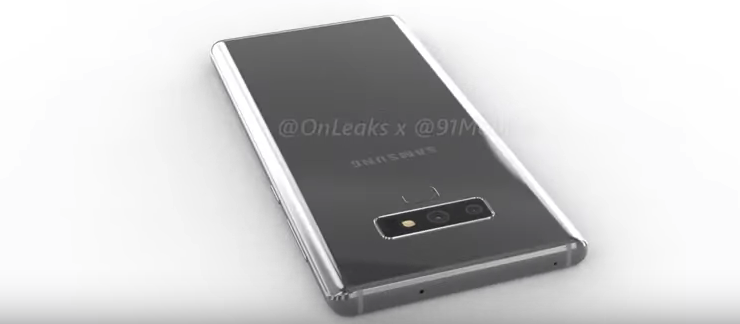
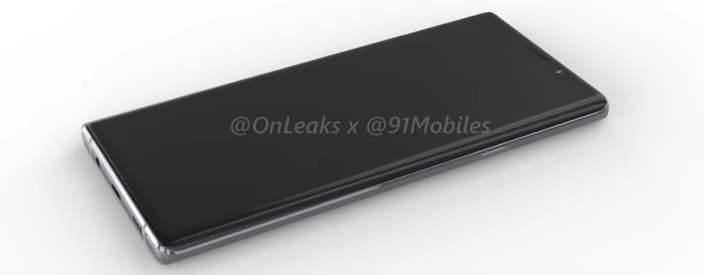
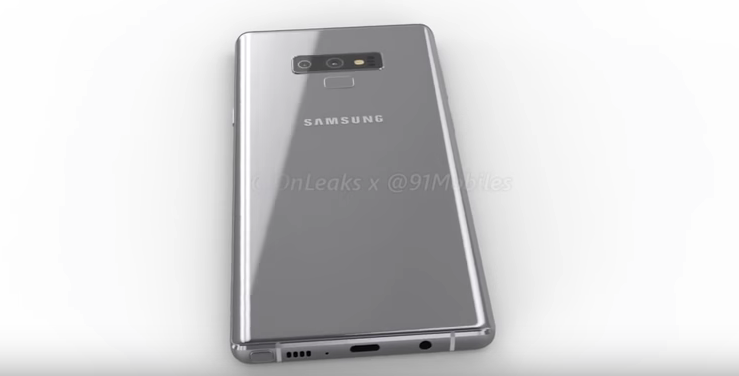
    Samsung usually launches three flagship smartphones in a calendar year. The beginning of 2018 saw the launch of the Galaxy S9 and S9+. It is rumoured that the Samsung Galaxy Note9, company’s third flagship of the year will launch on August 9th. So far, we have seen a few leaks revealing the possible specifications of the smartphone. However, popular smartphone leaker, @OnLeaks has released the 360º renders of the soon to be launched Galaxy Note9.

    As was with the Galaxy S9 and S9+, the Galaxy Note9 won’t be too different from its predecessor. The smartphone will have the same all-glass build with an aluminium frame. Samsung will maintain the “Infinity Display” and not go the notch route like the plethora of Android smartphones in 2018. The back of the smartphone has a more reflective finish this time around but, that could just be the renders.

    The bezels on the top and bottom are slightly thinner compared to the Galaxy Note8. The dual-camera setup on the back is still horizontally placed and that could be a decision to keep some differentiating factors between the S and Note series. The fingerprint sensor is now placed below the camera module and has a more rectangular shape.

    We recently came across a leak that revealed the possible specifications of the Samsung Galaxy Note9. And just like the design, the specifications of the Galaxy Note9 won’t be too much of an upgrade either.

    The display would remain the same as the previous gen. It would have a 6.3 inch Super AMOLED display with 2960 x 1440 px resolution. This translates into an 18.5:9 aspect ratio.

    Under the hood, the smartphone will run on the Qualcomm Snapdragon 845 chipset for the US and South Korea markets. For the rest of the markets, the smartphone will run on the Exynos 9810 chipset which is a Samsung SoC. The respective chipset will be coupled with 6GB of RAM along with either 64GB/128GB/256GB storage which will be expandable via microSD card.

    Powering the smartphone will be a 3300 mAh battery with QuickCharge 4.0 support. Out of the box, the device will run Android 8.1 Oreo with Samsung’s Experience 9.0 on top.

    The Galaxy Note8 was the first Samsung smartphone to be sport a dual-camera setup. This time around as well, the Galaxy Note9 will have a 12MP wide-angle camera along with a 12MP telephoto lens which will record 4K videos at 60fps. The Galaxy Note9 will also record 720P videos at 960 fps, just like the Galaxy S9 devices.

    Galaxy Note8

    The design of the Samsung Galaxy Note9, while impressive, doesn’t feel like much of an upgrade over the Galaxy Note8. For people still using the Galaxy Note5 or an older device, however, would see it as a huge upgrade and should interest a lot of consumers looking for a stylus-friendly smartphone.

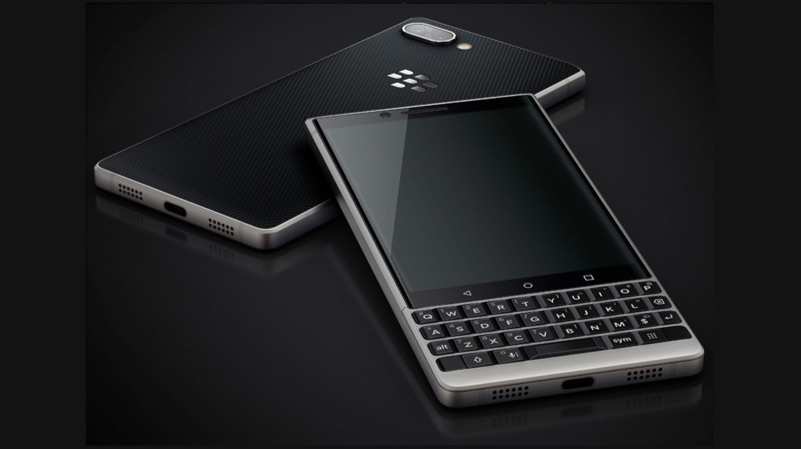
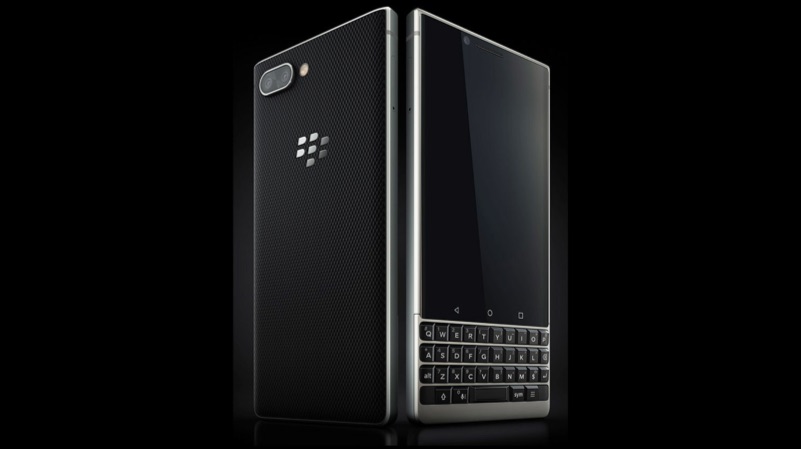
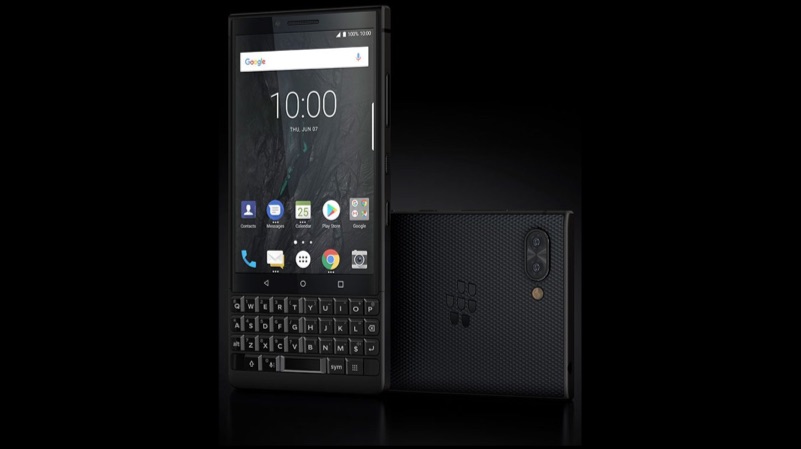
  • BlackBerry KEY2 Design, Specifications Leaked Ahead Of June 7th Launch

    BlackBerry KEY2 Design, Specifications Leaked Ahead Of June 7th Launch

    BlackBerry KEY2 will be the next Android smartphone by the Canadian smartphone maker. The company’s BlackBerry KEYone had a nice design and the physical keyboard was appreciated by many. However, its price in India was steep and devices like the OnePlus 5T offered more value for money. With the KEY2, BlackBerry would want to rectify that shortcoming and launch the KEY2 at a much more affordable price than its predecessor.

    Evan Blass, one of the most trusted smartphone leakers on Twitter has released a few images revealing the design of the BlackBerry KEY2. Apart from that, he recently tweeted an image of the specs sheet of the KEY2, leaving nothing to the imagination of the consumer. He also claims that the KEY2 will retail at a starting price of US$ 649 (Rs 43000 approx.). If true, the KEY2 might not be all that different in terms of pricing from its predecessor.

    The BlackBerry KEY2 has 4.5 inch IPS LCD display with a 1620 x 1080 px resolution. The 3:2 aspect ratio is mainly because the smartphone will have a physical keyboard making it a large device to hold. The bezels aren’t very thin either and it retains the three touch capacitive buttons from the KEYone.

    Under the hood, the smartphone will run on the Snapdragon 660 chipset. The SoC will be coupled with 6GB of RAM and either 64GB or 128GB of onboard storage. The storage will be expandable up to 256GB using a microSD card. The fingerprint sensor is housed inside the space bar just like its predecessor. Powering the smartphone will be a 3500 mAh battery with support for Qualcomm QuickCharge 3.0. The headphone jack will be present as well, which has become a rare sight in 2018.

    The dual-camera setup on the back consists of a 12MP primary sensor with an f/1.8 aperture. The secondary sensor is a 12MP sensor with an f/2.6 aperture. The smartphone has an 8MP front-facing camera with the display acting as a flash for low-light selfies. The dual camera at the back can record 4K videos at 30fps while the front camera will record 1080P videos.

    The BlackBerry KEY2 is scheduled to launch on June 7th. However, there is barely anything left to be unveiled for the Canadian smartphone maker. One thing that the company will be able to shed light upon is that BlackBerry key next to the spacebar. It’ll be interesting to see what BlackBerry has in store for a hardware button with the company’s logo on it. Could it trigger Google Assistant? Possibly. We will keep you updated with all the information from the launch event.

iGyaan Network
Privacy Overview

This website uses cookies so that we can provide you with the best user experience possible. Cookie information is stored in your browser and performs functions such as recognising you when you return to our website and helping our team to understand which sections of the website you find most interesting and useful.