Tag: Legal Trouble

  • Google Could Be Fined US$ 11 Billion In EU’s Antitrust Case

    Google Could Be Fined US$ 11 Billion In EU’s Antitrust Case

    Google is in troubled waters with the law again. This time around, it is because of the world’s most famous mobile operating system, Android. The European Commission could fine Google up to US$ 11 billion (Rs 73,800 crores) for abusing its dominance via the Android OS. Google was recently sued for £3.2 Billion for secretly tracking and collecting personal information of 4.4 million iPhone users in the UK.

    A report by Financial Times claims that EU’s Competition Commissioner Margrethe Vestager is set to give the verdict “within weeks.” The investigation revealed that Google imposed illegal terms on Android device makers “which harmed competition and cut consumer choice.” The report further adds:

    Android is used in more than 80 percent of the world’s smartphones and is vital to the group’s future revenues as more users search on their mobile gadgets.

    Must Read: Google And Facebook Sued For US$ 8.8 Billion For Coercing Users Into Sharing Their Personal Data

    [amazon_link asins=’B0772YB7Y1′ template=’ProductAd’ store=’igyaan-21′ marketplace=’IN’ link_id=’55d549ca-6b05-11e8-aa1b-3f9463b6a48e’]

    Even though the fine could be up to US$ 11 billion, the actual penalty may be less. This is not an exception and happens in many cases involving multi-billion dollar penalties. The case dates back to 2016 when EU accused Google of imposing licensing conditions for Android OS. The initial charges on Google state that the company required phone manufacturers to install the company’s Chrome web browser and its search tool on their devices. Google allegedly offered financial incentives to place its apps on phones, but also threatened to cut off access to the Google Play Store if companies didn’t comply.

    A third investigation is underway into whether the company (Google) unfairly banned competitors from websites that used its search bar and adverts.

    This isn’t the first time that EU has cracked down on Google’s alleged illegal activities. In 2017, the company was fined US$ 2.7 billion (18,000 crores) for its ill-treatment of comparison shopping services. This led to Google later introducing changes in how it compares shopping offers in its search results.

    With the result poised to be announced in the coming weeks, Google would want to get this over with quickly. The company will launch the Pixel 3 devices in October and would like to avoid any sort of bad press around the time of launch.
  • Apple Knew iPhone 6, iPhone 6 Plus Were More Likely To Bend Before The Launch

    Apple Knew iPhone 6, iPhone 6 Plus Were More Likely To Bend Before The Launch

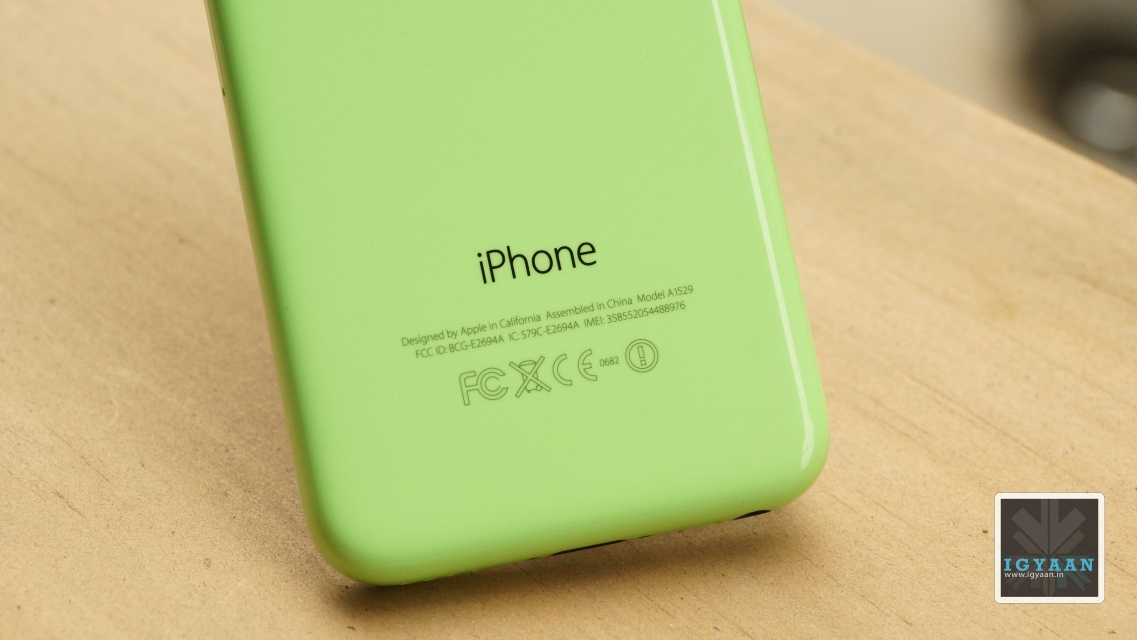
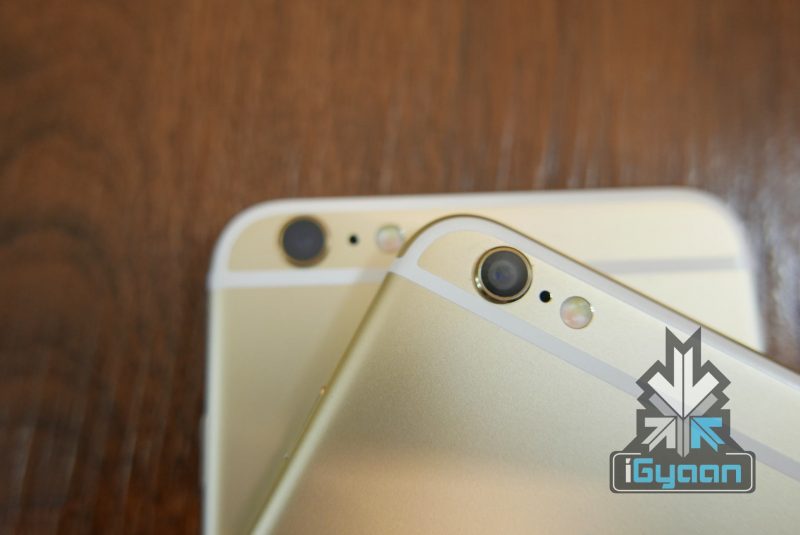
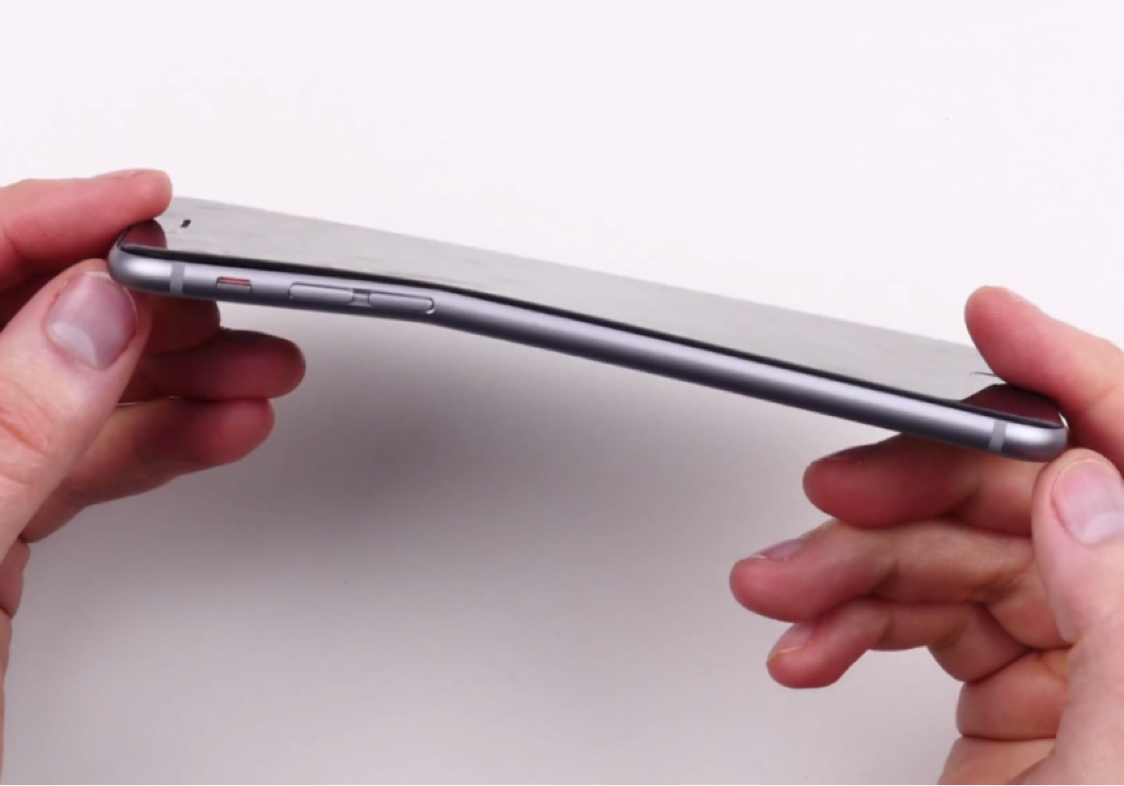
    In 2014, Apple released the iPhone 6 and 6 Plus in September. The release saw Apple move on to a new unibody design and screen sizes. The iconic top-placed power button moved to the right-hand side and the circular volume rockers became cylindrical. However, the most talked about aspect of the iPhone 6 and 6 Plus continues to be infamous “bendgate” incident. It was alleged that the iPhone 6 and 6 Plus were bending in people’s pockets due to Apple’s poor design.

    As a part of the ongoing lawsuit against the company regarding touchscreen failure due to bending, new internal documents were released by Judge Koh. These documents have revealed that the company knew about the iPhone 6 and iPhone 6 Plus’ susceptibility to bending before the launch. According to the documents, Apple’s internal tests found that the iPhone 6 was 3.3 times more likely to bend than the iPhone 5S. The iPhone 6 Plus, on the other hand, was 7.2 times more likely to bend.

    Must Read: Apple iPhone SE 2 Renders Leaked Again With iPhone X Style Notch

    [amazon_link asins=’B072LPF91D’ template=’ProductAd’ store=’igyaan-21′ marketplace=’IN’ link_id=’a54e41f2-5fec-11e8-969d-25c9b676fcc1′]

    At the nascent stage of the bendgate controversy, Apple conceded that bending iPhones were extremely rare. Unbox Therapy, now one of the biggest tech YouTubers, made a video about how easy it was to bend an iPhone 6 Plus. The video, at the time of writing, has 70,614,430 views!

    The issue became worse when cases of iPhone 6 devices exhibiting a “touch disease” became public. Apparently, the touchscreen would fail due to a flaw in a specific touch-controller chip on the motherboard. Some people claimed that this was due to the physical damage from bending iPhones. However, Apple claimed that that the issue was a symptom of iPhones that were dropped multiple times on a hard surface and then incurring further stress on the device.

    Must Read: Google Sued For Secretly Tracking Browsing Data For 4.4 Million iPhone Users

    Judge Koh notes that Apple then began to make changes to the design of the iPhone 6 and 6 Plus. The company started adding extra epoxy to strengthen the area underneath the touch-controller chip in May 2016. It is worth noting that the company has never publicly acknowledged the issue that has been widely known as the “bendgate” issue.

    Must Read: OnePlus 6T To Follow OnePlus 6 In Q4 2018

  • Apple Wins US$ 539 Million From Samsung In The Ongoing Patent Infringement Trial

    Apple Wins US$ 539 Million From Samsung In The Ongoing Patent Infringement Trial

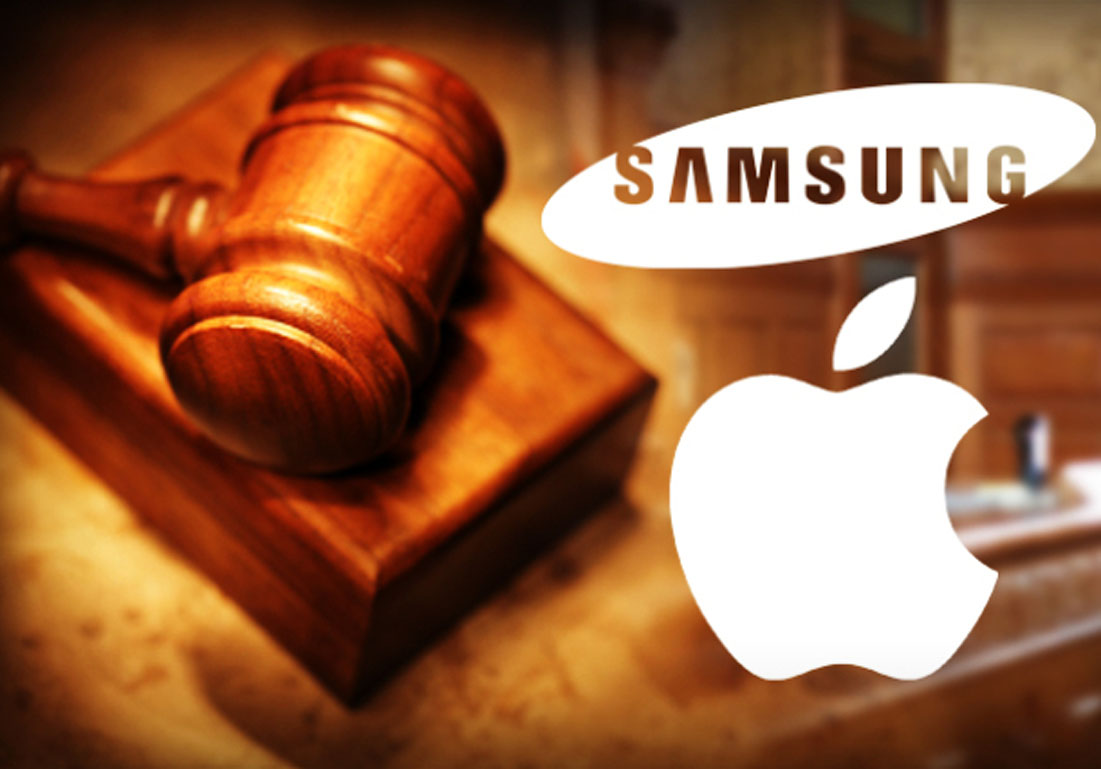
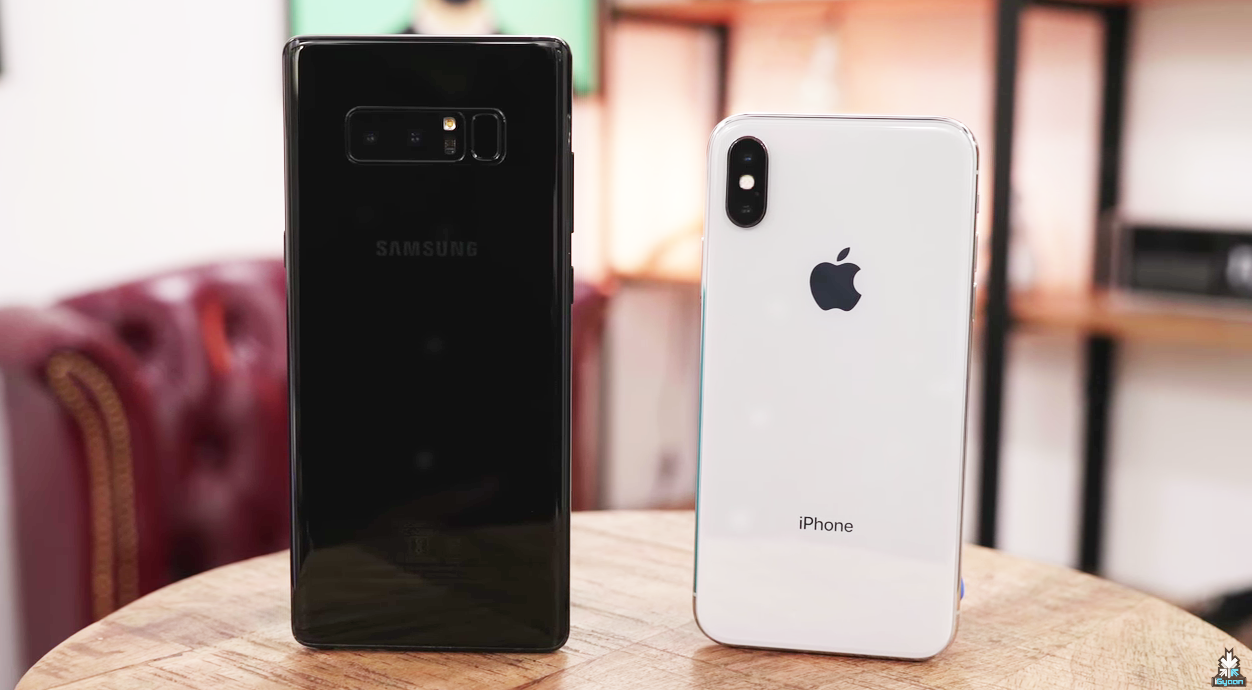
    Apple and Samsung have been embroiled in a long-running patent infringement battle. In the latest turn of events, Apple has been awarded a final verdict of US$ 539 million in damages. In a federal court in San Jose, the jurors awarded it the verdict, concluding that Samsung infringed on Apple design and utility patents of mobile design like rounded corners, the rim of the front face of the iPhone, and the app grid layout of the iOS home screen.

    Bloomberg reports that the jury was essentially deciding whether Samsung owed Apple money based on sales of Samsung’s smartphones or the components that infringed on Apple’s patents. In a statement given to Bloomberg, Apple said:

    We believe deeply in the value of design, and our teams work tirelessly to create innovative products that delight our customers. This case has always been about more than money.

    It is fair to say that this might not be the final chapter in this legal battle. The case began way back in 2011 which makes it seem that it isn’t that old a case. However, the numerous appeals have made it one of the most complex patent infringement cases. Back in 2011, when Apple filed a lawsuit against Samsung, it demanded US$ 2.5 billion from Samsung. In an initial verdict in 2012, that sum was reduced to US$ 1 billion.

    That sum of US$ 1 billion was further reduced to US$ 549 million when an appeals court ruled that Apple could not patent the appearance of its iPhone. In 2015, Samsung agreed to pay that sum after both companies agreed to drop litigation outside of the US. In November 2017, Apple won US$ 120 million in another patent infringement case pertaining to the iOS slide-to-unlock patent. The legal battle appears to be in its closing stages but, nothing can be said for certain right now.

    What started out with a US$ 2.5 billion lawsuit closes out with Samsung owing a sum of US$ 539 million to Apple. Apart from winning half a billion dollars from Samsung, this should be a significant victory for the company.

  • Google Sued For £3.2 Billion For Secretly Tracking Browsing Data For 4.4 Million iPhone Users

    Google Sued For £3.2 Billion For Secretly Tracking Browsing Data For 4.4 Million iPhone Users

    Google is in hot waters with the law in the UK. The search giant is being sued in the high court for as much as £3.2 billion for secretly tracking and collecting personal information of 4.4 million iPhone users in the UK. The lawsuit action again the company is being led by former Which? director Richard Lloyd. He claims that claims Google bypassed the privacy settings of Apple iPhones’ Safari browser between August 2011 and February 2012 to divide people into categories for advertisers.

    The Guardian reports that Lloyd’s campaign group ‘Google You Owe Us’ told the court information collected by Google included race, physical and mental health, political leanings, sexuality, social class, financial, shopping habits and location data. The information was then aggregated and users were put into groups such as football lovers or current affairs enthusiasts for the targeting of advertising.

    Must Read: OnePlus 6T To Follow OnePlus 6 In Q4 2018

    Hugh Tomlinson QC, representing Lloyd and Google You Owe Us said that the data was gathered through “clandestine tracking and collation” of browsing on the iPhone, known as the “Safari Workaround.” This activity was first exposed by a PhD researcher in 2012. Ahead of the first hearing, Lloyd said:

    I believe that what it did was quite simply against the law. Their actions have affected millions in England and Wales and we’ll be asking the judge to ensure they are held to account in our courts.

    Google has already been fined in the US for similar practices. The company had to pay US$39.5 million to settle claims in the US, it was also fined US$ 22.5 million for the practice by the US Federal Trade Commission in 2012. Google You Owe Us, according to the filing, could be seeking as much as £3.2 billion. This would mean that every claimant could receive £750 per individual if successful.

  • OnePlus Could Be Sued For Face Unlock Patent Infringement

    OnePlus Could Be Sued For Face Unlock Patent Infringement

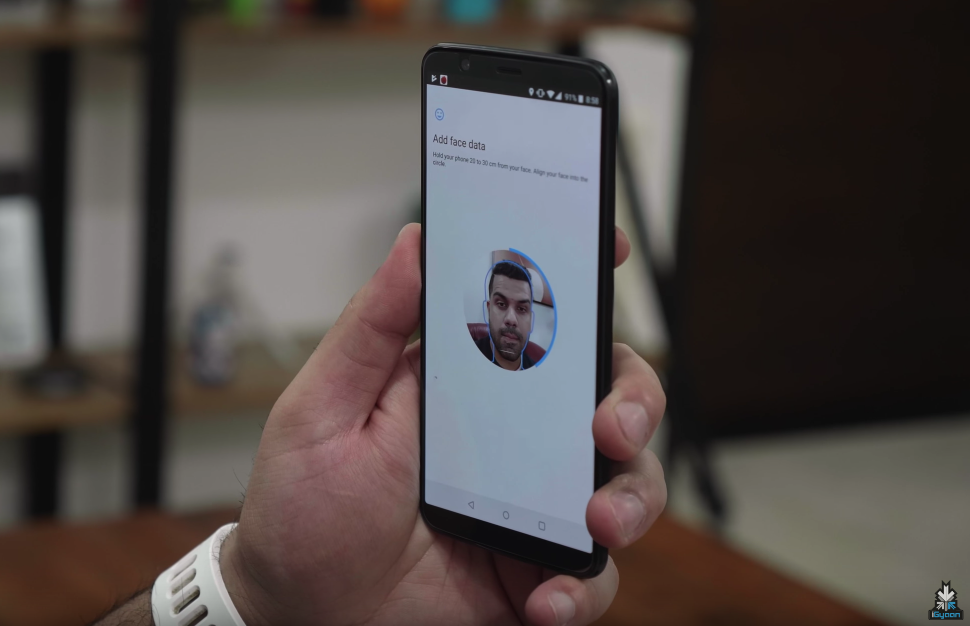
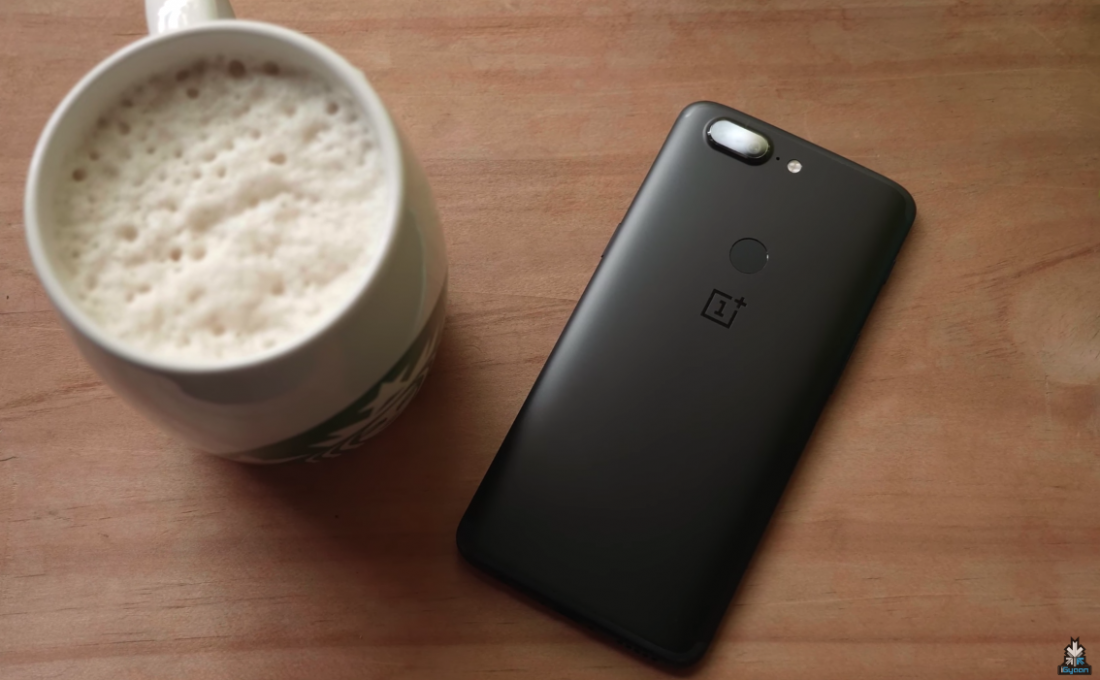
    OnePlus might be in some legal trouble if some reports are to be believed. The company is facing a possible patent infringement lawsuit that revolves around the Face Unlock facial recognition system on the OnePlus 5T. While the Face Unlock technology on the OnePlus 5T has received rave reviews from fans and critics alike, one company is definitely not a fan.

    SensibleVision is a company that works on facial recognition and biometric systems. George Brostoff, CEO and co-founder of SensibleVision claims that at least one of his company’s patents was infringed on by OnePlus’ Face Unlock system. One of the patents that he believed was used without permission, allows a phone’s screen to be used as an illuminator. Based on a video released by Forbes that shows Face Unlock in action, Brostoff claims that OnePlus is “likely infringing at the very least on our illumination patent.”

    In a statement, Brostoff said:

    This is nothing new. We have been doing this for years. It even appears that they may be using several patented technologies. We have not licensed our patents to OnePlus or their supplier. From the video on Forbes, they are likely infringing at the very least on our illumination patent.

    This is the definition of the patent in question right now:

    A camera is used for providing images to the facial recognition software where the display operates in a first mode for displaying images to a user and in a second mode for illuminating the user’s face for detection by the camera.

    It is also worth noting that patents are only valid in jurisdictions where they were granted. So, unless SensibleVision filed a patent application or was granted a patent for the illumination technology in China, there is no infringement, since the company is based in the US.

    It doesn’t appear that SensibleVision has yet taken a legal step towards addressing the issue. Stay tuned for more updates regarding this possible legal battle.

  • Apple Sued For Deliberately Slowing Down Older iPhones

    Apple Sued For Deliberately Slowing Down Older iPhones

    Days after addressing the millions of conspiracy theories on the internet about the mysterious slowing down of older iPhones, Apple has been sued for it. Filed by Stefan Bogdanovich and Dakota Speas, the suit claims that Apple’s deliberate effort to throttle CPU performance on the iPhone amounts to “breach of contract.” It also notes that Apple’s behaviour lowers the resale value of existing iPhones and underhandedly coerces iPhone owners to upgrade to newer models.

    For years, iPhone users claimed to notice a discernible system slowdown with some iOS updates. However, the issue came in the spotlight thanks to a widely circulated Reddit thread backed. Following that, Geekbench founder John Poole did some performance testing on various iPhones running different versions of iOS. Poole found that Apple does, in fact, limit performance on older iPhone models with lower-capacity batteries in the interest of battery life and preventing unexpected shutdowns.

    After the hue and cry on social media, Apple decided to address the issue and put out a statement:

    Our goal is to deliver the best experience for customers, which includes overall performance and prolonging the life of their devices. Lithium-ion batteries become less capable of supplying peak current demands when in cold conditions, have a low battery charge or as they age over time, which can result in the device unexpectedly shutting down to protect its electronic components.

    Last year we released a feature for iPhone 6, iPhone 6s and iPhone SE to smooth out the instantaneous peaks only when needed to prevent the device from unexpectedly shutting down during these conditions. We’ve now extended that feature to iPhone 7 with iOS 11.2, and plan to add support for other products in the future.

    It is fair to say that while Apple has a noble reason behind the decision, the company should’ve been up-front about it from the beginning. Waiting for an outcry to come clean makes it look like a PR decision more than anything else. No other details about the lawsuit have been revealed yet.

  • Samsung Has To Pay US $120 Million To Apple

    Samsung Has To Pay US $120 Million To Apple

    Samsung and Apple may be nearing the end of their legal battle woes. The US Supreme Court refused to hear Samsung’s appeal of a ruling that awarded Apple $120 million for a case that started back in 2014

    Back in 2014, a San Jose, California federal court ruled that Samsung infringed several Apple patents that allowed for a lot of  popular iPhone features, such as slide-to-unlock, autocorrect, and the ability for information like addresses and phone numbers to automatically turn into links. As a result of that ruling, Samsung was asked to pay US $119.6 million to Apple. That verdict was then overturned by the Federal Circuit but, it was then reinstated in October 2016 by that same court.

    After that ruling, Samsung appealed the decision to the US Supreme Court. In the appeal, Samsung stated that the Federal Circuit, which specifically deals with patents, made the decision without listening or reading the whole story. The company also implied that the patent court is biased toward patent holders. In a statement, Samsung express its disappointment on the ruling:

    Our argument was supported by many who believed that the Court should hear the case to reinstate fair standards that promote innovation and prevent abuse of the patent system. One of Apple’s patents at issue in this case has been invalidated by courts around the world, and yet today’s decision allows Apple to unjustly profit from this patent, stunts innovation and places competition in the courtroom rather than the marketplace.

    The good news for Samsung is that this does not change an earlier decision to dismiss a $399 million verdict against the company. In December 2016, the US Supreme Court sided with Samsung in a case against Apple over patent infringement. The case began in 2012 when Apple sued Samsung, claiming Samsung had violated its design and other patents for its iPhone on many of Samsung’s Galaxy smartphones. After years of back-and-forth and re-appeals, Samsung took the case to the US Supreme Court in 2016 where it ruled 8-0 that Samsung does not have to pay $399 million to Apple, overturning an earlier appeals court ruling in this case.

    Samsung and Apple have been rivals ever since the Android platform rose to prominence and Samsung became one of the biggest smartphone makers in the world. Apart from the legal battles, both the companies are known to mock each other on social media and their respective ad campaigns. Recently, Samsung released an ad where it mocked the iPhone X and urged people to ‘upgrade to Galaxy’.

  • Apple To Drop Qualcomm Components From Future iOS Devices

    Apple To Drop Qualcomm Components From Future iOS Devices

    Apple and Qualcomm’s legal battles appear to be trickling down to their business decisions. Reports suggest that Apple Inc has designed iPhones and iPads that would drop chips supplied by Qualcomm Inc. Two people familiar with the matter said that this decision will come ion effect for the 2018 iPhones and iPads.

    The dispute arises from a change in supply arrangements under which Qualcomm has stopped providing some software for Apple to test its chips in its iPhone designs. Though Qualcomm has supplied Apple’s modems for several years, which help Apple’s phones connect to wireless data networks – Intel Corp has provided more than half of Apple’s modem chips for iPhones in recent years. Intel also recently acquired a firm that would let it replace more of Qualcomm’s chips in iPhones.

    Reports like these are too early to definitively say that Apple and Qualcomm will part ways. The main reason if this happens, will remain a speculation as well. While the legal dispute can be attributed to pushing it further than it should have been, the in cooperation between the two companies is also a major factor that could lead to such a split between two tech giants.

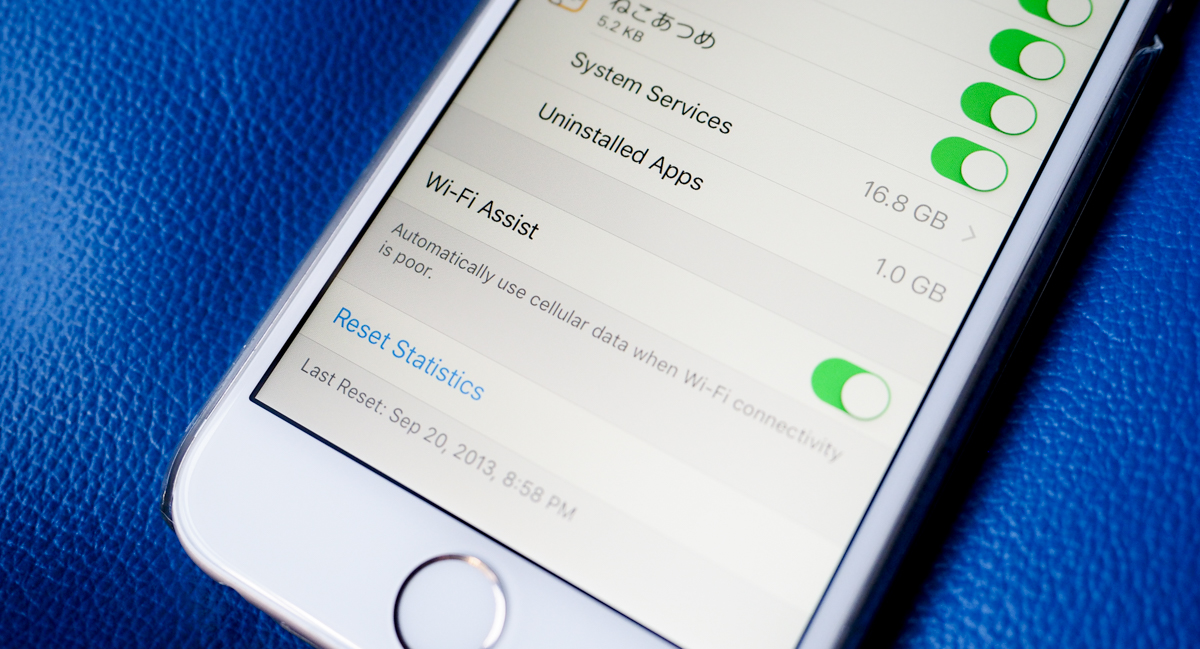
  • Apple Gets Sued Over iOS 9 Wi-Fi Assist Feature

    Apple Gets Sued Over iOS 9 Wi-Fi Assist Feature

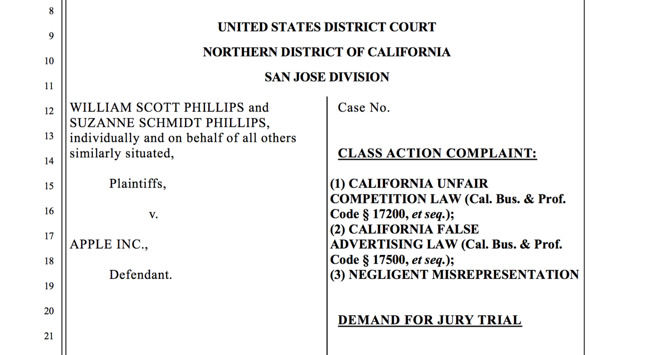
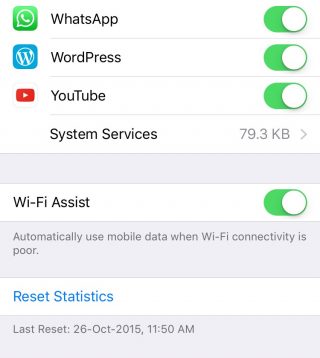
    It seems everyone loves to sue Apple left, right and center these days. And sometimes the lawsuits come from the most unexpected reasons possible. In one such case, a California-based couple has filed a class-action lawsuit accusing Apple for not informing iPhone owners of the potential data charges over Wi-Fi assist. The feature silently uses cellular data when Wi-Fi quality is poor. According to the plaintiffs, this feature has caused over $5 million in data charges to potentially affected customers.

    Lawsuit

    Apple has a tendency to add new features and set defaults without informing users. This is part of Apple’s philosophy of deciding features for users so that they don’t have to, and letting them discover the features on their own, if they can. While most features do not actually dip into your pockets and are quietly working in the background, others can cost you, if you’re not aware of it.

    WiFi Assist

    Wi-Fi Assist was added in iOS 9 to ensure that you get seamless internet connectivity at all times. But apparently, the feature does more harm than good, according to some people. The exact damage is not known, yet. The lawsuit doesn’t mention the amount of charges incurred with W-Fi Assist, though the couple believe that it exceeds $5 million. In the off chance that the couple actually do win the lawsuit, this could be potentially problematic for companies like Samsung as well, who have also implemented similar Wi-Fi boosts.

  • Indian Engineers Part of the WARF Team Which Sued Apple and Won

    Indian Engineers Part of the WARF Team Which Sued Apple and Won

    The recent lawsuit between Apple and Wisconsin Alumnae Research Foundation (WARF) ended in a penalty of $234 million for Apple. Wisconsin University had sued the tech-giant over the use of patented chips in iPhones and iPads. You can find the whole story here.

    The Wisconsin University team which sued Apple has two Indian engineers as part of it. Professor Gurindar Sohi and Terani Vijaykumar are members of the group which pursued legal action against Apple for the infringement of a patent they had developed.Indian Engineers who sued Apple and Won.cms

    It was ruled out by a jury court on Tuesday, that Apple had used technology in the processors of its devices which had originally been developed by Professor Sohi and Vijaykumar and two others. While WARF had asked for a penalty as high as about $862 million, it was brought down to $234 million.

    Both Indian-origin professors are pass-outs from the Birla Institution of Technology and Science in Pilani, Rajasthan and currently teach at the University of Wisconsin Madison and Purdue University in Indiana, respectively. Mr. Sohi is a professor of computer sciences while Mr. Vijaykumar teaches electrical and computer engineering.

    “This work has been recognized as a major milestone in the field of computer microprocessor architecture/design,” said Sohi.

    The legal case against Apple had begun in April last year. Another such case has happened last month where WARF sued the company once again over patent infringement. The latter case is yet to reach a conclusion.

iGyaan Network
Privacy Overview

This website uses cookies so that we can provide you with the best user experience possible. Cookie information is stored in your browser and performs functions such as recognising you when you return to our website and helping our team to understand which sections of the website you find most interesting and useful.