Tag: Narendra Modi

  • Prime Minister Narendra Modi Crosses 16 Million Followers on Twitter

    Prime Minister Narendra Modi Crosses 16 Million Followers on Twitter

    In todays digital age, if you want to know when a person has made it big, see his/her followers. Social networking sites like Twitter don’t just serve to send out tweets, but also discreetly lets people know just how popular you are. if you wanted to know he most popular politician in the world, head to Twitter and see who’s got the most followers. Currently U.S President Barack Obama is the most popular politician on Twitter with 66.1 million followers. Indian Prime Minister Narendra Modi is now second in the list of most followed politicians with 16.1 million followers.

    Since PM Modi was sworn into office on May 26, 2014, his followers have grown by 11.9 million. While PM Modi is the second most popular politician in the world, he is the third most followed Indian behind Amitabh Bachan (17.8 million) and Shah Rukh Khan (16.2 million).

    One of the reasons that factor into the Prime Minister’s Twitter rise is his Make in India initiative that has received strong support. Indeed, PM Modi’s upward trend reinforces his vision to build a Digital India, and he’s leading from the front, being called India’s first and most digital-savvy leader. His ambitions like #MakeInIndia #SwachBharat #MannKiBaat and #SelfieWithDaughter have trended on Twitter on many occasions.

    In fact, #MakeInIndia was so big that it became the first non-US brand to launch its own Twitter emoji to a worldwide audience.


    Here are some of PM Modi’s top retweeted tweets of the past few months:


  • Top 5 Political Leaders that are Killing it on Social Media

    Top 5 Political Leaders that are Killing it on Social Media

    If you think you’re whiling your life away on social media instead of working on those childhood plans of taking over the world -here’s some comforting news for you -the current leaders of the world are actually doing pretty much the same thing. They have just made it a means to an end -taking to social media platforms in a bid to connect to their supporters. Here’s a quick list at what politicians all over the world have been up to.

    1. David Cameron:

    David Cameron is by far the most interesting name in terms of the recent bloopers made by politicians online. The British Prime Minister keeps his followers entertained as well as the world of internet stocked with memes thanks to his poorly judged selfie timing and interesting typos.

    Did he just? No, he did not. But DID HE JUST!

    Yes, ladies and gentlemen, this is how children were banned and made illegal in England last year. And you thought beef was the issue.

    2. Xi Jinping:

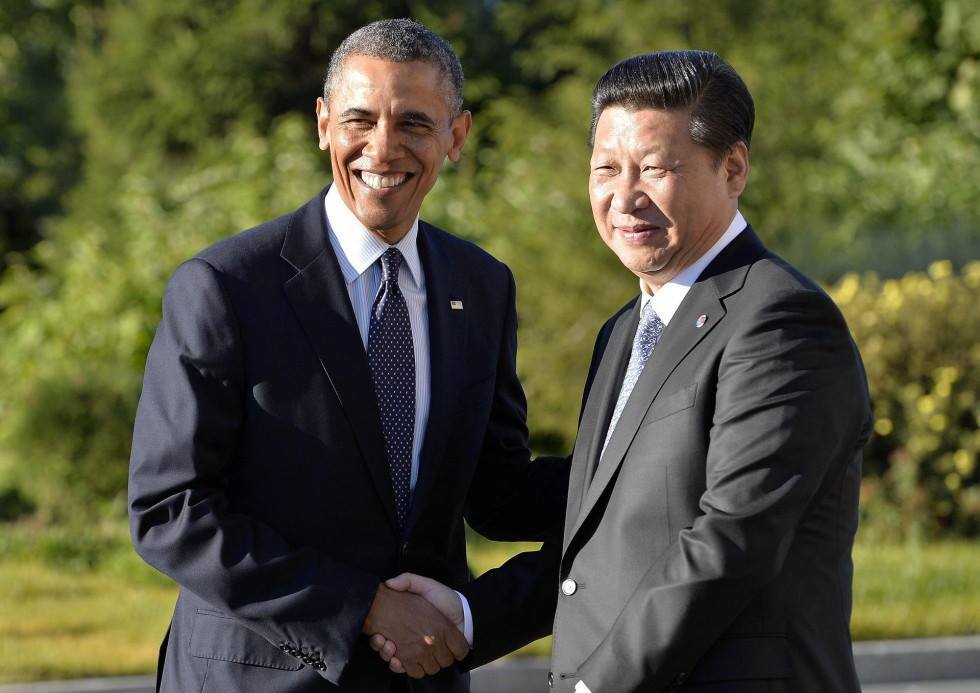
    You know something is just not right when a country bans Facebook (along with Google and Twitter), yet the president chooses to join the social media platform to share posts from his meeting with the American President, Barack Obama. This is precisely what happened in China last month. President Jinping posted updates from his meeting with Obama on his Facebook pagePresident Jinping meets Obama

    This was later followed by updates about a meeting with, ironically enough, Mark Zuckerberg. However, disappointingly enough, the page doesn’t have any selfies of the Chinese president.

    3. Angela Merkel:

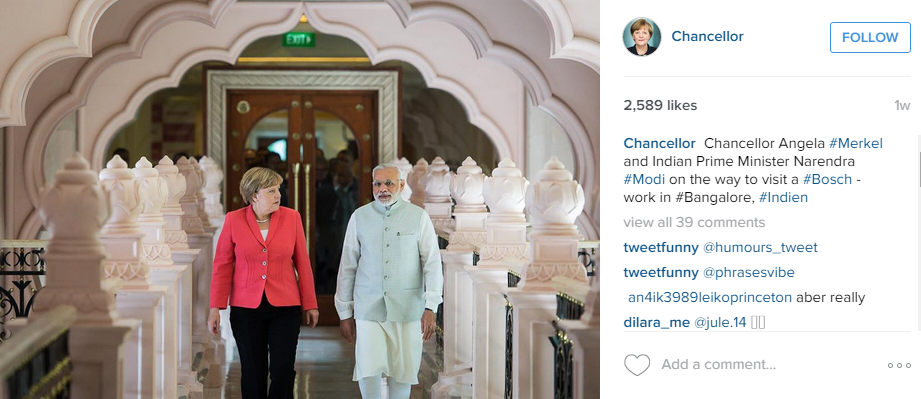
    German Chancellor has already made attempts to tackle racist posts on Facebook, by raising her voice against them through her Facebook page. Merkel also maintains an Instagram blog called Bundeskanzlerin

    Angela Merkel with the Indian Prime Minister Narendra Modi
    Angela Merkel with the Indian Prime Minister Narendra Modi

    Once again, however, the blog has no images of selfies or German sunsets. The blog is an impersonal account of Merkel’s professional travels and projects. No wonder Merkel hasn’t been as entertaining as the British Prime Minister with her social media updates. Yet.

    4. Barack Obama:

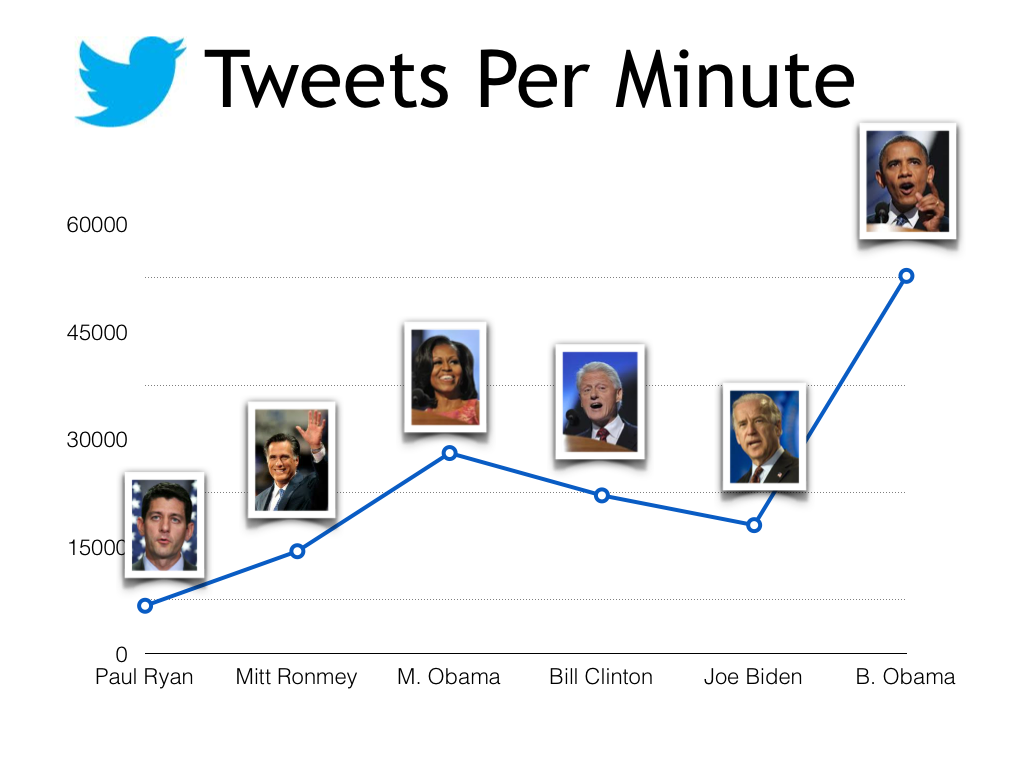
    Barack Obama is one of the most widely followed political leaders on social media. With 64.9 million Twitter followers,44.9 million supporters on Facebook and millions of views on his YouTube channel, Obama has successfully managed incorporate social media in his political campaigns and strategies. Right from the beginning of his campaign, Obama always outdid his opponents like John McCain and Michel Romney in terms of popularity on social media.Barack Obama Social Media

    Even though his sites are run by his campaign staff, personal Tweets are signed “bo” by him. After all, which other political leader mentions details like the Godfather movies as favourites or enjoying spending time with family on their Facebook page? Obama has definitely managed to make his followers feel like they are all participants in the same conversation.

    5. Narendra Modi:

    “This is the first election where social media has assumed an important role and the importance of this medium will only increase in the years to come. It became a direct means of information and gave us the much-needed local pulse.”

    Narendra Modi had made the statement in a blog post right before the election results. As he became the Indian Prime Minister, his victory message became one of the most retweeted posts on social media in the country.

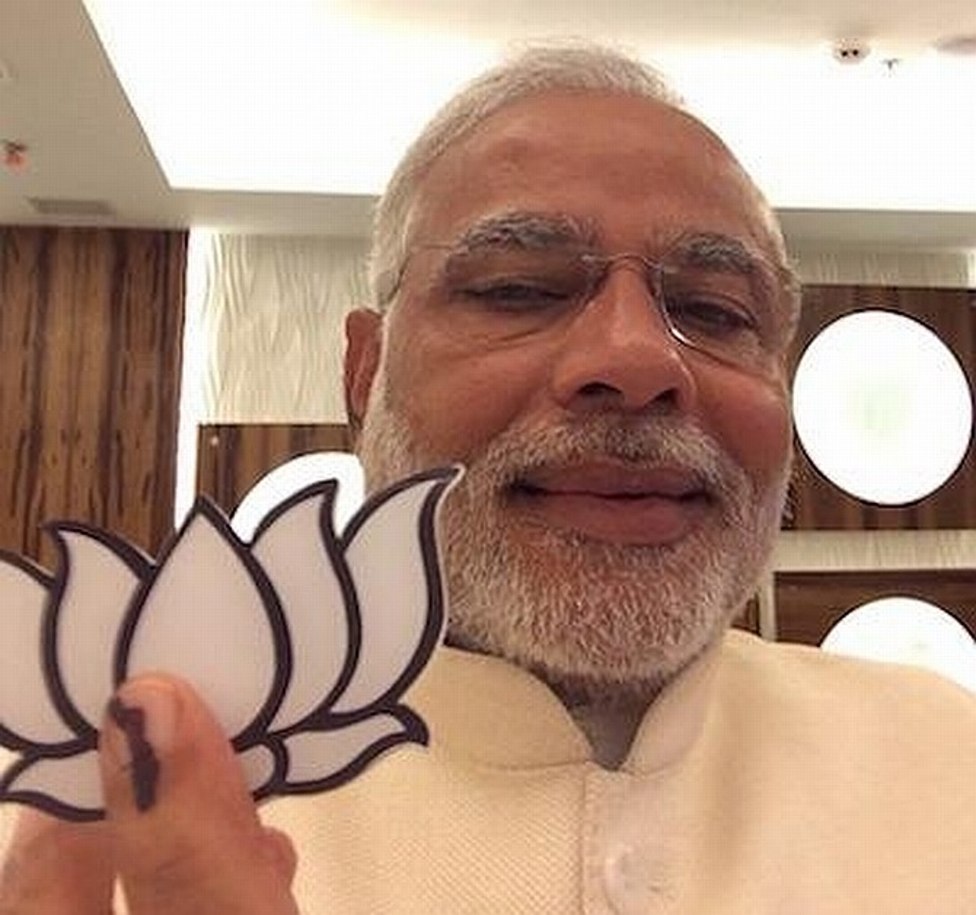
    Narendra Modi Selfie

    The Indian Prime Minister is quite popular on social media, similar to his American counterpart, Barack Obama. Modi currently has over 30 million Facebook followers and about 15.5 million followers on Twitter.

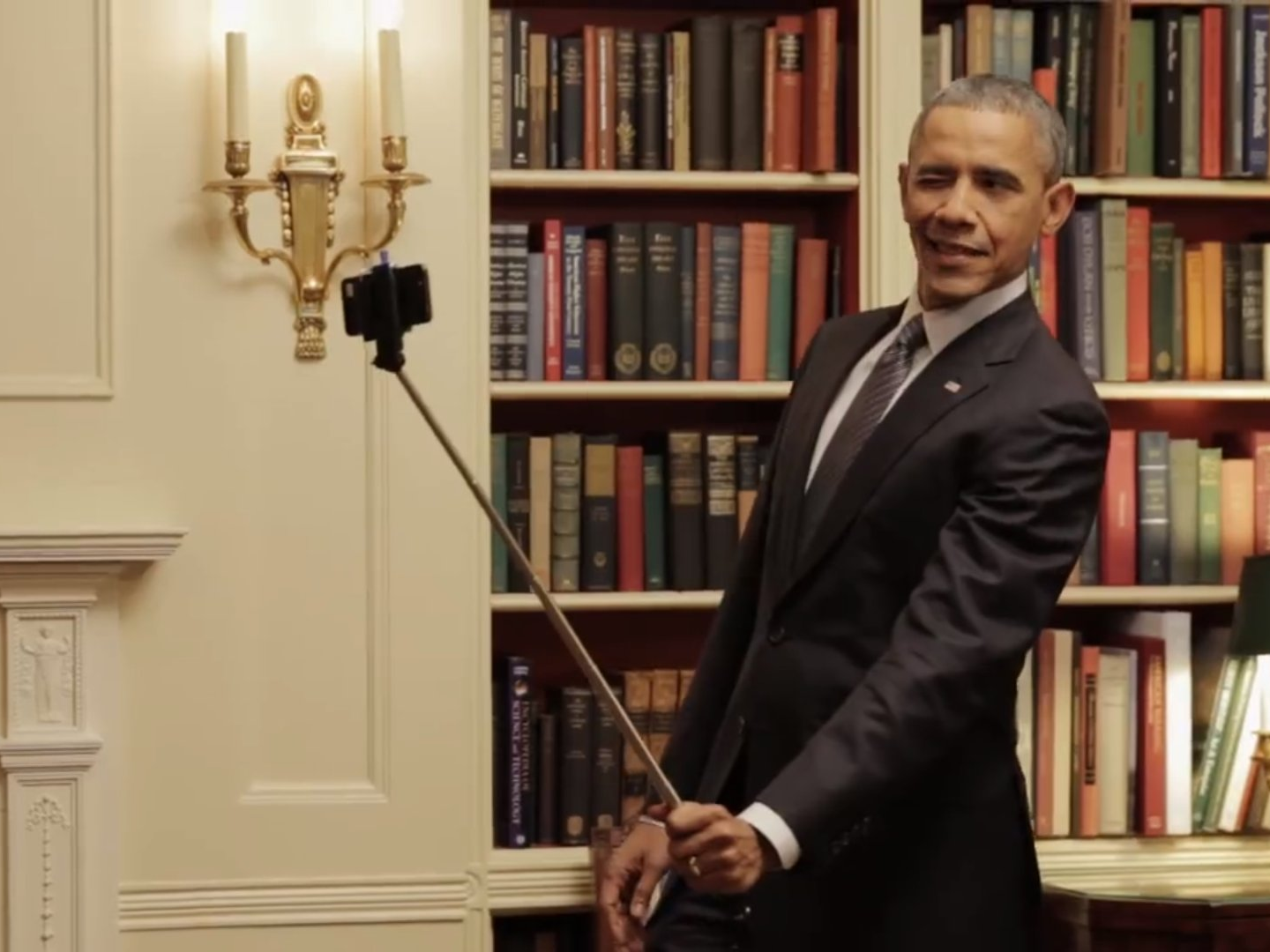
    If leaders like Churchill and Wilson from the previous century were still around, they would definitely have interesting things to say about contemporary political trends. As more and more politicians struggle to become tech savvy, it is fun, often hilarious, to watch them grapple with selfie sticks and front cameras.Barack Obama clicks a selfie

    Just when you thought it was all about austere dressing and MPs falling asleep in the Parliament, social media happened to change the face of national and international politics forever -but for better or worse? Perhaps only time will tell.

  • Narendra Modi in Silicon Valley: Could ‘Digital India’ Be a Reality?

    Narendra Modi in Silicon Valley: Could ‘Digital India’ Be a Reality?

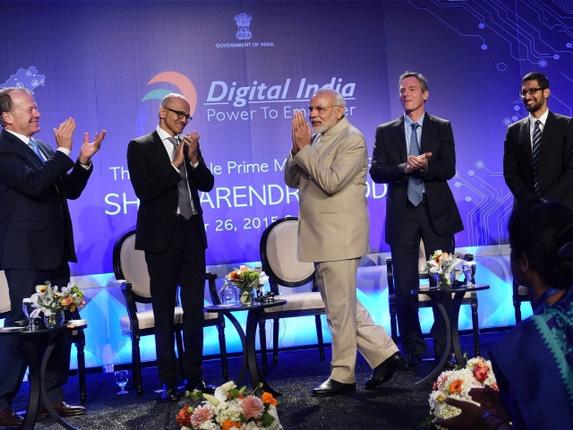
    PM Narendra Modi’s visit to Silicon Valley, against the backdrop of campaigns like Digital India and Make in India, has the whole country aflutter with hopes of potential developments in the Indian tech scene. Aimed at promoting the spread of tech-literacy all over the country, the visit includes Modi meeting the CEOs of tech giants. Needless to say, the development of events led to some important announcements.Modi and Digital India

    Google: Modi met Google CEO Sundar Pichai yesterday and discussed plans on introducing Wi-Fi connectivity across 500 railway stations in India, with speeds good enough to stream HD videos. Modi said that Google plans on covering 100 stations by the end of 2016. “We are expanding our public Wi-Fi hotspots. For example, we want to ensure that free Wi-Fi is not only there in airport lounges, but also on our railway platforms. Teaming up with Google, we will cover 500 railway stations in a short time,” he said. Pichai also announced that Google will roll out 11 Indian languages for Android users to type in next month.

    Microsoft: Satya Nadella announced that Microsoft would use its cloud services in India. “We believe low cost broadband connectivity coupled with the scale of cloud computing and the intelligence that can be harnessed from data can help drive creativity, efficiency and productivity across governments and businesses of all size. This is turn will create global opportunities for India,” Mr Nadella said. 

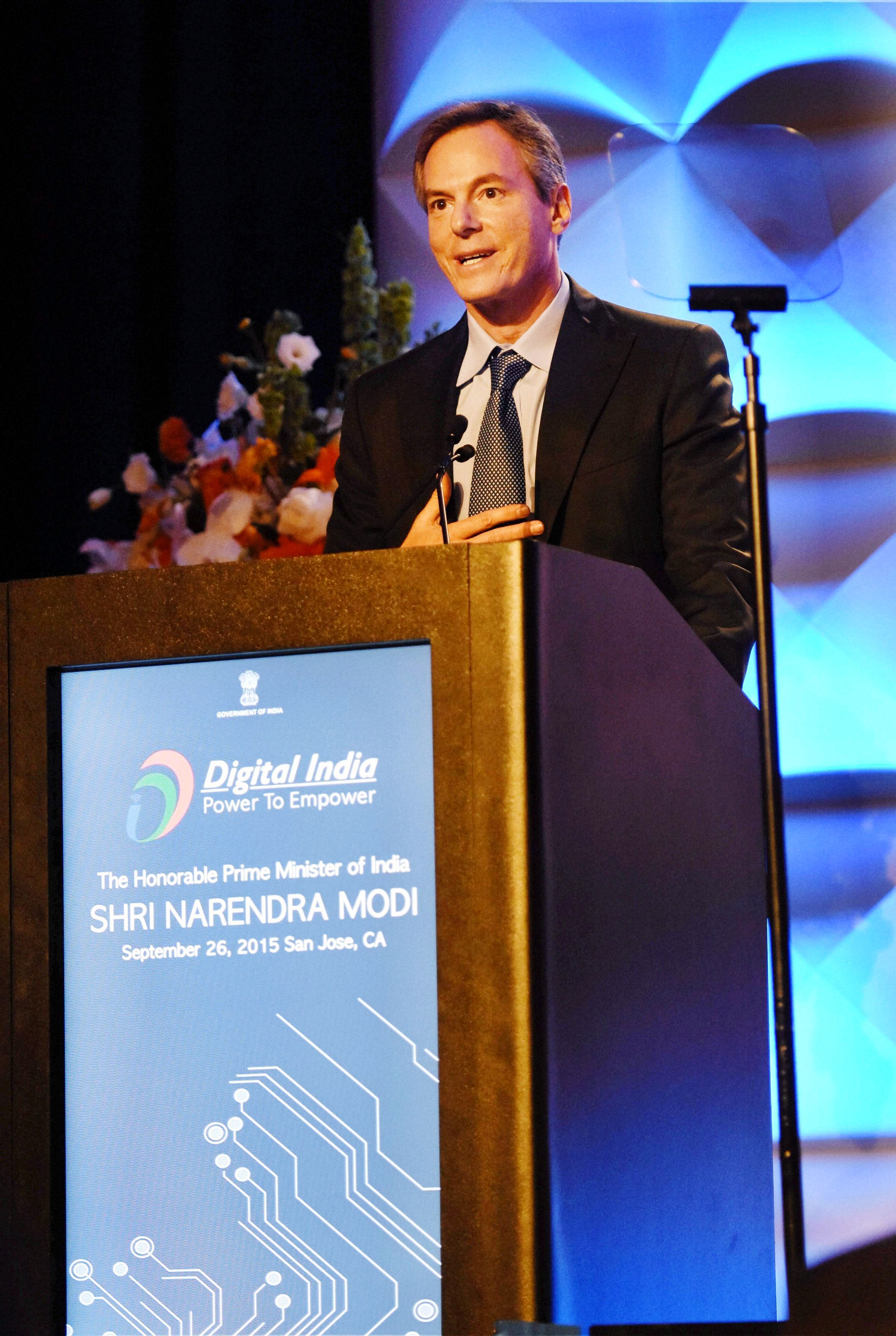
    Qualcomm: Qualcomm announced a 10 billion rupee venture capital fund for startups. The company also announced the set up of a lab in Bangalore for product innovation. “We share Prime Minister Narendra Modi’s vision to transform India into a digitally empowered society and knowledge economy,” Qualcomm executive chairman Paul E Jacobs said.

    Paul E. Jacobs talks about Digital India

    Tesla:

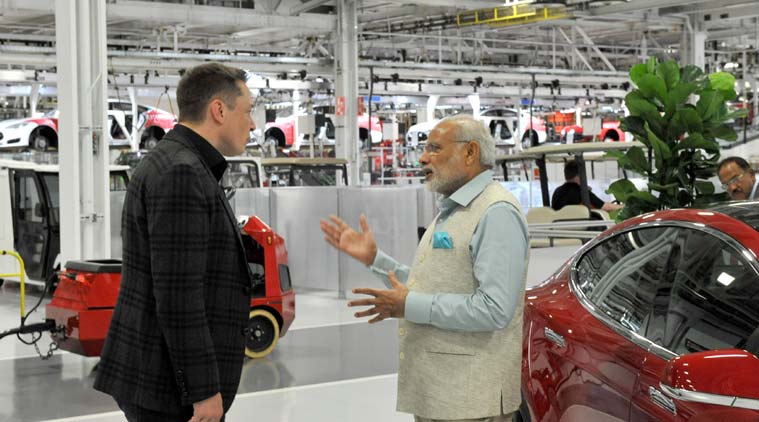
    A significant part of the first day of the PM’s visit to Silicon Valley was spent with two CEOs, Tesla’s Elon Musk, and Apple’s Tim Cook. The meeting with Musk was structured with the aim of securing company’s “Powerwall” invention for the Indian tech world. Powerwall is a long term storage device for solar energy capable of bringing “energy to hitherto unserviced areas of India”.  This innovation is expected to include more than just solar energy, and hopes to explore alternative energy sources as well.

    Modi with Elon Musk
    PM Modi with Elon Musk

    Apple:

    Tim Cook, the CTO of the company, spoke about India and said, “India has a special place in the heart of every Apple employee for the simple reason that Steve Jobs, when he was young man, went to India for inspiration and it was what he saw in India that infused in him the desire to create Apple.”


    Apple sees immense potential for app development in the country, especially for young entrepreneurs in the field. Following the example of China, where the company has managed to give rise to about 15 lakh jobs, Apple’s involvement in India seems a huge leap for the Digital India campaign.

    Facebook:

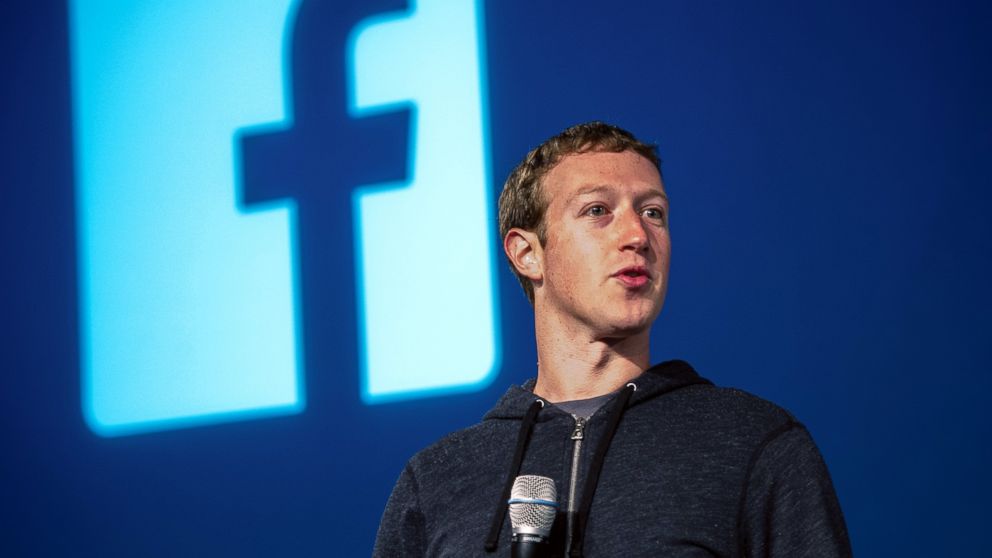
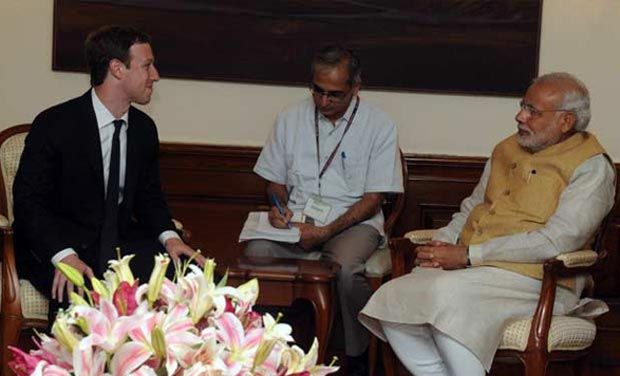
    After a one-on-one meeting with Facebook founder and CEO, Mark Zuckerberg, Prime Minister Modi shared the stage with him for a 50-minute discussion on technology, social media and Digital India. Zuckerberg mentioned how India has shaped Facebook’s history by providing a market of millions of netizens all connected through the social media platform. The PM made a comment good humouredly and said, “We used to have elections every five years. Now we have them every five minutes.”

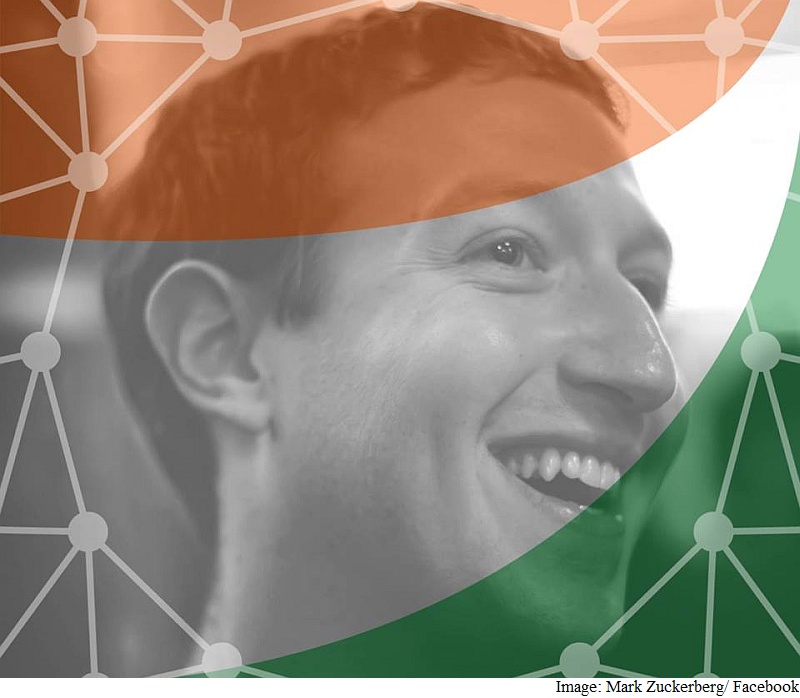
    Mark Zuckerberg

    Zuckerberg showed his support for the Digital India campaign by updating the picture on his Facebook page with a tri-coloured display picture.
    Modi visits Silicon Valley

    The PM returns from Silicon Valley on 30th September with immense promise for the country in the realm of internet and technology. A sense of anticipation would perhaps be natural at this juncture as we await the execution of these plans. If seen till the end, a larger proportion of the country’s population would have access to internet services and those already using the internet would have smoother, faster services. Hopefully the UN is listening next time it decides to conduct a poll of internet services in the country.

  • PM Narendra Modi and His Twitter Governance: What’s It All About?

    PM Narendra Modi and His Twitter Governance: What’s It All About?

    No matter how niche and exclusive you might consider yourself, you can’t stay away from the magnetic power of the social media for too long. Today is the age of the mango people, if they don’t want you, you’re finished. Social media has strengthened and toppled people over for as long as we know it. One of the world’s biggest example is reality star and entrepreneur Kim Kardashian and how she has used social media to up her status since the time she appeared on reality TV.

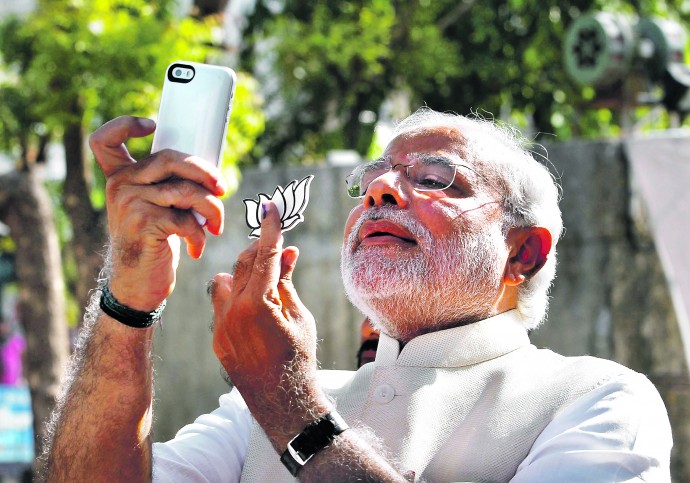
    selfie Modi

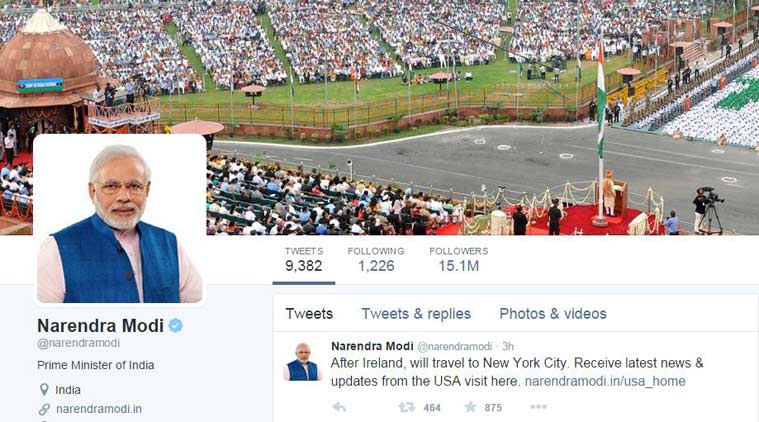
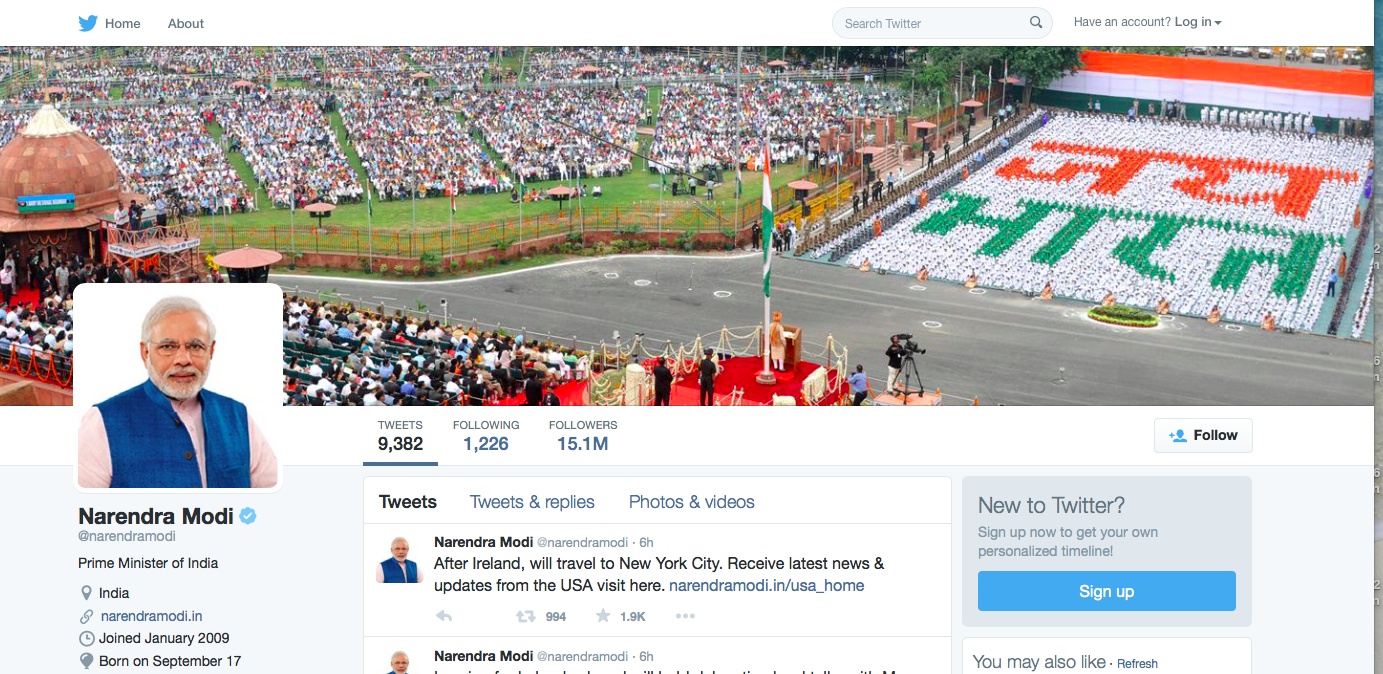
    Today, we’re going to talk about someone closer to home; our Prime Minister, Narendra Modi. Just like you, Narendra Modi likes to keep a track of his followers, and the number of likes he gets on his tweets. Modi has reached a new milestone via his Twitter account; he now has 15 million followers, making him the second most followed politician in the world after US President Barack Obama. He is also India’s third most followed person on Twitter after Shahrukh Khan and Amitabh Bachan, now that’s saying something.

    Modi Twitter Profile Narendra Modi Twitter

    Before PM Modi there was Shashi Tharoor and his infamous tweets, so he’s not the first Indian politician to use the Twitter platform, but he is definitely our country’s first PM who has done so. His digital presence has heralded the idea of ‘Digital Governance’ and ‘Digital Diplomacy’ in India. Ever since his ‘golden tweet’ after his victory in the Lok Sabha Elections, his presence on Twitter has increased so much that he has the five most shared tweets of all time in his list of achievements on social media.

    Here they are :

    Let’s talk a little bit about how the idea of ‘diplomatic governance’ is being promulgated via Twitter. There’s a reason we all know about #SwachchBharat, #MannKiBaat and #SelfieWithDaughter. Modi cleverly used the social media platform to show the benevolent side of himself with all the above hashtags becoming pretty popular along with the idea behind it. Whether you agreed with it or not is another topic altogether, but the fact remains that the message got through to the intended masses.

    Here are a couple of Tweets that come under the digital governance idea :

    Moving on to ‘digital diplomacy,’ PM Modi has been keeping his powerful and famous friends very close on social media, his tweets are as celebrity-like as it gets. Have a look:

    Modi is striking a chord with the youth, the people have an opinion about their PM, what more can a self-proclaimed ‘people’s’ PM hope for? .

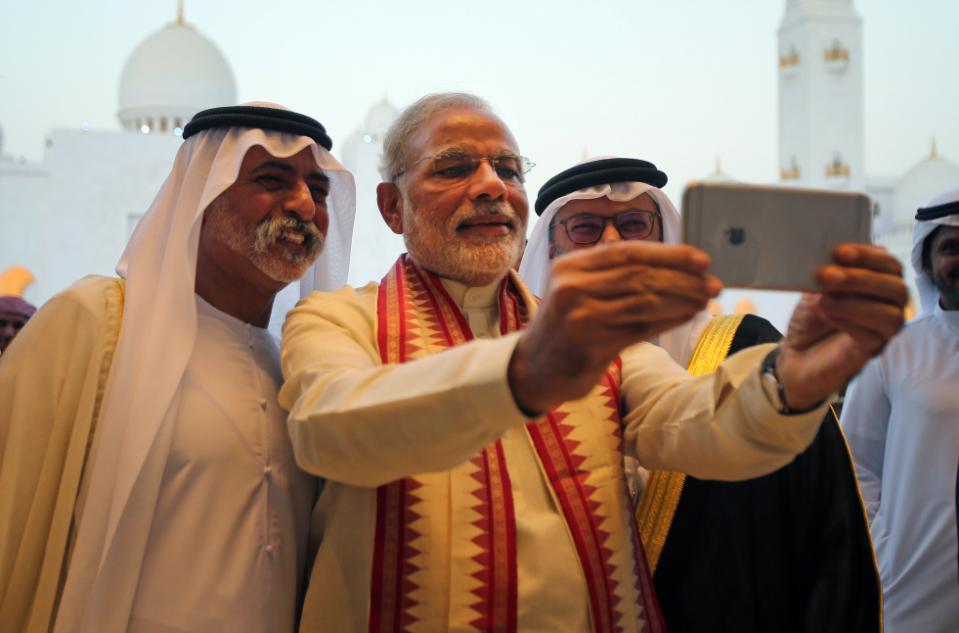
    Indian Prime Minister Narendra Modi, middle, takes a selfie next to Sheikh Hamdan bin Mubarak Al Nahyan, UAE Minister of Higher Education and Scientific Research, left, as they tour the Sheikh Zayed Grand Mosque during the first day of his two-day visit to the UAE, in Abu Dhabi, United Arab Emirates, Sunday, Aug. 16, 2015.  The UAE is home to over two million Indian expatriates and this is the first visit by an Indian premier in over three decades. (AP Photo/Kamran Jebreili)
    Indian Prime Minister Narendra Modi, middle, takes a selfie next to Sheikh Hamdan bin Mubarak Al Nahyan, UAE Minister of Higher Education and Scientific Research.

    Is it good or is it bad? We don’t know, but we definitely have an opinion. He has a plan to reach out to his people, he’s crafting his public image very carefully via a not so subtle social media website for youngistaan. Let’s just hope he can rise above his celebrity status.

    Have a strong opinion about this? Comment below and share it with us.

  • PM Modi Calls on Samsung, LG to Help Give ‘Make in India’ Campaign a Push

    PM Modi Calls on Samsung, LG to Help Give ‘Make in India’ Campaign a Push

    The Prime Minister of India, Mr. Narendra Modi, in his Independence Day speech, shared his vision to make the country a technology hub. He hopes for an India where government services can be delivered through the creation of technological infrastructure. Giving a push to his Make in India campaign, Modi will sit down with top officials of the two leading tech powerhouses, LG and Samsung, to set up a manufacturing unit in India. The establishment of their manufacturing plants will stimulate the production of smartphones in India.

    Minister of Communication and IT, Ravi Shankar Prasad, confirmed about the meeting with the South Korean companies, saying, “Earlier, I had personally met senior executives of these companies and we expect something concrete now.” Modi will have a talk with Samsung Electronics’ President and Head, JK Shin and LG’s Global CEO and Vice-Chairman, Bon-Joon Koo. LG India’s Managing Director stamped the ties to some extent stating Modi’s visit will enhance bilateral ties.

    make in india

    How LG and Samsung’s Participation will Make a Difference

    LG and Samsung are the two front runners in the smartphone race whose products are appreciated worldwide. Not to forget, these firms have a strong foothold in the smartphones domain as well as the semi-conductors arena. Samsung manufactures Exynos chips equipped on the Galaxy S6 series, and if the company sets up a plant on the Indian soil, smartphones will become a lot cheaper than their current launch price.

    For now, only 74% of the Indians own a mobile and considering the large size of the Indian population, there is still a massive number of people who are yet to own mobiles. Modi aims to reach that 26% residing in the rural area with cheaper phones produced on our homeland. He aims to connect India through its length and width by 2019. The Prime Minister has sanctioned Rs. 113,000 crore fund for the Digital India project.

    Investment in technological infrastructure will lead to a speedy growth in the economy. It will also help in bringing better, technology-aided education to the children of India, thereby forging a promising future of the country.

  • Indian Tech Startups Write an Open Letter to PM Modi to Help Save Net Neutrality

    Indian Tech Startups Write an Open Letter to PM Modi to Help Save Net Neutrality

    An unbiased internet is a right of all and should not be a distinctive property limited to a privileged few. For the Internet to be a free entity is extremely important for regular internet users, as it is the equally essential for the budding businesses to grow. Start-up firms, who are launching themselves to gain recognition using the internet, need a non-discriminatory medium to establish themselves. For them, an unbiased platform both on the basis of cost and speed is a crucial need.

    A group of tech start-ups has pushed its concern over the lack of Net Neutrality. The emerging companies wrote an open letter to PM Modi which states the necessity of free Internet to build a Digital India. The letter throws light on the fact that the dream of India to produce the next Google is impossible without a non-discriminatory Internet. The Prime Minister of India, few days back, remarked in his speech that he wants India to be the birthplace of next renowned search engine.

    net-neutrality

    The letter by the small businesses reads, “We dream that an Indian startup may one day become the next Google, Facebook or Amazon. We know that you share our dream. We share another dream with you, the dream of a Digital India. We dream of this as Indians, and also as businesses that wish to serve a fast-growing Indian internet market. These dreams cannot be achieved without the open Internet.”

    The message ends up with the comment, “We request that open-house debates be held in major Indian cities after the consultation process is over. We, the start-ups that are at the forefront of creating Digital India, request you to take action now. We need you to protect our nation’s innovation ecosystem.” The open letter is signed by some of the fresh companies like Housing.com, Goibibo, TheSecretKart.com and much more.

    Late last year, Airtel attempted to violate net neutrality by charging extra for free calls and chat services, but faced an aggressive backlash resulting it to withdraw the proposed plan. Recently Airtel Zero, a scheme to offer free data access to a variety of mobile apps, faced such hostility that it forced Flipkart to back off from Airtel’s Zero plan. However, Airtel stood by its initial claim and came out openly denying the allegations.

    Meanwhile, the government has stepped into the matter and will look into the Zero plan. Facebook and Twitter are flooded with various campaigns such as #SavetheInternet, #NetNeutrality, to save the internet from classism.

    To read the full letter, click here.

  • Indian Govt Collaborates with Twitter for the Digital India Initiative, Launches ‘Twitter Samvad’

    Indian Govt Collaborates with Twitter for the Digital India Initiative, Launches ‘Twitter Samvad’

    Twitter today inaugurated a tweet-powered digital media service called ‘Twitter Samvad’ in India in association with the Narendra Modi government. The new service allows users to get daily updates via tweets and SMS on their handsets.

    Through Twitter Samvad, anybody who is registered for the service can get updates on government policy, services, and activities from the government and national leaders’ Twitter handles. Anyone who owns a mobile phone can sign up for Twitter Samvad with each of the 16 launch partners. The signup process is easy and doesn’t rely on internet. Anyone with or without a net pack can register by giving a missed call to the phone numbers allotted to each of the partners.

    The Prime Minister of India, Mr. Narendra Modi, put forward a vision to digitize India, and Twitter Samvad is a step towards the right direction. Moreover, it will help government bodies to connect directly with the citizens.

    The CEO of Twitter Dick Costolo talked about the launch –

    Based on Indian technological innovation, Twitter Samvad is dedicated and specially built for the largest democracy of the world. The Lok Sabha election of 2014 was the first-ever Twitter Election in India and we want to continue contributing to the development of digital governance in India. As part of the Prime Minister’s Digital India initiative, this Tweet-powered service enables citizens to be the first to know about the government’s actions by receiving political content in real-time on their mobile devices anywhere in the country.

    This is another major announcement of the day after the decision of Supreme Court to cease Section 66 A of the Information Technology Act, 2000. Today, the Supreme Court of India made the judgment in favour of internet freedom, saying that it has been guaranteed by the constitution.

    The list of 16 government partners contributing in Twitter Samvad, along with their phone numbers, is given below:

    Accounts Phone Number
    @NarendraModi 011 3006 3006
    @PMOIndia 011 3006 3007
    @adgpi 011 3049 6116
    @RailMinIndia 011 3049 6222
    @anandibenpatel 011 3049 6050
    @CMofKarnataka 011 3049 4737
    @CPBLR 011 3049 5141
    @BlrCityPolice 011 3049 5242
    @blrcitytraffic 011 3049 5464
    @ncbn 011 3049 5767
    @TelanganaCMO 011 3049 5868
    @YadavAkhilesh 011 3008 3380
    @UPGovt 011 3049 6353
    @NitishKumarJDU 011 3008 2828
    @MamataOfficial 011 3008 3333
    @MeaIndia 011 3049 5969
  • Narendra Modi is Among the 30 Most Influential People on the Internet

    Narendra Modi is Among the 30 Most Influential People on the Internet

    According to a recent report published by Time Magazine, Indian Prime Minister, Narendra Modi, is among the 30 most influential people on the Internet. Can’t say we’re surprised. This list also includes US president, Barack Obama.

    The list analyses social media followings, site traffic and the overall ability to drive news. According to the data, Narendra Modi has nearly around 38 million followers on Facebook and Twitter. It is more than any other political world leader, with the exception of President Obama.

    Modi is an enthusiastic user of social media and uses this method to communicate with the people. According to Time magazine, “Unlike many of his contemporaries, Modi recognises that social media can be invaluable when trying to reach India’s 200 million-plus online population directly,”

    The number one world leader on this list is US President, Barack Obama, who is the most liked leader on Facebook and the most number of followers on Twitter. According to the report, the reason is that Obama doesn’t mind making a meme out of himself for pushing an agenda. A video showed Obama using a selfie stick and many other props to drive people to sign up for heath insurance under the Affordable Care Act. This video was viewed by more than 50 million people within days.

    Among the others included in the list are reality star Kim Kardashian, singer Justin Beiber, actress Gwyneth Paltrow, Actress Yao Chen, singer Shakira, founder of the blog ‘Humans of New York’ Brandon Stanton and TV personality, Jimmy Fallon.

  • How the Twitterverse Reacted to AAP’s Historic Win

    How the Twitterverse Reacted to AAP’s Historic Win

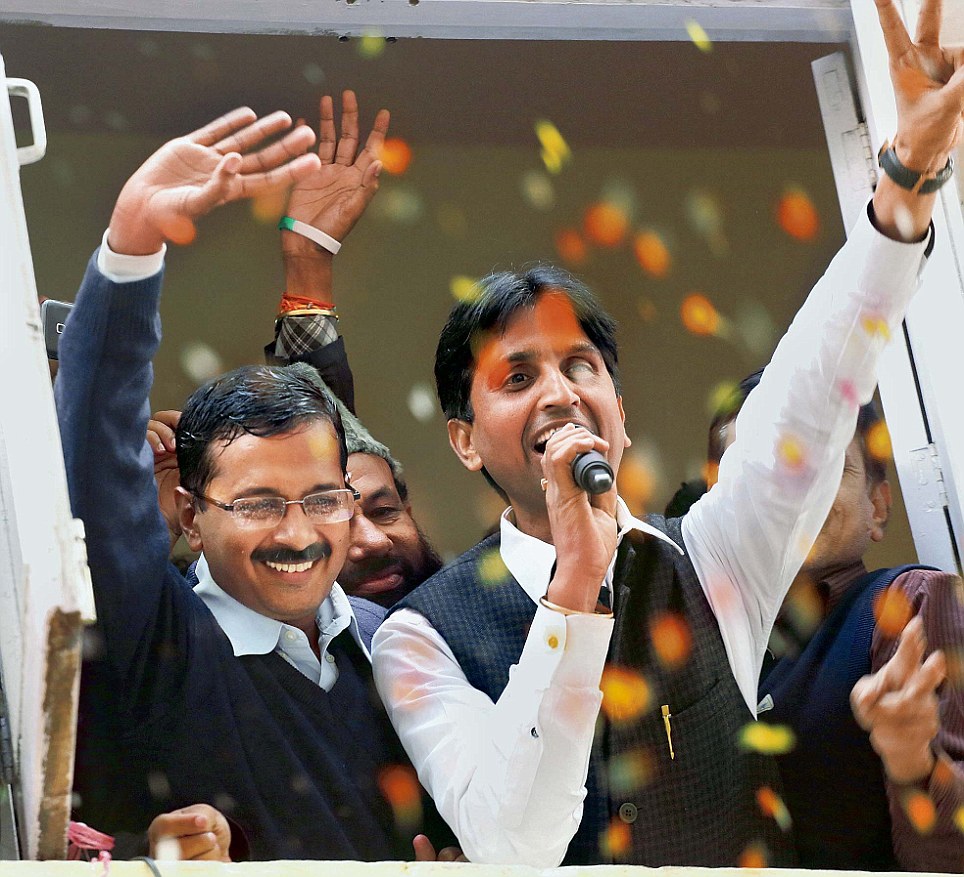
    In a democracy, you get to see something like the Delhi elections only once in a blue moon. A landslide victory that totally decimated the competition. In the 70 seat Delhi assembly, the Arvind Kejriwal led Aam Aadmi Party grabbed 67 seats leaving the opposition with a paltry three seats. This led to a barrage of comments on social media. Twitter has become a major political tool in the past few years and played a major role in campaigning in this election too. After the elections, there were many congratulatory messages for the party along with the usual jokes were out to troll the losing side.

    Let’s look all what all transpired on Twitter following AAP’s epic victory.

    Prime Minister Narendra Damodar Modi Congratulates Arvind Kejriwal

    Mr. Kejriwal thanked his wife Sunita for her support with a hug.

    Shashi Tharoor from Congress also was amongst the first to send out his congratulations.

    Journalist Rajdeep Sardesai sent out a series of quick analysis of the election.

    Twitter Hashtags; #AAPSweep, #AAPStorm reached the top of the trends for India and were still the top two hashtags on Twitter. It shows that the celebratory mood of the volunteers hasn’t jaded off yet. Here are a few funny ones to tickle your funny bone.

    Congress drew a duck in the election, and it had to receive some attention for that.

  • How AAP Used Social Media to Win Over Delhi

    How AAP Used Social Media to Win Over Delhi

    Today, Arvind Kejriwal from the Aam Aadmi Party (AAP) won the Delhi elections with a clear majority, giving little room to the main opposition, the Bhartiya Janta Party (BJP).

    At the time when Narendra Modi, leader of the BJP, had run the campaign for the 67th Lok Sabha elections, he had made sure to make his presence felt on social media. In fact, it has been considered as one of the important factors that led to him becoming the Prime Minister of India. He had hired an able team which used Twitter and Facebook well and kept his million followers updated about his every move. Even his YouTube channel had all his updated speeches, neatly arranged in playlists. At that time, Aam Aadmi Party’s social media campaign had been considered ill-focused and misguided.

    Things have certainly turned in a new direction –  it seems like BJP didn’t give the digital world the same importance for the Delhi election, while AAP played the game to win.

    It wasn’t only the two, all parties tried out every possible measure to spread their message to the masses. Social media was heavily utilized and major tactics were adopted.-

    Here are some examples of how AAP won the social media war:

    Twitter

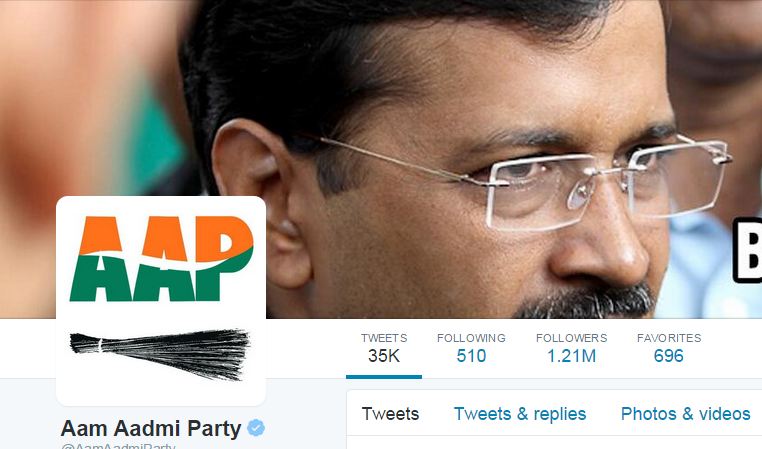
    aam aadmi party twitter

    In the past couple of weeks, Twitter was flooded. #DelhiDecides remained the top trend followed by #AapSweeps. #DelhiDecides saw a total of 81,000 comments and it touched the rate of 160 tweets per minute. AAP followed the footsteps of PM Modi and set up a team completely devoted to checking the posts and it clearly worked in favour of the party.

    Facebook

    Facebook the prime focus of the party during the election. Through Facebook, millions of followers could track Arvind Kejriwal's every move during the campaign. Meetings with dignitaries, selfies with celebrities, were shared. It was used as a mini blog, giving an impression that followers were directly receiving messages from the man himself. Arvind Kejriwal's team ensured they stayed in touch and spread his work through Facebook.

    Radio Campaigns

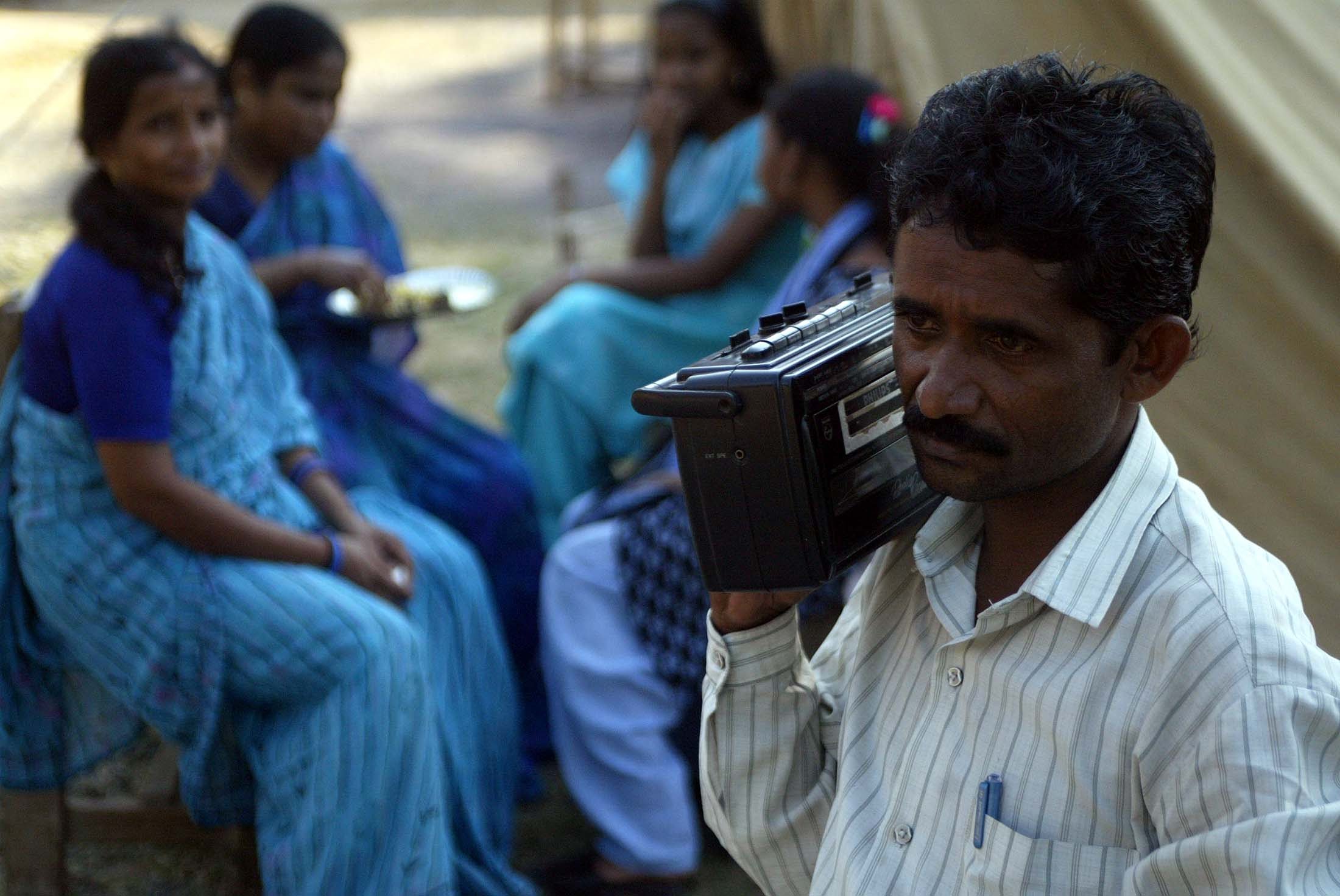
    radio campaign

    While Radio cannot be considered a social media tool, AAP used it like it was. For weeks before the election, radio was used to reach distinct corners of Delhi that lacks internet access. It became a major medium to connect and speak to the Delhites, and listen to their grievances.

    Paanch Saal Kejriwal on YouTube

    AAP remained the hot topic on YouTube as well. Vishal and Shekhar composed a song called Paanch Saal Kejriwal which went viral.

  • Microsoft CEO Satya Nadella Meets PM Modi to Discuss the Digital India Project

    Microsoft CEO Satya Nadella Meets PM Modi to Discuss the Digital India Project

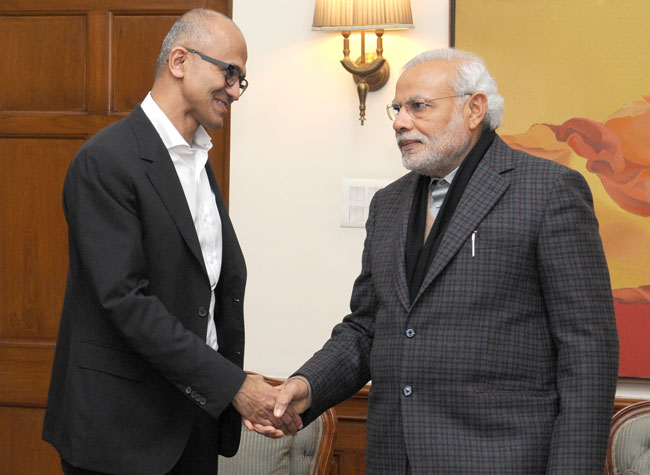
    Narendra Modi has a long list of high-profile guests flying over to India to meet him. The recent addition to the list was Microsoft’s Chief Executive Officer Satya Nadella.

    Nadella after meeting the PM at his office on Friday commented, “it’s always fantastic for me personally to be in India and the conversation I had with the minister was wide ranging,”

    Nadella is the third major tech executive to meet PM Modi, after Amazon’s Jeff Bezos and Facebook’s Mark Zuckerberg. While it is largely being dubbed as a personal visit for the India-born chief executive of the American software giant, he was also supposed to address Microsoft’s employees in India on Friday.

    Earlier in the day Nadella met PM Narendra Modi and communications and IT Minister Ravi Shankar Prasad. “I have an aspiration that in this mobile and cloud world, we can empower every individual citizen of India and every business organization and institution in India to be able to try with new technology. So, I am looking forward to be a part of both the Digital India and Make in India,” he said.

    One of the major highlight of this high-profile meeting was the talks between Nadella and telecom minister Ravi Shankar Prasad where he urged the telecom minister to allow Microsoft to pilot its ‘White-Fi’ technology to provide internet connectivity in remote villages in the country.

    Microsoft India, since last month, has been seeking approvals to deploy a project that will enable Internet connectivity using ‘White Space’ spectrum that is currently used for television transmission by Doordarshan. White space technology has previously been deployed in South Africa, Ghana, and the UK, although to this point, white space broadband hasn’t been deployed at a commercially meaningful scale.

    This was the second courtesy call of the Microsoft CEO to PM Narendra Modi. Nadella met the Prime Minister earlier during his first India visit after taking charge as boss of the top software company.

  • Indian Govt and Facebook to Work Together on an App for ‘Clean India’

    Indian Govt and Facebook to Work Together on an App for ‘Clean India’

    Facebook founder Mark Zuckerberg on Friday met Prime Minister Narendra Modi. One of the highlights of the meeting was the prospect of launching a mobile application devoted to Clean India, while they also discussed the PM’s pet projects such as Digital India and his hopes to use the networking site’s use for social causes and prevent its misuse by terror outfits. Facebook will help in the creation of the Clean India Mobile App and it would be launched soon. This would give a strong impetus to the Swachh Bharat Mission, the Facebook boss told Modi.

    “Connecting more than a billion people with internet is not only going to improve lives of people in India but will help the innovation and imagination of Indian people to help turn around the world and we are very excited in opportunities in India,” Zuckerberg said after his meeting with the telecom minister.

    “About 2.7 billion people have access to the internet. But that’s only one-third of humanity. Almost 4.5 billion people don’t use the internet,” pointed out Zuckerberg, in Delhi on a two-day visit to India. “Connectivity cannot just be a privilege of the rich and powerful. It is a human right.”

    mark-modi
    Facebook CEO, Mark Zuckerberg in conversation with PM Narendra Modi

    According to The Economic Times report, Zuckerberg told the Prime Minister that he is extremely excited about the government’s Digital India initiative. Modi, a prolific user of social media platforms with nearly 7 million followers on Twitter and around 23 million people following him on Facebook, has asked Zuckerberg to identify domains of the program that it can get involved in and work with the government.

    In the conversation, the Prime Minister also expressed some concerns about social media, especially the use of such platforms by terrorist elements to recruit new members. “This is unfortunate and we need to think of the role social media can play to stop terror,” the PM said.  He also urged Facebook to promote India’s rich tourism potential and look at how to enhance internet literacy along with connectivity.

  • Facebook CEO Mark Zuckerberg to Meet PM Narendra Modi Today

    Facebook CEO Mark Zuckerberg to Meet PM Narendra Modi Today

    After Facebook COO Sheryl Sandberg’s successful meeting with Prime Minister Narendra Modi, it’s now founder Mark Zuckerberg’s turn. He will be in India to address the first Internet.org summit taking place from October 9-10 in the capital city.

    His visit comes three months after the visit of Sheryl Sandberg (July 2014), Chief Operating Officer of the social networking giant, to the country, which is the second biggest market for Facebook. Zuckerberg is the third high profile CEO of a US-based corporation, after Amazon’s Jeff Bezos and Microsoft’s Satya Nadella, to visit India in last few days.

    Modi famously utilised social media effectively during his Lok Sabha campaign, and has been open about his desire to spread government and civic messages via social media.

    facebook-fans

    While Zuckerberg’s meeting with Modi is likely to dwell on how the Indian government can collaborate on Internet.org, which aims to make internet access affordable for people across the globe, he could end up receiving a small briefing on the Prime Minister’s ‘Digital India’ plan which has rather similar goals.

    When Modi met Sandberg, he had suggested the use of Facebook for improving governance, better interaction between people and the government, and to attract more tourists to India. India is an important market for the social networking company. With over one billion users globally, the company gets over 100 million users from India. Many of these users log onto the website from their mobile devices.

    Zuckerberg is also expected to meet with Communications Minister Ravi Shankar Prasad as well as some other ministers, who had also met Sandberg when she visited.

  • Indian Prime Minister Wants Every Citizen to Own a Smartphone by 2019

    Indian Prime Minister Wants Every Citizen to Own a Smartphone by 2019

    The Indian Prime Minister, Mr. Narendra Modi laid out some bold 21st century goals in his Independence Day speech. One important goal was the Digital India project which would connect India through its length and width. The project has been green-lit by the cabinet of ministers, and the Prime Minister hopes for an India where government services can be delivered through the creation of technological infrastructure.

    For starters, the Digital India project is a Rs 113,000 crore project directed towards setting up of a broadband highway. It hopes to connect 2.5 lakh villages by broadband and phones and bring Wi-Fi capabilities in 2.5 lakh schools, all universities and setup public Wi-Fi hotspots for citizens. It is expected to create about 1.7 crore direct and 8.5 crore indirect jobs. It will be particularly beneficial for delivering e-governance and e-services.

    As of now mobile phones have reached about 74% of Indian population, which considering India’s massive population is a huge number. While a major portion of this population resides in urban areas, Mr. Modi hopes to change that in the coming future. He wants every Indian citizen to have access to a smartphone by 2019. He hopes to see mobile phones grow as welfare services delivery tool.

    The main aim of the Digital India Project is to convert India into a connected knowledge economy which offers world class services. The government plans to take assistance from tech giants such as Cisco and Facebook in creating the infrastructure as well as spread awareness regarding the plan.

    E-Governance is not just economical, it provides immense convenience to citizens
    E-Governance is not just economical, it provides immense convenience to citizens

    The cornerstone of his speech on Independence day was transforming India into a manufacturing hub of the world. The government of India plans to bring net electronics import to zero by 2020 which is an audacious plan. This will also help in curbing down the huge outflow of income that is spent by tech crazy Indian population. The manufacturing process will no doubt get a boost from the high-speed informational connectivity.

    The Telecom Minister of India, Ravi Shanker Prasad said that the National Optic Fibre Network (NOFN) venture which had been lying dormant for some years will be reinvigorated. The progress of the network will be monitored by the Prime minister himself.

    Investment in Technological infrastructure will lead to a speedy growth in the economy. Not only will it help a farmer in the remote region of the country to know the right price of his produce, it will also make the government functioning transparent. It will also help in bringing better, technology aided education to the children of India, thereby leading to an optimistic future about the country. All we can ask the Prime Minister right now is to bring Google Fibre to India and speed up the urban economy right away.

  • New Prime Minister of India Website Goes Live: India to Become a Broadband State

    New Prime Minister of India Website Goes Live: India to Become a Broadband State

    As Mr. Narendra Modi got sworn in as the 15th Prime Minister of India, the new website for the elected representative went live. PMIndia.nic.in was updated with new images and new government policies, along with a way to greet the man himself.

    This small move which may not be important to many, shows a major difference of opinion between the past and new government, towards the new digital generation. To put things in perspective the last time our Prime Minister was elected the website took over a month to get updated.

    The new Government of India, led by Mr. Narendra Modi as Prime Minister has a brilliant agenda towards the technological improvements in India, should they get implemented. For one that stands out is seemingly the need of the hour, for India to become a truly broadband enabled state.

    The new government promises severe improvements in telecom and internet access in the country making broadband high speed, and no not speeds of 512 kbps, but actual high speed internet available to all. While major metropolitans will see fibre networks within the next 6 months, low connectivity states will get access to ADSL.

    [quote text_size=”small” author=”Narendra Modi” link=”http://pmindia.nic.in/pmmessage.php” author_title=”Prime Minister of India”]

    I envision this website as a very important medium of direct communication between us. I am a firm believer in the power of technology and social media to communicate with people across the world. I hope this platform creates opportunities to listen, learn and share one’s views.

    [/quote]

    For India, this might be one of the crucial blockades, that might be on the eve of removal. Many of the business leaders and active online (dare we say) Netizens have seen great hope in this new government and its forward policies towards a better connected India.

    The new Government will also discuss the existing duty rates on the import of various forms of technology, this might result in decrease in prices of various daily use tech like smartphones and cameras.

    However, India seriously lacks behind in the deployment of connected hardware in the country. Many manufacturers have started bringing the latest tech to India in a timely manner, but we are yet to see infrastructure to support it. Again, for perspective the United States had a fully deployed 4G/LTE network by the end of 2012 and India is still in the testing phase, all this despite the fact that urban India will continue to account for a large percentage of mobile internet users across the country and is expected to reach 126 million by March 2014 and touch 153 million users by June 2014. Significantly, a drastic growth was witnessed in the number of users of mobile internet in rural India and will register an impressive 50% growth to reach 32 million by June 2014.

    Once we have stable networks and high speed internet access we can then possibly discuss the next major issue; Street TRAFFIC!

iGyaan Network
Privacy Overview

This website uses cookies so that we can provide you with the best user experience possible. Cookie information is stored in your browser and performs functions such as recognising you when you return to our website and helping our team to understand which sections of the website you find most interesting and useful.