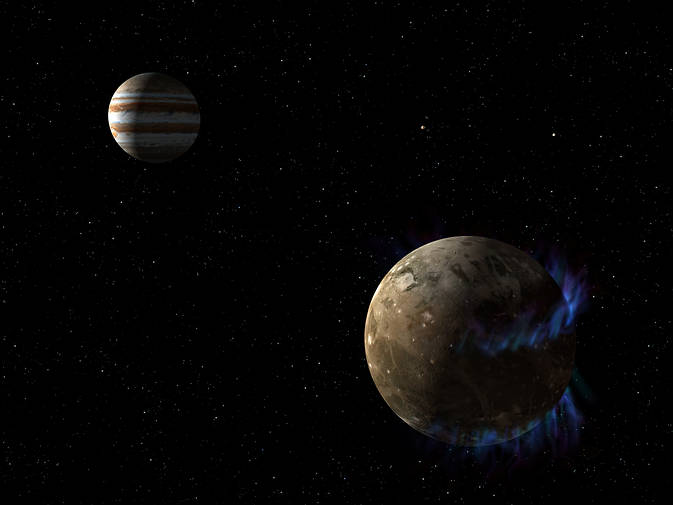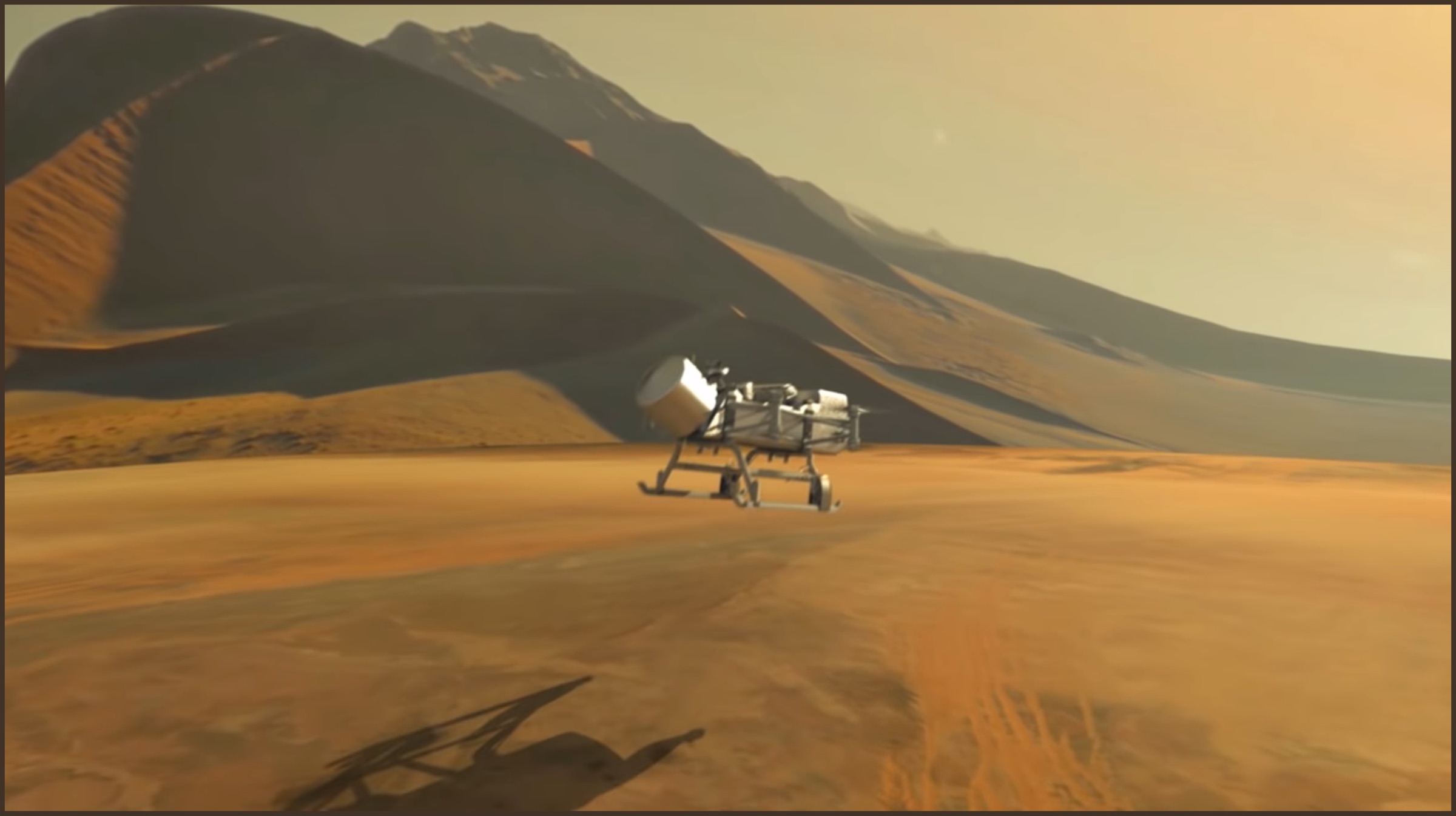
The National Aeronautics and Space Association (NASA) of the United States has announced a new mission called Dragonfly. This mission will send multiple sorties or drone-like aircraft to the Titan, one of Saturn’s natural satellites. The icy celestial body is the largest moon of Saturn and the second largest natural satellite in the solar system. It is also the only moon to have a dense atmosphere, which is why the Dragonfly mission is being sent to study clues of life.
NASA’s Dragonfly Mission
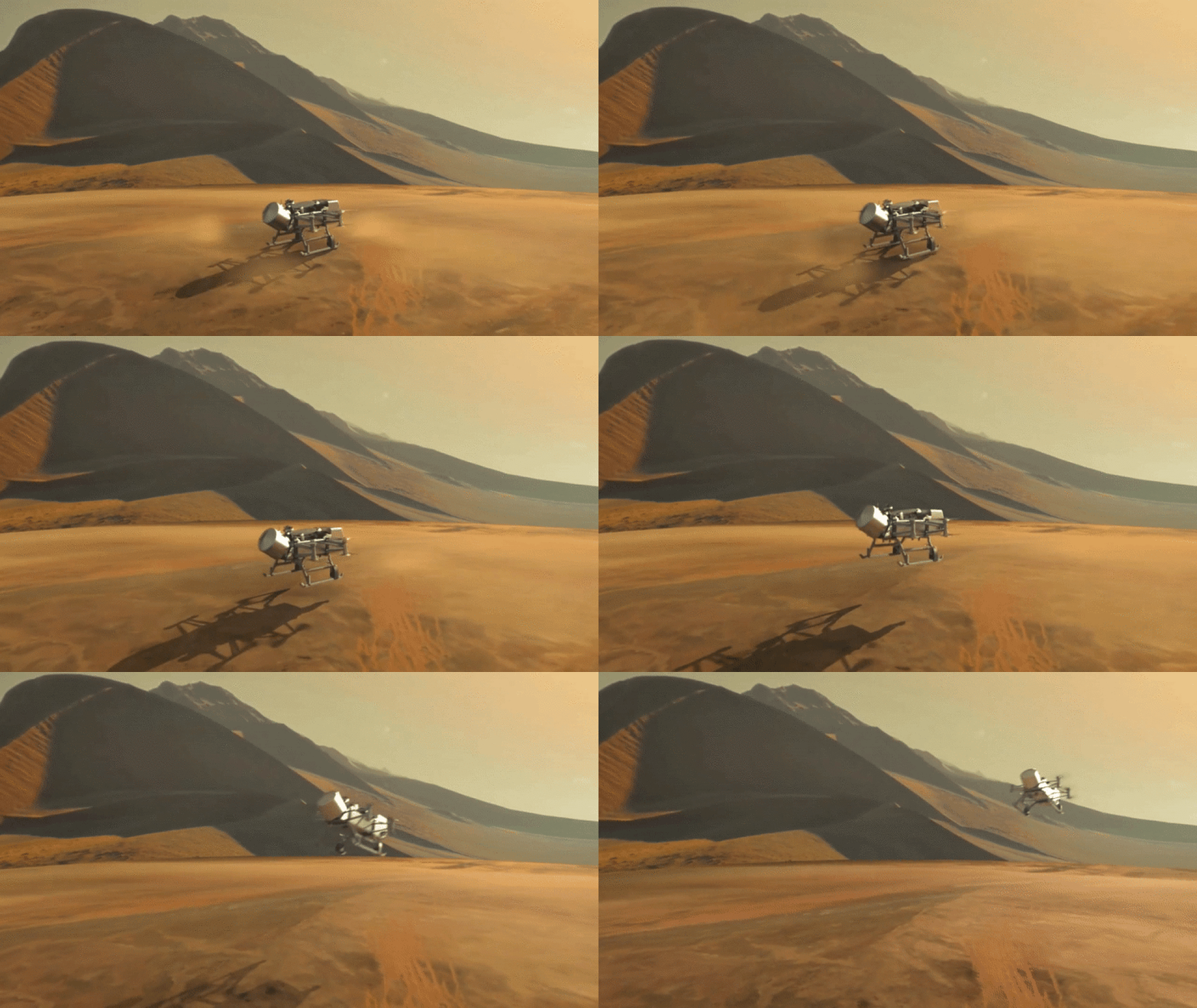
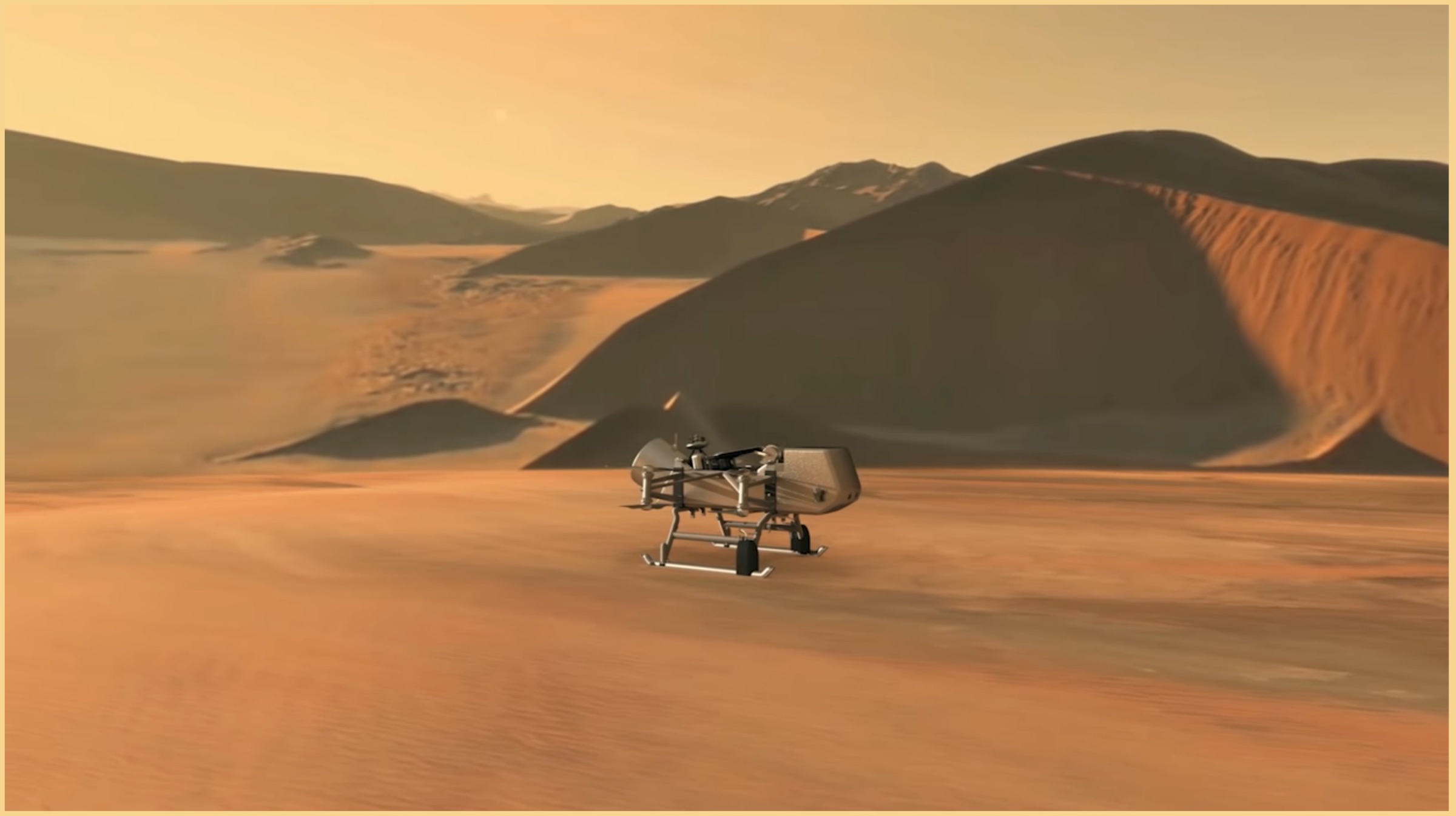
The Dragonfly Mission by NASA is scheduled to launch in the year 2026 and will take eight years to reach Titan in 2034. The rotorcrafts or drones will fly to dozens of locations on the satellite to look for prebiotic chemical processes, which are a link between Titan and Earth. It will mark the first time the organization will fly a multi-rotor vehicle on another celestial body. This device is claimed to have eight rotors and will fly like a normal drone or UAV (Unmanned Aerial Vehicle). The moon is credited to have four times the dense atmosphere than of Earth; which will be taken advantage of by Dragonfly in flying its science equipment payload to new places for repeatable access to materials on the surface.
Also read: Apple Increases iPhone Production After Huawei US Ban
The icy moon of Saturn is claimed to be the analogic representation of prehistoric Earth. During the 2.7 years long Mission Dragonfly, it will explore different environment factors; to search for the possibility of life. It is said that that the key to life once existed on Titan tens of thousands of years ago. So while the mission may or may not find the existence and sustenance of life there, it is said to give us the chemical evidence of the past or extant life on the moon.
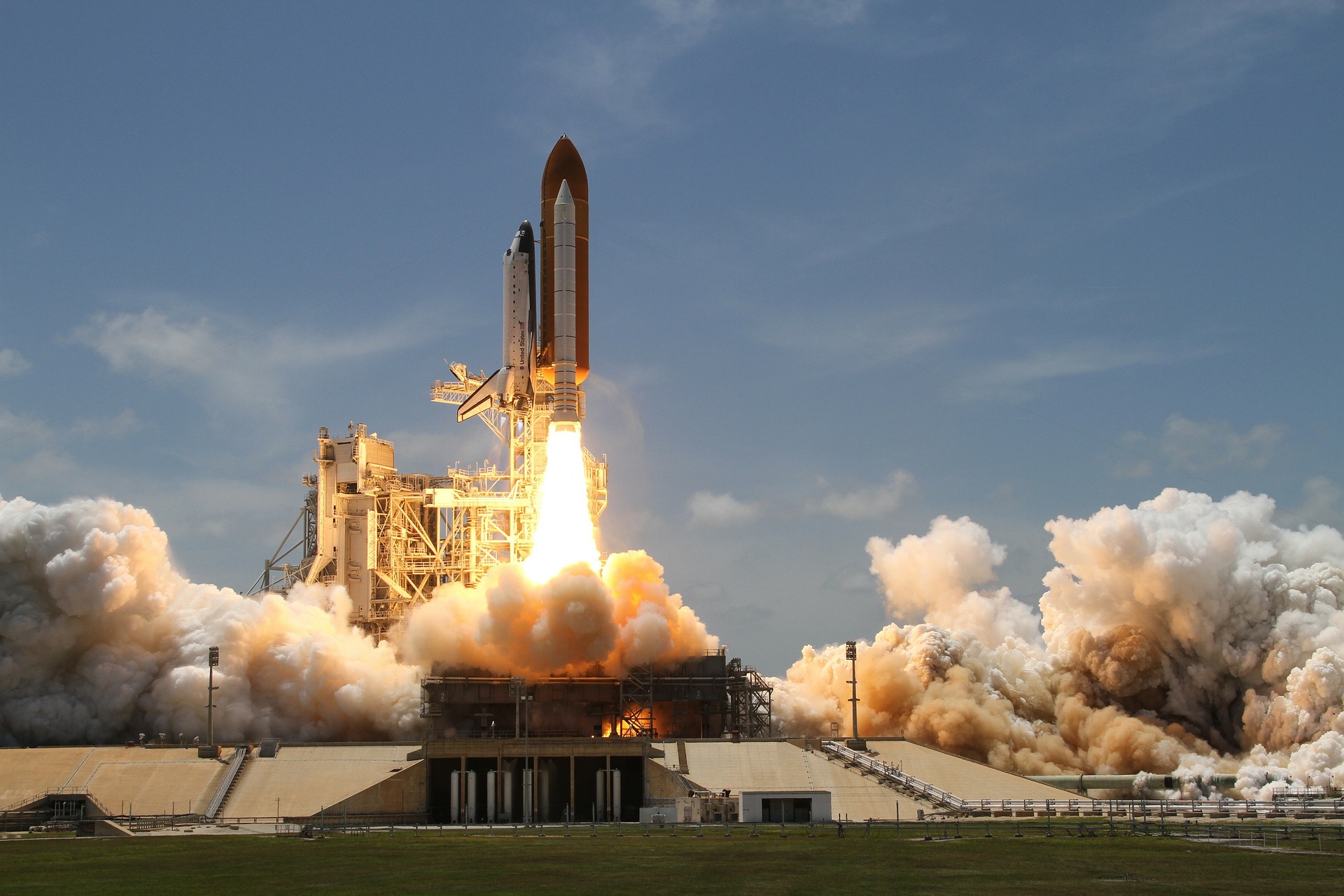
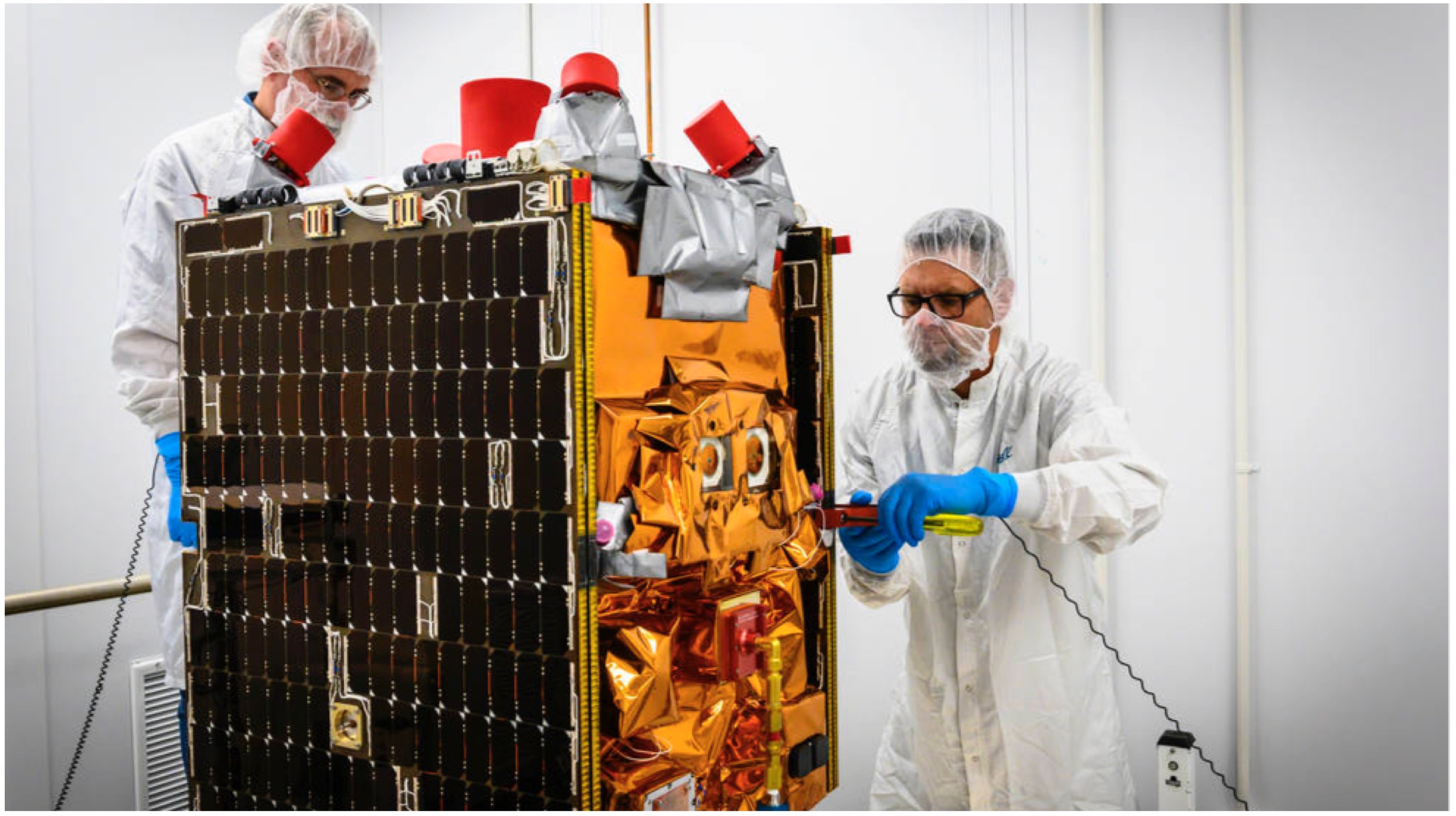
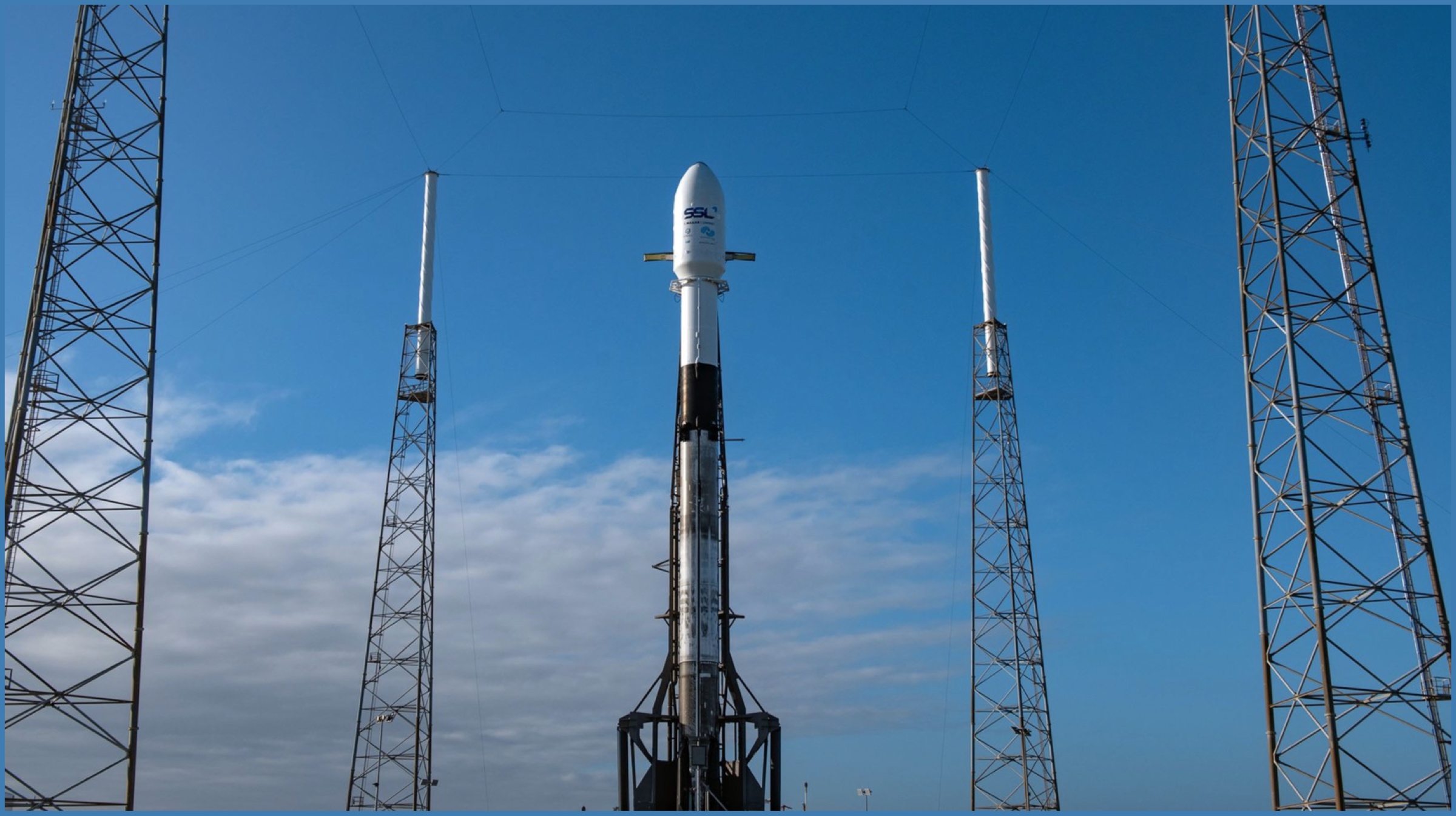


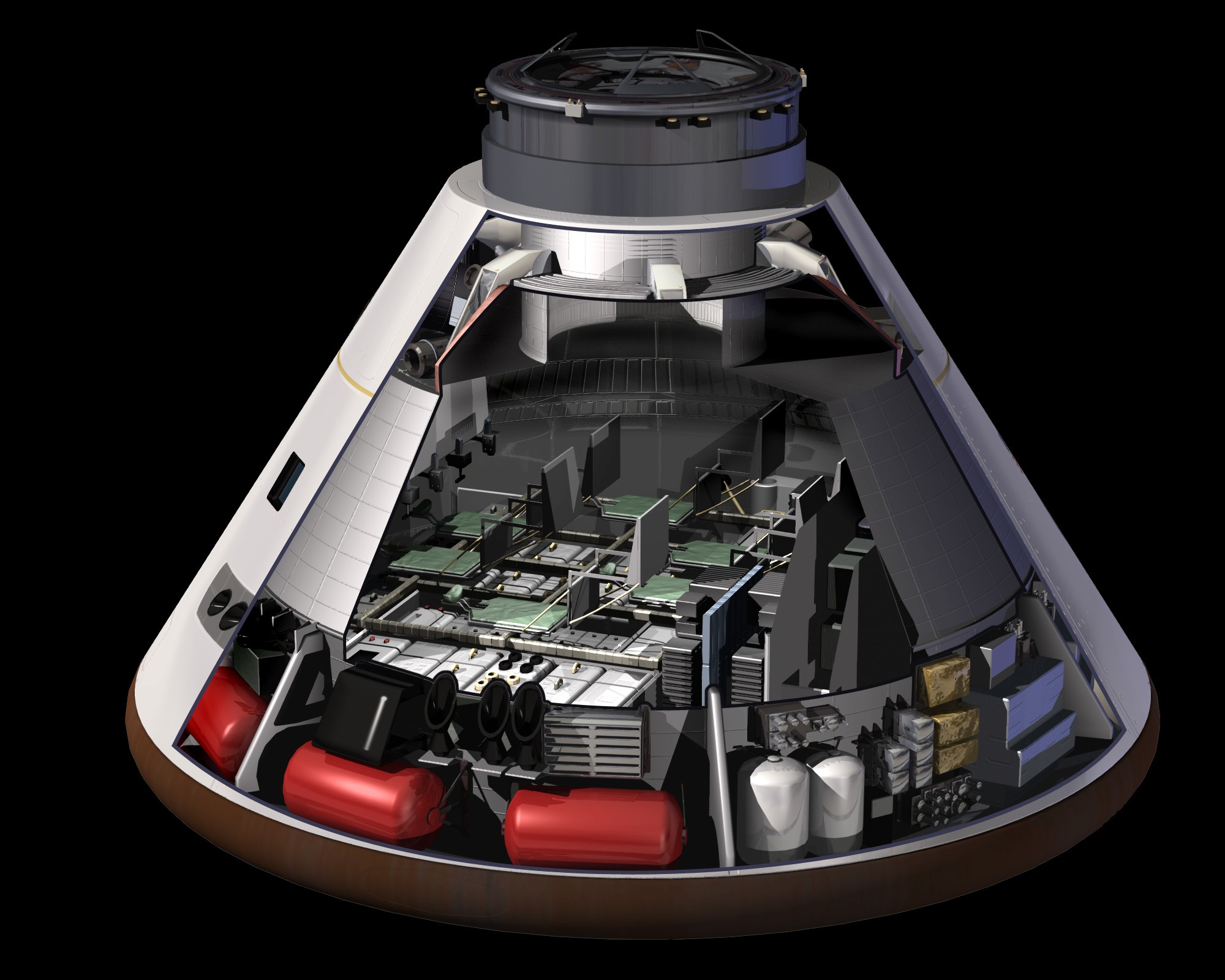
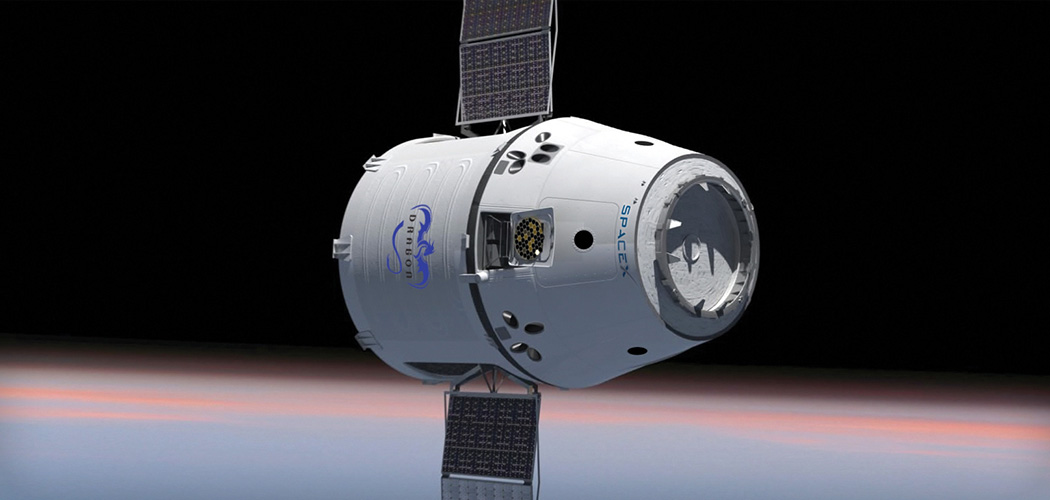
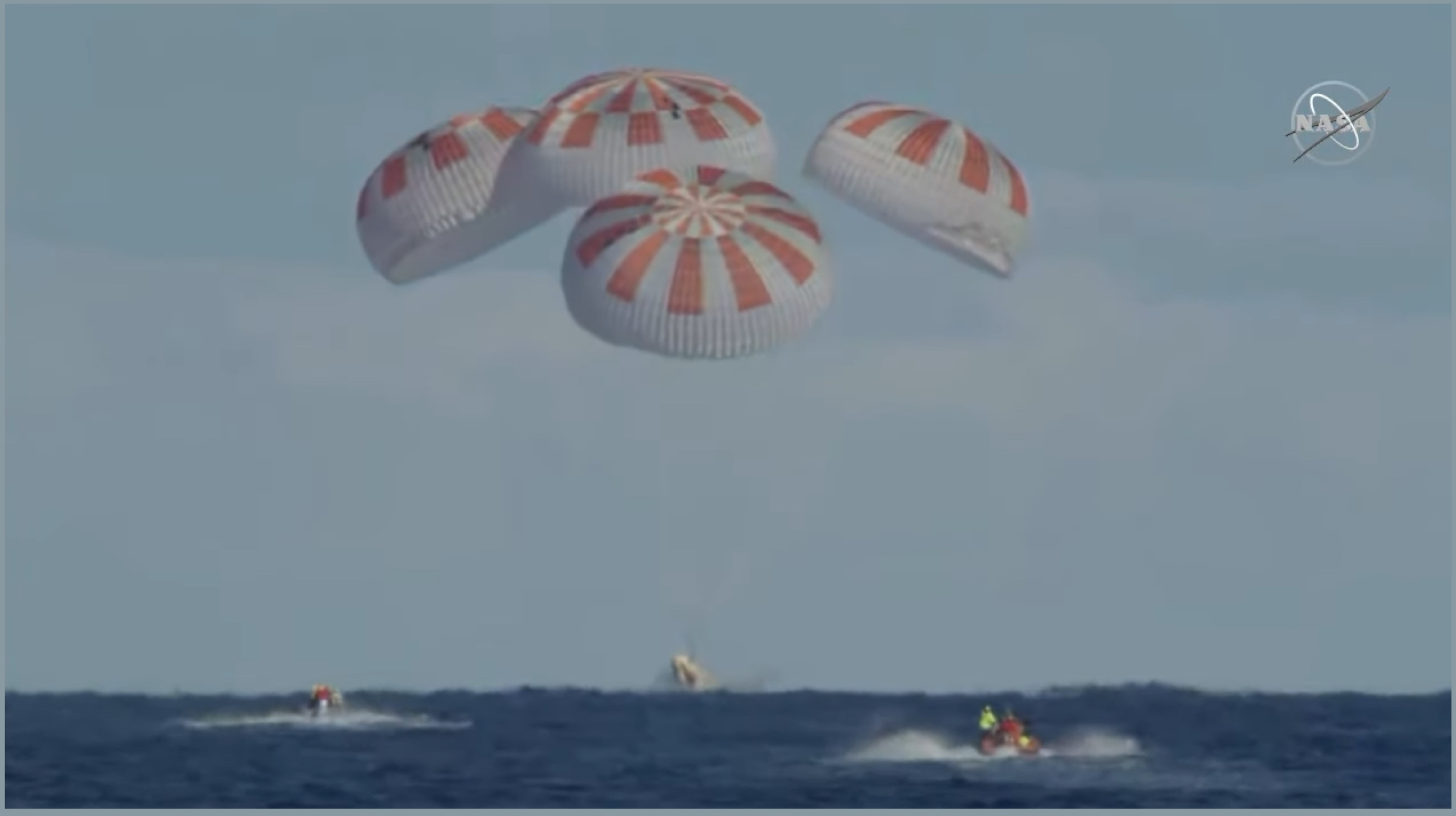 The touchdown of the Dragon capsule was the last part of SpaceX’s Demonstration – 1 mission. The reason why the mission was of utmost importance is NASA’s upcoming Commercial Crew Program, under which the agency is planning to send NASA astronauts to a USA owned spacecraft. So, the SpaceX DM1 was basically a test run to prove that it is capable of space travel, and it struck off as “better than expected” as per SpaceX and NASA representatives.
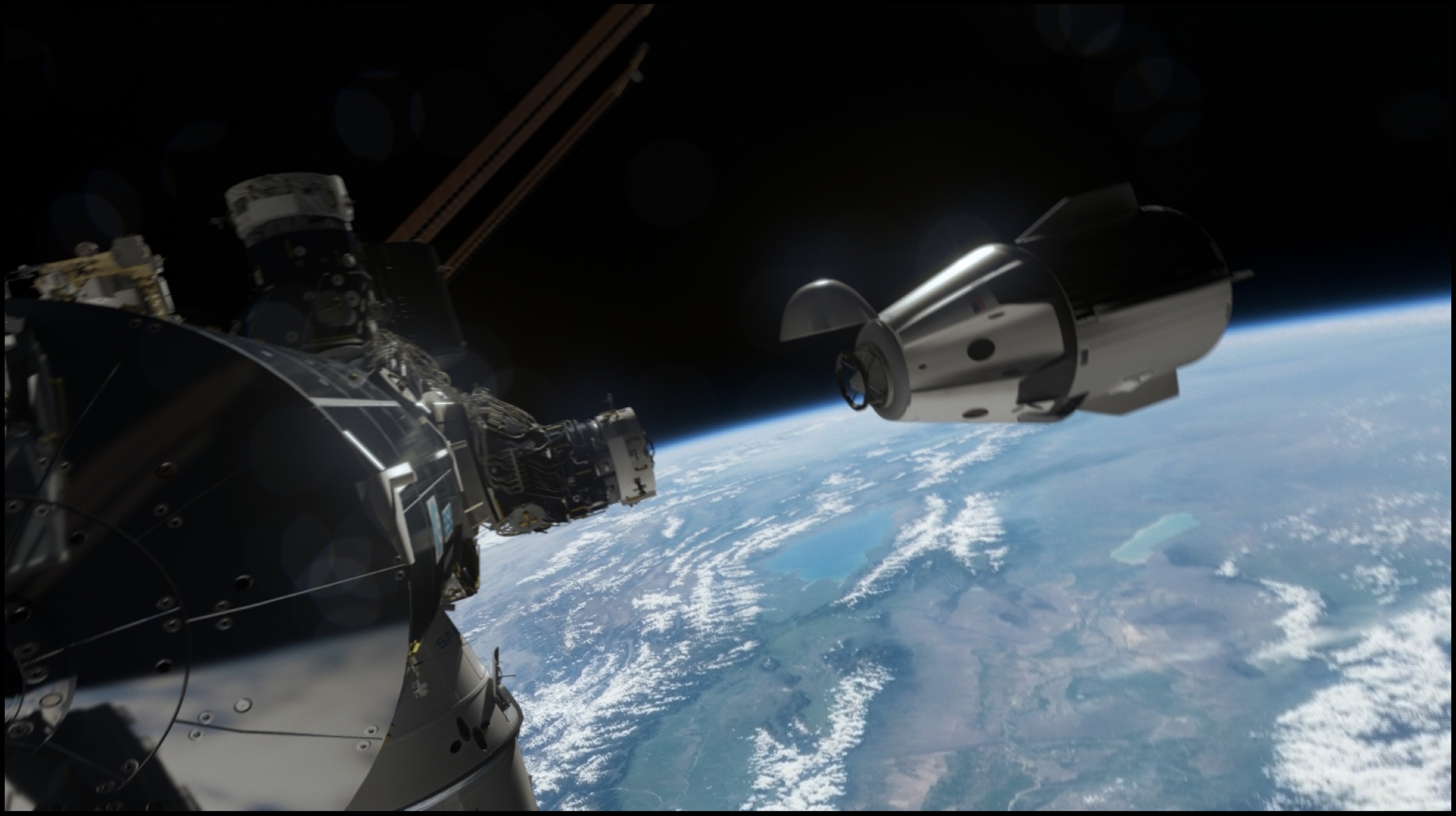 The demonstration’s first step took place at the Kennedy Space Center, Florida, where the capsule was placed on SpaceX’s very own Falcon 9 rocket. At 1:19 pm IST (2:49 am EST) on March 2, liftoff happened, and the DM1 made its way towards the International Space Station. The Crew Dragon then auto-docked with a port on the station, something that had never been achieved by SpaceX previously.
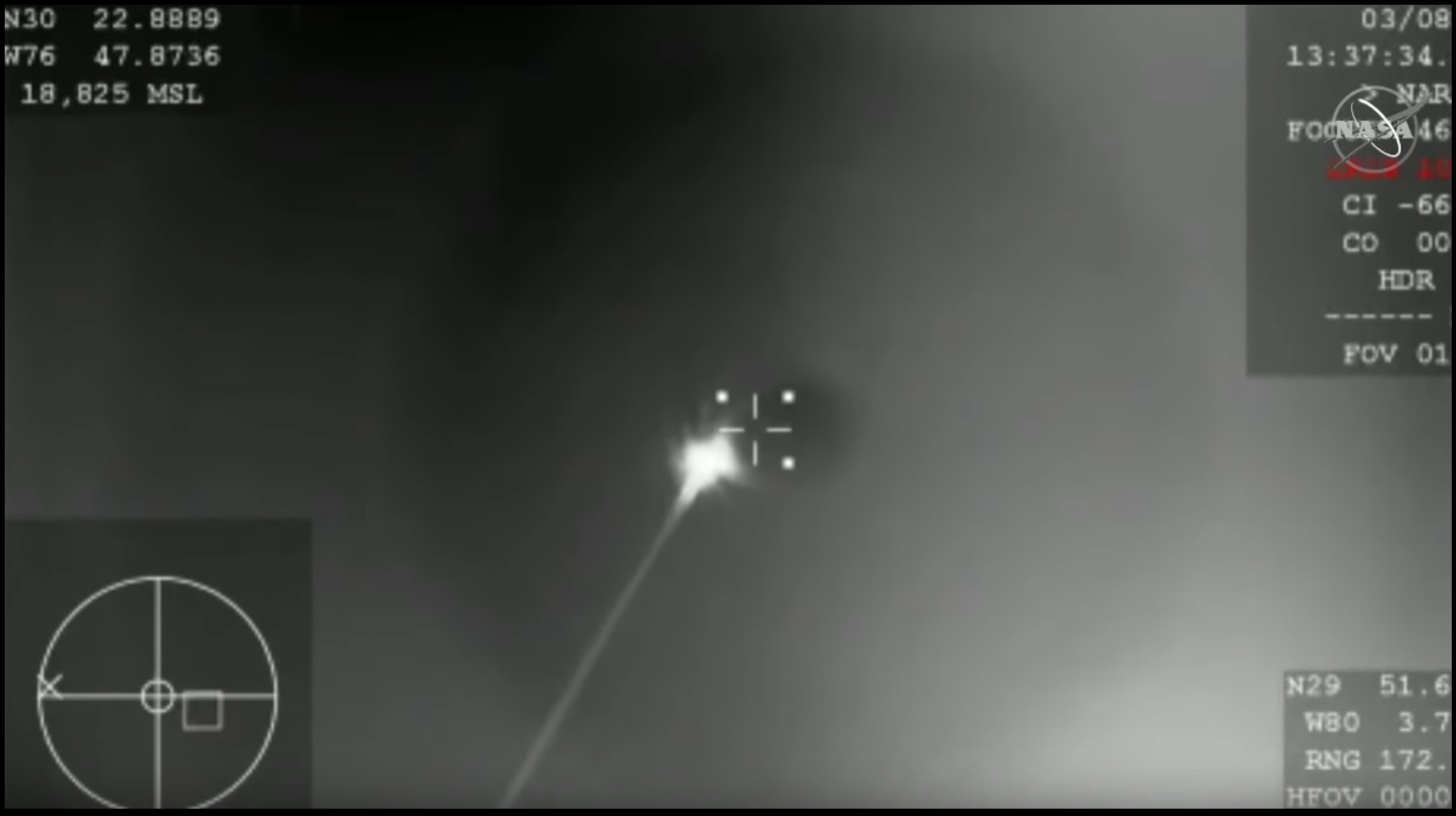 Out of the three main stages of the mission, two were a complete success, which included the liftoff and the docking. The biggest challenge of the DM1 mission was the splashdown, which had to demonstrate that the capsule carrying cargo (and humans, in the future) can safely penetrate the earth’s atmosphere and land safely where it was intended to. At 1:02 pm IST (2:32 am EST), the Crew Dragon undocked from the ISS and started preparations for its descent to earth. The Crew Dragon ignited its thrusters for a period of 15 minutes to leave its orbit and began its descent to earth.
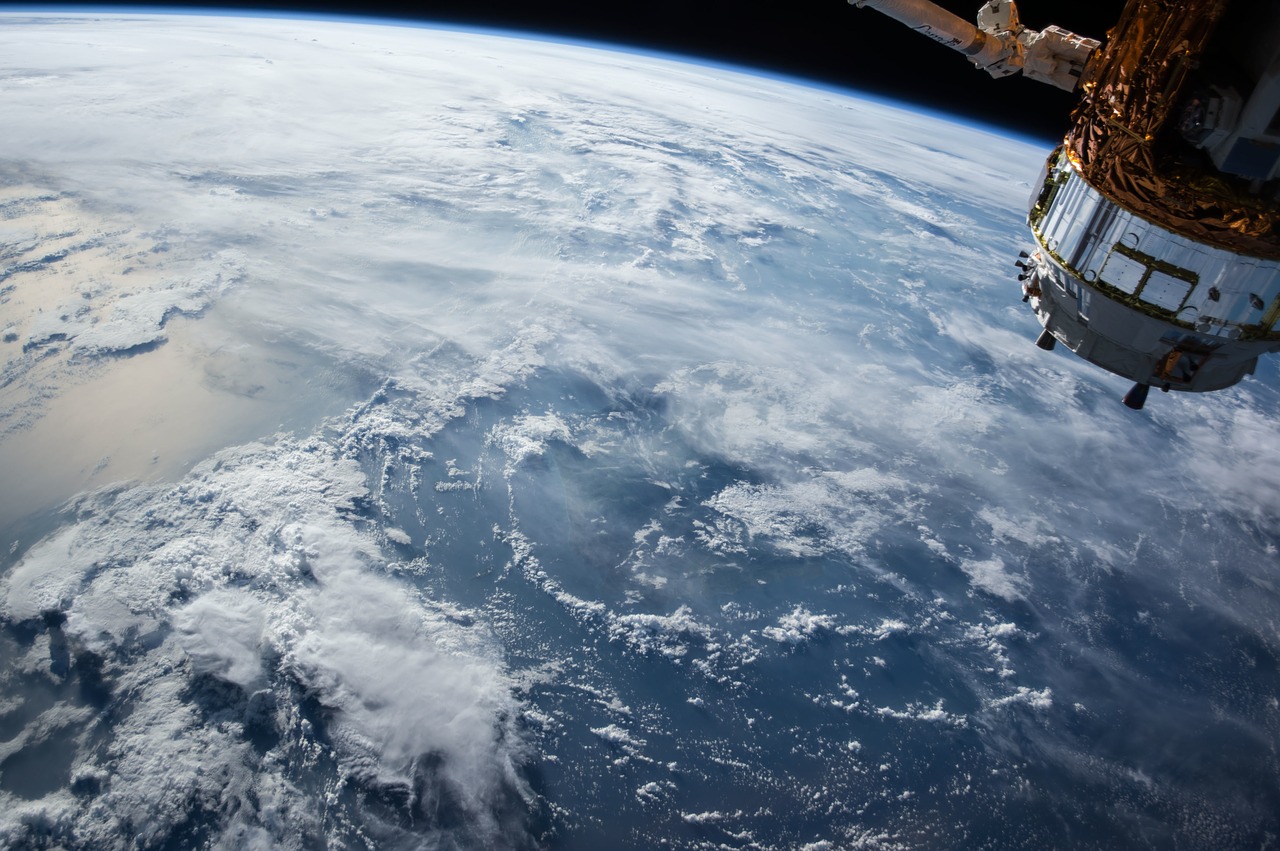
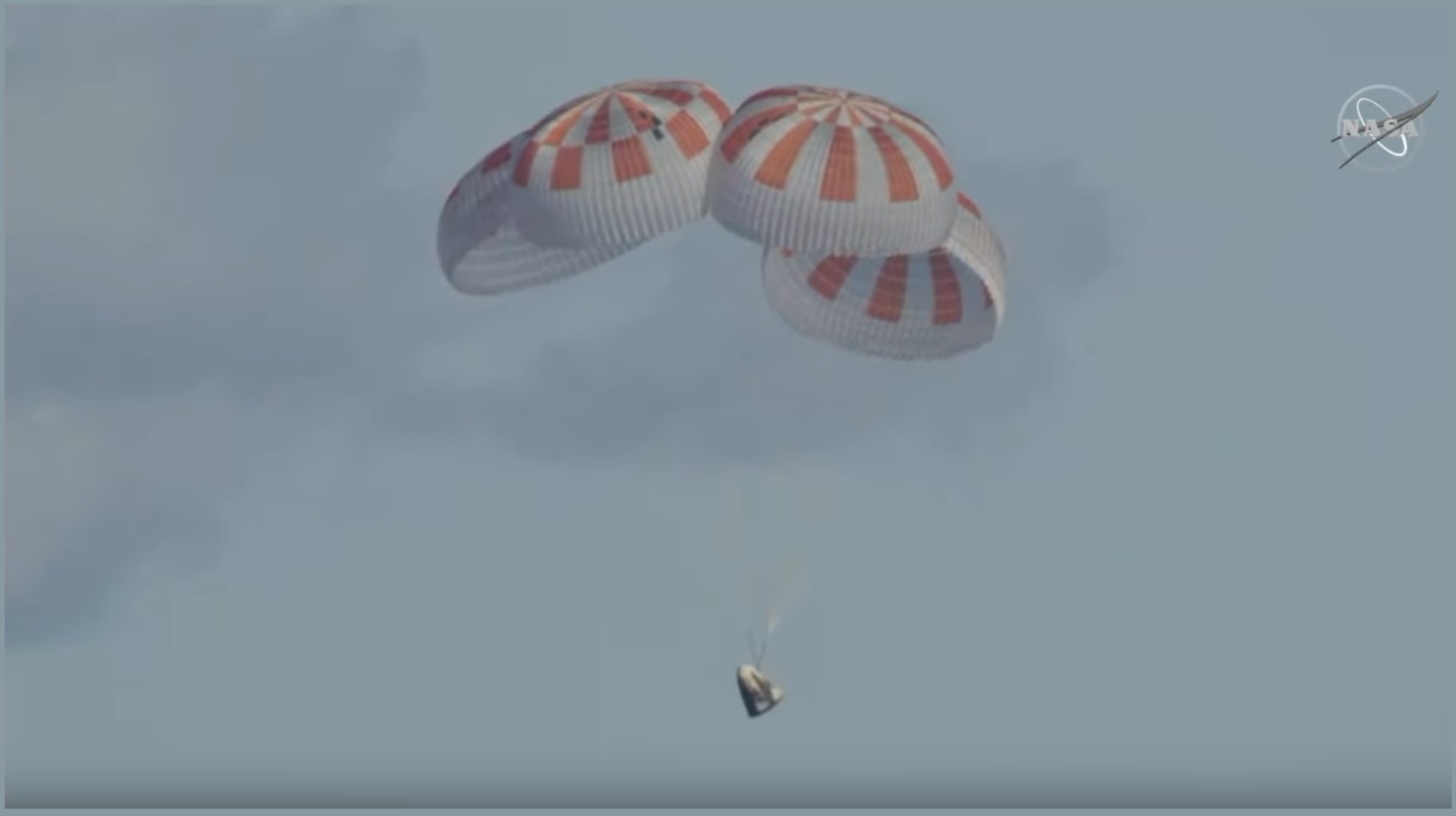 The capsule exceeded the speed of sound while falling to the earth’s surface. After minutes of intense heating, the Crew dragon deployed four parachutes and gently “splashed down” in the Atlantic ocean, 200+ nautical miles away from the coast of Florida. SpaceX’s recovery boat, Go Searcher collected the capsule and will bring it back to the shore for further tests.
 Also Read: