Tag: photography

  • Sony Partners With Light To Make Multi-Camera Modules For Smartphones

    Sony Partners With Light To Make Multi-Camera Modules For Smartphones

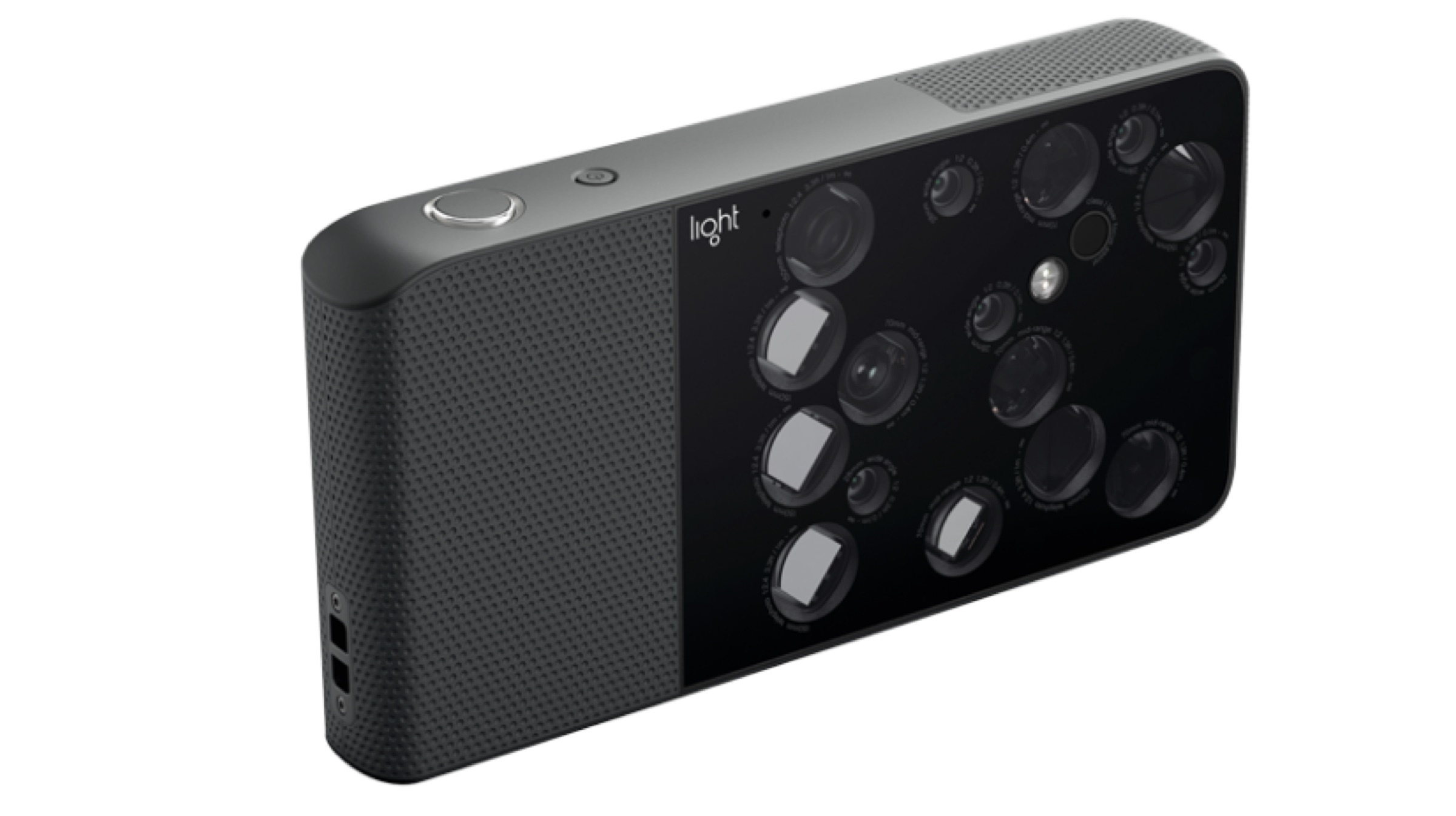
    Smartphone photography has seen an exponential increase in quality over the last few years. With devices like Google’s Pixel, Apple’s iPhone and Huawei flagships continuously pushing the boundaries of innovation in mobile photography. One such company, Light tried to push the envelope even further with their L16 model in 2017. Noteworthy, the device had 16 cameras at the back. It relied on computational photography to take high quality, detailed pictures. According to a press release, the company has collaborated with Sony to make multi-camera modules for smartphones.

    Changing The Future Of Smartphones

    Nokia 10

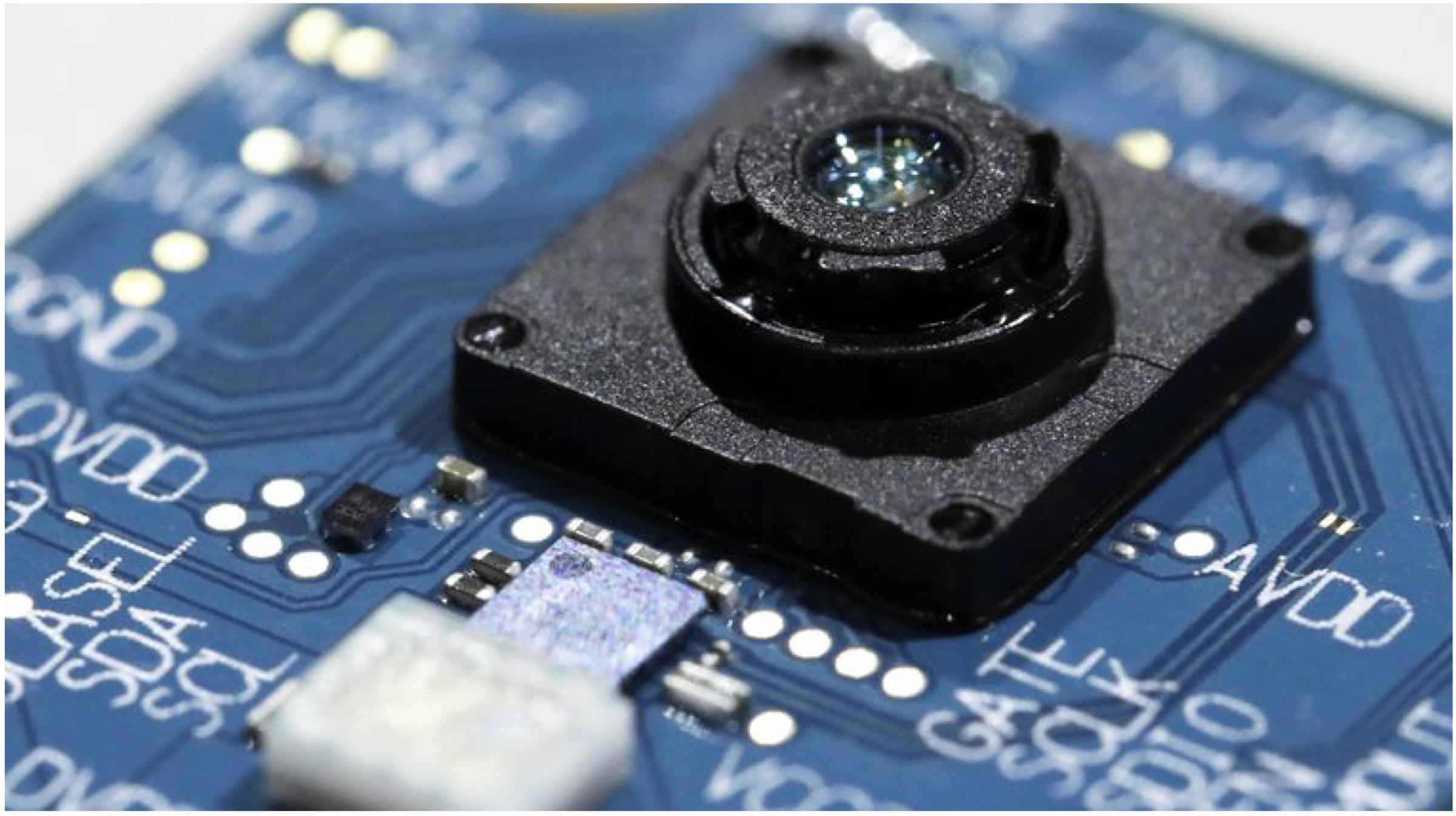
    This collaboration will make use of Sony’s image sensors and Light’s computational photography to make use in smartphones with four or more cameras on one side. This will not be exclusive to either one of the two companies but will be provided to any manufacturer for use in their devices. Interestingly, many smartphones today use Sony’s imaging sensors. The latest product from the company includes the IMX586, a 48MP sensor for smartphones last seen in the Xiaomi’s flagship Mi 9.

    Light is not a new name in the smartphone business. Last year, it provided the computation photography in phones like the Huawei P20 Pro. The rumoured Nokia 9 PureView, is also rumoured to sport Light’s technology for its Penta-rear camera setup. The multiple cameras in a smartphone may be used for many different purposes, like providing optical zoom and ultra-wide angle capabilities. But, the company uses these multiple sensors as RGB and Monochrome sensors to produce images with enhanced quality and detail.

    Also read: Apple Will Use 5nm Processors For iPhones Starting 2020

    This collaboration between Light and Sony is expected to extend the trend of putting more than four cameras on the back. As many companies already use technologies from these respective brands, the product of the partnership may also be seen in many upcoming devices later in the year 2019.

  • Ricoh Announces Two New K-Mount Lenses

    Ricoh Announces Two New K-Mount Lenses

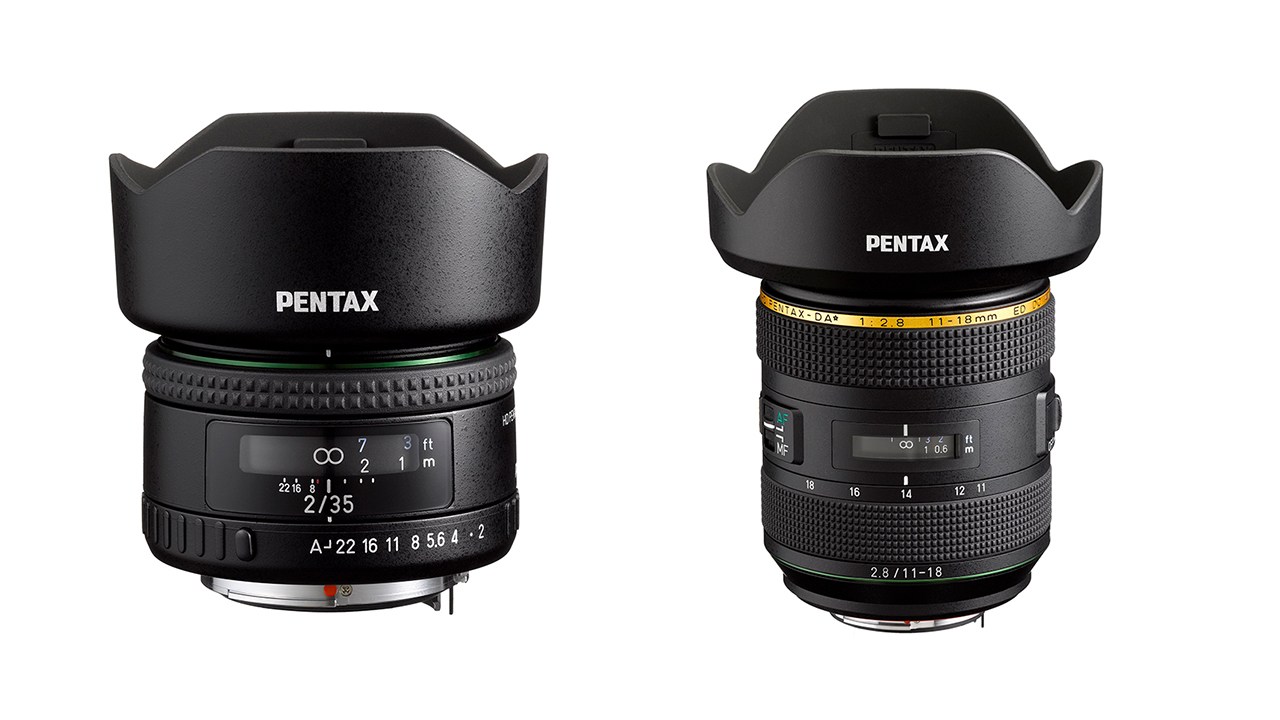
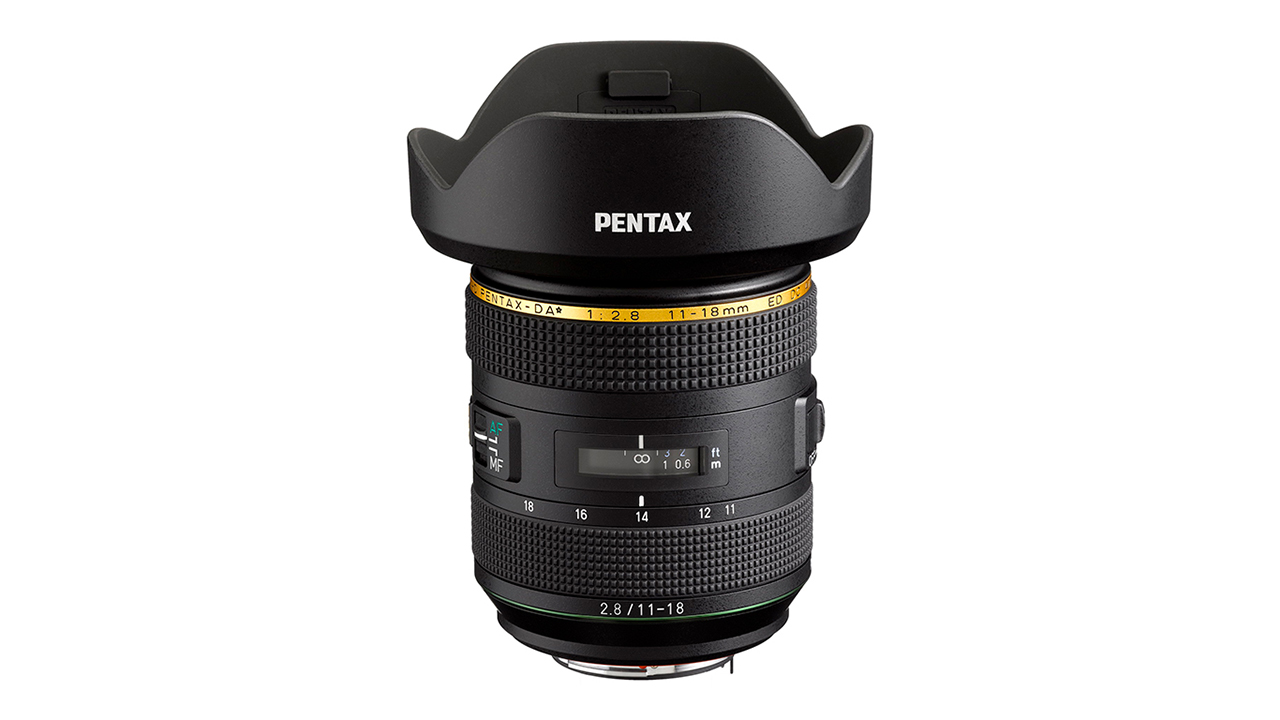
    Ricoh announced two new K- Mount lenses, namely HD PENTAX-FA 35mm F2 and HD PENTAX-DA 11-18mm F2.8 ED DC AW. The two lenses can be used in any K-mount cameras which are mostly used by Pentax. 

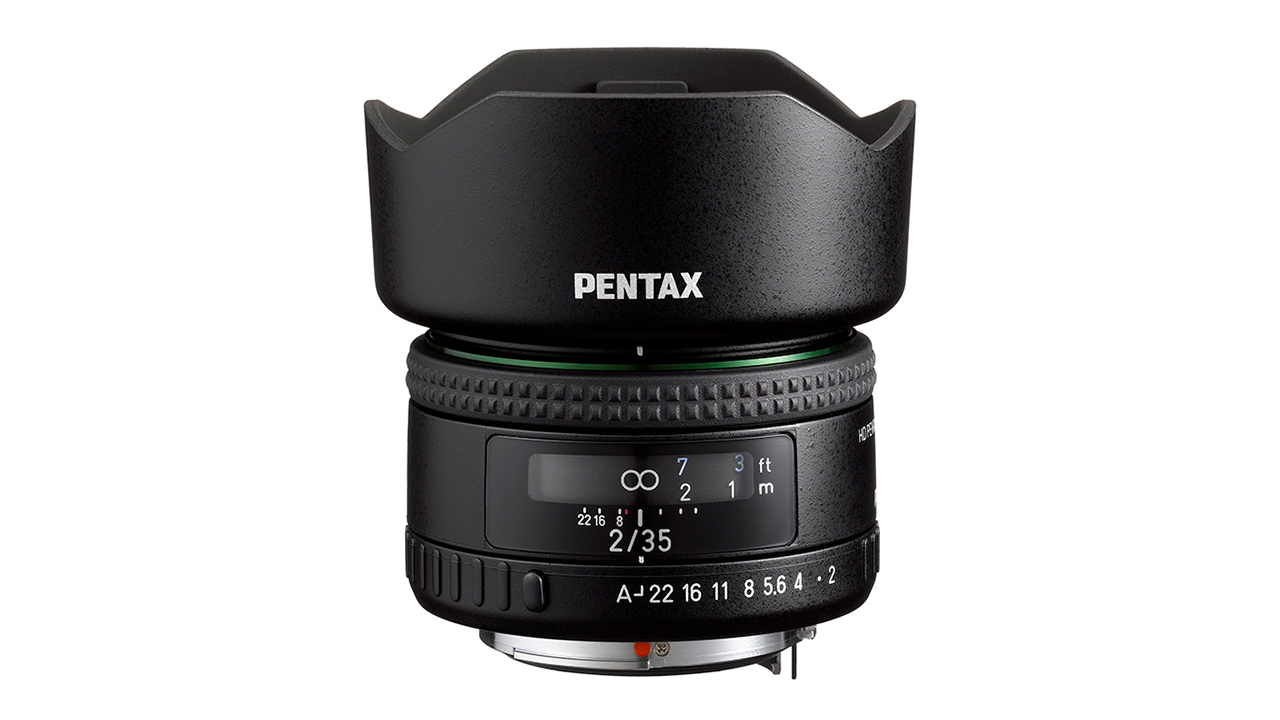
    The 35mm F2 is a compact lens. It claims to have a high-performance and being a wide-angle lens, covers the full-frame image circle of PENTAX K-mount digital SLR cameras. The new 35mm is said to have been based on  the smc PENTAX-FA 35mm F2 AL. The PENTAX-FA 35mm was a very popular lens for photographers when they shot in film cameras. The new lens boasts of  a high-grade, multi-layer HD Coating that is applied to the optical elements. It is said to produce high-contrast images with edge-to-edge sharpness, free of flare and ghosting. A highly stain-repellent SP Coating is also said to have been applied to the front surface. This improves the lens’ usability outdoors. The design of the new lens is reminiscent of the older model and looks almost alike.

    The second lens, which is a high-performance, ultra-wide-angle, Star-series lens delivers exceptional optical performance, according to claims made by Ricoh. The lens features a constant 2.8 aperture through every focal length and is a part of the new-generation Star series of lenses from the company. Being a member of the high performance lens series, the company claims that this lens will provide high-resolution, high-contrast images without blurring at the edges. 

    According to Ricoh, the lens provides a Focus Clamp Mechanism to lock focus at the desired focal point. It also is said to have outstanding dustproof and weather-resistant construction. Ricoh also claims to have built the lens keeping the adverse weather conditions in mind. One of the features that accommodate adverse weather condition shooting is a space specifically designed for holding a heating device to prevent condensation. The lens also has a metallic frame structure, which more effectively transmits the heat of the device to the lens. 

    The price of the HD PENTAX-DA 11-18mm F2.8 ED DC AW Lens is £1,399.99 and the HD PENTAX-FA 35mm F2 will retail for £399.99.

  • Apple Will Now Pay The Winners Of Its “Shot On iPhone” Photo Contest

    Apple Will Now Pay The Winners Of Its “Shot On iPhone” Photo Contest

    Earlier this week, Apple announced the “Shot on iPhone” contests for photographers who wanted to showcase their talent. The pictures would be judged by a panel of 10 professionals and the winners would get a spot in Apple billboards across the world.

    The contest asks the users of the latest iPhones in town, namely the iPhone XS, iPhone XS Max and the iPhone XR to submit their best photos via Twitter, Instagram, email, or Weibo. The 10 best photos — selected by a panel of judges that includes Apple marketing chief Phil Schiller and former White House photographer Pete Souza will be featured “on billboards in select cities, Apple retail stores and online,” according to the contest site.

    Well, Apple might’ve thought that exposure would be enough for them to participate but after facing a serious backlash for not paying the winning photographers anything, Apple has updated the contents on its website, in the original press release about the contest.


    First spotted by The Verge, the new paragraph reads, “Apple believes strongly that artists should be compensated for their work. Photographers who shoot the final 10 winning photos will receive a licensing fee for use of such photos on billboards and other Apple marketing channels.”

    Apple has also updated their rules in a PDF from “Prize has no cash value” has changed to “Winners will receive a licensing fee for use on billboards and other Apple marketing channels.” Considering the past, Apple hasn’t gotten out of their way much to correct their mistakes, not even admitting they made one in the first place in some cases.

    Details as to the amount the winners will be paid are unclear. Some photographers suggested earlier this week that Apple pay $10,000 per photo to the winners, though others argued that exposure should be payment enough. However, now that Apple has decided to give a fee to the winners rather than just relying on exposure by them, it may be expected that more people come on board the idea of entering the contest, which is supposed to take place until February 7.

  • Trends For The Photography Industry In 2019

    Trends For The Photography Industry In 2019

    The photography industry is evolving rapidly and has seen a lot of ups and down in the past twenty years. With micro four thirds cameras giving way to 35mm film, film cameras giving way to point and shoot and then ultimately 35mm DSLRs and now Mirrorless cameras. The industry has changed as and when consumers have needed it to. During the war, cameras such as Zenit and Zorki were built robustly for the soldiers to take to war. As time went by, camera manufacturers started focussing on bigger image sizes, instant print cameras and so on. But now, we are knocking on the doors of 2019, which may dawn a new era in the camera and overall photography industry. Let’s find out which new camera technology we feel will emerge and will be in 2019’s photography trends.

    More Mirrorless Cameras

    Sony and Fujifilm have been manufacturing mirrorless cameras for a while now and with technology advancing at a very fast pace, there cameras are now performing as good as, or sometimes better than DSLRs. Mirrorless cameras are smaller in size and easier to carry due to the lack of the mirror mechanism. The digital viewfinder also helps one see the exact output when changing the settings in a camera through their viewfinder. These cameras were generally avoided by professionals in earlier years since it’s inception because of the lack of it’s lens portfolios.

    But with big players such as Canon and Nikon entering the mirrorless game this year, all manufacturers have stepped up and released a huge lens portfolio for their mirrorless line up. There are many users who hate switching brands and brand loyalty is something that will be put to test with the camera companies now competing in a level playing field.

    DSLR Sales Will Decrease

    DSLRs have been the choice of photographers for a long time now. These cameras have established lens lineups, are robustly built and can be built in all price ranges. But with mirrorless cameras slowly gaining ground in the market, DSLR sales may decrease drastically. Many news agencies use DSLRs from Canon and Nikon and were reluctant to shift to a new system till now. This was because a shift would mean changing lenses and accessories as well.

    With the two major players entering the high end mirrorless segment, interchangeability might be possible between different systems. This means use of DSLR lenses on mirrorless cameras and vice versa. This can be done with the help of proprietary adapters. These adapters will not reduce the lens’ focussing speeds and other capabilities like Image stabilisation. In 2019’s photography trends, there is a good chance that a large chunk of the DSLR users will shift towards mirrorless. This will therefore decrease DSLR sales.

    Video Centric Micro-Four Thirds Cameras

    Since ages, filmmakers have used either 35mm or 16mm to shoot videos. Be it in film or in digital backs. The 35mm cameras have been the choice of many filmmakers. Great Hollywood films such as Black Swan, 127 Hours, Avengers, Whiplash and even TV series like Dexter and House have all used DSLRs for their shoot at some point. Documentary filmmakers use the 16mm format more often. But a new format is gaining ground and camera manufacturers are trying to push this format hard on the market. The Micro four thirds, is a format that sits between full frame cameras or 35mm and APS-C sensors. This format allows the camera to be less bulky but provides great quality footage.

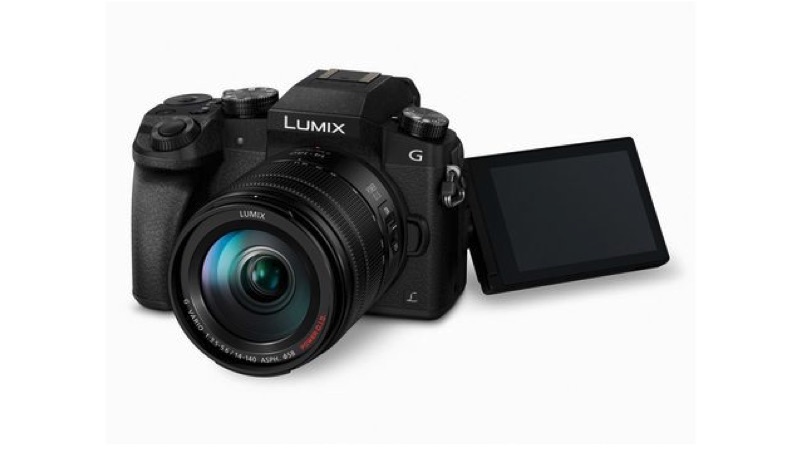
    The micro four thirds are also mirrorless cameras but differ in sensor size. These cameras have a sensor size equivalent to a 4/3-inch video tube. Having a digital viewfinder also helps filmmakers look at exposure and framing in real-time through the viewfinder itself and not have to look at the screen. Now, having a smaller sensor size has not reduced the resolution as many of these cameras provide the same, and at times more, resolution than a DSLR’s video. Cameras such as Panasonic’s GH5  or Olympus’ OM-D E-M1 Mark II are being made with filmmakers in mind. It will be great to see other companies joining the bandwagon. With the digital space growing at an alarming rate, Vloggers, Streamers and Youtubers can definitely take advantage of this format.

    Panasonic Lumix G85

    Artificial Intelligence In DSLRs and Mirrorless

    If we can have a digital assistant at home for us to switch on and switch off lights and perform other tasks, why can’t we have artificial intelligence in our cameras? Cameras, like smartphones are becoming smarter by the day. Even a few years back, it was unimaginable to ask your camera “GoPro, take a photo” and the camera would follow. Well, now you can. With technology evolving at an alarming rate, camera manufacturers are including features like WiFi connectivity, bluetooth, voice commands and so on for cameras as well.

    Artificial Intelligence is already present in many cameras that can detect faces, click photos when it sees smiling faces, connect to your phones and so on. While a personal assistant for all your photography needs may be a long time away, we feel that there may be a good chance that more AI features will be integrated into a camera in the coming year’s photography trends.

    Fingerprint Sensors In Cameras

    For photojournalists and studio photographers, for media houses and wedding photography teams, several users share a single camera in different times. And every user has his or her own preference. Be it the exposure setting, focus or colour settings and so on. This is where fingerprint sensors come in. Just like a computer has different user settings where a particular user can log-in to his or her user preferences a camera with a fingerprint sensor can scan the fingerprint of the user and immediately change the current settings to that.

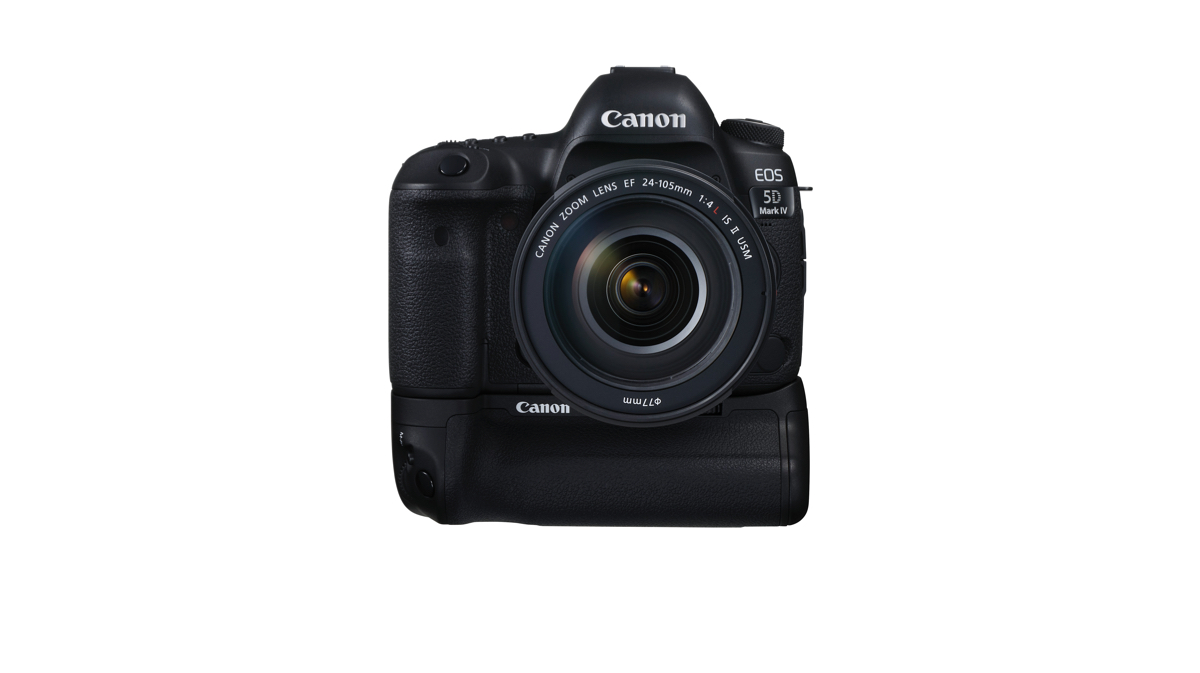
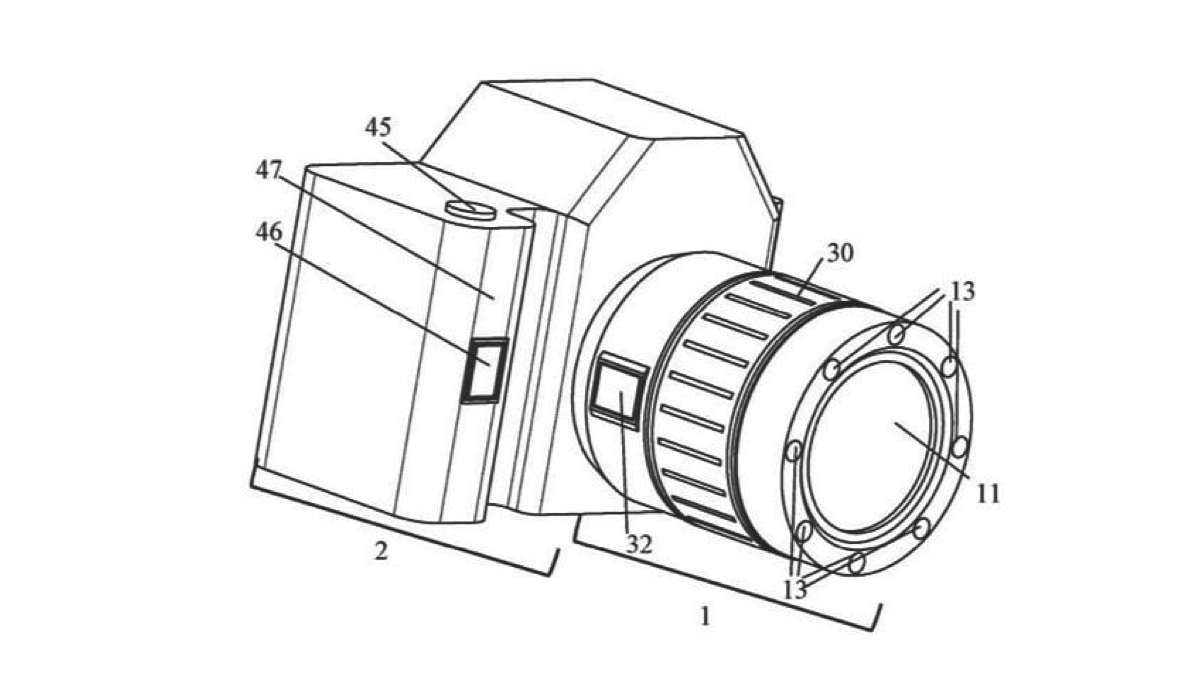
    This would be a great to see in 2019, if manufacturers do decide to include such a thing. Canon has already patented a fingerprint scanner technology for it’s camera. But it is unclear what they plan on doing with it.  With the sensor, one can also be sure that the camera will not fall into the wrong hands and will prevent it from being stolen and used.

    Better Lenses

    Lenses are as important as the camera body itself.  A photographer needs to choose his or her lenses carefully and according to the need. Lenses are also quite expensive so it is best to select expensive and well performing ones than buying cheap ones. Specially if you are a professional. In photography trends of 2019, we expect to see some really great lenses. One of the major complaints most photographers have with DSLRs are that the cameras don’t fare too well in extreme low light conditions.

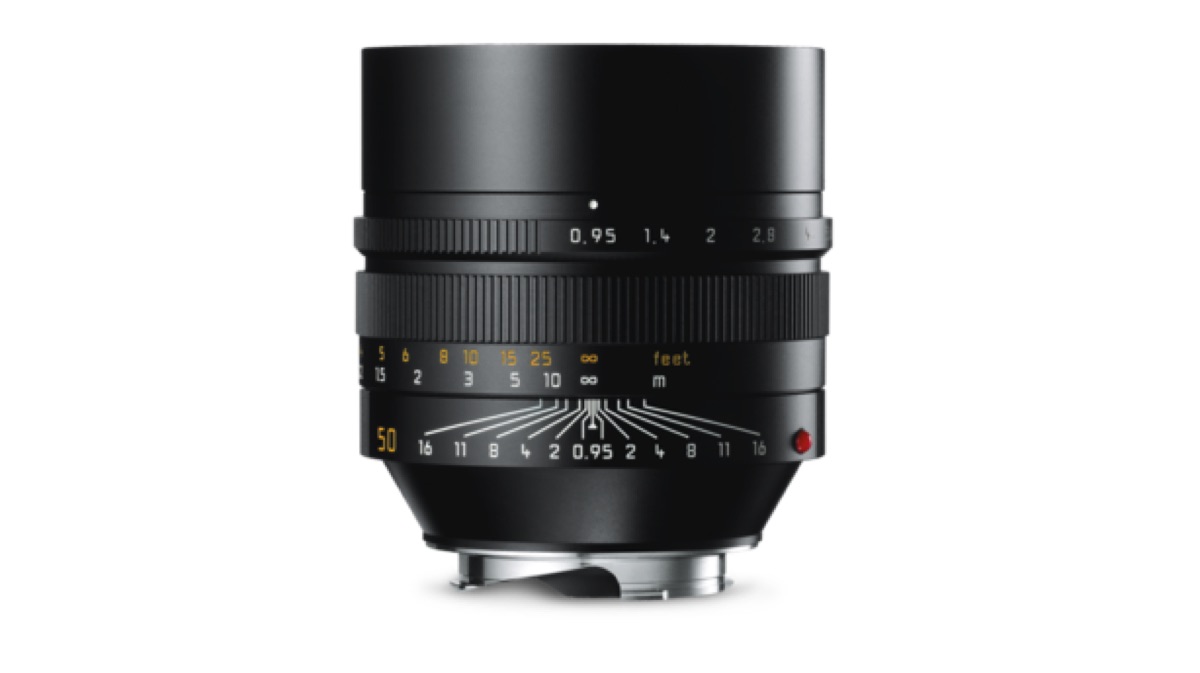
    Next year can be a welcome change for them as many manufacturers, with meteoric advancements in optics, are now creating extremely wide aperture lenses. These lenses can go as low as f/1.2 or even f/1 or f/0.95. Canon’s 50mm f/1 or Leica’s 50mm f/0.95 are great examples. These lenses can shoot at extremely low lighting conditions with relatively lower ISOs providing great images without noise. This year we can expect more of these lenses from different manufacturers as well.

    These were our predictions for photography trends of 2019. Let us know in the comments, what you feel should make it in this piece and we will try and include the same!

  • 5 Guidelines For Better Pictures With Your Smartphone Camera

    5 Guidelines For Better Pictures With Your Smartphone Camera

    Smartphones have improved in leaps and bounds over the past few years and so have their cameras. With cameras getting better by the day, customers are shifting to these handy devices for their photographic needs instead of lugging around a difficult to use DSLR. This means learning how to use your smartphone camera and using it to the fullest. A phone camera these days has a lot of features for customisation which can make your images better. Let’s discuss five tips that can make your images better instantly.

    Use HDR Mode

    The HDR mode is an extremely useful when it comes to phone photography. More often than not, you will find yourself shooting subjects with a strong backlight and this makes the subject dark as the camera exposes for the highlights. If you expose for the shadows then the highlights get burnt. How to do you find a solution? The phone manufacturers have long added a feature that can bring out the shadows and tone down the highlights of these images. Using the HDR mode, the phone shoots three or more images in different exposures. One with the mid-tones properly exposed, one with the highlights properly exposed and one with the shadows properly exposed. Then the phone’s algorithm joins all the three photos to create an evenly exposed image with both shadows and highlights intact.

    Set Exposure For The Highlights

    If you do not wish to use the HDR mode or do not have the HDR mode in your smartphone camera, which by the way is extremely rare, you can expose your images for the highlights. This has to be done because if you lose the highlight details, you cannot get it back in post production. But more often than not, you can get the details in the shadow areas back in post processing. You can use Snapseed to adjust shadows and highlights after shooting.

    Use Manual

    Manual mode is amazing. If you have a good understanding of photography and know how to use shutter speed, aperture and ISO then you can use the manual mode in your smartphone camera. You get a better control over the exposure of your images. Even in DSLRs, using the manual mode gives you better control. If you have enough time to frame and compose your shots, then use the manual mode.

    Manual Mode


    Use 4:3 aspect ratio

    Many might not know this, but your phone’s sensor is rectangular. Shooting in a 4:3 aspect ratio gives you the best resolution images because it uses the maximum number of pixels in your smartphone camera. Shooting in 16:9 or 19:9 mode might look pretty on a large screen device, but it reduces the megapixel count. You can test this out by shooting the same image in both aspect ratios and look at them on your computer monitor to see the difference!

    Also Read: PUBG Mobile: Tips And Tricks To Become An Ace Player
    Don’t use flash when shooting a landscape image

    Many a times, you will see people shooting images of the beach or any other wide landscape at night using the phone’s flash. The phone’s flash is hardly powerful enough to illuminate a subject just a few feet away. It is not possible to use the phone’s flash to illuminate kilometres of vista. So, it won’t make a difference even if you use a phone flash since it’s throw is extremely limited.


  • Oppo F1 for Photography Enthusiasts to Launch on 28th Jan

    Oppo F1 for Photography Enthusiasts to Launch on 28th Jan

    CES 2016 has seen a number of high profile launches, and device confirmations already, and now jumping into the mix is the Chinese Smartphone maker, Oppo, which in its latest official communications has invited the media, and its partners to a launch event on the 28th of this month.
    Keeping in mind how Oppo conducts its business, this press event could well see the Chinese company bring to the market its much awaited Oppo F1.

    OPPO-F1-2
    Teasing the media, and fanboys alike, the company tweeted,”Attention photography lovers! Something exciting is coming your way. Stay tuned.”
    The phone is rumoured to come equipped with an above par 13 Megapixel snapper, with ‘Phase Detection Autofocus’ technology, and will be the camera centric F series phone that Oppo had previously talked about.

    Sadly, there isn’t much clarity about the other specs of the phone, but an 8 Megapixel front camera, backed by 3GB of RAM, and a Snapdragon processor could be expected. On the upside the phone will sport a 5 inch display.

  • Not Sure What to Make of Reflexion- OnePlus’ New Photography App

    Not Sure What to Make of Reflexion- OnePlus’ New Photography App

    In another of its firsts, OnePlus has now launched a photography app called Reflexion. It has been released as an inspiration of OnePlus X, celebrating OnePlus’ latest device.

    “Inspired by our latest device, Reflexion…easy-to-use photography app that explores contrasts and harmony in everyday moments. Capture your world, express your unique personality and share it with those you care about,” says the company.

    The app is available for download on both iOS and Android devices. Basically, what the app does is take two photographs, one from the front camera, the other from the rear camera, and it stitches them together in an X-pattern on your screen. Like almost all other photography apps, Reflexion allows for easy sharing options of the picture on social media.

    https://youtu.be/XczhUed1X_I

    Don’t get too carried away by the fancy video though. We’re not too sure how exciting an addition Reflexion is to the app-world, especially post the song and dance of OnePlus X earlier this week. You can find more information about it on Reflexion’s official website, or you can check out the Google Play listing.

    reflexionAre you as impressed by Reflexion as OnePlus would want? Let us know in the comments below.
  • Evolution of the Camera: From Dark Boxes to Selfie Sticks

    Evolution of the Camera: From Dark Boxes to Selfie Sticks

    It all started with a desire to capture a moment, to freeze it in time and space -to get back to when the heart thus desired once again. And that is how, ladies and gentlemen, the thought of the first photograph, even though that’s not what it was called yet, came to be. The thought led to efforts which led to results and one fine day, humans had discovered a way to record memories, which they eventually chose to call photography.

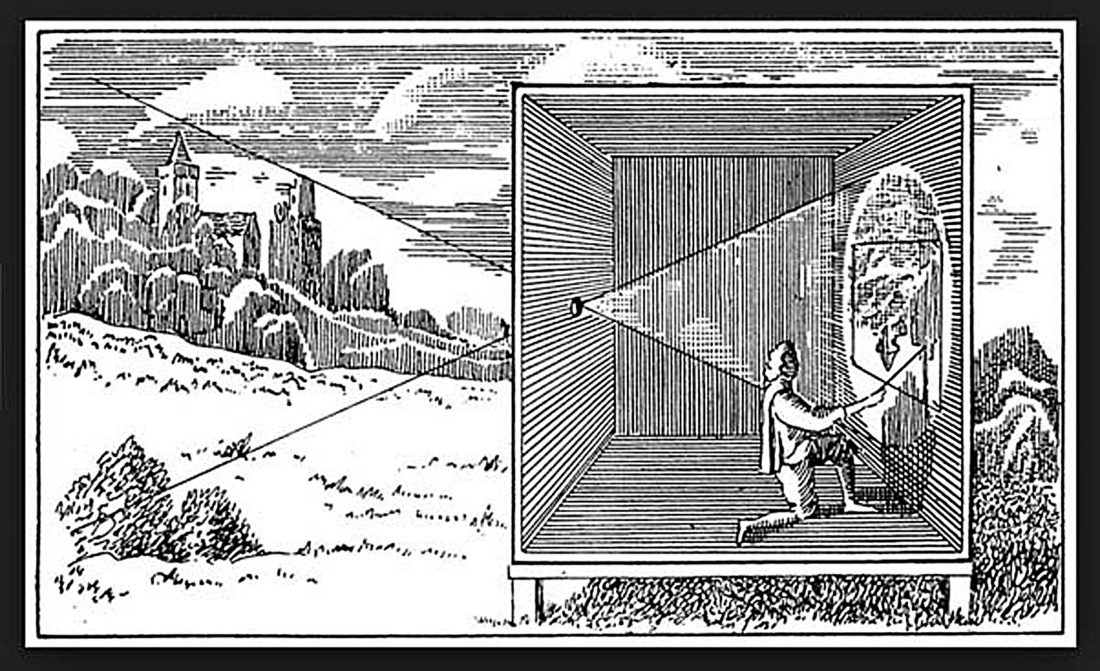
    However, cameras came into existence much before photography. It all started with the camera obscura -a Latin term which translates into ‘dark room’.

    Camera Obscura:

    It was the very first device that led to photography and the innovation of the camera. Optical in nature, it would allow light to pass in a dark box or room through a hole on one side and then use it to capture photographs, as they existed back then. This device dates back to 470 to 390 BC, its earliest extant written record found in the writing of Mozi, the Chinese philosopher. Camera Obscura

    The Very First Photograph:

    The first ever successful photograph of a camera image was developed by  Nicéphore Niépce in 1816 using a camera he had made himself. However, the photograph was not permanent and eventually ended up getting darkened due to repeated exposure to light necessary for viewing it.

    The Daguerreotype Camera:

    Next came Louis Daguerre, a French artist who found a way to store the finished image on a shiny mirror finished copper plate treated with chemicals. Daguerre shared his technique with the public in exchange for a life long pension. It was later used in the film cameras of the past as well. By 1850s, there were over seventy daguerreotype studios in just New York, and the face of photography had changed forever.

    A daguerreotype of Edgar Allan Poe in the nineteenth century.
    A daguerreotype of Edgar Allan Poe in the nineteenth century.

    Birth of Photography:

    There were several significant developments in the realm of photography starting with negative to positive processing by a contemporary of Daguerre. This was followed by tintypes -a thin sheet of iron used for light sensitive materials, and therefore helped in obtaining positives, wet plate negatives, dry plate negatives and finally, hand held cameras. Cameras now became less bulky and a little more convenient to carry around. By the second half of the nineteenth century, a flexible roll film had also been invented by George Eastman which finally allowed for a mass-produced box camera.

    Coloured Photography and Twentieth Century:

    The second quarter of the twentieth century brought with it coloured photographs within the reach of users when coloured films became commercially available. Twentieth century also marked the confluence of different art forms in a more significant way than before. Overlaps between photography and painting were no longer unheard of. One form drew from another.

    Photography meets painting: The photographer threw around objects for hours to get the perfect Surrealist shot with Salvador Dali.
    Photography meets painting: The photographer threw around objects for hours to get the perfect Surrealist shot with Salvador Dali.

    The first coloured photographs were so unstable because of organic dyes which were used to colour them, that the image would literally disappear after a while, leaving a blank film behind. Not so cool after-all.  Kodachrome was the first colour film to produce photographs that could last for over fifty years. You know times have changed when instead of performing vanishing acts, images can be stored for eternity.Cameras

    Digital Photography:

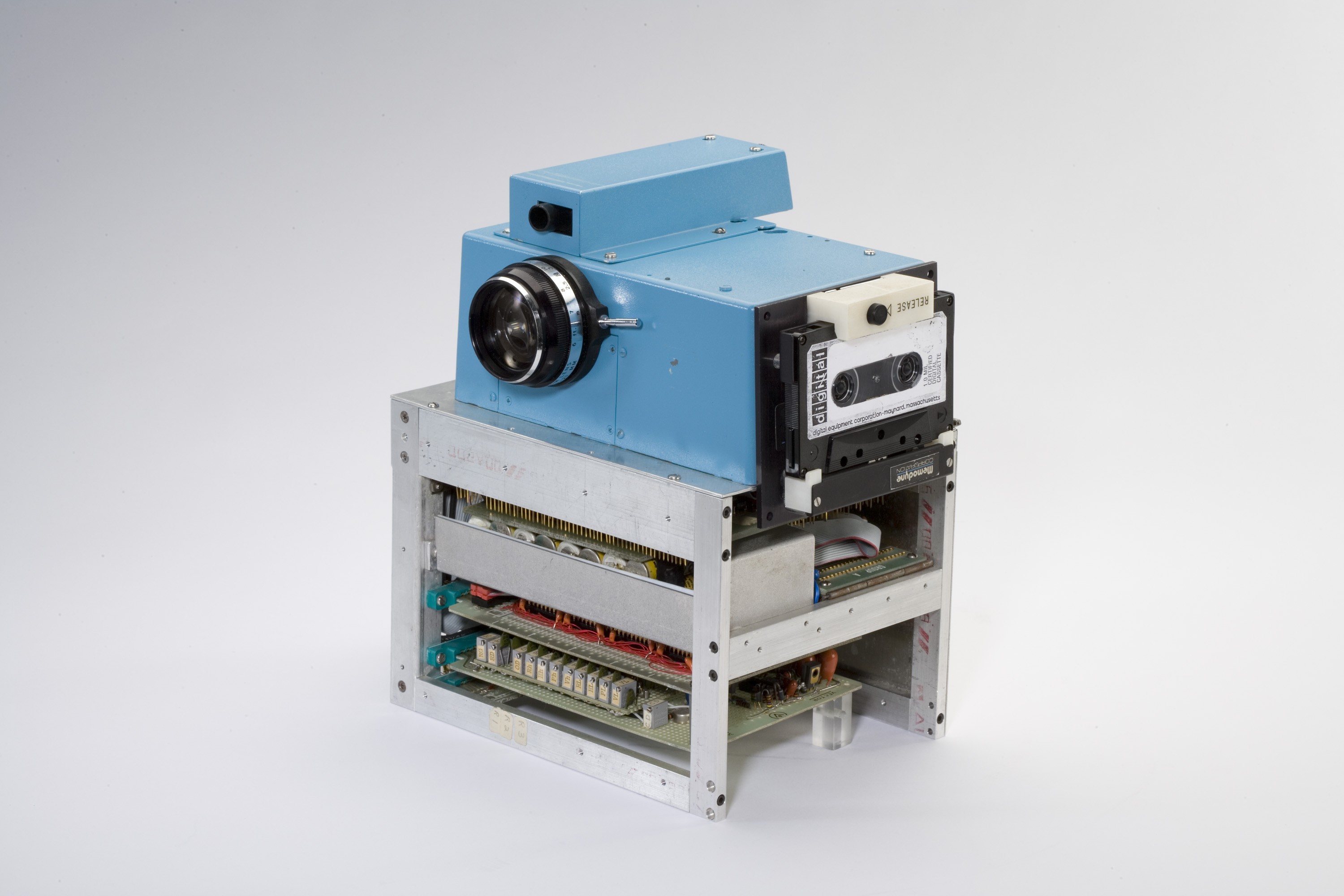
    The first breakthrough in this field was made by Canon in 1984 with its first digital camera for still photography, and there was no looking back post that. At the same time, on the turn of the new century, possibilities of mobile phone cameras began to be explored. Photography became a separate, fully-formed realm of art in itself. Debates between its position in the hierarchy of art, especially when pitted against painting continued, but there came a zeal and fervour to be intrinsically associated with photography.

    First digital camera by Canon 1984.
    First digital camera by Canon 1984.

    When photography was first introduced to people by and large, it took several seconds to a minute to click a single photograph. That explains why people would never smile for portraits. One wonders what their views on the contemporary selfie parades would be.Modern day DSLR

    The first important development in cellphone-photography is owed to Apple and its very first iPhone with its pedestrian 2 megapixel camera in 2007. Other tech giants too became part of the race, perfecting their own technology in terms of cell-phone photography until another breakthrough was made in the form of front, or more aptly termed, ‘selfie’ cameras. Next came selfie sticks, with social media not doing much to help the obsession, and voila! Now photography blogs and Facebook pages have declared everyone a photographer.Cameras and Photography

    The whole idea behind technological developments is to make things simpler, easier, more consolidated. But on the contrary, there seems to be an endless deluge of photography paraphernalia in contemporary times. When a bunch of kids were handed over a camera from the previous century, this was their reaction. You might want to sit down for this.

    Cameras have covered an incredibly long journey to be where there are today. It is an art form that continues to evolve and surpass itself. Let’s see where it lands itself next.

  • This Awesome Camera Has 16 Lenses,  Shoots 52 MP Images

    This Awesome Camera Has 16 Lenses, Shoots 52 MP Images

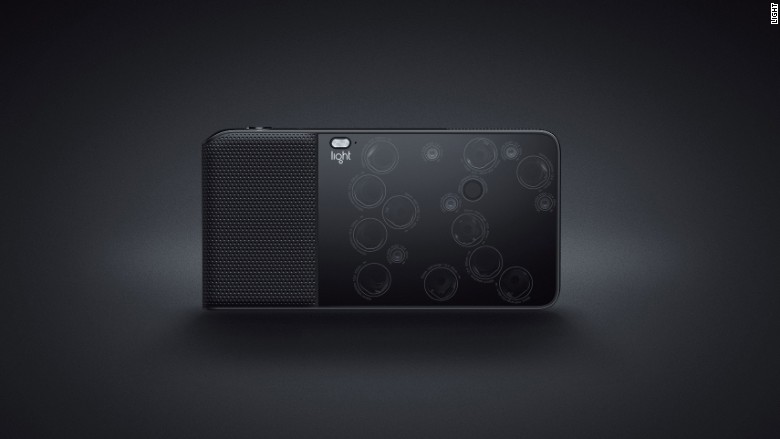
    Point-and-shoot cameras have become somewhat of a relic in the smartphone age. Not that you don’t spot the occasional DSLR user around some touristy place, but the charm of it all seems to have been lost. Why would you go for a bulky camera when companies like Samsung and Apple give you some of the best quality cameras right in your smartphone? Well, there’s a company called Light, a photography startup that is looking to bring back the magic of point-and-shoot cameras, with a twist.

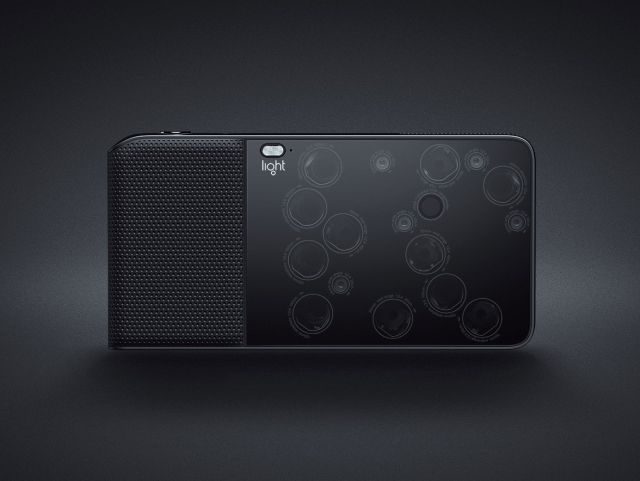
    Light has devised a way of turning a point-and-shoot camera into something you don’t see too often. The company has crammed 16 cameras into one body. This quirky idea will be seen in the company’s latest camera rightly called L16. A quick glance of the L16 and it looks like a simple rectangular shaped black device with a silver button on top. The design also sports 16 different groovy-looking circles on the face that provide a little bit of technological brilliance.

    L16

    This is what Light’s founder Rajiv Laroia calls a “silent revolution”. By using the technology of miniaturized cameras used in smartphones, Light has developed the L16. The idea is to replace bulky DSLR cameras with a smaller, lighter, and sleeker looking device that is easy to carry around.

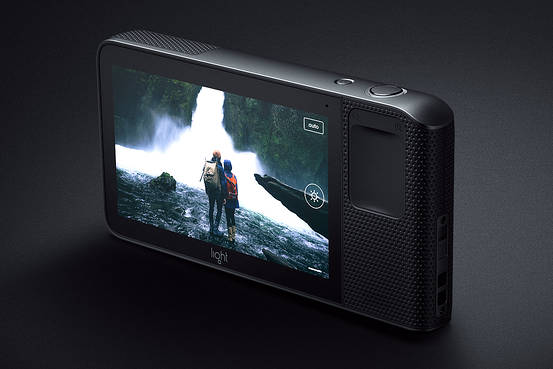
    The L16 can create images of up to 52 megapixels by combining an array of shots from 16 inexpensive 13 megapixel lenses with a variety of focal lengths. There are five 35mm modules, five 70mm ones, and six 150mm modules. There’s a 5-inch touchscreen on the back where you’ll handle all the controls like settings, zoom, and focus. Light says that this sort of approach to photography should give great images even in low light while also reducing image noise. It also runs on Android and has WiFi so you can share images straight from the camera.

    L16 (2)

    Pre-orders for the camera have already begun at a price of $1,299. After November 6th the price tag will jump to $1,699. First orders of the L16 are not expected to ship until next summer. At this price range you can get a decent DSLR with a few lenses as well, but the company is sure that the L16 is the future of photography and that the DSLR’s time is almost up.

  • This Camera That Has a Mind of its Own

    This Camera That Has a Mind of its Own

    Have you ever felt that the pictures you take of popular places around you have been photographed to no end? You go to a beautiful location and you’re ready to take pictures to upload on Instagram and Pinterest, but you look around and find everyone else doing the same thing – taking pictures from generic positions and angles.

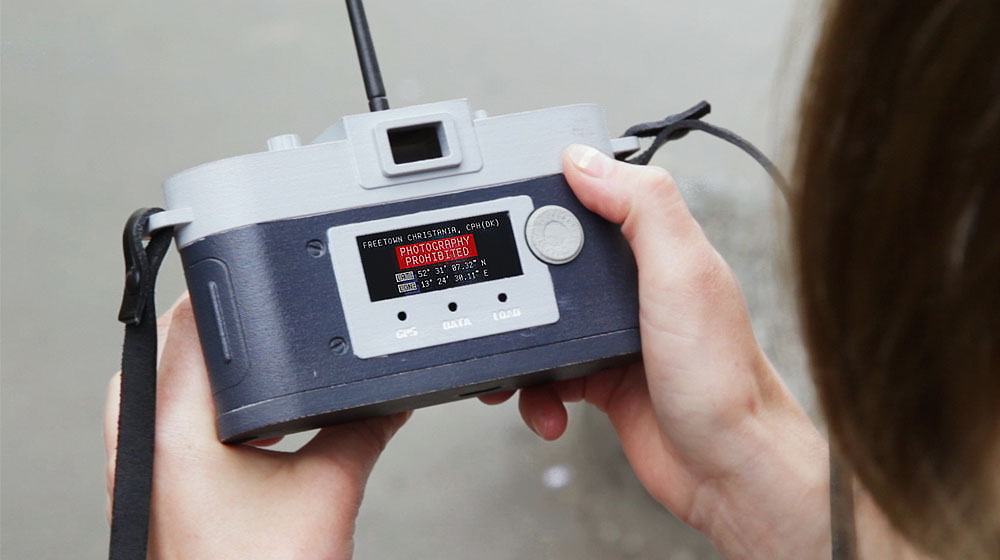
    Well, what if we told you that there is a camera that pushes you to take new and innovative pictures of popular locations and won’t let you click them from angles that are too common? This is exactly what a German designer Philipp Schmitt has developed. Schmitt has created a concept camera called, Camera Restricta, that stops you from taking pictures from frequently snapped locations.

    The camera uses geotagging to find pictures on the internet that are posted too many times from that particular location and will make a clicking sound and the lens will retract back into the body. Yes, the camera will disobey you if it has to. Unless you find a place from where you can take a picture that is new and different, the camera will refuse to listen to you.

    Schmitt stated in his website that geotagging is mainly used as an indicator to determine whether the photo lacks originality. He says that “the camera scans an area of roughly 35×35 meters around its exact location for geotagged photos. Cities and especially tourist sights are so thoroughly photographed that it often finds dozens or even thousands of photos.”

    Would you buy a camera that only lets you take new and original photographs? The camera is an open-source software and can be found here.

  • The Most Captivating Entries from National Geographic’s Traveler Photo Contest

    The Most Captivating Entries from National Geographic’s Traveler Photo Contest

    National Geographic has announced the commencement of its yearly traveler photo contest. Anyone who has traveled places just for the zeal of photography can make their submission in the contest. The last date for entries is June 30.

    The bar of competition is really high this time. Photographers have waited long to capture the perfect shot, and their submissions narrate a story of utmost patience. The winner of the contest will win an eight-day National Geographic photo expedition for two to Costa Rico and Panama Canal.

    Here’s a glimpse of stunning pictures that capture the devotion of participants to the art:

    Giant waves converge is of napali coast of Kauai. (Lee Scott / National Geographic Traveler Photo Contest)
    Giant waves converge is of napali coast of Kauai. (Lee Scott / National Geographic Traveler Photo Contest)

    The picture was taken at Karo Village in the Omo Valley of Ethiopia. The Karo are famous for their body-paint culture and skill. ((S. Ram / National Geographic Traveler Photo Contest)
    The picture was taken at Karo Village in the Omo Valley of Ethiopia. The Karo are famous for their body-paint culture and skill. ((S. Ram / National Geographic Traveler Photo Contest)

    The image is of  Godafoss waterfall in Iceland . The photographer used 10 stop ND filter to capture the movement of the water as the sun set in the distance.(Ed Graham / National Geographic Traveler Photo Contest)
    The image is of Godafoss waterfall in Iceland. The photographer used 10 stop ND filter to capture the movement of the water as the sun set in the distance.(Ed Graham / National Geographic Traveler Photo Contest)

    It's a view of Jalmahal during sunrise. (Ravikanth Kurma / National Geographic Traveler Photo Contest)
    It’s a view of Jalmahal during sunrise. (Ravikanth Kurma / National Geographic Traveler Photo Contest)

    Birdview of a surfer in the famous beach of Praia Mole located in Florianopolis, Brazil. This image has been made with the help of a drone.
    Clicked by a drone, a surfer in Florianopolis, Brazil. (Chris Schmid / National Geographic Traveler Photo Contest)

    Ice cave at the Vatnajokull Glacier in Iceland.(Shane Wheel / National Geographic Traveler Photo Contest)
    Ice cave at the Vatnajokull Glacier in Iceland.(Shane Wheel / National Geographic Traveler Photo Contest)

  • How To Take Good Images From Your Phone’s Camera

    How To Take Good Images From Your Phone’s Camera

    These days digital cameras are found in a variety of other gadgets – including cell phones. In fact Camera Phones are one of the fastest growing segments of the digital camera market and with the improvements in the quality of what is being offered in some phones (higher megapixels, better lenses, high capacity storage) some believe that they are beginning to win market share away from the low end offerings of many digital camera manufacturers. 

    So keeping that in mind, we present to you some basic tips to improve the quality of images that you click from your cell phone.

    1. Stand Still

    It is really difficult to keep still while clicking images with your phone. Even the slightest of movements can leave the image blurred. The shutter delay is what causes these blurs. 

    smartphone_camera

    Holding the camera really steady and even after the shutter is released, keep it steady for a few seconds more just to be sure. You could also try supporting the phone on a few books, table, against the table vase and get sharper images.

    2. The Better The Lighting, The Clearer The Image

    The better lit your subject is the clearer your image is likely to be. If possible shoot outside or turn on lights when shooting inside. Your phone’s biggest weakness is its inability to take good pictures in low light (unless you have a Lumia 920 or a HTC One), which means you generally will want to get as much light as you possibly can on your subject.

    If your phone camera has the basic white balance features then experiment with them to get the near possible match.

    3. Focus!

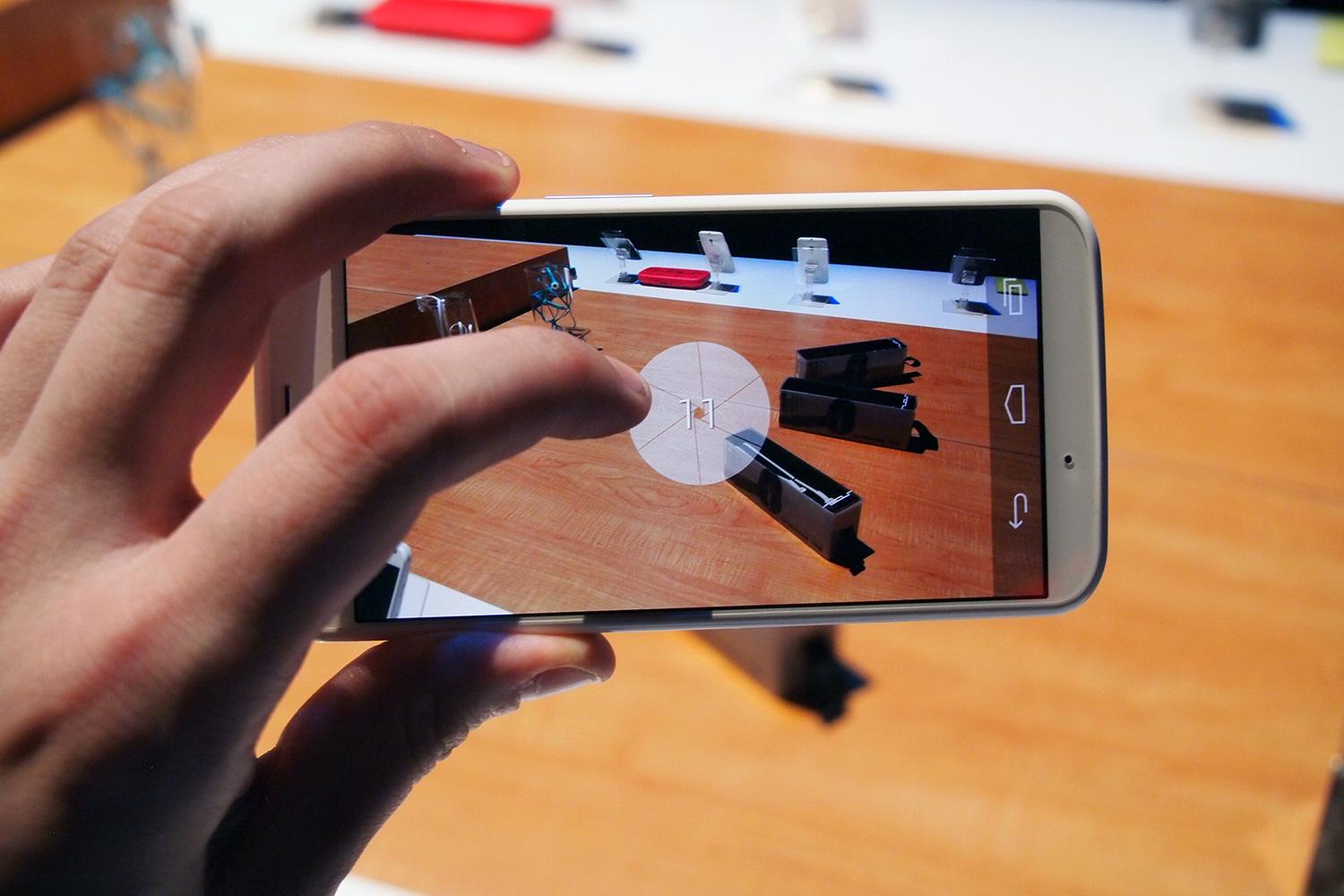
    When you’re taking a close-up, your phone generally focuses on the element closest to the lens. Switching the focus can allow objects in the background to stand out instead, thus making a run-of-the-mill shot more interesting. To focus on an element, gently tap your screen’s viewfinder.

    Motorola-Moto-X-camera

    Wait for the subject to be in focus. Then take the shot. There are apps you can use to selectively focus areas in your image. More on apps later. 

    4. Avoid Zoom

    The built-in zoom in most phone cameras are not optical but digital. Hence, it is advisable to not zoom in to compose a picture because you are not really zooming. 

    Instead, move closer to the object and crop the image later if you have to. You will notice a considerable difference in the quality of the image.

    Most smartphones have 8+ megapixels of resolution and sometimes more. That means you can crop substantially and still have plenty of resolution left for display on the web.

    5. Keep The Lens Clean

    While most of us spend loads of money on buying screen protectors for the front of your devices, we must realise that there is a lens on the back of your device that needs maintenance too. 

    keep your lens clean

    Phones spend a lot of time in pockets, in bags and being used in all manner of weather and conditions and over time the camera lens can collect lint/dust and create a blurred image. Just give it a good wipe with a clean cloth. 

    6. Keep The Background In Mind

    We all have images in our phones that were ruined by poor background surroundings. From photobombing friends or garbage on the road, keep in mind that the background is as important as the subject.

    Backgrounds should vary from shot to shot. You can either go for a subtle, clean background or one with motion and movement. 

    7. The Default Camera App Isn’t The Only One You Can/Should Use!

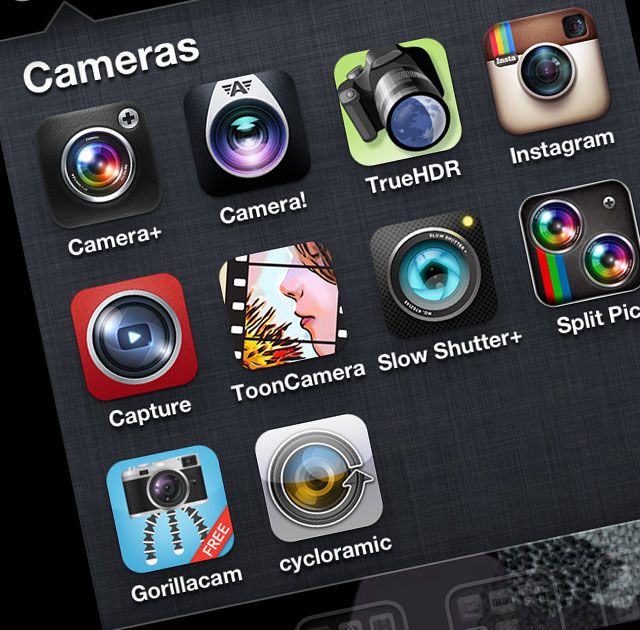
    Depending on your particular phone and the camera app that comes with it, you may have a few settings you can adjust before taking a picture. In almost every case, though, you can do better by grabbing a more advanced camera app.

    10_camera_apps

    Apps like Camera Awesome allow you to shoot in bursts and separates the AF lock from the exposure lock. Other apps like Camera+ have similar options for more controlled shooting.

    There are a ton out there, so look around! 

    8. Use Accessories! 

    If you intend to use your mobile phone as a digital camera, then you would do well to add on some accessories to maximise the camera experience. 

    Given the success of cameras on smartphones, more and more manufacturers are selling accessories specially designed for use with camera phones. These include camera phone tripods, Bluetooth adapters to transfer photos to a PC, and an attachable wide-angle lens.

    1

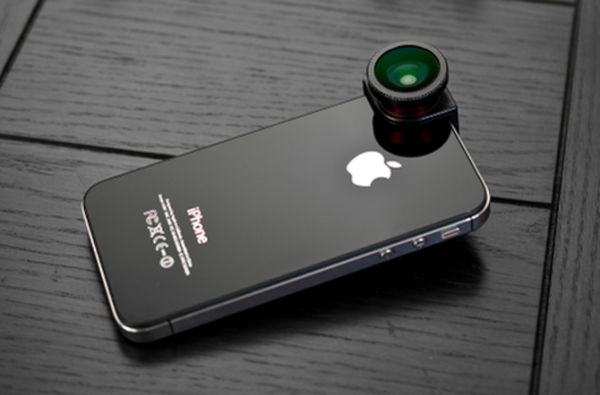
    When professional photographers want to up the quality of their shots, they often upgrade their lenses. If you have a good smartphone, there are plenty of lens add-ons that allow you to do the same.

    An example is the Olloclip. Easy to slip on and off, the Olloclip is actually three lenses in one: macro, fish-eye, and wide angle. The HitCase for the iPhone 5 also comes with a wide-angle lens, which helps you in taking macro-shots.

    9. Edit Later, Avoid Using Filters

    While you’re better off tweaking some settings before you take the photo, you can always make a picture look better by editing it after you’ve downloaded the pictures to your computer.

    Take your shots in color at high resolution to keep your options open on how to treat it later. You can always make it black and white on your computer, but you can’t make it colour if you take it in Black and White mode. 

    twitter-filters

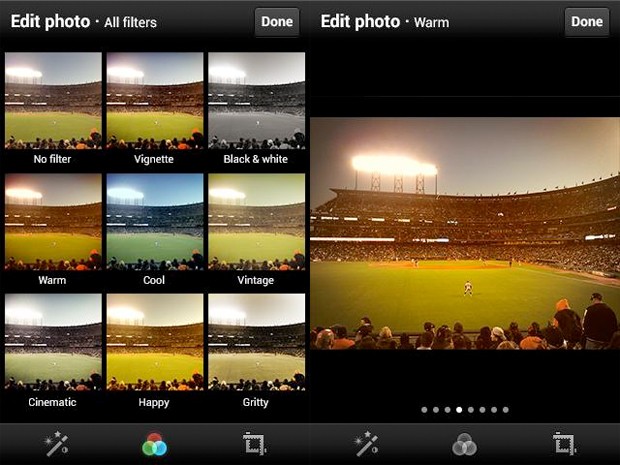
    Apps like Snapseed (free) can be used to edit photos easily. Snapseed is very easy to use, and less onerous or labour-intensive than Photoshop Touch. It can auto-fix photos, definitely, but it can be used to make subtle and even minute edits to photos that affect exposure, saturation, sharpness and contrast. In other words, it’s a fully-fledged photo editor that competes with iPhoto.

    10. Experiment!

    The beauty of all forms of digital photography (including that of camera phones) is the ability to shoot off many shots quickly and without cost. This means you can experiment with different modes and composition and discard those that you don’t want to keep.

    Don’t be afraid to try interesting angles. Sometimes playing around with angles can make an image look contrived, and other times, it just works.

    Most importantly, just like any other camera, practice. Practice practice practice.Take lots of pictures. Learn what you like and what you need to improve on. It takes a while to get into a groove where you really start to excel, so shoot often and keep only your best work.

    Armed with these tips and techniques, you’ll be surprised what you can do with a simple camera phone.


    Let us know your tips in the comments section below!

  • Nikon D5200 Launched

    Nikon D5200 Launched

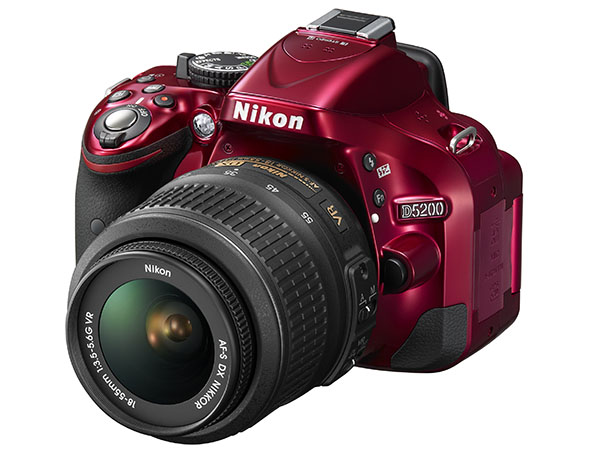
    Nikon D5200

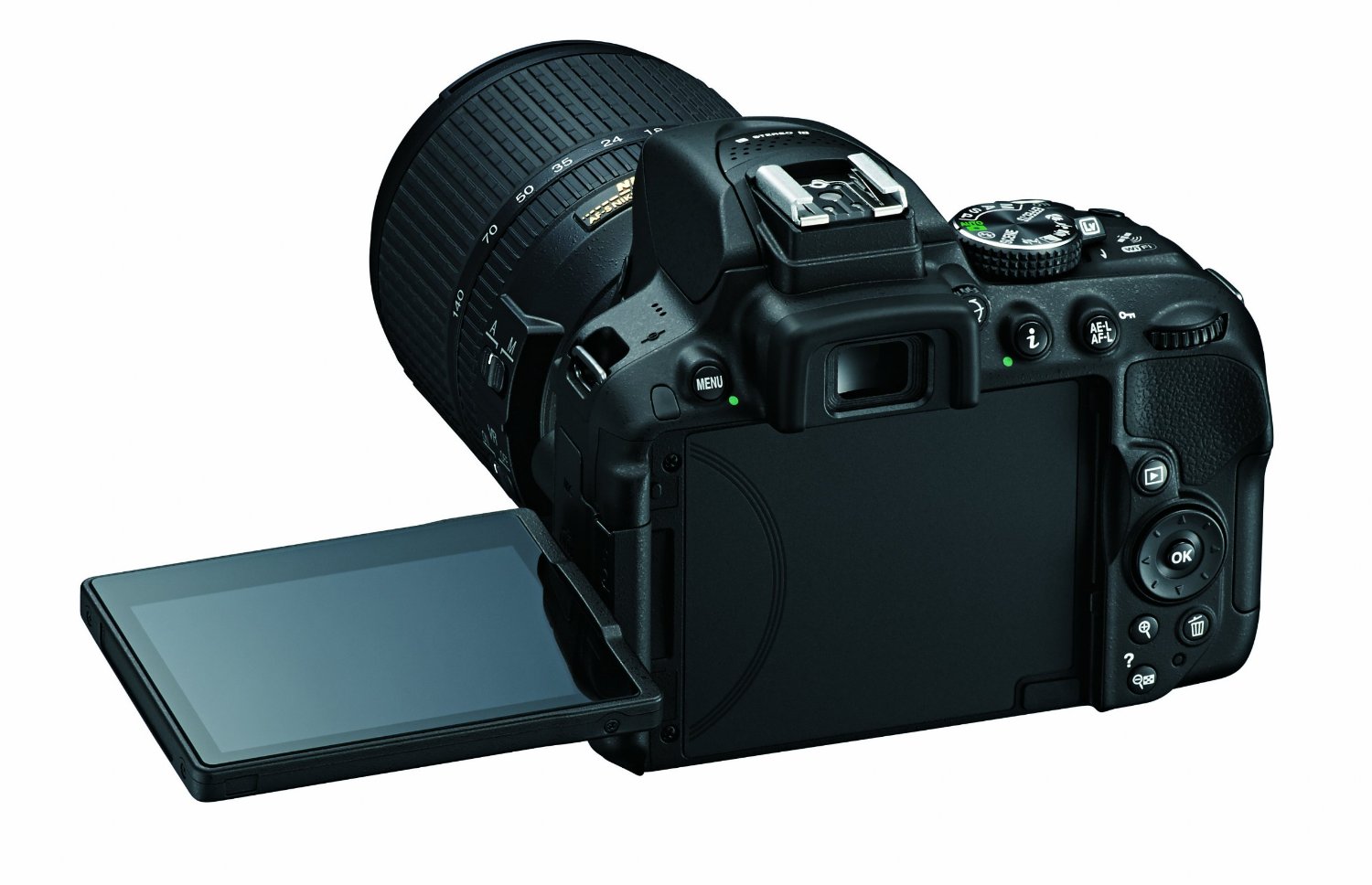
    If the Nikon D600 is a bit much for you , then you might want to look at Nikon D5200 a new entry level DSLR. Replacing the D5100, the new Nikon D5200 comes with several upgrades such as a new 24.1-megapixel sensor, Expeed 3 image processor and a new 39-point AF system.

    The Nikon D5200 offers a 39-point AF system for smarter focusing and tracking of moving subjects (compared to the 11-point module on the D5100), a 2,016-pixel RGB metering sensor ( D5100 judged exposure based on just 420 pixels), and a new Expeed 3 processor that permits up to five shots per second (D5100 had 4 fps).

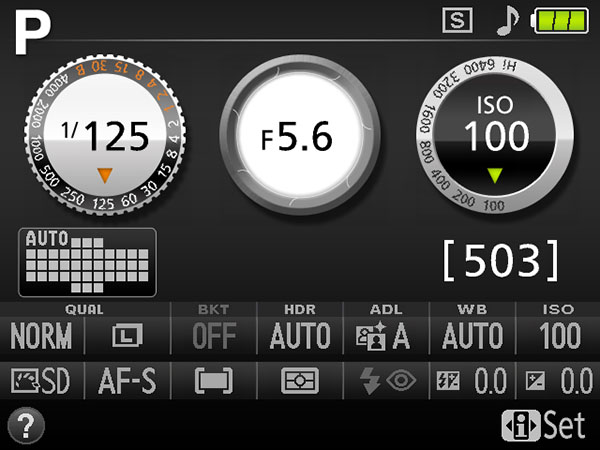
    One of the Main Features is the new UI which displays shooting settings, namely shutter speed, aperture and ISO on three onscreen dials. Users also get a quick overview of their shooting settings and can easily make adjustments on the go.

    There’s also a brand new main image sensor: a DX-format chip that is the same size as the D5100’s and yet somehow squeezes in 8 million more pixels, bringing the effective resolution to 24.1 megapixels.

    Nikon D5200 key specifications:

    • 24.1-megapixel CMOS sensor
    • Expeed 3 image processor
    • 921k-dot, 3-inch articulating LCD
    • 1080 60i/50i full-HD video capture
    • 39-point autofocus system (9 cross types with 3D tracking)
    • 5fps burst mode shooting
    • 555g (Body only, with batteries)

    Available in matte black, glossy red and bronze, the Nikon D5200 is expected to hit store shelves in Asia come December. Prices are set at for Body only: £719.99 / €899.00, Body & 18-55mm VR lens: £819.99 / €1029.00.

    UPDATE : The Indian Price has been set at :MRP of Rs. 46,950 for D5200 body & AF-S DX NIKKOR 18-55mm f/3.5-5.6G VR Kit Lens

    Nikon D5200 colors
    Nikon D5200 Colors


    [toggle_box title=”Press Release” width=”Width of toggle box”]

    Discover new perspectives with the inspiring Nikon D5200


    RRP:
    Body only: £719.99 / €899.00
    Body & 18-55mm VR lens: £819.99 / €1029.00
    Sales start date: December 2012


    London, UK, 6 November 2012: Nikon introduces the latest D-SLR to its mid-range DX-format line-up, the 24.1 megapixel Nikon D5200, designed to bring out your creative side. From beautiful still photos to smooth Full HD movies, this camera empowers your freedom of expression, letting you capture your own unique view of the world.


    Simon Iddon, Product Manager DX Products at Nikon UK, says: “The Nikon D5200 is ideal for those who are passionate about photography and are keen to explore their creative potential.”


    He adds: “The versatile vari-angle screen is ideal for composing shots and for experimenting with the camera’s superior features to enhance images and add an individual twist.”


    Breath-taking image quality
    The third camera in its series, following the D5000 and the D5100, the Nikon D5200 offers a massive leap in image-quality. In addition to the 24.1-megapixel DX-format CMOS sensor for finely detailed images, the new EXPEED 3 image processor provides high-speed operation and excellent, rich colour reproduction – as well as enhanced movie recording. The high ISO sensitivity (100-6400 which is extendable to 25600) delivers brilliant shots in dark or poorly lit environments as well as producing clear images of fast moving subjects.


    The Nikon D5200 shares an AF system, metering sensor and scene recognition with the Nikon D7000 series, giving this camera a new level of performance and much enhanced image quality. The superior accuracy of the 39-point AF system and nine cross-type sensors delivers razor sharp images by focusing precisely on the subject you choose. Meanwhile, the 2,016-pixel RGB metering sensor provides precise data to the camera’s Scene Recognition System, which optimises exposure, autofocus and white balance immediately before the shutter is released.


    Image creations from any angle
    The Nikon D5200’s versatile 7.5cm (3-in) vari-angle LCD monitor provides the ultimate freedom and flexibility to take beautiful shots and movies from virtually any position. You can flip, tilt or turn the swivel monitor to get really creative with your angles. In addition, the Nikon D5200 is an intelligently designed lightweight camera, with clear menus and superior ergonomics, making it a pleasure to maneuver and shoot with.


    Wireless connectivity to share your creations
    Wirelessly transmitting images from your camera to an Apple™ or Android™ smart device is possible by using the optional WU-1a Wireless Mobile Adapter. This means you can share images that you are proud of with friends via social networks and email for instant reactions. It is even possible to control your camera remotely from your smart device to help you take beautiful shots without disturbing your subjects.


    Distinctive HD movies
    Effortlessly alternate between shooting stills and Full HD movies with smooth (up to 60i/50i) recording at the flick of a switch. The camera’s subject tracking of moving objects in three dimensions, with full time servo AF (AF-F), ensures focus of moving objects throughout filming. Adding to that, creating movies to be proud of can be achieved with in-movie editing and the camera’s built-in stereo microphone.


    Inspirational Effect and Scene modes
    Be even more original with the Nikon D5200 Effects mode. A range of seven special effects: Selective Colour, Miniature, High and Low Key, Silhouette, Colour Sketch and Night Vision can be applied in real time to images and movies through Live View so you can see what your final creation will look like before you shoot it. In addition, in-camera High Dynamic Range (HDR) and D-lighting capture detailed images of high-contrast scenes, increasing creative possibilities. You can also select from 16 different Scene modes – they optimise the camera settings, such as shutter speed, ISO and aperture – to the situation you are shooting. It is great for a quick shot or if you are still learning about D-SLR photography.


    Key features
    • DX-format, 24.1 megapixel CMOS image sensor with EXPEED 3 for exceptional quality
    • Vari-angle LCD monitor: View life at a unique angle with a high resolution, 7.5cm (3.0-in), 921k dot vari-angle screen
    • Compatible with Wireless Mobile Adaptor WU-1a to transmit images from the camera to Apple™ or Android™ smart device and remote shooting
    • High ISO (100-6400) extendable to 25600: keeps the detail with low noise in low-light situations
    • Razor-sharp 39-point AF system with nine cross-type sensors in the center. Offers fast and precise autofocus coverage across the frame
    • 2,016 pixel RGB metering sensor delivers highly accurate metering for exact exposures and provides precise data to the camera’s Scene Recognition System
    • Scene Recognition System optimises exposure, autofocus and white balance immediately before the shutter is released
    • Continuous shooting at 5fps: so you do not miss that fast-moving action shot
    • High dynamic range (HDR): Gives detailed shots of high-contrast scenes by combining two shots taken within a single shutter release
    • Active D-Lighting: Retains details in highlights and shadows for well-balanced images, even if the subject is moving
    • D-Movie: Full (1080p) HD movies with smooth (up to 60i/50i) recording and a built-in stereo microphone
    • D-Movie AF modes: Live View autofocus works when shooting movie clips, keeping subjects in sharp focus
    • In-built stereo-microphone for improved sound quality
    • Updated new generation GUI Design
    • 16 Scene modes: Automatically adjusts camera settings, including Picture Controls and Active D-Lighting, for optimal results.
    • Effects mode – seven effects including Selective Colour and Miniature, which can be applied in pre-shoot, for more creative movies and stills
    • Compatible with WR-R10 Wireless Remote transceiver and WR-T10 Wireless Remote transmitter that let you control key camera functions from a distance
    • GPS compatible: Records the exact location of the camera when a picture is taken by using the optional GP-1 unit
    • NIKKOR lenses: take advantage of Nikon’s legendary NIKKOR lenses and make the most of the camera’s 24-megapixel resolution. Capture photos with vivid colour and striking contrast. Shoot movies with crisp detail or experiment with cinematic effects.
    • Available in three colours: black, red and bronze
    • Lightweight body (505g) with an intelligent design and superior ergonomics

    [/toggle_box]


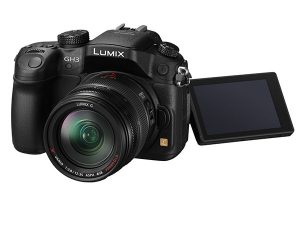
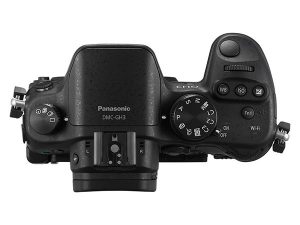
  • Panasonic’s GH3 mirrorless camera Launched with16.05MP, WiFi and 72Mbps HD video rugged shell. (PR)

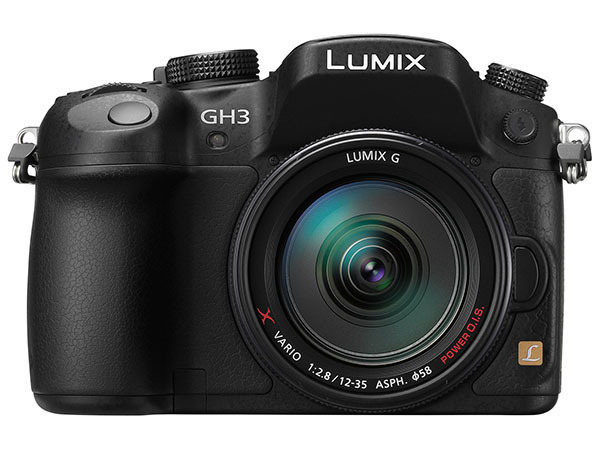
    Panasonic’s GH3 mirrorless camera Launched with16.05MP, WiFi and 72Mbps HD video rugged shell. (PR)

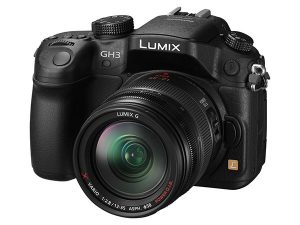
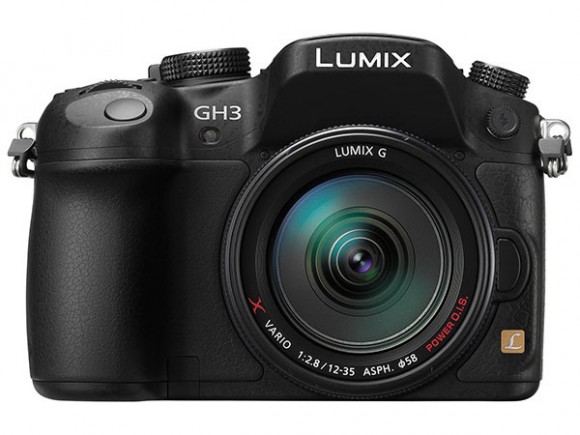
    Panasonic has teased, teased and teased its new G series camera, to finally launch it with interesting specs.  The Micro-Four Thirds almost as bis as a DSLRs and loaded with features  including dust- and splash-proof magnesium alloy body, you’ll find a 16.05-megapixel Live Mos sensor with 200 to 12,800 ISO natively with extension from 125 to 25,600. Alos in the mix is the Panasonic’s latest Venus engine, with 6 FPS burst shooting (20 in 4-megapixel mode).
    Video is a major feature for Panasonic’s big baby,  You’ll be able to shoot in either MP4, MOV, AVCHD or AVCHD Progressive, with a maximum bandwidth of “72 Mbps (ALL-Intra) / 50 Mbps (IPB).” The formats can be recorded using frame rates of 24, 30 and 60p (excluding MOV and AVCHD), and you’ll even be able work with SMPTE time-codes for syncing footage easily in post production.

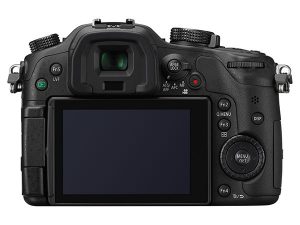
    The GH3 is equipped with two OLED displays, a 1,744k-dot electronic viewfinder (EVF) and 614k-dot, 3-inch LiveView(LV) swiveling screen. In our experience, we found that OLED displays tend to provide greater viewing clarity compared with typical TFT screens. Also a proximity sensor–located near the eyepiece–lets users switch between EVF and LV mode quickly.
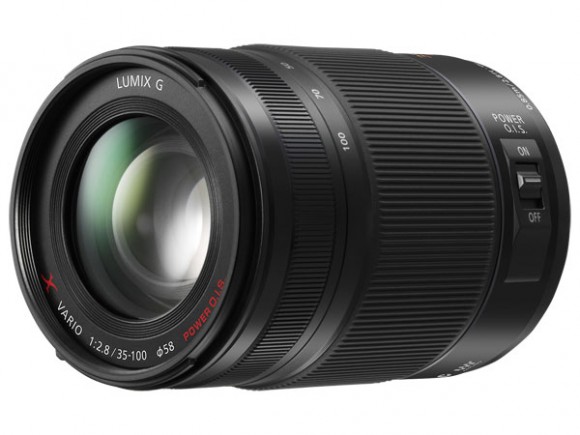
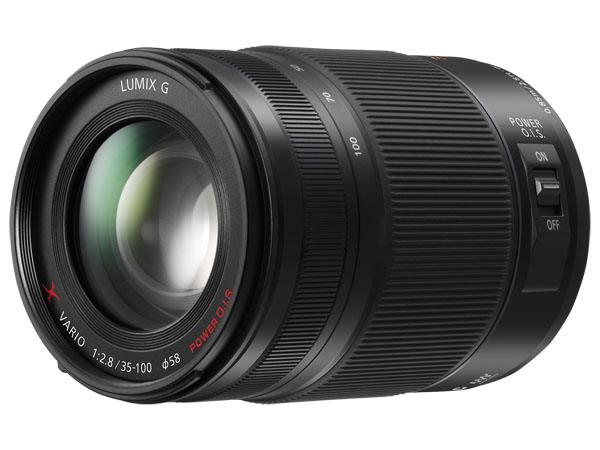
    Also announced is a new Lumix G X VARIO 35-100mm F2.8 zoom lens (70-200mm, 35mm equivalent) that features a constant F2.8 aperture The highlight of this lens is that it uses an inner focusing mechanism which does not extend during zooming and incorporates the company’s proprietary Nano Surface Coating for reduction of flare and ghosting during image capture.


    Panasonic Lumix DMC-GH3 key specifications:


    • New 16.05-megapixel Live MOS sensor
    • Improved Venus Image processor
    • Wi-Fi
    • Weather-proof (dust- and splash-proof)
    • Built-in 1,744k-dot, OLED electronic viewfinder
    • 614k-dot, 3-inch fully articulating LCD display
    • ISO 200 to 12,800 (Expandable to 25,600)
    • 6fps in burst-mode shooting
    • 1080p full-HD video recording
    • RAW image capture

    If you want the most indepth PR read below:


    [toggle_box title=”Press Release” width=”Width of toggle box”]

    THE ALL NEW GH3 – CHANGING PHOTOGRAPHY


    Engineered For The Multimedia Photographer


    September 17, 2012 (Secaucus, NJ) – Panasonic is proud to introduce the new Digital Single Lens Mirrorless DMC-GH3. The LUMIX GH3 is not just a compact, lightweight camera. It is an attractive, top-of-the-line mirrorless single lens system camera that is tough enough to withstand the extreme conditions of heavy field use.


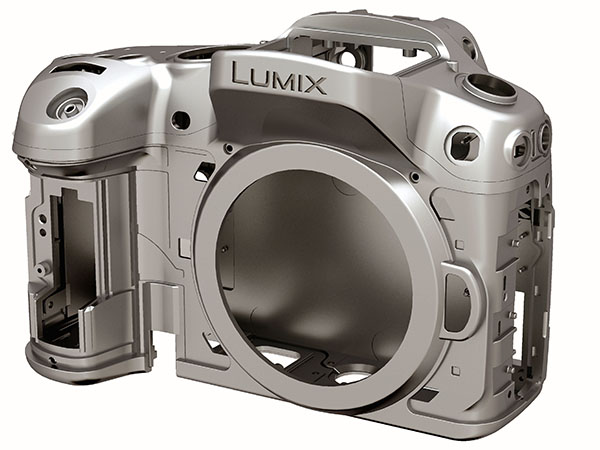
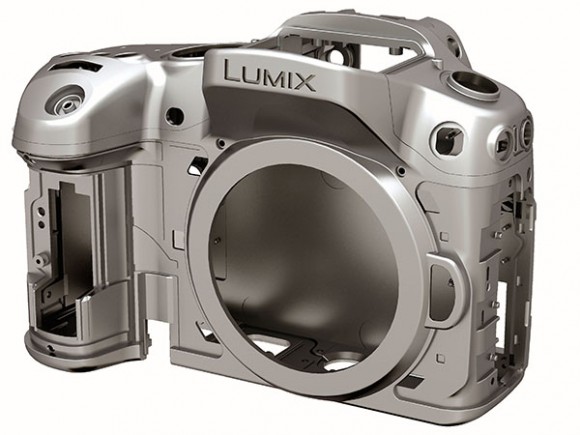
    The new Live MOS Sensor achieves high-resolution images with minimum noise. And the new Venus Engine attains high-speed, high-quality signal processing. These features combine to maximize shooting fun and operating ease. Another prominent feature of the LUMIX GH3 is a tough body that is rugged enough to stand up to professional use. It features a magnesium alloy full diecast body and advanced splash / dustproof construction that was achieved by sealing the sections of the camera body to enable shooting under extreme conditions. Although the LUMIX GH3 integrates features a class above other G Series models, it is still compact when compared with an SLR camera featuring equivalent performance and functions. The body has enabled a new control layout with three dials on the front and back as well as single-function buttons. The LUMIX GH3 allows users to capture images in extreme environments and provides superb mobility. It also records still images consecutively at a rate of about 6 fps. The LUMIX GH3 is proud to assume the role of Panasonic’s flagship digital single-lens mirrorless camera.


    The video recording capability, which is highly acclaimed in the GH2, now comes with more variety of options in its format and bit rate to meet wide-ranging needs. It is packed with advanced technologies developed by Panasonic for professional video creation.

    The LUMIX GH3 uses OLED displays both in its viewfinder and in the rear free-angle monitor. Panasonic has also developed optional accessories to expand the shooting possibility of DMC-GH3. A detachable battery grip DMW-BGGH3 for vertical viewing angle, integrates control featuring splash/dustproof design. The external TTL flash DMW-FL360L comes with wireless function and even integrates LED for video recording. A Stereo Shotgun microphone DMW-MS2 is also available. They represent a first of their kind for Panasonic LUMIX cameras.


    Panasonic also offers a full lineup of lenses that reinforce the LUMIX GH3. The LUMIX G X VARIO 12-35mm / F2.8 ASPH. / POWER O.I.S. (H-HS12035) is currently on the market. In addition to this, Panasonic is releasing a new fast F2.8 telephoto zoom lens LUMIX G X VARIO 35-100mm / F2.8 / POWER O.I.S. (H-HS35100) to introduce with the LUMIX GH3. These two lenses achieve high resistance performance against splash and dust when combined with the LUMIX GH3.


    The LUMIX G lens lineup includes a variety of models with superb image rendering, such as Leica lenses and smooth, silent power zoom lenses suitable for video recording. *This is the largest lineup of interchangeable lenses for a digital single lens mirrorless camera*. And Panasonic will continue to develop and introduce new lenses with distinctive features.
    *As of 17, September 2012.


    Delivering the highest ever picture quality with a new Live MOS sensor
    The DMC-GH3 realizes high-quality photo images with real-to-life details through excellent resolution, image rendering and color reproduction; high-grade lens and precision AF achieves high resolution, optimal balance of resolution and noise reduction achieves lifelike image rendering and high precision auto exposure and white balance with live light metering results in faithful color reproduction.


    The newly developed 16.05 effective megapixel Live MOS sensor boasts wide dynamic range and high sensitivity image recording even at ISO 12,800 or ISO 25,600 in extended mode. The key point here was reducing noise, for which Panasonic focused on the following three areas: (1) minimizing noise in the sensor, (2) preventing sensor noise from entering the output signal, and (3) preventing noise from entering the signal processing circuit, power supply line and grounding line. To reduce noise, it is also important to design the power supply wiring and the signal wiring connected to the engine to be as close to the same length as possible. These measures not only suppress noise but also help to improve processing speed. Standard sensitivity is from ISO 200 to ISO 12,800, but the user can set sensitivity to ISO 125 or ISO 25,600 by using an extension function. The LPF (Low Pass Filter) has been also newly designed to minimize generation of moire while drawing maximum resolution of the image out of the sensor.


    The image processor Venus Engine is also refined to achieve superior noise reduction. With a combination of 3DNR (3D Noise Reduction) and MNR (Multi-process Noise Reduction), both bright area and dark area are faithfully reproduced with minimum noise across the entire focusing range in high sensitivity image recording.


    The built-in flash is enhanced to feature more power and flexibility. The new built-in flash of GN12 equivalent (ISO 100 •m) / GN17 equivalent (ISO 200 •m) covers 24mm wide angle of view. Synchronization for flash dimming and exposure compensation is available with adjustment of 1/3EV Step ±3EV. Manual control and a sync terminal are newly added for more versatile use of external flash.


    The GH3 also integrates HDR (High Dynamic Range) to cope with the extreme bright and dark contrast that you get, for example, with backlighting, or when consecutive photos are taken with different exposure levels and overlapped. Blown highlights and blocked shadows are then deleted and a single photo is composed. All processing is done in the background, so you can take your next shot without having to wait, ensuring that you don’t miss a photo opportunity.


    Other practical shooting functions including Time Lapse Shot or Multiple Exposure are available on DMC-GH3. The electronic shutter with silent operation prevents pixel declination which is undesirable in photographing of commercial products.


    Awesome quality of video for unlimited expressions – versatile recording formats, bitrate and frame rates?
    Panasonic defies the conventional boundaries of a digital camera elevating the potential of video recording capability even higher. Users can freely choose the format from AVCHD, AVCHD Progressive, MP4 or MOV with the frame rate at 60p(NTSC), 30p(NTSC) or 24p according to the usage*. The DMC-GH3 is capable of recording ultra high bit rate video recorded at 72 Mbps (ALL-Intra) or 50 Mbps (IPB). And it is capable of recording continuously for an unlimited time**.


    Heat generated during long continuous recording can cause problems. It not only affects internal components but can also degrade image quality. Effective thermal diffusion is an essential design challenge. By drawing on the expertise accumulated through its many years of developing camcorders, Panasonic has revamped and redesigned the electronic parts arrangement and internal structure to achieve the optimum layout. This has eliminated heat problems in the LUMIX GH3.


    When recording the video in MOV, AVCHD Progressive and AVCHD, the DMC-GH3 automatically generates multiple seamless files for continuous recording. During playback, the AVCHD Progressive / AVCHD files are reproduced with seamless, interruption-free continuity. The DMC-GH3 also embeds SMPTE-compliant Time Code either in Rec Run or Free Run count-up methods, which makes it easy to synchronize the multiple video footage or sound source in the post production workflow. Time Code Value can be started at any point of [Reset], [Manual Input] and [Current Time]. Drop frame or Non Drop Frame time code is selectable***.

    For high quality sound recording, DMC-GH3 adopts Dolby Digital® for AVCHD?Progressive /AVCHD videos and linear PCM(LPCM) for non-compressed video recorded in MOV. In addition to the built-in stereo microphone, the GH3 is equipped with two 3.5mm terminals for an external microphone and headphones to facilitate sound recording.


    The DMC-GH3 also features Creative Video mode: Exposure mode and Slow/Fast-Motion mode. In the Exposure mode, four manual video modes: Program AE / Aperture-Priority / Shutter-Priority / Manual Exposure can be selected and they will faithfully reflect your shooting intent, and give you a wide range of video images. The Slow/Fast-Motion mode enables slow-motion (40% / 48% / 80%) and fast–motion (160% / 200% / 300%), all in Full-HD.


    Not only full-time AF, AF Tracking and Face Recognition AF are also available. The Touch AF in video recording also lets users enjoy professional-like rack focusing. Just by pointing at the subject, the focus is shifted to it and lets it stand out to attract attention.


    *60p(NTSC) video recording is not available in AVCHD and MP4 video recording.
    **In the model for PAL areas, motion image can be recorded up to 29 min 59 sec.
    ***Available in the model for NTSC regions.


    Intuitive response with nimble movement
    All cameras in the LUMIX G assortment adopt Contrast AF for their focus system. Compared with the Phase difference system AF, the Contrast AF boasts higher accuracy when shooting with a bright lens with a wide open aperture.


    The DMC-GH3 features ultra-high-speed AF which makes it possible to capture fast-moving subjects clearly. Both accuracy and speed are improved over high-end DSLRs with Phase difference AF with the GH3’s advanced Contrast AF system. The camera and the lens exchange the digital signal at 240 fps to minimize the time to focus. Together with the quick start-up and short release time lag, the DMC-GH3 never lets photographers miss fleeting shooting opportunities.


    The DMC-GH3 boasts high-precision, high-speed dual OLED (Organic Light-Emitting Diode) displays for LVF (Live View Finder) and rear monitor. Increasing the resolution of the display area to 1,744K-dot equivalent, the new 16:9 Wide Screen LVF boasts approx.1.34x / 0.67x (35mm camera equiv.) magnification and 100% field of view and eye point of approximately 21 mm. By adopting the OLED display, the time lag is minimized dramatically compared with the predecessor DMC-GH2. The image output between the LVF and the rear monitor is switched automatically with the eye sensor on the LVF, which features options of sensitivity – high, low and off – to reduce accidental activation of the rear monitor.


    The 3.0-inch 614K-dot free-angle OLED rear monitor (3:2 aspect) with wide-viewing angle rotates 180° to the side and tilts 270° up and down offers approx. 100% of field of view. The OLED rear monitor adopts static touch control for smoother operation either in shooting or in playback.


    The DMC-GH3 captures moving subjects clearly with the burst shooting at 6 fps in full resolution (max. 18 consecutive shots of RAW+JPEG) and 20 fps in 4-megapixel recording using an electronic shutter(max. 80 consecutive shots of JPEG).


    The DMC-GH3 comes with a Level Gauge which lets the camera detect the horizontal/vertical angle of view with its internal level working with the acceleration sensor. Photos shot in a portrait aspect will be automatically displayed vertically whichever lens is used.


    Superb controllability and rugged design
    Panasonic developed DMC-GH3 in pursuit of the best-balanced body design possible with the ergonomic grip and optimum layout of control buttons and dials. Each button has a single function to allow intuitive operation. Major controls such as shutter speed, exposure compensation, ISO and white balance settings can be quickly adjusted with the front/rear dials and rear jog dial. Users can customize a total of 7 function buttons (5 in buttons and 2 in the touch menu tab) by allotting a function they use often. The control panel is fully redesigned enabling even more intuitive operation. Using the LUMIX G Series’ first detachable battery grip with integrated controls for vertical shooting angle, which was developed concurrently with the LUMIX GH3, the user can operate the dials and buttons easily in virtually the same way when shooting horizontally.


    The new LUMIX GH3 is tough enough to withstand heavy field use. The main structural features of the LUMIX GH3 are its magnesium alloy full diecast frame and splash / dustproof construction.


    Like previous models, the LUMIX GH3 has many moving parts, such as the free-angle OLED rear monitor. Thus, ensuring a high level of splash / dust resistance was not an easy task. In particular, careful attention was given to the popup flash. To prevent vignetting caused by the lens, the popup flash incorporates a sliding mechanism that raises the flash to its operating position. Panasonic has taken thorough measures to prevent the entry of dust and water from this section. There are also splash/dust-proof interchangeable lenses (LUMIX G X VARIO 12-35mm / F2.8 ASPH. / POWER O.I.S. and LUMIX G X VARIO 35-100mm / F2.8 / POWER O.I.S.) and the new Battery Grip DMW-BGGH3 to secure its high resistance.


    5. A variety of interfaces
    The DMC-GH3 comes with a variety of connection terminals for more flexible shooting options. The newly added 3.5mm microphone jack allows high quality audio recording using an external microphone. It also comes with a 3.5mm headphone jack enabling monitoring the recorded audio while shooting video real-time. The DMC-GH3 is also capable of real-time image output not only on the OLED display (LVF or the rear monitor) but also on the external monitor via an optional HDMI mini cable simultaneously while recording video. It is suitable for professional video that requires serious monitoring of the imagery. Users can choose to output only the recording content or the content with the setting menus individually depending on the display.


    In addition to these, the DMC-GH3 offers remote control with optional Remote Shutter DMW-RSL1 and AV output (Audio 2ch, Composite). The compatibility with the UHS-I (Ultra High Speed I) SDXC/SDHC Memory Card allows faster data writing even in RAW recording mode.


    6. Wireless connectivity via Wi-Fi ®
    The DMC-GH3 integrates a built-in Wi-Fi® module for wireless connectivity (IEEE 802.11 b/g/n) to expand shooting possibilities. A smartphone or a tablet can be used to remote control and a remote monitor. What the camera is seeing is displayed live smoothly on the smartphone/tablet, and it is possible to set various controls including focus, exposure compensation, ISO, WB and Photo Style in addition to shutter release via live view using Wi-Fi.

    After shooting, images including RAW files can be transferred to a smartphone or tablet immediately. Users can choose to upload images to the LUMIX CLUB Cloud Sync. Service via Wi-Fi- tethering and to send them to the DLNA (Digital Living Network Alliance) -compliant AV equipment via a wireless router at home. In addition, it is possible to tag the location information to the image by utilizing the GPS (Global Positioning System) log of a smartphone/tablet. All these flexible shooting / browsing / sharing styles are made possible with the DMC-GH3 and Panasonic’s dedicated application software “LUMIX LINK” for Android / iOS smartphones.


    Archiving of images can be accomplished wirelessly with the DMC-GH3. Users can save precious images to the Panasonic’s exclusive “LUMIX CLUB Cloud Sync. Service”. In this cloud service, a personal folder is allotted to the GH3 users to upload image data anytime to transfer the image saved at this space to Facebook™, Flickr™, Picasa™, Twitter™ or YouTube™. With the LUMIX CLUB Cloud Sync Service, not only full-resolution photos but also HD quality videos can be synchronized among the compliant electronic devices you are using (e.g. PC, smartphone and AV equipment) or transferred to the websites you like. The Wi-Fi function also allows playback of images on the DLNA-compliant VIERA HDTV for viewing in private or public*.
    *The wireless access point (router) is required.


    7.?Creative Expression
    The DMC-GH3 incorporates Photo Style and Creative Control for more unique expression tailored for the photographer.


    With Photo Style, users can manually choose from 6 color types to get even more detailed image settings, or to match the shooting situation. In addition, the contrast, sharpness, saturation or noise reduction for each mode parameter can be customized in 11 steps and stored in memory. In Custom Mode, finely customized settings can be stored for easy recall and use.

    The Creative Control lets you enjoy making the image even more impressive. A total of 14 filters are available – Expressive, Retro, High Key, Low Key, Sepia, Dynamic Monochrome, Impressive Art, High Dynamic, Cross Process, Toy Effect, Miniature Effect, Soft Focus, Star Filter and One Point Color. Most of the filters can be used in video recording, too. With the new GUI and menu tabs, switching filter effect is extremely easy and is possible to preview via the Live View. Effect parameter, defocusing area and exposure compensation are also adjustable.


    8. Rich options for further expandability
    Micro Four Thirds System products provide customers with even higher levels of performance in a digital interchangeable lens camera. In addition to LUMIX G lenses, the LUMIX DMC-GH3 can use any interchangeable lens that complies with the Four Thirds System standard via an optional mount adaptor DMW-MA1 and with the prestigious Leica M/R Lenses via DMW-MA2M or MA3R. This gives the user access to an unlimited number of lens properties.


    Also, the LUMIX DMC-GH3 offers a wide variety of options to choose from to match every shooting situation and shooting style.


    New Battery Grip DMW-BGGH3
    The ergonomically designed Battery Grip DMW-BGGH3 enables the GH3 to offer a longer battery life of more than 1,000 pictures*. It offers comfortable grip and easy handling even when shooting vertically.
    *When using LVF and the battery inside the body.


    New External Microphone DMW-MS2
    The new plug-in power type External Microphone DMW-MS2 with windjammer enables high quality audio recording. Directional control Stereo/ Shotgun is switchable in the menu. The holder is designed with a vibration absorption mechanism. This advanced external mic suppresses the camera’s motor noise and handling noise, to capture the sound that you’re aiming for.


    New External Flash DMW-FL360L
    The new GN36( ISO100?m) flash complies with useful bounce lighting. A wireless capability is handy for multiple-flash shooting. The LED light is especially useful for video shooting. Charging is fast at only about 2 seconds, to provide comfortable and easy flash shots.


    • “AVCHD Progressive”, “AVCHD”, the “AVCHD Progressive” Logo and the “AVCHD” Logo are trademarks of Panasonic Corporation and Sony Corporation.
    • Dolby and the double-D symbol are trademarks of Dolby Laboratories.
    • HDMI, the HDMI logo and High-Definition Multimedia Interface are trademarks or registered trademarks of HDMI Licensing LLC.
    • All other company and product names are trademarks of their respective corporations.
    •This unit is compatible with both SD/SDHC/SDXC Memory Cards. You can only use SDHC Memory Cards on devices that are compatible with them. You cannot use SDHC Memory Cards on devices that are only compatible with SD Memory Cards. (When using an SDHC Memory Card on another device, be sure to read the operating instructions for that device.)
    • Some accessories are not available in some countries.
    • The use of recorded or printed materials that are protected by copyright for any purpose other than personal enjoyment is prohibited, as it would infringe upon the rights of the copyright holder.
    • Design and specifications are subject to change without notice.

    [/toggle_box]
     

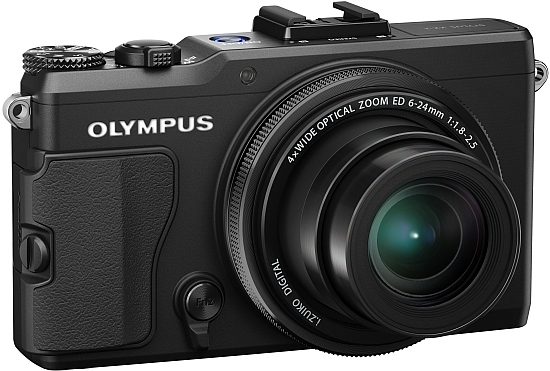
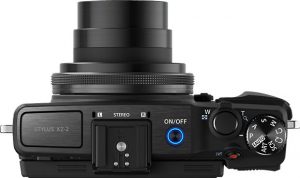
  • Olympus stuffs a Micro 4/3 in a compact body calls it the Stylus XZ-2 (PR)

    Olympus stuffs a Micro 4/3 in a compact body calls it the Stylus XZ-2 (PR)

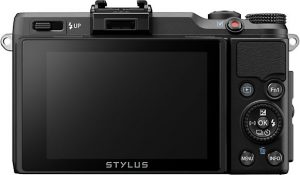
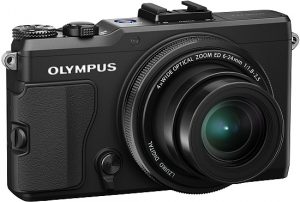
    Successor to the critically acclaimed XZ-1, the new Olympus XZ-2  adds a whole set of features that will make it the envy of competition brands. Starting with a 12.3-megapixel backlit CMOS sensor, a 28-112mm (eq.) f/1.8-2.5 Zuiko Digital lens and customisable controls that make it easier and faster for photographers to get exactly the shot they want.

    It also has touch-sensitive tilt screen, the same TruePic VI image processor used in the OM-D E-M5 compact system camera, Full HD movie recording and Eye-Fi/FlashAir compatibility for sharing images directly on your social network..Another bonus for seasoned photographers is the fast-response autofocus that you activate with a simple tap on the 920,000-dot, 3-inch hypercrystal LCD.

    The Olympus XZ-2 will be available from late October 2012 for US $ 600 (IN Rs. 32600 approx)

    Full Specs :

    Imaging Quality

    • 1:1.8-2.5 super-bright, large aperture 4x wide i.ZUIKO DIGITAL zoom lens (28-112mm*) for superb image resolution
    • iHS technologies for capturing exactly the shots you want with rich colour and low noise, irrespective of shooting conditions
    • 12.3 Megapixel backlit 1/1.7” BSI CMOS sensor for high-resolution, superb-quality full-size movies, stills and prints
    • Powerful TruePic VI image engine for faster recovery time and shutter release plus excellent image quality
    • Low Light Mode for sharper, more atmospheric shots in low light
    • 1080p Full HD Movie with stereo sound for capturing movies in the best image quality currently available in compact cameras
    • Multi-motion Movie IS for recording Full HD movies with reduced blur while walking
    • HDR Backlight Adjustment for ideal exposure when shooting against the light

    Usability

    • 3.0” hypercrystal touch-sensitive tilt LCD (920,000 dots) with fast response
    • Touch AF for focussing automatically on the subject you touch
    • Manual controls for fast and easy professional adjustments
    • Hybrid control ring for fast, intuitive control of key program parameters, assigned by you, in digital mode
    • Live Guide and i-Auto for easy operation – even by beginners

    Creativity & Flexibility

    • 11 Art Filters and their variations for adding creative effects to HD movies and stills: Cross Process, Diorama, Dramatic Tone, Gentle Sepia, Grainy Film, Key Line, Light Tone, Pale & Light Colour, Pin Hole, Pop Art and Soft Focus
    • Art Filter Bracketing for generating multiple versions of a single shot to showcase different picture modes and Art Filter effects
    • Accessory Port for compatibility with a growing range of accessories including an external flash, electronic viewfinder and external stereo microphone

    Storage & Sharing

    • SDHC™ and SDXC™ memory card compatible, including UHS-I support
    • Eye-Fi Card compatibility for automatic wireless uploading of images to a website or PC
    • FlashAir™ compatible for transferring password-protected images to selected smartphones and social networks 
    • Free iOS and Android software downloads for editing and sharing images in social networks via smartphone and/or computer

    Other

    • High ISO up to 12800 for excellent imaging despite poor light
    • Multi-Aspect ratios for the ideal format (16:9, 3:2, 4:3 or 1:1)
    • Removable grip for personalising the camera with three alternative grip colours (red, beige and purple)


    [toggle_box title=”Press Release” width=”Width of toggle box”]

    THE OLYMPUS STYLUS XZ-2 iHS® TAKES THE COMPACT CAMERA CATEGORY TO THE X-TREME


    Point. Shoot. Be Amazed with an Ultra-Bright Lens, Ultra-Easy Operation and Ultra-High Image Quality, Making It the Powerhouse Compact for Serious Photographers


    CENTER VALLEY, Pa., September 17, 2012 – Olympus pushes the compact digital camera to a new X-treme with the introduction of the Olympus STYLUS XZ-2, its game-changing, flagship high-performance point-and-shoot. The STYLUS XZ-2 is a hybrid that combines optical brilliance, the manual controls of a DSLR and the unbeatable convenience of a lightweight compact in a body every imaging enthusiast should love. Inheriting the 4x optical / 4x Digital zoom iZUIKO® DIGITAL f1.8-2.5 large-diameter lens found on its predecessor, the award-winning Olympus XZ-1®, the Olympus STYLUS XZ-2 builds on its low-light performance with new features: the world’s first hybrid control ring, customizing controls so ambitious photographers easily capture the shot; a new fast, touch-sensitive tilt screen; the powerful TruePic VI image processor; Full HD movie recording and FlashAir® compatibility to share images immediately on social networks.


    The digital lens of the Olympus XZ-2 (iZUIKO f1.8-2.5 (28-112mm*), a 4x compact version of legendary ZUIKO Digital lenses, is designed for clear, high-quality photographic performance, whether set at its maximum f1.8 aperture for amazing wide-angle shots, or at f2.5 for 112mm* telephoto images. The result is expressive background defocusing and sophisticated bokeh, plus the flexibility to use short, blur-free exposure times in low light. The camera’s iHS technology and the large-aperture lens work together to deliver high-sensitivity, low noise and blazing auto-focus performance that translates to the highest image quality of any Olympus compact camera.


    The newly developed 12.0 megapixel, 1/1.7″ high-sensitivity back-lit CMOS sensor, working with the TruePic VI processor, the same processor used in the Olympus OM-D E-M5™ system camera, provides faster recovery time and shutter release to capture images with true-to-life colors, rich details and low noise. To complement the speed of the f1.8 lens, the camera’s low-light mode automatically adjusts the ISO sensitivity up to ISO 12,800 to take sharp, full-resolution photos in dim conditions, and an easily accessible built-in pop-up flash and AF illuminator brightens low-lit subjects, reduces red-eye and fills in dark areas.


    The Olympus XZ-2 is equipped with the world’s first hybrid control ring, built around the lens, which allows users to easily assign function settings to their preferences as well as switch between analog and digital operation of the ring. The digital operation provides a solid click on controls, whereas the analog operation offers a smooth, gliding feeling. When the Fn 2 lever next to the lens is placed downward, the ring around the lens switches to analog control so it can be used as a focus or a zoom ring. If the lever is placed at an angle, the ring around the lens switches to digital control to change exposure-related settings quickly and easily. This feature enables fine-tuning of the focus in macro, composition selection when shooting, and exposure adjustment all without looking away from subjects.


    Basic operations and settings of the Olympus XZ-2, starting with touch controls and Live Guide, as well as a new graphic user interface will be familiar to Olympus PEN® and OM-D shooters. Instantly activate the Touch AF Shutter function to select the subject you want to focus on and activate the shutter simply by touching the swivel 3.0 inch, 920,000 dot LCD screen. The XZ-2 design is enhanced with a removable grip that offers the option for a sleek style grip, and metal is used throughout the body for a strong and sharp look.


    The Olympus STYLUS XZ-2 is packed with additional technologies including DUAL IS, which combines with high-sensitivity shooting to reduce camera shake and subject blur, providing double image stabilization. HDR backlit correction captures multiple images with a single shot at different exposures and automatically merges them into one image, and Super Resolution technology expands zoom power up to eight times with minimal image degradation. iAuto mode automatically identifies up to 30 different scenes. The XZ-2 also features 11 Art Filters and 5 Art Effects that easily bring artistic visions to life.


    In addition to superior still image quality, the 1080p Full HD Movie capability with stereo sound captures movies in the best quality currently available in compact cameras. Multi-Motion Movie IS image stabilization corrects for the common gradual camera shake that occurs when shooting on the move, delivering more stable, higher-quality movies. Beautiful movies can be shot even longer with a 1920 x 1080 High-Definition size and MOV/H.264 movie compression that has an excellent compatibility with computers.
    The Olympus XZ-2 is also designed to make sharing your amazing images even easier. Using the smartphone connection function, simply set up a compatible Toshiba FlashAir SDHC card with an internal wireless LAN to make a Wi-Fi connection. With the Olympus Image Share smartphone application (to be released in September), easy image upload onto a smartphone via a thumbnail index, adding Art Filters to images on a smartphone, and sharing images on various social networking services is possible.


    A wide range of creative and practical accessories is available to adapt the Olympus XZ-2 for specific needs, including three alternative grips in a variety of colors (red, beige and purple), a body jacket and underwater housing. There’s also a sleek, matching black LC-63A lens cap that opens and closes automatically whenever you activate the camera. To expand the camera’s versatility, the XZ-2 includes an accessory port for compatibility with a growing range of Micro Four Thirds® accessories.


    *35mm equivalent.


    U.S. Pricing and Availability
    The Olympus STYLUS XZ-2 will be available in November 2012, and ships with a USB Cable, Video Cable, Li-Ion Battery Pack, Li-Ion Battery Charger, Shoulder Strap, OLYMPUS ib® software CD-ROM, Manuals and Registration card.


    Estimated Street Price: $599.99 (Available in black)

    [/toggle_box]
     

iGyaan Network
Privacy Overview

This website uses cookies so that we can provide you with the best user experience possible. Cookie information is stored in your browser and performs functions such as recognising you when you return to our website and helping our team to understand which sections of the website you find most interesting and useful.