Tag: privacy

  • 1.4 Billion Apple iPhones And iPads Are Vulnerable To Hacks

    1.4 Billion Apple iPhones And iPads Are Vulnerable To Hacks

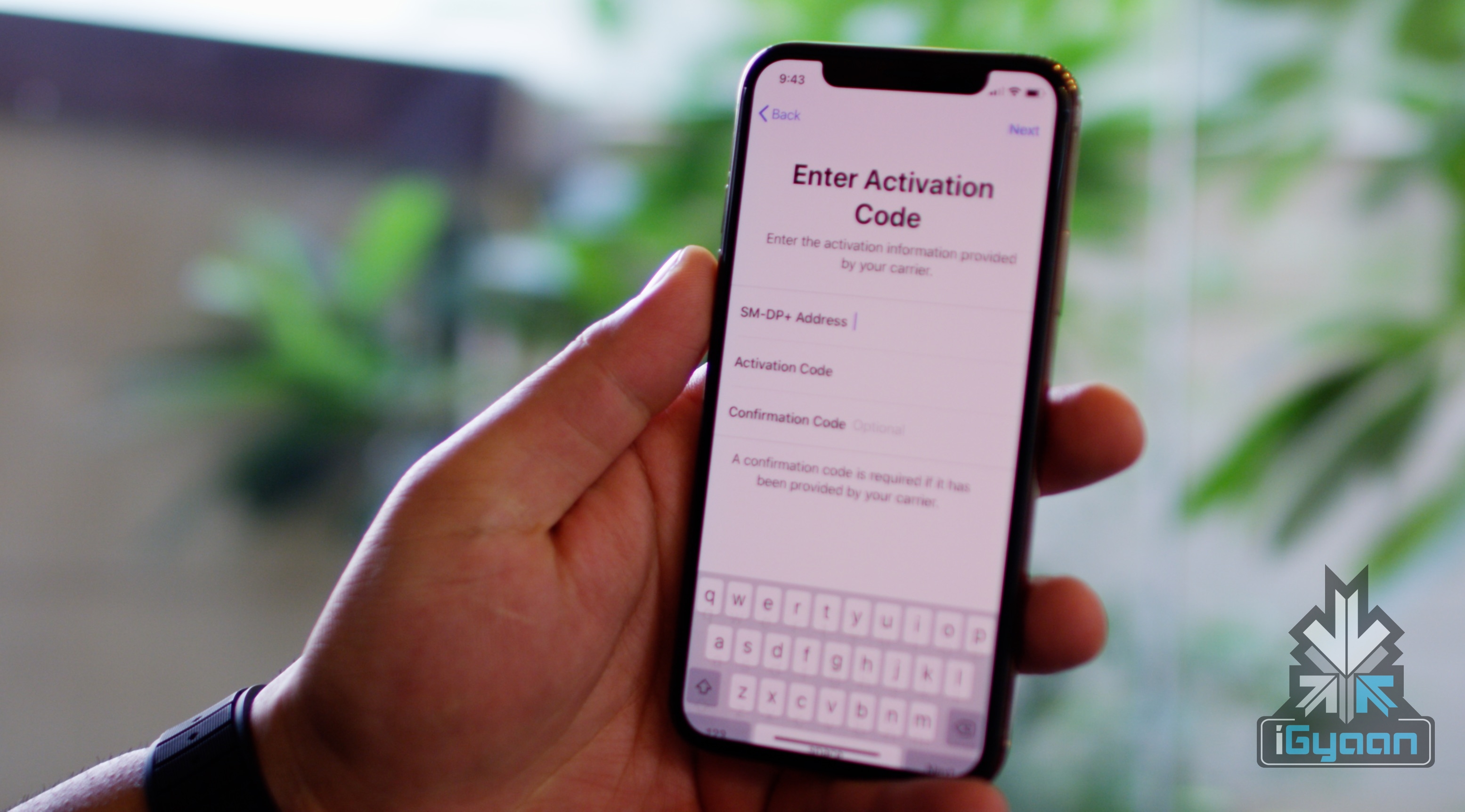
    Apple is looking forward to a very successful year overall with the announcement of iOS 13 and the upcoming iPhone 11. However, a company by the name of Cellebrite, notorious for its hacking capabilities regarding smartphones, has announced that it can hack into any and every iPhone device.
    Apple


    The Israeli forensics company has reported that it can break into any iPhone or iPad regardless of what version of the OS they are running. Apple has stated that there are about 1.4 Billion active devices as of 2019. With this news, all of the users of these devices are vulnerable and potentially in danger of being hacked. Cellebrite has also claimed that it can hack Android devices as well.
    Apple iPad Pro

    Cellebrite is planning on selling this hacking tool that can perform complete data extraction from the systems of any iOS handset. Furthermore, claims made by the company carry a lot more weight considering the FBI had collaborated with Cellebrite to crack an iPhone back in 2016.  Apple at that time refused to provide a backdoor to the FBI hence, its deal with Cellebrite.

    Apple

    The hacking tool although requires individuals to be in physical possession of the iPhone or iPad that is to be hacked. Breaking in apparently also requires lengthy security checks to determine the entitlement of the person trying to crack the device. Reportedly, Cellebrite’s past kits have sold for $100 (approx. Rs.7,000) on eBay, making it accessible for those that seek to harm or pry into other’s affairs.

    Through this announcement, it is clear that a backdoor entry to every iPhone and iPads out there has been discovered. Apple is clearly in the dark regarding the exploit that may end up actually affecting millions of its active users. iOS 13 is going to cut off support for some of the previous generation smartphones, meaning a fix to certain users’ vulnerable devices may not even be provided.

    Also ReadHuawei Nova 5i Pro Listed On Chinese E-Commerce Site Before Launch

    Apple has been proud of its security features, using it as a weapon against its competitors. The company now has to prove that claim and fix the issue that may soon become a widespread problem. The implications of such tools are terrifying in context to a user’s privacy and sensitive data. If the exploit does go live, it can be used by various agencies and organizations seeking to either extract data or harm people’s lives.

  • Facebook Is Paying Users For Tracking Their Smartphones

    Facebook Is Paying Users For Tracking Their Smartphones

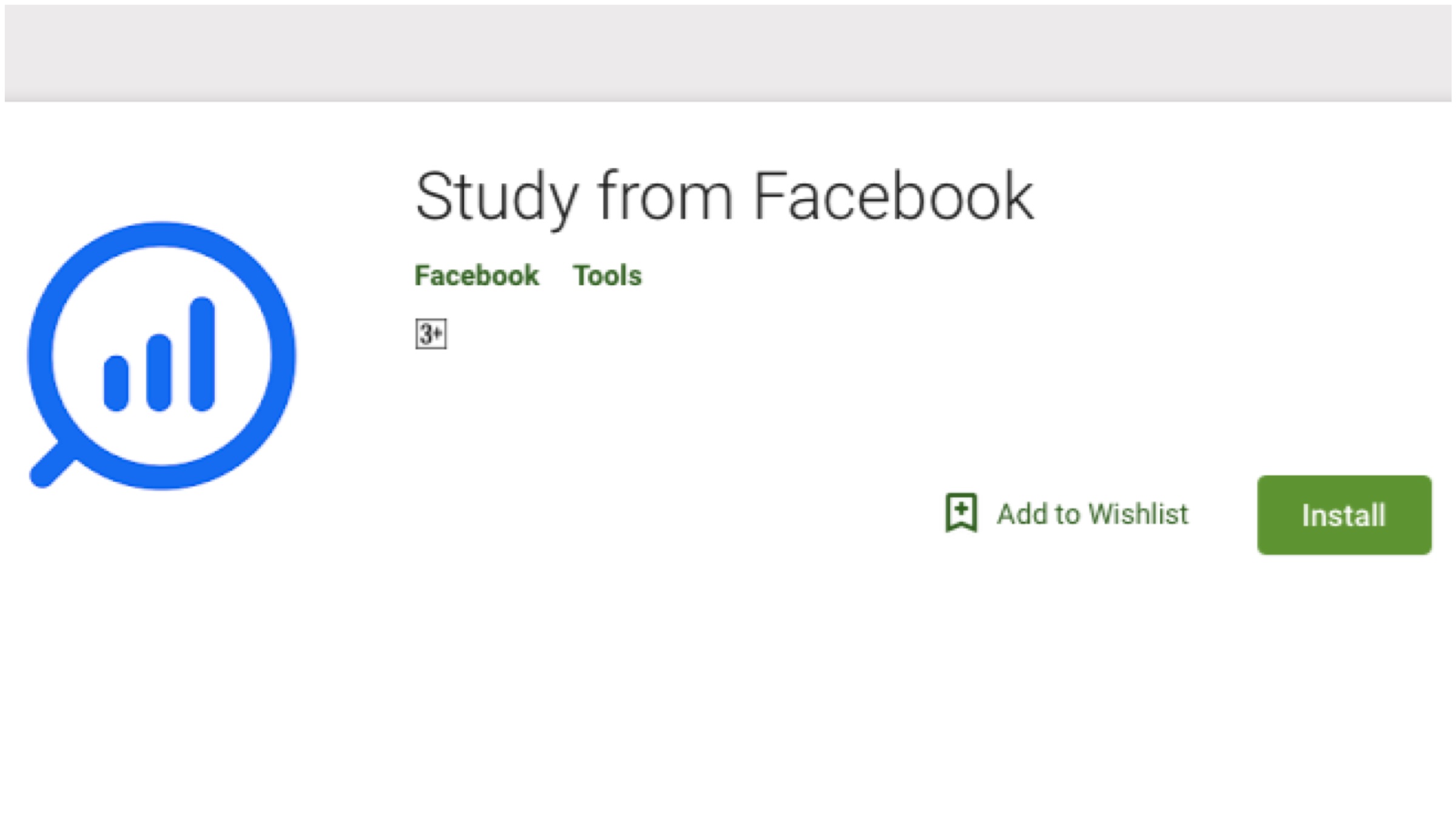
    Facebook in a new announcement has planned to once again start paying users for being monitored. The ‘Study from Facebook’ application will monitor the user’s device, finding which apps are currently installed, duration of usage of said apps, track their location, and most importantly, record app data of users.

    Facebook

    The monitored app data can uncover which features are being utilized in an app. The social media giant claims that it will not be able to track any specific information like messages, passwords or websites visited. The application has been launched months after Facebook’s last attempt at a user-monitoring software. Facebook Research, which was terminated after various controversies arose with the app being specifically marketed to teens, exclusively on the iPhone. The defunct app through special certification allowed itself to circumvent the App Stores and gain special access within Apple devices framework. This was a clear violation of Apple’s rules and regulations causing it to be shut down in January.

    The company’s new move showcases its struggling effort in obtaining user’s data from their phones. Facebook, however, has learned a couple of things from its last public debacle. Study app will now only be available for people verified to be over the age of 18; being available exclusively on Android, where the users can choose to grant deeper access to the app. The monitoring software will now also highlight through different screens what type of user data has been collected and exactly how it’ll be used.

    Also ReadNintendo Roundup At E3

    Facebook has yet to specify exactly how much it will be paying the user’s to use the app. Although a recent blog post has confirmed that all research participants will be compensated. A PayPal account is mandatory for the study that will reference data that the company already has over the user and the data collected. The Study app has been launched in India and the US. Initially, only the users invited for a study by Facebook can use the app.

  • A New Google Tool Discovered Which Tracks All Of The User’s Purchases

    A New Google Tool Discovered Which Tracks All Of The User’s Purchases

    American technology giant Google has been accused of breaching the internet privacy of users; and collecting their data to serve them advertisements online multiple times in the past. The company has released statements denying the claims but latest reports from a reputed media source reignite the accusations. It alleges the search engine behemoth also tracks the entire purchase history of its users ever since they signed up for Gmail, its email service.

    Gmail Purchase History

    The report affirms Google has been tracking the purchase history of Gmail users via the confirmation or order receipts when they make a purchase. Notably, this only works if the outlet or place the person has made a purchase from has their email address. The company has clarified in a statement that it has built this tool to help its users easily view and keep track of their purchases, bookings and subscriptions in one place. It claims the information can only be seen by the user and no one else. The information about user’s orders can also be saved in other Google’s services. The aforementioned revelation is expected to be a huge privacy controversy, as the information is not stored locally but instead on the company’s cloud services.

    Deleting The Data

    Also read: PUBG Mobile Season 7 Released, New Weapon, Skin Among Other Features Added

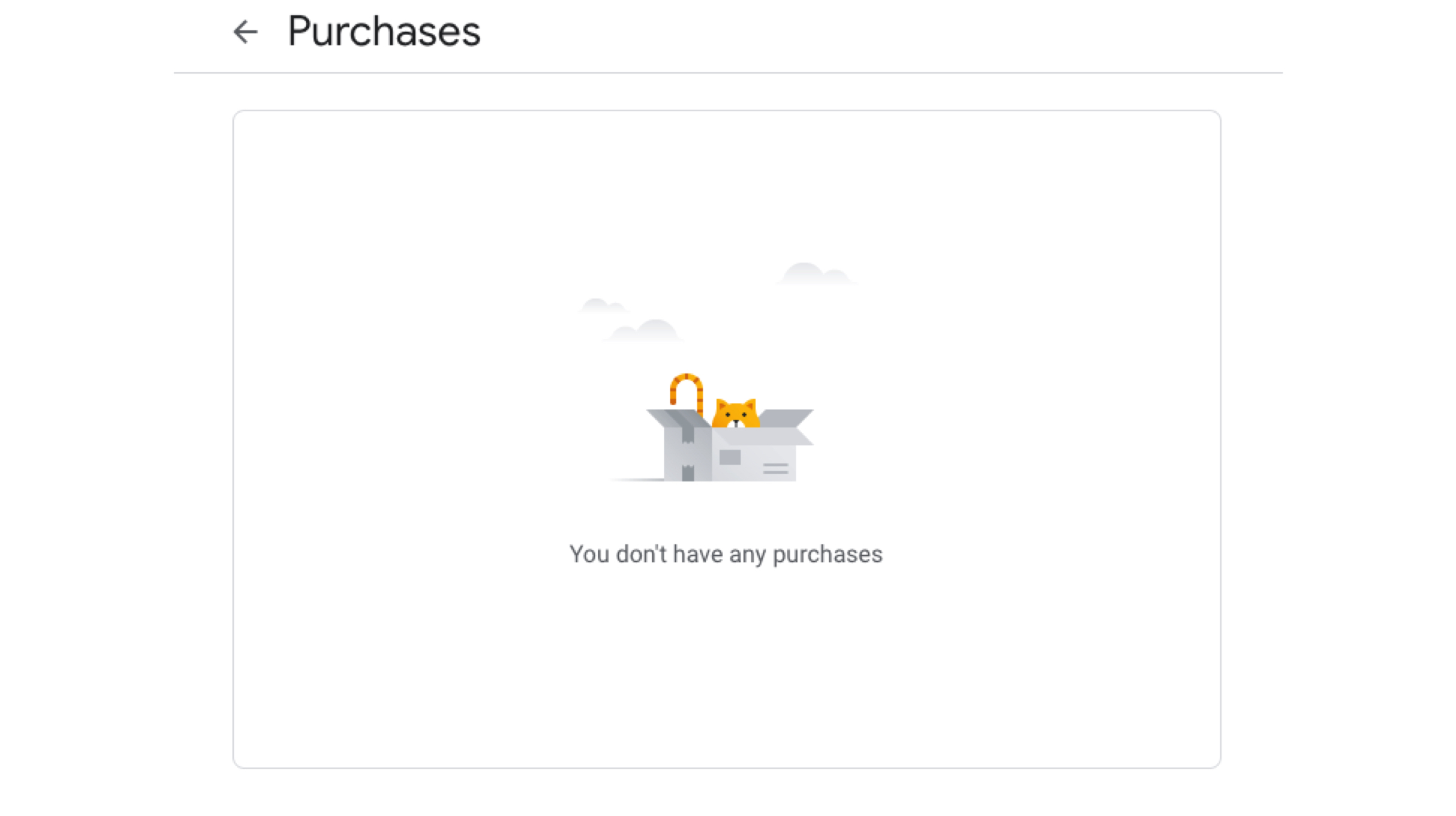
    While Google storing your purchase data on its servers might sound like a grim situation, luckily, there is a way to delete the information. Users can go to this page and check their purchase histories. To delete the data, users need to click on the order details and select the option on the bottom of the page. Unfortunately, deleting the details is only possible if the original email containing the receipt or order detail is deleted, which might be inconvenient for some users. 

  • Facebook Announces Its Vision For Privacy Focussed Social Networking

    Facebook Announces Its Vision For Privacy Focussed Social Networking

    Facebook CEO Mark Zuckerberg announced in a post from his account about the company’s next move to create a more privacy focussed social network. In his over 3,000 words long article about privacy and building trust of the users, he claimed that his company will be more open to product developments. There were six principles that were shared in the post, aiming to serve as a guideline for future development for the company. These principles are expected to take place in the next few years.

    Facebook & Privacy

    While Facebook has been criticised about its privacy policies and has seen its fair share of controversies regarding the matter, the company in the post aims to take a firm stand on the matter in the future. The six principles for the company highlighted in the Facebook posts are as follows:

    • Private interactions
    • Encryption
    • Reducing Permanence
    • Safety
    • Interoperability
    • Secure data storage

    Facebook claims that they are planning to rebuild more of its services around the above ideas. Understanding privacy concerns, the company also reaffirmed that it start the development and changes openly and collaboratively. Zuckerberg said that the public sharing on the platform will decline in the next few years because people will shift towards private messaging via Messenger or WhatsApp, which will be the main way they will communicate on the Facebook network.

    Facebook is also expected to implement end-to-end encryption to all of its communication networks. The post also claimed that will limit the time it will store the user’s messaging metadata. The company got into trouble a few weeks ago for storing and recording data. It will also add a feature to its every service that will allow them to send a message, a report of this feature was also hinted a few weeks ago. The reports said that it planning on adding cross-texting between Facebook Messenger and WhatsApp.

    Also read: Fitbit Launches Versa Lite, Inspire & Ace 2 Fitness Bands

    The steps that Facebook seems to be emphasizing upon seem like a step in the right direction for the company, Considering that its reputation hasn’t been great in terms of privacy and collecting user data.

  • Google Could Be Fined US$ 11 Billion In EU’s Antitrust Case

    Google Could Be Fined US$ 11 Billion In EU’s Antitrust Case

    Google is in troubled waters with the law again. This time around, it is because of the world’s most famous mobile operating system, Android. The European Commission could fine Google up to US$ 11 billion (Rs 73,800 crores) for abusing its dominance via the Android OS. Google was recently sued for £3.2 Billion for secretly tracking and collecting personal information of 4.4 million iPhone users in the UK.

    A report by Financial Times claims that EU’s Competition Commissioner Margrethe Vestager is set to give the verdict “within weeks.” The investigation revealed that Google imposed illegal terms on Android device makers “which harmed competition and cut consumer choice.” The report further adds:

    Android is used in more than 80 percent of the world’s smartphones and is vital to the group’s future revenues as more users search on their mobile gadgets.

    Must Read: Google And Facebook Sued For US$ 8.8 Billion For Coercing Users Into Sharing Their Personal Data

    [amazon_link asins=’B0772YB7Y1′ template=’ProductAd’ store=’igyaan-21′ marketplace=’IN’ link_id=’55d549ca-6b05-11e8-aa1b-3f9463b6a48e’]

    Even though the fine could be up to US$ 11 billion, the actual penalty may be less. This is not an exception and happens in many cases involving multi-billion dollar penalties. The case dates back to 2016 when EU accused Google of imposing licensing conditions for Android OS. The initial charges on Google state that the company required phone manufacturers to install the company’s Chrome web browser and its search tool on their devices. Google allegedly offered financial incentives to place its apps on phones, but also threatened to cut off access to the Google Play Store if companies didn’t comply.

    A third investigation is underway into whether the company (Google) unfairly banned competitors from websites that used its search bar and adverts.

    This isn’t the first time that EU has cracked down on Google’s alleged illegal activities. In 2017, the company was fined US$ 2.7 billion (18,000 crores) for its ill-treatment of comparison shopping services. This led to Google later introducing changes in how it compares shopping offers in its search results.

    With the result poised to be announced in the coming weeks, Google would want to get this over with quickly. The company will launch the Pixel 3 devices in October and would like to avoid any sort of bad press around the time of launch.

  • Google Knows When A Stranger Is Looking At Your Phone

    Google Knows When A Stranger Is Looking At Your Phone

    A lot of experts are touting machine learning and AI as the 2018 flagship smartphone feature, similar to what thin bezels and tall displays was for 2017. Google has kickstarted the trend of AI with its tight integration of Google Assistant and machine learning in the Pixel 2 smartphones.

    Implementing machine learning in day-to-day seemingly trivial situations will be important. That’s where this new software from Google comes into play. If you travel in public transport a lot, you’d be aware of that annoying feeling when you know someone is staring at your phone while you are watching a video or having a private conversation.

    This new software can recognise when a stranger is staring at your phone and will quickly prompt you about it. The software was first spotted by Quartz and is called “e-screen protector”, and is currently in the research stage. It uses your front-facing camera in combination with some face- and gaze-detection algorithms to identify if anyone else is looking at your display.

    As you can see in the demo video, it reacts almost instantaneously to a stranger’s glance on your screen. It then uses a Snapchat-like rainbow filter to tag the stranger and prompt him/her that they’ve been caught. The creators of the software, Google researchers Hee Jung Ryu and Florian Schroff, say the system works in all sorts of different lighting conditions, and has a reaction time of just two milliseconds.

    Considering Google’s ambitions of making machine learning an integral part of its smartphone ecosystem, this feature might make its way to future Pixel phones when Google is confident about its performance.

  • The Government Will Soon Ask WhatsApp and Gmail To Store and Share Data

    The Government Will Soon Ask WhatsApp and Gmail To Store and Share Data

    In a move that goes against all norms of public privacy and modern moral sense, the Government of India is making plans to ask intermediary services like Gmail, WhatsApp, Snapchat and even Flipkart and Amazon to not only retain sensitive and private user information but also to share with the Government as per requests raised.

    This amendment will be made into the Section 67C of the Information Technology Act of India by a committee  that has been working on this for a while.  According to this new rule, put initially into motion in 2008, all electronic companies operating in India will require to follow the govt. rules which will spell out what type of data has to be stored, in which format, and for how long. Meaning it should be stored in a specific archaic format set by the Government in 2008.

    Not only will this be an invasion of privacy, but should this data leak or get hacked, it will be a huge social, private, public and central Government security risk, also a major risk to high profile individuals and companies who use these services daily.

    Using Apple’s example, the committee stated on the matter:

    Even if it is for national security reasons, how much are these companies answerable to the Indian security establishment? And we do know how Apple refused to unlock the phone even for FBI.


    The implementation of such services may not technically be possible in certain cases, where WhatsApp encrypts chats with 256 bit hex while Snapchat never stores informations beyond seconds. This may either lead to huge resistance of the bill or general shutdown of services used by modern India.

    While the Government is still mixed on how and why the data needs to be stored, the problem for how long is what may take more of a biting, the Department of Telecommunications required data to be stored for 6 months, the Registrar of Companies mandates for one year and income-tax for seven years.

    Security is important, however, privacy and freedom of citizens is important too Click to Share

    Either way, we all should be aware of the consequences of government data storage, a bill that is nearly a decade old, and policies that could send the growth trajectory of Modern India spiralling down. While national security is important, privacy and freedom of citizens is important too. At the end how much policing, is too much ?

  • WhatsApp Updates Terms of Service, Will Share Your Number with Facebook

    WhatsApp Updates Terms of Service, Will Share Your Number with Facebook

    WhatsApp has updated its Terms of Service now that the Facebook control is starting to seep through. WhatsApp says it will start sharing the phone numbers of its users with Facebook, its parent company.

    You can Opt Out if you do not want this by going to Settings – Account. Click to Share

    WhatsApp says they want a n easier way for people including businesses to find you. However, there will be no third-party banner ads on WhatsApp nor Spam.

    The intention is to charge companies to allow user to make transactions, and get appointment information, things like delivery and shipping notifications, product and service updates, and marketing. Which would make the use of WhatsApp more interactive while allowing the company to finally make some money.

    If you are an existing user, you can choose not to have your WhatsApp account information shared with Facebook to improve your Facebook ads and products experiences. Existing users who accept the updated Terms and Privacy Policy will have an additional 30 days to make this choice by going to Settings > Account.

    [toggles behavior=”toggle”]
    [toggle title=”Key Updates”]Respect for your privacy is coded into our DNA. Since we started WhatsApp, we’ve built our Services with a set of strong privacy principles in mind. In our updated Terms and Privacy Policy you’ll find:

    • Information that is easier to understand. Our updated Terms and Privacy Policy are easier to understand and reflect new features such as WhatsApp Calling and WhatsApp for web and desktop.
    • We joined Facebook in 2014. WhatsApp is now part of the Facebook family of companies. Our Privacy Policy explains how we work together to improve our services and offerings, like fighting spam across apps, making product suggestions, and showing relevant offers and ads on Facebook. Nothing you share on WhatsApp, including your messages, photos, and account information, will be shared onto Facebook or any of our other family of apps for others to see, and nothing you post on those apps will be shared on WhatsApp for others to see.
    • Your messages are yours, and we can’t read them. We’ve built privacy, end-to-end encryption, and other security features into WhatsApp. We don’t store your messages once they’ve been delivered. When they are end-to-end encrypted, we and third parties can’t read them.
    • No third-party banner ads. We still do not allow third-party banner ads on WhatsApp.
    • New ways to use WhatsApp. We will explore ways for you and businesses to communicate with each other using WhatsApp, such as through order, transaction, and appointment information, delivery and shipping notifications, product and service updates, and marketing. For example, you may receive flight status information for upcoming travel, a receipt for something you purchased, or a notification when a delivery will be made. Messages you may receive containing marketing could include an offer for something that might interest you. We do not want you to have a spammy experience; as with all of your messages, you can manage these communications, and we will honor the choices you make.

    [/toggle]
    [/toggles]

    Full details in the source link below.

  • Apple vs FBI : Federal Court Rules in Favour of Privacy

    Apple vs FBI : Federal Court Rules in Favour of Privacy

    This are heating up in Apple’s fight with the FBI. On the eve of a Congressional hearing about the Department of Justice’s fight with Apple over unlocking San Bernardino terror suspect’s iPhone, a court in Brooklyn in a separate case has rejected an FBI request to order Apple to unlock  the phone of a drug dealer.

    The Department of Justice of the United States had first sought access to the phone in the Brooklyn case in October, months before a court in California ordered Apple to help authorities gain access to the phone of a terror suspect.

    Apple store 1

    In stark contradiction to the San Bernardino terror case, Judge James Orenstein has ruled that “he did not have the legal authority to order Apple to disable the security of an iPhone that was seized during a drug investigation”

    Although the judge in the San Bernardino case, will not be bound by Orenstein’s decision, analysts expect it to be influential. In both cases, the government relies on the All Writs Act.

    Orenstein in his ruling indirectly gave support to the key arguments Apple is making in its other, higher-profile fight with the government. He hinted, the All Writs Act (AWA) can’t be used to order a technology company to manipulate its products. He further said. “The implications of the government’s position are so far-reaching – both in terms of what it would allow today and what it implies about Congressional intent in 1789 – as to produce impermissibly absurd results,”


  • Apple vs FBI : Bill Gates Ditches Apple in the iPhone Encryption Case

    Apple vs FBI : Bill Gates Ditches Apple in the iPhone Encryption Case

    As the plot thickens in this complex saga of privacy vs security, Apple has seen a lot of big names put their weight behind its argument but today in a change of trends, one of the biggest names that the tech industry has ever seen has come out surprisingly in open support of the FBI.

    Microsoft co-founder and billionaire philanthropist Bill Gates has backed the Federal Bureau of Investigation in its legal battle against Apple over encryption in an iPhone used by one of the shooters in December’s San Bernardino attacks.

    screen-shot-2015-01-28-at-10-06-36-am

    In an interview with the Financial Times, Gates dismissed the notion that Aple’s CEO Tim Cook is propagating that granting the FBI access would set a legal precedent for future cases such as this one. Bill Gates argued that the FBI is “not asking for some general thing, and is asking for a particular case.”

    Adding to this, the Co-Founder of Microsoft goes on,

    “It is no different than [the question of] should anybody ever have been able to tell the phone company to get information, should anybody be able to get at bank records. Let’s say the bank had tied a ribbon round the disk drive and said ‘don’t make me cut this ribbon, because you’ll make me cut it many times.’”

    As it stands, Microsoft communications chief Frank X. Shaw declined to comment on Bill Gates’ comments which sees him alienating himself from other Silicon Valley top executives, such as Facebook Inc chief Mark Zuckerberg, Twitter Inc founder Jack Dorsey and Google head Sundar Pichai, who have all backed Cook’s decision, the newspaper added.

    .

  • US Dept of Justice Files Motion Forcing Apple to Hack into iPhones

    US Dept of Justice Files Motion Forcing Apple to Hack into iPhones

    Things are getting ugly between the FBI, and Apple. In latest developments in this ongoing saga, the Department of Justice has gotten itself involved and has filed a motion asking Apple to comply with the FBI order.

    Over the last few days, the courts ordered Apple to create a special version of the iOS to access a work iPhone 5c of one of the suspected terrorists involved in the San Bernardino shooting. What ensued then was Apple bringing the debate to the public discourse when its CEO, Tim Cook, wrote a strongly worded open letter to its customers worldwide in which it insinuated that it will not comply with the court’s orders as it will be detrimental to the privacy of each and everyone using the iPhone 5c.

    snooping

    This motion filed against Apple shouldn’t come as a surprise after what the Obama government has already said on the issue. The government earlier revealed that it is in the favour of FBI’s argument, and considers rooting out terrorism a priority over the privacy of millions around the globe.

    The Department of Justice filing which could have grave implications for all of us read,

     “Apple left the government with no option other than to apply to this Court for the Order issued on February 16, 2016. The Order requires Apple to assist the FBI with respect to this single iPhone used by Farook by providing the FBI with the opportunity to determine the passcode. The Order does not, as Apple’s public statement alleges, require Apple to create or provide a ‘back door’ to every iPhone; it does not provide ‘hackers and criminals’ access to iPhones; it does not require Apple to ‘hack [its] own users’ or to ‘decrypt’ its own phones; it does not give the government ‘the power to reach into anyone’s device’ without a warrant or court authorization; and it does not compromise the security of personal information.”


  • Tim Cook Refuses to Provide FBI With Specialized Encryption Code

    Tim Cook Refuses to Provide FBI With Specialized Encryption Code

    In December, 2015, Calif, San Francisco, became victim of a cold-blooded shooting incident orchestrated by Syed Rizwan Farook and his wife, Tashfeen Malik. Fourteen civilians were shot dead before the couple was taken down by the police. It was later confirmed that Rizwan Farook’s phone, an iPhone 5c, was in custody with the authorities.

    After two months of failed attempts of unlocking it, the court ordered Apple to provide an encryption code that would take down the security measures of the device. Judge Sheri Pym asked Apple to provide specialized software that would bring down the security, while also getting rid of the feature which erases all data from the phone after a couple of unsuccessful attempts to log in.

    It was later confirmed that the auto-delete feature has been deactivated and that authorities are using brute force attack to unlock the code. According to Apple, a method of this kind would take decades to move past the security encryption of the phone. In fact, a supercomputer would take over five years to crack such a six-digit code.

    He may look it, but he's not pleased.
    He may look it, but he’s not pleased.

    Apple has accepted that it is pretty much impossible to break into an Apple device which is running on iOS 9. In the wake of these events, Apple was requested by FBI to provide a unique encryption that would allow them to retrieve security key to Rizwan Farook’s iPhone. Apple refused to offer a solution that would allow FBI to bypass the code for it believes this would be detrimental for the security of iPhone users all over the world.

    “We have great respect for the professionals at the FBI, and we believe their intentions are good…The FBI may use different words to describe this tool, but make no mistake: Building a version of iOS that bypasses security in this way would undeniably create a backdoor. And while the government may argue that its use would be limited to this case, there is no way to guarantee such control,” Tim Cook wrote on the Apple website.

    Apple has been very conscious of its users’ privacy from the start. Only a few days ago the company had declared it would never reveal personal details of iPhone users to the police. And now comes this very clearly stated message from the company. Tim Cook is definitely not overly pleased by FBI’s demands and has made his stance clear. Has he opted for the right plan of action by protecting users’ privacy all over, or should he just go ahead and provide the authorities with the encryption?

    [poll id=”41″]

  • New WhatsApp Scam Raises Privacy Scare

    New WhatsApp Scam Raises Privacy Scare

    As privacy becomes more and more treacherous in virtual space, there is yet another update from the front to make matters worse. WhatsApp has become the target of a scam threatening users’ privacy and their devices with malware.

    The new scam tricks users into revealing personal information like passwords and account details. A link comes from what seems to be a friend and when the recipient opens it, they are directed to a website which asks for their private details. Users often find themselves on a discount page asking for log-in ids and passwords.whatsapp-app

    While this website not only manages to obtain important personal information like passwords, it also infects the device with viruses. Furthermore, the victims are then asked to forward the message to their friends in return for a promotion like a discount coupon with a famous brand and so on and so forth.

    What is more disturbing is the fact that owing to its far reach all over the world, this virus makes makes use of different languages.

    David Emm, principal security researcher at an internet security and anti-virus software company comments on this and says, “We have noted that this WhatsApp scam has been actively circling for some time. It ‘speaks’ several languages so the attacks can be customised for each market.

    WhatsApp has gained immense popularity ever since its inception, becoming the most popular messaging platform in the world. After having secured itself 1 billion customers, WhatsApp recently also increased its upper limit of members in a group from 100 to 256. Because the platform is expanding in such an exponential manner, it is bound to attract scammers. WhatsApp has issued no official comment on how it plans to address the problem.


  • Facebook Extends Tor Support to Android Facebook App

    Facebook Extends Tor Support to Android Facebook App

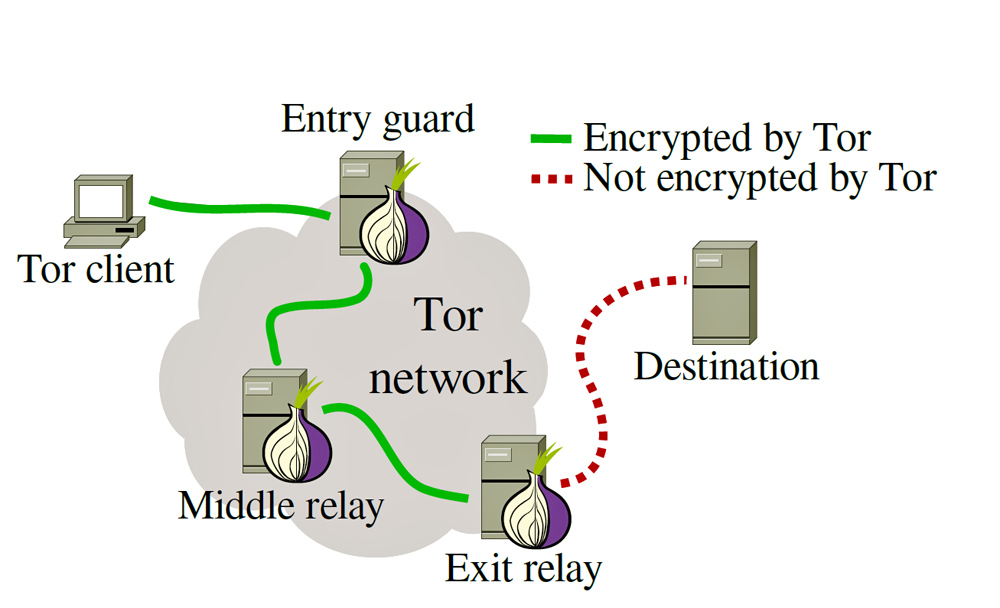
    Facebook has revealed that it’s Android app now offers Tor support to users concerned about keeping their social networking activity private. While this functionality has for some time now allowed Facebook users to directly access its site via Tor’s browser on personal computers,  this support for Tor on the Android app will be welcomed by users who majorly use facebook through their phones.

    tor-structure

    This step is expected to give users a relatively easy way to encrypt their Facebook viewing on the road. The user along with Facebook Android app will need to download the Orbot proxy app to make it work with Tor.

    The Tor access support will take some time before all users can take advantage of it. For now, Facebook is looking at gathering as much feedback on the app as possible. The whole idea still requires a lot of polishing, but nonetheless, it’s worth a try if you’re  paranoid about privacy when it comes to Facebook. Also, just in case you were wondering, Facebook does not intend to extend this Tor support functionality for its iOS users anytime soon.

iGyaan Network
Privacy Overview

This website uses cookies so that we can provide you with the best user experience possible. Cookie information is stored in your browser and performs functions such as recognising you when you return to our website and helping our team to understand which sections of the website you find most interesting and useful.