Tag: qualcomm

  • New Qualcomm Chips Will Reduce The Prices Of Windows ARM Laptops

    New Qualcomm Chips Will Reduce The Prices Of Windows ARM Laptops

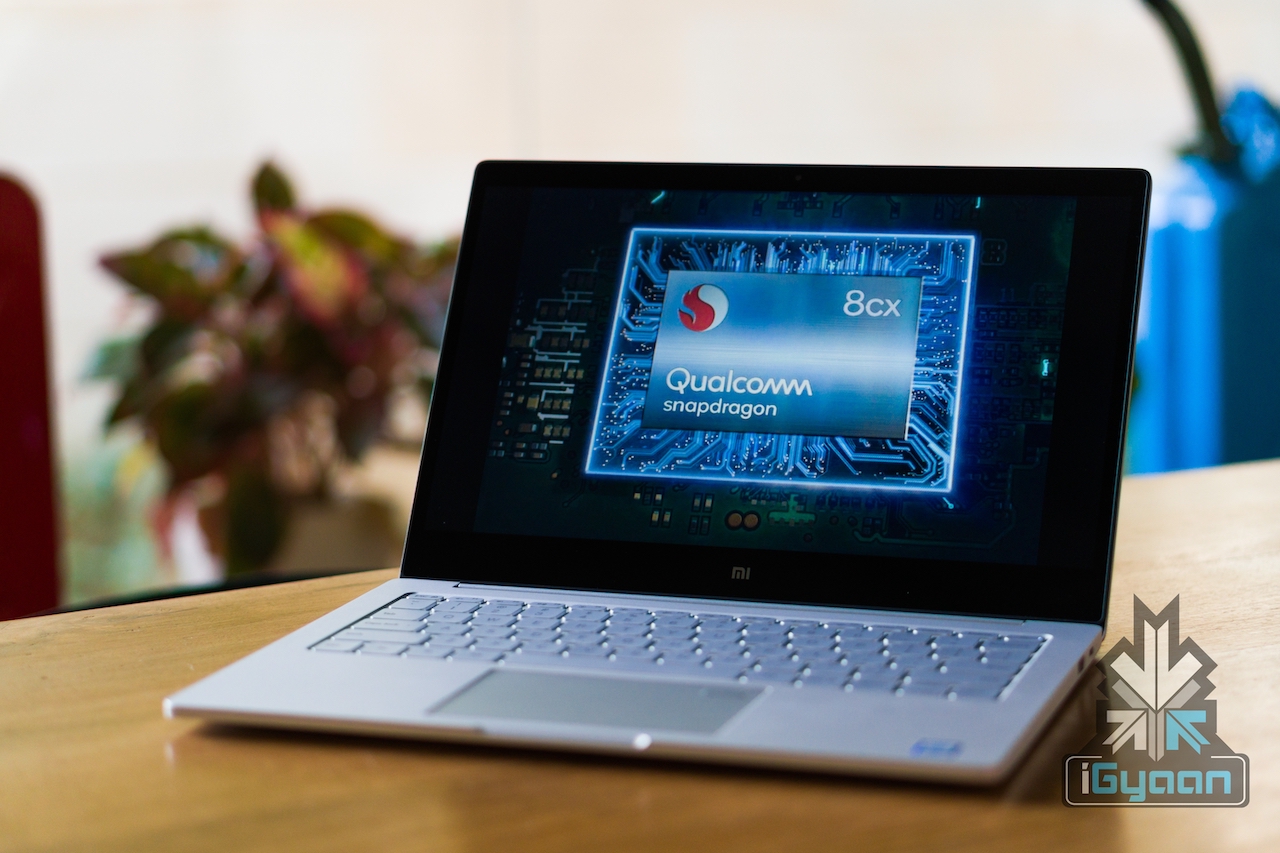
    As per latest news, Chinese organization Lenovo unveiled a laptop running the Qualcomm Snapdragon 8cx chipset at the Computex 2019 event held in Taiwan. The market is still devoid of ARM-based laptops with Windows 10 or Chrome OS. However, as per the latest reports, Qualcomm is planning to introduce ARM processors from the Snapdragon series in upcoming notebook-cum-tablet series. Furthermore, they will bear a lower price tag than other ARM-based laptops in the market. 

    A senior executive at Qualcomm revealed that the company will launch new ARM chips designed especially for affordable devices. Doing so will help the company to enter the market segment currently dominated by Chromebooks. Consequently, the American chip manufacturer wants to increase its popularity amongst software providers to boost the number of Qualcomm devices in the market. 

    In the upcoming months, Qualcomm states that it will launch new platforms that will enable the production of efficient and inexpensive 2-in-1 tablet devices. The company will continue to treat the 8cx as the flagship chipset variant, however, it will also unveil more chipsets for devices in the $300-$800 price range. One such SoC is rumoured to be the Snapdragon 7cx. The hardware-based designs on affordable Snapdragon platforms will be equipped with both Windows and Chrome OS in the future. 
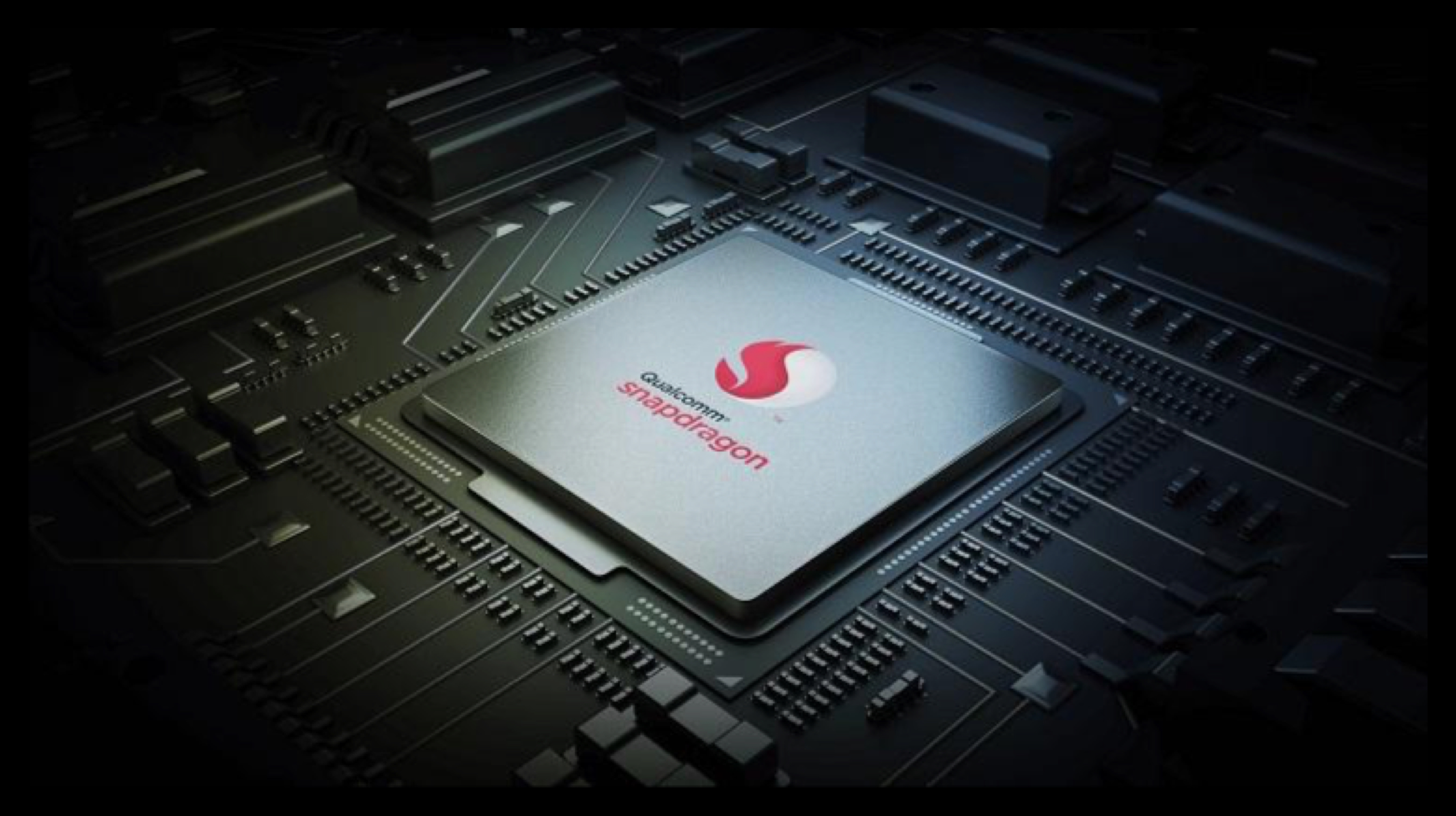
    Qualcomm Snapdragon
    Qualcomm Snapdragon Chipset

    Also Read: Samsung Launches The Notebook 7 and Notebook 7 Force Laptops With Intel 8th Generation Processors

    The Qualcomm Senior Executive further states that it is still highly unlikely that Google will release an official ChromeOS to support applications on ARM-based platforms. On the other hand, Microsoft is already trying to implement platform support for desktop Office applications on Snapdragon processors. Hopefully, Google will follow suit upon finding suitable incentive in ARM-based chipsets. The more affordable, efficient laptops/tablets running on the new chipsets by Qualcomm are expected to be of big help in the education sector. 

  • Apple Hired Intel’s 5G Modem Lead Developer Ahead Of Qualcomm Settlement

    Apple Hired Intel’s 5G Modem Lead Developer Ahead Of Qualcomm Settlement

    Apple, Qualcomm and Intel have been a subject of a multitude of legal issues lately. The companies have been involved in conflicts over a variety of reasons, the major one regarding the supply of 5G chips to Apple. Previously, Qualcomm and Apple were involved in a 6-Year License agreement regarding 5G modems, following which Intel exited the 5G modem business. As per latest reports, Apple hired the lead modem developer of Intel before settling with Qualcomm and letting Intel go. 

    Qualcomm X50 5G Modem

    A leaked email cited the aforementioned facts, in addition to the news that Umashankar Thyagarajan, the developer involved was hired just two months before the settlement. As per sources, Umashankar played an important role at Intel in the development of 4G modems, and was also working on the 5G XMM 8160 modems. After his exit from the scene, Intel was forced to rethink its chip development strategy. Consequently, Intel announced its departure from the 5G business on the same day as the Apple-Qualcomm deal went down.

    As previously reported, the company had raised concerns regarding Intel’s pace of the development process of 5G chips, following which Apple’s 5G iPhones were eventually delayed up to 2020. Seeing the 5G competition in the market from brands like Samsung and Huawei, Apple was forced to rethink its partnership with Intel. While Apple was unsatisfied with Intel’s results, the latter reverted by saying that Apple is a demanding client and that it is very conflicted with Apple regarding the partnership. 

    Also Read: Samsung Patents PlayGalaxy Game Link Service For Galaxy Devices

    In other reports, Apple was planning to step-up it’s in house modem manufacture after Intel delayed the production of the 5G chips. This step was taken in order to reduce the dependence on third-party suppliers, but unfortunately, adopting a manufacturing strategy like this will still cost time, delaying future 5G iPhones up to 2021. Since Apple is taking matters into its own hands now, 5G support can be expected fairly soon from the American multinational company.

  • Qualcomm Snapdragon 735 Leaks Before Official Announcement

    Qualcomm Snapdragon 735 Leaks Before Official Announcement

    Earlier this month Qualcomm launched three smartphone chipsets which include the Snapdragon 665, the Snapdragon 730 and the Snapdragon 730G. Another chipset from the company, the Snapdragon 735 has surfaced before its official announcement. 

    Snapdragon 735 Innards

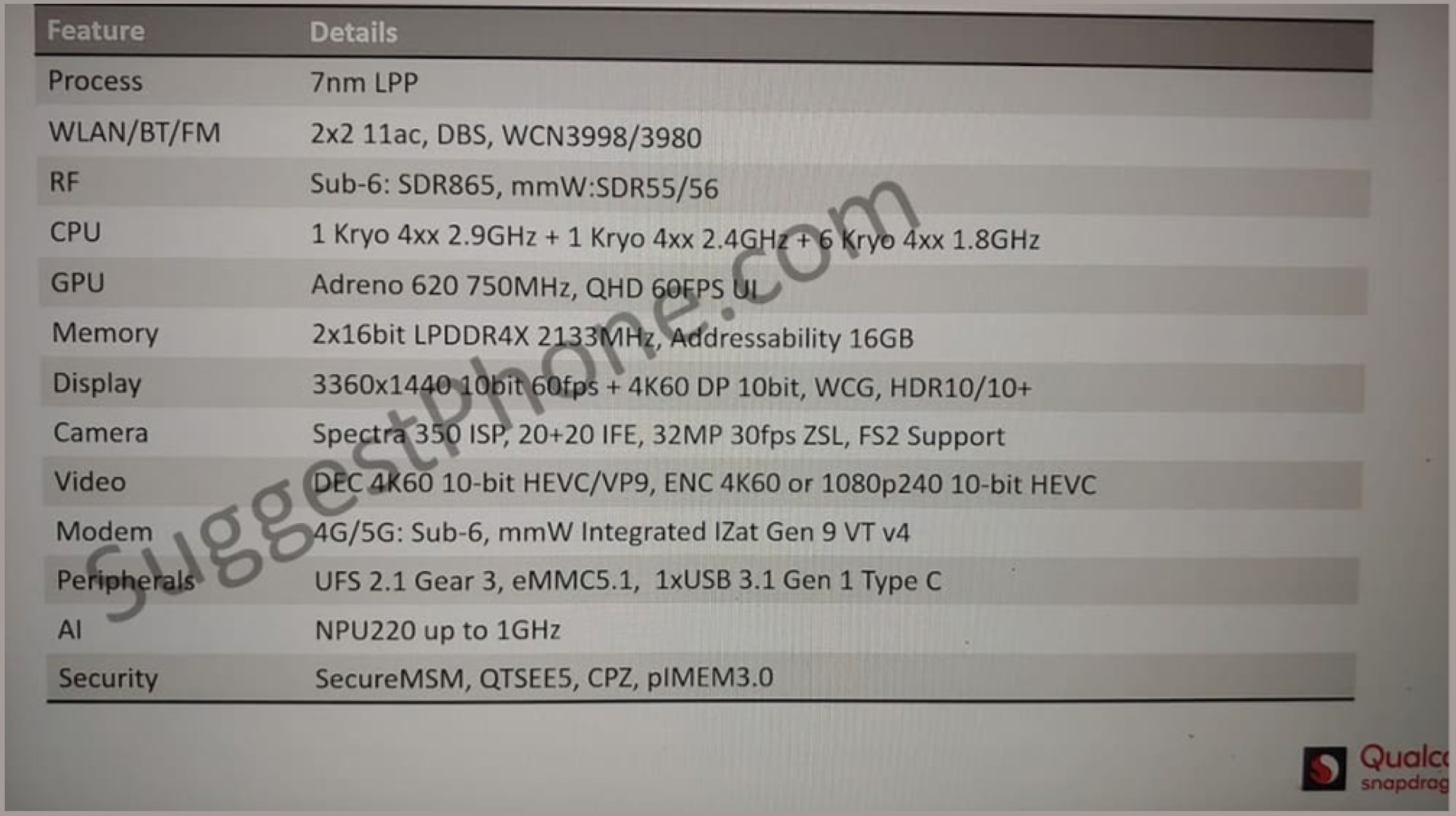
    According to the source, the Snapdragon 735 SoC is manufactured using 7 nm fabrication process which makes it highly power efficient. The chipset consists of Octa-Core Kryo CPU and the Adreno 620 GPU. Out of its eight cores, one core is clocked at 2.9 GHz, another core is clocked at 2.4 GHz while the remaining 6 cores are clocked at a frequency of 1.8 GHz. This combination of cores clocked at different frequency provides for an optimised power and performance output. 

    The Adreno 620 GPU is clocked at 750 MHz which is able to support QHD display panels which have a refresh rate of up to 60 FPS. In terms of storage, the chipset support UFS 2.1 Gear 3, eMMC 5.1 and USB 3.1 Type C. According to the listing, the Snapdragon 735 can support up to 16 GB of LPDDR4X RAM. Noteworthy, it consists of the NPU220 (Neural Processing Unit) which is clocked at a speed of 1 GHz. The NPU in the chipset will be used to execute AI tasks on the smartphone it is featured on. More details about the Snapdragon 735 are expected to follow soon as the company rolls information about it.

    Also Read: LG Patents A Smartphone With Triple Selfie Cameras

    Even though the official announcement date of the chipset is currently unknown, Qualcomm is expected to launch it soon. 


  • Apple, Qualcomm Drop All Lawsuits, Sign A Six-Year License Agreement

    Apple, Qualcomm Drop All Lawsuits, Sign A Six-Year License Agreement

    In a surprising turn of events, Apple and Qualcomm have dropped all the pending lawsuits against each other. The companies have also signed a six-year license agreement, which may be further extended. Both the companies, the known electronics giant Apple and mobile chip maker Qualcomm had filed multiple lawsuits against each other for copyright infringement. A few days ago, Apple was found guilty and was asked to pay 31 million US $ as a fine.

    About The Case
    iPhone 7

    The lawsuit filed by Qualcomm cited that Apple had violated at least three patents. The damages that it asked for applied to iPhones sold July 2017 onwards, which were kitted with Intel chips. Later in the year 2017, Apple replaced Qualcomm with Intel as its exclusive components supplier. As per reports, in the year 2016, Apple was also using Intel modems in some iPhone variants instead of Qualcomm modems. The devices included the iPhone 7 and 7 Plus. The patents relate to the following functions on mobile devices.

    • Allowing phones to connect to the internet instantly after being switched on
    • The efficiency of the smartphone’s battery and its relation with graphics processing
    • A traffic management function enabling faster data downloads
    The Settlement

    Both Apple and Qualcomm have agreed to reach a settlement as per the former company’s announcement. According to reports, the iPhone maker will have to make a payment to Qualcomm for an undisclosed amount as a part of the settlement. However, the companies have signed a licensing agreement for at least six years and the chipset maker will now supply parts to Apple. This may lead to iPhones sporting Qualcomm’s chips appearing on the shelves once again. 

    Also read: Sony PlayStation 5 With 8K Graphics Teased In An Interview

    Interestingly, Intel, who was the interim supplier for iPhone modems to Apple, has announced it is quitting the manufacturing of 5G modem for smartphones. As the iPhone maker and Qualcomm have finally struck peace, it is expected to lead to the latter supplying its 5G modems in the future smartphones by the former. 

  • Qualcomm Launches Three New Snapdragon Chipsets For Mobile Devices

    Qualcomm Launches Three New Snapdragon Chipsets For Mobile Devices

    On April 9 2019, American technology company Qualcomm added three new chipsets to its mobile SoC lineup which include the Snapdragon 665, Snapdragon 730 and the Snapdragon 730G. The ‘G’ suffix in the newly launched chipset stands for ‘Gaming’, which means that the Snapdragon 730G is intended for gaming smartphones. Overall, the company claims that the aforementioned chipsets will primarily focus on Artificial Intelligence, Camera and Gaming.

    Qualcomm Snapdragon 665

    The Snapdragon 665 chipset is the base model in the lineup unveiled on April 9, however, it has significant improvements over the Snapdragon 660. The new 11nm chipset comprises of an octa-core Kryo 260 CPU. Four cores of the aforementioned 8 cores are dedicated to performance, while the other cores enhance the efficiency of the device, the company claims. For graphics, the chipset packs an Adreno 610 GPU with the Vulkan 1.1 graphics driver. Furthermore, the chipset features Qualcomm aptX Adaptive Audio and Aqstic to improve the gaming experience of the user.

    The company has included the Spectra 165 ISP, which integrates support for triple cameras and AI while capturing images. Also, the chipset enables features such as Hybrid autofocus, zero shutter lag and optical zoom, in addition to 48-megapixel image support. The SoC has the third-generation Qualcomm AI Engine, providing support for features such as 3D Face Unlock. Qualcomm claims that the chipset will deliver almost 2x faster AI device processing than the Snapdragon 660. Moreover, the SoC is enabled with Quick Charge 3.0 Fast Charge technology.
    Qualcomm Snapdragon 730 and 730G

    Qualcomm made it quite clear that the Snapdragon 665 will be targeted towards smartphones lying in the entry-level segment. For mid-range segment devices, the San-Diego company unveiled the Qualcomm Snapdragon 730, which is built on an 8nm process. Some features that were previously only present on Snapdragon’s 8xx series have been carried over to the Snapdragon 730. The SoC comprises of Kryo 470 octa-core CPU, which have a maximum clock speed of 2.2 GHz. Six cores are dedicated to regulating the power and efficiency of the smartphone, whereas the other two cores are dedicated solely to performance. The chipset has the Adreno 618 GPU, which is claimed by the company to provide a 25% performance boost over its predecessor.

    In addition to Qualcomm aptX Adaptive audio and Qualcomm Aqstic audio, the chipset has the Spectra 350 ISP, which features a dedicated Computer Vision ISP. This will enable the capture of 4K HDR videos in portrait mode, that can be further mingled with bokeh effects. The Snapdragon 730 SoC has an inbuilt X15 LTE modem which claims to provide downloads up to 800Mbps. The chipset is Wi-Fi 6 ready and features Qualcomm Quick Charge 4+ technology.

    Also Read: Redmi Note 7 Pro With 6GB RAM To Go On Sale In India Starting Today

    The Snapdragon 730G shares most of its features and specifications with the 730, but as mentioned before, the ‘G’ means that it has significant upgrades with regard to mobile gaming support. For instance, it features an overclocked version of the Adreno 618 GPU, providing a 15% graphic rendering boost over the Snapdragon 730. The company claims that the gaming-focused chipset can offer True HDR gaming, with more than 1 billion shades of colours. Other features include a “Jank-Reducer” (which reduces game-quality-drops by almost 90 percent during the game), Anti Cheating extensions and an integration to manage Wi-Fi Latency to provide lag-free gameplay experience. Furthermore, the chipset includes support for HD super-slow-motion video recording at 960 fps.


  • Qualcomm Announces QCS400 SoCs series For Smart Speakers And Soundbars

    Qualcomm Announces QCS400 SoCs series For Smart Speakers And Soundbars

    The market for smart speakers and audio devices is gradually picking up the pace. Products ranging from Amazon Alexa to Google Home and Apple HomePod are in high demand due to their smart capabilities including voice-guided commands. The American chipmaker Qualcomm, on the 19th of March 2019 launched a new lineup of SoCs, the QCS400 which are developed to provide a unified and simplified user experience across a wide variety of audio devices. According to the company, the QCS400 SoCs are designed to underpin smart audio devices which can range from portable smart speakers to home assistants to a high-end audio/visual receiver (AVR). 

    Benefits Of The QCS400 SoCs

    It is obvious that a common chipset across several smart audio products will uncomplicate the process of its usage and operation. As per Qualcomm, the following are the reasons that lay the foundation of the QCS400 lineup of chipsets:

    • Improvement in the voice-guided user interface (UI) that has faster response times and enhanced sound pickup even in loud environments. 
    • Support for multiple channels- As the name suggests, this would allow users to connect various speakers together with extensive control over audio playback. The chipsets are designed to be highly power efficient and deliver reliable performance. 
    • Providing a cinema-like experience- The newly launched chipsets have built-in support for Dolby Atmos and DTS:X that help in providing high-quality audio output from any device that incorporates the chips. 
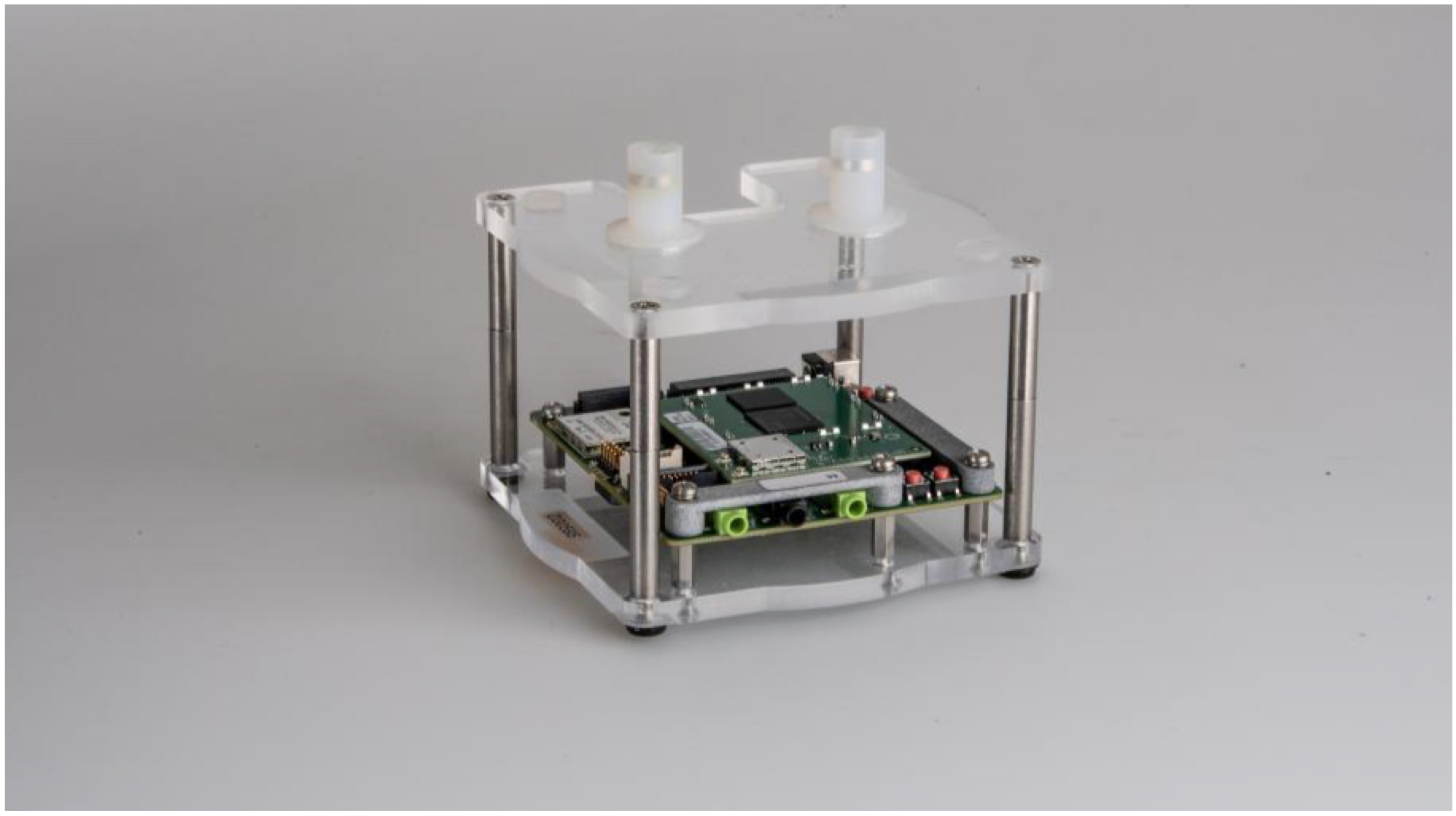
    QCS400 Developer Board

    Initially, Qualcomm has launched four chipsets all of which fit the needs of distinct modern day audio products. The QCS403 and QCS404 chipsets are developed for smart speakers and smart assistant. Both the chipsets use Bluetooth 5.1 for connection and support Zigbee which is a high-level communication protocol developed by IEEE. Notably, the former comprises a dual-core CPU while the latter comprises of a quad-core CPU. Irrespective of the chipsets, CPU cores on the both are clocked at 1.4 GHz that. 

    Also Read: Redmi Note 7, Note 7 Pro To Go On Sale In India Once Again Today

    The QCS405 chipset is developed for soundbars and home theatres while the QCS407 is developed for AVRs (audio/video receivers). Both the chipsets have quad AIE CPU cores and Adreno 306 GPU. Another distinctive feature of these chipsets is the 2x Qualcomm Hexagon DSPs. Prominently, the QCS 407 is the only chipset out of the bunch that supports up to 32 audio channels while the rest max out at 12.

  • Qualcomm Demands US$ 31 Million In Damages From Apple

    Qualcomm Demands US$ 31 Million In Damages From Apple

    Qualcomm and Apple are known for battling out a number of suits in courts, and the latest trial between the two companies was held in San Deigo over infringement of three different patents by Apple. As per reports, Qualcomm has demanded the trillion dollar technology company, Apple to pay a sum of US$ 31 Million in damages for the same. 

    The Hearing

    Apple’s leading witness for the case, former engineer Arjuno Siva was supposed to testify in the court on March 7. However, as per reports, he was unable to reach the destination, and the Qualcomm’s defence defense was accused of witness tampering by the Apple counsel. Moreover, the company called its former employee a “tainted witness” when he failed to turn up for the hearing.


    In a turn of events, the ex-Apple employee has hired a new attorney, leading to Apple’s confirmation that the testimony will take place during the next hearing after all. Furthermore, information has come to light that the damages are for iPhones sold July 2017 onwards, which were kitted with Intel Chips. Later in the year 2017, Apple replaced Qualcomm with Intel as its exclusive components supplier. As per reports, in the year 2016, Apple was also using Intel modems in some iPhone variants instead of Qualcomm modems. The devices included the iPhone 7 and 7 Plus.

    About The Patents

    Hence, Qualcomm is seeking US$ 31 Million in damages from Apple, which roughly breaks down to US$1.40 per iPhone sold. The infringed patents are as follows:

    • one that handles the CPU and modem connection to download applications.
    • one that helps the iPhone to connect to the Internet immediately after it is turned on.
    • one that focuses on battery life and the processor.

    Also Read: Intel And Qualcomm Will Offer 5G Modems For Computers

    Notably, the biggest lawsuit between the companies will be settled in April 2019, in which Apple has accused Qualcomm of indulging in anti-trust practices and illegally withholding US$ 1 Billion worth of rebates from Apple.


  • Intel And Qualcomm Will Offer 5G Modems For Computers

    Intel And Qualcomm Will Offer 5G Modems For Computers

    Consumers believe that 5G technology will initially be limited to just smartphones, which may not be the case. A lot of companies speculate that 5G support will be available almost immediately on desktops and laptops with M.2 sockets. At MWC 2019, companies like Intel and Qualcomm were found showing off their 5G modems that will render high speed internet connectivity to traditional computing devices including laptops and desktops.

    Noteworthy, the 5G modules are not intended to be Plug and Play devices, instead, they are dependant on the external 5G antennae for network reception. This means that without a 5G supported machine, the modules are of absolutely no use. The modules will be used by Laptop and desktop manufacturers, which include companies like HP, Lenovo and Dell. All these brands have implemented LTE versions of similar connectivity modules in the past, so it is likely that the aforementioned companies will be the first to unveil laptops and desktops with 5G modules.
    Qualcomm and Intel Modems: Bands And Availability

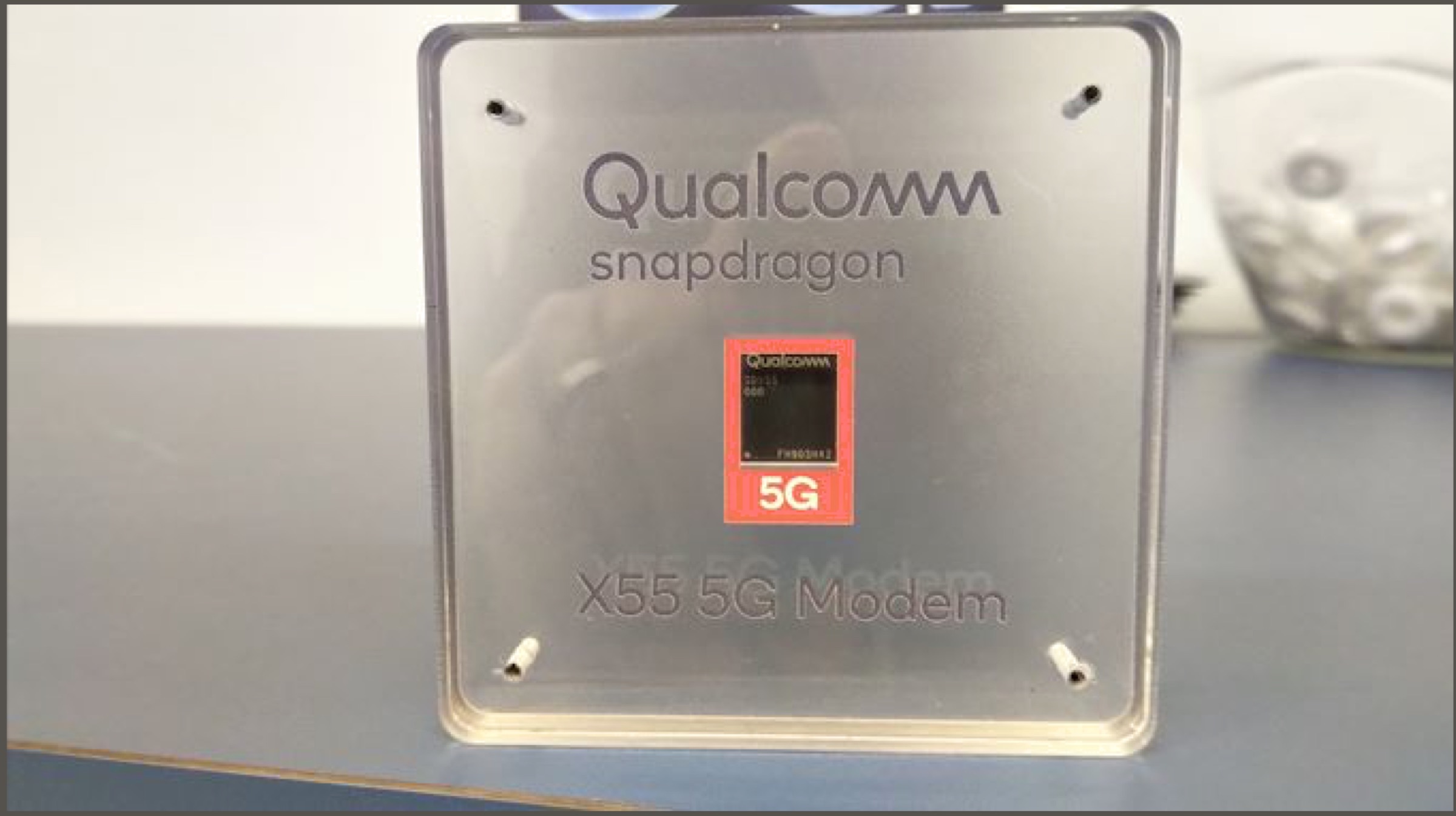
    During MWC 2019, Qualcomm announced the X55 modem for 5G support across devices. The module is expected to be compatible with both mmWave 5G and Sub-6GHz 5G bands. mmWave 5G technology makes use of ultra high frequency radio signals, which are used to transfer data across devices. This is done within the 24 to the 90Ghz range, so a lot of bandwidth is wasted where it could be used to boost 5G speeds. Instead, the Sub-6GHz band operates between 1 and 6 GHz, which encompasses mostly all the data. It is less operational than mmWave in the long run, but it is certainly more functional.

    Also Read: Is Artificial Intelligence Digging Its Roots Deeper Into Our Reality?

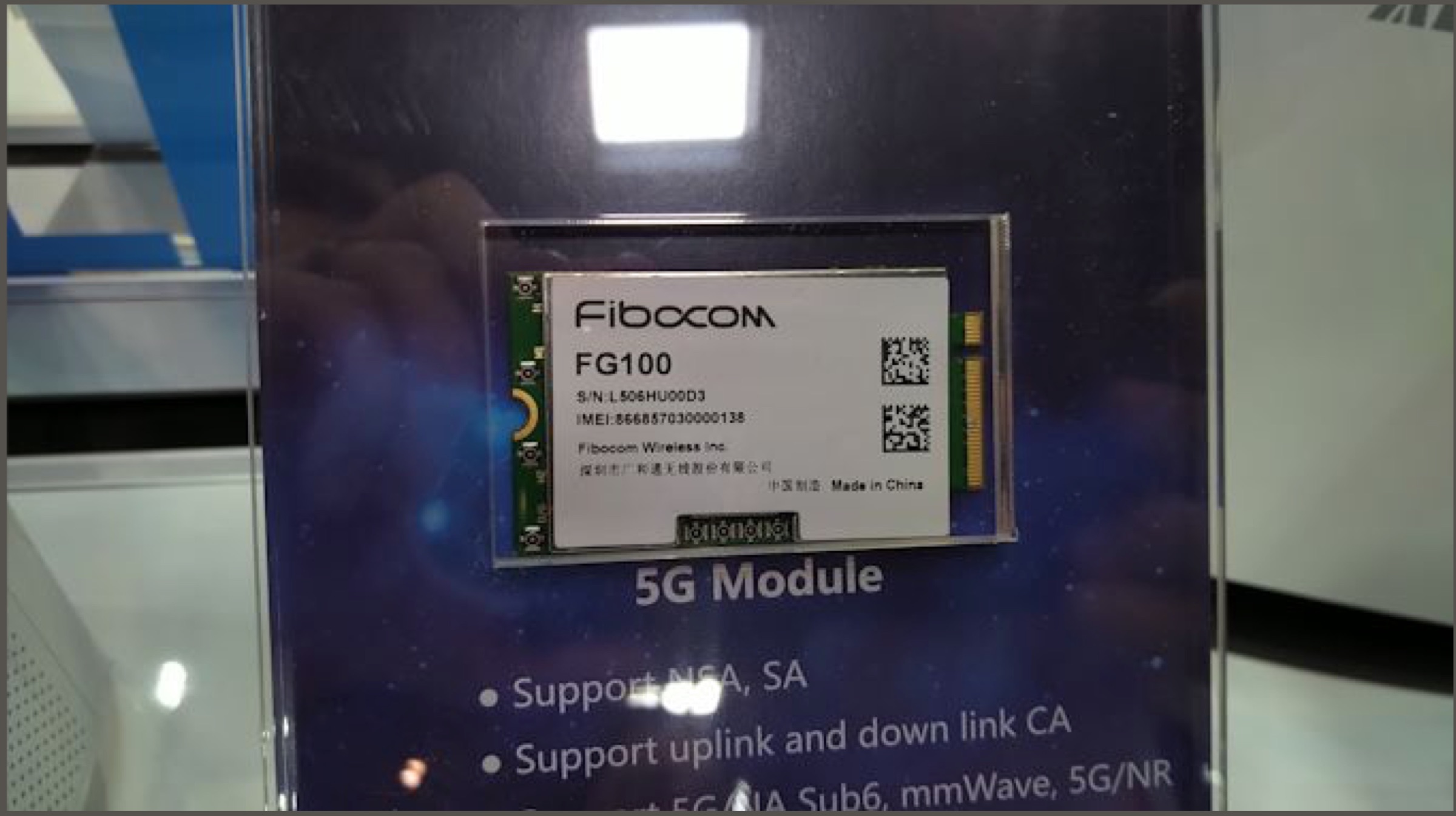
    The Intel 5G modules will be manufactured by Fibocom and will use the XMM8160 modem. Just like Qualcomm’s module, it will support both 5G bands. Reportedly both the Qualcomm and Intel modules are 30 wide. Therefore, they cannot be used with standard M.2 ports. Consequently, companies need to incorporate compatible sockets on their machines to accommodate previously mentioned modules. The 5G modules will be first seen in laptops and desktops in the year 2020. 

  • Qualcomm Quick Charge Is Now Qi Wireless Charging Compliant

    Qualcomm Quick Charge Is Now Qi Wireless Charging Compliant

    Qualcomm, the pioneer of mobile chipsets has made an announcement at the MWC 2019, according to which its Quick Charge standard will support Wireless Charging. This will ease the transition of devices from wired quick charging to wireless quick charging techniques. As per the American electronics company, the new technology will focus on fast and consistent charging for supported smartphones.

    The new Wireless Charging pads will be powered by Quick Charge and will be compatible with Quick Charge 2.0, 3.0, 4 and 4+ adapters. The comoany will soon expand testing to QuickCharge for Wireless power. Additional tests will be performed, which will ensure Quick Charge and Qi interoperability. This will aim to provide a consistent wireless charging experience between the devices. 

    About The WPC

    The WPC (Wireless Power Consortium) includes over 650 companies and more than 3,500 different products which comply with their standards. They were the original creators of the Qi Global Wireless Charging Standard. Future consumers can still look for the same Quick Charge branding. Doing so will ensure that their QuickCharge adapters have gone through necessary compliance tests, rendering them safe to use.


    Company Statement

    Qualcomm has reported that it is working with major retailers to get rid of non-compliant accessories from catalogs. George Paparrizos, senior director of product management for Qualcomm Technologies made a statement regarding the new technology. He believes that the consumers will feel safer now that Quick Charge enabled wireless power pads have passed rigorous tests which were established by both the organizations.

    Also Read: Samsung Announces The Galaxy A30 And A50 At MWC 2019

    As per the company, Quick Charge is the largest developing ecosystem which supports fast charging. What are your views on the wireless Quick Charge technology? Share them with us in the comments below.

  • Qualcomm Is Designing Chipsets For Android Go Devices

    Qualcomm Is Designing Chipsets For Android Go Devices

    Qualcomm is an American chipmaker that is renowned for its Snapdragon chipsets which are mostly featured on Android smartphones. The company makes chipsets which are suited for devices in a varied price range. The company is reported to be working on a budget chipset which will be targetted towards the affordable Android GO devices. 

    What Is Android Go?

    Android Go can also be referred to as Android Lite as the applications developed for this platform are tailored for entry-level devices. More often than not, the devices that fall under this category have 512 MB to 1 GB of RAM. In terms of storage, Android Go smartphones usually have 8 GB or 16 GB of inbuilt storage. 

    Benefits  and Need Of Android Go 
    • Faster App Loading Time- The applications for Android Go platform are designed in a manner that they look up quickly on less feature rich smartphones.
    • Data Saver- Another important aspect that is kept in mind while developing apps for this platform is Data saving. Android Go smartphone users usually don’t have access to reliable high speed internet. Therefore, Android Go applications are designed to work stutter free even on a low speed internet connection.   
    • Storage Preservation- Android Go smartphones usually have 8 GB or 16 GB of inbuilt storage. Therefore the Applications developed for this platform are more or less half the size of its regular version.
    • Minimum Pre-Installed Apps- Android Go smartphones only have nine pre-installed applications some of which include Google Go, YouTube Go and Google Maps Go. Notably the applications are optimised so they work smoothly on the entry level hardware. 

    The need for Android Go arises as the penetration of smartphones in rural regions and countries booms. Civilian of these areas do not buy high end smartphones which are either due to limited income or individual choice. 

    Qualcomm QM215 Chipset

    An unreleased Qualcomm chipset, QM215 has been appearing on the company’s developer platform database for several weeks. Noteworthy, the chipset does not carry the ‘S’ prefix. Therefore, it is unlikely to be a member of the Snapdragon lineup. Not many details about the unreleased chipset are known as of now. However, reports suggest it will be comprised of a quad-core Cortex A53 CPU which has a clock frequency of 1.3 GHz. In addition to four Cortex A53 cores, it is reported to pack a GPU with 650 MHz clock frequency.

    Also Read: Leaks Show Official Cases Arriving With The Galaxy S10 Series Of Devices

    It is hard to classify the chipset due to limited information. But it could ultimately be released carrying the Qualcomm Mobil 215 platform moniker. It is also reported that smartphones featuring this chipset will compete in markets such as India, Africa and South America. 

  • Snapdragon 712 Announced With Faster CPU And Quick Charge 4+ Support

    Snapdragon 712 Announced With Faster CPU And Quick Charge 4+ Support

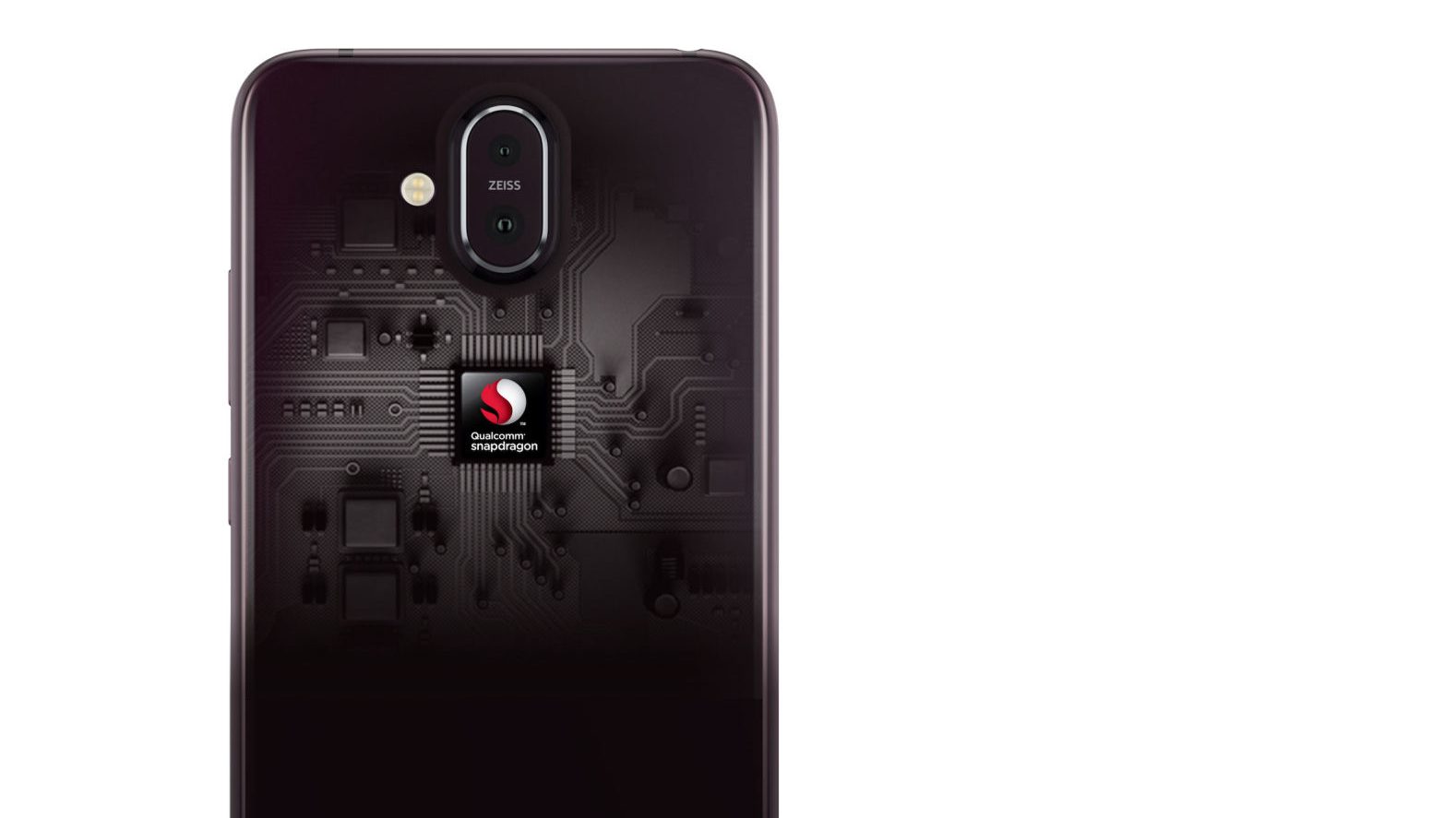
    Qualcomm has announced the latest Qualcomm Snapdragon 712 Mobile Platform. With performance boosts and support for the all-new Quick Charge, Snapdragon 712 is may end up being used for mid market gaming devices. 

    Performance Boosts

    The Snapdragon 712 retains the 10nm process of its predecessor and runs the multicore Qualcomm AI Engine. It consists of the Qualcomm Kryo 360 CPU, the Adreno 616 graphic unit, and the Qualcomm Hexagon 685 DSP. Talking about performance increase, the 712 offers up to 10 percent of more power over the Snapdragon 710. 

    Qualcomm claims that the Snapdragon 712 is designed for mid budget gaming devices. It also claims that the chipset can help render over a billion shades of colors. Qualcomm’s Aqstic audio technology will be added to the chipset for seemingly better audio experience. 
    What Is Quick Charge 4+?

    The Snapdragon 712 is targeted at improving your battery life. Now the real question that arises is how will 712 manage to do that?
    It is engineered in a way that it’s heterogeneous computing structure automatically works out the perfect balance between workloads, heat management & optimization. What’s more, it also supports Qualcomm Quick Charge 4+. This means what it can bring your phone battery from 0 to 50 percent in under 15 minutes. 

    More Features

    Snapdragon 712 has a ton of other enhanced features that already were present in the Snapdragon 710. It integrates the Qualcomm Snapdragon X15 LTE Modem. Qualcomm claims this offers almost double download speeds with LTE Advanced Capability.
    The new chipset offers video noise reduction and the Snapdragon 712 understands your settings and adapts to them, so you don’t have to lose battery over it. 

    Also Read : Sony Xperia XA3 Will Have A 21:9 Aspect Ratio Display

    Will the Snapdragon 712 be the next big mobile platform especially in the Low-mid market? With all the performance boosts and AI development, it sure looks that way. And the Quick Charge 4+ is a welcome add-on. 


  • Qualcomm Refused To Sell Chips For Apple iPhones

    Qualcomm Refused To Sell Chips For Apple iPhones

    It was the talk of the town when Apple decided to ditch Qualcomm’s chips and go with Intel instead. However now, it has come to the forefront that Apple wanted to have Qualcomm chips on their iPhone XS, XS Max, and XR models but was refused a sale by Qualcomm themselves. Apple had originally wanted to give half the contract to Intel and half to Qualcomm. It was in 2016 when Apple started splitting the chip orders between Intel and Qualcomm. But this time they had to give the entire modem order to Intel. 


    These revelations have come out from a senior member of Apple who revealed these information during his testimony to the US Federal Trade Commission. Apple and Qualcomm have been at loggerheads for quite some time now with Qualcomm being on trial, accused of monopolistic practices. The case registered is based on a complaint brought by the Federal Trade Commission in 2017. Apple had also sued Qualcomm just three days after the FTC filed its complaint. The accusations were similar to that of the FTC stating Qualcomm strong- armed companies into paying royalties. 

    Apple Intel
    Image via 9To5Mac

    This however has not been a single sided battle and Qualcomm itself has accused Apple of patent infringement in China and Germany. This has led to a decision of banning a few older iPhone models in China as well. Intel and Samsung has also filed amicus briefs supporting the FTC. Both those companies being competitors of Qualcomm. 

    Implications On The Future Of Smartphone Industry

    While Qualcomm has already made strides in the 5G development, Intel’s 5G chips are not ready yet and may take another year. This means manufacturers who use Qualcomm’s hardware will be able to bring 5G ready phones to the market faster than Intel chip users. 

    On the other hand, if the prices in terms of royalties are reduced by Qualcomm, phone manufacturers may use that extra money to focus on other features. The royalty reduction however wouldn’t trickle down to reduction of phone prices for customers. 

  • Qualcomm’s New Mid-Range Snapdragon SM6150 Spotted On Geekbench

    Qualcomm’s New Mid-Range Snapdragon SM6150 Spotted On Geekbench

    America based Qualcomm is currently the world’s number one smartphone chip making company. Earlier this week, the company unveiled their first 7 nm based chipset, the Snapdragon 855. Most notably, it is the company’s first SoC that supports 5G connectivity. Recently yet another Qualcomm chipset, the Snapdragon 6150 was spotted on Geekbench. Like the Snapdragon 855 was codenamed 8155, the 6150 could officially be called the Snapdragon 650.

    Geekbench Scores

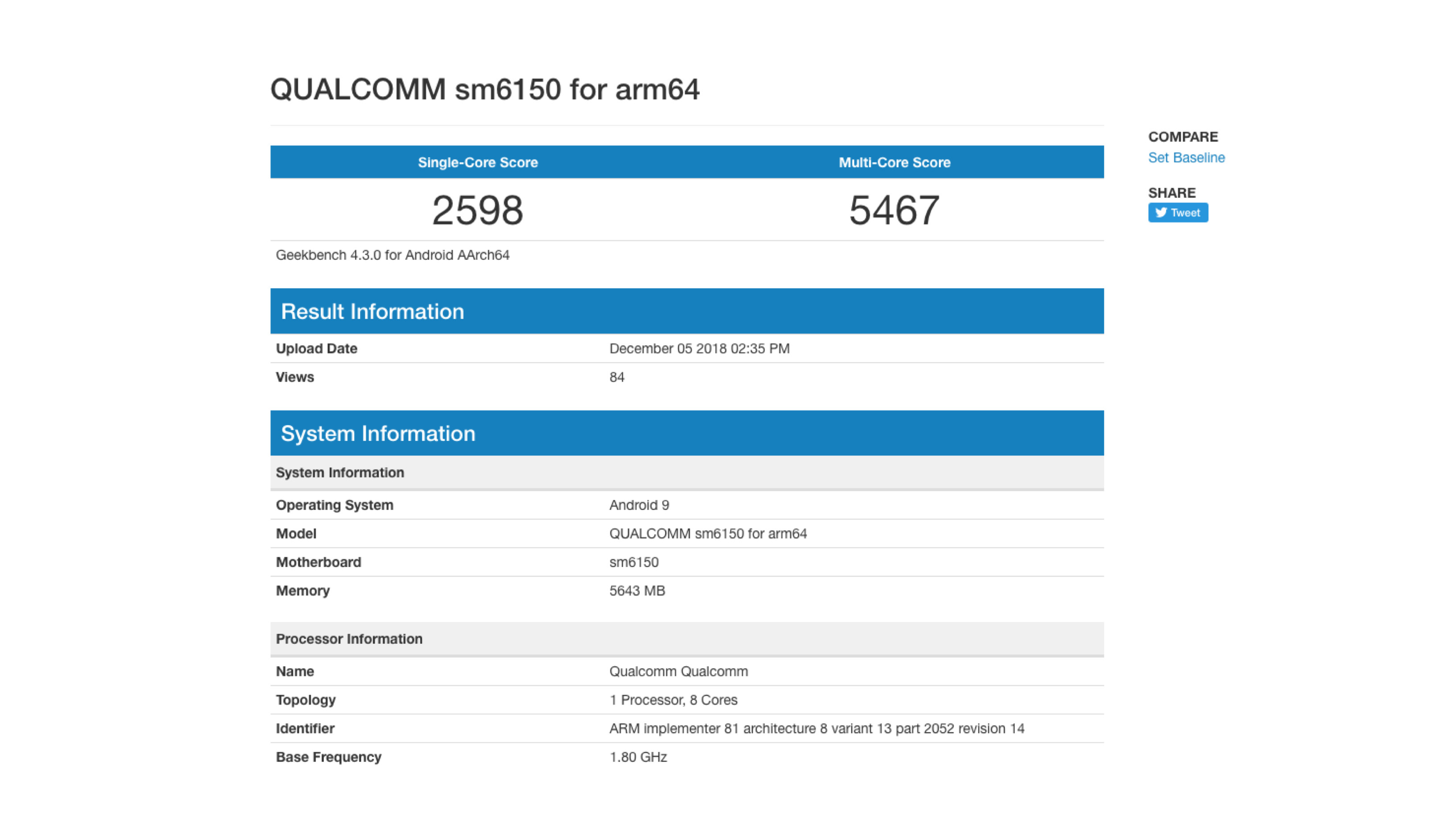
    The Geekbench report of the Snapdragon 6150 was first uploaded on December 5. The chipset is listed with the model number “sm6150” and the score was most likely collected on a development board. As the listing does not provide any information about the smartphone.

    The listed Snapdragon 6150 is an Octa-Core chipset and has a base frequency of 1.8 GHz. The development board runs on the latest Android 9.0 Pie and is paired with 6 GB of RAM.  According to the report, the chipset gets a single core score of 2,598 and a multi-core score of 5,467.

    To summarise, the Snapdragon 6150 will likely be seen on mid-range devices. Although the company has not announced its launch date, the listing indicates it will launch soon.

    Snapdragon 855

    Also Read: Flipkart Big Shopping Days & Amazon Sale: Top Deals On Xiaomi Smartphones

    The recently launched Snapdragon 855 is the successor to the Snapdragon 845 which is present on devices like the Pixel 3 & OnePlus 6T. It is the first chipset from Qualcomm that is manufactured using the 7 nm FinFET technology. Therefore, it will draw less power and perform better than its predecessor. The previously leaked scores of the chipset placed it at number one in the AI benchmarks. Recently, OnePlus has announced that they will be one of the first companies to manufacture a smartphone that will feature the Snapdragon 855 chipset.

  • Qualcomm Announces The Snapdragon 855 SoC With 5G Support

    Qualcomm Announces The Snapdragon 855 SoC With 5G Support

    In the Snapdragon Tech Summit 2018 which started yesterday, Qualcomm officially announced its next flagship processor, the Snapdragon 855. The Snapdragon 855 is the successor to the highly popular Snapdragon 845, which is found on almost all the Android flagship devices from 2018. The new 855 is manufactured using the 7nm process, which offers better battery life and improved performance. Along with the chipset, Qualcomm also announced the Snapdragon Elite Gaming platform and the 3D Sonic Sensor.

    The 855

    Contrary to earlier reports, the chipset bears the 855 title and not the 8150 title. Although, previous reports were not inaccurate as the 8150 was the internal name of the mobile platform. The chipset is manufactured  using the 7 nm process which is the new standard for flagship processors now. The Hisilicon Kirin 980 by Huawei and the A12 Bionic by Apple are 7nm chipsets have already entered production and are featured in the Huawei Mate 20 Pro and the new lineup of iPhones respectively.

    The 855 is also 5G ready and is compatible with Qualcomm’s Snapdragon X50 modem, in order to do so. 5G technology is almost here and many countries and companies are actively testing their 5G devices and networks. It is safe to say that 2019 will be the year of 5G devices. However, the rollout will be slow and countries like India might get proper 5G infrastructure only towards the end of 2019.

    Additionally, Qualcomm also said that the Snapdragon 855 features their fourth-generation multi-core AI engine. This offers up to 3 times the AI performance when compared to the Snapdragon 845. The 855 also features the world’s first Computer Vision Image Signal Processor (CV-ISP). This will offer new features in terms of photo and video capture. The 855 also features the Snapdragon elite Gaming platform , which will offer a new set of features to enhance the mobile gaming experience. 

    What’s More

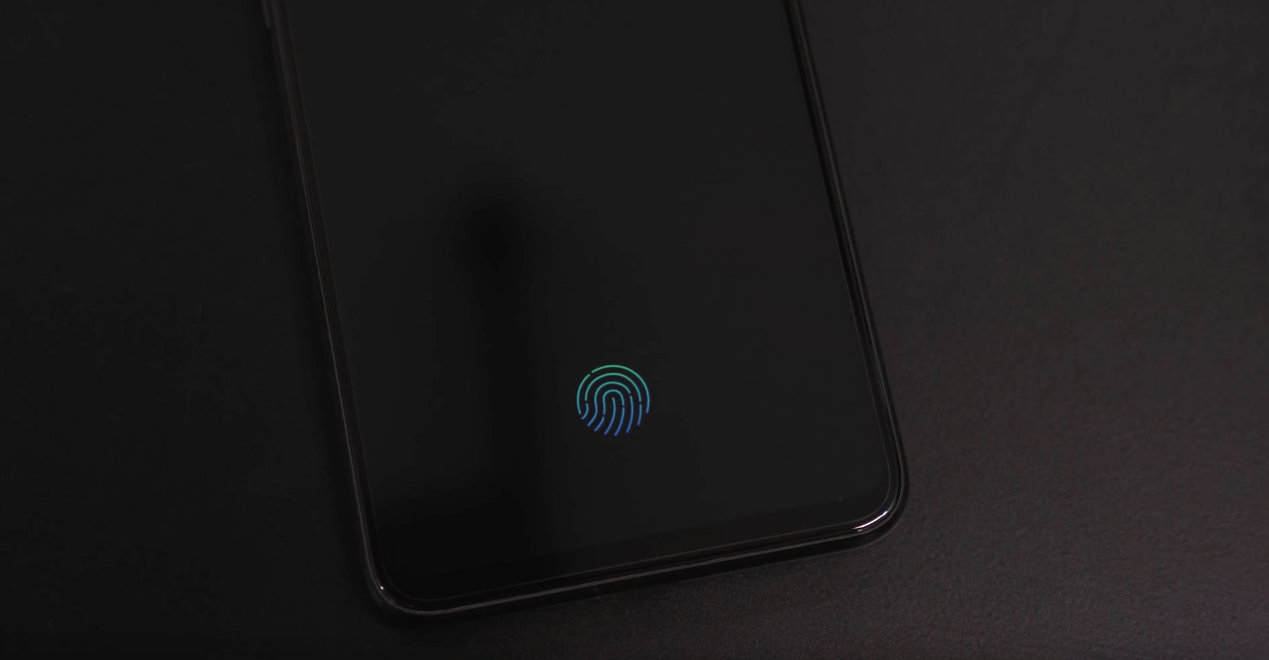
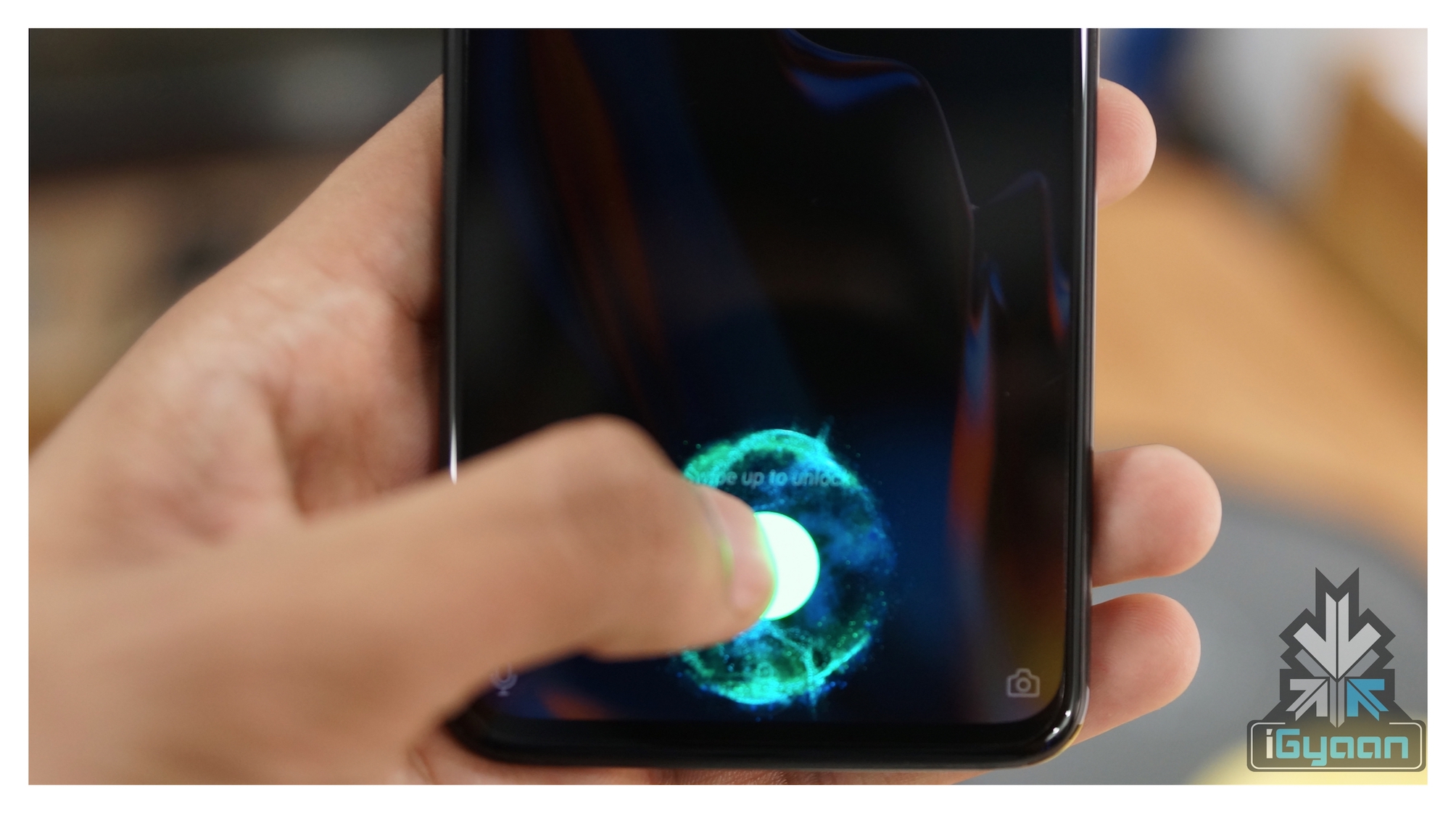
    At the event, the company also announced the Qualcomm 3D Sonic Sensor. This is an ultrasonic in-display fingerprint sensor. Until now, all the smartphones featuring an in-display fingerprint sensor, use an optical sensor. The ultrasonic sensor uses ultrasonic waves to authenticate the fingerprint. Compared to optical sensors, this is much more secure and can even work while in contact with oil, dirt and water.

    Also ReadWorld’s Most Powerful GPU, Nvidia TITAN RTX Announced

    This is not all, Qualcomm will reveal more features of the Snapdragon 855 as the summit progresses. However, we have already gotten a taste of haw the new flagship processor from Qualcomm is about. It offers improved AI, camera and gaming performance and brings improvements to connectivity and security. Performance upgrades are also expected to be announced during the second day of the summit.

  • Snapdragon 855 Details Leak Before Official Launch

    Snapdragon 855 Details Leak Before Official Launch

    The latest flagship Chipset from Qualcomm, the Snapdragon 855 is set to launch today. Ahead of its official launch, TechCrunch accidentally published an article which revealed crucial details about the same. Although they have taken down the article, the vital information is already out.

    Revelations

    The article confirmed that the chipset will officially be called the Snapdragon 855 and not Snapdragon 8155 which was previously claimed. According to the article, Snapdragon 8155 was just the codename and not the official name. The Snapdragon 855 is the successor to the Snapdragon 845 which was launched last year and is present on devices like the OnePlus 6T & the Pixel 3 XL. Unlike its predecessor, the new chipset uses 7 nm manufacturing technology and is made by TSMC (Taiwan Semiconductor Manufacturing Company). 

    The Snapdragon 855 also has a dedicated NPU (Neural Processing Unit). The company claims the new chipset has up to three times better performance than the last generation. Additionally, it also has the Snapdragon X24 LTE modem and Snapdragon X50 5G modem.

    Cores & Clock Speed

    The Snapdragon 855 comprises of the Adreno 640 GPU and Octa Core CPU. It has three CPU clusters, including one high-performance Kryo Gold core clocked at 2.84 GHz, three moderate-performance Kryo Gold cores clocked at 2.42 GHz and four power-saving Kryo silver cores clocked at 1.78 GHz. The new Adreno 640 GPU is also optimised to maximise the performance of applications using AR (Augmented Reality). 

    Furthermore, the Snapdragon 855 also has support for a 3D sonic sensor. It provides support for enhanced ultra-sonic in-display fingerprint sensors. Currently, phones with in-display fingerprint sensors use optical sensors which are quite secure but are no match to the ultrasonic scanners. Qualcomm has readied an ultrasonic fingerprint scanner which allows biometric recognition even if your fingers are dusty or sweaty. It makes use of sound waves which can penetrate obstructions like dust and oil.

    Also Read: Samsung Galaxy A8s To Launch on December 10

    To sum up, the upcoming Snapdragon 855 will be an absolute powerhouse and we are excited to see the first device featuring it.

iGyaan Network
Privacy Overview

This website uses cookies so that we can provide you with the best user experience possible. Cookie information is stored in your browser and performs functions such as recognising you when you return to our website and helping our team to understand which sections of the website you find most interesting and useful.