Tag: research

  • True Wireless Earbuds Market Reaches 12.5 Million, AirPods Still The King

    True Wireless Earbuds Market Reaches 12.5 Million, AirPods Still The King

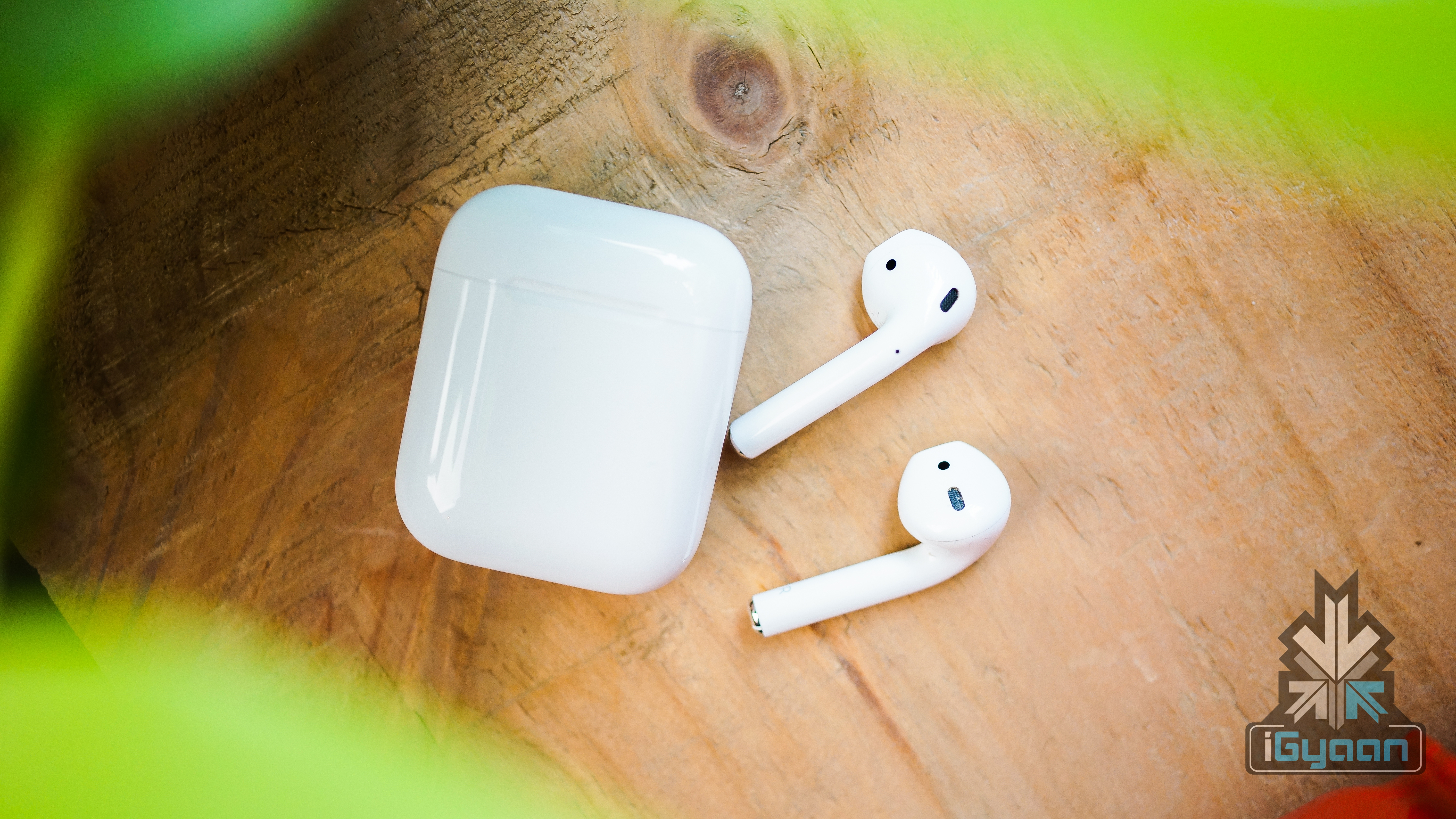
    With the launch of the iPhone 7 and iPhone 7 Plus in the year 2017, Apple removed the 3.5mm headphone jack from its smartphones. Eventually, more OEMs followed suit and in today’s day and age, truly wireless earbuds have become really popular for listening to music and for taking calls. Recent research conducted by Counterpoint, a known research organization claims that the Global market for truly wireless earphones has reached 12.5 million in the fourth quarter of the year 2018. Out of the massive number, the Apple AirPods are the most selling pair of truly wireless earbuds.

    Results Of The Research
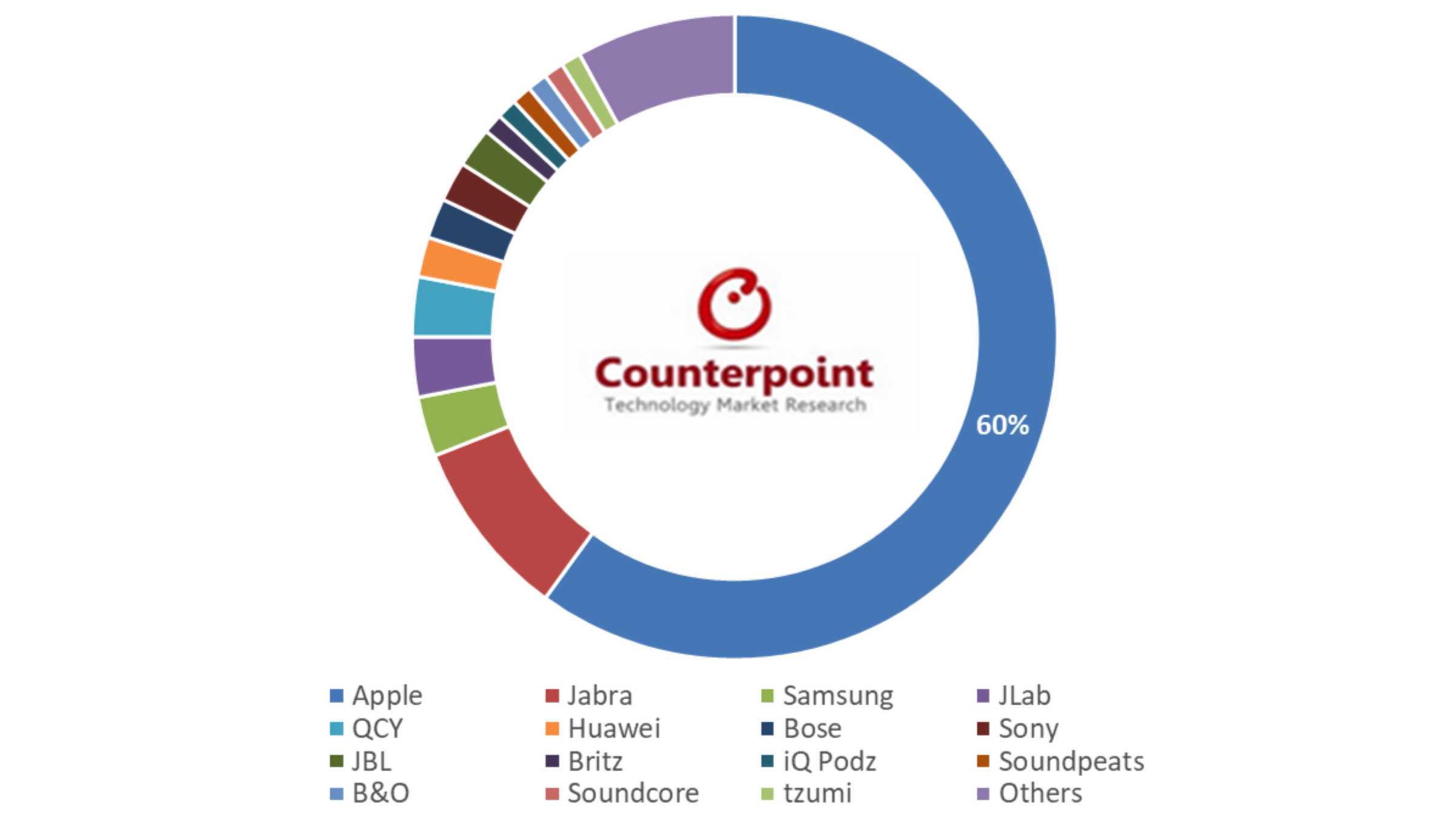
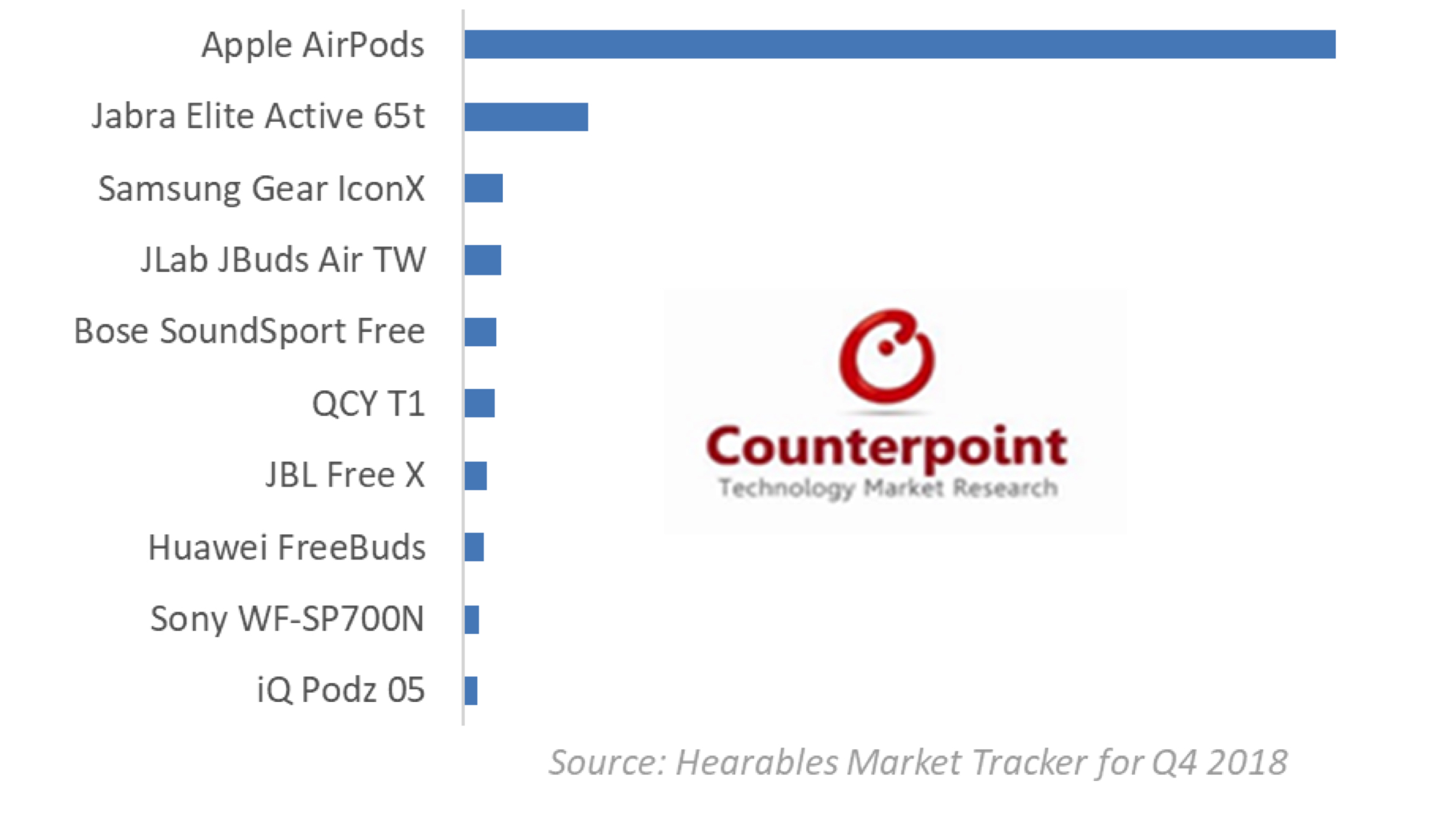
    In the global research conducted by Counterpoint, the finding revealed that the market for truly wireless earbuds is on the rise. The highest selling devices were as mentioned above, the Apple AirPods. The truly wireless earphones hold a massive market share of around 60 percent of the total sales. Other members in the top ten list include the Jabra Elite Active 65t, Samsung Gear IconX, and Bose SoundSport Free. However, several low to mid-tier models priced under US$100 (Rs. 6,900) also made the cut. 
    The area where truly wireless earphones were found to be most popular was North America with it being the largest market for wearables. It accounted for 24% of the sales volumes, followed closely by the Asia Pacific region (excluding China) and in the third place, there is Europe. A senior Counterpoint analyst said that as more companies will enter the market of truly wireless earbuds and offer advanced features at a reasonable price, the customers will end up getting more choices in the future. She also claimed that the competition is going to be more intense with time.

    Also read: Canon Launches Zoemini S And Zoemini C Instant Print Cameras

    The success of Apple AirPods in regard to the sales of truly wireless earbuds is alleged because of the seamless connectivity to the Apple ecosystem. For people who use an Apple electronic device like an iPad, iPhone or a Macbook, using AirPods has its advantages over any regular Bluetooth headphones. Their sales dipped a bit towards the end of last year, but that is seen as due to the anticipation of the next generation of the truly wireless earbuds which launched a few days ago.
  • UK Researchers Develop 5D Disc to Store 360TB of Data Over 13 Billion Years

    UK Researchers Develop 5D Disc to Store 360TB of Data Over 13 Billion Years

    There is no end to the data that is being produced every single day all over the planet. From selfies to controversial art to international documents of utmost secrecy, to name a few -the data being produced and stored regularly is equivalent to the space on 10 milliion Blue-ray discs.

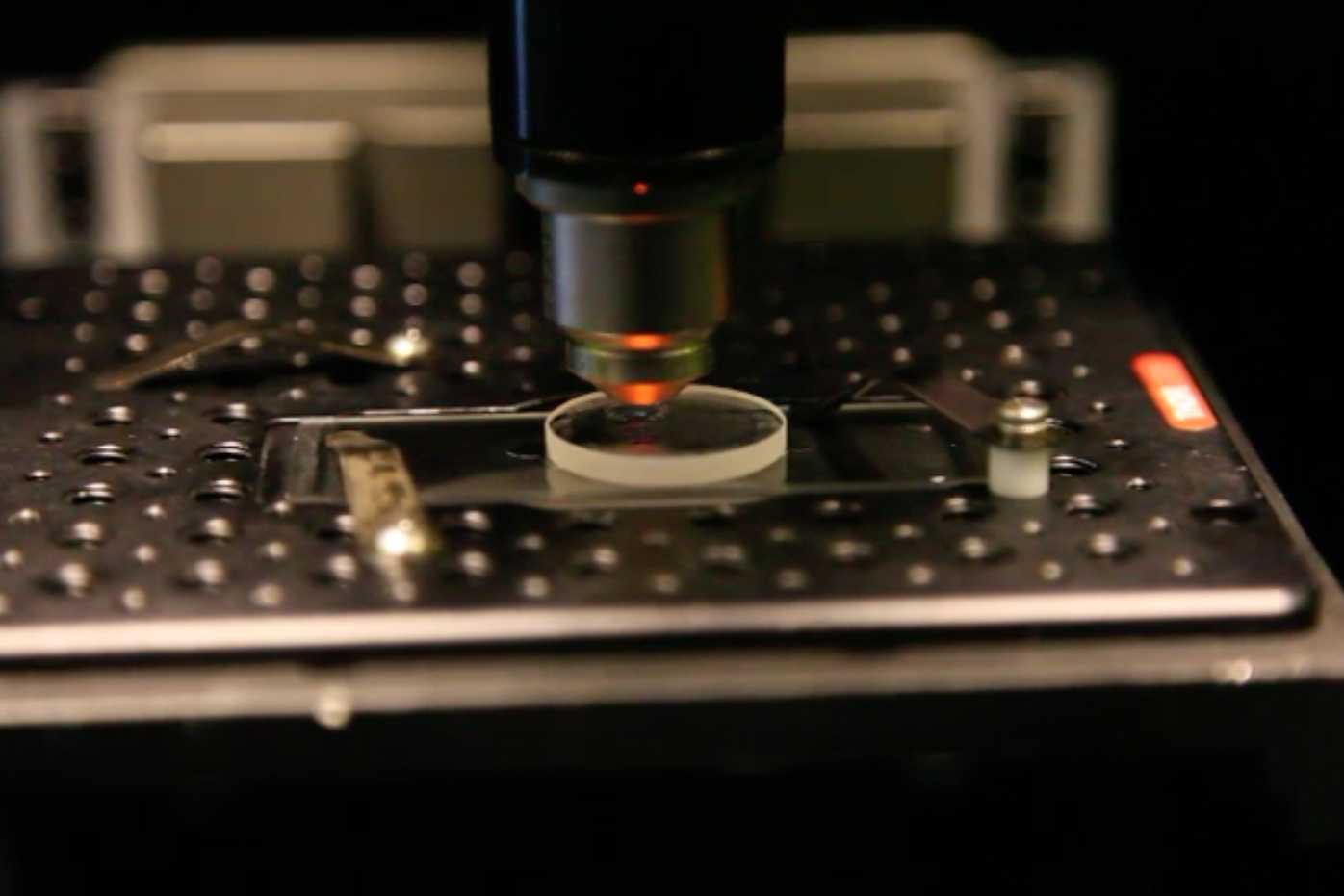
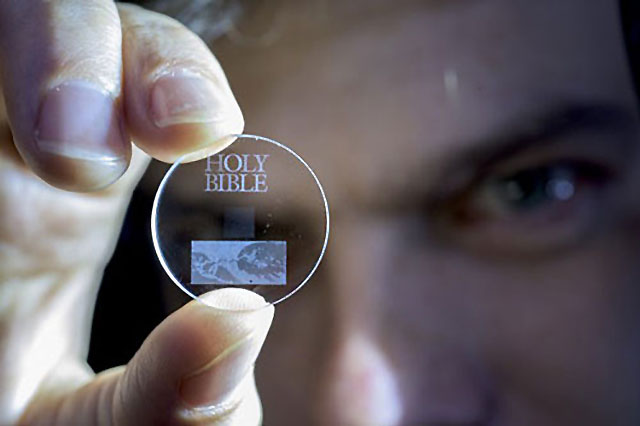
    As data production continues to increase exponentially, there also arises an urgent need to find a way to store all of it. However, it looks like the University of Southampton may have just found the solution. A team of researchers at the university have developed a tiny 5-dimensional (5D) disc capable of storing 360 terabytes of data over 13.8 billion years. Yes, they like their numbers accurate.University of Southampton disc

    Important texts like the Magna Carta and King James Bible have already been stored in the memory of the disc. This virtually means that the texts have a very good chance of out-living the human race.

    “It is thrilling to think that we have created the technology to preserve documents and information and store it in space for future generations. This technology can secure the last evidence of our civilisation: all we’ve learnt will not be forgotten,” says Professor Peter Kazanksy, a member of the research team.

    The technology had its first experimental demonstration in 2013 when a 300 kb digital copy of a text file was recorded in 5D. With the ability to withstand temperatures as high as 1,000°C,  to last 13.8 billion years at 190°C and all eternity at room temperature, the disc is also called “Superman memory crystal”.


    Source via

  • John Hopkins Creates Human ‘Mini-brains’ in Petridish

    John Hopkins Creates Human ‘Mini-brains’ in Petridish

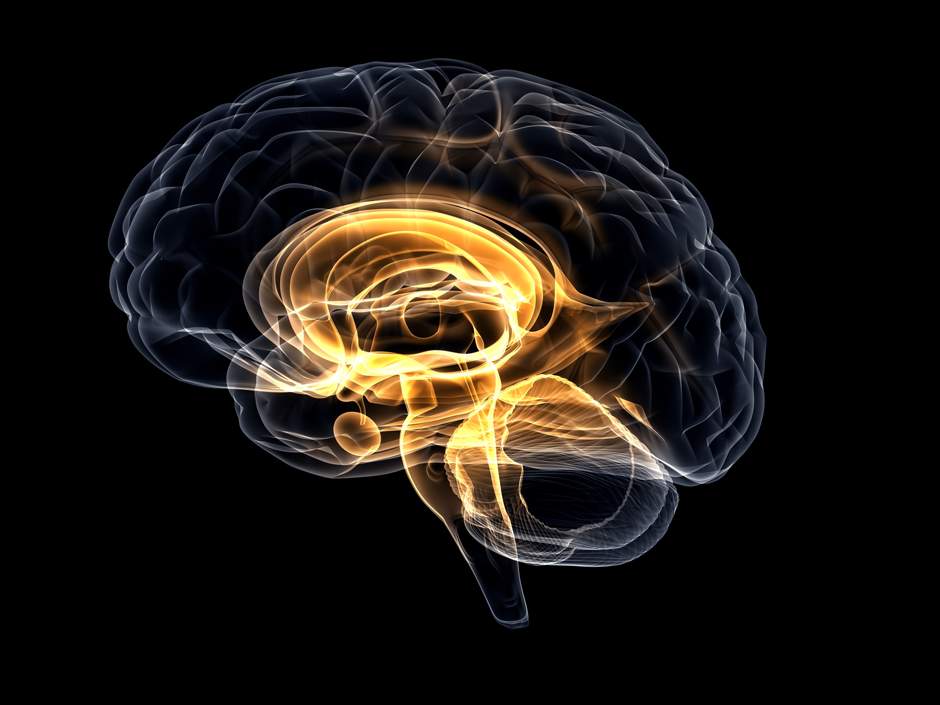
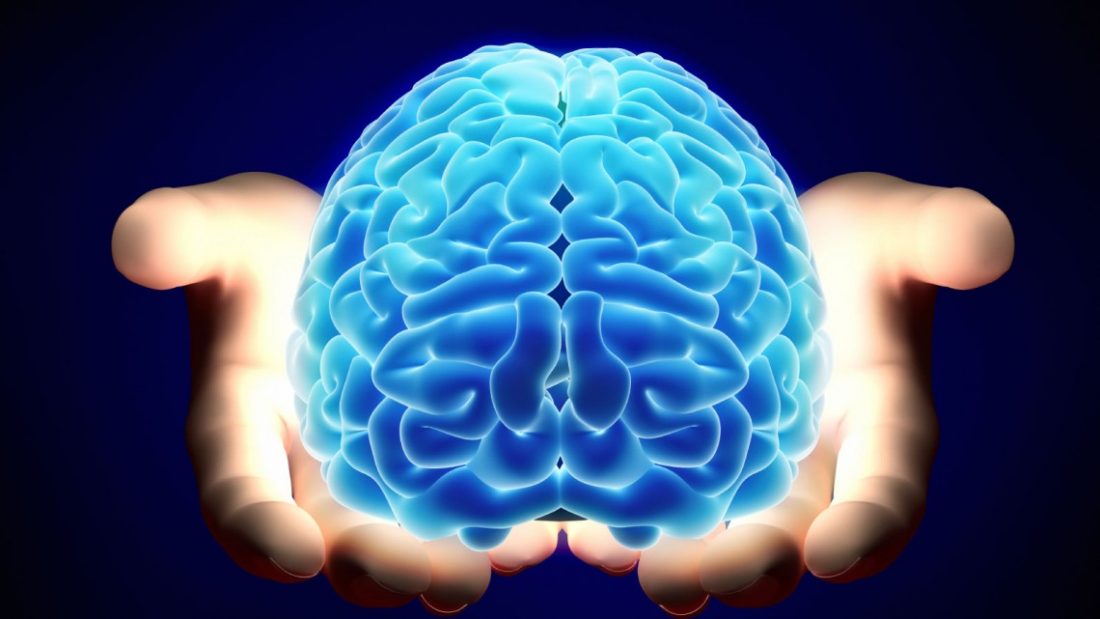
    Researchers at Johns Hopkins Bloomberg School of Public Health have developed “minibrains”. Made up of human cells and neurons, these tiny brains are capable of imitating the human mind in functionality, while also possess the ability to be replicated manifold.

    Needless to say, this research is a breakthrough in the world of neuro-sciences with immense potential for the future. One of the direct consequences of this development is that hundreds and thousands of animals being used for testing can now be replaced with these cells. Not only is this welcomed news by the entire rodent-community, it also means more accurate research for humans.

    “Ninety-five percent of drugs that look promising when tested in animal models fail once they are tested in humans at great expense of time and money. While rodent models have been useful, we are not 150-pound rats. And even though we are not balls of cells either, you can often get much better information from these balls of cells than from rodents,” aptly puts study leader Thomas Hartung.

    These cells were created using a specific kind of protein called induced pluripotent stem cells (iPSCs). Along with proteins, cells from healthy adults form the composition of the mini-brains. In the future, the research also hopes to include cells from people with genetic disorders and specific genetic traits to create mini-brains. This would help with the study and treatment of diseases like Alzheimer’s, Parkinson’s, multiple sclerosis and maybe autism. At the same time, projects to study viral infections, trauma and stroke are already underway.Minibrains

    The mini-brains measure a 350 micrometers in diameter and are visible to the naked human eye. Researchers claim they can grow a hundred of them in one petri-dish. Production for these mini-brains is expected to begin in 2016 and the researcher group hopes to see them in as many labs as possible.

    Source

  • Bionic Limbs Would Now Move With the Power of Thought

    Bionic Limbs Would Now Move With the Power of Thought

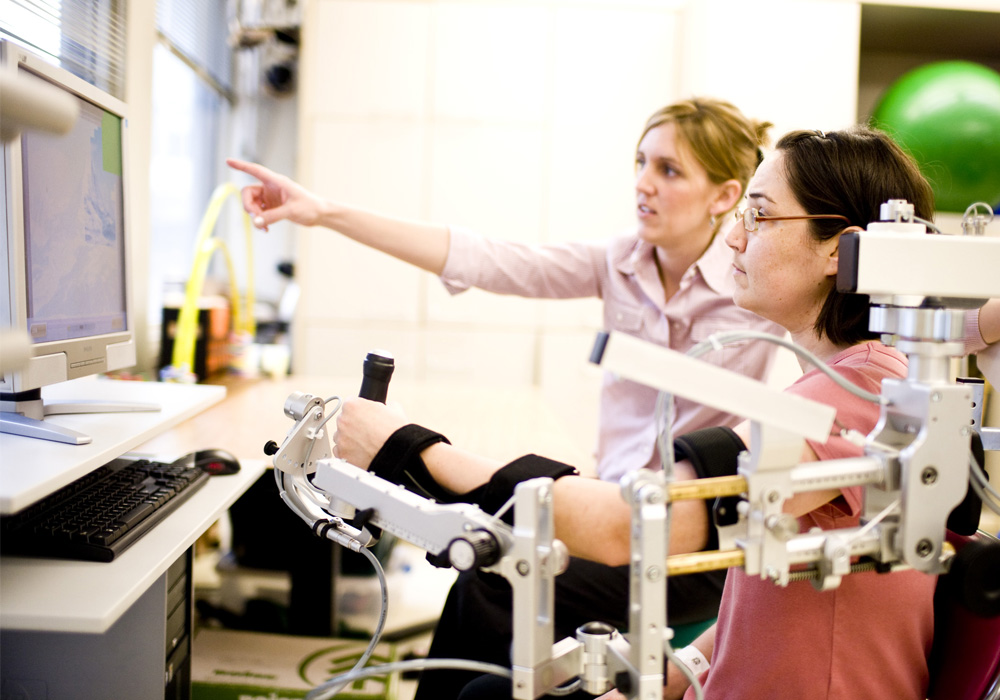
    According to a report published on Tuesday at University of Melbourne, researchers in Australia may have developed a device, not bigger than a matchstick, that  could help victims of spinal injury immensely. The device would make use of thoughts to help control bionic limbs or exoskeleton, and therefore employ neuro-motor rehabilitation.

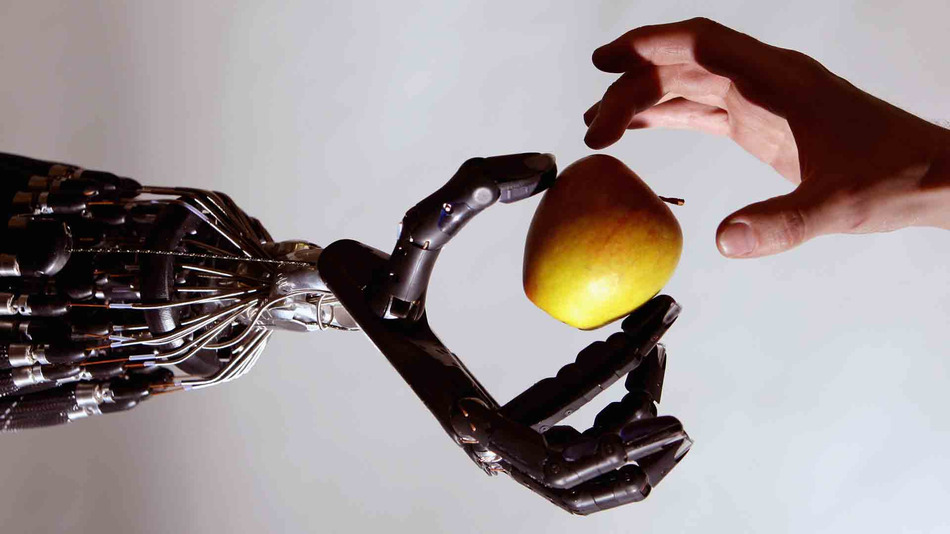
    The  stent-electrode recording array or stentrode would be made part of blood-vessels inside the brain. Using this stentrode, thoughts would be converted into electrical commands that could be used in moving the bionic limbs, which are otherwise controlled manually with a joystick.

    The research is the result of a collaboration between the Royal Melbourne Hospital, the Florey Institute of Neuroscience and Mental Health, and the University of Melbourne. The team put the current device through numerous design changes before a final design was finalised suitable to be positioned inside a blood-vessel measuring no more than one millimeter.

    Paralysis is not the only physical condition this stentrode could be used in. Epilepsy and predictions of epileptic attacks in patients could also be treated using it. A foreseeable hindrance in the application of this tech would be tutoring the patients in using it.

    “With our device, you’ve essentially connected an electronic limb to the patient’s brain, but they have to learn how to use it,” says Thomas Oxley, a neurologist at the Royal Melbourne Hospital. The stentrode should be available for use by 2022 and is expected to cost close to $10,500 to $14,000.


    Source

  • This Computer Program Can Read Your Thoughts

    This Computer Program Can Read Your Thoughts

    Welcome to the future where computers read your mind and Artificial Intelligence is on the cards. A new computer program developed by a team of researchers at the University of Washington in Seattle can decode your thoughts with the help of electrodes.

    This program requires electrodes to be implanted in the mind of the subject. Based on the chemical changes that thoughts lead to, these electrodes would convey electrical signs which can then be read to decipher a person’s thoughts. The entire decoding process takes no more than a few milliseconds after an image is seen by the subject.

    “Clinically, you could think of our result as a proof of concept toward building a communication mechanism for patients who are paralyzed or have had a stroke and are completely locked in,”says Rajesh Rao, a neuro-scientist at the University of Washington.

    Any development in communication of this kind between a human and a machine is a huge leap -it could be of immense use for people who cannot speak or have any kind of trouble conveying their thoughts. This specific program, however, is not the first of its kind. There have been similar developments in the past where researchers recorded brain waves of viewers in the form of movie clips people were watching at the time.

    Professor Xavier uses Cerebro, a computer, to amplify his powers of telepathy. Is the union of telepathy and technology already here in real life as well?
    Professor Xavier uses Cerebro, a computer, to amplify his powers of telepathy in X-Men. Could complex communication between computers and humans be here in the real world as well?

    In this experiment conducted by Rajesh Rao’s team, a difference was observed between neural patterns when people saw images of houses and images of faces. Additionally, there were also different kinds of brain signals the computer required to decode the thoughts. Both these sets of patterns work in unison to help researchers understand the responses of the human mind, and decoding them in real time, better. More research in the field can help neuroscientists map the entire brain and its responses one day,

    Source

  • This is Why Artificial Intelligence Scares Elon Musk, Bill Gates and Stephen Hawking

    This is Why Artificial Intelligence Scares Elon Musk, Bill Gates and Stephen Hawking

    When Artificial Intelligence begins to make some very intelligent people nervous, you know it’s time to sit up and listen. AI triggered enough anxiety during the last couple of months to lead to the birth of OpenAI in December, a project concerned with safe development and sharing of all AI research on a wide scale.

    Artificial Intelligence is Giving Tesla’s Elon Musk the Heebie-Jeebies

    Needless to say, Elon Musk, an open and well-known critic of AI  has invested heavily in the project. A sum of $1 billion has already been committed to the project, which would also keep some of its research private if it seems like a security threat to humanity.

    Calling AI “our biggest existential threat”, Musk says, “Humanity’s position on this planet depends on its intelligence, so if our intelligence is exceeded, it’s unlikely we will remain in charge of the planet.” He further says that he has invested in AI companies “to keep an eye on them” and likens AI to “summoning the demon”.

    Stephen Hawking and Bill Gates Join the Club

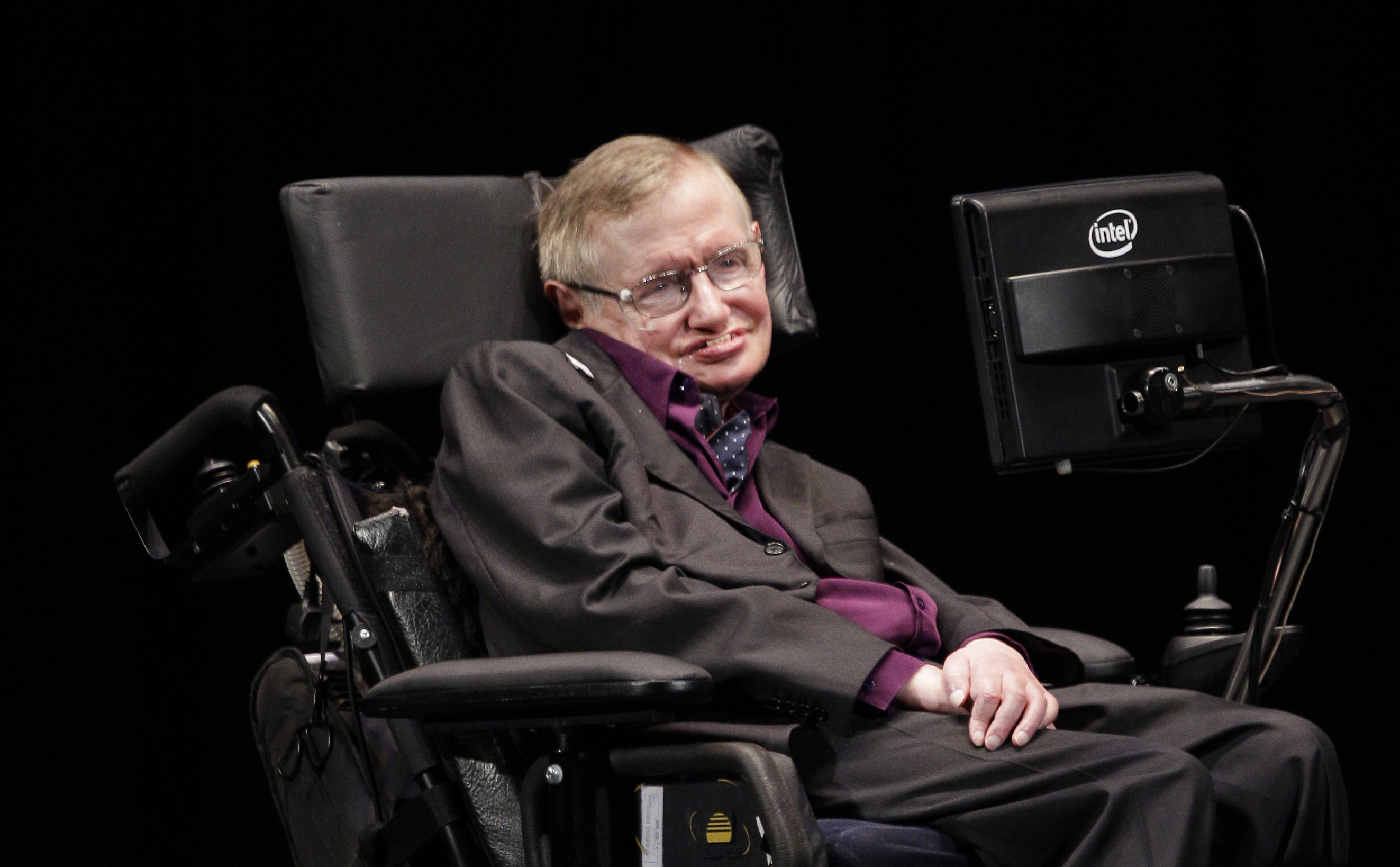
    Elon Musk is not alone in his apprehensions against  AI. Stephen Hawking and Bill Gates both have gone on record accepting that this field of tech could turn out to be as destructive as nuclear warfare if its development and growth is not regulated and monitored.

    Bill Gates and Artificial Intelligence
    Bill Gates doesn’t look happy about AI taking over the world.

    Stephen Hawking has famously commented on the topic, “…humans, limited by slow biological evolution, couldn’t compete and would be superseded by AI”. Bill Gates, on the other hand, wonders why others are not as concerned about bestowing the immeasurable power of independent thought to robots.

    Other famous names to have recently become associated with AI are Mark Zuckerberg and Ashton Kutcher who have, along with Musk, invested in Vicarious – a company working on a computer capable of imitating those parts of the brain that control visual functions, locomotion and speech. Zuckerberg is also working on developing an AI butler for his home a la Jarvis.

    Why is AI Making Everyone Freak Out?

    All the fears and apprehensions stem from the understanding that something as powerful as AI in the wrong hands is capable of wreaking immense havoc on the world. What is worse is that once machines become capable of independent thought -common sense will only be the first step towards eventual super-intelligence. With the right exposure to data and algorithms, we wouldn’t even need humans to threaten mankind; the machines themselves would take care of that.Artificial Intelligence

    It may sound like a scene out of a dystopic sci-fi story, but it’s real enough to make thinkers like Hawking, Gates and Musk uneasy. To add more cheer to the party, there are companies like Google and Facebook, on the other hand, doing the exact opposite of OpenAI.

    The Other Side of the Story

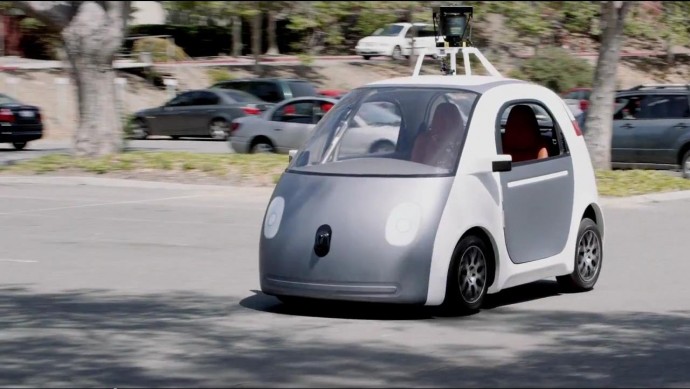
    There might not be entirely altruistic intentions behind the attempts of making a common, shared platform for AI research. Google and Tesla are both building self-driven cars, and thus, both stand to benefit from AI.

    In November last year, Google open sourced part of its software that is the main thrust of its AI services. Facebook followed suit and open sourced its own set of AI contributions. OpenAI, however, took this to another level by promising to share all of its research.

    Our very own real-life Tony Stark is here to save the day. Or not?
    Elon Musk, our very own real-life Tony Stark is here to save the day. Or is he?

    An open platform for AI research would mean that all companies benefit from each other’s research while at the same time ensuring that no one name becomes a central, controlling authority for this tremendous source of power.

    So, while Google and Facebook are working round the clock on developing their own AI-based projects, Elon Musk and his team of AI experts are trying to keep this tech from getting concentrated under a single source which could spell doom for the world. The forward movement in this field is inevitable. The least that can be done is to aim for a path that would jeopardize humanity as little as possible, and this is perhaps what OpenAI hopes to achieve.Artificial Intelligence

    If we do end up with a scenario where mankind is pitted against AI, we know our sci-fi enough to be clear about which side to place the stakes on. While Hollywood can continue to make us feel good about the victories of a kind human race over sentient machines devoid of feelings, reality offers a far different picture. Just hold on tight for now and see where the ride lands us.


  • Researchers Develop a Lithium Battery That Won’t Explode

    Researchers Develop a Lithium Battery That Won’t Explode

    Battery is one of the major concerns of the tech world these days. Developers have to ensure that batteries are not only efficient and capable of providing sufficient support to gadgets, but most important of all, they can withstand high temperatures without exploding.

    The explosion-scare in batteries is even though not very high when it comes to phones, but exploding hoverboard batteries have made everyone sit up and listen. Fires caused by malfunctioning hoverboards actually forced retailer websites to take the product off and stop selling them for a while.

    An exploded hoverboard.
    An exploded hoverboard.

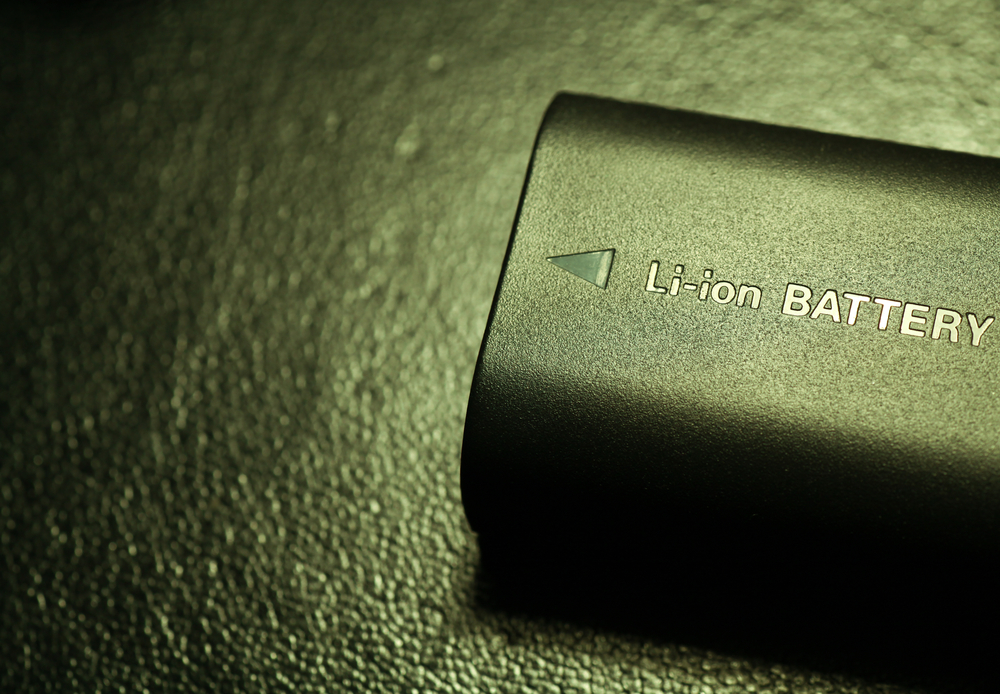
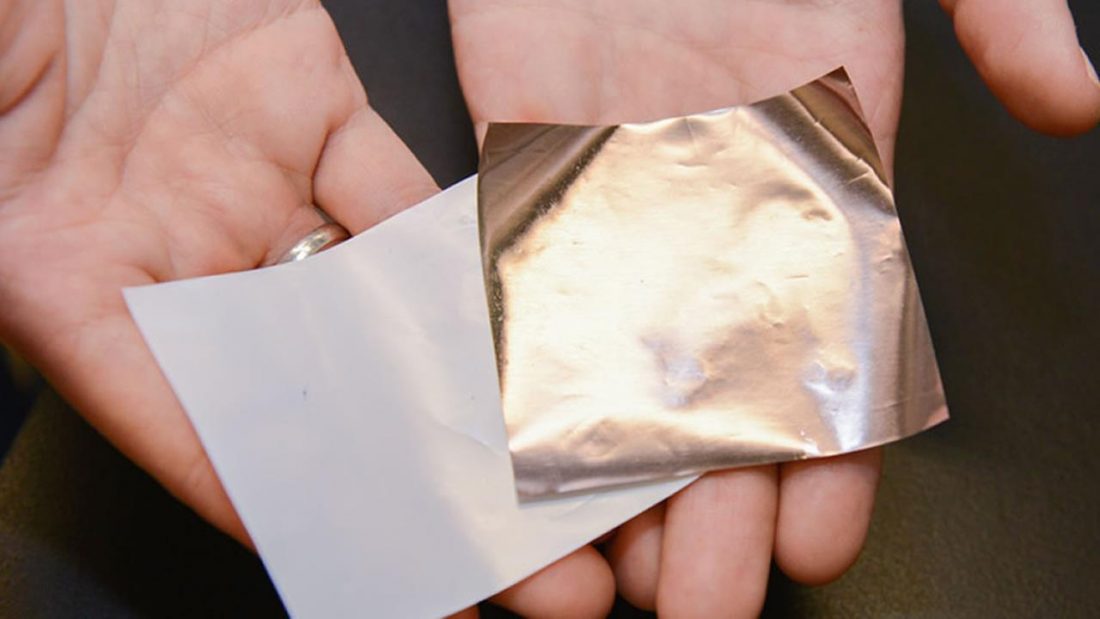
    But it looks like a team of scientists at Stanford University have found a cure for these lithium-ion batteries in hoverboards that are the culprit behind all these fires. The team of researchers have developed a lithium battery that has a plastic over-lay filled with nickel particles. If this battery gets over-heated, it shuts down and cuts all power-supply. The supply is resumed only once the temperature has dropped to a safe level. This will ensure that the battery’s electrolyte never catches fire.Lithium ion battery Stanford

    The same tech of self-shut down has been seen in batteries previously as well if they sense an explosion threat. However once they shut down, the battery is not functional again. This is primarily what this new battery will be able to take care of, among other things. Though these explosion-proof lithium batteries seem to hold great potential, there are still several years before they can be produced and used in smartphones and other gadgets on a mass scale. We wouldn’t advise you to get your hopes high about them hoverboards just yet.

  • Self-Charging Batteries to End Smartphone Battery-Life Woes

    Self-Charging Batteries to End Smartphone Battery-Life Woes

    We have seen some incredible breakthroughs in technology lately but one issue that still needs to be solved is that of battery trouble. No matter how fancy a gadget gets, it is almost always limited by its battery life. The next big thing the world of tech requires is never-ending batteries, and looks like MIT is paying attention.

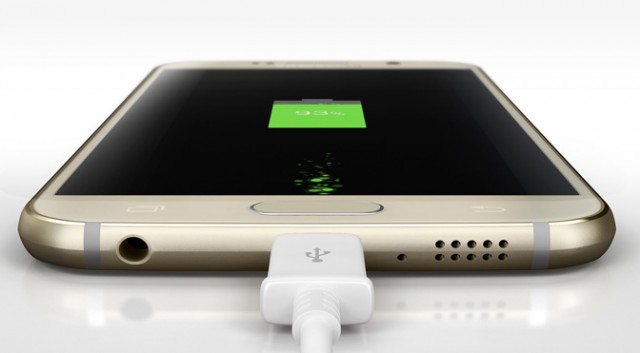
    A group of researchers at the university are working on self-charging batteries, which in turn means never-ending battery life. The idea is to produce electrical energy out of the mechanical energy of locomotion. The mechanical energy produced as a result of walking can be used to charge electronic devices.samsung battery

    The procedure involves two thin sheets of lithium alloys to serve as electrodes with a porous sheet of polymer, after it has been soaked in liquid electrolyte, placed in between. This design is efficient at moving lithium ions, while at the same time being attached to sensors on the joints on the body like knees or wrists. The sensors would absorb mechanical energy of locomotion and convert it to electrical energy.

    This tech could also be used to charge wearables like smartwatches, along with phones. However there is still a long way to go. Right now, the use of this technique can achieve 15% efficiency for a gadget at best. The research team hopes to increase this efficiency to a 100% soon.

  • Let Your Smartphone Help Cure Cancer as You Sleep: DreamLab

    Let Your Smartphone Help Cure Cancer as You Sleep: DreamLab

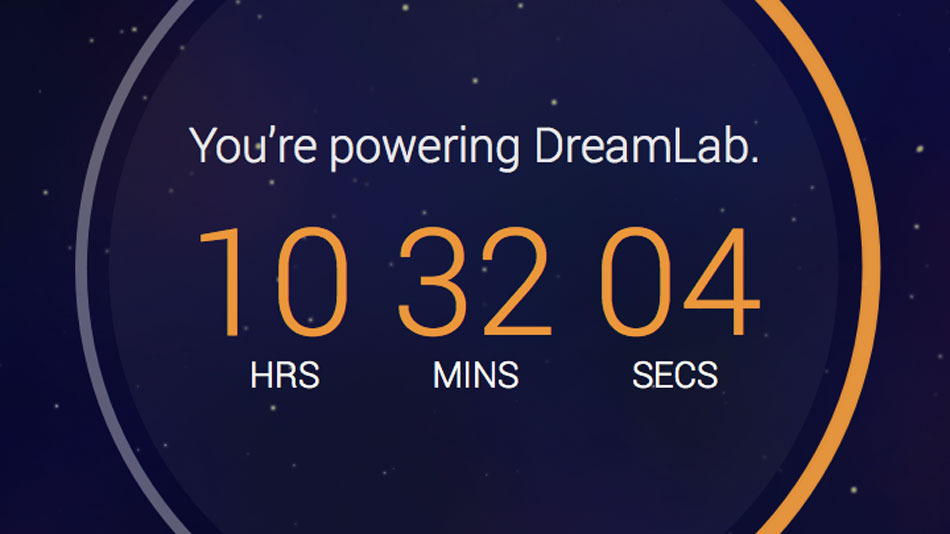
    Set your smartphone to work as you sleep. Let it help cure cancer. DreamLab, which is a three year old collaboration between Vodafone Foundation and Australia’s Garvan Institute of Medical Research, has started an initiative that attempts to use smartphones to get some help in curing cancer.Cancer Research Australia

    You need to begin by downloading the free app from Google Playstore and ensure that the phone is being charged. Next, choose the type of cancer research you want to support -ovarian, pancreatic, prostrate or breast, and then simply choose the amount of internet data you’d like to donate.

    This initiative has been made live only in Australia as of now. If the nation there puts their smartphones together, it will provide Garvan with a supercomputer to be able to conduct cancer research more skillfully. Garvans’s head of the breast cancer unit, Dr. Samantha Oakes, said in an official statement:

    “As a nation who loves their smartphones, we now have a tremendous opportunity to put them to good use and help find a cure for cancer. Together, we can come to a greater understanding of how to treat it more swiftly. With the help of game-changing innovations like DreamLab, I am hopeful that we will see cures of certain types of cancer in our lifetime.”

    The Institute further stated that with 100,000 DreamLab apps working on smartphones in a nation which has about 5 million users, the rate of processing data would increase by 150,000 times and with a speed 3,000 times faster than the current one. The initiative seems a big step in the field of cancer research. Let’s see how long India would have to wait before something like this makes its way to the country.

  • New Research Shows Why Your Android Device Might Be Vulnerable to Bugs

    New Research Shows Why Your Android Device Might Be Vulnerable to Bugs

    So here’s the thing, new research conducted by the University of Cambridge tells us that almost all Android devices have a faulty security system. Considering the fact that a lot of us are still Android users, you probably want to know how deep this breach is? The above mentioned research estimates that around 90% of Android devices are prone to a security breach.  Here’s what the research says:

    “There is information asymmetry between the manufacturer, who knows whether the device is currently secure and will receive security updates, and the customer, who does not.”

    The research points out the core reason for this vulnerability as being Android’s fragmented distribution and third party involvement. What are you going to do now? Well,out of this, 90% the research suggests that Nexus devices are the most secure Android devices as they run stock Android and do not have to rely on a third party manufacturer to deliver the patches on time.

    Apart from Nexus, LG devices have received a good security score followed by Motorola, Samsung, Sony and HTC. Therefore, you have nothing much to worry about, unless of course you’re hiding super secret information.

  • Engineers Create Chameleon-like Colour Changing Material for Next-Gen Displays

    Engineers Create Chameleon-like Colour Changing Material for Next-Gen Displays

    Science fiction shows, movies, and books have regularly talked about shape shifting and color-changing gizmos. They are used by spies and inquisitive nerds alike, and yes, the easiest example is Harry Potter and his invisibility cloak. There have been multiple efforts towards bringing these color changing technology to reality and the researchers at UC Berkley have come close with the development of their new material.

    Let’s give a simple introduction to the technology. We have all seen how a peacock’s feather changes colors when viewed from different angles. It has nothing to do with the pigment of the feather, instead, it’s the tiny fibre like nanostructures that create the illusion of changing colors. This phenomenon is called structural coloration and can be seen many other examples in nature.

    Researchers at the University of California, Berkeley, have announced in the journal, Optica, that they have designed a skin that can change the color simply by applying a tiny bit of physical force. They are calling it a “chameleon-like skin.”

    artificial screen
    The thin silicon based material changes color when applied with physical pressure.

    For the creation of this material, the scientists have carved rows of ridges in a single layer of silicon measuring just 120 nanometers. For comparison, a single human hair measures 100,000 nanometers. These tiny ridges are spaced apart so that they can reflect light of a particular wavelength. The ridges are cut at an angle so as the spacing between the ridges changes, the wavelength of light being reflected also changes with it.

    The researchers have said that their present material can shift from green to yellow, orange and red. The material is just one square centimeter wide. They also said that they are confident that they can create material that can change to any desired color. The next step in the process is to make bigger material so that the commercial and future applications could be studied.

    The application of this chameleon skin technology is said to be limitless. It will help to cloak an entire vehicle so that it matches with its exteriors. It will find wide uses in the battlefield to camouflage military vehicles. The researchers are also looking at future possibilities of changing colors by activating a tiny electrical charge. They also said that this technology could be used on large scale structures like bridges and dams. Helping find structural damages with ease and help prevent probable catastrophes. For the regular folks, it will help to create new photosensitive display technologies that can be used for adding brilliant color presentations to outdoor entertainment venues.

    The technology is unique, and we will see more application when other developers get their hands on it. Apart from the usual cloaking technologies, it may also be used to make color changing dresses that will be more than just white and gold or blue and black. Or maybe someday this material will help create real-life Mystique from X-men. Now that would be exciting.

  • Newly Discovered Glass Material Can Help Increase Your Smartphone’s Battery Life

    Newly Discovered Glass Material Can Help Increase Your Smartphone’s Battery Life

    Ever thought of a display that can prove useful in extending the battery life of your smartphone? Well, we certainly didn’t consider it. However, with the new glass material developed by researchers, the devices will last for double the amount of time they used to with normal lithium-ion batteries.

    A team of ETH Zurich researchers led by Dr. Semih Afyon and Reinhard Nesper invented a Vanadate-borate glass that when embedded on the phone will act as an electrode in lithium-ion batteries. An electrode is a conductor that transfers electric current from one substance to another. The materials used in the formation of the glass are the chemical components – vanadium oxide (V2O5) and lithium-borate (LiBO2) precursors. These chemicals are later covered with a coating of reduced graphite oxide (RGO). The coating is done to increase the electrode properties of the material.

    The purpose of using Vanadate as one of the compounds is that vanadate is a transition material, and the powered vanadium pentoxide and borate are mixed to produce the desired material. The scientists heated the powder at 900 degree Celsius and then cooled it promptly to form glass. These glass sheets are later crashed into powder to increase the surface area along with creating more pore space.

    The research team drew light on its study saying, “Borate is a glass former; that’s why the borate compounds were used, and the resulting glass compound is a new kind of material, neither V2O5 nor LiBO2 at the end.”

    Both the Vanadate and borate compounds are inexpensive and are efficient to produce energy density of approximately 1000 watt-hour per kilogram when coated with graphite oxide (RGO). The energy generated is enough to power a device 1.5 to 2 times more than the usual lithium-ion batteries.

    Since the glass material is said to be cheap, there’s quite a possibility that we can see future smartphones embedded with the Vanadate-borate glass.

  • Make AI Beneficial to Humanity and Prevent it from Taking Over, says Experts letter

    Make AI Beneficial to Humanity and Prevent it from Taking Over, says Experts letter

    Artificial Intelligence (AI) has become a popular topic of public conversation. It all started since SpaceX and Tesla chief Elon Musk, and Physicist Stephen Hawking warned against creating an AI system that can think on their own. Now the experts in the field of AI research are coming together to sign an open letter to pledge for the creation of AI that can be controlled by humans and is beneficial to our lives.

    The letter was released by the Future of Life Institute (FLI) which is a volunteer-only research organization. It focuses on potential risks from the development of human-level Artificial Intelligence. The founders of the institute include Jaan Tallin, who is the co-founder of Skype and “Mad” Max Tegmark, who is an MIT professor known for his unorthodox ideas. The Scientific Advisory Board of the Institute includes folks such as Morgan Freeman, Alan Alda, Stephen Hawking, Elon Musk and some other great minds. So when the letter comes from people who are held in high honor in science, the letter gains credibility and needs to be taken seriously.

    The letter is signed by the top experts in the field including Prof. Hawking and Elon Musk
    The letter is signed by the top experts in the field including Prof. Hawking and Elon Musk

    In essence, the letter asks researchers to put more emphasis on the creation of an AI system which helps humanity but can also be controlled by humanity. AI-based systems such as voice recognition and self-driving cars are close to being accepted by the masses, at this juncture, it’s important to understand the potential challenges it might pose.

    The team at FLI has also attached a research document which highlights the priorities in AI research. The paper shows the multitude of uses of AI and how it can be robust as well as beneficial to humanity. The document encourages the fields of law, philosophy, economics, computer security and other fields of AI to be involved in interdisciplinary collaboration to set the priorities for AI research.

    Several AI based system such as autonomous cars are reaching the masses its important to research on potential challenges of the future.
    Several AI based system such as autonomous cars are reaching the masses, so it’s important to research on potential challenges of the thechnology in the future.

    The signatories of the letter are also some of the prominent folks in science. A number of professors MIT, Oxford, Harvard and other premier institutions have signed the letter. Also, several researchers from the industry, such as experts from IBM’s Watson Supercomputer team and Microsoft research have showed their support to the letter.

    Artificial Intelligence is already involved in many aspects of our lives such as speech recognition, translation and is expected to be more intertwined with our lives. It is important to put heavy focus on the topic and have a public conversation about it. There have been warning’s about the potential fallout of these systems, and they may end up taking charge over their human masters someday. Experts agree that a framework needs to be established to prevent a probable future that looks like something out of the Terminator or Matrix films.

  • Ultrasonic: A Tool That Can Make Your Device Truly Hands-Free

    Ultrasonic: A Tool That Can Make Your Device Truly Hands-Free

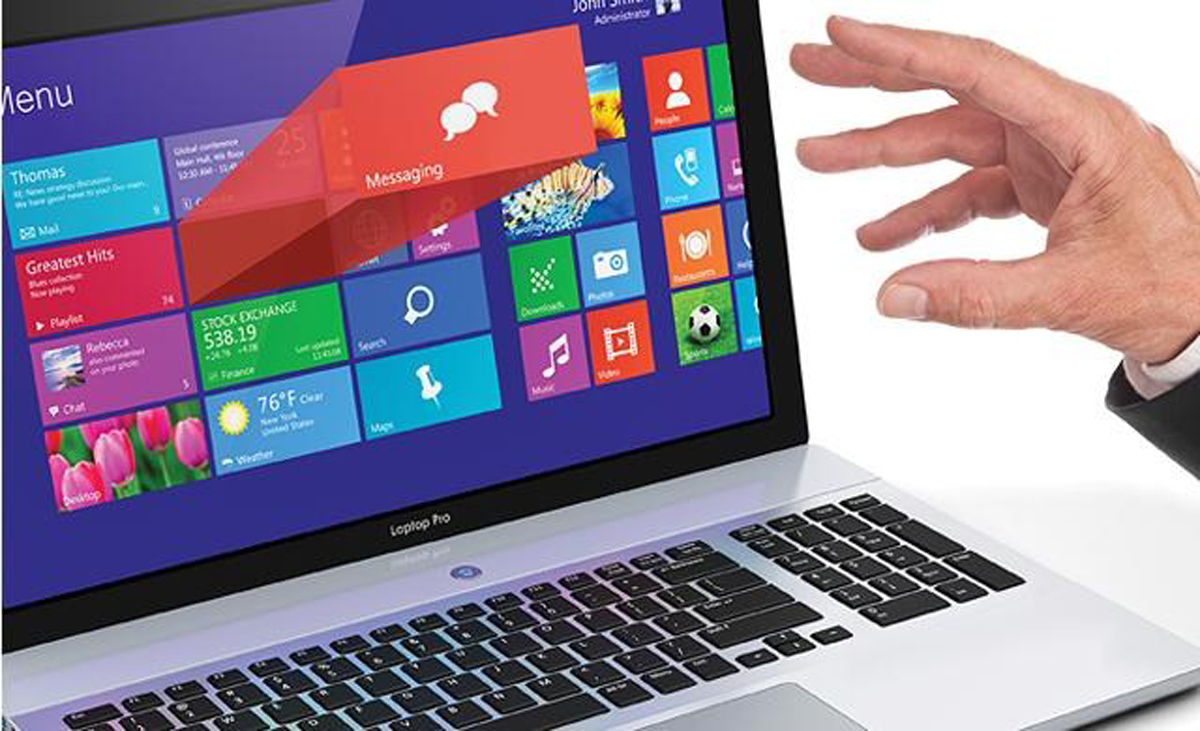
    Ever wondered if it’s time to bid the whole keyboard and mouse a grand farewell considering touch is fast becoming the norm. Well, the engineers at Knowles seem to be working hard to make sure that you don’t even have to touch your smartphone or tablet to get your tasks done.

    Knowles is a legendary company with a long history of over 60 years. In fact Neil Armstrong’s most revered words, “That’s one small step for man; one giant leap for mankind,” were spoken into a Knowles microphone. Guess that sets the credibility of the company to set the claims for what it is offering.

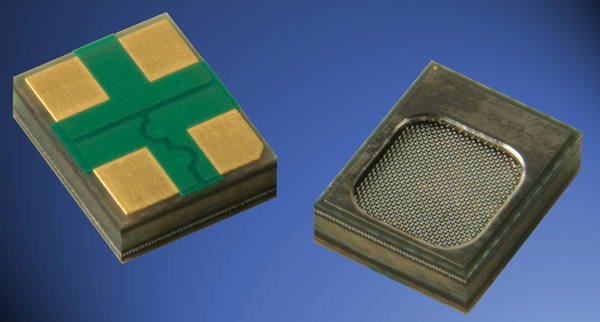
    The company has developed a mic called ultrasonic. It is about the size of the tip of a pen. This mic can hear sound waves that are inaudible to the human ear. It captures the waves emitted from special speakers installed in a smartphone or a tablet. The device the uses those signals to triangulate and track the hand movements and give the desired output.

    The Pen-Tip sized sensor is capable of letting you use your devices hands free.
    The Pen-Tip sized sensor is capable of letting you use your devices hands free.

    Ultrasonic can track gestures and movements to a distance of 4 to 12 inches from the display. The device manufacturers have installed additional sensors in their camera to add similar features, but they only can track motion up to 2 inches from the screen. Ultrasonic’s feature will let people give a presentation on their devices, and they can flip through slides with ease. The device also utilizes less power than the camera solution as it works on sound waves.

    The executives at Knowles are enthusiastic about this technology and say they are ready to market it to top device manufacturers. The device has already been bought for tests by some small manufacturers. They ultimately want the device to feature in devices from brands like Samsung and Apple and make the technology mainstream.

    Most of the companies already add three microphones to their devices for better voice capturing and noise cancellation. The companies would only have to add one more mic input into their devices to make Knowles’ unique interaction system work.

    This sounds like a great new feature to have in our smart devices. The Smartwatch segment can greatly benefit from this. The tiny display often get covered while they are touched; a gesture interaction will really come handy. We’ll be waiting for this to come to the market.

  • MIT’s THAW Brings Ultimate Seamless Interconnectivity Between Smartphones and PC

    MIT’s THAW Brings Ultimate Seamless Interconnectivity Between Smartphones and PC

    With a PC and Mobiles being an absolute necessity, it is necessary to have seamless interaction between them. Apple’s latest ecosystem attempts to do just that. Continuity features like Handoff let users continue their work from their phone to their Mac PC’s without a delay. Not to be left behind, Google also announced some interconnectivity features between Android desktops and Chrome systems. But these attempts are still futile in comparison to MIT’s THAW which takes seamless interconnectivity to a whole new level.

    THAW

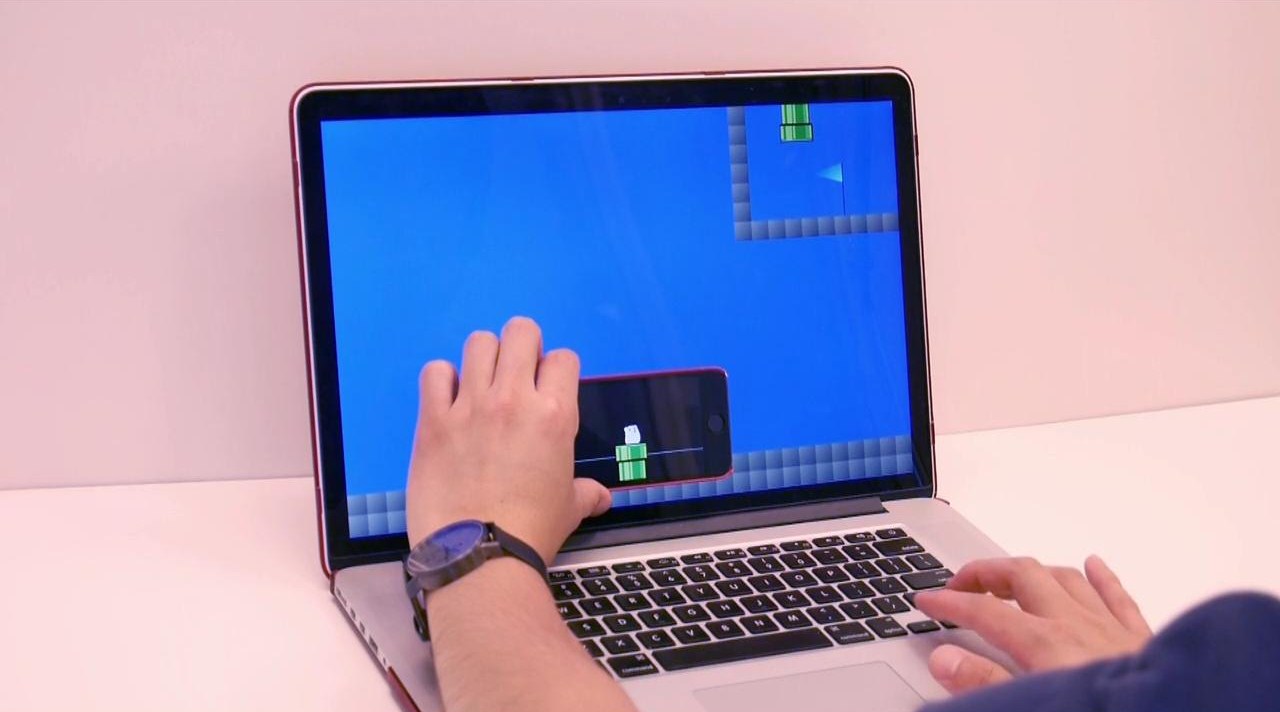
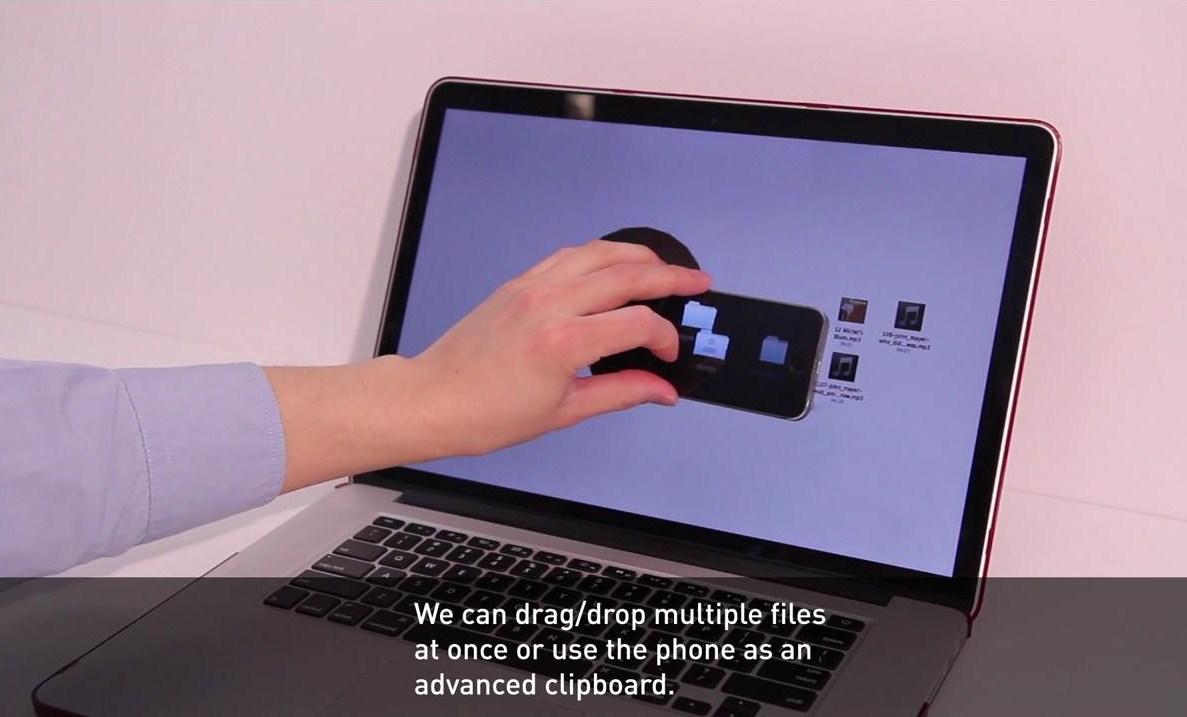
    Two teams of researchers at MIT have developed a smartphone system called THAW which allows users to transfer files through and fro from PC to a smartphone. This can be done simply by touching the phone to the screen of the desktop PC. You can take the webpage you were working on your phone by just touching the phone to the screen. It almost feels like those screens in sci-fi flicks which can be shifted from one display to another, like Avatar.

    THAW makes you phone a physical handle through which you can send or receive files directly from the screen. The secret behind the technology is the phone camera. The camera takes the image from the desktop screen and then through software manipulations the files are accessible on the phone. This feature will help solve the file management clarity issue that everyone is trying to address. Apple’s Cloud Storage now gives the ability to change the content, and it will appear the same from all your devices. THAW just takes it a bit further.

    Now this project is still in its infancy and may or may not come to the market. But just the knowledge of the possibility of this technology will create a boom for devices with such functionalities. This looks like an excellent feature to have and looks so simplistic and effortless. Hopefully, the companies are watching; this is one feature that everyone will love. MIT researchers claim that this can work with practically any smartphone with accelerometer, so come on Samsung, here’s an idea for the Galaxy S6.

iGyaan Network
Privacy Overview

This website uses cookies so that we can provide you with the best user experience possible. Cookie information is stored in your browser and performs functions such as recognising you when you return to our website and helping our team to understand which sections of the website you find most interesting and useful.