Tag: solar power

  • Tesla iPhone X Has A Solar Battery And Costs US$ 4590

    Tesla iPhone X Has A Solar Battery And Costs US$ 4590

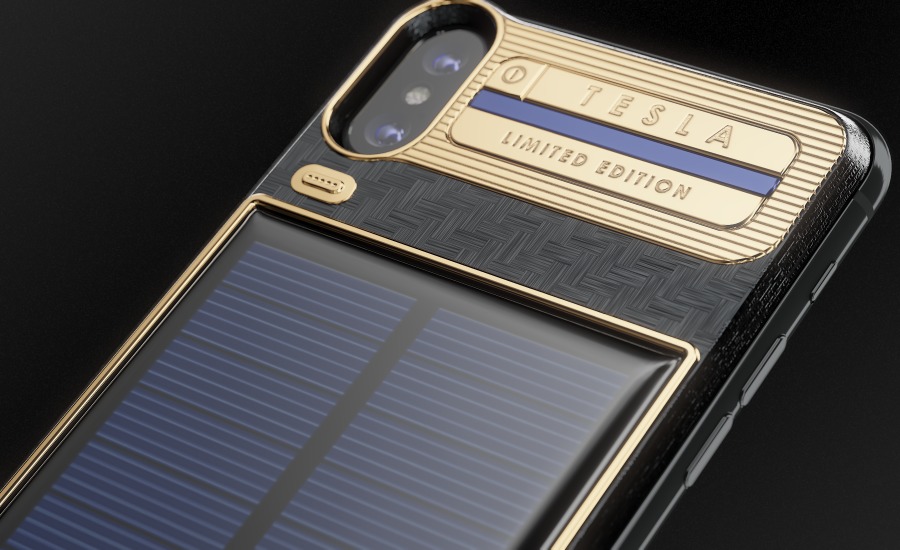
    The Apple iPhone X was launched in September 2017 with a price tag of US$ 999 (excluding taxes). While the iPhone X is the priciest iPhone ever made by Apple, it is barely the priciest smartphone in the world. Special edition Porsche smartphones from Huawei are extremely pricey and so are custom made devices. One such custom-made iPhone X is the Tesla iPhone X which costs a mind-boggling US$ 4590 (Rs 3,13,000 approx.). For context, the iPhone X 256GB is priced at Rs 1,02,000 in India.
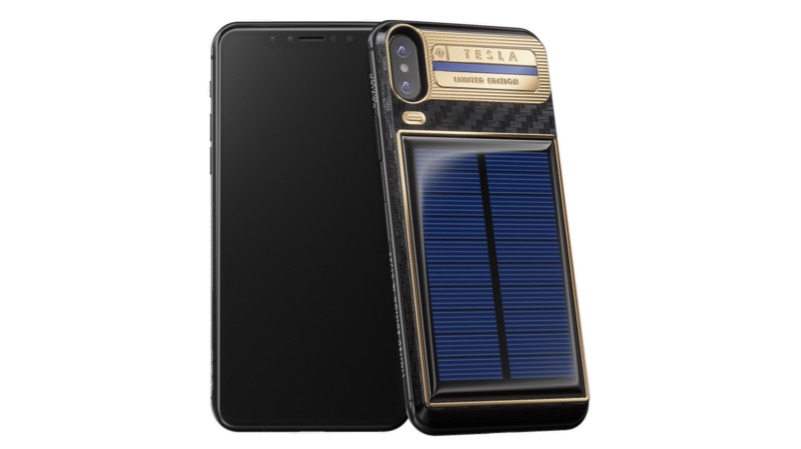
    The Tesla iPhone X is no ordinary iPhone by any means. Russian phone accessory maker Caviar is known for making over the top, highly expensive phone cases. The Tesla iPhone X, however, is not a phone case. It’s a phone case pre-attached to an iPhone X. The Tesla moniker is dedicated to Elon Musk for its contribution to the industry of sustainable energy.

    The development in the sphere of creating solar batteries, smart homes, equipped with such batteries and vehicles working on the electricity, is actively carried out by Elon Musk today – the main mastermind of the Tesla Company; in honour of his great innovative developments, the new Caviar phone was named.
    Must Read: Samsung Galaxy S8 Burgundy Red Is The Best Colour On A Smartphone

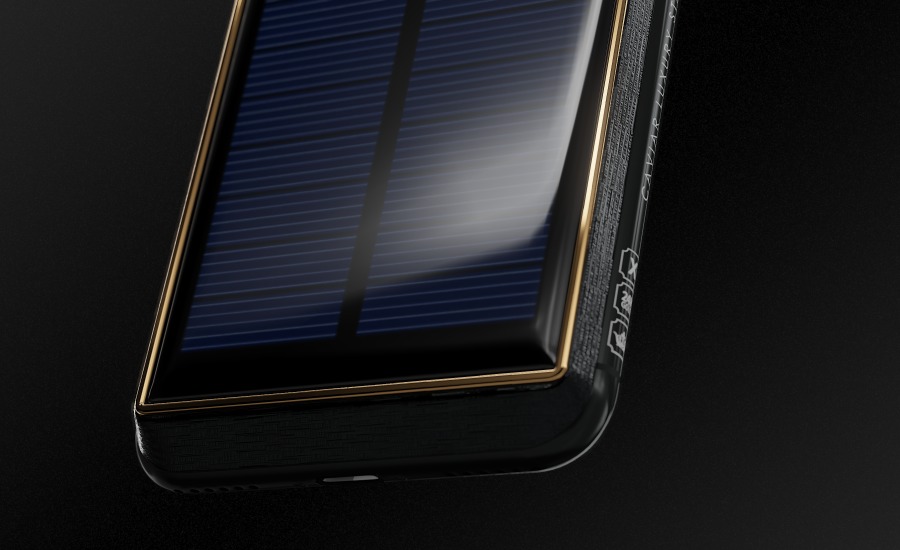
    Other than Elon Musk, there is a reason why Caviar decided to name it Tesla and not some other brand. The Tesla iPhone X has a solar battery that transforms the light energy and replenishes the phone battery power with its help. According to the Caviar website, “This phone gets power literally from the air! This is the purest energy, for getting which no expenses are needed.”

    The Tesla iPhone X will be available in a black colour variant with a shock resistant case. The overall black colour has gold accents on the smartphone which give it a different look than many other smartphones. According to Business Insider, the first Tesla iPhone X will be be sent to Elon Musk.
  • Morroco Switches on the World’s Largest Solar Power Plant

    Morroco Switches on the World’s Largest Solar Power Plant

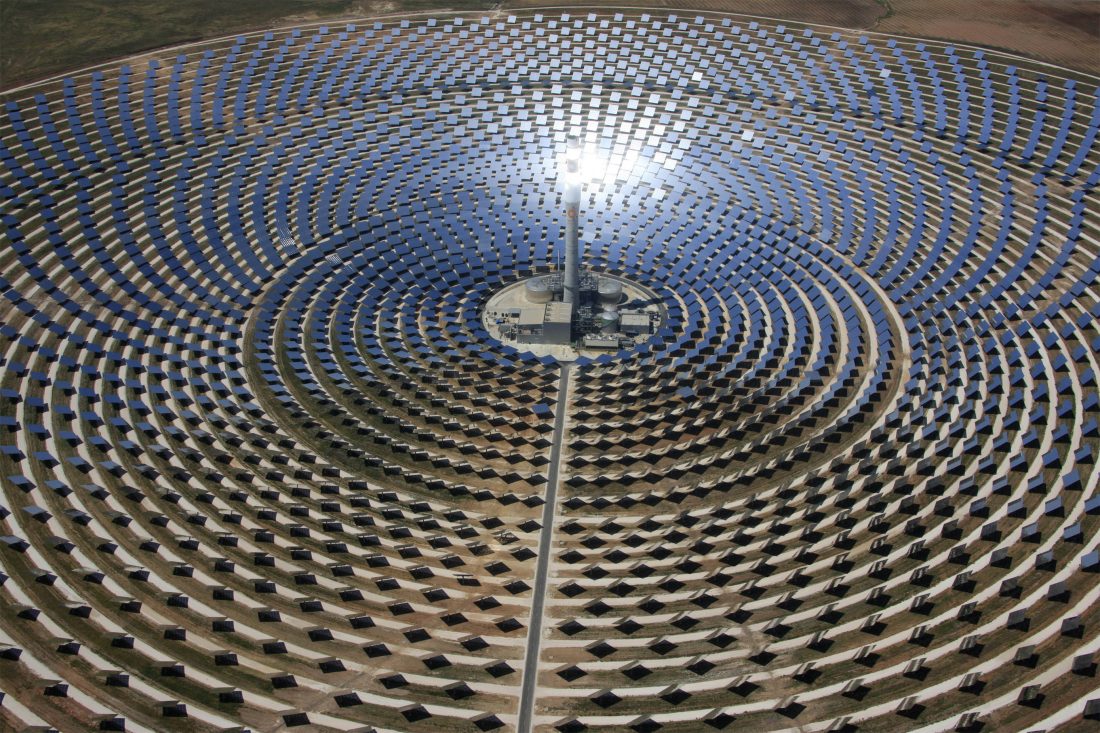
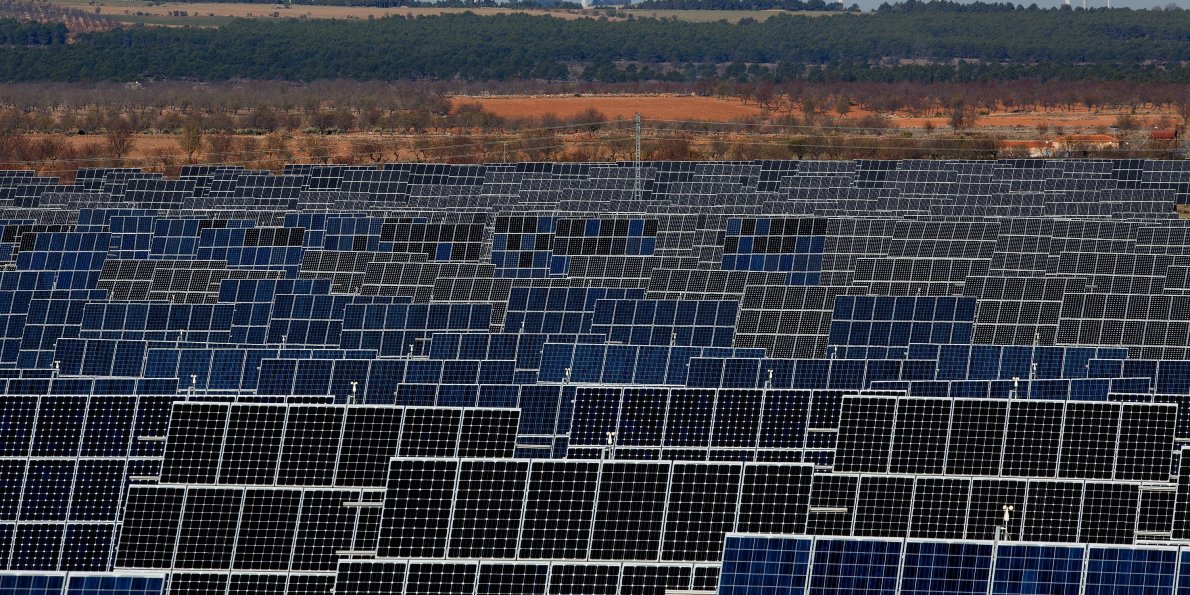
    Morocco has switched on what will be the world’s largest solar power plant. The site near the city of Ouarzazate saw the launch of the first phase of the largest concentrated solar power (CSP) plant in the world.

    gemasolar-2011-2_low_res

    When fully operational, the plant will produce enough energy for more than one million Moroccan households, and according to the Climate Investment Funds (CIF) finance group at the same time will help reduce carbon emissions by an estimated 760,000 tons which could further result in an estimated reduction of over 17.5 million tons of carbon emissions over 25 years.

    The Noor Solar Complex uses concentrating solar power. It is comparatively more expensive than normal solar panels but also allows for the panels to save solar energy for future use on nights and cloudy days. The Noor Solar Complex currently in its first phase of launch has a production capacity of 160 megawatts but in two years when it reaches its third phase, it’s expected to have its capacity expanded to over 500 MW.

    Mirrors installed at the facility diverts the sun’s rays on a liquid, which, when mixed with water, reaches high temperatures of around 400 degree Celsius. The process further produces steam which is used to drives a turbine that generates electricity.

    Morroco which currently relies on imported fossil fuels for 97% of its energy requirements plans to bring that down to just over 60% by 2020 with the help of ambitious projects such as the Noor Solar Complex.

  • India To Soon House the World’s Largest Solar Power Station

    India To Soon House the World’s Largest Solar Power Station

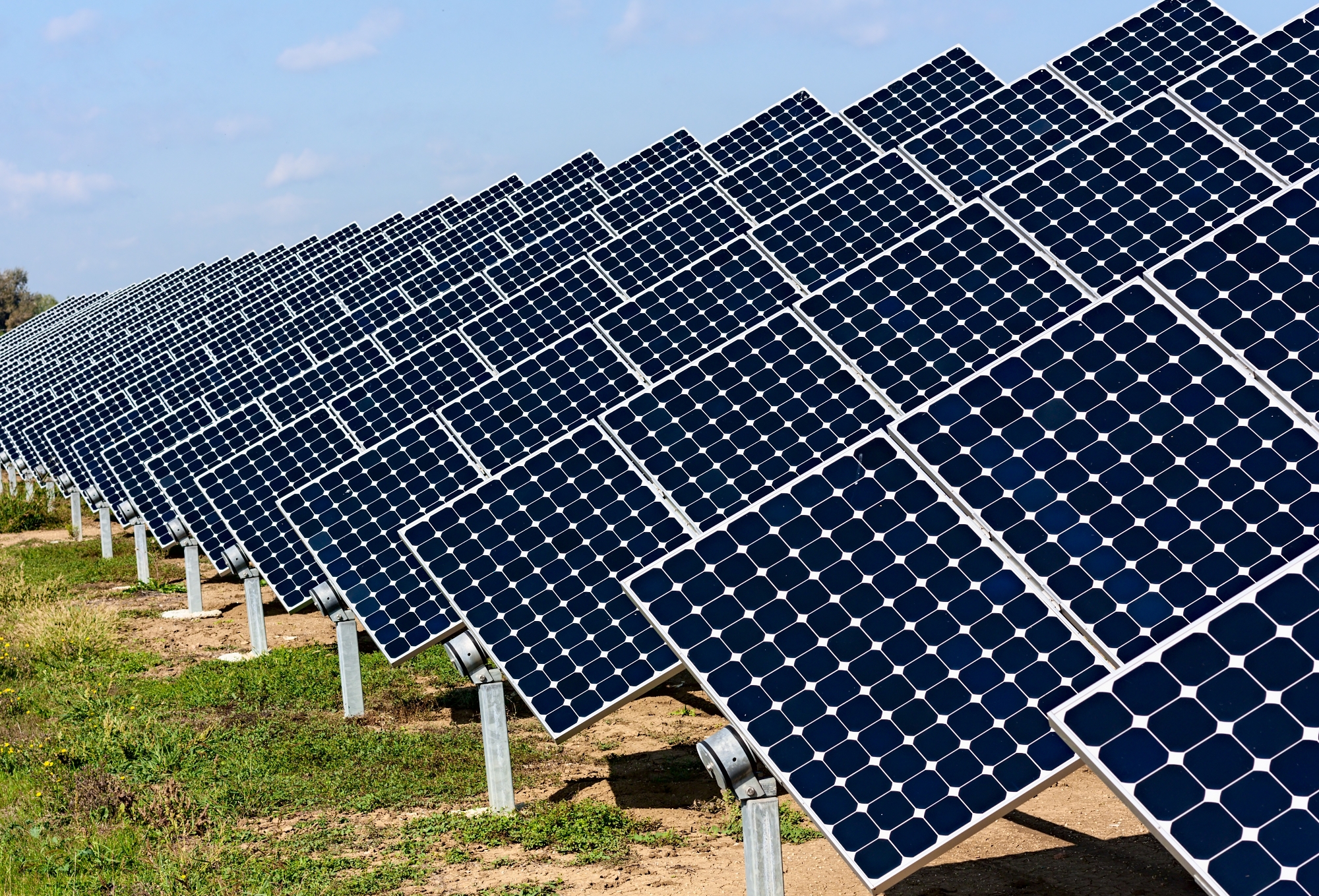
    New reports suggest that Madhya Pradesh will soon have the world’s largest solar power station in the district of Rewa. Rajendra Shukla, MP’s energy minister said:

    “Global tenders for commissioning the solar power station in an area over 1,500 hectares at Bandwar region in Gudh tehsil of Rewa, will be invited shortly.”

    This solar station is said to house up to 720 megawatts of electricity and is expected to start generating solar energy by March 2017. This project is a joint venture of Solar Energy Corporation of India and MP Urja Vikas Nigam, and will reportedly come up on barren government land and not on private property.

    solar power 3

    The estimated cost of such a project is quoted as being Rs. 7.6 crores, however, it is yet to be seen how much money will be officially allocated to this project.

  • Introducing a 360 Degree-View ‘Treehouse’ With Wi-fi and Beer

    Introducing a 360 Degree-View ‘Treehouse’ With Wi-fi and Beer

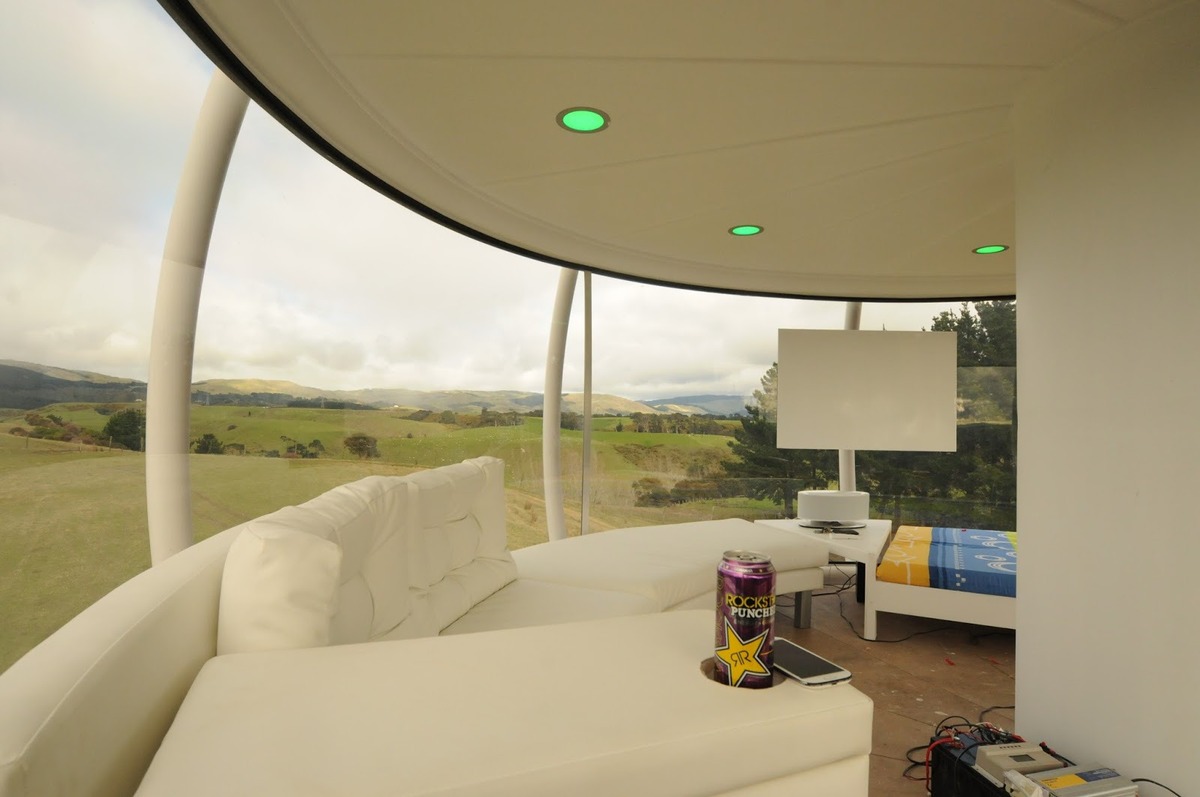
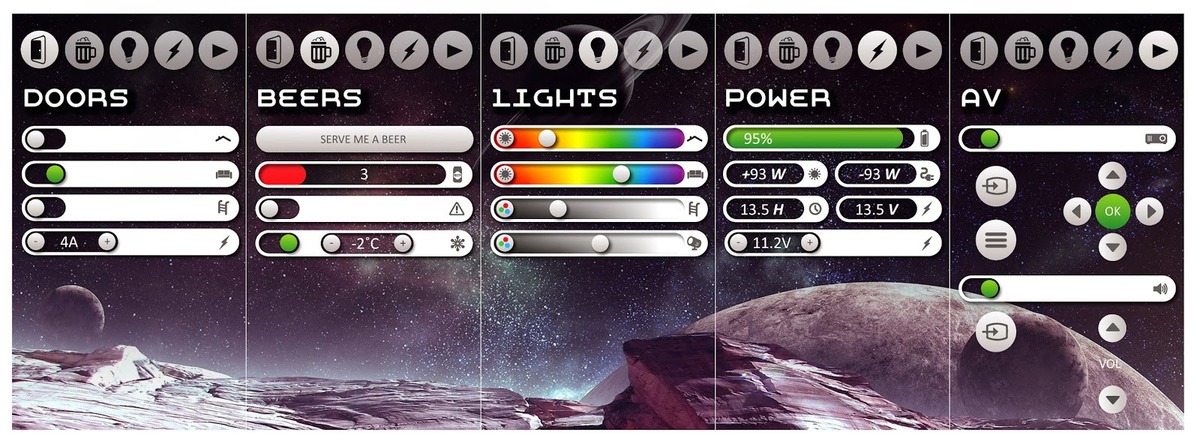
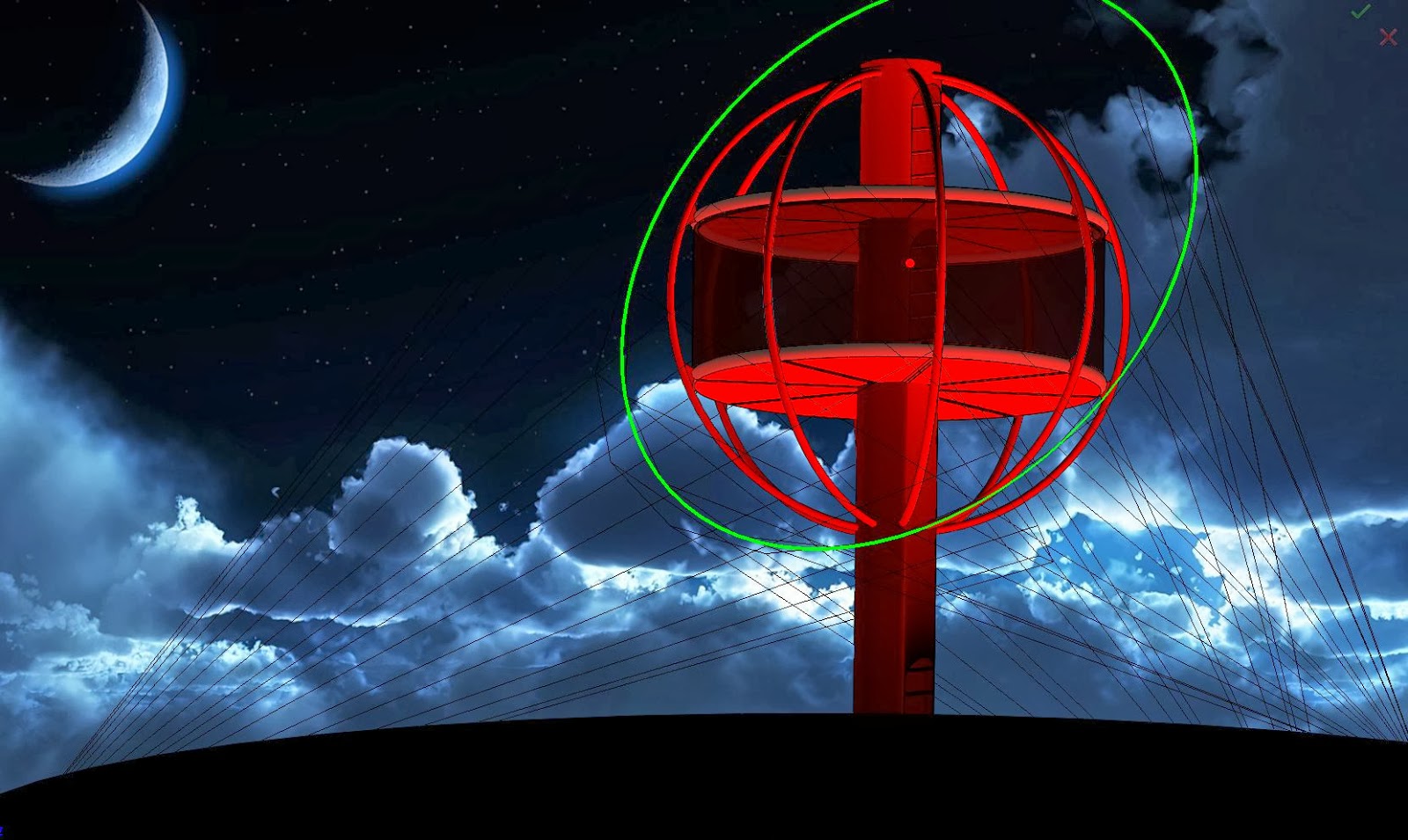
    Jono Williams, a plastics engineer and graphic designer from New Zealand has built a treehouse. But this treehouse is said to be the ideal bachelor pad. Why? Because it has a 360-degree view, high speed Wi-Fi, an app-controlled beer dispenser and voice-controlled LED lights- all of this being solar powered. 

    Skysphere 1
    Image Credit: Mashable

    It is said that he wanted to build an elevated room with a view, but wasn’t convinced by the generic treehouse idea. Therefore, he created his own steel treehouse for $67,000. The structure is called ‘The Skysphere’, and is controlled by a wireless sound system fingerprint entry.

    solar-powered-tree-house

    The Skysphere also has a projector and dimmable LED lighting from solar-powered, app and voice-controlled mechanics.The room is completely powered by solar panels, which is necessary for all of its gadgets. Although Mr.William’s favourite part of the Skysphere is the smartphone activated, refrigerated, in-couch beer dispenser, which can hold 12 beers and can chill an additional 36 beers at the same time.

    Skysphere 2

    One general question is- how does he get things up? To answer this he says, his initial plan was to use a large hydraulic ram that goes down into the ground, with a lift on it. But for now he’s using a ladder and a rope-pulley system.

    Skyphere 3

    The only thing that seems to be missing here is a bathroom, but Mr.Williams is soon planning to make one “in the trees near the tower”. What do you think of this tech savvy treehouse?

    Source: [tw-button size=”medium” background=”#07ABE2″ color=”” target=”_blank” link=”http://www.theskysphere.com/”]theSkysphere[/tw-button]

  • Now, Trash Cans Provide Faster Internet Than Starbucks

    Now, Trash Cans Provide Faster Internet Than Starbucks

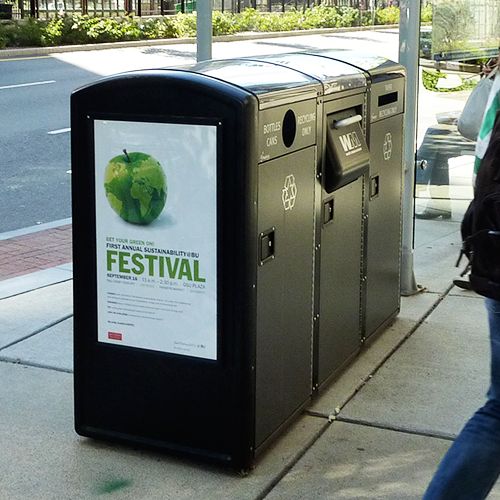
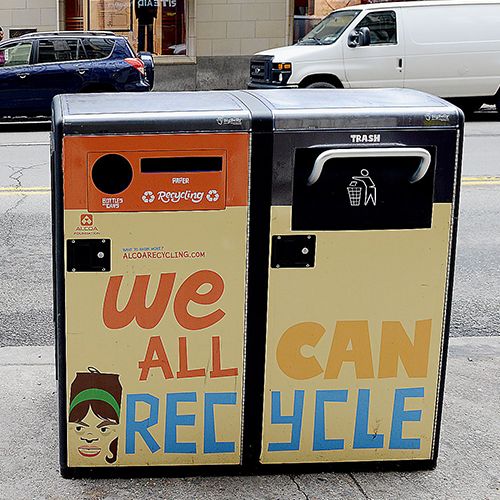
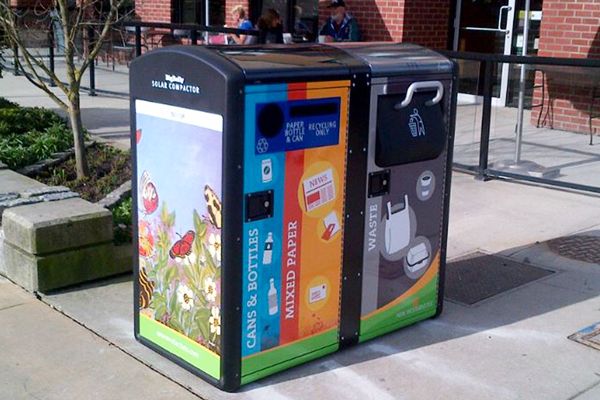
    Trash cans or dustbins are normally used to dump waste in, it is then, taken out and recycled or disintegrated. Trash cans are extremely vital for the modern concept of ‘a clean city is a healthy city’. Bigbelly, a New York Based firm, recognized as an industry leader in waste management, environmental, and innovative technology spaces, announced the use of their new smart-cans. As an initial test New York’s Downtown Alliance have already taken two trashcans to turn them into Wi-Fi hotspots.

    Image Source: Gizmo
    Image Source: Gizmo

    Bigbelly’s main aim was to create the best-possible waste-management system and it started off with the solar-powered recycling bins, which allowed the bins to collect five times more trash before needing to be emptied.

    Bigbelly Solar wifi trash cans

    The idea of the ‘smart-can’ dawned on them when they realised that their cloud-based connectivity, could provide additional services, such a free public Wi-Fi with the use of a wireless repeater installed on the bottom of each station.

    These Wi-Fi spots provide browsing speed up to at least 75mbps and can function smoothly, as long as there is no obstruction between the bin and the user. Which according to DigitalTrends is more than what Starbucks with 9Mbps can say for itself.The Wi-Fi service is free and runs solely on advertising revenue.The plan being to add more of these trash-cans soon with the focus on under privileged areas.

    Teenagers using Wi-Fi near Smart Can

    Leila Dillon, Bigbelly’s vice president of global marketing, told CityLab,

    “We are a smart, solar-powered, connected technology platform that is literally sitting in the streets of New York. We are exactly where the people are.”

    And as reported by Gizmo they also plan on tracking urban intelligence data to provide services, applications and benefits to “core city infrastructure that every city and town has and needs.”

    Will the cities and towns become smarter with such new innovations? Let us know what you think.

    Source : [tw-button size=”medium” background=”#07ABE2″ color=”” target=”_blank” link=”http://www.gizmag.com/bigbelly-wi-fi-hotspot-solar-powered-recycling-garbage-bins/38561/”]Gizmag[/tw-button]

  • Nepal’s Homegrown Solar Company Makes an Innovative Contribution to Help Nepal

    Nepal’s Homegrown Solar Company Makes an Innovative Contribution to Help Nepal

    On 12th May, Nepal was hit by yet another earthquake measuring 7.9 on the Richter Scale. Before this, an earthquake of 7.8 magnitude struck the country on April 25th, leaving more than 20,000 people dead, injured or missing.

    During this phase of time, many technological powerhouses like Facebook, Google, and telephone subscribers pooled in resources for the people of Nepal. Google People Finder app helped a lot of people search for their friends and family while Facebook collected a grand sum of $10 million through its Donation Drive. Companies like Airtel, Vodafone, etc. lowered down their call rates for a few days.

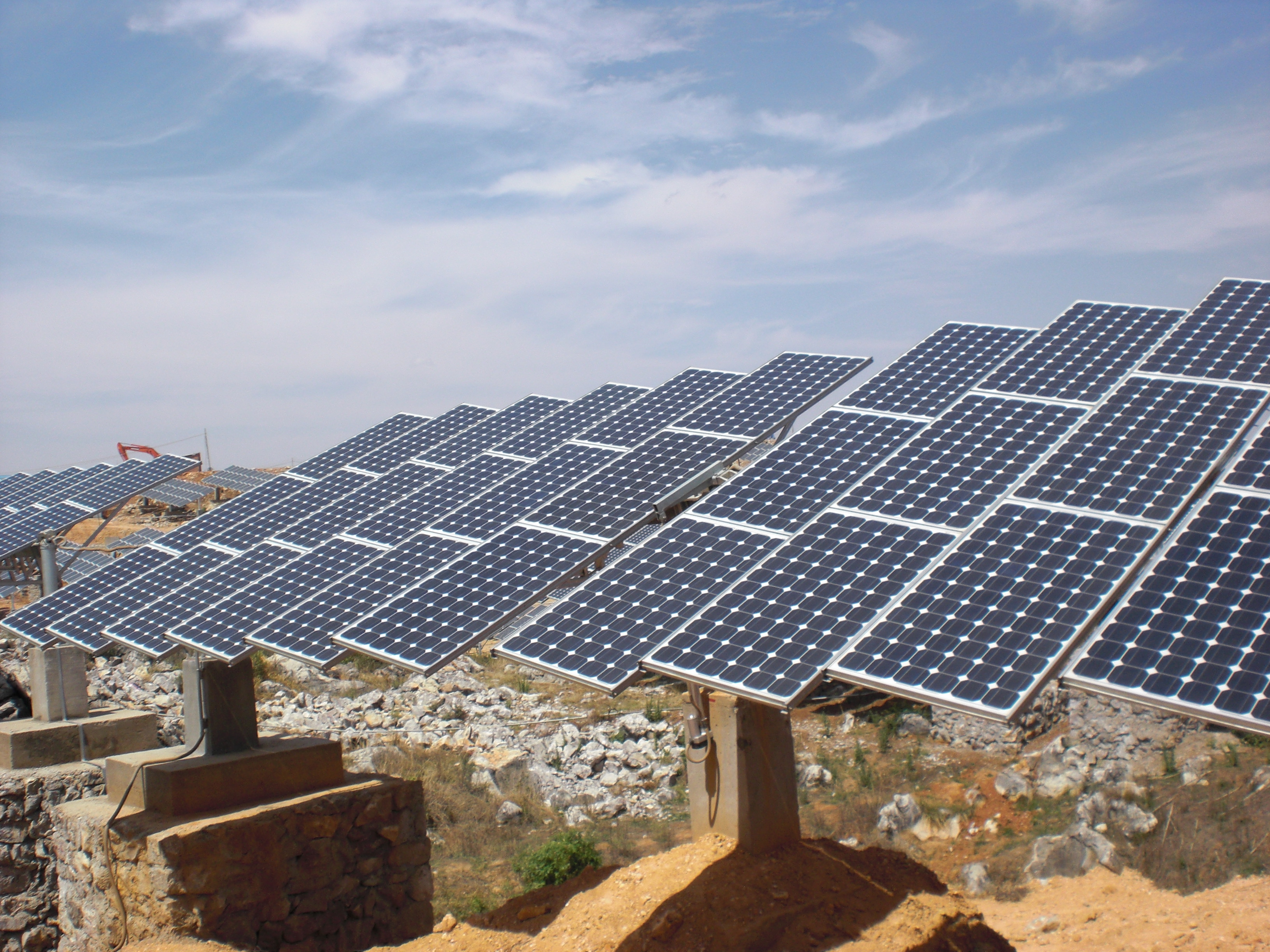
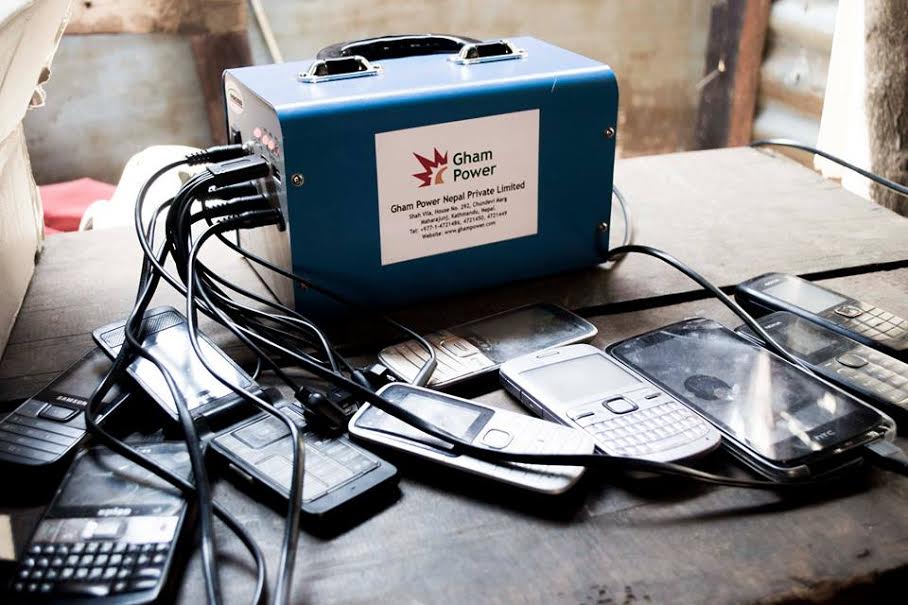
    Nepal’s own solar power company, Gham Power, has played a pivotal role in providing relief and helping the victims. Run by Sandeep Giri, Gham Power sprung into action to deploy solar power systems to help  lighting up camps and mobile charging stations.

    gham power

    Sandeep Giri says that two major issues interfere while addressing basic needs like medical attention, food, water, and shelter.

    Firstly, you don’t want to be in the dark, as it’s scary, you don’t feel safe, and it is also very cumbersome to get, or administer relief without light. Second, in this day and age, your first instinct is to reach out for your loved ones to check if they are okay and let them know you are okay, and when you reach for your mobile phone, it’s dead and there is no place to charge it.

    Gham Power has teamed up with many other local solar companies and is right now working with Global Nepali Professional Network to raise money and build as many solar power systems as possible. The project has been named ‘Rebuild with Sun’ and has been launched on Indiegogo campaign. Its initial fundraising goal is $150,000. The contribution has been broken down to provide energy supply in different areas like: $50 provides lights and charging for one family, a hundred dollar buys a 20-watt system that can serve three families and $500 can provide a 100-watt system aiding 15 families and up to 100 phone users.

    You can read more about how different tech powerhouses joined hands in an effort to help out Nepal in distress here.

    Click here to see the aftermath of the deadly earthquake that hit Nepal on 25th April.

  • Indian Scientist Invents the World’s First Self-Sustaining Camera

    Indian Scientist Invents the World’s First Self-Sustaining Camera

    A team led by T.C Chang Professor of Computer Science, Shree K. Nayar, built the world’s first fully functional self-powered video camera that can produce an image per second in a well-lit environment. The resolution is not great, but it can go on recording forever.

    Here’s the explanation of the working of the machine: When the camera sensor is exposed to light, the pixels use photodiodes to generate electricity. This helps the sensor to measure the intensity of the light that is then used to produce images. In the case of Nayar’s prototype camera, the team used a 3D printer to construct the body of the camera. The camera takes advantage of a photodiode’s ability to be used in both, a digital camera (photoconductive) and solar cells (photovoltaic). When exposed to light, the camera sensors switch between capturing an image or are used to generate and charge other devices like a phone. After measuring the intensity of light, these sensors convert the light into electricity, which in turn powers the camera.

    Nayar states that, even if the invention is at its toddler stage, this could help in boosting a new generation of cameras, like security cameras, CCTV camera or any other camera that works round the clock without needing to be powered. Nayar’s team will present their work officially at the Rice University in Houston April 24-26.

    The video below demonstrates the video quality of the camera.

    https://www.youtube.com/watch?v=13dKKJxSKeg

  • Google Collaborates With SolarCity To Make It Easier To Install Solar Panels In Residence

    Google Collaborates With SolarCity To Make It Easier To Install Solar Panels In Residence

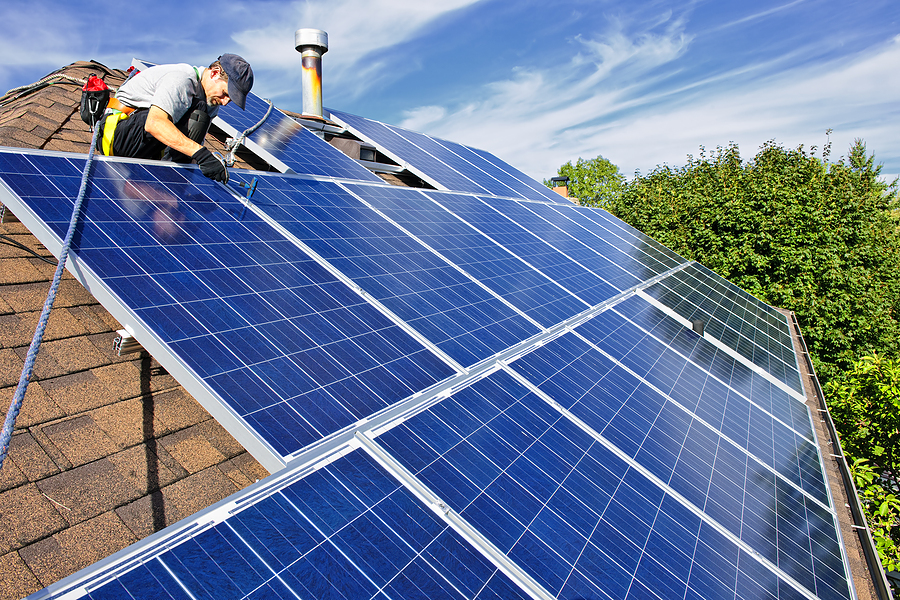
    If we want a safe planet for the future, Solar energy is the way to go. Solar power has the potential to completely replace all of the contemporary fossil fuel based energy sources. There are many initiatives underway to make access to solar panels more affordable and accessible. Google has been known for its affection for renewable energy research and now the company is partnering with SolarCity to make it easier for people to install solar panels in their homes.

    SolarCity is a company founded by Tesla chief Elon Musk. The company assists people in installing solar power in their residence or place of business. It designs, finances and installs solar energy systems, performs energy efficiency audits and retrofits and even builds charging stations for electric vehicles. SolarCity at present has over 1,90,000 customers and the facilities created by them have generated about one gigawatt of power.

    Google will collaborate with SolarCity to make it easier for folks to install Solar panels.
    Google will collaborate with SolarCity to make it easier for folks to install Solar panels.

    Google will be setting up a fund worth $300 million for the residential side of SolarCity’s business. This coupled with SolarCity’s new financing structure will raise the company’s funds to $750 million. This fund will boost efforts to assist homeowners to install rooftop solar panels.

    Homeowners can get in touch with SolarCity, who will create a customized design for the house. SolarCity then looks at the electricity bills paid by the owner and offers them a rate much lower than the power company. The user just has to pay a monthly solar rental along with the electricity charge as agreed. The maintenance costs of the solar panels will also be taken care by Google and SolarCity. The companies earn an income from the excess electricity sold to the grid by the house.

    The arrangement between the consumer and the companies will be rent based. The rental term is usually set for 20 years after which the consumer would have the option to buy the system or give it back to the company. Presently the initial price tag for installation is $10,000, so it is still out of  reach of an average consumer. But as more players come to the market, the rates are bound to drop down.

    Google and Elon have shared a rather friendly camaraderie. Google has recently placed a massive bet on Elon’s plan of setting up space internet. In fact, Google’s founder Larry Page has said that he’d rather give his billions to Elon than give it to charity. SolarCity is a unique initiative that will not just be beneficial to the buyers and companies but will also set-up a profitable business model that others can emulate and help create the solar revolution.

  • Tesla to Unveil Breakthrough Battery Tech to Help Power Your Entire House

    Tesla to Unveil Breakthrough Battery Tech to Help Power Your Entire House

    Tesla, the market leader in electric vehicles, is all set to deliver a battery pack that powers your entire house. This will give Tesla the ability to take on the hydrogen car market where cars like the Toyota Mirai lets users charge their home through their car’s fuel.

    The designs for the new battery pack has already been finalized, and the company might be putting it into production in the coming six months. Tesla head, Elon Musk has said that the company might be unveiling the battery in the coming couple of months.

    Elon told Forbes that the batteries will be like the Model S pack: something flat, 5 inches off the wall, wall-mounted, with a beautiful cover, an integrated bi-directional inverter, and plug and play.

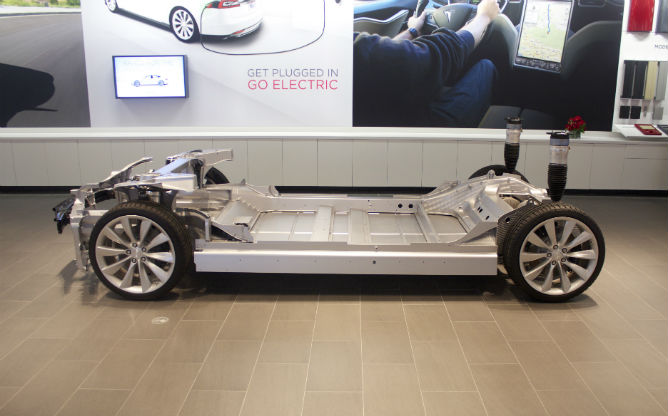
    Model S Battery
    Model S Battery

    Tesla is one of the most environmentally active companies in the world. It is also building a massive battery manufacturing unit called the Gigafactory. Another of Elon’s venture is the SolarCity, which provides solar energy solutions to residents and businesses. The company wants to be a frontrunner in the energy storage business and encourage off grid living where electricity is produced locally through renewable sources. Battery based living in conjunction with solar or wind energy would be economical as well as ecological.

  • Apple to Power New Headquarter With Solar Power Worth $850 Million

    Apple to Power New Headquarter With Solar Power Worth $850 Million

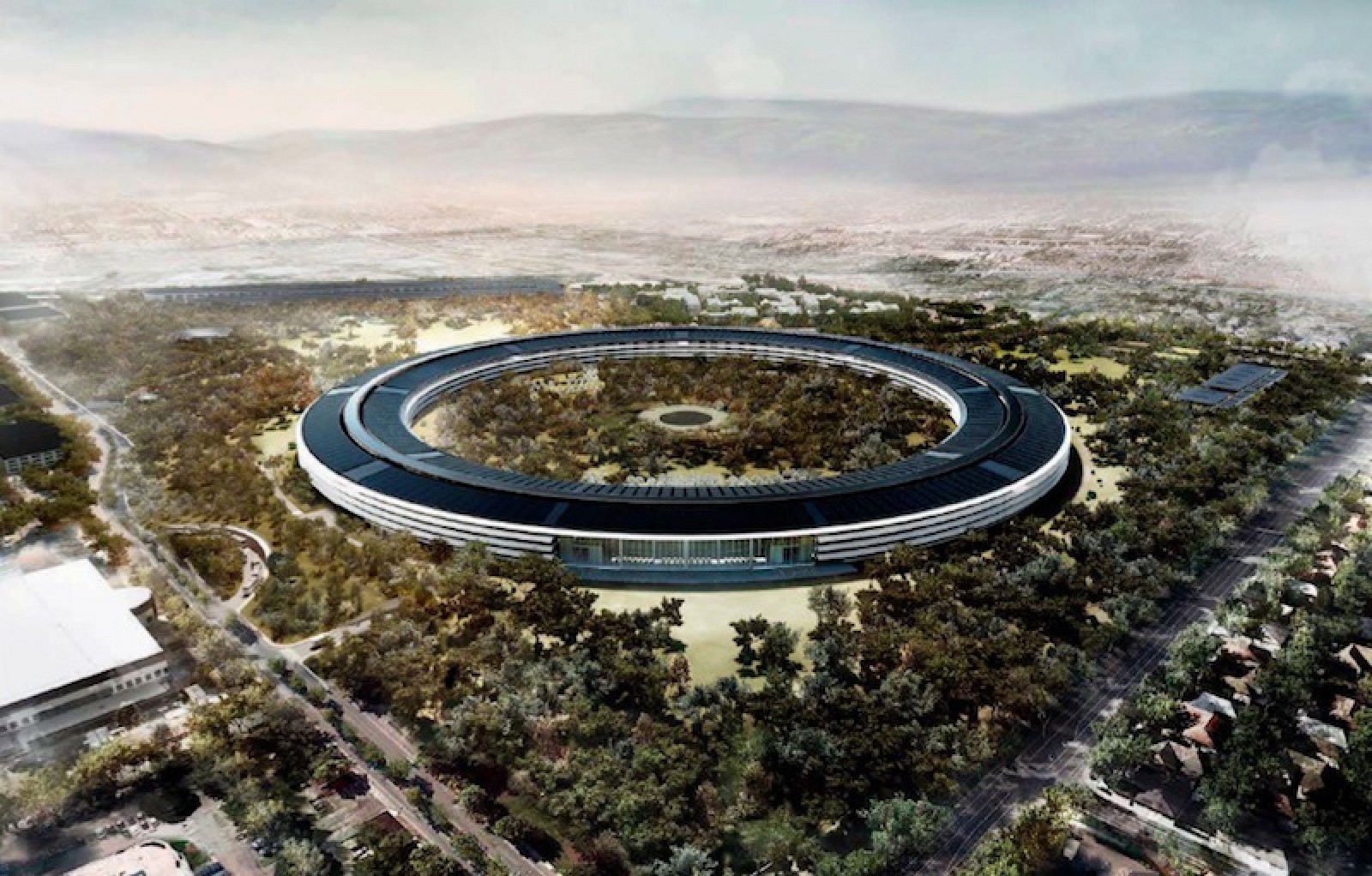
    Apple’s new massive headquarters have been in news ever since the first design plans were unveiled. The spaceship like circular building looks spectacular and futuristic, apt for a company known for its superior designs. The new building would also be friendly to the environment as the company is investing $850 Million to power the building through solar energy.

    Apple would be establishing a solar farm in an area spanning 2900 acres. It will be built by American photovoltaic manufacturer, First Solar. The building is expected to be fully constructed by next year.

    A 25 year contract has been signed between the two companies. This is the biggest commercial power deal for the solar industry. Going completely solar is a great step on the part of Apple as data centers and corporate offices draw massive amount of power which in turn leads to pollution. Apple’s initiative might encourage other companies to rely on green power for their operations.

    Environment activists Greenpeace appreciated Apple’s initiative and said:

    [quote text_size=”small” author=”Greenpeace”]

    Apple still has work to do to reduce its environmental footprint, but other Fortune 500 CEOs, other Fortune 500 companies would be well served to make a study of Tim Cook, whose actions show that he intends to take Apple full-speed ahead toward renewable energy with the urgency that our climate crisis demands.

    [/quote]

    Apple has a market valuation of more than $700 Billion and its appreciable that the company is investing in future oriented fields. It would also be great if the company brings out some mind blowing gadgetry that it has been known for. 

  • India’s upcoming floating Solar Farm

    India’s upcoming floating Solar Farm

    India is in a major energy crisis. With the population multiplying on a daily basis the need for cheap forms of electricity have become a must. India has large plans, whether politically invoked or not; we might be one of the first few nations with a large chunk of renewable electricity sources.

    About five years ago large parts of the Thar desert in Rajasthan and surrounding areas was sanctioned for subsidised privately run solar farms. The land was practically given for free, and an energy reclaim of Rs. 5/ KW (8 cents approximately) was promised to the solar energy companies that were supposed to be set up.

    The project is yet to see the light of day. However, sources tell us that the work is still underway.

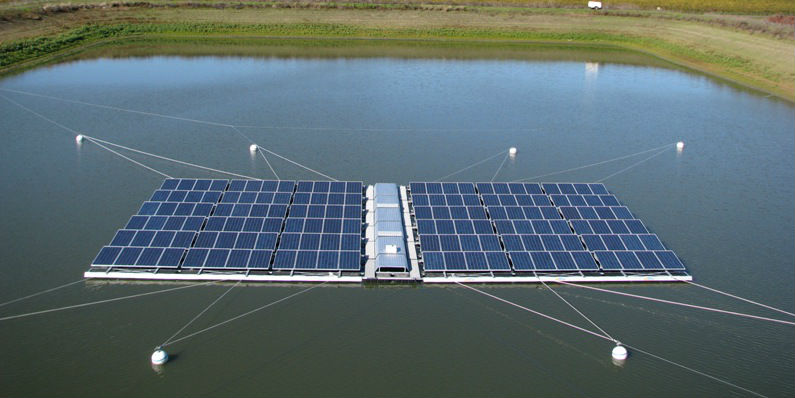
    Meanwhile, a new project in the southern state of Kerala is said to lead the Solar energy revolution in India, thanks to the abundance of sun and large water bodies. A new 50MW plant built entirely on 1.27 million square meter floating platform in Kerala is said already to be in the works. The plant has been approved by the NHPC and will get commissioned in October of 2014. (Yes this year).

    This Solar Farm project will provide cheap and renewable electricity to about 18,000 homes. After the states announcement on building two lakh megawatt of solar power generation capacity, the price of barren solar usable land rose this quarter by tenfold, building a plant on water will be cheap for the government as well as the people enjoying the electricity.

    [quote text_size=”small” author=”SP Gon Choudhury” author_title=”chairman of the Renewable Energy College”]

    Each station would require around 3,000 square feet of space to generate 20 kilowatt of power. There are many water bodies that could be used for this

    [/quote]

    The total project is estimated to cost between Rs 350 crore and Rs 400 crore, the Renewable Energy College will assist in sourcing material till commissioning of the plant.
    The first phase of this Solar Farm, estimated to cost Rs 35 lakh, has been fully funded by the ministry of new and renewable energy and is expected to generate around 12 kilowatt of power to begin with by October 2014.

    [quote text_size=”small” author=”SP Gon Choudhury” author_title=”Chairman of the Renewable Energy College”]

    The ecology of the water body is not likely to be affected much, and it will also reduce evaporation, thus helping preserve water levels during extreme summer. Solar panels installed on land, face reduction of yield as the ground heats up. When such panels are installed on a floating platform, the heating problem is solved to a great extent

    [/quote]

    The yield on these panels is expected to be 20% higher than land based solar power plants. The overall capital cost for such solar projects will be around Rs 6.5 crores per megawatt, which will bring down costs of electricity to Rs 7 / unit. This price will then be further regularised by the state electricity board.

    With the large availability of Sun energy in the country, the future may finally hold a strong supply of electricity for everyone, everywhere!

iGyaan Network
Privacy Overview

This website uses cookies so that we can provide you with the best user experience possible. Cookie information is stored in your browser and performs functions such as recognising you when you return to our website and helping our team to understand which sections of the website you find most interesting and useful.