Tag: wi-fi

  • Huawei No Longer Allowed To Work On The Wi-Fi, USB and SD Cards Standards In The Future

    Huawei No Longer Allowed To Work On The Wi-Fi, USB and SD Cards Standards In The Future

    Chinese telecommunications giant Huawei has seen better days. In the past week, it has seen business ties cut with every American company. Even ARM, the known chipset architecture licensing firm from the UK has suspended business with it. Now, in the latest development, reports claim the Wi-Fi Alliance has “temporarily restricted” Huawei’s membership and the company is also not a member of JEDEC, which sets the standard for semiconductors. Adding another blow to the list, Huawei has also been barred from setting new USB standards and cannot use SD cards in their future devices.

    About this ban
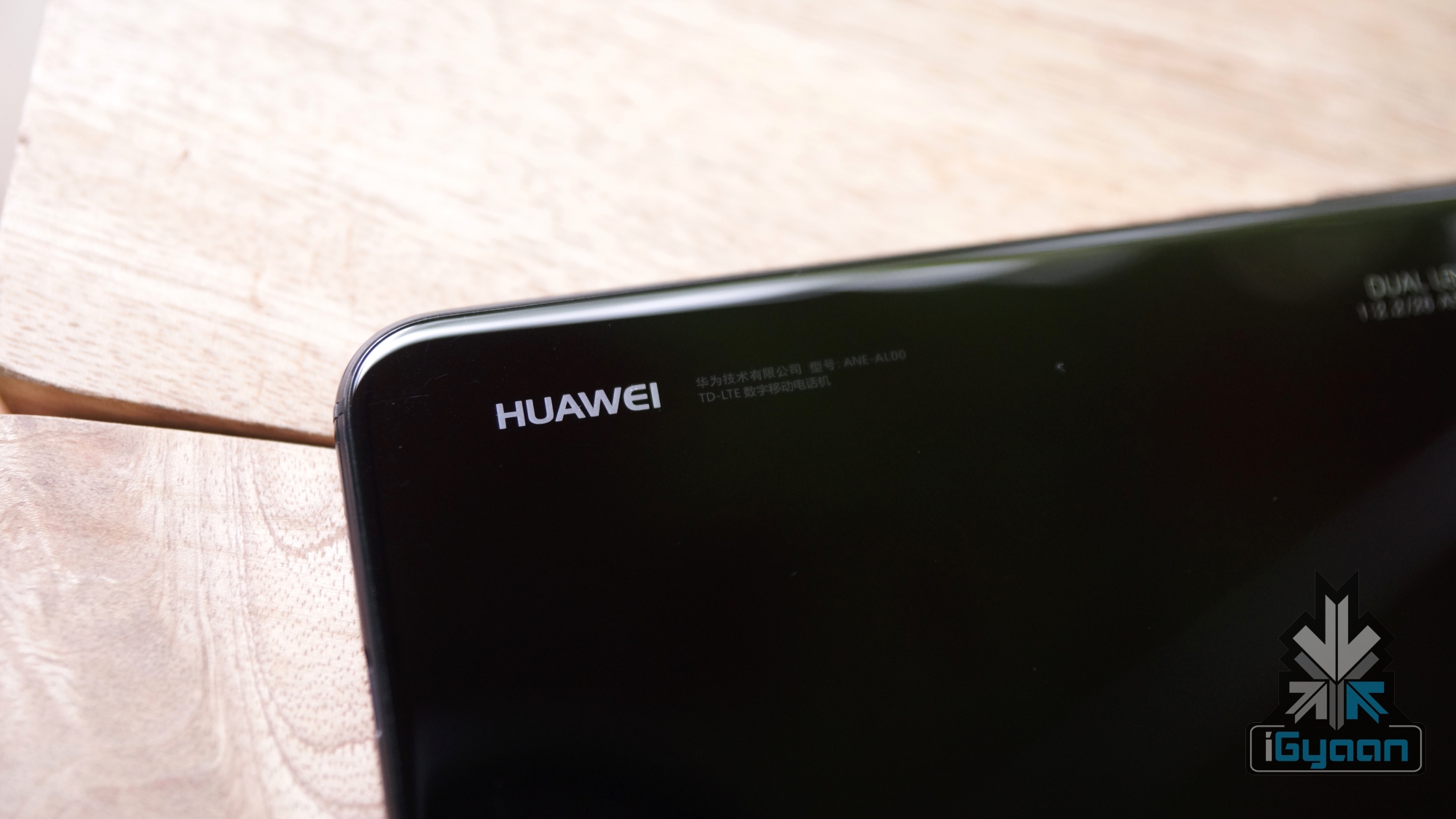
    Huawei Wi-Fi Alliance

    Last week, the government of the United States barred every American company from doing business with Huawei; until granted explicit permission to do so. Since then, companies like Google, Microsoft, Intel and NVIDIA have suspended business relations with the Chinese brand. Like mentioned previously, ARM has also cut any ties with Huawei owing to the former’s “US Based” technology. The latest addition arrives courtesy the Wi-Fi Alliance. It is a consortium that decides the new standards of the wireless technology going forward and it has temporarily restricted Huawei’s membership. The Wi-Fi Alliance, as most companies in the consortium are American, it has chosen to exclude the P30 Pro maker temporarily. This means the company will not be able to decide or have a say in the future of Wi-Fi technology.
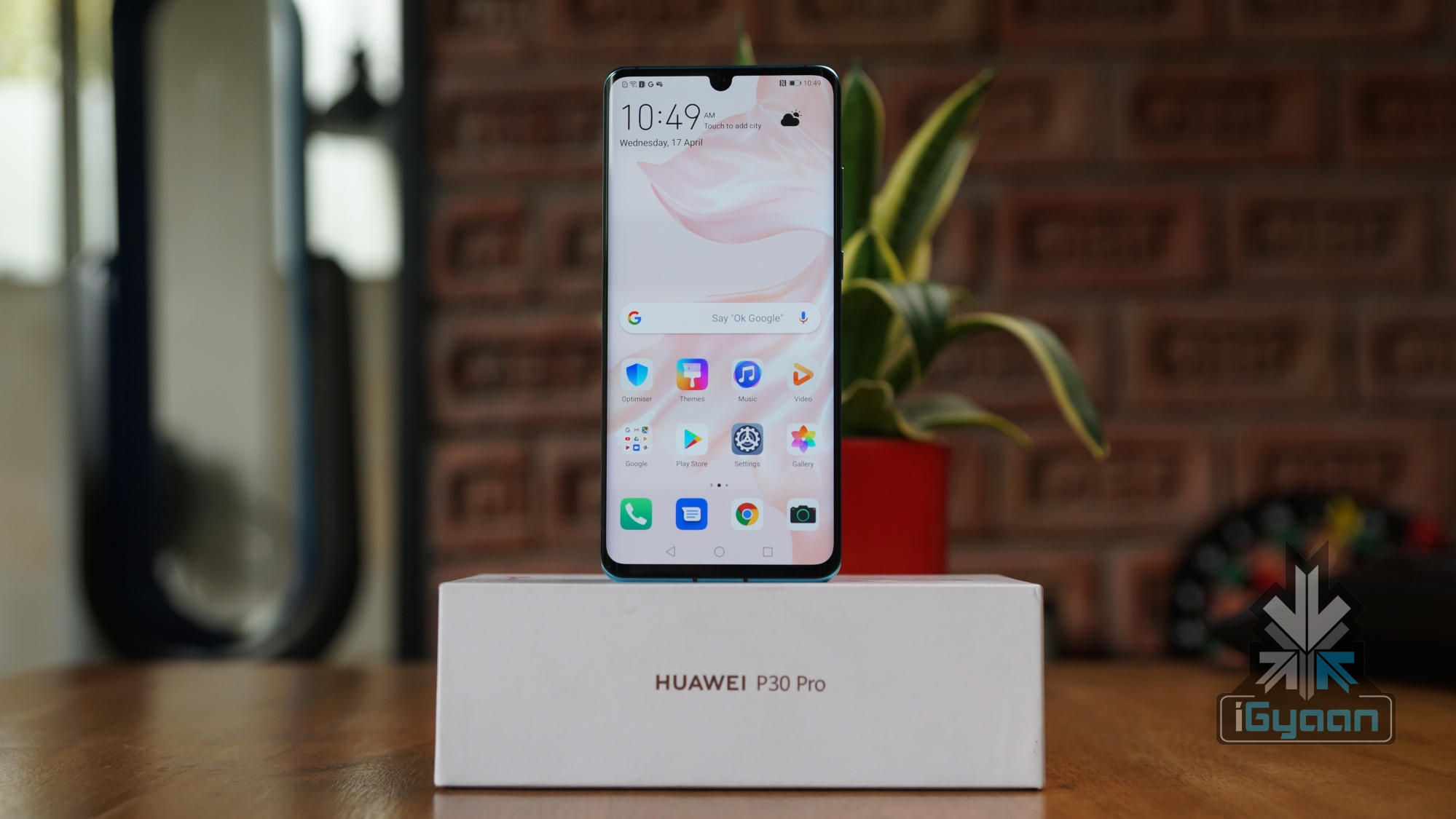
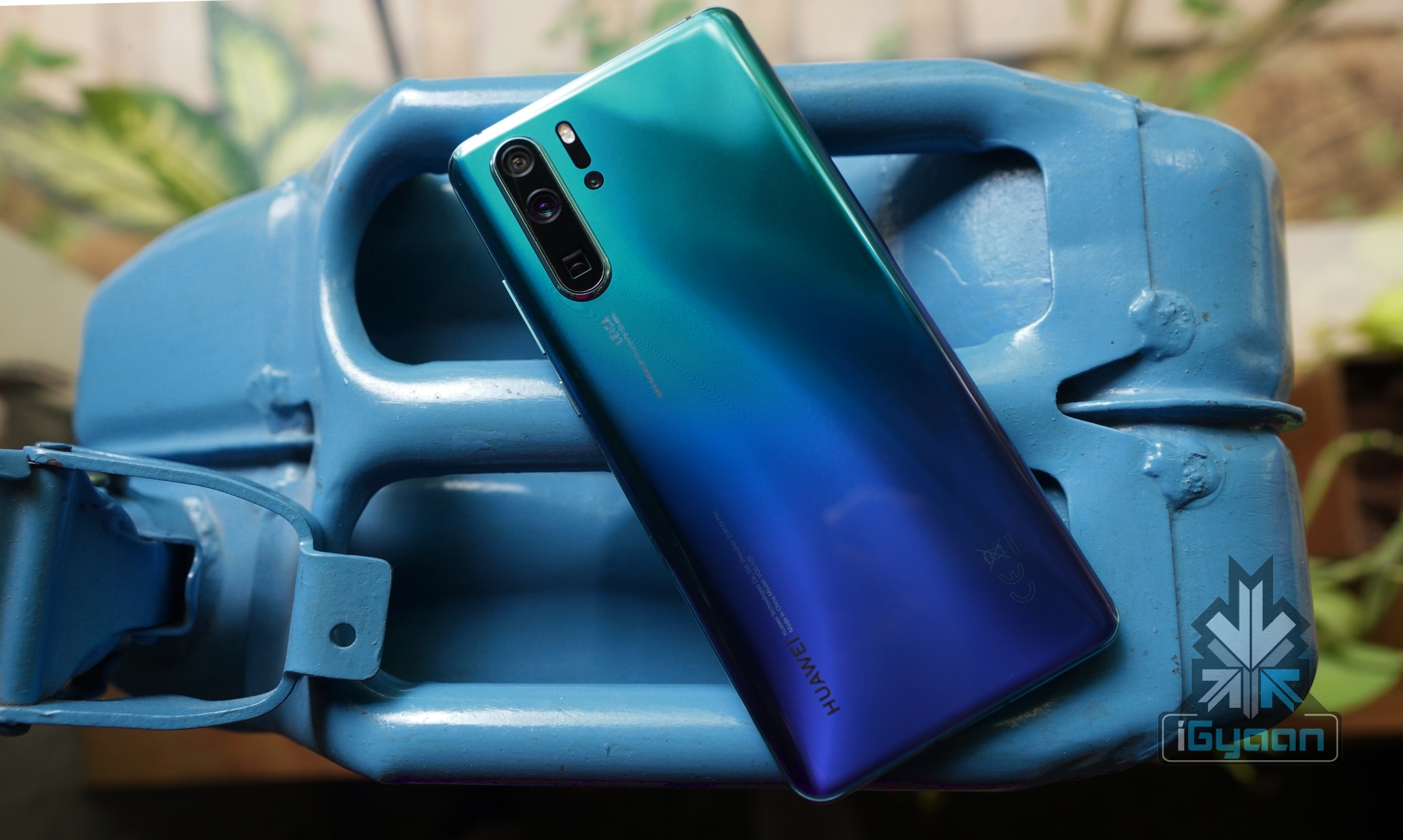
    Huawei P30 Pro
    Huawei P30 Pro

    Also read: Standard Variant Of The Redmi K20 To Feature The Snapdragon 730 SoC

    In other news, Huawei is also no more a member of JEDEC which as mentioned above; is responsible for setting the standards of semiconductor technologies. This again means the company has no say in the development of the standards and technologies involved in future semiconductors. It has also been ousted from the SD card alliance, which implies future Huawei products cannot use SD cards. The last part may not be such a big deal for the company, as it has already been pushing its nano-memory standard since the launch of Mate 20 Pro last year.
  • This LED Bulb Can Replace Your Wi-Fi

    This LED Bulb Can Replace Your Wi-Fi

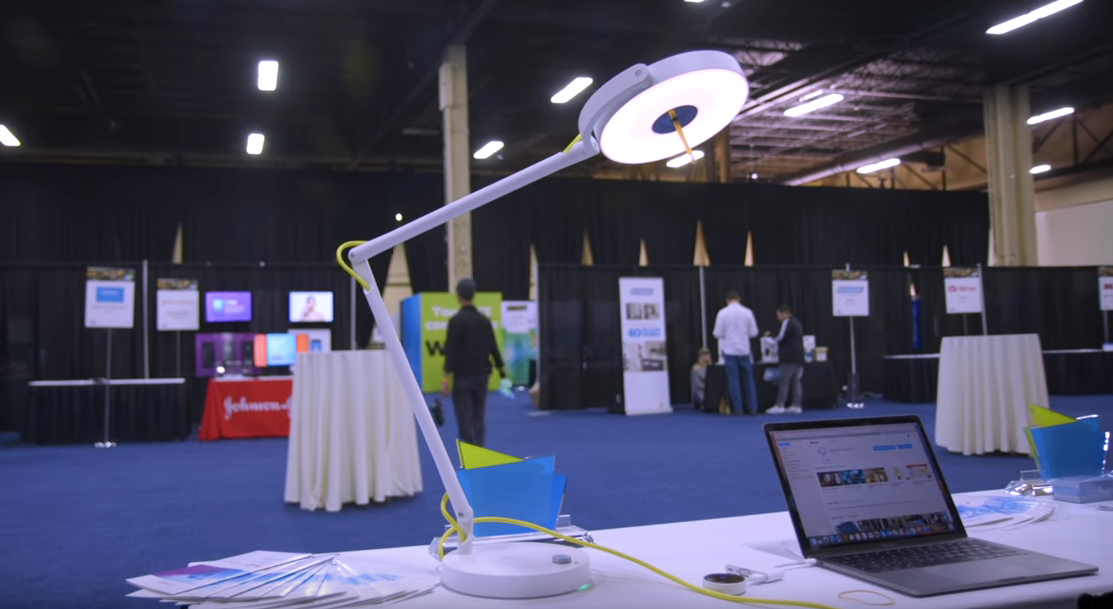
    It is astonishing to see how the internet has so quickly become an integral part of this world. Right from professional needs to personal entertainment, it is hard to get by a day without scrambling for 4G or a WiFi connection. It is fair to say that the world of internet has seen a lot of innovation over the years. We are also very close to publically rolling out 5G data network as well. Now, L-Fi (Light Fidelity) was first introduced as a concept at CES 2018 and is almost ready for its real-world.

    Li-Fi

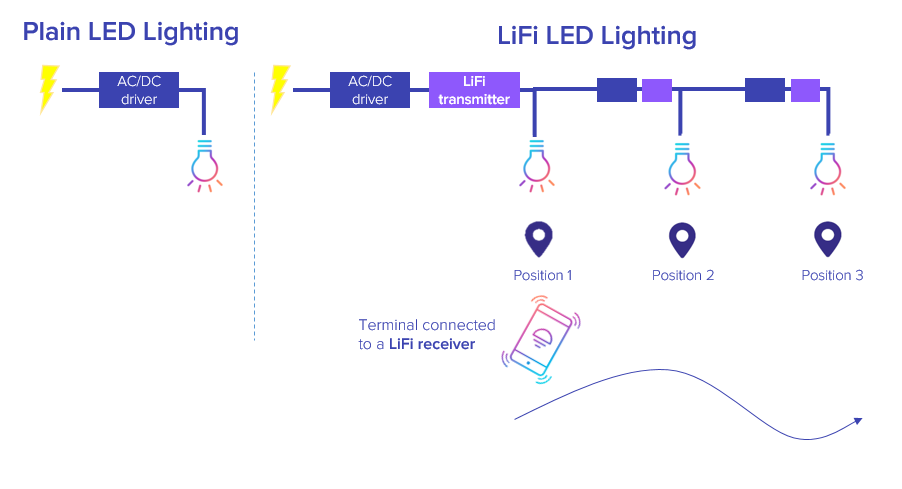
    Li-Fi-, however, is not a new technology. It has been in the works for years now and has always felt like it is almost ready. The technology uses visible and infrared lights instead of radio signals to create a wireless internet network. In theory, this is a much more stable alternative to crowded Wi-Fi networks.

    So, how it works is that internet cables are to run to any light fixture that has to be converted. Inside the fixture, a modem converts data packets and essentially modulates LEDs faster than what the human eye can see. Then, a compatible modem is plugged into a laptop which converts the light signals back to data and uses an infrared LED to send a response to a receiver in the light fixture.

    In public spaces especially, Li-Fi has great potential. Since this technology uses light instead of radio signals, the interference between different devices is less. This is because light travels in line-of-sight and doesn’t penetrate any furniture or walls in its line. Essentially, two devices on the same Li-Fi connection use the same bandwidth without interference. Hence, in a crowded public space, this can be extremely useful as people, most of the time, end up scrambling for a working internet connection.

    However, Li-Fi works on a double-edged sword. Ironically, the qualities that make it extremely useful (in theory), also cause the main issue with it. Since the technology relies on line-of-sight, a slight hindrance between the light source and the modem can cause a failure. Another issue is portability. Users can’t roam around with a stable connection as well.

  • Next Gen Wifi to be the End of Bluetooth?

    Next Gen Wifi to be the End of Bluetooth?

    The Wi-Fi Alliance, body that controls research, and advances of the Wi-Fi technology, yesterday at CES, 2016 announced its future plans for taking this already indispensable medium of communicating with the Internet forward.laptopIn a bid to expand the reach and adoption of the Wi-Fi technology when it comes to connectivity with the Internet of Things, ‘Wi-Fi HaLow’ was announced. This new Wi-Fi framework which will operate on the 900 Mhz range, promises to double the reach of the already existing 2.4, and 5 Ghz Wi-Fi baseband.

    This switch to the new spectrum will also help conserve energy, making it the perfect platform for low-power, less data intensive devices like smart watches, and other Internet enabled household appliances that the coming days will bring to us.

    When quizzed about the real world benefits of ‘HaLow’ to the end consumer, Kevin Robinson, Vice President of the Wi-Fi Alliance had this to say,

    “For a consumer, you might imagine someone who wants to deploy a water sensor in their basement to detect flooding or a motion sensor at the end of their driveway to warn them of someone arriving late at night.

    In both of these cases, Wi-Fi HaLow will deliver power-efficient connectivity to the home access point, despite the challenging environment caused by obstructions in the device’s path or ranges involved.”

    Emergence of ‘Wi-Fi HaLow’ will have implications far greater than just how efficiently low powered devices will interact with the Internet in the future. It will most likely be sounding of the death knell for the outdated Bluetooth framework which currently is used by such low-powered devices. ‘Wi-Fi HaLow’ in time promises to be the perfect platform to meet the needs of the various upcoming Smart Homes, and Smart Cities around the world.wifiBut, all is not lost in the land of despair for our trusted old warrior, Bluetooth. According to reports, the new Wi-Fi framework will not come into effect any time before 2018; even then it will take some time to make its way into consumer durables, and even more time through our routers in to our homes, thus leaving a small window of chance for low energy Bluetooth framework to reinvent itself, and leave ‘HaLow’ feeling like a hollow idea to implement altogether.


  • Google Partners With TP-LINK To Create A New Generation of Wi-Fi Routers

    Google Partners With TP-LINK To Create A New Generation of Wi-Fi Routers

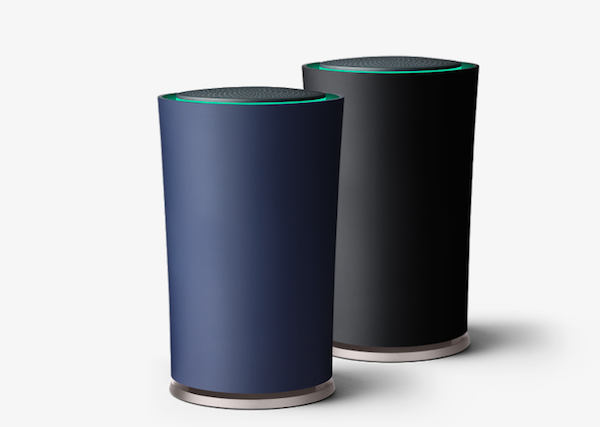
    Google has created a new Wi-Fi router called OnHub that promises to “end your Wi-Fi headaches for good.”

    Google OnHub

    This router has been designed in partnership with TP-LINK and features:

    “a unique antenna design and smart software” that “keeps working in the background, automatically adjusting OnHub to avoid interference and keep your network at peak performance.”

    It also has the ability to scan available airwaves and find the best congestion while allowing you to prioritize some devices in a way that you can pick certain apps over others that are running in the background.

    Reports also suggest, that OnHub can be managed via a smartphone app and can also tell you how much bandwidth your devices are using, allows you to run a network check and in case there is a problem with your network, it offers you suggestions to help.

    One can order the OnHub router on Amazon, however it will be available at select retail stores in the coming weeks.

    https://www.youtube.com/watch?t=32&v=HNnfHP7VDP8

  • This Windows 10 Feature May Be Using Up Your Internet Bandwidth

    This Windows 10 Feature May Be Using Up Your Internet Bandwidth

    As people are slowly learning and getting used to the Windows 10 updates, some of them stand out, here is one. A feature called the Windows Update Delivery Optimization gives Microsoft the permission to share parts of your Internet bandwidth, with others.

    This feature saves and uploads parts of your updates files that have been downloaded via Windows Update & Windows Store service, then depending upon your settings, will share that with people on your local network, or people on the internet.

    “Delivery Optimization downloads the same updates and apps that you get through Windows Update and the Windows Store. Delivery Optimization creates a local cache, and stores files that it has downloaded in that cache for a short period of time,” says the description.

    This feature is enabled in all desktop editions of Windows 10 by default; however it only shares files on the local network. There is an option to turn off this feature, one needs to go to the Settings > Update & security > Windows Update > Advanced options. After that, select the ‘Choose how updates are delivered’ and turn off the ‘Dicovery Optimization’ feature.

    Image Source: NDTV Gadgets
    Image Source: NDTV Gadgets

    The feature, is one of the few that could annoy users, just like the Wi-Fi Sense did. The Wi-Fi sense is a feature that was previously available on Windows Phones, whereby it shares the user’s Wi-Fi credentials to all contacts on Facebook, Outlook & Skype.

    Source: [tw-button size=”medium” background=”#07ABE2″ color=”” target=”_blank” link=”http://thenextweb.com/microsoft/2015/07/30/windows-10-steals-your-bandwidth-to-send-other-people-updates/”]TheNextWeb[/tw-button]

  • Samsung’s New Super-Fast Wi-Fi System Might Just Be the Next Big Thing

    Samsung’s New Super-Fast Wi-Fi System Might Just Be the Next Big Thing

    Samsung is all set to launch a new Wi-Fi system on its devices that can let you download a 1 GB in movie in about three seconds. In an era of multimedia-heavy content, this system can help make Samsung devices desirable again. The company plans to bring this new system out in the market by next year.

    The new technology works on 802.11ad (WiGig) Wi-Fi standard. It is capable of reaching a theoretical limit of 7Gbps, but Samsung’s version provides a speed of 4.6Gbps, that is also a fantastic speed to achieve. It will also help in creating a mobile work ecosystem when included with Cloud. It can be immensely beneficial to the artist community too; they can send across big data files within seconds to have a proactive, collaborative experience with partners from the world over.

    The new technology
    The new technology will be capable of providing breakneck speeds upto 4.6 Gbps

    Samsung has developed a micro beam-forming control technology that can adapt to the changing environment in 1/3000 seconds. This means that the signals can be constant even if the device is on the move. Also, due to the high directionality of beams formed by its antennae, multiple devices can work at the same time without interfering with each other.

    It seems like a real world innovation coming from Samsung’s stable. We would have just to wait till next year to check out if the devices based on this technology can actually stand up to the hype. Though it will take some time to reach a mass scale of adoption, but coming from Samsung it will have the potential for reaching a wider audience to test the prospects of the technology.

  • MapmyIndia introduces 3G, Android enabled CarPad 5

    MapmyIndia introduces 3G, Android enabled CarPad 5


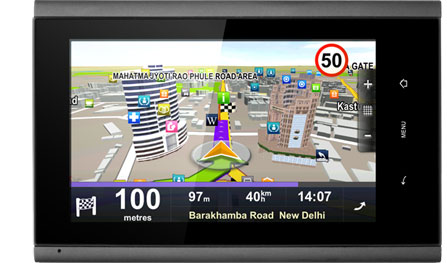
    MapmyIndia, provider of digital maps, navigation and location-based services, has launched CarPad 5, a connected car product. Built on Android OS, CarPad 5 is an all-In-One GPS Navigator, Smart Phone and 3G Tablet. It 5 runs on a 1GHz Samsung processor (Cortex A8, S5PV210) and features a 5 inch capacitive touch screen. It is priced at Rs 19,990 and contains the CarPad windshield mount and Car charger.

    The navigation device has built-in 3G & Wi-Fi and comes preloaded with Aura, MapmyIndia’s fully 3D and connected GPS navigation interface.

    Rakesh Verma, managing director at MapmyIndia said that the CarPad 5 is one of the many in-car productivity gadgets they plan to launch in the near future.

    The company claims Aura maps offers real-time traffic updates, house level search, security (track and trace) and discount offers in the vicinity. It covers over 6.3 million places, 5,79,000 towns and villages, 4000 cities at street-level, house-level data for 36 cities and 3D landmarks and building footprints for 34 major cities. 

    The navigation device is 3G enabled and allows users to call, message, mail and chat, search and browse the web at high speed, and access social networks.

  • New WiFi Standard Has A 100 Km Range

    New WiFi Standard Has A 100 Km Range

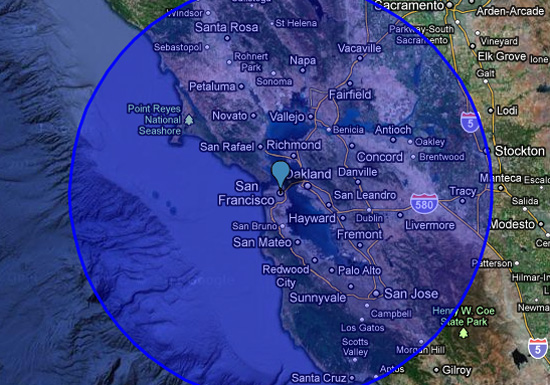
    We’ve finally got a new WiFi standard to look forward to. The IEEE has officially released a new standard for 802.22 WiFi which can cover an area of over 31000 square kilometers from a single base station. You’re all probably familiar with the current standard 802.11 a/b/g/n as this is the standard that you use to connect to the Internet everyday.

    The exponentially increased range is because the frequency that the WiFi network transmits on has changed. Over the last few years, analog television has seen a dramatic decrease in viewership. Using that very same frequency of 54MHz to 698 MHz the new standard gains increased range as these frequencies are very good for long range transmissions, which is why the range was used for analog TV signals.

    The new 802.22 standard is not going to make your current router obsolete just yet. What it will be good for is to provide Internet access in rural areas or to provide municipal WiFi for an entire city. With a single base station having a transmission rate of 22 Mbps and a range of 100 km, it’s only a matter of time before we’re never without WiFi again. Well it’s perhaps time that we said goodbye to 3G.

  • Windows Phone 7 “Mango” Business features Explained

    Windows Phone 7 “Mango” Business features Explained

    Paul Bryan, Microsoft’s senior director of business experiences product management for Windows Phone, has written a blog post that details Windows Phone Mango’s business productivity features.

    WIN PHO 7 with added capabilities for IT departments, including complex password support, information rights management support, and the ability to access hidden corporate Wi-Fi networks.

    “This week, we expect to exceed 16,000 apps available in the Windows Phone Marketplace,” Bryan.


    [Source]

  • LG’s Biggest Phone the Optimus Big with 4.3 inch Nova Display Launched

    LG’s Biggest Phone the Optimus Big with 4.3 inch Nova Display Launched

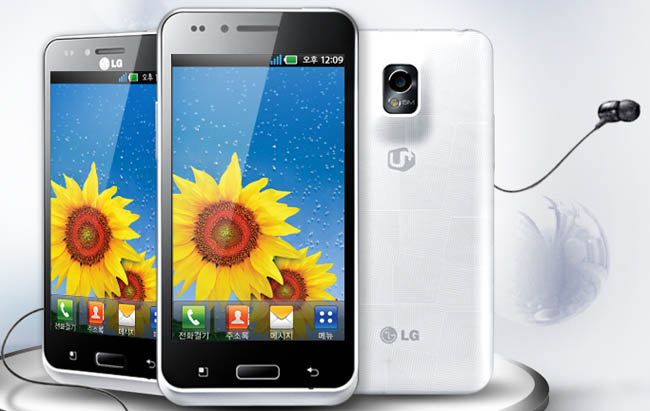
    The Korean Giant released the LG Optimus Big this past weekend.

    The Optimus Big:

    • Android 2.2
    • 4.3-inch Nova Display
    • HDMI-out port
    • 1GHz processor
    • 5-megapixel camera
    • Bluetooth 3.0
    • Wi-Fi 802.11 b/g/n
    • 1,500 mAh battery

    This device was long rumored and lond anticipated power phone from the manufacturer. The phone is expected to hit India in the month of June with a rumored price tag of 29,000 INR. Seems a bit pricey for an LG phone.

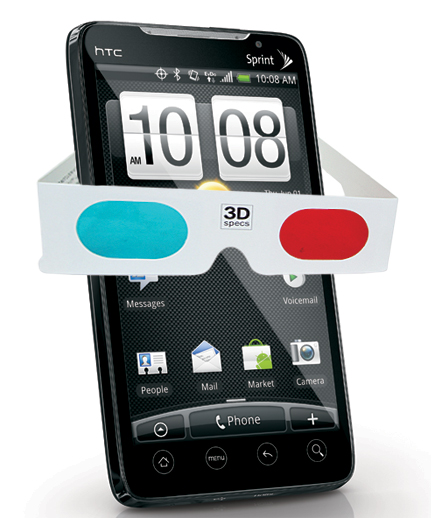
  • HTC’s EVO 3D and EVO View 4G tablet to be announced at CTIA

    HTC’s EVO 3D and EVO View 4G tablet to be announced at CTIA


    BGR has been able to get hold of specs revolving around the launch of the EVO 3D and EVO VIEW 4G tablets at CTIA this year. Specs for the EVO 3D include

    • 4.3-inch qHD 960 x 450-pixel Autostereoscopic 3D display
    • 4GB of RAM, 1GB ROM
    • 1.2GHz dual-core Qualcomm 8660 Snapdragon CPU
    • Dual rear 5-megapixel cameras with dedicated camera button
    • 1.3-megapixel front-facing camera
    • 1730mAh battery
    • Android Gingerbread 2.3 with HTC Sense UI
    • Output 1080p video via HDMI and output 720p 3D content as well.
    • YouTube 3D

    The EVO VIEW 4G which is HTC Flyer meant for SPrints networks will have the following specs:-

    • 7-inch device
    • 1024 x 600-pixel capacitive touch screen
    • Aluminum unibody design
    • HTC Scribe with optional pen support
    • Latest HTC Sense UI optimized for tablet devices
    • 5-megapixel rear-facing camera
    • 1.3-megapixel front-facing camera
    • Android 2.3 Gingerbread
    • 4000mAh battery
    • DLNA and HDMI-out support.
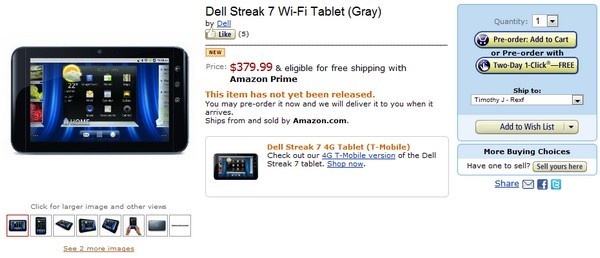
  • Dell Streak 7 Wifi only, Appears for pre-order on Amazon USA

    Dell Streak 7 Wifi only, Appears for pre-order on Amazon USA

    The Dell Streak WiFI , just popped up for pre-order on the AMAZON USA website. There is no information on when the device will actually ship , but it looks like atleast the price is up, which seems really attractive at US$ 380 or INR 17,500 approx.

    [VIA AndroidOS.in]

    [Amazon]

iGyaan Network
Privacy Overview

This website uses cookies so that we can provide you with the best user experience possible. Cookie information is stored in your browser and performs functions such as recognising you when you return to our website and helping our team to understand which sections of the website you find most interesting and useful.