The Electronics and IT Ministry, last week had sent notices to 21 smartphone companies, with a majority of them Headquartered in China, asking them to outline the procedures and processes adopted by them to ensure security and privacy of users data. Soon after, nine more companies, including Motorola, Honor, Asus, OnePlus, InFocus, were added to that list.
The latest update states that a total of twelve companies including HTC, Xiaomi,Vivo, Huawei and Lenovo, have responded to the notice, while others like Samsung, Oppo, Sony, etc. have acknowledged and requested an extension. The ministry official said that agreeing to the requests, the government is likely to extend the deadline for submitting the details of the data security procedures.
Apple confirmed in an email, that the iPhone maker has sent its response to the ministry and a Vivo official stated that the company has replied to the government notice.
The ministry officials said that the 30 smartphone makers were asked to share security information to ensure that required data security measures were being taken. To support their claims, the IT ministry had cited international and domestic reports regarding data leaks from mobile phones.
Based on the response of the companies, the ministry will initiate verification and audit of devices where required. If a company fails to provide the information, the said firm will face charges and levy penalty for violation of security norms under provisions of IT Act 43 (A).
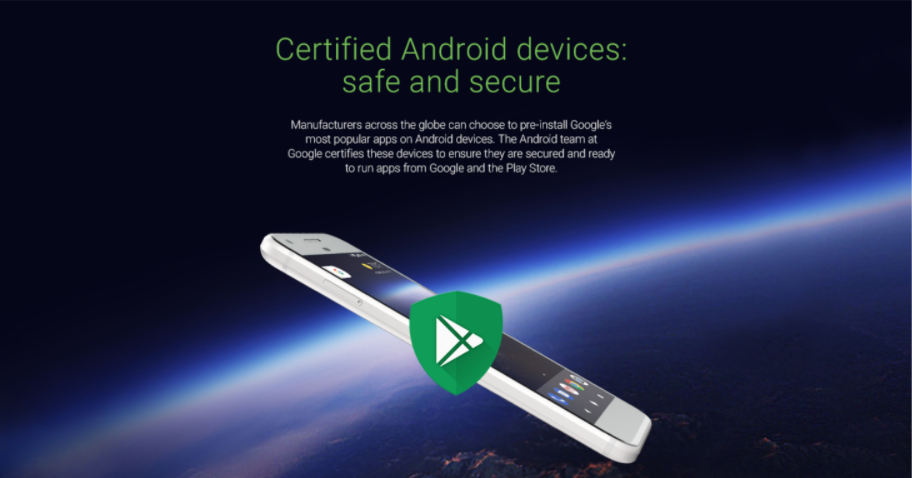
Android security has always been a priority for Google and in order to offer a more secure and stable experience to the users, the company has introduced a Google Play Protect logo. Although, Google has been certifying Android devices for a while, but now Google will make it easy for potential buyers to identify Certified devices.
Today, Alphabet inc. announced that in a bid to make it easier for users to spot a Google certified Android device, Google Play Protect logo will be put on the boxes of smartphones which are certified to adhere to Google’s Android security and permissions model.
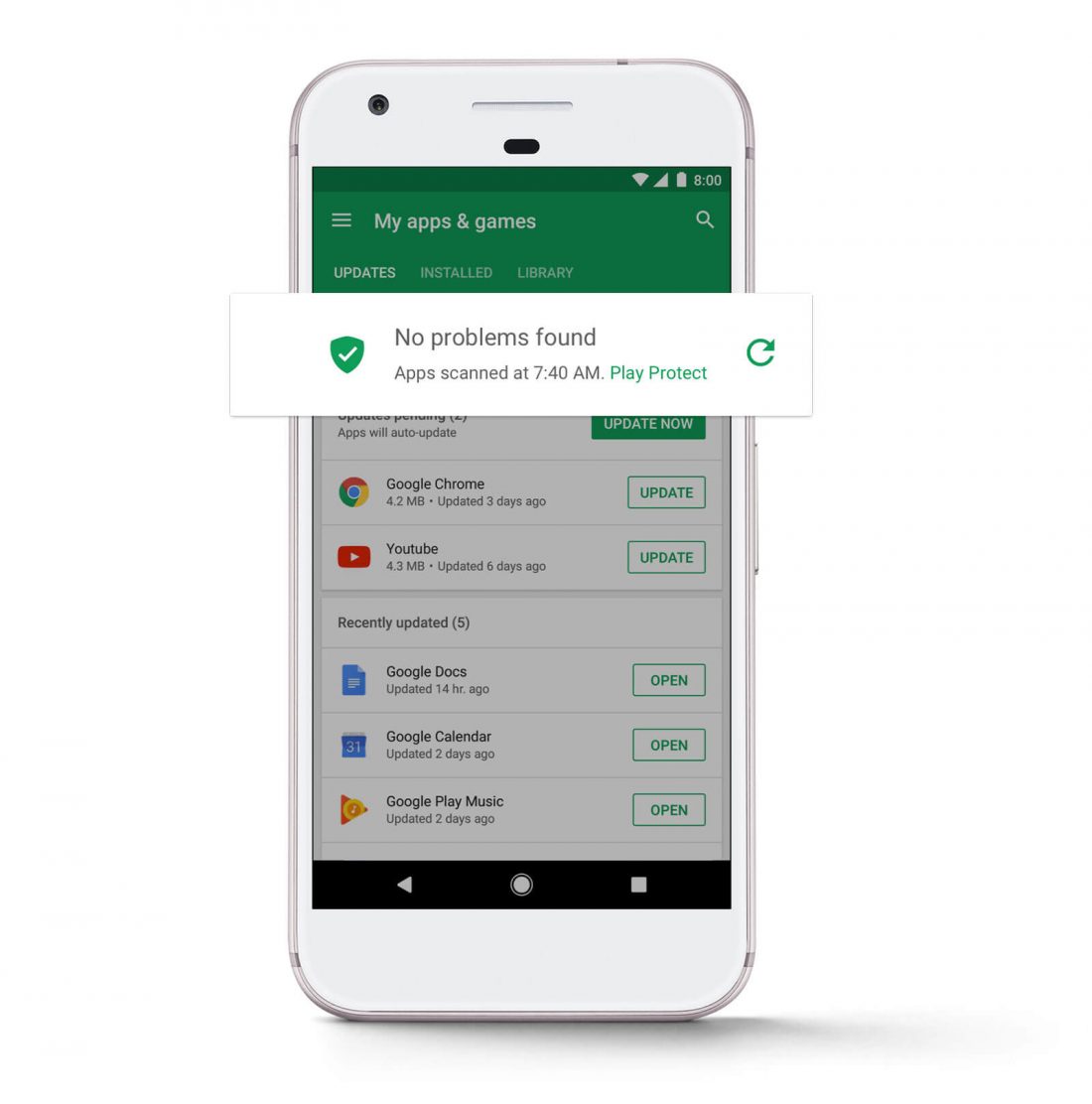
Google certified Android devices come with latest security updates, automatic virus scanning and support Google’s Find My Device feature. Many Android devices are already Play Protect-certified, but this program will ensure additional safety and security. To identify the Google certified device,users will just have to look for the Google Play Protect logo on the packaging.
The company blog stated that , “When you shop for a new Android phone or tablet, we recommend asking for a certified device or looking for the Google Play Protect logo on the box, to make sure it brings the benefits of certification and additional layers of security provided by Play Protect.”
Google Play Protect runs compatibility tests to verify that the authenticity of the pre-installed Google apps. Furthermore, Play Protect is trained to look for harmful apps based on scans of 50 billion apps each day. Each and every app is analysed before being available on the Play Store. Google previously offered the same feature within Android, labelled as “Verify Apps”.
Google has also released a list of certified partners, which, besides manufactures like Samsung, OnePlus, Nokia, LG, etc. include a number of lesser brands out of China. By rolling out the Play Protect branding, Google is making it easier for customers to recognise the devices that have been certified by the company.
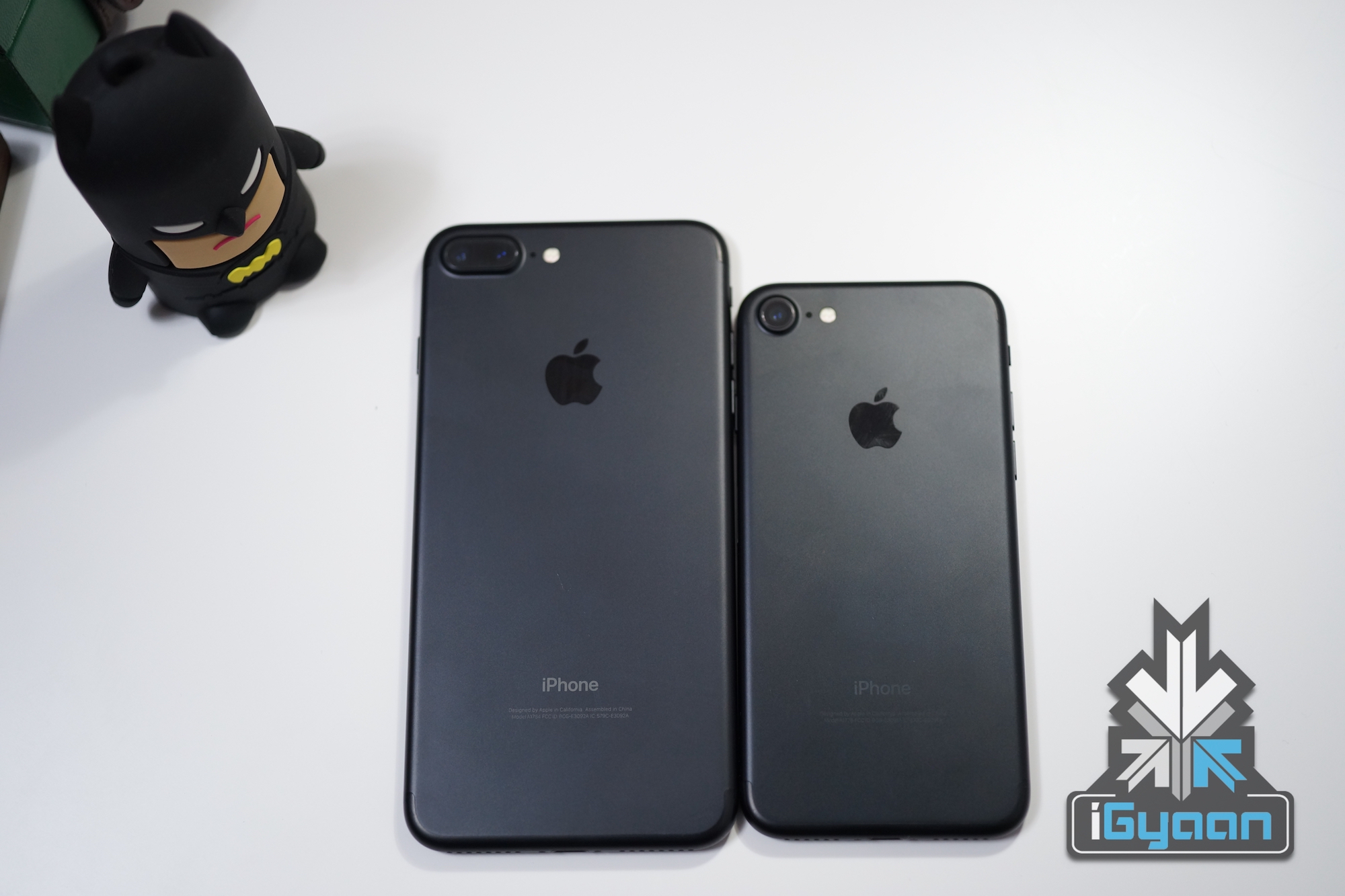
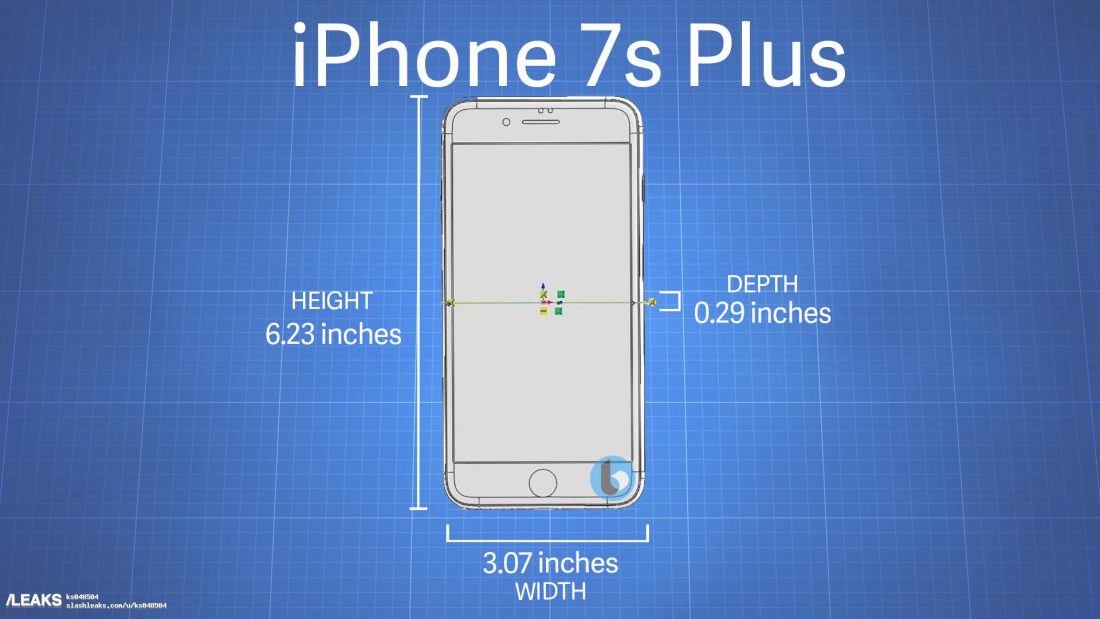
While the rumours surrounding the upcomingiPhone 8have been plenty, we have not heard a lot about the other two iPhone 7s models. While there have been some leaks of the iPhone 7s models, a new report claims that Apple might compromise on size to accommodate new features such as wireless charging into the iPhone 7s and iPhone 7s Plus, making them thicker than the iPhone 7 and iPhone 7 plus.
Rumours are that the iPhone 7s and iPhone 7s Plus will be “slightly bigger in every dimension.”, meaning that the newer iterations could be wider, taller, and thicker than the previous iPhone 7.
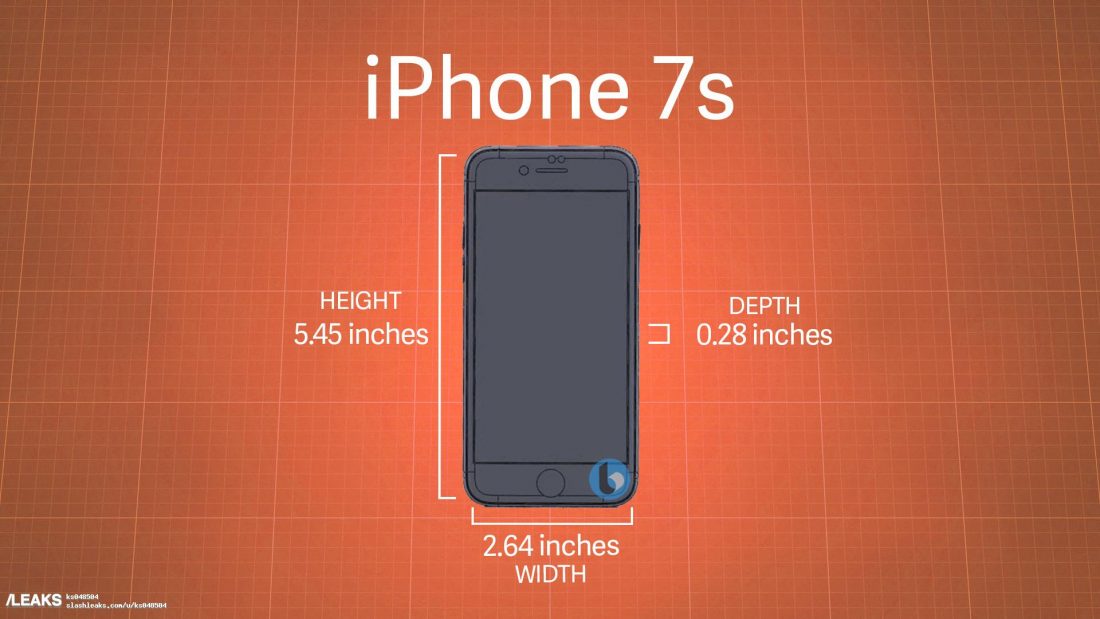
The dimensions of the iPhone 7s will reportedly be 138.44 mm x 67.26 mm x 7.21 mm, slightly larger that the iPhone 7’s current dimensions – 138.3 mm x 67.1 mm x 7.1 mm. The marginal size difference might go unnoticed by the users. Meanwhile, the iPhone 7s Plus’s dimensions are reported to be at 158.37 mm x 78.1 mm x 7.41 mm, whereas the size of the iPhone 7 Plus is 158.2 mm x 77.9 mm x 7.3 mm.
Both the devices have the similar haptic TouchID home button at the bottom, volume buttons on the left and the power button on the right. Much like the previous iPhone 7, the 7s and 7s Plus will have sensors placed at the top of the screen . The iPhone 7S Plus is reported to feature a dual camera setup, whereas the 7S will have a single lens camera. Apple will most likely upgrade the iPhone 7S variants with the A11 Fusion chip and increased RAM.
The iPhone s series is expected to launch in three colors: black, silver, and gold.s on 12th September. Aside from the smartphones, a new model of the Apple Watch and a 4K Apple TV are expected to be unveiled at the same event.
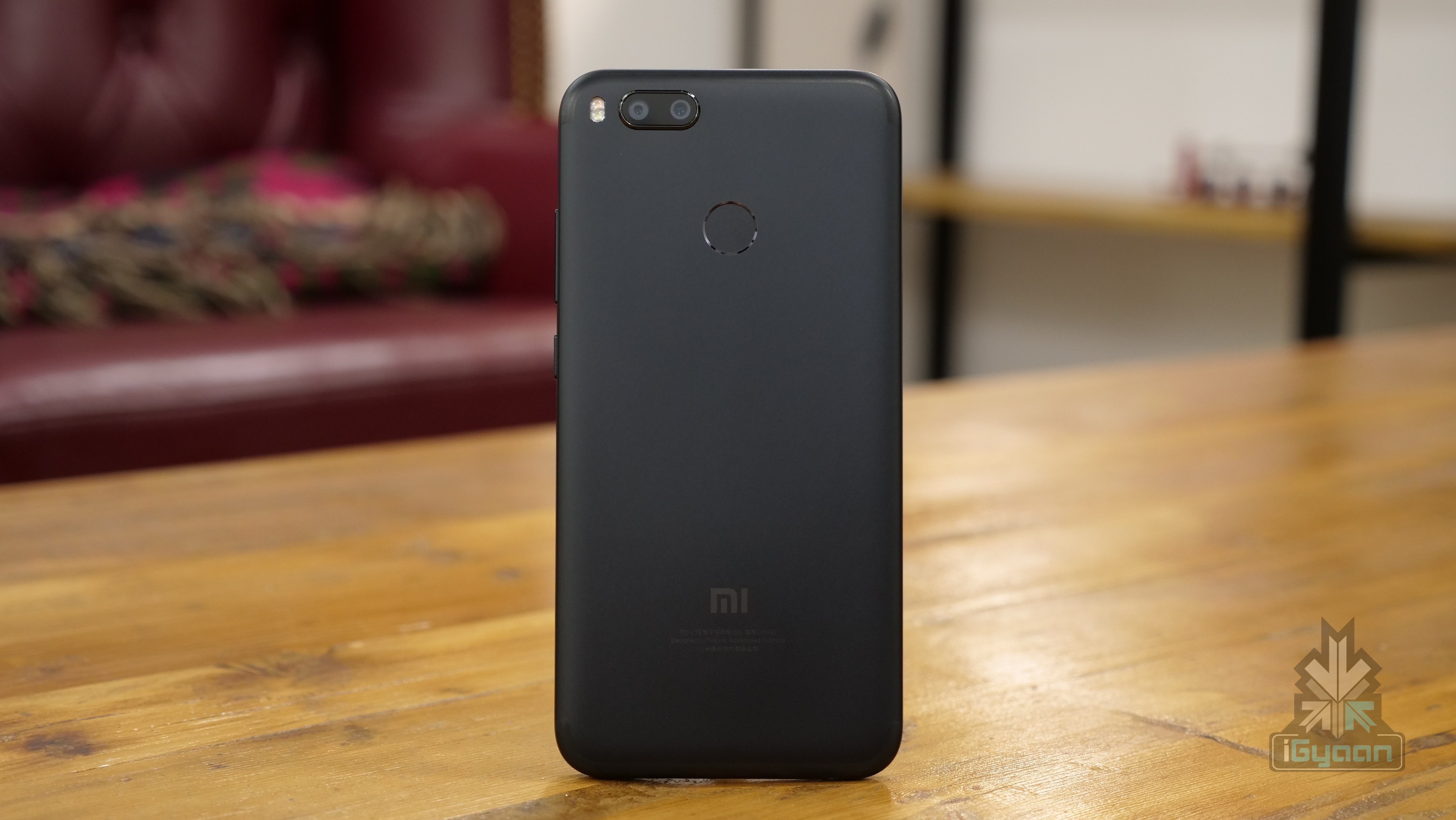
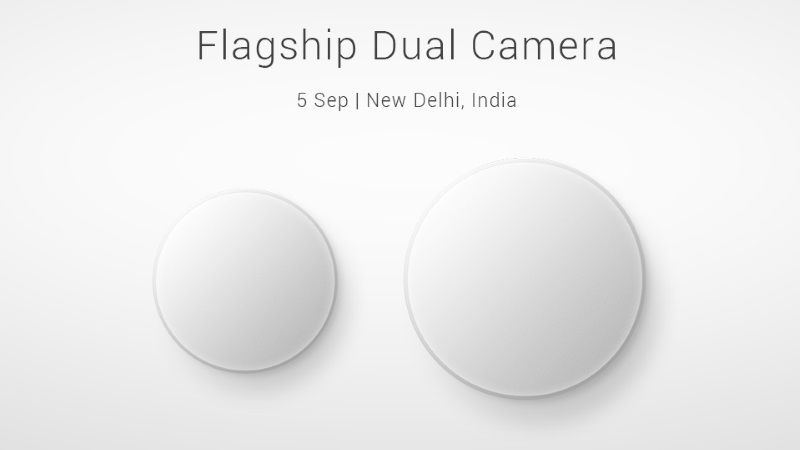
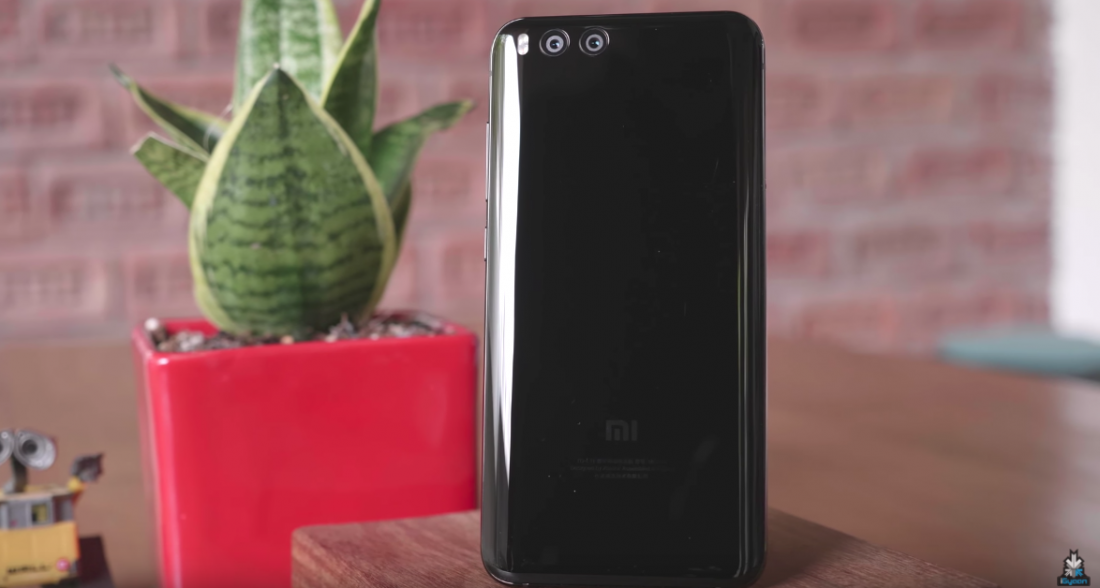
Xiaomi is sending out press invites for its scheduled event on 5 September in New Delhi, India, where the company is expected to launch its ‘flagship dual camera’ smartphone. Xiaomi’s media invite states “Join us for the launch of our first dual camera smartphone in India”. We are still unsure whether the Mi 6 or Mi 5X are to be launched.
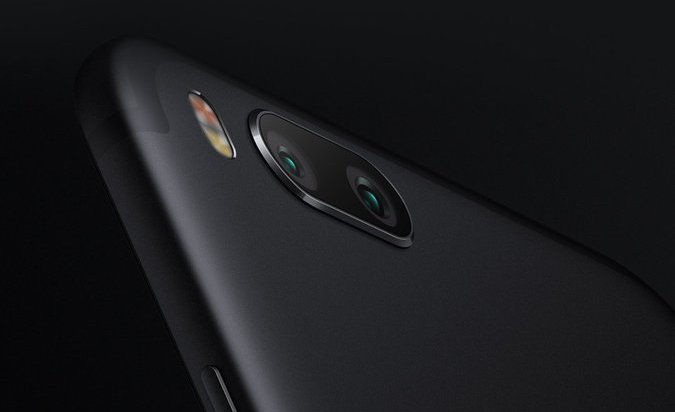
The event invite image sported a dual camera, suggesting, that one of the sensors will come with a larger aperture than the other.
Both the dual camera smartphones have already beenlaunched in China. Therefore, in terms of specifications and features, not much is left for speculations.
Xiaomi Mi 6
Xiaomi was launched the Mi 6 in April with a standard 5.15-inch, 1920 x 1080 px IPS LCD display and a Snapdragon 835 chipset clocked at 2.45 GHz. The Mi 6 runs Android 7.1.1 (Nougat), has 6GB of RAM and 64 GB of onboard storage. The smartphone is powered by a 3350 mah battery and features a fingerprint sensor housed inside the home button.
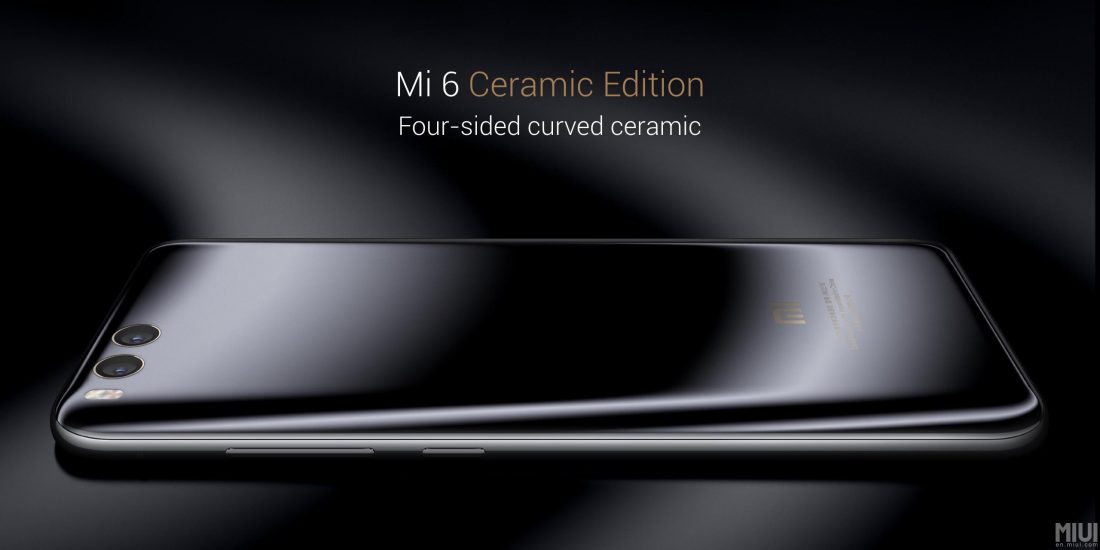
The Xiaomi Mi 6’s ‘flagship dual camera’ consists of two rear 12 MP cameras – the primary camera has a wide angle lens and the secondary camera has a telephoto lens. The standard lens has an f/1.8 aperture, while the second lens has an f/2.6 aperture. This dual-camera setup is similar to the one on the iPhone 7 Plus. On the front, the smartphone features an 8 MP camera which records 1080P videos at 30 FPS. The dual-cameras are capable of recording 4K videos at 30 FPS and 720P videos 120 FPS.
The smartphone was launched in different colour variants – Black, Blue, White and Ceramic Black with 18-karat gold camera rims. The Xiaomi Mi 6 was priced at RMB 2499 ( Rs. 23445 approx) and the ceramic variant (not available in India) costed RMB 2999 (Rs. 28153 approx.) at the time of its launch in China. The dual camera flagship is expected to be priced at Rs. 26999 in India.
Check out our unboxing of the Mi 6 below.
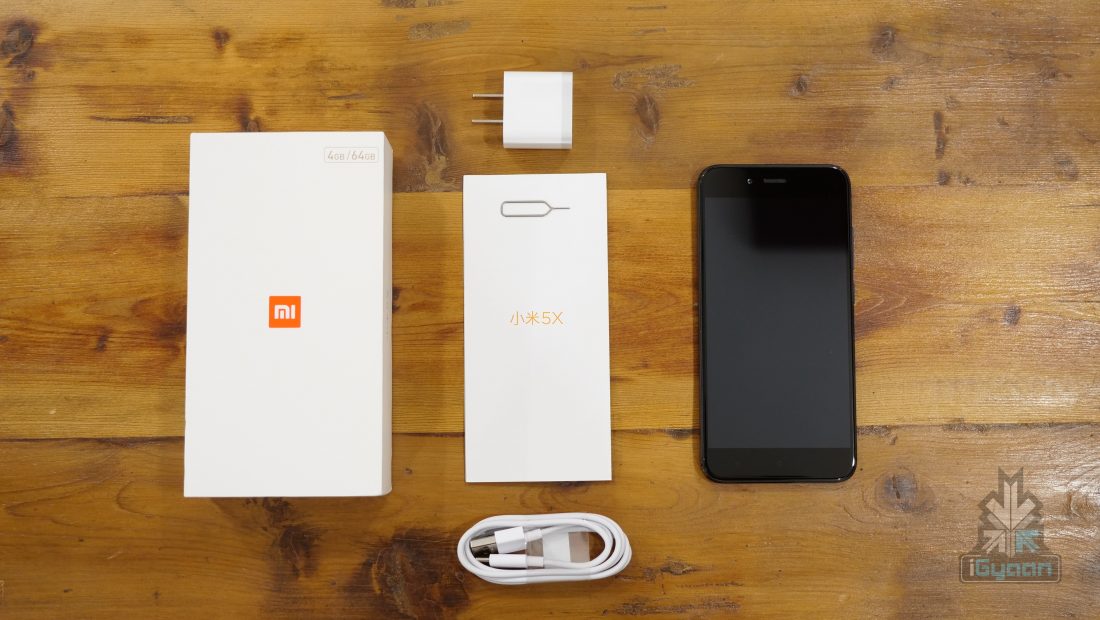
Xiaomi Mi 5X
Launched in July, the Xiaomi Mi 5X features a 5.5-inch 1920 x 1080 px IPS LCD display and a familiar large bezel design, unlike the 2017 flagships. The smartphone runs Android 7.1.1 and is rumoured to be based on MIUI 9, whereas the Chinese edition is based on MiUi 8.5. Unlike the Xiaomi Mi 6, the Mi 5X is powered by a 3,080 mAh battery with fast charging capabilities through the USB Type C port, but the included charger does not support fast charging.
The Mi 5X has the Qualcomm Snapdragon 625 chipset, clocked at 2GHz coupled with 4GB of RAM and 64GB onboard storage which is expandable via microSD card up to 128GB.
Xiaomi Mi 5X features a dual 12 MP camera setup, one of the cameras has a wide-angle lens with a 1.25-micron pixel size and an f/2.2 aperture, while the other is a telephoto lens with a 1-micron pixel size and an f/2.6 aperture. The camera app has a portrait mode very similar to the one on the iPhone 7 Plus, which allows blurring out of the background. The dual-cameras are also capable of recording 4K videos at 30 FPS and 720P videos 120 FPS. On the front of the smartphone is a 5 MP camera with real-time beautification and the ability to record 1080p video at 30 fps. The fingerprint sensor sits below the display on the front
The Mi 5X, was introduced in three colour variants – Black, Gold and Pink and was priced at CNY 1,499 (roughly Rs. 14,200) at the time of its launch in China.
Check out our Xiaomi Mi 5X unboxing and hands on video.
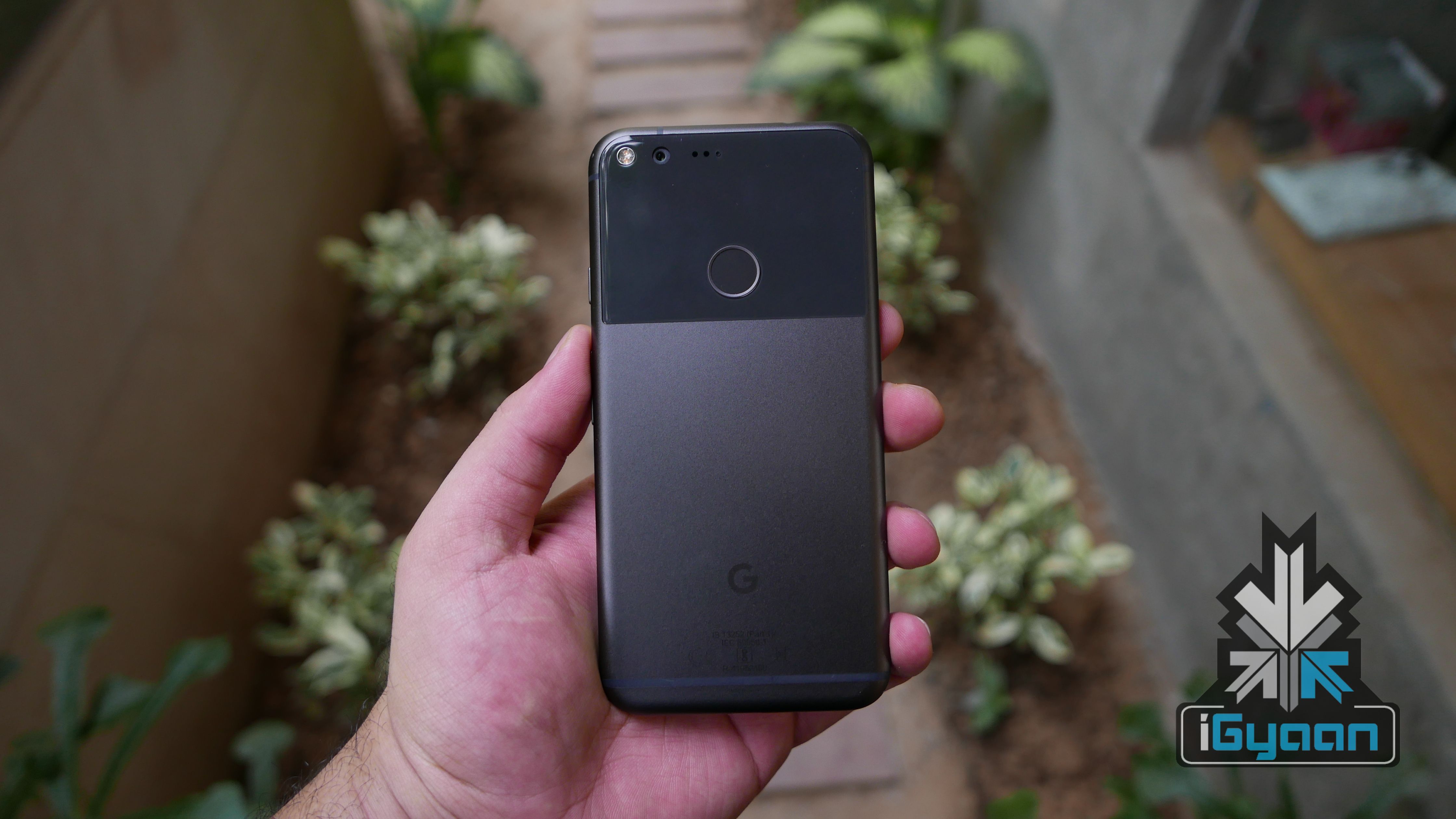
Leaks surrounding the second generation of Google Pixel devices, the Pixel 2 and Pixel XL 2 continue to surface as the October launch approaches. The latest iterations of the two smartphones are expected to feature different screen sizes. Apart from the size difference, the latest leaks reveal that the Pixel XL 2 is reported to have a bezel-less display, whereas the Pixel 2 will most likely retain the first generation Pixel’s design.
Unlike last year, when HTC was the sole manufacturer of the pixel devices, Google has chosen two manufactures to build the the next generation pixels – while HTC will continue to make the Pixel 2, the Pixel XL 2 will be manufactured by LG.
LG-made Pixel XL 2 is reported to have a 5.99-inch 2960 x 1440 px OLED bezel-less display. The Pixel 2 on the other hand, will most likely sport a 4.97-inch 1920 x 1080 px OLED display withlarger bezels, much like the original Pixel. There also have been reports of Google giving the 3.5mm audio jack a miss in the upcoming Pixel series.
Among the other reports surrounding the Google Pixel 2 and Pixel XL 2, rumour has it that the next Pixel iterations will have the Qualcomm Snapdragon 836 chipset and 4GB RAM with 64GB onboard storage. The devices will run on 3,ooo mAh battery and 3,500 mAh battery respectively. And with the latest launch of Android 8.0 Oreo, both the Pixel devices are expected to run the latest Android OS. Google is reportedly planning to unveil the Google Pixel 2 and Pixel XL 2 on 5 October.
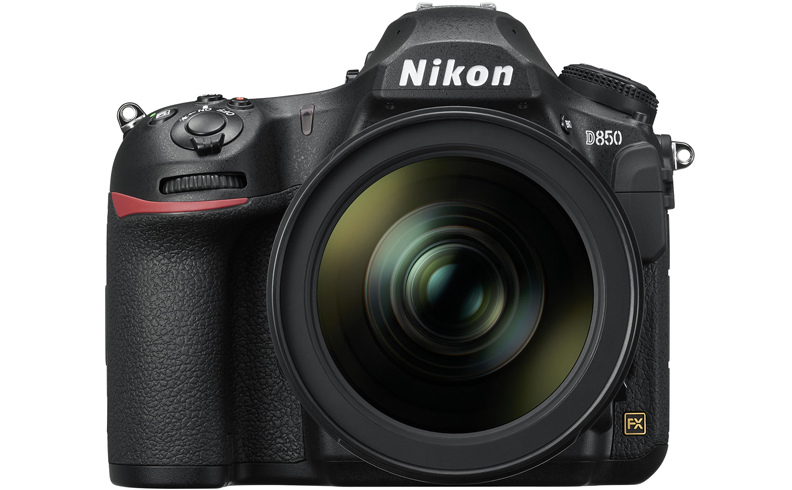
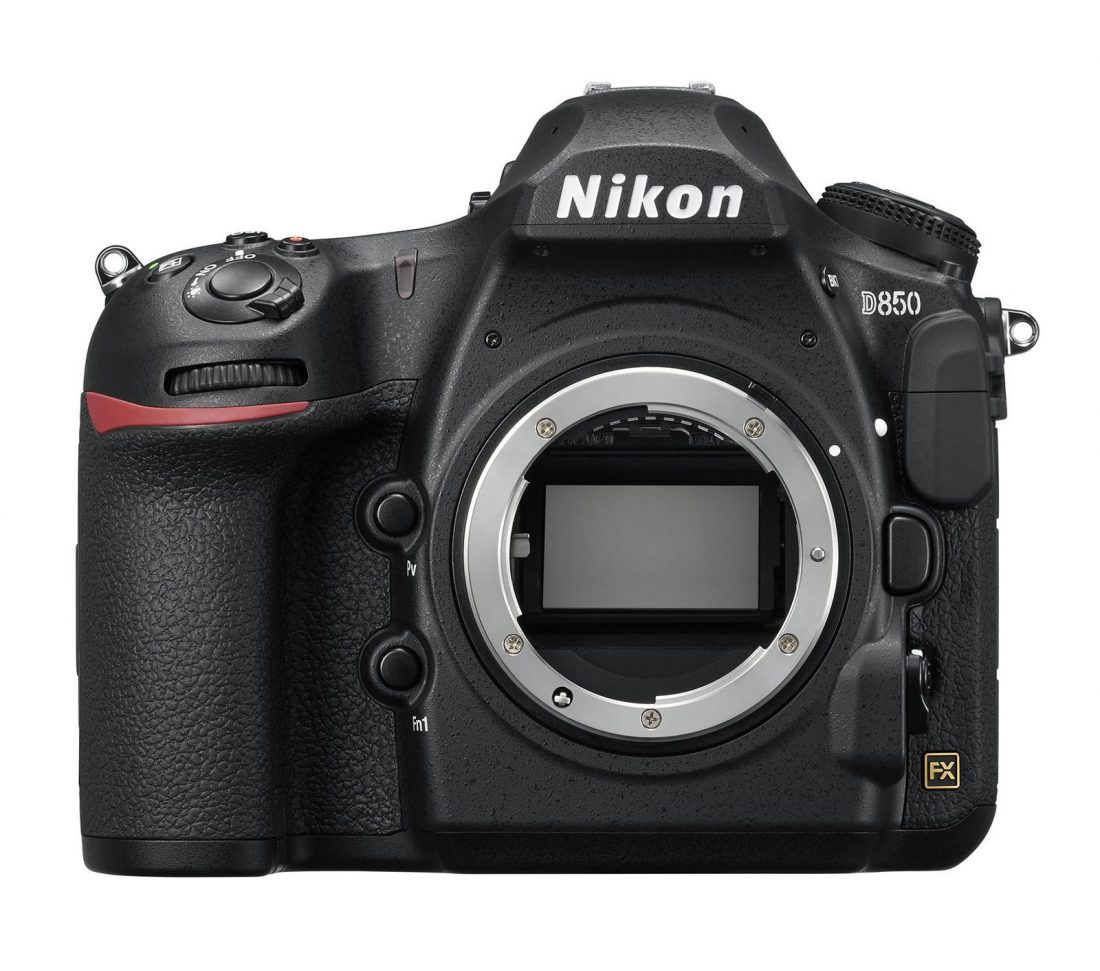
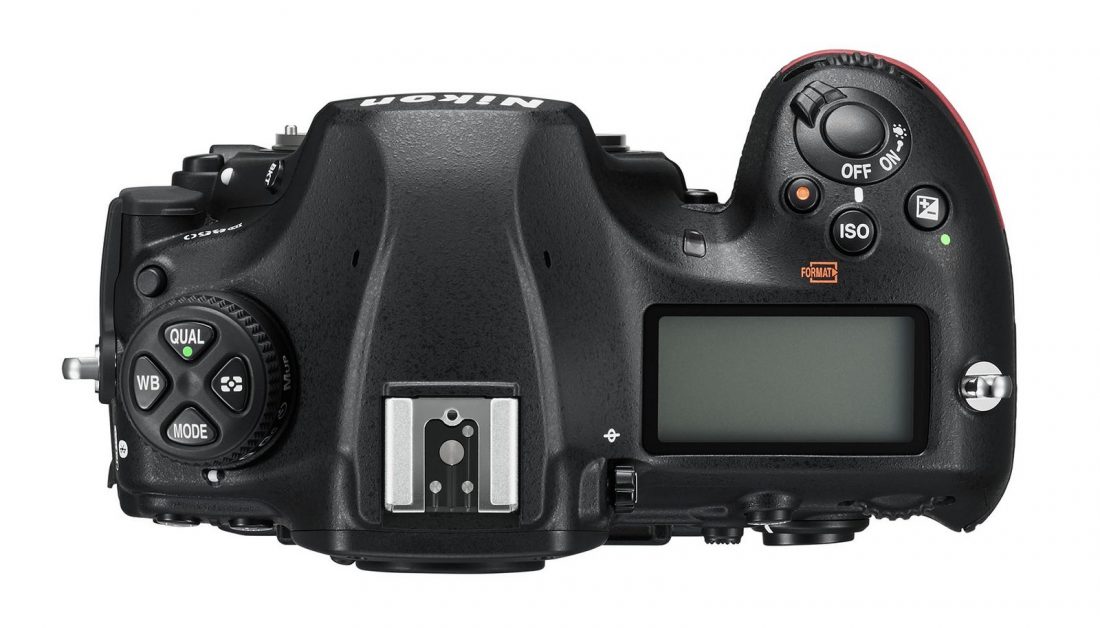
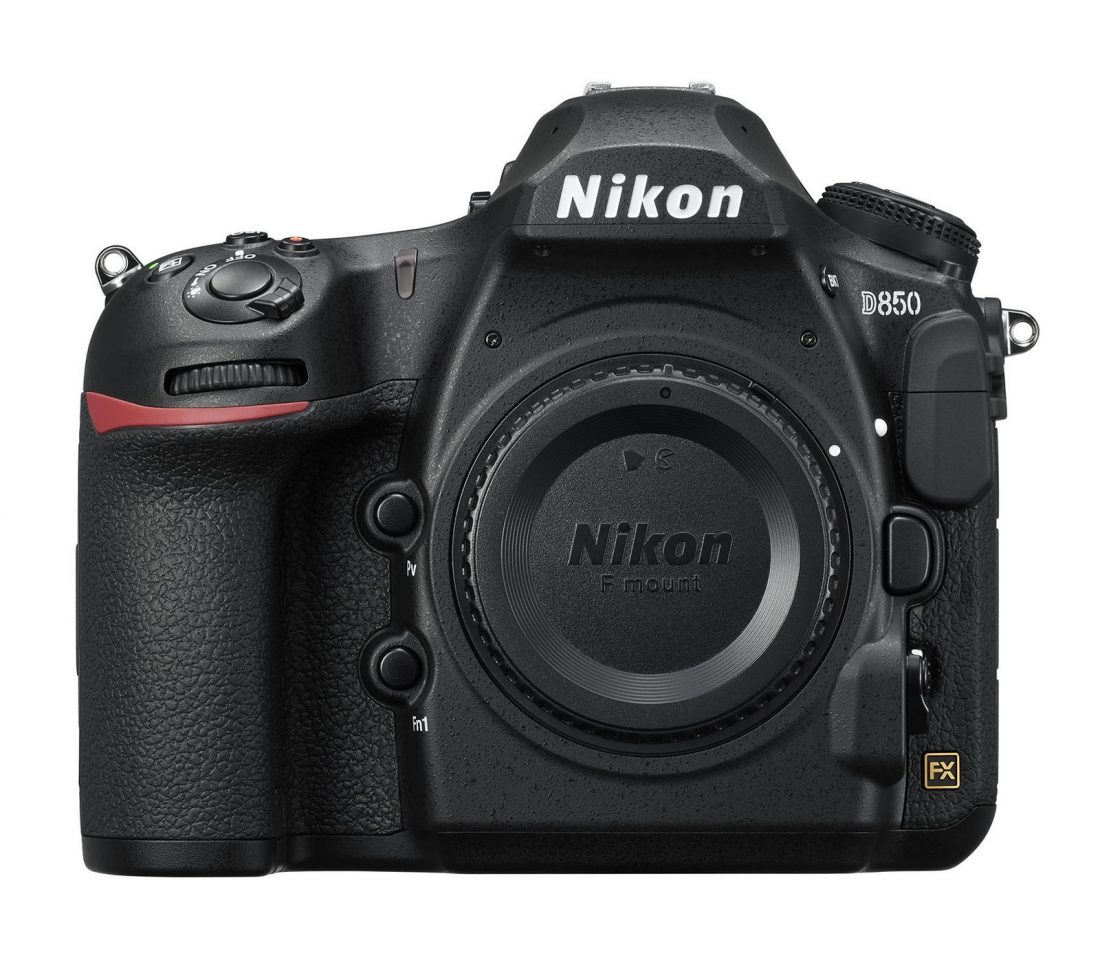
Nikon has announced a new full-frame DSLR, the D850. The announcement coincides with the company’s 100th anniversary, hoping to fulfill the wish-lists of professional photographers. Nikon seems to be aiming for portrait photographers, sports shooters, event photographers, etc.
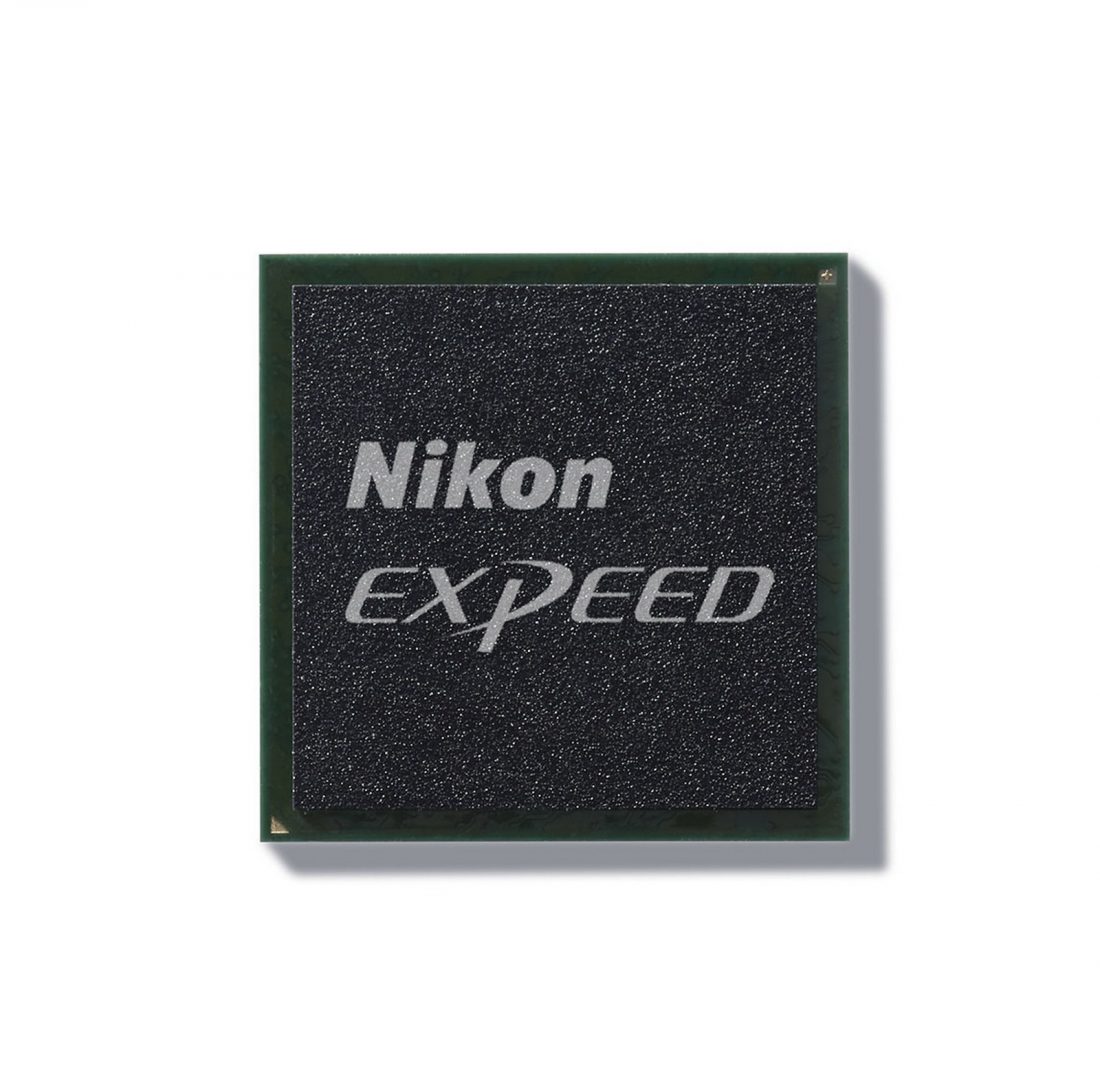
Unlike the D810‘s 36.2-megapixel sensor, the Nikon D850 is built around a back-side illuminated(company’s first) 45.7 megapixel CMOS Sensor and can push the images at 7 fps, or 9 fps with the optional battery grip. Courtesy, the new Expeed 5 image processor, you can buffer up to 51 frames of 45.7-megapixel 14-bit RAW images, or 170 frames at 12-bits. It has the exact same 153-point (99 cross type) autofocus system used in the D5 with 99 cross type sensors and multi-cam 20K autofocus.
Nikon claims that the D850’s 45.7-megapixel sensor has an “unprecedented combination of resolution, dynamic range, ISO, and processing power.” In a bid to capture incredible detail, the company took a pass on the optical low-pass filter (OLPF). No mention of the manufacturer yet, but the fact that Sony uses a similar sensor on its 42-megapixel, full-frame Alpha A7R II, makes it quite certain.
D850’s video capabilities include shooting 4K UHD footage at 30 or 24 frames per second, and 1080p video at up to 120 fps. The camera can also record uncompressed 4:2:2 8-bit 4K UHD footage to an external recorder via HDMI port while recording locally to a card at the same time. Furthermore, the D850 offers an 8K time-lapse video mode.
The Nikon D850 also has a “silent shooter” mode, to shoot in “complete silence” using Live View and the electronic shutter. Other features include a tilting 3.2-inch touchscreen, radio flash control, three sizes of RAW files and a battery which offers 1,840 shots at full resolution or 70 minutes of video on a single charge.
The Nikon D850 comes with a weather sealed magnesium body, dual card slots, illuminated buttons, focus stacking and WiFi and Bluetooth connectivity. Nikon’s flagship camera seems to be a strong contender as compared to Canon’s 50.2-megapixel 5Ds, Fujifilm’s $6,500, 51.4-megapixel GFX 50S and the Sony’s A99 II SLT.
Nikon’s flagship camera, D850 costs $3,299 for just the body and an additional $400 for the MB-D18 Multi Power Battery Pack. The digital SLR camera is reported to arrive in September 2017.
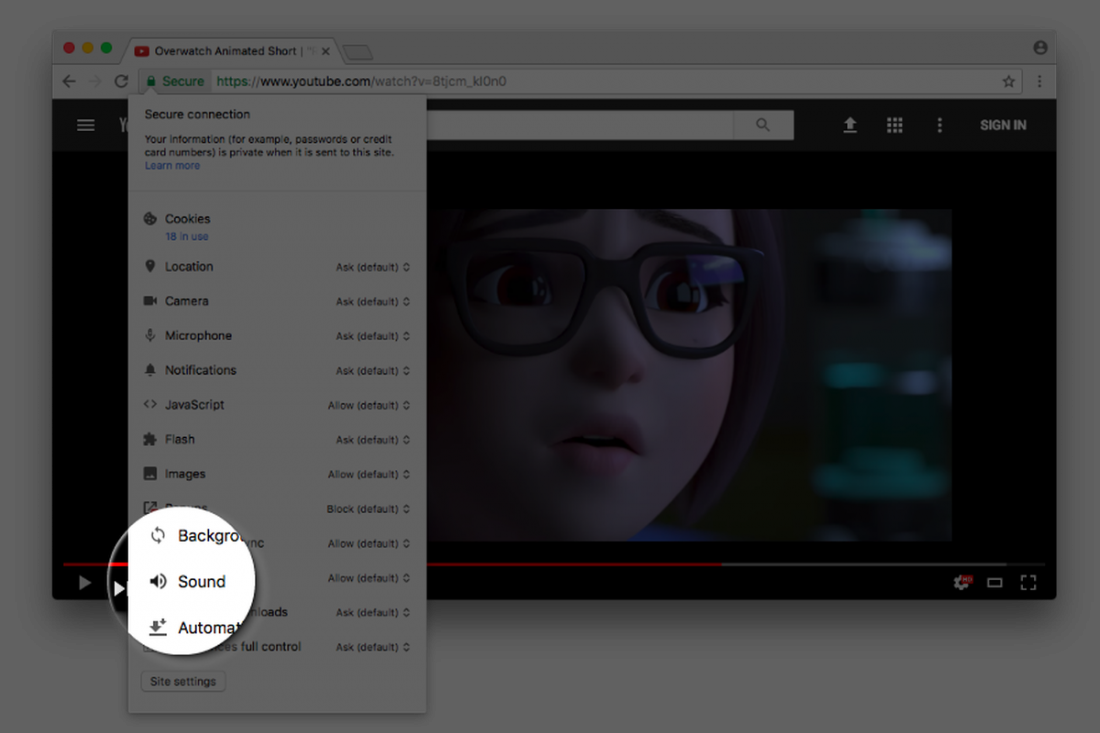
Google Chrome will soon allow users to permanently mute websites, a long awaited feature that will cheer millions who suffer from auto-playing videos on websites. According to a report, the feature is currently available in the experimental Canary build of the browser and will soon roll out with future Google Chrome update. For those of you who want to give this feature a try, run it with the –enable-features=SoundContentSetting switch, as the feature is off by default.
Google’s François Beaufort announced on his Google Plus account, that the Chrome team is still “experimenting with a setting to mute/unmute a website directly from the Page Info bubble.” explaining that “This will give you more control about which website is allowed to throw sound at you automatically.”
As of now, a user can mute tabs in Chrome by right clicking on them, but the process is canceled out once you close the tab or the Chrome window. But with this feature, a user will be able to permanently block sound on a particular domain. In short, websites on which you disable sound will remain disabled or muted until you turn them back on.
Google Chrome already has various toggles for Flash, JavaScript, notifications, etc. and the soon-to-be-added sound toggle will work in a similar way.
According to the update given by François Beaufort, it might be a few weeks or months before we see the feature on Google Chrome.
Lee Jae-yong, the son of Samsung’s ailing chairman and vice chairman of Samsung Electronics has been found guilty of perjury, embezzlement, and bribery in South Korea. The presumed heir to the Samsung empire was sentenced to five years in prison on Friday, which was shorter than the 12-year prison sentence prosecutors had sought for.
Lee was arrested in February and was found guilty by a three-judge panel of Seoul Central District Court. Along with the Lee, four other Samsung executives were accused of offering bribes to former South Korean president Park Geun-hye. Prosecutors alleged that Lee and the other executives gave 43.3 billion won (approximately $38 million) in bribes to Park in exchange for government support for a merger that helped him tighten control over Samsung. The court also found Lee guilty of perjury for falsely testifying at a parliamentary hearing on the scandal, concealing criminal profits, embezzlement and hiding assets overseas. Contrary to which, Lee Jae-yong denied any wrongdoing, and his lawyers are expected to appeal the verdict. Regardless, the court stated that there was sufficient evidence to prove prosecutors’ charges.
Judge Kim Jin-dong said “The essence of this case is the unethical bond between politics and money,” and “I hope that power will be used to serve all people and that big businesses will act with social responsibility, through legal economic activities.”
Although, the Samsung chief was found guilty in today’s verdict, it doesn’t necessarily scuttle his chances for succeeding his father. But, due to the Chinese tradition of “filial piety”, the role of chairman may not pass down to Lee Jae-yong until his 75-year-old incapacitated father passes away.
Samsung has recently bounced back from what was a slow year in 2016 due to recalls involving its Galaxy Note 7 smartphone, and had success with the Samsung Galaxy S8 and S8+ and the newly launched Galaxy Note 8, but the criminal conviction of Samsung’s chief is a blow for the company and is bound to impact the smartphone maker’s credibility and reputation on the business side of things, if not consumer.
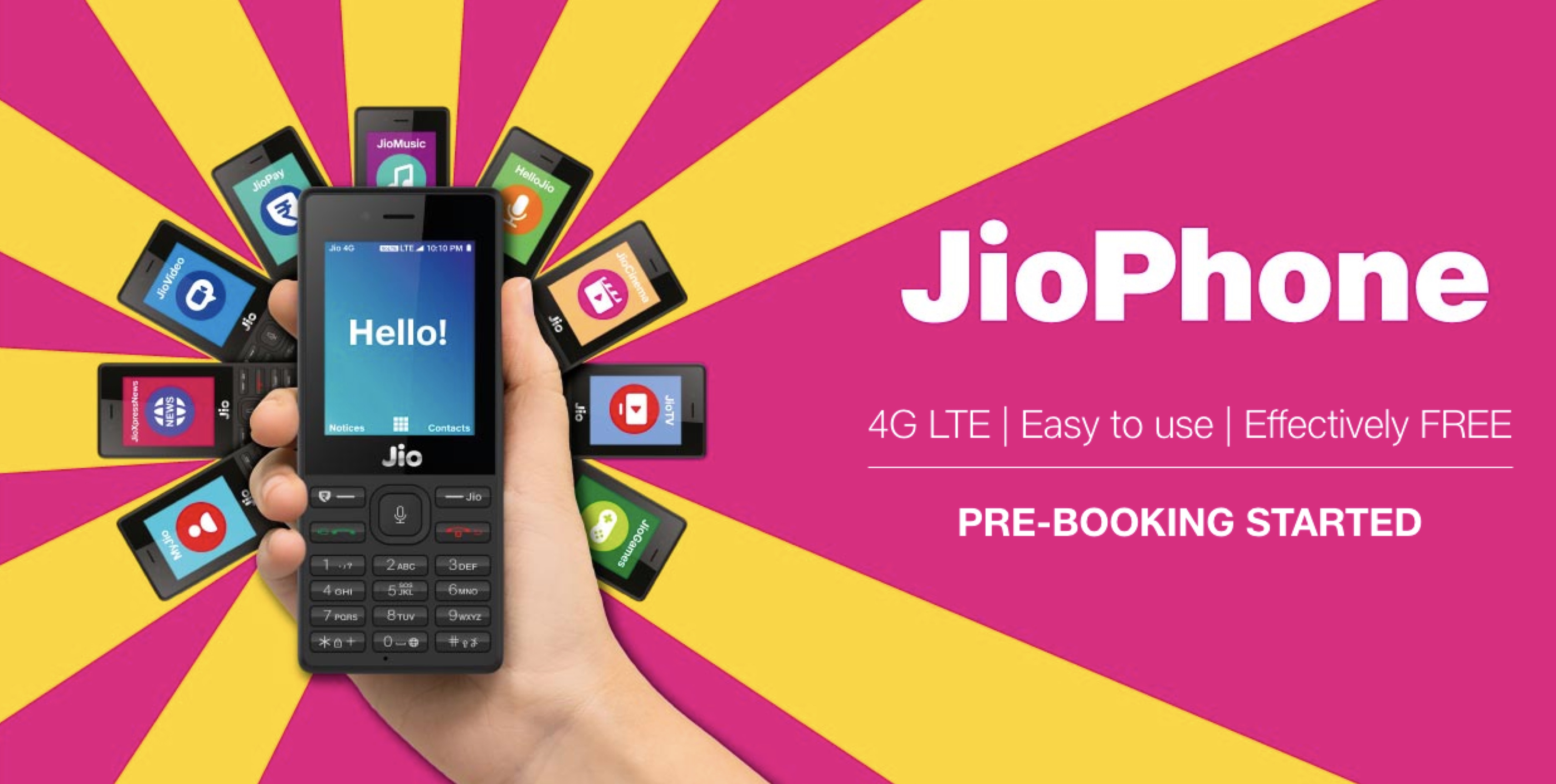
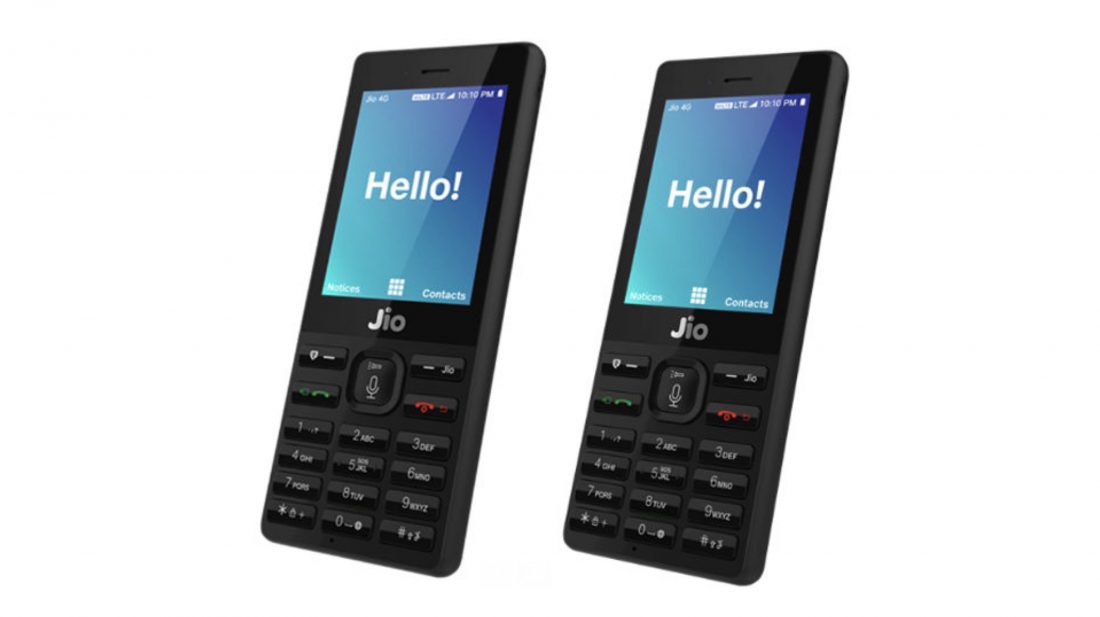
Reliance launched the 4G feature Phone, JioPhone at the company’s 40th AGM in July. During the unveiling, Reliance Jio offered a preview of how the JioPhone might look like along with a list of features. The phone was launched at an “effective price” of Rs 0, with a one time security deposit of INR 1500. The deposit will be refundable after a period of three years at the time of return. The 4G enabled JioPhone, which was in earlier the beta testing phase is up for pre-booking now. As the company stated earlier, the feature phone will be distributed on a ‘first come first serve’ basis to those who pre-booked the handset.
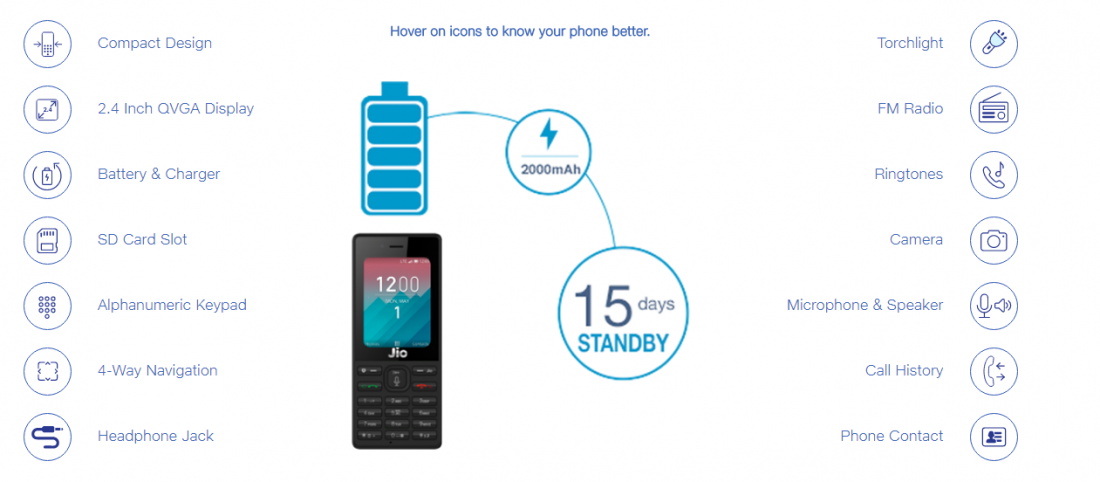
Reliance Jio has revealed the full specifications of the phone on its website. Apart from being effectively free, here are other features of the “India Ka Smartphone” that might interest the buyers.
Apart from the standard phone features, the single Nano-SIM (contrary to the earlier rumors of dual SIM feature) Jio Phone runs on KAI OS (OS version of the Firefox OS) and comes with a a 2.4 inch display. The 4G VOLTE feature phone is powered by 1.2GHz Spreadtrum SPRD dual-core processor with 512 MB of RAM along with 4GB of internal storage which can be further expanded up to 128 GB via a micro SD card. The handset is powered by a 2000mAh battery and has a 2-megapixel rear camera at the back and VGA front camera.
As announced during the launch, the JioPhone comes with Jio Assistant which allows voice enabled search. A user can open apps, search on Google or even compose a message using the Jio Assistant. Built for the Indian market, the voice enabled research works in two languages, English and Hindi. The handset can be connected to TV via JioMediaCable and is preinstalled with a browser and Jio apps like Jio Cinema, Jio Music etc. The phone has regional language support and comes in 22 languages including Hindi, Marathi, Tamil, etc.
Catering to the Indian audience, Reliance Jio has kept the phone’s design familiar and is easy to use, unlike the complex smartphones available in market. The handset is available in black and has in-box accessories which include battery, charger, handset, service guide, warranty card and SIM card.
The JioPhone, which is manufactured by Indian engineers, as the company claims, also has an additional security feature. In case of emergency, the user just needs to long press number 5 on the JioPhone and a distress message will be sent to all registered contacts.For a price of Rs 0, the Reliance JioPhone offers a host of features along with 4G VoLTE support, unlimited voice calls . The handset can be booked on this link.
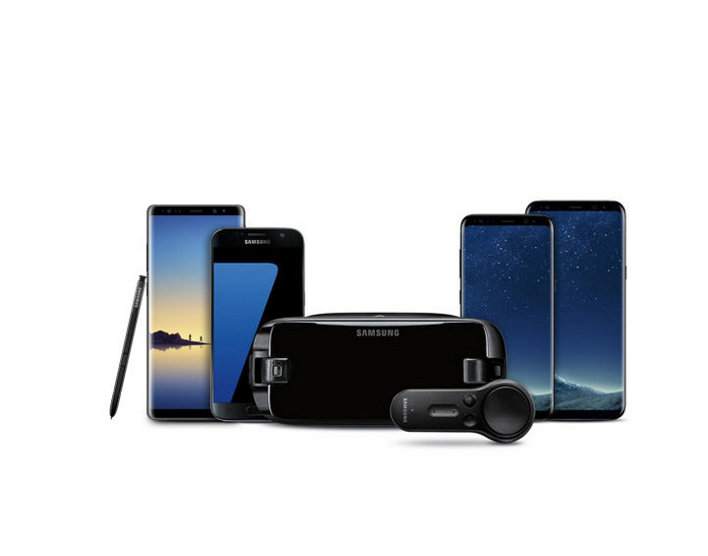
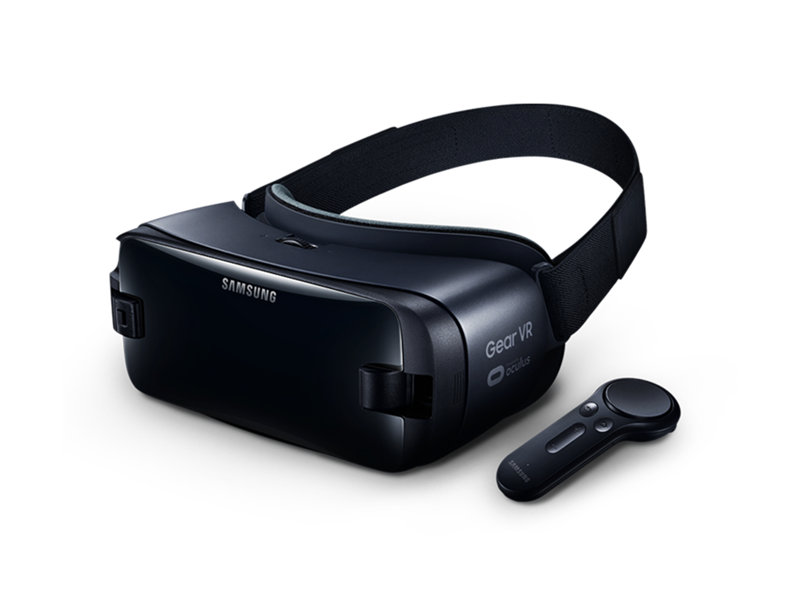
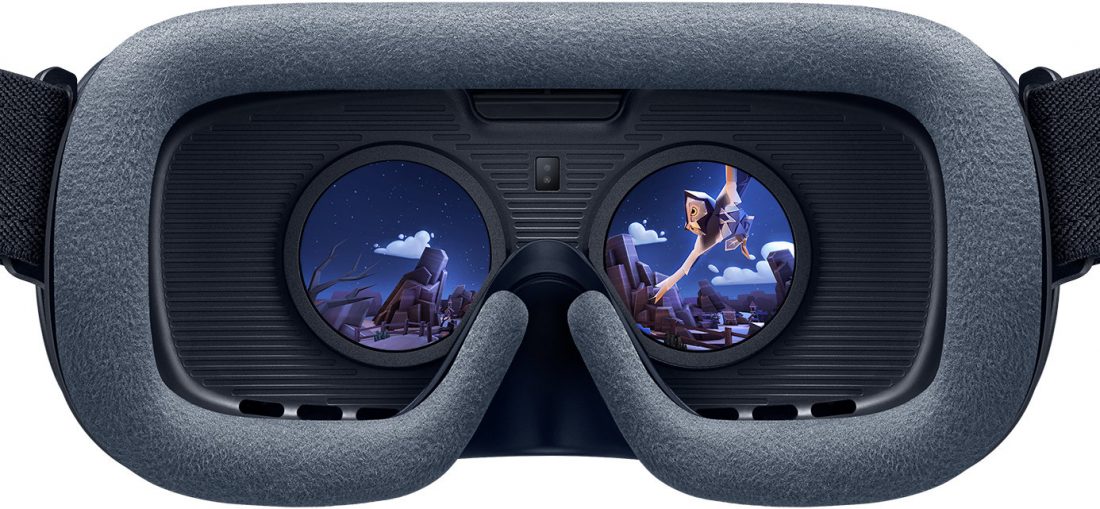
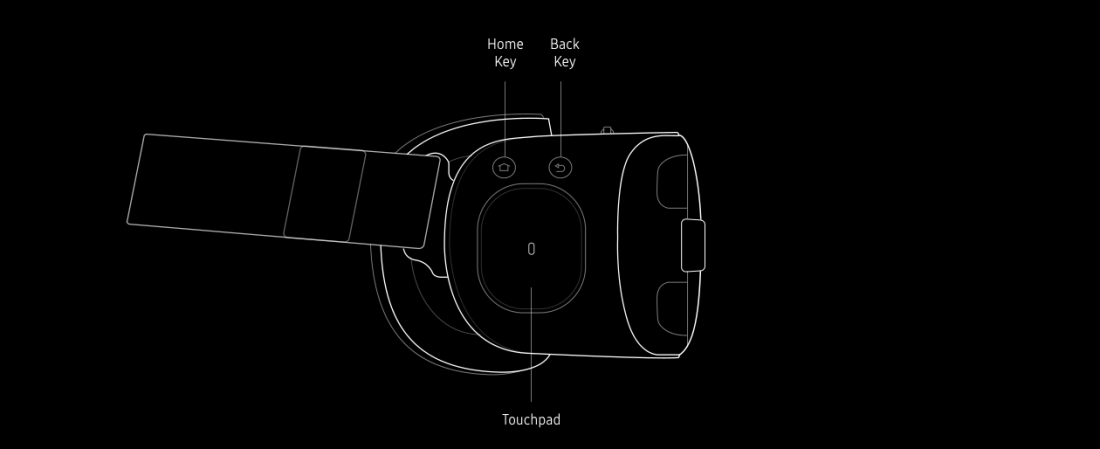
The Galaxy Note 8 wasn’t the only device announced at the launch yesterday. Samsung confirmed that the company is releasing another iteration of the Gear VR headset as the previous variant wasn’t big enough to fit the newly launched Note 8. The new Gear VR headset is designed to support the Galaxy Note 8’s 6.3-inch display and can be paired with Samsung’s new wireless controller. Apart from the size difference, no such significant difference could be spotted between the new and the previous Gear VR.
Both the devices are powered by Oculus and come with a physical controller which offers quicker selection and interaction, Samsung claims. The Gear VR headsets feature a wide interface and an ergonomic design for an interactive and immersive gaming session.
The Gear VR launched a few months back had a 101-degree field of view and the latest edition is no different. The previous iteration was compatible with the Galaxy Note5, S6, S6 Edge, S6 Edge+, S7 and S7 edge and the S8 phones. It appears to be that Samsung didn’t put in much thought whether the device would be capable of supporting the next Note or not. Hence, the new and bigger Gear VR headset.
The Gear VR (Galaxy Note8 Edition) will support Android Lollipop 5.0 or later devices. The headset weighs 345 grams and will be compatible with Galaxy S8+, S8, S7, S7 edge, S6, S6 edge, S6 edge+ and of course the Galaxy Note8. The Gear VR headset can be connected via Bluetooth, USB Type-C & micro USB and has an additional USB Port, Type-C for power connection, OTG USB Memory, 3rd-party controller.
Samsung promises that the new Gear VR will let you explore the multi-dimensional worlds in virtual reality, offer enhanced gaming experience with organic, intuitive responses, etc. Well, you won’t have to wait too long to find out as the Gear VR – Note8 Edition, which costs $129.99 (approximately Rs. 8,325) is already available on the company’s website for ordering.
After today’s much-anticipatedlaunch of the Samsung’s new Galaxy Note 8, the company hopes to rebuild consumer confidence and reinvigorate the Note series. Until last year, the Galaxy Note series was amongst the top flagship devices but, the recall of the Galaxy Note 7 due to battery issues had a significant impact on sales and consumer perception. So, from the Galaxy Note 7 to the Galaxy Note 8, what has changed?
The new standout feature – Dual-lens Camera
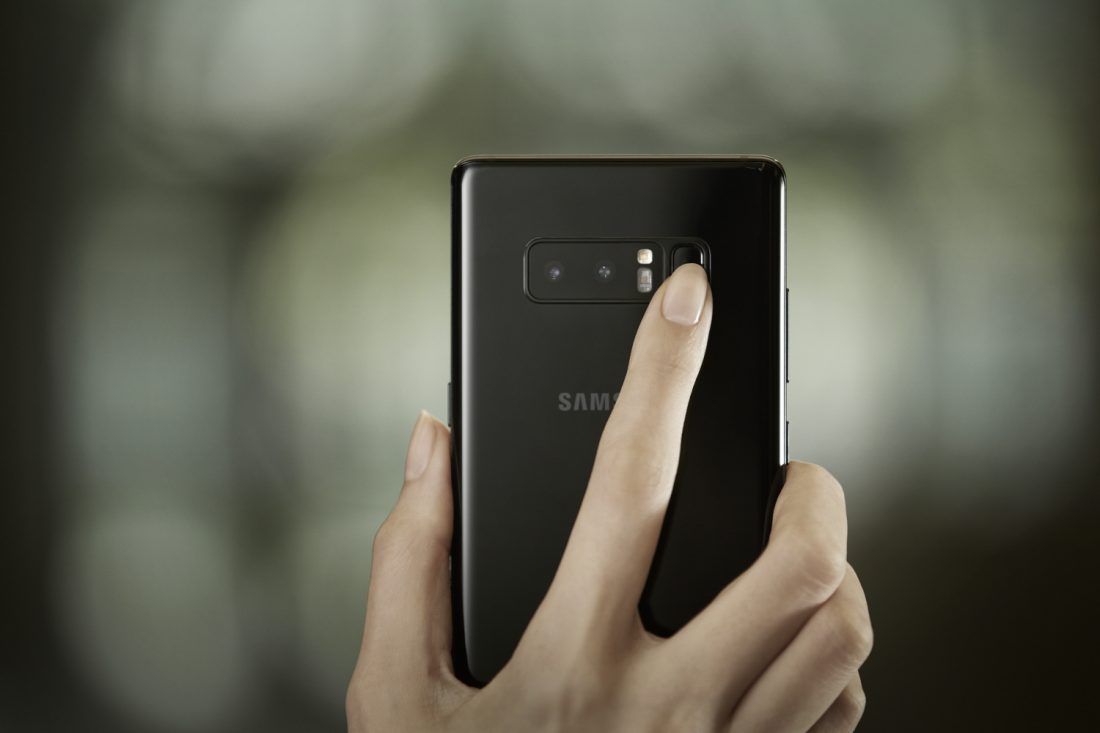
Unlike its predecessor, the Samsung Galaxy Note 8 is equipped with a horizontally placed two 12-megapixel cameras at the back with a fingerprint scanner right next to it. Many criticized the odd placement of the fingerprint sensor at the back when the Galaxy S8 was launched, and nothing has changed on this front in the Galaxy Note 8.
The 12MP primary camera has a wide-angle lens with an f/1.7 aperture whereas the secondary 12MP camera has a telephoto lens with an f/2.4 aperture. The dual-camera setup is capable of 2X lossless zoom and other features such as Bokeh effect and selective focus for background blurring. The rear camera setup records video in 4K at 30 FPS and features phase detection autofocus, dual optical image stabilization (an industry first, claimed by Samsung) and an LED flash. On the front is an 8MP camera with an f/1.7 aperture which captures 4K videos at 30 FPS whereas, the Galaxy Note 7 had a 5MP front camera with 1920×1080 full HD video recording at 30fps.
Another widely anticipated feature is the new and improved S-Pen.
[carousel]
[panel]
Live Message
[/panel]
[/carousel]
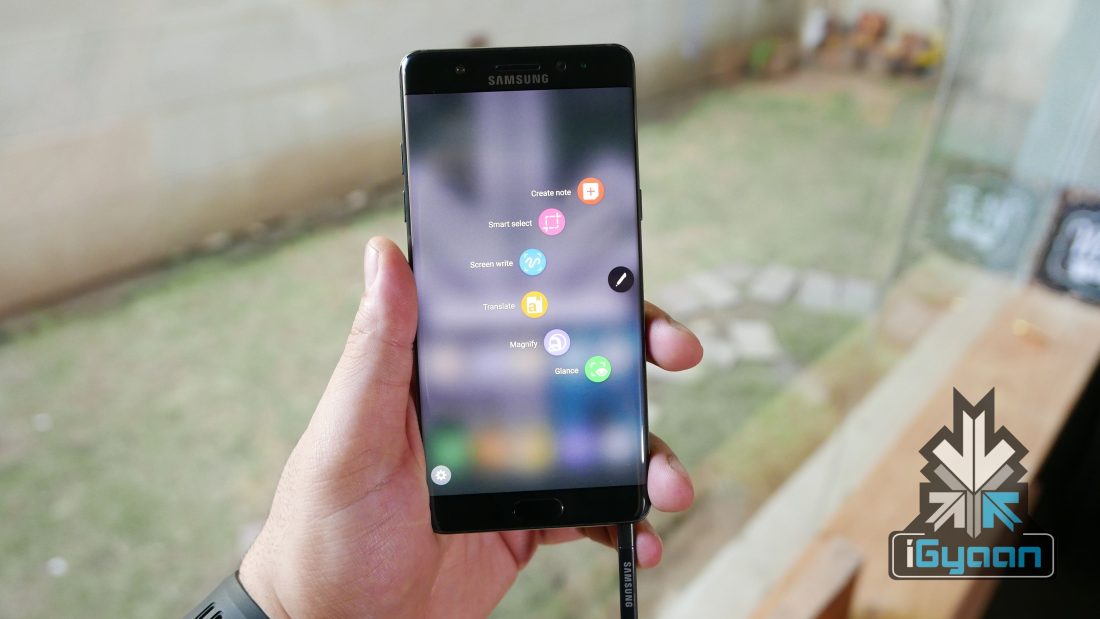
Similar to the Note 7 stylus, the new S Pen is water resistant and has more levels of pressure sensitivity. The latest S-Pen features include capability of taking notes up to 100 pages in the Screen Off Memo mode, a live messages which are saved as GIFs and the user can also hand-write a message or picture with the S Pen. Also, the translate feature, introduced on the Note 7, is making a come back in this year’s Note 8. To translate a sentence, a user has to simply highlight the text and the S Pen will instantly translate the sentence into 71 languages.
On the design front, both the Galaxy Note 8 and the Note 7 feature Corning Gorilla Glass 5 panels on the front and the back. Samsung is offering an almost all-screen front with a metal and glass body design along with a built-in stylus. The smartphone sports a 6.3 inch 2960 x 1440 px Super AMOLED display with curved edges. With an 83.1% screen-to-body ratio and almost bezel-less design (compared to the Note 7), Samsung is aiming to rival other similar flagship devices.
Coming to what’s under the hood, the newly launched Galaxy Note 8 runs Android 7.1.2 Nougat with a promised update to 8.0 Oreo in near future.
Galaxy Note 7
As is with all Samsung flagship devices, the Galaxy Note8 will ship with two different chipsets, the Qualcomm Snapdragon 835, 2.45 GHz octa-core processor with Adreno 540 GPU for USA and China, and the Exynos 8895, 2.3GHz Quad-Core (Custom CPU) + 1.7GHz Quad-Core (Cortex-A53) with Mali-G71 MP20 for the remaining markets. The device will have 6GB RAM and onboard storage options of 64GB/128Gb/256GB which will be expandable via microSD card up to 256GB.
Powered by a 3,300 mAh battery with QuickCharge 2.0 via USB Type C port and the rear glass panel allows the Galaxy Note 8 to support wireless charging. Thanks to Galaxy Note 7’s 3500mAh faulty batteries, Samsung has opted for a slightly smaller battery for its new flagship.
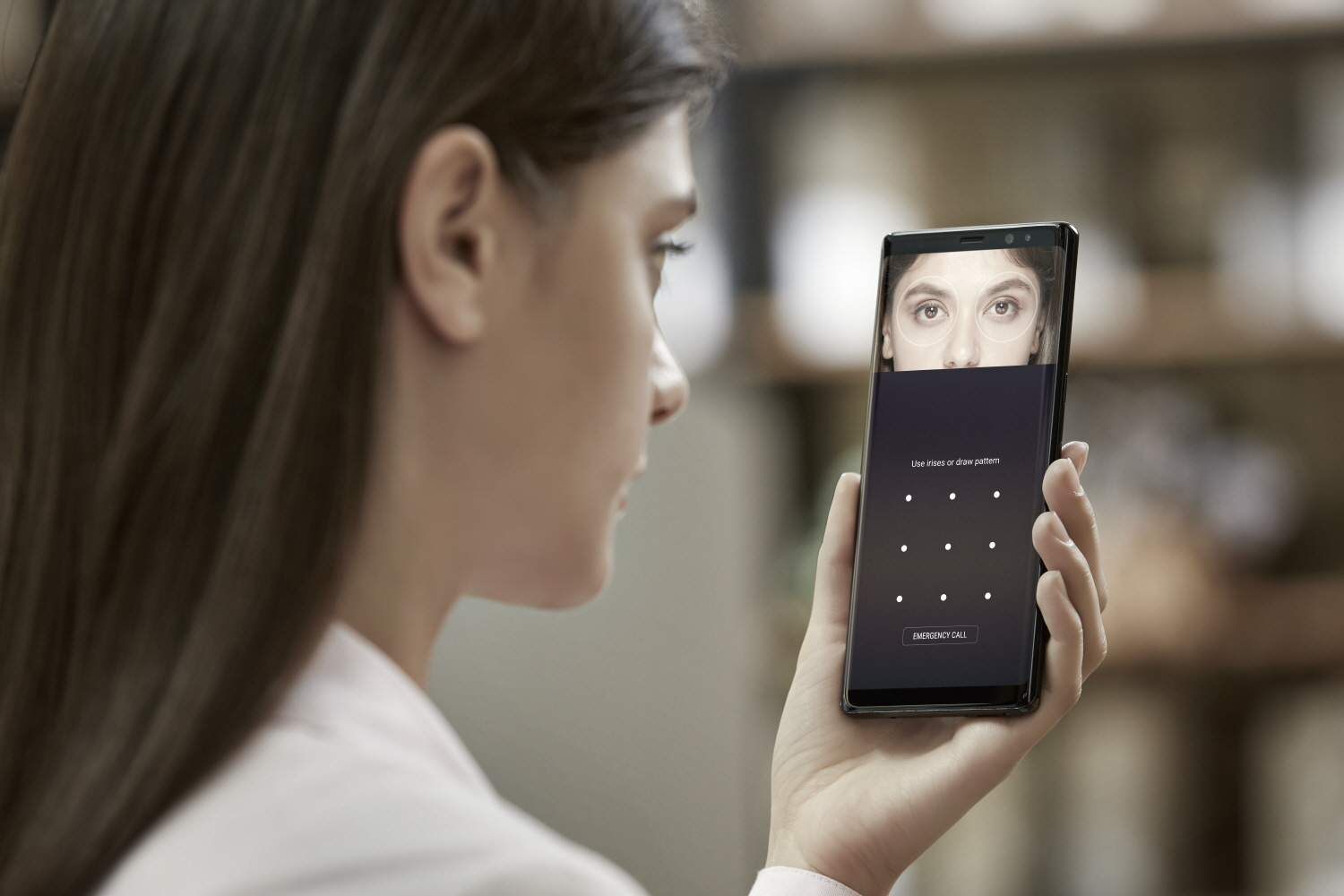
For added security, Samsung is offering plenty of biometric security options to choose from, such as iris scanner and facial recognition, apart from a fingerprint scanner. The Galaxy Note 7 was amongst the first of Samsung smartphone to feature iris scanner for unlocking the device.
The smartphone will be available in four colour variants (two of which were leaked ahead of its launch)– Midnight Black, Orchid Gray, Deep Sea Blue and Maple Gold.
In term’s of how the Galaxy Note 8 will stack up against it’s recalled sibling, the Galaxy Note 7, here’s a little something to help you figure out.
Specifications
Galaxy Note 8
Galaxy Note 7
Price
£869 (Approximately Rs. 71,100)
Launched at US $ 849.99 (Approximately Rs. 59900)
Dimensions
162.5 x 74.8 x 8.6mm
153.5 x 73.9 x 7.9 mm
Weight
195 grams
169 g
Design
Corning Gorilla Glass 5 Front
Corning Gorilla Glass 5 Back
Metal Frame
Corning Gorilla Glass 5 Front
Corning Gorilla Glass 5 Back
Metal Frame
Colors
Midnight Black
Orchid Gray
Deep Sea Blue
Maple Gold
Blue Coral
Gold Platinum
Silver Titanium
Black Onyx
Display
6.3-inch Super AMOLED
5.7-inch Super AMOLED
Screen Resolution
2960 x 1440 px
2560 x 1440 px
PPI (Pixels Per Inch)
521ppi
518ppi
Display Protection
Corning Gorilla Glass 5
Corning Gorilla Glass 5
Chipset
Option 1: Qualcomm Snapdragon 835
Option 2: Exynos 8895
Option 1: Qualcomm Snapdragon 829
Option 2: Exynos 8895
CPU
Snapdragon 835 Variant: Octa-core 2.45 GHz
Exynos Variant: 4×2.3 GHz custom CPU and 4×1.7 GHz Cortex-A53
After SpaceX’s successful Falcon 9 rocket launch, Elon Musk posted a picture of his SpaceX space suit on Instagram. The image was shared via his official Instagram handle, confirming that the picture was not a mockup, but an actual shot of a fully functional suit.
https://www.instagram.com/p/BYIPmEFAIIn/
According to SpaceX’s CEO the suit actually works, and can withstand double the pressure of the vacuum of space. Taking cue from Boeing’s new spacesuit for its first commercial crewed space missions, the Space X space suit is designed to look svelte and tight to the body. As compared to other spacesuits, Elon Musk has emphasised on style with spacey white accents and lines on the suit.
Musk acknowledged that it was “incredibly hard” to get the right balance between the suit’s look and its function. Although, not specified, SpaceX suits are obviously meant to be worn by astronauts for safe travels inside the company’s Dragon Capsule. The pressure suits aren’t meant for space walks. Instead, are worn by astronauts during transport in case the capsule depressurizes. Once the SpaceX starts launching people to and from the International Space Station, these suits will be worn by NASA astronauts for the commercial crew program.
Not much have been divulged in terms of spacesuit detail, but Musk has promised follow up details including a full-body view reveal and many more images.
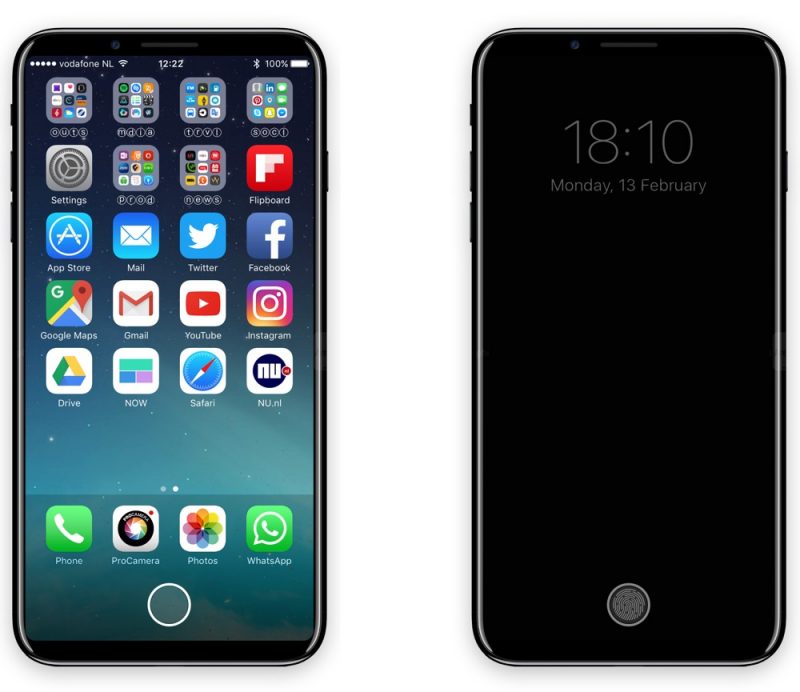
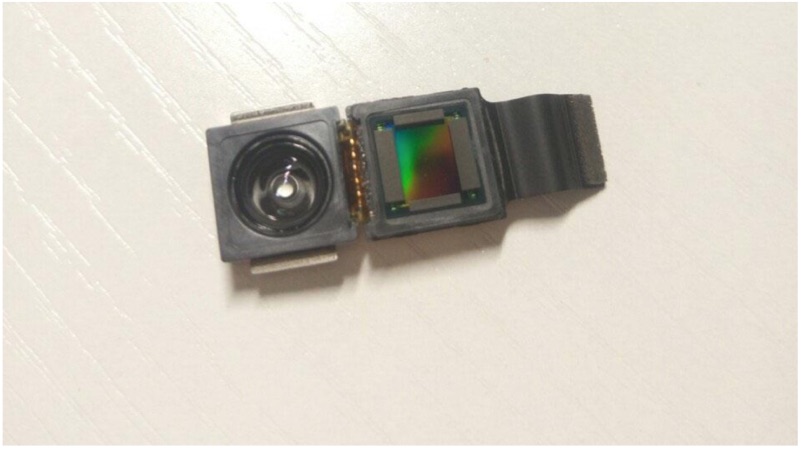
As the iPhone 8 reportedly enters production phase, new leaks from its assembly have surfaced online. A few days back, an image leak showcasing the alleged iPhone 8’s OLED display assembly, lightning and power flex cables emerged.
The latest component on display appears to be the iPhone 8’s 3D sensing camera module which is expected to replace Apple’s iconic TouchID. The leaked 3D camera module will most likely be used to recognise users’ face and the feature will be called “Face ID”. Another anticipated feature is the iris scanner. Multiple listings have stated that the the new iPhone is expected to have iris scanner as an added security feature.
But Apple isn’t amongst the first to use this technology. Smartphone makers like Samsung and LG have already integrated facial recognition and iris scanner in their flagship devices. However, Apple’s “Face ID” for unlocking the iPhone is expected to be much faster and ‘practically instantaneous’ as compared to the rival systems. Assuming that Apple is dropping the Touch ID, reports claim that “Face ID” will be just as fast, if not faster, than the fingerprint sensing technology.
Another challenge faced by Apple while embedding the facial recognition tech could be constantly environmental conditions. As the facial detection technology will have to cope with constant changes in the environment around the face. It is yet to see if ‘practically instantaneous’ system will be capable of handling the scanning, recognition and the storage of a user’s facial biometric information.
It will be interesting to see how Apple will pull off a seamless and instant facial recognition system which is secure and reliable for the upcoming iPhone 8. Apple’s redesigned flagship is expected to launch in September.
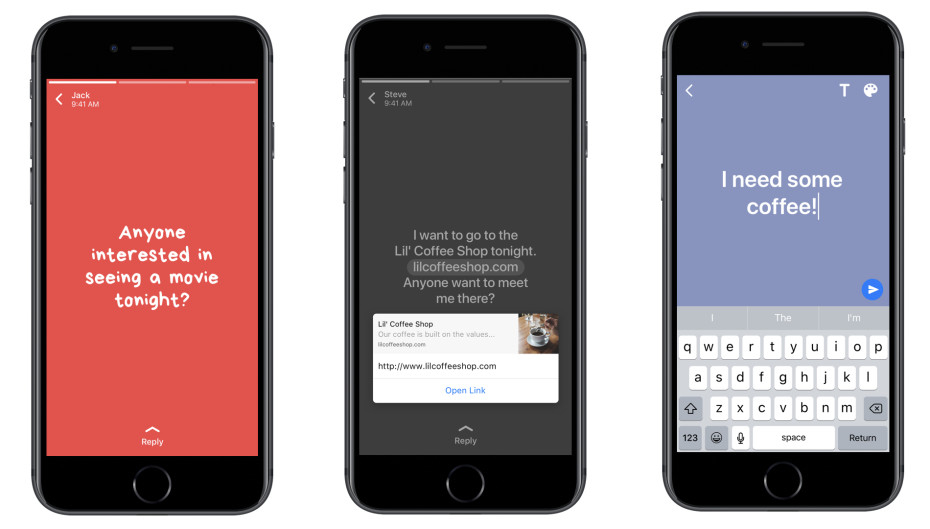
WhatsApp has added a new feature to its ranks, quite similar to Facebook’s colourful status update. Apparently, now you can change our WhatsApp status update to suit your mood. The Users will now be able to update their statuses with more than just images or videos, and use colourful meme-like text posts.
The new feature which is rolling out to Android and iOS devices, lets you write a snippet of text, choose a background color, and customize the font. This feature is specifically for WhatsApp’s Snapchat Stories clone. The Snapchat-like status update which disappears in 24 hours, was first introduced in February. Last month, Facebook announced that WhatsApp status feature has hit 250 million daily users, exceeding the Snap’s main product.
Much like Facebook, the new WhatsApp update allows you to link out to other websites from within a text post. Seems like Facebook is handing down similar upgrades to its messaging app, which the social networking website acquired for19 Billion dollars in 2014.
Though WhatsApp has confirmed the new colourful text update, all may not be able to use the new feature as it has been remotely activated, and full-fledged rollout is still awaited.
For iPhone users, the pen icon appears next to the camera icon in the new Status bar. For Android users, the floating pen icon shows up at the bottom of the Status tab, above the camera icon.
The option to type a status, choose a font, emoji, and the background colour as well shows up by clicking on the pen icon. After writing the status and making necessary changes, press the green arrow key to send the text status. The status will then be published on WhatsApp for all your contacts to see. As usual, you can control who sees your status and know who viewed it by clicking on the ‘eye’ icon at the bottom of the screen.
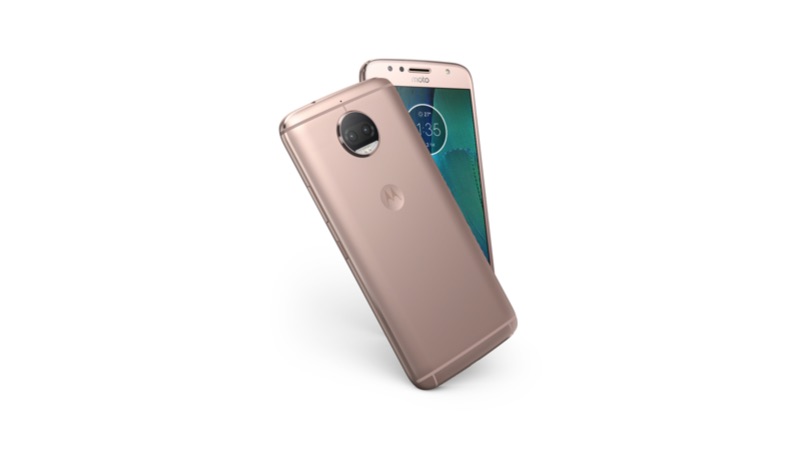
Motorola India has been teasing the launch of the Moto G5S Plus for the past few days and the company recently tweeted the Moto G5 Plus’ successor will launch in India on 29 August.
Although the the Moto G5S Plus listing has gone live on Amazon India confirming it to be an Amazon exclusive, no information about the launch of Moto G5S in India has been revealed yet.
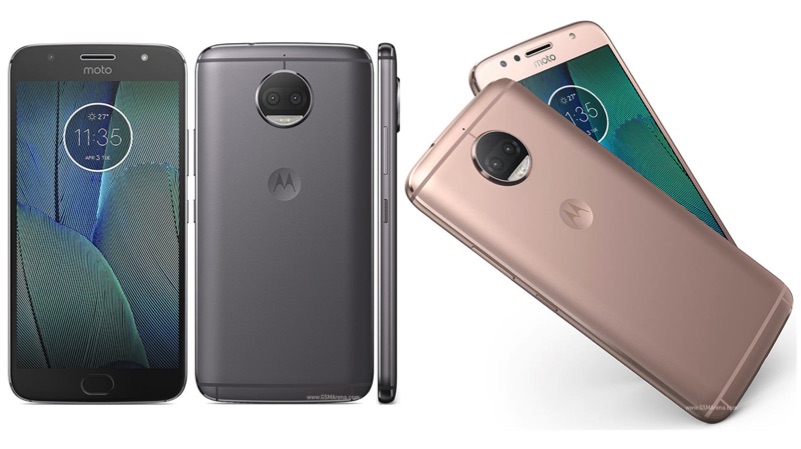
The Moto G5S Plus will be available in Lunar Grey and Fine Gold colour variants featuring a 5.5 inch 1920 x 1080 px display with Corning Gorilla Glass 3 for protection. The smartphone comes with a unibody metal design and sports a 2.5D curved glass panel on the front. Similar to it’s younger sibling – the Moto G5 Plus, the G5S Plus will be powered by a 3,000 mAh battery with turbo charging capabilities. The power adapter can supposedly provide 6 hours of usage time with 15 minutes of charging. The device has the Qualcomm Snapdragon 625 chipset, a 2.0 GHz octa-core CPU coupled with 3GB of RAM and 32GB of onboard storage which is expandable via microSD card up to 128GB.
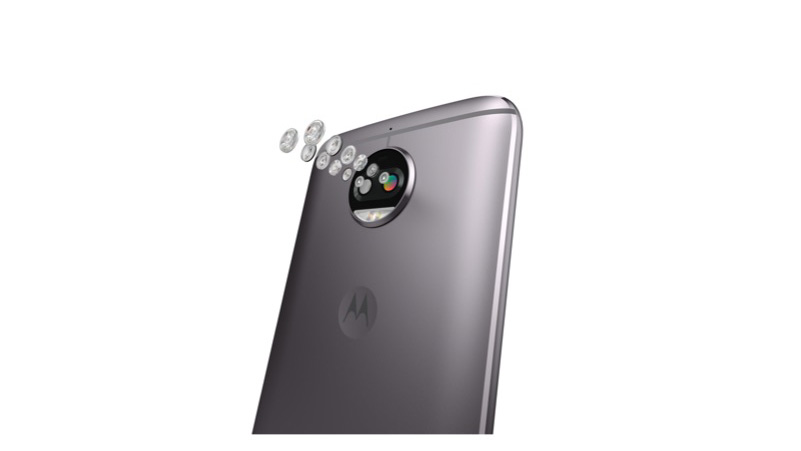
The Moto G5S Plus’ widely speculated feature, the rear mounted 13MP dual-camera with an f/2.0 aperture and dual tone LED flash, comes with video stabilization and 4K video recording at 30 FPS. The dual camera has features like Bokeh, selective focus shots and exposure management. On the front is an 8MP camera with a wide-angle lens and LED flash along with a new panoramic mode.
The physical home button on the front also doubles up as a fingerprint sensor, much like the previous Moto phones. Additional features such as Night Display and Quick Reply have also been added as part of a more meaningful software experience for the customers, the company claims.
The Moto G5S Plus price hasn’t been confirmed yet but speculations predict that the smartphone will be priced around Rs 17,999.