Author: Bharat Nagpal

  • AutoGyaan: Porsche Shows off the 918 Spyder (PR)

    AutoGyaan: Porsche Shows off the 918 Spyder (PR)

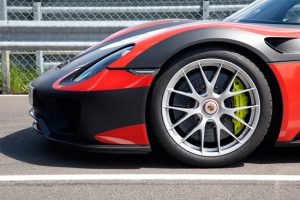
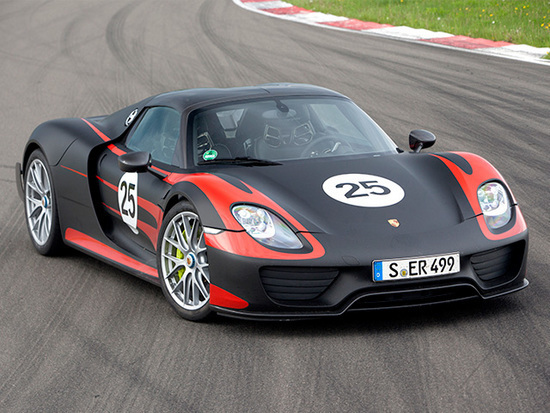
    Posche has unveiled the production model of its 918 Spyder Hybrid, and basically automobile enthusiasts around the world are ready to drool. The engine combination includes a generation of  608 hp at 8,600/min (V8 engine) plus a 154 hp (hybrid module on rear axle), along with an 127 hp (electric motor on front axle), giving the eco sports car a total of 887 hp (combined).
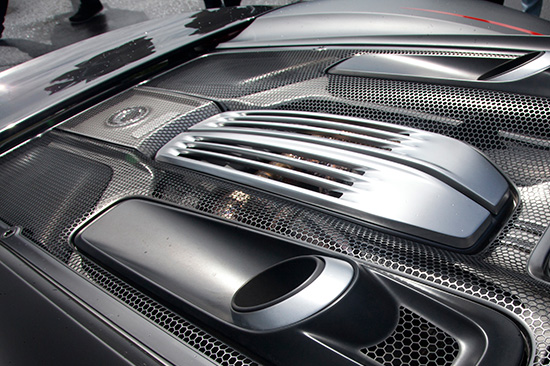
    918 spyder inner

    The entire load-bearing structure is made of carbon fiber reinforced polymer (CFRP).  The car’s unladen weight of approximately 3,715 lbs. is an excellent low weight for a hybrid vehicle of thisperformance class.

    The chassis has also been fitted with PASM adaptive shock-absorber system and rear-axle steering with electro-mechanical adjustment system at each rear wheel, this happens depending on the speed of the car upto three degrees in each direction assisting in overall control and stability. The Porsche 918 Spyder is also equipped with Porsche Active Aerodynamic (PAA), which ensures maximum downforce and is tuned to the operating modes of the hybrid drive system.
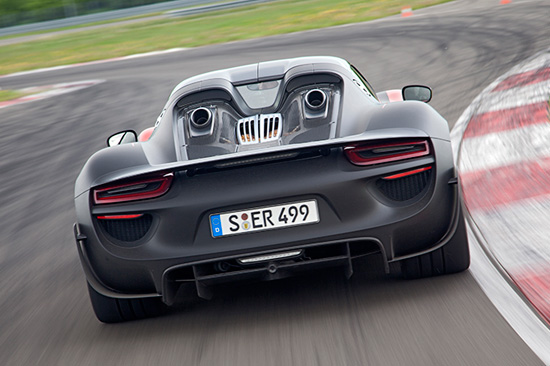
    918 spyder rear

    The Weissach package adds more performance and reduces the weight by 77 pounds, in this the roof, rear wings, rear-view mirrors and frames of the windscreen are made of visible carbon. Parts of the interior are upholstered with Alcantara instead of leather, and visible carbon replaces much of the aluminum.




    Technical Specifications of Porsche 918 Spyder

    Body: Two-seat Spyder; carbon fiber reinforced plastics (CFRP) monocoque interlocked with CFRP unit carrier; two-piece Targa roof; fixed roll-over protection system.
    Drivetrain:

    Parallel full hybrid; 4.6-liter V8 mid-engine with dry-sump lubrication; hybrid module with electric motor and decoupler; electric motor with decoupler and gear unit on front axle; auto start/stop function; electrical system recuperation; four cooling circuits for motors, transmission and battery; thermal management.

    Engine power:

    608 hp at 8,600/min (V8 engine)
    154 hp (hybrid module on rear axle)
    127 hp (electric motor on front axle)
    887 hp (combined)

    Max. torque:

    390 lb.-ft. at 6,600/min (V8 engine)
    940 lb.-ft. (equivalent torque calculated on the crankshaft, complete system in 7th gear)
    787 lb.-ft. (complete system, 3rd gear)
    > 590 lb.-ft. (800/min & 5,000/min)

    Maximum Revs: 9,150 rpm
    Power output per l: 133 hp/l (V8 engine)
    Power transmission:

    Combustion engine with hybrid module and transmission bolted together to form a single drive unit; seven-speed Doppelkupplungsgetriebe (PDK); rear-wheel drive; front electric motor with gearbox for driving the front wheels (decoupled from 146 mph); five pre-selectable operating modes for optimum coordination of all drive units.

    Gear ratios   PDK
    1st gear  3.91
    2nd gear 2.29
    3rd gear  1.58
    4th gear   1.19
    5th gear  0.97
    6th gear  0.83
    7th gear  0.67
    R gear  3.55
    Final drive ratio  3.09
    Clutch diameter  8.7 in. / 6.5 in

    Chassis and Suspension:

    Double-wishbone front axle; optional electro-pneumatic lift system on front axle; electro-mechanical power steering; multilink rear axle with adaptive electro-mechanical system for individual rear wheel steering; electronically controlled twin-tube gas-pressure dampers in the front and rear with Porsche Active Suspension Management (PASM).

    Brake system: High-performance hybrid brake system with adaptive recuperation; internally ventilated and perforated front ceramic brake discs (PCCB), 16 in. in diameter and 1.4 in. thick; rear discs 15.4 in diameter and 1.3 in. thick.
    Wheels and tires:

    918 Spyder wheels
    (Weissach package: 918 Spyder magnesium wheels)
    front 9.5 J x 20 with  265/35 ZR 20
    rear 12.5 J x 21  with  325/30 ZR 21

    Weights:

    Curb weight 3,715 lbs.
    3,616 lbs. (Weissach package)

    Dimensions:

    Length 182.8 in.
    Width  76.4 in.
    Height 45.9 in.
    Wheelbase  107.5 in.

    Track width

    front 65.5 in.
    rear  63.5 in.

    Luggage compartment capacity, VDA   ~ 110 l
    Fuel tank capacity 18.5 gal

    Energy supply: Lithium-ion battery with 6.8 kWh capacity (BOL nominal), 220 kW maximum power and mains-compatible plug-in charger.
    Performance:

    Top speed > 211 mph
    purely electric 93 mph

    Acceleration:
    0-62 mph   2.8 s
    0-60 mph less than 2.8 s
    0-62 mph (in electric mode)  7.0 s

     0-124 mph (0-200 km/h) 7.9 s

    0-186 mph (0-300 km/h) 23.0 s

    Range: Purely electric: approx. 18 mi.
    Warranty: Vehicle (Battery): 4 years (7 years)

    Charging times:

    AC charging on a household socket (110 V, 10 A):
    less than 7 hours
    AC charging on an industrial socket (240 V, 30 A):
    less than 2 hours
    DC charging on an industrial socket (400 V, 32 A):
    less than 0.5 hours.


    [toggle title=”Press Release”]

    INTRODUCING THE PORSCHE 918 SPYDER

    Atlanta.The 918 Spyder embodies the essence of the Porsche idea: it combines pedigree motor racing technology with excellent everyday utility, and maximum performance with minimum consumption. The task faced by the development team was to create the super sports car for the next decade with a highly efficient and powerful hybrid drive. Developing the car from scratch, appropriately beginning with a sheet of white paper, allowed the team to come up with a no-compromise concept. The entire car was designed around the hybrid drive. The 918 Spyder therefore demonstrates the potential of the hybrid drive to a degree never seen before: the parallel improvement of both efficiency and performance without one being at the cost of the other. This is the idea that has made the Porsche 911 the most successful sports car in the world for 50 years. In short, the 918 Spyder will act as the gene pool for the Porsche sports cars of the future.

    The 918 Spyder reveals its close links to motorsport in a variety of ways. It has been designed, developed and produced by Porsche engineers who build race cars, in cooperation with series production specialists. A great deal of insight gained from the development of Porsche race cars for the 24 hours race in Le Mans in 2014 is thus integrated into the 918 Spyder – and vice versa. The structural concept of the 918 Spyder with a rolling chassis as its basis – a basic vehicle that can be driven even without a body – is race car tradition at Porsche. The concept of the V8 engine originates from the LMP2 RS Spyder race car. The load-bearing structures, the monocoque and subframe, are made of carbon fiber reinforced polymer. Porsche has many years of experience with this high-strength, lightweight construction material and has again achieved top results with the development of the series production 918 Spyder. Many parts of the super sports car come from manufacturers who have a proven record as suppliers for motorsport vehicles.

    Hybrid drive brings advantages in terms of driving dynamics

    A key message of the 918 Spyder is that the hybrid drive from Porsche is a plus for no-compromise driving dynamics. Drivers can experience this thanks to the unique all-wheel drive concept with a combination of combustion engine and electric motor on the rear axle and the second electric motor on the front axle. It is based on knowledge gained by Porsche during motor races with the successful 911 GT3 R Hybrid. Due to the additional, individually controllable front drive, new driving strategies for extremely high, safe cornering speeds can be implemented, especially for bends. Furthermore, the advanced “boost” strategy manages the energy of the electric drive so intelligently that, for every sprint with maximum acceleration, the full power of the 918 Spyder can be tapped into by simply pressing the accelerator down fully. In short, the 918 Spyder allows even drivers without motorsport training to experience the potential of advanced longitudinal and transverse dynamics.

    The Porsche 918 Spyder also has the potential to break many records. The current lap time for the North Loop of the Nürburgring is 7:14 minutes. This time was achieved in the presence of international journalists during test drives in September 2012 – more than a year before start of production. The 918 Spyder prototype was therefore approximately 20 seconds quicker than the Porsche Carrera GT. More test drives on the Nürburgring North Loop will follow. An even more important factor is that the 918 Spyder surpasses previous models and competitors by far in its efficiency as well. As a plug-in hybrid vehicle, it systematically combines the dynamic performance of a racing machine with low fuel consumption. To sum it up: maximum driving fun with minimal fuel consumption.

    Carbon monocoque guarantees lightweight design with a low center of gravity

    The 918 Spyder utilizes the best state-of-the-art technologies, taken straight from motor racing, to achieve its top performance. The entire load-bearing structure is made of carbon fiber reinforced polymer (CFRP) for extreme torsional rigidity. Additional crash elements at the front and rear absorb and reduce the energy of a collision. The car’s unladen weight of approximately 3,715 lbs. (3,616 lbs. with “Weissach” package), an excellent low weight for a hybrid vehicle of this performance class, is largely attributable to this concept.

    The drivetrain components and all components weighing over 110 lbs. are located as low and as centrally as possible within the vehicle. This results in a slightly rear end biased axle load distribution of 57 percent on the rear axle and 43 percent on the front axle, combined with an extremely low center of gravity at approximately the height of the wheel hubs, which is ideal for driving dynamics. The central and low position of the traction battery directly behind the driver not only supports efforts to concentrate masses and lower the center of gravity; it also provides the best temperature conditions for optimum battery power capacity.

    Chassis with race car genes and rear-axle steering

    The multi-link chassis of the Porsche 918 Spyder is inspired by motorsport design, complemented by additional systems such as the PASM adaptive shock-absorber system and rear-axle steering. Basically, this incorporates an electro-mechanical adjustment system at each rear wheel. The adjustment is speed-sensitive and executes steering angles of up to three degrees in each direction. The rear axle can therefore be steered in the same direction as the front wheels or in opposition to them. At low speeds, the system steers the rear wheels in a direction opposite to that of the front wheels. This makes cornering even more direct, faster and more precise, and it reduces the turning circle. At higher speeds, the system steers the rear wheels in the same direction as the front wheels. This significantly improves the stability of the rear end when changing lanes quickly. The result is very secure and stable handling.

    Porsche Active Aerodynamic (PAA) for different driving modes

    Porsche Active Aerodynamic (PAA), a system of adjustable aerodynamic elements, ensures unique and variable aerodynamics; its layout is automatically varied over three modes ranging from optimal efficiency to maximum downforce and is tuned to the operating modes of the hybrid drive system. In “Race” mode, the retractable rear wing is set to a steep angle to generate high downforce at the rear axle. The spoiler positioned between the two wing supports near the trailing edge of the airflow also extends. In addition, two adjustable air flaps are opened in the underfloor in front of the front axle, and they direct a portion of the air into the diffuser channels of the underbody structure. This also produces a “ground effect” at the front axle.

    In “Sport” mode, the aerodynamic control system reduces the attack angle of the rear wing somewhat, which enables a higher top speed. The spoiler remains extended. The aerodynamic flaps in the underfloor area close, which also reduces aerodynamic drag and increases attainable vehicle speeds. In “E” mode, the control is configured entirely for low aerodynamic drag; the rear wing and spoiler are retracted and the underfloor flaps are closed.

    Adjustable air inlets under the main headlights round off the adaptive aerodynamic system. When the vehicle is stationary and in “Race” and “Sport” mode, they are opened for maximum cooling air intake. In “E-Power” and “Hybrid” modes, they close immediately after the car is driven off in order to keep aerodynamic drag to a minimum. They are not opened until the car reaches speeds of approximately 81 mph or when cooling requirements are higher.

    From comfortable to race-ready: five modes for three motors

    The core of the 918 Spyder concept is its distribution of propulsive power among the three power units; their cooperation is controlled by an intelligent management system. To best exploit these different approaches, the Porsche developers defined five operating modes that can be activated via a “map switch” on the steering wheel, just like in motorsport cars. On the basis of this pre-selection, the 918 Spyder applies the most suitable operating and boost strategy without driver intervention, thus allowing the driver to concentrate fully on the road.

    Quiet and elegant: “E-Power”

    When the vehicle is started up, the “E-Power” mode is the default operating mode as long as the battery is sufficiently charged. In ideal conditions, the 918 Spyder can cover approximately 18 miles on purely electric power. Even in pure electric mode, the 918 Spyder accelerates from 0 to 62 mph in seven seconds and can reach speeds of up to 93 mph. In this mode, the combustion engine is only used when needed. If the battery’s charge state drops below a set minimum value, the vehicle automatically switches to hybrid mode.

    Efficient and comfortable: “Hybrid”

    In “Hybrid” mode, the electric motors and combustion engine work alternately with a focus on maximum efficiency and minimum fuel consumption. The use of individual drive components is modified as a function of the current driving situation and the desired performance. The Hybrid mode is typically used for a fuel economy-oriented driving style.

    Sporty and dynamic: “Sport Hybrid”

    In more dynamic situations, the 918 Spyder selects the “Sport Hybrid” mode for its power sources. The combustion engine now operates continuously and provides the main propulsive force. In addition, the electric motors provide support in the form of electric boosting or when the operating point of the combustion engine can be optimized for greater efficiency. The focus of this mode is on performance and a sporty driving style at top speed.

    For fast laps: “Race Hybrid”

    “Race Hybrid” is the mode for maximum performance and an especially sporty driving style. The combustion engine is chiefly used under high load, and charges the battery when the driver is not utilizing its maximum output. Again, the electric motors provide additional support in the form of boosting. Furthermore, the gear-shifting program of the PDK is set up for even sportier driving. The electric motors are used up to the maximum power output limit to deliver the best possible performance for the race track. In this mode, the battery charge state is not kept constant, rather it fluctuates over the entire charge range. In contrast to Sport Hybrid mode, the electric motors run at their maximum power output limit for a short time for better boosting. This increased output is balanced by the combustion engine charging the battery more intensively. Electric power is thus available even with several very fast laps.

    For pole position: “Hot Lap”

    The “Hot Lap” button in the middle of the map switch releases the final reserves of the 918 Spyder and can only be activated in “Race Hybrid” mode. Similar to a qualification mode, this pushes the traction battery to its maximum power output limits for a few fast laps. This mode uses all of the available energy in the battery.

    Main propulsion: the race car’s eight cylinder engine

    The main source of propulsion is the 4.6-liter, eight cylinder engine that produces 608 hp of power. The engine is derived directly from the power unit of the successful RS Spyder, which explains why it can deliver engine speeds of up to 9,150 rpm. Like the race engine of the RS Spyder, the 918 Spyder power unit features dry-sump lubrication with a separate oil tank and oil extraction. To save weight, components such as the oil tank, the air filter box integrated into the subframe and the air induction are made of carbon fiber reinforced polymer. Further extensive lightweight design measures have resulted in such features as titanium connecting rods, thin-wall, low-pressure casting on the crank case and the cylinder heads, a high-strength, lightweight steel crankshaft with 180 degrees crankpin offset and the extremely thin-walled alloy steel/nickel exhaust system. Striking features of the V8 are that it no longer supports any auxiliary systems, there are no external belt drives and the engine is therefore particularly compact. Weight and performance optimizations achieve a power output per liter of approx. 133 hp/l – the highest power output per liter of a Porsche naturally aspirated engine – which is significantly higher than that of the Carrera GT (106 hp/l) and outstanding for a naturally aspirated engine.

    Unique race car design heritage: top pipes

    It isn’t just this engine’s performance but also the sound it makes that stokes the emotionality of the 918 Spyder. This is attributable first and foremost to the so-called top pipes: the tailpipes terminate in the upper part of the rear end immediately above the engine. No other production vehicle uses this solution. The top pipes’ greatest benefit is optimal heat removal, because the hot exhaust gases are released via the shortest possible route, and exhaust gas back pressure remains low. This design requires a new thermodynamic air channeling concept. With the HSI engine, the hot side is located inside the cylinder V, the intake channels are on the outside. There is another benefit as well: the engine compartment remains cooler. This is especially beneficial to the lithium-ion traction battery, as it provides optimum performance at temperatures between 68 and 104 degrees Fahrenheit. Consequently, less energy needs to be used for active cooling of the battery.

    In parallel in the drivetrain: hybrid module

    The V8 engine is coupled to the hybrid module, since the 918 Spyder is designed as a parallel hybrid like the current hybrid models from Porsche. Essentially, the hybrid module comprises a 115 kW electric motor and a decoupler that serves as the connection with the combustion engine. Because of its parallel hybrid configuration, the 918 Spyder can be powered at the rear axle either individually by the combustion engine or electric motor or via both drives jointly. As is typical for a Porsche super sports car, the power pack in the 918 Spyder has been placed in front of the rear axle, and does not have any direct mechanical connection to the front axle.

    Upside-down for a low center of gravity: Doppelkupplung

    A seven-speed Doppelkupplung (PDK) transmission handles power transmission to the rear axle. The high-performance transmission is the sportiest version of the successful PDK; it has undergone a complete redesign for the 918 Spyder and has been further optimized for high performance. To ensure a low mounting position for a low center of gravity of the entire vehicle, the gear unit was turned “upside down” by rotating it 180 degrees about its longitudinal axis, in contrast to other Porsche series. If no power is required on the rear axle, the two motors can be decoupled by opening the decoupler and PDK clutches. This is the action behind the Porsche hybrid drive’s typical “coasting” with the combustion engine switched off.

    Independent all-wheel drive: front axle with electric motor

    On the front axle, there is another independent electric motor with an output of approximately 95 kW. The front electric drive unit drives the wheels at a fixed ratio. A decoupler decouples the electric motor at high speeds to prevent the motor from over-revving. Drive torque is independently controlled for each axle. This makes for very responsive all-wheel drive functionality that offers great potential in terms of traction and driving dynamics.

    Lithium-ion battery with plug-in charging system

    The electric energy for the electric motors is stored by a liquid-cooled lithium-ion battery comprising 312 individual cells with an energy content of about seven kilowatt hours. The battery of the 918 Spyder has a performance-oriented design in terms of both power charging and output, so that it can fulfill the performance requirements of the electric motor. The power capacity and the operating life of the lithium-ion traction battery depend on several factors, including thermal conditions. That is why the battery of the 918 Spyder is liquid-cooled by a dedicated cooling circuit. The global warranty period for the traction battery is seven years.

    To supply it with energy, Porsche developed a new system with a plug-in vehicle charge port and improved recuperation potential. This vehicle charge port in the B-pillar on the front passenger side lets users connect the storage battery to an electrical supply at home to charge it. The charge port is standardized for the country of purchase. The on-board charger is located close to the traction battery. It converts the alternating current of the household electric supply into direct current with a maximum charge output of 3.6 kW. Using the supplied Porsche Universal Charger (AC), the traction battery can be charged with a conventional wall plug in seven hours from a ten ampere rated, fused power socket a US 110 Volt household electrical supply, for example. Furthermore, the Porsche Universal Charger (AC) can be installed at home in the garage using the Charging Dock. It enables rapid and convenient charging within approximately two hours, irrespective of regional conditions. The Porsche Speed Charging Station (DC) is available as an optional extra. It can fully charge the high-voltage battery of the 918 Spyder in just 25 minutes.

    Pioneering control concept: clear organization of the cockpit

    The driver is the focus of all technology in the future Porsche super sports car. A cockpit was created for the driver that is typical of the brand and pioneering in its clarity. It is partitioned into two basic areas. First, there are the controls that are important for driving, which are grouped around the multifunction steering wheel, combined with driver information displayed on three large round instruments. Second, there is the infotainment block that is housed in the lifted center console, which was introduced in the Carrera GT. Control functions, e.g. for the automatic climate control system, wing adjustment, lighting and Porsche Communication Management (PCM), including a Burmester high-end sound system, can be intuitively operated by multitouch with a new type of black panel technology.

    For even higher performance: the Weissach package

    For very performance-oriented customers of the 918 Spyder, Porsche offers the “Weissach” package. These modified super sports cars can be recognized at first glance by special colors and designs that are based on legendary Porsche race cars. The roof, rear wings, rear-view mirrors and frames of the windscreen are made of visible carbon. Parts of the interior are upholstered with Alcantara instead of leather, and visible carbon replaces much of the aluminum. Sound insulation has been reduced. The emphasis on performance is not just visual: very lightweight magnesium wheels reduce unsprung masses; gross weight was reduced by about 77 lbs. The benefits are experienced in further improved dynamic performance. Other references from motorsport are six-point seatbelts for driver and front passenger, optional film-coating instead of body paint, as well as additional aerodynamic body parts in visible carbon.

    Porsche redefined: a new super sports car for a new decade

    The 918 Spyder continues a long tradition of super sports cars at Porsche; as technology platforms, as the driving force behind both car emotion and car evolution and as the ultimate sports cars of their decades: the Carrera GTS, the first Porsche Turbo, the 959, the 911 GT1, the Carrera GT. More than any of its predecessors, the 918 Spyder is providing key impetus for developing technologies for future vehicle concepts. It offers a complete package of components that reflect Porsche DNA – more concentrated than ever before.

    Technical Specifications – Porsche 918 Spyder

    Body: Two-seat Spyder; carbon fiber reinforced plastics (CFRP) monocoque interlocked with CFRP unit carrier; two-piece Targa roof; fixed roll-over protection system.

    Drivetrain: Parallel full hybrid; 4.6-liter V8 mid-engine with dry-sump lubrication; hybrid module with electric motor and decoupler; electric motor with decoupler and gear unit on front axle; auto start/stop function; electrical system recuperation; four cooling circuits for motors, transmission and battery; thermal management.

    Engine power: 608 hp at 8,600/min (V8 engine)

    154 hp (hybrid module on rear axle)

    127 hp (electric motor on front axle)

    887 hp (combined)

    Max. torque: 390 lb.-ft. at 6,600/min (V8 engine)

    940 lb.-ft. (equivalent torque calculated on the crankshaft, complete system in 7th gear)

    787 lb.-ft. (complete system, 3rd gear)

    > 590 lb.-ft. (800/min – 5,000/min)

    Maximum Revs: 9,150 rpm

    Power output per l: 133 hp/l (V8 engine)

    Power transmission: Combustion engine with hybrid module and transmission bolted together to form a single drive unit; seven-speed Doppelkupplungsgetriebe (PDK); rear-wheel drive; front electric motor with gearbox for driving the front wheels (decoupled from 146 mph); five pre-selectable operating modes for optimum coordination of all drive units.

    Gear ratios PDK

    1st gear 3.91

    2nd gear 2.29

    3rd gear 1.58

    4th gear 1.19

    5th gear 0.97

    6th gear 0.83

    7th gear 0.67

    R gear 3.55

    Final drive ratio 3.09

    Clutch diameter 8.7 in. / 6.5 in.

    Chassis and Suspension: Double-wishbone front axle; optional electro-pneumatic lift system on front axle; electro-mechanical power steering; multilink rear axle with adaptive electro-mechanical system for individual rear wheel steering; electronically controlled twin-tube gas-pressure dampers in the front and rear with Porsche Active Suspension Management (PASM).

    Brake system: High-performance hybrid brake system with adaptive recuperation; internally ventilated and perforated front ceramic brake discs (PCCB), 16 in. in diameter and 1.4 in. thick; rear discs 15.4 in diameter and 1.3 in. thick.

    Wheels and tires: 918 Spyder wheels

    (Weissach package: 918 Spyder magnesium wheels)

    front 9.5 J x 20 with 265/35 ZR 20

    rear 12.5 J x 21 with 325/30 ZR 21

    Weights: Curb weight 3,715 lbs.

    3,616 lbs. (Weissach package)

    Dimensions: Length 182.8 in.

    Width 76.4 in.

    Height 45.9 in.

    Wheelbase 107.5 in.

    Track width front 65.5 in.

    rear 63.5 in.

    Luggage compartment capacity, VDA ~ 110 l

    Fuel tank capacity 18.5 gal

    Energy supply: Lithium-ion battery with 6.8 kWh capacity (BOL nominal), 220 kW maximum power and mains-compatible plug-in charger.

    Performance: Top speed > 211 mph

    purely electric 93 mph

    Acceleration:

    0-62 mph 2.8 s

    0-60 mph less than 2.8 s

    0-62 mph (in electric mode) 7.0 s

    0-124 mph (0-200 km/h) 7.9 s

    0-186 mph (0-300 km/h) 23.0 s

    Range: Purely electric approx. 18 mi.

    Warranty: Vehicle (Battery) 4 years (7 years)

    Charging times:

    AC charging on a household socket (110 V, 10 A): less than 7 hours

    AC charging on an industrial socket (240 V, 30 A): less than 2 hours

    DC charging on an industrial socket (400 V, 32 A): less than 0.5 hours.

    [/toggle]
  • Micromax Canvas Music A88 Unboxing and Hands on (Video)

    Micromax Canvas Music A88 Unboxing and Hands on (Video)

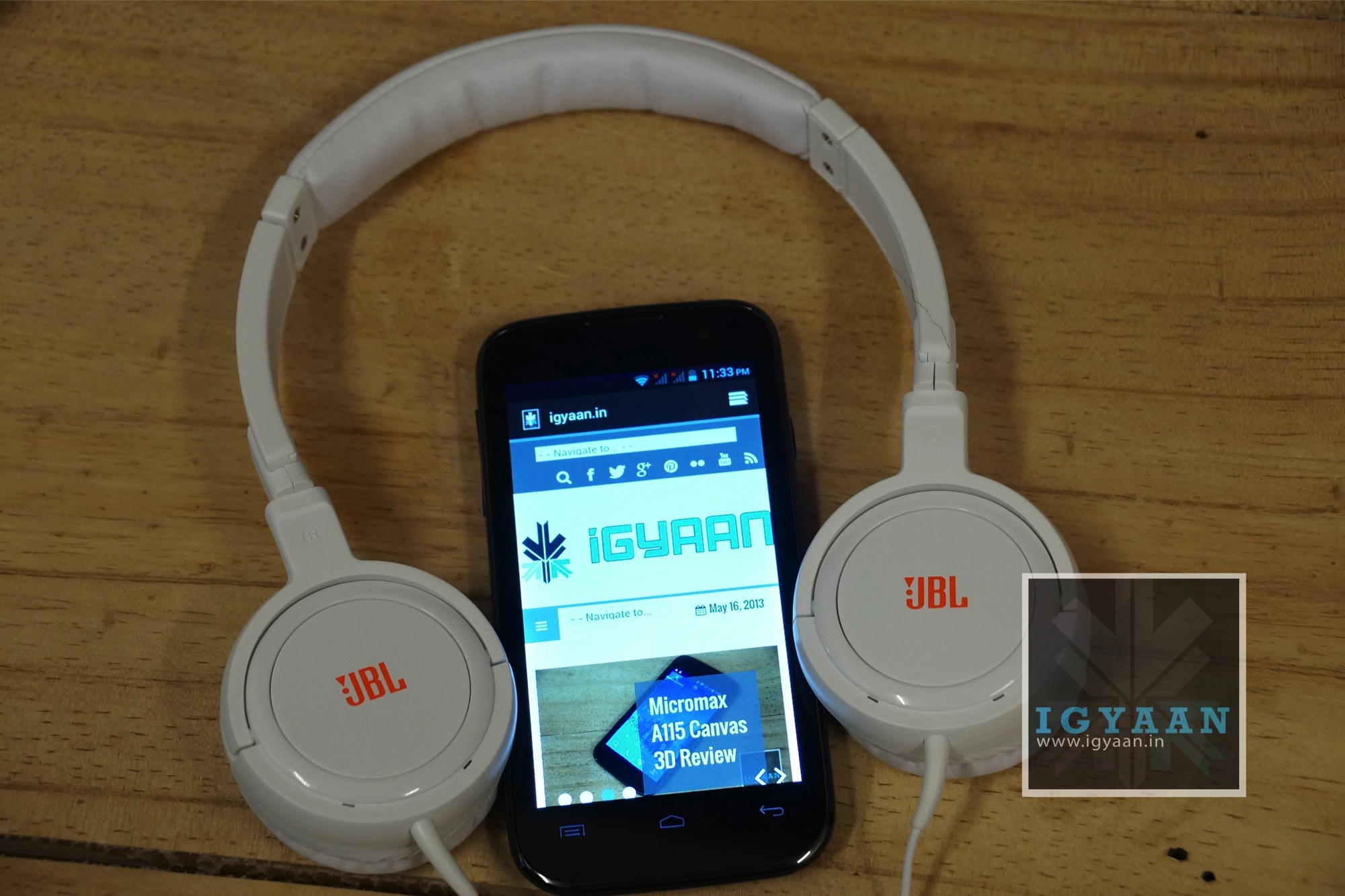
    Micromax and several other companies are announcing phones left, right and center. But, in the mix has come something that has the mega potential for our marketplace. Micromax has collaborated with JBL and launched the new Canvas Music A88 smartphone. The device runs on a Mediatek Chipset and comes bundled with JBL headphones, the kind that retail upwards of Rs. 2500 separately. If you consider the price of the headphones into account the  cost of the phone itself would be around Rs. 6000, where as with the bundle its available for Rs. 8500, which according to us is an attractive package. 


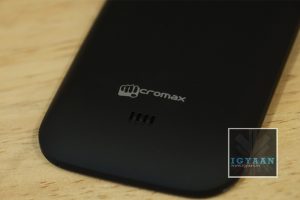
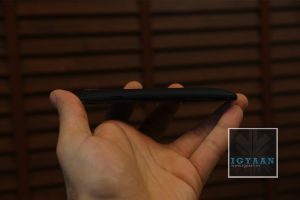
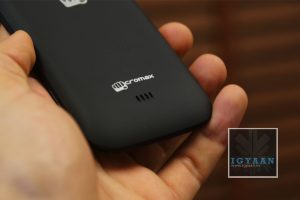
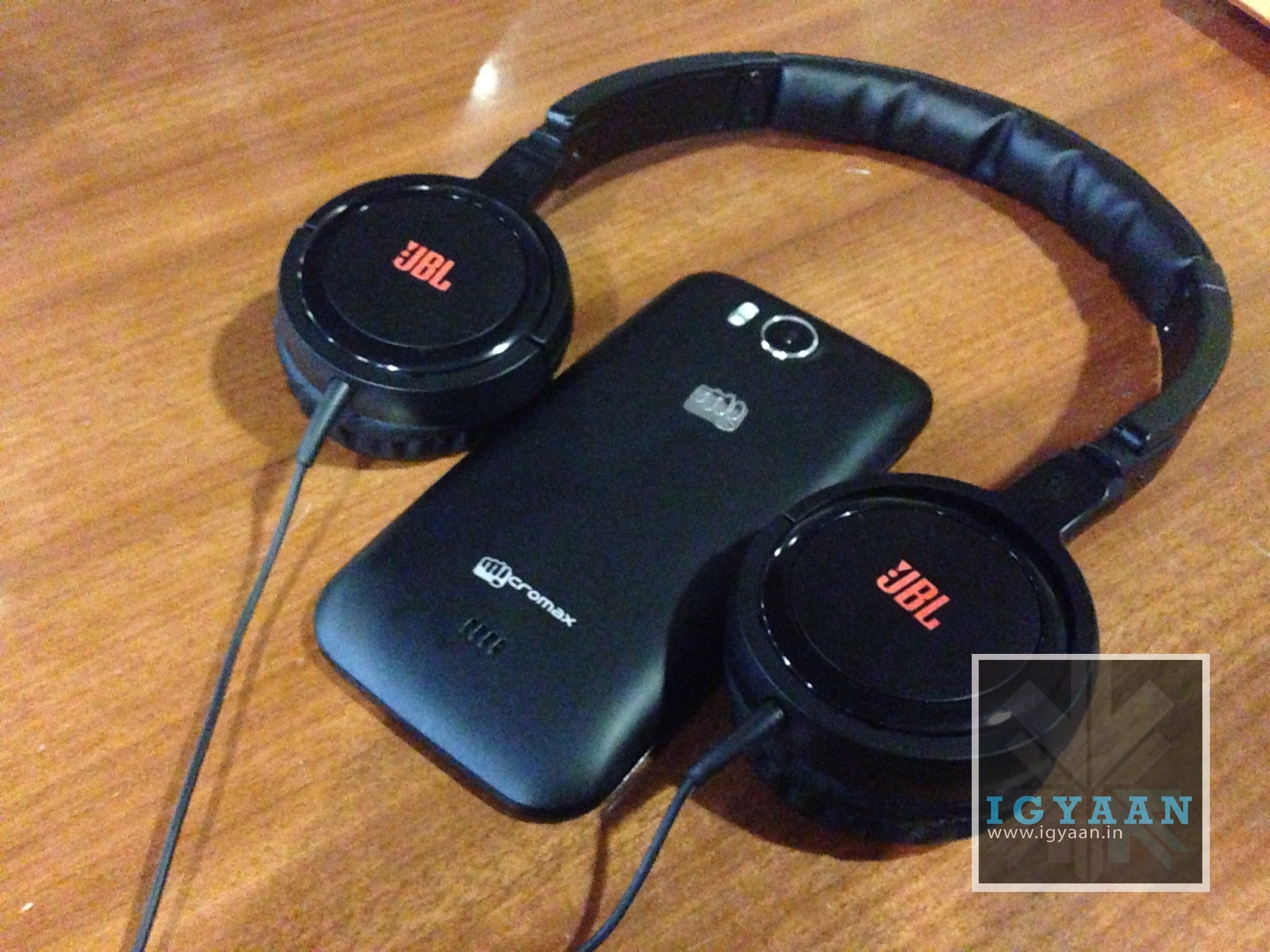
    Micromax canvas music a88 igyaan 19The handset is laden with the usual flavors of Android; a touch display, a camera on the back and one in the front, few buttons. Wait !, it also makes phone calls, and sends messages, plays music and download apps, a whole load of them by the looks of it. 

    The Micromax Canvas Music A88 is powered by a Mediatek Dual Core MT65771 Ghz chipset, a PowerVR SGX 531 GPU does the work for the graphics and the Music has 512 MB RAM. For storage the Canvas Music A88 has 4 GB of total ROM out of which 1.93 GB is available to the end user. 

    Micromax canvas music a88 igyaan 20

    Canvas Music A88 Initial Impressions

    The Canvas Music seems snappy as far as the OS and UI are concerned, usual changes between panels and applications are swift as well. The browser seems quite capable of its potential and so does video playback, along with good sound from the speaker. 

    Micromax canvas music a88 igyaan 3

    The Headphones are the real winner here, with excellent audio, great low levels and crystal clear MIDs. Micromax is counting on their new Music streaming service to do wonders for the handset, which allows users to download and listen to the latest music, practically free of cost. Rivaling many a music streaming services from other companies, the Micromax version remains free. 

    Check out the hands on images and the full unboxing video.

    Canvas Music A88 Unboxing Video

    [youtube id=”hi40m-dsTzo” width=”100%” height=”300px”]


    Canvas Music A88 Images


    [button_2 color=”#71889c” size=”button-med” icon=”icon-shopping-cart” float=”left” text=”Buy Now” link=”http://www.gizmolution.com/Details.aspx?ID=727″ id=”canvasa88″]

  • LG Officially Launches the Nexus 4 in India – Rs. 25,999 /- (PR) (Hands On)

    LG Officially Launches the Nexus 4 in India – Rs. 25,999 /- (PR) (Hands On)

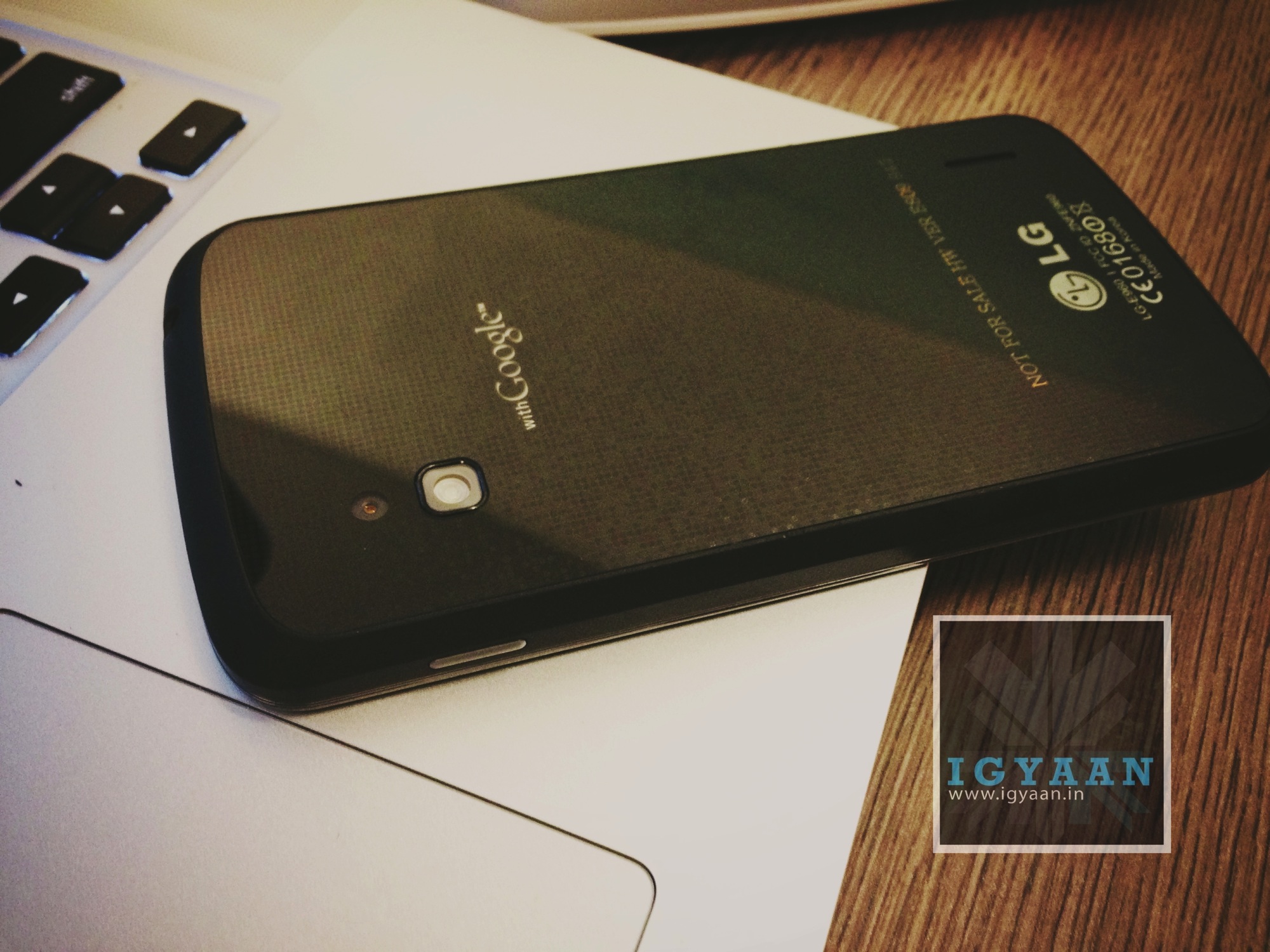
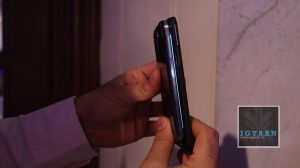
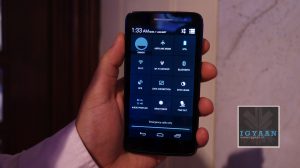
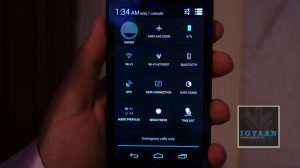
    The Google Branded Nexus 4 was launched in the US, last year and was expected to reach India early December 2012. LG gave word today that it has officially launched the Google Nexus 4 Smartphone in India for a Price of Rs. 25,999 /-., talk about delayed Indian Standard Time. The Nexus 4 has been launched and is available through online as well as offline vendors.

    LG Google Nexus 4 India 11

    Most of us are already familiar with the Specs and Features of the Nexus 4, and the fact that the latest version of Android is instantly seeded to owners. The roundup for the Nexus 4 includes, a Qualcomm SnapdragonTM S4 Pro CPU 1.5 GHz Krait, with  Android 4.2 .2. The Display is a 4.7 inch 1280 x 768 px IPS LCD display with Gorilla® Glass 2. Read full Specs and PR below.

    In either case the Nexus 4 seems like a better proposition than another Android 4.2 Smartphone launched today. 

    LG Google Nexus 4 India 9

    Nexus 4 Specification:

      • CPU Qualcomm SnapdragonTM S4 Pro CPU 1.5 GHz Krait
      • Network Unlocked GSM/UMTS/HSPA+
      • GSM/EDGE/GPRS (850, 900, 1800, 1900 MHz)
      • 3G (850, 900, 1700, 1900, 2100 MHz)
      • HSPA+ 42
      • Dimension 133.9 x 68.7 x 9.1 mm
      • Operating System Android 4.2 .2
      • Weight 139g


    Display

      • Type LCD/True HD IPS+
      • Size 4.7” diagonal
      • Resolution WXGA (1280 x 768) pixel resolution (320ppi)
      • Etc Corning® Gorilla® Glass 2


    Touch

      • Type/Handwriting Zerogap/Yes


    Camera

      • Main Camera 8MP
      • Flash LED 1EA
      • Front Camera 1.3MP HD
      •  

    Battery

      • Capacity/Type 2,100mAh/Lipolymer
      • (Embedded)
      • Talk Time 11.9 hours (Tx power 10dm)
      • Standby Time 564.5 hours (DRX 8)


    Audio/Video

      • Audio Codec MP3/AAC/AA+/eAAC+/AMR NB/ WAV/WMA/MIDI
      • Video Codec MPEG4/H.263/H.264
      • Audio Jack 3.5mm
      • 2nd Microphone Yes
      •  

    Data Connectivity

      • Bluetooth/USB/WiFI
      • 3.0/2.0HS/802.11 a/b/g/n (Dual Band)
      • GPS/HDMI/NFC Yes with GLONASS Support / Yes (Slimport)/ Yes (Android Beam)


    Memory

      • Internal RAM/ROM 2GB/16GB


    Processor

      • Quad Core 1.5GHz


    Advance Features

      • Wireless Charging Yes
      • Wireless Display Yes


    [toggle title=”Press Release”]New Delhi, 16th May, 2013:– Designed collaboratively by LG and Google, Nexus 4, the newest smartphone in the Nexus line-up from Google, was announced today for availability in India. With a sophisticated hardware design from LG, your favourite Google Apps, and the latest version of Android™, Nexus 4 puts the best of Google in the palm of your hand.

    “LG Electronics is pleased to partner Google on the release of the Nexus 4 in India,” shared Mr. Soon Kwon, Managing Director, LG Electronics India. “We added the best of our talent to our strength, and the result is a feature- packed smartphone that packs superb hardware under a slim hood. With LG Nexus 4, consumers would be delighted by the perfectly balanced combination of style, function and power. The smartphone encourages consumers to explore a world of possibilities and also helps them balance between business and entertainment”

    Built for speed
    Nexus 4 comes with a cutting edge Qualcomm Snapdragon™ S4 Pro processor, so you’ve got speed and power to spare. Zip around the web, experience rich 3D graphics and gameplay, and effortlessly switch between multiple apps without ever missing a beat. With 2GB of RAM and the fastest version of Android ever, Nexus 4 is the snappiest Nexus smartphone yet.

    Capture and share your world
    Nexus 4 comes with a high performance 8MP camera and takes stunning Photo Sphere images, letting you capture every detail of the world around you. Up, down and all around you, it’s like no camera you’ve ever seen; with Nexus 4, you can snap pictures in every direction that come together into incredible, immersive Photo Spheres that put you right inside the scene. Plus, photos upload themselves with Instant Upload so you’ll never lose a shot.
    All of this comes to life with stunning clarity and crisp, natural color on the vibrant 1280by768 4.7inch True HD IPS Plus display supported by Zerogap Touch technology. Gently curved glass edges allow your finger to slide smoothly on and off the 320ppi screen, while cutting edge display technology means you feel like you’re touching every pixel, protected by scratch resistant Corning® Gorilla® Glass 2.

    Information at your fingertips
    Nexus 4 comes with the latest Google apps, putting the best of Google in the palm of your hand. The latest version of Google Now is built in, which keeps you even more organized – get reminders about upcoming flights, restaurant reservations, hotel confirmations and even nearby photo opportunities – when and where you need them. Get to the places you care about quickly and easily with Google Maps™ for Android. With turn by turn GPS navigation, live traffic info, and integrated driving, walking and public transit directions, getting from A to B has never been easier. 3D Maps and rich satellite imagery give you a more realistic sense of what’s around you while features like Street View and Indoor Maps make sure you always know what’s in front of you.

    With this and a host of other new features, LG Nexus 4 is bound to transform and elevate a consumer’s smartphone experience. LG’s Nexus 4 is priced at Rs 25, 999 and will be available at selected LG exclusive brand shops, Multi brand outlets and speciality stores ( modern trade ) across India.

    Specification:
    CPU Qualcomm SnapdragonTM S4 Pro CPU 1.5 GHz Krait
    Network Unlocked GSM/UMTS/HSPA+
    GSM/EDGE/GPRS (850, 900, 1800, 1900 MHz)
    3G (850, 900, 1700, 1900, 2100 MHz)
    HSPA+ 42
    Dimension 133.9 x 68.7 x 9.1 mm
    Operating System Android 4.2 .2
    Weight 139g

    Display
    Type LCD/True HD IPS+
    Size 4.7” diagonal
    Resolution WXGA (1280 x 768) pixel resolution (320ppi)
    Etc Corning® Gorilla® Glass 2

    Touch
    Type/Handwriting Zerogap/Yes

    Camera
    Main Camera 8MP
    Flash LED 1EA
    Front Camera 1.3MP HD

    Battery
    Capacity/Type 2,100mAh/Lipolymer
    (Embedded)
    Talk Time 11.9 hours (Tx power 10dm)
    Standby Time 564.5 hours (DRX 8)

    Audio/Video
    Audio Codec MP3/AAC/AA+/eAAC+/AMR NB/ WAV/WMA/MIDI
    Video Codec MPEG4/H.263/H.264
    Audio Jack 3.5mm
    2nd Microphone Yes

    Data Connectivity
    Bluetooth/USB/WiFI
    3.0/2.0HS/802.11 a/b/g/n (Dual Band)
    GPS/HDMI/NFC Yes with GLONASS Support / Yes (Slimport)/ Yes (Android Beam)

    Memory
    Internal RAM/ROM 2GB/16GB

    Processor
    Quad Core 1.5GHz

    Advance Features
    Wireless Charging Yes
    Wireless Display Yes

    About LG Electronics India Pvt. Ltd.
    LG Electronics India Pvt. Ltd., a wholly owned subsidiary of LG Electronics, South Korea was established in January 1997 in India. It is one of the most formidable brands in consumer electronics, home appliances, IT hardware and mobile communications space. In India for a decade, LG has earned a premium brand positioning and is the acknowledged trendsetter for the industry.
    LGEIL’s manufacturing unit at Greater Noida is one of the most eco-friendly units among all LG manufacturing plants in the world. The second Greenfield facility is located at Ranjangaon; Pune has the capacity to manufacture GSM Phones, Colour Televisions, Air Conditioners, LCD TVs, Washing Machines, Refrigerators, Monitors and Optical Disc Drives.

    About Google Inc.
    Google is a global technology leader focused on improving the ways people connect with information. Google’s innovations in web search and advertising have made its website a top internet property and its brand one of the most recognized in the world.[/toggle]
  • Panasonic P51 Launched in India with 5 inch HD screen, Quad Core CPU,  Magnetic Cover and Stylus

    Panasonic P51 Launched in India with 5 inch HD screen, Quad Core CPU, Magnetic Cover and Stylus

    Panasonic at a press conference here in New Delhi, India, Has launched a new Android 4.2 Jelly Bean based smartphone. Dubbed the Panasonic P51, the device is powered by a Quad Core 1.2 Ghz CPU of an unspecified make. The Panasonic P51 also has 4 GB of internal storage and 1 GB of RAM. 

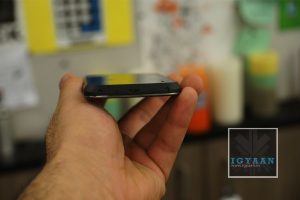
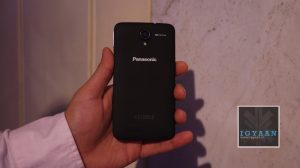
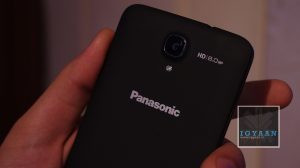
    The Exterior of the Panasonic P51 is designed mainly of plastic and the front consists of a 5 inch 1280 x720p HD IPS LCD display. For imaging the Panasonic P51 also has an 5 MP main camera and a 1.3 MP front facing camera capable of HD video. 

    This 3G enabled phone from Panasonic also has Dual Sim Capabilities and included in the box is a magnetic flip cover, that just like Apple’s iPad smart cover will turn on or off the display when flipped open or close respectively. The Panasonic P51 also has a massive 2500 mAh battery, and despite that remains 8.5 mm slim and 135 gms in weight. 

    This is Panasonic’s first foray into the “Budget Quad Core, Dual Sim” handsets and by the looks of the Phone is powered by the Mediatek 6589 Chipset as all the specifications align with the device.

    UPDATE : The phone has been launched at a price of Rs. 26,900. A total of 10,000 more than expected. It has also been confirmed that the chipset on the inside is a Mediatek 6589 same as the one seen on the Canvas HD. 

    Panasonic P51 Hands On

    The Panasonic P51 is only 8.5 mm thick, its got nice curves and a raised bezel sort of design which makes it appear, as if, the display is floating above the body. The ID is unique but it is certainly not premium looking, as Panasonic claims it to be. 

    The over all design of the phone seems ordinary, the front has a ASAHI made Dragon Trail glass, which Panasonic claims is better than Gorilla Glass. Panasonic also claims they have put in some camera features like smile shot and auto enhance, that seem to be just software implementations. Honestly the quality and the outlook does not seem justified for the price. 

    The fact that Panasonic claims that performance is top notch when compared to competition, is worry-some especially because one manages to buy two of the other units be it Micromax, Karbonn or any other for the price of this one unit.

    At first is it factually clear that someone somewhere screwed up. The Price seems to have been royally messed up even if Panasonic has really managed to offer up the experience they say they have, on the flip-side LG has launched the Nexus 4 in India, which comes at a price cheaper than the Panasonic P51.


  • Google Launches standalone Apps for Hangouts on iOS, Gmail, Chrome and Android

    Google Launches standalone Apps for Hangouts on iOS, Gmail, Chrome and Android

    Google has unified the messaging service and termed it Hangouts. With standalone apps for iOS, Gmail, Chrome and Android. The conversation is kept in focus and not the platform you use, focusing the interface on conversations that carry from device to device, notifications and shared photo pools that weren’t in Google Talk.

    The new service of Hangouts replaces Google Talk, Google+ Messenger, and the original Google+ Hangout video chat service and as per Google Hangouts will eventually replace all of Google’s communication properties. The new Hangouts is basically a messaging app, like Whatsapp or Facebook Chat.

     Hangouts will store all conversations in the cloud, and allow users to message friends at any time, even if they’re not connected. Users can visit past conversations and access shared photos and video call history; thanks to Google’s cloud, Hangouts will sync everywhere, giving people access to conversations on any device.

    Just like the old Hangouts the new Hangout will allow video call with up to 10 friends, and new features include “just hanging out”  with an amazing “watermark” allowing users to show when someone else is typing just like in WhatsApp messenger or iMessage, but whats new is the ability so see how far the recipients have read into the conversation. 

    Every photo that you or a friend posts in Hangouts will be automatically saved in a private shared album on Google+, and users can view the photos they’ve shared over time. Hence the new integration of Google+ with this new Hangout service is essential. 

    Google also plans to integrate other communication features like Google Voice and their international VOIP services within Hangouts, but no real timeline has been clarified for the same. 

    The apps for iOS, Android and other services are live and can be downloaded.

    [iOS APP]


  • Google+ gets new Multi-Column card design and Auto-Hashtags

    Google+ gets new Multi-Column card design and Auto-Hashtags

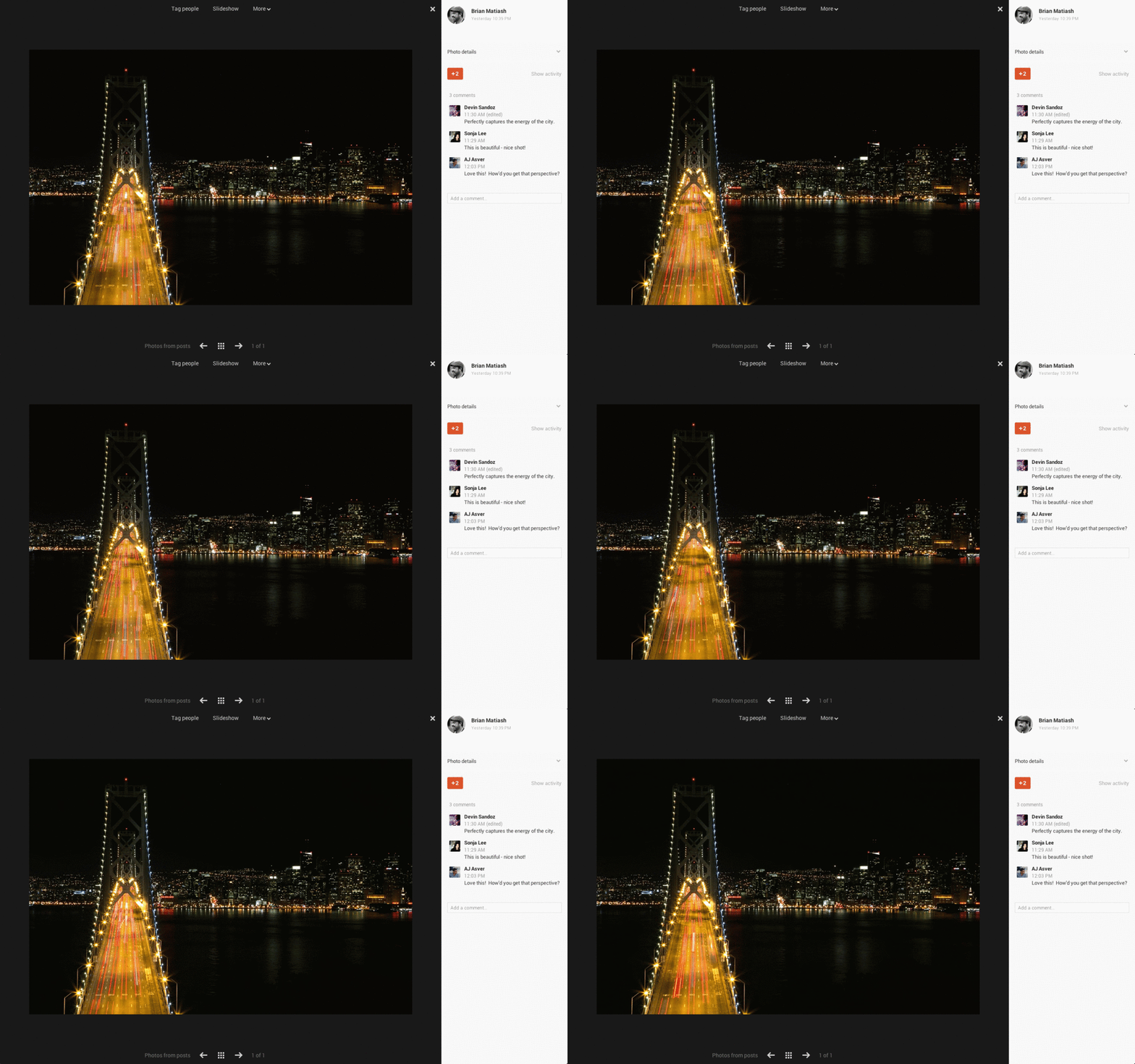
    Google at the I/O conference has launched a new design of their social networking site, Google+. Users on Google+will be seeing their social content in a new way thanks to a multi-column format fit for any size screen.

     The design consists of a maximum of 3 columns populated with individual cards for posts and pictures, almost to replicate Pinterest type UI. Columns appear or disappear depending upon the size of your screen, and cards can be flipped to reveal editing options, the cards can also be moved around. 

    Identical to Facebook’s left side menu, Google+ has also added a similar menu to help in the navigational traits. The Videos and Pictures will span to the width of the screen across multiple columns for a nicer looking experience.  Google clarified that the new design is responsive and will adjust to screen sizes. In addition, this 3-column layout will make its way across devices.

    Incase you like the original format, you can continue on the old design and say boo to the new Google + format. 

    Among the new features of Google+ is the ability to flip an image and look at related pictures under similar Hashtags. A feature called Auto Enhance will analyze and apply tweaks to your uploaded photos. The auto enhance feature will include fairly simple adjustments like brightness, contrast, color correction, noise reduction, tonal distribution, and saturation, but it will also make some more intensive changes. 

    “Auto Awesome” detects the kinds of photos you take, Google is going to try to make other improvements. Uploading a series of similar photos taken in a short period of time,  will automatically make an animated GIF out of it on Google+.

    Auto_Awesome_GIF

    The new Social Network design will also automatically pick out best pictures and ignore the blurry ones. This feature will choose the “best” photos to show off. To cite an example, Multiple images from an event will be scanned and only the good ones will be automatically shared, the remaining will remain pending for approval.

    Google also focuses on unified messaging service with the new Hangouts which is now integrated into the Google+ redesign. Google is releasing Hangout apps for Android, iOS, and Chrome (as well as integration with Gmail). In this move Google will get rid of Google Talk, Google Messenger, and Video Hangouts and everything will be replaced with the new Hangouts.

    Google still promises the features launched earlier for Google+ like unlimited uploads for photos under 2048-pixels wide, a fullscreen picture viewer, and 15GB of free space for for photos that cross the size limit.


  • Micromax A88 Canvas Music bundled with JBL Headphones (Hands On)

    Micromax A88 Canvas Music bundled with JBL Headphones (Hands On)

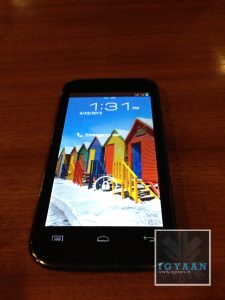
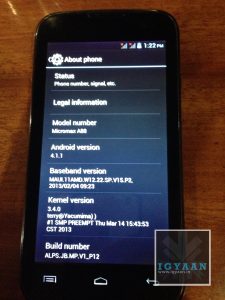
    Micromax has just launched its brand new offering called the Micromax A88 Canvas Music, the phone apart from being a Android powered phone will come bundled with JBL headsets. 

    Specifications include a single dual core 1 GHz processor, 4.5 inch display, 1800 mAh battery and a 5 MP camera with LED flash, the Micromax A88 Canvas music will also have a 0.3 MP front facing camera. 

    We went hands on with the Micromax A88 Canvas Music, and the device seems well made, and the interface seems fairly smooth. Considering all the specs are average, the biggest value proposition are the JBL headphones. With comfy foam ear cups the headphones give good amounts of bass and sound wonderfully accurate. 

    The previous editions of Micromax Phones have included generic Headphones, but this time around with the inclusion of the JBL headphones and Android Ecosystem, Micromax might have hit the nail on the right board.

    Micromax A88 Canvas Music Hands On


    The Micromax A88 Canvas Music goes on sale today with an MRP of Rs. 8499/-. Stay tuned for more details and read the Press release below. 


    [toggle title=”Press Release”]New Delhi, May 15th, 2013: Strengthening its Canvas series, Micromax, India’s leading handset manufacturer, today launched Canvas Music A88. The new device marks Micromax’s association with the leading headphones brand JBL offering users a free JBL Tempo headset with the Canvas Music A88. The phone was showcased at the Micromax MTV Video Music Awards in Mumbai last month.

    Micromax A88 Canvas Music coupled with JBL Tempo headset promises superior sound entertainment on the go. Packed with an 1800 mAh battery, the phone ensures a strong battery life supporting a talk time of 5 hours. With a 4.5” full touch screen display; the phone sports a 5.0 MP rear camera with Flash and a 0.3MP front camera with an expandable storage capacity of up to 32GB.

    Speaking about the new launch, Mr. Ajay Sharma Country Head Smartphone Division, Micromax said “At Micromax, we are continuously channelizing our energies to innovate finest devices that are relevant to our customers. Micromax A88 Canvas Music coupled with JBL headset and unlimited songs download via MLive! Application serves as a perfect offering to the youth echoing our vision of providing a fulfilling entertainment experience to all the music and multimedia lovers. Through our latest device, we aim to further build the Canvas success story to unprecedented heights.”

    The latest offering by Micromax is a perfect amalgamation of functionality, style & entertainment. The device is not only well designed but is ideal for anyone who appreciates the high-quality & clear sound.

    Commenting on the launch, Mr. Shubhodip Pal, CMO, Micromax said, “One of the key focus areas for Micromax is to build a strong connect with the consumers by bringing alive brand experiences through our innovative product line up. The launch of Micromax A88 Canvas Music reflects the same. We have created an entire music ecosystem by powering the Smartphone with a JBL headset and also giving the end consumers an access to download unlimited music via MLive! Thus, resonating the Indian youth pulse and passion, mirroring their preference for music.”

    With a MOP of Rs.8499/-, the Micromax A88 Canvas Music will be available across all leading retail outlets in India from 16th May, 2013. You could purchase the device from www.micromaxinfo.com[/toggle]

     

  • HP Shows off new Split x2 Windows Hybrid and Android based SlateBook x2

    HP Shows off new Split x2 Windows Hybrid and Android based SlateBook x2

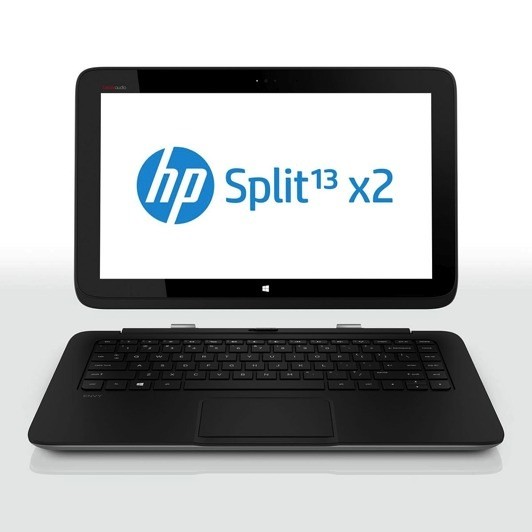
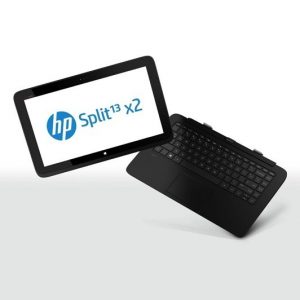
    HP is in the big for Android this time around, as they show off two new clamshell units, one of which is a Tegra 4 based Android Tablet.  HP has had a lot of success with its Envy X2 detachable hybrid and plans to expand the x2 series to make room for two follow-on products: the Split x2 (a Windows 8 hybrid) and the SlateBook x2 (an Android tablet).

    The specs on the Split x2 include: 

      • 13-inch 1,366 x 768 display
      • Core i3 or i5 processor Ivy Bridge
      • Keyboard dock includes a second battery or optional 500GB hard drive
      • SSD 128/256 GB
      •  2 x USB ports (one 2.0, one 3.0)
      • HDMI
      • Beats Audio
      • WiDi 
      • microSD and full SD card slots
      • Windows 8 loaded
      • Priced at US $ 800

    The SlateBook x2 Specs include

      • 10-inch 1,920 x 1,200, 400-nit IPS display
      • Tegra 4 SoC
      • Jelly Bean (4.2.2)
      • Keyboard has a battery built in
      • trackpad supporting multitouch gestures
      • Weighs 2.8 pounds in total
      • dual USB sockets
      • Stereo speakers
      • SD / microSD readers
      • Priced at US $ 480.

    [toggle title=”Press Release”]HP Expands x2 Detachable PC Portfolio to Enable Ultimate Flexibility
    New two-in-one detachable PCs with Android or Windows 8 offer mobility, productivity

    PALO ALTO, Calif., May 15, 2013 – HP today announced the HP SlateBook x2 and the HP Split x2, two detachable PCs that offer the full functionality of a notebook with a removable screen that also is a sleek tablet. Powered by the Android and Microsoft® Windows® 8 operating systems (OS), respectively, these versatile two-in-one devices combine power and portability, giving customers the flexibility to create, consume and share content in more places.

    HP’s unmatched portfolio of next-generation PCs is designed to enable users to connect
    with their information on devices that easily adapt to their needs. By releasing the
    magnetic hinge, users can move elegantly between the two form factors-tablet and
    notebook PC-all in one device.

    – The HP SlateBook x2 is the first Android detachable device with the NVIDIA Tegra 4 mobile processor, providing users more realistic gaming, fast web browsing and smooth high-definition (HD) video playback.
    – The HP Split x2, powered by the Windows 8 OS, features a 13.3-inch diagonal display and powerful processor and is ideal for work or play.

    “Customers want to access and share content anywhere, anytime, on any internet connected device-and they expect those connections to be seamless,” said Ron Coughlin, senior vice president and general manager, Consumer PCs, HP. “The HP SlateBook x2 and the HP Split x2 are next-generation devices and the latest examples of our continued commitment to evolving the computing experience by providing the flexibility necessary for customers to be productive at home, at the office or on the go.”

    The HP SlateBook x2 and Split x2 join the award-winning HP ENVY x2 as part of HP’s detachable PC portfolio. The HP SlateBook x2 also joins the HP Slate7 as part of HP’s push to offer access to the Google experience, and to provide access through multiple operating systems.

    HP SlateBook x2
    The HP SlateBook x2 enables users to shift effortlessly from entertainment to work by combining tablet portability with notebook productivity in a sleek, lightweight device that uses the popular Android operating system. With an advanced magnetic hinge design and dual battery system-one battery in the base and one in the tablet-users can easily switch from notebook to tablet and back, even while on the go.

    Ensuring users don’t trade functionality for portability, the HP SlateBook x2 features Android Jelly Bean 4.2.2 and delivers the Google experience with services like Google Now, Google Search, Gmail, YouTube, Google Drive and Google+ Hangouts for multiperson video chat as well as access to apps and digital content through Google Play.

    The SlateBook x2 features an NVIDIA Tegra 4 mobile processor, enabling users to access the TegraZone app and experience Tegra 4-optimized games. The 10.1-inch HD touchscreen display delivers crisp lines, sharp images and precision color while reducing glare. The SlateBook x2 also includes 64 MB of storage and DTS Sound+ Solution for accessing and enjoying photos, music and videos.

    HP’s exclusive native printing capability allows users to print directly from most applications.

    HP Split x2
    The HP Split x2 is a versatile, two-in-one detachable PC that combines power and portability with the Windows 8 operating system and powerful 3rd generation Intel® Core™ processor family. Consumers can now enjoy a high-performance ultraportable notebook suited for virtually any intensive task, and that doubles as a 13-inch tablet to give unparalleled entertainment capability for playing games, videos and more.

    Whether being used as a high-performance notebook or a tablet, the vibrant 13.3-inch
    diagonal HD touchscreen display makes it easier to view and share content, play games
    with friends and family, or enjoy high-quality music with HP Connected Music and Beats Audio, which provides the best-sounding, richest audio experience on a PC.

    An optional hard disk in the base expands storage capacity while dual batteries allow
    users to stay ultramobile.

    The HP Split x2 offers an eye-catching design with a soft-touch coating that provides a
    comfortable hold and shows fewer fingerprints. The HP Split x2 also offers exclusive HP
    innovations such as a 2-megapixel HP TrueVision Full HD webcam and the HP ClickPad
    for precise multifinger and gesture navigation.

    HP complements its new PCs with a suite of exclusive solutions and services that provide
    an array of simple and easy-to-access support tools and resources to help customers take full advantage of all the features that HP has to offer. Customers can add to the standard product limited warranty with HP Care Pack services to protect new HP products, and enhance the overall experience with accidental damage protection that helps consumers breathe easier when accidental drops, spills, and surges occur.

    For the HP SlateBook x2, customers can purchase the HP Care Pack with Accidental Damage Protection, which helps them avoid out-of-pocket repair or replacement costs and provides door-to-door service to the consumers’ homes so they are back up and running in no time. For the HP Split x2, customers can buy the HP Care Pack with Accidental Damage Protection bundled with Lojack, which allows customers to take immediate action to prevent data access if the PC is stolen.

    Pricing and availability
    The HP SlateBook x2 and HP Split x2 are expected to be available in the United States in August with starting prices of $479.99 and $799.99, respectively.

    Additional information about the HP SlateBook x2 and the HP Split x2 is available at www.hp.com/x2 and The Next Bench.[/toggle]

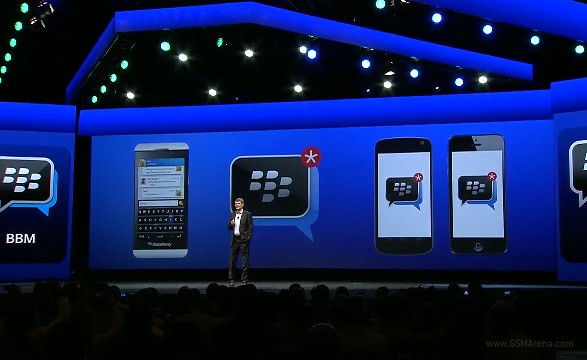
  • BBM app will come to Android and iOS this Summer

    BBM app will come to Android and iOS this Summer

    In a shift of strategies Blackberry has announced that they will be launching the BBM app on Android and iOS for free this summer.  Available to users running iOS 6 and Android 4.0 ICS or higher, the free BBM app will bring the magic of BBm messaging to every handset.  

    On the outset, however, only the messaging and group features will be accessible for outside users, but by the end of the year, the company plans to bring about the coveted BBM voice, BBM channels, screen sharing and video capabilities.

    Rumors of Blackberry (Previously Research In Motion) following this path have been around for years, and with an official statement form the company chief it looks like it is done. 

    Blackberry has also announced Channels. BBM Channels is a new way for BBM users to connect with the businesses, brands, celebrities and groups they are passionate about.

    [toggle title=”Press Release”]BBM for iOS and Android to Launch This Summer

    WATERLOO, ONTARIO–(Marketwired – May 14, 2013) – BlackBerry(R) (NASDAQ:BBRY)(TSX:BB) today announced plans to make its ground-breaking mobile social network, BlackBerry(R) Messenger (BBM(TM)), available to iOS(R) and Android(TM) users this summer, with support planned for iOS6, and Android 4.0 (Ice Cream Sandwich) or higher, all subject to approval by the Apple App Store and Google Play. BBM sets the standard for mobile instant messaging with a fast, reliable, engaging experience that includes delivered and read statuses, and personalized profiles and avatars. Upon release, BBM customers would be able to broaden their connections to include friends, family and colleagues on other mobile platforms.

    In the planned initial release, iOS and Android users would be able to experience the immediacy of BBM chats, including multi-person chats, as well as the ability to share photos and voice notes, and engage in BBM Groups, which allows BBM customers to create groups of up to 30 people.

    “For BlackBerry, messaging and collaboration are inseparable from the mobile experience, and the time is definitely right for BBM to become a multi-platform mobile service. BBM has always been one of the most engaging services for BlackBerry customers, enabling them to easily connect while maintaining a valued level of personal privacy. We’re excited to offer iOS and Android users the possibility to join the BBM community,” said Andrew Bocking, Executive Vice President, Software Product Management and Ecosystem, at BlackBerry.

    BBM is loved by customers for its “D” and “R” statuses, which show up in chats to let people know with certainty that their message has been delivered and read. It provides customers with a high level of control and privacy over who they add to their contact list and how they engage with them, as invites are two-way opt-in. iOS and Android users would be able to add their contacts through PIN, email, SMS or QR code scan, regardless of platform. Android users would also be able to connect using a compatible NFC-capable device.

    BBM has more than 60 million monthly active customers, with more than 51 million people using BBM an average of 90 minutes per day. BBM customers collectively send and receive more than 10 billion messages each day, nearly twice as many messages per user per day as compared to other mobile messaging apps. Almost half of BBM messages are read within 20 seconds of being received; indicating how truly engaged BBM customers are.

    Today, BlackBerry also announced BBM Channels, a new social engagement platform within BBM that will allow customers to connect with the businesses, brands, celebrities and groups they are passionate about. BlackBerry plans to add support for BBM Channels as well as voice and video chatting for iOS and Android later this year, subject to approval by the Apple App Store and Google Play.

    If approved by Apple and Google, the BBM app will be available as a free download in the Apple(R) App Store(SM) and Google Play store. Additional details about system requirements and availability will be announced closer to the launch.[/toggle]
  • Nokia’s new Smart Camera app adds filters, will come to every Lumia device with Amber update

    Nokia’s new Smart Camera app adds filters, will come to every Lumia device with Amber update

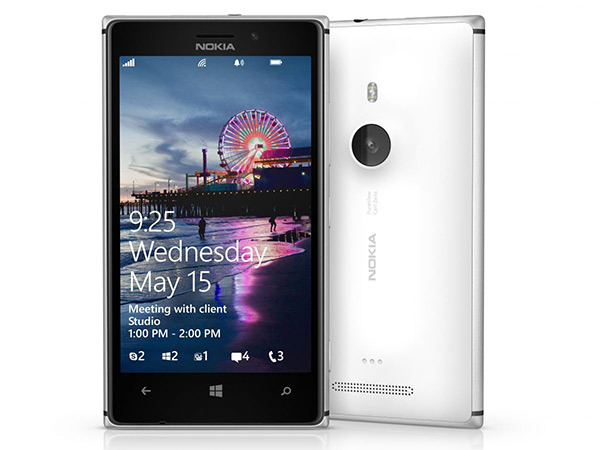
    Nokia has just launched the Nokia Lumia 925, the phone features a new Smart Camera app that adds to the imaging capabilities of the Lumia series. 

    The  Smart Camera app has improved low-light performance and noise reduction, and will burst capture at 5-megapixels, with the full 8.7-megapixels available in single-shooting mode.

    Nokia will be pushing out “Amber,” an update that’ll bring Smart Cam, amongst other apps, to the company’s wider range of Windows Phone 8 devices especially the recent high end Lumia Devices. 

    See some of the apps features below.

    [youtube id=”BkPM9pPO9NI” width=”100%” height=”300px”]

    [youtube id=”GAbGd8VlNlg” width=”100%” height=”300px”]

    [youtube id=”pTZ3em5U84k” width=”100%” height=”300px”]


  • Nokia Launches Aluminum body Lumia 925 in London, € 469, Available June

    Nokia Launches Aluminum body Lumia 925 in London, € 469, Available June

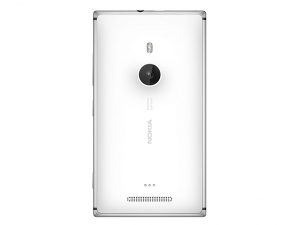
    Nokia has launched the new Lumia 925 in London at a press conference today. While all Lumia phones till date have been plastic the new Lumia 925 has a completely Aluminum Frame. While most of the specs remain same and the phone has the same dual-core 1.5GHz Snapdragon S4 Pro processor, 1GB RAM and 8.7-megapixel OIS camera of the 920, the Lumia 925 is almost 50 grams (1.8 ounces) lighter than last year’s Lumia 920.

    Nokia Lumia 925

    Even with the 8.8mm profile, there’s an identical 2,000mAh battery but the Wiless charging has been removed to accomodate the profile of the new Lumia 925. For those who are disheartened, an accessory cover can be had which will re-enable said wireless features. The colors include red, yellow, black and white. The Lumia 925 model also sports an 4.5-inch AMOLED screen with the resolution of the Lumia 920 (1280 x 768px) it will enjoy superior black levels thanks to the Amoled tech in the display. 

    The display also has Gorilla Glass 2, with ClearBlack tech and a high-brightness mode for improved outdoor visibility and hopefully the same hyper touch tech that lets you use the Lumia 920 with gloves on. 

    The Camera is the same 8.7-megapixel backside-illuminated sensor, but Nokia has added another lens to make it a 6 Carl Zeiss Lens camera, this 6th lens element improves sharpness of images.

    Lumia 925 Camera Samples

    The Lumia 925 will launch in parts of Europe and China this June, priced at 469 euros (roughly $609 or INR 33500), India should see similar pricing and availability this summer. 


    [toggle title=”Read Press Release”]Nokia introduces Nokia Lumia 925

    New interpretation of world’s most innovative smartphone captures the best low light images
    London, UK – Nokia today introduced the Nokia Lumia 925, a new interpretation of its award-winning flagship, the Nokia Lumia 920. The Nokia Lumia 925 introduces a metal design and showcases the latest PureView camera innovation, new features and third party applications coming to the Nokia Lumia range.

    The Nokia Lumia 925 includes the most advanced lens technology and next generation imaging software to capture clearer, sharper pictures and video, including the best low light images. The Nokia Lumia 925 also introduces the new Nokia Smart Camera mode, coming as an update to all Lumia Windows Phone 8 smartphones. Nokia Smart Camera offers an easy way to capture ten images at once and edit the pictures with options like Best Shot, Action Shot, and Motion Focus for creating the perfect high quality image.

    Nokia also announced Hipstamatic will arrive on Nokia Lumia smartphones, allowing people to share their high quality pictures with like-minded enthusiasts on social networks like Facebook, Twitter, Foursquare and Instagram.

    “We keep innovating,” said Jo Harlow, executive vice president of Nokia Smart Devices. “We’re advancing experiences on Nokia Lumia portfolio whether that means great new benefits for an existing Lumia owner, or bringing new showcase devices like the Nokia Lumia 925.”
    The Nokia Lumia 925 introduces metal for the first time to the Nokia Lumia range, bringing appeal and unique benefits like increased robustness.

    The polycarbonate back comes in white, grey or black. A wireless charging cover can be clipped onto the back of the phone to take advantage of Nokia’s extensive wireless charging accessories and ecosystem. Covers, sold separately, come in white, black, yellow, and red.
    Leading Nokia services, such as the HERE suite of integrated location and navigation services and Nokia Music for unlimited streaming of free music playlists, add to the great proposition offered by Nokia’s latest smartphone.

    Sales are expected to start in UK, Germany, Italy, Spain and China in June, followed by the US and a number of other markets. The Nokia Lumia 925 will be priced around 469 EUR before taxes and subsidies. Country-specific pricing and availability will be announced locally.[/toggle]

  • Facebook for iOS gets updated with Photo Viewer Button; Save, share or make profile!

    Facebook for iOS gets updated with Photo Viewer Button; Save, share or make profile!

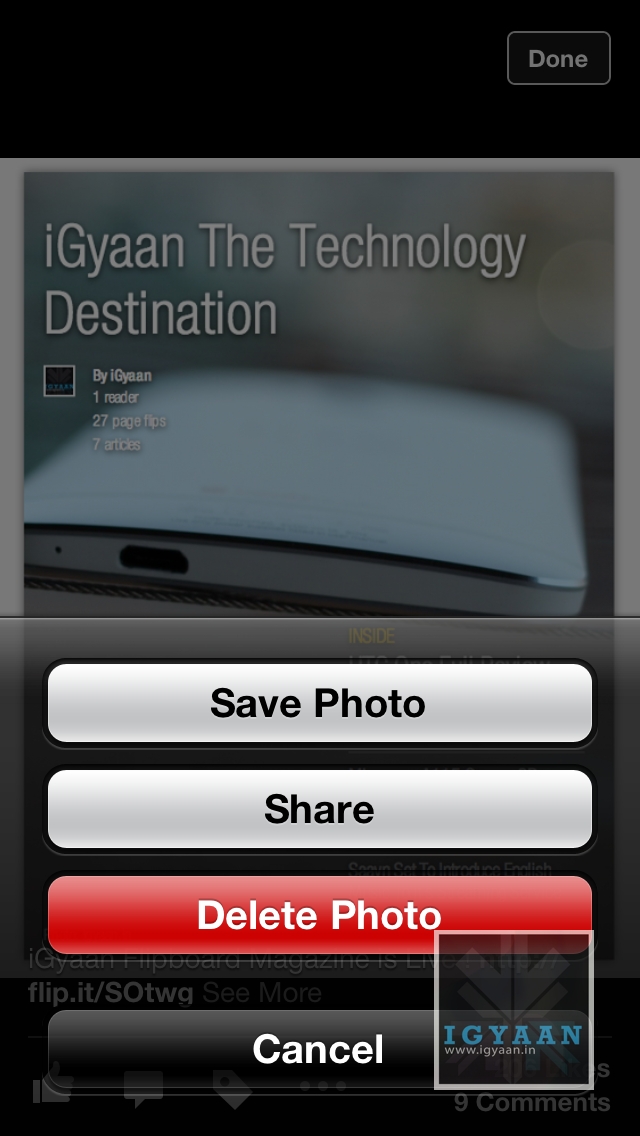
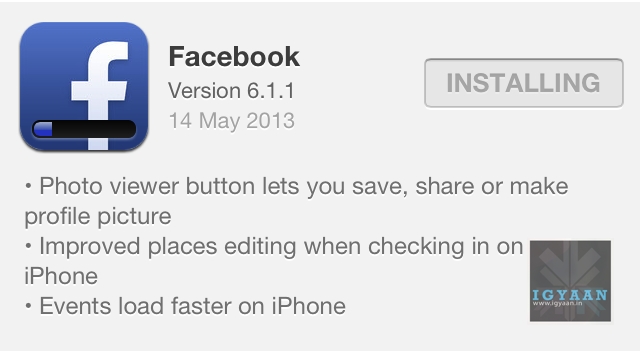
    The Facebook App on iOS just got an Update on their version 6.1.1 . The new update brings about a Photo Viewer button that lets you save or share an image you are viewing from your handheld, and also set is as you profile image, making handling of images a lot better on iOS devices. 

    facebook share update 1


    A few other improvements include , enhanced “places editing” while checking in on the iPhone on Facebook and faster load times for Events which are compressed on server side and delivered to the handsets.

    Facebook has seen a growth in Mobile Platform usage for its apps by almost 200% in the last year and the company expects these numbers to grow tremendously in the coming two quarters. 

  • Nokia Lumia 925 Leaked in low-res Press Shot

    Nokia Lumia 925 Leaked in low-res Press Shot

    Just hours before their official launch in London, Nokia’s Lumia 925 aka Catwalk has been leaked. Following along with the leaks of the past the design is fully metallic and appears to be much slimmer than the previous generation Lumia devices. The overall design of the back shell also appears to be a bit different compared to the existing Lumias, with the front to back taper towards the edges,  The edges also appear to be more squarish compared to the usual rounding seen on Nokia phones. 

    Nokia will full Launch the phone in a couple of hours, so stay tuned for the specs.

    Update  : An image of the back panel has leaked too.

    Nokia-Catwalk

    [via]
  • Exclusive : Micromax A111 Canvas Doodle Leaked, 5.3 inch Quad Core at Rs 16,999

    Exclusive : Micromax A111 Canvas Doodle Leaked, 5.3 inch Quad Core at Rs 16,999

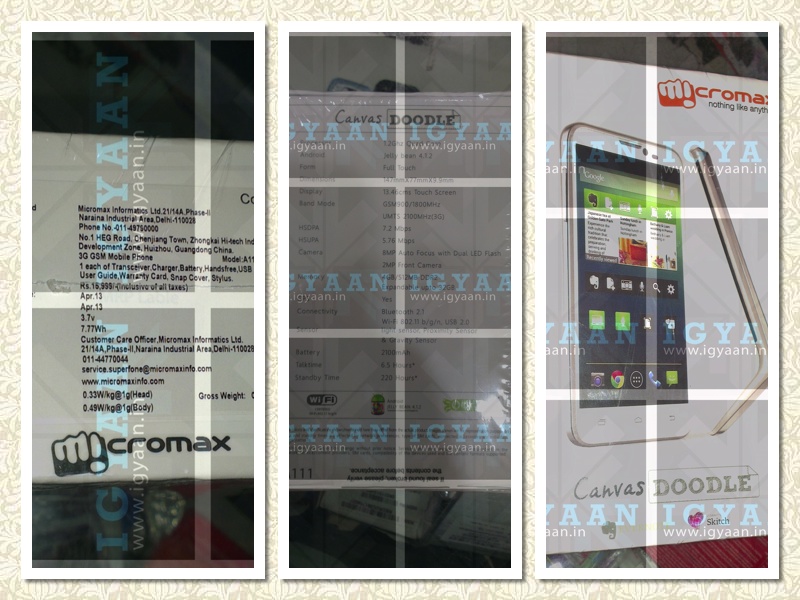
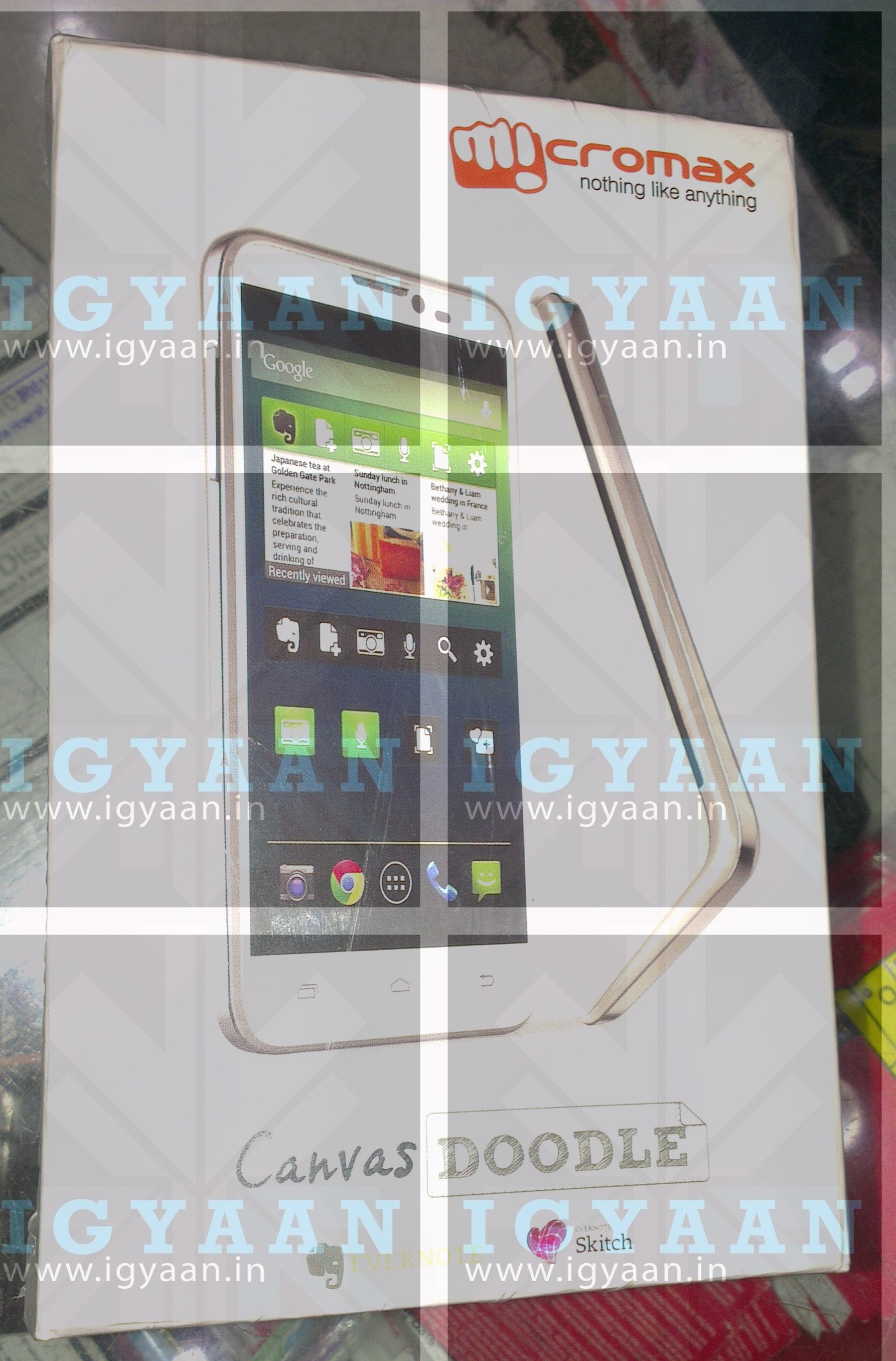
    We just checked our inbox and a tipster just sent us a few pictures of the upcoming Micromax A111 Canvas Doodle. This is Micromax’s revision to the A110 Canvas2 and will feature interesting specs to boot. A 5.2 inch multitouch capacitive screen, along with a Quadcore Mediatek 1.2 GHz processor. 

    The Micromax A111 Canvas Doodle will also have 4 GB of inbuilt storage and 512 MB of RAM (seems like a misprint)  according to images. The Main camera is an 8 MP autofocus camera and the secondary camera is a 2.1 MP snapper, Both should be capable of HD Video.

    Micromax A111 canvas Doodle 0

    The main display is a 5.3 inch Hypersensitive display which is expected to be at least 1280 x 720p in terms of resolution.

    If the images are carefully examined this looks like Micromax’s take on the Galaxy S4 with the UI quite identical to that seen on Samsung’s new flagship. The MRP. of the product has been set at Rs. 16,999 but should be available for under Rs. 15,000 when it is launched. 

    At just under 10mm the phone is fairly slim and according to rumors should feature a hypersensitive display capable of stylus input, hence the name “Doodle”. As per the packaging Evernote and Skitch are also preloaded on the smartphone for out of the box functionality

    Previously leaked images have shown the Dual Sim slots, keeping in tradition of the Canvas series, the Canvas Doodle will also have dual sim capabilities, with possibly dual Active Sim cards.

    Micromax has enjoyed a huge amount of success with their Canvas Series and this device by the looks of it will add to that success. Stay tuned for more updates!

    [Thanks Rohit]

  • Sony reveals prototype 13.3 E Ink Display tablet with stylus, Aims at Future Students

    Sony reveals prototype 13.3 E Ink Display tablet with stylus, Aims at Future Students

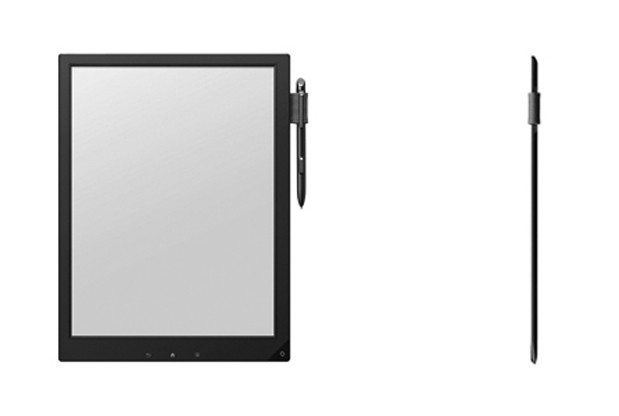
    Sony has just shown off a new prototype the E-paper Slate, which combines as the name suggests an E-Ink display and a Stylus to bring about digital classrooms. Packed with a 13.3-inch screen (1,200 x 1,600px) with an electromagnetic induction touchscreen for accessing menus and scrolling using a Stylus. 

    The device currently only supports a few file formats including PDF and is sized up at only 6.8mm thick with a light weight of 385 gms. 

    The Slate is also equipped with onboard storage of 4GB and an expansion slot that can enable increase in capacity for the student. If the need arises. The Battery life is also supposed to be marvelous with over 3 weeks of usage, incase of wireless networks being off. The Software updates will be pushed OTA thanks to Wifi connectivity along with the ability to pass along notes wirelessly. 

    The prototype is functional to the extent that the company will begin summer 2013 tests, for late 2013 availability for the the E-Paper Slate, In Japan atleast.

iGyaan Network
Privacy Overview

This website uses cookies so that we can provide you with the best user experience possible. Cookie information is stored in your browser and performs functions such as recognising you when you return to our website and helping our team to understand which sections of the website you find most interesting and useful.