Author: Parul Ritvik Sood

  • Xiaomi Now Holds the ‘World’s Third-Largest Smartphone Maker’ Tag

    Xiaomi Now Holds the ‘World’s Third-Largest Smartphone Maker’ Tag

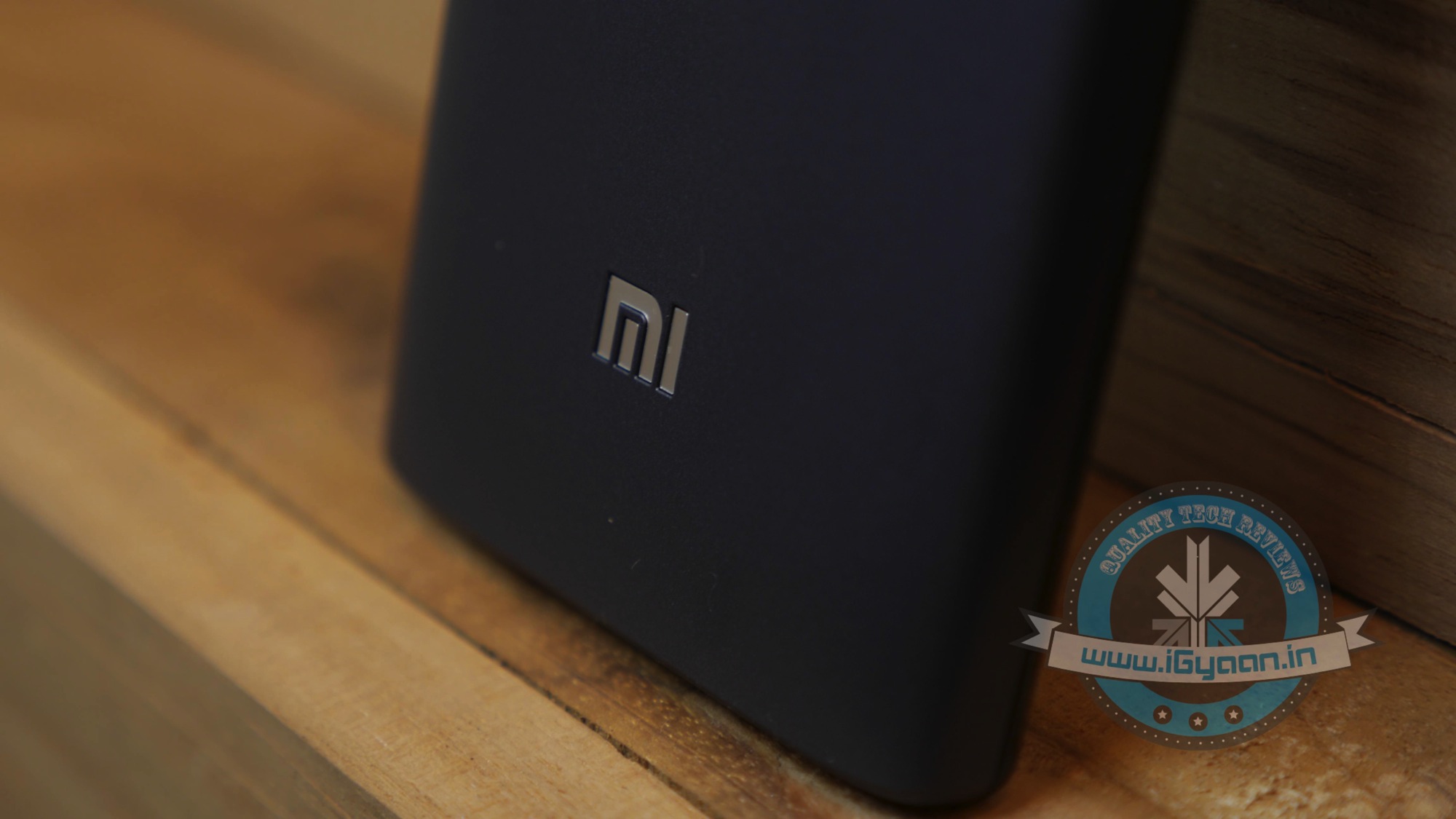
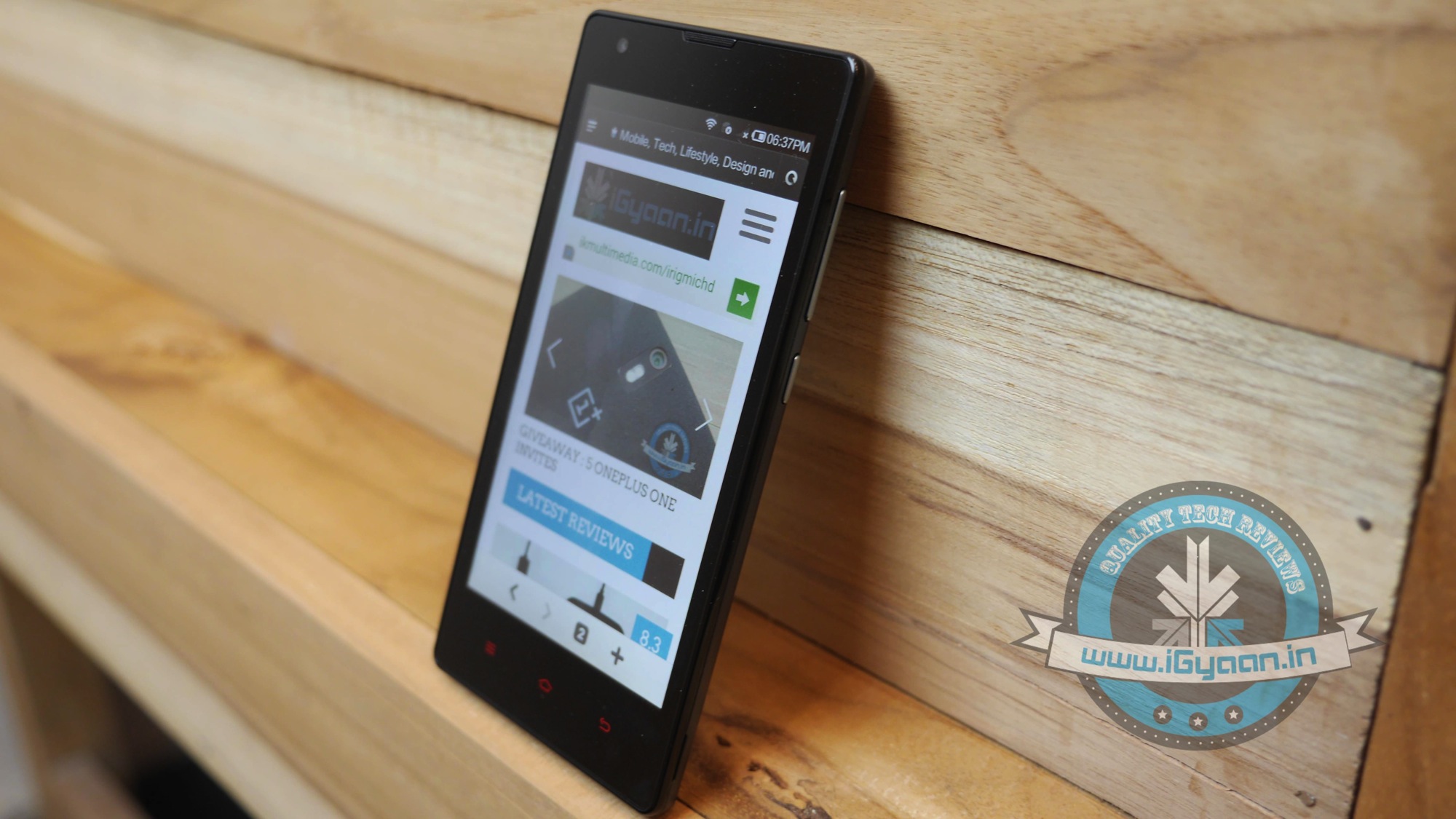
    Despite being in controversies regarding privacy concerns, Xiaomi, the Chinese handset maker, has become the world’s third-biggest smartphone maker. According to the recent report by International Data Corporation (IDC), the smartphone maker has tripled the shipments since last year.

    Also, it’s the first time Xiaomi has made it to the list of top 5 smartphone makers in the world, released by IDC. The company is trailing behind Samsung, who despite witnessing a steep fall in shipment from last year, still leads the race followed by Apple in the second position.

    It is to be noted that Xiaomi’s focus on China and the neighbouring markets like Southeast Asia helped boost Xiaomi into the top 5 by resulting in triple-digit year-over-year growth in the third quarter of 2014. According to IDC,  the launch of Xiaomi’s flagship phone MI4, which is meant to compete against Samsung’s Galaxy S5 and Apple’s iPhone in August, was the key to its success.
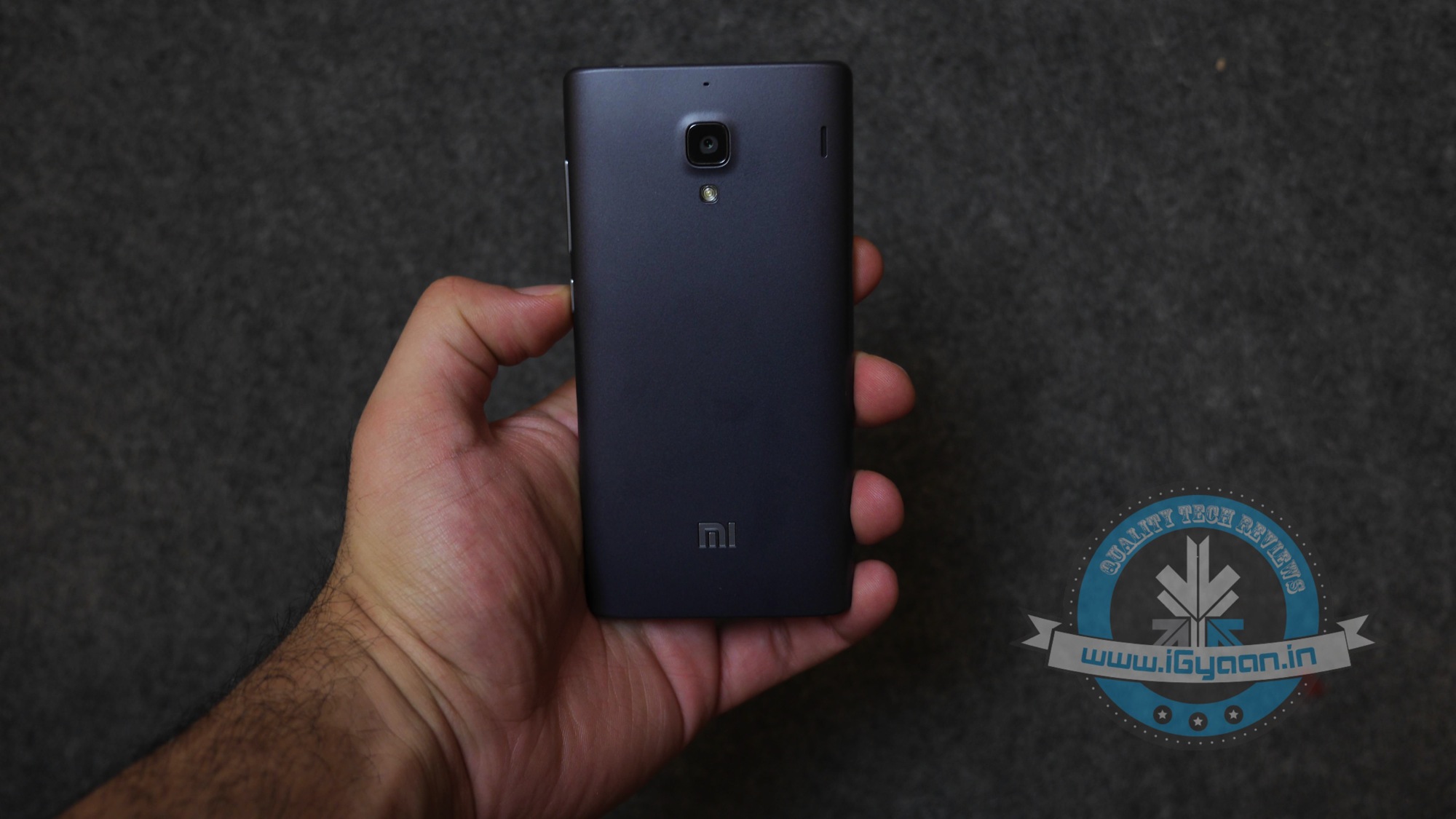
    Xiaomi Redmi 1s Unboxing 16

    Although, the company has made a mark in China and its adjacent markets, it is still unclear how well it will fare in other markets where it faces greater competition from already established smartphone giants – Samsung and Apple. The report illustrates that while Samsung (24.7 percent) and Apple (12.3 percent) still dominate, LG’s recent popularity and increasing sale has also moved it to fourth.

    “Despite rumors of a slowing market, smartphone shipments continue to see record-setting volumes. We’ve finally reached a point where the most developed markets are experiencing single-digit growth while emerging markets are still growing at more than 30 percent collectively,” said Ryan Reith, Program Director with IDC’s Worldwide Quarterly Mobile Phone Tracker.

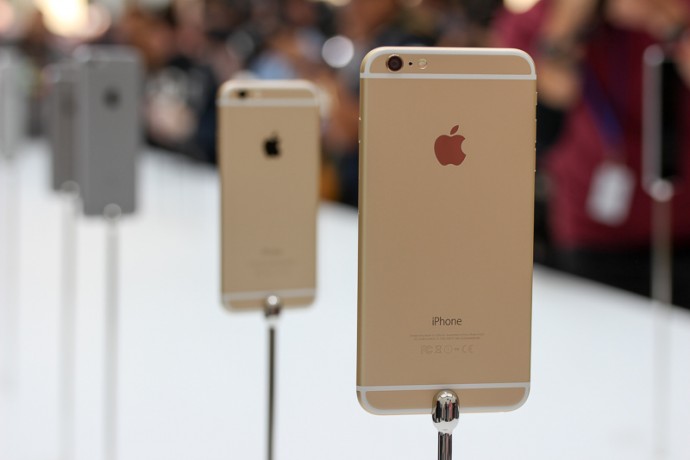
    While Samsung remained the world’s leading smartphone maker, IDC said it was the only company in the top 5 to see shipment volume decline year-over-year. Meanwhile, Apple’s latest iPhone 6 and iPhone 6 Plus pushed Apple to its largest third-quarter shipment ever.

    The report reveals that Apple has sold close to 10 million units during their first launch weekend of the new smartphones and also continued to sell previous generation iPhone 5s and 5c in large numbers, which made up the bulk of Apple’s volume for the quarter.
  • New Oppo R5 Now Leads the ‘World’s Thinnest Smartphone’ Race

    New Oppo R5 Now Leads the ‘World’s Thinnest Smartphone’ Race

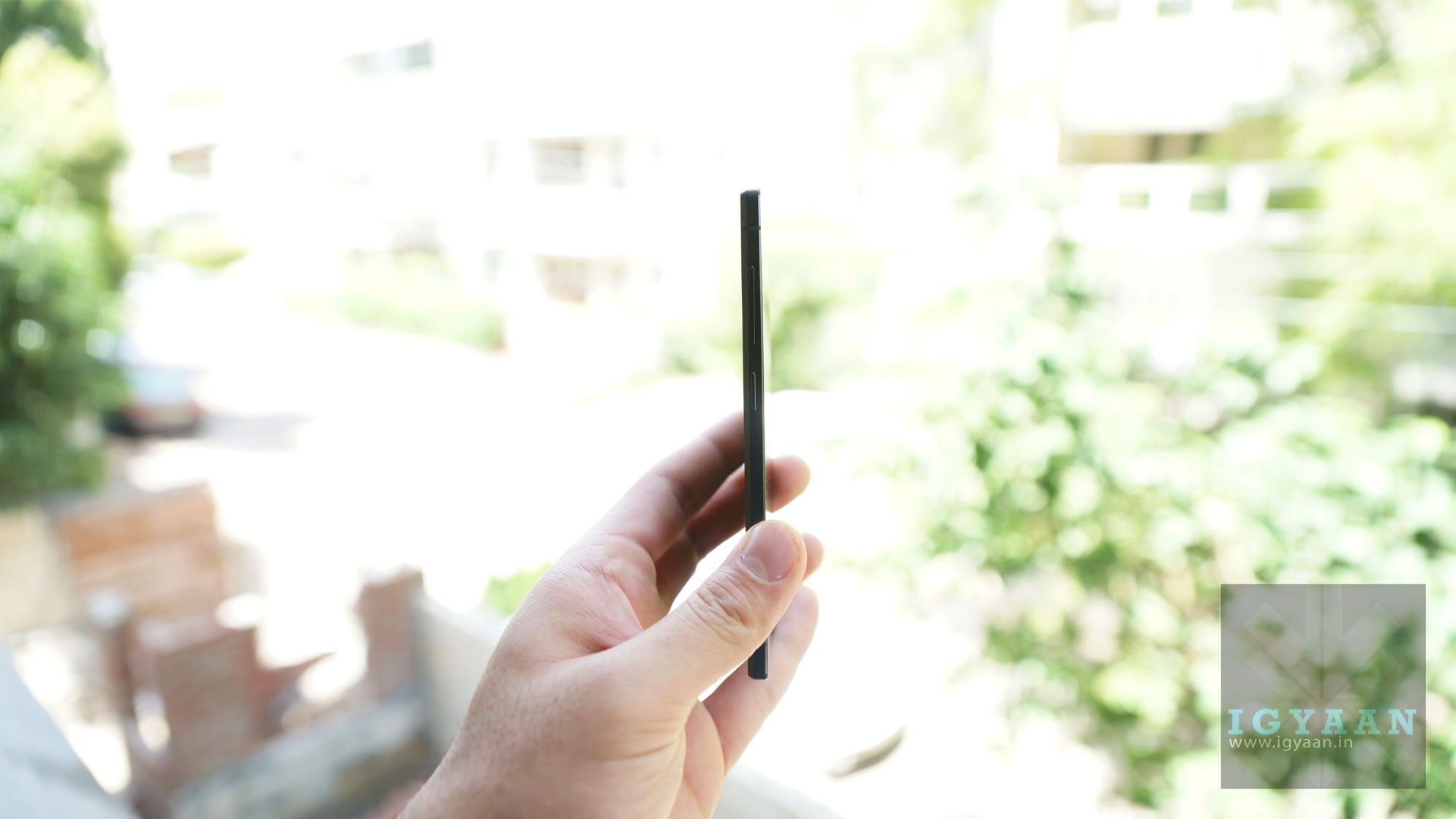
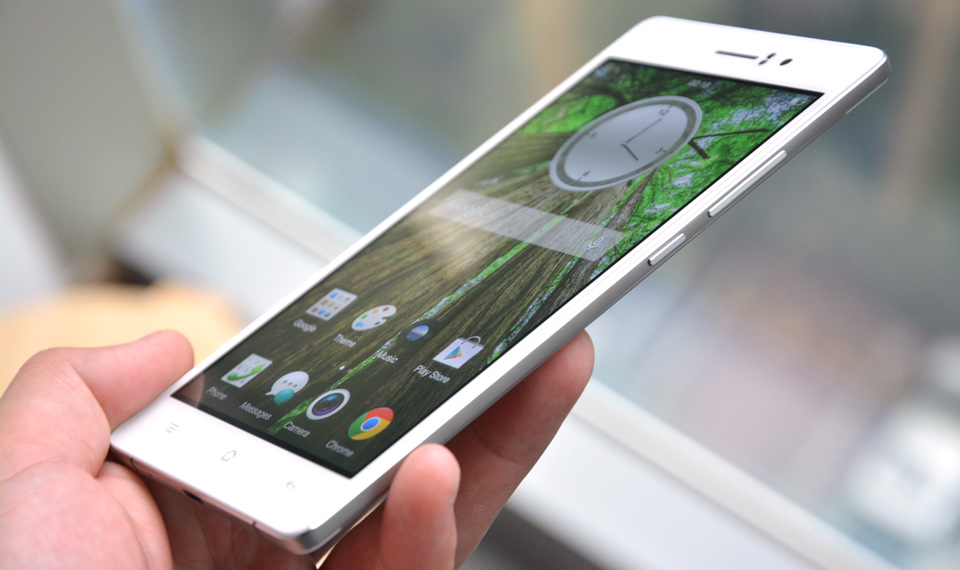
    Oppo has just launched the much-awaited R5, which has broken the fellow Chinese manufacturer Gionee’s record for the world’s slimmest smartphone. The Oppo R5 measures just 4.85 mm thick; the company has shaved quite a bit compared to the 6.3 mm Oppo R3.

    The hand-polished frame is made up of 3D-welded aluminum alloy. The other measurements are 148.9×74.5 mm (that’s rather tall for a 5.2-inch device) and it weighs a mere 155g. Previous generation R series handsets are known for their slim and sleek design, but the new R5 has upped the expectation from the company even further.

    The new R5 pack a 5.2-inch AMOLED screen of 1080p resolution (423ppi), which the company said is one of the best displays available in the market with best brightness, lowest reflectivity and highly accurate colors. The R5 will launch with Android 4.4-based ColorOS 2.0. It’s powered by Snapdragon 615, Qualcomm’s mid-range octa-core chipset. It features an octa-core Cortex-A53 processor clocked at 1.5 GHz, which is paired with an Adreno 405 GPU and 2 GB RAM.

    It fashions a 13MP Sony IMX214 sensor and a f/2.0 aperture, while the front camera is a 5MP shooter. Also with that, the company has added a special cooling element made from liquid-metal and phase-change materials to balance the heat created by the chipset.

    Surprisingly, despite being so thin, Oppo R5 managed to juice it up with a 2,000mAh Li-Polymer battery along with the VOOC mini rapid charge tech support. The company said that the smartphone will make its way to the global market in December and will be available to the customers at a price of $499 in silver, gold and grey colours.

  • Oppo Brings Out the N3 with 16MP Rotating Camera

    Oppo Brings Out the N3 with 16MP Rotating Camera

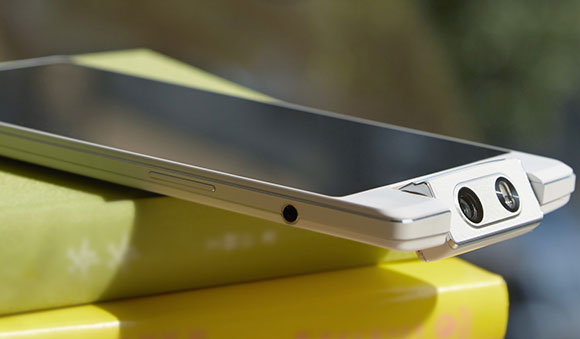
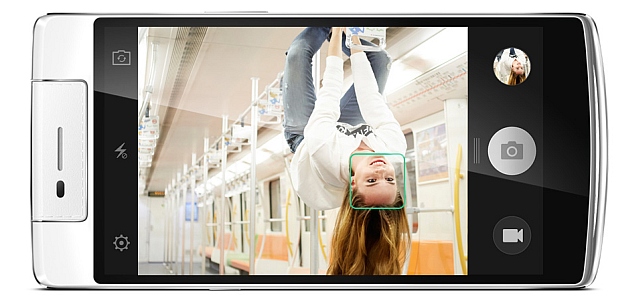
    As expected, Oppo has launched two new smartphones today at a press event in Singapore, the N3 and R5. N3 has been touted as the most interesting ‘camera phone’ ever with a motorised swivel camera that can track objects as they move, and can rotate up to 206 degrees.

    The successor to the N1 fashions a 16MP motorized camera letting users track objects as they move. The sensor used by the camera is 1/2.3-inch in size and the pixel size is 1.34micrometer. The camera uses Schneider Kreuznach-approved lens that sums it up to an impressive level of quality.

    oppo_n3_landscape

    The mechanized camera is super useful to shoot panoramas and taking selfies for example. Panoramas are shot in up to 64MP resolution. The fingerprint sensor at the back also allows you to protect your images immediately after taking them with a single swipe.

    Some of the other camera functions that come under the Oppo N3’s ‘Ultra image 2.0’ suite include slow shutter, ultra macro mode, after focus, and shooting in RAW. The N3’s 16MP shoots 4K video at 30 fps, 1080p video at 60 fps, 720p slow motion video at 120 fps.

    Specs-wise, the new N3 is no less compared with other flagship phones available in market. In terms of connectivity, the phone offers Wi-Fi 802.11ac, NFC and Bluetooth 4.0. USB OTG is also supported. It comes with  a 2.3GHz Snapdragon 801 quad-core SoC, 2GB of RAM, 32GB of internal storage, a nice 5.5-inch full HD LCD (the N1 had a 5.9-inch one), NFC and a 3,000 mAh fixed battery.

    The N3 also comes with VOOC rapid charging with a smaller charger, which means you can go from zero to 75 per cent in just half an hour. The handset is now listed on the company’s China website with a price tag of CNY 3,999 (roughly Rs. 40,100). The company said that the handset’s dual-SIM variant will also arrive later.

  • Company Confirms India-Specific OnePlus Invite System to Arrive Soon

    Company Confirms India-Specific OnePlus Invite System to Arrive Soon

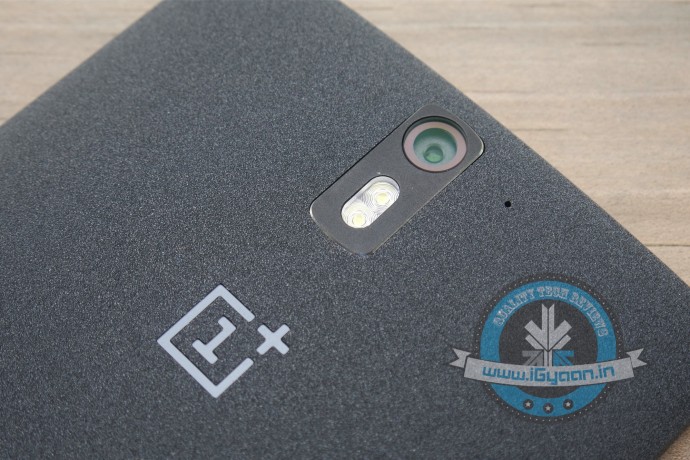
    OnePlus has already confirmed that it will launch its flagship handset OnePlus One soon in India. Now, the company has confirmed that it will release India-specific invites to prospective ‘One’ consumers online.

    OnePlus One, which has been called a ‘Flagship killer’, will continue to sell on an invite-based approach, just like it has done everywhere else. The premium looking device packs in some high-end hardware specifications while maintaining a relatively cheaper price tag. But the phone has been criticized for one reason; its scarce availability.

    The company director (Global), Carl Pei, in his latest blog post, besides wishing Indians’ a belated Happy Diwali, announced the cheerful news of releasing India-specific OnePlus One invites to the fans.

    “We’ve made tremendous progress in just the last week and are grateful to all of our partners who took time during their holiday to help us move this forward. We’ll be ready to share some very exciting updates with you in the coming weeks. But for now, we wanted to talk a little about how you’ll be able to get the One in India.” Pei added.

    oneplus-one-igyaan-3

    The company said that like other countries, Indian users will be able to purchase the One with an India-specific invite. According to Carl Pei, invites have been immensely helpful for the company so far and they allow them to control their inventory, scale their team and support services to grow along with the demand and create an overall better experience for the users. “As this is our first experience with the Indian market, we didn’t want to be too ambitious. We are more concerned with offering outstanding service and experiences to users than getting the One in as many hands as possible. It will take us some time to learn, and the invites are a great way for us to do that.” Carl further stated.

    Besides introducing invitation-only registration process, the company is also in talks with some e-commerce websites to offer OnePlus One in India. If all things fall in place, the flagship phone is expected to set a mark in the Indian market by December end for around Rs. 25,000.

  • Facebook-Owned WhatsApp Lost Close to $200 Million in 2 Years

    Facebook-Owned WhatsApp Lost Close to $200 Million in 2 Years

    As a result of the official closing of Facebook’s acquisition of cross-platform instant messaging application WhatsApp, the first clear picture of WhatsApp’s financial results emerged. A Form 8-K/A filed with the Securities and Exchange Commission has revealed that in 2014, WhatsApp lost $140 million and generated just $10 million in revenue. And in 2012 and 2013, the app lost a total of $192.8 million.

    In the six months ending June 30, 2014, WhatsApp brought in $15.921 million in revenue but suffered a net loss of $232.5 million. However, $206.5 million of the net loss was for share-based compensation expenses and issuance of common stock below fair value. Its net cash used in operating expenses during the first half of 2014 was $13.5 million, which sounds much more reasonable.

    “We’re the most atypical Silicon Valley company you’ll come across,” Brian Acton, a WhatsApp co-founder, once said in an interview. “We were founded by thirty-somethings, we focused on business sustainability and revenue rather than getting big fast, we’ve been incognito almost all the time, we’re mobile first and we’re global first.”

    mark zuckerberg

    Essentially, due to WhatsApp’s quickly rising valuation, it used share-based compensation to attract top talent. Eventually, the $22 billion acquisition by Facebook largely made the ‘expenses’ of issuing that stock moot. This is standard for growing companies hiring new talent, and shouldn’t convey that WhatsApp was burning money irresponsibly. $148 million is a lot to lose for a small company, but the company seems to have been doing it wisely. Fewer than $10 million was burned in 2013 in actual operating expenses.

    Overall, Facebook broke down the money it spent on WhatsApp as $2.026 billion for the user base, $448 million for the brand, $288 million for technology, and $21 million for the rest. That left it to chalk up the $15.314 billion difference as “good will” aka the value “from future growth, from potential monetization opportunities, from strategic advantages provided in the mobile ecosystem from expansion of our mobile messaging offerings.”

  • Award-Winning App from iOS ‘djay’ Finally Comes to Android

    Award-Winning App from iOS ‘djay’ Finally Comes to Android

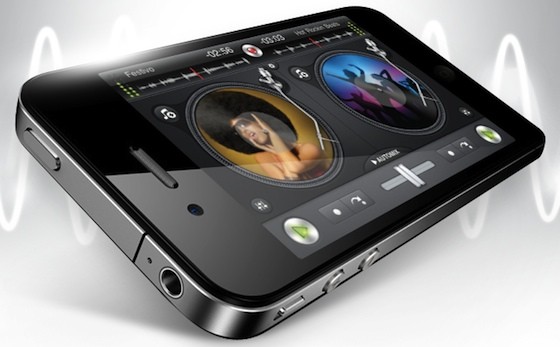
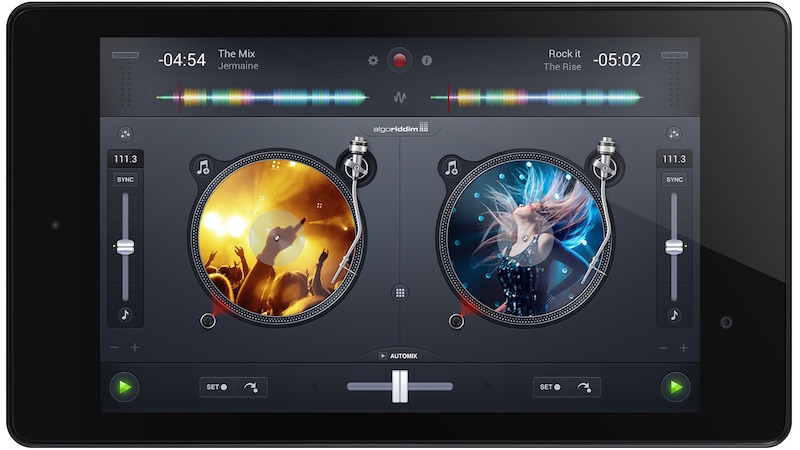
    Apple always had an upside when it comes to sophisticated apps. iOS has long been the king in terms of music performance and production apps. But now, Algoriddim, the team behind the popular music mixing app djay, has launched it for Android through the Google Play Store and Amazon App Store, making the app its first on Google’s platform.

    The dj-ing software was demoed onstage at the iPad 2 launch and it won Apple’s much craved Apple Design Award in 2011 and Apple’s App of the Year award in over 100 countries. Djay is so well-liked that it’s even being pre-installed on many of the Apple’s demo units in store.

    djay_android_tablet

    Djay 2 gives you a pair of virtual turntables on which you can load any music from your library or through Spotify (premium account required). Just about everything you can do on real turntables, you can do with djay 2. It’s not limited to the capabilities of physical turntables, though. This app has a full suite of audio effects, waveform views, a drum machine, auto-synchronization, and more.

    Spotify music is streamed directly to djay, so you don’t even need the Spotify app installed – simply log in through the music selection pane – and it performs as if the music was stored locally on your device as long as you’re online. You can pick up a seven-day free trial of Spotify Premium to use with djay through the app if you aren’t already a subscriber.

    This is a huge feature especially if you don’t typically sync your music library to your device or have a storage limitation that prevents syncing huge libraries. If you do save music directly on your device, djay for Android includes fast access to your own music library with the native Android user interface for quickly picking the desired music and returning to the turntables.

  • Google Challenges Apple’s HealthKit with New Google Fit

    Google Challenges Apple’s HealthKit with New Google Fit

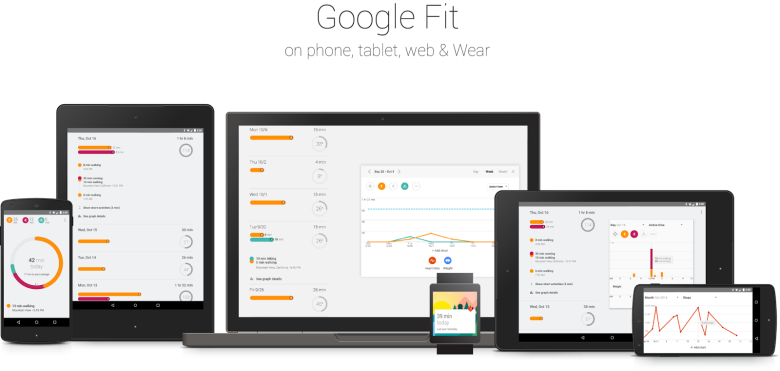
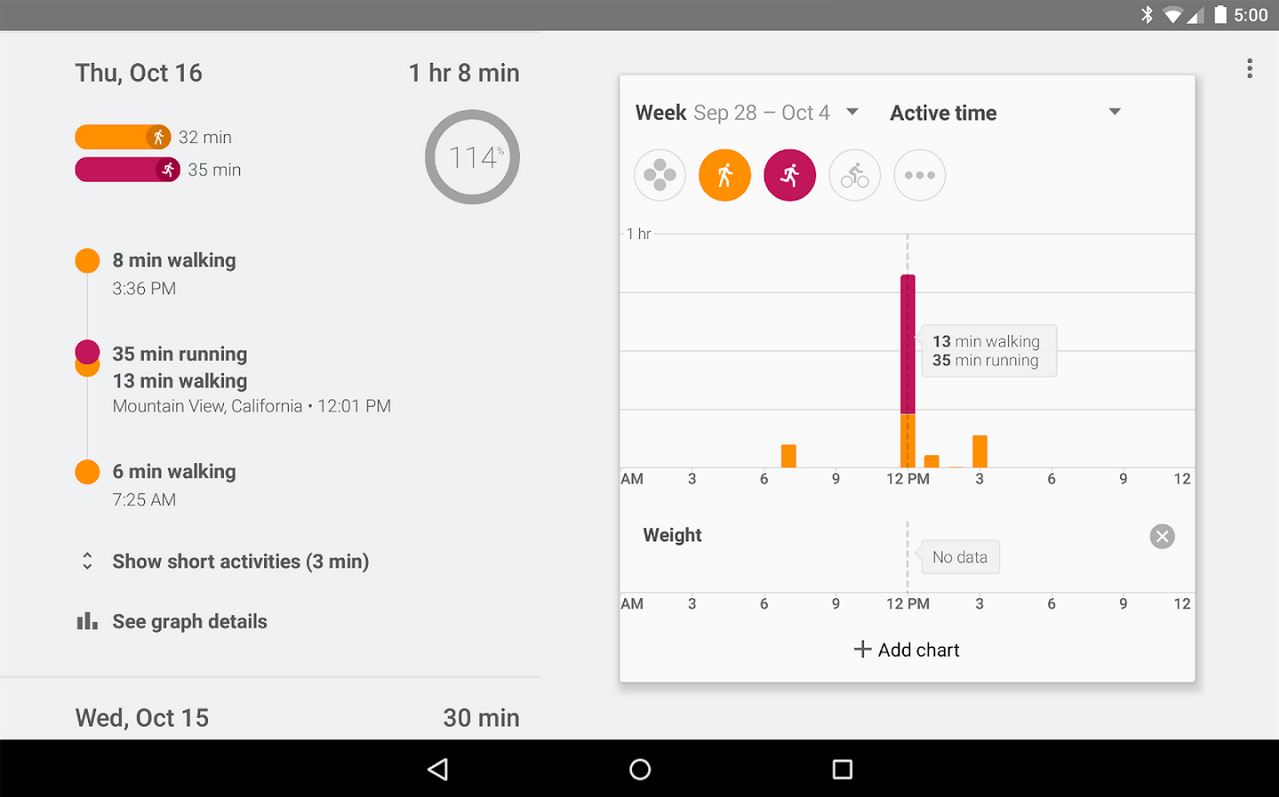
    After overcoming a few hurdles along the way, Apple’s HealthKit is making its way into mainstream slowly. However, Apple is not the only one to tap on potential market of health related applications and hardware. Yesterday, Google released Google Fit, a standalone app and fitness platform designed to compete with Apple’s HealthKit, in the Google Play store.

    The app, which connects to your existing Google account, functions as a central dashboard for tracking fitness and health goals. Like HealthKit, Google Fit taps into the sensors in your smartphone to keep tabs on daily activities like steps and active minutes. Users can also manually add exercise and other activities like biking and walking.

    google-fit

    According to Google, the newly launched app includes your run-of-the-mill activity tracking features, supports third-party integrations and Android wear devices, and enables users to “set goals based on either duration or steps.”

    To help enable third-party app integration, the company also rolled out full versions of its Google Fit APIs for developers. Google released a preview version of its software development kit for Google Fit earlier this year, and announced a series of early partners, including Nike, Runtastic, RunKeeper, who will be among the first developers to make their apps Google Fit-compatible.

    google fit

    Google Fit also has a web-based destination at Google.com/fit which doesn’t appear to be live just yet, and it’s likely we’ll see more features introduced to the app as developers begin to explore and work with the platform.

    Although this fitness app follows Google’s new Material Design guidelines and was announced alongside Android L (now known as Lollipop), Google Fit is available to all users running Android 4.0 and newer. This is also another reminder that Android 5.0 Lollipop’s release is just around the corner, with the first consumer devices sporting the OS coming next week.

  • Fitbit Unveils Three New Motion Trackers Including a GPS Watch

    Fitbit Unveils Three New Motion Trackers Including a GPS Watch

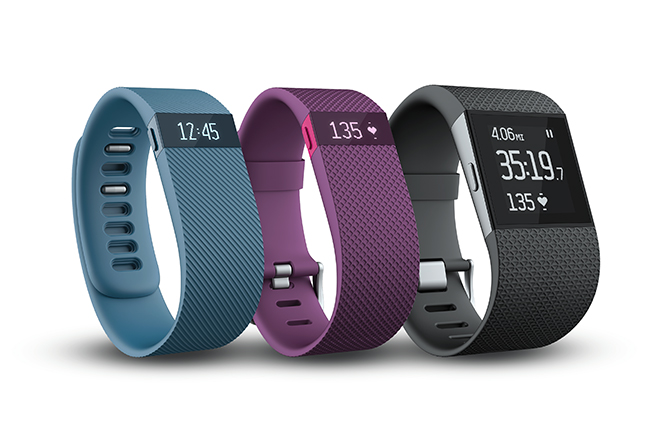
    After nine months of interval, Fitbit on Monday announced three new devices for the wrist: Charge, Charge HR and Surge. Last year, the company was highly criticized for Fitbit Force as it caused skin irritation and blistered the wrists of some owners.

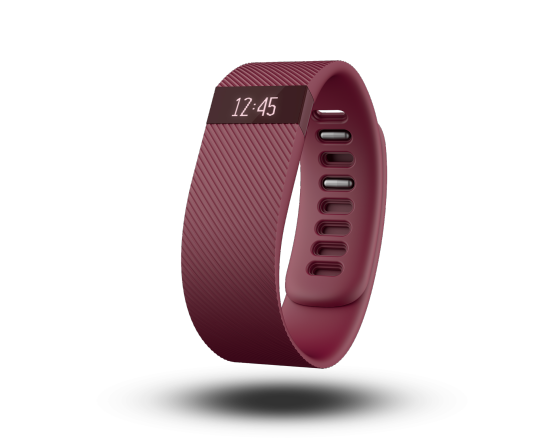
    The devices measure activity and sleep, and when you pair them up with your smartphone, they give you an idea of how active you’ve been through the day and how well you’ve rested. The Charge is essentially a replacement of the Force and has been priced at $129.95. It encompasses the same features of the Force, including the caller-ID function.

    chargeburgundy_unique_ortho_flat_72dpi-e1414371959474
    Fitbit Charge is priced at $129.95

    Also, Fitbit has finally cracked the code for automatic sleep tracking. That means no more adjusting the alarms before you sleep. The design has changed slightly since last year, and now it’s made up of a softer rubber with slightly textured surface. But for the most part, the Charge is a direct clone of the Force. It’s roughly the same size, has the same basic feature set and even the same seven day battery life.

    charge_hr_blue_back_flat_72dpi-e1414372016726
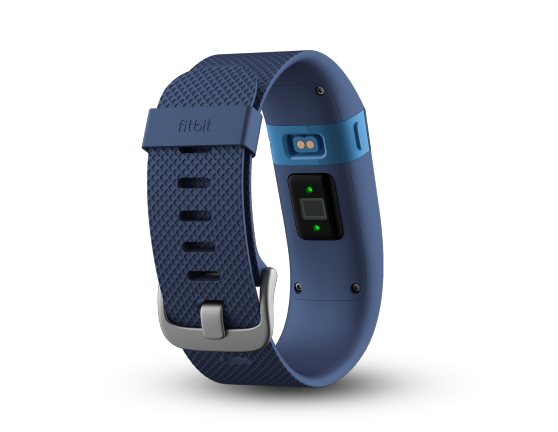
    Charge HR costs $149.95and comes with a LED heart rate sensor

    The Charge HR, which cost $149.95, adds an LED heart rate sensor. The company says that the sensor will work continuously whether you’re working out, working on your computer, or sleeping. Data from the heart rate sensor isn’t used to measure your sleep, though that could come in the future, which would make sleep tracking more accurate. Battery life, Fitbit says, is five days.

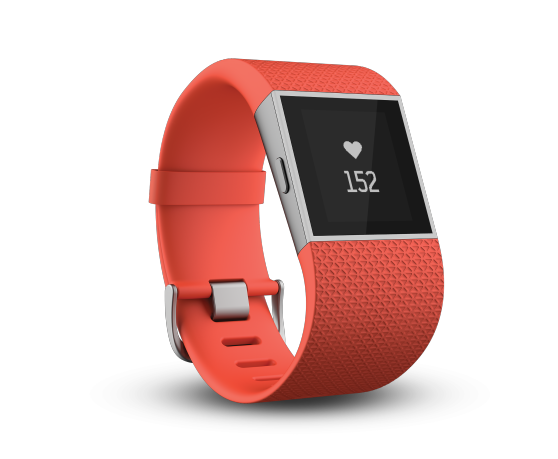
    The third Fitbit offering, the Surge, is priced at $250. The company dubs it as a “super watch”, something between a fitness tracker and a full-on smartwatch. It is essentially a basic sports watch with light smartwatch capabilities. The Surge includes GPS, heart rate monitoring, bluetooth LE-based call and text notifications, and also supports different workout modes like runs, weight training, or elliptical use. It is bigger in size than the usual sports watch and claims to have seven days of battery life.

    surge_3qtr_tangerine_heartrate_custom_radial_72dpi-e1414372048641
    The ‘super watch’ Surge is bigger in size than usual sports watch

    Fitbit has also made a few updates in its mobile app. It now includes challenges, so you can compete with other Fitbit users and get motivated. Also, the company has added some simple fitness coaching which will automatically calculate your heart rate zones and divide them into three basic areas – fat burn, cardio, and peak performance, rather than the more complex five to seven zones that elite athletes practice.

  • Nextbit’s Baton App Brings iOS-like Continuity Features to Android

    Nextbit’s Baton App Brings iOS-like Continuity Features to Android

    Just when we thought Apple is leading the race of technology convergence with it’s new ‘Continuity’ feature on OS X Yosemite and iOS 8.1, Nextbit, a startup formed by ex-Googlers, launched a forward-thinking cloud sync and backup service for Android called Baton.

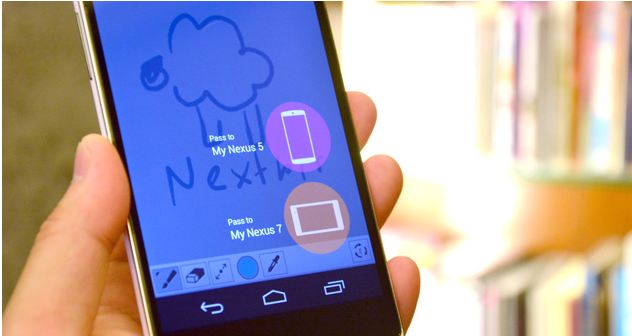
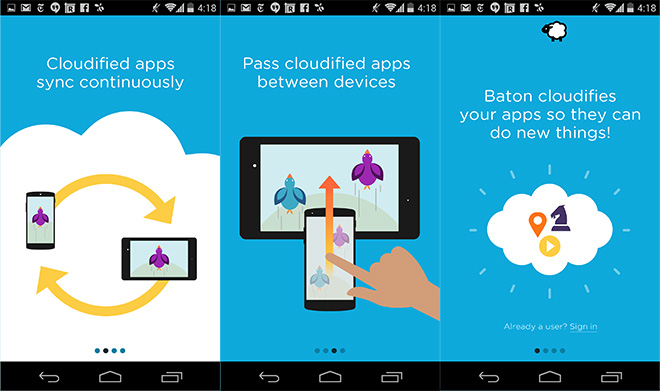
    It lets you quickly pass an app’s state from one Android device to another, which means you can continue playing on the same level in a game, editing the same document in an app or browsing the same web page right away. The only precondition being that the second device must also have Baton and the same app installed.

    Nextbit Baton has three main features—sync, pass, and backup/restore. The sync feature is capable of keeping your app data in sync across all your devices. So, if you’re using a fitness app on a phone to track your stats, you can use a tablet to view all that data as it exists on the phone. This is a lot more than restoring app data which is already provided by Android (though underutilized). Nextbit constantly updates app data across all devices, but you can also disable sync on any app of your choice.

    nextbit baton

    The Pass feature is probably the most impressive. A long press of the multitasking button will let you beam the current state of your app to another device and allow instant pick up where you have left off. The Nextbit backup lets you store apps and data in the cloud for easy restoration to new devices, similar to Google’s new app restore in Lollipop. All the cloud data in Nextbit is kept in Amazon’s AWS, and the data only syncs over Wi-Fi to avoid destroying your data cap or battery life.

    Baton by Nextbit is available in private Beta form for users running the latest CyanogenMod version. The service will be available to public via a CyanogenMod release. It is said that Baton’s first public release will be on the “commercially distributed Cyanogen operating system” at some point this year, which means that OnePlus One users will be getting it for sure.

  • Apple Plans to Replace Transit Passes with iPhone 6’s NFC

    Apple Plans to Replace Transit Passes with iPhone 6’s NFC

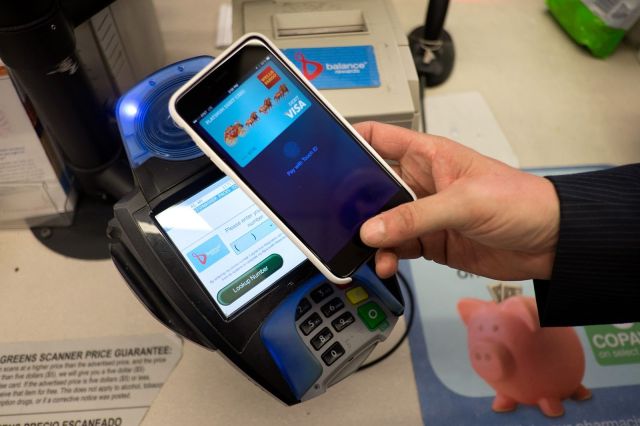
    iPhone users have just started using Apple Pay to make purchases at cash registers and online stores. But the application of this NFC-based payment system is not limited to just this. According to The Information, Apple is in talks with keycard maker HID Global and Cubic to enable security features through which the NFC-equipped iPhone can be used as a pass to enter buildings and transit fare systems.

    “The Apple representatives have spoken to technology providers like HID Global and Cubic, which enable secure access to buildings and transit fare systems respectively, briefed people involved in the discussions. Spokespeople for the companies declined to comment on any discussions with Apple, but executives there discussed how they could integrate their systems with the iPhone.” the report said.

    20141020_apple-pay_0073-640x426

    This could only mean that the iPhone 6 could soon come with the ability to unlock hotel room doors and even pay public transit fares. Back at the launch of Apple Watch, the company publicly announced a partnership with Starwood Hotels and Resorts Worldwide that would allow Apple Watch owners to unlock their hotel room doors using bluetooth. However, that specifically isn’t NFC technology, but the concept is the same.

     Currently, developers are not allowed to tap into the NFC chip found in the iPhone 6 and iPhone 6 Plus. By allowing access to the NFC chip, the cards would be able to upload on the Passbook the same way credit cards are added. Users will then have to just tap on the home button at NFC-powered transit turnstiles to pay for their desired rides.

    Its functions remain exclusively tied to Apple Pay, which launched with the release of iOS 8.1 last week. Apple hasn’t indicated any plans to open up NFC access in the future. However, report from The Information illustrated that Apple may selectively partner in offering NFC support. Initially, Apple also restricted Touch ID support until the launch of iOS 8, which now allows developers to offer fingerprint-based access with applications.

  • In Response to the IAF Ban, Xiaomi Migrates its Cloud Server to India

    In Response to the IAF Ban, Xiaomi Migrates its Cloud Server to India

    The Chinese company was recently troubled by an outburst concerning a national privacy issue. The Indian Air Force banned its personnel from using Xiaomi smartphones as they were considered a security threat. Now the company has planned to completely migrate the cloud servers out from Beijing and setup a local server for Indian customers.

    IAF had cited a report by F-Secure which said that they found that the Redmi 1S was forwarding carrier name, phone number, IMEI (the device identifier) plus numbers from address book and text messages back to Beijing. Even after Xiaomi took proactive steps towards addressing its concern, IAF, is pressing on its officials and families to refrain from using the phones.

    “Since early 2014, we have been migrating our services and corresponding data for Indian users from our Beijing data centers to Amazon AWS data centers in Singapore and USA. Parts of this migration will be completed by the end of October, and all of it will be completed by the end of 2014,” said an official release by Vice-President Hugo Barra.

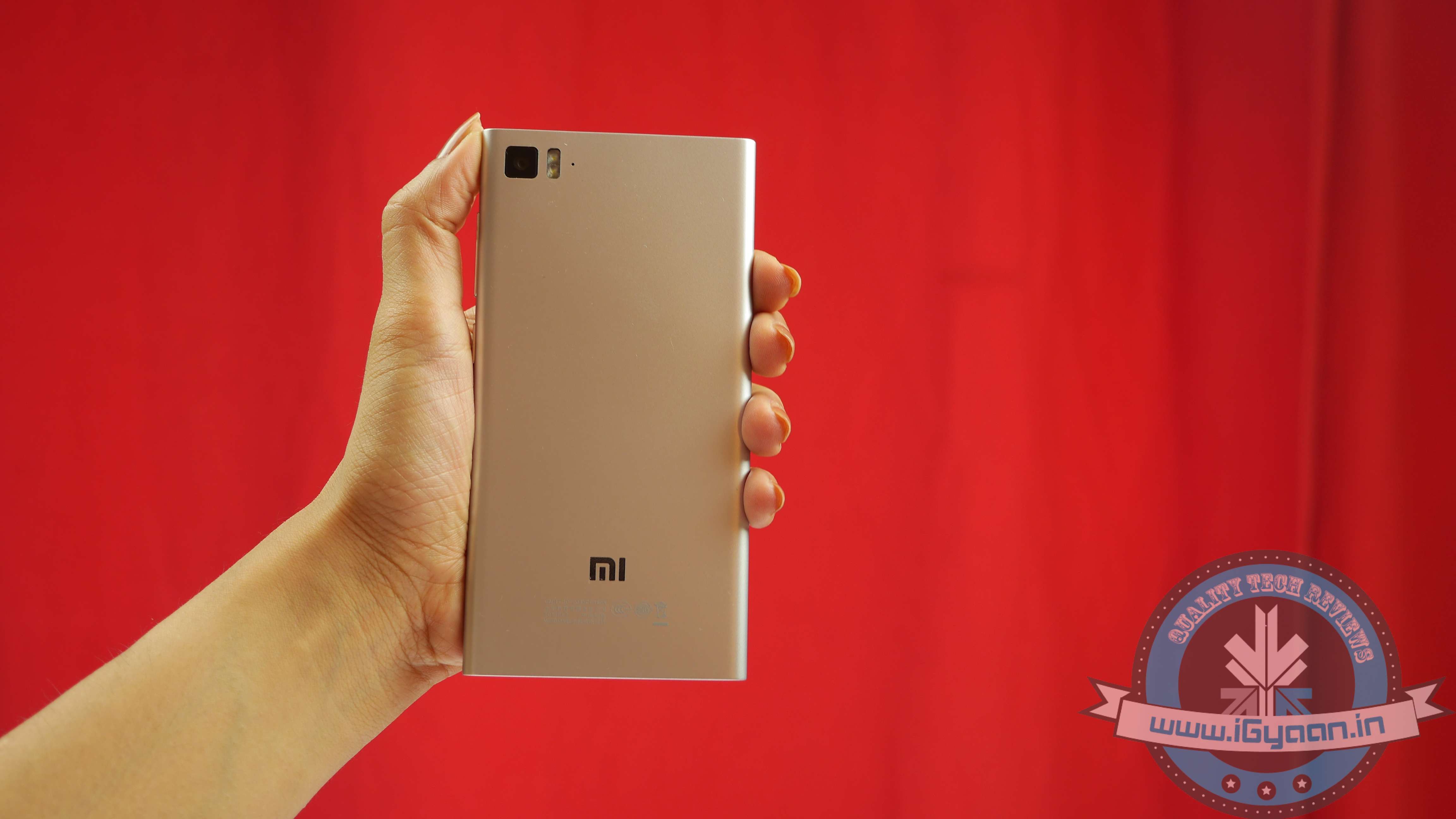
    Xiaomi MI 3 India 2

    “In 2015, we plan to launch a local data center in India to serve the needs of (and store data for) our Indian users. These efforts help significantly improve the performance of our services and also provide some peace of mind for users in India, ensuring that we treat their data with utmost care and the highest privacy standards.” Barra added.

    The security solutions company, F-Secure, had done a test on the phones and found that they were automatically syncing the files on the cloud. Xiaomi said this was because cloud syncing was on by default on their devices. The company had released an OTA update on 10th August which would give the users the option to manually turn cloud syncing on.

    Xiaomi added that F-Secure had acknowledged the efficacy of the new update. The company had also started the process of migration of the international user data out of its Beijing-based servers and started shifting it to Amazon’s AWS data centers.

  • Exclusive :  Gionee’s Thinnest Smartphone Elife S5.1 to Reach India By Mid-November

    Exclusive : Gionee’s Thinnest Smartphone Elife S5.1 to Reach India By Mid-November

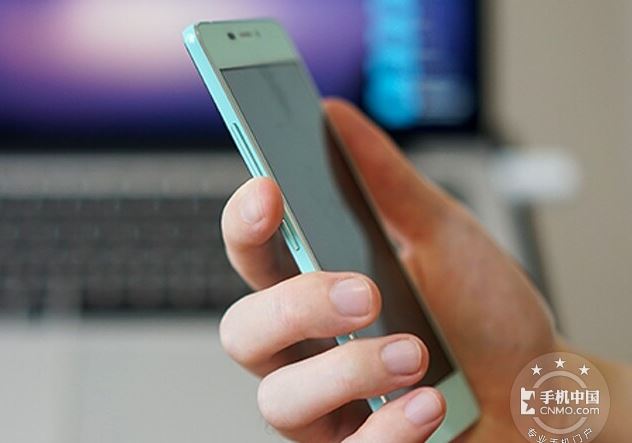
    Gionee secures the badge of the world’s slimmest smartphone with its Elife S5.5 launched last year. Breaking its own record, the company has announced yet another slim phone which is skinnier than the S5.5, holding a 5.1mm thickness. The handset has been aptly named as Gionee Elife S5.1.

    A source close to iGyaan has revealed that ‘the world’s slimmest smartphone’ may come to India during the third week of November. Previous leaks have cited that the new slim smartphone is produced using metal and Gorilla Glass, has curvier edges for a more comfortable grip, and may come with a flush fitting camera lens too.

    s5.1

    According to Gionee’s Head of Design, mobile device ergonomics is an important part of consideration when designing a device. The curved edge design of Elife S5.1 ensures that the phone fits and feels comfortable in the holders’ hands. The metallic structure and durable glass will also ensure a firm grip to avoid accidental drops.

    Chinese publication CNMO had leaked the unannounced Gionee Elife S5.1, showcasing the full handset. Another site, Zol.com, claims that it had a hands-on experience with the upcoming device. Based on the leaks, Gionee Elife S5.1 has a 4.8-inch HD AMOLED display and is powered with a 1.2 GHz quad-core Qualcomm Snapdragon 400 (MSM8926) processor running on 1 GB RAM.

    elifes5.1-side
    Previously leaked picture of S5.1 by CNMO.com

    It is also said that the device comes with the 8 MP rear camera, 5 MP front-facing camera, 16 GB inbuilt storage (non-expandable), and a 2100 mAh battery. It could also run on Android 4.3 with Gionee’s Amigo 2.0 interface on top.

    Specs

    Gionee Elife S5.1

    Gionee Elife S5.5

    Micromax Canvas 4 plus

    Huawei Ascend P6

    Display

    720×1280 pixels, 4.9 inches 1080×1920 pixels, 5.0 inches 720×1280 pixels, 5.0 inches 720×1280 pixels, 4.7 inches

    Processor

    Qualcomm Snapdragon 400 Mediatek MT6592, Octa-core 1.7 GHz Cortex-A7 MediaTek 1.7GHz octa-core Huawei K3V2
    Quad-core 1.5 GHz Cortex-A9

    RAM

    1 GB 2 GB 1 GB 2 GB

    Storage

    16 GB (non-expandable) 16 GB (non-expandable) 16 GB (expandable upto 32GB) 8 GB/16 GB

    Camera

    8 MP rear, 5 MP front 13 MP rear, 5 MP front 13 MP rear, 5 MP front 8 MP rear, 5 MP front

    Battery

    2100 mAh 2300 mAh 2000 mAh 2000 mAh

    Operating system

    Android 4.3 Android OS, v4.2 (Jelly Bean), upgradable to v4.4.2 (KitKat) Android 4.4.2 Android OS, v4.2.2 (Jelly Bean), upgradable to v4.4.2 (KitKat)
  • Malaysia is Using Drones to Fight Malaria

    Malaysia is Using Drones to Fight Malaria

    Drone technology may have raised some security issues in the past, but they have come a long way from being destructive modes to actually doing good for the society. The recent example of one such application can be seen in the remote areas of Southeast Asia.

    A research team in the Borneo island, Malaysia, is using a flying drone to map out the areas affected by a dangerous parasite called Plasmodium knowlesi, which carries malaria. The malaria parasite usually targets macaque monkeys, which in turn spread it to humans via mosquitoes.

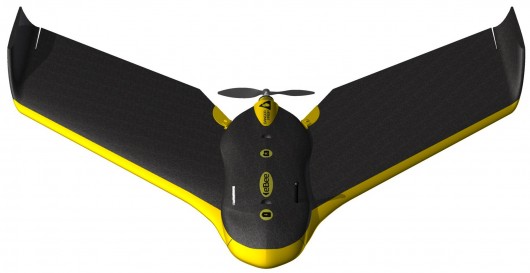
    The researchers are trying to figure out the reason of a rapid increase in such malaria cases. Chris Drakeley, a professor of Infection and Immunity at the London School of Hygiene and Tropical Medicine in the United Kingdom, and one of the researchers involved in the project said that they are using a small camera-equipped drone called senseFly – an eBee to create maps and digital surface models of the land and vegetation surrounding communities where Plasmodium knowlesi has affected humans.

    ebee-1

    “What we’re doing is creating a detailed map, which we can then superimpose or overlay with human and the macaque movement,” Drakeley explained. The locals are asked to carry GPS tracking devices with them while several monkeys were fitted with GPS collars.

    The aim of the project is to identify the contact point between humans and the affected monkeys. Meanwhile, the drones will help researchers figure out what these areas look like and why both species are drawn towards the particular area. “It was thought to be a relatively rare and specific kind of interaction,” Drakeley said. “But what the Malaysians we’ve worked with in the state of Sabah have described us that this actually isn’t always the case.”

    Recently, there have been malaria cases which involve children and sometimes an entire family. The researchers hope to narrow down the contact between the two species and hence, provide a practical solution to avoid spreading of the disease.

  • New Update for Moto 360 Brings Better Battery Life and User Interface

    New Update for Moto 360 Brings Better Battery Life and User Interface

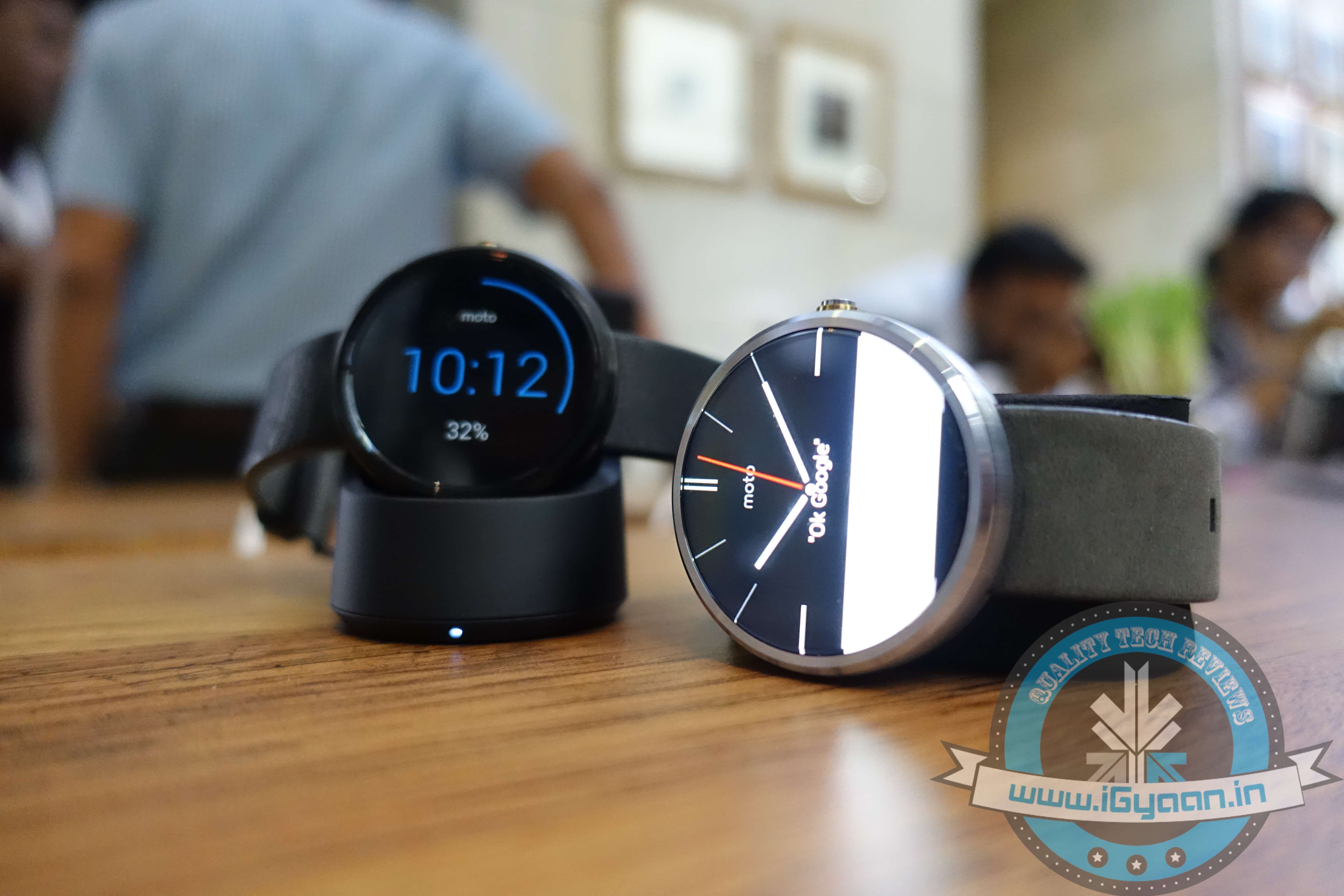
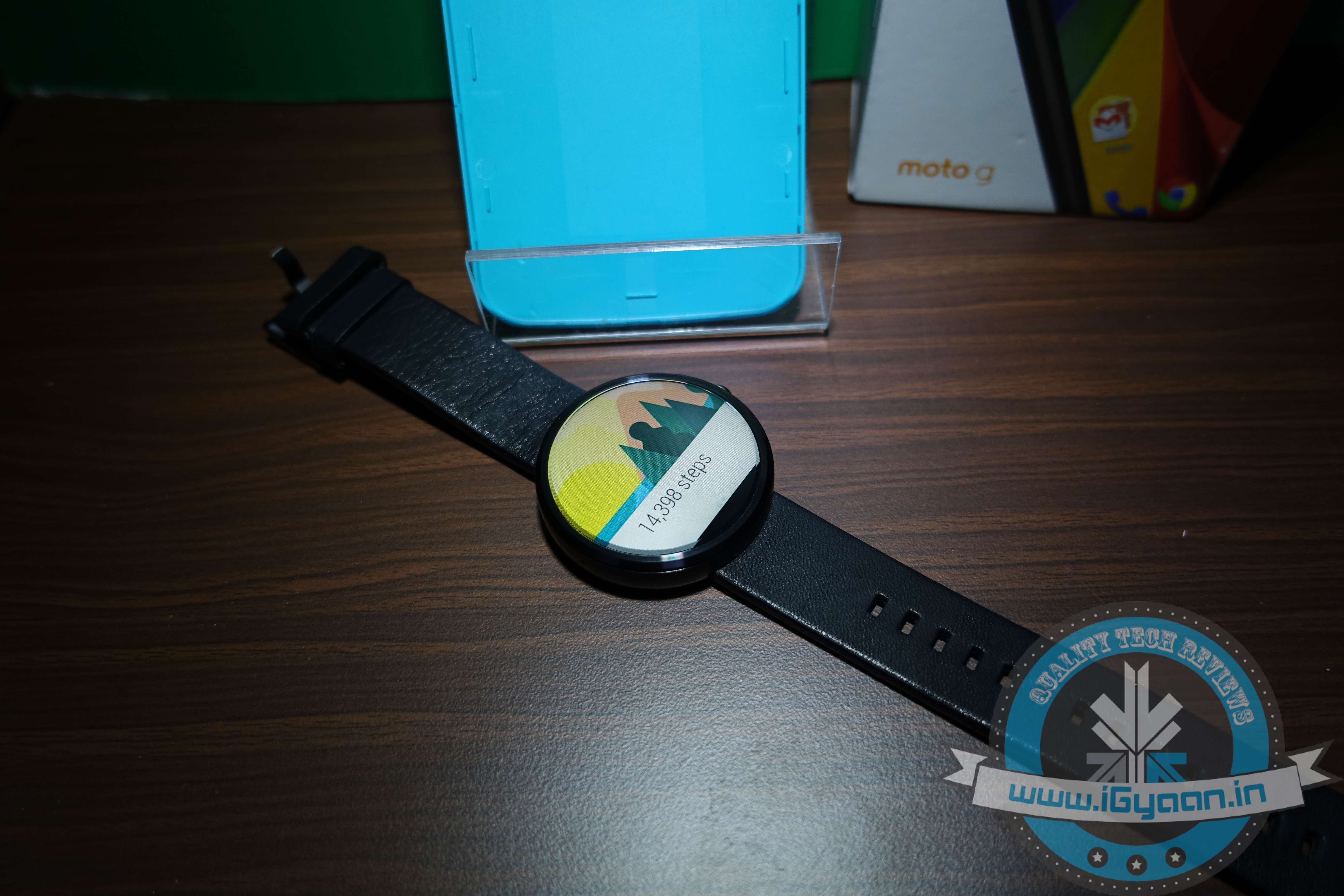
    Motorola Mobility is known for its timely updates for its widely popular Moto G, Moto E and Moto X handsets. It looks like the company is continuing its update strategy with its smartwatch Moto 360 as well. Motorola has rolled out a new software update for the circular Moto 360 smartwatch. It promises better battery life and UI among some other tweaks.

    The company said that the new update will automatically turn off the ambient mode and hence, will save upto 15% of the battery life. The ‘Mood Lighting’ feature will adjust the brightness of the device according to the lighting conditions for a better ambient viewing experience.

    NEW_MOTO_360_0

    ‘Ambient Screen Off’ comes as a default setting and is preferred by most users. However, ‘Ambient On’ gives you an experience that more closely models a traditional watch with a watchface that is visible without any twist and tricks on your wrist. Motorola has also tweaked the device, and now one can connect bluetooth headsets with it.

    Along with this, the company has added a new gesture for better notification viewing. This new gesture allows you to see the full watchface without permanently dismissing the alert. Now, you can just touch the notification, swipe it down, and it will show you the message again when you have another high priority notification coming through. This way, you can easily navigate through the messages without them covering the entire elegant watchface.

    The company’s official blogpost reads, “We will roll out the new software in phases. Look for the update notification on your watch! You will be prompted to install it. To install the update, make sure that you’re connected to your phone with an internet connection and that your watch has at least 80% battery.”

    The company also mentioned that they have added some bug removal application in the update for better overall user experience.

  • Oppo Expected to Bring Out R5 and N3 on 29th October

    Oppo Expected to Bring Out R5 and N3 on 29th October

    Oppo’s much anticipated N3 and R5 are said to launch at an event in Singapore on 29th October. Previous generation R Series handsets are known for their slim and sleek design and the new R5 is said to be designed along the same lines.

    Both the devices are expected to come with support of 4G LTE out of the box. If so, the new R5 will be the slimmest 4G LTE handset available in the market. The recently released teaser shows two devices behind the curtain. The two devices shown are speculated to be the Oppo N3 and R5, however has been no confirmation or any other details revealed.

    oppo_teaser_one_more_step

    Earlier, the company teased the camera module of the expected handsets. Oppo N3 features have been leaked by various enthusiastic Chinese mobile showrooms in past few months. GSM Arena had leaked some renders of what could be the Oppo N3, which showcases a cylindrical rotating camera design.

    The leaked teaser doesn’t show the cylindrical rotating camera, also, it is not immediately evident if that is indeed the design of the other phone. Oppo claims that one of its designs will incorporate a lithium-aluminum alloy, whereas the other one will use stainless steel.

    oppo-n3-oct-teaser

    Chinese electronic showrooms have already started taking pre-orders of the new Oppo N3. The full-fledged advertising campaigns of the Chinese mobile stores have revealed that the new Oppo N3 will sport a 5.5-inch full HD display and a rotating 16MP camera. If this is true, then the Find 7 will still remain the only Oppo smartphone with a quad-HD display. Another detail revealed is the Chinese pricing of the N3 at 4,928 Yuan which comes to roughly Rs. 43,000.

iGyaan Network
Privacy Overview

This website uses cookies so that we can provide you with the best user experience possible. Cookie information is stored in your browser and performs functions such as recognising you when you return to our website and helping our team to understand which sections of the website you find most interesting and useful.