Author: Parul Ritvik Sood

  • More Than 500 Million Users Access Facebook Only on Mobile Devices

    More Than 500 Million Users Access Facebook Only on Mobile Devices

    Facebook reported fourth-quarter profits of $701m (£462m), a 34% increase on the same period a year ago. It seems to have taken over the small screen in the last quarter.

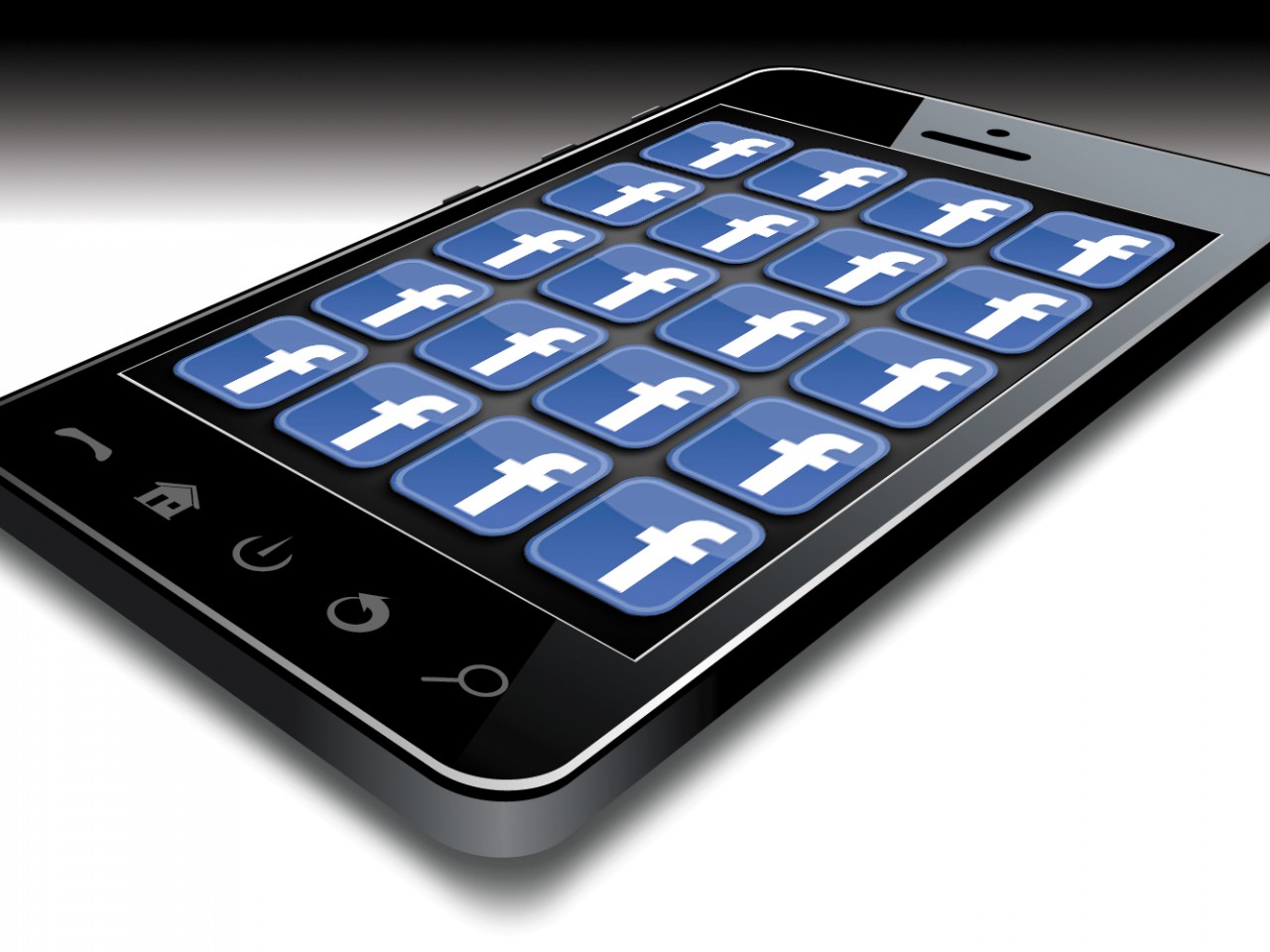
    What’s interesting is that more than half the billion Facebook users access the site from mobile devices. The company also noted a 13% percent increase in active users since previous months, which means almost 1.39 billion people use Facebook actively every month on an average.

    The social media giant isn’t signing up new users the way it once did, but the social network is generating a lot more revenue from each user. Facebook generated $3.59 billion from advertising overall in the fourth quarter of 2014, and 69% of that came from mobile ads rather than their desktop version.

    Also, the company has invested a lot of money on R&D, precisely triple the amount the company spent in the previous quarter. That includes several high profile acquisitions such as Instagram, WhatsApp and virtual-reality headset maker Oculus Rift, as well as its own in-house messaging products and video services.
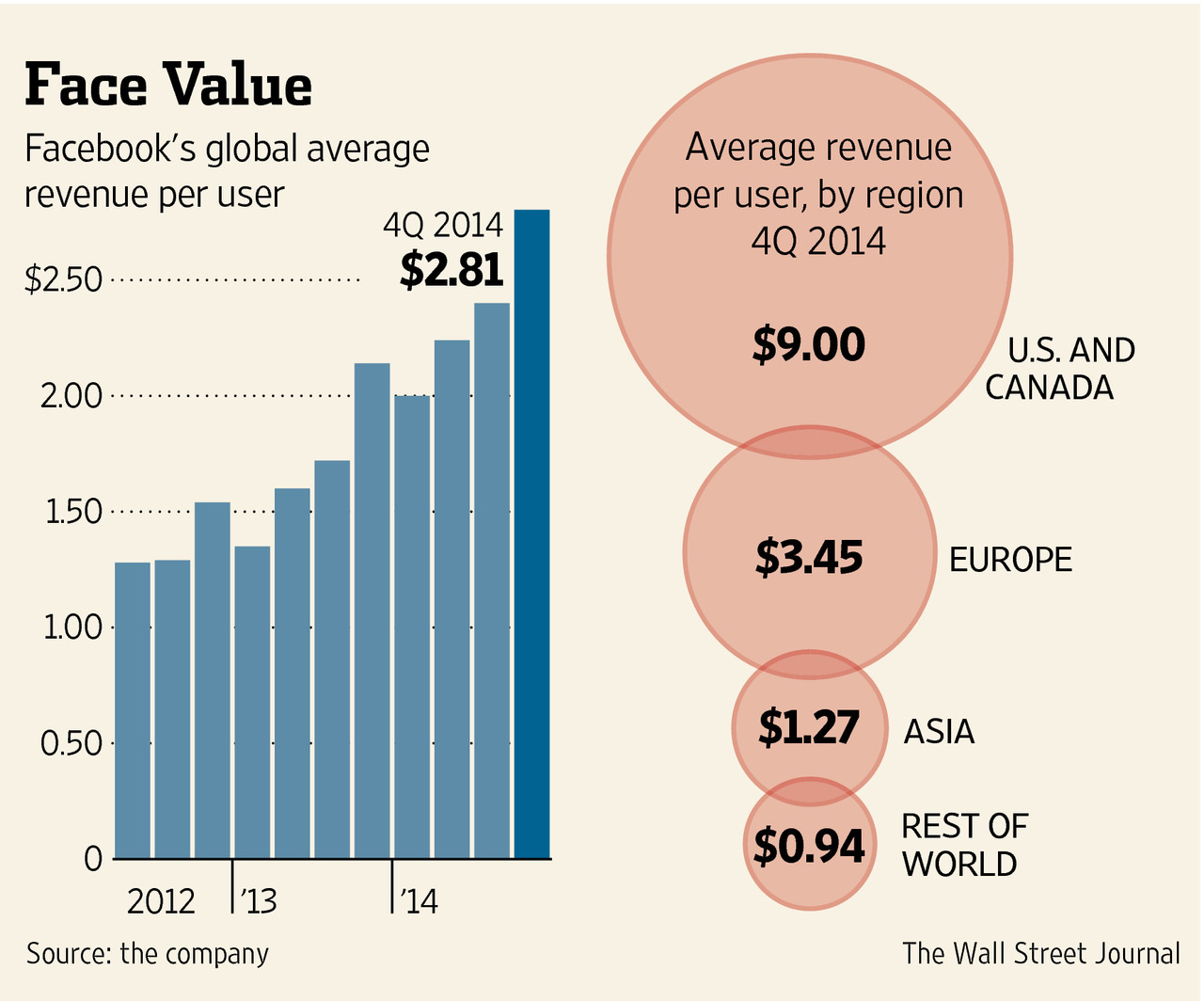
    facebook earnings q4 2014

    Major part of Facebook research and development is said to focus on mobile ads. Facebook and companies like it have been working hard to figure out how to adjust and make mobile ads that will click better with the audience. Internet users are increasingly flocking from browsing on PCs, where banner ads have long reigned, to using mobile browsers and apps, where traditional online ads haven’t worked as well.

    The latest of Facebook’s mobile experiments is a platform called Audience network launched in October that lets brands tap into the social giant’s enormous user data to advertise to Facebook users while they’re in other apps.
  • Apple Ties With Samsung For the Top Spot in the Global Smartphone Market

    Apple Ties With Samsung For the Top Spot in the Global Smartphone Market

    Apple is celebrating one of its biggest victory in its history. The Cupertino, California based iPhone maker has noted a $18 billion of net profit in last quarter, making it the most profitable quarter ever, not just for Apple, but for any company.

    Now, new statistics have drawn in, putting both Apple and its arch-rival Samsung on the top slot in the last quarter of 2014. According to research firm Strategy Analytics, the iPhone maker’s global market share has grown to 20 percent, from 18 percent last year, while Samsung’s fortune headed the opposite direction dropping the firm to that same 20 percent figure from 30 percent in the year-ago period.

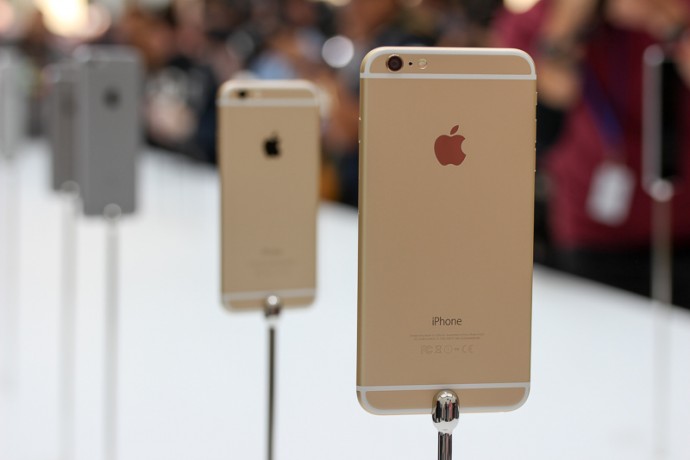
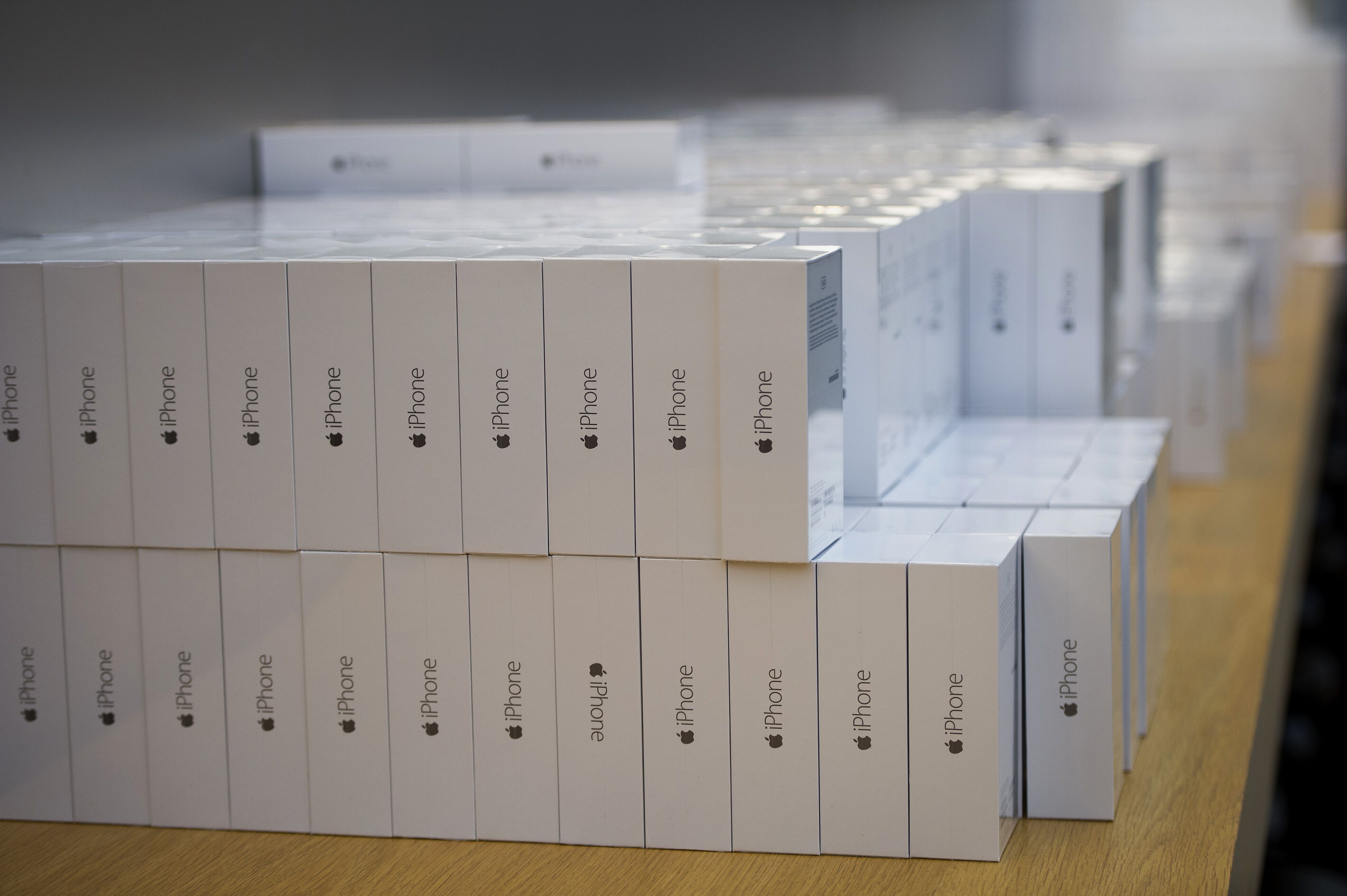
    Apple's New Big-Screen iPhones Draw Long Lines As Sales Start
    With Apple’s big screen iPhone, a bigger display is no longer a reason to buy Samsung’s devices

    While Samsung still remains number one when it comes total shipments of the year 2014, Apple has matched Samsung’s fourth-quarter shipments of 74.5 million smartphones. The major reason of these interesting figures in Apple’s sixth generation iPhones which embraced larger screens and LTE trends to excite Asian consumers.
    Samsung has been struggling to keep up with Apple in the high-end smartphone market and likes of Xiaomi and Micromax in the low-end market. With Apple’s big screen iPhone, a bigger display is no longer a reason to buy Samsung’s devices, and its smartphones can’t reach the low prices of those from Chinese and Indian vendors.

    Apple took three year to comeback as a top dog in the tech industry, after Samsung replaced it in 2012. There has been a drastic shift in the global smartphone shipments which grew by 31 percent, to a record of 380.1 million units, in the fourth quarter of 2014. And it seems Apple is not having trouble holding a large chunk of the global market. Good Luck, Samsung.

  • Xiaomi Mi4 vs OnePlus One : Who Will Lead The Indian Race?

    Xiaomi Mi4 vs OnePlus One : Who Will Lead The Indian Race?

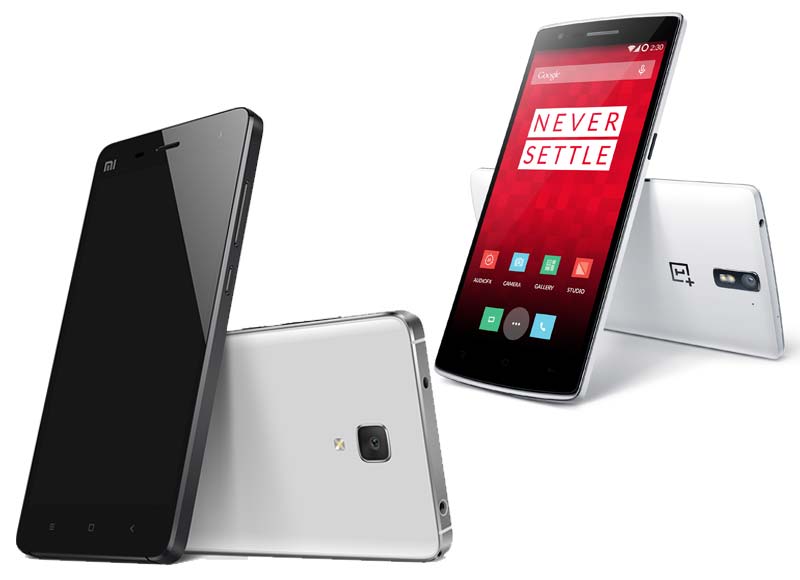
    Xiaomi, the world’s third largest smartphone manufacturer, has launched its much awaited Mi4 handset in India. By tripling its sales last year, Xiaomi has shown its might and recently has launched two new devices MI Note and Note Pro.  While there is some time for these handset to come to the Indian shores, Xiaomi’s Mi4 will go on sale on February 10 via company’s exclusive e-commerce partner Flipkart. Meanwhile, another blockbuster Chinese manufacturer, OnePlus has been embraced by Indian  consumers with phenomenal response.  

    Both these Chinese manufacturers are fighting a battle for supremacy in the Indian market. While both smartphone continue to remain scarce in the Indian market, Xiaomi have still managed storm ahead via flash sales from Flipkart.

    Lets have a quick comparison with both these devices to see which one marched ahead

    Design

    Xiaomi-Mi4

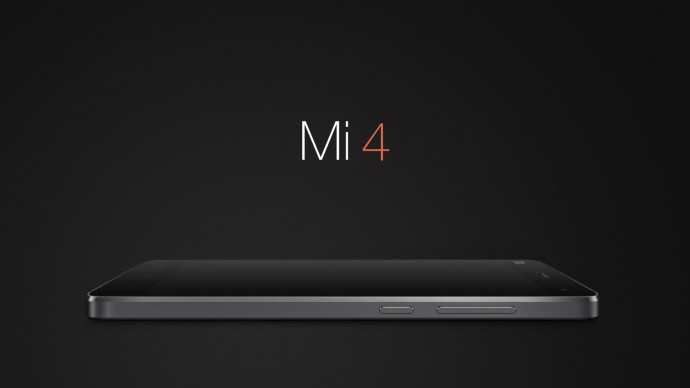
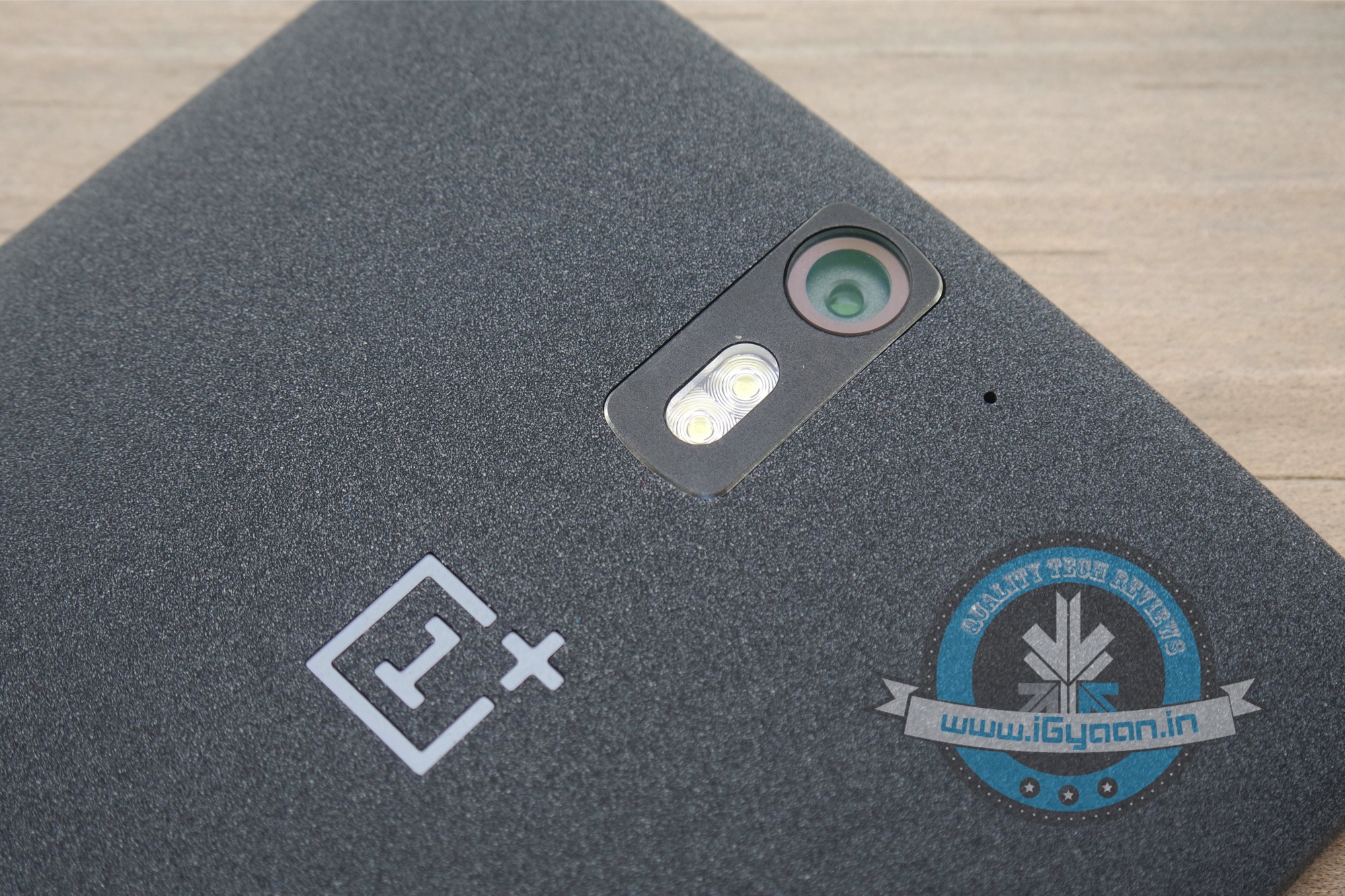
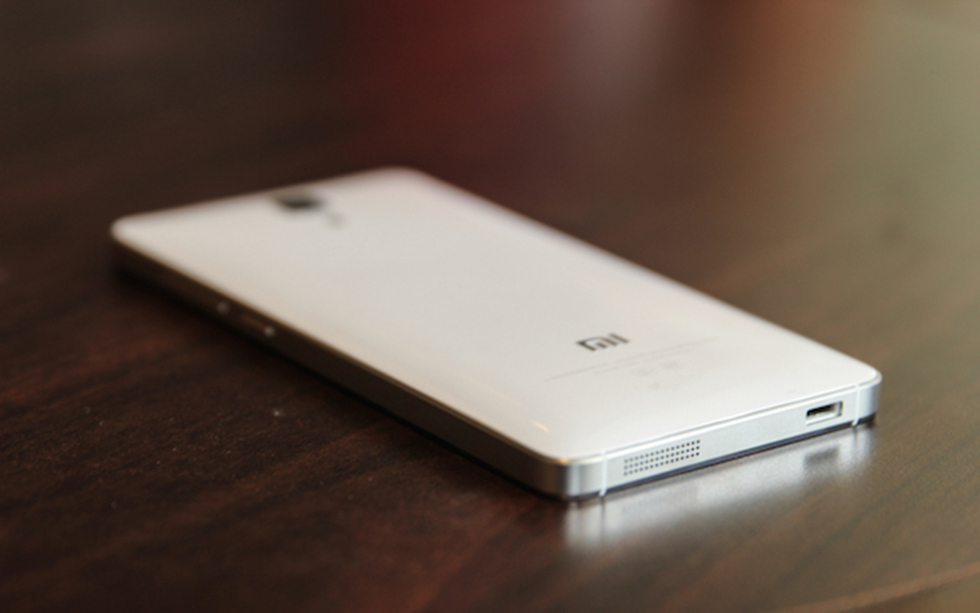
    The look and the feel of the Mi4 is very similar to iPhone 5S. On the other hand, OnePlus sports a rugged feel with its sandstone back cover. The OnePlus One is bulkier than the Mi 4, although but both feature the same thickness of 8.9mm. The Mi 4 is lighter than the One weighing at 149 grams, compared to the One’s 162 grams.

    Both the handsets pack in full HD display, but the clarity on the screen will differ slightly because of the different screen size. The OnePlus One features a 5.5-inch display, while the Mi 4 features a 5-inch display. This difference in size affects the pixel density. The One’s display has a pixel density of 401ppi, while the Mi 4 has a pixel density of 441ppi.

    Hardware

    Both handsets, being flagships, ensure top notch performance when we talk about the hardwares. Both Mi4 and OnePlus One sport a quad-core Snapdragon 801 processor clocked at 2.5GHz along with 3GB of RAM. Neither of the flagships support external SDcard for expanding the memory. One feature that stands out in OnePlus One is 64GB of internal memory while Mi4 comes with only 16 GB. Only time will tell whether the Mi4 will be able to compete with the OnePlus One on the hardware end.

    Camera and Battery

    The One and the Mi 4 both feature 13-megapixel rear cameras with auto-focus, and LED flash. Sefie lovers won’t be disappointed either. OnePlus One packs in a 5-megapixel front-facing camera while the Mi 4 leads the race with an 8-megapixel selfie snapper upfront.

    Both the handsets pack impressive battery. The One has a 3,100mAh battery, while the Mi 4 has a 3,080mAh unit.

    OnePlus One iGyaan 11

    Software

    While both the handsets run on Android KitKat, their custom skins and features make a lot of difference. The Mi 4 runs on Android 4.4.3 KitKat wrapped under the company’s MIUI. The OnePlus One, on the other hand, runs on CyanogenMod 11S OS based on Android KitKat. Though CyanogenMod known to be highly cutomizable and very user-friendly; however Xiaomi has launched the MIUI6 and it will be interesting to observe the battle of the Os’s

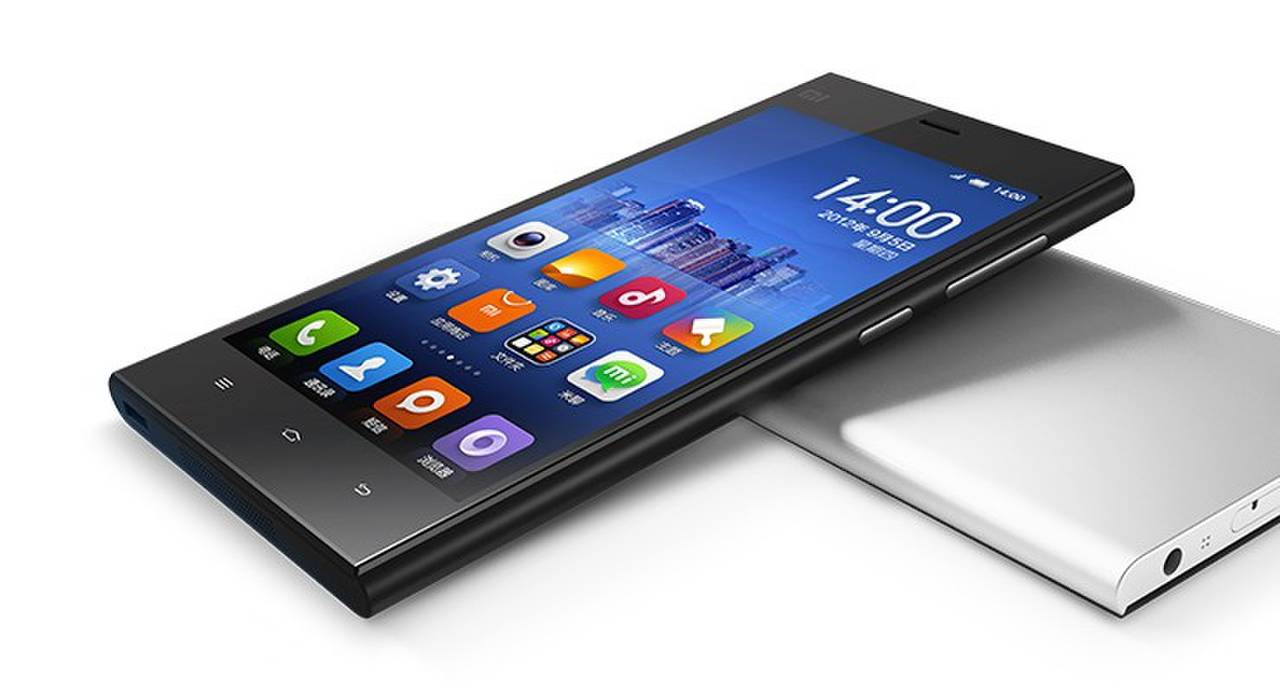
    xiaomi_mi4_js_12

    Availability

    Xiaomi’s social media campaigns are funded by their massive reserves of cash due to their position as China’s top smartphone seller and their most recent round of funding. While OnePlus uses a combination of viral marketing, coupled with special events and CyanogenMod to try and thrust themselves into the spotlight. Both the companies have employed the flash sale model to sell their products. Xiaomi has partnered with Flipkart while OnePlus with Amazon. Amazon has been criticized for a price glitch in the Yu Yureka flash sale earlier this month. Both phones however, continue to be in demand without enough supply from either Chinese manufacturer.

    Battle of the Patents

    Both these Chinese Superpowers seem to be involved in legal turmoil regarding patent infringement. While Xiaomi was sued last month by Erricson for patent infringement in relation to LTE; OnePlus was sued by Micromax for patent infringement regarding use of the CyanogenMod. However both companies seemed to be unhindered by these legal issues and continue to push on stronger than ever.

    Conclusion

    While neither company is very old, they have managed to attract quite a bit of attention, even if they are far from household names globally. In India, both of these chinese companies have done quite some trade, despite being surrounded with controversies  regarding patent infringement. The Mi 4, however, lags behind the One in important parameters, less internal storage and lack of 4G network support.

  • Battle of the Fittest : Xiaomi Mi4 vs OnePlus One vs Mi3 vs Honor 6

    Battle of the Fittest : Xiaomi Mi4 vs OnePlus One vs Mi3 vs Honor 6

    Xiaomi’s much awaited Mi4 handset has been launched in India. The popular smartphone was unveiled in July last year, and has been widely appreciated for its high end features and specification in the budget segment. The Xiaomi Mi4 will go up against likes of OnePlus One and Huawei Honor 6. Lets see how the Mi4 matches with its opponents in our Spec Battle.

    Specs

    Xiaomi Mi4

    Xiaomi Mi3

    OnePlus One

    Huawei Honor 6

    Display 5.0 inches, 1080 x 1920 pixels 5.0 inches, 1080 x 1920 pixels  5.5 inches, 1080 x 1920 pixels  5.0 inches, 1080 x 1920 pixels
    Processor Quad-core 2.5 GHz, Snapdragon 801 Quad-core 2.3 GHz, Snapdragon 800  Quad-core 2.5 GHz , Snapdragon 801  Quad-core 1.7 GHz + quad-core 1.3 GHz, Kirin 920
    RAM 3GB 2 GB  3 GB  3 GB
    Storage 16GB, non expandable 16/64 GB, non expandable  64 GB, non expandable  16/32GB, non expandable
    Camera 13MP Rear and 8MP Front  13MP Rear and 2MP Front  13MP Rear and 5MP Front   13MP Rear and 5MP Front
    Battery 3080 mAh   3050 mAh  3100 mAh   3100 mAh
    OS Android 4.4.3 KitKat With MiUi 6  Android OS, v4.3 (Jelly Bean), upgradable to v4.4.2 (KitKat)   CyanogenMod 11S  Android OS, v4.4.2 (KitKat)
    Price Rs. 19,999 Rs. 13,999 Rs. 21,999 Rs 17,999

    Xiaomi has enjoyed lot of success lately with its pocket friendly devices, Mi4 seems to be directly competing with OnePlus One in terms of Specs. With the company’s improved and smoother MiUi 6, the device’s look and feel is expected to be phenomenal too. The Mi 4, however, lags behind the One in important parameters, less internal storage and lack of 4G network support.How will the device do in the Indian market? Stay tuned for the follow up news, unboxing and full review of Xiaomi Mi4 on iGyaan.in.

  • Xiaomi Finally Launches the Mi4 in India Along With MIUI6

    Xiaomi Finally Launches the Mi4 in India Along With MIUI6

    Xiaomi has enjoyed quite some success in the Indian smartphone market with its flash sales and aggressive pricing despite being surrounded with various controversies regarding patent disputes and privacy concerns. Now, the world’s third largest smartphone maker has launched its much awaited Mi4 handset in India at a price of Rs.19,999.

    Launched back in July 2014, the Mi4 flaunts a 5 inch 1920 x 1080 pixels IPS display and is powered by a 2.5 GHz Quad-core Snapdragon 801 processor paired with 3 GB of RAM. The handset gets in juice from a 3,080mAh battery. The Mi 4, however, lags behind it competitors in two important parameters, less internal storage and lack of 4G network support.

    On the camera front, the Mi4 has a power packed 13MP rear snapper with LED Flash, Sony IMX214 BSI sensor and 4K video recording, along with a whopping 8MP front shooter with Sony Exmor R sensor. The phone runs on Android 4.4.3 KitKat and includes connectivity options like 4G LTE, 3G, Wi-Fi, Bluetooth, GPS and Wi-Fi Direct.

    Along with Mi4, Xiaomi has announced its latest OS – MIUI 6 bringing a design overhaul with more colorful, minimalist looks, enhanced security and new phone features. MIUI 6 brings a less-distracting, simpler UI and Xiaomi claims it will be a dive-in-and-use affair without the need to familiarize yourself with it. Colors play a big part of MIUI 6, while many apps appear white or grey key accents are coloured in red, orange and a spectrum of other colours, making MIUI 6 look a little like iOS 7 and 8. Some apps even appear to have an immersive parallax effect – the Clock for one.

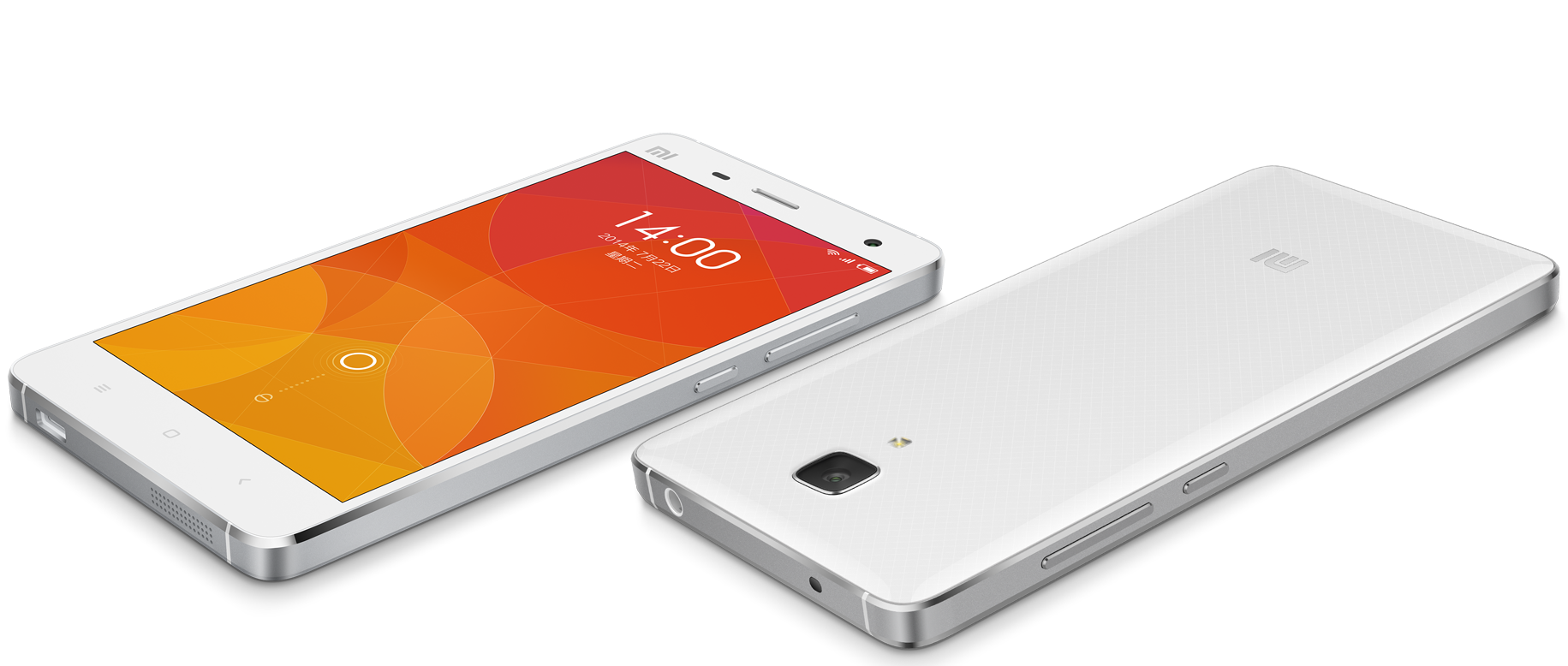
    mi4.2

    If the sale of any of its previous models is anything to go by, the Mi4 is going to have an epic response. All of Xiaomi’s phones have been ultra-coveted and ultra-successful because they offer a combination of specs and price that is virtually unbeatable. This is what also makes the Mi4 such a potential sensation.
    Sale of this device will take place in the traditional ‘Flash Sales’ stratergy on Flipkart on 19th February, 2015. Registrations for this device will be open today at 6 PM.

    Specs

    Xiaomi Mi4

    Display 5.0 inches, 1080 x 1920 pixels
    Processor Quad-core 2.5 GHz, Snapdragon 801
    RAM 3GB
    Storage 16GB, non expandable
    Camera 13MP Rear and 8MP Front
    Battery 3080 mAh
    OS Android 4.4.3 KitKat With MiUi 6
    Price Rs. 19,999
  • Apple Records The Most Profitable Quarter in Corporate History

    Apple Records The Most Profitable Quarter in Corporate History

    Apple has released its fiscal Q1 2015 earnings and the result is pretty staggering. Well, the Cupertino, California-based iPhone maker has broken all the records with most profitable quarter ever not just in Apple history but in corporate history.

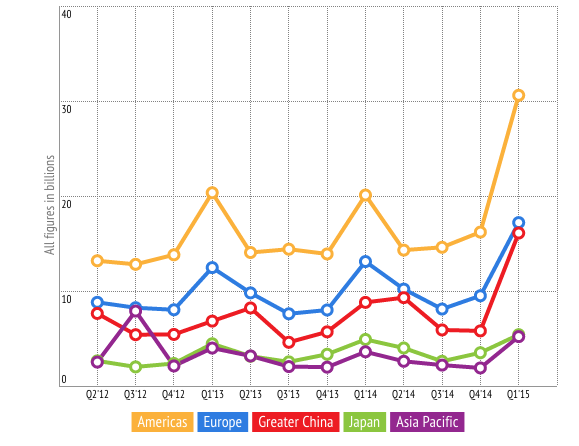
    The company reported $74.6 billion in revenue, $18 billion in net profit representing $3.06 per share. The $18 billion net profit put it in the top spot. Russia’s Gazprom (the largest natural gas extractor in the world) previously held the record at $16.2 billion in a quarter.

    Apple’s own guidance from its last earnings release predicted between $63.5 billion and $66.5 billion in revenue, with gross margin between 37.5 percent and 38.5 percent. Apple’s guidance has been accurate for the past year and a half, with the upper end of the forecast very close to what it actually reported. But this time, Apple was conservative and easily surpassed its own guidance.

    Apple's Q1 2015 International Revenue
    Apple’s Q1 2015 International Revenue

    Tim Cook talking to the press said that the iPhone 6 and iPhone 6 Pus’s soaring sales are the main reason of this outstanding success. According to recent market analysis, this quarter saw largest number of consumers using iPhones and well as the largest number switches from Android to iOS.

    This quarter also saw Apple becoming the biggest smartphone manufacturer in China in term of shipments with staggering $16.1 billion in revenue. The company didn’t reveal the detailed region specific numbers, however, the total international sales represented 65 percent of Apple’s revenue.

    Apple’s soaring international revenue points towards very bright future of the company not just in terms of hardware but also it’s iOS ecosystem. Sixth generation iPhones have played a major role in this staggering success which embraced large screen and LTE to swell its sales exponentially in the global market.

  • Apple Takes The Top Spot in China, Dethrones Xiaomi and Samsung

    We are all familiar with Apple’s soaring sales of iPhone 6 and iPhone 6 Plus. Apple recently revealed its record Q1 sales, surpassing even the highest analyst iPhone sales expectations as it set new iPhone sale records and new company record, too.

    Now, a Chinese data firm Canalys has released its latest report that the Cupertino based manufacturer has risen to the top spot in the highly competitive Chinese market for the first time. The report also mentioned that it is highly surprising considering the price of its devices is ‘nearly double those of its nearest competitors’.

    While the home grown smartphone giants of China are aiming for global expansion, the iPhone maker has turned the table towards the domestic market. The report highlights that the major reason of the success is the that Apple is finally embracing the LTE and large screen trends which are the most vital parameters in Chinese market.

    Apple captured a record 33 percent market share in South Korea in November 2014, according to Hong Kong-based market research company Counterpoint. Samsung, arch-rival of Apple has been shunned to the third place, tailing behind Apple is China’s Xiaomi.

    Apple will be reporting it last quarter earning next Tuesday in detail.

  • 5 Amazing Things People are 3D Printing These Days

    5 Amazing Things People are 3D Printing These Days

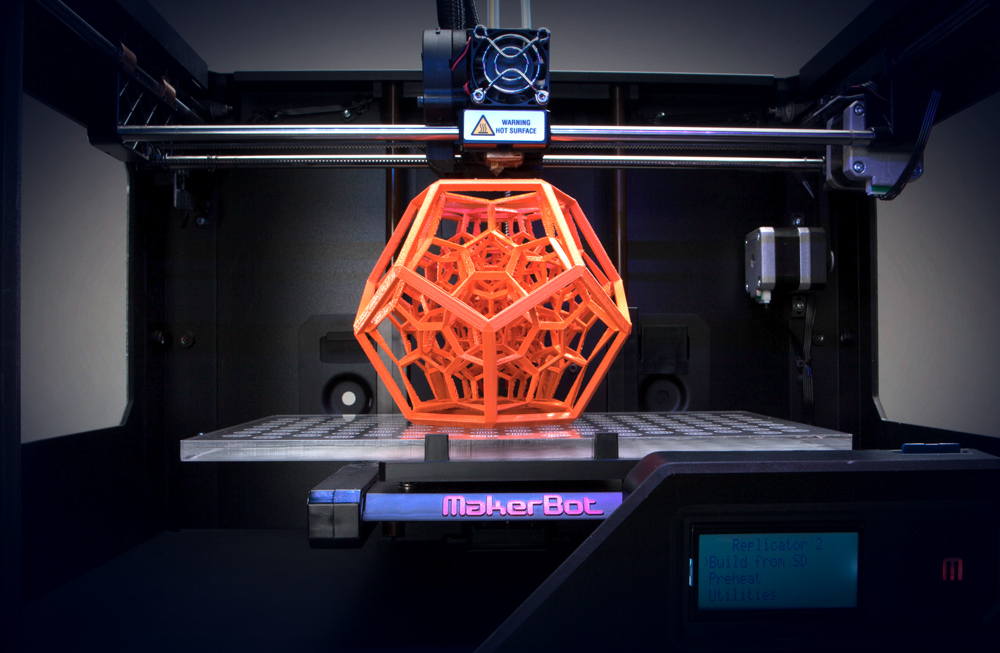
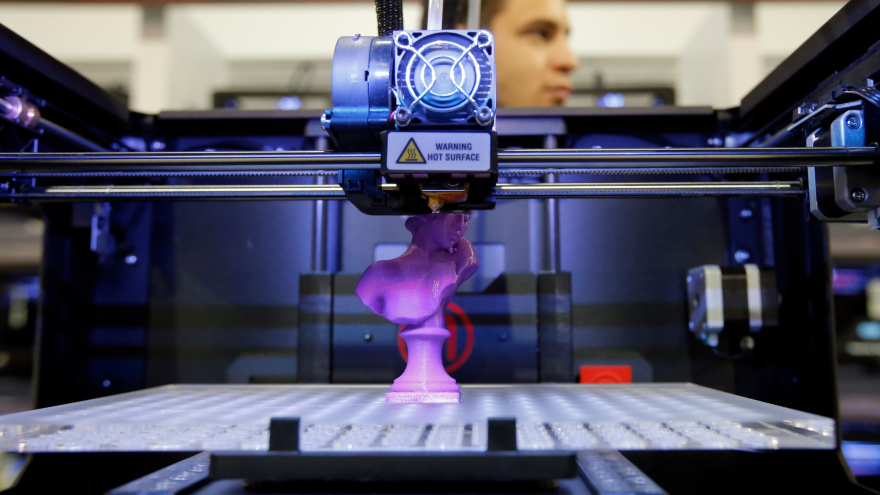
    Every where people are using 3D printers to make plastic figures and Yoda heads. However, 3D printing is not limited to these small DIY projects. Many designers and engineers are taking this growing technology to even more amazing (and useful) levels.

    3D printing may not be quite there yet, but in three decades the technology has progressed leaps and bounds in terms of the scope and utility of 3D-printed objects.

    We are listing 5 things that have evolved with this exciting technology – in ways we could have hardly imaged.

    1. Makeup

    makeup 3d print

    Makeup is all about color, and printers can print millions of color combinations. Why not combine traditional inkjet printing with 3D printing and print your own makeup? Well, Grace Choi, a former student of Harvard Business School, came up with this idea. She has constructed a 3D printer which can make powders, creams, and just about any type of cosmetic you might need.

    2. Vinyl Records

    3d print vinyl

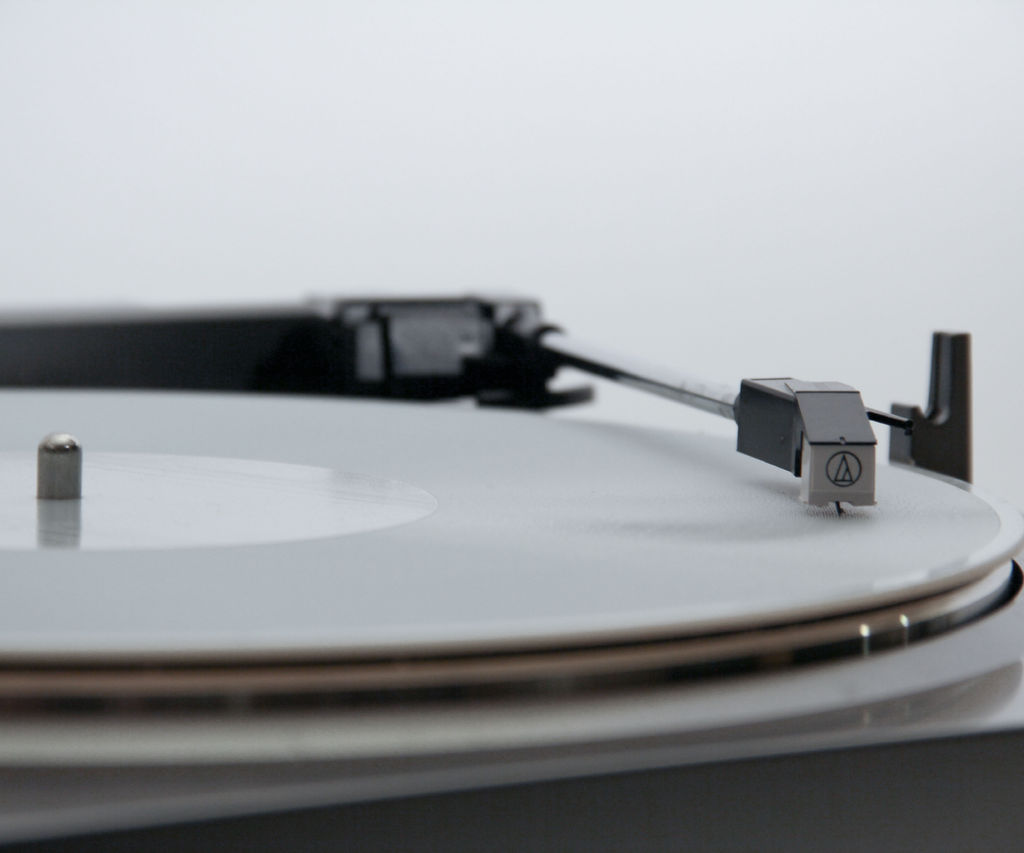
    Amanda Ghassaei, a software engineer, developed a way to take any piece of digital music and 3D print an LP record that actually plays on a standard turntable. Even though vinyl records are old school, plenty of people still prefer them to digital music files and mp3 players.

    3. Food

    3d printed pizza

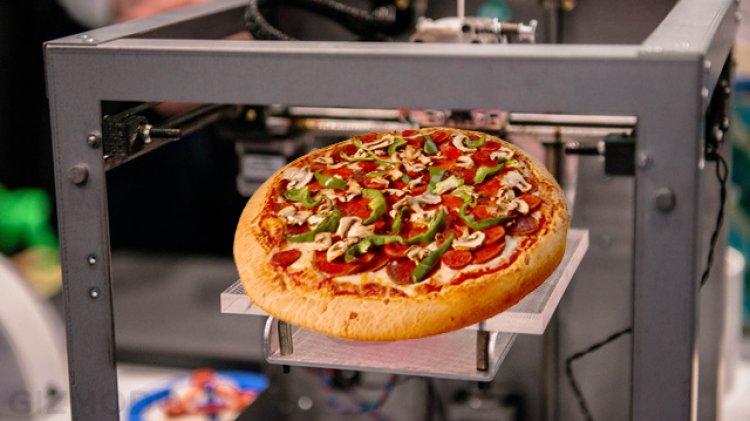
    Honestly, 3D printed food doesn’t sound appetizing at all. But believe it or not, 3D printing tech has started delving into printing actual meals. NASA has funded an initiative to print food that astronauts can consume in space, and food scientists have been working with the U.S. military to prepare ready-to-eat meals. Also, 3D chocolates, pancakes and pastas has been successfully printed, however, we have our reservations about it.

    4. Organs

    3d-printed organs

    As crazy as it sounds, 3D printed organs have been a major part of medical research lately. Ears, kidneys, blood vessels, skin and bones have all been successfully 3D printed by scientists. Instead of the typical plastic normally associated with 3D printing, these 3D medical “bioprinters” use a gel-like substance made from cells.

    5. 3D printers

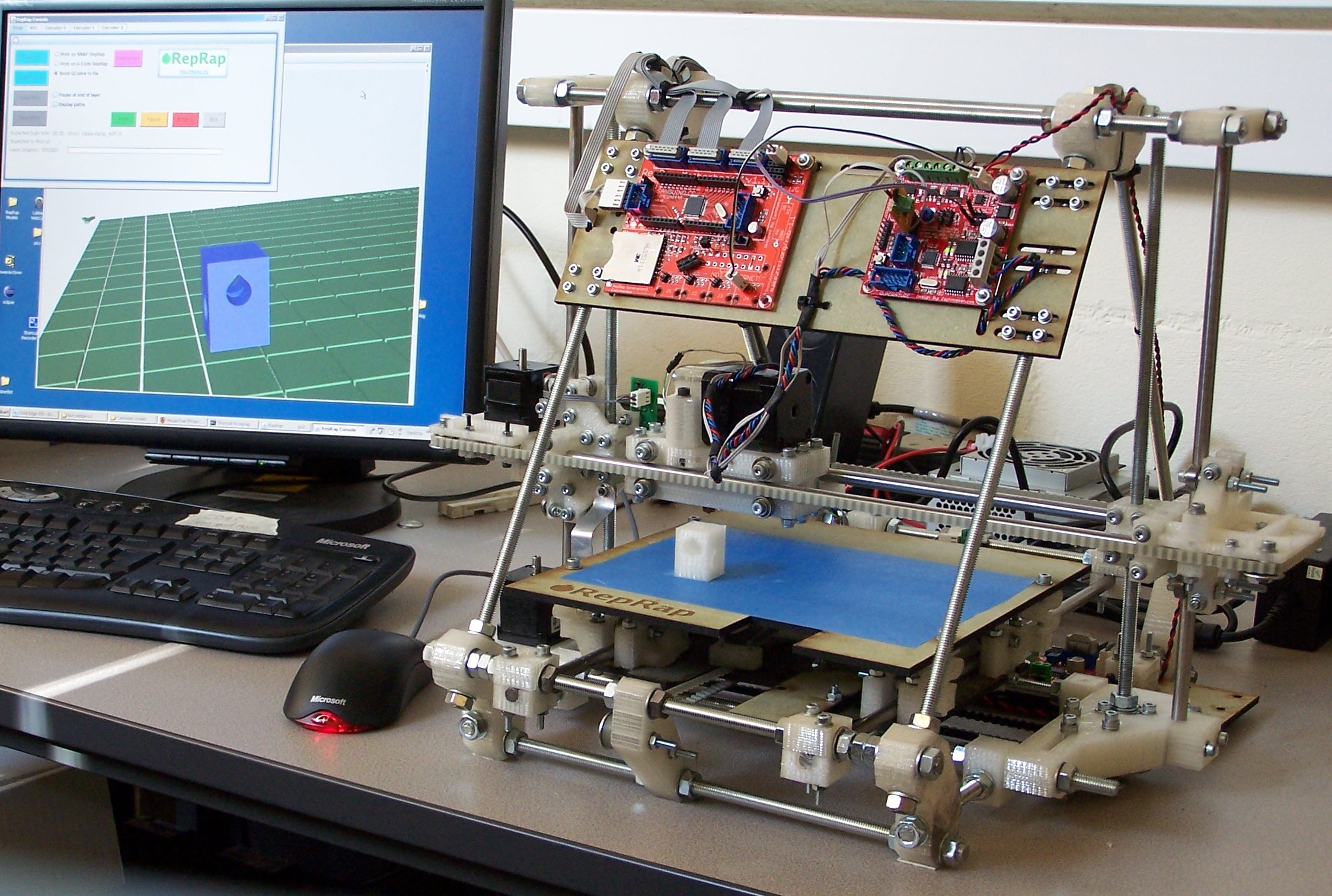
    RepRap_v2_Mendel

    Yes, you can even print out a 3D printer with a 3D printer. A DIY project called RepRap is an open source printer that does just that. RepRap takes the form of a free desktop 3D printer, capable of printing plastic objects. Since many parts of RepRap are made from plastic and RepRap prints those parts, RepRap self-replicates by making a kit of itself – a kit that anyone can assemble given the required time and materials.

  • Top 5 ‘Lite’ Apps You Should Download to Save Battery and Storage

    Top 5 ‘Lite’ Apps You Should Download to Save Battery and Storage

    Apps help us stay connected, book movie tickets, message our loved ones and improve our overall daily efficiency. But it’s not all pretty; they also tend to suck up our phone’s battery life. As apps improve and become more sophisticated, they tend to drain more battery from your smartphones. Well, there’s an easy way out to this problem, there are plenty of free ‘lite’ versions you can use as alternatives.

    We are listing top 5 Lite-versions of your favorite apps that will help save your smartphone’s battery life.

    1. Lite WebApp for Facebook

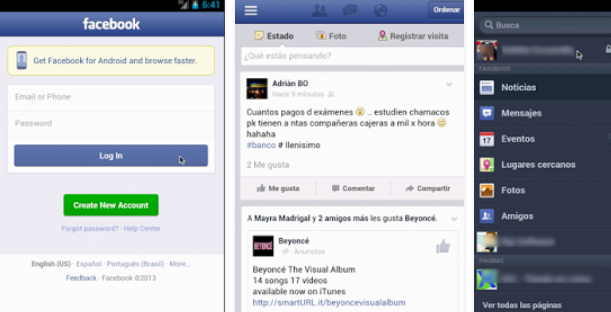
    Facebook Lite

    As much as we appreciate Facebook’s strategy to continuously keep updating their app with new features, we have to admit that the official Facebook app slows down and exhausts our smartphones. Lite WebApp is a Facebook look-alike app designed for phones with low memory and can save some of your battery. The best part that you’re sure to appreciate, it still syncs your Facebook inbox, which Facebook recently dropped in the favour of their standalone Messenger App. Since we still don’t have access to the newly launched Facebook Lite, we’ll have to make do with this one.

    2. Tweedle for Twitter

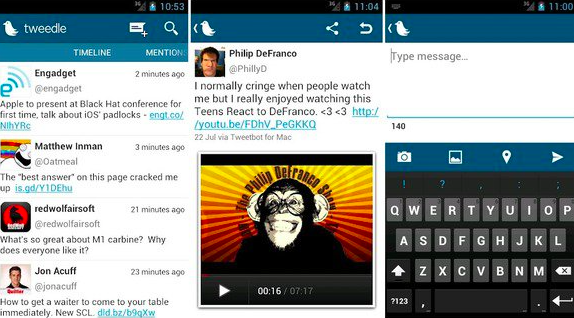
    Tweedle for Twitter

    The worst part about the official app for Twitter is that it constantly refreshes the feed. This is the reason it consumes a ton of battery life. Tweedle, an alternative to Twitter, runs smoothly, consumes less battery and has a clean interface. The app saves battery as the user needs to manually refresh the feed to use it.

    3. YTMovies (Lite) for YouTube

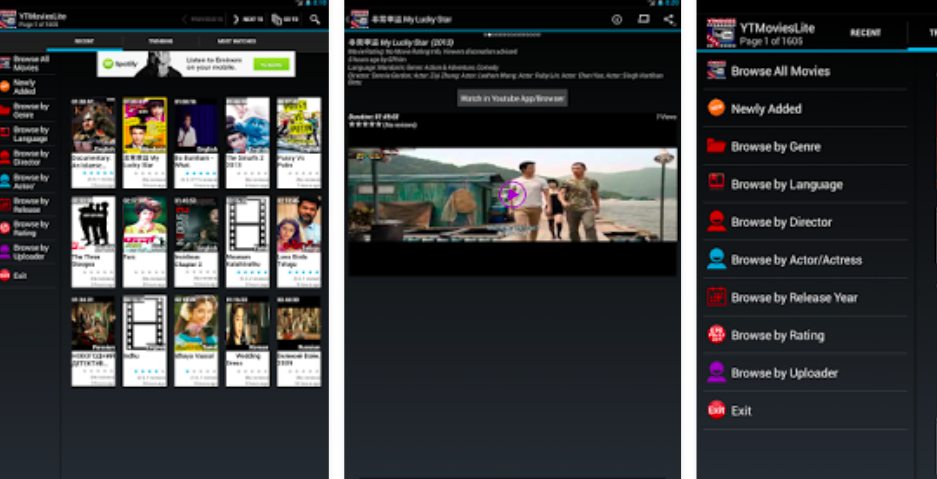
    YT Movies

    YT Movies lets you watch YouTube clips and send them to your smart TV and other media players. YTMovies(Lite) is ad-supported with limited options, and is only available for Android devices. It also offers a pro version called Pro YT Movies, which however, is not free.

    4. CloudMagic for E-mails

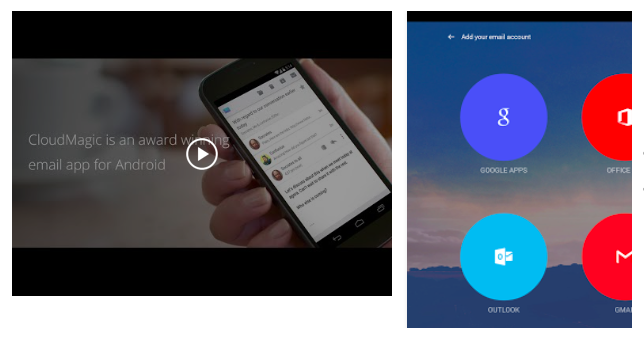
    Cloud Magic for EMails

    Mail apps can destroy your battery life as they are constantly synced to the e-mail websites to refresh the feeds. A great alternative to your e-mail apps is CloudMagic, which simply merges all of your email accounts into one app. You can find emails quickly and, most importantly, it’s easy on battery life.

    5. PicShop Lite for photo editing

    PicShop Lite

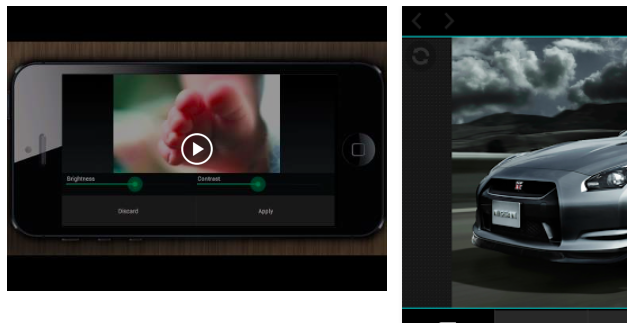
    Smartphones come handy when you need to edit photo directly from the phone gallery. There are loads of photo-editing apps available in the app store such as Hipstamatic, Snapseed, Pixlr-o-matic and many more. But on-the-go photo editing apps eat up your phone’s memory and suck battery really fast. PicShop Lite app massively reduces memory usage and allows you to edit, add filters and frames, and share your photos.

  • Facebook Brings Out a ‘Lite’ App For Low-End Android Devices

    Facebook Brings Out a ‘Lite’ App For Low-End Android Devices

    Facebook launched a handful of standalone apps last year including the newest offerings called Rooms. Facebook’s strategy to monopolize and drive funds from its already established multi-billion user base is quite clear. Now, another app, called Facebook Lite has been launched by the company for emerging markets.

    Technically, Facebook Lite is specifically designed for low-end Android devices in emerging markets. The app has been quietly rolled out in a handful of countries such as Asia and Africa over the weekend (Bangladesh, Nepal, Nigeria, South Africa, Sudan, Sri Lanka, Vietnam and Zimbabwe to be precise) where it is being tested with the aim to further expand.

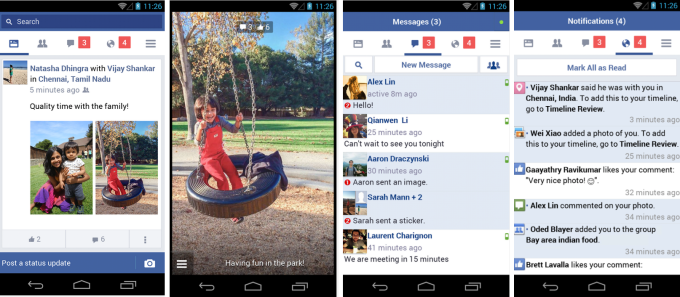
    Facebook Lite is only 252k in size and look quite similar to the simplified version of the mobile website launched in 2009. The smaller size will accommodate low-end and dated Android devices and those on 2G/poor quality internet connections.

    fb-lite

    The app is based on Snaptu, Facebook’s feature phone client, however, it includes some familiar Android features such as  push notifications and camera integration, to make the experience a more sophisticated one.

    Primary focus of the app will be tapping soaring sales of low-end smartphones in Asia. A stand alone app seems to be a perfect way out and taking advantage of the emerging markets. Apparently, the move has seen fruitful results already. It has already crossed 10,000 downloads, with a 4.6 rating from an initial 693 reviewers.

  • What to Expect From the Mobile World Congress 2015

    What to Expect From the Mobile World Congress 2015

    Mobile World Congress (MWC) kicks off on March 2nd in Barcelona. One of the most important events of the tech industry, the event is the biggest mobile phone exhibition on the calendar. There is no doubt that some of the biggest manufacturers will choose to announce new devices the event this year.

    MWC 2015 is expected to be every bit as big and there are already rumblings of what might be shown. So, what does MWC 2015 have in store for us? Here’s the round up of the rumours.

    1. HTC

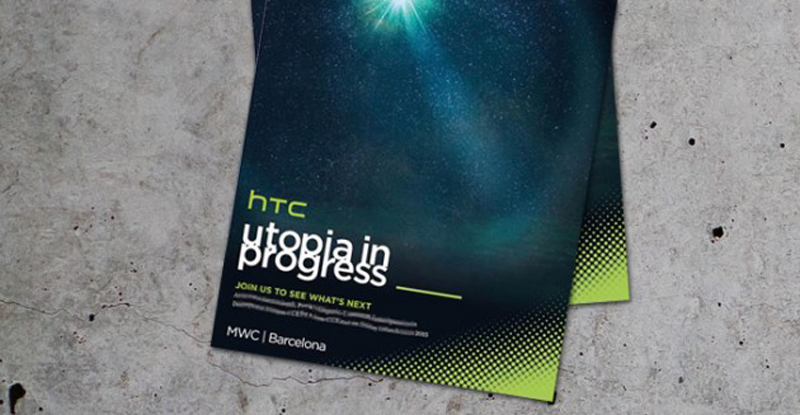
    It is loud and clear that the Taiwanese smartphone manufacturer will be unveiling ‘what’s next’ for the company. The event invite shows a bright star in the background with the tagline “Utopia in Progress”. HTC is the first amongst major Android phone makers to set a date and time for its next big launch.

    There has been various leaks surrounding the company’s new flagship HTC One M9. The expected HTC One M9, which is also referred to as ‘Hima’ is said to feature  a 1440X2560 QHD screen, 3GB of RAM and an Octa-core Snapdragon 810 CPU. A recent leak also suggested that HTC might launch two variants of its flagship. Second one, according to the reports is HTC One M9 Plus.

    It has also been reported that HTC might enter the wearable industry this year. We won’t be surprised if HTC decides to debuts the wearable device it’s been reportedly working on for sometime now.

    htc-mwc-2015-invite

    2. Samsung S6

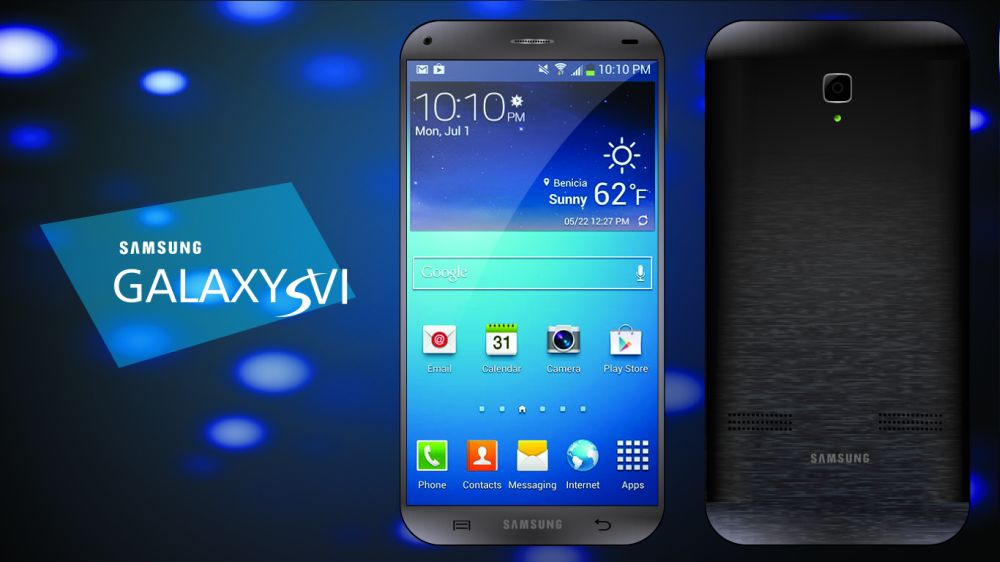
    Last year, Samsung announced the Samsung Galaxy S5, on the first day of MWC 2014. We’re expecting to hear about the follow-up at MWC 2015 which is likely to be called the Samsung Galaxy S6. Rumours surrounding the new Samsung flagship has been making rounds of the internet for several months now. It is reported that Galaxy S6 is codenamed Project Zero, signifying the development of the device from scratch — putting a lot of thought into its design and materials.

    A recent report from Bloomberg suggested that electronic giant, Samsung, will not use Qualcomm processors for the next version of the South Korean technology giant’s flagship Galaxy S smartphone. The report added that the South Korean company will use its own microprocessors in the upcoming flagship.

    Samsung-Galaxy-S6 (1)

    Another Smartwatch by Samsung?

    Samsung is also rumored to be working on a circular smartwatch which is codenamed as Orbis. Recently, there has been leaks which have hinted that Samsung is working on a smartwatch with a rotating bezel ring on the top of the watch.

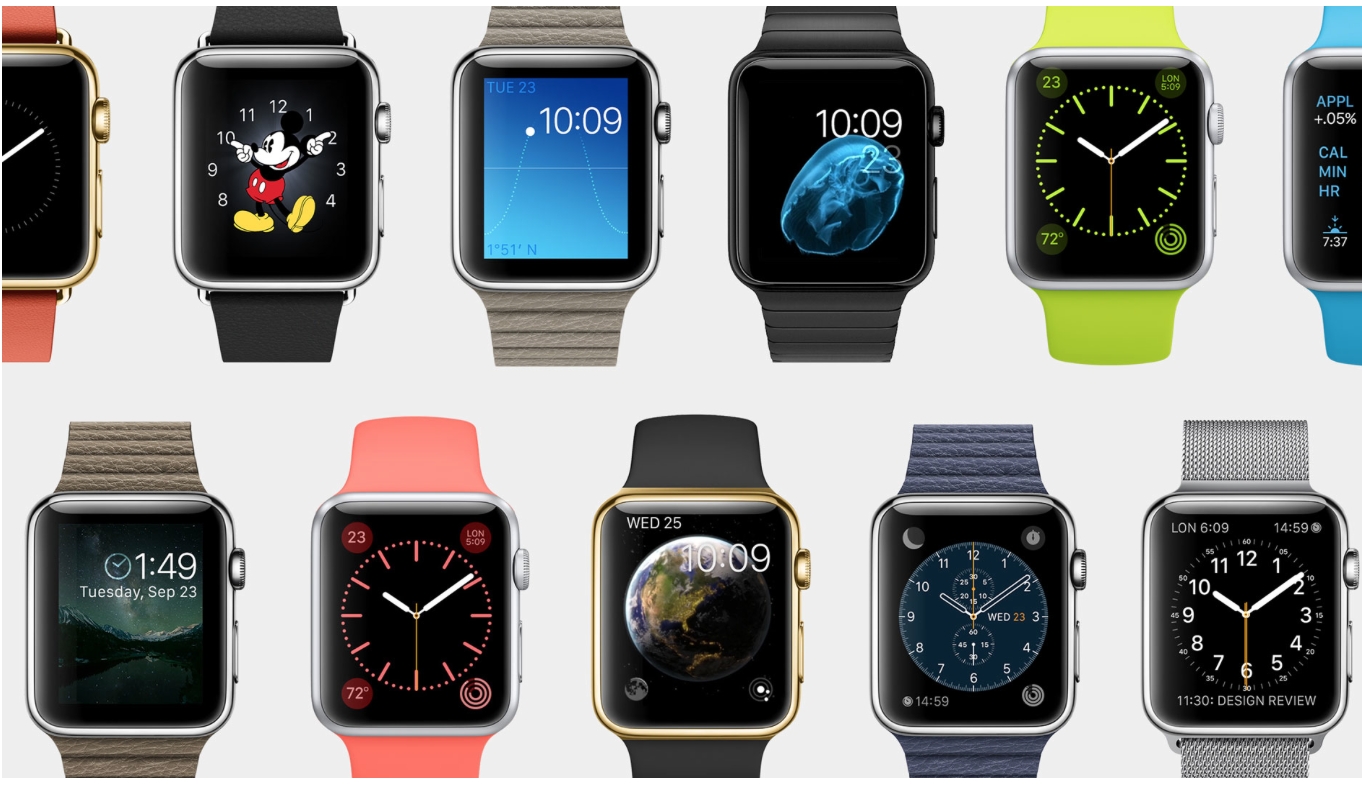
    The functionality of the bezel ring is not clear. Like Apple’s digital crown, features like zooming in and out of pictures and scrolling through lists could be achieved by rotating the ring; it could also allow for functions like selecting the time when setting an alarm.

    3. LG

    LG enjoyed great success in 2014 with the LG G3. So how do you follow up on the best smartphone of 2014? That’s what LG’s showcase at the MWC 2015 will answer for us, hopefully. The LG G3 is undoubtedly  a truly brilliant phone, offering a perfect mixture of usability and cutting edge features, including the first major example of the kind of QHD display that every phone will be sporting in 2015. But there are also rumours that LG will keep up the good work on the look and feel of its flagships, with thinner-than-ever bezels compensating for its larger-than-average screen.

    Some other reports have hinted that G4 will come with a Note 4 like stylus. There is also a possibility that the G4 will come with a metallic frame which was one of the few things that was missing in the G3.

    Like Samsung and HTC above, MWC 2015 could also see LG announcing a new smartwatch. The key point of interest here is the suggestion that LG’s new watch (dubbed by some as the LG G Watch R2) could come with 4G connectivity.

    lg g4

    4. Sony

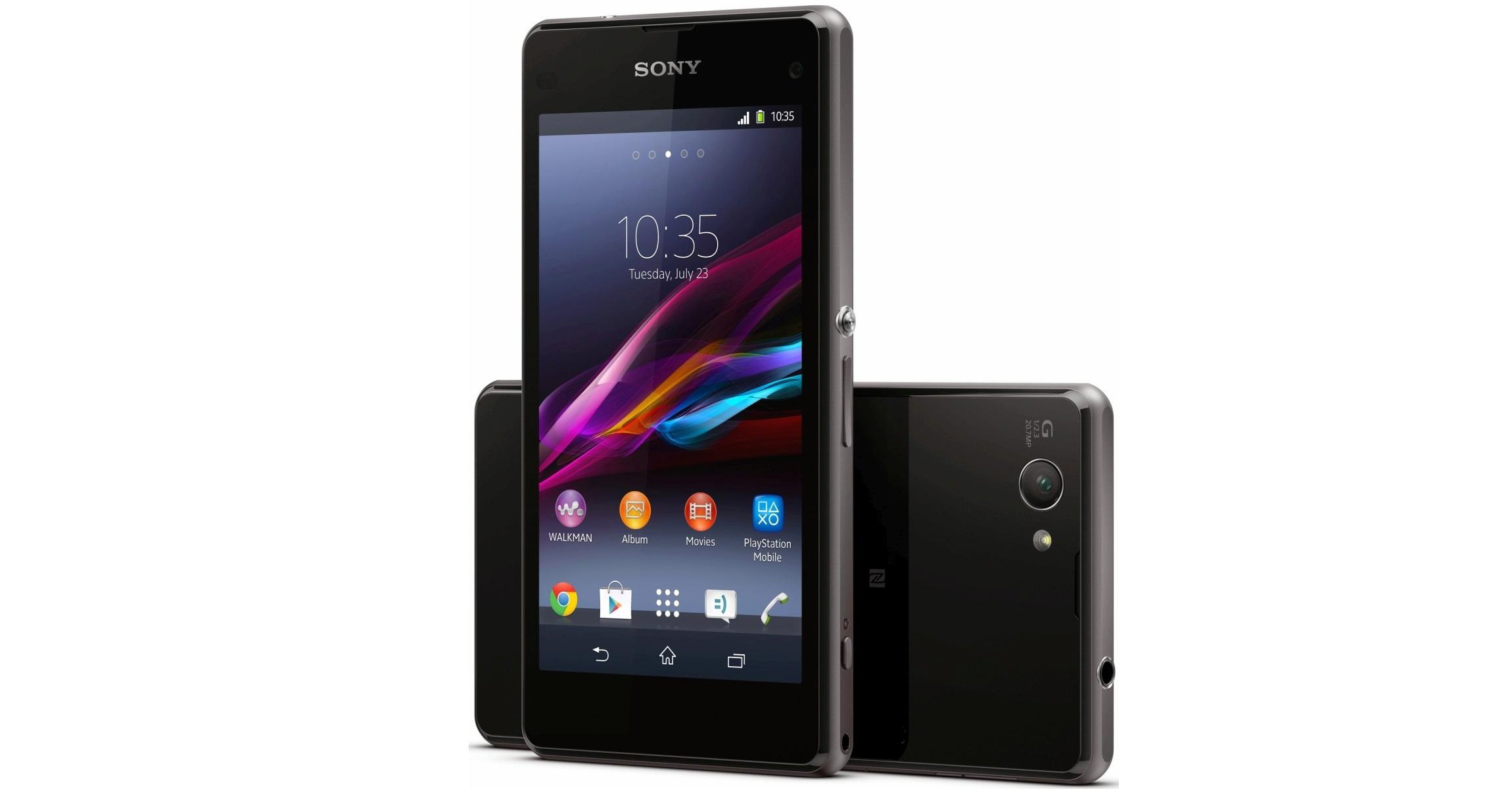
    The Sony Xperia Z2 launched at MWC 2014 so we’re expecting the Sony Xperia Z4 to launch this year. Sony did a great job with the rightly-priced Xperia Z3 and Xperia Z3 Compact. However, recent chatters in the industry has hinted that the company may let the Xperia brand meet the same fate as Vaio.

    Anyway, according to the rumors, QHD display and Snapdragon 810 is in the check list for the latest flagship. Also, the smartphone is expected to come with familiar 20.7-megapixel camera. It is also said that we can expect the compact version of Z4.

    Sony-Xperia-Z4-Specs-Leak-Ahead-of-March-2015-Unveil-5-5-Inch-QHD-Display-4G-RAM-462423-3

  • List of the Best Republic Day Tech Deals on Snapdeal

    List of the Best Republic Day Tech Deals on Snapdeal

    This week all the major e-commerce websites are celebrating Republic Day with loads of offers and flash sales.

    We’ve picked out some of the best offers from these sales for you. Check them out.

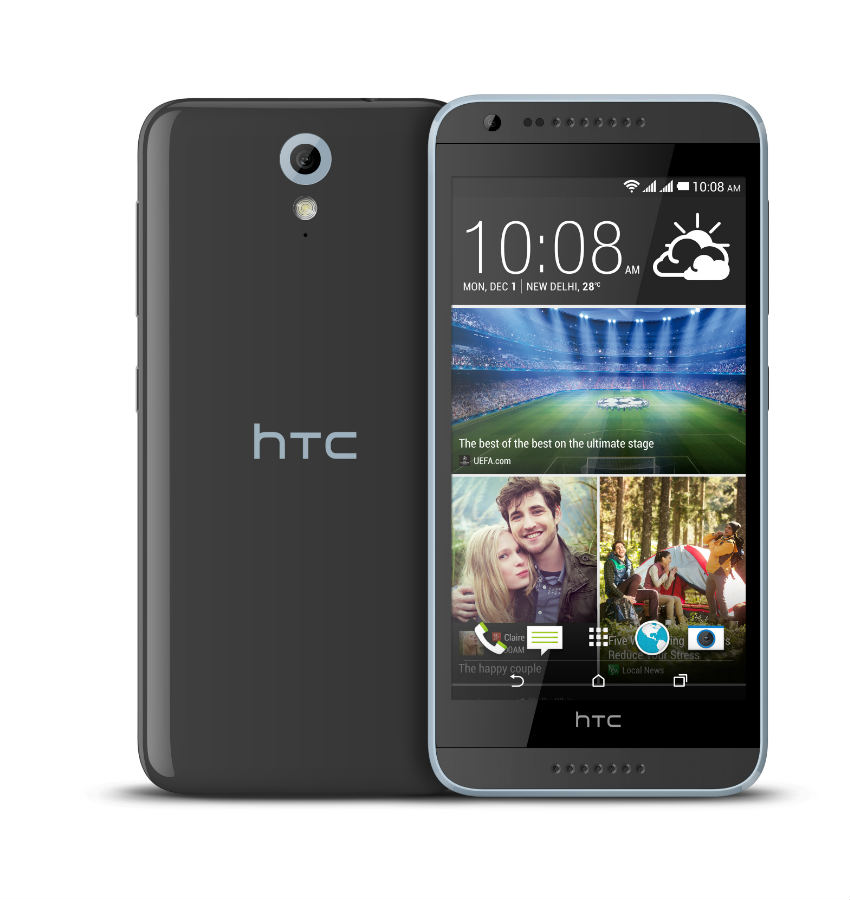
    1. HTC Desire 620 G – (23% off)

    HTC-Desire-620-G

    HTC Desire 620G Dual SIM smartphone comes with a 5-inch 720×1280 display. The budget handset is powered by a 1.7GHz processor alongside 1GB RAM and 8-megapixel rear camera. Snapdeal is offering  23% off on the handset and will cost you around Rs. 13,500.

    Click here to Buy Now

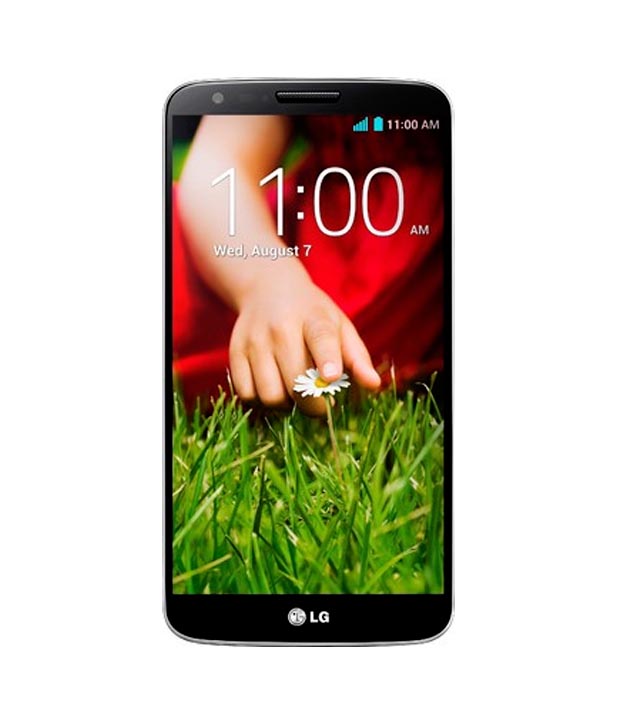
    2. LG G2 – (43% off)

    LG-G2

    LG’s second gen flagship is still a decent smartphone to own. It comes with 5.20-inch 1080×1920 display powered by 2.26GHz processor alongside 2GB RAM and 13-megapixel rear camera. The handset will cost you Rs. 23,765 after the discount.

    Click Here to Buy Now

    3. LG Google Nexus 5 – (17% off)

    Google Nexus 5 11

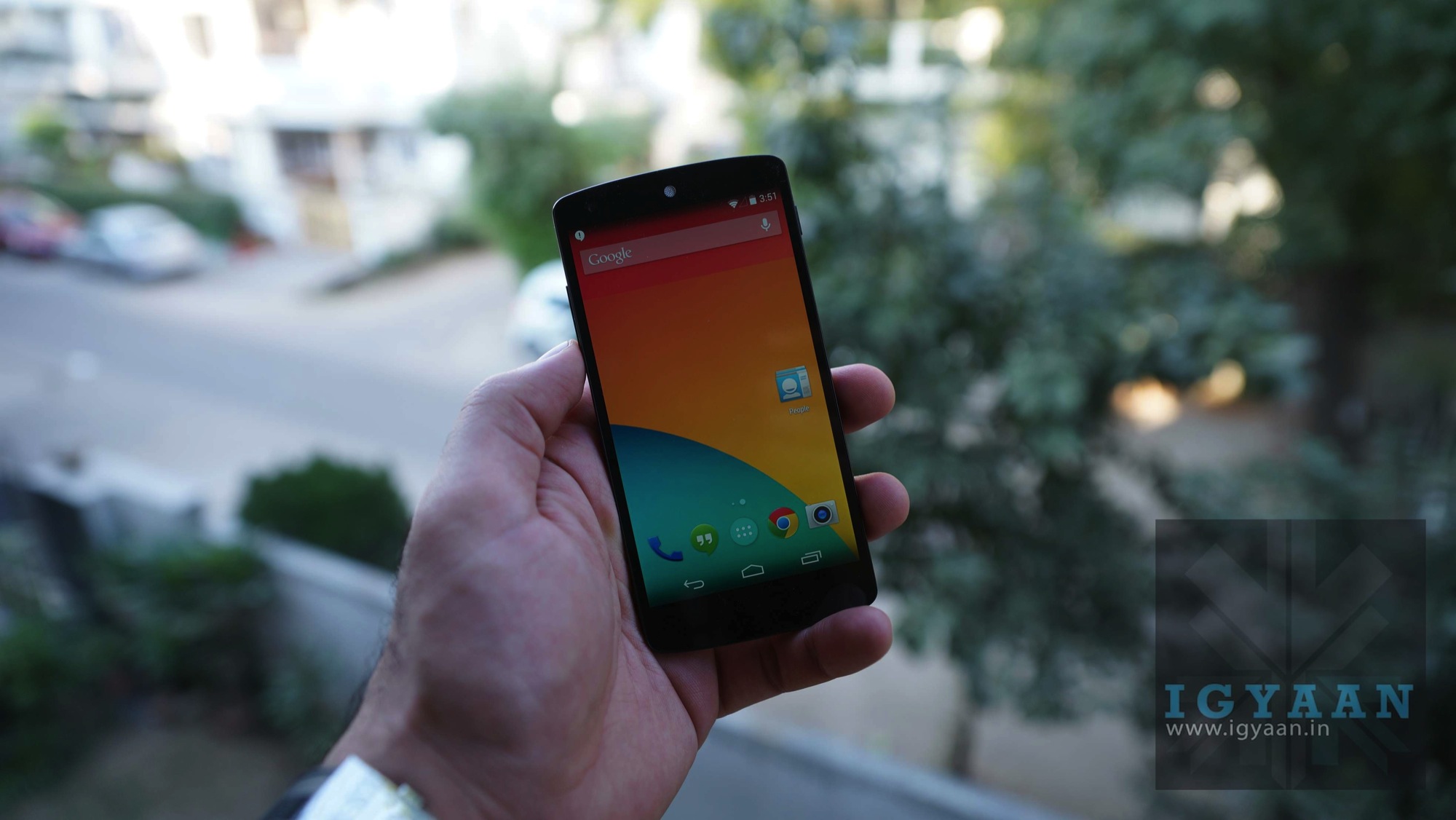
    LG-built Google Nexus 5 is a great smartphone, especially if you can’t wait to get your hands on Android 5.0 Lollipop. Google Nexus 5 comes with a 4.95-inch 1080×1920 display. It is powered by 2.26GHz processor alongside 2GB RAM and comes with a 8-megapixel rear camera.

    Click Here to Buy Now

    4. Samsung Galaxy Tab 4 – (33% off)

    samsung-galaxy-tab-4

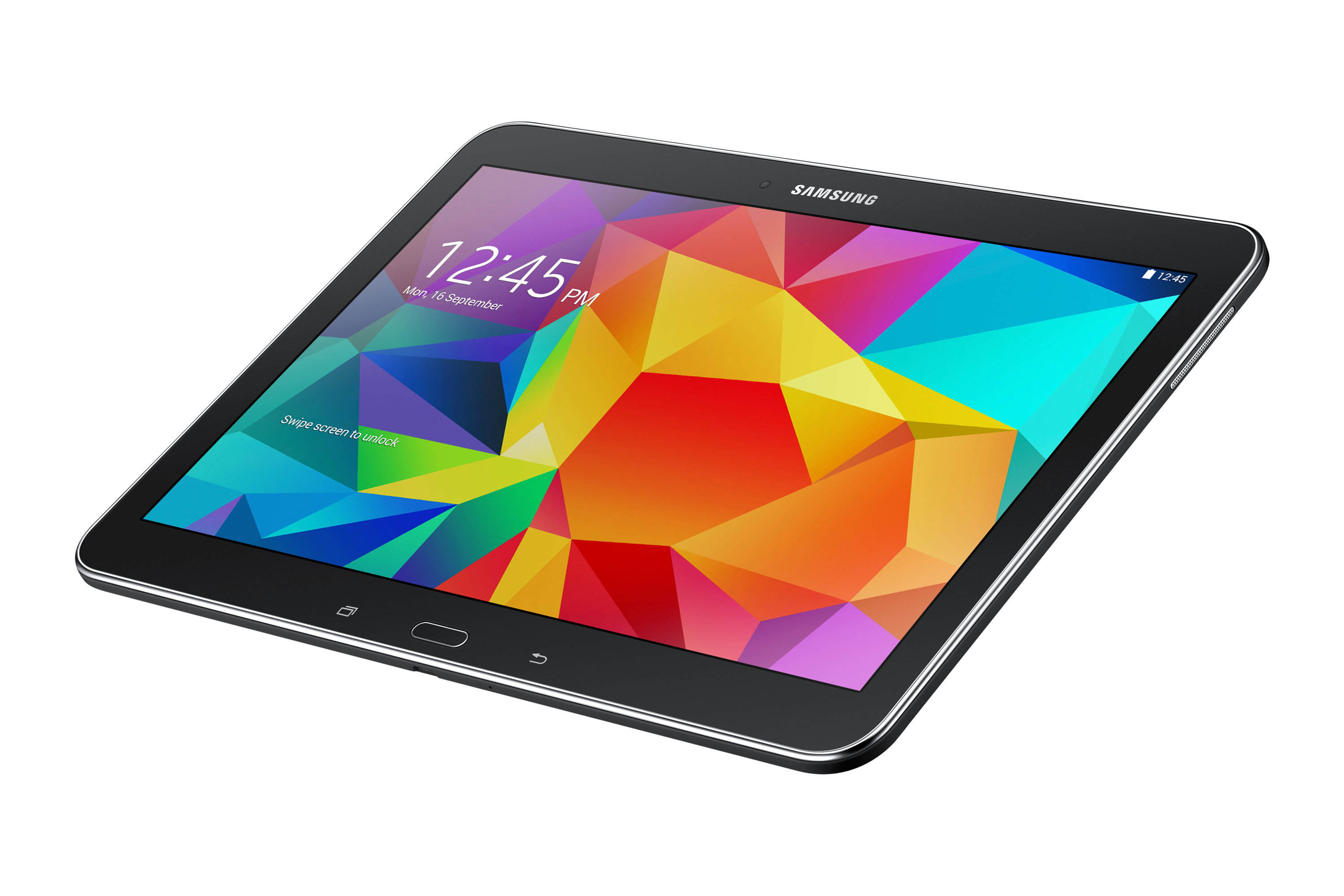
    Samsung Galaxy Tab4 7.0 3G tablet comes with a 7-inch, 1280×800 display powered by 1.2GHz processor alongside 1.5GB RAM and 3-megapixel rear camera. The 7-inch slate is available on Snapdeal for Rs 14,899.

    Click Here to Buy Now

    5. Zoook Bluetooth Speaker – (20% off)

    Zoook-Bluetooth-Speaker

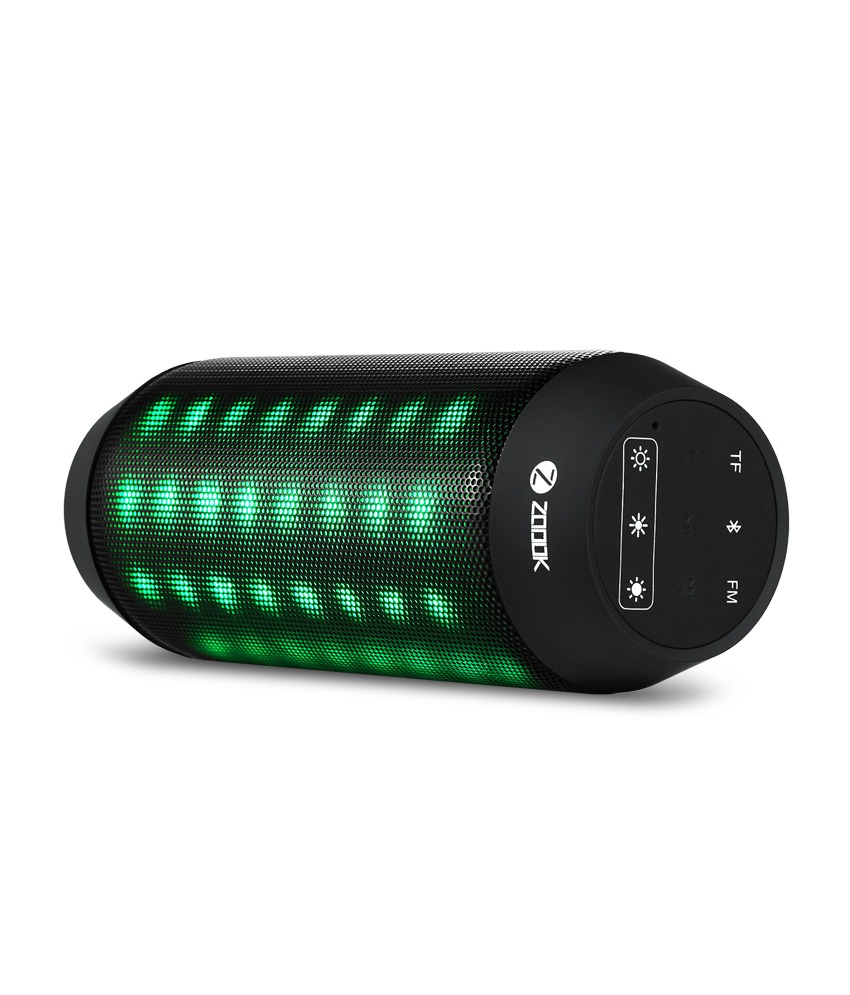
    Zoook ZB-ROCKER Bluetooth Speaker comes with funky LED lights. The pocket friendly speakers come with 360 degree surround sound and Voice Navigation.

    Click Here to Buy Now

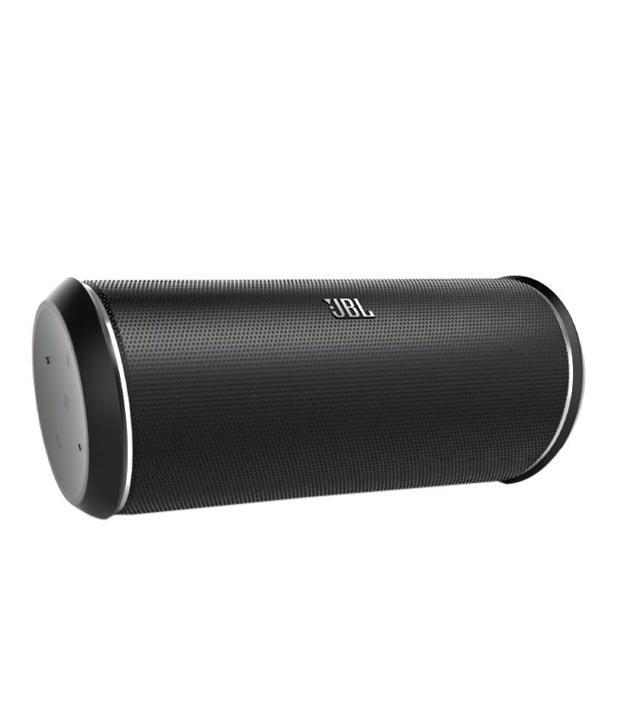
    6. JBL Flip 2 – (29% off)

    JBL-Flip-2

    JBL’s much loved Flip series are a must for music lovers who travel a lot. The portable is equipped with NFC for quick Bluetooth Pairing, SoundClear Echo, Noise Cancellation and  a battery that can last upto 5-hours on a single charge.

     Click Here to Buy Now

  • Apple Faces Flak for Apple Watch’s Terrible Battery Life

    Apple Faces Flak for Apple Watch’s Terrible Battery Life

    Apple may have announced the Apple Watch but there are still very limited details about the smartwatch available. We’re still uncertain about when it might be available. And obviously, one of the biggest concerns is its battery life. Smartwatches are judged on the bases of their battery life; no one needs another device that needs constant recharge. It seems Apple Watch is no different.

    9to5Mac reported, the iPhone maker is having trouble achieving the target battery life for the Apple Watch. Apple has aimed for its upcoming smartwatch to last a full day on a single battery charge, but the reality may fall short of the goal.

    According to the report, Watch’s beefy processor and high quality screen hogs in the battery juice really fast, severely impacting the battery life of the smart watch.  It might only last 2.5 to 5 hours of battery life on active use.

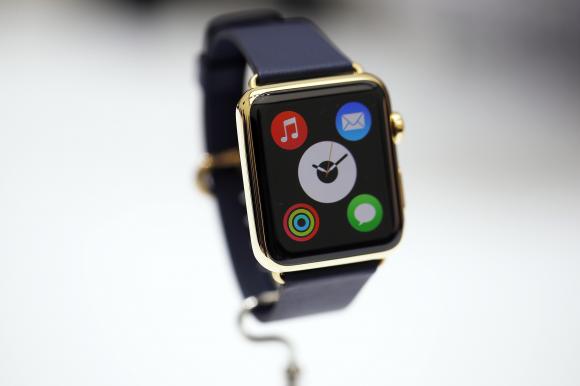
    Apple watch Features Design 18

    The company hoping to achieve its goal of three days on standby mode and four days in sleep mode. But the wearable device may last only two to three days in either standby or low-power mode, according to 9to5Mac. The Apple Watch was expected to change the scenario of poor battery life of smartwatches. However,  the Apple Watch’s battery life doesn’t sound much better than already-available smartwatches.

    The battery life has remained a source of concern for Apple over the past year, and was a contributing factor for Apple pushing back the retail launch from an originally planned late 2014 to early 2015.

    The company has now set a March shipping date for the smartwatch. The Apple Watch will be priced at $349 and will be available by early 2015. It will come in three variations – Apple Watch, Apple Watch Sport and the Apple Watch Edition. The wearable will be compatible with iPhone 5, 5S, 5C, 6 and 6 Plus.

  • 10 Useful Things To Do With Your Old Laptop

    10 Useful Things To Do With Your Old Laptop

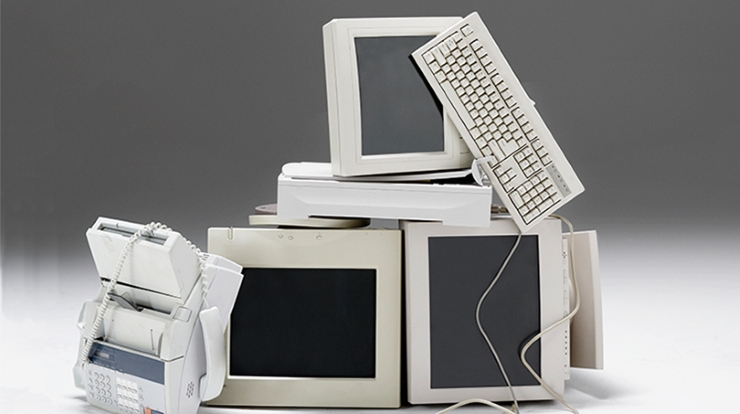
    Despite everyone’s assumptions, the geek inside you is not always privy to the latest and greatest technology. If you’re stuck with an old, slow, crappy computer, there are a few things you can do to make the best of a bad situation. Whether it’s a desktop computer or a laptop, whether or not it’s broken, and no matter how old it is, it can still be useful to you.

    1. Sell The Working Parts

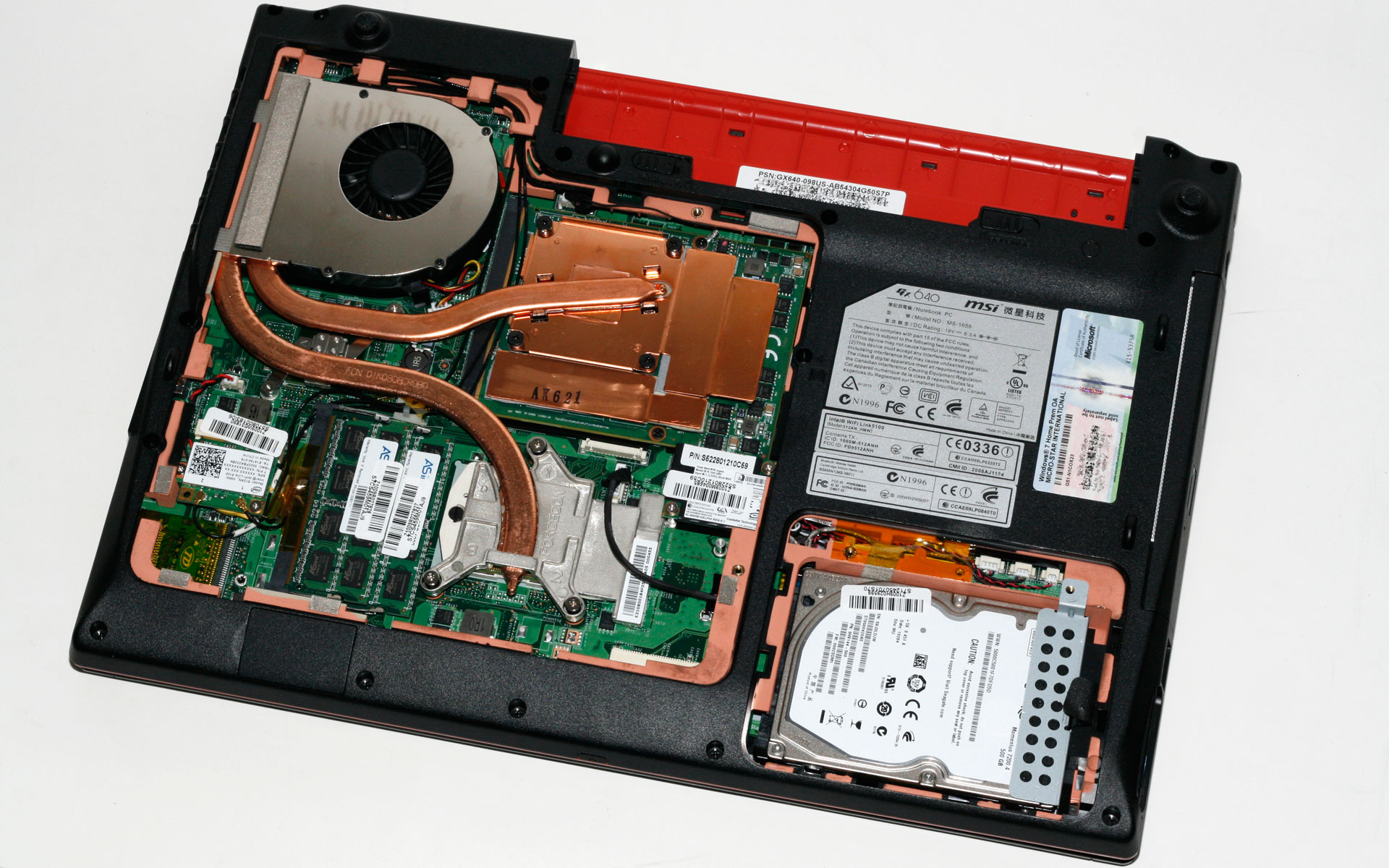
    internal laptop

    You can dismantle your entire broken computer or laptop and sell the working parts online. Hard drive, RAM, A/C adapters, motherboards, graphics and audio cards, and even an intact case will get you some cash. It might not make your old laptop useful, but you may be able to save up some extra money to buy those cool headphones you’ve been eyeing for months.

    2. Install a Light Weight Operating System

    archbang

    If nothing seems to workout, one of the best things you can do is install a new operating system altogether. It’ll definitely shake up your workflow, but with enough commitment, you can use one of the many Linux-based OS to give your computer a major speed boost. If you are already familiar with Linux, we will recommend ArchBang, otherwise Ubuntu or Chrome OS might work well for you.

    3. Turn it into a Wi-Fi Hotspot

    LibrarySymbolLaptop-WifiBl

    Well, this one of the best things you can do with your old laptop. Turn your laptop into a hotspot for sharing an Internet connection via Wi-Fi. There is a step-by-step guide on Windows XP or 7 and there is also the option of using 3rd party software. Specifically, Connectify. If you’ve already got a router with Wi-Fi, run Ethernet on the laptop and with Connectify you can create a secondary network using the same Internet connection.

    4. Use it as a Digital Photoframe

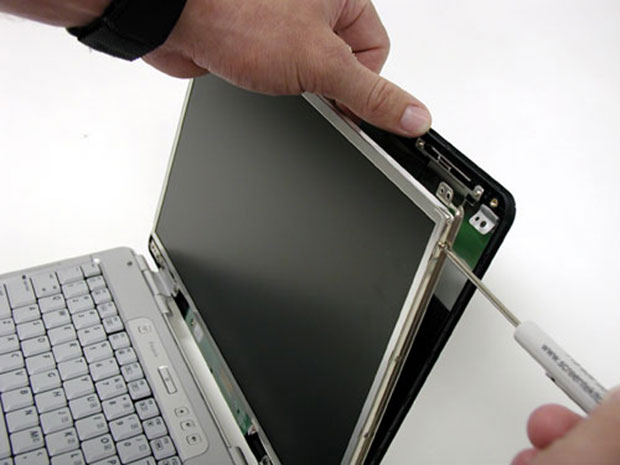
    laptop-screen

    If your laptop’s screen is fine, you can use it to build a cheap digital photo frame. With a working wireless connection you could even make it show your latest photos. There are loads of DIY instructions available online. So, go ahead and experiment.

    5. Create an External Hard Drive

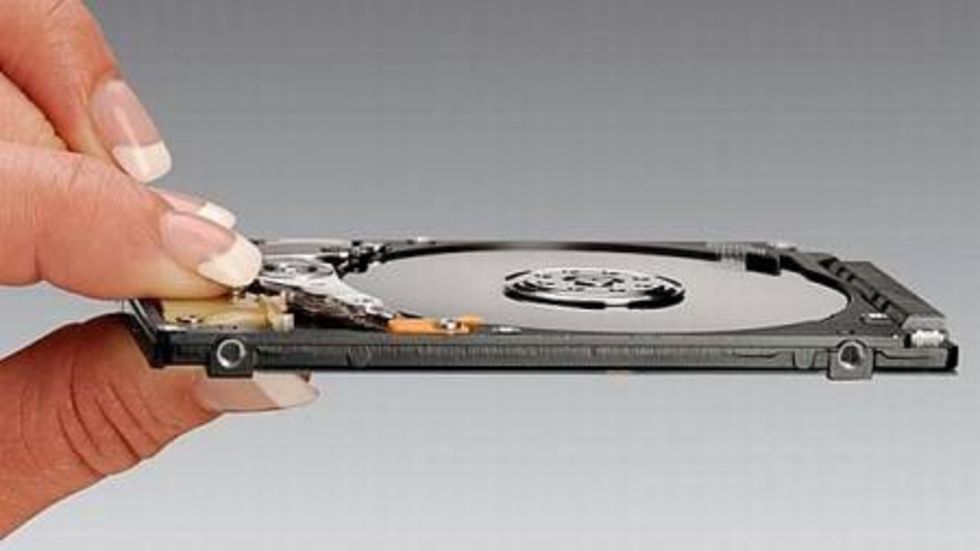
    hard disk

    If parts of your laptop or desktop computer hardware are broken, you can salvage the working parts. So if the hard drive is still working, you can dismount it and transform it into an external and portable hard drive for your new computer. You’ll have to invest in a USB caddy, which can be bought online easily.

    6. Use it as a back-up machine

    Dusty keyboard

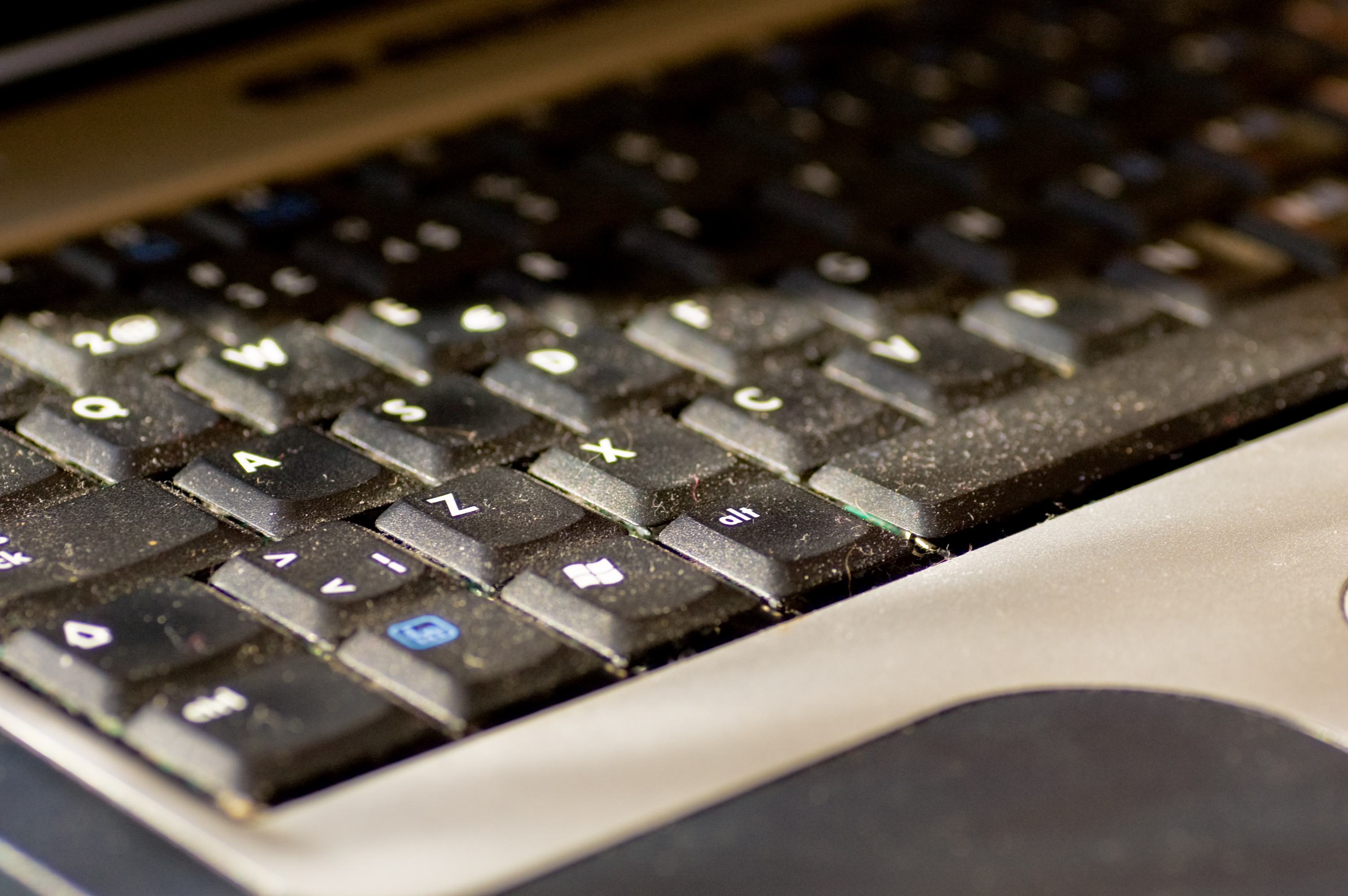
    Lets face it, in this digital world we are struggling with information overload. The floods of gigabytes have taken over our lives, be it professional or personal. This is where your old laptop can be useful for you. Use it as a back-up machine where you can save your photos, documents and video.

    7. Home server for file sharing

    freenas

    Heard about network attached storage? It is like a server for your home or small business network, used for storing files that you share with all the PCs on a particular network. If you’ve got an old PC with lots of storage drive space, you don’t need to buy a NAS, you can make one. FreeNAS is a software program for doing just that, and it’s then accessible by any OS on your network. FreeNAS will also stream media to mobile Operating Systems like iOS and Android and you can even control the user access.

    8. Turn it into a guitar amp

    laptop-ready

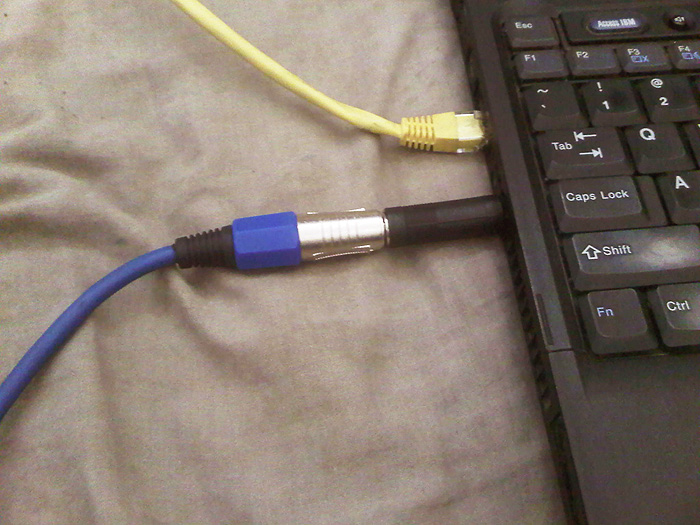
    You can turn your laptop into a guitar-ripping audio workstation. Using an older laptop that might not have the fastest processor will work for basic MIDI programming by connecting an audio interface and controlling a virtual amp.

    9. Home Surveillance

    ispymg

    If that laptop has an integrated webcam (most of them do), you can put it for a good use. Reinstall Windows XP or higher and grab a copy of iSpy. Use it to monitor the house, employees, babysitters, kids, pets, and more. You can covertly or overtly watch the goings-on via a Web page or apps on iOS and Android.

    10. Turn it into a Media station

    XBMC-Media-Center_1

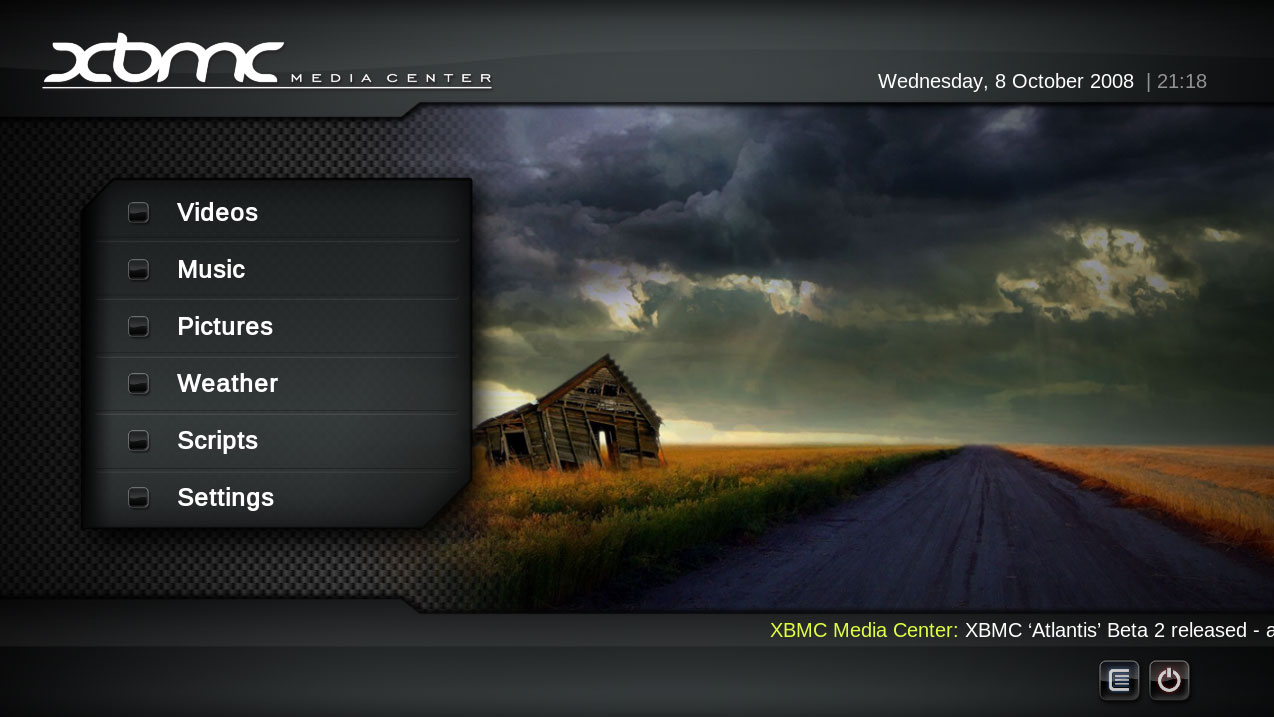
    Load all your music and videos onto this computer, if necessary, supply it with an external hard drive. You can now set up your favorite media player, listen to Last.fm, install a TV tuner card, record movies, record music from radio stations, download MP3s, stream music throughout the house using wireless speakers etc.

iGyaan Network
Privacy Overview

This website uses cookies so that we can provide you with the best user experience possible. Cookie information is stored in your browser and performs functions such as recognising you when you return to our website and helping our team to understand which sections of the website you find most interesting and useful.