Author: Sahil Kapoor

  • Top 5 Tech Innovations In 2018

    Top 5 Tech Innovations In 2018

    Humans have reached an era where technology is growing faster than ever. We are able to innovate and develop new technologies that were previously only considered fantasy. The year 2018 has been remarkable not only in terms of new breakthroughs but a lot of old technologies which are now consumer ready. Here is a list of five such technologies that are as revolutionary as they sound.

    In-display Fingerprint Sensor:
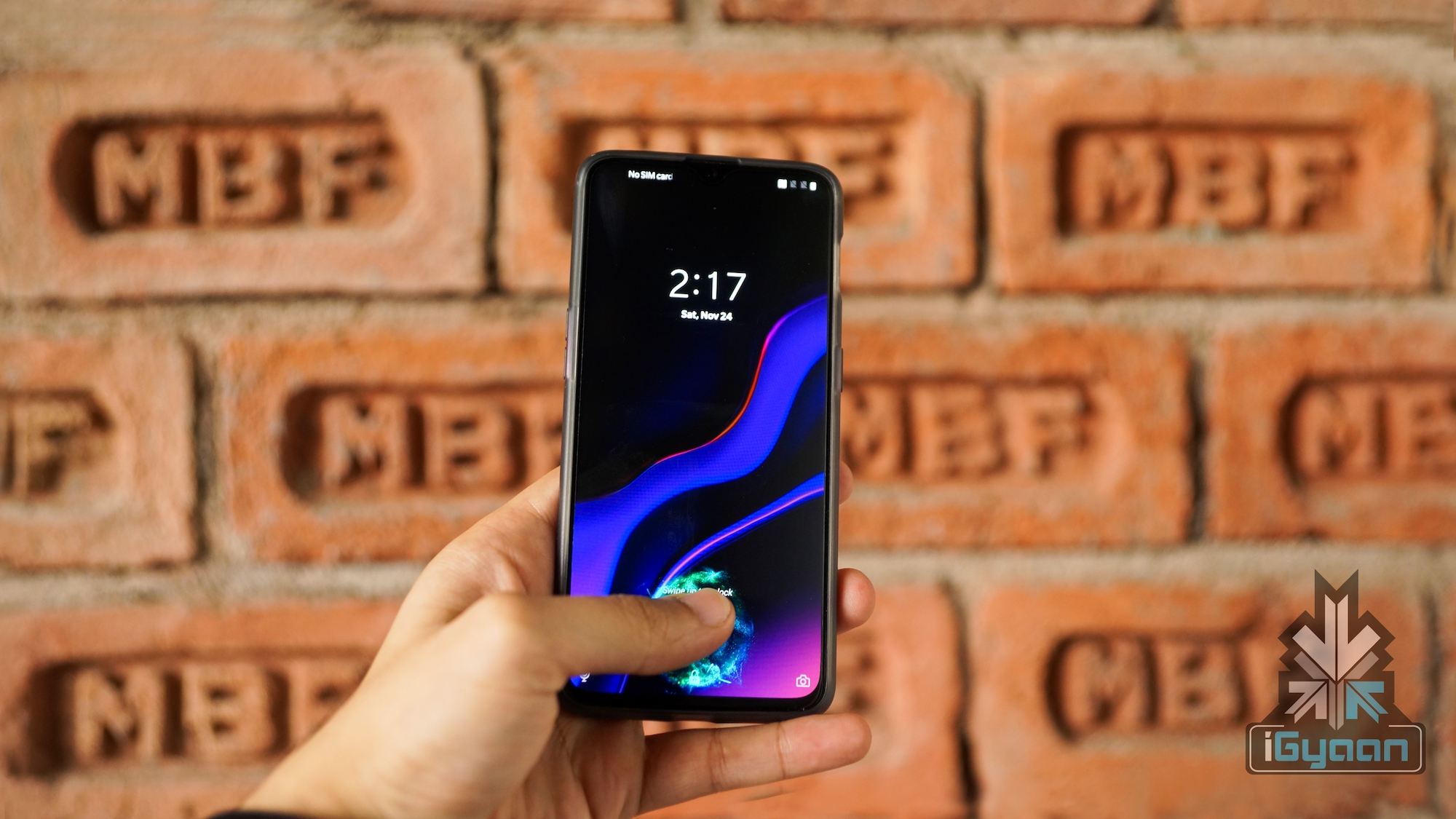
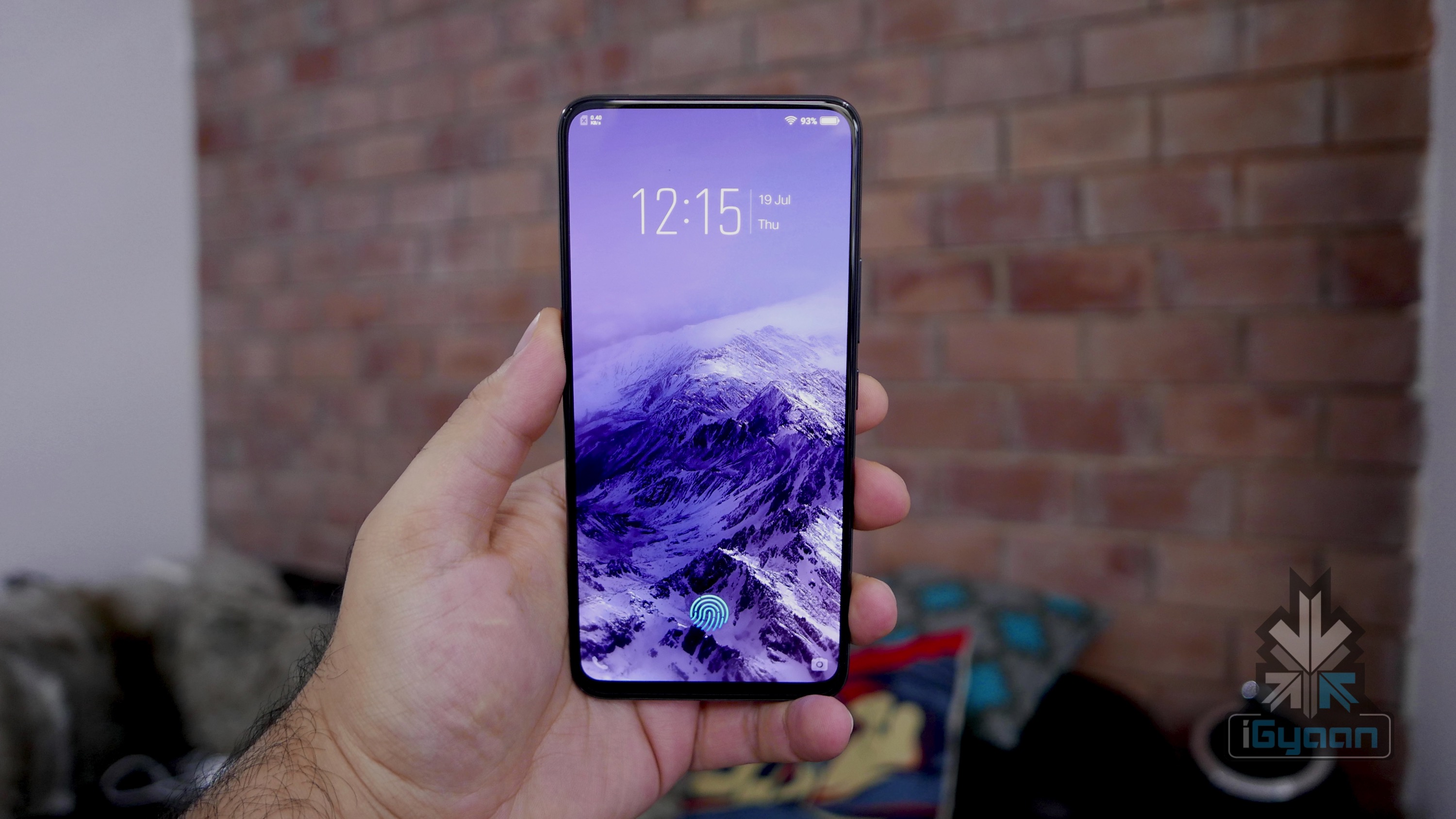
    Fingerprint recognition technology has been around since the early 70s. However, the equipment to record and verify the fingerprint was bulky and difficult to carry. But with the advancement of technology, engineers are able to shrink the size of these sensors greatly. In the past decade alone, these sensors have shrunken so much that they can now be integrated into modern day smartphones. Apple was the first company to feature this tiny engineering feat on their smartphones (iPhone 5S). Now, this technology has matured so much so that they can now be equipped under the display of a smartphone.

    Vivo was the first company to launch a smartphone (Vivo X20 Plus UD) with an in-display fingerprint sensor which was not globally available. OnePlus launched the OnePlus 6T smartphone with an in-display fingerprint sensor which is globally available. Fingerprint sensors are available in four types which are as follows:

    • Optical Scanner
    • CMOS Scanner
    • Ultrasound Scanner
    • Thermal Scanner

    The Current in-display fingerprint sensors make use of the Optical Scanner technology. These types of scanner are quite secure but cannot match the accuracy and speed of an Ultrasound Scanner. Qualcomm, an American chipmaker has readied a fingerprint scanner that uses sound waves to record and identify the ridges of a human fingerprint. This technology can match biometrics even if the user’s hands are dirty or oily as sound waves can penetrate these substances and accurately verify the correct fingerprint. The reason we don’t have a commercial phone with this technology is the high price of technology. However, future smartphones will feature this technology.

    Commercial 3D Printing

    3D Printing is a process of making a three-dimensional tangible object that works by laying multiple layers of a material in succession. The first manufacturing equipment and filaments for 3D printing were seen in the 1980s. The technology then was only limited to plastics and polymers. Over the years, scientists have experimented with various materials that can be 3D printed. A handful example of  3D printing technology includes concrete buildings, plastic parts, food, and even metal parts.

    3D Printed Shoes

    The shoemaker Adidas has collaborated with Carbon 3D inc, a 3D printer manufacturing company to launch a shoe with a 3D printed midsole. Carbon makes use of Stereolithography (SLA) which is a form of 3D printing. The printer UV projects a laser in a bath full of resin which hardens it a forms the desired shape. Till now SLA was only used to manufacture large industrial parts because of its slow speed. Carbon has now managed to control the amount of oxygen which plays a major role in forming a part. The combination of laser projection and controlled oxygen has allowed the company to create high-resolution parts rapidly.

    The Adidas AlphaEdge 4D is made to order as per the size and shape of the customer’s feet. The shoes are very lightweight and flexible which provide a lot a comfort to its wearer. Adidas claims without the use of 3D printing it is not possible to make such a midsole. As the current injection molding technology is incapable of producing such a complex shape. Most companies currently mass-produce shoes, and therefore, the customer needs to settle with existing sizes that are available in the market. But, 3D printing can reshape how shoes are made in the future. In the future, one would walk into a store and get a custom shoe made in no time. Furthermore, if the technology evolves, even more, the whole shoe including the outsole and the upper part can be 3D printed.

    Artificial Intelligence

    AI(Artificial Intelligence) is also referred to as machine intelligence. It is a concept with which the machines can make decisions themselves without much interference from humans. Artificial intelligence ranges across a wide variety of platforms like speech recognition to language translation to visual perception. AI is a branch of computer science that involves the development of computer programs which would otherwise require human intelligence. Developers intend to create algorithms that can self-learn by understanding the actual functioning of that particular field.

    AI In Smartphones

    Modern day smartphones have AI algorithms which allow for better system optimastion. The smartphones are able to analyse the usage patterns and enable or disable features which can prolong the battery backup. Additionally, smartphone cameras also have AI scene detection. The devices are able to select the best scene modes dependent on various aspects like the subject and the amount of light.

    Blade-Less Air-Flow Technology

    Dyson was founded in the year by 1991 a British inventor, James Dyson. James Dyson redesigned the induction motor and the air impeller. This redesign allows Dyson products to pump air without a visible fan blade. The exit vent is designed in such a shape that it creates a vacuum-like effect. This vacuum-like effect forces in up to 15x air than what was originally pumped by the impeller.

    Dyson Bladeless Hairdryer
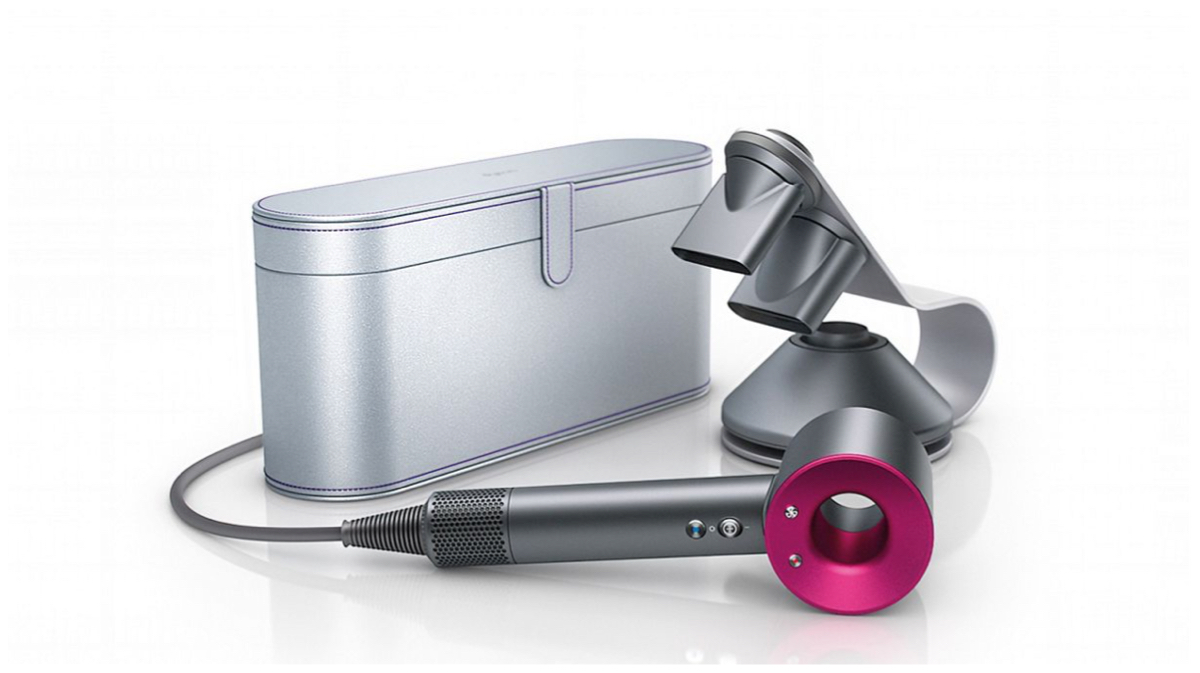
    The Dyson Supersonic bladeless hairdryer has a hollow vent that blows hot air. It has a small turbine motor in the handle which can reach speeds of up to of 1,10,000 rpm (rotations per minute). It also has a built-in temperature sensor which connects to a microprocessor. The sensor and processor duo continuously measure the air temperature and ensure that they stay under 320 Fahrenheit. As air above this temperature has a tendency to damage the hair.

    Airless Tires

    Airless tires, unlike the conventional tire, do not have an inner tube and do not use compressed air to the create cushion like effect. Rather its side walls are made in the shape of a mesh which provides the cushion required to drive comfortably on roads. It is of great use in heavy vehicles that work in non-paved terrain. As the sharp rocky surface can easily puncture a normal tire.

    Michelin Tweel

    Michelin first started developing an airless tire back in 2005. The company has dubbed their airless tire as Tweel. The word Tweel is derived from the combination of two words ‘tire’ and “wheel”. Although, the company showcased their early prototypes in 2013-2014 the commercial product was released in 2018. The current range of tires is available for devices like ATV’s (All Terrain Vehicles), Forklifts and Golf carts. The wheels are designed in such a shape that they also act as shock absorbers for heavy vehicles. The technology looks promising and if it can match the life and stability as regular tires they will make their way on to transportation vehicles and cars.
  • First Renders Of Sony Xperia XZ4 Compact Leak Online

    First Renders Of Sony Xperia XZ4 Compact Leak Online

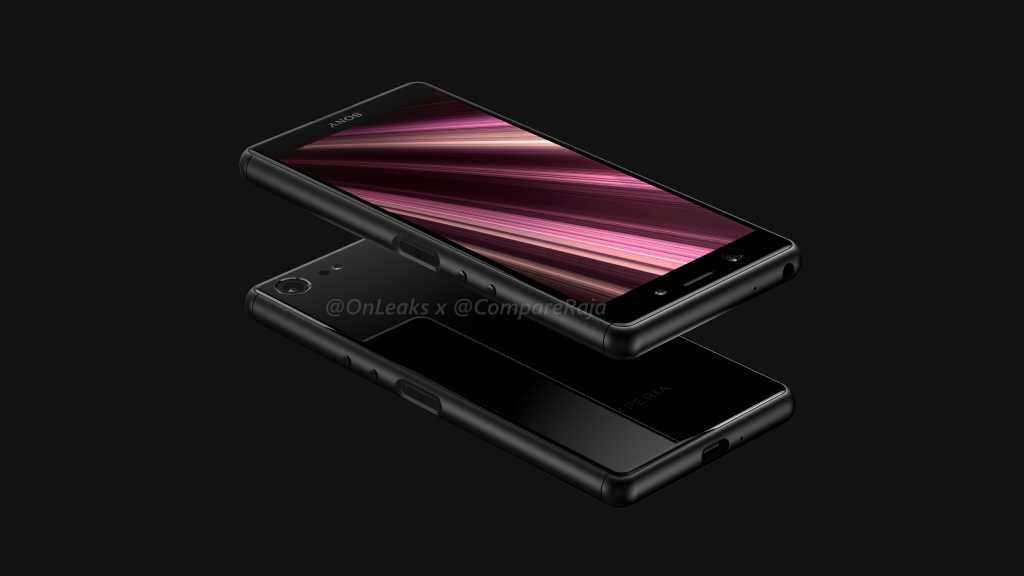
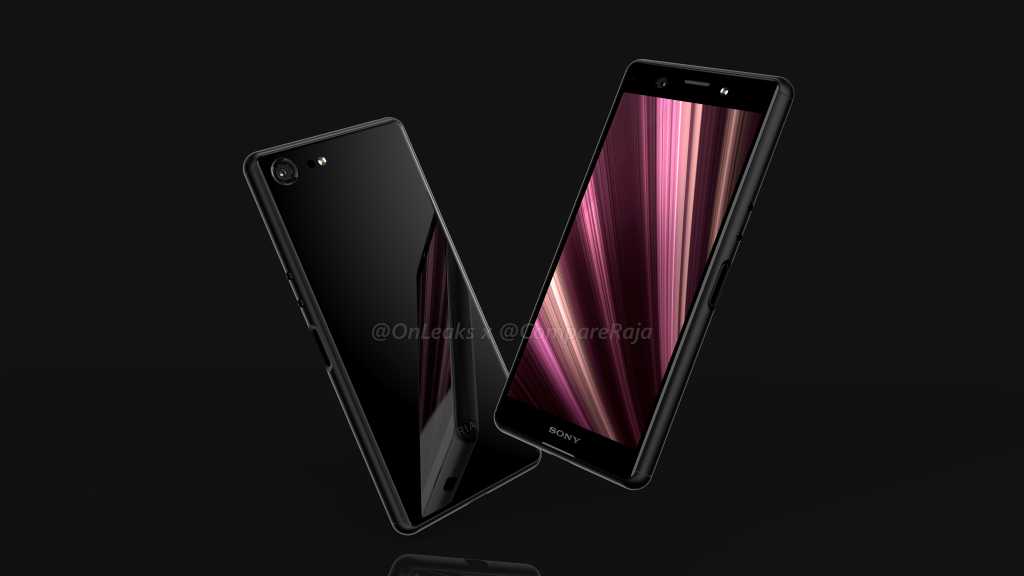
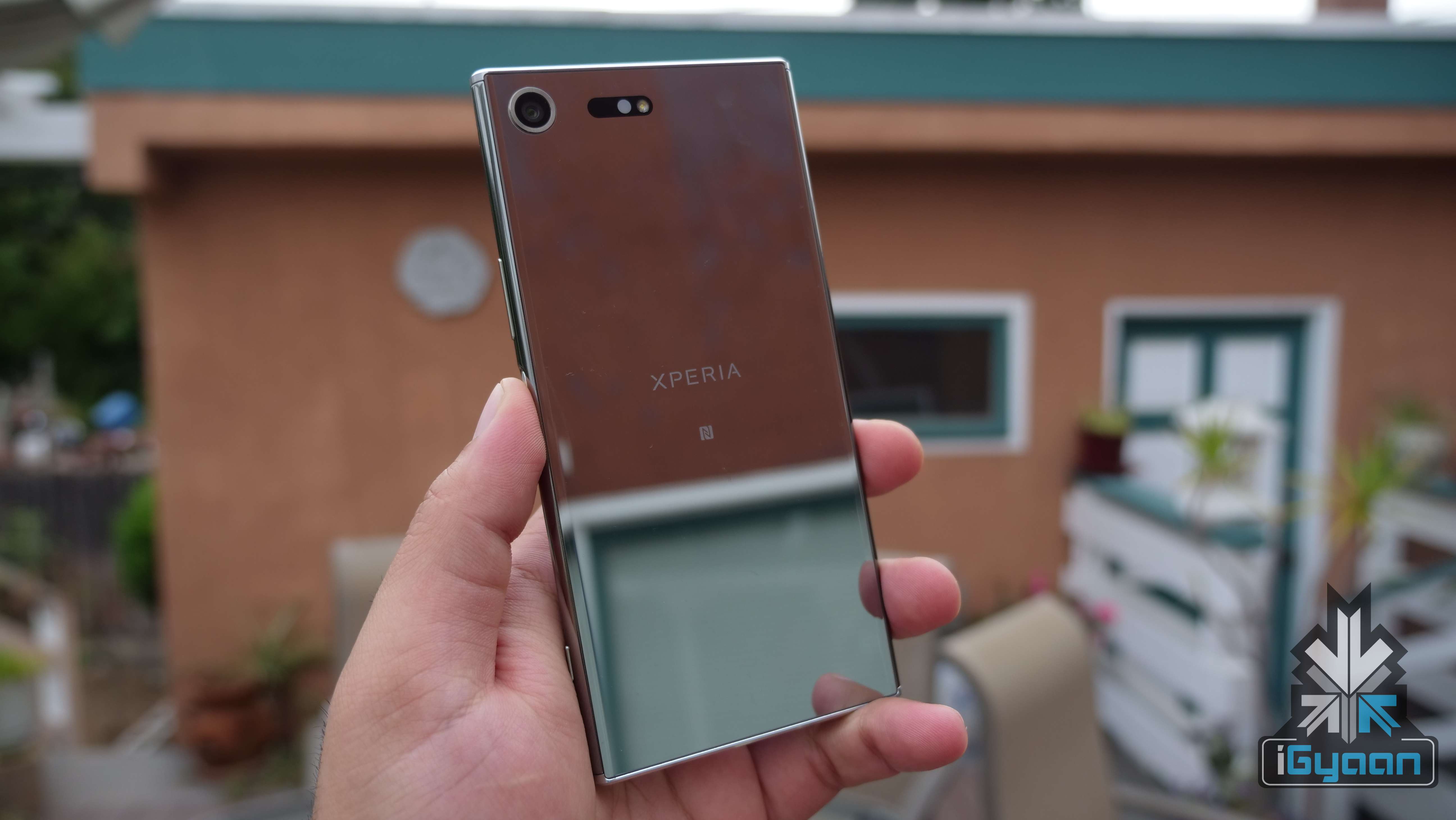
    Sony Mobile in early 2018 launched their XZ3 smartphone and the CAD renders of its successor, XZ4 Compact have leaked online. The device carries the Compact suffix which states that it is a lower spec variant of the Sony XZ4. Initial renders of the XZ4 compact indicate that it will be a midrange smartphone.

    Xperia XZ4 Compact Design

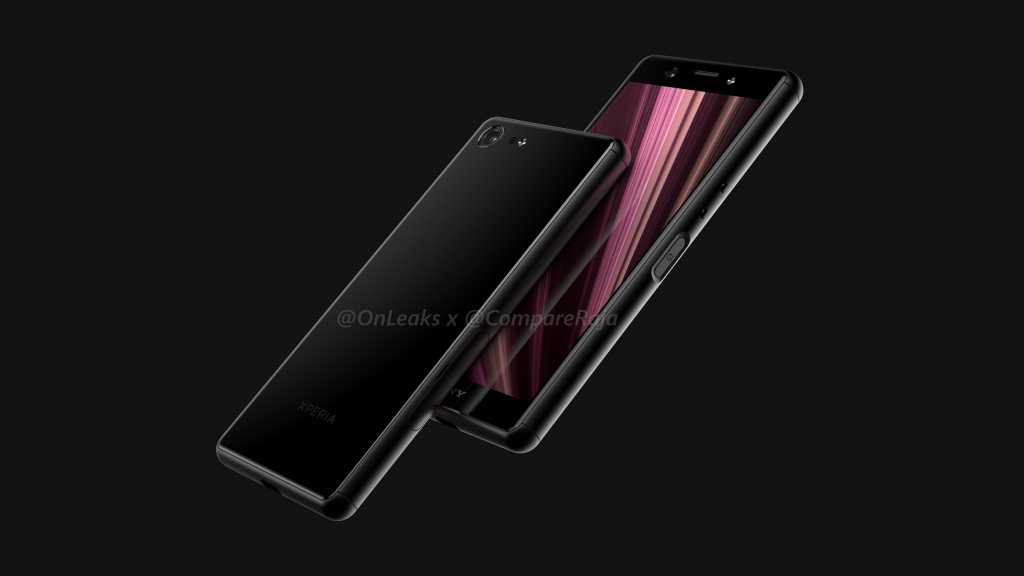
    The front and rear of the Sony XZ4 Compact appear to be made out of glass. The display of the smartphone is surrounded by thick bottom and top bezels. The top bezel accommodates the earpiece and the front-facing camera along with the LED flash, while the bottom bezel carries the company branding and the secondary front firing speaker. The right side of the smartphone is occupied by the volume rockers and the power button. Although it is not official, the shape of the power button suggests that it might double as a fingerprint scanner. The 3.5 mm audio jack and the microphone pinhole are placed on the top while the Type-C USB port for charging and data transfer is on the bottom.
    The Sony XZ4 Compact has curved sides and edges which will provide for an ergonomic graspability. The rear glass panel of the device harbors the XPERIA logo and the rear facing camera along with the LED flash. While the official dimensions of the smartphone are not available, according to the leaker, OnLeaks the device measures 139.9 x 66.5 x 9.3 mm.

    Specifications

    The leaks do not provide any precise information about the specifications of the Sony XZ4 Compact. But the renders confirm the following specifications:

    • Single Front Camera
    • Single Rear Camera
    • USB-C Port
    • 3.5 mm headphone jack
    • Dual Front Speakers

    Whilst the launch date of the smartphone is currently unavailable, the renders indicate that it will launch soon.

  • Qualcomm Unveils Snapdragon 8cx SoC for Windows 10 Laptops

    Qualcomm Unveils Snapdragon 8cx SoC for Windows 10 Laptops

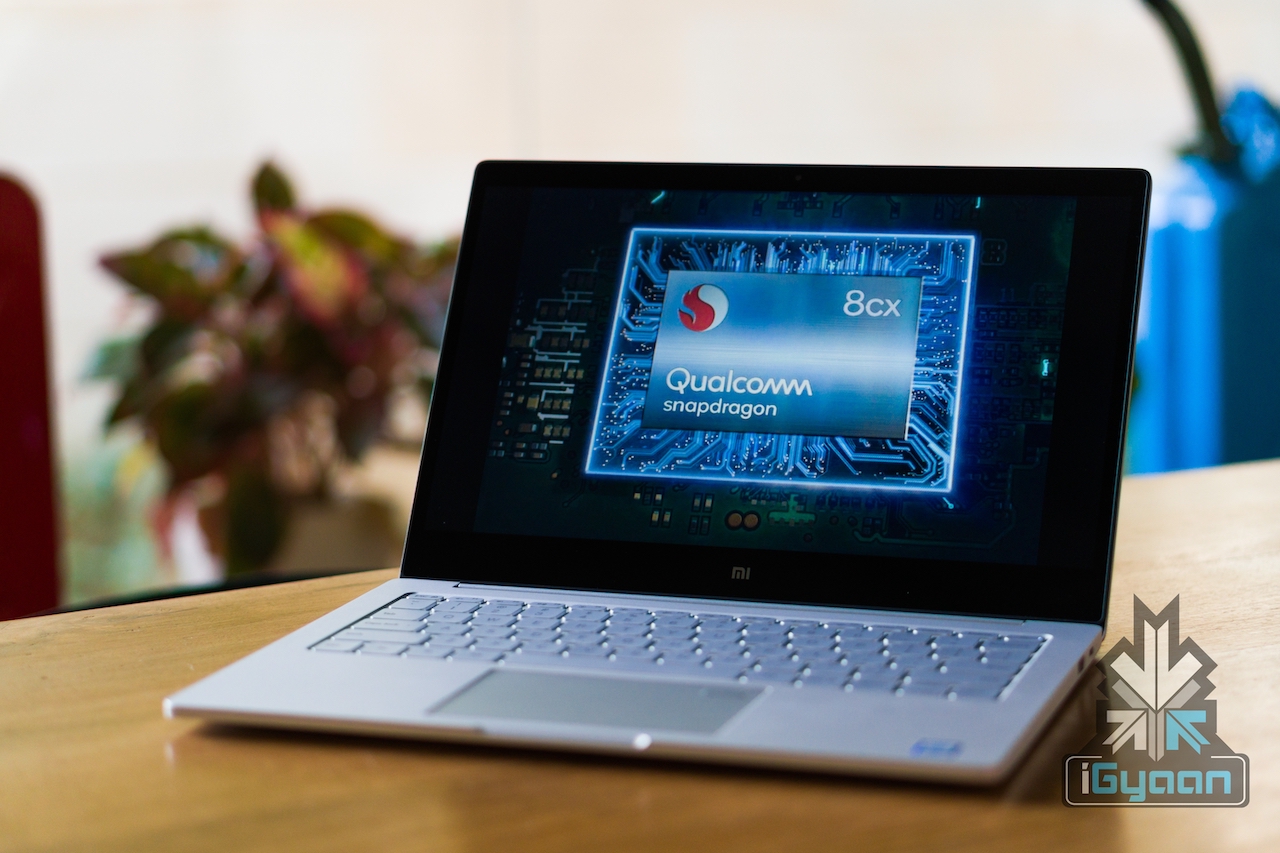
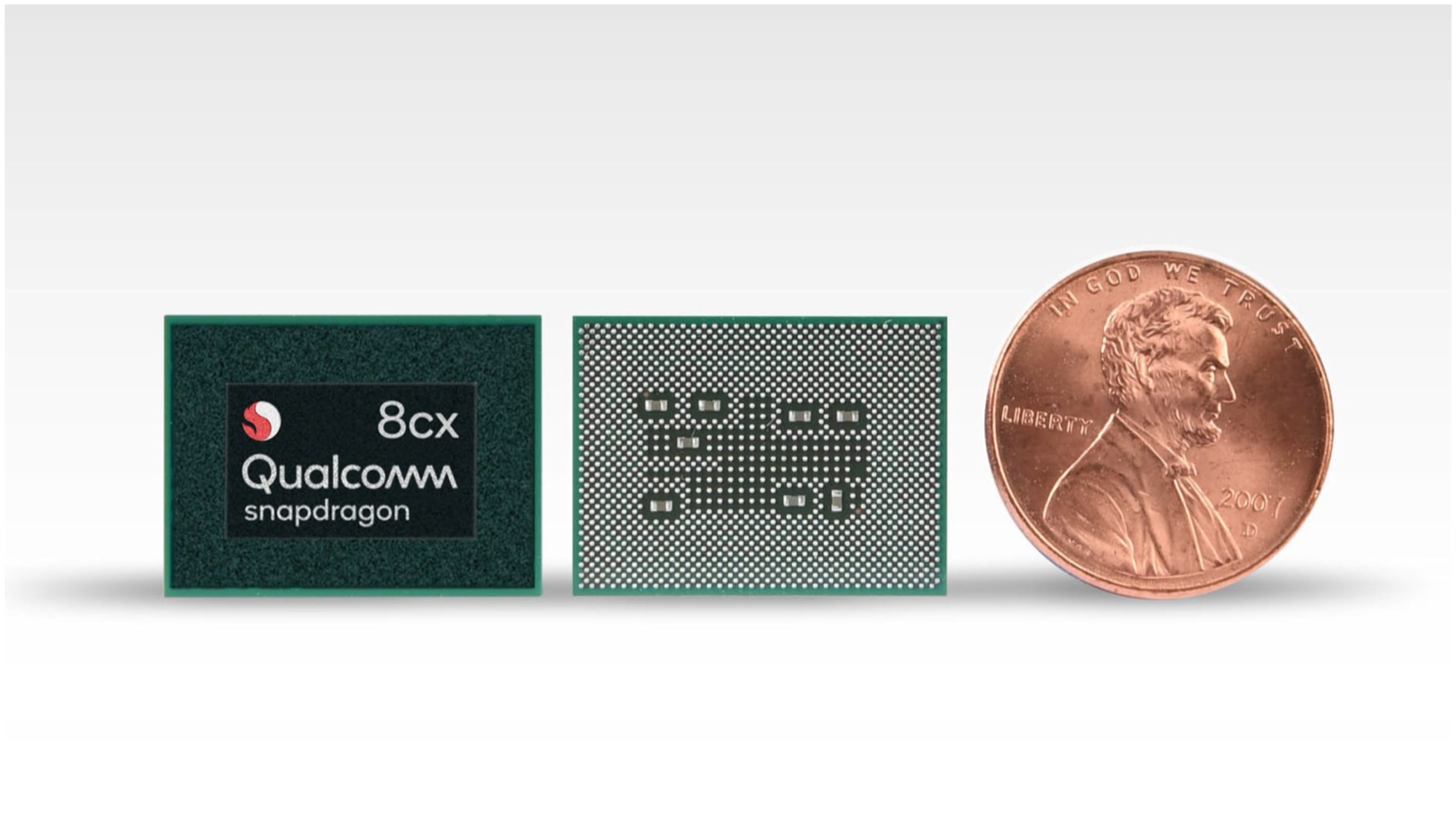
    After dominating the smartphone market, Qualcomm is looking forward to taking on the Windows computer industry. In a recently held Snapdragon summit in Hawaii, the company has announced their first purpose-built chipset for laptops. The new chipset gets the Snapdragon 8cx moniker and is a successor to the previously showcased Snapdragon 850. The Snapdragon 850 was a just a tweaked Snapdragon 845 which is a mobile chipset. However, the Snapdragon 8CX is designed to meet the requirements of a high-end Windows computer.

    Snapdragon 8cx

    The Snapdragon 8cx comprises of Octa-Core Kryo 495 CPU’s and Adreno 680 GPU. Both CPU and GPU are integrated into a single chip which provides better multi-tasking performance and highly efficient graphics memory bandwidth. The latest Snapdragon 8cx is manufactured using 7nm FinFET technology. Therefore, it will be more power efficient than other chipsets like AMD and Intel.

    Qualcomm addressed that the “cx” suffix in the Snapdragon 8cx stands for “compute” and “extreme”. According to the company, the Adreno 680 GPU can easily handle dual 4K HDR displays and it will have hardware acceleration for 4K HDR video playback at 120fps. For high-speed internet connectivity, the Snapdragon 8cx also accommodates the Snapdragon X24 Modem. Theoretically, it can support download speeds of up to 2Ggbps and uploads of up to 316  Mbps. 

    The Snapdragon 8cx being a complete system on a chipset also gets Bluetooth 5.0, NVMe SSD support and fast charging support. It has a built-in Hexagon 685 DSP (Digital signal processor) which will enable support for voice assistants like Cortana.

    Need Of An ARM Laptop Chipset 


    ARM is a company that designs CPU cores which are used by other companies to develop their chipsets as per their needs. Unlike Intel’s X86 and AMD 64, ARM cores are designed with efficiency and space conservation in mind. Following are the benefits of using an ARM chipset on a PC:

    Also Read: Qualcomm’s New Mid-Range Snapdragon SM6150 Spotted On Geekbench

    Better Battery-Life: As the ARM cores were first intended for mobile devices they are highly energy efficient. Using them in laptop computers can offer a very good battery backup. The previously demonstrated Snapdragon laptops offered up to 24 hours of battery backup.

    Compact Size: As Qualcomm CPU’s are much smaller in size than their Intel and AMD counterparts. Their temperatures can be kept under control using a passive CPU cooler like a copper tube. In simpler terms, Snapdragon laptops can do away with clunky CPU coolers and save up on some space making the laptop more portable and easy to carry.

    All in all, the Snapdragon 8cx seems like a very promising chipset. Sadly, the first devices featuring it will only make their way into the market in late 2019.

  • Qualcomm’s New Mid-Range Snapdragon SM6150 Spotted On Geekbench

    Qualcomm’s New Mid-Range Snapdragon SM6150 Spotted On Geekbench

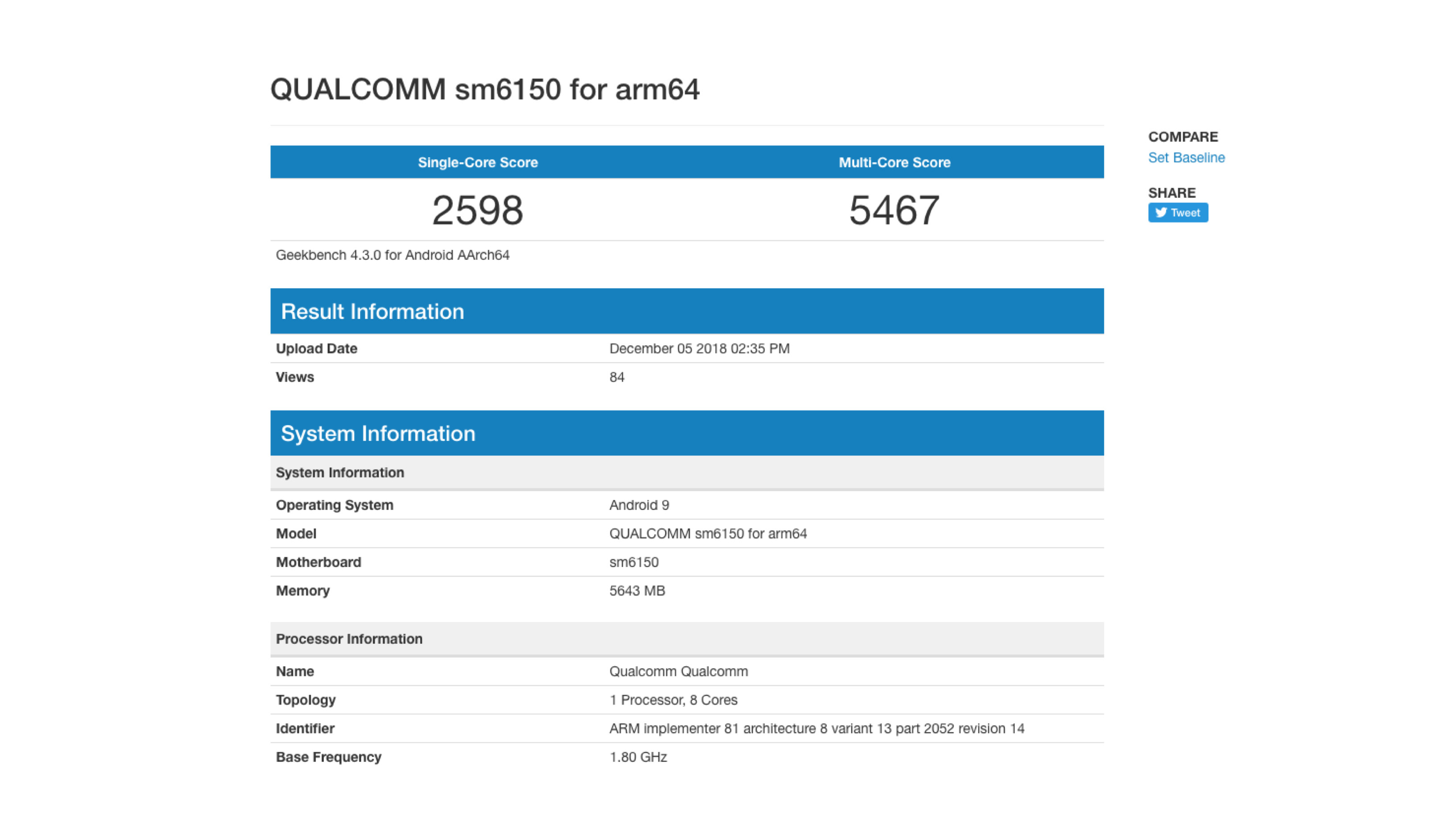
    America based Qualcomm is currently the world’s number one smartphone chip making company. Earlier this week, the company unveiled their first 7 nm based chipset, the Snapdragon 855. Most notably, it is the company’s first SoC that supports 5G connectivity. Recently yet another Qualcomm chipset, the Snapdragon 6150 was spotted on Geekbench. Like the Snapdragon 855 was codenamed 8155, the 6150 could officially be called the Snapdragon 650.

    Geekbench Scores

    The Geekbench report of the Snapdragon 6150 was first uploaded on December 5. The chipset is listed with the model number “sm6150” and the score was most likely collected on a development board. As the listing does not provide any information about the smartphone.

    The listed Snapdragon 6150 is an Octa-Core chipset and has a base frequency of 1.8 GHz. The development board runs on the latest Android 9.0 Pie and is paired with 6 GB of RAM.  According to the report, the chipset gets a single core score of 2,598 and a multi-core score of 5,467.

    To summarise, the Snapdragon 6150 will likely be seen on mid-range devices. Although the company has not announced its launch date, the listing indicates it will launch soon.

    Snapdragon 855

    Also Read: Flipkart Big Shopping Days & Amazon Sale: Top Deals On Xiaomi Smartphones

    The recently launched Snapdragon 855 is the successor to the Snapdragon 845 which is present on devices like the Pixel 3 & OnePlus 6T. It is the first chipset from Qualcomm that is manufactured using the 7 nm FinFET technology. Therefore, it will draw less power and perform better than its predecessor. The previously leaked scores of the chipset placed it at number one in the AI benchmarks. Recently, OnePlus has announced that they will be one of the first companies to manufacture a smartphone that will feature the Snapdragon 855 chipset.

  • HMD Global Launches Nokia 8.1 In Dubai

    HMD Global Launches Nokia 8.1 In Dubai

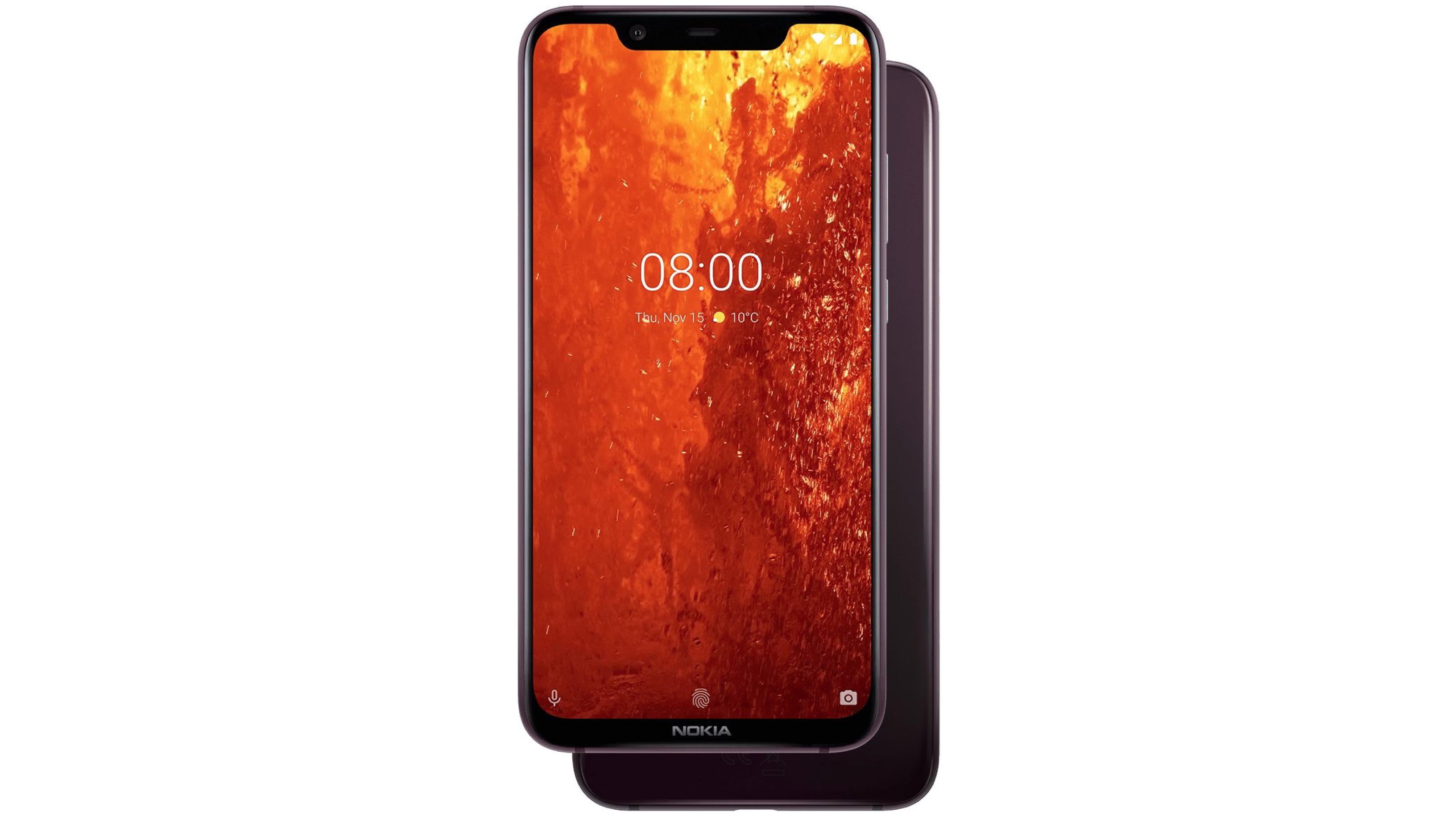
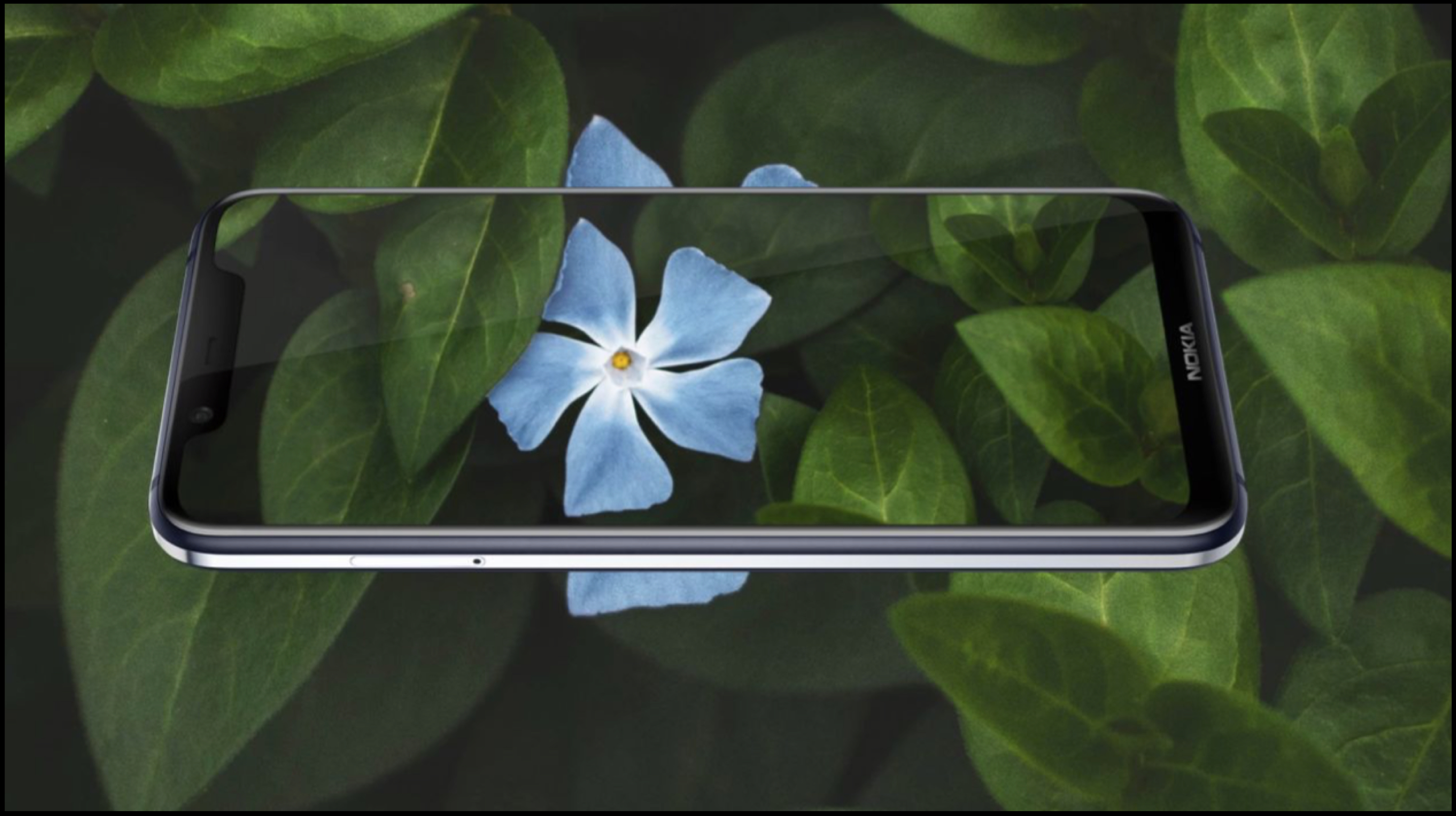
    Lately, Finnish smartphone manufacturer, HMD Global has been launching a lot of smartphones. Earlier this month, the company launched the Nokia 7.1. Now they have unveiled the Nokia 8.1 in Dubai. Like other Nokia phones, it also is an Android One device.

    Design And Specifications

    The Nokia 8.1 has an all-glass front and rear build with a metal chassis. The smartphone measures 154.8 x 75.76 x 7.97 mm and weighs in at 180 grams. On the front of the device sits a 6.18-inch Full HD+ notch display with an 18.7:9 aspect ratio. The display panel has a resolution of 2246 x 1080 px and a pixel density of 403 ppi. For protection against scratches, it also gets Corning Gorilla Glass 3.

    The Nokia 8.1 is powered by a 3,500 mAh Li-Ion battery and runs on the latest Android 9.0 Pie operating system. The device features the Octa-Core Snapdragon 710 CPU along with the Adreno 616 GPU. For photography, the smartphone has a 20 MP front-facing selfie camera and dual 12 MP +13 MP rear cameras. The handset can also capture 2160p video at 30fps from the rear camera. While the front sensor can shoot 1080p videos at 30fps.

    In terms of connectivity, the Nokia 8.1 supports dual 4G VoLTE, Bluetooth 5.0, 802.11 ac Wi-Fi, and has a USB Type-C port for charging and data syncing. It also has a 3.5mm audio jack. For quickly and securely unlocking it, there is a rear-mounted fingerprint sensor.

    Price, Colours And Variants

    Also Read: Samsung Patents Design For Folding Phone With Dual Displays

    The Nokia 8.1 is offered in three colour options which are as follows:

    • Blue/Silver

    • Steel/Copper

    • Iron/Steel

    In terms of memory and storage, it is available in a single 4 GB RAM + 64 GB ROM variant which supports memory expandability of up to 400 GB via a microSD card. The device will go on sale in Dubai from December 15 and it carries a price tag of 1,499 Dirham (around Rs. 32,000). Although its India launch date is currently unavailable, it is expected to launch soon.

  • Yandex Launches Its First Android Smartphone With AI Assistant

    Yandex Launches Its First Android Smartphone With AI Assistant

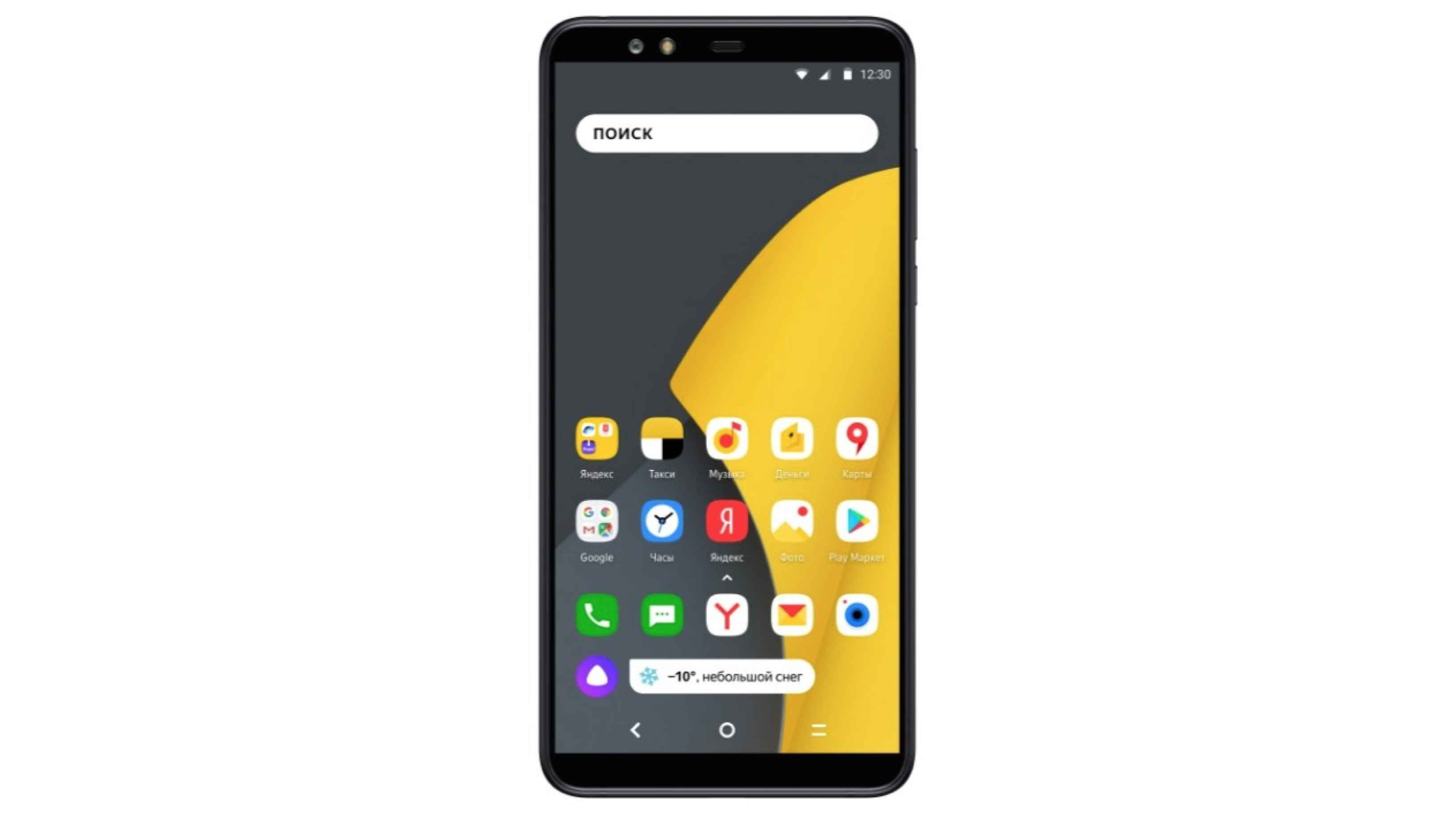
    Yandex is a Russian multinational corporation which specialises in internet related services like eCommerce, search engines and online advertising. In Russia, they are the biggest company to compete against Google’s search engine. Google recently launched their Pixel 3 smartphones in Russia. To compete against Pixel smartphones, Yandex has launched their first Android smartphone for the country.

    Design And Features

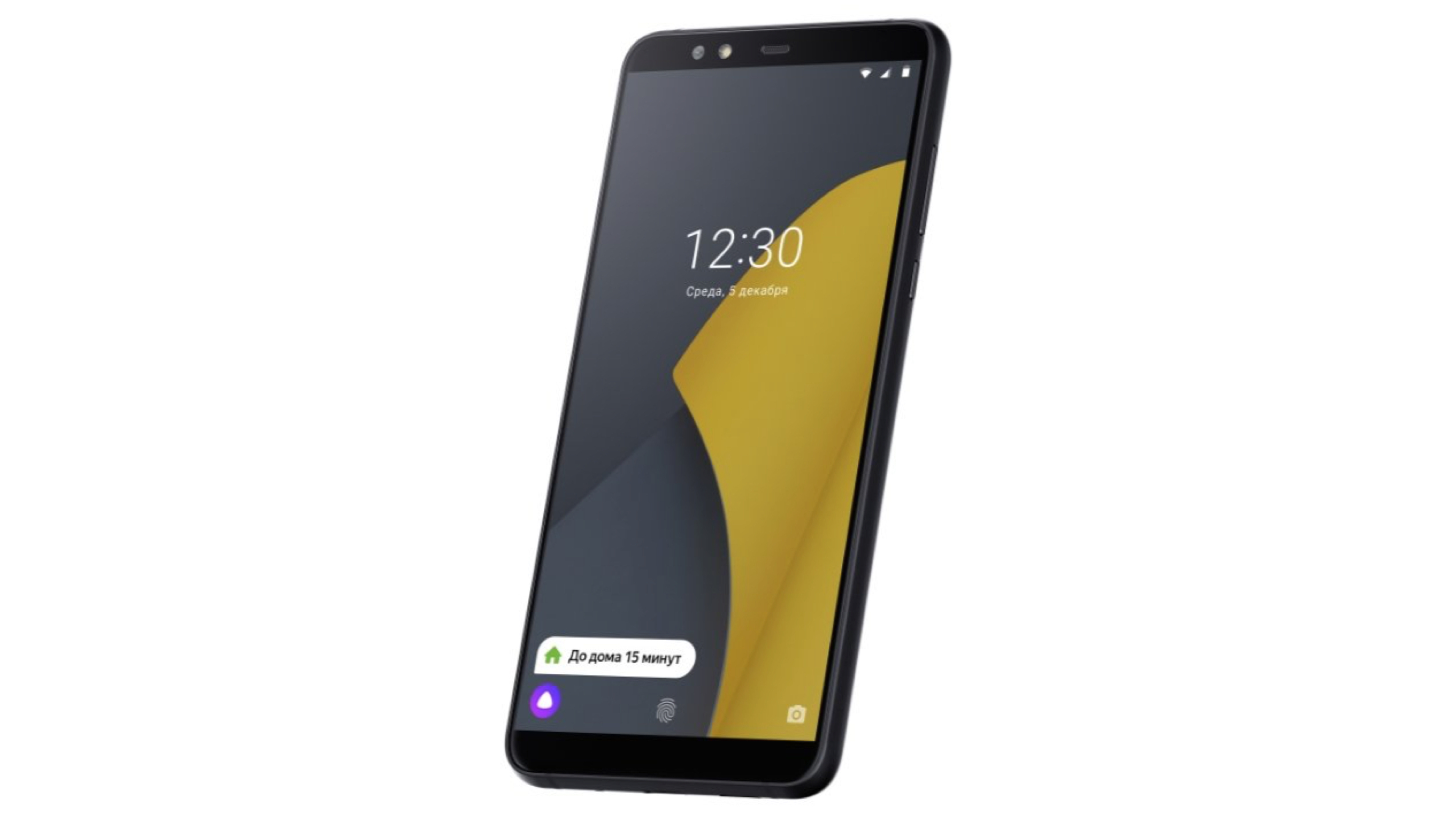
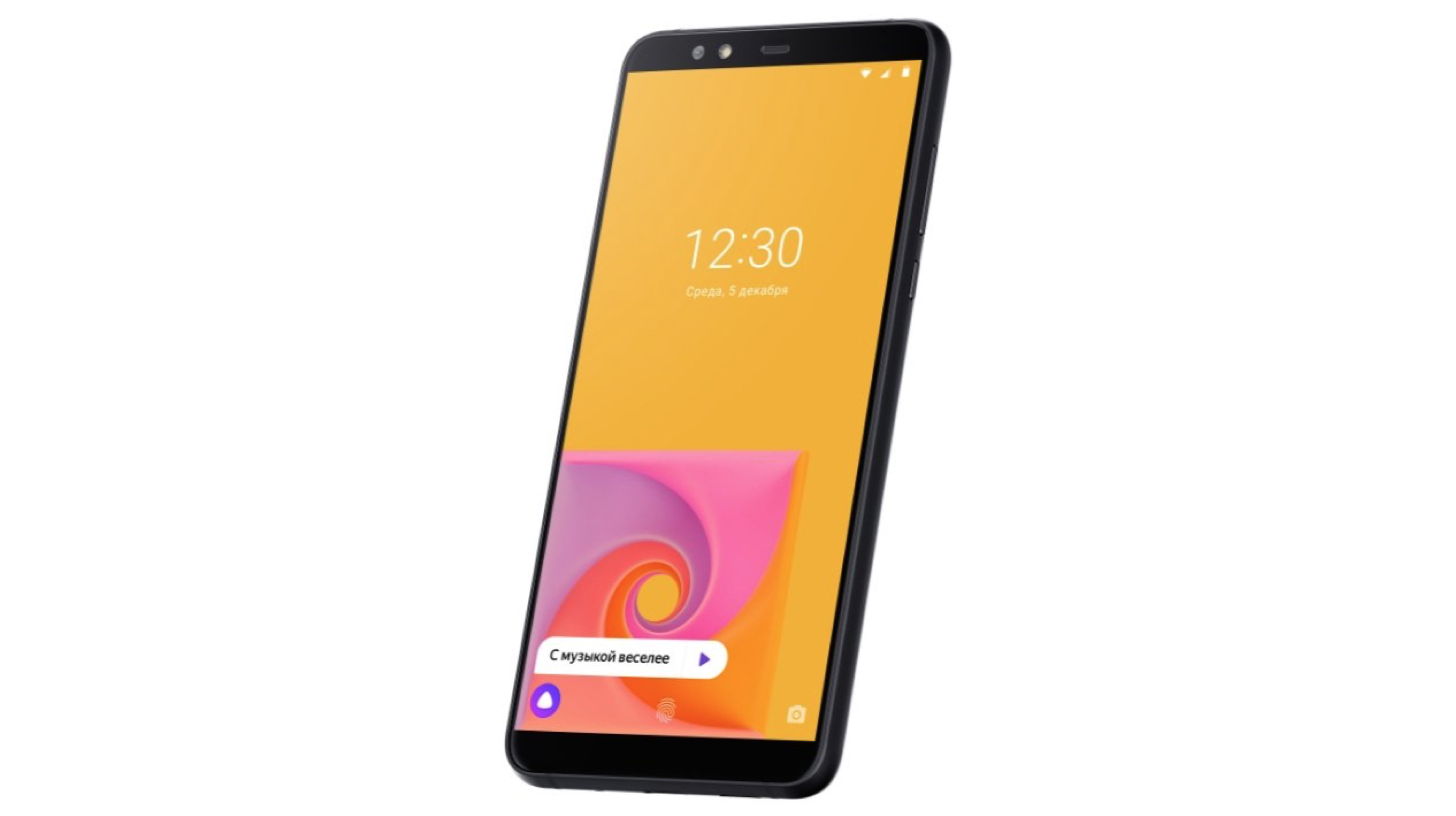
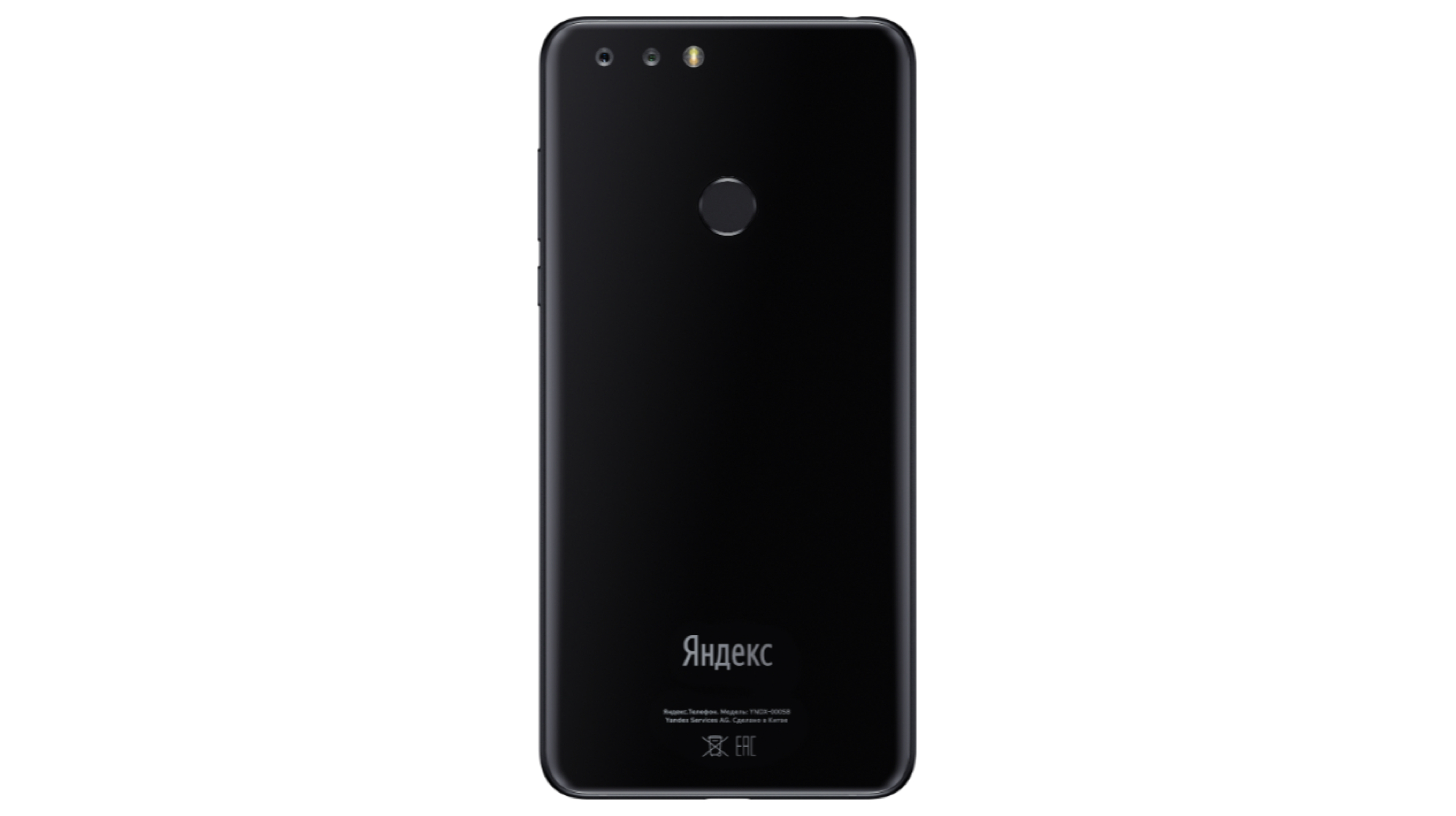
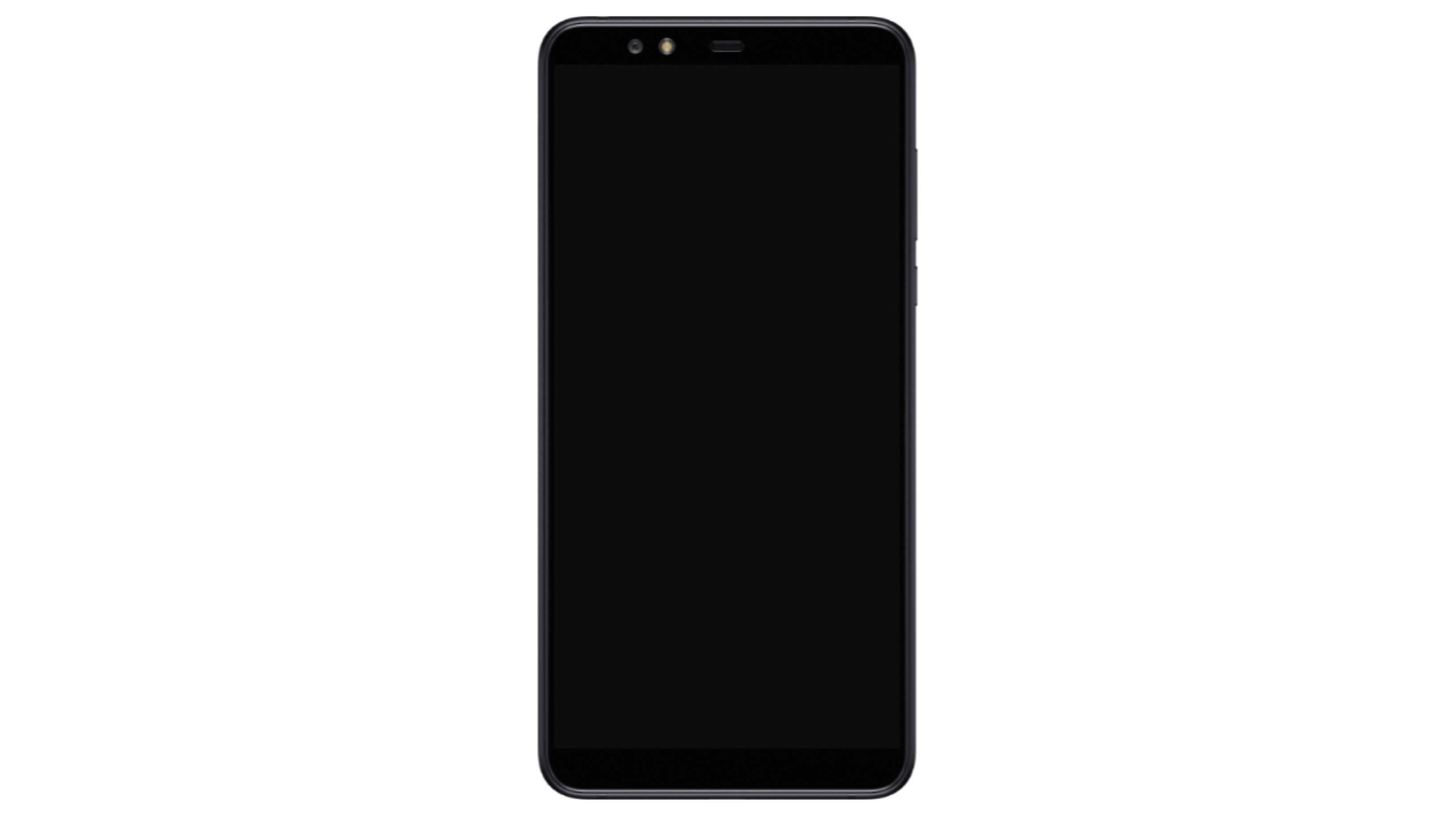
    The Yandex Phone has an all-glass front and rear build with a metal chassis. It measures 72.5 x 150.1 x 8.28 mm and weighs in at 163 grams. The front of the smartphone accommodates a 5.65-inch display with a resolution of 2160 x 1080 px and a pixel density of 427 ppi. For photography, it has dual 16 MP + 5 MP rear cameras and a single 5 MP front selfie camera. The device can also record 2160p videos at 30 fps from the rear cameras and 1080p videos at 30 fps from the front sensor. Both the front and rear camera setup get a dedicated LED flash.

    The Yandex Phone is kitted with the Octa-Core Snapdragon 630 CPU along with Adreno 508 GPU. It is offered with 4 GB of RAM and 64 GB of inbuilt storage which is expandable up to 128 GB via a microSD card. The handset is powered by a 3050 mAh battery which also supports Qualcomm’s Quick Charge 3.o.

    To take on Google’s voice assistant, the Yandex Phone also has Alice, which is the company’s take on a virtual assistant. For connectivity, the smartphone offers dual 4G VoLTE support, 802.11ac Wi-Fi, GPS. 3.5 mm audio jack and a USB Type-C port for charging and data syncing. It runs on the Android 8.1 Oreo operating system. For added security, the device also has a rear-mounted fingerprint sensor.

    Price And Colours

    Also Read: Asus ZenFone Max M2 And Max Pro M2 Launched In Russia

    The Yandex Phone is available in a single colour option, which is Black. The smartphone carries a price tag of 17,990 Russian Ruble (around Rs 19,200) and it is up for pre-order in Russia while the deliveries will start from December 7.


  • Asus ZenFone Max M2 And Max Pro M2 Launched In Russia

    Asus ZenFone Max M2 And Max Pro M2 Launched In Russia

    Taiwan based Asus is about to launch their ZenFone Max Pro M2 & ZenFone Max M2 smartphones in India. They are the successors of the sensational ZenFone Max Pro M1 and will launch on 11 December in the country. Prior to their India launch, they have been officially announced in Russia. The Indian variants are expected to have a similar price and features.

    ZenFone Max Pro M2 

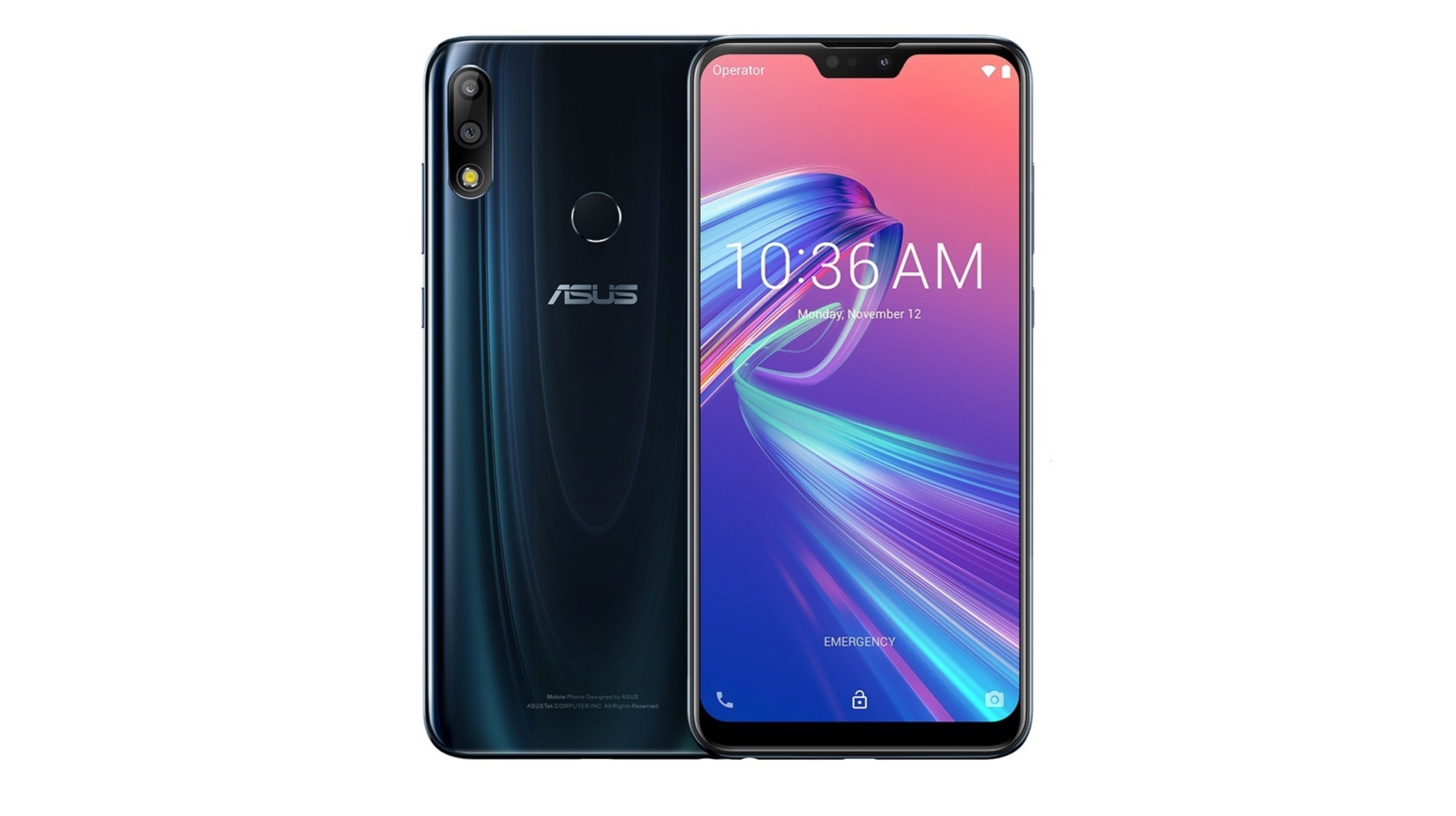
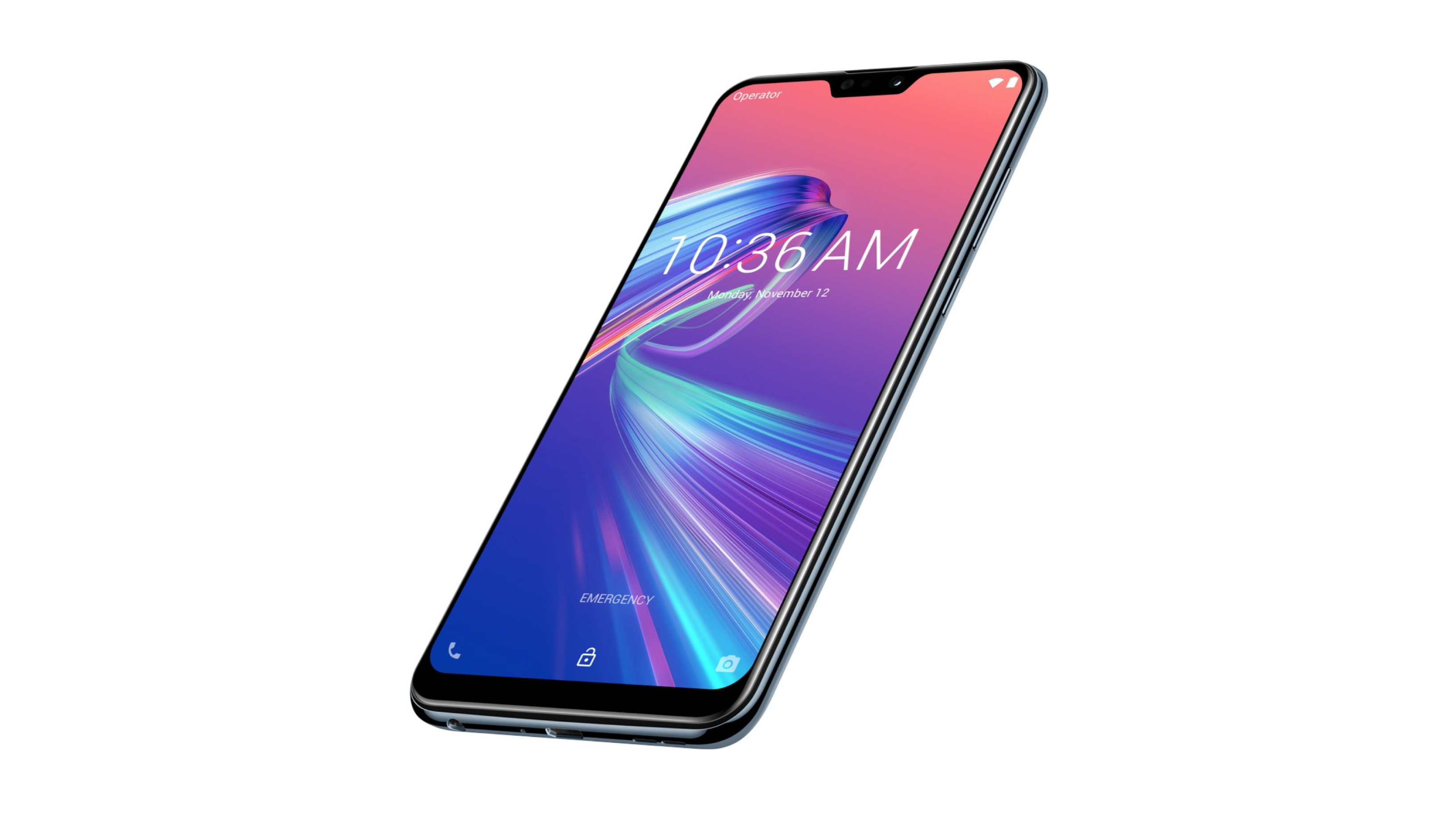
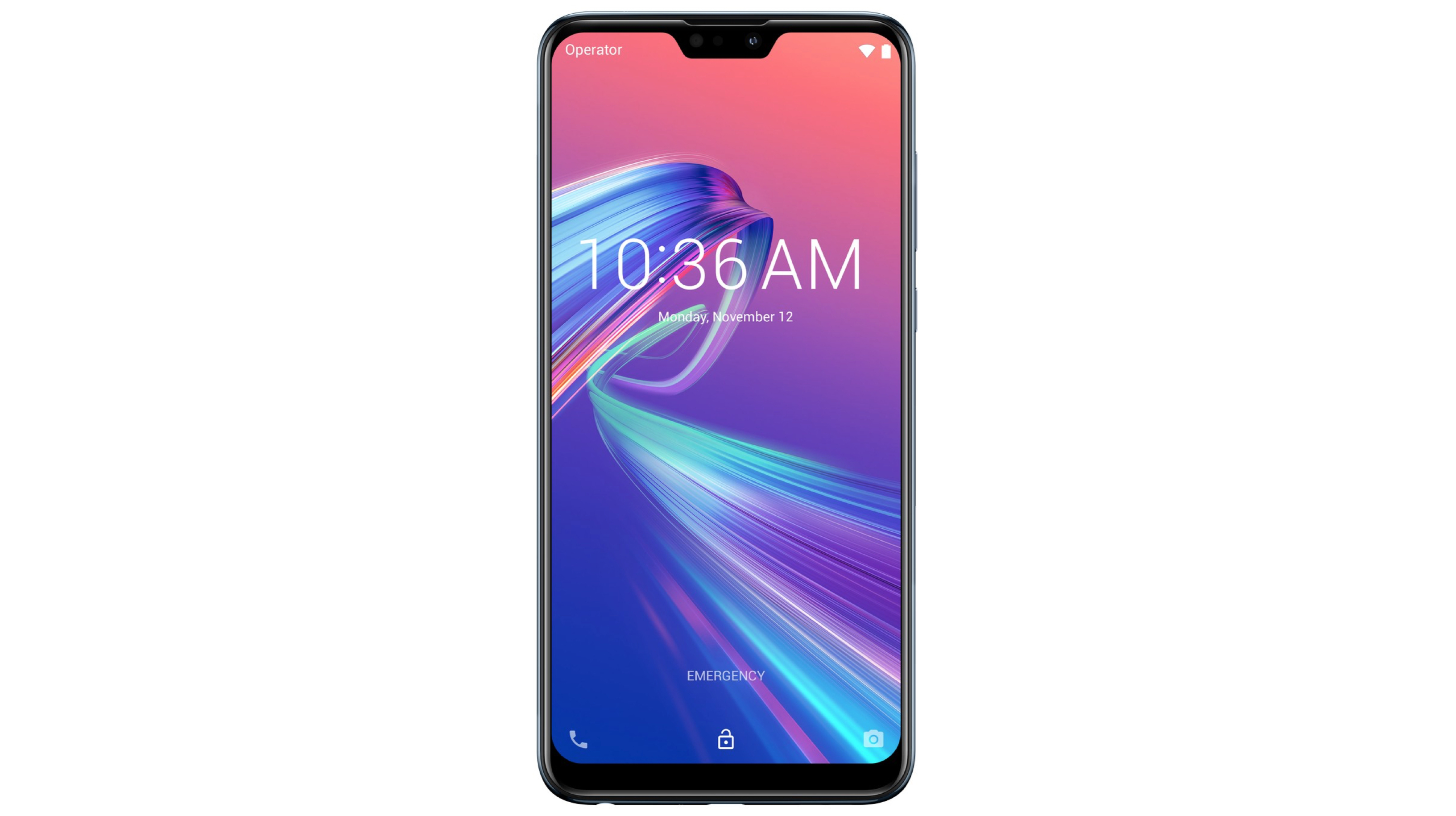
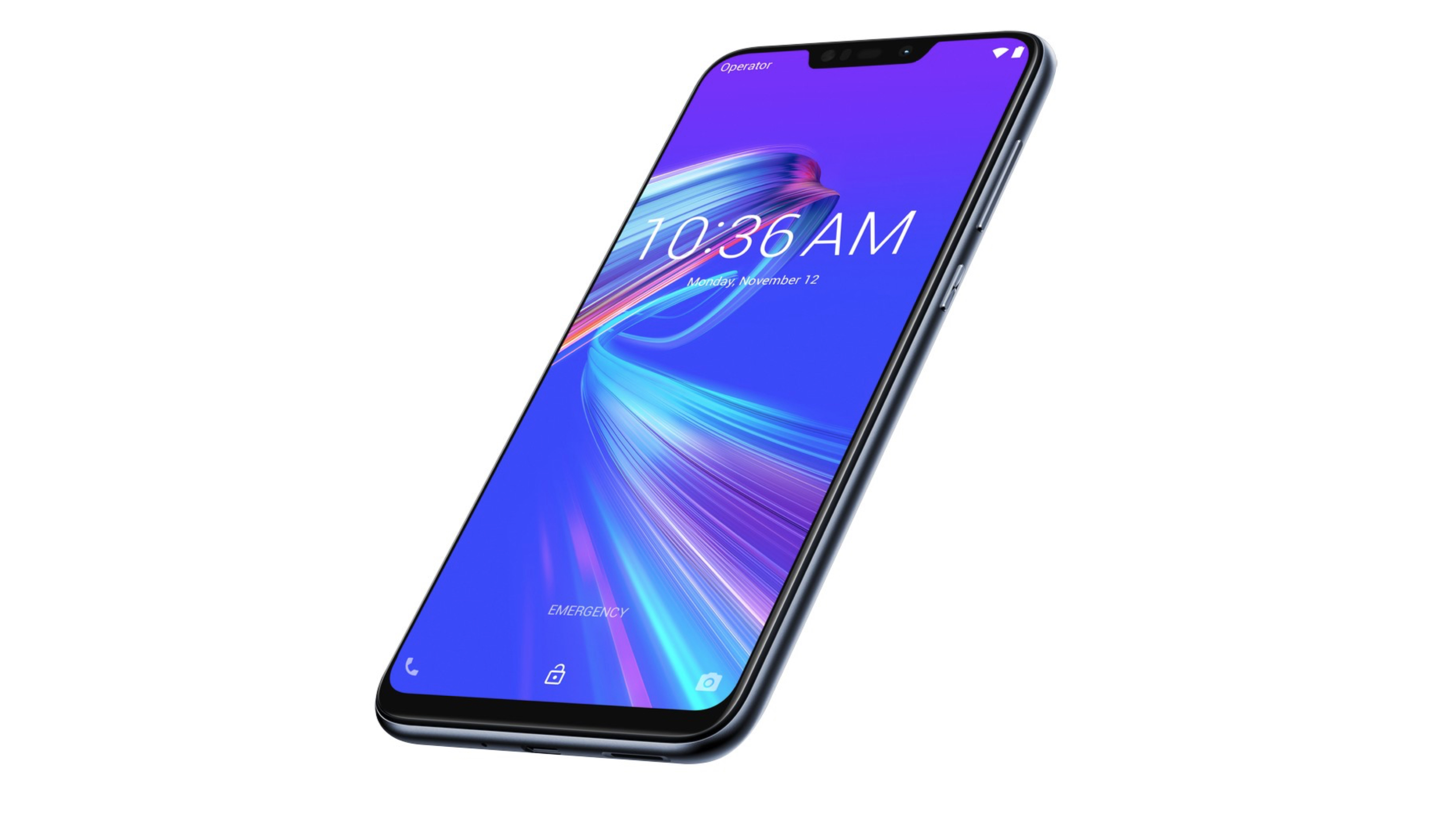
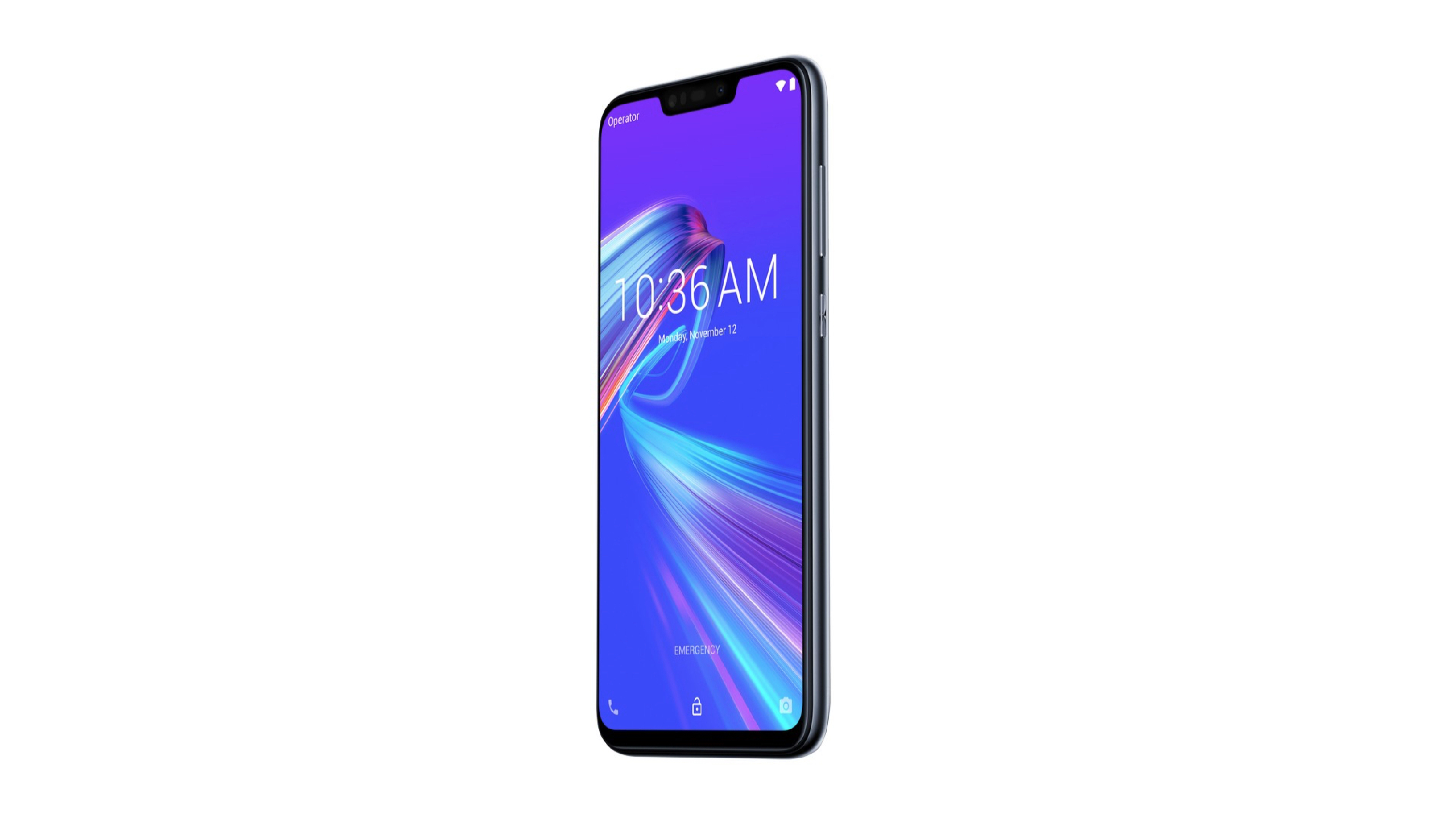
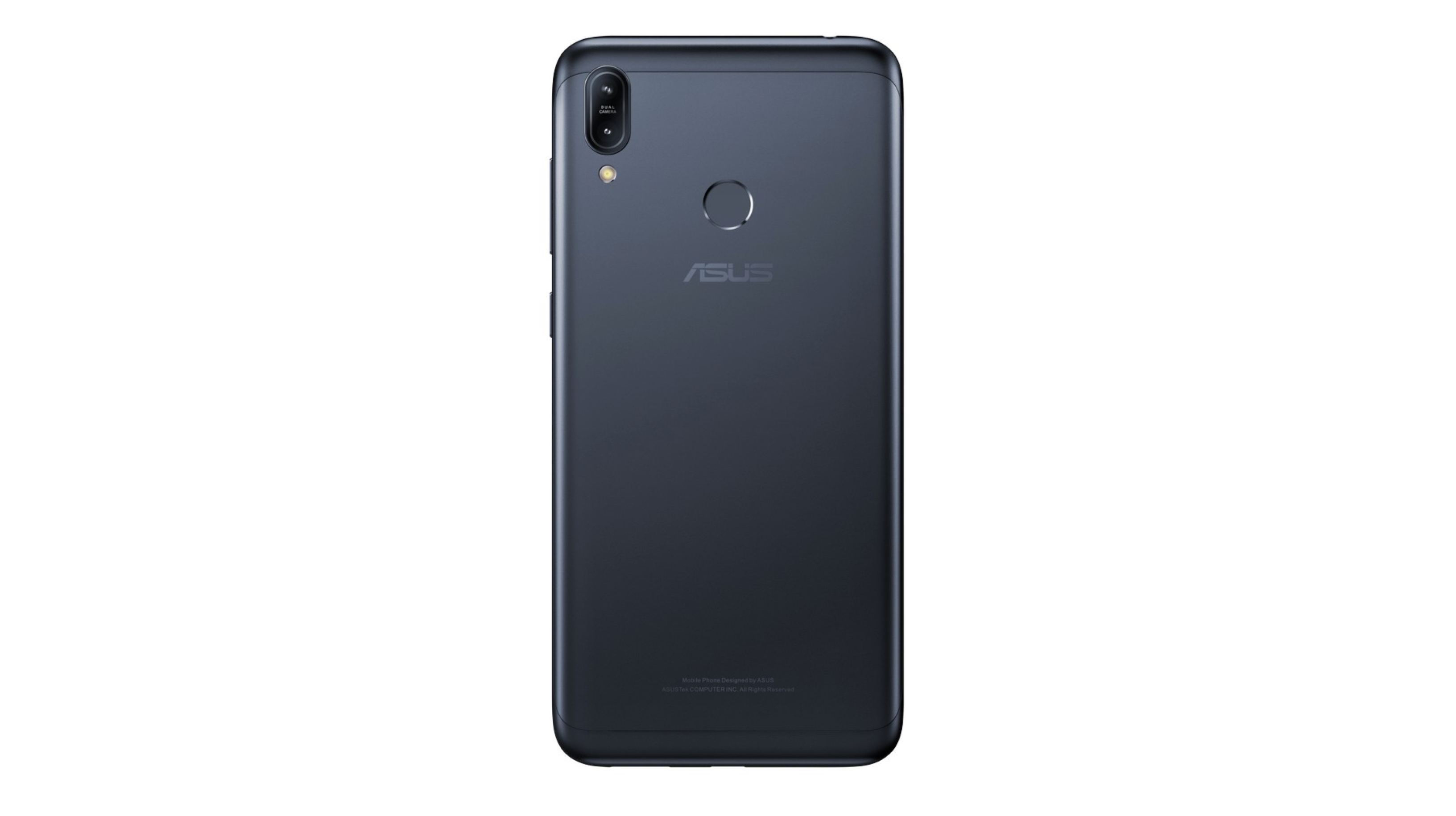
    Out of the two, the ZenFone Max Pro M2 is a premium device. It has an all-glass front and rear build. The device measures 157.9 x 75.5 x 8.5 mm and weighs in at 170 grams. It features a FHD+ 6.3-inch LCD display with a notch and a resolution of 2280 x 1080 px. For protection against scratches, it also has Corning Gorilla Glass 6. For quickly and securely unlocking it also has a rear-mounted fingerprint sensor.

    The ZenFone Max Pro M2 features the Octa-Core Snapdragon 660 SoC and is powered by a mammoth 5,000 mAh battery. In terms of memory and storage, it has 4 GB of RAM and 64 GB of ROM which is expandable up to 512 GB via a microSD card. For photography, the smartphone has a 5 MP front-facing camera and dual 13 MP + 12 MP rear cameras with an LED flash. In terms of connectivity, the smartphone supports dual 4G VoLTE, Bluetooth 5.0, Wi-Fi 802.11 ac, 3.5 mm audio jack and has a micro-USB port.

    The smartphone is available in two colours which are Metal and Blue. In Russia, it is priced at 17,990 Ruble which roughly translates to Rs 19,207.

    ZenFone Max M2

    The ZenFone Max M2 also has a front glass build, but unlike the Max Pro M2, it has a metal back. It measures 158.41 x 76.28 x 7.7 mm and weighs in at 160 grams. It also features a 6.3-inch HD+ LCD display with a notch and a 1520 x 720 px resolution. For protection against scratches, it also has Corning Gorilla Glass 6. In terms of memory and storage, it has 3 GB of RAM and 32 GB ROM  which is expandable up to 512 GB via microSD. Like the Max Pro M2, it also has a rear-mounted fingerprint sensor.

    The ZenFone Max M2 features the Octa-Core Snapdragon 632 SoC and is powered by a 4,000 mAh battery. For photography, the smartphone has a dual 13 MP + 2 MP rear camera with an LED flash and an 8 MP front camera. The smartphone also supports dual 4G VoLTE, Bluetooth 5.0, Wi-Fi 802.11 ac, 3.5 mm audio jack and a micro-USB port.

    Also ReadOnePlus 7 Will Be One Of The First Phones To Run On The New Snapdragon 855

    It is available in single color option which is Black. In Russia, it is priced at 12,990 Ruble which roughly translates to Rs 13,868.

  • Flipkart Big Shopping Days & Amazon Sale: Top Deals On Xiaomi Smartphones

    Flipkart Big Shopping Days & Amazon Sale: Top Deals On Xiaomi Smartphones

    E-commerce giants, Flipkart and Amazon have once again announced their shopping festivals. This might be the perfect opportunity for those who want to upgrade to a new smartphone and save some cash while doing the same. Here is a list of all Xiaomi smartphones that will be offered with huge discounts:

    Poco F1

    The flagship killer Poco F1 has a 6.18-inch screen with a pixel density of 403 ppi. It packs a large 4,000 mAh battery and features the Octa-core Snapdragon 845 SoC. For photography, it gets a 20 MP front camera and dual 12 MP + 5 MP rear cameras.  For added security, it also has a rear mounted fingerprint scanner. It is available in three variants for which the price are as follows:

    • 6 GB + 64 GB – Rs 20,999
    • 6 GB + 128 GB – Rs 23,999
    • 8 GB + 256 GB – Rs 29,999

    During the sale, it will be available at a discount of 1,000, 2,000 and 3,000 for the respective variants. After discount the respective variants will be available at Rs 19,999, Rs 21,999 and Rs 25,999.

    Click here to buy

    Redmi Note 5 Pro

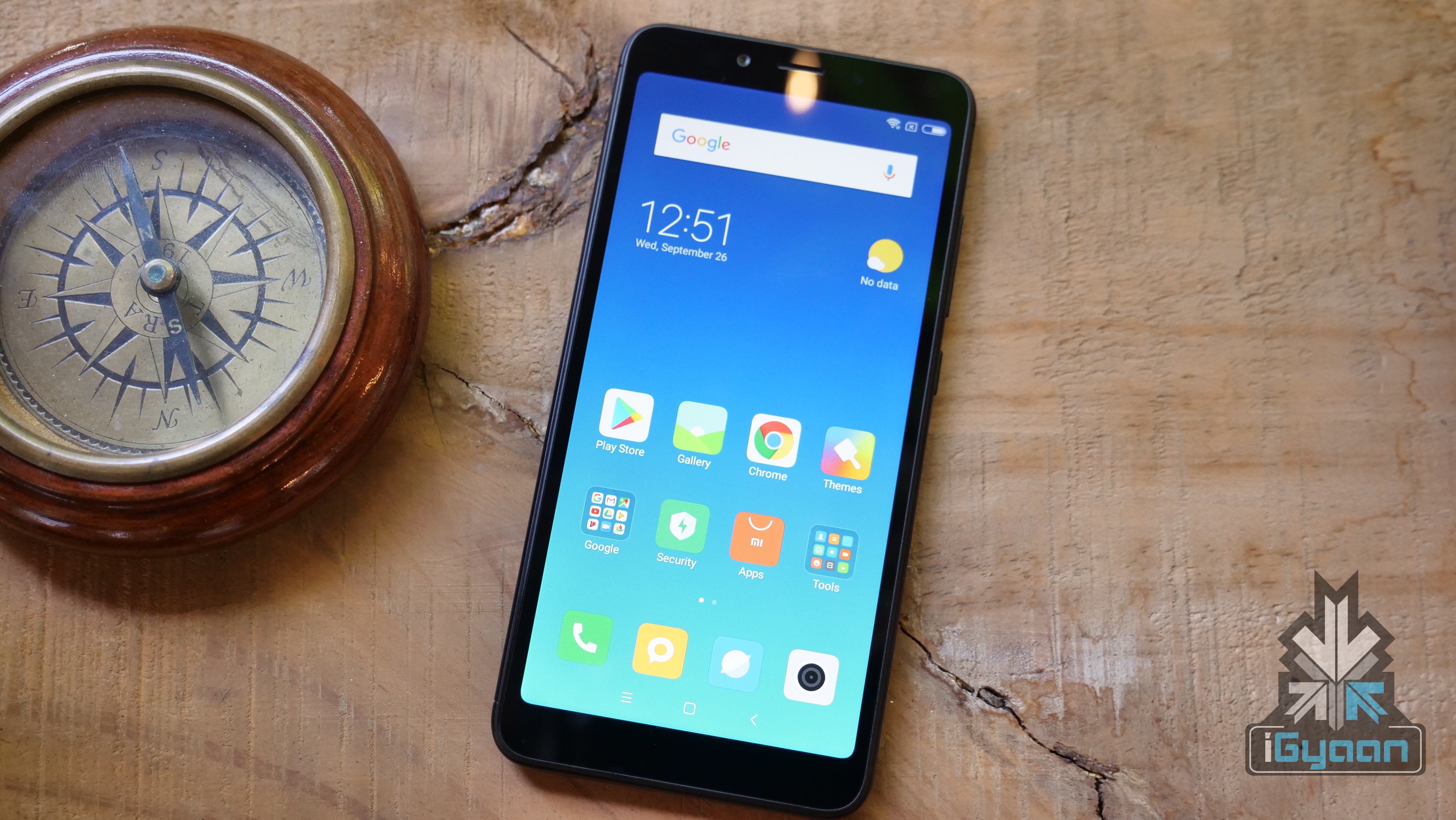
    This is one of the most successful smartphones that Xiaomi has ever made, and probably the first device that brought dual cameras to the mid-range phones. It has a 5.99 inch Full HD display and is powered by the Octa-Core Snapdragon 636  SoC. It is available in two storage variants which are 4 GB + 64 GB and 6 GB + 64 GB. Talking about the cameras, it has 12 MP + 5 MP dual rear cameras and a 20 MP selfie camera. The two variants of the phone usually sell for Rs 13,999 and Rs 15,999, but during the sale they will be available at a discount of 1,000 and will sell at a special price of Rs. 12,999 and Rs 14,999.

    Click here to buy

    Redmi Note 6 Pro

    It is the latest addition to the Redmi Note family. The smartphone has 6.26-inch screen with a pixel density of 403 ppi. It packs a large 4,000 mAh battery and features the Octa-core Snapdragon 636 SoC. For photography, it gets dual 20 MP + 2 MP front cameras and dual 12 MP + 5 MP rear cameras.  For added security it also has a rear mounted fingerprint scanner. Today the smartphone will go on its third flash sale and the price for its different variants are as follows:

    • 4 GB + 64 GB – Rs 13,999
    • 6 GB + 64 GB – Rs 15,999

    Click here to buy

    Redmi 6

    This smartphone has a 5.45 inch IPS LCD display and is powered by the Helio P22 Octa-Core processor. The device has a 12 MP + 5 MP dual rear camera and a 5 MP front camera. It has a battery of 3,000 mAh and a fingerprint scanner for securely unlocking the device.  It has a price tag of Rs. 9,499/- for the 3 GB RAM / 64 GB ROM variant. During the sale, it will receive a temporary discount of Rs 500. It will sell for Rs 8,499 after discount.

    Click here to buy

    Xiaomi Redmi Y2

    The Amazon exclusive Xiaomi Y2 sells for Rs 9,999 and Rs 11,999 for its two variants. But during the sale it will be available at a discount of Rs 1000. After discount, the two variants will be available at a price of Rs 8,999 and Rs 10,999.The smartphone has a 5.99 inch display and runs on a Snapdragon 625 processor. It has 12 MP + 5 MP dual rear cameras and a 16 MP selfie camera. It is available in two storage variants which are 3 GB + 32 GB and 4 GB + 64 GB.

    Mi A2 

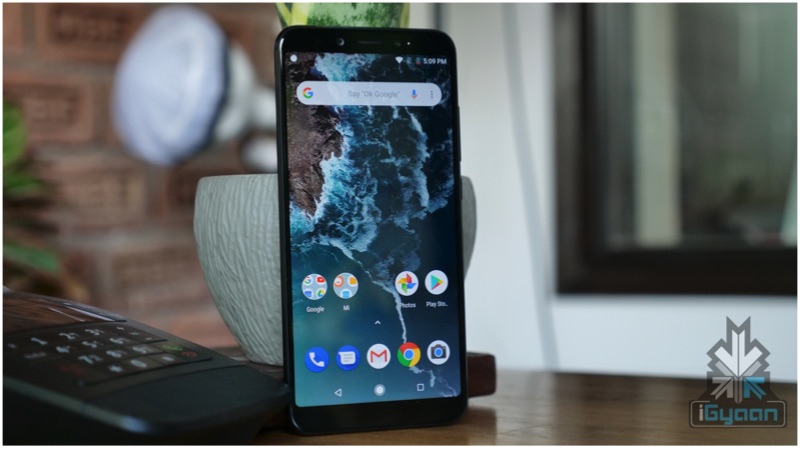
    The Xiaomi Mi A2 has a 5.99-inch display with an 18:9 aspect ratio and 1080 x 2160 full HD+ resolution. The phone has a pixel density of 403 pixels per inch. The phone sports the Qualcomm Snapdragon 660 Octa-Core processor and Adreno 512 GPU. For photography, it has dual 12 MP + 20 MP rear cameras with autofocus, LED flash, HDR, geo-tagging, 2x optical zoom, touch focus, face detection, and panorama. The smartphone offers a host of connectivity options including GPS, USB 2.0 Type C, Wi-Fi, Bluetooth 5.0, and Infrared port. The smartphone has a 20 MP front camera for clicking selfies. The phone has a rear-mounted fingerprint sensor, compass sensor, accelerometer, gyroscope and proximity sensor. It is available in two storage variants which are 4 GB + 64 GB and 6 GB + 128 GB.

    The two variants of the phone usually sell for Rs 15,999 and Rs 18,999 but during the sale they will be available at a discount of 1,000 and 2,000 respectively. After discount they will sell at a special price of Rs. 14,999 and Rs 16,999.

    Redmi 6 Pro 

    The Redmi 6 Pro runs on the Qualcomm Snapdragon 625, a 2.0 GHz processor with 14nm architecture. It has a 4000mAH battery. Sporting a 5.84 inch FHD+ display with a 2280 x 1080 resolution. It runs on stock Android, with Oreo 8.1 out of the box.  It has a 12 MP + 5 MP dual rear camera with portrait mode PDAF, HDR and LED flash. Along with a 5 MP front camera with portrait mode. It has a proximity sensor, e-compass, gyroscope, accelerometer and an IR blaster. It is available in two storage variants which are 3 GB + 32 GB and 4 GB + 64 GB.

    The two variants of the phone usually sell for Rs 10,999 and Rs 12,999 but during the sale they will be available at a discount of 1,000 and will sell at a special price of Rs. 9,999 and Rs 11,999.

    Redmi 6A

    Xiaomi’s cheapest offering, the Redmi 6A has a 5.45 inch LCD display with a 295 ppi pixel density. It runs on the Quad-Core Mediatek Helio A22 chipset and is powered by a 3,000 mAh battery. The phone has a 13 MP, f/2.2 aperture equipped rear camera and a 5 MP front camera. The device is available in two variants: 2/3 GB of RAM paired with 16/32 GB ROM which is expandable up to 256 GB via a microSD card.

    The two variants of the phone usually sell for Rs 6,599 and Rs 7,499 but during the sale they will be available at a discount of 600 and 500 respectively. After discount, they will sell at a special price of Rs. 5,999 and Rs 6,999.

  • Huawei Nova 4 Leak Reveals Triple Rear Cameras

    Huawei Nova 4 Leak Reveals Triple Rear Cameras

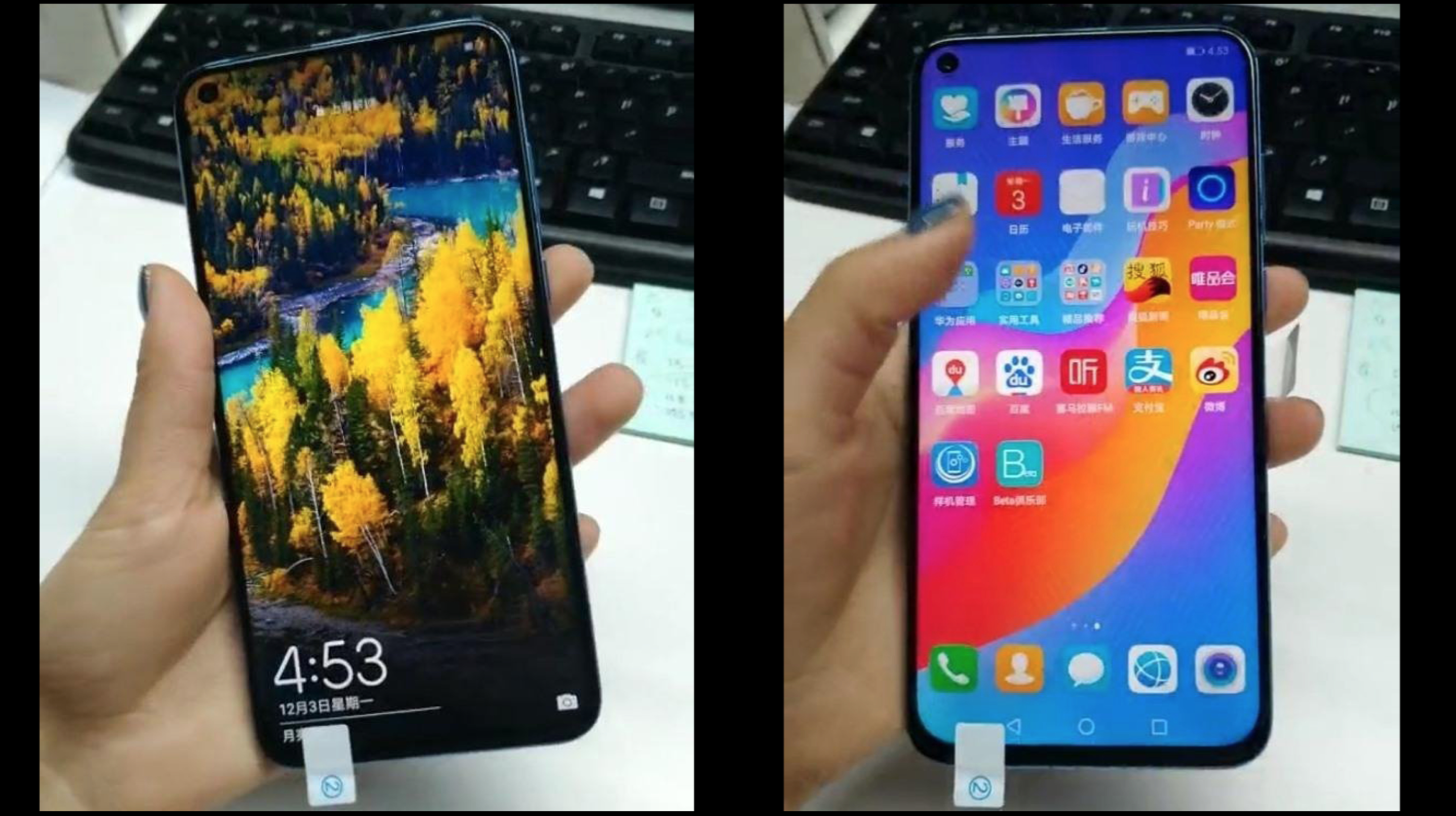
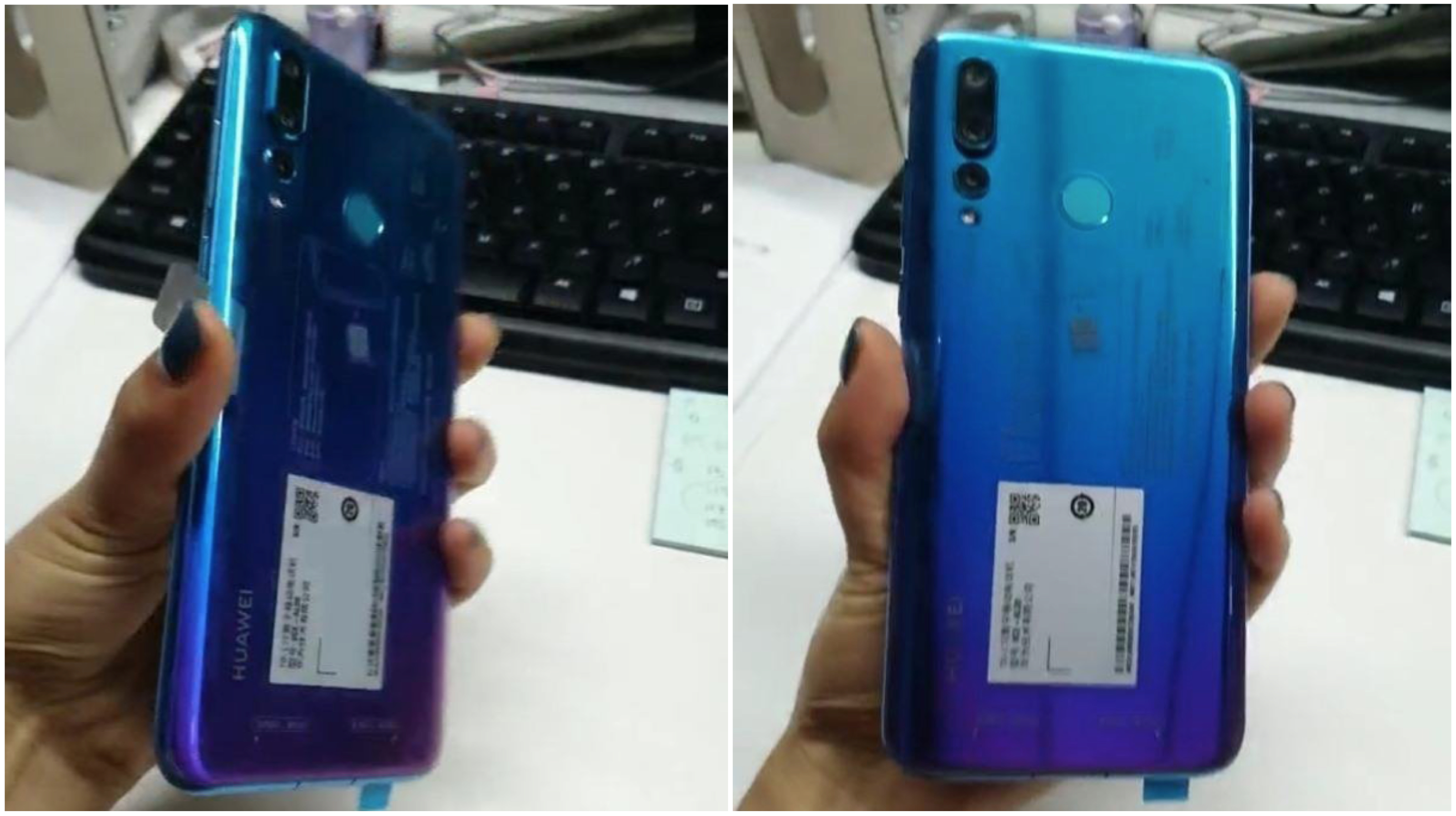
    China-based Huawei previously announced that their Nova 4 smartphone will launch on December 17. The key highlight of this device is its lateral camera cutout, within the display. Two other companies, Samsung and Lenovo are also about to launch smartphones with such a feature. Samsung will launch their Galaxy A8s, which will launch on 11 December while Lenovo’s Z5s will launch on 6 December. Prior to its official launch, the Huawei Nova 4 has leaked on several instances. But a recent leak reveals both the front and back design of the forthcoming smartphone.

    Front Design

    The display of the alleged Nova 4 has a high screen-to-body ratio with minimal bezels on all four sides. The pictures reveal that the power button and the volume rockers are placed on the left of the device. The standout feature, the circular front camera cutout is placed on the top left side of the display. The three Android navigation keys are also placed on the screen. The handset has a modern looking User Interface and runs on Huawei’s EMUI skin which is built on an unspecified version of Android.

    Rear Design

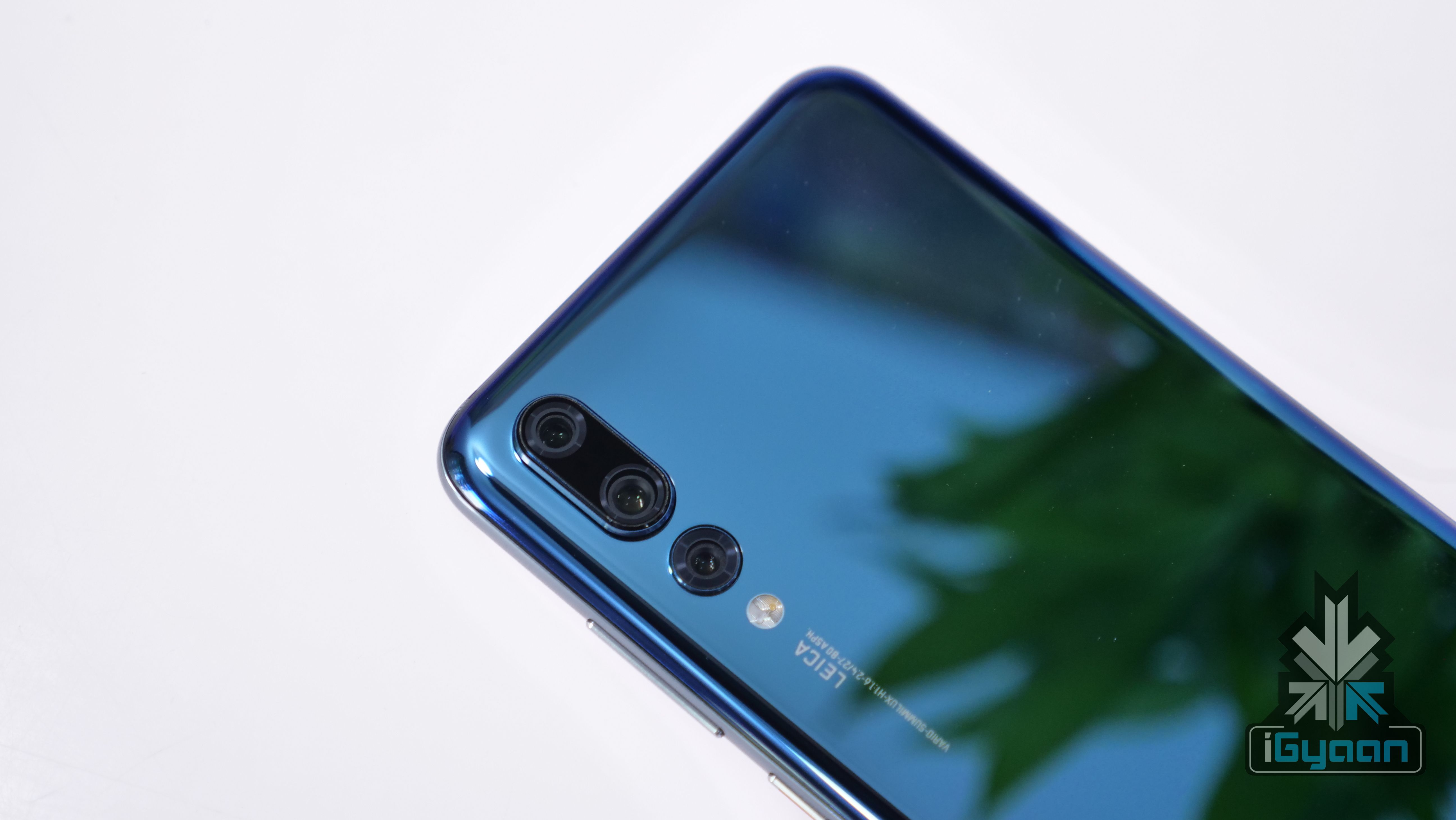
    The rear of the Huawei Nova 4 has a blue coloured gradient back panel like the previously launched Huawei P20. The back panel also harbors the fingerprint sensor, camera module, and the company branding. The rear camera setup is divided into two separate modules. The top two camera sensors are arranged in a vertical capsule shape while the third camera sensor is placed below it.

    Specifications

    Also Read: Meizu Launches M16th, M6T And C9 Smartphones In India

    The Huawei Nova 4 is expected to feature the 7 nm Kirin 980 SoC which is also present on the Huawei Mate 20 Pro. In terms of RAM & ROM, it will likely be available in two variants which are 6 GB RAM + 128 GB ROM and 8 GB RAM + 256 GB ROM. Other key specs and the price will only be announced after the company officially launches it on 17 December.


  • Meizu Launches M16th, M6T And C9 Smartphones In India

    Meizu Launches M16th, M6T And C9 Smartphones In India

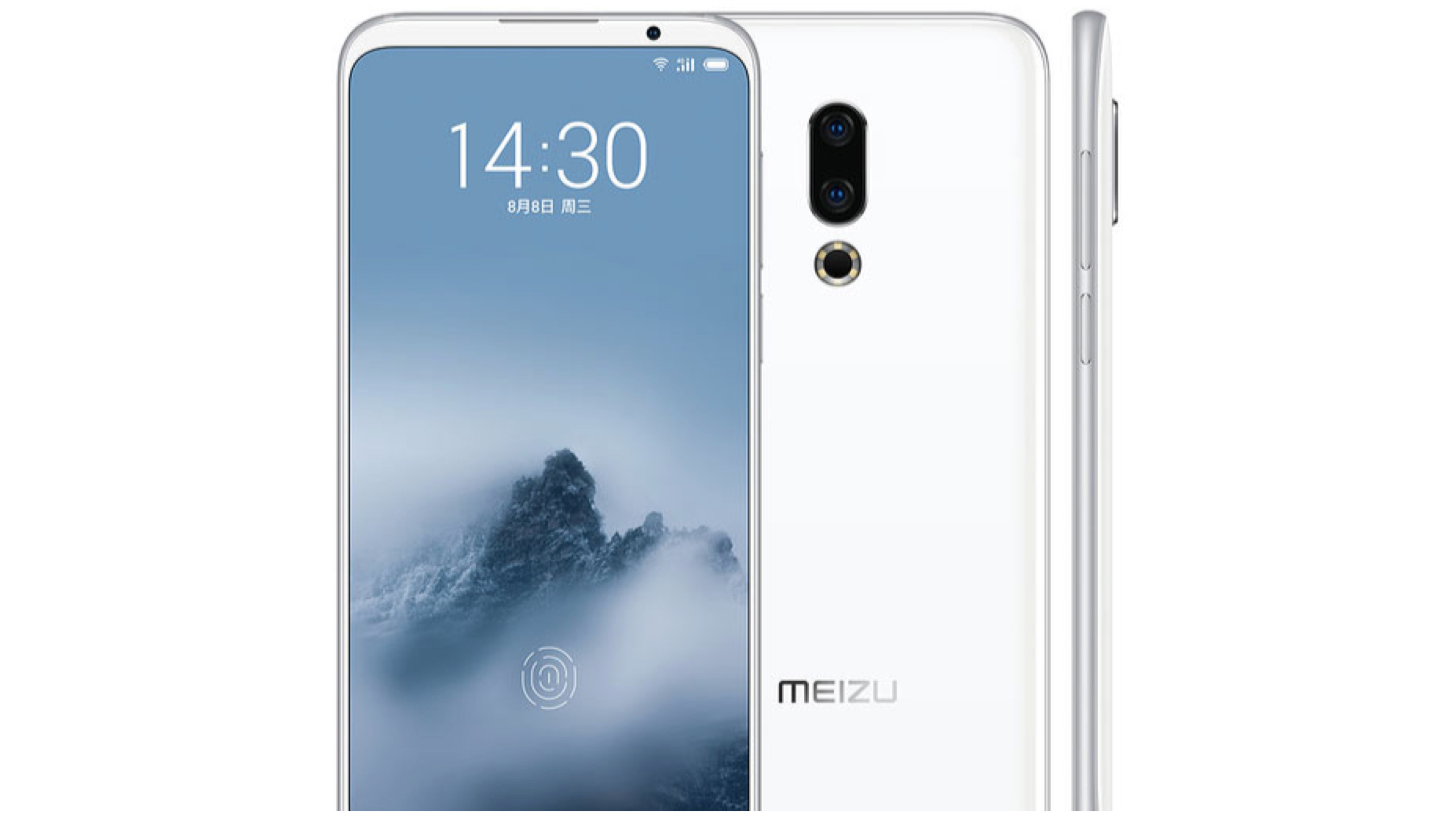
    Meizu is a Chinese electronics manufacturer that has just launched three smartphones for the Indian market. Out of three, the Meizu M16th is a high-end smartphone while the Meizu M6T and Meizu C9 are budget devices. Like a lot of other smartphone companies, Meizu has also chosen to sell their devices only via online channels. All three smartphones will be exclusively available on Amazon.in.

    Meizu M16th

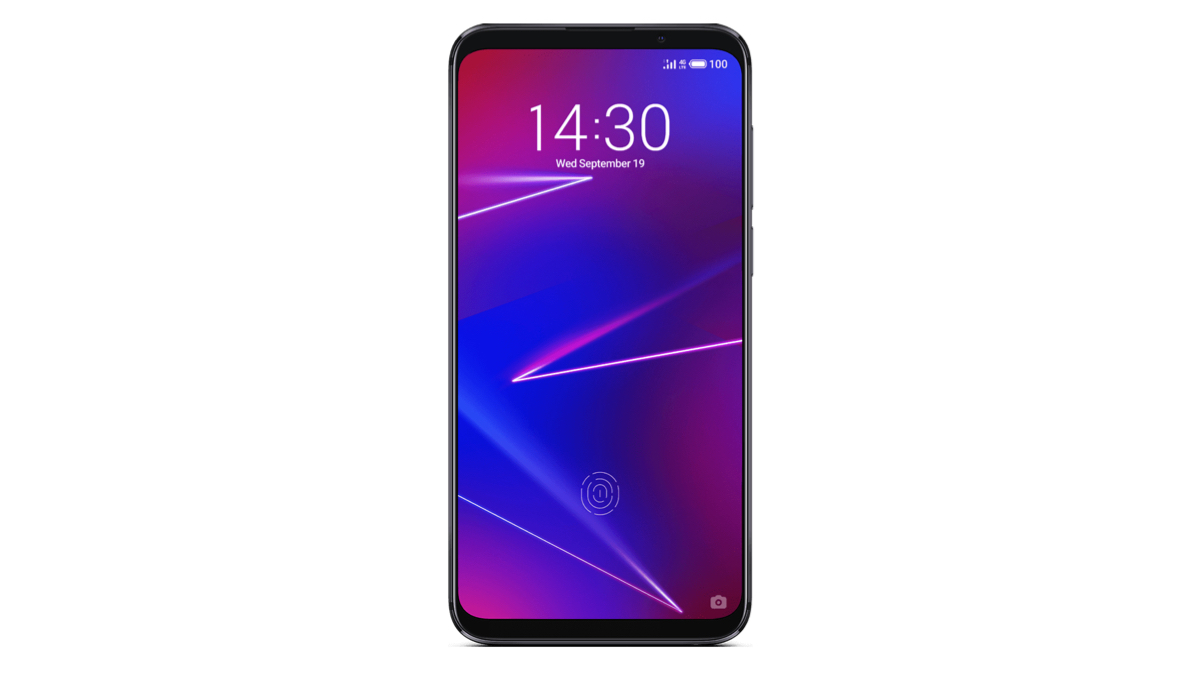
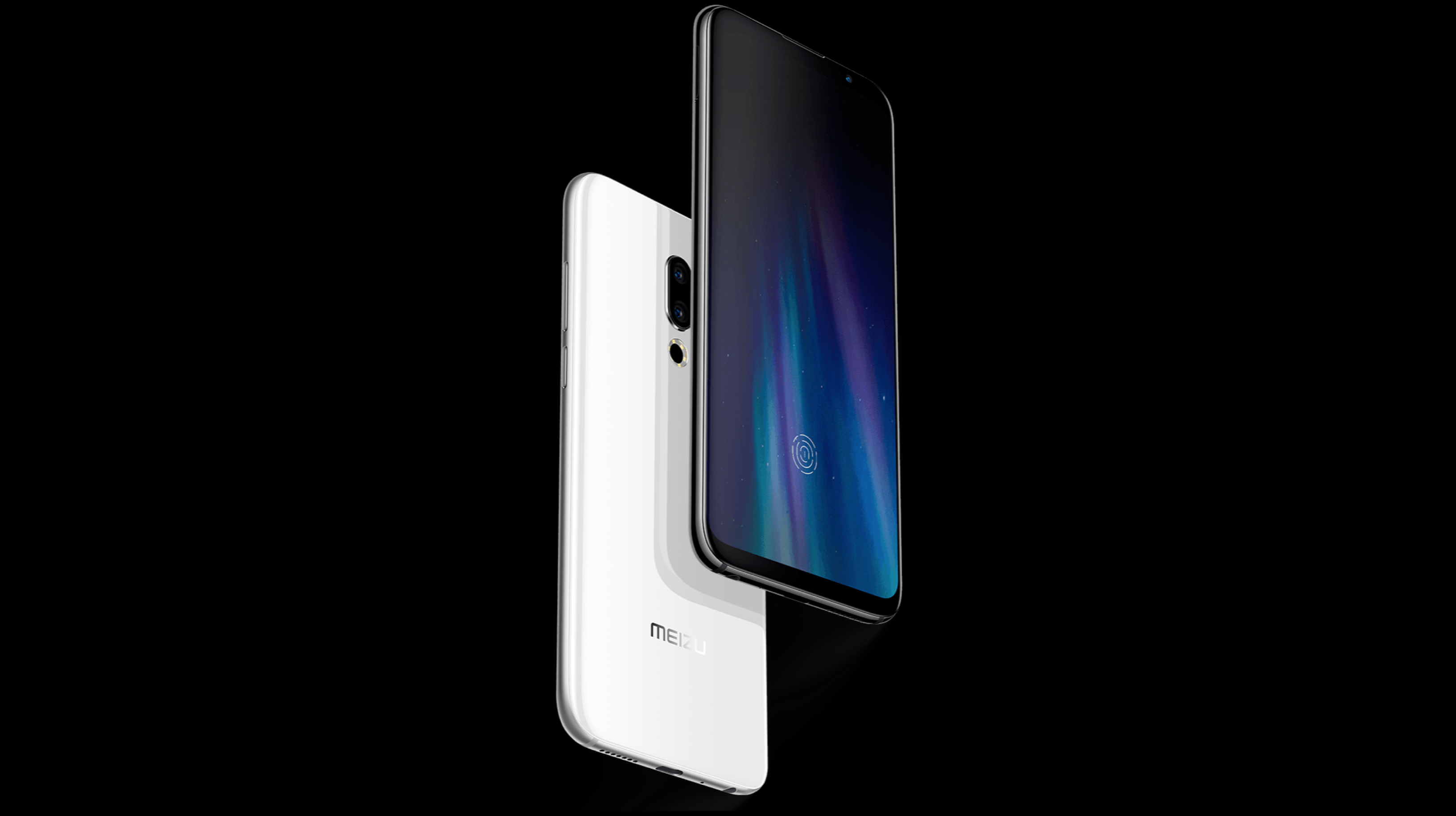
    The Meizu M16th is the company’s flagship smartphone and will compete against devices like the OnePlus 6T. The smartphone has a symmetrical design with curved edges and thin bezels on the front. The device weighs 152 grams and measures 150.5 x 73.2 x 7.3 mm. It has a 6-Inch AMOLED display with a pixel density of 402 PPi. The Meizu M16th sports the Octa-Core Snapdragon 845 CPU and Adreno 630 GPU. For fast and secure biometric recognition it also has an in-display fingerprint sensor.

    In terms of memory and storage, the Meizu M16th is available in two variants which are 6 GB RAM + 64 GB ROM and 8GB RAM + 128 GB ROM. For photography, the smartphone gets a single 20 MP camera and dual 12 MP + 20 MP rear cameras. Connectivity options include dual-SIM 4G VoLTE, Bluetooth 5.0, Wi-FI 802.11 a/b/g/n and GPS. The phone also includes a USB Type-C port and 3.5mm audio jack at the bottom. It is powered by a 3010 mAh battery and runs on Android Oreo.

    Meizu M6T

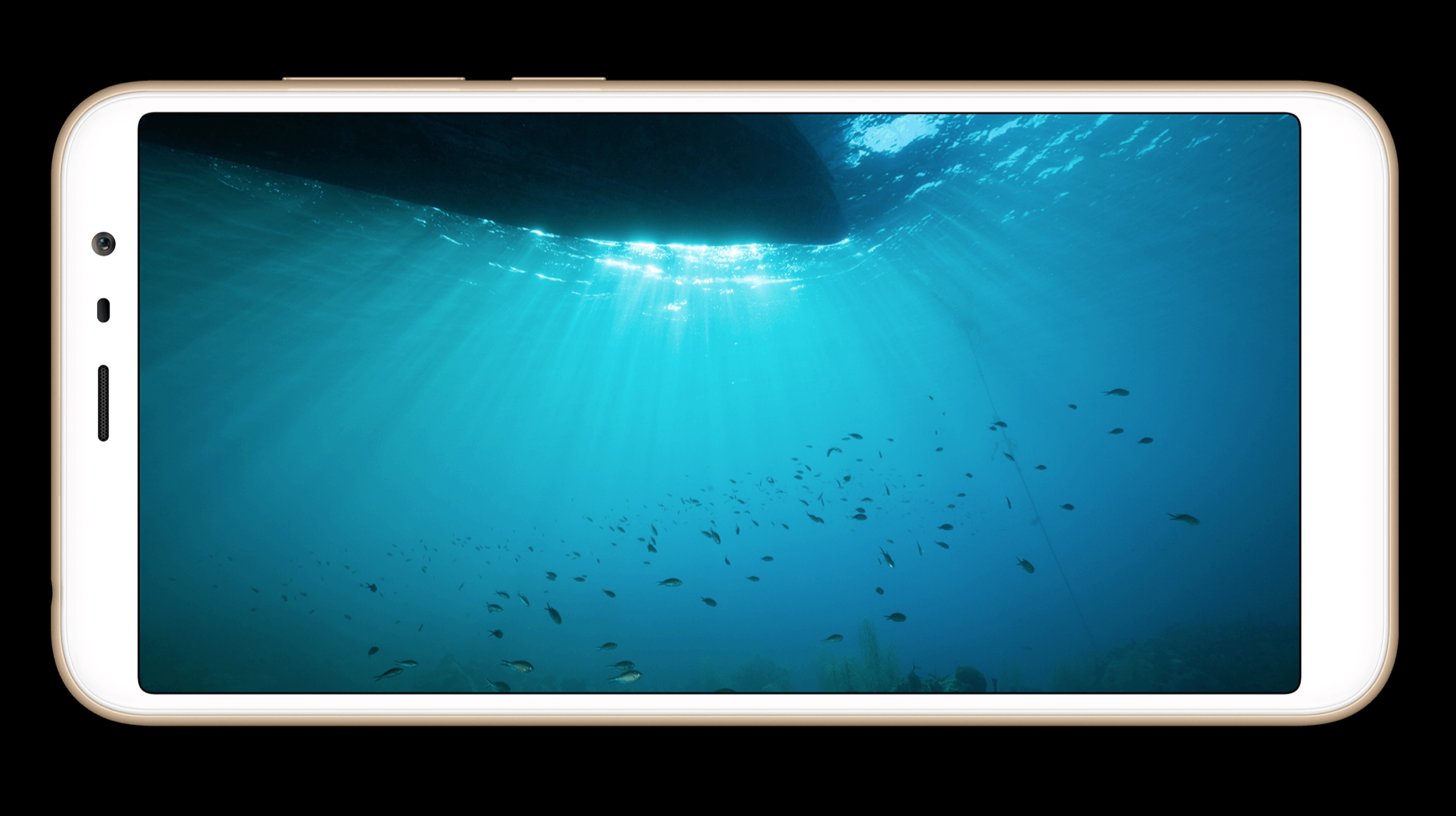
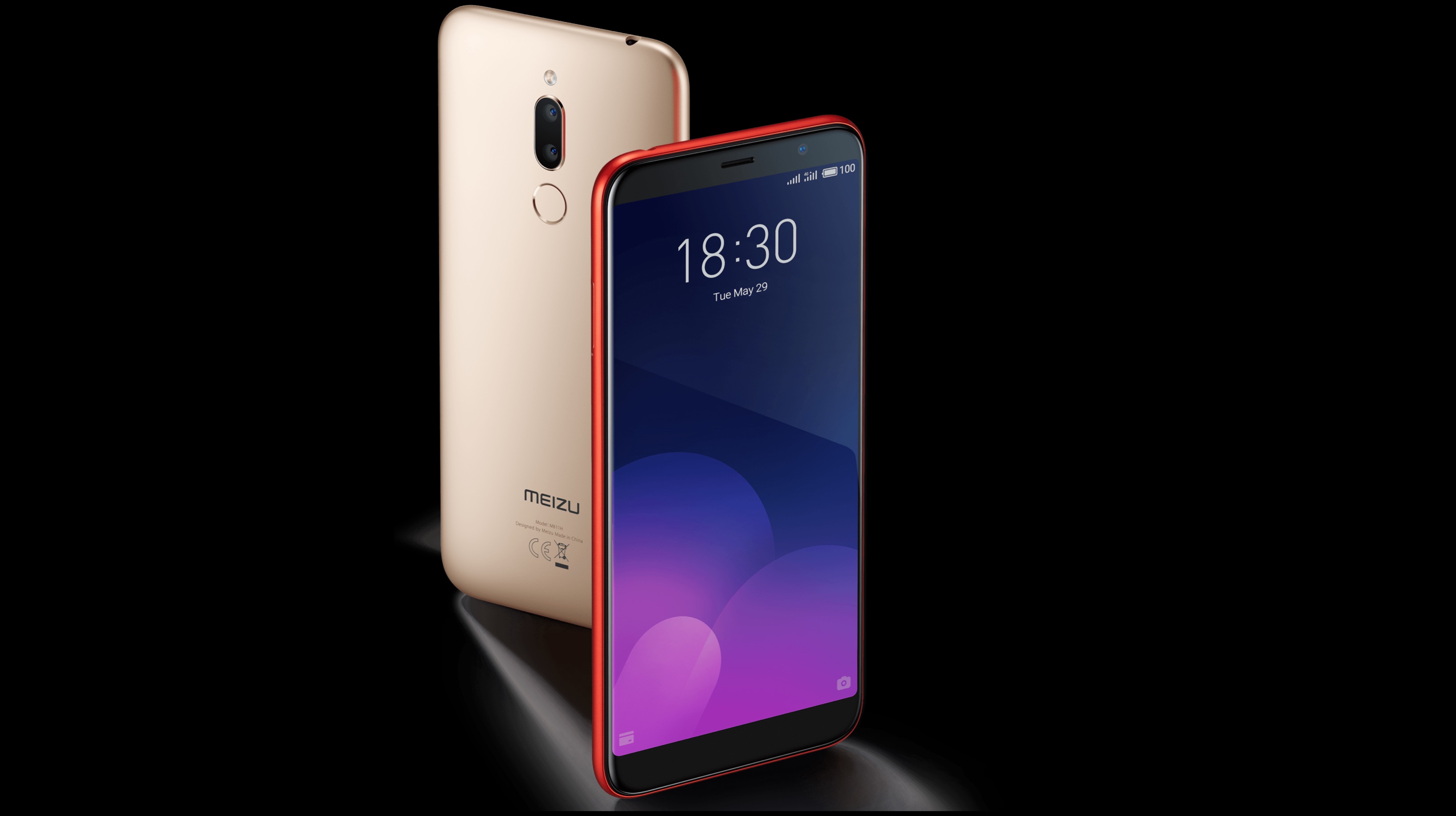
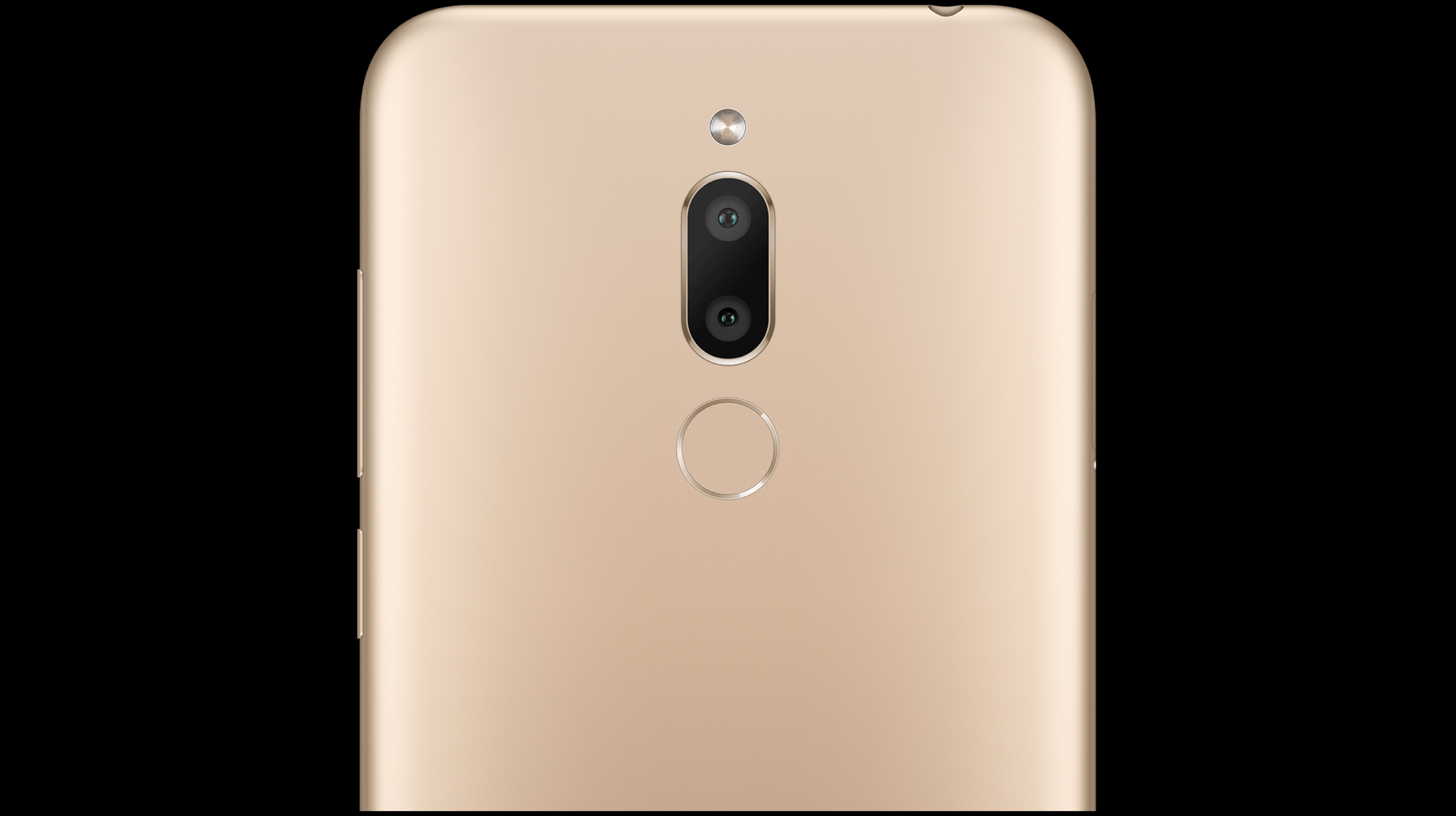
    The Meizu M6T is a budget smartphone and will compete against devices like the Redmi 6 and Realme C1. Like its elder sibling, the Meizu M6T also has a symmetrical design. The front of the device makes room for a 5.7-inch HD+ display with a resolution of 1140 x 720 px. The top and bottom bezels on the front are quite wide while the left and right bezels are marginal. The top bezel houses the earpiece and a single 8 MP front-facing camera. 

    The rear shell of the Meizu M6T is made out of polycarbonate that tapers towards the edges. The rear panel houses the dual 13 MP + 2 MP cameras with LED flash and company branding. On the right, sits the volume rockers and power button. The top is occupied by a 3.5 mm audio jack and on the bottom sits the USB Type-C port and speakerphone. 

    The Meizu M6T is kitted with the Octa-Core MT6750 CPU and Mali-T860 GPU. It is powered by a 3300 mAh battery and runs on Android Oreo. For connectivity, it gets 802.11 a/b/g/n Wi-Fi, Bluetooth 4.1, and dual 4G VoLTE support. The device is available with 3 GB of RAM and 32 GB ROM and has a price tag of Rs 7,999

    Meizu C9

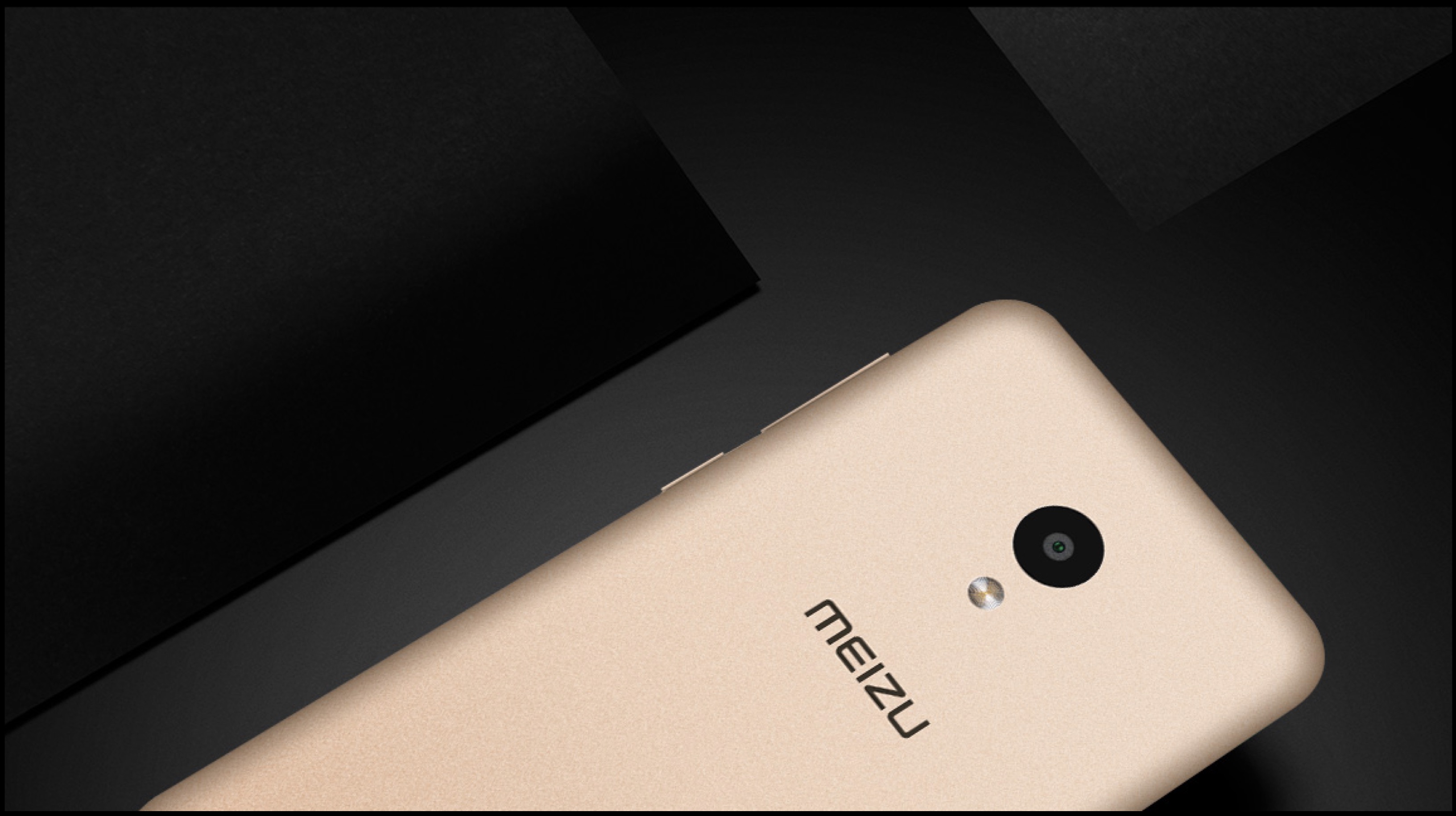
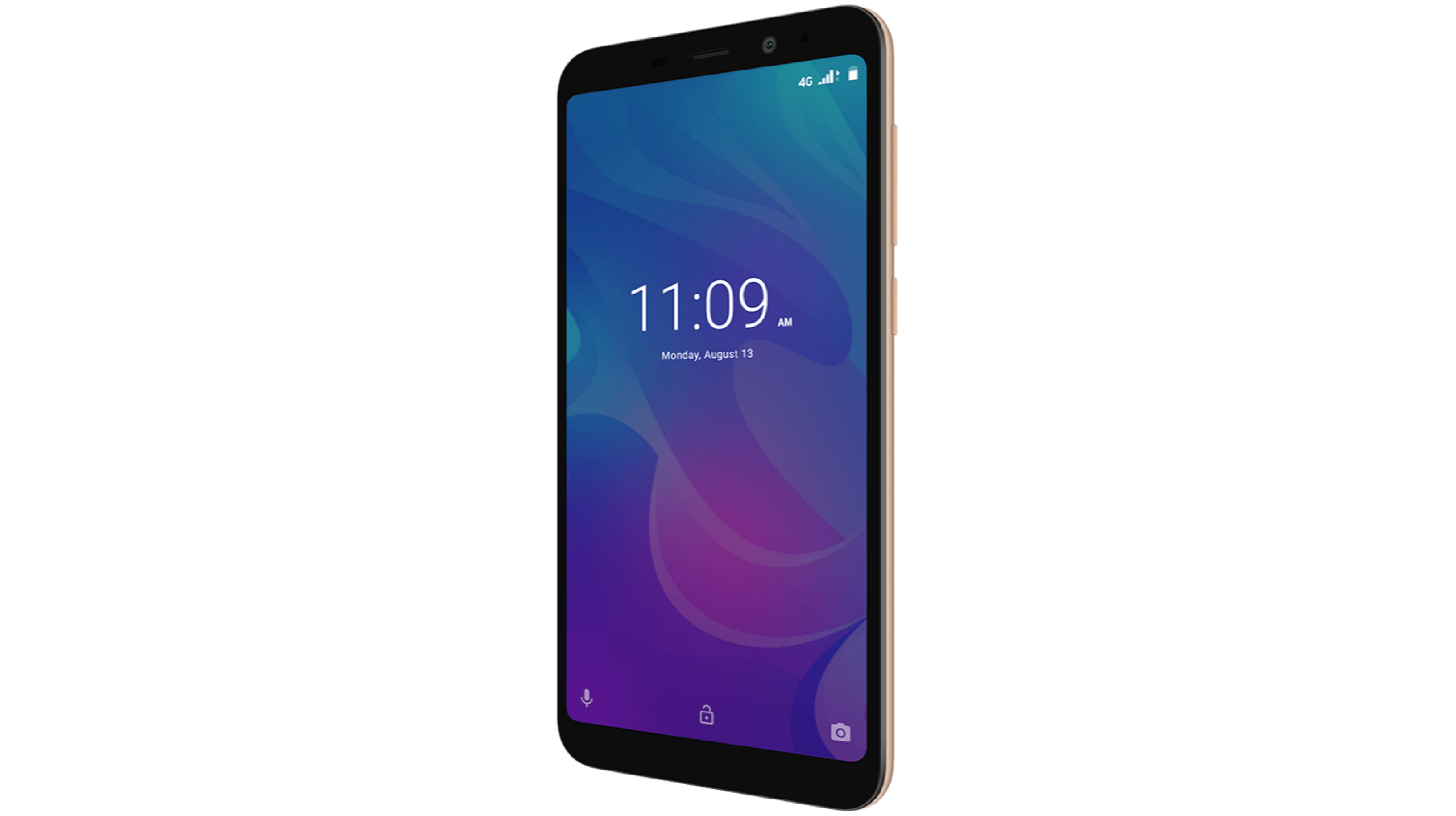
    Out of the three smartphones, the Meizu C9 is the most affordable device. It has a 5.45-inch HD+ display that has a pixel density of 282 ppi and a resolution of 1440 x 720 px. Like the Meizu M6T, it also has thin left /right bezels and wide top/bottom bezels. The handset features the Quad Core SC9832E processor and Mali-T720 GPU. It has a 3,000 mAh battery and runs on Android 8.0 Oreo. For photography, the handset has a single 8 MP front camera and a 13 MP rear camera with LED flash.

    In terms of connectivity, the Meizu C9 gets Dual SIM slots with 4G support, Bluetooth 4.1, Wi-Fi 802.11 b/g/n and GPS. It also has a bunch of sensors which include the gravity sensor, ambient light sensor, and a range sensor. The smartphone is available in two color options which are Black and Blue. The smartphone is available with 2 GB of RAM and 16 GB of storage. Additionally, the phone supports memory expandability up to 128 GB via a microSD. The smartphone has a price tag of Rs 4,999 and is available for purchase on Amazon.in

    Also Read: Epic Games May Take On Steam With New Game Store

    To boost sales the company has also partnered with Jio to offer cashback of Rs 2200 and 100 GB of data.

  • Vivo Nex S2 Pics And Hands-On Video Leak

    Vivo Nex S2 Pics And Hands-On Video Leak

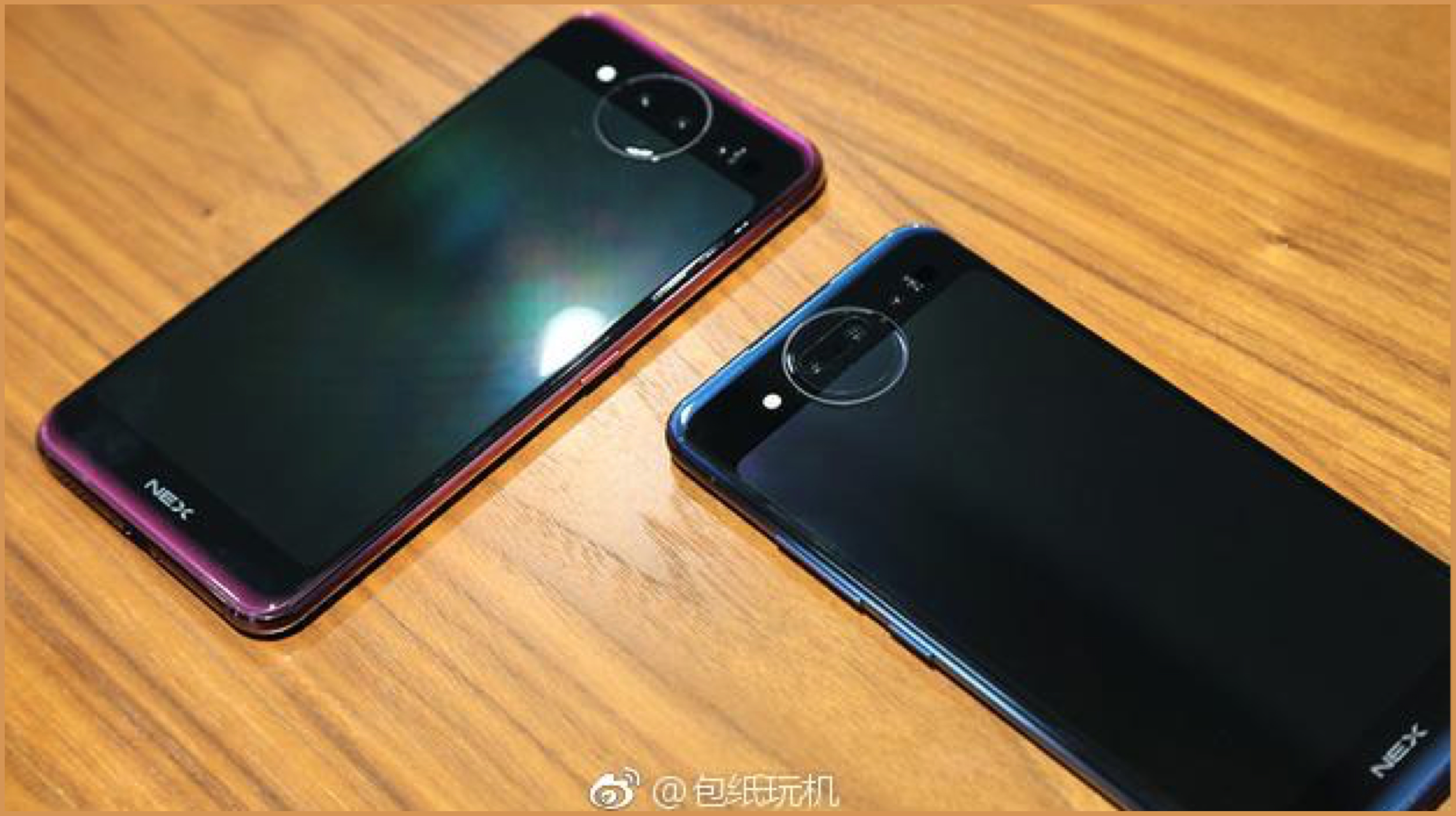
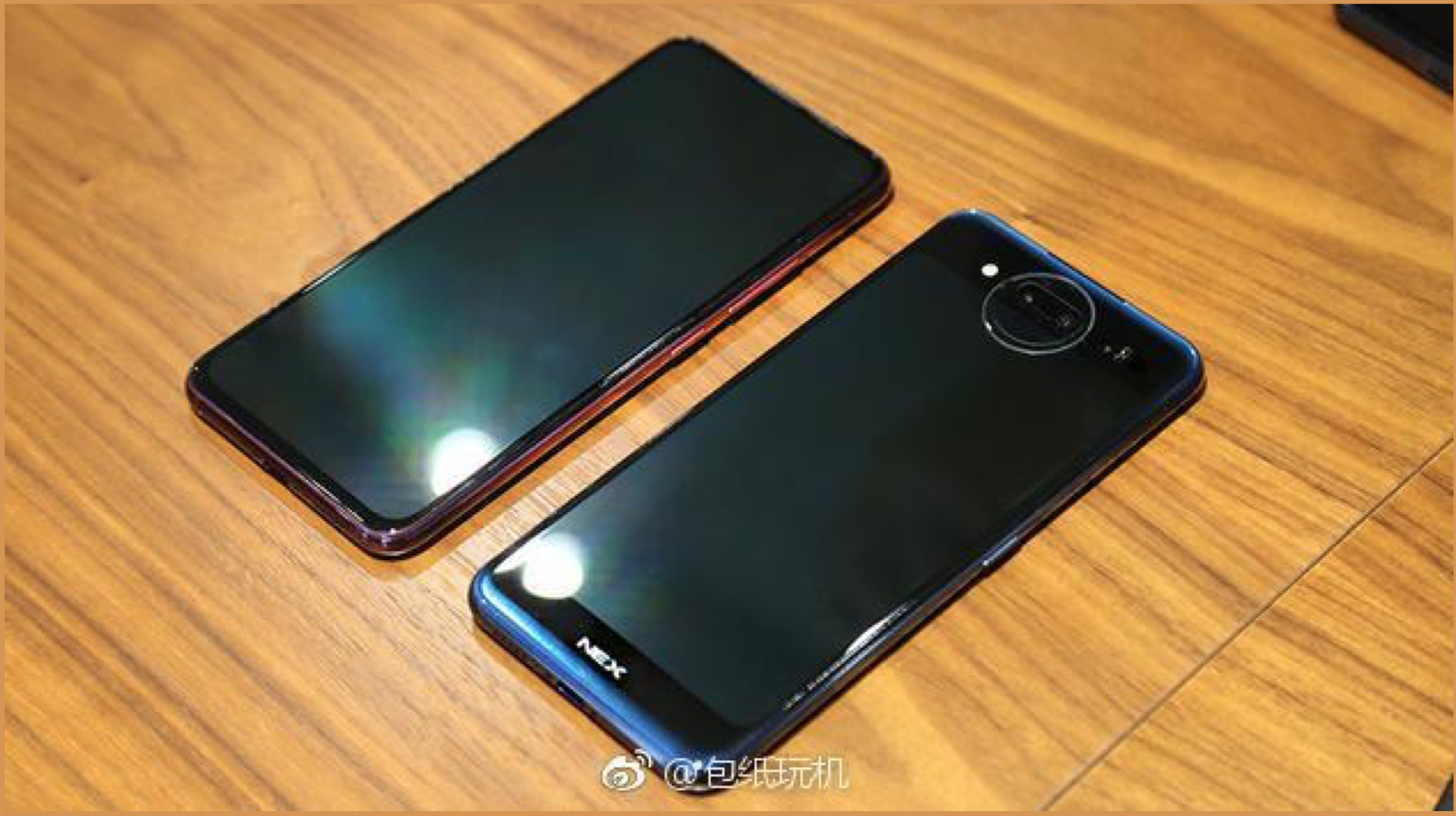
    An upcoming smartphone from Vivo with a revolutionary feature has been making waves over the internet. It is called the Vivo Nex S2 and is the successor to the Vivo Nex which was launched earlier this year. The Vivo Nex was a smartphone that had a lot of incredible features. It was one of the first smartphones to feature an in-display fingerprint sensor and a pop up front camera. Falling into the footsteps of its predecessor the Nex S2 gets dual displays that makes it stand out of the crowd. Earlier, a few shots of the device were spotted on Weibo now videos and pictures have leaked that reveal the device in its full glory.

    Design

    The front of the Vivo Nex S2 accommodates a large edge-to-edge display with very thin bezels. The volume rockers and the power button is placed on the left side, while a slider button to control sound profiles is on the right. The top of the device harbors a 3.5 mm audio jack while the bottom is housed by the loudspeaker, USB Type-C port, and the SIM slot. Like its predecessor, it also has an in-display fingerprint sensor.

    In terms of design, its back is the most intriguing bit. The back panel makes room for the secondary display, triple cameras, company branding, and an RGB ring light. The photos also showcase the smartphone in two different colors which are Blue and Violet.

    Specifications And  Launch Date

    Also Read: OnePlus Sends Out Invites For The McLaren Edition OnePlus 6T Launch

    The Vivo Nex S2 is expected to feature the Snapdragon 845 SoC. A latest leak suggests that the smartphone will have 10 GB of RAM and 128 GB of storage. Other relevant specs including battery capacity, screen size will only be made official after the company makes it official. The Vivo Nex S2 is set to launch on December 11.

  • OnePlus Sends Out Invites For The McLaren Edition OnePlus 6T Launch

    OnePlus Sends Out Invites For The McLaren Edition OnePlus 6T Launch

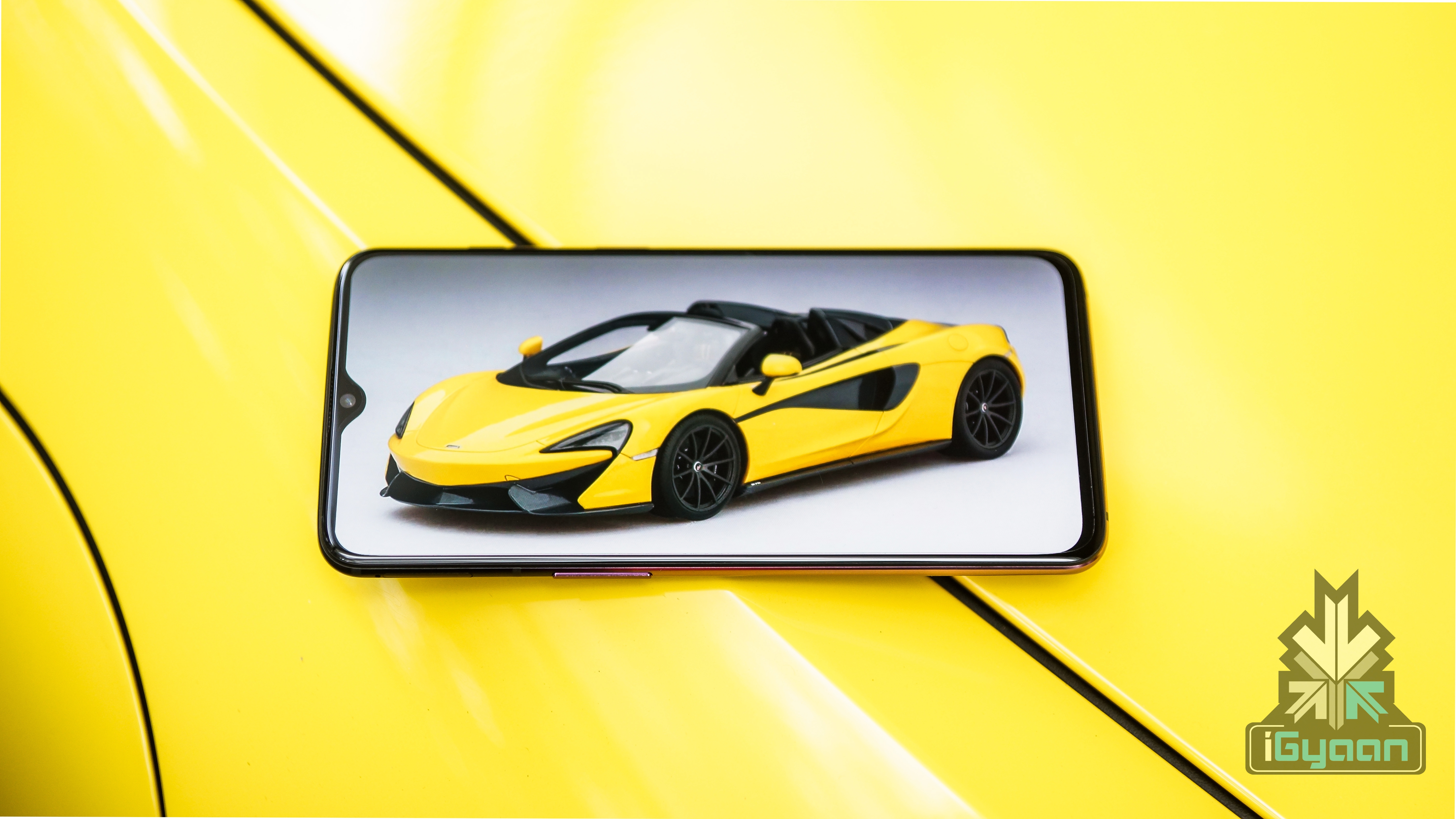
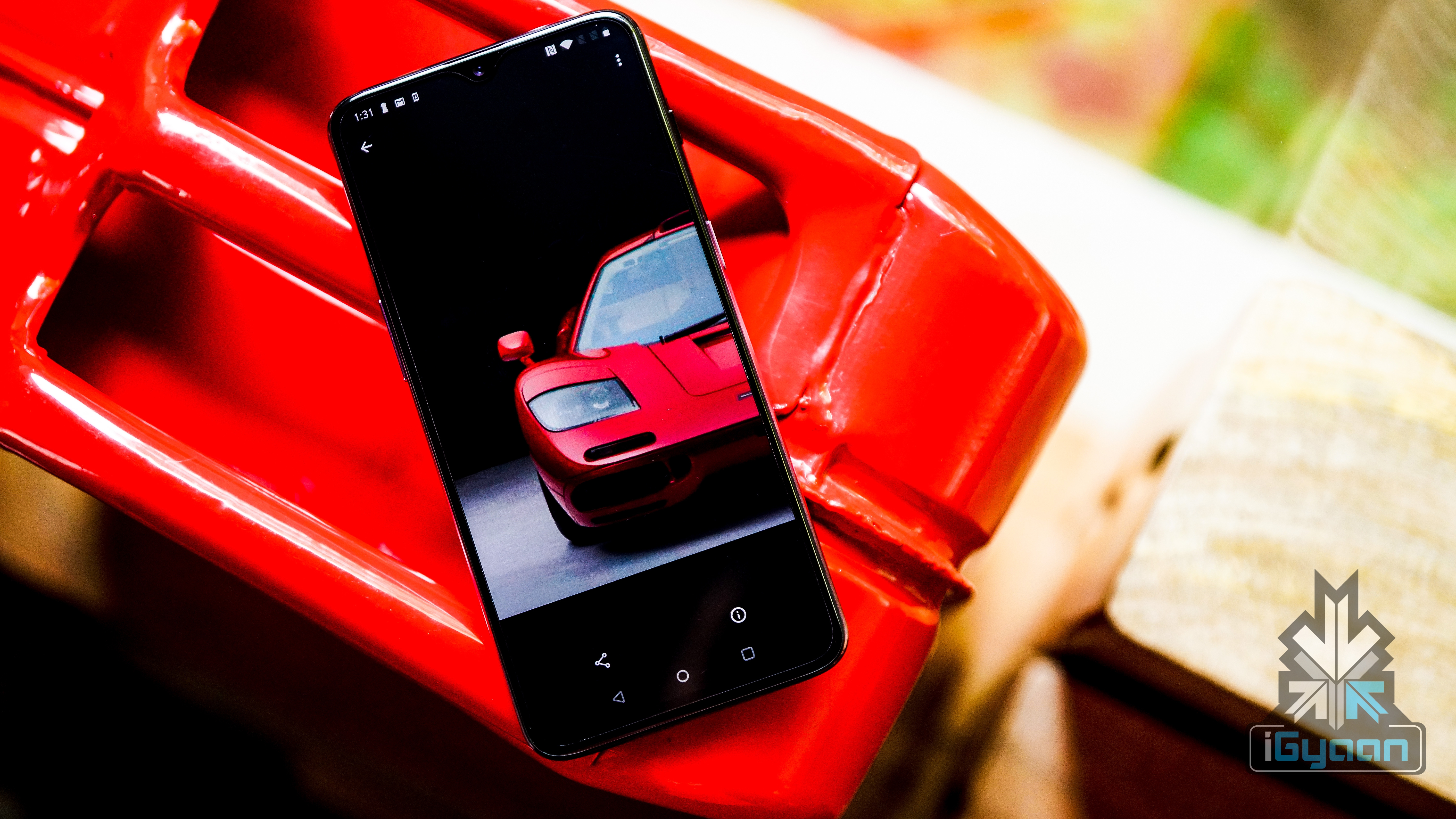
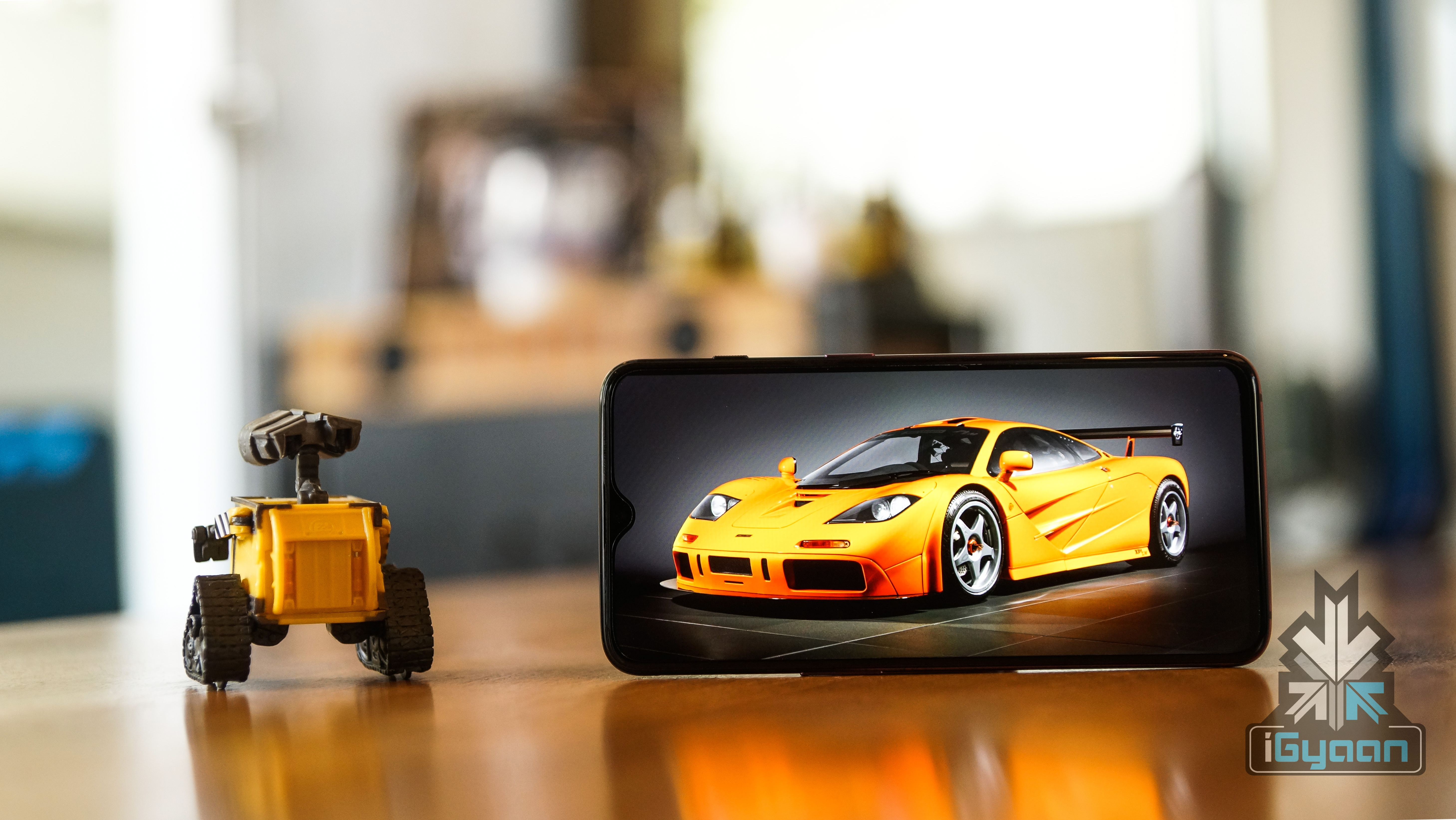
    Earlier this year, OnePlus launched their OnePlus 6T smartphone in two colour options which were followed by a limited Thunder Purple variant. As a part of their fifth-anniversary celebration, they will launch yet another limited variant of the OnePlus 6T. This time, the company has collaborated with British car manufacturer McLaren. Now the company has sent out a notification to purchase invites for the same.

    OnePlus 6T McLaren Edition Invites

    The OnePlus 6T McLaren Edition smartphone will launch on December 12 in India. The phone will be launched at an event in Richardson and Cruddas Limited, Byculla, Mumbai. The invite passes for which will go on sale on OnePlus’s India website. These invites will be available via oneplus.in at Rs 799, starting from 10:00 am IST on Thursday, 6 December 2018. 

    Post-launch, the attendees will be able to get their hands on the smartphone. Each attendee will also receive a hamper from the company which includes the OnePlus Bullets Wireless Red headphones. OnePlus’s upcoming Experience Store in Connaught Place, New Delhi will be the first place to offer the smartphone.

    OnePlus 6T McLaren Edition

    Also Read: World’s Most Powerful GPU, Nvidia TITAN RTX Announced

    According to reports, the upcoming OnePlus 6T McLaren Edition will have upgraded memory and storage  options. It is expected to have 10 GB of RAM and 256 GB of ROM. Additionally, the limited edition variant will also have a brand new rear panel design. Other specifications of the device are likely to remain the same as the standard variants. For reference:

    • Display: 6.41-inch AMOLED Full HD+ 2340 × 1080 pixels, 19.5:9 aspect ratio
    • Operating System: Oxygen OS based on Android 9 Pie
    • Processor: Snapdragon 845
    • RAM: 6 GB / 8 GB
    • Storage: 128 GB / 256 GB
    • Rear Cameras: 16 MP + 20 MP, LED Flash
    • Selfie Camera: 16 MP
    • Security: Face Unlock + In-display fingerprint scanner
    • Connectivity: 4G VoLTE, Wi-Fi 802.11 ac, Bluetooth 5 .0, NFC, GPS, USB Type-C
    • Battery: 3700mAh
    • Dimensions: 157.5 x 74.8 x 8.2 mm
    • Weight: 185 g

  • World’s Most Powerful GPU, Nvidia TITAN RTX Announced

    World’s Most Powerful GPU, Nvidia TITAN RTX Announced

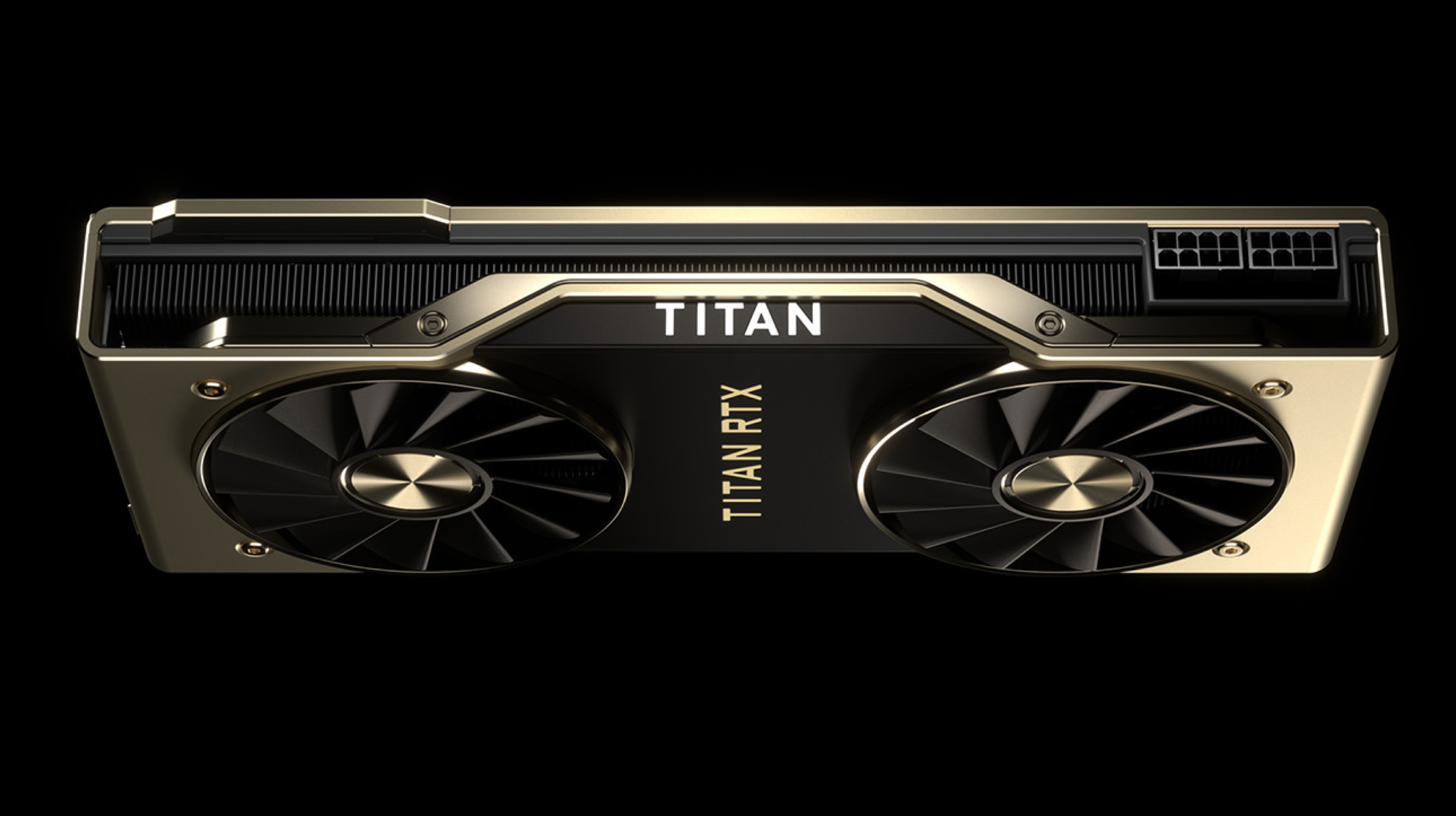
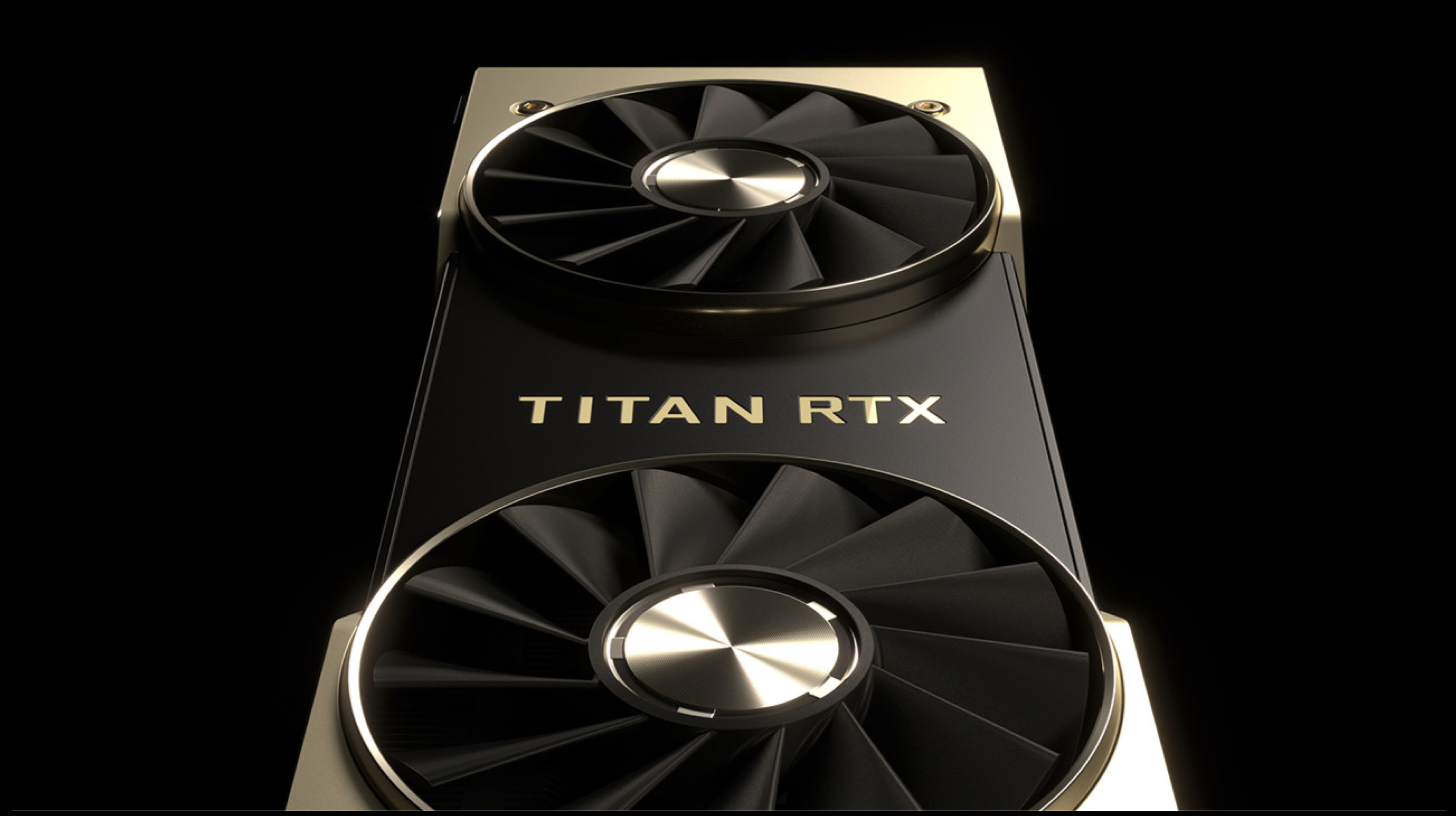
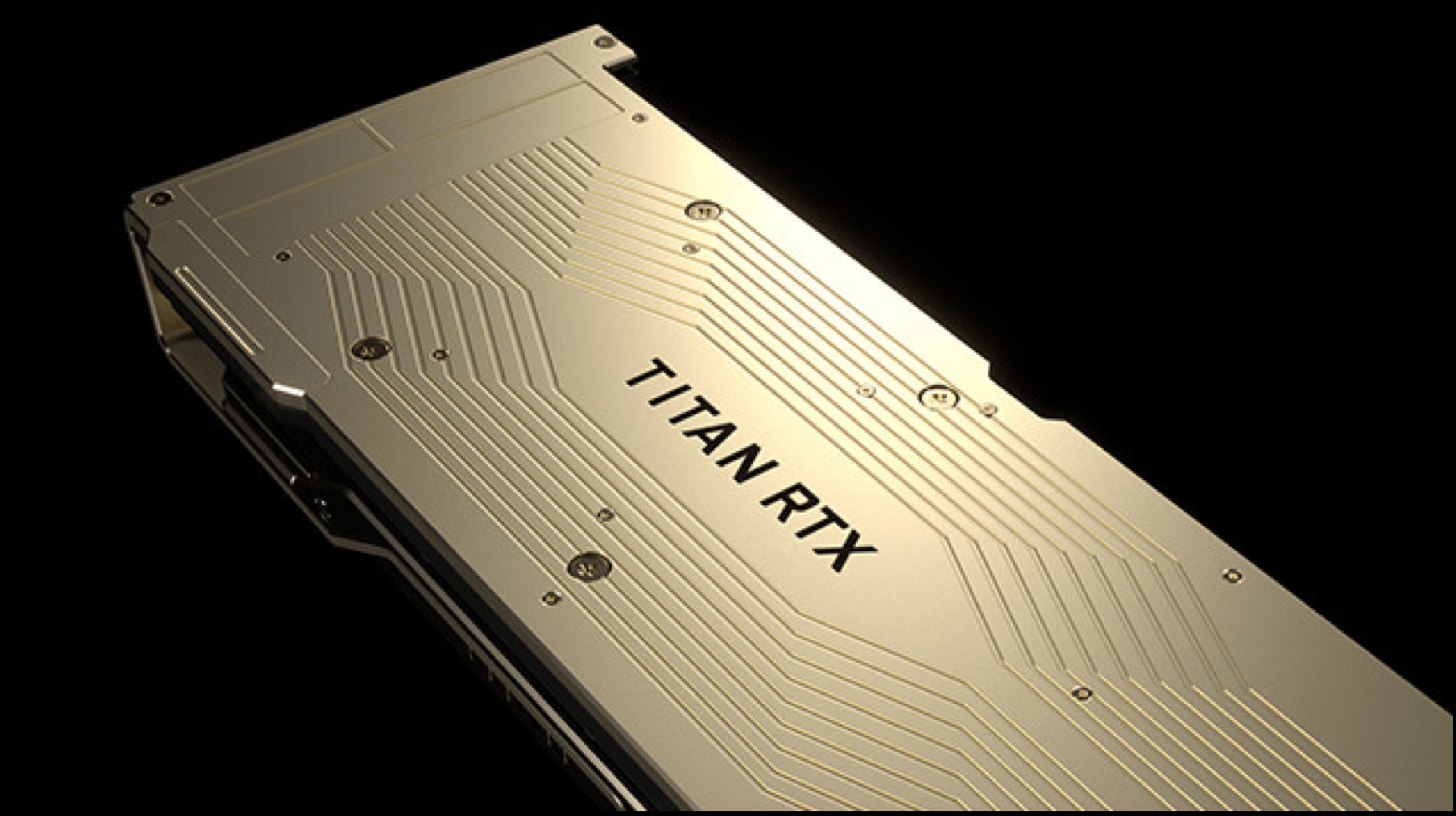
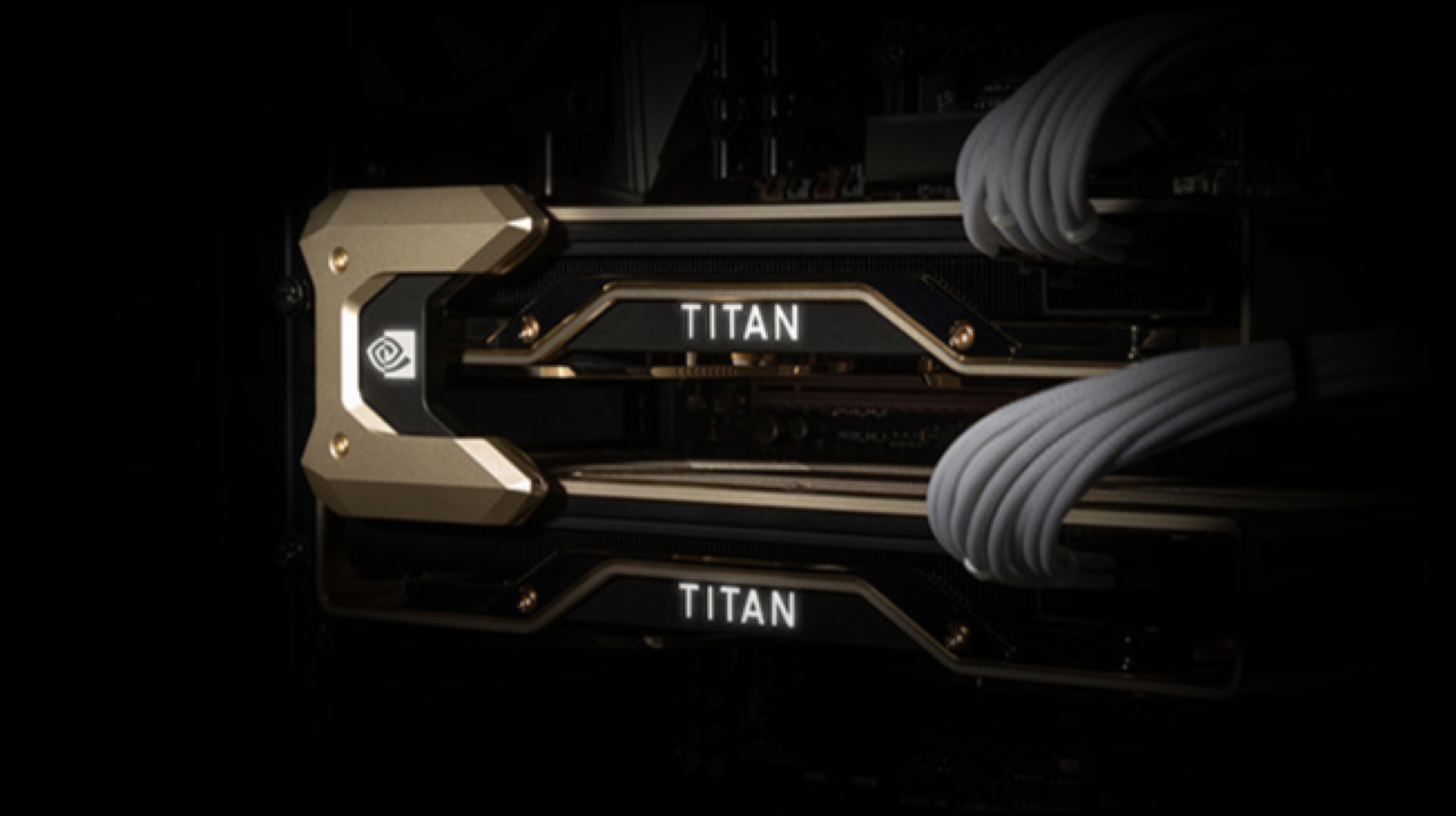
    Nvidia is an American technology company, renowned for their GPUs. The company designs graphics processing units for both gaming and professional markets. GPUs unlike CPUs are mainly used to process image/video files and execute rendering tasks at a rapid pace. Architecturally, the CPU is composed of just a few cores with lots of cache memory that can handle a few software threads at a time. In contrast, a GPU is composed of hundreds of cores that can handle thousands of threads simultaneously. Recently, Nvidia has launched their TITAN RTX graphic card which the company claims is world’s most powerful GPU.

    The Mighty TITAN

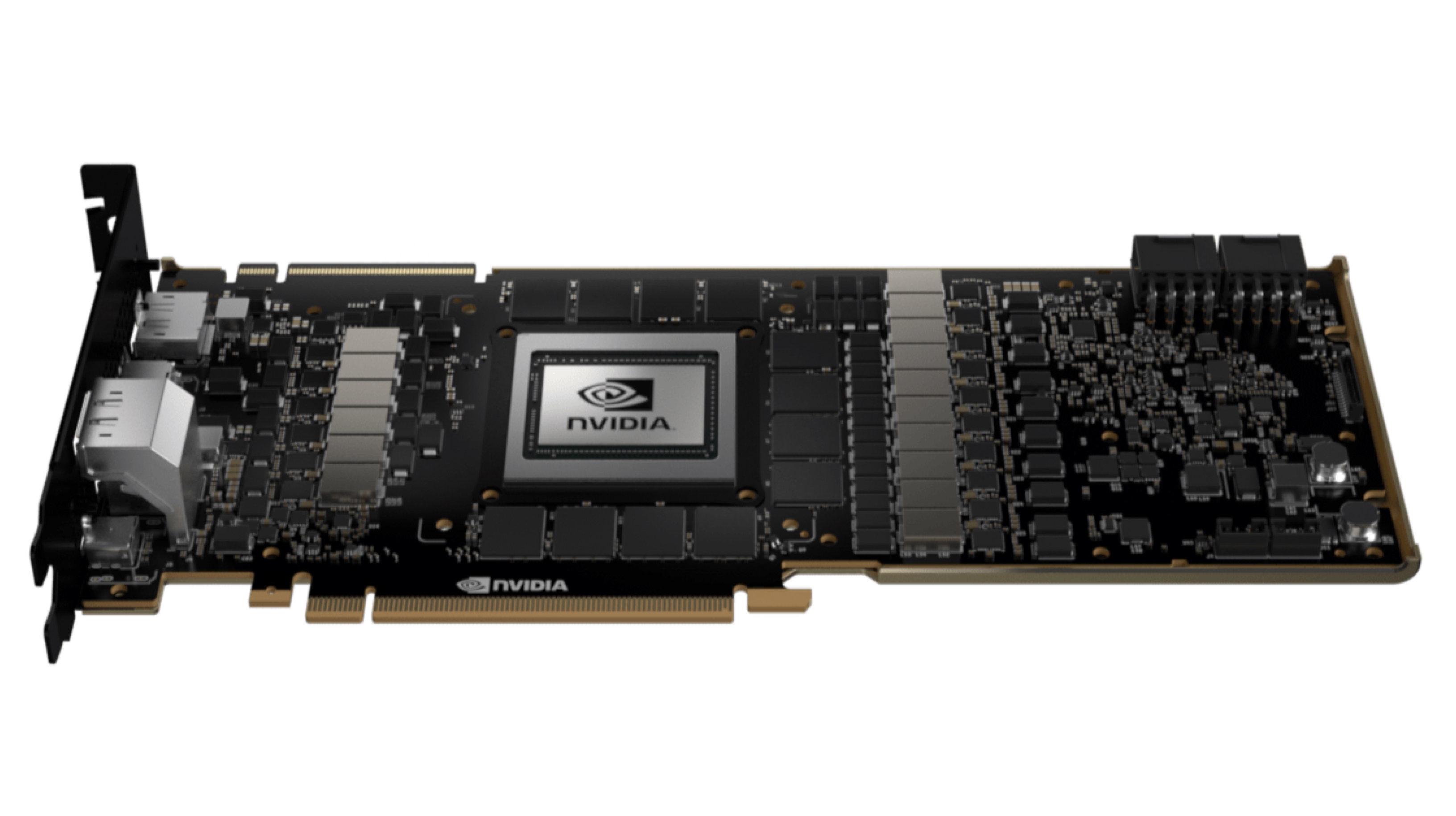
    The Nvidia TITAN RTX has 576 multi-precision Turing Tensor Cores which provide up to 130 teraflops of deep learning performance. It has 72 Turing RT Cores which can deliver up to 11 GigaRays per second of real-time ray-tracing performance. The TITAN RTX has 24 GB of GDDR6 RAM, which according to Nvidia is up to two times faster than previous TITAN GPUs. This high memory storage can be used to fit larger data sets and processing instructions. It has a base clock frequency of 1350 MHz and a boost clock frequency of up to 1770 MHz.

    The new TITAN RTX allows enough power to render 8K video in real time. Additionally, the company has showcased the NVIDIA NVLink that offers 100 GB/s transfer speeds which can be used to pair two RTX GPU’s if the need arises. Out of the box, the GPU also supports Windows 7 (64-bit), Windows 10 (64-bit), and Linux 64-bit. To operate, it requires 650 watts of power supply and has a thermal threshold of 89-degree Celsius.

    Ports, Price And Availability

    Also Read: Meizu C9 To Go on Sale In India On December 5

    • 3 x DisplayPort
    • 1 x HDMI
    • 1 x USB Type-C

    The GPU has a price tag of 2,499 USD (Rs 1,76,000). However, the ‘notify me’ page for the same is already up on the company’s website.

  • Moto One Power

    Moto One Power

    The Moto One Power was launched in India in the month of September. The smartphone has a massive 5,000 mAh battery and a 6.2-inch screen. It features the Octa-Core Snapdragon 636 CPU along with Adreno 509 GPU. The phone has dual 16 MP + 5 MP rear cameras and 5 MP front camera. The Moto One Power has a price tag of Rs 15,999.

    Click here to buy the Moto One Power

    Latest News

    [loop included_categories=”18182″ included_tags=”49556″ loading=”paged” layout=”c” postsperpage=”6″]

    Videos

    Click here to buy the Moto One Power

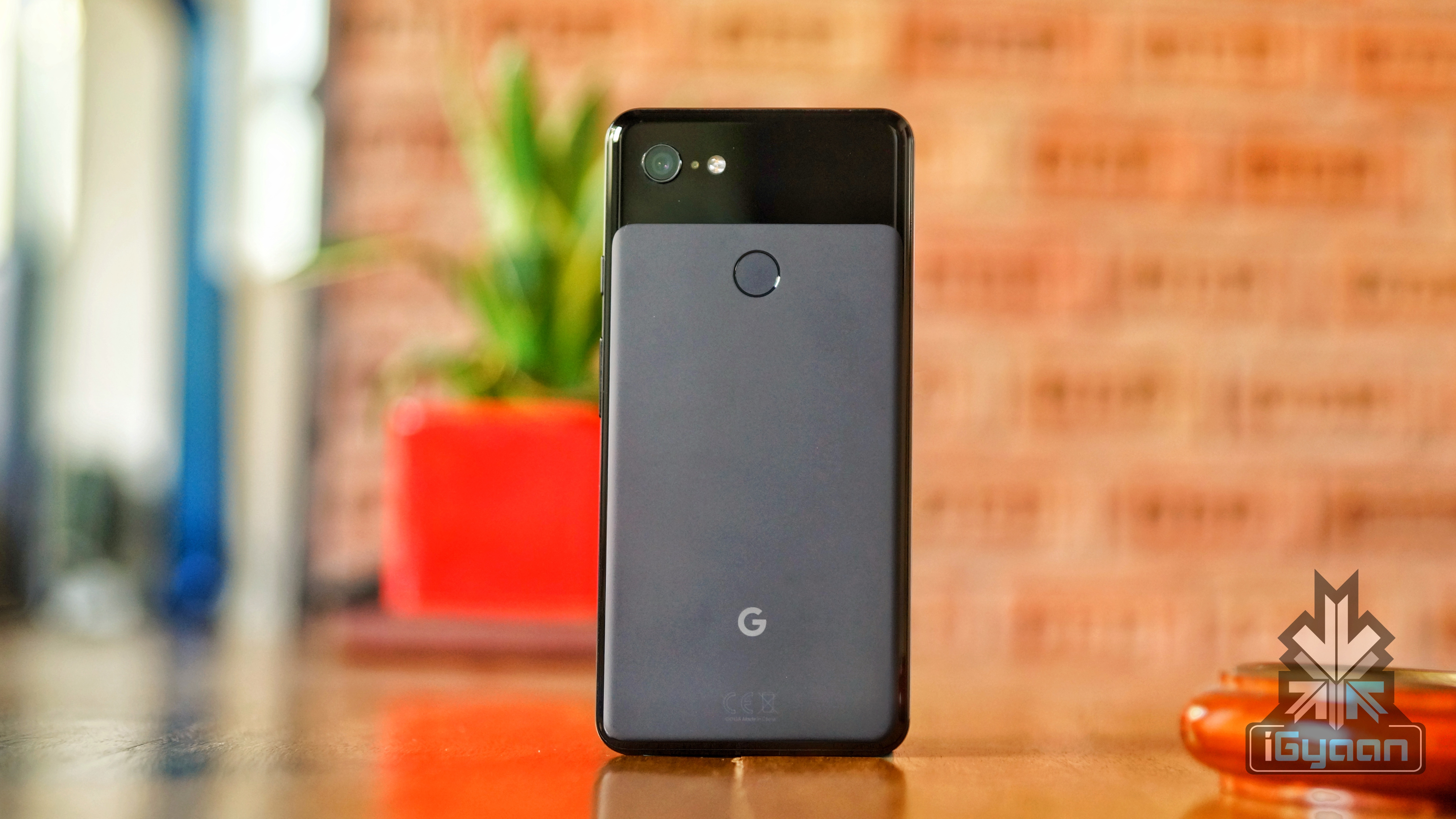
  • Google Pixel 3 XL

    Google Pixel 3 XL

    The latest flagship smartphone from Google, the Google Pixel 3 XL was launched on 10th October. It has a 6.3-inch P-OLED display with a notch up top. Under the hood, the smartphone runs on the Octa-Core Snapdragon 845 SoC. For photography, the smartphone has dual 8 MP + 8 MP front cameras and a 12.2 MP rear facing camera. The phone packs a 3,430 mAh battery which supports fast charging at up to 18 W. The phone is offered in three colour options which are White, Pink and Black. It is available in two storage options for which the price is as follows:

    • 4 GB RAM + 64 GB ROM – Rs 83,000
    • 4 GB RAM + 128 GB ROM – Rs 92,000

    Latest News

    [loop included_categories=”7505″ included_tags=”52681,46869″ loading=”paged” layout=”c” postsperpage=”6″]

iGyaan Network
Privacy Overview

This website uses cookies so that we can provide you with the best user experience possible. Cookie information is stored in your browser and performs functions such as recognising you when you return to our website and helping our team to understand which sections of the website you find most interesting and useful.