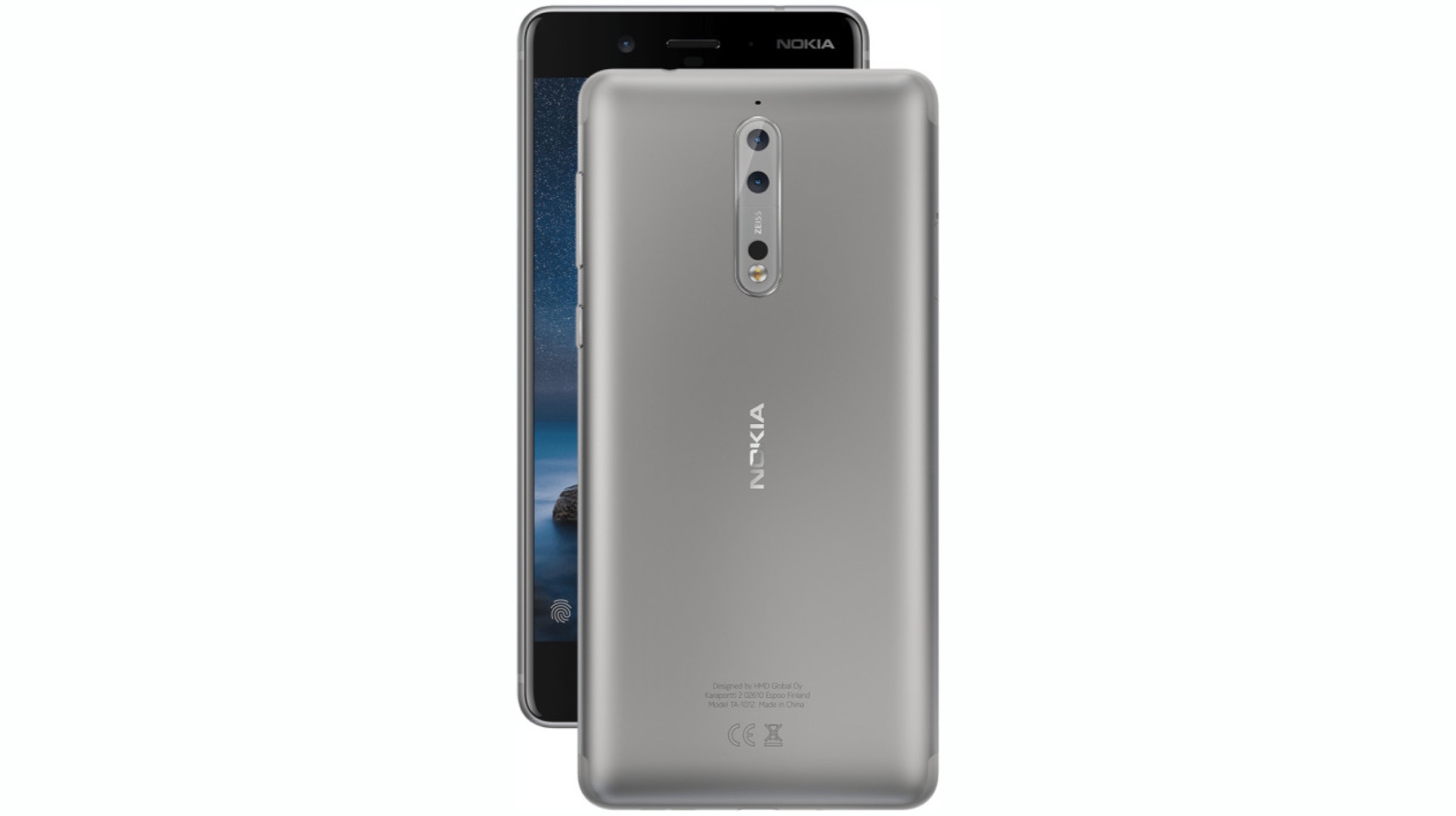
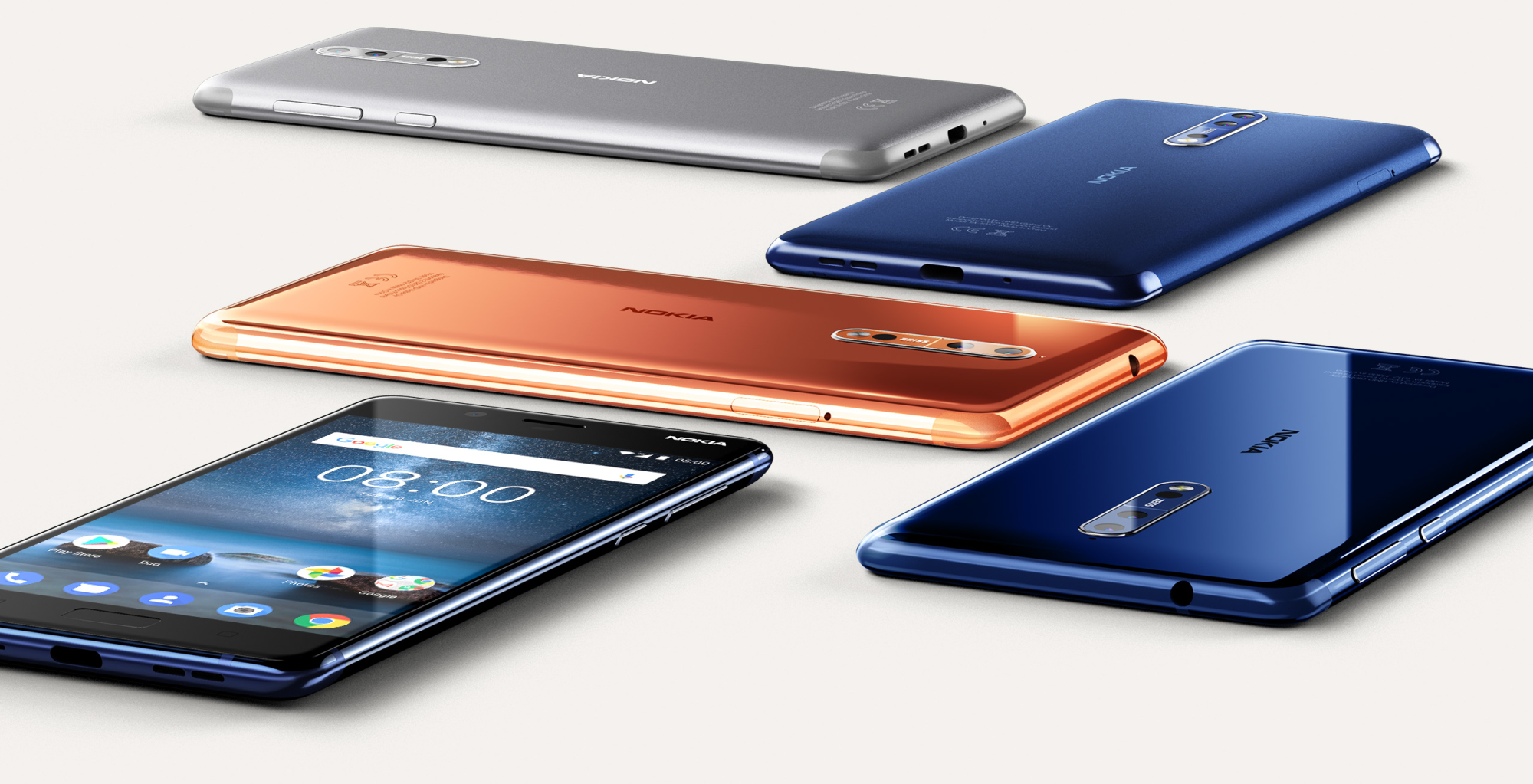
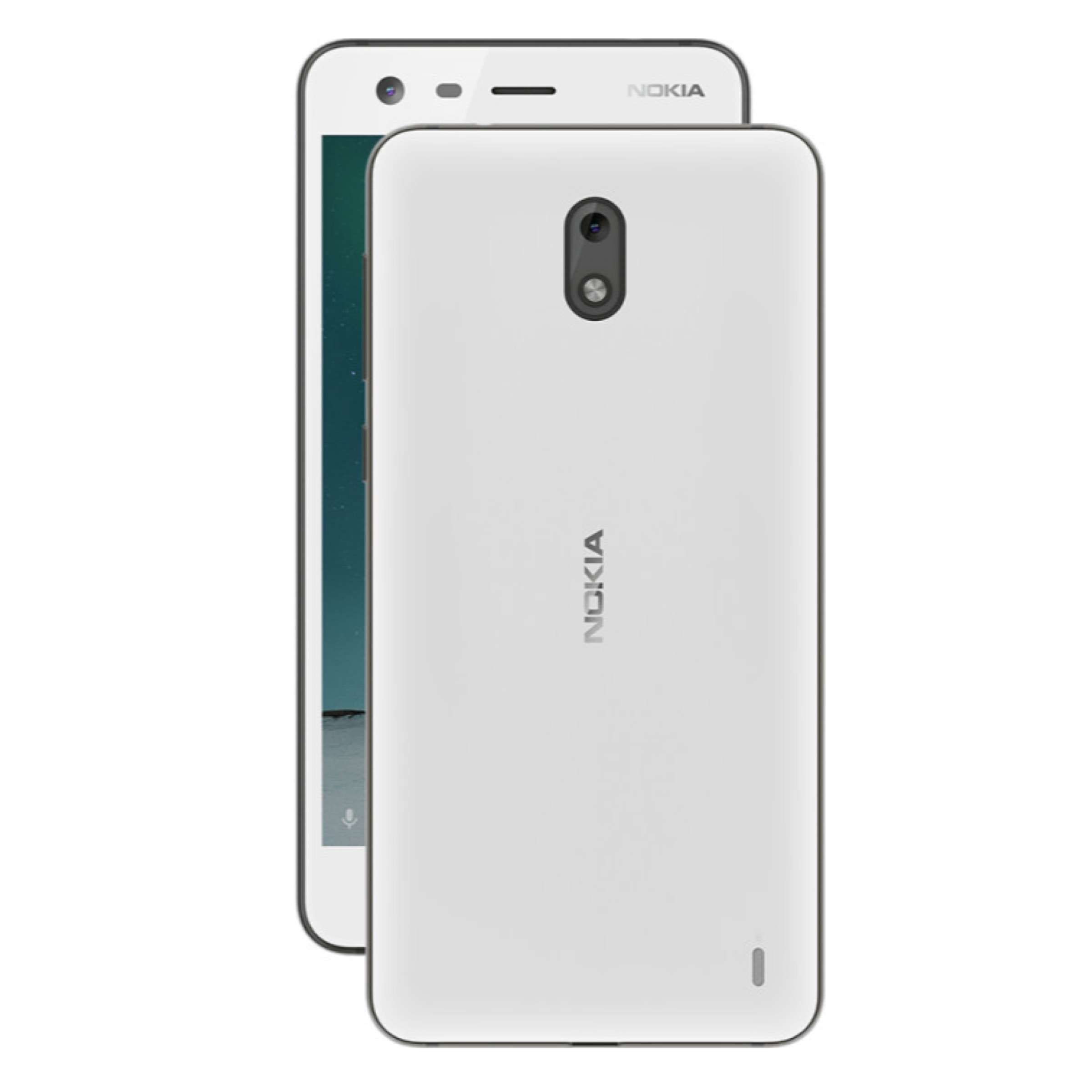
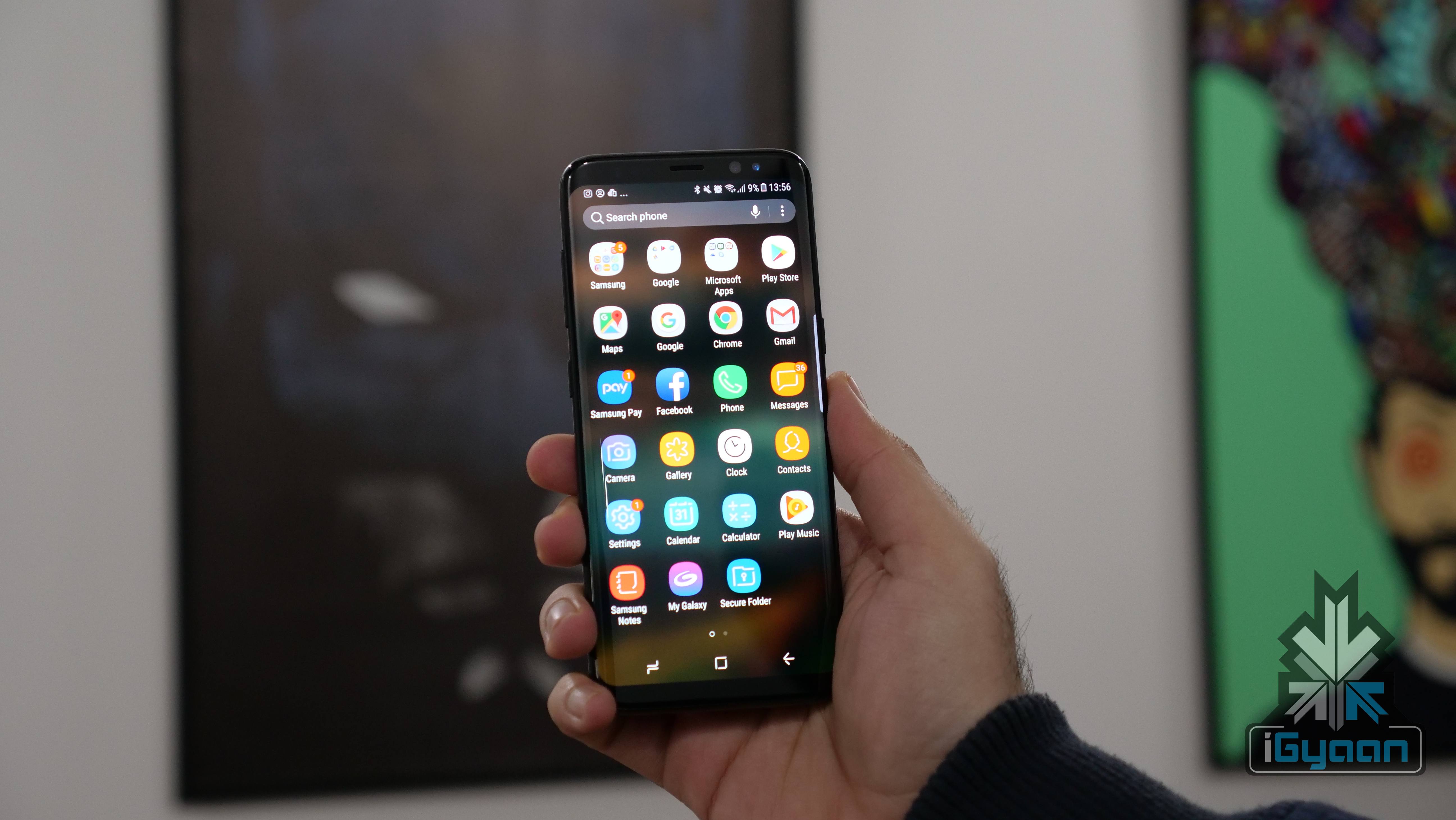
HMD Global launched the Nokia 8 in India back in September at a price of Rs. 36999. At the time, it was competing with the OnePlus 5 in the affordable flagship segment. A couple of months later, OnePlus launched the OnePlus 5T at the same price as the OnePlus 5, with a better design and Face Unlock.
With a bit more archaic design and not the best camera performance, the Nokia 8 fell off the rail in its quest to catch up with the OnePlus 5T. However, it has received a hefty permanent price cut which makes the Nokia 8 a much more viable option that it was before. The smartphone from Nokia will now be available at a price of Rs. 28999 via Amazon.
Nokia 8 Specifications
The Nokia 8 has a 5.3 inch 2560 x 1440 px display and 2.5D Corning Gorilla Glass 5 for protection.
Under the hood is the Qualcomm Snapdragon 835 chipset and a 2.45GHz octa-core processor, the Adreno 540 GPU, 4GB of RAM and 64GB of onboard storage which is expandable via microSD card. The smartphone has an aluminium unibody design and an IP54 rating for splash resistance. The fingerprint sensor is housed inside a physical home button which sits between two navigation touch capacitive buttons below the screen.
Powering the device is a 3090mAh battery with QuickCharge 3.0 support via USB Type-C port. It runs stock Android 7.1.1 OS and the company has promised monthly security updates and yearly Android updates.
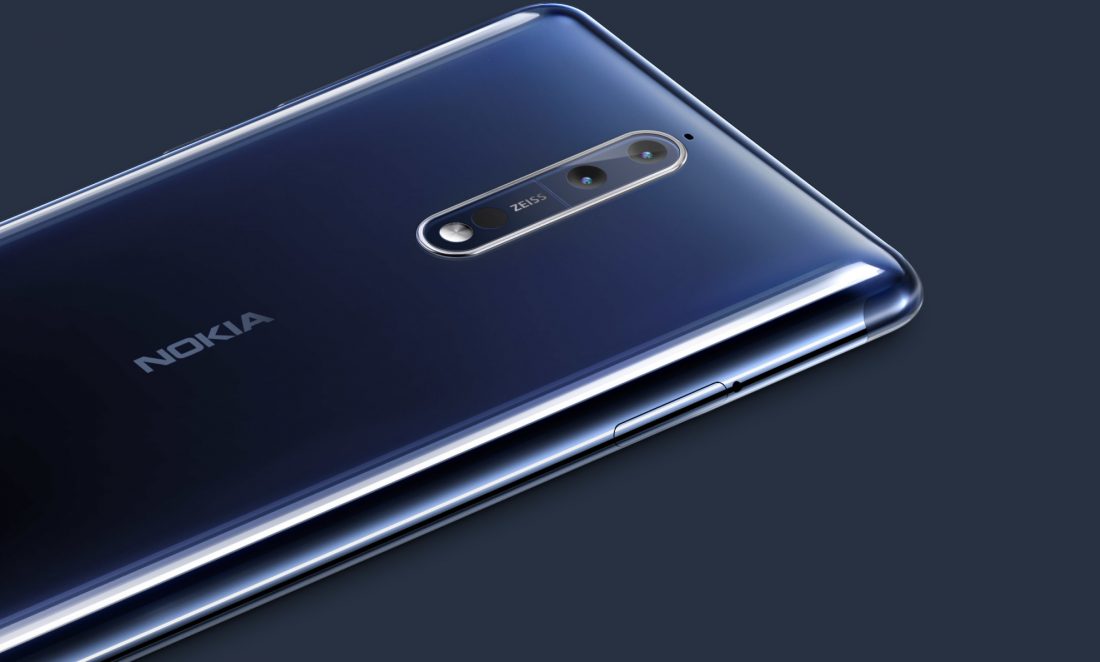
The Nokia 8 is the first Nokia Android device to feature Carl Zeiss optics. The Nokia 8 boasts a Zeiss powered dual camera setup at the rear – a primary 13MP RGB (colour) sensor with optical image stabilisation paired with a 13MP secondary monochrome (black and white) sensor and an f/2.0 aperture. The dual-camera setup is capable of recording videos in 4K at 30 FPS and has a portrait mode for bokeh effect. On the front is a 13MP camera with an f/2.0 aperture which can also record 4K videos at 30FPS.
At a price of Rs. 28999, is the Nokia 8 your next flagship smartphone? Let us know in the comments below!
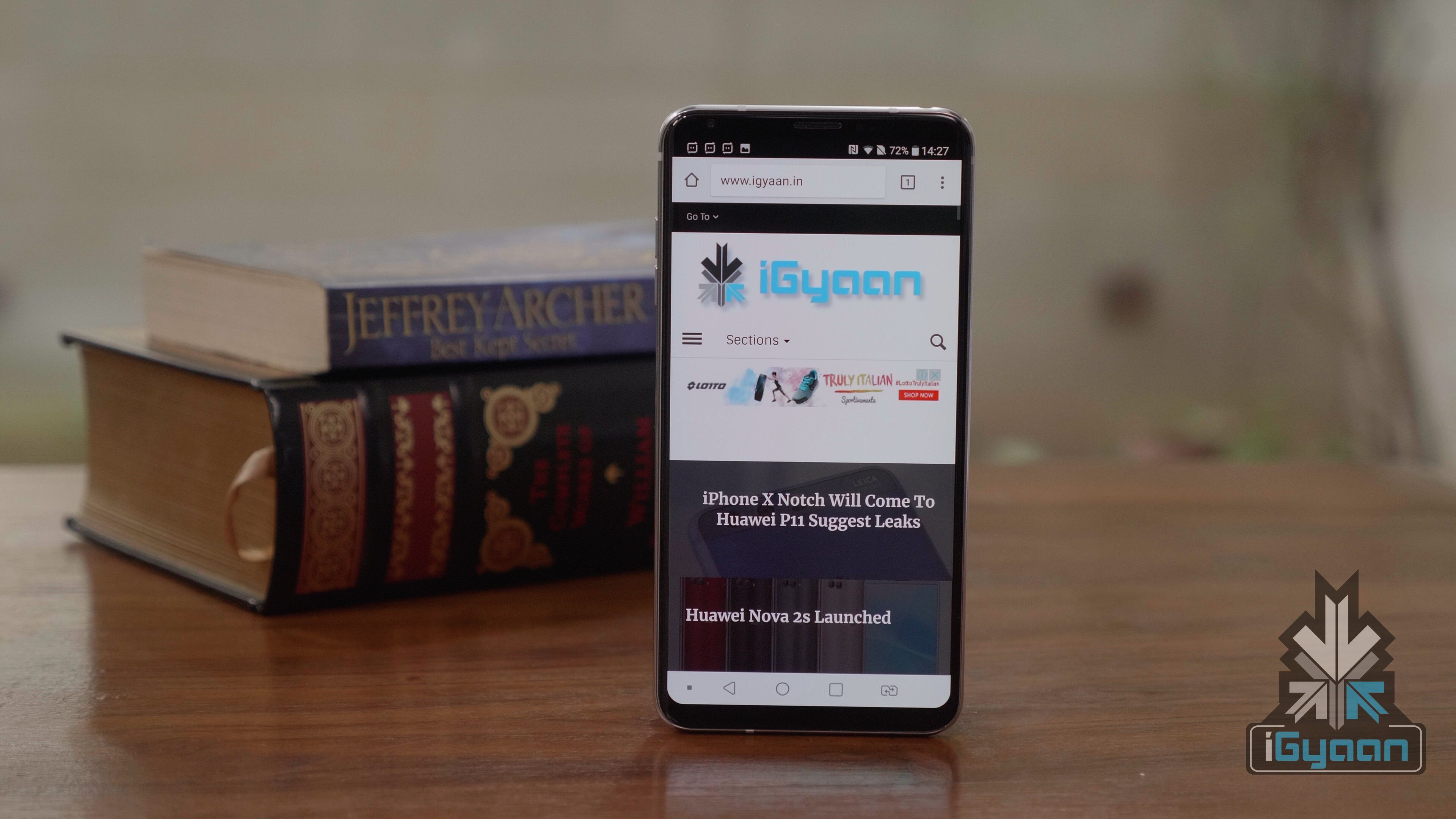
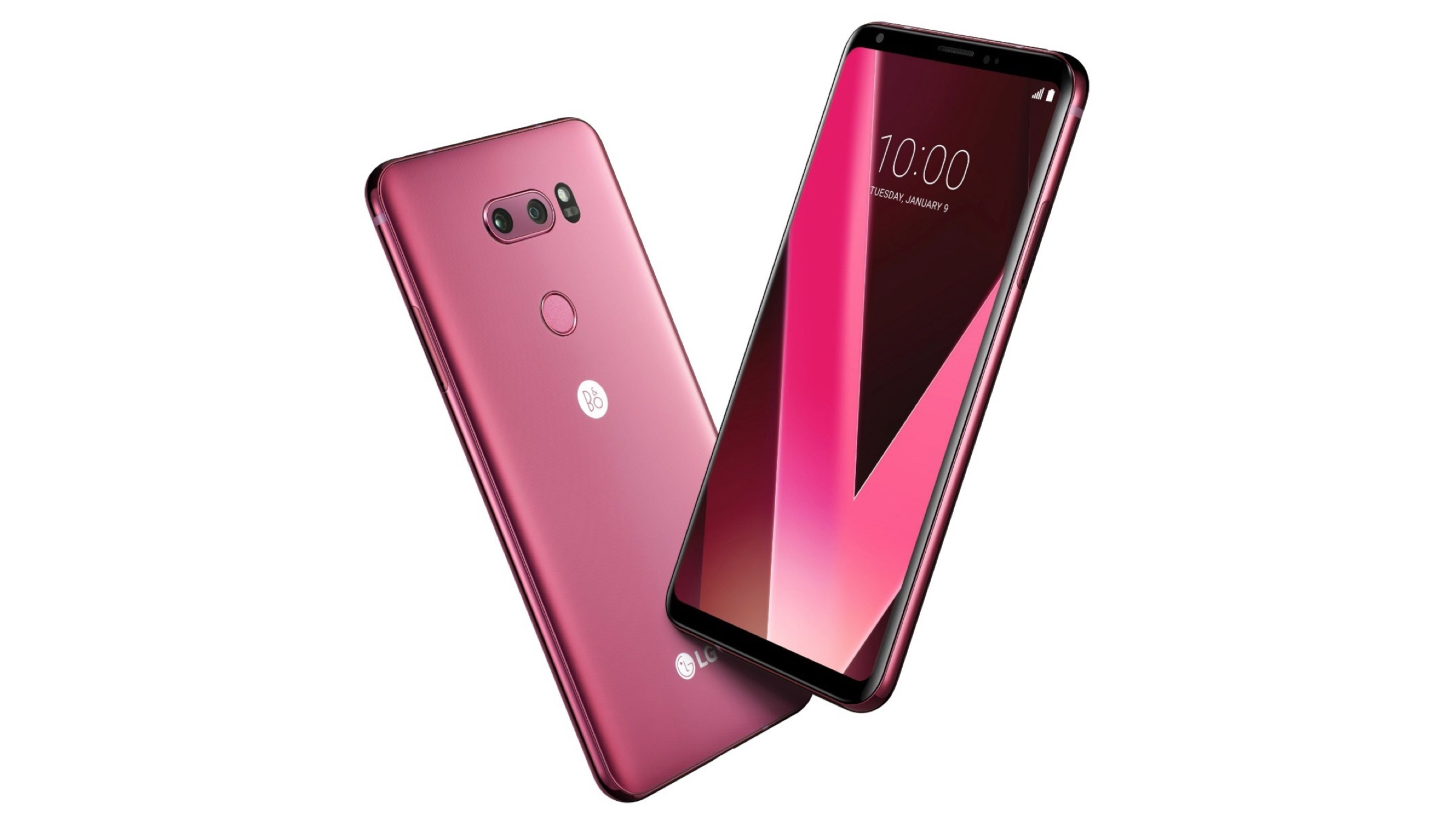
In a topsy-turvy build-up to MWC 2018, LG now appears to be gearing up for a launch. It was reported that the company would skip a launch at MWC because of the launch of the Galaxy S9 and S9+. There are reports that claim the company will launch the rumoured LG V30+ Alpha at MWC 2018.
LG V30
LG has been going through a bit of a rebranding/rehashing of its flagship smartphone lineup lately. And it is confirmed that the LG G7 won’t see an early release that its predecessors have seen over the years.
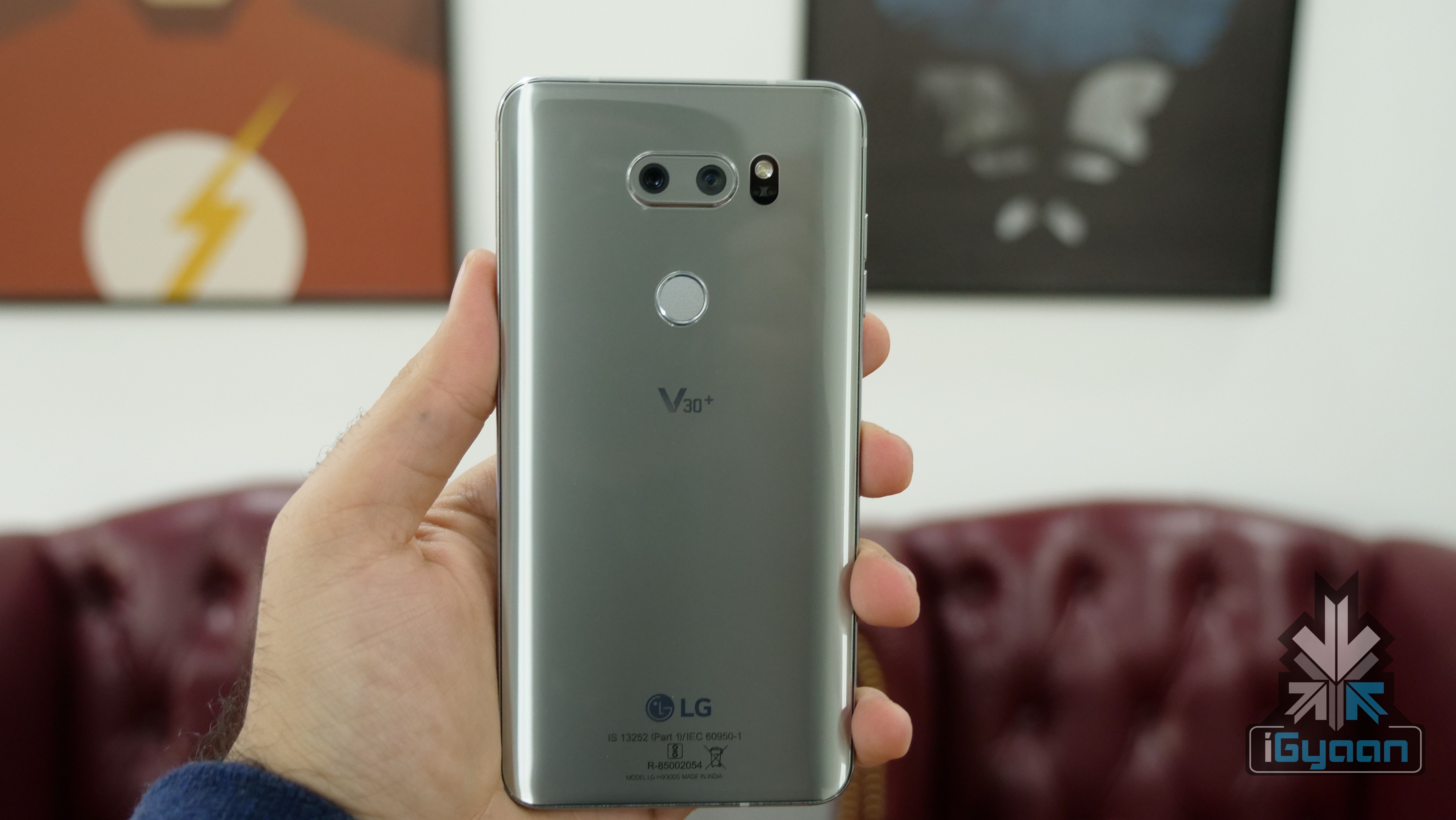
LG V30+ Alpha
The device will have new technologies and functions and could carry an odd name for a smartphone, V30+ Alpha. This name kind of resembles a math formula and it’ll be interesting to get to know the logic behind this moniker. That is if LG devices to go with this particular name. The reports suggest the smartphone will be a product of the partnership between LG and Google with Google Assistant-based AI functions.
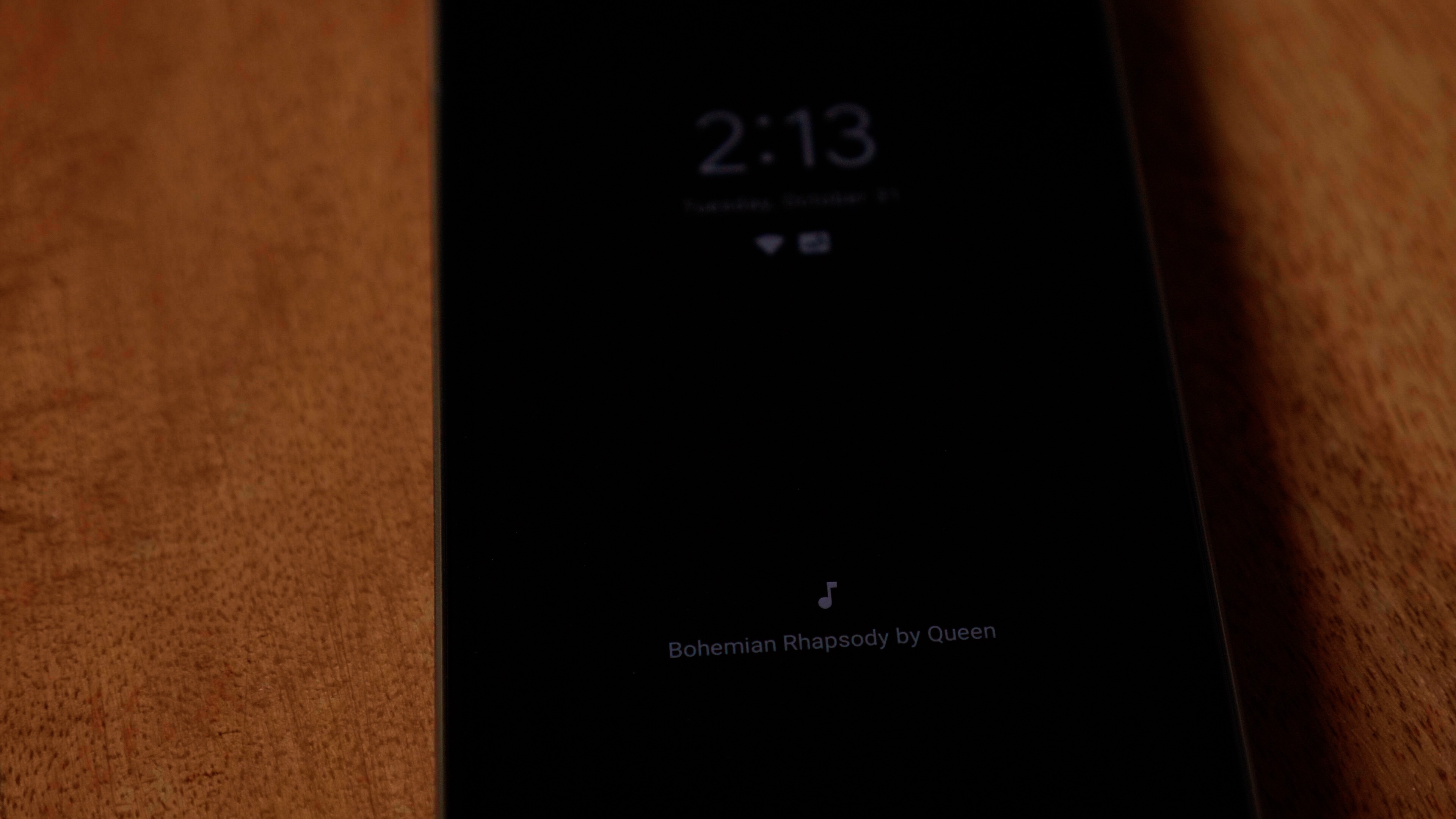
So far, we have seen different implementations of AI from different smartphone makers. If LG goes the Google route, it will be interesting to see if the LG V30+ Alpha will focus a lot on music. Since the Pixel 2 phones have the Now Playing feature, the LG V30+ Alpha could implement that feature, and along with its superior HiFi Quad DAC, the smartphone could be a music-oriented version of the 2017 flagship from LG.
Google also uses a lot of machine learning for its camera and has the best photography camera on the market right now. But, it seems highly improbable if the LG V30+ Alpha will come with such advanced machine learning capabilities that could potentially match up with the Pixel 2 devices. However, a tight integration of Google Assistant within the LG UI is a possibility or even a stock OS running LG V30+ Alpha could be announced.
In 2017, a lot of premium smartphones with great features and competitive pricing were launched. The OnePlus 5T was launched at a price of Rs. 32999 and had the specifications of a premium device. Apple launched the iPhone X in India at a record price of Rs. 89000 for the base variant. However, despite the steep pricing, the iPhone X was the bestselling premium smartphone in India.
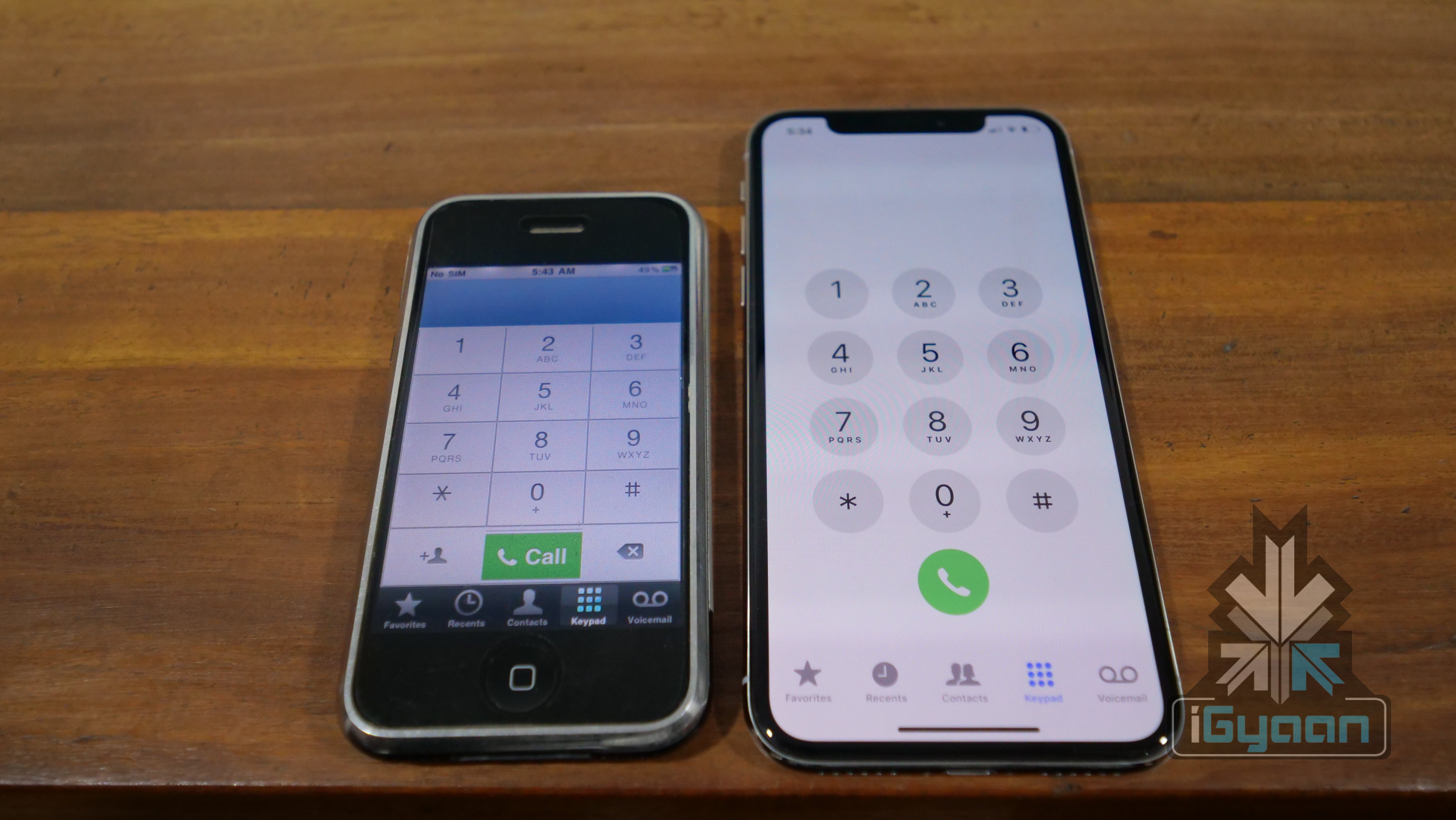
Original iPhone And The iPhone X
In Q4 2017, the iPhone X was the top smartphone in the premium segment, with a share of 21% of the shipments. The iPhone X was followed by the OnePlus 5T at 17% and Samsung Galaxy Note 8 at 8%. According to Varun Pathak, Associate Director, Counterpoint Research the segment grew by 27% in 2017. He wrote in a blog post:
Although the segment is more crowded than a year ago, the top three brands, Apple, OnePlus and Samsung, still contribute to 94 percent of the overall premium market segment.
In 2017, Apple continued to lead the premium smartphone segment with a 47% share in Q4 and 38% throughout the year. This was largely thanks to sales of the iPhone X and iPhone 7. OnePlus was the fastest growing brand in India. It saw a growth of about 343%, capturing 25% market share during Q4 and 19% throughout 2017.
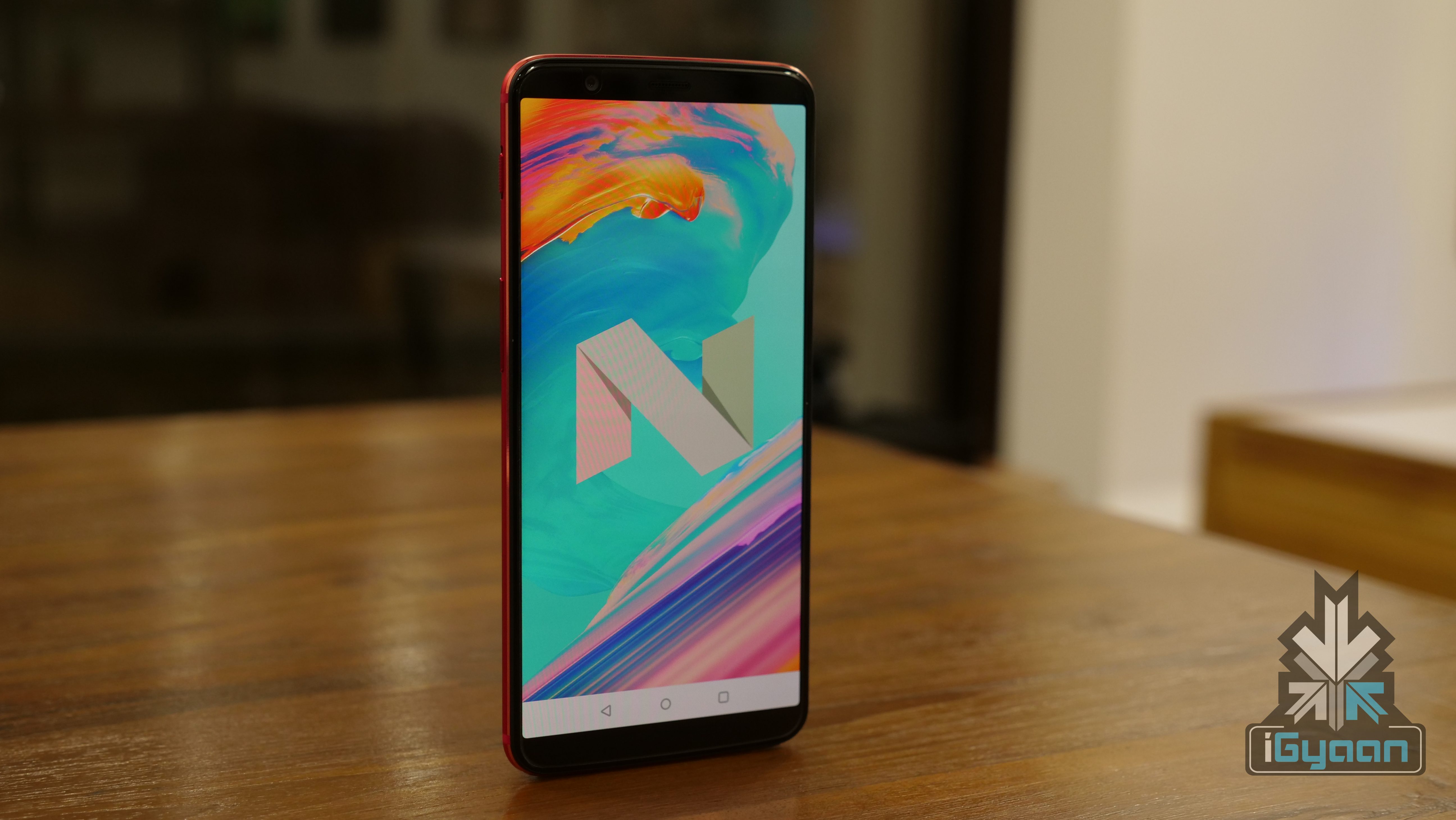
OnePlus 5T
Apple iPhone X
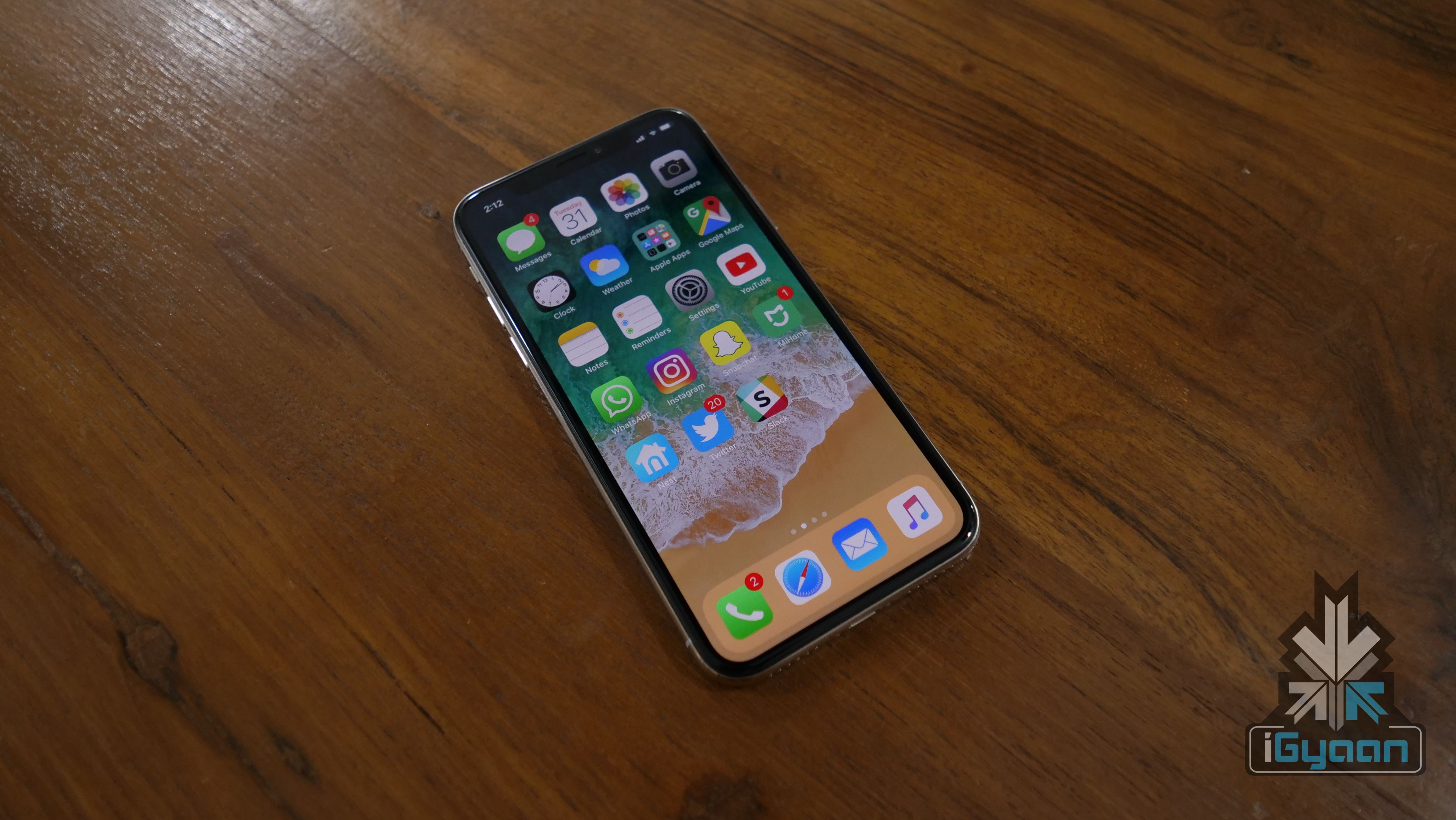
The iPhone X was launched in India on the 3rd of November. At the time of its launch, the iPhone X became the priciest iPhone ever launched in India. The 64GB storage variant was priced at Rs. 89000 while the 256GB storage variant was available for Rs. 1,02,000. The iPhone X also had the biggest design shift since the iPhone 6, with thin bezels and a notch on the top.
The iPhone X has a 5.8-inch 2436 x 1125 px OLED True Tone Super Retina display.
The phone runs iOS 11.1 and is powered by a 3,000 mAh battery which charges through the Apple signature lightning port placed at the bottom of the phone or via wireless charging. Because of the all-glass design, the iPhone 8 also has wireless charging.
Under the hood, the smartphone has the Apple A11 Bionic chipset with a neural engine, a hexacore processor, 3GB of RAM and storage options of 64GB, and 256GB. The small bezels mean there is no physical home button, which is now replaced with gestures for navigation. Siri is activated by pressing the now larger lock/unlock button. The iPhone X is also IP67 certified for water and dust resistance, and wireless charging.
The iPhone X has dual 12-megapixel rear cameras, and it’s equipped with dual optical image stabilization. The sensors are both larger and faster, according to Apple, and the main camera is equipped with a wide angle lens and has an f/1.8 aperture while the secondary telephoto lens has an f/2.4 aperture. In between the two cameras is a quad-LED True Tone flash. Both the front and back cameras have the portrait mode. The rear cameras have the portrait lighting feature, just like the iPhone 8 and iPhone 8 Plus.
Smartphones are slowly but surely moving towards a completely bezel-less era. With every passing generation, the smartphones become sleeker. We even have ascreen-embedded fingerprint sensor now, for people who want a bezel-less design but, also a front-facing fingerprint sensor. But, are bezels just an unnecessary extension or do they hold any importance?
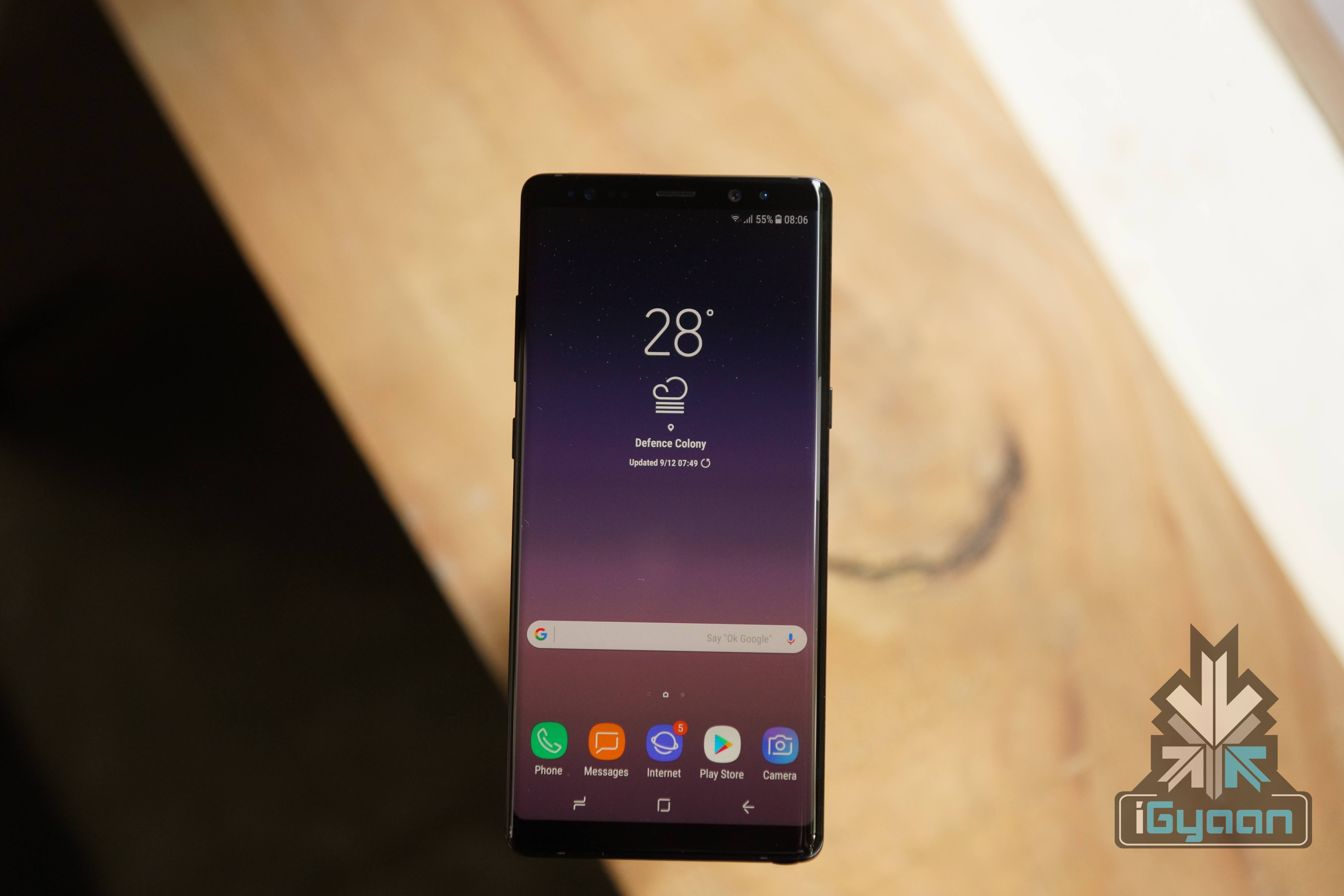
Galaxy Note8
With the technology we possess right now, bezels are important. As much as we would like an all-screen no-bezel phone, it seems highly impractical as of now. Apart from a display, the front of the device also houses a camera, sensors and the earpiece as well. Right now, there isn’t a commercialised technology that can house all of this under a display.
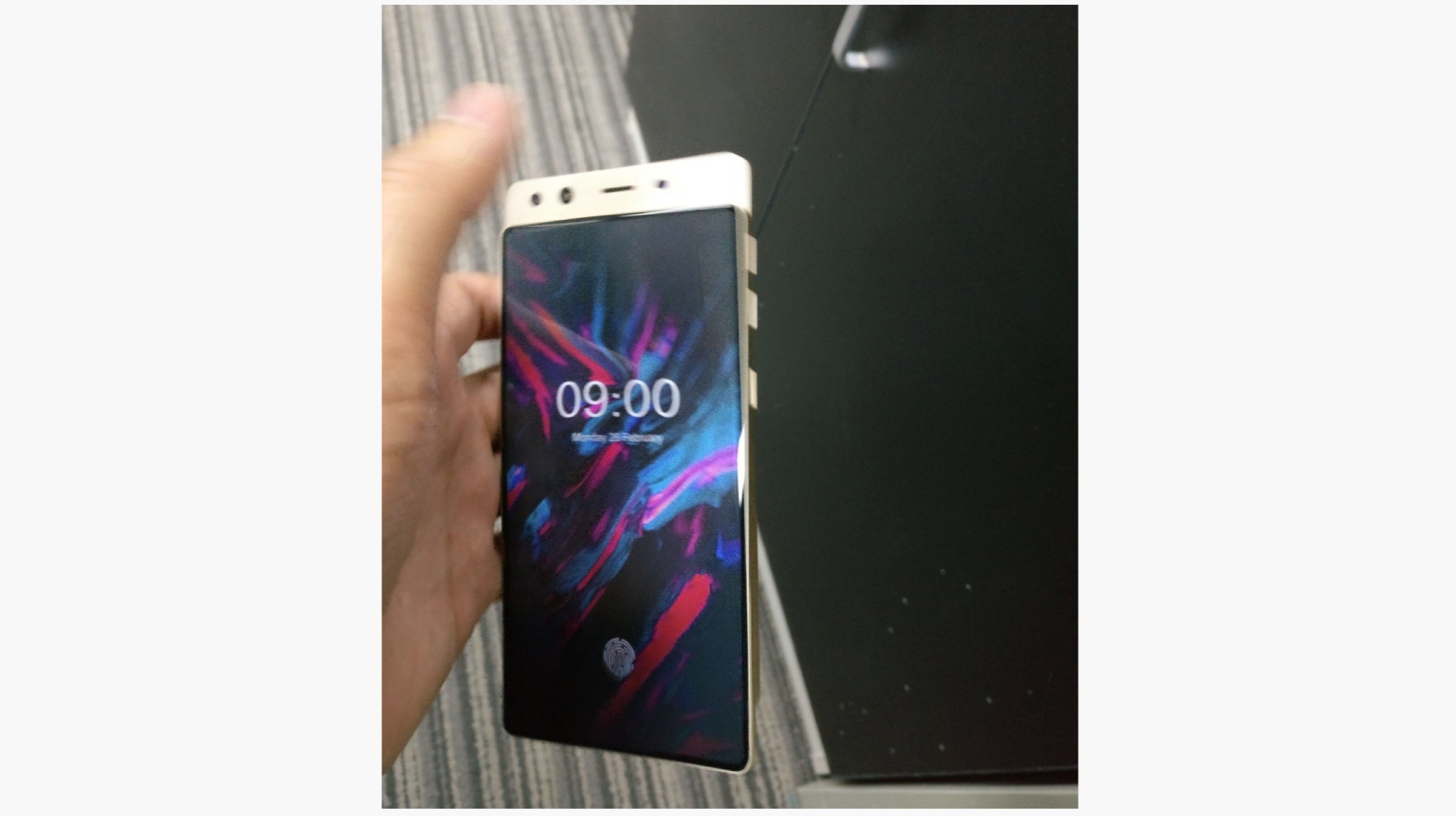
Doogee Mix 3
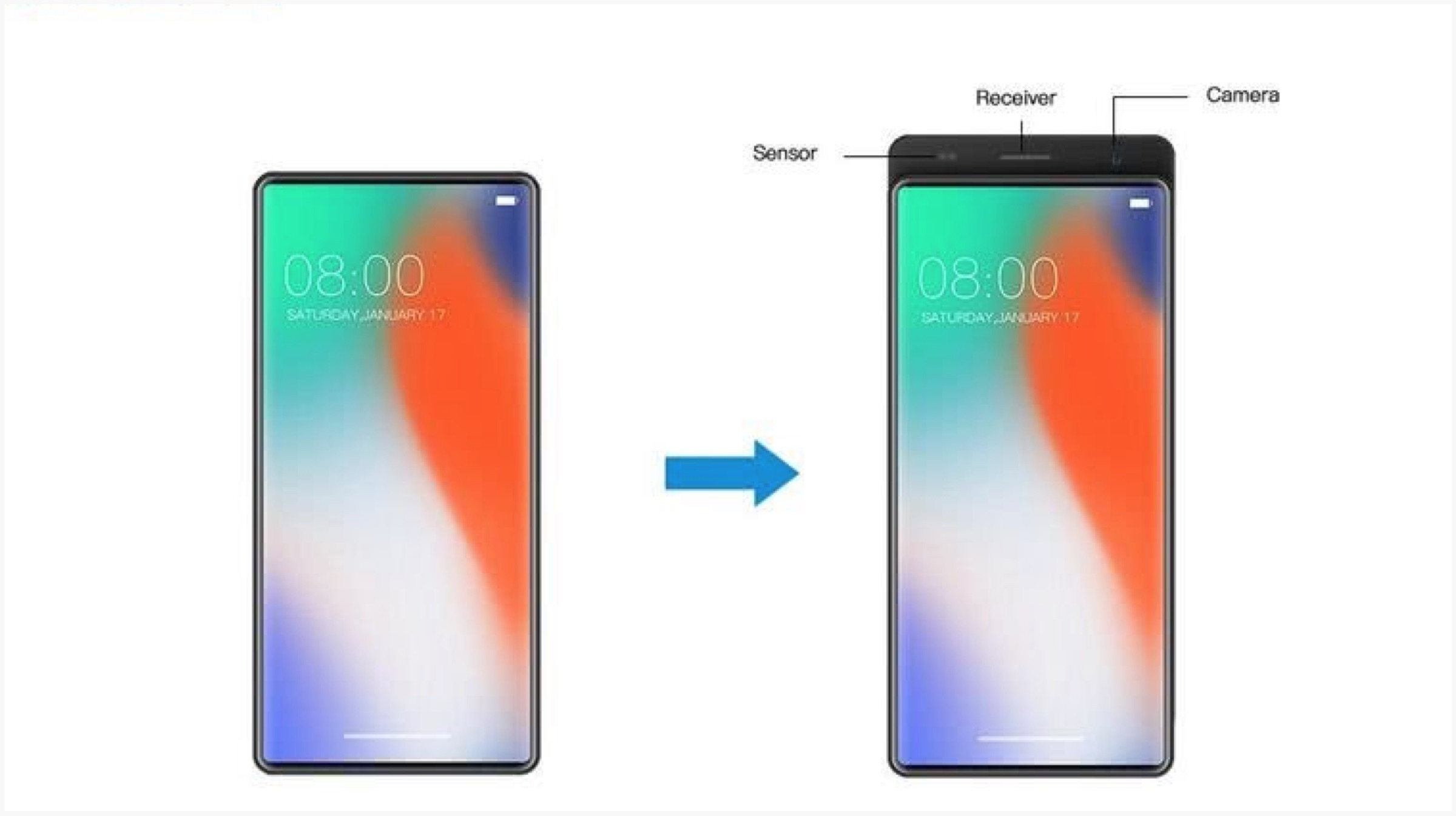
A leak of a new smartphone by Doogee, however, could be the ultimate design solution for companies striving for an all-screen phone. The images of the devices were uploaded to Twitter by a popular tipster and reveal a sliding back panel which really looks ingenious. Basically, the front of the phone is almost all-screen and the front-facing camera and earpiece are housed in a sliding back panel.
Mechanism
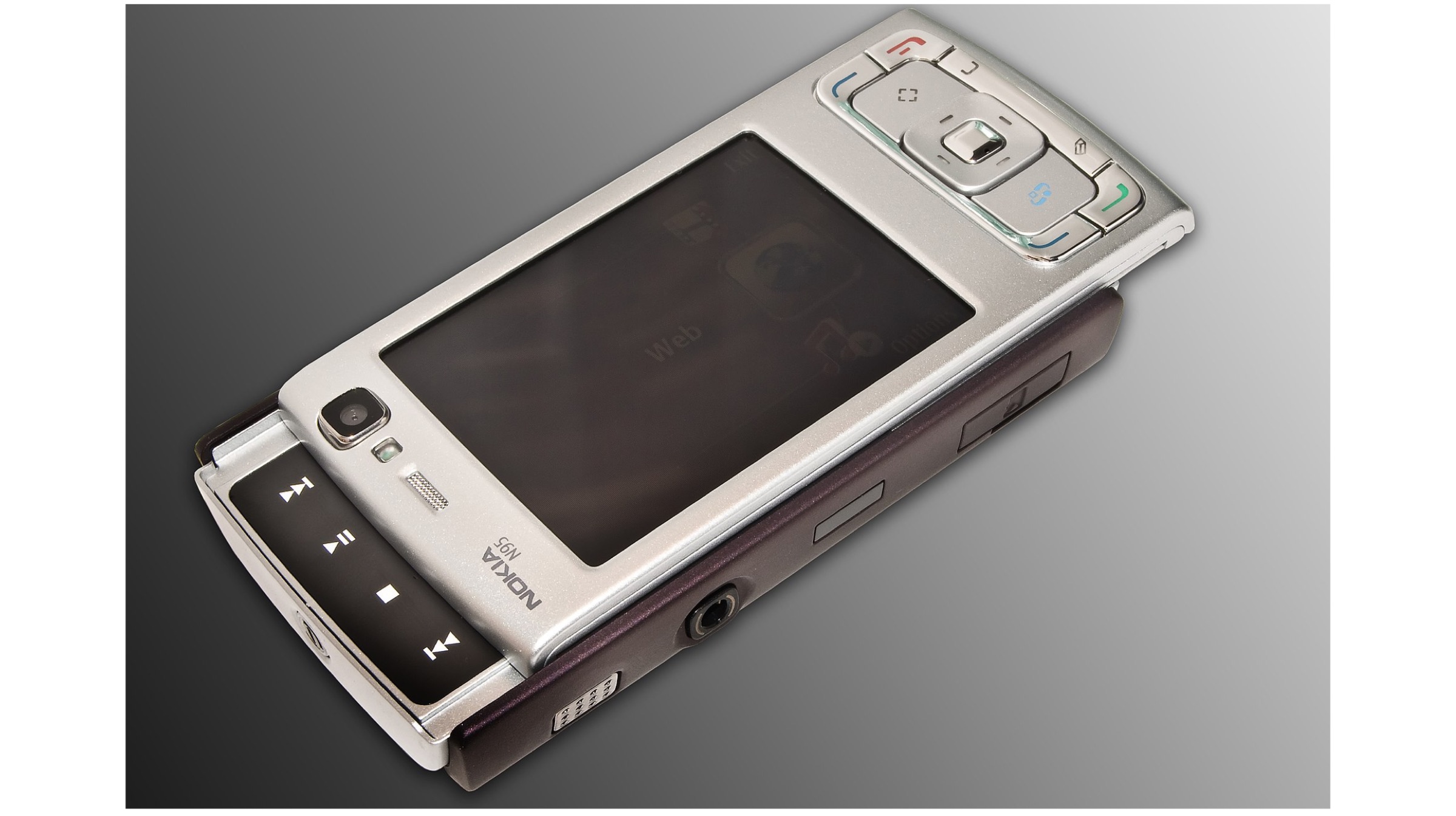
If you jog your memory a bit and go back to 2007, you will recall a certain Nokia phone. The Nokia N95 had a two-way slider where it slid from top to reveal the “music keys.” In a similar way, the Doogee Mix 3 slides down from top to reveal a camera and the earpiece. This means that a smartphone maker can fit a display without worrying about the front-facing camera and earpiece.
Samsung recently patented a camera that can be housed inside the display but, as of now, it is nothing more than a patent. Samsung decided to go the “infinity display” route with its 2017 flagship phones. It eliminated the side bezels with an edge display and kept the symmetrical top and bottom bezels. The Xiaomi Mi Mix, launched in 2016 had a tri-bezel less design with the bottom bezel housing the camera.
iPhone X
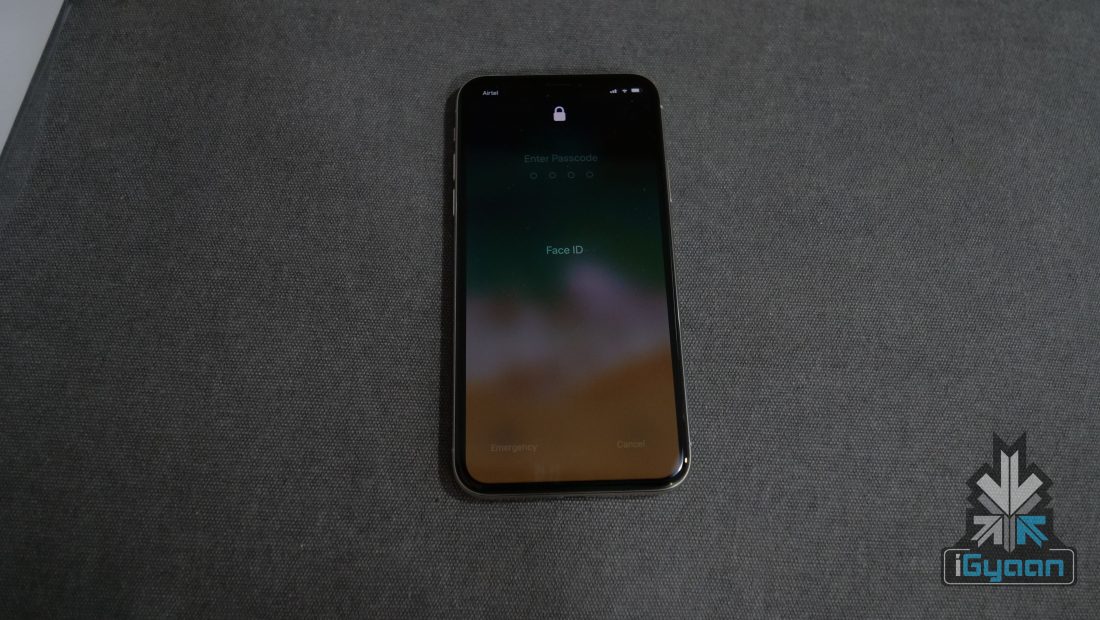
The Apple iPhone X launched in September with a design completely different than any of its predecessors. It looked more modern with a glass back and extremely thin bezels all around the display. Apple took the call to get rid of Touch ID altogether and introduced Face ID. But, the most noticeable aspect of the iPhone X was the notch on the display.
Mi Mix
A case can be made whether having a notch on the display is the way forward. People’s despise towards the iPhone X could also be attributed to consumer’s lack of experience with such anomaly. If more smartphone makers adopt the idea, it will expose consumers to more implementations of the notch. Apart from the Essential-Ph1, no other major smartphone maker decided to implement the notch, which meant that the iPhone X was the only smartphone in the market with a design different than what’s “normal.”
However, the notch on the display might hinder in some people’s experience. The old school slider, however, could be a convenient solution for smartphone makers and consumers alike. Until the “camera under the display” technology is commercialised, this seems like the best bet for companies to achieve the goal of an all-screen no bezel design.
The OnePlus 5 has gone from being one of the best smartphones to a forgotten sibling in just a few months. In November, OnePlus launched the OnePlus 5T as an upgraded version of the OnePlus 5. Unlike the upgrade from the OnePlus 3 to 3T, the most noticeable change was on the outside.
The OnePlus 5T got rid of giant bezels and also moved the fingerprint sensor to the back. This prompted the company to introduce a new feature, called Face Unlock. Still considered to be one of the fastest facial recognition systems on the market right now, the Face Unlock feature is a great feature. The OnePlus 5 has finally started receiving the much coveted Face Unlock feature as well.
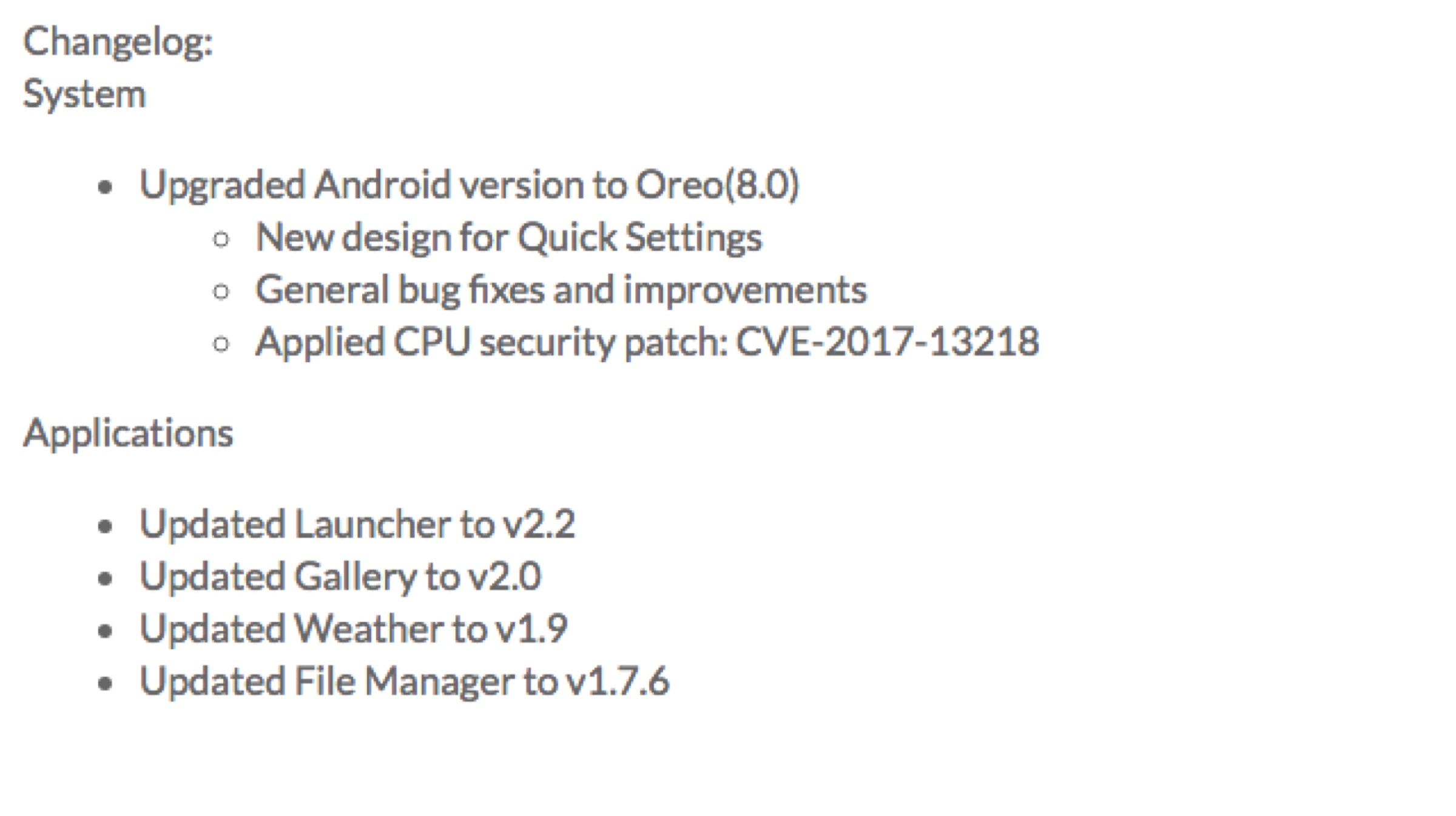
The update is a part of an incremental update, OxygenOS 5.0.2. The changelog also includes a CPU security patch (CVE-2017-13218), enhanced EIS for video recording, and updates to Launcher, Gallery, Weather, and File Manager apps.
The OnePlus 5 has a 5.5-inch Optic AMOLED display with a 1920 x 1080 px resolution.
The 2017 flagship has the Qualcomm Snapdragon 835 chipset with a combination of either 6GB RAM and 64GB of storage or 8GB RAM and 128 of storage which can not be expanded.
The OnePlus 5 is powered by a 3300 mAh battery with DashCharge technology.
The OnePlus 5 also features dual cameras on the back, one of the cameras is a 20 MP sensor with an f/2.6 aperture, while the other is a 16 MP telephoto lens with an aperture of F/1.7. On the front is a 16MP camera with an f/2.0 aperture.
In this day and age of companies pulling the plug on software support only a year after launching it, Xiaomi has taken a different route. After rolling out the MIUI 9 update for the Redmi 1S, the company has started updating the Redmi Note to MIUI 9 as well.
However, it is worth noting that this updates the smartphone to MIUI 9 which is built on Android 4.4 KitKat and not Android Nougat or Oreo. While the UI of the phone sees an upgrade, the security patch is dated as far back as October 2016. The Redmi Note and Redmi Note Prime, both have started receiving the new update.
The version for the Redmi Note is MIUI 9.2.2.0.KHIMIEK, while the Prime variant is receiving MIUI 9.2.3.0.KHKMIEK. The size of the update can be anything between 150 to 200MB for either device. By the end of the week, the update will be rolled out to all devices.
Here are the top features of the new MIUI 9 skin:
Faster App Launching Speed
One of the main criticisms of MIUI has been its sluggish nature and the slow speed of general usage even in the flagship devices. Keeping that in mind, Xiaomi has promised much faster app launching speeds and navigation between multiple apps will be snappier as well. Performance enhancements are always welcome and this looks to be a step in the right direction for the Chinese giant.
Split-screen
The split-screen feature was one of the major upgrades in Android Nougat and a plethora of phones from mid-rangers to flagships have embraced this handy little feature. Xiaomi, on the other hand, has launched it just now with MIUI 9 and it’s a welcome update.
Under The Hood Updates
Xiaomi has also introduced MIUI 9 with a few features that run in the background for example application prioritisation. This basically means that apps in the foreground will use up more power, but that has been on Android for a while. It also has better cache management, a new file system and a bunch of other tweaks to make the user experience crisper and snappier.
It is heartening to see that Xiaomi is still updating its old smartphones. For context, the OnePlus 3T, launched in late-2016 will not receive a software update, now that it runs Android 8 Oreo.
The OnePlus 5T was launched in November of 2017 as an incremental upgrade of the OnePlus 5. It ran Android 7 Nougat out of the box even though Android 8.0 Oreo was officially launched in August. OnePlus said that Android 8 Oreo update for OnePlus 5T will come after a few Beta builds were tested.
The testing phase has been completed as the company announced the official rollout of Android 8 Oreo for the OnePlus 5T users. The stable build rollout will be in phases with a few users receiving the update right now while the rest will start receiving it in a few days.
Android 8.0 Oreo update for a few smartphones has not been a complete success so far. OnePlus itself had to suspend the Android 8 Oreo update for the OnePlus 5 earlier in January. Similarly, Xiaomi had to suspend the Android Oreo update for the Mi A1 as well.
New Features In Android 8 Oreo Update
Hopefully, the OnePlus 5T update will only bring new features rather bugs. You can check for the update by heading to Settings>System Update.
OnePlus 5T Specifications
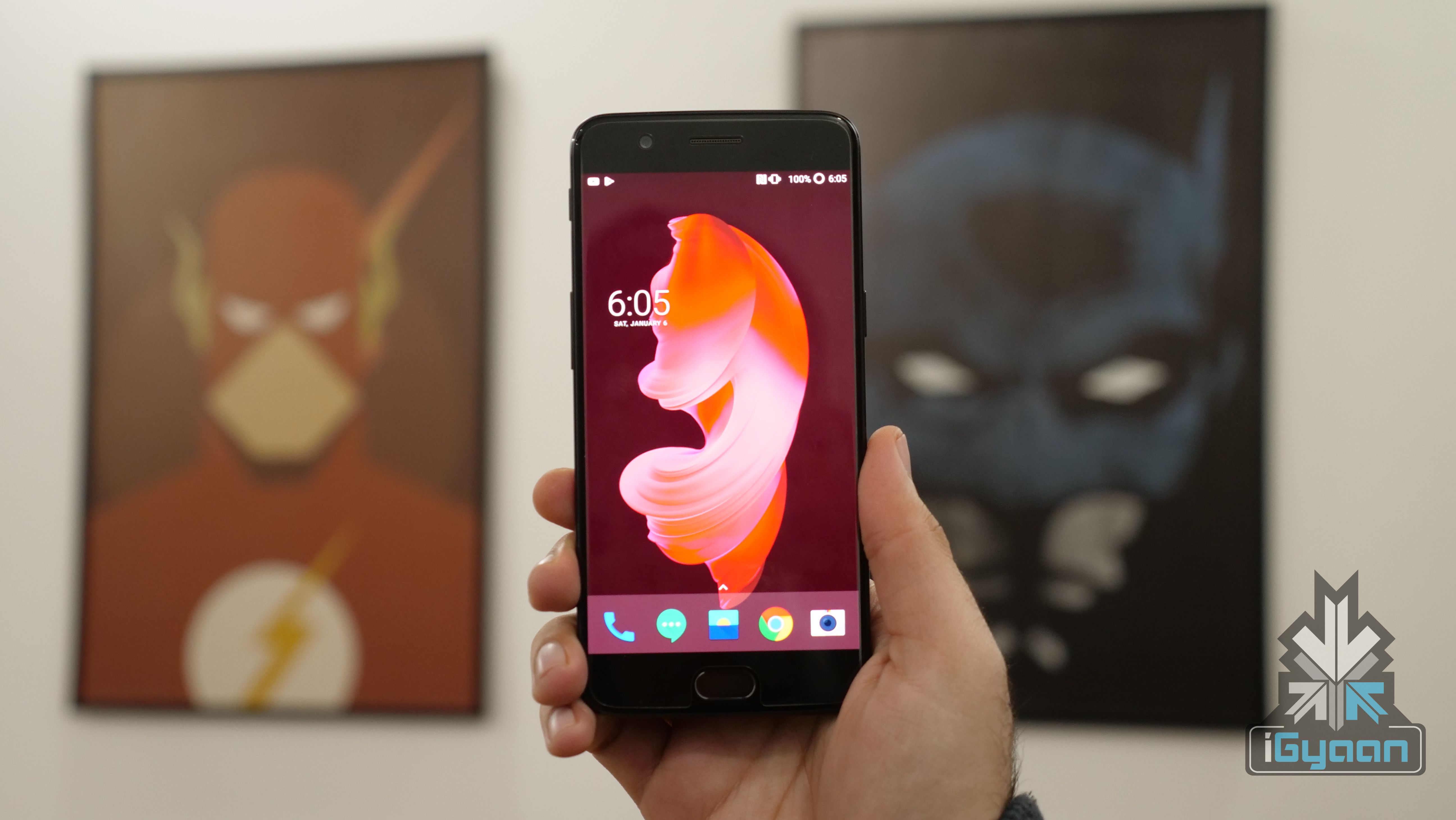
The OnePlus 5T has a 6-inch Full Optic AMOLED display with a 2160 x 1080 px resolution.
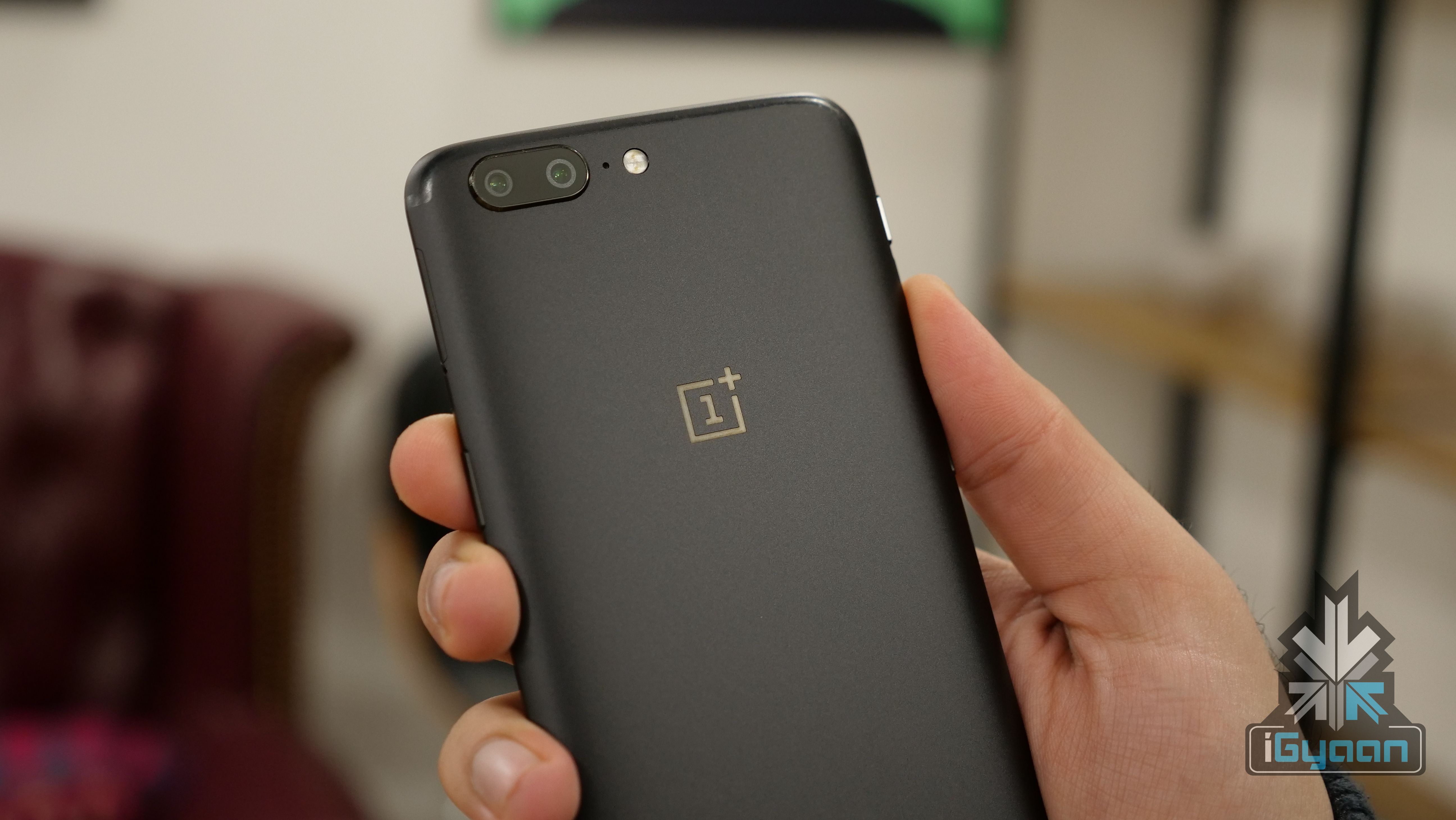
Under the hood, the OnePlus 5T has the Qualcomm Snapdragon 835 chipset, a 2.4GHz octa-core processor, 8GB of RAM, 128GB of onboard storage which cannot be expanded. Due to thin bezels, there is no place for a home button and the fingerprint sensor has now been shifted to the back of the phone and is placed right above OnePlus logo.
Powering the device is a 3300 mAh battery which supports OnePlus’ DashCharge technology. The OnePlus 5T also features facial recognition for unlocking the device. The alert slider retains its place at the top left side of the phone.
One big change in the OnePlus 5T is in the camera department. Unlike the OnePlus 5, the OnePlus 5T no longer has a secondary telephoto lens at the back. Instead, OnePlus has decided to focus on the device’s low-light photography capabilities. The cameras do not have OIS and OnePlus has decided to go for EIS on the dual camera setup at the back. The device has a 16MP camera with an f/1.7 aperture coupled with a 20MP sensor with the same f/1.7 aperture and field of view, ie no optical zoom. On the front is a 16MP camera with an f/2.0 aperture.
Smartphone makers, at large, are striving for sleeker phones. With wireless charging gaining more attention, it appears that a glass build will be more prominent in the coming months. Although an IP67 or IP68 rating has become more of a necessity in flagship devices nowadays, these phones are not meant rugged use by any means.
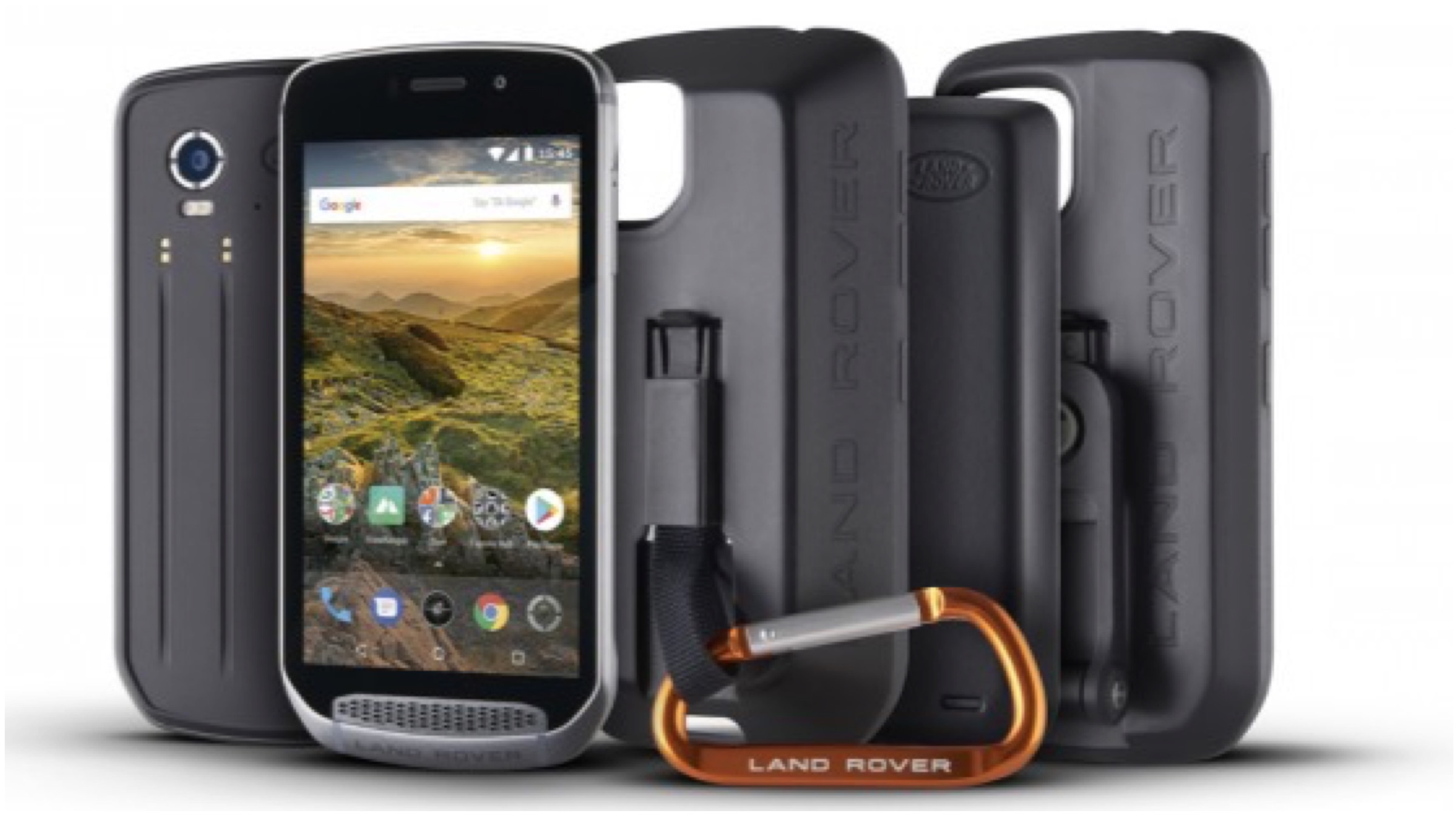
In comes Land Rover, a company known for making outdoorsy cars aimed at people who like the luxury. Land Rover has confirmed that it will soon launch a smartphone aimed at people who like outdoor life. The carmaker has teamed up with Bullitt Group, the same company that makes rugged CAT phones like the S60.
CAT phones are some of the most rugged Android smartphones on the market. They even have features like a thermal camera. So, going with Bullitt Group does seem like an appropriate choice for Land Rover to make rugged smartphones. The smartphone is called Land Rover Explorer and will be launched at MWC 2017. While there were no details ousted about the device, it will be available for order in April.
One of the most differentiating features of the Land Rover Explorer is its modularity. Similar to the Moto Z family, you will be able to slap on a mod to increase the functionality of the device. The most talked-about mod is the Adventure Pack, which adds a powerful GPS antenna, extra battery life, and an AR viewfinder for navigating in the wilderness.
So far, the price of the smartphone has been revealed for the UK and European markets. It will be priced at €649 or £599 depending on the region. No details about the device’s global availability were made public. With its launch just a few weeks away, more details are expected to be announced at MWC 2018.
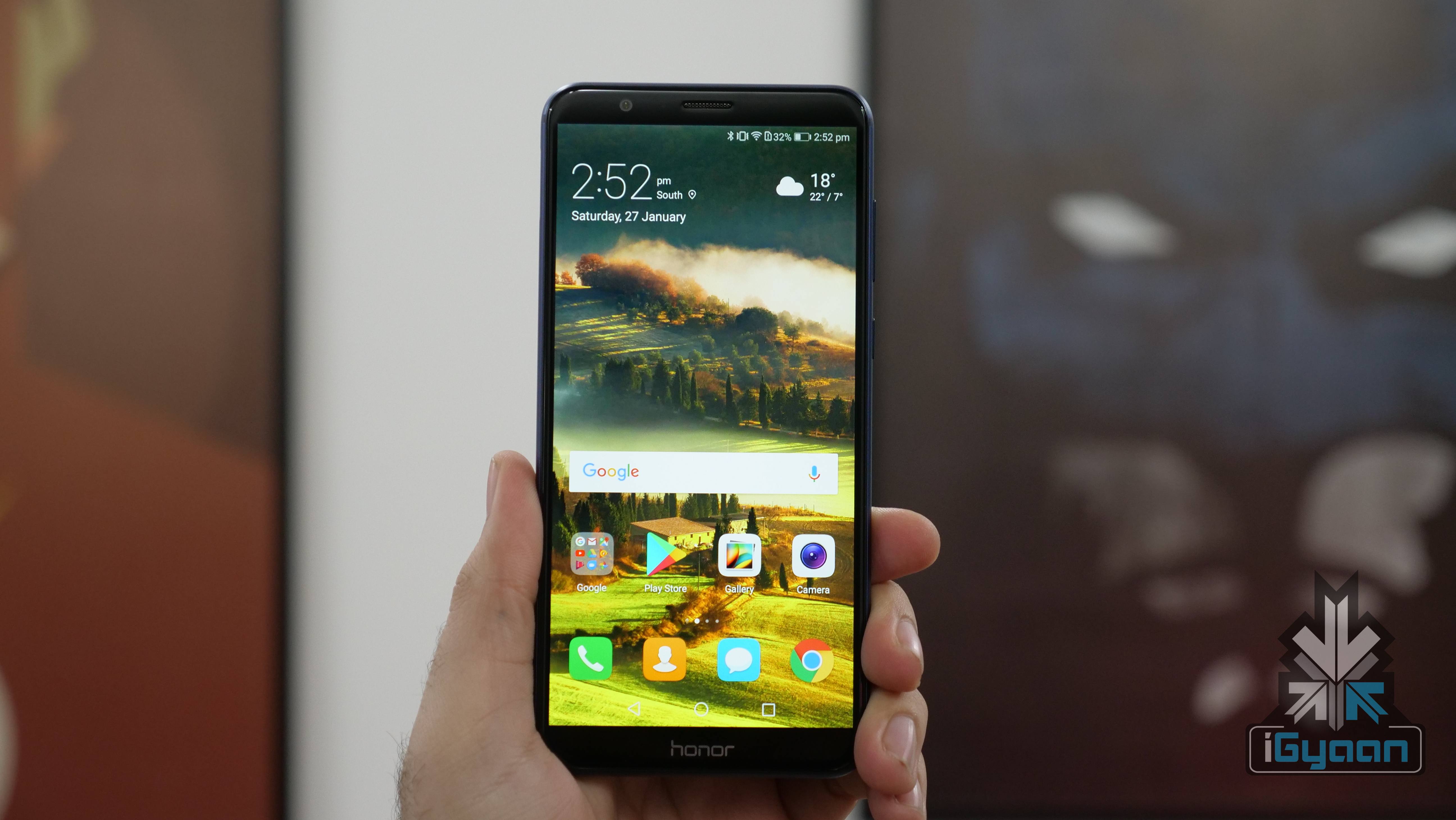
The Honor 7X was launched in India at a starting price of Rs. 12999. With a modern design and a very capable Kirin 659 chipset, the Honor 7X is one of the best devices in this price range. Watch our full review to know more!
[section label=”Full Review”]
Watch Our Full Review Of The Honor 7X:
Watch Our Video Of Honor 7X Vs Xiaomi Mi A1 Comparison:
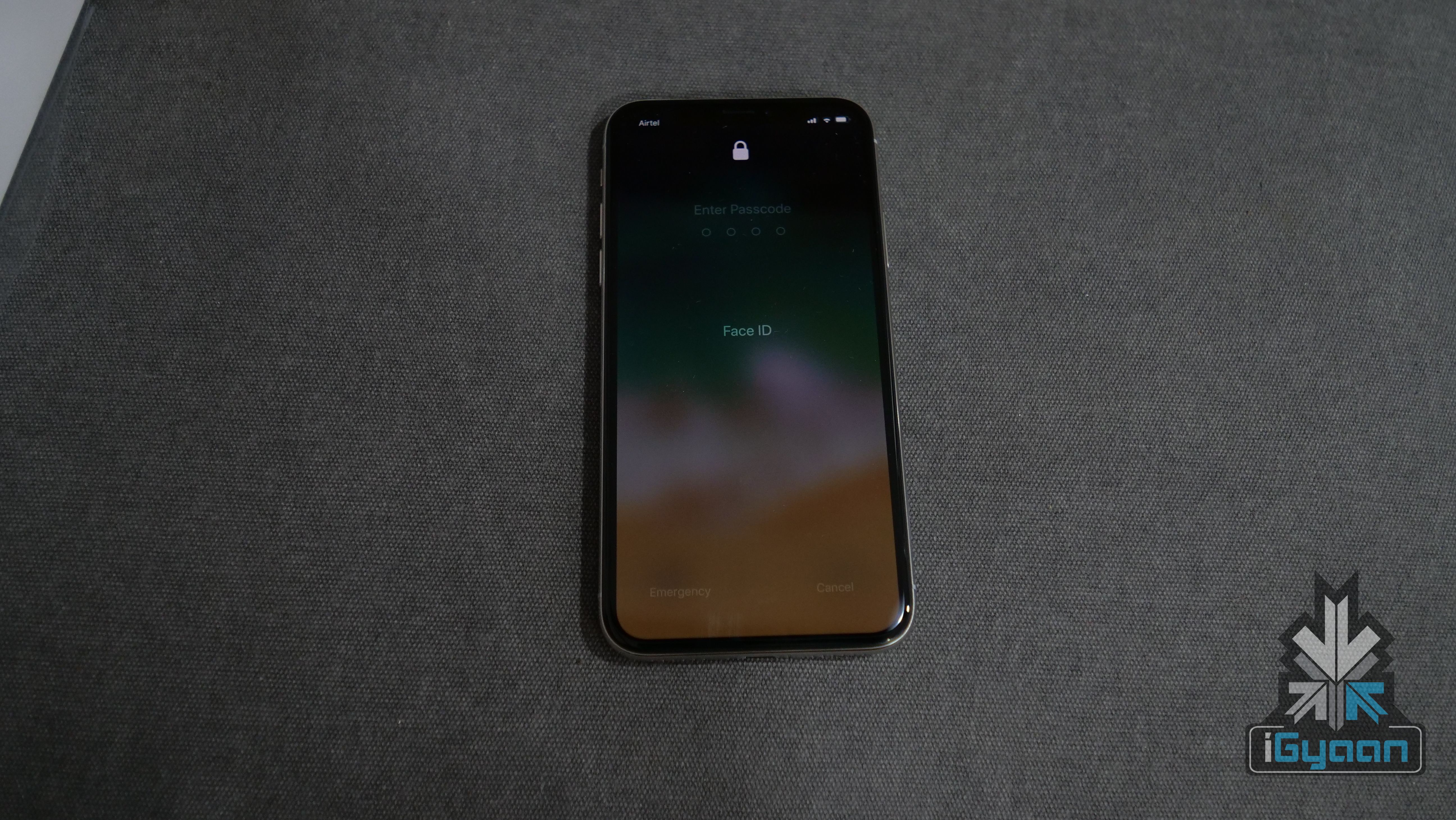
In September of 2017, Apple launched the iPhone X without the beloved Touch ID. In came Apple’s spin on facial recognition, called Face ID. Even though the facial recognition technology has been present in Android smartphones for a number of years, it has gained mainstream attention ever since the launch of the iPhone X.
More smartphone makers have announced their plans to introduce facial recognition technology in upcoming smartphones. The OnePlus 5T, launched in November 2017 has one of the fastest Face Unlock right now albeit, not the most secure. MediaTek, one of the biggest smartphone chipmaker after Qualcomm has announced plans to introduce the coveted facial recognition technology in entry-level smartphones.
MediaTek claims that the facial data is stored on its chipset natively. Which means the facial data collected for authentication does not get stored in the cloud, thereby keeping it secure. The company also claims that its facial recognition system is fast and can unlock a smartphone in 0.5 seconds. It has a 30º angle unlock which makes it possible for one to unlock the smartphone while facing sideways as well.
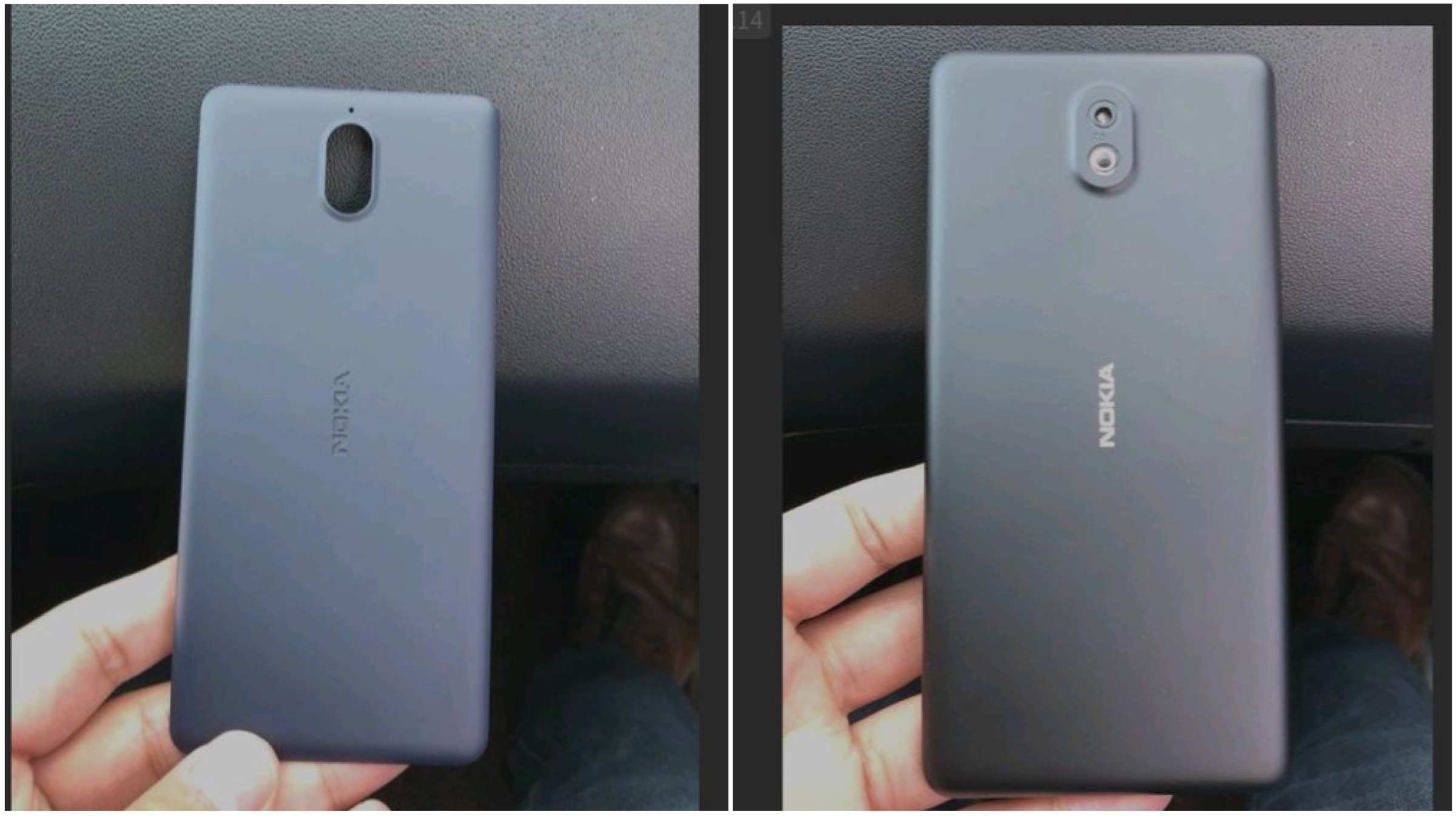
Expected Nokia 1 Design
The MT6739 chipset has features like Dual 4G VoLTE support, 18:9 HD+ display, and 13MP+2MP dual camera setup with bokeh effect.
The chipset from MediaTek will be optimised to work with Android Go smartphones.It is already working with Reliance Jio on an Android Go device, as reported earlier. Also, this chipset will power entry-level smartphones which are expected to be priced below Rs 5,000. The first Android Go smartphone with MT6739 chipsets will be available starting March this year.
Updated: A report claims that the Samsung Galaxy S9+ and its smaller sibling will have the ability to make 3D emoticons using the front-facing camera, similar to Apple’s Animojis. This does seem plausible as Samsung is expected to have an advanced facial recognition system as well. Also, both the devices will have dual speakers, one at the top and one at the bottom of the phone.
Samsung will launch the Galaxy S9 and Galaxy S9+ on the 25th of February in Barcelona. Two of the most anticipated flagship devices of 2018 are expected to go on sale in the first week of March. Samsung is expected to announce the release schedule as well as the first batch of countries that will receive the two devices.
The Samsung Galaxy S8 and S8+ became extremely popular for their infinity display, sleek design and terrific camera performance. Even though the camera was not much of an upgrade over the Galaxy S7, it was enough to be one of the best in class in early-2017. The quad HD resolution coupled with Samsung’s Super AMOLED panel meant that even today, the Galaxy S8 has one of the best smartphone displays on the market.
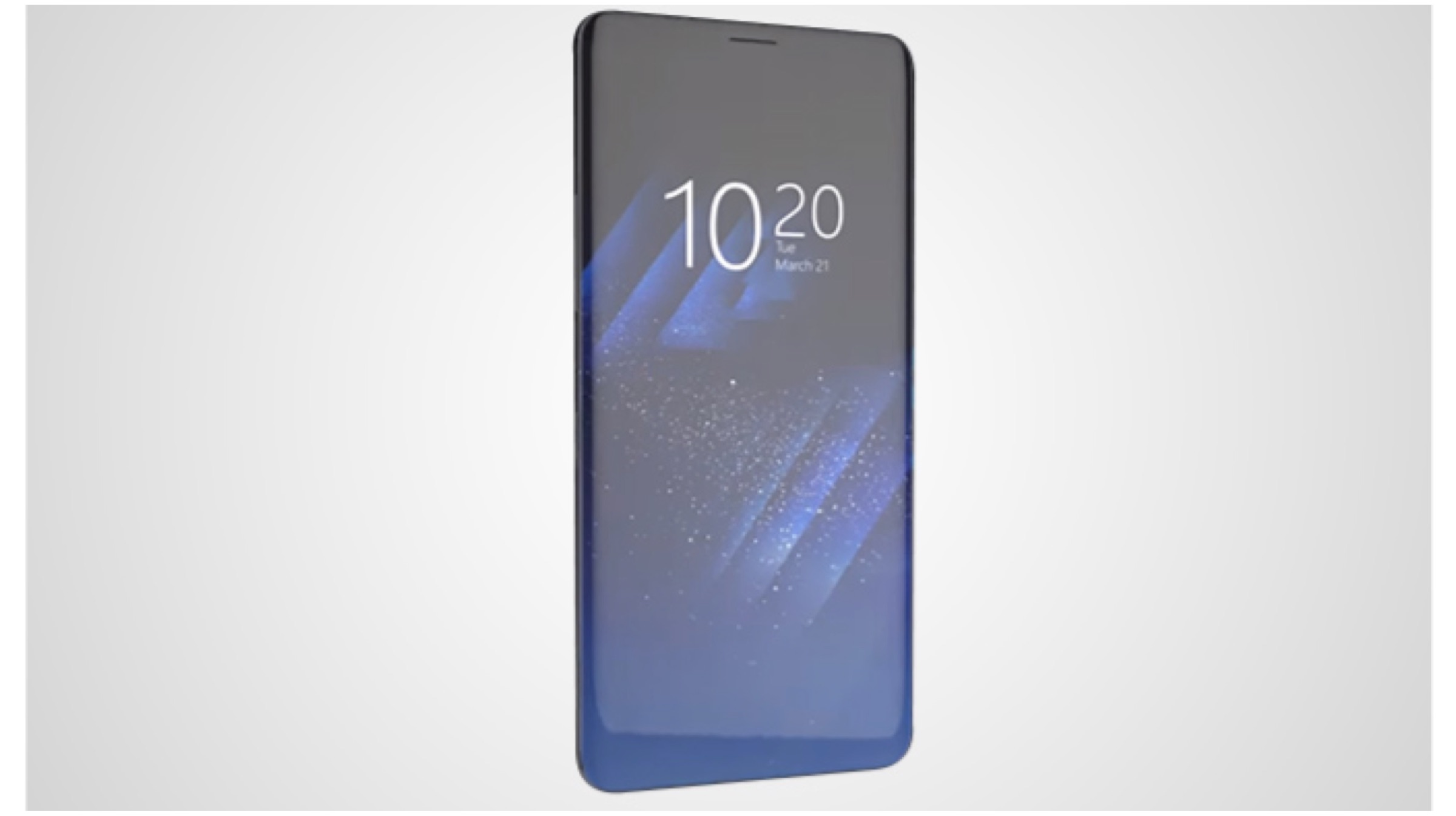
Early Galaxy S9 Concept
A similar level of superiority is expected from the Galaxy S9 and its bigger sibling. This time around, even though it looks like the design won’t see much of a change, the camera department is expected to see a vast upgrade. With enough leaks out on the internet so far, here’s what we know about the 2018 flagship devices from Samsung so far:
Price
Surprisingly, one of the least talked about aspect of the Galaxy S9 and S9+ has been the price. With the price of flagship smartphones touching new heights in 2017, this year doesn’t seem to be any different. However, if the latest reports from South Korea are anything to go by, Samsung could nail the pricing of the Galaxy S9 and S9+.
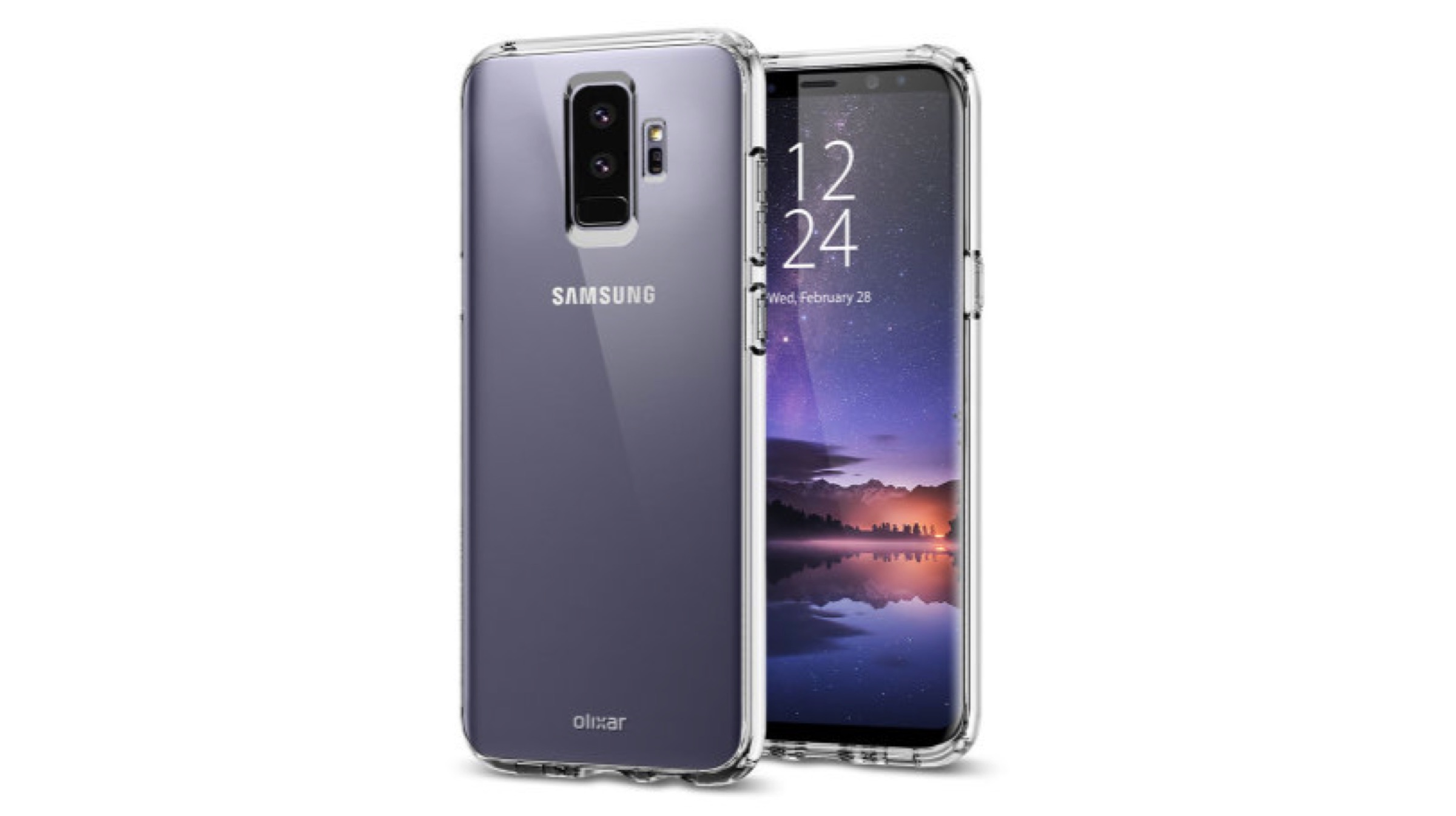
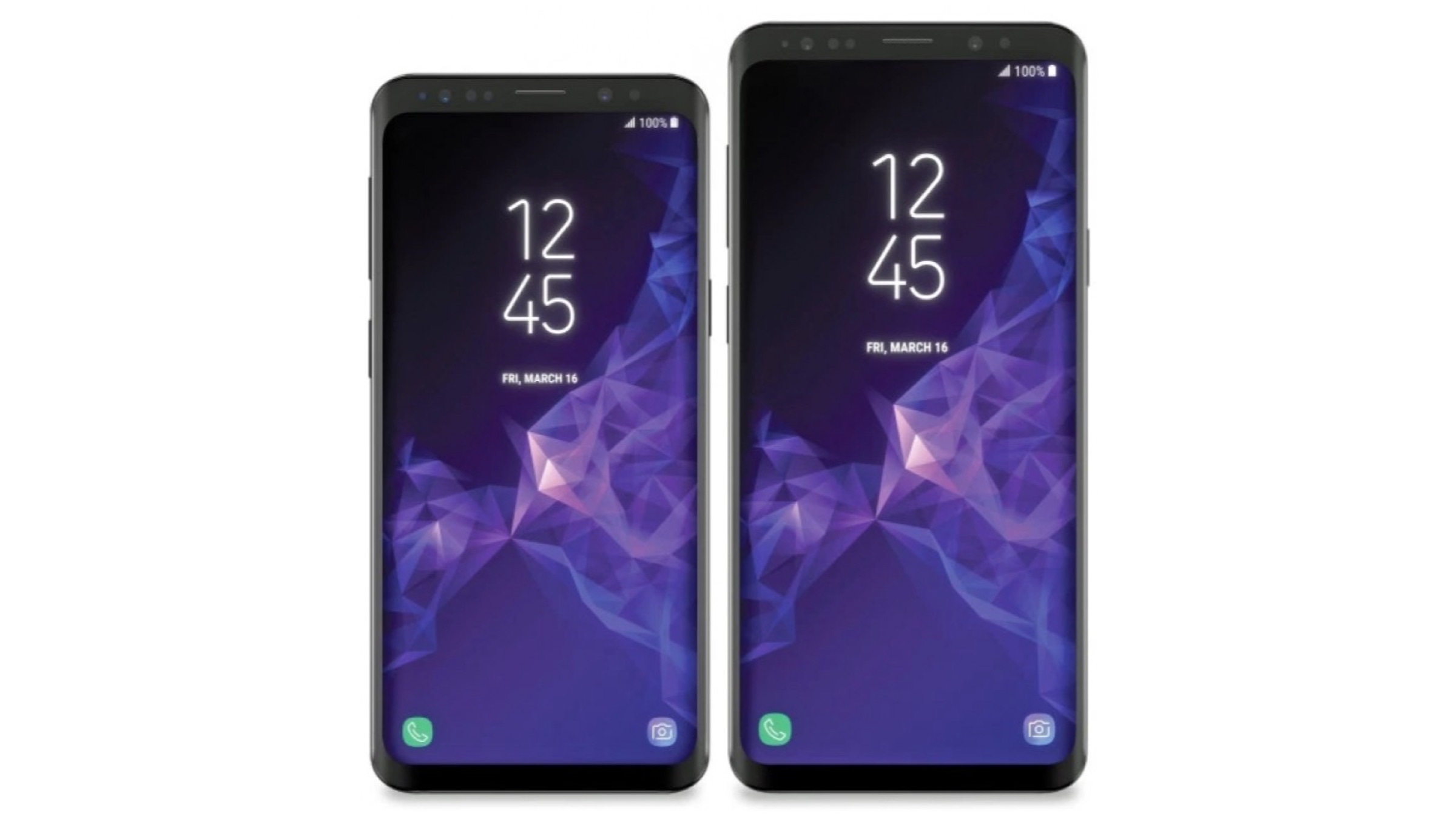
Press Renders
In South Korea, Samsung’s native market, the Galaxy S9 will cost KRW950,000, while the S9+ will be KRW990,000. This amounts to about US$ 883 for the S9 and US$ 920 for the Galaxy S9+. It is worth noting that Samsung always prices its smartphones higher in South Korea.
This means that the company will launch the two phones at a price similar or same as that of their predecessors. For context, the Galaxy S8 was priced at KRW935,000 (around $875) in South Korea. Its global price was US$ 720.
Design
Even a year later, the Galaxy S8 and S8+ are still two of the best-looking smartphones in the market right now. All the renders and leaks have suggested that Samsung will retain the design for the upcoming Galaxy S9 and S9+. This should not be disappointing, owing to the superior design of the 2017 flagship phones. The new smartphones will have a glass back with an aluminium frame.
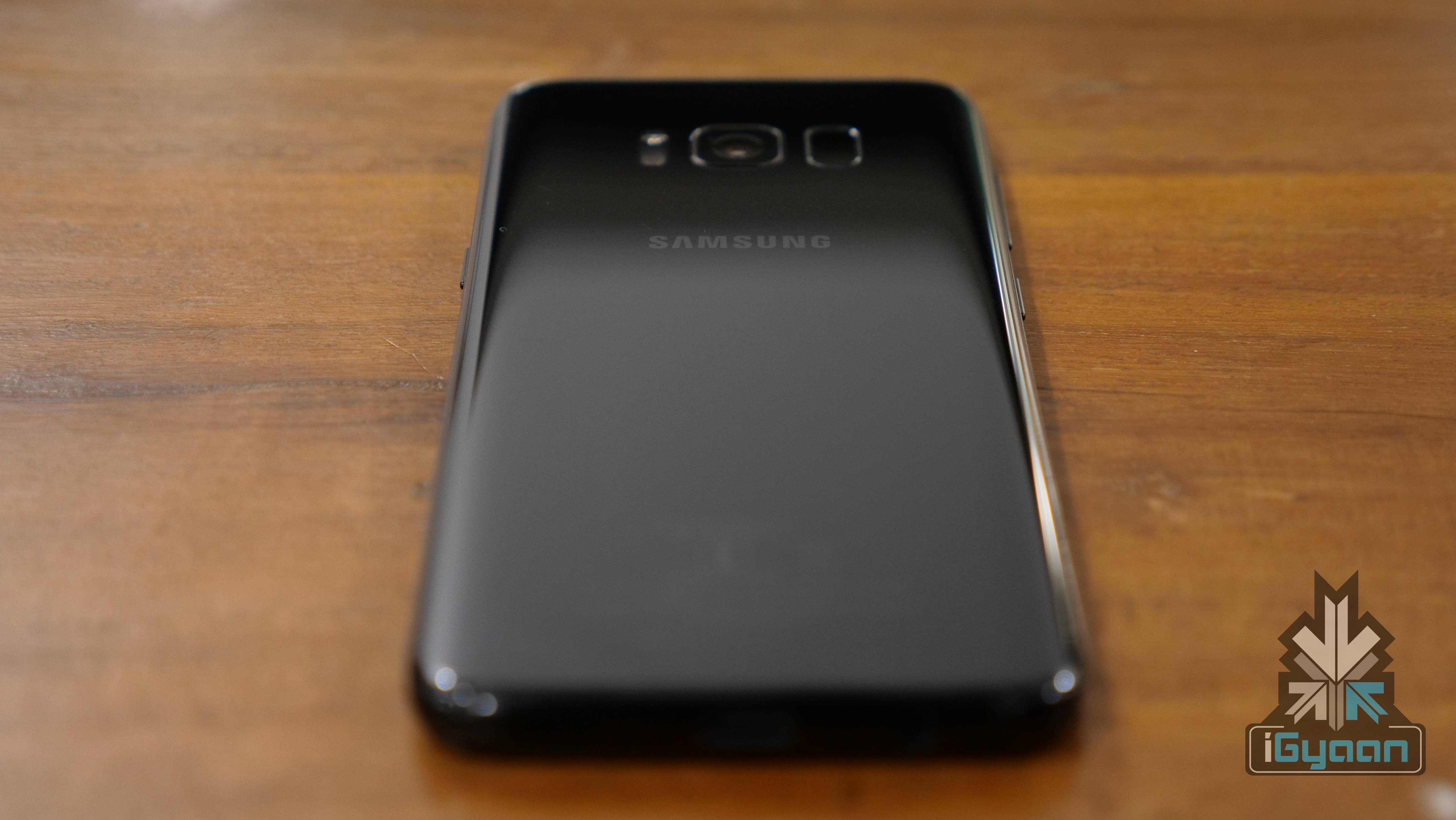
Fingerprint sensor placement on the Galaxy S8
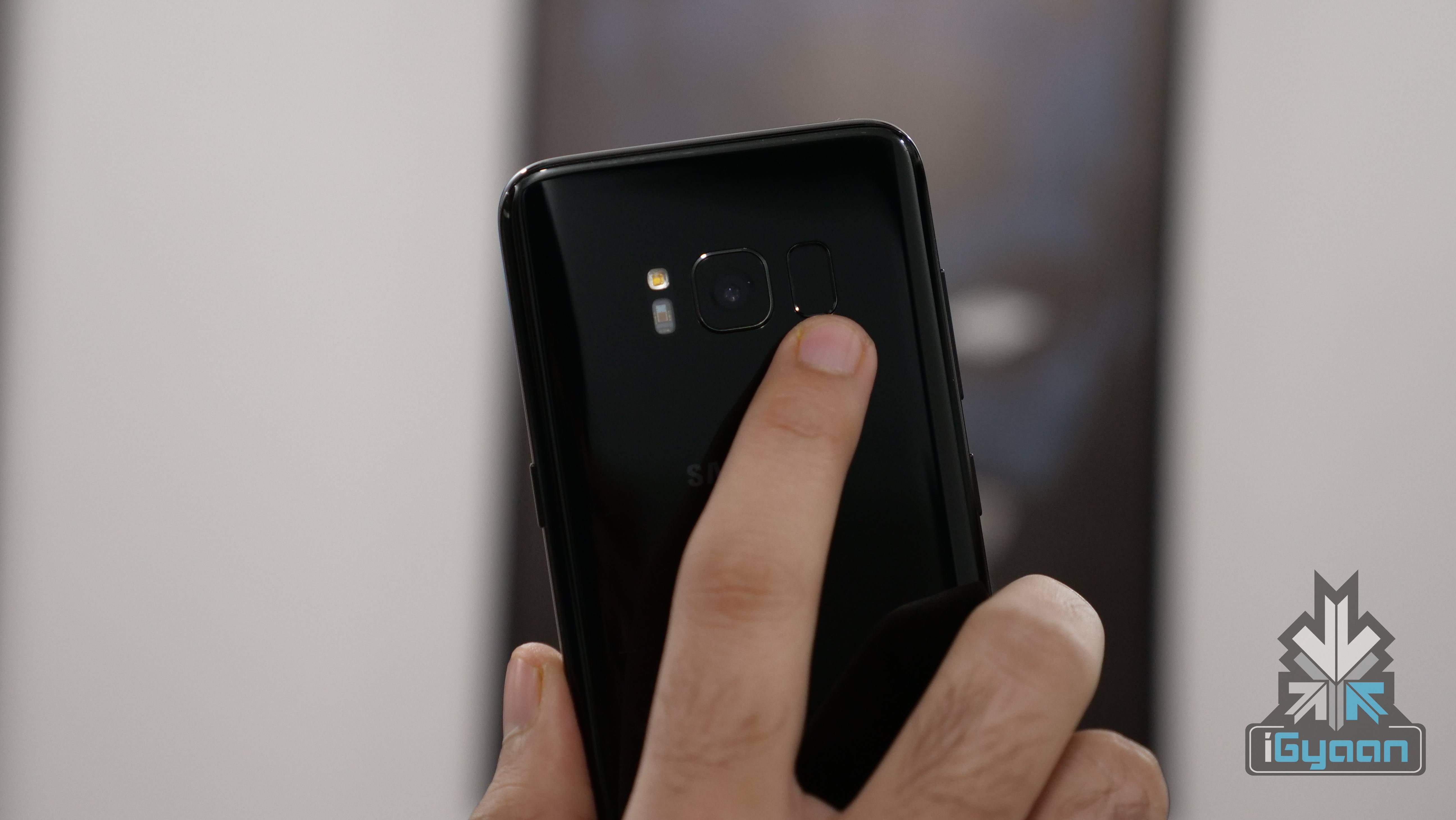
The top and bottom bezels will be slightly smaller while the edge-to-edge infinity display will be present as well. The fingerprint sensor will now be placed below the camera module, a much better position than the one on the Galaxy S8 and the Galaxy Note8. Interestingly enough, Samsung will also retain the Bixby button on the left-hand side.
Display
As mentioned before, the Galaxy S8 and S8+ had two of the best displays of 2017 and it won’t be different with the S9 and S9+. Unlike the majority of “bezel-less” smartphones of 2017, the Galaxy S8 devices had an 18.5:9 aspect ratio and the Galaxy S9 and S9+ are expected to retain that. The Galaxy S9 is expected to have a 5.8 inch Super AMOLED display with a 2960 x 1440 px resolution. The Galaxy S9+ might have a 6.2 inch Super AMOLED display with a 2960 x 1440 px resolution.
Galaxy S8
On top of the display will be Corning Gorilla Glass 5 for protection. The same glass will also be used on the back.
What’s Under The Hood?
The Samsung Galaxy S9 and S9+ will run on the latest Qualcomm Snapdragon 845 chipset in the US and South Korea. As is with other Galaxy devices, rest of the markets will receive the Exynos 9810 chipset running Galaxy S9 and S9+.
According to a leak, Galaxy S9 will be offered in two options, 4GB RAM/64GB storage and 4GB RAM/128GB storage. The bigger sibling of the two, the Samsung Galaxy S9+ will be available in 6GB RAM/64GB storage, 6GB RAM/128GB storage and 6GB RAM/256GB models in major markets across the world. The same tipster also claims that Samsung will launch a special edition Samsung Galaxy S9+ with 512GB of storage.
Unless Xiaomi beats Samsung to it, the Galaxy S9 and S9+ will be the first smartphones ever to run on the Snapdragon 845 chipset.
Camera
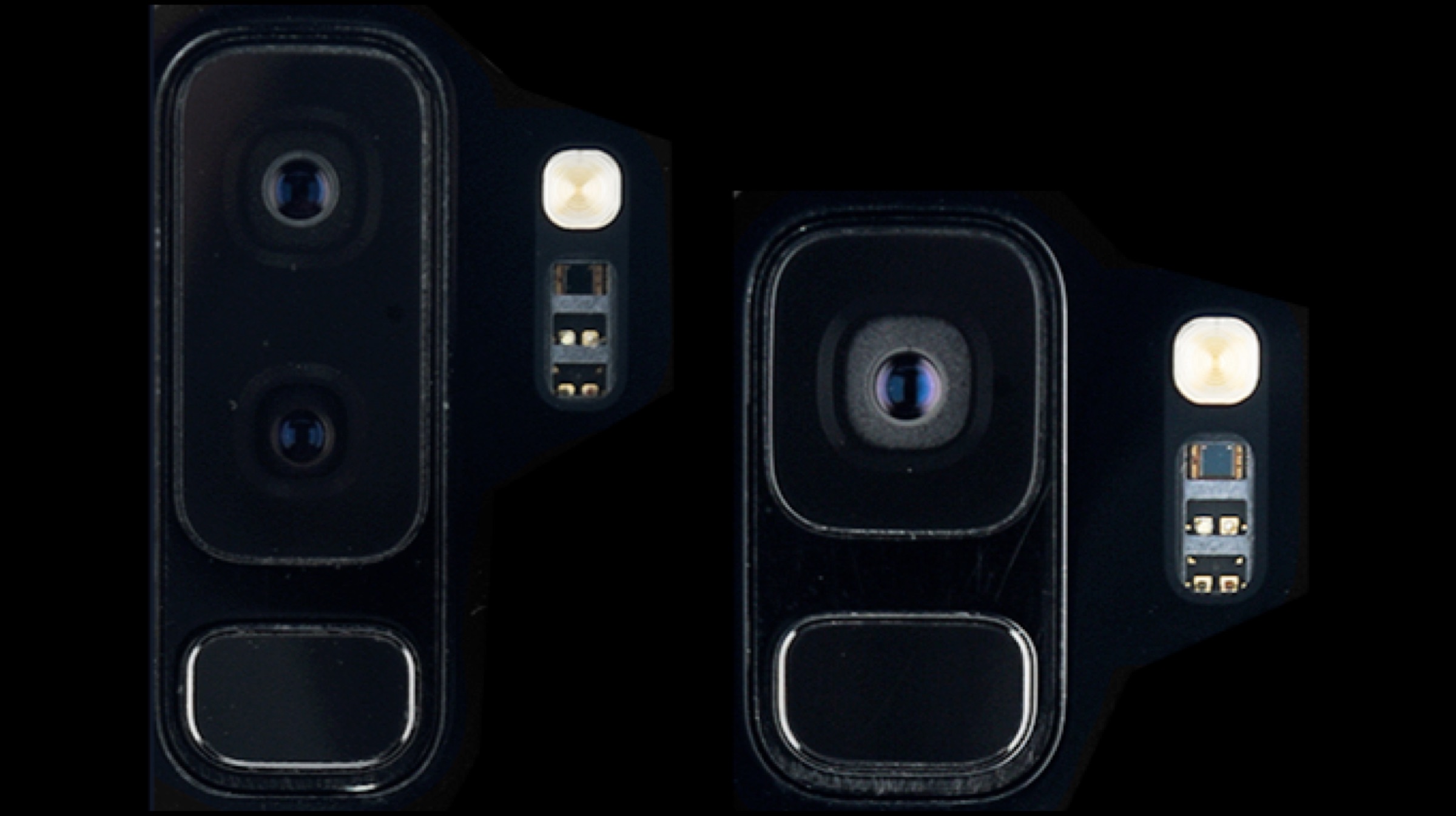
The camera department is expected to see the most noticeable upgrade this time. Unlike what happened in 2017, the Galaxy S9 and S9+ are expected to have much more superior cameras than their predecessors. In a recent leak of the retail box of the Galaxy S9, it was revealed that it would have a 12MP camera with an f/1.5 aperture. Interestingly, the camera would support a variable aperture.
Galaxy S9+, S9 rear components layout
Taking a route Apple has tread so far, the ‘Plus’ model of the new flagship will have a dual-camera setup. In order to justify a higher price tag, Samsung Galaxy S9+ will now offer something substantial that the regular S9 doesn’t.
OS
The Samsung Galaxy S9 and S9+ are expected to run Android 8 Oreo out of the box. While so many OEMs have already rolled out Android 8 Oreo update for their existing flagship phones, Samsung’s Galaxy S8 and Note8still run Android 7.1 Nougat. This will change once the Galaxy S9 phones are launched.
Experience UI
As is with every other Samsung smartphone, the Galaxy S9 and S9+ will have the Experience UI on top. Samsung’s Experience UI has come a long way since its inception and is miles ahead of the TouchWiz UI. As every custom skin does, Experience UI has a divided opinion as well. But, you can always use a launcher if you want a stock OS look.
Bells And Whistles
The Essential Ph-1 was probably the most stock Android phone when it was launched. No whimsical features of any sort, just pure stock Android OS. Even Google’s own Pixel 2 and Pixel 2 XL had features like Active Edge and Now Playing that came in handy at times. The Samsung Galaxy S9 and Galaxy S9+ will be nowhere near to what the Essential Ph-1 was.
Pixel 2 Now Playing
A recent leak suggested that the upcoming flagship devices will have a ‘Smart Scan’ feature. This will basically combine iris and face scanning for a more accurate authentication system. However, since this will use Samsung’s API, the Smart Scan won’t be utilised for activites like banking. Face ID on the iPhone X has replaced Touch ID which means it is used for storing sensitive data and even banking.
Smart Scan
The smartphones will also have an IP68 rating for water and dust resistance. Thanks to a glass back, wireless charging will again be a feature on the new devices.
Conclusion
On the 25th of February, the Samsung Galaxy S9 and Galaxy S9+ will be launched. As two of the most high-profile smartphones of early-2018, a lot will be riding on the success of the devices for Samsung. Even though the design is similar to their predecessors, it, by no means, a bad decision. If the renders turn out to be true, the Galaxy S9 and S9+ will again be two great looking devices with top-notch specifications.
With the Galaxy S9 sporting a single camera and the Galaxy S9+ with a dual-camera setup, consumers might be drawn towards the bigger sibling. It will be interesting to see how big of a difference the camera performances will make.
OnePlus has started rolling out a new beta update to all the testers of the OnePlus 5T. The Oxygen OS Open Beta 3 arrives a couple of weeks after the previous update started seeding. The new update, however, will be noted for two noticeable changes. The first one is the removal of the controversial Clipboard app. The other one is the entry of gesture support.
The Clipboard app was introduced in the previous Beta build that started seeding on the 16th of January. It was reported on the OnePlus forums by a user named v1nc. The user found this out by accident when NetGuard blocked the Clipboard app from accessing the network. Clipboard app basically stores all the copy-pasted data on your phone. Further investigation revealed that the app was trying to ping a server that was an Alibaba owned property.
Although OnePlus came out and quashed these reports, it has now removed the app from the latest beta build.
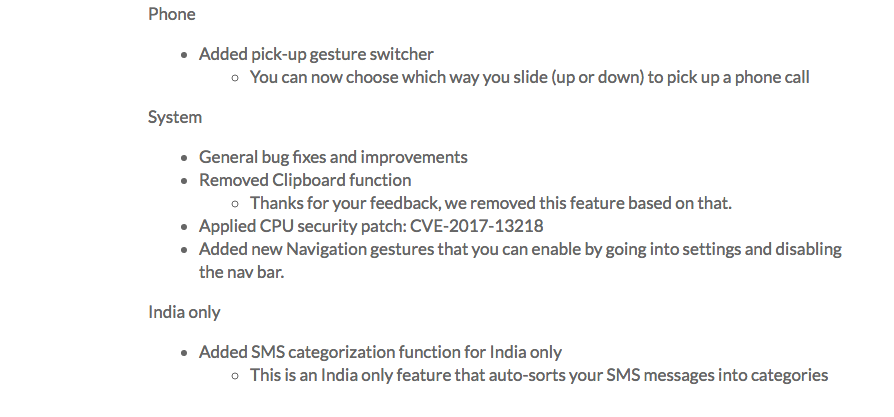
The other notable change is the addition of iPhone X-like gestures for navigation. Users now have the option of disabling on-screen navigation buttons. Once disabled, users have to use gestures to navigate through the UI. The gestures are not exactly like the ones found on the iPhone X but, are somewhat similar.
Homebar On The iPhone X
Another change is in the incoming call screen. Users can now choose to slide up or down to answer or ignore an incoming call. Here is a list of all the new changes:
The introduction of gestures is an interesting move by OnePlus. With smartphones moving to an all-screen design, wasting that little space on navigation buttons seem counterproductive. Although traditionally, Android OS has had navigation buttons, a slow introduction of gestures can go a long way in helping consumers get acclimatised with the new way of navigation.
A few reports have claimed that Reliance Jio is making an Android Go device. It is expected to be launched in Q1 of 2018 which means it might be announced in the next couple of months. Recently, Google announced the Android Go platform for entry-level smartphones. It is a way to make capable entry-level smartphones at the price of feature phones.
Apparently, the information was provided by TL Lee, Business unit Head of Wireless Communication Product at MediaTek at a MediaTek press conference. So far, there are no details about the upcoming device. It is hard to tell whether this Android Go device is an actual project right now or just an option on the table.
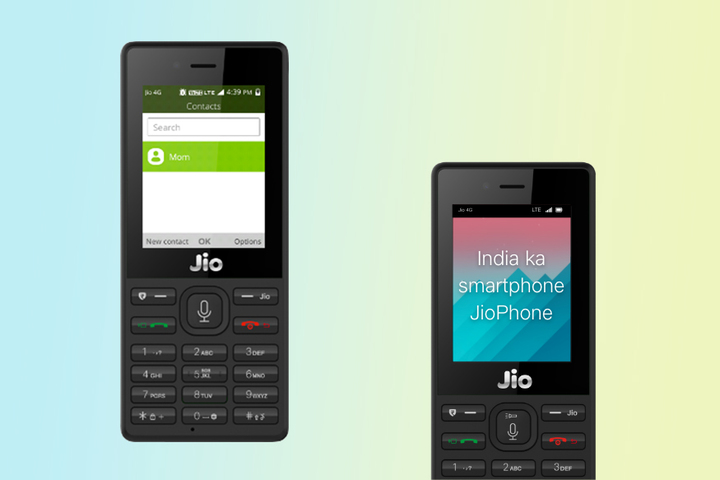
JioPhone
Thankfully, there are certain aspects of the smartphone that can be incurred from the provided information. Since it will be an Android Go device, the device will have entry-level specifications. Android Go is specifically designed to work on phones that have less than 1GB of RAM and 8GB of onboard storage. With such specifications, Reliance Jio could launch a smartphone at an extremely minimal price.
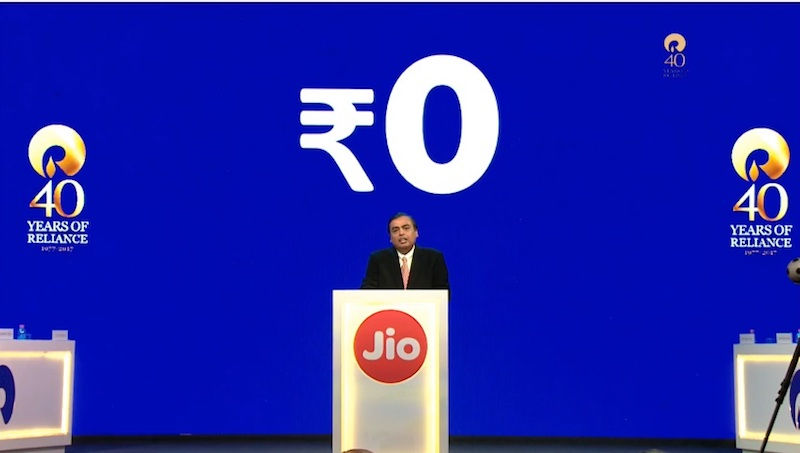
Currently, the telecom company has the JioPhone in the market. With an essential price Rs. 0, the feature phone was sold out within minutes of going up for preorders.
Android Go
Google has claimed that Android Go’s Oreo edition will be a variant of Android Oreo that a manufacturer can just set by ticking off a configuration flag. What this basically does is that it sets up the phone to use the “Go” versions of a handful of Google apps such as the main Google app, Google Assistant, Google Maps, Gmail, and others. Google claims that the smaller apps and slimmer OS can as much as halve the amount of storage that’s taken up by default on a new phone running default OS.
Google will also introduce a few other data saving features on Android Go. For example, in Chrome, everything will get run through a Google server that reduces file sizes before it gets delivered to the user’s phone. The new Datally app will also be pre-installed to keep a track of cellular data.
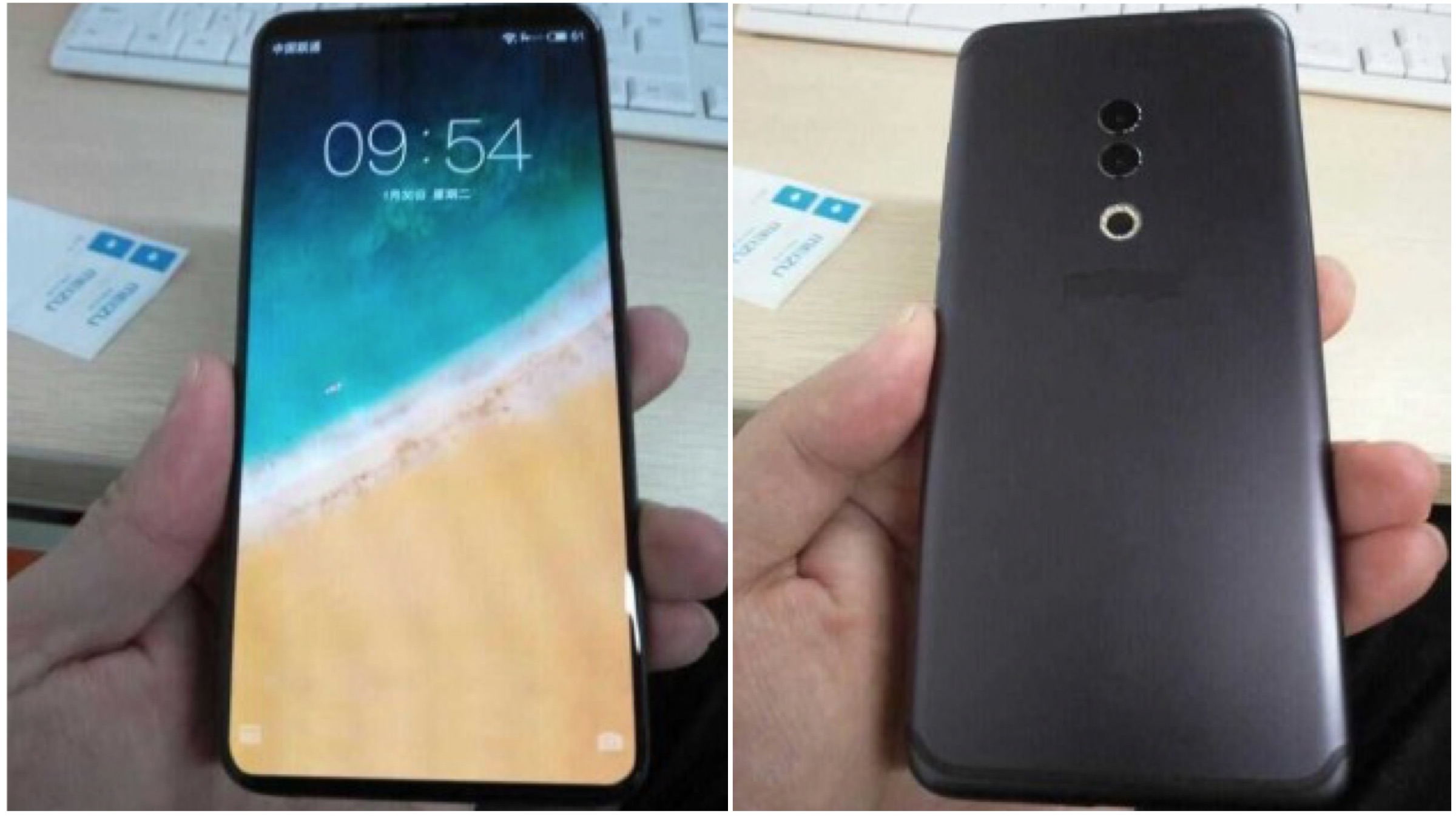
Live images of the upcoming Meizu 15 Plus reveals a bezel-less design that could be the best one yet. The device will have narrow bezels on the three sides with a slightly thicker upper bezel to house the camera and sensors. Noticeably, there appears to be no fingerprint sensor on the back of the smartphone.
Smartphones in 2017 saw an increase in the average screen size and a decline in the average bezel size. Samsung launched the Galaxy S8 and S8+ with the infinity display in 2017. Apple launched the iPhone X with thin bezels and a notch which raised a few eyebrows. Similarly, OnePlus had to refresh its OnePlus 5 as the OnePlus 5T to keep up with the changing industry trends. In 2018, we can expect smartphones to reduce the size of bezels even more.
There have already been leaks about Motorola introducing the new design in its budget category while the Xiaomi Mi 6Xis expected to take the design a notch higher with a vertically placed dual-camera on the back. While a lot was expected from the design of the Galaxy S9 and S9+, it looks more and more likely that they will look very similar to their predecessors with minor changes.
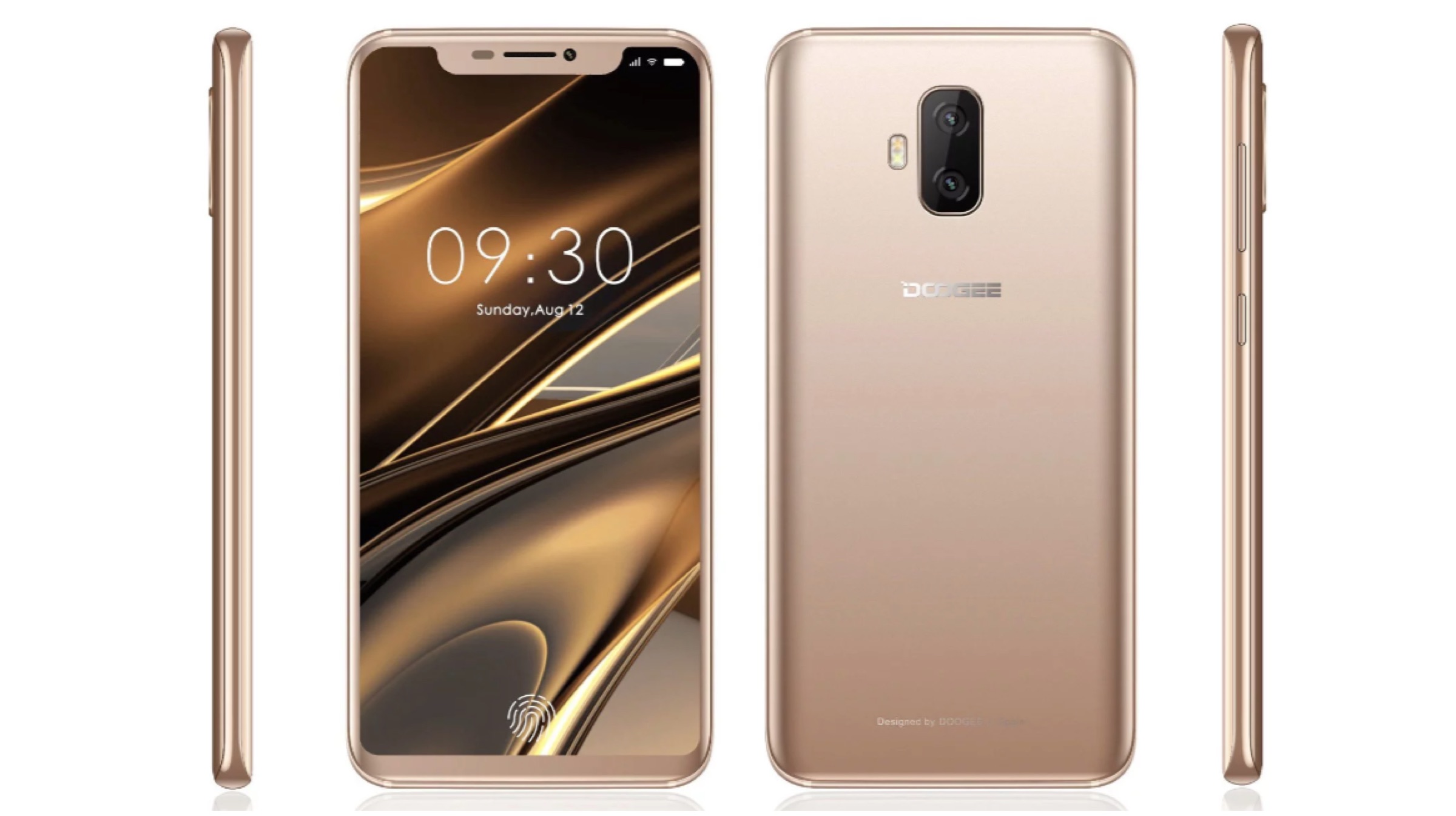
Doogee V With In-Display Fingerprint Sensor
What Do We Know About The Meizu 15 Plus So Far?
The leak also reveals that the Meizu 15 Plus will be either powered by the Qualcomm Snapdragon 845 or Exynos 8895. The smartphone will definitely be an affordable flagship Android phone with a price tag of CNY 3599 (Rs. 36000 approx.).
It will have a dual-camera setup on the back along with a 10-LED flash.
One interesting aspect here is that there is no fingerprint sensor on the back of the phone and with such thin bezels, there is a place for a front facing fingerprint sensor. This means that following the footsteps in Vivo, the company could embed a fingerprint sensor inside the display. Vivo recently unveiled the V20 Plus UD with the Clear ID technology. This technology only works with OLED displays.
Or, the Chinese smartphone maker could go all the way and introduce Face ID on the new device. Facial recognition gained a lot more attention after Apple introduced Face ID in the iPhone X. The company could implement a facial recognition system and do away with a fingerprint sensor.
There is still a lot that is unknown about the device such as its other specifications. Founder of Meizu has claimed that the phone is scheduled for March in China.
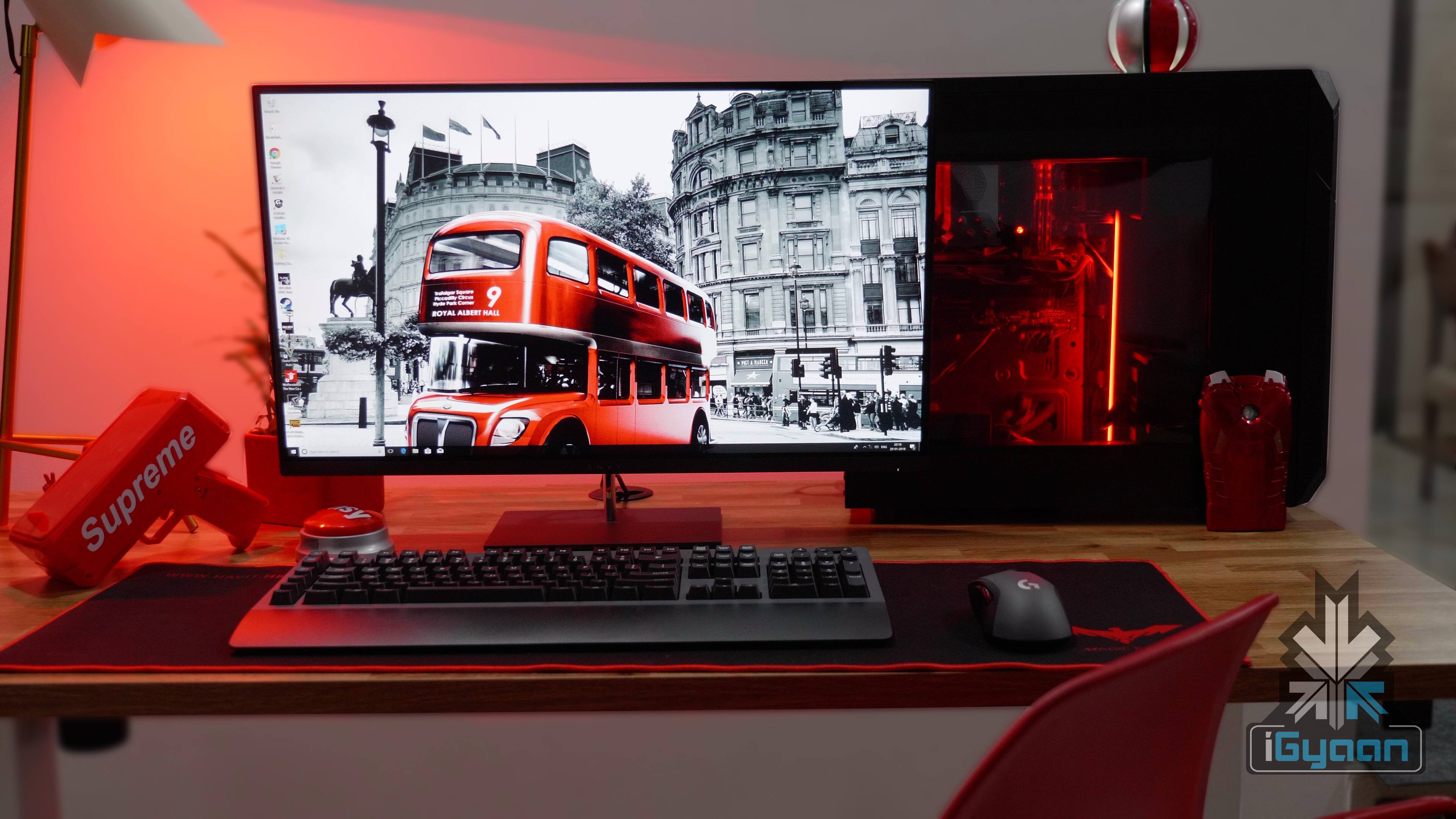
After kicking off our PC builds with a budget of Rs. 30,000, we decided to take things up a notch. We chose a budget of Rs. 70000 and set out to build a machine worthy of being our Gaming PC. If you have been gaming for a while and looking to up the ante, then this build is right up your alley!
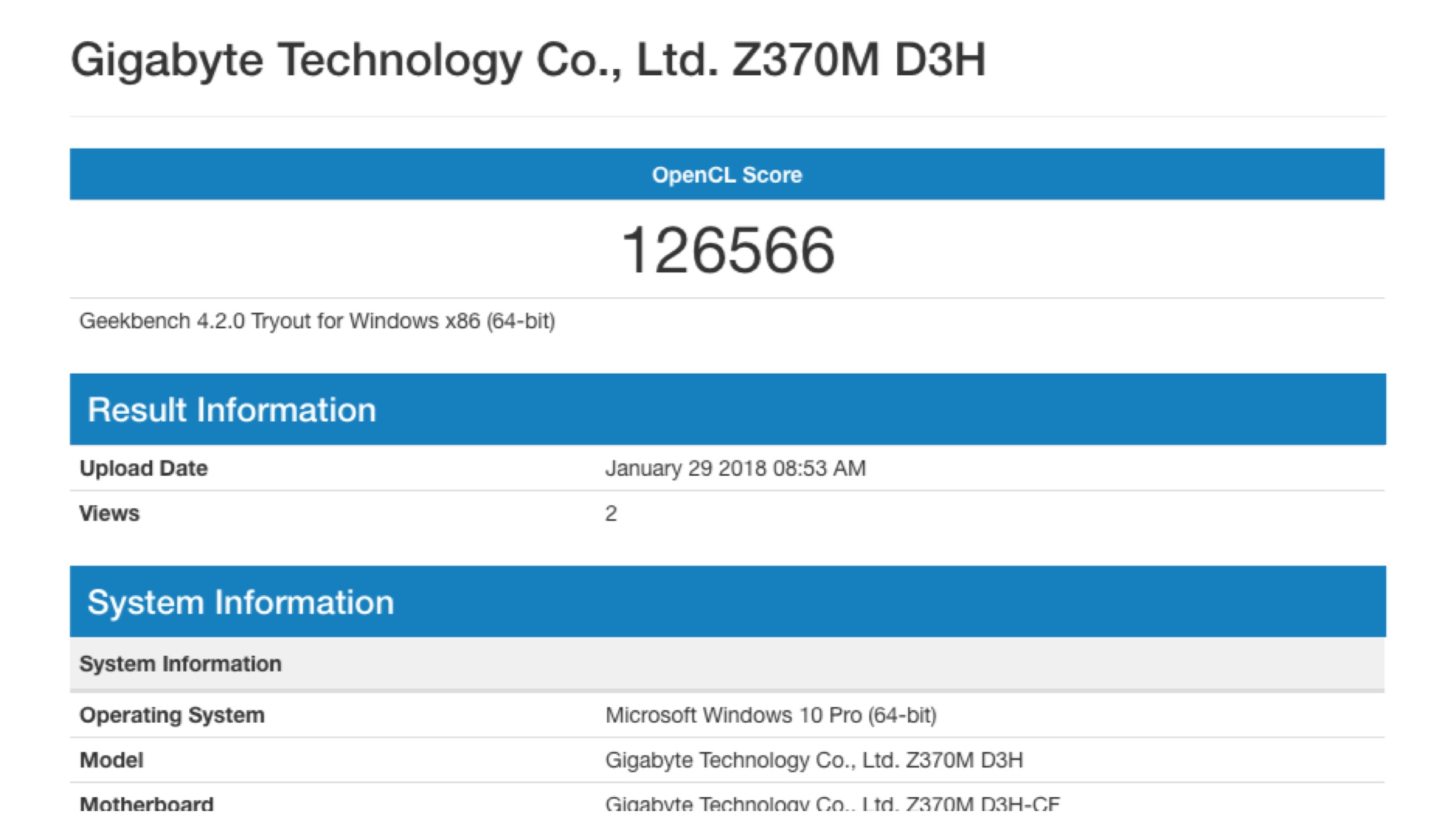
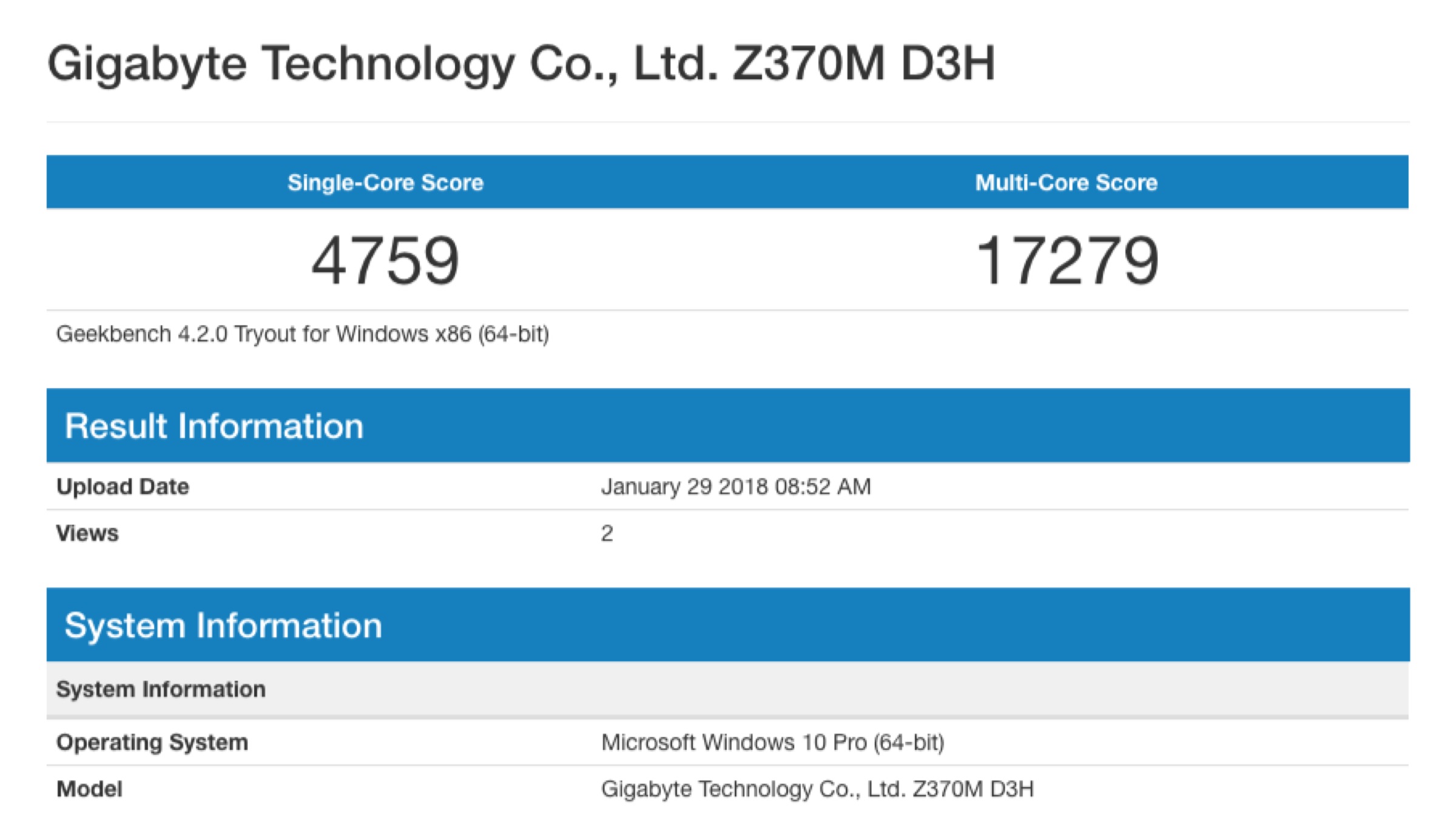
Just like budget PC, we put our 70K gaming PC through its paces and following are the results!