Author: Vipul Vij

  • Mid-Range Variant Of The HTC U11+ To Be Launched In January

    Mid-Range Variant Of The HTC U11+ To Be Launched In January

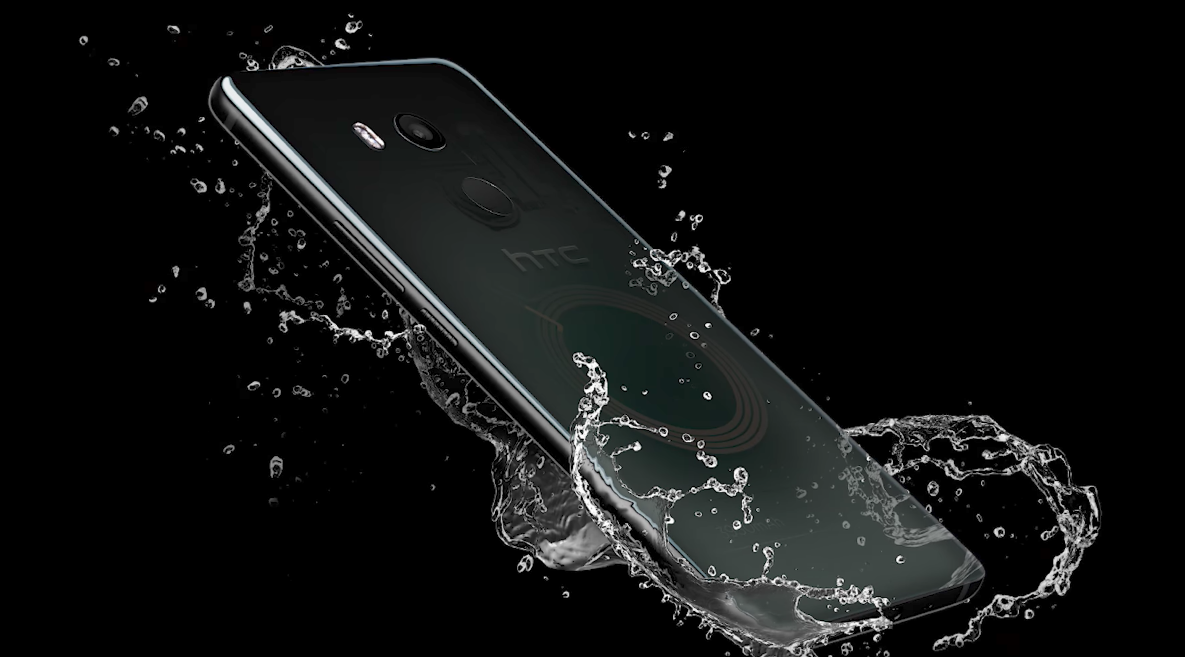
    Ever since the co-operative agreement between Google and HTC, it has been rumoured that HTC will slowly shift its prime focus to its other businesses like virtual reality. However, that doesn’t mean that HTC smartphones will be completely phased out. The company recently launched the HTC U11+ and HTC U11 Life. A new report claims that a mid-range variant of the HTC U11+ will be launched in January of 2018, possibly at CES.

    HTC U11 +

    A few weeks ago, the specifications of an HTC phone codenamed Ocean Harmony were revealed. According to the specs listed, the device will have a 5.99-inch display with an 18:9 aspect ratio and a possible 2160 x 1080 px resolution.

    Leaked Specs

    Under the hood, the device will have the Qualcomm Snapdragon 652 chipset, 4GB of RAM and 64GB of onboard storage which will be expandable via microSD card.

    The specifications hinted towards a toned down variant of the HTC U11+ and the new report appears to corroborate with the previous leak.

    The report further claims that the next HTC device to launch in 2018 will be the HTC U12. Although no timeline is mentioned for the U12, it could be powered by the Snapdragon 845 chipset and have a tall display with an 18:9 aspect ratio. Similar to the HTC U11+, the HTC U12 could also skip the 3.5mm headphone jack.

  • Regular Variant Of The Moto X4 Starts Receiving Android 8.0 Oreo Update

    Regular Variant Of The Moto X4 Starts Receiving Android 8.0 Oreo Update

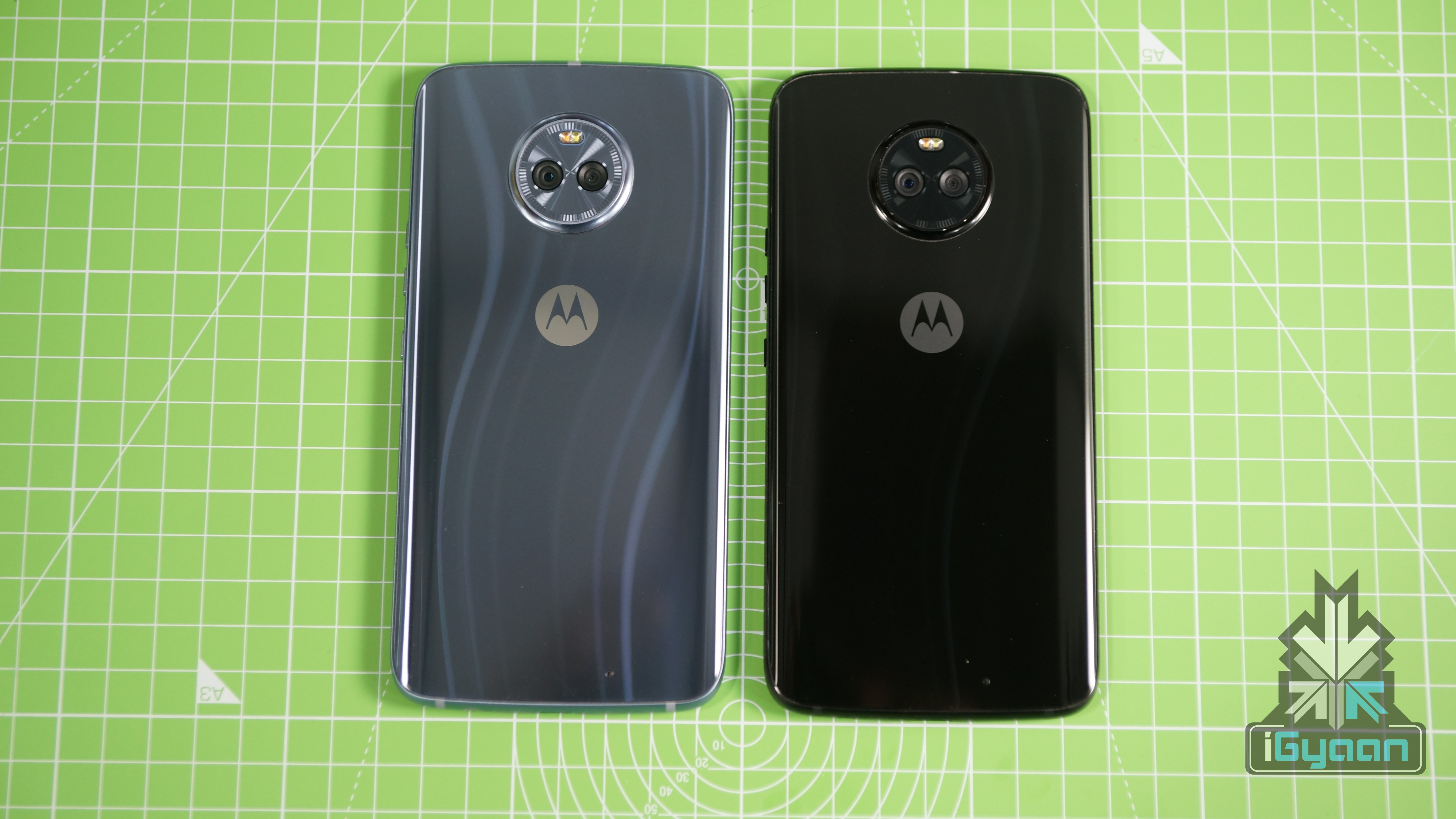
    Lenovo-owned Motorola is catching up with the Android 8.0 Oreo hype train real quick. After releasing the Android 8.0 Oreo update for the Android One variant of the Moto X4, it appears that the regular variant has also started receiving the new Android 8.0 Oreo update.

    A user tweeted the images of the update and screenshots post the update with a new layout and confirming that the device indeed is the Moto X4. The update has a build number of OPW27.2 and along with the new version of Android, also brings the December security patch. This means that Android Oreo features like Picture-In-Picture, Notification Dots and better back-end functioning will now be present in the Moto X4. An update to Android 8.0 Oreo also means that the device will now support all Bluetooth 5.0 features.

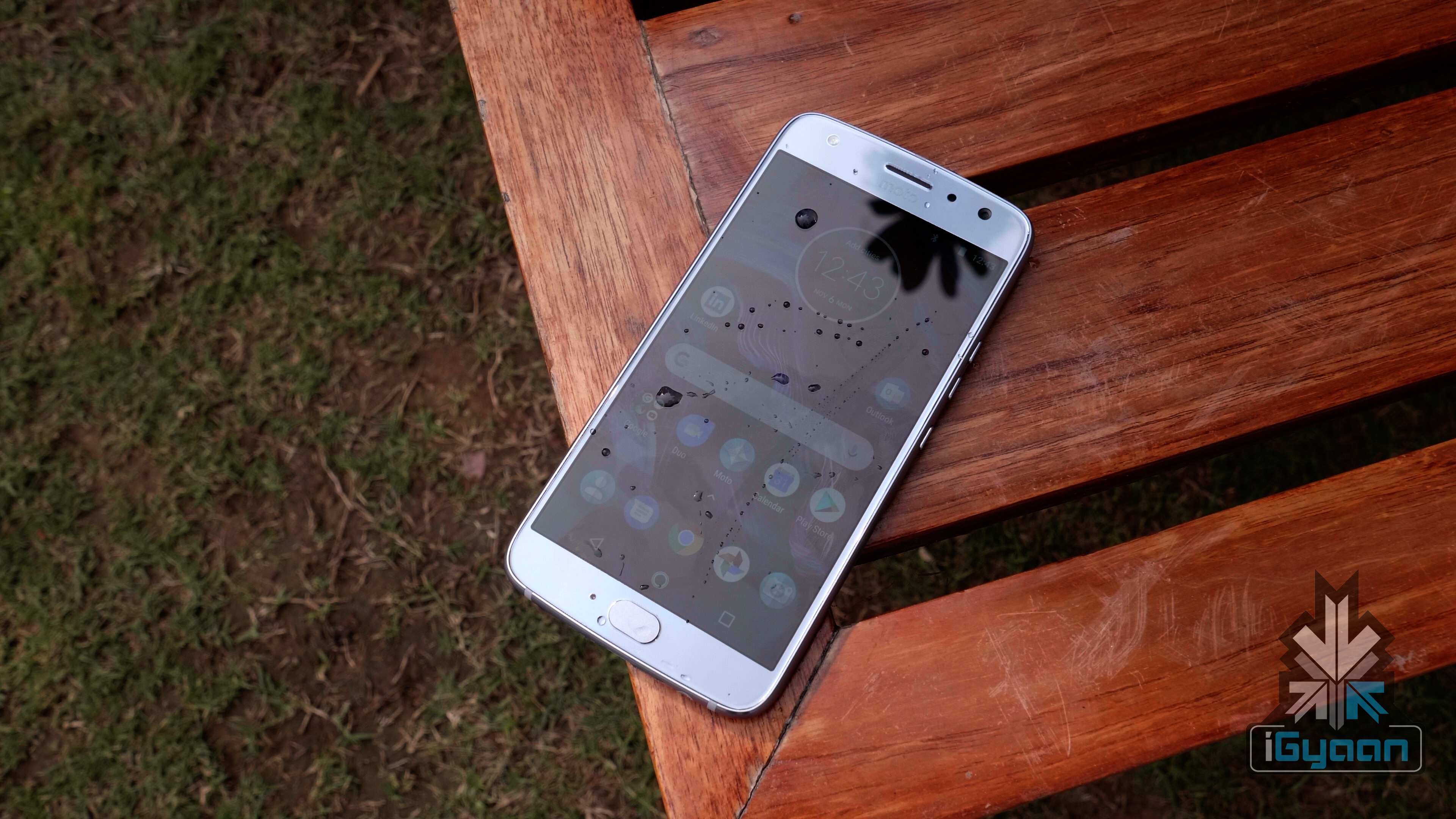
    The Moto X4 was launched in India at a starting price of Rs. 20999 and is one of the few phones in this price range that offers an IP68 rating for water and dust resistance.

    The Moto X4 has a 5.2 inch 1920 x 1080 px LTPS IPS LCD display with Corning Gorilla Glass 3 on top for protection.

    The Moto X4 has the Qualcomm Snapdragon 630 chipset, 2.2 GHz octa-core processor and Adreno 508 GPU, along with 3GB or 4GB of RAM and 32GB or 64GB of onboard storage which can be expanded up to 2TB via microSD card. The fingerprint sensor is housed inside the home button which also doubles up as a single navigation button.

    The Moto X4 is powered by a 3000 mAh battery with TurboCharge capabilities.

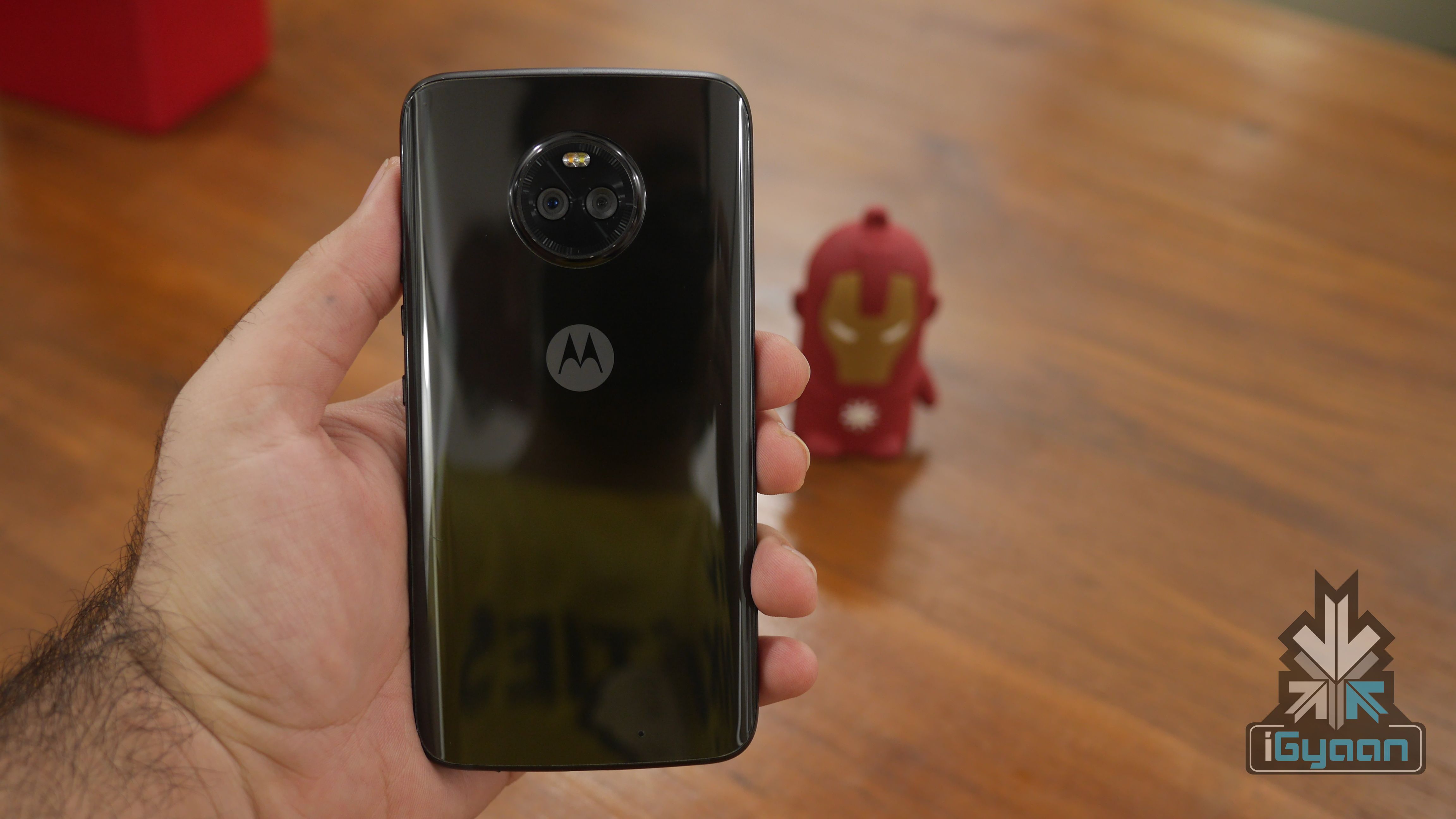
    The Moto X4 has a dual-camera setup at the back. The main camera is a 12MP sensor with an f/2.0 aperture, and the 8MP secondary camera with an f/2.2 aperture is equipped with a wide-angle lens. The dual-cameras allow users to have depth effect shots, bokeh effect shots, ultra-wide angle shots, and selective focus shots. On the front of the device is a 16MP camera with an f/2.0 aperture and an LED flash. The cameras record 4K videos at 30 FPS.

  • Another Case Render Confirms The Design Of Samsung Galaxy S9+

    Another Case Render Confirms The Design Of Samsung Galaxy S9+

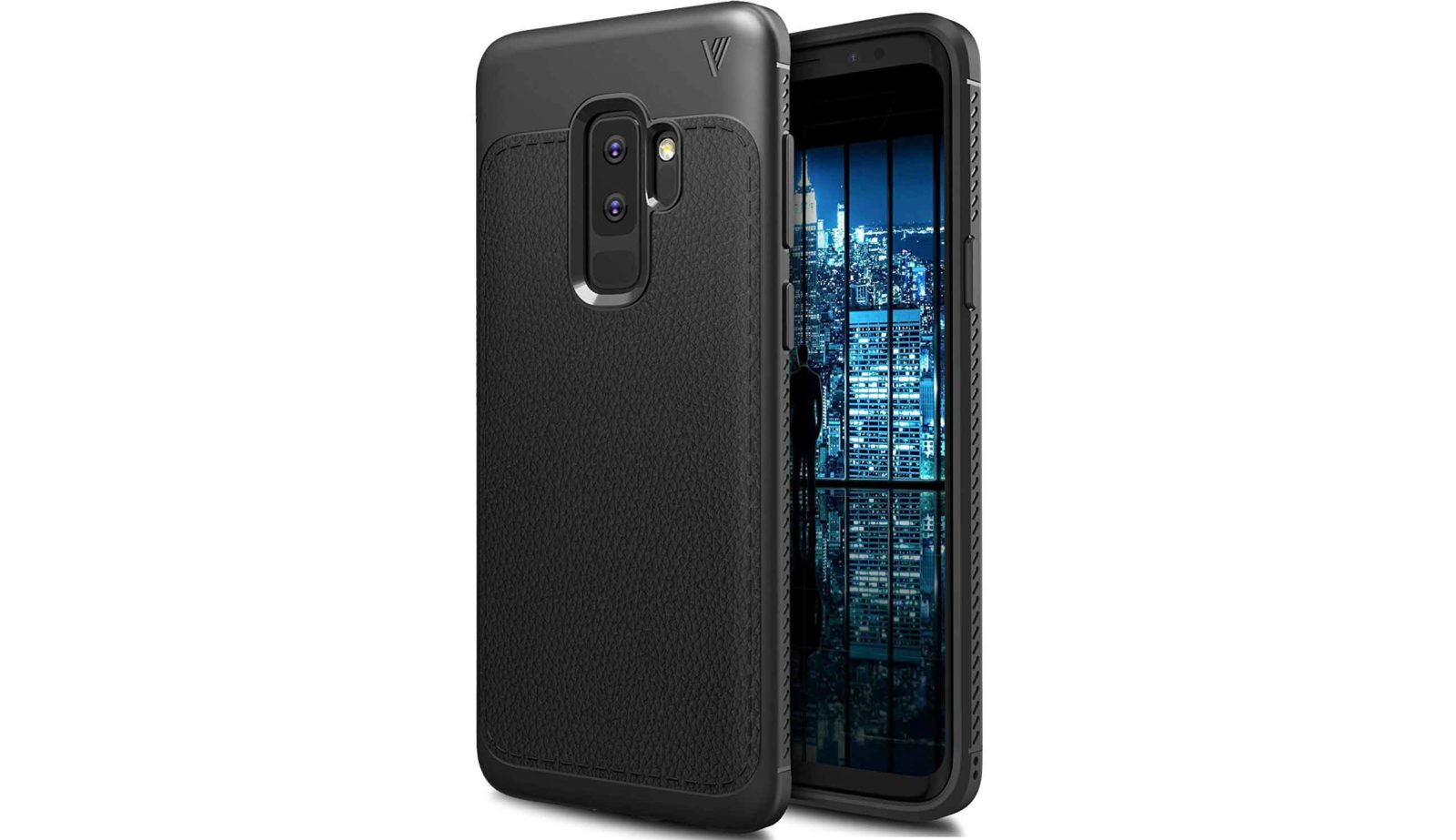
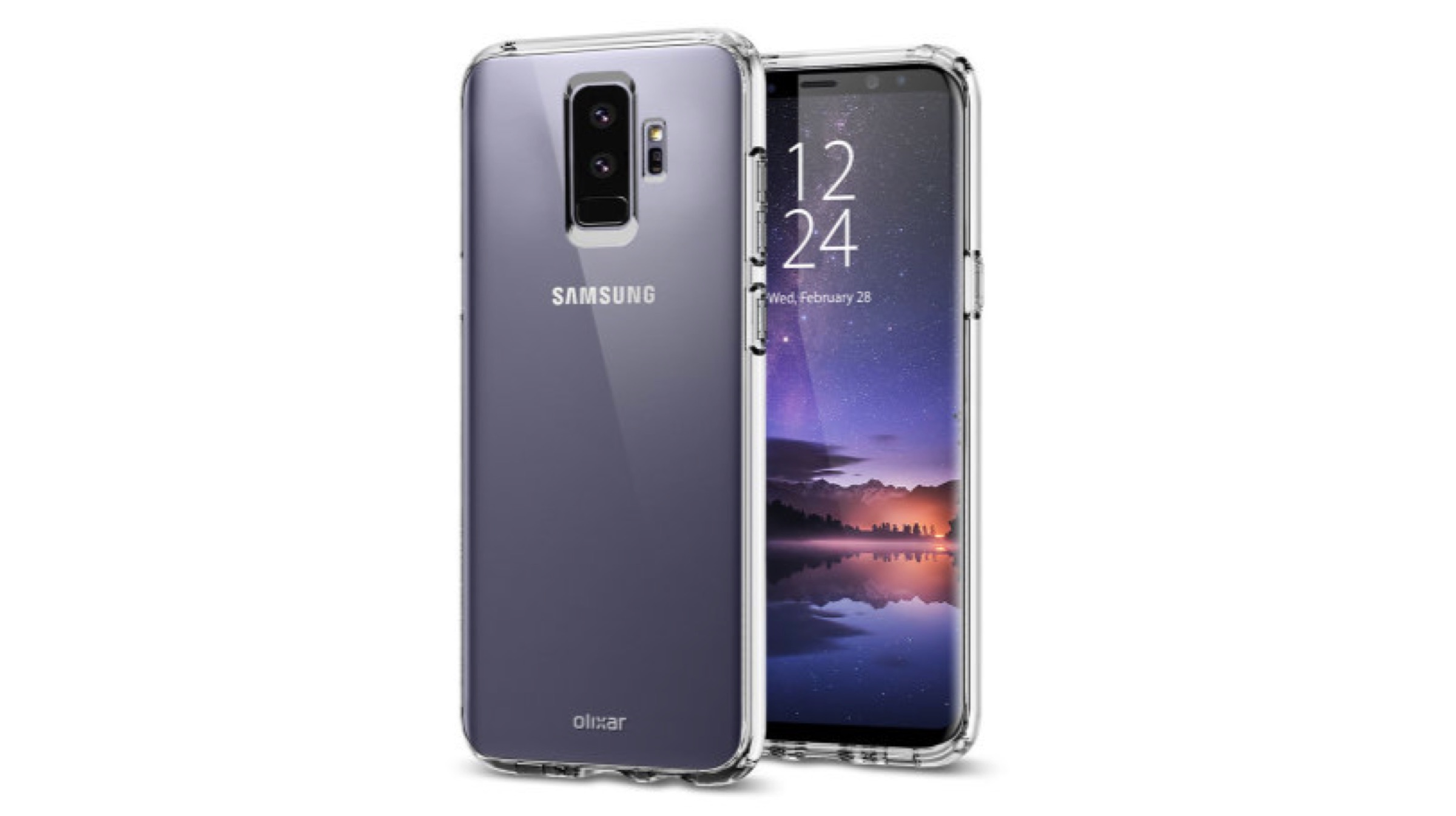
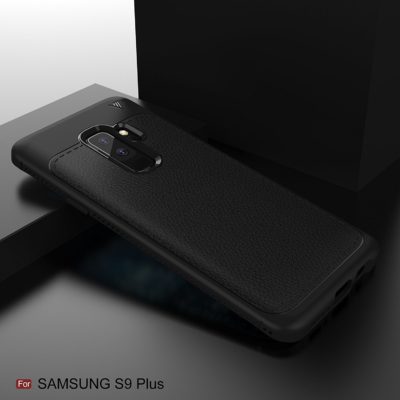
    The Samsung Galaxy S9 and Galaxy S9+ will more or less be an incremental upgrade over their predecessors but, Samsung might introduce a couple of new features in the bigger of the two phones. The presence of a dual-camera setup in the Galaxy S9+ has been rumoured for a long time and a new case render yet again reveals a similar design language and a dual-camera setup for the Galaxy S9+.

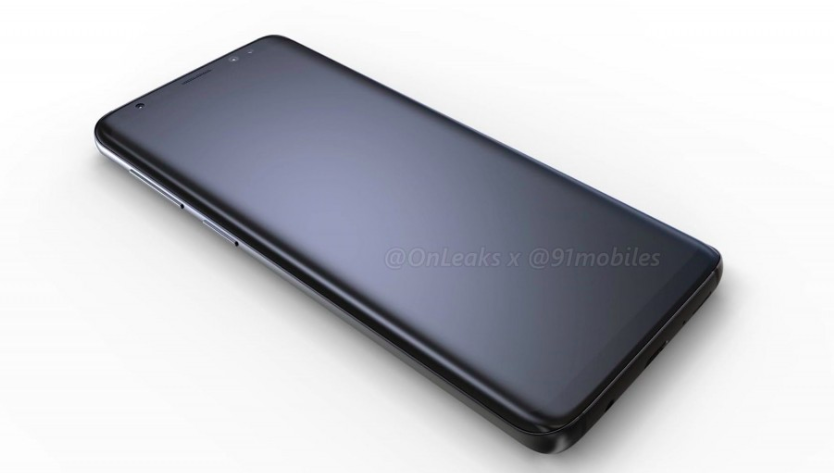
    The case reveals the same fingerprint sensor and LED flash placement for the Galaxy S9+ as the other case renders. The image reveals the front of the device as well which reveals slightly smaller bezels than the Galaxy S8 which is similar to the other renders of the Galaxy S9 and Galaxy S9+.

    According to a recent benchmark leak, the Galaxy S9 and the Galaxy S9+ will have the Qualcomm Snapdragon 845 chipset. According to leak, the Galaxy S9 and Galaxy S9+ will run Android 8.0 Oreo which is a positive, considering the company announced the Galaxy A8 and A8+ with Android 7.1.1 Nougat even though the devices will be launched in January.

    Galaxy S9+ Renders


    Another report has revealed that the Galaxy S9 and Galaxy S9+ will have a much better and accurate iris scanner that can compete with Apple’s Face ID. The fingerprint sensor will also have a new position which will much more ergonomic and easier to reach than the Galaxy S8.

    The Galaxy S9 could be launched at a price similar to the Galaxy S8+ and the Galaxy S9+ could break the thousand dollar barrier and be priced similarly to the iPhone X.

  • OnePlus 5T Will Soon Receive Android 8.0 Oreo Open Beta Version

    OnePlus 5T Will Soon Receive Android 8.0 Oreo Open Beta Version

    The OnePlus 5T was launched back in November and many were disappointed to see that the newly launched device was still running Android Nougat despite Android 8.0 Oreo launching in August. OnePlus had its reasons and promised that it would launch the beta program on its latest flagship in the coming weeks.

    After the OnePlus 5 started receiving the stable build of Android 8.0 Oreo and OxygenOS, there is now news that the OnePlus 5T will soon receive its first-ever Android 8.0 Oreo open beta version. The tweet from OnePlus Germany seemingly confirmed that the open beta of Android 8 Oreo for OnePlus 5T is one the fore.

    https://twitter.com/OnePlus_DE/status/945987804210667520

    OnePlus co-founder also announced that the OnePlus 5 will soon be getting the Face Unlock feature which was exclusive to the OnePlus 5T so far. The Chinese smartphone maker has been pushing software upgrades regularly and this new development means that the company’s latest flagship will soon be running a stable build of Android 8.0 Oreo.

    https://twitter.com/getpeid/status/944915403398098944

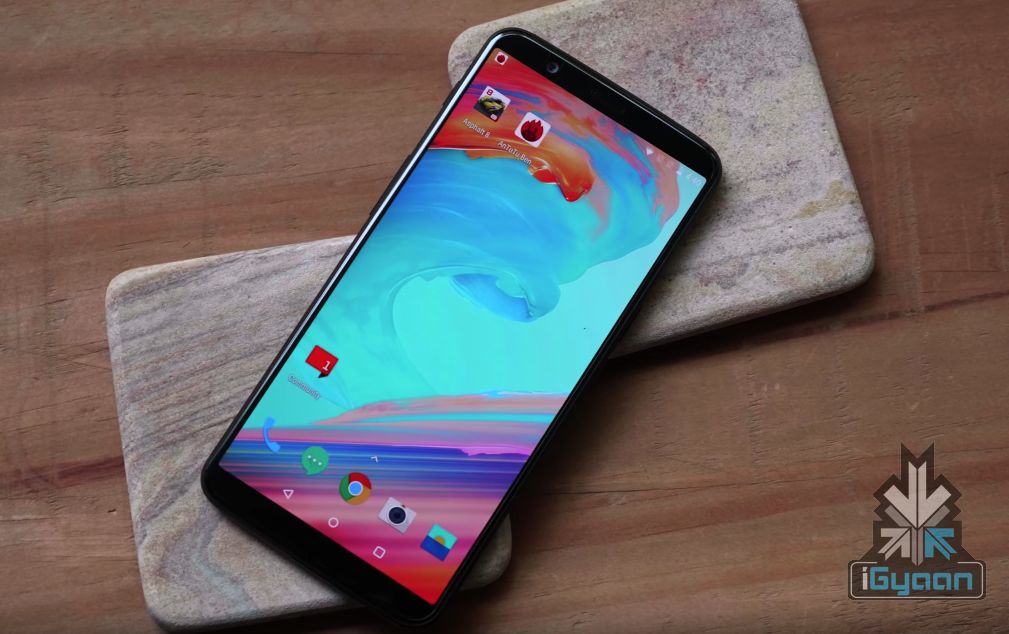
    The OnePlus 5T has a 6-inch Full Optic AMOLED display with a 2160 x 1080 px resolution and an 80.5% screen to body ratio. This is a huge detour from the short history of OnePlus devices which have so far had a 5.5-inch display.

    [amazon_link asins=’B0756ZFXVB’ template=’ProductAd’ store=’igyaan-21′ marketplace=’IN’ link_id=’fb49aa91-eb96-11e7-a0a7-9115e659e4d6′]

    Under the hood, the OnePlus 5T has the Qualcomm Snapdragon 835 chipset, a 2.4GHz octa-core processor, 6GB or 8GB of RAM, 64GB or 128GB of onboard storage which cannot be expanded. Powering the device is a 3300 mAh battery which supports OnePlus’ DashCharge technology.

    Due to thin bezels, there is no place for a home button and the fingerprint sensor has now been shifted to the back of the phone and is placed right above OnePlus logo. The OnePlus 5T also features facial recognition for unlocking the device. The alert slider retains its place at the top left side of the phone which can be used to switch between different modes of notification alerts.

    The OnePlus 5T runs stock Android 7.1.1 Nougat with customisability options thanks to the Oxygen OS on top. OnePlus has promised an update to Android 8.0 Oreo by early 2018. The Android 8.0 Oreo beta update will be pushed out to OnePlus 5T in late December 2017.

    One big change in the OnePlus 5T is in the camera department. Unlike the OnePlus 5, the OnePlus 5T no longer has a secondary telephoto lens at the back. Instead, OnePlus has decided to focus on the device’s low-light photography capabilities. The cameras do not have OIS and OnePlus has decided to go for EIS on the dual camera setup at the back. The device has a 16MP camera with an f/1.7 aperture coupled with a 20MP sensor with the same f/1.7 aperture and field of view, ie no optical zoom. On the front is a 16MP camera with an f/2.0 aperture.

  • Qualcomm To Launch Snapdragon 670 Chipset In Q1 Of 2018

    Qualcomm To Launch Snapdragon 670 Chipset In Q1 Of 2018

    Every year, it is not just the flagship lineup of chipsets from Qualcomm gets a refresh. The mid-range segment of smartphones has even tougher competition between Qualcomm and MediaTek, and Qualcomm will soon launch the Snapdragon 670 chipset in 2018.

    The Snapdragon 670 chipset will be based on Samsung’s 10-nanometer (nm) LPP process technology which was also used in Qualcomm’s 2017 flagship chip, the Snapdragon 835. Samsung used the same process for its 2017 flagship chipset, the Exynos 8895.

    A famous leakster tweeted a few details about the upcoming Snapdragon 670 chipset:

    According to the report, the Snapdragon 670 will go into mass production in early-2018 and will be subsequently available for OEMs.

    Qualcomm recently unveiled its 2018 flagship chipset, the Snapdragon 845 which was also manufactured by Samsung. Recent reports have claimed that the South Korean tech giant will lose its business from Qualcomm as the Snapdragon 855 is expected to be manufactured by TSMC.

    The report also claims that an industry executive believes that Samsung is losing Qualcomm orders to TSMC because the company will not be fabricating 7nm chips in 2018. The report went on to state that “Qualcomm is still likely to transfer orders back to Samsung in 2019 if its 7nm chip facility becomes ready.”

    As much as the Snapdragon 845 is important, markets like India sell mid-range smartphones much more than their flagship counterparts, hence the Snapdragon 670 and its adequacy will be important for upcoming mid-range smartphones in 2018.

  • Apple iPhone SE 2 – What To Expect?

    Apple iPhone SE 2 – What To Expect?

    Update 27/11 – Reports claim that the iPhone SE 2 will have a glass back and support wireless charging. Read the full story here.

    Apple launched the iPhone SE back in March of 2016 after it had moved on from the conventional “small-screen” design on its iPhones. The iPhone SE was a relatively cheaper offering for people who still preferred the look and feel of the iPhone 5s but, also wanted upgraded hardware. It had the same chipset as the previously launched iPhone 6s and iPhone 6s Plus in the body of an iPhone 5s.
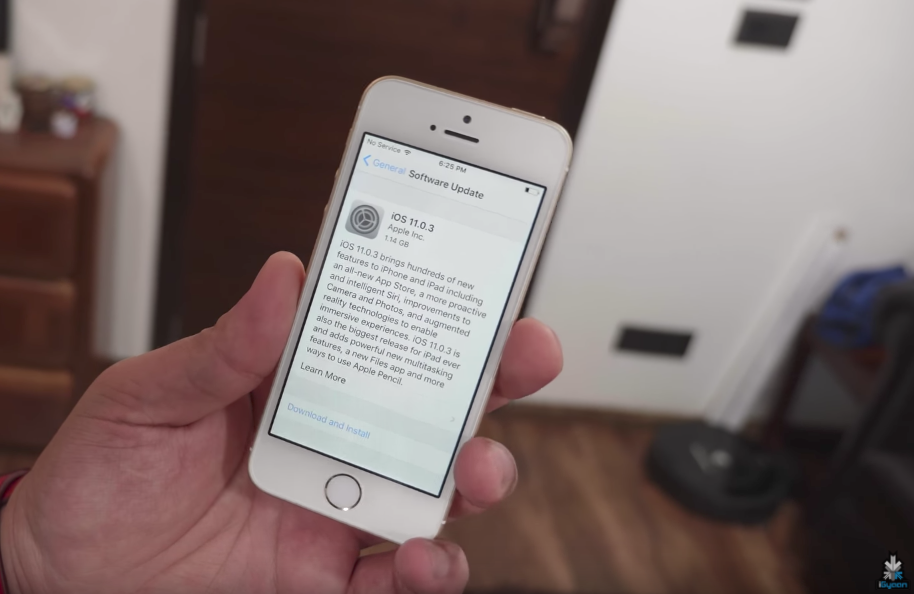
    The iPhone SE, at the time of its launch, was priced at Rs. 39000 in India which was much less than the introductory price of the older gen iPhones in India. In a price-sensitive market like India, the availability of an iOS device that did not compromise on hardware and also offered a compact flagship design helped Apple penetrate further into the Indian market. The Indian market had a certain section of society that thrived to buy a new iPhone while the rest of the population resorted to Android devices thanks to its wider availability and cheaper price tag.

    [amazon_link asins=’B071DF166C’ template=’ProductAd’ store=’igyaan-21′ marketplace=’IN’ link_id=’d4b19b48-eb06-11e7-b421-dbf57a1e2b03′]

    The iPhone SE allowed people to enter the Apple ecosystem. Not just in terms of sale, the iPhone SE was groundbreaking for Apple because it was the first (and so far the only) iPhone that was manufactured in India. This helped Apple keep the price of the iPhone SE much lower than its predecessors. Apple began manufacturing the iPhone SE in India in May of 2017 and since then the price of the iPhone SE has significantly lowered. Currently, the iPhone SE retails for Rs. 18499 for the 32GB storage variant.

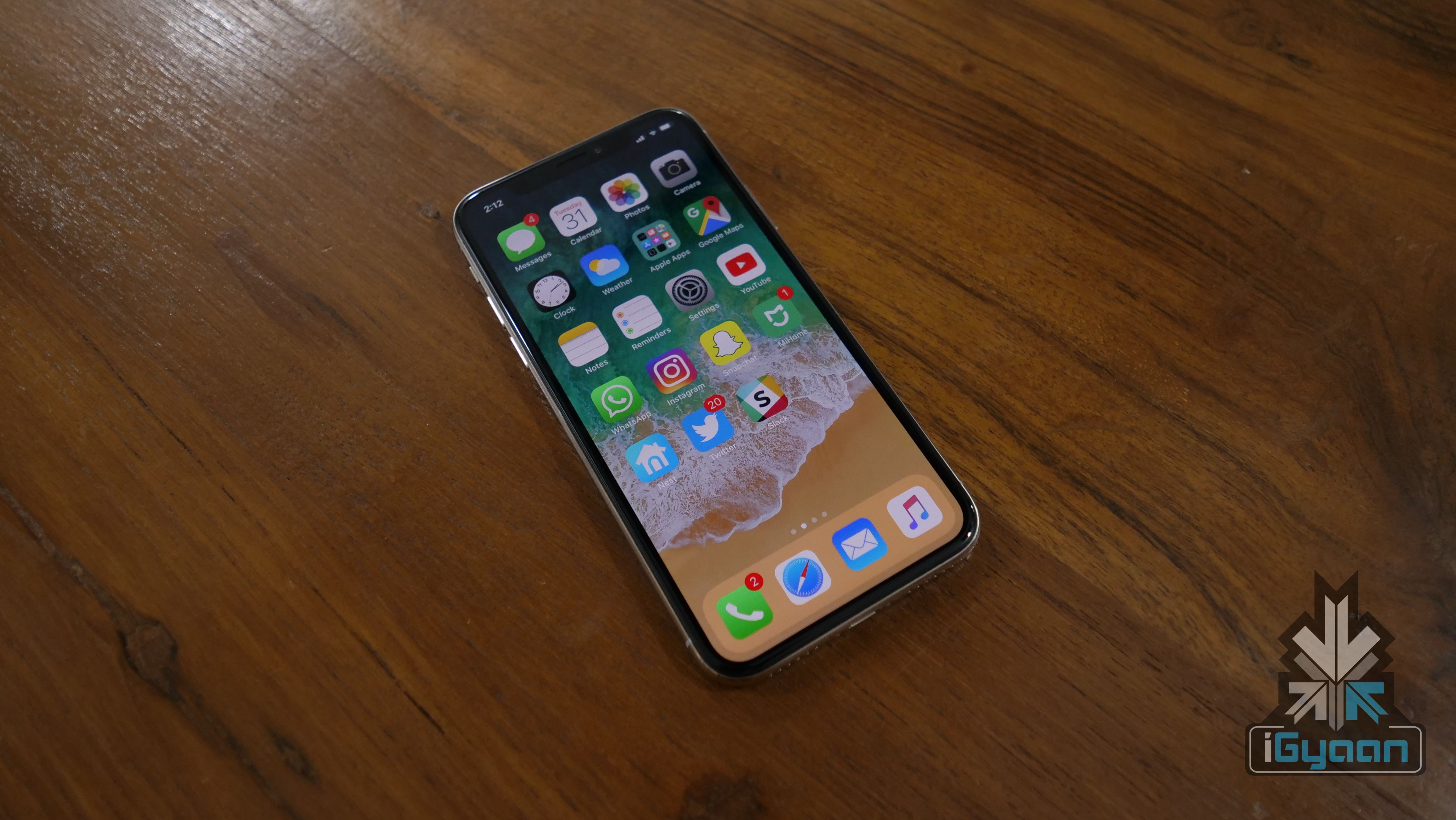
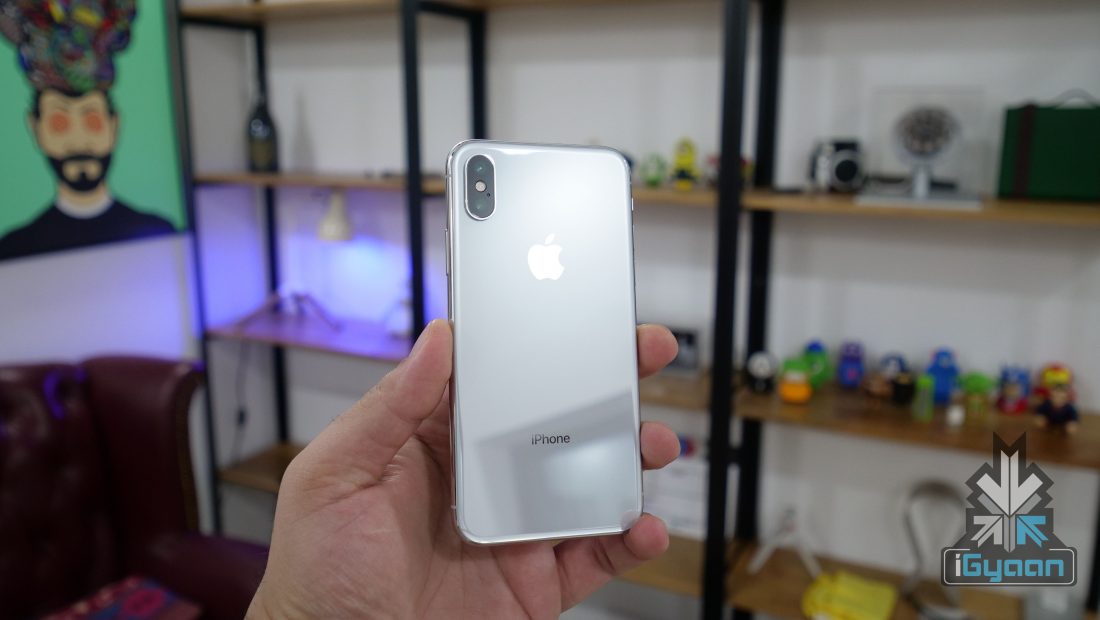
    The iPhone SE lineup was not refreshed in 2017 and instead, Apple launched three new iPhones later in the year in September. The iPhone X being the most significant of the three. Ever since the launch event in September, there have been rumours that the ‘SE’ lineup will see a new iteration in March of 2018 with a complete design overhaul.

    Design

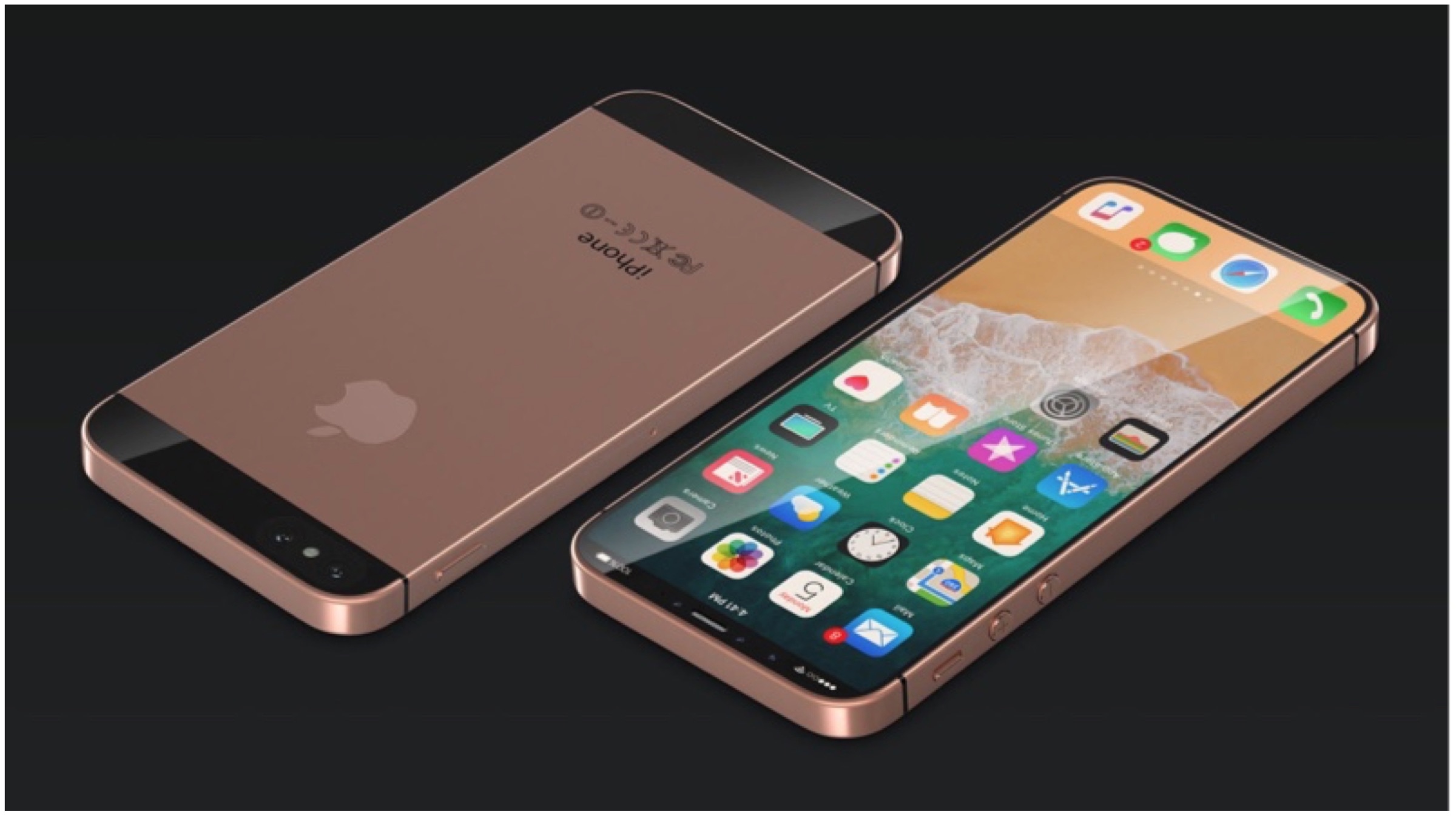
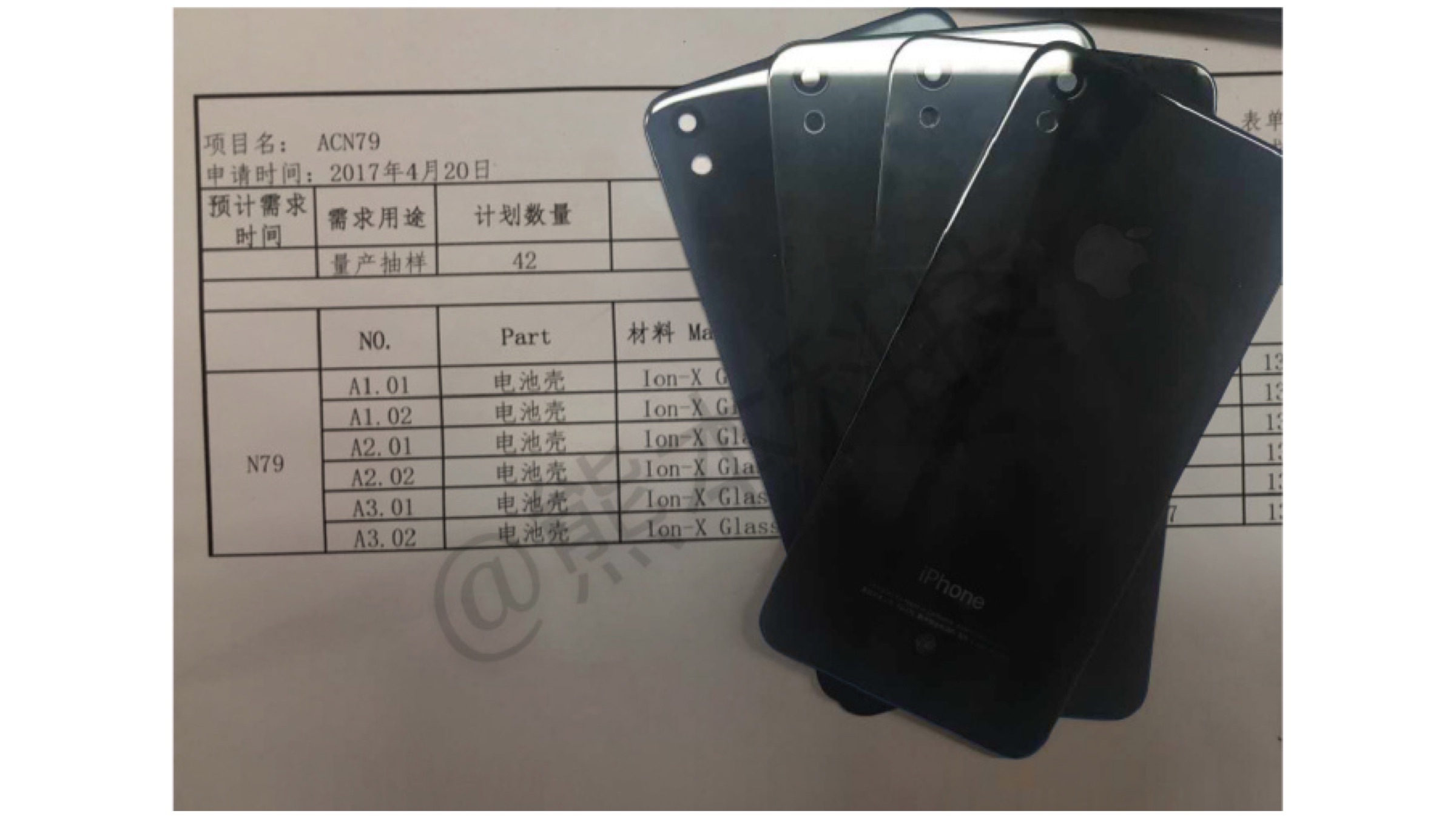
    While the iPhone SE was reminiscent of the past, the iPhone SE 2 will represent the present and what the future holds for the compact lineup of iPhones. There has been concept renders of the iPhone SE 2 which imagine an iPhone X-like design in the shape of the iPhone SE. A few months ago, an image from Weibo revealed a glass back panel of the iPhone SE 2.
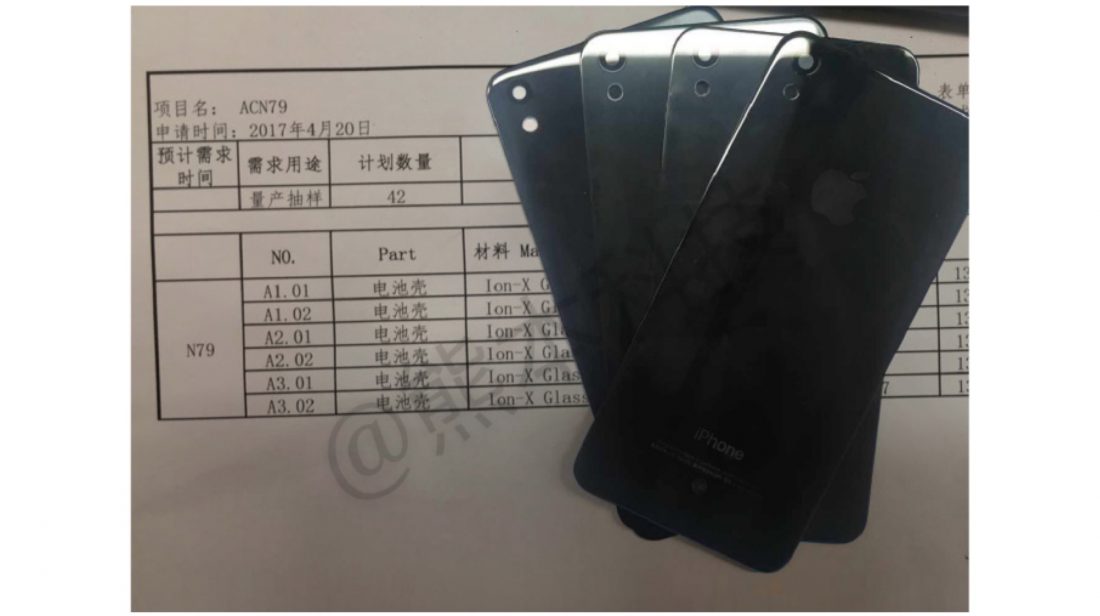
    This would make sense for Apple as the new iPhones launched in 2017 have a glass back panel to enable wireless charging. With a glass sandwich design for the iPhone SE 2, it will fit seamlessly into the iPhone lineup.

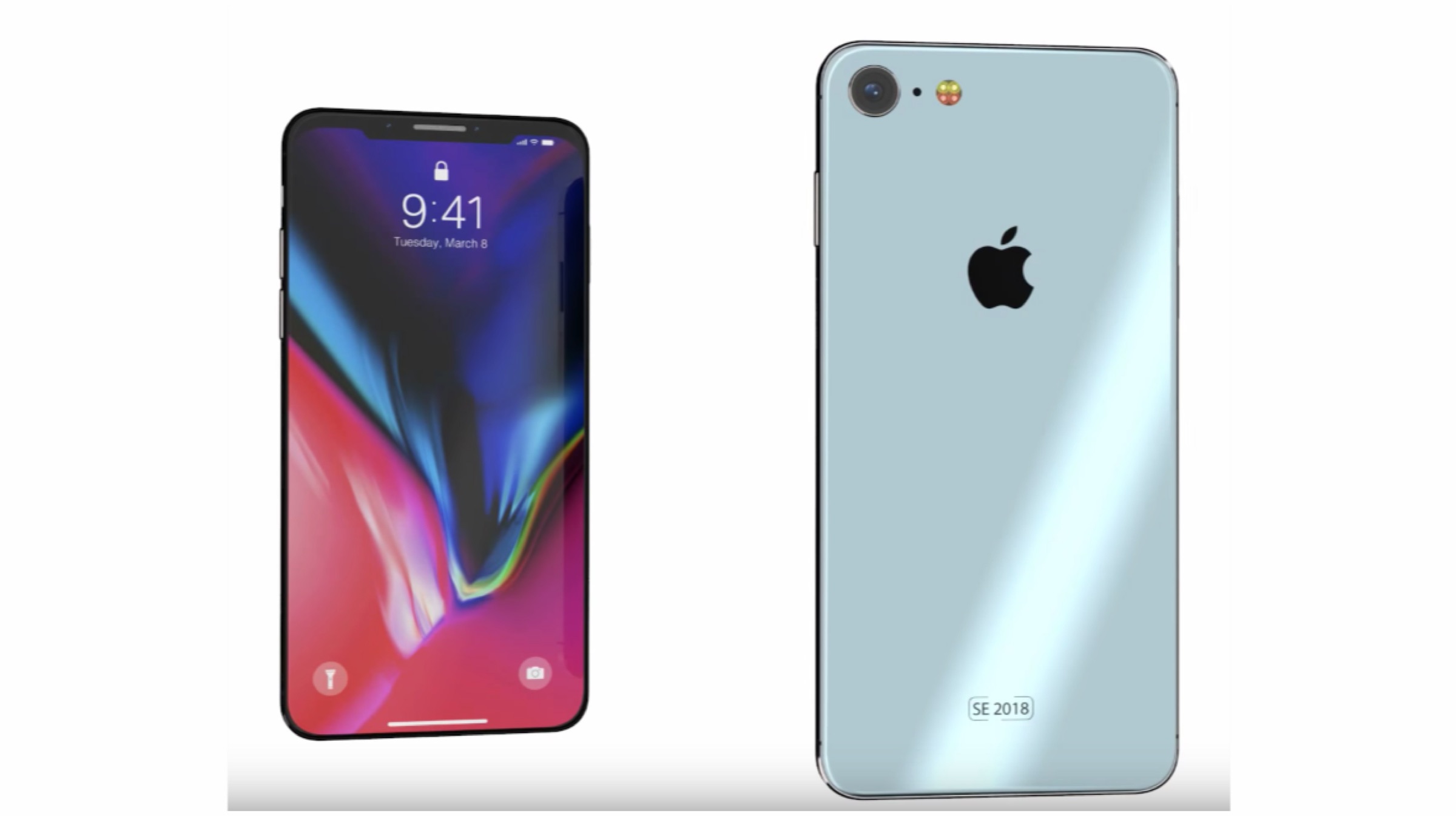
    USP of the iPhone SE lineup is its compact look and feel without compromising on hardware. Apple could go with a nearly bezel-less design for the iPhone SE 2 and incorporate Face ID since the company has already hinted at phasing out Touch ID in favour of its facial recognition technology. You can watch the entire concept video here.

    Specifications
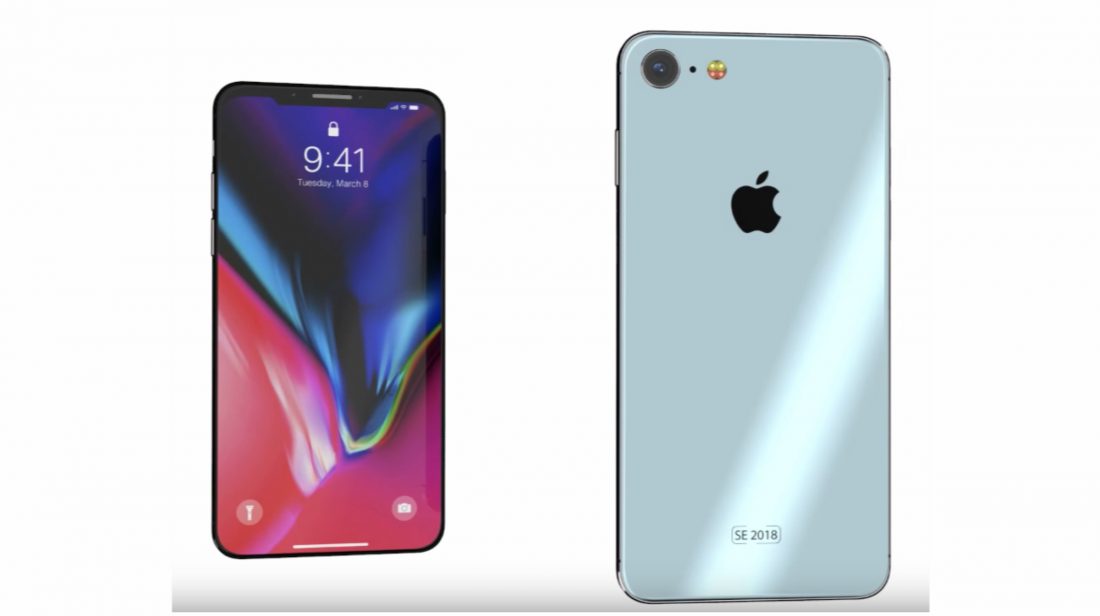
    The iPhone SE was powered by the Apple A9 chipset, just like the iPhone 6s. Similarly, the iPhone Se 2 could be powered by the A11 chipset. Other iPhone features like wireless charging could also make its way to the iPhone SE 2. While the concept video of the iPhone SE 2 shows off a dual-camera setup at the back, Apple might retain the single-camera setup especially if the device will be incorporating Face ID.

    Price

    In a market like India, the price is an integral factor. It can break or make a device. Unlike all other iPhones, the iPhone SE is manufactured in India in Apple’s Bengaluru plant. The iPhone SE 2will also be manufactured in India which means that unlike the iPhone 8 or iPhone X, the price of the iPhone SE 2 in India will not be inflated and might launch in the sub-35K price bracket.

    The smartphone market doesn’t have many compact flagship phones and the iPhone SE 2 might fit the bill perfectly.

    Would you be interested in an iPhone X-like iPhone SE 2? Let us know in the comments!
  • Xiaomi Makes It Easier To Track Phone’s Repair Status

    Xiaomi Makes It Easier To Track Phone’s Repair Status

    In a bid to improve post-sales customer satisfaction, Xiaomi has launched a new service called the Mi Service Order Status. Using this service, users can track their device repair status on Xiaomi’s website.

    To keep the process fairly simple, Xiaomi has divided the status of the phone into five categories, under inspection, work in progress, ready for delivery, delivered, and cancelled. In order to track the repair status, the user will have to enter their contact number/order number/ service number/ IMEI number on the service page. To complete the verification process, the user will receive an OTP on the registered mobile number. Once the OTP is submitted, the status of the repair will be displayed.

    Hi, Mi fans!
    mi.com has introduced a useful service for you guys. It is one of its kind and very few platforms in India have deployed it. You usually call the service center executive to know the status of your device given for repair.

    Now with the help of service order status, you can easily track your device and know its service status online.

    Xiaomi also announced that the next sale of the Redmi 5A will begin on the 28th of December at 12 noon.

    Does shifting the process of checking the repair system make the overall after-sales experience better? Let us know in the comments!
    Buy the Redmi 5A here

  • Huawei Honor View10 Registrations Begin On 28th December In India

    Huawei Honor View10 Registrations Begin On 28th December In India

    Honor launched the Honor View10 at an event in London on the 5th of December. The Honor View10 will go on sale in India from the 8th of January via Amazon exclusively. Users can register for the Honor View10 from the 28th of December and the device will be available in Midnight Black and Navy Blue colour variants.

    The Honor View10 has a 5.99-inch IPS LCD display with a 2160 x 1080 px resolution which translates to an 18:9 aspect ratio. The Honor View10 has minimal side bezels and thin top and bottom bezels.

    Under the hood, the device has the Kirin 970 chipset with a Neural Processing Unit, 6GB of RAM, and 128GB onboard storage. The onboard storage can be expanded up to 256GB via microSD card. There is a 3.5mm headphone jack at the bottom of the device along with a USB Type C port. The front of the device also has a home button which houses the fingerprint sensor.

    The Honor View10 also has facial recognition which is becoming more prominent since the launch of the iPhone X. The facial recognition works similar to the Face ID on the iPhone X, the accuracy of which, will be extensively tested in the coming weeks.

    Similar to the Google Pixel 2 and Pixel 2 XL, the Honor View10 also concentrates a lot on AI. For example, while on a call, AI will differentiate between the user’s voice and background noise to make sure the user’s voice is clearer. This is thanks to the presence of the Kirin 970 chipset which has a Neural Processing Unit on board.

    The new chipset will also mean better battery life as Honor suggests that it is “50 times more efficient than an average CPU.” Huawei being telecommunications giant has introduced new features in the Kirin 970 such as the Cat 18 compatibility, which means it can reach download speeds up to 1.2GB per second. Also, the Kirin 970 can support 4G data on both sims at the same time. Kirin 970 is powered by an 8-core CPU and a new generation 12-core GPU. Built using a 10nm advanced process, the chipset packs 5.5 billion transistors, which is about 2.5 billion more than the Qualcomm Snapdragon 835.

    Because of its facial recognition technology, the Honor View10 also has iPhone X-like animojis, which Honor claims are much more accurate than iPhone X since it tracks the user’s tongue as well.

    Powering the device is a 3750 mAh battery and supports 5V / 4.5A fast charging. Honor claims the phone will be 50% charged in 30 minutes thanks to Honor Super Charge technology.

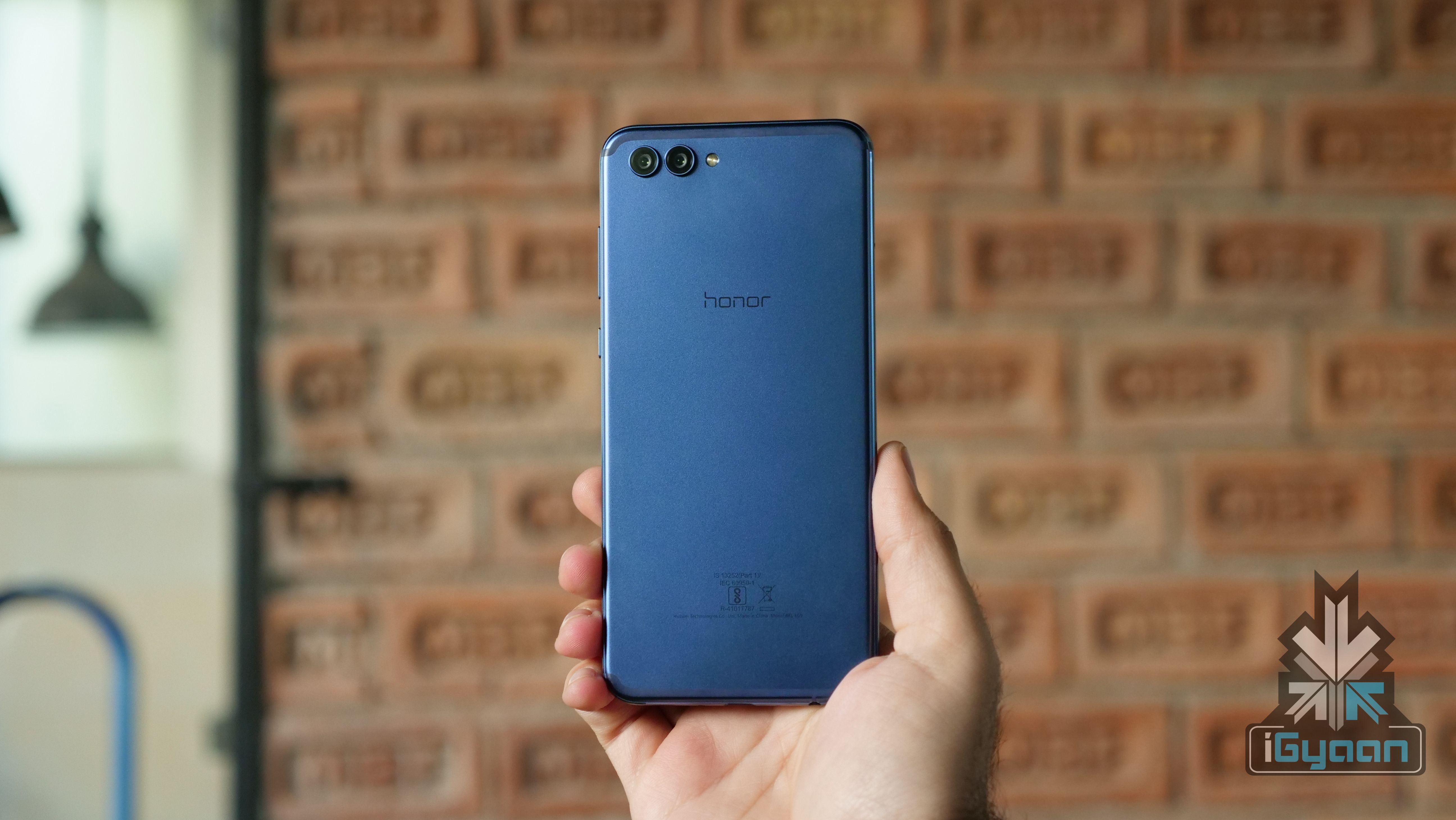
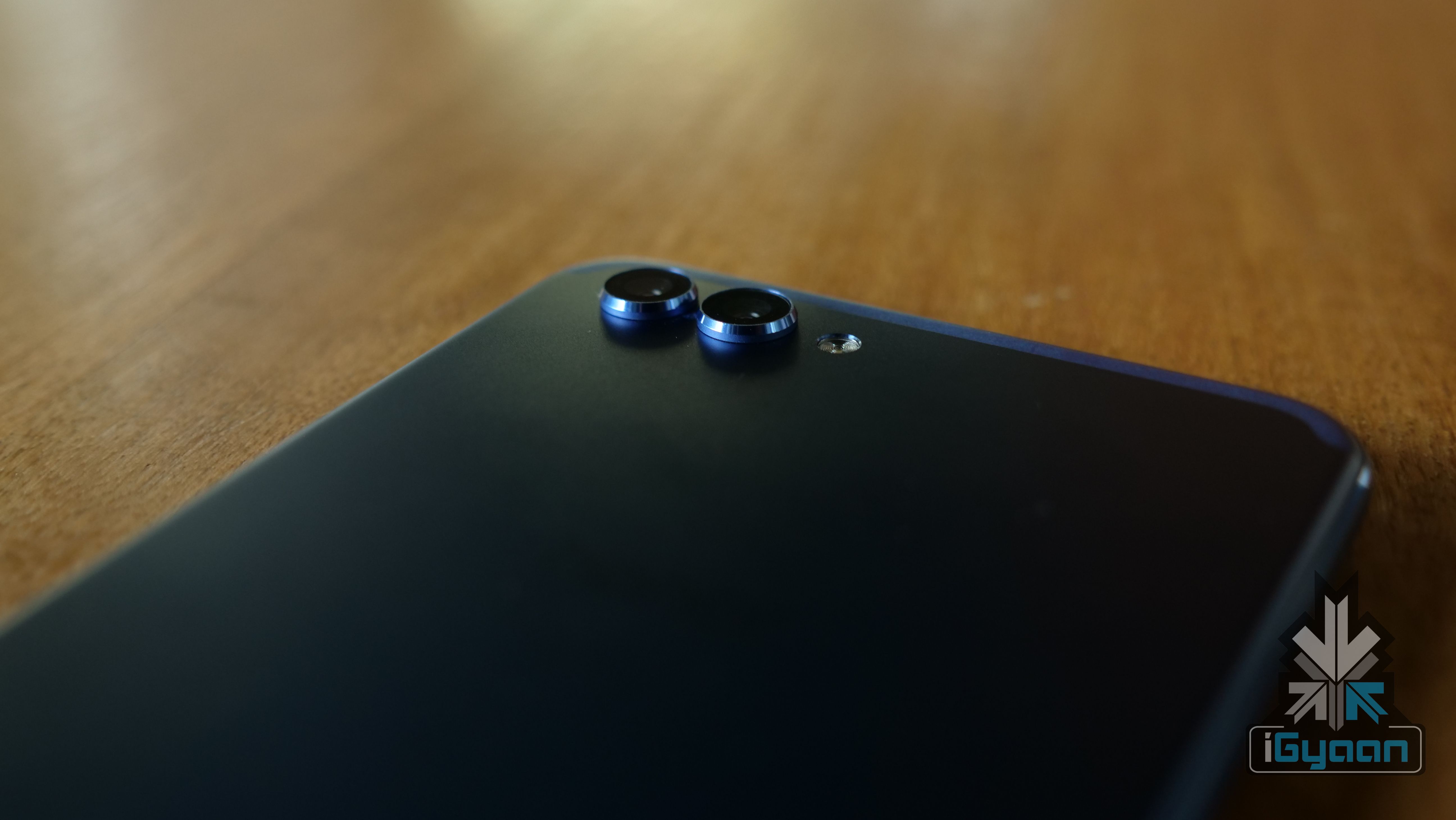
    The Honor View10 has a dual camera setup at the back and has a single camera at the front. The back of the devices houses a 16MP RGB sensor and a 20MP Monochrome sensor with both having an f/1.8 aperture. The primary camera setup records 4K videos at 30fps. At the front of the phone is a 13MP camera with an f/2.0 aperture.

    You can register for the Honor View10 here.

  • The LG V30+ Will Soon Get Android 8.0 Oreo Update

    The LG V30+ Will Soon Get Android 8.0 Oreo Update

    The LG V30 was launched back in August at IFA Berlin. After slowly pushing out the phone in the western market, the South Korean tech giant finally launched its ‘Plus’ variant in India. The ‘+’ in the LG V30+ signifies more storage than the regular V30. The LG V30+ currently runs Android 7.1 Nougat with LG’s own custom skin on top.

    [amazon_link asins=’B077V1KR9B’ template=’ProductAd’ store=’igyaan-21′ marketplace=’IN’ link_id=’fab7c0f4-eac6-11e7-b789-5339f3e9ee8e’]

    Now, the LG V30 in South Korea has started receiving the much-awaited Android 8.0 Oreo update and a roll-out to other countries is not far away. This could be another reason why people might be drawn towards the LG V30+ in India since devices like the Galaxy S8 and S8+ are still running Android 7.1 Nougat with no signs of an Android 8.0 Oreo update.

    The LG V30+ has a 6 inch 2880 x 1440 px OLED FullVision display, LG’s first, with an 18:9 aspect ratio and Corning Gorilla Glass 5 for protection. LG’s nearly edge-to-edge OLED display has HDR 10 format for a high level of colour contrast and as announced, the smartphone is Daydream compatible.

    A big omission from the V30+ is the secondary display, which was a signature in the previous V series devices. Instead, LG has introduced a Floating Bar which displays shortcuts and can be disabled when not required.

    The LG V30+ has the Qualcomm Snapdragon 835 chipset, a 2.4GHz octa-core processor, 4 GB RAM and 128GB of onboard storage which can be expanded up to 2TB via a microSD card. The LG V30+ has an IP68 rating for water and dust resistance and MIL-STD 810G rating for durability.

    The LG V30+ is powered by a 3300mAh battery with wireless fast charging which supports 3.0 quick charge. The smartphone runs Android 7.1.2 with LG’s UX 6.0+ on top which offers a few customisation options.

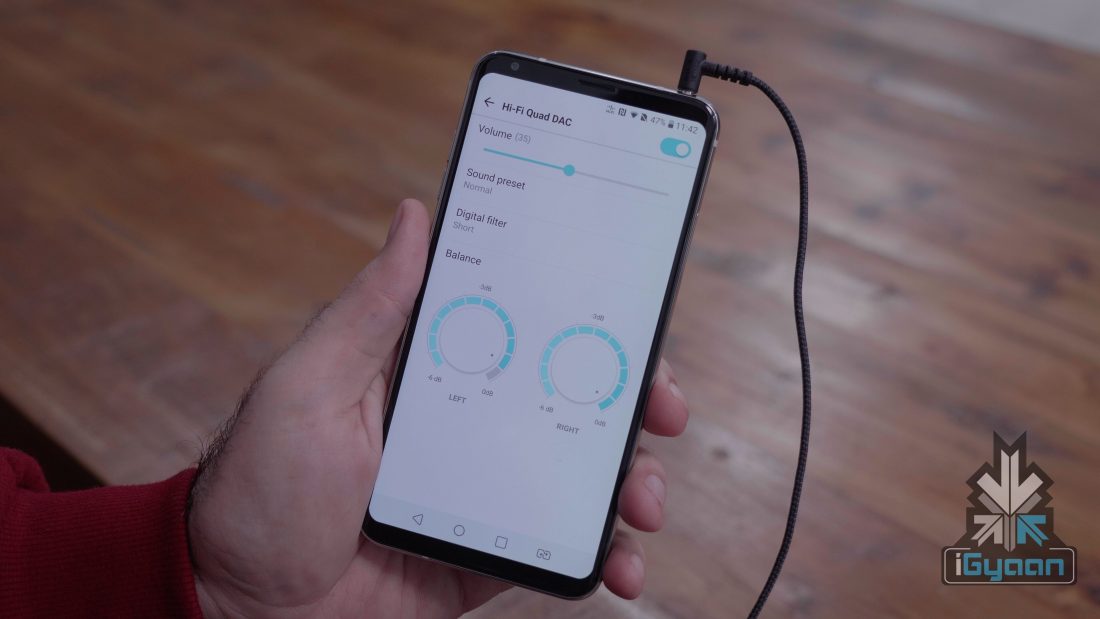
    The LG V30+ incorporates a 32-bit Hi-Fi Quad DAC powered by Bang & Olufsen with few sound presets like enhanced, detailed, bass and live. The smartphone also has support for Master Quality Authenticated (MQA) technology for high-resolution audio streaming.

    Aside from the rear-mounted fingerprint scanner which also doubles as a home button, LG has introduced few new security features in the LG V30+ such as facial and voice recognition. The voice recognition will even work along with the music playback.

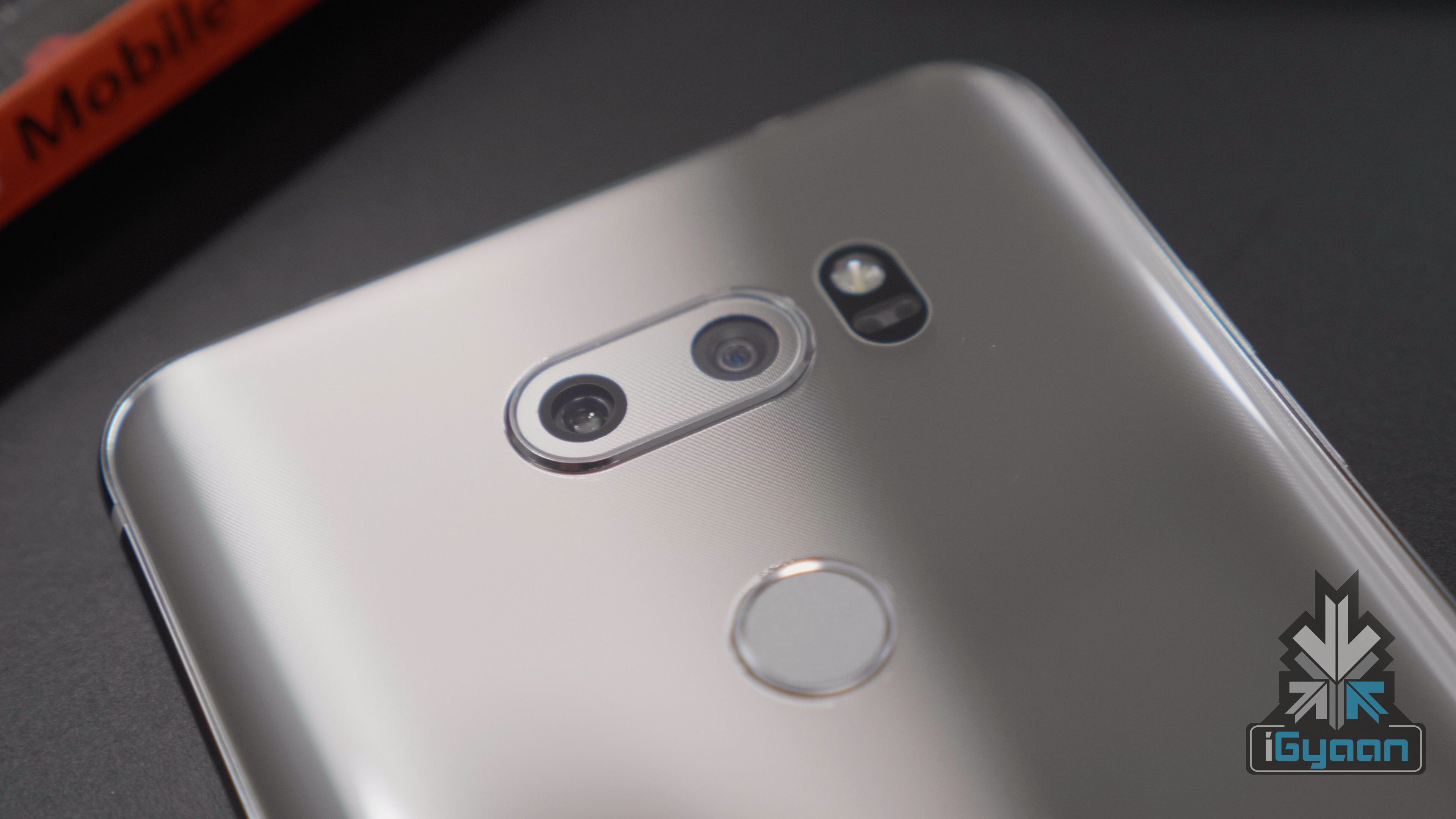
    The LG V30+ features a dual-camera setup at the back. As LG had announced, this smartphone has the first ever inbuilt camera unit to feature a 16MP crystal clear lens made of glass with an f/1.6 aperture and another 13MP wide angle lens with an f/1.9 aperture. The camera features laser detection AF, optical image stabilisation and electronic image stabilisation. On the front side, the LG V30+ sports a 5MP wide-angle camera with an f/2.2 aperture.

    Watch our unboxing –


  • OnePlus Will Name A Star After A Few OnePlus 5T Star Wars Edition Owners

    OnePlus Will Name A Star After A Few OnePlus 5T Star Wars Edition Owners

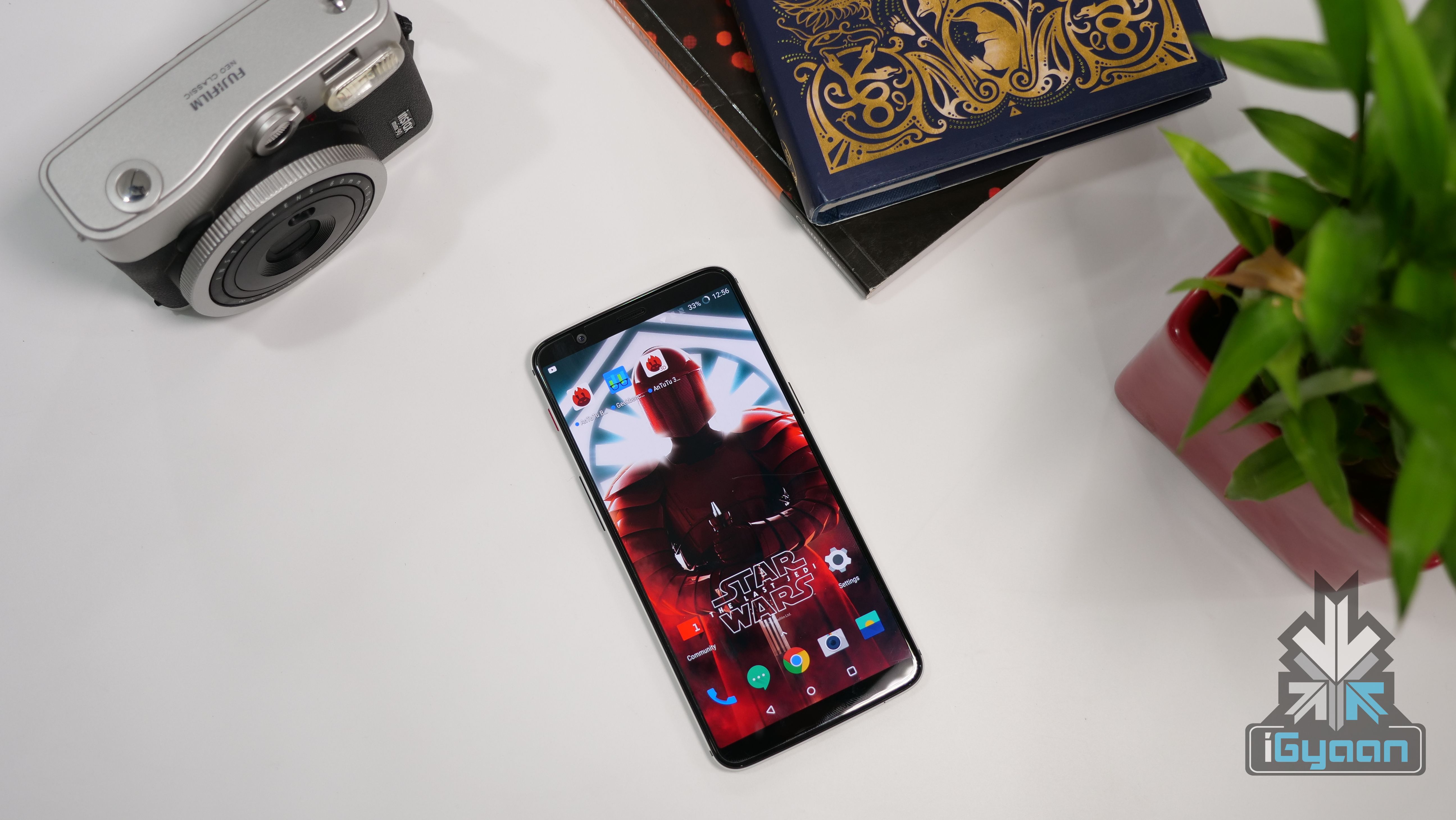
    To celebrate its third anniversary in India, OnePlus launched the Star Wars limited edition OnePlus 5T in India at a price of Rs. 38999 on the 14th of December. It is the priciest OnePlus device ever sold in India and to commemorate its consumers, OnePlus has decided to name a star after the first 37 customers who bought the OnePlus 5T Star Wars Edition.

    [amazon_link asins=’B0756VRJ1N’ template=’ProductAd’ store=’igyaan-21′ marketplace=’IN’ link_id=’745c07ec-eac3-11e7-88d9-315242a9251e’]

    In association with Star Register, the first 37 customers will receive a personalized “Star Wars” constellation and certificate of ownership with the details of their very own named star. It is worth noting that many of these names are not recognised by the International Astronomical Union. This means that the star you think is named after you could also be named after someone else depending on who they got it registered for.

    But, it is, after all, a star named after you, and you will have a certificate to show for.

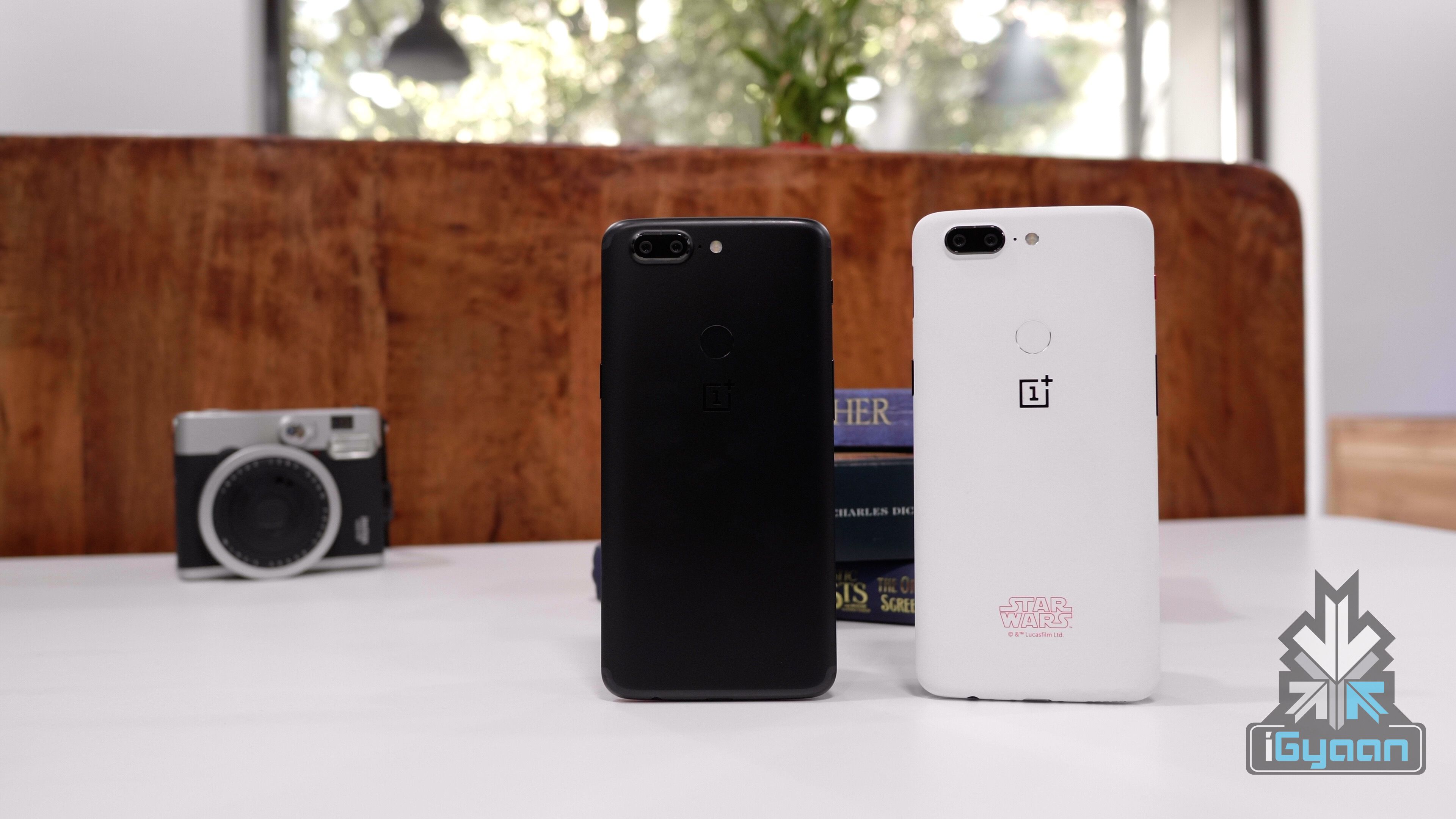
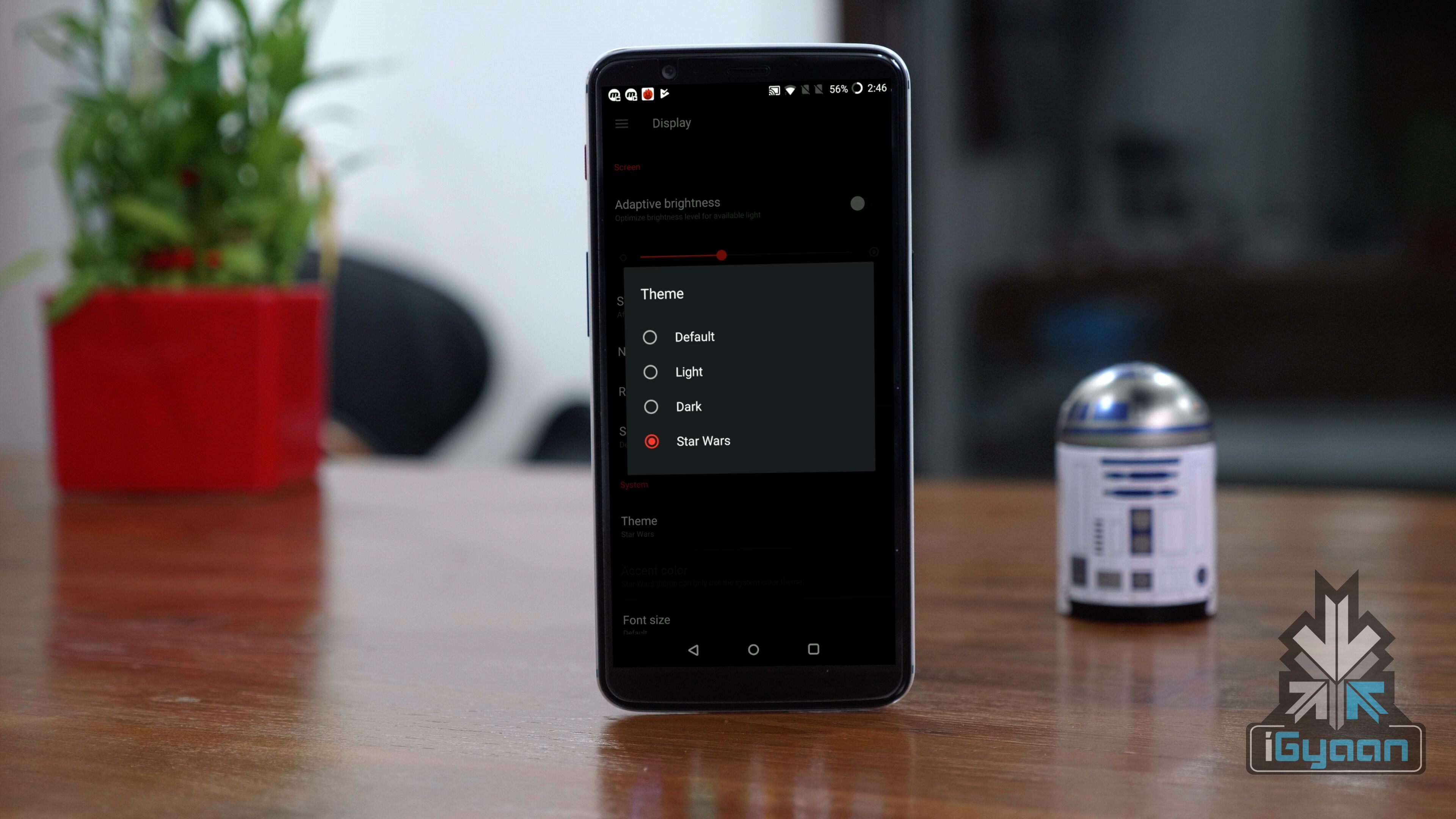
    The OnePlus 5T Star Wars Edition has a white coloured back panel with a sandstone finish as a homage to the Planet Crait and a red Star Wars logo. The interesting thing here is that the alert slider is also red in colour.

    The limited edition Star Wars OnePlus 5T is available only in the 8GB RAM variant with 128GB of onboard storage. Apart from the colour scheme and the Star Wars logo, there is nothing different in terms of hardware.

    The OnePlus 5T has a 6-inch Full Optic AMOLED display with a 2160 x 1080 px resolution and an 80.5% screen to body ratio.

    OnePlus 5T and Star Wars OnePlus 5T

    Under the hood, the OnePlus 5T has the Qualcomm Snapdragon 835 chipset, a 2.4GHz octa-core processor, 6GB or 8GB of RAM, 64GB or 128GB of onboard storage which cannot be expanded. Powering the device is a 3300 mAh battery which supports OnePlus’ DashCharge technology.

    The OnePlus 5T runs stock Android 7.1.1 Nougat with customisability options thanks to the Oxygen OS on top.

    Unlike the OnePlus 5, the OnePlus 5T no longer has a secondary telephoto lens at the back. Instead, OnePlus has decided to focus on the device’s low-light photography capabilities. The cameras do not have OIS and OnePlus has decided to go for EIS on the dual camera setup at the back. The device has a 16MP camera with an f/1.7 aperture coupled with a 20MP sensor with the same f/1.7 aperture and field of view, ie no optical zoom. On the front is a 20MP camera with an f/2.0 aperture.

    Watch Our Unboxing –

  • Apple iPhone X May Receive A Price Cut In Early-2018

    Apple iPhone X May Receive A Price Cut In Early-2018

    Back in September of 2017, Apple launched the iPhone 8 and iPhone 8 Plus along with its priciest iPhone yet, the iPhone X. Considered as the true successor to the original iPhone from 2007, the iPhone X represented the major design change that future iPhones will see.

    China, the largest smartphone market in the world has particularly received the iPhone X well. A report claimed that the iPhone X is convincing more people in China to buy the iPhone, which means that more Android users are switching to iOS thanks to the launch of the iPhone X.

    All may not be rosy for Apple as a new report claims that Apple is might drop the price of the iPhone X come early-2018. Similar to a report by Bloomberg, the report from DigiTimes claims that iPhone X shipments will reach 30-35 million in the first quarter of the year, and stay flat or drop slightly in the first quarter of 2018. Numerous analysts have conceded that Apple is dropping orders with Asian suppliers after iPhone X’s underwhelming demand during the holiday season.

    Markets like the US, Singapore, and Taiwan have not done as well as Apple was expecting. The report claims that the response to the iPhone X is the reason why Apple will make three iPhones in 2018. This seems a bit off since the news of Apple making three iPhones for 2018 has been doing the rounds even before the iPhone X hit the global market.

    The report further claims that:

    Apple is also rumored to adjust its pricing for iPhone devices in early 2018 and has even started preparing a prototype iPhone with support of pre-5G features. However, Apple has not officially confirmed any of the rumors.

    If this turns out to be true, it will be huge for iPhone X aspirants. Apple usually drops the price of their iPhones when a new iPhone launches. The iPhone X is as new as an iPhone gets and has been received well by the critics and Apple loyalists alike. This move, however, won’t be unprecedented as Apple had dropped the price of the original iPhone from US $600 to US $400 within weeks of its launch.

  • Samsung Galaxy J2 (2018) Price And Specs Leaked

    Samsung Galaxy J2 (2018) Price And Specs Leaked

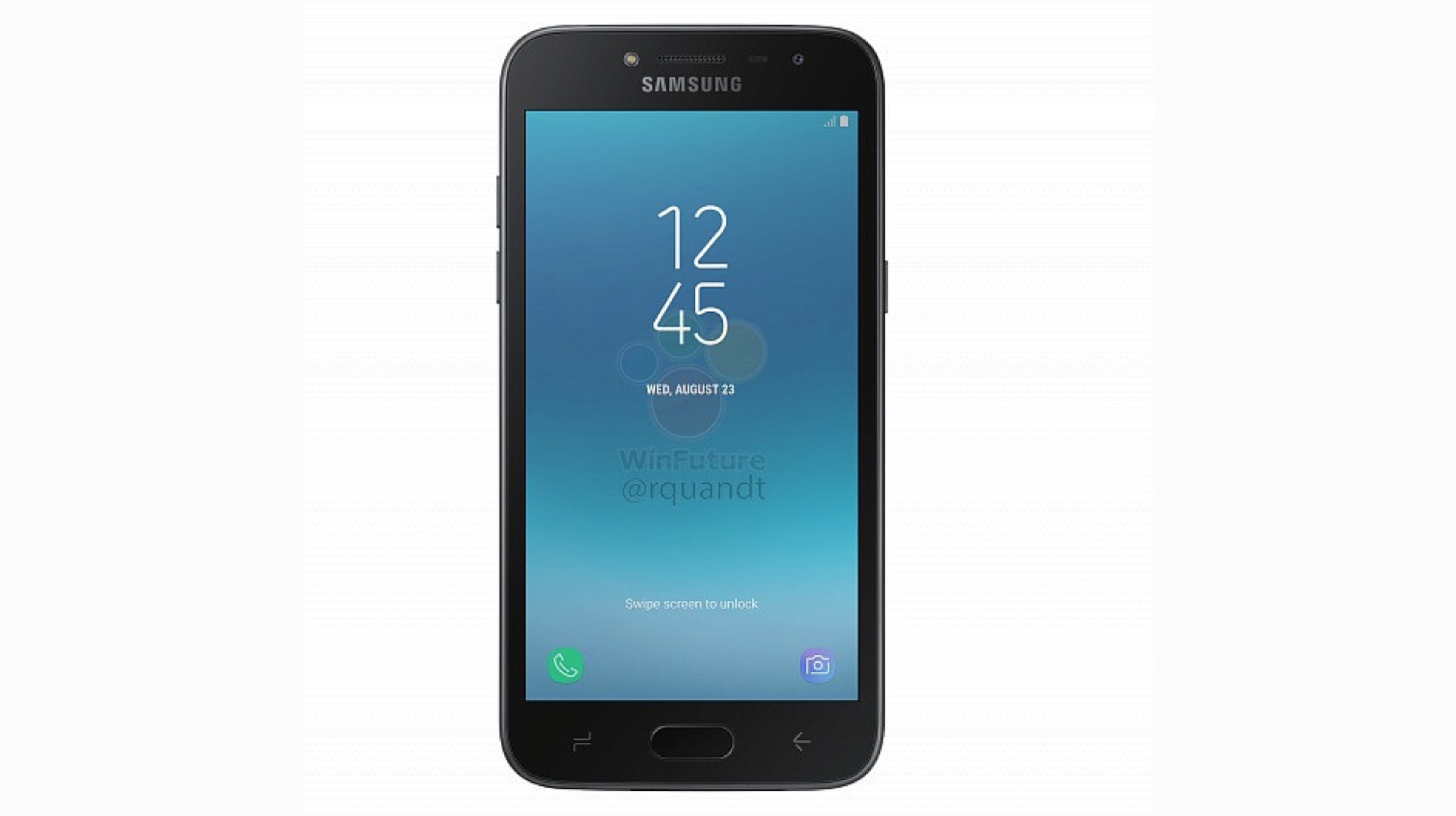
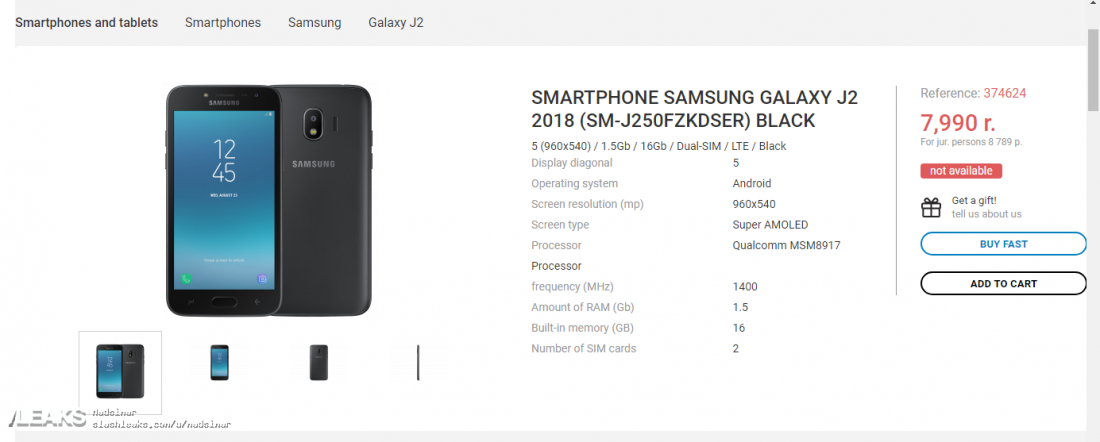
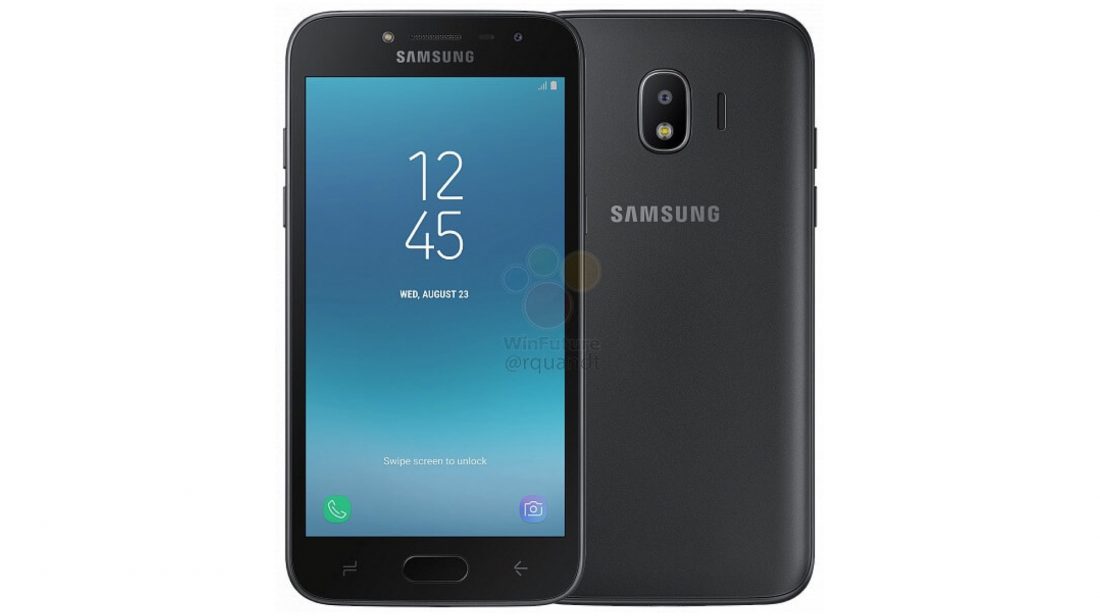
    The Samsung Galaxy J2 (2018) could be the next smartphone in line to make its debut before the flagship Galaxy S9 and S9+ are launched in February or March. After a recent leak revealed the specifications of the upcoming Galaxy J2 (2018), an online retailer in Russia has revealed the price and specifications of the device before its official launch.

    According to the listing, the device is priced at RUB 7990 which roughly translates to about Rs. 8900. The pricing appears to be accurate of the device and the rest of specifications mentioned also corroborate with the previous leak.

    The listing reveals that the Galaxy J2 (2018) will have a 5-inch Super AMOLED display with a 960 x 540 px resolution.

    [amazon_link asins=’B076BNLS68′ template=’ProductAd’ store=’igyaan-21′ marketplace=’IN’ link_id=’d9459829-ea41-11e7-8d79-3307a9d56478′]

    Under the hood, the device will have the Qualcomm Snapdragon 425 chipset, 1.4GHz quad-core processor, Adreno 308 GPU, 2GB of RAM and 16GB of onboard storage. Although not mentioned, it is safe to assume that the onboard storage will be expandable via a microSD card.

    The listing doesn’t reveal any details about the primary and secondary camera. It does, however, retain the detail that the device will have a front-facing LED flash. According to the previous leak, the Galaxy J2 (2018) will have an 8MP primary and a 5MP secondary camera.

    There is no word from Samsung regarding the launch or a possible unveiling of any devices as of yet.


  • Samsung Galaxy S9 And Galaxy S9+ Will Retain The Headphone Jack

    Samsung Galaxy S9 And Galaxy S9+ Will Retain The Headphone Jack

    It appears that peer pressure is not getting to Samsung. After Google decided to drop the infamous headphone jack from its Pixel 2 and Pixel 2Xl, it seemed like the end of the 3.5mm headphone jack was nigh. However, if the latest leak is to be believed, the Samsung Galaxy S9 and Galaxy S9+ will retain the headphone jack.

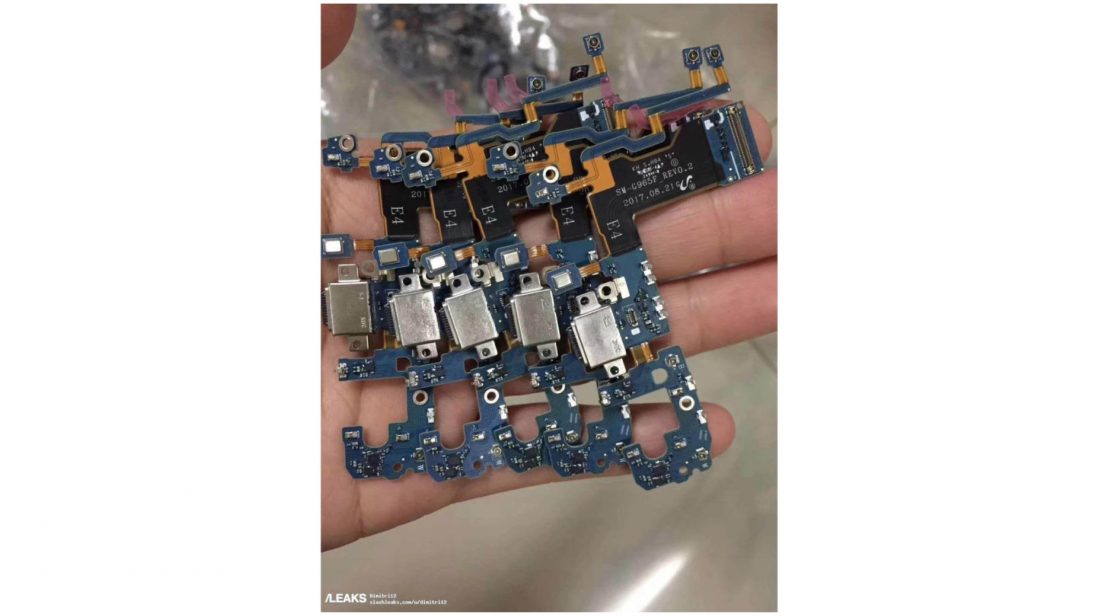
    The image is of the USB Type-C flex cables belonging to the Galaxy S9+. In the image, the 3.5mm port can be seen in the bottom right portion of the module. The image of the USB Type-C flex cables is said to be meant for the Galaxy S9+ due to the SM-G965F model number printed on them which is clearly visible.

    Back in 2016, Apple famously removed the headphone jack from its iPhone 7 and iPhone 7 Plus. While it received a lot of flak at that time and competitors mocked the decision, the last one year has seen other companies embracing the “change” and dropping the headphone jack. LG has, in fact, continued to offer high-end headphone jacks on its ‘G’ and ‘V’ series of smartphones.

    According to a recent benchmark leak, the Galaxy S9 and the Galaxy S9+ will have the Qualcomm Snapdragon 845 chipset. According to leak, the Galaxy S9 and Galaxy S9+ will run Android 8.0 Oreo which is a positive, considering the company announced the Galaxy A8 and A8+ with Android 7.1.1 Nougat even though the devices will be launched in January.

    Galaxy S9+ Renders

    If Samsung goes the Google Treble route, then the Galaxy phones might get faster updates compared to the umpteen amount of time that Samsung takes to update even its flagship phones.

    The Galaxy S9 could be launched at a price similar to the Galaxy S8+ and the Galaxy S9+ could break the thousand dollar barrier and be priced similarly to the iPhone X.

  • Is The Xiaomi Redmi 5 Plus A Worthy Upgrade Over The Redmi Note 4?

    Is The Xiaomi Redmi 5 Plus A Worthy Upgrade Over The Redmi Note 4?

    Budget smartphones in India have to be the best in class to gain any sort of attention from the consumers. This is thanks to the overcrowding in the segment and some great devices that have been launched over the past year or so. One of them has been the Xioami Redmi Note 4. By the company’s own admission, the Redmi Note 4 is Xiaomi’s most successful smartphone in India.

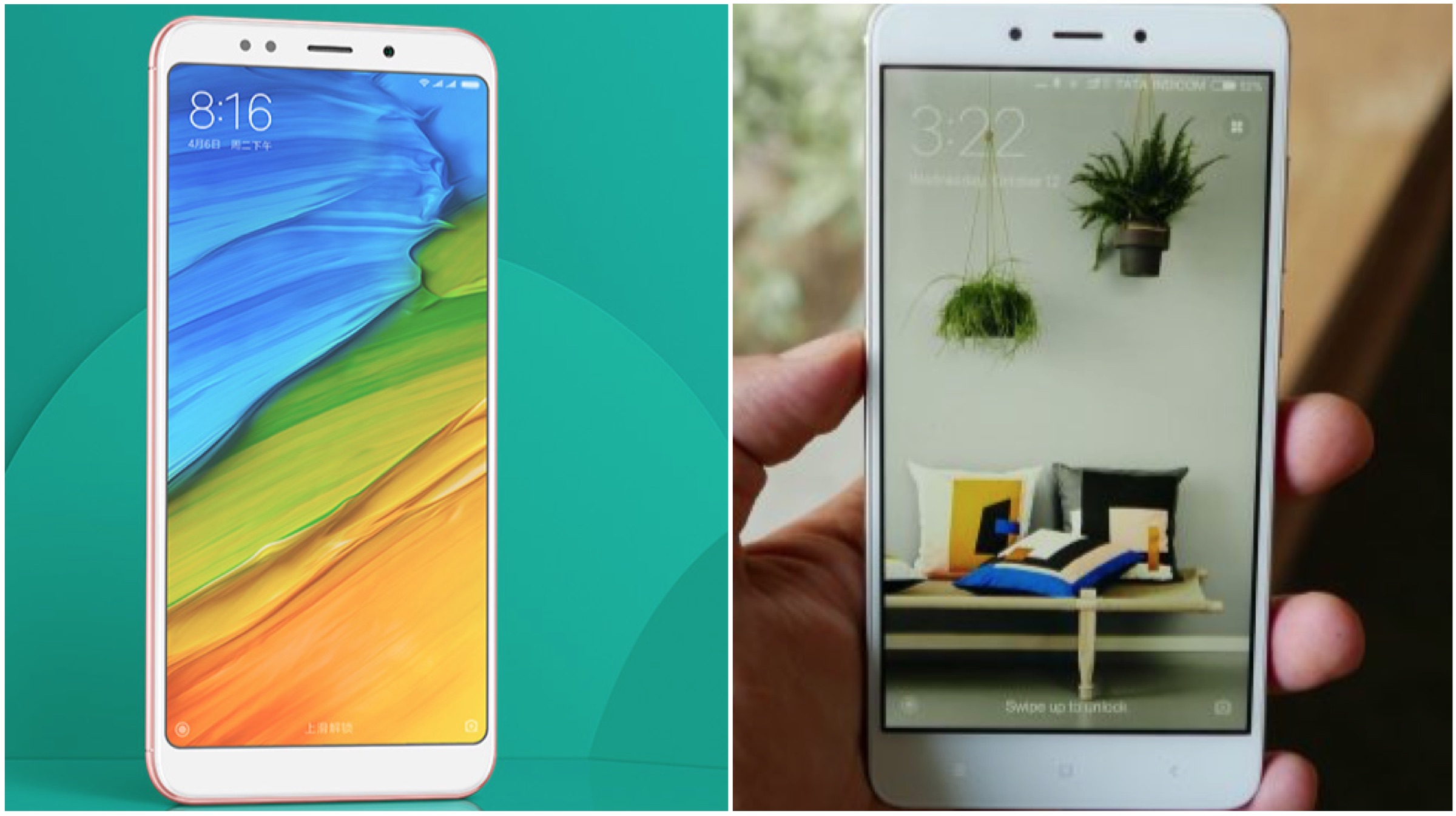
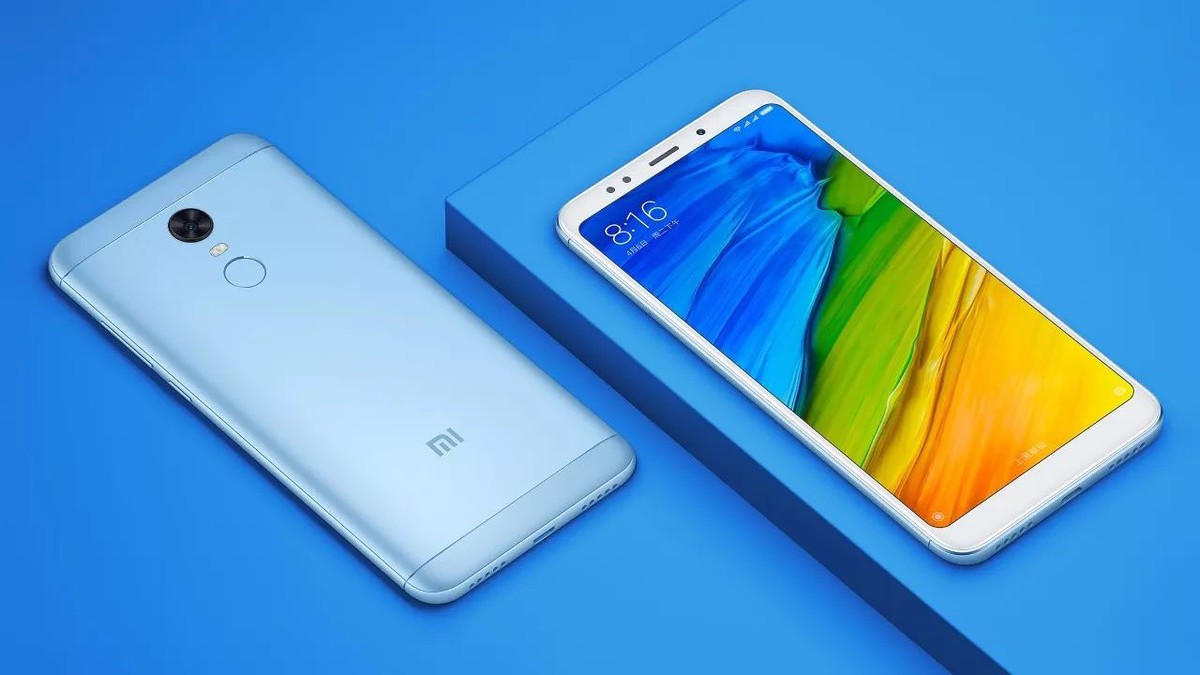
    Xiaomi Redmi 5 Plus

    In what might be a shock move, the Chinese smartphone maker might not launch a successor to the Redmi Note 4 and instead market the Redmi 5 Plus as the successor to the Redmi Note 4. According to a Supermoderator on the MIUI forum, the Xiaomi Redmi 5 Plus is going to remain the company’s only large-screened affordable option. This is not an official confirmation but, it as close as it gets to one.

    In India, Xiaomi has historically launched phones with different names in India and it won’t be surprising if the Redmi 5 Plus is launched as the Redmi Note 5. The ‘Note’ moniker will matter a lot as the consumers already associate the term ‘Note’ with a big phone, and the Redmi 5 Plus falls into that category with a 6-inch display.

    Xiaomi Redmi Note 4

    However, does the Redmi 5 Plus pose enough of an upgrade over the Redmi Note 4 which will persuade the Redmi Note 4 owners to upgrade? Let’s find out.

    Specifications Redmi Note 4 Redmi 5 Plus
    Display 5.5-inch IPS LCD 5.99-inch IPS LCD
    Resolution 1920 x 1080 px
    401ppi
    2160 x 1080 px
    403ppi
    Chipset Qualcomm Snapdragon 625 Qualcomm Snapdragon 625
    Battery 4100 mAh 4000 mAh
    RAM 2GB/3GB/4GB 3GB/4GB
    Storage 32GB/64GB, Expandable up to 128GB 32GB/64GB, Expandable up to 256GB
    Primary camera 13 MP f/2.0 aperture 12MP f/2.2 aperture
    Secondary camera 5 MP f/2.0 5MP
    Add-ons Fingerprint sensor Fingerprint sensor
    Modern design

    Although specs on paper never really tell the whole picture, a comparison on paper is sometimes enough to show a clear picture. That is the case with the Redmi 5 Plus and Redmi Note 4 debate. If Xiaomi launches the Redmi 5 Plus as the Redmi Note 5 in India, it will end up disappointing a lot of consumers which the Chinese smartphone maker will not want.

    A refresh of the Redmi Note 4 with a better chipset and the same design as the Redmi 5 Plus might just do the trick. The design of the Redmi 5 Plus is a definite upgrade to the same-old class Redmu design of the Redmi Note 4. But, when you look at what the Redmi 5 Plus has to offer over the Redmi Note 4, it falls short in a lot of aspects.

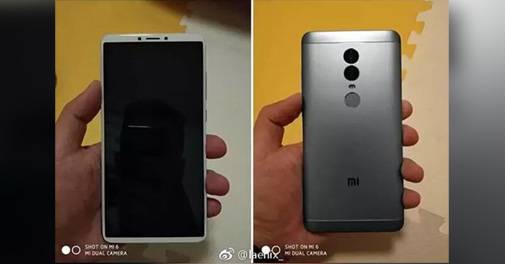
    Possible Redmi Note 5 Leak

    It has a marginally smaller battery than the Redmi Note 4 despite having a larger screen size. It has the same Qualcomm Snapdragon 625 chipset despite coming out almost a year after the Redmi Note 4.

    Even though you shouldn’t expect a lot from a one-generation upgrade, the Redmi Note 4 to Redmi 5 Plus just doesn’t make sense, at least on the paper. Let’s hope Xiaomi scraps the idea of dropping the ‘Note’ lineup and launches a worthy successor to the beloved Redmi Note 4.

iGyaan Network
Privacy Overview

This website uses cookies so that we can provide you with the best user experience possible. Cookie information is stored in your browser and performs functions such as recognising you when you return to our website and helping our team to understand which sections of the website you find most interesting and useful.