Author: Vipul Vij

  • Honor View10 Vs The Competition

    Honor View10 Vs The Competition

    Huawei’s sub-brand Honor globally launched the Honor View10 at an event in London on the 5th of December. At the time of the launch, the View10 was priced at 499 Euros which roughly translates to about Rs. 38000 in India but, considering the competitive pricing of the Honor 7X, it won’t be surprising if the Honor View10 is priced close to the 30K mark.

    Irrespective of its Indian pricing, the View10 will enter the sub-40K category of flagship devices where the likes of the OnePlus 5T and Nokia 8 already exist. Just like the other two devices, the Honor View10 has a flagship chipset, a dual-camera setup and a great display to go with it. So, how does it stack up against the other sub-40K flagship devices? Let’s find out:

    Specifications Honor View10 OnePlus 5T Nokia 8
    Price 499 Euros [amazon_link asins=’B0756ZFXVB’ template=’ProductAd’ store=’igyaan-21′ marketplace=’IN’ link_id=’173c7de9-ea21-11e7-8778-4d2d69f82069′] Starting At Rs. 32999 [amazon_link asins=’B0714DP3BJ’ template=’ProductAd’ store=’igyaan-21′ marketplace=’IN’ link_id=’23d8a452-ea21-11e7-8a8f-1b387b441b63′] Rs. 36999
    Display 5.99-inch IPS LCD 6-inch Optic AMOLED 5.3 inch IPS LCD
    Resolution 2160 x 1080 px
    403ppi
    2160 x 1080 px
    401ppi
    2560 x 1440 px
    554 ppi
    Battery 3750 mAh 3300 mAh 3090 mAh
    Chipset HiSilicon Kirin 970 Qualcomm Snapdragon 835 Qualcomm Snapdragon 835
    RAM 6GB 6GB/8GB 4GB
    OS Android 8.0 Oreo
    EMUI 8
    Android 7.1 Nougat Android 7.1 Nougat
    Storage 128GB, Expandable up to 256GB 64GB/128GB, Not expandable 64GB, Expandable up to 256GB
    Primary Camera 16 MP (RGB) + 20 MP (Monochrome)
    f/1.8 aperture
    16MP + 20MP
    f/1.7 aperture
    13MP (RGB) + 13MP (Monochrome)
    f/2.0 aperture
    Secondary Camera 13MP f/2.0 16MP f/2.0 13MP f/2.0
    Colours Beach Gold
    Night Black
    Aurora Blue
    Midnight Black
    Star Wars Limited Edition (Rs. 38999)
    Tempered Blue
    Polished Blue
    Steel
    Add-ons Chipset has NPU (Neural Processing Unit)
    Heavy Emphasis on AI
    Animojis
    Fingerprint sensor
    Fingerprint Sensor
    Face Unlock
    Stock Android OS
    Fingerprint sensor
    Bothie
    OZO Audio

    It will be interesting to see how Honor prices the Honor View10 considering the Indian market is extremely price-sensitive. With strong competition from the OnePlus 5T and Nokia 8, the Honor View10 will have an uphill task to sway the consumers towards the new entrant rather than the OnePlus 5T or even the Nokia 8.

  • Google May Open Offline Stores In India To Sell Pixel Devices

    Google May Open Offline Stores In India To Sell Pixel Devices

    Google launched the Pixel 2 and Pixel 2 XL on the 4th of October. It subsequently went on sale in India and ever since the launch, the two devices have been embroiled in controversies regarding a lot of software and hardware issues. To improve its sales in the country and catch up with its competition, the tech giant is planning to open offline stores.

    [amazon_link asins=’B0772YB7Y1′ template=’ProductAd’ store=’igyaan-21′ marketplace=’IN’ link_id=’d01d2b50-ea13-11e7-8200-b7868d257085′]

    The motive behind opening offline stores in India is more than just about increasing sales. The company wants to improve the brand awareness of its Pixel lineup as well. For years, Google has been known as a software company and its efforts to become a global hardware competitor won’t be fruitful unless it makes a dent in the Indian market since it is the second largest smartphone market in the world right now.

    To increase the visibility of its Pixel phones, Google has opened pop-up stores in the past few weeks in malls like Promenade, Select Citywalk and Mall of India, among others. The report claims that the positive response to these pop-up stores is one of the reasons to open an offline store.

    [amazon_link asins=’B077SGZJK2′ template=’ProductAd’ store=’igyaan-21′ marketplace=’IN’ link_id=’dc7395c6-ea13-11e7-a8ed-db22da0390b2′]

    Last year’s Pixel and Pixel XL, even though they received great reviews for their camera and software performance, didn’t perform all that well in India. At a starting price of Rs 61000, the Pixel 2 duo is already costlier than the Samsung Galaxy S8. Compared to the US$649 starting price of the Pixel 2, the price in India is inflated by almost US$300.

    At the time of the India launch of the two new smartphones, the VP of Product Management at Google said that the team has learned a lot since the 2016 Pixel phones were launched in India:

    We learnt quite a bit with the first Pixel in India and one of the things we’re doing is increasing our marketing investment, really to explain the product.

    We’ve expanded the channel and from a go-to-market perspective, we’ll be much more present this year compared to last year.

    The company conceded that one of the main drawbacks of the Pixel and Pixel XL of 2016 was its failure to capture the offline market. The Pixel 2 in India starts at a price of Rs 61000 for the 64GB variant and goes up to Rs 70000 for the 128GB variant. The bigger sibling, Pixel 2 XL costs Rs 73000 for the 64GB variant and Rs 81000 for the 128GB storage variant.

  • Xiaomi Redmi 5A Available Offline For Rs. 7499

    Xiaomi Redmi 5A Available Offline For Rs. 7499

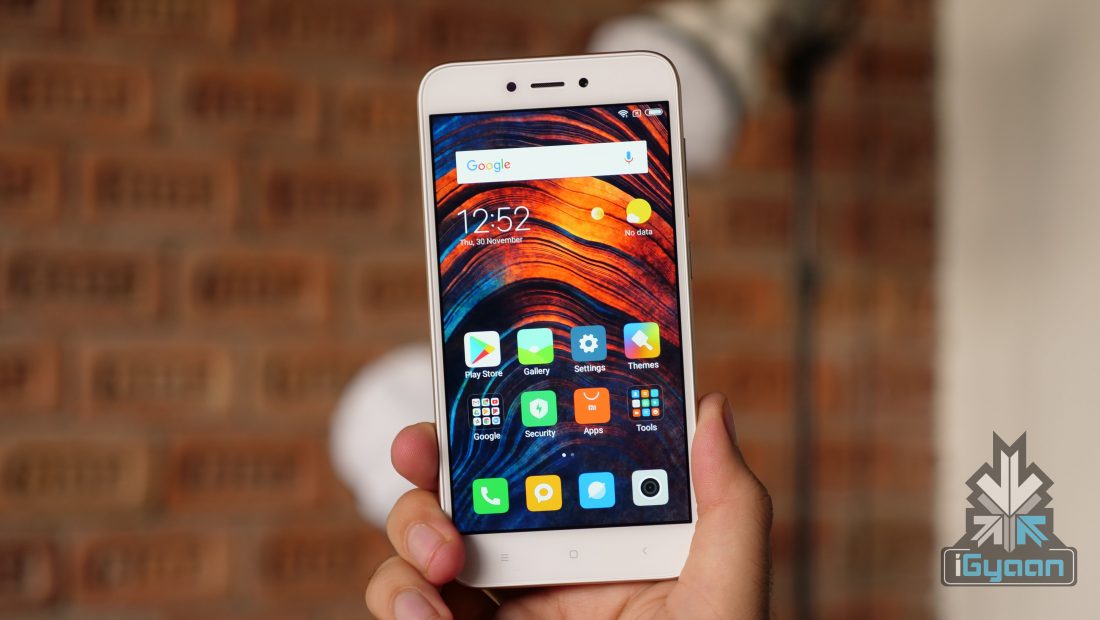
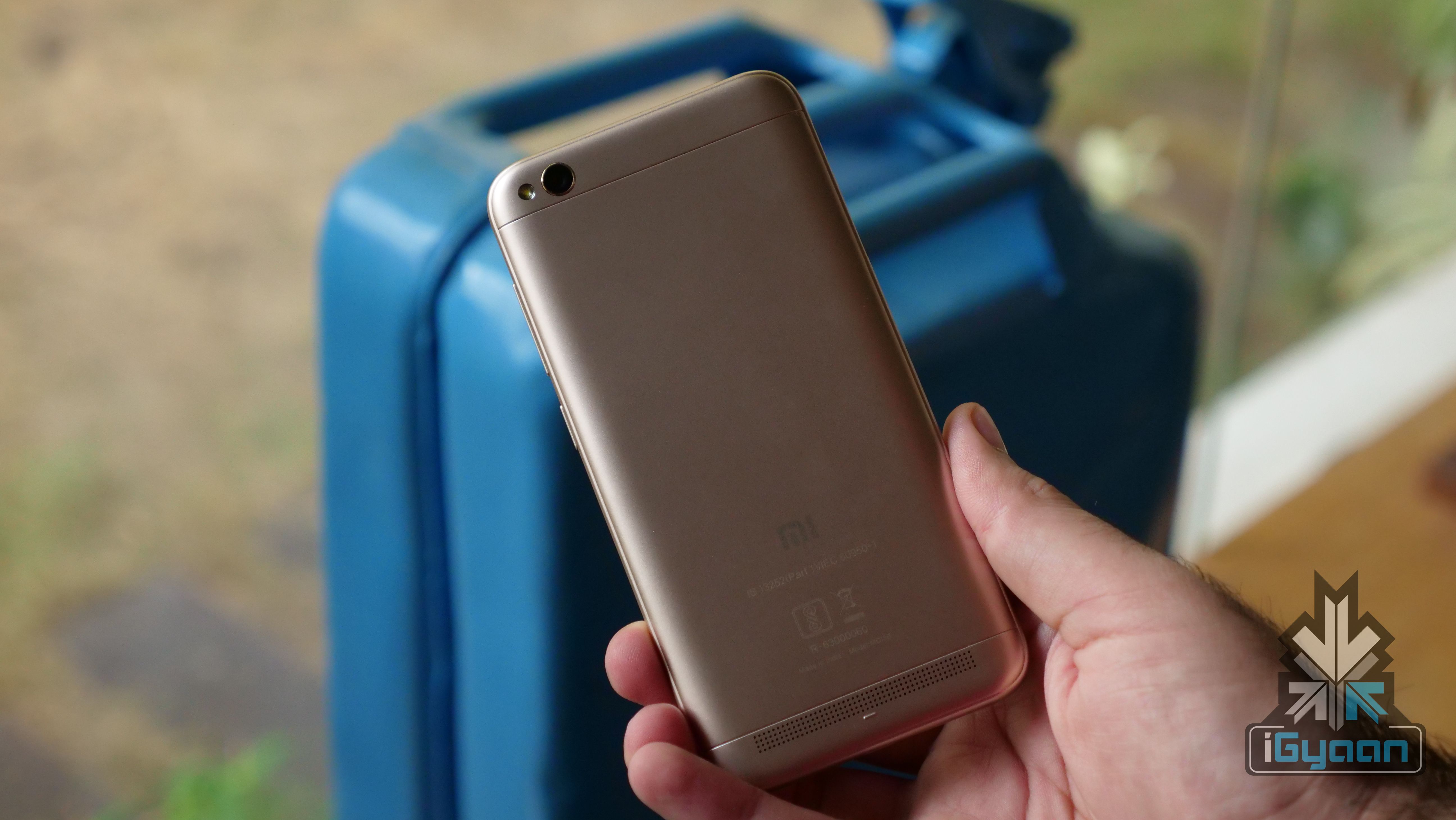
    In November, Xiaomi launched the ‘Desh ka Smartphone’, Redmi 5A in India at a price of Rs. 4999 and Rs. 6999. At the time o its launch, the device was a Flipkart exclusive and the company announced its plans of expanding the phone’s sales to the offline market as well. A new report cites that the 3GB RAM variant of the Redmi 5A, which retails for Rs. 6999 on Flipkart is available at a price of Rs. 7499 via offline retailers.

    The Redmi 5A isn’t a huge upgrade over its predecessor, the Redmi 4A. The Redmi 5A has a 5 inch LCD display with a 1280 x 720 px resolution.

    Just like the Redmi 4A, the new smartphone is also powered by the Qualcomm Snapdragon 425 chipset, quad-core CPU clocked at 1.4GHz, along with 2GB/3GB of RAM, 16GB/32GB of onboard storage which can be expanded up to 128GB via microSD card. The dual-SIM Redmi 5A is powered by a 3000 mAh battery which seems to be a downgrade when compared to the Redmi 4A which packs a 3120 mAh battery.

    The device will run Android 7.1 Nougat out of the box with Xiaomi’s custom MIUI 9 skin on top.

    The Redmi 5A has a 13MP rear camera with an f/2.2 aperture, burst mode, panorama mode, HDR mode, and more. To the front is a 5MP camera with an f/2.0 aperture. The smartphone records 1920 x 1080 px videos.

    Buy it here

  • Samsung Hints At A Possible Galaxy X Launch At CES 2018

    Samsung Hints At A Possible Galaxy X Launch At CES 2018

    The Samsung Galaxy X has long been rumoured to be launched in 2018 and before the Galaxy S9 devices. That doesn’t leave a lot of room for the foldable smartphone apart from either CES or MWC. Now, Samsung appears to have dropped a hint at the possible launch of the Samsung Galaxy X during CES in January of 2018.

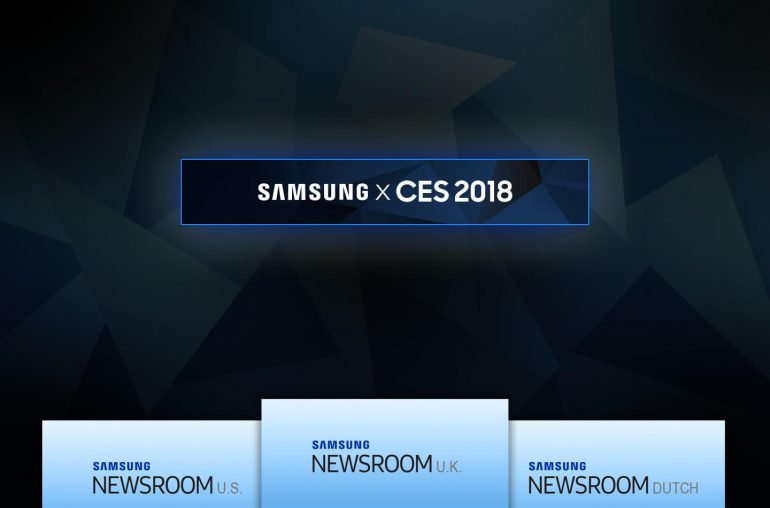
    The Samsung UK Newsroom has this banner to promote that Samsung will be present with its various products at CES, However, the Samsung X CES could be a deliberate decision to hint at the launch of Samsung’s much-awaited foldable smartphone. While this might sound great for enthusiasts, it is worth noting that multiple reports claim that the device will be manufactured in extremely limited quantities and might not see a global launch at all.

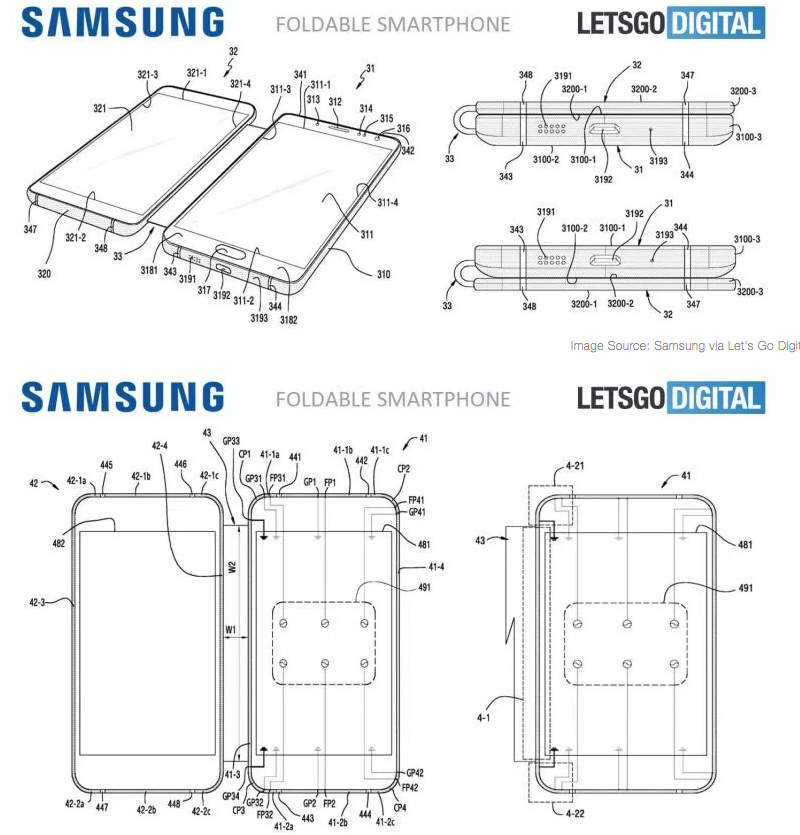
    Possible Samsung Galaxy X Patent

    A report from the South Korea Herald suggested that the production of the Galaxy X would be on 100,000 orders, making it an extremely limited edition device. If this happens, the Galaxy X would be the most difficult Galaxy phone to get your hands on. The rumours all began back at the time of IFA 2017 when Dongjin Koh, President of mobile business at Samsung told some reporters at a news conference in South Korea that a foldable smartphone is in the works and the company is aiming for a 2018 release. He also said that there are still hurdles to overcome and a possible release would be pushed back if the issues are not resolved in time.

    When we can overcome some problems for sure, we will launch the product. We are digging thoroughly into several issues we must overcome, as we don’t want to just make a few, sell a few and be done. We want to hear that Samsung made a very good product. We have a plan to adopt a foldable display in our roadmap.

    Samsung Foldable Phone Patent

    Since then, we have seen multiple patent leaks from Samsung which give us an idea as to how the Galaxy X might look like. While the rumours and patents are fun to study and analyse, there is no certainty that a foldable smartphone will see the light of day in the coming weeks or even months. Stay tuned for all the news and big launches from CES 2018.

  • Xiaomi Mi A1 Android 8.0 Oreo Update Would Enable Fast-Charging

    Xiaomi Mi A1 Android 8.0 Oreo Update Would Enable Fast-Charging

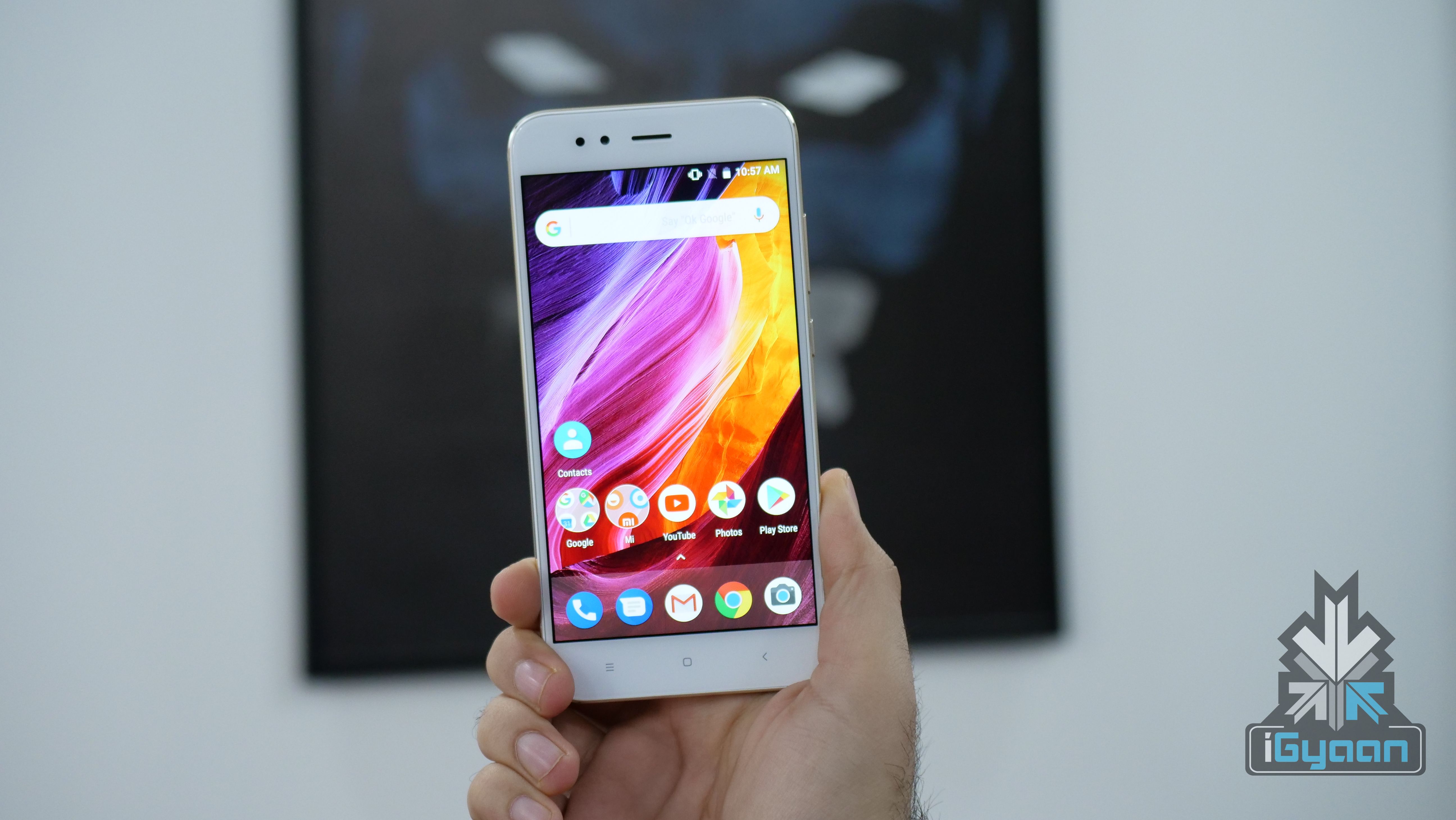
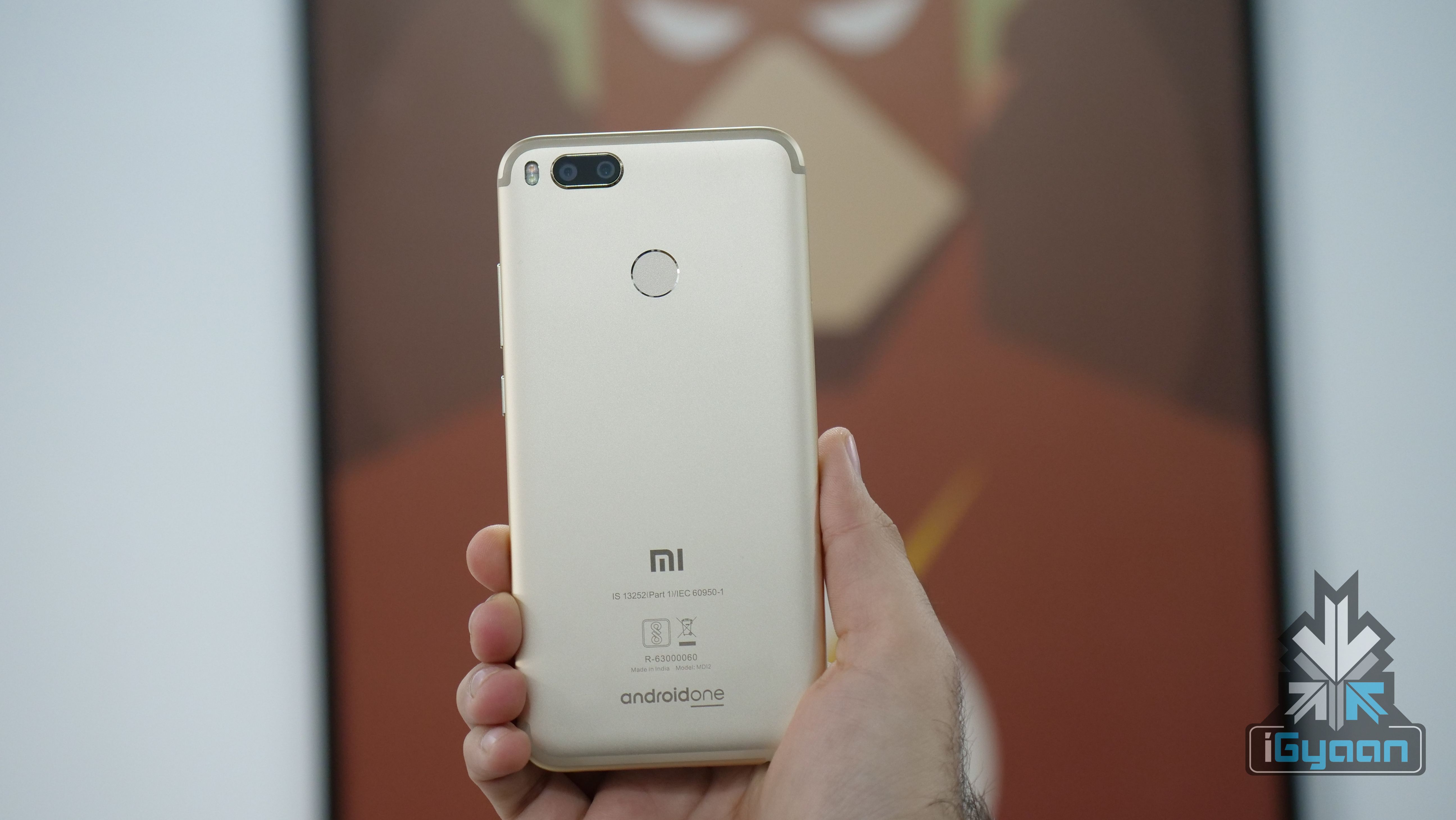
    Xiaomi launched the Mi A1 in India back in August at a price of Rs. 14999. Thanks to Android One program, the Xiaomi Mi A1 has a stock Android OS and will be supported by Google for the next couple of years with major software upgrades. At the time of its launch, Xiaomi promised that the Android 8.0 Oreo update will be seeded out to all Mi A1 phones by the end of the year. The company appears to on track to deliver on that promise as it has already seeded the third beta Android 8.0 Oreo update for the Xiaomi Mi A1.

    A report claims that with the new Android 8.0 Oreo update, the Xiaomi Mi A1 charges much quicker than it used to while running Android 7.1 Nougat. The report, however, conceded that the user charged the phone with a OnePlus charger and the phone went from zero to a hundred percent in 92 minutes while earlier it used to take over two hours.

    The absence of fast-charging despite having a USB-C port was a definite let down and Xiaomi appears to be making amends with the new software update. The report also notes that Oreo has made app loading much quicker and animations are much smoother now as well.

    The Xiaomi Mi A1 will end the year as one of the best budget smartphones of 2017 and even in the early parts of 2018, apart from the tough competition posed by the Honor 7X, there won’t be many competitors in this category. The Xiaomi Mi A1 is now available at a price of Rs. 13999 after it received a permanent price cut.

    To compete with the competition of the Honor 7X, Xiaomi recently launched a limited edition red colour variant of the Xiaomi Mi A1 as well, to offer something different than the usual pink, gold and black phones that smartphone makers launch.

  • Building A Budget Gaming PC

    Building A Budget Gaming PC

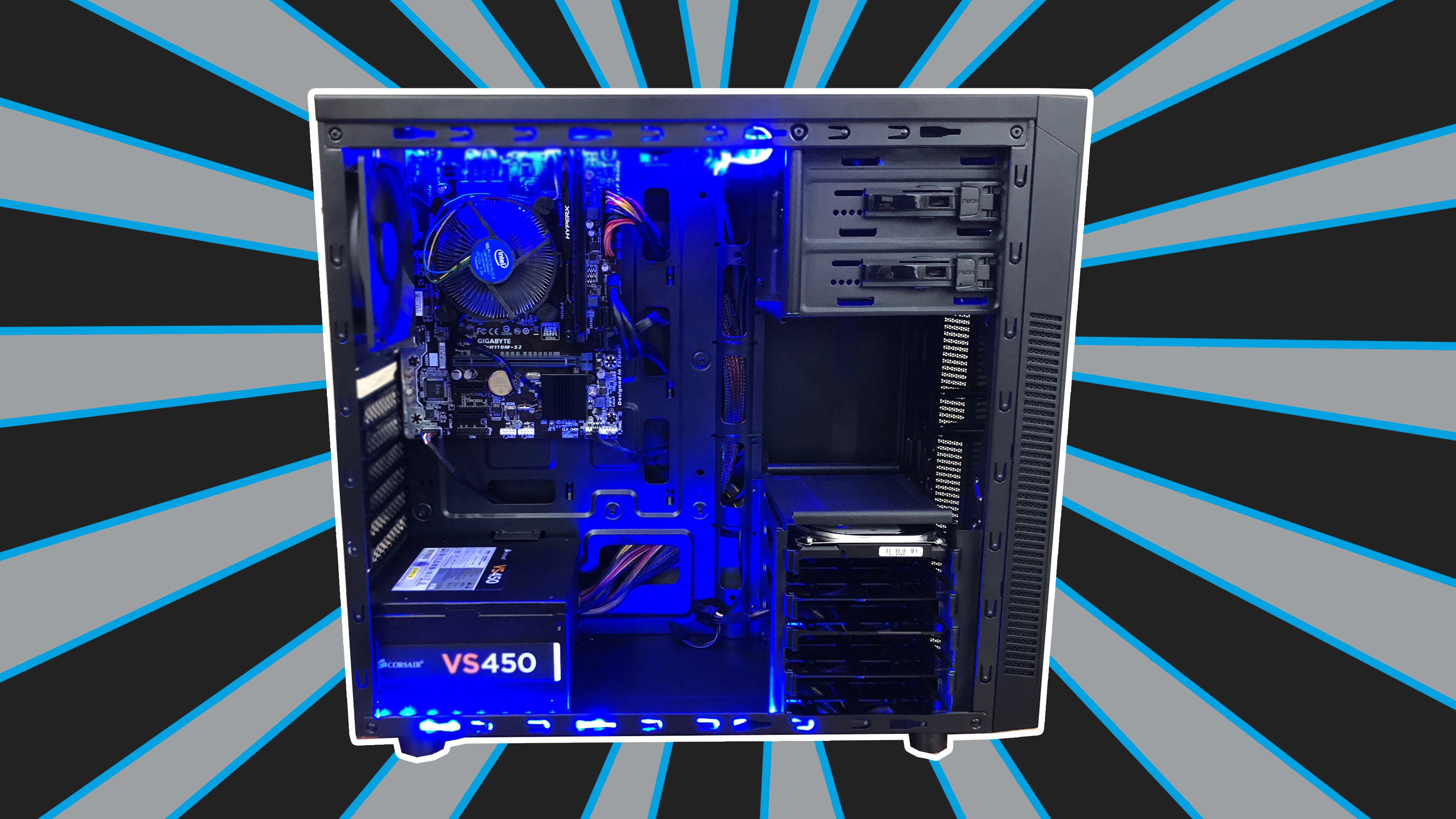
    One of the most requested series on iGyaan has been building a budget gaming PC. We finally took the onus upon us and decided to build a budget gaming PC which should suffice most of the needs of a gamer who is just starting out and isn’t ready to shell out a lot of cash in the beginning. If you are a novice and testing the waters of the gaming world, then this build should be ideal for you.

    Corsair 100R Cabinet

    [amazon_link asins=’B00RORBQNW’ template=’ProductAd’ store=’igyaan-21′ marketplace=’IN’ link_id=’a99b305f-e968-11e7-80e1-7341708c04f0′]

    A relatively quiet and good-looking chassis with a matte black finish, the Corsair 100R is ideal for people on a budget. It has a glass side so that you can add LED lights inside and give it a transparent look, something which is very popular among gamers.


    Corsair VS450 450-Watt Power Supply

    [amazon_link asins=’B00X8QBT6M’ template=’ProductAd’ store=’igyaan-21′ marketplace=’IN’ link_id=’b88915cf-e970-11e7-b87a-27693f610cfd’]

    This is again a relatively cheap but an efficient power supply. If you’re looking for a good power supply that won’t break the bank, then the Corsair VS450 is the way to go. There are many power supplies that we could’ve opted for, but this one solved the purpose and didn’t let the price of th overall build go above our budget.


    Gigabyte GA-H110M-S2 Motherboard

    [amazon_link asins=’B06Y4SG6RY’ template=’ProductAd’ store=’igyaan-21′ marketplace=’IN’ link_id=’2d005164-e96a-11e7-a1c4-b1421334aa32′]

    Thanks to the updated BIOS, this motherboard will let you use the Intel i3 7100 which is exactly what we will be using in this build. It has the Intel H110 chipset and the 2-channel DDR4 memory type along with 1 x PCIe 3.0 x16 graphic interface.


    HyperX Fury 8GB RAM

    [amazon_link asins=’B01D8U2BKA’ template=’ProductAd’ store=’igyaan-21′ marketplace=’IN’ link_id=’3c644a43-e96a-11e7-91c8-2bf7df35326f’]

    This RAM is a DDR4 2400 RAM. HyperX Fury DDR4’s lower power requirements result in less heat and higher reliability and the low 1.2 volts draws less power from the system which results in a cooler and quieter PC.


    Seagate Barracuda 1TB Hard Drive

    [amazon_link asins=’B01LNJBA2I’ template=’ProductAd’ store=’igyaan-21′ marketplace=’IN’ link_id=’d398d6f4-e96f-11e7-92e2-592946254c35′]

    In our build, we have decided to use the Seagate Barracuda 1TB hard drive which will slow the bootup speed but, we chose this instead of an SSD to keep the price of the PC at a bare minimum.


    Intel i3 7th generation 7100 CPU

    [amazon_link asins=’B01NCESRJX’ template=’ProductAd’ store=’igyaan-21′ marketplace=’IN’ link_id=’b0fb87a1-e971-11e7-b40c-0f21c4eef032′]

    Now, since this is a budget PC build, we decided to go for the Intel i3 Kaby lake 7th generation 7100 processor instead of the i3 8th generation as it would’ve skyrocketed the total price of our build. This build had a strict budget and we had to work around it.


    Gigabyte GeForce GT 1030

    [amazon_link asins=’B071DY2VJR’ template=’ProductAd’ store=’igyaan-21′ marketplace=’IN’ link_id=’e524434d-e96f-11e7-a485-411e9f877f98′]

    This graphics card comes with a 2GB DDR5 64-bit memory. It goes to 1506 in overclocking mode and 1468 in gaming mode.


    Stay tuned for an in-depth benchmarks and gaming test of this budget PC.

    Watch the full video here –


  • Unboxing The Honor View10

    Unboxing The Honor View10

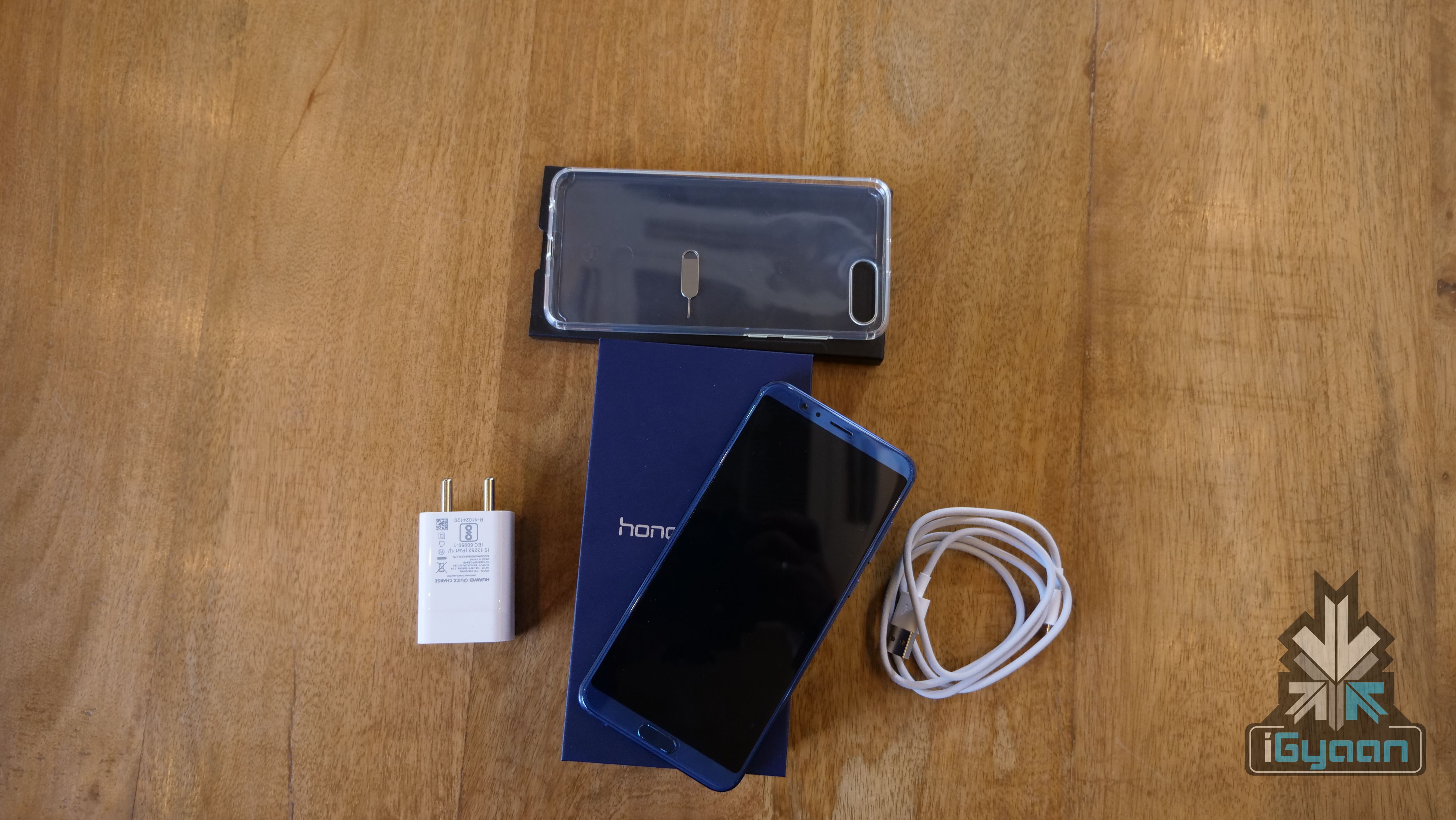
    Honor recently launched the Honor View10 at an event in London. At the time, it was announced that the device will go on sale in India on the 8th of January and the device is priced at 499 Euros (Rs. 38000 approx.). Let’s unbox the device and take a look at the device.

    • Honor View10
    • Wall charger
    • USB -C cable
    • Sim ejector tool
    • Clear Case

    Initial Impressions

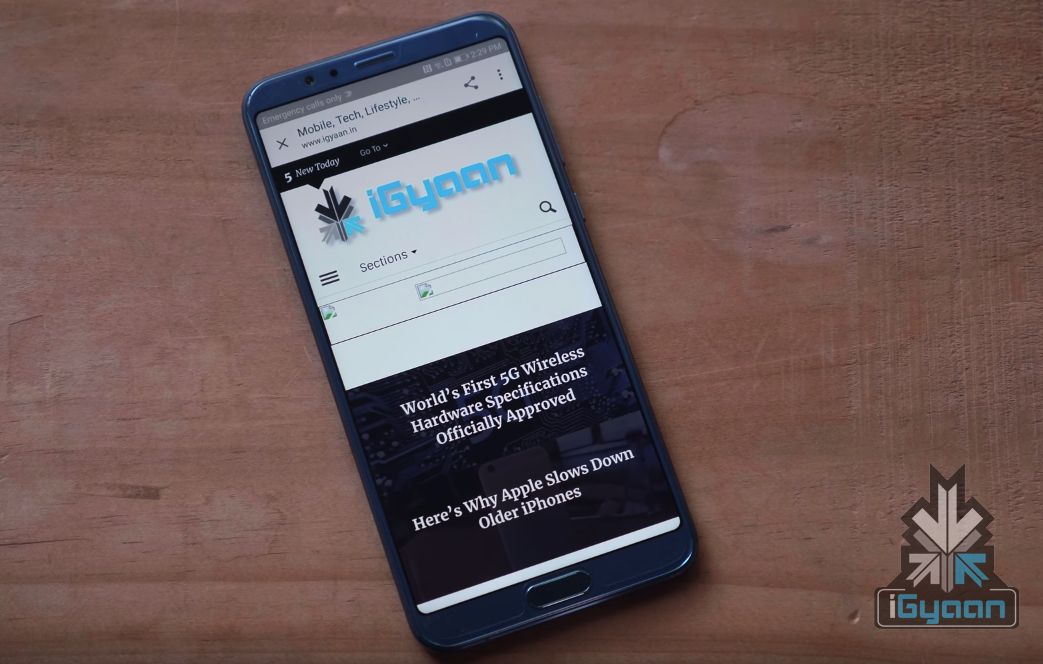
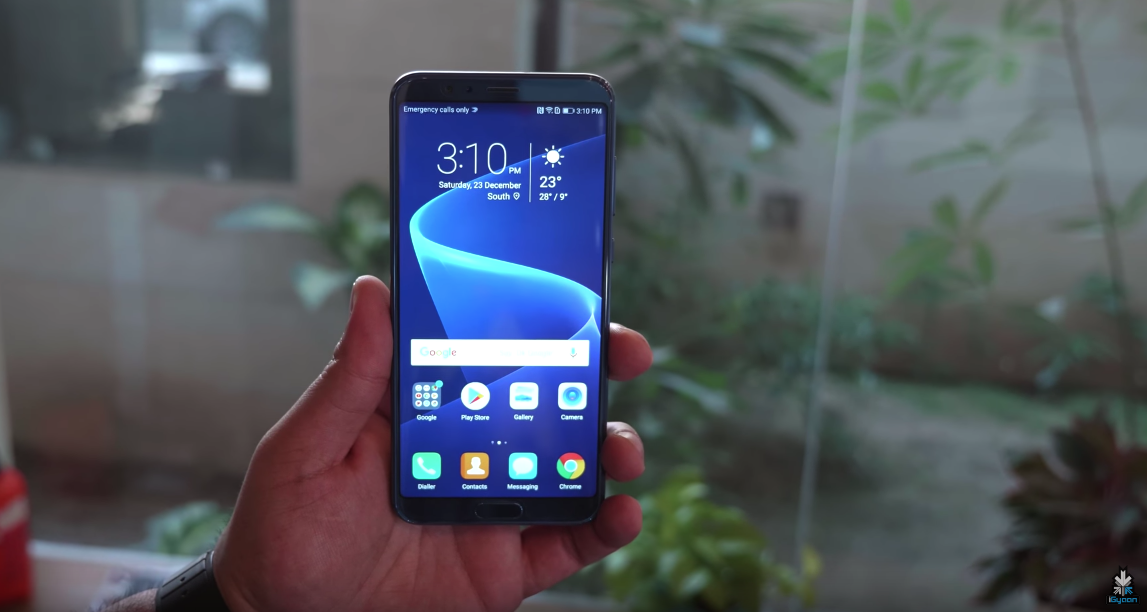
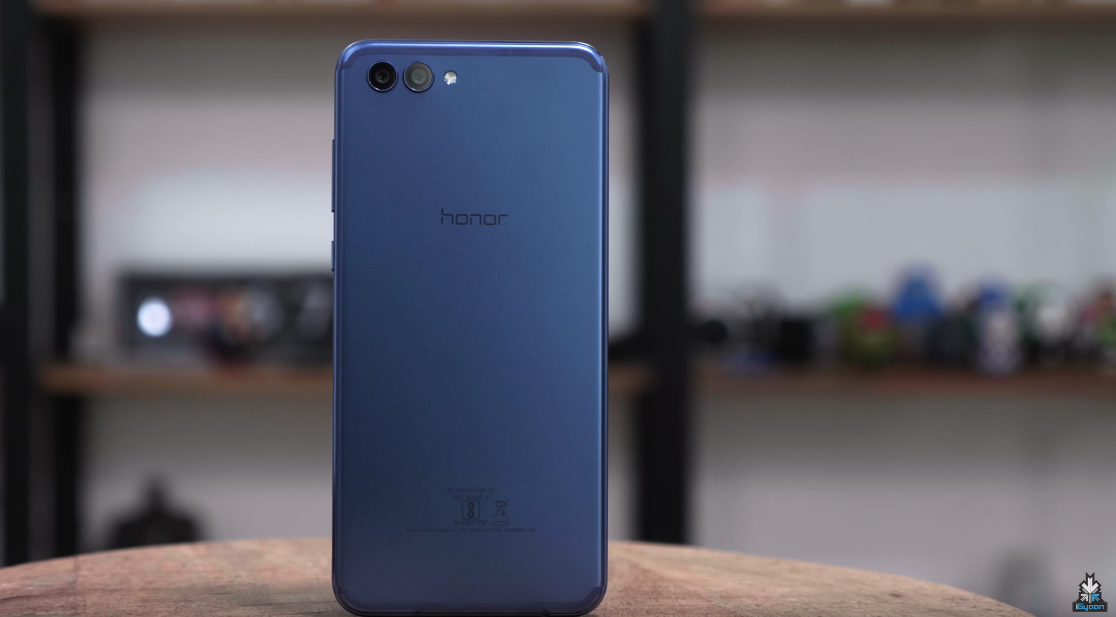
    The Honor View10 shares a lot of design cues with the Honor 7X. It has a similar screen size and thin bezels around the display. However, the Honor Viewo10 uses the bottom bezel to house a fingerprint sensor in it, unlike the Honor 7X which has the Honor branding instead. The device feels looks and feels premium and the Aurora Blue colour is a winner all the way. A welcome break from the usual black and grey phones. The dual-cameras at the back protrude ever so slightly as the antenna lines run on around the top and bottom of the phone. It has the HiSilicon 970 chipset which focuses a lot on AI, and Honor wants the View10 to be ‘your first AI smartphone’.

    Specifications

    The Honor View10 has a 5.99-inch IPS LCD display with a 2160 x 1080 px resolution which translates to an 18:9 aspect ratio. The Honor View10 has minimal side bezels and thin top and bottom bezels.

    [amazon_link asins=’B01N4FMUFH’ template=’ProductAd’ store=’igyaan-21′ marketplace=’IN’ link_id=’161c59bc-e958-11e7-bf0a-6350005ab2ec’]

    Under the hood, the device has the Kirin 970 chipset with a Neural Processing Unit, 6GB of RAM, and 128GB onboard storage. The onboard storage can be expanded up to 256GB via microSD card. There is a 3.5mm headphone jack at the bottom of the device along with a USB Type C port. The front of the device also has a home button which houses the fingerprint sensor.

    The Honor View10 also has facial recognition which is becoming more prominent since the launch of the iPhone X. The facial recognition works similar to the Face ID on the iPhone X, the accuracy of which, will be extensively tested in the coming weeks.

    Similar to the Google Pixel 2 and Pixel 2 XL, the Honor View10 also concentrates a lot on AI. For example, while on a call, AI will differentiate between the user’s voice and background noise to make sure the user’s voice is clearer. This is thanks to the presence of the Kirin 970 chipset which has a Neural Processing Unit on board.

    The new chipset will also mean better battery life as Honor suggests that it is “50 times more efficient than an average CPU.” Huawei being telecommunications giant has introduced new features in the Kirin 970 such as the Cat 18 compatibility, which means it can reach download speeds up to 1.2GB per second. Also, the Kirin 970 can support 4G data on both sims at the same time. Kirin 970 is powered by an 8-core CPU and a new generation 12-core GPU. Built using a 10nm advanced process, the chipset packs 5.5 billion transistors, which is about 2.5 billion more than the Qualcomm Snapdragon 835.

    Because of its facial recognition technology, the Honor View10 also has iPhone X-like animojis, which Honor claims are much more accurate than iPhone X since it tracks the user’s tongue as well.

    [amazon_link asins=’B0784BZ5VY’ template=’ProductAd’ store=’igyaan-21′ marketplace=’IN’ link_id=’3d04d4ed-e958-11e7-b656-83c781ce09d8′]

    Powering the device is a 3750 mAh battery and supports 5V / 4.5A fast charging. Honor claims the phone will be 50% charged in 30 minutes thanks to Honor Super Charge technology.

    The Honor View10 has a dual camera setup at the back and has a single camera at the front. The back of the devices houses a 16MP RGB sensor and a 20MP Monochrome sensor with both having an f/1.8 aperture. The primary camera setup records 4K videos at 30fps. At the front of the phone is a 13MP camera with an f/2.0 aperture.

    Watch our unboxing video here –

  • Kirin 970 Might Be Better Than Snapdragon 845

    Kirin 970 Might Be Better Than Snapdragon 845

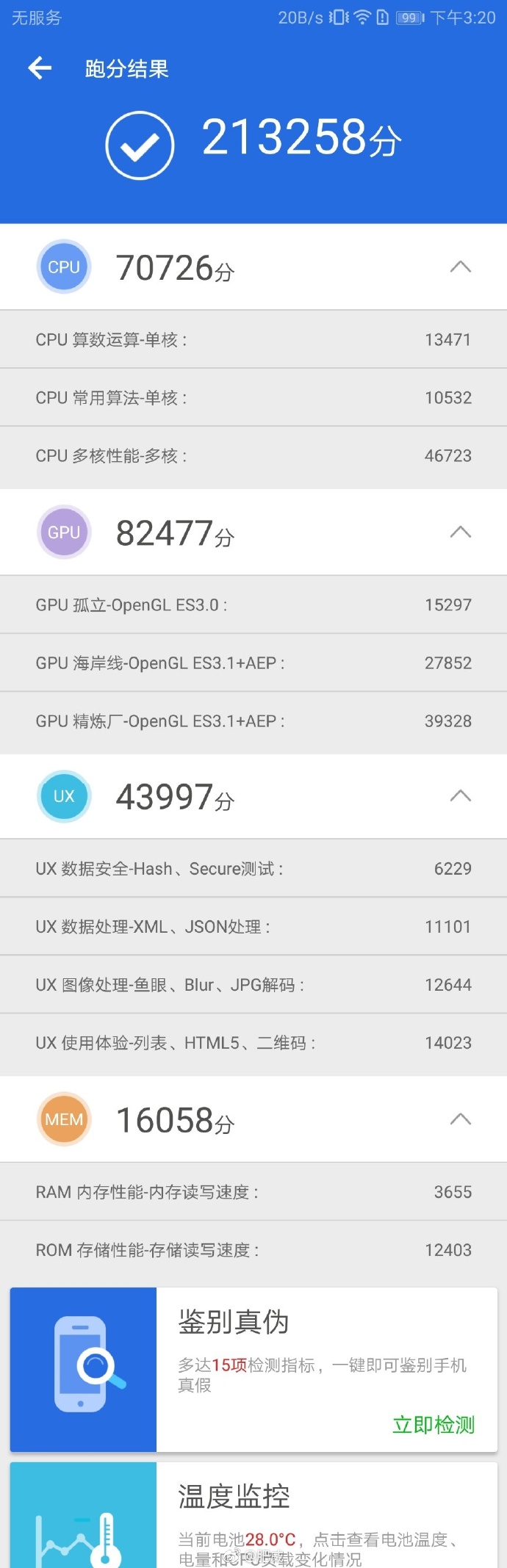
    Upcoming smartphones of 2018 will mostly be powered by the new Qualcomm Snapdragon 845 chipset. Back in October, Huawei unveiled its new flagship chipset, the HiSilicon Kirin 970 chipset with an NPU. A new image has been doing the rounds on Weibo that reveals a few benchmark results wherein the Kirin 970 appears to outscore the Snapdragon 845 chipset.

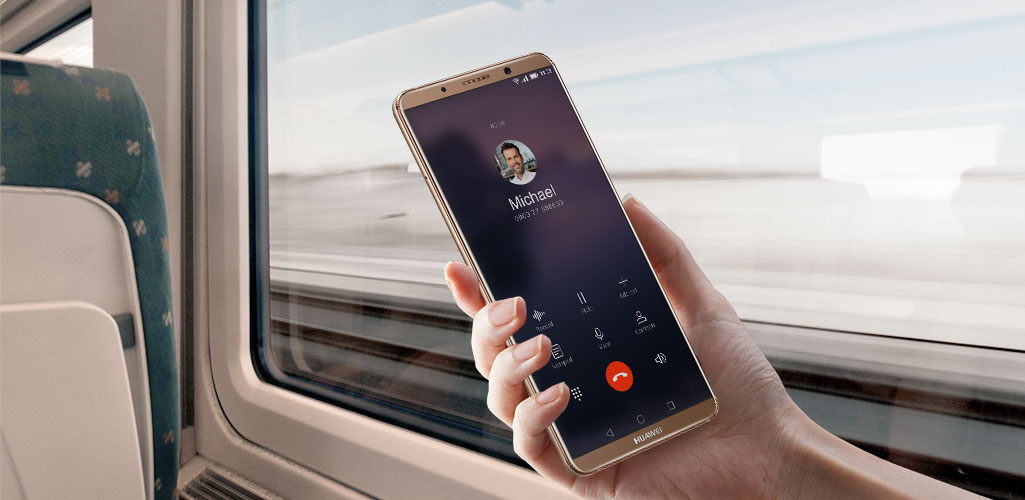
    The benchmarks are of the Huawei Mate 10 Pro which was launched in October and is powered by the HiSilicon Kirin 970 chipset. It scores impressively, achieving 213258 points. The difference between the two chipsets isn’t enormous and should definitely not sway a consumer to the other side. Also, synthetic benchmark scores barely indicate what the real-world performance of a chipset is like, especially when the difference between the two is so marginal.

    A few weeks ago, Samsung confirmed that it would manufacture the Snapdragon 845chipset on its 10nm LPP process. And now, a new report by Nikkei claims that TSMC is set to take over Samsung’s role for manufacturing Qualcomm’s modem and core processor orders next year.

    The report reads:

    Qualcomm’s flagship Snapdragon 835 and Snapdragon 845 processors are made by Samsung using 10nm technology. Snapdragon 835 processors have been adopted by a wide range of smartphone makers including Samsung, Oppo, Sony and Xiaomi, while Xiaomi will be the first to use the Snapdragon 845 chip that was unveiled earlier this month

    The report also claims that an industry executive believes that Samsung is losing Qualcomm orders to TSMC because the company will not be fabricating 7nm chips in 2018. The report went on to state that “Qualcomm is still likely to transfer orders back to Samsung in 2019 if its 7nm chip facility becomes ready.”

  • OnePlus 5 Is Getting The OnePlus 5T Feature Everybody Is Raving About

    OnePlus 5 Is Getting The OnePlus 5T Feature Everybody Is Raving About

    The OnePlus 5T was launched back in November, just 5 months after its older flagship sibling the OnePlus 5 was launched. While many OnePlus 5 owners betrayed that the new device had come out just a few months later with a better design, in a nutshell, the OnePlus 5T was not that big an upgrade. The one thing that everybody has noticed about the OnePlus 5T is its Face Unlock technology. What was exclusive to the OnePlus 5T is now finally arriving in the OnePlus 5 as well.

    https://twitter.com/getpeid/status/944915403398098944

    [amazon_link asins=’B01FM8M0EI’ template=’ProductAd’ store=’igyaan-21′ marketplace=’IN’ link_id=’452ebc05-e952-11e7-ad0b-b3d612b3a656′]

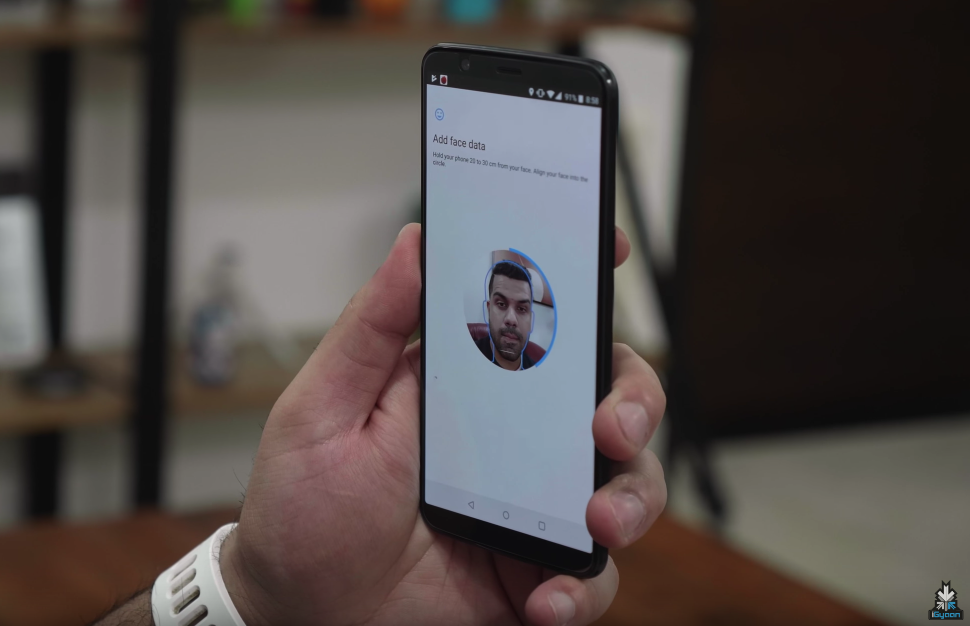
    OnePlus co-founder Car Lei took to Twitter and announced that the Face Unlock feature will soon be coming to the OnePlus 5 as well. Unlike Face ID, OnePlus’ facial recognition doesn’t use any extra hardware and only makes use of the front-facing camera and software tweak. This is a welcome news for a lot of OnePlus owners especially those who felt dejected after the launch of the OnePlus 5T.

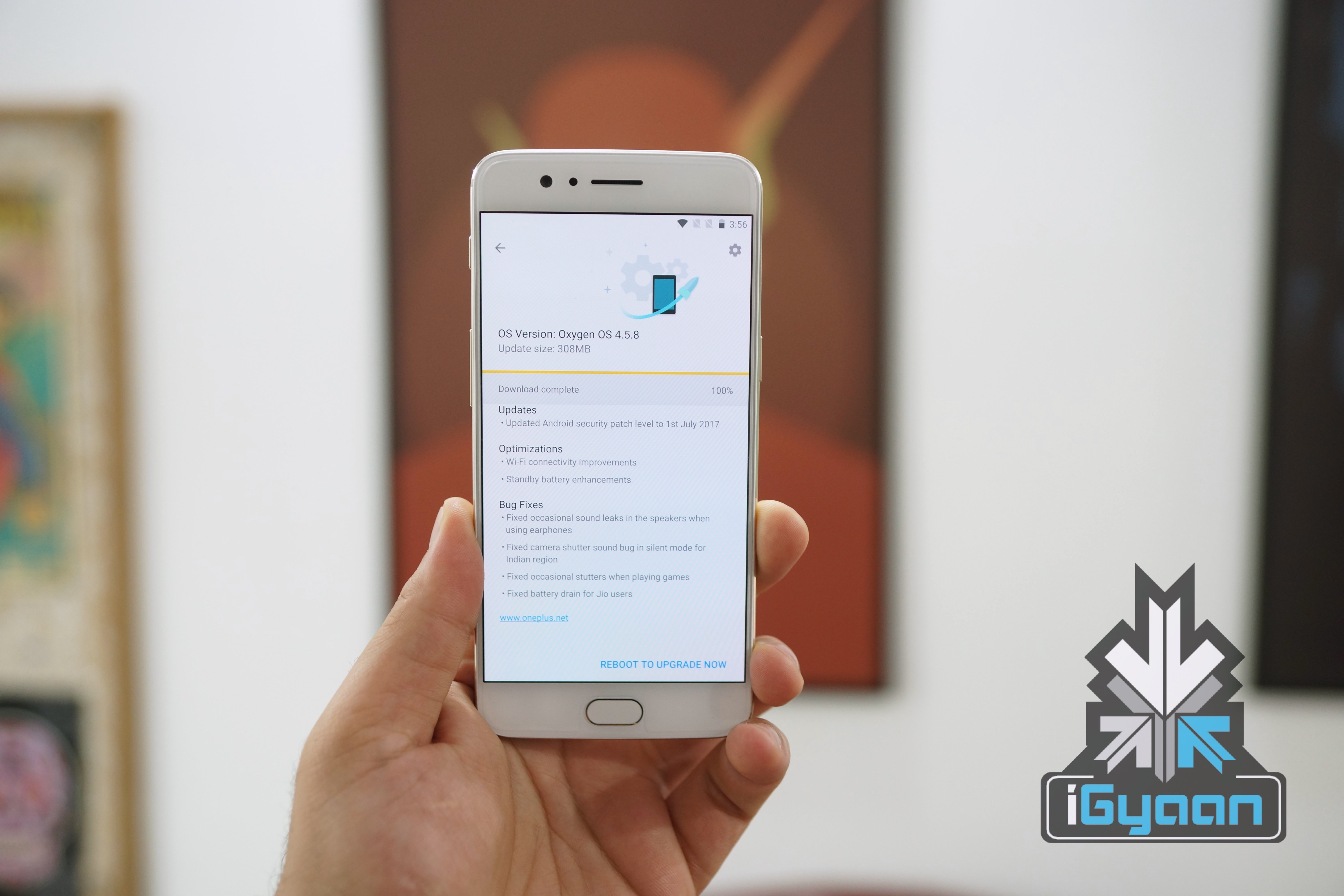
    The OnePlus 5 has also started receiving Android 8.0 Oreo update with OxygenOS 5.0 update. The company announced the new update on its forum page and detailed all the new features along with the new December security patch.

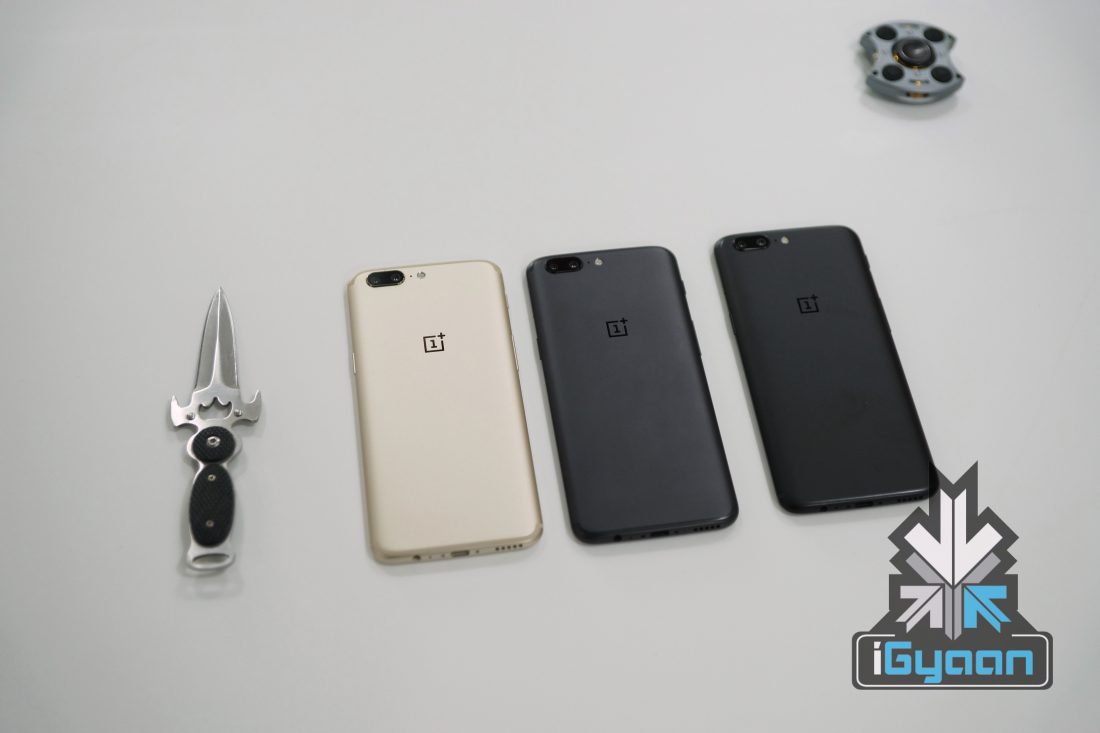
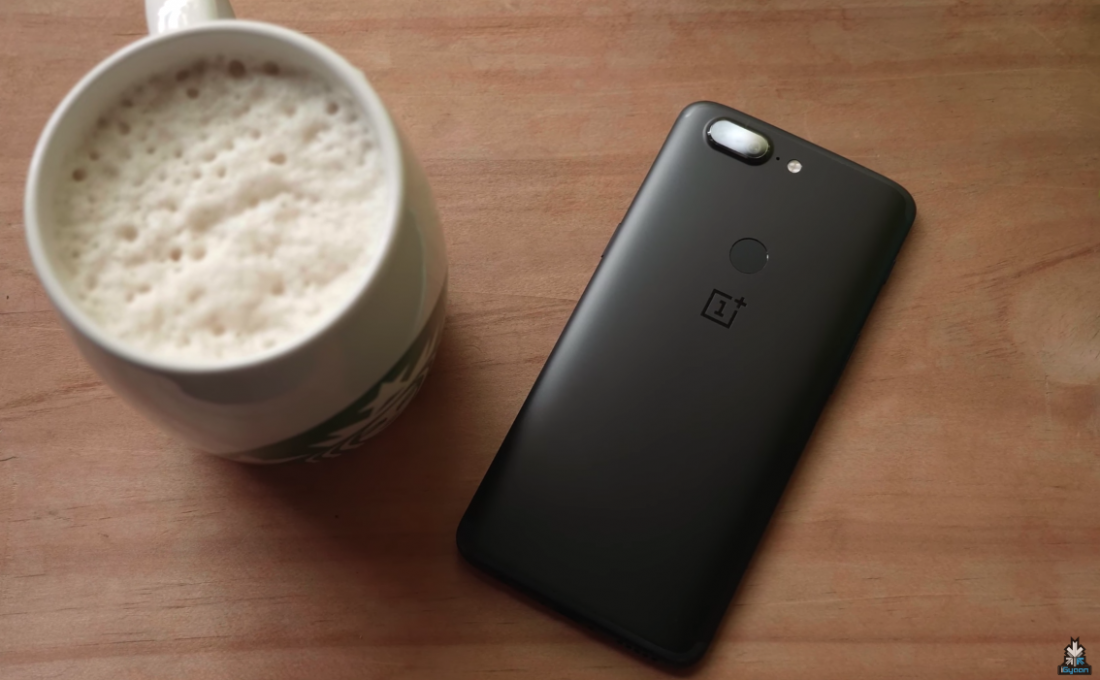
    In terms of specifications, the OnePlus 5 is almost identical to the OnePlus 5T in all aspects except the screen size and the primary camera setup. The OnePlus 5 has a 5.5-inch AMOLED display with a 1920 x 1080 px display while the OnePlus 5T has a 6-inch 2160 x 1080 px AMOLED display with thin bezels. The OnePlus 5 has a regular lens and a telephoto lens at the back while the OnePlus 5T has two lenses of the same size and the same f/1.7 aperture.
    [amazon_link asins=’B0756ZFXVB’ template=’ProductAd’ store=’igyaan-21′ marketplace=’IN’ link_id=’3862d33b-e952-11e7-a8fa-ed2fde25d236′]

    OnePlus recently announced that it will soon stop manufacturing the OnePlus 5 but, will support the device for the coming year and that it will also receive the Android P update.

  • Next Sony Flagship Will Have The Snapdragon 845 Chipset

    Next Sony Flagship Will Have The Snapdragon 845 Chipset

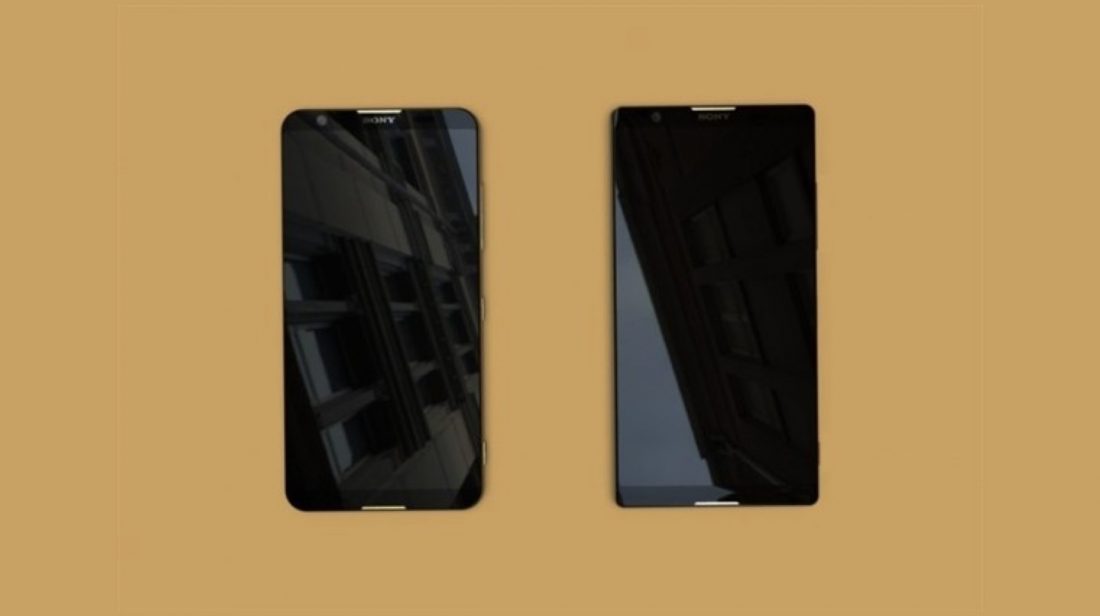
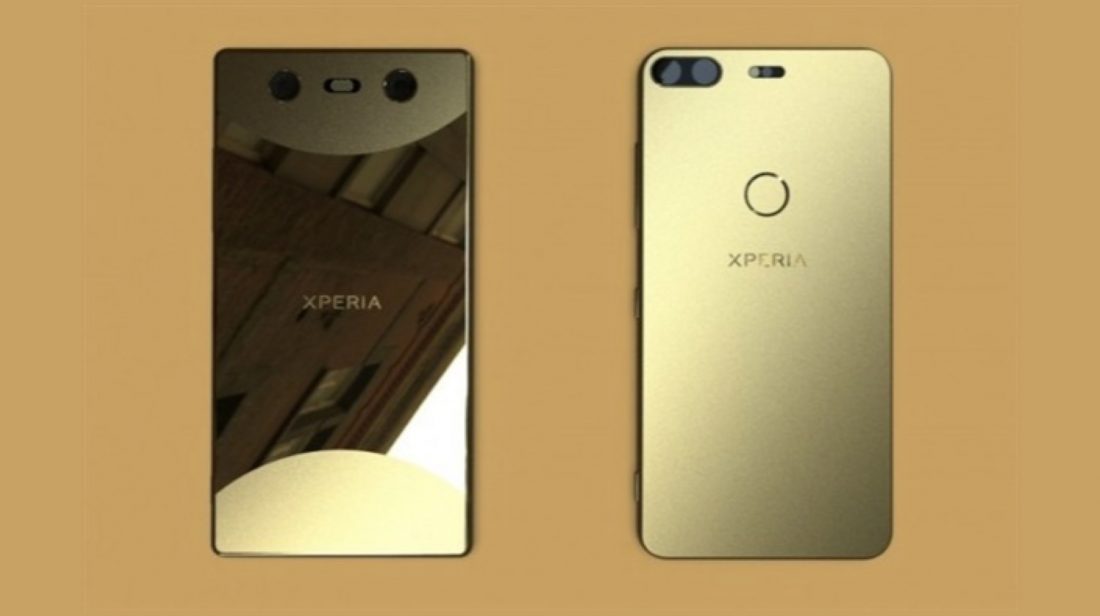
    Sony and its upcoming flagship phones have been in the news for the past few days. Various image leaks are pointing towards a design overhaul for the Sony flagship lineup and it appears that the company will take it up a notch.

    A new Geekbench listing reveals the Sony H8266 device being powered by the Qualcomm Snapdragon 845 chipset. Apart from the chipset, the listing reveals that it will have 4GB of RAM which has become standard for all flagships nowadays.

    The news about it sporting the Snapdragon 845 chipset is a welcome surprise as it was widely speculated that Samsung will have exclusive early access to the new flagship chipset.

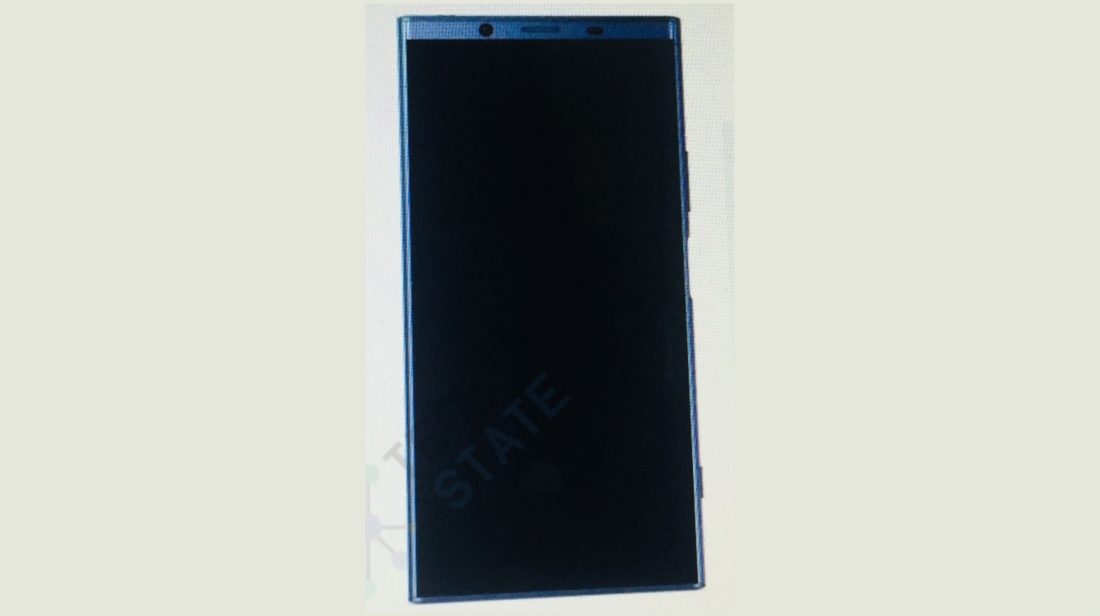
    The image reveals a design similar to the Xiaomi Mi Mix 2 with three sides of the device having minimal bezels and the top housing all the sensors and the secondary camera. Although the Xiaomi Mi Mix 2 has a thicker chin, the Xperia phone has a thicker forehead. The phone appears to have the power button on the side, most likely with a fingerprint scanner embedded. There is also a volume rocker and dedicated camera button on the right side.

    Leaked Image Of The Alleged Sony Xperia Phone

    Just like any other leaked image, it is fair to assume that this could easily be a doctored image and the real device could have a completely different design. But, until the time Sony announces the device itself, it is a good design cue for the company. Recently, images of two Sony Xperia phones were leaked along with a few specifications. Just like the image, these images also reveal the design shift that Sony will make in 2018 for all its flagship phones in 2018.

    Leaked Image Of The Alleged Sony Xperia Phone

    The next Xperia device could be unveiled at the upcoming CES or MWC event where a lot of other smartphones are also expected to be announced, most notably the Samsung Galaxy S9 and S9+.

  • Elon Musk Reveals The Roadster He Is Planning To Send Off To Space

    Elon Musk Reveals The Roadster He Is Planning To Send Off To Space

    A few weeks ago, Elon Musk revealed plans of sending a Teal Roadster inside the Falcon Heavy next year. Now, Elon Musk took to Instagram to show off a few images that is being prepped for the iconic launch into space.

    Musk said that test flights are usually boring and contain mass in the form of concrete or steel blocks to test load capacity.

    https://www.instagram.com/p/BdA94kVgQhU/?taken-by=elonmusk

    Falcon Heavy is the successor to SpaceX’s Falcon 9. It is supposed to be a more powerful rocket that the SpaceX plans to use for missions to the Moon and Mars. The first flight for Falcon Heavy was scheduled to take off in 2013 or 2014 but, it has been confirmed that the highly anticipated flight will take off in January 2018.

    Falcon Heavy is three Falcon 9 rockets strapped together. Therefore, the Falcon Heavy will be capable of creating around three times the thrust of a single Falcon 9 rocket, allowing SpaceX to perform missions beyond low Earth orbit.

  • Moto X4 Is Getting Android 8.0 Oreo Update

    Moto X4 Is Getting Android 8.0 Oreo Update

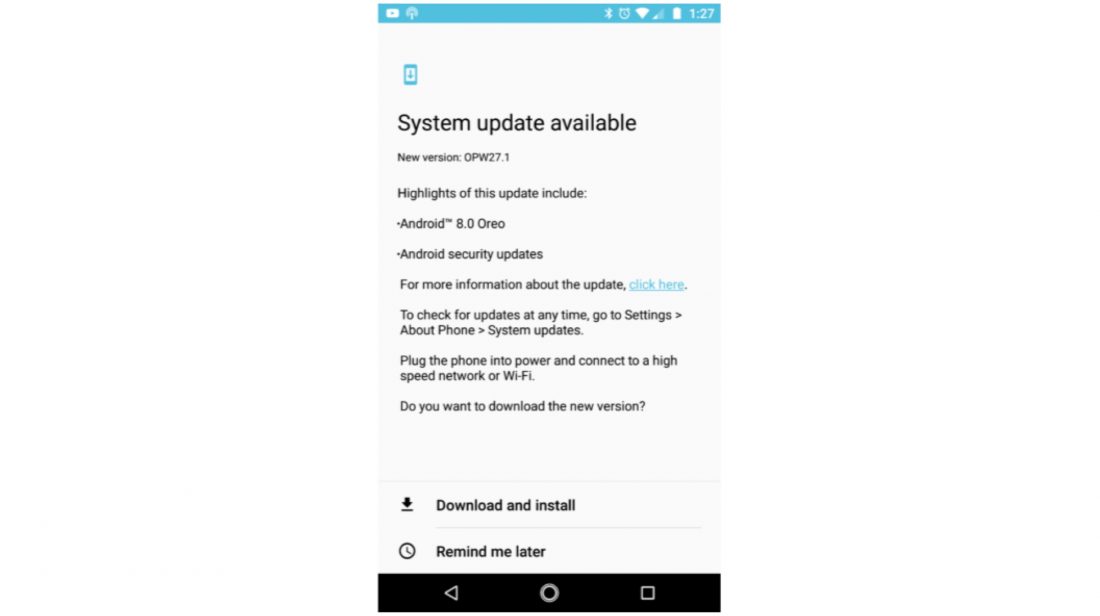
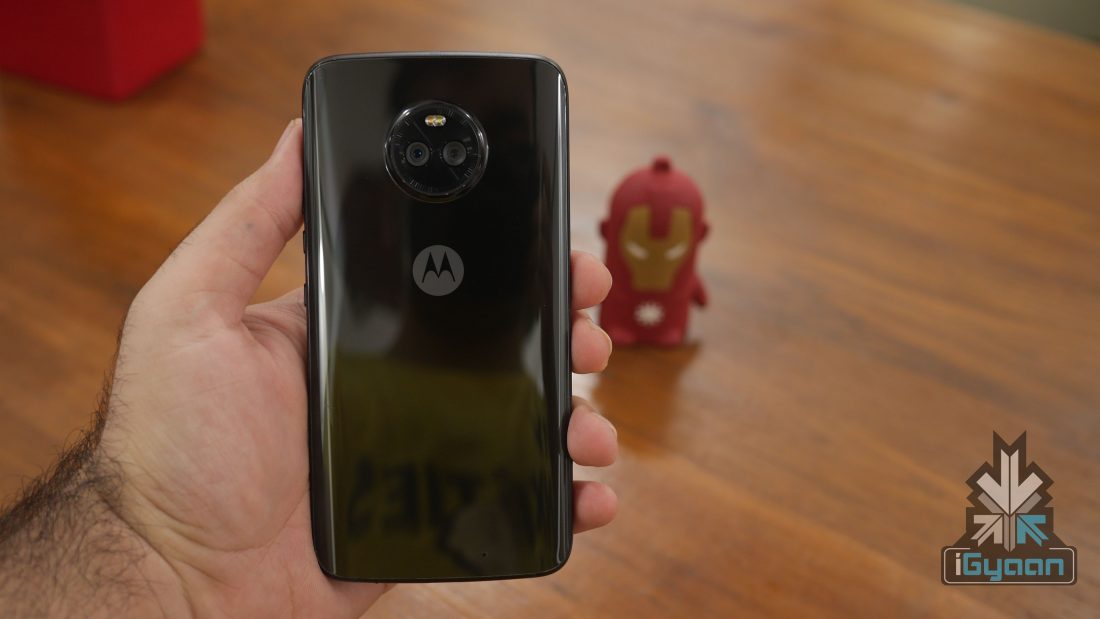
    Moto X4 Android One edition has started receiving Android 8.0 Oreo update. At the time of its launch, the company had promised an update of Android 8.0 Oreo by the end of the year, and it has delivered on the promise. In addition, the update also includes the latest Android security fixes.

    The Moto X4 that launched in India is the regular variant which, even though has a stock Android OS, is far from being an Android One phone. However, with the Moto X4 Android One variant receiving the Android 8 Oreo update, it is fair to assume that an update for the regular Moto X4 might not be too far away.

    The Moto X4 has a 5.2 inch 1920 x 1080 px LTPS IPS LCD display with Corning Gorilla Glass 3 on top for protection.

    The Moto X4 has the Qualcomm Snapdragon 630, 2.2 GHz octa-core processor and Adreno 508 GPU, along with 3GB or 4GB of RAM and 32GB or 64GB of onboard storage which can be expanded up to 2TB via microSD card. The fingerprint sensor is housed inside the home button which also doubles up as a single navigation button. The Moto X4 is powered by a 3000 mAh battery with TurboCharge capabilities. The company claims that the 15 mins of charge can give up to 6 hours of talk time. It has an IP68 rating for water and dust resistance.

    The Moto X4 has a dual-camera setup at the back. The main camera is a 12MP sensor with an f/2.0 aperture, and the 8MP secondary camera with an f/2.2 aperture is equipped with a wide-angle lens. The dual-cameras allow users to have depth effect shots, bokeh effect shots, ultra-wide angle shots, and selective focus shots. On the front of the device is a 16MP camera with an f/2.0 aperture and an LED flash. The cameras record 4K videos at 30 FPS.

    We will keep you updated as and when the Android 8.0 Oreo update for the non-Android One variant comes out.

  • Worried If Apple Has Slowed Down Your iPhone? Here’s How To Check

    Worried If Apple Has Slowed Down Your iPhone? Here’s How To Check

    It is no longer a conspiracy theory doing the rounds on the internet. Apple has come forward and conceded that it does indeed make older iPhones run slower in order to prolong its battery life. While much can be said about the intentions and actions of Apple, it is fair to assume that if you have an old iPhone, you would’ve thought about the repercussions of these actions.

    In a nutshell, what Apple is doing is occasionally restricting the processor of some old iPhones, specifically those that have batteries that can’t hold a proper charge. To tackle battery ageing in a more efficient way, what Apple is doing for older iPhones is it is capping the processor power to prolong the age of the battery. This is a is a lithium-ion chemistry issue, not an Apple or any other OEM issue. Over time, batteries just become bad. This is an attempt to make people’s phone work for longer with fewer issues, not to get them to switch away from it.

    Here are a few steps you need to take to see if your phone has been a part of Apple’s intentions to prolong the life of the old iPhones.

    Check the model of your iPhone

    First and foremost, you need to confirm whether your phone is affected by this or not. The affected iPhones are the iPhone 6, iPhone 6S, iPhone SE, and the iPhone 7.

    What software is your phone running

    Apple introduced its software fix with iOS 10.2.1 for the iPhone 6, iPhone 6S, and iPhone SE. It introduced it with iOS 11.2 for the iPhone 7. You can check your current software build by going to Settings>General>About and look under Version.

    Inspect the battery health of your iPhone

    This is the main issue. The main reason Apple is capping the CPU power is to prolong the battery life of older iPhones. It is a known fact that after around a thousand charges, lithium-ion batteries stop performing properly, and cannot retain more than 50-60% of the original charge.

    Download apps like Battery Life and do an inspection of the battery of your iPhone. Even though Apple hasn’t specified the parameters to judge your battery, but battery life rated as “Poor” or worse is likely to be a problem.

    Do a Benchmark Test

    The whole thing broke out when John Poole did some benchmark testing of his own and posted the results online. Geekbench scores for new iPhones are as follows:

    • iPhone 6S: 2500
    • iPhone 7: 3500

    Anything below that (greater than a 500-point difference) means that there is a problem.

    If the tests show that your iPhone has been affected, then the onus is on you to either replace the battery, buy a new phone or ride out the slow iPhone storm for as long as you can and then invest in a new phone.

  • OnePlus Could Be Sued For Face Unlock Patent Infringement

    OnePlus Could Be Sued For Face Unlock Patent Infringement

    OnePlus might be in some legal trouble if some reports are to be believed. The company is facing a possible patent infringement lawsuit that revolves around the Face Unlock facial recognition system on the OnePlus 5T. While the Face Unlock technology on the OnePlus 5T has received rave reviews from fans and critics alike, one company is definitely not a fan.

    SensibleVision is a company that works on facial recognition and biometric systems. George Brostoff, CEO and co-founder of SensibleVision claims that at least one of his company’s patents was infringed on by OnePlus’ Face Unlock system. One of the patents that he believed was used without permission, allows a phone’s screen to be used as an illuminator. Based on a video released by Forbes that shows Face Unlock in action, Brostoff claims that OnePlus is “likely infringing at the very least on our illumination patent.”

    In a statement, Brostoff said:

    This is nothing new. We have been doing this for years. It even appears that they may be using several patented technologies. We have not licensed our patents to OnePlus or their supplier. From the video on Forbes, they are likely infringing at the very least on our illumination patent.

    This is the definition of the patent in question right now:

    A camera is used for providing images to the facial recognition software where the display operates in a first mode for displaying images to a user and in a second mode for illuminating the user’s face for detection by the camera.

    It is also worth noting that patents are only valid in jurisdictions where they were granted. So, unless SensibleVision filed a patent application or was granted a patent for the illumination technology in China, there is no infringement, since the company is based in the US.

    It doesn’t appear that SensibleVision has yet taken a legal step towards addressing the issue. Stay tuned for more updates regarding this possible legal battle.

  • More Samsung Galaxy S9 Renders Reveal The Same Galaxy S8 Design

    More Samsung Galaxy S9 Renders Reveal The Same Galaxy S8 Design

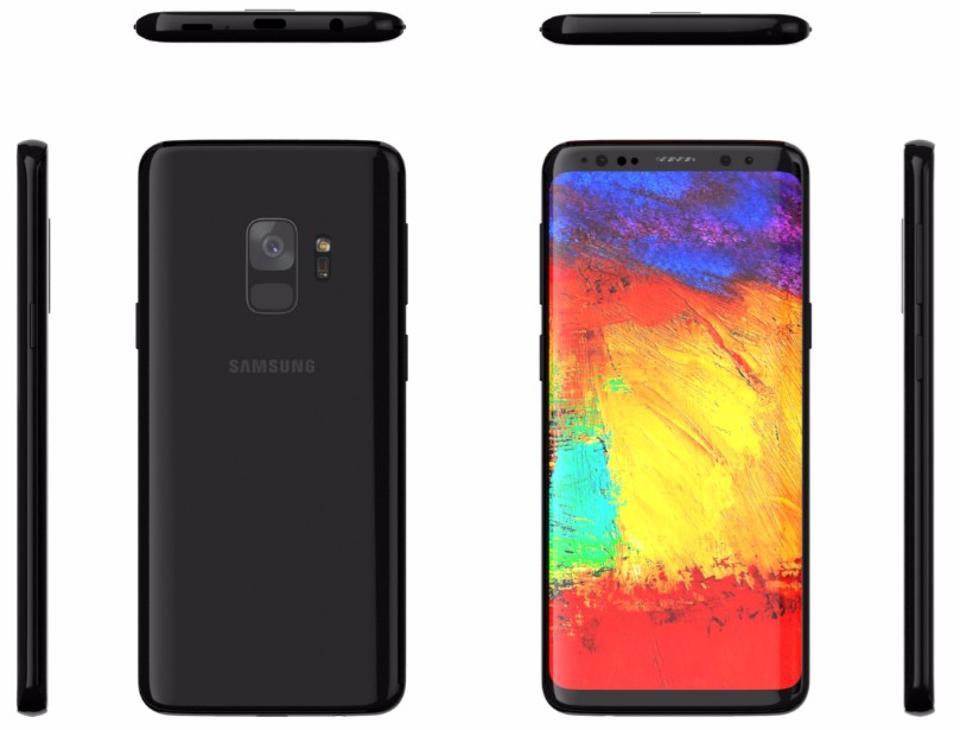
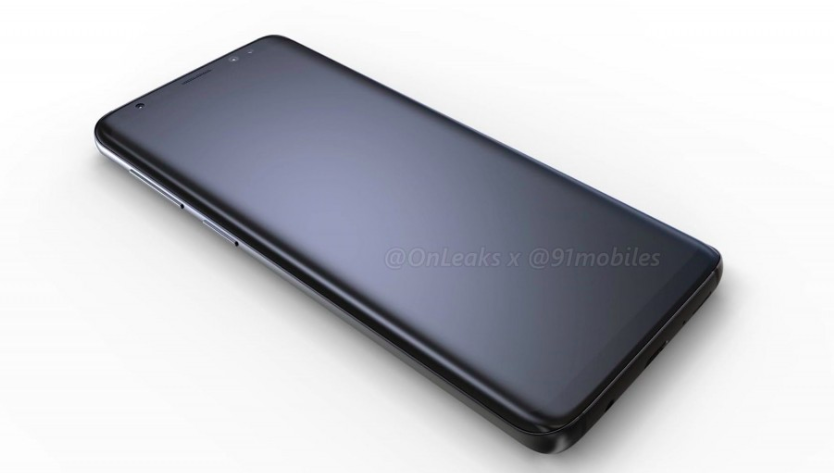
    When the Samsung Galaxy S9 rumours started out, they promised radical changes in the upcoming flagship device. As we move closer to the launch of first try flagship of 2018, the renders and leaks are much closer to reality and we now have a fair idea as to how the Samsung Galaxy S9 might look like.

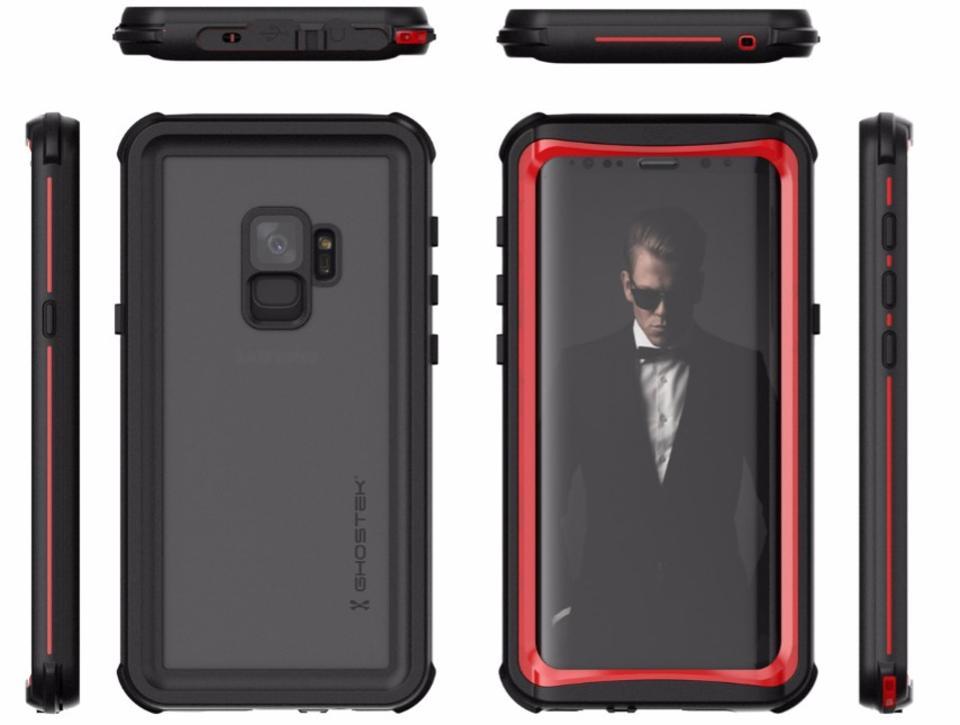
    Created by Forbes contributor Gordon Kelly in collaboration with accessory maker Ghostek, the image above is similar to what we have already seen from other renders.

    It has the same Infinity Display with no side bezels but the symmetrical top and bottom bezels are present, just like in the Galaxy S8. The back of the phone houses a single-lens camera, with the fingerprint sensor right below it. This has been rumoured for a while and this is just another case of a render confirming the repositioning the fingerprint sensor. The heart rate sensor and camera flash module, meanwhile, are placed on the right side of the handset.

    Apparently, Ghostek is so confident this is the final design of the phone that it’s already taking orders for cases built for this design.

    According to a recent benchmark leak, the Galaxy S9 and the Galaxy S9+ will have the Qualcomm Snapdragon 845 chipset. According to leak, the Galaxy S9 and Galaxy S9+ will run Android 8.0 Oreo which is a positive, considering the company announced the Galaxy A8 and A8+ with Android 7.1.1 Nougat even though the devices will be launched in January.

    Other Galaxy S9+ Renders

    If Samsung goes the Google Treble route, then the Galaxy phones might get faster updates compared to the umpteen amount of time that Samsung takes to update even its flagship phones.

    The Galaxy S9 could be launched at a price similar to the Galaxy S8+ and the Galaxy S9+ could break the thousand dollar barrier and be priced similarly to the iPhone X.

iGyaan Network
Privacy Overview

This website uses cookies so that we can provide you with the best user experience possible. Cookie information is stored in your browser and performs functions such as recognising you when you return to our website and helping our team to understand which sections of the website you find most interesting and useful.