Author: Vipul Vij

  • Everything We Know About The iPhone X So Far

    Everything We Know About The iPhone X So Far

    Apple recently sent out invites for its September 12 event where it will announce three new iPhones and a host of upgrades to its existing products. Keeping the excitement of the new iPhones aside, products like an LTE enabled Apple Watch, 4K supported Apple TV will also be launched during the event.

    Without a doubt, the most anticipated launch is that of the iPhone 8. There have been a lot of rumours and leaks about the upcoming flagship iPhone, let’s take a look at what we know about it so far

    Display

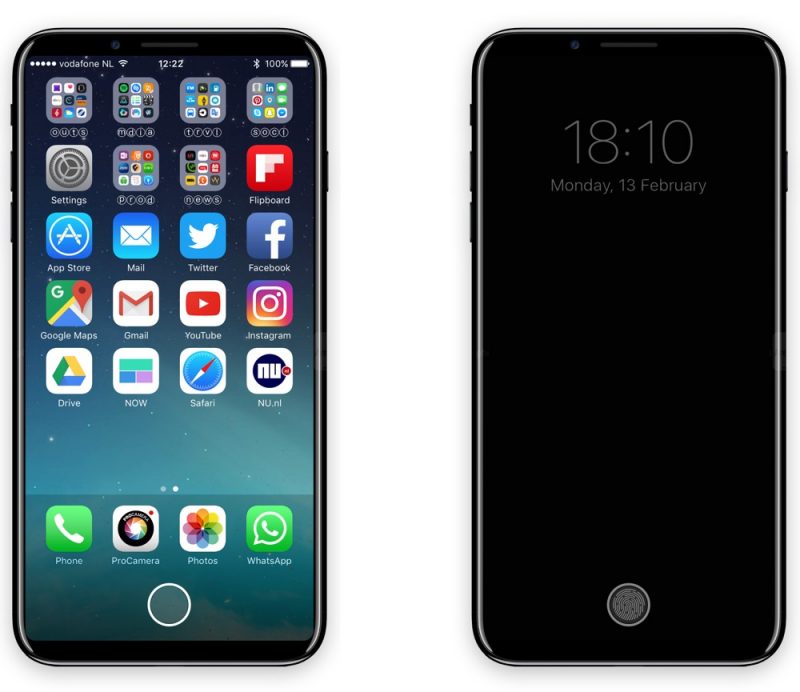
    The most talked-about feature of the upcoming iPhone 8 is its bezel less display. Ever since the launch of the Samsung Galaxy S8 and S8+ with the infinity display, rumours have suggested a 5.8 inch bezel-less display on the next iPhone. Apple is also said to finally be using OLED panels, and rumours suggest that the iPhone 8 will feature a curved OLED display which will pit it against the Samsung Galaxy S8 and S8+’s display. A new iOS 11 GM leak suggests that tThe display of the device may feature True Tone support like the iPad Pro.
    Design

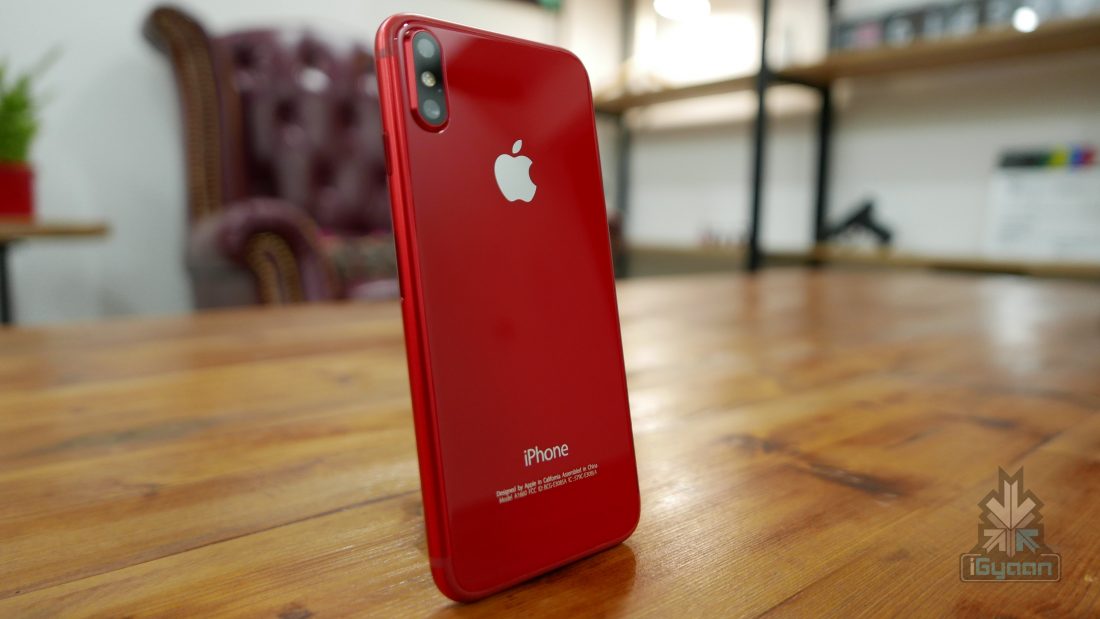
    One of the most noticeable deviations for the iPhone 8 from the previous gen iPhones is going to its design. The smartphone will reportedly sport a “glass sandwich” design to support wireless charging. The phone will have a metal frame and very thin bezels with a notch on top to house the front camera, 3D sensors and other along with all the other necessary sensors. The lock button was reported to be larger this time around, mainly due to a fingerprint sensor housed in it but, these reports seem to have been deemed false. The headphone jack will still be dearly missed although, it may not seem that out of order or radical this time around.
    Price

    Multiple reports have confirmed that the new iPhone will break the US 1000 price barrier and cost USD 999 for the base 64GB variant. The other two variants will be the 256GB variant for USD 1099 and the 512GB variant for USD 1199. This bumped up storage is reportedly due to the phone’s 4K ay 60 FPS video taking capabilities through the front and back camera. Apple will also market the phone for AR functionalities and the apps to support that won’t be light on the storage, hence, the increased storage space makes sense. The price, on the other hand, will take a while to get used to.

    Security

    Ever since the iPhone 5S, TouchID has been a staple for all Apple mobile devices and has become the main security feature to access your Apple Account as well. According to the HomePod firmware leak, the new iPhone 8 will not feature a fingerprint sensor and instead will be replaced by a facial recognition system dubbed as ‘FaceID’. These rumours gained impedance when the 3D sensing modules of the iPhone 8 were leaked.

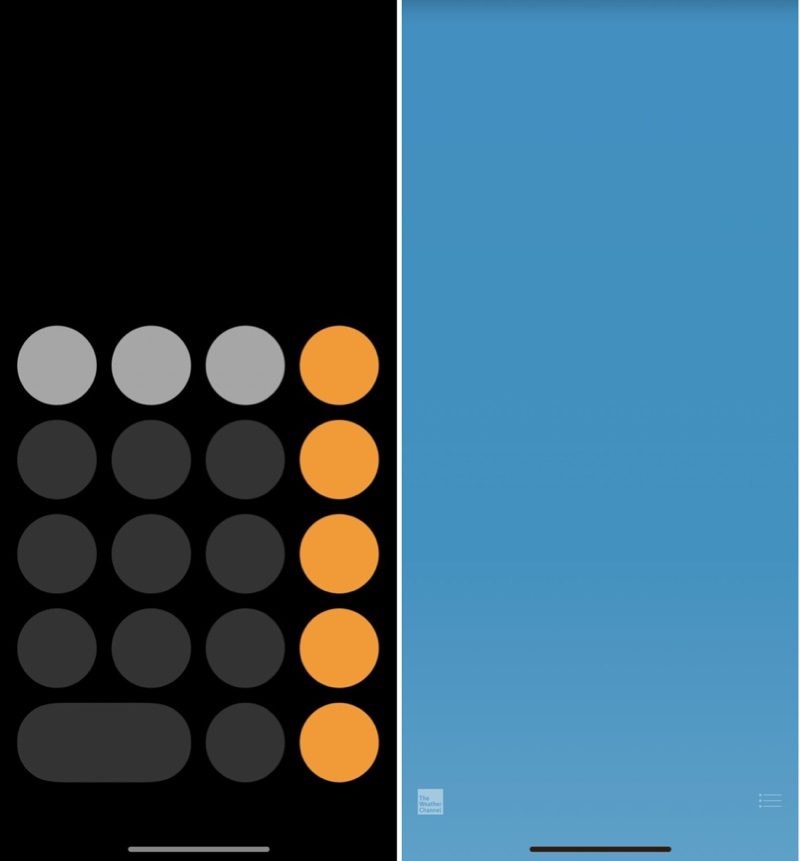
    The lack of bezels forced Apple to replace the home button and after the initial reports of a virtual home button, it seems like the iPhone 8 will come without a physical or virtual home button and instead use gestures for navigation. A new iOS 11 GM leak has revealed that the iPhone 8 will have gesture support. Pulling upwards on the bar brings up the Home screen and a longer pull brings up the App Switcher.
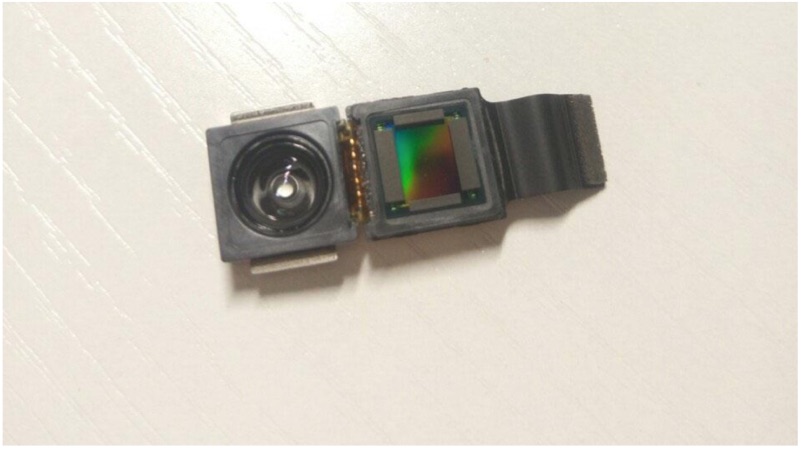
    iPhone 8 3D Sensing Module

    Camera

    Interestingly, not a lot has been revealed about the iPhone 8’s cameras, except that this time around the dual cameras will be vertically placed. The HomePod firmware also revealed that the rear front facing cameras will record 4K videos at 60 FPS. According to Korea Economic Daily, Apple is working on facial recognition technology leveraging the cameras for “biometric” identification. Like Touch ID — but with your face instead of your thumbprint. In addition to that, a leaked patent application spills out the details of a sensor that will tell you if you’re human or not. This is Apple’s effort towards developing a rear-facing 3D laser system that would improve AR depth detection as well autofocus for photography. The phone will support Apple’s new HVEC file type, which reduces the file size by a significant amount. This makes sense because 4K videos generally have large file sizes and HVEC can reduce the size by almost 50 per cent resulting in better storage management. The same iOS 11 GM leak has revealed new video recording options

    – 1080p HD at 240 fps 480 MB
    – 4K at 24 fps (film style)
    – 4K at 60 fps  400 MB
    New Colour?

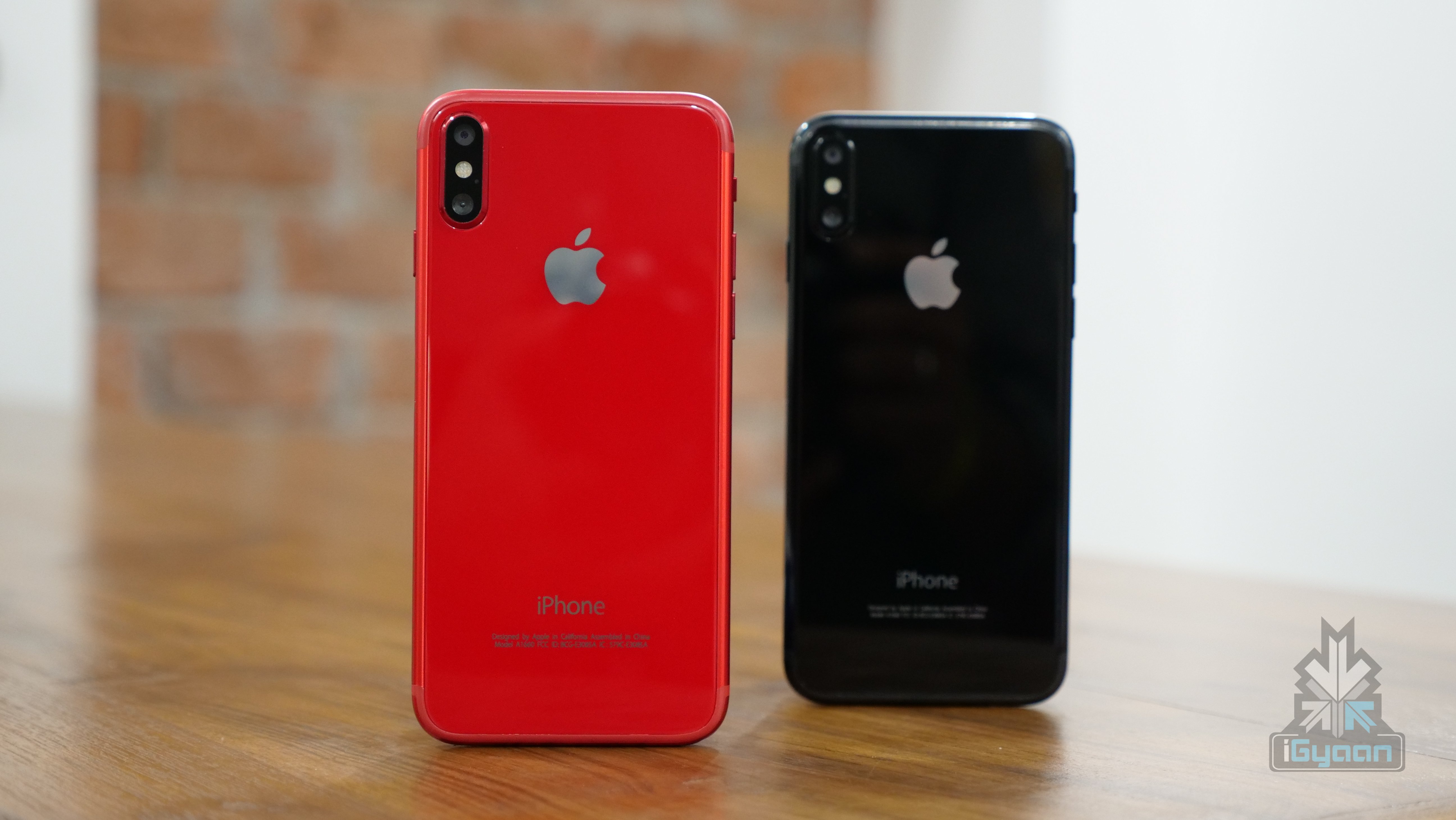
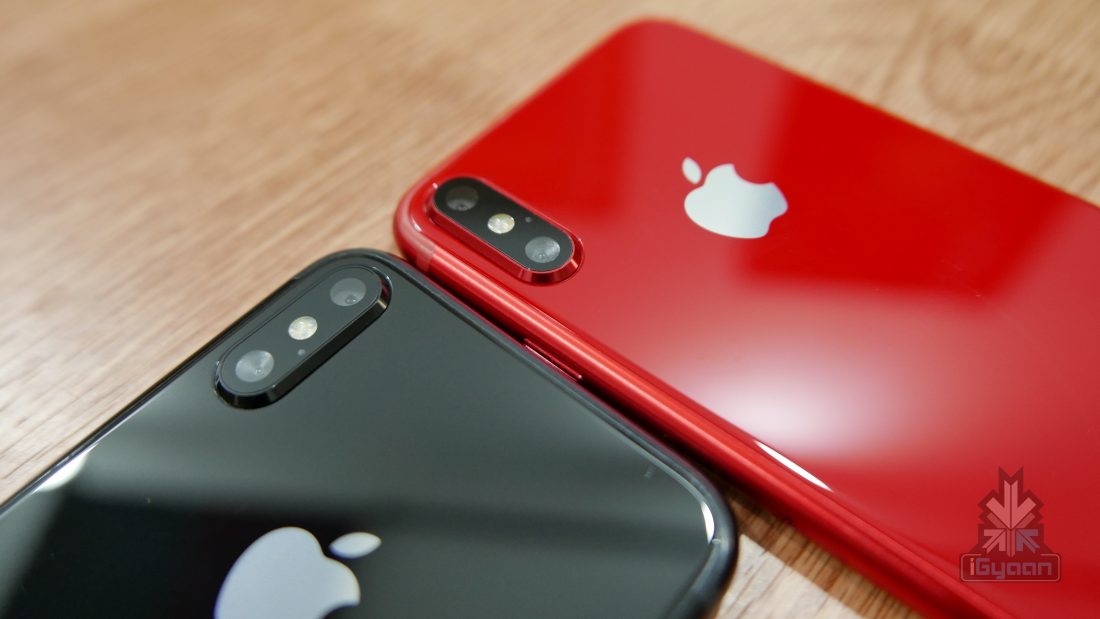
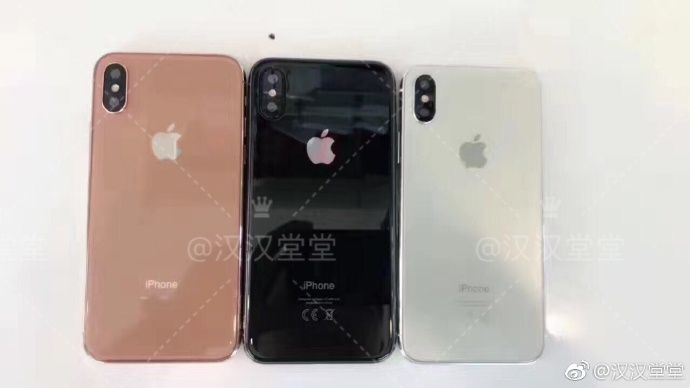
    The Rose Gold colour variant on the iPhone 6S back in 2015 was a trendsetter and how. Apple led the charge in experimenting with its flagship device’s colour variants and a lot of companies followed suit. But the iPhone 7 and 7 Plus might be the last ones to sport the swanky Rose Gold colour as KGI Securities analyst Ming-Chi Kuo has said that Apple might drop the colour variant for the upcoming iPhone 8. Ming-Chi Kuo, who has been a reliable source of Apple news suggests that the new iPhone will only arrive in Black, Silver and Copper Gold. The new Copper Gold Colour may be called “Blush Gold.”
    Under The Hood

    Apple will introduce the new A11 Fusion chipset at the September 12 event. All the three new iPhones will have the A11 Fusion chipset which will like every chipset upgrade, be more power efficient and faster than the previous generations. The iPhone 8 will have 4GB RAM and as discussed earlier, come in three storage variants, 64GB, 256GB and 512GB. The battery

    Wireless Charging

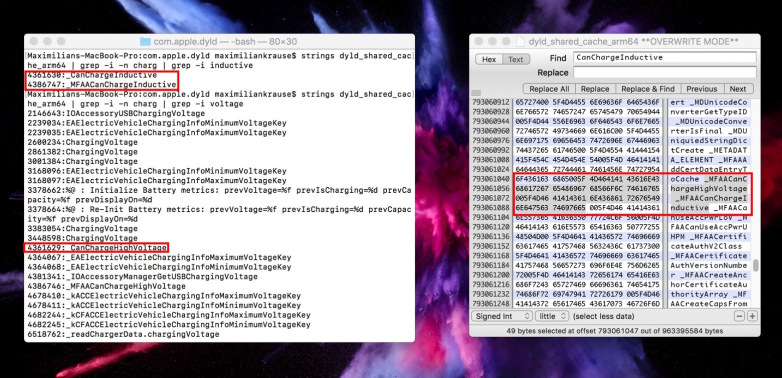
    Apple’s decision to remove the headphone jack from the iPhone 7 and 7 Plus and not introduce wireless charging was heavily panned in 2016. Things in 2017 though, are looking much better for iPhone fans as new leaks suggest that the iPhone 8 will definitely feature wireless charging.

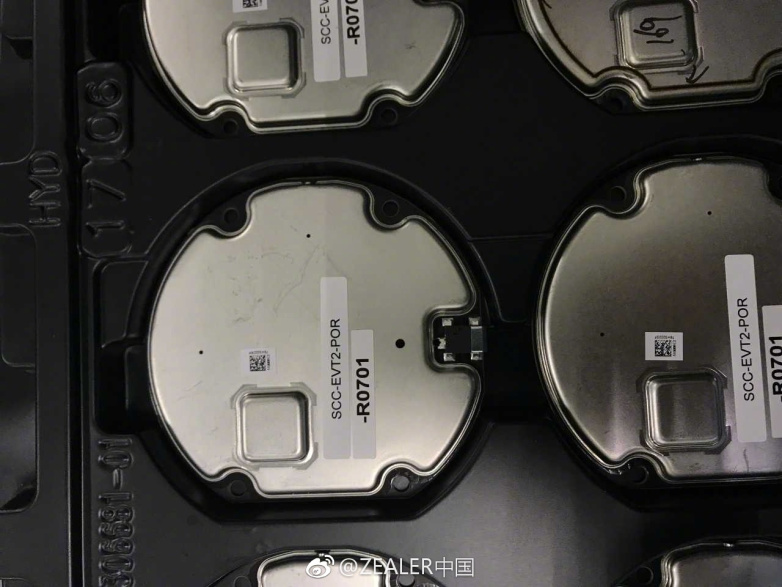
    The images show the purported component that will enable wireless charging on all of Apple’s next-generation iPhones. The part will be placed on the back of the iPhone 8 and iPhone 7s, right under the rear glass shell. It has been already reported that the iPhone lineup will have a “glass sandwich” design, which means glass front and back. This news further legitimises the HomePod firmware leak which suggested that wireless charging support will be built into iOS. Having an all glass design allows manufacturers to add wireless charging capabilities even though it’s not as durable as having an all metal design.
    What’s It Going To Be Called?

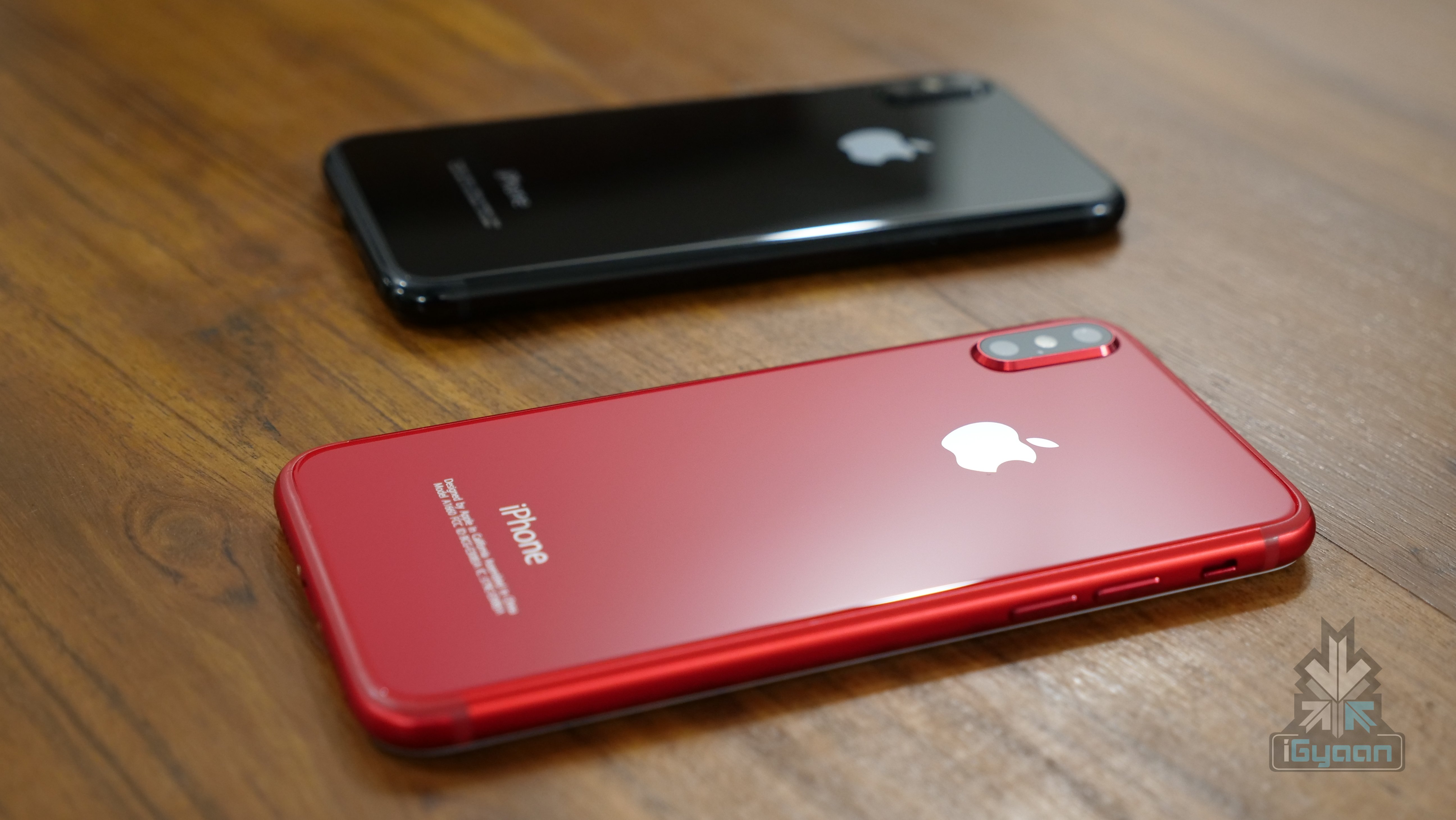
    The new iPhone was touted as the iPhone 8 and the other two devices as the iPhone 7S and iPhone 7S Plus, going by Apple’s history. A recent report however, has revealed that the marquee device will be called the iPhone X, as it is the 10th anniversary iPhone or the iPhone Edition. The other two variants will then be named iPhone 8 and iPhone 8 Plus. The Apple invite for the event doesn’t give anything away and in fact does not even hint towards an iPhone launch, unlike a lot of other recent flagship launch invites like the Samsung Galaxy Note8 or Huawei Mate 10.

     

  • iOS 11 GM Reveals iPhone 8 Features And LTE Apple Watch

    iOS 11 GM Reveals iPhone 8 Features And LTE Apple Watch

    The launch of the iPhone 8 is upon us but, new leaks seize to fade out. The golden master version of the iOS 11 has been leaked, shedding more light on the features of the upcoming iPhone 8 and an LTE Apple Watch.

    In the leak, there are references to FaceID, which might be the name of the new facial recognition system. There are images of the bezel-less display and a notch on top for the camera and sensors. The display of the device may feature True Tone support like the iPad Pro.

    Two screenshots give us an idea about the new navigation system on the iPhone 8. Pulling upwards on the bar brings up the Home screen and a longer pull brings up the App Switcher. The elongated sleep/wake button will activate Siri and bring Apple Pay cards and passes. A new ‘Portrait Lighting’ mode which will work with the flash on, offering  Contour Light, Natural Light, Stage Light, Stage Light Mono, and Studio Light. New camera options reveal recording modes

    – 1080p HD at 240 fps 480 MB
    – 4K at 24 fps (film style)
    – 4K at 60 fps  400 MB

    In the Apple Watch app, there’s an image of what looks like the LTE enabled Apple Watch. The device has the same design language as the current Apple Watch but, it has a bright red Digital Crown.

    There are references to animated emoji for iMessage and AirPods 1,2, which may be an updated version of the current AirPods and may be launched on September 12 along with the new iPhones and the LTE enabled Apple Watch.

  • Samsung Galaxy Note8 Breaks Pre-Order Records In USA And South Korea

    Samsung Galaxy Note8 Breaks Pre-Order Records In USA And South Korea

    The August 23 launch of Samsung Galaxy Note8 was one of the most anticipated events of the year and Samsung unveiled a worthy successor to the Galaxy Note7. The South Korean smartphone maker announced that customers have pre-ordered the Galaxy Note8 more than any other Note device ever sold by the company.

    The steep price of USD 930 had cast a shadow of doubt over the success of the phone, but, Samsung tried to justify that price by bundling a DeX dock and Samsung Gear products for the first few pre-orders. Samsung also announced heavy discounts for previous owners of Galaxy Note7 who traded in their current devices. There were reports that the Galaxy Note8 in South Korea has received 395,000 pre-orders, which is already much more than the number for the Galaxy Note7 last year.

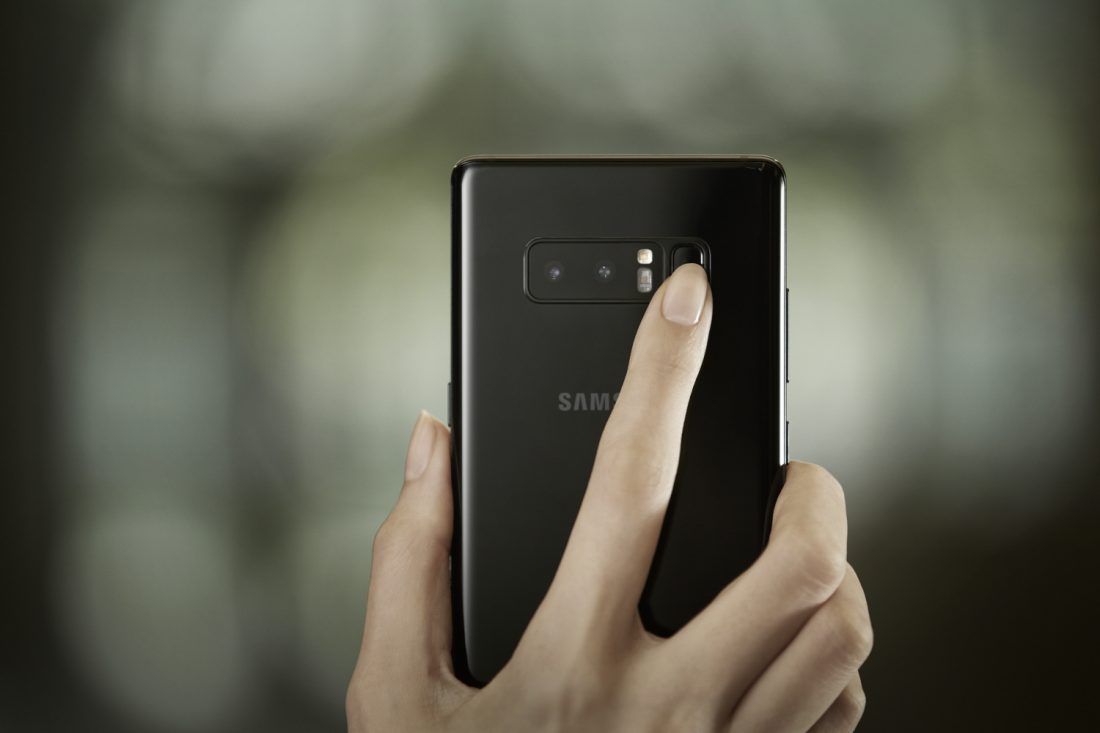
    The Samsung Galaxy Note8 has a 6.3 inch 2960 x 1440 px Super AMOLED display with an 18.5:9 aspect ratio, similar to the Galaxy S8 and S8+. The phone runs Android 7.1.1 with Samsung’s custom UI on top and is powered by 3,300 mAh battery with QuckCharge 3.0 capabilities. Under the hood, the Galaxy Note8, for the Indian market has the Exynos 8895 chipset, 2.3GHz Quad-Core (Custom CPU)+1.7GHz Quad-Core (Cortex-A53) processor, Mali-G71 MP20 GPU, 6GB RAM and 64GB/128GB/256GB storage options. The onboard storage can be expanded up to 256GB via microSD card. In a disappointing move, Samsung retained the awkward placement of the fingerprint sensor right next to the dual cameras at the back.

    Talking about cameras, the Galaxy Note 8 is the first phone from Samsung to feature dual-cameras with a 12MP dual-camera setup, the primary camera has a wide-angle 12MP lens with an f/1.7 aperture and the secondary camera has a 12MP telephoto lens with an f/2.4 aperture. The telephoto lens enables a 2X lossless optical zoom and has features such as the Bokeh effect, much like the iPhone 7 Plus. The dual-cameras are capable of capturing 4K videos at 30 FPS On the front is an 8MP camera with an f/1.7 aperture and captures 4K videos at 30 FPS.

    Samsung will launch the Galaxy Note8 in India on September 12 for a reported price of Rs 74,999 and the pre-orders have already started on its official website.

  • Apple HomePod Spotted Ahead Of December Launch

    Apple HomePod Spotted Ahead Of December Launch

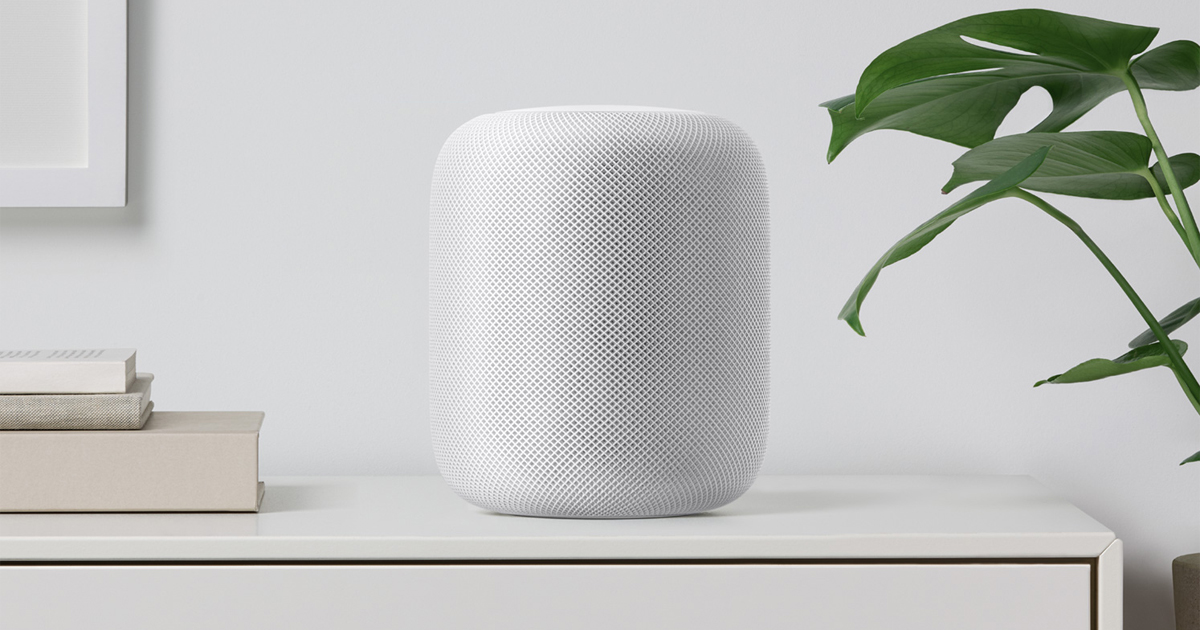
    Apple unveiled the HomePod during its annual WWDC event in 2017 and is expected to officially launch it in December. A recent Instagram post by, who seems like a supply chain worker, of the HomePod has shed more light on what the smart speaker will look like when it is launched. The user posted a photo of the speaker on Instagram with the hashtag #HomePod and the location is pinned to Shanghai, China. In the image, what seems like the user’s kitchen, you can see the HomePod, a charger, and its box.

    https://www.instagram.com/p/BYfhudMAzIN/

    Later, a Twitter user posted a screenshot showing a HomePod appeared in the control center of his iPhone while driving through Menlo Park in California. The HomePod is labeled ‘Kitchen’ and it seems like an Apple employee is testing the smart speaker in their home. Lately, HomePod has been in the news for more being more than just a smart speaker. After Apple accidentally released the firmware of HomePod, several details about the upcoming iPhone were fished out by experts, ranging from a virtual home button to facial recognition to bezel-less display.

    https://twitter.com/BenedictEvans/status/905977272959512576

    The two images barely reveal anything about the HomePod and a lot of it was already revealed by the firmware. The launch of the HomePod is set for December, but, before December comes, the September 12 launch event is just around the corner where Apple might announce the all new iPhone. Stay tuned for more details.

  • Google Is On the Verge Of Taking Over HTC’s Mobile Division

    Google Is On the Verge Of Taking Over HTC’s Mobile Division

    HTC has reported a consolidated revenue of USD 99.69 million for the month of August, the Taiwanese giants’ lowest monthly figures in 13 years. The revenue for the month of August represents a 51.5% decline from the previous month and 54.4% from a year earlier. Also, HTC’s total sales in the first 8 months of 2017 were NT$39.86 billion, representing a 14.4% decline from last year. According to latest reports by The Commercial Times, Google is in the final stages of taking over HTC’s mobile division. This would either result in a complete takeover for HTC’s Mobile division or a partial investment from Google into HTC’s dimming business. According to the report, the deal could be announced by the end of the year.

    The fact that HTC is producing the Pixel 2, launching this year on October 5 has further fueled these rumours that Google will outright buy the mobile division of HTC. The Pixel XL 2 is being made by LG this year, unlike last year when HTC made both the Pixel and Pixel XL.

    This acquisition will help Google compete with the likes of Samsung and Apple in the smartphone market. The last year’s Pixel devices were well received but never challenged the dominance of the iPhone or Samsung’s flagship S series phones. Acquiring a smartphone company would make it possible for Google to invest in hardware research and come up with competitive smartphones at a consistent rate.

    This is not the first time that Google will be acquiring a smartphone company. In 2012, it took over Motorola Mobility for USD 12.5 billion, only to sell it to Lenovo for USD 2.9 billion a couple of years later. Google then retained all the patents owned bay Motorola, to help defend the company from potential patent disputes from the likes of Apple and Samsung. HTC has a vast library of patents, if Google acquires HTC’s Mobility division, the company will own a large chunk of modern smartphone patents which can then help it design and sell technologies in the future. Google may also end up reselling HTC to a different buyer, like last time, however, the company seems keen on retaining a mobility division. Expertise from HTC  will help Google in growing its own Pixel brand.

    There were reports in late August that HTC was holding talks with companies like Google to potentially buy its virtual reality division or even the entire company. With the latest revenue reports representing plummeting sales of its devices, the deal looks more than certain to go through.


  • OnePlus 3 Gets Beta Android Oreo Update

    OnePlus 3 Gets Beta Android Oreo Update

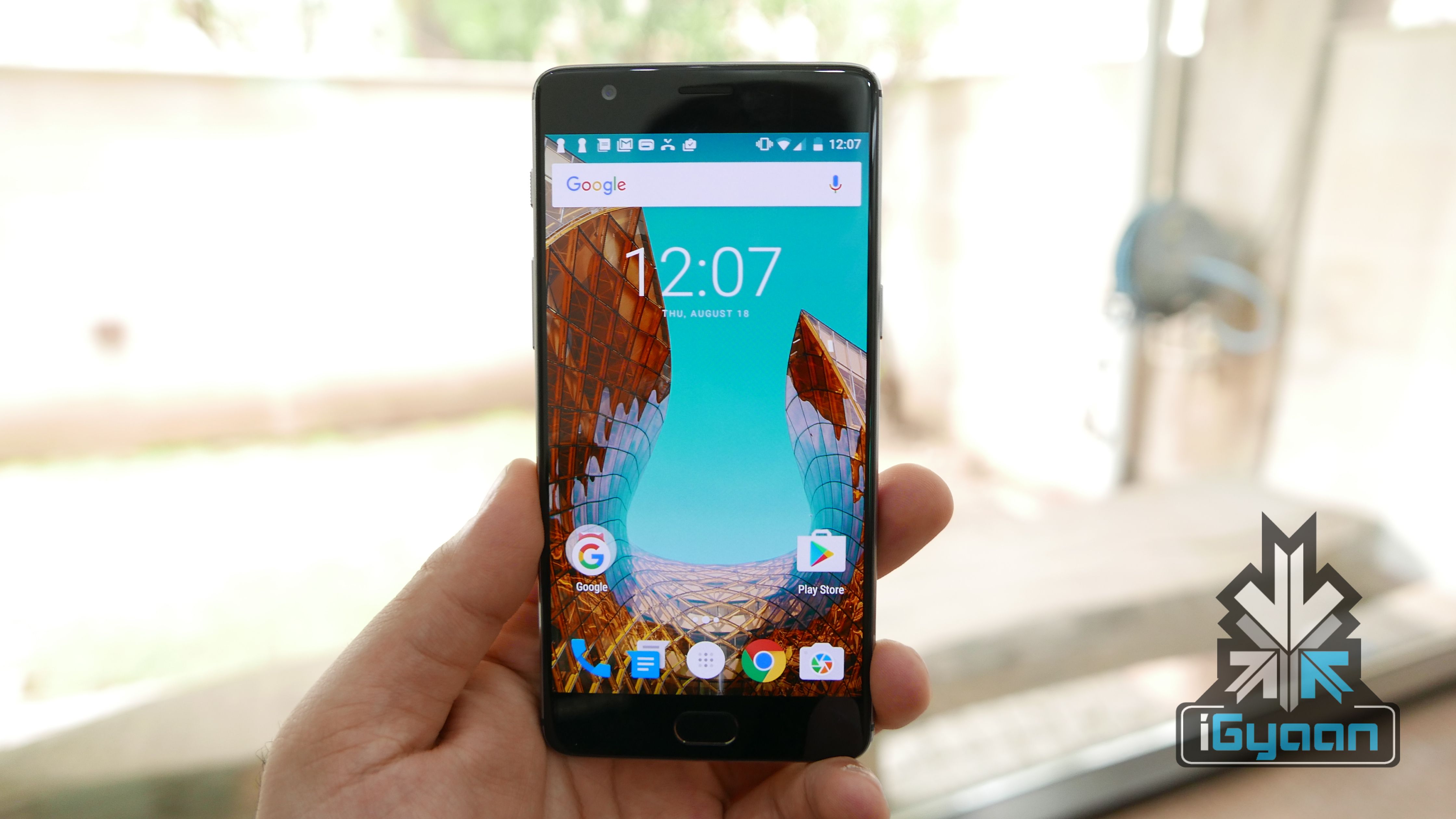
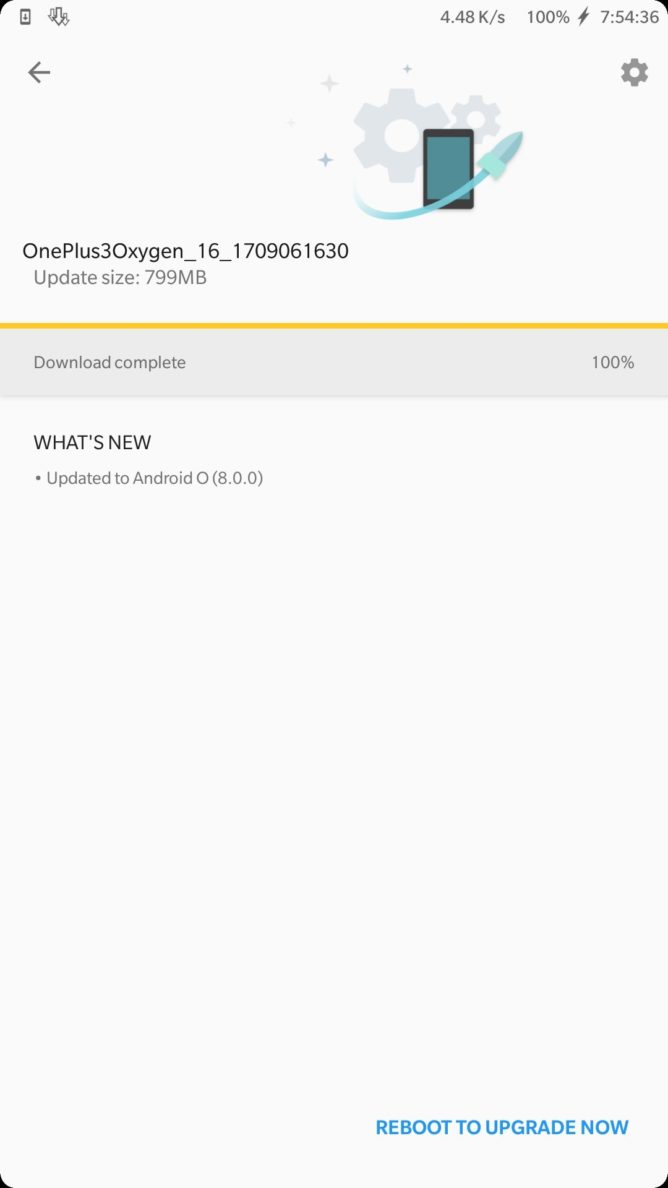
    OnePlus has started rolling out an 800 MB heavy software update for OnePlus 3 closed beta group which updates the phone to Android 8.0 Oreo.

    The update as of now is very unstable with many functions like the NFC, WiFi, Bluetooth, and hotspot fairly unstable. OnePlus is trying to roll out a stable update in mid-September. The OnePlus 3T and OnePlus 5 closed beta groups will also start getting this update soon.

    OnePlus had earlier announced that an update to Android 8.0 Oreo will be the last major software update for OnePlys 3 and 3T but, the devices will get regular security patches for a longer period. Only the OnePlus 5 as of now, will be updated to next year’s Android P. This news didn’t go down well OnePlus enthusiasts who had just bought either of the devices.

    Android 8.0 Oreo was officially announced last month with a lot of upgrades and a few new features. Highlights of new features in Android 8.0 Oreo

    • A new picture-in-picture feature allows users to continue operating the device without interruptions for things like watching a video.
    • Users can now organise notifications into custom channels and modify the alerts for the entire channel.
    • An auto fill framework in the operating system makes the repeated filling of forms easy for the user.
    • Original Equipment Manufacturers (OEM) can specify a look and feel for the UI by choosing between various icon shapes by using Adaptive Icons
    • A smart sharing feature allows the operating system to guess the context of a photo, and pick the best application to hand the image over to.
    • There are also background execution limits, which ensures that applications running in the background don’t use up a lot of system resources.

    OnePlus is notorious for shutting down support on its 1-year-old phones and has continued to do so with its 3 and 3T variants. This new update means that a full-fledged roll out of Android 8.0 Oreo is not too far and the users might get an update by October, which will be fairly quick considering the Google Pixel 2 and Pixel XL 2 will launch in early-October running Android 8.0.

  • Apple And TRAI Fight Over Privacy Data Of Users

    Apple And TRAI Fight Over Privacy Data Of Users

    Apple and Telecom Regulatory Authority of India (TRAI) are fighting over the user data that iPhone users in India have on their phone. TRAI argues that no smartphone company should be a guardian of the user data of its smartphones and should share it with apps that require that data to function. Apple has indicated that it believed the TRAI app is a potential risk to its user’s privacy.

    TRAI has an anti-spamming app which blocks the numbers reported by the users and then launches a strict action against the number. The app is readily available to Android users, albeit poor customer reviews. TRAI Chairman R S Sharma publically slammed Apple a few weeks ago and has now said, “Nobody’s asking Apple to violate its privacy policy. It is a ridiculous situation, no company can be allowed to be the guardian of a user’s data.”

    Spam messages and calls are a usual trend in India and most of the users use TrueCaller app to manage spam. TRAI maintains a Do Not Disturb directory and uses its app to catch hold of more spam numbers. Apple has reportedly told TRAI that its app violates privacy policies that the company has for the app store. Sharma has said that this fight is not the government vs Apple but, Apple vs its users as the problem of who controls user data gets more prevalent than before. Recently, TRAI came out with a comprehensive paper on “data ownership” that it wants to be debated. In the paper, TRAI argues that the users should own their own data and should have a say on how their data can or should be used.

    The idea of data ownership sounds good but in a nutshell, it is a double edged sword. On one hand, introducing data ownership will become the users the sole owners of their data and take a lot of power away from services such as Google, Facebook and more as they won’t be able to use the data the way want to. On the other hand, it can open to flood gates to weak data privacy as third party apps would just require a click of the ‘Accept’ button to access the desired information as an average user may not understand the jargon written in privacy policy documents.

  • Huawei Beats Apple To Become The Second Largest Smartphone Company

    Huawei Beats Apple To Become The Second Largest Smartphone Company

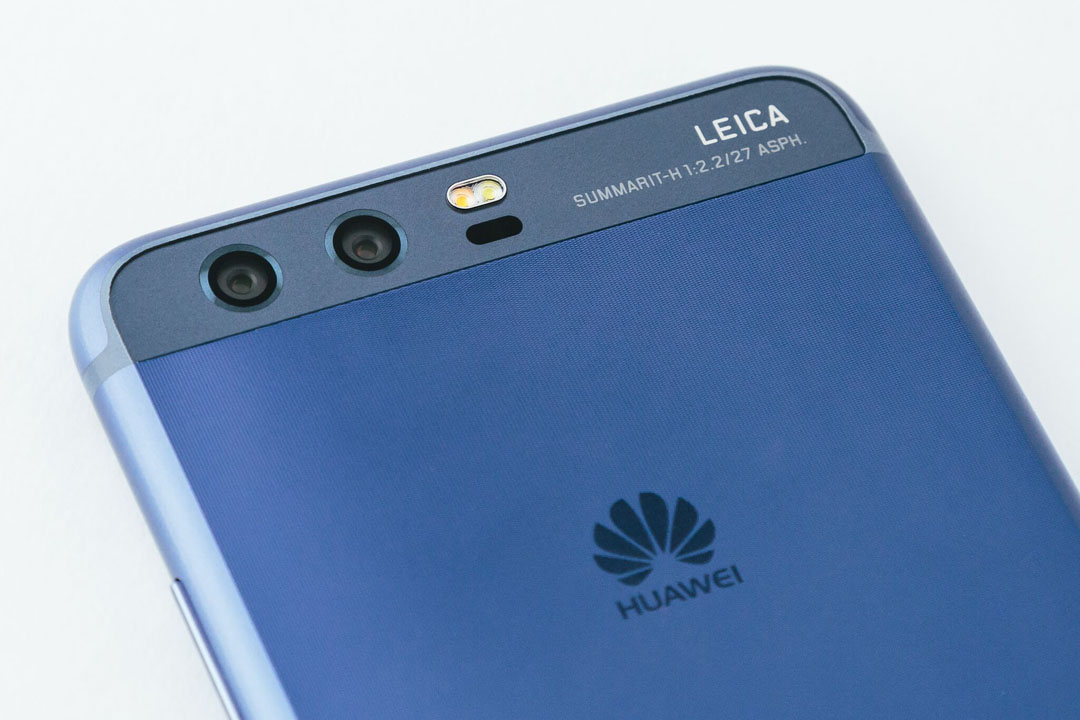
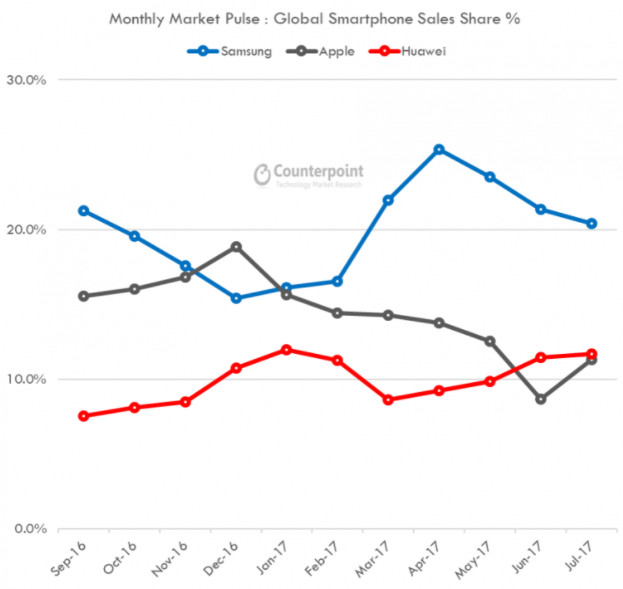
    Over the past few years, there has been a disrupt in the smartphone industry which has always threatened the stronghold of Samsung and Apple in the industry. Huawei, now, has over taken Apple for the first time to become the second largest smartphone company in the world. Samsung however, remains a distant first as of now. The latest report from market analysis firm Counterpoint Research reveals that Huawei has beaten Apple and is now the world’s second largest smartphone company (by the number of units shipped) as of the Q2 of 2017.

    Counterpoint has pointed out that Huawei has been able to do so because of its consistent investment in innovation and aggressive marketing, something that Apple has been known to do as well. The sales from Q2 of 2017 may suggest that Huawei has taken over Apple in terms of sales but it’s worth noting that Apple is about to launch its most anticipated smartphone, the iPhone 8 on September 12 and the Q4 of 2017 may tell a different tale. The report also reveals that Huawei has a limited presence in key markets across South Asia, and North America. This is going to pose limitations to the company’s potential in Q3 to sustain its second position.

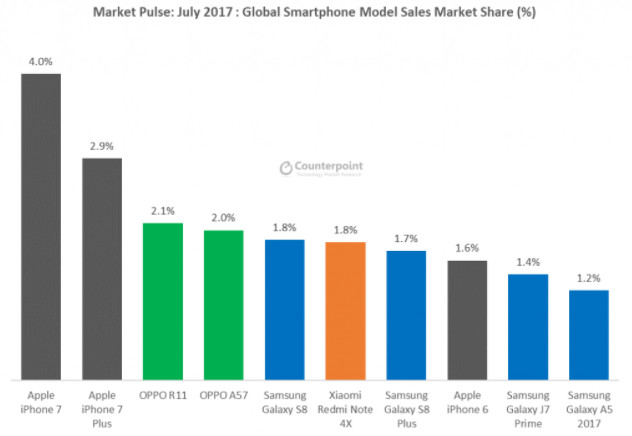
    The report also points out that the iPhone 7 and iPhone 7 Plus are still the best selling smartphones in the world. Also, since the iPhone 7 and 7 Plus have a higher profit margin means that Apple ends up making more profit even if it is selling fewer phones than others. None of Huawei’s devices make the top 10 list of best-selling smartphones in the world. What Huawei has going for itself is the market share, and much like Samsung, has reaped its benefit. While Apple has a specific demographic, Huawei offers smartphones in a lot of price categories, hence, exposing itself to more people than Apple.

  • New Google Pixel 2 Leaks Reveal Always On Display, Slate Grey Colour

    New Google Pixel 2 Leaks Reveal Always On Display, Slate Grey Colour

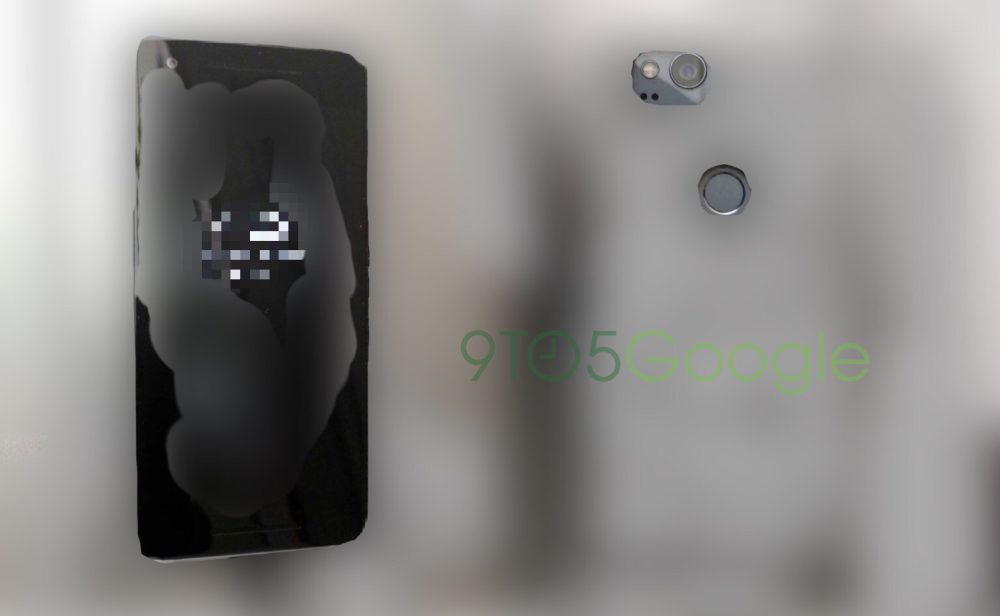
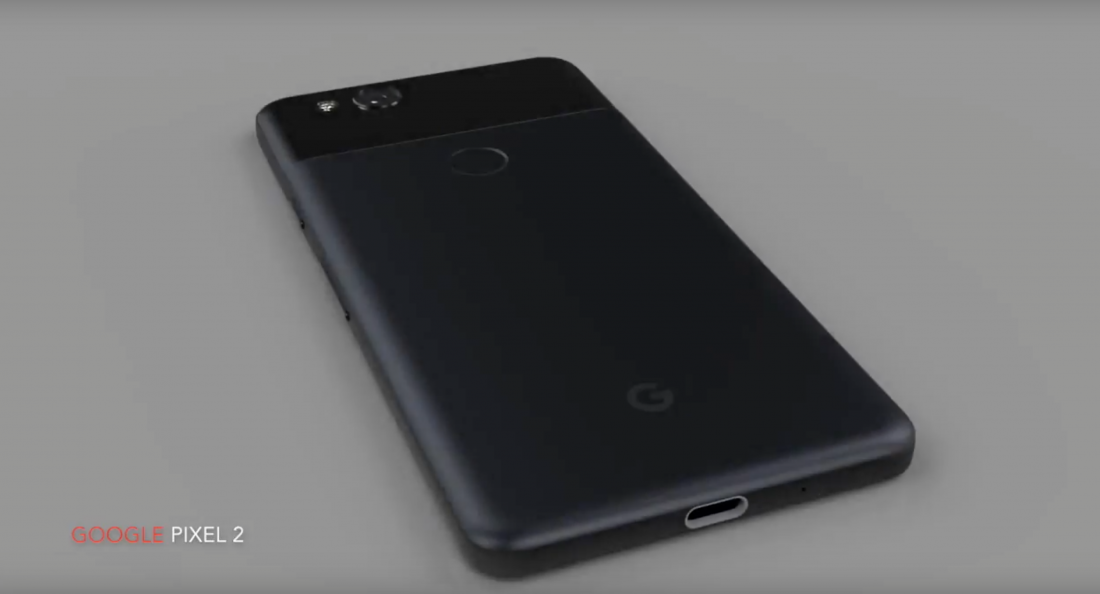
    The new iterations of Google’s Pixel lineup, the Pixel 2 and Pixel XL 2 are rumoured to be unveiled on October 5 this year. Several leaks have suggested an omitted headphone jack and Qualcomm Snapdragon 836 chipset, and the latest image of the Pixel 2 from 9To5Google hints at more features.

    The images, that are heavily blurred to keep the source’s identity intact reveal a ‘Slate Grey’ colour variant that the source confirmed is being tested internally as of now. Previous images of the phone show a variant that has aluminium black color with a black glass on the top third of the back. The image also shows two holes under the camera’s flash which is the “send” and “receive” sensor’s for the Pixel 2’s AutoFocus feature. The same report confirms that Google has indeed removed the headphone jack and is that the company is preparing to push its own Google Assitant powered headphones as a worthy replacement. A USB C to 3.5mm headphone jack dongle will come bundled in the Pixel 2 retail box.

    Some light was shed on the storage capacity of the phone as well, suggesting that the 64GB variant will be the base variant this time around with a 128GB storage variant as the second upgrade. The Pixel 2 will retain the 4.7 inch 1920 x 1080 px display and thick bezels of the previous gen Pixel phone as well. The report reveals that the Pixel 2 will also have IP68 water and dust resistance which was dearly missed last time around. With no real information on the camera front, the source did confirm that the new phones will continue with EIS and low-light performance will remain the primary focus. Another noteworthy information is that the Pixel 2 will reportedly come with an Always-On Display option, which has been rumoured in the past. It also claims that the Pixel 2 will ship with Android 8.1 Oreo, and it will be the first device to launch with the previously-announced Google Lens app.

    The Google Pixel 2 and Pixel XL 2 will also be slightly more expensive than the previous gen, and the Pixel XL 2 will reportedly have a bezel-less design much like a lot of 2017 flagship and budget devices.

  • Lenovo Launches The K8 Plus With Dual-Cameras In India

    Lenovo Launches The K8 Plus With Dual-Cameras In India

    Lenovo has launched the K8 Plus in India at a price of Rs 10,999 for the 3GB RAM variant. The device will be available in Fine Gold and Venom Black.

    The Lenovo K8 Plus has a 5.2 inch 1920 x 1080 px IPS LCD display with three touch capacitive navigation buttons below. The device an oleophobic coating to resist fingerprint smudges and a Corning Gorilla Glass 3 for protection. Powering the device is a 4,000 mAh battery and it runs stock Android 7.1.1 Nougat after Lenovo decided to drop the Vibe Pure UI and go the stock OS route. Under the hood, the smartphone has the MediaTek Helio P25 chipset, a 2.6 GHz octa-core processor, Mali T880 GPU, 3GB RAM with 32GB onboard storage which is expandable up to 128GB via microSD card. Similar to the K8 Note, the K8 Plus has a dedicated microSD card slot along with two nano SIM card slots. Lenovo claims that the K8 Plus with Helio P25 will be better at heat management than a device running Qualcomm Snapdragon 625. The device has an all metal unibody design and the fingerprint sensor sits at the back.

    Lenovo has given a lot of importance to media consumption with a TheaterMax feature for content consumption. The Dolby Atmos app lets you customise the music settings according to your preference when a pair of headphones is plugged in. The device has a dedicated music key on the left, under the SIM card and microSD card slots which can be programmed to launch an app and control music playback.

    On the camera front, the Lenovo K8 Plus sports a vertically placed dual-camera setup, much like the recently launched Lenovo K8 Note. It has a primary 13MP Pure cell sensor mated with a 5MP Samsung BSI sensor dual camera with an f/2.0 aperture and dual LED flash. The smartphone is capable of depth effect shots, bokeh effect shots, and dual ISP images. On the front is an 8MP wide angle lens with an f/2.0 and an LED flash. Both the front and back camera record 1920 x 1080 px videos at 30 FPS.

    The smartphone will go on sale on September 7 at 12 noon and will be a Flipkart exclusive. Lenovo also announced that a 4GB RAM variant will launch in India during the upcoming festive season.

    [embedyt] https://www.youtube.com/watch?v=b0F1Nf8LNUY[/embedyt]

  • Samsung Galaxy Note8 May Debut In India On September 12

    Samsung Galaxy Note8 May Debut In India On September 12

    Samsung launched the Galaxy Note8 in New York last month and looks all set to debut its new flagship in India on September 12. Samsung has reportedly sent out press invites for a September 12 event in New Delhi to showcase its next big innovation. The invite doesn’t specify the name of the device but it is almost certain that the Galaxy Note8 will be introduced for the Indian market at a price of Rs 74,999. The pre-registrations of the device have already started in India and the successor to the Galaxy Note7 seems like the best bet right now. The phone will be available in Midnight Black and Maple Gold colours in India.

    The Samsung Galaxy Note8 has a 6.3 inch 2960 x 1440 px Super AMOLED display with an 18.5:9 aspect ratio, similar to the Galaxy S8 and S8+. The phone runs Android 7.1.1 with Samsung’s custom UI on top and is powered by 3,300 mAh battery with QuckCharge 3.0 capabilities. Under the hood, the Galaxy Note8, for the Indian market has the Exynos 8895 chipset, 2.3GHz Quad-Core (Custom CPU)+1.7GHz Quad-Core (Cortex-A53) processor, Mali-G71 MP20 GPU, 6GB RAM and 64GB/128GB/256GB storage options. The onboard storage can be expanded up to 256GB via microSD card. In a disappointing move, Samsung retained the awkward placement of the fingerprint sensor right next to the dual cameras at the back.

    Talking about cameras, the Galaxy Note 8 is the first phone from Samsung to feature dual-cameras with a 12MP dual-camera setup, the primary camera has a wide-angle 12MP lens with an f/1.7 aperture and the secondary camera has a 12MP telephoto lens with an f/2.4 aperture. The telephoto lens enables a 2X lossless optical zoom and has features such as the Bokeh effect, much like the iPhone 7 Plus. The dual-cameras are capable of capturing 4K videos at 30 FPS On the front is an 8MP camera with an f/1.7 aperture and captures 4K videos at 30 FPS.

    The S Pen is more than just a marketing gimmick and has become the standout feature of the Galaxy Note series over the past few years. The S Pen and the Galaxy Note8 are both also IP68 certified water and dust resistant. The S-Pen comes with a host of new features such as Smart Select, which allows you to easily select, clip and copy the content that you like. You can also send .gif messages via the S Pen. The S Pen will be available in Midnight Black and Maple Gold colours.

  • Xiaomi Mi A1 Vs Xiaomi Mi 5X Vs Moto G5S Plus

    Xiaomi Mi A1 Vs Xiaomi Mi 5X Vs Moto G5S Plus

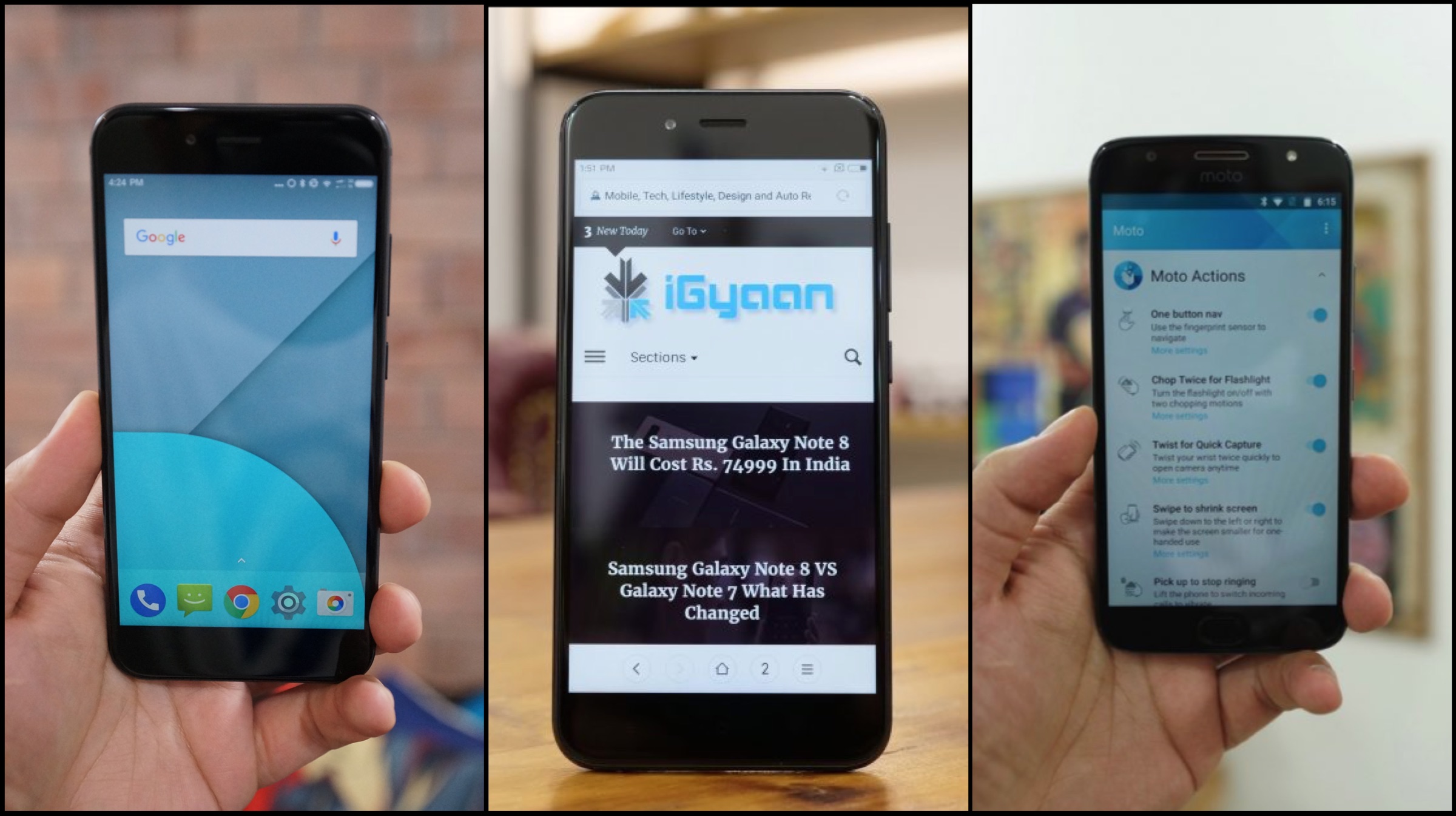
    Xiaomi launched the new Mi A1 in India on September 5 at a price of Rs 14,999 with dual cameras and stock Android OS. For the longest time, the Mi 5X was touted to be the first dual-camera phone by Xiaomi to launch in India but, instead, we got an Android One device.

    The Mi A1, at Rs 14,999 will compete with the likes of the Moto G5S Plus which also offers stock Android OS and dual-cameras. The Mi 5X and Mi A1 share the same design language, much like any 0ther Xioami Mi phone, and a dual-camera setup. The Mi A1 is the first phone from Xiaomi to feature stock Android OS and it is in association with Google’s Android One program. This means faster OS updates to Android 8.0 Oreo and Android P next year. The Mi5X, on the other hand, runs the MIUI 8 on top of Android 7.1 Nougat and going by Xiaomi’s track record, may not receive an update to Android 8.0 Oreo, atlas not for a few months. The Moto G5S Plus runs Android 7.1.1 Nougat and the company has confirmed update to Android 8.0 Oreo by the end of the year.

    Hardware wise these phones sit on a pretty similar platform, same chipset, RAM, storage, and similar display and battery size.

    Xiaomi Mi A1

    Xiaomi Mi A1

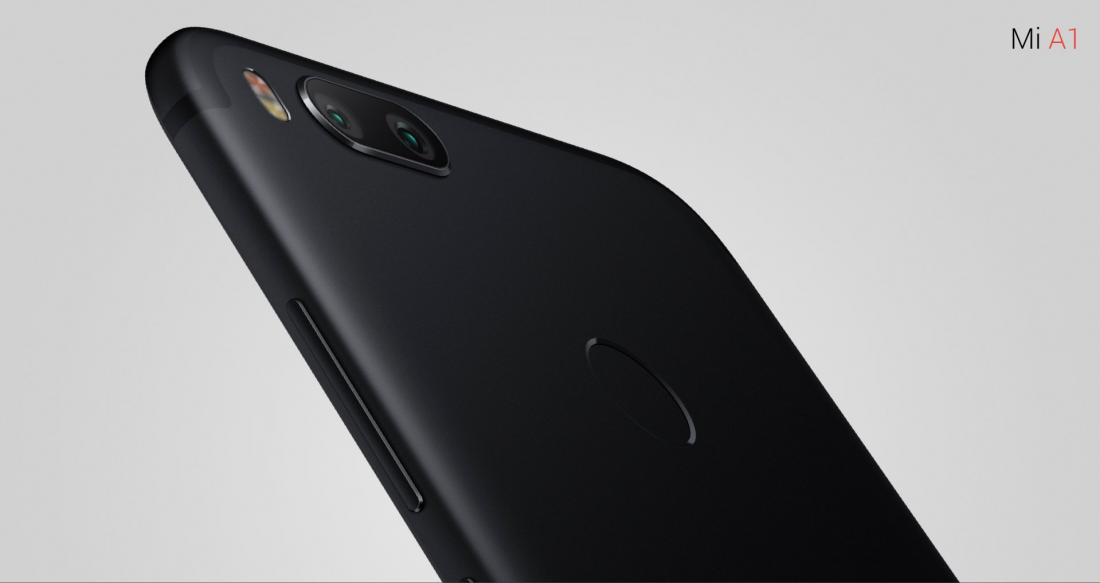
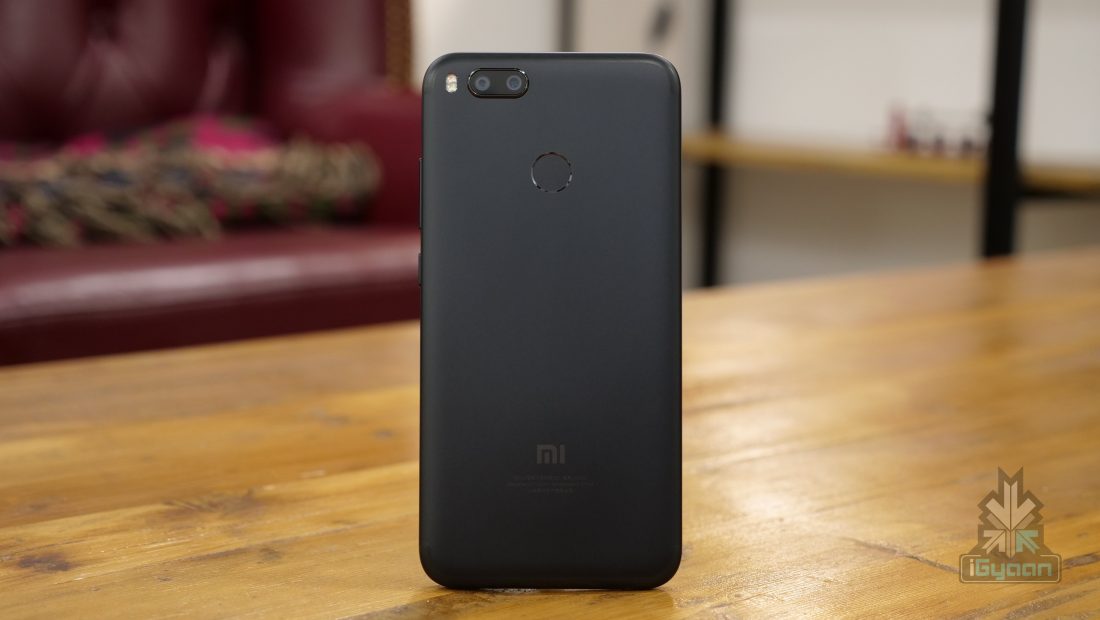
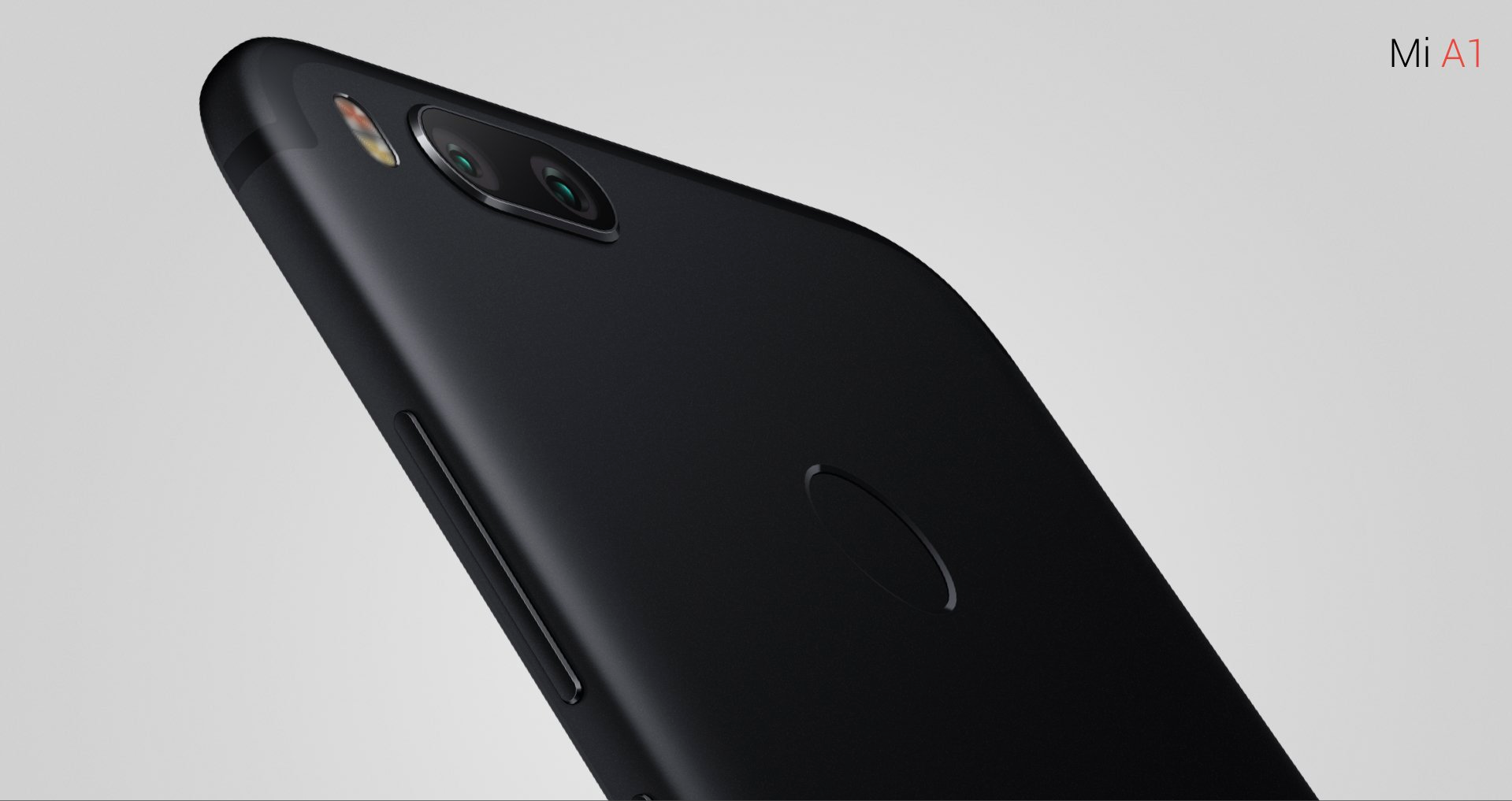
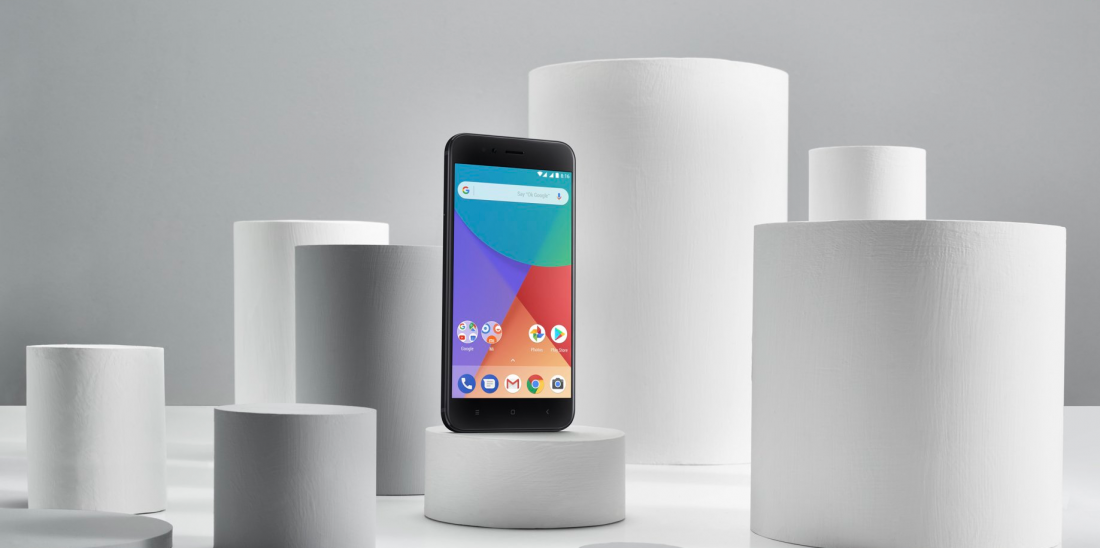
    The Xiaomi Mi A1 is priced at Rs 14,999 for the Indian market and will be available from September 12 on Flipkart, mi.com, Mi Home stores and partner retail outlets. It will be available in Black, Gold, and Rose Gold colour variants. The smartphone has a 5.5 inch 1920 x 1080 px display with Corning Gorilla Glass on top for protection and metal unibody build. Powering the device is a 3,080 mAh battery and fast charging through the Type C port. The Mi A1 runs pure Android 7.1.2 Nougat OS. The phone has the Qualcomm Snapdragon 625 chipset, 2.0GHz octa-core processor, 4GB RAM and 64GB of onboard storage which is expandable via microSD card. Handling the graphics under the hood is the Adreno 505 GPU. The pyrolytic graphite sheet will help in heat management as well, Xiaomi claims. The Xiaomi Mi A1 has an IR blaster to control appliances in your home or office. The fingerprint sensor sits at the back of the device below the camera. Xiaomi has also included a dedicated headphone amplifier for better music listening experience.

    It’s worth noting that despite the stock Android OS, Xiaomi has still introduced a few apps of its own like the Mi Camera app, since Google’s app doesn’t support dual-camera right now. Other apps like the Mi Remote and the Mi Store are also present in the Xiaomi Mi A1.

    In terms of optics, the smartphone features a 12MP dual-camera setup with 1.25-micron pixel size. Out of the two cameras at the back, the primary one is equipped with a telephoto lens and the secondary camera has a wide-angle lens. The telephoto lens allows the user to take bokeh effect shots with blurred background and a 2X optical lossless zoom. For landscape shots, Xiaomi has introduced a wide angle lens while on the front is a 5MP camera.

    Xiaomi Mi 5X

    Xiaomi Mi 5X

    You may also like – Xiaomi Mi 5X unboxing

    The Xiaomi Mi 5X was launched in China in July as a mid-ranger with dual-cameras, much like the Mi A1 for the Indian market. The smartphone from Xiaomi has a 5.5-inch 1920 x 1080 px IPS LCD display. Unlike a lot of smartphones from 2017, the Mi 5X has a considerable amount of bezels around the display. The smartphone is powered by a 3,080 mAh battery with fast charging capabilities through the USB Type C port, although, the included charger does not provide a fast charge. The Mi 5X has the Qualcomm Snapdragon 625 chipset, 2.0 GHz octa-core processor, 4GB RAM and 64GB onboard storage which is expandable via microSD card up to 128GB. The Mi 5X runs Android 7.1.1 based on MiUi 8.5.

    The phone has 12MP dual-cameras with the secondary camera equipped with a telephoto lens for 2X lossless optical zoom. The camera app has a portrait mode very similar to the one on iPhone 7 Plus with features that include a portrait mode, blurring out the background. The dual-cameras are also capable of recording 4K videos at 30 FPS and 720P videos 120 FPS. On the front is a 5MP camera that records 1080P videos at 30 FPS.

    Moto G5S Plus

    Moto G5S Plus

    You may also like – Motorola Launches The Moto G5S And Moto G5S Plus 

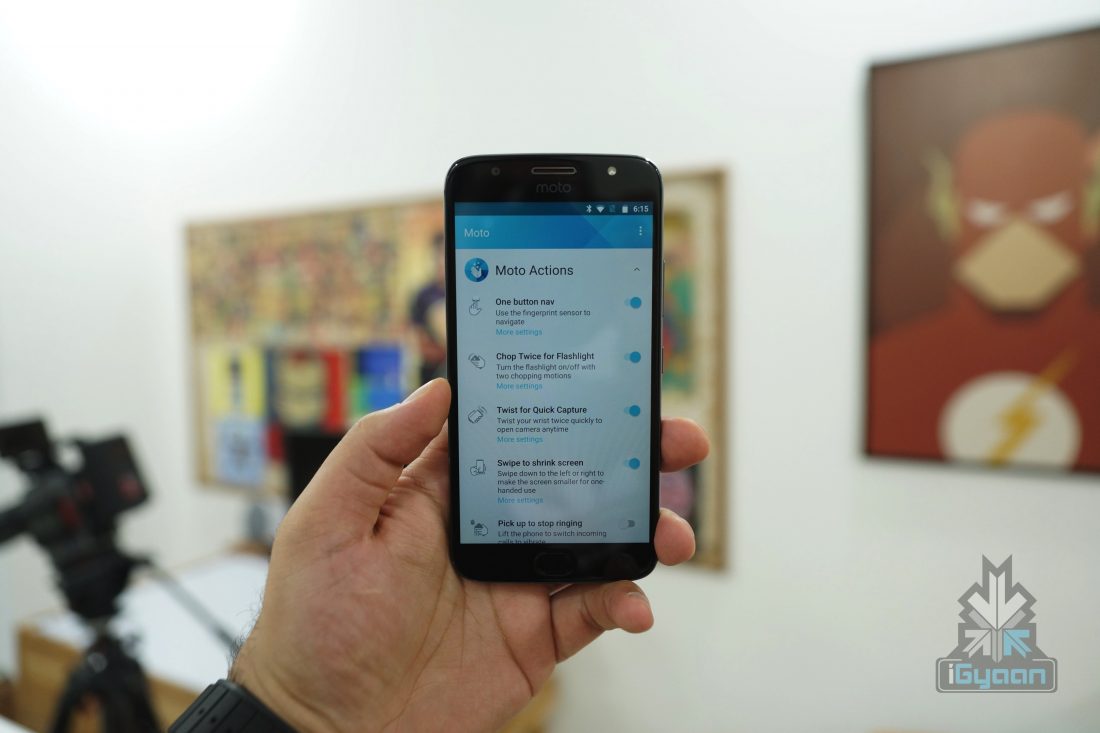
    The Moto G5S Plus has a 5.5 inch 1920 x 1080 px display with Corning Gorilla Glass 3 on top for protection. The device is powered by a 3,000 mAh battery with included turbo charge capabilities. The Moto G5S Plus runs Android 7.1.1 Nougat with little customisation done by the manufacturer resulting in stock Android OS experience. The smartphone has the Qualcomm 625 chipset, an octa-core processor clocked at 2.0 GHz with 4GB RAM and 64GB of onboard storage which can be expanded up to 128GB via a microSD card. The fingerprint sensor is housed inside the home button which sits below the display.

    The Moto G5S Plus features rear-mounted 13MP dual-cameras with an f/2.0 aperture. The dual camera captures Bokeh, and selective focus shots, along with other capabilities of background replacement and exposure management. On the front is a wide angle 8MP camera with a single LED flash and a panoramic mode. The rear cameras capture videos in 4K at 30 FPS and the front camera records videos in 1080P at 30 FPS.  According to Motorola, additional features such as Night Display and Quick Reply enhance the software experience. The implementation of the dual-camera setup on the Moto G5S Plus is different than that on the Mi A1 and the Mi 5X.

    Specifications Mi A1 Mi 5X Moto G5S Plus
    Price Rs 14,999 Rs 18,000 Approx Rs 15,999
    Display 5.5 inch 5.5 inch 5.5 inch
    Display Resolution 1920 x 1080 px 1920 x 1080 px 1920 x 1080 px
    Protection Corning Gorilla Glass Corning Gorilla Glass 3
    Dimensions 155.40 x 75.80 x 7.30 mm 155.40 x 75.80 x 7.30 mm 153 x 76.2 x 7.8 mm
    Weight 165 grams 165 grams 168 grams
    Chipset Qualcomm Snapdragon 625 Qualcomm Snapdragon 625 Qualcomm Snapdragon 625
    Processor 2.0GHz octa-core 2.0GHz octa-core 2.0GHz octa-core
    RAM 4GB  4GB 4GB
    Storage 64GB, expandable via microSD card up to 128GB  64GB, expandable via microSD card up to 128GB 64GB, expandable via microSD card up to 128GB
    Rear Camera 2 x 12 MP
    26mm, f/2.2
    50mm, f/2.6
    2 x 12 MP
    26mm, f/2.2
    50mm, f/2.6
     13MP dual-camera with an f/2.0 aperture
    Features Bokeh effect
    Depth of field shots
    Wide angle landscape shots
    2X lossless optical zoom
    Portrait Mode
    2 X lossless zoom
    Bokeh Effect
    Background Replacement
    Exposure Management
    Rear Camera Video 4K at 30 FPS 4K at 30 FPS  4K at 30 FPS
    Front Camera  5MP 5MP  8MP wide angle lens
    Colours  Black, Gold, and Rose Gold Black, Gold, and Rose Gold  Lunar Grey, Blush Gold
     Battery 3,080 mAh 3,080 mAh  3,000 mAh
     OS Stock Android 7.1.2 Nougat  Android 7.1 Nougat with MIUI 8.5 Stock Android 7.1.1

    The Xiaomi Mi A1 is the Mi 5X with stock Android OS and stacks up well against the Moto G5S Plus, at least on spec sheet. The Mi A1 will be a little cheaper than the Moto G5S Plus but, how the two phones compete in the real life is yet to be seen. Stay tuned on iGyaan for more coverage of the Xiaomi Mi A1 and a possible comparison!


  • LG May Launch The LG V30 in India Without The Quad DAC

    LG May Launch The LG V30 in India Without The Quad DAC

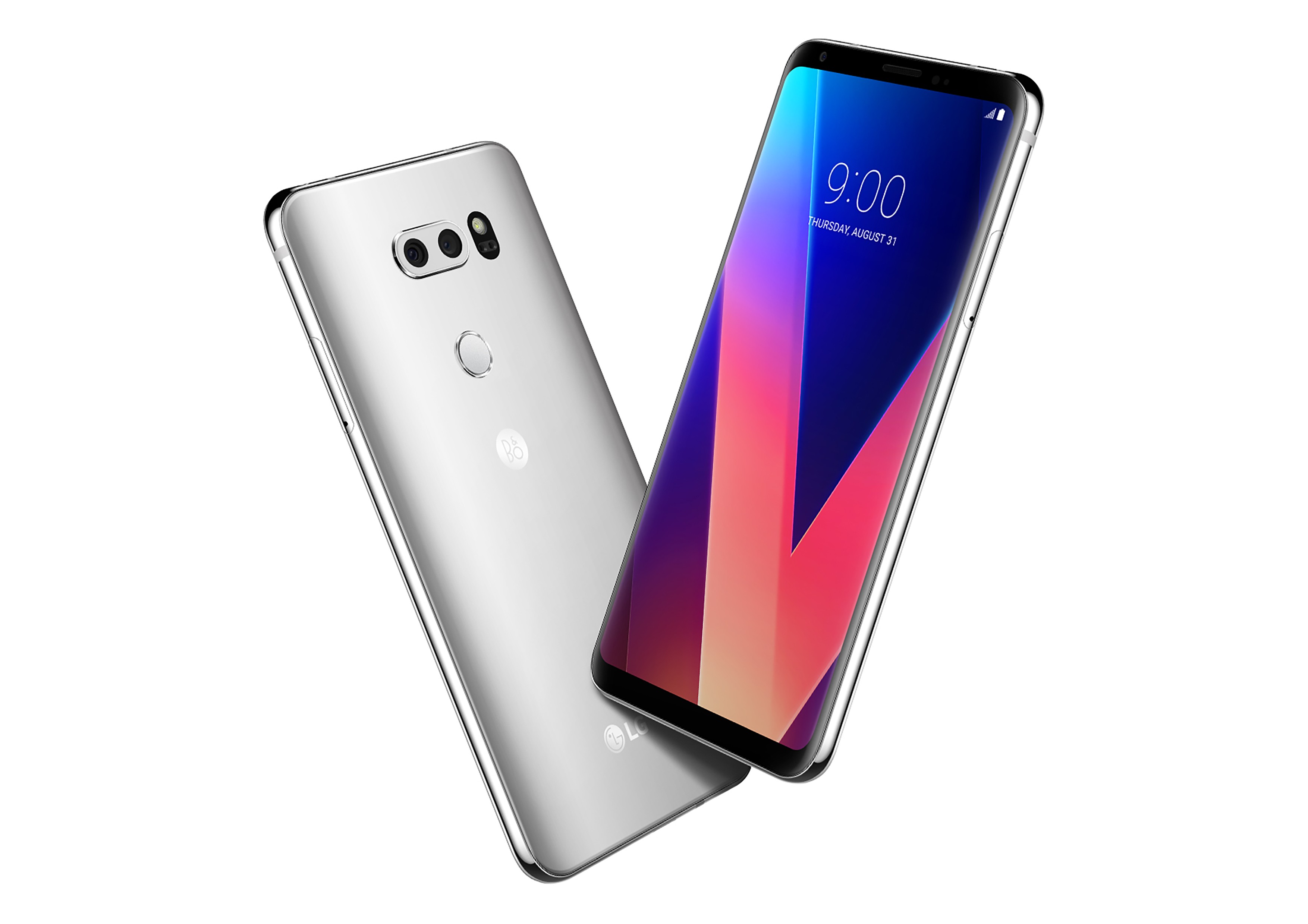
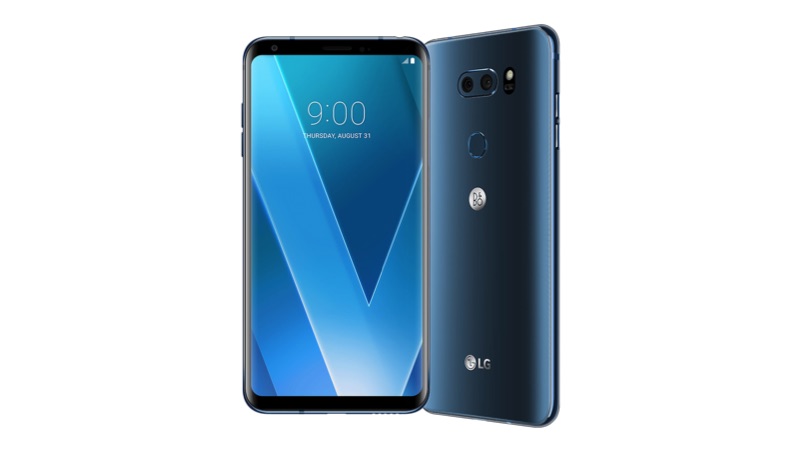
    LG announced its new flagship, the LG V30 at IFA 2017 in Berlin a few days ago and early impressions of the phone have been positive. The smartphone does away with a secondary display which became a signature of the V series for the past couple of years.

    The LG V series phones have always been designed for enthusiasts of media consumption. In the past, LG has teamed up with B&O in a bid to deliver to premium sound quality through their V series and this year as well, LG and B&O came together to work on the sound of the LG V30 by including an inbuilt QUAD -DAC. The LG G6 launched with different features in different markets and it seems that the V30 will follow the same system. According to a tip received by iGyaan, in order to keep the pricing competitive in India, the LG V30 will launch without the B&O Quad DAC. While aesthetically the phone will only lose the B&O logo at the back, it will affect the sound output from the device hindering the experience when compared o that of the LG V30 with a DAC. If LG does go through with the removal  of one of the important USPs of the LG V30, LG’s decision will definitely raise a few eyebrows in India.

    While this may be a move to bring down the pricing of the LG V30, it may not be appreciated by many of the prospective buyers of the LG V30. LG has had a poor trend with their recent flagships, with the modular LG G5 not doing well at all, and the LG G6 remaining the underdog, The LG V30 may be the comeback phone LG is looking for, however pricing will be crucial in a market like India.

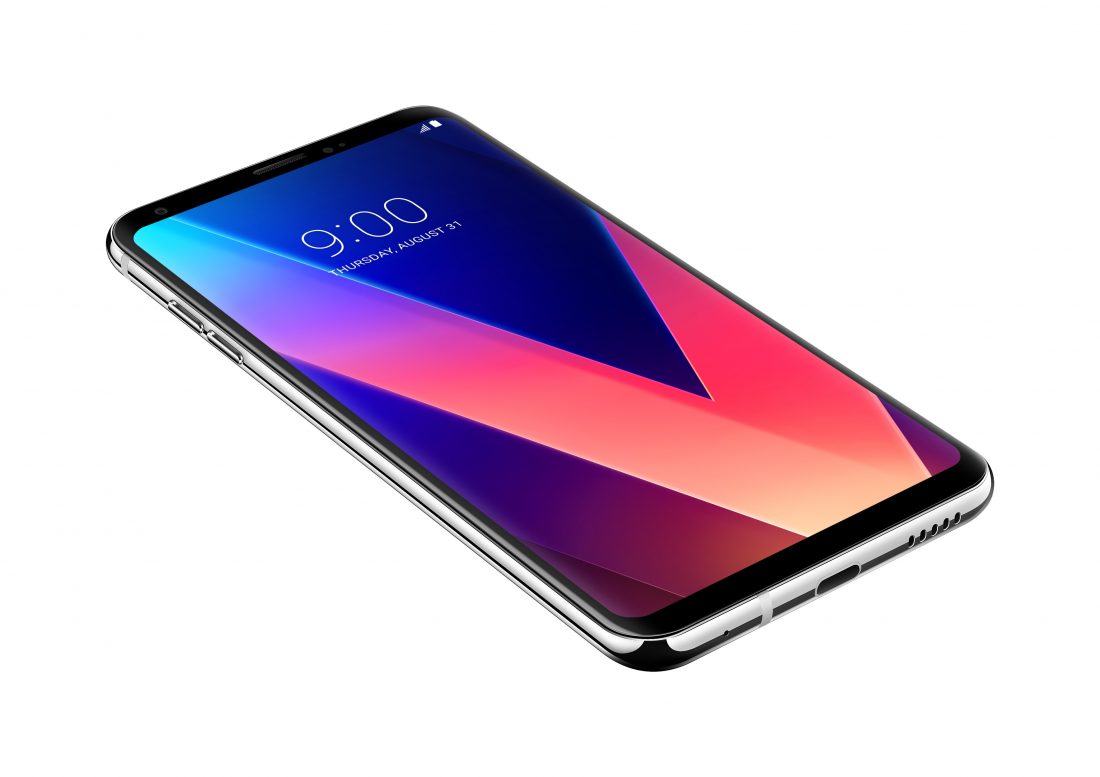
    The LG V30 has a 6 inch 2880 x 1440 px OLED FullVision display, LG’s first, with an 18:9 aspect ratio and Corning Gorilla Glass 5 for protection. LG’s nearly edge-to-edge OLED display has HDR 10 format for a high level of colour contrast. While being powered by a 3300mAh battery with wireless fast charging the phone also supports quick charge 3.0. The smartphone runs Android 7.1.2 with LG’s UX 6.0+ on top which offers a few customisation options. Like other flagships of 2017 the V30 has a Qualcomm Snapdragon 835 chipset, a 2.4GHz octa-core processor, 4 GB RAM and 64GB/128GB onboard storage with up to 2TB of expandable storage via a microSD card. The phone also has an  IP68 rating for water and dust resistance and MIL-STD 810G rating for durability.

    A big omission from the V30 is the secondary display, which was a signature in the previous V series devices. Instead, LG has introduced a Floating Bar which displays shortcuts and can be disabled when not required.  Apart from the rear mounted fingerprint scanner which also doubles as a home button, LG has introduced few new security features in the LG V30 such as facial and voice recognition. The voice recognition will even work along with music playback. On the camera front, the LG V30 features a dual-camera setup at the back. As LG had announced, this smartphone has the first ever inbuilt camera unit to feature a 16MP crystal clear lens made of glass with an f/1.6 aperture and another 13MP wide angle lens with an f/1.9 aperture. Compared to the f/1.8 aperture cameras on the iPhone 7Plus and the Samsung Galaxy S8+, the camera on the LG V30 will let 25% more light to pass through. The glass lens also delivers greater light-collecting ability than a plastic lens as well as better colour reproduction. The camera will feature laser detection AF, optical image stabilisation and electronic image stabilisation. On the front side, the LG V30 sports a 5MP wide-angle camera with an aperture f/2.2.

    There is no word on the pricing of the LG V30 yet but, if the reports of the omission of B&O Quad DAC are true, the smartphone will launch at a very competitive price and beat the likes of Samsung Galaxy Note8 and the upcoming iPhone 8 in terms of price, at least.

  • Xiaomi Launches Mi A1 With Dual Cameras And Stock Android In India

    Xiaomi Launches Mi A1 With Dual Cameras And Stock Android In India

    Xiaomi has announced the new Mi A1 at an event in New Delhi at a price of Rs 14,999. The phone will be available in Black, Gold and Rose Gold colour variants. The Mi A1 will be the first Xiaomi smartphone to feature stock Android OS in association with Google’s Android One program. The company has also confirmed that the device will receive Android 8.0 Oreo update before the end of 2017 and will be in line to receive to Android P update next year.

    The smartphone has a 5.5 inch 1920 x 1080 px LTPS display with Corning Gorilla Glass on top for protection and aluminum unibody build. Powering the device is a 3080 mAh battery and 2A charging through the Type C port. The Mi A1 runs pure Android 7.1.2 Nougat OS. Even though the phone has stock Android OS, Xiaomi has retained a few apps, such as the Mi camera app since the Google app doesn’t support dual-camera functions right now. The phone has the Qualcomm Snapdragon 625 chipset, 8x ARM Cortex A53 2.0GHz 64-bit processor, 4GB RAM and 64GB of onboard storage which is expandable via microSD card. Handling the graphics under the hood is the Adreno 505 GPU. The pyrolytic graphite sheet will help in heat management as well, Xiaomi claims. The Xiaomi Mi A1 has an IR blaster to control appliances in your home or office. The fingerprint sensor sits at the back of the device below the camera. Xiaomi has also included a dedicated headphone amplifier for better music listening experience.

    In terms of optics, the smartphone features dual sensors – 12MP with an f/2.2 aperture (26mm) and 12MP with an f/2.6 aperture (50mm) setup with 1.25-micron pixel size. Out of the two cameras at the back, the primary one is equipped with a telephoto lens and the secondary camera has a wide-angle lens. The telephoto lens allows the user to take bokeh effect shots with blurred background and a 2X optical lossless zoom. For landscape shots, Xiaomi has introduced a wide angle lens while on the front is a 5MP camera.

    The Xiaomi Mi A1 is priced at Rs 14,999 for the 4GB RAM and 64GB onboard storage variant and will be available on Flipkart, mi.com, Mi Home stores and offline partner stores. The smartphone will go on sale from September 12 at Noon online and offline. Xiaomi has teamed up with Airtel to give up to 300GB of 4G data to new and existing Airtel customers on the purchase of the Xiaomi Mi A1.

  • Samsung Galaxy J7+ Launched With Dual Cameras

    Samsung Galaxy J7+ Launched With Dual Cameras

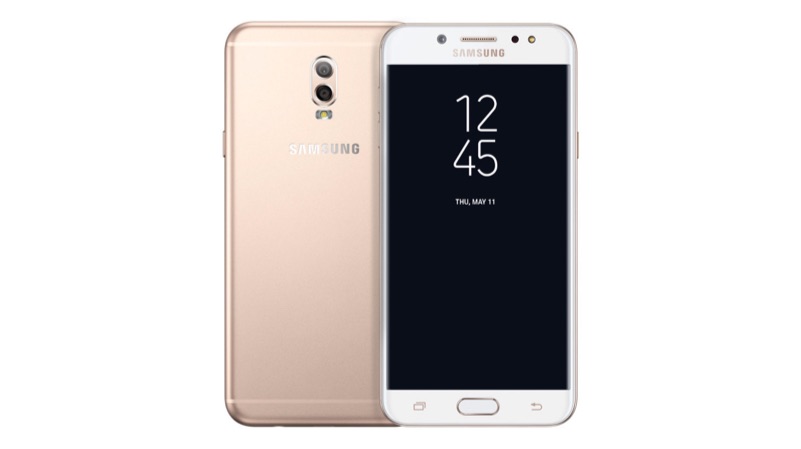
    Samsung J7+ became the smartphone maker’s second Android device to feature a dual-camera setup when it was launched on September 3. The smartphone is available in Thailand right now and will go on sale on September 18 for a price of TBH 12,000 (Rs 24,900 approx.)

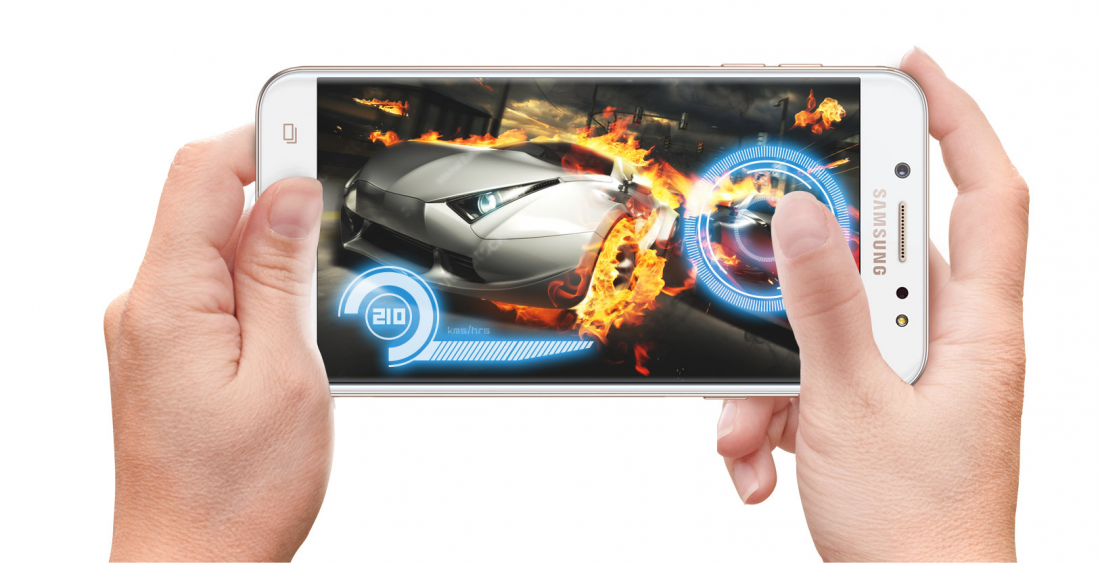
    The Galaxy J7+ features a 5.5 inch 1920 x 1080 px AMOLED display with an ‘Always On Display’ feature. As compared to the 3,600 mAh battery of the Galaxy J7 (2017), the new Galaxy J7+ is powered by a smaller 3,000 mAh battery. The smaller battery is a major downgrade and with the dimensions of the two virtually identical, it looks like the decision was taken to accommodate the dual cameras. Under the hood, the device has the MediaTek Helio P20 chipset, 4GB RAM with 32GB onboard storage which is expandable up to 256GB via a microSD card. The smartphone runs Android 7.1.1 with Samsung’s custom UI on top.

    In terms of optics, the smartphone features a dual-camera setup at the back. The 13MP primary camera with an f/1.7 aperture and a secondary 5MP camera with an f/1.9 aperture work together to create bokeh effect shots with blurred out backgrounds. The second camera captures depth information to provide post-shot focusing capabilities. On the front of the device is a 16MP camera with an f/1.9 aperture and a single LED flash.

    The Galaxy J7+ also features Samsung’s AI assistant, Bixby albeit, no dedicated Bixby button. Thanks to the large bezels, the physical home button sits below the display and houses a convenient fingerprint sensor.

    There is no official word from Samsung about the Galaxy J7+’s availability in India, yet. The Samsung Galaxy J7+ is an upgrade to the previous gen Galaxy J7 and Galaxy J7 Pro in terms of camera performance, at least on paper, but, the smaller battery and no real slimming down of the phone maybe backward move by Samsung. What are your thoughts? Let us know in the comments!

iGyaan Network
Privacy Overview

This website uses cookies so that we can provide you with the best user experience possible. Cookie information is stored in your browser and performs functions such as recognising you when you return to our website and helping our team to understand which sections of the website you find most interesting and useful.