Author: Yashonil Gupta

  • 1TB MicroSD Cards Are A Reality At MWC 2019

    1TB MicroSD Cards Are A Reality At MWC 2019

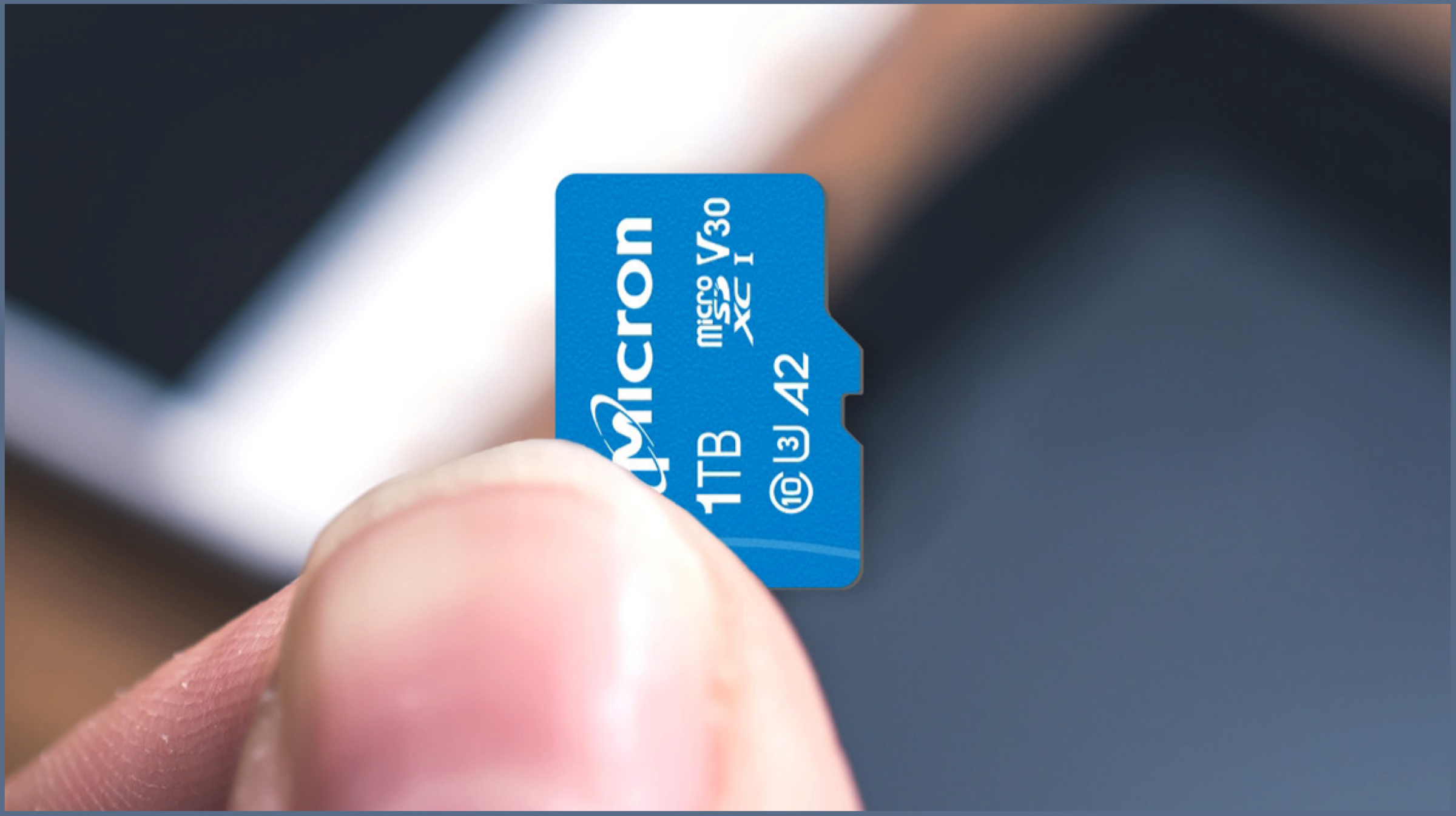
    The Mobile World Congress (MWC) in Barcelona is a stage to showcase cutting edge products in the field of technology. Due to the high speed internet boom, the production and consumption of digital media content has risen several folds. With the growth of digital media consumption, the  need for hardware to store this content has also risen. Two well-known names in storage solutions, Micron and Sandisk owned by Western Digital have announced the world’s first microSD cards with a whopping 1TB storage capacity. Both companies claim promising transfer speeds with the products.

    1TB MicroSD Cards
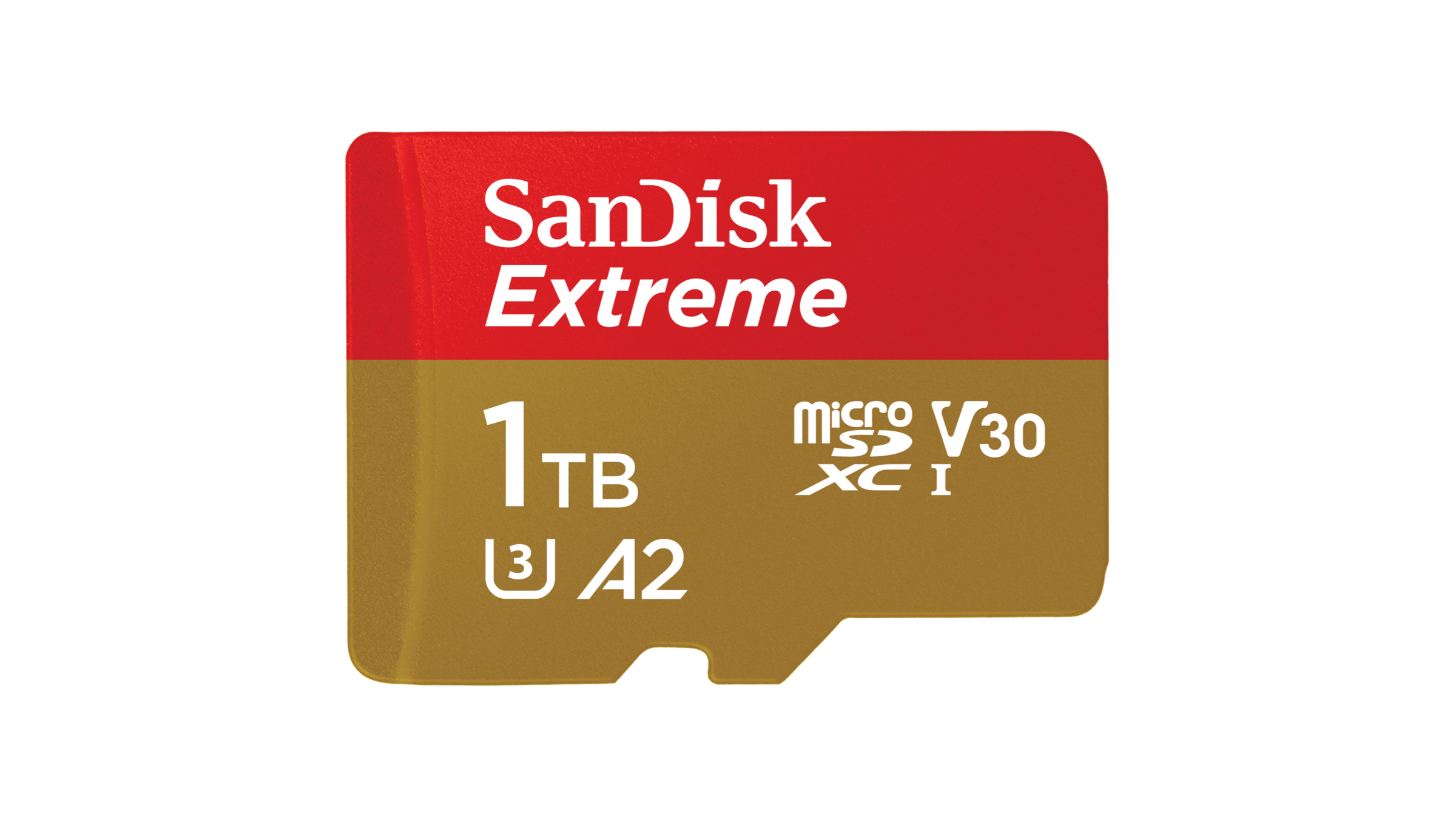
    The two praiseworthy storage microSD cards launched at the event include Sandisk Extreme microSDXC UHS-I 1TB; and the Micron c200 1TB microSDXC UHS-I. These cards are, as mentioned above, the world’s first microSD cards to support 1TB of storage. The Western Digital’s 1TB microSD card is claimed to be capable of a data read speed of up to 160MBps and a peak data write speed of 90MBps. It follows the A2 specification for launching and loading apps which the company claims offer a performance output of 400 Input/Output Operations Per Second (IOPS) and 2000 IOPS. This allows the card to be very fast while performing tasks like app launching or file transfers.
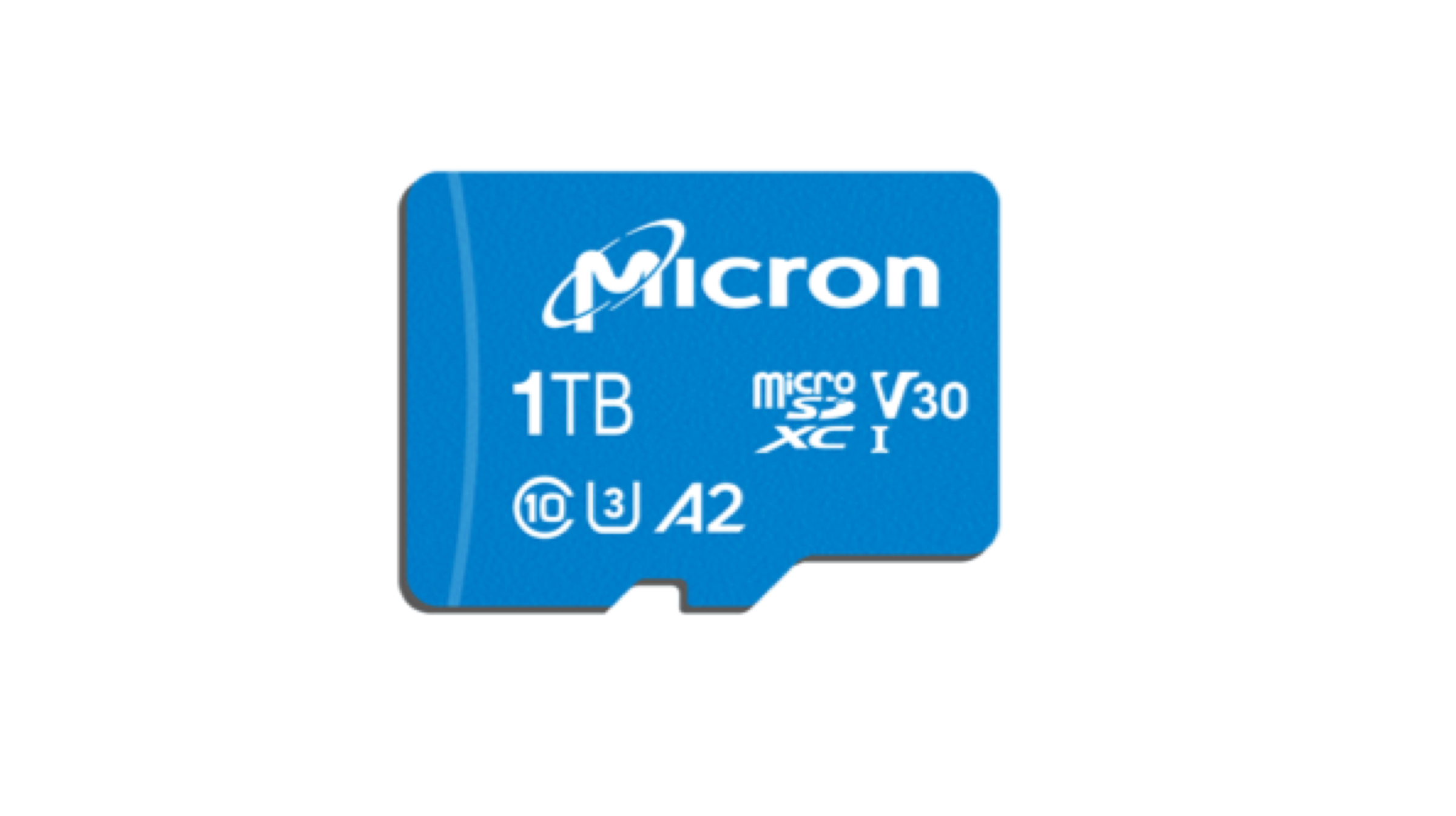
    The Micron c200 1TB microSD has a lower read speed than Western Digital’s offering. The read and write speeds are clocked at 100MBps and 95MBps respectively. It employs the Dynamic SLC cache and performs automatic resource management for sustained peak performance. Just like the Sandisk’s 1TB card, it also follows the A2 specification. The card leverages Micron’s 96 layer 3D quad level cell (QLC) NAND technology for faster speeds. Both these cards are expected to be helpful in providing efficient storage for 4K videos, pictures and games on smartphones and other electronic devices.

    Also read: Upcoming Update Will Augment Messaging App & Google Assistant Integration

    The SanDisk Extreme microSDXC UHS-I 1TB microSD card will be sold $449.99 (around Rs. 32,000) and is up for pre-order from the official SanDisk website. The Micron’s offering will be available to buy in Q2 2019 but unfortunately, the company has not provided any information on pricing of the card. But it is expected to be priced lower to Western Digital’s offering.
  • Logging Into Apps Will Soon Get Easier On Android

    Logging Into Apps Will Soon Get Easier On Android

    Google’s operating system for smartphones, Android is FIDO2 certified. This was granted to it by the FIDO Alliance, of which Google is a member. The newly granted certification will make logging into websites and certain apps much easier and will be in effect with a quick update of the Google Play Services. 

    What Is the FIDO2 Certification?

    The FIDO Alliance was formed in July 2012 to provide strong authentication technologies. It is focussed on eliminating the need to remember multiple usernames and passwords. The Alliance certifies authentication through biometrics, security keys, clients and servers to comply with FIDO specifications and meet certified security profiles. Therefore, this allows logging into all FIDO-enabled websites using the certified devices for a seamless experience.

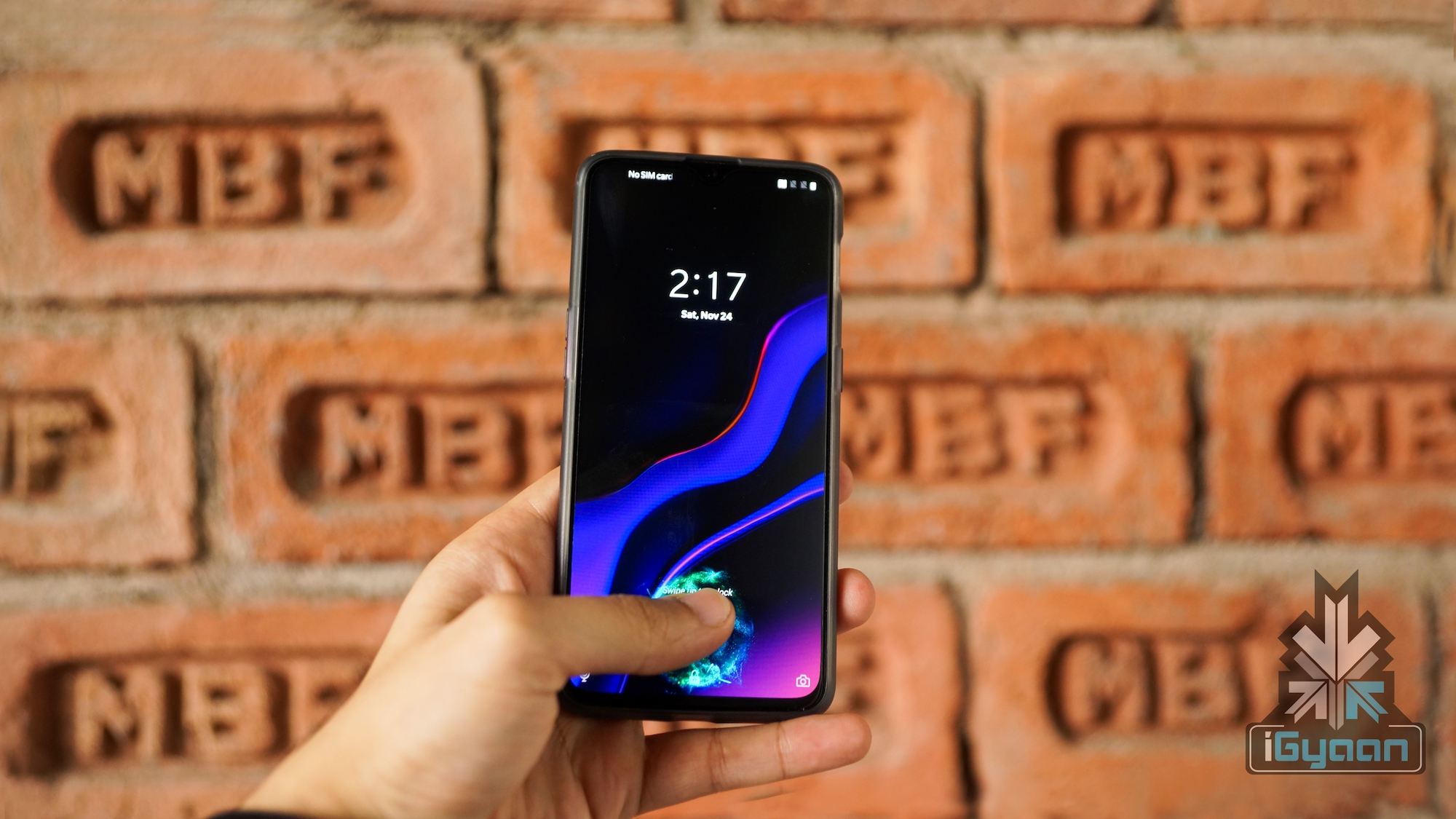
    The FIDO2 certification on Android will only be available for devices running the Android version 7.0 Nougat and above. Interestingly, the version was released by Google back in 2016. This certification will allow users to log in to certain websites and apps that are FIDO enables with the help of the fingerprint sensor on the device. For devices without a fingerprint sensor, there will be support for PIN or Pattern just like one would unlock their devices. This is expected to make signing in an app or a website convenient, without the need for remembering any passwords.

    Some Android apps already had a feature like this in action for a while. Many banking apps and wallet apps already allow logging in using fingerprint or using the screen lock for easier access. The FIDO2 authentication standard is supported by major browsers available on the operating system like Chrome, Edge and Firefox. But it may be a while when most apps on the Play Store support the feature, as the developers will need to adopt FIDO’s Android Programming Interface (API) to support the feature.

    Also read: ZTE Launches The Axon 10 Pro 5G At MWC 2019

    Unfortunately, only about half of the total Android devices currently active will receive the aforementioned update. As about 50 percent of Android devices still run a version older than Android 6.0 Marshmellow.

  • Samsung Galaxy A50

    Samsung Galaxy A50

    Samsung Galaxy A50 is the latest addition to the mid-range A-series by the South Korean electronics giant Samsung. The smartphone has some modern specs and a unique design. It features an in-display fingerprint sensor, making it the only device from Samsung other than the Galaxy S10 and the Galaxy S10+ to have this feature.

    [loop included_tags=”58516″ loading=”paged” layout=”f” postsperpage=”4″]

  • ZTE Launches The Axon 10 Pro 5G At MWC 2019

    ZTE Launches The Axon 10 Pro 5G At MWC 2019

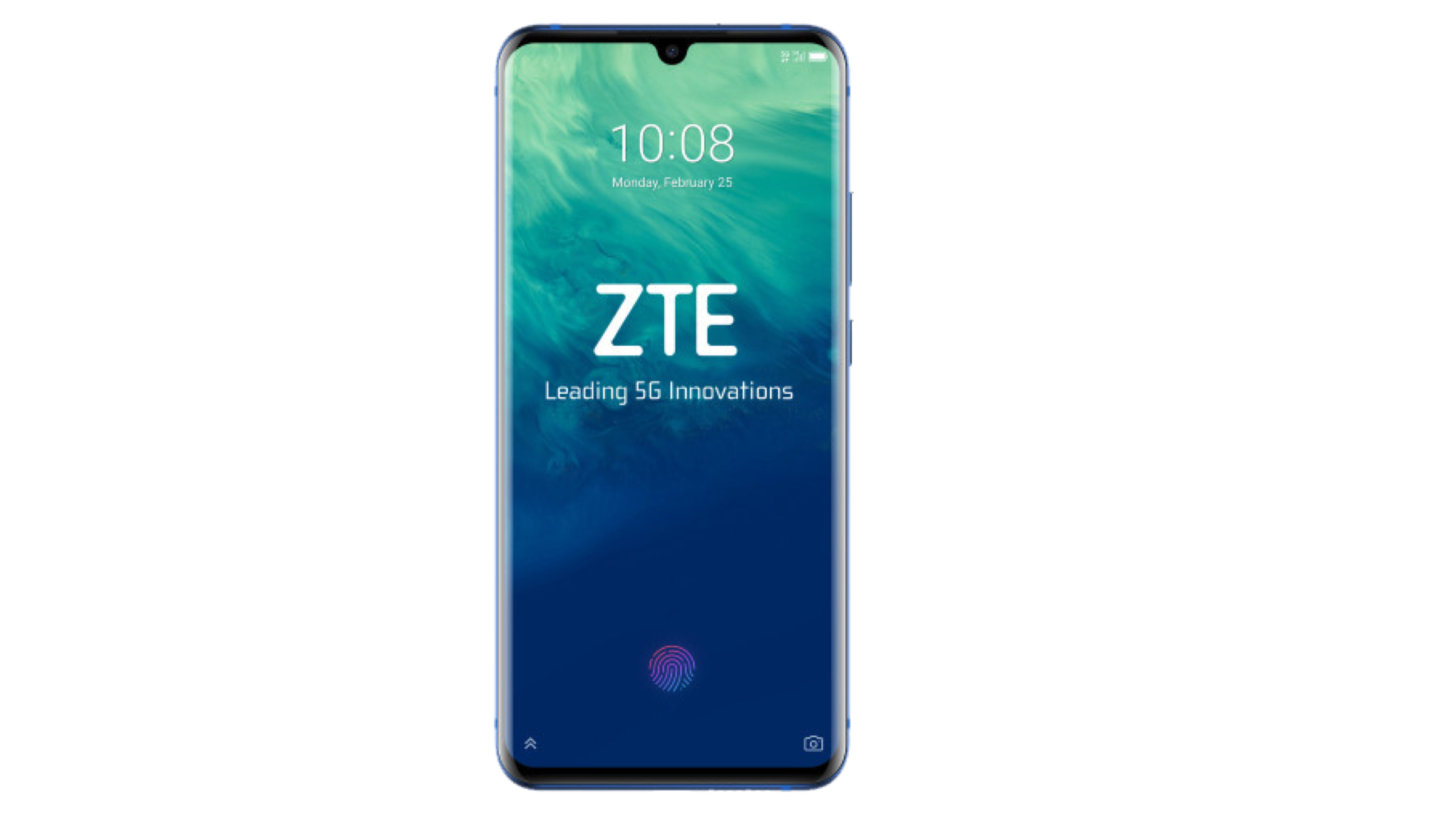
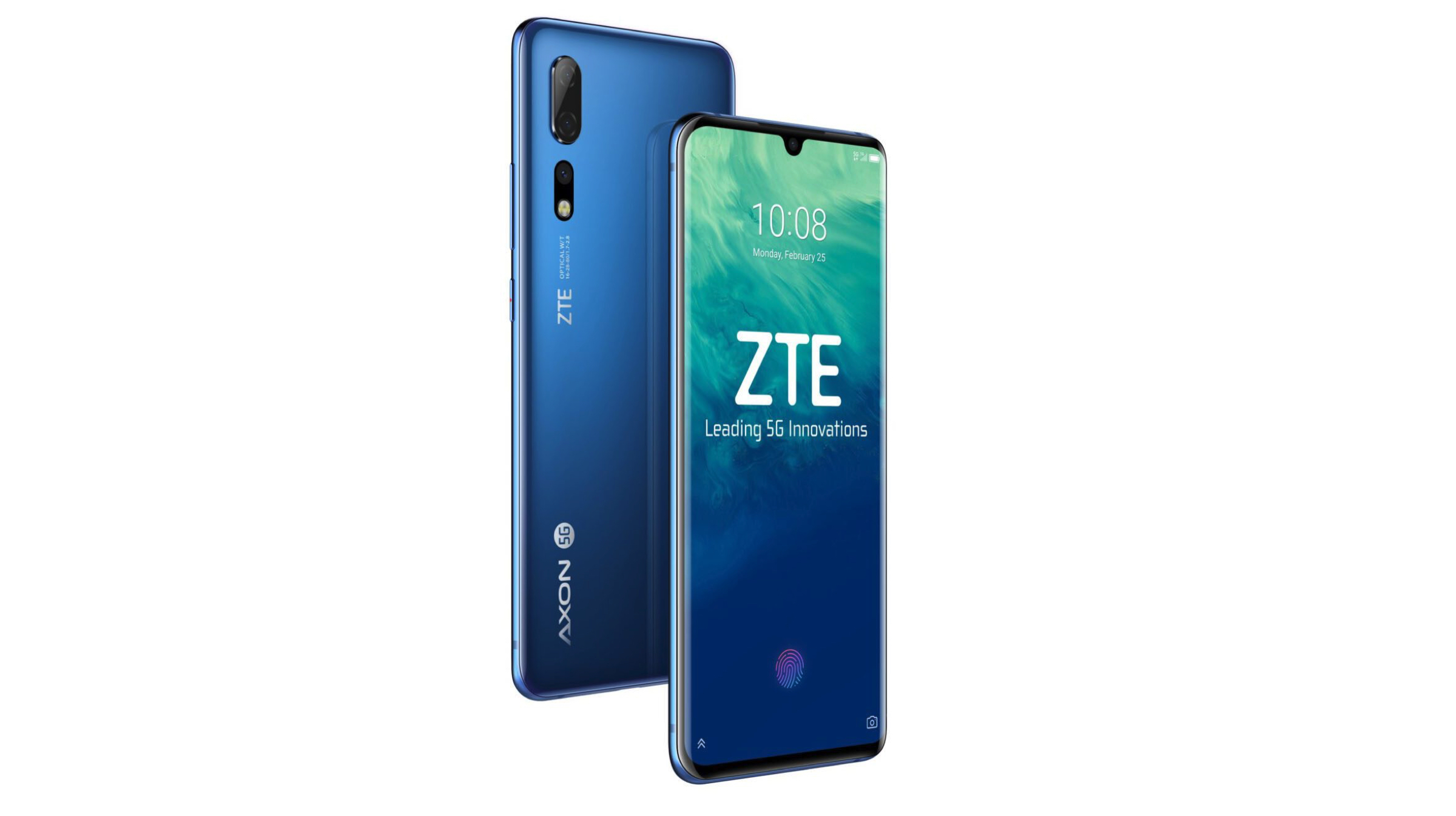
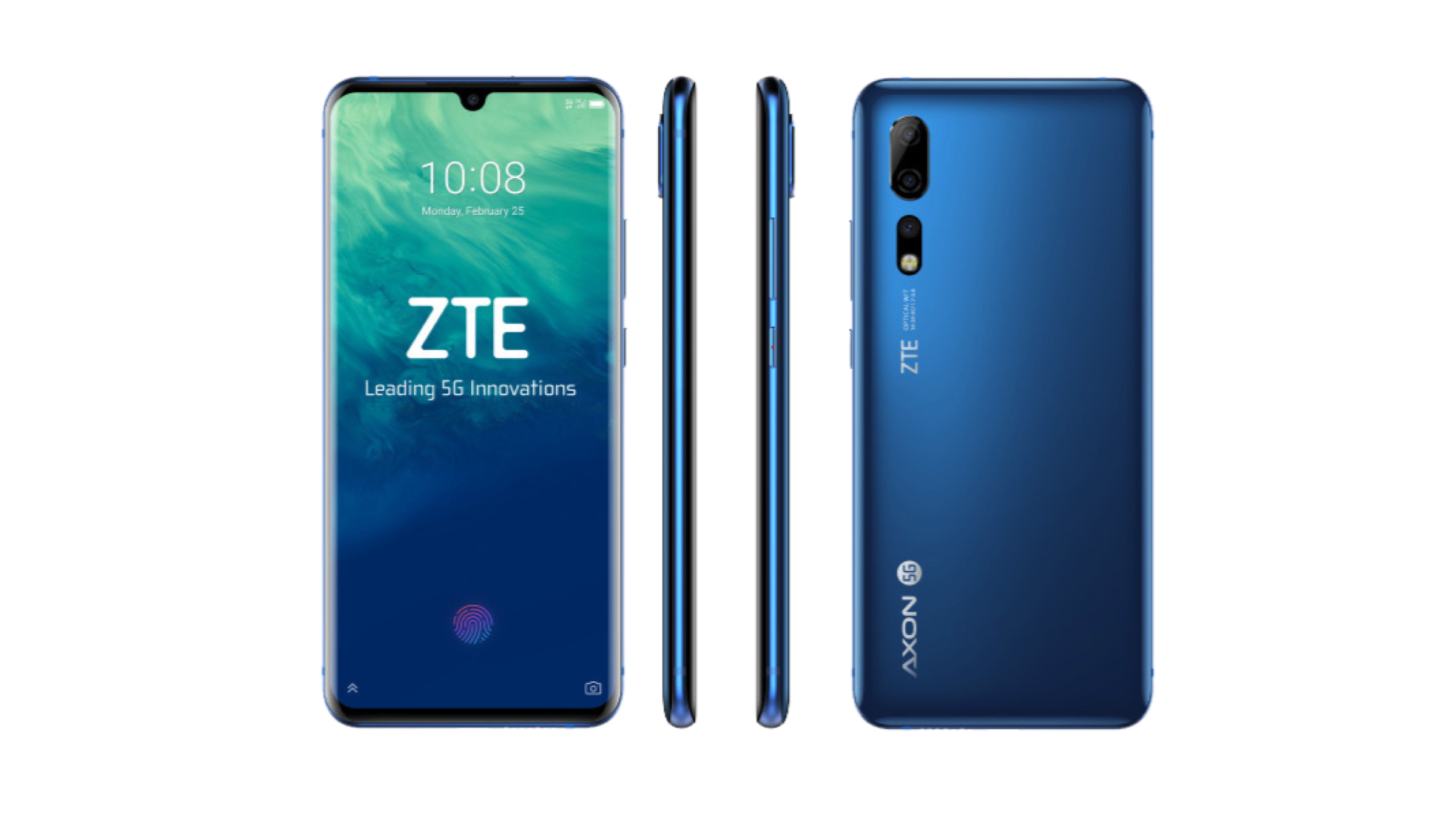
    ZTE at an event in the Mobile World Congress (MWC) 2019 launched its flagship, the ZTE Axon 10 Pro 5G. It is the first smartphone from the company to support 5G, the next generation of mobile networks. It was announced alongside the Blade V10, cheaper Blade V10 Vita, and upgraded versions of last year’s Blade V9 and Blade V9 Vita phones. 

    Design & Features

    The ZTE Axon Pro 5G is the newest flagship by the Chinese smartphone manufacturer. The specifications of the device are what you’d expect from a top-tier device in 2019. There is a glass sandwich design with minimal bezels around the display and a waterdrop notch. The display on the device is a 6.47 inch AMOLED panel with a resolution of 2340 x 1080 px and an aspect ratio of 19.5:9. The device has IP68 certification for water and dust resistance and has a microSD support up to 512GB.

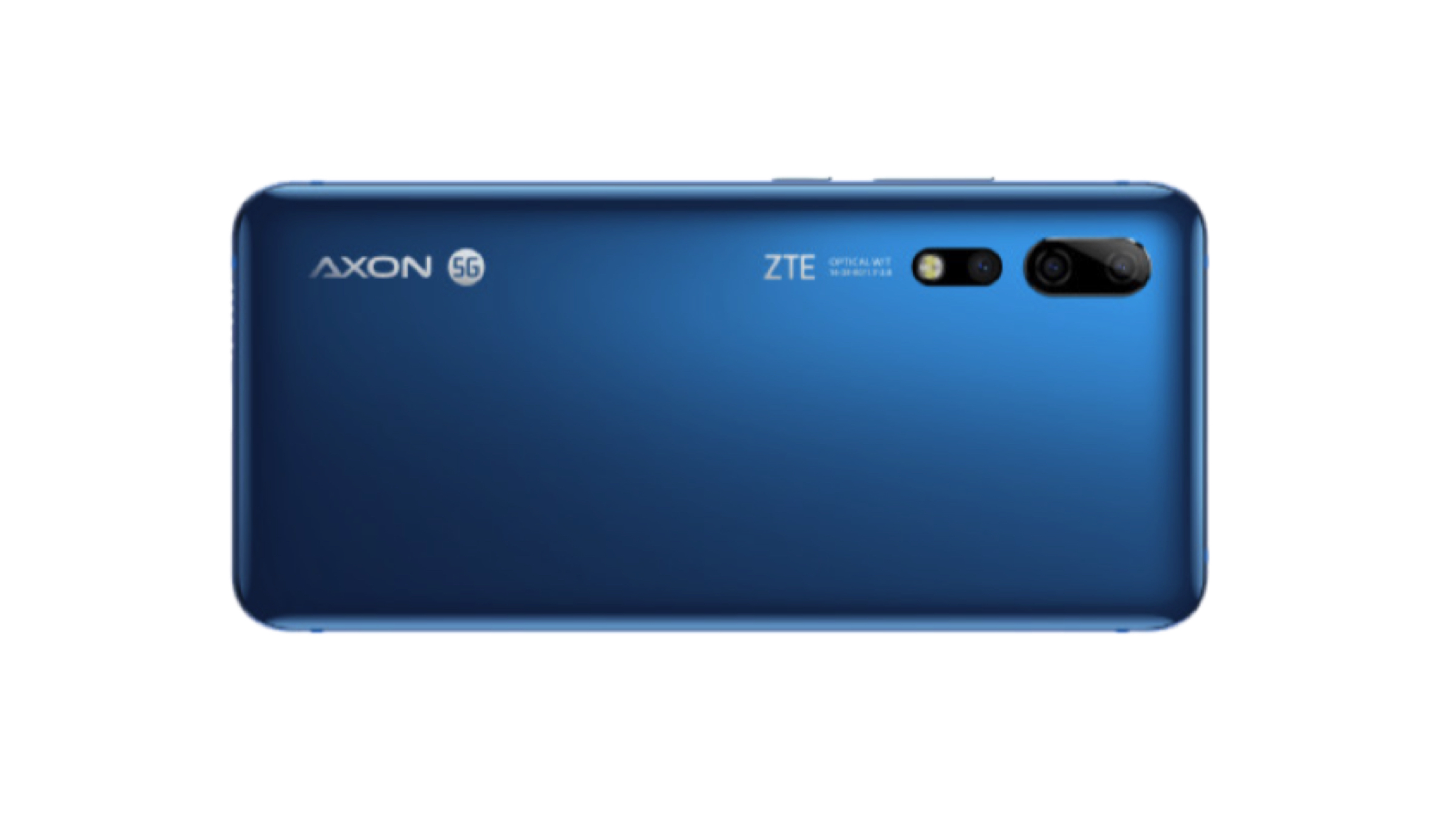
    Under the hood, the ZTE Axon 10 Pro 5G runs on the Snapdragon 855 SoC which is manufactured using 7nm fabrication process. The chipset has an Octa-core CPU and Adreno 640 GPU. To support 5G connectivity, it also features the Qualcomm X50 modem. In terms of optics, the ZTE Axon 10 Pro 5G features a triple rear camera setup, comprising of a 48MP f/1.8 sensor; combined with a 20MP ultra-wide angle sensor and an 8MP telephoto sensor. For selfies, the smartphone has a 20MP front-facing camera housed in the notch up front.

    The ZTE Axon 10 Pro 5G is powered by 4000mAh battery with support for 18W fast charging via the bottom mounted USB Type-C port and also supports wireless charging. For memory and storage, the device has 6GB of RAM and 128GB of onboard storage. Like most flagships smartphones in 2019, this also has an in-display fingerprint sensor.
    Price & Availability

    Also read: Energizer’s Smartphone With A Mammoth 18,000 mAh Battery Announced

    The ZTE Axon 10 Pro 5G will be available in Europe and China in the first half of 2019; which makes it one of the first devices arriving with 5G support. Unfortunately, the company has not provided any information regarding the pricing of the device or its India launch dates. 

  • Redmi Note 7, Note 7 Pro Key Specs Leaked; India Launch On February 28

    Redmi Note 7, Note 7 Pro Key Specs Leaked; India Launch On February 28

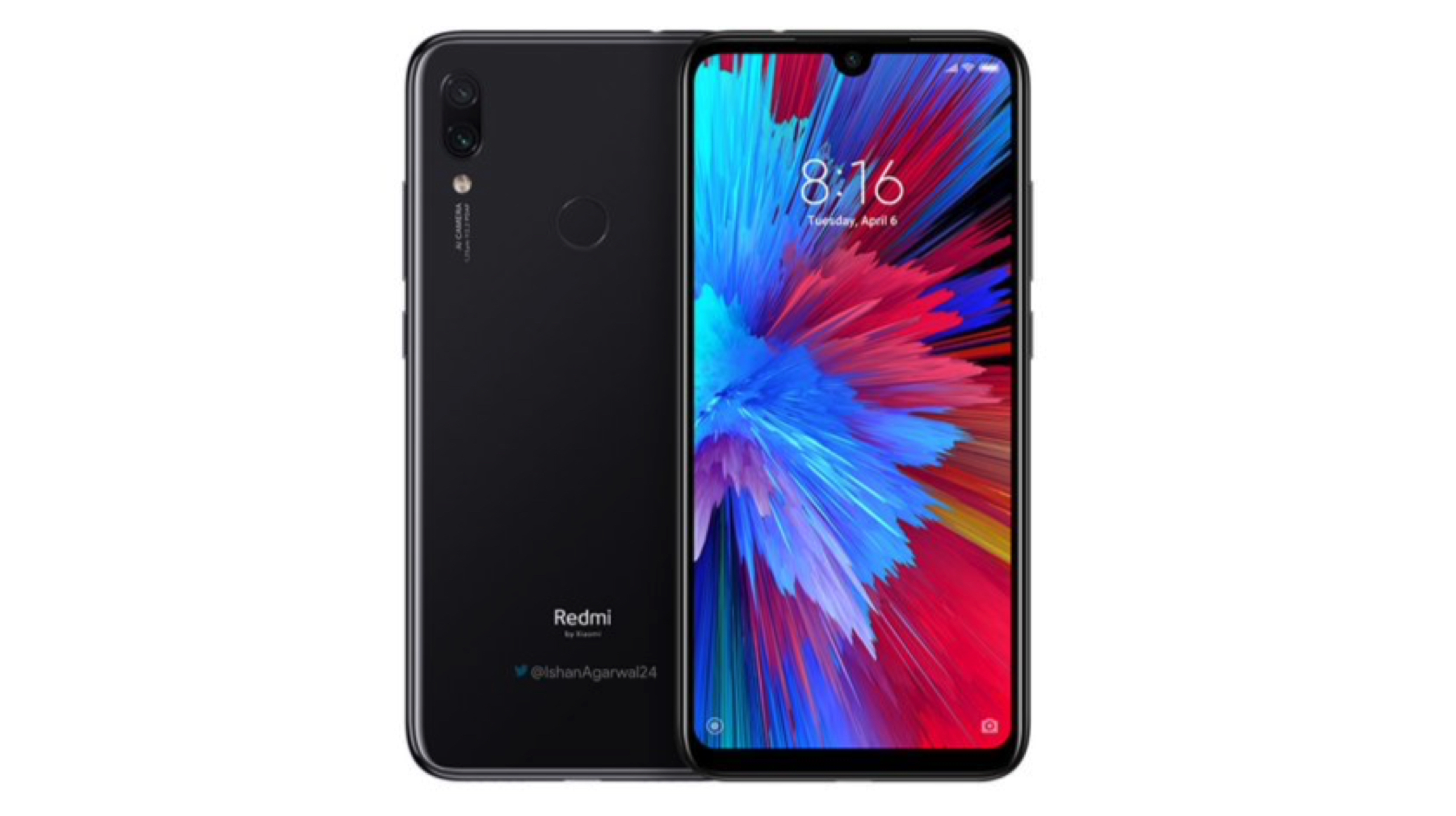
    Xiaomi has been teasing what could be one of the most anticipated budget devices in India, the Redmi Note 7 and the Redmi Note 7 Pro. The Redmi Note 7 was the first device by the brand after it separated to become an independent brand. Xiaomi has since then, released teasers and has confirmed that the smartphone will be launched in India on February 28. Fresh reports suggest that the elder sibling, the Redmi Note 7 Pro will also make an appearance at the event. 

    Redmi Note 7 

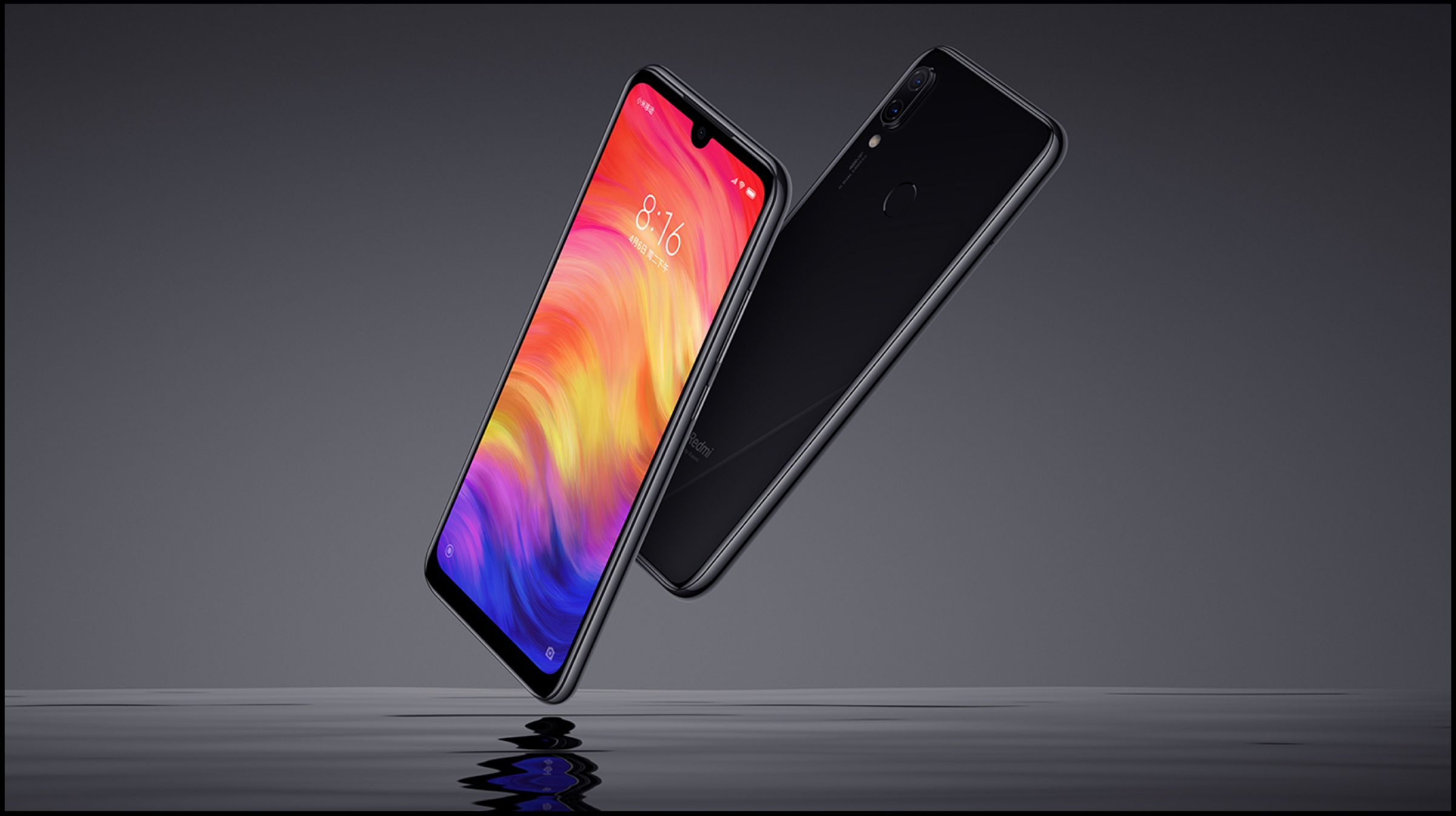
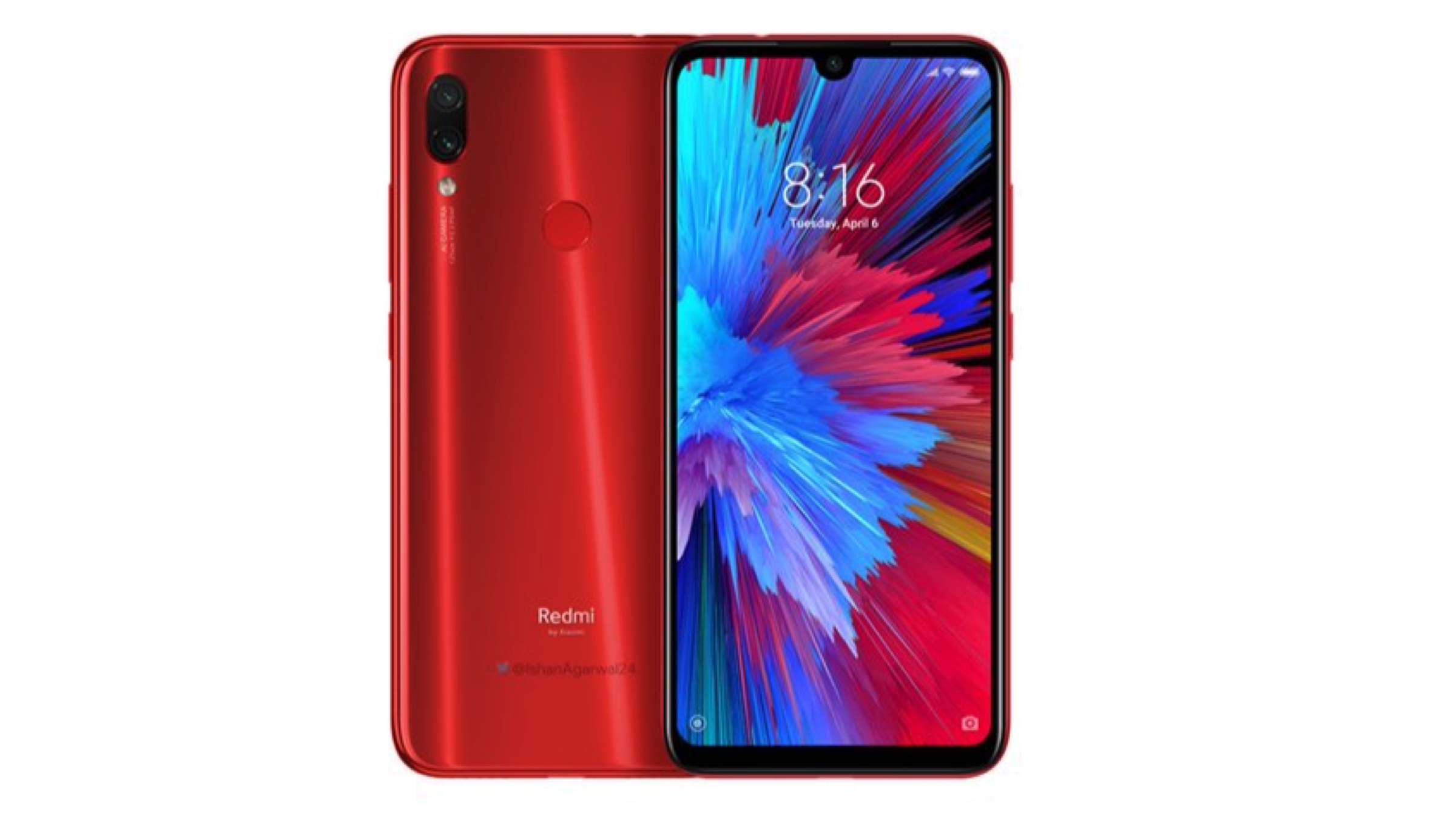
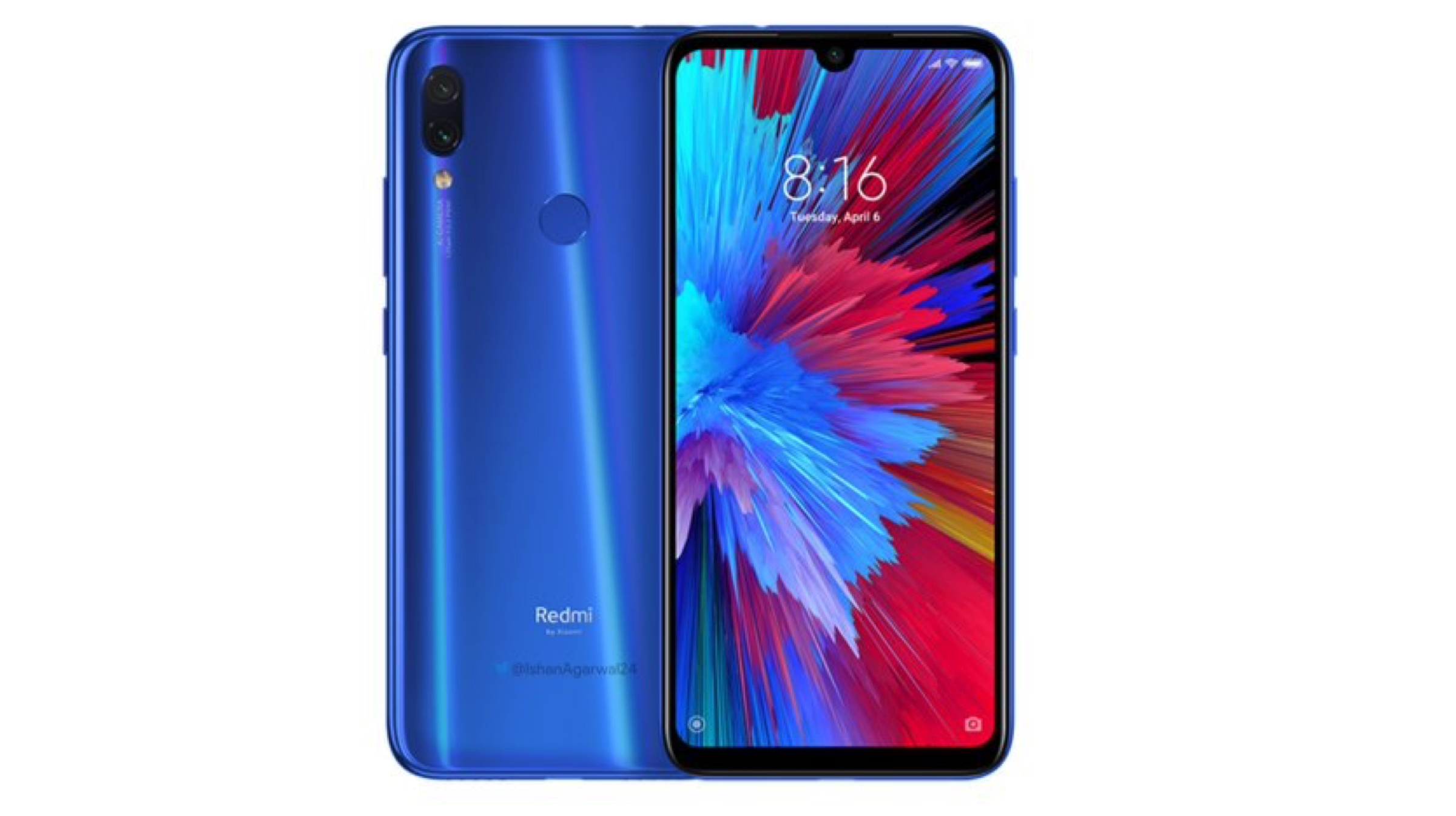
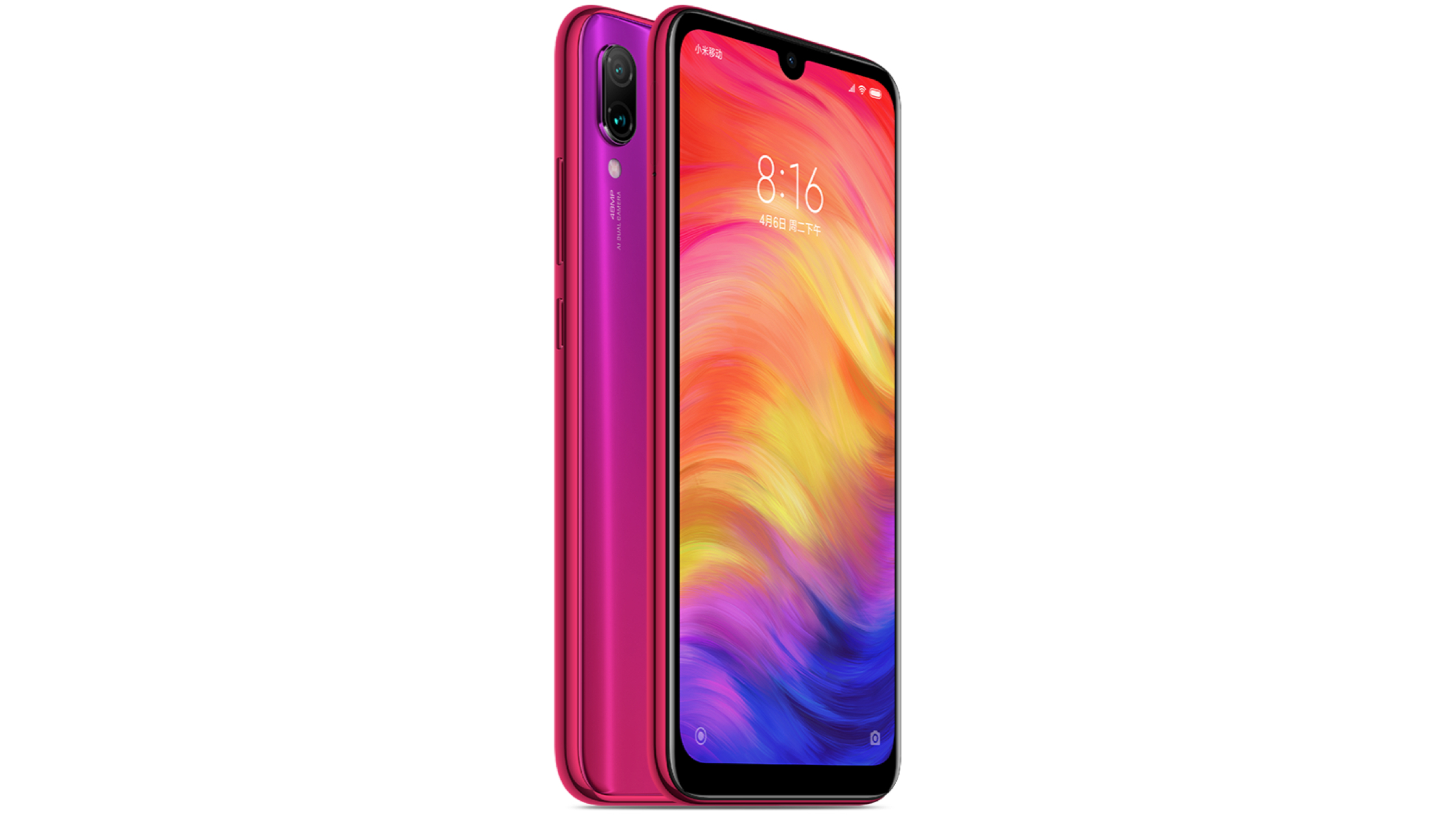
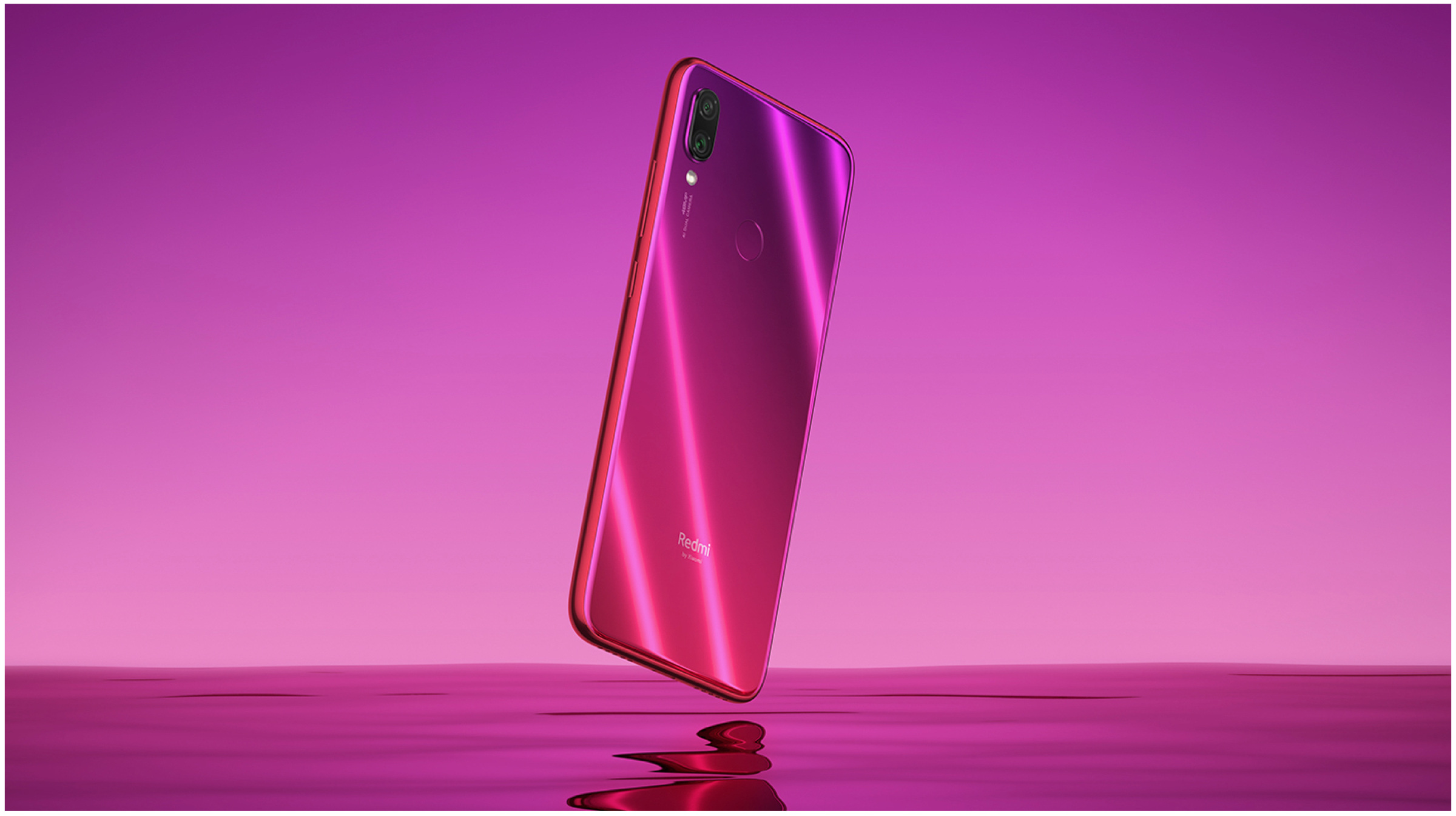
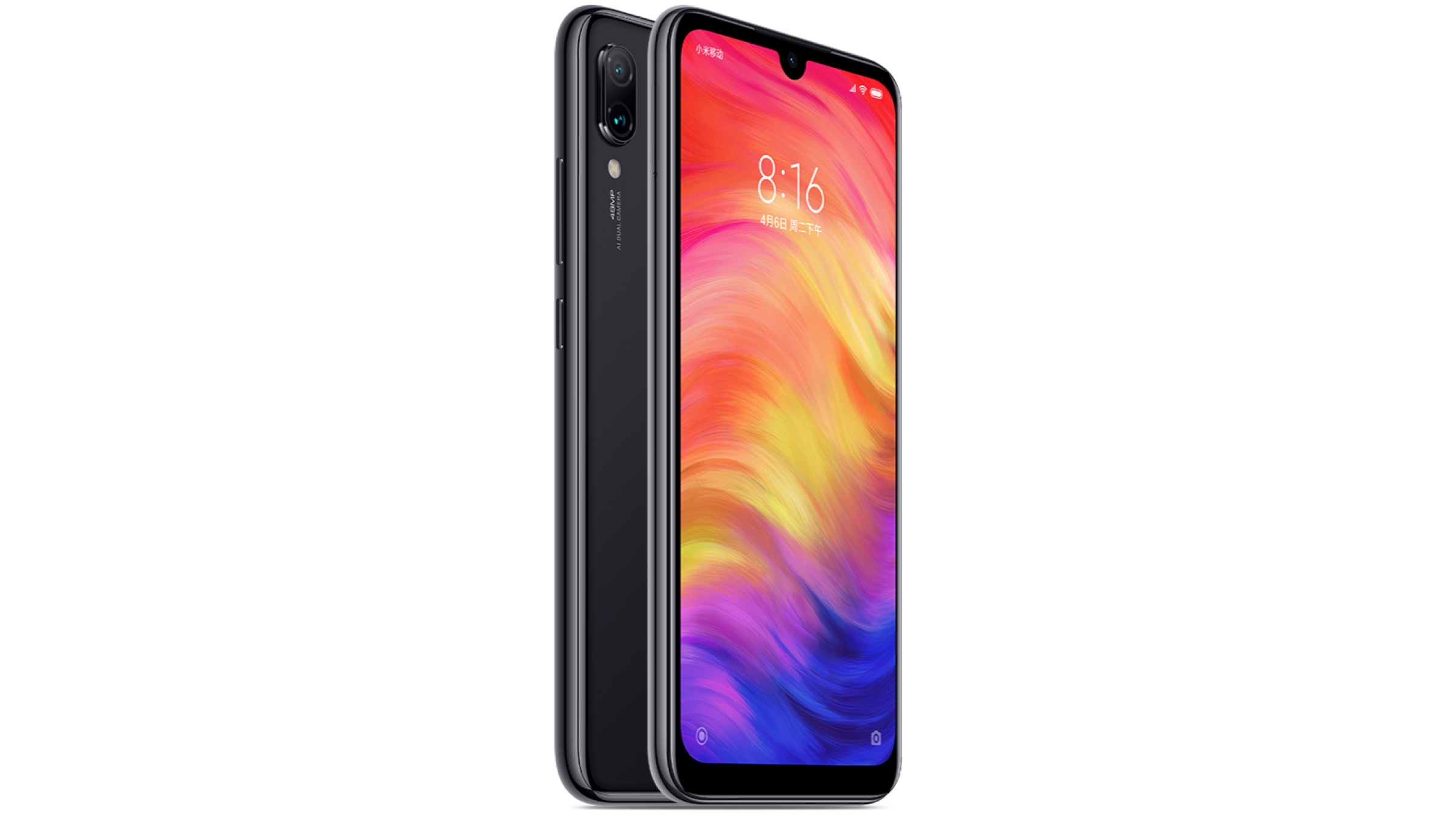
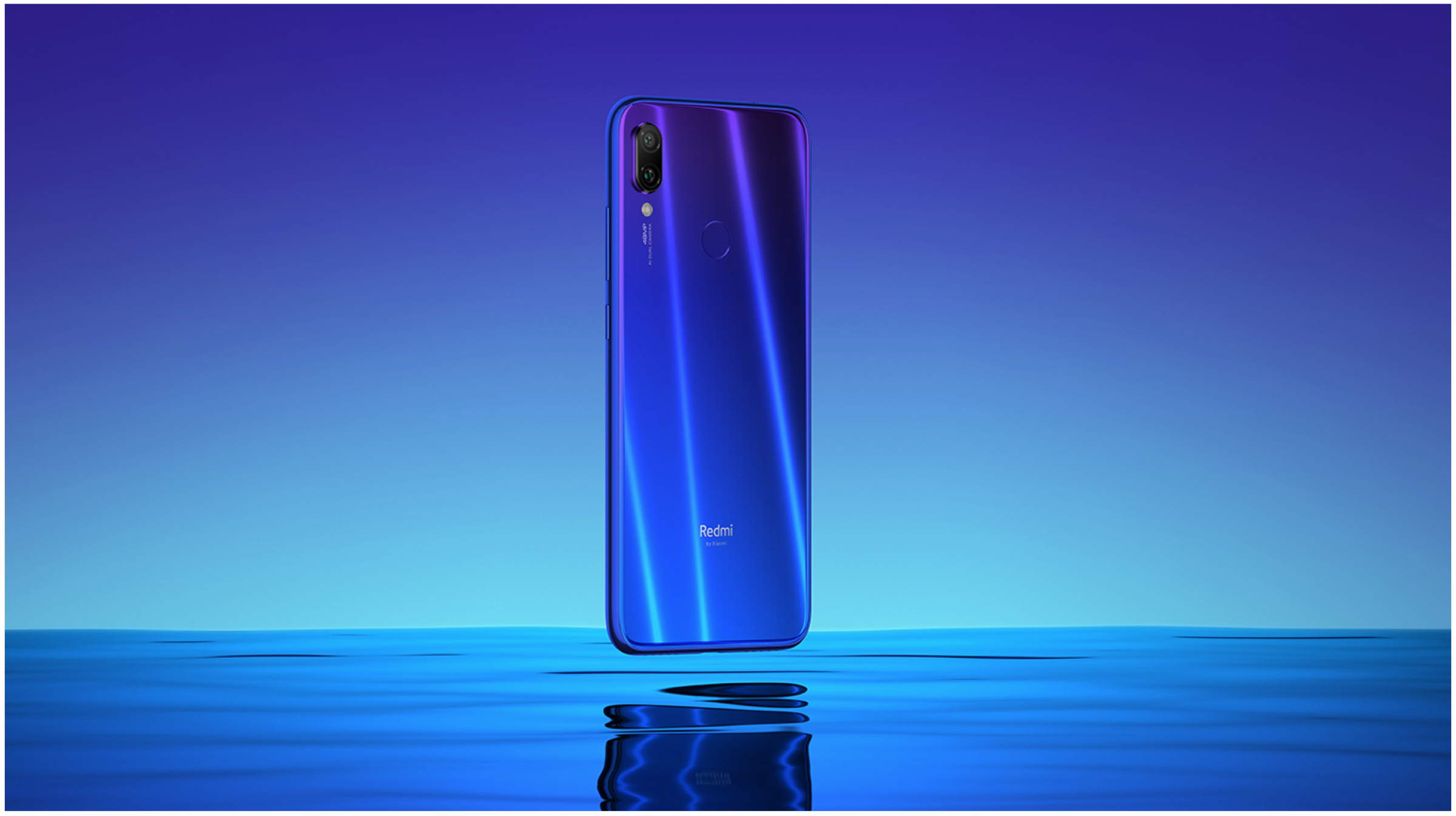
    Redmi Note 7 will be the new budget offering by the Chinese manufacturer. The device is expected to have an identical design to its namesake launched in China in January. It will have a glass sandwich design with a polycarbonate frame. The smartphone will feature a 6.4 inch IPS LCD display with a resolution of 2340 x 1080 px. With an edge to edge display, it will have minimal bezels and a waterdrop notch up top. There is also a fingerprint sensor and an attractive gradient colour scheme on the back of the device.

    The Redmi Note 7, unlike the one released in China, will reportedly run on the Snapdragon 636 SoC which is manufactured using a 14nm fabrication process. The chipset has an Octa-core CPU and an Adreno 509 GPU. Interestingly, this processor has been present in the last year’s Redmi Note 5 Pro and the Redmi Note 6 Pro. The device will also differ in the optics department from its Chinese counterpart. The dual rear camera setup consists of a 12MP f/2.2 sensor and a 5MP f/2.4 depth sensor for portrait mode. For selfies, the smartphone will have a 13MP camera placed in the notch on the top of the display.

    The Redmi Note 7 will be powered by a 4000mAh battery with support for fast charging. It will be available in Black, Blue and Red colour options in India. In terms of memory and storage, it will be available in two variants which are as follows:
    • 3GB RAM and 32GB ROM
    • 4GB RAM and 64GB ROM
    Redmi Note 7 Pro

    As the name suggests, the Redmi Note 7 Pro will be an upgraded version of the Redmi Note 7, with significant improvements in the performance and optics department. Notably, this device will be the rebranded version of the Chinese Redmi Note 7. It will feature the same design as the device, complete with glass on the front and the back and a gradient pattern on the rear panel. It will have a 6.3 inch IPS LCD display with a resolution of 2340 x 1080 px. The device will also feature a waterdrop notch on the front. 

    Like the Redmi Note 7 in China, the Indian version of the Note 7 Pro will run on the Snapdragon 660 SoC which is manufactured using a 14nm fabrication process. The chipset has an Octa-core CPU and an Adreno 512 GPU. In terms of the optics, the smartphone will feature a dual rear camera setup consisting of a 48MP f/1.8 Samsung ISOCELL GM-1 sensor combined with a 5MP f/2.4 depth sensor for portrait mode shots. Like the Indian version of the Redmi Note 7, the elder sibling will also have a 13MP selfie camera housed in the notch on the top of the display.

    The Redmi Note 7 Pro, like the regular variant, will be powered by a 4000mAh battery with support for fast charging via the bottom mounted USB Type-C port. It will be available in Black, Gradient Blue and Gradient Red colour options in India. For memory and storage, the smartphone will be available in two variants:

    • 4GB RAM and 64GB ROM
    • 6GB RAM and 128GB ROM
    Pricing & Availability

    Also read: Samsung Announces The Galaxy A30 And A50 At MWC 2019

    The Redmi Note 7 and the Redmi Note 7 Pro will be launched in India on February 28 and are expected to go on sale soon afterwards. The reported prices of both devices are mentioned below:

      Redmi Note 7 Redmi Note 7 Pro
    3GB + 32GB   Rs. 9,999  –
    4GB + 64GB  Rs. 11,999  Rs. 13,999
    6GB + 128GB  –  Rs. 16,999
  • Nubia Alpha Foldable Smartwatch Launched At MWC 2019

    Nubia Alpha Foldable Smartwatch Launched At MWC 2019

    In a quest for a foldable future, many OEMs have showcased their offerings in the market. Samsung announced the Galaxy Fold and Huawei showed off the Mate X a few days ago. Probably in a bid to stand out from the competition, Nubia has launched the Alpha, foldable wearable. The device features specifications that are commonplace for a run of the mill smartwatch but fits in a big screen and has calling capabilities.

    Nubia Alpha 

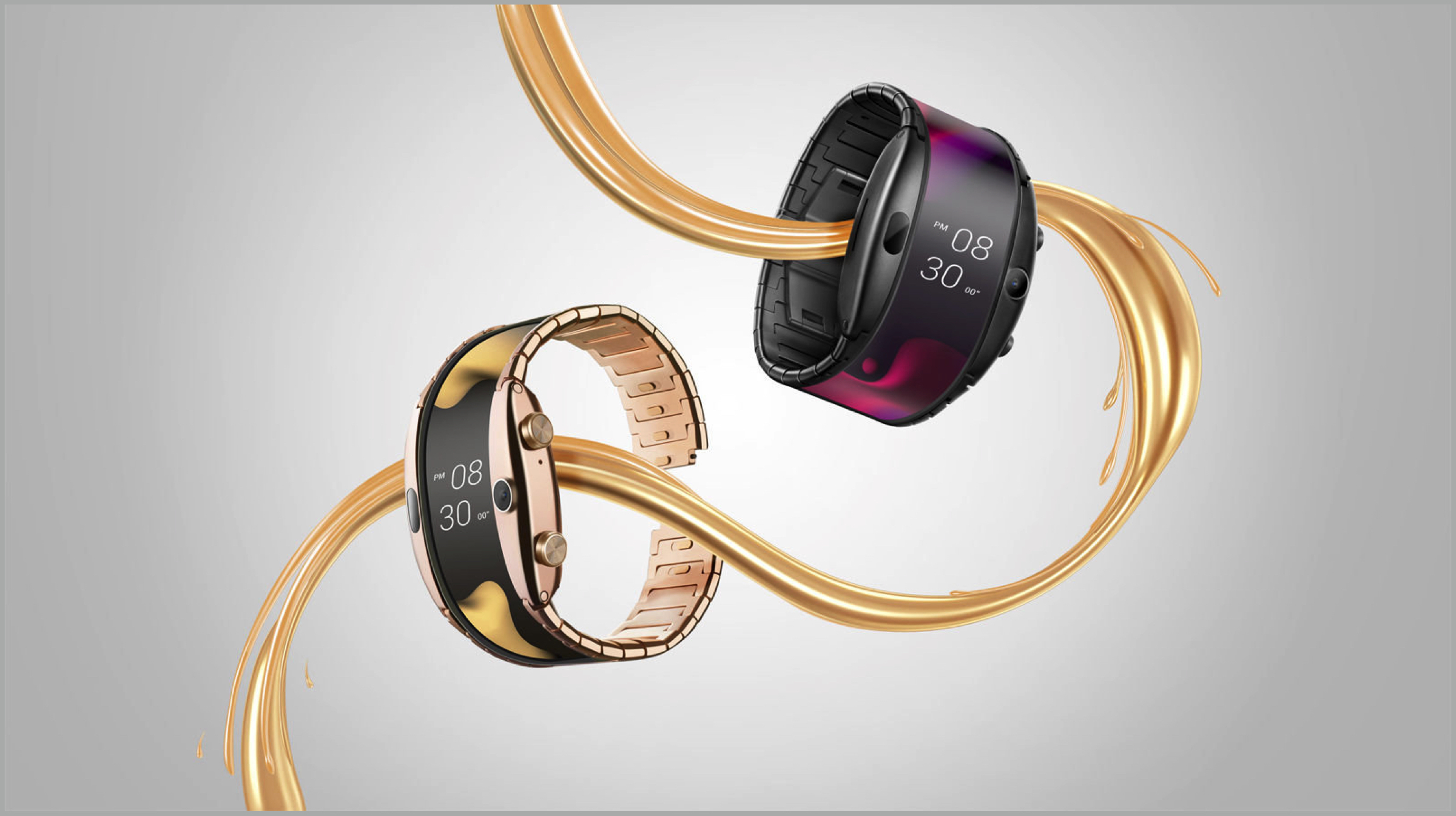
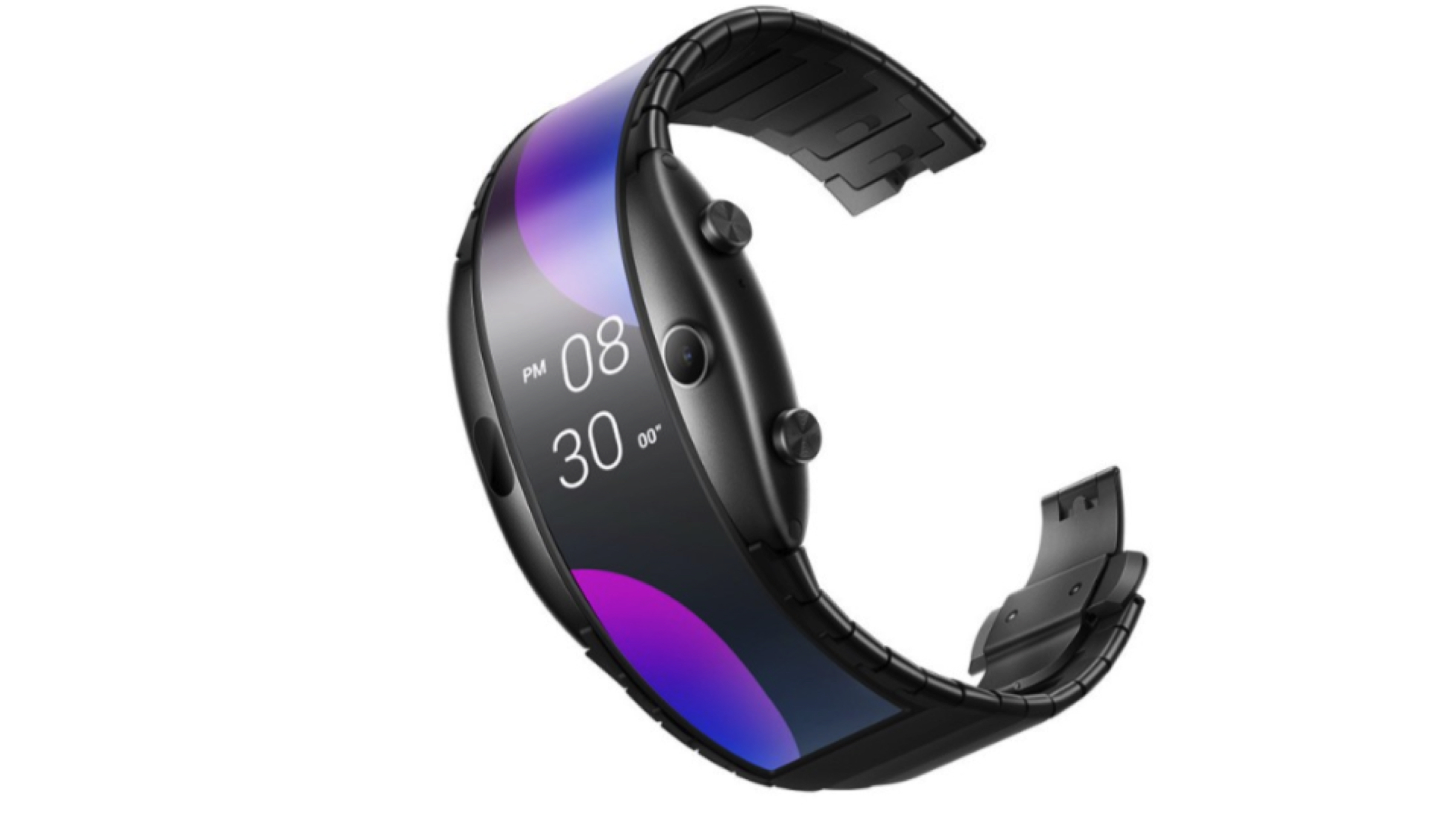
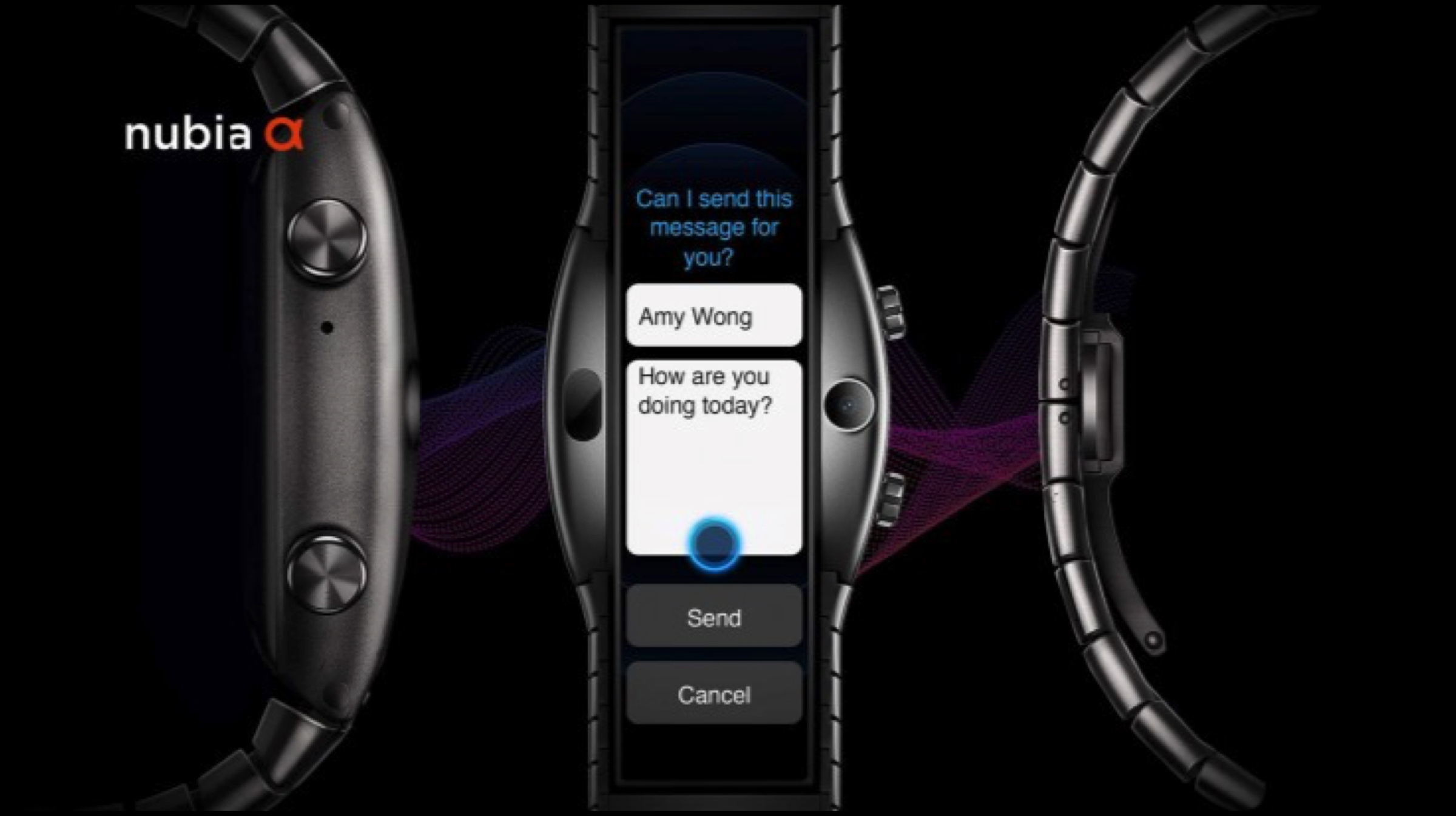
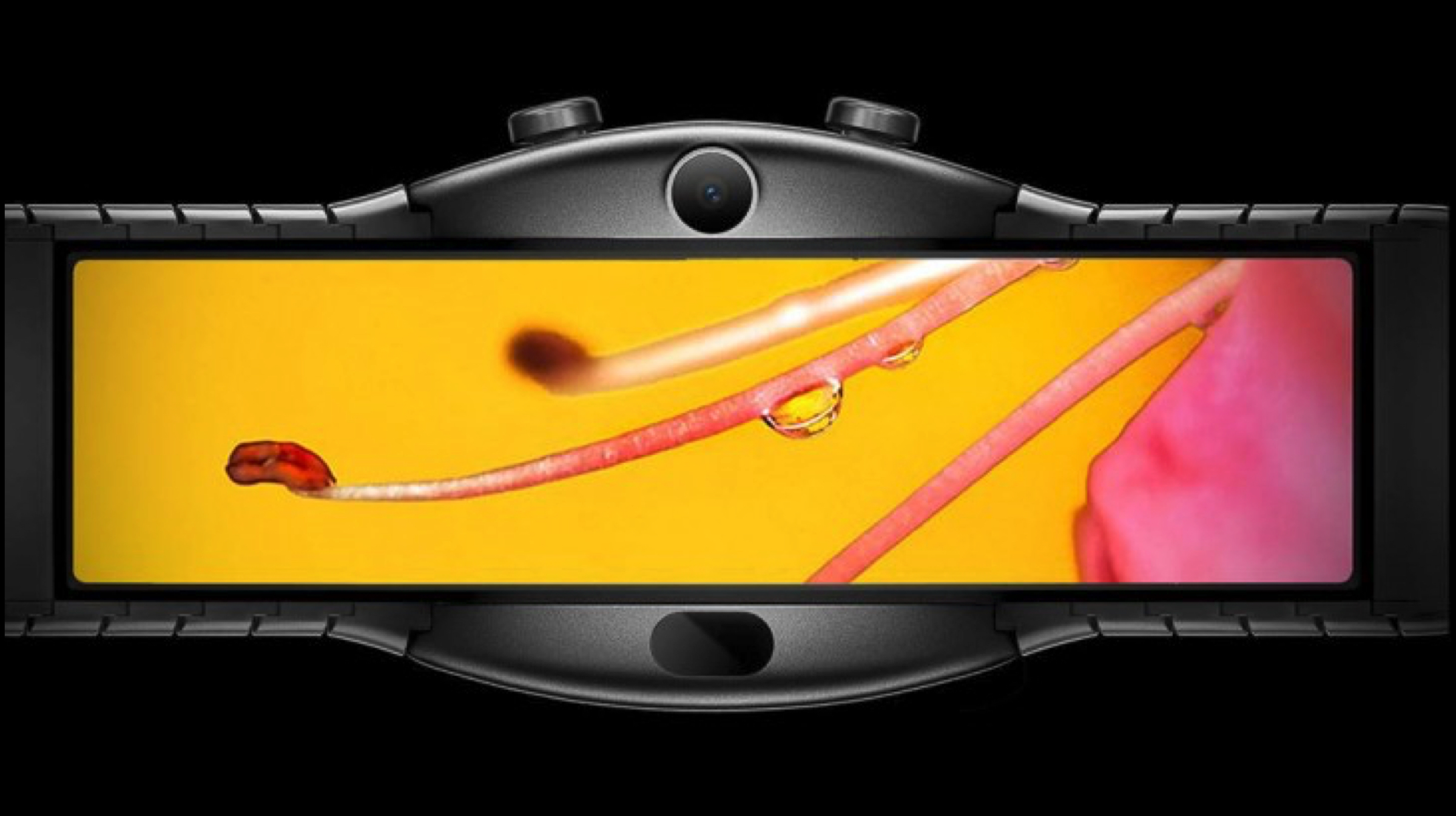
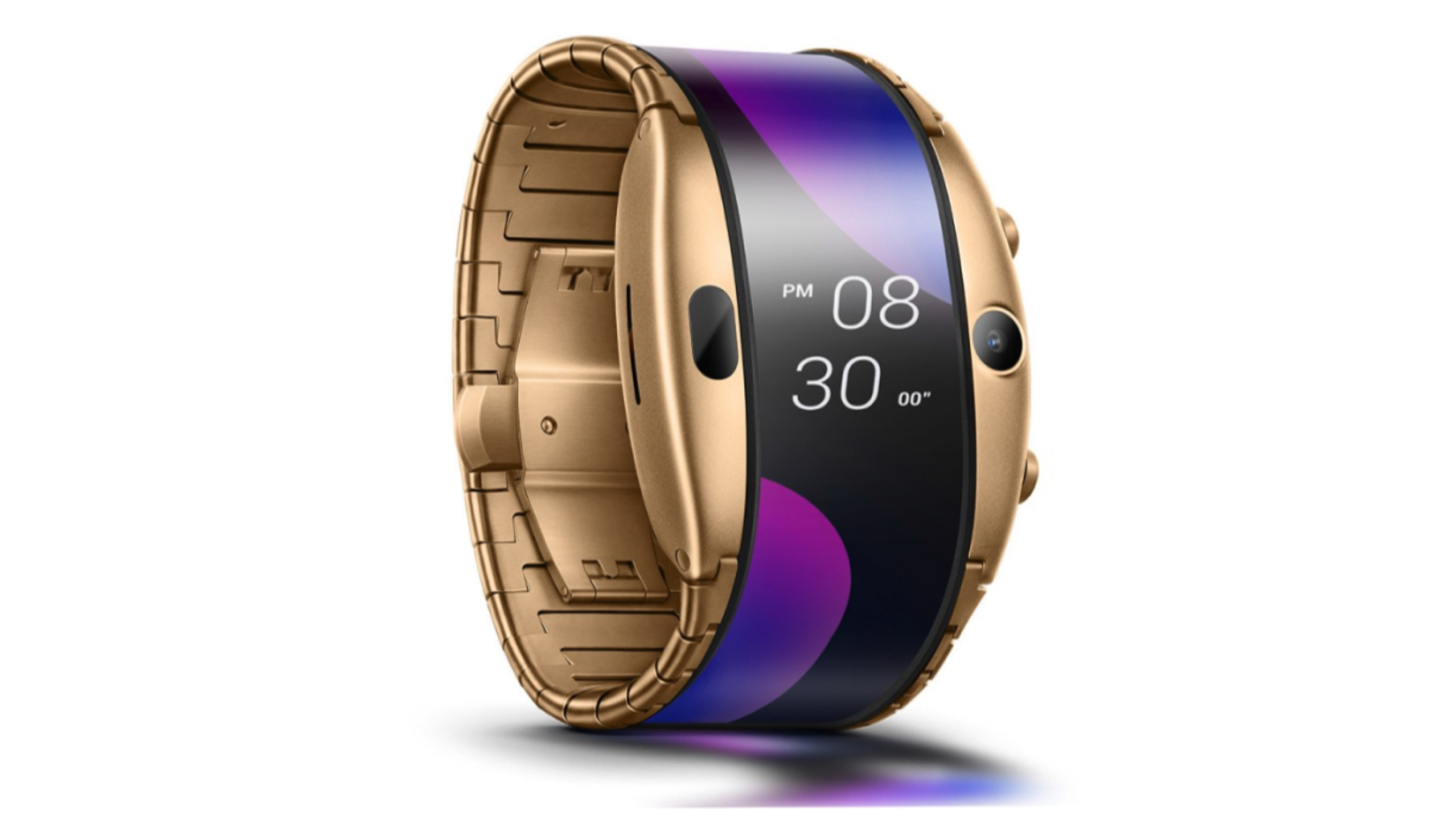
    The Nubia Alpha’s design is unlike anything that is present in the market currently. It has a 4 inch flexible OLED display which is produced in collaboration with Visionox; which is a Chinese company that makes OLED displays. The screen has a resolution of 960 x 192 px and a pixel density of 245 ppi. According to the Nubia, the display has been tested to withstand the test of time and should be good for at least 1,00,000 bends. The device is made out of stainless steel and has two buttons on the right side and the sensors housed up front. Unlike most smartwatches, it has a camera built-in. There is a 5MP f/2.2 sensor for taking selfies and making video calls from the device.

    Under the hood, the Nubia Alpha is specced like a regular smartwatch. It runs a dated Snapdragon Wear 2100 SoC which is manufactured using a 28nm process. The chipset has a Quad-core CPU and Adreno 304 GPU. Notably, the processor was released in 2016 and since has been succeeded by the new Snapdragon Wear 3100. The device features 1GB of RAM and 8GB of onboard storage. It also has an IP67 rating for water and dust resistance.

    The Nubia Alpha is powered by a 500mAh battery, which the company claims can last up to two days dependent on the usage. It has features like fitness tracking, mobile payments, and voice calls either through its built-in speaker or a connected Bluetooth headset. The smartwatch also has gesture controls. These allow a user to scroll the content on the display in all four directions by waving a finger over the front facia.

    Nubia Alpha: Price & Availability

    Also read: Huawei Launches MateBook 14, Upgraded MateBook X Pro At MWC 2019

    The Bluetooth version of the Nubia Alpha will be sold for €450 (around Rs 36,400). The Black coloured eSIM model will be available for €550 (around Rs 44,400), while the Gold clad version will retail for €650 (around Rs 52,500). The device will go on sale in the month of April in Europe and China. 

  • Sony Xperia 1

    Sony Xperia 1

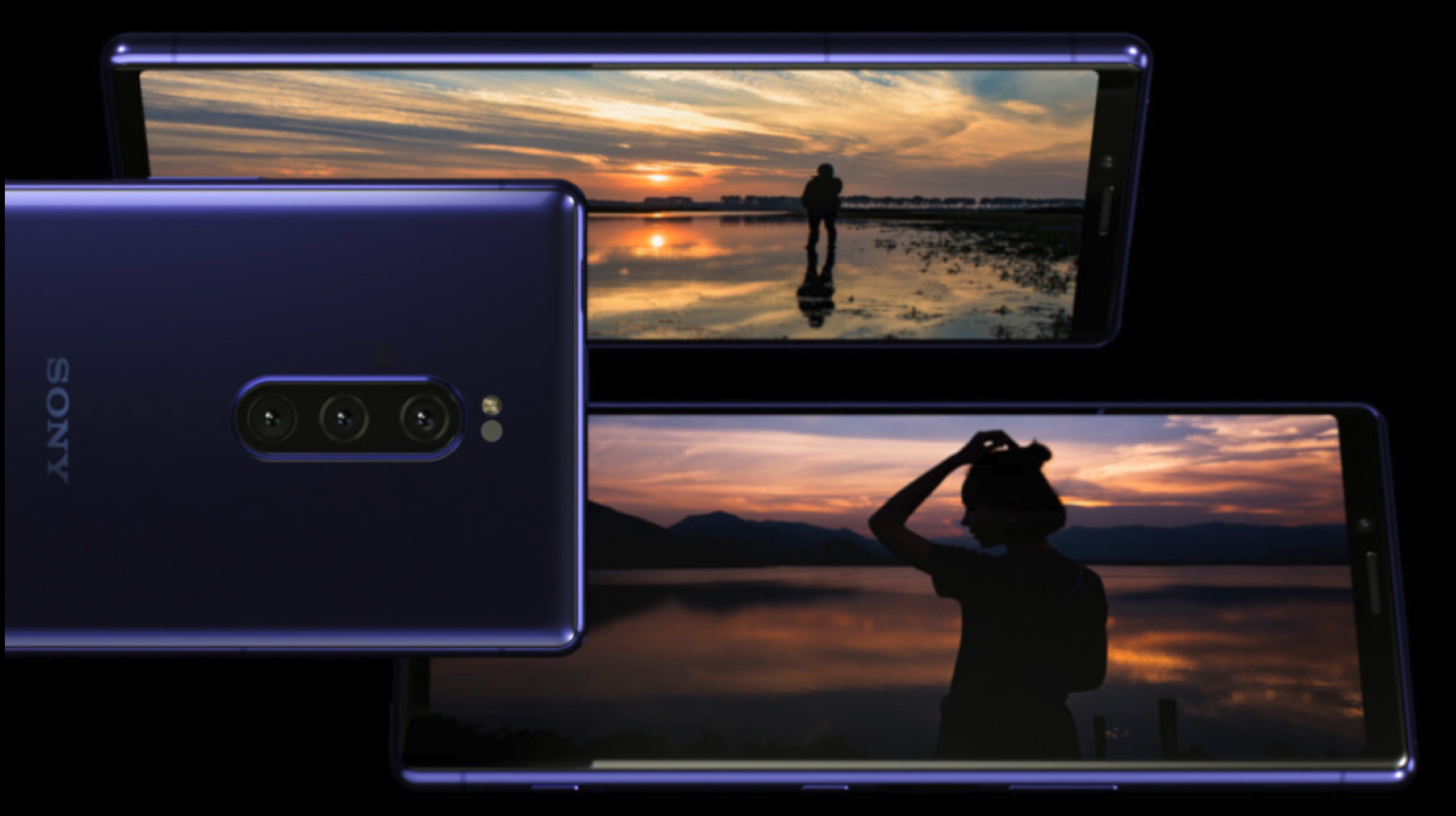
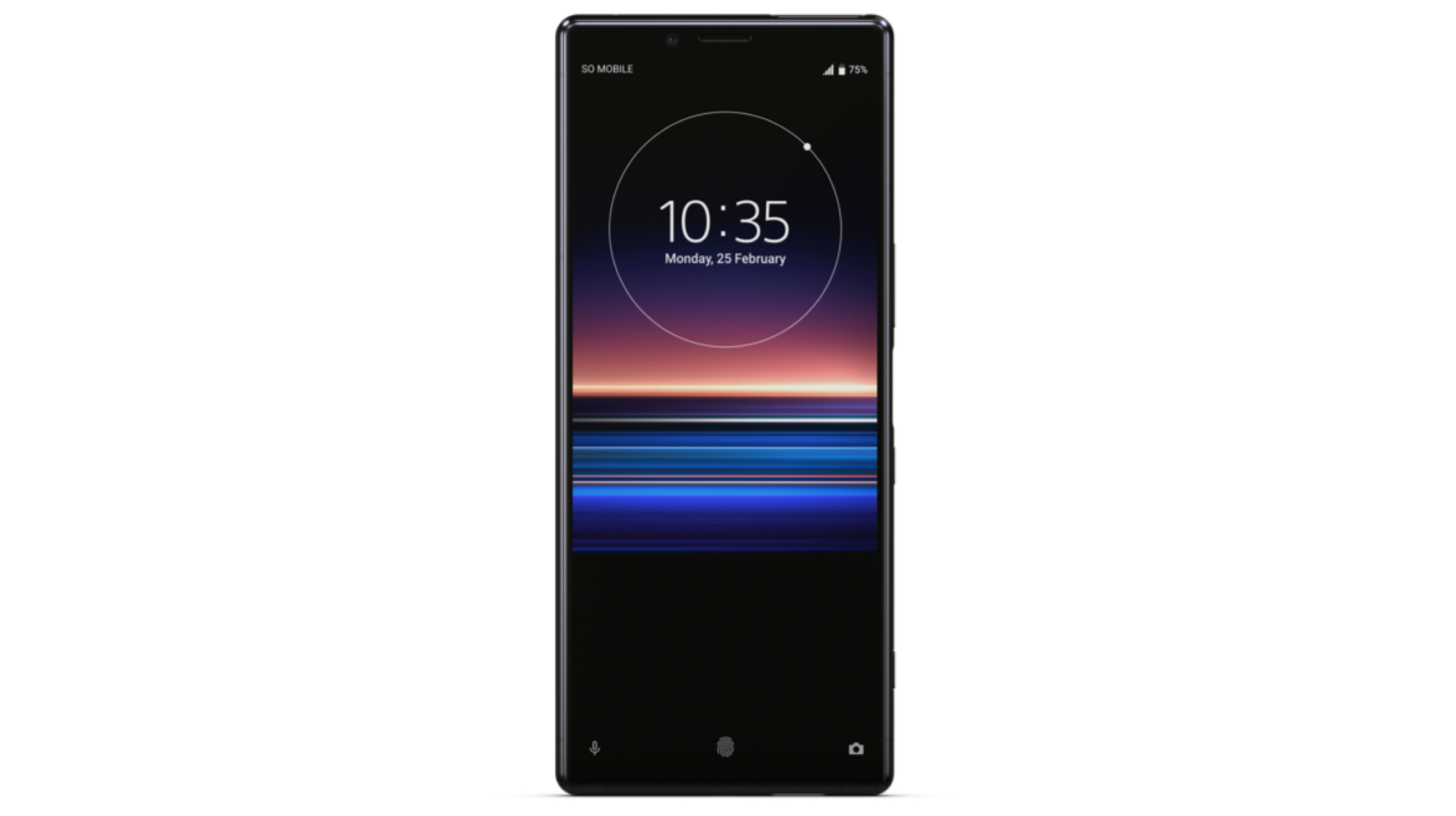
    Sony Xperia 1 is the latest flagship from the Japanese electronics giant. The smartphone is the world’s first device to feature a display with a 21:9 aspect ratio which the company calls ‘CinemaWide’ display. It has a massive 6.5-inch display with a 4k OLED panel. Xperia 1 is also the first device by Sony to sport a triple rear-camera setup.

    [loop included_tags=”62131,60389″ loading=”paged” layout=”f”]

  • Lenovo Unveils  The Tab V7 With a 6.9 inch display, 5180mAh Battery

    Lenovo Unveils The Tab V7 With a 6.9 inch display, 5180mAh Battery

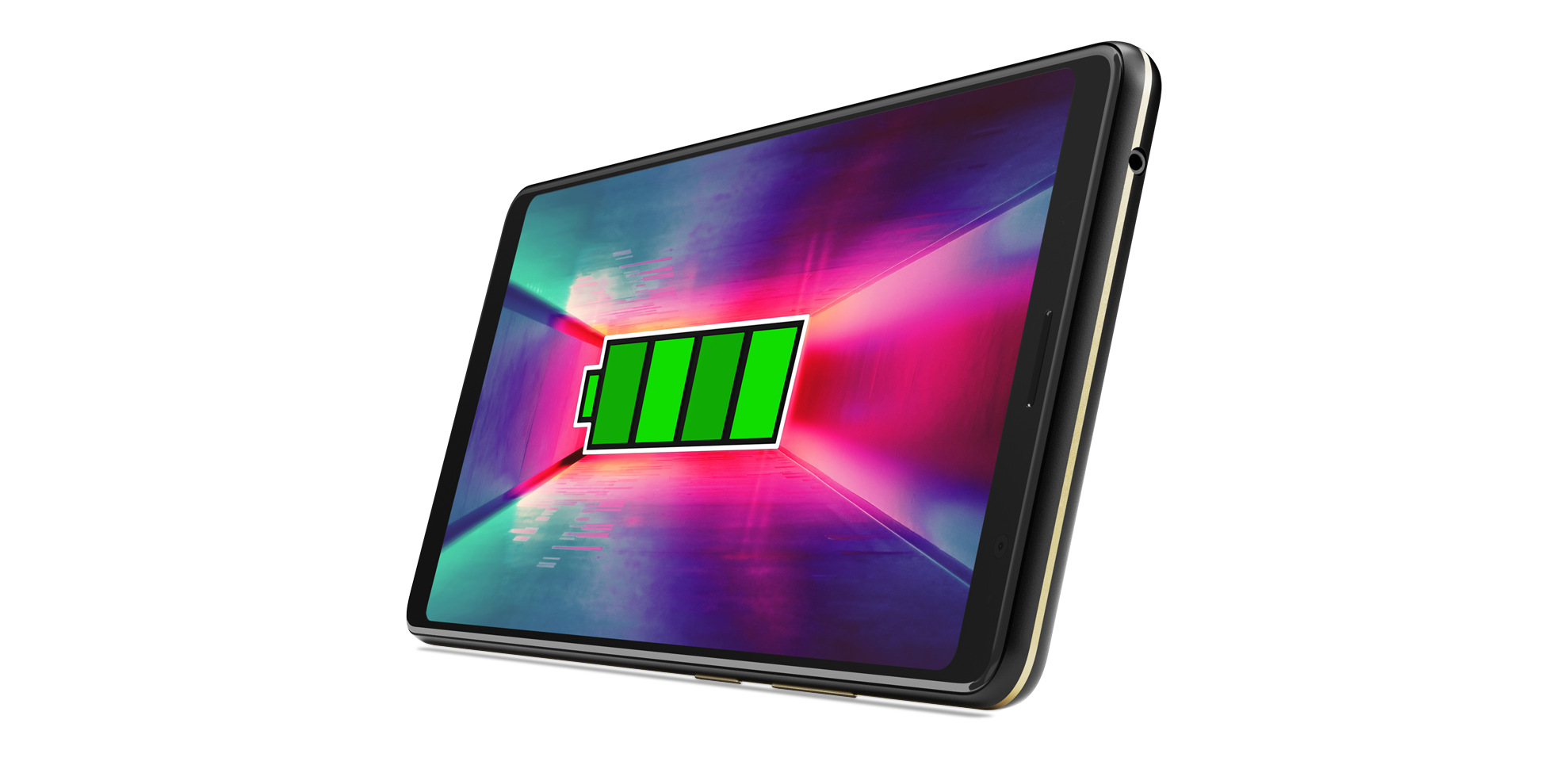
    While major smartphone manufacturers are moving towards foldable smartphones, Lenovo has launched the Tab V7, a smartphone and tablet hybrid. It was launched at the Mobile World Congress (MWC) 2019 in Barcelona. The device, as the name suggests, has a larger than usual display and a massive battery. 

    Lenovo Tab V7

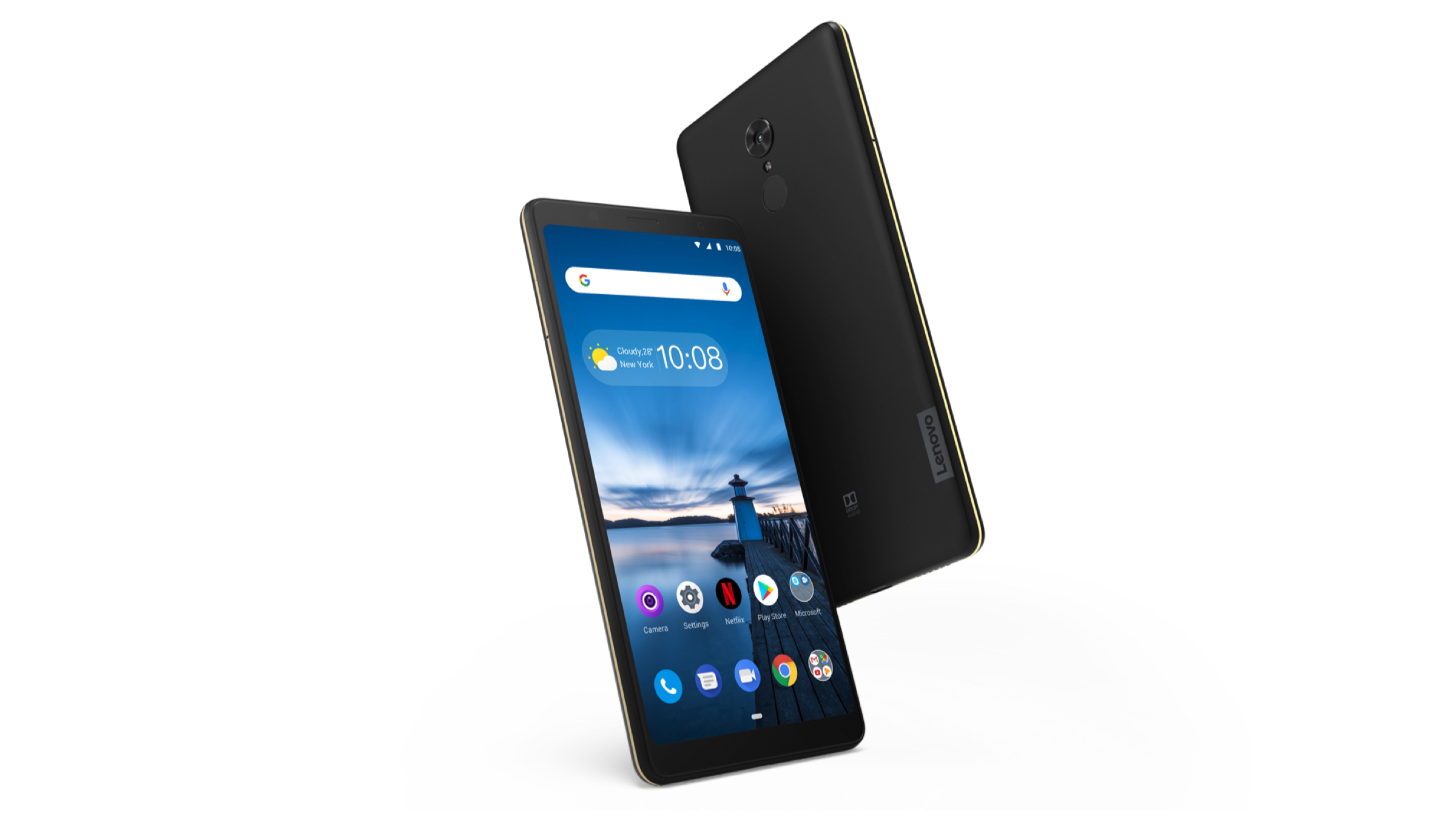
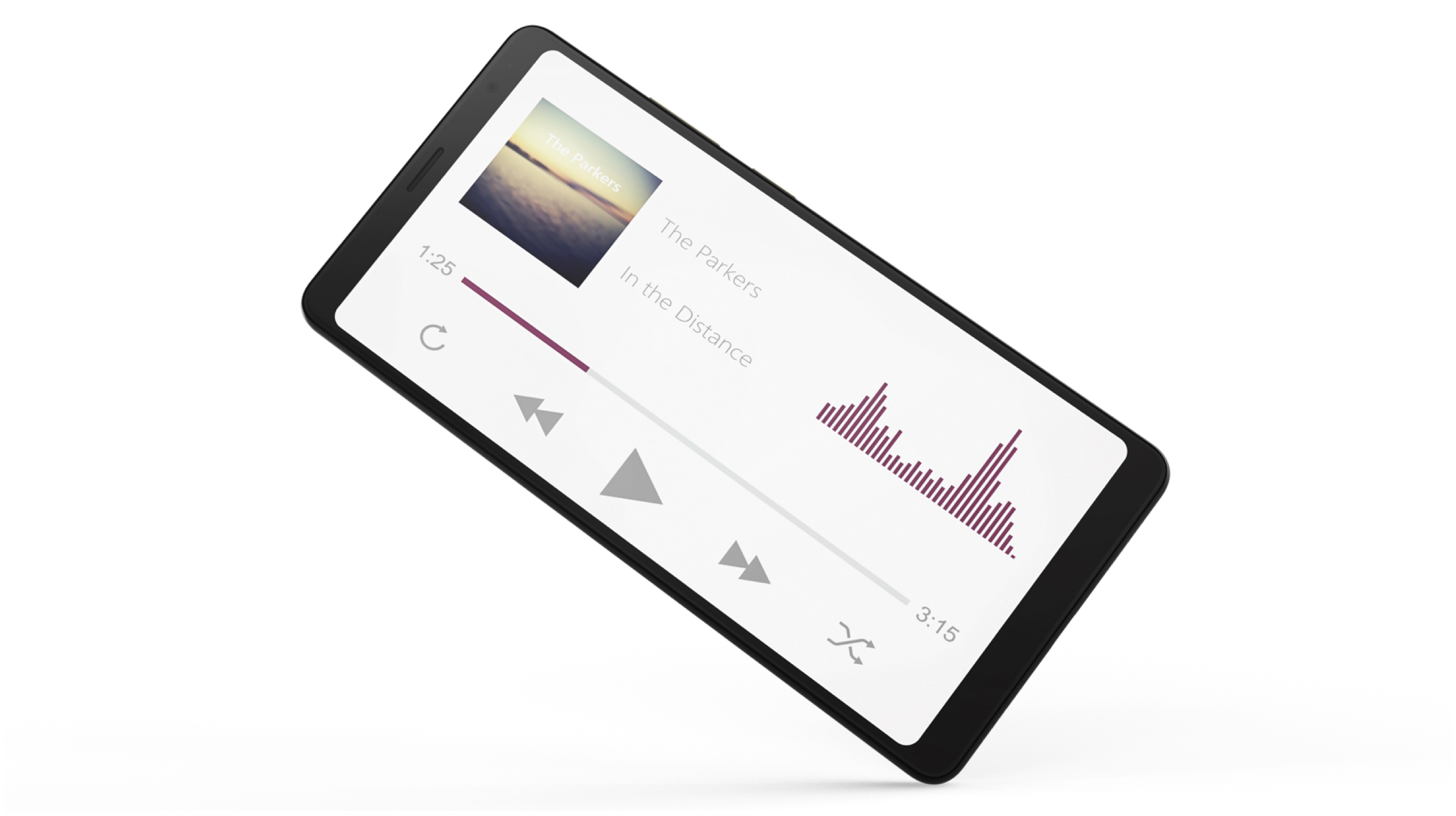
    The Lenovo Tab V7 fits into an entirely new lineup of smartphone-tablet hybrid by the company. The device measures 177.9 x 86.5 x 7.89mm and weighs 195g. It has a 6.9 inch IPS display with a resolution of 2160 x 1080 px and an aspect ratio of 18:9. The screen to body ratio of the hybrid is 81% which suggests thin bezels around the display. The device has a polycarbonate construction surrounded by metal rims. The device has dual front-facing speakers with Dolby Audio.

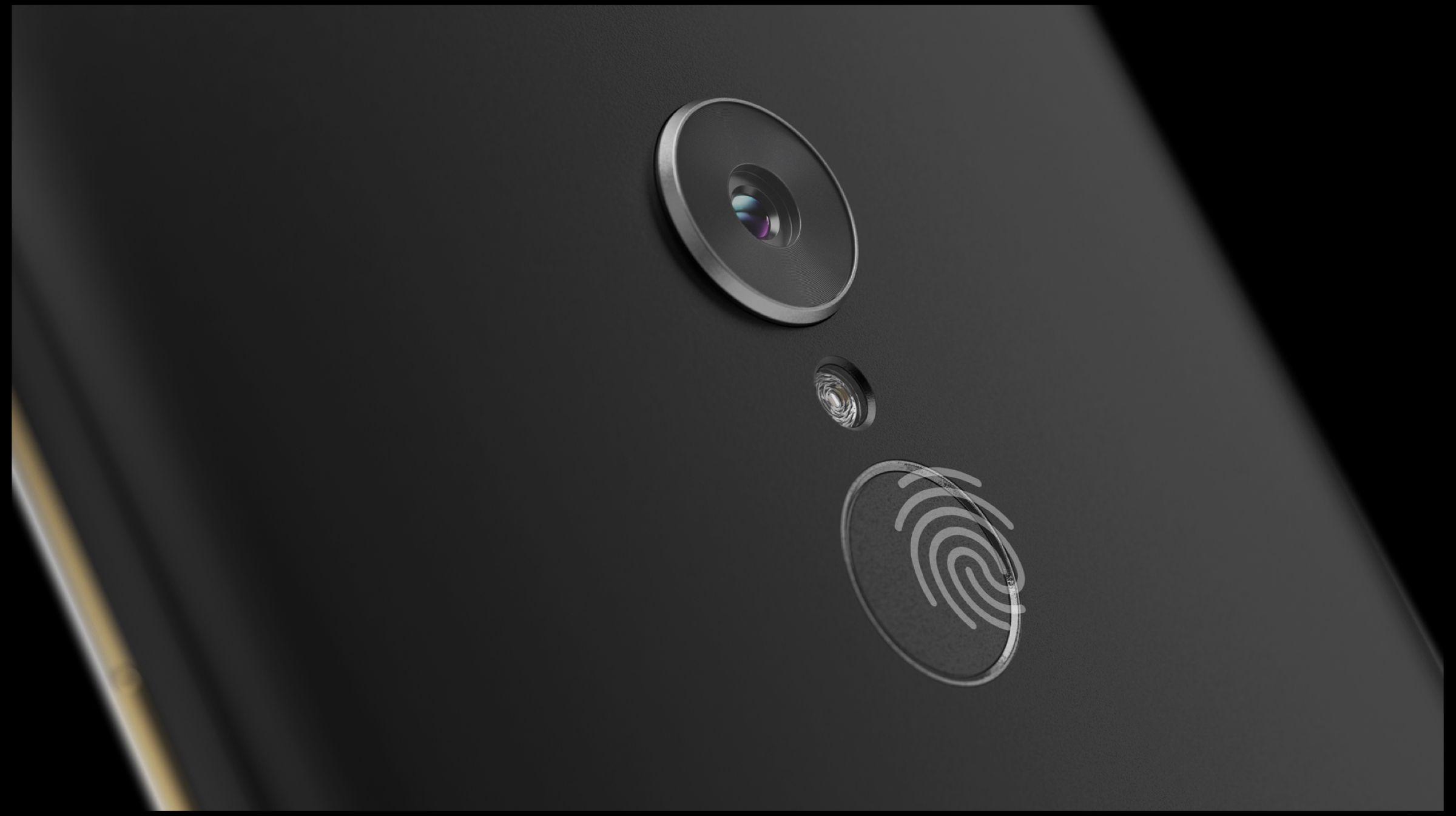
    Under the hood, the Lenovo Tab V7 runs on the dated Snapdragon 450 which is manufactured using 14nm fabrication process. The chipset has an Octa-core CPU and Adreno 506 GPU. For optics, the device is equipped with a single 13MP rear camera and a 5MP front camera for selfies. It also has a rear-mounted fingerprint scanner and supports face unlock via the front camera. In terms of storage and memory, the Tab V7 will be available in two storage variants which are as follows:

    • 3GB RAM + 32GB ROM
    • 4GB RAM + 64GB ROM

    The Lenovo Tab V7 is powered by massive 5180mAh battery with fast charging support. The device runs on the latest Android 9 Pie and has a near-stock interface. For connectivity, there is support for dual 4G VoLTE, Bluetooth 4.2 and bottom mounted USB Type-C port. The Tab V7 also supports MicroSD memory expansion up to 128GB.

    Lenovo Tab V7: Price & Availability

    Also read: Sony Launches The Xperia 1 With 21:9 CinemaWide Display

    The Lenovo Tab V7 will be available in Europe from the month of April for the starting price of €249 (around Rs. 20,000) for the base model. Unfortunately, the company hasn’t disclosed the Indian availability and price of the smartphone yet.

  • Sony Launches The Xperia 1 With 21:9 CinemaWide Display

    Sony Launches The Xperia 1 With 21:9 CinemaWide Display

    Sony has been striving hard to find its foothold in the smartphone business lately. Once a really popular brand among technology enthusiasts, the past few years have seen the company release some forgettable products. In a bid to change that, Sony has launched its newest flagship Xperia 1 at the Mobile World Congress (MWC) in Barcelona. The smartphone has been launched alongside Sony’s mid-range offerings, namely the Xperia 10, Xperia 10 Plus and the Xperia L3.

    Sony Xperia 1: Build & Features

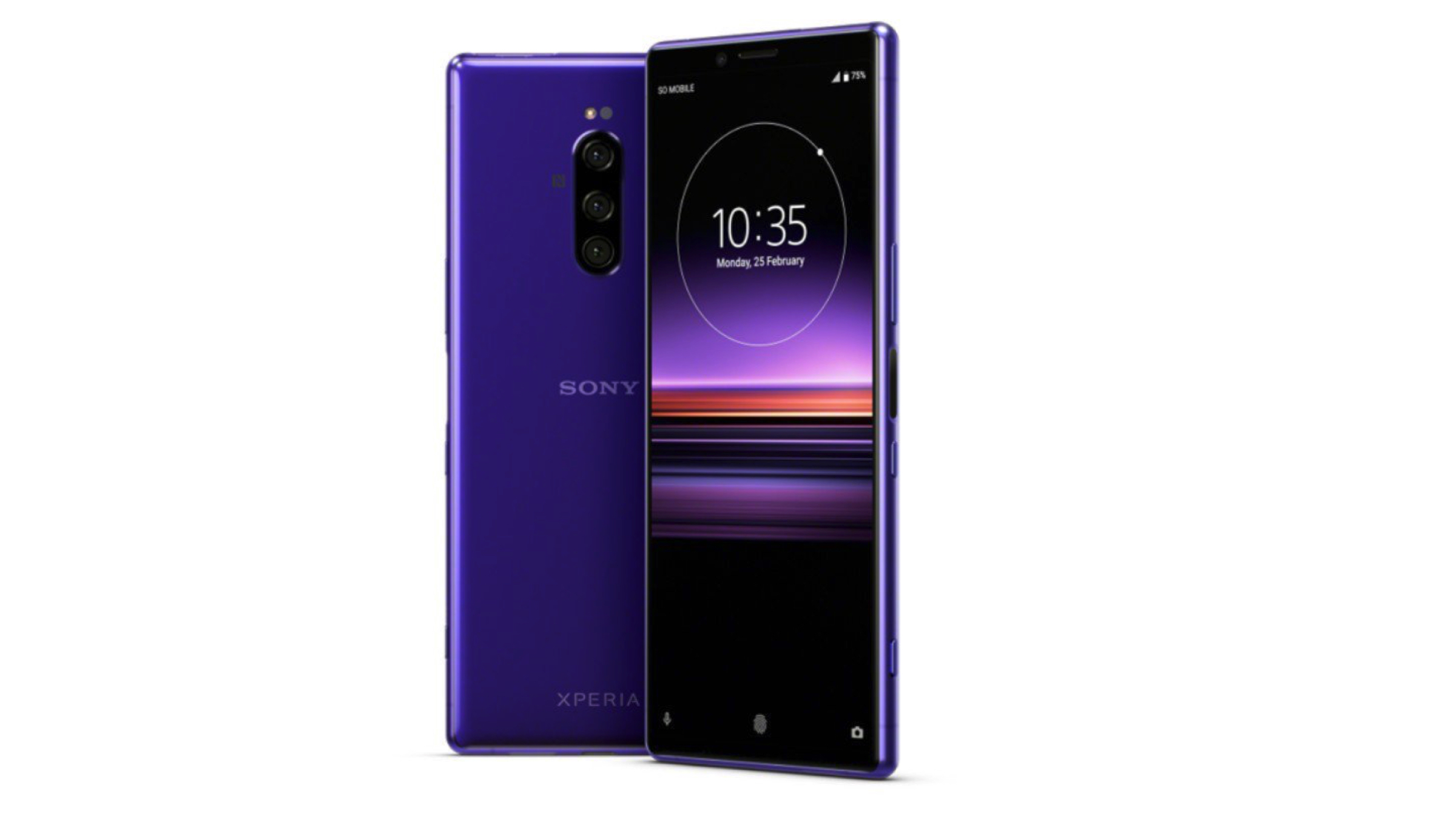
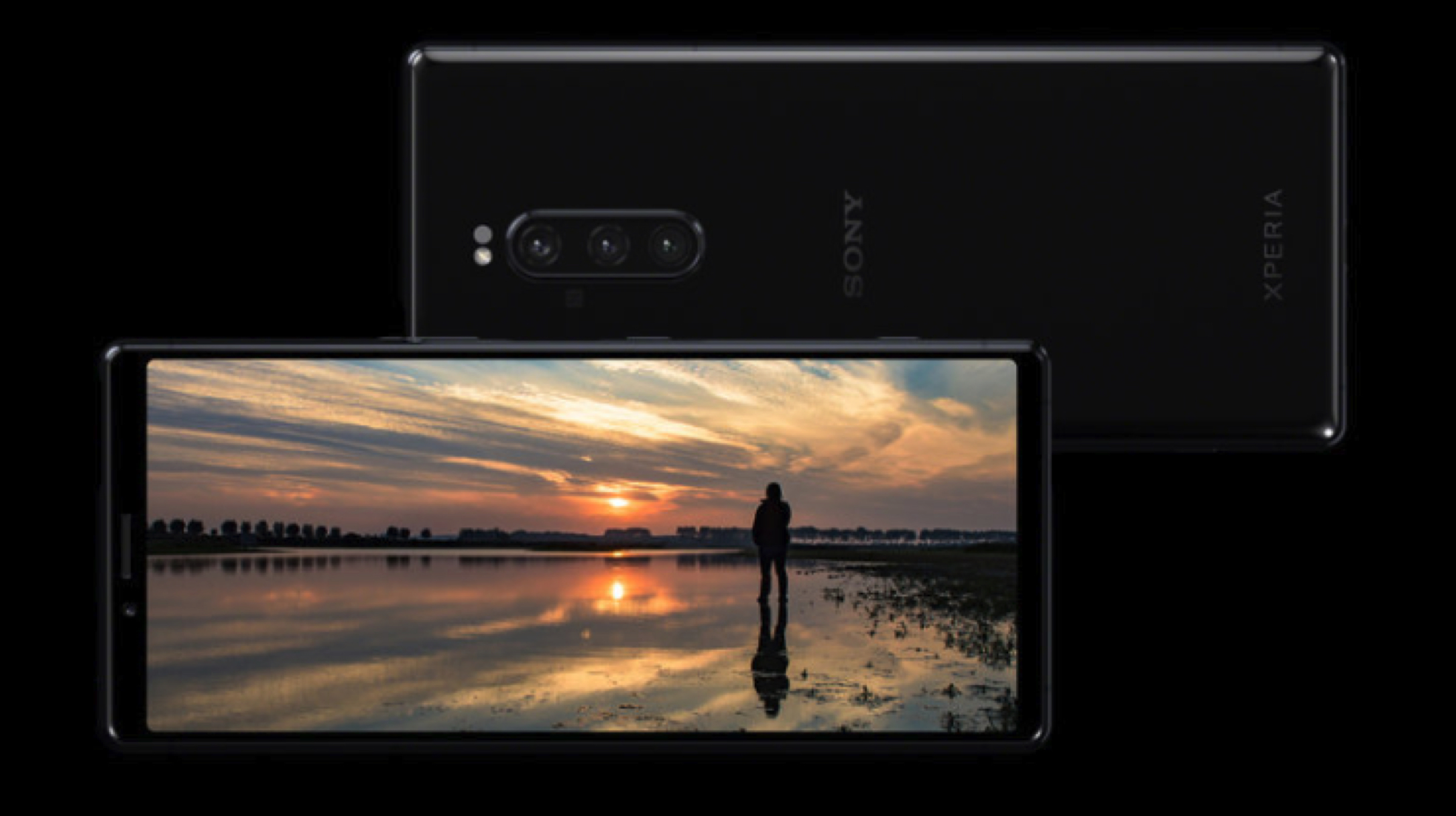
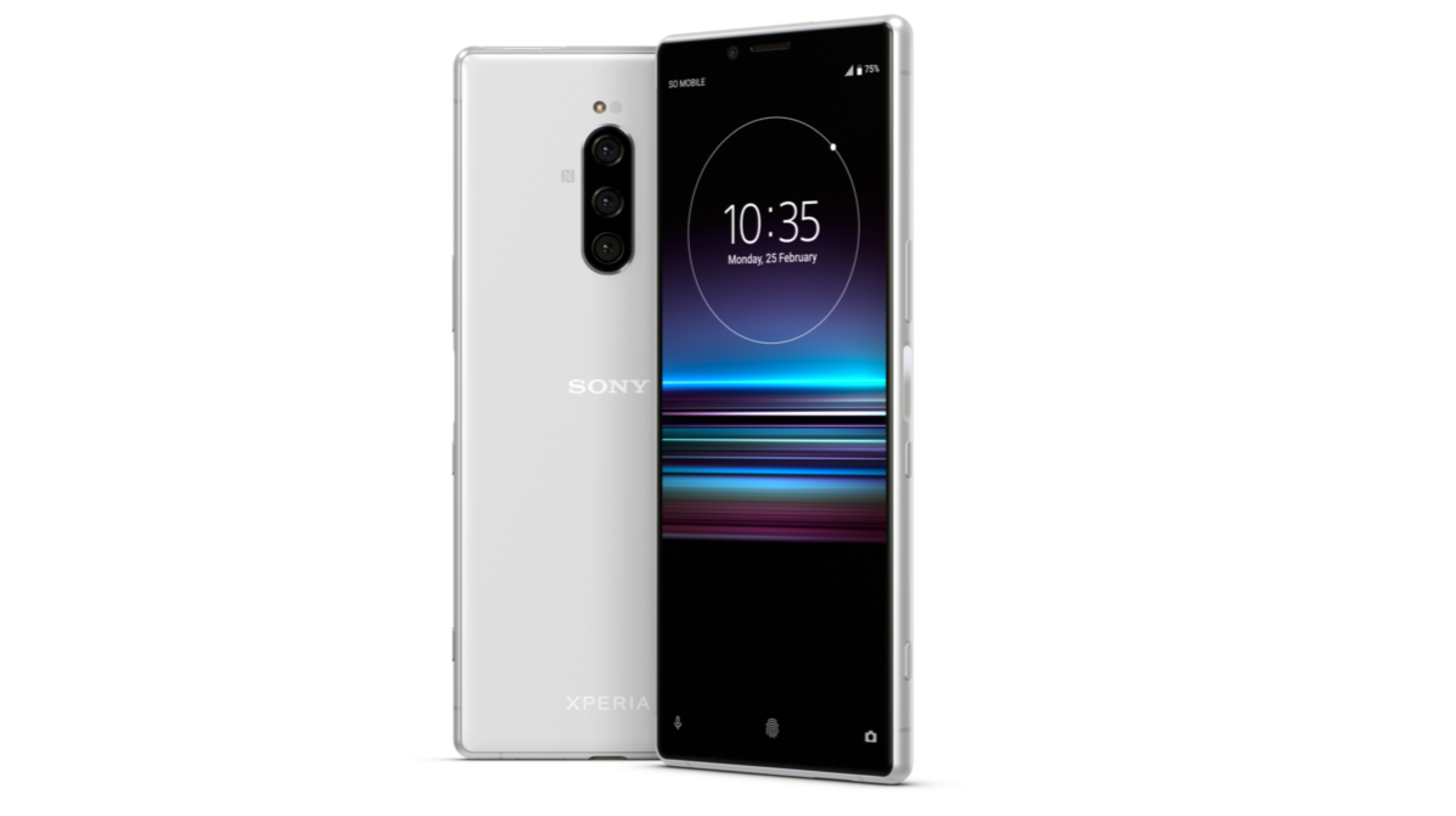
    The Sony Xperia 1 is the latest flagship from the Japanese electronics brand and will succeed the Xperia XZ3. The device measures 167 x 72 x 8.2mm and weighs 180g. It has a glass sandwich design with minimal bezels on the front. The right side of the device has a power button, a separate fingerprint sensor, volume rockers and the camera shortcut button. The top side of the smartphone houses the SIM card + MicroSD card tray while the bottom of the device is occupied by the USB Type-C port and a loudspeaker grille. It has a 6.5 inch OLED display with a resolution of 3840 x 1644 px. It has a tall aspect ratio of 21:9 which the company calls a ‘CinemaWide’ display. 

    In terms of optics, the rear of the Xperia 1 houses the triple rear camera setup consisting of a 12MP f/1.6 sensor; combined with a  12MP f/2.4 ultra-wide sensor; and a 12MP f/2.4 telephoto sensor. For selfies, it has an 8MP f/2.0 camera on the front. Under the hood, the device runs on the Qualcomm Snapdragon 855 SoC which is manufactured using 7nm fabrication process. The chipset has an Octa-core CPU and Adreno 640 GPU. For memory and storage, the smartphone has 6GB of RAM and 128GB of internal storage. The handset is IP68 certified for water and dust resistance, features stereo speakers and has Dolby Atmos for better audio output.

    The Sony Xperia 1 is powered by a 3330mAh battery with support for USB Power Delivery (PD) fast charging. It has the company’s proprietary Battery Care technology which charges the device slowly overnight to avoid battery deterioration in the future. The smartphone will run on the latest Android 9 Pie and will be available in the following four colours:

    • Black
    • Purple
    • Grey 
    • White 
    Sony Xperia 1: Price & Availability

    Also read: LG Announces The G8 ThinQ At The MWC 2019

    The Sony Xperia 1 is expected to be available starting in the month of May. Unfortunately, the company has not disclosed the price of the smartphone, but it is expected to retail at US $1099 (around Rs 78,000).

  • Oppo Shows Off Its Foldable Device On The Internet

    Oppo Shows Off Its Foldable Device On The Internet

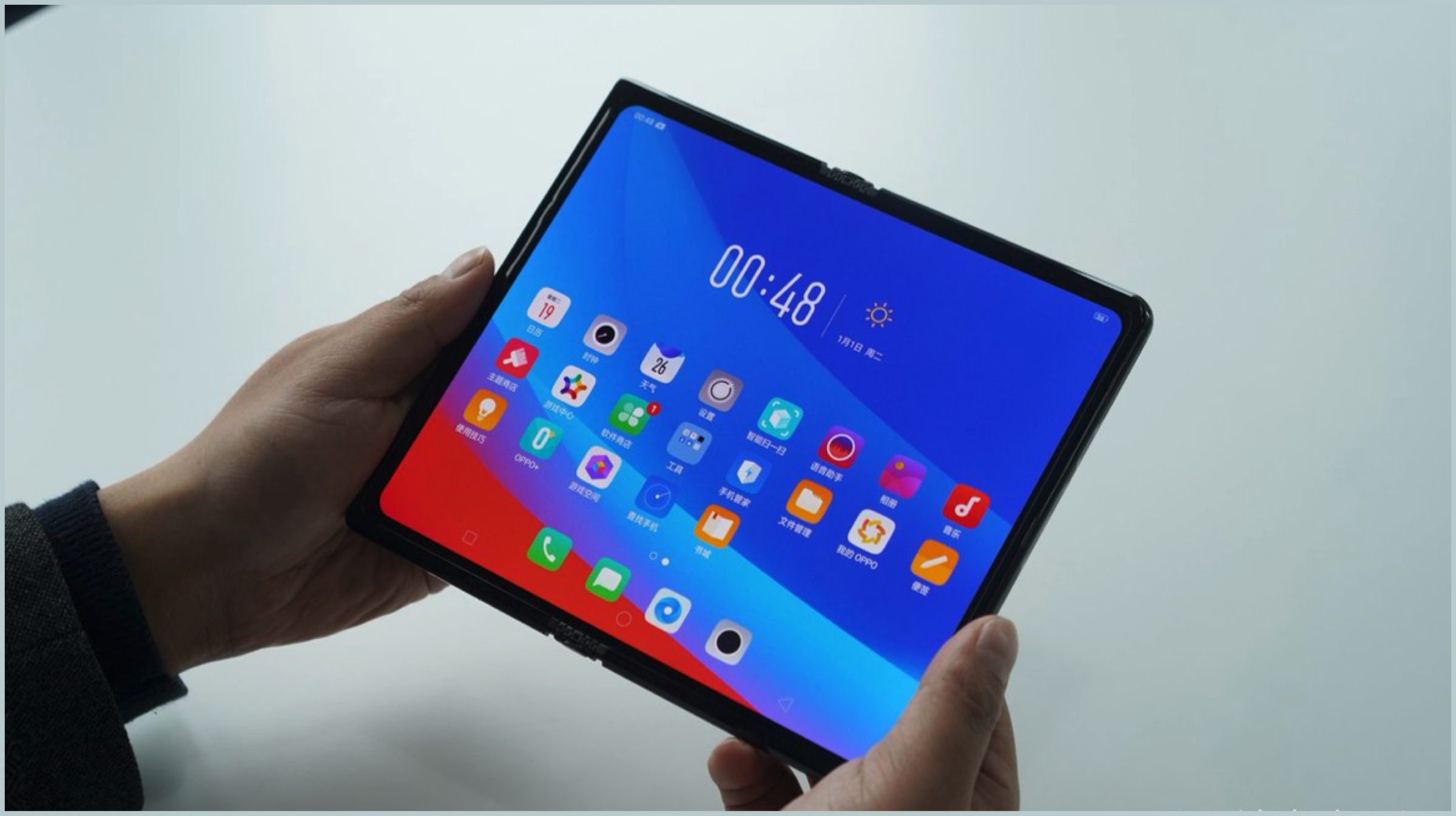
    Probably encouraged by Samsung and Huawei after they showcased their foldable smartphones the Galaxy Fold and Mate X respectively, Oppo has teased what a foldable device from the company may look like. The images of the handset were shared by a senior Oppo executive of on Chinese social networking website Weibo.

    Oppo’s Foldable Smartphone

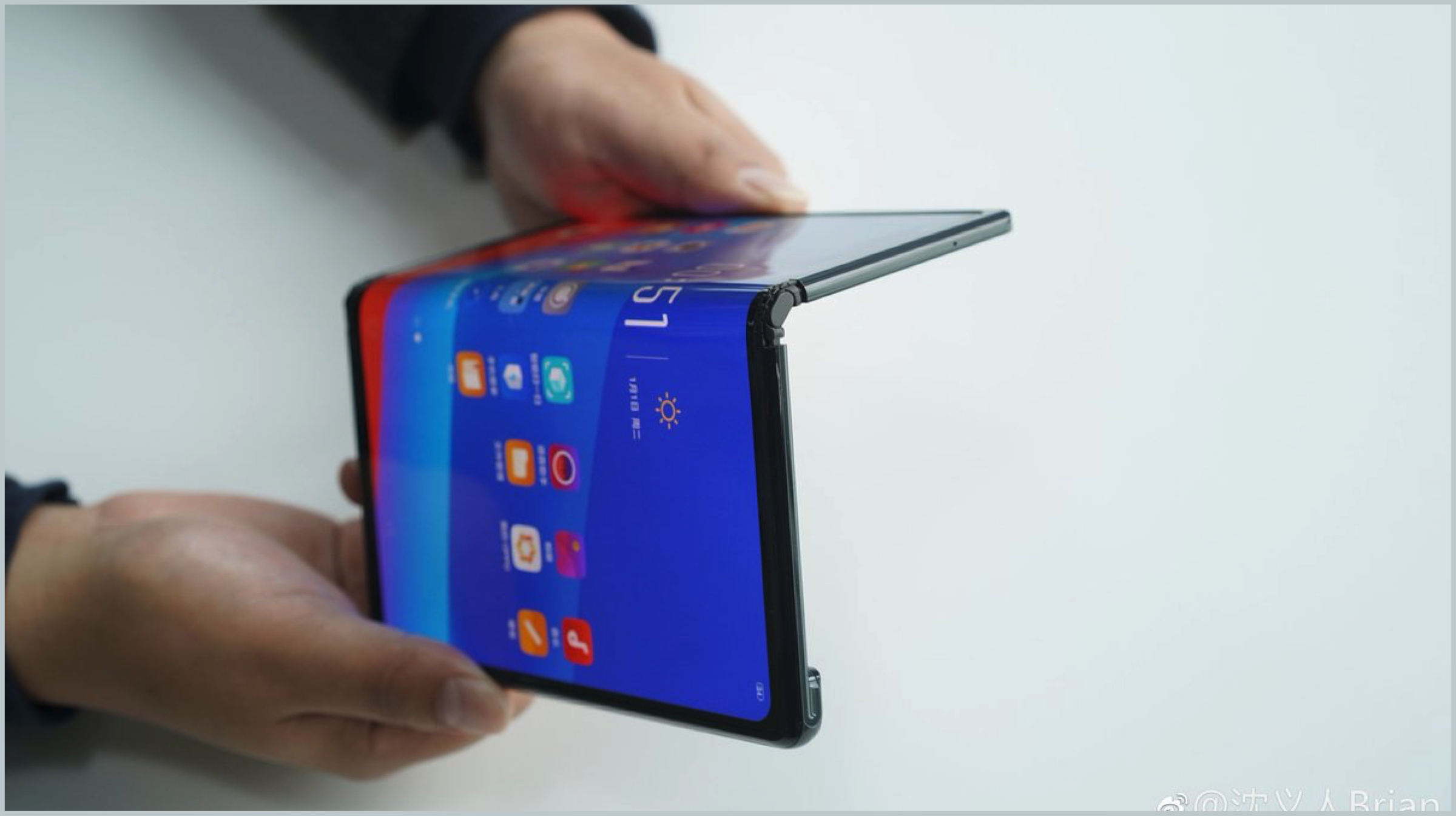
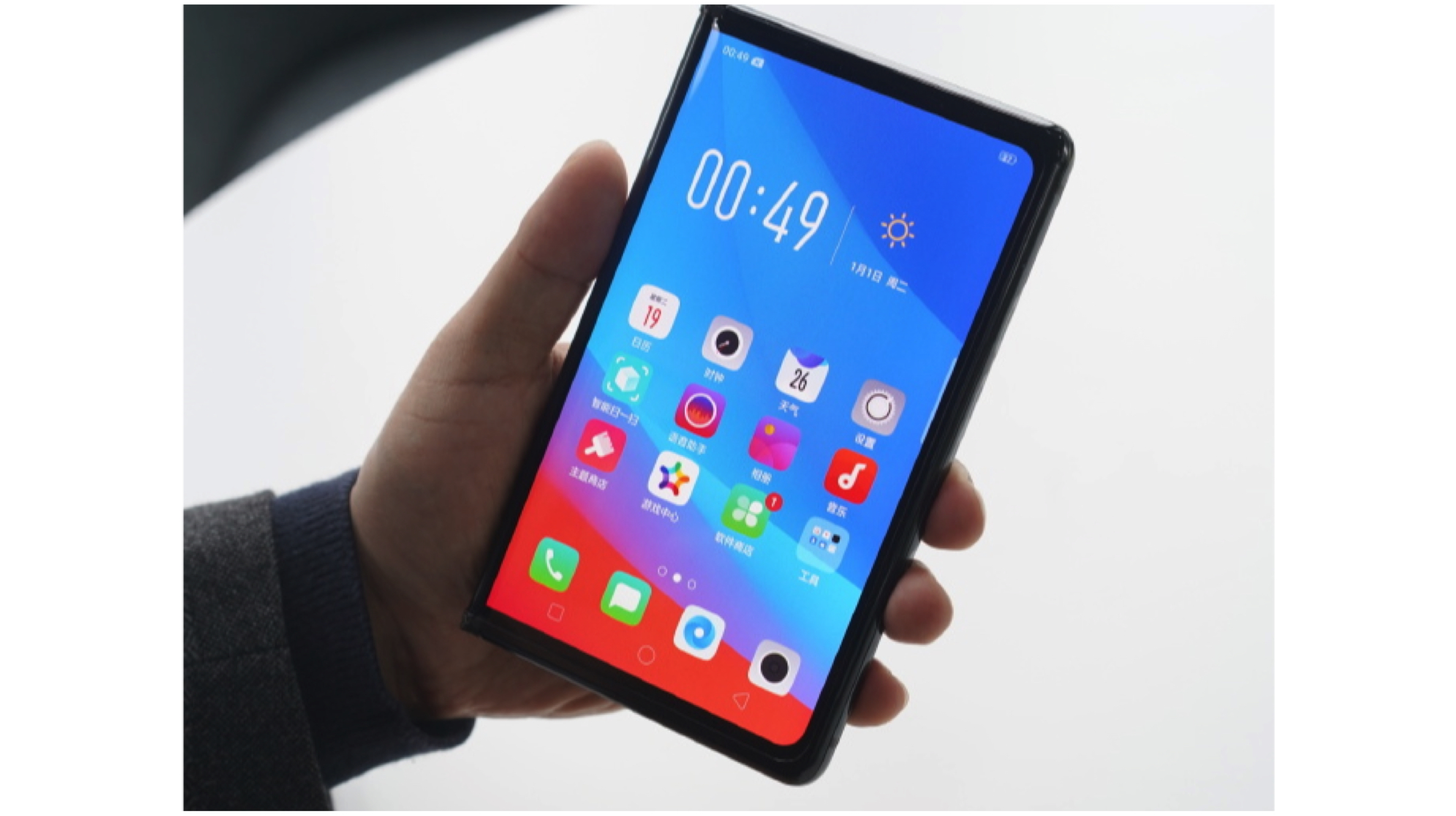
    The foldable smartphone from Oppo was unveiled in a set of images which reveal the device in its full glory. Unfortunately, the company didn’t provide any specifications, launch date or the price of the foldable device. The Oppo smartphone due to its outward folding display is reminiscent of Huawei Mate X. It features a futuristic design with a glass front and a metal back. The large OLED display on the front can be folded outwards to create two individual displays. Like the Mate X, the device also has a display housing on the left side of the device. The rear metal halves are consolidated with the help of a flexible rubber like material that provides the device with its foldable characteristic. 

    While the specifications of Oppo’s foldable smartphone are unknown as of now, it is expected to run on the latest Snapdragon 855 SoC which is manufactured using 7nm fabrication process. The chipset is comprised of an Octa-core CPU and Adreno 640 GPU. The image also suggests that the device will feature a dual camera setup. It is also expected to have screen mirroring feature which will allow the user to utilise the rear display as a viewfinder. The UI of the device affirms that it runs on Oppo’s ColorOS, which is likely to be built on top of the latest Android 9 Pie. 

    Also read: LG Announces The V50 ThinQ 5G At MWC 2019

    The executive also cited in his post that the foldable smartphone from Oppo will only be mass produced if the company sees a lot of demand for the product. This may be the reason for sharing the images in the first place. Therefore, it is not certain if the device will ever see the light of the day.

  • TCL Showcases Foldable ‘DragonHinge’ Display For Smartphones

    TCL Showcases Foldable ‘DragonHinge’ Display For Smartphones

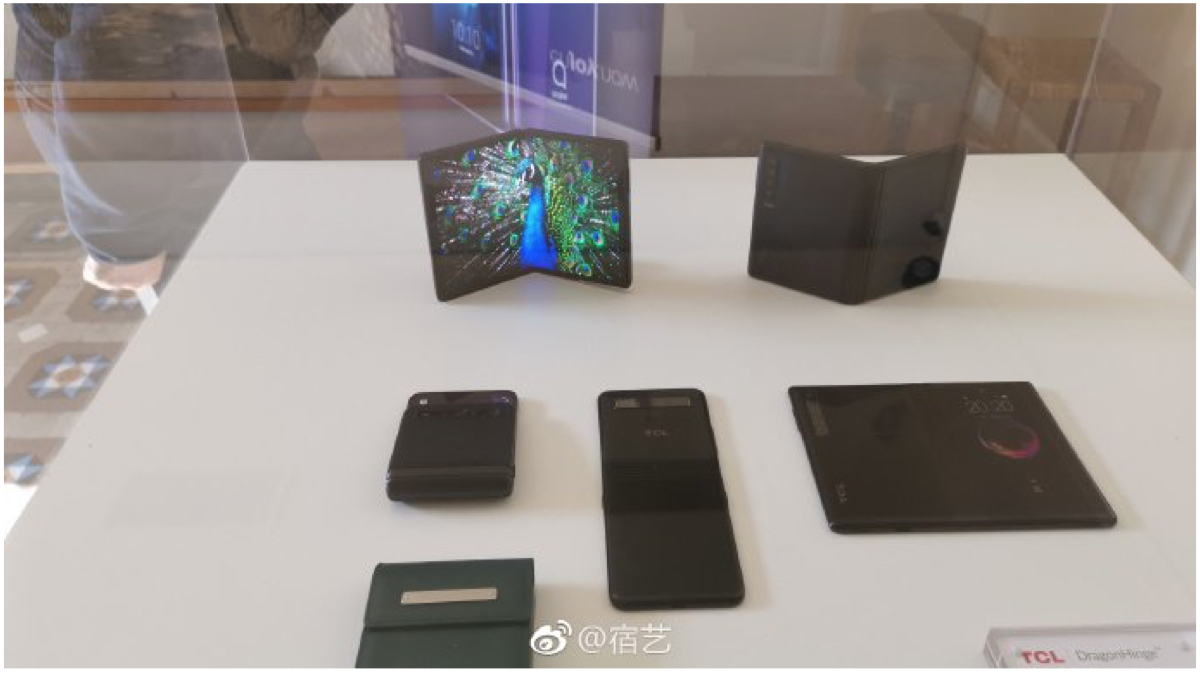
    Chinese electronics company TCL has showcased its new ‘DragonHinge’ foldable technology for smartphones. The company used the Mobile World Congress(MWC) event in Barcelona to announce the aforementioned tech. It also claimed that the first devices with DragonHinge foldable technology will arrive in the year 2020 as a retail product.

    DragonHinge Foldable Technology

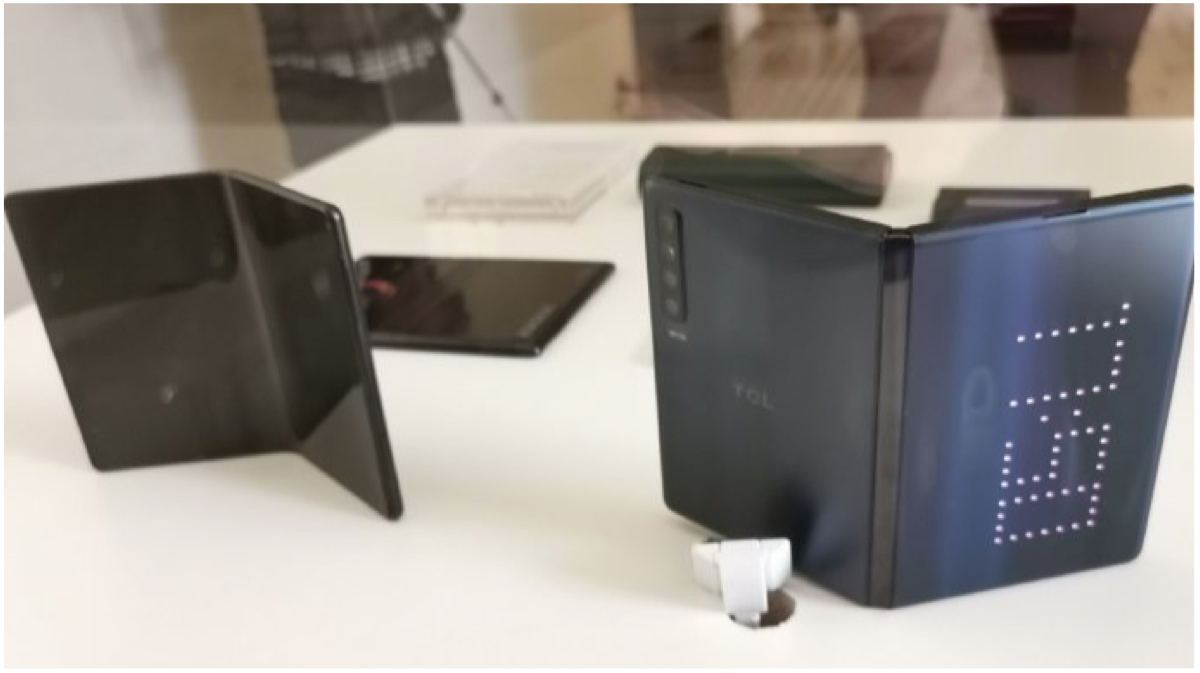
    While TCL hasn’t launched or even announced a device at the event, the company has showcased different types of prototype smartphones and what they would look like with the DragonHinge foldable technology. The company claims its ultimate goal is to make affordable foldable devices for the mass market. All the designs that it showcased differ from each other in the style of the fold, which is either horizontally or vertically. The TCL DragonHinge uses a system of gears to aid in the folding and unfolding mechanism of the devices. The hinge of the device is designed in a way which doesn’t allow it to fold completely flat. All the demo units that were shown at the event also feature multiple rear cameras.

    Interestingly, TCL is better known for making TVs and display panels so the foldable display technology that it has shown off might be sold to OEMs in the future for their foldable smartphones. Notably, the company also manufactures smartphones under brands like Blackberry, Alcatel, Palm and its own. Its upcoming foldable smartphone may be launched under any of the aforementioned brands or through an all-new brand.

     Also read: Nokia 3.2, Nokia 4.2 Android One Smartphones Launched At MWC 2019

    Unfortunately, any specific details about the launch date or price of a device with this technology are currently unavailable. However, TCL has claimed that it will release a smartphone with a foldable display and DragonHinge technology in the year 2020. 

  • Nokia 3.2, Nokia 4.2 Android One Smartphones Launched At MWC 2019

    Nokia 3.2, Nokia 4.2 Android One Smartphones Launched At MWC 2019

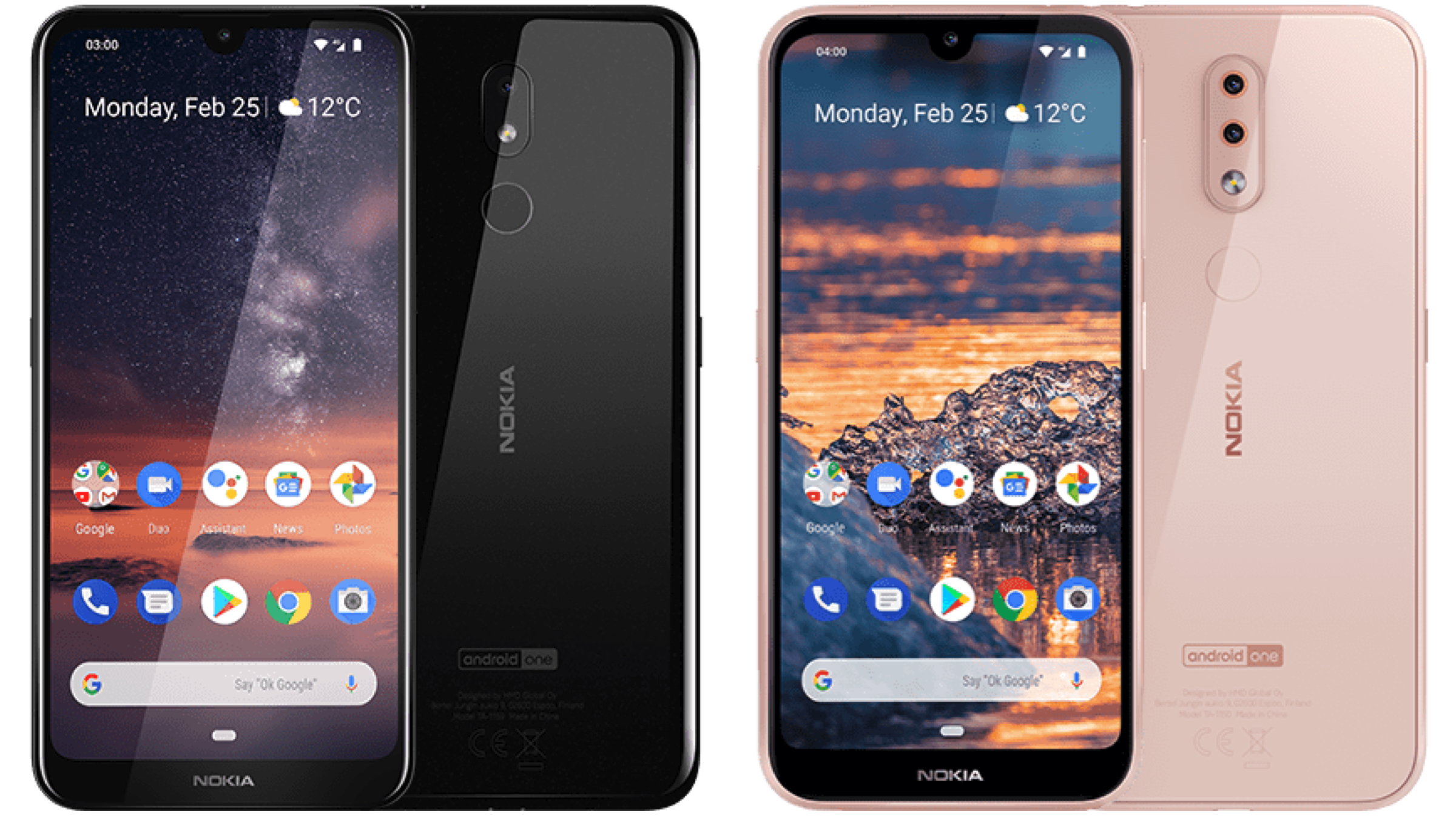
    HMD Global owned brand Nokia launched several smartphones at an event on February 24. The newly launched devices include the Nokia 9 PureView, Nokia 1 Plus, Nokia 3.2 and Nokia 4.2. Out of the four smartphones, the Nokia 9 PureView is focused towards photography while the Nokia 1 Plus is targetted towards the budget segment. Both, the Nokia 3.2 and Nokia 4.2 are targetted towards the mid-tier segment.

    Nokia 3.2 

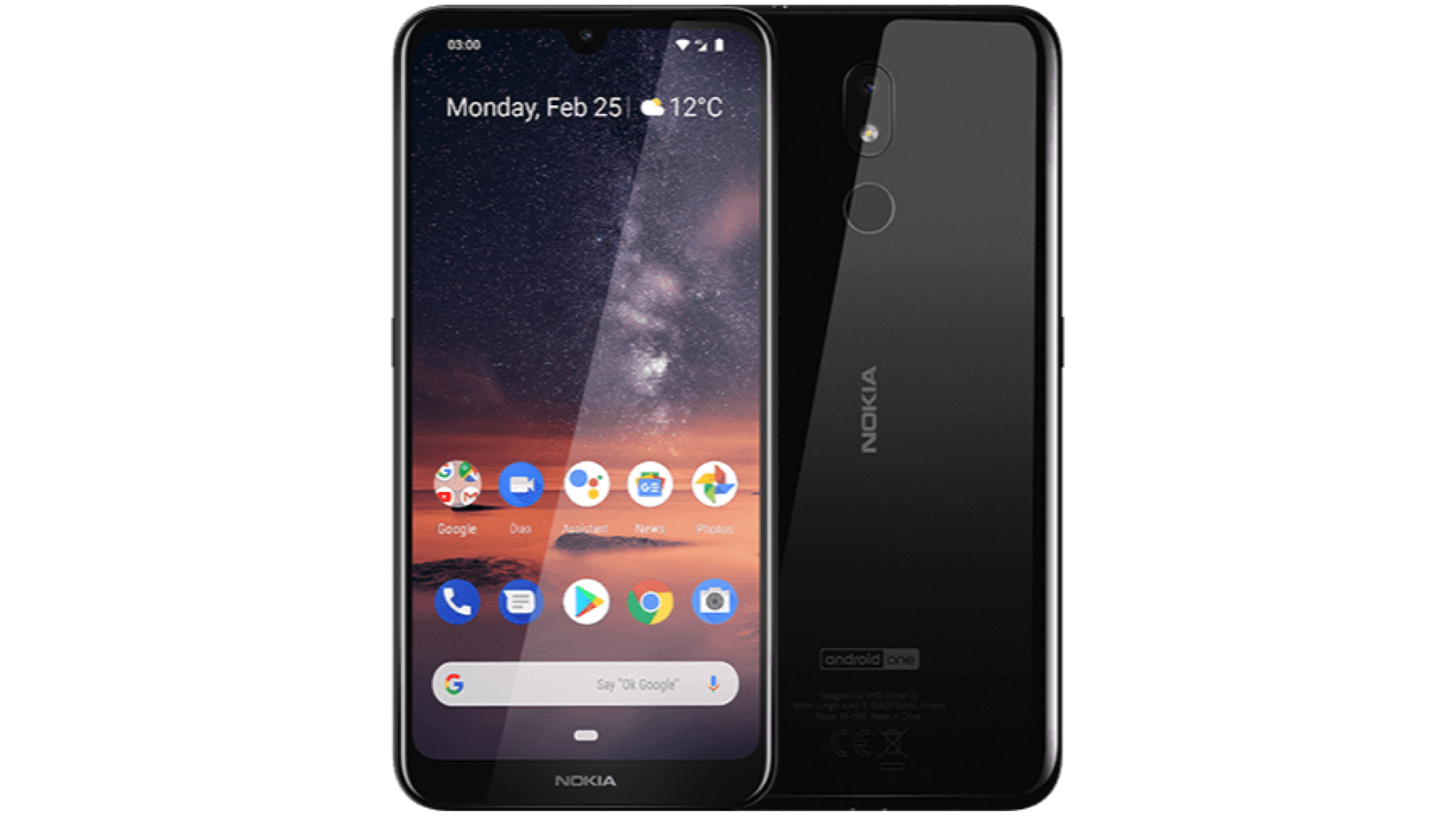
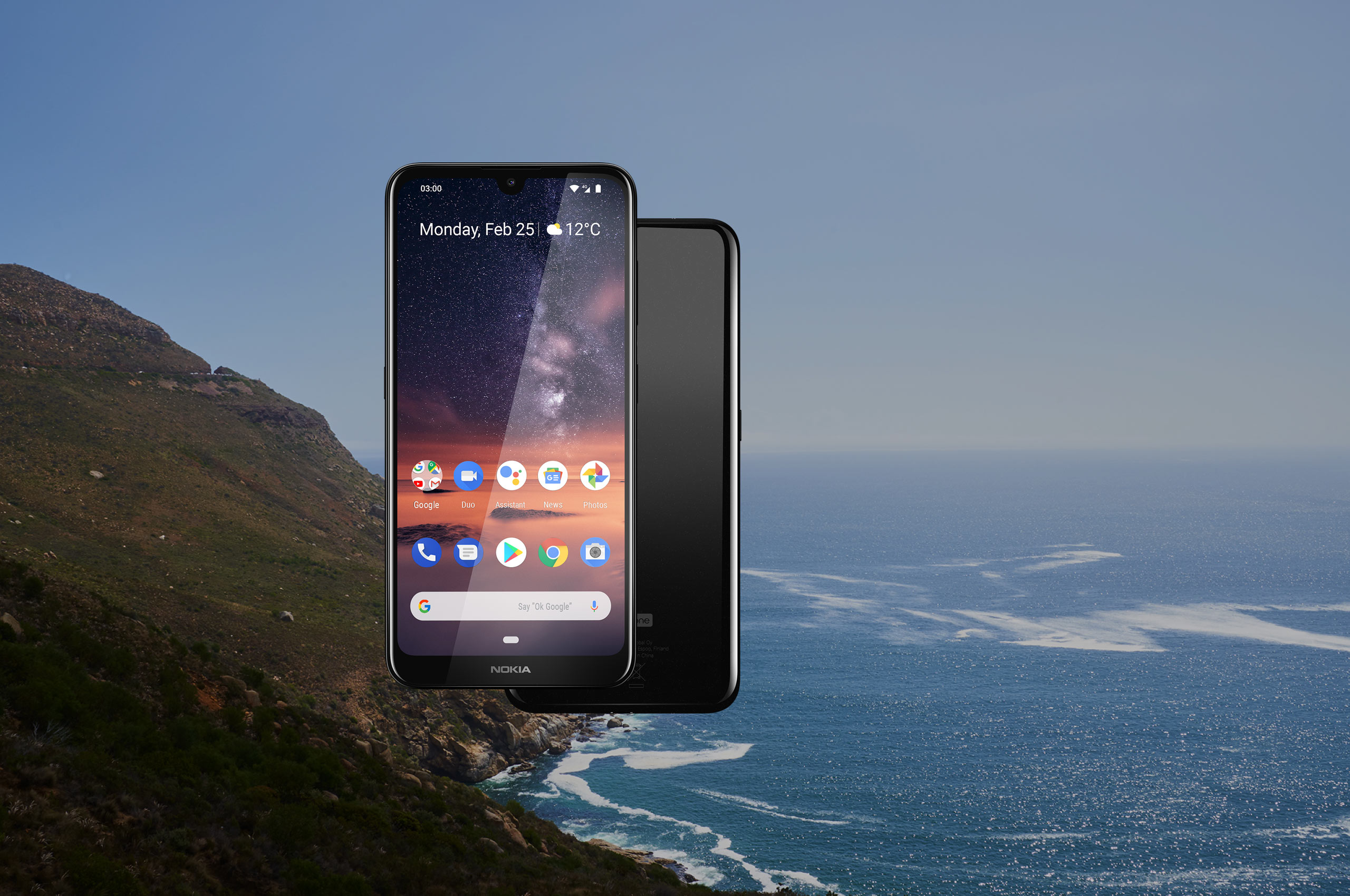
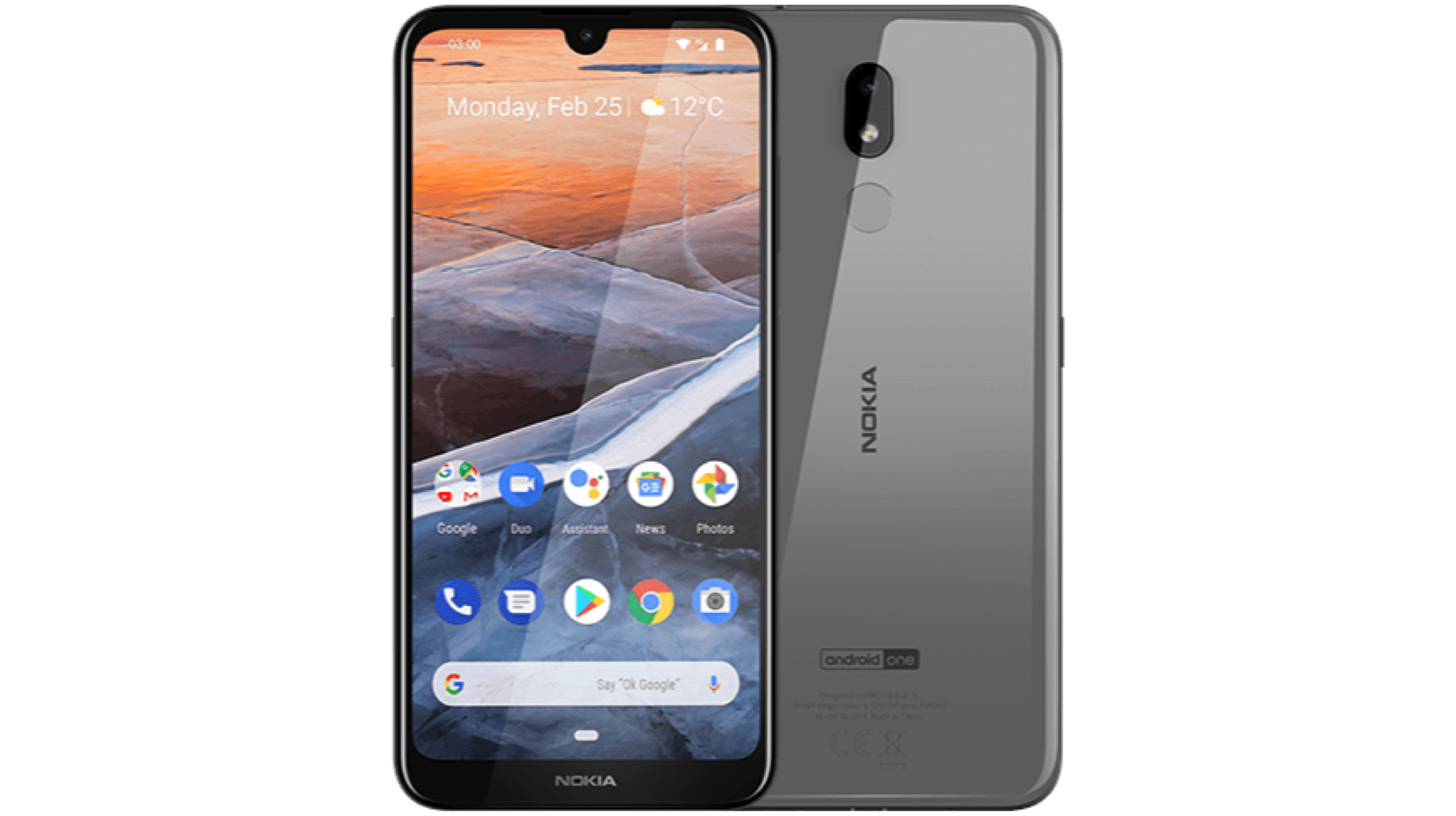
    Nokia 3.2 is the successor of the Nokia 3.1 which was launched last year. It is a budget device featuring a polycarbonate body. The display of the device sports a 6.26 inch TFT LCD panel with a resolution of 1520 x 720 px. The display has a pixel density of 269 ppi and features a waterdrop notch on top. In terms of optics, the handset is equipped with a single rear camera which has a 13MP f/2.2 sensor; while the front has a 5MP f/2.2 sensor housed in the notch up front. It also supports face unlock for easier access to the device.

    Under the hood, the Nokia 3.2 is kitted with a Snapdragon 429 SoC which is manufactured using the 12nm fabrication process. The chipset is comprised of an Octa-core CPU and Adreno 504 GPU. The smartphone runs on Android 9 Pie and is Android One certified; which states that it will receive Android updates for two years and monthly security updates for three years. For memory and storage, the device will be available in two variants:

    • 2GB RAM and 16GB ROM
    • 3GB RAM and 32GB ROM (Also features a fingerprint sensor)

    Nokia 3.2 is powered by a 4000mAh battery which the company claims can last up to two days on a single charge. There is also a dedicated Google Assistant button present on the left side of the device. The smartphone will retail at US $139 (around Rs. 9,900) for 2GB + 16GB variant and US $169 (around Rs. 12,000) for 3GB + 32GB variant. 

    Nokia 4.2

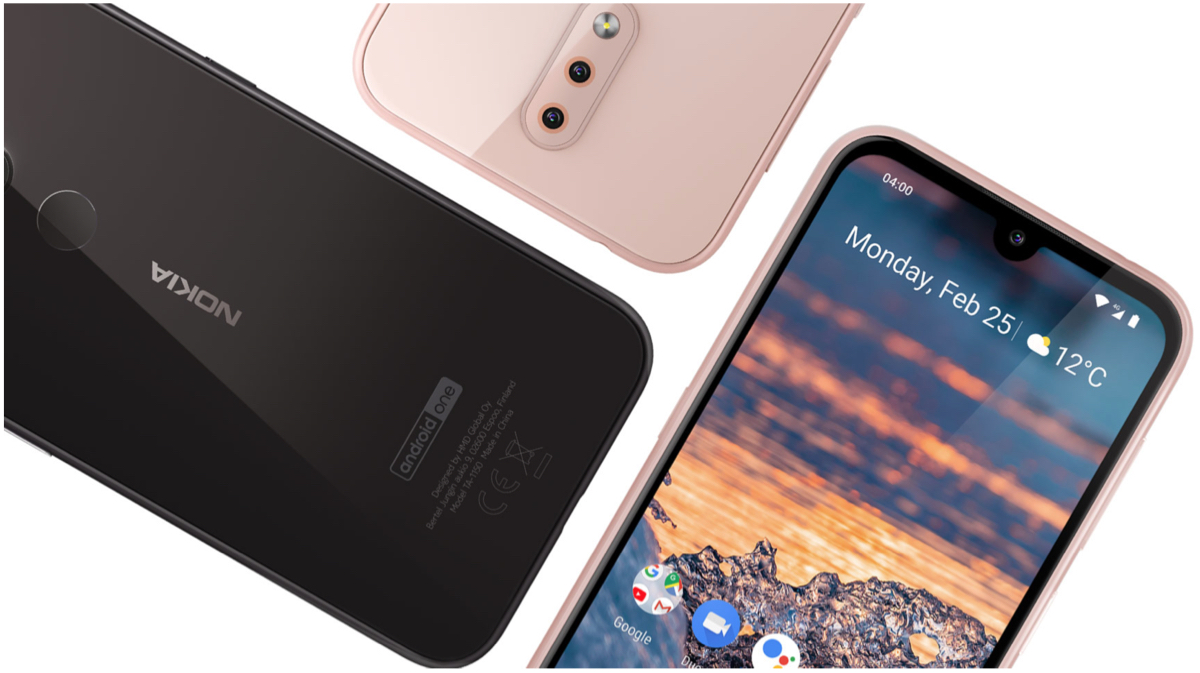
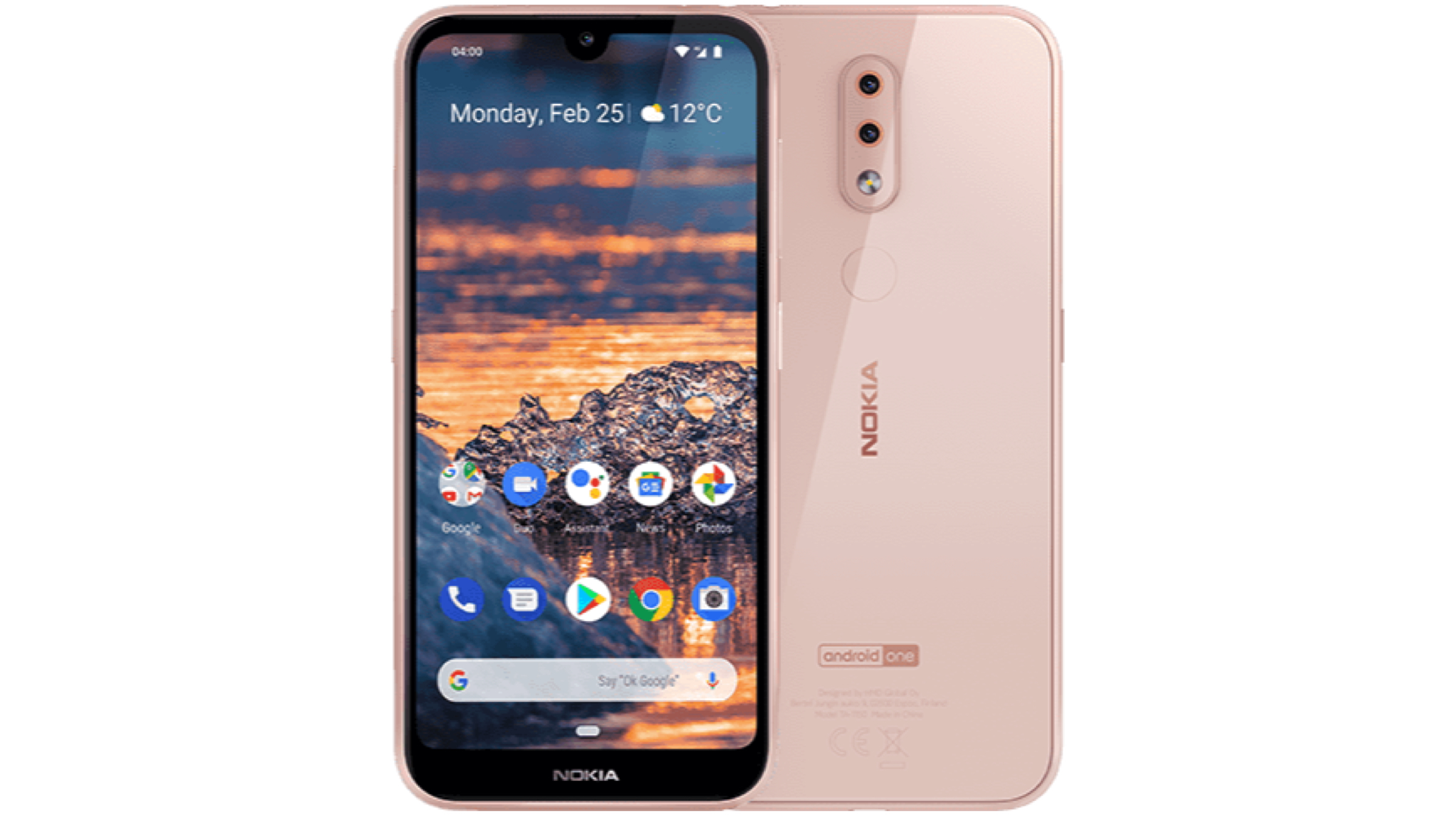
    Nokia 4.2 is another budget offering by Nokia which features in a completely new lineup. It features a glass sandwich design with a polycarbonate frame. The display of the device sports a 5.71 inch TFT LCD panel with a resolution of 1520 x 720 px. The display has a pixel density of 270ppi and features a waterdrop notch on top. In terms of optics, the handset has a dual rear camera setup. This consists of a 13MP f/2.2 sensor paired with a 2MP f/2.2 sensor for depth information. For selfies, the device has an 8MP f/2.0 sensor housed in the notch on top of the display. It also supports face unlock for easier access to the device.

    Under the hood, the Nokia 4.2 runs on a Snapdragon 439 SoC which is manufactured using the 12nm fabrication process. It has an Octa-core CPU and Adreno 505 GPU. The smartphone features Android 9 Pie and is also Android One certified; which suggests that it will receive Android updates for two years and monthly security updates for three years. For memory and storage, the device will arrive in two variants:

    • 2GB RAM and 16GB ROM
    • 3GB RAM and 32GB ROM 

    Also read: Budget Oriented Nokia 1 Plus With Android Go Launched

    Nokia 4.2 is powered by a 3000mAh battery which can be charged using the MicroUSB port on the bottom of the smartphone. Like the Nokia 3.2, it also features the dedicated Google Assistant button which is present on the left side of the device. The handset will retail at US $169 (around Rs. 12,000) for the 2GB + 16GB version and $199 (around Rs. 14,200) for the 3GB + 32GB version. 

  • OPPO Shows Off Its 10x Lossless Zoom Technology

    OPPO Shows Off Its 10x Lossless Zoom Technology

    Oppo held its ‘Get Closer’ event in Barcelona on the sidelines of the Mobile World Congress (MWC) 2019 on February 23 to show what it has been working on. The company showed off its camera module with 10x Lossless Zoom technology for smartphones and its plans on developing the 5G technology along with Qualcomm and carriers from around the world. 

    Oppo Innovation Event

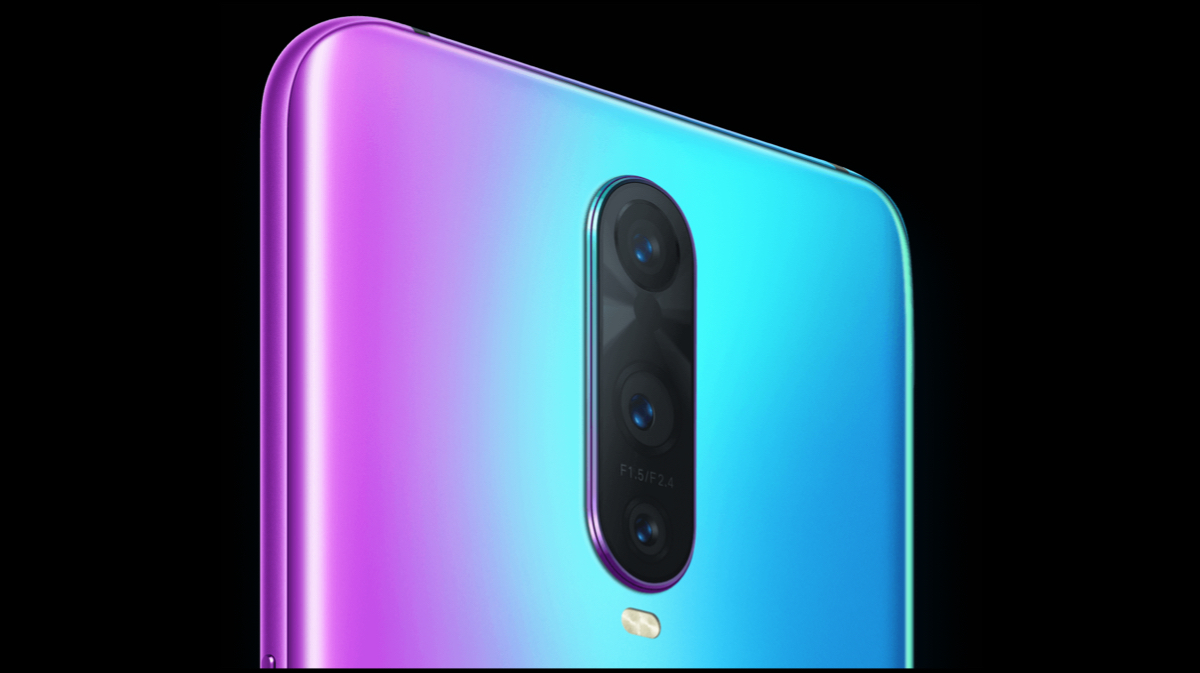
    Oppo started the event by unveiling the world’s first 10x lossless zoom camera module for smartphones. This will provide ten times optical zoom without losing any significant image quality. According to the company, to accommodate a sensor capable of 10x zoom, the size of it needs to be at least 15mm thick. It says they have achieved this capability in a sensor size equal to the one found on the R17 Pro smartphone. The company claims that it had to make the sensor size smaller by using a ‘Periscope Module’ in placing the lenses. It also used a ‘D-Cut’ optical lens, which is “like making two parallel cuts on a circular lens”. This design will reduce the thickness of the lens whilst still producing the desired optical performance.

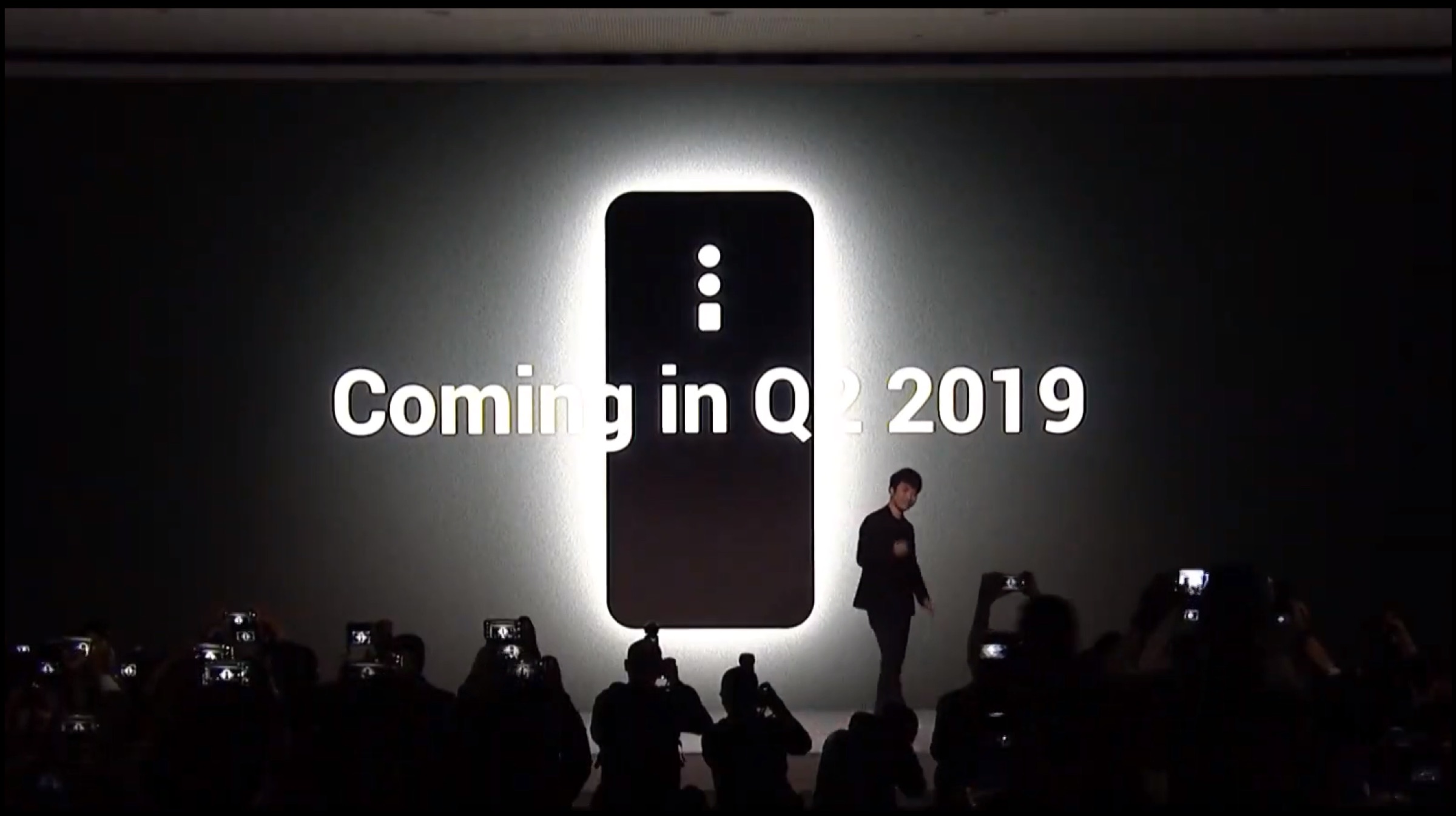
    Oppo has achieved this technology in a triple rear camera setup containing a 48MP main sensor, a wide-angle sensor and the aforementioned telephoto sensor. The telephoto sensor is capable of taking shots varying in focal lengths from 16mm to 160mm, thus giving the users 10x lossless zoom capability. The lens, to avoid a quality loss while taking images, also has Optical Image Stabilization (OIS). The company has announced that a device with this technology will be launched in Q2 of this year.

    Also read: Galaxy A10, A30, A50 Launch Imminent States Samsung’s Website

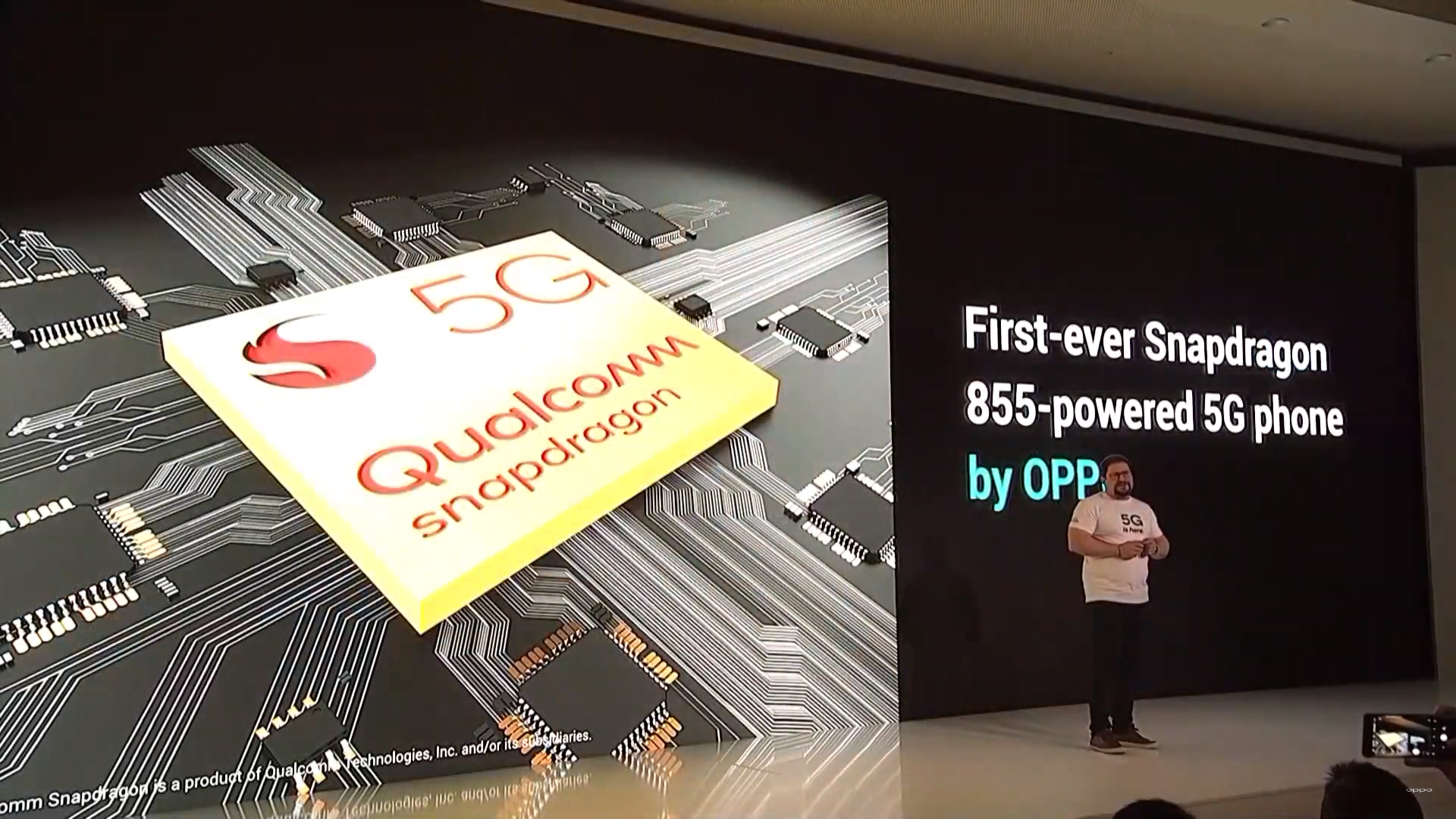
    Oppo at the event also announced its plans for 5G, the new mobile communication standard. The company claims that it is actively working with Qualcomm in developing a 5G capable smartphone running on the Snapdragon 855 SoC and featuring the X50 modem. The company also revealed that it has successfully tested a 5G ready prototype late last year based on the Oppo Find X smartphone. According to senior executives, the company will further partner with telecom operators around the world to bring this technology in smartphones this year. All the new technologies announced at the event are expected to make their way into the real world products soon.

  • Tesla Model 3 Was The Best Selling Electric Vehicle Of 2018

    Tesla Model 3 Was The Best Selling Electric Vehicle Of 2018

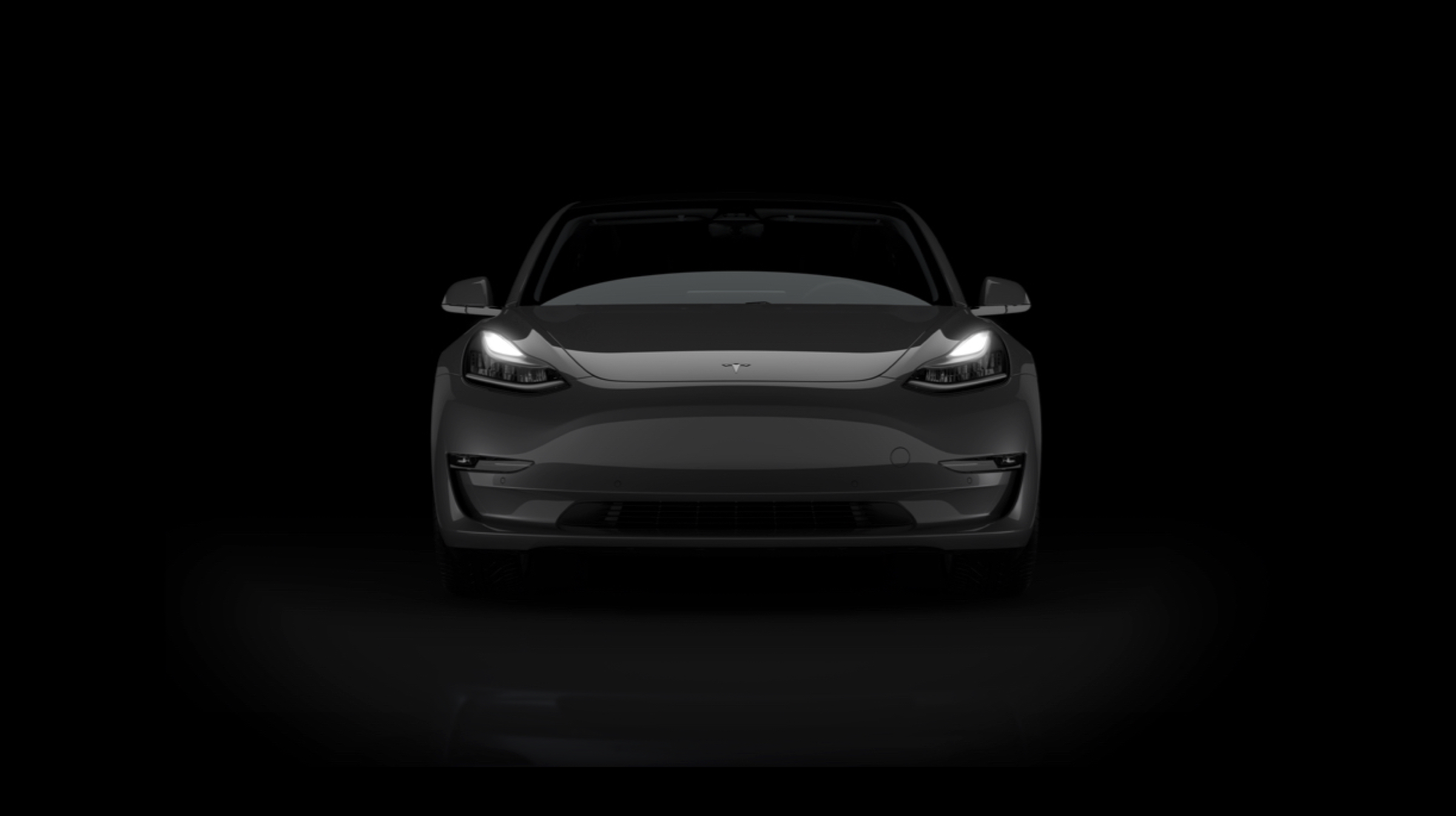
    When Tesla introduced the Model 3 in 2016, it was touted to be the most economical car the company had ever made. In the beginning, the vehicle was said to start at the US $35,000 price tag, which hasn’t been achieved since. Regardless of the pricing, the car was still the lowest-costing Tesla available. Because of the company’s reputation and the recent production increase, the Tesla Model 3 was the world’s best selling Electric Vehicle (EV) in the year 2018.

    The Rising Demand For Electric Vehicles 

    Tesla Smartphone

    According to a data firm, Tesla sold about 138,000 Model 3’s last year. This is higher than the Nissan Leaf (85,000) and BAIC’s flagship SUV (92,000) or any other automaker in the year. The company has also recently started deliveries to the European markets recently, and just started deliveries in China. Interestingly, China is the largest market in the world for electric cars; so the continuation of Tesla’s success remains critical to how well it performs in the country.

    Reports estimate that with the increase in production and entering these two markets in the year 2019, Tesla may see an increase in the sales figures by almost 1,00,000. But there seems to be a problem, as the company has increased production, some analysts have claimed that the demand for the popular EV will see a continuous decline this year. This may be a problem in the US, but not in many markets otherwise. Another problem the carmaker may face will be the ever-increasing competition in the space. China has seen new players in the segments fare significantly well in the past few years. 

    Also read: Sony Partners With Light To Make Multi-Camera Modules For Smartphones

    Tesla is also expected to unveil its newest Electric SUV, the alleged Model Y sometime later this year. This is expected to compete with the Jaguar I-Pace, Mercedes EQC, and the Audi E-Tron SUV. The vehicles by Tesla are known for their cutting-edge technology and longer mile range on a single charge; so the SUV is expected to do well just like its other siblings. Also, the company is gearing up production to supply the early adopters of the electric supercar Roadster 2.0; which is scheduled for deliveries next year.

  • Xiaomi Mi 9 SE

    Xiaomi Mi 9 SE

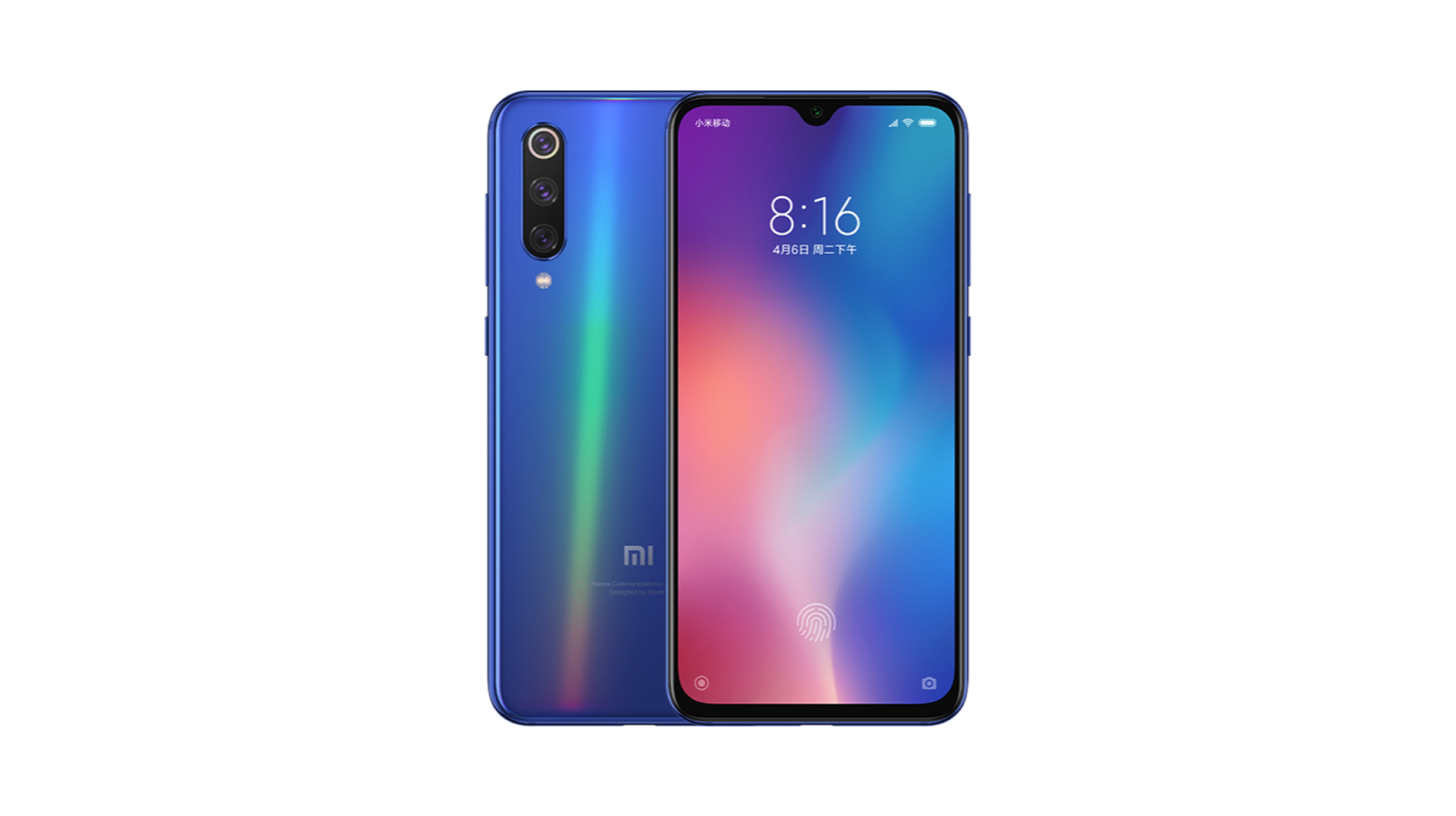
    The Xiaomi Mi 9 SE is the ‘Lite’ version of the company’s flagship smartphone, the Mi 9. It is the first device in the world to run on the Qualcomm Snapdragon 712 SoC. The smartphone offers premium design and triple cameras for the price of a mid-range device and offers features like an In-display fingerprint scanner, NFC and an IR Blaster.

    [loop included_tags=”61821,58990″ loading=”paged” layout=”f” postsperpage=”4″]

iGyaan Network
Privacy Overview

This website uses cookies so that we can provide you with the best user experience possible. Cookie information is stored in your browser and performs functions such as recognising you when you return to our website and helping our team to understand which sections of the website you find most interesting and useful.