Author: Yashonil Gupta

  • Samsung Galaxy S10 5G

    Samsung Galaxy S10 5G

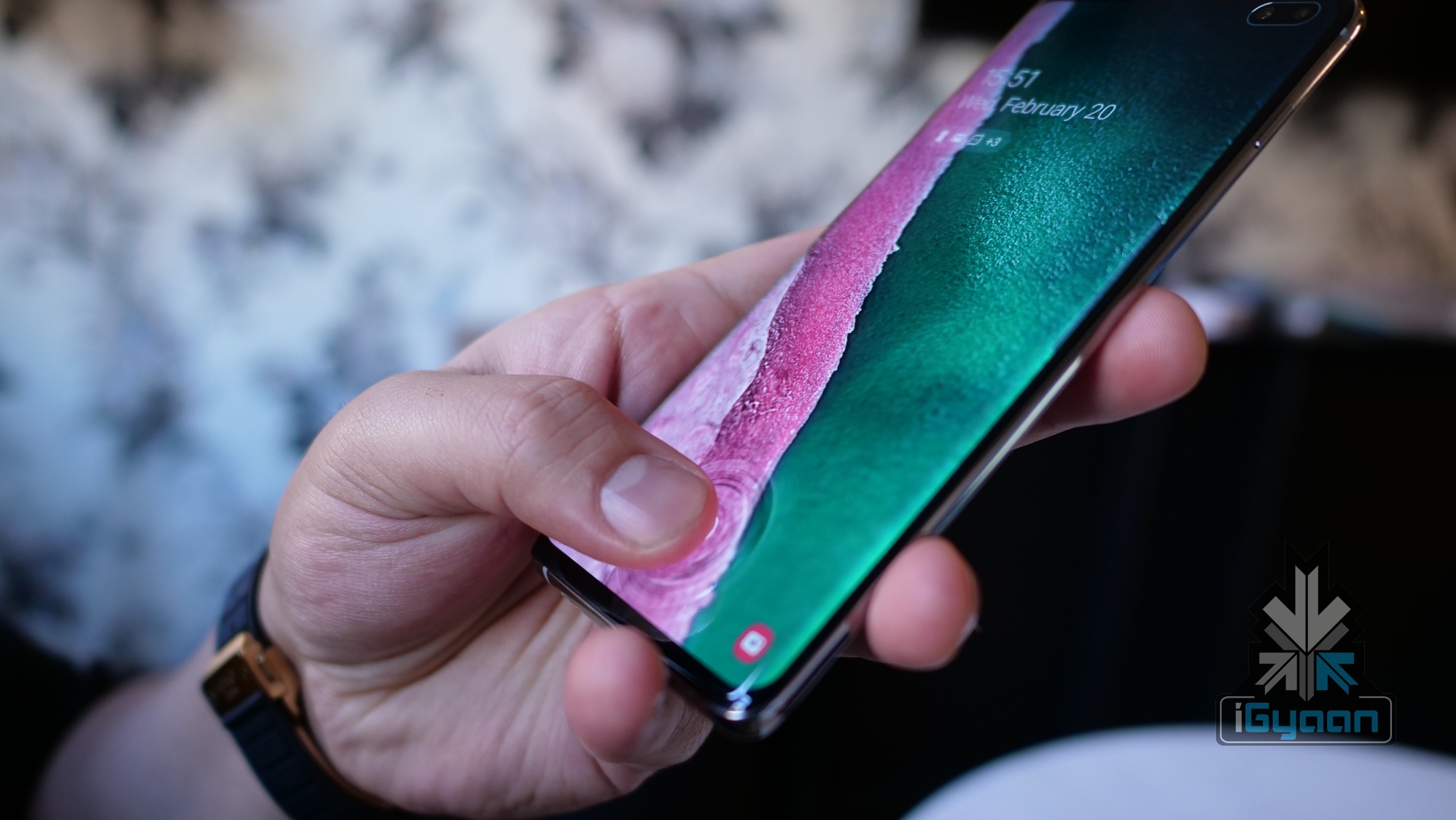
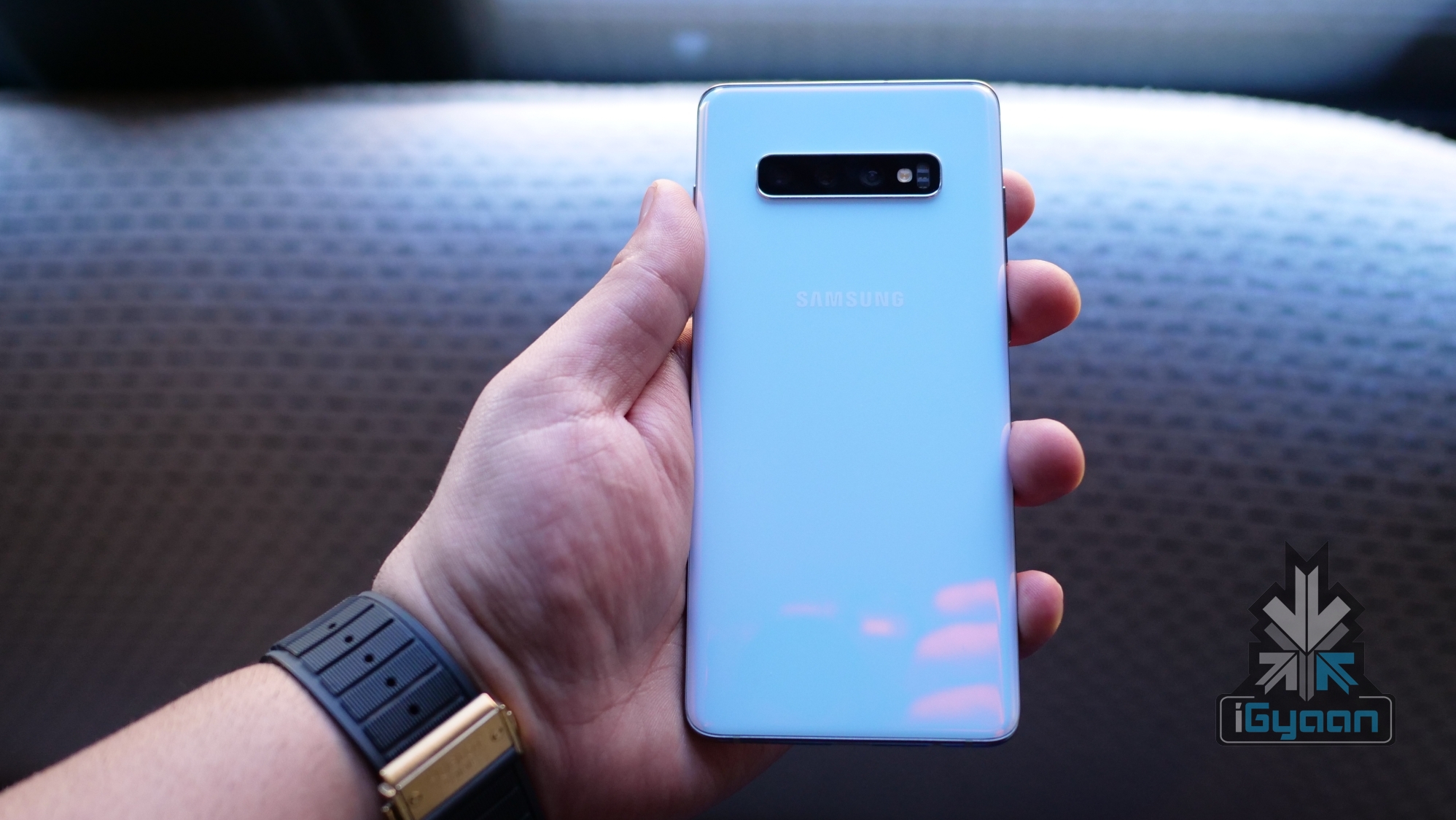
    The Samsung Galaxy S10 5G is the first 5G device from the Korean company. The smartphone features a lot of improvements over its siblings in the Galaxy S10 series like more rear cameras, bigger screen and no MicroSD support for storage expansion. The handset has an all-glass design with IP68 certification for water and dust resistance, 20W fast wireless charging and has support for reverse wireless charging, just like the other devices in the Galaxy S10 series.

    [loop included_tags=”61854,44797″ loading=”paged” layout=”f”]

  • Sony Partners With Light To Make Multi-Camera Modules For Smartphones

    Sony Partners With Light To Make Multi-Camera Modules For Smartphones

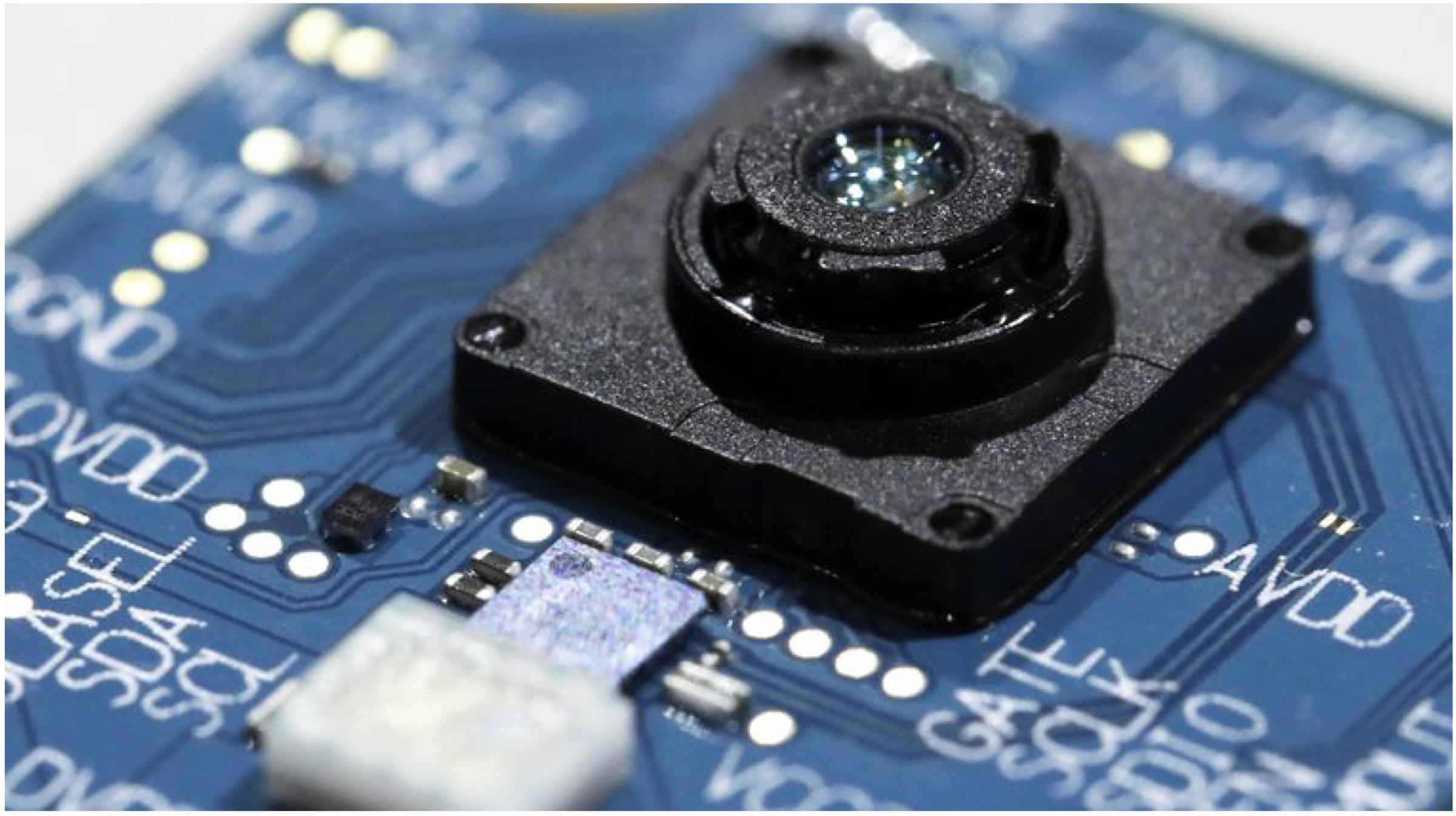
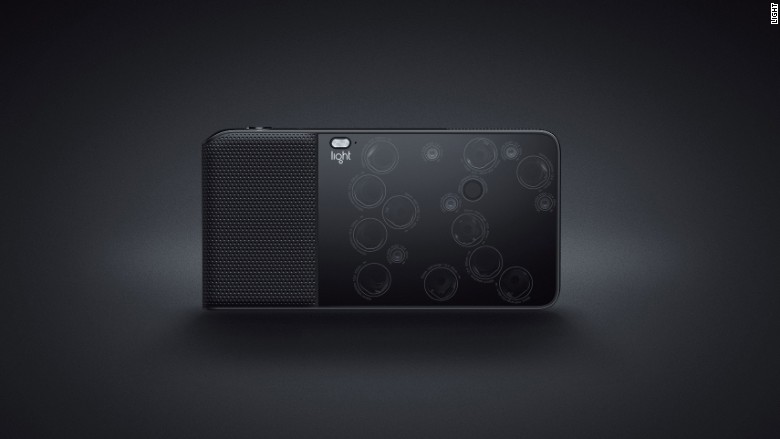
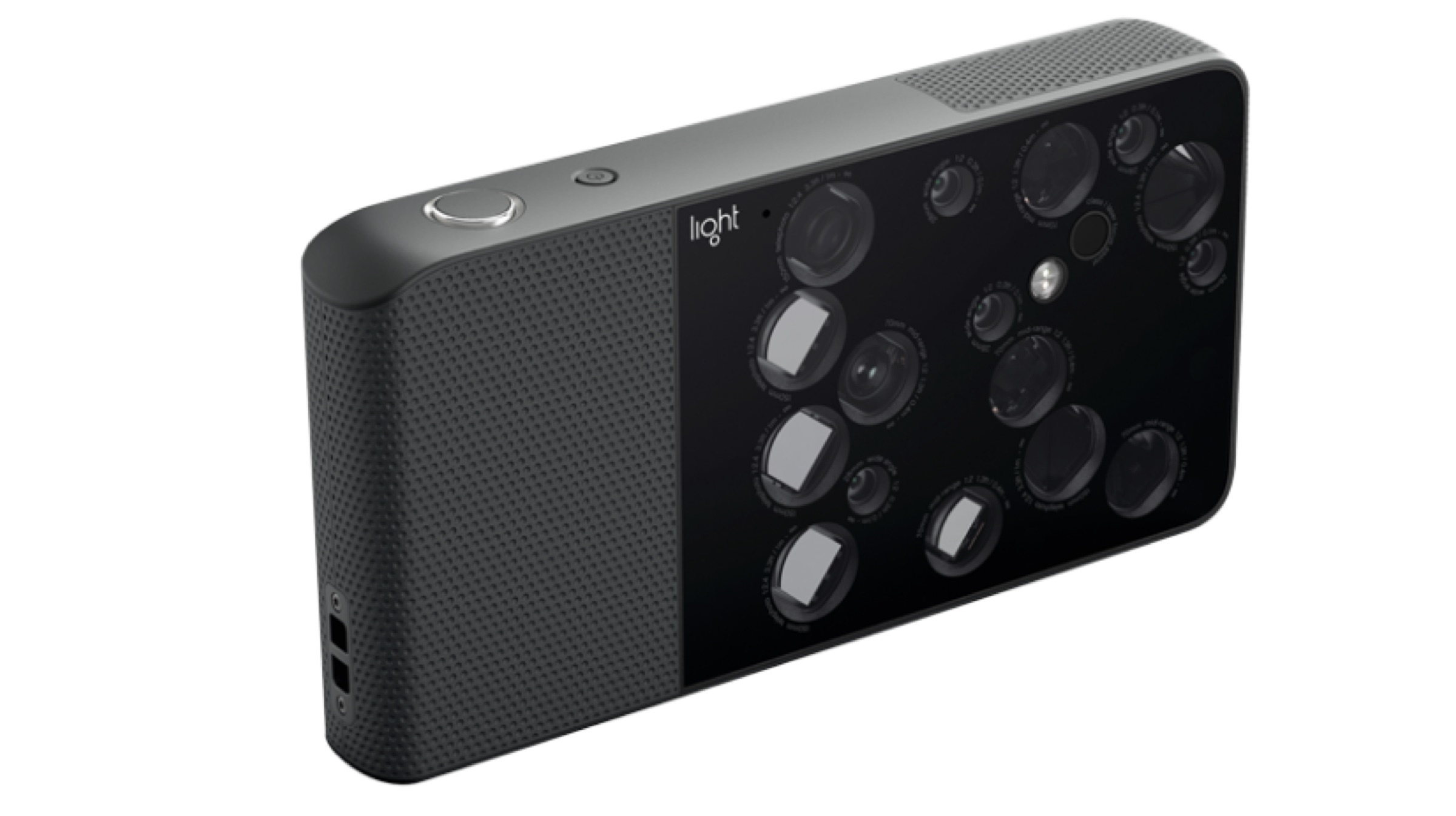
    Smartphone photography has seen an exponential increase in quality over the last few years. With devices like Google’s Pixel, Apple’s iPhone and Huawei flagships continuously pushing the boundaries of innovation in mobile photography. One such company, Light tried to push the envelope even further with their L16 model in 2017. Noteworthy, the device had 16 cameras at the back. It relied on computational photography to take high quality, detailed pictures. According to a press release, the company has collaborated with Sony to make multi-camera modules for smartphones.

    Changing The Future Of Smartphones

    Nokia 10

    This collaboration will make use of Sony’s image sensors and Light’s computational photography to make use in smartphones with four or more cameras on one side. This will not be exclusive to either one of the two companies but will be provided to any manufacturer for use in their devices. Interestingly, many smartphones today use Sony’s imaging sensors. The latest product from the company includes the IMX586, a 48MP sensor for smartphones last seen in the Xiaomi’s flagship Mi 9.

    Light is not a new name in the smartphone business. Last year, it provided the computation photography in phones like the Huawei P20 Pro. The rumoured Nokia 9 PureView, is also rumoured to sport Light’s technology for its Penta-rear camera setup. The multiple cameras in a smartphone may be used for many different purposes, like providing optical zoom and ultra-wide angle capabilities. But, the company uses these multiple sensors as RGB and Monochrome sensors to produce images with enhanced quality and detail.

    Also read: Apple Will Use 5nm Processors For iPhones Starting 2020

    This collaboration between Light and Sony is expected to extend the trend of putting more than four cameras on the back. As many companies already use technologies from these respective brands, the product of the partnership may also be seen in many upcoming devices later in the year 2019.

  • Apple Will Use 5nm Processors For iPhones Starting 2020

    Apple Will Use 5nm Processors For iPhones Starting 2020

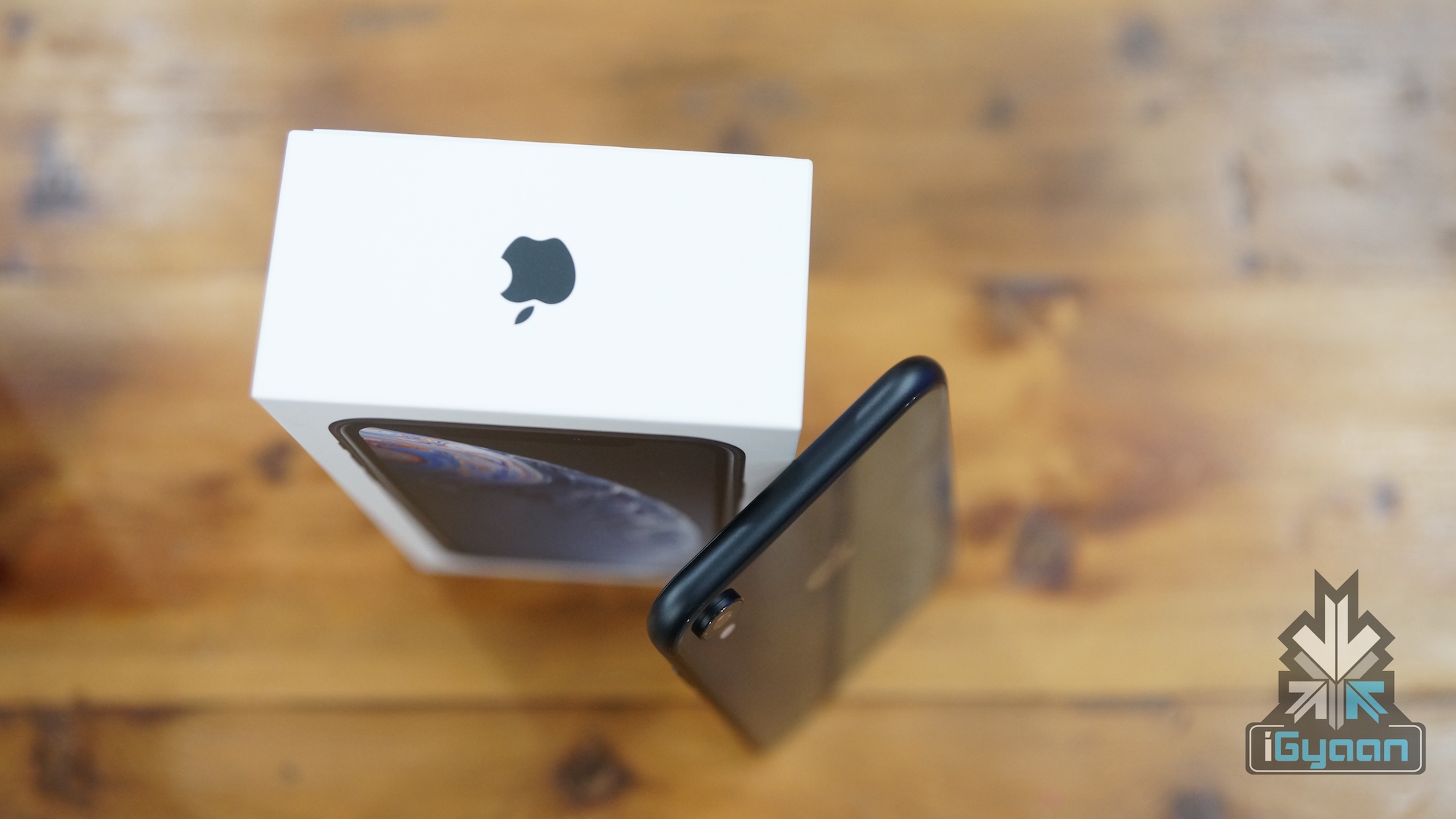
    Apple is best known for making premium smartphones which offer top of the charts performance. Though many other OEM’s have taken a lead in the design and optics department, none of them has even come close to the processing power Apple’s A-series of SoC’s have. Its latest chipset, the Apple A12 is reported to be a full generation ahead of Qualcomm and Huawei’s offering, the Snapdragon 855 and the Kirin 980 respectively. Fresh reports state that Apple is planning to use 5nm processors in iPhones starting the year 2020.

    Apple’s 5nm Processors

    Reports state that Apple’s chipset supplier, Taiwan Semiconductor Manufacturing Company(TSMC) will announce its 5nm fabrication process in a few days. The event will take place on February 25 at the Mobile World Congress(MWC) in Barcelona. Apple will reportedly soon place an order for the manufacturing of 5nm chipsets which will be used in the 2020 iPhones. This chipset is expected to be called the A14 Bionic and would support 5G and enhanced machine learning capabilities.

    Apple’s new 5nm chipsets will be made using a new technology called Extreme Ultraviolet Lithography, developed by TSMC. This technology would allow the company to pack more transistors in a confined space, making the chip smaller. This would then result in increased performance and efficiency of the new smartphones. TSMC claims that it will be able to mass produce these chipsets by 2020, confirming the reports. There were also reports claiming Apple would release a 5G iPhone next year. This device is expected to have an Intel modem to support the new communication standard.

    Also read: Huawei’s Foldable Phone, The ‘Mate X’ Leaks

    Apple was one of the first company’s to unveil a 7nm chipset, the A12 Bionic in 2018; when they announced the current generation of iPhones . Other chipset manufacturers, like Qualcomm and Huawei also started manufacturing SoC’s using the 7nm fabrication process; but their products weren’t at par with Apple’s offering. In almost all the benchmarks, the Apple A12 Bionic has the Kirin 980 and the Snapdragon 855 beat. Unlike Apple, the competition isn’t likely to switch to 5nm chipsets as soon as next year, so they may release devices with 5nm chips in or after the year 2021.

  • Huawei’s Foldable Phone, The ‘Mate X’ Leaks

    Huawei’s Foldable Phone, The ‘Mate X’ Leaks

    Samsung surprised the world on February 20 when it unveiled the Galaxy Fold, its first foldable smartphone. Some other OEM’s like Huawei and Nubia, have already promised to show off a foldable device at the Mobile World Congress(MWC) 2019 in Barcelona. The foldable phone from Huawei has been teased for a while but no official details about the device were available. A fresh leak has revealed the design and the name of the device. The foldable smartphone from Huawei will be called the Mate X.

    Huawei Mate X

    The Mate X will be the first foldable smartphone from the Chinese electronics giant Huawei. The leaked image shows workers setting up an outdoor advertisement of the device which reveals it in its entirety and affirms it will be the ‘World’s first foldable 5G phone’. The image also exposes the design of the device, which looks futuristic with a large screen that has an outward fold. The fold will split the screen into two, disabling the second screen and making the first screen work as a regular smartphone. Interestingly, this approach will be unlike Samsung’s, which put two screens in its foldable smartphone the Galaxy Fold, and has an inward fold. 

    The Mate X from the image looks similar to the Royole FlexPai, which was the world’s first commercially available foldable smartphone. The Huawei device will also have a triple camera setup and a side mounted fingerprint scanner. The display housing will be present on the left side of the device, where the screen will rest when folded completely. The smartphone will reportedly run on the Kirin 980 SoC which is manufactured using the 7nm fabrication process, has an Octa-core CPU and a Mali-G76 GPU. 

    Also read: DxOMark Ranks Xiaomi Mi 9 As The Best Video Shooter, Samsung Galaxy S10+ Best For Selfies

    Unfortunately, details about the pricing of the Mate X foldable smartphone aren’t known yet. Huawei will reveal the device on February 24 at MWC in Barcelona. Reports suggest that the smartphone will be priced at US $1500(around Rs 1,06,000).

  • Google Will Require Android Apps To Support Android Pie In 2019

    Google Will Require Android Apps To Support Android Pie In 2019

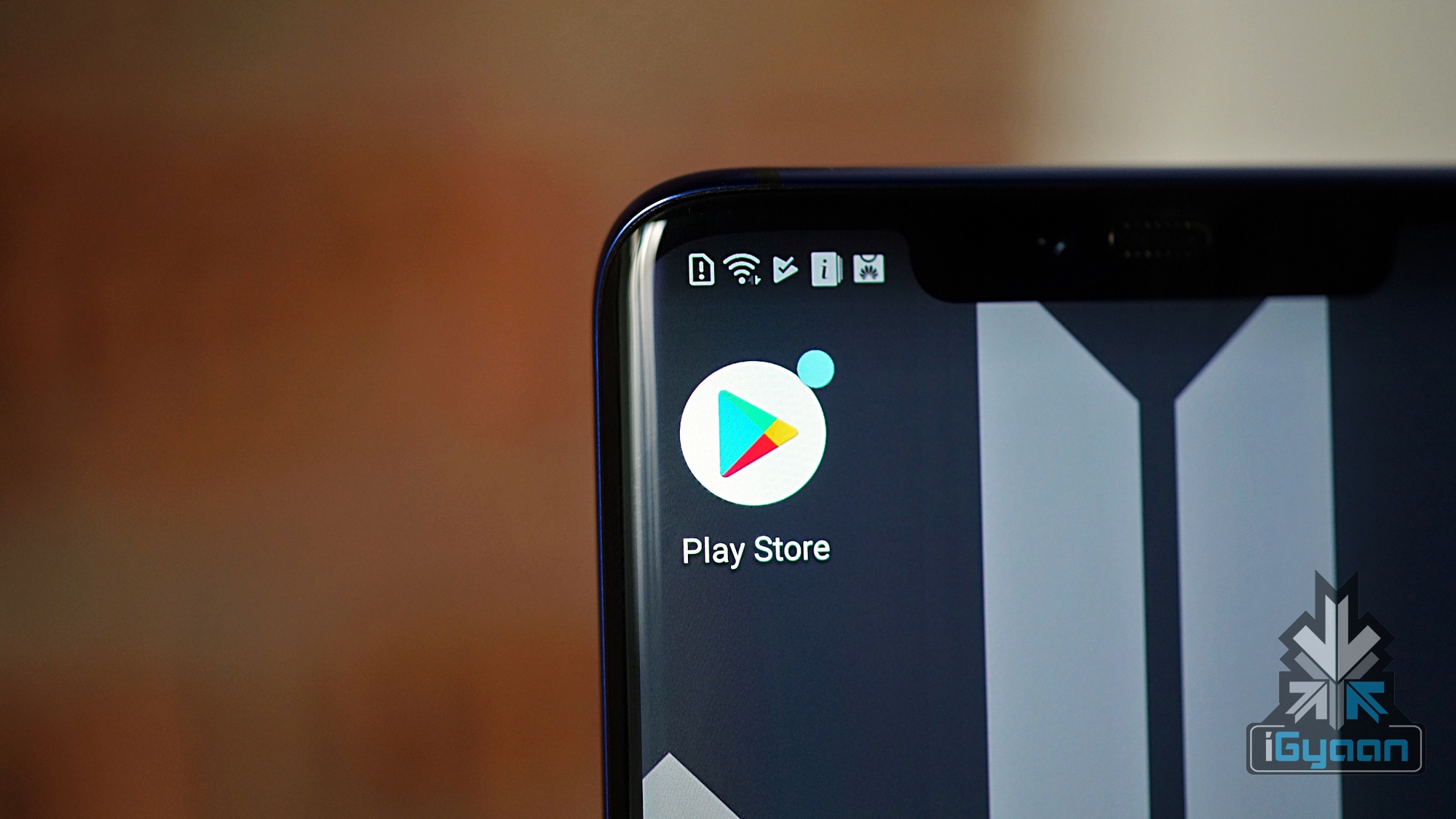
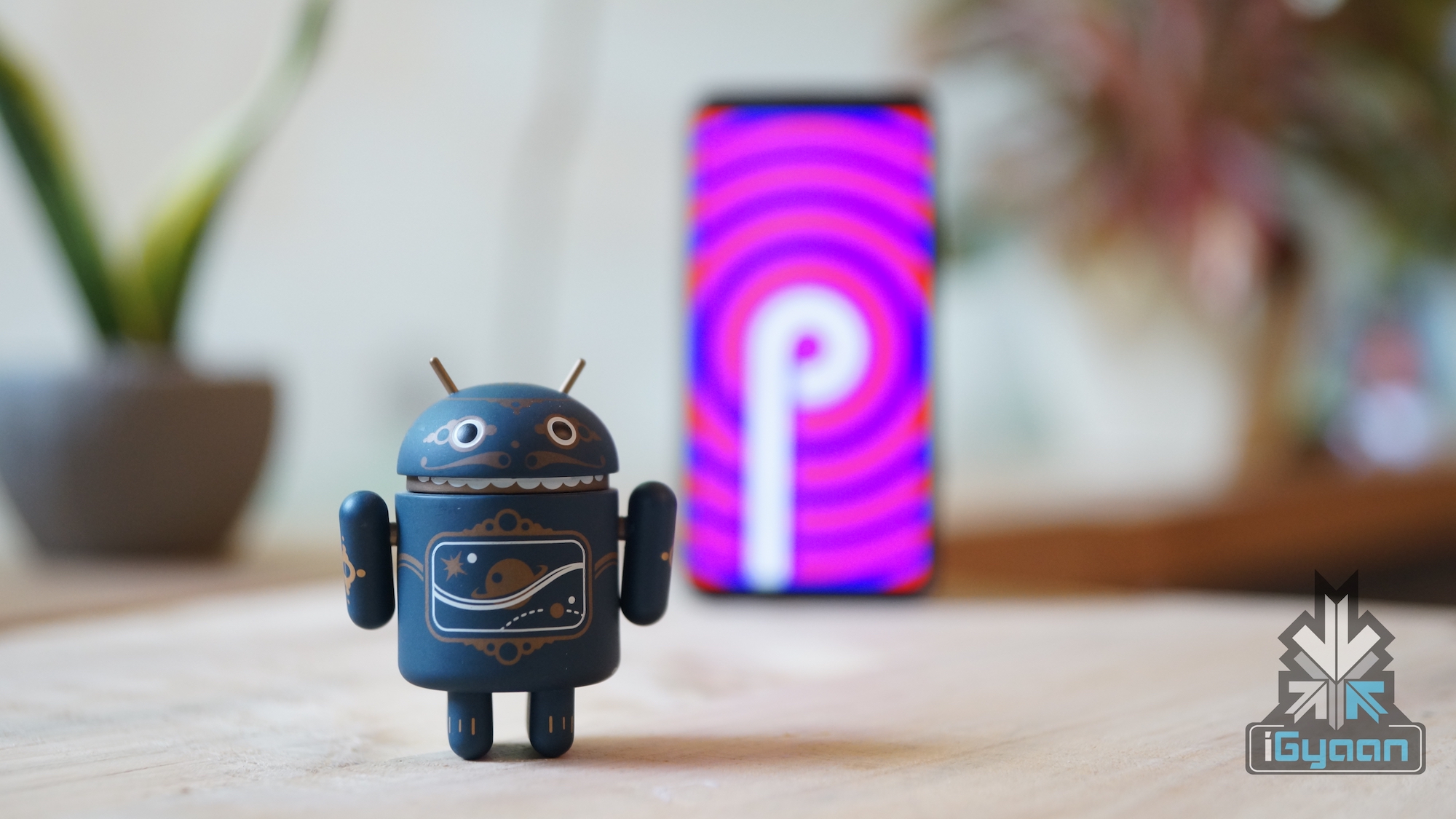
    Google’s operating system Android has been really popular because of the millions of apps available on the platform. What also helps its case is the level of customisation Android devices offer. This includes the ability to sideload apps from third party sources. But, some of these sources have been known to spread spyware through bypassing the app permissions as they support older Android’s Application Programming Interface(API). Google in a bid to counter the problem, has announced that all the new apps submitted to the Play Store in the year 2019 will have to support the latest API level 28, that is Android 9 Pie.

    What Does This Mean?

    According to Google, over 150,000 applications have added support for runtime permissions in 2018. Shockingly, the feature was introduced back in 2016 with Android Marshmallow, which had the API level 23. This meant that these apps were capable of bypassing permissions altogether, creating a security risk. Google tackled this by mandating all new apps to support API level 26, which was in Android 8.0 Oreo. Updates to the existing apps also had to support the same API.

    Google is updating these restrictions up a notch by mandating the app developers to update these apps to the latest API. Google Play Protect which was launched in 2017 is a security suite integrated into the Play Store. This service will be used to warn users of the apps not supporting the latest API. Here are the new timelines for the developers:

    • August 2019: New apps will be required to target API level 28 (Android 9 Pie).
    • November 2019: Updates to existing apps on the Play Store will be required to target API level 28(Android 9 Pie).
    • By 2020: The target API level will increase annually.

    Android Pie Android 9 Google

    Android will also use the Google Play Protect to warn the users if the app they are about to sideload targets to an API level older than Android Oreo (API level 26). It has also gotten the major Chinese application markets to comply with the new API levels on their app stores. These are from companies like Huawei, OPPO, Vivo, Xiaomi, Alibaba, and Baidu.

    Also read: Samsung Will Finally Allow Users To Remap The Bixby Button

    Google has said that 95% of the spyware target API level 22 (Android 5 Lollipop) or older, which creates a host of security issues. Notably, the Android platform gets monthly security patches, but some devices take a long time to be updated because of their respective OEMs. This leaves these devices vulnerable to new security threats. Therefore, this move is expected to make Android more secure.

  • Samsung Will Finally Allow Users To Remap The Bixby Button

    Samsung Will Finally Allow Users To Remap The Bixby Button

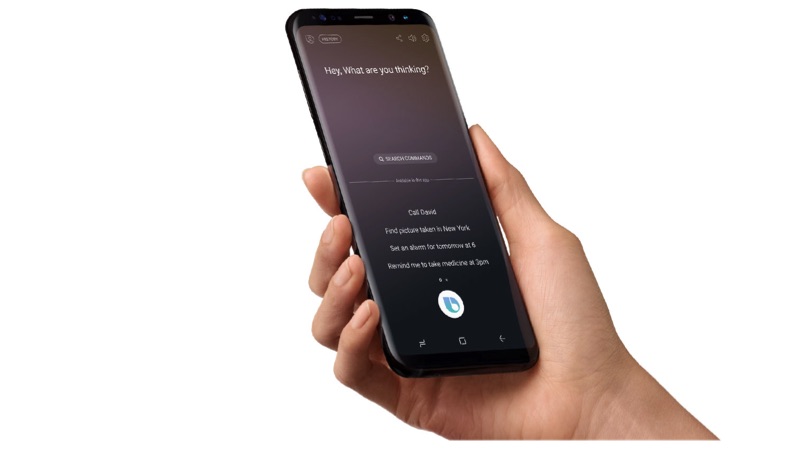
    Samsung has time and again proved its hardware prowess with its flagship smartphones. The devices offer cutting-edge design and features but they always had an Achilles heel, their software. The software that the company provides with the handsets has not always fared well with the audience. Introducing Bixby in 2017 made their problems worse as they gave users a voice assistant they didn’t ask for. The company also added a non-remappable button to the mix, making problems worse. But Samsung has announced that its flagships running Samsung’s latest OneUI will get an option to remap the infamous Bixby Button.

    Samsung Bixby Remapping

    Samsung recently started updating its yesteryear’s flagships to Android Pie based OneUI. These devices include the Galaxy S8 and S8+, Galaxy Note 8, Galaxy S9 and S9+ and Galaxy Note 9. These devices are also set to get the option to remap the Bixby Button to a third party app. The option is currently only available in the latest Galaxy S10 series of smartphones. Notably, the Bixby button works via three methods, a single press, a double press and a long press on the button activates the voice assistant. After the update, it will be possible to remap it to a third party app using any of the above functions. For example, if you set a single press on the button to open the camera, a double and a long press would still activate Bixby. 

    Also Read: HTC Announces The Vive Focus Plus With Revamped Motion Controllers

    Samsung’s decision to allow the Bixby button to be remapped may come as a reason to rejoice for many users. It is expected to make using the company’s flagships convenient by providing the ability to remap the button to any app. Bixby as a voice assistant has not seen the popularity that Samsung may have expected it to be. According to a study, the users of the assistant are as low as 4% in the US. Unfortunately, the company has not provided any information about the timeline of the update for older devices, but it is expected to arrive in a few weeks.

  • Google Didn’t Mention The Nest Secure Has A Built-In Microphone

    Google Didn’t Mention The Nest Secure Has A Built-In Microphone

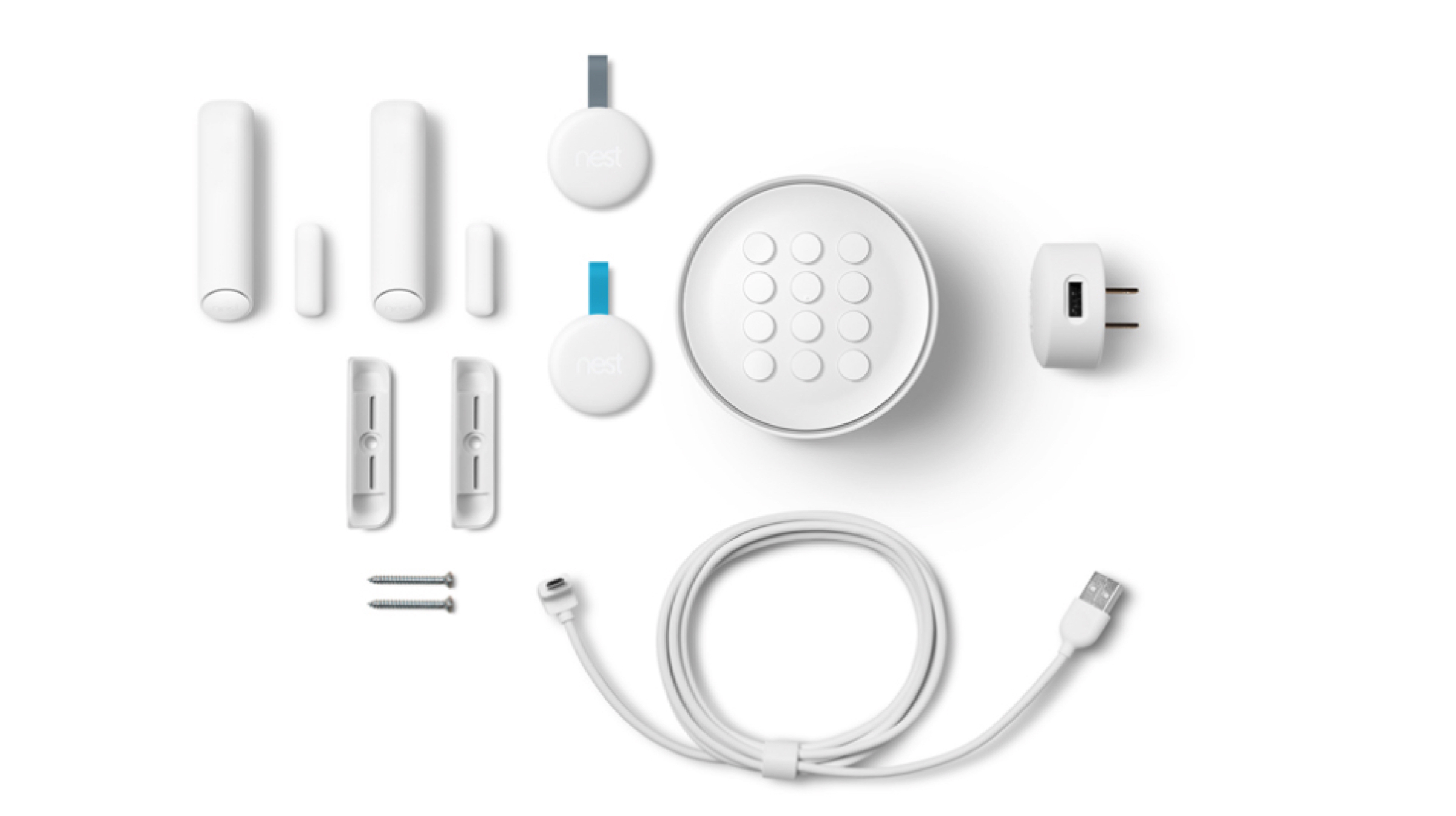
    American search engine giant Google hasn’t had the best reputation when it comes to users privacy. The company failed to maintain user data when a serious security bug in its social media offering, Google+ was found. The company has once again found itself amidst controversy when it was discovered that one of is products, the Nest Secure has a built-in microphone which went unnoticed for more than a year.

    Google Nest Secure Controversy

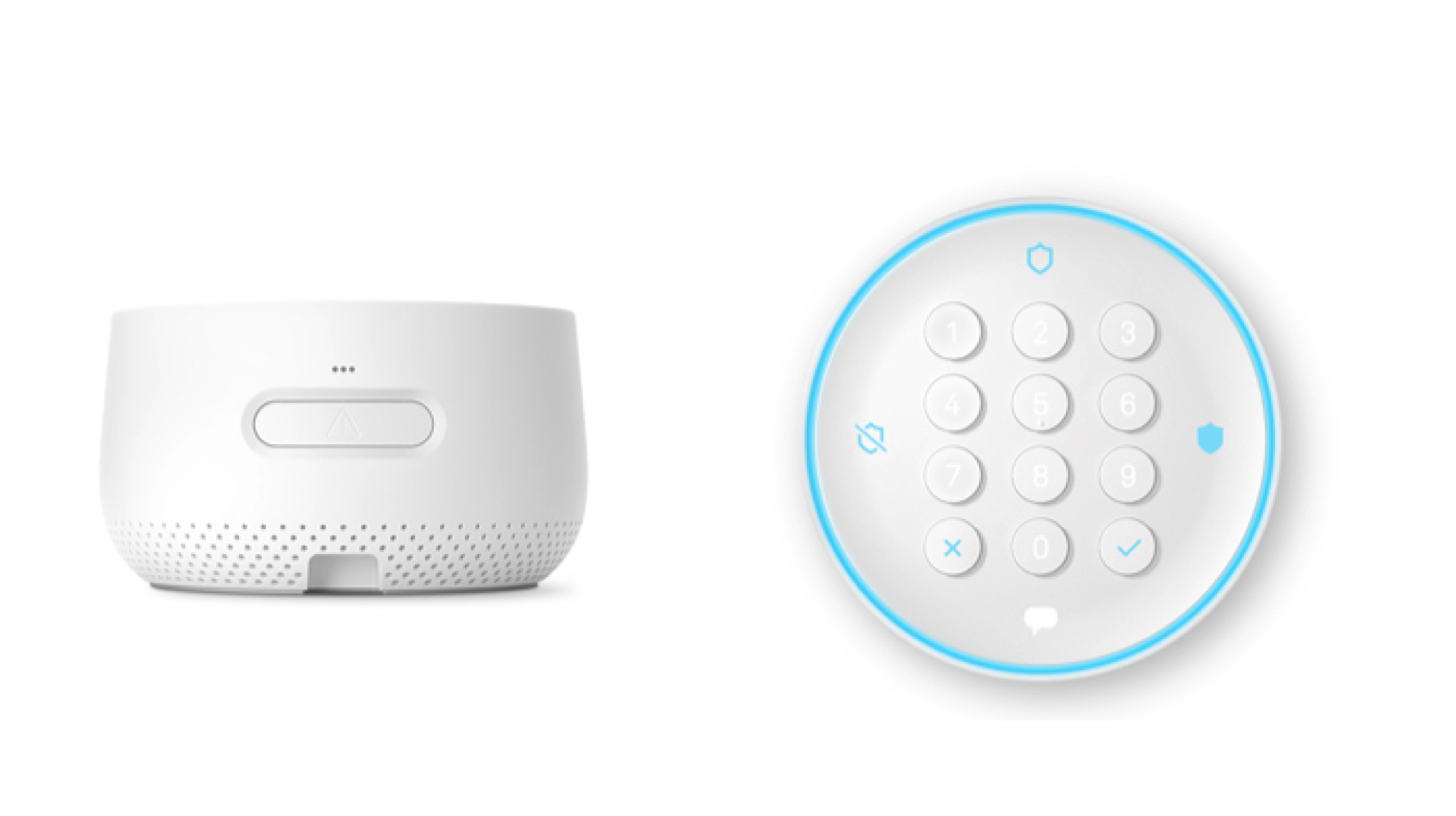
    Google acquired the home security company Nest in 2014 and then merged it under the Google brand last year. The Nest Secure bundle of devices were introduced in 2017. Google announced in early February this year that the Nest Guard, one of the devices in the Secure bundle, would double up as a voice assistant; as it will gain Google Assistant functionality. Using Google Assistant to work hands-free requires a microphone, and this microphone was never disclosed to have been present in the device. After the update, the users then would receive an email with instructions on how to turn on the microphone and set Google Assistant up on the device.

    The controversy also arises from the fact that the product page of the device didn’t mention the presence of the hardware for more than a year. The page has since been updated with a microphone mentioned in the ‘Audio and Lights’ section of the product description. This oversight on Google’s part is being taken down as a serious offence in breaching a users privacy. There have been many negative sentiments about the company’s actions, most of them coming from US politicians who are concerned about the user’s privacy.

    Also read: Samsung Galaxy S10e, Galaxy S10, Galaxy S10+ India Price Revealed

    Google has since clarified in a statement, that it never meant to keep the information about the presence of a microphone a ‘secret’. It also mentioned that the hardware was disabled until the update, and will continue to do so if the user desires.

  • Samsung Galaxy S10e, Galaxy S10, Galaxy S10+ India Price Revealed

    Samsung Galaxy S10e, Galaxy S10, Galaxy S10+ India Price Revealed

    Samsung launched the Galaxy S10 lineup of smartphones on February 20 in San Fransisco. Three main devices, namely the Galaxy S10e, Galaxy S10 and the Galaxy S10+ were introduced which took the mantle of the company’s next flagships from the Galaxy S9. Unfortunately, no information was provided on their India specific pricing at the launch event. Putting an end to all speculations, Samsung has started taking pre-orders for all the three handsets in the country, revealing their prices.

    Samsung Galaxy S10 Series

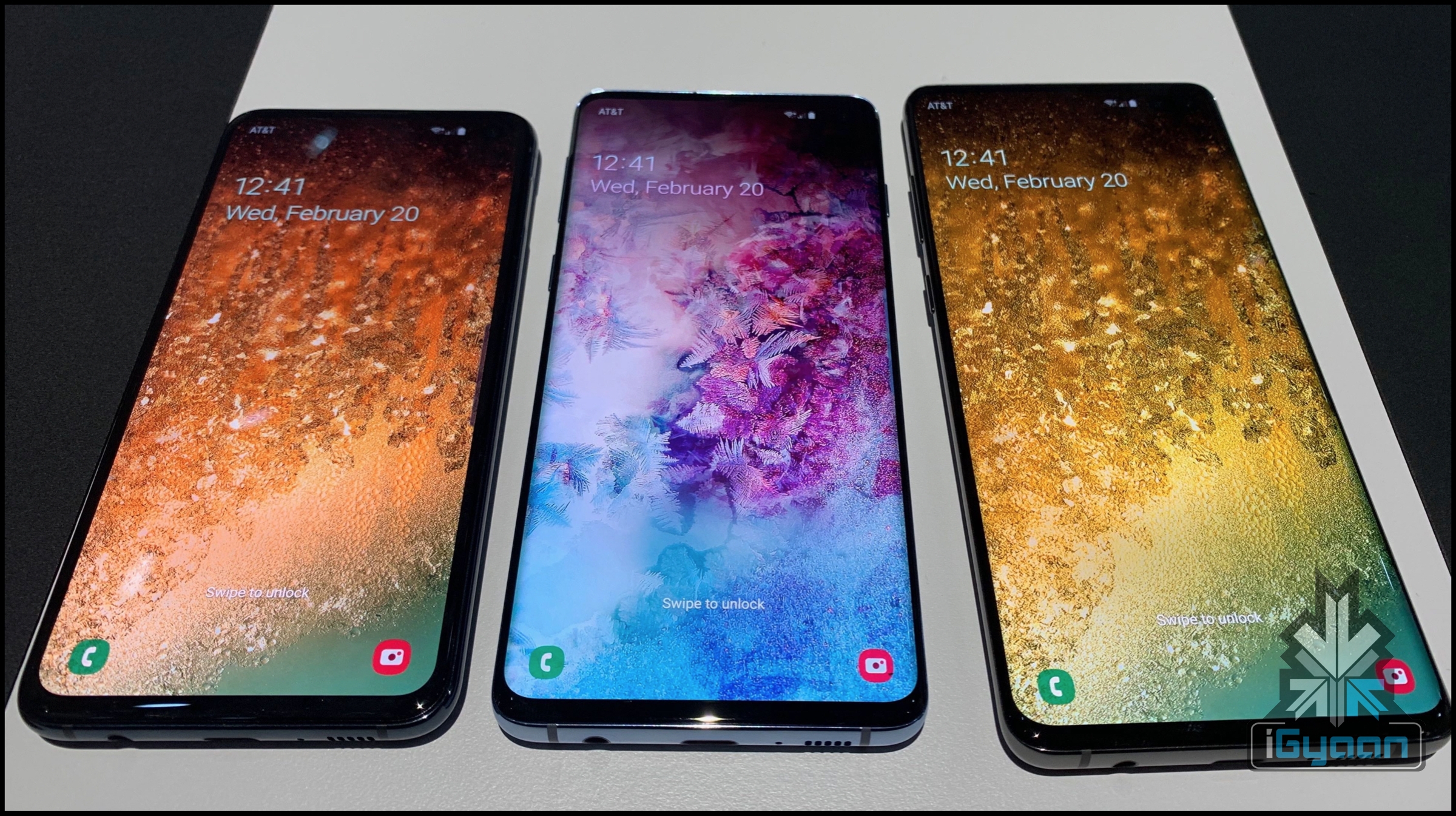
    The next generation flagship series of smartphones by Samsung, the Galaxy S10 lineup has three devices that are arriving in India soon. They are similar in most ways while differing in certain aspects like screen size, battery capacity, cameras and obviously, pricing. All smartphones feature a glass sandwich design and have the new Infinity-O displays. The devices feature Samsung’s new Dynamic AMOLED displays with support for HDR10+ content. All the smartphones run on the Exynos 9820 SoC in India, which is manufactured using 8nm fabrication process. It contains an Octa-core CPU and Mali-G76 MP12 GPU.

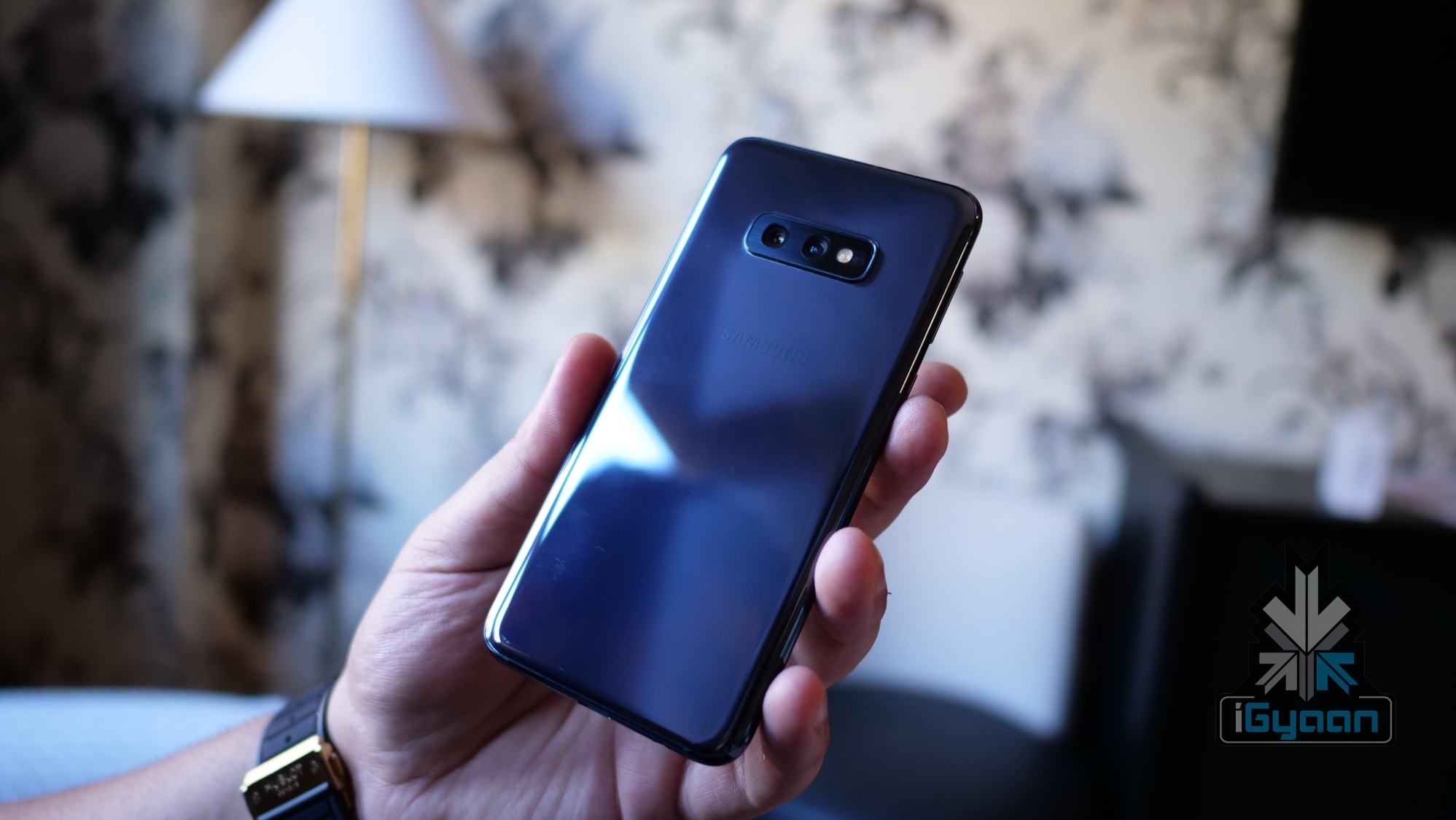
    Notably, the Galaxy S10 lineup differs in a few features, like the Galaxy S10e featuring a side-mounted fingerprint scanner and dual rear cameras; while its two larger siblings have an ultrasonic in-display fingerprint scanner and triple rear cameras. The screen size also varies on all devices, with the Galaxy S10e sporting a 5.8-inch display; while the Galaxy S10 and Galaxy S10+ have a 6.1-inch and 6.4-inch display respectively. The front cameras of the Galaxy S10e and the Galaxy S10 is limited to just one sensor, while the Galaxy S10+ has two front-facing cameras. The Galaxy S10e is powered by a 3100mAh battery; while the Galaxy S10 and the Galaxy S10+ have a 3400mAh and a 4100mAh cell respectively. All the three smartphones have IP68 certification for water and dust resistance, support Wi-Fi 6, NFC, fast wireless charging and also support reverse wireless charging.

    Samsung Galaxy S10 Series: Pricing

    Also read: Apple Planning To Combine iPhone, iPad And Mac Apps By 2021

    The prices of the S10 series in India are as follows:

    Model Galaxy S10e Galaxy S10 Galaxy S10+
    Price Rs 55,900 (6GB + 128GB) Rs 66,900 (8GB + 128GB) Rs 73,900 (8GB + 128GB)
        Rs 84,900 (8GB + 512GB) Rs 91,900 (8GB + 512GB)
          Rs 1,17,900 (12GB + 1TB)

    All the models will be available in India starting March 8.

    You can pre-book the Galaxy S10 series by visiting the link here.

  • Samsung Galaxy Fold

    Samsung Galaxy Fold

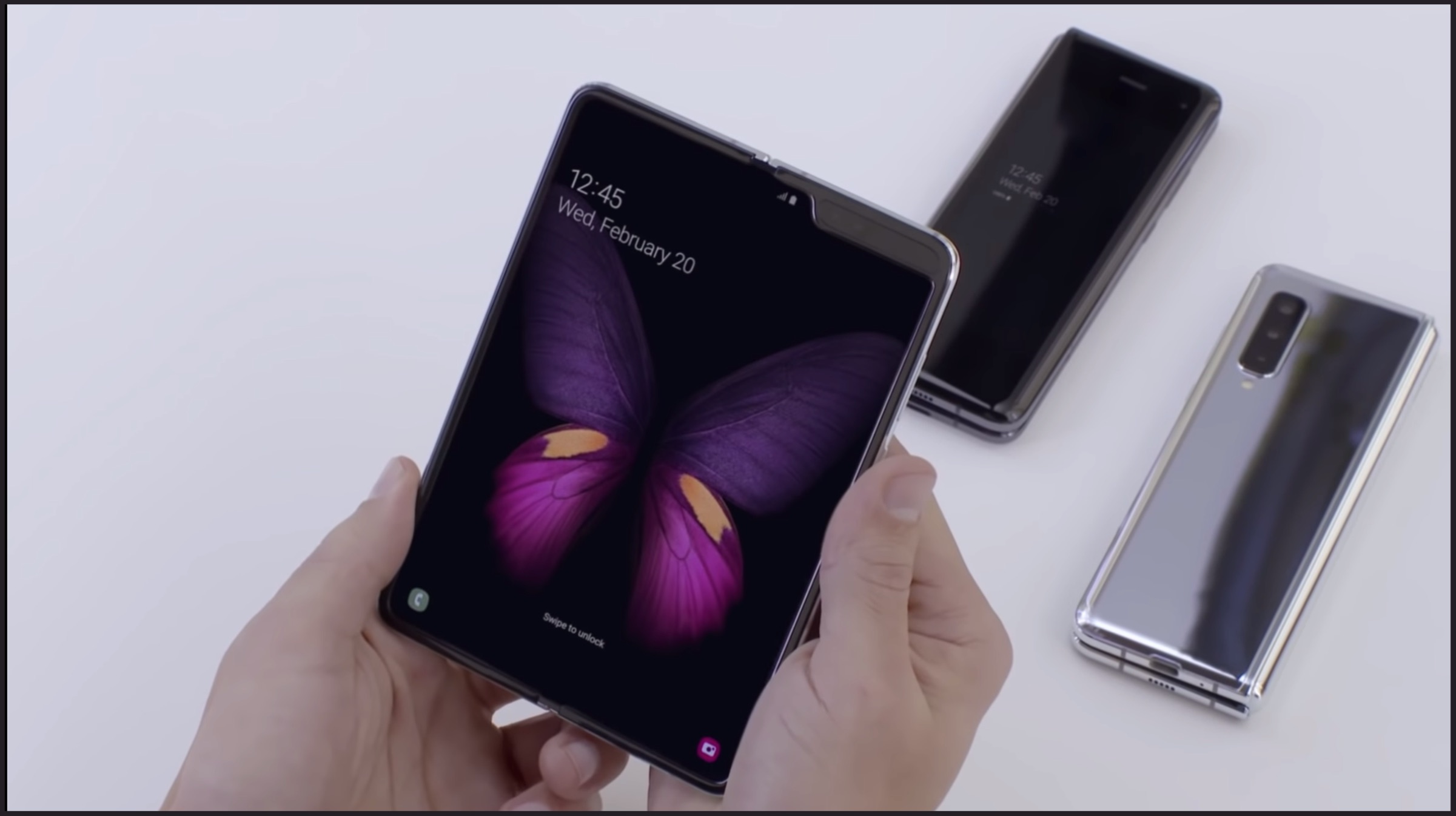
    Samsung Galaxy Fold is the first foldable smartphone from the company. The device allows multitasking on three apps simultaneously and features a uniquely designed hinge with interlocking gears. The smartphone features six cameras in total, has two displays and is touted as a premium device by Samsung.

    [loop included_tags=”58890,45853,39105″ loading=”paged” layout=”f”]

  • Xiaomi Mi 9

    Xiaomi Mi 9

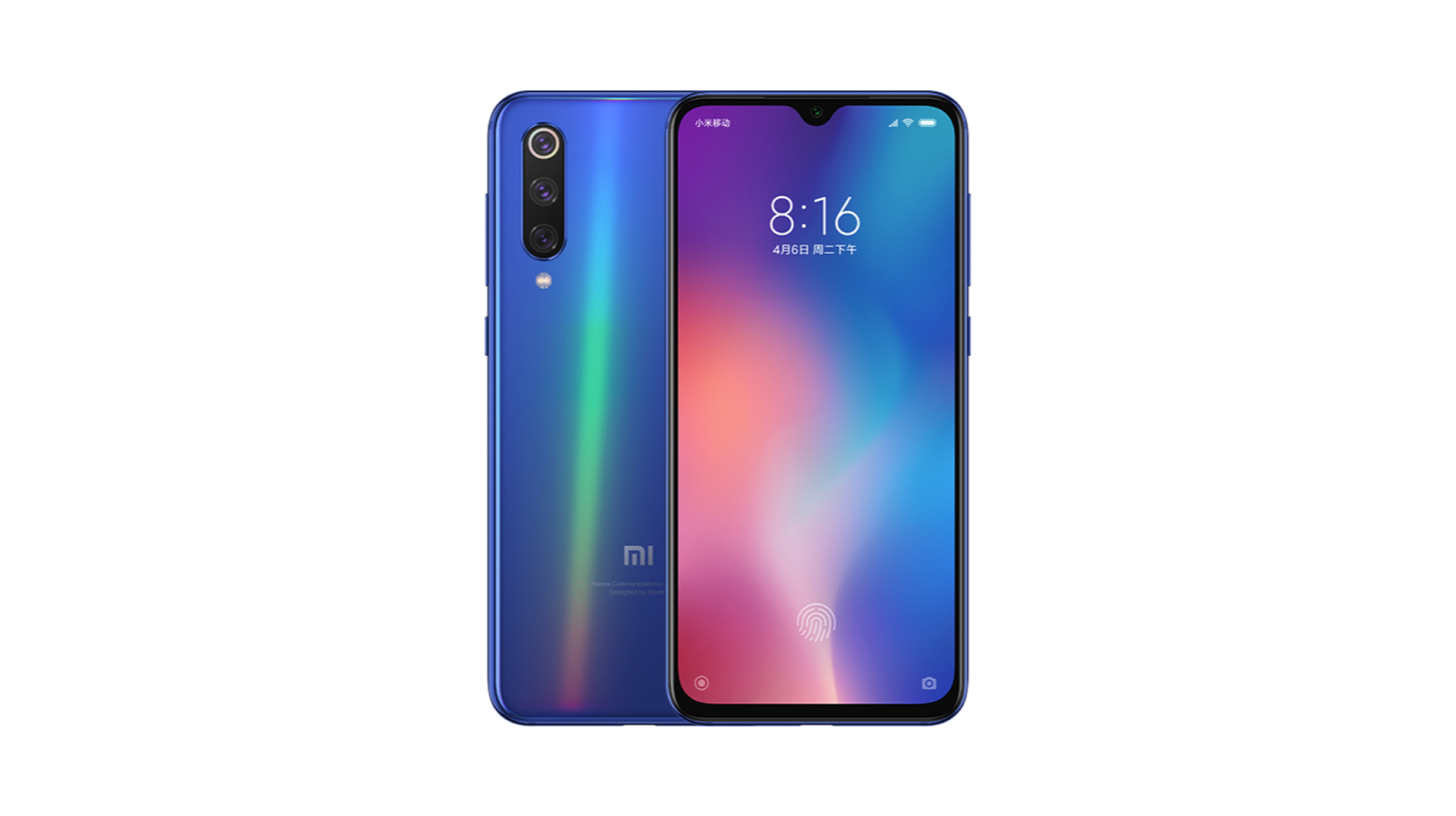
    Xiaomi Mi 9 is the newest flagship from the Chinese brand. The smartphone features top tier specifications and has a glass sandwich design. It also has a triple rear camera setup and a waterdrop notch on the front. The device is targeted towards power users who don’t want to spend a lot of money on a smartphone.

    [loop included_tags=”58990″ loading=”paged” layout=”f”]

  • Apple Planning To Combine iPhone, iPad And Mac Apps By 2021

    Apple Planning To Combine iPhone, iPad And Mac Apps By 2021

    The Apple ecosystem is vast, with various devices interconnected seamlessly. Despite running the same OS, the apps on the iPhone and the iPad differ in functionality and availability. A report claims that by the year 2021, the company will combine its iPhone, iPad and MacOS apps in a project codenamed Marzipan.

    Combined Apps In The Apple Ecosystem

    The move of combining apps for all the major products in the Apple ecosystem will make it easier to develop apps for these products. The Marzipan project might make an appearance in the upcoming Apple’s WWDC Developer conference in June. Only app development will be linear as Apple has confirmed that it won’t merge iOS and MacOS as a singular platform. Along with the alleged Marzipan project; Apple is also expected to announce the next generation of iOS, the iOS 13 for iPhones and iPads, at the event.

    The alleged project Marzipan will begin its journey later this year, as Apple will let the developers port their iPad apps to Mac computers via a software development kit. This will be further explored in the year 2020 when iPhone apps will be tested for porting to Mac. All of these will be combined to form a united app experience across these three platforms by the year 2021. The kit will be released as early as June, which coincides with reports of it launching at the WWDC. This change will let developers create a cross-platform experience for an app, as some apps are currently available on iOS and not on MacOS.

    Also read: Samsung Announces The Galaxy S10 5G Smartphone

    The project Marzipan is expected to provide a revenue opportunity for Apple as the company takes a profit share for in-app purchases and in-app subscriptions. It is also expected to announce some new products in its services divisions; namely a premium news subscription service and a video content initiative, in the month of March. The idea of combining apps for different ecosystems was first explored by Microsoft for its Windows Phone and Windows PCs, as well as Google when developing Android apps for ChromeOS. This move by Apple is expected to improve the app experience and may provide seamless connectivity on a single app between different platforms. 

  • Elon Musk Promises Tesla Will Release Full Autonomous Driving Feature This Year

    Elon Musk Promises Tesla Will Release Full Autonomous Driving Feature This Year

    Electronic car maker Tesla has been a driving force in the growth of the sales of electric cars. The company has introduced several futuristic features in their vehicles which have been really popular among buyers. Its CEO Elon Musk promised a while ago that a fully self-driving Tesla will be released by the year 2020. In a surprising move, the senior executive confirmed that the company will indeed be releasing the promised feature by the end of the year 2019.

    Tesla & Self Driving Technology

    Tesla SmartphoneTesla cars are renowned for their Autopilot feature which makes use of several cameras and sensors present on the exterior of the vehicle. The feature, when used makes the car a partially autonomous vehicle. It still requires the driver to be attentive of their surroundings all the time, or the feature stops working. The feature is then disabled for the rest of the trip and won’t be accessible. It was touted as a revolutionary feature when it was introduced back in 2015 with the v7.0 update of the Tesla OS.

    According to Elon Musk though, the hardware in current Tesla cars is capable of fully autonomous driving since October 2016. It is expected that when the fully autonomous driving feature arrives in the form of a software update, it will automatically support the cars manufactured after late 2016. He states that the feature will be so capable that the driver will be able to sleep while the car drives itself. The vehicle will be able to pick the driver up, drive and drop the rider off their destination. This feature will fully roll-out by 2020 until then manual monitoring is required.

    Elon MuskAlso read: Samsung Launches Galaxy Buds, Galaxy Fit And Galaxy Watch Active

    Interestingly, Tesla always missed every deadline that Elon Musk has quoted earlier. So, the feature might take longer than expected to be fully ready. Reports suggest that the Tesla cars with full autonomous functionality are likely to be ready by sometime in 2020.

  • Samsung Announces The Galaxy S10 5G Smartphone

    Samsung Announces The Galaxy S10 5G Smartphone

    Samsung launched a plethora of products at the Galaxy Unpacked event on February 20. This includes the Galaxy S10 (1,2)lineup of smartphone and the foldable Galaxy Fold device. Along with these gadgets, the company also announced its first smartphone capable of 5G connectivity, the Galaxy S10 5G. The smartphone is a notable upgrade over the regular Galaxy S10 smartphones and will be available for purchase later this year.

    Build & Features
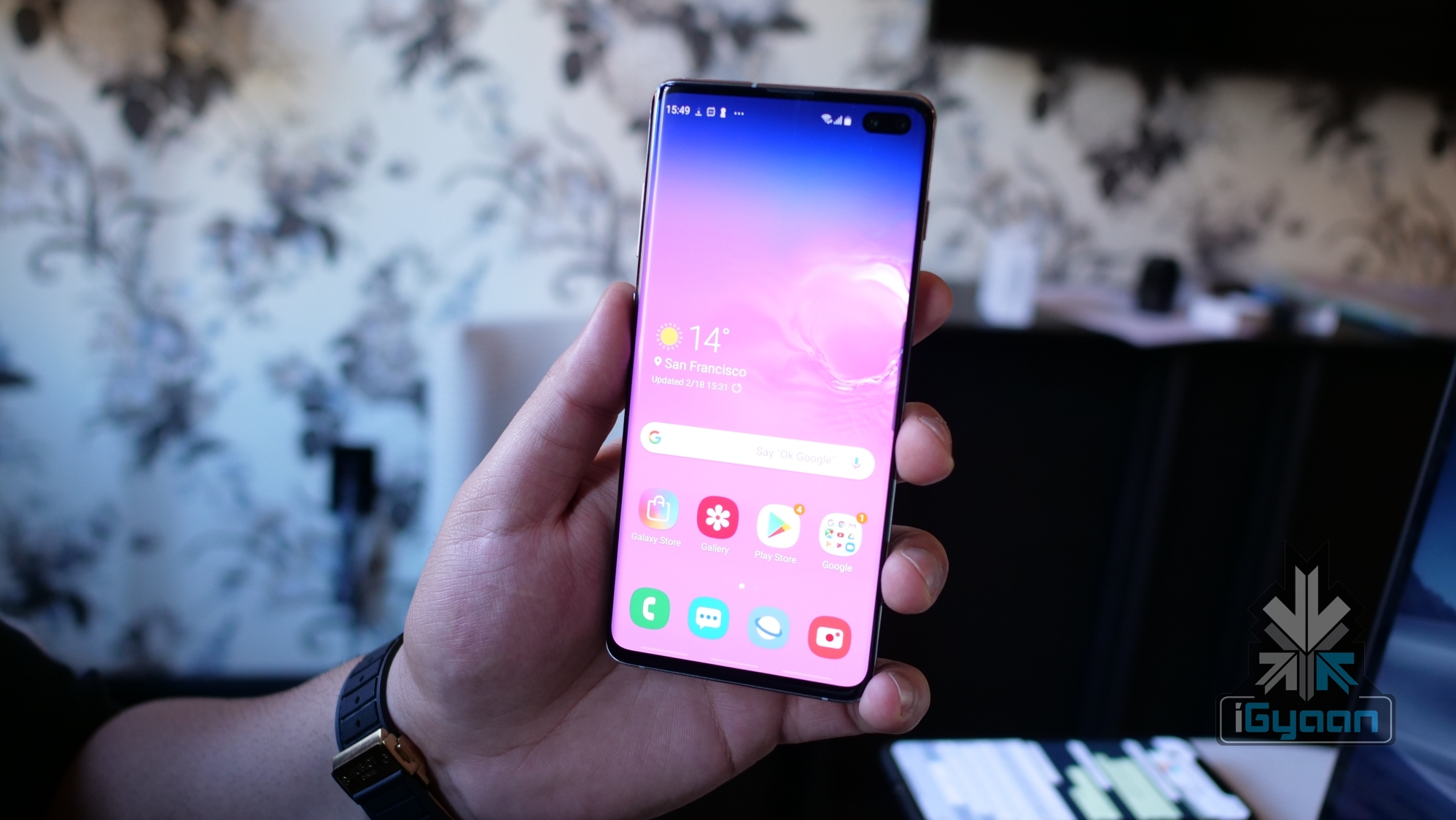
    The Galaxy S10 5G measures 162.6 x 77.1 x 7.94mm and weighs 198g. The design of the smartphone is reminiscent of the Galaxy S10+ with Gorilla Glass 6 on the front and Gorilla Glass 5 on the back. The display sports an Infinity-O, 6.7-inch Dynamic AMOLED panel with a resolution of 3040 x 1440 px. It has a pixel density of 505PPI and a 19:9 aspect ratio. Like its siblings the Galaxy S10 and Galaxy S10+, it features an ultrasonic in-display fingerprint scanner and has IP68 certification for water and dust resistance. 
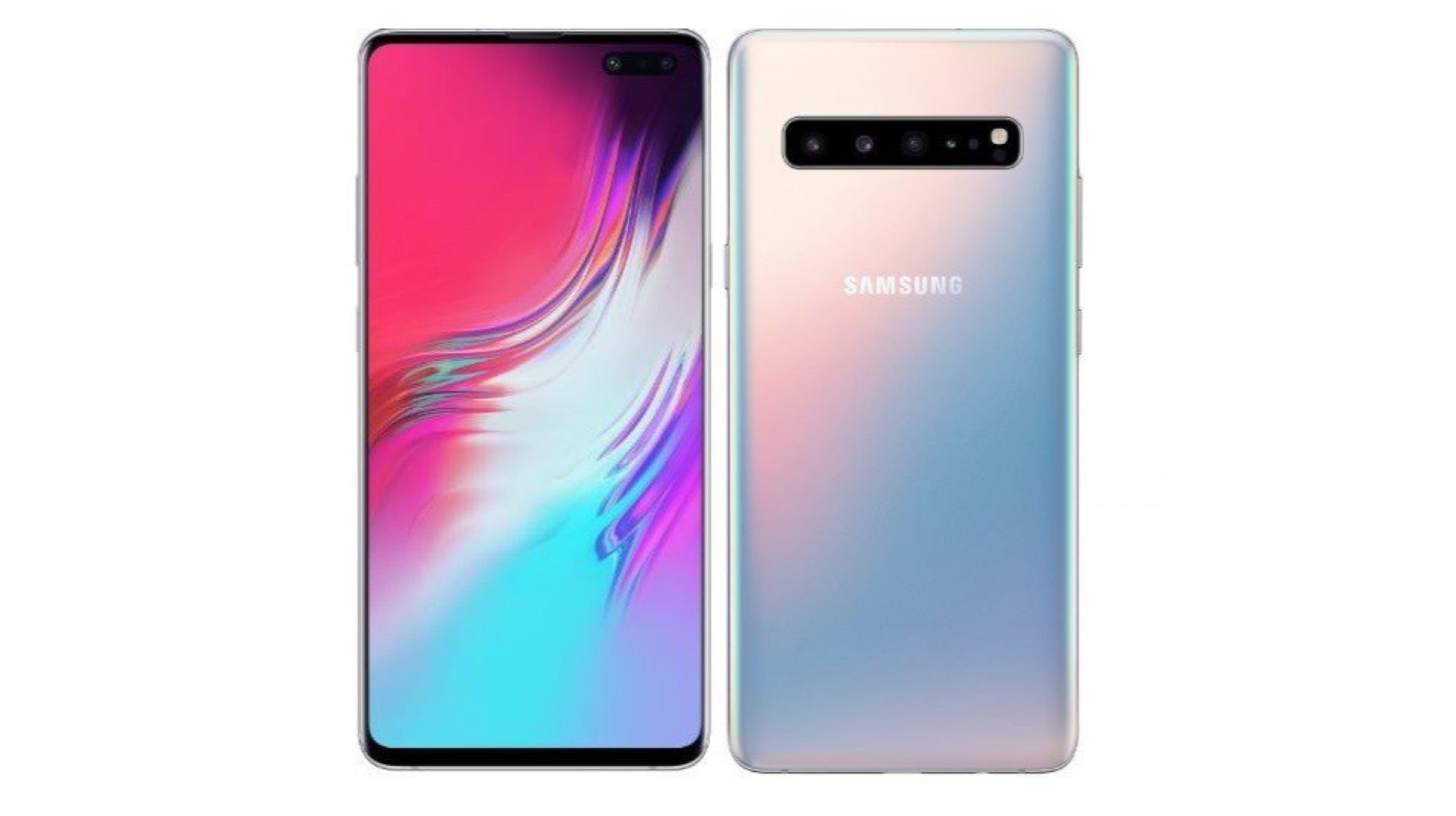
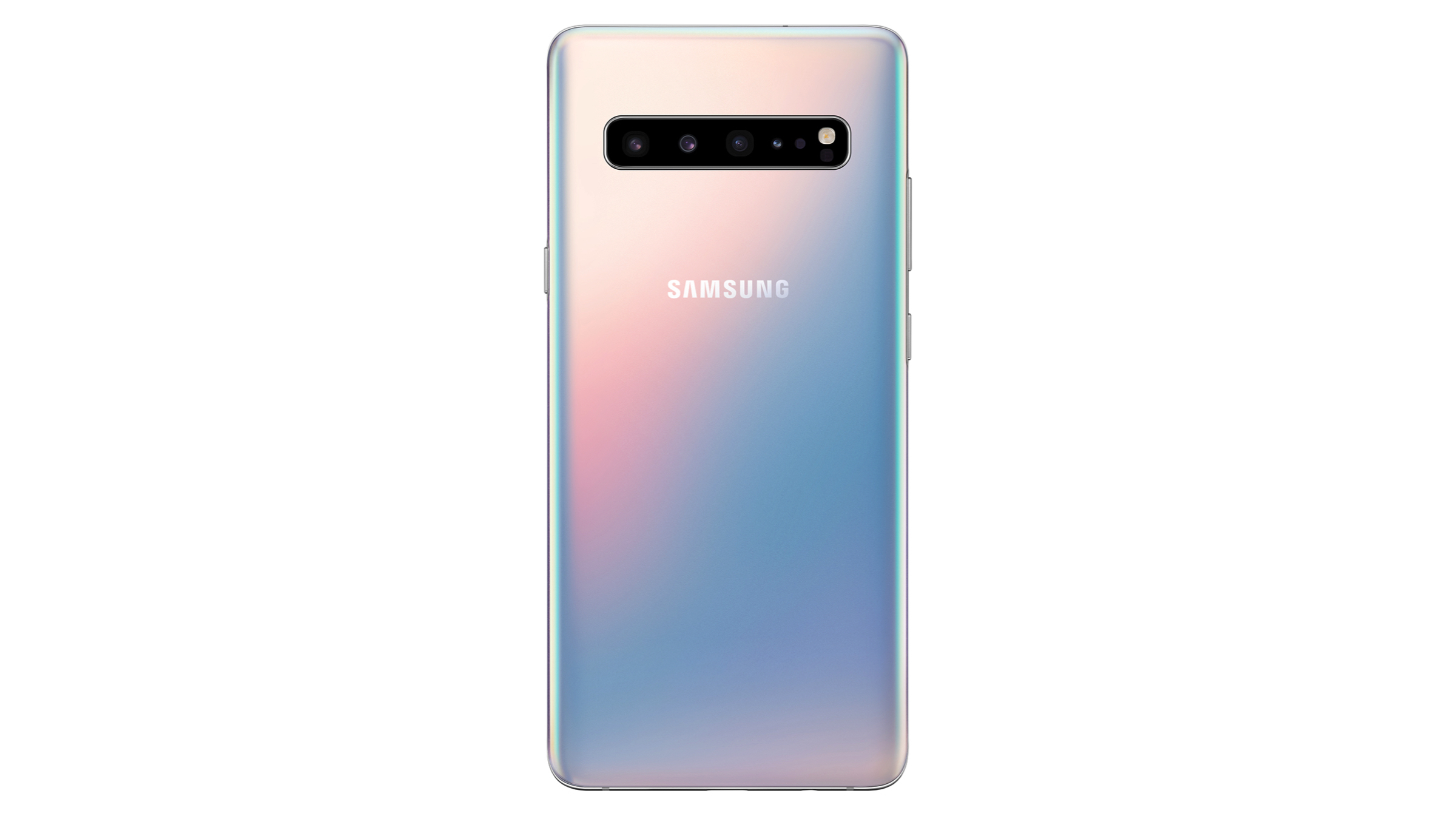
    The Galaxy S10 5G features quad rear cameras, unlike the triple rear camera setup found in the Galaxy S10 and the Galaxy S10+. This camera setup includes a 12MP f/1.5-f/2.4 sensor, 12MP f/2.4 Telephoto sensor, 16MP f/2.2 Ultra-wide angle sensor; and a Time Of Flight(TOF) camera for 3D depth recording. The device has two cameras on the front, which are comprised of a 10MP f/1.9 sensor and a secondary TOF sensor to assist with background blur in photos and videos.
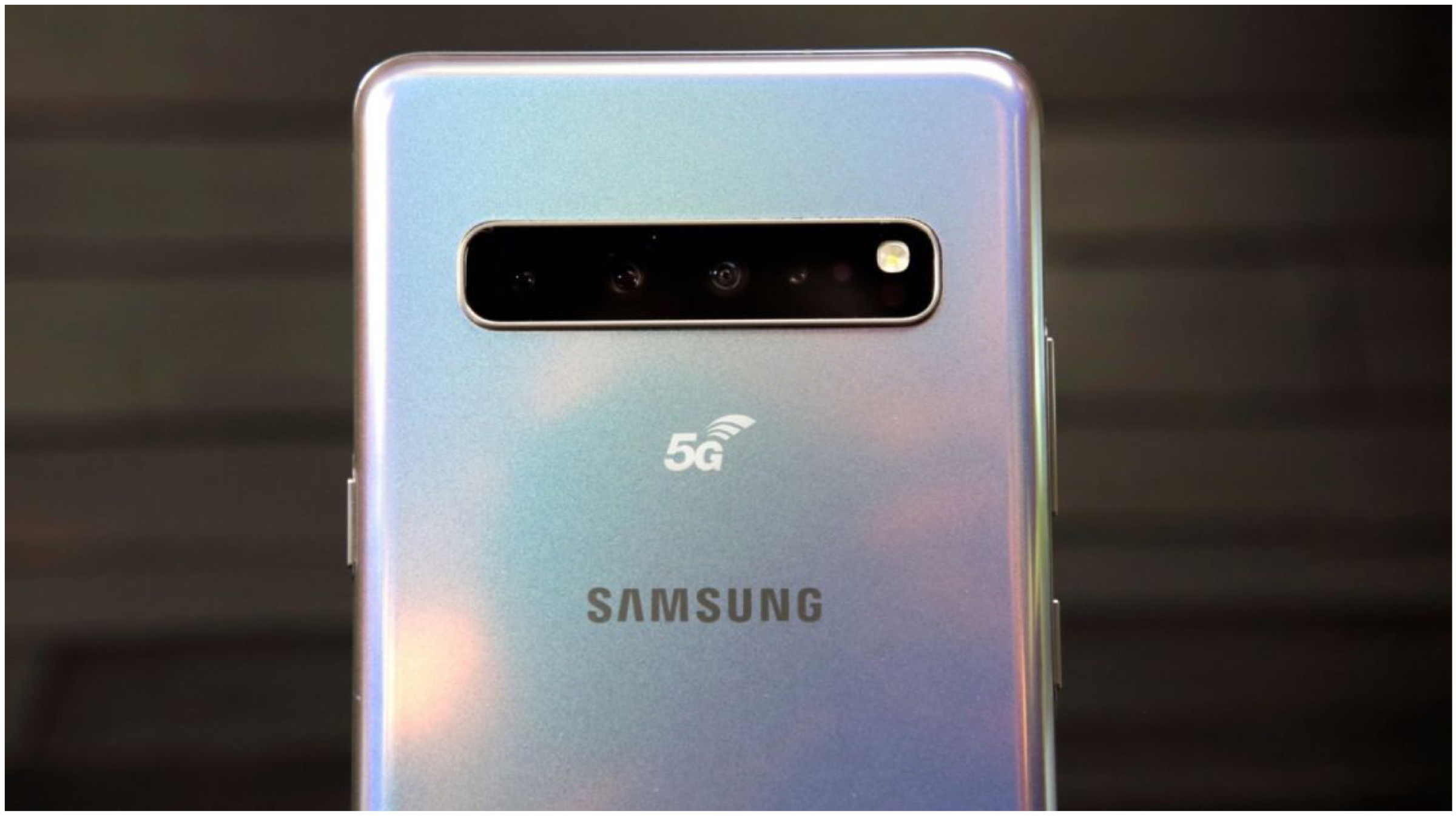
    The Galaxy S10 5G runs on the latest Qualcomm Snapdragon 855 SoC which is manufactured using 7nm fabrication process. It has an Octa-core CPU and Adreno 640 GPU. The device features the Qualcomm X50 modem for 5G support. In terms of storage, it features 8GB of RAM and 256GB of onboard storage. There is no support for memory expansion via MicroSD.
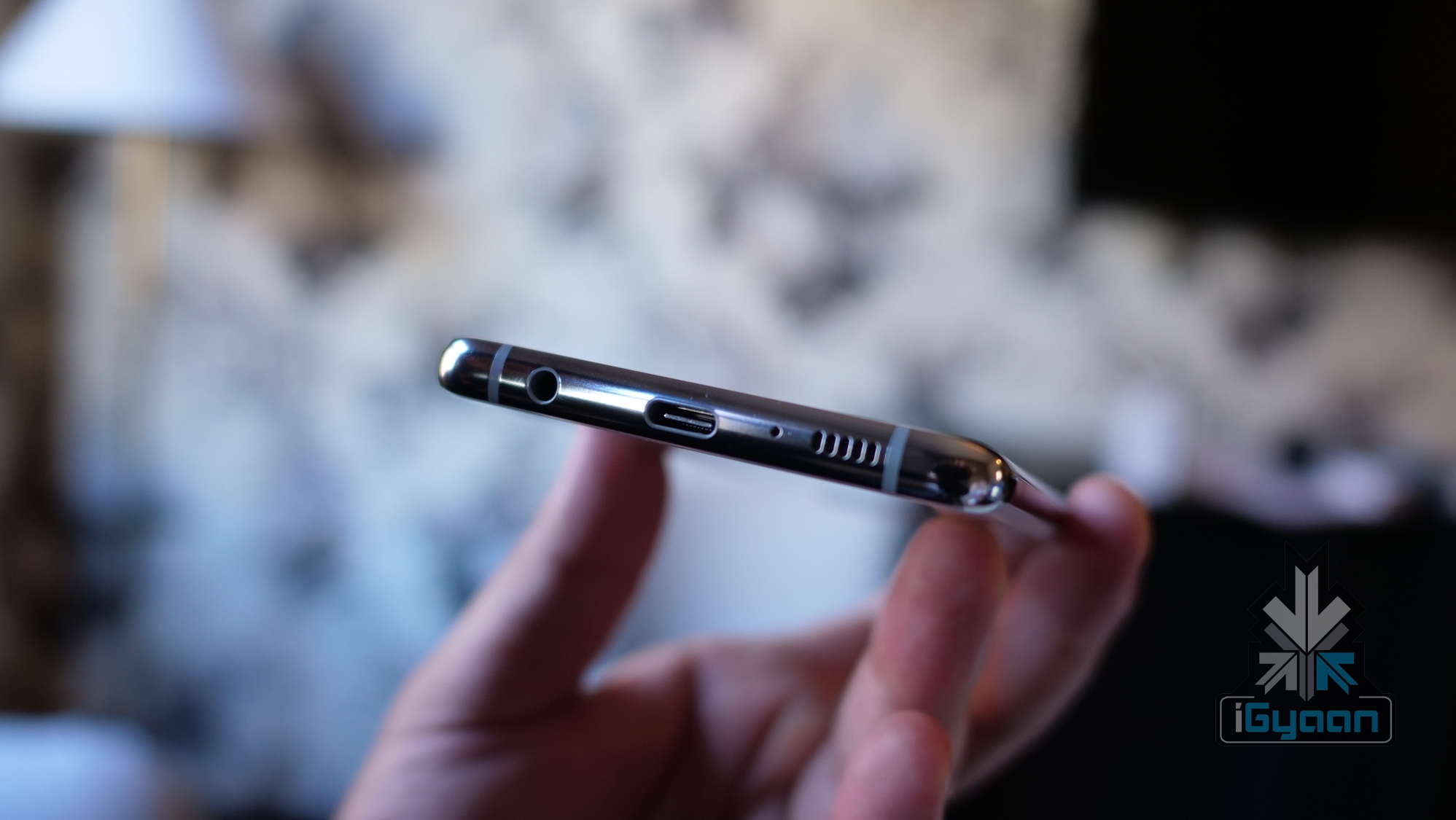
    The Galaxy S10 5G is powered by a 4,500mAh battery, larger than the 4100mAh present on the Galaxy S10+. The device supports 25W fast charging via the bottom mounted USB Type-C Port. Noteworthy, the premium smartphone also supports wireless charging. Like its siblings, it also has a reverse wireless charging feature.

    Pricing & Availablity
    Also read: Samsung Launches The Galaxy Fold Alongside The Galaxy S10 Lineup

    The Galaxy S10 5G will be available in the US starting Q2 2019 and will be initially exclusive to Verizon before arriving at more carriers in the future. Unfortunately, the company has not released any information on pricing yet, but reports suggest it may retail at $1,700(around Rs. 1,20,000).
     

  • Samsung Launches The Galaxy Fold Alongside The Galaxy S10 Lineup

    Samsung Launches The Galaxy Fold Alongside The Galaxy S10 Lineup

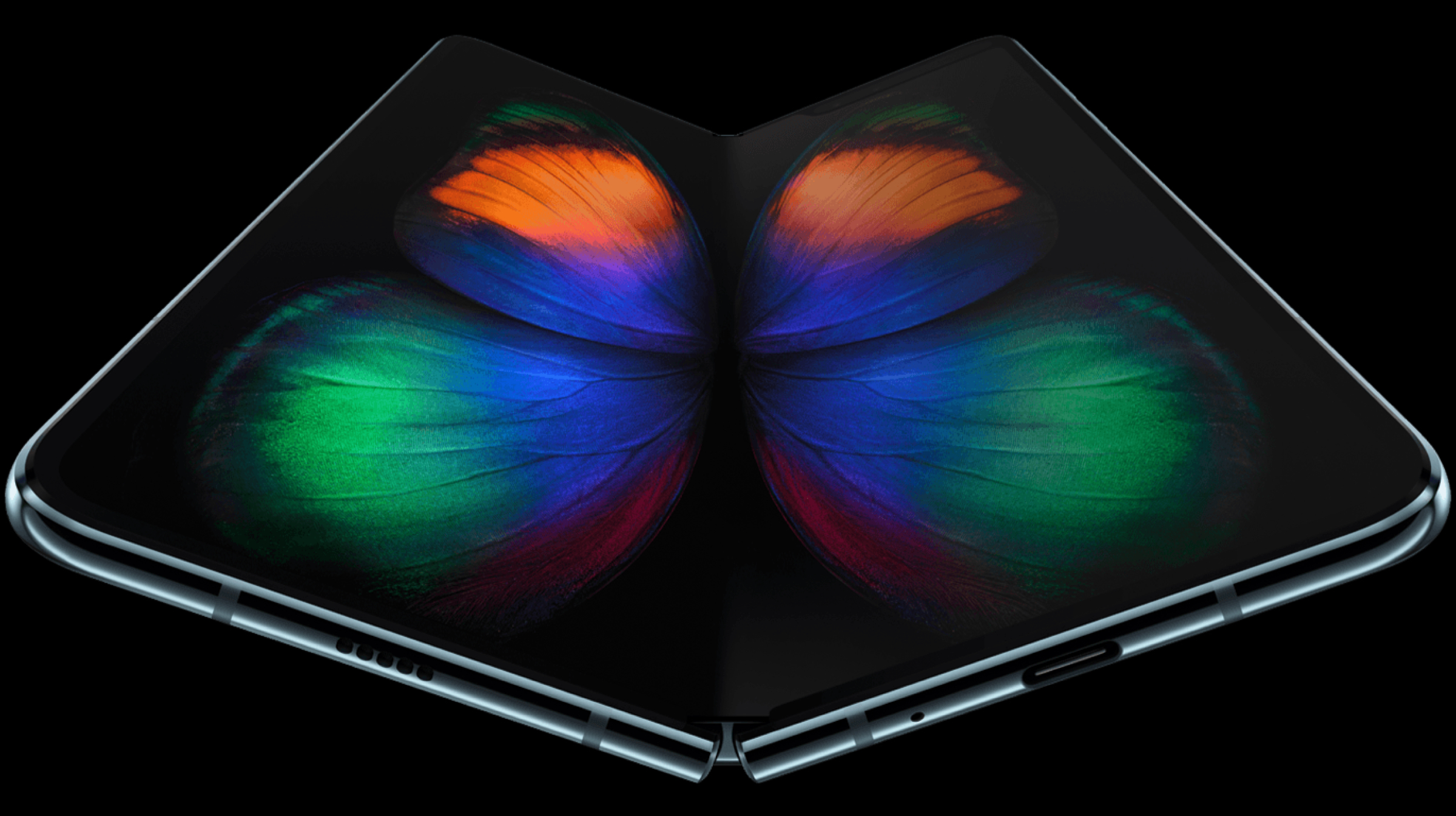
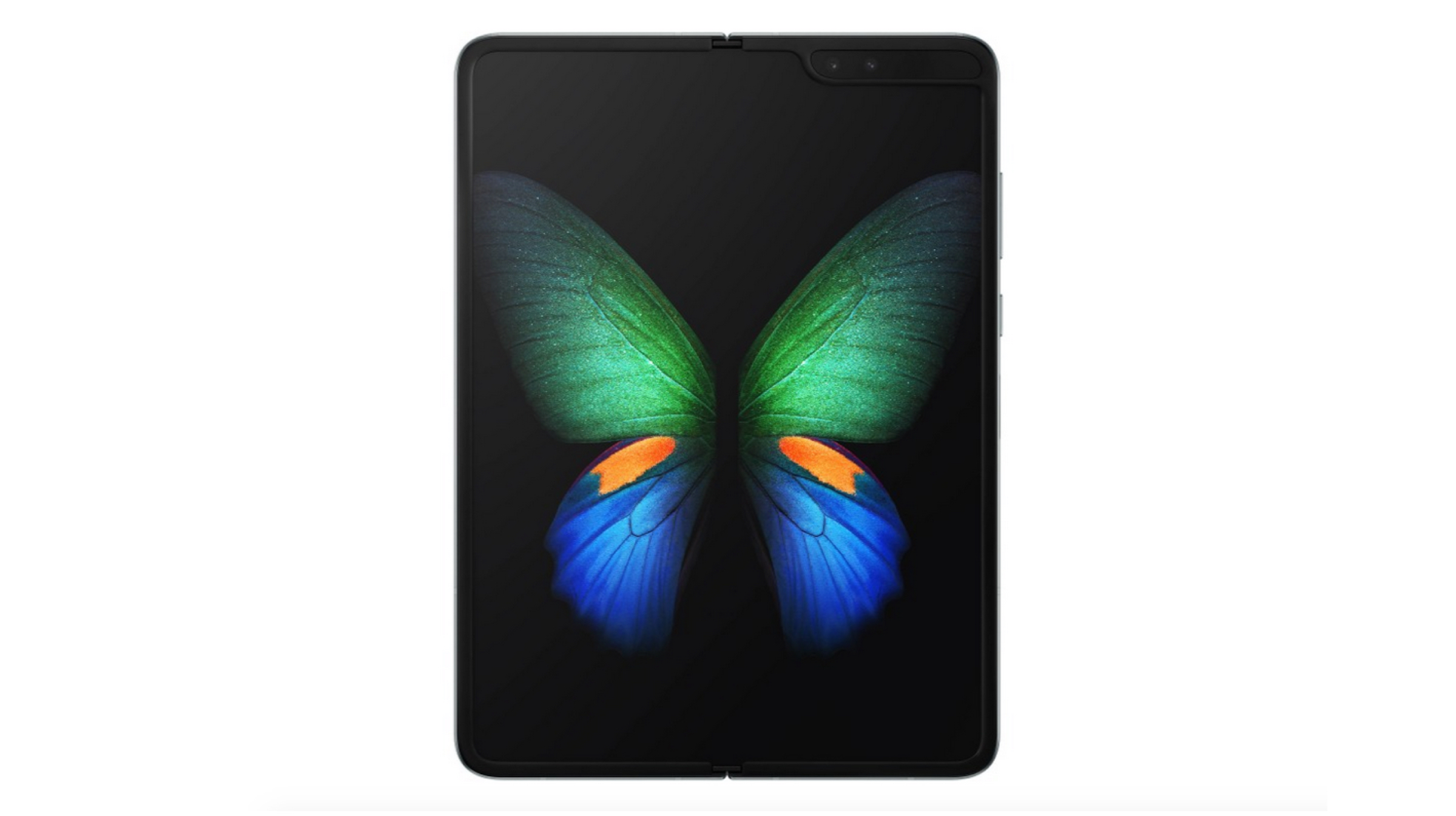
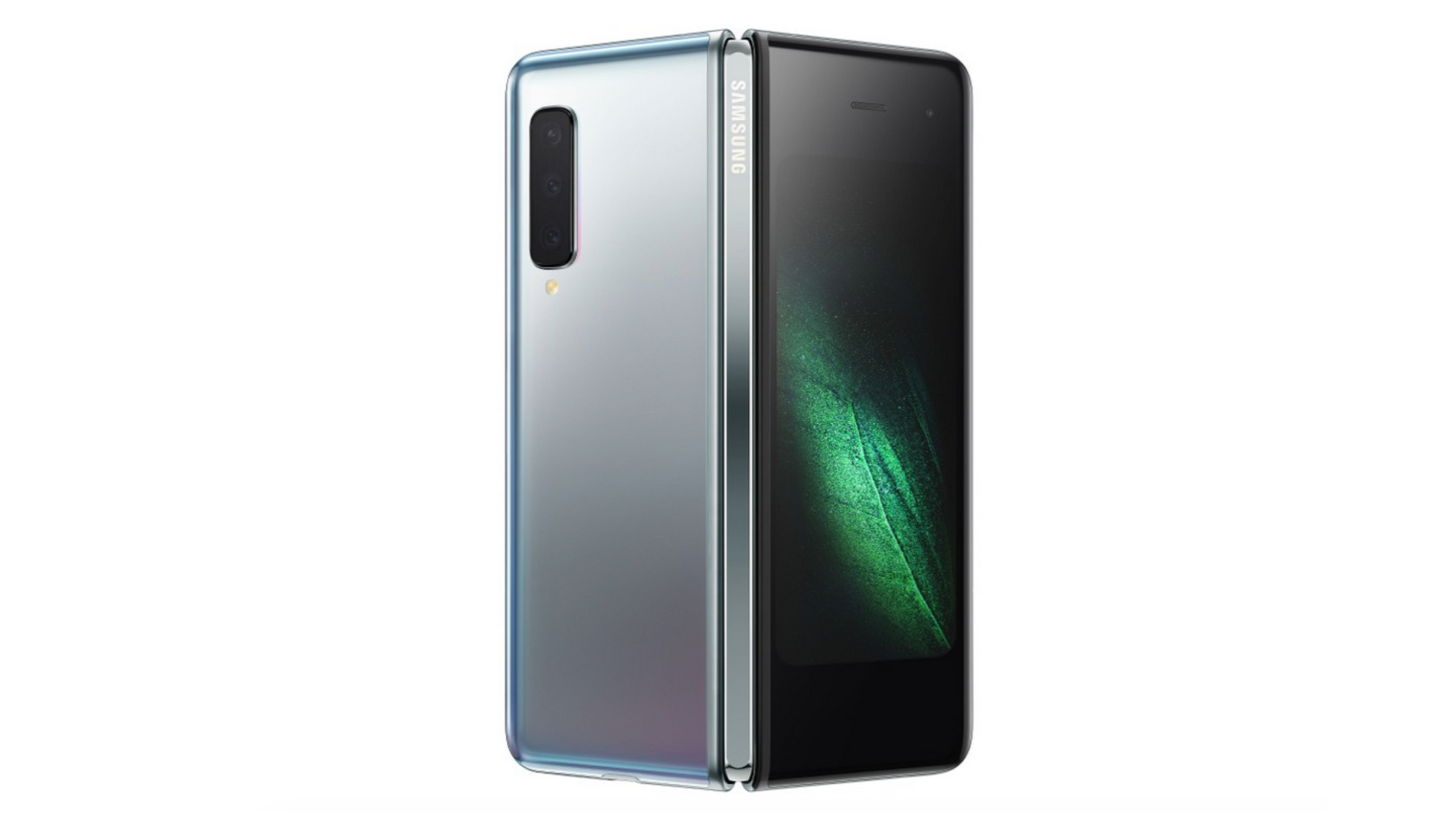
    At the Galaxy Unpacked event in San Fransisco on February 20, Samsung announced the long-awaited foldable smartphone, the Galaxy Fold. It was introduced along with the Galaxy S10 lineup at the beginning of the event. Notably, the device is the first foldable smartphone from the company and is only the second foldable device in the market currently. The device also allows multitasking on three apps simultaneously and features a uniquely designed hinge with interlocked gears.

    Build & Features

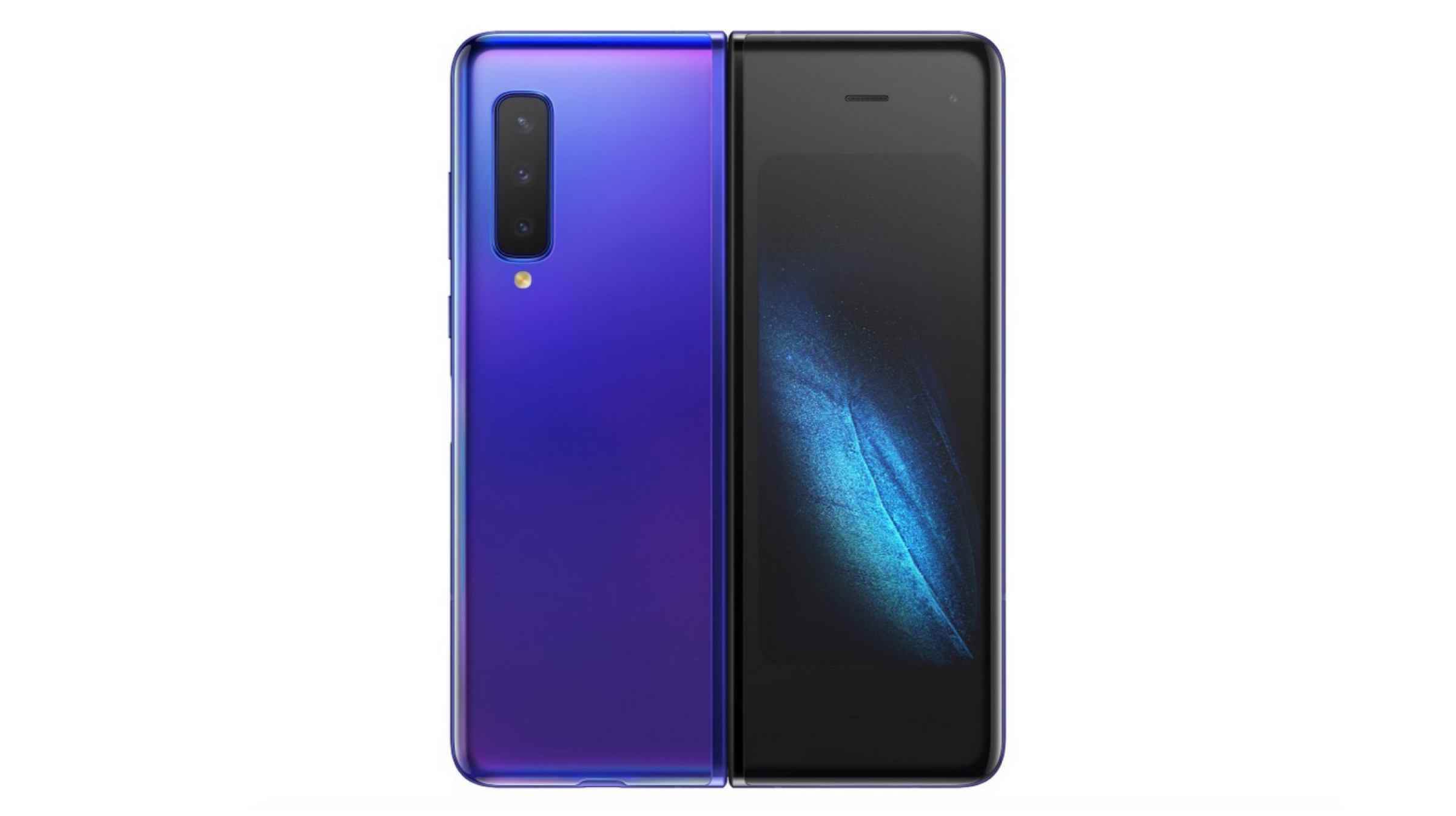
    The Galaxy Fold is a smartphone that can be converted into a tablet at will. The device has two displays out of which the bigger one is foldable into half. The larger display is a 7.3-inch Dynamic AMOLED panel which the company calls the ‘Infinity Flex’ display. It has a resolution of 2152 x 1536 px and is the biggest the company has ever put into a smartphone. The secondary display measures 4.6-inch diagonally and has an HD+ resolution.

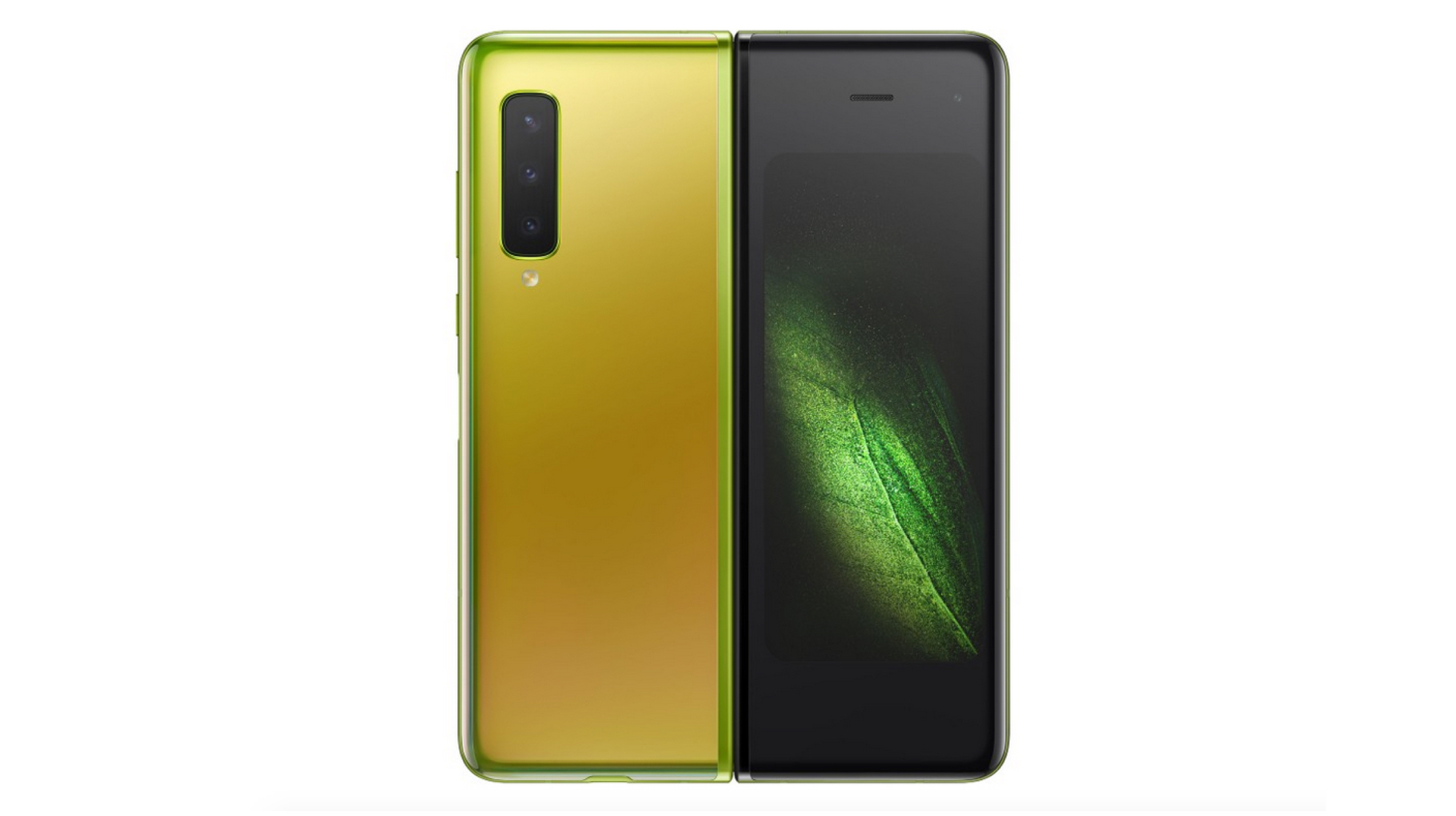
    The Galaxy Fold runs on the Qualcomm Snapdragon 855 SoC which is made using a 7nm fabrication process. It contains an Octa-core CPU combined with an Andreno 640 GPU. In terms of storage, the device features 12GB of RAM and 512GB of onboard storage. The Galaxy Fold is powered by 2 batteries with a total rated capacity of 4,380mAh with support for wireless charging. The device will be available in the following four colours:

    • Silver
    • Black
    • Green
    • Blue
    Cameras

    The Galaxy Fold has a total of six cameras on the smartphone. The triple rear camera setup consists of a 16MP, f/2.2 ultra-wide sensor with a 12MP, f/1.5-2.4 sensor and a 12MP, f/2.4 telephoto sensor. The front camera on the tablet is made up by a 10MP, f/2.2 sensor + 8MP, f/1.9 RGB depth sensor. Additionally, there is a cover camera present above the secondary display with a 10MP f/2.2 sensor.

    Price & Availablity


    Also read: Samsung Galaxy A10, A30 and A50 Images Leak Online

    The Galaxy Fold has been launched as a smartphone in the premium category. It has been priced at US$1980 (INR 1,40,000) and will be available starting April 26 in the US. Unfortunately, the company has not provided any information about the India launch.

  • Xiaomi Launches The Mi 9 SE Alongside The Mi 9

    Xiaomi Launches The Mi 9 SE Alongside The Mi 9

    Xiaomi at an event in China launched its flagship smartphone, the Mi 9 and the Mi 9 Explorer Edition. While the flagships were the stars of the show, the company also introduced a mid-range offering, the Mi 9 SE at the same event. The smartphone is the ‘lite’ version of the Mi 9 and also the first device in the world with the Qualcomm Snapdragon 712 SoC.

    Mi 9 SE: Build & Features

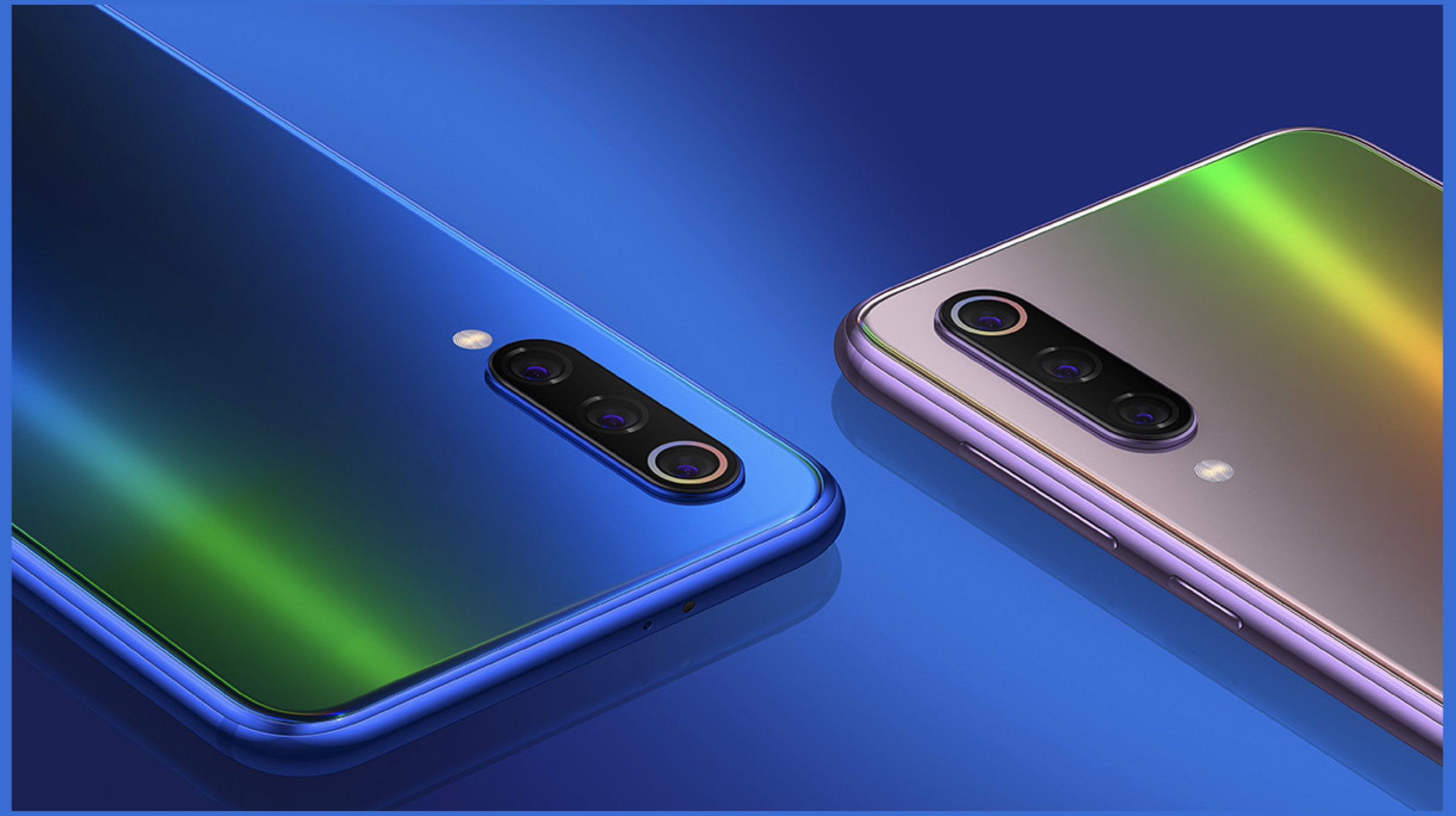
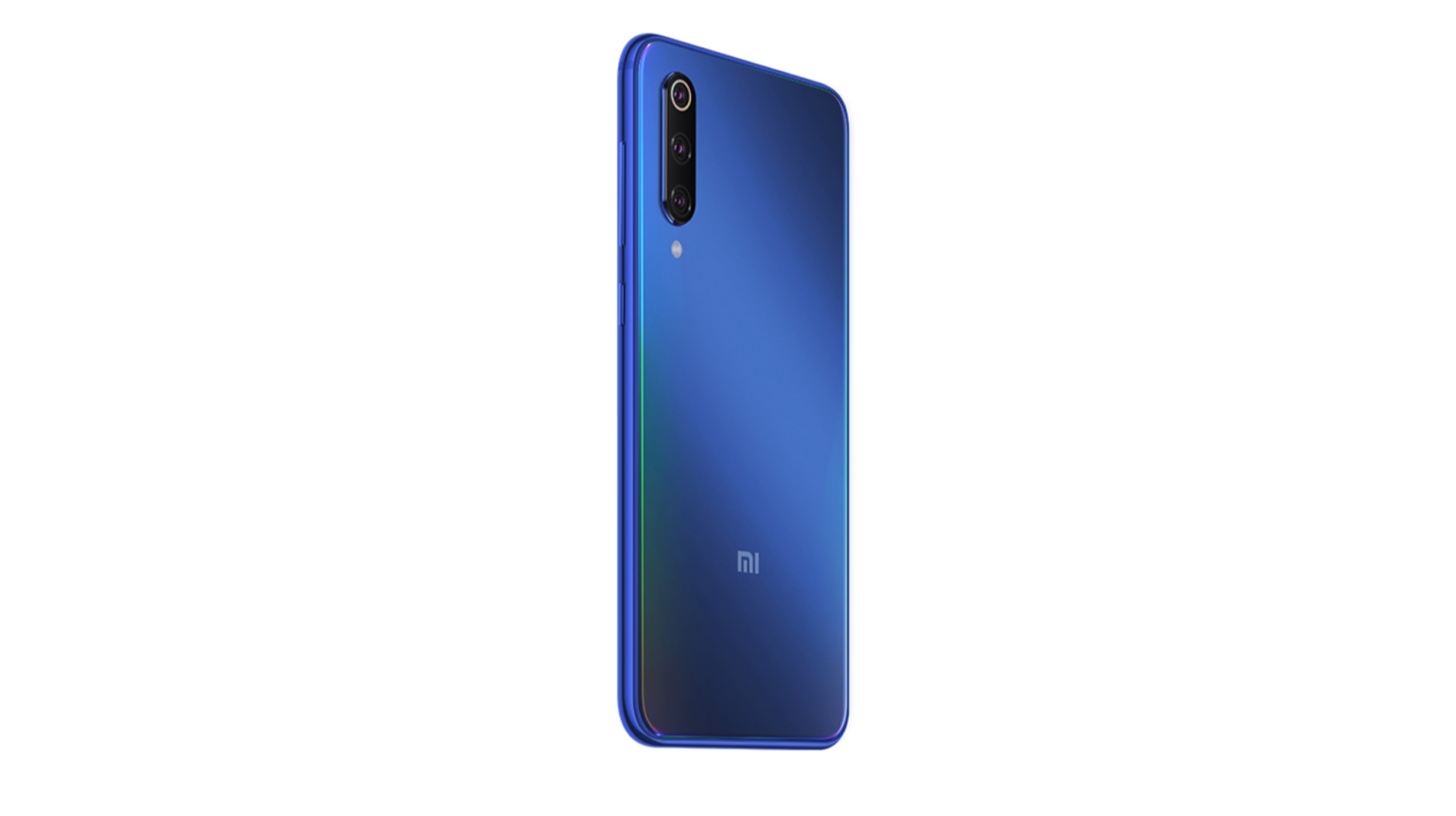
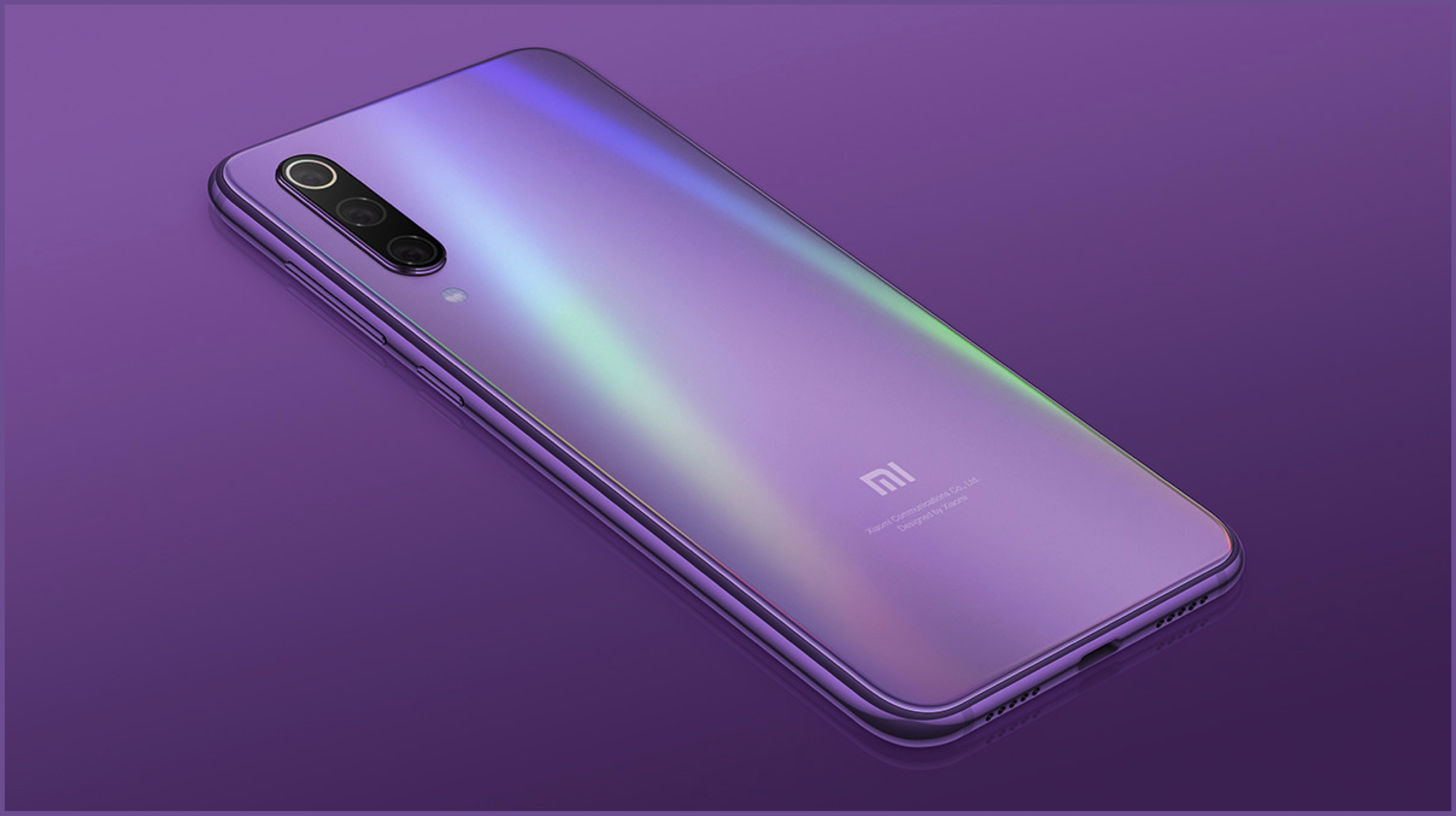
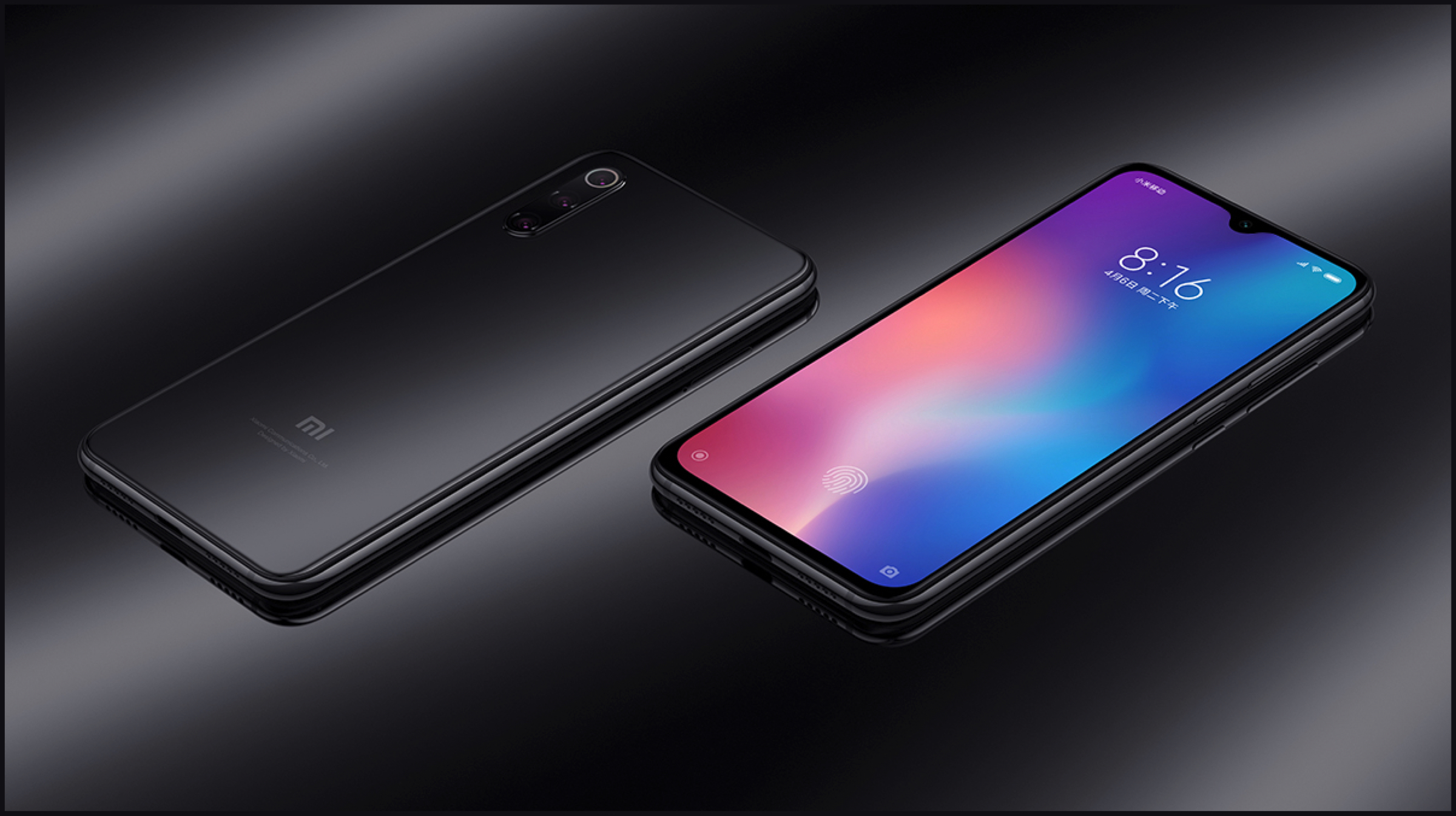
    The Mi 9 SE measures 147.5 x 70.5 x 7.45mm and weighs 155g. Like the Mi 9, the device also has a glass sandwich design with a gradient design on the back. For protection against scratches and drops, the display of the smartphone has Gorilla Glass 5. It sports a 5.97-inch Super AMOLED display with a resolution of 2340×1080 px. The display has a pixel density of 432PPI and a screen to body ratio of 90.47%. The device has a fifth generation in-display fingerprint scanner and supports face unlock.

    Like its elder sibling, the Mi 9 SE also features a triple rear camera setup which comprises of 48 MP, f/1.75 Sony IMX586 sensor combined with an 8MP, f/2.4 telephoto lens and a 13MP, f/2.4 wide-angle lens. The device has a 20MP selfie camera which is the same as the flagship Mi 9. It can also capture 4K video at 30fps from the rear camera setup while the front camera can record 1080p videos at 30fps. Under the hood, the smartphone runs on the Snapdragon 712 SoC which is manufactured using 10nm fabrication process. It consists of an Octa-core CPU combined with an Adreno 616 GPU.

    The Mi 9 SE is powered a 3070mAh battery which supports 18W fast charging. The device also supports NFC and runs on the latest MIUI 10 on top of Android 9 Pie. In terms of memory and storage, the smartphone is available in two storage variants which are as follows:

    • 6 GB RAM + 64 GB ROM
    • 6 GB RAM + 128 GB ROM
    Mi 9 SE: Pricing & Availability

    Xiaomi has launched the Mi 9 SE in three colour variants namely Lavender Violet, Ocean Blue, and Piano Black. The smartphone has been priced at CNY 1,999 (around Rs 21,000) for the base model and CNY 2,299 (around Rs 24,000) for the version with 128GB internal storage. Unfortunately, the company has not provided any information about its India launch. 

iGyaan Network
Privacy Overview

This website uses cookies so that we can provide you with the best user experience possible. Cookie information is stored in your browser and performs functions such as recognising you when you return to our website and helping our team to understand which sections of the website you find most interesting and useful.