Category: Android

  • Realme 2 Pro Vs Motorola One Power Comparison

    Realme 2 Pro Vs Motorola One Power Comparison

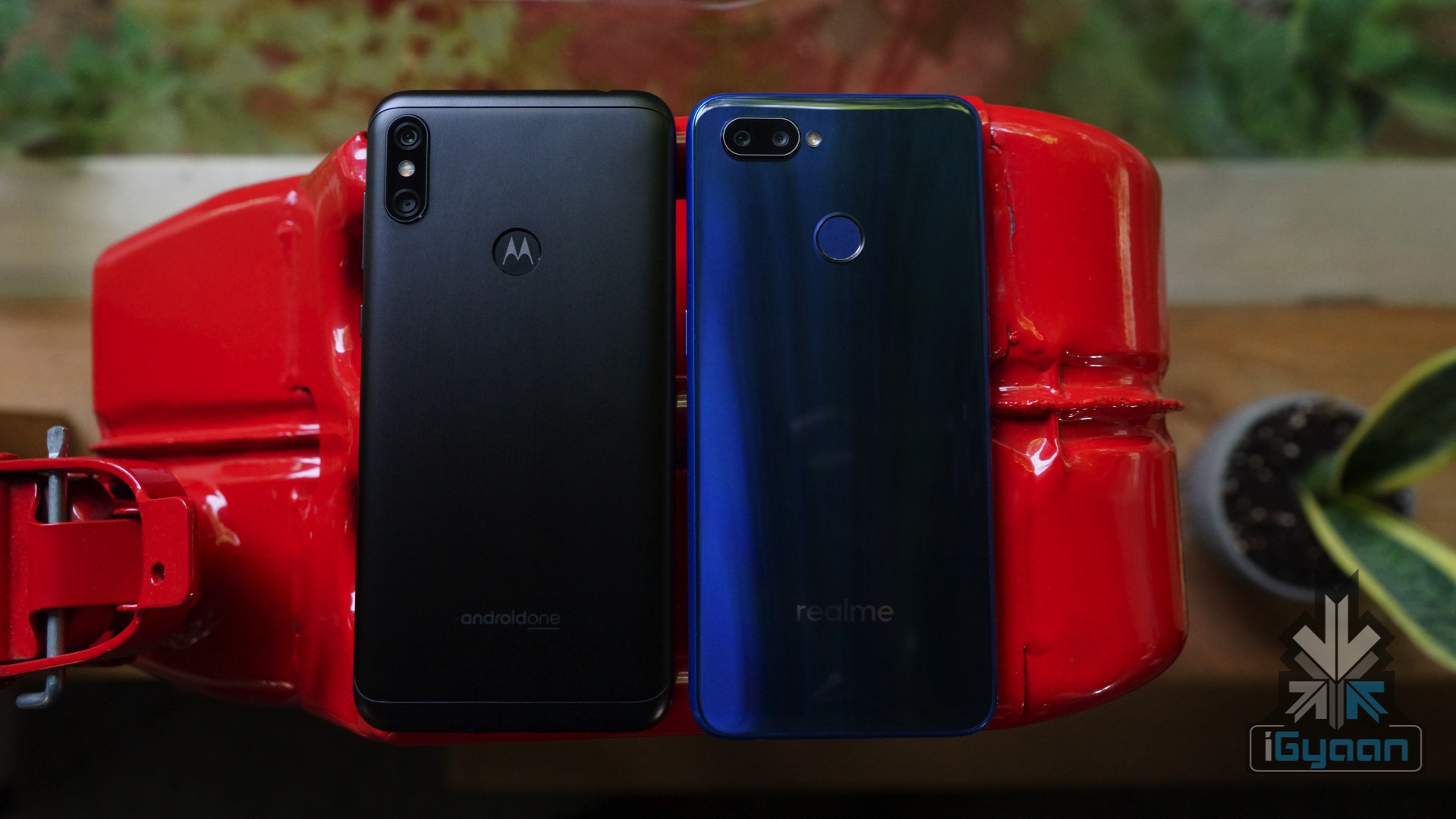
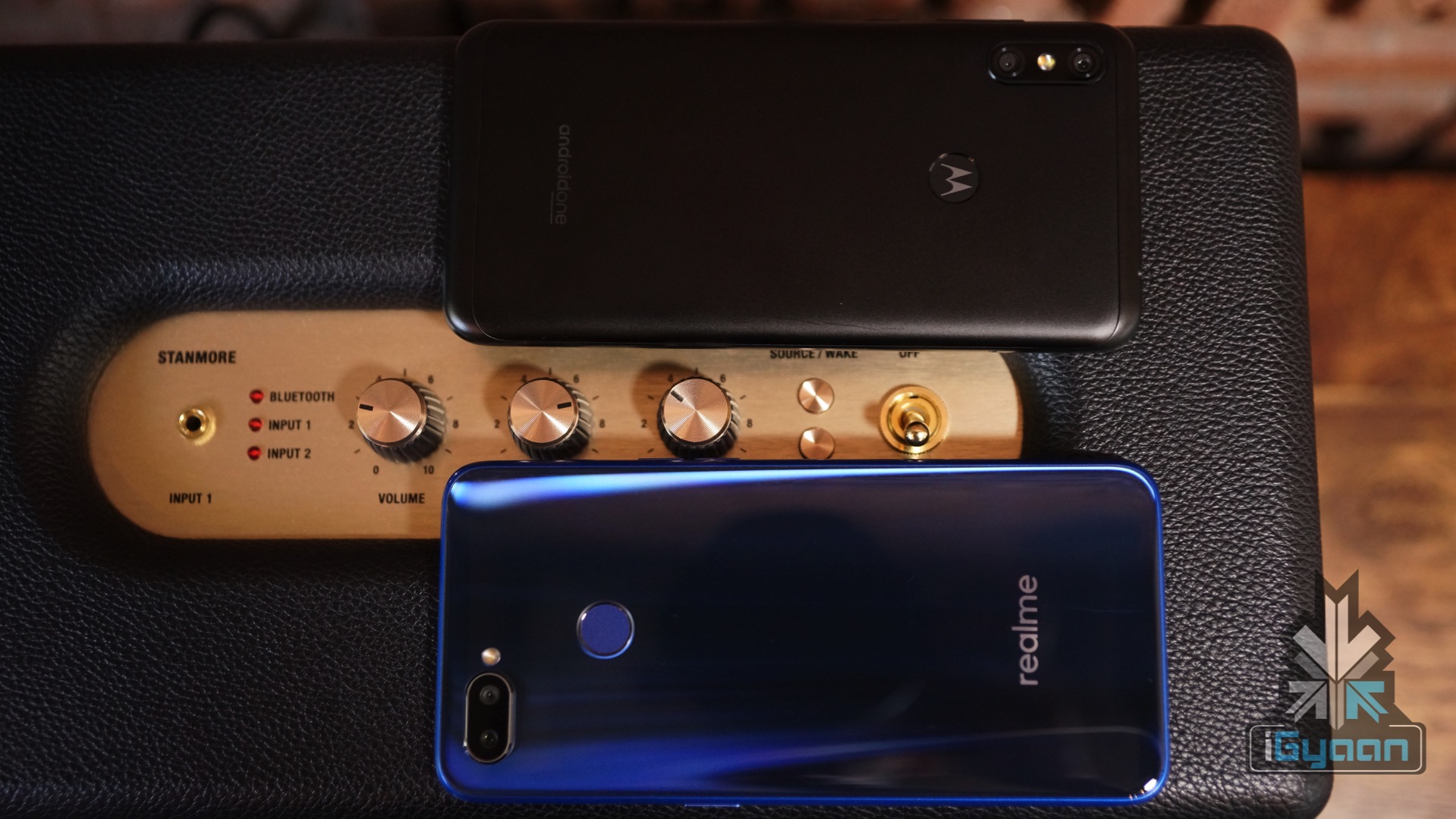
    The Motorola One Power made a mark for itself and is one of the better phones from Motorola we have seen in a while. Motorola also got the pricing right with the device, giving it a good response from fans. However, Realme launched the Realme 2 Pro with a bunch of features and the price has pitted the devices against each other. So, here we take a look at the Moto One Power and Realme 2 Pro, head to head.

    Display:
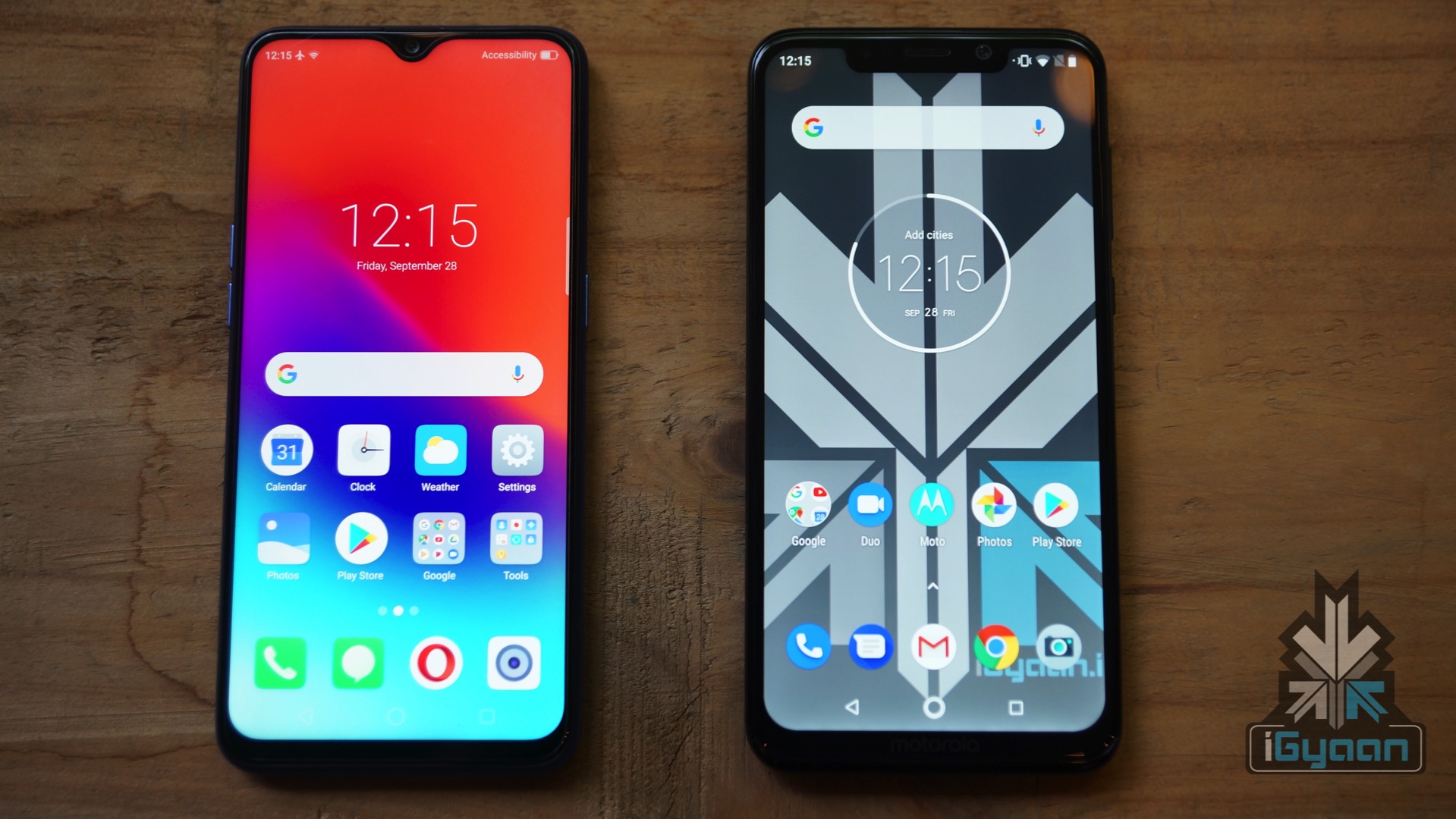
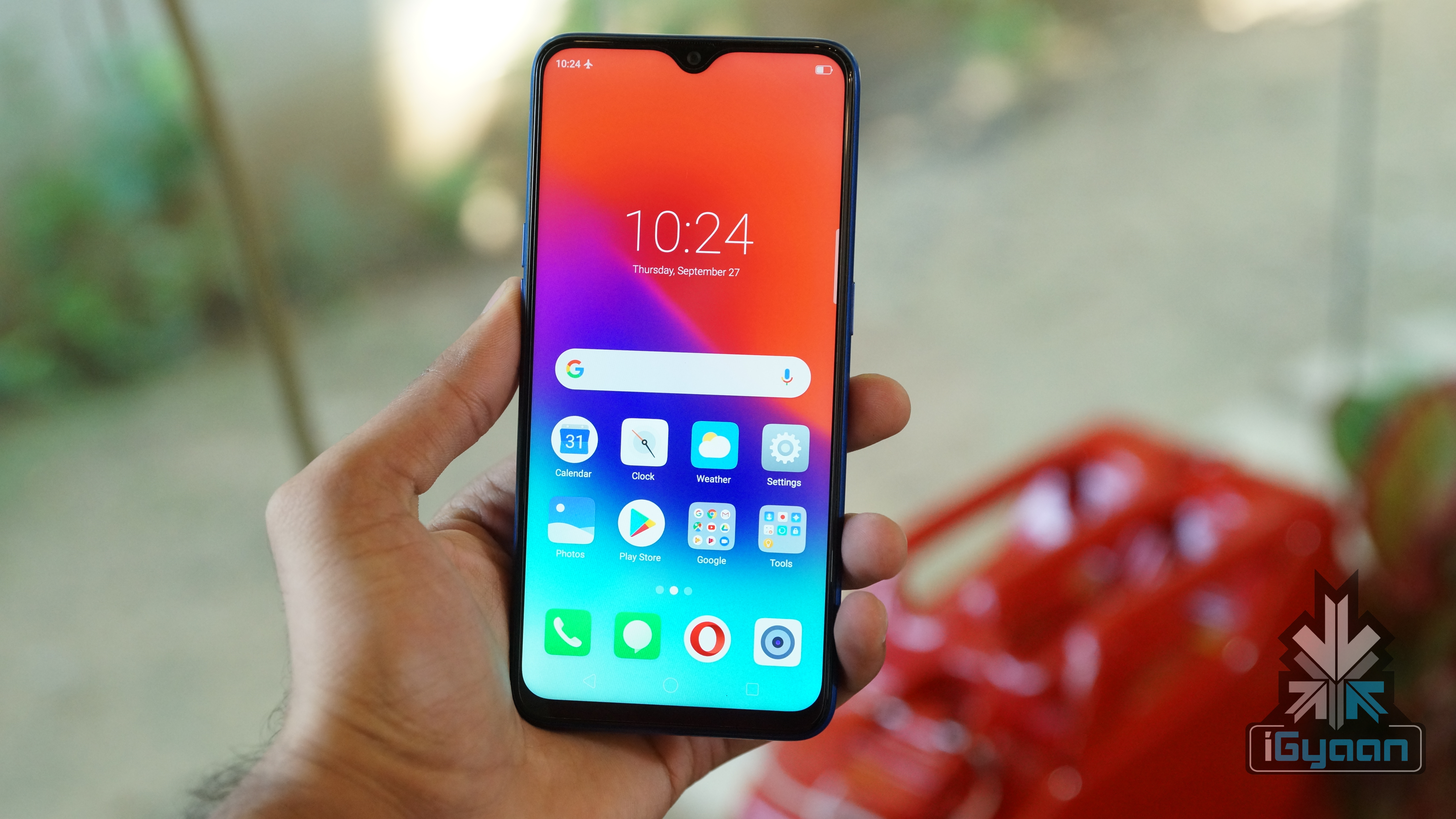
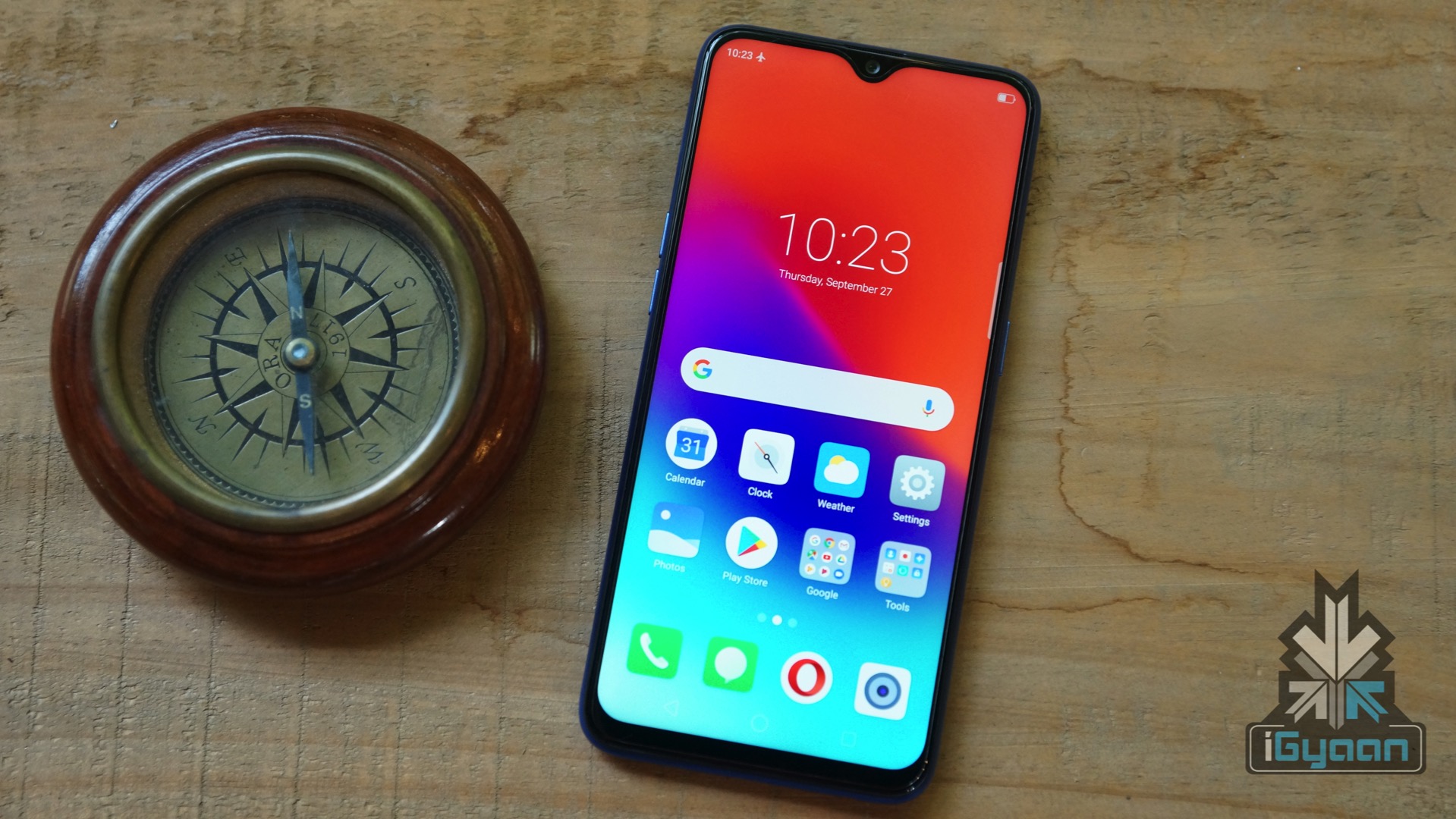
    The Realme 2 Pro has a 6.3-inch Full HD display, complete with thin bezels on either side and a teardrop notch on the top. With a resolution of 2340×1080 pixels and a 19.5:9 aspect ratio, the Realme 2 Pro provides an immersive visual experience at 409 ppi. Not lagging behind, the Motorola One Power gives a similar performance with its 6.2-inch, Full HD display. At 2246 × 1080 pixels, it gives us a density of 402 ppi.

    Both of the devices house the front camera in the notch. The Realme 2 Pro has a water drop style notch and the camera is placed along the middle of the top bezel which gives the device a really clean look. On the other hand Motorola One Power has a wide notch with the camera placed on the it’s right side.

    Processor & Fingerprint Sensor:

    The Realme 2 Pro is powered by the Qualcomm Snapdragon 660 with the Adreno 512 GPU. The device performs well running day to day tasks and moderately demanding games. Also, the Realme 2 Pro has an AIE (Artificial Intelligence Engine) which helps the device to take better pictures, optimise battery life and helps in better resource management. The Motorola One Power is no slouch either. It is powered by the Snapdragon 636 with Adreno 509 GPU.  The device mostly runs lag free during basic tasks and even while playing casual games.

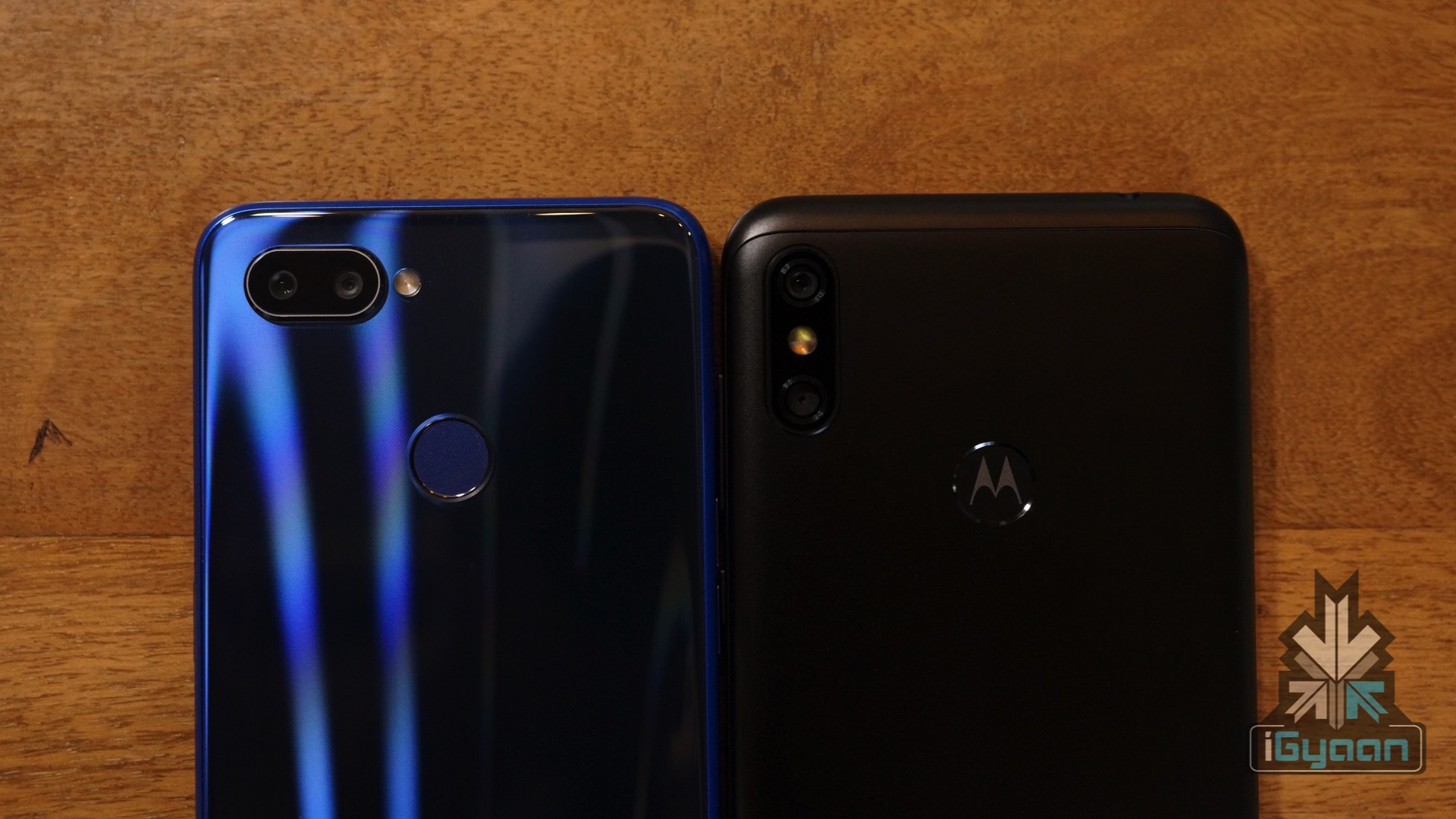
    Both the devices come with fingerprint scanners and are equally good in unlocking the device. Additionally, the Realme 2 Pro has a lightning fast face unlock.
    RAM & Storage:

    This the segment where the Realme 2 Pro really emerges on top. The Realme 2 Pro offers upto 8 GB of RAM compared to the Motorola One Power’s single 4 GB RAM variant. The higher RAM allows the Realme 2 Pro to run even excessively RAM hungry games smoothly.

    User Interface:

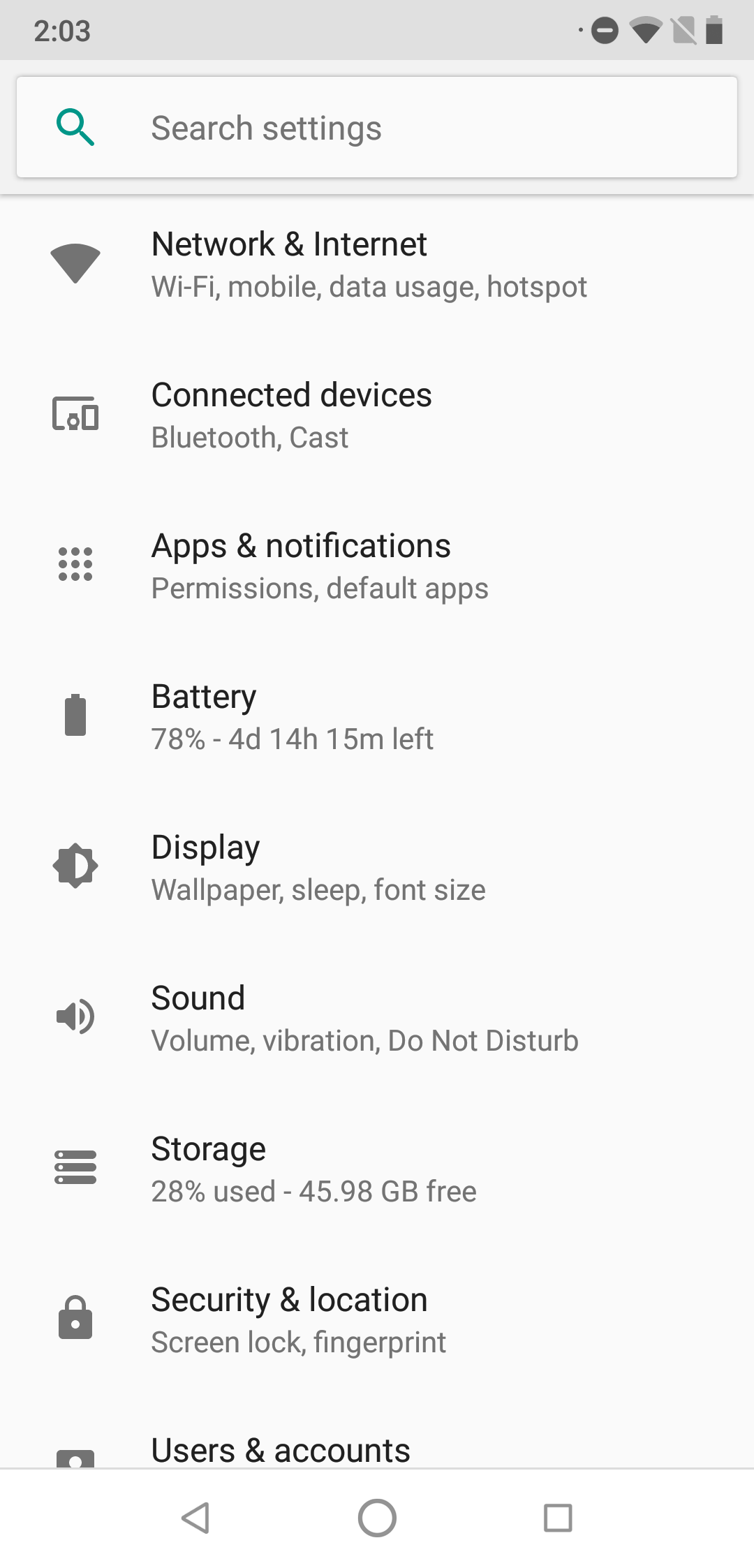
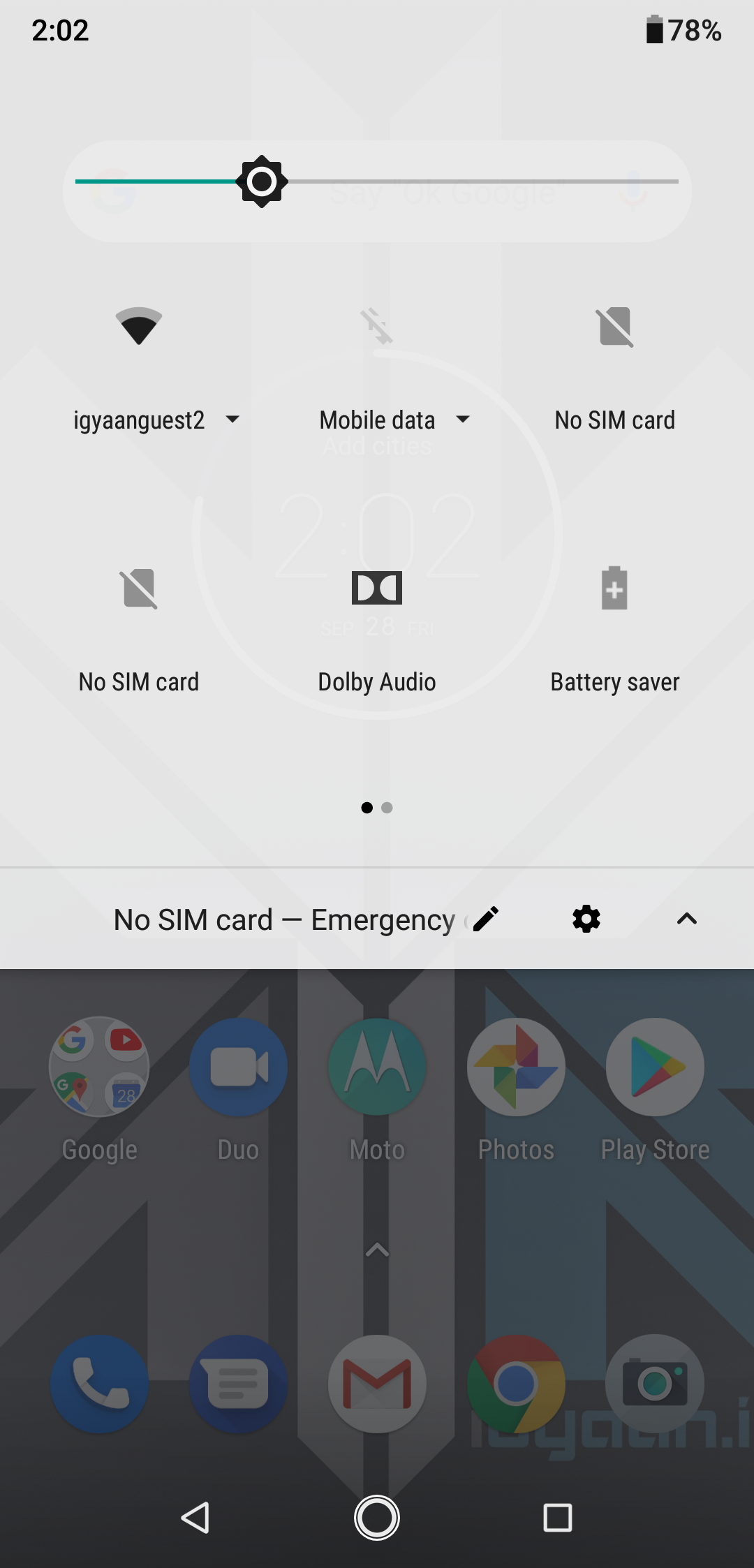
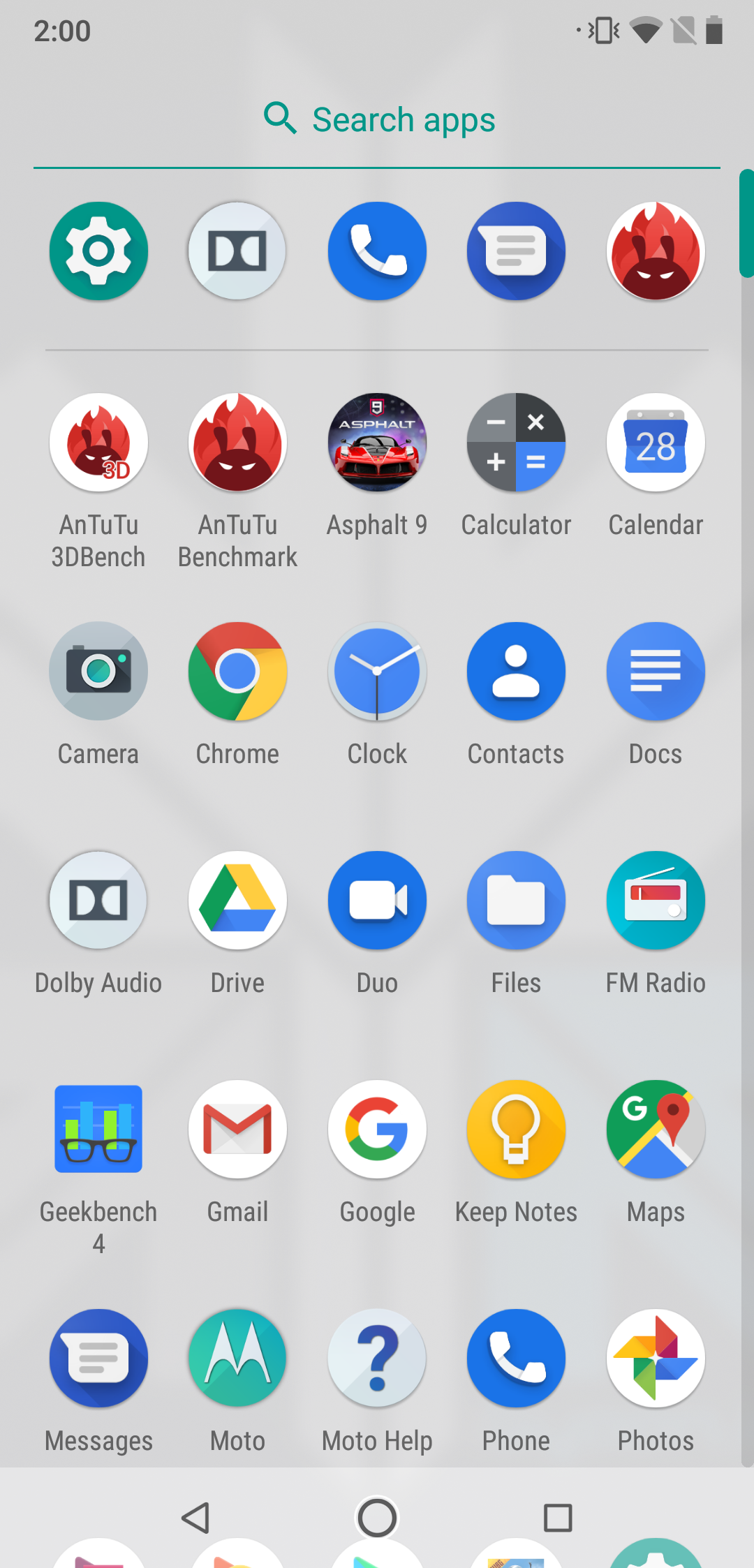
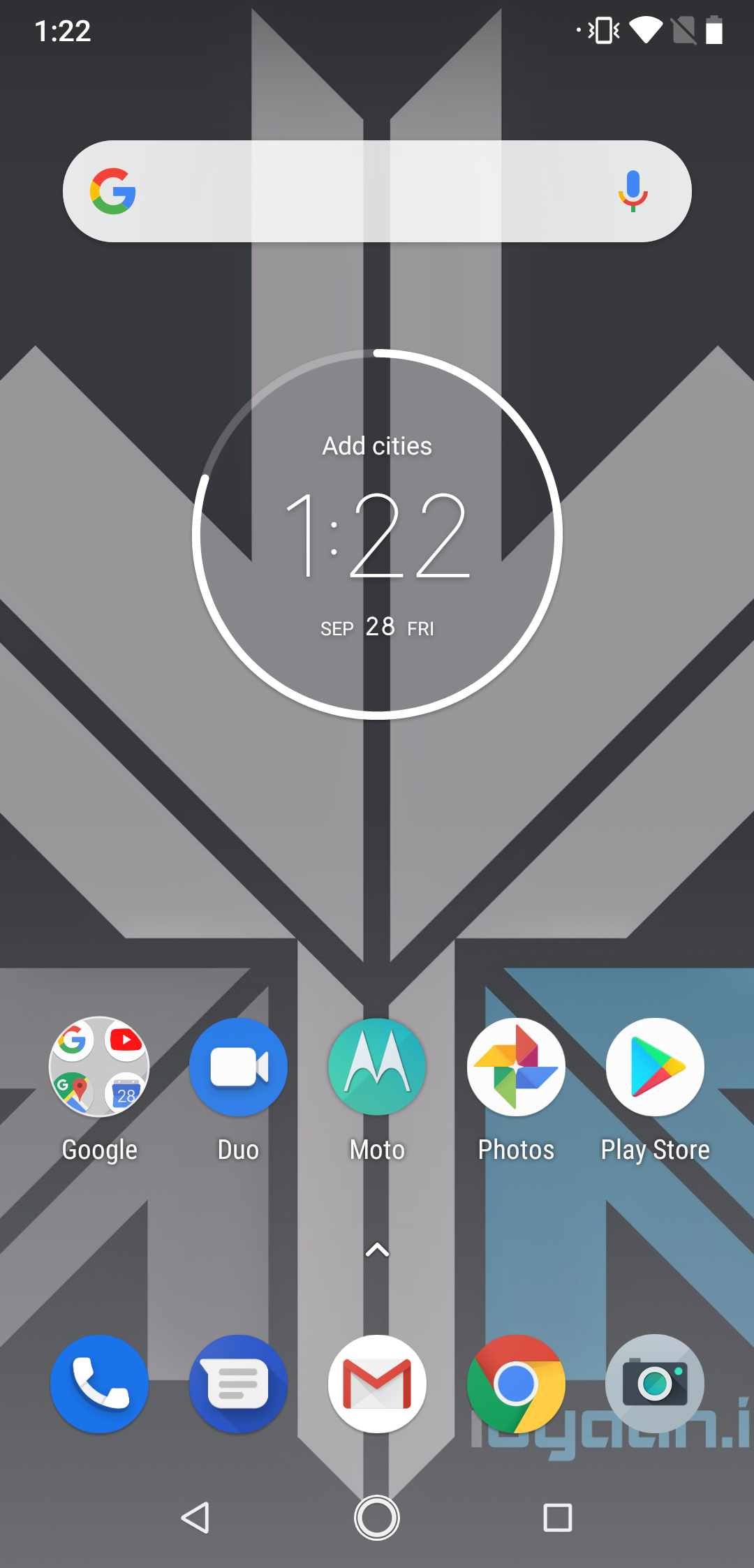
    The two devices have a great deal of differences with regard to the interface. The Moto One Power runs Android One and gives a clean, stock android experience. The device has a very familiar interface and a traditional design. There are no surprises in this department and the UI is easy to use.
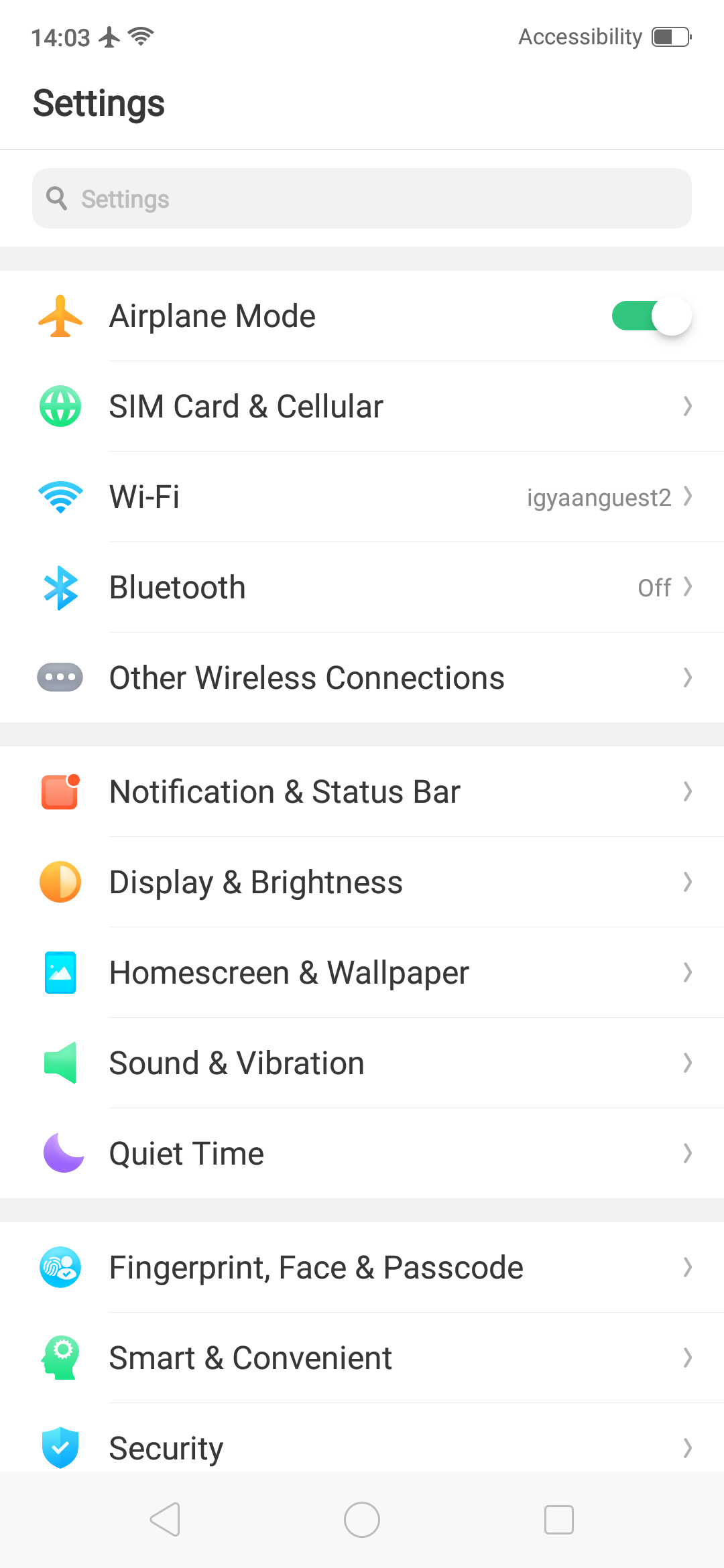
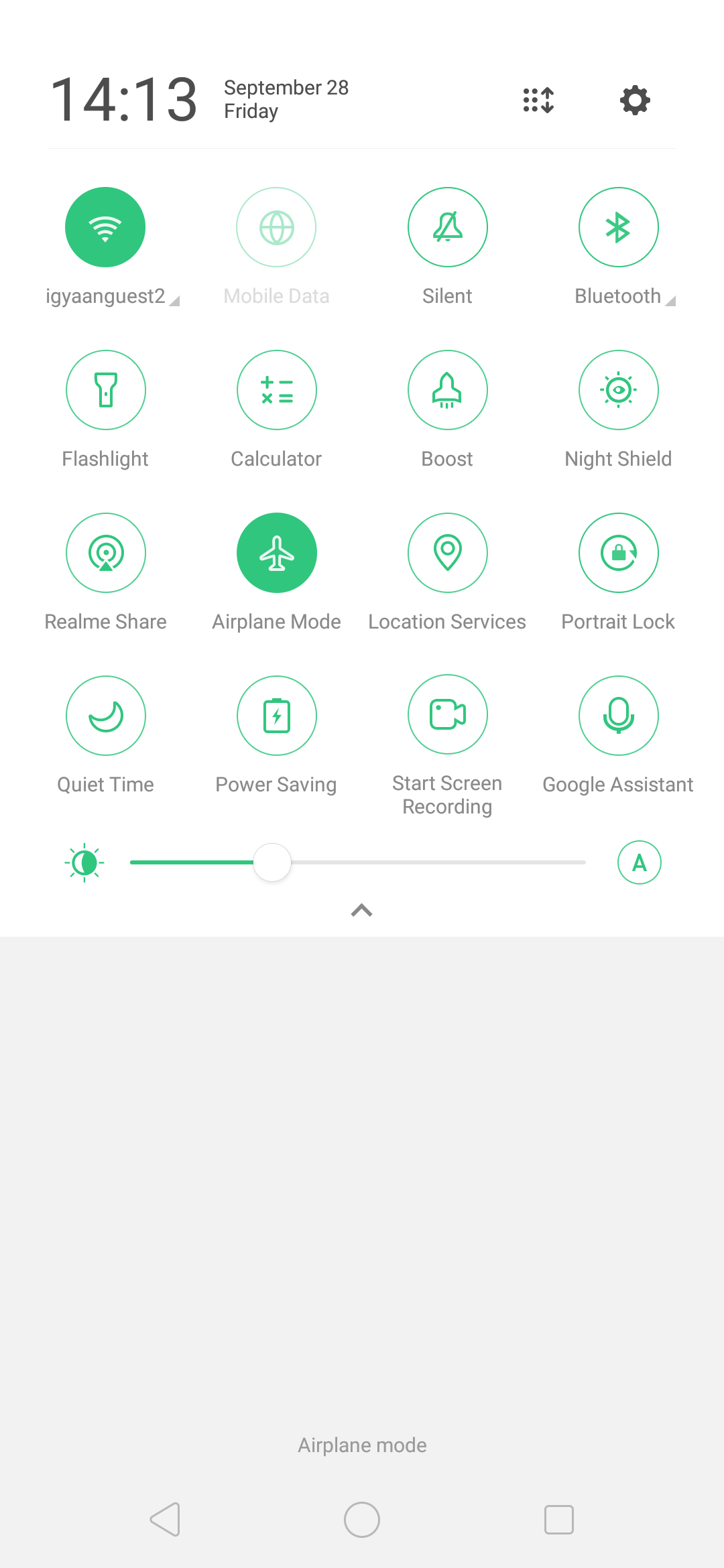
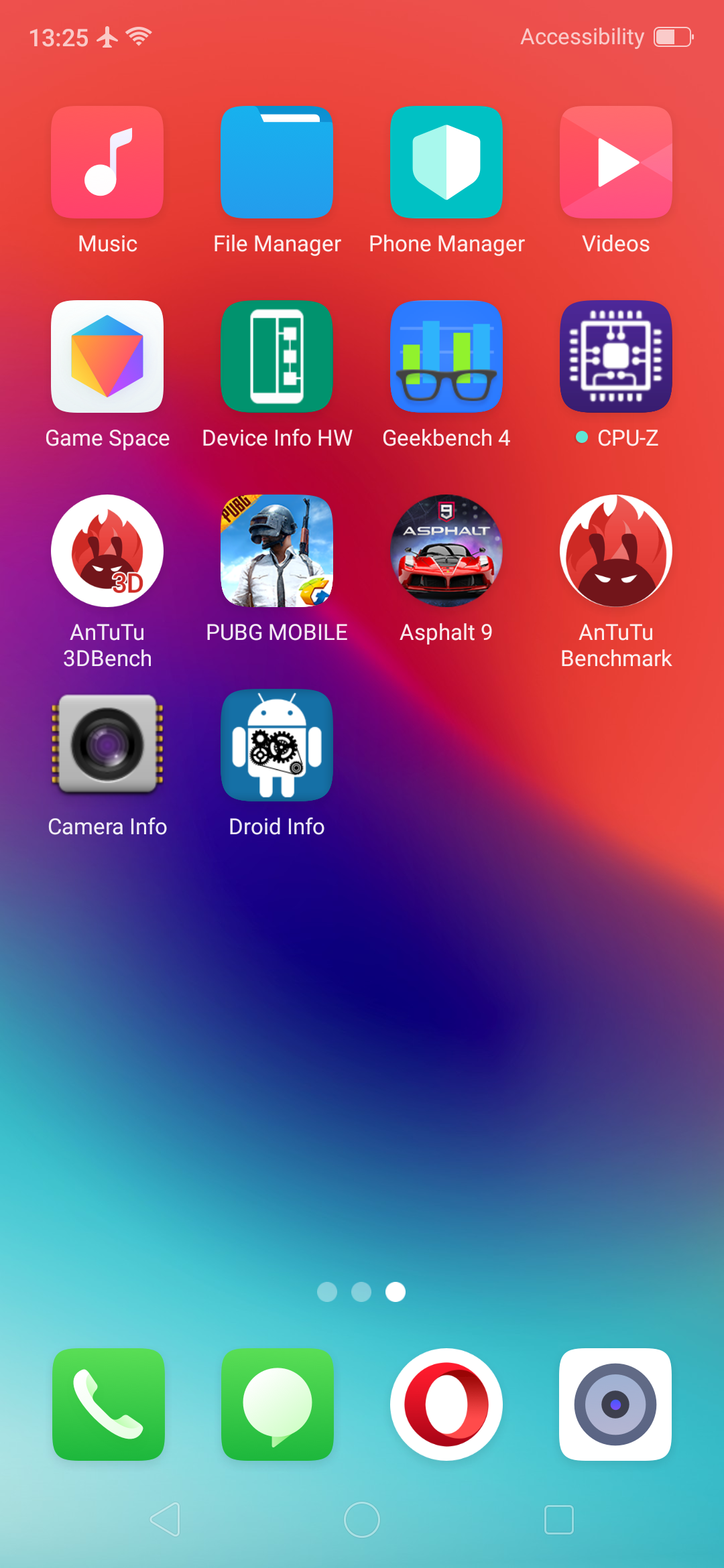
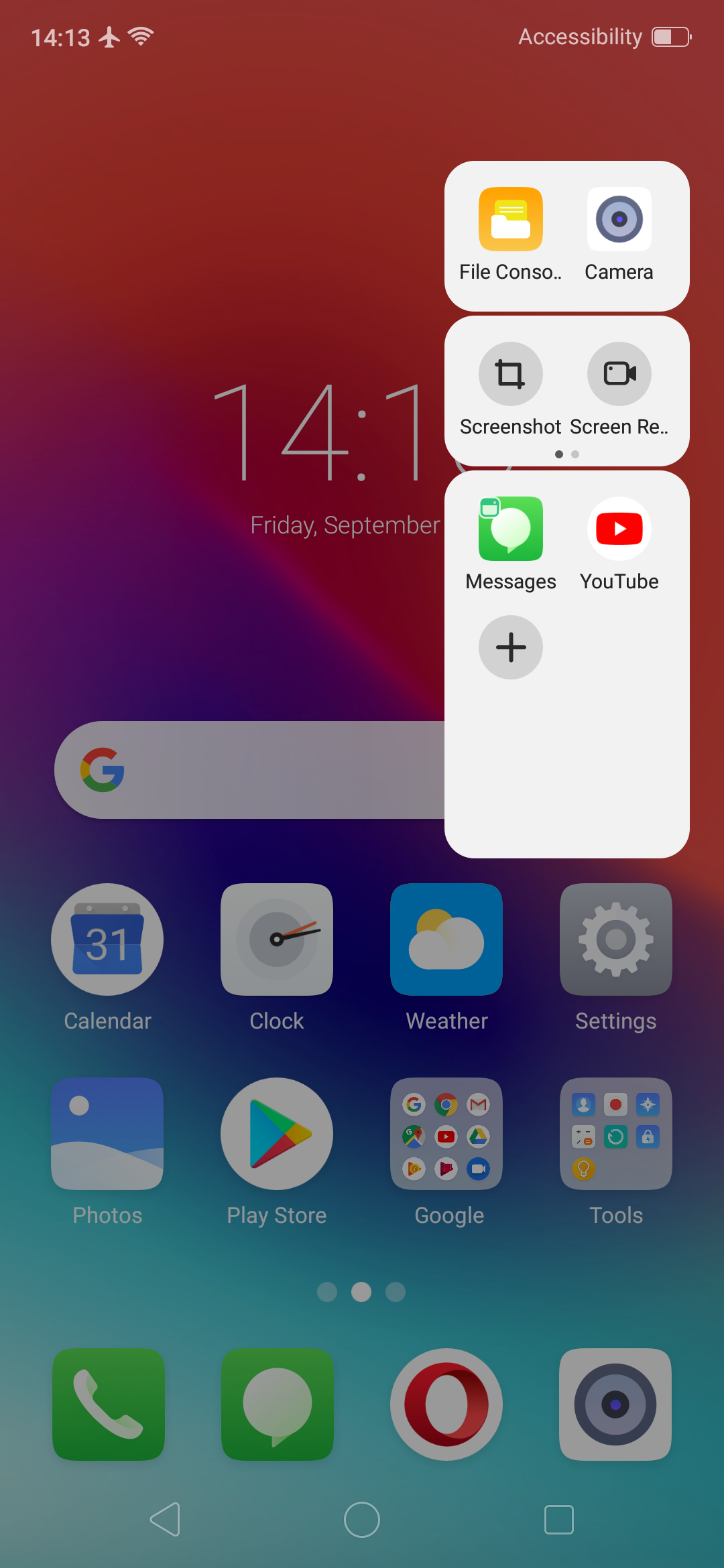
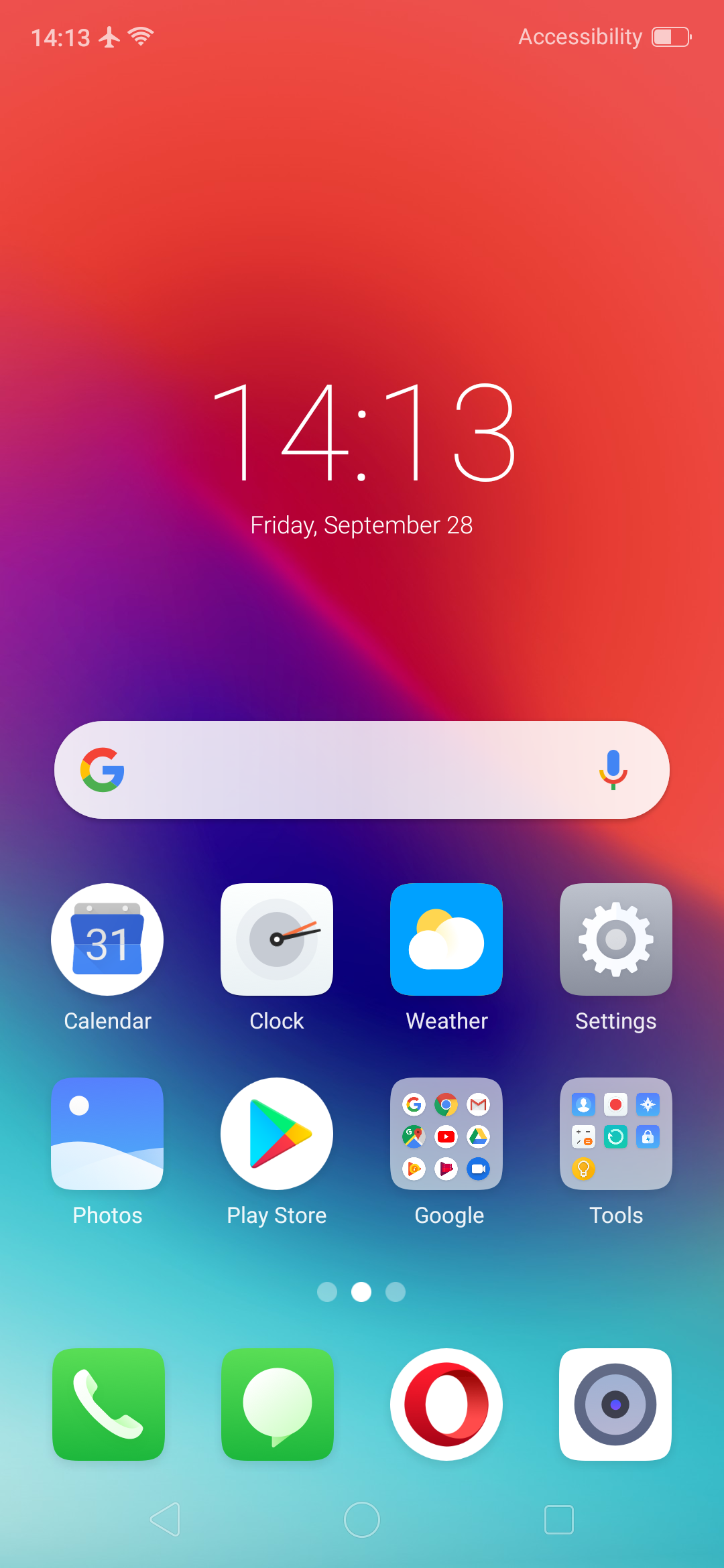
    The Realme 2 Pro has a custom UI based. Although this doesn’t have an app drawer, it has an app grid which can be accessed once you swipe right. An interesting feature is a ‘quick drawer’ which lets you access shortcuts which can be customised. You can also take a screenshot or enable screen recording directly from this launcher.
    Camera:

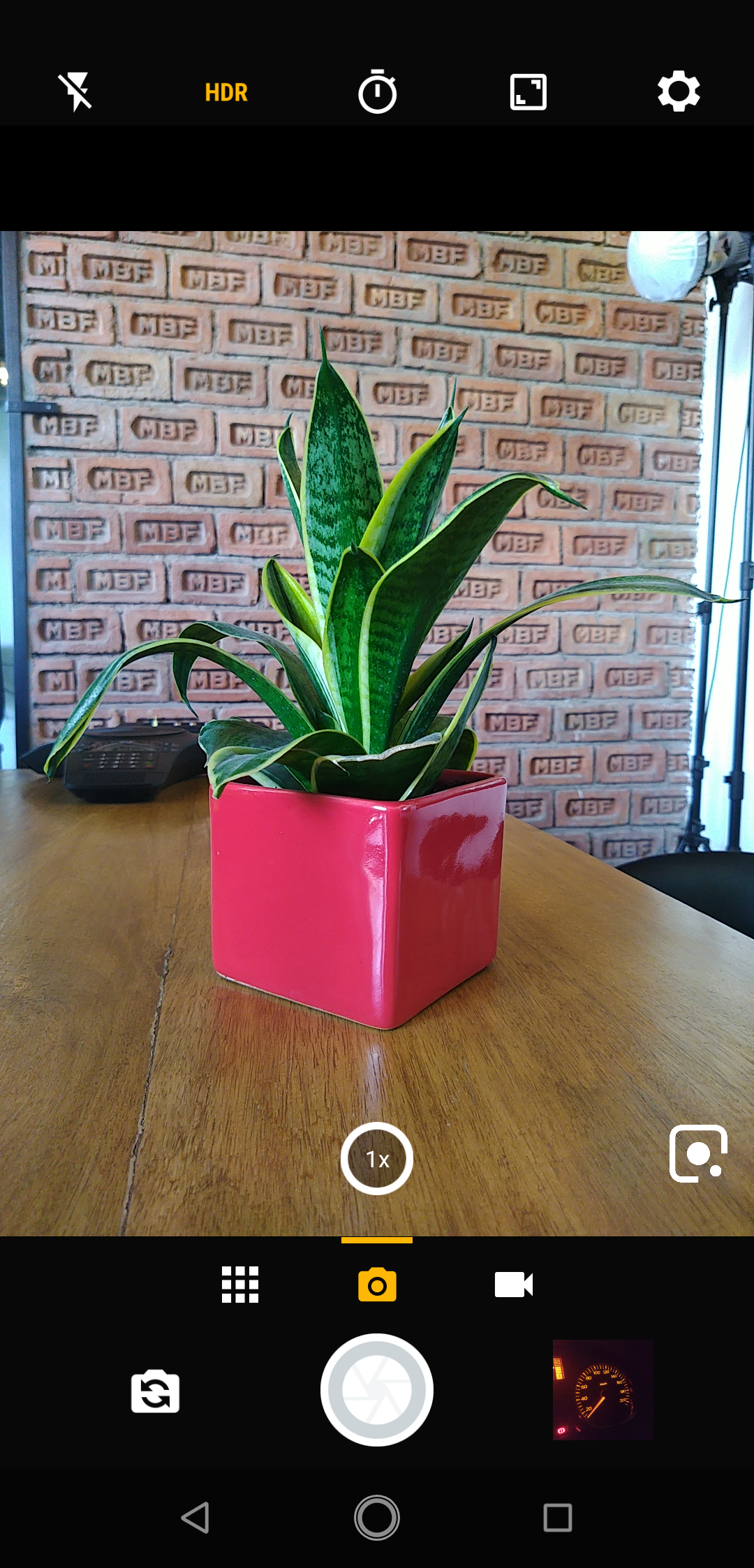
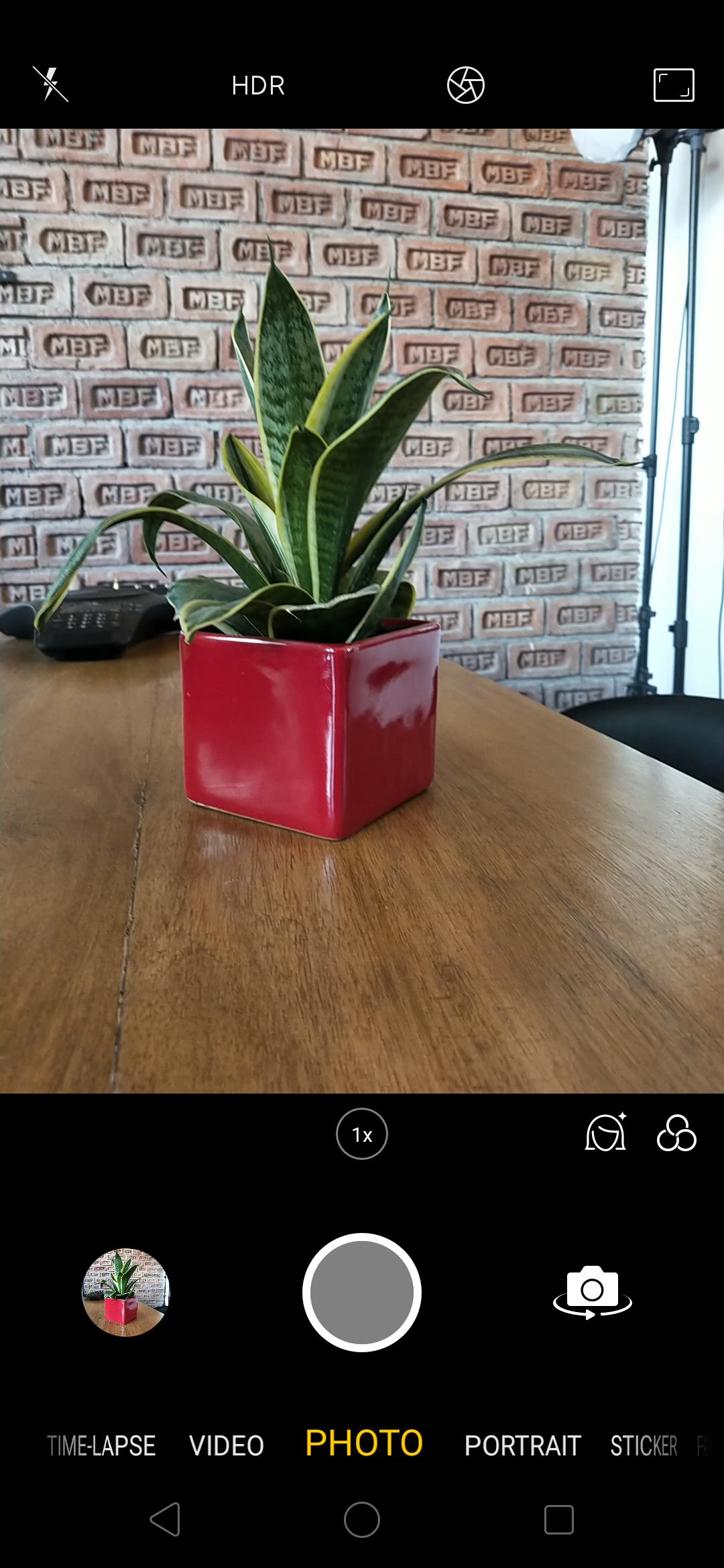
    The Realme 2 Pro has an AI powered camera which helps in precise scene detection and multiple smart features. The Realme 2 Pro has a dual 12 MP+ 2 MP camera setup. Likewise, the Motorola One Power also has dual cameras. But it has a 12 MP + 5 MP camera setup. The Realme 2 Pro records 1080p video at 30 fps while the Moto One Power records 1080p video at 30/60 fps.
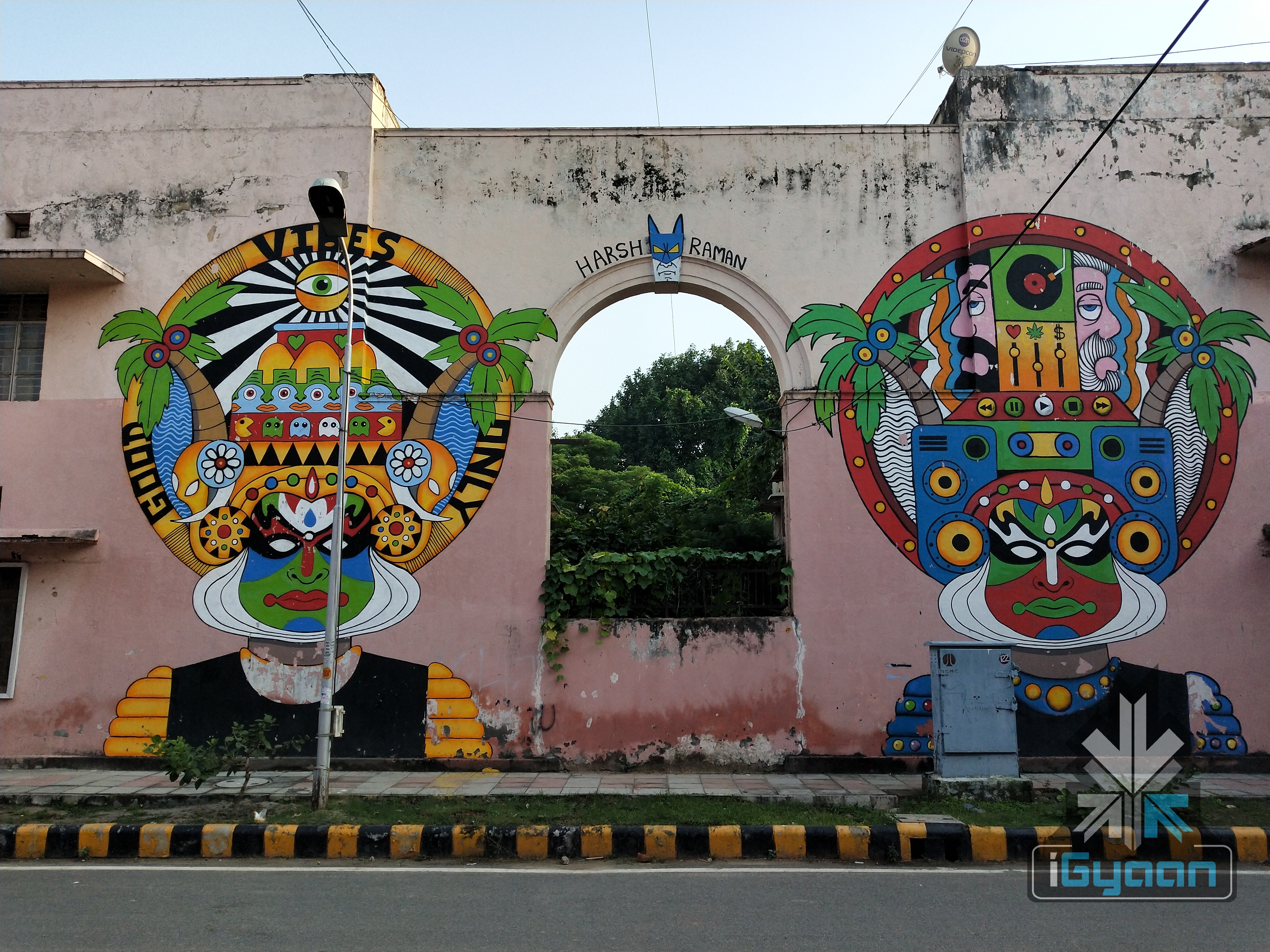
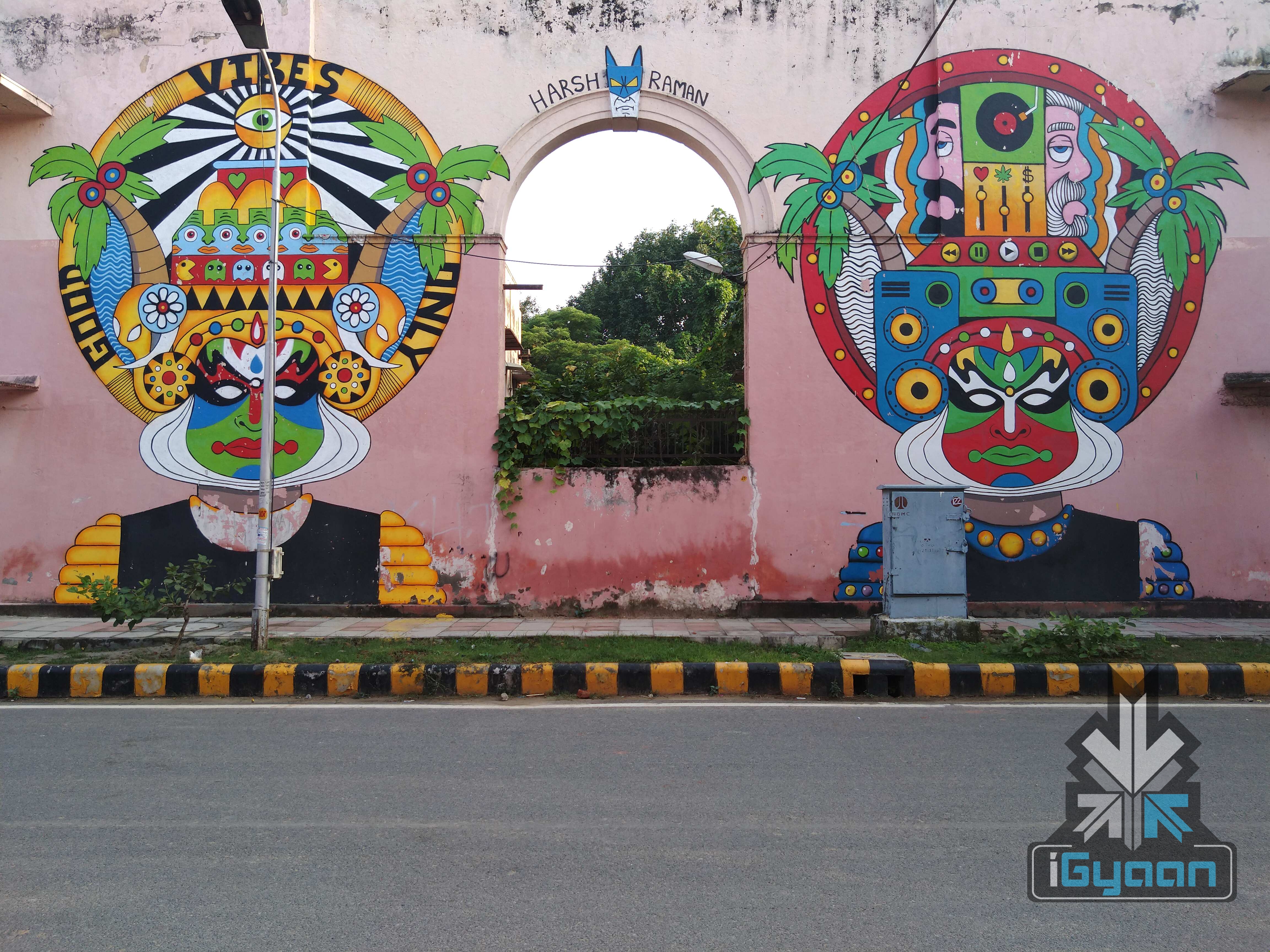
     

    The Realme 2 Pro has a 16 MP front facing camera with an f/2.0 aperture. The Moto One Power has a 12 MP front facing camera with an f/2.0 aperture. Both the devices can record 1080p video at 30 fps with the front camera.


    Battery:


    This is the area where Motorola goes all guns blazing and leaves the Realme 2 Pro in dust. The Motorola One Power has a massive 5000 mAh battery compared to the Realme 2 Pro’s much smaller 3500 mAh battery.

    Realme 2 Pro has a good battery life with everyday use. But, the Motorola One Power with its massive battery lasts even longer and outperforms the Realme 2 Pro in this department. Additionally the Moto One Power has fast charging capability and a fast charger included in the box. While the Realme 2 Pro also has fast charging capability, it is disappointing that the company hasn’t included a fast charger in the box.
    Verdict:

    There is no clear winner in this contest as both phones have their pros and cons. The Realme 2 Pro has water drop notch display, higher RAM, better camera and AI integration. But the Motorola One Power also stands out with its massive battery, solid build quality and the clean stock Android experience.


    Specifications Realme 2 Pro Moto One Power
    Price 4 GB + 64 GB -Rs 13,990

    6 GB + 64 GB – Rs 15,990

    8 GB + 128 GB- Rs 17,990

    4 GB + 64 GB- Rs 15,999
    Display 6.3 inch

    2340 x 1080 FHD+

    19.5:9  Aspect Ratio

    409 ppi

    6.2 inch

    2246 x 1080 FHD+

    18.7:9 Aspect Ratio

    402 ppi

    Chipset Qualcomm Snapdragon 660

    Octa-core (4x 2.0 GHz Kryo 260 & 4x 1.8 GHz Kryo 260)


    Qualcomm Snapdragon 636

    Octa-core 1.8 GHz Kryo 260

    RAM 4 GB

    6 GB

    8 GB

    3 GB

    4 GB

    Storage 64 GB, Expandable storage up to 256GB

    128 GB, Expandable storage up to 256GB


    64 GB, Expandable storage up to 256GB

    Primary Camera 16 MP, f/1.7, 1.12µm, PDAF
    2 MP, depth sensor2160P video @ 30fps 1080p video@30fps
    16 MP, f/1.8, 1.12µm, PDAF
    5 MP, f/2.2, depth sensor2160P video @ 30fps 1080p video@30/60fps
    Front Facing Camera 16 MP, f/2.0

    1080p@30fps

    12 MP, f/2.0, 1.25µm

    1080p@30fps

    Battery  Non-removable Li-Ion 3500 mAh battery Non-removable Li-Ion 5000 mAh battery
    Other Features 3.5 mm Headphone Jack

    Fingerprint scanner

    Face unlock

    3.5 mm Headphone Jack

    Fingerprint scanner


  • Realme 2 Pro Launched In India: Price & Specifications

    Realme 2 Pro Launched In India: Price & Specifications

    Realme has launched their third and most powerful device today, the Realme 2 pro.  The Realme 2 pro will be the direct to competitor to the upcoming Redmi Note 6 pro. The device comes with a waterdrop notch and a glass back with a dual camera setup on the rear. The device starts at Rs 13,990 in India.

    Design:


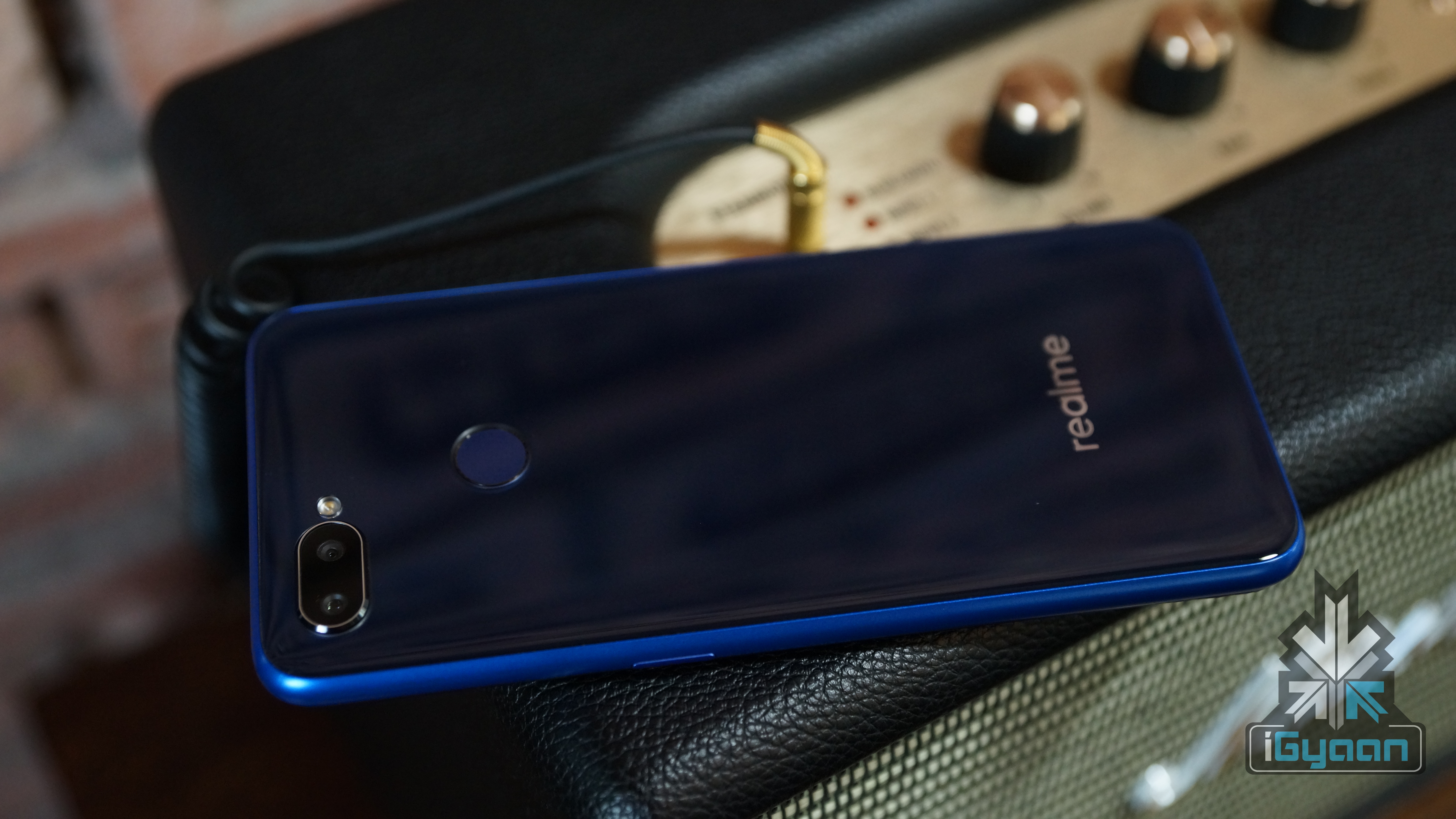
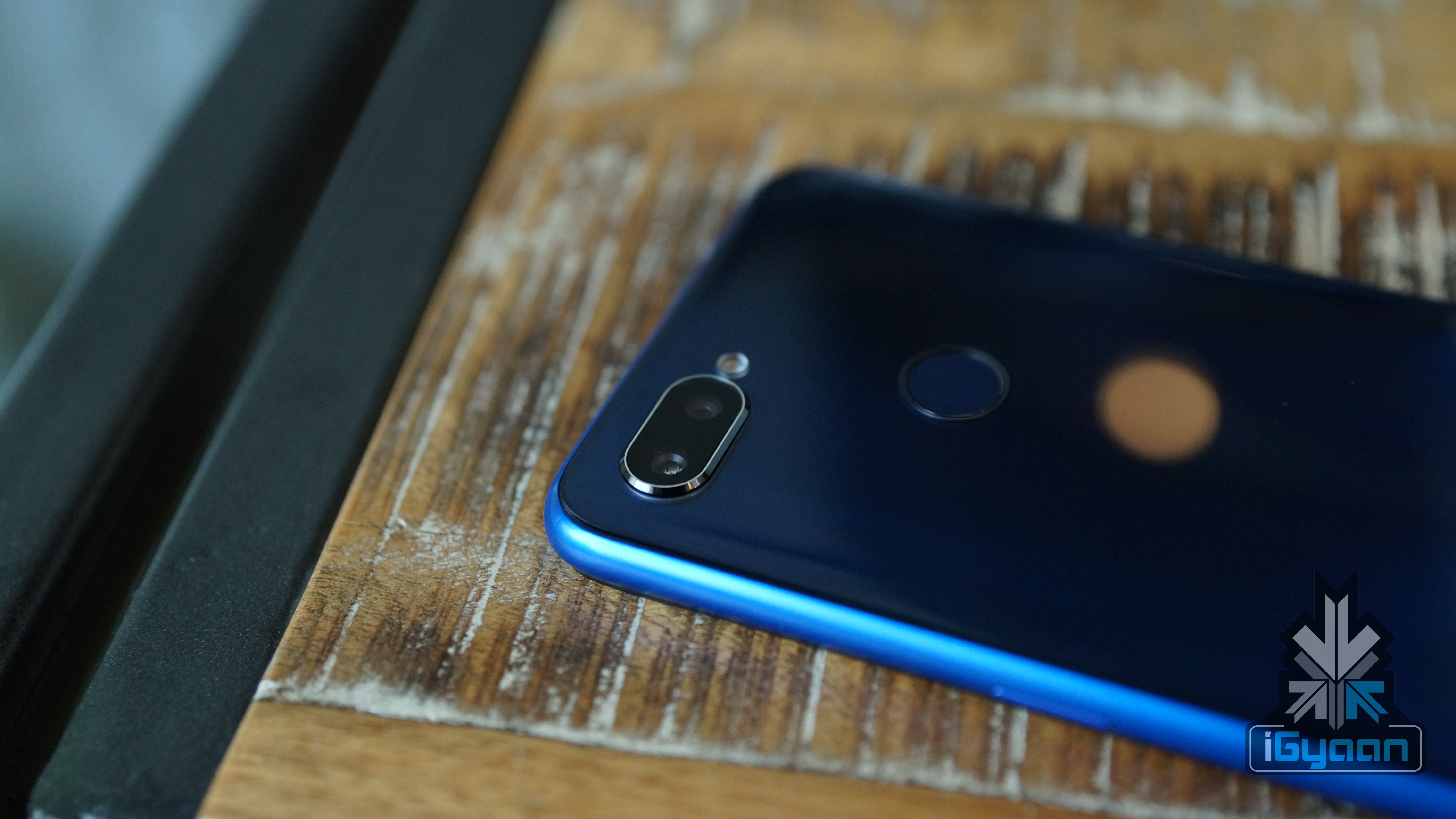
    The Realme 2 pro has an edge to edge display with a small waterdrop notch up top. The back of the device is made up of transparent plastic. Placed at the rear is the dual camera with LED flash and a fingerprint sensor. The right side of the phone houses the power/unlock button. Above the power button is the dual sim and memory card slot. Situated on the left are volume rockers. The 3.5 mm headphone jack, USB connector and speaker are all placed at the bottom of the phone.

    Also read: Motorola One Power Launched In India

    Display:


    The device has a 6.3 inch FHD+ display. The display is a TFT LCD panel. It has an aspect ratio of 19.5:9 with a resolution of 1080 x 2340 px, with a pixel density of 409 PPI. The device has very thin bezels on either sides and a thin chin at the bottom.

    Processor & Storage:


    The device is powered by the Qualcomm Snapdragon 660 SoC with AIE(Artificial Intelligence Engine). The Snapdragon 660 has 8x KRYO 260 CPU clocked at 2.2 GHz. The device has an Adreno 512 GPU. The device comes with 4GB/6GB/8GB of RAM and 64/128 GB of inbuilt storage.

    Camera:

    Realme 2 Pro back

    The front camera is a 16 MP shooter. The back camera has a 16 MP f/ 1.7 sensor and a secondary depth sensor. The rear camera can shoot videos at 4K @ 30fps, 1080P @ 30fps and 720P @ 30fps.

    Battery and other features:

    The device has a 3500 mAh lithium battery. Other standard features the device offers are: 2.4G/5G wifi, OTG support and face-unlock. The device runs Color Os 5.2 which is based on the Android 8.1 Oreo.

    The device will be available exclusively on Flipkart. It is priced at Rs 13,990 for the 4GB+ 64 GB variant, Rs 15,990 for the 6 GB + 64 GB variant and Rs 17,990 for the 8 GB + 128 GB variant.


  • OnePlus 6T Set To Launch On 17th October In India

    OnePlus 6T Set To Launch On 17th October In India

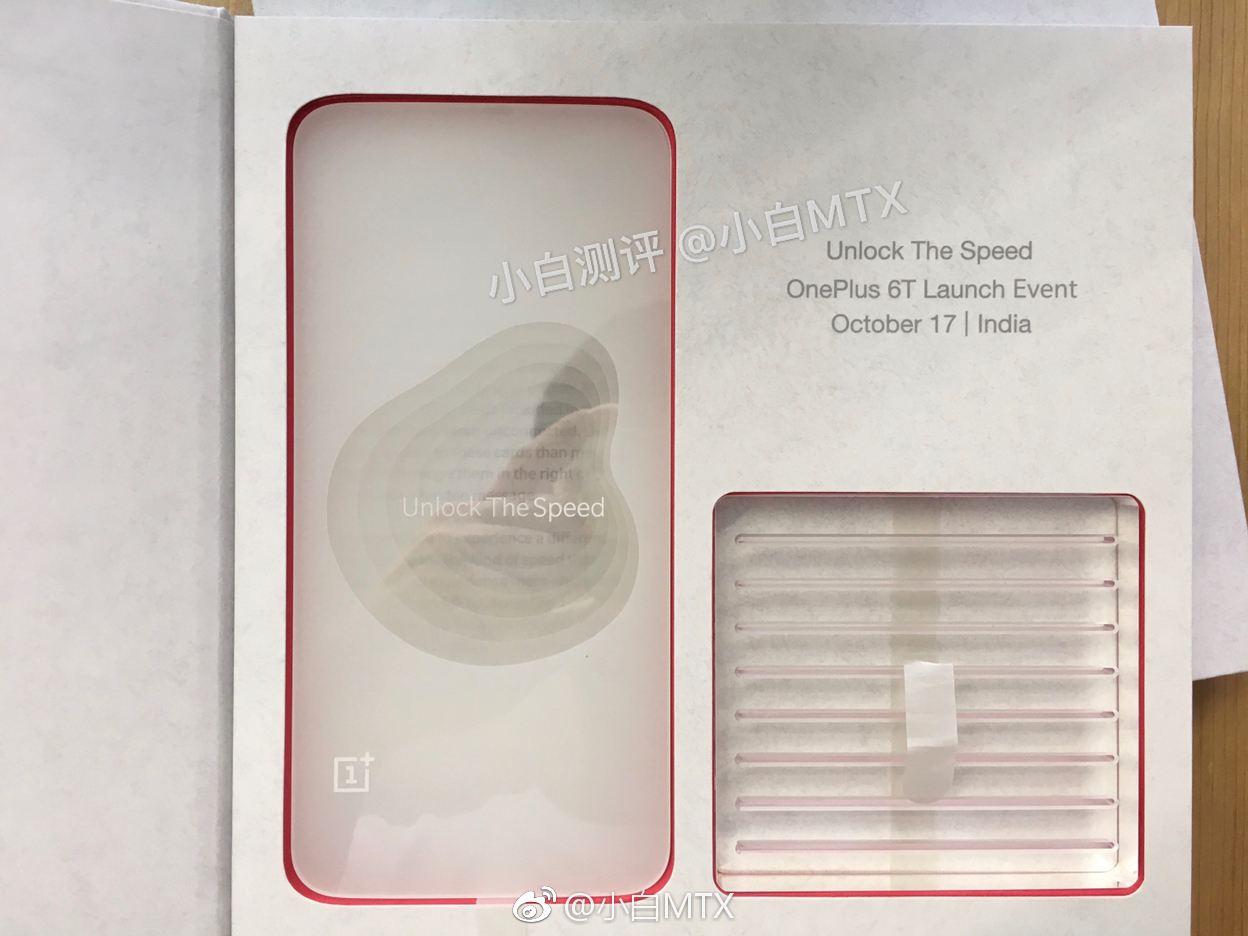
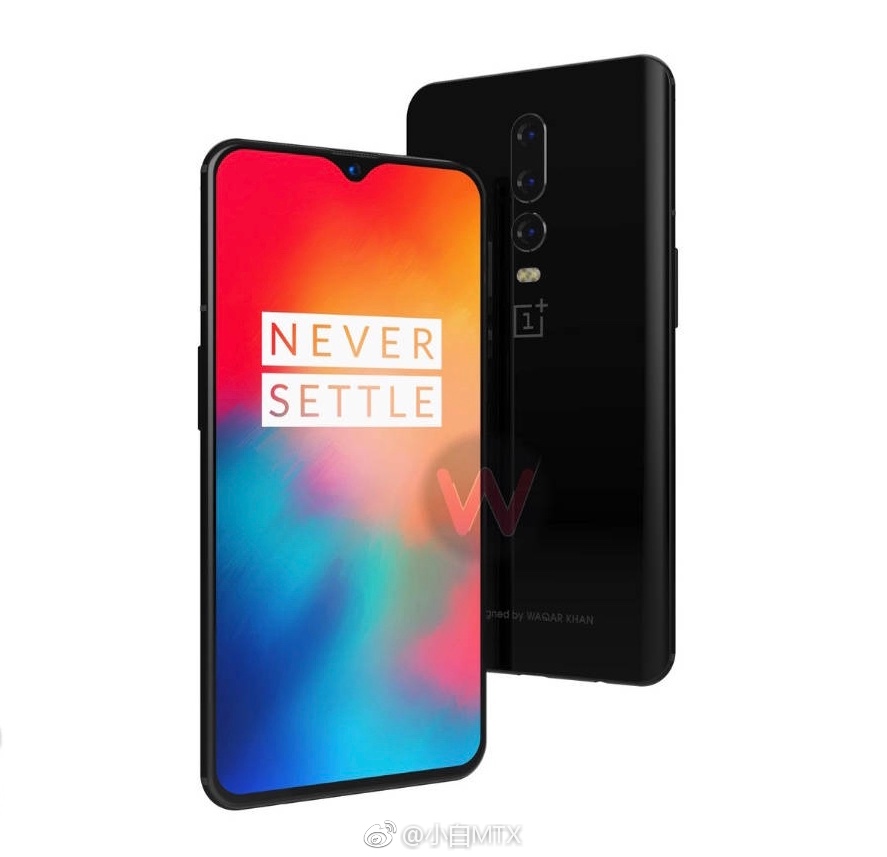
    The alleged invite for the upcoming OnePlus 6T launch has surfaced online. The invite suggests that the OnePlus 6T will launch in India on 17th October. This leak seems viable as it matches the previously rumoured launch date.

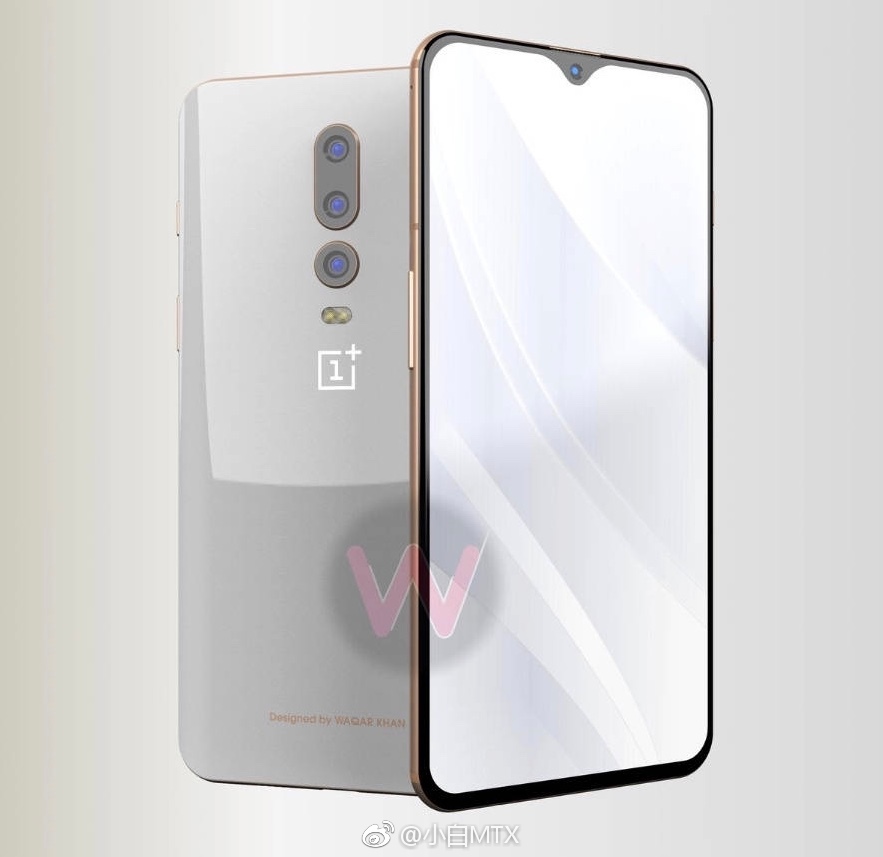
    The same source provides us with 2 other images of the alleged device. The recently leaked poster from OnePlus has already given us a good look at the water drop notch on the device. However, the images point out to a surprising new feature. A triple camera setup on the OnePlus 6T.

    Also Read: Samsung Galaxy A7 With Triple Camera : Unboxing And Hands On

    Alleged OnePlus 6T with triple camera.

    Rumours regarding the triple camera were around for a long time but were laid to rest with some renders and a TVC which is being aired regularly. These new images do make us wonder as to whether the advertisement is hiding something.  In the ad, brand ambassador Amitabh Bachchan can be seen covering the back of the phone. This is the exact placement of the triple camera in the leaked images. Hence, once can speculate that OnePlus might be holding this new feature back.

    Another big highlight is the in-display fingerprint sensor. This was first revealed when a retail box of the device surfaced online. The in- display sensor is reported to use Qualcomm’s ultrasonic technology which allows you to access the device even if your hands are oily or wet.

    Specifications:

    Based on the leaks and our expectations, here are the specifications. The device is expected to retain the  Snapdragon 845 SoC paired with 8GB of RAM. However, OnePlus might offer higher storage by offering a 512GB variant since the devices do not have memory card support.

    OnePlus earlier confirmed they will get rid of the 3.5 mm headphone jack. On the flip side, they now offer the bullets headphones with a Type-C connector.

    The device will sport a 6.41 inch Super AMOLED display with the waterdrop notch. OnePlus might bump the battery of the new device from the current 3300 mAh battery. We also expect to see flagship features such as wireless charging and IP rating on the new device. The OnePlus 6T is reported to run  Android 9.0 Pie out of the box.

    Alleged Oneplus 6T in Silk White

    Finally, OnePlus will launch the device on 17th October in India and reveal all the specifications and features then.

  • Xiaomi Mi 8 Gets Android 9

    Xiaomi Mi 8 Gets Android 9

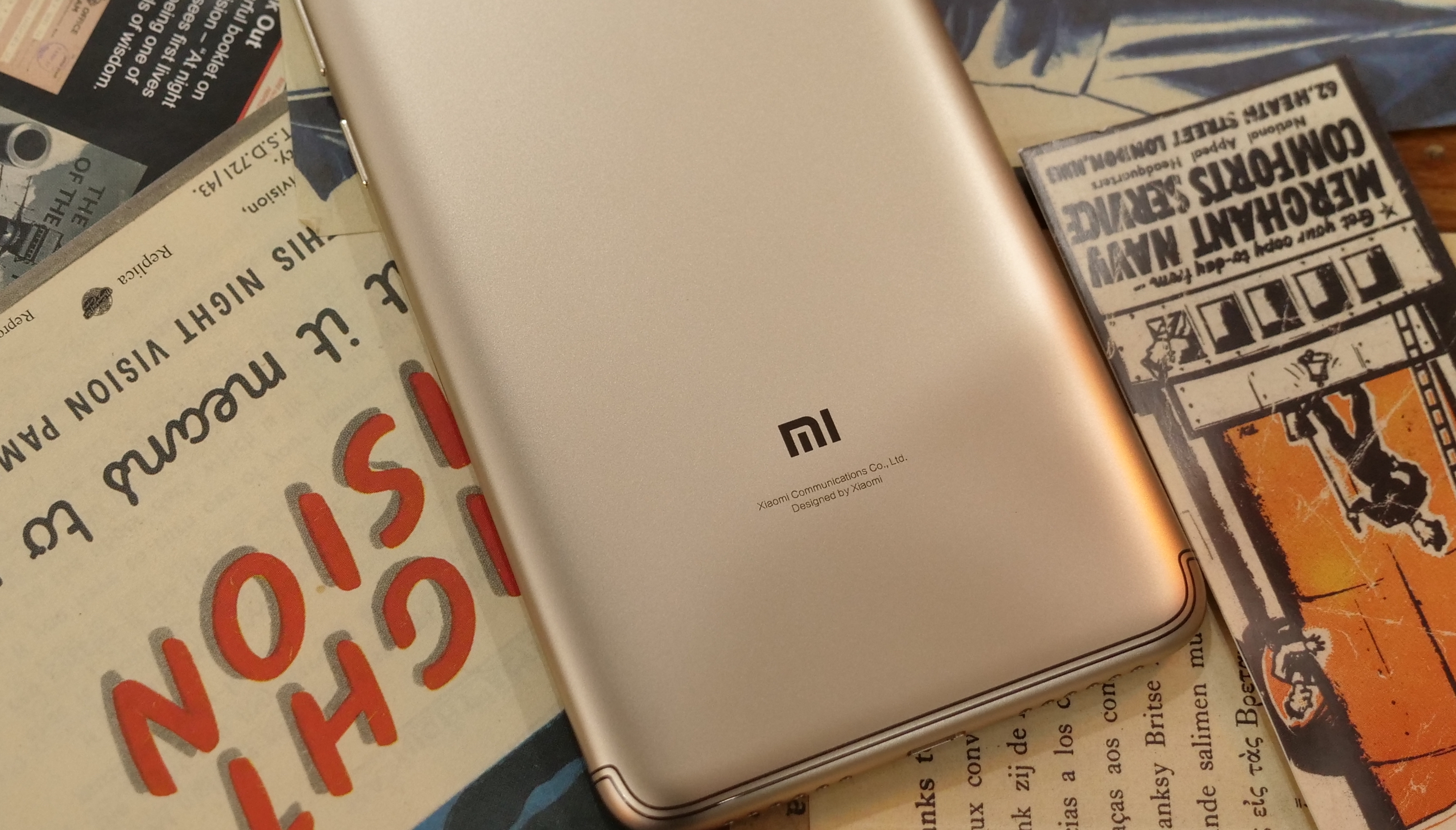
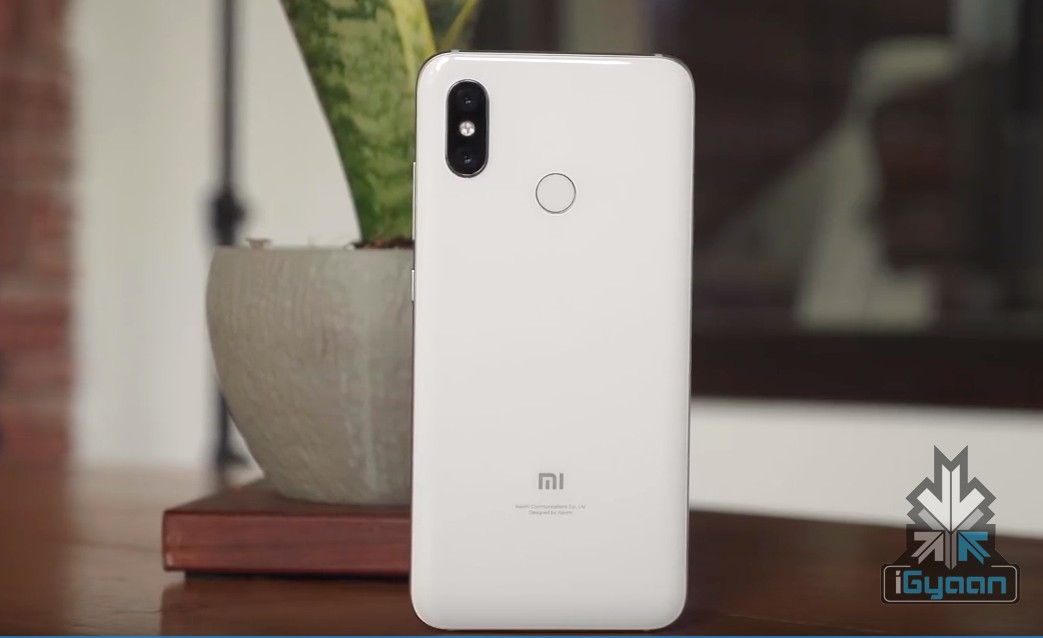
    The Xiaomi Mi 8 has received the much awaited Android 9 Pie based MIUI 10 as an insider beta in China. The MIUI 10 was released way back in May 2018 in China and was released globally in July.

    Xiaomi Mi 8 Android 9 MIUI 10

    The MIUI 10 packs a lot of new features such as full screen gestures, optimised performance of the system, new natural sounds. On 6th September, Xiaomi brought the latest version of Android to its users. The Mi 8 received the Android Pie update on the Mi 8 insider beta.

    Also Read: Google Has Announced The Android 9 Pie Go Edition

    The China version of the ROM can be installed on to your Mi 8 devices. This version, however does not have google play services and only supports Mandarin and English. The update can be found along with the instructions to download it on this website.

    More languages and additional google apps will be available as soon as the global release of the ROM rolls out.

  • Sony Xperia XZ3 Images Leaked Showing Entire Design

    Sony Xperia XZ3 Images Leaked Showing Entire Design

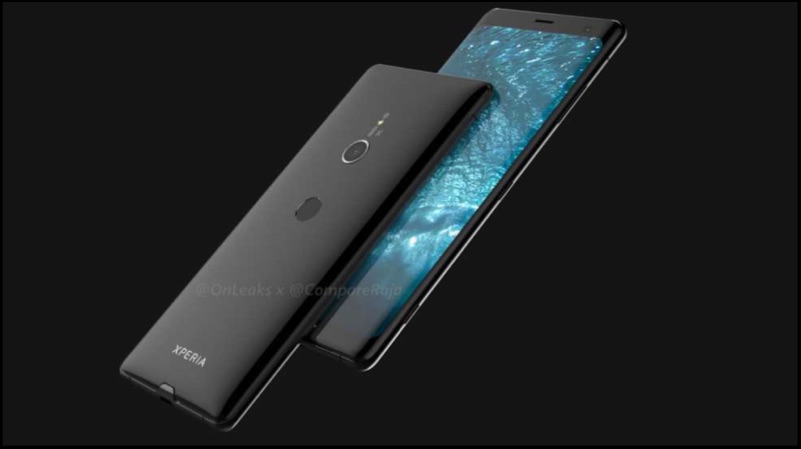
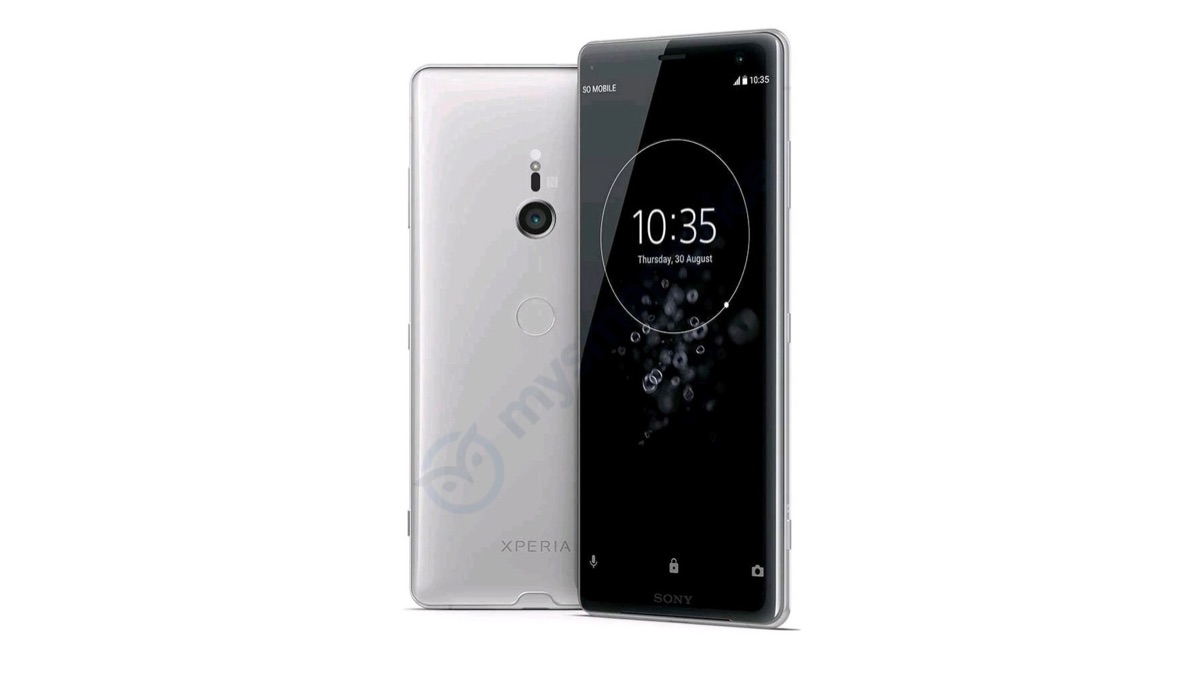
    The Sony Xperia XZ3 has been the subject to a lot of attention and hence a lot of “leaks”. With the most recent leak containing an image which shows the entire phone- from the front and the back. If this latest image is to be believed, then we sure are in for some surprises from Sony. The rising incidents of leaks, counting this one has many guessing that Sony is going to make a big announcement at the upcoming IFA 2018.

    The images show something that defy two of the biggest trends in the flagship smartphone segment right now. The Sony Xperia XZ3 apparently lacks a notch or a dual camera setup, rendering it very close to the Xperia XZ2 in design. The device has not-so-thin bezels at both the top and bottom. The back houses a single camera lens and the fingerprint scanner. We can also see that the sides of the display might go edge-to-edge.

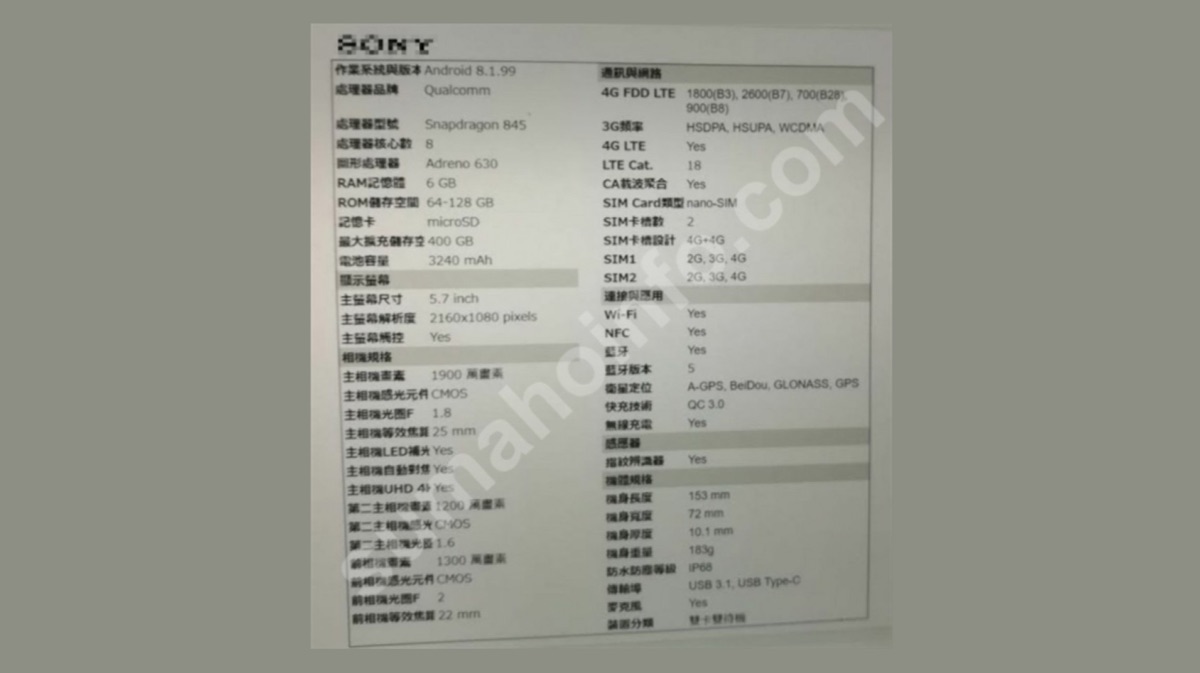
    Alleged spec sheets of the device are out, which gave us an insight to what the device packs. The Xperia XZ3 will house a Snapdragon 845 SoC with an Adreno 630 GPU. It  has a 5.7-inch Full HD screen which will be protected by Gorilla Glass 5. The big question this spec sheet raises however is that of the camera setup. A Japanese website put out the spec sheet and has been continuously leaking tremendous amounts of information about the device.

    The latest images show a single camera setup while the spec sheet talks about a dual camera one. We had seen a dual camera setup  in the Xperia XZ2 premium, not including it in the XZ3 will  be a step backwards for Sony. Google however has proven with the Pixel that a dual camera setup isn’t require for amazing performance.

    Also Read: Sony Xperia XZ3 With 18:9 Aspect Ratio And Running Android 9 P Spotted On Geekbench

    While the anticipation for the device is high, the leaks might tell a whole new story. Considering this leak, we are getting a device which is extremely similar to the XZ2, launched in February this year. This could mean either of two things. We are not getting a new flagship from Sony and it is an upgraded version of the Xperia XZ2. This is possible because the design and features are to similar for a new phone and also the fact that the XZ2 is fairly new.

    Another explanation could be that the leaks are wrong and what we are getting is completely different. This can be true because if Sony is making another flagship device, it would not bring out one with just a few minor upgrades. Considering the state in which Sony’s smartphone market is in right now, we hope that a much better phone is coming our way.

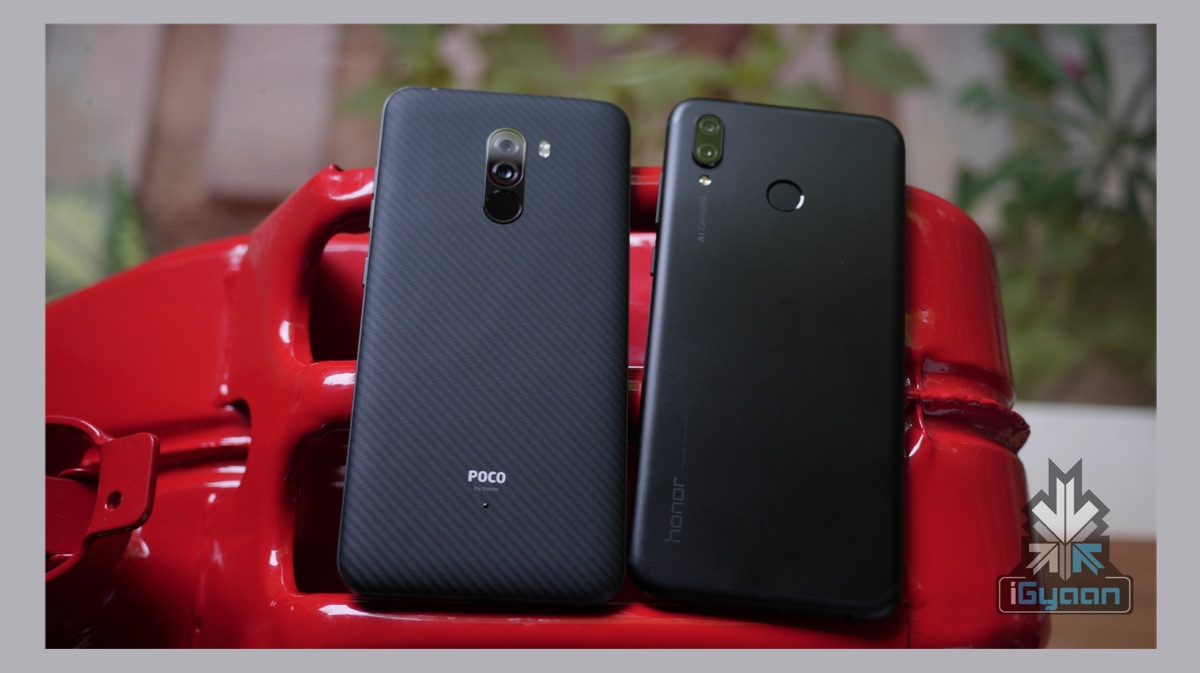
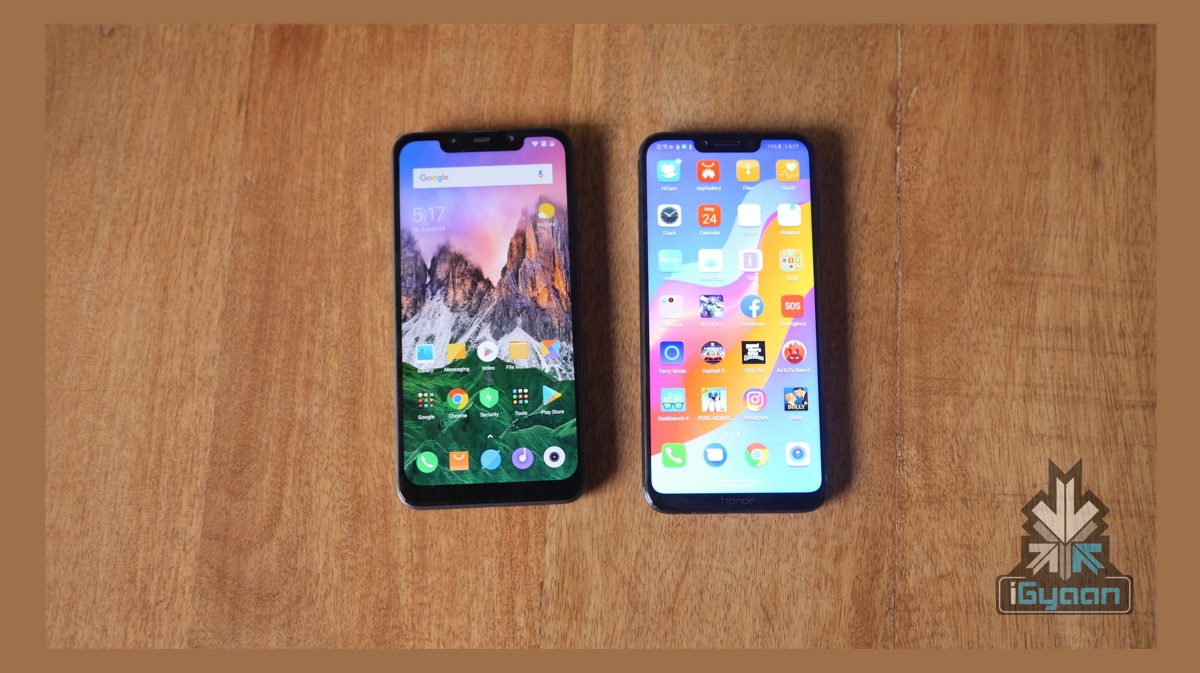
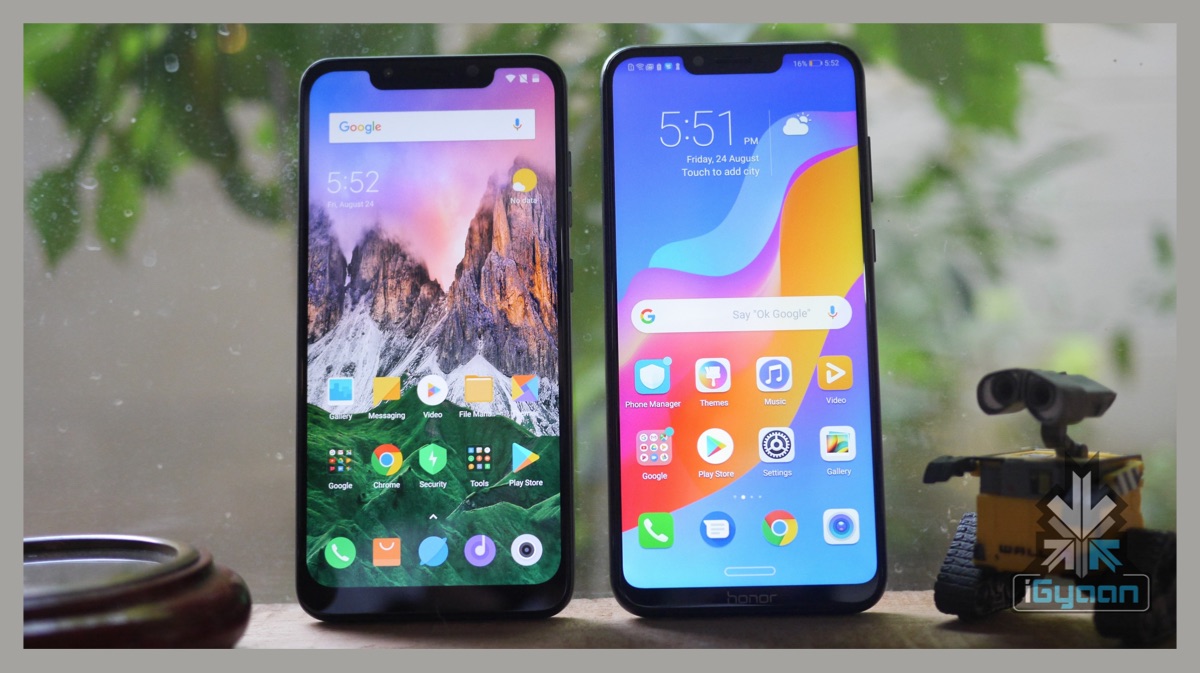
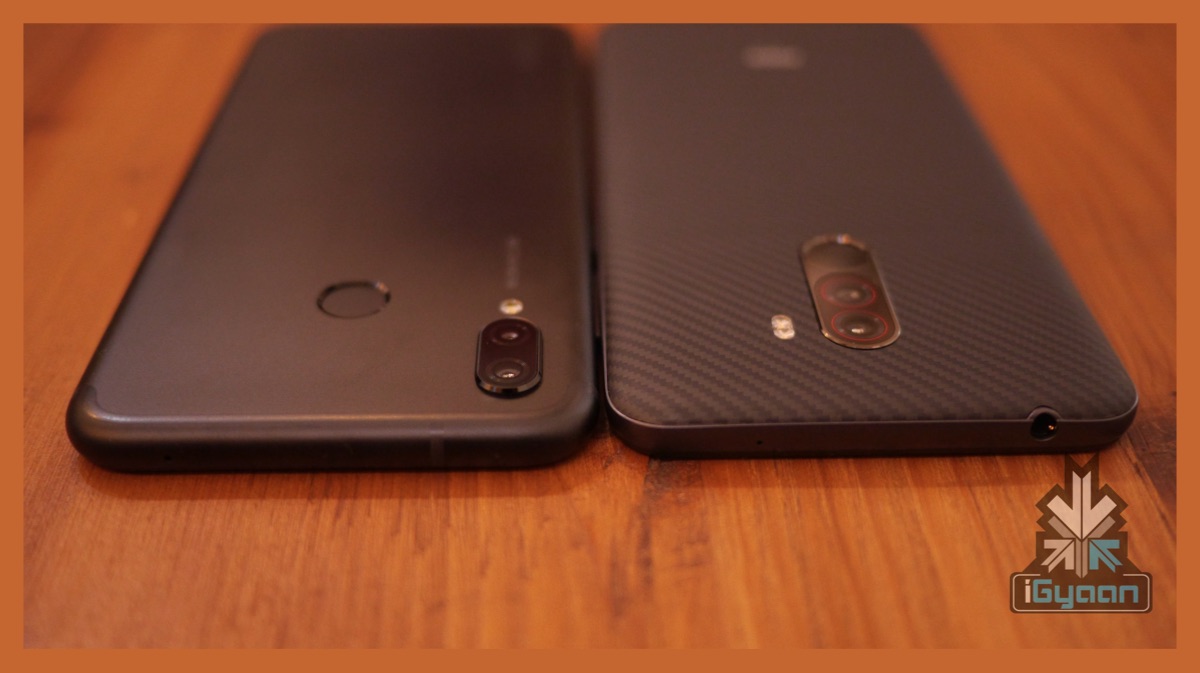
  • Honor Play Vs Poco F1: Clash Of The Best Budget Flagship Phones

    Honor Play Vs Poco F1: Clash Of The Best Budget Flagship Phones

    The Honor Play exploded into the market when it was released. The high performance device, set a benchmark for flagship killers and gives tough competition to higher-end devices. Everyone had come to terms with the fact that nothing could beat the Honor play when boom, the Poco F1 raced into the public sphere. The only phone to offer the Snapdragon 845 in this price range, it’s not just speed that sets the Poco F1 apart.

    While the pricing of the base model of the Poco F1 is directly competitive with that of the Honor Play, the two devices do have many differences. The Poco F1 offers its 6GB/64GB variant at a highly lucrative price of Rs 20,999. Sitting just a little away from this is the 4GB/64GB Honor Play. The 6GB/128GB and the 8GB/256Gb variants of the Poco F1 cost Rs 23,999 and Rs 28,999 respectively.

    Also Read: Honor Play Gaming Smartphone Launched

    Display:

    The Honor Play has a 6.3-inch Full HD display, complete with thin bezels on the side and a notch on the top. With a resolution of 2340×1080 pixels and a 19:9 aspect ratio, the Honor Play provides an immersive visual experience at 409 ppi. Not lagging behind, the Poco F1 gives a similar performance with its 6.18-inch, Full HD display. At 2246×1080 pixels, it gives us a density of 403 ppi.

    Processor:

    This is where Poco F1 really hits the sweet spot. With Qualcomm’s flagship Snapdragon 845 chipset and the Adreno 630 GPU, the specs speak for themselves. Also adding to this is the fact that it is liquid cooled, which Poco claims will ensure that the Processor gives out peak performance always. Honor also brings on the heat with its Kirin 970 chipset coupled with its GPU Turbo technology, which has been promised will change gaming experiences for everyone.


    RAM & Storage:

    Another segment in which the Poco F1 surges forward with its higher specifications, what really adds to this is the expandable storage. With a memory card, the Poco F1’s storage can reach more than half a TB in its top model, providing more power for the user. The Honor Play has upto 256GB of expandable memory, giving you all the space you need.

    Also Read: Xiaomi Launches Poco F1 With Snapdragon 845 

    Camera:

    While both the devices have AI enabled cameras which provide extensive scene detection and other smart features, they do differ fundamentally. The Poco F1 has with a 12MP and 5MP sensor for its rear camera with an aperture of f/1.9 and f/2.0 respectively. the Honor play at the same time only offers a 16MP and 2MP sensor with an aperture of f/2.2 and f/2.4 respectively. It can be seen that the Honor Play does not really bring flagship specs when it comes to the camera. The AI technology however, helps it overcome this hurdle. Another cool feature that we’re looking forward to is the special scene detection for India in the Poco F1 which shows that they went that extra mile.

    Both the devices house their front-facing cameras in the notch. They are similarly equipped with AI and an improved portrait mode. The Poco F1 has a 20MP, f/2.0 sensor while the Honor Play carries a 16MP, f/2.2 sensor.

    Battery:

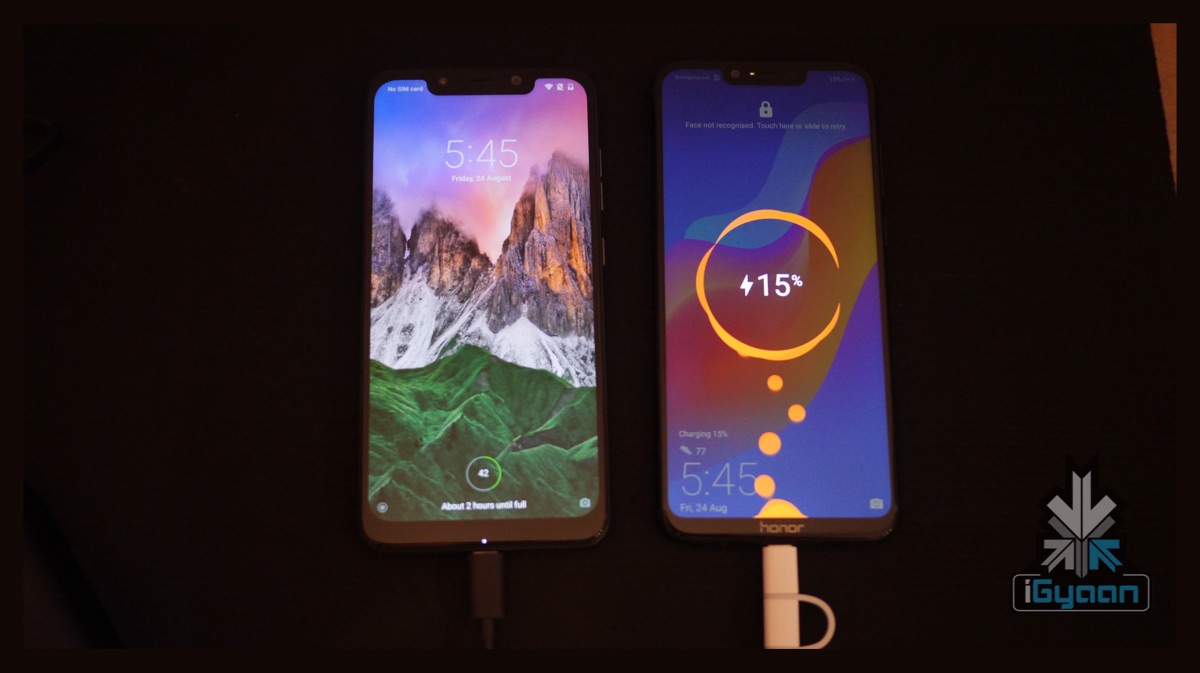
    Neither of the phones come with flagship features like wireless charging but they do pack a punch. The Poco F1 packs a massive 4000 mAh battery and Quick charge 3.0. The Honor Play carries a 3750 mAh battery along with the Huawei Super charge 3.0. Each of the devices claim advanced AI and curated operating systems will ensure that battery life is further optimised.

    Is The Hunt Over?

    While the two smartphones bring an unbelievable amount of flagship features to us for great prices, will they really make their mark? As both the phones are sold in flash sales conducted from time to time, the impact they make on the audience may not be that concrete. Although it creates a buzz and ensures that anxious buyers are always lined up to buy the devices, companies like OnePlus are in the lead in this segment due to the availability of their phones in the market. Let’s wait and watch as to how these new entrants change the Indian Market.

    [table style=”table-hover”]

    Specifications Poco F1 Honor Play
    Price

    6GB+64GB : Rs 20,999

    6GB+128GB : Rs 23,999

    8GB+256Gb : Rs 28,999

    4GB+64GB : 19,999
    Display

    6.18 inch

    2246 x 1080 FHD+

    18:7:9  Aspect Ratio

    403 ppi

    6.29 inch

    2340 x 1080 FHD+

    19:5:9  Aspect Ratio

    409 ppi

    Chipset

    Qualcomm Snapdragon 845, Liquid Cooled

    Octa Core @ 2.8 GHz

    Adreno 630 GPU

    Kirin 970

    Octa Core @ 2.3 GHz

    GPU Turbo

    RAM

    6GB

    8GB

    4GB
    Storage

    64GB, Expandable storage up to 256GB

    128GB, Expandable storage up to 256GB

    256GB, Expandable storage up to 256GB

    64GB, Expandable storage up to 256GB
    Primary Camera

    Primary 12MP rear camera, f/1.9 + Secondary 5MP rear camera, f/2.0

    4K video, 30 fps

    AI Enabled

    Primary 16MP rear camera, f/2.2 + Secondary 2MP rear camera, f/2.4

    4K video, 30 fps

    AI Enabled

    Front- Facing Camera 20MP, f/2.0 16MP, f/2.2
    Battery

    4000 mAh

    Quick charge 3.0

    USB Type-C charger

    3750 mAh

    Huawei Super charge 3.0

    USB Type-C charger

    Additional Features

    3.5 mm Headphone Jack

    Fingerprint scanner

    Infrared Scanner  Face unlock

    3.5 mm Headphone Jack

    Fingerprint scanner

    Face Unlock

    [/table]

  • Google Pixel 3 XL Leaked With Extensive Hands On Images

    Google Pixel 3 XL Leaked With Extensive Hands On Images

    The Google Pixel was launched back in 2016 to replace the Nexus line of smartphones and to provide Google a spot in the flagship segment. Pixel smartphones provide a flagship by the makers of Android setting benchmarks and redefining the smartphone camera segment. With the launch date of the highly anticipated Pixel 3 and Pixel 3 XL nearing, curiosity is high amongst fans. However, a series of leaks, especially the latest, might have some of the answers we were looking for.

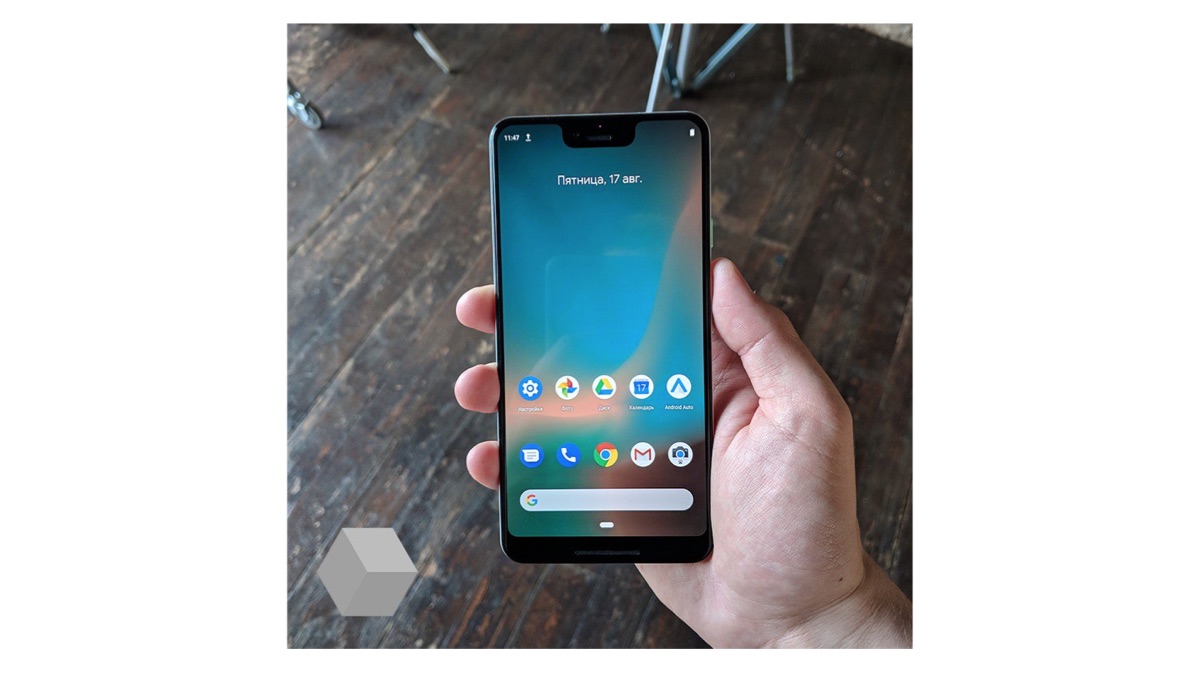
    New images posted by a user on Twitter reveal full body pictures of the Pixel 3 XL, revealing the entire device.

    Display: 

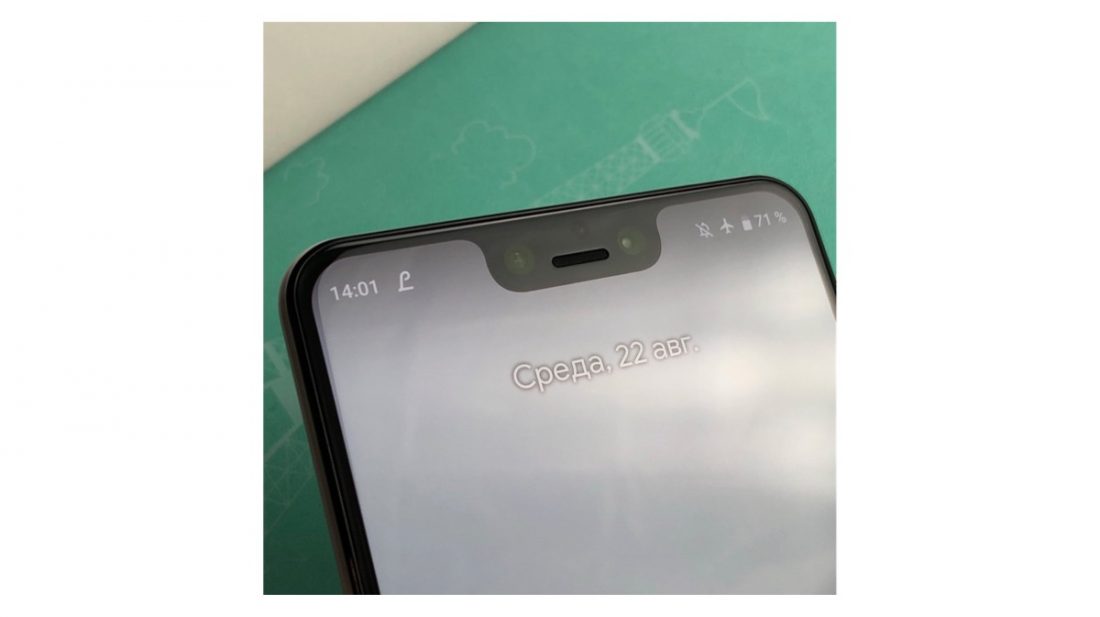
    The new images reveal a huge notch which rests on the massive 6.7-inch screen. This notch redefines the design of the Pixel 3 XL. It also redefines the ideology of Google, which never gave into trends before. Adding to this the front of the Pixel 3 XL seems to have a huge chin and rounded corners.

    The notch however, houses two front cameras and an Infrared Sensor which might be to  help improve the Face Recognition feature.  This can be called out to being very similar to the Face Id technology used by Apple. The device is said to  have a 1440×2960 resolution, which gives us a pixel density of 491 ppi on the 6.7-inch screen, which would result in a display which will not be not as sharp. The display also houses two speakers, as part of the stereo speaker experience in the Pixel 3 XL. 

    Camera: 

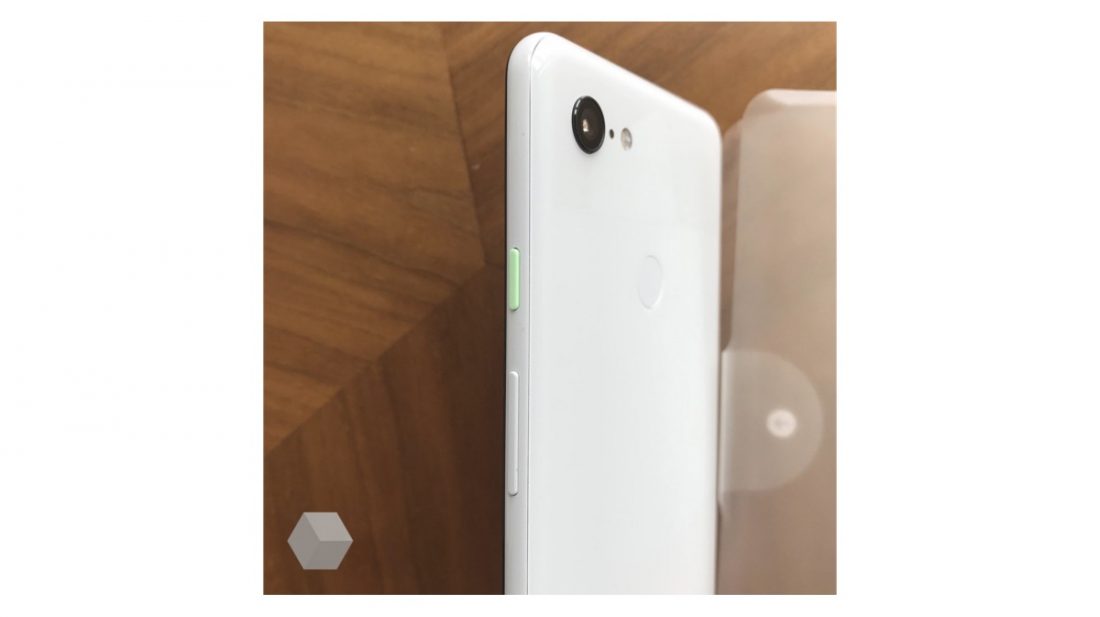
    The device sports a dual front camera and a single main camera.  The two front cameras might be having varying focal lengths to perhaps give a better portrait experience. On the back, the single primary camera, is sure to carry the great legacy of Pixel devices if the leaks are true. Images claimed to be taken by the Pixel 3 XL display extensive dynamic range and depth.  The camera may be housing a 12.2 MP sensor with an f/1.8 aperture.

    Image claimed to be taken by a Google Pixel 3 XL

    Google’s integration of software to its camera is something to look forward to. It banks not only on the ability of the sensor but also ensures that complimentary software brings out the best. A picture of the home screen of the Pixel 3 XL shows the camera icon having a tiny paw print on it. We are excited to see what this means and what new software google has to better the camera experience. 

    Device: 

    Supposedly running a Qualcomm Snapdragon 845 chipset with an Adreno 630 GPU. Although details about storage and RAM aren’t available, it is obvious that Google won’t run with anything below 128 GB of storage and 6 GB of RAM if not higher.

    As we look inside the phone, the device is apparently getting its power from a 3430 mAh battery, which might be underpowered considering the size of this device.  A larger display will obviously take a toll on the battery, so we are expecting the device to carry Quick charge 3.0 at the least if not Quick charge 4.0.  Another surprising feature in a video put up by a twitter user, displays the wireless charging capability of the Pixel 3 XL.

    Also Read : The Difference Between Android Go, Android One, And Stock Android

    What’s More:

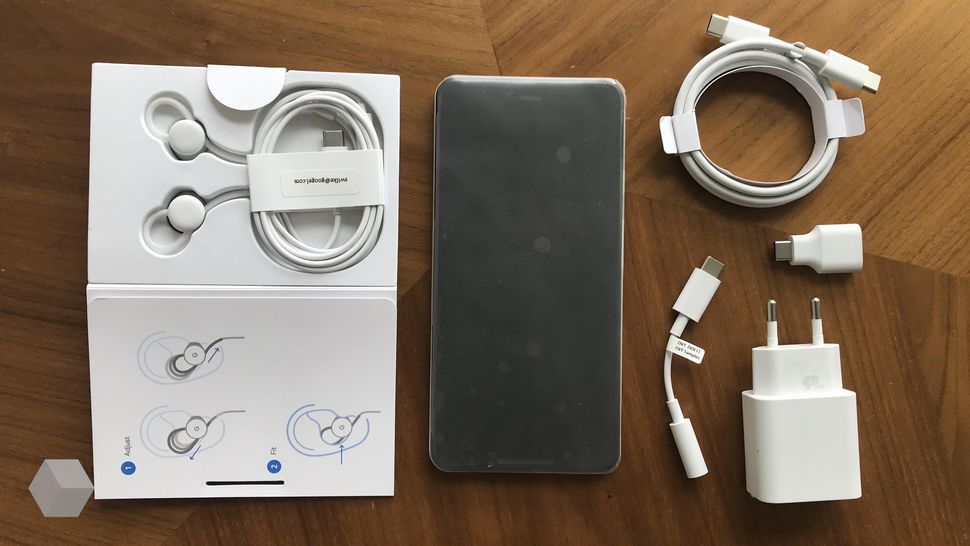
    The Pixel 3 XL should be running Android 9 out of the box. Pixel devices are known to get Android updates first, ensuring that devices are up to date. The phone will use a USB type-C charger which was present in the box in a leaked image. Along with this we can see earphones, provided by Google for the very first time. More images show that the Pixel 3 XL will continue to support the Active Edge feature. This activates the Google Assistant when the phone is squeezed. This hints at the fact that HTC is manufacturing these devices since it owns this technology. 


    It is pretty clear as to what we can expect from the Pixel 3 XL at this point in time. What is actually going to be the biggest hurdle for Google is getting the price right. As flagship killers offering the same chipset at lower prices are on the loose, it’s going to be tough. Google cannot hope to win people over with  just a great camera. We hope to see some more surprises when it comes to the pricing and the Pixel 3 XL itself.

  • Google Has Announced The Android 9 Pie Go Edition

    Google Has Announced The Android 9 Pie Go Edition

    It was in the year 2007 when Google officially introduced the Android ecosystem to the world. Android got its name from a Latin word “Androides”, meaning, human-like robot. The term Android also shares some resemblance with the ex-CEO and founder, Andy Rubin. Android is an operating system primarily designed for devices with touchscreen. Android has evolved not only in terms of versions but also in terms of its varieties. The latest version of the Android OS is the Android 9 Pie. The recent years gave us Android One and Android Go in addition to stock Android. Google announced Android Go as a watered-down version of Android 8 (Oreo) for low-end smartphones. It seems that now the company wants to continue the Android Go series with the Android 9 Pie Go edition.

    Also Read: POCOPHONE F1 Leaked Ahead Of 22nd August India Launch

    Android Pie Android 9 Google Android 9 Pie Go Edition

    Android Go delivers the latest OS to devices with RAM as low as 512MB. Android Go is the watered-down build of the Android Oreo (8.0). This OS is built to work on low-powered devices without any jitters. With Android Go, users will find that the OS takes significantly less amount of space than even Android Nougat, which released before Oreo. The OS also offers lite versions of Google apps like YoutTube Go, Gmail Go, and Files Go. This allows it to run smoothly on smartphones with storage space as small as 8GB. The latest smartphone to launch with Android Go out of the box is the Nokia 1. In a blog post from Google, the company announced that it will also launch the Android 9 Pie Go edition as a continuation of the current series. 

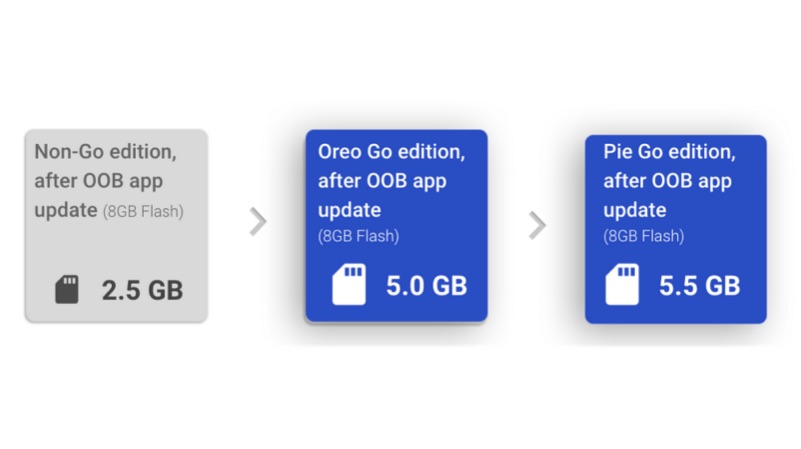
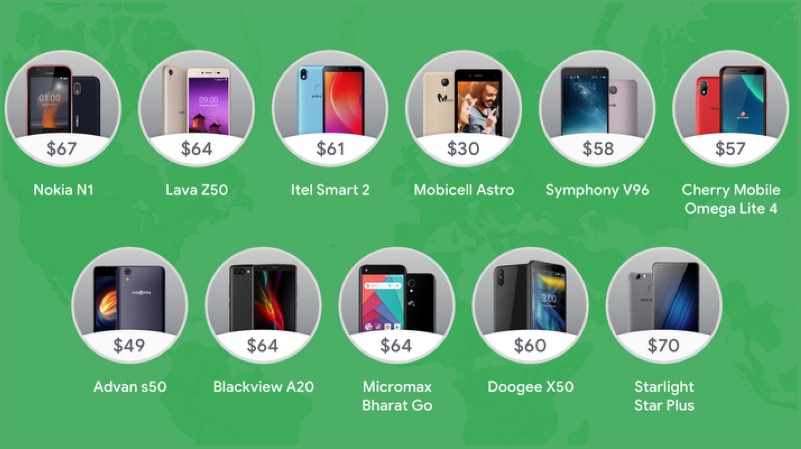
    Android 9 Pie Go EditionThe Android 9 Pie Go edition would share a lot in common with the Android Go (Oreo). However, Google claims that the Pie Go edition would take up even lesser space and provide faster device boot times for smartphones. The Android 9 Pie Go edition will also cater to the low-end devices like the Android Oreo Go edition. The company promises top-of-the-line security features and an accessible dashboard for tracking and monitoring data consumption. Companies like Nokia, Micromax, and Lava are already on the list of smartphone brands to receive Android 9 Pie Go edition.
    Android 9 Pie Go Edition

    It is reassuring to see that Google wants to keep the low-end low-budget smartphones just as relevant as the flagship Android devices. With the Android 9 Pie Go edition, it will allow users on a tight budget to enjoy a fast, smooth, and the latest Android experience.

    Have something to add? Leave a Comment Below!


  • Google Is Tracking User Location Without Consent

    Google Is Tracking User Location Without Consent

    Google Maps is one of the most used services across all platforms. Even until Apple unveiled iOS 6 in 2012, the company relied on Google Maps. However, even to this date, many prefer Google over Apple maps for navigation. For a long time, Google has been optimizing its Maps services to provide better and more accurate results. However, there are times when the company goes above and beyond to ensure accuracy. According to reports, the company is secretly tracking its users’ location even after they turned their location history off. According to the company, if a user has turned his or her location history off then it will no longer be able to track their location. But, that does not seem to be the case.

    Google

    As a new user, Google would ask the user to allow it to track his/her location for navigation. Once allowed, the entire location history of the user is recorded in a timeline fashion. This means that the company can keep a track of all the users who opted in for its map services, putting their privacy at risk. To deal with this, the company allows the user to turn off their location history. This, at least on paper, prevents the company from storing its users’ location. However, Google is still able to track its users with the help of some of the company’s apps. For instance, a simple Google search for a particular food item like a biscuit could help pinpoint your precise location. Moreover, the company even stores the instances of the times when you open its map service on a device. While mostly been open about tracking its users’ location, the company has never explicitly mentioned that it stores their location history even while turned off. It is with this privacy issue that more than two billion devices are at risk.

    Google Maps


    The issue of data privacy and the risks involved with it has always been a major concern. It does not help to know that big league companies like Google can misuse their users’ information. There is no word from the company on this issue but stay tuned as we will closely cover this news.

    Have something to add? Leave a Comment Below!
  • The Difference Between Android Go, Android One, And Stock Android

    The Difference Between Android Go, Android One, And Stock Android

    It was in the year 2007 when Google officially introduced the Android ecosystem to the world. However, before the announcement, Android started as a small company by the name Android Inc., with Andy Rubin as the CEO. Android got its name from a Latin word “Androides”, meaning, human-like robot. The term Android also shares some resemblance with the ex-CEO and founder, Andy Rubin. Android is an operating system primarily designed for devices with touchscreen. Google has followed a sweet related alphabetical naming convention with each new version of Android. Starting with the first version, Android Cupcake launched in the first quarter of 2009 with Donut to follow, in the same year. Android has evolved not only in terms of versions but also in terms of its varieties. The recent years gave us Android One and Android Go in addition to stock Android.

    What Is The Difference Between These Three Android Variants?

    Many people think Android Go and Android One are more or less the same. While Stock Android is more or less the operating system users receive in their smartphones, out of the box. However, this is a fairly common misconception as these three could not be more different. While the likes of Android Nougat, Oreo, and the latest, Android P are OS version, the formerly mentioned are the variants. Let’s take a look at stock Android first.

    Stock Android

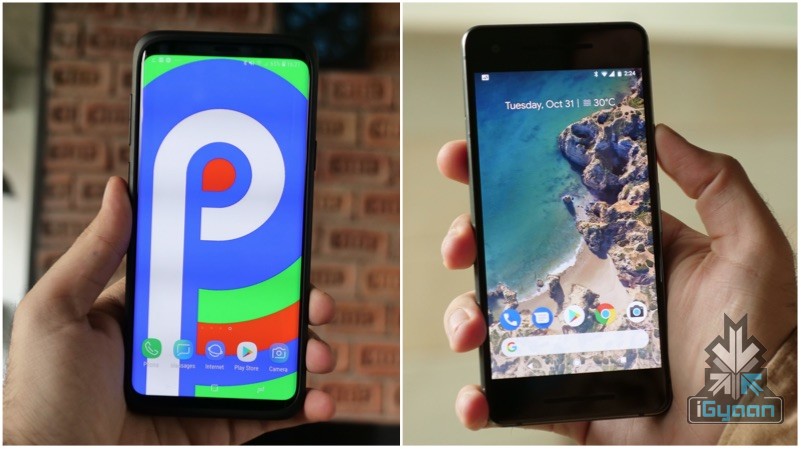
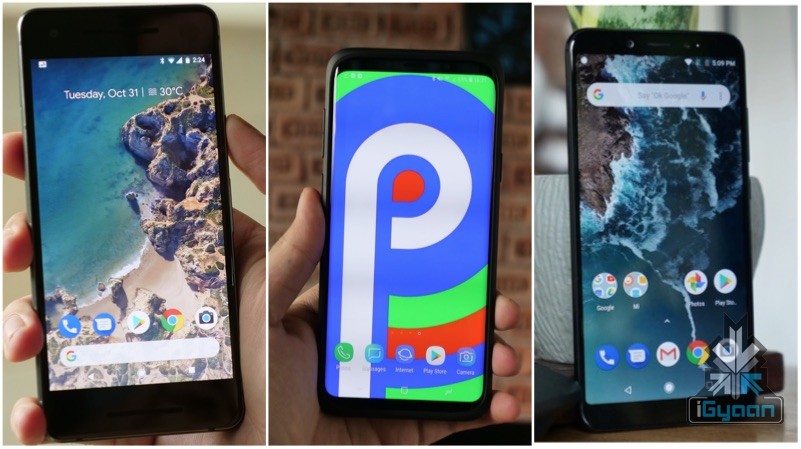
    Image: Samsung TouchWiz and Stock Android On Pixel 2

    Under the Android Open Source Project (AOSP), Google provides the source code of the Android OS to various manufacturers. Google then allows these manufacturers to build around the Android OS and develop their own flavour/skin or add additional features. For instance, Samsung uses its proprietary skin called TouchWiz while Xiaomi uses the MIUI skin. However, these are not what one should refer to as the stock Android experience. A heavily skinned version such as the TouchWiz or EMUI overshadows the minimalistic functionalities of what Google tends to offer with “stock Android”. In this version, a user will only find a few Google apps, meaning, the stock Android experience is free of bloatware. By bloatware, we mean additional apps like Samsung Pay, which already have an alternative Google app available on Google Play Store. It was the Nexus line of smartphones which started the stock Android experience and later adopted by the Pixel lineup. With stock android, it also becomes easy for users to receive new security patches and major OS updates. Especially, since manufacturers do not intervene to build their own take of the OS.

    Android One

    Android Go Stock Android Android One

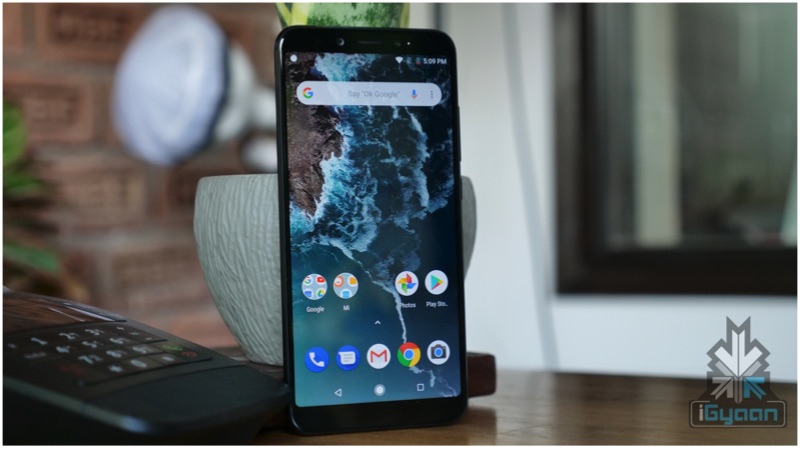
    Image: Mi A2 Running On Android One

    Android One is yet another variant of the OS with initial intentions to be exclusive to the South Asian markets like India. Its original initiative to cater to the low-end smartphones later changed as Android One is also seen on the mid tier flagship devices like the Moto X4. In a nutshell, Android One is for those manufacturers who would rather spend time focussing on putting together a good hardware rather than working on the software, Google provides the Android One for such companies. Much like stock Android, Android One smartphones are the first to receive the latest OS updates. One of the latest smartphones running on Android One is the Xiaomi Mi A2

    Also Read: Google Pixel 3 XL Renders Reveal A Thick Chin, A Notch And Colourful Power Buttons

    Android Go

    Android Go Stock Android Android Oreo

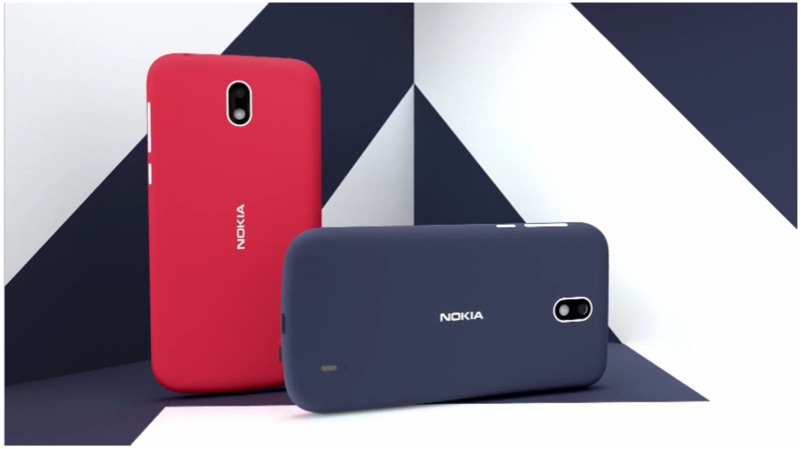
    Image: Nokia 1

    While Android One is available for all smartphones, Google did not give up on the idea of making the OS compatible with low-end devices either. The recently announced Android Go delivers the latest OS to devices with RAM as low as 512MB. Android Go is the watered-down build of the Android Oreo (8.0). This OS is built to work on low-powered devices without any jitters. With Android Go, users will find that the OS takes significantly less amount of space than even Android Nougat, which released before Oreo. The OS also offers lite versions of Google apps like YoutTube Go, Gmail Go, and Files Go. This allows it to run smoothly on smartphones with storage space as small as 8GB. The latest smartphone to launch with Android Go out of the box is the Nokia 1

    Regardless of its variants, Android will keep on evolving to a better version of its predecessor. With that said, for users looking for a smartphone which won’t hurt the pocket but won’t also bog down in the long run then an Android One or an Android Go device is the best bet. However, instead of price, top of the line specifications and the first to receive the software updates are a user’s priorities, then smartphones like the ones from the Pixel lineup will be a viable option.  

    Have something to add? Leave a Comment Below!
  • It’s Official : Android 9 Is Android Pie : Top 10 Features

    It’s Official : Android 9 Is Android Pie : Top 10 Features

    It was in the year 2007 when Google officially introduced the Android ecosystem to the world. The first commercially available Android smartphone, the HTC Dream released in the September 2008. The smartphone was available globally from 2009 and ran on the version 1.5 (Cupcake) of the OS. Google has followed an alphabetical order of naming convention with each new version of Android. Starting with the first version, Android Cupcake (1.5) debuting with the HTC Dream in 2009, with Donut (1.6) to follow, in the same year. Android has evolved not only in terms of versions but also in terms of its varieties. The latest version of the OS available for all the smartphones is Android 8.0 (Oreo). However, Google has announced the latest version, Android 9 and its official name is Android Pie.

    Also Read: Dual SIM Apple iPhone With A 6.1-inch Display Is Launching But You Can’t Have It

    Our previous speculation was that Android 9 might roll out as the Android Pistachio. However, Google usually uses sweet treats or desserts to name its Android versions. Thus, it makes a lot more sense for Google to call Android 9, Android Pie. Although its official now, Android Pie was already available as a beta preview for many smartphones. In the list of manufacturers who signed up for the beta program, OnePlus, Nokia, and Xiaomi are some of the top brands. This time around, the new version of the OS is bringing some major changes to the way it works. 

    Features
    1. Gesture-Based Navigation

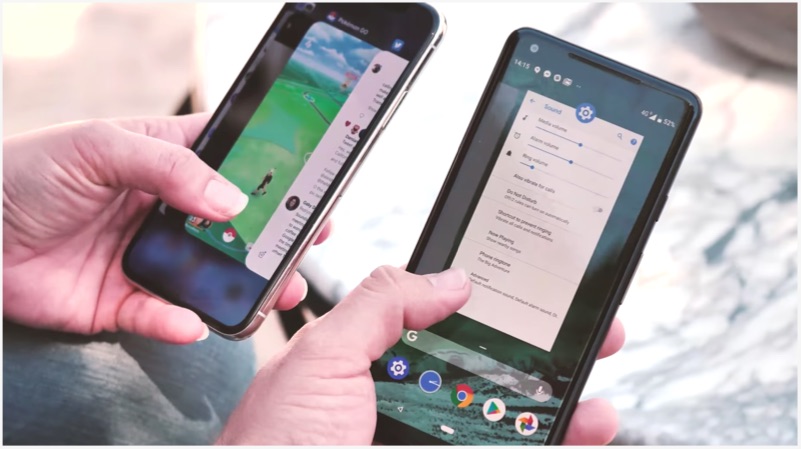
    Image: iPhone X Recent Apps VS Pixel 2 Recent Apps On Android Pie

    With Android 9, the OS has changed aesthetically, along with several major feature additions. The most noticeable of them all is the new gesture-based navigation. Although turned off by default, the gesture-based navigation system allows for a new way to interact with Android. In Android Pie, a simple swipe to the left or right will allow users to switch between the recently opened apps. While swiping up would reveal all the opened apps along with a few suggested apps with the OS thinks the user frequently opens. 

    2. App Slices

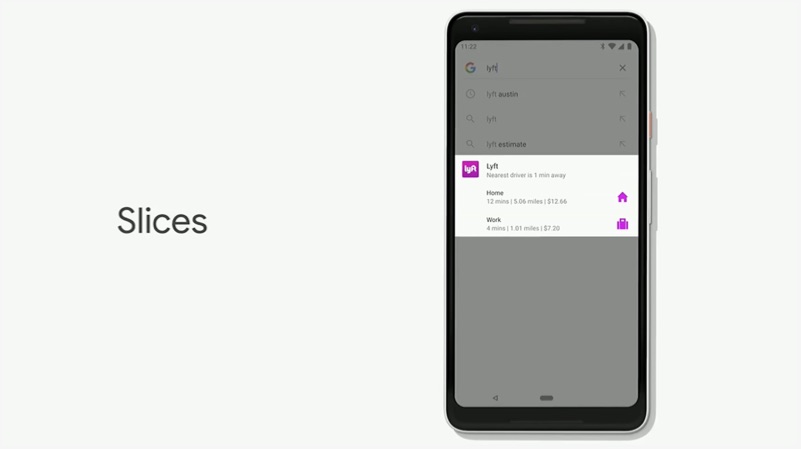
    This new Android Pie feature seems very familiar to users who have had experience with Google’s Instant Apps. Instant Apps was Google’s way of allowing users to access an app without needing to download it. However, in the case of Slices, the similar idea of Instant Apps targets a whole different set of problems. For instance, if a user searches for Hawaii on Google, then the OS might show them photos from the time when he or she visited Hawaii.

    3. Indoor User Positioning

    Android Pie Android 9 Google

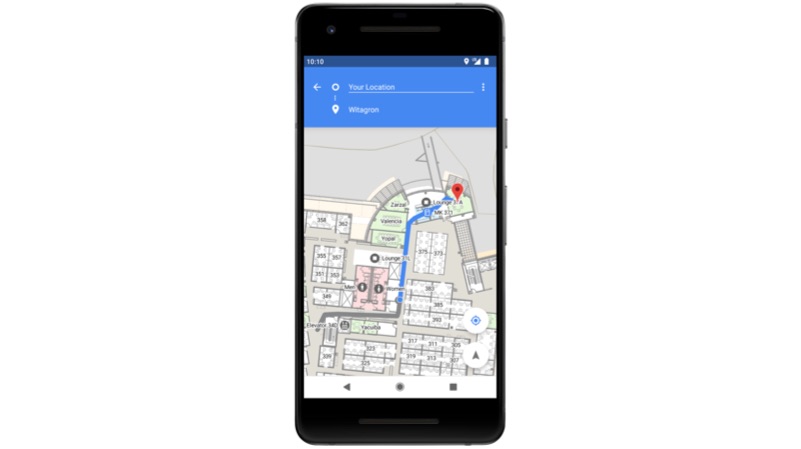
    In previous Android versions, if a user sitting inside a building wants to locate himself on the map, then his or her estimated location using GPS was shown. With Android 9, Googles uses Wi-Fi for indoor positioning with an accuracy of up to 1 or 2 meters.

    4.  Support For Notches

    Android Pie Android 9 Google

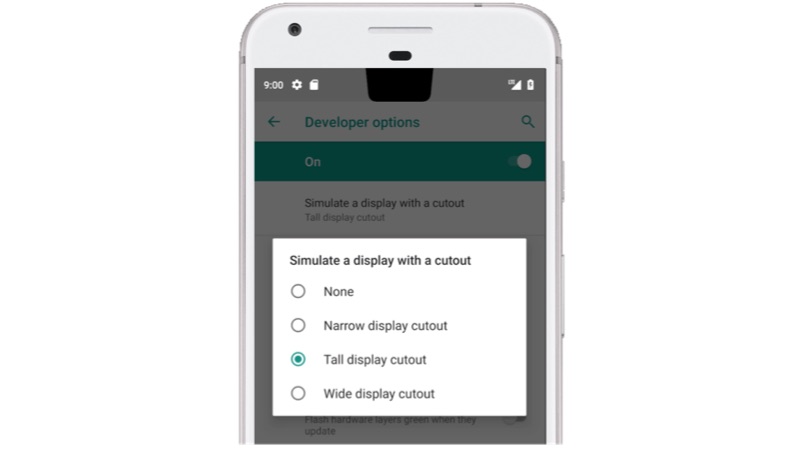
    With Android 9, users will get content in an edge-to-edge format which also supports the presence of the notch. Android Pie will allow developers to build apps in such a way that their app supports the cut-outs on a smartphone’s display.

    5. Intuitive Notifications

    Android Pie Android 9 Google

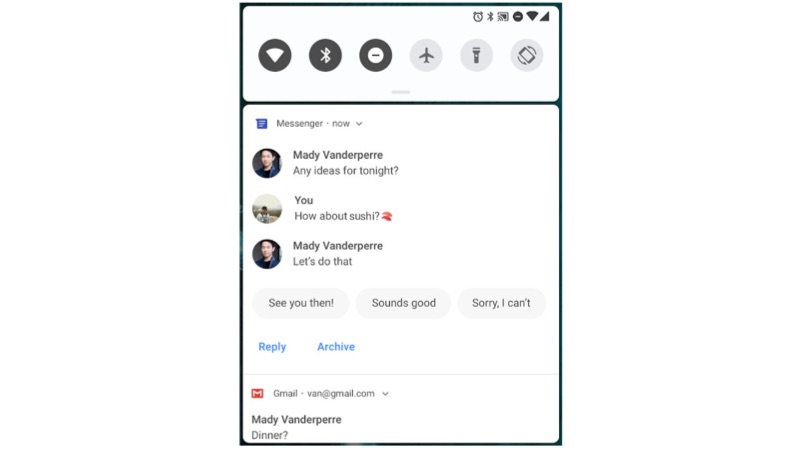
    Google has been focussing on integrating AI deeply with its OS. It is with Android 9 that users see some of the AI functionalities in the foreground. For instance, on Android Pie, a predicted response will be ready for certain message notifications which you receive. You can either choose to respond to the message with the suggested text or write your own directly from the notification tray.

    6. Adaptive Battery & Adaptive Brightness

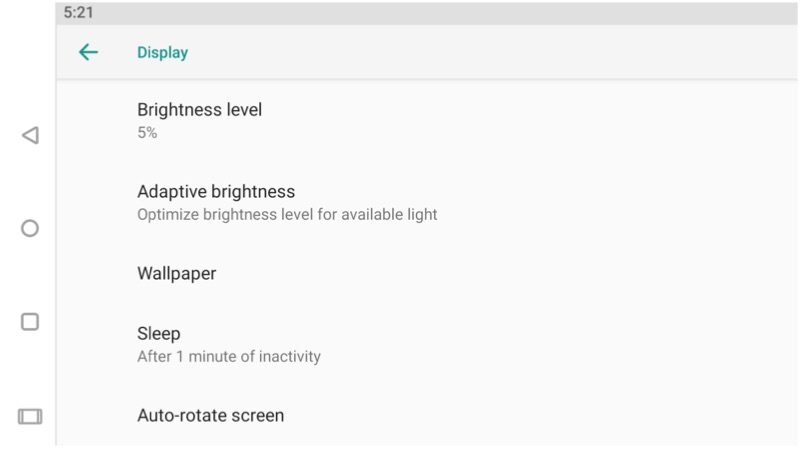
    Another AI-dependent feature which Google has introduced with Android 9 is the Adaptive Battery and Adaptive Brightness. With this feature, the OS will understand the smartphone user’s device usage behaviour and adjust the battery settings accordingly. This adjustment is also dependent on the time of the day or the user’s location.

    7. Digital Wellbeing

    Android Pie Android 9 Google

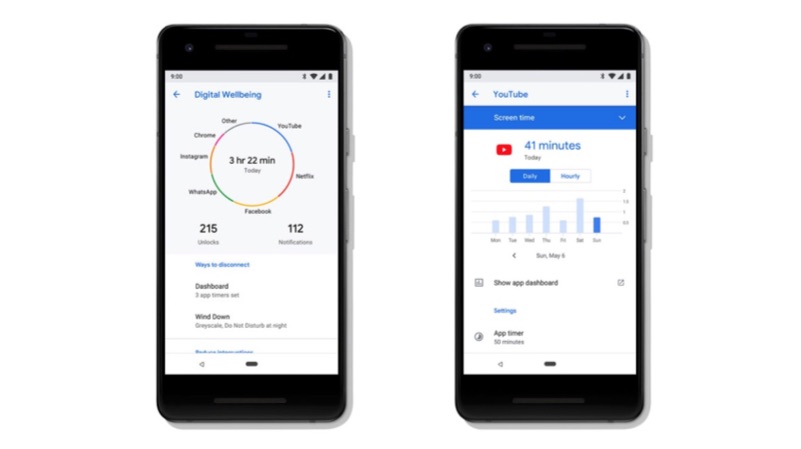
    Android Pie or Android 9 will monitor the user’s daily smartphone usage. Google is calling this feature the “Digital Wellbeing” which will provide an analytical report of the time the user has spent on the device and the number of times the device was unlocked.

    8. The Material Theme

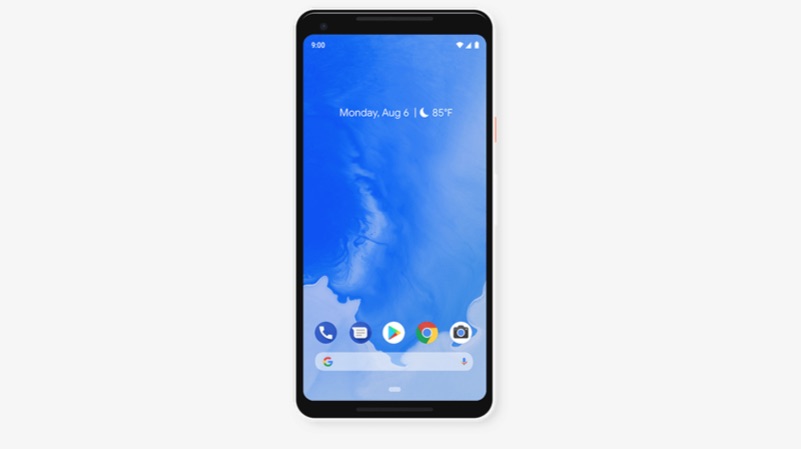
    Along with the new feature, Google has also introduced some subtle changes to the UI with Android 9. In this version of the OS, the most noticeable changes are with the notification tray icons, which are more rounded than the ones on Android Oreo. The materialistic theme also translates to the way the recent apps are shown. One could say Android Pie takes subtle hints from Apple’s iOS.

    9. Rotation Toggle

    Android Pie Android 9 Google

    The rotation toggle is a nifty feature in the Android 9 which tackles the problem of accidental screen rotation. When you turn off auto rotation on the smartphone, an extra icon will appear in the navigation bar, which upon clicking, will change the orientation of the smartphone’s display. This is especially useful for the lazy users who like to use their smartphones in bed.

    10. A Total Of 157 New Emojis

    With a more gender-neutral approach, Android Pie will bring a total of 157 new emojis to the platform. Some of these emojis include lobsters and alpacas.

    Android P is the ninth installation of Google’s Android OS. Many devices including the OnePlus 6 have already received a Developer Preview of the Android P. This new version brings subtle UI changes like the redesigned notification panel when triggered by the volume rockers. The new update also brings better battery optimization, dark and light theme modes, and the ability to toggle between multiple wallpapers. The Android Pie update will initially be available on the Pixel devices first with other manufacturers who signed up for the Beta program to follow. It is safe to say that with every new version, the Android ecosystem keeps evolving, and the trend will continue until either Google runs out of letters in the Alphabet or Android is discontinued.

    Have something to add? Leave a Comment Below!


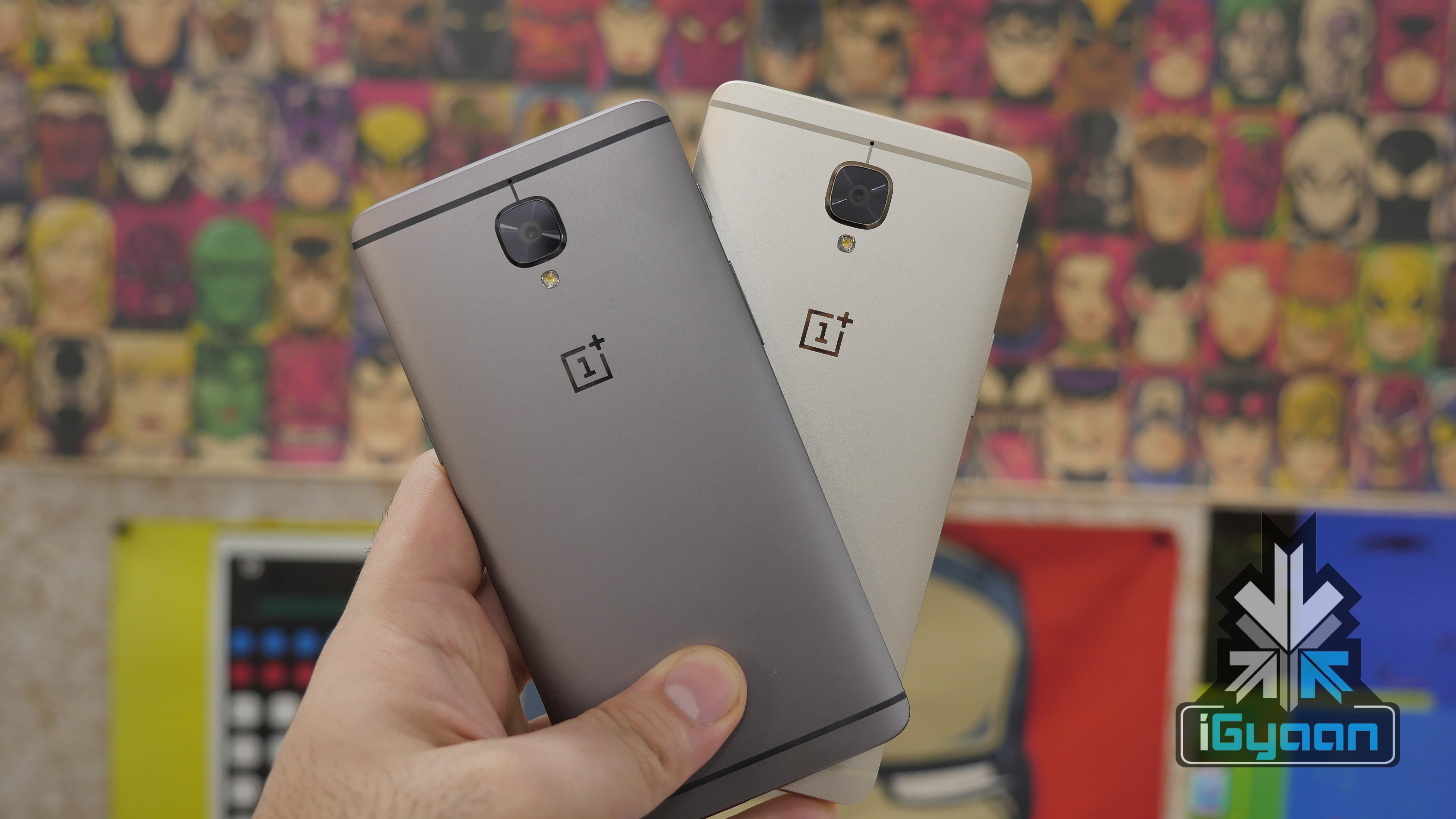
  • OnePlus will Bring Android P To OnePlus 3 and 3T

    OnePlus will Bring Android P To OnePlus 3 and 3T

    OnePlus in a post on their forums has confirmed that the company will provide the Android P update to phones as old as the OnePlus 3 all the way upto the OnePlus 6. The company also says that the updates will be available in the coming months. With Google expected to officially roll out Android P during the Pixel 3 and Pixel 3XL launch, most manufacturers working towards the Android P update will follow soon after.

    OnePlus has been focusing a lot on community conversation, and this shows that the company is ready to tackle the frustration of some of the owners of the older Oneplus devices in getting some of the key features. The company, earlier this year, enabled certain camera features  to their previous models via a software update.

    OnePlus has now rolled out several models of the OnePlus 6, including storage and Ram variations and limited edition models including the new colours. The company may launch a new phone later this year dubbed the “OnePlus 6T”. The next version is expected to launch with a all display front removing the notch from the device completely.

    [toggles behavior=”toggle”]
    [toggle title=”OnePlus’s Post”]Including our camera improvements and the latest Android security patch, the OxygenOS 5.0.4 update for OnePlus 3 and 3T was released worldwide last week. Since it was launched, we’ve been listening to questions asking about our next major update for the OnePlus 3 and 3T. After internal discussions and evaluation, we have decided to focus our development resources on the Android P project instead of upgrading the device to Android 8.1, so that we can offer more exciting features and improvements for our OnePlus 3 and 3T users. Over the past few months, we have been working closely with Google on the Android P Beta program. Thanks to everyone’s participation and continued feedback, the progress we have made together has been greatly accelerated. The Android P update will be available on the OnePlus 6, OnePlus 5/T and OnePlus 3/3T, in this order. We will keep you all updated in the coming months. [/toggle]
    [/toggles]

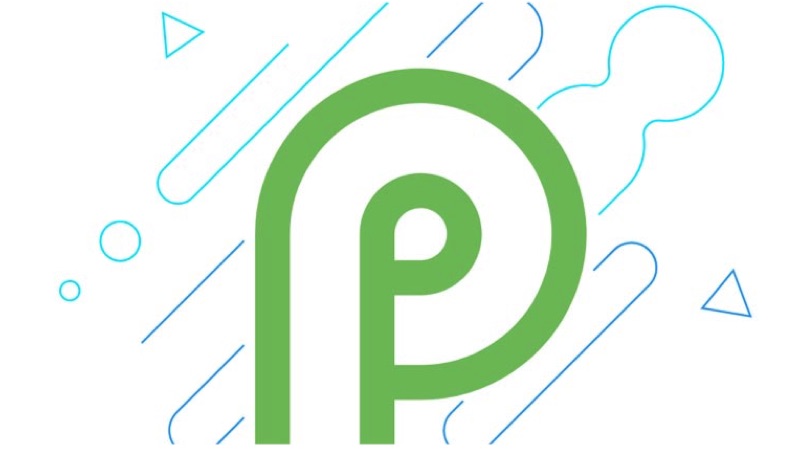
  • Leaks Suggest Android P Could Be Called Android Pistachio

    Leaks Suggest Android P Could Be Called Android Pistachio

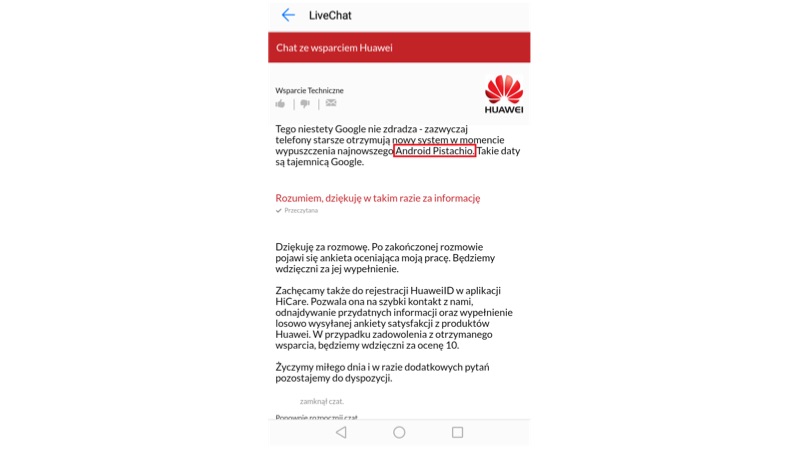
    Leaks have revealed the name of Android P and the fans are going nuts (pun intended). The leak was first posted on a Polish website. The website shared screenshots of a conversation between a Huawei representative and a customer. The customer was inquiring about the Android 8.0 Oreo update for the Huawei P9 Lite.

    Android Pistachio
    Huawei Live Chat Screenshot

    Though it is highly unlikely for Google to reveal the official name for its Android P. This news still steers the thought process and speculation to a new direction. Other rumors about the name suggest that the name could be Android Pistachio Ice-cream.

    Android Pistachio
    Android P

    Android usually uses names of sweet treats or desserts. For Google to use a “nutty” name will be quite surprising. In this case, the name Pistachio Ice-cream would make more sense. From Cupcake to the to Oreo the names have always been based on a candy or dessert. One should keep in mind that during its testing phase Android 8.0 was just called Android O.

    There is again a catch to Android Pistachio Ice-cream as the name “Ice-cream Sandwich” has already been used. This naming convention could sound redundant which further creates a doubt about the entire leak.

    Must Read: Only 1% Android Smartphones Are Running Android 8 Oreo

    Android P is the ninth installation of Google’s Android OS. Many devices including the OnePlus 6 have already received a Developer Preview of the Android P. This new version brings subtle UI changes like the redesigned notification panel when triggered by the volume rockers. The new update also brings better battery optimization, dark and light theme modes, and the ability to toggle between multiple wallpapers.

    Pistachio tastes quite good but, whether Google names Android P after “these nuts”, remains to be seen. With the official announcement about a month or so away, we will monitor this thread closely so stay tuned to iGyaan for any further updates.

  • Google Could Be Fined US$ 11 Billion In EU’s Antitrust Case

    Google Could Be Fined US$ 11 Billion In EU’s Antitrust Case

    Google is in troubled waters with the law again. This time around, it is because of the world’s most famous mobile operating system, Android. The European Commission could fine Google up to US$ 11 billion (Rs 73,800 crores) for abusing its dominance via the Android OS. Google was recently sued for £3.2 Billion for secretly tracking and collecting personal information of 4.4 million iPhone users in the UK.

    A report by Financial Times claims that EU’s Competition Commissioner Margrethe Vestager is set to give the verdict “within weeks.” The investigation revealed that Google imposed illegal terms on Android device makers “which harmed competition and cut consumer choice.” The report further adds:

    Android is used in more than 80 percent of the world’s smartphones and is vital to the group’s future revenues as more users search on their mobile gadgets.

    Must Read: Google And Facebook Sued For US$ 8.8 Billion For Coercing Users Into Sharing Their Personal Data

    [amazon_link asins=’B0772YB7Y1′ template=’ProductAd’ store=’igyaan-21′ marketplace=’IN’ link_id=’55d549ca-6b05-11e8-aa1b-3f9463b6a48e’]

    Even though the fine could be up to US$ 11 billion, the actual penalty may be less. This is not an exception and happens in many cases involving multi-billion dollar penalties. The case dates back to 2016 when EU accused Google of imposing licensing conditions for Android OS. The initial charges on Google state that the company required phone manufacturers to install the company’s Chrome web browser and its search tool on their devices. Google allegedly offered financial incentives to place its apps on phones, but also threatened to cut off access to the Google Play Store if companies didn’t comply.

    A third investigation is underway into whether the company (Google) unfairly banned competitors from websites that used its search bar and adverts.

    This isn’t the first time that EU has cracked down on Google’s alleged illegal activities. In 2017, the company was fined US$ 2.7 billion (18,000 crores) for its ill-treatment of comparison shopping services. This led to Google later introducing changes in how it compares shopping offers in its search results.

    With the result poised to be announced in the coming weeks, Google would want to get this over with quickly. The company will launch the Pixel 3 devices in October and would like to avoid any sort of bad press around the time of launch.

  • 76% iOS Devices Are On iOS 11 While Only 4.1% Android Devices Are On Android 8 Oreo

    76% iOS Devices Are On iOS 11 While Only 4.1% Android Devices Are On Android 8 Oreo

    The debate of Android vs iOS might never reach a conclusion. However, there is one area where Android has to always accept defeat, and that is OS adoption rate. Thanks to so many Android OEMs and their own custom skins, new versions of Android are very slow to reach to a majority of Android devices. iPhones on the other hand, are only made by Apple, which means the adoption rate of iOS is extremely high. And new data proves just that.

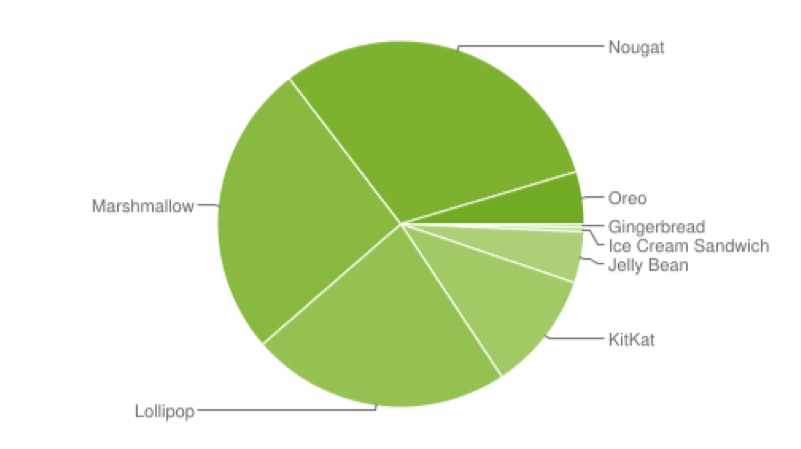
    As of April 16th, 2018, Android 8.1 Oreo, the latest version of Android is only available on 0.5% Android devices. Android 8.0 Oreo, which was launched in August 2017, is only available 4.1% of devices. Astonishingly, the most predominant Android version is Android 6 Marshmallow, with a 26% adoption rate. Android 7.0 Nougat is a close second at 23%.

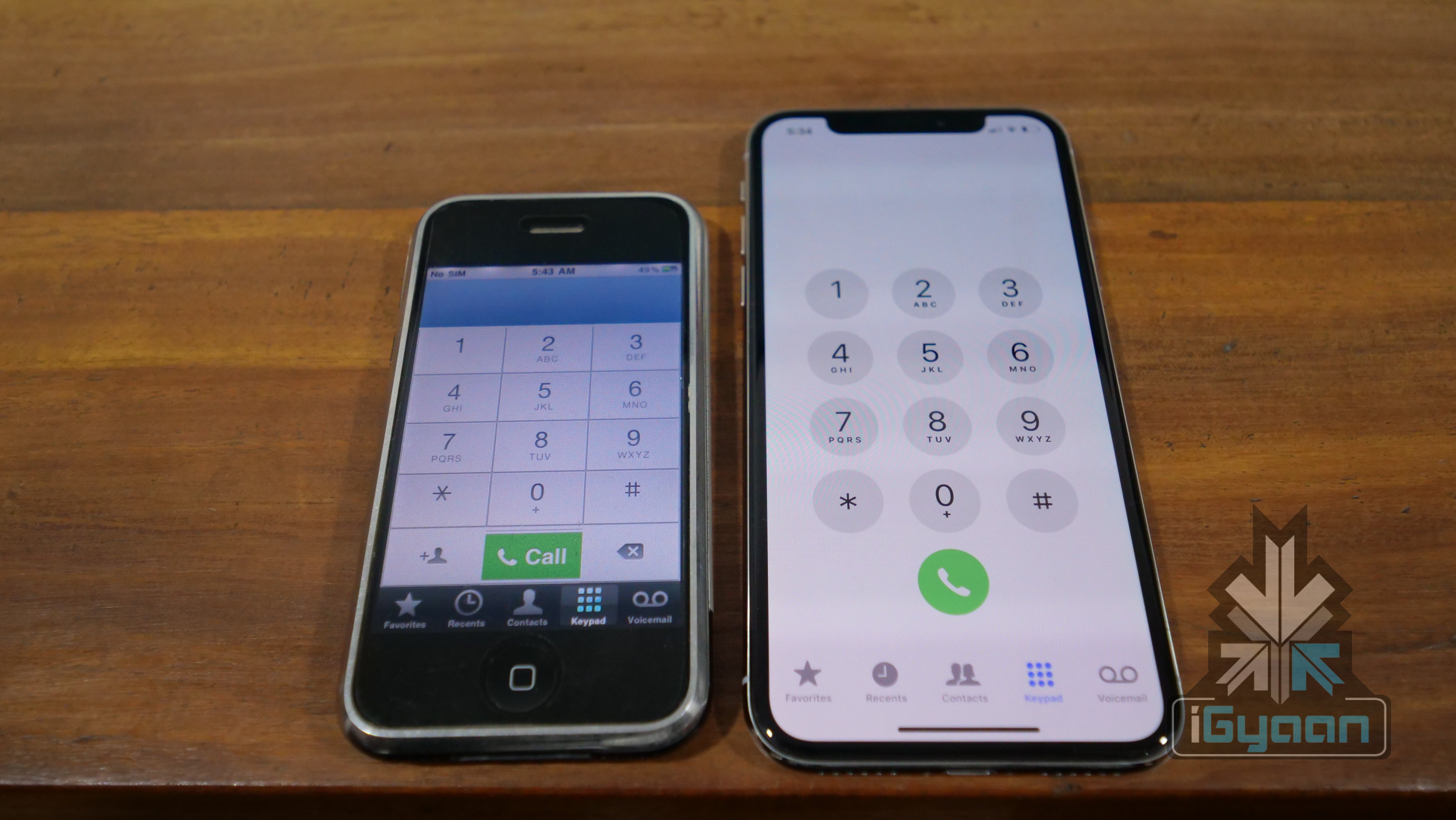
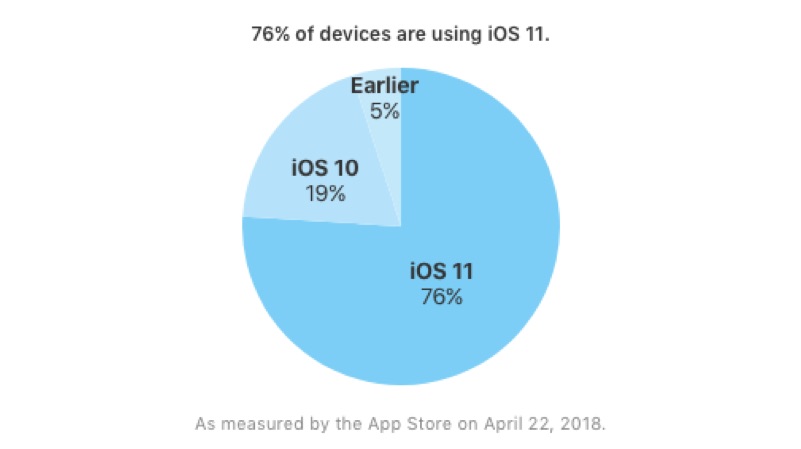
    While on the iOS side of things, as of April 22nd, 2018, iOS 11 is running on 75% of the iOS devices. It is worth noting that this also includes iPads as well since they also run iOS. Apple’s latest iOS version, iOS 11 had a rocky start to life with a lot of bugs pailing its initial phase. However, constant updates to fix various bugs has made iOS 11 a much better upgrade to iOS 10, as we noted in our iPhone X review.

    You may also like: Why Are New Android Phones Launching With Old Android OS?

    Project Treble is Google’s effort at reducing the time it takes for OEMs to receive the new OS and optimise it for its devices and then push out the update. A few months ago, Android received a new Vendor Interface, which is largely what Project Treble is about. The VI’s aim is to separate the “Vendor Implementation” (that is, “the device-specific, lower-level software written in large part by the silicon manufacturers”), from the Android OS framework.

    The new VI is supposed to sit between the Android OS framework and Vendor Implementation. And the new VI will be validated by a Vendor Test Suite (VTS), which is analogous to the Compatibility Test Suite (CTS) that Google has been using for API testing of apps. The VTS ensures forward-compatibility of the VI.

    Time will tell whether Google’s efforts will be of any fruition. Right now, however, iOS is way ahead of Android OS in the race of OS adoption.

iGyaan Network
Privacy Overview

This website uses cookies so that we can provide you with the best user experience possible. Cookie information is stored in your browser and performs functions such as recognising you when you return to our website and helping our team to understand which sections of the website you find most interesting and useful.