Category: Apple

  • Apple iPhone X Plus Will be The Same Size As iPhone 8 Plus

    Apple iPhone X Plus Will be The Same Size As iPhone 8 Plus

    The 2018 iPhone lineup is gearing up to be an exciting one. After years of similar design language across the board, Apple changed things up with the iPhone X. With its new lineup of iPhones, Apple will completely drop the home button and adopt Face ID for all the iPhones. Out of the three that are rumoured to launch in September, the iPhone X Plus will be the biggest and priciest.

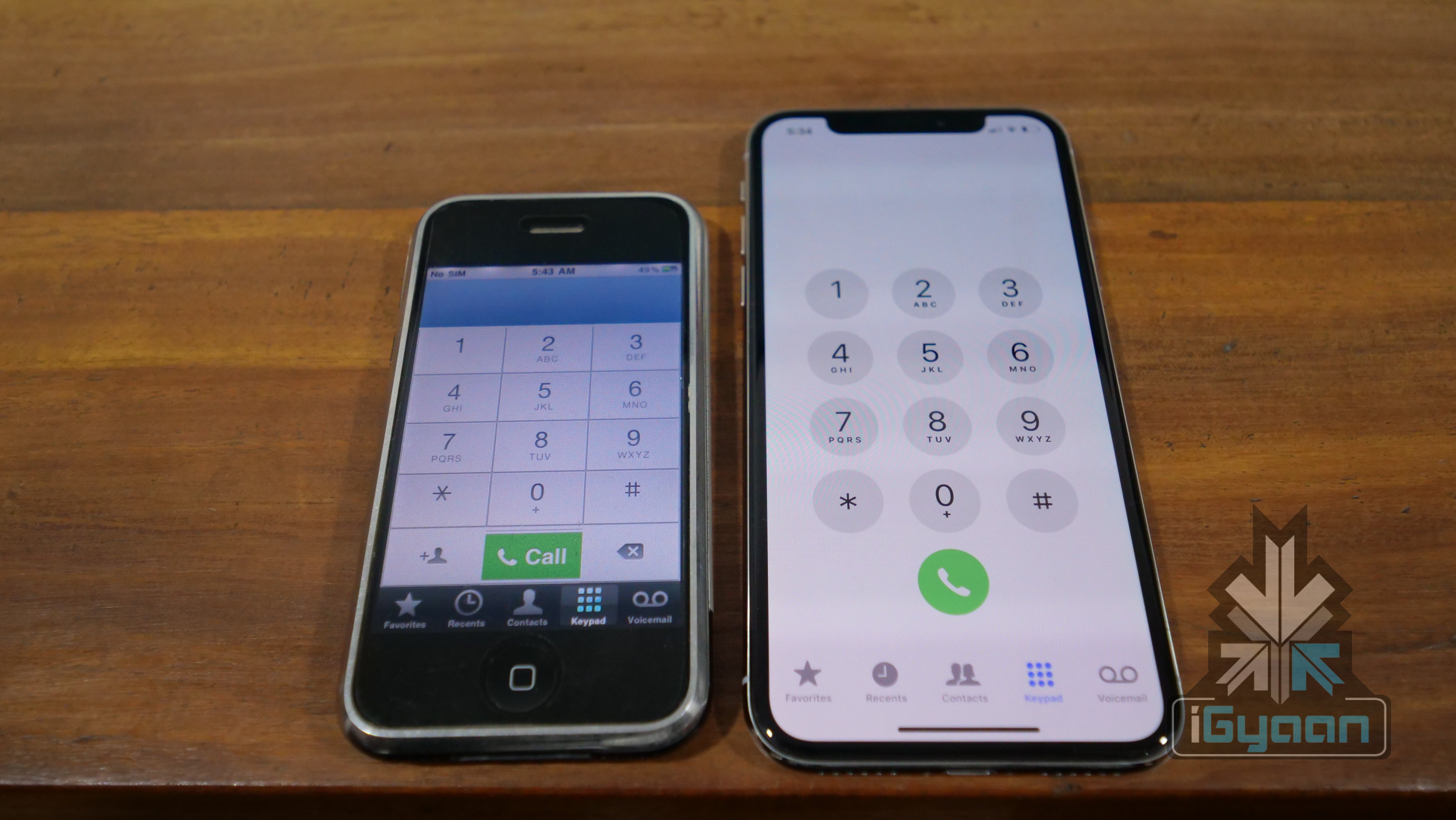
    The iPhone X Plus is expected to have a 6.5 inch OLED TrueTone display. If true, it will be the largest display ever on an iPhone. A new report not only claims that the iPhone X Plus will indeed have a 6.5 inch display, that this display will be fit into an iPhone 8 Plus body. The report is also accompanied by images, revealing the similarities in size of the two iPhones.

    Must Read: Apple iPhone SE 2 Leaked Images Reveal A Glass Back And Headphone Jack
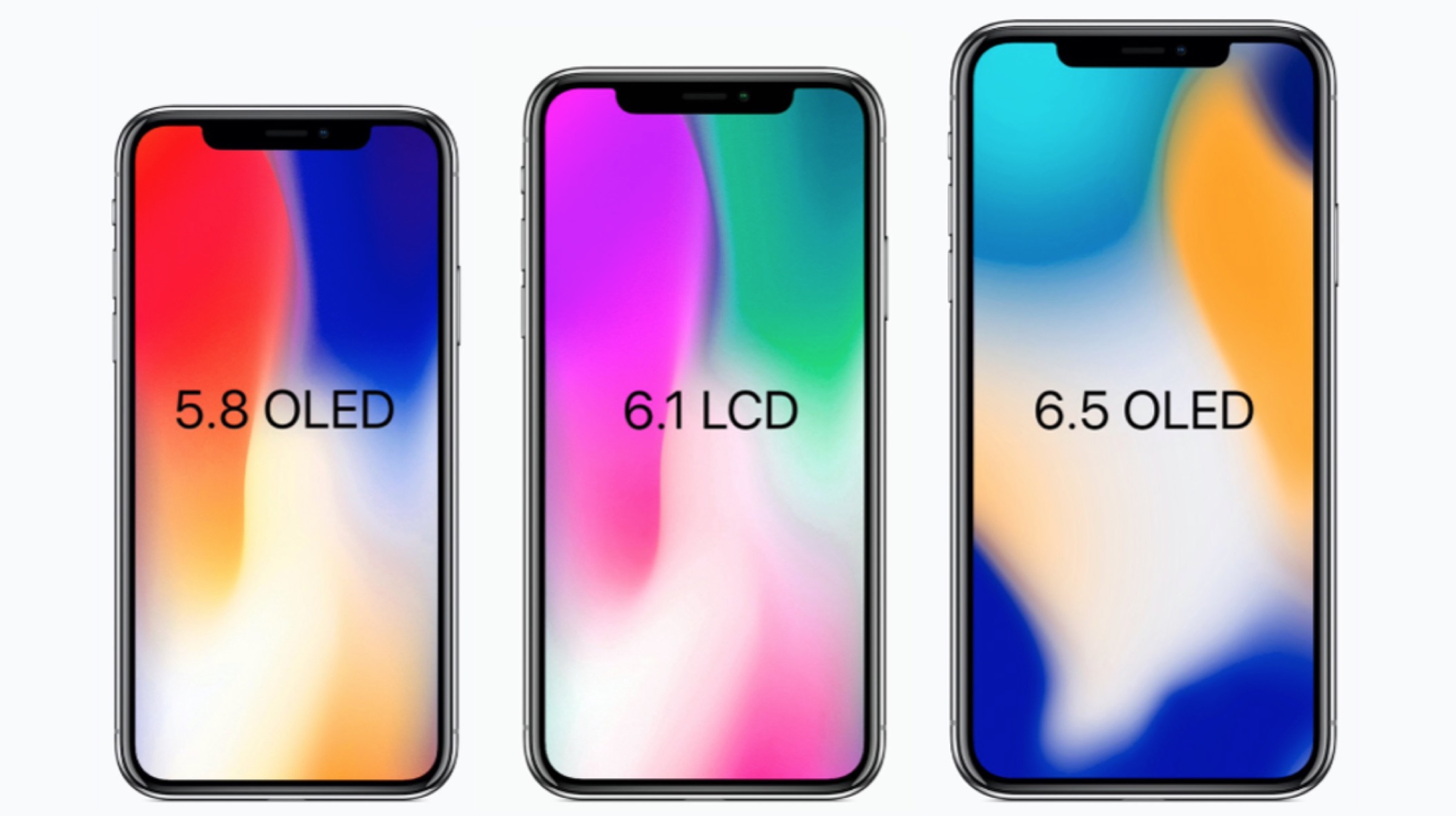
    2018 Apple iPhone lineup

    For context, the iPhone 8 Plus has a 5.5 inch display. This means that Apple will be able to increase the screen real estate by an inch, without tampering with the size of the iPhone 8 Plus. There is obviously going to be a notch on the display as well which will house the tech required for Face ID to function.

    The report also touched upon the other two iPhones slated to release along with the iPhone X Plus. The most affordable of the three iPhones will have an LCD panel. However, the size will be slightly smaller at 6 inches, rather than the 6.1 inch size which has been floating around on the internet. The smartphone will have the same design as the other two iPhones and feature Face ID as well.

    Must Read: 2018 Apple iPhone With LCD Display Won’t Have 3D Touch

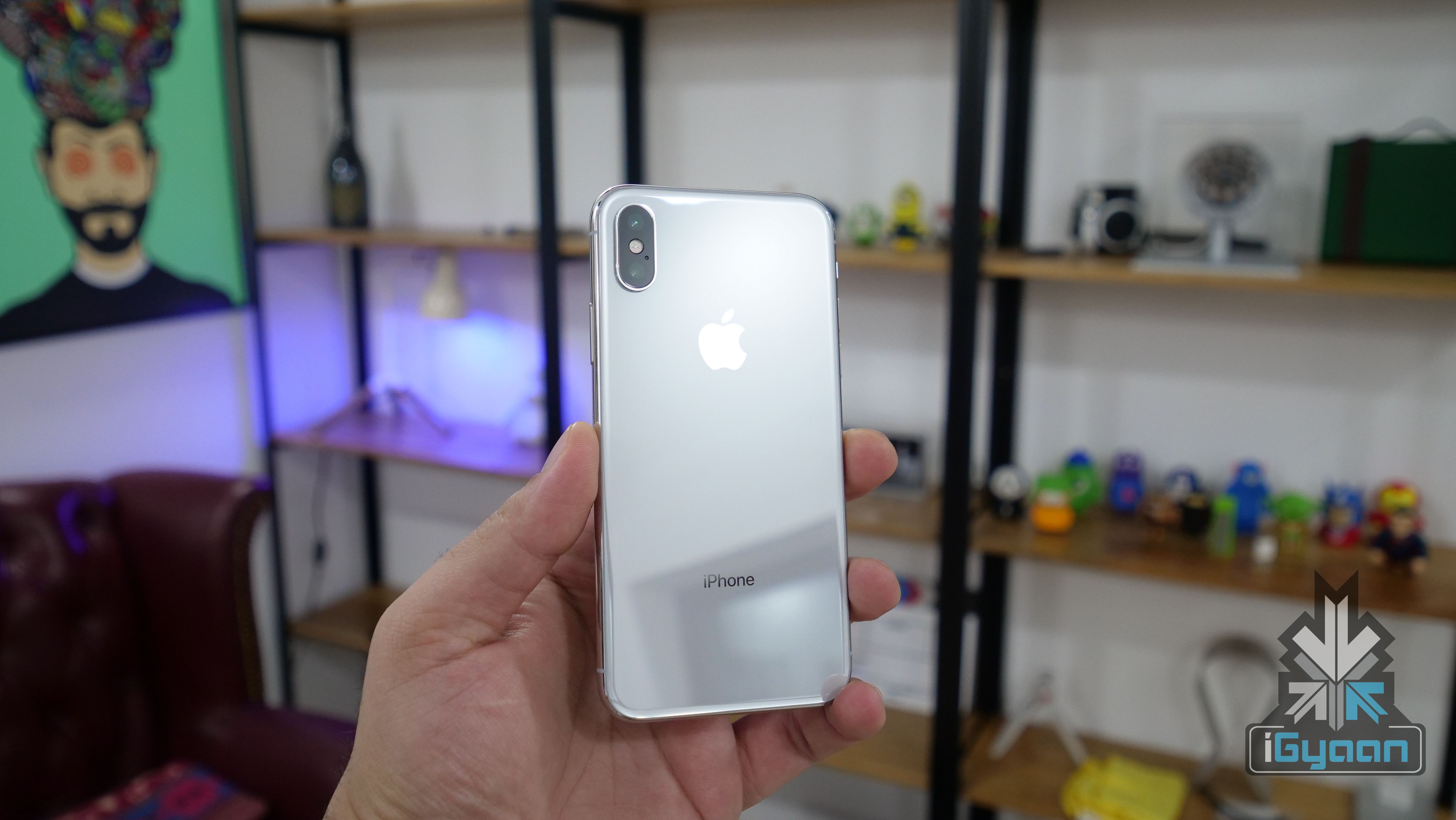
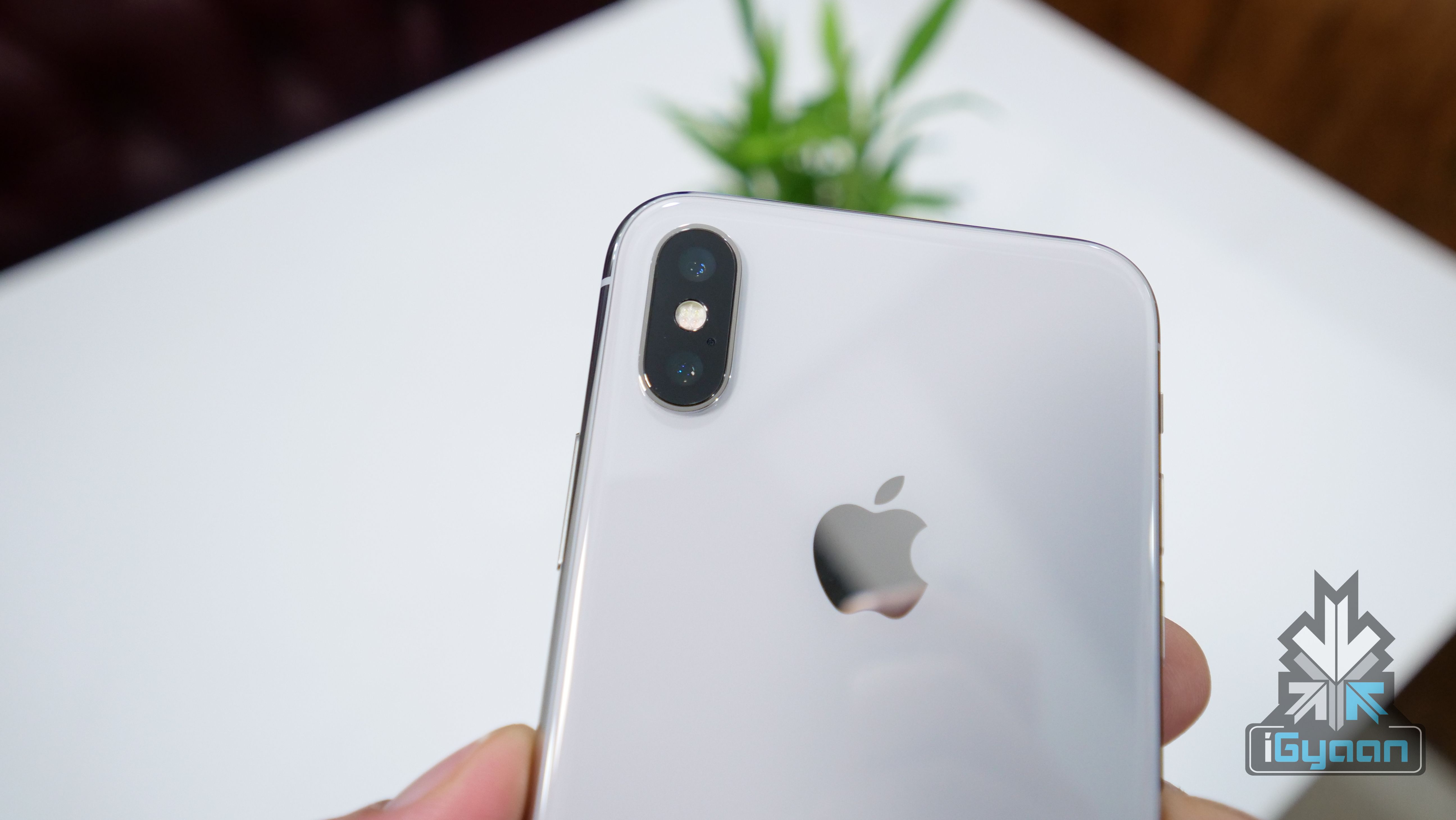
    The refresh to the existing iPhone X will have a larger camera sensor and larger lens.

    Next model of iPhone X 5.8 inches uses the same body as current model, but along with growing the size of the camera sensor, the lens will become bigger.

    The report concludes with the information about iOS 12. It claims that iOS 12 will bring horizontal support for Face ID. This does make sense for Apple to add to iOS considering the future iPad lineup will also have Face ID. The launch of the 2018 iPhone lineup is still a few months away. However, we expect Apple to unravel key iOS details at the WWDC 2018 and also launch the iPhone SE 2 before that.
  • Apple iPhone To Launch Next Year With Triple Camera Setup

    Apple iPhone To Launch Next Year With Triple Camera Setup

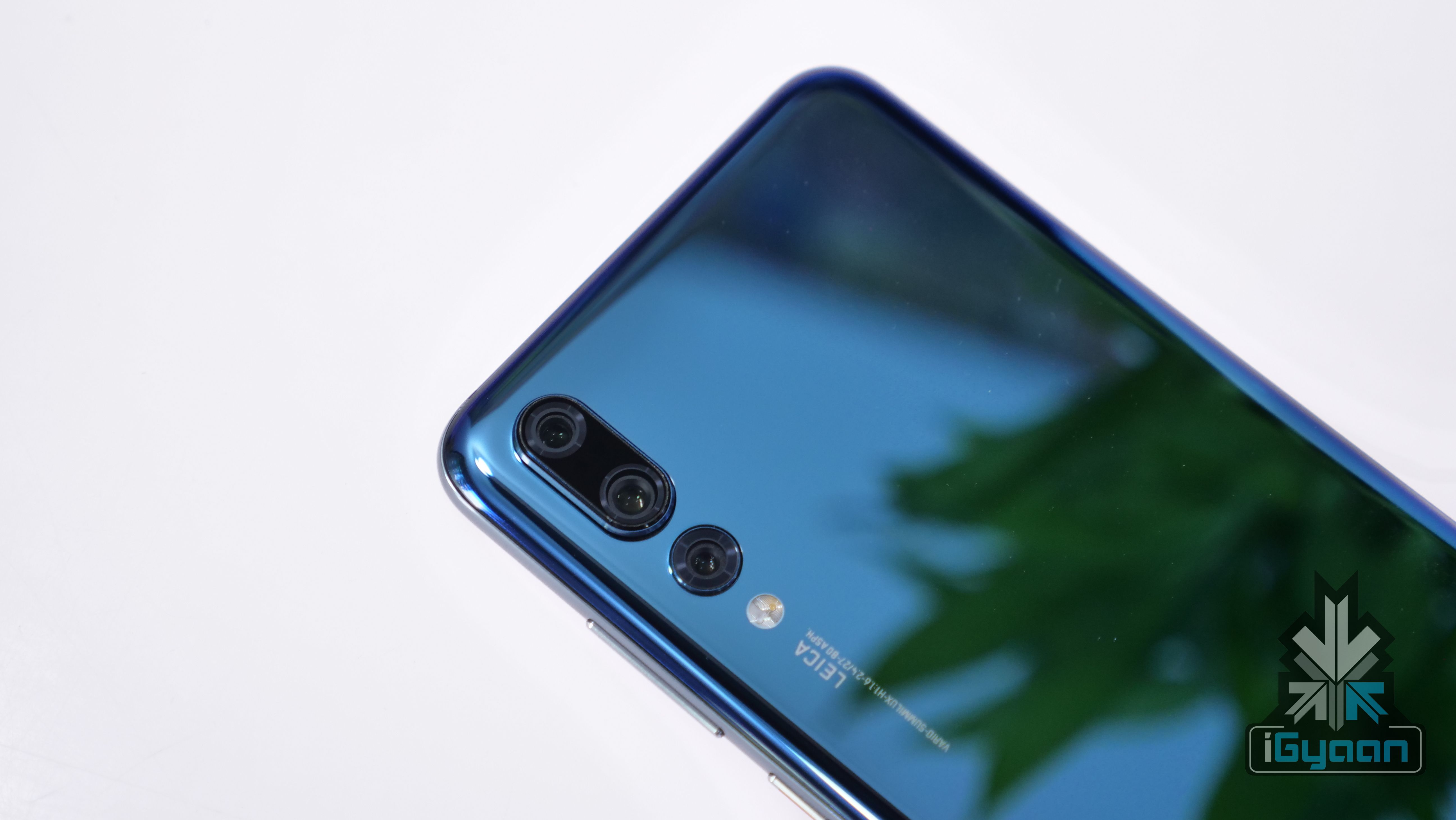
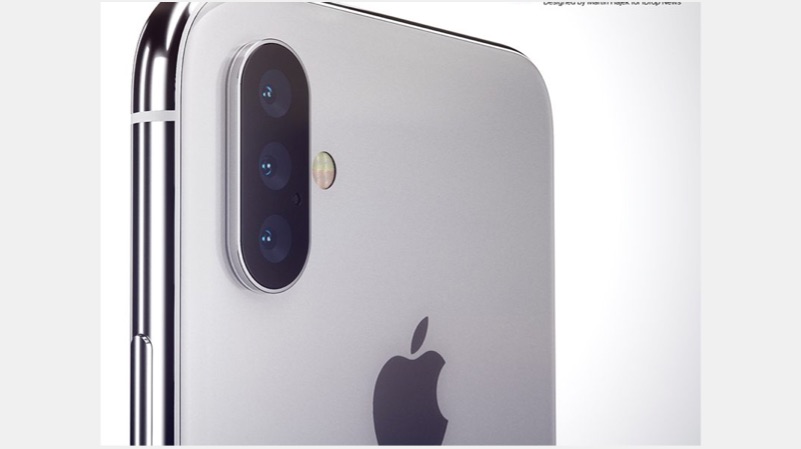
    Huawei launched the P20 Pro on March 27th making it the first smartphone with a triple camera setup on the rear. The smartphone borrowed a couple of design cues from the iPhone X like its notch and placing the cameras vertically on the back. However, it appears that Apple might take a hint or two from Huawei for its 2019 iPhone lineup.

    iPhone X

    According to Taipei Times, Apple is likely to launch a new iPhone with a triple-camera setup in the second half of next year. The report cites a research note from Yuanta Securities analyst Jeff Pu that does not mention any other details about the cameras. A report from the Economic Daily News last month suggested the camera setup will have a 6P lens design with up to 5X zoom and at least one 12MP lens.

    Must Read: Apple iPhone X Was The Best Selling Smartphone In Q1 Of 2018

    This means that the camera setup might be very similar to the one found on the Huawei P20 Pro. The third lens’ addition would mean that the user will have the ability optically zoom in up to 3X without losing any data. Optical zoom means that users can zoom in without seeing any graininess or blurriness in the image, as opposed to a digital zoom. The iPhone 7 Plus, iPhone 8 Plus and the iPhone X can optically zoom up to 2X.

    Huawei P20 Pro

    The P20 Pro, on the other hand, already has these features and has been grabbing the headlines ever since its launch. It has a 40MP primary sensor, which supports 5x hybrid zoom. There is a secondary 8MP sensor, which offers 3x optical zoom, which also helps to create portrait mode. Similarly, there is a third sensor with 20MP resolution. Unlike the other two sensors, this is a monochrome sensor which helps to capture contrast and sharpness. Another mindboggling feature of this camera setup is a maximum ISO of 102,400.

    It is still early to predict the details of the 2018 lineup, let alone the 2019 iPhone lineup. However, it will be interesting to see if Apple does go the same route as the Huawei P20 Pro or put their own spin on it.

  • LG Claims It Did Not Copy Apple iPhone X’s Notch

    LG Claims It Did Not Copy Apple iPhone X’s Notch

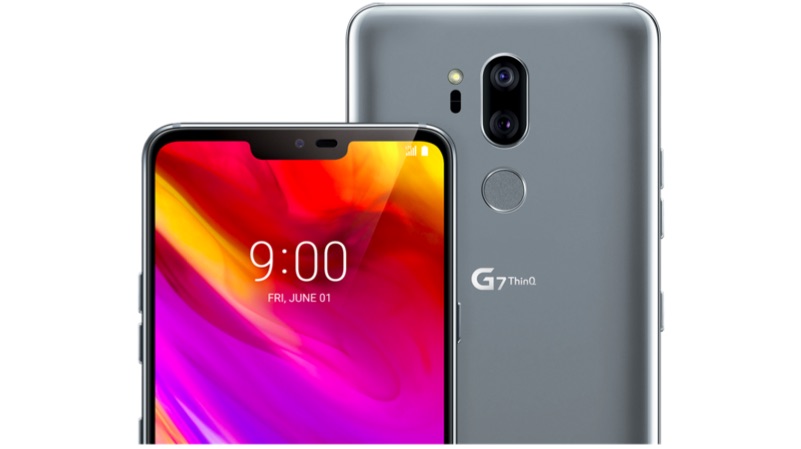
    The Essential Ph-1 was technically the first smartphone to have a notch on the display. It was a tiny cutout on the top for the front-camera which made it look like a cyborg’s eye. However, the notch was made famous by the iPhone X which was launched in September 2017. Ever since the iPhone X was launched, we have seen more Android OEMs have embraced the notch with devices like the Huawei P20 Pro, Asus Zenfone 5Z. The latest to join the list is the LG G7 ThinQ.

    Apple

    Must Read: LG G7 ThinQ To launch In India On May 25th

    LG, however, claims that it did not imitate the iPhone X. Hwang Jeong-hwan, chief of LG’s mobile division in an interview said:

    We planned the notch design before Apple. The display design may look similar to that of other smartphones, but boasts differentiated features.

    The LG G7 ThinQ is not the last smartphone to sport a notch, though. The OnePlus 6, scheduled for a May 16th launch will also have an iPhone X-like notch. Google has also recognised the growing popularity of the notch and decided to introduce a feature in the first developer’s preview of Android P. We expect Android P to have better support for this design and more apps will be acclimatised with various kinds of notches in the near future.

    Must Read: OnePlus 6: Everything We Know So Far

    The LG G7 ThinQ was launched on the 2nd of May and is expected to launch in India on the 25th of May for a price of Rs 54999. It has a has a 6.1 inch IPS LCD display with a 3120 x 1440 px resolution. The device has a 19.5:9 aspect ratio which will come in handy when the user decides to hide the notch.

    Under the hood, the smartphone runs on the latest Qualcomm Snapdragon 845 chipset coupled with 4GB of RAM and 64GB of onboard storage. The storage will be expandable via a microSD card. Powering the G7 ThinQ is a 3000 mAh battery with QuickCharge 4.0 and wireless charging. The G7 ThinQ+ will have 6GB of RAM and 128GB of onboard storage.

    The power button now sits on the right side of the device in a more conventional position. Interestingly, there is a Google Assistant button placed below the volume rockers on the left side. The button is not remappable right now and can only be disabled if a user is not a fan of the Google Assistant.

    Must Read: LG G7 ThinQ To launch In India On May 25th

  • Apple iPhone X Was The Best Selling Smartphone In Q1 Of 2018

    Apple iPhone X Was The Best Selling Smartphone In Q1 Of 2018

    Launched in September of 2017 for a whopping US$ 999 starting price, the Apple iPhone X had its fair share of doubters. The new design complete with a notch initially did not impress many. The iPhone X also did not have the famed Touch ID and was replaced Apple’s own facial recognition system, now known as Face ID. With so many changes and a record high price, the iPhone X was still the best selling smartphone of Q1 of 2018.

    Apple

    In a new report by Strategy Analytics, Apple sold 16 million units of the iPhone X in the quarter, making it the best selling smartphone. Apple did announce record profits for the quarter and Tim Cook claimed that the Apple iPhone was the best selling smartphone in many markets. Apple announced quarterly revenue of US$ 61.1 billion, a year-over-year growth of 16% which is much higher than its street estimates.

    Must read: Apple iPhone SE 2 Renders With Face ID And iPhone X Style Notch Leaked

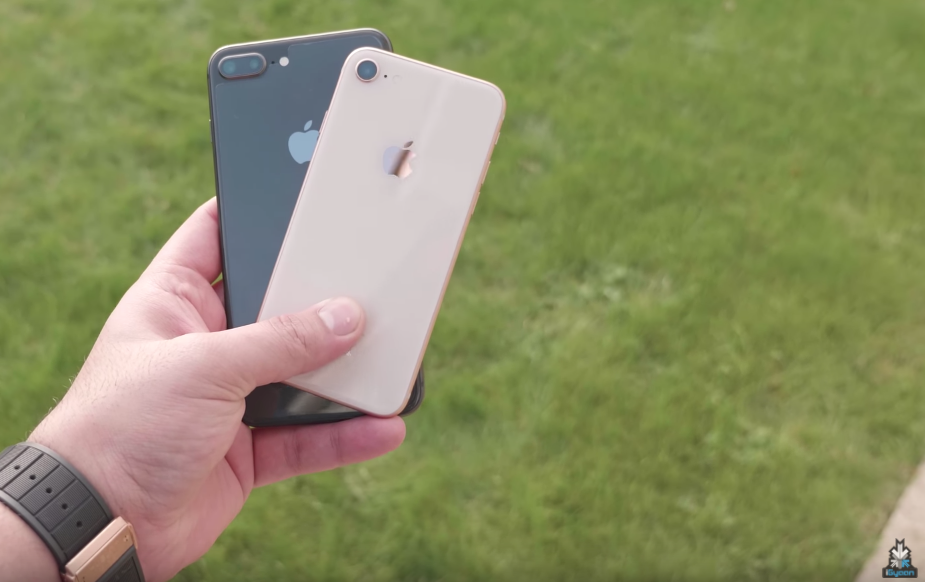
    A close second on the list of best selling smartphones was the iPhone 8 with 12.5 million units. The iPhone 8 Plus, launched along with the iPhone 8 and iPhone X was the third best selling smartphone with 8.3 million units sold. At number four on the list was the iPhone 7, a smartphone launched in 2016, with 5.6 million units sold during the quarter.

    iPhone 8, 8 Plus

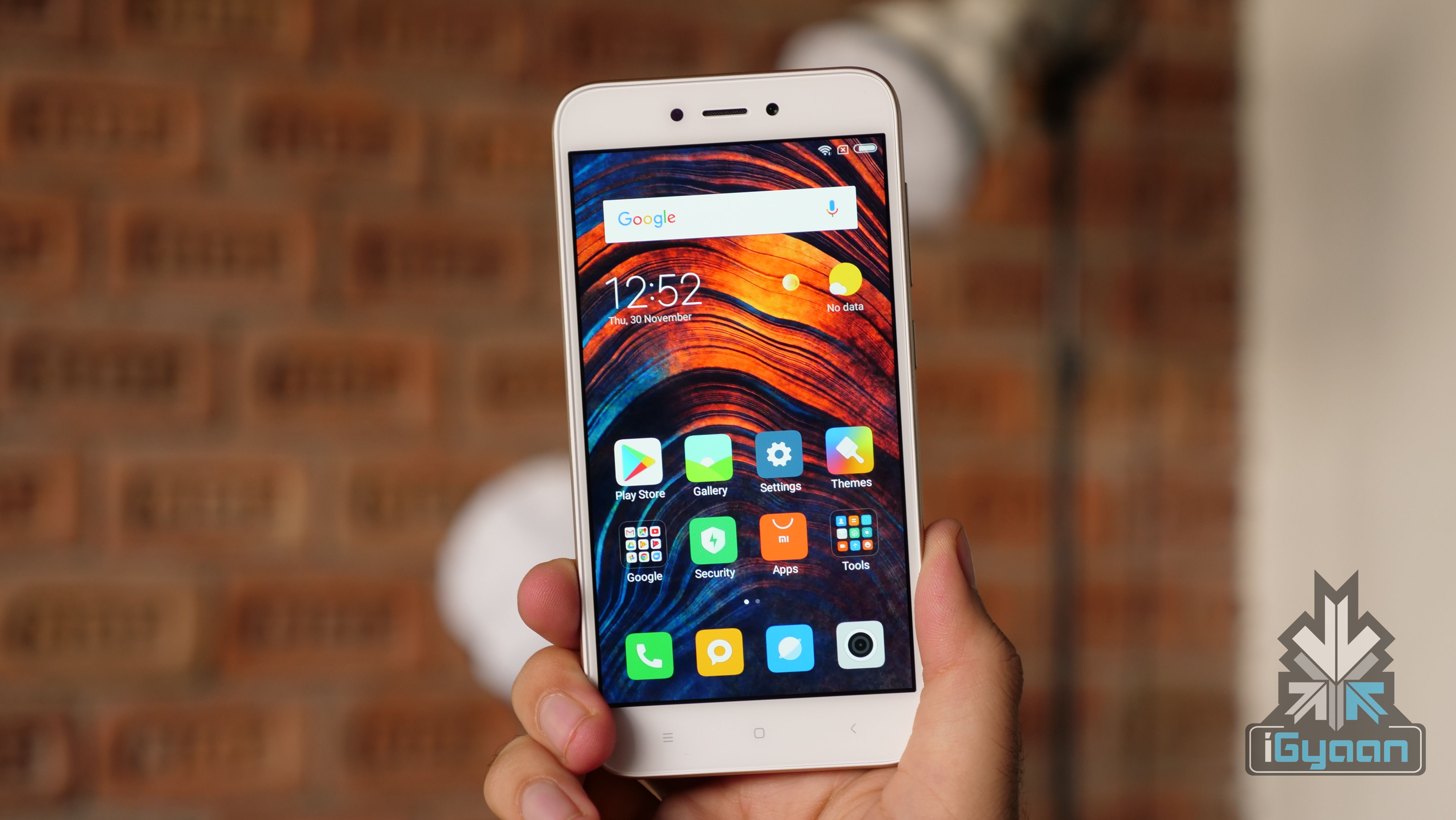
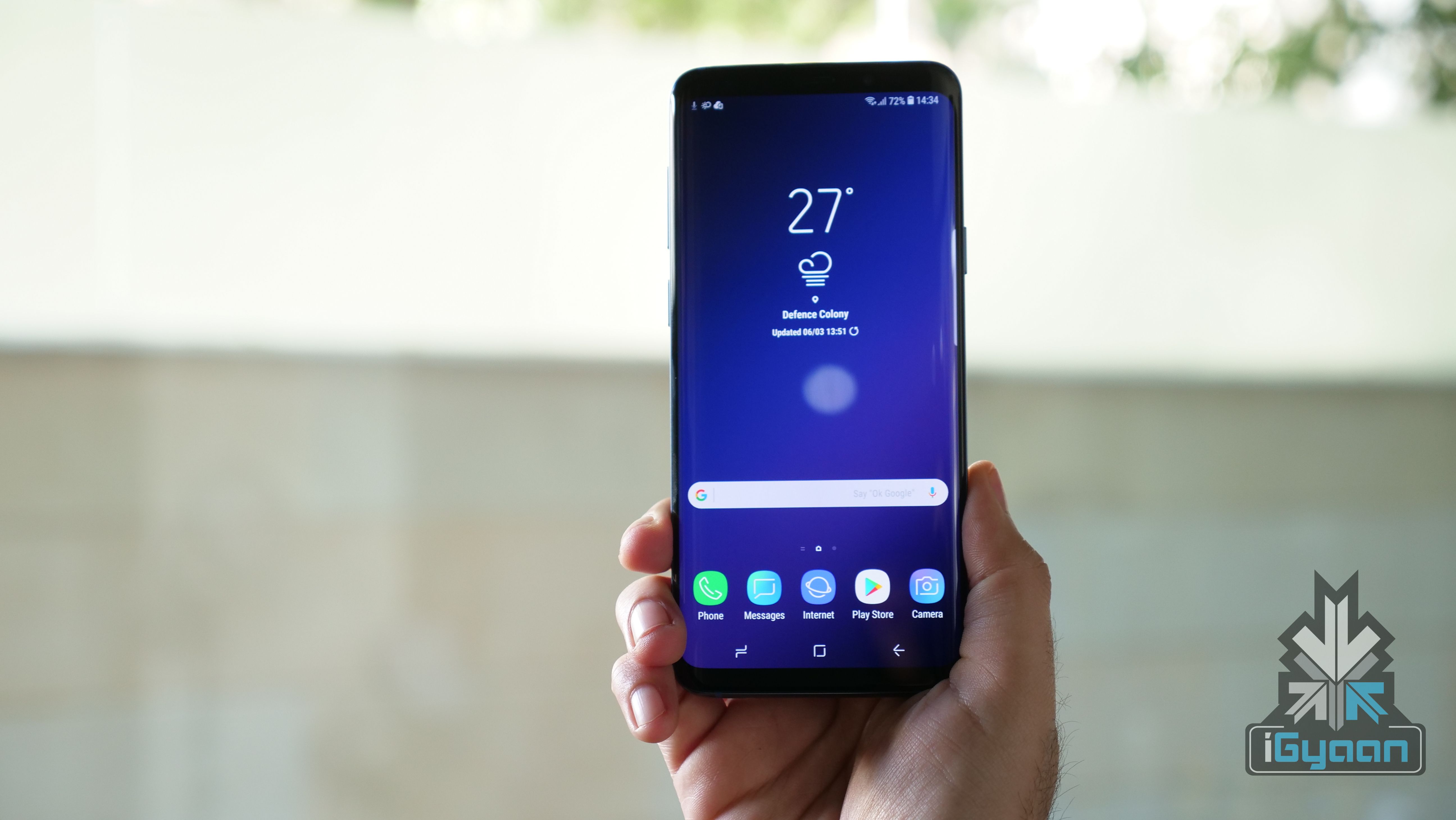
    Xiaomi’s “Desh Ka Smartphone” Redmi 5A was fifth on the list with 5.4 million units sold. Credit has to be given to the Samsung Galaxy S9 for coming in sixth on the list. The smartphone was launched in late-February and went on sale in March. In all, the top six smartphones accounted for 1 in every 7 smartphones shipped in the world during the quarter.

    Redmi 5A

    It is a mind-boggling statistic that the top five best selling smartphones were from the same company, Apple. The iPhone 8 and 8 Plus, which were believed to be unimpressive when compared to the iPhone X managed to be among the best selling smartphones of the quarter. This report also contradicts many claims from analysts that the Apple iPhone X is not in demand anymore and the Apple is planning to stop the production of the iPhone X.

    Must Read: OnePlus 6 Price In India Leaked, Starts At Rs 36999

    Samsung Galaxy S9

    With smartphones like the OnePlus 6 launching in May, more smartphones would be thriving to enter that list for the coming quarters of 2018.

  • Apple iPhone SE 2 Renders With Face ID And iPhone X Style Notch Leaked

    Apple iPhone SE 2 Renders With Face ID And iPhone X Style Notch Leaked

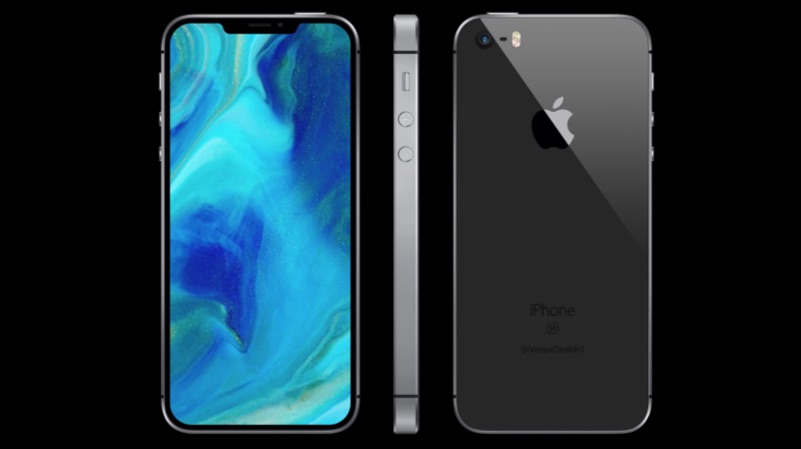
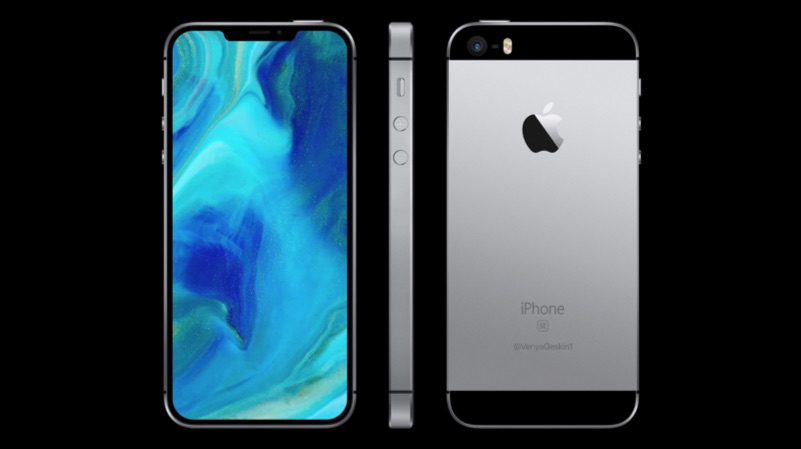
    The Apple iPhone SE 2 is one of the most highly anticipated smartphones of 2018. The follow-up to the successful iPhone SE has divided opinions and renders for the past few months. Some reports claim that Apple will play it safe and not tweak the design too much with iPhone SE 2. The other side of the spectrum consists of renders that claim that the iPhone SE 2 will have a design similar to the iPhone X complete with Face ID and a notch.

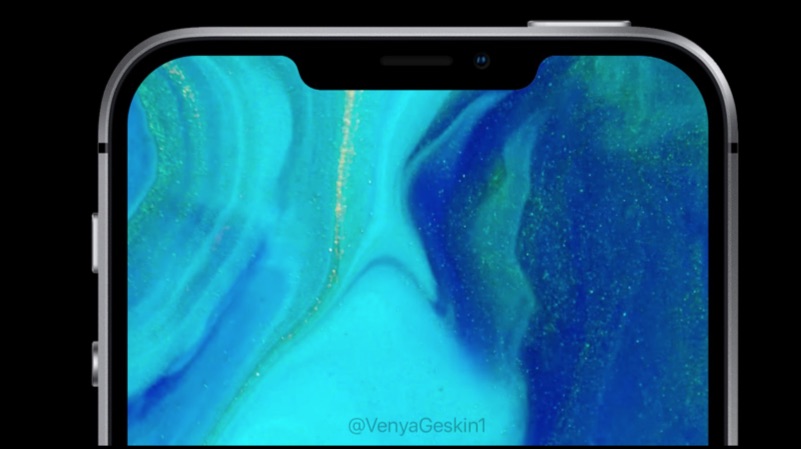
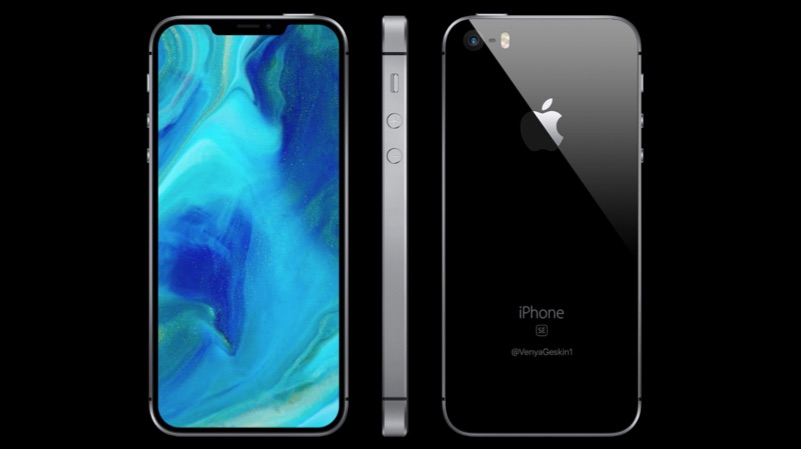
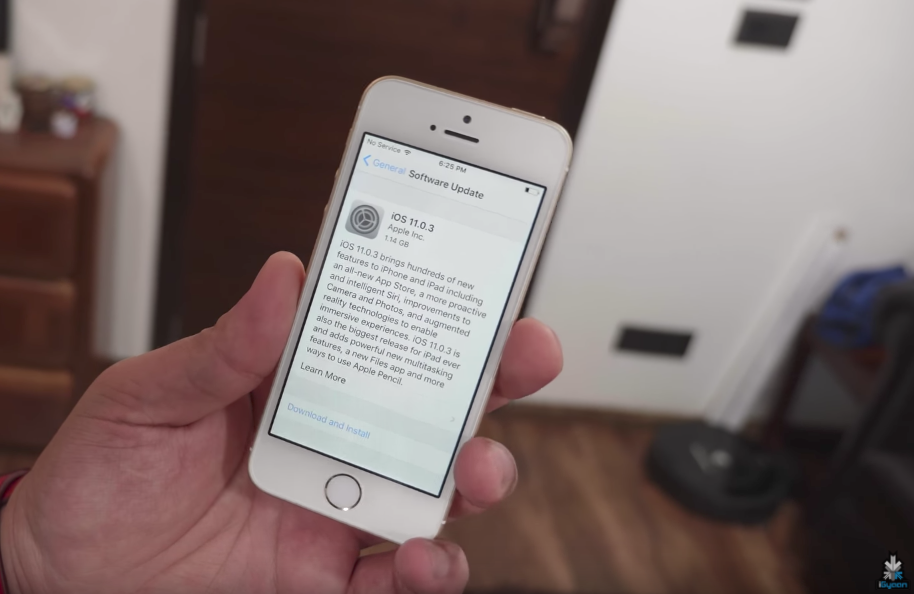
    New renders posted on Twitter by popular leaker Ben Geskin reveal the iPhone SE 2 as an extension of the iPhone X. According to the renders, the iPhone SE 2 will have a bezel-less design and a notch, just like the iPhone X. There is no chin on the iPhone SE 2 here, which means no LCD display. Since Apple folds the display from the bottom to get rid of the chin, an OLED panel is necessary for that. If this turns out to be true, the iPhone SE 2 will likely have a better display than the iPhone 8/8Plus which have an LCD panel.
    Must Read: 2018 Apple iPhone With LCD Display Won’t Have 3D Touch

    Geskin first posted renders of the iPhone SE 2 without a glass back. However, he followed that up with two separate renders of the iPhone SE 2 sporting a glass back. One of those images were of the iPhone SE 2 with an iPhone 4-like back. For people who don’t remember, the iPhone 4 had a glass back after which Apple moved on to an aluminium back. An iPhone X-style front mixed with an iPhone 4 back does give the iPhone SE 2 a very interesting look.

    One thing consistent with all iPhone SE 2 renders is the presence of a single camera on the back of the smartphone. Apple will likely use the iPhone 7 sensors for the iPhone SE 2. Under the hood, the iPhone SE 2 is expected to run on the Apple A10 Fusion chipset, the same SoC that powers the iPhone 7/7 Plus and the new entry-level iPad.

    Must Read: OnePlus 6 To Launch In India On May 17th

    We expect the iPhone SE 2 to launch before WWDC 2018 commences in June. This means that the iPhone SE 2 could be launched in May, joining a huge list of other flagship devices launching in this month. India will be one of the first few countries where the Apple iPhone SE 2 goes on sale. It will be manufactured at the Bengaluru plant where the current iPhone SE and iPhone 6s Plus are manufactured.

  • Apple Working On An AR/VR Headset With 16K Resolution Display

    Apple Working On An AR/VR Headset With 16K Resolution Display

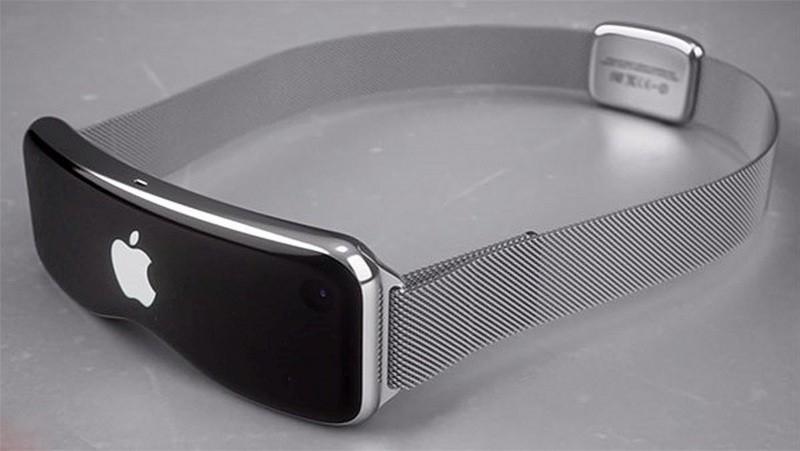
    Last Year at the World Wide Developer’s Conference 2017, Apple talked a lot about the Augmented Reality. The following iPhone X launch had a 15-minute segment of an Apple employee demonstrating the AR capabilities of the new iPhones with the A11 Bionic chipset. It is a known fact that Apple has invested a lot in AR/VR and by 2020, the company could launch a game-changing device. A report has claimed that Apple is working on a standalone AR/VR headset with a whopping 8K display for each eye.

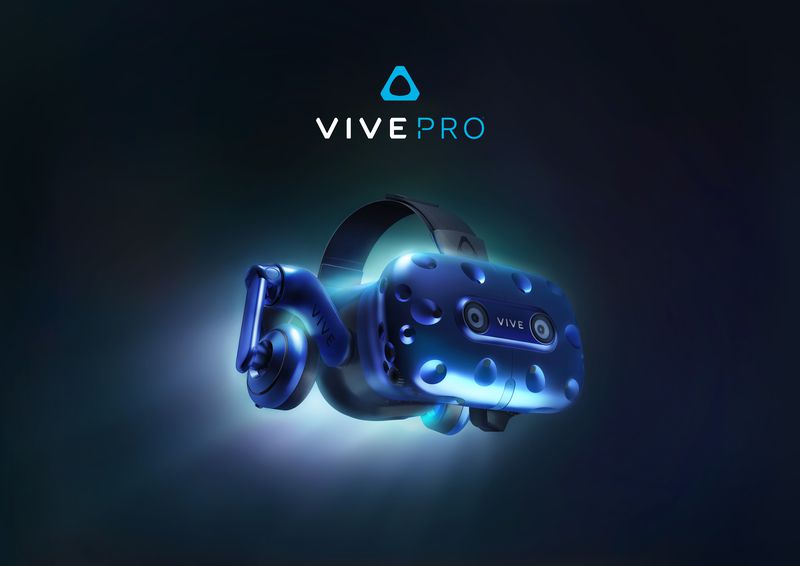
    The report comes from CNET and cites a single source “familiar with the matter.” The report also mentions that internally, the project is being referred as ‘T288’. This headset will apparently come with technology that so far does not exist. It will have two 8K displays, one for each eye, which brings the total to a jaw-dropping 16K resolution. For context, even the best in class VR headsets right now barely reach 4K resolution per eye. The HTC Vive Pro, for example, has a resolution of 1400 x 1600 per eye.

    HTC Vive Pro

    The headset will also have cameras on the outside that will detect its surroundings. The report further claims that the VR headset will connect wirelessly to a dedicated ‘box’ using a high-speed short-range wireless technology called 60GHz WiGig. the source said that the box will be powered by a 5-nanometer proprietary Apple processor that will be ‘more powerful than anything currently available’ in the market.

    Apple VR Patent

    One of the main issues of the current VR market is that it has too many wires. By the looks of it, Apple could potentially solve that issue with this T288 headset. It is obviously too early to call it but, if the report turns out to be true, expect an eye-watering price for the behemoth of an AR headset.

  • 2018 Apple iPhone With LCD Display Won’t Have 3D Touch

    2018 Apple iPhone With LCD Display Won’t Have 3D Touch

    Apple has just launched the iPhone 8 and 8 Plus (Product) RED in India. This launch comes halfway through Apple’s iPhone cycle as the next batch of iPhones is expected to be launched in September 2018. So far, we know that Apple will launch three new iPhones in September and the most affordable of the lot will the one with an LCD display. Now, a new research note Ming-Chi Kuo has revealed a few key details about the 6.1 inch LCD iPhone.

    According to Kuo, the 6.1-inch iPhone will use what he calls “Cover Glass Sensor” (CGS) technology, relocating the iPhone’s touch module from the display panel (in-cell technology) to the surface glass. He says that this method results in a display that’s lighter and more shock resistant. Apple will apparently add a thin-film sensor to the touch film sensor in the CGS. This method will also result in a 15% increase in the cost of the touch panel. This means that the purchase price of the panel will increase from US$ 23 to US$ 26.

    2018 Apple iPhone lineup

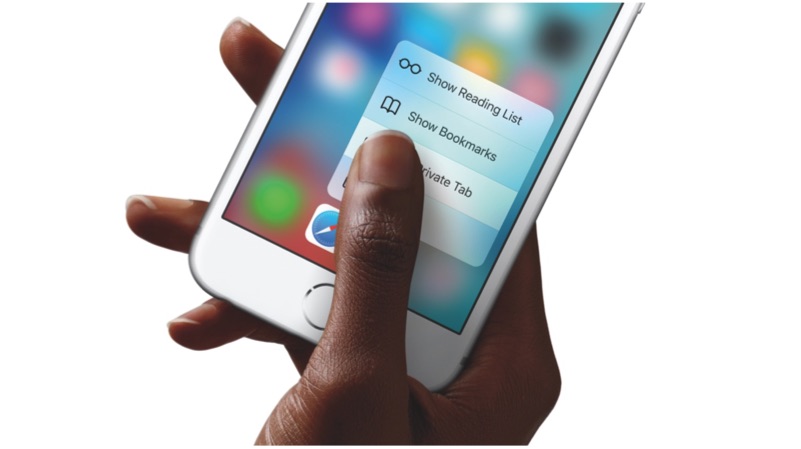
    Kuo believes that to maintain the cost of the iPhone and obtain parity, Apple will remove 3D Touch on the 6.1-inch iPhone. So far, 3D Touch functionalities are well integrated within iOS since it has been present in all iPhones since the iPhone 6s launch. Apple wants to implement the CGS technology in all future iPhones, which means that 3D Touch could be removed from iPhones altogether in the future. That being said, the 5.8 inch iPhone and the iPhone X Plus, both of which will have an OLED panel will have 3D Touch functionalities.

    Kuo also believes that the 6.1 inch LCD iPhone will make up 65 to 75% of iPhone shipments during the year. This is mainly attributed to its much more affordable price tag and the similarities in features with the pricier 2018 iPhone X and iPhone X Plus.

  • Apple iPhone SE 2 Leaked Images Reveal A Glass Back And Headphone Jack

    Apple iPhone SE 2 Leaked Images Reveal A Glass Back And Headphone Jack

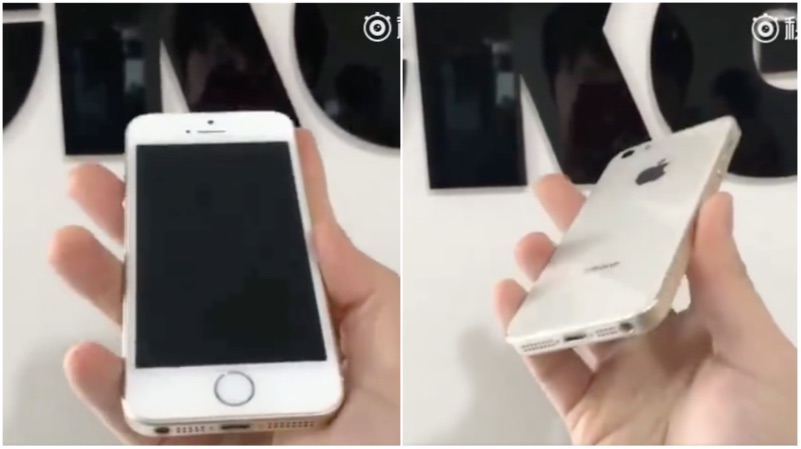
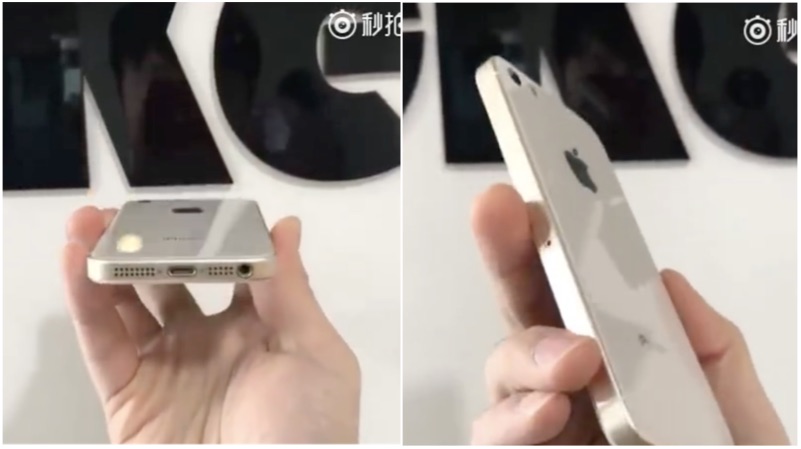
    The Apple iPhone SE 2 is expected to be a successor to the highly popular and compact iPhone SE model. The clouds of uncertainty around the iPhone SE 2’s existence have certainly gone away as we approach a possible launch in May. However, we have received very conflicting reports so far regarding the features and design of the iPhone SE 2. A new set of images, possibly of the iPhone SE 2 reveal a few key details about the upcoming budget iPhone.

    As is visible in the images, it appears that the iPhone SE 2 will indeed have a glass back, similar to the iPhone 8 and iPhone X. The design is very similar to the iPhone SE 2 with a single camera on the back. The front of the iPhone SE 2 has the same bezels as the iPhone SE along with the home button, which will house Touch ID as well. These images reaffirm that Apple won’t go for a radical upgrade with its budget iPhone and instead and introduce a few modern features along with updated hardware.

    The interesting bit about these images is the presence of the headphone jack. The iPhone SE was the last iPhone that Apple launched with a headphone jack. In September 2016, Apple launched the iPhone 7 and 7 Plus which meant the end of the 3.5mm headphone jack in iPhones. Even previous reports have claimed that the iPhone SE 2 won’t have a headphone jack. It won’t make sense for Apple to claim that wireless technology is the future and then take a step back with the headphone jack.

    You May Also Like to Read: Apple iPhone SE 2: Everything We Know

    We expect the iPhone SE 2 to be launched in India soon after its global launch, considering the success the iPhone SE has had in India. The Apple iPhone SE 2 could be manufactured in India at the Bengaluru plant, along with the current iPhone SE and the iPhone 6s Plus. The iPhone SE 2 for certain markets like India could also feature Dual- SIM capability as there are already reports of the Apple launching iPhones with this capability. The iPhone SE is Expected to start at US$ 550 for the 64 GB variant. In India, the iPhone SE 2 can launch for around Rs. 36,999.

  • 76% iOS Devices Are On iOS 11 While Only 4.1% Android Devices Are On Android 8 Oreo

    76% iOS Devices Are On iOS 11 While Only 4.1% Android Devices Are On Android 8 Oreo

    The debate of Android vs iOS might never reach a conclusion. However, there is one area where Android has to always accept defeat, and that is OS adoption rate. Thanks to so many Android OEMs and their own custom skins, new versions of Android are very slow to reach to a majority of Android devices. iPhones on the other hand, are only made by Apple, which means the adoption rate of iOS is extremely high. And new data proves just that.
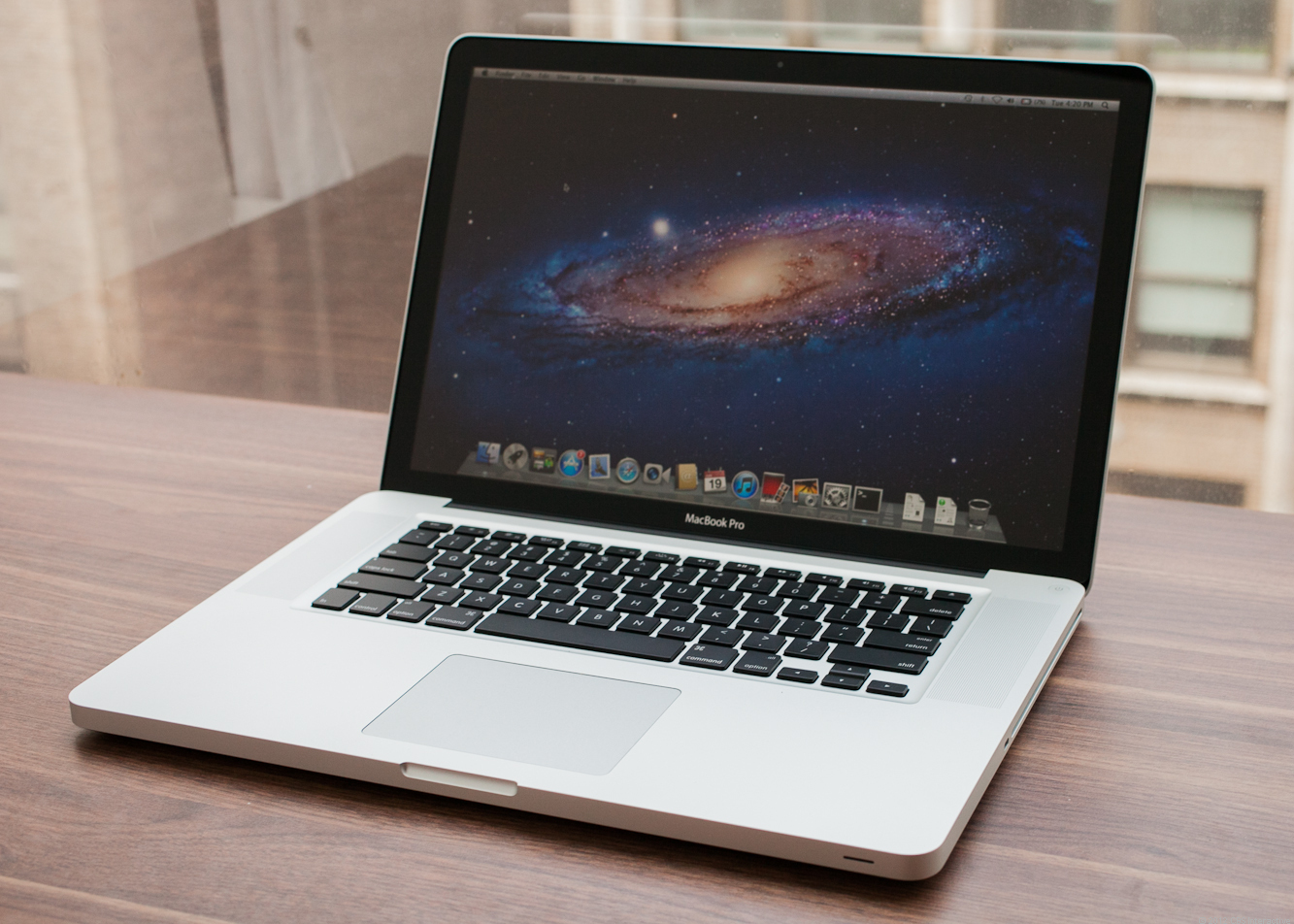
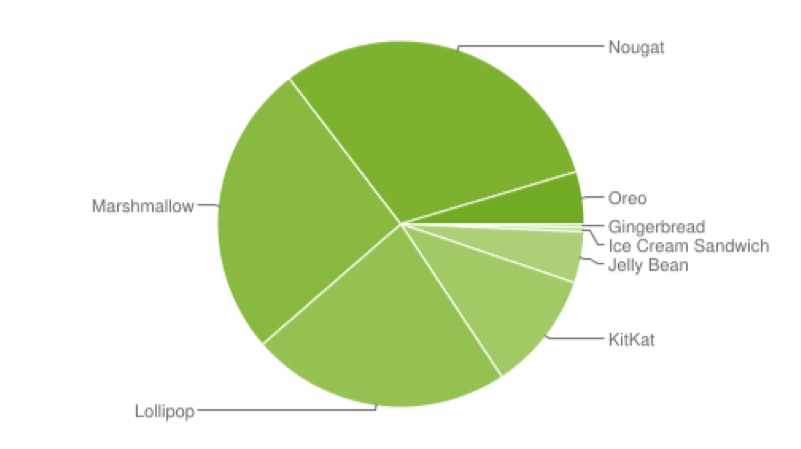
    As of April 16th, 2018, Android 8.1 Oreo, the latest version of Android is only available on 0.5% Android devices. Android 8.0 Oreo, which was launched in August 2017, is only available 4.1% of devices. Astonishingly, the most predominant Android version is Android 6 Marshmallow, with a 26% adoption rate. Android 7.0 Nougat is a close second at 23%.

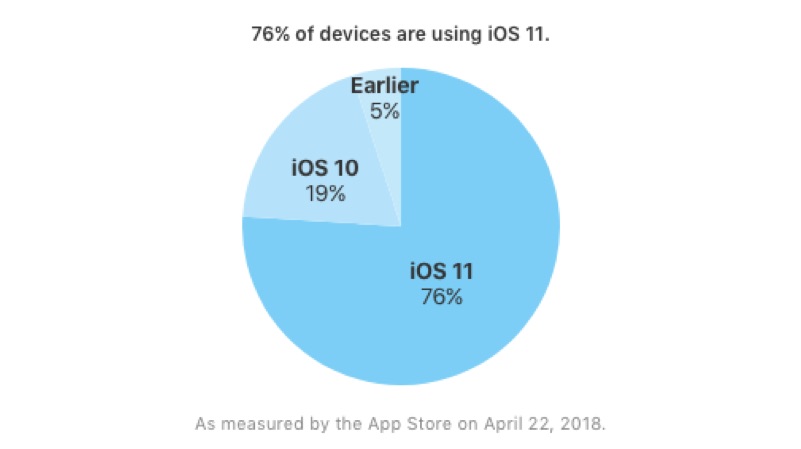
    While on the iOS side of things, as of April 22nd, 2018, iOS 11 is running on 75% of the iOS devices. It is worth noting that this also includes iPads as well since they also run iOS. Apple’s latest iOS version, iOS 11 had a rocky start to life with a lot of bugs pailing its initial phase. However, constant updates to fix various bugs has made iOS 11 a much better upgrade to iOS 10, as we noted in our iPhone X review.

    You may also like: Why Are New Android Phones Launching With Old Android OS?

    Project Treble is Google’s effort at reducing the time it takes for OEMs to receive the new OS and optimise it for its devices and then push out the update. A few months ago, Android received a new Vendor Interface, which is largely what Project Treble is about. The VI’s aim is to separate the “Vendor Implementation” (that is, “the device-specific, lower-level software written in large part by the silicon manufacturers”), from the Android OS framework.

    The new VI is supposed to sit between the Android OS framework and Vendor Implementation. And the new VI will be validated by a Vendor Test Suite (VTS), which is analogous to the Compatibility Test Suite (CTS) that Google has been using for API testing of apps. The VTS ensures forward-compatibility of the VI.

    Time will tell whether Google’s efforts will be of any fruition. Right now, however, iOS is way ahead of Android OS in the race of OS adoption.

  • 2018 Apple Lineup to Include iPhone , iPhone X and iPhone X Plus

    2018 Apple Lineup to Include iPhone , iPhone X and iPhone X Plus

    In 2017, Apple launched three new iPhones. While the iPhone 8 and 8 Plus were successors to the 7 and 7 Plus, the X was billed as a true successor to the original iPhone. The “X” is pronounced as “ten” and represents the 10th anniversary of iPhones. While the three iPhones have enjoyed success, they have raised a few question marks regarding the names of upcoming iPhones.

    Reports claim that Apple will launch three iPhones in 2018. All the three iPhones will have a design like the iPhone X and also feature the infamous notch. The most affordable of the three iPhones will be an LCD model. Then there will be an iPhone X successor with the same screen size and the third model will sport a 6.5 inch OLED display. For reporting, we have so far used the type of display to refer to that device. However, Apple won’t name its new iPhones on the basis of the display technology used.

    iPhone

    The LCD model is more or less is a successor to the iPhone 8/8 Plus but, it won’t carry the number ‘9’. A new research note by Robert Cihra, an analyst at Guggenheim claims that Apple would drop the numbers from the nomenclature in 2018. This also seems like the easiest way to fix the naming conundrum.

    We think Apple may use this upcoming cycle to formally change its iPhone’s naming/branding pattern

    Cihra suggests that the LCD variant would just be called the “iPhone.” The 5.8 inch OLED model would retain the iPhone X moniker and the bigger version will be called the X Plus. Having two iPhones with the same name could be confusing but, we can always refer to the particular smartphone using its year of launch.

    The launch of 2018 iPhones is still a few months away. What route Apple takes to fix the nomenclature issue, only time will tell. That being said, dropping the numbers from the name does make sense as well.

  • Apple AirPower, AirPods Wireless Charging Case To Launch Alongside iPhone SE 2 In May

    Apple AirPower, AirPods Wireless Charging Case To Launch Alongside iPhone SE 2 In May

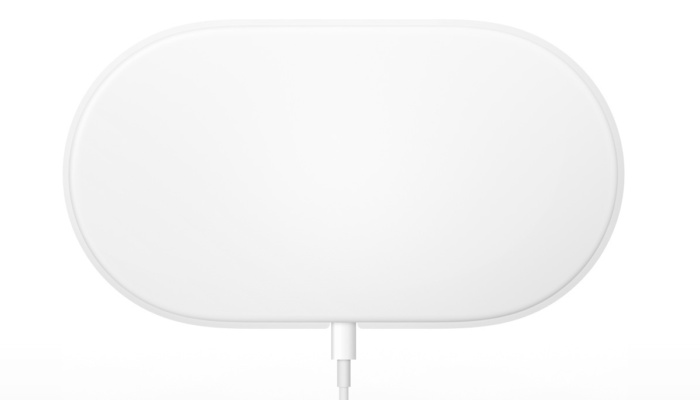
    Apple will host an event in May before the World Wide Developer’s Conference commences in June where the iPhone SE 2 will be launched. The Apple iPhone SE 2, after initial scepticism, seems more real than ever after recent reports. The renders of the iPhone SE 2 have revealed a glass back which means that there is a high possibility of it being wireless charging-compliant. The AirPower mat, which was unveiled at the iPhone X launch event and was supposed to launch in January 2018. However, after many delays, it appears that Apple will finally launch the AirPower along with the iPhone SE 2 in May. It makes sense for Apple to finally launch the AirPower along with the iPhone SE 2 since the SE 2 will also have wireless charging.


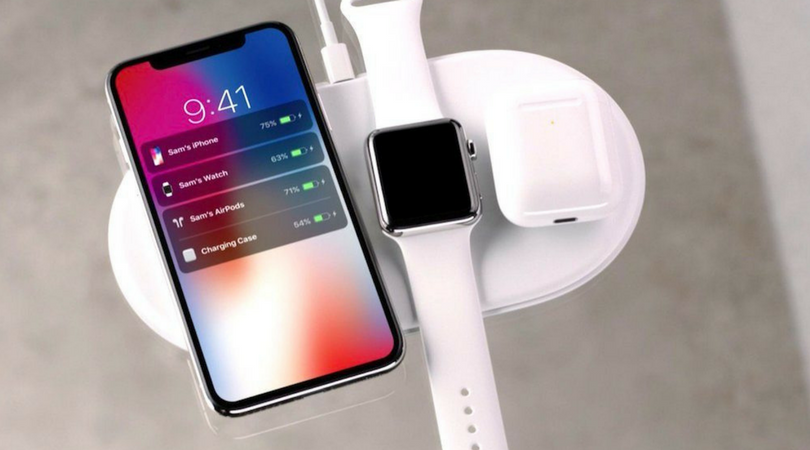
    There is also a good chance that Apple will launch a few accessories for the Apple Watch Series 3 as well at the event. So far we know that the AirPower mat will connect via a USB type C cable and charge via a minimum of 25W Apple charger. The wireless charging mat will have a charging speed of up to 10W. Another interesting feature is that it will help devices communicate with each other to manage power consumption. In the demo video, the iPhone screen is shown tracking all the devices currently on the charger, and their battery status.

    Apple users will be able to charge their wireless charging enabled iPhone, Apple Watch and the AirPods at the same time. However, Apple has still not launched the AirPods wireless charging case. This is another accessory that Apple will launch along with the iPhone SE 2. Since the AirPower will be able to charge 3 devices simultaneously, it is possible that users will be able to charge at least two iPhones simultaneously.

    Apple has just announced the launch of the Apple Watch Series 3 in India. At the event in May, the company will also launch accessories like new watch bands for the Apple Watch. There have also been rumours of the Apple Watch soon supporting third-party watchfaces. This feature will likely be unveiled at the World Wide Developer’s Conference that will commence on the 4th of June.

    The AirPower, in the future, might also be compatible with non-iPhone smartphones that support wireless charging. Apple said that it was working on the AirPower to be Qi-compliant and when that happens, the AirPower will become compatible with non-Apple Qi-compliant products like Galaxy S9, LG V30 and more.

    The AirPower wireless charging mat, unlike the HomePod, will be globally available post its launch. Since the Apple Watch Series 3 has been announced in India and AirPods being popular among iPhone owners, we expect the AirPods wireless charging case and AirPower to launch in India soon after its global launch.

  • Most Apple iPhone X Users Love Their iPhone But Not Siri

    Most Apple iPhone X Users Love Their iPhone But Not Siri

    The Apple iPhone X, even before its launch, garnered a lot of attention for its possible design. On 12th September, Apple confirmed those rumours and unveiled the iPhone X with a notch and nearly bezel-less design. Face ID, introduced with the iPhone X as a replacement for Touch ID was met with scepticism at first but, has since been praised for accuracy and ease of use. This was further reaffirmed by a recent survey conducted by Creative Strategies which concluded that 97% of early adopters of iPhone X are satisfied by their new iPhone.

    [amazon_link asins=’B072LPF91D’ template=’ProductAd’ store=’igyaan-21′ marketplace=’IN’ link_id=’dfd5c058-47aa-11e8-b3e7-8d7bfeef1eb5′]

    According to the survey, 85% of the participants said that they were “very satisfied” with the iPhone X. Creative Strategies analyst Ben Bajarin has said that this is among the highest he has ever seen in all the customer satisfaction studies they have conducted across a range of technology products. 12% respondents said they were “satisfied” with the iPhone X. The remaining 3% were unsatisfied to various degrees.

    Apple conducted a similar survey of 451 people and said that 99% respondents were satisfied with their iPhone X. However, Creative Strategies has 1746 people which meant there was more room for slight variance. According to the research firm, the respondents were profiled as early adopters based on a series of questions about their purchasing habits. Also, early adopters tend to be more critical than mainstream consumers of technology, according to the research firm.

    Coming down to the nitty-gritty of the survey, Face ID and battery life saw satisfaction rates of above 90%. Other features were also very well accepted by early adopters of the iPhone X, apart from Siri. The Apple voice assistant scored only a 20% satisfaction rate among the 1746 respondents.

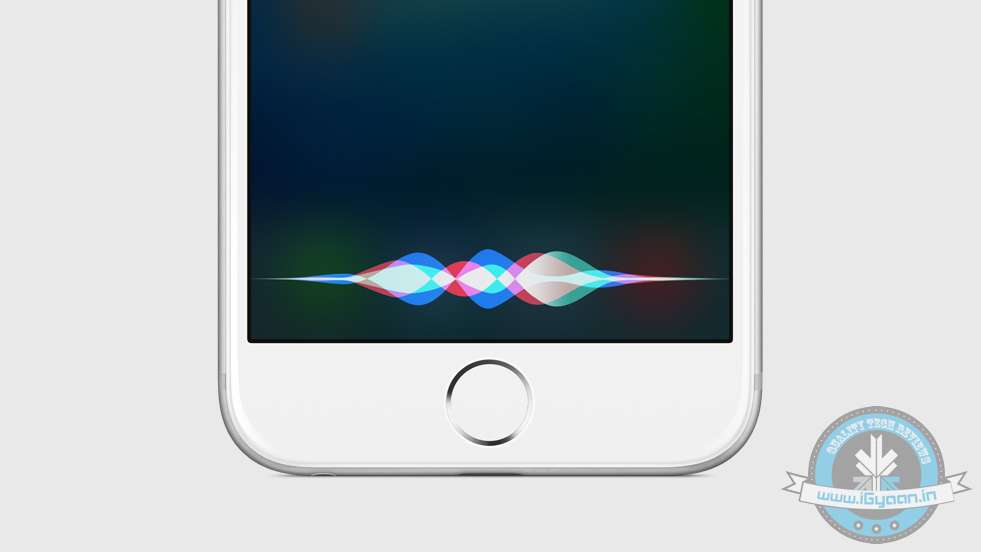
    Siri has been under the cosh recently after details about the dwindling HomePod sales were released. It is believed that HomePod has had an underwhelming start mainly because of its price and Siri. Its competitors like Amazon Alexa and Google Assistant are considered to be far superior in smartphones as well as smart speakers. With WWDC 2018 coming up, we expect Apple to unveil new Siri features which will make the user experience much better than what it is right now.

  • Apple Watch Series 3 With LTE Launches With Airtel in India On 11th May

    Apple Watch Series 3 With LTE Launches With Airtel in India On 11th May

    Apple and Airtel have announced that the Apple Watch Series 3 will be available to buy in India from the 11th of May. The 3rd generation of Apple Watch has cellular support, which means that users can leave their iPhones behind and still be able to make calls, send texts and surf the web. The pre-registration for Apple Watch Series 3 begins on the 4th of May and it goes on sale on the 14th of May via all the major Apple authorised sellers across the country. Cellular services on the watch will be free for Airtel postpaid customers on an Airtel My Plan or Infinity Plan.

    Apple Watch

    It is worth noting that to activate cellular service with Apple Watch Series 3, a user’s iPhone has to be updated to iOS 11.3. Once updated, tap Settings on iPhone > General > About and follow the prompt to update to the latest carrier settings.

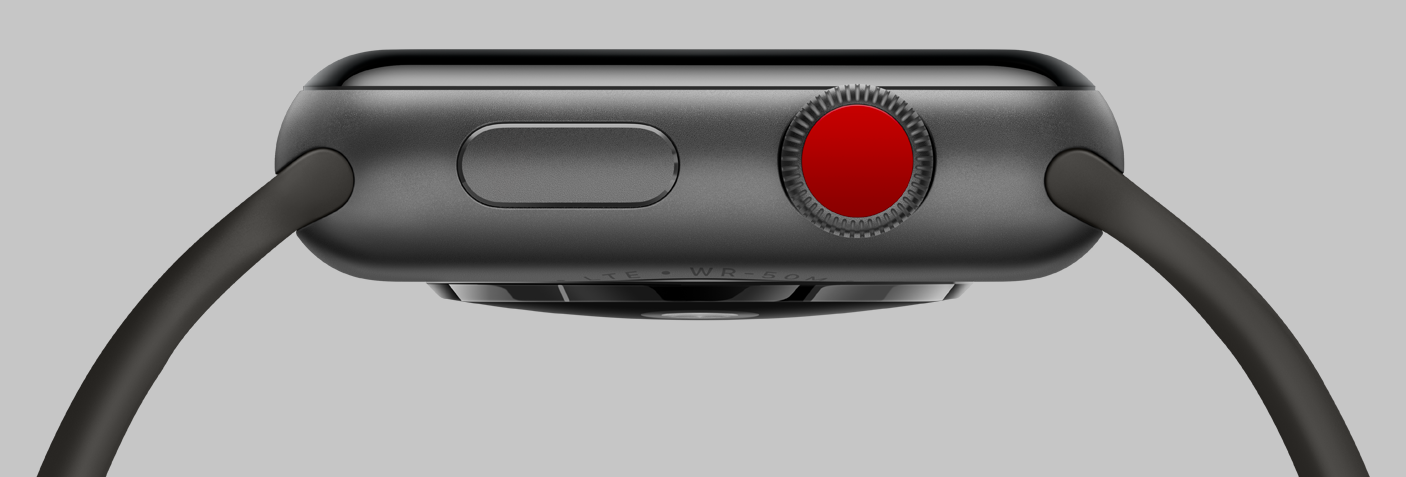
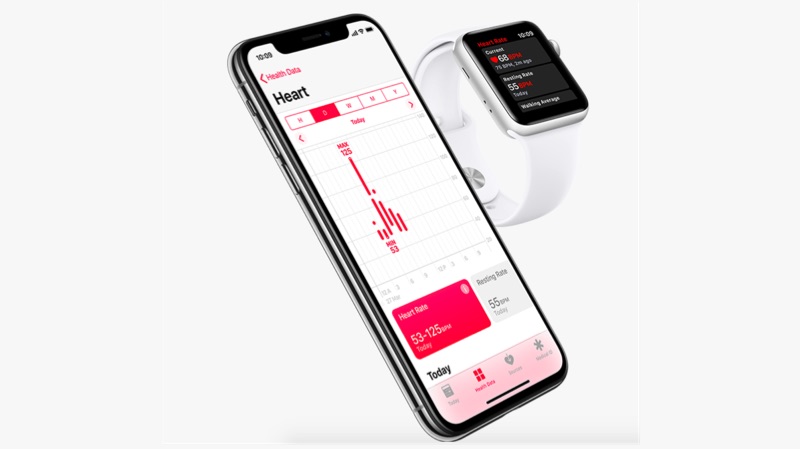
    The new Apple Watch Series 3 has an improved heart rate sensor and a SIM card slot. This has resulted in a 0.2mm thickness increment which is commendable. Apple also claims that the new Watch Series 3 is swim-proof, which means athletes can track their activities even when they’re swimming.

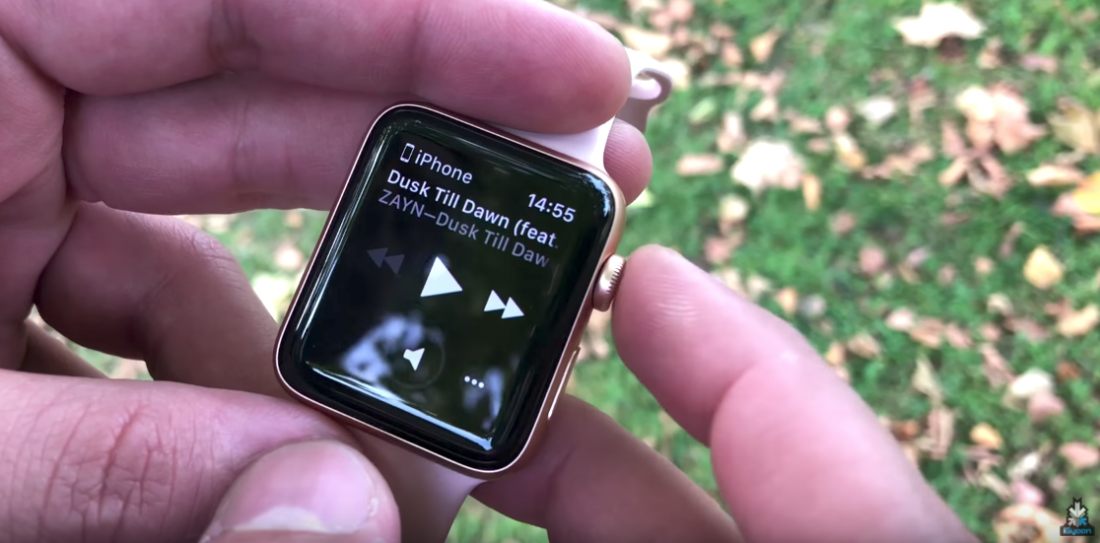
    With the new and advanced heart rate sensor, the watch will notify an increased heart rate if you’re not active. Interestingly, in the new Apple Watch, the cellular number will remain the same as your iPhone and users can perform tasks such as iMessage directly from their watch without having their smartphone connected to it. The Apple Watch Series 3 will also stream 40 million songs from the iTunes and the Music App. The Siri on the smartwatch is also be voice-enabled for communication with the watch without looking at the screen. The display of the watch acts as an antenna and an electronic SIM card which is smaller than a nano-SIM card is used in the smartwatch.

    The smartwatch has a dual-core processor to carry out all the tasks. The smartwatch will run Apple Watch OS 4 out of the box and has a battery life of up to 18 hours, Apple claims. The new W2 chip inside delivers 85 percent faster Wi-Fi while also being 50 percent more power efficient, which will be crucial because of the cellular connectivity feature using up more battery than usual.

    Apple has not confirmed the pricing of the Apple Watch Series 3 in India right now. However, we expect to learn more about the pricing details before the pre-registrations begin on the 4th of May.

  • Apple iPhone 5s Might Receive The iOS 12 Update

    Apple iPhone 5s Might Receive The iOS 12 Update

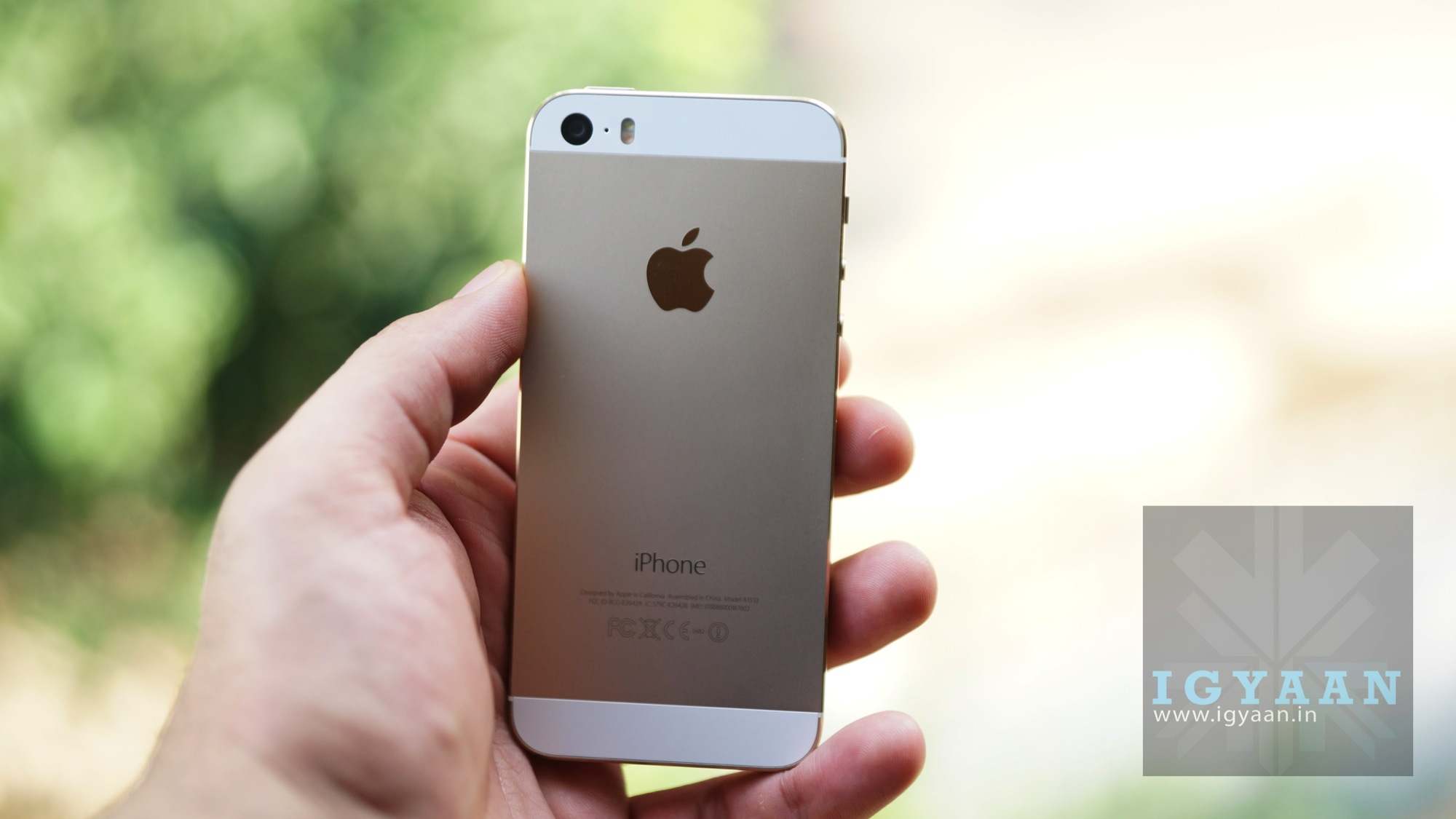
    Launched back in September 2013, the iPhone 5s was one of the many iPhones to receive an update to iOS 11. Since the iPhone 5 was left out of the lot, it appeared that iOS 11 would be the last major update for the 5s. However, that might not be completely true as Apple might be planning to update the 5s to iOS 12 this year.

    In a test on WebKit (an open source browser engine that’s used within Safari), iPhone 5s was shown running on iOS 12 software. While this does not guarantee an update for the iPhone 5s, it certainly means that Apple has fiddled around with the idea. If Apple does update the iPhone 5s to iOS 12, it will mean that a five-year-old iPhone would be running the official version of the latest iOS.

    An update to iOS 12 will hinge upon how the iPhone 5s’ hardware handles the new update. Our iPhone 5s became considerably laggy after the update to iOS 11 which means that another update might be asking too much from its A7 chipset. However, Apple has conceded that iOS 12 will focus on reliability and improved battery life on all devices, instead of adding new features to change the usability of iOS. This could mean that iOS 12 might not be as big an upgrade as iOS 11 was from iOS 10.

    Apple’s annual World Wide Developer’s Conference is scheduled to begin on June 4th, 2018 where we will learn more about iOS 12 and its new features. The official update will start seeding in mid-September after the launch of the 2018 iPhone lineup. We expect to learn about the fate of iPhone 5s and iOS 12 during the conference.

  • Apple Will Replace Some 13 Inch MacBook Pro Batteries For Free

    Apple Will Replace Some 13 Inch MacBook Pro Batteries For Free

    Apple has introduced a new battery replacement program for some 13 inch non-Touch Bar MacBook Pro. Under this program, Apple would replace the batteries of these MacBook Pros for free.

    According to Apple, there is an issue with a small number of MacBook Pros manufactured between October 2016 and October 2017. Apple notes that some non-Touch Bar MacBook Pros manufactured in the mentioned time frame have a faulty component which causes the battery to expand. In order to check eligibility, head to this page and enter the serial number of your MacBook Pro (non-Touch Bar).

    It is worth noting that users who have already replaced their batteries can contact Apple for a refund. Once a MacBook Pro qualifies for the program, owners can either visit an authorised Apple retail store or can mail it to Apple’s repair centre.

    Apple’s preemptive move will be appreciated by MacBook Pro owners especially considering the program will be valid for 5 years since the original release of the 13-inch MacBook Pro (non-Touch Bar). Apple has recently been criticised for not handling the iPhone slow-down debacle well. The company’s efforts of prolonging the life of older iPhones were misconstrued as a deliberate way of influencing users into buying new iPhones. However, Apple has since come out and made its intentions clear.

    The company also released a feature in the latest iOS 11 update wherein users can choose between peak performance or better battery health. Apart from that, Apple also announced that the battery replacement charges will be reduced to US$ 29 for out of warranty iPhones.

iGyaan Network
Privacy Overview

This website uses cookies so that we can provide you with the best user experience possible. Cookie information is stored in your browser and performs functions such as recognising you when you return to our website and helping our team to understand which sections of the website you find most interesting and useful.