Category: Apple

  • Apple Sued For Deliberately Slowing Down Older iPhones

    Apple Sued For Deliberately Slowing Down Older iPhones

    Days after addressing the millions of conspiracy theories on the internet about the mysterious slowing down of older iPhones, Apple has been sued for it. Filed by Stefan Bogdanovich and Dakota Speas, the suit claims that Apple’s deliberate effort to throttle CPU performance on the iPhone amounts to “breach of contract.” It also notes that Apple’s behaviour lowers the resale value of existing iPhones and underhandedly coerces iPhone owners to upgrade to newer models.

    For years, iPhone users claimed to notice a discernible system slowdown with some iOS updates. However, the issue came in the spotlight thanks to a widely circulated Reddit thread backed. Following that, Geekbench founder John Poole did some performance testing on various iPhones running different versions of iOS. Poole found that Apple does, in fact, limit performance on older iPhone models with lower-capacity batteries in the interest of battery life and preventing unexpected shutdowns.

    After the hue and cry on social media, Apple decided to address the issue and put out a statement:

    Our goal is to deliver the best experience for customers, which includes overall performance and prolonging the life of their devices. Lithium-ion batteries become less capable of supplying peak current demands when in cold conditions, have a low battery charge or as they age over time, which can result in the device unexpectedly shutting down to protect its electronic components.

    Last year we released a feature for iPhone 6, iPhone 6s and iPhone SE to smooth out the instantaneous peaks only when needed to prevent the device from unexpectedly shutting down during these conditions. We’ve now extended that feature to iPhone 7 with iOS 11.2, and plan to add support for other products in the future.

    It is fair to say that while Apple has a noble reason behind the decision, the company should’ve been up-front about it from the beginning. Waiting for an outcry to come clean makes it look like a PR decision more than anything else. No other details about the lawsuit have been revealed yet.
  • Here’s Why Apple Slows Down Older iPhones

    Here’s Why Apple Slows Down Older iPhones

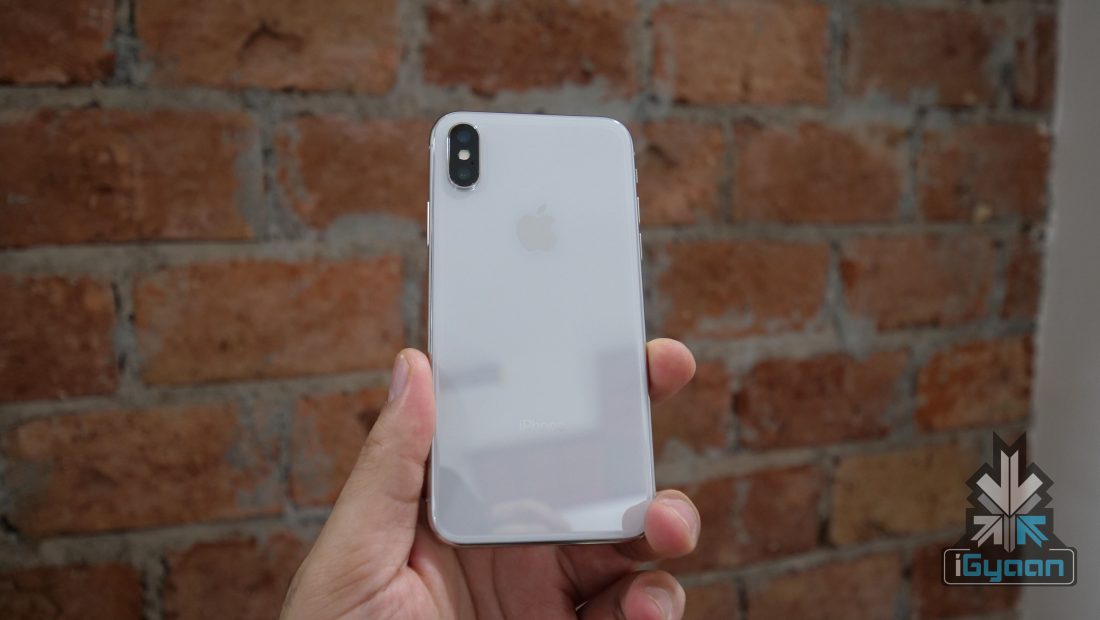
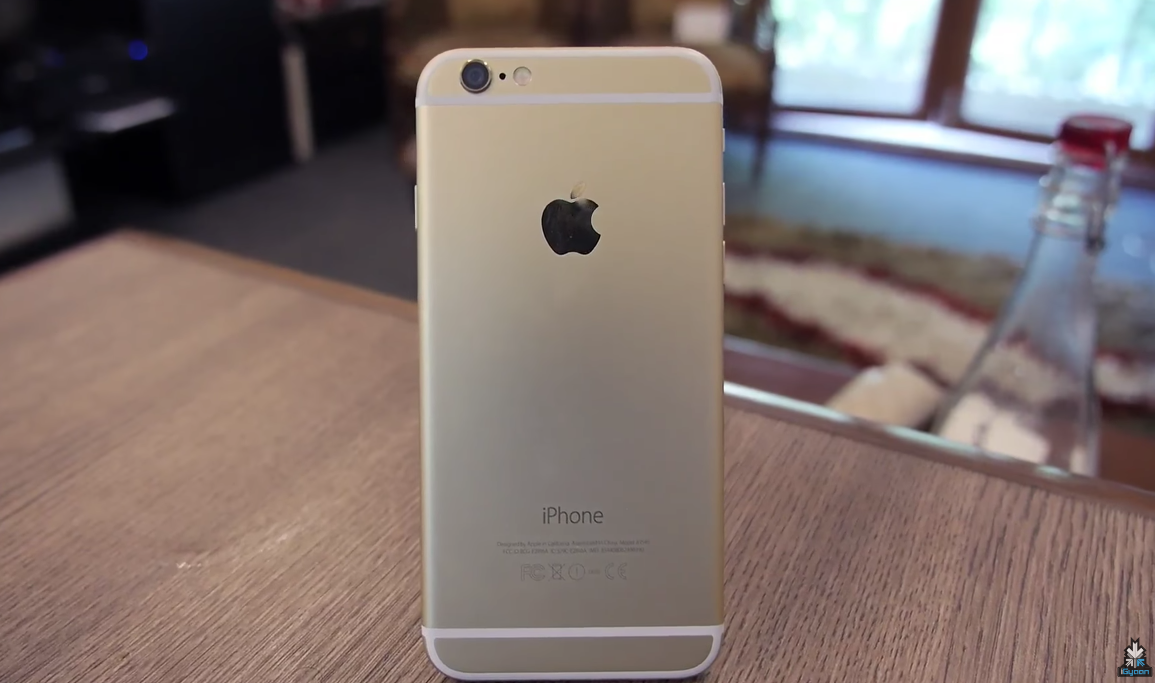
    Ever since the iPhone 8 and iPhone X was launched, there have been multiple reports from previous gen iPhone users of their devices slowing down considerably. Theories about how Apple deliberately slows down older iPhones to practically force people into buying the new ones have been doing the rounds ever since.

    Ever since a Reddit post gained attention and the interpretation of subsequent benchmark tests posted by Primate Labs’ John Poole went even more viral, people have been taking shots at Apple for throttling the speeds of older iPhones.

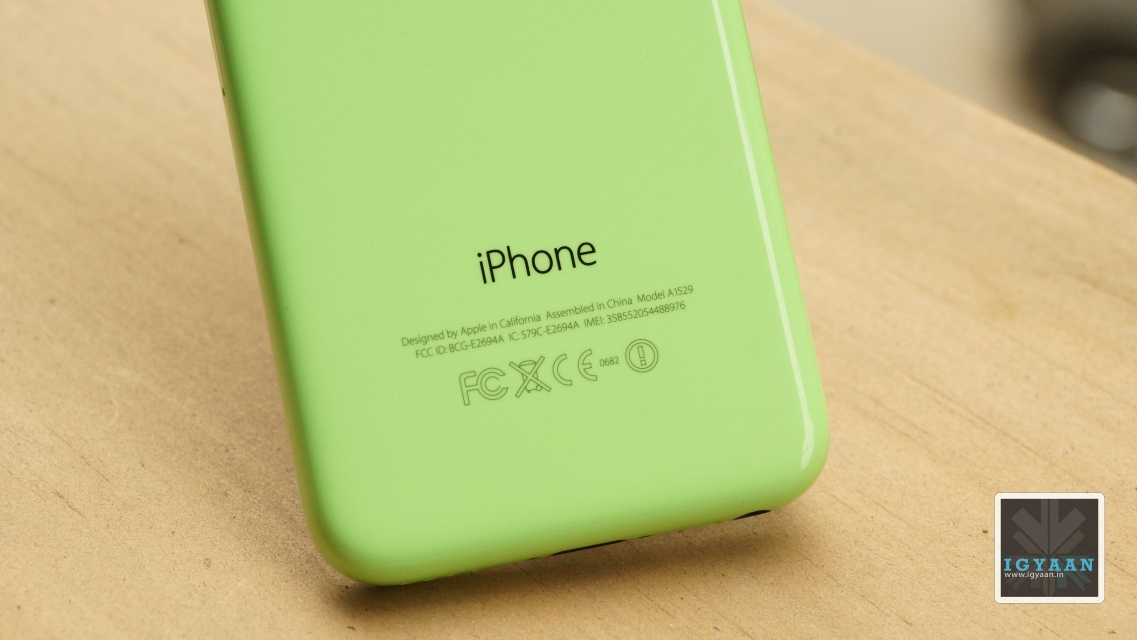
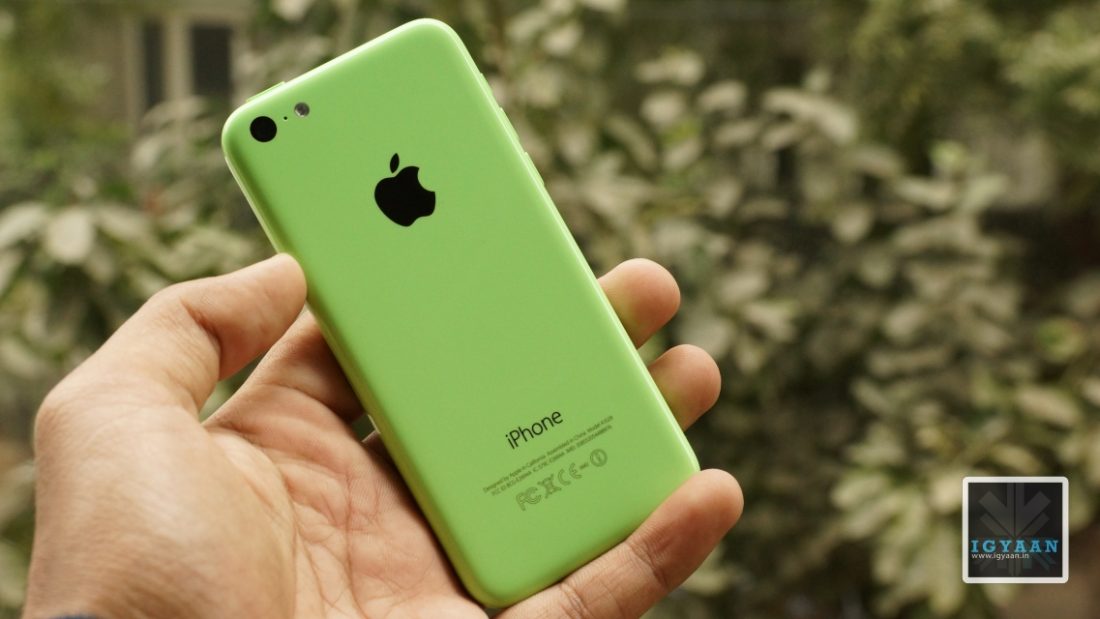
    iPhone 5c Was Launched In 2013

    To actually believe that Apple or for that matter any company would do something so ethically wrong would be unfair. If Apple were to do this, it would likely lead to incredible battles with the governmental that no company like Apple would ever want to happen. In fact, Apple is focusing attention on smoothing out the very high and quick peaks of power draw that can cause problems with older batteries.

    To address the issue and the theories flying around the internet, Apple issued a statement to TechCrunch:

    Our goal is to deliver the best experience for customers, which includes overall performance and prolonging the life of their devices. Lithium-ion batteries become less capable of supplying peak current demands when in cold conditions, have a low battery charge or as they age over time, which can result in the device unexpectedly shutting down to protect its electronic components.

    Last year we released a feature for iPhone 6, iPhone 6s and iPhone SE to smooth out the instantaneous peaks only when needed to prevent the device from unexpectedly shutting down during these conditions. We’ve now extended that feature to iPhone 7 with iOS 11.2, and plan to add support for other products in the future.

    In short, what Poole’s benchmarks are showing is the result of a power curve-smoothing algorithm that Apple rolled out last year to mitigate iPhone shutdown issues.

    To tackle battery ageing in a more efficient way, what Apple is doing for older iPhones is it is capping the processor power to prolong the age of the battery. This is a is a lithium-ion chemistry issue, not an Apple or any other OEM issue. Over time, batteries just become bad. This is an attempt to make people’s phone work for longer with fewer issues, not to get them to switch away from it.

    These changes will not affect the average performance of a device, and it is not throttling; it is capping the peak demands. In doing so, it is not allowing them to be as high and spreading that work out over more cycles rather than one.

  • New Patent Reveals Apple’s Plan To Diversify Face ID Usage

    New Patent Reveals Apple’s Plan To Diversify Face ID Usage

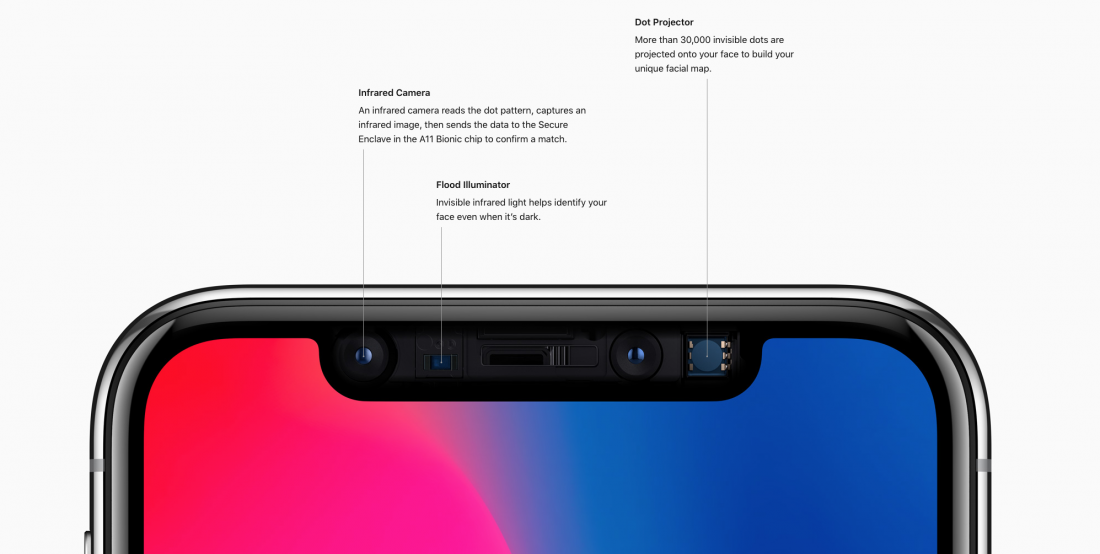
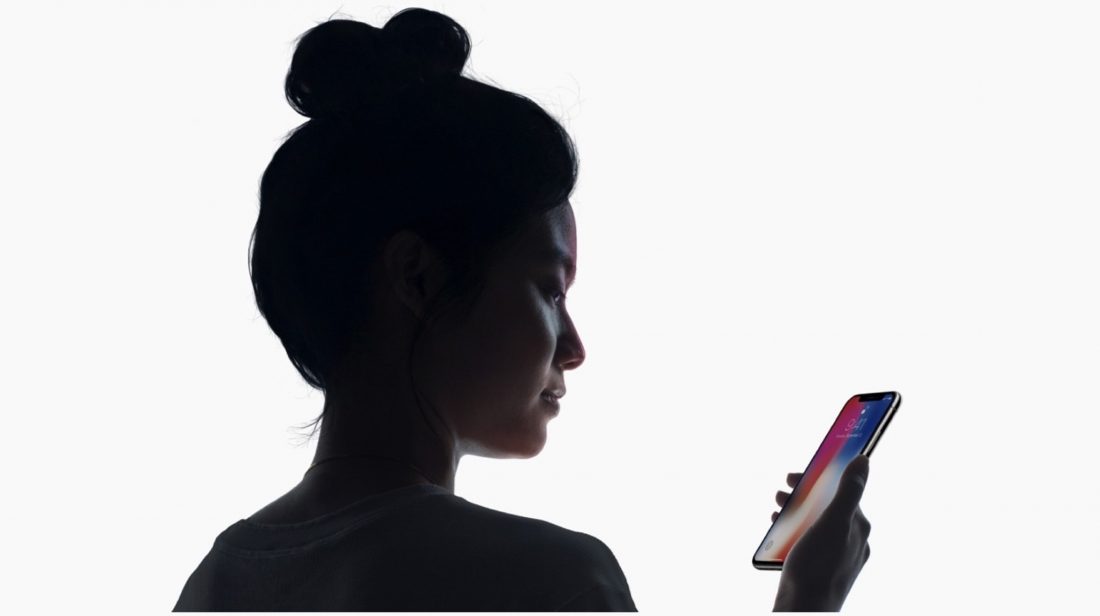
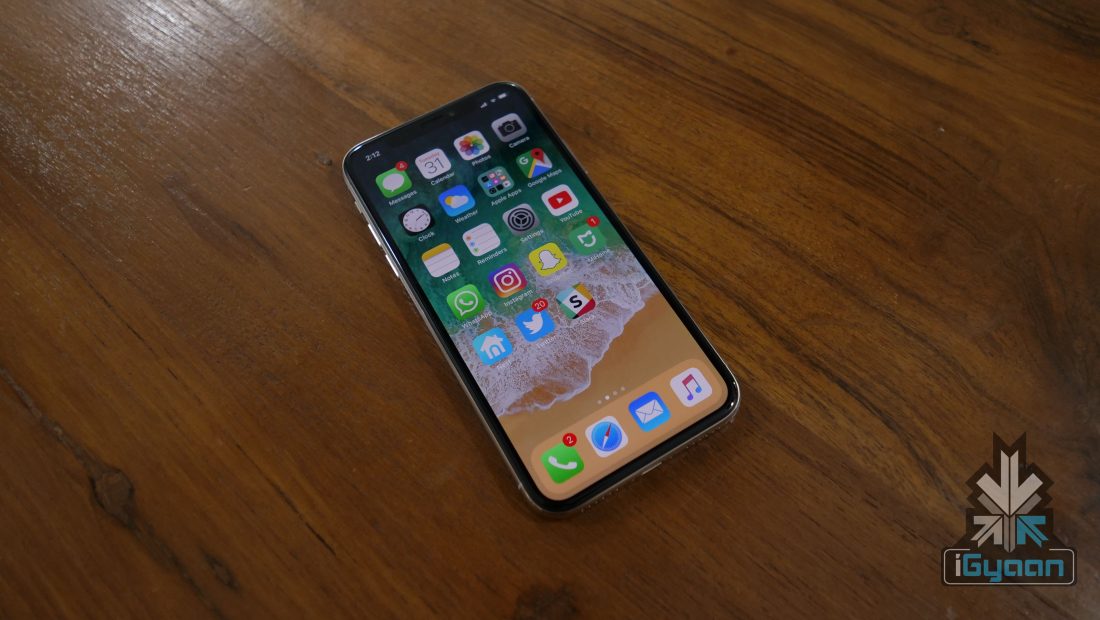
    Apple introduced its take on facial recognition technology, Face ID along with the launch of the iPhone X. The iPhone X represented the major design haul that everyone was waiting for ever since the iPhone 6 was launched. Over the course of time since the iPhone X was made available to the public, Face ID has received polarising reviews. While some people can’t wait for Touch ID to make comeback (which seems highly unlikely anymore) and the others like the implementation and believe that future software updates will make Face ID even better than it already is. Some of us have forgotten about the home button and embraced the gestures life.

    It is safe to assume that Face ID was not a one-off affair till the company figured out how to embed fingerprint sensors under the display. Apple believes that Face ID is the future and there have been multiple reports corroborating that future iPhones will drop Touch ID in favour of Face ID. A new patent filed by Apple has been unearthed, which reveals the company’s plan to diversify the implementation of Face ID on more than just the iPhones.

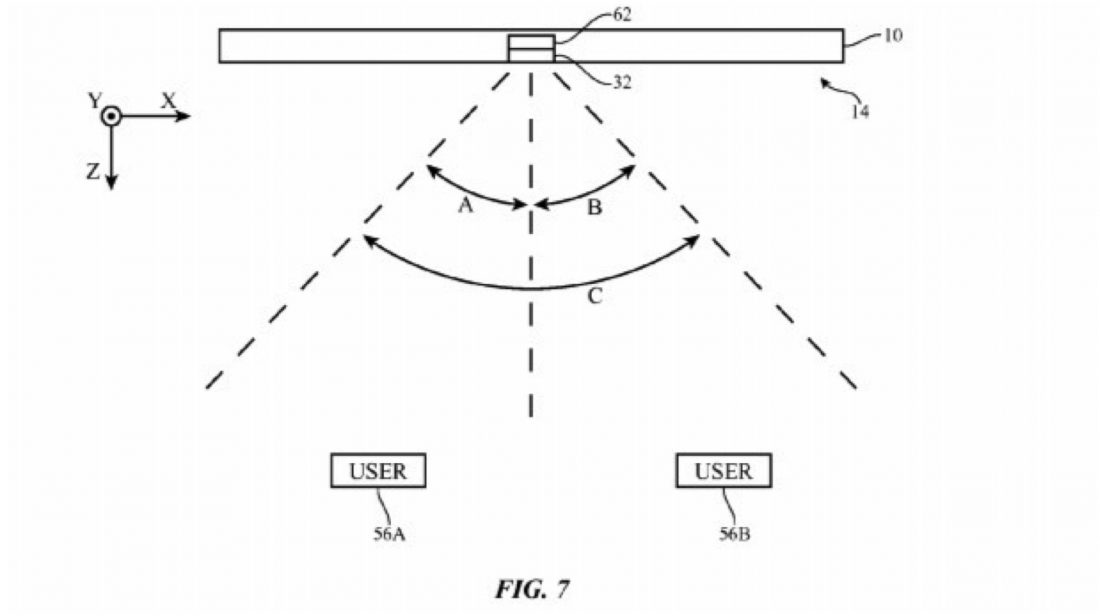
    The documentation describes Face ID technology that would fit iPhones, iPads, MacBooks, and iMacs. The patent, which was awarded to Apple on the 19th of December, reveals that Apple filed it all the way back in March of 2015

    The technology described in Apple’s patent could be used in a variety of smart devices, to automatically initiate actions based on whether a user is facing the display’s sensors or not. This is Apple’s description of the technology:

    Based on knowledge of how many users are present and the location of those users, device 10 may make adjustments to display 14 (e.g., to optimize brightness, content, audio, etc.), may turn on or off device features, or may take other suitable action. As an example, device 10 may activate a visible image sensor in device 10 when it has been determined that one or more users is present in the vicinity of device 10.

    The visible image sensor can then be used to gather additional information from the user (hand gestures, images of the user for a video conference, face detection data indicating where the faces of the users are located, etc.).

    It is fair to believe that this is true and that Face ID will be trickled down to all other iOS and macOS devices but, it is still just a patent and there are chances that just like a lot of patents, this could be thrown to the back burner.

  • Apple Will Launch Upgraded AirPods In 2018

    Apple Will Launch Upgraded AirPods In 2018

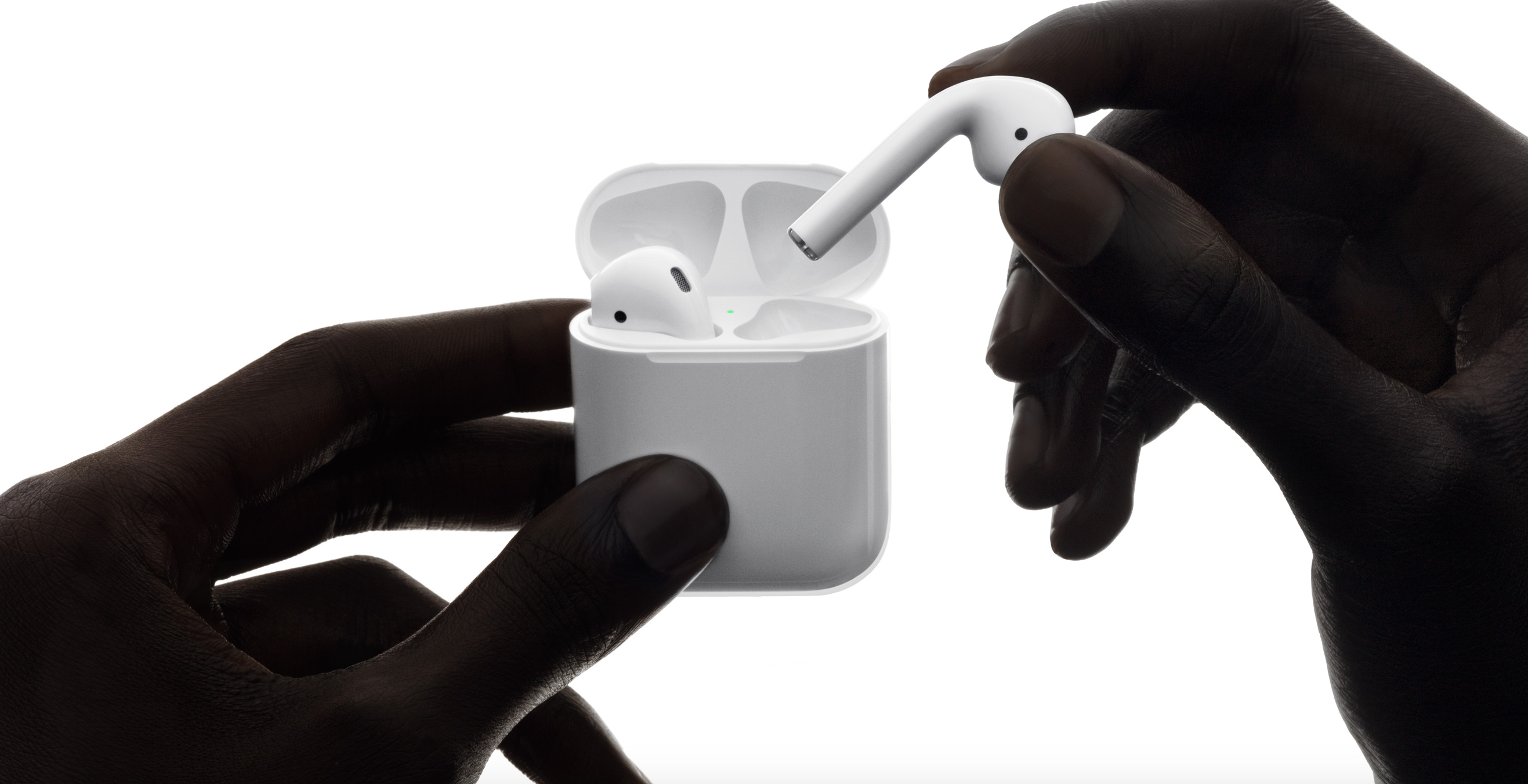
    Back in 2016, Apple did the unthinkable by removing the beloved 3.5mm headphone jack from the iPhone 7 and iPhone 7 Plus. To make the transition from wired headphones to wireless technology a little more Apple-friendly, the American tech giant launched the AirPods. The “magically” pairing wireless earbuds were launched along with the iPhone 7 at a price of US $149. While it received flak for its looks, it has gained popularity over the course of time and is the best-selling Bluetooth earbuds in the market right now.

    It was recently reported that the AirPods won’t be available until early-2018 and that it might be a hint towards a revision of the AirPods. KGI Securities analyst Ming-Chi Kuo has issued a few notes to investors regarding the availability of AirPods and the possibility for a revision to the hardware in the second half of 2018.

    Kuo estimates that AirPod shipments will experience 100 percent growth and reach 28 million units in 2018. Kuo didn’t delve into any details regarding the design or feature which might be introduced in the revised AirPods other than that they will include a “smaller quartz component”. Kuo also stated they could have a higher average selling price.

    The AirPods were launched back in 2016, so an overhaul is long due with better hardware and sound.

  • Apple iPhones In India Are Pricier Now

    Apple iPhones In India Are Pricier Now

    Apple iPhones have been known to be much more expensive in India than the western market. To put things into perspective, the iPhone X was launched at a price of Rs. 89000 in India which roughly translates to about US $1400 and in the US, it is priced at US $999. That is a huge difference and, that difference will now increase even more. iGyaan reported that the Indian government will increase the import tax on electronics such as phones and that it could have an effect on the price of iPhones in India.

    Apart from the iPhone SE, all iPhones from iPhone 6s and above will see a price hike in the Indian market. This isn’t good news for people with the holidays coming up and people tend to buy new phones to commemorate the new year.

    From today, the iPhone X will retail at a new price of Rs 92430 for the 64GB variant and Rs 1,05,720 for the 256GB variant. After the customs hike, iPhone 6s will be priced at Rs. 41550 for the 32 GB variant which was earlier Rs. 30780 while the 128 GB variant will be available for Rs 50,660. The 32 GB and 128 GB variants of iPhone 6s Plus will now be priced at Rs 50740 and Rs 59860, respectively.

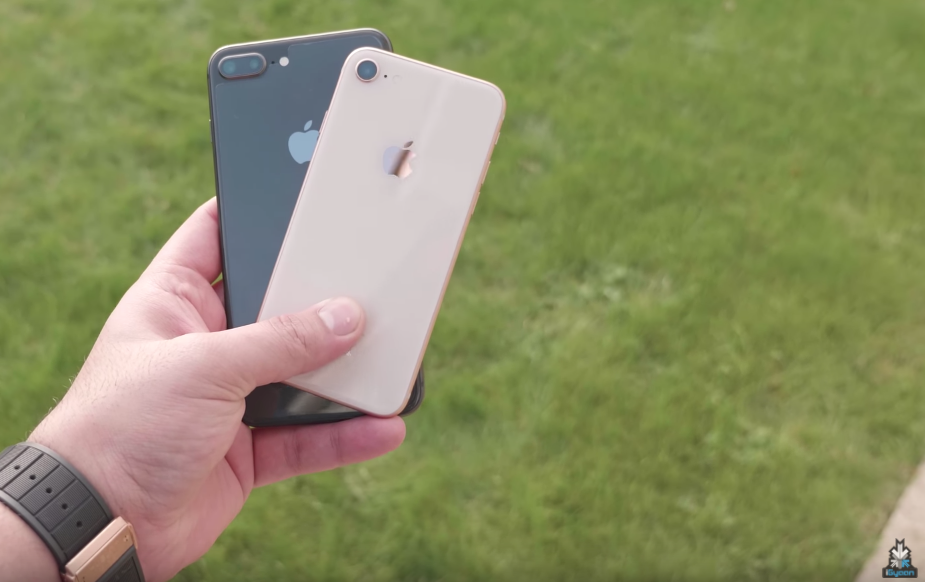
    iPhone 8 Plus and iPhone 8

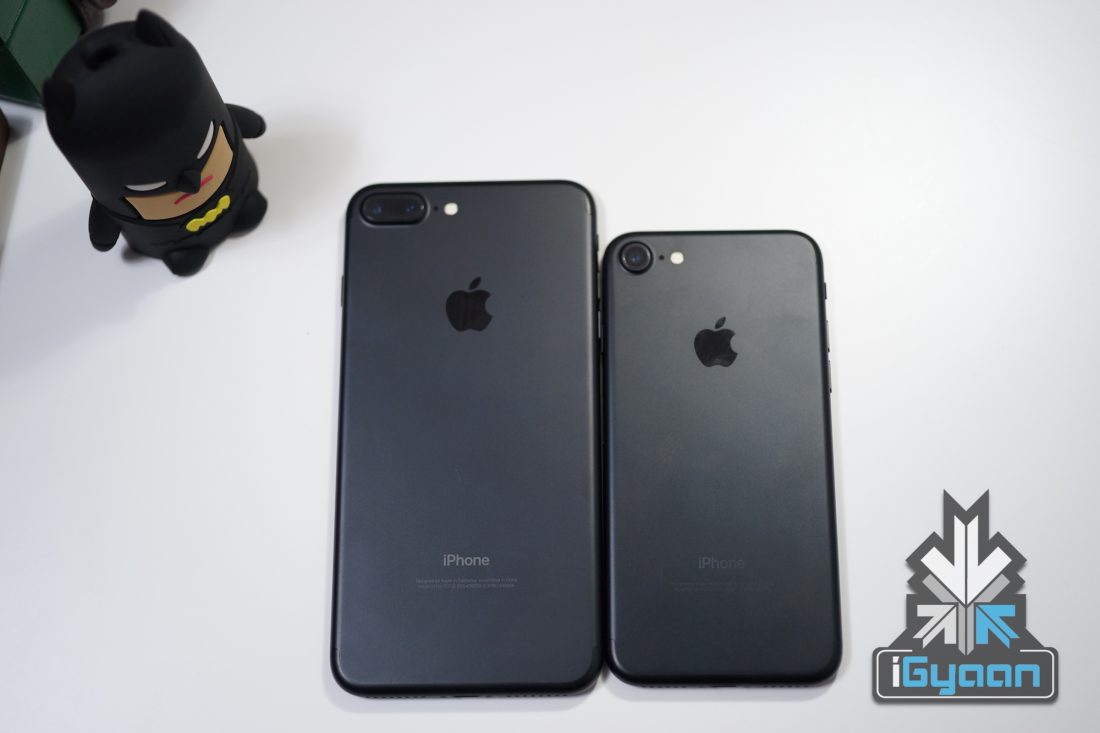
    The iPhone 7 will be priced at Rs. 50810 for the 32GB variant, while the 128GB variant is now priced at Rs. 59910. The iPhone 7 Plus will be now be priced at Rs. 61060 for the 32 GB variant and Rs. 70180 for the 128GB variant. The iPhone 8 will be available for Rs. 66120 for the 64GB variant and Rs. 79420 for the 256GB variant. The iPhone 8 Plus is priced at Rs. 75450 for the 64GB variant and the 256GB will be available for Rs. 88750.

    iPhone 7 Plus and iPhone 7

    This has happened because the government has increased the import tax from 10% to 15% and this news comes a few days after Apple registered the slowest revenue growth in India in the past six years. With this price hike, there is a huge possibility that iPhones will face a steep competition from their own price tag, more than anything else.

    Buy it here

  • Apple Refunds Chinese Woman Twice Due To Faulty Face ID

    Apple Refunds Chinese Woman Twice Due To Faulty Face ID

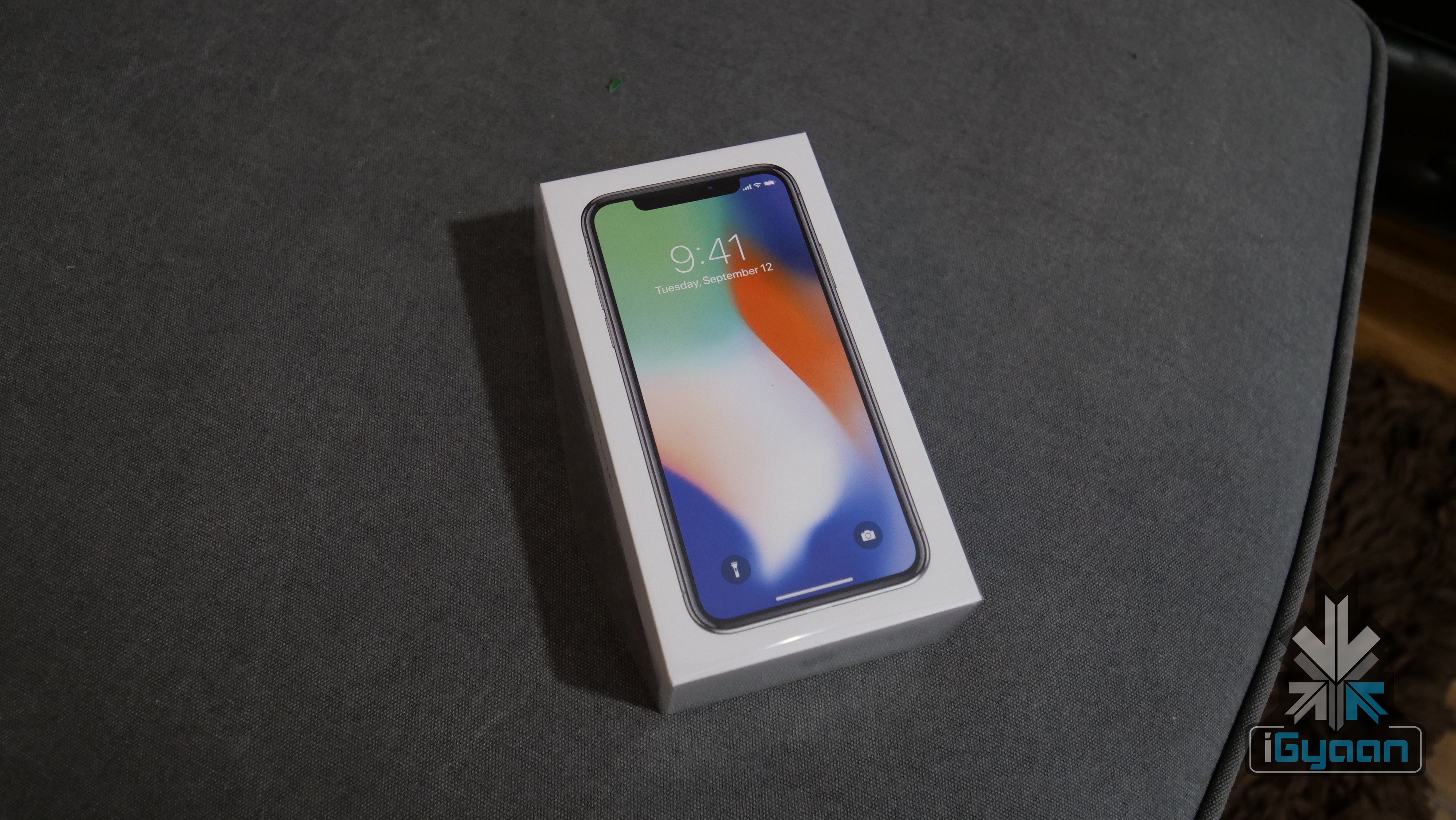
    In September 2017, Apple took to stage and announced its true successor to the original iPhone of 2007, the iPhone X. Thin bezels, OLED display, vertically placed dual cameras, wireless charging, and no Touch ID. Instead of repositioning Touch ID, Apple decided to drop it altogether and replace it with its rendition of Face ID. Apple claimed that it much more accurate than Touch ID albeit, a bit slower. However, Face ID might not have been implemented with the accuracy that Apple claimed, as a woman China was refunded twice because of faulty Face ID on her iPhone X.

    The woman, identified as Yan, told the Jiangsu Broadcasting Corporation that despite setting up each phone’s Face ID, her colleague was able to get into both the devices on every attempt. Yan was offered two refunds from Apple after her colleague managed to unlock two separate iPhone X units. Yan said the first time it happened, she called the Apple hotline, but the staff would not believe her. She then had to go to the nearest Apple store, where her colleague used Face ID on the phone to demonstrate the issue to the staff.

    An Apple spokesman said that he suspected that both women may have used the phone during its “passcode training” and that the phones may have been essentially “taught” to recognise both the faces.

    Ever since it was made available to the public, Face ID has received a mixed response. While the in-app usage of Face ID has been well-received, the process of unlocking the phone has been deemed much slower than Touch ID and even the Face Unlock feature of the OnePlus 5T. However, OnePlus has conceded that its facial recognition software is for mere convenience and not security.

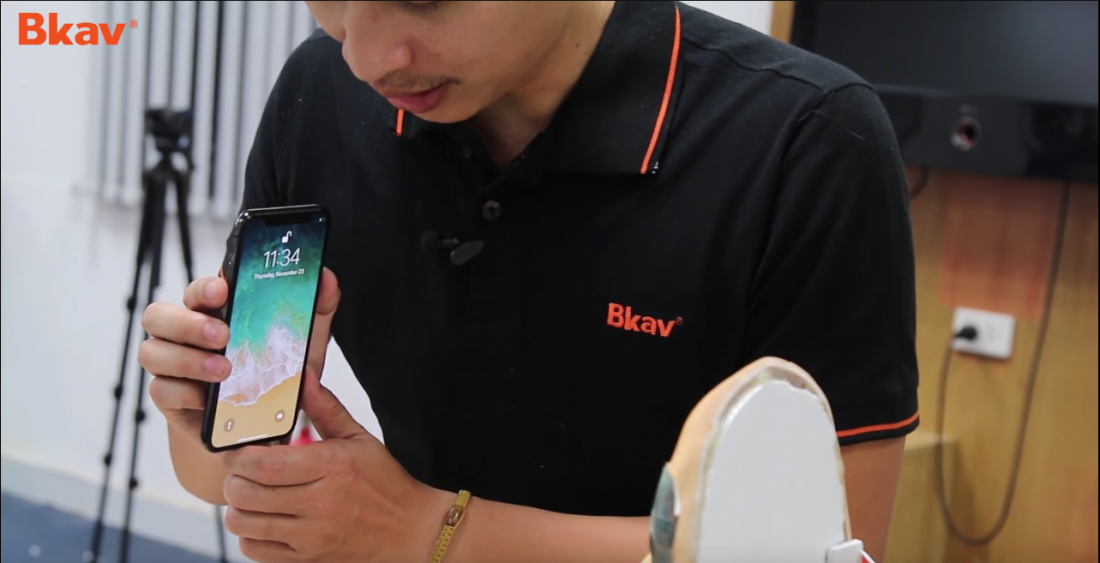
    The Face ID Experiment

    A month ago, Face ID was bypassed through an elaborate experiment using a 3D printed mask and heavy duty expensive gadgets.

    While Face ID has received some criticism, future software updates and Apple’s constant efforts to make its facial recognition system the best in class should improve the performance of Face ID in the coming months.

  • Apple iMac Pro To Go On Sale In India At A price Of Rs. 4,15,000

    Apple iMac Pro To Go On Sale In India At A price Of Rs. 4,15,000

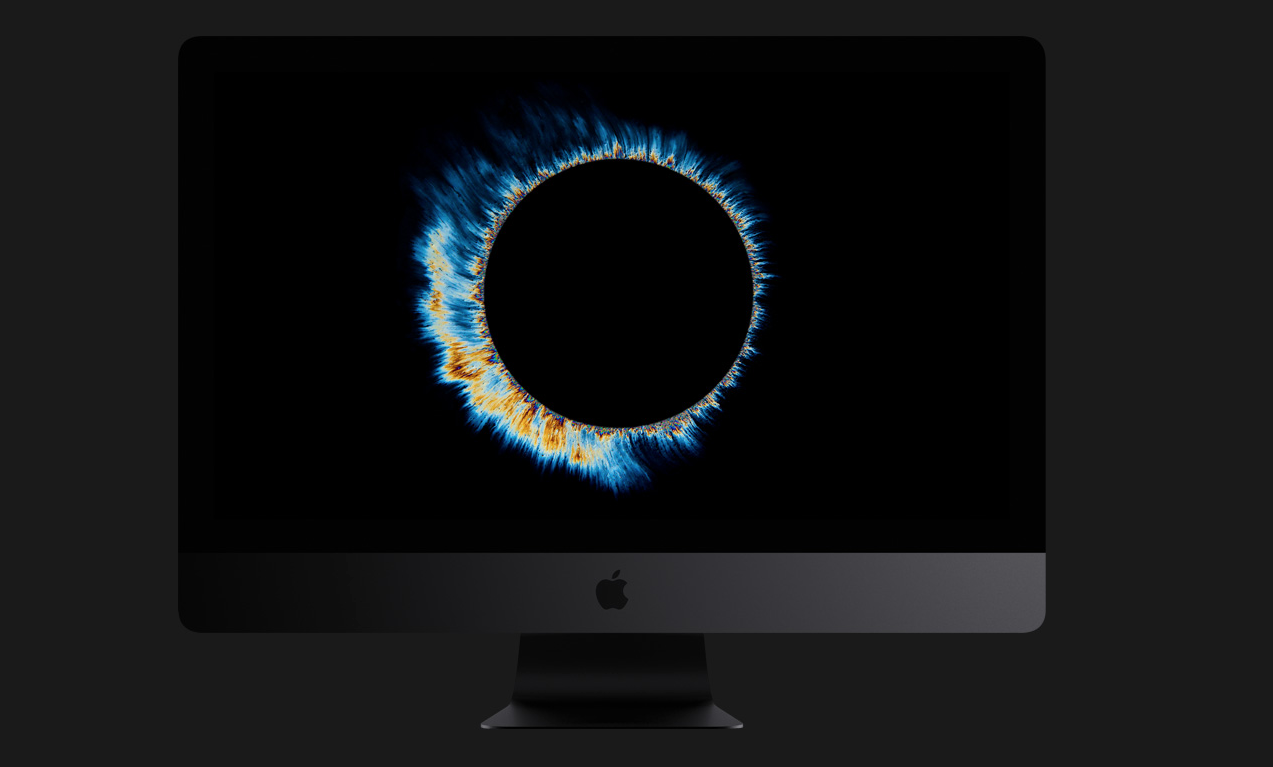
    Apple iMac Pro will go on sale in India at a price of Rs. 4,15,000. Apple recently announced that the iMac Pro will go on sale in the US from the 14th December at a price of US $4999.

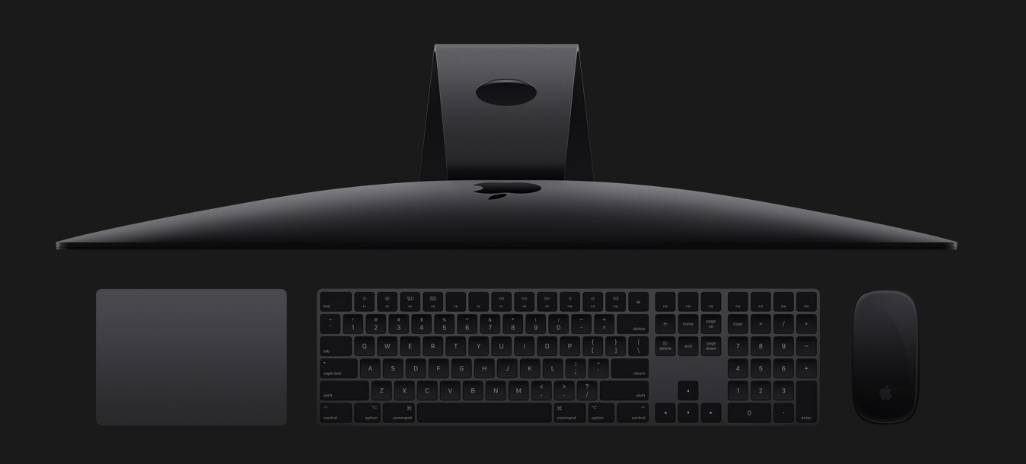
    The iMac Pro has a 27-inch Retina 5K display with a 5120 x 2880 px resolution and 500 nits of brightness. The iMac Pro will be available in only one colour variant, Space Gray.

    Under the hood, the iMac Pro’s base model comes with an 8-core Intel Xeon processor which can go up to 18 cores, 32GB of 2666MHz DDR4 ECC memory RAM with the other two variants having 64GB or 128GB of RAM. The base model has 1TB hard drive with 2TB or 4TB being the other two options. Handling the graphics in base model will be the Radeon Pro Vega 56 graphics processor with 8GB of HBM2 memory, this can also be configured up to Radeon Pro Vega 64 graphics processor with 16GB of HBM2 memory.

    Just above the display is an improved 1080P FaceTime camera.

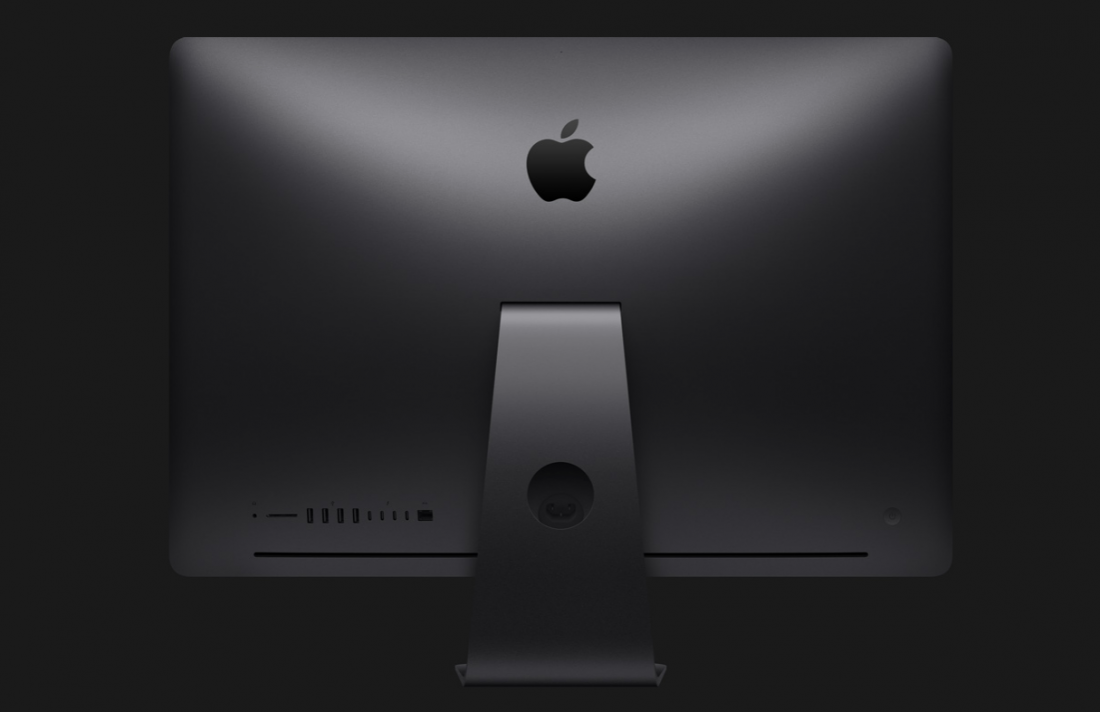
    In terms of the number of ports and connectivity, it has four Thunderbolt 3 (USB-C) ports, a 3.5mm headphone jack, SDXC card slot, and an Ethernet port.

    Along with the iMac Pro, the consumers will also get a Space Gray Magic Keyboard with Numeric Keypad, and a Space Gray Magic Mouse 2 along with the essential cords.

    Apple has not confirmed the date from which the iMac Pro will go on sale in India. We will keep you updated on all the news and the date of sale of the new iMac Pro.

  • Siri Might Soon Start Whispering To You In Public

    Siri Might Soon Start Whispering To You In Public

    It is no secret that a lot of companies believe that machine learning and AI is future of smartphones. Big tech companies like Apple, Google and Samsung have already invested big in Artificial Intelligence and have their own AI assistant in their smartphones. One such assistant is Apple’s own Siri. Siri, just like many other assistants can play music, set reminders and make a shopping list according to your text or voice commands.

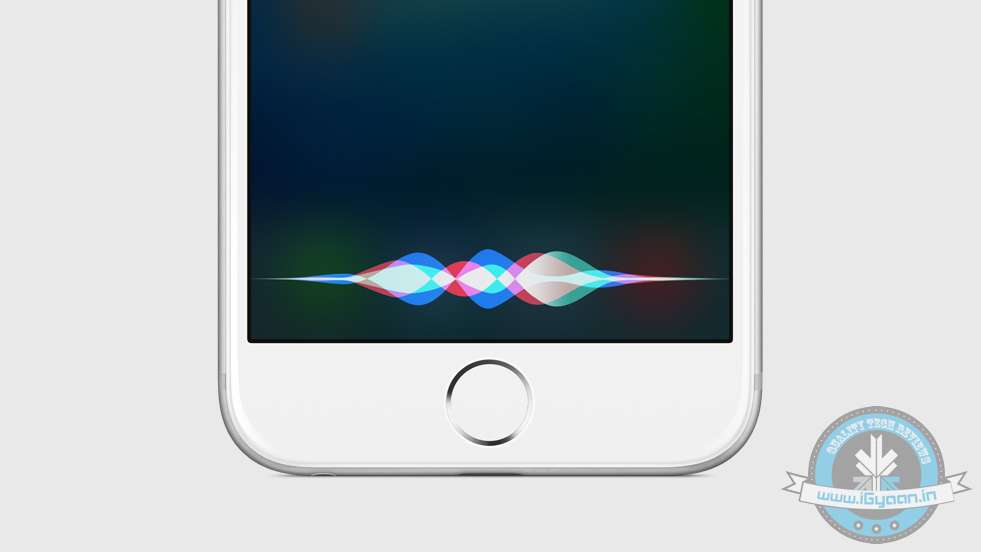
    But, it can get a bit embarrassing if you’re in a public transport talking to your phone and this robot is responding to you in full volume. And no matter how much you whisper, Siri responds in the default volume. This new patent from Apple might solve this issue, and make Siri smart enough to understand when you’re whispering.

    First spotted by Gizmodo, the patent details a feature that would enable Siri to discern when a user is whispering to it and, in turn, offer up a response in a silent whisper. Alex Rudnicky, a professor at Carnegie Mellon University’s Language Technologies Institute, told Gizmodo:

    The technology could come out any time because the component technologies are pretty straightforward. The ways that they’re doing this is kind of textbook speech processing but, working up an algorithm to decide when to go into “whisper mode” would be more complicated. I can’t really say why nobody’s come up with this solution. But once you hear it, it sounds really reasonable. Why not?

    This feature won’t make someone start using Siri every day and neither will this feature make it into an ad for the next iPhone but, it will surely make other companies strive to make their AI assistants smarter.

  • Apple Confirms Face ID Is The Future

    Apple Confirms Face ID Is The Future

    The iPhone X had a lot of changes that iPhone loyalists had been asking for. The beautiful edge-to-edge OLED display and wireless charging are some of the new features introduced. However, due to the reduced size of bezels, Apple had to remove the home button which also housed the iconic Touch ID. Apple replaced that with Face ID, its own version of facial recognition which has been prevalent in Android phones since the time Android 4.0 ICS.

    Now, Apple has confirmed that it will just concentrate on Face ID for all its upcoming devices. It has announced a US $390 million investment in Finisar, a facial recognition technology company. Apple announced that it would invest $390 million (Rs. 2,513 crores approx.) in Finisar that it will use to build a plant in Sherman, Texas to make chips that will enhance many iPhone features such as Face ID, Animojis, and Portrait-mode selfies.

    Jeff Williams, CEO at Apple said:

    VCSELs power some of the most sophisticated technology we’ve ever developed and we’re thrilled to partner with Finisar over the next several years to push the boundaries of VCSEL technology and the applications they enable.

    Finisar will use the funds to build a 700,000-square-foot manufacturing plant in Texas to develop vertical-cavity surface-emitting laser (VCSEL) chips.

    Jeff Williams continued:

    One hundred percent of the VCSELs sold to Apple from Finisar will be made in Texas. Consistent with Apple’s commitment to the environment, the company intends to procure enough renewable energy to cover all of its Apple manufacturing in the US.

    This is Apple’s second major investment this week after it acquired the song recognition app, Shazam.

  • Apple Registers Slowest Revenue Growth In India In Six Years

    Apple Registers Slowest Revenue Growth In India In Six Years

    Despite launching one of the most anticipated smartphones of 2017, the iPhone X, Apple has registered its slowest growth in India in the past six years. According to the Registrar of Companies, Apple registered a 17% growth in revenue for 2016-17, which is slowest since 2010.

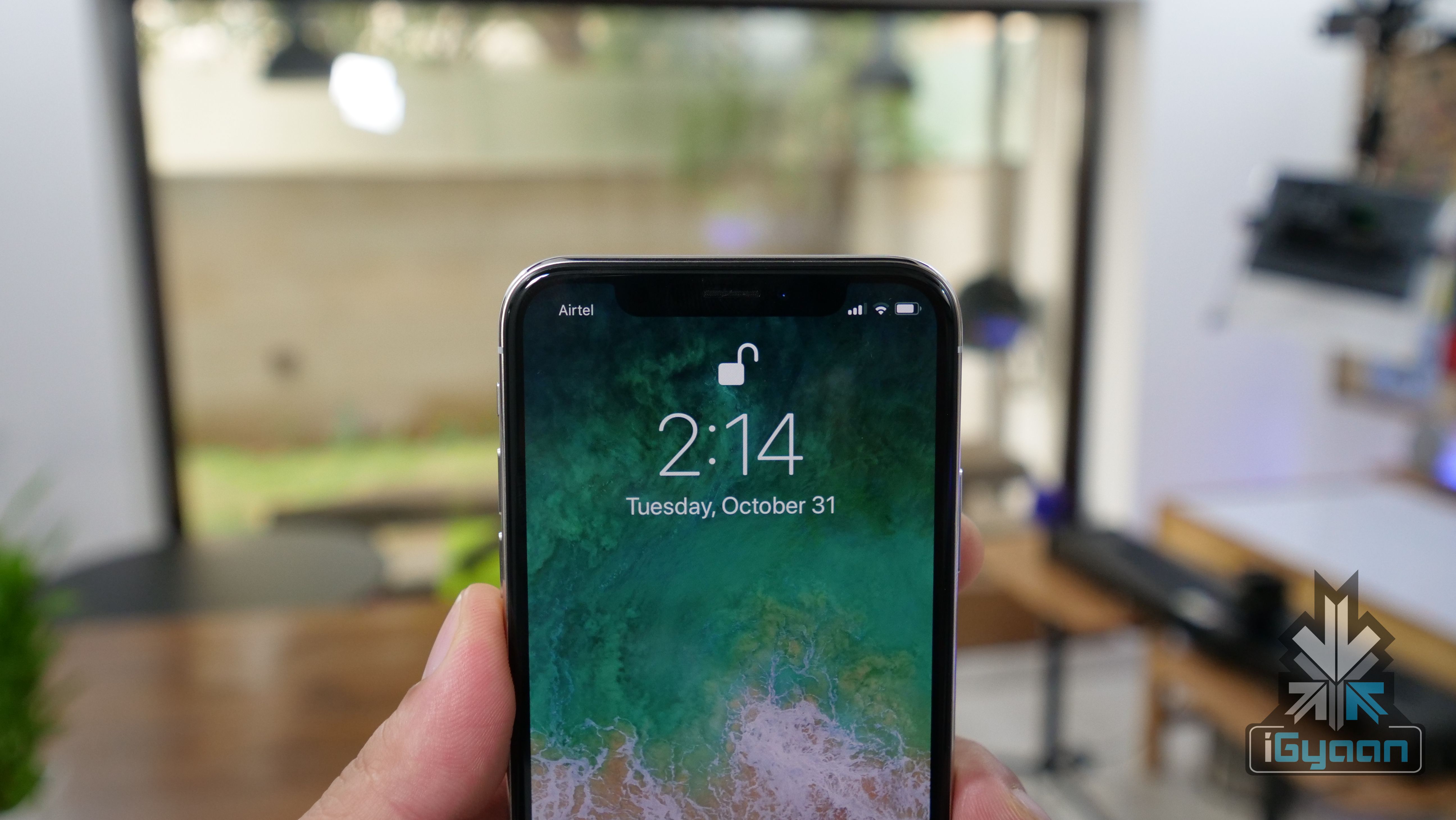
    iPhone X

    The Cupertino-based tech giant earned Rs. 11,618.7 crores in revenue during the 2016-17 period ending March compared to Rs 9,937 crores earned in 2015-16, which is a 17% growth.

    Back in November 2016, the Indian government announced the demonetization of the Rs. 500 and Rs. 1000 note. After that announcement, many rushed to buy iPhones and MacBooks within the first couple of weeks, but the spending spree fizzled out in the months between December and March both offline and online. In February 2017, Apple CEO Tim Cook also conceded that the company was still facing the aftermath of demonetization.

    iPhone 8 And iPhone 8 Plus

    According to a report by Counterpoint Research, Apple sold 2.9 million units in India this year compared to 2.2 million units in 2016. While the iPhone X received rave reviews, the low numbers could be due to the less popularity of the iPhone 8 and iPhone 8 Plus.

    Another reason could be the rising price of iPhones in India. The iPhone X in the US market starts at a price of US $999 which translates to Rs. 65000. However, in India, it starts at Rs. 89000 which is pricey for the Indian market.

    The iPhone SE 2, which is expected to be launched in early 2018, will be assembled in India. This means that it will be competitively priced in the country and might convince a mass population to go for the iPhone SE 2.

  • Apple iMac Pro To Go On Sale From The 14th Of December At A Price of US $4999

    Apple iMac Pro To Go On Sale From The 14th Of December At A Price of US $4999

    The Apple iMac Pro launched back in June will go on sale on apple.com from the 14th of December. While all the details have not been released yet, the base model will go on sale for a price of US $4999.

    The iMac Pro has a 27-inch Retina 5K display with a 5120 x 2880 px resolution and 500 nits of brightness. The iMac Pro will be available in only one colour variant, Space Gray.

    Under the hood, the iMac Pro’s base model comes with an 8-core Intel Xeon processor which can go up to 18 cores, 32GB of 2666MHz DDR4 ECC memory RAM with the other two variants having 64GB or 128GB of RAM. The base model has 1TB hard drive with 2TB or 4TB being the other two options. Handling the graphics in base model will be the Radeon Pro Vega 56 graphics processor with 8GB of HBM2 memory, this can also be configured up to Radeon Pro Vega 64 graphics processor with 16GB of HBM2 memory.

    Just above the display is an improved 1080P FaceTime camera.

    In terms of the number of ports and connectivity, it has four Thunderbolt 3 (USB-C) ports, a 3.5mm headphone jack, SDXC card slot, and an Ethernet port.

    Along with the iMac Pro, the consumers will also get a Space Gray Magic Keyboard with Numeric Keypad, and a Space Gray Magic Mouse 2 along with the essential cords.


  • This iPhone X Clone Might Have One Thing That iPhone X Doesn’t

    This iPhone X Clone Might Have One Thing That iPhone X Doesn’t

    The Apple iPhone X was launched in September after months of anticipation and speculation. The iPhone X was a huge departure in terms of design from all the previous iPhones launched over the course of 10 years. While the design of the phone is extremely modern with thin bezels and a tall display, it has a notch on the top of the display which people love to hate.

    iPhone X

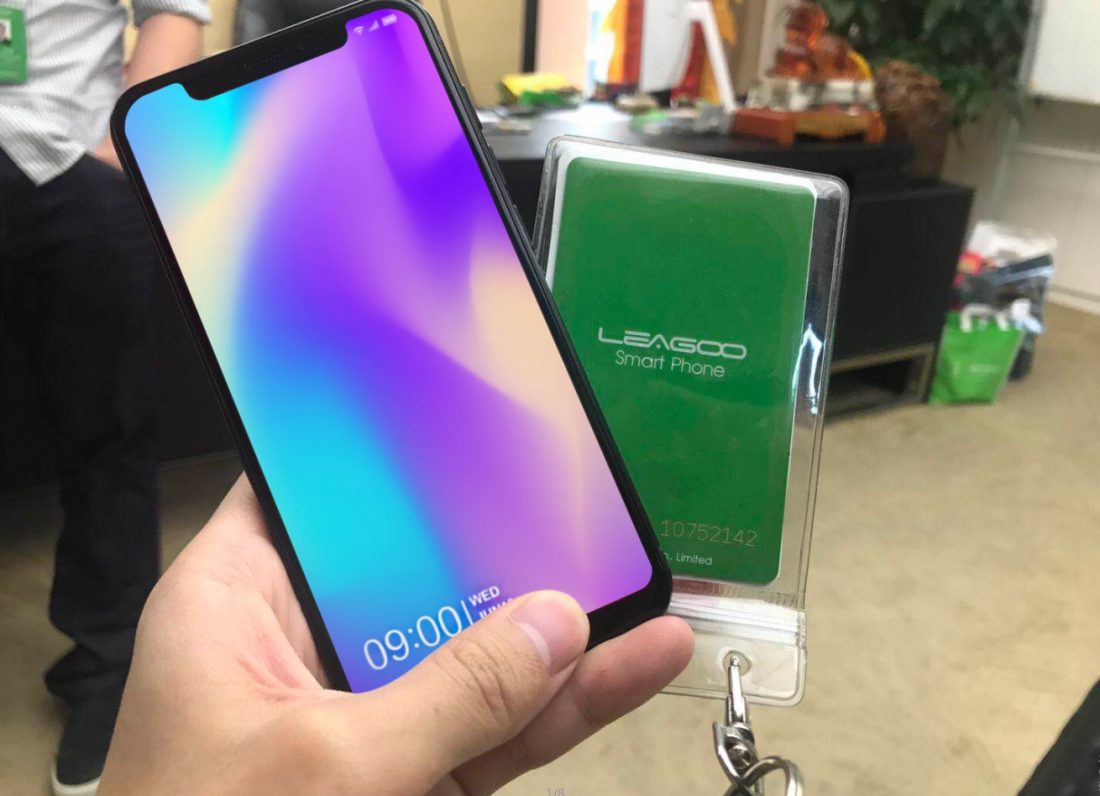
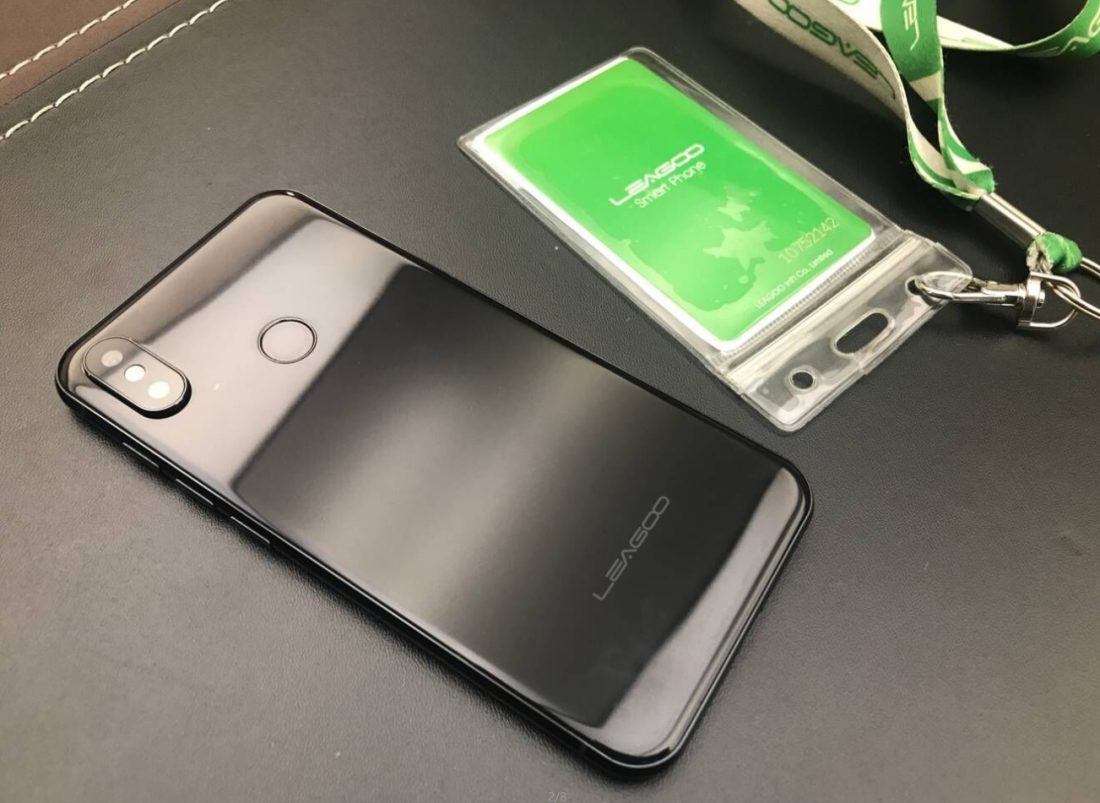
    However, as is with every iPhone, the iPhone X and its notch is well on its way to start the trend of notches on smartphone displays even though the Essential Ph-1 was launched way before and had a cyborg-like cutout on the display to house the front camera. A few days ago, we reported that the OPPO R13 phone might be the iPhone X clone you were looking for but, this new leak of a smartphone from LEAGOO might be the closest thing to an iPhone X yet. And, it has one thing that even the iPhone X doesn’t have.

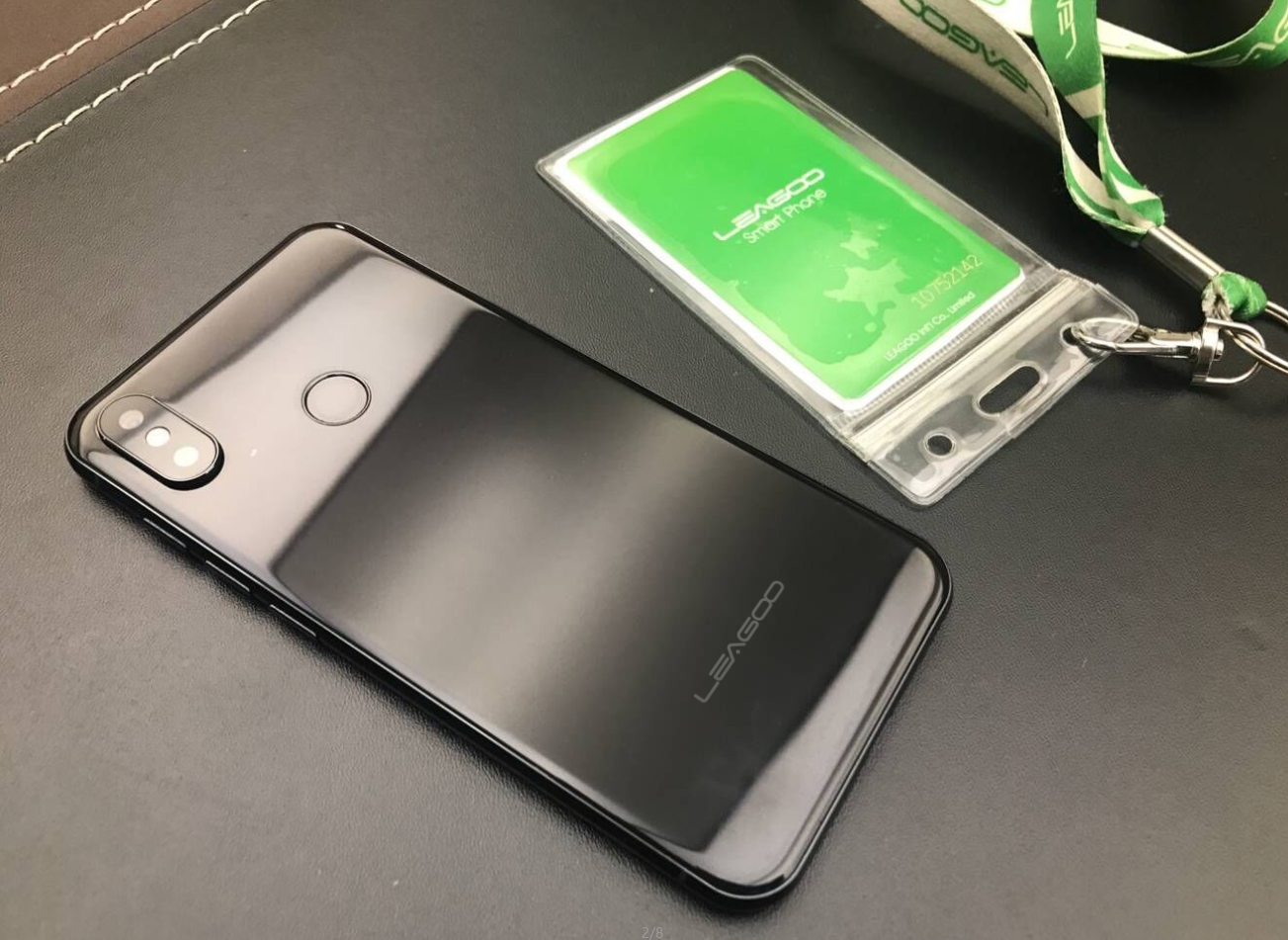
    The images reveal the design of what could be the LEAGOO S9. It is uncannily similar to the iPhone X and even has a fingerprint sensor placed on the back of the phone. While the bezels are thicker than the ones found on the iPhone X, the notch and the vertically placed dual camera resemble the iPhone X.

    Unlike the OPPO R13, the LEAGOO S9 (tentatively named) has a fingerprint sensor, something which a lot of iPhone loyalists asked for from Apple. So, is this the ultimate iPhone X you were looking for? Let us know in the comments!

  • Face ID Rivals On Android “Stink”, Says Phil Schiller

    Face ID Rivals On Android “Stink”, Says Phil Schiller

    Apple launched the iPhone X back in September with a number of changes in hardware and design from the previous generations. The most notable and talked-about change is the removal of the iconic home button and introduction of Face ID. While facial recognition and iris scanning has been prevalent in Android phones for years, Face ID brought mainstream attention to the facial recognition technology.

    Ever since the iPhone X was launched, Huawei has come out and announced its take on Face ID and claimed that it’s much faster and more accurate than Apple’s Face ID technology. There have been rumours that Samsung is working hard on its iris scanning technology which will enable it to work even when it is too dark.

    In an interview with Dutch outlet Bright, Apple’s Marketing Guru Phil Schiller has strong opinions about the Android rivals to Face ID. “They all stink,” he said.

    They don’t work in all the ways we need Face ID to work. We’re very aware that through the years the simple thing, this Home button, that started as the way you click to get to the Home screen, grew into doing so many things for us. We added Touch ID, it took you to the multitasking screen, paged Siri, activated Apple Pay. All through this one mechanical button.

    So for Face ID we needed the best way we know of to enable us to easily unlock our device with our face, in a protected way with the Secure Enclave, and support all these other things. We had to solve all of that. Other things that people have tried with face haven’t been anything like that. Face ID is a very unique implementation.

    Face ID has been compared to OnePlus’s facial recognition technology on the OnePlus 5T even though OnePlus has conceded that its facial recognition is more for convenience than security.

    Face ID has also come across a few stumbling blocks. Recently, it was cracked by an elaborate experiment with some expensive gadgets and a lot of time. With the bezels getting thinner and Apple investing so much in Face ID, it appears that Touch ID will slowly be phased out of remaining Apple devices, especially as FaceID becomes more convenient and more reliable.

  • Apple Acquires Music Recognition App Shazam

    Apple Acquires Music Recognition App Shazam

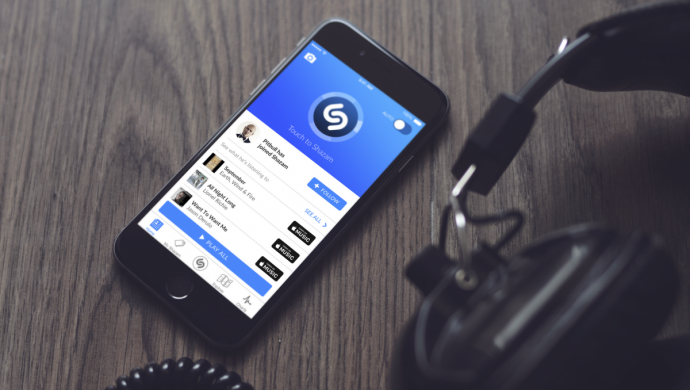
    Last week, it was reported that Apple was on the verge of acquiring of Shazam. On the 11th of December, Apple confirmed the acquisition of the popular music recognition app, Shazam. While neither of the concerned companies disclosed the value of the deal, a report by TechCrunch claims that the deal is worth US $400 million and that Snap and Spotify were potential buyers as well.

    Acknowledging the acquisition, Apple said in a statement:

    We are thrilled that Shazam and its talented team will be joining Apple. Since the launch of the App Store, Shazam has consistently ranked as one of the most popular apps for iOS. We have exciting plans in store, and we look forward to combining with Shazam upon approval of today’s agreement.

    Shazam, one of the most popular music recognition app was launched back in 1999. Since then, the company has claimed that the Shazam app has been downloaded over 1 billion times and its users have used the app to recognise songs over 30 billion times. Shazam released a statement as well, seemingly confirming that the standalone Shazam app will continue functioning:

    Shazam is one of the highest-rated apps in the world and loved by hundreds of millions of users and we can’t imagine a better home for Shazam to enable us to continue innovating and delivering magic for our users.

    Shazam was one of the first few services that took advantage of AI and offered it to a broader audience. As Apple prepares to invest big in AI and make its AI assistant, Siri smarter than the competition, this acquisition might go a long way in doing so.

    Google Assistant, of all the AI assistant, might be the smartest in terms of music as of now, but, with Shazam onboard Siri can definitely compete and even come out on top in the battle of AI assistants. Even some analysts believe that Shazam could add significant value not only with its own service but also by making Siri smarter about music.

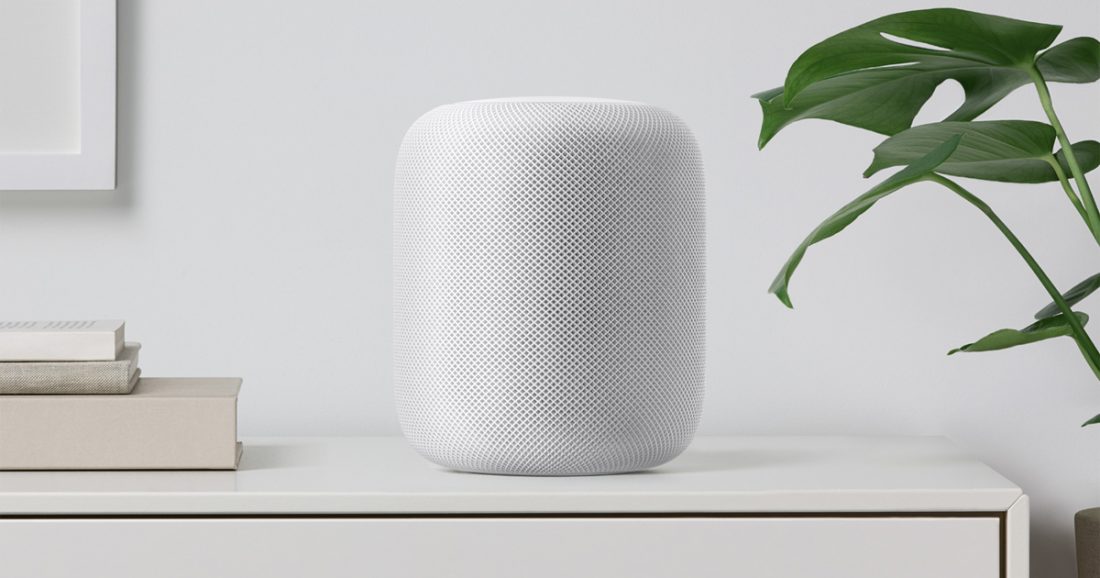
    Music is an important part of Apple’s business, particularly as the company prepares to launch its HomePod smart speaker. Slated for a late-2017 launch, the smart speaker will now be launched in early 2018. Apple Music, Apple’s subscription-based music streaming service has roughly 30 million subscribers which is not even a half of what its direct rival Spotify has. Spotify has 60 million paying users as of July and 80 million more on its free service.

    Apple HomePod

    Analysts are saying that this acquisition is similar to one that Spotify made in 2014 when it purchased a music intelligence firm called The Echo Nest. The Echo Nest creates technology that generates music recommendations which is one of the most important features of Spotify.

    Apple’s entry into AI and now the acquisition of Shazam means that Apple is willing to take on Spotify for the number one spot. As of now, the Shazam app redirects users to either Apple Music or Spotify to listen to the recognised song but, that might change in a bit and that might lead to a potential user acquisition.

  • Apple To Acquire Music Recognition Service Shazam

    Apple To Acquire Music Recognition Service Shazam

    A new report claims that Apple is nearing a deal to buy the song identification app, Shazam, which could be on announced on the 13th of December.

    One source describes the deal as in the nine figures; another puts it at around £300 million ($401 million). We are still asking around. Notably, though, the numbers we’ve heard are lower than the $1.02 billion (according to PitchBook) post-money valuation the company had in its last funding round, in 2015.

    Shazam was founded in 1999 and has long been one of the most popular song identification apps on all platforms. Shazam announced last year that it had reached one billion downloads on smartphones. But, only recently did it start seeing profitability by incorporating advertisements and tying up with music streaming apps such as Spotify and Apple Music. It essentially directs the traffic from its app to these music streaming services by providing streaming links to a recently identified song.

    It will be interesting to see how Apple implements Shazam into Apple Music and how it’ll affect the Spotify integration within the core Shazam app since Spotify is Apple’s biggest music streaming rival right now.

    Apple said in September that its music streaming service had more than 30 million subscribers, a rapid rise but still trailing industry leader Spotify which said it had 60 million paying users as of July and 80 million more on its free service.


iGyaan Network
Privacy Overview

This website uses cookies so that we can provide you with the best user experience possible. Cookie information is stored in your browser and performs functions such as recognising you when you return to our website and helping our team to understand which sections of the website you find most interesting and useful.