Category: Apple

  • You Can Scan QR Codes From The Camera App In iOS 11

    You Can Scan QR Codes From The Camera App In iOS 11

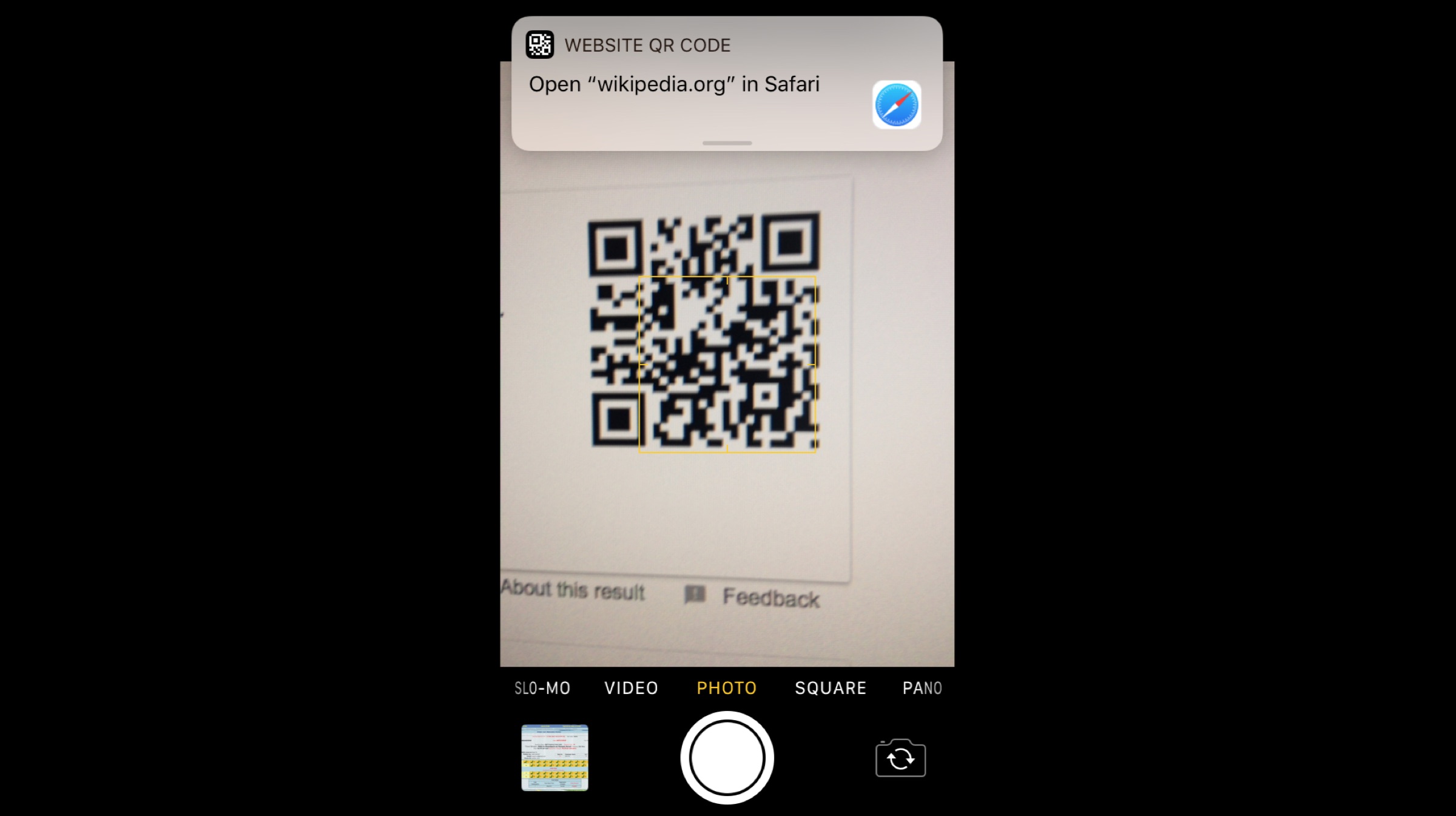
    The new version of Apple’s OS, iOS 11 started rolling out to compatible devices on 19th of September. The new iOS 11 brings an overhaul of the control centre, notification panel and other new features. However, there is one hidden feature which hasn’t been talked about is the ability to scan QR codes directly from the camera app. All you need to do is point your phone to the QR code and your phone will instantly display relevant information.

    This nifty little feature can come in handy in a lot of cases and might go unnoticed. In a case of shopping, simply pull out your iPhone, open the camera app and scan the QR code. A second later, a small notification will drop down from the top of the screen with a preview of the link to the relevant webpage.

    iOS 11 has received mixed reviews so far. New features in the Notes app, ability to customise the control centre and subtle animations have been appreciated but, the overall instability and battery drain issues has left a bad taste in consumers’ mouth.

    You might also like : iOS 11 – Top New Features

  • Apple iPhone 8

    Apple iPhone 8

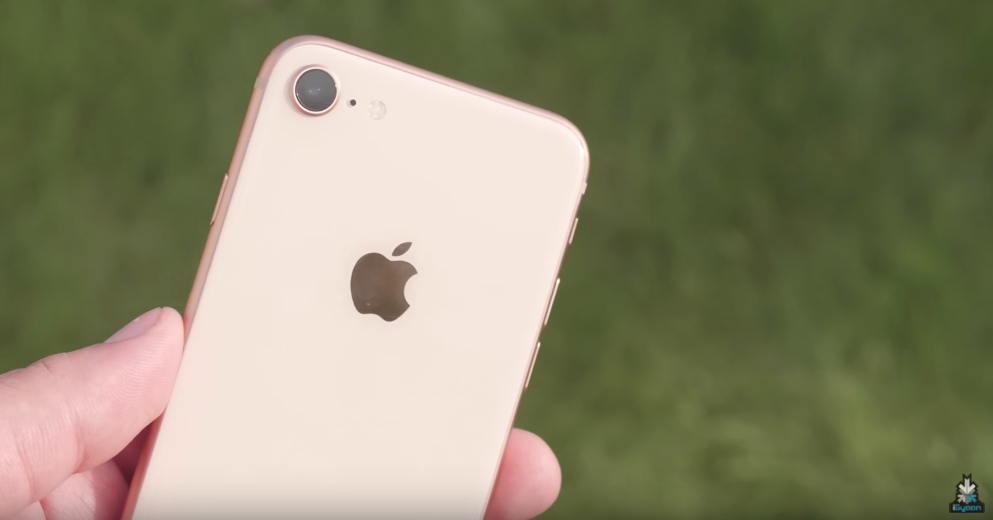
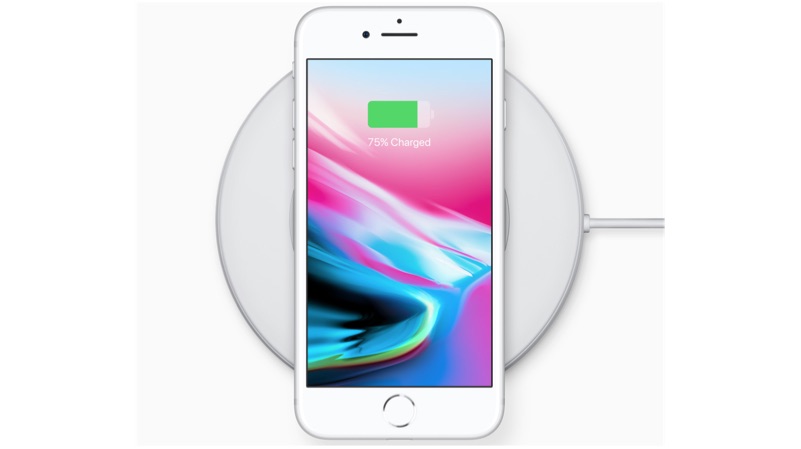
    The Apple iPhone 8 was launched on September 12. The iPhone 8 features the same display and resolution as the iPhone 7 from 2016 but, the new True Tone display feature adjusts the white balance according to the lighting for a brighter and sharper display. The iPhone 8 has the new A11 Bionic chipset under the hood and Apple’s own GPU promises great AR performance as well. The battery backup remains the same on the iPhone 8 as the iPhone 7 with an addition of wireless charging this time around.

    [section label=”Latest News”]

    Latest News

    [loop included_tags=”39866,39025″ loading=”paged” layout=”c” postsperpage=”6″disable_excerpt=”true”]

    [section label=”Videos”]

    Videos

  • Apple iPhone 8 Plus

    Apple iPhone 8 Plus

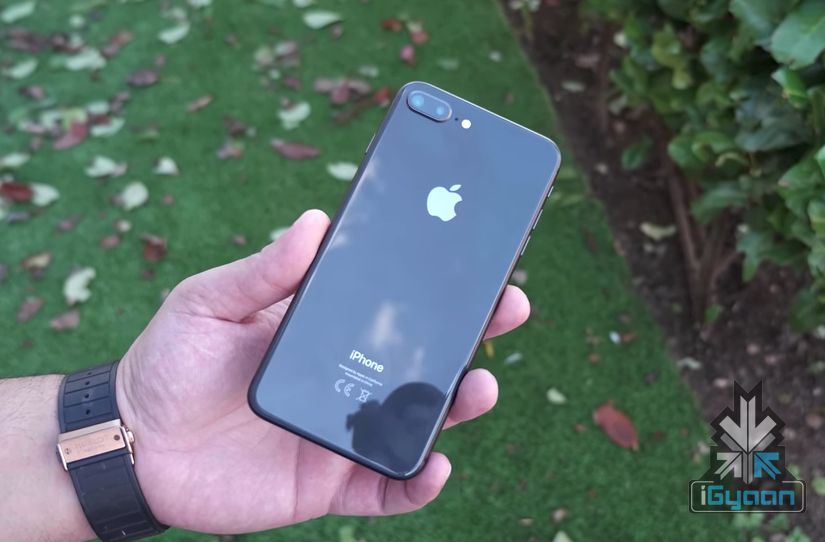
    The Apple iPhone 8 Plus was launched on September 12. The iPhone 8 Plus features the same display and resolution as the iPhone 7 Plus from 2016 but, the new True Tone display feature adjusts the white balance according to the lighting for a brighter and sharper display. The iPhone 8 Plus has the new A11 Bionic chipset under the hood and Apple’s own GPU promises great AR performance as well. The battery backup remains the same on the iPhone 8 Plus as the iPhone 7 Plus with an addition of wireless charging this time around.

    [section label=”Latest News”]

    Latest News

    [loop included_tags=”39952″ loading=”paged” layout=”c” postsperpage=”6″ disable_ads=”true” disable_excerpt=”true”]

    [section label=”Videos”]

    [embedyt] https://www.youtube.com/watch?v=i98UbeZiet0[/embedyt]

  • Apple iPhone X

    Apple iPhone X

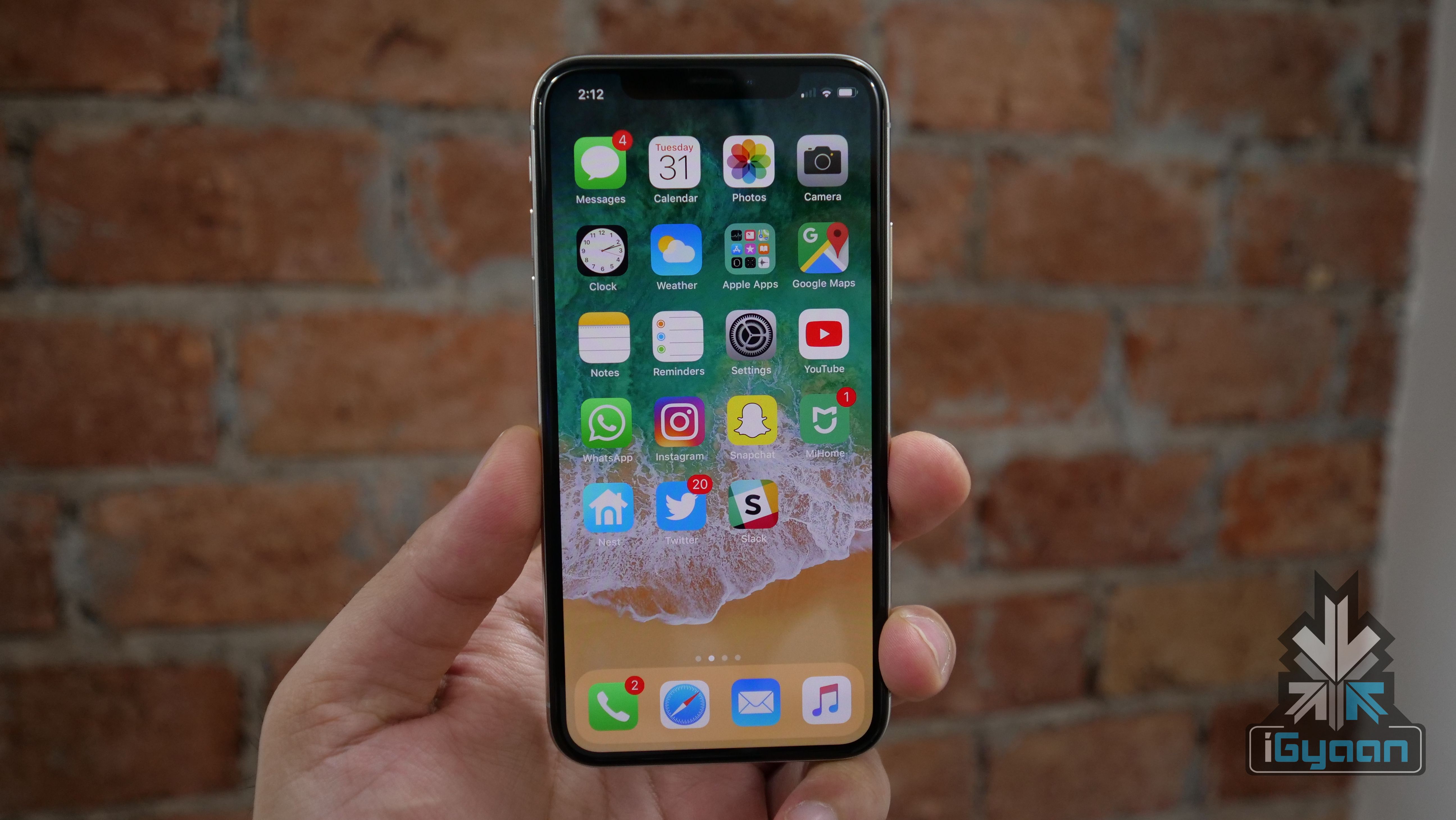
    Apple announced the iPhone X on September 12th at the annual launch event. The iPhone X features minimal bezels around the display and a notch at the top that houses the new cameras which enable FaceID. Due to the lack of bezels, there is no home button and in turn no TouchID on the iPhone X. The new A11 Bionic chipset is present under the hood that promises premium AR performance as well.

    [section label=”Latest News”]

    Latest News For Apple iPhone X

    [loop included_tags=”39491″ loading=”paged” layout=”c” postsperpage=”6″ disable_ads=”true” disable_excerpt=”true”]

    [section label=”Videos”]

  • Apple Could Partner With LG For Foldable Smartphones

    Apple Could Partner With LG For Foldable Smartphones

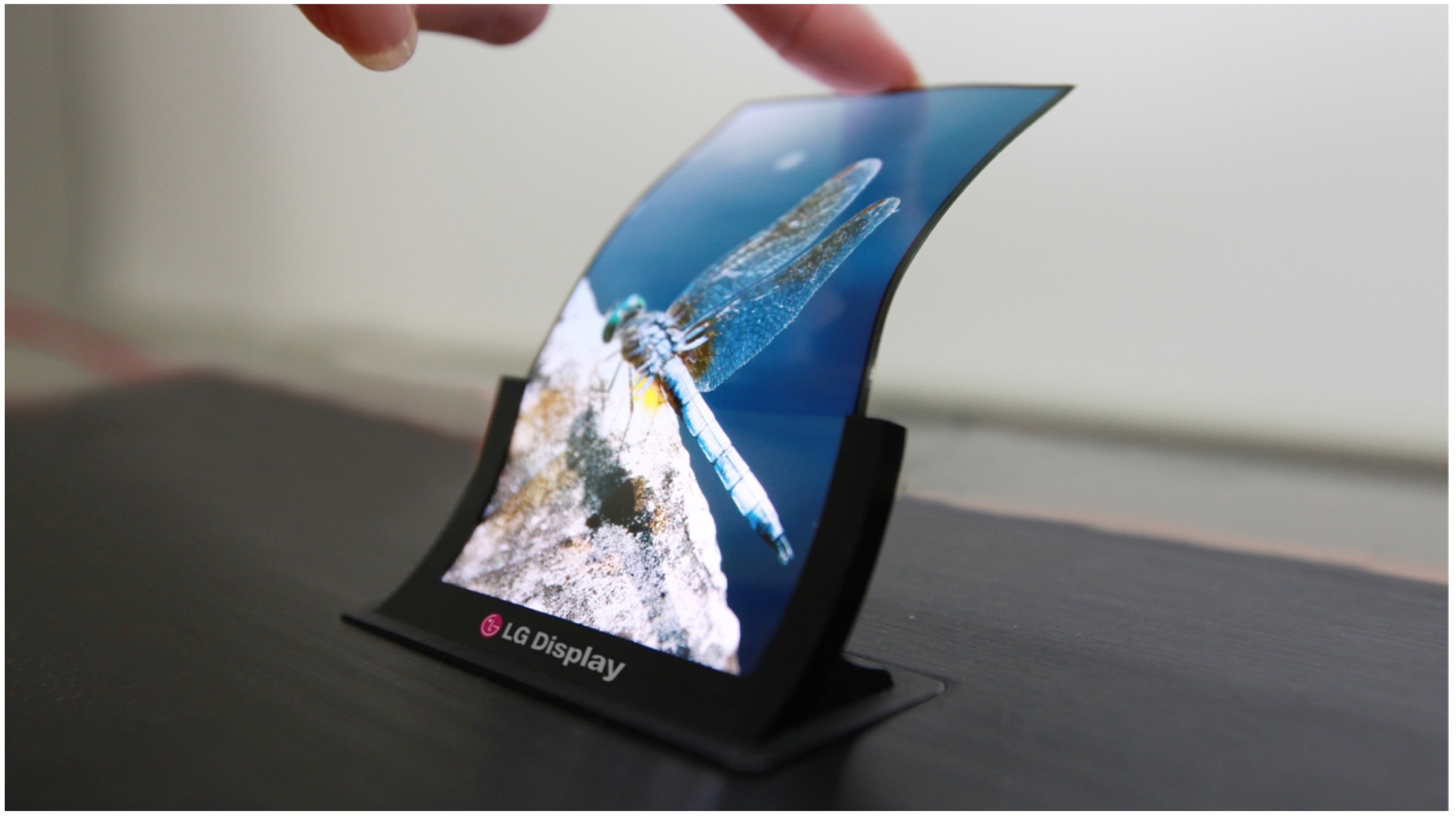
    The smartphone industry has seen a gradual slump in innovation over the past few years. Bezel-less display has been the rage of 2017 but, other than that you barely see anything new nowadays. Samsung stirred things up a little with the news of it launching a foldable Android phone in early 2018. Now, there is news that Apple might be teaming up with LG to work on a foldable smartphone.

    Samsung has been at the top of its game in the OLED market but, it hasn’t yet commercialised the flexible OLED displays. LG had also revealed a foldable display at CES and has the opportunity to take over that segment of the market and that might be the reason why Apple would choose to team up with LG. This news also falls in line with another report from July about Apple potentially investing over US$2 billion in LG’s new OLED plant.

    According to a report from The Bell (via The Investor), Apple will use flexible screens supplied by LG Display for an upcoming folding smartphone. Meanwhile, LG’s Innotek business is already said to be gearing up to produce the rigid flexible printed circuit boards, or RFPCBs, that would feature inside the phones. Apple would be seeking to release this device in 2020, which could give competitors like Samsung and LG itself a head-start.

    Samsung already seems well on its way to launch a foldable smartphone in early 2018 with the Galaxy X getting certified in Samsung’s native country, South Korea.

    All these are still speculations and as we say it always, take these rumours with a hint of scepticism.

  • This Could Trick You Into Giving Away Your Apple ID Password

    This Could Trick You Into Giving Away Your Apple ID Password

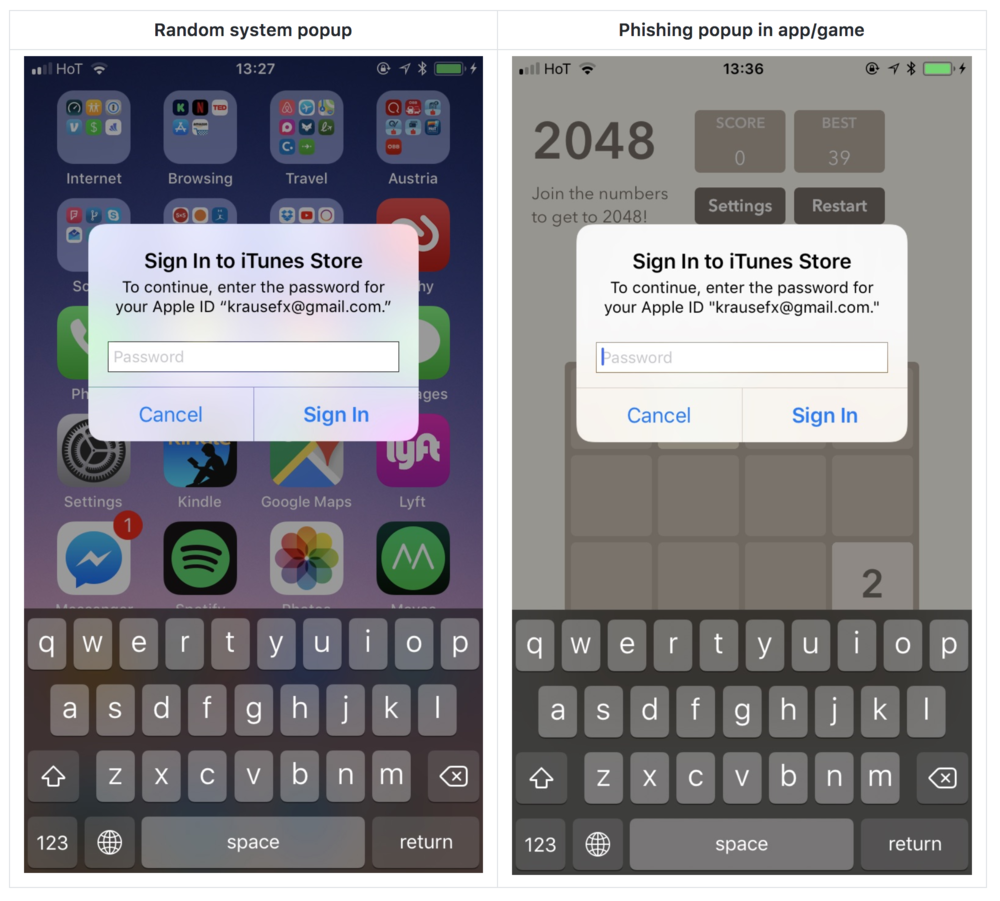
    If you are an iPhone user, you must be used to the random popup asking for your Apple ID and password because of some app running in the background. It is as normal as it gets and we barely think twice before entering the password. However, there is a new phishing attack which can trick you into giving up your password and cause serious privacy concerns.

    A blog post from developer Felix Krause explains how a fake popup could be easily used to trick someone into handing over their Apple ID and password. The developer explains that creating a fake popup doesn’t require extraordinary coding skills. Any iOS engineer can make the Apple ID password prompt and send that popup. The password can then be logged in the app for anyone to access it. It takes less than 30 lines of code and could seemingly be dropped in any legitimate iOS app and sneak past App Store review teams.

    Showing a dialog that looks just like a system popup is super easy, there is no magic or secret code involved, it’s literally the examples provided in the Apple docs, with a custom text. I decided not to open source the actual popup code, however, note that it’s less than 30 lines of code and every iOS engineer will be able to quickly build their own phishing code.

    He says he’s already filed this issue as a radar with Apple and explains that it could be fixed by Apple not allowing passwords to be entered in popups, but rather only in the Settings app/App Store. He notes in his blogs that this has been an issue with desktop browsers for years, with websites sending popups which look identical to the system popups.

    This seems like a serious issue and until Apple comes up with a solution, Krause has pointed out a few ways you can protect yourself from this phishing attack:

    Hit the home button, and see if the app quits:

    • If it closes the app, and with it the dialog, then this was a phishing attack
    • If the dialog and the app are still visible, then it’s a system dialog. The reason for that is that the system dialogs run on a different process, and not as part of any iOS app.
    • Don’t enter your credentials into a popup, instead, dismiss it, and open the Settings app manually. This is the same concept, like you should never click on links on emails, but instead open the website manually
    • If you hit the Cancel button on a dialog, the app still gets access to the content of the password field. Even after entering the first characters, the app probably already has your password.
  • The Apple iPhone 7 Was The Best-Selling Smartphone Globally In The First-Half Of 2017

    The Apple iPhone 7 Was The Best-Selling Smartphone Globally In The First-Half Of 2017

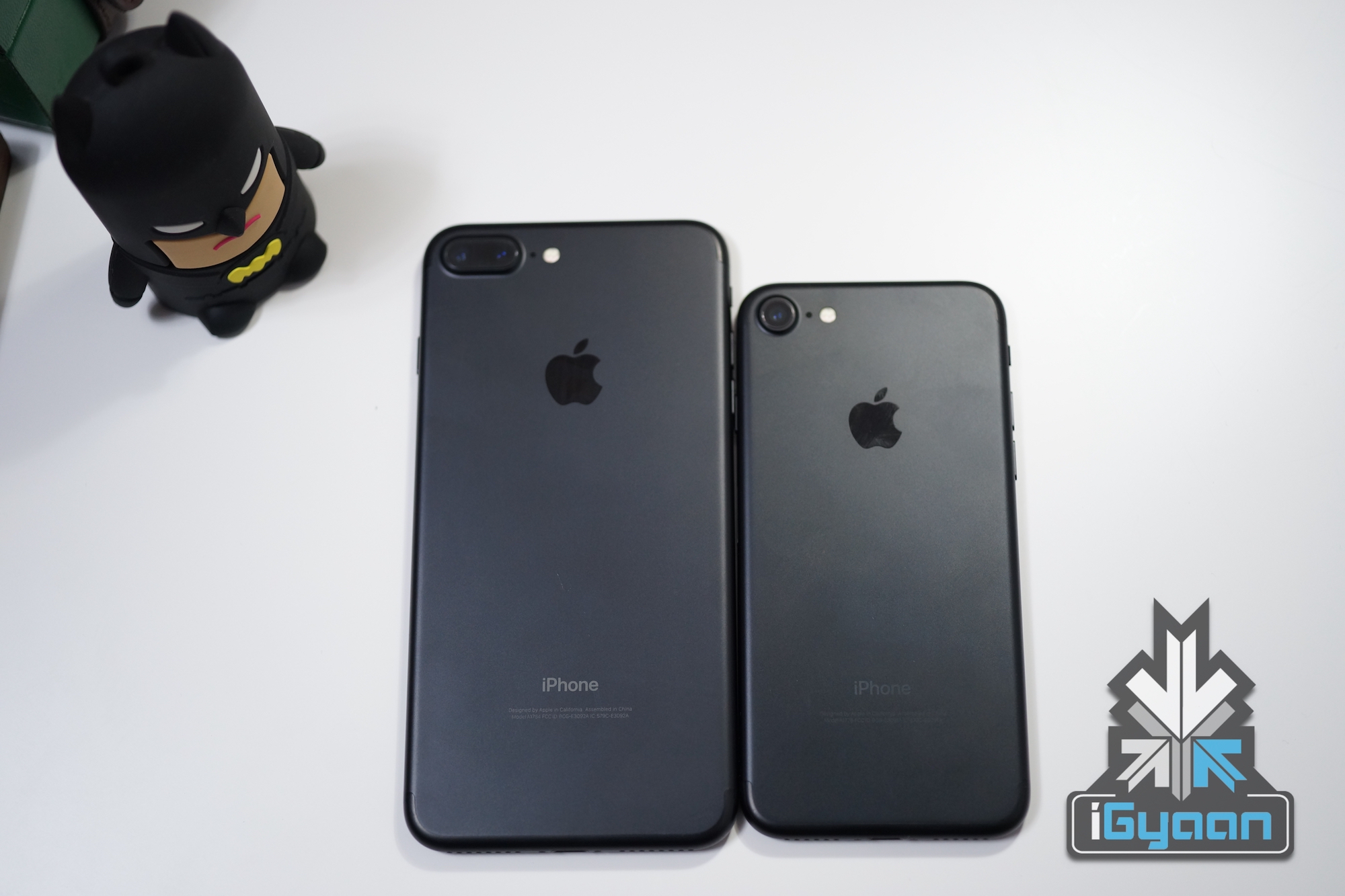
    Apple launched the iPhone 8, iPhone 8 Plus and the iPhone X on September 12th. The iPhone 8 devices went on sale in September and the iPhone X will be available to buy in November. However, it is the iPhone 7 and iPhone 7 Plus which are making the headlines for being the best-selling smartphones in the first half of 2017.

    The Apple iPhone 7 outsold all other smartphone models globally during the first six months of 2017, followed by the iPhone 7 Plus. The Samsung Galaxy Grand Prime Plus held the number three spot, followed by iPhone 6s and Galaxy S8 in in fourth and fifth places, respectively. Galaxy S8 Plus was the number six best seller, with slightly less volume than the Galaxy S8.

    The report notes that the 4.7 inch variant of the iPhone continued to be the best seller in first half of three consecutive years beginning in 2015. However, their market share continues to fall, dropping from 10 percent in 2015 to 7 percent in 2016, and 5 percent in 2017. Although the latest iPhone models secured top positions, shipment volume declined compared to their respective predecessor models, the iPhone 6s and 6s Plus, during the same period in 2016.

    Five Samsung phones, four Apple phones, and one Oppo smartphone ranked in the top 10 most-shipped smartphones in the first half of 2017.

    The number of smartphones with more than a million shipments in the first half of the year also increased to 22 from 17 in 2016.

    This is a direct result of smartphone OEM efforts to select and concentrate in order to improve product portfolios and increase profitability. In addition, more Chinese OEMs are selling their smartphone models outside of China, which intensifies competition and generates more globally popular models.

    The report further delves into the numbers and states that out of 22 smartphones with over a million shipments a month 8 were from Chinese OEMs. Out of the eight, five were from Oppo, two from Xiaomi and one from Huawei.

    The first half of 2018 will be an interesting battle with Apple having three new iPhones in the market with the iPhone X being the clear-cut consumer favourite due to the new design. Samsung’s Galaxy S9 and S9+ will also be launched in early 2018 and will be the only Android phones in the market with the Snapdragon 845 chipset under the hood.


  • Apple iPad Pro Could Get FaceID Next Year

    Apple iPad Pro Could Get FaceID Next Year

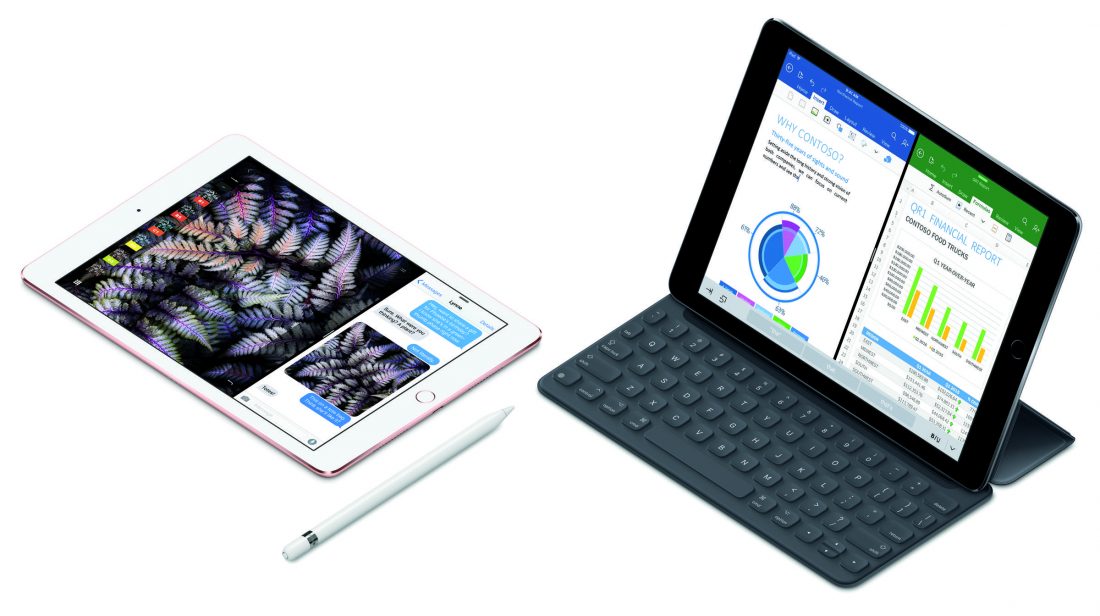
    After unveiling the iPhone X with FaceID, there are reports that the new iPad Pro will have the facial recognition system as well. The frequently reliable KGI Securities analyst Ming-Chi Kuo has issued a note predicting that iPad Pro models released next year will include depth-sensing cameras and Apple’s Face ID tech.

    As of now, there is no more information on the subject yet. As always, these rumours need to be taken with a pinch of scepticism as the iPhone X isn’t released yet and Apple has no idea how the consumers will respond to the security system especially since it replaced the beloved TouchID.

    The note however, states that the TrueDepth camera could only be offered on the iPad Pro models and not the cheaper priced models. This makes sense as the 10.5-inch and 12.9-inch iPad Pro models are the flagships in the iPad lineup and Apple already uses Apple Pencil and Smart Connector as differentiators. Another interesting development will be Apple’s decision as to where to place the cameras and the placement of the home button. The existing frame around the display on the iPad Pro is sufficient to have both the TrueDepth cameras and the home button. KGI notes that part of the goal is unifying the user experience between iPads and the iPhone X.

    The report also notes that TrueDepth camera being available on both the iPhone and iPad will increase developer adoption. Touch ID automatically switches to Face ID in apps, but the new camera enables new depth features as well.

    Again, all 0f this is far from fruition right now as the iPhone X is yet to be launched. Only once the smartphone is available to the consumers and they start using FaceID as the daily security system is when we will know whether this innovation will be carried on to other Apple products or not.

  • Video Of The iPhone X Out In The Real World Surfaces Online

    Video Of The iPhone X Out In The Real World Surfaces Online

    The iPhone X was unveiled on September 12th to much fanfare. The marquee iPhone of 2017, the iPhone X will be launched on November 3rd in India will be priced at Rs 89000 for the 64GB variant. Although the launch is a month away, a video has surfaced online showing off the iPhone X in all its glory. The short clip doesn’t show off anything particularly notable like animoji or the infamous FaceID fail but, it does give us a good look at the iPhoneX’s edge-to-edge screen.

    You can watch the video here.

    The phone appears to be on AT&T’s network and the Redditor who posted the video claims it was recorded in San Jose. If you don’t know much about the American geography, San Jose isn’t too far away from Apple’s HQ in Cupertino.

    You may also like : Apple iPhone X Vs The Competition

    In the video, you can see that the person holding the phone is rotating it in his hands showing off the front and back of the iPhone X. A shaking padlock appears to signal that FaceID is locking him out and someone else owns the device, most likely an Apple employee with early access to the iPhone X. Looks like FaceID is secure after all? A lot of commenters on the thread claim to have seen the iPhone X out and about in the Bay Area and it in’t surprising that someone finally caught one on video.

    The iPhone X will go on sale on November 3rd in major countries including India and there are reports that the smartphone will be available in limited quantities up until 2018 due to manufacturing delays. Priced at Rs 89000 for the 64GB variant, the iPhone X is poised to be the most expensive iPhone in the Indian market when it launches.

  • Apple Is Looking Into The Swollen iPhone 8 Battery Issues

    Apple Is Looking Into The Swollen iPhone 8 Battery Issues

    It seems like Apple has its hands full at the moment as more reports emerge of the iPhone 8 battery swelling. What isn’t clear at the point is whether this is happening in handful of devices or a larger batch.

    Since late September, there have been reports of the iPhone 8 batteries swelling and causing the phone to split up. What appears to be happening is that the battery inside the phone is swelling, bending the front of the phone and separating it from the body of the device. A silver lining here is that there are no reports of a fire yet.

    Apple has released a concise statement acknowledging the issue:

    We are aware and looking into it.

    Considering the larger picture, there appears to be only six or so cases so far. This is a very small number compared to the millions of iPhone 8’s Apple must have presumably sold so far. The first report came out of Taiwan, where a woman is said to have found her iPhone swollen after plugging it in for charging. Then, someone in Japan posted photos of a split-apart iPhone 8 on Twitter. And in the days since, there have been cases in China, Canada, and Greece.

    A couple of years ago, this would not have mattered too much but, since the Samsung Galaxy Note7 battery issues, there is a cause of concern here. Reports in the coming days and Apple’s investigation will make it clear as to what the real issue is here but, as of now, the number of issues compared to the phones sold is too less for you as a consumer to be worried.

  • Google Pixel 2 XL Vs The Competition

    Google Pixel 2 XL Vs The Competition

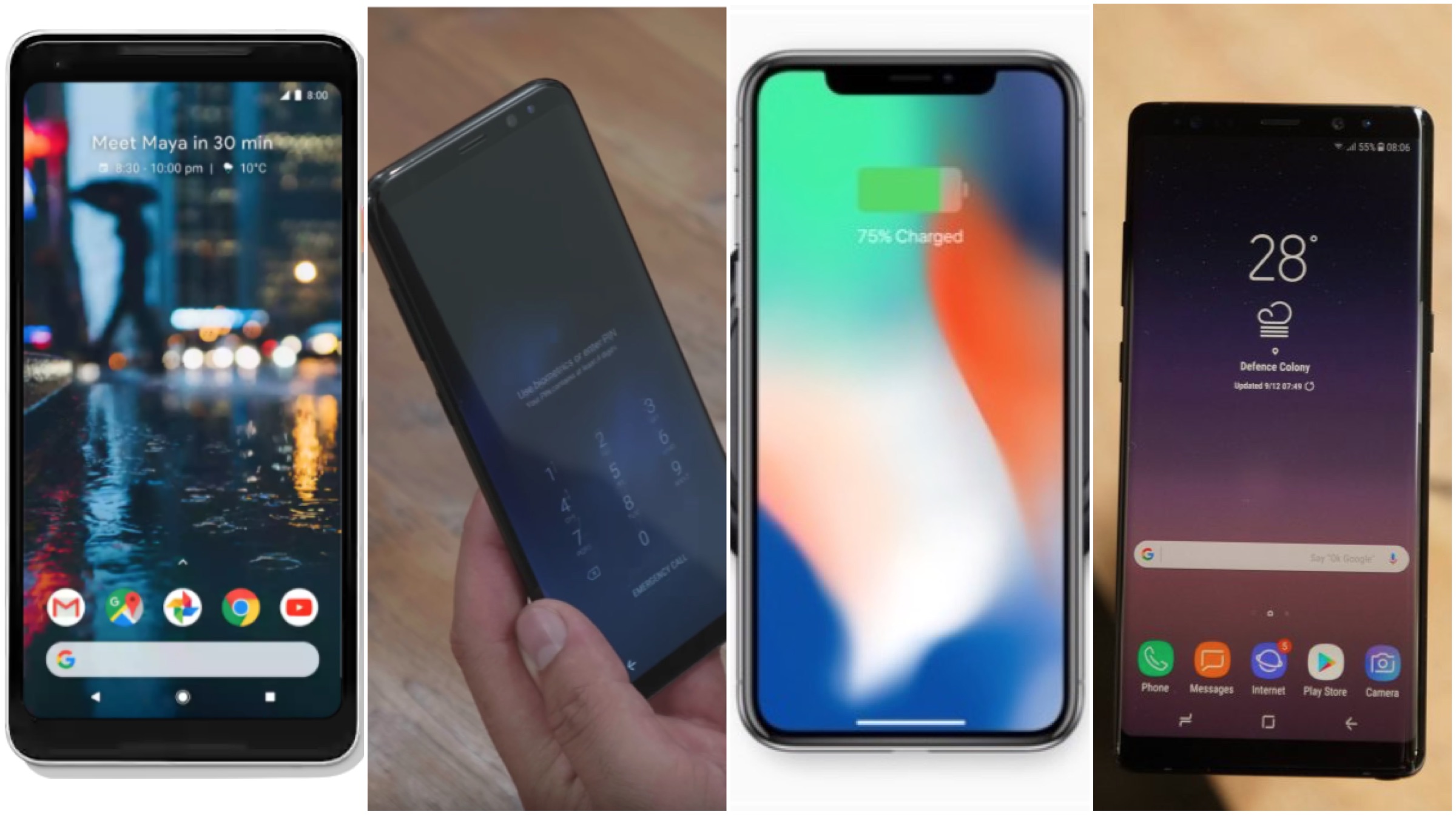
    The Google Pixel 2 was launched on October 4th as the marquee Pixel device for 2017. It strays away a little from the thick bezels that the Pixel 2 has but, still incorporates the front-firing speakers in relatively thinner bezels. Just like the Pixel 2, there is a tight integration with Google Assistant in Google’s attempt to harmonise AI, software and hardware. So, how does the bigger Google flagship stack up against the competition? let’s find out:

    Google Pixel 2 XL
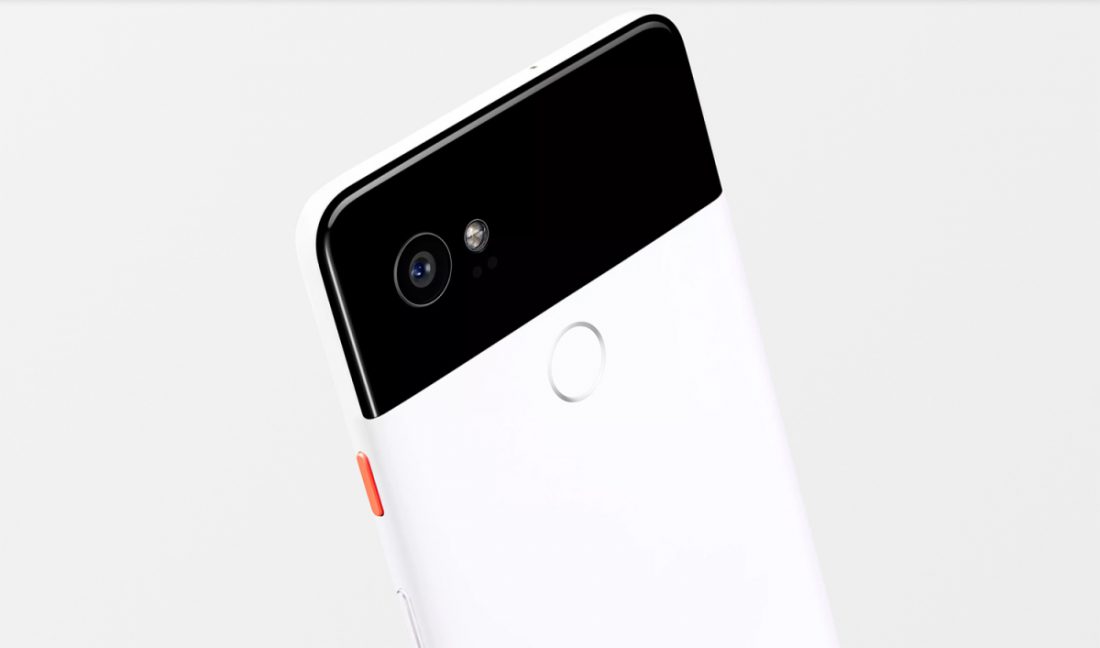
    The smartphone has a 6 inch 2880 x 1440 px POLED display which translates into an 18:9 aspect ratio. Protecting the display is Corning Gorilla Glass 5. Just like the Pixel 2, the device runs Android 8.0 Oreo out of the box and will receive the Android P update in 2018. Powering the device is a 3520 mAh battery which is larger than the one found in the Pixel 2. Under the hood, the Pixel 2 XL has the Qualcomm Snapdragon 835 chipset, 2.4GHz octa core processor, Adreno 540, 4GB RAM and 64GB/128GB onboard storage. The fingerprint sensor sits at the back of the device but, this time around the “glass window” is smaller.

    On the camera front, Google has decided to go for a single camera setup similar to last year’s Pixel phones. The rear-facing camera is a 12.2 MP sensor with an f/1.8 aperture and 1.4 micron pixel size. On the front is an 8MP camera with an f/2.4 aperture. Google has introduced new features in the camera department like the addition of AR. Google says Pixel 2 XL has greater high dynamic range, optical image stabilisation, and a portrait mode that doesn’t use a second camera but dual-sensor image technology. The Pixel 2 XL uses both OIS and EIS simultaneously for better clarity and stable images and videos.

    Samsung Galaxy S8+
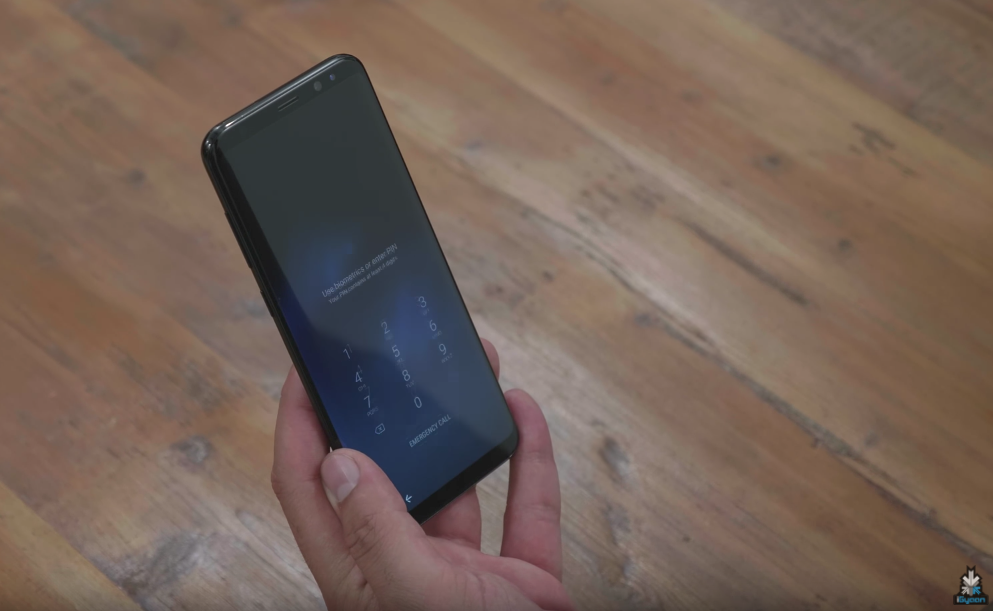
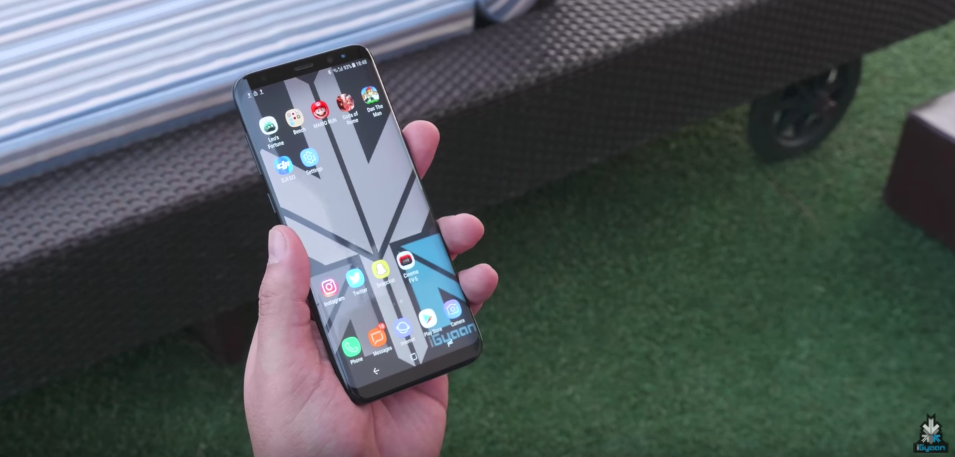
    The Samsung Galaxy S8+ has a 6.2 inch 2960×1440 px Super AMOLED display with a 570ppi. Powering the device is a 3000 mAh battery and it runs Android 7.1 Nougat out of the box. Under the hood, the smartphone has Exynos 8895 chipset, 64GB or 128GB onboard storage options which is expandable up to 256GB via microSD card and 4GB RAM or 6GB RAM variants. The Galaxy S8+ is also water and dust resistant. The Galaxy S8 has a glass  black which means it is wireless charging compatible. The smartphone has an awkwardly placed fingerprint sensor right next to the camera.

    For cameras, both phones get a main Dual Pixel 12MP OIS (F1.7), Front: 8MP AF (F1.7). While the battery on the Galaxy S8 is 3000 man, the S8plus has a 3500 mAh battery. Both support fast charging and wireless charging as well.

    Apple iPhone X
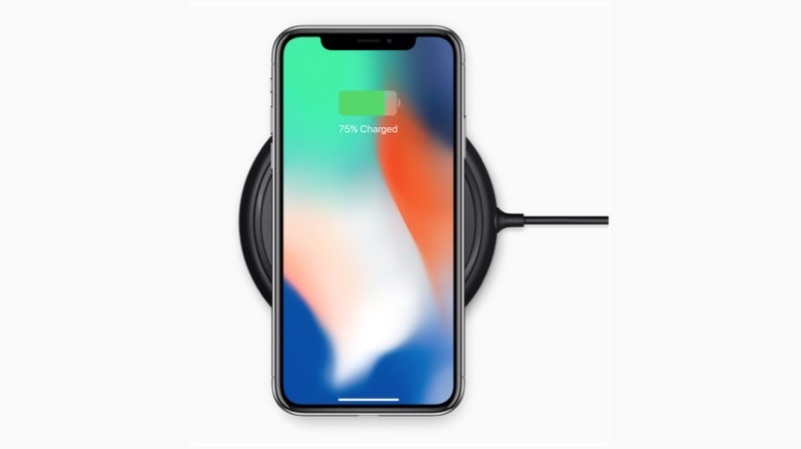
    The iPhone X has a 5.8-inch 2436 x 1125 px OLED True Tone Super Retina display with minimal bezels around it. The phone runs iOS 11 and is powered by a 3,000 mAh battery which charges through the Apple signature lightning port placed at the bottom of the phone. Because of the all-glass design, the iPhone 8 also has wireless charging. Under the hood, the smartphone has the Apple A11 Bionic chipset with a neural engine, a hexacore processor, 3GB of RAM and storage options of 64GB, and 256GB. Apple has also gotten rid of TouchID and replaced it with facial recognition called FaceID which Apple claims has a security breach chances of 1 in a million.

    On the optics front, the iPhone X has dual 12-megapixel rear cameras, and it’s equipped with dual optical image stabilization. The main camera is equipped with a wide angle lens and has an f/1.8 aperture while the secondary telephoto lens has an f/2.4 aperture.

    Samsung Galaxy Note8
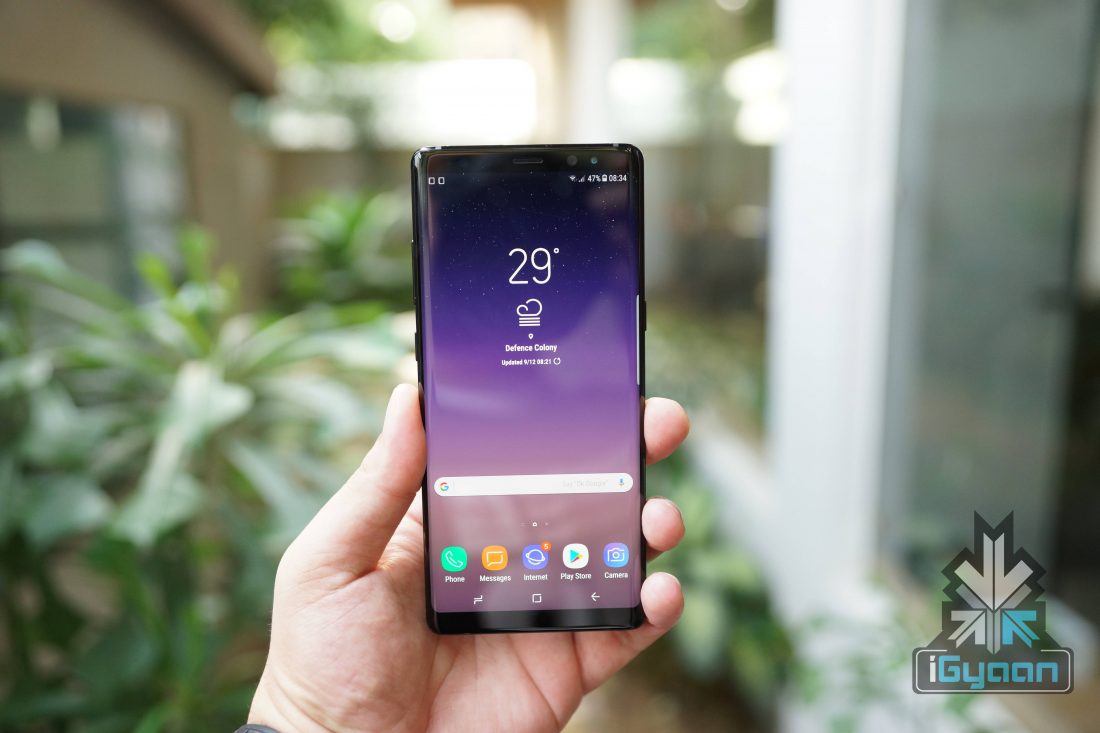
    The Galaxy Note8 has a 6.3 inch 2960 x 1440 px Super AMOLED display with an 18.5:9 aspect ratio, which is the same aspect ratio found on the Galaxy S8 and S8+. Powering the device is a 3300 mAh battery which is smaller than the 3500 mAh battery found on the Galaxy Note7 with wireless charging capabilities, and runs Android Nougat 7.1.1 with Samsung’s custom skin on top. The device has the Exynos 8895 chipset, 2.3GHz Quad-Core (Custom CPU) + 1.7GHz Quad-Core (Cortex-A53) processor, 6GB of RAM and 128GB onboard storage, which is expandable up to 256GB via microSD card. The graphics are handled by the Mali-G71 MP20 GPU.

    The new Note8 has a 12MP dual-camera setup, one of which has a wide lens and the other a telephoto. The telephoto lens allows a user to zoom in losslessly for an up to 2x magnification. The use of dual camera allows for the ability to blur out the background for professional looking bokeh effect shots, something that seems to be common in smartphones in 2017. The Galaxy Note8, Samsung claims, is the first smartphone to feature OIS in both the cameras at the back.

    Specifications Google Pixel 2 XL Samsung Galaxy S8+ Apple iPhone X Samsung Galaxy Note8
    Price Rs 73000 for the 64GB variant Rs 64900 for the 64GB variant

    Rs 89000 for the 64GB variant Rs 67900

    Display Size and Type 6 inch POLED display 6.2 inch Super AMOLED 5.8 inch Super Retina Display 6.3 inch Super AMOLED
    Display Resolution 2880 x 1440 px 2960 x 1440 px 2436 x 1125 px OLED True Tone 2960 x 1440 px
    Dimension 157.9 x 76.7 x 7.9 mm 159.5 x 73.4 x 8.1 mm 143.6 x 70.9 x 7.7 mm 162.5 x 74.8 x 8.6 mm
    Weight 175 grams 173 grams 174 grams 195 grams
    Chipset Qualcomm Snapdragon 835 Exynos 8895 A11 Bionic Chipset Exynos 8895
    Processor 2.4GHz
    8x Qualcomm Kryo 280
    Octa core (2.3GHz Quad + 1.7GHz Quad), 64 bit, 10 nm process Hexacore processor with 2 high performing and 4 low cores Octa core (2.3GHz Quad + 1.7GHz Quad), 64 bit, 10 nm process
    RAM 4GB 4GB or 6GB 3GB 6GB
    Storage 64GB

    128GB

    64GB

    128GB

    64GB

    256GB

    64GB
    Storage Expandability No Yes up to 256GB No Yes up to 256GB
    Primary Camera 12.2MP with an f/1.8 aperture

    Dual pixel technology

    Dual Pixel 12MP with an f/1.7 aperture 12MP wide-angle and telephoto cameras
    Wide-angle: ƒ/1.8 aperture
    Telephoto: ƒ/2.4 aperture
    Dual 12MP camera
    Wide-angle: ƒ/1.7 aperture
    Telephoto: ƒ/2.4 aperture
    Primary Camera Features Simultaneous OIS and EISPortrait mode OIS

    PDAF

    Portrait mode
    Portrait Lighting (beta)
    Dual optical image stabilization
    Six?element lens
    Quad-LED True Tone flash with Slow Sync
    PDAF
    2X lossless optical zoom
    Bokeh Effect
    Dual OIS
    Secondary Camera 8MP with an f/2.4 aperture 8MP AF (F1.7) 7MP camera
    f/2.2 aperture
    8MP with an f/1.7 aperture
    Colours  Black and White, All Black Midnight Black, Maple Gold, Orchid Grey  Space Gray, Silver Midnight Black, Maple Gold


  • Google Pixel 2 Vs The Competition

    Google Pixel 2 Vs The Competition

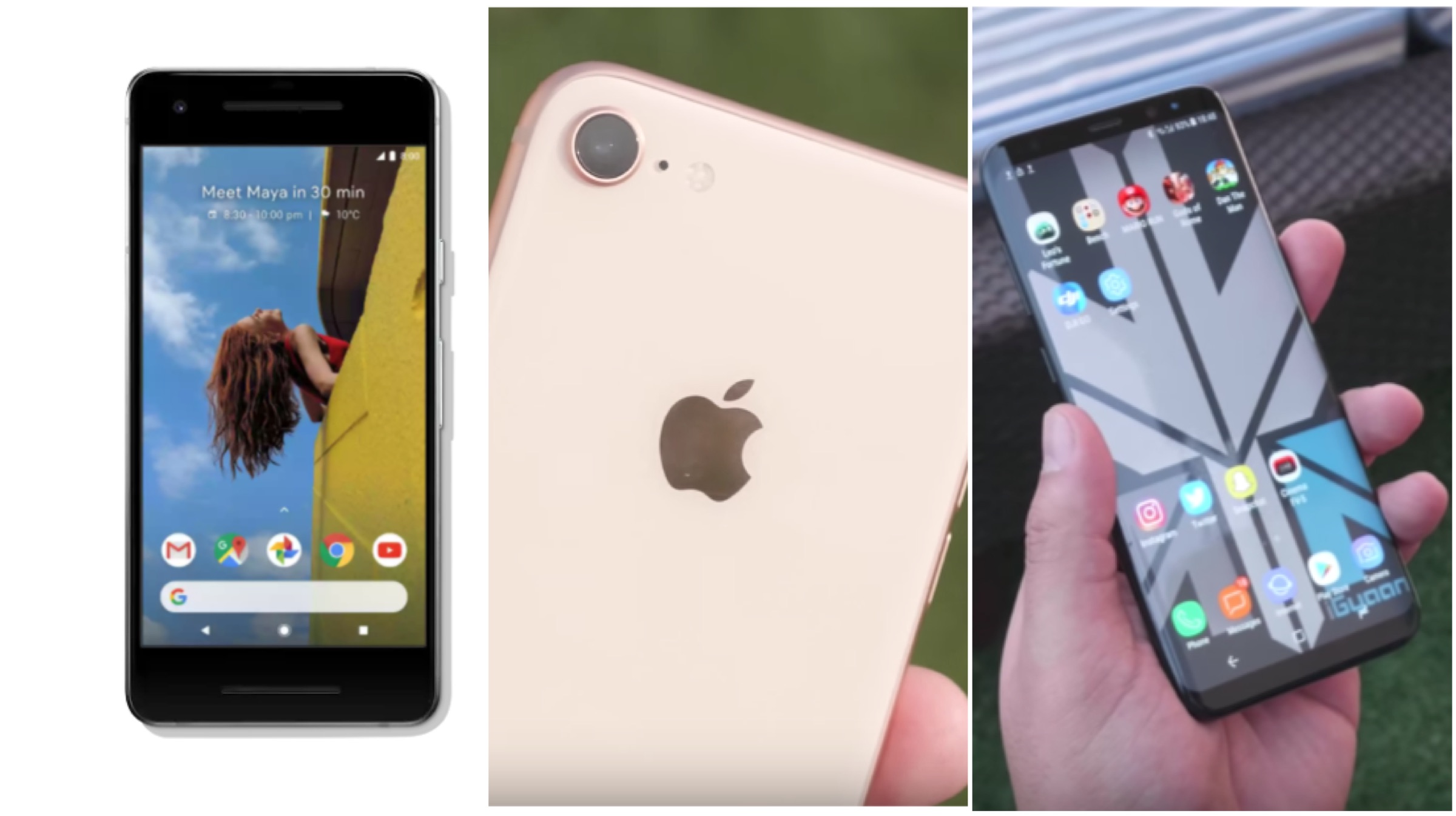
    On October 4th, Google announced the next iteration of its Android smartphones, the Pixel 2 and Pixel 2 XL. Smaller of the two siblings, the Pixel 2 has a tight integration with Google Assistant. With the Google Pixel 2 arriving in India on November 1st, let’s take a look at how it stacks up against the competition.

    Google Pixel 2

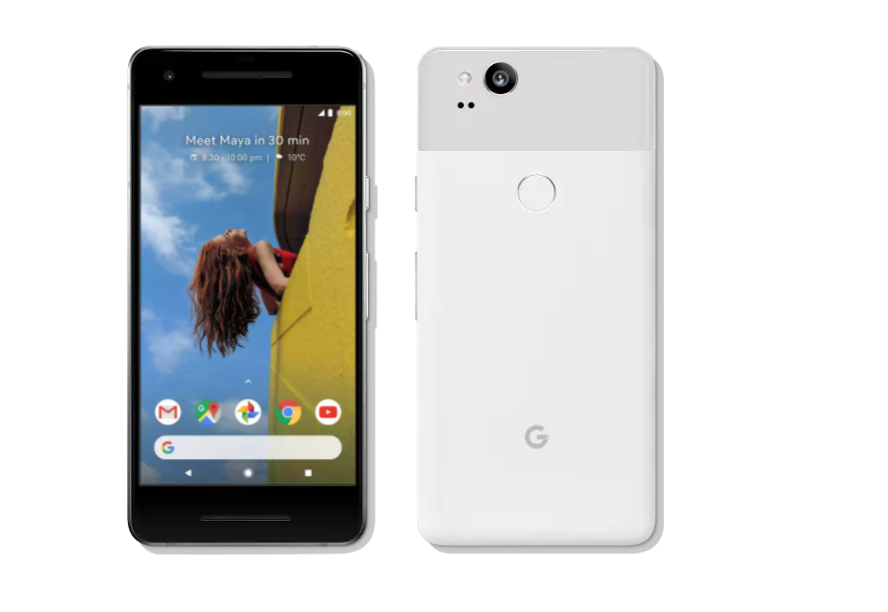
    The Google Pixel 2 has a 5 inch 1920 x 1080 px OLED display with Corning Gorilla Glass 5 on top for protection. Powering the device is a 2700 mAh battery and it runs Android 8.0 Oreo out of the box. As is with with every Google phone, the new Pixel 2 will be first in line to receive Android P update in 2018. Under the hood, the device has typical 2017 flagship specifications. It has the Qualcomm Snapdragon 835 chipset, 2.4GHz octa core processor, Adreno 540, 4GB RAM and 64GB/128GB onboard storage. The fingerprint sensor sits at the back of the device but, this time around the “glass window” is smaller. The two-tone colour of the phone is also reminiscent of the original Pixel from 2016. Google claims that the fingerprint sensor is the fastest on a smartphone. The Pixel 2 is water resistant as well.

    On the camera front, Google has decided to go for a single camera setup similar to last year’s Pixel phones. The rear-facing camera is a 12.2 MP sensor with an f/1.8 aperture and 1.4 micron pixel size. On the front is an 8MP camera with an f/2.4 aperture. Google has introduced new features in the camera department like the addition of AR. The Pixel 2 XL uses both OIS and EIS simultaneously for better clarity and stable images and videos. The portrait mode works on both rear and font facing cameras, just like the new iPhones.

    Samsung Galaxy S8

    The Samsung Galaxy S8 has a 5.8” 2960×1440 px Super AMOLED display with a 570ppi. Powering the device is a 3000 mAh battery and it runs Android 7.1 Nougat out of the box. Under the hood, both the smartphone has Exynos 8895 chipset, 64GB onboard storage options which is expandable up to 256GB via microSD card and 4GB RAM. The Galaxy S8 is also water and dust resistant. The Galaxy S8 has a glass  black which means it is wireless charging compatible. The smartphone has an awkwardly placed fingerprint sensor right next to the camera.

    For cameras, both phones get a main Dual Pixel 12MP OIS (F1.7), Front: 8MP AF (F1.7). While the battery on the Galaxy S8 is 3000 man, the S8plus has a 3500 mAh battery. Both support fast charging and wireless charging as well.

    Apple iPhone 8

    The Apple iPhone 8 has a 4.7 inch 1334 x 750 px IPS LCD True Tone display. Under the hood, the iPhone 8 has the A11 Bionic chipset with a hexacore processor and the new Apple GPU. Because of the glass back, the iPhone 8 is now wireless charging capable. The iPhone 8 runs iOS 11 and the battery of the iPhone 8 is identical to the iPhone 7. The iPhone 8 is available in two storage variants, 64GB and 256GB.

    On the camera front, there’s a 12-megapixel sensor on the iPhone 8 that is larger, faster and has optical image stabilisation. The iPhone 8 Plus also has new 12 MP sensors. The main camera is equipped with a wide angle lens and has an f/1.8 aperture while the secondary telephoto lens has an f/2.8 aperture. The dual cameras on the iPhone 8 Plus also have a new “Portrait Lighting” feature to adjust the lighting for portrait shots.


    Specifications Google Pixel 2 Samsung Galaxy S8 Apple iPhone 8
    Price Rs 61000 for 64GB variant Rs 55900

    Rs 59,999 for 64GB variant

    Display size and type 5 inch OLED 5.8 inch Super AMOLED 4.7 inch IPS LCD True Tone Display
    Display resolution 1920 x 1080 px 2960 x 1440 px 1334 x 750 px
    Dimensions 145.7 x 69.7 x 7.8 mm 148.9 x 68.1 x 8.0 mm 138.4 x 67.3 x 7.3 mm
    Weight 143 grams 155 grams 148 grams
    Chipset Qualcomm Snapdragon 835 Exynos 8895 A11 Bionic Chipset
    Processor 2.4GHz
    8x Qualcomm Kryo 280
    Octa core (2.3GHz Quad + 1.7GHz Quad), 64 bit, 10 nm process Hexacore processor
    RAM 4GB 4GB 3GB
    Storage 64GB

    128GB

    64GB 64GB

    256GB

    Storage Expandability No Yes

    Up to 256GB

    No
    Primary Camera 12.2MP with an f/1.8 aperture

    Dual pixel technology

    Dual Pixel 12MP with an f/1.7 aperture 12MP with an f/1.8 aperture
    Primary Camera Features Simultaneous OIS and EIS

    Portrait mode

    OIS and EIS

    PDAF

    OIS

    Six element lens

    Secondary Camera 8MP with an f/2.4 aperture

    Portrait mode

    8MP AF (F1.7) 7MP camera
    f/2.2 aperture
    Colours White, Blue, Black Midnight Black, Maple Gold, Orchid Grey Gold, Silver, Space Gray
  • Samsung May Not Feel All that Bad If The iPhone X Is A Success

    Samsung May Not Feel All that Bad If The iPhone X Is A Success

    Samsung and Apple may be rivals in the smartphone domain but, Samsung has always manufactures key components of the iPhone including the displays. And it looks like with the iPhone X, Samsung is poised to make a lot of money. Studying the costs of the components Samsung has made for the iPhone X, it reveals that the South Korean tech giant will earn about US$110 for every iPhone X sold.

    A market research study conducted for the Wall Street Journal says that Samsung also makes batteries and capacitors for the flagship iPhone X. The highest-profile Samsung component in the iPhone X is also the most expensive, the new OLED screen. This is a custom-made display built to Apple’s specifications. The analysis reports states:

    Samsung is likely to earn about $4 billion more in revenue making parts for the iPhone X than from the parts it makes for its own flagship Galaxy S8 handset. Counterpoint expects Apple will sell 130 million iPhone X units, earning Samsung $110 on each through the summer of 2019, while Galaxy S8’s global sales are expected to be 50 million, earning Samsung $202 each from components such as displays and chips in its first 20 months of sales.

    You may also like : iPhone X Vs The Competition

    The analysis, even though notes the irony is not a fair comparison. The research notes the profit Samsung’s component division makes for the Galaxy S8 but, not the mobile division makes for Galaxy S8 sold. Samsung obviously makes more money by selling its own smartphone because it makes more components for it but, since the iPhone X is expected to sell in far higher volumes, the total value of component sales will be higher for the iPhone. A report by investment bank CLSA estimated that Apple’s component orders make up more than a third of Samsung’s revenue. Oh, the irony.

  • Apple’s A11 Chipset Way Ahead Of Its Competition – Geekbench Founder

    Apple’s A11 Chipset Way Ahead Of Its Competition – Geekbench Founder

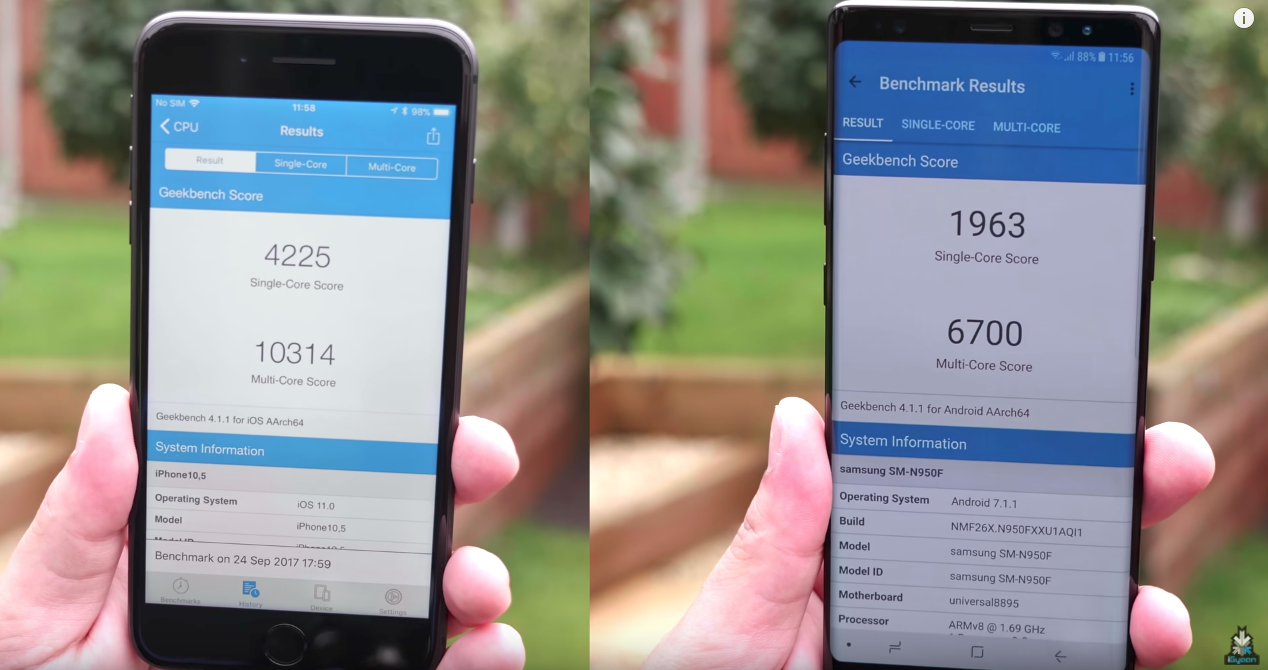
    Qualcomm Snapdragon 835 chipset was the incremental update to 2016’s Snapdragon 821 chipset and has largely been excellent in performance. Smartphones like the Samsung Galaxy Note8, OnePlus 5 and Galaxy S8/S8+ have the latest flagship chipset and their performance has been top-notch. On September 12th 2017, Apple announced its three new iPhones and talked a lot about the new chipset inside the iPhones, the A11 Bionic chipset. The first ever chipset from Apple that has six cores, but, still less than the eight cores found in the Snapdragon 835. The iPhone 8 was launched and the customary benchmark tests were performed in which the A11 chipset blew the Snapdragon 835 out of the park on multi-core results.

    Founder of Geekbench John Poole, a popular CPU testing portal in a recent interview said:

    At this point, you’ve got desktop-class performance in a handset. There’s no way of looking at it any other way. I wouldn’t have thought to use my first-generation iPhone to edit video. I would’ve thought you were crazy. Everybody looks at the A11 scores and they go, ‘Holy crap, this is . . . what does this mean? Are these even comparable? The thing that I don’t fully understand is why performance has seemed to stagnate on the Android side. Where you don’t see these big leaps forward. I don’t understand what’s happening there.

    The disparity of scored between the Snapdragon 835 and A11 Bionic is astonishing, considering the A11 has six cores while its counterpart has eight cores. So much is the dominance of the A11 chip that the benchmark results are close to that of a MacBook.

  • Apple Might Revert To LCD Displays For The iPhone 9

    Apple Might Revert To LCD Displays For The iPhone 9

    The yet to be released iPhone X was met with great response after it was announced that it will finally sport an OLED display. Apple has been using LCD panels for its iPhones for the longest time and the need for a display with more vibrant colours and deeper blacks was on the rise. Apple satiated those needs with the iPhone X but, it looks like the dream of an OLED display on all iPhones will be short-lived. The Wall Street Journal has reported that Apple is interested in buying LCD display panels from a Japanese manufacturer, Japan Display. But, the LCD panels won’t be any ordinary LCD panels, in fact these LCD displays are called Full Active and are expected to make up 70% of Apple’s display orders for its next lineup of iPhones which will launch in September 2018.

    Full Active LCD screens apparently make it easy for smartphone manufacturers to make edge-to-edge phones even more compact. As compared to OLED screens, Full Active LCD screens are only 0.5mm thick (or thin), or half the thickness of OLED screens. Apple’s desire to switch Full Active LCD screen suggests that the Cupertino-based tech giant is on the move to make its smartphones even more bezel-less than the iPhone X. It may also be a case of Apple sticking to LCD screens for its non-marquee smartphones. This also makes sense as LCD screens are cheaper to produce than OLED displays.

    The fact that the iPhone X doesn’t come out till November is enough for us to believe that its preliminary to hear things about the 2018 iPhone. It is more than possible that Apple is bulk-ordering these screens for its budget-tier iPhones like the iPhone SE.

iGyaan Network
Privacy Overview

This website uses cookies so that we can provide you with the best user experience possible. Cookie information is stored in your browser and performs functions such as recognising you when you return to our website and helping our team to understand which sections of the website you find most interesting and useful.