Category: Apple

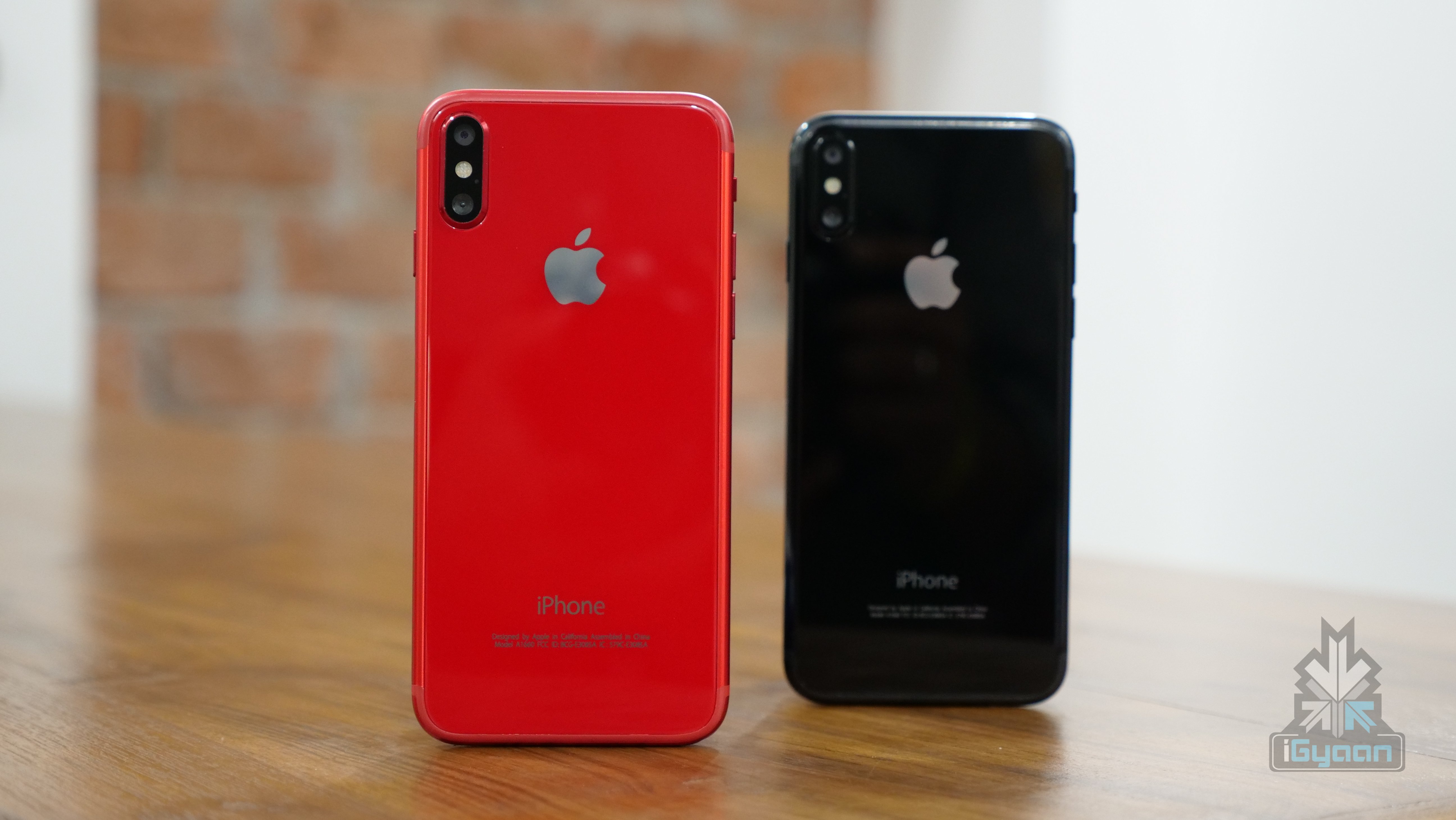
  • Apple iPhone 7s And 7s Plus May Be Thicker With Glass Backs And Wireless Charging

    Apple iPhone 7s And 7s Plus May Be Thicker With Glass Backs And Wireless Charging

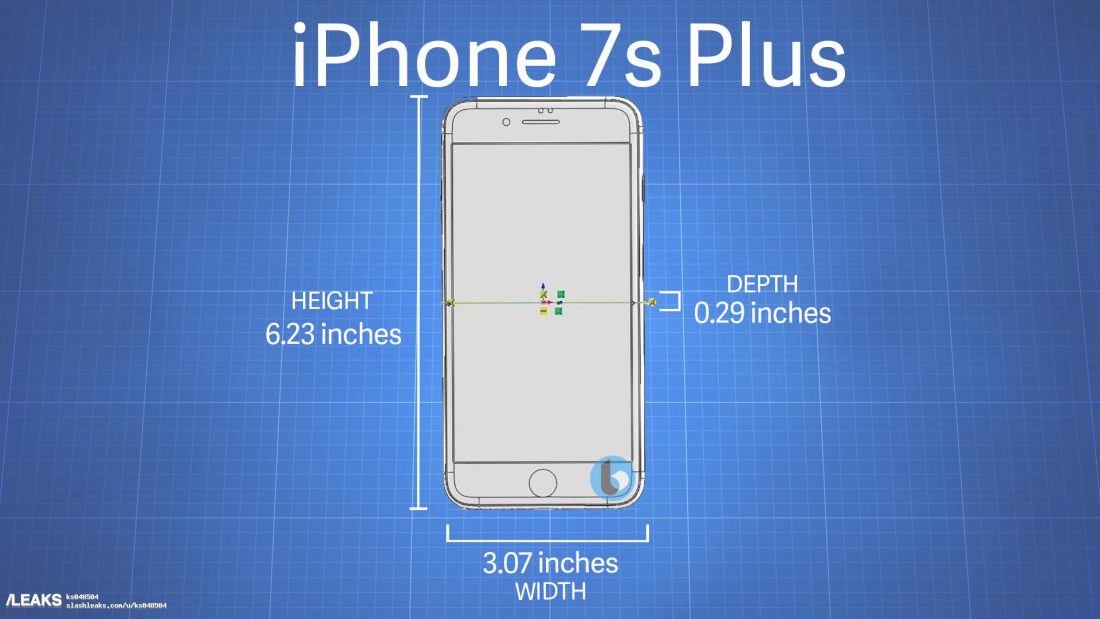
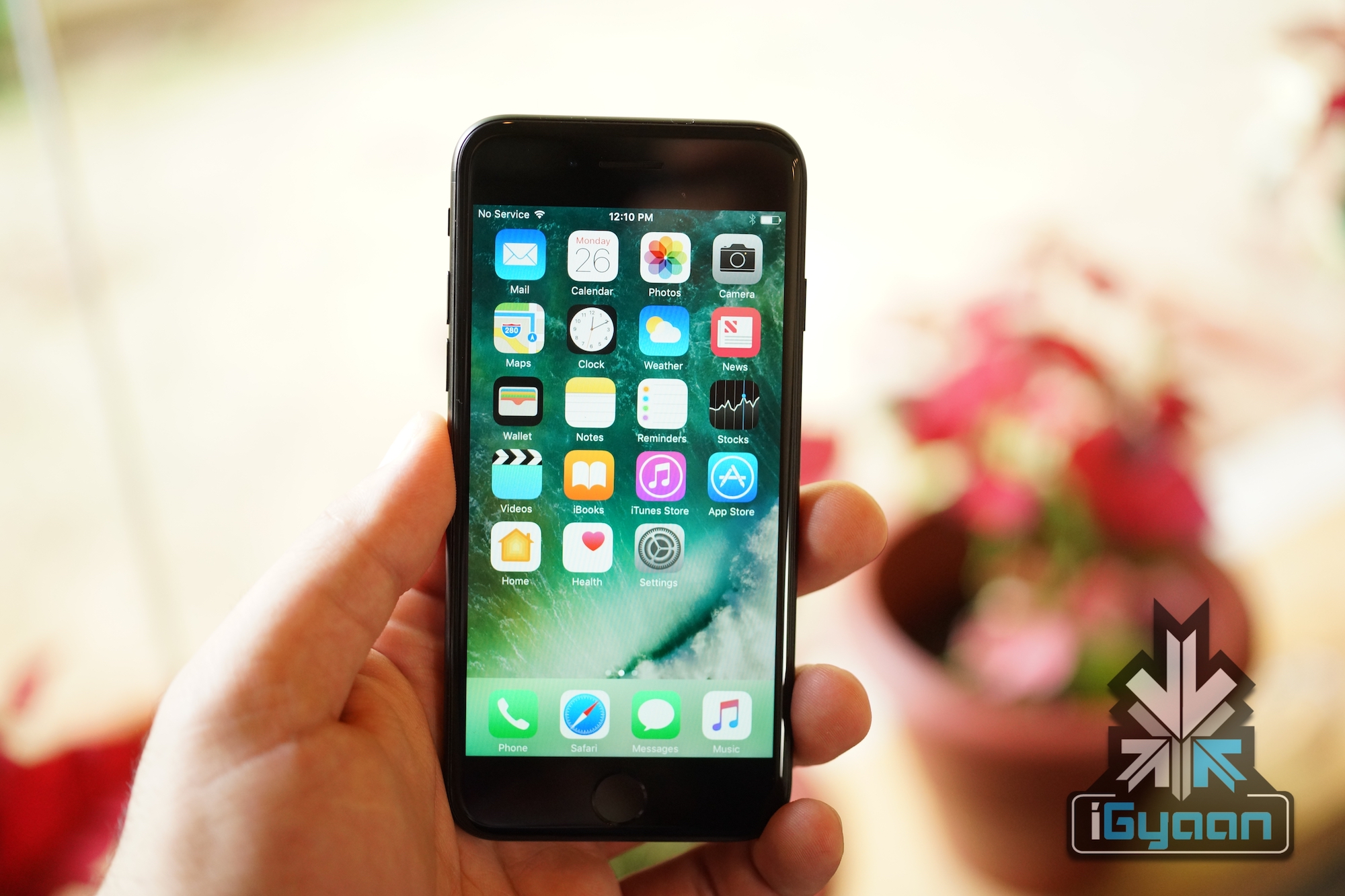
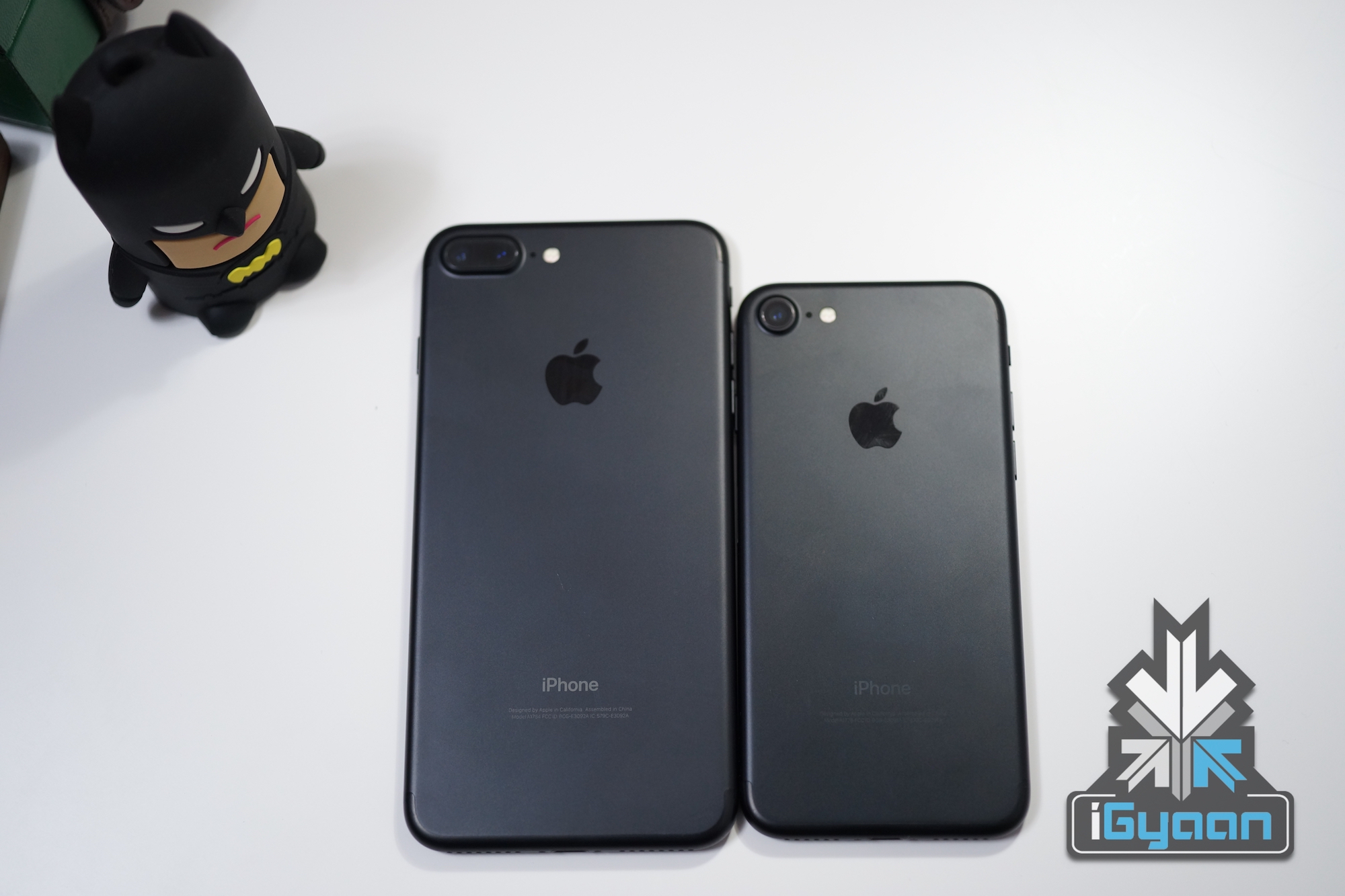
    While the rumours surrounding the upcoming iPhone 8 have been plenty, we have not heard a lot about the other two iPhone 7s models. While there have been some leaks of the iPhone 7s models, a new report claims that Apple might compromise on size to accommodate new features such as wireless charging into the iPhone 7s and iPhone 7s Plus, making them thicker than the iPhone 7 and iPhone 7 plus.

    Rumours are that the iPhone 7s and iPhone 7s Plus will be “slightly bigger in every dimension.”, meaning that the newer iterations could be wider, taller, and thicker than the previous iPhone 7.

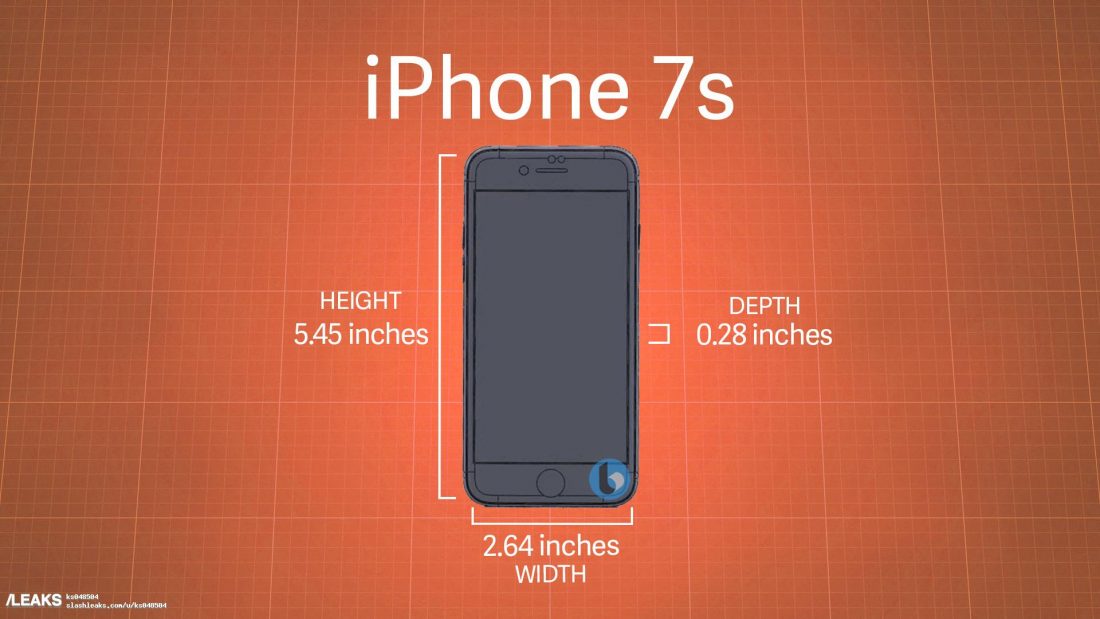
    The dimensions of the iPhone 7s will reportedly be 138.44 mm x 67.26 mm x 7.21 mm, slightly larger that the iPhone 7’s current dimensions – 138.3 mm x 67.1 mm x 7.1 mm. The marginal size difference might go unnoticed by the users. Meanwhile, the iPhone 7s Plus’s dimensions are reported to be at 158.37 mm x 78.1 mm x 7.41 mm, whereas the size of the iPhone 7 Plus is 158.2 mm x 77.9 mm x 7.3 mm.

    Both the devices have the similar haptic TouchID home button at the bottom, volume buttons on the left and the power button on the right. Much like the previous iPhone 7, the 7s and 7s Plus will have sensors placed at the top of the screen . The iPhone 7S Plus is reported to feature a dual camera setup, whereas the 7S will have a single lens camera. Apple will most likely upgrade the iPhone 7S variants with the A11 Fusion chip and increased RAM.

    The iPhone s series is expected to launch in three colors: black, silver, and gold.s on 12th September. Aside from the smartphones, a new model of the Apple Watch  and a 4K Apple TV are expected to be unveiled at the same event.

  • Top Tech Stories Of The Week

    Top Tech Stories Of The Week

    Samsung Galaxy Note8 Officially Launched

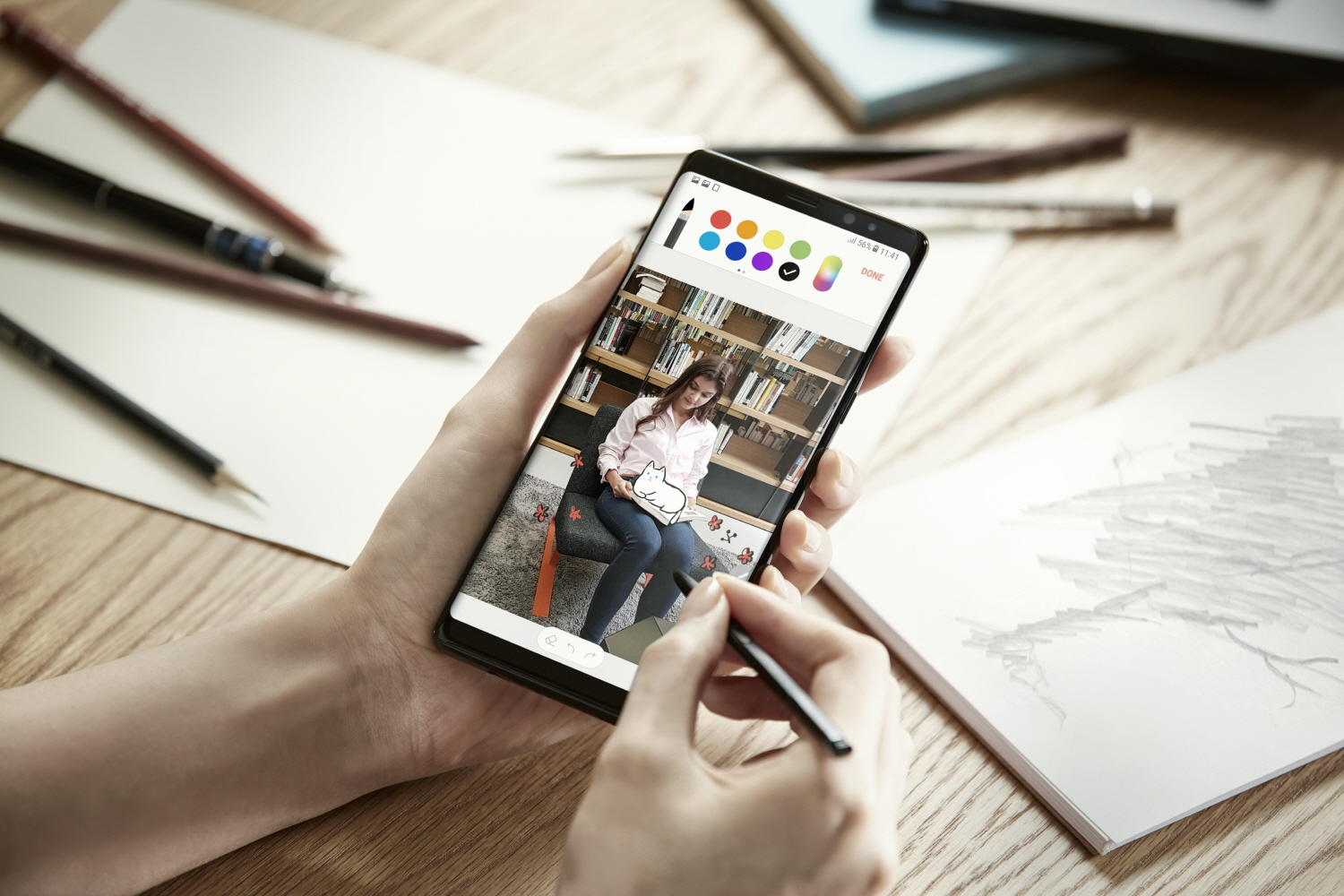
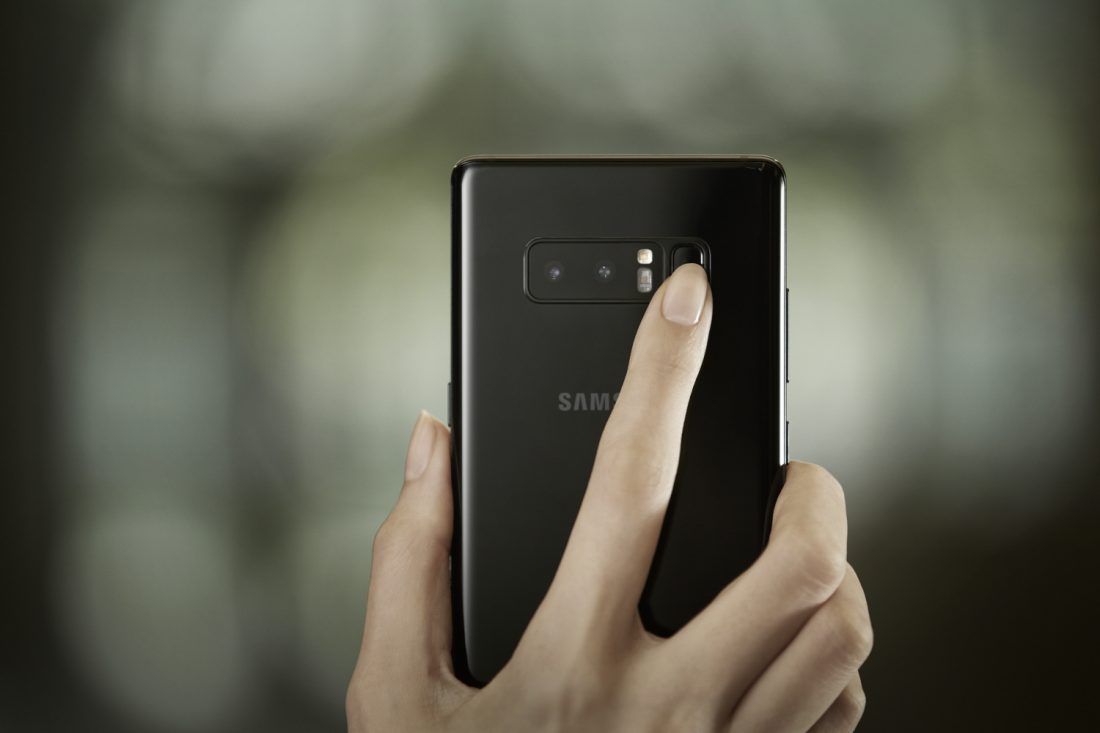
    Samsung launched the highly-anticipated Galaxy Note8 in New York on August 23 during its ‘Unpacked 2017’ event. Priced at Rs 74,999 the Galaxy Note8 is the first Samsung to feature a dual-camera setup. Both the cameras are 12 MP and both have OIS, one has a wide lens while the other a telephoto lens. The Galaxy Note8 also has an IRIS scanner on the front, sadly the fingerprint sensor still sits on the back of the phone next to the cameras.

    Read Full Story Here

    Apple May Launch The iPhone 8 On September 12

    Apple looks all set to launch the new iPhone on September 12. Apple has been hosting its iPhone launch events in September since 2012. September 12 also falls on a Tuesday, which is in line with the previous iPhone announcement events. It is rumoured that the main iPhone 8 will be available in extremely limited numbers at launch. Along with the new iPhone 8, the launch of the iPhone 7S, 7S Plus, Apple TV with 4K video output, LTE enabled Apple Watch is also expected.

    Read Full Story Here

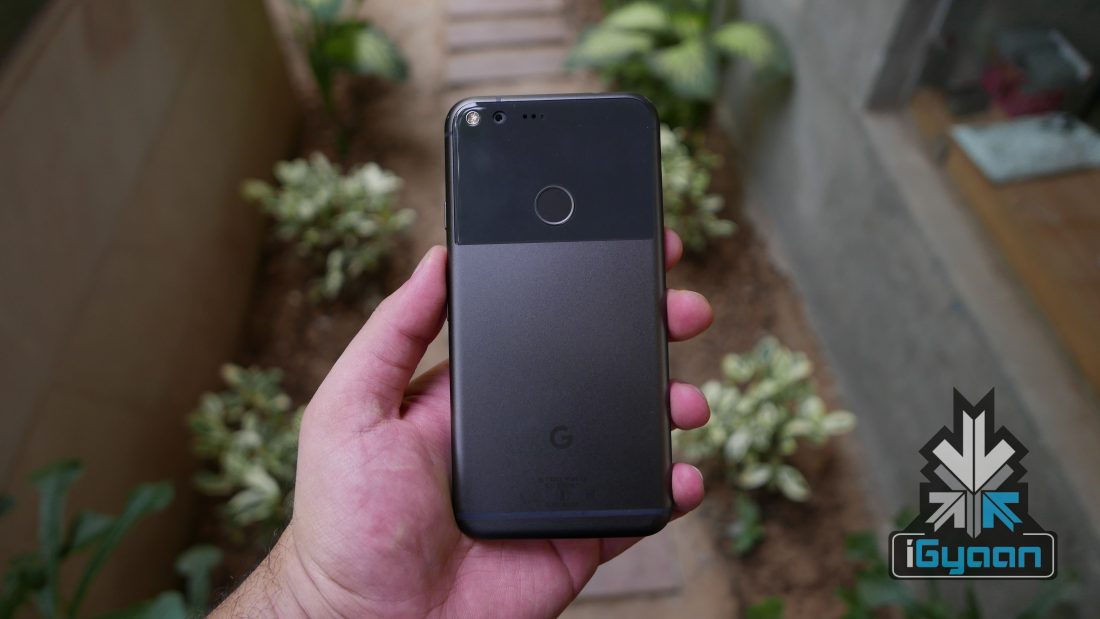
    Google Pixel 2 And Pixel XL 2 Will Be Launched On October 5

    The follow-up to last year’s lineup of Pixel devices, the pixel 2 and Pixel XL 2 could be launched on October 5th according to a tipster. This tip comes after specifications of the Pixel 2 were leaked through an FCC filing document. In his tweet, Evan Blass claims that both the devices will have the Qualcomm Snapdragon 836 chipset, instead of the much-anticipated Qualcomm Snapdragon 835 chipset.

    Read Full Story Here

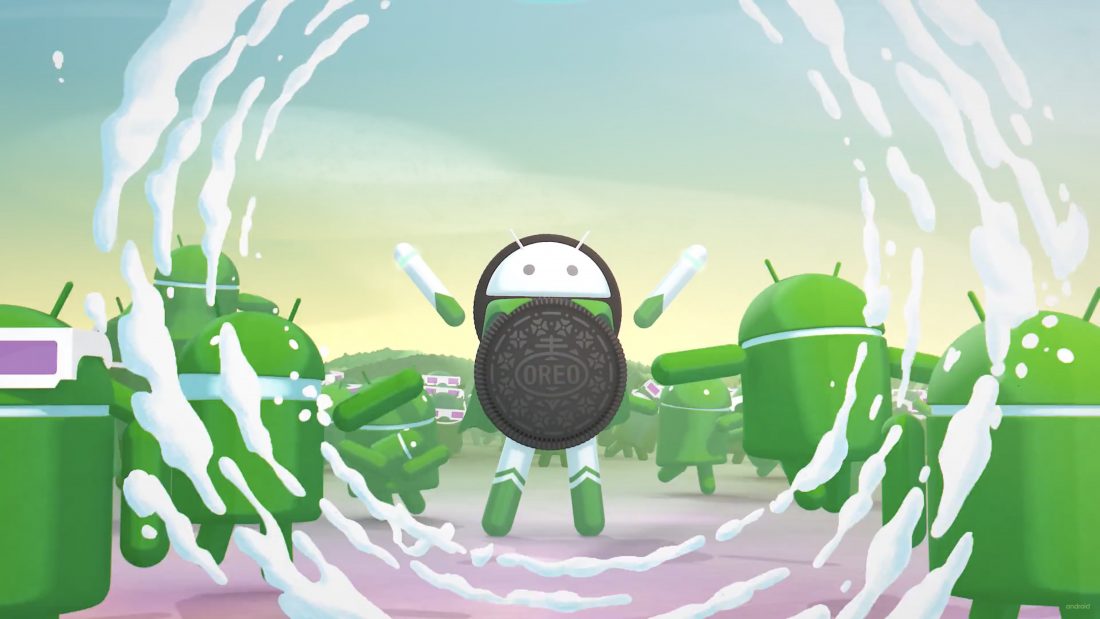
    Android 8.0 Oreo Officially Launched

    Google officially launched the next generation of its Android OS, 8.0 Oreo during the first Solar Eclipse in the USA since 1917 on August 21. The Google Pixel 2 and Pixel XL 2 are tipped to be the first sdevices to run Android 8.0 Oreo while many other smartphones will soon follow suit.

    Features such as the new picture-in-picture mode, auto fill framework, notification dots and much more will be available when the Android 8.0 Oreo starts rolling out to devices later this year.

    Read Full Story Here

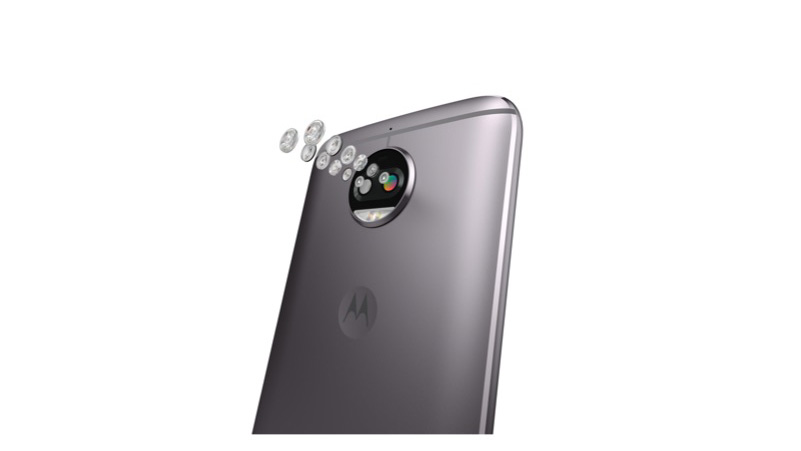
    Moto G5S Plus To Launch In India On 29th August

    Lenovo-owned Motorola is set to launch the Moto G5S Plus in India on 29th August. The smartphone will be an Amazon exclusive in the beginning and will be available at offline retailers later.The Moto G5S Plus’ widely speculated feature, the rear mounted 13MP dual-camera with an f/2.0 aperture and dual tone LED flash, comes with video stabilization and 4K video recording at 30 FPS.

    Read Full Story Here


  • Apple Set To Launch New iPhone 8 On September 12

    Apple Set To Launch New iPhone 8 On September 12

    The world could witness new iPhones in less than a month as Apple is expected to hold the all-important launch event on September 12.

    Apple has been hosting its iPhone launch events in September since 2012. September 12 also falls on a Tuesday, which is in line with the previous iPhone announcement events. A lot of people were speculating between September 5 and September 12, this should be clarified soon as Apple’s press invites should be appearing in inboxes soon. This news might convince a few iPhone buyers to hold off on their credit cards for a little longer. Apple is going to release the final version of iOS 11 at some point between September 12 and September 22.

    Apple is also probably going to announce a new version of the Apple Watch. The main change with this new watch could be that it’s going to have LTE connectivity. There could be a small update to the Apple TV as well with 4K video output.

    If certain reports are to be believed, Apple will, in fact, launch three different iPhone’s this year, iPhone 7S, iPhone 7S Plus and the iPhone 8. The marquee phone, of course, is going to be the iPhone 8 or whatever Apple decides to call it at the end with a reportedly bezel-less display and vertically mounted dual-camera setup. Apple will also finally introduce wireless charging to its iPhone lineup after a component was leaked online. The iPhone 8/X/Pro will also feature better cameras which will reportedly record 4K videos at 60 FPS. Another headlining feature will be 3D facial recognition, dubbed as ‘FaceID.’ The smartphone is expected to break the thousand dollar barrier and cost around $1,100 for the base variant.

    Apple may also announce newer AirPods as the previous generation ones leave a lot to be desired from. The event will be followed up by a pre-order phase before the iPhones start to become available in stores. It is rumoured that the main iPhone 8 will be available in extremely limited numbers at launch.


  • Apple iPhone X’s 3D Sensing Camera Module Leaked

    Apple iPhone X’s 3D Sensing Camera Module Leaked

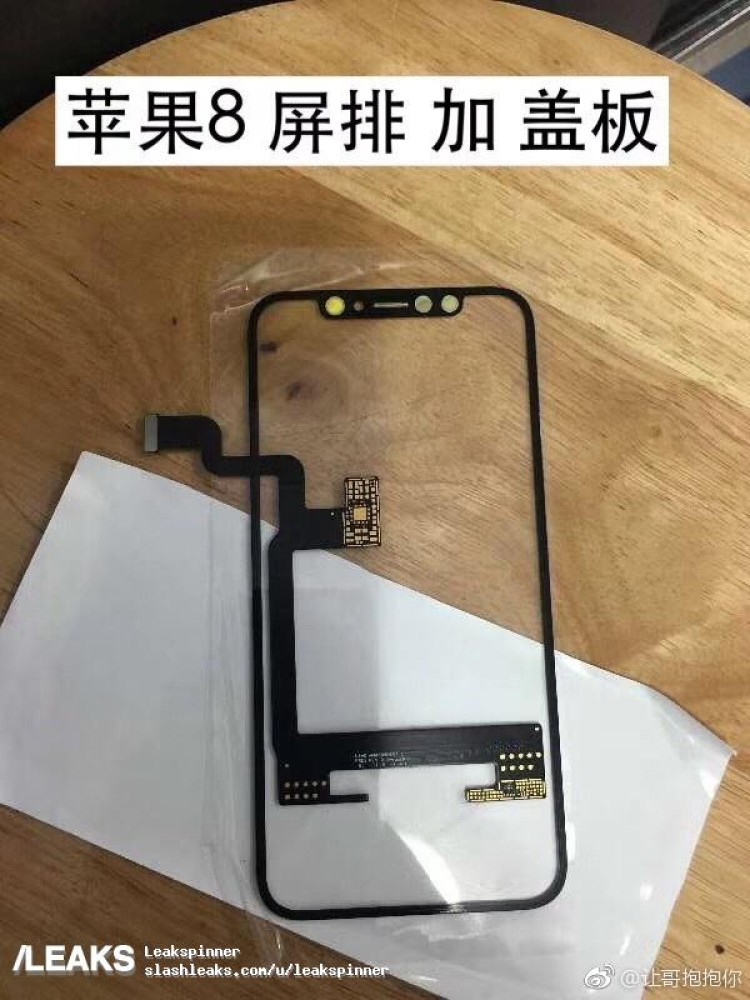
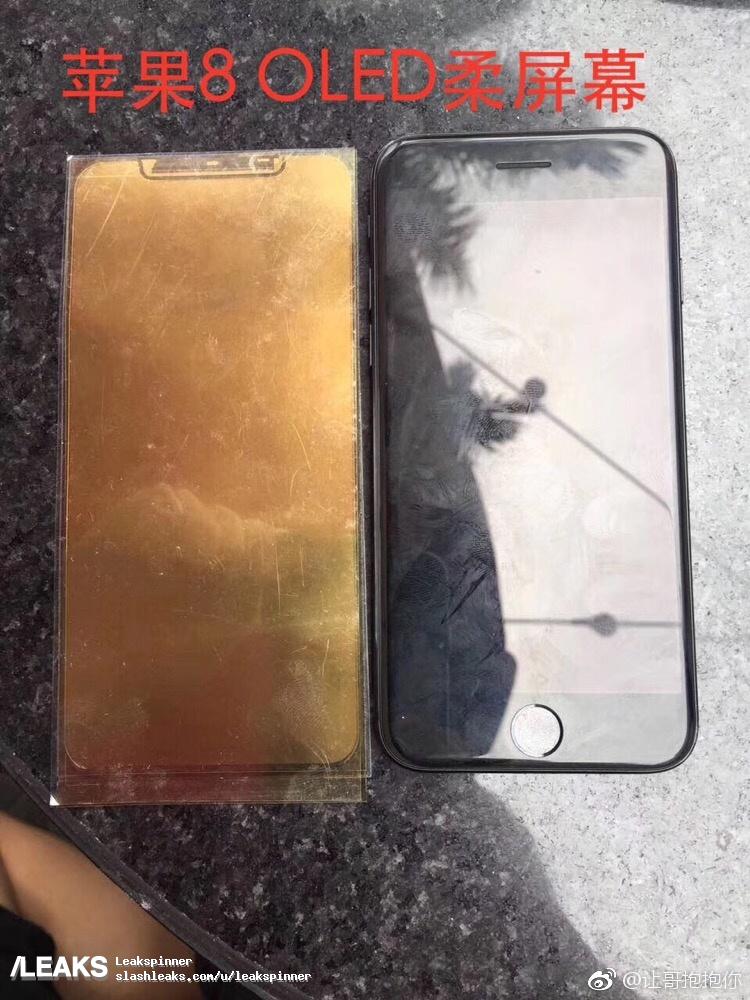
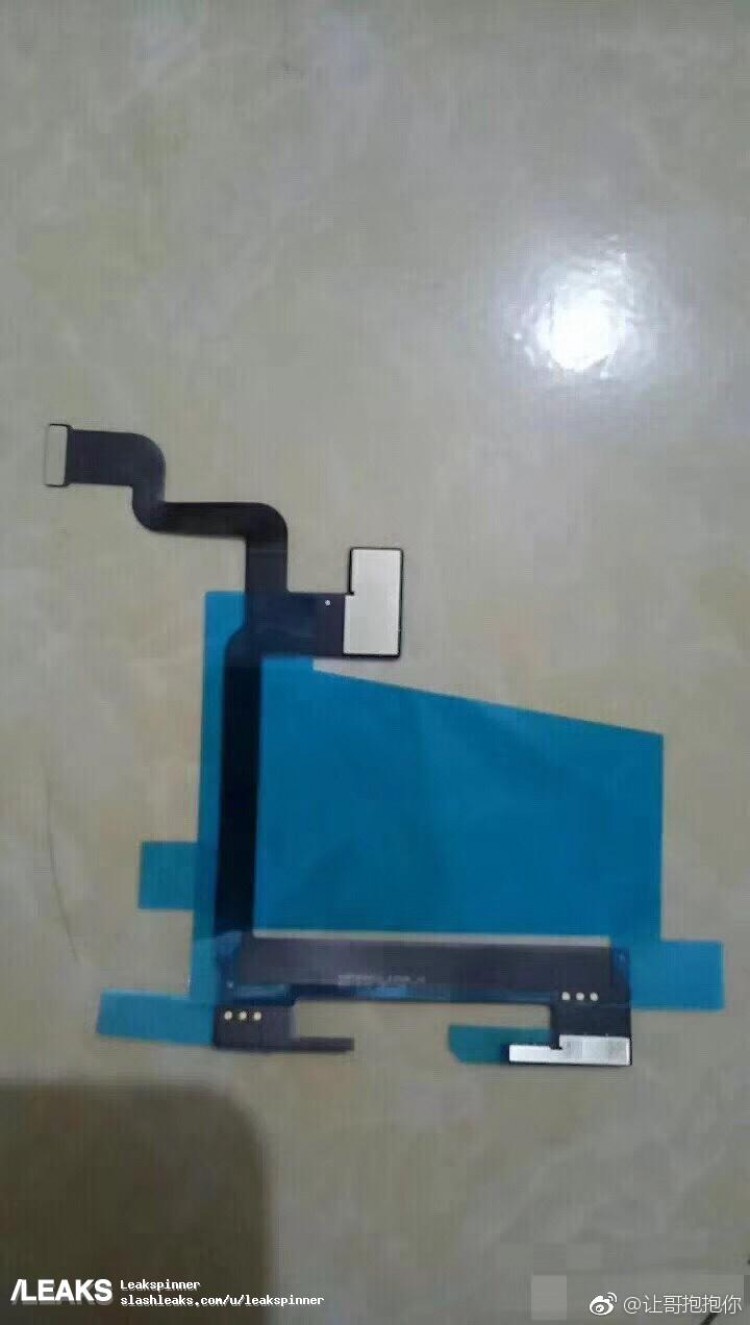
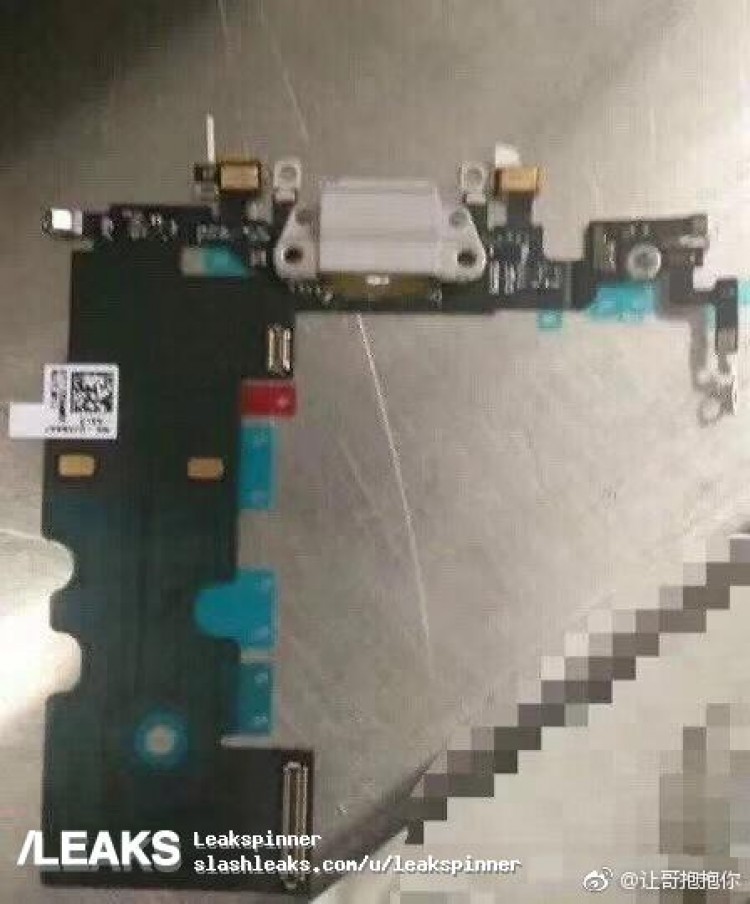
    As the iPhone 8 reportedly enters production phase, new leaks from its assembly have surfaced online. A few days back, an image leak showcasing the alleged iPhone 8’s OLED display assembly, lightning and power flex cables emerged.

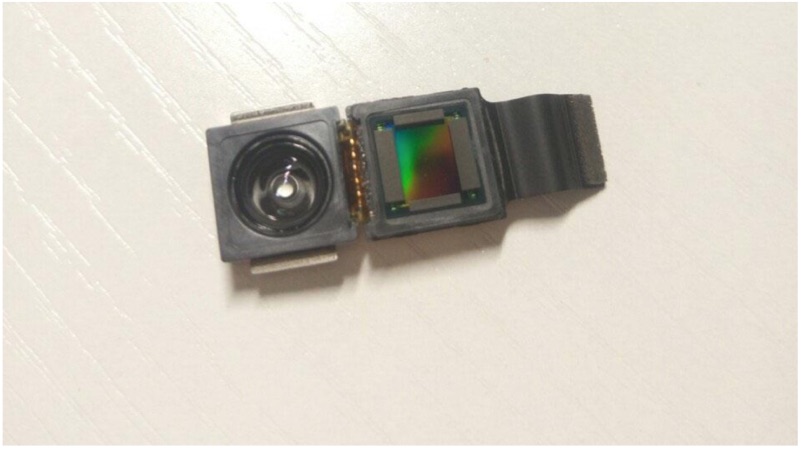
    The latest component on display appears to be the iPhone 8’s 3D sensing camera module which is expected to replace Apple’s iconic TouchID. The leaked 3D camera module will most likely be used to recognise users’ face and the feature will be called “Face ID”. Another anticipated feature is the iris scanner. Multiple listings have stated that the the new iPhone is expected to have iris scanner as an added security feature.


    But Apple isn’t amongst the first to use this technology. Smartphone makers like Samsung and LG have already integrated facial recognition and iris scanner in their flagship devices. However, Apple’s “Face ID” for unlocking the iPhone is expected to be much faster and ‘practically instantaneous’ as compared to the rival systems.  Assuming that Apple is dropping the Touch ID, reports claim that “Face ID”  will be just as fast, if not faster, than the fingerprint sensing technology.

    Another challenge faced by Apple while embedding the facial recognition tech could be constantly environmental conditions. As the facial detection technology will have to cope with constant changes in the environment around the face. It is yet to see if ‘practically instantaneous’ system will be capable of handling the scanning, recognition and the storage of a user’s facial biometric information.

    It will be interesting to see how Apple will pull off a seamless and instant facial recognition system which is secure and reliable for the upcoming iPhone 8. Apple’s redesigned flagship is expected to launch in September.

  • Apple Working On A Self-Driving Employee Shuttle

    Apple Working On A Self-Driving Employee Shuttle

    The latest reports suggest that Apple may be working on a self-driving shuttle for its employees. The new self-driving shuttle project is codenamed “PAIL,” short for Palo Alto to Infinite Loop. The shuttle will reportedly run from Apple’s current campus to its new one. Surprisingly, Apple will supposedly use another automaker’s commercial vehicle for the project, rather than building the vehicle itself. The company will then use the vehicle to test the autonomous driving technology it develops.

    Apple was earlier reported to be working on a self-driving car initiative, nicknamed – Project Titan. The iPhone maker started the Project Titan in 2014 and hoped to shake up the auto industry like it did with the mobile business. In 2015, Apple’s COO Jeff Williams said: “The car is the ultimate mobile device, isn’t it?”. However, the company gave up on the self-driving automobiles pretty soon, indicating that Apple might have underestimated the complexity of the task. But it seems like Titan wasn’t the last of Apple’s efforts to venture into the auto industry.

    Timothy D. Cook, CEO of Apple Inc. in an interview, mentioned that Apple is “focusing on autonomous systems.” Many tech companies like Apple have made similar efforts to build a self-driving car. Waymo, a division of Alphabet, is also focusing on building software for cars made by traditional manufacturers.

    Given the company was granted a permit for testing self-driving cars, but gave up on the dream too soon, we hope, (Apple employees certainly do) that PAIL turns out to be more than just a concept. It has been said that under Bobby Mansfield’s (a hardware engineer at Apple) guidance, the team is more focused and the morale has improved. But it seems that the smartphone maker would need more than just improved morale and focus, as Apple is hardly the only company working on self-driving technology.

  • iPhone 8 OLED Display And Power Cable Leaked

    iPhone 8 OLED Display And Power Cable Leaked

    Apple is prepping for the September launch of the widely anticipated iPhone 8. Though the launch is nearer than ever, the smartphone still doesn’t seem to be catching a break from leaks and rumors. An image leak shows iPhone 8’s OLED display assembly, lightning and power flex cables, further corroborating the existing reports.

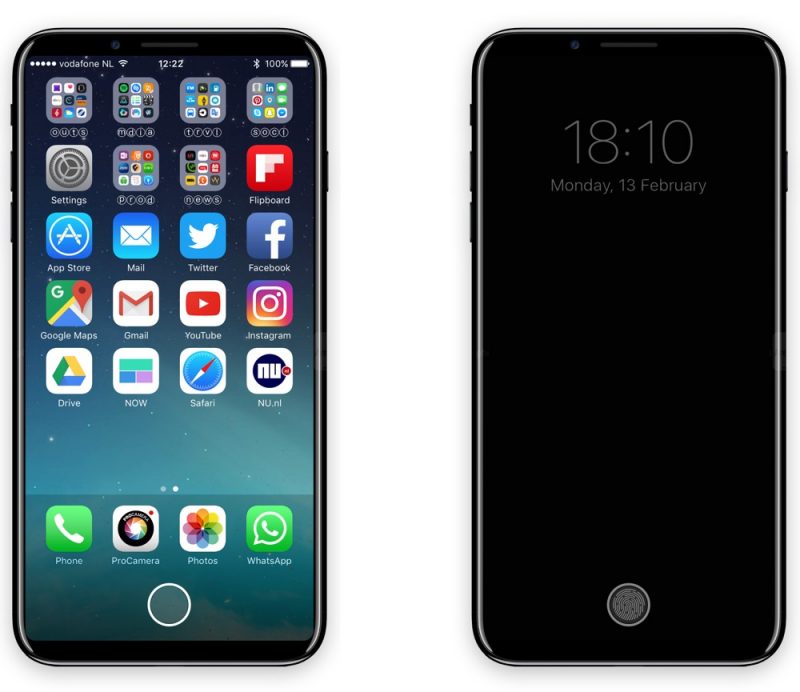
    These images, though blurry give a close look of the iPhone 8’s internals.  The display panel picture confirm the curved edges and bezel less design. No physical home button could be seen on the images, indicating that the iPhone 8 will feature a virtual home button and most likely launch without Apple’s iconic Touch ID.


    The OLED panel image also displays the notch on the top of the smartphone which houses the sensors and the dual-cameras used for 3D mapping for FaceID. The  HomePod firmware leak had confirmed that the iPhone 8 will arrive with facial recognition technology. The smartphone’s front camera, which was rumored to feature 4K video recording at 60 FPS can also be seen in the leak.

    The display has always been a major component of the iPhone (or any smartphone) and Apple may finally be throwing OLED panels into the mix, all thanks to Samsung ramping up its manufacturing facilities after Apple termed the latter as the sole provider of the iPhone 8’s display.

    Apart from the display assembly, the image leak also includes lightning and power flex cables.There have been multiple reports suggesting that Apple will launch the iPhone 8 with wireless charging capabilities.

    The smartphone is expected to run on the Apple A11 Chipset and will be available in 128GB and 256GB variants for the iPhone 8. To be launched with iOS 11, the smartphone is speculated to range from US $ 1,100 to US $ 1,200.

  • Apple iPhone 7s And 7s Plus Will Still Have Significant Bezels

    Apple iPhone 7s And 7s Plus Will Still Have Significant Bezels

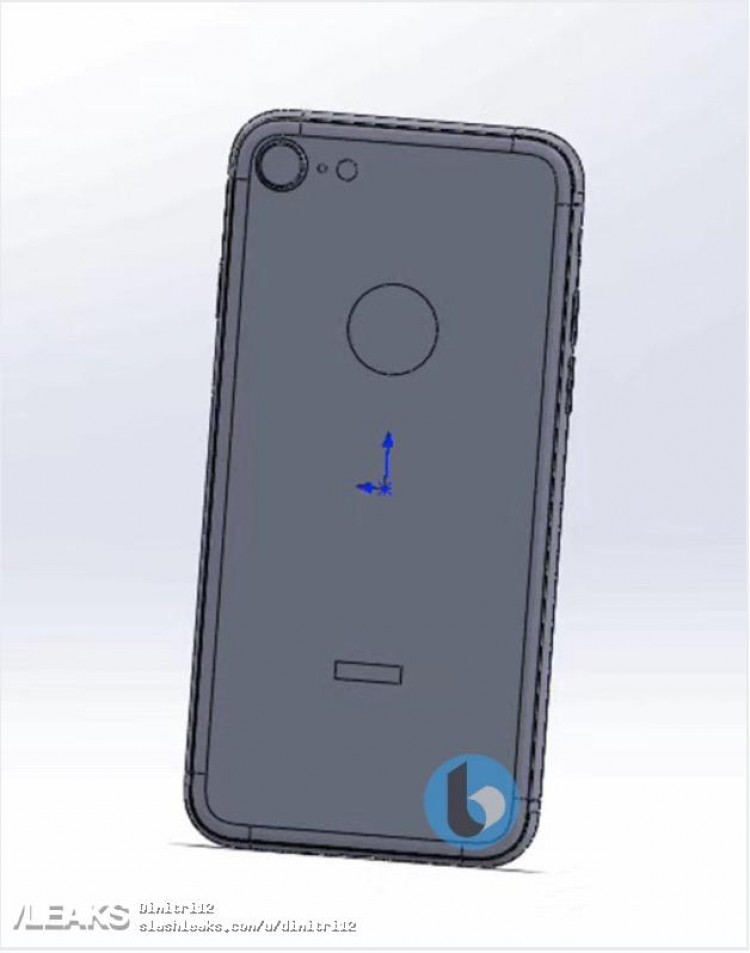
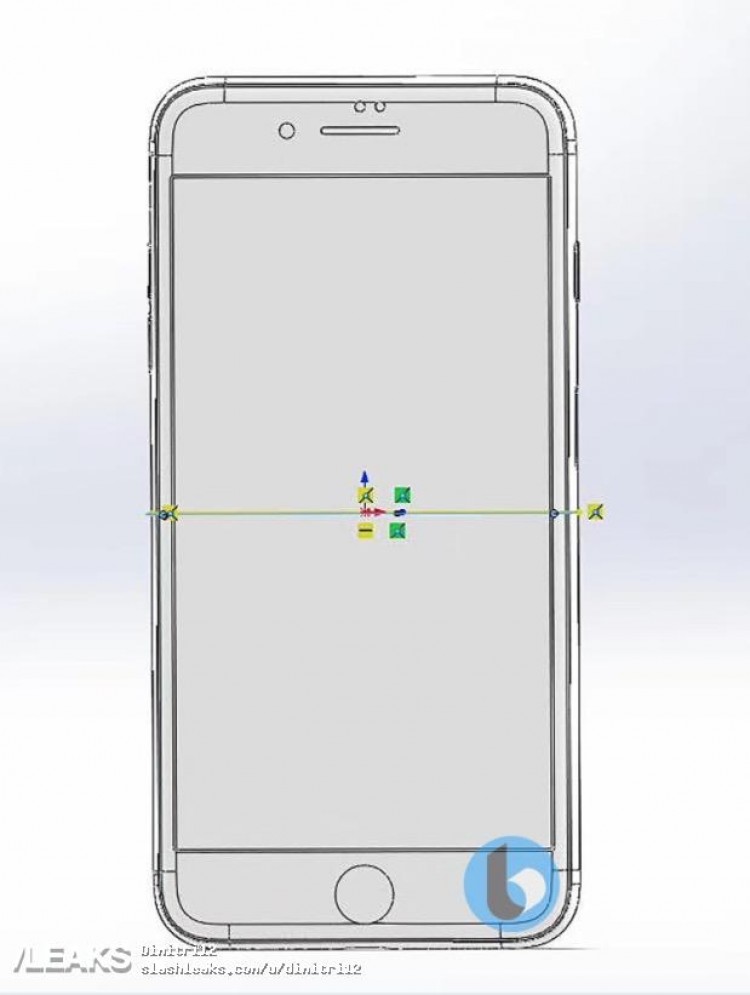
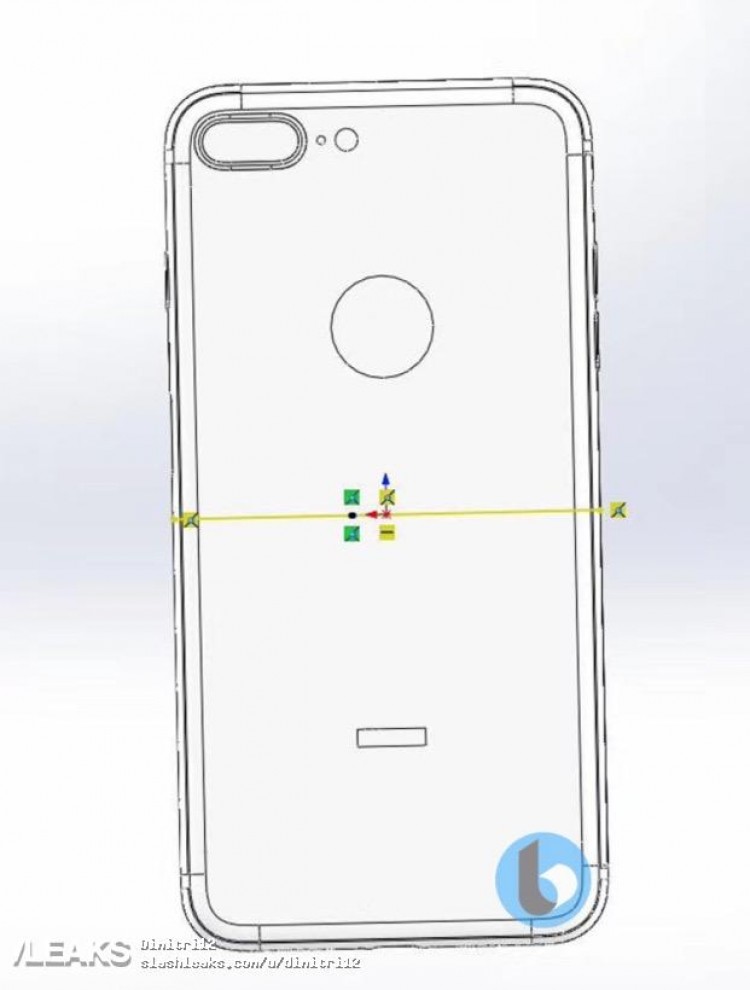
    Apple is expected to launch the new iPhone 7S models alongside the iPhone 8. Though the redesigned iPhone 8 has had its fair share of leaks, but we haven’t seen a whole lot of information for the iPhone 7S and 7S plus. Newly surfaced CAD images offer a pretty close look of the yet to be revealed iPhone 7S and 7S Plus.

    Both the devices have the similar haptic home button at the bottom, volume buttons on the left and the power button on the right. The iPhone 7 iteration has the sensors placed at the top of the screen and so does the the 7s and 7s Plus. According to the leaked images, the iPhone 7S Plus will feature a dual camera setup, whereas the 7S will have a single lens camera.


    Sticking with same LCD panels used by Apple, the 7s and 7s Plus will feature the Apple logo at the back. Not much is expected to change on the design front, apart from the few tweaks like a glass back on the 7S.

    The S models are known to receive internal upgrades and same applies to the iPhone 7S iterations. Apple is expected to upgrade both iPhone 7S and iPhone 7S Plus with the A11 Fusion chip and hopefully increased RAM. It is widely reported that Apple’s long awaited wireless charging feature will be arriving with the next iPhone lineup. But for now, Apple seems to be sticking to the same size display on the front with the thick bezels on the top and bottom.

  • Google To Pay Apple US $3 Billion to Remain Default Search Engine on iOS

    Google To Pay Apple US $3 Billion to Remain Default Search Engine on iOS

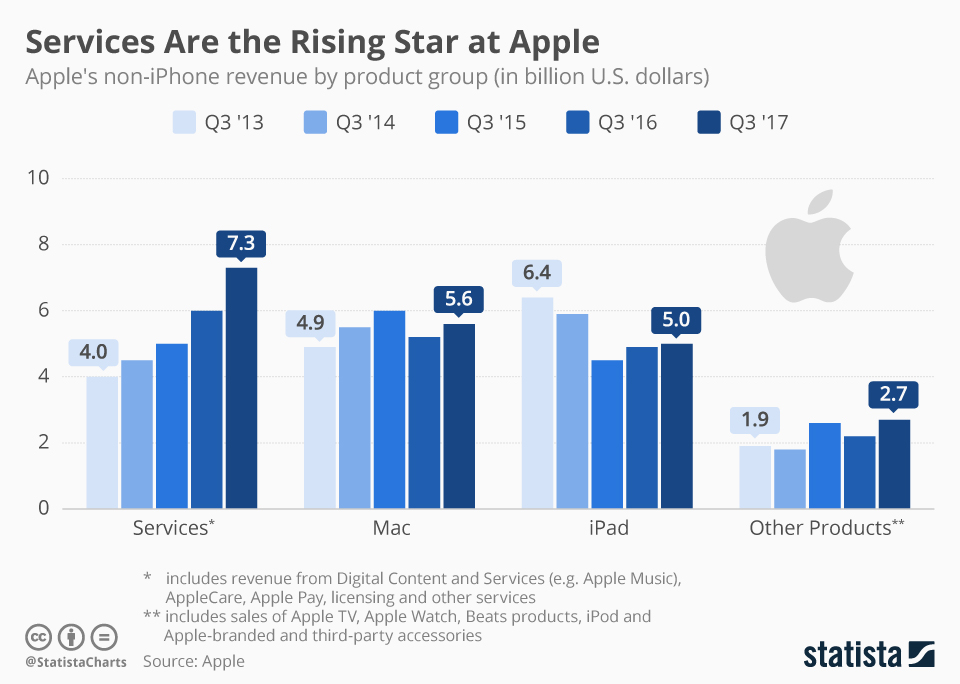
    A US-based research and brokerage firm, Bernstein has said that Google will pay Apple USD 3 billion to remain the default search engine on iOS devices. According to a note to investors, Google has increased the payment from $1 billion three years ago to $3 billion for 2017. Google’s licensing fee makes up a large bulk of Apple’s service business. In fact, this license fee from Google comprises about 5% of Apple’s total operations profit.

    Apple has stated that its services business is growing at a fast pace and that the profit from the services sector will help the company get listed in the Fortune 500 companies. An analyst from Bernstein also says that iOS devices also contribute 50% profit to Google’s mobile search revenues. This shows that Google will pay any amount to get unfettered access to all iOS devices. Thus, both the companies are dependent on each other for revenue. Since Google is earning a lot of profit from this arrangement, it has decided to increase the payment from $1 billion to $3 billion this year so that the license is not cancelled.

    Revenue of Services sector

    Apple has identified the services sector as an important source of profit, which a lot of investors believe is because of Apple Music and iTunes. But, a look at the revenue model shows that this licensing fee will become the largest revenue source in this sector. Mobile Ad revenue is central to Google’s revenue model and the growing importance of the mobile internet has now shifted the ad revenue focus from desktop to mobile devices. In fact, Google is expected to generate nearly $50 billion in revenue from mobile ads in CY 2017.

    Although lucrative, the mutually beneficial deal between Apple and Google may be numbered. According to some estimates, if Google can retain 80% of their iOS search volume, then it would be financially more viable for them to break off this deal with Apple.


  • iPhone X Leaked Case Render Shows All Screen And No Home Button

    iPhone X Leaked Case Render Shows All Screen And No Home Button

    The iPhone 8 is nearing its launch and the rumour are running on a frenzy, churning out new leaks and renders every other day. The recent leaks have mostly surrounded around the iPhone 8’s camera hardware, but the latest leak has everyone talking about the design (again).

    Evan Blass tweeted a photo of the iPhone 8 encased in a neon yellow case and shows off an edge-to-edge display with no home button below the screen. The image suggests that the notch on the top of the phone will house all the sensors and the dual-cameras which will be used for 3D mapping for FaceID. Latest HomePod firmware leak has seemingly confirmed that Apple will go all out with facial recognition as reports of it ditching TouchID on the 2017 flagship catches on. The image doesn’t reveal much, except very thin bezels and an almost screen front of the device.

    The extension of the screen on the left and right side of the notch shows the battery percentage and signal strengths. This seems to strengthen the rumours that Apple will make certain tweaks to the software to take optimal advantage of the huge screen real estate. As usual, you need to take this leak with a pinch of salt as the date on the phone is that of March, meaning the image could be a few months old.

    The possibilities of a bezel-less iPhone 8 have increased in the past few months especially after the success of Samsung Galaxy S8 and S+ and the LG G6 with their edge-to-edge displays. If Apple does decide to take the bezel-less display route, it will be interesting to see its implementation of iOS on the flagship device. 2017 is turning out to be the year where flagships shift to bezel-less phones with reports of the LG V30 and Google Pixel XL 2 also reportedly sporting such displays. Even the Essential phone PH-1 has a bezel-less display and Evan Blass even pointed out the similarities between the two devices.


  • Samsung OLED Production Lines For iPhone 8 Ramping Up To Full Capacity

    Samsung OLED Production Lines For iPhone 8 Ramping Up To Full Capacity

    As the launch of the iPhone 8 approaches, a new report suggests that Apple is claiming almost one third of Samsung’s OLED displays for the upcoming iPhone 8’s screens.

    Samsung has reportedly geared up to operate seven of its next-generation OLED production lines at full capacity, all of which are dedicated to Apple and the iPhone 8. By ramping up their scale of production, Samsung Display, a unit of Samsung, is now able to manufacture about 45,000 panels a month for OLED displays, out of which 15,000 of them are allegedly reserved for Apple.

    Samsung Display being the only supplier of the Apple iPhone 8’s OLED screens, the manufacturer, is said to further increase the production from 15,000 panels per month for Apple to 105,000 panels per month. The report says that full-scale production will begin later this month, with output capacity increasing by 700%.

    At this rate and capacity, Samsung Display facilities are expected to yield approximately 130 million 5.8-inch screens per year. However, due to Apple’s specific requests, which involve “high degree of technical difficulty”, the actual production may decrease to 60% (which will amount to about 79 million displays for Apple iPhone 8).

    Subsequently, the current reports of Samsung facing technical challenges during OLED display manufacturer for its future iPhones, seem to validate the rumours of production delays for the next iPhone, potentially leading to a limited iPhone 8 launch.

    Though Samsung is currently reported to be the sole supplier of the OLED displays for the iPhone 8, it might not be the case for long. Apple seems to be already on a hunt for a new OLED display supplier for its future iPhones.

    Recent announcements of Apple investing  $2.7 billion in LG Display to help set up new OLED production lines dedicated for the future iPhones seems a little less than promising for Samsung. Subsequently, LG is also planning to invest $13 billion in OLED production over the next three years in order to continue its dominance in the OLED TV screen market. The company hopes to “make inroads against rival Samsung in smartphone displays.” Irrespective, Samsung is building the world’s largest OLED production plant in hopes of getting future Apple orders.

  • iPhone X May Support 4K Video Recording 60 FPS

    iPhone X May Support 4K Video Recording 60 FPS

    Rumours surrounding the iPhone 8 refuse to fizzle out as we approach the launch of Apple’s next gen iPhone. A few days ago, Apple’s HomePod firmware was leaked, which seemingly confirmed the front design of the iPhone 8 along with features such as face recognition, virtual home button and AR support.

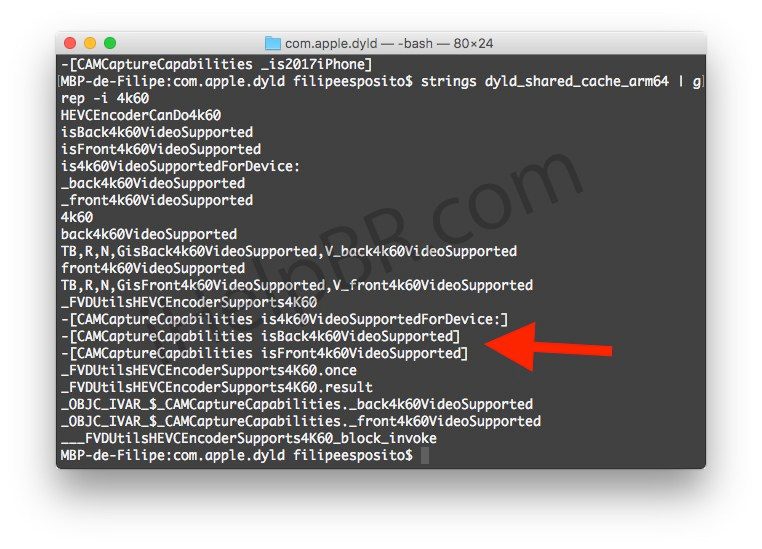
    A Portuguese news site iHelp has unearthed that the iPhone 8 will record 3840 x 2160 px 4K videos at 60 FPS with both the rear and front camera. The code, visible in the screenshot mentions a device that supports 4K video at 60 FPS. Interestingly, there’s also a mention of “front4k60” and “back4k60”, suggesting that the iPhone 8 will indeed feature the high-resolution video recording with both the cameras.

    Currently, the iPhone 7 and 7 Plus support 4K video recording at 30 FPS with the rear camera while the front camera caps out at 1080P at 30 FPS. The introduction of 4K videos at 60 FPS puts the impetus on the rumours of the next iPhone will have augmented reality capabilities. The jump to 60 FPS will increase depth recognition of the rear camera resulting in better AR experience.

    The Apple HomePod firmware also suggests that the 4K video from the front and rear cameras will support Apple’s new HVEC file type, which reduces the file size by a significant amount. This makes sense because 4K videos generally have large file sizes and HVEC can reduce the size by almost 50 per cent resulting in better storage management. More study of the firmware suggests features like tap to wake, a new “smartcam” mode and support for FaceID.

    From what we’ve gathered so far, the iPhone 8 may have the following key specifications-

    • Launch- September
    • Price- $1,200 (Rs. 77,000 approx.)
    • Display- 5.8-inch OLED display
    • Chipset- A11 chip
    • OS- iOS 11
    • RAM- 3GB
    • Storage- 128GB/256GB
    • Camera- Vertically-placed dual camera setup
    • Video Recording- 3840 x 2160 px 4K video at 60 FPS with front and rear camera
    • Face recognition for unlocking the iPhone 8, called  the ‘FaceID’
    • TouchID- integrated in the lock button

    These rumours are more reliable than others since they stem out of an actual Apple firmware leak, but nothing is set in stone until Apple unveils the new iPhone 8 come September.

  • Apple May Launch An LTE – Enabled Apple Watch

    Apple May Launch An LTE – Enabled Apple Watch

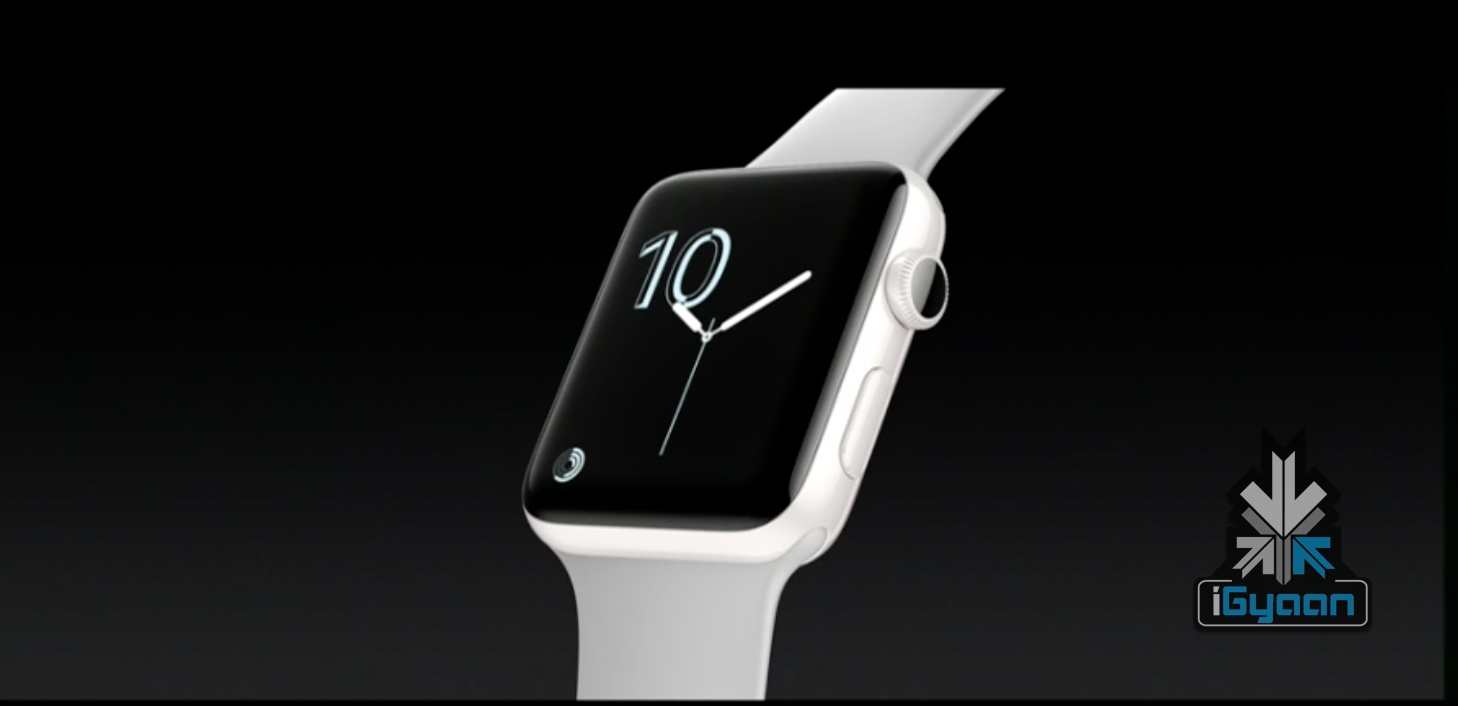
    Apple Inc. is planning to launch a cellular network compatible Apple Watch to reduce the wearable device’s reliance on the iPhone. The Apple Watch currently needs to be connected to an iPhone to do most of its tasks, such as receive notifications, stream music, send messages on the go, etc.

    This move is designed to make the smartwatch a stand alone replacement for your iPhone. The LTE-enabled smartwatch is touted to do a lot more work than the current Apple Watch (when it’s not wirelessly connected to the phone). For example, a user can send text messages, check notifications, download songs or use the maps, even if they’ve left their phone at home. The smartwatch, however, will not replace the current version of the Apple Watch, and instead go on sale as an LTE version of the same watch, much like the iPads have over the years.

    Intel will be the LTE chip supplier for the new smartwatch. Qualcomm has long been the chip supplier for Apple mobile devices, but since the companies are embroiled in a legal dispute, Apple has chosen Intel for the task at hand. Intel also supplied chips for some of the iPhones last year. Apple is already in talks with network carriers in the US and Europe, such AT&T, T-Mobile etc for the next gen Apple Watch.

    The move to make the Apple Watch a standalone device may boost its sales and make it a more viable option for Android users as well. As it will be able to do most of the tasks of a cell phone without being connected to one. Tim Cook, CEO of Apple Inc has conceded that the smartwatch is a very small part of Apple’s revenue but is still the most popular smartwatch in the world right now. Apple’s decision to add a GPS chip to the Apple Watch Series 2 was to enable consumers to leave their phones at home while going for a run.

    Apple had planned to release an LTE enabled smartwatch last year but pushed the release due to battery draining issues. With watchOS 4 releasing this fall, and new improvements in Siri, along with new features such as payments via iMessage, and the ability to interact with gym equipment , The Apple Watch will attract some serious buyers.

    Apple is all set the release the next iPhones in the coming month, and there is a large possibility that the next Apple Watch will be introduced alongside the next iPhones.

  • Apple Hints At September Launch of The iPhone 8 with US$ 50 Billion in Q4 Earnings

    Apple Hints At September Launch of The iPhone 8 with US$ 50 Billion in Q4 Earnings

    The rumours of delay in launch of the Apple iPhone 8 have been innumerous, but Apple’s Q3 earnings announcement suggested quite the opposite. Tim Cook said that Apple is expected to earn revenue anywhere from US $49 billion to US $52 billion in the next quarter, which ends in September.

    The earnings represented by Apple are high enough to hint that the iPhone 8 may go on sale in September itself, during the fourth financial quarter.

    Further to support the claims of an early iPhone 8 launch is the statement made by Tim Cook, saying that Apple would have “very exciting Fall.” He also said :

    We’ve put everything we know into coming up with the guidance…we really like what we see for the beginning of the back-to-school season.”

    Though nothing can be confirmed, but we certainly hope that the iPhone 8 is one of the reasons for quoting such optimistic earnings prediction. A September release would impact Apple’s Fourth Quarter revenue immensely.

    That said, the earlier reports of manufacturers backing out from contracts with Apple, problems with installing few features like the Touch ID, etc have led the analysts to make a common prediction. They expect that the delays and shortage of supplies may mean that iPhone 8 will see a very limited release in September.

    We have also been receiving constant updates about the next iPhone’s design, features etc. – courtesy the leaked HomePod firmware. But that doesn’t mean the redesigned iPhone is what Apple plans to release this September. There has been some speculations about Apple splitting the iPhone line by releasing theiPhone 7S in September, and the redesigned model – iPhone 8, a few months later.

    These speculations could also mean that the significant earnings predicted by Apple could be from expectations of people upgrading to the rumoured iPhone lineup – iPhone 7s and 7s Plus. Or maybe Apple is banking on massive HomePod sales, either way Apple is definitely prepared for  something “very exciting” this fall.

  • Everything We Know About The Apple iPhone 8

    Everything We Know About The Apple iPhone 8

    Ever since the original iPhone was launched in 2007, each next-gen Apple iPhone has been highly anticipated. Every year, new leaks and reports emerge to tell us something new about the next iPhone, and with the September launch now less than two months away, here is everything on the upcoming iPhone8/X/Pro –

    Launch Date

    The iPhone 8 is expected to be launched on September 12. Apple has been hosting its iPhone launch events in September since 2012. September 12 also falls on a Tuesday, which is in line with the ongoing tradition.

    Price

    The iPhone has always been placed as a premium smartphone. The iPhone 8 will take that premium to a notch higher, with a report at Forbes claiming that pricing could start at a whopping US $ 1,100 to US $ 1,200, with Apple only offering the iPhone in 128GB and 256GB configurations. Studying the price of each new iPhone also suggests that the new iPhone 8 could easily cross the $1,000 mark and become the most expensive iPhone yet. A new report by Mac4Ever suggests that the iPhone 8 will retail at a starting price of US $999 for the 64GB variant, US $1099 for the 256GB variant and US $1199 for the 512GB variant.

    Display

    The most talked-about feature of the upcoming iPhone 8 is its bezel less display. Ever since the launch of the Samsung Galaxy S8 and S8+ with the infinity display, rumors have suggested a bezel-less display on the next iPhone. Apple is also said to finally be using OLED panels, and rumors suggest that the iPhone 8 will feature a curved OLED display which will pit it against the Samsung Galaxy S8 and S8+’s display. 

    FaceID/TouchID – No Home Button?

    An edge-to-edge to display means that just like Samsung, Apple will have to figure out the placement of the beloved TouchID home button. Apple appears to have grown weary of any buttons and instead FaceID is said to be used for the next iPhone 8. Recently, Apple has released the first build of the upcoming HomePod’s firmware which contains code for FaceID, codenamed PearlID due to the presence of infra-red face unlock in the biometric kit. What route Apple takes is yet to be seen but the latest leak all but confirms that FaceID will make its way into the iPhone 8. The leaked firmware of Apple’s HomePod has also revealed that the physical home button will be replaced with a virtual button.

    Camera

    The Apple iPhone 7 Plus was Apple’s foray into dual-camera setups. The horizontally placed dual-camera setup was well-received after a few initial updates fixed the ‘portrait mode.’ Numerous leaks and renders of the iPhone 8 have pointed towards vertically placed dual-cameras. According to Korea Economic Daily, Apple is working on facial recognition technology leveraging the cameras for “biometric” identification. Like Touch ID — but with your face instead of your thumbprint. In addition to that, a leaked patent application spills out the details of a sensor that will tell you if you’re human or not. This is Apple’s effort towards developing a rear-facing 3D laser system that would improve AR depth detection as well autofocus for photography.

    The iPhone 8 will record 3840 x 2160 px 4K videos at 60 FPS with both the rear and front camera, according to the HomePod firmware leaks. The Apple HomePod firmware also suggests that the 4K video from the front and rear cameras will support Apple’s new HVEC file type, which reduces the file size by a significant amount. This makes sense because 4K videos generally have large file sizes and HVEC can reduce the size by almost 50 per cent resulting in better storage management.

    New Colours

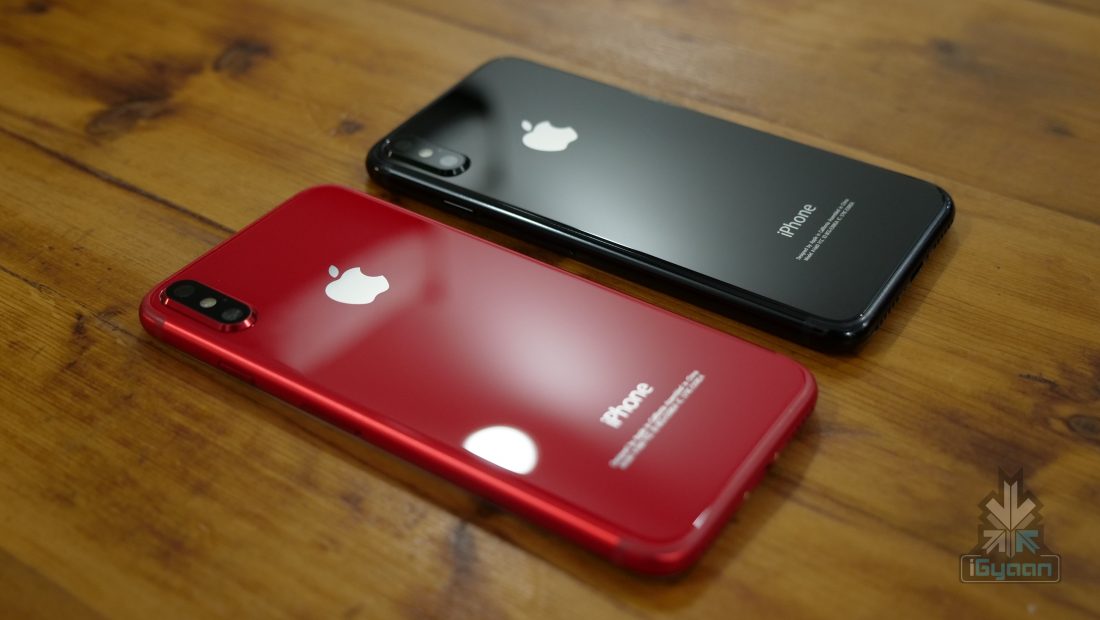
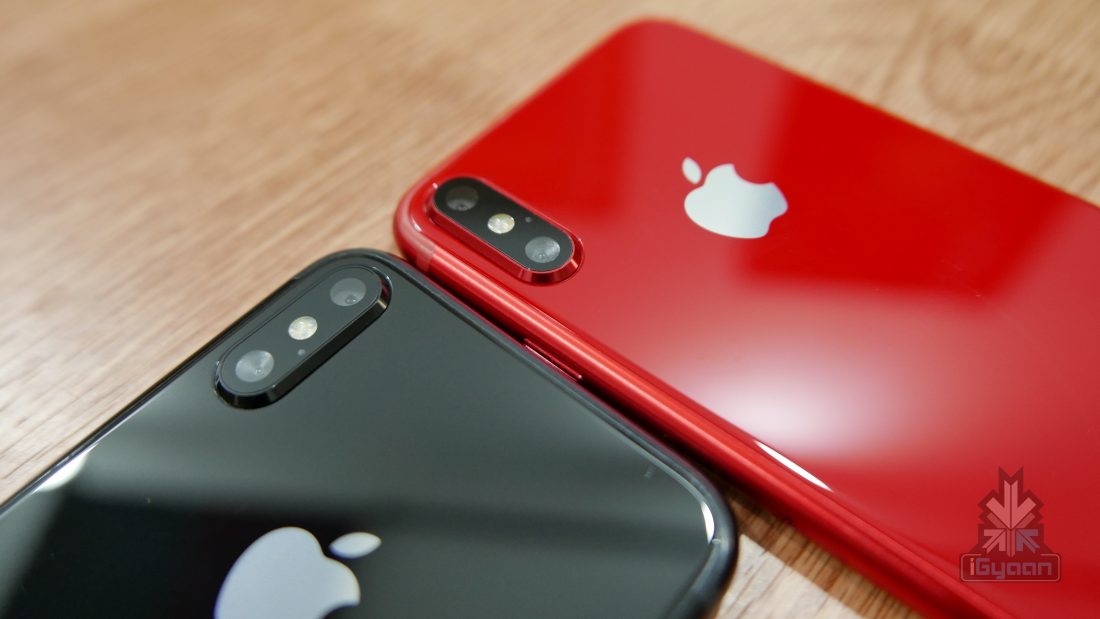
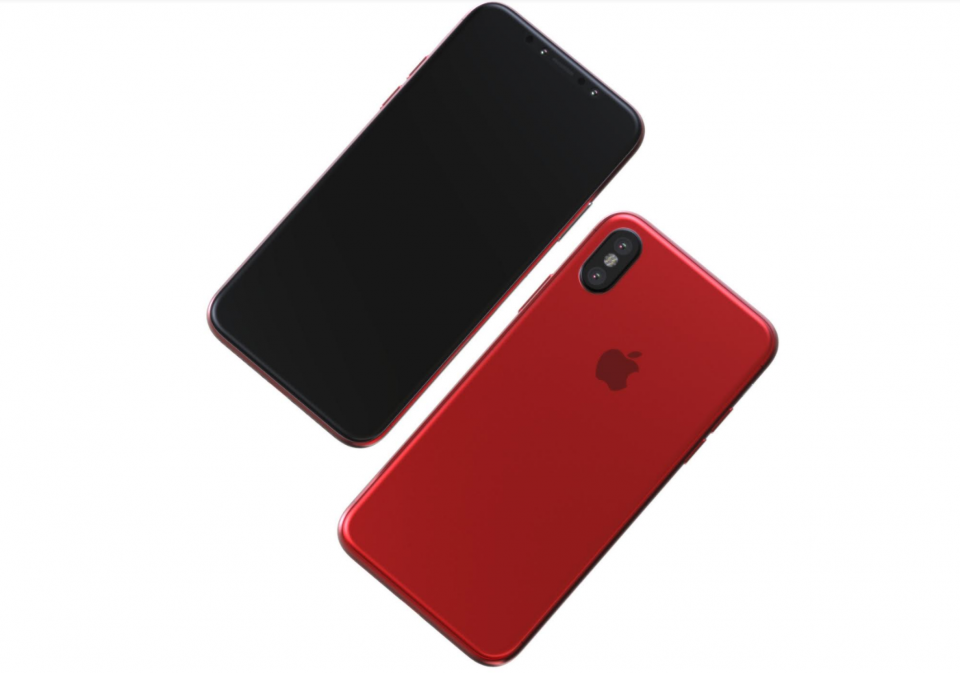
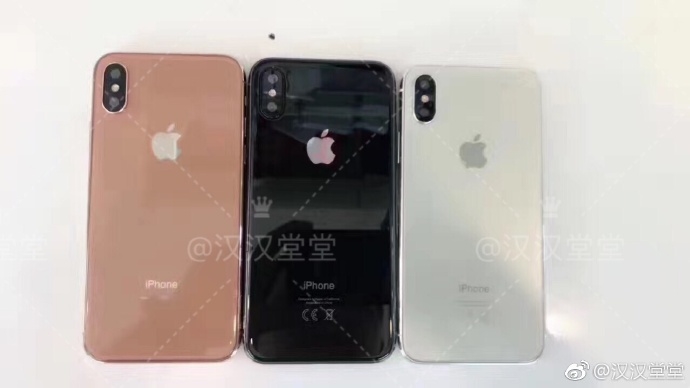
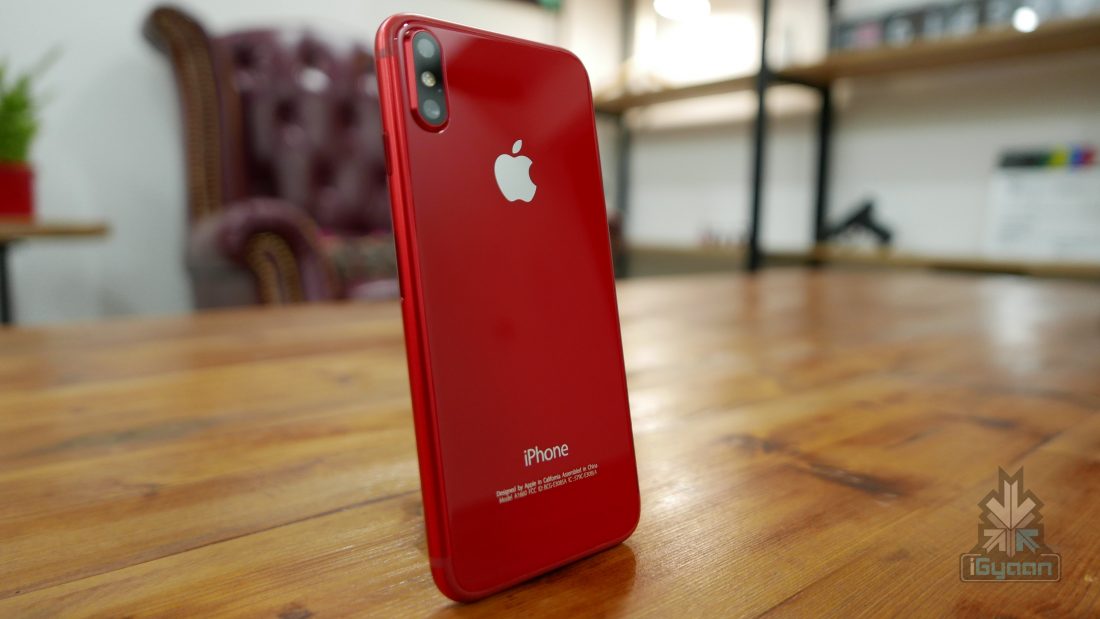
    There were reports that Apple will be ditching the ‘Rose Gold’ colour variant for the iPhone 8. An image of three colour variants, Copper Gold, Silver and Black for the iPhone 8 was leaked on Weibo. The Copper Gold clour has never been used by Apple for its iPhone lineup and will be an interesting addition for the consumers. The silver colour indicates that the phone’s minimal bezels will be white in colour. The iPhone 8 is also expected to make an appearance in the colour RED as a limited edition variant.

    Wireless Charging

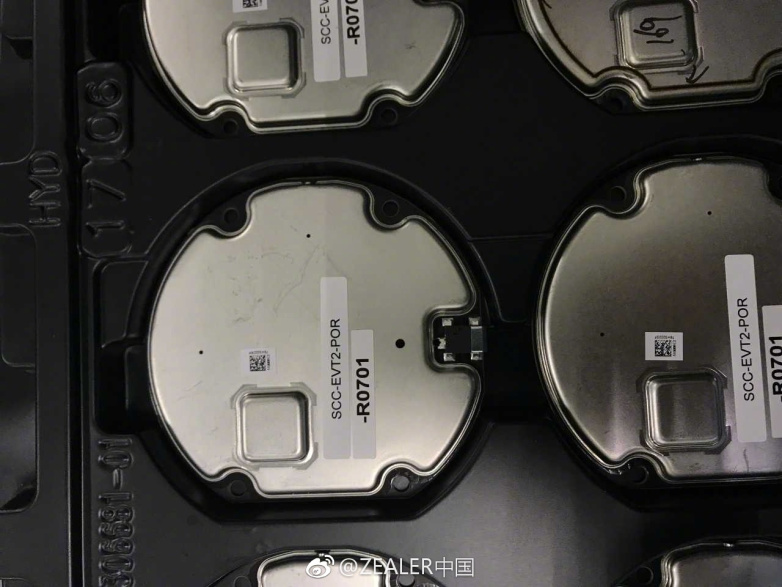
    The images of the components of the new iPhones first appeared on Weibo. The images show the purported component that will enable wireless charging on all of Apple’s next-generation iPhones. The part will be placed on the back of the iPhone 8, right under the rear glass shell. It has been already reported that the iPhone lineup will have a “glass sandwich” design, which means glass front and back. This news further legitimises the HomePod firmware leak which suggested that wireless charging support will be built into iOS. Having an all glass design allows manufacturers to add wireless charging capabilities even though it’s not as durable as having an all metal design.

    Under The Hood

    The Apple iPhone 8 is expected to run on the Apple A11 Chipset and have 4GB RAM. The iPhone 8 will be shipped in 64GB, 256GB and 512GB onboard storage variants.

    iOS

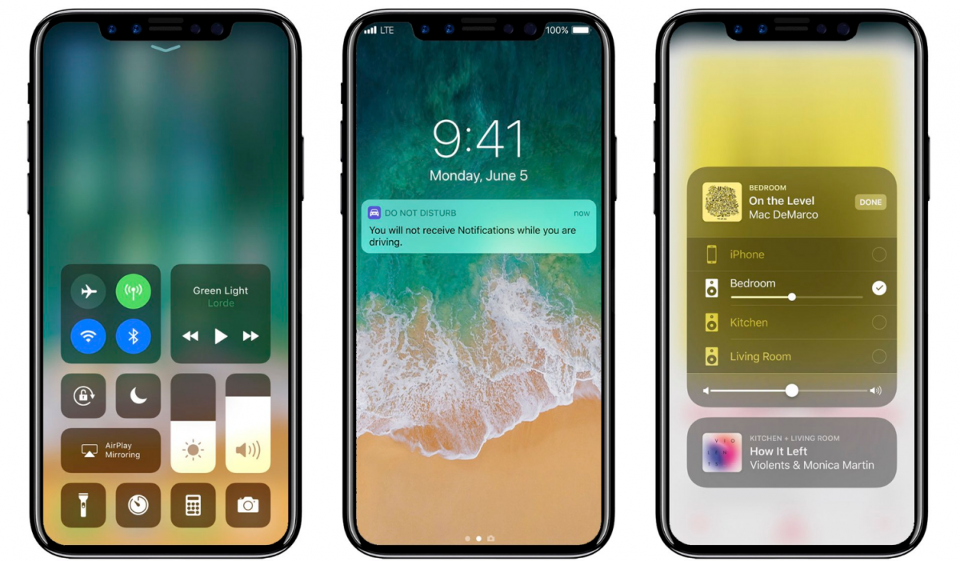
    Apple at WWDC 2017 announced iOS 11 and the developer preview has already been seeded.  iOS 11 has a newly redesigned control center, improved Siri functionalities and a screen record function among other things like a new file system, camera, and network functionality. Apple also unveiled an array of AR applications which will be compatible with the iPhone 7 Plus and the next iPhone due to the requirement of a dual-camera setup. The leaked firmware has also unearthed a new ‘tap to wake’ feature on the iPhone which will be a welcome addition.

  • Details Of The Apple iPhone 8 Confirmed By HomePod’s Firmware

    Details Of The Apple iPhone 8 Confirmed By HomePod’s Firmware

    Apple announced it’s smart speaker – HomePod at the annual WWDC (World Wide Developer Conference) at 5 June 2017. The $349 Siri powered speaker is said to rival Amazon’s Echo and Google’s Home and will be available for purchase in December.

    After introducing the HomePod at the conference, Apple pushed out a developer update for it’s wireless speaker ahead of its launch.  A bunch of developers examined the firmware bearing the name “AudioAccessory1,1”. The update revealed that the HomePod included the codebase for the next iPhone, along with the secrets about the smart speaker.

    Here’s a roundup of all the secrets found in the HomePod firmware –

    References to an LED matrix 

    According to one of the coders, it’s possible that HomePod will have a dot LED matrix screen that could display shapes, symbols,icons or even text. References to a Siri button on the top of the device were also found. This could mean that the existence of an LED matrix could potentially offer additional information to the user.


    References to an Infra-Red Camera and Facial Recognition Feature

    A code snippet was found that refers to iPhone’s infra-red, face recognition-based unlocking capabilities. The code consisted of the lines “BKFaceDetect” which probably refers to Biometric Kit and facial detection tech. .
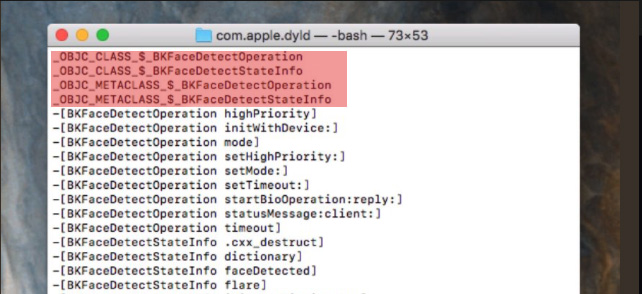
    References to an infrared camera – “pearlInfraredCapture Stream”, which can be used to detect your face even in the dark have also been seen. Reports of Apple using an infrared camera for 3D face scanning in the iPhone 8 have also been seen earlier this month.
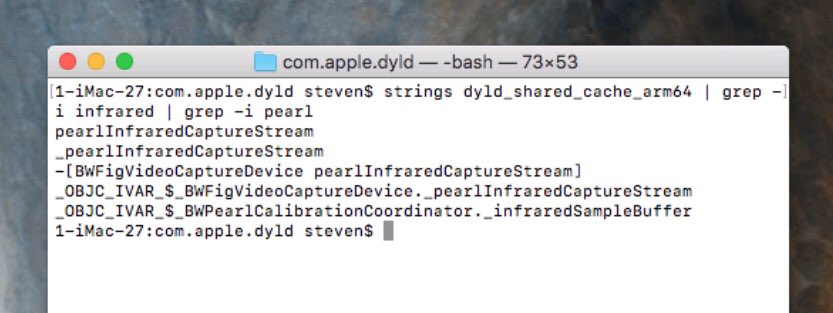
    A tweet from one of the developers pretty much confirmed the facial unlocking feature in the iPhone 8.


    References to the iPhone 8 Form Factor

    HomePod firmware also appears to have carried an icon of the iPhone 8. Confirming the all-screen design, a stylized image of the new iPhone was also extracted from the “Payment_glyph_phone-D22.caar” in “PassKitUIFoundation.framework”.
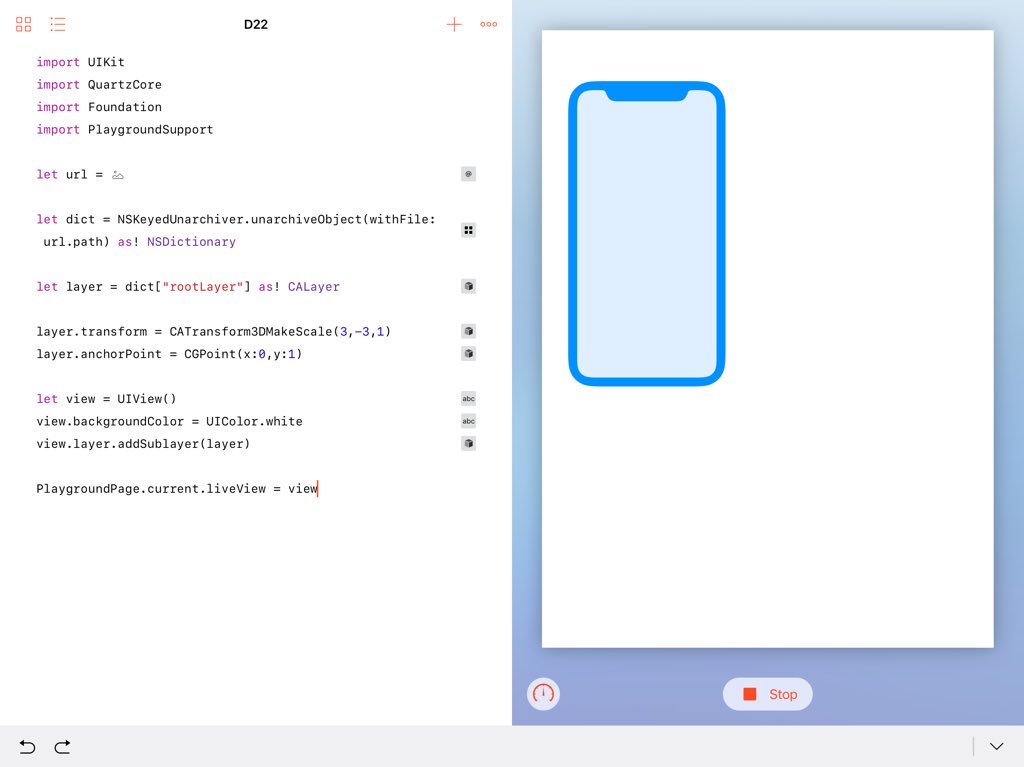
    Later, another developer tweeted a high resolution version of the of the next iPhone’s icon. The form factor revealed a bezel-less, edge to edge display extending around the top speaker and sensors.


    The earlier icons of the previous iPhones like iPhone 5s had a home button which doubled as the Touch ID. The placement of the TouchID and the home button in the iPhone 8 is still not disclosed . Apple might just give the fingerprint sensor a miss in the new iPhone.

    References to a 2436×1125 Resolution

    Another snippet of the code was tweeted yesterday containing references to a 5.15-inch screen with the rumoured 2436 x 1125 resolution.
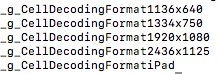
    Assuming the speculations are true, iPhone 8 will have a pixel density around 521 PPI with 3x Retina display which is higher than the existing iPhone lineup.

    Tap to wake feature 

    A tap to wake feature has also been discovered. The developers say that it may be similar to the Lumia 950’s Double-tap to wake the phone feature.

    References to a virtual Home Button

    A developer confirmed that the traditional home button will now be replaced with a virtual home button called the “home indicator”. The coders also shot down the possibility of a Touch ID.

    Apple will not be the first to use facial recognition and edge to edge display. Both the features have already been seen on other Android phones like Samsung Galaxy S8 and S8+, LG G6 etc. But with the increased pixel density and the 3x Retina display, the iPhone 8 will be at par with the latest high-end Android phones like the Galaxy S8 (2960 x 1440) or the Google Pixel (1080 x 1920), which tend to offer more pixel-dense displays.

    It is still not definitive whether the features extracted from the code will make it into the iPhone 8 or not. But as these are the samples of code released by Apple, it is more likely that the said features will be present in the upcoming smartphone.
iGyaan Network
Privacy Overview

This website uses cookies so that we can provide you with the best user experience possible. Cookie information is stored in your browser and performs functions such as recognising you when you return to our website and helping our team to understand which sections of the website you find most interesting and useful.