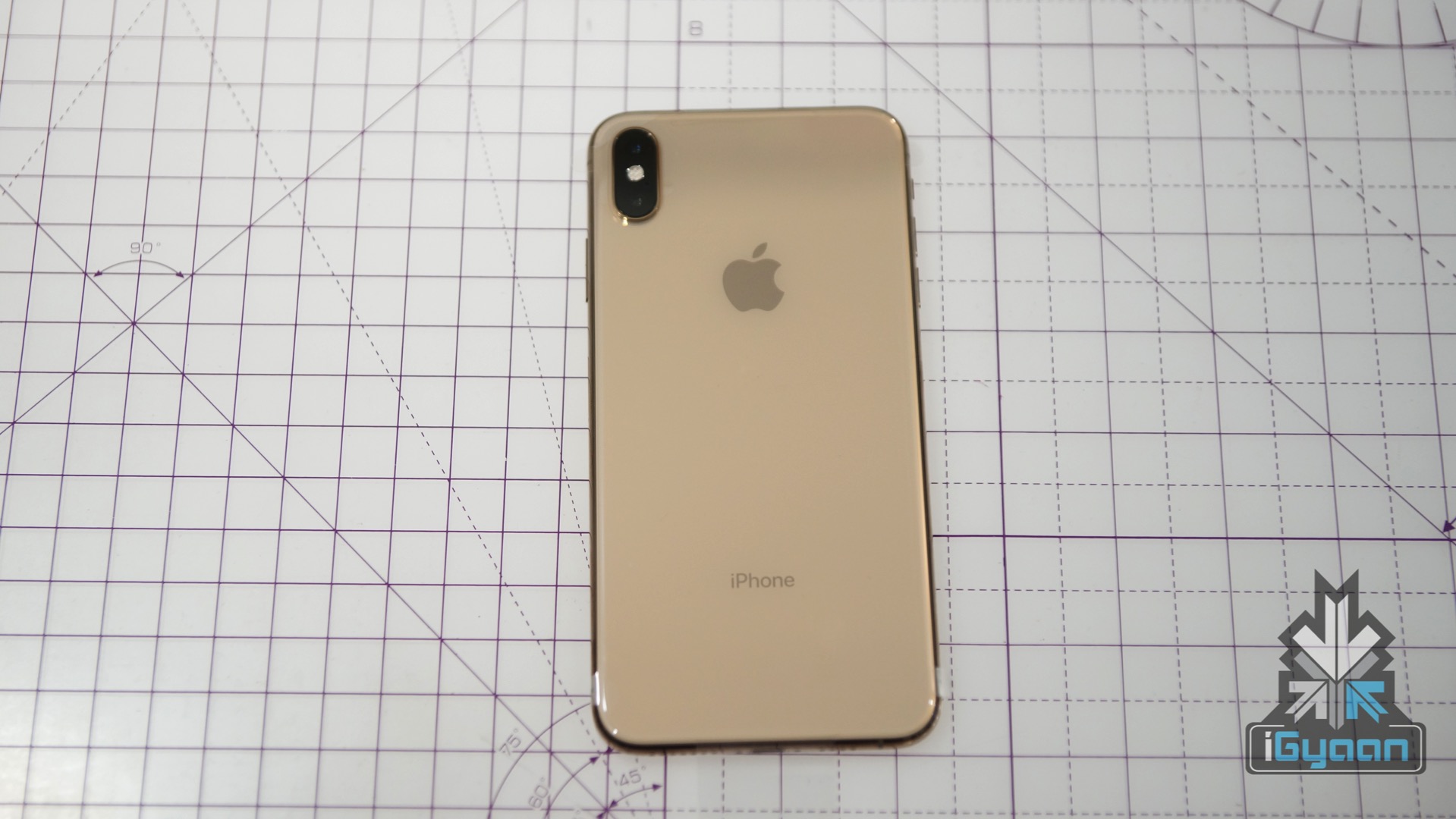
Apple is a leader in several fronts of technology, especially smartphones. Various features including the fingerprint sensor and notch display either originated on an iPhone or were popularised by the company. However, there is one remarkable technology that the company has been sluggish in adapting to which is wireless charging. Apple first introduced this promising feature with the iPhone 7 and 7 Plus models in the year 2016. However, it is now aiming towards fully embracing this visionary form of technology. A fresh report shared by a reliable Japanese source, Macotokara claims that the upcoming Apple iPhone models may also get the reverse wireless charging feature.
What Is Wireless Charging and Reverse Wireless Charging?
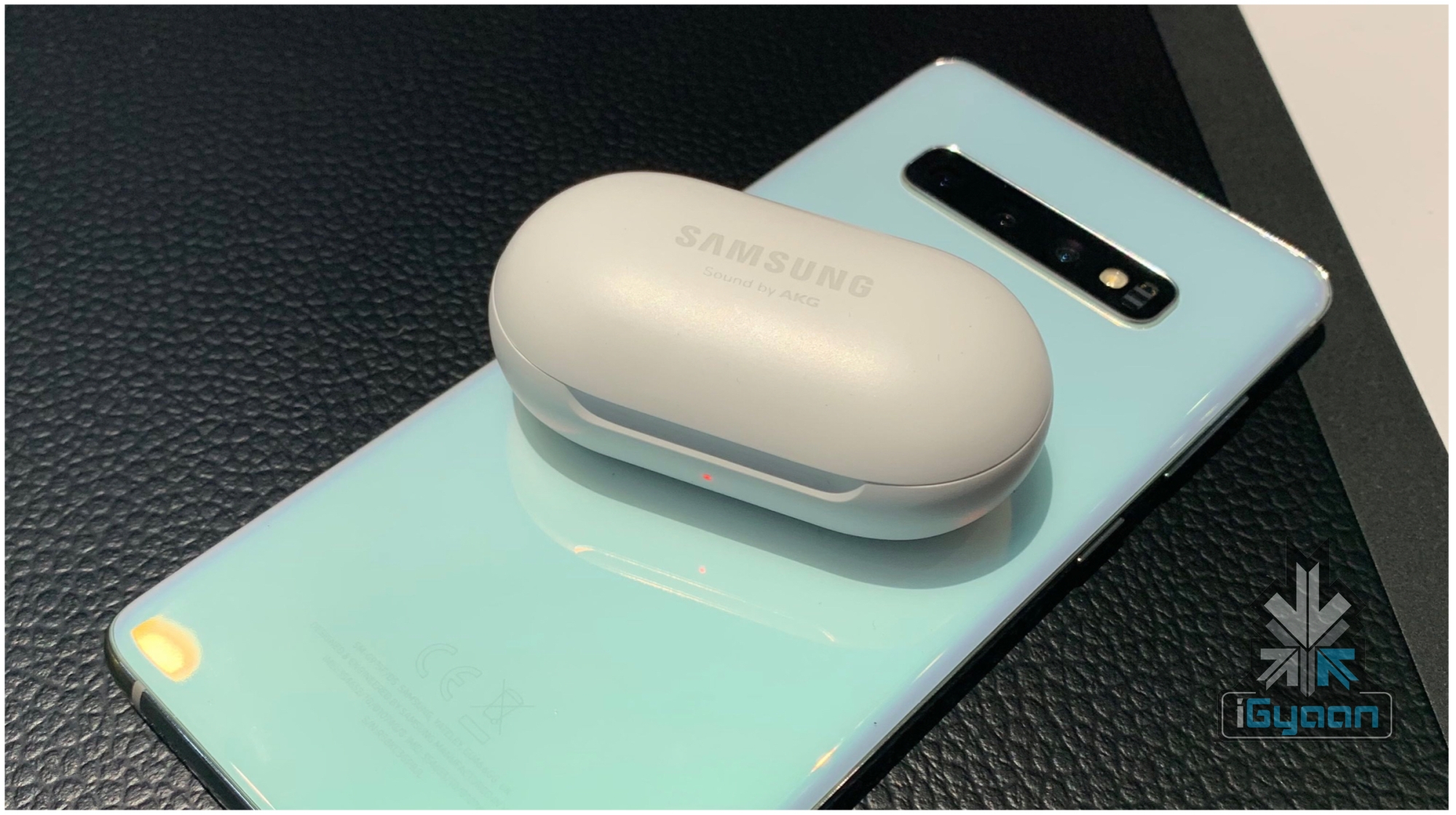
Wireless charging is a form of cordless charging that uses electromagnetic fields to transfer energy between two compatible devices. The Nokia Lumia 820 and the Lumia 920 from the year 2012 were one of the worlds first smartphones to feature this type of conductive charging technology. With ever-evolving smartphones, this technology has become highly prevalent and is seen on most flagship devices. The technology has grown so much so that devices like the Galaxy S10 and the Mate 20 Pro even support a remarkable feature caller reverse wireless charging. As the name suggests, the aforementioned devices are capable of wirelessly charging other compatible devices via their inbuilt battery.
iPhone With Reverse Wireless Charging
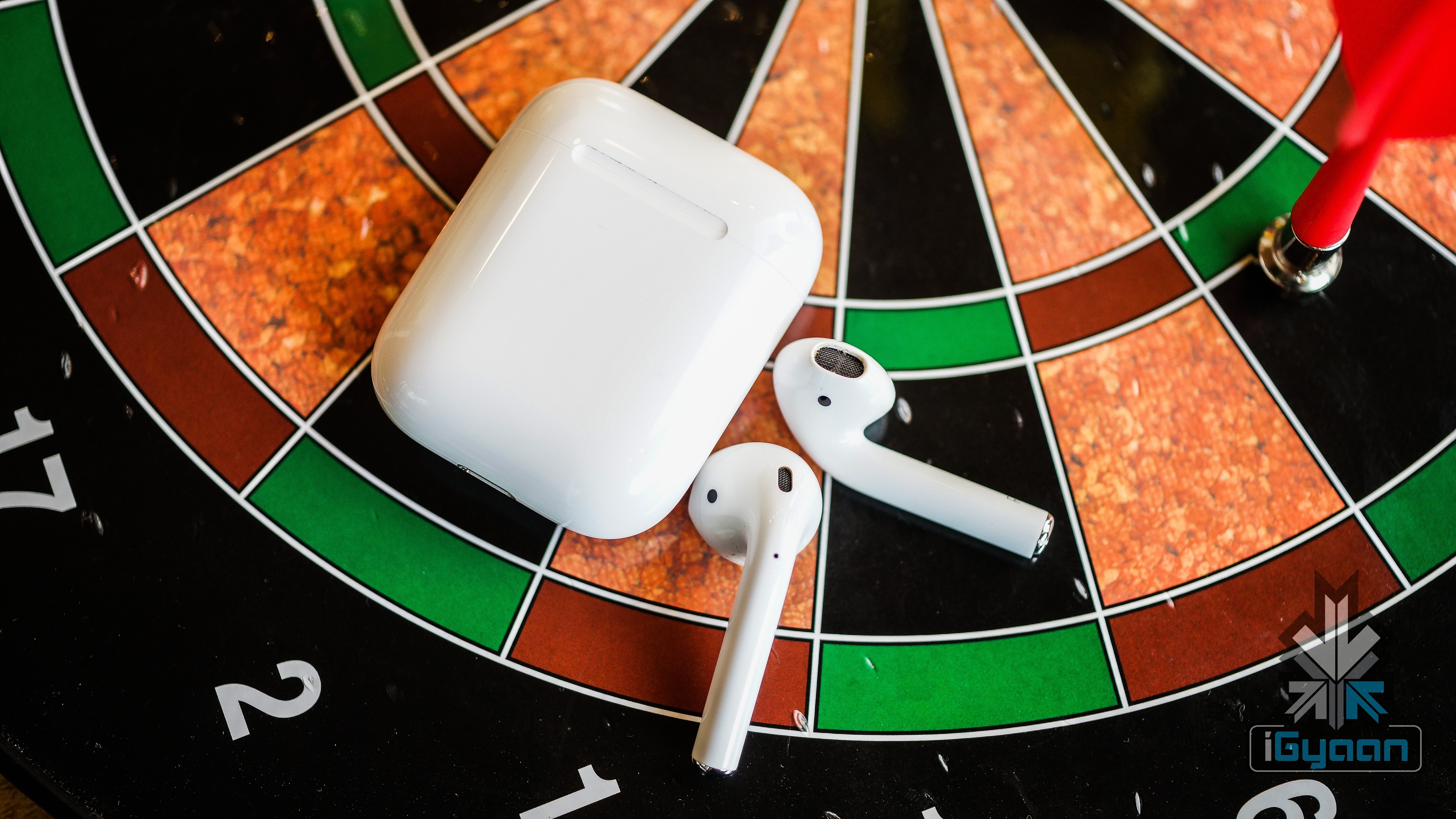
A reputed analyst at TF International Securities, Ming-Chi Kuo claims that the upcoming iPhones will support reverse wireless charging. Samsung with its latest Galaxy S10 and Galaxy Buds has demonstrated how useful this feature can be. Accordingly, the upcoming iPhone with reverse wireless charging support can be used to charge the Apple Watch Series 4 and the newly launched AirPods 2019, both of which support cordless charging.
E-commerce giant, Amazon has announced its Apple fest, where buyers can find some amazing discounts on Apple products. This is a great opportunity for those who want to upgrade to a premium smartphone or laptop and save some bucks while doing so. The devices on sale are iPhones, iPads, MacBooks and Apple accessories/wearables.
Discounts On iPhones
Users who are looking towards buying a new iPhone can avail heavy discounts while doing the same. iPhone X is one of Apple’s most popular smartphones. Features of the device include a 5.8 inch Super Retina Display, IP67 Certification, FaceID Authentication and an A11 Bionic Chip. The smartphone has a dual camera setup (12MP+12MP) with OIS. It can be purchased for a huge discount of INR 17,900, which places its starting price at INR 73,999 for the 64 GB variant. Moreover, if users choose to purchase the 256 GB variant, they can get the iPhone X at a cost of INR 84,790, which is almost INR 24,000 lower than the MRP of the device.
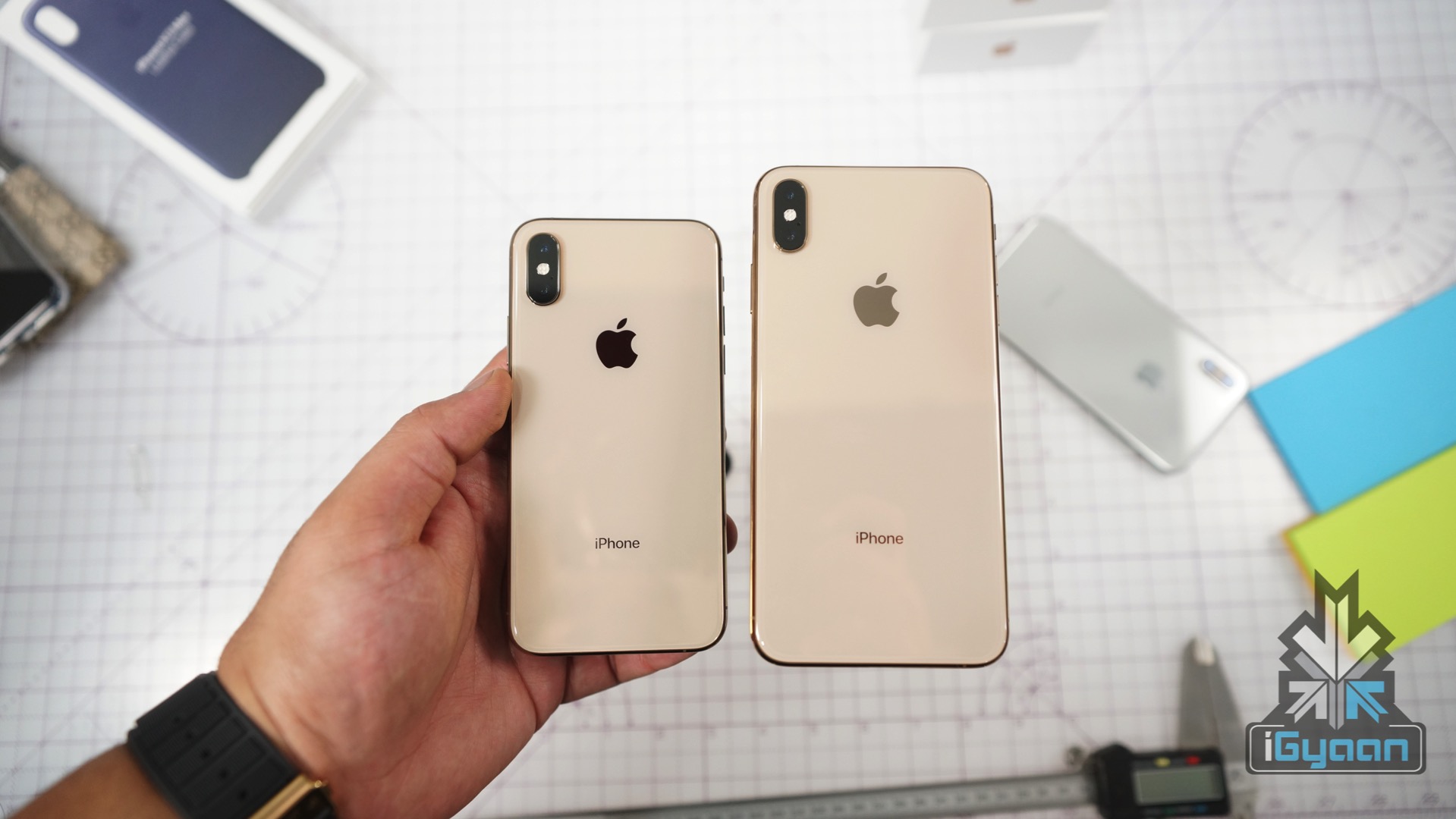
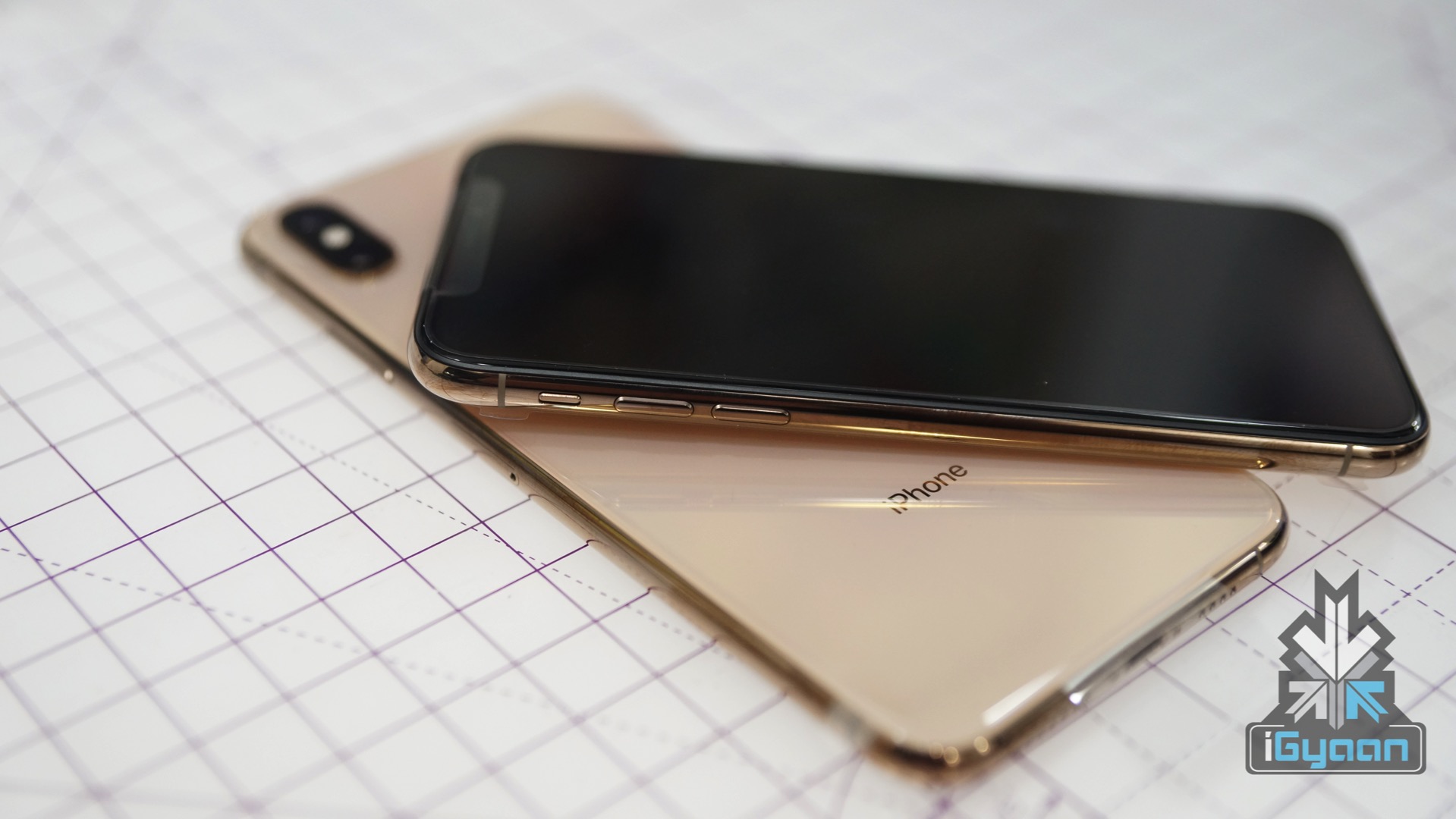
Those who want to purchase the ultimate flagship from Apple, the iPhone XS Max, can avail a discount of INR 5,000 on both the 64 GB and 256 GB variant, pricing them at INR 1,04,900 and INR 1,19,900 respectively. Features of the device include a 6.5 inch Super Retina Display, IP68 Certification, FaceID Authentication and an A12 Bionic Chip. The smartphone has a dual camera setup (12MP+12MP) with OIS. Users can also get a discount on the younger sibling of the aforementioned smartphone, the iPhone XS. With a smaller screen than its elder sibling (5.8 inch), it is available at an INR 5,000 discount for both 64 GB and 256 GB variants, pricing them at INR 94,900 and INR 1,09,900 respectively.
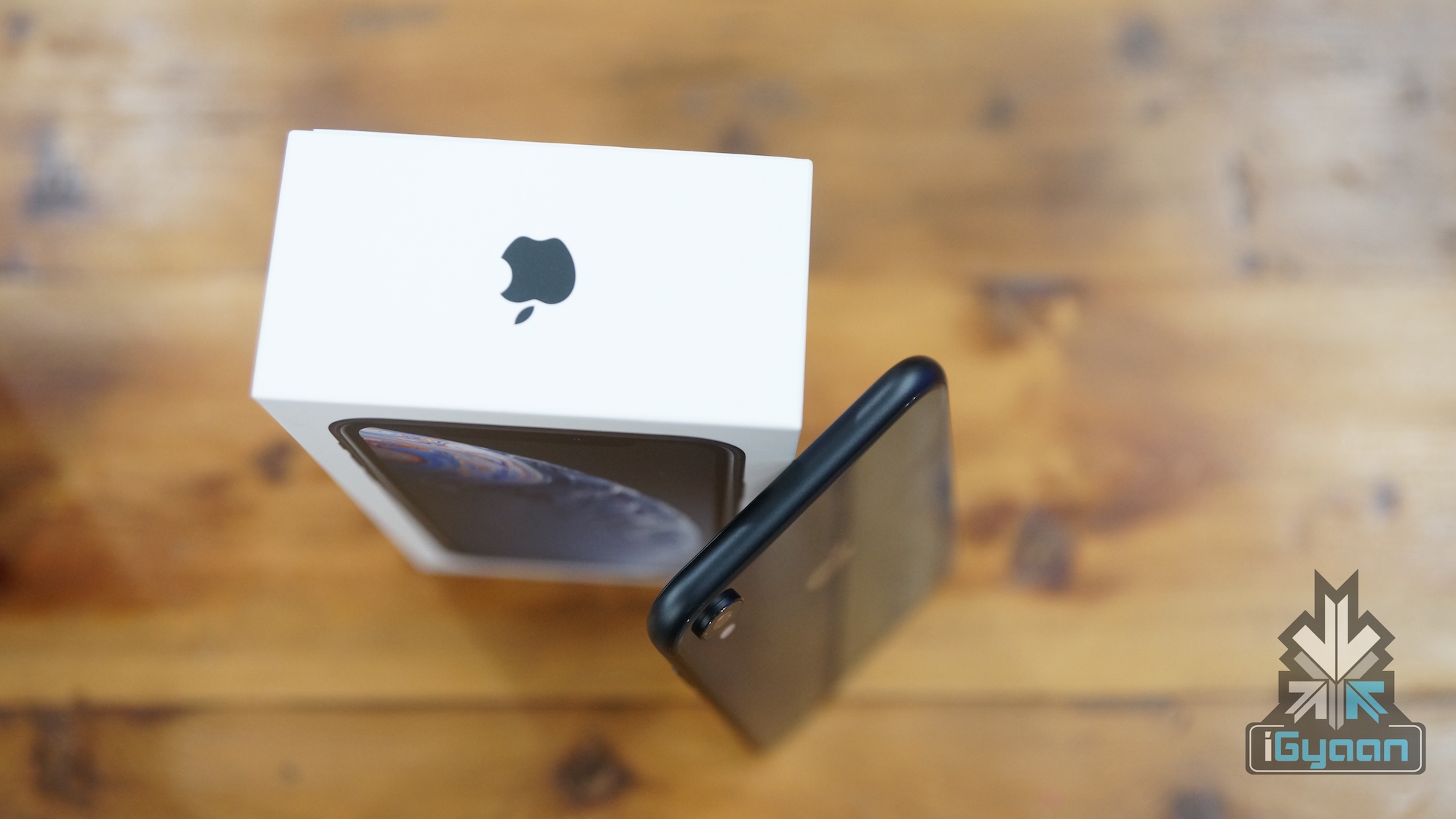
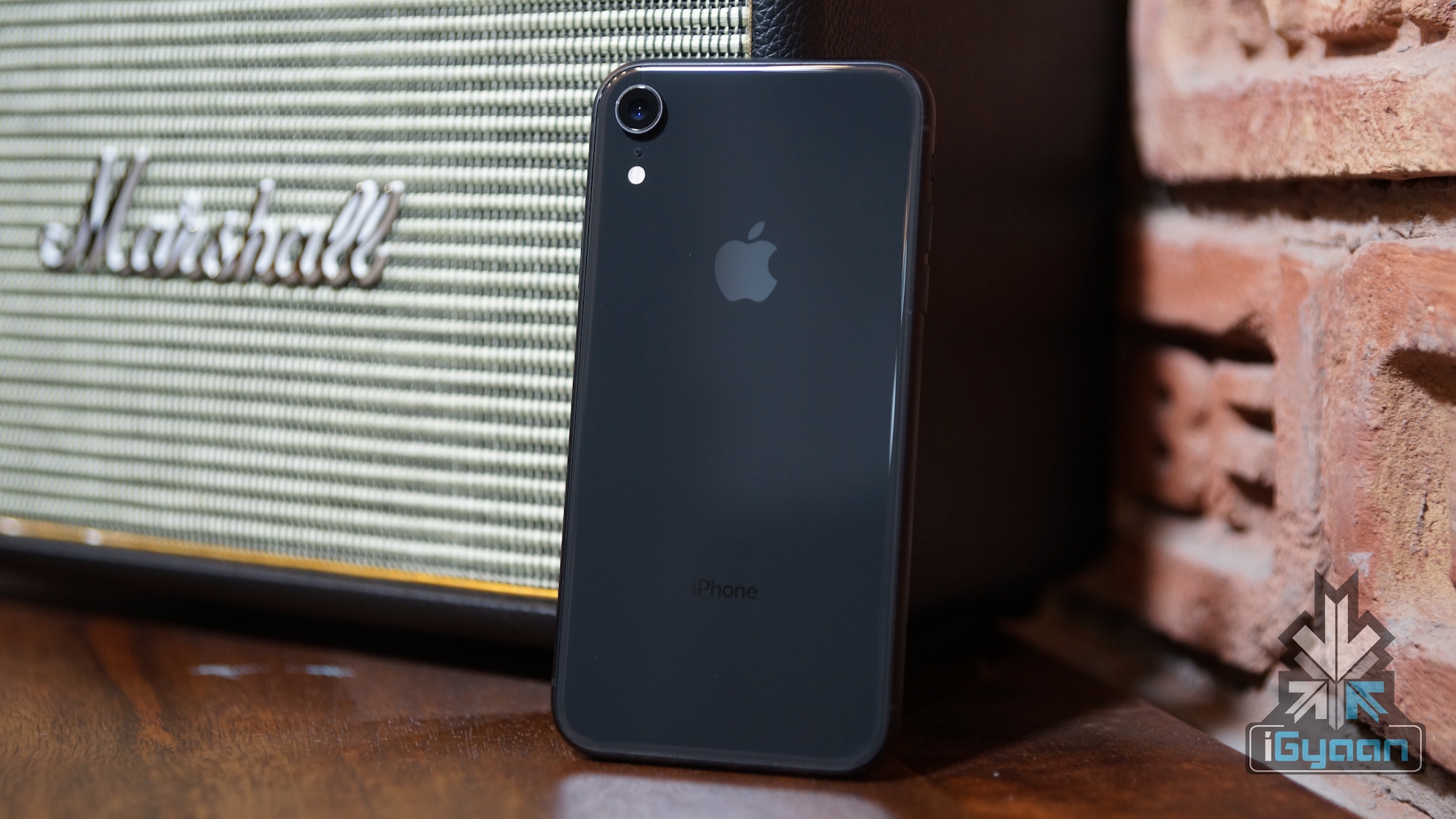
Furthermore, users can also own the Apple iPhone XR for a price of INR 67,999 onwards for the 64 GB version. The iPhone XR has a 6.1 inch Liquid Retina Display, IP67 certification, a single 12 MP camera, Face ID and the A12 Bionic chip.
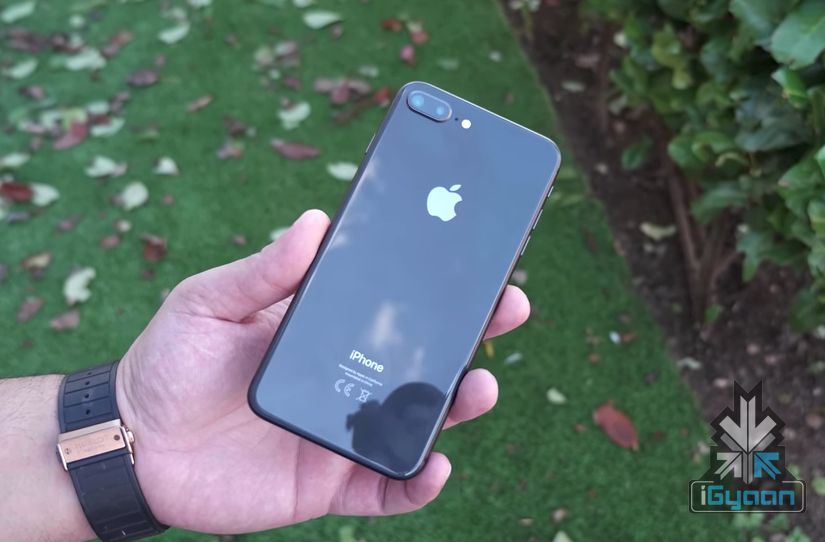
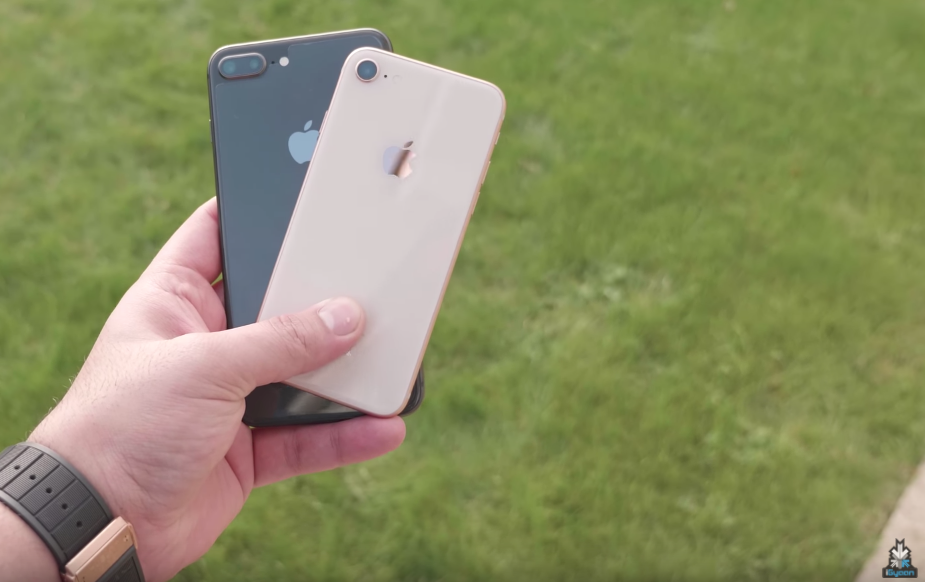
The iPhone 8 Plus is also down to a price of INR 66,999 after a discount of INR 10,561 for the 64 GB model. For the 256 GB model, it has been priced at INR 78,999, which is INR 12,111 lower than its actual MRP. The device has a 5.5 inch Retina HD display and is IP67 water and dust resistant. It also has 12MP dual cameras with OIS and an A11 Bionic chip.
Users can also purchase the single-rear camera version of the device, the iPhone 8 at a price of INR 57,999 for the 64 GB variant and INR 67,999 for the 256 GB model. The phone sports a smaller 4.7 inch display with a 12 MP single rear camera and an A11 bionic chip running the device.
The iPhone 7 is experiencing a huge price cut on the 128 GB variant, with the device retailing for INR 48,999 after a discount of INR 11,000. The 32 GB variant of the same is priced at INR 37,999. The smartphone features a 4.7 inch Retina HD display. The device has IP67 resistance and a 12 MP camera. It features a A10 fusion chip and TouchID for authentication.
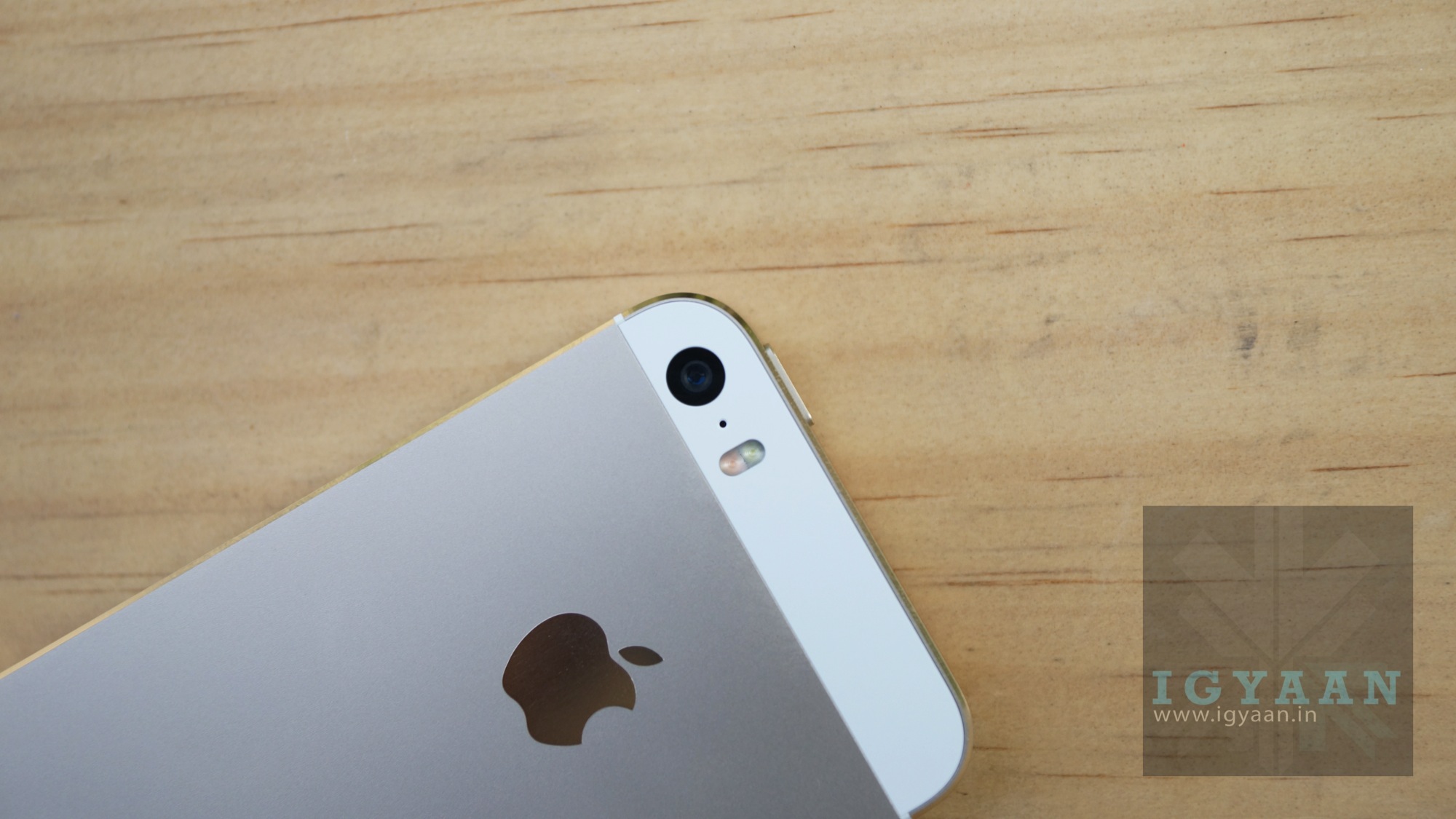
The last iPhone on sale is the iPhone 6s, which is retailing at INR 27,999 after a discount of INR 1,901 for the 32 GB variant. Features include a 4.7 inch Retina HD display, TouchID, 12 MP camera, and an A9 chip.
Device Model
Variant
MRP
Discounted Price
Discount
iPhone X
64GB
91,900
73,999
17,901
256GB
1,08,930
84,780
24,150
iPhone XS Max
64GB
1,09,900
1,04,900
5,000
256GB
1,24,900
1,19,900
5,000
iPhone XS
64GB
99,900
94,900
5,000
256GB
1,14,900
109,900
5,000
iPhone XR
64GB
76,900
67,999
8,901
128GB
81,900
72,999
8,901
256GB
91,900
84,999
6,901
iPhone 8 Plus
64GB
77,560
66,999
10,561
256GB
91,110
78,999
12,111
iPhone 8
64 GB
67,940
57,999
9,941
256GB
79,420
67,999
11,421
iPhone 7
32GB
39,900
37,999
1,901
128GB
59,999
48,999
11,000
iPhone 6s
32GB
29,900
27,999
1,901
Discounts On MacBooks
MacBooks are the perfect portable devices from Apple which can handle day-to-day tasks, such as video editing, content creation and much more. Apple is providing a wide variety of discounts on its range of laptops. With discounts of up to INR 33,000 on selected MacBooks, users can look towards upgrading their notebook to the powerful notebooks from Apple.
The devices on sale include the MacBook Pro (13-inch and 15-inch models) and the MacBook Air (13-inch and 15-inch models).
Apple’s iPads are the highest selling tablets in the world for a reason, and now the company is offering them at big discounts of almost up to INR 7,500. The variants on sale include the Apple iPad Pro (Wi-Fi Models Only) and the Apple iPad. Furthermore, the highly popular Apple Watch is available at a discount of INR 6,411 for the Series 3 (42 mm) variant and a discount of INR 4,381 on the Series 3 (38 mm) variant.
Earlier this week, Cupertino based Apple silently launched a slew of products which include the updated iMac, AirPods with wireless charging support, the iPad Mini 5th Gen and the iPad Air 10.5. The company was also expected to launch the iPod 7 during the week which has not yet happened. It is now expected to be unveiled at the upcoming Apple event on the 26th of March alongside the anticipated subscription-based news service. Days before the event, a Chinese source has made some fascinating revelations about another long awaited device from the company. Chinese website, IT home claims that Apple will also launch the budget-oriented iPhone SE 2 at the upcoming event. To support its claims, the blog has shared Amazon listings of a screen protector and case for the predicted smartphone. Pleasingly, the accessories listing of the iPhone SE 2 also reveals its design and features.
iPhone SE 2
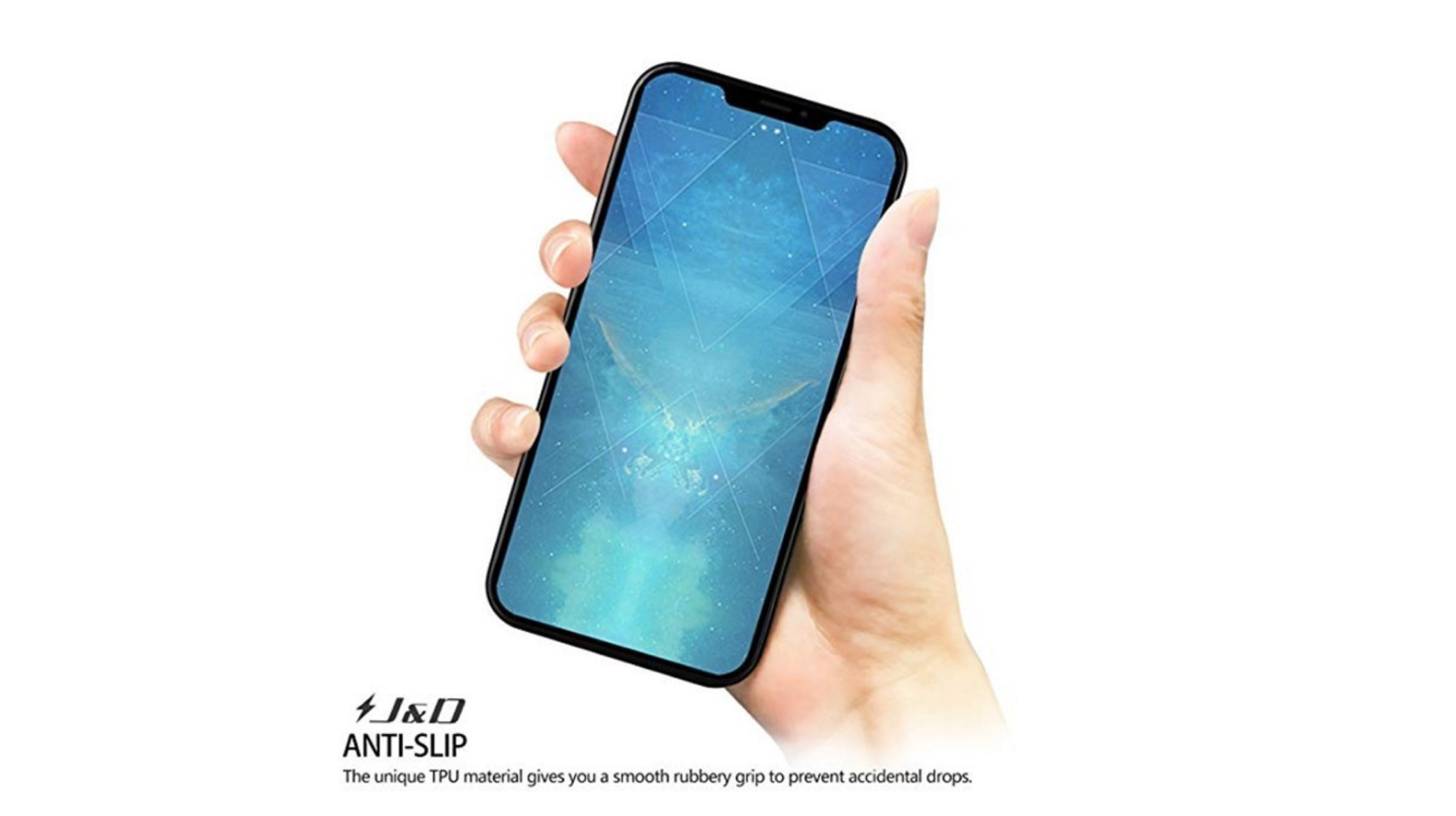
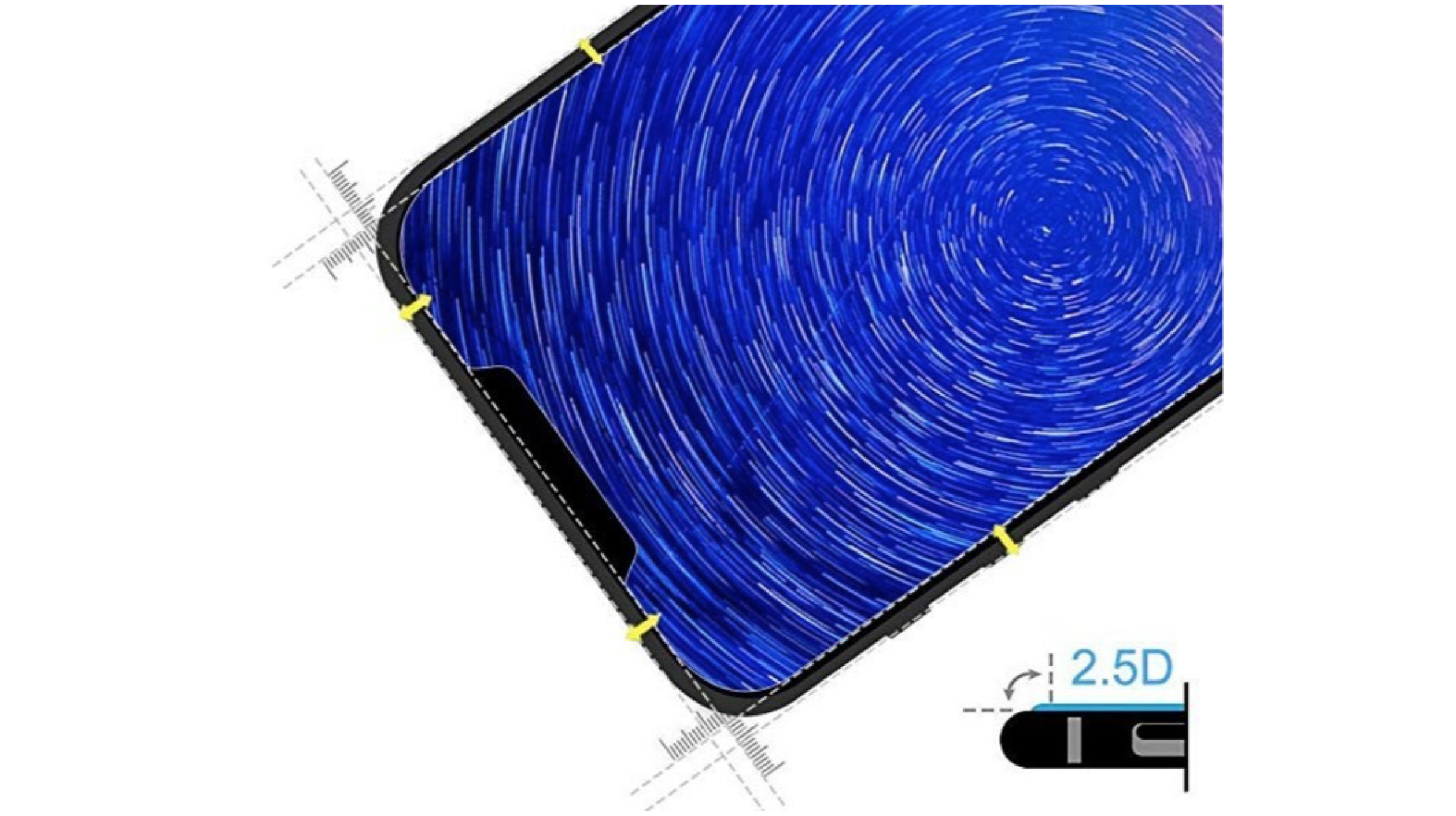
According to the leaked tempered glass listing of the iPhone SE 2, the smartphone will have a significantly different front design in comparison to its predecessor, the iPhone SE. The front of the smartphone accommodates a rounded edge display with a high screen-to-body ratio which is enclosed with negligible bezels. Notably, it also has a notch up top like the latest iPhone models. Like its predecessor, the left side of the device houses the volume rockers and the mute switch.
Albeit the listing does not show the bottom and top view of the iPhone SE 2, it is assumed to have the same layout as its predecessor. The top of the smartphone is expected to house the power button while the bottom is expected to house the lightning port, 3.5 mm jack and loudspeaker grille. The rear of the upcoming smartphone has a similar design as the original iPhone SE with a single camera setup placed on the top left side.
According to the source, the iPhone SE 2 will feature the A9 chipset which is also present on the iPhone 6s. Other details including the camera resolution, the screen size and the battery capacity will be publicised once the company officially launches it. Fortunately, we won’t have the wait for long as the Apple event is approaching fast.
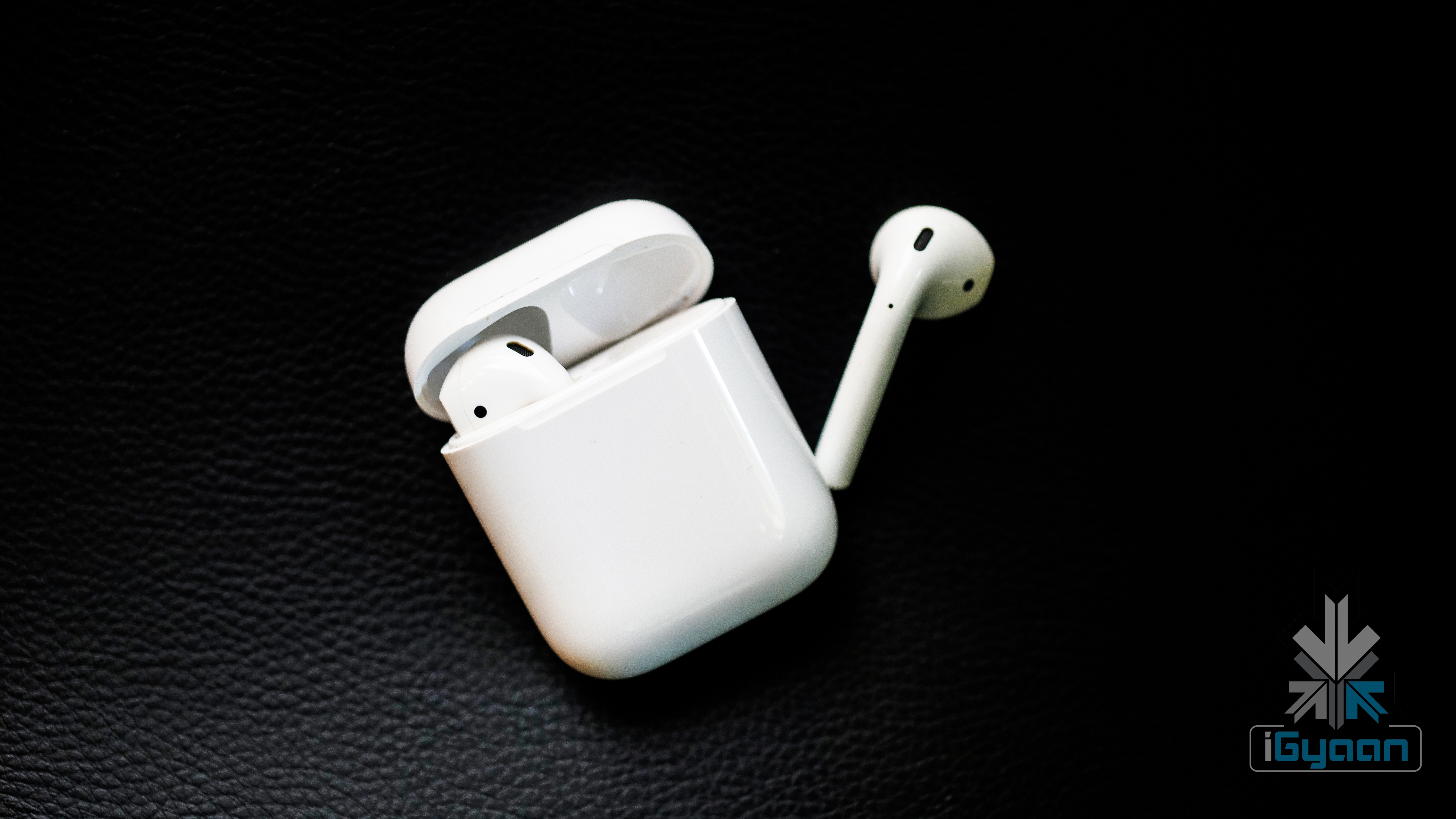
Apple continues the streak of its surprise announcements by unveiling its newest AirPods, which are an updated version of the revolutionary 2016 AirPods. The wireless earphones promise an improved wireless experience and almost 50 percent more talk time than the previous model.
Features
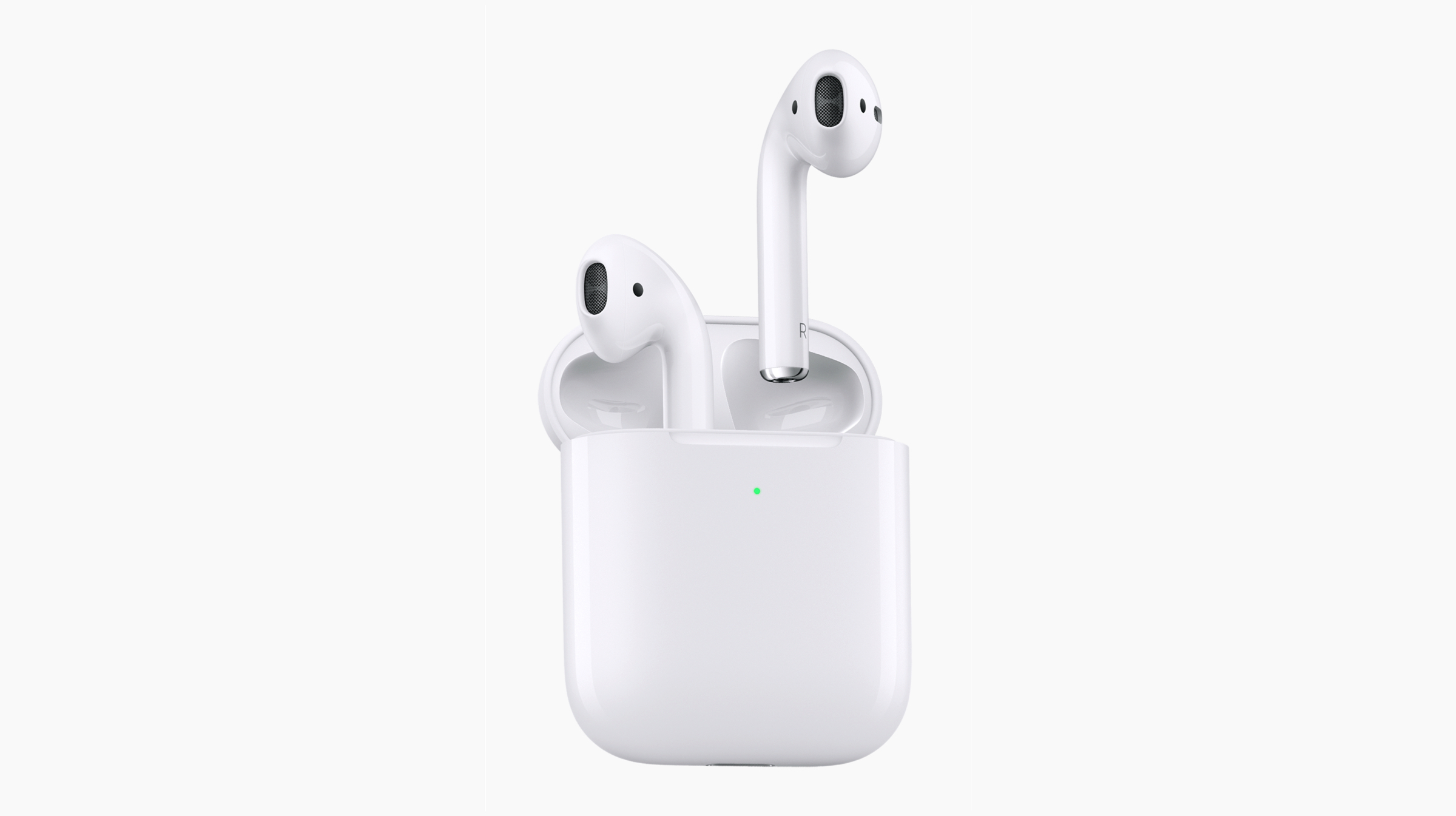
The new AirPods feature the Apple-designed H1 chip with boosted power efficiency and much faster connection sequence. The AirPods also sport the hands-free “Hey Siri” feature to launch the Apple voice assistant, a characteristic that was missing in the previous generation. The new AirPods are available with a new wireless charging case in addition to the standard charging case. The new charging case will cater to the user’s convenience while charging the AirPods.
The company states that the new H1 chip has a custom audio architecture for better synchronization with Apple devices. Faster connect times will ensure that the AirPod’s connectivity will be seamlessly transferrable between different Apple devices like the MacBooks, iMacs or the iPhones. For changing music and making calls, users won’t even need to access their phones anymore owing to the previously mentioned hands-free “Hey Siri” feature.
Both the wireless and standard charging cases hold charging power for more than 24 hours of total listening time, the company claims. The newly-launched charging case runs on the Qi wireless charging technology. The new wireless charging case also features an external LED indicator on the front, which is an update from the internally placed LED indicator in the non-wireless charging case. The American technology company also stated that existing AirPod users can separately purchase the Wireless charging case.
The new AirPods with the standard charging case have been priced at US$ 159 (Rs. 14,900 in India). The wireless charging case, along with the AirPods will cost US$ 199 (Rs. 18,900 in India). For the users of the first generation AirPods, the wireless charging case is sold separately for a price of US$ 79 (Rs 7,500 in India). They will be available later this spring, reportedly in the month of May or June in India.
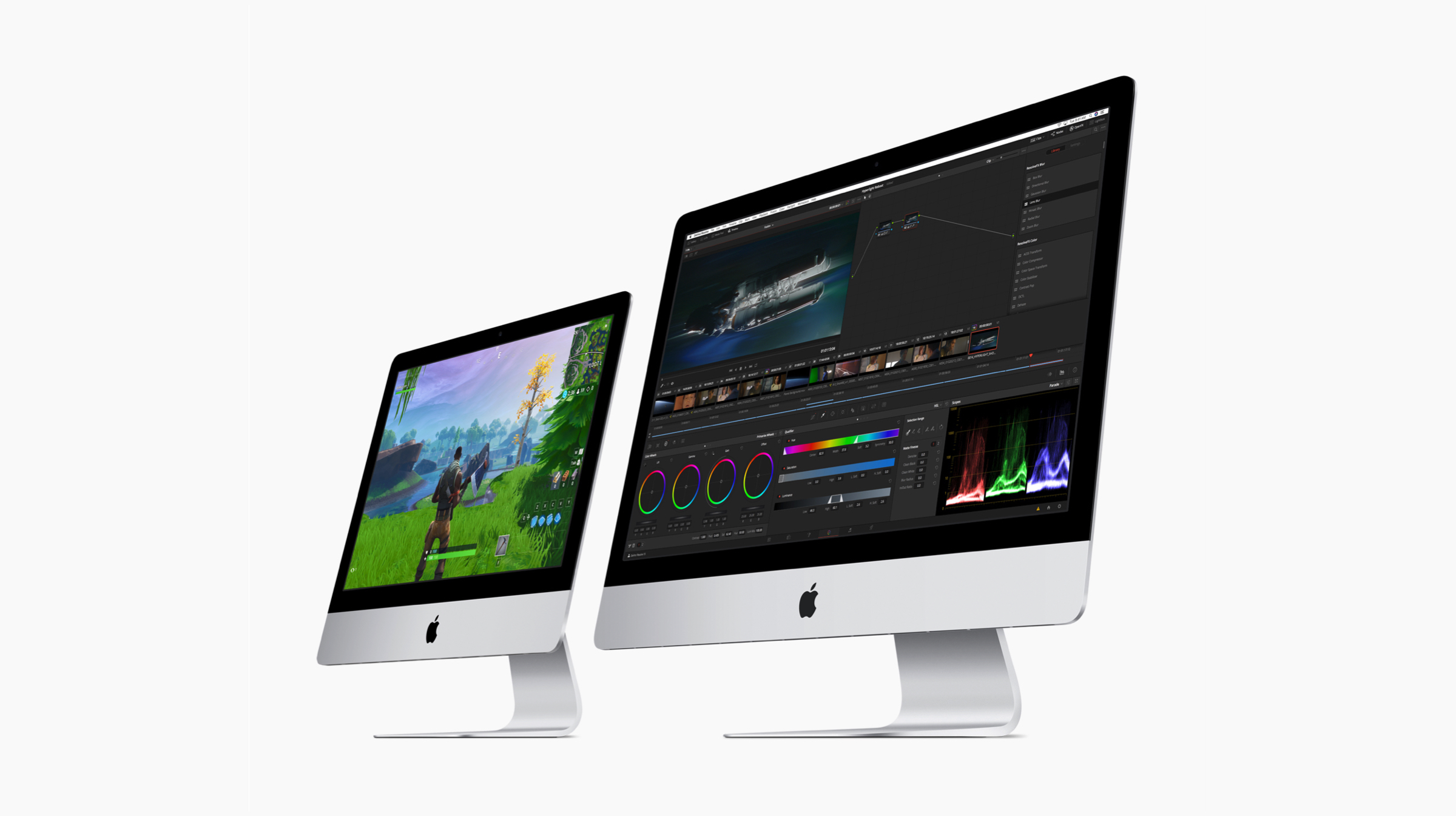
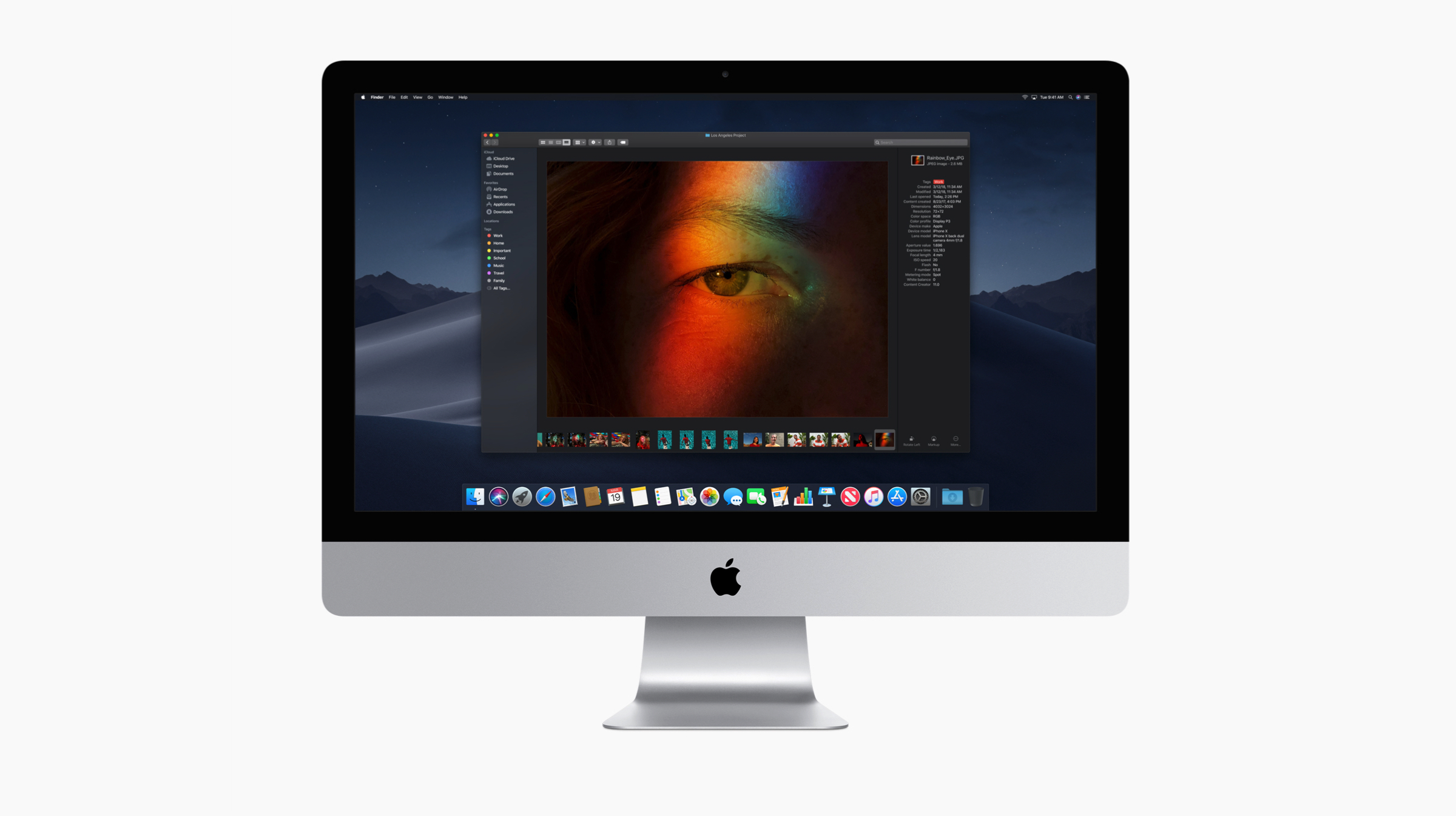
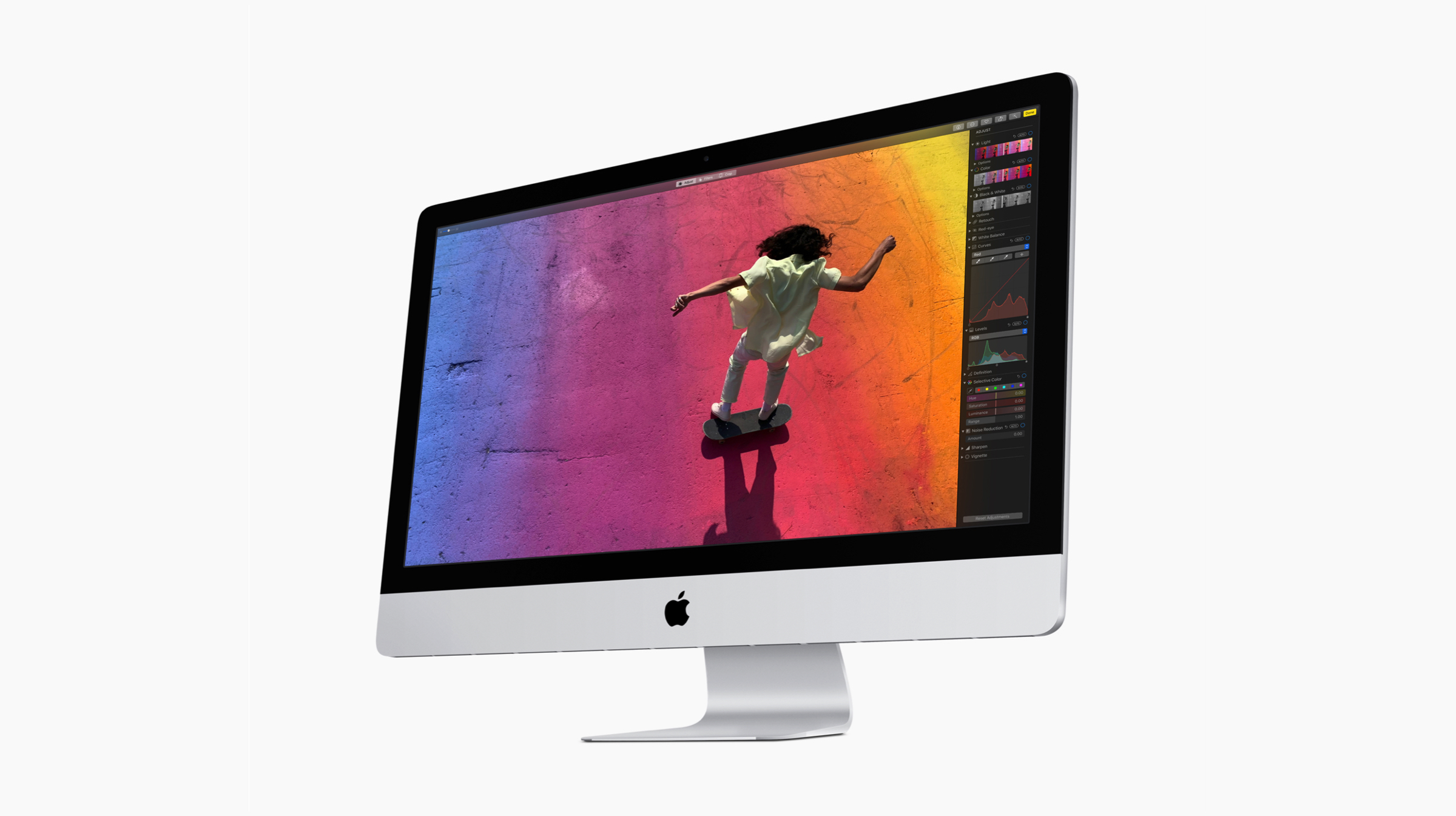
Apple has released an update to the existing lineup of its iMacs. These computers have been upgraded with up to Intel Core 9th Generation processors and AMD GPUs. Notably, this update is applicable to the 21.5 inch and 27 inch iMacs across all models. This update arrives after they were last updated in 2017, nearly two years ago.
Updated Apple iMacs
The new iMacs have substantial hardware upgrades from the inside. The 21.5 inch iMac now has the 8th Generation Intel Quad-core i3 or the six core i5 CPU. In terms of graphics, the computer has either a Radeon Pro 555X GPU or a Radeon Pro 560X by default. There is also a configurable custom model with up to a six-core Intel i7 processor, 32GB RAM and AMD Radeon Pro Vega 20 GPU with 4GB memory. Notably, the specifications options of the 21.5 inch iMac are the same what Apple did with the refreshed Mac Mini.
The 27 inch iMac gets an even more significant upgrade, with a default six-core Intel i5 processor. There is also an option to upgrade to the latest 9th Gen Intel processors which have a six and eight core CPU variant. Apple claims that this will provide up to 2.4 times faster performance than the previous generation. GPU options include a Radeon Pro 570X, 575X and 580X for prebuilt variants. For the custom configuration build, there is an option of the AMD Radeon Pro Vega 48 GPU with 8GB of memory. The graphics performance of the 27 inch iMac is claimed to be 50 percent faster than the previous generation.
Both the sizes of the new iMacs have the macOS Mojave preinstalled. It is the latest version of the operating system by Apple. Both sizes also retain the display with a 4K resolution. These displays have support for the P3 wide colour gamut and have a peak brightness of 500 nits.
The new 21.5-inch iMac with Retina 4K display starts at US$1,299 (INR 119,900 in India) and the new 27-inch iMac with Retina 5K display starts at US$1,799 (INR 169,900 in India). Both will be available starting next week, through Apple Authorised Resellers in the country.
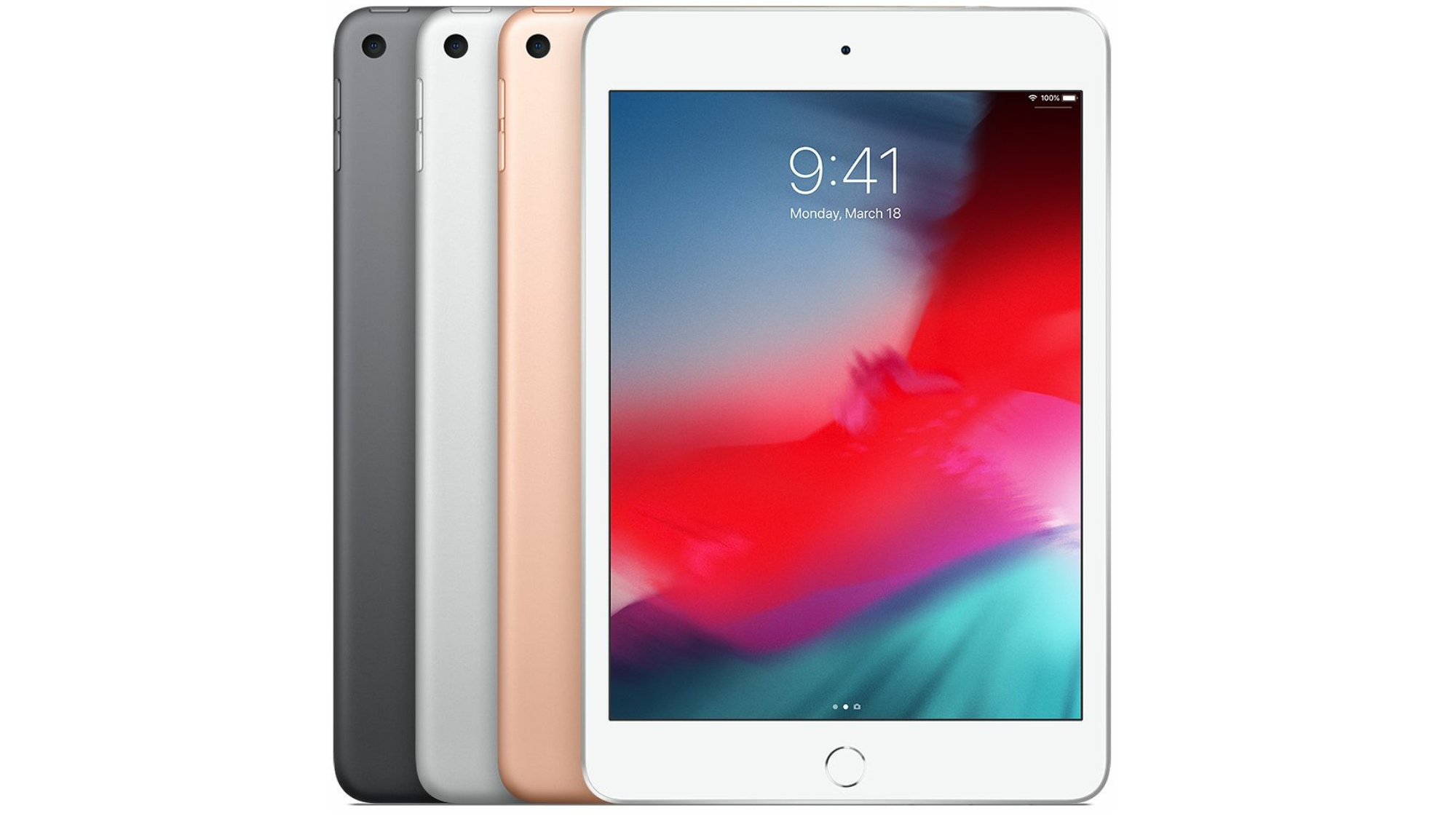
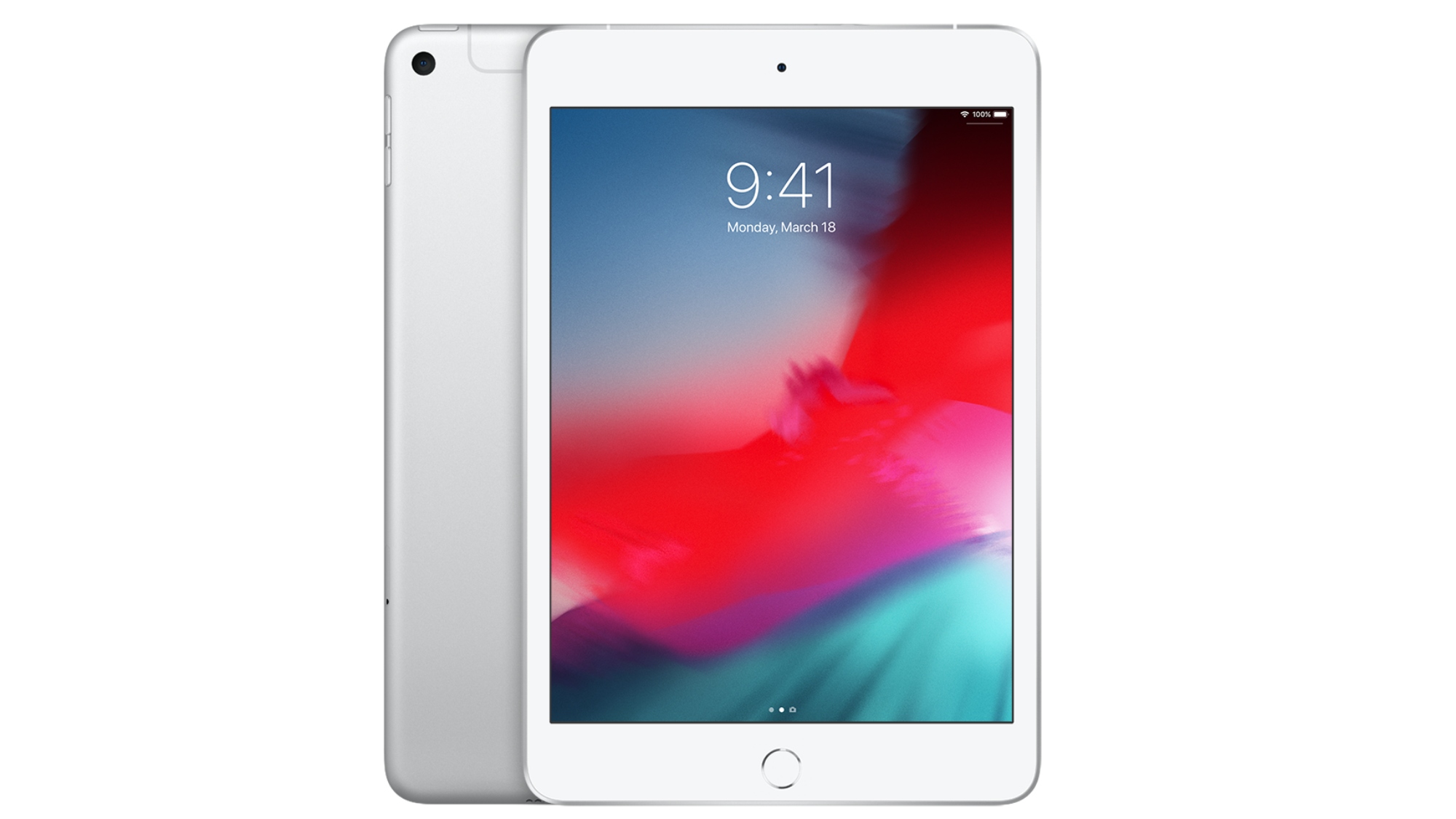
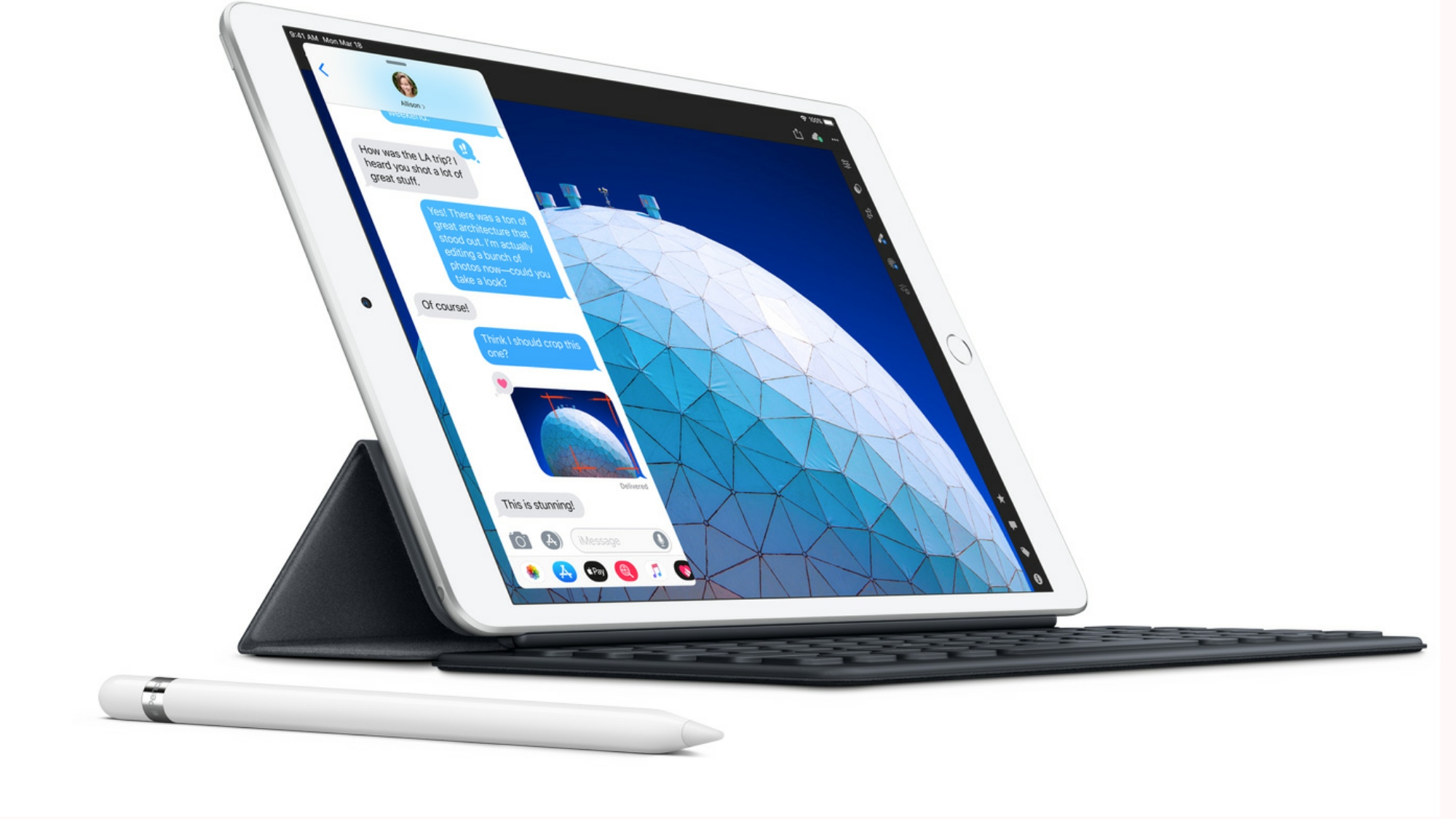
Apple has silently launched the iPad Air and the iPad Mini 5th Gen tablets. The company has sent out a press release that details about the newly launched tablet duo.
Features
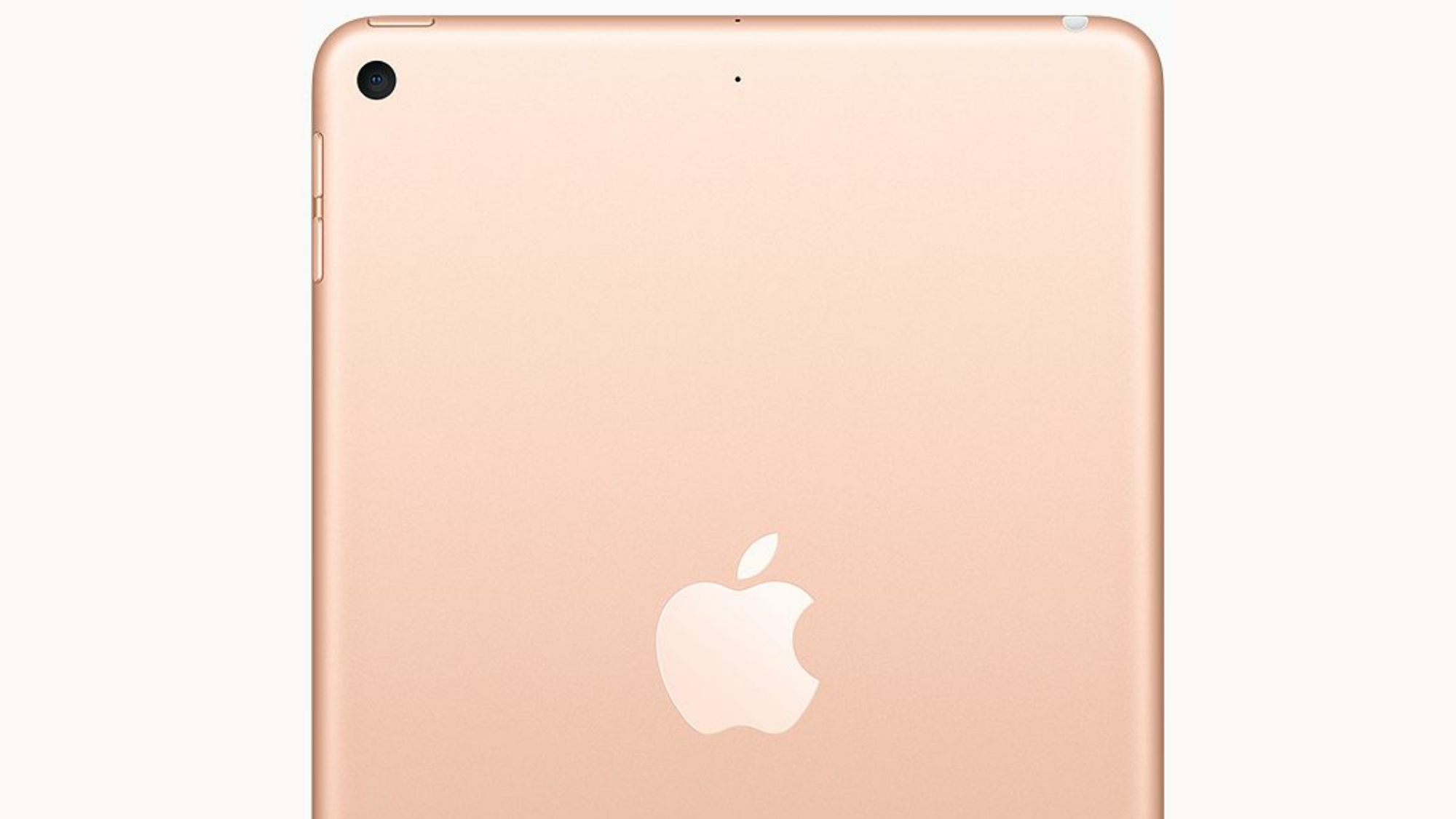
Both the iPad Air and iPad Mini have an aluminium clad design with curved edges which are similar to previous iPad models. The bottom side of both the tablets is occupied by the lightning port which is flanked by dual stereo speakers while the top side houses the power button and the 3.5 mm audio jack. The right side of the devices house the volume rockers and the SIM card slot on the LTE variants. The front of the tablets has thin left and right bezels while the top and bottom bezels are quite prominent. The bezel above the display on both devices house the selfie camera while the bottom below the display houses the home button which also doubles as the TouchID fingerprint sensor.
The iPad Mini sports a 7.9 inch display while the elder iPad Air sports a 10.5 inch display. The display panel on the former has a pixel density of 326 ppi whereas the display panel on the latter has a pixel density of 264 ppi. The display on both the devices have a brightness level of 500 nits and are covered with an oleophobic coating which minimises the appearance of fingerprint marks and smudges on them.
Both the tablets run on the Apple A12 Bionic chipset which was introduced with the current iPhone models including the iPhone XS, iPhone XS Max and the iPhone XR. The chipset is manufactured using 7 nm architecture which helps in boosting the battery backup of the device. The chipset also consists of a neural engine and an M12 coprocessor. The neural engine helps in boosting AI operations on the tablet while the coprocessor collects data from the sensors including the accelerometer, compass and gyroscope which are further sent to the CPU for additional calculation.
The iPad Air and the iPad Mini also share the common camera sensors on both the front and the back. The front camera on both tablets has an f/2.2 aperture equipped 7 MP sensor while the rear camera sensor is an f/2.4 aperture equipped 8 MP sensor. The tablet duo can also capture 1080 HD videos from both the front and rear facing camera. Noteworthy, the rear cameras can also capture slo-mo videos at 120 fps and time-lapse video. Additional camera features on the devices include Live Photos, HDR for photos, burst mode and auto image stabilisation.
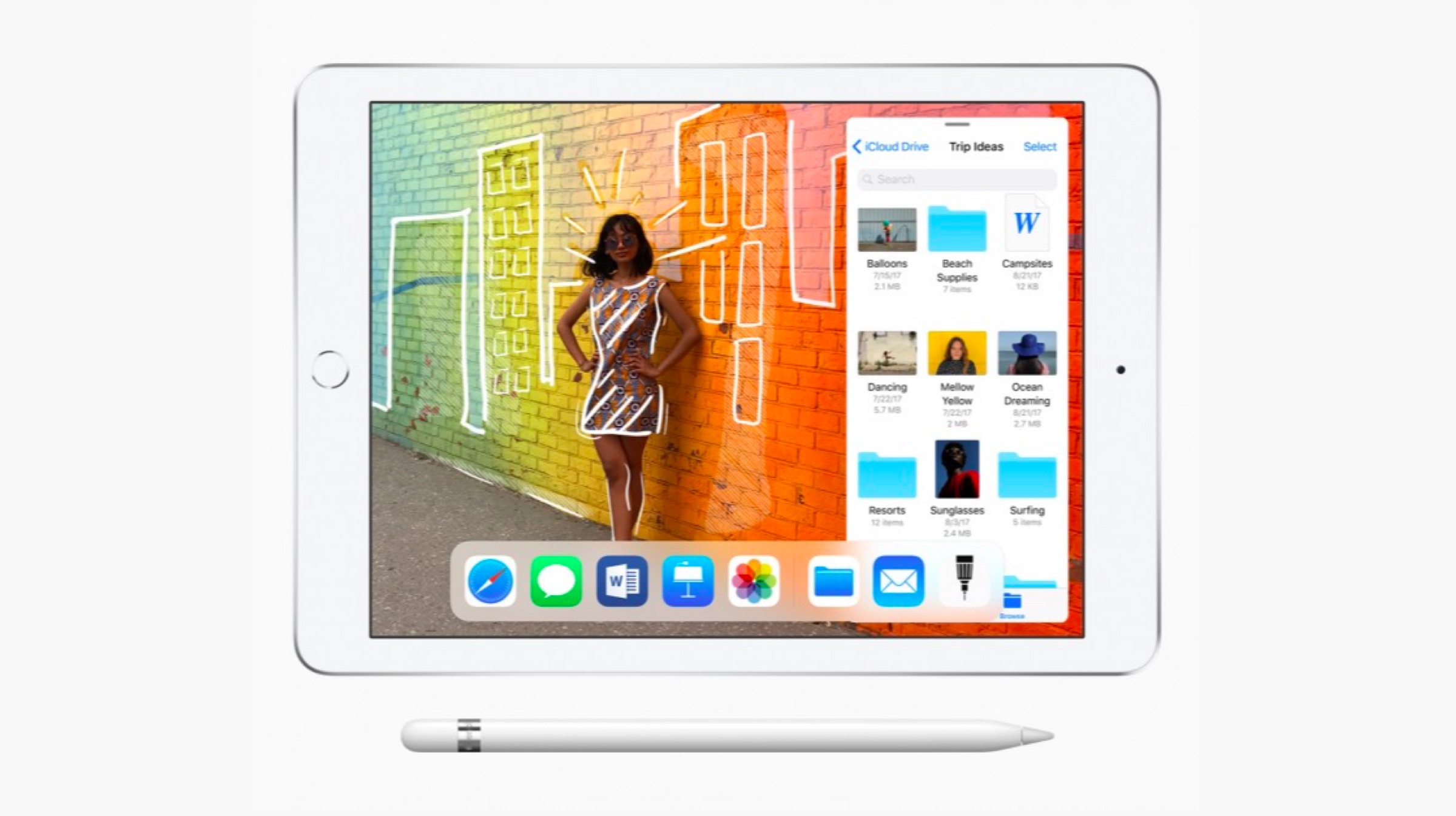
The iPad Mini is powered by a 19.1 watt hour battery while the elder iPad Air is powered by a 30.2 watt hour battery. Apple claims a battery backup upwards of 10 hours on both the tablets. The tablets run on the latest iOS 12 and have a host of sensors which include three axis gyroscope, accelerometer, barometer and ambient light sensor. Exceptionally, the new devices also support the Apple pencil (sold separately). Therefore, taking notes and drawing masterpieces is now possible on the smaller iPad models other than the iPad Pro. The iPad Air 10.5 inch also supports the folio-style Bluetooth keyboard which is again sold separately.
Price, Colour, Storage Options and Connectivity Variants
Both the iPad Mini 5th generation and the iPad Air 10.5 are available in three colour options which include Gold, Silver and Space Gray. The price for different variants of the newly launched tablets are as follows:
iPad Air 10.5
iPad Mini 5th Generation
64 GB Wi-Fi – $ 499 (Rs 44,900)
64 GB Wi-Fi – $ 399 (Rs 34,900)
64 GB Wi-Fi +Cellular – $ 629 (Rs 55,900)
64 GB Wi-Fi +Cellular – $ 529 (Rs 45,900)
256 GB Wi-Fi – $ 649 (Rs 58,900)
256 GB Wi-Fi – $ 549 (Rs 48,900)
256 GB Wi-Fi +Cellular – $ 779 (Rs 69,900)
256 GB Wi-Fi +Cellular – $ 679 (Rs 59,900)
Apple Pencil (1st generation) is available for purchase separately for INR 8500. The Smart Keyboard for the 10.5-inch iPad Air is available for purchase separately for INR 13900 with layouts for over 30 languages, including simplified Chinese, French, German, Japanese and Spanish.
iPad Mini 5th Gen Specifications
Display: 7.9-inch Retina LED, 2048 × 1536 pixels, 326 ppi
In the follow up of a heated lawsuit between the noted chipmaker Qualcomm and prominent electronics company Apple, the latest ruling by the San Diego court has found Apple guilty. The company was told to pay a fine of over US$ 31 million to Qualcomm. The amount roughly breaks down to US$ 1.40 per iPhone sold by the company. Notably, it is the exact amount the lawsuit was filed for by the chipmaker. Apple was found by the court to have infringed three patents held by Qualcomm. It was sued back in the year 2017 citing that the company had violated patents related to assisting mobile phones getting a better life.
What Are The Patents?
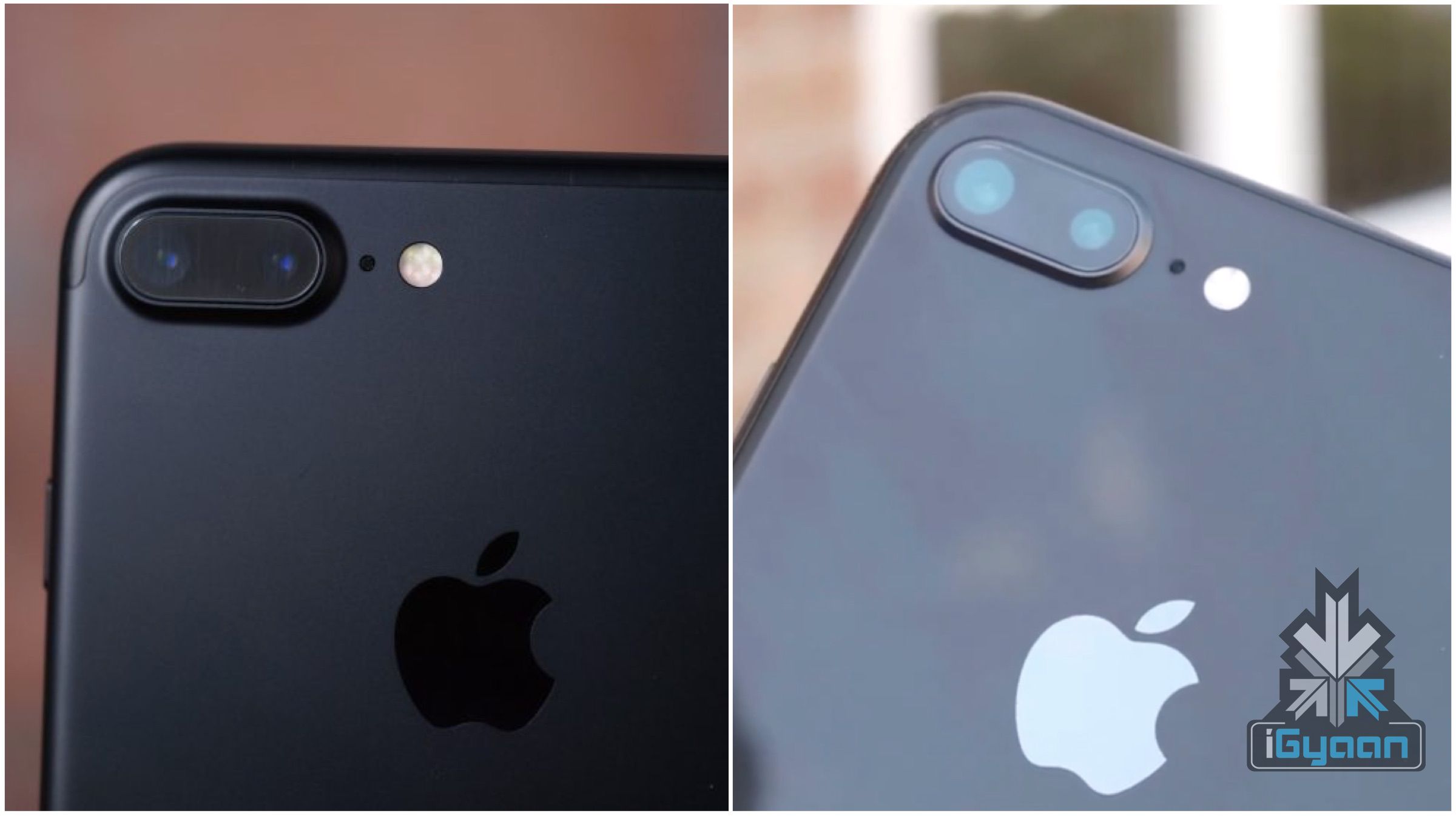
The lawsuit filed by Qualcomm cited that Apple had violated at least three patents. The damages that it asked for applied to iPhones sold July 2017 onwards, which were kitted with Intel chips. Later in the year 2017, Apple replaced Qualcomm with Intel as its exclusive components supplier. As per reports, in the year 2016, Apple was also using Intel modems in some iPhone variants instead of Qualcomm modems. The devices included the iPhone 7 and 7 Plus. The patents relate to the following functions on mobile devices.
Allowing phones to connect to the internet instantly after being switched on
The efficiency of the smartphone’s battery and its relation with graphics processing
A traffic management function enabling faster data downloads
Interestingly, the past ruling by a German court banned the sales of Apple’s older iPhone models because of a similar patent infringement case. The company then swapped out the Intel’s modem that it had been lately using for the ones manufactured by Qualcomm. This leads the company to be allowed to continue the sales of the said devices. Notably, the biggest lawsuit between the companies will be settled in April 2019, in which Apple has accused Qualcomm of indulging in anti-trust practices and illegally withholding US$ 1 Billion worth of rebates from Apple.
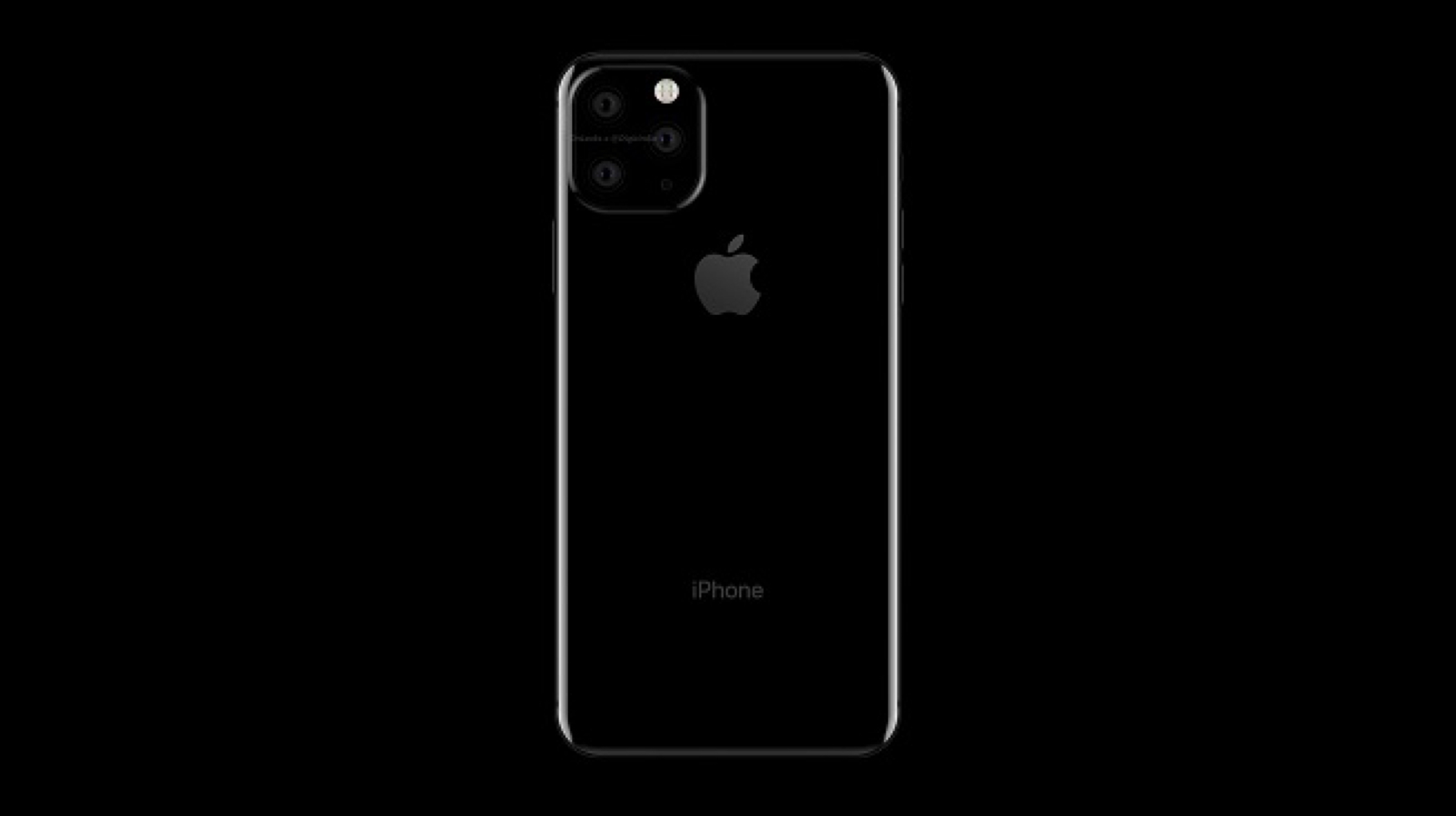
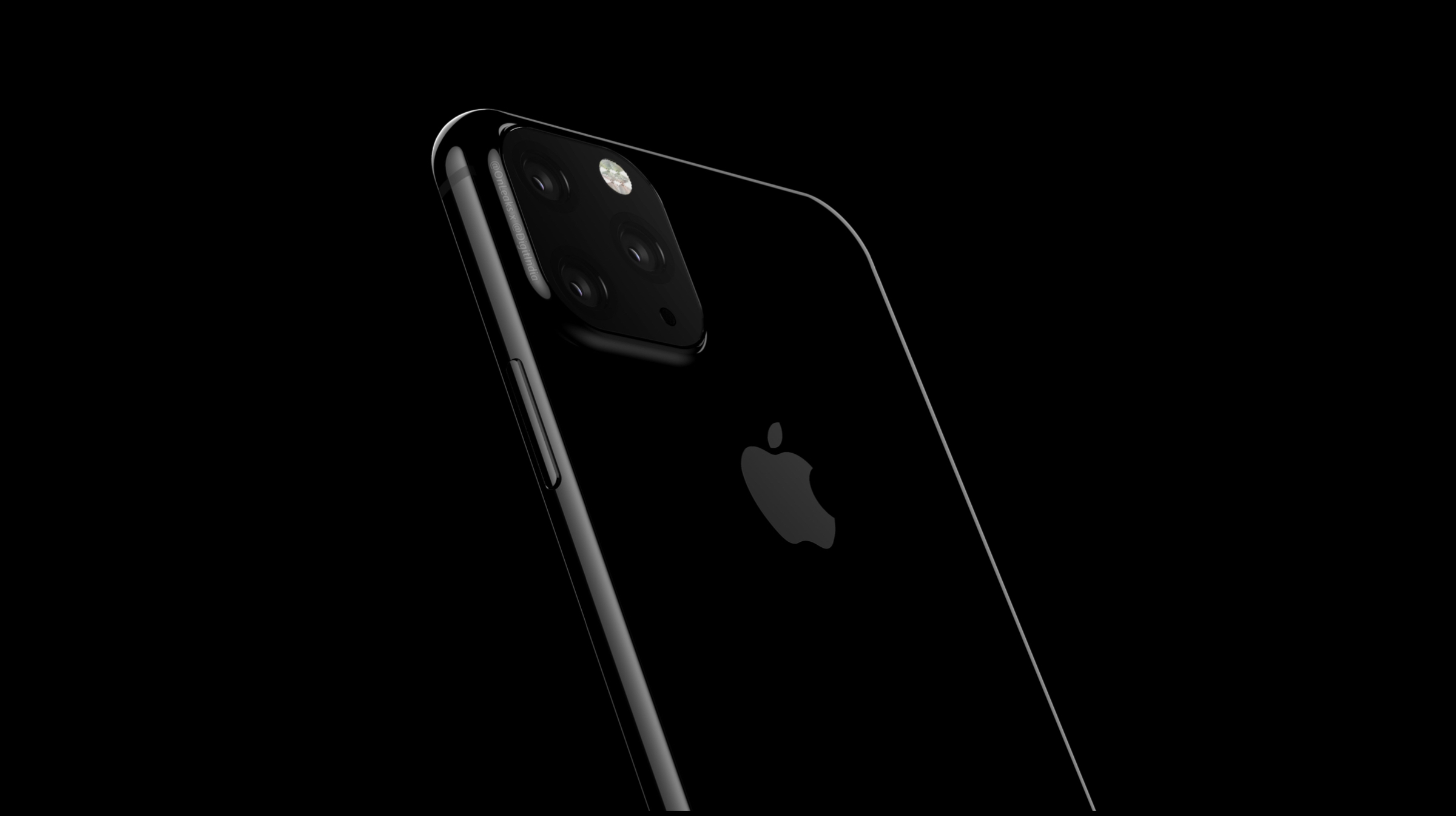
Days after the launch of the latest iPhone XS & XS Max, reports started surfacing that their successors will have a considerably different design and features. Notable leakster, OnLeaks has previously shared renders of the 2019 iPhone models that reveal a smartphone with triple rear cameras. The revelations were intriguing as Apple has desisted itself from following market trends and an unusual number of cameras on a smartphone is currently at its peak.
The renders revealed that the triple camera setup of the upcoming iPhone is housed in a square-shaped module which also accommodates an LED flash. A few days after the arrival of the render, Bloomberg also published a detailed report that supports the claim of an iPhone with triple cameras. As of now, Apple has maintained a silence on the aforementioned leaks and claims. A piece of freshly shared news from a trustworthy Japanese blog, Macotakara reassures that the possibility of a 2019 iPhone with triple rear cameras is quite high.
Macotakara states that Chinese suppliers have confirmed that an iPhone with triple cameras is in the works. It is noteworthy that such suppliers are an integral part of the production of iPhone models and information shared by them has a high tendency to turn into reality.
The alleged third camera on the upcoming iPhones is likely to be a TOF (Time Of Flight) sensor. This sensor allows in capturing depth information around the subject in the frame of the camera which produces lifelike three-dimensional pictures and videos.
Sony, one of the world’s largest supplier of camera sensors for smartphones, previously declared that it will bump up the production of its 3D TOF sensors which is due to the anticipated boom in demand of these sensors. Executives from Sony explicitly stated that Apple is in talks with them for the supply of a 3D sensor. The collection of all the leaks and reports suggest that the 2019 iPhone will indeed have triple rear cameras.
However, we will have to wait patiently as the next iPhones are due to be released in the month of September this year.
In an effort to strengthen its premium positioning in the Indian smartphone market, Apple has planned to halt the retail of older devices like the iPhone 6 and 6 Plus. This may lead to a higher entry price barrier for other devices. The company is trying to shape the perception of Indian smartphone consumers towards Apple as a sumptuous brand.
The Company’s Market Strategy
As mentioned before, it has been confirmed that Apple is phasing out the iPhone 6 and 6 Plus, leading to an increase in the entry price barrier for Apple devices. Consequently, Apple’s entry level smartphones will now be the iPhone 6S and 6S Plus, which are already retailing at a higher price point compared to the previous entry level models, the iPhone 6 and 6 Plus respectively. The American technology organization claims that even after reducing the selling prices of some smartphone models in the country, the market response is not up to its expectations. This is reflecting on the fact that Apple has a lower percentage of shares in the Indian smartphone market as compared to other countries, where Apple is the leader of market shares.
Talking about the Apple stores, the American Multinational company also plans to adopt newer strategies to improve its marketing statistics. The company will pay more attention to particular stores in a given area that have a higher chance of maximising sales. Accordingly, the company would allocate more sales executives to those outlets, consequently resulting in a sales performance boost. Also, the company wants to spread its footing via bigger stores that are more capable of increasing sales as a whole.
Apple is also putting an end to its distribution partnership with RP Tech for iPhones. Starting April, the company will focus on improving its partnership with Redington and Ingram Micro, both of which are reputed IT product distributors. Noteworthy, Apple has already terminated its relationship with HCL Infosystems and Brightstar as of the year 2018. Furthermore, Ashish Chowdhary (ex-Nokia Global Leadership Team Member) took charge of Apple’s India Operations in January and reportedly has been touring the market in order to strengthen trade relationships.
Apple has sent out invites for an event scheduled on the 25th of March. The event is scheduled to take place in the Steve Jobs theatre in Cupertino, California. This is the same place where the company announced the current generation of iPhones which include the iPhone XS, iPhone XS Max and the iPhone XR. While the invite for the aforementioned event doesn’t mention what Apple will announce or unveil at the event, but it is presumed to showcase its subscription-based online services.
What To Expect On March 25?
The highlight of the Apple event on March 25 will be its upcoming online subscription services. As reported earlier, the company has been planning to launch a range of subscription-based services which might finally see the light of the day at the event. Reportedly, the first service that will be unveiled is a news subscription which would allow users to get news directly from their preferred publications in a digital manner. Another product that was rumoured and now is all but confirmed from the invite is a video streaming service by Apple. The event invite includes a text that reads, “It’s show time” which supports the claim of the launch of a video streaming service.
A streaming service by Apple would make its debut in a market filled with similar products. The most popular ones of them include Netflix, Amazon Prime Video and Hulu. In a bid to stand out from the competition, Apple is rumoured to be working with HBO to bring the channel’s content on its platform. Other exhibits like a carpool karaoke and Apple produced content will also be available on its streaming service. Besides the service-related announcements, the company is also expected to use the event to launch the long-rumoured AirPods 2 wireless earphones and announce the availability of the highly awaited AirPower wireless charging mat.
Qualcomm and Apple are known for battling out a number of suits in courts, and the latest trial between the two companies was held in San Deigo over infringement of three different patents by Apple. As per reports, Qualcomm has demanded the trillion dollar technology company, Apple to pay a sum of US$ 31 Million in damages for the same.
The Hearing
Apple’s leading witness for the case, former engineer Arjuno Siva was supposed to testify in the court on March 7. However, as per reports, he was unable to reach the destination, and the Qualcomm’s defence defense was accused of witness tampering by the Apple counsel. Moreover, the company called its former employee a “tainted witness” when he failed to turn up for the hearing.
In a turn of events, the ex-Apple employee has hired a new attorney, leading to Apple’s confirmation that the testimony will take place during the next hearing after all. Furthermore, information has come to light that the damages are for iPhones sold July 2017 onwards, which were kitted with Intel Chips. Later in the year 2017, Apple replaced Qualcomm with Intel as its exclusive components supplier. As per reports, in the year 2016, Apple was also using Intel modems in some iPhone variants instead of Qualcomm modems. The devices included the iPhone 7 and 7 Plus.
About The Patents
Hence, Qualcomm is seeking US$ 31 Million in damages from Apple, which roughly breaks down to US$1.40 per iPhone sold. The infringed patents are as follows:
one that handles the CPU and modem connection to download applications.
one that helps the iPhone to connect to the Internet immediately after it is turned on.
one that focuses on battery life and the processor.
Notably, the biggest lawsuit between the companies will be settled in April 2019, in which Apple has accused Qualcomm of indulging in anti-trust practices and illegally withholding US$ 1 Billion worth of rebates from Apple.
Apple showed off its ARKit at the company’s annual Worldwide Developer Conference in the year 2017. The new software development tool was able to run Augmented Reality (AR) apps without requiring any specific hardware for it. The company then unveiled the iPhone 8, iPhone 8 Plus and the iPhone X the same year with AR capabilities natively present in the smartphones. Fresh reports claim that Apple will launch AR Glasses in the year 2020. These may be released as an accessory for the iPhone.
Apple AR Glasses
Noted Apple analyst, Ming-Chi Kuo claimed that the company is working on a pair AR Glasses which may release in the year 2020 as an optional accessory for the iPhone. The analyst states that the anticipated device will take the role of a display which will wirelessly facilitate computing and networking from the iPhone. Augmented Reality is defined as “an enhanced version of reality created by the use of technology to add digital information on an image of something”. Reportedly the glasses will be lightweight and portable as they would use the computing power of the iPhone to process data. Unfortunately, this suggests that they won’t work independently and will be compatible will products from Apple’s ecosystem.
Earlier reports about Apple AR headset alleged that the company is developing an all-new Operating System (OS) for it. It is rumoured to be called rOS which stands for reality Operating System. This OS is also expected to be featured in Apple’s Virtual Reality (VR) ventures, which are suspected to be under development. The Apple AR Glasses may go into production in the fourth quarter of this year or by the second quarter of the next year.
The idea of AR Glasses by a company as significant as Apple is expected to bolster the development of the technology substantially. Apple is usually marked as a leader in terms of technology trends which are later followed by other OEMs globally. Consequently, companies except Apple will also develop their variants of visionary technology.
According to a fresh report, the IT ministry of India has authorised a contract manufacturer Wistron’s Rs 5,000 crore plan to manufacture high-end Apple devices in the country. This project marks a significant achievement for the government’s ‘Make In India’ movement which it has been promoting heavily. The initiative intends to make the country a hub of production as it will generate employment and boost the nation’s economy.
As previously mentioned Wistron is a contract manufacturer for the Cupertino based technology giant, Apple. The company currently manufactures two older iPhone models in India which include iPhone SE and iPhone 6S. These devices are still expensive taking Indian wages into consideration. Noteworthy, they would be about 40% pricier if they were imported, due to the government tariffs.
The Indian IT minister Ravi Shankar Prasad stated that another contract manufacturer Foxconn had submitted an application for a Rs 2,500 crore project which will further increase the production of iPhones in India. He also added that the government is not unsettled by the added incentives that China is currently providing in order to maintain its position as a leader in electronics manufacturing.
Advantages Of Setting Factories In India
The key advantages highlighted by the Indian minister to choose India over China for manufacturing are as follows:
India has a rapidly increasing skilled taskforce, therefore the difficulty to find workers is almost non-existent.
The country is currently the fastest growing market for smartphones in the world. Hence, international companies must keep a close eye to maintain their lead against the competition.
Another vital factor that makes India a lucrative destination for setting up factories is English fluency. This is one factor where India clearly beats China as the population of Englis speaking workers is considerably low.
Which High-End Devices Will Be Manufactured In India?
It is not yet announced but the Wistron factory is expected to be used for manufacturing the iPhone 8 model. On the other hand, the Foxconn factory once approved and finalised will be used to manufacture units of iPhone XS and iPhone XS Max. The high-end iPhones manufactured in India will be significantly cheaper. Therefore, the reduced price of Apple iPhones in India is likely to give its sales a massive boost.
Ever since Apple launched the AirPods in 2017 with the iPhone 7 and iPhone 7 Plus, the wireless earphones have been crowned as the gold standard in the segment. The ease of connectivity the device offers within the company’s ecosystem remains unmatched. There had been reports doing the round all over the internet that the second generation of the wireless earphones are all set to launch soon. Fresh leaks have claimed that the new Apple AirPods 2 will feature fast wireless charging and may launch in the month of March.
Apple AirPods 2
The second generation of Apple AirPods is expected to be a major upgrade over its predecessor. The company already showed off the wireless charging case for the device but hadn’t released it because reportedly, it had overheating problems. It seems like Apple not only has figured out the solution, it has one-upped the competition by featuring fast wireless charging. According to the leaks, the AirPods 2, along with the case will take 15 minutes to charge from 0 to 100 percent. This will be due to the Qi-enabled wireless charging feature on the device.
Unfortunately, the leaks also alleged that the AirPods 2 will have a case that will be bigger in one direction and heavier than the last generation. This will be due to the fast wireless charging feature of the device, as it required different hardware. The wireless earphones may feature a similar charging mechanism like the Apple Pencil 2, which was announced alongside the iPad Pro last year. Other leaks also claimed that the AirPods 2 will be available in a new Black colour, and will have a new matte finish on the earphones.
Apple is expected to unveil the AirPods 2 at a press event on March 25. The device will be available for sale starting March 29 at an expected price of US $199 (around Rs 14,000).
Last month saw a bunch of smartphone manufacturers showcasing their take on a foldable smartphone. Samsung announced the Galaxy Fold and Huawei showed off its Mate X. There is another major OEM which is reportedly working on a foldable device. Fresh patents filed by Apple reveal what the company has planned as a folding mechanism on its long rumoured foldable smartphone. The company may be planning to put magnets under both sides of the display to make the device fold completely flat.
Apple Foldable Smartphone
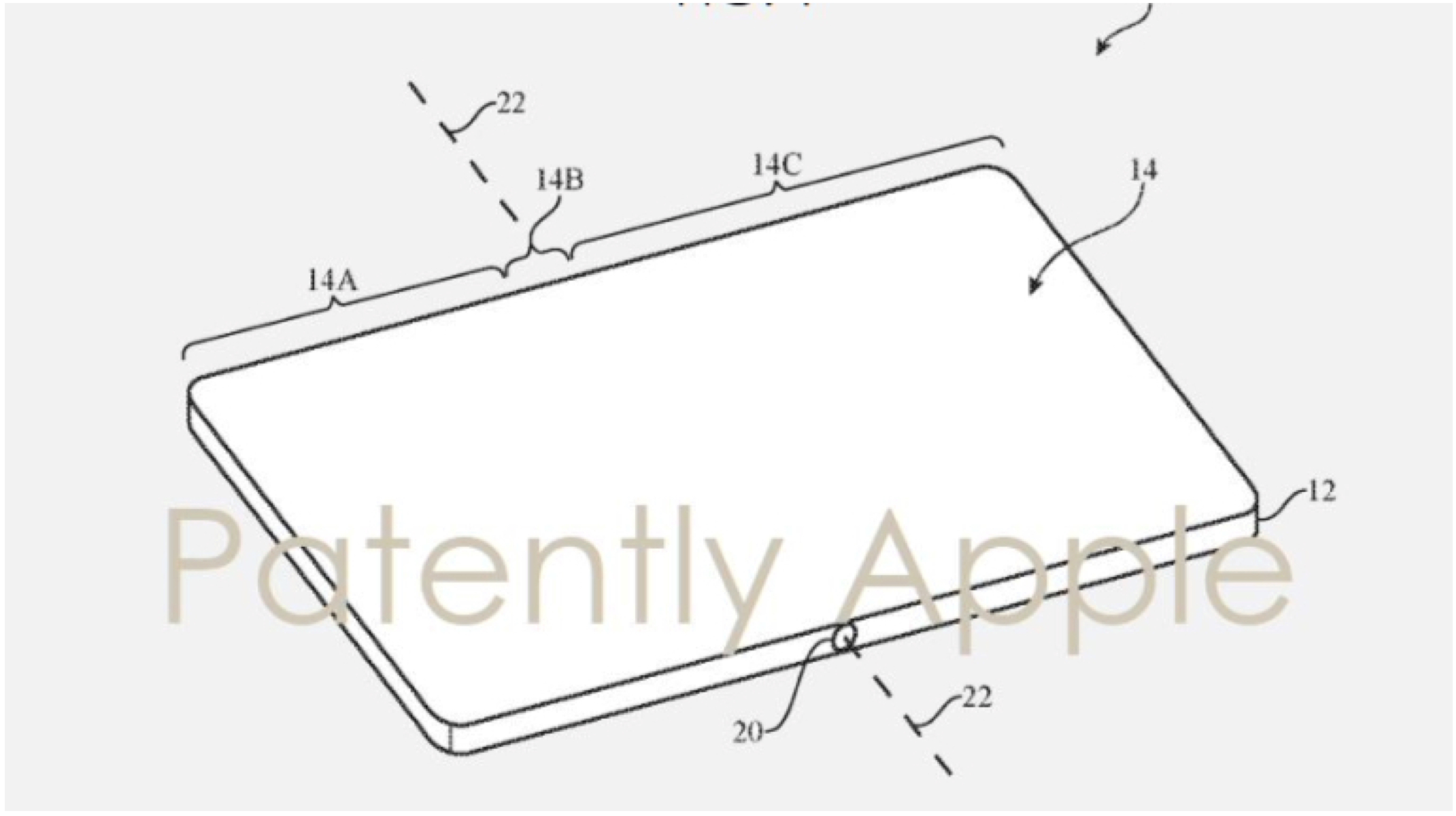
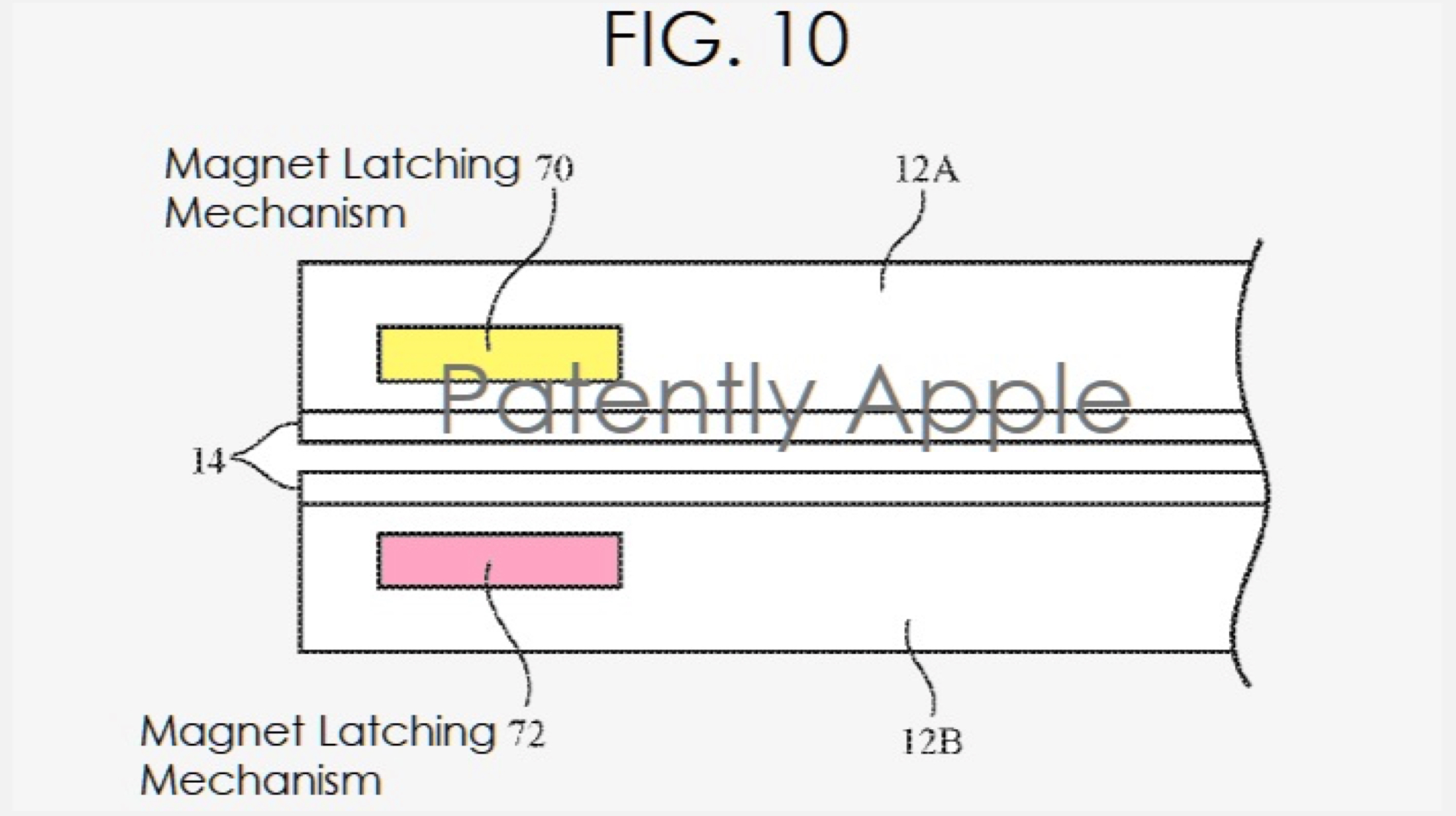
The patent filed by Apple suggests different folding designs that the company may be planning on using. The image in the patent exhibits the use of magnets under the display. These magnets may be used to make the foldable smartphone fold completely flat, which is a problem other OEMs seem to struggle to figure out. The magnets that may be used are expected to be electromagnetic in nature and spring into action when the device is folded, to keep both sides of the display latched together. As soon as the device is unfolded, the electromagnets will lose their charge, making it effortless to open the device.
According to reports, Apple is trying to develop a specialized display coating and new foldable sensors to make the folding mechanism work. Intriguingly, the patent suggests that the display panel makes use of some sort of heating technology to improve the operability of the panel. The heating method that is suggested is required every time the display is folded or unfolded, as a cold display is more susceptible to breaking or cracking when folded and unfolded repeatedly. The images also show a unique, circular hinge which consolidates both sides of the display. Unfortunately, other details about the Apple foldable device isn’t known yet.
This technology employed by Apple is expected to be groundbreaking as the company is known to wait out on current trends until they are perfected. The foldable device from Apple may be a smartphone or a computing device, like an iPad which will turn into a compact device when folded. As per the reports, the company may release the device next year.
You can check out the patents filed by Apple here.


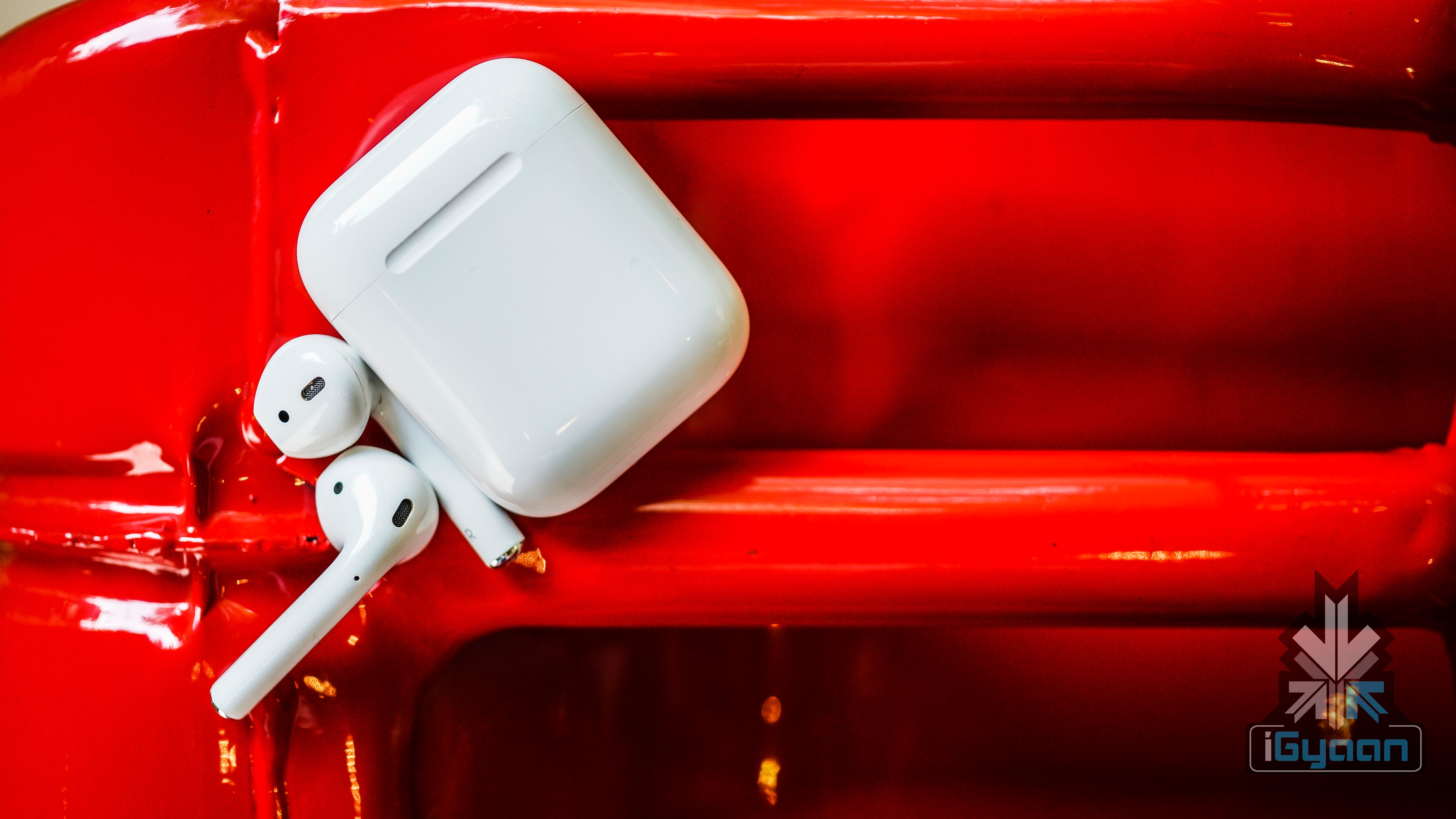
 The new AirPods feature the Apple-designed H1 chip with boosted power efficiency and much faster connection sequence. The AirPods also sport the hands-free “Hey Siri” feature to launch the Apple voice assistant, a characteristic that was missing in the previous generation. The new AirPods are available with a new wireless charging case in addition to the standard charging case. The new charging case will cater to the user’s convenience while charging the AirPods.




 As mentioned before, it has been confirmed that Apple is phasing out the iPhone 6 and 6 Plus, leading to an increase in the entry price barrier for Apple devices. Consequently, Apple’s entry level smartphones will now be the iPhone 6S and 6S Plus, which are already retailing at a higher price point compared to the previous entry level models, the iPhone 6 and 6 Plus respectively. The American technology organization claims that even after reducing the selling prices of some smartphone models in the country, the market response is not up to its expectations. This is reflecting on the fact that Apple has a lower percentage of shares in the Indian smartphone market as compared to other countries, where Apple is the leader of market shares.
 Also Read:
 Apple’s leading witness for the case, former engineer Arjuno Siva was supposed to testify in the court on March 7. However, as per reports, he was unable to reach the destination, and the Qualcomm’s defence defense was accused of witness tampering by the Apple counsel. Moreover, the company called its former employee a “tainted witness” when he failed to turn up for the hearing.
 Hence, Qualcomm is seeking US$ 31 Million in damages from Apple, which roughly breaks down to US$1.40 per iPhone sold. The infringed patents are as follows: