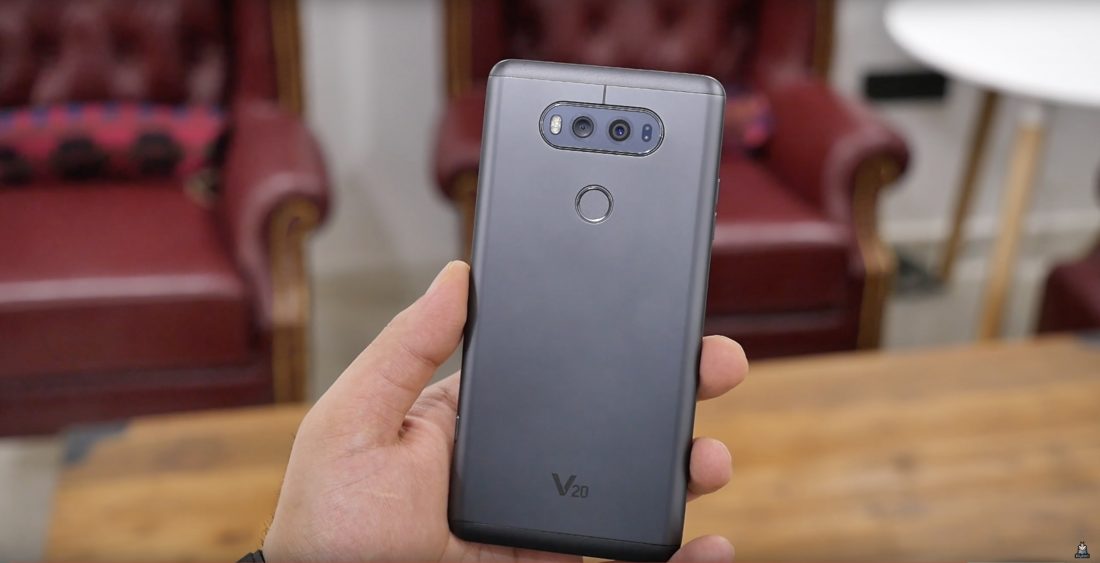
Category: LG

  • LG V30+ Launched In India At A Price Of Rs. 44990

    LG V30+ Launched In India At A Price Of Rs. 44990

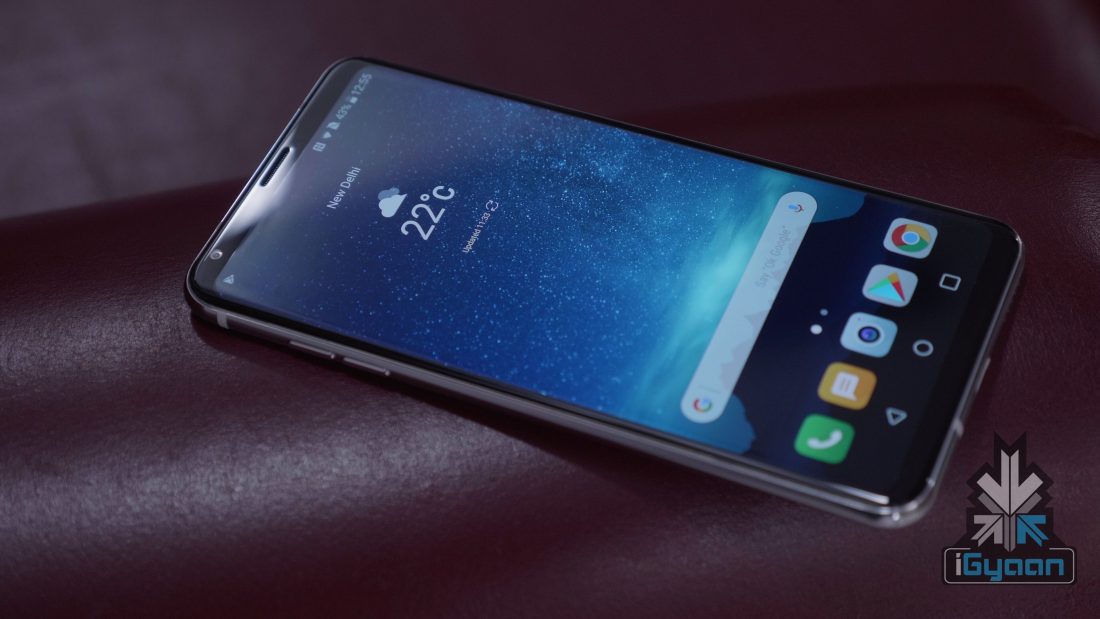
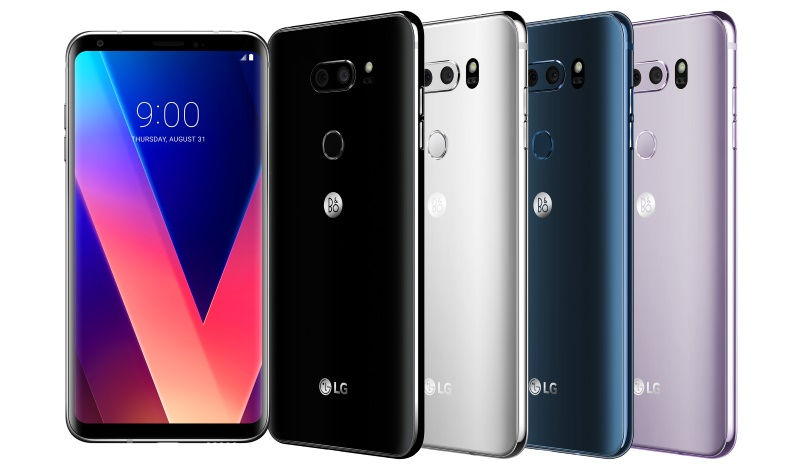
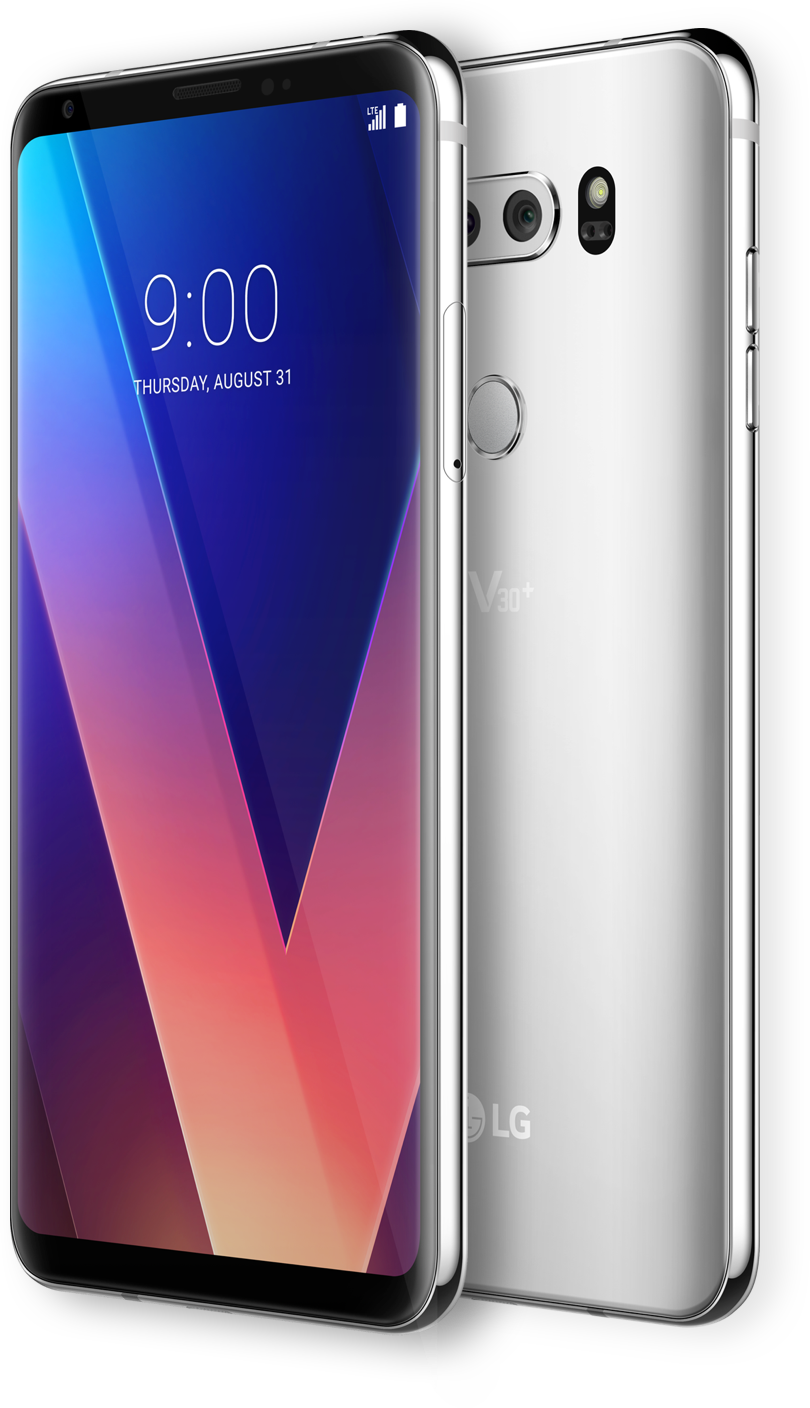
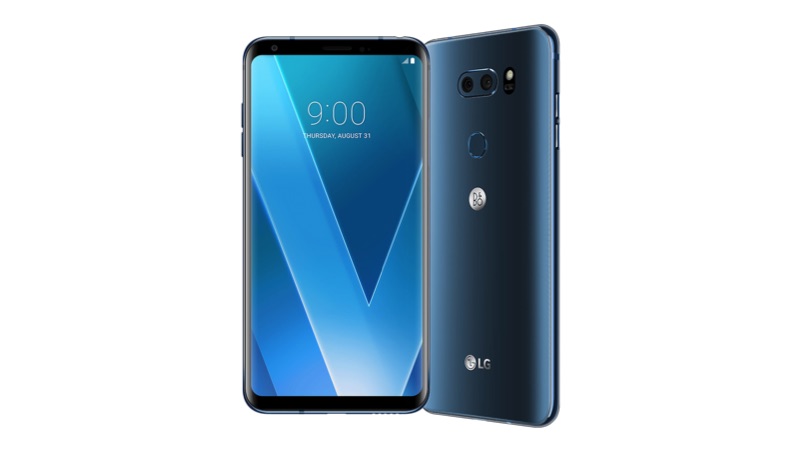
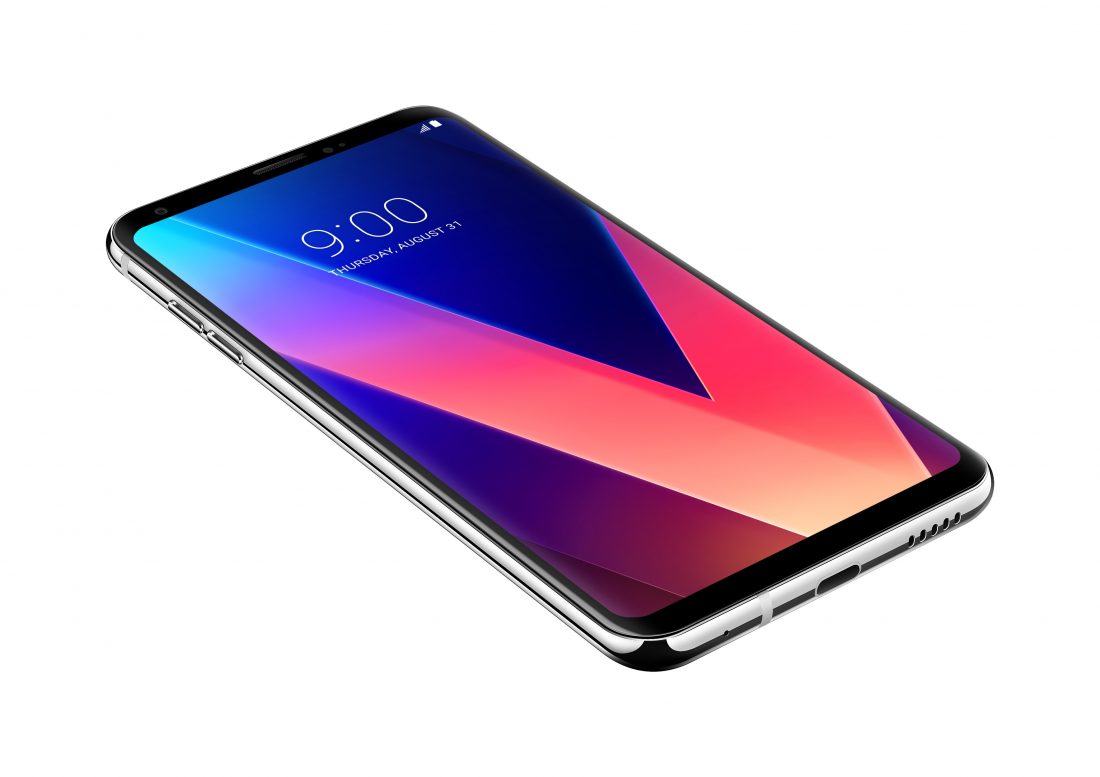
    LG V30+ was first unveiled at IFA 2017 in Berlin on the 31st of August. After slowly entering the US and European markets, it has finally been launched in India at a price of Rs. 44990. Pre-bookings for the LG V30+ will start from the 18th of December and will be sold via Amazon exclusively.

    The LG V30+ has a 6 inch 2880 x 1440 px OLED FullVision display, LG’s first, with an 18:9 aspect ratio and Corning Gorilla Glass 5 for protection. LG’s nearly edge-to-edge OLED display has HDR 10 format for a high level of colour contrast and as announced, the smartphone is Daydream compatible.

    A big omission from the V30+ is the secondary display, which was a signature in the previous V series devices. Instead, LG has introduced a Floating Bar which displays shortcuts and can be disabled when not required.

    The LG V30+ has the Qualcomm Snapdragon 835 chipset, a 2.4GHz octa-core processor, GB RAM and 128GB of onboard storage which can be expanded up to 2TB via a microSD card. The LG V30+ has an IP68 rating for water and dust resistance and MIL-STD 810G rating for durability.  

    The LG V30+ is powered by a 3300mAh battery with wireless fast charging which supports 3.0 quick charge. The smartphone runs Android 7.1.2 with LG’s UX 6.0+ on top which offers a few customisation options.  

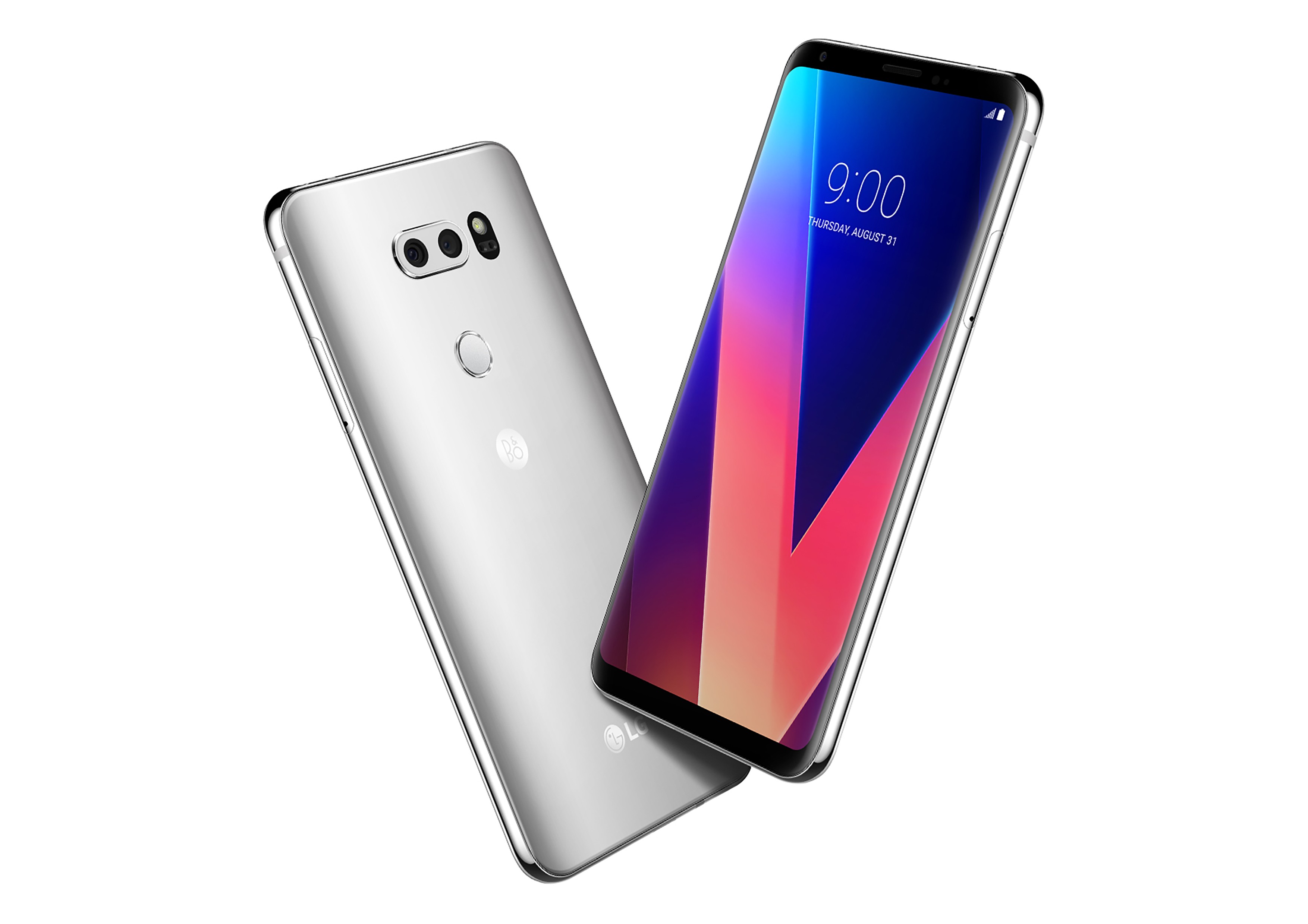
    The LG V30+ incorporates a 32-bit Hi-Fi Quad DAC powered by Bang & Olufsen with few sound presets like enhanced, detailed, bass and live. The smartphone also has support for Master Quality Authenticated (MQA) technology for high-resolution audio streaming.

    Aside from the rear-mounted fingerprint scanner which also doubles as a home button, LG has introduced few new security features in the LG V30+ such as facial and voice recognition. The voice recognition will even work along with the music playback.

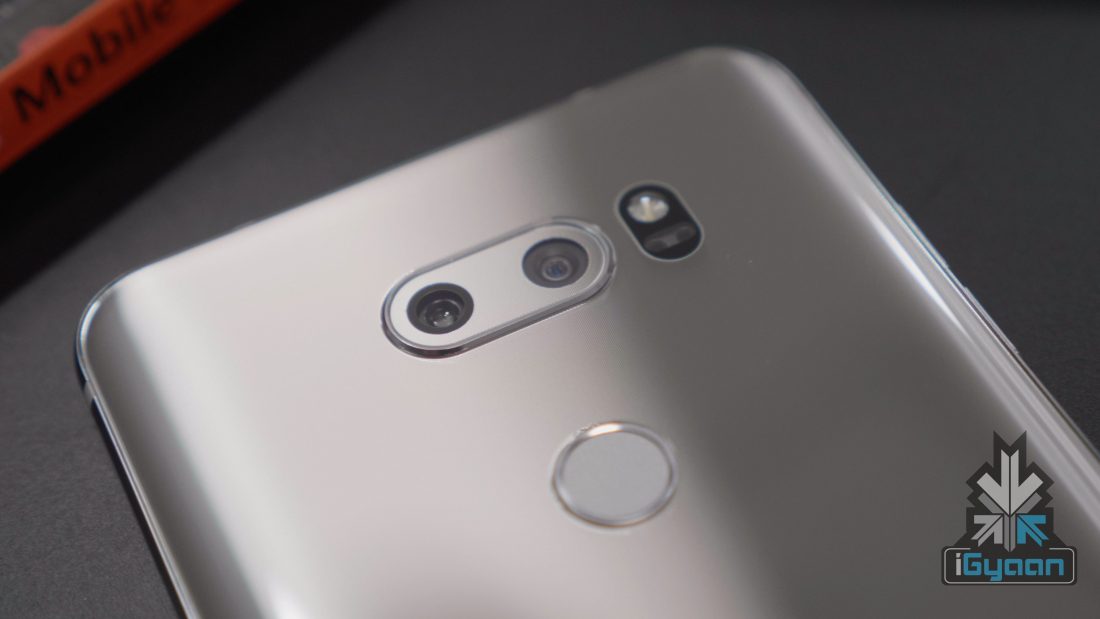
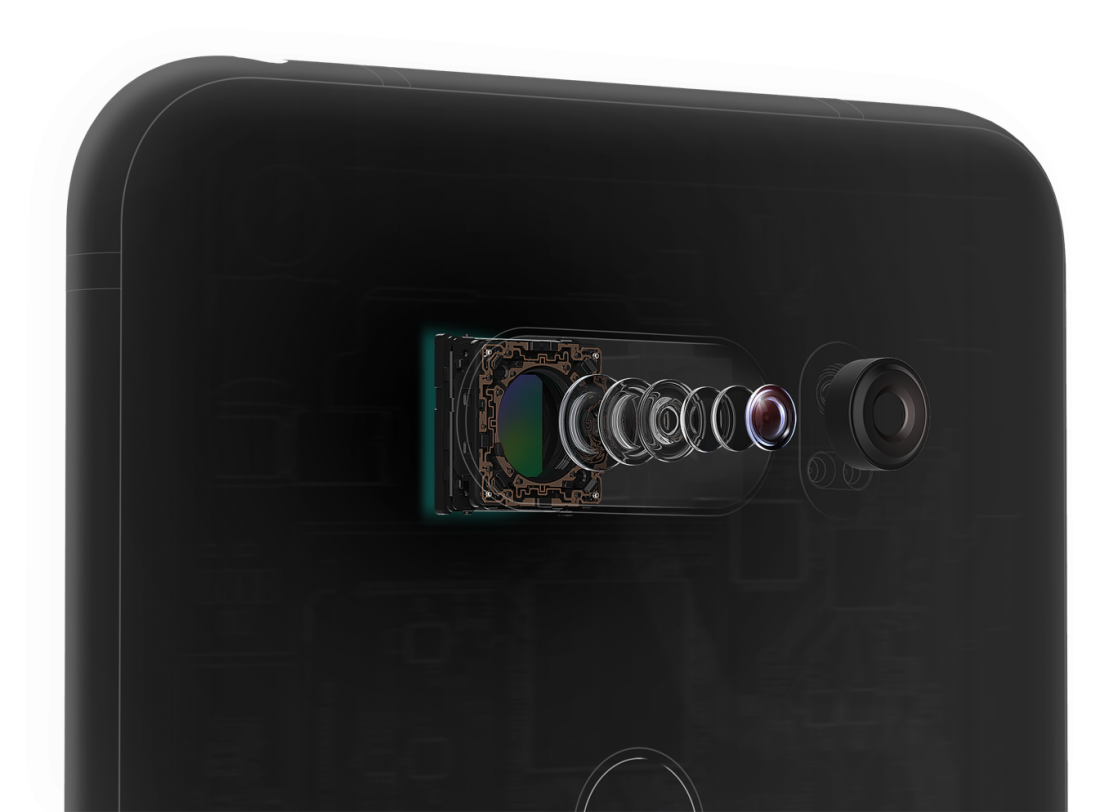
    The LG V30+ features a dual-camera setup at the back. As LG had announced, this smartphone has the first ever inbuilt camera unit to feature a 16MP crystal clear lens made of glass with an f/1.6 aperture and another 13MP wide angle lens with an f/1.9 aperture. The camera features laser detection AF, optical image stabilisation and electronic image stabilisation. On the front side, the LG V30+ sports a 5MP wide-angle camera with an f/2.2 aperture.

    Pre-order here

  • LG G7 To Have An Enhanced Iris Scanner

    LG G7 To Have An Enhanced Iris Scanner

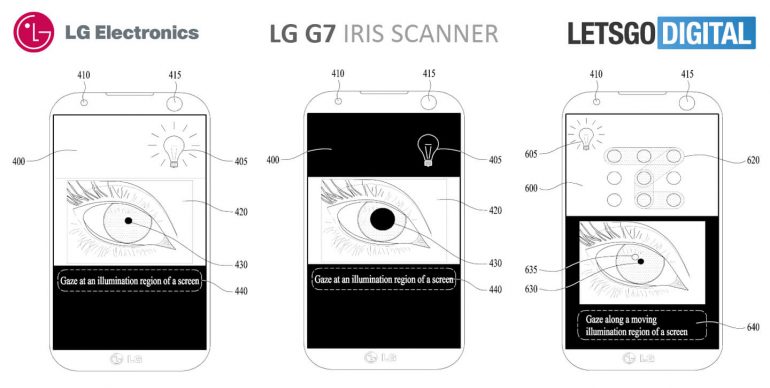
    The LG G7 is the next flagship smartphone that the company will launch early next year. A LG patent has been discovered which reveals that LG is preparing an advanced iris scanner that might arrive in time for the launch of the LG G7. The iris scanner is supposed to be secure enough to not just unlock the device but, also protect sensitive information such as bank account details to rival Apple’s Face ID.

    The iris scanner checks the biometric characteristics of the eye and sets up with a light screen and a dark screen, since the iris changes in size, depending on how much light gets to it. Then the sensor will check what are you looking at and if you are the owner of the phone, the sensitive app will be available for opening.

    Iris Scanners normally work with infrared light but, LG has developed a camera which can switch from infrared to a regular one. This means that there will be fewer sensors which will lead to a smaller bezel on top which means no more notch.

    There isn’t much know about the LG G7 except the fact that it will launch close to the Samsung Galaxy S9 which means that similar to 2017, it will be powered by a year old chip while the Galaxy S9 will have the new and improved Snapdragon 845 unless circumstances change in 2018.


  • LG Signature Is A US $1800 Smartphone

    LG Signature Is A US $1800 Smartphone

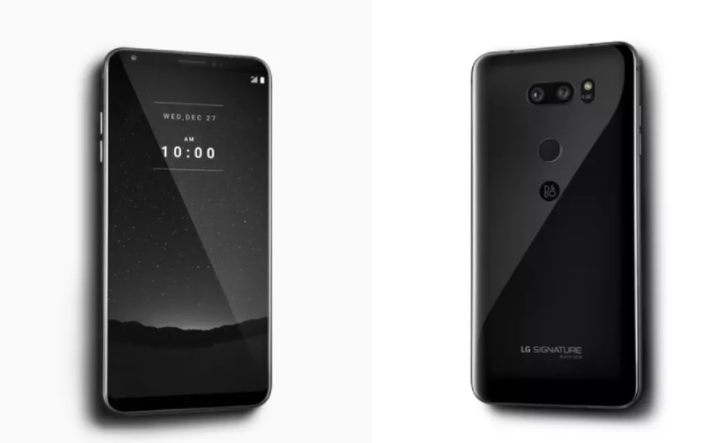
    If you are someone who believed in luxury over practicality, then the new LG Signature might be right up your alley. To only be sold in South Korea most will consider this a limited edition smartphone.

    The LG Signature Edition has a shell made of Zirconium Ceramic, which the company claims won’t scratch over time. Only 300 of the LG Signature will be made and cost about 2 million won (US $1800 approx.) which is almost double the price of the 64GB variant of the iPhone X.

    Barring the Zirconium Ceramic, what you’re paying for is the LG V30, LG’s new flagship which was unveiled back in August. Interestingly, the LG V30+ is scheduled to be launched in India on the 13th of December. Apart from the premium material used to make the LG Signature, there is no other difference between this and the LG V30. However, while the LG V30 ships with a pair of wired B&O earphones, the LG Signature will ship with a pair of wireless and wired B&O earphones. The LG V30 retails for US $799 which means you basically pay a thousand dollars more for a premium material and a pair of B&O wireless earphones.

    To learn more about the specifications of the LG V30, you can read the entire story here.

  • LG V30+ To Be Launched In India On December 13th

    LG V30+ To Be Launched In India On December 13th

    LG’s second flagship of the year, the LG V30+ will be launched in India on the 13th of December. There is no word on the price of the phone yet.

    The LG V30 has a 6 inch 2880 x 1440 px OLED FullVision display with an 18:9 aspect ratio. LG’s nearly edge-to-edge OLED display has HDR 10 format for a high level of colour contrast and the smartphone will be Daydream compatible.

    A big omission from the V30 is the secondary display, which was a signature in the previous V series devices. Instead, LG has introduced a Floating Bar which displays shortcuts and can be disabled when not required.

    The LG V30 has the Qualcomm Snapdragon 835 chipset, a 2.4GHz octa-core processor, 4 GB RAM and 128GB onboard storage with up to 2TB of expandable storage via a microSD card. The V30 has an IP68 rating for water and dust resistance and MIL-STD 810G rating for durability.

    The LG V30 is powered by a 3300mAh battery with wireless fast charging which supports 3.0 quick charge.

    The smartphone runs Android 7.1.2 with LG’s UX 6.0+ on top which offers a few customisation options.

    LG has partnered up with Bang & Olufsen this time around to deliver sound quality ideal for media consumption and the B&O logo appears on the rear of the smartphone just below the fingerprint scanner. Thanks to the partnership, the LG V30 incorporates a 32-bit Hi-Fi Quad DAC powered by Bang & Olufsen with few sound presets like enhanced, detailed, bass and live. The smartphone also has support for Master Quality Authenticated (MQA) technology for high-resolution audio streaming.

    Aside from the rear-mounted fingerprint scanner which also doubles as a home button, LG has introduced few new security features in the LG V30 such as facial and voice recognition. The voice recognition will even work along with the music playback.

    The LG V30 features a dual-camera setup at the back. As LG had announced, this smartphone has the first ever inbuilt camera unit to feature a 16MP crystal clear lens made of glass with an f/1.6 aperture and another 13MP wide angle lens with an f/1.9 aperture. The camera has laser detection AF, optical image stabilisation and electronic image stabilisation. On the front side, the LG V30 sports a 5MP wide-angle camera with an aperture f/2.2.


  • Another Flagship To Launch Along With The Galaxy S9

    Another Flagship To Launch Along With The Galaxy S9

    As we approach the end of 2017, the focus has already shifted to what we can expect from the 2018 flagship phones. A new report suggests that along with the Samsung Galaxy S9, the LG G7 will also be unveiled at CES 2018.

    2017 has seen the Samsung Galaxy S8, Galaxy Note8 and the iPhone X steal the limelight from the likes of the LG V30. That, however, has been the case for a few years now. The LG flagship phones make the list of every tech critics’ ‘Top’ list but, never seem to capture the consumer’s imagination like its rivals.

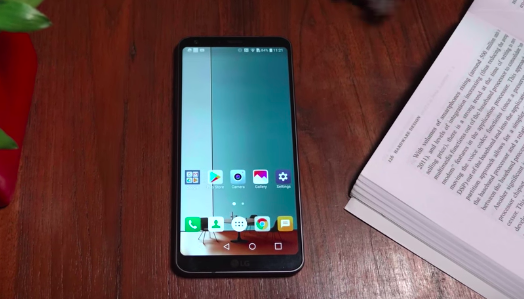
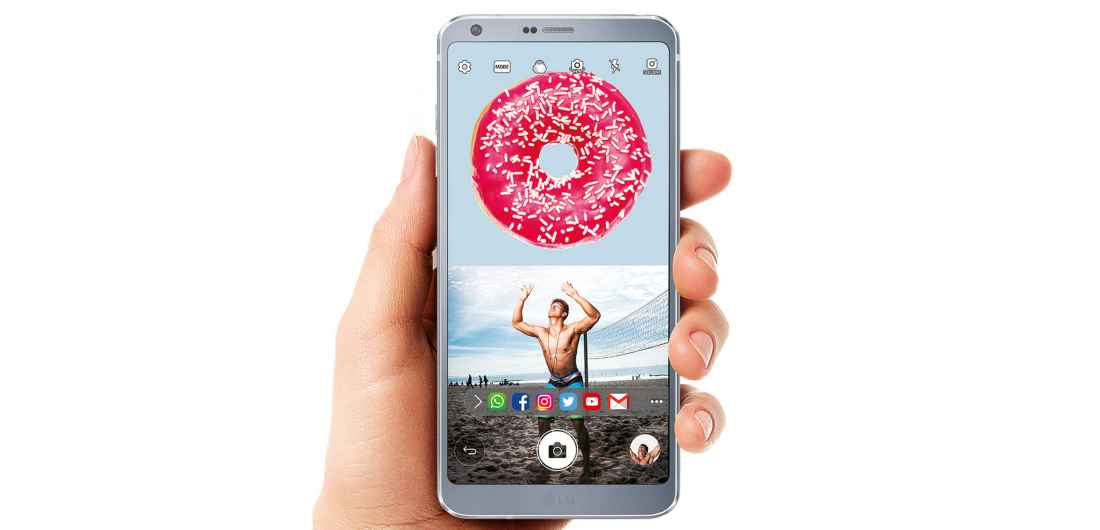
    LG G6

    2018 by the looks of it, won’t be any different. The LG G7 is expected to be launched with the Qualcomm Snapdragon 835 since Samsung will most probably have exclusive access to the Snapdragon 845 chipset for the first few months of 2017. Something similar happened in 2017 when LG G6 launched close to the Samsung Galaxy S8 and had to make do with the Snapdragon 821 chipset.

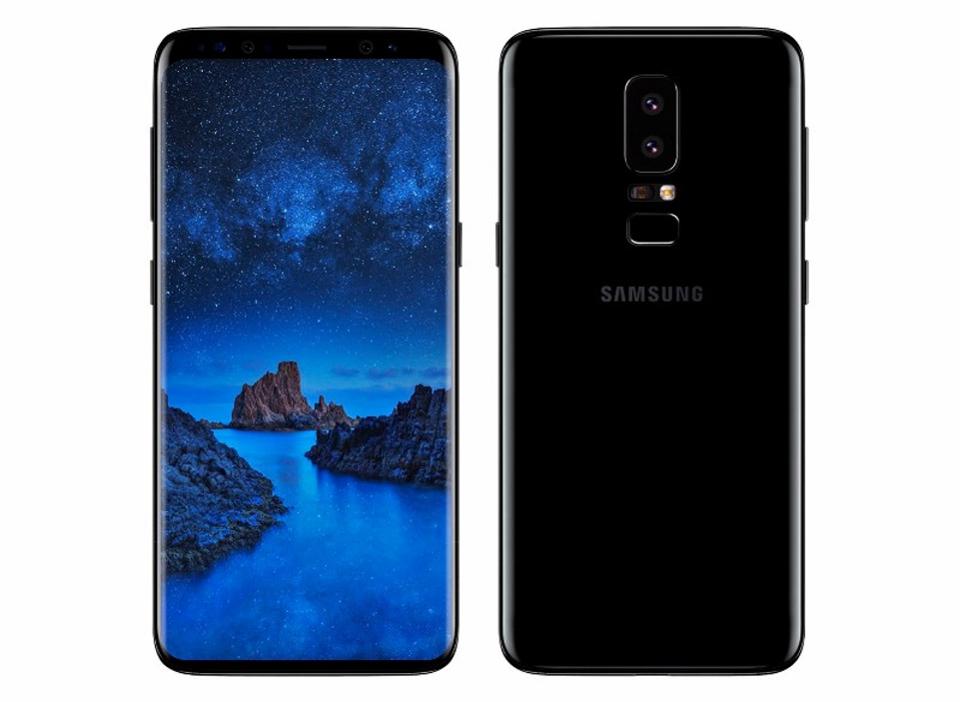
    Samsung Galaxy S9 Renders

    The LG G7 is also rumoured to feature an OLED display, with the fingerprint sensor to be placed under the screen rather than the back. The Samsung Galaxy S9, meanwhile, will have a regular rear-facing fingerprint sensor but, reports suggest that it will be positioned in a better location.

  • LG V30 To Launch In India In December

    LG V30 To Launch In India In December

    Lg’s late-2017 flagship phone, the LG V30 is expected to be launched in India in December. According to a report, the LG V30 will be priced at Rs 47990.

    Unveiled back in August during IFA in Berlin, the LG v30 has seen a phased introduction of the phone in different markets. However, there was no news about its launch in the Indian market. with a price tag of under Rs 50000 and significantly cheaper than the likes of Samsung Galaxy S8 and the iPhone X, it appears that LG will launch the device without the HiFi quad DAC, as we had reported earlier.

    The LG V30 has a 6 inch 2880 x 1440 px OLED FullVision display with an 18:9 aspect ratio and Corning Gorilla Glass 5. LG’s nearly edge-to-edge OLED display has HDR 10 format for a high level of colour contrast.

    Like other flagships of 2017 the LG V30 has a Qualcomm Snapdragon 835 chipset, a 2.4GHz octa-core processor, 4 GB RAM and 64GB/128GB onboard storage with up to 2TB of expandable storage via a microSD card. The phone also has an  IP68 rating for water and dust resistance and MIL-STD 810G rating for durability. The device is powered by a 3300mAh battery with wireless fast charging, and the phone also supports quick charge 3.0

    The smartphone runs Android 7.1.2 with LG’s UX 6.0+ on top which offers a few customisation options. A big omission from the V30 is the secondary display, which was a signature in the previous V series devices. Instead, LG has introduced a Floating Bar which displays shortcuts and can be disabled when not required.

    Apart from the rear mounted fingerprint scanner which also doubles as a home button, LG has introduced few new security features in the LG V30 such as facial and voice recognition. The voice recognition will even work along with music playback.

    The LG V30 features a dual-camera setup at the back. As LG had announced, this smartphone has the first ever inbuilt camera unit to feature a 16MP crystal clear lens made of glass with an f/1.6 aperture and another 13MP wide angle lens with an f/1.9 aperture. The camera features laser detection AF, optical image stabilisation and electronic image stabilisation. On the front side, the LG V30 has a 5MP wide-angle camera with an aperture f/2.2.

  • Top Phones To Go On Sale In India In The Next Two Months

    Top Phones To Go On Sale In India In The Next Two Months

    2017 has been a great year for a smartphone enthusiast. From the increasing craze for dual-cameras to constantly shrinking bezels, the smartphones launched in 2017 so far have seen it all. However, as we reach the end of 2017, there are few exciting phones that have not yet hit the shelves in the Indian market. Let’s take a look at the top phones that will go on sale in India in the nest two months:
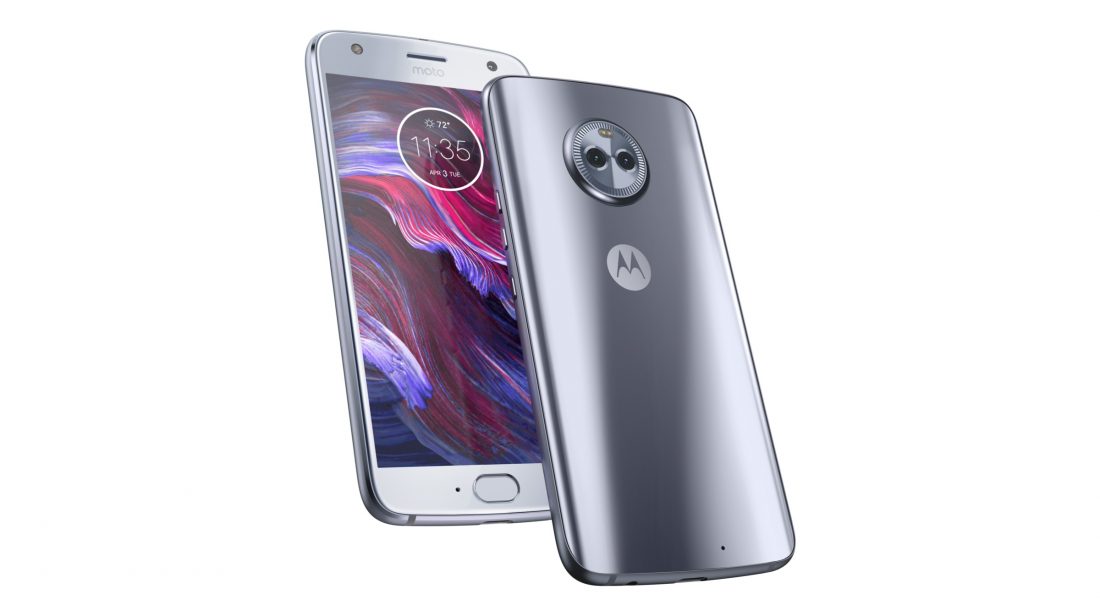
    Moto X4

    The much-awaited smartphone from Motorola will be launched in India on the 13th of November and subsequently go on sale via Flipkart. The phone is expected to be priced between Rs 20000 – Rs 25000.

    The Moto X4 has a 5.2 inch 1920 x 1080 px IPS LCD display with Corning Gorilla Glass 3 on top for protection.

    The Moto X4 has the Qualcomm Snapdragon 630, 2.2 GHz octa-core processor and Adreno 508 GPU, along with 3GB or 4GB of RAM and 32GB or 64GB of onboard storage which can be expanded up to 2TB via microSD card. The phone has an IP68 rating for water and dust resistance.

    The fingerprint sensor is housed inside the home button which also doubles up as a single navigation button. The Moto X4 is powered by a 3000 mAh battery with TurboCharge capabilities. The company claims that the 15 mins of charge can give up to 6 hours of talk time.

    Like every Motorola phone, the Moto X4 runs stock Android 7.1.1 Nougat. Motorola recently announced that the Moto X4 will receive an update to Android 8.0 Oreo by the end of the year.

    The new smartphone will also feature Alexa, the Amazon AI voice assistant. This isn’t the first time that Alexa has made its way onto a smartphone, the Huawei Mate 9 was the first smartphone to feature the voice assistant. Since then, we have also seen Alexa make its way to the HTC U11.The 4 in Moto X4 signifies that the new smartphone will be able to share the sound with up to 4 devices, thanks to the presence of Bluetooth 5.0.

    The Moto X4 has a dual-camera setup at the back. The main camera is a 12MP sensor with an f/2.0 aperture, and the 8MP secondary camera with an f/2.2 aperture is equipped with a wide-angle lens. The dual-cameras allow users to have depth effect shots, bokeh effect shots, ultra-wide angle shots, and selective focus shots. On the front of the device is a 16MP camera with an f/2.0 aperture and an LED flash. The cameras record 4K videos at 30 FPS.
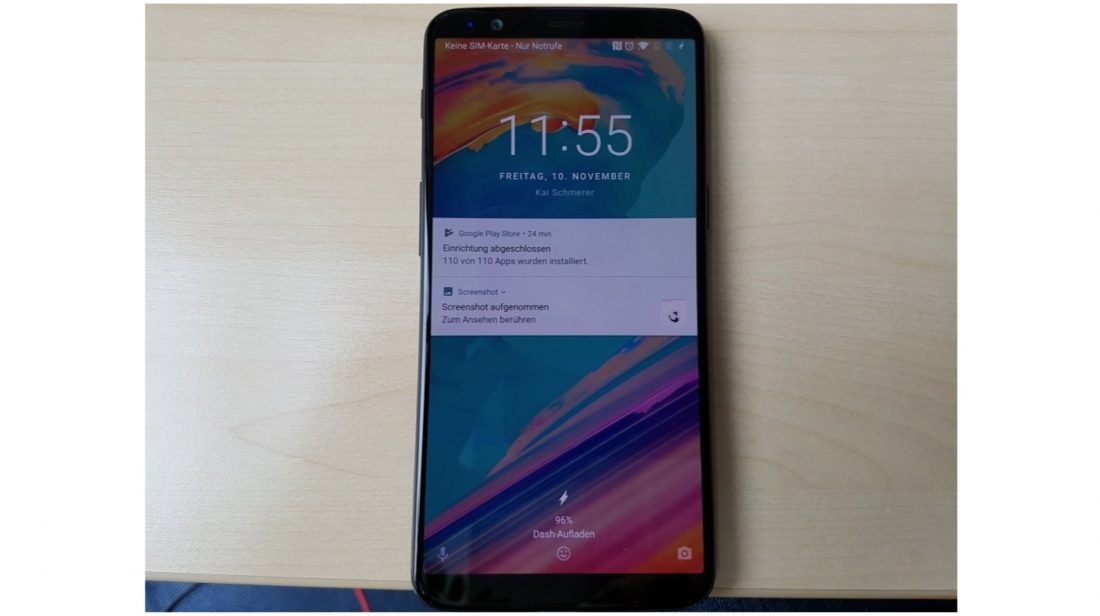
    OnePlus 5T

    OnePlus burst on to the scene with the OnePlus One which claimed to be flagship killer with premium specifications at an affordable price. OnePlus continued to do so with its 2, 3 and 3T devices. In June of 2017, OnePlus unveiled the OnePlus 5 with top-notch specifications and dual cameras at the back but, failed to capture the imagination of its loyalists with an “outdated” design.

    The phone had thick bezels and didn’t look close to competing with the LG G6 or the Galaxy S8 at that time. With a lot of design elements “inspired” from the iPhone 7 Plus, the OnePlus 5 failed to attract the consumers like its predecessors did. The company recently confirmed that the OnePlus 5T will be launched on the 16th of November and go on sale in India on the 21st of November.

    The OnePlus 5T will have a 6 inch AMOLED display with a 2160 x 1080 x resolution which translates to an 18:9 aspect ratio.

    Just like the OnePlus 3T, the OnePlus 5T is expected to be an incremental update rather than a drastic new upgrade in terms of hardware. The 5T is expected to have the Qualcomm Snapdragon 835 chipset as it is the current flagship chipset. The dual cameras at the back are also expected to be the same as found on the OnePlus 5. The smartphone will come in two variants, one with 6GB RAM/64GB storage and the other with 8GB RAM and 128GB storage.

    The smartphone will run Android 7.1.1 Nougat with OnePlus’ Oxygen OS on top.

    The OnePlus 5T is also expected to have dual cameras on the back, one of the main cameras is a 20 MP sensor with an f/2.6 aperture, while the other is a 16 MP camera with an aperture of F/1.7 . The secondary telephoto lens is used for 2X lossless optical zoom and a ‘portrait mode’ for blurred background images.

    Nokia 7
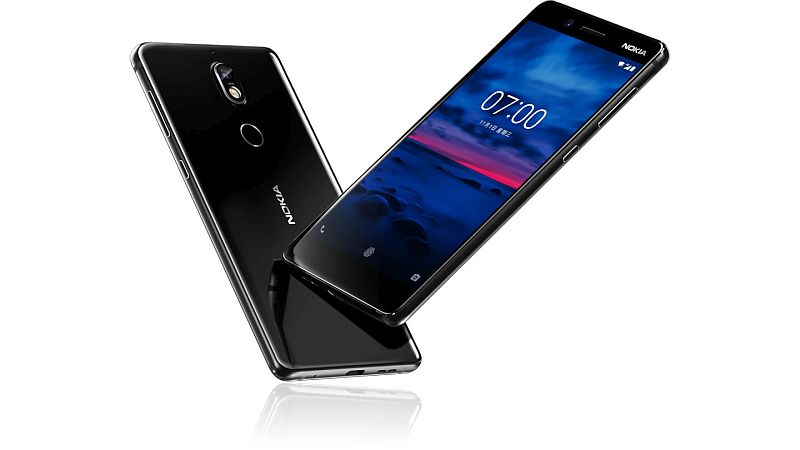
    HMD Global launched the Nokia 7 in China in mid-October at a price similar to the Moto X4. Nokia’s resurgence in the smartphone market has been credited mainly to its phones’ stock Android OS and build quality. The Nokia 8, company’s first ever Android powered flagship device has been well-received and competitively priced in a lot of markets like India. The Nokia 7 takes a lot from the Nokia 8 and will enter the market at a more budget oriented price than the Nokia 8.

    The Nokia 7 has a 5.2 inch IPS LCD display with a 1920 x 1080 px resolution and Corning Gorilla Glass 3 on top for protection.

    Under the hood, the device has the Qualcomm Snapdragon 630 chipset, octa-core 2.2 GHz Cortex-A53 processor, 4GB or 6GB of RAM and 64GB onboard storage which can be expanded up to 256GB via microSD card. Unlike the Nokia 8, and all previous Nokia Android phones, there is no physical home button on the front of the device. The fingerprint sensor is placed at the back of the phone just below the camera.

    Powering the smartphone is a 3000 mAh battery and it runs Android 7.1 Nougat out of the box.

    Similar to the Nokia 8, the Nokia 7 also comes with all the bells and whistles. One such feature is “Bothie.” It allows you to use the front and rear camera at the same time in a split screen view. Another feature that the smartphone boasts is called OZO Audio in which the smartphone’s three microphones and Nokia’s acoustic algorithms allow you to capture 360-degree spatial surround sound.

    The Nokia 7, unlike the Nokia 8 has a single camera at the back. The Nokia 7 has a 16MP camera at the back with an f/1.8 aperture, 1.12-micron pixel size and Carl Zeiss optics. The primary camera records 3840 x 2160 px (4K) videos at 30fps. On the front of the device is a 5MP camera with an f/2.0 aperture and autofocus.
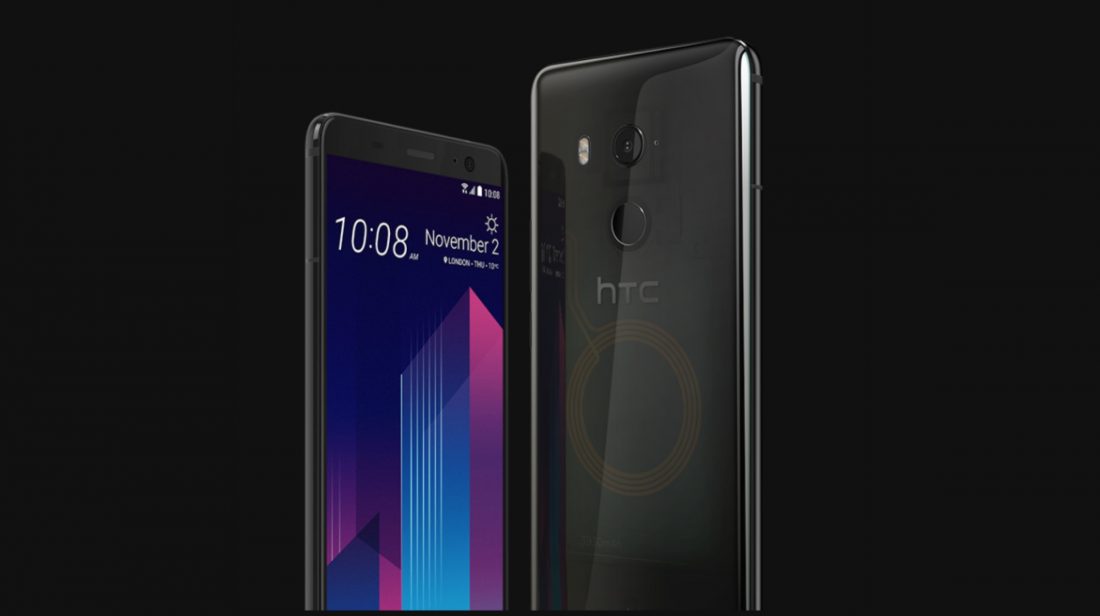
    HTC U11+

    After the infamous deal between Google and HTC which meant that HTC’s whole smartphone personnel will now work for Google, it was exptected that HTC would not launch a new phone. However, in a press release right after the deal was announced, it was confirmed that HTC will continue making smartphones.

    The Taiwanese tech giant delivered on that statement when it launchd its new flagship device, the HTC U11+.

    The HTC U11+ has a new 6-inch IPS LCD display with a 2880 x 1440 px resolution and Corning Gorilla Glass 5 on top of the display and at the back. The tall display means the bezels on the HTC U11+ are thinner than the ones found on the HTC U11.

    The smartphone is powered by a 3930 mAh battery with QuickCharge 3.0. Similar to the HTC U11, HTC U11+ has the Qualcomm Snapdragon 835 chipset, an octa-core processor, and Adreno 540 GPU. The HTC u11+ further has 6GB of RAM and 128GB onboard storage which can be further expanded up to 2TB. The HTC U11+ is IP68 rated water and dust resistant and due to the thin bezels, the fingerprint sensor is now placed below the rear-mounted camera.

    The HTC U11+ has a 12.2MP rear-mounted camera with an f/1.7 aperture with optical image stabilisation and electronic image stabilisation. The camera can record 4K videos at 30fps and slo-mo 1080P videos at 120fps. On the front of the phone is an 8MP camera with an f/2.0 aperture and fixed focus. The front-facing camera can record 1080P videos at 30fps.
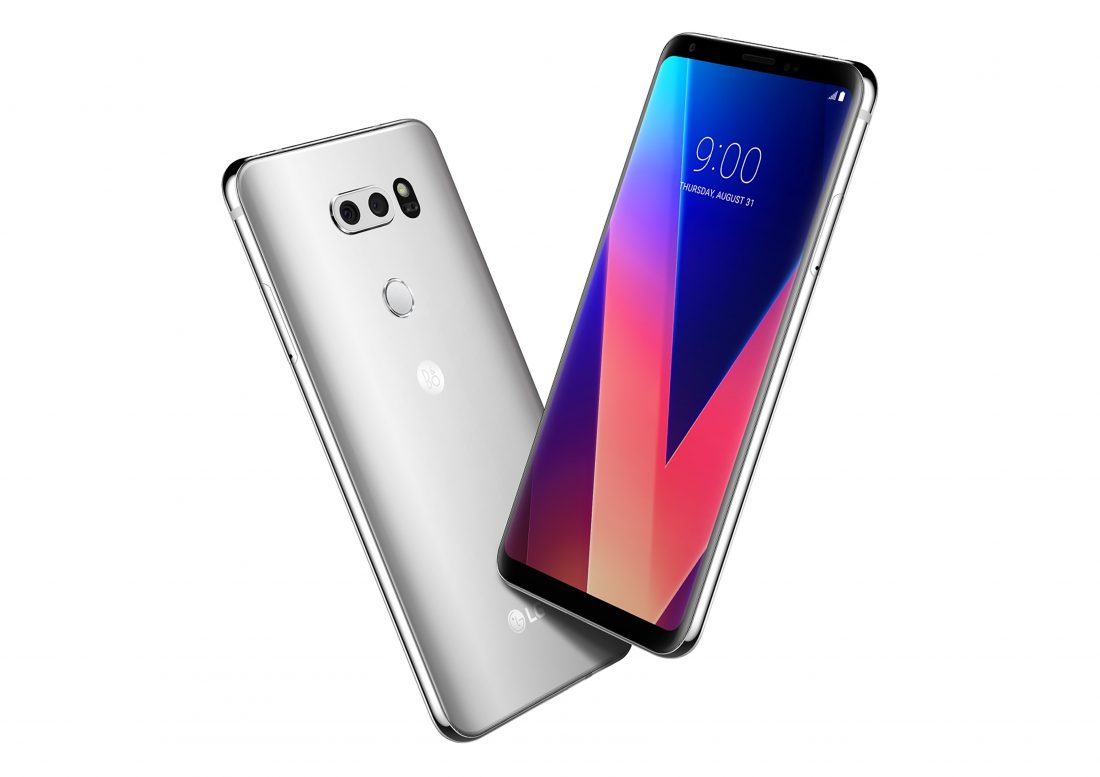
    LG V30

    LG phones have traditionally been underrated, partly because of the competitors and the rest because of LG itself. LG ventured into making smartphones and the initial response wasn’t great. With time however, LG honed the skills of smartphone making and introduced some great and revolutionary phones over the years.

    What it didn’t do, was go all out in marketing their phones. The likes of Apple and Samsung tend to overshadow the LG phones because of their over-the-top marketing and flashy features. LG does the basics right and continues to do so. With the LG V30, LG nails more than just the basics and draws the media consumption junkies towards it. The phone is expected to go on sale in India near the Rs 50000 price bracket.

    The LG V30 has a 6 inch 2880 x 1440 px OLED FullVision display, LG’s first, with an 18:9 aspect ratio and Corning Gorilla Glass 5 for protection. LG’s nearly edge-to-edge OLED display has HDR 10 format for high level of colour contrast and the smartphone will be Daydream compatible. Unlike the previous V series devices from LG, the V30 does not have a secondary display and instead features a floating bar which can be disabled if not needed.

    The LG V30 has the Qualcomm Snapdragon 835 chipset, 2.4GHz octa-core processor, 4 GB RAM and 64GB/128GB onboard storage with up to 2TB of expandable storage via a microSD card. The V30 has IP68 rating for water and dust resistance and MIL-STD 810G rating for durability. The LG V30 is powered by a 3300mAh battery with wireless fast charging which supports 3.0 quick charge.

    The smartphone runs Android 7.1.2 with LG’s UX 6.0+ on top which offers a few customisation options.

    The LG V30 features a dual-camera setup at the back. As LG had announced, this smartphone has the first ever inbuilt camera unit to feature a 16MP crystal clear lens made of glass with an f/1.6 aperture and another 13MP wide angle lens with an f/1.9 aperture. Compared to the f/1.8 aperture cameras on the iPhone 7Plus and the Samsung Galaxy S8+, the camera on the LG V30 will let 25% more light to pass through. The camera will feature laser detection AF, optical image stabilisation and electronic image stabilisation. On the front side, the LG V30 has a 5MP wide-angle camera with an aperture f/2.2.

    Which phone are you looking forward to? Let us know in the comments below!
  • LG V30+

    LG V30+

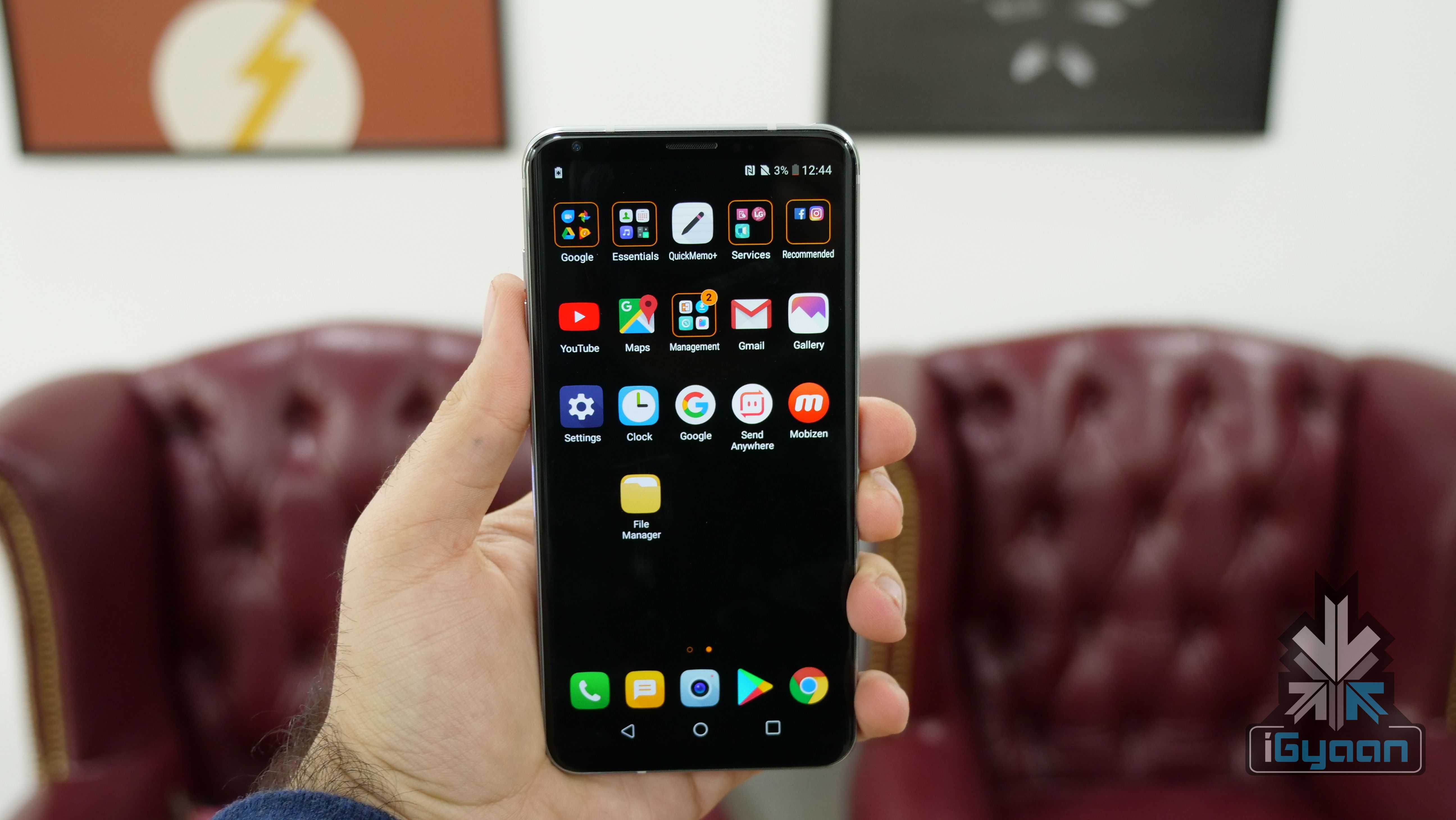
    The LG V30 was officially launched on August 31 at IFA 2017 Berlin and it was launched in India at a price of Rs. 44990. Unlike the previous V series devices from LG, the V30 does not have a secondary display and instead features a floating bar which can be disabled if not needed. Just like the G6, the V30 also has a dual-camera setup with a secondary wide-angle lens. However, there is no official word on its date of launch in India as of now.

    [amazon_link asins=’B077V1KR9B’ template=’ProductAd’ store=’igyaan-21′ marketplace=’IN’ link_id=’ce85b02a-f2cb-11e7-aeba-bbe7de127ee9′]

    [section label=”Latest News”]

    Latest News

    [loop included_tags=”39779″ loading=”paged” layout=”c” postsperpage=”6″ disable_excerpt=”true”]

    [section label=”Unboxing Video”]


  • Apple Could Partner With LG For Foldable Smartphones

    Apple Could Partner With LG For Foldable Smartphones

    The smartphone industry has seen a gradual slump in innovation over the past few years. Bezel-less display has been the rage of 2017 but, other than that you barely see anything new nowadays. Samsung stirred things up a little with the news of it launching a foldable Android phone in early 2018. Now, there is news that Apple might be teaming up with LG to work on a foldable smartphone.

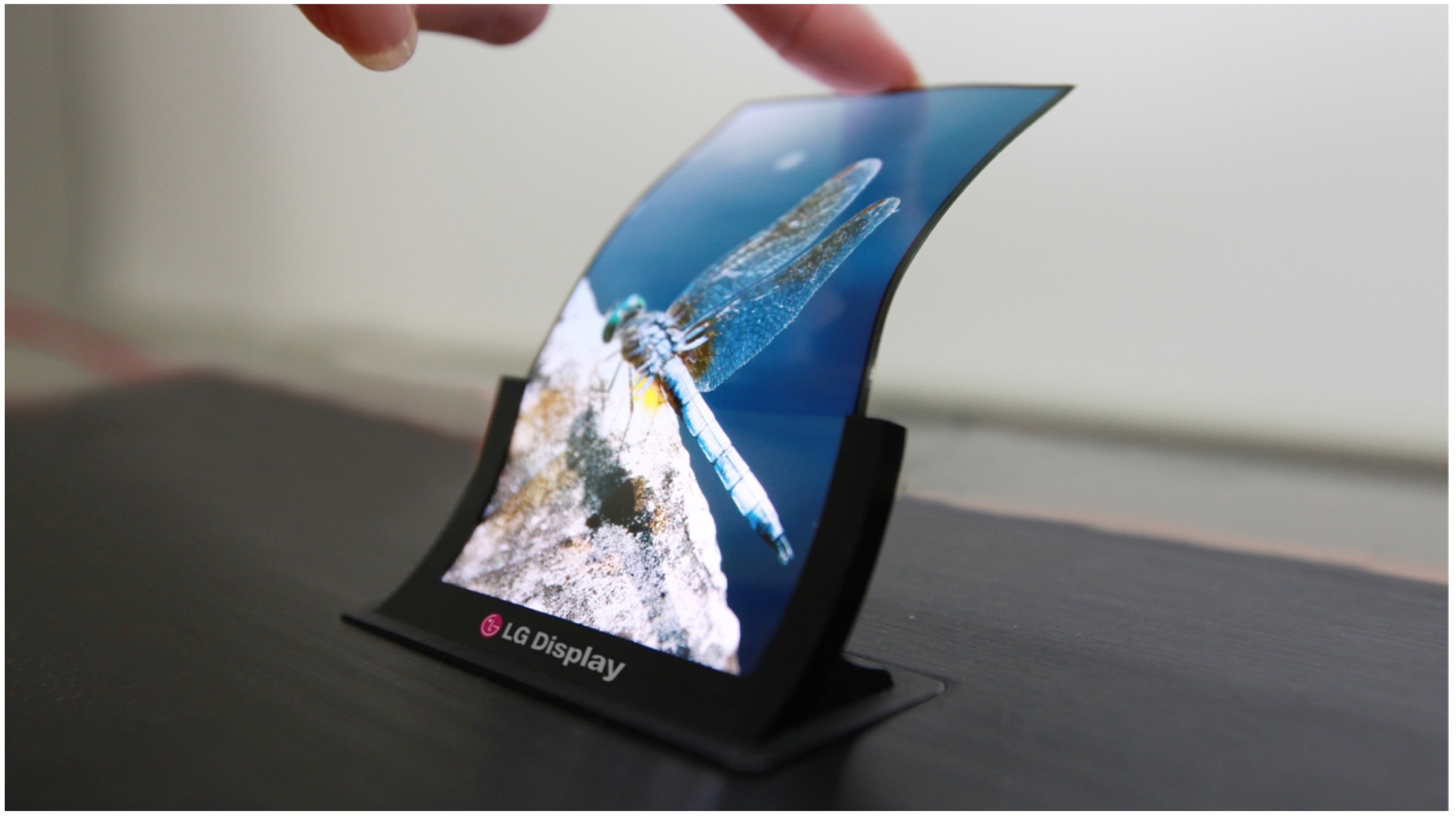
    Samsung has been at the top of its game in the OLED market but, it hasn’t yet commercialised the flexible OLED displays. LG had also revealed a foldable display at CES and has the opportunity to take over that segment of the market and that might be the reason why Apple would choose to team up with LG. This news also falls in line with another report from July about Apple potentially investing over US$2 billion in LG’s new OLED plant.

    According to a report from The Bell (via The Investor), Apple will use flexible screens supplied by LG Display for an upcoming folding smartphone. Meanwhile, LG’s Innotek business is already said to be gearing up to produce the rigid flexible printed circuit boards, or RFPCBs, that would feature inside the phones. Apple would be seeking to release this device in 2020, which could give competitors like Samsung and LG itself a head-start.

    Samsung already seems well on its way to launch a foldable smartphone in early 2018 with the Galaxy X getting certified in Samsung’s native country, South Korea.

    All these are still speculations and as we say it always, take these rumours with a hint of scepticism.

  • LG V30 To Hit The US Market On October 5th

    LG V30 To Hit The US Market On October 5th

    LG announced the new flagship, the LG V30 at the IFA 2017 in Berlin. The smartphone made headlines for featuring an OLED panel and thin bezels around the display. Now, after releasing the phone in South Korea, LG has announced that the V30 will hit the US market on October 5th. As far as price is concerned, in the US, you can order the phone through AT&T for US$810 or through T-Mobile for US$800.

    The LG V30 has a 6 inch 2880 x 1440 px OLED FullVision display, LG’s first, with an 18:9 aspect ratio and Corning Gorilla Glass 5 for protection. LG’s nearly edge-to-edge OLED display has HDR 10 format for a high level of colour contrast and as announced, the smartphone will be Daydream compatible.

    The LG V30 is powered by a 3300mAh battery with wireless fast charging which supports 3.0 quick charge. The smartphone runs Android 7.1.2 with LG’s UX 6.0+ on top which offers a few customisation options. A big omission from the V30 is the secondary display, which was a signature in the previous V series devices. Instead, LG has introduced a Floating Bar which displays shortcuts and can be disabled when not required. The LG V30 has the Qualcomm Snapdragon 835 chipset, 2.4GHz octa-core processor, 4 GB RAM and 64GB/128GB onboard storage with up to 2TB of expandable storage via a microSD card. The V30 has IP68 rating for water and dust resistance and MIL-STD 810G rating for durability.

    LG has partnered up with Bang & Olufsen this time around to deliver sound quality ideal for media consumption and the B&O logo appears on the rear of the smartphone just below the fingerprint scanner. Thanks, to the partnership, LG V30 incorporates a 32-bit Hi-Fi Quad DAC powered by Bang & Olufsen with few sound presets like enhanced, detailed, bass and live. The smartphone also has support for Master Quality Authenticated (MQA) technology for high-resolution audio streaming. There are reports that the India variant of the LG V30 may not feature the quad DAC.

    Aside from the rear-mounted fingerprint scanner which also doubles as a home button, LG has introduced few new security features in the LG V30 such as facial and voice recognition. The voice recognition will even work along with the music playback.

    On the camera front, the LG V30 features a dual-camera setup at the back. As LG had announced, this smartphone has the first ever inbuilt camera unit to feature a 16MP crystal clear lens made of glass with an f/1.6 aperture and another 13MP wide angle lens with an f/1.9 aperture. Compared to the f/1.8 aperture cameras on the iPhone 7Plus and the Samsung Galaxy S8+, the camera on the LG V30 will let 25% more light to pass through. The glass lens also delivers greater light-collecting ability than a plastic lens as well as better colour reproduction. The camera will feature laser detection AF, optical image stabilisation and electronic image stabilisation. On the front, the LG V30 sports a 5MP wide-angle camera with an aperture f/2.2.

    The price of US$800 seems normal considering the Galaxy Note8 retails for over US$900 and the iPhone X will start at a price of US$999. The price and availability of the LG V30 in India has not been confirmed by the company yet.

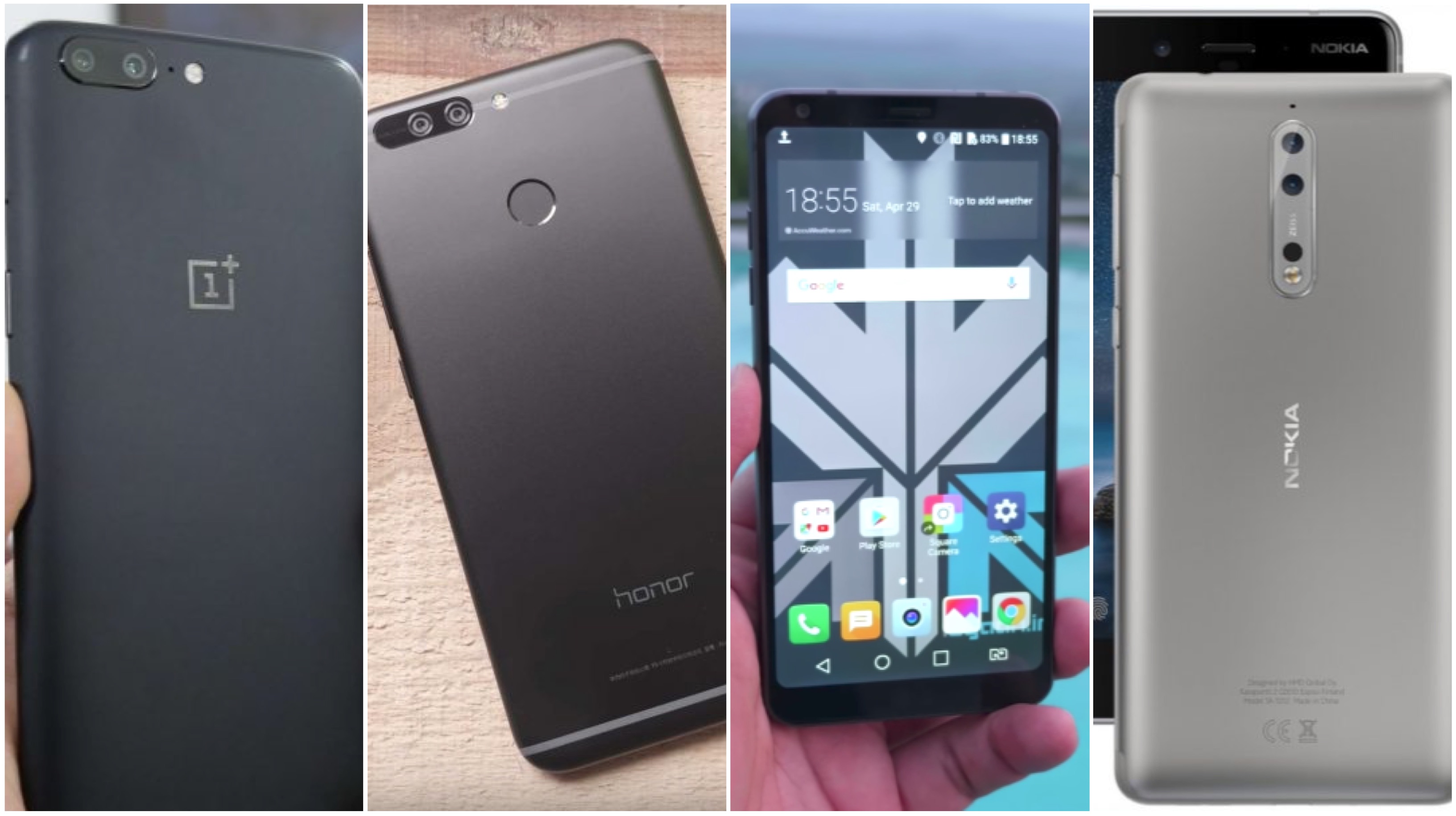
  • Battle Of The Flagships Under Rs 40,000: OnePlus 5 Vs Nokia 8 Vs Honor 8 Pro Vs LG G6

    Battle Of The Flagships Under Rs 40,000: OnePlus 5 Vs Nokia 8 Vs Honor 8 Pro Vs LG G6

    Gone are the days when you couldn’t expect premium performance from smartphones that didn’t come with a premium price tag. Nowadays, good phones are getting cheaper, and cheap phones are getting better. Flagship devices from the likes of Samsung and Apple continue to cost over Rs 50,000 in India but, there smartphone makers who bring in high quality at a sort of affordable price. Rs 40,000 is not “affordable” by any means, but if you can get a phone as fast and smooth as a Rs 60,000 phone by almost half of it, you don’t have much to complain.

    OnePlus 5, Nokia 8, Honor 8 Pro and the LG G6 offer flagship performance and features at a price under Rs 40,000. Each phone has its own USP and areas of performance where it excels. So, if you have a budget of around Rs 40,000 and you want a phone with flagship performance, which one would fit the bill? Let’s find out.

    Specifications OnePlus 5 Honor 8 Pro LG G6 Nokia 8
    Price Starting at Rs 32,999

    Click Here To Buy

    Rs 29999

    Click Here To Buy

    Rs 36,900

    Click Here To Buy

    Rs 36,999

    Click Here For Pre-Orders

    Display 5.5 inch 5.7 inch 5.7 inch 5.5 inch
    Resolution 1920 x 1080 px 2560 x 1440 px 2880 x 1440 2560 x 1440 px
    OS Android 7.1 Nougat

    Stock Android

    Android 7.1 Nougat

    EMUI 5.1

    Android 7.1 Nougat

    LG UX

    Android 7.1 Nougat

    Stock Android

    Chipset Qualcomm Snapdragon 835 Kirin 960 Qualcomm Snapdragon 821 Qualcomm Snapdragon 835
    RAM 6GB/8GB 6GB 4GB 4GB
    Storage 64GB/128GB 128GB 64GB 64GB
    Expandability No Yes Yes Yes
    Water and Dust Resistance  No No IP67 Rating IP54 Rating
    Primary Camera Sony IMX 398
    Megapixels: 16
    Telephoto Sensor: Sony IMX 350
    Megapixels: 20
    12MP RGB sensor + 12MP Monochrome (black and white) sensor Dual 13 MP (f/1.8, OIS, 3-axis) + 13 MP (f/2.4) wide-angle lens 13MP + 13MP with an f/2.0 aperture
    RGB (colour) primary sensor and monochrome (black and white) secondary sensor Carl Zeiss Optics
    Battery  3300 mAh 4000 mAh 3300 mAh 3090 mAh
    Video 3840 × 2160p @ 30fps

    1920 x 1080p @ 30fps

    3840 × 2160p @ 30fps

    1920 x 1080p @ 30fps

    3840 × 2160p @ 30fps

    1920 x 1080p @ 30fps

    3840 × 2160p @ 30fps

    1920 x 1080p @ 30fps

    Front Camera  16MP with an f/2.0 aperture  8MP with an f/2.0 aperture 5MP with an f/2.2 13MP with an f/2.0 aperture
    Extra Features  Smooth stock Android with subtle OxygenOS tweaks  VR Capabilities Due to QHD display Bezel Less Display Bothie

    OZO Audio

    All these phones have their own pros and cons.

    OnePlus 5

    What we like:

    • Qualcomm Snapdragon 835
    • Stock Android OS experience
    • Portrait mode in camera.

    What we don’t like:

    • Battery size
    • No expandable storage
    • No OIS
    • No water resistance.

    Honor 8 Pro

    What we like:

    • Display
    • Battery
    • VR capabilities
    • Storage expansion via microSD card
    • Price.

    What we don’t like:

    • Chipset is more comparable to the older Snapdragon 821
    • No water resistance
    • EMUI might not hold itself for a long time.

    LG G6

    What we like:

    • Display
    • Design
    • Camera
    • Water resistance
    • Storage expansion via microSD card
    • Price
    • Professional video features.

    What we don’t like:

    Older Snapdragon 821

    Front camera is only 5MP with an f/2.2 aperture.

    Nokia 8  

    What we like:

    • Snapdragon 835
    • Display
    • Stock Android OS
    • Nokia’s build quality
    • Carl Zeiss optics
    • Bothie will be practical for people who live stream content
    • Storage expansion via microSD card.

    What we don’t like:

    • The most expensive of the four.
    • Nokia’s software is untested as of now.

    Buying a smartphone is a big decision and all these phones have their advantages. Choose wisely and let us know if you own any of these phones or are planning to get one.


  • LG Just Added A Mosquito Repellent To Their Smartphone

    LG Just Added A Mosquito Repellent To Their Smartphone

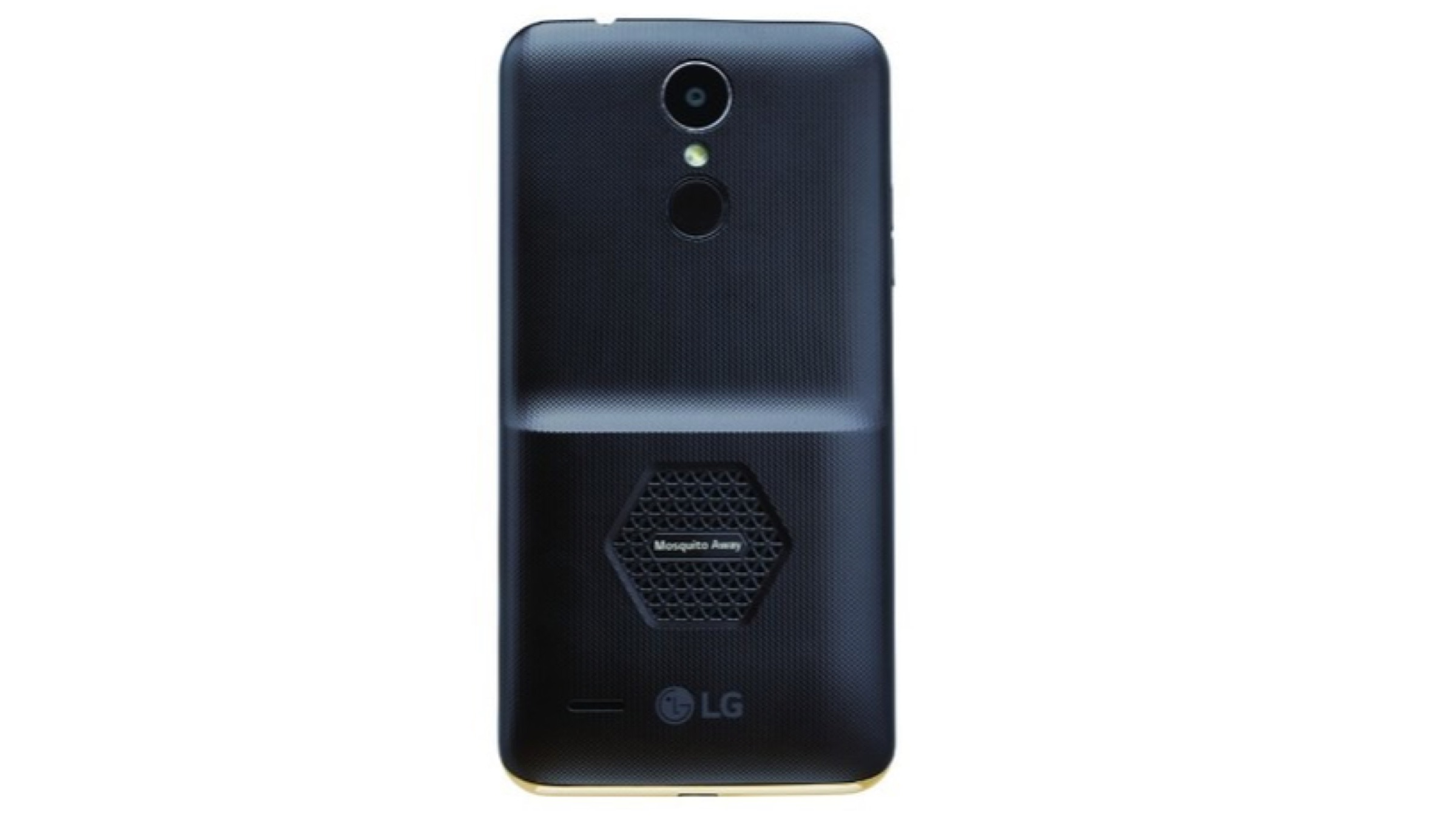
    LG has announced a budget oriented smartphone, the K7i in India at a price of Rs 7990. The South Korean tech giant, LG made the announcement during the ongoing Indian Mobile Congress in New Delhi.

    The riding feature of this phone is something quite unique, a mosquito repellent mode. To remove all your doubts, LG has confirmed that this technology is completely safe and harmless for human beings. LG explains that the smartphone uses an ultra-sonic technology, which once activated will keep the mosquitoes away. LG also clarified that its proprietary technology is silent and odourless. “An LG K7i a day, keeps mosquitoes at bay?”

    LG K7i has a 5-inch display and the resolution of the screen has not been disclosed by the company. Judging by the price, it might be a 1280 x 720 px display but, this is just speculation. The device is powered by a 2500 mAh battery which is surprisingly user removable and runs Android 6.0 Marshmallow out of the box. It has an unknown quad-core processor with 2GB RAM, 16GB onboard storage and microSD card support. The smart phone also has WiFi, Bluetooth 4.1, FM radio and dual-SIM support. The new mosquito repelling smartphone will be available in a brown colour variant.

    On the camera front, the LG K7i features an 8MP rear-facing camera and a 5MP front-facing camera.

    LG launched a lineup of Televisions with similar mosquito repelling proprietary technology and has followed it up with a smartphone. The date of availability of the smartphone in India has not been announced yet.

  • Great Smartphone And Tech Accessories Deals On Amazon Great Indian Festival Sale

    Great Smartphone And Tech Accessories Deals On Amazon Great Indian Festival Sale

    The Amazon Great Indian Festival sale is on and there are some great deals on tech that can help you save some money. From smartphones to headphones to more storage options, let’s take a look at top tech deals that are available right now.

    Moto G5 Plus

    The Moto G5 Plus was launched in early 2017 and received great reviews for its camera performance. Even today, The Moto G5 Plus’ camera is considered one of the best in its price category. The device has a 5.2 inch 1920 x 1080 px display. The Moto G5 Plus has a Qualcomm Snapdragon 625 processor with 2.0 GHz octa-core CPU and 650 MHz Adreno 506 GPU, 3GB RAM and 32GB onboard storage which is expandable via microSD card. On the optics front, the smartphone has a 12MP f/1.7 camera with dual-focus pixels and can record 4K video and 5MP front-facing camera.

    Nokia 6

    Nokia 6 has a 5.5 inch 1920 x 1080 px display with Corning Gorilla Glass 3 on top for protection. It runs Android 7.1 Nougat out of the box and is powered by a 3000 mAh battery. Under the hood, the device has the Qualcomm Snapdragon 435 chipset, 3GB RAM and 32GB onboard storage which is expandable via microSD card. On the optics front, the Nokia 6 has a 16MP rear-facing camera with an f/2.0 aperture. On the front is an 8MP camera with an f/2.0 aperture and both the cameras record 1920 x 1080 px videos at 30fps.

    LG Q6

    The LG Q6 was recently launched in India for a price of Rs 14,990. It sports a 5.5 inch 2160 x 1080 px IPS LCD display. The device is powered by a 3,000mAh non-removable battery and runs Android 7.1.1 Nougat with LG’s custom skin on top of it. The LG Q6 packs the Qualcomm Snapdragon 435 chipset with a 1.4GHz octa-core processor and Adreno 505 GPU along with 3GB RAM and 32GB onboard storage which is expandable via microSD card up to 2TB. It features a single 13MP rear-facing camera with a single LED flash and on the front is a wide-angle 5MP sensor.

    Mi 10,000 mAh Power Bank

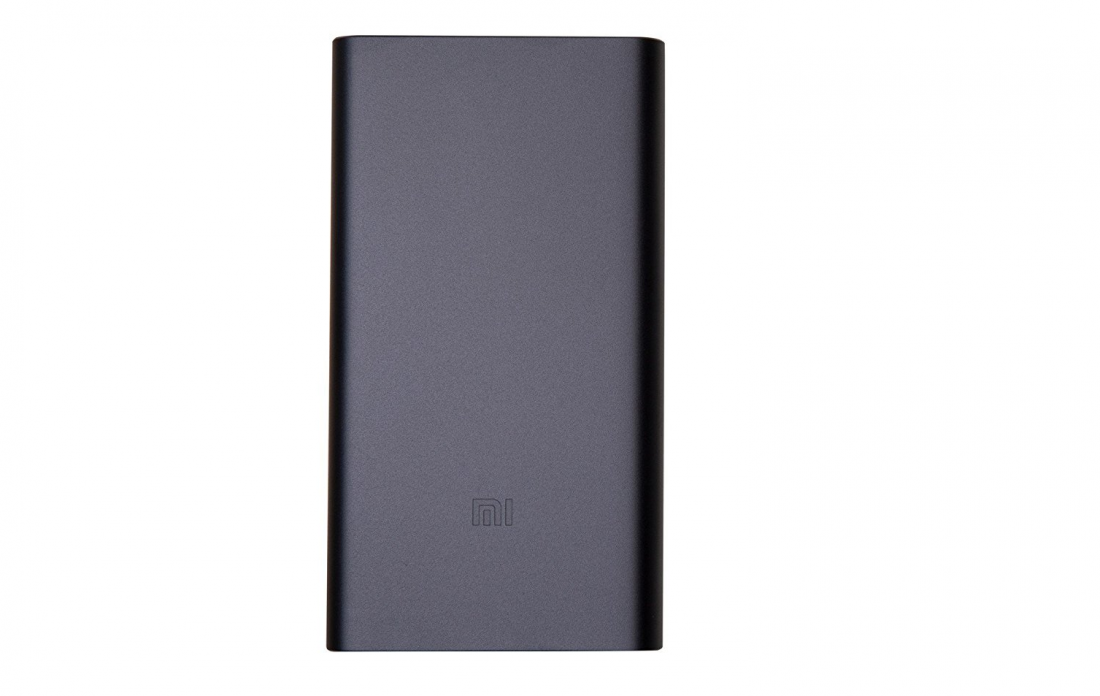
    The Mi 10,000 mAh power bank is ideal for people who travel a lot or power users who need to charge their phone more often than others. This power bank will charge an average phone at least three times and you can charge this power bank up overnight. It is sturdy and can survive a few drops here or there.

    Bose Quiet Comfort 25

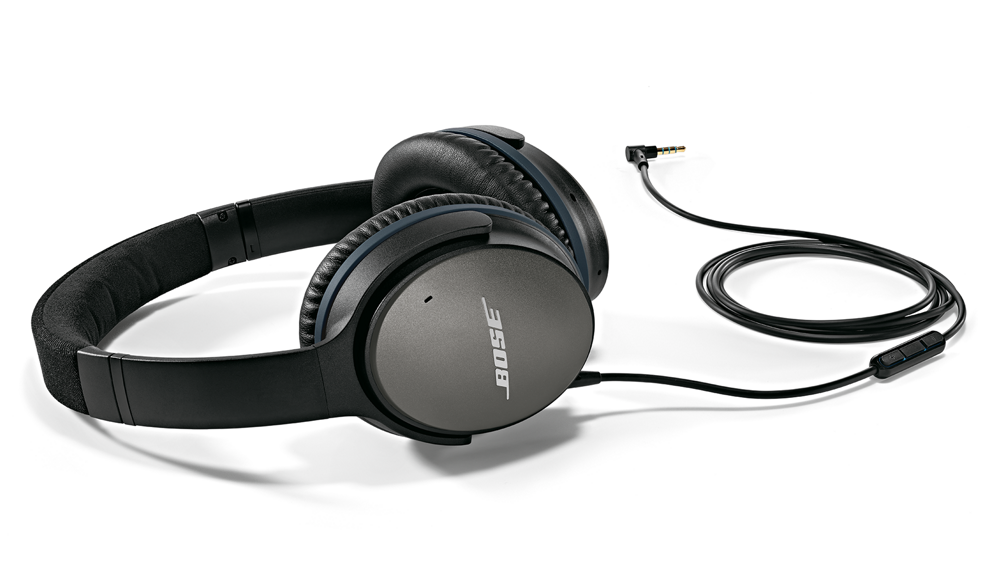
    The premium noise canceling headphones by Bose are critically acclaimed and available at a great price right now. The wire can be detached for easy carrying and the case for the headphones make it easier to carry the over-the-ear headphones around. The Bose Quiet Comfort retail for around 25000 but, right now are available for a price of Rs 15,100 on Amazon!

    JBL Go Speaker

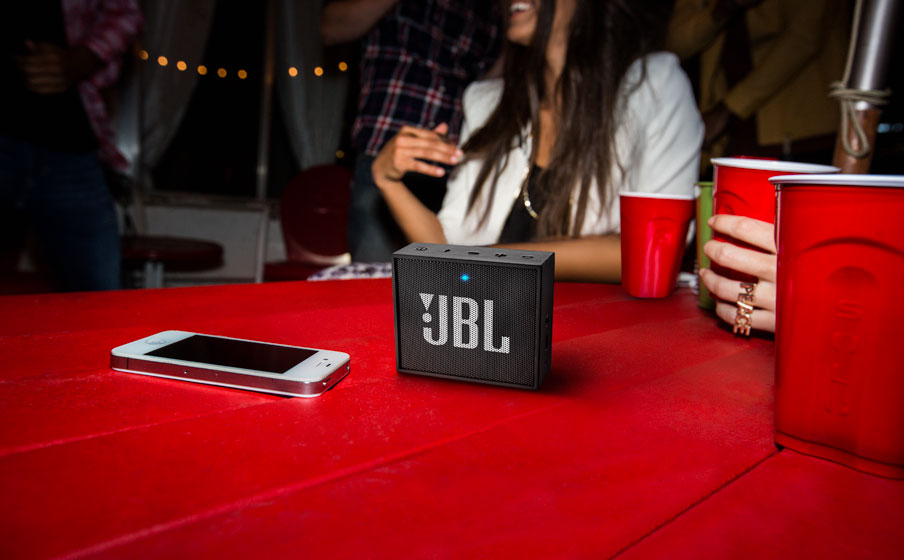
    The JBL GO speaker is compact, powerful and provides a great price-to-performance experience. The speaker retails for Rs 3,490 but during the sale, it’s available for Rs 1,899.

    TP-Link Wireless Router

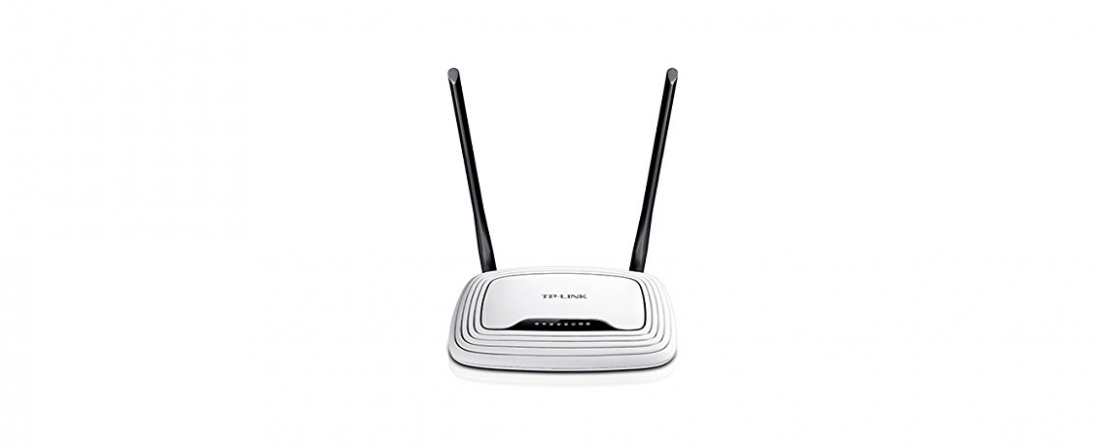
    The TP-Link Wireless Router is an essential for good internet connection at your home or office. It has a data transfer rate of 300 MB per second and has all the essential ports you might need to setup your internet connection. It usually retails for around Rs 1,499 but is right now available for Rs 849 on Amazon.

  • LG Q6+ Launched In India At A Price Of Rs. 17990

    LG Q6+ Launched In India At A Price Of Rs. 17990

    LG has launched a new variant of the LG Q6, the LG Q6+ in India. The new smartphone looks identical to the LG Q6 and is priced at Rs 17990. The LG Q6+ will be available across retail outlets, while the LG Q6 will remain an Amazon exclusive and retail for a price of Rs 14990.

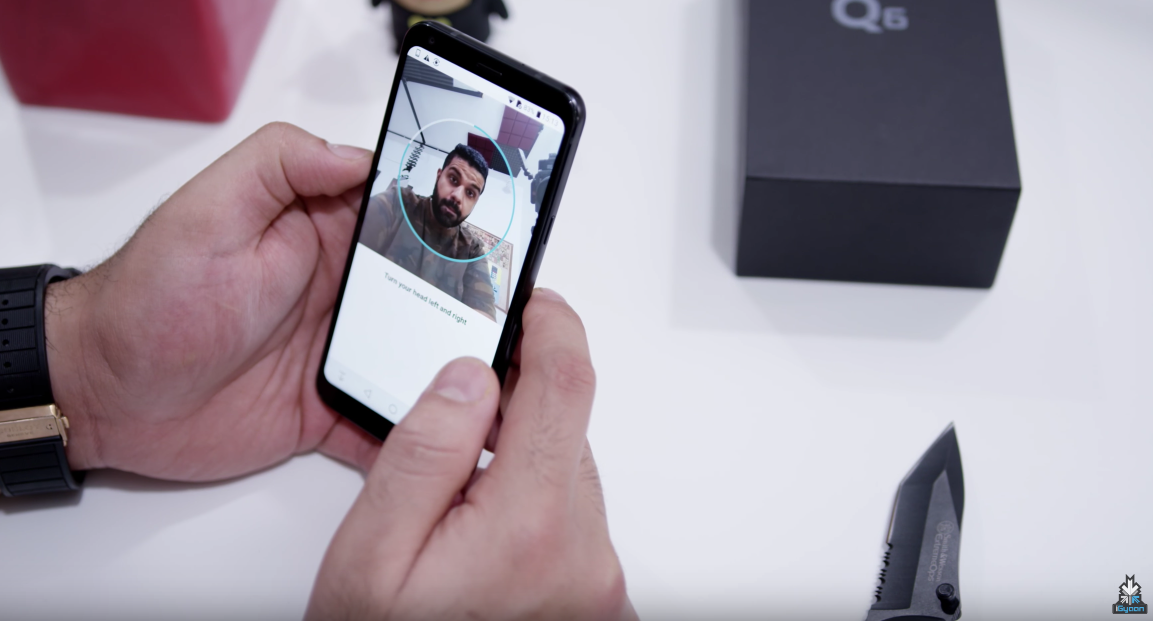
    As far as the specifications go, the LG Q6+ has the same 5.5 inch 2160 x 1080 px display with an 18:9 aspect ratio found on the LG Q6. The device is powered by a 3,000mAh non-removable battery and runs Android 7.1.1 Nougat with LG’s custom skin on top of it. The LG Q6+ packs the Qualcomm Snapdragon 435 chipset with a 1.4GHz octa-core processor and Adreno 505 GPU along with 4GB RAM and 64GB onboard storage which is expandable via microSD card up to 2TB. The handset lacks a fingerprint sensor but LG has introduced face unlocking feature instead. There is no confirmation on the presence of Corning Gorilla Glass.

    The resemblance with the LG Q6 continues, as it also features a single 13MP rear-facing camera with a single LED flash and on the front is a wide-angle 5MP sensor. The rear camera records video at 1920 x 1080 px at 30 FPS. LG also claims that the Q6 has US Military Standard-810G Certified which means that it can survive quite a few drops.

    The LG Q6+ brings in an extra 1GB of RAM and 32GB of onboard storage. It will be interesting to see whether the widespread availability will push consumers into splashing an extra Rs 2000 for the LG Q6+ or the LG Q6 will continue being a top seller for LG in this price bracket.

    Click Here For Best Price

  • Top Smartphones Deals On Amazon Great Indian Festival Sale

    Top Smartphones Deals On Amazon Great Indian Festival Sale

    Buying a smartphone is a tough decision. A lot of factors need to be weighed in before you choose a phone that will be your companion for the next few months or years, depending on which phone you buy or for which purpose. Price of a smartphone more or less is the deciding factor in many cases. Amazon Great Indian Sale has some great deals on smartphones in all price range and iGyaan brings you the top picks for you to choose from. Amazon Prime members can access these deals from September 20th.

    OnePlus 3T

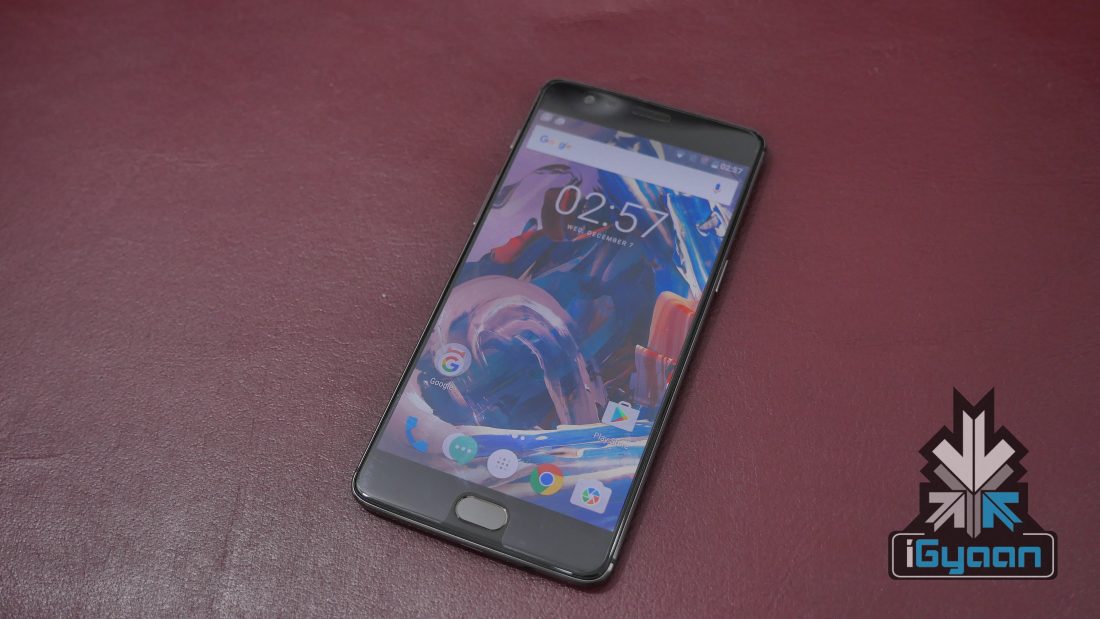
    The OnePlus 3T, last year’s flagship is still one of the best budget smartphones in the market right now. With an excellent Qualcomm Snapdragon 821 chipset and buttery smooth Android OS experience, the OnePlus 3T ticks almost all the boxes of a great smartphone. It has a 5.5-inch 1920 x 1080 px display and runs Android 7.1.1 Nougat with a promised update to Android 8.0 Oreo. During the sale, the OnePlus 3T will be available at a discount of Rs 5000!

    Xiaomi Redmi 4A

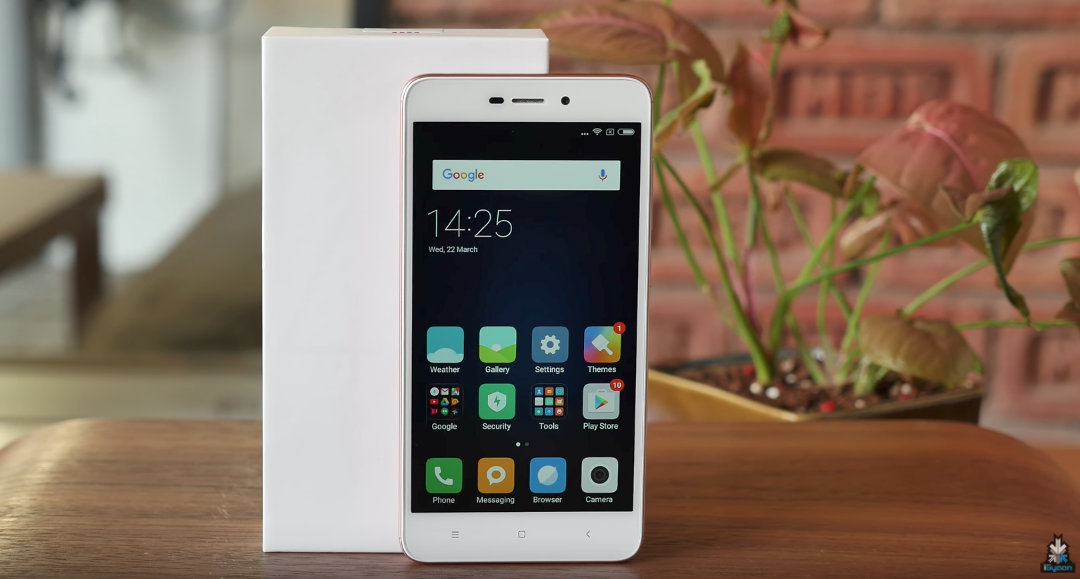
    The Xiaomi Redmi 4A is a budget device ideal for people who want performance and battery life without shelling out too much cash. The device has a 5 inch 1280 x 720 px display. The budget smartphone from Xiaomi runs on the Qualcomm’s 64-bit Snapdragon 425 chipset with a quad-core processor and Adreno 308 GPU. The rear camera on the Redmi 4A has a 13MP sensor with auto-focus and LED flash, the front-facing camera, on the other hand, has a 5MP sensor. The device is powered by a 3120 mAh battery.

    Xiaomi Mi Max 2

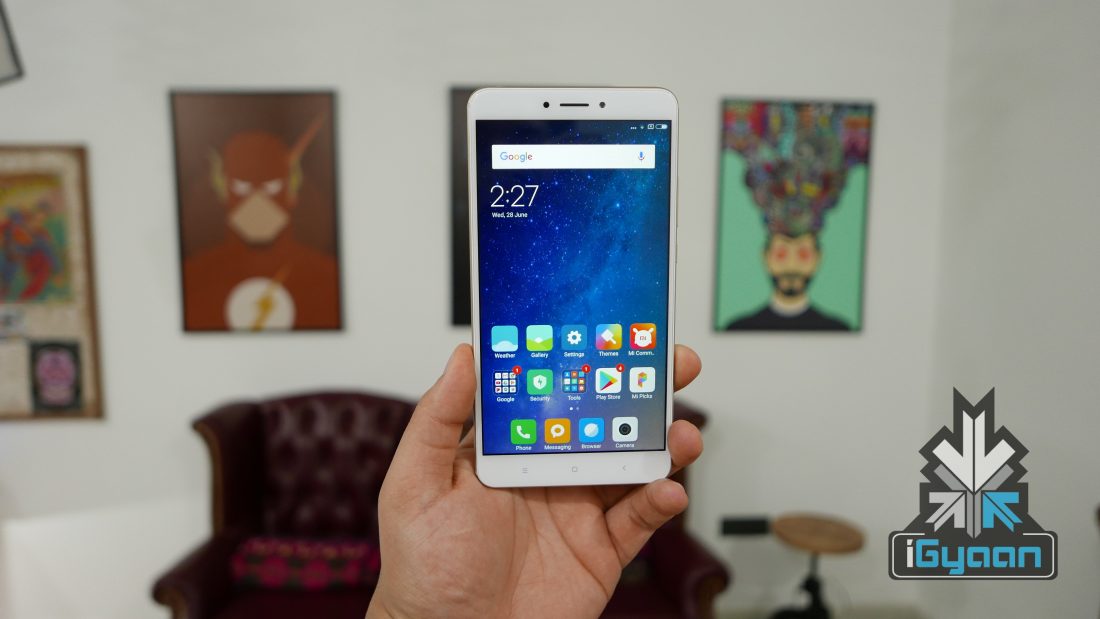
    The Xiaomi Mi Max 2 has a 6.4 inch 1920 x 1080 px display with Corning Gorilla Glass 3 on top for added protection. The smartphone is powered by a massive 5300 mAh with QuickCharge 3.0 and runs Android 6.0 Marshmallow with Xiaomi’s custom skin MIUI 8 on top. The phablet has a one-hand usage mode as well. Under the hood, the phablet has the Qualcomm Snapdragon 625, Cortex-A53 octa-core processor, 4GB of RAM and 32GB/64GB onboard storage options. The fingerprint sensor is placed at the back of the device and sits just below the cameras. The Mi Max 2 switches to dual-audio speakers when in landscape mode. On the optics front, the Mi Max 2 has a 12-megapixel camera with an f/2.2 aperture, equipped with the Sony IMX386 sensor with PDAF and dual-LED flash. On the front, the phablet has a 5MP camera with an f/2.0 aperture.

    Samsung On5

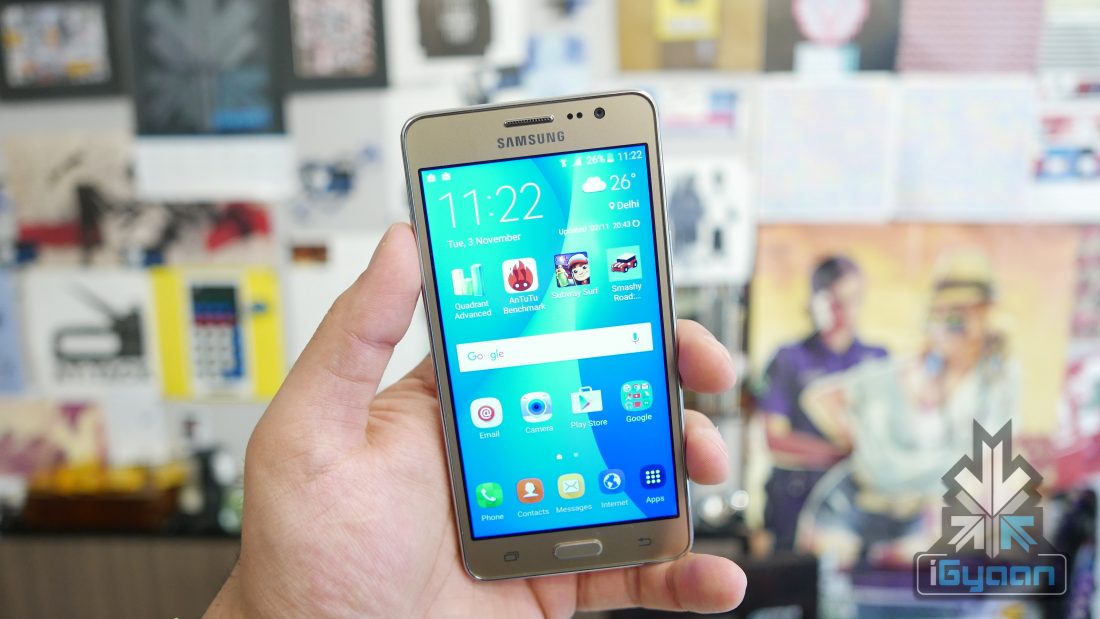
    Samsung On5 is a budget offering from Samsung that has a 5-inch 1280 x 720 px display. It has a 1.3GHz Exynos quad core processor, 2GB RAM, and 16GB onboard storage expandable up to 128GB via microSD card. The device is powered by a 2600 mAh battery and runs Android 6.0 Marshmallow. 

    Samsung Galaxy A9

    The Samsung Galaxy A9 Pro has a 6-inch 1920 x 1080 px display ideal for media consumption. The phone runs Android 6.0 Marshmallow out of the box and is powered by a massive 5000 mAh battery. Under the hood, the Galaxy A9 Pro has the Qualcomm Snapdragon 652 chipset, 4GB RAM and 32GB onboard storage which is expandable via microSD card. On the camera front, the device has a 16MP primary camera with f/1.9 aperture, autofocus, OIS, LED flash and a 1/2.8-inch sensor size. On the front is an 8MP camera. 

    LG V20

    The LG V20 was launched in 2016 and still holds up pretty great in 2017. The LG V20 has a 5.7 inch 2560 x 1440 px display and a secondary display on top of the primary display that lets you access apps of your choice and also displays incoming notifications. Under the hood, the device has the Qualcomm Snapdragon 820 chipset, 4GB RAM and 64GB onboard storage expandable up to 2TB via microSD card. The LG V20 runs Android 7.1 Nougat and will receive an update to Android 8.0 Oreo in the coming months.

iGyaan Network
Privacy Overview

This website uses cookies so that we can provide you with the best user experience possible. Cookie information is stored in your browser and performs functions such as recognising you when you return to our website and helping our team to understand which sections of the website you find most interesting and useful.