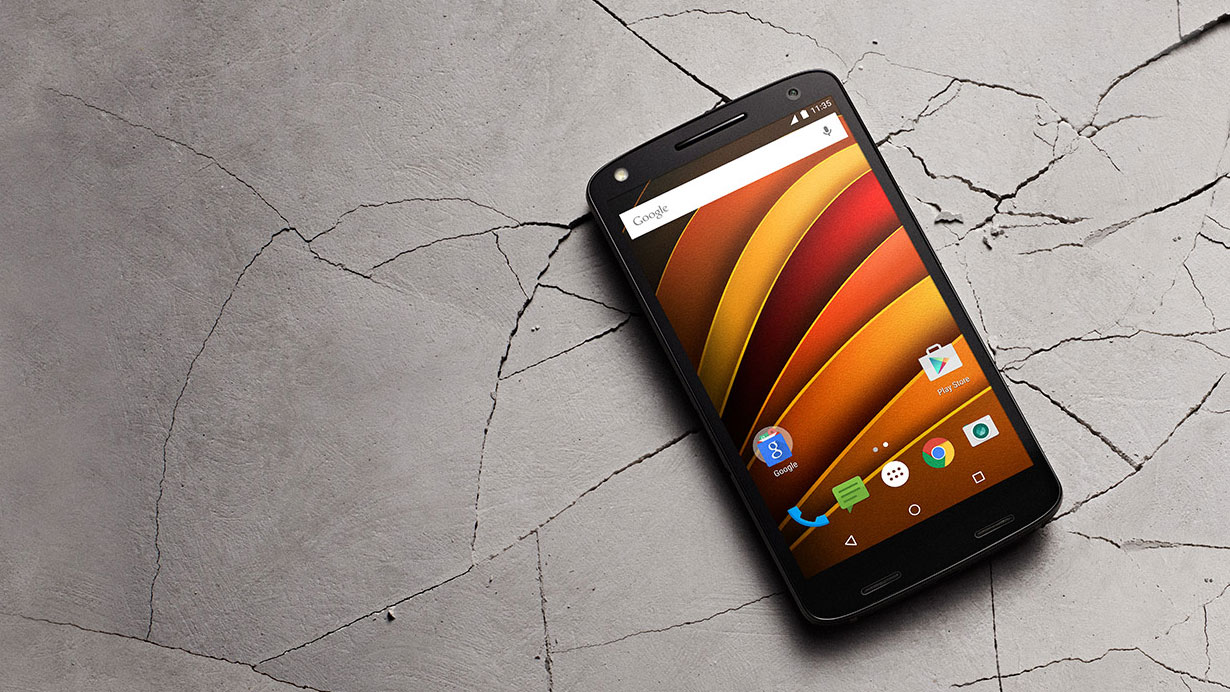
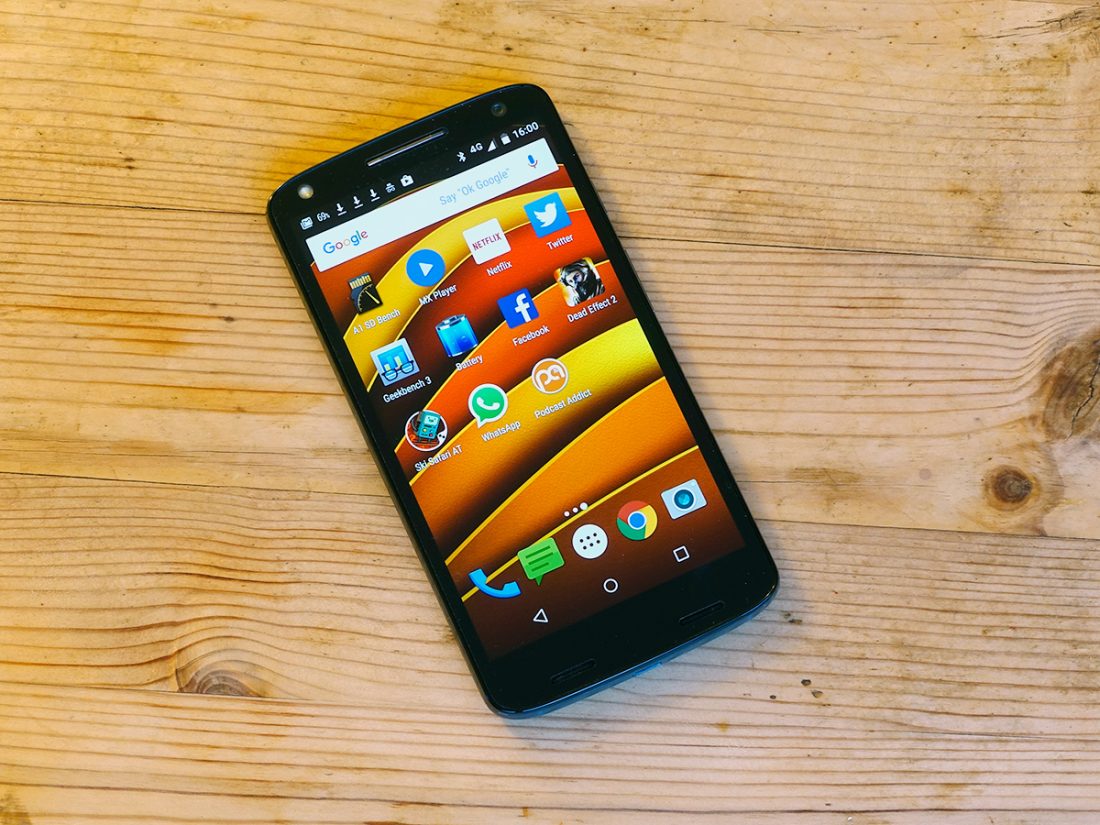
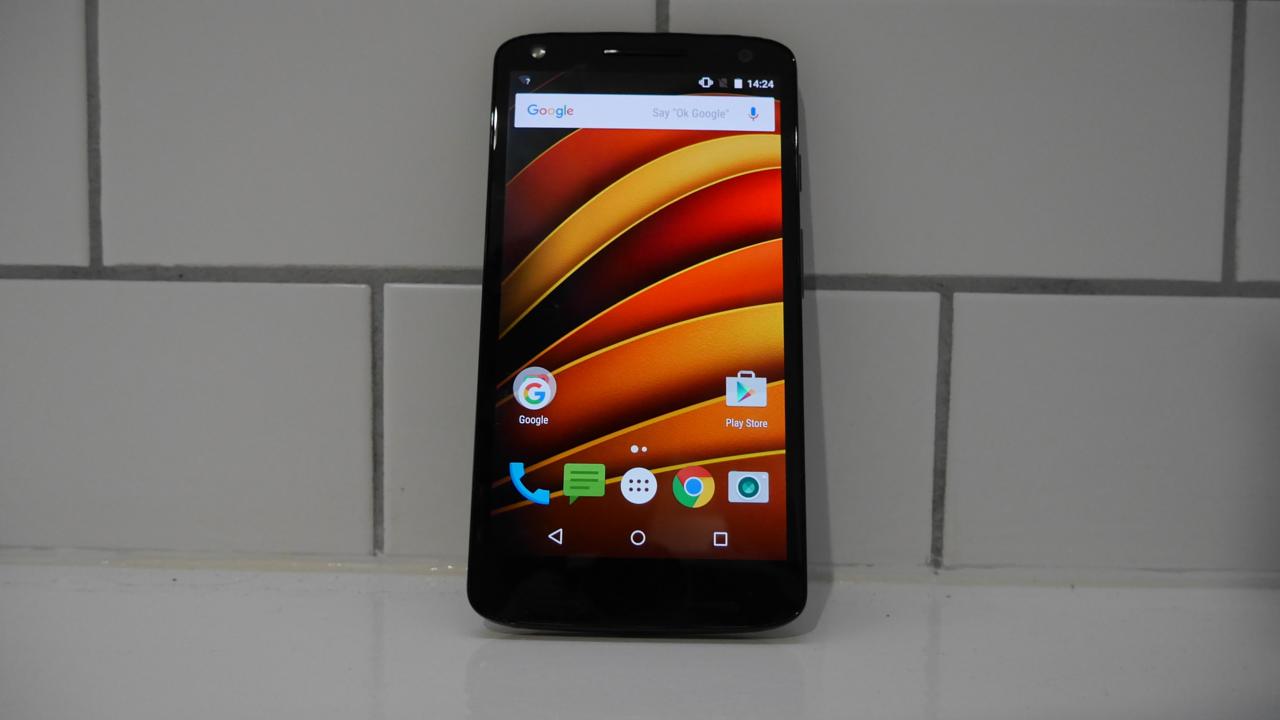
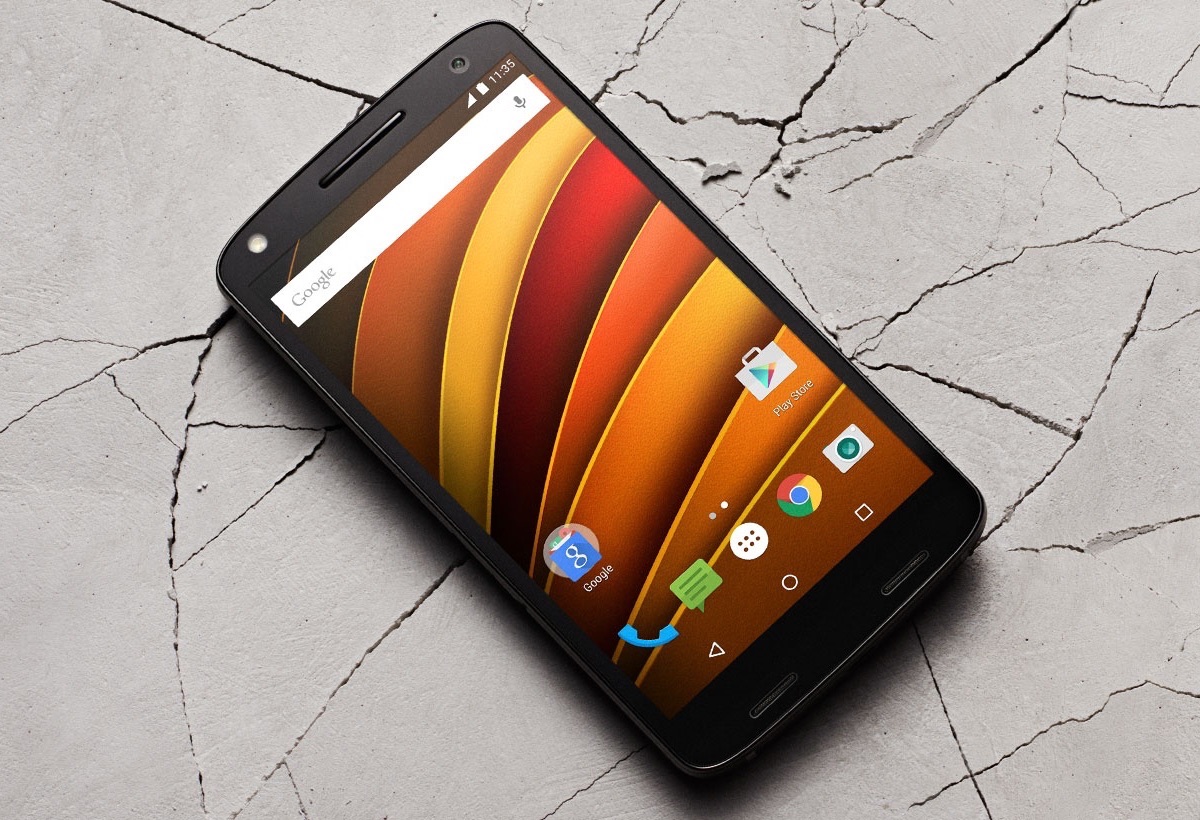
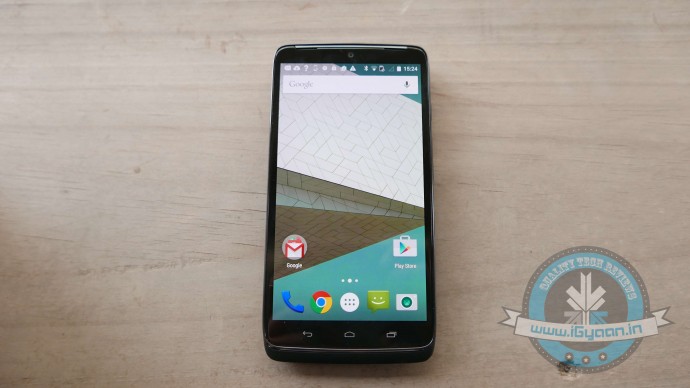
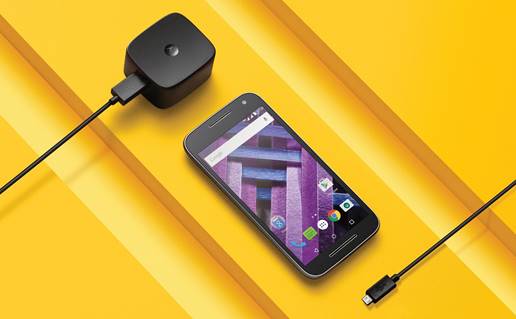
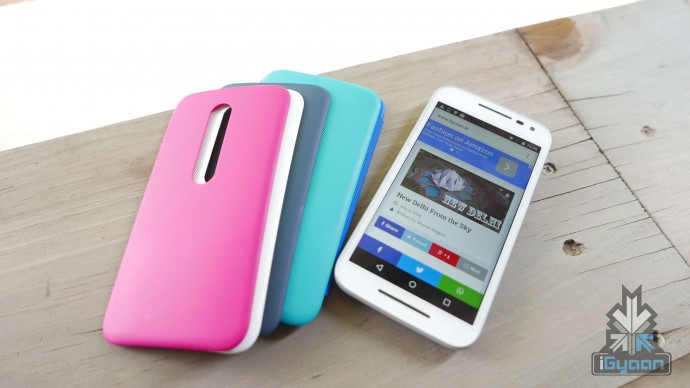
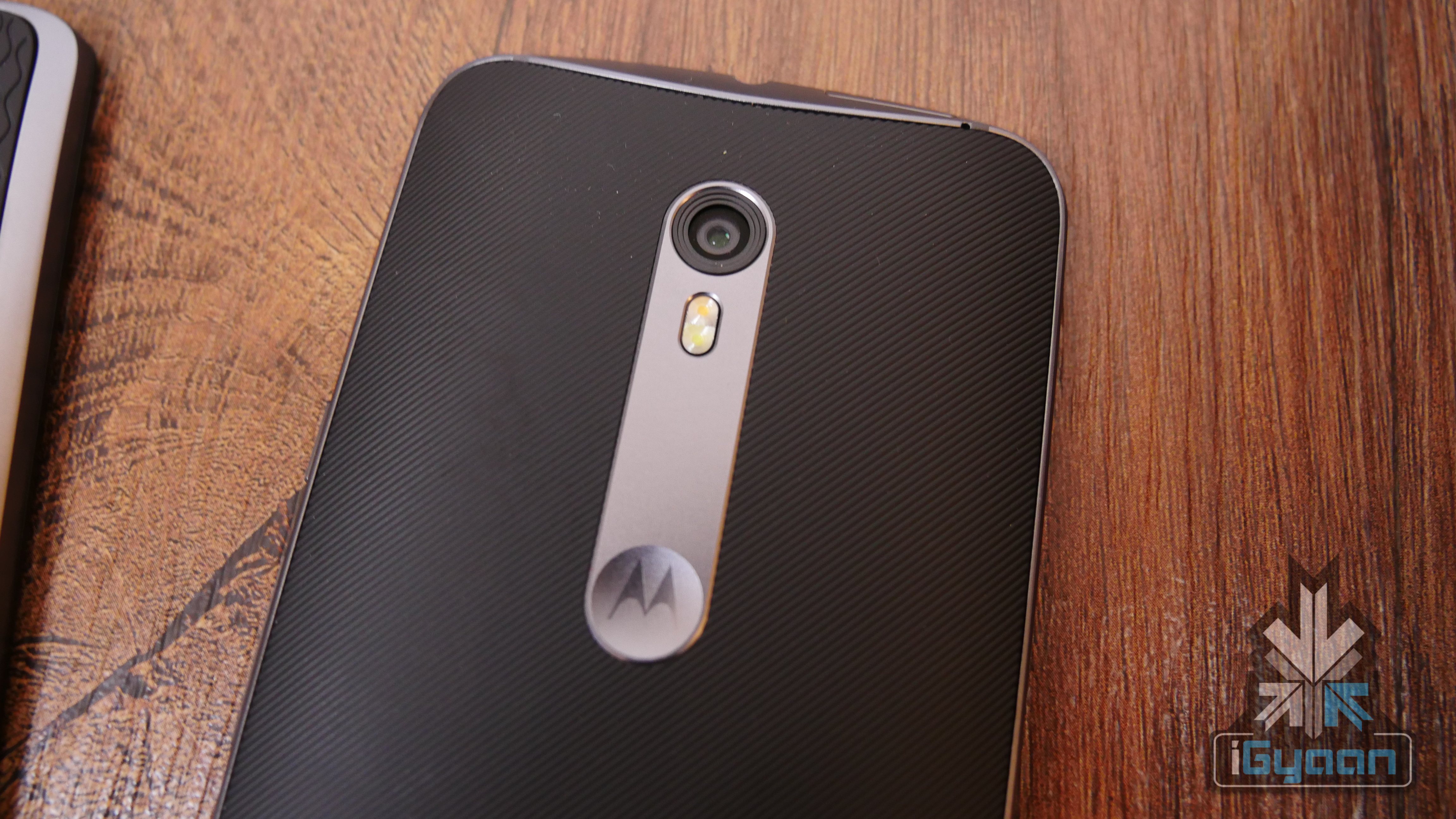
After storming the markets with the Moto X Style/Play, and Moto G Turbo, Motorola is all set to bring to Indian customers its new smartphone, the “unbreakable” Moto X Force. The phone which claims to come with a ‘crack-proof’ screen, will soon hit the Indian markets. The smartphone will launch in India tomorrow with an expected price tag of around $624 (Rs. 40,000 approximately) and $720 (Rs. 47,000 approximately) for the 32GB and 64GB variants respectively.
Design
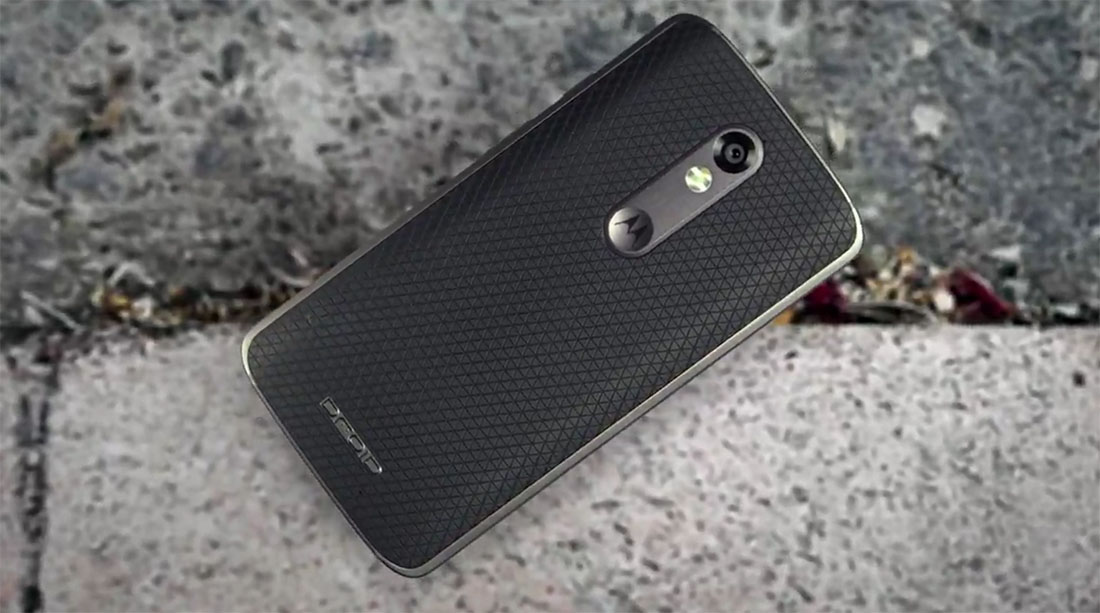
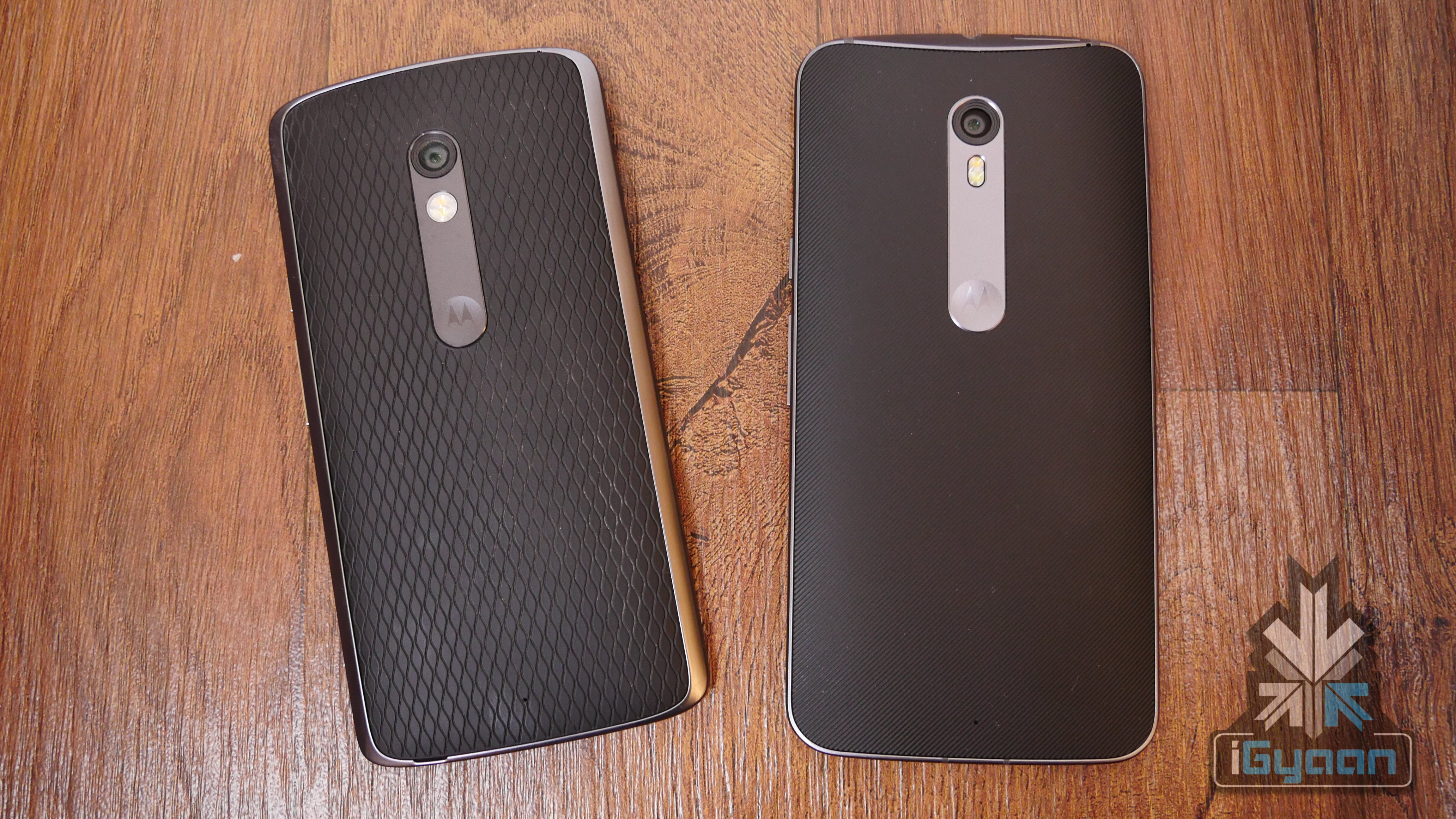
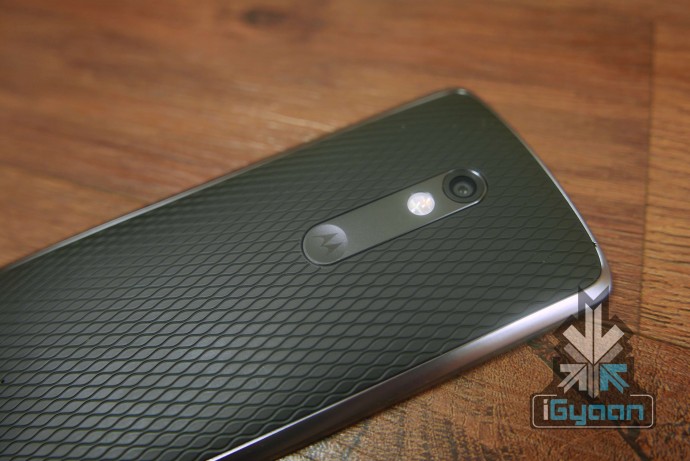
The X Force has a lot in common with other Motorola phones, and the evidence of it sharing DNA with Motorola handsets is available from the first time you lay hands on the smartphone. Having said that, there are subtle changes to the design scheme which make it distinct from the other members of the Motorola family. The device is flatter at the back with curved edges. It has a textured back panel to avoid costly slips out of the hand.
Display with ShatterShield Tech
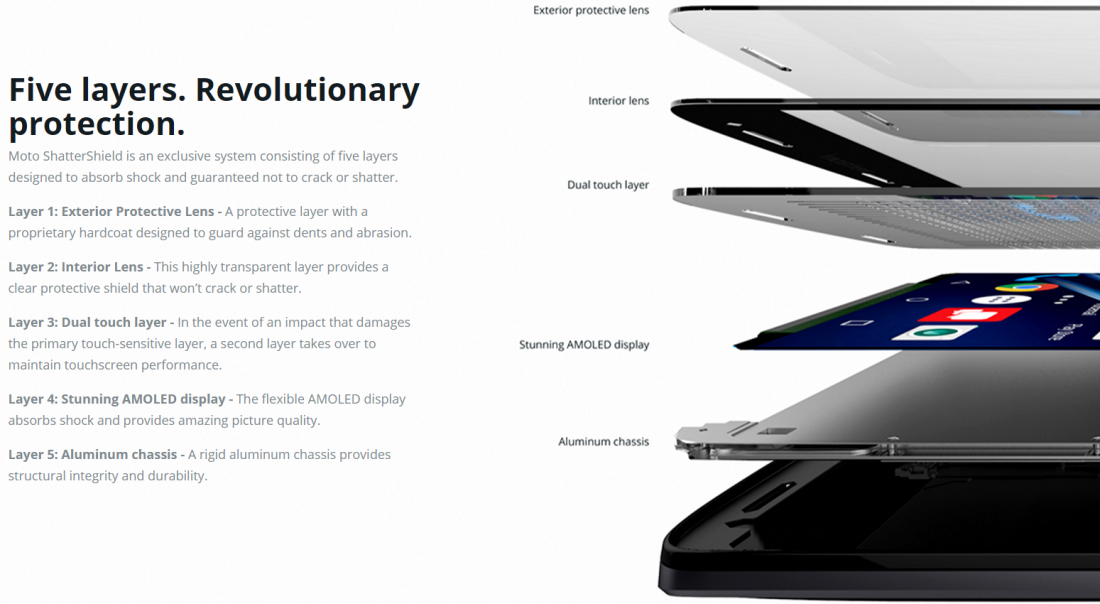
The ShatterShield Tech of the Moto X Force is a marvel of modern day technology and quite rightly is the one feature that the company is heavily banking on to drive the sales ahead when the handset finally makes it way to the markets.
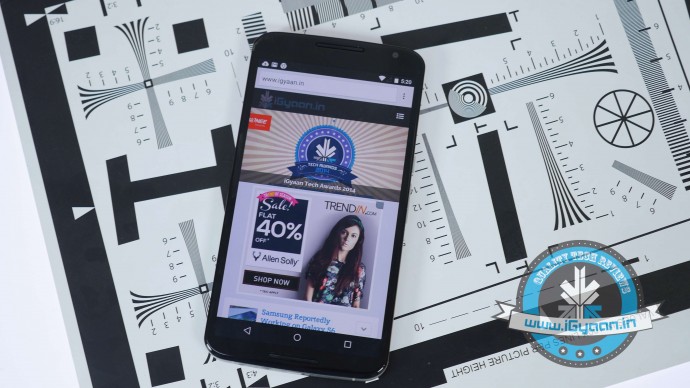
The 5.4-inch 2,560 x 1,440 panel (QHD) panel is protected by a five layer system which has allowed Motorola to brand it the “world’s first shatterproof smartphone display” thanks to what Moto calls the ShatterShield technology. The company claims the screen would stay intact for up to four years absorbing shock and providing protection against cracks.
Under-the-hood Specifications
The phone will be powered by a Qualcomm Snapdragon 810 octa-core SoC clocked at 2GHz. There will be 3GB of LPDDR4 RAM on board, and it will be available in 32GB and 64GB inbuilt storage options. The phone will support expandable storage up to 200GB via a microSD card slot, and will be powered by a mammoth 3760mAh battery with Quick Charging support.
Camera
Motorola’s new super tough Moto X Force packs a 21-megapixel snapper with an f/2.0 aperture and dual-LED flash and Phase Detect Autofocus around the back and a 5-megapixel selfie camera at the front with flash and an f/2.0 aperture.
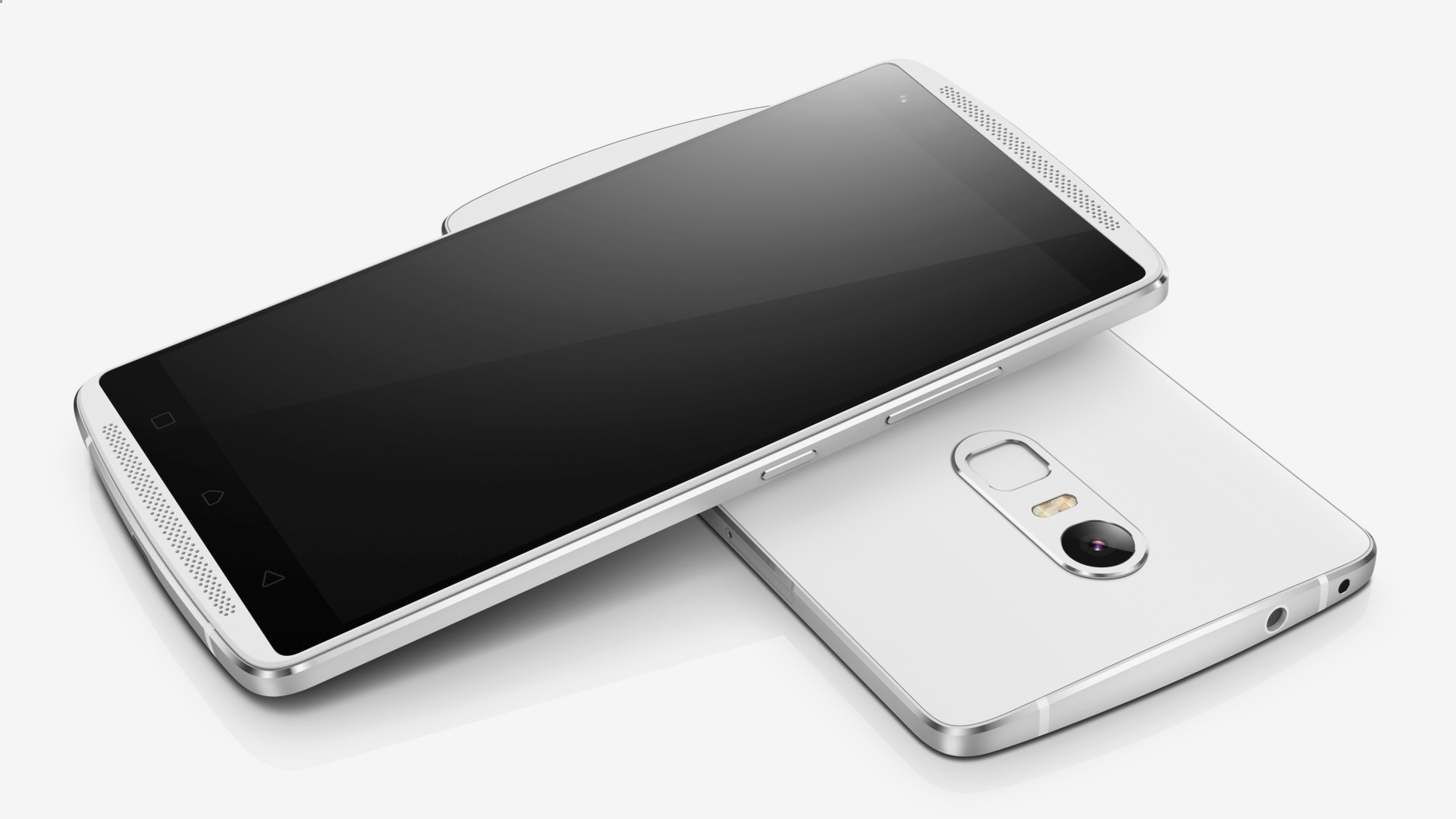
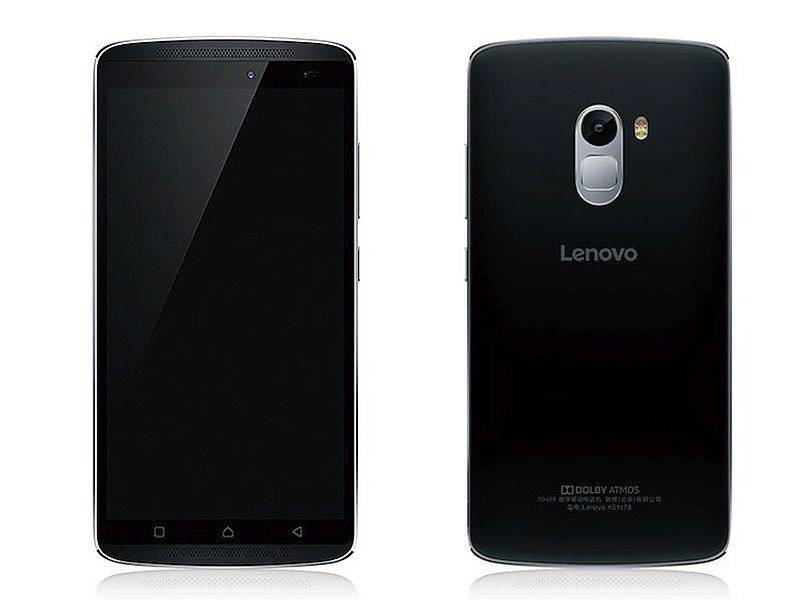
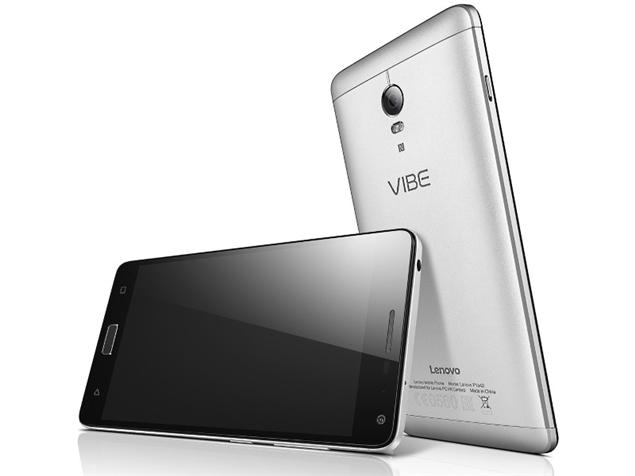
Lenovo today launched its flagship Vibe X3 smartphone in India. The device comes packed with a ton of features and improvements over its predecessor including a brand new design language and ergonomics.
The Vibe X3 comes with a 5.5-inch full HD 1080p IPS display with Gorilla Glass 3 protection. It will be powered by a Qualcomm Snapdragon 808 processor, Adreno 418 GPU and 3GB of RAM. Internal storage is at 32GB which is expandable up to 128GB via MicroSD card slot.
On the photography front, the Vibe X3 will come equipped a 21-megapixel PDAF rear camera featuring Sony IMX230 sensor with 6P lens and f/2.0 aperture, phase detection autofocus and 4K video recording. The device also has a Pro Mode and Smart Assist feature which suggests best framing angle for a picture. On the front is an 8-megapixel camera.
We compare the Vibe X3 which is priced at Rs 19,999 with a few phones with similar price tags and specifications to see which one does better. Have a look at the table below.
Specs
Lenovo Vibe X3
Asus Zenfone 2
Moto X Play
Huawei Honor 7
Display
5.5-inch Full HD, Gorilla Glass 3
5.5-inch Full-HD
5.5 inch, Corning Gorilla Glass 3
5.2-inch FHD display (423ppi).
Resolution
1080 x 1920 pixels (401ppi)
1080×1920 pixels (401ppi)
1080 x 1920 pixels (~403 ppi pixel density)
1080 x 1920 pixels (~424 ppi)
Processor
Qualcomm Snapdragon 808 processor
2.3GHz quad-core Intel Z3580
Qualcomm MSM8939 Snapdragon 615
64-bit octa-core Kirin 935
GPU
Adreno 418
PowerVR G6430
Adreno 405
Mali-T628 MP4
RAM
3GB
4GB
2 GB
3GB
Storage
32GB
64GB
32GB
16GB
Rear Camera
21-megapixel PDAF, Sony IMX230 sensor with 6P lens and f/2.0 aperture
Motorola today has come out with yet another teaser for its latest device, the seventh in the series in which it has mocked, and ridiculed its rivals for their fragility. This new teaser following suit from the previous teasers again puts the iPhone and the Samsung Galaxy S6 in the line of fire but this time these two are put in the ring against the Moto X Force which unsurprisingly come out on top without even a scratch.
The teaser is dubbed as ” Meet the Moto X Force” and for the first time in the series of videos it shows Motorola’s offering being put to the same test that its competitors have had to go through in Motorola’s last couple of videos.
The new teaser shows Motorola Mobility’s President, Rick Oserloh join in on the fun. He is seen letting these phones free from a height of about 7 feet. The iPhone and S6 do not survive the fall, while the Moto X Force comes out of the whole experience like nothing even happened.
Motorola claims to have integrated a ‘Moto Shattershield’ technology in the display of Moto Force which, it says won’t “crack under pressure”. Well, brag on Motorola, this is your time.
Motorola clearly cannot stop teasing us about the ‘shatterproof’ tech of its new Moto X Force. In yet another series of teasers, the company now mocks Samsung Galaxy Note 5 and HTC One M9; both fairly decent devices if you ask us. But Motorola is quite bent on making you think otherwise.
So this is what happens when HTC One M9 is dropped from a height.
It was a little painful to have One M9’s little particles flying around in all directions. But Motorola is truly having fun mocking the device in this video. And it obviously is not done yet. Because a jab a day is not enough, Motorola came out with yet another teaser. This time the device in question was Samsung Galaxy Note 5.
https://youtu.be/Mcj-ITG44d0
Motorola is asserting the uniqueness of its device at the expense of other flagship devices. A lot of feathers have been ruffled all over in the promotion of Moto X Force. Let’s see if it eventually turns out to be worth all the hype when the phone finally arrives in India in the first week of February. Would you be willing to place your stakes on Motorola or do you think the device is going to be bit of a downer? Let us know in the comments below.
Motorola has come out with yet another teaser for its latest device, the ‘shatter-proof’ Moto X Force. Following suit with the previous teaser which mocked iPhone 6s for its delicate body, the new one takes a dig at Samsung Galaxy S6.
https://youtu.be/BDRGaGvFekI
Though the new teaser isn’t as witty as its predecessor, the message is just as clear. Moving away from Cupertino, Motorola has now taken the challenge to the Korean tech-giant.
The highlight of the device is its super-hardy screen. Motorola claims to have integrated a ‘Moto Shattershield’ technology in the display of Moto Force which, it says, is the first shatterproof screen in a phone ever. The company feels confident enough to affirm the screen would stay intact for up to four years, owing to the multiple layers of different materials used in making it capable of absorbing shock and providing protection against cracking. The phone also boasts of two touchscreen layers, which make sure that the smartphone can be used even if one of the layers is cracked.
Needless to say, Motorola cannot stop talking about its first ever shatter-proof phone in the world. Let’s see if Moto X Force manages to live up to all the expectations. Watch this space for all the updates
Motorola India yesterday launched a teaser for its upcoming Moto X Force smartphone. The device’s major highlight is its shatter-proof display which is gloriously demoed in this teaser while taking a jibe at some other well-known smartphones out there including the iPhone.
Today it has taken the fight directly to Cupertino-based tech giant, Apple. In a new video shared through Motorola India’s YouTube channel, the company takes a jibe at the iPhone mocking it for the infamous “bend-gate” situation that iPhone 6 users had to face. It further shows an iPhone 6s being dropped from an unspecified height (we’re guessing 10 feet) and switching to the next shot to reveal that the iPhone’s display has succumbed to a gruesome end.
Moto in the video starts by saying” First they bend, then they, break”, and ends it by saying ” and then they choose” followed by the Moto X logo with the words “coming soon” beneath it showing up on screen. Well, if this is what they did to the iPhone, we can only imagine what the marketing team at Motorola has in store for the other big dog in the market, Samsung.
The original Moto 360 was met with a lot of hype, and quite rightly so as it was the device that kicked off the Android Wear trend. While the first iteration was met with a lot of praise, finding a lot of things to love about it and a few faults as well, the second generation Moto 360 builds on its predecessor and improves where it needed to.
Overview
The Moto 360 2nd Gen was unveiled at IFA Berlin last year and was launched in India early September. The smartwatch comes with new design language and customization options including Moto Maker, which, however, is not available in India yet.
42mm (left), 46mm (right)
The Moto 360 2nd Gen starts at a price of Rs 19,999 for the 42 mm variant and Rs 23, 999 for the 46 mm option. The smartwatch is available on Flipkart and Amazon.
Build Quality and Design
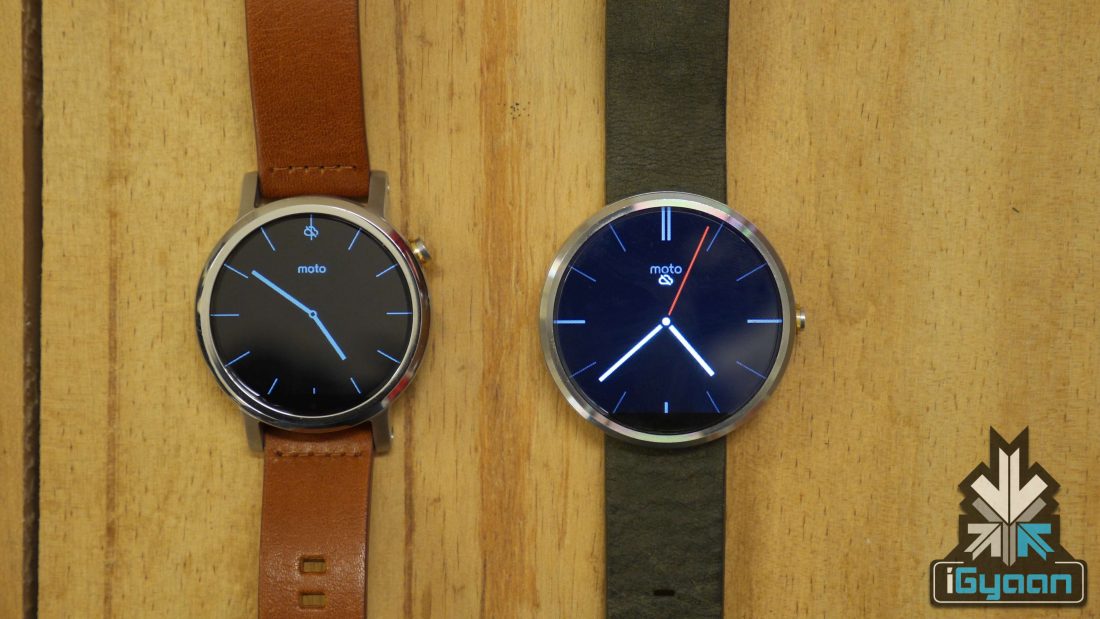
Moto 360 2nd Gen (Left) Moto 360 1st Gen (Right)
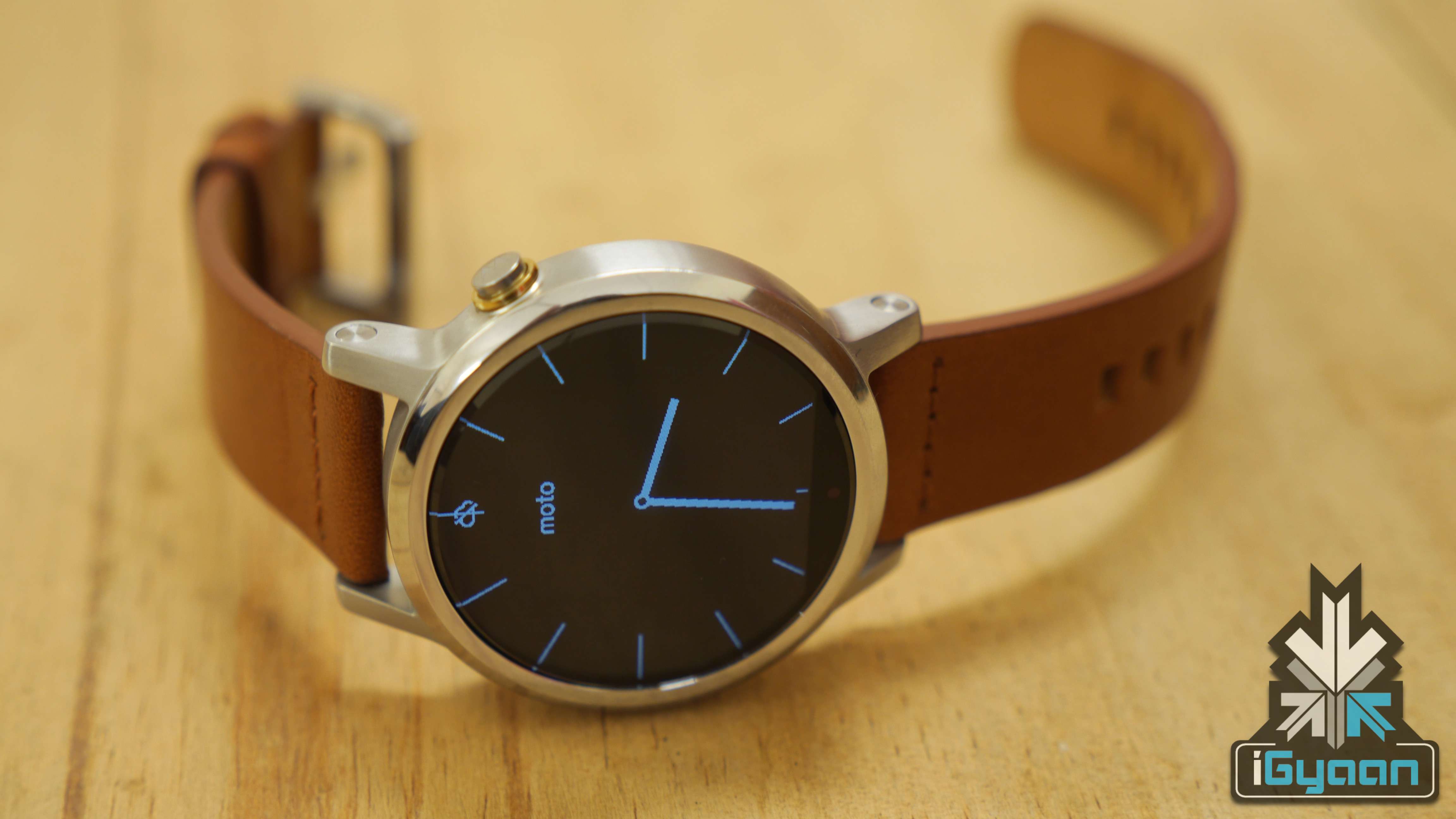
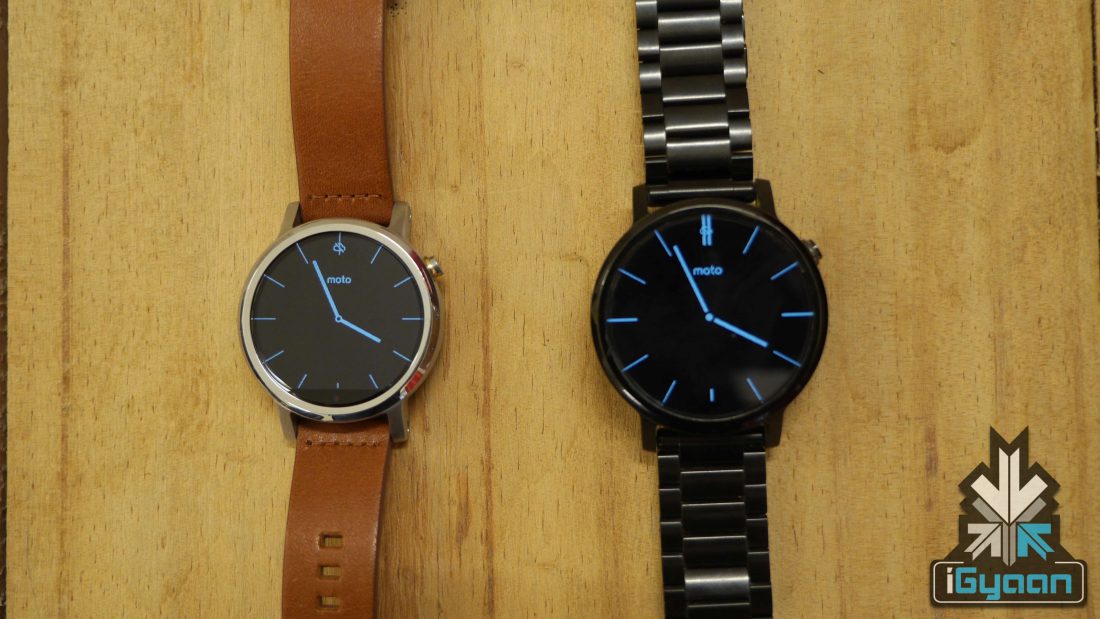
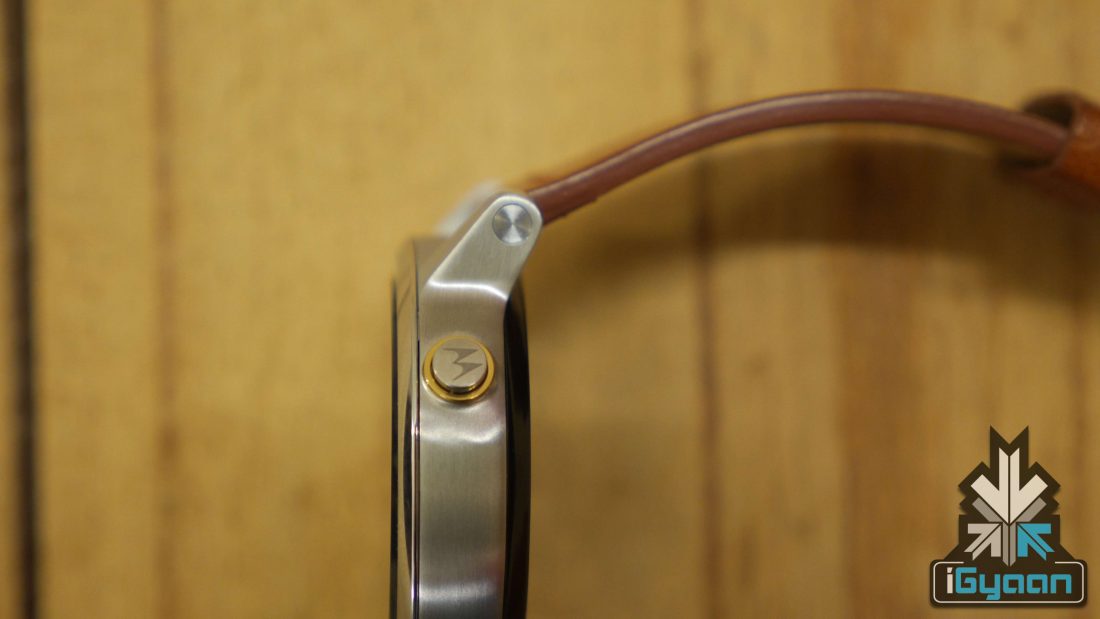
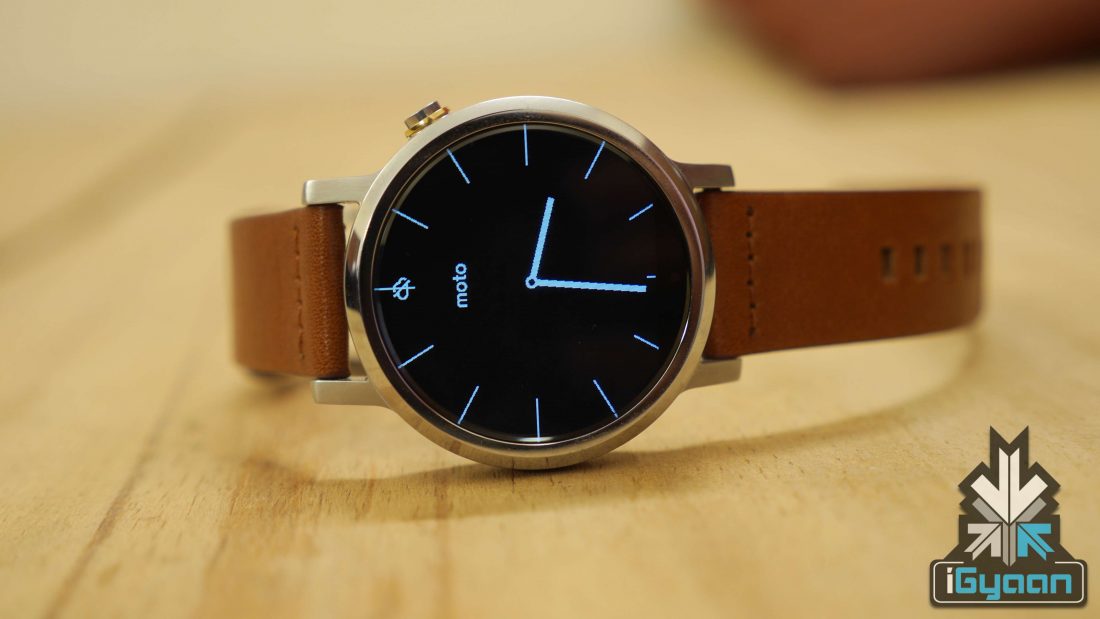
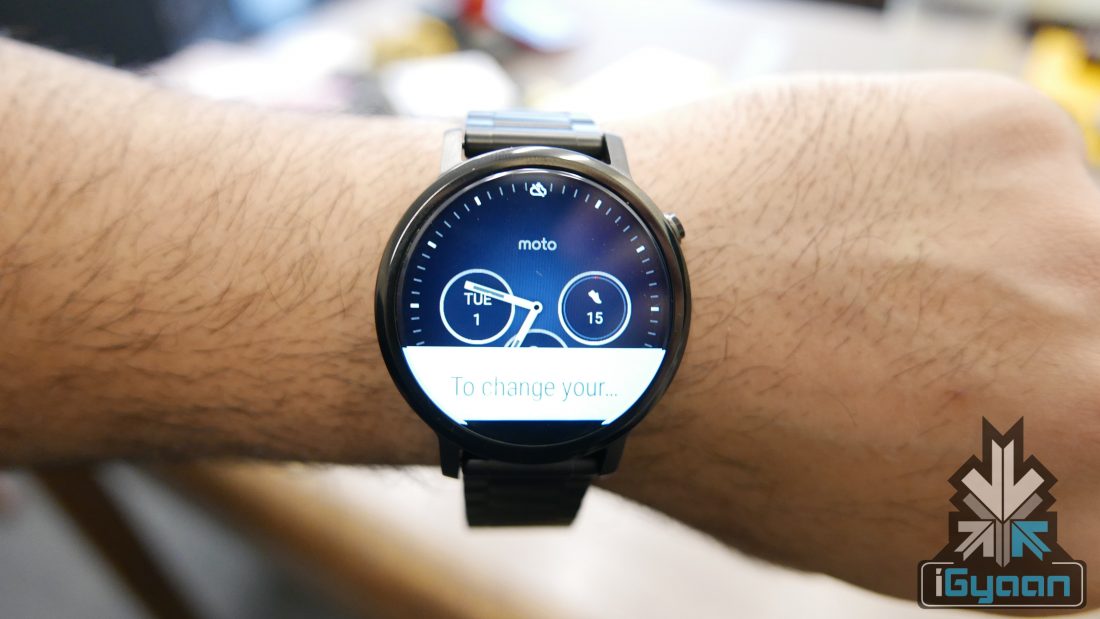
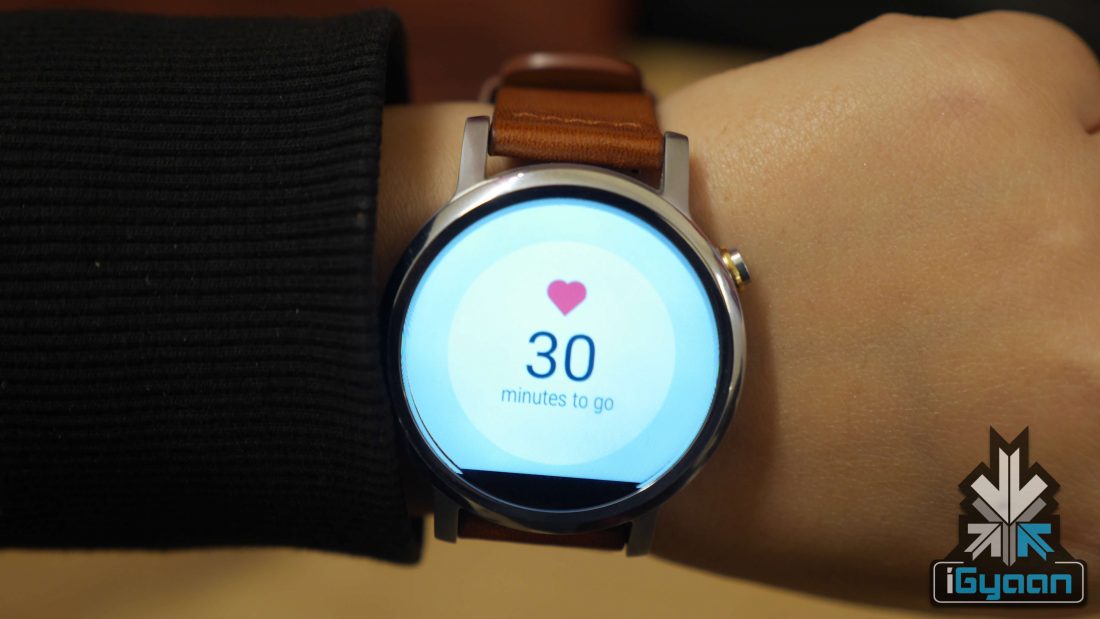
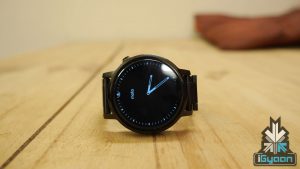
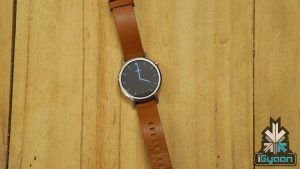
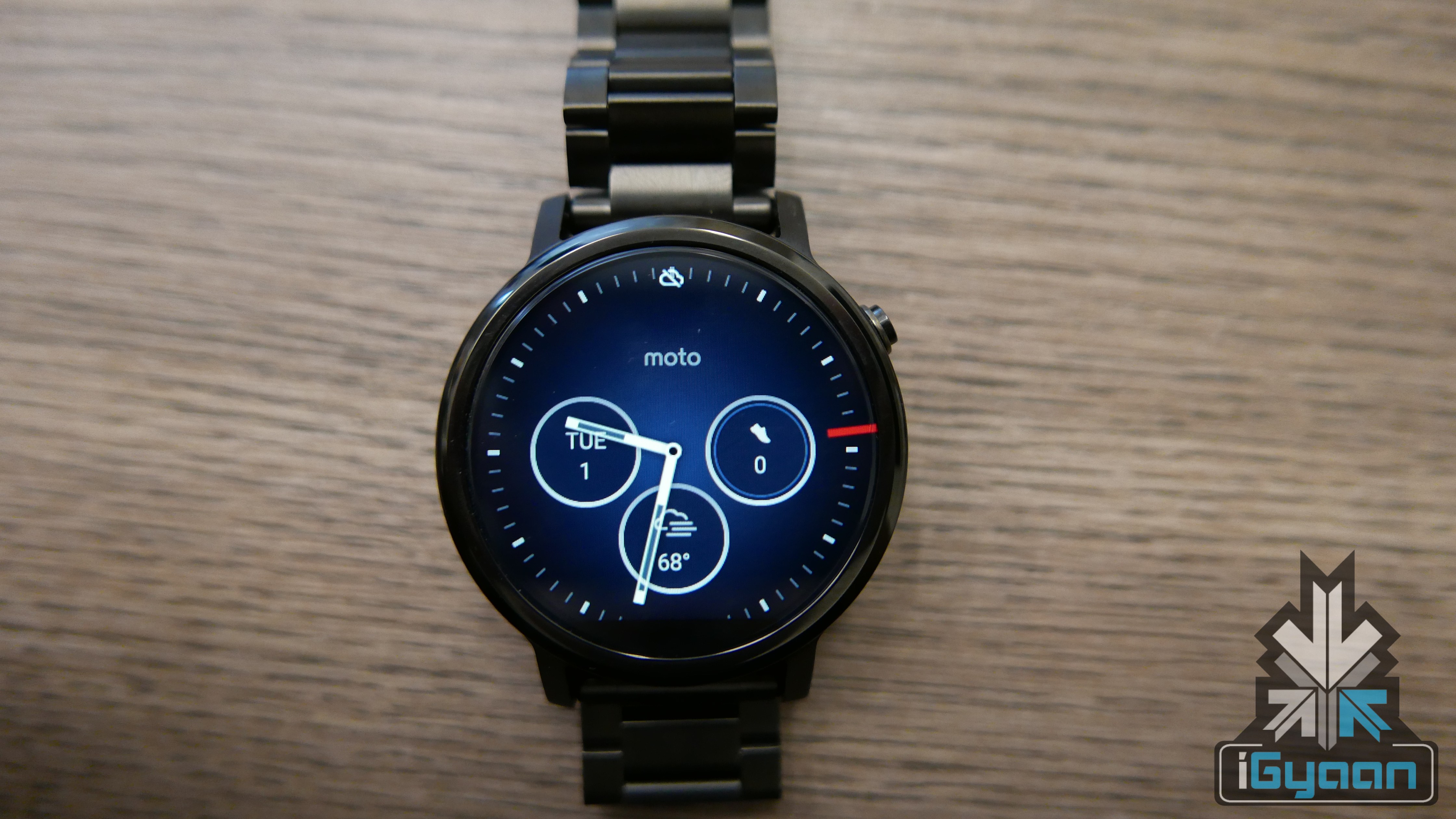
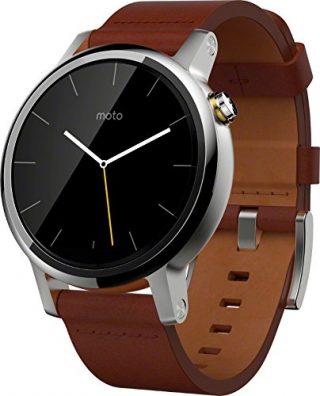
The Moto 360 2nd Gen’s new design language is pretty great. The smooth metallic edge is complemented with thin, refined aluminium bezels. The watch has a firm, strong build and the added nubs give it a better shape and rigidity and gives the device a more watch-like feel to it. The nubs also make changing the straps easier and the lugs are pretty simple to unclasp the band as well. The crown has shifted up a bit to the 2 o’clock position and the top sports the ‘M’ logo.
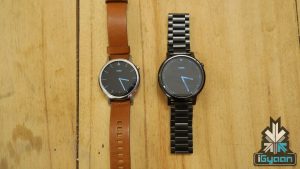
The Moto 360 2nd Gen is available in three different sizes – a 42 mm male and female version and a male-only 46 mm model. The difference between the male and female version is that the latter attaches itself to a thinner 16 mm strap while the former is compatible with a 20 mm strap only. The 46 mm variant is compatible with a strap that measures up to 22 mm. While the size of the straps differ, the models are all 11.4mm thick, which feels just right without looking too bulky.
The button moves to the 2 o’clock position
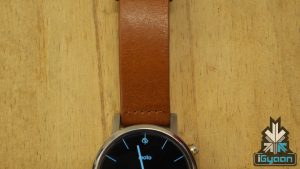
Size isn’t the only point of variation the Moto 360 offers; it comes with a variety of bands to pick from – metal, leather and silicon. However, the silicon version will not be arriving in India any time soon. The smartwatch also comes with gold, rose gold and silver cases and bands. The leather on the 42 mm variant looks elegant on both men and women, while a metallic strap for the 46 mm model looks great on larger wrists.
Display
The 42 mm and 46 mm variants have a 1.37 inch and 1.56 inch LCD display, respectively, and both come with Gorilla Glass 3 protection. The 46 mm version comes with a 360 x 360 pixel resolution and 233ppi, while the 42 mm version has a display resolution of 360 x 325 and 263ppi.
The Moto 360 has received a lot of polarising opinions regarding the display. The popular opinion of it being the first round smartwatch without actually having a fully rounded display stays with the 2nd Gen as well. This is because the screen has a flat-tire like band on the bottom that houses the sensors.
Though many felt the band a little distracting, Motorola has decided to stick with it, and it has come to become something of a defining trait for a Moto smartwatch. After a while with the Moto 360, you tend to grow used to the little band and it really doesn’t feel like an issue. The band also allows Motorola to keep the bezels thin, which is what adds to the look of the device.
The display is quite bright but the LCD screen lacks the vibrancy of an AMOLED display. The light sensor which helps to dim and brighten the screen allows just the right amount of brightness under both light and dark conditions without hurting the eyes. Outdoor visibility is questionable. There’s a ot of glare on the display under sunlight, but you’ll be able to see it just fine when facing the watch directly to yourself.
Hardware and Performance
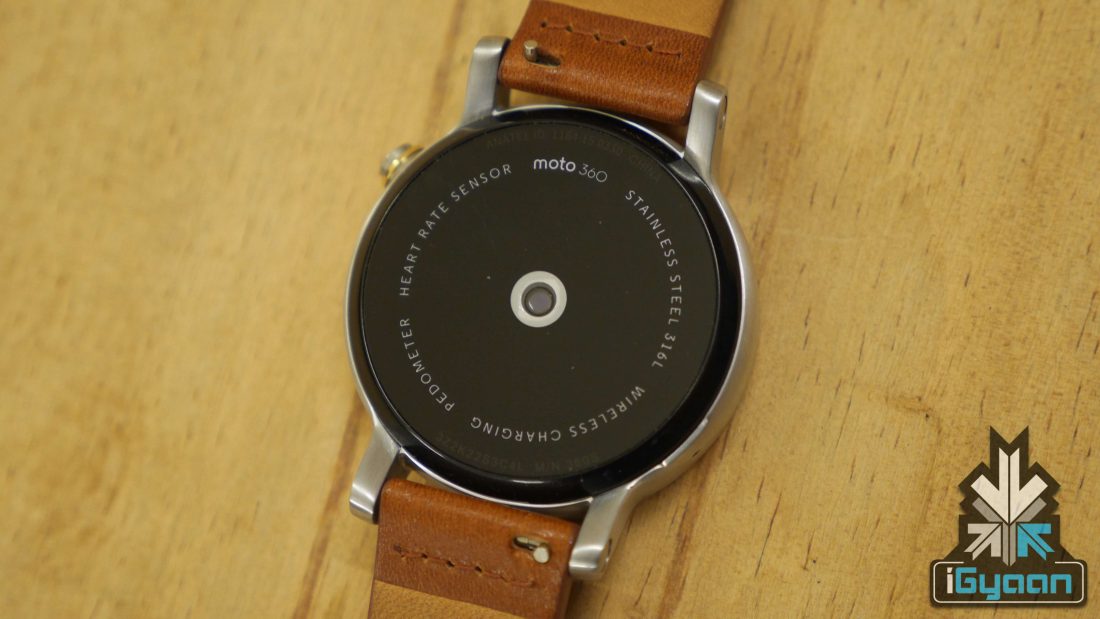
The Moto 360 Gen 2 is powered by a quad-core Qualcomm Snapdragon 400 processor, an Adreno 305 GPU and comes with a 512 MB of RAM space with a 4GB internal storage on board. Connectivity options include Bluetooth and Wi-Fi. The watch also supports a GPS connectivity, however, it only comes with the Sport range (which unfortunately isn’t available in India yet).
One of the concerns people had with the first iteration was that the device came with a slower OMAP 3 chip, but the second generation rocks a quad-core SD400 processor, and needless to say, there are some differences when using the device. The interface on the 2nd Gen is a lot snappier with very little lag.
Specs
Moto 360 2nd Gen
Display
Men and Women 42mm: 1.37-inch 263ppi (360×325)
Men 46mm: 1.56-inch 233ppi (360×330)
Corning Gorilla Glass 3, backlit LCD
Watch Case Dimensions
Mens:
46mm diameter by 11.4mm high
42mm diameter by 11.4mm highWomens:
42mm diameter by 11.4mm high
Processor
Qualcomm Snapdragon 400 with 1.2 GHz quad-core CPU (APQ 8026)
Adreno 305 with 450MHz GPU
Performance of the Moto 360 2nd Gen is pretty smooth, however, it isn’t the smoothest smartwatch out there. The Moto 360 falls just short of the Apple Watch and Samsung’s Gear S2, but given the price of the Moto 360, we can’t be greedy.
Battery life is good too and an improvement over the first Moto 360, but that’s not saying too much. One of the main problems with smartwatches has been the battery, or the lack therof. Luckily, the Wi-Fi feature helps conserve battery life just a little more.
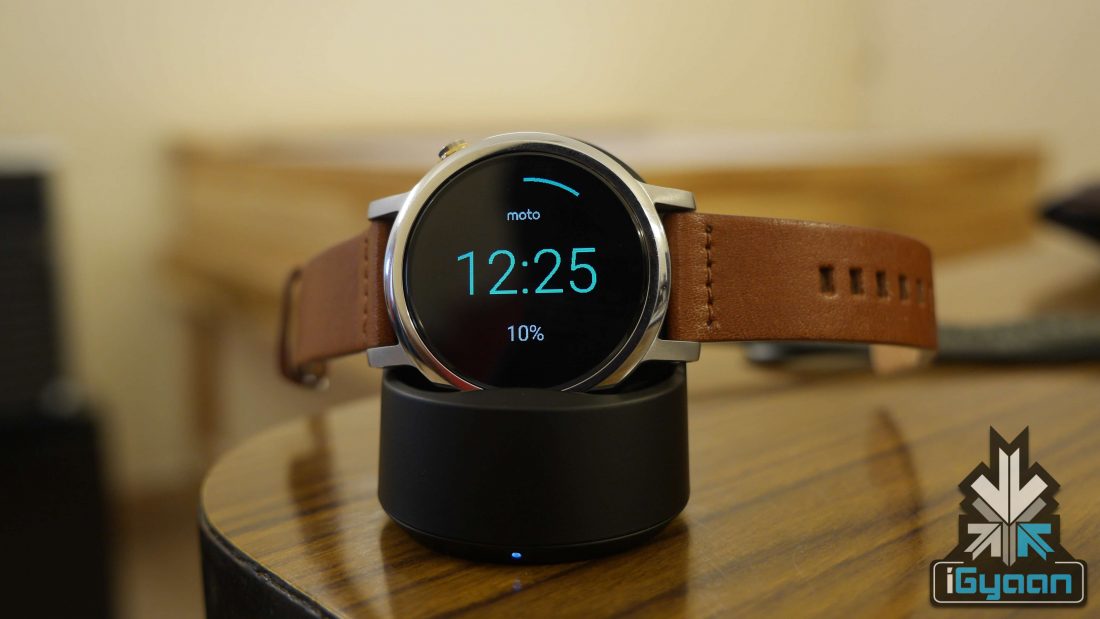
With the Ambient Mode that leaves the display on and dim continuously turned on, the smartwatch lasts a full day. Consequently, with the Ambient Mode turned off, the smartwatch can go on for a day and a half (for the 42mm 300mAh variant) on a single charge. The wireless charging is zippy too, powering up the Moto 360 to about 50% in under an hour.
42mm: 300mAh – Up to 36 hours of use with Ambient Mode off and up to 9 hours with Ambient Mode on (both on basic daily usage)
46mm: 400mAh – Close to 2 days with Ambient Mode off and 11 hours with Ambient Mode on (both on basic daily usage)
Features
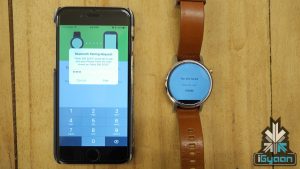
The new Moto 360 is compatible with Android devices as well as iOS due to Android Wear’s move into the Apple Store. This gives the Moto 360 an edge over the Apple Watch as the latter is pricier and works only with iOS. The pairing with iOS is pretty seamless and the watch displays your phone’s or tablet’s notification and messages to which you can voice reply. You need only download the Android Wear app on your iOS device and reset your Moto 360 to begin pairing.
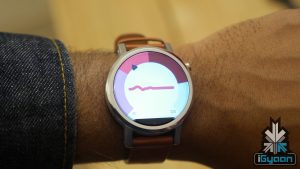
The Moto 360 has a unique feature called Live Dial, which allows its users to set dials on their home screens. Other than a bunch of options provided by Motorola, users can also use their own pictures as the watch-face. There are a number of dials available and you can use your paired smartphone or tablet (including iOS) to set the faces for your watch.
The smartwatch also supports the Moto Body software, that keeps a tab on calories burnt and bpm stats with the help of an optical heart rate monitor. It is packed in with a 400 mAh and 300 mAh battery for the 46mm and 42mm versions respectively. Both variants will come with a charging dock station.
Additionally, the watch is rated at IP67 which means it can be soaked in 1 m (3.3 ft) of water for half an hour. With a leather strap, however, we stress caution and would advise keeping the smartwatch away from water at all costs.
Conclusion
The Moto 360 2nd Gen is a great Android Wear device and a starting price of Rs 19,999 keeps it in the affordable range. The fact that it is iOS compatible makes the watch a strong competitor for the pricier Apple Watch. Changing the straps is easier and the display is sharper. However, there are some cheaper smartwatches out there like the Asus Zenwatch 2, which comes with an AMOLED display and Sony Smartwatch 3. But for those who want a smartwatch that looks like a watch, then the Moto 360 2nd Gen is worth spending a few extra bucks on. indeed, it is the most elegant looking rounded smartwatch currently in the market.
The Moto 360 2nd Gen does feel more like a watch this time around with a solid build thanks to the added nubs, and the customization options here are quite extensive. Furthermore, the upgraded processor makes the Moto 360 pretty snappy to work with. There aren’t too many noteworthy apps here but there’s enough to make it smartwatch-worthy. The design is a big win and it is worth considering just for that. Another noteworthy point is that the Wi-Fi option here will help conserve battery life and you won’t have to leave Bluetooth on all day.
Motorola India has just launched a teaser for its upcoming Moto X Force smartphone. The device’s major highlight is its shatter-proof display which is gloriously demoed in this teaser while taking a jibe at some other well known smartphones out there including the iPhone.
The teaser shows people dropping iPhones, Samsung devices and other devices in slow motion, capturing the many different ways in which the displays can shatter. At the end comes the Moto X Force which is dropped and comes out clean, without a single scratch to the display or dent on the sides.
Motorola claims to have integrated a ‘Moto Shattershield’ technology in the display of Moto Force which, it says, is the first shatterproof screen in a phone ever. The company feels confident enough to affirm the screen would stay intact for up to four years, owing to the multiple layers of different materials used in making it capable of absorbing shock and providing protection against cracking. The phone also boasts of two touchscreen layers, which make sure that the smartphone can be used even if one of the layers is cracked.
On the specs front, Moto X Force packs a 5.4 inch Quad HD display with a resolution of 2560×1440 pixels. It is powered by Qualcomm Snapdragon 810 octa-core chipset along with 3 GB of RAM. The two internal storage options of 32 GB and 64 GB are expandable up to 2 TB with the help of a microSD card.
The Moto X Force is set to launch in India by the end of January. Follow this space for more.
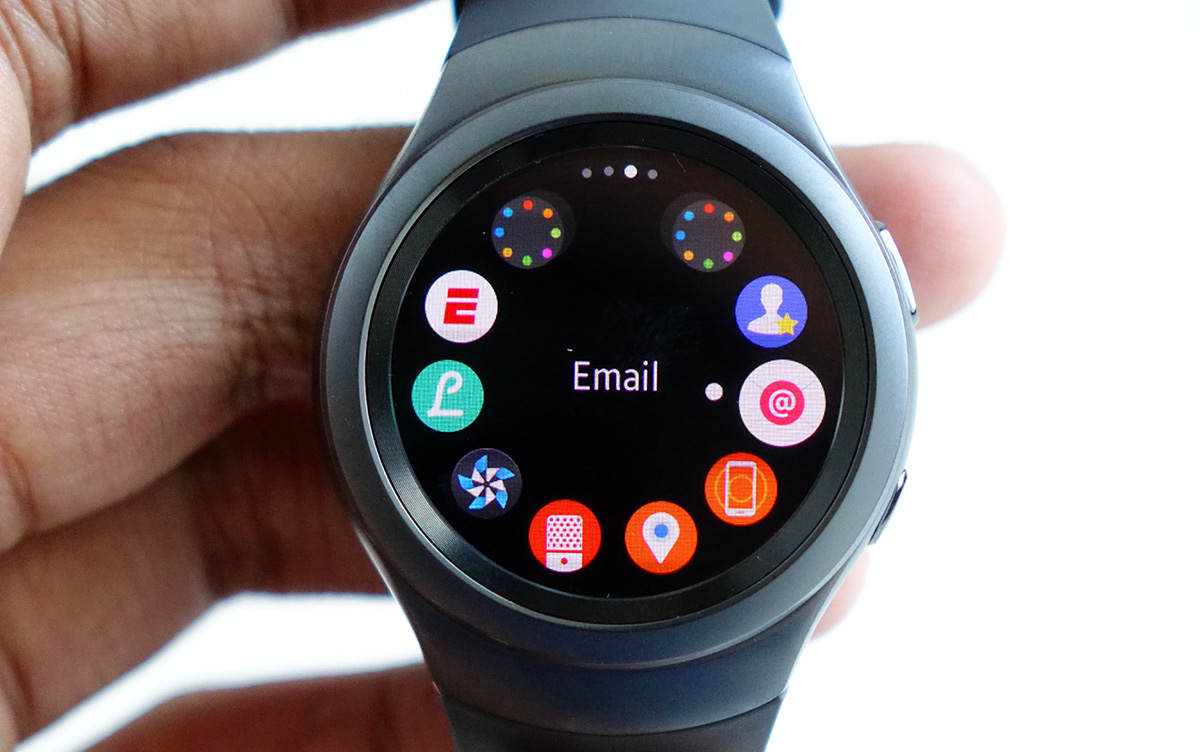
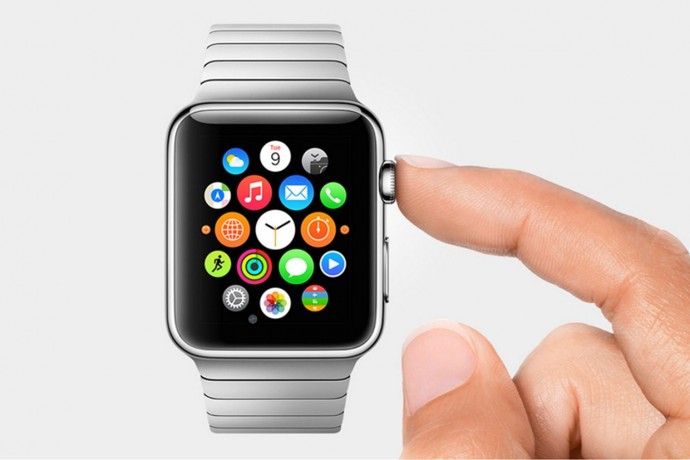
According to latest data by Juniper Research, the Apple Watch constitutes for 50% of smartwatch shipment in 2015. The Watch, which was globally released in April 2015, has overtaken Samsung’s Tizen powered Gear S2 which was launched in November last year.
Gear S2
Android Wear-powered smartwatches constitute only a total 10% of total smartwatch shipment from last year. However, the research also added that keeping Apple aside, the market is dominated by cheaper, products like those by Martian and Razer.
Apple Watch
Things look good for Apple, which is important for the company which is all set to hold an official event in March. We expect to see the second-gen version of the Apple Watch there. Even though Gear S2 and Moto 260 Second Gen seemed like they could offer some strong competition to the Apple Watch, Apple has managed to maintain its dominance in the realm of wearable tech.
Good morning readers, iGyaan comes bearing good news. Flipkart today is running a sales promotion campaign under the name “Brand Days Store Online”. Under this promotion campaign Flipkart is offering some really cool handsets at great discounts and exchange offers.
The catalogue brings to you a variety of handsets from the house of Motorola, and the much wanted Nexus 6. If you’re not the one for exchange offers, Flipkart gives you a Flat discount of Rs 2000 on devices such as Moto X Play, Moto G Turbo, and Moto G( 3rd Gen). These come with exchange offers also which depend on the handset.
Moto Turbo, Moto X Style, and Nexus 6 are also up for grabs at great exchange deals. All three of them are available for upgrade with exchange amount upto Rs 15,000 for your old phone. Moto E2, and Moto 4G are also available for exchange offers of upto Rs 3000.
Moto X Play/ Moto X Style
The Moto X Play boasts of features that are sure to excite the masses. With a 21 MP camera, 3630 mAh battery, and expandable memory up to 128 GB. Other features include a 5.5 inch screen with Corning Gorilla Glass 3, Snapdragon 615, and an Octa-core 1.7 GHz Cortex-A53 CPU. The Moto X Play is currently available at a price of Rs. 16,499.
The Moto X Style has a 5.7 inch, 2K display, 3 GB of RAM and Qualcomm Snapdragon 808 chipset. The cameras are marked at 21 MP for the main camera and 5 MP for the front camera. Both cameras are equipped with flash. The phone has a 3,000 mAh battery and runs on Android 5.1 Lollipop. The device is available on Flipkart for Rs. 29,999, but there’s an exchange offer up to Rs. 15,000 on the device.
Nexus 6
The Nexus 6 boasts a 5.96-inch QHD (2560×1440p) AMOLED display. It is powered by 2.7 GHz Snapdragon 805 quad-core processor coupled with 3 GB of RAM. It runs on Android 5.0 Lollipop out of the box. The screen of the device is shielded by Corning Glass 3, which means users need not have to worry about scratches.
On the camera front, it sports a 13MP rear and 2MP front snapper. The device gets its juice from a 3,220mAh battery, which the company claims to last for six hours on a 15-minute charge as it comes along with Motorola’s Turbo Charger. Nexus 6 offers wireless charging. The device is up for grabs with great exchange offer as well.
Moto Turbo
Comes equipped with a Qualcomm Snapdragon 805 chipset with a Quad Core CPU clocked at 2.7 GHz (Krait 450). The GPU is the new ADRENO 420 and all of this is managed with 3 GB of RAM and a fixed 64 GB of storage. On the outside is a brilliant 5.2 inch Quad-HD Super-AMOLED type with a 2560 X 1440 Pixel resolution giving it 565 ppi. Priced at Rs 31,999, the device has an exchange offer available through the Flipkart app.
Moto G Turbo
The Moto G Turbo comes with a Qualcomm MSM8939 Snapdragon 615 chipset, with Adreno 405 and a quick charge capability that Motorola calls a turbo charge with 2GB RAM. 13 MP Camera, and HD 1280*720p display. The device is available at a price of Rs. 12,499.
Moto G (3rd Gen)
The device boasts of a 5-inch 720p display with 1280×720-pixel resolution and 294ppi. It is powered by a 1.4GHz Quad core Qualcomm Snapdragon 410, along with an Adreno306 GPU. It is juiced by a 2,470 mAh battery that can last roughly up to a day. The handset is available in two variants- 8GB storage with 1GB RAM and 16GB storage with 2GB RAM. The discounted handset for the 8GB variant now falls just under the 10K bracket at Rs. 9,999, while the 16 GB device is available for Rs. 10,999.
Motorola (and this might be the last time we use the name) has been the name attached to the advent of the phone back in the 90s, and even fingerprint sensors back in 2011 with the Atrix 4G, much before Apple did it with the iPhone 5s. However, Motorola was still behind in including the feature to many of its devices in the past few years, especially last year’s Moto X Style and Play, while other brands have largely embraced the feature.
Speaking of fingerprint sensors then, Lenovo has stated that all of its Moto devices this yer will feature fingerprint scanners. Chen Xudong, SVP of Lenovo and president for Lenovo China and Asia Pacific, has revealed that all Moto-branded handsets launching this year will have fingerprint sensors. One can’t help but feel that Lenovo is ready to make some big changes to the Moto lineup after it officially kills off Motorola this year.
Lenovo Vibe P1 with fingerprint sensor
Additionally, Lenovo has also stated that there will be no more devices with screen size under 5-inches, which, if one cares to venture, could mean the end of the Moto E line. Lenovo’s plan looks pretty straightforward – the Moto devices will be launched aimed at the high-end market, while budget devices will bear the ‘Vibe’ moniker. Between the two, Lenovo plans to launch no more than 15 devices this year.
Lastly, Chen also stated that Google Play Store will launch in China, which is likely to give a stiff competition to many of the local app stores for Android in the country. In fact, Google was supposed to announce a China-only version of the Play Store last year along with the launch of the Nexus devices, but that did not happen.
Yesterday, news around the world focused on Lenovo killing off the Motorola brand name from its phones. Lenovo’s decision to do this was to bring its phones under one name. It followed that any upcoming smartphone by the company will be branded under “Moto” and “Vibe”, removing Motorola’s name, but keeping the “M” logo.
A day after, Motorola released a statement in its blog to address the news. The company reassured that ‘Motorola Mobility’ will continue to exist and Lenovo will still use the name for its phone division. “As a wholly owned subsidiary, we remain the engineering, design and manufacturing engine for all of the Mobile Business Group’s smartphones and wearables,” Motorola said in its blog.
Motorola went on to assure that though the Motorola name will disappear, the brand will continue to live on with ‘Moto’. The company explained that the focus for the past few years has always been on ‘Moto’ and its batwing logo remains its most important symbol, both of which will continue to carry the Motorola image.
“Moto” is synonymous with Motorola, and it conveys the Motorola brand to consumers in a contemporary and engaging way. That wasn’t the only thing that evolved — the iconic batwing was static blue or red for many years, and we made it fun and colorful. That symbol, which has come to represent the “Moto” brand, continues to play a prominent role, and will remain on our products and in our marketing.
The company reaches the point most talked about yesterday in that the company will focus its marketing efforts on “Moto” and “Vibe”, but also conceded that the products will under Lenovo solely. “This latest move is all about where we focus our brand marketing efforts in the future. That will be on our two hero smartphone brands: Moto and Vibe, with the Lenovo corporate brand tying all of our consumer and commercial products together more holistically.”
It looks like another popular name in the mobile phone industry is set to follow the same fate as Nokia (although the latter might be making a comeback this year). Buzz around the internet is that Motorola will soon be phased out.
Lenovo, which bought Motorola from Google back in 2014, announced at CES 2016 that it will phase out the Motorola brand for its phones. “We’ll slowly phase out Motorola,” said Motorola Chief Operating Officer Rick Osterloh.
The decision is particularly interesting when seen in light of Lenovo’s statement back in 2014 when it said that, “We plan to not only protect the Motorola brand, but make it stronger.”
What this means is that Motorola’s phone business will now come under Lenovo and the Motorola name will disappear from its phones this year. Meanwhile, Lenovo will still use the ‘Motorola Mobility’ name for its phone division, but any upcoming phone or wearable will fall under the brand of ‘Moto’ and ‘Vibe’.
Motorola fans need not despair. The brand name will continue to live on, albeit in a more minimalist way. Future Moto products will continue to sport Motorola’s batwing-like ‘M’ logo along with Lenovo’s blue logo. Indeed, Motorola will be missed, and will always be remembered as one of the earliest, if not first brand to produce a mobile phone.
Motorola is kicking off 2016 with some exciting new offers for its newly launched Moto 360 (2nd Gen) smartwatch. Consumers can avail the Moto 360 (2nd Gen) men’s collection on Amazon.in from today. The collection includes cognac leather, black leather and black metal variants of the smartwatch. The collection also introduces, for the very first time in India, a 46mm Cognac Leather variant.
Other than the size and range, there have been very subtle changes to the new design from the previous Moto 360, such as – a re-positioning of the button to the 2 o’clock position and one can even customize the finish of the small bezel that surrounds the display. With respect to the processor, Motorola has upgraded its device with a Qualcomm Snapdragon 400 processor.
They have also further improved the battery life and say that the 46 mm watch will last up to two days between charges, while the 42 mm watch will be able to last about a day and a half.
The Live Dials of Moto 360 Gen 2 give access to summarised information in one glance. Depending on what matters to the user most, the watch will give weather updates from among footsteps count, rate of heart activity and calorie count etc. The Moto Body is a feature that will keep an account of not just footsteps and heart rate, but also sleep patterns and nutrition of the user.
Additionally, the watch is rated at IP67 which means it can be soaked in 1 m (3.3 ft) of water for half an hour. The watch further boasts of voice controls. You can check out our unboxing of the Moto 360 (2nd Gen) to know more.
The product will be available at the given below prices.
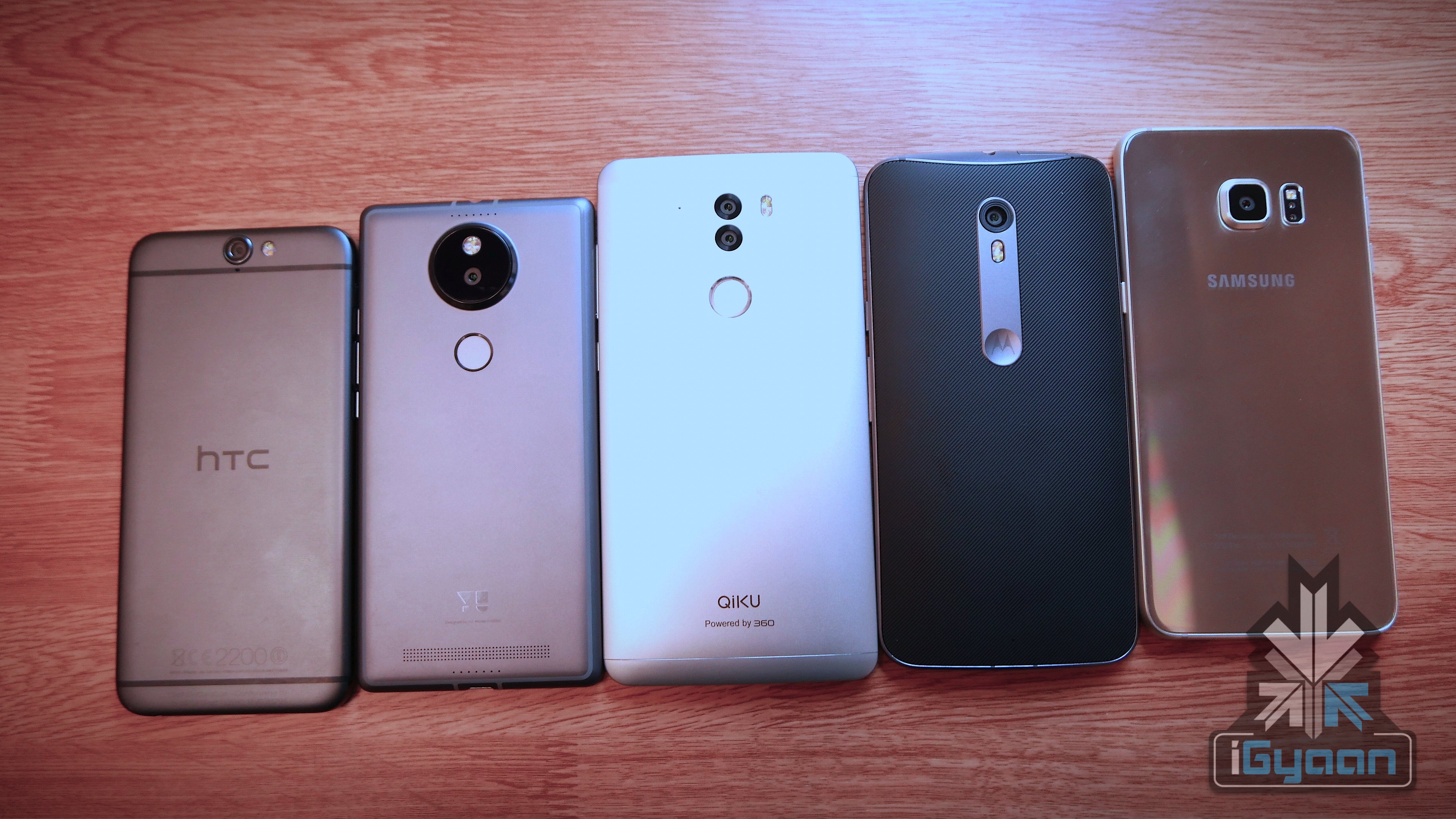
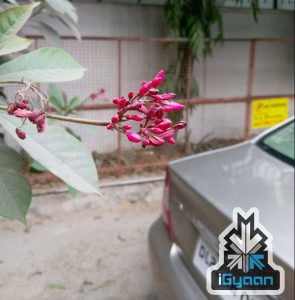
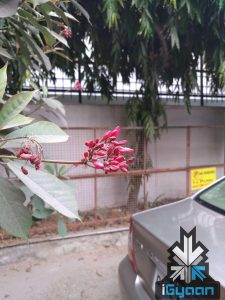
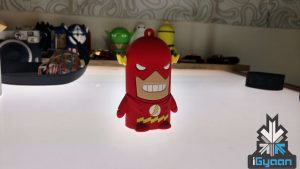
2015 has seen some top-of-the-line smartphones that have excelled in the camera department. We look at the Samsung Galaxy S6 Edge+, Moto X Style, HTC One A9, and Qiku Q Terra and how they perform with the snapper. The images taken are all in auto mode for better comparison.
Galaxy S6 Edge+
The one thing you can blindly trust about Samsung is their camera. The past few years, Samsung’s flagship devices have come with spectacular cameras that have become a kind of benchmark for other flagship devices. The primary camera of S6 Edge+ rocks 16 MP, 2988 x 5312 pixels, optical image stabilization, autofocus and LED flash, while the front camera has a 5 MP along with dual video call and Auto HDR.
Having one of the best sensors in the market is bound to get you some amazing captures. Pictures taken by the device appear incredibly crisp and clear, and the colours are close to what your eyes see. There is no added saturation here and the bench looks the right kind of orange. The wide angle shot also captures the sun, where other devices in this list have failed to do so.
HTC One A9
HTC’s new One A9 features a 13-megapixel primary BSI sensor behind an f/2.0 lens with OIS and a 4-Ultrapixel front camera. HTC launched the One A9 proudly ripping off the aesthetics of the recent iPhones. While the hardware may be still a way off, the HTC One A9 does well in the camera department.
The outdoor photos came out with a good amount of detail, accurate colors and spot-on white balance. The new One A9 delivers loads of sharpness and clarity. The device comes with a great deal of modes to improve the way things can be shot for the more professionally inclined. For example, there is a RAW mode that takes a little while to process the image, but it does this to give you the best shot possible.
Thanks to the AMOLED display, the images look bright and crisp. However, the shutter speed isn’t the fastest in this list, but that can be ignored for a phone that isn’t quite a flagship device. The colour of the bench and the flower look saturated, but it also gives the picture a certain attractive gloss. Indoor images look good too but it’s still a bit darker when compared to the others.
Yu Yutopia
The Yu Yutopia is one of those devices that have been launched under the moniker of ‘flagship killers’. Sitting comfortably between the Rs. 20,000 to Rs. 30,000 range, the Yutopia made tall claims which it failed to deliver. The camera, however, doesn’t fail at all.
The Yutopia sports a 21 MP Sony Exmor RS IMX230 camera, which is considered one of the most powerful modules in the market today. The rear camera is also capable of capturing 4K video. The camera is fast and responsive and captures a lot of detail. The Yutopia’s shutter speed is indeed fast, as the company claims, at least on auto mode.
Moto X Style
The Moto X Style sports a 21 MP primary camera with f/2.0 aperture on the rear, and a 5MP wide-angle lens on the front (both with flash). The rear camera does not come with OIS, but the camera is an improvement over the others in the Moto X lineup.
In normal to low lighting, the rear camera does quite well. The images are sharp and detailed with just the right amount of vibrancy and saturation. Like the HTC One A9, the Moto X Style also adds a bit of saturation and warmth to the colours, but without making the photos look unnatural. The images are also sharp when zooming into a picture. Furthermore, the X Style is the only other device after the Galaxy S6 Edge+ that was able to capture the sun in the wide angle shot.
One down side to the Moto X Style would be the lack of a full suit of manual controls, which other devices in the list offer. That being said, the camera interface is very simple to use. You can tap anywhere on the screen to take a picture, and swipe right for your basic adjustment setting or swipe left to view your previous snaps.
Qiku Terra
For a debut phone, the Q Terra is massive in all aspects . The 6-inch device not only has a big build and sturdy design, but comes with some impressive specs as well. The Q Terra features a 13 MP rear sensor and an 8 MP front.
On the camera front the Q terra uses a DuoScopic Camera System that integrates two 13MP Sony back cameras – a IMX278 color sensor along with a B/W IMX214 sensor. The phone combines the two instantly for better results. Adding to this, the phone also offers an 8MP front camera with f/2.4 aperture. The images are not only rich in detail but also have great colours.
Outdoor pictures look quite decent with very little saturation. The colours look just like you would see them and the images stay sharp and clear even after zooming in. We found that the phone struggles on occasion to focus on a point. A few shots appeared blurry, but often the pictures were detailed and well balanced.
Conclusion
After taking several pictures with the above mentioned devices, we found that while the S6 Edge+ dominates the pack with its spectacular camera, other devices like the HTC One A9 and Yutopia feature some great sensors as well. The images are colourful and clear and the AMOLED display on the One A9 really adds more flavour to the pictures.
Qiku’s Q Terra doesn’t have much to brag about, but the device works well under outdoor conditions. Moto X Style is for the absolute basic photographers who want some quick, auto captures with no fuss. Though basic it may be, the X Style does come with a pretty solid camera.