Category: Brands and Companies

All Brands and Company Names

  • OnePlus Admits Credit Card Information Of 40,000 Customers May Have Been Stolen

    OnePlus Admits Credit Card Information Of 40,000 Customers May Have Been Stolen

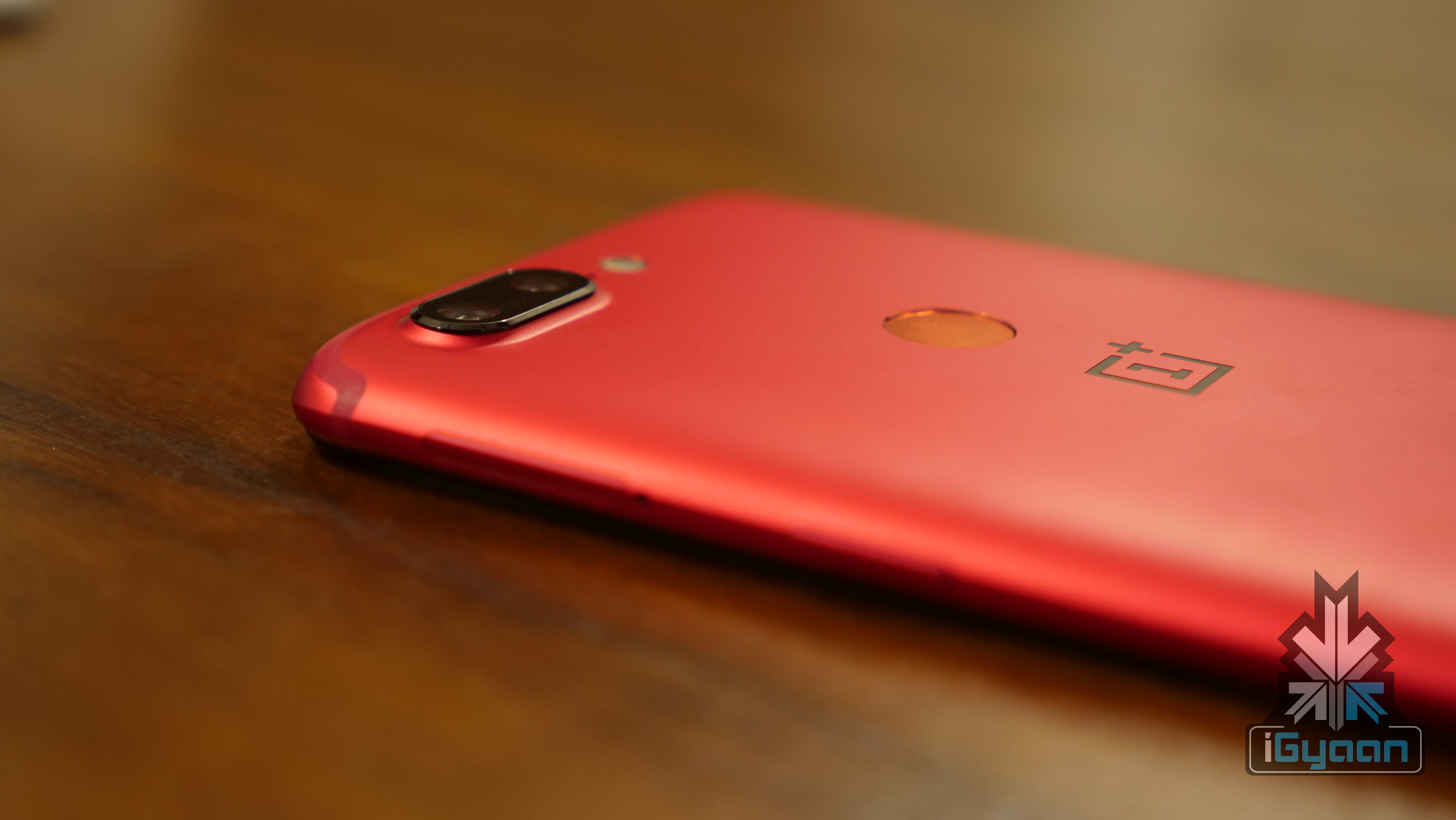
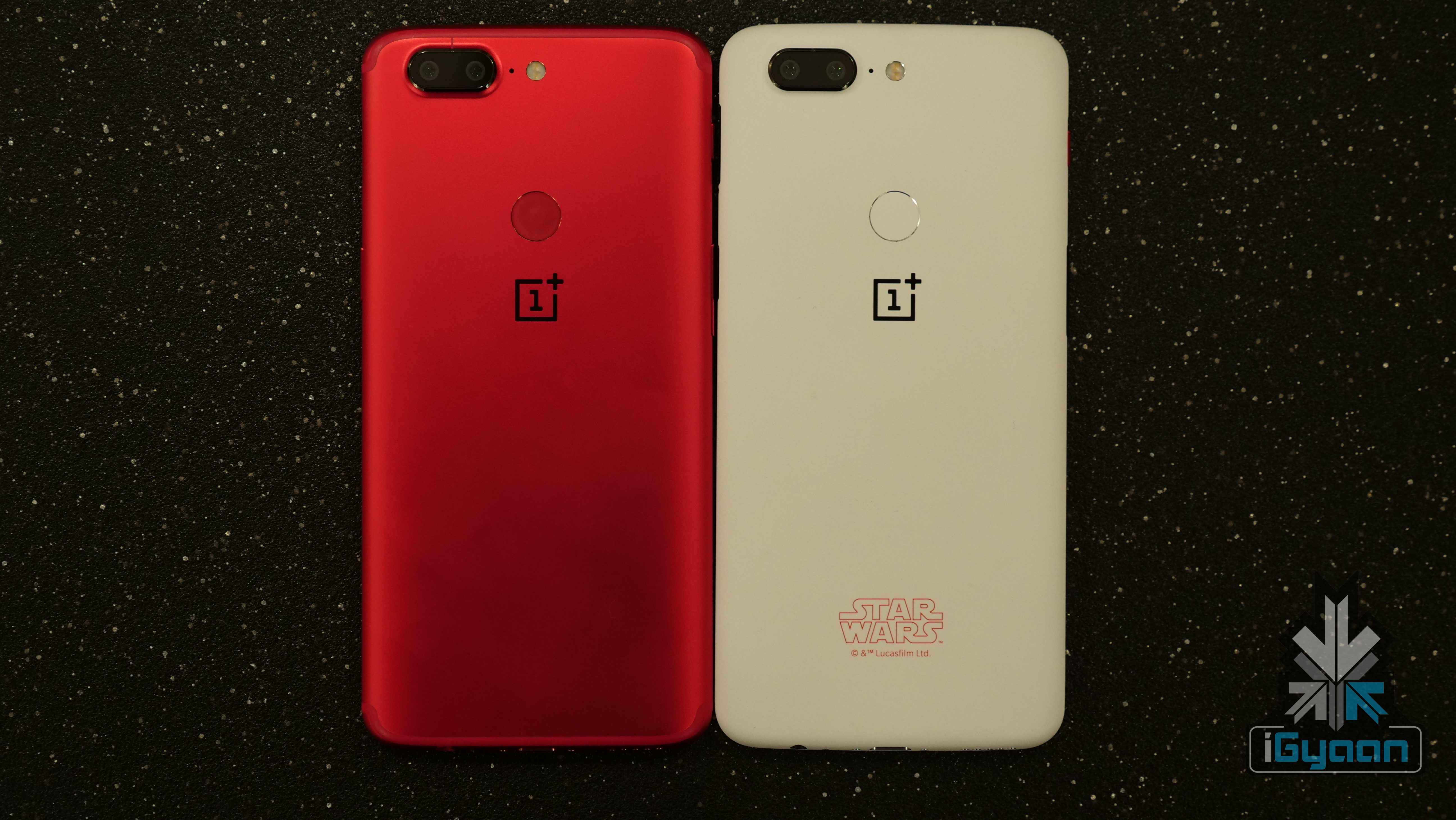
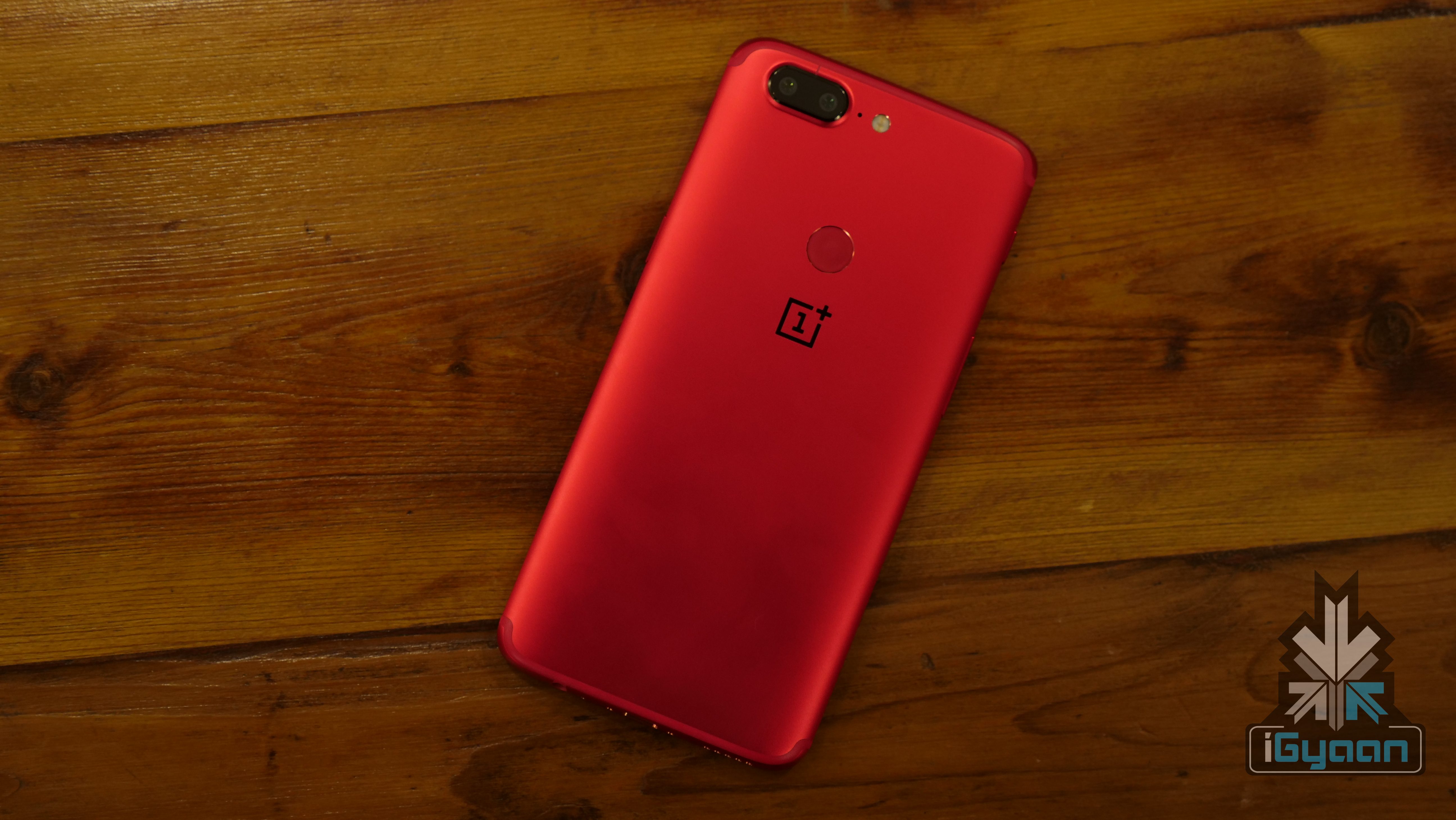
    OnePlus has just launched the new Lava Red colour variant of the OnePlus 5T in India, a few weeks after it was unveiled in China. While OnePlus 5T suitors might be rejoicing about another possible option to buy, there are a few customers who might be left with a sour taste in their mouths after shopping on the OnePlus store.
    A few days ago, OnePlus shut down all credit card payments options on its official website after a few reports claimed that a lot of customers were facing issues after making payments on the OnePlus store. Affected customers reported cases of fraudulent transactions made without their knowledge, with one person saying someone ordered US $200 worth of Papa John’s pizza.

    After an investigation, OnePlus posted a statement which will not ring a tone of good news in the ears of the Chinese company or the aggrieved customers. In its forums, the company posted the following:

    We are deeply sorry to announce that we have indeed been attacked, and up to 40k users at oneplus.net may be affected by the incident. We have sent out an email to all possibly affected users.

    [amazon_link asins=’B0756ZFXVB’ template=’ProductAd’ store=’igyaan-21′ marketplace=’IN’ link_id=’3ecc45bb-fdb2-11e7-a7fd-b3483aaa3cda’]

    The company confirmed that the severity of the problem is far larger than initially thought. It continues to state that this could have affected anyone who input credit card information on OnePlus’ website from as far back as mid-November 2017. During the investigation, it was discovered that one of OnePlus’ systems had been attacked by a malicious script that intermittently captured data from a user’s browser window.
    While the infected server has since been isolated, it is unclear as to how much damage the infected server inflicted while its two-month-long active period. OnePlus says that credit card numbers, expiry dates, and security codes may have all been compromised. However, as a silver lining in the dark clouds, credit cards already saved on the site are apparently unaffected, according to OnePlus.
    While the company took the opportunity and apologised to its customers, it is hard to imagine that the company’s reputation will remain unscathed after such a severe incidence. Whether the inability to make payments on its official website will have a huge impact on the sales, especially a few days after the company announced its record sales numbers of 2017, is yet to be seen. However, above the sales figures and record numbers lies the trust of a consumer, and that might be dented after such a huge security failure.
  • Unboxing The OnePlus 5T Lava Red

    Unboxing The OnePlus 5T Lava Red

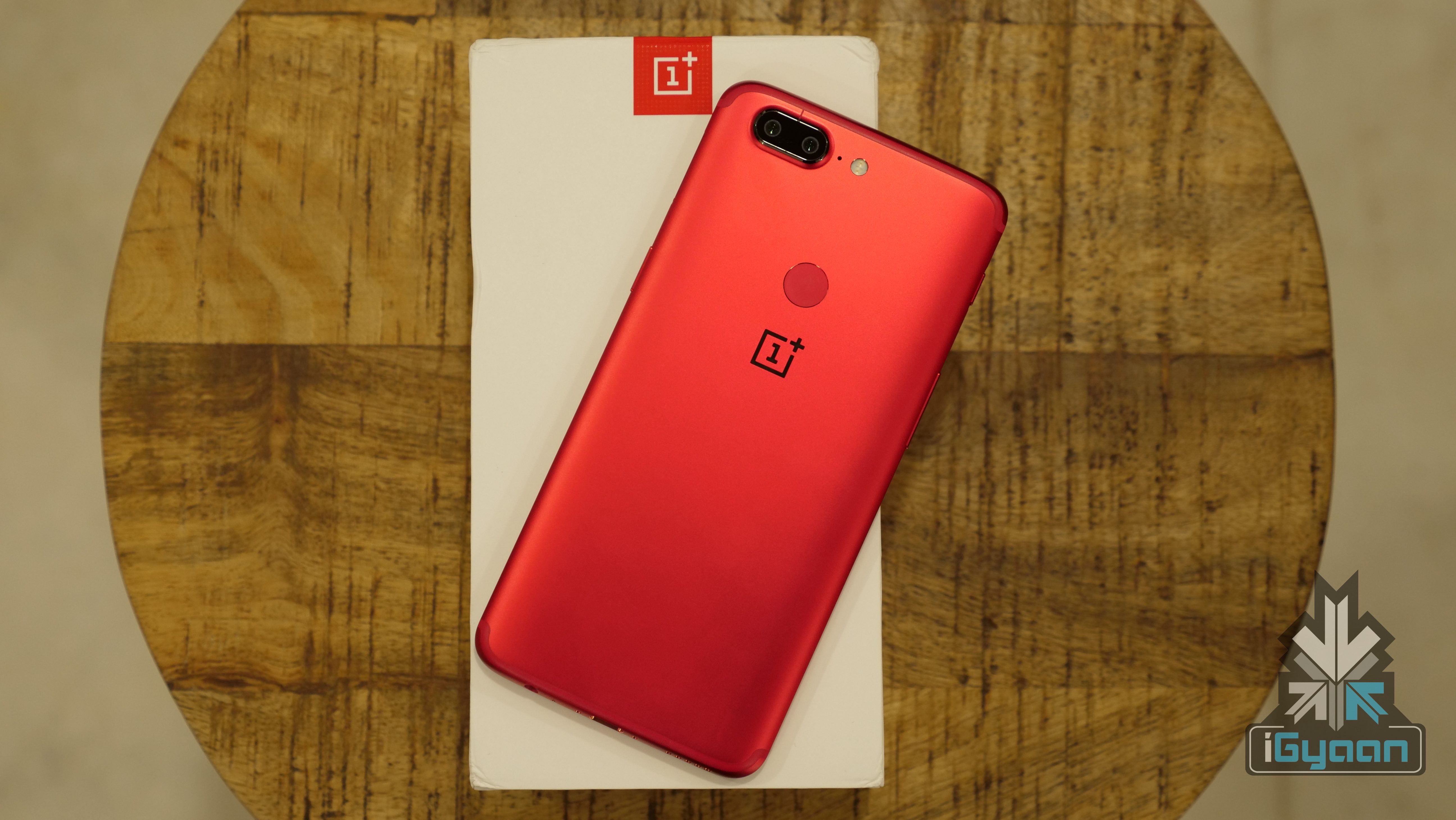
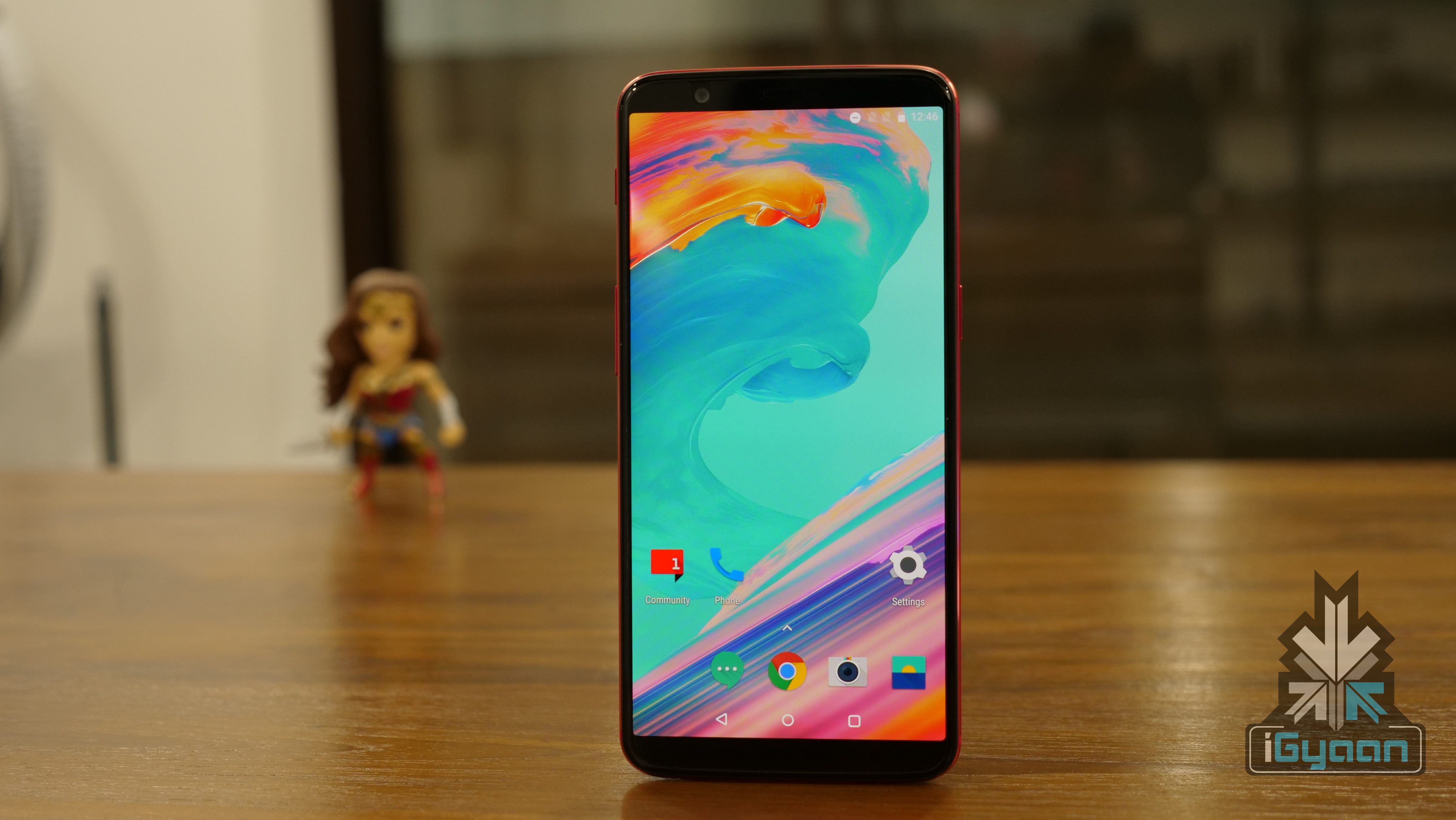
    OnePlus recently launched the OnePlus 5T Lava Red edition in India. The new colour will only be available in the 8GB RAM variant and is priced at Rs. 37999, just like the regular Midnight Black colour variant. It goes on sale at 12 noon on the 20th of January via Amazon, oneplus.in, Croma stores and OnePlus experience zones in Bangalore, Mumbai and Delhi NCR.

    Buy The OnePlus 5T Lava Red

    With smartphones becoming increasingly similar as far as hardware as is concerned, smartphone makers need to find a way to differentiate their product from the rest of offerings in the market. And it appears that a “special edition” Red colour variant is the next big differentiator, that companies have identified. The Lava Red isn’t the only special edition smartphone the company has launched in India, back in December, the OnePlus 5T Star Wars edition was launched at a price of Rs. 38999.

    Unboxing The Star Wars Limited Edition OnePlus 5T

    Let’s unbox the new OnePlus 5T Lava Red and see what we get:

    First impressions

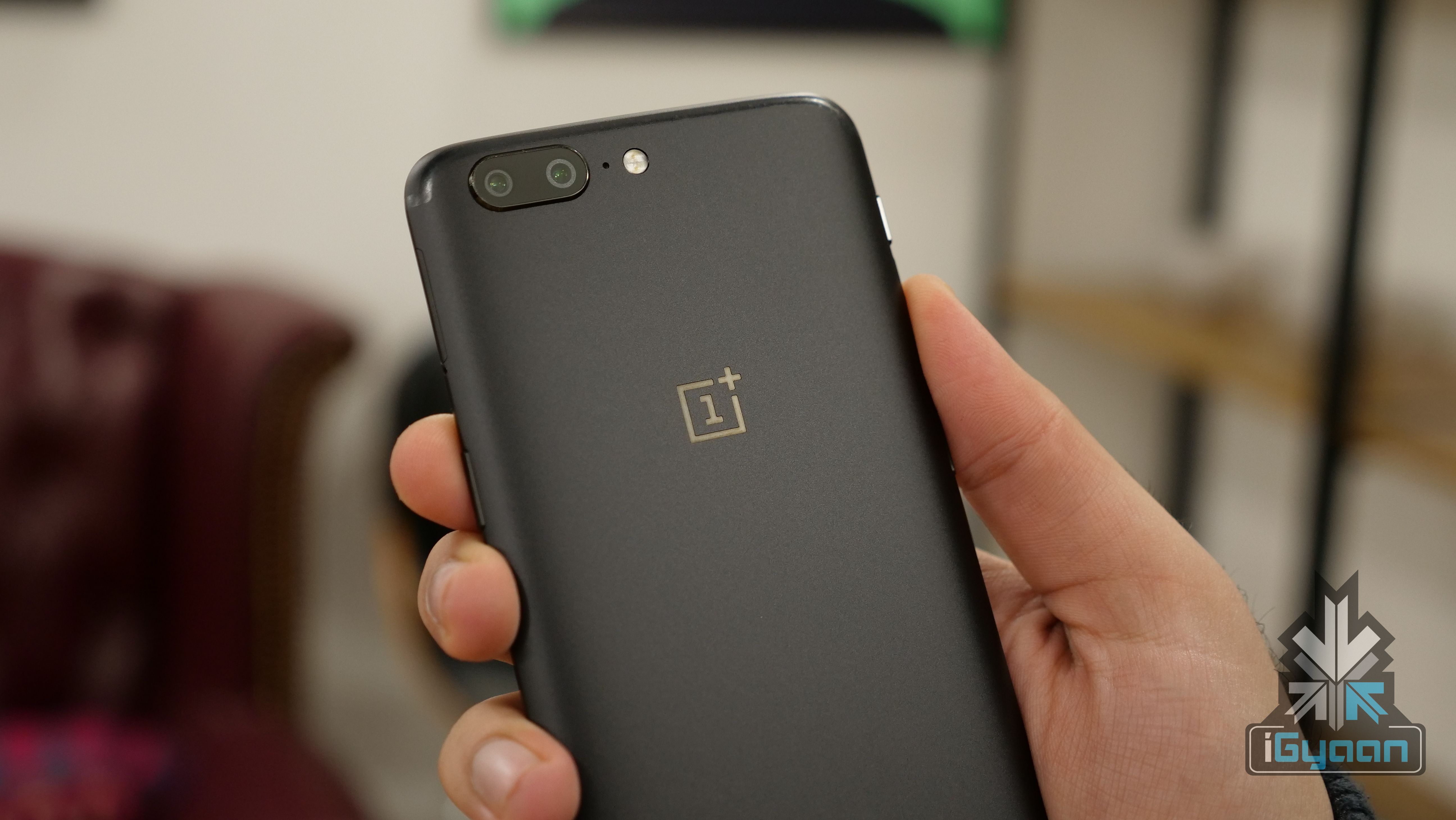
    It is a red OnePlus 5T. It looks and feels exactly the same as the Midnight Black variant except it is red in colour. The smartphone has the same matte finish on the back which makes it a bit slippery to hold but, otherwise it’s a very sturdy phone. Depending on which side you’re on, you’ll be happy or sad to know that OnePlus has retained the black colour for the front of the smartphone, something that a lot of people wanted in the Product Red iPhone 7 and 7 Plus.

    The power button, volume rockers and the fingerprint sensor are also red in colour with the black OnePlus logo providing a bit of contrast on the back. There is a small camera bump on the back which means that the OnePlus 5T doesn’t lay flat on a surface which may bug a few people while others won’t even notice it. The headphone jack, USB C port and the single bottom firing speaker reside on the bottom of the smartphone.

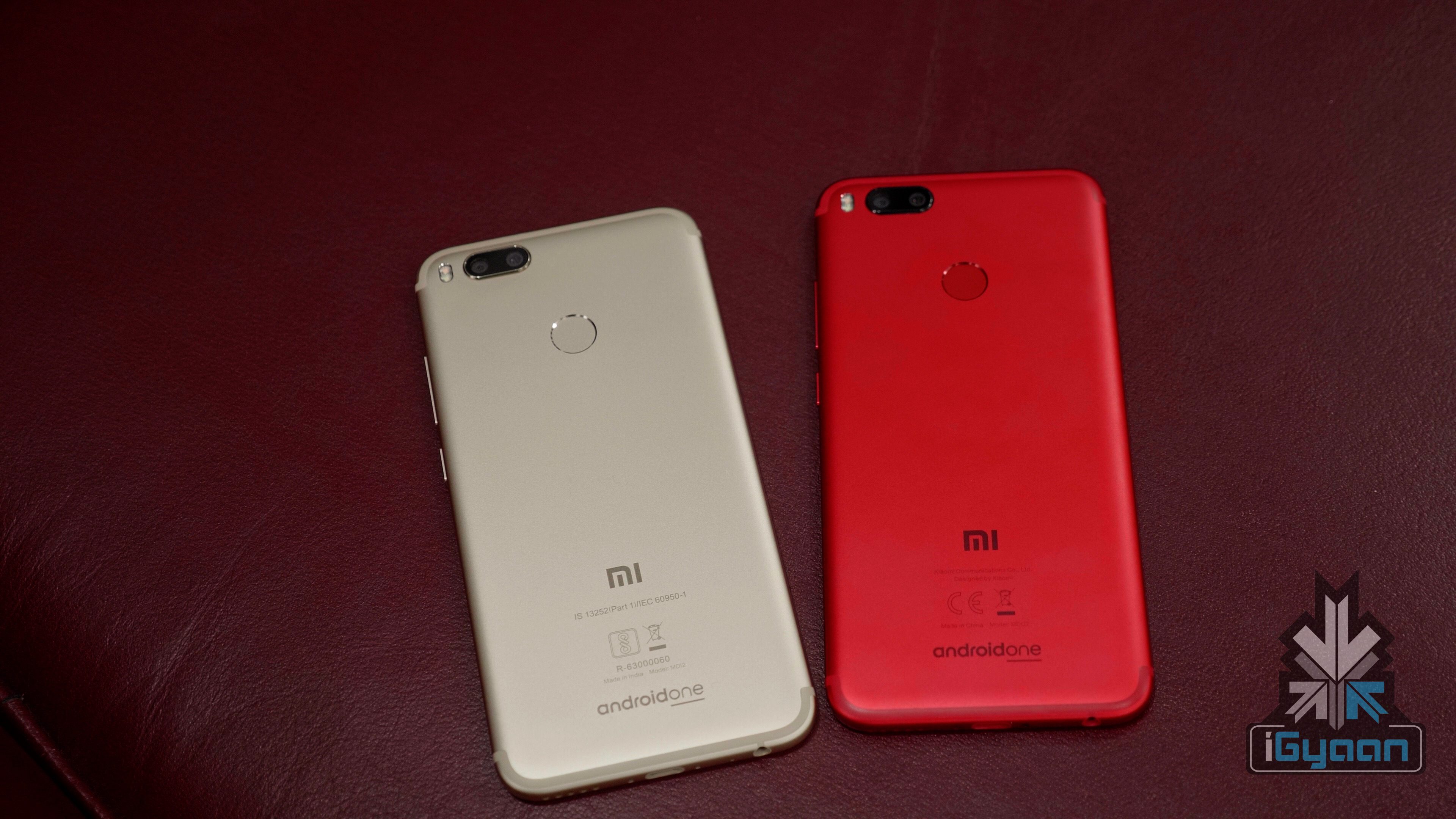
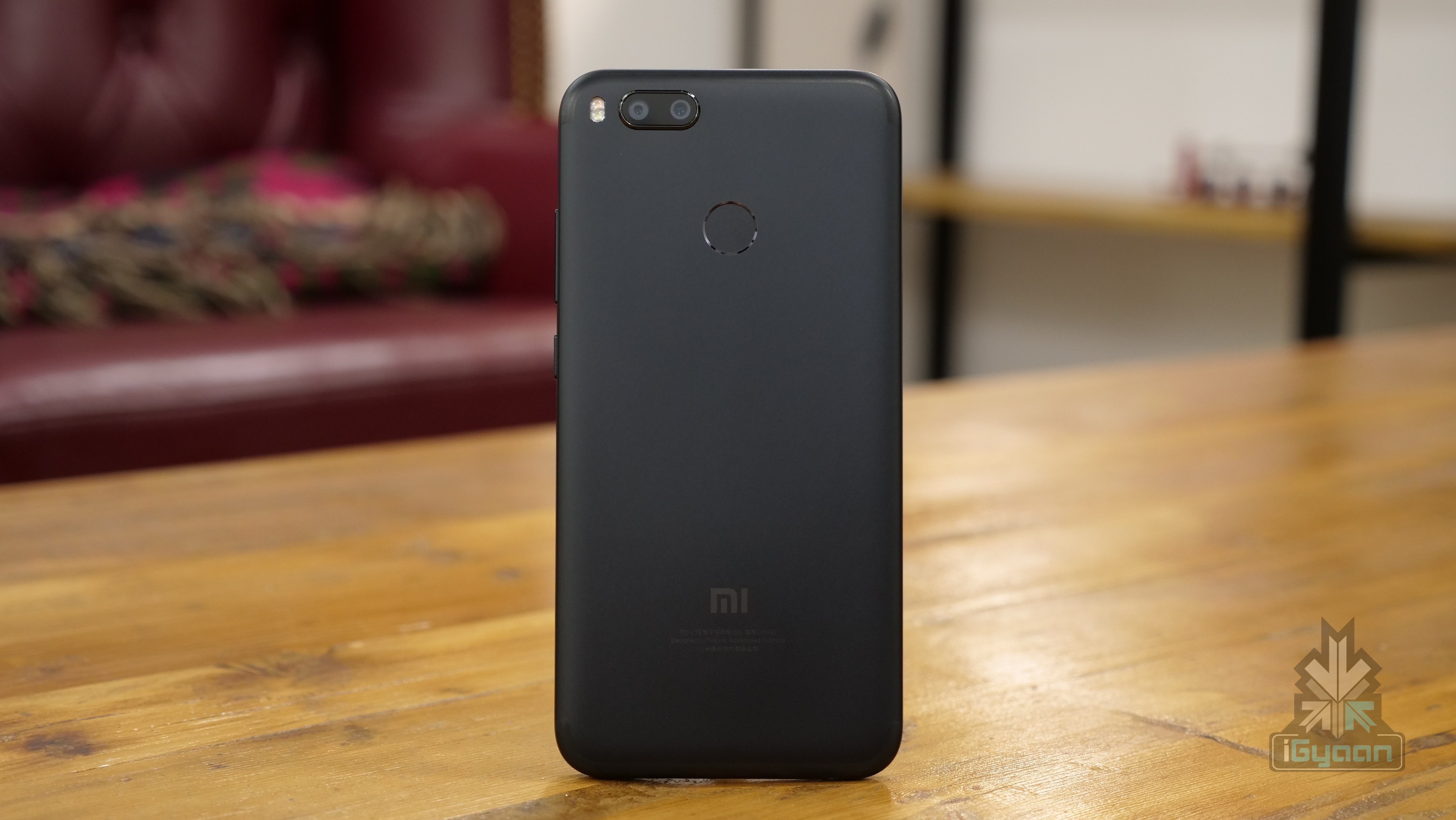
    We also unboxed the Xiaomi Mi A1 red colour variant and similar to the regular Mi A1, it has a metal build with a matte finish.  The red colour dominates the back of the device and just like OnePlus, the company has retained the black colour for the front of the smartphone which compliments the red colour really well. The specifications remain the same as well for the red coloured Xiaomi Mi A1.

    Buy The Red Xiaomi Mi A1

    OnePlus 5T Specifications

    Just like it was for the OnePlus 5T Star Wars Edition, the specifications remain the same for the OnePlus 5T Lava Red.

    The OnePlus 5T has a 6-inch Full Optic AMOLED display with a 2160 x 1080 px resolution, 401ppi and an 80.5% screen to body ratio.

    Under the hood, the OnePlus 5T has the Qualcomm Snapdragon 835 chipset, a 2.4GHz octa-core processor, 8GB of RAM, 128GB of onboard storage which cannot be expanded. Due to thin bezels, there is no place for a home button and the fingerprint sensor has now been shifted to the back of the phone and is placed right above OnePlus logo.

    [amazon_link asins=’B0756ZFXVB’ template=’ProductAd’ store=’igyaan-21′ marketplace=’IN’ link_id=’cd88d04d-fd17-11e7-acd0-f365b940e9b8′]

    Powering the device is a 3300 mAh battery which supports OnePlus’ DashCharge technology. The OnePlus 5T also features facial recognition for unlocking the device. The alert slider retains its place at the top left side of the phone which can be used to switch between different modes of notification alerts.

    The OnePlus 5T runs stock Android 7.1.1 Nougat with customisability options thanks to the Oxygen OS on top. The update to Android 8.0 Oreo update is coming soon on the OnePlus 5T as the beta testing has already begun.

    One big change in the OnePlus 5T is in the camera department. Unlike the OnePlus 5, the OnePlus 5T no longer has a secondary telephoto lens at the back. Instead, OnePlus has decided to focus on the device’s low-light photography capabilities. The cameras do not have OIS and OnePlus has decided to go for EIS on the dual camera setup at the back. The device has a 16MP camera with an f/1.7 aperture coupled with a 20MP sensor with the same f/1.7 aperture and field of view, ie no optical zoom. On the front is a 16MP camera with an f/2.0 aperture.
    The OnePlus 5T continues to be a strong offering in the sub-40K category with its flagship-like specifications and a modern design. With a new colour to the fore, it gives consumers an extra option to look at and for some people, a red colour variant is the ultimate deal maker.

  • Xiaomi’s New 50 Inch Mi TV 4A Has 4K Resolution And Costs US $375

    Xiaomi’s New 50 Inch Mi TV 4A Has 4K Resolution And Costs US $375

    A lot of consumers globally know Xiaomi as a smartphone maker but, the company’s smartphone lineup barely represents its prowess. One look at Xiaomi’s Mainland China website is enough for someone to realise that Xiaomi makes much more than just smartphones. It has smart home products, crazy electronic scooters and televisions as well.

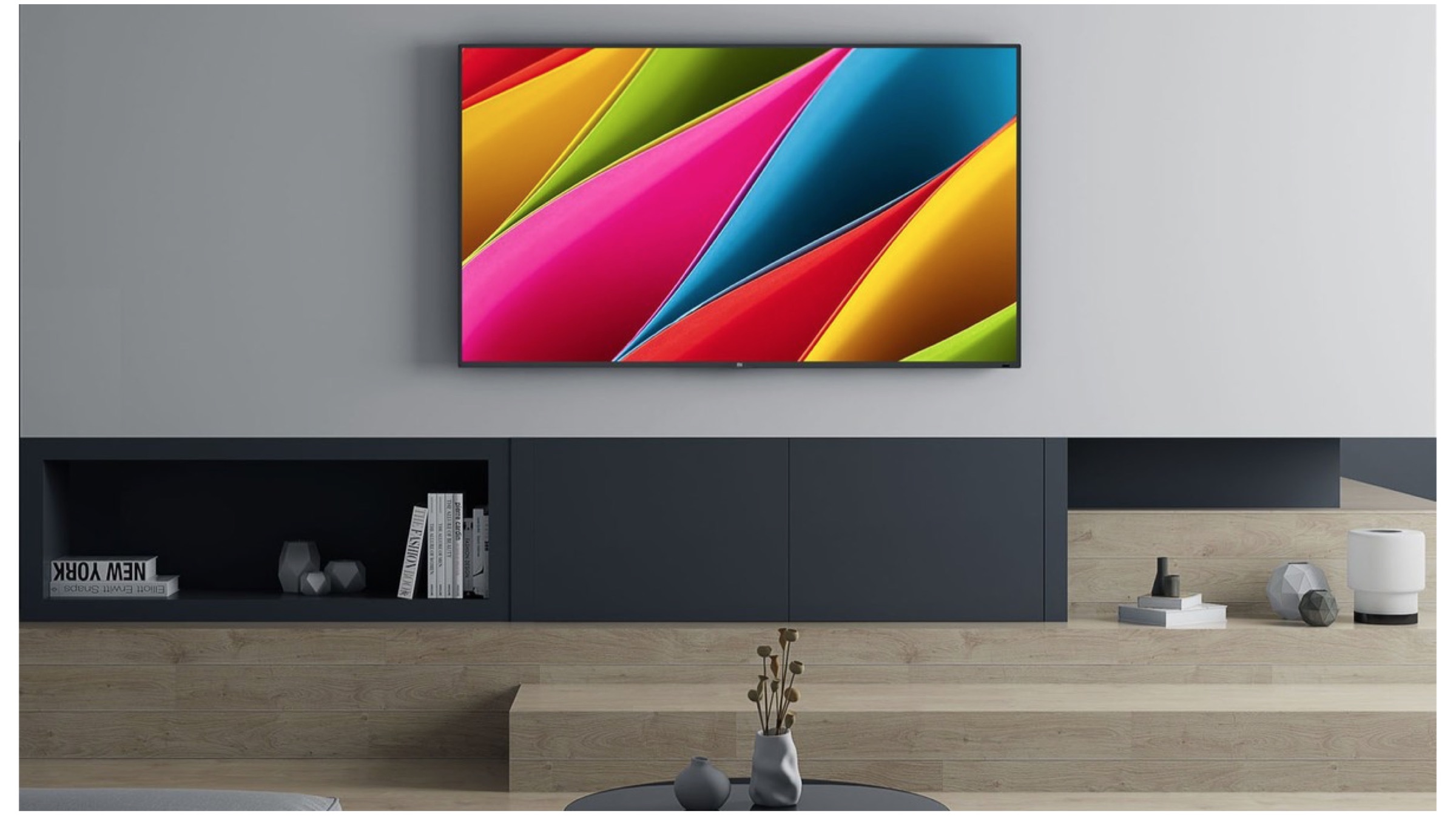
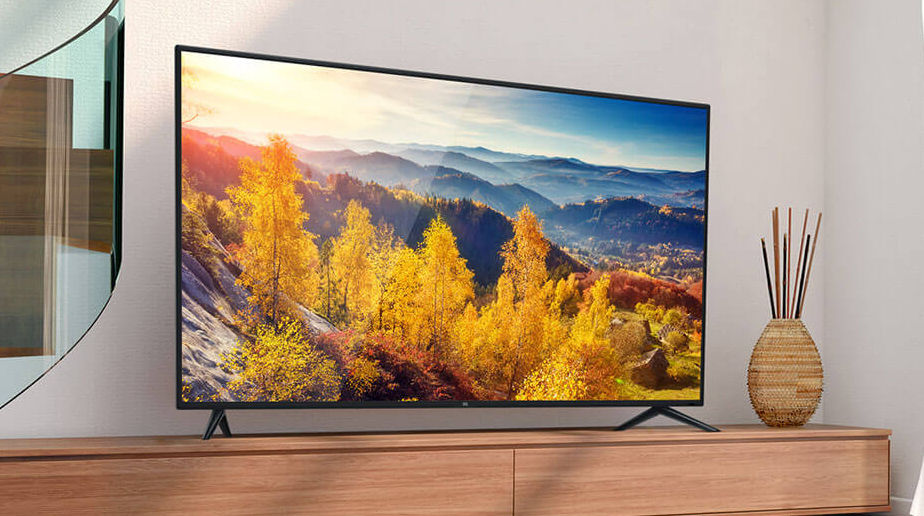
    The latest addition to Xiaomi’s list of products other than smartphones is the new Mi TV 4A. The Mi TV 4A offers a 4K display and is priced at US $375 (Rs. 23000 approx.).

    The 50 inch Xiaomi Mi TV 4A comes with a 4K UHD display with a 3840 x 2160 resolution and a 178-degree viewing angle. The TV has a refresh rate of 60Hz and it also offers support for HDR10+ HLG. The device has a “frameless design” and incorporates Mi TV Bar with 10 speakers, 2 wireless rear satellite speakers, and a subwoofer. It also comes with Dolby Atmos audio technology.

    Interestingly, the trend of AI and machine learning is bleeding into the television industry as well, it seems. The Xiaomi Mi TV 4A comes with AI support and can make recommendations. It has a UI called PatchWall and is based on Android OS which allows for content curation based on recommendations. The TV also has speech recognition and voice control, but, since it is only available in China as of now, it doesn’t work with the English language.

    Under the hood, the TV is powered by a 64-bit Amlogic L962 chipset with four 1.5GHz Cortex-A53 cores along with 2GB of RAM and 8GB of onboard storage. As for connectivity, the Xiaomi Mi TV 4A has Wi-Fi ac, Bluetooth 4.2, three HDMI ports, two USB ports, AV in, Ethernet port, and S/PDIF audio output. There is also the new Xiaomi remote for controlling the TV which has infrared as well Bluetooth connectivity options.

    At a price of just over Rs. 23000, the Xiaomi Mi TV 4A appears to be an excellent product. Sadly, as is a lot of other great Xiaomi products, this will remain a China-exclusive

  • LG Launches The Rugged LG X4+

    LG Launches The Rugged LG X4+

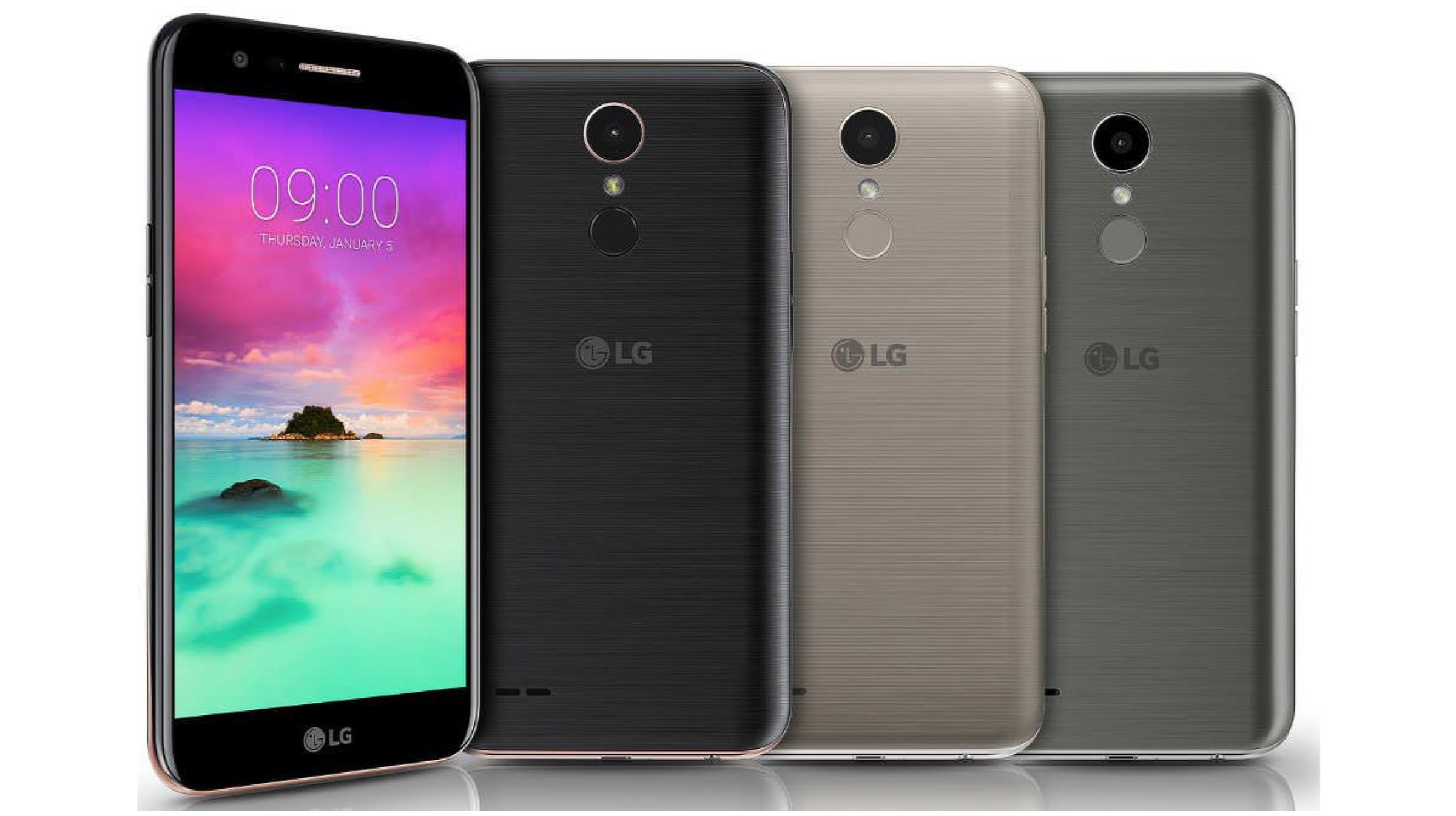
    LG’s flagship smartphone lineup’s future might be a bit hazy right now but, the company still believes that it has a strong foothold in the budget segment. That is, in its native market. LG was expected to launch the LG G7 at either the CES 2018 or MWC 2018 but, it looks like the anticipated smartphone is quite a few months away from launch. A recent report claimed that the LG CEO has instructed his team to rework on the LG G7 and come up with a completely rehashed version of the flagship device.

    While the flagship smartphone plans seem awry for LG, the budget segment is consistently being targeted. The company has now launched the ruggedly built LG X4+ in its native market for a price of US $280 (Rs. 17000 approx.).

    The LG X4+ has a 5.3-inch IPS display with a 1280 x 720 px resolution. It has an aluminium unibody design which has become a norm for budget devices nowadays. The LG X4+ has a design reminiscent of 2016 mid-rangers as the industry moves toward a “thin bezels and tall display design.”

    Under the hood, the LG X4+ is powered by the Qualcomm Snapdragon 425 chipset, Adreno 308 GPU for graphics, 2GB of RAM and 32GB of onboard storage. It is worth noting that the storage will be expandable via a microSD card. The LG X4+ has built-in Hi-Fi DAC (digital-analogue converter) which LG claims, will offer good sound quality.

    The fingerprint sensor is placed on the back of the device, it is, however, not clear whether it also acts a lock and unlock button like some of LG’s other devices. LG has also introduced a feature called Finger Touch that will enable users to take selfies and screenshots by pressing the fingerprint sensor. The LG X4+ carries MIL-STD 810G rating and it’s certified in six categories including impact, vibration, high temperature, low temperature, thermal shock, and humidity.

    The device is powered by a 3000 mAh battery and it runs Android 7 Nougat out of the box. It is baffling to see OEMs still launching smartphones with old software, irrespective of the price point.

    The LG X4+ has a 13MP rear-facing camera and on the front is a 5MP sensor.

    At a price of RS. 17,000 the LG X4+ is better off staying away from the Indian market. If LG were to launch this device in India, it’ll have to priced at around Rs. 10000 for it to even have a chance of competing. At this price point, not a lot of people look for ruggedness in their phones, it is more about the performance and with Snapdragon 425 chipset powering it, a price of Rs. 15000 or thereabouts would be too much.

  • Unboxing The Samsung Galaxy On7 Prime

    Unboxing The Samsung Galaxy On7 Prime

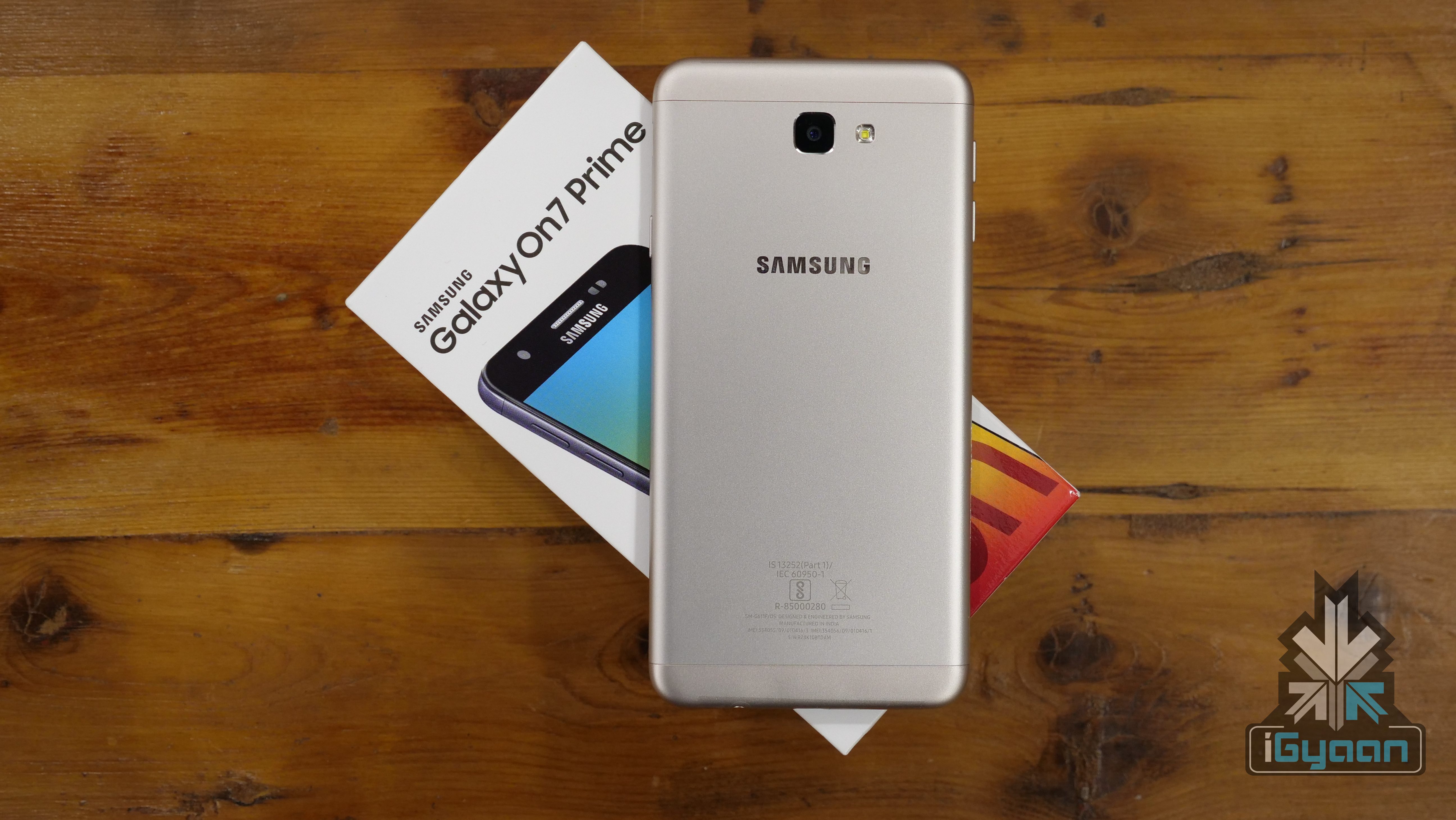
    The budget segment of the Indian smartphone market is becoming increasingly congested. Brands like Xiaomi, Nokia, Motorola are consistently launching stellar smartphones and Honor has recently launched the Honor 7X and Honor 9 Lite in the price bracket as well. Samsung is planning to take over the segment it once used to rule, and the Galaxy On7 Prime is one of the smartphones that the company will launch in this price bracket.

    The Samsung Galaxy On7 Prime is priced at Rs 12990 for the 3GB RAM variant and Rs. 14990 for the 4GB RAM variant. The smartphone will be sold exclusively via Amazon and will go on sale on the 20th of January during the Amazon Prime Sale.

    So, does the Galaxy On7 Prime hold any weight against the budget heavyweights like the Honor 7X or the Xiaomi Mi A1? Let’s unbox the device and find out!

    • Samsung Galaxy On7 Prime
    • Documentations
    • Sim Ejector Tool
    • Wall Charger
    • Micro USB Cable

    First Impressions

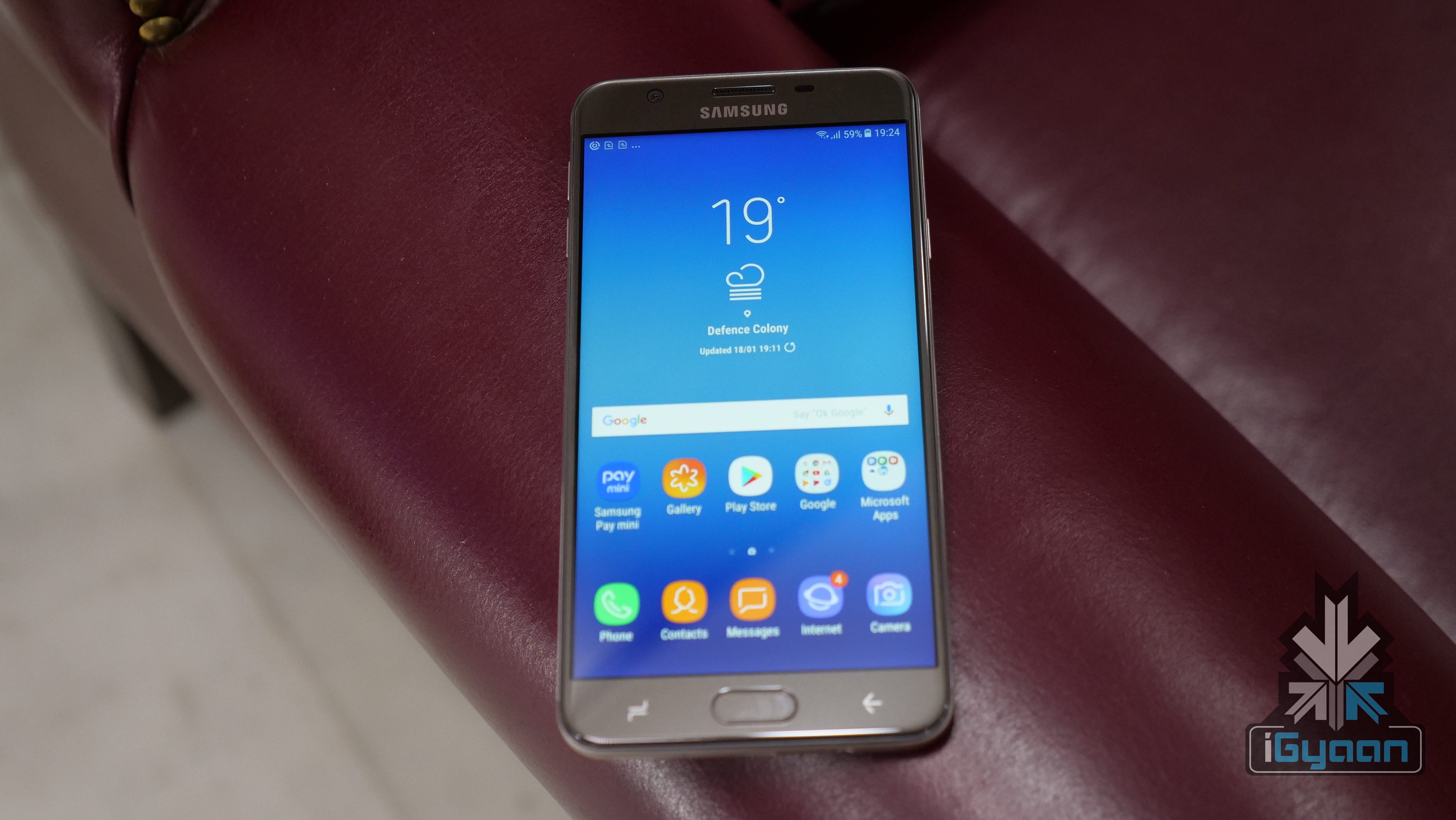
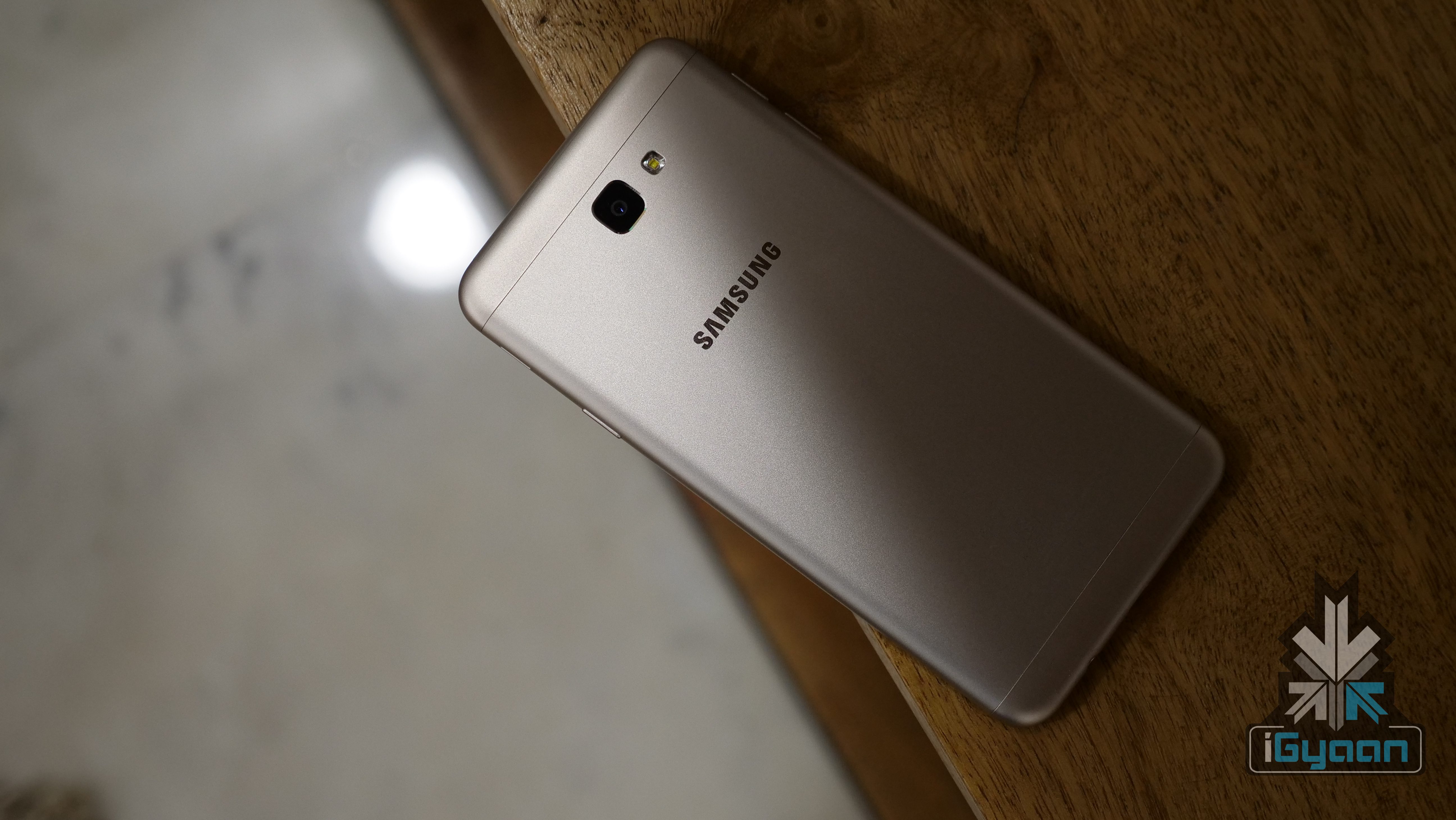
    The Samsung Galaxy On7 Prime has the standard 5.5 inch display with a metallic body. On the front is the standard physical home button which also houses the fingerprint sensor, along with two touch capacitive buttons for navigation. The device is not the sleekest to hold especially considering devices like the Honor 9 Lite or Honor 7X that possess a bigger screen in a similarly sized body.

    Specifications

    The Samsung Galaxy On7 Prime has a 5.5-inch display with a 1920 x 1080 px resolution.

    Under the hood, the Galaxy On7 Prime will have the Exynos 7870 chipset, a 1.6GHz processor, and Mali-T830 MP1 GPU. The smartphone will be available in two variants, one with 3GB RAM and 32GB of onboard storage and the other with 4GB RAM and 64GB of onboard storage which will be expandable up to 256GB via a microSD card.

    The Galaxy On7 Prime will be powered by a 3300 mAh battery. The physical home button on the front will house the fingerprint sensor as well.

    With the new Galaxy On7 Prime, Samsung has also introduced Samsung Mall. The company has tied up with Amazon, Jabong, Shopclues and Tata CLiQ to provide buying links to products that a user might be interested in, from within the Samsung user interface.

    The Galaxy On7 Prime will have a 13MP with an f/1.9 aperture on the front and back along with rear-facing LED flash.

    The smartphone will be sold exclusively via Amazon and will go on sale on the 20th of January during the Amazon Prime Sale. Interested users can register for the device by clicking here.
    Watch Our Unboxing Here:

  • Honor View10 Gets Face Unlock And Other AI Features With New Update

    Honor View10 Gets Face Unlock And Other AI Features With New Update

    Honor launched the Honor View10 globally on the 4th of December in London. It was subsequently announced that India will be one of the first few markets to get the device and at an impressive price of Rs. 29999, the Honor View10 went on sale from the 8th of January. The Honor View10 is the only smartphone in its price bracket that has such an emphasis on AI, something that is touted to be the future of smartphones.

    [amazon_link asins=’B077PWJQ57′ template=’ProductAd’ store=’igyaan-21′ marketplace=’IN’ link_id=’1250eed5-fcea-11e7-a20c-7507f01538b7′]

    Out of the box, the Honor View10 had facial recognition which had a few nifty implications such as notifications preview but, there was no Face Unlock. However, with the new update that Honor has started seeding for all the Honor View10 devices, the Face Unlock feature will now be active. This means that apart from the Apple iPhone X and the OnePlus 5T, the Honor View10 is also a smartphone with a proprietary facial recognition security system.
    To enable Face Unlock, a user needs to first enrol their face by accusing facial recognition feature in the settings menu. Unlike the iPhone X, a user doesn’t need to rotate their face as the phone figures out the positioning between the face and the phone and adjusts the direction accordingly.

    Apart from the impressive new Face Unlock feature, there are lots of new updates that revolve around the device’s AI capabilities. In the new update, there are features like AI motion detection in the front and rear camera, AI Zoom, Super-resolution imaging, and Smart Tips. Smart Tips features include knuckle gestures, smart assistance, wide aperture photos, and QR code scanning.

    In the front camera, there is a feature called Change Background. It does exactly what the name suggests, before clicking a picture, a user can select from a set of effects as the background. It is worth noting that this feature is only available in the front cameras for now.

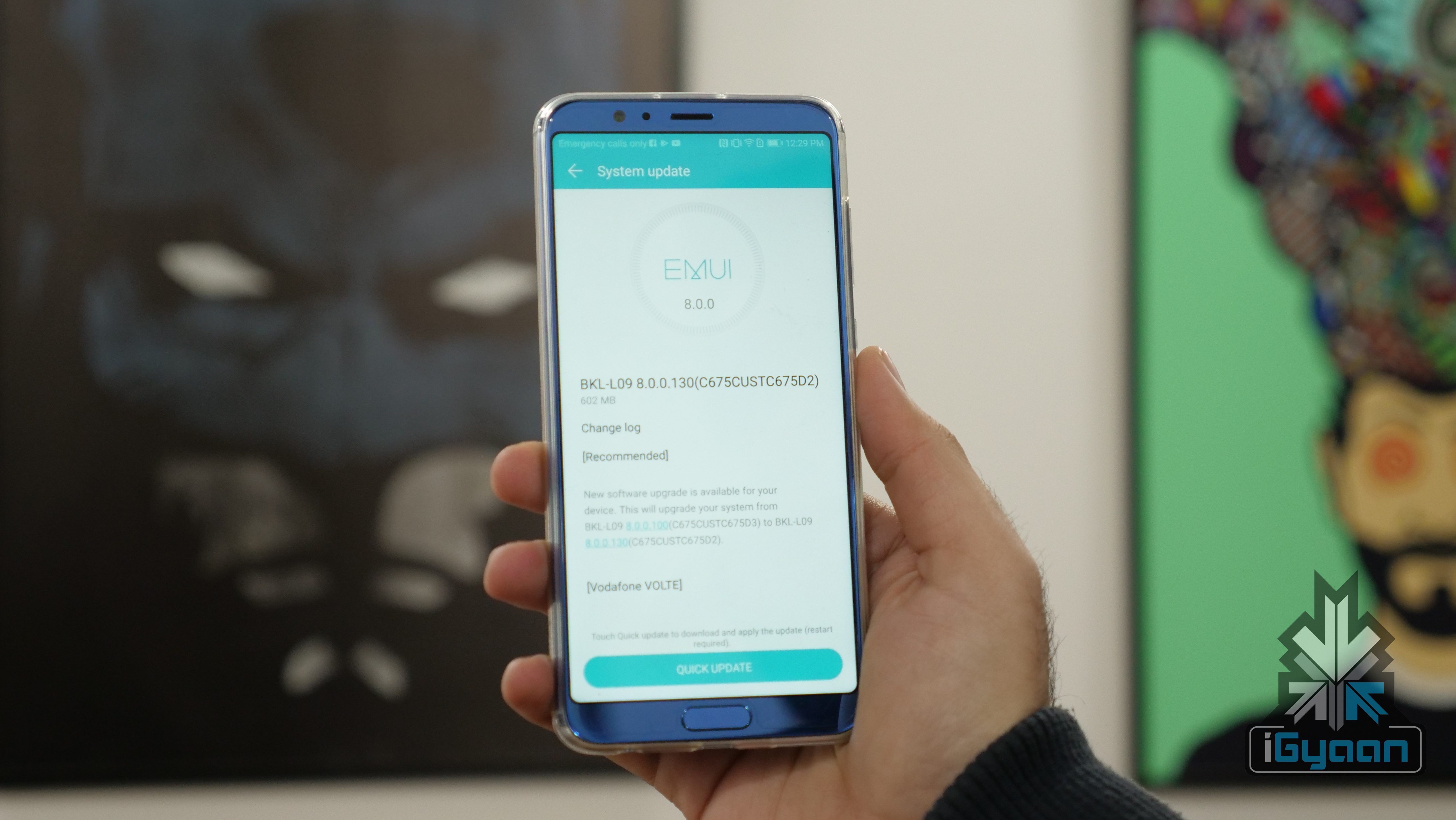
    The update has started seeding and is scheduled to reach all devices by the 24th of January. You can check for the update by going to Settings < System < System update.

  • Future Front Facing Cameras Could Be Placed Under The Display

    Future Front Facing Cameras Could Be Placed Under The Display

    2018 smartphones will have thinner bezels than the ones we saw in 2017. Smartphones in 2019 will have even thinner bezels and slowly but surely, smartphone makers will get rid of all the bezels and start making devices with “all screen no bezels” design. That begs the question, where will all the sensors and most importantly, the front facing or cameras go? Xiaomi tried a new position for the front-facing camera in the bottom bezel but, as we said, future smartphones could get rid of all the bezels.

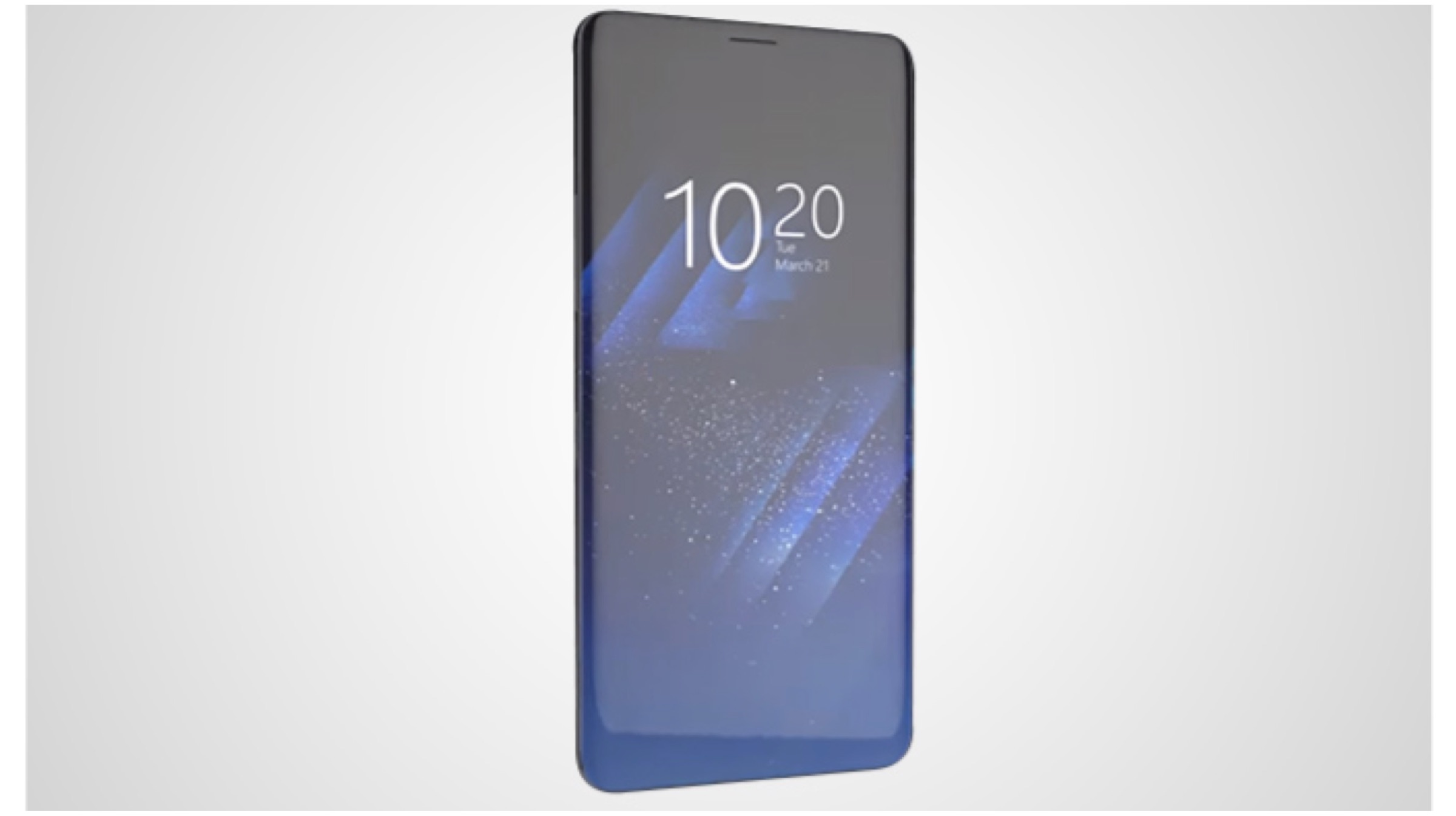
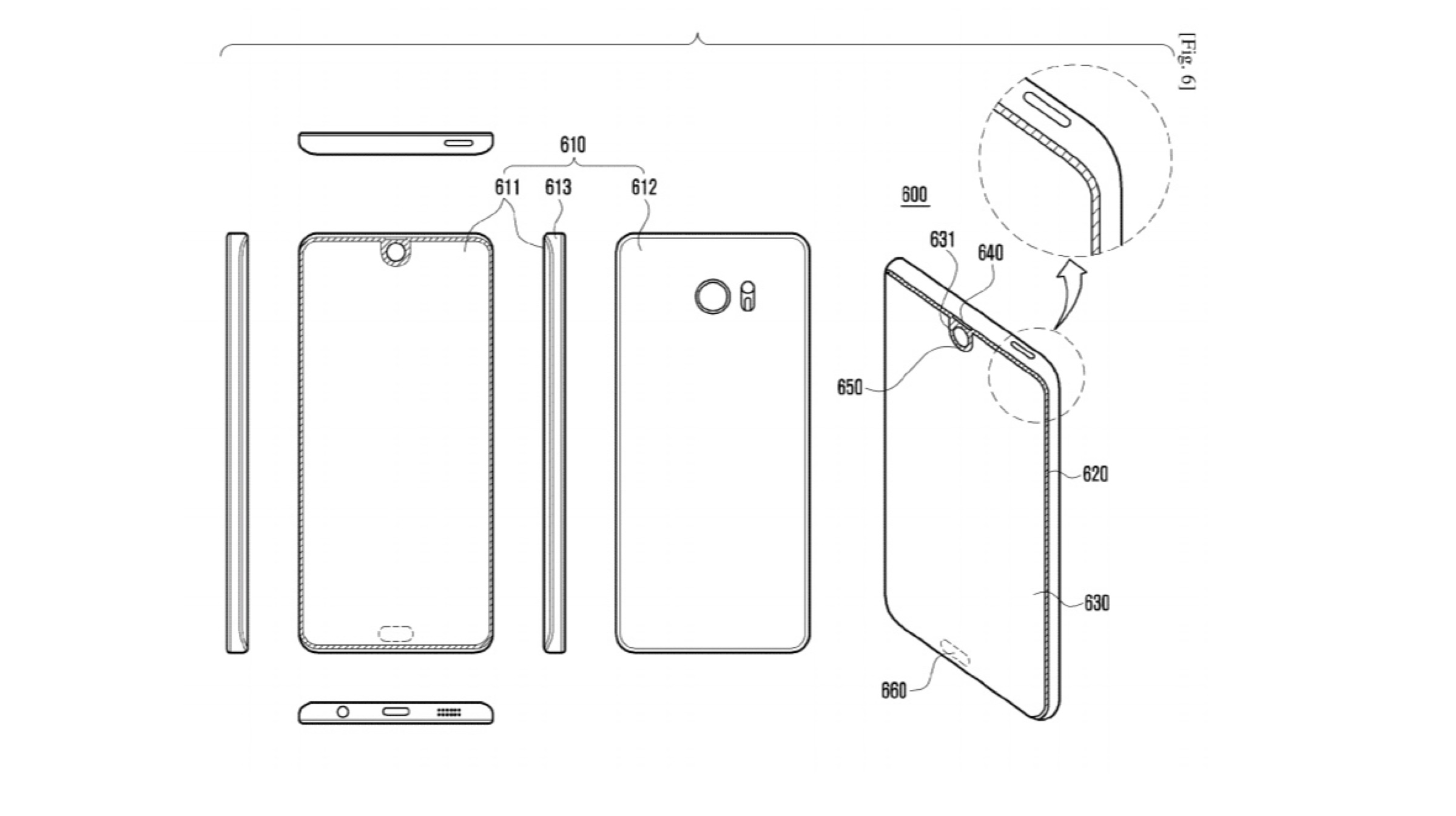
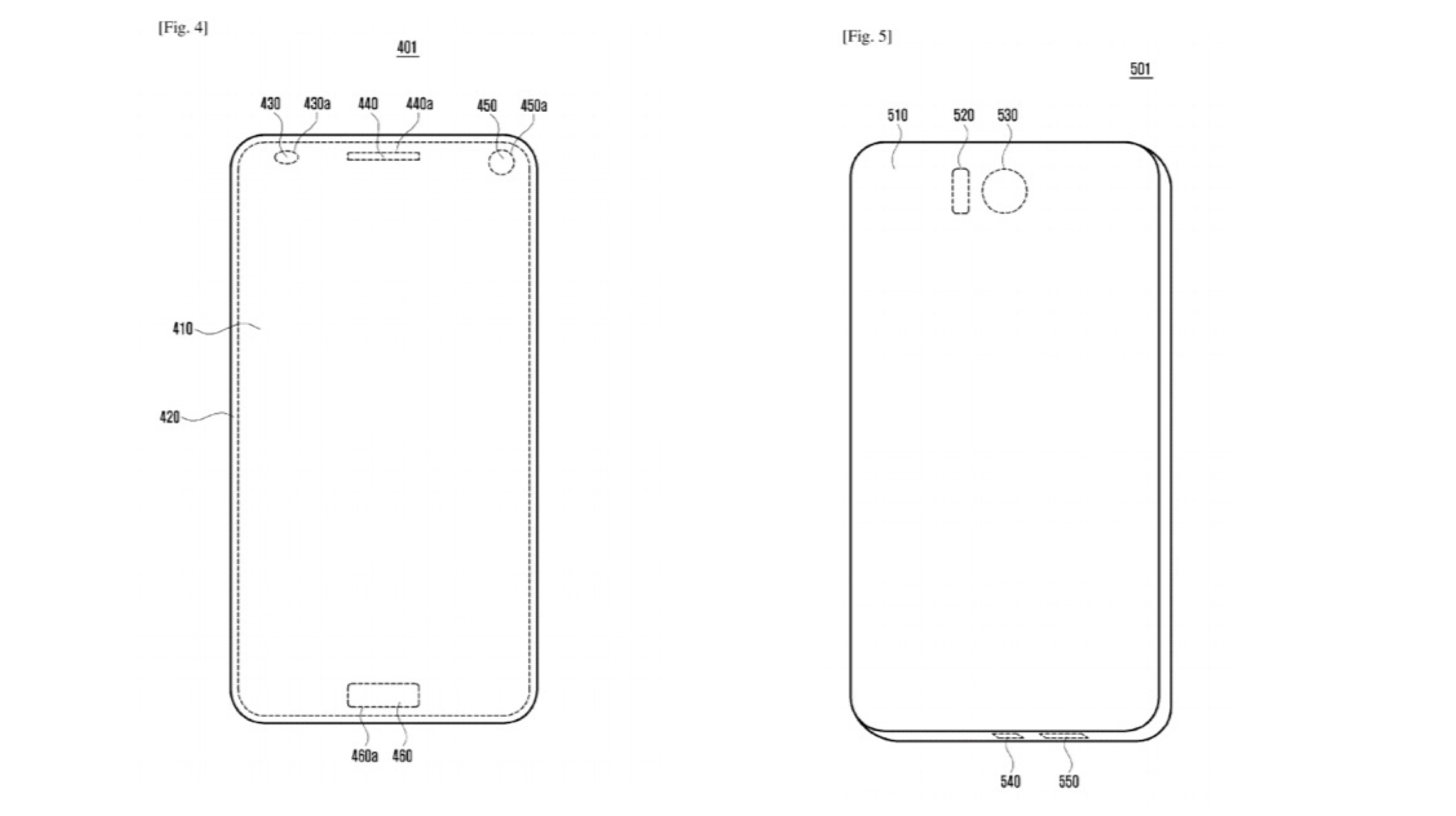
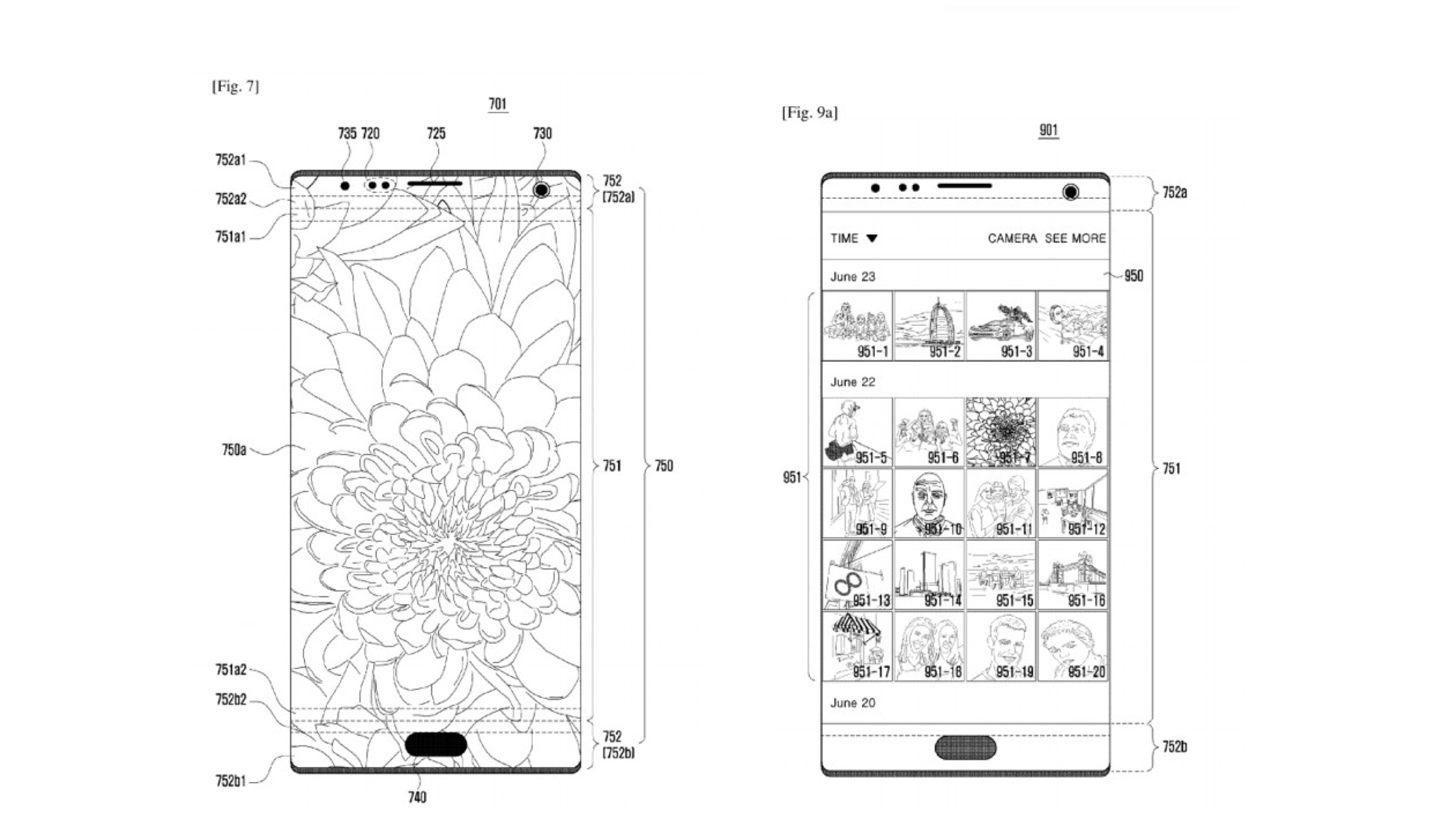
    A new Samsung patent has been unearthed, and it reveals a future where front facing camera or cameras will be placed under the display. This patent pushed everything under the display including the earpiece, the proximity and ambient light sensors. While this patent seems futuristic, the way the bezels are being trimmed down and some company’s decisions to place all the necessary hardware in a notch not coming off as an ideal solution, an in-display camera could very well be real in the near future.

    Unlike what Xiaomi did with the Mi Mix and Mi Mix 2, this patent shows a traditional placement along the top of the phone. However, if there is a camera that can see through a display, it can be placed anywhere on the display. This is, however, just in theory and whether companies will look to change the traditional placing of the front-facing camera is a question to which only time will answer.

    So far, even though it is just a patent, it has hurdles that nobody has decided to solve yet. No company has built a camera so far that can be, even in theory, placed under a display. An early patent, however, suggests using a transparent OLED. With a high refresh rate, the device could flick the screen on and off and allow the camera to have a look during the inactive periods.

    As good as this sounds, we are still away from the future of all screen no bezels display. With the in-display fingerprint sensor technology barely coming to the fore, it could be a while before even a prototype with this technology is demonstrated.

  • Nokia 9 And Nokia 1 Expected To Be Announced At MWC 2018

    Nokia 9 And Nokia 1 Expected To Be Announced At MWC 2018

    HMD Global is planning a grand outing for the upcoming Mobile World Congress scheduled to take place from 26th February. Recently, the company launched the Nokia 7 in China and there reports that the Nokia 9 and Nokia 1 will soon be launched as well.

    Juho Sarvikas, the Chief Product Officer at HMD Global took to Twitter to announced that the company is planning something “awesome” for MWC 2018.

    While he did not delve into details, it is possible that the company will launch its first flagship smartphone of 2018, the Nokia 9, and first-ever Android Go device, the Nokia 1. Since the company will announce the devices at MWC, it is expected that these smartphones are intended for the global market, unlike the Nokia 7, which is still a China exclusive as of now.

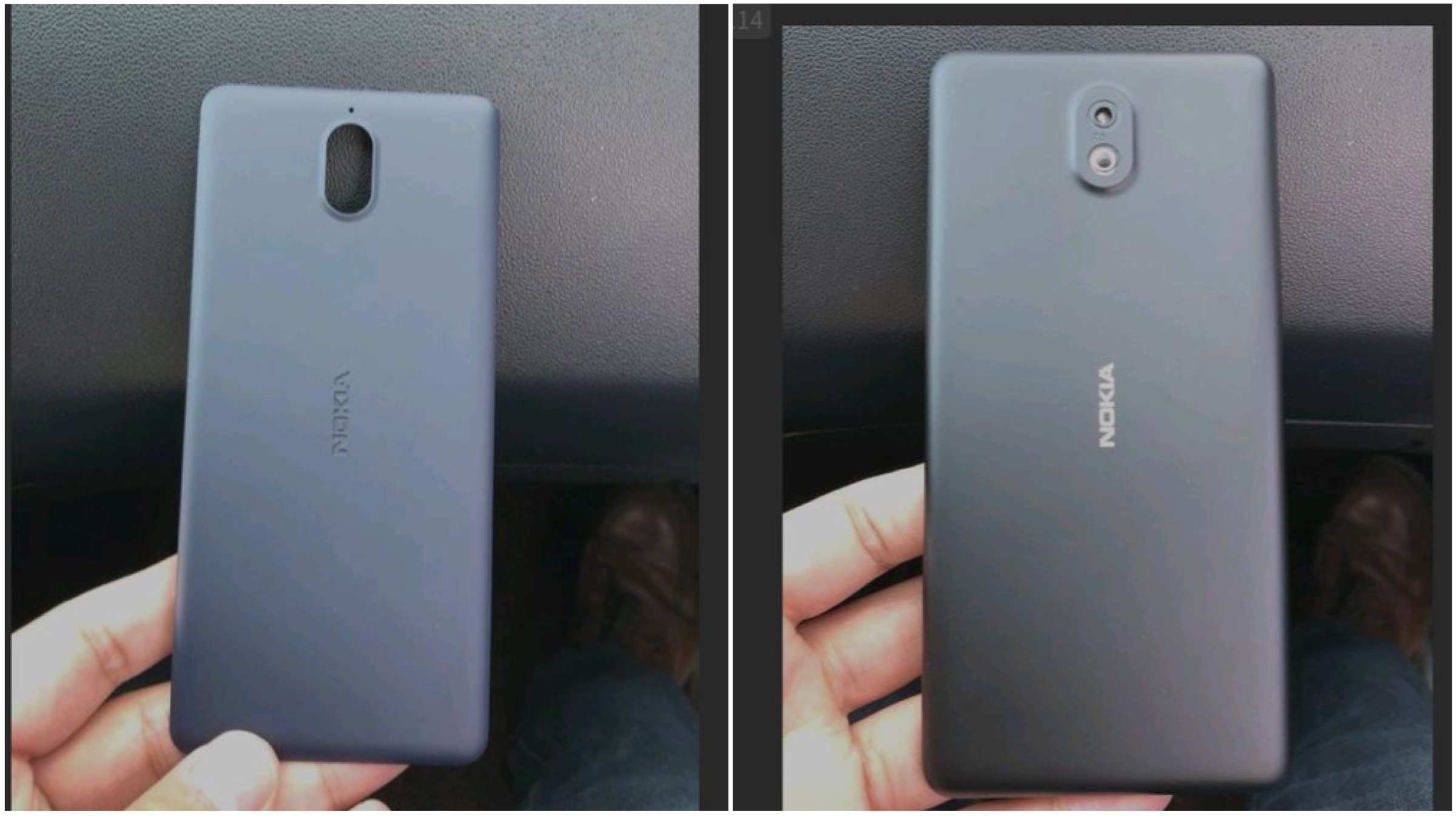
    While there isn’t much known about the Nokia 1, a recent leak revealed two possible designs of the smartphone. Since it is an Android Go device, expect it to have entry-level specifications like 1GB of RAM and 8GB of storage. The Nokia 2 was powered by the Snapdragon 212 chipset, and it’ll be interesting to see which chipset will be used inside the Nokia 1. Nokia has so far stuck to Snapdragon chipsets for its Android smartphones hence, a MediaTek chip unlikely.

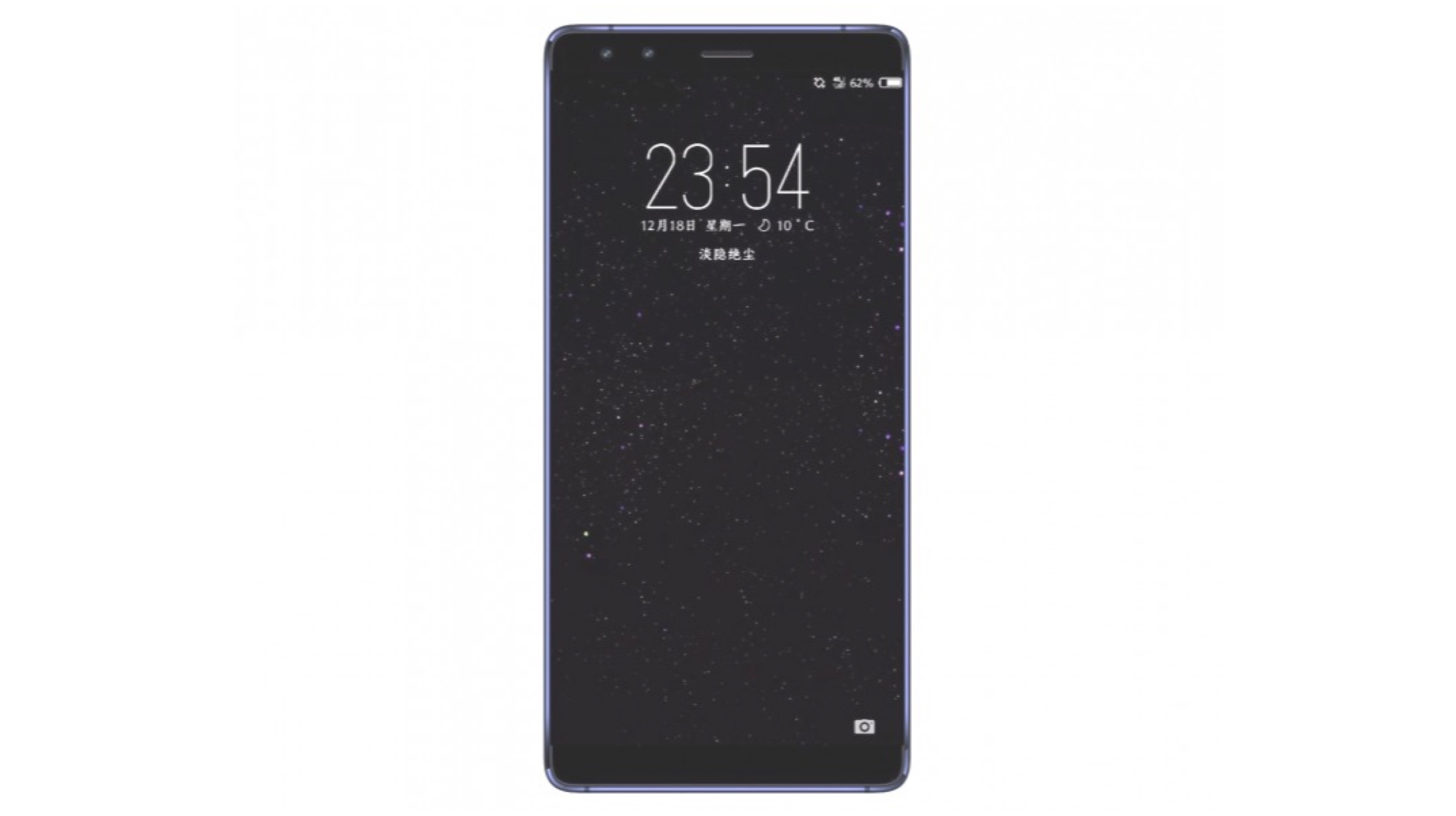
    There were renders of the Nokia 9 that were leaked in late-December and revealed a modern design with thin bezels. For all the bells and whistles in the Nokia 8, the smartphone did not look like a 2017 flagship smartphone especially with the likes of OnePlus 5T and Xiaomi Mi Mix 2 priced similarly in India.

    The Nokia 9, however, seems likely to have an 18:9 aspect ratio and minimal bezels around the display. While there are phones with a better screen-to-body ratio, the trimmed bezels will be a welcome change for all the Nokia loyalists waiting to upgrade to the Nokia 9.

    The other noticeable aspect of the phone here is the front-facing dual-camera setup. Front-facing dual cameras will be the next big industry trend and it has already started with the Samsung Galaxy A8+, Honor 9 Lite and even the HTC U11 EYEs.

    According to a recent FCC filing, the Nokia 9 will have a 5.5-inch OLED display.

    Under the hood, the Nokia 9 will have the Snapdragon 835 chipset and 128GB of UFS 2.1 storage.

    Powering the device will be a 3250 mAh battery with 18W fast charging. The device will run Android 8.0 Oreo out of the box with very little customisations.

    The listing reveals a 12 MP + 13 MP dual-camera setup at the back and a 5MP front-facing camera which could be the resolution of one of the front-facing cameras.

    The Nokia 9 could be the successor to the Nokia 8, however, the presence of the Snapdragon 835 chipset is a bit disappointing. Especially since Samsung, Sony and possibly Xiaomi are planning to launch flagship devices with the Snapdragon 845 chip inside.

  • Sony Sends Out Press Invites For MWC 2018, Could Launch The Xperia XZ Pro

    Sony Sends Out Press Invites For MWC 2018, Could Launch The Xperia XZ Pro

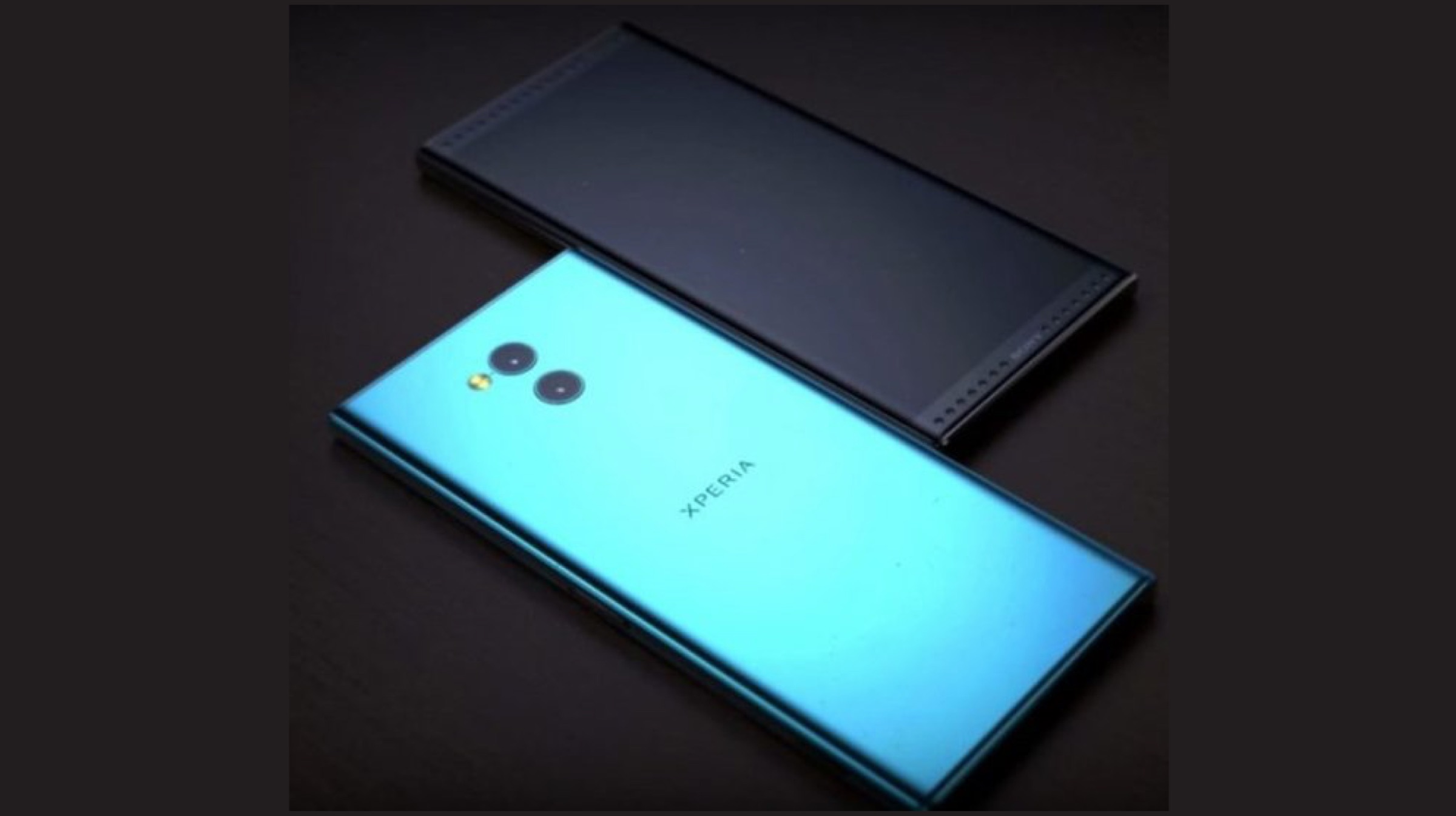
    Sony has maintained a similar design language for its flagship smartphones ever since the launch the Xperia Z. It recently launched the Xperia XZ1 which also followed a similar design language with thick bezels and rectangular block build. However, all of this might change with the upcoming Xperia XZ Pro, Sony’s first smartphone powered by the Snapdragon 845 chipset.

    Sony has started sending out press invites for MWC 2018, scheduled to take place from the 26th of February to 1st of March. This is an indication that the upcoming flagship smartphone from Sony could be launched at MWC. Recent leaks have revealed a lot of key specifications about the Xperia XZ Pro.

    It will have a 5.7 inch OLED display with 4K resolution, thin bezels and possibly, an 18:9 aspect ratio.

    Under the hood, the Sony Xperia XZ Pro will have the Snapdragon 845 chipset, 6GB of RAM and up to 128GB of onboard storage. The storage is expected to be expandable via a microSD card. The fingerprint sensor is expected to be housed inside the lock button on the side. Although, with the presence of an OLED display, Sony could go ahead and use a screen embedded fingerprint sensor.

    The device will be powered by a 3420 mAh battery which will support QuickCharge 4.0+.

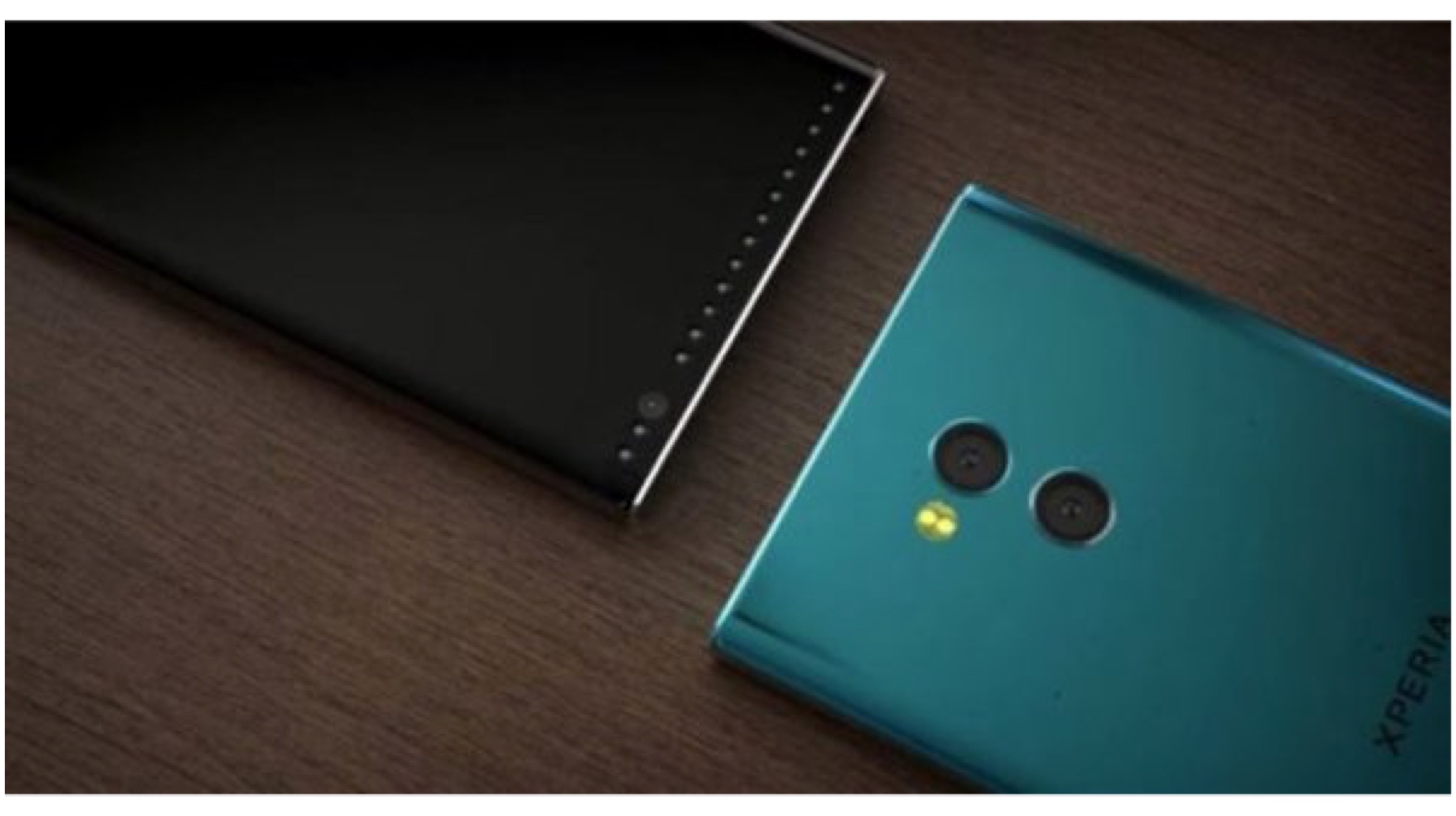
    The Xperia XZ Pro will have a dual rear camera setup, with one of the cameras having an 18 MP sensor with 1.33 microns pixel size and a 12 MP sensor with 1.38 microns pixel size. On the front will be a 13 MP camera.

    The Xperia XZ Pro could be the beginning of a new lineup of smartphones from Sony. So far, Sony has strayed away from experimenting with the design of its devices and with more companies adopting the bezel-less design with an 18:9 aspect ratio as the new normal, Sony might have to force the issue and launch more devices with the new design.

    The Xperia XZ Pro will also be one of the most few phones to be powered by the latest and greatest Snapdragon 845 chipset, the Samsung Galaxy S9, S9+ and potentially, the Xiaomi Mi 7 are the other three devices. Sony will also enter the realm of dual-camera phones, something that has gone from being an industry trend to a norm.

  • Xiaomi Mi Max 3 With Dual Cameras Leaked In Live Images

    Xiaomi Mi Max 3 With Dual Cameras Leaked In Live Images

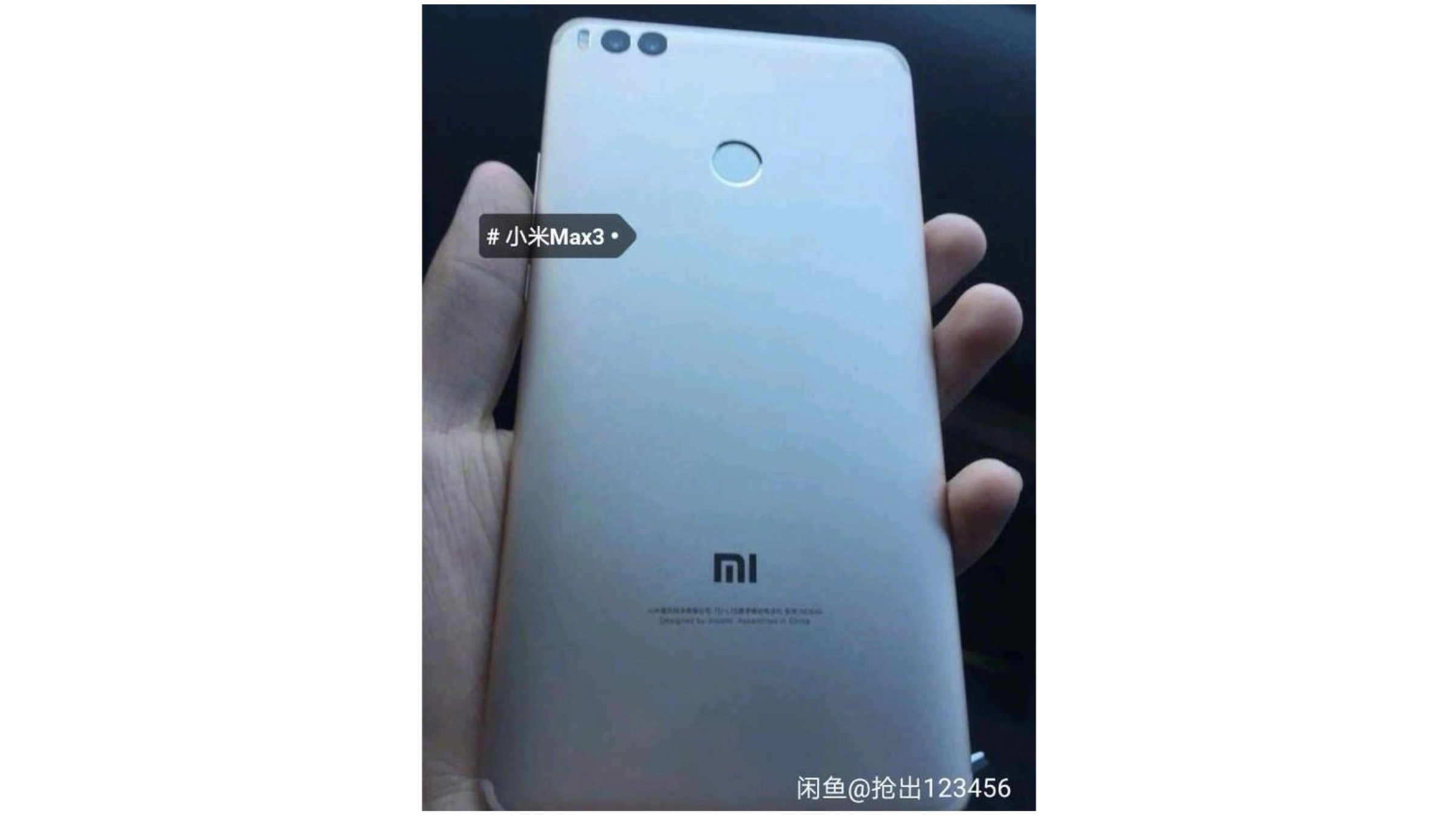
    Xiaomi is expected to launch the next iteration of its phablet series in mid-2018. The Xiaomi Mi Max and Mi Max 2 were great devices with a huge display and battery but, it looks like the upcoming Xiaomi Mi Max 3 will concentrate on more than just media consumption.

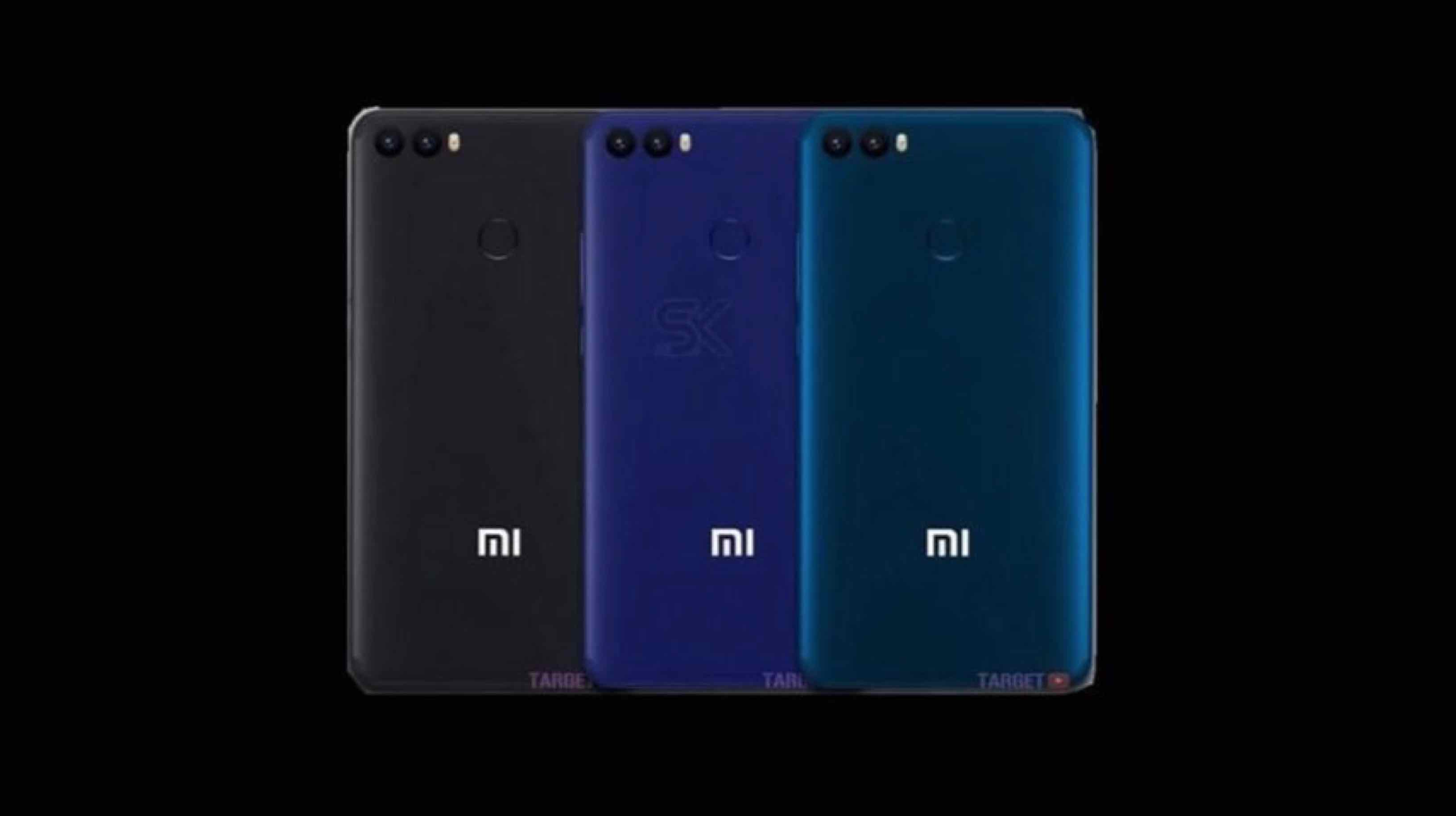
    In line with the previous leak, a new image has surfaced online which is believed to be of the Mi Max 3. While the image doesn’t reveal the front of the phone, the back of the device is clear as a day. It will have the same metal unibody build and a fingerprint sensor in the middle. However, that is not the interesting bit, as there appears to be a dual-camera setup on the back of the phone, a first for the ‘Mi Max’ series.

    The image is similar to the one that was leaked a few days ago with a similar placed fingerprint sensor and cameras. However, the LED flash, is now placed to the left of the cameras as opposed to the right side in the previous image.

    While the new leak doesn’t shed a lot of information on other aspects of the smartphone, we have a few key specifications of the device already, thanks to the previous leak.

    The Xiaomi Mi Max 3 will sport a 6.99-inch display with an 18:9 aspect ratio.

    Under the hood, according to the image, it will be powered by the Qualcomm Snapdragon 635 chipset, have 3GB or 4GB of RAM along with 64GB or 128GB of onboard storage.

    The smartphone will also be powered by a massive 5500 mAh battery. It will, in all probability, support some form quick charging, otherwise charging up a 5500 mAh battery on your primary device could be a pain.

    While the front of the smartphone is not visible, it is possible that the smartphone will have an 18:9 display with thin bezels. Although this will soon be a norm for even the mid-range devices, thin bezels on such a large display might be cumbersome especially due to accidental touches. Xiaomi’s implementation will have to spot on if it goes for a modern looking bezel-less design for the Mi Max 3.

  • Tim Cook Says Next iOS Update Will Allow Users To Disable Intentional iPhone Slowdowns

    Tim Cook Says Next iOS Update Will Allow Users To Disable Intentional iPhone Slowdowns

    Apple recently admitted to slowing down iPhones intentionally in order to prolong the battery life of older iPhones. While Apple sees no harm in this, there is a section of iPhone consumers who are against the step and would like the control on their devices back. Apple CEO Tim Cook has shared that the next update to iOS 11 will allow users to disable battery performance throttling on their device.

    In an interview, Tim Cook said the update will seed next month in a developer release before a wider public rollout:

    We’re going to give people the visibility of the health of their battery so it’s very, very transparent. This hasn’t been done before.

    He also says that the update will more clearly inform users when their iPhone is automatically reducing its performance in an effort to prevent unexpected shutdowns. To that, Cook says, “If you don’t want it, you can turn it off.” Although, he has conceded that this is not recommended and Apple stands by its decision to throttle the CPU performance.

    Ever since the news broke out, Apple has taken steps to curb the backlash. Apple conceded that it would cut the price of an out-of-warranty battery replacement from US $79 (Rs. 5000 approx.) to US$29 (Rs. 1850 approx.) for an iPhone 6 or later.

    For years, iPhone users claimed to notice a discernible system slowdown with some iOS updates. However, the issue came in the spotlight thanks to a widely circulated Reddit thread.

    Following that, Geekbench founder John Poole did some performance testing on various iPhones running different versions of iOS. Poole found that Apple does, in fact, limit performance on older iPhone models with lower-capacity batteries in the interest of battery life and preventing unexpected shutdowns.

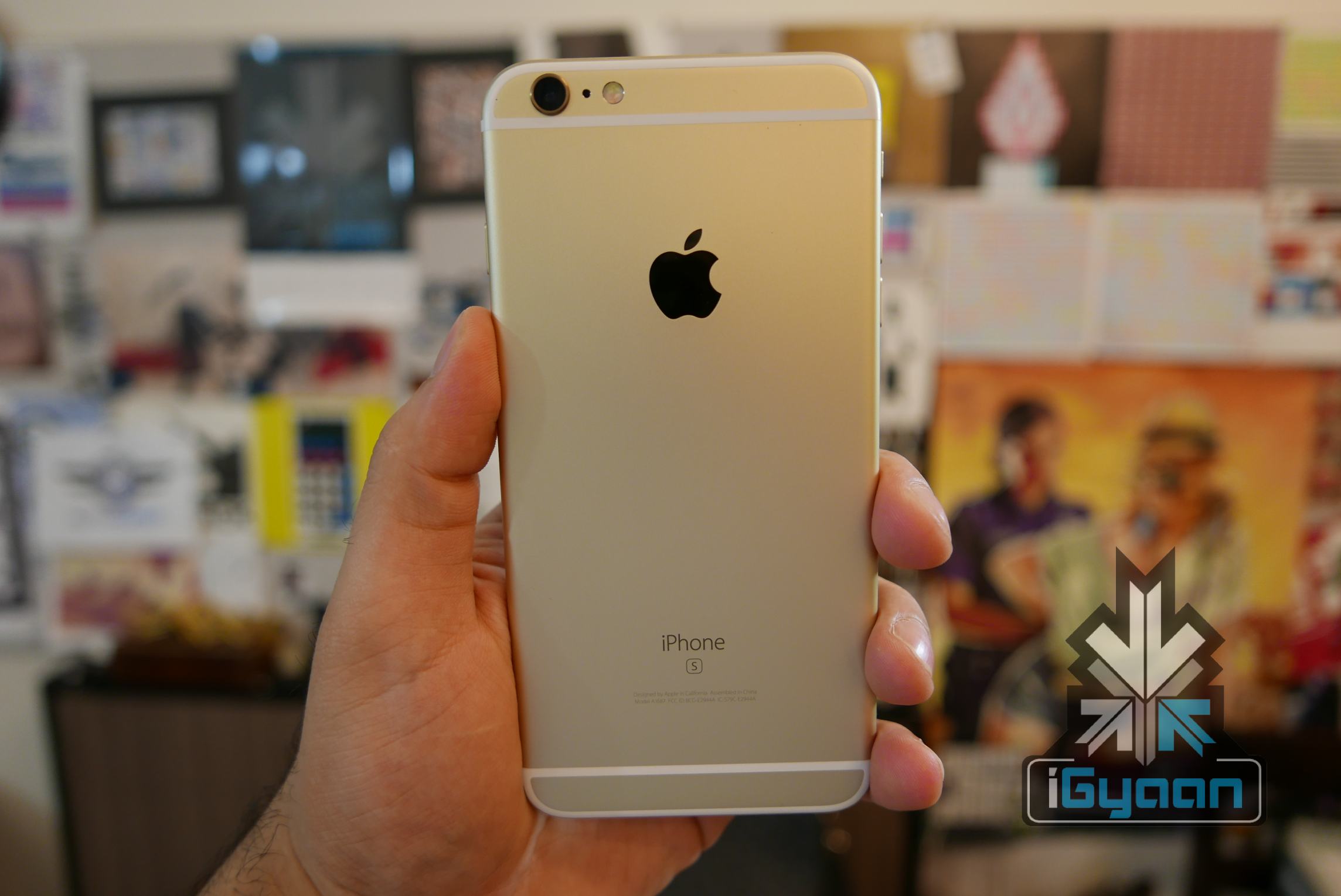
    iPhone 6s

    As Cook suggests, Apple is adamant that this feature is for the betterment of old iPhones. In its apology letter, the company stated:

    This feature’s only intent is to prevent unexpected shutdowns so that the iPhone can still be used. Only if these variables require it, iOS will dynamically manage the maximum performance of some system components, such as the CPU and GPU in order to prevent unexpected shutdowns.

    Apple currently faces multiple class action lawsuits after admitting to intentionally slowing down iPhones. One such lawsuit is filed by Stefan Bogdanovich and Dakota Speas and claims that Apple’s deliberate effort to throttle CPU performance on the iPhone amounts to “breach of contract.” It also notes that Apple’s behaviour lowers the resale value of existing iPhones and underhandedly coerces iPhone owners to upgrade to newer models.

    The next iOS 11 developer beta is expected in early February, which means a public release will follow sometime in March.

  • Xiaomi Mi 7 Could Be Announced At MWC

    Xiaomi Mi 7 Could Be Announced At MWC

    The Mobile World Congress is scheduled to take place from the 26th of February to March 1st. Two of the most anticipated smartphones of 2018, the Samsung Galaxy S9 and Galaxy S9+ are confirmed to be launching at MWC while Sony is expected to launch the Xperia XZ Pro as well. It looks like Xiaomi will also take to stage and launch its upcoming flagship device.

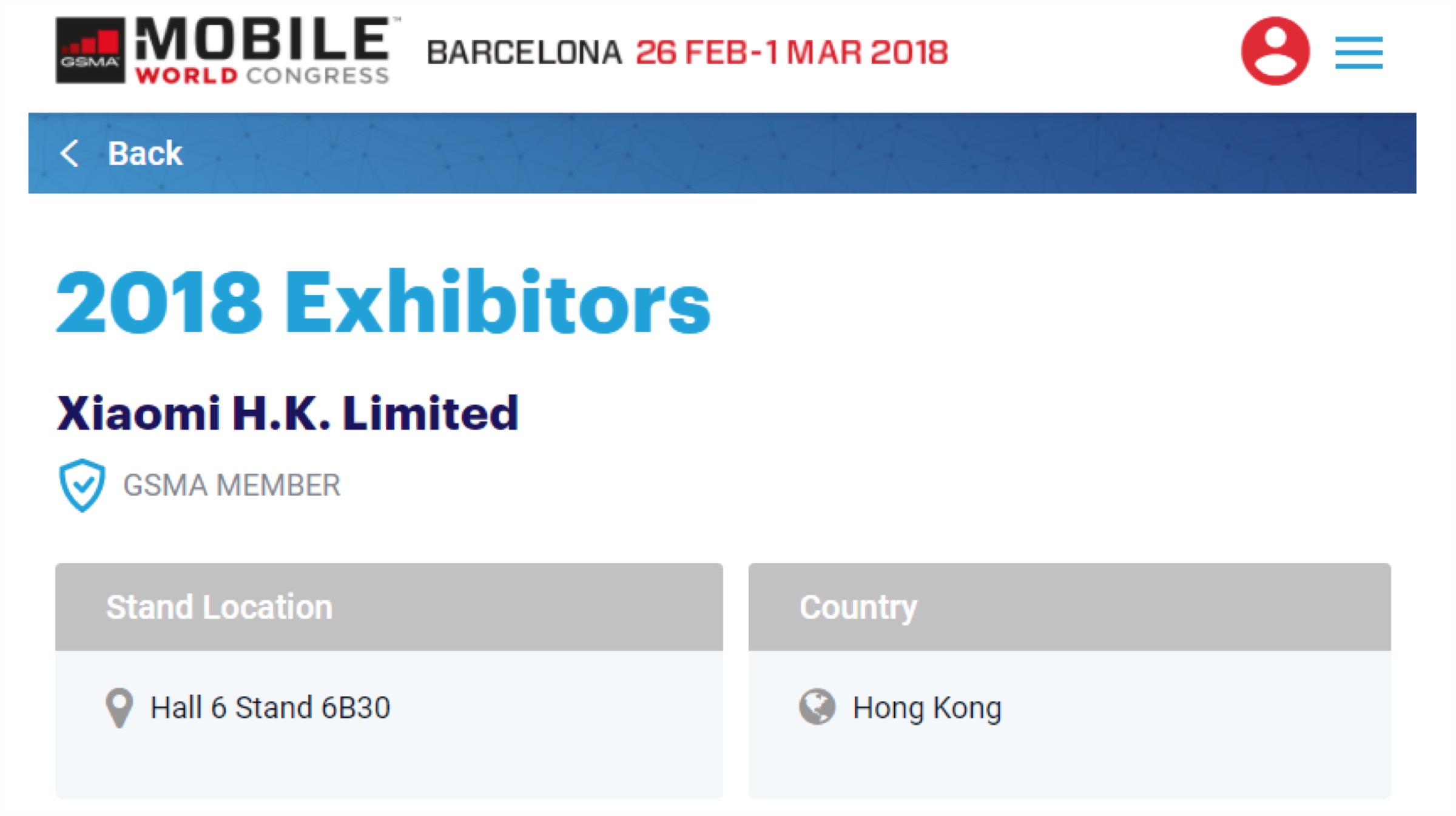
    This screenshot from the MWC official website of Mobile World Congress confirms that Xiaomi will be attending the event as one of the exhibitors. This could mean that the company will announce its next device, which in all likelihood, will be the Xiaomi Mi 7. Lei Jun, founder of Xiaomi had previously confirmed that the Mi 7 would be unveiled during the Chinese spring season which indicates a timeline between the end of February and early March.

    When Qualcomm announced the Snapdragon 845, the flagship chipset for 2918 smartphones, Xiaomi conceded that its upcoming flagship smartphone will be powered by the same chip. This was an indication towards the Xiaomi Mi 7 and if true, we could potentially witness three smartphone launches, all powered by the latest Snapdragon 845 chipset.

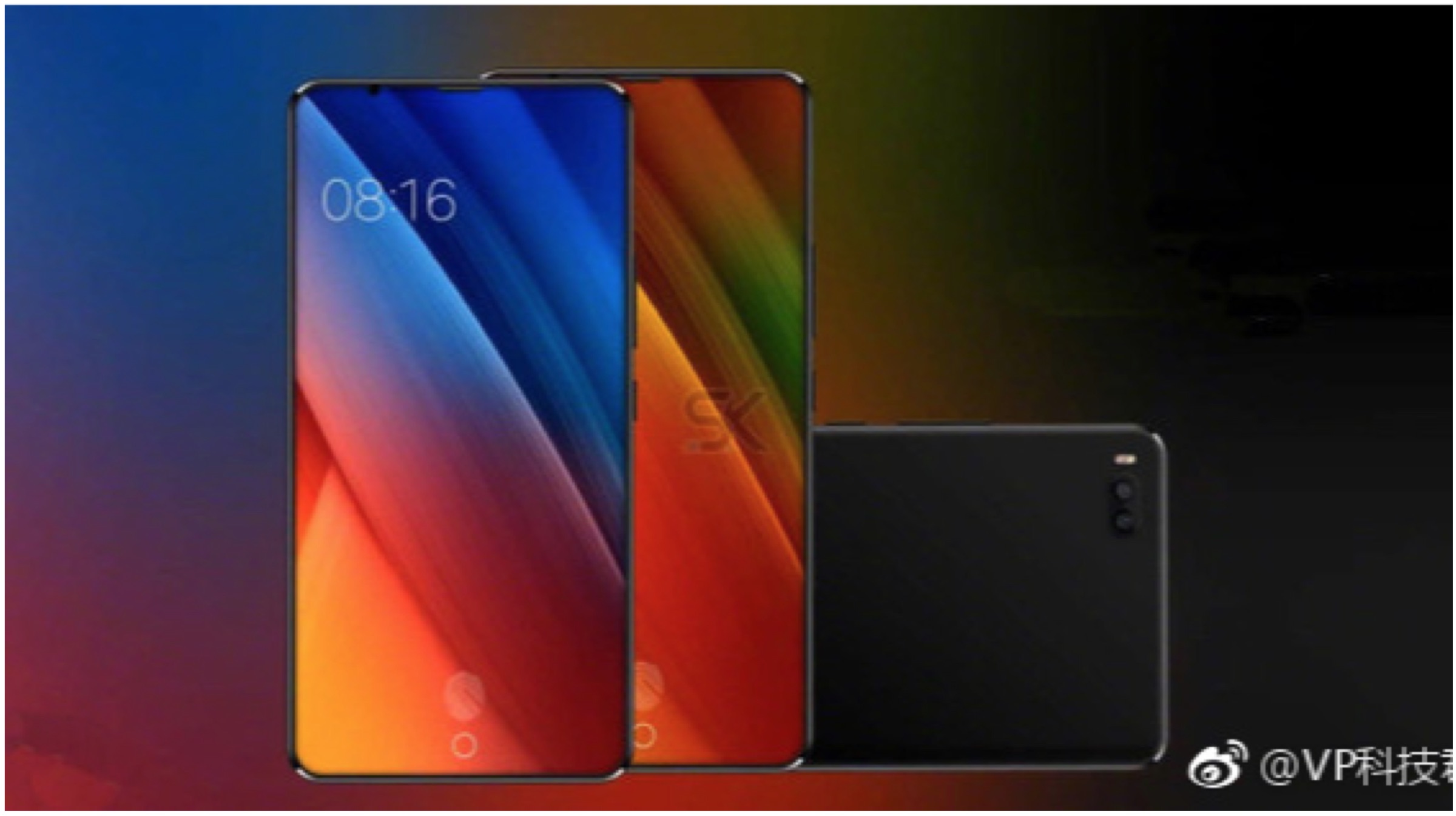
    Recent reports regarding the design of the Xiaomi Mi 7 hinted at an important change in the design of Xiaomi flagship phones. The leaked images revealed a stellar design with nearly zero bezels around the display. While some speculated that Xiaomi will implement a screen embedded fingerprint sensor in its next flagship, the other report claimed that it will have a Face ID-like facial recognition technology.

    Lei Jun recently said that the company is focussing on AI a lot. This could mean that a facial recognition technology might be coming to its next flagship, the Mi 7. Xiaomi smartphones are known to be affordable yet, have great features and design. Only time will tell whether the Mi 7 will ever make its way to India and what its price would be.

  • MIUI 9 Is Coming To These 40 Xiaomi Smartphones

    MIUI 9 Is Coming To These 40 Xiaomi Smartphones

    Xiaomi has announced 40 of its smartphones, some dating back to 2012, will receive MIUI 9 update soon. MIUI 9 was officially launched in India back in November along with the Redmi Y1 and Redmi Y1 Lite.

    The list of the smartphones that can be upgraded to MIUI 9 are Xiaomi Mi Mix 2, Mi Note 3, Mi 6, Mi Max 2, Mi 5X, Mi Mix, Mi Note 2, Redmi 5, Redmi 5 Plus, Redmi Note 4X, Redmi Note 5A, Redmi 5A, Mi 5, Mi 4, Mi 3, Mi 2, Mi 5C, Mi 5s, Mi 5s Plus, Mi Max, Mi 4s, Mi 4C, Mi Note, Redmi 4X, Redmi 3S, Redmi 3X, Redmi 4A, Redmi 4 high version, Redmi Note 2, Redmi Note 3, Redmi Note 4, Redmi Pro, Mi 2S, Redmi 2, Redmi 2A, Redmi 1S, Redmi Note, Mi Pad 3, Mi Pad 2 and Mi Pad.

    One of the most noticeable aspects of this announcement is that some smartphones in the list were launched more than six years ago. In a world where new smartphones are launched with old software and two-year-old devices lose support from their OEMs, this move by Xiaomi is commendable.

    As far as MIUI 9 is concerned, here are a few key features of the new version of MIUI.

    Faster App Launching Speed

    One of the main criticisms of MIUI has been its sluggish nature and the slow speed of general usage even in the flagship devices. Keeping that in mind, Xiaomi has promised much faster app launching speeds and navigation between multiple apps will be snappier as well. Performance enhancements are always welcome and this looks to be a step in the right direction for the Chinese giant.

    Split-screen

    The split-screen feature was one of the major upgrades in Android Nougat and a plethora of phones from mid-rangers to flagships have embraced this handy little feature. Xiaomi, on the other hand, has launched it just now with MIUI 9 and it’s a welcome update.

    Under The Hood Updates

    Xiaomi has also introduced MIUI 9 with a few features that run in the background for example application prioritisation. This basically means that apps in the foreground will use up more power, but that has been on Android for a while. It also has better cache management, a new file system and a bunch of other tweaks to make the user experience crisper and snappier.

    There is no timeline defined by the company regarding the seeding of the update. For 40 devices, the seeding might be a slow process but, owners of smartphones like the Redmi 1S will not mind it.
  • Moto G6 Plus Leaked In Live Images

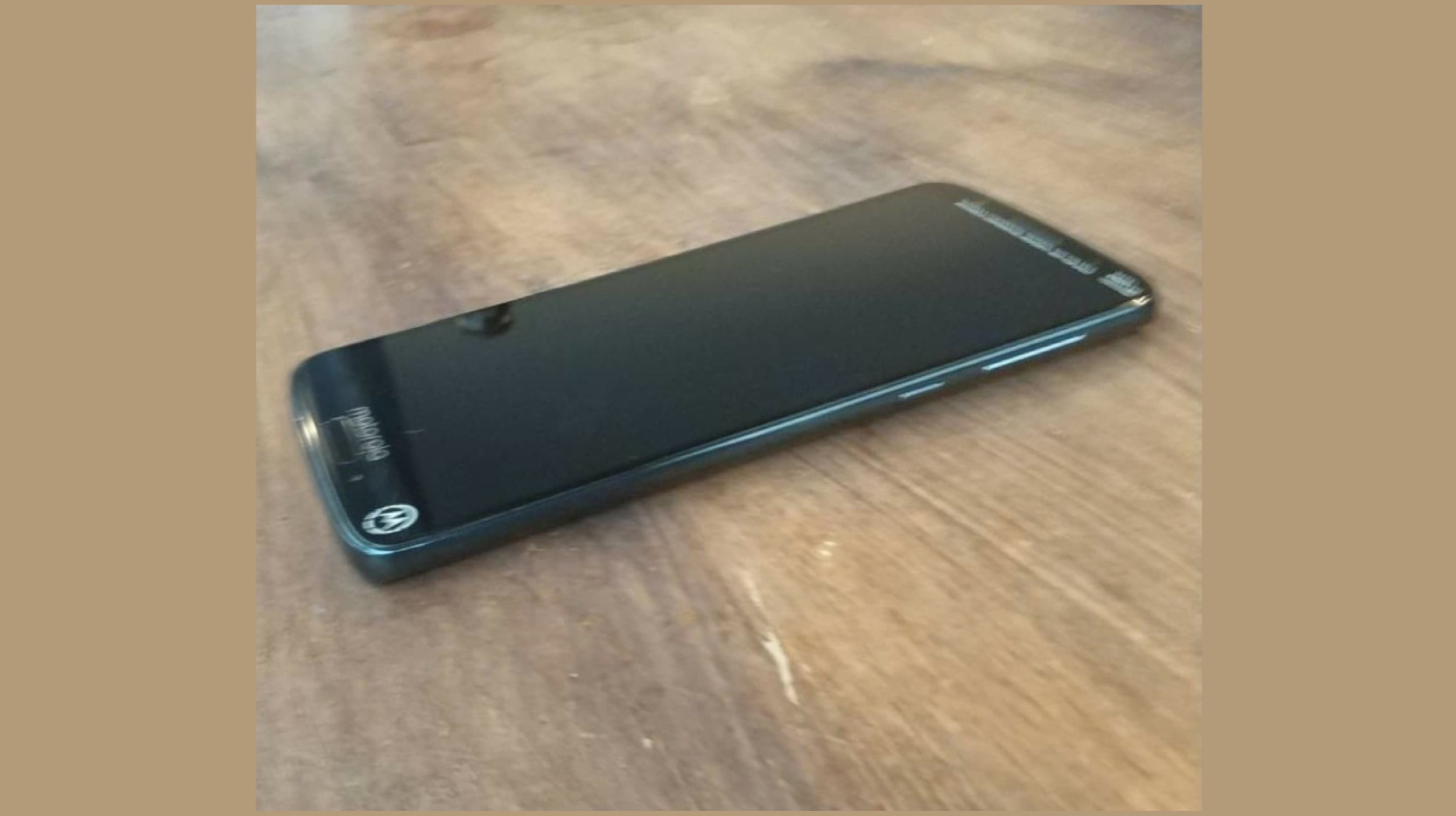
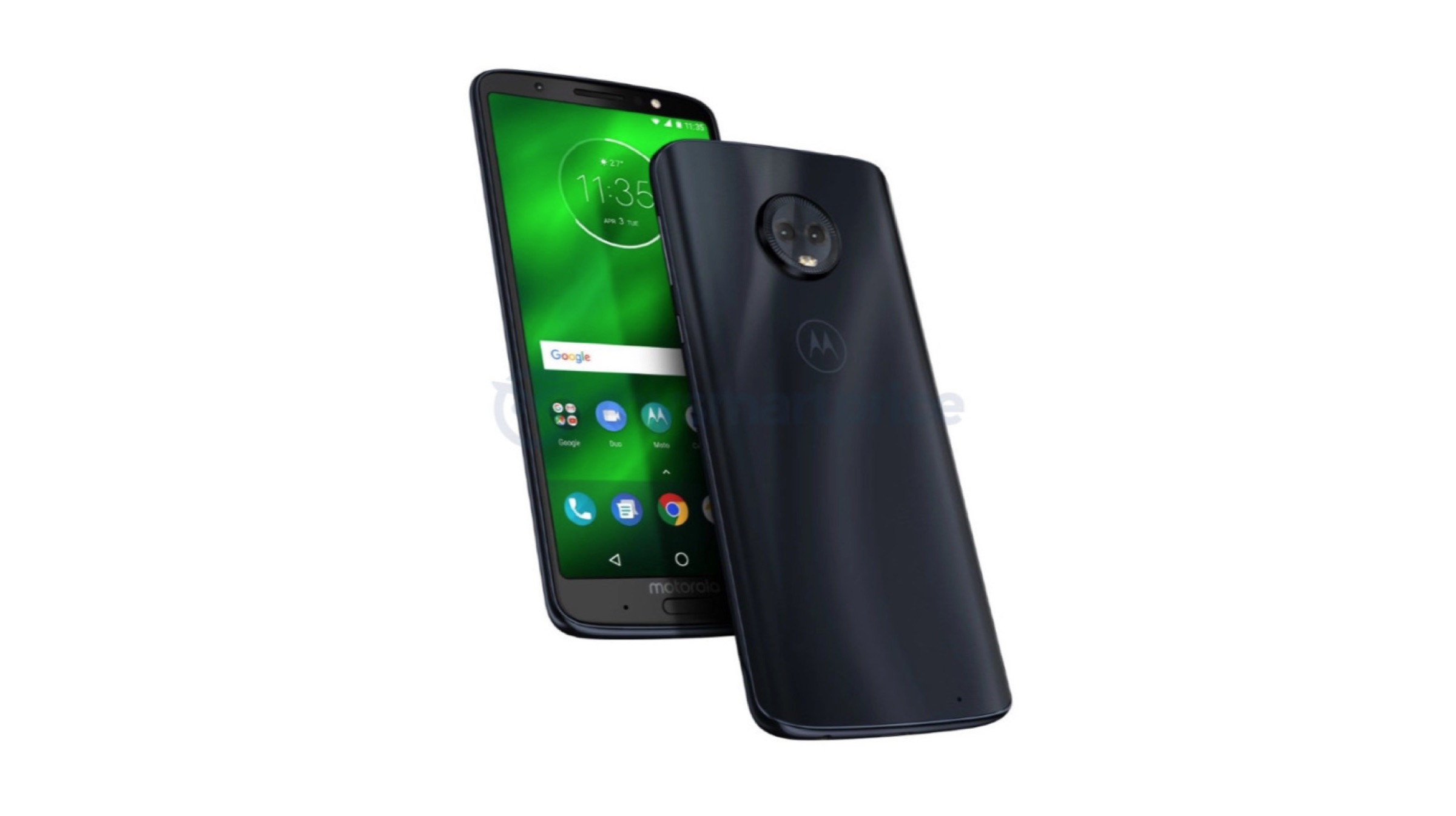
    On the 17th of January, a major leak revealed important details about the upcoming Moto G6 lineup of 2018. While the renders were impressive, there were a few mistakes that made them a little too good to be true. However, new images posted on Reddit reveal a design very similar to the ones we saw in the previous leak.

    The images leaked on Reddit reveal the new “Motorola” branding and the thinner bezels around the display. While the images are hazy and taken from a weird angle, the design of the smartphone is quite identical to what we saw in the previous.

    Subsequently, more high-quality renders were posted online after the original leak and while we are barely midway through January, these images look closer to the reality than anything else.

    According to the leaks, the Moto G6 Plus will have a 5.93 inch display with a 2160 x 1080 px resolution.

    Under the hood, the device will have the Qualcomm Snapdragon 630 chipset as opposed to the Snapdragon 625 found on the Moto G5s Plus. The smartphone will come in three variants this time around, 3GB RAM/32GB storage, 4GB RAM/64GB storage and 6GB RAM/64GB storage. The 6GB RAM variant will be interesting at this price point as so far, smartphones above Rs. 25000 have featured so much of RAM till now. The fingerprint sensor is placed on the front of the device, just below the display which will double up as a navigation button as well.

    The Moto G6 Plus will be powered by a 3200 mAh battery and run Android 8.0 Oreo out of the box.

    The Moto G6 Plus will have a 12MP sensor coupled with a 5MP sensor with a pixel size of 1.4 microns on the back. To the front will be a 16MP camera, similar to the Moto G6.

    While the launch of the Moto G6 and G6 Plus is a couple of months away, similar leaks from different sources mean that we could potentially be looking at the what the new mid-range devices from Motorola will look like. There are going to be many more leaks in the coming weeks and we will keep you up-to-date with everything.

  • Sony Xperia XZ Pro Specifications Leaked

    Sony Xperia XZ Pro Specifications Leaked

    At the recently concluded Consumer Electronics Show, Sony unveiled three budget-oriented smartphones. A few days ago, all the three devices went up for pre-orders in the US and UK. It appears that Sony is now gearing up to launch a flagship smartphone with a primary dual-camera setup. If the leaks are true, this will be the first ever Sony device with two cameras on the back.

    According to a recent leak, the upcoming flagship smartphone from Sony will be called the Xperia XZ Pro. It will have a 5.7 inch OLED display with 4K resolution, thin bezels and possibly, an 18:9 aspect ratio.

    Under the hood, the Sony Xperia XZ Pro will have the Snapdragon 845 chipset, 6GB of RAM and up to 128GB of onboard storage. The storage is expected to be expandable via a microSD card. The fingerprint sensor is expected to be housed inside the lock button on the side. Although, with the presence of an OLED display, Sony could go ahead and use a screen embedded fingerprint sensor.

    The device will be powered by a 3420 mAh battery which will support QuickCharge 4.0+.

    The Xperia XZ Pro will have a dual rear camera setup, with one of the cameras having an 18 MP sensor with 1.33?m pixel size and a 12 MP sensor with 1.38?m pixels. On the front will be a 13 MP camera.

    It’s expected to launch in China for over CNY 6,000 which roughly translates to about Rs. 59000 in India. At the price, it would directly compete with the Samsung Galaxy S9 and S9+ which are also scheduled to be unveiled at MWC.

iGyaan Network
Privacy Overview

This website uses cookies so that we can provide you with the best user experience possible. Cookie information is stored in your browser and performs functions such as recognising you when you return to our website and helping our team to understand which sections of the website you find most interesting and useful.